Skip to content

High-quality research proteins.

  • 1-800-805-6531

  • Mon - Sat 8.00-18.00, Sun - Closed

  • info@prospecbio.com

  • PO Box 6591 East Brunswick NJ 08816

  • Products
    • Cytokines
    • Growth factors
    • Chemokines
    • Cd antigens
    • Neurotrophins
    • Hormones
    • Enzymes
    • Viral antigens
    • Recombinant proteins
    • Natural proteins
    • Monoclonal antibodies
    • Polyclonal antibodies
    • Thermal Packaging
  • About
    • Company
    • Founder
    • Contribution
  • Customers
    • Eastern Asia
    • Eastern Europe
    • North America
    • South America
    • South East Asia
    • Southern Asia
    • Western Europe
  • Ordering
    • Ordering Method
    • Ordering - Credit Card
    • Ordering - PO
    • Shipping Fees
    • FAQs
  • Services
    • DNA Cloning
    • Protein Expression
    • Monoclonal Antibody
    • Fermentation
    • Technology License
  • Contact us
Log in

Country/region

  • USD $ | Albania
  • USD $ | Andorra
  • USD $ | Argentina
  • USD $ | Armenia
  • USD $ | Australia
  • USD $ | Austria
  • USD $ | Azerbaijan
  • USD $ | Belarus
  • USD $ | Belgium
  • USD $ | Bolivia
  • USD $ | Brazil
  • USD $ | Bulgaria
  • USD $ | Cambodia
  • USD $ | Canada
  • USD $ | Chile
  • USD $ | China
  • USD $ | Colombia
  • USD $ | Costa Rica
  • USD $ | Croatia
  • USD $ | Cyprus
  • USD $ | Czechia
  • USD $ | Denmark
  • USD $ | Estonia
  • USD $ | Finland
  • USD $ | France
  • USD $ | Georgia
  • USD $ | Germany
  • USD $ | Greece
  • USD $ | Hong Kong SAR
  • USD $ | Hungary
  • USD $ | Iceland
  • USD $ | India
  • USD $ | Ireland
  • USD $ | Israel
  • USD $ | Italy
  • USD $ | Japan
  • USD $ | Kazakhstan
  • USD $ | Latvia
  • USD $ | Liechtenstein
  • USD $ | Lithuania
  • USD $ | Madagascar
  • USD $ | Malta
  • USD $ | Mexico
  • USD $ | Moldova
  • USD $ | Monaco
  • USD $ | Netherlands
  • USD $ | New Zealand
  • USD $ | North Macedonia
  • USD $ | Norway
  • USD $ | Panama
  • USD $ | Paraguay
  • USD $ | Peru
  • USD $ | Philippines
  • USD $ | Poland
  • USD $ | Portugal
  • USD $ | Romania
  • USD $ | Singapore
  • USD $ | Slovakia
  • USD $ | Slovenia
  • USD $ | South Africa
  • USD $ | South Korea
  • USD $ | Spain
  • USD $ | Sri Lanka
  • USD $ | Sweden
  • USD $ | Switzerland
  • USD $ | Taiwan
  • USD $ | Thailand
  • USD $ | Türkiye
  • USD $ | Ukraine
  • USD $ | United Kingdom
  • USD $ | United States
  • USD $ | Uruguay
  • USD $ | Vatican City
  • USD $ | Venezuela
  • USD $ | Vietnam
  • Facebook
  • Instagram
logoProSpec - Recombinant Protein Manufacturer for academic and R&D industry
Become a distributor
Account Log in
Wishlist
Cart Cart(0)
  • Products
    +
    • Cytokines
    • Growth factors
    • Chemokines
    • Cd antigens
    • Neurotrophins
    • Hormones
    • Enzymes
    • Viral antigens
    • Recombinant proteins
    • Natural proteins
    • Monoclonal antibodies
    • Polyclonal antibodies
    • Thermal Packaging
  • About
    +
    • Company
    • Founder
    • Contribution
  • Customers
    +
    • Eastern Asia
    • Eastern Europe
    • North America
    • South America
    • South East Asia
    • Southern Asia
    • Western Europe
  • Ordering
    +
    • Ordering Method
    • Ordering - Credit Card
    • Ordering - PO
    • Shipping Fees
    • FAQs
  • Services
    +
    • DNA Cloning
    • Protein Expression
    • Monoclonal Antibody
    • Fermentation
    • Technology License
  • Contact us

Item added to your cart

View cart
View All
  • Cytokines
  • Growth factors
  • Chemokines
  • Cd antigens
  • Neurotrophins
  • Hormones
  • Enzymes
  • Viral antigens
  • Recombinant proteins
  • Natural proteins
  • Monoclonal antibodies
  • Polyclonal antibodies
  • Thermal Packaging
  • Tumor Necrosis Factor

    Tumor Necrosis Factor

    View All
  • 4-1BB

    4-1BB

    View All
  • Adiponectin

    Adiponectin

    View All
  • AIF1

    AIF1

    View All
  • Other Cytokines

    Other Cytokines

    View All
  • AITRL

    AITRL

    View All
  • Angiopoietin

    Angiopoietin

    View All
  • Apolipoprotein

    Apolipoprotein

    View All
  • B-Cell Activating Factor

    B-Cell Activating Factor

    View All
  • Beta Defensin

    Beta Defensin

    View All
  • Bone Morphogenetic Protein

    Bone Morphogenetic Protein

    View All
  • B type Natriuretic Peptide

    B type Natriuretic Peptide

    View All
  • BST

    BST

    View All
  • Betacellulin

    Betacellulin

    View All
  • Cardiotrophin

    Cardiotrophin

    View All
  • Activin

    Activin

    View All
  • Fibroblast Growth Factor

    Fibroblast Growth Factor

    View All
  • Other Growth Factors

    Other Growth Factors

    View All
  • CSF

    CSF

    View All
  • CTGF

    CTGF

    View All
  • IGFBP

    IGFBP

    View All
  • VEGF Protein

    VEGF Protein

    View All
  • EGF

    EGF

    View All
  • Epigen

    Epigen

    View All
  • Erythropoietin

    Erythropoietin

    View All
  • Insulin-Like Growth Factor

    Insulin-Like Growth Factor

    View All
  • Growth Hormone

    Growth Hormone

    View All
  • HDGF

    HDGF

    View All
  • Hepatocyte Growth Factor

    Hepatocyte Growth Factor

    View All
  • Insulin

    Insulin

    View All
  • BCA-1/ BLC (CXCL13)

    BCA-1/ BLC (CXCL13)

    View All
  • BRAK (CXCL14)

    BRAK (CXCL14)

    View All
  • C-10 (CCL6)

    C-10 (CCL6)

    View All
  • Other Chemokines

    Other Chemokines

    View All
  • MEC (CCL28)

    MEC (CCL28)

    View All
  • LD78-beta (CCL3L1)

    LD78-beta (CCL3L1)

    View All
  • CTACK (CCL27)

    CTACK (CCL27)

    View All
  • CXCL16

    CXCL16

    View All
  • CXCL17

    CXCL17

    View All
  • Platelet Factor-4 (CXCL4)

    Platelet Factor-4 (CXCL4)

    View All
  • ENA-78 (CXCL5)

    ENA-78 (CXCL5)

    View All
  • Eotaxin (CCL11,24,26)

    Eotaxin (CCL11,24,26)

    View All
  • Exodus-2 (CCL21)

    Exodus-2 (CCL21)

    View All
  • Fractalkine (CX3CL1)

    Fractalkine (CX3CL1)

    View All
  • CXCL6

    CXCL6

    View All
  • Other CD Antigens

    Other CD Antigens

    View All
  • CD14

    CD14

    View All
  • CD164

    CD164

    View All
  • CD1

    CD1

    View All
  • CD2

    CD2

    View All
  • CD200

    CD200

    View All
  • CD207

    CD207

    View All
  • CD226

    CD226

    View All
  • CD23

    CD23

    View All
  • CD244

    CD244

    View All
  • CD247

    CD247

    View All
  • CD27

    CD27

    View All
  • CD274

    CD274

    View All
  • CD300

    CD300

    View All
  • CD33

    CD33

    View All
  • Other Neurotrophins

    Other Neurotrophins

    View All
  • Beta-NGF

    Beta-NGF

    View All
  • BDNF

    BDNF

    View All
  • CDNF

    CDNF

    View All
  • CNTF

    CNTF

    View All
  • GDNF

    GDNF

    View All
  • Glia Maturation Factor

    Glia Maturation Factor

    View All
  • MANF

    MANF

    View All
  • Midkine

    Midkine

    View All
  • Neuroglobin

    Neuroglobin

    View All
  • Neurotrophic factors

    Neurotrophic factors

    View All
  • Neuregulin

    Neuregulin

    View All
  • Neuropilin

    Neuropilin

    View All
  • Pigment Epithelium-Derived Factor

    Pigment Epithelium-Derived Factor

    View All
  • Pleiotrophin

    Pleiotrophin

    View All
  • Peptide Hormones

    Peptide Hormones

    View All
  • Other Hormones

    Other Hormones

    View All
  • HCG

    HCG

    View All
  • Endothelin

    Endothelin

    View All
  • Exendin

    Exendin

    View All
  • FSH

    FSH

    View All
  • Glucagon

    Glucagon

    View All
  • GHRP

    GHRP

    View All
  • GLP

    GLP

    View All
  • Thyrostimulin

    Thyrostimulin

    View All
  • Inhibin A

    Inhibin A

    View All
  • LHRH

    LHRH

    View All
  • Melanotan

    Melanotan

    View All
  • Procalcitonin

    Procalcitonin

    View All
  • PTH

    PTH

    View All
  • Peroxiredoxin

    Peroxiredoxin

    View All
  • Peptidase

    Peptidase

    View All
  • Synthetase

    Synthetase

    View All
  • Transferase

    Transferase

    View All
  • Hydrolase

    Hydrolase

    View All
  • Dehydrogenase

    Dehydrogenase

    View All
  • ACE2

    ACE2

    View All
  • Esterase

    Esterase

    View All
  • Protein Kinases

    Protein Kinases

    View All
  • Other Enzymes

    Other Enzymes

    View All
  • Phosphatase

    Phosphatase

    View All
  • Deaminase

    Deaminase

    View All
  • Oxygenase

    Oxygenase

    View All
  • Adenylate Kinase

    Adenylate Kinase

    View All
  • Lyase

    Lyase

    View All
  • Chagas

    Chagas

    View All
  • SARS

    SARS

    View All
  • Influenza

    Influenza

    View All
  • ASFV

    ASFV

    View All
  • Astrovirus

    Astrovirus

    View All
  • Borrelia

    Borrelia

    View All
  • Helicobacter Pylori

    Helicobacter Pylori

    View All
  • Chikungunya

    Chikungunya

    View All
  • Chlamydia

    Chlamydia

    View All
  • Cytomegalo

    Cytomegalo

    View All
  • Dengue

    Dengue

    View All
  • EBV

    EBV

    View All
  • Ebola

    Ebola

    View All
  • Feline Leukemia Virus

    Feline Leukemia Virus

    View All
  • Hepatitis A

    Hepatitis A

    View All
  • Other

    Other

    View All
  • Actin

    Actin

    View All
  • ADAM

    ADAM

    View All
  • Complement Component

    Complement Component

    View All
  • Ag85

    Ag85

    View All
  • Eukaryotic Translation Initiation Factor

    Eukaryotic Translation Initiation Factor

    View All
  • Anterior Gradient Protein

    Anterior Gradient Protein

    View All
  • Heat Shock Protein

    Heat Shock Protein

    View All
  • Alpha-2-HS-Glycoprotein

    Alpha-2-HS-Glycoprotein

    View All
  • Hemoglobin

    Hemoglobin

    View All
  • Allergy

    Allergy

    View All
  • Anaplasma

    Anaplasma

    View All
  • Angiogenin

    Angiogenin

    View All
  • Ankyrin Repeat Domain

    Ankyrin Repeat Domain

    View All
  • Annexin

    Annexin

    View All
  • Other Natural Proteins

    Other Natural Proteins

    View All
  • Aprotinin

    Aprotinin

    View All
  • Transferrin

    Transferrin

    View All
  • Avidin

    Avidin

    View All
  • Anti Coagulation Factors

    Anti Coagulation Factors

    View All
  • Natural Albumin

    Natural Albumin

    View All
  • Natural Coagulation Factors

    Natural Coagulation Factors

    View All
  • Fibronectin

    Fibronectin

    View All
  • Thrombin

    Thrombin

    View All
  • Anti Human Enzyme

    Anti Human Enzyme

    View All
  • Other Monoclonal Antibodies

    Other Monoclonal Antibodies

    View All
  • Anti Human Cytokine

    Anti Human Cytokine

    View All
  • Anti Human Heat Shock Protein

    Anti Human Heat Shock Protein

    View All
  • Anti Mouse Lymphocyte

    Anti Mouse Lymphocyte

    View All
  • Anti Human Chemokine

    Anti Human Chemokine

    View All
  • Anti Human Lymphocyte

    Anti Human Lymphocyte

    View All
  • Anti Viral Monoclonal

    Anti Viral Monoclonal

    View All
  • Anti Mouse Cytokine

    Anti Mouse Cytokine

    View All
  • Anti-GST Monoclonal

    Anti-GST Monoclonal

    View All
  • Other Polyclonal Antibodies

    Other Polyclonal Antibodies

    View All
  • Anti Viral

    Anti Viral

    View All
  • Anti-GST Monoclonal

    Anti-GST Monoclonal

    View All
Back

Search results

1000 results found for “pdgf”

Name

Description

Product #

Price

Quantity

Shipping Method

  • View Data Sheet

    Name :

    PCDHGC4 Human

    Description:

    Protocadherin Gamma Subfamily C 4 Human Recombinant

    Protocadherin Gamma Subfamily C 4, PCDH-GAMMA-C4.

    Product # :

    PRO-1844

    Price :

    Quantity :

    Shipping Method :

    Ice Icon

    Shipped with Ice Packs

    Add To Cart

    More Info

    • description
    • source
    • formulation
    • purity
    • More Info

    Description

    PCDHGC4 Human Recombinant produced in E.coli is a single, non-glycosylated polypeptide chain containing 684 amino acids (30-692) and having a molecular mass of 74.3 kDa. PCDHGC4 is fused to a 21 amino acid His-tag at N-terminus.

    Source

    Escherichia Coli.

    Formulation

    The PCDHGC4 solution (1mg/ml) contains 20mM Tris-HCl buffer (pH 8.0), 0.4M Urea and 10% glycerol.

    Purity

    Greater than 85% as determined by SDS-PAGE.

    More Info

    • Introduction

      PCDHGL4 belongs to one of three related clusters tandemly linked on chromosome five - the protocadherin gamma gene cluster. These gene clusters have an immunoglobulin-like organization, which indicates that a novel mechanism takes part in their regulation and expression. These neural cadherin-like cell adhesion proteins have a vital role in the establishment and function of specific cell-cell connections in the brain.

    • Synonyms

      Protocadherin Gamma Subfamily C 4, PCDH-GAMMA-C4.

    • Physical Appearance

      Sterile Filtered clear solution.

    • Stability

      Store at 4°C if entire vial will be used within 2-4 weeks. Store, frozen at -20°C for longer periods of time. For long term storage it is recommended to add a carrier protein (0.1% HSA or BSA).Avoid multiple freeze-thaw cycles.

    • Amino Acid Sequence

      MGSSHHHHHH SSGLVPRGSH MQIRYPVPEE SQEGTFVGNV AQDFLLDTDS LSARRLQVAG EVNQRHFRVD LDSGALLIKN PIDREALCGL SASCIVPLEF VTEGPLEMYR AEVEIVDVND HAPRFPRQQL DLEIGEAAPP GQRFPLEKAQ DADVGSNSIS SYRLSSNEHF ALDVKKRSDG SLVPELLLEK PLDREKQSDY RLVLTAVDGG NPPRSGTAEL RVSVLDVNDN APAFQQSSYR ISVLESAPAG MVLIQLNASD PDLGPSGNVT FYFSGHTPDR VRNLFSLHPT TGKLTLLGPL DFESENYYEF DVRARDGGSP AMEQHCSLRV DLLDVNDNAP YITVTSELGT LPESAEPGTV VALISVQDPD SGSNGDVSLR IPDHLPFALK SAFRNQFSLV TAGPLDREAK SSYDIMVTAS DAGNPPLSTH RTIFLNISDV NDNPPSFFQR SHEVFVPENN RPGDLLCSLA ASDPDSGLNA LISYSLLEPR NRDVSASSFI SLNPQTGAVH ATRSFDYEQT QTLQFEVQAR DRGNPPLSST VTVRLFVLDL NDNAPAVLRP RARPGSLCPQ ALPPSVGAGH LITKVTAVDL DSGYNAWVSY QLLEAPDPSL FAVSRYAGEV RTAVPIPADL PPQKLVIVVK DSGSPPLSTS VTLLVSLEED THPVVPDLRE SSAPREGESR LTLY

    ProSpec's products are furnished for LABORATORY RESEARCH USE ONLY. The product may not be used as drugs, agricultural or pesticidal products, food additives or household chemicals.

    Pcdhgc4 Human
  • View Data Sheet

    Name :

    PDRG1 Human

    Description:

    p53 and DNA-Damage Regulated 1 Human Recombinant

    p53 and DNA damage-regulated protein 1, PDRG1, C20orf126, PDRG.

    Product # :

    PRO-007

    Price :

    Quantity :

    Shipping Method :

    Ice Icon

    Shipped with Ice Packs

    Add To Cart

    More Info

    • description
    • source
    • formulation
    • purity
    • More Info

    Description

    PDRG1 Human Recombinant fused with a 20 amino acid His tag at N-terminus produced in E.Coli is a single, non-glycosylated, polypeptide chain containing 153 amino acids (1-133 a.a.) and having a molecular mass of 17.6kDa. The PDRG1 is purified by proprietary chromatographic techniques.

    Source

    Escherichia Coli.

    Formulation

    The PDRG1 solution (0.5mg/ml) contains 20mM Tris-HCl buffer (pH8.0), 0.2M NaCl, 5mM DTT and 20% glycerol.

    Purity

    Greater than 90.0% as determined by SDS-PAGE.

    More Info

    • Introduction

      PDRG1 is a 133 amino acid protein that localizes to the cytoplasm and belongs to the prefoldin subunit beta family. PDRG1 is expressed primarily in normal testicular tissue, it is functionally induced by ultraviolet light and is thought to have a role in chaperone-mediated protein folding, possibly having a role in cellular degradation. PDRG1 is linked to Creutzfeldt-Jakob disease, amyotrophic lateral sclerosis, spinal muscular atrophy, ring chromosome 20 epilepsy syndrome and Alagille syndrome.

    • Synonyms

      p53 and DNA damage-regulated protein 1, PDRG1, C20orf126, PDRG.

    • Physical Appearance

      Sterile Filtered colorless solution.

    • Stability

      Store at 4°C if entire vial will be used within 2-4 weeks. Store, frozen at -20°C for longer periods of time. For long term storage it is recommended to add a carrier protein (0.1% HSA or BSA).Avoid multiple freeze-thaw cycles.

    • Amino Acid Sequence

      MGSSHHHHHH SSGLVPRGSH MLSPEAERVL RYLVEVEELA EEVLADKRQI VDLDTKRNQN REGLRALQKD LSLSEDVMVC FGNMFIKMPH PETKEMIEKD QDHLDKEIEK LRKQLKVKVN RLFEAQGKPE LKGFNLNPLN QDELKALKVI LKG.

    ProSpec's products are furnished for LABORATORY RESEARCH USE ONLY. The product may not be used as drugs, agricultural or pesticidal products, food additives or household chemicals.

    Pdrg1 Human
  • View Data Sheet

    Name :

    PLEKHF2 Human

    Description:

    Pleckstrin Homology Domain Containing Family F Member 2 Human Recombinant

    EAPF, PHAFIN2, ZFYVE18, Pleckstrin homology domain-containing family F member 2, PH domain-containing family F member 2, Endoplasmic reticulum-associated apoptosis-involved protein containing PH and FYVE domains, PH and FYVE domain-containing protein 2, Zinc finger FYVE domain-containing protein 18, PLEKHF2.

    Product # :

    PRO-1874

    Price :

    Quantity :

    Shipping Method :

    Ice Icon

    Shipped with Ice Packs

    Add To Cart

    More Info

    • description
    • source
    • formulation
    • purity
    • More Info

    Description

    PLEKHF2 Human Recombinant produced in E.Coli is a single, non-glycosylated polypeptide chain containing 272 amino acids (1-249 a.a) and having a molecular mass of 30.2kDa. PLEKHF2 is fused to a 23 amino acid His-tag at N-terminus & purified by proprietary chromatographic techniques.

    Source

    Escherichia Coli.

    Formulation

    PLEKHF2 protein solution (0.25mg/ml) containing 20mM Tris-HCl buffer (pH 8.0), 0.15M NaCl, 10% glycerol and 1mM DTT.

    Purity

    Greater than 95.0% as determined by SDS-PAGE.

    More Info

    • Introduction

      Pleckstrin Homology Domain Containing Family F Member 2, also known as PLEKHF2, contains 1 FYVE-type zinc finger and 1 PH domain. PLEKHF2 takes part in early endosome fusion upstream of RAB5, regulates receptor trafficking and fluid-phase transport. PLEKHF2 increases cellular sensitivity to TNF-induced apoptosis.

    • Synonyms

      EAPF, PHAFIN2, ZFYVE18, Pleckstrin homology domain-containing family F member 2, PH domain-containing family F member 2, Endoplasmic reticulum-associated apoptosis-involved protein containing PH and FYVE domains, PH and FYVE domain-containing protein 2, Zinc finger FYVE domain-containing protein 18, PLEKHF2.

    • Physical Appearance

      Sterile Filtered colorless solution.

    • Stability

      Store at 4°C if entire vial will be used within 2-4 weeks. Store, frozen at -20°C for longer periods of time. For long term storage it is recommended to add a carrier protein (0.1% HSA or BSA).Avoid multiple freeze-thaw cycles.

    • Amino Acid Sequence

      MGSSHHHHHH SSGLVPRGSH MGSMVDRLAN SEANTRRISI VENCFGAAGQ PLTIPGRVLI GEGVLTKLCR KKPKARQFFL FNDILVYGNI VIQKKKYNKQ HIIPLENVTI DSIKDEGDLR NGWLIKTPTK SFAVYAATAT EKSEWMNHIN KCVTDLLSKS GKTPSNEHAA VWVPDSEATV CMRCQKAKFT PVNRRHHCRK CGFVVCGPCS EKRFLLPSQS SKPVRICDFC YDLLSAGDMA TCQPARSDSY SQSLKSPLND MSDDDDDDDS SD.

    ProSpec's products are furnished for LABORATORY RESEARCH USE ONLY. The product may not be used as drugs, agricultural or pesticidal products, food additives or household chemicals.

    Plekhf2 Human
  • View Data Sheet

    Name :

    TGFB1 Mouse, CHO

    Description:

    Transforming Growth Factor-Beta 1 Mouse Recombinant, CHO

    Transforming growth factor beta-1, TGF-beta-1, Tgfb, Tgfb-1, TGFbeta1.

    Product # :

    CYT-1264

    Price :

    Quantity :

    Shipping Method :

    Room Temp Icon

    Shipped at Room temp

    Add To Cart

    More Info

    • description
    • source
    • formulation
    • purity
    • biological activity
    • More Info

    Description

    Transforming Growth Factor-Beta 1 Mouse Recombinant produced in CHO is a homodimer, polypeptide chain containing 2 x 112 amino acids and having a total molecular mass of 25.6kDa.
    TGFB1 Mouse Recombinant is purified by proprietary chromatographic techniques.

    Source

    CHO Cells.

    Formulation

    The protein was lyophilized with 0.1% (v/v) TFA and 35% (v/v) Acetonitrile.

    Purity

    Greater than 97.0% as determined by SDS-PAGE and SEC-HPLC analyses.

    Biological Activity

    The biological activity was determined by TGFB1 ability to inhibit the mouse IL-4-dependent proliferation of mouse HT-2 cells. The expected ED50 for this effect is <0.05ng/ml, corresponding to a specific activity of ≥ 2.0 × 10⁷ units/mg.

    More Info

    • Synonyms

      Transforming growth factor beta-1, TGF-beta-1, Tgfb, Tgfb-1, TGFbeta1.

    • Physical Appearance

      Sterile Filtered White lyophilized (freeze-dried) powder.

    • Stability

      Lyophilized TGFB1 although stable at room temperature for 3 weeks, should be stored desiccated below -18°C. Upon reconstitution Transforming Growth Factor-Beta 1 should be stored at 4°C between 2-7 days and for future use below -18°C.
      For long term storage it is recommended to add a carrier protein (0.1% HSA or BSA).
      Please prevent freeze-thaw cycles.

    • Solubility

      It is recommended to reconstitute the lyophilized Transforming Growth Factor-Beta 1 in sterile 4mM HCl not less than 100µg/ml, which can then be further diluted to other aqueous solutions.

    • Amino Acid Sequence

      MGSSHHHHHH SSGLVPRGSH MGSALDTNYC FSSTEKNCCV RQLYIDFRKD LGWKWIHEPK GYHANFCLGP CPYIWSLDTQ YSKVLALYNQ HNPGASASPC CVPQALEPLP IVYYVGRKPK VEQLSNMIVR SCKCS.

    • Background

      Mouse TGF-β1 as an inducer of EMT [epithelial–mesenchymal transition ] therefore used in in fibrosis, wound healing, cancer invasion, and metastasis. Mouse TGF-β1 decreases E-cadherin expression and increases N-cadherin, vimentin and fibronectin.
      TGF-β1 is produced by T regulatory cells (Tregs), Macrophages and monocytes, Platelets, Fibroblasts, Epithelial cells, Endothelial cells, Smooth muscle cells, Tumor cells, Activated immune cells
      What is the source or expression system of Mouse TGFB1 Protein?
      CHO Cells

      What is the Purity of Mouse TGFB1 Protein?
      Mouse TGFB1 Protein is >97% pure as determined by SDS-PAGE and SEC-HPLC analyses.

      What is the molecular weight of Mouse TGFB1 Protein?
      Mouse TGFB1 Protein having a total Mw of 25.6kDa.

      What is the Biological Activity of Mouse TGFB1 Protein?
      The biological functionality of Mouse TGFB1 Protein is determined by mouse HT-2 cells.

      What is the endotoxin level for Mouse TGFB1 Protein?
      The endotoxin level is minimal, Mouse TGFB1 Protein was purified using conventional chromatography techniques.

      What is the amino acid sequence of Mouse TGFB1 Protein?
      ALDTNYCFSS TEKNCCVRQL YIDFRKDLGW KWIHEPKGYH ANFCLGPCPY IWSLDTQYSK VLALYNQHNP GASASPCCVP QALEPLPIVY YVGRKPKVEQ LSNMIVRSCK CS.

      Is TGFB1 a homodimer / homodimeric protein?
      Yes, TGFB1 is homo dimer consisting of 2 identical chains.

    ProSpec's products are furnished for LABORATORY RESEARCH USE ONLY. The product may not be used as drugs, agricultural or pesticidal products, food additives or household chemicals.

    tgfb1 mouse cho
  • View Data Sheet

    Name :

    EGF Mouse, His

    Description:

    Epidermal Growth Factor Mouse Recombinant, His Tag

    Urogastrone, URG, EGF.

    Product # :

    CYT-138

    Price :

    Quantity :

    Shipping Method :

    Ice Icon

    Shipped with Ice Packs

    Add To Cart

    More Info

    • description
    • source
    • formulation
    • purity
    • More Info
    • SDS-PAGE

    Description

    EGF mouse Recombinant produced in E. coli is a single polypeptide chain containing 77 amino acids (977-1029) and having a molecular mass of 8.6kDa.EGF is fused to a 24 amino acid His-tag at N-terminus & purified by proprietary chromatographic techniques.

    Source

    E.coli.

    Formulation

    The EGF solution (0.5mg/1ml) contains 20mM Tris-HCl buffer (pH 8.0), 100mM NaCl, 2mM DTT and 10% glycerol.

    Purity

    Greater than 90% as determined by SDS-PAGE.

    SDS-PAGE

    EGF Mouse, His-SDS-PAGE - Product image 1

    More Info

    • Introduction

      Epidermal growth factor has a profound effect on the differentiation of specific cells in vivo and is a potent mitogenic factor for a variety of cultured cells of both ectodermal and mesodermal origin. The EGF precursor is believed to exist as a membrane-bound molecule which is proteolytically cleaved to generate the 53-amino acid peptide hormone that stimulates cells to divide.
      EGF stimulates the growth of various epidermal and epithelial tissues in vivo and in vitro and of some fibroblasts in cell culture.

    • Synonyms

      Urogastrone, URG, EGF.

    • Physical Appearance

      Sterile Filtered colorless solution.

    • Stability

      Store at 4°C if entire vial will be used within 2-4 weeks. Store, frozen at -20°C for longer periods of time. For long term storage it is recommended to add a carrier protein (0.1% HSA or BSA).Avoid multiple freeze-thaw cycles.

    • Amino Acid Sequence

      MGSSHHHHHH SSGLVPRGSH MGSMNSYPGC PSSYDGYCLN GGVCMHIESL DSYTCNCVIG YSGDRCQTRD LRWWELR.

    • Background

      Unveiling Epidermal Growth Factor Mouse Recombinant: Harnessing His Tag for Enhanced Insights and Therapeutic Prospects

      Abstract:

      This research paper delves into the realm of Epidermal Growth Factor Mouse Recombinant (EGF-MR), focusing on the strategic integration of a Histidine (His) Tag. By employing sophisticated methodologies encompassing protein engineering, chromatographic techniques, and cellular assays, this study unveils the multifaceted molecular attributes of EGF-MR with His Tag. The findings not only enhance our understanding of EGF-MR's behavior but also illuminate potential avenues for therapeutic interventions.

      Introduction:

      Epidermal Growth Factor (EGF) governs vital cellular processes. This paper delves into Epidermal Growth Factor Mouse Recombinant (EGF-MR) with a specific emphasis on the incorporation of a Histidine (His) Tag, unraveling its molecular intricacies and therapeutic implications.

      Protein Engineering and His Tag Integration:

      The paper navigates the tailored engineering of EGF-MR to accommodate a His Tag, a peptide sequence that facilitates protein purification. The process involves strategic modification of the EGF-MR gene to ensure proper folding and presentation of the His Tag.

      Chromatographic Purification and His Tag Affinity:

      Chromatographic techniques, specifically immobilized metal ion affinity chromatography (IMAC), are employed to purify the His-tagged EGF-MR. The His Tag's high affinity for metal ions facilitates efficient purification, yielding a highly purified and bioactive protein product.

      Structural and Functional Insights:

      The presence of the His Tag is not just for purification; it serves as a molecular handle to investigate EGF-MR's structural dynamics. High-resolution structural analyses coupled with biophysical assays unravel how the His Tag affects EGF-MR's conformation and binding interactions.

      Cellular Assays and Bioactivity Assessment:

      In vitro cellular assays, including proliferation and migration studies, provide insights into the impact of His Tag on EGF-MR's bioactivity. Comparative analyses shed light on the functionality of His-tagged EGF-MR and its potential implications in cellular responses.

      Therapeutic Prospects and Targeted Delivery:

      The incorporation of a His Tag presents a unique avenue for tailored drug delivery. The His Tag can serve as a docking site for targeted therapies, enabling precise interactions with specific receptors on target cells.

      Future Directions and Challenges:

      While promising, challenges such as potential steric hindrance from the His Tag require consideration. Future research should focus on optimizing the positioning of the His Tag to maintain EGF-MR's full biological activity.

      Conclusion:

      In a harmonious synthesis of advanced methodologies and innovative insights, the integration of His Tag into Epidermal Growth Factor Mouse Recombinant emerges as a transformative paradigm. The His Tag not only facilitates purification but also offers a molecular window into EGF-MR's behavior, potentially redefining targeted therapies and precision medicine.

      What is the molecular weight/Mw of EGF MOUSE, HIS Protein?
      EGF MOUSE, HIS Protein has a total Mw of 8.6kDa.

      What is the source or expression system of EGF MOUSE, HIS Protein?
      Escherichia Coli.

      What is the Purity of EGF MOUSE, HIS Protein?
      EGF MOUSE, HIS Protein is >90% pure as determined by SDS-PAGE.

      What is the Biological Activity of EGF MOUSE, HIS Protein?
      The biological functionality of EGF MOUSE, HIS Protein will be determined in the future.

      What is the amino acid sequence of EGF MOUSE, HIS Protein?
      MGSSHHHHHH SSGLVPRGSH MGSMNSYPGC PSSYDGYCLN GGVCMHIESL DSYTCNCVIG YSGDRCQTRD LRWWELR.

      What applications can EGF MOUSE, HIS Protein be used in?
      EGF MOUSE, HIS Protein can probably be used in western blot, ELISA and Lateral Flow.

      What is the endotoxin level for EGF MOUSE, HIS Protein?
      The endotoxin level is minimal, EGF MOUSE, HIS Protein was purified using conventional chromatography techniques

    ProSpec's products are furnished for LABORATORY RESEARCH USE ONLY. The product may not be used as drugs, agricultural or pesticidal products, food additives or household chemicals.

    Egf Mouse His
  • View Data Sheet

    Name :

    PGAM1 Mouse

    Description:

    Phosphoglycerate Mutase 1 Mouse Recombinant

    Phosphoglycerate mutase 1, BPG-dependent PGAM 1, Phosphoglycerate mutase isozyme B, PGAM-B, Pgam1, Pgam-1, 2310050F24Rik.

    Product # :

    ENZ-627

    Price :

    Quantity :

    Shipping Method :

    Ice Icon

    Shipped with Ice Packs

    Add To Cart

    More Info

    • description
    • source
    • formulation
    • purity
    • More Info

    Description

    PGAM1 Mouse Recombinant produced in E.coli is a single, non-glycosylated polypeptide chain containing 278 amino acids (1-254) and having a molecular mass of 31.4kDa.PGAM1 is fused to a 24 amino acid His-tag at N-terminus & purified by proprietary chromatographic techniques.

    Source

    Escherichia Coli.

    Formulation

    The PGAM1 solution (1mg/ml) contains 20mM Tris-HCl buffer (pH8.0), 20% glycerol, 0.1M NaCl and 1mM DTT.

    Purity

    Greater than 95% as determined by SDS-PAGE.

    More Info

    • Introduction

      PGAM1 is part of the phosphoglycerate mutase family. PGAM1 is an essential component of glucose and 2,3-BPGA (2,3-bisphosphoglycerate) metabolism and catalyzes the reversible reaction of 3-phosphoglycerate (3-PGA) to 2-phosphoglycerate (2-PGA) in the glycolytic pathway. PGAM1 is a dimeric enzyme containing, in different tissues, different proportions of a slow-migrating muscle (MM) isozyme, a fast-migrating brain (BB) isozyme, and a hybrid form (MB). PGAM1 mutations lead to muscle phosphoglycerate mutase deficiency, a.k.a. glycogen storage disease X.

    • Synonyms

      Phosphoglycerate mutase 1, BPG-dependent PGAM 1, Phosphoglycerate mutase isozyme B, PGAM-B, Pgam1, Pgam-1, 2310050F24Rik.

    • Physical Appearance

      Sterile Filtered clear colorless solution.

    • Stability

      Store at 4°C if entire vial will be used within 2-4 weeks. Store, frozen at -20°C for longer periods of time. For long term storage it is recommended to add a carrier protein (0.1% HSA or BSA).Avoid multiple freeze-thaw cycles.

    • Amino Acid Sequence

      MGSSHHHHHH SSGLVPRGSH MGSHMAAYKL VLIRHGESAW NLENRFSGWY DADLSPAGHE EAKRGGQALR DAGYEFDICF TSVQKRAIRT LWTVLDAIDQ MWLPVVRTWR LNERHYGGLT GLNKAETAAK HGEAQVKIWR RSYDVPPPPM EPDHPFYSNI SKDRRYADLT EDQLPSCESL KDTIARALPF WNEEIVPQIK EGKRVLIAAH GNSLRGIVKH LEGLSEEAIM ELNLPTGIPI VYELDKNLKP IKPMQFLGDE ETVRKAMEAV AAQGKVKK.

    ProSpec's products are furnished for LABORATORY RESEARCH USE ONLY. The product may not be used as drugs, agricultural or pesticidal products, food additives or household chemicals.

    Pgam1 Mouse
  • View Data Sheet

    Name :

    PGAM1 Mouse, Active

    Description:

    Phosphoglycerate Mutase 1 Mouse Recombinant, Active

    Phosphoglycerate mutase 1, BPG-dependent PGAM 1, Phosphoglycerate mutase isozyme B, PGAM-B, Pgam1, Pgam-1, 2310050F24Rik.

    Product # :

    ENZ-980

    Price :

    Quantity :

    Shipping Method :

    Ice Icon

    Shipped with Ice Packs

    Add To Cart

    More Info

    • description
    • source
    • formulation
    • purity
    • biological activity
    • More Info

    Description

    PGAM1 Mouse Recombinant produced in E.coli is a single, non-glycosylated polypeptide chain containing 278 amino acids (1-254) and having a molecular mass of 31.4kDa.PGAM1 is fused to a 24 amino acid His-tag at N-terminus & purified by proprietary chromatographic techniques.

    Source

    Escherichia Coli.

    Formulation

    The PGAM1 solution (1mg/ml) contains 20mM Tris-HCl buffer (pH8.0), 20% glycerol, 0.1M NaCl and 1mM DTT.

    Purity

    Greater than 95% as determined by SDS-PAGE.

    Biological Activity

    Specific activity is >150units/mg, in which One unit will convert 1.0 umole of 3-phosphoglycerate to 2-phosphoglcerate per minute at pH 7.6 at 37C.

    More Info

    • Introduction

      PGAM1 is part of the phosphoglycerate mutase family. PGAM1 is an essential component of glucose and 2,3-BPGA (2,3-bisphosphoglycerate) metabolism and catalyzes the reversible reaction of 3-phosphoglycerate (3-PGA) to 2-phosphoglycerate (2-PGA) in the glycolytic pathway. PGAM1 is a dimeric enzyme containing, in different tissues, different proportions of a slow-migrating muscle (MM) isozyme, a fast-migrating brain (BB) isozyme, and a hybrid form (MB). PGAM1 mutations lead to muscle phosphoglycerate mutase deficiency, a.k.a. glycogen storage disease X.

    • Synonyms

      Phosphoglycerate mutase 1, BPG-dependent PGAM 1, Phosphoglycerate mutase isozyme B, PGAM-B, Pgam1, Pgam-1, 2310050F24Rik.

    • Physical Appearance

      Sterile Filtered clear colorless solution.

    • Stability

      Store at 4°C if entire vial will be used within 2-4 weeks. Store, frozen at -20°C for longer periods of time. For long term storage it is recommended to add a carrier protein (0.1% HSA or BSA).Avoid multiple freeze-thaw cycles.

    • Amino Acid Sequence

      MGSSHHHHHH SSGLVPRGSH MGSHMAAYKL VLIRHGESAW NLENRFSGWY DADLSPAGHE EAKRGGQALR DAGYEFDICF TSVQKRAIRT LWTVLDAIDQ MWLPVVRTWR LNERHYGGLT GLNKAETAAK HGEAQVKIWR RSYDVPPPPM EPDHPFYSNI SKDRRYADLT EDQLPSCESL KDTIARALPF WNEEIVPQIK EGKRVLIAAH GNSLRGIVKH LEGLSEEAIM ELNLPTGIPI VYELDKNLKP IKPMQFLGDE ETVRKAMEAV AAQGKVKK.

    ProSpec's products are furnished for LABORATORY RESEARCH USE ONLY. The product may not be used as drugs, agricultural or pesticidal products, food additives or household chemicals.

    Pgam1 Mouse Active
  • View Data Sheet

    Name :

    PGAM2 Human

    Description:

    Phosphoglycerate Mutase 2 Human Recombinant

    Phosphoglycerate mutase 2, BPG-dependent PGAM 2, Muscle-specific phosphoglycerate mutase, Phosphoglycerate mutase isozyme M, PGAM-M, PGAM2, PGAMM, GSD10.

    Product # :

    ENZ-578

    Price :

    Quantity :

    Shipping Method :

    Ice Icon

    Shipped with Ice Packs

    Add To Cart

    More Info

    • description
    • source
    • formulation
    • purity
    • More Info

    Description

    PGAM2 Human Recombinant produced in E.coli is a single, non-glycosylated polypeptide chain containing 273 amino acids (1-253) and having a molecular mass of 30.9kDa.PGAM2 is fused to a 20 amino acid His-tag at N-terminus & purified by proprietary chromatographic techniques.

    Source

    Escherichia Coli.

    Formulation

    The PGAM2 solution (1mg/ml) contains 20mM Tris-HCl buffer (pH8.0), 20% glycerol, 0.1M NaCl and 1mM DTT.

    Purity

    Greater than 95.0% as determined by SDS-PAGE.

    More Info

    • Introduction

      Phosphoglycerate mutase 2 (PGAM2) is a member of the phosphoglycerate mutase family. PGAM is a dimeric enzyme which contains in separate tissues, different proportions of a slow-migrating muscle (MM) isozyme, a fast-migrating brain (BB) isozyme, and a hybrid form (MB). PGAM (Phosphoglycerate mutase) catalyzes the reversible reaction of 3-phosphoglycerate (3-PGA) to 2-phosphoglycerate (2-PGA) in the glycolytic pathway. PGAM2 gene mutations cause muscle phosphoglycerate mutase efficiency, otherwise known as glycogen storage disease X.

    • Synonyms

      Phosphoglycerate mutase 2, BPG-dependent PGAM 2, Muscle-specific phosphoglycerate mutase, Phosphoglycerate mutase isozyme M, PGAM-M, PGAM2, PGAMM, GSD10.

    • Physical Appearance

      Sterile Filtered colorless solution.

    • Stability

      Store at 4°C if entire vial will be used within 2-4 weeks. Store, frozen at -20°C for longer periods of time. For long term storage it is recommended to add a carrier protein (0.1% HSA or BSA).Avoid multiple freeze-thaw cycles.

    • Amino Acid Sequence

      MGSSHHHHHH SSGLVPRGSH MATHRLVMVR HGESTWNQEN RFCGWFDAEL SEKGTEEAKR GAKAIKDAKM EFDICYTSVL KRAIRTLWAI LDGTDQMWLP VVRTWRLNER HYGGLTGLNK AETAAKHGEE QVKIWRRSFD IPPPPMDEKH PYYNSISKER RYAGLKPGEL PTCESLKDTI ARALPFWNEE IVPQIKAGKR VLIAAHGNSL RGIVKHLEGM SDQAIMELNL PTGIPIVYEL NKELKPTKPM QFLGDEETVR KAMEAVAAQG KAK.

    ProSpec's products are furnished for LABORATORY RESEARCH USE ONLY. The product may not be used as drugs, agricultural or pesticidal products, food additives or household chemicals.

    Pgam2 Human
  • View Data Sheet

    Name :

    GDF5 Human, His

    Description:

    Growth differentiation factor 5 Human Recombinant, His Tag

    Cartilage-derived morphogenetic protein-1, CDMP-1, LAP4, SYNS2, GDF-5, Radotermin, CDMP1, GDF5, Growth differentiation factor 5, BMP-14.

    Product # :

    CYT-653

    Price :

    Quantity :

    Shipping Method :

    Ice Icon

    Shipped with Ice Packs

    Add To Cart

    More Info

    • description
    • source
    • formulation
    • purity
    • More Info

    Description

    GDF5 Human Recombinant produced in E.Coli is a single, non-glycosylated, polypeptide chain containing 141 amino acids (382-501 a.a.) and having a total molecular mass of 15.8 kDa. GDF5 is fused to a 20 amino acid His Tag at N-terminus and purified by proprietary chromatographic techniques.

    Source

    Escherichia Coli.

    Formulation

    The GDF5 solution contains 10mM sodium citrate pH-3.5 and 10% glycerol.

    Purity

    Greater than 95.0% as determined by SDS-PAGE.

    More Info

    • Introduction

      GDF-5 is a member of the bone morphogenetic protein (BMP) family and the TGF-beta superfamily. This group of proteins is characterized by a polybasic proteolytic processing site which is cleaved to produce a mature protein containing seven conserved cysteine residues. The members of this family are regulators of cell growth and differentiation in both embryonic and adult tissues. Mutations in this gene are associated with acromesomelic dysplasia, Hunter-Thompson type; brachydactyly, type C; and chondrodysplasia, Grebe type. These associations confirm that the gene product plays a role in skeletal development.

    • Synonyms

      Cartilage-derived morphogenetic protein-1, CDMP-1, LAP4, SYNS2, GDF-5, Radotermin, CDMP1, GDF5, Growth differentiation factor 5, BMP-14.

    • Physical Appearance

      Sterile Filtered colorless solution.

    • Stability

      Store at 4°C if entire vial will be used within 2-4 weeks. Store, frozen at -20°C for longer periods of time. For long term storage it is recommended to add a carrier protein (0.1% HSA or BSA).Avoid multiple freeze-thaw cycles.

    • Amino Acid Sequence

      MGSSHHHHHH SSGLVPRGSH MAPLATRQGK RPSKNLKARC SRKALHVNFK DMGWDDWIIA PLEYEAFHCE GLCEFPLRSH LEPTNHAVIQ TLMNSMDPES TPPTCCVPTR LSPISILFID SANNVVYKQY EDMVVESCGC R.

    • Background

      What is the molecular weight/Mw of GDF5 HUMAN, HIS Protein?
      GDF5 HUMAN, HIS Protein has a total Mw of 15.8kDa.

      What is the source or expression system of GDF5 HUMAN, HIS Protein?
      Escherichia Coli.

      What is the Purity of GDF5 HUMAN, HIS Protein?
      GDF5 HUMAN, HIS Protein is >95% pure as determined by SDS-PAGE.

      What is the Biological Activity of GDF5 HUMAN, HIS Protein?
      The biological functionality of GDF5 HUMAN, HIS Protein will be determined in the future.

      What is the amino acid sequence of GDF5 HUMAN, HIS Protein?
      MGSSHHHHHH SSGLVPRGSH MAPLATRQGK RPSKNLKARC SRKALHVNFK DMGWDDWIIA PLEYEAFHCE GLCEFPLRSH LEPTNHAVIQ TLMNSMDPES TPPTCCVPTR LSPISILFID SANNVVYKQY EDMVVESCGC R.

      What applications can GDF5 HUMAN, HIS Protein be used in?
      GDF5 HUMAN, HIS Protein can probably be used in western blot, ELISA and Lateral Flow.

      What is the endotoxin level for GDF5 HUMAN, HIS Protein?
      The endotoxin level is minimal, GDF5 HUMAN, HIS Protein was purified using conventional chromatography techniques.

    ProSpec's products are furnished for LABORATORY RESEARCH USE ONLY. The product may not be used as drugs, agricultural or pesticidal products, food additives or household chemicals.

    Gdf5 Human His
  • View Data Sheet

    Name :

    TGFB3 Human, Plant

    Description:

    Transforming Growth Factor-Beta 3 Human Recombinant, Plant

    Transforming Growth Factor-beta3, TGFB3, ARVD, FLJ16571, TGF-beta3.

    Product # :

    CYT-588

    Price :

    Quantity :

    Shipping Method :

    Room Temp Icon

    Shipped at Room temp

    Add To Cart

    More Info

    • description
    • source
    • formulation
    • purity
    • biological activity
    • More Info

    Description

    TGFB3 Human Recombinant produced in plant is a disulfide-linked homodimeric, glycosylated, polypeptide chain containing 118 amino acids and having a molecular mass of 27.2kDa. The TGFB3 is fused to 6xHis tag at N-terminus and purified by standard chromatographic techniques.

    Source

    Nicotiana benthamiana.

    Formulation

    Lyophilized from a concentrated (1mg/ml) solution containing 50mM Tris-HCl pH-7.4.

    Purity

    Greater than 95.0% as determined by SDS-PAGE.

    Biological Activity

    The biological activity of TGFB3 is measured in culture by its ability to inhibit the mink lung epithelial (Mv1Lu) cells proliferation. ED50 ? 40ng/ml corresponding to a specific activity of 25,000 Units/mg.

    More Info

    • Introduction

      Transforming growth factor betas (TGF Betas) mediate many cell-cell interactions that occur during embryonic development. Three TGF Betas have been identified in mammals. TGF Beta 1, TGF Beta 2 and TGF Beta 3 are each synthesized as precursor proteins that are very similar in that each is cleaved to yield a 112 amino acid polypeptide that remains associated with the latent portion of the molecule.

    • Synonyms

      Transforming Growth Factor-beta3, TGFB3, ARVD, FLJ16571, TGF-beta3.

    • Physical Appearance

      Sterile Filtered White lyophilized (freeze-dried) powder.

    • Stability

      Lyophilized TGFB3 although stable at room temperature for 3 weeks, should be stored desiccated below -18°C. Upon reconstitution TGFB3 Human should be stored at 4°C between 2-7 days and for future use below -18°C. For long term storage it is recommended to add a carrier protein (0.1% HSA or BSA). Please prevent freeze-thaw cycles.

    • Solubility

      It is recommended to reconstitute the lyophilized TGFB3 in sterile 5mM HCl & 50ug/ml BSA at a concentration of 0.05mg/ml, which can then be further diluted to other aqueous solutions.

    • Amino Acid Sequence

      HHHHHALDTNYCFRNLEENCCVRPLYIDFRQDLGWKWVHEPKG
      YYANFCSGPCPYLRSADTTHSTVLGLY
      NTLNPEASASP
      CCVPQDLEPLTILYYVGRTPKVEQLSNMVVKSCKCS.

    ProSpec's products are furnished for LABORATORY RESEARCH USE ONLY. The product may not be used as drugs, agricultural or pesticidal products, food additives or household chemicals.

    Tgfb3 Human Plant
  • View Data Sheet

    Name :

    bNGF Human, CHO

    Description:

    Beta-Nerve Growth Factor Human Recombinant, CHO

    Beta Polypeptide, NGF, NGFB, HSAN5, Beta-NGF, MGC161426, MGC161428.

    Product # :

    CYT-246

    Price :

    Quantity :

    Shipping Method :

    Room Temp Icon

    Shipped at Room temp

    Add To Cart

    More Info

    • description
    • source
    • formulation
    • purity
    • biological activity
    • More Info

    Description

    Nerve Growth Factor-beta Human Recombinant produced in CHO is a noncovalently disulfide linked homodimer, glycosylated, polypeptide chain (Ser122-Arg239) containing 2 identical 118 amino acids and having a molecular mass of 26.5 kDa.The NGF-b is purified by proprietary chromatographic techniques.

    Source

    Chinese Hamster Ovary Cells.

    Formulation

    The protein was lyophilized from a 0.2µm filtered solution in 20mM PB and 250mM NaCl, pH 7.0.

    Purity

    Greater than 95.0% as determined by:
    (a) Analysis by RP-HPLC.
    (b) Analysis by SDS-PAGE.

    Biological Activity

    The ED50, calculated by its ability to stimulate chick E9 DRG neurite outgrowth was found to be < 1.0 ng/ml, corresponding to a specific activity of > 1 x 10⁶ units/mg.

    More Info

    • Introduction

      NGF-beta has nerve growth stimulating activity and the complex is involved in the regulation of growth and the differentiation of sympathetic and certain sensory neurons. Mutations in this gene have been associated with hereditary sensory and autonomic neuropathy, type 5 (HSAN5), and dysregulation of this gene's expression is associated with allergic rhinitis.

    • Synonyms

      Beta Polypeptide, NGF, NGFB, HSAN5, Beta-NGF, MGC161426, MGC161428.

    • Physical Appearance

      Sterile Filtered White lyophilized (freeze-dried) powder.

    • Stability

      Lyophilized Nerve Growth Factor b although stable at room temperature for 3 weeks, should be stored desiccated below -18°C. Upon reconstitution Nerve Growth Factor-beta should be stored at 4°C between 2-7 days and for future use below -18°C. For long-term storage it is recommended to add a carrier protein (0.1% HSA or BSA).Please prevent freeze-thaw cycles.

    • Solubility

      It is recommended to reconstitute the lyophilized NGF-b in sterile 18MΩ-cm H2O not less than 100µg/ml, which can then be further diluted to other aqueous solutions.

    • Amino Acid Sequence

      Was analyzed by Mass spectrometry.

    • Background

      What is the molecular weight/Mw of B NGF Protein?
      B NGF Protein has a total Mw of 26.5kDa.

      What is the source or expression system of B NGF Protein?
      Chinese Hamster Ovary Cells.

      What is the Purity of B NGF Protein?
      B NGF Protein is >95% pure as determined by SDS-PAGE.

      What is the Biological Activity of B NGF Protein?
      The ED50, calculated by its ability to stimulate chick E9 DRG neurite outgrowth was found to be < 1.0 ng/ml, corresponding to a specific activity of > 1 x 10⁶ units/mg.

      What is the amino acid sequence of B NGF Protein?
      B NGF Protein is composed from 118 amino acids.

      What applications can B NGF Protein be used in?
      B NGF Protein can probably be used in western blot, ELISA and Lateral Flow.

      What is the endotoxin level for B NGF Protein?
      The endotoxin level is minimal, B NGF Protein was purified using conventional chromatography techniques.

    ProSpec's products are furnished for LABORATORY RESEARCH USE ONLY. The product may not be used as drugs, agricultural or pesticidal products, food additives or household chemicals.

    Beta Ngf Human Cho
  • View Data Sheet

    Name :

    TGFB1 Human, HEK

    Description:

    Transforming Growth Factor-Beta 1 Human Recombinant, HEK

    Transforming growth factor beta-1, TGF-beta-1, CED, DPD1, TGFB, TGF-b 1, LAP, TGFB1.

    Product # :

    CYT-1260

    Price :

    Quantity :

    Shipping Method :

    Room Temp Icon

    Shipped at Room temp

    Add To Cart

    More Info

    • description
    • source
    • formulation
    • purity
    • biological activity
    • More Info

    Description

    TGFB1 Human Recombinant produced in 293 cells is a glycosylated homodimer polypeptide chain containing 2 x 112 amino acids and having a total molecular mass of 25.0kDa. The TGFB1 is purified by proprietary chromatographic techniques.

    Source

    HEK 293 cells.

    Formulation

    Lyophilized from a sterile filtered solution containing TFA (0.1%).

    Purity

    Greater than 98.0% as determined by: (a) Analysis by HPLC. (b) Analysis by SDS-PAGE.

    Biological Activity

    The ED50 as determined by the dose-dependent inhibition of IL-4-induced proliferation of HT-2 cells is ≤ 0.05 ng/ml, corresponding to a specific activity of ≥ 2 x 10⁷ units/mg.

    More Info

    • Synonyms

      Transforming growth factor beta-1, TGF-beta-1, CED, DPD1, TGFB, TGF-b 1, LAP, TGFB1.

    • Physical Appearance

      Sterile Filtered White lyophilized (freeze-dried) powder.

    • Stability

      Lyophilized TGFB1 although stable at room temperature for 3 weeks, should be stored desiccated below -18°C. Upon reconstitution TGFB1 Human should be stored at 4°C between 2-7 days and for future use below -18°C. For long term storage it is recommended to add a carrier protein (0.1% HSA or BSA). Please prevent freeze-thaw cycles.

    • Solubility

      It is recommended to reconstitute the lyophilized TGFB1 in sterile in 18MΩ-cm H2O at a concentration of 0.1 mg/ml, which can then be further diluted to other aqueous solutions.

    • Amino Acid Sequence

      ALDTNYCFSS TEKNCCVRQL YIDFRKDLGW KWIHEPKGYH ANFCLGPCPY IWSLDTQYSK VLALYNQHNP GASAAPCCVP QALEPLPIVY YVGRKPKVEQ LSNMIVRSCK CS.

    • Background

      Transforming growth factor betas (TGF Betas) mediate many cell-cell interactions that occur during embryonic development. 3 TGF Betas have been identified in mammals: TGF Beta 1, TGF Beta 2 and TGF Beta 3. each are synthesized as precursor proteins that are very similar in that each is cleaved to yield a 112 amino acid polypeptide that remains associated with the latent portion of the molecule.

    ProSpec's products are furnished for LABORATORY RESEARCH USE ONLY. The product may not be used as drugs, agricultural or pesticidal products, food additives or household chemicals.

    Tgf Beta 1 Hek
  • View Data Sheet

    Name :

    FGF 8 Human

    Description:

    Fibroblast Growth Factor-8 Human Recombinant

    FGF8B, FGF-8B, FGF8-B, KAL6, HBGF-8, HBGF8, AIGF, HBGF-8, MGC149376, fibroblast growth factor 8.

    Product # :

    CYT-839

    Price :

    Quantity :

    Shipping Method :

    Room Temp Icon

    Shipped at Room temp

    Add To Cart

    More Info

    • description
    • source
    • formulation
    • purity
    • biological activity
    • More Info

    Description

    FGF 8 Human Recombinant produced in E.Coli is a non-glycosylated polypeptide chain containing 194 amino acids and having a total molecular mass of 22.5kDa.

    Source

    Escherichia Coli.

    Formulation

    Lyophilized from a sterile 0.2 micron filtered aqueous solution containing 0.1% TFA.

    Purity

    Greater than 95.0% as determined by analysis by SDS-PAGE.

    Biological Activity

    The ED50, as determined by its ability to induce proliferation of NR6-R 3T3, is 0.915ng/ml, corresponding to a specific activity of 1.1x10⁶units/mg.

    More Info

    • Introduction

      FGF8 is part of the fibroblast growth factor family. FGF family members have wide mitogenic and cell survival activities, and participate in a variety of biological processes, including embryonic development, cell growth, morphogenesis, tissue repair, tumor growth and invasion. FGF8 supports androgen and anchorage independent growth of mammary tumor cells. FGF8 over expression increases tumor growth and angiogensis. The adult expression of FGF-8 gene is restricted to testes and ovaries. FGF8 functions as an embryonic epithelial factor. FGF8 takes part in midbrain and limb development, organogenesis, embryo gastrulation and left-right axis determination.

    • Synonyms

      FGF8B, FGF-8B, FGF8-B, KAL6, HBGF-8, HBGF8, AIGF, HBGF-8, MGC149376, fibroblast growth factor 8.

    • Physical Appearance

      Sterile Filtered White lyophilized (freeze-dried) powder.

    • Stability

      Lyophilized FGF-8 although stable at room temperature for 3 weeks, should be stored desiccated below -18°C. Upon reconstitution FGF-8 should be stored at 4°C between 2-7 days and for future use below -18°C. For long term storage it is recommended to add a carrier protein (0.1% HSA or BSA). Please prevent freeze-thaw cycles.

    • Solubility

      It is recommended to reconstitute the lyophilized FGF-8 in sterile 18MΩ-cm H2O not less than 100µg/ml, which can then be further diluted to other aqueous solutions.

    • Amino Acid Sequence

      MQVTVQSSPN FTQHVREQSL VTDQLSRRLI RTYQLYSRTS GKHVQVLANK RINAMAEDGDPFAKLIVETD TFGSRVRVRG AETGLYICMN KKGKLIAKSN GKGKDCVFTE IVLENNYTAL QNAKYEGWYM AFTRKGRPRK GSKTRQHQRE VHFMKRLPRG HHTTEQSLRF EFLNYPPFTR SLRGSQRTWA PEPR.

    • Background

      What is the molecular weight/Mw of FGF8 Protein?
      FGF8 Protein has a total Mw of 22.5kDa.

      What is the source or expression system of FGF8 Protein?
      Escherichia Coli.

      What is the Purity of FGF8 Protein?
      FGF8 Protein is >95% pure as determined by SDS-PAGE.

      What is the Biological Activity of FGF8 Protein?
      The ED50, as determined by its ability to induce proliferation of NR6-R 3T3, is 0.915ng/ml, corresponding to a specific activity of 1.1x10⁶units/mg.

      What is the amino acid sequence of FGF8 Protein?
      MQVTVQSSPN FTQHVREQSL VTDQLSRRLI RTYQLYSRTS GKHVQVLANK RINAMAEDGDPFAKLIVETD TFGSRVRVRG AETGLYICMN KKGKLIAKSN GKGKDCVFTE IVLENNYTAL QNAKYEGWYM AFTRKGRPRK GSKTRQHQRE VHFMKRLPRG HHTTEQSLRF EFLNYPPFTR SLRGSQRTWA PEPR.

      What applications can FGF8 Protein be used in?
      FGF8 Protein can probably be used in western blot, ELISA and Lateral Flow.

      What is the endotoxin level for FGF8 Protein?
      The endotoxin level is minimal, FGF8 Protein was purified using conventional chromatography techniques.

    ProSpec's products are furnished for LABORATORY RESEARCH USE ONLY. The product may not be used as drugs, agricultural or pesticidal products, food additives or household chemicals.

    Fgf 8 Human
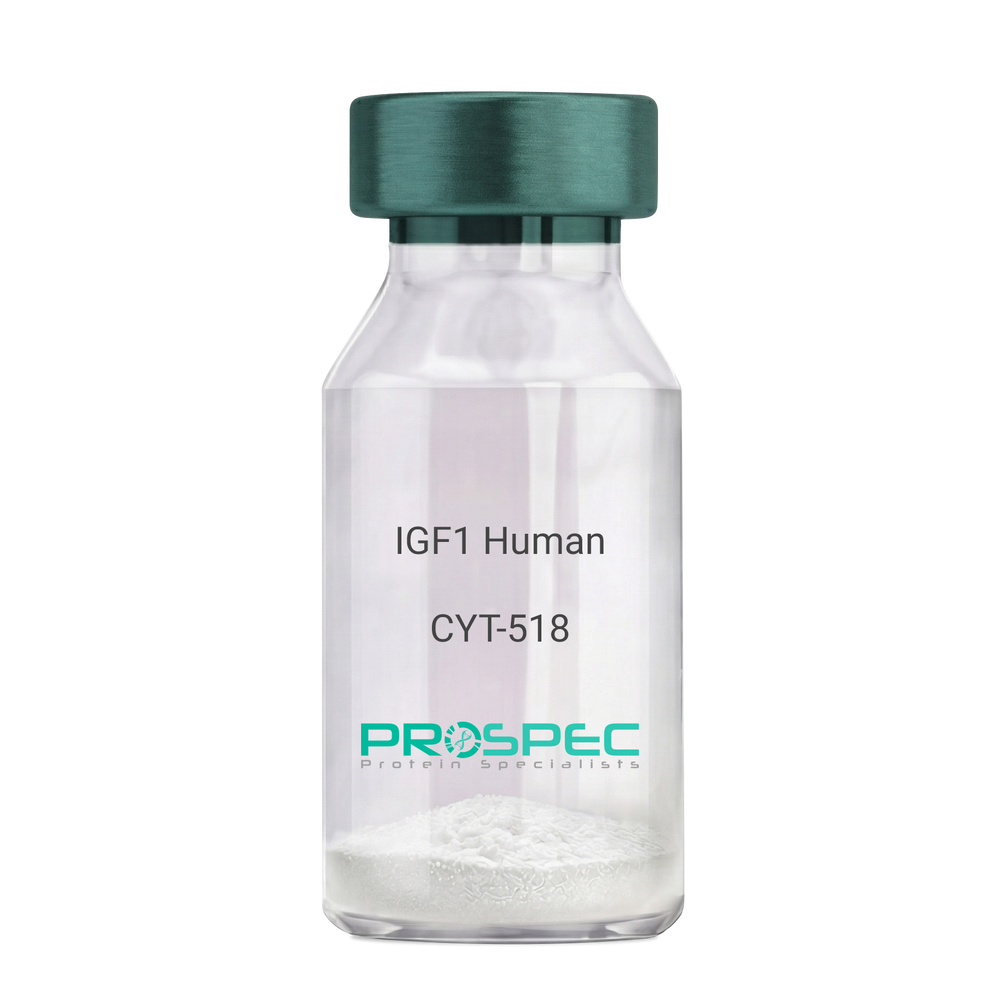
  • View Data Sheet

    Name :

    IGF1 Human Des1-3

    Description:

    Insulin-Like Growth Factor 1 Des (1-3) Human Recombinant

    Somatomedin C, IGF-I, IGFI, IGF1, IGF-IA, Mechano growth factor, MGF, Des(1-3), Des1-3, Des 1-3, Des (1-3), IGF-1 (4-70).

    Product # :

    CYT-518

    Price :

    Quantity :

    Shipping Method :

    Room Temp Icon

    Shipped at Room temp

    Add To Cart

    More Info

    • description
    • source
    • formulation
    • purity
    • biological activity
    • More Info

    Description

    IGF-I Des(1-3) Human Recombinant produced in E.Coli is a single, non-glycosylated, polypeptide chain containing 67 amino acids (aa 4-70) and having a molecular mass of 7368.5 Dalton. IGF-1 Des1-3 is purified by proprietary chromatographic techniques.

    Source

    Escherichia Coli.

    Formulation

    The protein (1mg/ml) was lyophilized was lyophilized from a 0.2µm filtered concentrated solution in 20mM PBS, pH 7.0.

    Purity

    Greater than 97.0% as determined by:
    (a) Analysis by RP-HPLC.
    (b) Analysis by SDS-PAGE.

    Biological Activity

    The ED50 as determined by a cell proliferation assay using FDC-P1 cells is less than 2.0 ng/ml, corresponding to a specific activity of > 5×10⁵ units/mg.

    More Info

    • Introduction

      The somatomedins, or insulin-like growth factors (IGFs), comprise a family of peptides that play important roles in mammalian growth and development. IGF1 mediates many of the growth-promoting effects of growth hormone (GH; MIM 139250). Early studies showed that growth hormone did not directly stimulate the incorporation of sulfate into cartilage, but rather acted through a serum factor, termed 'sulfation factor,' which later became known as 'somatomedin' (Daughaday et al., 1972). Three main somatomedins have been characterized: somatomedin C (IGF1), somatomedin A (IGF2; MIM 147470), and somatomedin B (MIM 193190) (Rotwein, 1986; Rosenfeld, 2003).

    • Synonyms

      Somatomedin C, IGF-I, IGFI, IGF1, IGF-IA, Mechano growth factor, MGF, Des(1-3), Des1-3, Des 1-3, Des (1-3), IGF-1 (4-70).

    • Physical Appearance

      Sterile Filtered White lyophilized (freeze-dried) powder.

    • Stability

      Lyophilized IGF-I des(1-3) although stable at room temperature for 3 weeks, should be stored desiccated below -18°C. Upon reconstitution IGF1 des-1-3 should be stored at 4°C between 2-7 days and for future use below -18°C.For long term storage it is recommended to add a carrier protein (0.1% HSA or BSA).Please prevent freeze-thaw cycles.

    • Solubility

      It is recommended to reconstitute the IGF-I des(1-3) in sterile 18M-cm H2O not less than 100µg/ml, which can then be further diluted to other aqueous solutions.

    • Amino Acid Sequence

      TLCGAELVDA LQFVCGDRGF YFNKPTGYGS SSRRAPQTGI VDECCFRSCD LRRLEMYCAP LKPAKSA.

    ProSpec's products are furnished for LABORATORY RESEARCH USE ONLY. The product may not be used as drugs, agricultural or pesticidal products, food additives or household chemicals.

    Igf I Des1 3 Human
  • View Data Sheet

    Name :

    PPIF Antibody

    Description:

    Cyclophilin-F, Mouse Anti Human

    Oeptidylprolyl Isomerase F, PPIF, CYP-D, CYP3, SnuCyp-20, Peptidyl-prolyl cis-trans isomerase mitochondrial, Cyclophilin F, FLJ90798, MGC117207, peptidylprolyl isomerase F.

    Product # :

    ANT-389

    Price :

    Quantity :

    Shipping Method :

    Ice Icon

    Shipped with Ice Packs

    Add To Cart

    More Info

    • formulation
    • More Info

    Formulation

    1mg/ml containing PBS, pH-7.4, & 0.1% Sodium Azide.

    More Info

    • Introduction

      PPIF is a part of the peptidyl-prolyl cis-trans isomerase (PPIase) family. PPIF accelerates the folding of proteins. It catalyzes the cis-trans isomerization of proline imidic peptide bonds in oligopeptides. PPIF is key component of the mitochondrial permeability transition pore in the inner mitochondrial membrane. Activation of this pore is thought to be involved in the induction of apoptotic and necrotic cell death.

    • Synonyms

      Oeptidylprolyl Isomerase F, PPIF, CYP-D, CYP3, SnuCyp-20, Peptidyl-prolyl cis-trans isomerase mitochondrial, Cyclophilin F, FLJ90798, MGC117207, peptidylprolyl isomerase F.

    • Immunogen

      Anti-human Cyclophilin-F mAb is derived from hybridization of mouse F0 myeloma cells with spleen cells from BALB/c mice immunized with recombinant human Cyclophilin-F amino acids 30-207 purified from E. coli.

    • Ig Subclass

      Mouse IgG2b heavy chain and κ light chain.

    • Clone

      PAT1F5AT.

    • Applications

      Cyclophilin-F antibody has been tested by ELISA, Western blot and immunohistochemistry analysis to assure specificity and reactivity. Since application varies, however, each investigation should be titrated by the reagent to obtain optimal results. Recommended dilution range for Western blot is 1:500~1:1,000 and immunohistochemistry analysis is 1:50~100. Recommended starting dilution for Western blot is 1:500 and Immunohistochemistry is 1:50.

    • Type

      Mouse Anti Human Monoclonal.

    • Storage Procedures

      For periods up to 1 month store at 4°C, for longer periods of time, store at -20°C. Prevent freeze thaw cycles.

    • Purification Method

      Cyclophilin-F antibody was purified from mouse ascitic fluids by protein-G affinity chromatography.

    ProSpec's products are furnished for LABORATORY RESEARCH USE ONLY. The product may not be used as drugs, agricultural or pesticidal products, food additives or household chemicals.

    Ppif Antibody
  • View Data Sheet

    Name :

    pGH 22kDa Human

    Description:

    Growth Hormone Placental 22kDa Human Recombinant

    GHL, GHV, GH-V, hGH-V, PGH.

    Product # :

    CYT-235

    Price :

    Quantity :

    Shipping Method :

    Room Temp Icon

    Shipped at Room temp

    Add To Cart

    More Info

    • description
    • source
    • formulation
    • purity
    • More Info

    Description

    Placental HGH 22kDa Recombinant produced in E.Coli is a single, non-glycosylated, polypeptide chain containing 192 amino acids and having a molecular mass of 22367 Dalton. Predicted pI=7.80. Placental Growth Hormone has dimished lactogenic (prolactin receptor mediated) activity characteristic to pituitary GHs. GH Placental Human Recombinant is purified by proprietary chromatographic techniques.

    Source

    Escherichia Coli.

    Formulation

    The protein was lyophilized from a concentrated (1mg/ml) solution with 0.0045mM NaHCO3 previously adjusted pH 8-9.

    Purity

    Greater than 98.0% as determined by:
    (a) Analysis by SEC-HPLC.
    (b) Analysis by SDS-PAGE.

    More Info

    • Introduction

      GH is a member of the somatotropin/prolactin family of hormones which play an important role in growth control. The gene, along with four other related genes, is located at the growth hormone locus on chromosome 17 where they are interspersed in the same transcriptional orientation; an arrangement which is thought to have evolved by a series of gene duplications. The five genes share a remarkably high degree of sequence identity. Alternative splicing generates additional isoforms of each of the five growth hormones, leading to further diversity and potential for specialization. This particular family member is expressed in the pituitary but not in placental tissue as is the case for the other four genes in the growth hormone locus. Mutations in or deletions of the gene lead to growth hormone deficiency and short stature.

    • Synonyms

      GHL, GHV, GH-V, hGH-V, PGH.

    • Physical Appearance

      Sterile Filtered White lyophilized (freeze-dried) powder.

    • Stability

      Lyophilized GH placental although stable at room temperature for 3 weeks, should be stored desiccated below -18°C. Upon reconstitution and filter sterilization HGH placental can be stored at 4°C for up to 4 weeks. For long term storage and more diluted solutions it is recommended to add a carrier protein (0.1% HSA or BSA). Please prevent freeze-thaw cycles.

    • Solubility

      It is recommended to reconstitute the lyophilized Placental HGH in 0.4% NaHCO3or water adjusted to pH 9, not less than 100 µg/ml, which can then be further diluted to other aqueous solutions.

    • Amino Acid Sequence

      The sequence of the first five N-terminal amino acids was determined and was found to be Ala-Phe-Pro-Thr-Ile.

    • Protein content

      Protein quantitation was carried out by two independent methods1. UV spectroscopy at 280 nm using the absorbency value of 1.18 as the extinction coefficient for a 0.1% (1mg/ml) solution. This value is calculated by the PC GENE computer analysis program of protein sequences (IntelliGenetics). 2. Analysis by RP-HPLC, using a calibrated solution of GH-22K-placental as a Reference Standard.

    ProSpec's products are furnished for LABORATORY RESEARCH USE ONLY. The product may not be used as drugs, agricultural or pesticidal products, food additives or household chemicals.

    Placental Gh 22K Human
  • View Data Sheet

    Name :

    VEGF Human

    Description:

    Vascular Endothelial Growth Factor Human Recombinant

    Vascular endothelial growth factor A, VEGF-A, Vascular permeability factor, VPF, VEGF, MGC70609.

    Product # :

    CYT-241

    Price :

    Quantity :

    Shipping Method :

    Room Temp Icon

    Shipped at Room temp

    Add To Cart

    More Info

    • description
    • source
    • formulation
    • purity
    • biological activity
    • More Info

    Description

    Vascular Endothelial Growth Factor Human Recombinant produced in E.Coli is a double, non-glycosylated, polypeptide chain containing 165 amino acids and having a molecular mass of 38.2kDa.The VEGF is purified by proprietary chromatographic techniques.

    Source

    Escherichia Coli.

    Formulation

    The VEGF protein was lyophilized from a concentrated (1mg/ml) solution with no additives.

    Purity

    Greater than 95.0% as determined by:
    (a) Analysis by RP-HPLC.
    (b) Analysis by SDS-PAGE.

    Biological Activity

    Determined by the dose-dependent stimulation of the proliferation of human umbilical vein endothelial cells (HUVEC) using a concentration range of 3.7-5.6 ng/ml, corresponding to a Specific Activity of 178,570-270,270IU/mg.

    More Info

    • Introduction

      Vascular endothelial growth factor (VEGF) is an important signaling protein involved in vessel formation As its name implies, VEGF activity has been mostly studied on cells of the vascular endothelium, although it does have effects on a number of other cell types (e.g. stimulation monocyte/macrophage migration, neurons, cancer cells, kidney epithelial cells ). VEGF mediates increased vascular permeability, induces vasculogenesis and endothelial cell production, promotes cell migration, and inhibits apoptosis. In vitro, VEGF has been shown to stimulate endothelial cell mitogenesis and cell migration. VEGF is also a vasodilator and increases microvascular permeability and was originally referred to as vascular permeability factor. VEGF is located in normal cartilage though only osteoarthritic cartilage expresses the VEGF receptors, NP1, VEGFR1 and VEGFR2. The VEGF level in the culture media from OA chondrocytes was more than 3 folds higher than in media from normal chondrocytes

    • Synonyms

      Vascular endothelial growth factor A, VEGF-A, Vascular permeability factor, VPF, VEGF, MGC70609.

    • Physical Appearance

      Sterile Filtered White lyophilized (freeze-dried) powder.

    • Stability

      Lyophilized VEGF although stable at room temperature for 3 weeks, should be stored desiccated below -18°C. Upon reconstitution VEGF should be stored at 4°C between 2-7 days and for future use below -18°C.For long term storage it is recommended to add a carrier protein (0.1% HSA or BSA).Please prevent freeze-thaw cycles.

    • Solubility

      It is recommended to reconstitute the lyophilized VEGF in sterile 18M-cm H2O not less than 100µg/ml, which can then be further diluted to other aqueous solutions.

    • Amino Acid Sequence

      APMAEGGGQN HHEVVKFMDV YQRSYCHPIE TLVDIFQEYP DEIEYIFKPS CVPLMRCGGC CNDEGLECVP TEESNITMQI MRIKPHQGQH IGEMSFLQHN KCECRPKKDR ARQENPCGPC SERRKHLFVQ DPQTCKCSCK NTDSRCKARQ LELNERTCRC DKPRR

    • Protein content

      VEGF protein quantitation was carried out by two independent methods:1. UV spectroscopy at 280 nm using the absorbency value of 0.2875 as the extinction coefficient for a 0.1% (1mg/ml) solution. This value is calculated by the PC GENE computer analysis program of protein sequences (IntelliGenetics). 2. Analysis by RP-HPLC, using a calibrated solution of VEGF as a Reference Standard.

    ProSpec's products are furnished for LABORATORY RESEARCH USE ONLY. The product may not be used as drugs, agricultural or pesticidal products, food additives or household chemicals.

    Vegf Human
  • View Data Sheet

    Name :

    IGF1 Human

    Description:

    IGF-1 Human Recombinant

    Somatomedin C, IGF-I, IGFI, IGF1, IGF-IA MGF.

    Product # :

    CYT-216

    Price :

    Quantity :

    Shipping Method :

    Room Temp Icon

    Shipped at Room temp

    Add To Cart

    More Info

    • description
    • source
    • formulation
    • purity
    • biological activity
    • More Info

    Description

    IGF1 Human Recombinant produced in E.Coli is a single, non-glycosylated, polypeptide chain containing 70 amino acids and having a molecular mass of 7.6kDa.IGF-1 is purified by proprietary chromatographic techniques.

    Source

    Escherichia Coli.

    Formulation

    The protein was lyophilized from a concentrated solution in PBS, pH 7.0.

    Purity

    Greater than 97.0% as determined by:
    (a) Analysis by RP-HPLC.
    (b) Analysis by SDS-PAGE.

    Biological Activity

    The biological activity was determined by the cell proliferation assay using serum free human MCF-7 cells in <2ng/ml, corresponding to a Specific Activity of >5.0 x 10⁵IU/mg.

    More Info

    • Introduction

      The somatomedins, IGFs, comprise a family of peptides that play important roles in mammalian growth and development. IGF1 mediates many of the growth-promoting effects of GH. Early studies showed that GH did not directly stimulate the incorporation of sulfate into cartilage, but rather acted through a serum factor, termed 'sulfation factor,' which later became known as 'somatomedin. Three main somatomedins have been characterized: somatomedin C (IGF1), somatomedin A (IGF2; MIM 147470), and somatomedin B.

    • Synonyms

      Somatomedin C, IGF-I, IGFI, IGF1, IGF-IA MGF.

    • Physical Appearance

      Sterile Filtered White lyophilized (freeze-dried) powder.

    • Stability

      Lyophilized IGF1 although stable at room temperature for 3 weeks, should be stored desiccated below -18°C. Upon reconstitution IGF1 should be stored at 4°C between 2-7 days and for future use below -18°C.For long term storage it is recommended to add a carrier protein (0.1% HSA or BSA).Please prevent freeze-thaw cycles.

    • Solubility

      It is recommended to reconstitute the lyophilized IGF-1 in sterile 18MΩ-cm H2O not less than 100µg/ml, which can then be further diluted to other aqueous solutions.

    • Amino Acid Sequence

      GPETLCGAEL VDALQFVCGD RGFYFNKPTG YGSSSRRAPQ TGIVDECCFR SCDLRRLEMY CAPLKPAKSA.

    • Background

      IGF stands for INS like growth factors, which are proteins that have a high similarity to INS. They are part of a complicated process that uses cells to communication with the physiologic environment around them. IGF’s complex system is often called the ‘axis’. This consists of:
      ● Two cell-surface receptors (IGF1R and IGF2R)
      ● Two ligands (IGF-1 and IGF-2)
      ● A family of six high-affinity IGF-binding proteins.
      ● Proteases.

      The Effect IGF Has On The Body
      Many unique tissue types express the IGF-1 receptor, and the effects can vary. It induces the survival of neurons, may catalyse skeletal muscle hypertrophy by inducing protein synthesis, and by blocking muscle atrophy. It works as a protector for cartilage cells, and may work to be an anabolic factor for the bones. When used in high concentrations, it can activate the INS receptor, and can even complement the effects that INS has on the body.

      Diseases And IGF
      Diseases and IGF are closely related, and a number of them can be affected. The INS IGF axis is thought to have an effect on aging, with an increased life span shown in fruit flies when used in studies.
      It is also important to note the crucial role that IGF plays in cancer and diabetes - IGF- 1 has been shown to stimulate growth in both prostate and breast cancer cells. The degree of risk that IGF-1 poses is up for debate, and many scientists are not in agreement. IGF has also shown to have the ability to decrease blood glucose levels, although not quite as effective as INS.

      How Was IGF Discovered?
      Investigators began studying the effects of biological substances on cells and tissues outside the body when IGFs were discovered. The name is self explanatory in the fact that IGF performs INS actions in some tissues, but is less potent than INS at decreasing blood sugar. Its fundamental action is to stimulate growth, whether that be within the epidermal growth factor or the nerve growth factor.

      What’s The Difference Between IGF-1 And IGF-2?
      The two types of IGF are IGF-1 and IGF-2. Although the names are similar, the specific actions that they take are different - they bind and activate completely difference receptors. The major actor in them both is the effect that they have on cell growth. Most of the actions of the pituitary GH are mediated by IGFs, but predominantly IGF-1. GH works to stimulate many tissues within the body, especially the liver which then secretes IGF-1. This then causes hypertrophy, or in layman's terms, an increase in cell size, as well as hyperplasia which is an increase in the number of cells.
      The IGF-1 concentration will increase during childhood and hit peak during puberty, but will then decrease afterwards, as does the hormone secretion itself. It has been proven that children and adults with a deficiency of the GH have low serum IGF-1 concentrations when put in comparison with others in the same age range. Patients who have conditions like acromegaly have been shown to have increased serum IGF-1 concentrations. The production of IGF-2 is less dependent on the secretion of GH than IGF-1, and is much less important for stimulating linear growth.

    ProSpec's products are furnished for LABORATORY RESEARCH USE ONLY. The product may not be used as drugs, agricultural or pesticidal products, food additives or household chemicals.

    Igf 1 Human
  • View Data Sheet

    Name :

    FGF 18 Human, His

    Description:

    Fibroblast Growth Factor-18 Human Recombinant, His Tag

    Fibroblast growth factor 18, FGF-18, zFGF5, FGF18.

    Product # :

    CYT-935

    Price :

    Quantity :

    Shipping Method :

    Room Temp Icon

    Shipped at Room temp

    Add To Cart

    More Info

    • description
    • source
    • formulation
    • purity
    • More Info

    Description

    FGF18 Human Recombinant produced in E.Coli is a single, non-glycosylated, polypeptide chain (Glu28-Ala207) containing 190 amino acids including a 10 aa His tag at N-terminus. The total calculated molecular mass is 22.3kDa.

    Source

    Escherichia Coli.

    Formulation

    FGF18 was filtered (0.4µm) and lyophilized in phosphate buffered saline and 5% w/v trehalose.

    Purity

    Purity as determined by densitometric image analysis is greater than 95%.

    More Info

    • Introduction

      Fibroblast growth factor 18 (FGF18) is a member of the large FGF family which has at least 23 members. FGF18 is a binding growth factor with a core 120 amino acid FGF domain which allows for a common tertiary structure. FGFs are expressed in the course of the embryonic development and in restricted adult tissues. FGF-18 is an indispensable regulator of long bone and calvarial development. FGF-18 signals via FGFR 1c, 2c, 3c, and 4.

    • Synonyms

      Fibroblast growth factor 18, FGF-18, zFGF5, FGF18.

    • Physical Appearance

      Filtered White lyophilized (freeze-dried) powder.

    • Stability

      Store lyophilized protein at -20°C. Aliquot the product after reconstitution to avoid repeated freezing/thawing cycles. Reconstituted protein can be stored at 4°C for a limited period of time; it does not show any change after two weeks at 4°C.

    • Solubility

      It is recommended to add deionized water to prepare a working stock solution of approximately 0.5mg/ml and let the lyophilized pellet dissolve completely. FGF18 is not sterile! Please filter the product by an appropriate sterile filter before using it in the cell culture.

    • Amino Acid Sequence

      MKHHHHHHASEENVDFRIHV ENQTRARDDV SRKQLRLYQL YSRTSGKHIQ VLGRRISARG EDGDKYAQLL VETDTFGSQV RIKGKETEFY LCMNRKGKLV GKPDGTSKEC VFIEKVLENN YTALMSAKYS GWYVGFTKKG RPRKGPKTRE NQQDVHFMKR YPKGQPELQK PFKYTTVTKR SRRIRPTHPA.

    • Background

      What is the molecular weight/Mw of FGF18 HIS Protein?
      FGF18 HIS Protein has a total Mw of 22.3kDa.

      What is the source or expression system of FGF18 HIS Protein?
      Escherichia Coli.

      What is the Purity of FGF18 HIS Protein?
      FGF18 HIS Protein is >95% pure as determined by SDS-PAGE.

      What is the Biological Activity of FGF18 HIS Protein?
      The biological functionality of FGF18 HIS Protein will be determined in the future.

      What is the amino acid sequence of FGF18 HIS Protein?
      MKHHHHHHASEENVDFRIHV ENQTRARDDV SRKQLRLYQL YSRTSGKHIQ VLGRRISARG EDGDKYAQLL VETDTFGSQV RIKGKETEFY LCMNRKGKLV GKPDGTSKEC VFIEKVLENN YTALMSAKYS GWYVGFTKKG RPRKGPKTRE NQQDVHFMKR YPKGQPELQK PFKYTTVTKR SRRIRPTHPA.

      What applications can FGF18 HIS Protein be used in?
      FGF18 HIS Protein can probably be used in western blot, ELISA and Lateral Flow.

      What is the endotoxin level for FGF18 HIS Protein?
      The endotoxin level is minimal, FGF18 HIS Protein was purified using conventional chromatography techniques.

    ProSpec's products are furnished for LABORATORY RESEARCH USE ONLY. The product may not be used as drugs, agricultural or pesticidal products, food additives or household chemicals.

    Fgf 18 Human His
  • View Data Sheet

    Name :

    GDF11 Human

    Description:

    Growth and Differentiation factor 11 Human Recombinant

    Growth Differentiation Factor 11, GDF-11, Bone Morphogenetic Protein 11, BMP11.

    Product # :

    CYT-402

    Price :

    Quantity :

    Shipping Method :

    Room Temp Icon

    Shipped at Room temp

    Add To Cart

    More Info

    • description
    • source
    • formulation
    • purity
    • biological activity
    • More Info

    Description

    GDF11 Human Recombinant produced in E.Coli is a non-glycosylated homodimer containing 2x10⁹ amino acids and having a total molecular mass of 25kDa.

    Source

    Escherichia Coli.

    Formulation

    Lyophilized from a concentrated (1mg/ml) solution containing 0.1% Trifluoroacetic Acid (TFA).

    Purity

    Greater than 95.0% as determined by SDS-PAGE.

    Biological Activity

    The ED50, determined by the ability to inhibit alkaline phosphatase activity in ATDC5 cells, is typically less than 1 ng/mL. This corresponds to a specific activity of 1x10⁶ units/mg.

    More Info

    • Introduction

      GDF-11 belongs to the bone morphogenetic protein (BMP) family and the TGF-beta superfamily. GDF-11 is a central developmental factor which controls muscular and neural development. In adults, GDF-11 encourages cardiac hypertrophy reverse by the revival of cardiomyocytes.

    • Synonyms

      Growth Differentiation Factor 11, GDF-11, Bone Morphogenetic Protein 11, BMP11.

    • Physical Appearance

      Sterile Filtered White lyophilized (freeze-dried) powder.

    • Stability

      Lyophilized GDF11 although stable at room temperature for 3 weeks, should be stored desiccated below -18°C. Upon reconstitution GDF11 should be stored at 4°C between 2-7 days and for future use below -18°C.For long term storage it is recommended to add a carrier protein (0.1% HSA or BSA).Please prevent freeze-thaw cycles.

    • Solubility

      It is recommended to reconstitute the lyophilized GDF11 in sterile 18M-cm H2O not less than 100µg/ml, which can then be further diluted to other aqueous solutions.

    • Amino Acid Sequence

      NLGLDCDEHS SESRCCRYPL TVDFEAFGWD WIIAPKRYKA NYCSGQCEYM FMQKYPHTHLVQQANPRGSA GPCCTPTKMS PINMLYFNDK QQIIYGKIPG MVVDRCGCS

    • Background

      What is the molecular weight/Mw of GDF11 HUMAN Protein?
      GDF11 HUMAN Protein has a total Mw of 25kDa.

      What is the source or expression system of GDF11 HUMAN Protein?
      Escherichia Coli.

      What is the Purity of GDF11 HUMAN Protein?
      GDF11 HUMAN Protein is >95% pure as determined by SDS-PAGE.

      What is the Biological Activity of GDF11 HUMAN Protein?
      The ED50, determined by the ability to inhibit alkaline phosphatase activity in ATDC5 cells, is typically less than 1 ng/mL. This corresponds to a specific activity of 1x10⁶ units/mg.
      What is the amino acid sequence of GDF11 HUMAN Protein?
      NLGLDCDEHS SESRCCRYPL TVDFEAFGWD WIIAPKRYKA NYCSGQCEYM FMQKYPHTHL
      VQQANPRGSA GPCCTPTKMS PINMLYFNDK QQIIYGKIPG MVVDRCGCS.

      What applications can GDF11 HUMAN Protein be used in?
      GDF11 HUMAN Protein can probably be used in western blot, ELISA and Lateral Flow.

      What is the endotoxin level for GDF11 HUMAN Protein?
      The endotoxin level is minimal, GDF11 HUMAN Protein was purified using conventional chromatography techniques.


    ProSpec's products are furnished for LABORATORY RESEARCH USE ONLY. The product may not be used as drugs, agricultural or pesticidal products, food additives or household chemicals.

    Gdf11 Human
  • View Data Sheet

    Name :

    FGF6 Human

    Description:

    Fibroblast Growth Factor-6 Human Recombinant

    Fibroblast Growth Factor 6, Heparin Secretory-Transforming Protein 2, Heparin-Binding Growth Factor 6, HBGF-6, HSTF-2, FGF-6, HST-2, HST2, HSTF2, FGF6.

    Product # :

    CYT-979

    Price :

    Quantity :

    Shipping Method :

    Room Temp Icon

    Shipped at Room temp

    Add To Cart

    More Info

    • description
    • source
    • formulation
    • purity
    • More Info

    Description

    FGF6 Human Recombinant produced in E.coli is a single, non-glycosylated polypeptide chain having containing 169 amino acids and having a molecular mass of 18.9kDa.The FGF-6 is purified by proprietary chromatographic techniques.

    Source

    Escherichia Coli.

    Formulation

    FGF-6 protein was lyophilized from a 0.2µm filtered solution in 10mM sodium phosphate and 50mM sodium chloride pH 7.5.

    Purity

    Greater than 95.0% as determined by SDS-PAGE.

    More Info

    • Introduction

      Fibroblast Growth Factor-6 (FGF6) belongs to the fibroblast growth factor (FGF) family. FGF family members possess extensive mitogenic and cell survival functions, and are involved in various biological processes, including embryonic development, cell growth, morphogenesis, tissue repair, tumor growth and invasion. The FGF6 gene displayes oncogenic transforming activity when transfected into mammalian cells. The mouse homolog of the FGF6 gene displays a restricted expression profile predominantly in the myogenic lineage, suggesting a role in muscle regeneration or differentiation.

    • Synonyms

      Fibroblast Growth Factor 6, Heparin Secretory-Transforming Protein 2, Heparin-Binding Growth Factor 6, HBGF-6, HSTF-2, FGF-6, HST-2, HST2, HSTF2, FGF6.

    • Physical Appearance

      Sterile Filtered White lyophilized (freeze-dried) powder.

    • Stability

      Lyophilized FGF6 although stable at room temperature for 3 weeks, should be stored desiccated below -18°C. Upon reconstitution FGF-6 should be stored at 4°C between 2-7 days and for future use below -18°C. For long term storage it is recommended to add a carrier protein (0.1% HSA or BSA). Please prevent freeze-thaw cycles.

    • Solubility

      It is recommended to reconstitute the lyophilized FGF6 in sterile 18M-cm H2O not less than 100µg/ml, which can then be further diluted to other aqueous solutions.

    • Amino Acid Sequence

      MGTRANNTLL DSRGWGTLLS RSRAGLAGEI AGVNWESGYL VGIKRQRRLY CNVGIGFHLQ VLPDGRISGT HEENPYSLLE ISTVERGVVS LFGVRSALFV AMNSKGRLYA TPSFQEECKF RETLLPNNYN AYESDLYQGT YIALSKYGRV KRGSKVSPIM TVTHFLPRI.

    • Background

      What is the molecular weight/Mw of FGF6 Protein?
      FGF6 Protein has a total Mw of 18.9kDa.

      What is the source or expression system of FGF6 Protein?
      Escherichia Coli.

      What is the Purity of FGF6 Protein?
      FGF6 Protein is >95% pure as determined by SDS-PAGE.

      What is the Biological Activity of FGF6 Protein?
      The biological functionality of FGF6 Protein will be determined in the future.

      What is the amino acid sequence of FGF6 Protein?
      MGTRANNTLL DSRGWGTLLS RSRAGLAGEI AGVNWESGYL VGIKRQRRLY CNVGIGFHLQ VLPDGRISGT HEENPYSLLE ISTVERGVVS LFGVRSALFV AMNSKGRLYA TPSFQEECKF RETLLPNNYN AYESDLYQGT YIALSKYGRV KRGSKVSPIM TVTHFLPRI.

      What applications can FGF6 Protein be used in?
      FGF6 Protein can probably be used in western blot, ELISA and Lateral Flow.

      What is the endotoxin level for FGF6 Protein?
      The endotoxin level is minimal, FGF6 Protein was purified using conventional chromatography techniques.

    ProSpec's products are furnished for LABORATORY RESEARCH USE ONLY. The product may not be used as drugs, agricultural or pesticidal products, food additives or household chemicals.

    Fgf6 Human
  • View Data Sheet

    Name :

    AREG Human

    Description:

    Amphiregulin Human Recombinant

    Schwannoma-derived growth factor, Colorectum cell-derived growth factor, AR, CRDGF, SDGF, AREGB, MGC13647.

    Product # :

    CYT-041

    Price :

    Quantity :

    Shipping Method :

    Room Temp Icon

    Shipped at Room temp

    Add To Cart

    More Info

    • description
    • source
    • formulation
    • purity
    • biological activity
    • More Info

    Description

    Amphiregulin (AREG) Human Recombinant produced in E.Coli is a single, non-glycosylated, polypeptide chain containing 98 amino acids and having a molecular mass of 11.3 KDa.The AREG is purified by proprietary chromatographic techniques.

    Source

    Escherichia Coli.

    Formulation

    Lyophilized from a 0.2µm filtered concentrated solution in PBS, pH7.4.

    Purity

    Greater than 95.0% as determined by:
    (a) Analysis by HPLC.
    (b) Analysis by SDS-PAGE.

    Biological Activity

    Determined by its ability to stimulate the proliferation of mouse Balb/c 3T3 cells. The expected ED50 for this effect is 5-10 ng/ml, corresponding to a specific activity of 100,000-200,000units/mg.

    More Info

    • Synonyms

      Schwannoma-derived growth factor, Colorectum cell-derived growth factor, AR, CRDGF, SDGF, AREGB, MGC13647.

    • Physical Appearance

      Sterile Filtered White lyophilized (freeze-dried) powder.

    • Stability

      Lyophilized AREG although stable at room temperature for 3 weeks, should be stored desiccated below -18°C. Upon reconstitution AREG should be stored at 4°C between 2-7 days and for future use below -18°C.For long term storage it is recommended to add a carrier protein (0.1% HSA or BSA).Please prevent freeze-thaw cycles.

    • Solubility

      It is recommended to reconstitute the lyophilized AREG in sterile 18M-cm H2O not less than 100µg/ml, which can then be further diluted to other aqueous solutions.

    • Amino Acid Sequence

      SVRVEQVVKP PQNKTESENT SDKPKRKKKG GKNGKNRRNR KKKNPCNAEF QNFCIHGECK YIEHLEAVTC KCQQEYFGER CGEKSMKTHS MIDSSLSK.

    • Background

      Amphiregulin Human Recombinant: Exploring its Role in Cancer Biology and Therapeutic Applications

      Abstract:


      Amphiregulin, a member of the epidermal growth factor (EGF) family, has gained significant attention in cancer research. This research paper provides an overview of Amphiregulin human recombinant, highlighting its molecular characteristics, signaling pathways, and therapeutic potential. Understanding the multifaceted role of Amphiregulin opens avenues for targeted cancer therapies. This article provides a concise analysis of Amphiregulin, emphasizing its impact on cancer biology and its therapeutic applications.

      Introduction:


      Cancer continues to be a significant health challenge worldwide, necessitating novel therapeutic approaches. Amphiregulin, an EGF family member, has emerged as a promising target in cancer research. This paper provides an overview of Amphiregulin, shedding light on its structure, function, and therapeutic potential.

      Amphiregulin Signaling and Mechanisms:


      Amphiregulin exerts its effects through the binding and activation of the EGF receptor (EGFR). Upon activation, a cascade of intracellular signaling pathways is triggered, including the MAPK and PI3K/AKT pathways. These pathways regulate critical cellular processes such as cell proliferation, survival, migration, and angiogenesis.

      Amphiregulin in Cancer Biology:


      Amphiregulin has been implicated in various aspects of cancer biology, including tumor growth, metastasis, and resistance to therapy. Its overexpression is observed in several cancer types, and its role in promoting tumor growth and metastasis has been demonstrated in preclinical studies. Targeting Amphiregulin signaling shows promise in inhibiting cancer progression and overcoming therapy resistance.

      Therapeutic Potential of Amphiregulin Human Recombinant:


      Amphiregulin human recombinant holds significant therapeutic potential in cancer treatment. Strategies aimed at blocking Amphiregulin-EGFR interactions or inhibiting downstream signaling pathways are being explored as potential therapeutic interventions. Additionally, Amphiregulin could serve as a predictive biomarker to identify patients who are more likely to respond to targeted therapies.

      Challenges and Future Directions:


      While the therapeutic targeting of Amphiregulin shows promise, several challenges need to be addressed. Further research is required to fully understand the complex interplay between Amphiregulin and other molecular pathways in cancer biology. Additionally, the development of specific and potent inhibitors and the identification of patient selection criteria are important considerations for successful clinical translation.

      Conclusion:


      Amphiregulin human recombinant represents a promising avenue for targeted cancer therapy. Understanding the molecular mechanisms and functional implications of Amphiregulin in cancer biology offers new opportunities for developing innovative treatments. Continued research in this field has the potential to improve patient outcomes and contribute to the advancement of personalized medicine.

      What is the molecular weight/Mw of AREG Protein?
      AREG Protein has a total Mw of 11.3kDa.

      What is the source or expression system of AREG Protein?
      Escherichia Coli.

      What is the Purity of AREG Protein?
      AREG Protein is >95% pure as determined by SDS-PAGE.

      What is the Biological Activity of AREG Protein?
      Determined by its ability to stimulate the proliferation of mouse Balb/c 3T3 cells. The expected ED50 for this effect is 5-10 ng/ml, corresponding to a specific activity of 100,000-200,000units/mg.

      What is the amino acid sequence of AREG Protein?
      SVRVEQVVKP PQNKTESENT SDKPKRKKKG GKNGKNRRNR KKKNPCNAEF QNFCIHGECK YIEHLEAVTC KCQQEYFGER CGEKSMKTHS MIDSSLSK.

      What applications can AREG Protein be used in?
      AREG Protein can probably be used in western blot, ELISA and Lateral Flow.

      What is the endotoxin level for AREG Protein?
      The endotoxin level is minimal, AREG Protein was purified using conventional chromatography techniques.

    ProSpec's products are furnished for LABORATORY RESEARCH USE ONLY. The product may not be used as drugs, agricultural or pesticidal products, food additives or household chemicals.

    Areg Human
  • View Data Sheet

    Name :

    FGF5 Human

    Description:

    Fibroblast Growth Factor-5 Human Recombinant

    Fibroblast Growth Factor 5, Heparin-Binding Growth Factor 5, Smag-82, HBGF-5, TCMGLY, FGF-5, FGF5.

    Product # :

    CYT-957

    Price :

    Quantity :

    Shipping Method :

    Room Temp Icon

    Shipped at Room temp

    Add To Cart

    More Info

    • description
    • source
    • formulation
    • purity
    • More Info

    Description

    FGF5 Human Recombinant produced in E.coli is a single, non-glycosylated polypeptide chain having containing 252 amino acids and having a molecular mass of 27.7kDa.The FGF-5 is purified by proprietary chromatographic techniques.

    Source

    Escherichia Coli.

    Formulation

    FGF-5 protein was lyophilized from a 0.2µm filtered solution in 10mM sodium phosphate and 100mM sodium chloride pH 7.5.

    Purity

    Greater than 95.0% as determined by SDS-PAGE.

    More Info

    • Introduction

      Fibroblast Growth Factor-5 (FGF5) belongs to the FGF family of mitogenic peptides. In vitro, rhFGF5 is a mitogen for Balb/3T3 fibroblasts and bovine heart endothelial cells. FGF5 is also a major muscle-derived survival factor for cultured spinal motoneurons. In vivo, FGF5 is assumed to play central roles in both embryology and neurobiology. Developmentally, FGF5 mRNA is originally found in the embryoblast followed by the lateral somatic mesoderm, where it may play a part in angiogenesis, as well as the myotomes cranial to the tail region, where it may delay terminal myoblast differentiation during cell migration.

    • Synonyms

      Fibroblast Growth Factor 5, Heparin-Binding Growth Factor 5, Smag-82, HBGF-5, TCMGLY, FGF-5, FGF5.

    • Physical Appearance

      Sterile Filtered White lyophilized (freeze-dried) powder.

    • Stability

      Lyophilized FGF5 although stable at room temperature for 3 weeks, should be stored desiccated below -18°C. Upon reconstitution FGF-5 should be stored at 4°C between 2-7 days and for future use below -18°C. For long term storage it is recommended to add a carrier protein (0.1% HSA or BSA). Please prevent freeze-thaw cycles.

    • Solubility

      It is recommended to reconstitute the lyophilized FGF5 in sterile 18M-cm H2O not less than 100µg/ml, which can then be further diluted to other aqueous solutions.

    • Amino Acid Sequence

      MAWAHGEKRL APKGQPGPAA TDRNPRGSSS RQSSSSAMSS SSASSSPAAS LGSQGSGLEQ SSFQWSPSGR RTGSLYCRVG IGFHLQIYPD GKVNGSHEAN MLSVLEIFAV SQGIVGIRGV FSNKFLAMSK KGKLHASAKF TDDCKFRERF QENSYNTYAS AIHRTEKTGR EWYVALNKRG KAKRGCSPRV KPQHISTHFL PRFKQSEQPE LSFTVTVPEK KKPPSPIKSK IPLSAPRKNT NSVKYRLKFR FG.

    • Background

      What is the molecular weight/Mw of FGF5 HUMAN Protein?
      FGF5 HUMAN Protein has a total Mw of 27.7kDa.

      What is the source or expression system of FGF5 HUMAN Protein?
      Escherichia Coli.

      What is the Purity of FGF5 HUMAN Protein?
      FGF5 HUMAN Protein is >95% pure as determined by SDS-PAGE.

      What is the Biological Activity of FGF5 HUMAN Protein?
      The biological functionality of FGF5 HUMAN Protein will be determined in the future.

      What is the amino acid sequence of FGF5 HUMAN Protein?
      MAWAHGEKRL APKGQPGPAA TDRNPRGSSS RQSSSSAMSS SSASSSPAAS LGSQGSGLEQ SSFQWSPSGR RTGSLYCRVG IGFHLQIYPD GKVNGSHEAN MLSVLEIFAV SQGIVGIRGV FSNKFLAMSK KGKLHASAKF TDDCKFRERF QENSYNTYAS AIHRTEKTGR EWYVALNKRG KAKRGCSPRV KPQHISTHFL PRFKQSEQPE LSFTVTVPEK KKPPSPIKSK IPLSAPRKNT NSVKYRLKFR FG.
      What applications can FGF5 HUMAN Protein be used in?
      FGF5 HUMAN Protein can probably be used in western blot, ELISA and Lateral Flow.

      What is the endotoxin level for FGF5 HUMAN Protein?
      The endotoxin level is minimal, FGF5 HUMAN Protein was purified using conventional chromatography techniques.

    ProSpec's products are furnished for LABORATORY RESEARCH USE ONLY. The product may not be used as drugs, agricultural or pesticidal products, food additives or household chemicals.

    Fgf5 Human
  • View Data Sheet

    Name :

    FGF1 Human, 154 a.a.

    Description:

    Fibroblast Growth Factor-acidic (154 a.a.) Human Recombinant

    HBGF-1, ECGF-beta, FIBP, FGFIBP, FIBP-1, ECGF, ECGFA, GLIO703, FGF1, FGF-a.

    Product # :

    CYT-1112

    Price :

    Quantity :

    Shipping Method :

    Room Temp Icon

    Shipped at Room temp

    Add To Cart

    More Info

    • description
    • source
    • formulation
    • purity
    • biological activity
    • More Info

    Description

    Fibroblast Growth Factor-acidic Human Recombinant produced in E.Coli is a single, non-glycosylated polypeptide chain containing 154 amino acids and having a molecular mass of 17.3kDa. The FGF1 is purified by proprietary chromatographic techniques.

    Source

    Escherichia Coli.

    Formulation

    Lyophilized from a 0.2μm filtered concentrated solution in PBS, pH 7.4, with 0.5mM DTT, 2mM EDTA, and 5 % Trehalose.

    Purity

    Greater than 97.0% as determined by:

    (a) Analysis by RP-HPLC.

    (b) Analysis by SDS-PAGE.

    Biological Activity

    The ED50 as determined by a cell proliferation assay using murine balb/c 3T3 cells is < than 0.5 ng/ml, corresponding to a specific activity of > 2.0 ×10⁶ IU/mg in the presence of 10µg/ml Heparin.

    More Info

    • Introduction

      Acidic fibroblast growth factor is a member of the fibroblast growth factor (FGF) family. FGF family members possess broad mitogenic and cell survival activities, and are involved in a variety of biological processes, including embryonic development, cell growth, morphogenesis, tissue repair, tumor growth and invasion. FGF1 functions as a modifier of endothelial cell migration and proliferation, as well as an angiogenic factor.FGF1 acts as a mitogen for a variety of mesoderm- and neuroectoderm-derived cells in vitro, thus is thought to be involved in organogenesis. Three alternatively spliced variants encoding different isoforms have been described. The binding growth factors are angiogenic agents in vivo and are potent mitogens for a variety of cell types in vitro. There are differences in the tissue distribution and concentration of these 2 growth factors.

    • Synonyms

      HBGF-1, ECGF-beta, FIBP, FGFIBP, FIBP-1, ECGF, ECGFA, GLIO703, FGF1, FGF-a.

    • Physical Appearance

      Sterile Filtered White lyophilized (freeze-dried) powder.

    • Stability

      Lyophilized FGF1 although stable at room temperature for 3 weeks, should be stored desiccated below -18°C. Upon reconstitution Fibroblast Growth Factor-acidic should be stored at 4°C between 2-7 days and for future use below -18°C. Please prevent freeze-thaw cycles.

    • Solubility

      It is recommended to reconstitute the lyophilized Fibroblast Growth Factor-acidic Recombinant in sterile 18MΩ-cm H2O not less than 100µg/ml, which can then be further diluted to other aqueous solutions.

    • Amino Acid Sequence

      AEGEITTFTA LTEKFNLPPG NYKKPKLLYC SNGGHFLRIL PDGTVDGTRD RSDQHIQLQL SAESVGEVYI KSTETGQYLA MDTDGLLYGS QTPNEECLFL ERLEENHYNT YISKKHAEKN WFVGLKKNGS CKRGPRTHYG QKAILFLPLP VSSD.

    • Background

      What is the molecular weight/Mw of FGF 1 Protein?
      FGF 1 Protein has a total Mw of 17.3kDa.

      What is the source or expression system of FGF 1 Protein?
      Escherichia Coli.

      What is the Purity of FGF 1 Protein?
      FGF 1 Protein is >97% pure as determined by SDS-PAGE.

      What is the Biological Activity of FGF 1 Protein?
      The ED50 as determined by a cell proliferation assay using murine balb/c 3T3 cells is < than 0.5 ng/ml, corresponding to a specific activity of > 2.0 ×10⁶ IU/mg in the presence of 10µg/ml Heparin.

      What is the amino acid sequence of FGF 1 Protein?
      AEGEITTFTA LTEKFNLPPG NYKKPKLLYC SNGGHFLRIL PDGTVDGTRD RSDQHIQLQL SAESVGEVYI KSTETGQYLA MDTDGLLYGS QTPNEECLFL ERLEENHYNT YISKKHAEKN WFVGLKKNGS CKRGPRTHYG QKAILFLPLP VSSD.

      What applications can FGF 1 Protein be used in?
      FGF 1 Protein can probably be used in western blot, ELISA and Lateral Flow.

      What is the endotoxin level for FGF 1 Protein?
      The endotoxin level is minimal, FGF 1 Protein was purified using conventional chromatography techniques.

    ProSpec's products are furnished for LABORATORY RESEARCH USE ONLY. The product may not be used as drugs, agricultural or pesticidal products, food additives or household chemicals.

    Fgf1 Protein
  • 1
  • …
  • 5
  • 6
  • 7
  • 8
  • 9
  • …
  • 42
Your browser does not support the video tag.

Products

  • Cytokines
  • Growth Factors
  • Chemokines
  • CD Antigens
  • Neurotrophins
  • Hormones
  • Enzymes
  • Viral Antigens
  • Recombinant Proteins
  • Natural Proteins
  • Monoclonal Antibodies
  • Polyclonal Antibodies
  • Thermal Packaging

About

  • Company
  • Founder
  • Contribution
  • Contact Us
  • My Account

Ordering

  • Ordering Method
  • Ordering - Credit Card
  • Ordering PO
  • Shipping Fees
  • FAQ's

Legal

  • Terms & Conditions
  • Privacy
  • Site Map
  • info@prospecbio.com
  • Facebook
  • Instagram
  • Linkedin Profile

© 2026 ProSpec-Tany TechnoGene Ltd. All Rights Reserved.

  • Choosing a selection results in a full page refresh.
  • Opens in a new window.