Skip to content

High-quality research proteins.

  • 1-800-805-6531

  • Mon - Sat 8.00-18.00, Sun - Closed

  • info@prospecbio.com

  • PO Box 6591 East Brunswick NJ 08816

  • Products
    • Cytokines
    • Growth factors
    • Chemokines
    • Cd antigens
    • Neurotrophins
    • Hormones
    • Enzymes
    • Viral antigens
    • Recombinant proteins
    • Natural proteins
    • Monoclonal antibodies
    • Polyclonal antibodies
    • Thermal Packaging
  • About
    • Company
    • Founder
    • Contribution
  • Customers
    • Eastern Asia
    • Eastern Europe
    • North America
    • South America
    • South East Asia
    • Southern Asia
    • Western Europe
  • Ordering
    • Ordering Method
    • Ordering - Credit Card
    • Ordering - PO
    • Shipping Fees
    • FAQs
  • Services
    • DNA Cloning
    • Protein Expression
    • Monoclonal Antibody
    • Fermentation
    • Technology License
  • Contact us
Log in

Country/region

  • USD $ | Albania
  • USD $ | Andorra
  • USD $ | Argentina
  • USD $ | Armenia
  • USD $ | Australia
  • USD $ | Austria
  • USD $ | Azerbaijan
  • USD $ | Belarus
  • USD $ | Belgium
  • USD $ | Bolivia
  • USD $ | Brazil
  • USD $ | Bulgaria
  • USD $ | Cambodia
  • USD $ | Canada
  • USD $ | Chile
  • USD $ | China
  • USD $ | Colombia
  • USD $ | Costa Rica
  • USD $ | Croatia
  • USD $ | Cyprus
  • USD $ | Czechia
  • USD $ | Denmark
  • USD $ | Estonia
  • USD $ | Finland
  • USD $ | France
  • USD $ | Georgia
  • USD $ | Germany
  • USD $ | Greece
  • USD $ | Hong Kong SAR
  • USD $ | Hungary
  • USD $ | Iceland
  • USD $ | India
  • USD $ | Ireland
  • USD $ | Israel
  • USD $ | Italy
  • USD $ | Japan
  • USD $ | Kazakhstan
  • USD $ | Latvia
  • USD $ | Liechtenstein
  • USD $ | Lithuania
  • USD $ | Madagascar
  • USD $ | Malta
  • USD $ | Mexico
  • USD $ | Moldova
  • USD $ | Monaco
  • USD $ | Netherlands
  • USD $ | New Zealand
  • USD $ | North Macedonia
  • USD $ | Norway
  • USD $ | Panama
  • USD $ | Paraguay
  • USD $ | Peru
  • USD $ | Philippines
  • USD $ | Poland
  • USD $ | Portugal
  • USD $ | Romania
  • USD $ | Singapore
  • USD $ | Slovakia
  • USD $ | Slovenia
  • USD $ | South Africa
  • USD $ | South Korea
  • USD $ | Spain
  • USD $ | Sri Lanka
  • USD $ | Sweden
  • USD $ | Switzerland
  • USD $ | Taiwan
  • USD $ | Thailand
  • USD $ | Türkiye
  • USD $ | Ukraine
  • USD $ | United Kingdom
  • USD $ | United States
  • USD $ | Uruguay
  • USD $ | Vatican City
  • USD $ | Venezuela
  • USD $ | Vietnam
  • Facebook
  • Instagram
logoProSpec - Recombinant Protein Manufacturer for academic and R&D industry
Become a distributor
Account Log in
Wishlist
Cart Cart(0)
  • Products
    +
    • Cytokines
    • Growth factors
    • Chemokines
    • Cd antigens
    • Neurotrophins
    • Hormones
    • Enzymes
    • Viral antigens
    • Recombinant proteins
    • Natural proteins
    • Monoclonal antibodies
    • Polyclonal antibodies
    • Thermal Packaging
  • About
    +
    • Company
    • Founder
    • Contribution
  • Customers
    +
    • Eastern Asia
    • Eastern Europe
    • North America
    • South America
    • South East Asia
    • Southern Asia
    • Western Europe
  • Ordering
    +
    • Ordering Method
    • Ordering - Credit Card
    • Ordering - PO
    • Shipping Fees
    • FAQs
  • Services
    +
    • DNA Cloning
    • Protein Expression
    • Monoclonal Antibody
    • Fermentation
    • Technology License
  • Contact us

Item added to your cart

View cart
View All
  • Cytokines
  • Growth factors
  • Chemokines
  • Cd antigens
  • Neurotrophins
  • Hormones
  • Enzymes
  • Viral antigens
  • Recombinant proteins
  • Natural proteins
  • Monoclonal antibodies
  • Polyclonal antibodies
  • Thermal Packaging
  • Tumor Necrosis Factor

    Tumor Necrosis Factor

    View All
  • 4-1BB

    4-1BB

    View All
  • Adiponectin

    Adiponectin

    View All
  • AIF1

    AIF1

    View All
  • Other Cytokines

    Other Cytokines

    View All
  • AITRL

    AITRL

    View All
  • Angiopoietin

    Angiopoietin

    View All
  • Apolipoprotein

    Apolipoprotein

    View All
  • B-Cell Activating Factor

    B-Cell Activating Factor

    View All
  • Beta Defensin

    Beta Defensin

    View All
  • Bone Morphogenetic Protein

    Bone Morphogenetic Protein

    View All
  • B type Natriuretic Peptide

    B type Natriuretic Peptide

    View All
  • BST

    BST

    View All
  • Betacellulin

    Betacellulin

    View All
  • Cardiotrophin

    Cardiotrophin

    View All
  • Activin

    Activin

    View All
  • Fibroblast Growth Factor

    Fibroblast Growth Factor

    View All
  • Other Growth Factors

    Other Growth Factors

    View All
  • CSF

    CSF

    View All
  • CTGF

    CTGF

    View All
  • IGFBP

    IGFBP

    View All
  • VEGF Protein

    VEGF Protein

    View All
  • EGF

    EGF

    View All
  • Epigen

    Epigen

    View All
  • Erythropoietin

    Erythropoietin

    View All
  • Insulin-Like Growth Factor

    Insulin-Like Growth Factor

    View All
  • Growth Hormone

    Growth Hormone

    View All
  • HDGF

    HDGF

    View All
  • Hepatocyte Growth Factor

    Hepatocyte Growth Factor

    View All
  • Insulin

    Insulin

    View All
  • BCA-1/ BLC (CXCL13)

    BCA-1/ BLC (CXCL13)

    View All
  • BRAK (CXCL14)

    BRAK (CXCL14)

    View All
  • C-10 (CCL6)

    C-10 (CCL6)

    View All
  • Other Chemokines

    Other Chemokines

    View All
  • MEC (CCL28)

    MEC (CCL28)

    View All
  • LD78-beta (CCL3L1)

    LD78-beta (CCL3L1)

    View All
  • CTACK (CCL27)

    CTACK (CCL27)

    View All
  • CXCL16

    CXCL16

    View All
  • CXCL17

    CXCL17

    View All
  • Platelet Factor-4 (CXCL4)

    Platelet Factor-4 (CXCL4)

    View All
  • ENA-78 (CXCL5)

    ENA-78 (CXCL5)

    View All
  • Eotaxin (CCL11,24,26)

    Eotaxin (CCL11,24,26)

    View All
  • Exodus-2 (CCL21)

    Exodus-2 (CCL21)

    View All
  • Fractalkine (CX3CL1)

    Fractalkine (CX3CL1)

    View All
  • CXCL6

    CXCL6

    View All
  • Other CD Antigens

    Other CD Antigens

    View All
  • CD14

    CD14

    View All
  • CD164

    CD164

    View All
  • CD1

    CD1

    View All
  • CD2

    CD2

    View All
  • CD200

    CD200

    View All
  • CD207

    CD207

    View All
  • CD226

    CD226

    View All
  • CD23

    CD23

    View All
  • CD244

    CD244

    View All
  • CD247

    CD247

    View All
  • CD27

    CD27

    View All
  • CD274

    CD274

    View All
  • CD300

    CD300

    View All
  • CD33

    CD33

    View All
  • Other Neurotrophins

    Other Neurotrophins

    View All
  • Beta-NGF

    Beta-NGF

    View All
  • BDNF

    BDNF

    View All
  • CDNF

    CDNF

    View All
  • CNTF

    CNTF

    View All
  • GDNF

    GDNF

    View All
  • Glia Maturation Factor

    Glia Maturation Factor

    View All
  • MANF

    MANF

    View All
  • Midkine

    Midkine

    View All
  • Neuroglobin

    Neuroglobin

    View All
  • Neurotrophic factors

    Neurotrophic factors

    View All
  • Neuregulin

    Neuregulin

    View All
  • Neuropilin

    Neuropilin

    View All
  • Pigment Epithelium-Derived Factor

    Pigment Epithelium-Derived Factor

    View All
  • Pleiotrophin

    Pleiotrophin

    View All
  • Peptide Hormones

    Peptide Hormones

    View All
  • Other Hormones

    Other Hormones

    View All
  • HCG

    HCG

    View All
  • Endothelin

    Endothelin

    View All
  • Exendin

    Exendin

    View All
  • FSH

    FSH

    View All
  • Glucagon

    Glucagon

    View All
  • GHRP

    GHRP

    View All
  • GLP

    GLP

    View All
  • Thyrostimulin

    Thyrostimulin

    View All
  • Inhibin A

    Inhibin A

    View All
  • LHRH

    LHRH

    View All
  • Melanotan

    Melanotan

    View All
  • Procalcitonin

    Procalcitonin

    View All
  • PTH

    PTH

    View All
  • Peroxiredoxin

    Peroxiredoxin

    View All
  • Peptidase

    Peptidase

    View All
  • Synthetase

    Synthetase

    View All
  • Transferase

    Transferase

    View All
  • Hydrolase

    Hydrolase

    View All
  • Dehydrogenase

    Dehydrogenase

    View All
  • ACE2

    ACE2

    View All
  • Esterase

    Esterase

    View All
  • Protein Kinases

    Protein Kinases

    View All
  • Other Enzymes

    Other Enzymes

    View All
  • Phosphatase

    Phosphatase

    View All
  • Deaminase

    Deaminase

    View All
  • Oxygenase

    Oxygenase

    View All
  • Adenylate Kinase

    Adenylate Kinase

    View All
  • Lyase

    Lyase

    View All
  • Chagas

    Chagas

    View All
  • SARS

    SARS

    View All
  • Influenza

    Influenza

    View All
  • ASFV

    ASFV

    View All
  • Astrovirus

    Astrovirus

    View All
  • Borrelia

    Borrelia

    View All
  • Helicobacter Pylori

    Helicobacter Pylori

    View All
  • Chikungunya

    Chikungunya

    View All
  • Chlamydia

    Chlamydia

    View All
  • Cytomegalo

    Cytomegalo

    View All
  • Dengue

    Dengue

    View All
  • EBV

    EBV

    View All
  • Ebola

    Ebola

    View All
  • Feline Leukemia Virus

    Feline Leukemia Virus

    View All
  • Hepatitis A

    Hepatitis A

    View All
  • Other

    Other

    View All
  • Actin

    Actin

    View All
  • ADAM

    ADAM

    View All
  • Complement Component

    Complement Component

    View All
  • Ag85

    Ag85

    View All
  • Eukaryotic Translation Initiation Factor

    Eukaryotic Translation Initiation Factor

    View All
  • Anterior Gradient Protein

    Anterior Gradient Protein

    View All
  • Heat Shock Protein

    Heat Shock Protein

    View All
  • Alpha-2-HS-Glycoprotein

    Alpha-2-HS-Glycoprotein

    View All
  • Hemoglobin

    Hemoglobin

    View All
  • Allergy

    Allergy

    View All
  • Anaplasma

    Anaplasma

    View All
  • Angiogenin

    Angiogenin

    View All
  • Ankyrin Repeat Domain

    Ankyrin Repeat Domain

    View All
  • Annexin

    Annexin

    View All
  • Other Natural Proteins

    Other Natural Proteins

    View All
  • Aprotinin

    Aprotinin

    View All
  • Transferrin

    Transferrin

    View All
  • Avidin

    Avidin

    View All
  • Anti Coagulation Factors

    Anti Coagulation Factors

    View All
  • Natural Albumin

    Natural Albumin

    View All
  • Natural Coagulation Factors

    Natural Coagulation Factors

    View All
  • Fibronectin

    Fibronectin

    View All
  • Thrombin

    Thrombin

    View All
  • Anti Human Enzyme

    Anti Human Enzyme

    View All
  • Other Monoclonal Antibodies

    Other Monoclonal Antibodies

    View All
  • Anti Human Cytokine

    Anti Human Cytokine

    View All
  • Anti Human Heat Shock Protein

    Anti Human Heat Shock Protein

    View All
  • Anti Mouse Lymphocyte

    Anti Mouse Lymphocyte

    View All
  • Anti Human Chemokine

    Anti Human Chemokine

    View All
  • Anti Human Lymphocyte

    Anti Human Lymphocyte

    View All
  • Anti Viral Monoclonal

    Anti Viral Monoclonal

    View All
  • Anti Mouse Cytokine

    Anti Mouse Cytokine

    View All
  • Anti-GST Monoclonal

    Anti-GST Monoclonal

    View All
  • Other Polyclonal Antibodies

    Other Polyclonal Antibodies

    View All
  • Anti Viral

    Anti Viral

    View All
  • Anti-GST Monoclonal

    Anti-GST Monoclonal

    View All
Back

Search results

1000 results found for “Uteroglobin”

Name

Description

Product #

Price

Quantity

Shipping Method

  • View Data Sheet

    Name :

    CFH Human

    Description:

    Complement Factor H Human

    Complement factor H, H factor 1, CFH, HF, HF1, HF2.

    Product # :

    PRO-2700

    Price :

    Quantity :

    Shipping Method :

    Ice Icon

    Shipped with Ice Packs

    Add To Cart

    More Info

    • description
    • source
    • formulation
    • purity
    • More Info
    • Citations

    Description

    Human Complement Factor H produced in Human plasma having a total molecular mass of 155kDa.

    Source

    Human Plasma.

    Formulation

    CFH protein solution contains PBS, pH 7.2.

    Purity

    Greater than 95.0% as determined by SDS-PAGE.

    Citations

    More Info

    • Introduction

      Complement factor H (CFH) is an important regulatory component of the alternative pathway of complement. CFH is prevents complement activation on host cells and tissues, mainly the kidney. CFH controls the formation and decay of the alternative pathway C3/C5 convertase and acts as a cofactor for factor I which proteolytically inactivates C3b when C3b is bound to factor H. The N-terminal 5 domains of CFH bind to C3b and inhibit binding of factor B thus reducing the formation of C3/C5 convertase. CFH also binds to preformed C3/C5 convertases and causes quick release of the catalytic subunit Bb. These activities are necessary for controlling the spontaneous activation of the alternative pathway amplification process in plasma. In addition, CFH controls the formation and decay of these enzymes when C3b is attached to the surface of particles.

    • Synonyms

      Complement factor H, H factor 1, CFH, HF, HF1, HF2.

    • Physical Appearance

      Sterile filtered solution.

    • Stability

      CFH Human is stable at 4°C if entire vial will be used within 2-4 weeks.Store, frozen below -20°C for longer periods of time.For long term storage it is recommended to add a carrier protein (0.1% HSA or BSA).Avoid multiple freeze-thaw cycles.

    • Human Virus Test

      Plasma from each donor has been tested and found negative for antibody to HIV-1, HIV-2, HCV and HBSAG.

    ProSpec's products are furnished for LABORATORY RESEARCH USE ONLY. The product may not be used as drugs, agricultural or pesticidal products, food additives or household chemicals.

    Cfh Human
  • View Data Sheet

    Name :

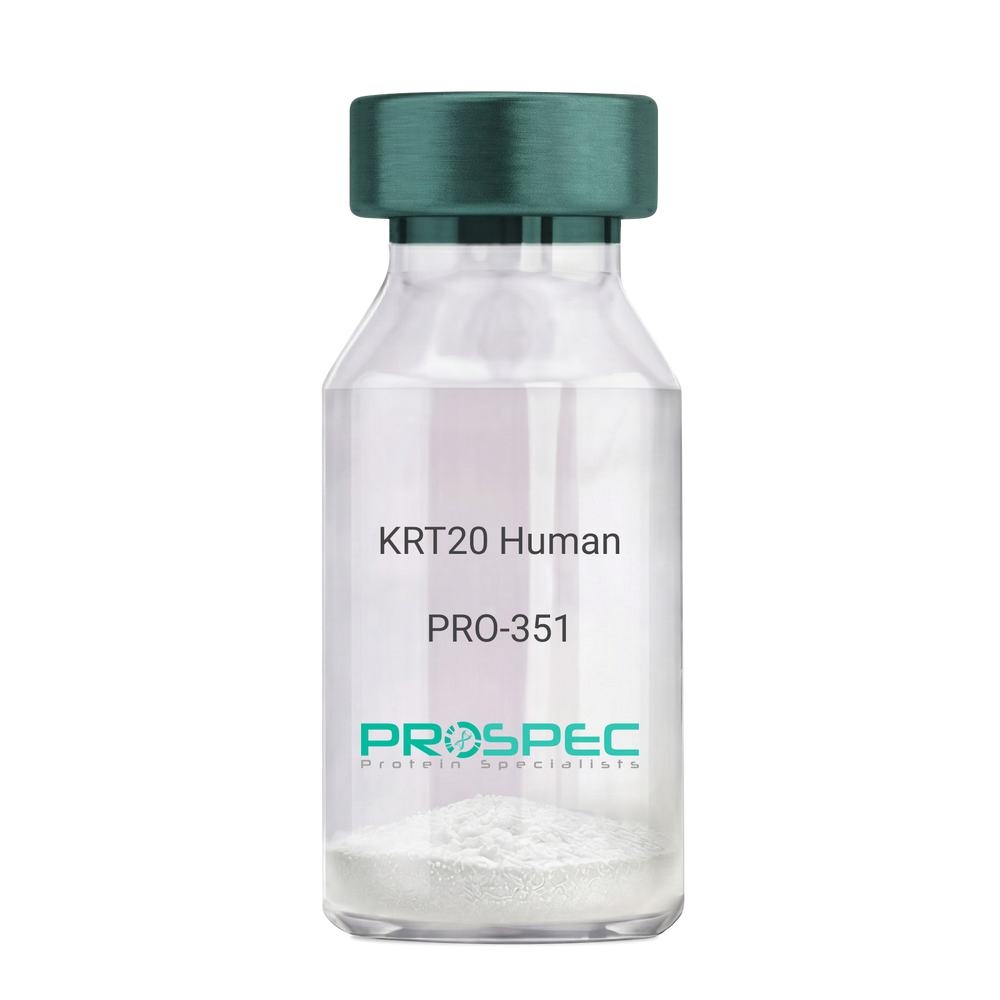
    KRT20 Human

    Description:

    Cytokeratin 20 Human Recombinant

    Keratin type I cytoskeletal 20, Cytokeratin-20, CK-20, Keratin-20, K20, Protein IT, KRT20, CD20, CK20, KRT21, MGC35423.

    Product # :

    PRO-351

    Price :

    Quantity :

    Shipping Method :

    Room Temp Icon

    Shipped at Room temp

    Add To Cart

    More Info

    • description
    • source
    • formulation
    • purity
    • More Info
    • Citations

    Description

    Cytokeratin 20 Human Recombinant produced in E.Coli is a single,non-glycosylated polypeptide chain having a molecular mass of 48,553 Dalton. The KRT20 is purified by proprietary chromatographic techniques.

    Source

    Escherichia Coli.

    Formulation

    The protein (1mg/1ml) was lyophilized after from a sterile solution containing 30mM Tris-HCL pH-8, 9.5M urea, 2mM DDT, 2mM EDTA and 10mM methylammonium chloride.

    Purity

    Greater than 95.0% as determined by SDS-PAGE.

    Citations

    More Info

    • Introduction

      KRT20 is a member of the keratin family. The keratins are intermediate filament proteins responsible for the structural integrity of epithelial cells and are subdivided into cytokeratins and hair keratins. The type I cytokeratins consist of acidic proteins which are arranged in pairs of heterotypic keratin chains. This cytokeratin is a major cellular protein of mature enterocytes and goblet cells and is specifically expressed in the gastric and intestinal mucosa. The type I cytokeratin genes are clustered in a region of chromosome 17q12-q21.

    • Synonyms

      Keratin type I cytoskeletal 20, Cytokeratin-20, CK-20, Keratin-20, K20, Protein IT, KRT20, CD20, CK20, KRT21, MGC35423.

    • Physical Appearance

      Sterile Filtered White lyophilized (freeze-dried) powder.

    • Stability

      Lyophilized KRT20 although stable at room temperature for 3 weeks, should be stored desiccated below -18°C. Upon reconstitution KRT20 should be stored at 4°C between 2-7 days and for future use below -18°C.For long term storage it is recommended to add a carrier protein (0.1% HSA or BSA).Please prevent freeze-thaw cycles.

    • Solubility

      It is recommended to reconstitute the lyophilized KRT20 in sterile 18MΩ-cm H2O not less than 100µg/ml, which can then be further diluted to other aqueous solutions.

    • Reconstitution to filaments

      Performed by mixing equimolar amounts of cytokeratins of type I and type II at concentrations of approx. 0.5 mg/ml, both dissolved in 9.5 M urea buffer (see above). Protofilaments and filament complexes are obtained by dialyzing the resulting polypeptide solution stepwise to a concentration of 4 M urea and then to low salt condition (50 mM NaCI, 2 mM dithiothreitol, 10 mM Tris-HCI, pH 7.4). For immunization purposes, the solution can be further dialyzed against PBS (phosphate buffered saline, e.g. Dulbecco's PBS).

    ProSpec's products are furnished for LABORATORY RESEARCH USE ONLY. The product may not be used as drugs, agricultural or pesticidal products, food additives or household chemicals.

    Krt20 Human
  • View Data Sheet

    Name :

    LGALS3 Mouse, Active

    Description:

    Galectin-3 Mouse Recombinant, BioActive

    Lectin galactose binding soluble 3, Lectin, galactose binding, soluble 3, CBP35, GAL3, GALBP, GALIG, LGALS2, MAC2.

    Product # :

    CYT-1151

    Price :

    Quantity :

    Shipping Method :

    Ice Icon

    Shipped with Ice Packs

    Add To Cart

    More Info

    • description
    • source
    • formulation
    • purity
    • biological activity
    • More Info
    • sds-page
    • Citations

    Description

    LGALS3 Mouse Recombinant produced in E.Coli is a single, non-glycosylated polypeptide chain containing 287 amino acids ( 1-264 a.a) and having a molecular mass of 29.8kDa.LGALS3 is fused to a 23 amino acid His-tag at N-terminus & purified by proprietary chromatographic techniques.

    Source

    E.coli.

    Formulation

    LGALS3 protein (0.5mg/ml) contains 20mM Tris-HCl buffer (pH 8.0), 0.15M NaCl, 50% glycerol,1mM DTT and 2mM EDTA.

    Purity

    Greater than 95% as determined by SDS-PAGE.

    Biological Activity

    Measured by its ability to agglutinate human red blood cells. The ED50 for this effect is ≥ 25ug/ml. 

    sds-page

    LGALS3-sds-page - Product image 1

    Citations

    More Info

    • Introduction

      Galectin 3, or LGALS3, is a protein which belongs to the animal lectins family, that binds betagalactoside residues selectively. LGALS3 is originated and leaves cells through ectocytosis. The protein is capable of inhibition apoptosis and the development of cancer. Galectin 3 is found in epithelial tissues in organisms, it can be located in dendritic cells, Kupffer cells, macrophages etc. LGALS3 levels elevated when inflammation is generating, cell proliferation, trans-activation by viral proteins and cell differentiation.

    • Synonyms

      Lectin galactose binding soluble 3, Lectin, galactose binding, soluble 3, CBP35, GAL3, GALBP, GALIG, LGALS2, MAC2.

    • Physical Appearance

      Sterile Filtered colorless solution.

    • Stability

      Store at 4°C if entire vial will be used within 2-4 weeks. Store, frozen at -20°C for longer periods of time. For long term storage it is recommended to add a carrier protein (0.1% HSA or BSA).Avoid multiple freeze-thaw cycles.

    • Amino Acid Sequence

      MGSSHHHHHH SSGLVPRGSH MGSMADSFSL NDALAGSGNP NPQGYPGAWG NQPGAGGYPG AAYPGAYPGQ APPGAYPGQA PPGAYPGQAP PSAYPGPTAP GAYPGPTAPG AYPGSTAPGA FPGQPGAPGA YPSAPGGYPA AGPYGVPAGP LTVPYDLPLP GGVMPRMLIT IMGTVKPNAN RIVLDFRRGN DVAFHFNPRF NENNRRVIVC NTKQDNNWGK EERQSAFPFE SGKPFKIQVL VEADHFKVAV NDAHLLQYNH RMKNLREISQ LGISGDITLT SANHAMI.

    • Background

      What is the molecular weight/Mw of LGALS3 MOUSE Protein?
      LGALS3 MOUSE Protein has a total Mw of 29.8kDa.

      What is the source or expression system of LGALS3 MOUSE Protein?
      Escherichia Coli.

      What is the Purity of LGALS3 MOUSE Protein?
      LGALS3 MOUSE Protein is >95% pure as determined by SDS-PAGE.

      What is the Biological Activity of LGALS3 MOUSE Protein?
      Measured by its ability to agglutinate human red blood cells. The ED50 for this effect is ≥ 25ug/ml.

      What is the amino acid sequence of LGALS3 MOUSE Protein?
      MGSSHHHHHH SSGLVPRGSH MGSMADSFSL NDALAGSGNP NPQGYPGAWG NQPGAGGYPG AAYPGAYPGQ APPGAYPGQA PPGAYPGQAP PSAYPGPTAP GAYPGPTAPG AYPGSTAPGA FPGQPGAPGA YPSAPGGYPA AGPYGVPAGP LTVPYDLPLP GGVMPRMLIT IMGTVKPNAN RIVLDFRRGN DVAFHFNPRF NENNRRVIVC NTKQDNNWGK EERQSAFPFE SGKPFKIQVL VEADHFKVAV NDAHLLQYNH RMKNLREISQ LGISGDITLT SANHAMI.

      What applications can LGALS3 MOUSE Protein be used in?
      LGALS3 MOUSE Protein can probably be used in western blot, ELISA and Lateral Flow.

    ProSpec's products are furnished for LABORATORY RESEARCH USE ONLY. The product may not be used as drugs, agricultural or pesticidal products, food additives or household chemicals.

    Galectin 3 Mouse
  • View Data Sheet

    Name :

    HSA, Pichia Pastoris

    Description:

    Human Serum Albumin Recombinant, Pichia

    Serum albumin, ALB, PRO0883, PRO0903, PRO1341, DKFZp779N1935, GIG20, GIG42, PRO1708, PRO2044, PRO2619, PRO2675, UNQ696, SA, HSA.

    Product # :

    PRO-2149

    Price :

    Quantity :

    Shipping Method :

    Ice Icon

    Shipped with Ice Packs

    Add To Cart

    More Info

    • description
    • source
    • formulation
    • purity
    • More Info
    • Citations

    Description

    HSA Human Recombinant produced in Pichia Pastoris is a polypeptide chain containing 585 amino acids and having a molecular mass of 67 kDa.The recombinant Albumin is purified by proprietary chromatographic techniques.

    Source

    Pichia Pastoris.

    Formulation

    The Recombinant Albumin having a concentration of 200mg/ml contains 140mM sodium chloride and 0.16mM octanoate.

    Purity

    Greater than 97% as determined by HPLC.

    Citations

    More Info

    • Introduction

      Albumin is synthesized in the liver as preproalbumin which has an N-terminal peptide that is removed before the nascent protein is released from the rough endoplasmic reticulum. The product, proalbumin, is in turn cleaved in the Golgi vesicles to produce the secreted albumin. Albumin is a soluble, monomeric protein which comprises about one-half of the blood serum protein. Albumin functions primarily as a carrier protein for steroids, fatty acids, and thyroid hormones and plays a role in stabilizing extracellular fluid volume. Mutations in this gene on chromosome 4 result in various anomalous proteins. Albumin is a globular unglycosylated serum protein of molecular weight 65,000. The human albumin gene is 16,961 nucleotides long from the putative 'cap' site to the first poly (A) addition site. It is split into 15 exons which are symmetrically placed within the 3 domains that are thought to have arisen by triplication of a single primordial domain.
      HSA is widely used to stabilize blood volume generally from donors but the fear of contamination such as HIV & Hepatitis has enticed great interest in the recombinant form which is identical to the natural blood.

    • Synonyms

      Serum albumin, ALB, PRO0883, PRO0903, PRO1341, DKFZp779N1935, GIG20, GIG42, PRO1708, PRO2044, PRO2619, PRO2675, UNQ696, SA, HSA.

    • Physical Appearance

      Yellowish gel like solution.

    • Stability

      Recombinant Albumin although stable at 15°C for 1 week, should be stored at 4°C for longer periods of time.Please prevent freeze-thaw cycles.

    • Applications

      Recombinant Albumin can be used as a media culture supplement at concentrations up to 5 grams per liter. Gradual adaptation of cell lines over several passages to a concentration of 0.5gr to 2gr per liter.

    ProSpec's products are furnished for LABORATORY RESEARCH USE ONLY. The product may not be used as drugs, agricultural or pesticidal products, food additives or household chemicals.

    Hsa Pichia Pastoris
  • View Data Sheet

    Name :

    EPCAM Human

    Description:

    Epithelial Cell Adhesion Molecule Human Recombinant

    Epithelial cell adhesion molecule, Ep-CAM, Adenocarcinoma-associated antigen, Cell surface glycoprotein Trop-1, Epithelial cell surface antigen, Epithelial glycoprotein, EGP, Epithelial glycoprotein 314, EGP314, hEGP314, KS 1/4 antigen, KSA, Major gastrointestinal tumor-associated protein GA733-2, Tumor-associated calcium signal transducer 1, CD326, EPCAM, GA733-2, M1S2, M4S1, MIC18, TACSTD1, TROP1, ESA, MK-1, DIAR5, EGP-2, EGP40, KS1/4, HNPCC8.

    Product # :

    PRO-1322

    Price :

    Quantity :

    Shipping Method :

    Ice Icon

    Shipped with Ice Packs

    Add To Cart

    More Info

    • description
    • source
    • formulation
    • purity
    • More Info
    • Citations

    Description

    EPCAM Human Recombinant produced in E.Coli is a single, non-glycosylated polypeptide chain containing 267 amino acids (24-265 a.a.) and having a molecular mass of 30.1kDa.EPCAM is fused to a 25 amino acid His-tag at N-terminus & purified by proprietary chromatographic techniques.

    Source

    Escherichia Coli.

    Formulation

    EPCAM protein solution (1mg/ml) containing 20mM Tris-HCl buffer (pH 8.0), 0.4M urea and 10% glycerol.

    Purity

    Greater than 85.0% as determined by SDS-PAGE.

    Citations

    More Info

    • Introduction

      EPCAM is a carcinoma-associated antigen and belongs to a family which includes at least 2 type I membrane proteins. The EPCAM protein has a role in embryonic stem cells proliferation and differentiation. EPCAM is used as a target for immunotherapy treatment of human carcinomas. EPCAM is expressed on most normal epithelial cells and gastrointestinal carcinomas and acts as a homotypic calcium-independent cell adhesion molecule. Epithelial cell adhesion molecules (EPCAM) can act as a physical homophilic interaction molecule between intestinal epithelial cells (IECs) and intraepithelial lymphocytes (IELs) at the mucosal epithelium for supplying immunological barrier as a first line of defense against mucosal infection. EPCAM gene mutations result in congenital tufting enteropathy.

    • Synonyms

      Epithelial cell adhesion molecule, Ep-CAM, Adenocarcinoma-associated antigen, Cell surface glycoprotein Trop-1, Epithelial cell surface antigen, Epithelial glycoprotein, EGP, Epithelial glycoprotein 314, EGP314, hEGP314, KS 1/4 antigen, KSA, Major gastrointestinal tumor-associated protein GA733-2, Tumor-associated calcium signal transducer 1, CD326, EPCAM, GA733-2, M1S2, M4S1, MIC18, TACSTD1, TROP1, ESA, MK-1, DIAR5, EGP-2, EGP40, KS1/4, HNPCC8.

    • Physical Appearance

      Sterile Filtered colorless solution.

    • Stability

      Store at 4°C if entire vial will be used within 2-4 weeks. Store, frozen at -20°C for longer periods of time. For long term storage it is recommended to add a carrier protein (0.1% HSA or BSA).Avoid multiple freeze-thaw cycles.

    • Amino Acid Sequence

      MGSSHHHHHH SSGLVPRGSH MGSHMQEECV CENYKLAVNC FVNNNRQCQC TSVGAQNTVI CSKLAAKCLV MKAEMNGSKL GRRAKPEGALQNNDGLYDPD CDESGLFKAK QCNGTSMCWC VNTAGVRRTD KDTEITCSER VRTYWIIIEL KHKAREKPYD SKSLRTALQK EITTRYQLDP KFITSILYEN NVITIDLVQN SSQKTQNDVD IADVAYYFEK DVKGESLFHS KKMDLTVNGE QLDLDPGQTL IYYVDEKAPE FSMQGLK.

    ProSpec's products are furnished for LABORATORY RESEARCH USE ONLY. The product may not be used as drugs, agricultural or pesticidal products, food additives or household chemicals.

    Epcam Human
  • View Data Sheet

    Name :

    MESDC2 Mouse

    Description:

    Mesoderm Development Candidate 2 Mouse Recombinant

    LDLR chaperone MESD, Mesoderm development candidate 2, Mesoderm development protein, Mesdc2, Mesd.

    Product # :

    PRO-2260

    Price :

    Quantity :

    Shipping Method :

    Ice Icon

    Shipped with Ice Packs

    Add To Cart

    More Info

    • description
    • source
    • formulation
    • purity
    • More Info
    • Citations

    Description

    MESDC2 Mouse Recombinant produced in E.Coli is a single, non-glycosylated polypeptide chain containing 218 amino acids (30-224 a.a) and having a molecular mass of 24.4kDa. MESDC2 is fused to a 23 amino acid His-tag at N-terminus & purified by proprietary chromatographic techniques.

    Source

    Escherichia Coli.

    Formulation

    MESDC2 protein solution (1mg/ml) containing Phosphate Buffered Saline (pH 7.4) and 10% glycerol.

    Purity

    Greater than 90.0% as determined by SDS-PAGE.

    Citations

    More Info

    • Introduction

      Mesoderm development candidate 2 (MESDC2) is required for formation of the primitive streak and mesoderm during embryogenesis. MESDC2 binds to the Wnt co-receptors LRP5 and LRP6 in the endoplasmic reticulum and is required for their proper folding and cell surface expression.

    • Synonyms

      LDLR chaperone MESD, Mesoderm development candidate 2, Mesoderm development protein, Mesdc2, Mesd.

    • Physical Appearance

      Sterile Filtered colorless solution.

    • Stability

      Store at 4°C if entire vial will be used within 2-4 weeks. Store, frozen at -20°C for longer periods of time. For long term storage it is recommended to add a carrier protein (0.1% HSA or BSA).Avoid multiple freeze-thaw cycles.

    • Amino Acid Sequence

      MGSSHHHHHH SSGLVPRGSH MGSADTPGEA TPPPRKKKDI RDYNDADMAR LLEQWEKDDD IEEGDLPEHK RPSAPIDFSK LDPGKPESIL KMTKKGKTLM MFVTVSGNPT EKETEEITSL WQGSLFNANY DVQRFIVGSD RAIFMLRDGS YAWEIKDFLV SQDRCAEVTL EGQMYPGKGG GSKEKNKTKP EKAKKKEGDP KPRASKEDNR AGSRREDL.

    ProSpec's products are furnished for LABORATORY RESEARCH USE ONLY. The product may not be used as drugs, agricultural or pesticidal products, food additives or household chemicals.

    Mesdc2 Mouse
  • View Data Sheet

    Name :

    AGO2 (1-200) Human

    Description:

    Argonaute 2 (1-200 a.a.) Human Recombinant

    Protein argonaute-2, Argonaute2, hAgo2, Argonaute RISC catalytic component 2, Eukaryotic translation initiation factor 2C 2, eIF-2C 2, eIF2C 2, PAZ Piwi domain protein, PPD, AGO2, EIF2C2, Protein slicer.

    Product # :

    PRO-2578

    Price :

    Quantity :

    Shipping Method :

    Room Temp Icon

    Shipped at Room temp

    Add To Cart

    More Info

    • description
    • source
    • formulation
    • purity
    • More Info
    • Citations

    Description

    AGO2 (1-200) Human Recombinant is a single, non-glycosylated, polypeptide chain containing 210 amino acids (1-200 a.a) and having a molecular mass of 23.7kDa (calculated). AGO2 (1-200) is fused to a 10 a.a His tag at N-terminal.

    Source

    Escherichia Coli.

    Formulation

    AGO2 (1-200) filtered (0.4 µm) and lyophilized from 0.5mg/ml in 50mM acetate buffer, pH 4.

    Purity

    Greater than 90.0% as determined by SDS-PAGE.

    Citations

    More Info

    • Introduction

      The Argonaute protein is part of the RISC or RNA-induced silencing complex, as so, the protein has a key part in the slicing processes of RNA. The RNA interference (RNAi) is being held by RISC. Small non-coding RNA fragments bond to the Argonaute proteins, through base pairing, eventually leads to the cleavage of messenger RNA or translation suppression.

    • Synonyms

      Protein argonaute-2, Argonaute2, hAgo2, Argonaute RISC catalytic component 2, Eukaryotic translation initiation factor 2C 2, eIF-2C 2, eIF2C 2, PAZ Piwi domain protein, PPD, AGO2, EIF2C2, Protein slicer.

    • Physical Appearance

      Filtered White lyophilized (freeze-dried) powder.

    • Stability

      Store lyophilized protein at -20°C. Aliquot the product after reconstitution to avoid repeated freezing/thawing cycles. Reconstituted protein can be stored at 4°C for a limited period of time; it does not show any change after two weeks at 4°C.

    • Solubility

      It is recommended to add 0.1M acetate buffer, pH 4 to prepare a working stock solution of approximately 0.5mg/ml and let the lyophilized pellet dissolve completely. AGO2 (1-200) is not sterile! Please filter the product by an appropriate sterile filter before using it in the cell culture.

    • Amino Acid Sequence

      MKHHHHHHAS MYSGAGPALA PPAPPPPIQG YAFKPPPRPD FGTSGRTIKL QANFFEMDIP KIDIYHYELD IKPEKCPRRV NREIVEHMVQ HFKTQIFGDR KPVFDGRKNL YTAMPLPIGR DKVELEVTLP GEGKDRIFKV SIKWVSCVSL QALHDALSGR LPSVPFETIQ ALDVVMRHLP SMRYTPVGRS FFTASEGCSN PLGGGREVW.

    ProSpec's products are furnished for LABORATORY RESEARCH USE ONLY. The product may not be used as drugs, agricultural or pesticidal products, food additives or household chemicals.

    Argonaute 2
  • View Data Sheet

    Name :

    HCG Paired Antibody

    Description:

    Anti Human HCG Paired Antibody Mouse

    Product # :

    ANT-786

    Price :

    Quantity :

    Shipping Method :

    Ice Icon

    Shipped with Ice Packs

    Add To Cart

    More Info

    • description
    • formulation
    • More Info
    • Citations

    Description

    Paired HCG monoclonal antibodies are composed of anti-HCG α and β subunits, the anti-HCG α is used for the coating and antibody to β subunit is used for colloid gold conjugation. Please note that when ordering for example: 100µg paired antibody, you receive 50µg from each antibody (100µg in total).

    Formulation

    *HCG α (coating) antibody in PBS, PH 7.4.

    * HCG β (conjugation) antibody in PBS, PH 7.4.

    Citations

    More Info

    • Physical Appearance

      2 vials of sterile Filtered clear colorless solution.

    • Stability

      For periods up to 1month HCG Paired Antibody should be stored at 4°C, for longer periods of time, store at -20°C. Prevent freeze thaw cycles.

    • Applications

      Lateral flow immunoassay.

    • Background

      Human chorionic gonadotropin (hCG) is a peptide hormone produced in pregnancy by the embryosoon after conception and later by the syncytiotrophoblast (part of the placenta). hCG protein’s main role is to prevent the disintegration of the corpus luteum of the ovary and there by maintain progesterone production that is critical for a pregnancy in humans. hCG also affects the immune tolerance of the pregnancy. Early pregnancy testing usually is based on the detection or measurement of hCG.

    • Type

      Mouse antibody Monoclonal.

    • Purification Method

      Purified by protein A chromatography.

    ProSpec's products are furnished for LABORATORY RESEARCH USE ONLY. The product may not be used as drugs, agricultural or pesticidal products, food additives or household chemicals.

    Hcg Antibody
  • View Data Sheet

    Name :

    MUCL1 Human

    Description:

    Mucin-Like 1 Human Recombinant

    Mucin-Like 1, Small Breast Epithelial Mucin, SBEM, Mucin-Like Protein 1, Protein BS106, Mucin-like protein 1.

    Product # :

    PRO-2124

    Price :

    Quantity :

    Shipping Method :

    Ice Icon

    Shipped with Ice Packs

    Add To Cart

    More Info

    • description
    • source
    • formulation
    • purity
    • More Info
    • Citations

    Description

    MUCL1 Human Recombinant produced in E.Coli is a single, non-glycosylated polypeptide chain containing 93 amino acids (21-90 a.a) and having a molecular mass of 9.3kDa. MUCL1 is fused to a 23 amino acid His-tag at N-terminus & purified by proprietary chromatographic techniques.

    Source

    Escherichia Coli.

    Formulation

    MUCL1 protein solution (0.25mg/ml) containing Phosphate buffer saline (pH 7.4) and 10% glycerol.

    Purity

    Greater than 85.0% as determined by SDS-PAGE.

    Citations

    More Info

    • Introduction

      Mucin-Like 1, also known as MUCL1 takes a part as a marker for the diagnosis of metastatic breast cancer. MUCL1 is expressed in mammary, salivary glands as well as in prostate.

    • Synonyms

      Mucin-Like 1, Small Breast Epithelial Mucin, SBEM, Mucin-Like Protein 1, Protein BS106, Mucin-like protein 1.

    • Physical Appearance

      Sterile Filtered colorless solution.

    • Stability

      Store at 4°C if entire vial will be used within 2-4 weeks. Store, frozen at -20°C for longer periods of time. For long term storage it is recommended to add a carrier protein (0.1% HSA or BSA).Avoid multiple freeze-thaw cycles.

    • Amino Acid Sequence

      MGSSHHHHHH SSGLVPRGSH MGSNPTTAAP ADTYPATGPA DDEAPDAETT AAATTATTAA PTTATTAAST TARKDIPVLP KWVGDLPNGR VCP.

    ProSpec's products are furnished for LABORATORY RESEARCH USE ONLY. The product may not be used as drugs, agricultural or pesticidal products, food additives or household chemicals.

    Mucl1 Human
  • View Data Sheet

    Name :

    Flagellin FliA (H)

    Description:

    Flagellin FliA (H) Recombinant

    Product # :

    PRO-2718

    Price :

    Quantity :

    Shipping Method :

    Room Temp Icon

    Shipped at Room temp

    Add To Cart

    More Info

    • description
    • source
    • formulation
    • purity
    • More Info
    • Citations

    Description

    Flagellin FliA (H) Recombinant produced in E.Coli is a single, non-glycosylated, polypeptide chain containing 302 amino acids and having a molecular mass of approximately 33.1kDa.The Flagellin FliA (H) is purified by proprietary chromatographic techniques.

    Source

    Escherichia Coli.

    Formulation

    Lyophilized from a 0.2um filtered concentrated solution in PBS, pH 7.4.

    Purity

    Greater than 97.0% as determined by SDS-PAGE and HPLC analyses.

    Citations

    More Info

    • Introduction

      Flagellin FliA (H), also known as RNA polymerase sigma factor for flagellar operon, Sigma F and Sigma-28, is a part of the FliA subfamily or sigma-70 factor family. This sigma factor controls the expression of flagella-related genes. Flagellin FliA (H) regulates the expression of genes involved in virulence. Flagellin FliA (H) is an initiation factors which endorses the attachment of RNA polymerase to specific initiation sites and are then released.

    • Physical Appearance

      Sterile Filtered White lyophilized (freeze-dried) powder.

    • Stability

      Lyophilized Flagellin FliA (H) although stable at room temperature for 3 weeks, should be stored desiccated below -18°C. Upon reconstitution Flagellin should be stored at 4°C between 2-7 days and for future use below -18°C.Please prevent freeze-thaw cycles.

    • Solubility

      It is recommended to reconstitute the lyophilized Flagellin FliA (H) in sterile 18MΩ-cm H2O not less than 100µg/ml, which can then be further diluted to other aqueous solutions.

    • Amino Acid Sequence

      MKGLKTGWIE KSVENIKTAY GIEPTGANKL KVTISDDGAY GVLASVTPKT GEFELHIDSS DFEKGDGESG NNIHGKLYDD RIIQHEMTHA VMNDALGIDK MNDLHDKNKL WFIEGTAEAM AGADERVKDI IGNDTQTGID NTKLSKLATR ADALLNGVSW NSSDEDYAAG YLMVKYIASK GIDLKAVMKE IKNTGASGLD NKIDLTNLKI DFKNNLENYI KDISKVHLDW DDDEKDVGSI LGSDHGHGDI KAEDVVKGTT PEKEQPLDKF KIIWPDDNSD NTTGKIQLQV GANEGQSITI LE

    ProSpec's products are furnished for LABORATORY RESEARCH USE ONLY. The product may not be used as drugs, agricultural or pesticidal products, food additives or household chemicals.

    Flagellin Flia H
  • View Data Sheet

    Name :

    GDI2 Human

    Description:

    GDP Dissociation Inhibitor 2 Human Recombinant

    GDP Dissociation Inhibitor 2, GDI2, RABGDIB, Guanosine Diphosphate Dissociation Inhibitor 2 , Rab GDI Beta , GDI-2, Epididymis Secretory Sperm Binding Protein Li 46e, Rab GDP Dissociation Inhibitor Beta , Rab GDP-Dissociation , HEL-S-46e.

    Product # :

    PRO-1948

    Price :

    Quantity :

    Shipping Method :

    Ice Icon

    Shipped with Ice Packs

    Add To Cart

    More Info

    • description
    • source
    • formulation
    • purity
    • More Info
    • Citations

    Description

    GDI2 Human Recombinant produced in E.coli is a single, non-glycosylated polypeptide chain containing 468 amino acids (1-445) and having a molecular mass of 53.1 kDa.GDI2 is fused to a 23 amino acid His-tag at N-terminus & purified by proprietary chromatographic techniques.

    Source

    Escherichia Coli.

    Formulation

    The GDI2 solution (0.5mg/ml) contains 20mM Tris-HCl buffer (pH 8.0), 0.1M NaCl, 10% glycerol and 1mM DTT.

    Purity

    Greater than 85.0% as determined by SDS-PAGE.

    Citations

    More Info

    • Introduction

      Rab GDP dissociation inhibitor beta isoform 1 (GDI2) is a member of the GDP dissociation inhibitors (GDIs) family. GDI proteins can bind and release GDP-bound Rab proteins from membranes. GDI1 interacts with virtually all of the Rab proteins, whereas GDI2 interacts with Rabll but not Rab3A. GDI2 distributes ubiquitously, presenting a membrane bound location in perinuclear regions of cells.

    • Synonyms

      GDP Dissociation Inhibitor 2, GDI2, RABGDIB, Guanosine Diphosphate Dissociation Inhibitor 2 , Rab GDI Beta , GDI-2, Epididymis Secretory Sperm Binding Protein Li 46e, Rab GDP Dissociation Inhibitor Beta , Rab GDP-Dissociation , HEL-S-46e.

    • Physical Appearance

      Sterile Filtered clear solution.

    • Stability

      Store at 4°C if entire vial will be used within 2-4 weeks. Store, frozen at -20°C for longer periods of time. For long term storage it is recommended to add a carrier protein (0.1% HSA or BSA).Avoid multiple freeze-thaw cycles.

    • Amino Acid Sequence

      MGSSHHHHHH SSGLVPRGSH MGSMNEEYDV IVLGTGLTEC ILSGIMSVNG KKVLHMDRNP YYGGESASIT PLEDLYKRFK IPGSPPESMG RGRDWNVDLI PKFLMANGQL VKMLLYTEVT RYLDFKVTEG SFVYKGGKIY KVPSTEAEAL ASSLMGLFEK RRFRKFLVYV ANFDEKDPRT FEGIDPKKTT MRDVYKKFDL GQDVIDFTGH ALALYRTDDY LDQPCYETIN RIKLYSESLA RYGKSPYLYP LYGLGELPQG FARLSAIYGG TYMLNKPIEE IIVQNGKVIG VKSEGEIARC KQLICDPSYV KDRVEKVGQV IRVICILSHP IKNTNDANSC QIIIPQNQVN RKSDIYVCMI SFAHNVAAQG KYIAIVSTTV ETKEPEKEIR PALELLEPIE QKFVSISDLL VPKDLGTESQ IFISRTYDAT THFETTCDDI KNIYKRMTGS EFDFEEMKRK KNDIYGED.

    ProSpec's products are furnished for LABORATORY RESEARCH USE ONLY. The product may not be used as drugs, agricultural or pesticidal products, food additives or household chemicals.

    Gdi2 Human
  • View Data Sheet

    Name :

    GUSB Human

    Description:

    Glucuronidase Beta Human Recombinant

    GUSB, BG, MPS7, Glucuronidase Beta, EC 3.2.1.31, Beta-G1, Beta-D-Glucuronidase, Glucuronidase, Beta, Beta-Glucuronidasem.

    Product # :

    ENZ-1018

    Price :

    Quantity :

    Shipping Method :

    Ice Icon

    Shipped with Ice Packs

    Add To Cart

    More Info

    • description
    • source
    • formulation
    • purity
    • biological activity
    • More Info
    • Citations

    Description

    GUSB Human Recombinant produced in Sf9 Baculovirus cells is a single, glycosylated polypeptide chain containing 635 amino acids (23-651a.a) and having a molecular mass of 73.4kDa (Molecular size on SDS-PAGE will appear at approximately 70-100kDa). GUSB is fused to a 6 amino acid His-tag at C-terminus & purified by proprietary chromatographic techniques.

    Source

    Sf9, Baculovirus cells.

    Formulation

    GUSB protein solution (0.25mg/ml) containing Phosphate Buffered Saline (pH 7.4) and 10% glycerol.

    Purity

    Greater than 90.0% as determined by SDS-PAGE.

    Biological Activity

    Specific activity is > 1600 pmol/min/ug and is defined as the amount of enzyme that hydrolyze 1.0 pmole of 4-Methylumbelliferone to 4- Methylum-belliferyl-β-D-glucosiduronic acid per minute at 37C and pH6.0.

    Citations

    More Info

    • Introduction

      Glucuronidase Beta (GUSB) is a lysosomal hydrolase which is taking part in the stepwise degradation of glucuronic acid-containing glycosaminoglycans and plays a significant role in the degradation of dermatan and keratin sulfates. GUSB is comprised of heparin sulfate, chondroitin sulfate and hyaluronan.

    • Synonyms

      GUSB, BG, MPS7, Glucuronidase Beta, EC 3.2.1.31, Beta-G1, Beta-D-Glucuronidase, Glucuronidase, Beta, Beta-Glucuronidasem.

    • Physical Appearance

      Sterile Filtered colorless solution.

    • Stability

      Store at 4°C if entire vial will be used within 2-4 weeks. Store, frozen at -20°C for longer periods of time. For long term storage it is recommended to add a carrier protein (0.1% HSA or BSA).Avoid multiple freeze-thaw cycles.

    • Amino Acid Sequence

      LQGGMLYPQE SPSRECKELD GLWSFRADFS DNRRRGFEEQ WYRRPLWESG PTVDMPVPSS FNDISQDWRL RHFVGWVWYE REVILPERWT QDLRTRVVLR IGSAHSYAIV WVNGVDTLEH EGGYLPFEAD ISNLVQVGPL PSRLRITIAI NNTLTPTTLP PGTIQYLTDT SKYPKGYFVQ NTYFDFFNYA GLQRSVLLYT TPTTYIDDIT VTTSVEQDSG LVNYQISVKG SNLFKLEVRL LDAENKVVAN GTGTQGQLKV PGVSLWWPYL MHERPAYLYS LEVQLTAQTS LGPVSDFYTL PVGIRTVAVT KSQFLINGKP FYFHGVNKHE DADIRGKGFD WPLLVKDFNL LRWLGANAFR TSHYPYAEEV MQMCDRYGIV VIDECPGVGL ALPQFFNNVS LHHHMQVMEE VVRRDKNHPA VVMWSVANEP ASHLESAGYY LKMVIAHTKS LDPSRPVTFV SNSNYAADKG APYVDVICLN SYYSWYHDYG HLELIQLQLA TQFENWYKKY QKPIIQSEYG AETIAGFHQD PPLMFTEEYQ KSLLEQYHLG LDQKRRKYVV GELIWNFADF MTEQSPTRVL GNKKGIFTRQ RQPKSAAFLL RERYWKIANE TRYPHSVAKS QCLENSLFTH HHHHH.

    ProSpec's products are furnished for LABORATORY RESEARCH USE ONLY. The product may not be used as drugs, agricultural or pesticidal products, food additives or household chemicals.

    Gusb Human
  • View Data Sheet

    Name :

    PLGF2 Human, HEK

    Description:

    Placental Growth Factor-2, HEK Human Recombinant

    PIGF, PGF, PlGF-2, PLGF-2.

    Product # :

    CYT-1228

    Price :

    Quantity :

    Shipping Method :

    Ice Icon

    Shipped with Ice Packs

    Add To Cart

    More Info

    • description
    • source
    • formulation
    • purity
    • biological activity
    • More Info
    • Citations

    Description

    PLGF2 Human Recombinant produced in HEK293 cells is a single, glycosylated polypeptide chain (a.a 19-170) containing 158 amino acids and having a molecular mass of 18.1kDa. PLGF2 is fused to a 6 amino acid His tag at C-terminus and purified by proprietary chromatographic techniques.

    Source

    HEK293 cells.

    Formulation

    PLGF2 protein (0.5mg/ml) contains Phosphate-Buffered Saline (pH 7.4) and 10% glycerol.

    Purity

    Greater than 90.0% as determined by SDS-PAGE.

    Biological Activity

    Measured by its binding ability in a functional ELISA with Human VEGFR1/Flt-1.

    Citations

    More Info

    • Synonyms

      PIGF, PGF, PlGF-2, PLGF-2.

    • Physical Appearance

      Sterile Filtered colorless solution.

    • Stability

      Store at 4°C if entire vial will be used within 2-4 weeks. Store, frozen at -20°C for longer periods of time. For long term storage it is recommended to add a carrier protein (0.1% HSA or BSA). Avoid multiple freeze-thaw cycles.

    • Amino Acid Sequence

      LPAVPPQQWA LSAGNGSSEV EVVPFQEVWG RSYCRALERL VDVVSEYPSE VEHMFSPSCV SLLRCTGCCG DENLHCVPVE TANVTMQLLK IRSGDRPSYV ELTFSQHVRC ECRPLREKMK PERRRPKGRG KRRREKQRPT DCHLCGDAVP RRHHHHHH.

    • Background

      PLGF2, a homodimeric glycoprotein, exhibits a unique structural configuration essential for its interactions with VEGF receptors and other signaling molecules. The human recombinant form provides a controlled platform for studying the three-dimensional structure of PLGF2, elucidating its binding affinities and conformational dynamics. Understanding its structure is fundamental for deciphering how PLGF2 mediates angiogenic signaling and vascular remodeling.

    ProSpec's products are furnished for LABORATORY RESEARCH USE ONLY. The product may not be used as drugs, agricultural or pesticidal products, food additives or household chemicals.

    Pigf2 Human
  • View Data Sheet

    Name :

    EIF3K (50-94) Human

    Description:

    Eukaryotic Translation Initiation Factor 3K (50-94 a.a.) Human Recombinant

    PLAC-24, eIF3k, eIF-3 p25, eIF-3 p28, EIF3S12.

    Product # :

    PRO-2833

    Price :

    Quantity :

    Shipping Method :

    Room Temp Icon

    Shipped at Room temp

    Add To Cart

    More Info

    • description
    • source
    • formulation
    • purity
    • More Info
    • Citations

    Description

    The EIF3KHuman is created as a recombinant protein with a 4kda N-terminal fusion of His Tag. The EIF3KHis-Tagged Fusion Protein, produced in E. coli, is a 10kDa protein containing 45 amino acid residues of the EIF3KHuman, 50-94 amino acids.

    Source

    Escherichia Coli.

    Formulation

    Each mg was lyophilized with 1xPBS, 0.4% SDS and 4mM DTT.

    Purity

    Greater than 90% as determined by SDS-PAGE.

    Citations

    More Info

    • Synonyms

      PLAC-24, eIF3k, eIF-3 p25, eIF-3 p28, EIF3S12.

    • Physical Appearance

      Filtered White lyophilized (freeze-dried) powder.

    • Stability

      Store lyophilized EIF3Kat -20°C. Aliquot the product after reconstitution to avoid repeated freezing/thawing cycles. Reconstituted protein can be stored at 4°C for a limited period of time; it does not show any change after two weeks at 4°C.

    • Solubility

      It is recommended to add deionized water to prepare a working stock solution of approximately 0.5mg/ml and let the lyophilized pellet dissolve completely. Product is not sterile! Please filter the product by an appropriate sterile filter before using it on cell culture.

    • Background

      Eukaryotic Translation Initiation Factor 3K (EIF3K) is a part of the eIF3 subunit K family. EIF3K is the smallest subunit of eIF3 and it interacts with a few other subunits of the 40S ribosomal subunit and eIF3. EIF3K is found both in nucleus and cytoplasm and colocalized with cyclin D3, a regulatory subunit of cyclin-dependent kinase 4. EIF3K is conserved among high eukaryotes, including mammals, plants and insects and is expressed in human tissues.

    ProSpec's products are furnished for LABORATORY RESEARCH USE ONLY. The product may not be used as drugs, agricultural or pesticidal products, food additives or household chemicals.

    Eif3K Protein
  • View Data Sheet

    Name :

    UCN3 Human

    Description:

    Urocortin 3 Human Recombinant

    Stresscopin, urocortin-iii.

    Product # :

    HOR-056

    Price :

    Quantity :

    Shipping Method :

    Room Temp Icon

    Shipped at Room temp

    Add To Cart

    More Info

    • description
    • source
    • formulation
    • purity
    • More Info
    • Citations

    Description

    The UCN3Human is created as a recombinant protein with a 4kda N-terminal fusion of His Tag. The UCN3His-Tagged Fusion Protein, produced in E. coli, is a 20kDa protein containing 161 amino acid residues of the UCN3Human, 1-161 amino acids.

    Source

    Escherichia Coli.

    Formulation

    Each mg was lyophilized with 1xPBS, 0.4% SDS and 4mM DTT.

    Purity

    Greater than 90% as determined by SDS-PAGE.

    Citations

    More Info

    • Synonyms

      Stresscopin, urocortin-iii.

    • Physical Appearance

      Filtered White lyophilized (freeze-dried) powder.

    • Stability

      Store lyophilized UCN3at -20°C. Aliquot the product after reconstitution to avoid repeated freezing/thawing cycles. Reconstituted protein can be stored at 4°C for a limited period of time; it does not show any change after two weeks at 4°C.

    • Solubility

      It is recommended to add deionized water to prepare a working stock solution of approximately 0.5mg/ml and let the lyophilized pellet dissolve completely. Product is not sterile! Please filter the product by an appropriate sterile filter before using it on cell culture.

    • Background

      Urocortin 3 also known as UCN3 is a part of the corticotropin-releasing factor (CRF) family of peptides, which are involved in metabolism, stress response and neuroendocrine regulation. UCN3 exerts its biological effects through interactions with CRFR2. UCN3 takes a main part in mediating few important biological processes, specially those associated with energy metabolism, stress response and the regulation of the hypothalamic-pituitary-adrenal (HPA) axis. UCN3 expressed mainly in the brain in areas such as the hypothalamus, as well as in peripheral tissues, including the heart and adipose tissue.

      What is the molecular weight/Mw of UCN3 HUMAN Protein?
      UCN3 HUMAN Protein has a total Mw of 20kDa.

      What is the source or expression system of UCN3 HUMAN Protein?
      Escherichia Coli.

      What is the Purity of UCN3 HUMAN Protein?
      UCN3 HUMAN Protein is >90% pure as determined by SDS-PAGE.

      What is the Biological Activity of UCN3 HUMAN Protein?
      The biological functionality of UCN3 HUMAN Protein will be determined in the future.

      What applications can UCN3 HUMAN Protein be used in?
      UCN3 HUMAN Protein can probably be used in western blot, ELISA and Lateral Flow.

      What is the endotoxin level for UCN3 HUMAN Protein?
      The endotoxin level is minimal, UCN3 HUMAN Protein was purified using conventional chromatography techniques.

    ProSpec's products are furnished for LABORATORY RESEARCH USE ONLY. The product may not be used as drugs, agricultural or pesticidal products, food additives or household chemicals.

    Ucn3 Human
  • View Data Sheet

    Name :

    IL4R Human

    Description:

    Interleukin-4 Receptor Human Recombinant

    Interleukin 4 Receptor, IL-4 Receptor Subunit Alpha, Interleukin 13 Receptor, IL-4RA, IL4RA, Interleukin-4 Receptor Subunit Alpha, Interleukin-4 Receptor Alpha Chain, IL4R Nirs Variant 1, IL-4R Subunit Alpha, CD124 Antigen, IL-4R-Alpha, CD124, IL4R.

    Product # :

    CYT-1047

    Price :

    Quantity :

    Shipping Method :

    Ice Icon

    Shipped with Ice Packs

    Add To Cart

    More Info

    • description
    • source
    • formulation
    • purity
    • More Info
    • SDS-PAGE
    • Citations

    Description

    IL4R produced in Sf9 Baculovirus cells is a single, glycosylated polypeptide chain (26-232 a.a.) and fused to an 8 aa His Tag at C-terminus containing a total of 215 amino acids and having a molecular mass of 24.7kDa.IL4R shows multiple bands between 28-40kDa on SDS-PAGE, reducing conditions and purified by proprietary chromatographic techniques.

    Source

    Sf9, Baculovirus cells.

    Formulation

    IL4R protein solution (0.25mg/ml) contains Phosphate buffered saline (pH7.4).

    Purity

    Greater than 95.0% as determined by SDS-PAGE.

    SDS-PAGE

    IL 4R Human - Product image 1

    Citations

    More Info

    • Introduction

      IL4 is a pleiotropic cytokine produced by activated T cells. IL4 is a ligand for interleukin 4 receptor. The interleukin 4 receptor also binds to IL13, which may contribute to many overlapping functions of this cytokine and IL13. STAT6, a signal transducer and activator of transcription, has been shown to play a central role in mediating the immune regulatory signal of this cytokine. This gene, IL3, IL5, IL13, and CSF2 form a cytokine gene cluster on chromosome 5q, with this gene particularly close to IL13. IL4, IL13 and IL5 are found to be regulated coordinately by several long-range regulatory elements in an over 120 kilobase range on the chromosome. Two alternatively spliced transcript variants of this gene encoding distinct isoforms have been reported.

    • Synonyms

      Interleukin 4 Receptor, IL-4 Receptor Subunit Alpha, Interleukin 13 Receptor, IL-4RA, IL4RA, Interleukin-4 Receptor Subunit Alpha, Interleukin-4 Receptor Alpha Chain, IL4R Nirs Variant 1, IL-4R Subunit Alpha, CD124 Antigen, IL-4R-Alpha, CD124, IL4R.

    • Physical Appearance

      Sterile filtered colorless solution.

    • Stability

      Store at 4°C if entire vial will be used within 2-4 weeks. Store, frozen at -20°C for longer periods of time. For long term storage it is recommended to add a carrier protein (0.1% HSA or BSA).Avoid multiple freeze-thaw cycles.

    • Amino Acid Sequence

      MKVLQEPTCV SDYMSISTCE WKMNGPTNCS TELRLLYQLV FLLSEAHTCI PENNGGAGCV CHLLMDDVVS ADNYTLDLWA GQQLLWKGSF KPSEHVKPRA PGNLTVHTNV SDTLLLTWSN PYPPDNYLYN HLTYAVNIWS ENDPADFRIY NVTYLEPSLR IAASTLKSGI SYRARVRAWA
      QCYNTTWSEW SPSTKWHNSY REPFEQHLEH HHHHH

    • Background

      What is the molecular weight/Mw of IL 4R HUMAN Protein?
      IL 4R HUMAN Protein has a total Mw of 24.7kDa.

      What is the source or expression system of IL 4R HUMAN Protein?
      Sf9, Baculovirus cells.

      What is the Purity of IL 4R HUMAN Protein?
      IL 4R HUMAN Protein is >95% pure as determined by SDS-PAGE.

      What is the Biological Activity of IL 4R HUMAN Protein?
      The biological functionality of IL 4R HUMAN Protein will be determined in the future.

      What is the amino acid sequence of IL 4R HUMAN Protein?
      MKVLQEPTCV SDYMSISTCE WKMNGPTNCS TELRLLYQLV FLLSEAHTCI PENNGGAGCV CHLLMDDVVS ADNYTLDLWA GQQLLWKGSF KPSEHVKPRA PGNLTVHTNV SDTLLLTWSN PYPPDNYLYN HLTYAVNIWS ENDPADFRIY NVTYLEPSLR IAASTLKSGI SYRARVRAWA
      QCYNTTWSEW SPSTKWHNSY REPFEQHLEH HHHHH.

      What applications can IL 4R HUMAN Protein be used in?
      IL 4R HUMAN Protein can probably be used in western blot, ELISA and Lateral Flow.

      What is the endotoxin level for IL 4R HUMAN Protein?
      The endotoxin level is minimal, IL 4R HUMAN Protein was purified using conventional chromatography techniques.

      Who supplies recombinant IL 4R HUMAN that is in stock and available to order?
      ProSpec has the protein in stock and available for immediate delivery.

      Where can I order bulk mg quantities of IL 4R HUMAN?
      ProSpec supplies bulk mg quantities at affordable prices that meets research and academic budgets.

    ProSpec's products are furnished for LABORATORY RESEARCH USE ONLY. The product may not be used as drugs, agricultural or pesticidal products, food additives or household chemicals.

    Il4R Human
  • View Data Sheet

    Name :

    S.Typhi OMP 52kDa

    Description:

    Salmonella Typhi Outer Membrane Protein 52kDa Recombinant

    Product # :

    STY-003

    Price :

    Quantity :

    Shipping Method :

    Room Temp Icon

    Shipped at Room temp

    Add To Cart

    More Info

    • description
    • source
    • formulation
    • purity
    • More Info
    • Citations

    Description

    Recombinant S.Typhi OMP produced in E.coli is a non-glycosylated polypeptide chain having a molecular mass of 52 kDa and fused to a His tag at C-terminus.

    Source

    Escherichia Coli.

    Formulation

    Lyophilized from 1mg/ml in 20mM sodium carbonate pH-10.

    Purity

    Greater than 95.0% as determined by SDS-PAGE.

    Citations

    More Info

    • Introduction

      Salmonella Typhi is a pathogen causing typhoid fever, affecting over 17 million people with approximately 600,000 deaths annually worldwide. If untreated, typhoid fever cases result in mortality rates ranging from 12-30%.

    • Physical Appearance

      Sterile Filtered White lyophilized (freeze-dried) powder.

    • Stability

      Store the lyophilized S.Typhi OMP between 2-8°C, do not freeze. Upon reconstitution S.Typhi OMP should be stored at 4°C between 2-7 days and for future use below -18°C. Please prevent freeze-thaw cycles.

    • Solubility

      It is recommended to reconstitute the lyophilized S.Typhi OMP in sterile 18M-cm H2O not less than 100µg/ml, which can then be further diluted to other aqueous solutions.

    ProSpec's products are furnished for LABORATORY RESEARCH USE ONLY. The product may not be used as drugs, agricultural or pesticidal products, food additives or household chemicals.

    Styphi Omp 52Kda
  • View Data Sheet

    Name :

    CX3CL1 Human, Sf9

    Description:

    Fractalkine (CX3CL1) Human Recombinant, Sf9

    Fractalkine, CX3CL1, Neurotactin, CX3C membrane-anchored chemokine, Small inducible cytokine D1, NTN, NTT, CXC3, CXC3C, SCYD1, ABCD-3, C3Xkine.

    Product # :

    CHM-042

    Price :

    Quantity :

    Shipping Method :

    Ice Icon

    Shipped with Ice Packs

    Add To Cart

    More Info

    • description
    • source
    • formulation
    • purity
    • More Info
    • SDS-PAGE
    • Citations

    Description

    Fractalkine Human Recombinant produced in Sf9 Baculovirus cells is a single, glycosylated polypeptide chain containing 323 amino acids (25-339aa) and having a molecular mass of 34.3kDa.Fractalkine is fused to a 8 amino acid His tag at C-terminus and purified by proprietary chromatographic techniques.

    Source

    Sf9, Baculovirus cells.

    Formulation

    The Fractalkine solution (1 mg/ml) contains 10% Glycerol and Phosphate Buffered Saline (pH 7.4).

    Purity

    Greater than 90.0% as determined by SDS-PAGE.

    SDS-PAGE

    CX3CL1 Human, Sf9-SDS-PAGE - Product image 1

    Citations

    More Info

    • Introduction

      Fractalkine soluble form is chemotactic for t-cells and monocytes, but not for neutrophils. Fractalkine membrane-bound form promotes adhesion of those leukocytes to endothelial cells. Fractalkine regulates leukocyte adhesion and migration processes at the endothelium and binds to CX3CR1. Fractalkine gene is located on human chromosome 16 along with some CC chemokines known as CCL17 and CCL22.

    • Synonyms

      Fractalkine, CX3CL1, Neurotactin, CX3C membrane-anchored chemokine, Small inducible cytokine D1, NTN, NTT, CXC3, CXC3C, SCYD1, ABCD-3, C3Xkine.

    • Physical Appearance

      Sterile Filtered colorless solution.

    • Stability

      Store at 4°C if entire vial will be used within 2-4 weeks. Store, frozen at -20°C for longer periods of time. For long term storage it is recommended to add a carrier protein (0.1% HSA or BSA).Avoid multiple freeze-thaw cycles.

    • Amino Acid Sequence

      QHHGVTKCNI TCSKMTSKIP VALLIHYQQN QASCGKRAII LETRQHRLFC ADPKEQWVKD
      AMQHLDRQAA ALTRNGGTFE KQIGEVKPRT TPAAGGMDES VVLEPEATGE SSSLEPTPSS
      QEAQRALGTS PELPTGVTGS SGTRLPPTPK AQDGGPVGTE LFRVPPVSTA ATWQSSAPHQ
      PGPSLWAEAK TSEAPSTQDP STQASTASSP APEENAPSEG QRVWGQGQSP RPENSLEREE
      MGPVPAHTDA FQDWGPGSMA HVSVVPVSSE GTPSREPVAS GSWTPKAEEP IHATMDPQRL GVLITPVPDA QAATRLEHHH HHH

    • Background

      What is the molecular weight/Mw of CX3CL1 HUMAN, SF9 Protein?
      CX3CL1 HUMAN, SF9 Protein has a total Mw of 34.3kDa.

      What is the source or expression system of CX3CL1 HUMAN, SF9 Protein?
      Sf9, Baculovirus cells.

      What is the Purity of CX3CL1 HUMAN, SF9 Protein?
      CX3CL1 HUMAN, SF9 Protein is >90% pure as determined by SDS-PAGE.

      What is the Biological Activity of CX3CL1 HUMAN, SF9 Protein?
      The biological functionality of CX3CL1 HUMAN, SF9 Protein will be determined in the future.

      What is the amino acid sequence of CX3CL1 HUMAN, SF9 Protein?
      QHHGVTKCNI TCSKMTSKIP VALLIHYQQN QASCGKRAII LETRQHRLFC ADPKEQWVKD
      AMQHLDRQAA ALTRNGGTFE KQIGEVKPRT TPAAGGMDES VVLEPEATGE SSSLEPTPSS
      QEAQRALGTS PELPTGVTGS SGTRLPPTPK AQDGGPVGTE LFRVPPVSTA ATWQSSAPHQ
      PGPSLWAEAK TSEAPSTQDP STQASTASSP APEENAPSEG QRVWGQGQSP RPENSLEREE
      MGPVPAHTDA FQDWGPGSMA HVSVVPVSSE GTPSREPVAS GSWTPKAEEP IHATMDPQRL GVLITPVPDA QAATRLEHHH HHH

      What applications can CX3CL1 HUMAN, SF9 Protein be used in?
      CX3CL1 HUMAN, SF9 Protein can probably be used in western blot, ELISA and Lateral Flow.

      What is the endotoxin level for CX3CL1 HUMAN, SF9 Protein?
      The endotoxin level is minimal, CX3CL1 HUMAN, SF9 Protein was purified using conventional chromatography techniques.

      Who supplies recombinant CX3CL1 HUMAN, SF9 that is in stock and available to order?
      ProSpec has the protein in stock and available for immediate delivery.

      Where can I order bulk mg quantities of CX3CL1 HUMAN, SF9?
      ProSpec supplies bulk mg quantities at affordable prices that meets research and academic budgets.

    ProSpec's products are furnished for LABORATORY RESEARCH USE ONLY. The product may not be used as drugs, agricultural or pesticidal products, food additives or household chemicals.

    Cx3Cl1 Human
  • View Data Sheet

    Name :

    ERO1L Human

    Description:

    ERO1-Like Human Recombinant

    ERO1-Like (S. Cerevisiae), Endoplasmic Oxidoreductin-1-Like Protein, Oxidoreductin-1-L-Alpha, ERO1-L-Alpha, ERO1LA, ERO1-L, ERO1 (S. Cerevisiae)-Like, ERO1-Like Protein Alpha, ERO1-Alpha, EC 1.8.4.-, EC 1.8.4, ERO1A, ERO1L.

    Product # :

    PRO-1957

    Price :

    Quantity :

    Shipping Method :

    Ice Icon

    Shipped with Ice Packs

    Add To Cart

    More Info

    • description
    • source
    • formulation
    • purity
    • More Info
    • Citations

    Description

    ERO1L Human Recombinant produced in E.coli is a single, non-glycosylated polypeptide chain containing 468 amino acids (24-468) and having a molecular mass of 54.4 kDa.ERO1L is fused to a 23 amino acid His-tag at N-terminus & purified by proprietary chromatographic techniques.

    Source

    Escherichia Coli.

    Formulation

    The ERO1L solution (1mg/ml) contains 20mM Tris-HCl buffer (pH 8.0) and 10% glycerol.

    Purity

    Greater than 90.0% as determined by SDS-PAGE.

    Citations

    More Info

    • Introduction

      ERO1-like protein alpha (ERO1L) is an essential oxidoreductase, which oxidizes proteins and is necessary for the folding of immunoglobulins. ERO1L covalently binds with PDI (protein disulfide-isomerase) and jointly they generate disulfide bonds between proteins in the endoplasmic reticulum. ERO1L is stimulated by hypoxia, proposing that ERO1L is regulated through the HIF (hypoxia inducible transcrip-tion factor) pathway. At low levels ERO1L is ubiquitously expressed, however at high levels it is expressed in the upper digestive tract and esophagus. In addition, ERO1L is involved in the release of the unfolded cholera toxin from reduced P4HB/PDI in case of infection by V.cholerae, thus having a role in retrotranslocation of the toxin. Furthermore, ERO1L plays an important role in ER stress-induced, CHOP-dependent apoptosis by activating the inositol 1,4,5-trisphosphate receptor IP3R1.

    • Synonyms

      ERO1-Like (S. Cerevisiae), Endoplasmic Oxidoreductin-1-Like Protein, Oxidoreductin-1-L-Alpha, ERO1-L-Alpha, ERO1LA, ERO1-L, ERO1 (S. Cerevisiae)-Like, ERO1-Like Protein Alpha, ERO1-Alpha, EC 1.8.4.-, EC 1.8.4, ERO1A, ERO1L.

    • Physical Appearance

      Sterile Filtered colorless solution.

    • Stability

      Store at 4°C if entire vial will be used within 2-4 weeks. Store, frozen at -20°C for longer periods of time. For long term storage it is recommended to add a carrier protein (0.1% HSA or BSA).Avoid multiple freeze-thaw cycles.

    • Amino Acid Sequence

      MGSSHHHHHH SSGLVPRGSH MGSEEQPPET AAQRCFCQVS GYLDDCTCDV ETIDRFNNYR LFPRLQKLLE SDYFRYYKVN LKRPCPFWND ISQCGRRDCA VKPCQSDEVP DGIKSASYKY SEEANNLIEE CEQAERLGAV DESLSEETQK AVLQWTKHDD SSDNFCEADD IQSPEAEYVD LLLNPERYTG YKGPDAWKIW NVIYEENCFK PQTIKRPLNP LASGQGTSEE NTFYSWLEGL CVEKRAFYRL ISGLHASINV HLSARYLLQE TWLEKKWGHN ITEFQQRFDG ILTEGEGPRR LKNLYFLYLI ELRALSKVLP FFERPDFQLF TGNKIQDEEN KMLLLEILHE IKSFPLHFDE NSFFAGDKKE AHKLKEDFRL HFRNISRIMD CVGCFKCRLW GKLQTQGLGT ALKILFSEKL IANMPESGPS YEFHLTRQEI VSLFNAFGRI STSVKELENF RNLLQNIH.

    ProSpec's products are furnished for LABORATORY RESEARCH USE ONLY. The product may not be used as drugs, agricultural or pesticidal products, food additives or household chemicals.

    Ero1L Human
  • View Data Sheet

    Name :

    CXCL12 Human alpha, His

    Description:

    Stromal Cell-Derived Factor-1 alpha Human Recombinant, His Tag

    SDF-1, CXCL12, Pre-B cell growth-stimulating factor, PBSF, hIRH, chemokine (C-X-C motif) ligand 12, SDF1, SDF1A, TPAR1, SCYB12, SDF-1a, TLSF-a.

    Product # :

    CHM-241

    Price :

    Quantity :

    Shipping Method :

    Room Temp Icon

    Shipped at Room temp

    Add To Cart

    More Info

    • description
    • source
    • formulation
    • purity
    • More Info
    • Citations

    Description

    Stromal Cell-Derived Factor-1 alpha Human Recombinant produced in E.Coli is a non-glycosylated, Polypeptide chain containing 78 amino acids, having a molecular mass of 9.2 kDa. The SDF-1a is fused to 10 amino acids His-Tag at N-terminus and purified by proprietary chromatographic techniques.

    Source

    Escherichia Coli.

    Formulation

    The protein was filtered (0.4µm) and lyophilized from a concentrated (0.5mg/ml) solution containing 20mM Tris buffer pH-7.5 and 20mM sodium chloride.

    Purity

    Greater than 95.0% as determined SDS-PAGE.

    Citations

    More Info

    • Introduction

      SDF-1 (stromal cell-derived factor-1) is small cytokine belonging to the chemokine family that is officially designated Chemokine (C-X-C motif) ligand 12 (CXCL12). It is produced in two forms, SDF-1?/CXCL12a and SDF-1?/CXCL12b, by alternate splicing of the same gene. Chemokines are characterized by the presence of four conserved cysteines, which form two disulfide bonds. The CXCL12 proteins belong to the group of CXC chemokines, whose initial pair of cysteines are separated by one intervening amino acid. CXCL12 is strongly chemotactic for lymphocytes and has been implicated as an important cell co-ordinator during development. During embryogenesis it directs the migration of hematopoietic cells from foetal liver to bone marrow. Mice which were knocked-out for CXCL12 gene were lethal before the birth or within just 1 hour of life. As another role, CXCL12a alters also the electrophysiology of neurons. CXCL12 was shown to be expressend in many tissues in mice (including brain, thymus, heart, lung, liver, kidney, spleen and bone marrow).
      The receptor for this chemokine is CXCR4, which was previously called fusin. This CXCL12-CXCR4 interaction used to be considered exclusive (unlike for other chemokines and their receptors), but recently it was suggested that CXCL12 is also bound by CXCR7 receptor.
      The gene for CXCL12 is located on human chromosome 10. In human and mouse both CXCL12 and CXCR4 show high identity of sequence: 99% and 90%, respectively.

    • Synonyms

      SDF-1, CXCL12, Pre-B cell growth-stimulating factor, PBSF, hIRH, chemokine (C-X-C motif) ligand 12, SDF1, SDF1A, TPAR1, SCYB12, SDF-1a, TLSF-a.

    • Physical Appearance

      White lyophilized (freeze-dried) powder.

    • Stability

      Lyophilized SDF1A although stable at room temperature for 3 weeks, should be stored desiccated below -18°C. Upon reconstitution CXCL12 should be stored at 4°C between 2-7 days and for future use below -18°C.For long term storage it is recommended to add a carrier protein (0.1% HSA or BSA).Please prevent freeze-thaw cycles.

    • Solubility

      It is recommended to add deionized water to a working concentration approximately 0.5 mg/ml and let the lyophilized pellet dissolve completely. Product is not sterile! Please filter the product by appropriate sterile filter before using it in the cell culture.

    • Amino Acid Sequence

      MKHHHHHHAS KPVSLSYRCP CRFFESHVAR ANVKHLKILN TPNCALQIVA RLKNNNRQVC IDPKLKWIQE YLEKALNK.

    • Background

      What is the molecular weight/Mw of CXCL12 HUMAN ALPHA, HIS Protein?
      CXCL12 HUMAN ALPHA, HIS Protein has a total Mw of 9.2kDa.

      What is the source or expression system of CXCL12 HUMAN ALPHA, HIS Protein?
      Escherichia Coli.

      What is the Purity of CXCL12 HUMAN ALPHA, HIS Protein?
      CXCL12 HUMAN ALPHA, HIS Protein is > 95% pure as determined by SDS-PAGE.

      What is the Biological Activity of CXCL12 HUMAN ALPHA, HIS Protein?
      The biological functionality of CXCL12 HUMAN ALPHA, HIS Protein will be determined in the future.

      What is the amino acid sequence of CXCL12 HUMAN ALPHA, HIS Protein?
      MKHHHHHHAS KPVSLSYRCP CRFFESHVAR ANVKHLKILN TPNCALQIVA RLKNNNRQVC IDPKLKWIQE YLEKALNK.

      What applications can CXCL12 HUMAN ALPHA, HIS Protein be used in?
      CXCL12 HUMAN ALPHA, HIS Protein can probably be used in western blot, ELISA and Lateral Flow.

      What is the endotoxin level for CXCL12 HUMAN ALPHA, HIS Protein?
      The endotoxin level is minimal, CXCL12 HUMAN ALPHA, HIS Protein was purified using conventional chromatography techniques.

      Who supplies recombinant CXCL12 HUMAN ALPHA, HIS that is in stock and available to order?
      ProSpec has the protein in stock and available for immediate delivery.

      Where can I order bulk mg quantities of CXCL12 HUMAN ALPHA, HIS?
      ProSpec supplies bulk mg quantities at affordable prices that meets research and academic budgets.

    ProSpec's products are furnished for LABORATORY RESEARCH USE ONLY. The product may not be used as drugs, agricultural or pesticidal products, food additives or household chemicals.

    Sdf 1A Human His
  • View Data Sheet

    Name :

    TNF alpha human

    Description:

    Tumor Necrosis Factor-Alpha Human Recombinant

    TNF-alpha, Tumor necrosis factor ligand superfamily member 2, TNF-a, Cachectin, DIF, TNFA, TNFSF2.

    Product # :

    CYT-223

    Price :

    Quantity :

    Shipping Method :

    Room Temp Icon

    Shipped at Room temp

    Add To Cart

    More Info

    • description
    • source
    • formulation
    • purity
    • biological activity
    • More Info
    • Citations

    Description

    Tumor Necrosis Factor-a Human Recombinant produced in E.Coli is a single, non-glycosylated, polypeptide chain containing 158 amino acids (157 a.a. of the mature human TNF-alpha and an N-terminal methionine) and having a molecular mass of 17.5kDa. The TNF-alpha is purified by standard chromatographic techniques.

    Source

    Escherichia Coli.

    Formulation

    TNF-a Human was lyophilized from a concentrated 1mg/ml solution containing 20mM PB, pH-7.2, and 100mM NaCl.

    Purity

    Greater than 95.0% as determined by:
    (a) Analysis by RP-HPLC.
    (b) Analysis by SDS-PAGE.

    Biological Activity

    The Specific Activity is >5.0×10⁷ IU/mg as determined by the cytolysis of murine L929 cells in the presence of Actinomycin D.

    Citations

    More Info

    • Introduction

      Tumor necrosis factor is a cytokine involved in systemic inflammation and is a member of a group of cytokines that all stimulate the acute phase reaction. TNF is mainly secreted by macrophages.
      TNF causes apoptotic cell death, cellular proliferation, differentiation, inflammation, tumorigenesis and viral replication, TNF is also involved in lipid metabolism, and coagulation. TNF's primary role is in the regulation of immune cells.
      Dysregulation and, in particular, overproduction of TNF have been implicated in a variety of human diseases- autoimmune diseases, INS resistance, and cancer.

    • Synonyms

      TNF-alpha, Tumor necrosis factor ligand superfamily member 2, TNF-a, Cachectin, DIF, TNFA, TNFSF2.

    • Physical Appearance

      Sterile Filtered White lyophilized (freeze-dried) powder.

    • Stability

      Lyophilized Tumor Necrosis Factor-a although stable at room temperature for 3 weeks, should be stored desiccated below -18°C. Upon reconstitution TNF-a should be stored at 4°C between 2-7 days and for future use below -18°C.For long term storage it is recommended to add a carrier protein (0.1% HSA or BSA).Please prevent freeze-thaw cycles.

    • Solubility

      It is recommended to reconstitute the lyophilized Tumor Necrosis Factor-alpha in sterile 18MΩ-cm H2O not less than 100µg/ml, which can then be further diluted to other aqueous solutions.

    • Amino Acid Sequence

      MVRSSSRTPS DKPVAHVVAN PQAEGQLQWL NRRANALLAN GVELRDNQLV VPSEGLYLIY SQVLFKGQGC PSTHVLLTHT ISRIAVSYQT KVNLLSAIKS PCQRETPEGA E AKPWYEPIY LGGVFQLEKG DRLSAEINRP DYLDFAESGQ VYFGIIAL.

    • Background

      TNF Alpha Human: An Overview of Its Role and Importance in Immunology

      TNF alpha human, also known as Tumor Necrosis Factor-alpha, is a critical cytokine in the immune system. Macrophages mainly produce this protein, and it plays a key role in inflammation and the acute phase reaction.

      This protein is involved in various cellular functions, including cell death, differentiation, proliferation, and immune regulation.

      Production and Properties

      Tumor Necrosis Factor-alpha is produced recombinantly in E. coli and consists of a single, non-glycosylated polypeptide chain. It includes 157 amino acids of the mature human TNF-alpha and an N-terminal methionine, resulting in a molecular mass of approximately 17.5 kDa.

      Furthermore, the protein is purified through standard chromatographic techniques to ensure high purity and biological activity.

      Solubility and Usage

      The lyophilized form of TNF appears as a sterile, white powder. It is recommended to reconstitute this powder in sterile water to achieve a solution of no less than 100µg/ml.

      This solution can then be further diluted for various experimental applications. TNF alpha is used extensively in research, particularly for studying its effects on cell signaling and immune response.

      Storage and Stability

      For long-term storage, TNF should be kept desiccated below -18°C. Once reconstituted, it should be used within a week if stored at 4°C or kept below -18°C for future use. Avoiding freeze-thaw cycles is crucial to maintain the protein's functionality.

      Biological Role and Implications

      TNF alpha human is involved in the regulation of immune cells and is known for its role in inflammatory processes.

      Dysregulation of TNF alpha production is linked to various diseases, such as autoimmune disorders, insulin resistance, and cancer. It is also a target for therapeutic interventions, particularly in conditions like rheumatoid arthritis and inflammatory bowel disease.

      Mechanism of Action

      TNF alpha can induce fever, apoptotic cell death, and can inhibit tumorigenesis and viral replication. Moreover, it is a potent mediator of the acute phase reaction, which influences the activity of various cells involved in systemic inflammation.

      Research and Clinical Importance

      Scientific research on TNF has provided insights into its complex role in disease mechanisms. Its interaction with receptors such as TNFRSF1A underscores its multifaceted effects across different organ systems, from liver function to brain activity.

      Ongoing studies continue to explore its therapeutic potential, especially how it can be modulated to treat diseases without harmful side effects.

      In essence, TNF alpha human is a versatile and powerful component of the immune system, important for both health and disease. Understanding its pathways and functions helps scientists develop better treatments for various inflammatory and autoimmune diseases.


    ProSpec's products are furnished for LABORATORY RESEARCH USE ONLY. The product may not be used as drugs, agricultural or pesticidal products, food additives or household chemicals.

    Tnf Alpha Human
  • View Data Sheet

    Name :

    RUVBL1 Antibody

    Description:

    RuvB-Like 1, Mouse Anti Human

    ECP54, RUVBL1, INO80H, NMP238, PONTIN, Pontin52, RVB1, TIH1, TIP49, TIP49A, RuvB-Like 1, EC 3.6.4.12, TIP60-associated protein 54-alpha, TAP54-alpha.

    Product # :

    ANT-646

    Price :

    Quantity :

    Shipping Method :

    Ice Icon

    Shipped with Ice Packs

    Add To Cart

    More Info

    • formulation
    • More Info
    • Citations

    Formulation

    1mg/ml containing PBS, pH-7.4, 10% Glycerol and 0.02% Sodium Azide.

    Citations

    More Info

    • Introduction

      RUVBL1 is part of NuA4 histone acetyltransferase complex which participates in transcriptional activation of specific genes mainly by acetylation of nucleosomal histone H4 and H2A. This complex is essential for the activation of transcriptional programs associated with oncogene and proto oncogene mediated growth induction, tumor suppressor mediated growth arrest.

    • Synonyms

      ECP54, RUVBL1, INO80H, NMP238, PONTIN, Pontin52, RVB1, TIH1, TIP49, TIP49A, RuvB-Like 1, EC 3.6.4.12, TIP60-associated protein 54-alpha, TAP54-alpha.

    • Physical Appearance

      Sterile filtered colorless solution.

    • Immunogen

      Anti-human RUVBL1 mAb, is derived from hybridization of mouse F0 myeloma cells with spleen cells from BALB/c mice immunized with recombinant human RUVBL1 amino acids 1-456 purified from E. coli.

    • Ig Subclass

      Mouse IgG2a heavy chain and k light chain.

    • Clone

      PAT1D6AT.

    • Applications

      RUVBL1 antibody has been tested by ELISA, Western blot analysis, Flow cytometry and ICC/IF to assure specificity and reactivity. Since application varies, however, each investigation should be titrated by the reagent to obtain optimal results.

    • Type

      Mouse Anti Human Monoclonal.

    • Storage Procedures

      For periods up to 1 month store at 4°C, for longer periods of time, store at -20°C. Prevent freeze thaw cycles.

    • Purification Method

      RUVBL1 antibody was purified from mouse ascitic fluids by protein-A affinity chromatography.

    ProSpec's products are furnished for LABORATORY RESEARCH USE ONLY. The product may not be used as drugs, agricultural or pesticidal products, food additives or household chemicals.

    Ruvbl1 Antibody
  • View Data Sheet

    Name :

    AURKB Antibody

    Description:

    Aurora Kinase B, Mouse Anti Human

    Serine/threonine-protein kinase 12, Aurora kinase B, Serine/threonine-protein kinase aurora-B, Aurora- and Ipl1-like midbody-associated protein 1, Aurora/IPL1-related kinase 2, Aurora-related kinase 2, AIM-1, ARK-2, STK-1, AURKB, AIK2, AIM1, ARK2, STK12, AurB, IPL1, STK5, aurkb-sv1, aurkb-sv2.

    Product # :

    ANT-017

    Price :

    Quantity :

    Shipping Method :

    Ice Icon

    Shipped with Ice Packs

    Add To Cart

    More Info

    • formulation
    • More Info
    • Citations

    Formulation

    1mg/ml containing PBS, pH-7.4, & 0.02% Sodium Azide and 10% glycerol.

    Citations

    More Info

    • Introduction

      Aurora Kinase B (AURKB) belongs to a family of mitotic serine/threonine kinases. AURKB connects with chromosomes for the period of prophase prior to relocalizing to the spindle at anaphase. AURKB localizes to microtubules near kinetochores, specifically to the specialized microtubules called K-fibers. AURKB controls chromosome segregation through the control of microtubule-kinetochore attachment and cytokinesis. AURKB is required for kinetochore localization of BUB1 and SGOL1. AURKB expression during the G2/M phase transition is firmly coordinated with histone H3 phosphorylation, while overexpression is seen in many kinds of cancers. AURKB phosphorylates ''Ser-10'' and ''Ser-28'' of histone H3 during mitosis. AURKB is a component of the CPC (chromosomal passenger complex), which is a complex that acts as a key regulator of mitosis. High level expression of AURKB is seen in the thymus, which is also expressed in the spleen, lung, testis, colon, placenta and fetal liver. AURKB is expressed during S and G2/M phase and expression is up-regulated in cancer cells during M phase.

    • Synonyms

      Serine/threonine-protein kinase 12, Aurora kinase B, Serine/threonine-protein kinase aurora-B, Aurora- and Ipl1-like midbody-associated protein 1, Aurora/IPL1-related kinase 2, Aurora-related kinase 2, AIM-1, ARK-2, STK-1, AURKB, AIK2, AIM1, ARK2, STK12, AurB, IPL1, STK5, aurkb-sv1, aurkb-sv2.

    • Immunogen

      Anti-human AURKB mAb, is derived from hybridization of mouse F0 myeloma cells with spleen cells from BALB/c mice immunized with recombinant human AURKB amino acids 1-344 purified from E. coli.

    • Ig Subclass

      Mouse IgG2b heavy chain and κ light chain.

    • Clone

      PAT2B1AT.

    • Applications

      AURKB antibody has been tested by ELISA, Western blot and FACS analysis to assure specificity and reactivity. Since application varies, however, each investigation should be titrated by the reagent to obtain optimal results.

    • Type

      Mouse Anti Human Monoclonal.

    • Storage Procedures

      For periods up to 1 month store at 4°C, for longer periods of time, store at -20°C. Prevent freeze thaw cycles.

    • Purification Method

      AURKB antibody was purified from mouse ascitic fluids by protein-A affinity chromatography.

    ProSpec's products are furnished for LABORATORY RESEARCH USE ONLY. The product may not be used as drugs, agricultural or pesticidal products, food additives or household chemicals.

    Aurkb Antibody
  • View Data Sheet

    Name :

    CAPG Antibody

    Description:

    Capping Protein Gelsolin-Like, Mouse Anti Human

    AFCP, CAPG, Macrophage-capping protein, Actin regulatory protein CAP-G, MCP.

    Product # :

    ANT-643

    Price :

    Quantity :

    Shipping Method :

    Ice Icon

    Shipped with Ice Packs

    Add To Cart

    More Info

    • formulation
    • More Info
    • Citations

    Formulation

    1mg/ml containing PBS, pH-7.4, 10% Glycerol and 0.02% Sodium Azide.

    Citations

    More Info

    • Introduction

      CAPG is part of the gelsolin/villin family of actin-regulatory proteins. CAPG reversibly blocks the barbed ends of F-actin filaments in a Ca2+ and phosphoinositide-regulated method, though it does not separate preformed actin filaments. By capping the barbed ends of actin filaments, CAPG contributes to the control of actin-based motility in non-muscle cells. CAPG is involved in macrophage function. CAPG is involved in regulating cytoplasmic and/or nuclear structures via possible interactions with actin. CAPG binds DNA. CAPG lacks a nuclear export sequence present in structurally related proteins. CAPG is a tumor suppressor protein that plays a role in the tumorigenic progression of certain cancers. Dysregulated expression of CAPG was found in premalignant and malignant oral carcinogenesis.

    • Synonyms

      AFCP, CAPG, Macrophage-capping protein, Actin regulatory protein CAP-G, MCP.

    • Physical Appearance

      Sterile filtered colorless solution.

    • Immunogen

      Anti-human CAPG mAb, is derived from hybridization of mouse F0 myeloma cells with spleen cells from BALB/c mice immunized with recombinant human CAPG amino acids 1-348 purified from E. coli.

    • Ig Subclass

      Mouse IgG2b heavy chain and k light chain.

    • Clone

      PAT1D10AT.

    • Applications

      CAPG antibody has been tested by ELISA, Western blot analysis and ICC/IF to assure specificity and reactivity. Since application varies, however, each investigation should be titrated by the reagent to obtain optimal results.

    • Type

      Mouse Anti Human Monoclonal.

    • Storage Procedures

      For periods up to 1 month store at 4°C, for longer periods of time, store at -20°C. Prevent freeze thaw cycles.

    • Purification Method

      CAPG antibody was purified from mouse ascitic fluids by protein-A affinity chromatography.

    ProSpec's products are furnished for LABORATORY RESEARCH USE ONLY. The product may not be used as drugs, agricultural or pesticidal products, food additives or household chemicals.

    Capg Antibody
  • 1
  • …
  • 32
  • 33
  • 34
  • 35
  • 36
  • …
  • 42
Your browser does not support the video tag.

Products

  • Cytokines
  • Growth Factors
  • Chemokines
  • CD Antigens
  • Neurotrophins
  • Hormones
  • Enzymes
  • Viral Antigens
  • Recombinant Proteins
  • Natural Proteins
  • Monoclonal Antibodies
  • Polyclonal Antibodies
  • Thermal Packaging

About

  • Company
  • Founder
  • Contribution
  • Contact Us
  • My Account

Ordering

  • Ordering Method
  • Ordering - Credit Card
  • Ordering PO
  • Shipping Fees
  • FAQ's

Legal

  • Terms & Conditions
  • Privacy
  • Site Map
  • info@prospecbio.com
  • Facebook
  • Instagram
  • Linkedin Profile

© 2026 ProSpec-Tany TechnoGene Ltd. All Rights Reserved.

  • Choosing a selection results in a full page refresh.
  • Opens in a new window.