Skip to content

High-quality research proteins.

  • 1-800-805-6531

  • Mon - Sat 8.00-18.00, Sun - Closed

  • info@prospecbio.com

  • PO Box 6591 East Brunswick NJ 08816

  • Products
    • Cytokines
    • Growth factors
    • Chemokines
    • Cd antigens
    • Neurotrophins
    • Hormones
    • Enzymes
    • Viral antigens
    • Recombinant proteins
    • Natural proteins
    • Monoclonal antibodies
    • Polyclonal antibodies
    • Thermal Packaging
  • About
    • Company
    • Founder
    • Contribution
  • Customers
    • Eastern Asia
    • Eastern Europe
    • North America
    • South America
    • South East Asia
    • Southern Asia
    • Western Europe
  • Ordering
    • Ordering Method
    • Ordering - Credit Card
    • Ordering - PO
    • Shipping Fees
    • FAQs
  • Services
    • DNA Cloning
    • Protein Expression
    • Monoclonal Antibody
    • Fermentation
    • Technology License
  • Contact us
Log in

Country/region

  • USD $ | Albania
  • USD $ | Andorra
  • USD $ | Argentina
  • USD $ | Armenia
  • USD $ | Australia
  • USD $ | Austria
  • USD $ | Azerbaijan
  • USD $ | Belarus
  • USD $ | Belgium
  • USD $ | Bolivia
  • USD $ | Brazil
  • USD $ | Bulgaria
  • USD $ | Cambodia
  • USD $ | Canada
  • USD $ | Chile
  • USD $ | China
  • USD $ | Colombia
  • USD $ | Costa Rica
  • USD $ | Croatia
  • USD $ | Cyprus
  • USD $ | Czechia
  • USD $ | Denmark
  • USD $ | Estonia
  • USD $ | Finland
  • USD $ | France
  • USD $ | Georgia
  • USD $ | Germany
  • USD $ | Greece
  • USD $ | Hong Kong SAR
  • USD $ | Hungary
  • USD $ | Iceland
  • USD $ | India
  • USD $ | Ireland
  • USD $ | Israel
  • USD $ | Italy
  • USD $ | Japan
  • USD $ | Kazakhstan
  • USD $ | Latvia
  • USD $ | Liechtenstein
  • USD $ | Lithuania
  • USD $ | Madagascar
  • USD $ | Malta
  • USD $ | Mexico
  • USD $ | Moldova
  • USD $ | Monaco
  • USD $ | Netherlands
  • USD $ | New Zealand
  • USD $ | North Macedonia
  • USD $ | Norway
  • USD $ | Panama
  • USD $ | Paraguay
  • USD $ | Peru
  • USD $ | Philippines
  • USD $ | Poland
  • USD $ | Portugal
  • USD $ | Romania
  • USD $ | Singapore
  • USD $ | Slovakia
  • USD $ | Slovenia
  • USD $ | South Africa
  • USD $ | South Korea
  • USD $ | Spain
  • USD $ | Sri Lanka
  • USD $ | Sweden
  • USD $ | Switzerland
  • USD $ | Taiwan
  • USD $ | Thailand
  • USD $ | Türkiye
  • USD $ | Ukraine
  • USD $ | United Kingdom
  • USD $ | United States
  • USD $ | Uruguay
  • USD $ | Vatican City
  • USD $ | Venezuela
  • USD $ | Vietnam
  • Facebook
  • Instagram
logoProSpec - Recombinant Protein Manufacturer for academic and R&D industry
Become a distributor
Account Log in
Wishlist
Cart Cart(0)
  • Products
    +
    • Cytokines
    • Growth factors
    • Chemokines
    • Cd antigens
    • Neurotrophins
    • Hormones
    • Enzymes
    • Viral antigens
    • Recombinant proteins
    • Natural proteins
    • Monoclonal antibodies
    • Polyclonal antibodies
    • Thermal Packaging
  • About
    +
    • Company
    • Founder
    • Contribution
  • Customers
    +
    • Eastern Asia
    • Eastern Europe
    • North America
    • South America
    • South East Asia
    • Southern Asia
    • Western Europe
  • Ordering
    +
    • Ordering Method
    • Ordering - Credit Card
    • Ordering - PO
    • Shipping Fees
    • FAQs
  • Services
    +
    • DNA Cloning
    • Protein Expression
    • Monoclonal Antibody
    • Fermentation
    • Technology License
  • Contact us

Item added to your cart

View cart
View All
  • Cytokines
  • Growth factors
  • Chemokines
  • Cd antigens
  • Neurotrophins
  • Hormones
  • Enzymes
  • Viral antigens
  • Recombinant proteins
  • Natural proteins
  • Monoclonal antibodies
  • Polyclonal antibodies
  • Thermal Packaging
  • Tumor Necrosis Factor

    Tumor Necrosis Factor

    View All
  • 4-1BB

    4-1BB

    View All
  • Adiponectin

    Adiponectin

    View All
  • AIF1

    AIF1

    View All
  • Other Cytokines

    Other Cytokines

    View All
  • AITRL

    AITRL

    View All
  • Angiopoietin

    Angiopoietin

    View All
  • Apolipoprotein

    Apolipoprotein

    View All
  • B-Cell Activating Factor

    B-Cell Activating Factor

    View All
  • Beta Defensin

    Beta Defensin

    View All
  • Bone Morphogenetic Protein

    Bone Morphogenetic Protein

    View All
  • B type Natriuretic Peptide

    B type Natriuretic Peptide

    View All
  • BST

    BST

    View All
  • Betacellulin

    Betacellulin

    View All
  • Cardiotrophin

    Cardiotrophin

    View All
  • Activin

    Activin

    View All
  • Fibroblast Growth Factor

    Fibroblast Growth Factor

    View All
  • Other Growth Factors

    Other Growth Factors

    View All
  • CSF

    CSF

    View All
  • CTGF

    CTGF

    View All
  • IGFBP

    IGFBP

    View All
  • VEGF Protein

    VEGF Protein

    View All
  • EGF

    EGF

    View All
  • Epigen

    Epigen

    View All
  • Erythropoietin

    Erythropoietin

    View All
  • Insulin-Like Growth Factor

    Insulin-Like Growth Factor

    View All
  • Growth Hormone

    Growth Hormone

    View All
  • HDGF

    HDGF

    View All
  • Hepatocyte Growth Factor

    Hepatocyte Growth Factor

    View All
  • Insulin

    Insulin

    View All
  • BCA-1/ BLC (CXCL13)

    BCA-1/ BLC (CXCL13)

    View All
  • BRAK (CXCL14)

    BRAK (CXCL14)

    View All
  • C-10 (CCL6)

    C-10 (CCL6)

    View All
  • Other Chemokines

    Other Chemokines

    View All
  • MEC (CCL28)

    MEC (CCL28)

    View All
  • LD78-beta (CCL3L1)

    LD78-beta (CCL3L1)

    View All
  • CTACK (CCL27)

    CTACK (CCL27)

    View All
  • CXCL16

    CXCL16

    View All
  • CXCL17

    CXCL17

    View All
  • Platelet Factor-4 (CXCL4)

    Platelet Factor-4 (CXCL4)

    View All
  • ENA-78 (CXCL5)

    ENA-78 (CXCL5)

    View All
  • Eotaxin (CCL11,24,26)

    Eotaxin (CCL11,24,26)

    View All
  • Exodus-2 (CCL21)

    Exodus-2 (CCL21)

    View All
  • Fractalkine (CX3CL1)

    Fractalkine (CX3CL1)

    View All
  • CXCL6

    CXCL6

    View All
  • Other CD Antigens

    Other CD Antigens

    View All
  • CD14

    CD14

    View All
  • CD164

    CD164

    View All
  • CD1

    CD1

    View All
  • CD2

    CD2

    View All
  • CD200

    CD200

    View All
  • CD207

    CD207

    View All
  • CD226

    CD226

    View All
  • CD23

    CD23

    View All
  • CD244

    CD244

    View All
  • CD247

    CD247

    View All
  • CD27

    CD27

    View All
  • CD274

    CD274

    View All
  • CD300

    CD300

    View All
  • CD33

    CD33

    View All
  • Other Neurotrophins

    Other Neurotrophins

    View All
  • Beta-NGF

    Beta-NGF

    View All
  • BDNF

    BDNF

    View All
  • CDNF

    CDNF

    View All
  • CNTF

    CNTF

    View All
  • GDNF

    GDNF

    View All
  • Glia Maturation Factor

    Glia Maturation Factor

    View All
  • MANF

    MANF

    View All
  • Midkine

    Midkine

    View All
  • Neuroglobin

    Neuroglobin

    View All
  • Neurotrophic factors

    Neurotrophic factors

    View All
  • Neuregulin

    Neuregulin

    View All
  • Neuropilin

    Neuropilin

    View All
  • Pigment Epithelium-Derived Factor

    Pigment Epithelium-Derived Factor

    View All
  • Pleiotrophin

    Pleiotrophin

    View All
  • Peptide Hormones

    Peptide Hormones

    View All
  • Other Hormones

    Other Hormones

    View All
  • HCG

    HCG

    View All
  • Endothelin

    Endothelin

    View All
  • Exendin

    Exendin

    View All
  • FSH

    FSH

    View All
  • Glucagon

    Glucagon

    View All
  • GHRP

    GHRP

    View All
  • GLP

    GLP

    View All
  • Thyrostimulin

    Thyrostimulin

    View All
  • Inhibin A

    Inhibin A

    View All
  • LHRH

    LHRH

    View All
  • Melanotan

    Melanotan

    View All
  • Procalcitonin

    Procalcitonin

    View All
  • PTH

    PTH

    View All
  • Peroxiredoxin

    Peroxiredoxin

    View All
  • Peptidase

    Peptidase

    View All
  • Synthetase

    Synthetase

    View All
  • Transferase

    Transferase

    View All
  • Hydrolase

    Hydrolase

    View All
  • Dehydrogenase

    Dehydrogenase

    View All
  • ACE2

    ACE2

    View All
  • Esterase

    Esterase

    View All
  • Protein Kinases

    Protein Kinases

    View All
  • Other Enzymes

    Other Enzymes

    View All
  • Phosphatase

    Phosphatase

    View All
  • Deaminase

    Deaminase

    View All
  • Oxygenase

    Oxygenase

    View All
  • Adenylate Kinase

    Adenylate Kinase

    View All
  • Lyase

    Lyase

    View All
  • Chagas

    Chagas

    View All
  • SARS

    SARS

    View All
  • Influenza

    Influenza

    View All
  • ASFV

    ASFV

    View All
  • Astrovirus

    Astrovirus

    View All
  • Borrelia

    Borrelia

    View All
  • Helicobacter Pylori

    Helicobacter Pylori

    View All
  • Chikungunya

    Chikungunya

    View All
  • Chlamydia

    Chlamydia

    View All
  • Cytomegalo

    Cytomegalo

    View All
  • Dengue

    Dengue

    View All
  • EBV

    EBV

    View All
  • Ebola

    Ebola

    View All
  • Feline Leukemia Virus

    Feline Leukemia Virus

    View All
  • Hepatitis A

    Hepatitis A

    View All
  • Other

    Other

    View All
  • Actin

    Actin

    View All
  • ADAM

    ADAM

    View All
  • Complement Component

    Complement Component

    View All
  • Ag85

    Ag85

    View All
  • Eukaryotic Translation Initiation Factor

    Eukaryotic Translation Initiation Factor

    View All
  • Anterior Gradient Protein

    Anterior Gradient Protein

    View All
  • Heat Shock Protein

    Heat Shock Protein

    View All
  • Alpha-2-HS-Glycoprotein

    Alpha-2-HS-Glycoprotein

    View All
  • Hemoglobin

    Hemoglobin

    View All
  • Allergy

    Allergy

    View All
  • Anaplasma

    Anaplasma

    View All
  • Angiogenin

    Angiogenin

    View All
  • Ankyrin Repeat Domain

    Ankyrin Repeat Domain

    View All
  • Annexin

    Annexin

    View All
  • Other Natural Proteins

    Other Natural Proteins

    View All
  • Aprotinin

    Aprotinin

    View All
  • Transferrin

    Transferrin

    View All
  • Avidin

    Avidin

    View All
  • Anti Coagulation Factors

    Anti Coagulation Factors

    View All
  • Natural Albumin

    Natural Albumin

    View All
  • Natural Coagulation Factors

    Natural Coagulation Factors

    View All
  • Fibronectin

    Fibronectin

    View All
  • Thrombin

    Thrombin

    View All
  • Anti Human Enzyme

    Anti Human Enzyme

    View All
  • Other Monoclonal Antibodies

    Other Monoclonal Antibodies

    View All
  • Anti Human Cytokine

    Anti Human Cytokine

    View All
  • Anti Human Heat Shock Protein

    Anti Human Heat Shock Protein

    View All
  • Anti Mouse Lymphocyte

    Anti Mouse Lymphocyte

    View All
  • Anti Human Chemokine

    Anti Human Chemokine

    View All
  • Anti Human Lymphocyte

    Anti Human Lymphocyte

    View All
  • Anti Viral Monoclonal

    Anti Viral Monoclonal

    View All
  • Anti Mouse Cytokine

    Anti Mouse Cytokine

    View All
  • Anti-GST Monoclonal

    Anti-GST Monoclonal

    View All
  • Other Polyclonal Antibodies

    Other Polyclonal Antibodies

    View All
  • Anti Viral

    Anti Viral

    View All
  • Anti-GST Monoclonal

    Anti-GST Monoclonal

    View All
Back

Search results

1000 results found for “erythropoietin”

Name

Description

Product #

Price

Quantity

Shipping Method

  • View Data Sheet

    Name :

    ST13 PAT5C6AT Antibody

    Description:

    HSP70 Interacting Protein Clone PAT5C6AT, Mouse Anti Human

    AAG2, SNC6, HSPABP, FAM10A1, FAM10A4, HSPABP1, ST-13, Hsc70-interacting protein, Suppression of tumorigenicity protein 13, Putative tumor suppressor ST13, Protein FAM10A1, Progesterone receptor-associated p48 protein, Renal carcinoma antigen NY-REN-33, ST13, HIP, HOP, P48, PRO0786, FLJ27260, MGC129952.

    Product # :

    ANT-536

    Price :

    Quantity :

    Shipping Method :

    Ice Icon

    Shipped with Ice Packs

    Add To Cart

    More Info

    • formulation
    • More Info

    Formulation

    1mg/ml containing PBS, pH-7.4, 10% Glycerol and 0.02% Sodium Azide.

    More Info

    • Introduction

      ST13 is an adaptor protein (co-chaperone) that mediates the association of HSP70 & HSP90 and appears in early receptor complexes. ST13 plays a role in the assembly process of glucocorticoid receptor, which requires the assistance of multiple molecular chaperones. The expression of ST13 is downregulated in colorectal carcinoma tissue signifying that is candidate tumor suppressor gene. Through common binding to both Hsp70 and Hsp90, ST13 functions as an adaptor that can integrate Hsp70 and Hsp90 interactions. The expression of ST13 decreases in colorectal cancer tissue compared with that in adjacent normal tissue. ST13 is mostly expressed in colorectal epithelia and adenocarcinoma cells. ST13 functions to promote the efficiency of glucocorticoid receptor maturation in cells. The expression levels of the ST13 gene were significantly decreased in primary tumors compared with adjacent mucosa.

    • Synonyms

      AAG2, SNC6, HSPABP, FAM10A1, FAM10A4, HSPABP1, ST-13, Hsc70-interacting protein, Suppression of tumorigenicity protein 13, Putative tumor suppressor ST13, Protein FAM10A1, Progesterone receptor-associated p48 protein, Renal carcinoma antigen NY-REN-33, ST13, HIP, HOP, P48, PRO0786, FLJ27260, MGC129952.

    • Physical Appearance

      Sterile filtered colorless solution.

    • Immunogen

      Anti-human ST13 mAb, is derived from hybridization of mouse F0 myeloma cells with spleen cells from BALB/c mice immunized with a recombinant human ST13 protein 1-369 amino acids purified from E. coli.

    • Ig Subclass

      Mouse IgG2a heavy chain and k light chain.

    • Clone

      PAT5C6AT.

    • Applications

      ST13 antibody has been tested by ELISA, Western blot analysis to assure specificity and reactivity. Since application varies, however, each investigation should be titrated by the reagent to obtain optimal results. Recommended starting dilution is 1:1000.

    • Type

      Mouse Anti Human Monoclonal.

    • Storage Procedures

      For periods up to 1 month store at 4°C, for longer periods of time, store at -20°C. Prevent freeze thaw cycles.

    • Purification Method

      ST13 antibody was purified from mouse ascitic fluids by protein-A affinity chromatography.

    ProSpec's products are furnished for LABORATORY RESEARCH USE ONLY. The product may not be used as drugs, agricultural or pesticidal products, food additives or household chemicals.

    St13 Pat5C6At Antibody
  • View Data Sheet

    Name :

    CBFB HUman

    Description:

    Core Binding Factor Beta Human Recombinant

    PEBP2B, polyomavirus enhancer binding protein b, PEA2, CBF-beta.

    Product # :

    PRO-534

    Price :

    Quantity :

    Shipping Method :

    Ice Icon

    Shipped with Ice Packs

    Add To Cart

    More Info

    • description
    • source
    • formulation
    • purity
    • More Info

    Description

    CBFB Recombinant Human produced in E.Coli is a single, non-glycosylated polypeptide chain containing 182 amino acids (1-202 a.a.) and having a molecular mass of 23.6 kDa. The CBFB is fused to 20 amino acid His-Tag at N-terminus and purified by proprietary chromatographic techniques.

    Source

    Escherichia Coli.

    Formulation

    0.5mg/ml solution containing 20mM MES pH-6, 0.1mM PMSF & 10% glycerol.

    Purity

    Greater than 85.0% as determined by SDS-PAGE.

    More Info

    • Introduction

      CBFB beta subunit is a heterodimeric core-binding transcription factor that is part of the PEBP2/CBF transcription factor family which controls a host of genes particulary to hematopoiesis and osteogenesis. CBFB is a non-DNA binding regulatory subunit which increases DNA binding by alpha subunit.

    • Synonyms

      PEBP2B, polyomavirus enhancer binding protein b, PEA2, CBF-beta.

    • Physical Appearance

      Sterile filtered colorless solution.

    • Stability

      CBFB Human although stable at 4C for 1 week, should be stored below -18C. Please prevent freeze thaw cycles.

    • Amino Acid Sequence

      MGSSHHHHHH SSGLVPRGSH MPRVVPDQRS KFENEEFFRK LSRECEIKYT GFRDRPHEER QARFQNACRD GRSEIAFVAT GTNLSLQFFP
      ASWQGEQRQT PSREYVDLER EAGKVYLKAP MILNGVCVIW KGWIDLQRLD GMGCLEFDEE RAQQEDALAQ QAFEEARRRT REFEDRDRSH
      REEMEVRVSQ LLAVTGKKTT RP.

    ProSpec's products are furnished for LABORATORY RESEARCH USE ONLY. The product may not be used as drugs, agricultural or pesticidal products, food additives or household chemicals.

    Cbfb Human
  • View Data Sheet

    Name :

    RSU1 Human

    Description:

    Ras Suppressor Protein 1 Human Recombinant

    Ras Suppressor Protein 1, Rsu-1, RSP-1, Ras Suppressor Protein 1 Variant 1, Ras Suppressor Protein 1 Variant 2, Ras Suppressor Protein 1 Variant 3, RSP1, RSU1.

    Product # :

    PRO-1953

    Price :

    Quantity :

    Shipping Method :

    Ice Icon

    Shipped with Ice Packs

    Add To Cart

    More Info

    • description
    • source
    • formulation
    • purity
    • More Info

    Description

    RSU1 Human Recombinant produced in E.coli is a single, non-glycosylated polypeptide chain containing 300 amino acids (1-277) and having a molecular mass of 33.9 kDa.RSU1 is fused to a 23 amino acid His-tag at N-terminus & purified by proprietary chromatographic techniques.

    Source

    Escherichia Coli.

    Formulation

    The RSU1 solution (1mg/ml) contains 20mM Tris-HCl buffer (pH 8.0), 0.4M Urea and 10% glycerol.

    Purity

    Greater than 90.0% as determined by SDS-PAGE.

    More Info

    • Introduction

      RSU1 is a protein which is involved in the ras signal transduction pathway, growth inhibition, and nerve-growth factor induced differentiation processes, as has been established in mouse and human cell line studies. In mouse, RSU1 was originally isolated based on its ability to inhibit v-Ras transformation. RSU1 oossibly has a role in the Ras signal transduction pathway. RSU1 is also capable of suppressing v-Ras transformation in vitro.

    • Synonyms

      Ras Suppressor Protein 1, Rsu-1, RSP-1, Ras Suppressor Protein 1 Variant 1, Ras Suppressor Protein 1 Variant 2, Ras Suppressor Protein 1 Variant 3, RSP1, RSU1.

    • Physical Appearance

      Sterile Filtered colorless solution.

    • Stability

      Store at 4°C if entire vial will be used within 2-4 weeks. Store, frozen at -20°C for longer periods of time. For long term storage it is recommended to add a carrier protein (0.1% HSA or BSA).Avoid multiple freeze-thaw cycles.

    • Amino Acid Sequence

      MGSSHHHHHH SSGLVPRGSH MGSMSKSLKK LVEESREKNQ PEVDMSDRGI SNMLDVNGLF TLSHITQLVL SHNKLTMVPP NIAELKNLEV LNFFNNQIEE LPTQISSLQK LKHLNLGMNR LNTLPRGFGS LPALEVLDLT YNNLSENSLP GNFFYLTTLR ALYLSDNDFE ILPPDIGKLT KLQILSLRDN DLISLPKEIG ELTQLKELHI QGNRLTVLPP ELGNLDLTGQ KQVFKAENNP WVTPIADQFQ LGVSHVFEYI RSETYKYLYG RHMQANPEPP KKNNDKSKKI SRKPLAAKNR.

    ProSpec's products are furnished for LABORATORY RESEARCH USE ONLY. The product may not be used as drugs, agricultural or pesticidal products, food additives or household chemicals.

    Rsu1 Human
  • View Data Sheet

    Name :

    MMADHC Human

    Description:

    Methylmalonic Aciduria cblD type, with Homocystinuria Human Recombinant

    Chromosome 2 Open Reading Frame 25, Methylmalonic Aciduria (Cobalamin Deficiency) CblD Type With Homocystinuria, Methylmalonic Aciduria And Homocystinuria Type D Protein Mitochondrial, Protein C2orf25 Mitochondrial, CL25022, C2orf25, cblD.

    Product # :

    PRO-1850

    Price :

    Quantity :

    Shipping Method :

    Ice Icon

    Shipped with Ice Packs

    Add To Cart

    More Info

    • description
    • source
    • formulation
    • purity
    • More Info

    Description

    MMADHC Human Recombinant produced in E.coli is a single, non-glycosylated polypeptide chain containing 281 amino acids (39-296) and having a molecular mass of 31.0 kDa. MMADHC is fused to a 23 amino acid His-tag at N-terminus.

    Source

    Escherichia Coli.

    Formulation

    The MMADHC solution (1mg/ml) contains 20mM Tris-HCl buffer (pH 8.0), 0.15M NaCl, 1mM DTT and 10% glycerol.

    Purity

    Greater than 90% as determined by SDS-PAGE.

    More Info

    • Introduction

      MMADHC is a mitochondrial protein which takes part in an early step of vitamin B1 2 metabolism. Vitamin B12 (cobalamin) is vital for regular development and existence in humans. Mutations in MMADHC can result in methylmalonic aciduria and homocystinuria type cblD, a cobalamin metabolism syndrome which is characterized by decreased levels of the coenzymes methylcobalamin and adenosylcobalamin.

    • Synonyms

      Chromosome 2 Open Reading Frame 25, Methylmalonic Aciduria (Cobalamin Deficiency) CblD Type With Homocystinuria, Methylmalonic Aciduria And Homocystinuria Type D Protein Mitochondrial, Protein C2orf25 Mitochondrial, CL25022, C2orf25, cblD.

    • Physical Appearance

      Sterile Filtered clear solution.

    • Stability

      Store at 4°C if entire vial will be used within 2-4 weeks. Store, frozen at -20°C for longer periods of time. For long term storage it is recommended to add a carrier protein (0.1% HSA or BSA).Avoid multiple freeze-thaw cycles.

    • Amino Acid Sequence

      MGSSHHHHHH SSGLVPRGSH MGSSDESHVA AAPPDICSRT VWPDETMGPF GPQDQRFQLP GNIGFDCHLN GTASQKKSLV HKTLPDVLAE PLSSERHEFV MAQYVNEFQG NDAPVEQEIN SAETYFESAR VECAIQTCPE LLRKDFESLF PEVANGKLMI LTVTQKTKND MTVWSEEVEI EREVLLEKFI NGAKEICYAL RAEGYWADFI DPSSGLAFFG PYTNNTLFET DERYRHLGFS VDDLGCCKVI RHSLWGTHVV VGSIFTNATP DSHIMKKLSG N

    ProSpec's products are furnished for LABORATORY RESEARCH USE ONLY. The product may not be used as drugs, agricultural or pesticidal products, food additives or household chemicals.

    Mmadhc Human
  • View Data Sheet

    Name :

    TFF1 Human, His

    Description:

    Trefoil Factor-1 Human Recombinant, His Tag

    TFF-1, TFF1, pS2, BCEI, HPS, HP1.A, pNR-2, D21S21, pS2 protein, Trefoil factor 1, Breast cancer estrogen-inducible protein.

    Product # :

    CYT-610

    Price :

    Quantity :

    Shipping Method :

    Room Temp Icon

    Shipped at Room temp

    Add To Cart

    More Info

    • description
    • source
    • formulation
    • purity
    • More Info

    Description

    TFF-1 Human Recombinant produced in E.Coli is a single, non-glycosylated, polypeptide chain containing 70 amino acids (25-84) which includes a 10 amino acid His Tag and having a total molecular mass of 7.9 kDa. TFF-1 Human Recombinant is purified by proprietary chromatographic techniques.

    Source

    Escherichia Coli.

    Formulation

    The TFF1 His Tag protein was lyophilized from 0.4μm filtered solution at a concentration of 0.5mg/ml containing 20mM Tris pH-7.5 and 20mM NaCl.

    Purity

    Greater than 95.0% as determined by SDS-PAGE.

    More Info

    • Introduction

      The Trefoil Factor peptides (TFF1, TFF2 and TFF3) are stable secretory proteins expressed in the gastrointestinal tract (gastric mucosa), and are involved in intestinal mucosal defense and repair. TFF1 is an essential protein for normal differentiation of the antral and pyloric gastric mucosa and functions as a gastric-specific tumor suppressor gene. TFF1 is a stabilizer of the mucous gel overlying the gastrointestinal mucosa that provides a physical barrier against various noxious agents. TFF1 protects the mucosa from isults, stabilizes the mucus layer, & affects healing of the epithelium. TFF1 is commonly expressed in tumors. TFF1 is related with the cell membrane of MCF-7 cells. High levels of TFF1 and TFF2 are found in serum from inflammatory bowel disease.

    • Synonyms

      TFF-1, TFF1, pS2, BCEI, HPS, HP1.A, pNR-2, D21S21, pS2 protein, Trefoil factor 1, Breast cancer estrogen-inducible protein.

    • Physical Appearance

      Filtered White lyophilized (freeze-dried) powder.

    • Stability

      Lyophilized TFF1 His Tag although stable at room temperature for 3 weeks, should be stored desiccated below -18°C. Upon reconstitution TFF1 His Tag should be stored at 4°C between 2-7 days and for future use below -18°C.For long term storage it is recommended to add a carrier protein (0.1% HSA or BSA).Please prevent freeze-thaw cycles.

    • Solubility

      It is recommended to add deionized water to prepare a working stock solution of approximately 0.5mg/ml and let the lyophilized pellet dissolve completely. Product is not sterile! Please filter the product by an appropriate sterile filter before using it in the cell culture.

    • Amino Acid Sequence

      MKHHHHHHAS EAQTETCTVA PRERQNCGFP GVTPSQCANK GCCFDDTVRG VPWCFYPNTI DVPPEEECEF.

    ProSpec's products are furnished for LABORATORY RESEARCH USE ONLY. The product may not be used as drugs, agricultural or pesticidal products, food additives or household chemicals.

    Tff1 Human His
  • View Data Sheet

    Name :

    UPP1 E.coli

    Description:

    Uridine Phosphorylase E.coli Recombinant

    UPASE, UDRPASE, UPP, UDP.

    Product # :

    ENZ-258

    Price :

    Quantity :

    Shipping Method :

    Ice Icon

    Shipped with Ice Packs

    Add To Cart

    More Info

    • description
    • source
    • formulation
    • purity
    • More Info

    Description

    UPP1 E.Coli Recombinant protein produced in E.Coli is a single, non-glycosylated, polypeptide chain containing 273 amino acids (1-253) and having a molecular mass of 29.3 kDa. UPP1 is fused to a 20 amino acid His Tag at N-terminus and is purified by proprietary chromatographic techniques.

    Source

    Escherichia Coli.

    Formulation

    UPP1 solution (1mg/ml) contains 20 mM Tris-HCl buffer (pH 8.0), 1mM DTT, 50mM NaCl and 10% glycerol.

    Purity

    Greater than 95.0% as determined by SDS-PAGE.

    More Info

    • Introduction

      UPP1 catalyzes the reversible phosphorylytic cleavage of uridine and deoxyuridine to uracil and ribose- or deoxyribose-1-phosphate which are used as carbon and energy sources or in the release of pyrimidine bases for nucleotide synthesis. UPP1 is part of the family of glycosyltransferases, specifically the pentosyltransferases. Pyrimidine nucleoside phosphorylases add ribose or deoxyribose to pyrimidine bases to form nucleosides that can be incorporated into RNA or DNA.

    • Synonyms

      UPASE, UDRPASE, UPP, UDP.

    • Physical Appearance

      Sterile filtered colorless solution.

    • Stability

      Store at 4°C if entire vial will be used within 2-4 weeks. Store, frozen at -20°C for longer periods of time. For long term storage it is recommended to add a carrier protein (0.1% HSA or BSA).Avoid multiple freeze-thaw cycles.

    • Amino Acid Sequence

      MGSSHHHHHH SSGLVPRGSH MSKSDVFHLG LTKNDLQGAT LAIVPGDPDR VEKIAALMDK PVKLASHREF TTWRAELDGK PVIVCSTGIG GPSTSIAVEE LAQLGIRTFL RIGTTGAIQP HINVGDVLVT TASVRLDGAS LHFAPLEFPA VADFECTTAL VEAAKSIGAT THVGVTASSD TFYPGQERYD TYSGRVVRHF KGSMEEWQAM GVMNYEMESA TLLTMCASQG LRAGMVAGVI VNRTQQEIPN AETMKQTESH AVKIVVEAAR RLL.

    ProSpec's products are furnished for LABORATORY RESEARCH USE ONLY. The product may not be used as drugs, agricultural or pesticidal products, food additives or household chemicals.

    Upp1
  • View Data Sheet

    Name :

    VEGFC Human HEK

    Description:

    Vascular Endothelial Growth Factor C Human Recombinant HEK

    VEGF-C, Vascular endothelial growth factor C, VRP, Flt4 ligand, Flt4-L, Vascular endothelial growth factor-related protein, VEGFC.

    Product # :

    CYT-784

    Price :

    Quantity :

    Shipping Method :

    Room Temp Icon

    Shipped at Room temp

    Add To Cart

    More Info

    • description
    • source
    • formulation
    • purity
    • More Info

    Description

    VEGFC Human Recombinant produced by transfected human cells is a single polypeptide chain containing 204 amino acids (32-227). VEGFC is fused to an 8 amino acid His-tag at C-terminus & purified by proprietary chromatographic techniques.

    Source

    HEK293 cells.

    Formulation

    VEGFC was lyophilized from a 0.2 µM filtered solution of 20mM Tris-HCl and 150mM NaCl, pH 7.2.

    Purity

    Greater than 95% as determined by SDS-PAGE.

    More Info

    • Introduction

      VEGF-C, also known as Vascular Endothelial Growth Factor Related Protein (VRP), is a recently discovered VEGF growth factor family member that is most closely related to VEGF-D. Human VEGF-C cDNA encodes a pre-pro-protein of 416 amino acids residues. It is almost identical to the mouse VEGF-C protein. Similar to VEGF-D, VEGF-C has a VEGF homology domain spanning the middle third of the precursor molecule and long N- and C-terminal extensions. In adults, VEGF-C is highly expressed in heart, placenta, ovary and small intestine. Recombinant human VEGF-C, lacking the N- and C-terminal extensions and containing only the middle VEGF homology domain, forms primarily non-covalently linked dimers. This protein is a ligand for both VEGFR-2/KDR and VEGFR-3/FLT-4. Since VEGFR-3 is strongly expressed in lymphatic endothelial cells, it has been postulated that VEGF-C is involved in the regulation of the growth and/or differentiation of lymphatic endothelium. Although recombinant human VEGF-C is also a mitogen for vascular endothelial cells, it is much less potent than VEGF-A.

    • Synonyms

      VEGF-C, Vascular endothelial growth factor C, VRP, Flt4 ligand, Flt4-L, Vascular endothelial growth factor-related protein, VEGFC.

    • Physical Appearance

      Sterile Filtered White lyophilized (freeze-dried) powder.

    • Stability

      Lyophilized VEGFC although stable at room temperature for 3 weeks, should be stored desiccated below -18°C. Upon reconstitution VEGFC should be stored at 4°C between 2-7 days and for future use below -18°C. Please prevent freeze-thaw cycles.

    • Solubility

      It is recommended to reconstitute the lyophilized VEGFC in 1xPBS to a concentration no less than 100 µg/ml, which can then be further diluted to other aqueous solutions.

    • Amino Acid Sequence

      FESGLDLSDAEPDAGEATAYASKDLEEQLRSVSSVDELMTVLYPEYWKMYK
      CQLRKGGWQHNREQANLNSRTEETIKFAAAHYNTEILKSIDNEWRKTQCMP
      REVCIDVGKEFGVATNTFFKPPCVSVYRCGGCCNSEGQCMNTSTSYLSKTLF
      EITVPLSQGPKPVTISFANHTSCRCMSKLDVYRQVHSIIRRVDHHHHHH.

    ProSpec's products are furnished for LABORATORY RESEARCH USE ONLY. The product may not be used as drugs, agricultural or pesticidal products, food additives or household chemicals.

    Vegfc Human Hek
  • View Data Sheet

    Name :

    RANGRF Human

    Description:

    RAN Guanine Nucleotide Release Factor Human Recombinant

    Ran guanine nucleotide release factor, RanGNRF, Ran-binding protein MOG1, RANGRF, MOG1, HSPC165, HSPC236, MDS5.

    Product # :

    PRO-1149

    Price :

    Quantity :

    Shipping Method :

    Ice Icon

    Shipped with Ice Packs

    Add To Cart

    More Info

    • description
    • source
    • formulation
    • purity
    • More Info

    Description

    RANGRF Human Recombinant produced in E.Coli is a single, non-glycosylated polypeptide chain containing 210 amino acids (1-186 a.a) and having a molecular mass of 23kDa.RANGRF is fused to a 24 amino acid His-tag at N-terminus & purified by proprietary chromatographic techniques.

    Source

    Escherichia Coli.

    Formulation

    RANGRF protein solution (1mg/ml) containing 20mM Tris-HCl buffer (pH8.0), 10% glycerol, 0.15M NaCl and 1mM DTT.

    Purity

    Greater than 90% as determined by SDS-PAGE.

    More Info

    • Introduction

      RANGRF is a protein which acts as a guanine nucleotide release factor in mouse and regulates the expression and function of the Nav1.5 cardiac sodium channel in human. RANGRF also controls the intracellular trafficking of RAN. In cardiac cells, the RANGRF appears to regulate the cell surface localization of SCN5A.

    • Synonyms

      Ran guanine nucleotide release factor, RanGNRF, Ran-binding protein MOG1, RANGRF, MOG1, HSPC165, HSPC236, MDS5.

    • Physical Appearance

      Sterile filtered colorless solution.

    • Stability

      Store at 4°C if entire vial will be used within 2-4 weeks. Store, frozen at -20°C for longer periods of time. For long term storage it is recommended to add a carrier protein (0.1% HSA or BSA).Avoid multiple freeze-thaw cycles.

    • Amino Acid Sequence

      MGSSHHHHHH SSGLVPRGSH MGSHMEPTRD CPLFGGAFSA ILPMGAIDVS DLRPVPDNQE VFCHPVTDQS LIVELLELQA HVRGEAAARY HFEDVGGVQG ARAVHVESVQ PLSLENLALR GRCQEAWVLS GKQQIAKENQ QVAKDVTLHQ ALLRLPQYQT DLLLTFNQPP PDNRSSLGPE NLSPAPWSLG DFEQLVTSLT LHDPNIFGPQ.

    ProSpec's products are furnished for LABORATORY RESEARCH USE ONLY. The product may not be used as drugs, agricultural or pesticidal products, food additives or household chemicals.

    Rangrf Human
  • View Data Sheet

    Name :

    CTF1 Human

    Description:

    Cardiotrophin-1 Human Recombinant

    CTF1, CT1, CT-1, Cardiophin 1, Cardiotrophin-1.

    Product # :

    CYT-944

    Price :

    Quantity :

    Shipping Method :

    Room Temp Icon

    Shipped at Room temp

    Add To Cart

    More Info

    • description
    • source
    • formulation
    • purity
    • biological activity
    • More Info

    Description

    Cardiotrophin-1 Human Recombinant produced in E.coli is a single, non-glycosylated, polypeptide chain containing 201 amino acids and having a molecular mass of 21.2kDa.The CTF1 is purified by proprietary chromatographic techniques.

    Source

    Escherichia Coli.

    Formulation

    CTF-1 protein was lyophilized from a 0.2µm filtered concentrated solution in 30% Acetonitrile and 0.1% TFA.

    Purity

    Greater than 95.0% as determined by:
    (a) Analysis by RP-HPLC.
    (b) Analysis by SDS-PAGE.

    Biological Activity

    The ED50 as determined by a cell proliferation assay using human TF-1 cells is less than 1.0 ng/ml, corresponding to a specific activity of > 1.0×10⁶ IU/mg.

    More Info

    • Introduction

      Cardiotrophin 1 (CT-1) is a 201 amino acid member of the interleukin-6 superfamily. It was identified by its ability to induce hypertrophic response in cardiac myocytes. CT-1 mRNA levels were found both in cardiac myocytes and in cardiac nonmyocytes. CT 1 was also detected in abundance in normal adult human lung and was expressed in both fetal and adult airway smooth muscle cells. CT 1 activates gp130 dependent signaling and stimulates the Janus kinase/signal transducers and activators of transcription (JAK/STAT) pathway to transduce hypertrophic and cytoprotective signals in cardiac myocytes.
      CT 1 has also a neurotrophic function. CTF1 deficiency causes increased motoneuron cell death in spinal cord and brainstem nuclei of mice during a period between embryonic day 14 and the first postnatal week. Moreover, CT-1 is a hepatocyte survival factor that efficiently reduces hepatocellular damage in animal models of acute liver injury. Cardiotrophin 1 expression is augmented after hypoxic stimulation and it can protect cardiac cells when added either prior to simulated ischaemia or at the time of reoxygenation following simulated ischaemia. Cardiotrophin 1 can induce expression of the protective heat shock proteins (hsps) in cardiac cells.
      Cardiotrophin-1 increased ventricular expression of ANP, brain natriuretic peptide (BNP) and angiotensinogen mRNA.
      Cardiophin 1 levels were significantly elevated in patients with heart failure, patients with dilatative cardiomyopathy, moderate/severe mitral regurgitation, stable and unstable angina and after acute myocardial infarction.

    • Synonyms

      CTF1, CT1, CT-1, Cardiophin 1, Cardiotrophin-1.

    • Physical Appearance

      Sterile Filtered White lyophilized (freeze-dried) powder.

    • Stability

      Lyophilized CTF1 although stable at room temperature for 3 weeks, should be stored desiccated below -18°C. Upon reconstitution CTF-1 should be stored at 4°C between 2-7 days and for future use below -18°C. For long term storage it is recommended to add a carrier protein (0.1% HSA or BSA). Please prevent freeze-thaw cycles.

    • Solubility

      It is recommended to reconstitute the lyophilized CTF1 in sterile 4mM HCl not less than 100µg/ml, which can then be further diluted to other aqueous solutions.

    • Amino Acid Sequence

      MSRREGSLED PQTDSSVSLL PHLEAKIRQT HSLAHLLTKY AEQLLQEYVQ LQGDPFGLPS FSPPRLPVAG LSAPAPSHAG LPVHERLRLD AAALAALPPL LDAVCRRQAE LNPRAPRLLR RLEDAARQAR ALGAAVEALL AALGAANRGP RAEPPAATAS AASATGVFPA KVLGLRVCGL YREWLSRTEG DLGQLLPGGS A.

    • Background

      Title: Cardiotrophin-1 Human Recombinant: A Potential Therapeutic Target for Cardiovascular Diseases

      Abstract:


      Cardiotrophin-1 (CT-1) is a cytokine that plays a crucial role in cardiac development and homeostasis. This research paper provides a comprehensive analysis of human recombinant CT-1, focusing on its production, characterization, and potential therapeutic implications in cardiovascular diseases. The paper discusses the significance of CT-1 in cardiac cell survival, hypertrophy, and regeneration. Furthermore, it elucidates the ongoing research and clinical trials exploring the therapeutic potential of recombinant CT-1 in cardiovascular disorders. The information presented in this paper aims to enhance the understanding of human recombinant CT-1 and its utility as a research tool and a potential therapeutic agent for cardiovascular diseases.

      Introduction:


      Cardiotrophin-1 (CT-1) is a member of the interleukin-6 cytokine family, primarily produced by cardiac cells. It exerts its effects by binding to the CT-1 receptor complex, leading to the activation of various signaling pathways. Human recombinant CT-1, produced through genetic engineering techniques, provides researchers with a valuable tool to explore its biological functions and therapeutic potential.

      Production and Characterization:


      Recombinant CT-1 is typically produced using expression systems such as mammalian cells or bacteria. The protein is then purified and characterized to ensure its structural integrity and functional activity. Quality control measures are implemented to confirm the specificity and bioactivity of the recombinant CT-1.

      Role in Cardiovascular Physiology:


      CT-1 plays a critical role in cardiac cell survival, hypertrophy, and regeneration. It promotes cardiomyocyte growth and survival, contributing to the adaptation of the heart to stress and injury. CT-1 also exhibits angiogenic properties, stimulating the formation of new blood vessels in the heart. These functions make recombinant CT-1 an important tool for studying cardiac physiology and exploring potential therapeutic interventions.

      Therapeutic Implications:


      The dysregulation of CT-1 signaling has been implicated in various cardiovascular diseases, including heart failure, myocardial infarction, and cardiac hypertrophy. Recombinant CT-1 holds promise as a potential therapeutic agent for these conditions. Clinical trials are underway to evaluate the safety and efficacy of CT-1-based therapies, including recombinant CT-1 administration and gene therapy approaches.

      Conclusion:


      Human recombinant CT-1 is a valuable research tool and a potential therapeutic target for cardiovascular diseases. Its production, characterization, and applications in cardiac cell signaling contribute to our understanding of cardiovascular physiology and the development of novel treatments. Continued research and clinical trials exploring the therapeutic potential of recombinant CT-1 hold promise for improving outcomes in patients with cardiovascular disorders.

      What is the molecular weight/Mw of CTF1 Protein?
      CTF1 Protein has a total Mw of 21.2kDa.

      What is the source or expression system of CTF1 Protein?
      Escherichia Coli.

      What is the Purity of CTF1 Protein?
      CTF1 Protein is >95% pure as determined by SDS-PAGE.

      What is the Biological Activity of CTF1 Protein?
      The ED50 as determined by a cell proliferation assay using human TF-1 cells is less than 1.0 ng/ml, corresponding to a specific activity of > 1.0×10⁶ IU/mg.

      What is the amino acid sequence of CTF1 Protein?
      MSRREGSLED PQTDSSVSLL PHLEAKIRQT HSLAHLLTKY AEQLLQEYVQ LQGDPFGLPS FSPPRLPVAG LSAPAPSHAG LPVHERLRLD AAALAALPPL LDAVCRRQAE LNPRAPRLLR RLEDAARQAR ALGAAVEALL AALGAANRGP RAEPPAATAS AASATGVFPA KVLGLRVCGL YREWLSRTEG DLGQLLPGGS A.

      What applications can CTF1 Protein be used in?
      CTF1 Protein can probably be used in western blot, ELISA and Lateral Flow.

      What is the endotoxin level for CTF1 Protein?
      The endotoxin level is minimal, CTF1 Protein was purified using conventional chromatography techniques.

    ProSpec's products are furnished for LABORATORY RESEARCH USE ONLY. The product may not be used as drugs, agricultural or pesticidal products, food additives or household chemicals.

    Ctf1 Human
  • View Data Sheet

    Name :

    Thymalin

    Description:

    Thymulin

    Product # :

    HOR-047

    Price :

    Quantity :

    Shipping Method :

    Room Temp Icon

    Shipped at Room temp

    Add To Cart

    More Info

    • description
    • formulation
    • purity
    • More Info

    Description

    Thymulin Synthetic is a single, non-glycosylated polypeptide chain containing 9 amino acids, having a molecular mass of 858 Dalton and a Molecular formula of C33H54N12O15.

    Formulation

    The protein was lyophilized with no additives.

    Purity

    Greater than 97.0% as determined by analysis by RP-HPLC.

    More Info

    • Physical Appearance

      Sterile Filtered White lyophilized (freeze-dried) powder.

    • Stability

      Lyophilized Thymulin although stable at room temperature for 3 weeks, should be stored desiccated below -18°C. Upon reconstitution Thymulin should be stored at 4°C between 2-7 days and for future use below -18°C. For long term storage it is recommended to add a carrier protein (0.1% HSA or BSA). Please prevent freeze-thaw cycles.

    • Solubility

      It is recommended to reconstitute the lyophilized Thymulin in sterile 18MΩ-cm H2O not less than 100 µg/ml, which can then be further diluted to other aqueous solutions.

    • Amino Acid Sequence

      Pyr-Ala-Lys-Ser-Gln-Gly-Gly-Ser-Asn-OH.

    • Background

      Thymulin, a nonapeptide hormone, is produced primarily by the thymus gland and has been recognized for its pivotal role in the immune system. It plays a significant role in the maturation and differentiation of T lymphocytes, which are crucial for immune function. Beyond its immune-related functions, research has increasingly unveiled the diverse physiological roles of thymulin. This study aims to comprehensively investigate thymulin, shedding light on its immunological functions and exploring its potential applications in various aspects of health and medicine.

      The primary objective of this research is to elucidate the mechanisms underlying thymulin's role in immune regulation. In vitro and in vivo experiments will be conducted to explore thymulin's interactions with immune cells, its impact on T cell development and function, and its potential modulation of immune responses. Understanding these mechanisms is fundamental for harnessing thymulin's immunomodulatory properties.

      The second objective is to assess the clinical relevance of thymulin in immune-related disorders. Clinical trials and studies involving individuals with autoimmune diseases, immunodeficiencies, and age-related immune decline will be conducted to evaluate the potential therapeutic applications of thymulin. These investigations may offer insights into the use of thymulin as an immunomodulatory agent in various clinical settings.

      The third objective is to explore the broader implications of thymulin in health and medicine. Research will investigate its potential roles in areas beyond immunology, such as neuroprotection, wound healing, and tissue regeneration. Understanding the multifaceted properties of thymulin may open new avenues for therapeutic interventions in various medical specialties.

      By delving into the diverse functions of thymulin, this research aims to expand our knowledge of its physiological roles and clinical applications. The findings may have implications for the development of innovative approaches in immunology and healthcare, ultimately benefiting patients affected by immune-related disorders and other medical conditions.

      What is the molecular weight/Mw of THYMALIN Protein?
      THYMALIN Protein has a total Mw of 0.85kDa.

      What is the Purity of THYMALIN Protein?
      THYMALIN Protein is >97% pure as determined by SDS-PAGE.

      What is the Biological Activity of THYMALIN Protein?
      The biological functionality of THYMALIN Protein will be determined in the future.

      What is the amino acid sequence of THYMALIN Protein?
      Pyr-Ala-Lys-Ser-Gln-Gly-Gly-Ser-Asn-OH.

      What applications can THYMALIN Protein be used in?
      THYMALIN Protein can probably be used in western blot, ELISA and Lateral Flow.

      What is the endotoxin level for THYMALIN Protein?
      The endotoxin level is minimal, THYMALIN Protein was purified using conventional chromatography techniques.

    ProSpec's products are furnished for LABORATORY RESEARCH USE ONLY. The product may not be used as drugs, agricultural or pesticidal products, food additives or household chemicals.

    Thymulin
  • View Data Sheet

    Name :

    MBP E.Coli, His

    Description:

    Maltose Binding Protein E.coli Recombinant, His Tag

    Maltose-binding periplasmic protein, MBP, MMBP, Maltodextrin-binding protein, malE, b4034, JW3994.

    Product # :

    PRO-2322

    Price :

    Quantity :

    Shipping Method :

    Ice Icon

    Shipped with Ice Packs

    Add To Cart

    More Info

    • description
    • source
    • formulation
    • purity
    • More Info

    Description

    Recombinant E.Coli MBP produced in E.Coli is a single, non-glycosylated polypeptide chain containing 410 amino acids (27-392 a.a) and having a molecular mass of 44.9kDa. MBP is fused to a 24 amino acid His-tag at N-terminus & purified by proprietary chromatographic techniques.

    Source

    Escherichia Coli.

    Formulation

    MBP protein solution (0.5mg/ml) containing 20mM Tris-HCl buffer (pH 8.0), 0.1M NaCl and 10% glycerol.

    Purity

    Greater than 95.0% as determined by SDS-PAGE.

    More Info

    • Introduction

      Maltose Binding Protein is a member of the maltose/maltodextrin system of E.Coli, which is accountable for the uptake and efficient catabolism of maltodextrins. The maltose/maltodextrin is a complex regulatory and transport system involving many proteins and protein complexes.
      MBP elevates the yield of its fusion partner in many cases and is often able to promote the solubility of polypeptides to which it is fused.

    • Synonyms

      Maltose-binding periplasmic protein, MBP, MMBP, Maltodextrin-binding protein, malE, b4034, JW3994.

    • Physical Appearance

      Sterile Filtered colorless solution.

    • Stability

      Store at 4°C if entire vial will be used within 2-4 weeks. Store, frozen at -20°C for longer periods of time. For long term storage it is recommended to add a carrier protein (0.1% HSA or BSA).Avoid multiple freeze-thaw cycles.

    • Amino Acid Sequence

      MGSSHHHHHH SSGLVPRGSH MGSMKIEEGK LVIWINGDKG YNGLAEVGKK FEKDTGIKVT VEHPDKLEEK FPQVAATGDG PDIIFWAHDR FGGYAQSGLL AEITPDKAFQ DKLYPFTWDA VRYNGKLIAY PIAVEALSLI YNKDLLPNPP KTWEEIPALD KELKAKGKSA LMFNLQEPYF TWPLIAADGG YAFKYENGKY DIKDVGVDNA GAKAGLTFLV DLIKNKHMNA DTDYSIAEAA FNKGETAMTI NGPWAWSNID TSKVNYGVTV LPTFKGQPSK PFVGVLSAGI NAASPNKELA KEFLENYLLT DEGLEAVNKD KPLGAVALKS YEEELAKDPR IAATMENAQK GEIMPNIPQM SAFWYAVRTA VINAASGRQT VDEALKDAQT NSSSNNNNNN NNNNLGIEGR.

    ProSpec's products are furnished for LABORATORY RESEARCH USE ONLY. The product may not be used as drugs, agricultural or pesticidal products, food additives or household chemicals.

    Mbp Ecoli His
  • View Data Sheet

    Name :

    TPO Human, Biotin

    Description:

    Thyroid Peroxidase Human Recombinant, Biotinylated

    Thyroid peroxidase, EC 1.11.1.8, TPO, MSA, TPX.

    Product # :

    ENZ-1082

    Price :

    Quantity :

    Shipping Method :

    Ice Icon

    Shipped with Ice Packs

    Add To Cart

    More Info

    • description
    • source
    • formulation
    • purity
    • More Info

    Description

    Thyroid Peroxidase Human Recombinant produced in SF9 is a Biotinylated, glycosylated, polypeptide chain containing 834 amino acids and having a molecular mass of 93 kDa (excluding glycosylation). The TPO is expressed with a -6xHis tag at C-terminus and purified by proprietary chromatographic techniques.

    Source

    Sf9 insect cells.

    Formulation

    TPO is supplied in 16mM HEPES pH-7.6, 160mM NaCl, 0.08mM Kl and 20% glycerol.

    Purity

    Greater than 95% as determined by SDS-PAGE.

    More Info

    • Introduction

      Thyroid Peroxidase (TPO) represents one of the main autoantigenic targets in autoimmune thyroid disease of humans. Its identity with the formerly so-called `microsomal antigen` has been shown several years ago. As an integral membrane glycoprotein it is restricted to the apical plasma membrane of the follicular epithelial cells and comprises two identical subunits of approx. 100 kDa molecular weight. The hemoprotein TPO plays a key role in the thyroid hormone biosynthesis by catalysing both the iodination of tyrosyl residues and the coupling of iodotyrosyl residues in thyroglobulin (TG) to form precursors of the thyroid hormones T4 and T3.

    • Synonyms

      Thyroid peroxidase, EC 1.11.1.8, TPO, MSA, TPX.

    • Physical Appearance

      Sterile Filtered clear solution.

    • Stability

      Store at 4°C if entire vial will be used within 2-4 weeks. Store, frozen at -20°C for longer periods of time. Avoid multiple freeze-thaw cycles.

    • Immunological Functions

      1. Binds IgG-type human auto-antibodies.2. Auto-antibodies to TPO recognize conformation-dependent epitopes.3. Functional Streptavidin based ELISA test (analysis of positive/negative samples.)

    ProSpec's products are furnished for LABORATORY RESEARCH USE ONLY. The product may not be used as drugs, agricultural or pesticidal products, food additives or household chemicals.

    Thyroid Peroxidase Enzyme
  • View Data Sheet

    Name :

    Y.Enterocolitica (O:9) YopN

    Description:

    Yersinia Enterocolitica (O:9) YopN Recombinant

    Product # :

    PRO-2274

    Price :

    Quantity :

    Shipping Method :

    Ice Icon

    Shipped with Ice Packs

    Add To Cart

    More Info

    • description
    • source
    • formulation
    • purity
    • More Info

    Description

    Recombinant Yersinia Enterocolitica (O:9) YopN produced in E.coli is a non-glycosylated, polypeptide chain having a calculated molecular mass of 34,296 Dalton. Y.Enterocolitica (O:9) YopN is expressed with a 10xHis tag at N-terminus and purified by proprietary chromatographic techniques.

    Source

    Escherichia Coli.

    Formulation

    Y.Enterocolitica (O:9) YopN is supplied in 20mM HEPES buffer pH-7.6, 250mM NaCl and 20% glycerol.

    Purity

    Greater than 80.0% as determined by SDS-PAGE.

    More Info

    • Introduction

      Yersinia enterocolitica is a Gram-negative bacillus-shaped bacterium, which is a member of the Enterobacteriaceae family. Y.Enterocolitica is motile at temperatures between 22-29°C, however becomes non-motile at normal human body temperature. Y. Enterocolitica infection causes the yersiniosis disease, which is an animal-borne disease occurring in humans, as well as in a various groups of animals such as cattle, deer, pigs, and birds. Yersinia enterocolitica is a heterogeneous group of strains, which are conventionally classified by bio-typing into six bio-groups on the basis of phenotypic characteristics, and by serotyping into more than 57 “O” serogroups, on the basis of their O (lipopolysaccharide or LPS) surface antigen. Five of the six biogroups (1B and 2–5) are considered as pathogens. Nevertheless, only a few of these serogroups have been linked with disease in either humans or animals. Strains which belong to serogroups O:3 (biogroup 4), O:5,27 (biogroups 2 and 3), O:8 (biogroup 1B), and O:9 (biogroup 2) are most frequently isolated worldwide from human samples. Still, the main Y. enterocolitica serogroup in many European countries is serogroup O:3 followed by O:9, whereas the serogroup O:8 is mostly detected in the United States.

    • Physical Appearance

      Sterile Filtered clear solution.

    • Stability

      Store at 4°C if entire vial will be used within 2-4 weeks. Store, frozen at -20°C for longer periods of time. Avoid multiple freeze-thaw cycles.

    • Immunological Functions

      1. Binds IgG- and IgM- and IgA-type human antibodies.2. Immunodot test with positive/negative sera panels.

    ProSpec's products are furnished for LABORATORY RESEARCH USE ONLY. The product may not be used as drugs, agricultural or pesticidal products, food additives or household chemicals.

    Yenterocolitica O 9 Yopn
  • View Data Sheet

    Name :

    Procalcitonin Human

    Description:

    Procalcitonin Human Recombinant

    Procalcitonin, PCT.

    Product # :

    HOR-304

    Price :

    Quantity :

    Shipping Method :

    Room Temp Icon

    Shipped at Room temp

    Add To Cart

    More Info

    • description
    • source
    • formulation
    • purity
    • More Info

    Description

    Procalcitonin Human Recombinant produced in E.Coli is a single, non-glycosylated, polypeptide chain containing 116 amino acids and having a molecular mass of 12.8 kDa.The Procalcitonin is purified by standard chromatographic techniques.

    Source

    Escherichia Coli.

    Formulation

    Lyophilized from 10mM sodium phosphate pH-7.5.

    Purity

    Greater than 95.0% as determined by SDS-PAGE.

    More Info

    • Introduction

      Procalcitonin is a peptide hormone mainly produced by the C cells of the thyroid and certain endocrine cells of the lung. Under normal expression conditions, procalcitonin is immediately cleaved into three specific fragments, an N terminal residue, calcitonin and katacalcin. Levels of unprocessed procalcitonin rise significantly after bacterial infection, trauma or shock.

    • Synonyms

      Procalcitonin, PCT.

    • Physical Appearance

      Sterile Filtered White lyophilized (freeze-dried) powder.

    • Stability

      Lyophilized procalcitonin although stable at room temperature for 3 weeks, should be stored desiccated below -18°C. Upon reconstitution procalcitonin should be stored at 4°C between 2-7 days and for future use below -18°C.For long term storage it is recommended to add a carrier protein (0.1% HSA or BSA).Please prevent freeze-thaw cycles.

    • Solubility

      It is recommended to reconstitute the lyophilized procalcitonin sterile 18MΩ-cm H2O at 100 µg/ml, which can then be further diluted to other aqueous solutions.

    • Amino Acid Sequence

      APFRSALESS PADPATLSED EARLLLAALV QDYVQMKASE LEQEQEREGS SLDSPRSKRC GNLSTCMLGT YTQDFNKFHT FPQTAIGVGA PGKKRDMSSD LERDHRPHVS MPQNAN.

    ProSpec's products are furnished for LABORATORY RESEARCH USE ONLY. The product may not be used as drugs, agricultural or pesticidal products, food additives or household chemicals.

    Procalcitonin Human
  • View Data Sheet

    Name :

    CRH Human (13-87)

    Description:

    Corticotropin Releasing Hormone (13-87 a.a.) Human Recombinant

    CRF, Corticotropin-Releasing Factor.

    Product # :

    HOR-054

    Price :

    Quantity :

    Shipping Method :

    Room Temp Icon

    Shipped at Room temp

    Add To Cart

    More Info

    • description
    • source
    • formulation
    • purity
    • More Info

    Description

    The CRH Human is created as a recombinant protein with a 4kda N-terminal fusion of His Tag. The CRH His-Tagged Fusion Protein, produced in E. coli, is a 15kDa protein containing 75 amino acid residues of the CRH Human, 13-87 amino acids.

    Source

    Escherichia Coli.

    Formulation

    Each mg was lyophilized with 1xPBS, 0.4% SDS and 4mM DTT.

    Purity

    Greater than 90% as determined by SDS-PAGE.

    More Info

    • Synonyms

      CRF, Corticotropin-Releasing Factor.

    • Physical Appearance

      Filtered White lyophilized (freeze-dried) powder.

    • Stability

      Store lyophilized CRH at -20°C. Aliquot the product after reconstitution to avoid repeated freezing/thawing cycles. Reconstituted protein can be stored at 4°C for a limited period of time; it does not show any change after two weeks at 4°C.

    • Solubility

      It is recommended to add deionized water to prepare a working stock solution of approximately 0.5mg/ml and let the lyophilized pellet dissolve completely. Product is not sterile! Please filter the product by an appropriate sterile filter before using it on cell culture.

    • Background

      CRH is a neuropeptide which regulates body's response to stress. CRH stimulates the release of ACTH from the pituitary gland which triggers the adrenal glands to produce cortisol. CRH takes part in the hypothalamic-pituitary-adrenal axis which controls the production of cortisol and other glucocorticoids. CRH is synthesized in different tissues such as the brainstem, hypothalamus and peripheral organs. In Pregnancy, CRH regulates parturition and fetal development.

    ProSpec's products are furnished for LABORATORY RESEARCH USE ONLY. The product may not be used as drugs, agricultural or pesticidal products, food additives or household chemicals.

    Crh Protein
  • View Data Sheet

    Name :

    GHRP4

    Description:

    Growth Hormone Releasing Peptide-4

    GHRP-4, GHRP4.

    Product # :

    HOR-022

    Price :

    Quantity :

    Shipping Method :

    Room Temp Icon

    Shipped at Room temp

    Add To Cart

    More Info

    • description
    • formulation
    • purity
    • More Info

    Description

    Growth Hormone Releasing Peptide-4 Synthetic is a single, non-glycosylated polypeptide chain containing 4 amino acids, having a molecular mass of 607.73 Dalton and a Molecular formula of C34H37N7O4.

    Formulation

    The protein was lyophilized with no additives.

    Purity

    Greater than 97.0% as determined by analysis by RP-HPLC.

    More Info

    • Introduction

      GH-releasing peptides (GHRPs) are synthetic peptides that like GHRH effect on pituitary somatotrophs to stimulate GH release. The GHRP4 is one of several synthetic met-enkephalin analogs that owns unnatural D-amino acids. They were developed for their growth hormone (GH) releasing activity and called GH secretatogues. They lack opioid activity but are potent stimulators of GH release. These secretatogues are distinct from the growth hormone releasing hormone (GHRH or GHRF) as they share no sequence relation and derive their function through action at a completely different receptor, the ghrelin receptor.

    • Synonyms

      GHRP-4, GHRP4.

    • Physical Appearance

      Sterile Filtered White lyophilized (freeze-dried) powder.

    • Stability

      Lyophilized Growth Hormone Releasing Peptide-4 although stable at room temperature for 3 weeks, should be stored desiccated below -18°C. Upon reconstitution GHRP4 should be stored at 4°C between 2-7 days and for future use below -18°C. For long term storage it is recommended to add a carrier protein (0.1% HSA or BSA). Please prevent freeze-thaw cycles.

    • Solubility

      It is recommended to reconstitute the lyophilized GHRP4 in sterile 18MΩ-cm H2O not less than 100 µg/ml, which can then be further diluted to other aqueous solutions.

    • Amino Acid Sequence

      (D-Trp)-Ala-Trp-(D-Phe)-NH2.

    ProSpec's products are furnished for LABORATORY RESEARCH USE ONLY. The product may not be used as drugs, agricultural or pesticidal products, food additives or household chemicals.

    Ghrp4
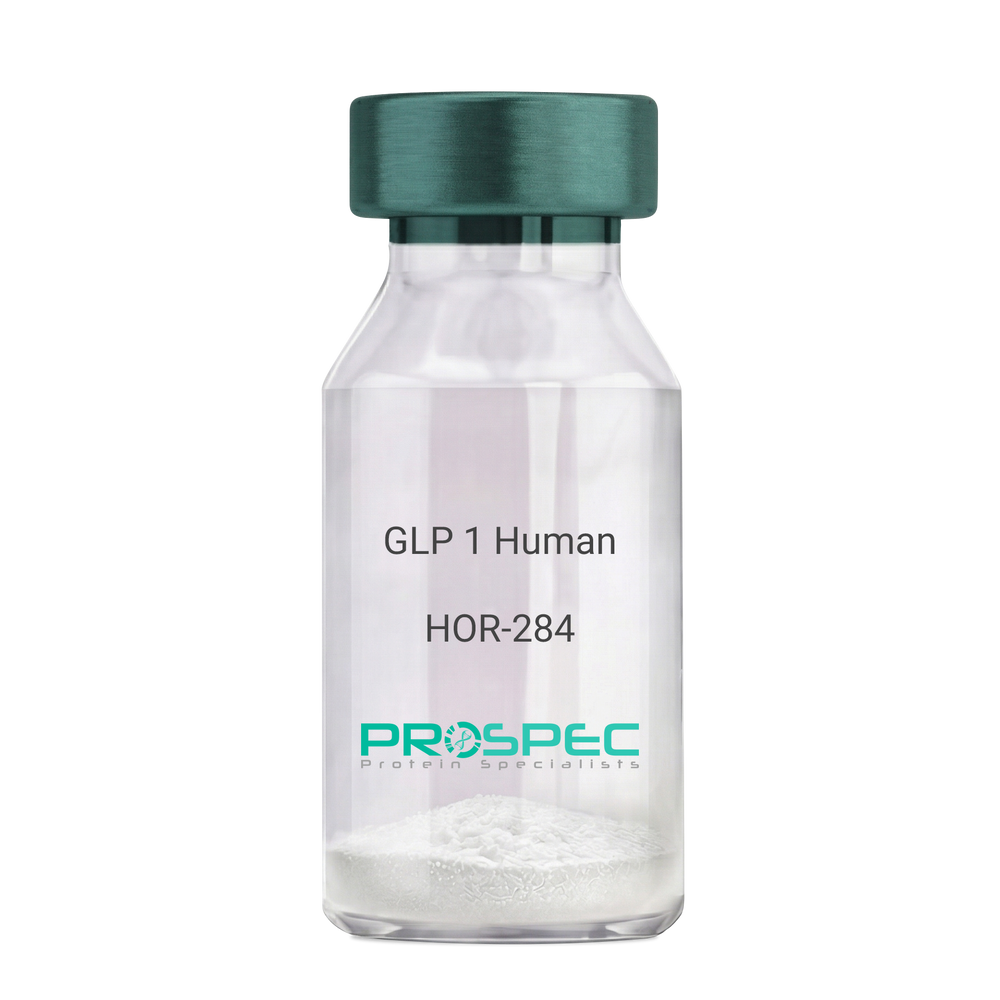
  • View Data Sheet

    Name :

    GLP 1 Human

    Description:

    Human Glucagon Like Peptide-1

    GLP1, Glucagon Like Peptide-1, Incretin hormone.

    Product # :

    HOR-284

    Price :

    Quantity :

    Shipping Method :

    Room Temp Icon

    Shipped at Room temp

    Add To Cart

    More Info

    • description
    • formulation
    • purity
    • More Info

    Description

    Glucagon Like Peptide-1 is a single, non-glycosylated, polypeptide chain containing 30 amino acids and having a molecular mass of 3297.7 Dalton.The GLP-1 is purified by proprietary chromatographic techniques.

    Formulation

    The GLP-1 peptide was lyophilized with no additives.

    Purity

    Greater than 96.0% as determined by RP-HPLC.

    More Info

    • Introduction

      Glucagon-like peptide-1 (GLP-1) is derived from the transcription product of the proglucagon gene. The major source of GLP-1 in the body is the intestinal L cell that secretes GLP-1 as a guthormone. The biologically active forms of GLP-1 are: GLP-1-(7-37) and GLP-1-(7-36)NH2.
      GLP-1 secretion by L cells is dependent on the presence of nutrients in the lumen of the small intestine. The secretagogues (agents that causes or stimulates secretion) of this hormone include major nutrients like carbohydrate, proteinand lipid. Once in the circulation, GLP-1 has a half life of less than 2 minutes, due to rapid degradation by the enzyme dipeptidyl peptidase-4.
      GLP-1 possesses several physiological properties that make it a subject of intensive investigation as a potential treatment of diabetes mellitus. The known physiological functions of GLP-1 include: Increases insulin secretion from the pancreas in a glucose-dependent manner, decreases glucagon secretion from the pancreas, increases beta cells mass and insulin gene expression, inhibits acid secretion and gastric emptying in the stomach, decreases food intake by increasing satiety.

    • Synonyms

      GLP1, Glucagon Like Peptide-1, Incretin hormone.

    • Physical Appearance

      Sterile Filtered White lyophilized (freeze-dried) powder.

    • Stability

      Lyophilized Glucagon Like Peptide-1 although stable at room temperature for 3 weeks, should be stored desiccated below -18°C. Upon reconstitution GLP-1 should be stored at 4°C between 2-7 days and for future use below -18°C. For long term storage it is recommended to add a carrier protein (0.1% HSA or BSA).Please prevent freeze-thaw cycles.

    • Solubility

      It is recommended to reconstitute the lyophilized Glucagon Like Peptide-1 in sterile H2O at 0.5mg/ml, which can then be further diluted to other aqueous solutions.

    • Amino Acid Sequence

      H-His-Ala-Glu-Gly-Thr-Phe-Thr-Ser-Asp-Val-Ser-Ser-Tyr-Leu-Glu-Gly-Gln-Ala-Ala-Lys-Glu-Phe-Ile-Ala-Trp-Leu-Val-Lys-Gly-Arg-NH2.

    ProSpec's products are furnished for LABORATORY RESEARCH USE ONLY. The product may not be used as drugs, agricultural or pesticidal products, food additives or household chemicals.

    Glp 1 Human
  • View Data Sheet

    Name :

    CRYM Human

    Description:

    Crystallin, Mu Human Recombinant

    Crystallin Mu, Thiomorpholine-Carboxylate Dehydrogenase, THBP, NADP-Regulated Thyroid-Hormone Binding Protein, NADP-Regulated Thyroid-Hormone-Binding Protein, Mu-Crystallin Homolog, EC 1.5.1.25, DFNA40, CRYM.

    Product # :

    PRO-2291

    Price :

    Quantity :

    Shipping Method :

    Ice Icon

    Shipped with Ice Packs

    Add To Cart

    More Info

    • description
    • source
    • formulation
    • purity
    • More Info

    Description

    CRYM Human Recombinant produced in E.Coli is a single, non-glycosylated, polypeptide chain containing 334 amino acids (1-314) and having a molecular mass of 35.9kDa. CRYM is fused to 20 a.a. His-Tag at N-terminus and purified by proprietary chromatographic techniques.

    Source

    Escherichia Coli.

    Formulation

    The CYRM 1mg/ml solution containing 20mM Tris-HCl buffer (pH8.0), 1mM DTT, and 10% glycerol.

    Purity

    Greater than 95.0% as determined by SDS-PAGE.

    More Info

    • Introduction

      Crystallin, Mu (CRYM) is a taxon-specific crystallin protein which binds NADPH and has sequence similarity to bacterial ornithine cyclodeaminases. CRYM doesn’t perform a structural role in lens tissue; instead CRYM binds thyroid hormone for possible regulatory or developmental roles. CRYM gene mutations are linked with autosomal dominant non-syndromic deafness. CRYM specifically catalyzes the reduction of imine bonds in brain substrates which may include cystathionine ketamine and lanthionine ketamine.

    • Synonyms

      Crystallin Mu, Thiomorpholine-Carboxylate Dehydrogenase, THBP, NADP-Regulated Thyroid-Hormone Binding Protein, NADP-Regulated Thyroid-Hormone-Binding Protein, Mu-Crystallin Homolog, EC 1.5.1.25, DFNA40, CRYM.

    • Physical Appearance

      Sterile filtered colorless solution.

    • Stability

      CRYM although stable at 4°C for 1 week, should be stored below -18°C. For long term storage it is recommended to add a carrier protein (0.1% HSA or BSA).Please prevent freeze thaw cycles.

    • Amino Acid Sequence

      MGSSHHHHHH SSGLVPRGSH MSRVPAFLSA AEVEEHLRSS SLLIPPLETA LANFSSGPEG GVMQPVRTVV PVTKHRGYLG VMPAYSAAED ALTTKLVTFY EDRGITSVVP SHQATVLLFE PSNGTLLAVM DGNVITAKRT AAVSAIATKF LKPPSSEVLC ILGAGVQAYS HYEIFTEQFS FKEVRIWNRT KENAEKFADT VQGEVRVCSS VQEAVAGADV IITVTLATEP ILFGEWVKPG AHINAVGASR PDWRELDDEL MKEAVLYVDS QEAALKESGD VLLSGAEIFA ELGEVIKGVK PAHCEKTTVF KSLGMAVEDT VAAKLIYDSW SSGK

    ProSpec's products are furnished for LABORATORY RESEARCH USE ONLY. The product may not be used as drugs, agricultural or pesticidal products, food additives or household chemicals.

    Crym Human
  • View Data Sheet

    Name :

    IL 33 Rat

    Description:

    Interleukin-33 Rat Recombinant

    Interleukin 33, DVS27, NF-HEV, NKHEV, C9orf26, Interleukin-1 family member 11, IL- 1F11, Nuclear factor from high endothelial venules, NFEHEV, DKFZp586H0523, RP11-575C20.2, IL-33.

    Product # :

    CYT-150

    Price :

    Quantity :

    Shipping Method :

    Room Temp Icon

    Shipped at Room temp

    Add To Cart

    More Info

    • description
    • source
    • formulation
    • purity
    • biological activity
    • More Info

    Description

    IL 33 Rat Recombinant produced in E.Coli is a single, non-glycosylated, polypeptide chain containing 156 amino acids and having a molecular mass of 17.4kDa.The IL 33 is purified by proprietary chromatographic techniques.

    Source

    Escherichia Coli.

    Formulation

    Lyophilized from a 0.2µm filtered concentrated solution in PBS, pH 7.4.

    Purity

    Greater than 95.0% as determined by SDS-PAGE.

    Biological Activity

    The ED50 was determined by the dose-dependent stimulation of the proliferation of murine D10S cells is <0.5ng/ml, corresponding to a specific activity of >2,000,000units/mg.

    More Info

    • Introduction

      Interleukin 33 (IL-33) is a 32kDa proinflammatory cytokine that may also regulate gene transcription in producer cells. IL-33 is structurally related to IL-1, which induces helper T cells to produce type 2 cytokines and acts through the receptor IL1RL-1 (IL1 receptor-like-1), which is known also as ST2. Binding of IL-33 to this receptor activates NF-kappa-B and MAP kinases and induces in vitro Th2 cells to produce cytokines. In vivo, IL-33 induces expression of IL-4, IL-5, IL-13 and leads to severe pathological changes in mucosal organs and in vitro, it can be divided to N-terminal fragment of 12kDa and C-terminal fragment of 18kDa by cleavage of caspase-1.

    • Synonyms

      Interleukin 33, DVS27, NF-HEV, NKHEV, C9orf26, Interleukin-1 family member 11, IL- 1F11, Nuclear factor from high endothelial venules, NFEHEV, DKFZp586H0523, RP11-575C20.2, IL-33.

    • Physical Appearance

      Sterile Filtered White lyophilized (freeze-dried) powder.

    • Stability

      Lyophilized IL-33 although stable at room temperature for 3 weeks, should be stored desiccated below -18°C. Upon reconstitution IL-33 should be stored at 4°C between 2-7 days and for future use below -18°C.Please prevent freeze-thaw cycles.

    • Solubility

      It is recommended to reconstitute the lyophilized IL-33 in sterile 18M-cm H2O not less than 100µg/ml, which can then be further diluted to other aqueous solutions.

    • Amino Acid Sequence

      SIQGTSLLTE SCALSTYNDQ SVSFVLENGC YVINVEDCGK NQEKDKVLLR YYESSFPAQS GDGVDGKKLM VNMSPIKDTD IWLNANDKDY SVELQKGDVS PPDQAFFVLH KKSSDFVSFE CKNLPGTYIG VKDNQLALVE ENDESCNNIM FKLSKM

    ProSpec's products are furnished for LABORATORY RESEARCH USE ONLY. The product may not be used as drugs, agricultural or pesticidal products, food additives or household chemicals.

    Il 33 Rat
  • View Data Sheet

    Name :

    Cagrilintide

    Description:

    Cagrilintide

    Product # :

    HOR-059

    Price :

    Quantity :

    Shipping Method :

    Room Temp Icon

    Shipped at Room temp

    Add To Cart

    More Info

    • description
    • formulation
    • purity
    • More Info

    Description

    Cagrilintide is a synthetic single, non-glycosylated polypeptide chain containing 37 amino acids, having a molecular mass of 4409 Dalton and a Molecular formula of C194H312N54O59.

    Formulation

    The protein was lyophilized with no additives.

    Purity

    Greater than 97.0% as determined by analysis by RP-HPLC.

    More Info

    • Physical Appearance

      Sterile Filtered White lyophilized (freeze-dried) powder.

    • Stability

      Lyophilized Cagrilintide although stable at room temperature for 3 weeks, should be stored desiccated below -18°C. Upon reconstitution Cagrilintide should be stored at 4°C between 2-7 days and for future use below -18°C.
      For long term storage it is recommended to add a carrier protein (0.1% HSA or BSA).
      Please prevent freeze-thaw cycles.

    • Solubility

      It is recommended to reconstitute the lyophilized Cagrilintide in sterile 18MΩ-cm H2O not less than 100 µg/ml, which can then be further diluted to other aqueous solutions.

    • Amino Acid Sequence

      (Eicosanedioic acid-γ-Glu)-Lys-CysAsn-Thr-Ala-Thr-Cys-Ala-Thr-Gln-Arg-Leu-Ala-Glu-Phe-Leu-Arg-HisSer-Ser-Asn-Asn-Phe-Gly-Pro-Ile-Leu-Pro-Pro-Thr-Asn-Val-Gly-SerAsn-Thr-Pro-NH2 (Disulfide bridge:Cys3-Cys8).

    • Background

      Cagrilintide plays a role as a pioneering long-acting amylin analogue and integrates into the fixed-dose combination CagriSema (Cagrilintide + Semaglutide). Unlike GLP-1 agonists, Cagrilintide mimics amylin, a hormone co-secreted with insulin takes part in regulating satiety and slows gastric emptying through brainstem pathways.

    ProSpec's products are furnished for LABORATORY RESEARCH USE ONLY. The product may not be used as drugs, agricultural or pesticidal products, food additives or household chemicals.

    Cagrilintide
  • View Data Sheet

    Name :

    IL 3 Rhesus Macaque

    Description:

    Interleukin-3 Rhesus Macaque Recombinant

    MCGF (Mast cell growth factor), Multi-CSF, HCGF, P-cell stimulation factor, IL-3, MGC79398, MGC79399

    Product # :

    CYT-156

    Price :

    Quantity :

    Shipping Method :

    Room Temp Icon

    Shipped at Room temp

    Add To Cart

    More Info

    • description
    • source
    • formulation
    • purity
    • biological activity
    • More Info

    Description

    IL 3 Rhesus Macaque Recombinant produced in E.Coli is a single, non-glycosylated, polypeptide chain containing 124 amino acids and having a molecular mass of 14.0kDa.The IL 3 Rhesus Macaque is purified by proprietary chromatographic techniques.

    Source

    Escherichia Coli.

    Formulation

    Lyophilized from a 0.2µm filtered concentrated solution in PBS, pH 7.4.

    Purity

    Greater than 97.0% as determined by SDS-PAGE.

    Biological Activity

    The ED50 as determined by the dose-dependant stimulation of the proliferation of human
    TF-1 cells is less than 0.1ng/ml, corresponding to a Specific Activity of 10,000,000IU/mg.

    More Info

    • Introduction

      IL3 is a potent growth promoting cytokine. This cytokine is capable of supporting the proliferation of a broad range of hematopoietic cell types. It is involved in a variety of cell activities such as cell growth, differentiation and apoptosis. This cytokine has been shown to also possess neurotrophic activity, and it may be associated with neurologic disorders.

    • Synonyms

      MCGF (Mast cell growth factor), Multi-CSF, HCGF, P-cell stimulation factor, IL-3, MGC79398, MGC79399

    • Physical Appearance

      Sterile Filtered White lyophilized (freeze-dried) powder.

    • Stability

      Lyophilized IL-3 although stable at room temperature for 3 weeks, should be stored desiccated below -18°C. Upon reconstitution IL-3 should be stored at 4°C between 2-7 days and for future use below -18°C.Please prevent freeze-thaw cycles.

    • Solubility

      It is recommended to reconstitute the lyophilized IL-3 in sterile 18M-cm H2O not less than 100µg/ml, which can then be further diluted to other aqueous solutions.

    • Amino Acid Sequence

      APMTQTTSLK TSWAKCSNMI DEIITHLNQP PLPSPDFNNL NEEDQTILVE KNLRRSNLEA FSKAVKSLQN ASAIESILKN LPPCLPMATA APTRPPIRIT NGDRNDFRRK LKFYLKTLEN EQAQ

    ProSpec's products are furnished for LABORATORY RESEARCH USE ONLY. The product may not be used as drugs, agricultural or pesticidal products, food additives or household chemicals.

    Il 3 Rhesus Macaque
  • View Data Sheet

    Name :

    MG Human

    Description:

    Menopausal Gonadotropin Human

    Product # :

    HOR-251

    Price :

    Quantity :

    Shipping Method :

    Room Temp Icon

    Shipped at Room temp

    Add To Cart

    More Info

    • description
    • source
    • formulation
    • biological activity
    • More Info

    Description

    Menopausal Gonadotropin Human is produced from a sterile preparation of placental glucoprotein urine of post-menopausal women.The MG is purified by proprietary chromatographic techniques.

    Source

    Urine of post-menopausal women.

    Formulation

    The Human MG was lyophilized from a concentrated (1mg/ml) solution with no additives.

    Biological Activity

    100 IU/mg of FSH and 100 IU/mg LH.

    More Info

    • Physical Appearance

      Sterile Filtered White lyophilized (freeze-dried) powder.

    • Stability

      Lyophilized Menopausal Gonadotropin Human although stable at room temperature for 3 weeks, should be stored desiccated below -18°C. Upon reconstitution MG should be stored at 4°C between 2-7 days and for future use below -18°C.For long term storage it is recommended to add a carrier protein (0.1% HSA or BSA).Please prevent freeze-thaw cycles.

    • Solubility

      It is recommended to reconstitute the lyophilized MG in sterile 18MΩ-cm H2O not less than 100 µg/ml, which can then be further diluted to other aqueous solutions.

    • Contaminants

      Free of: HbsAg, Hepatitis B surface antigen and antibodies to HIV, Hepatitis C and HIV.

    ProSpec's products are furnished for LABORATORY RESEARCH USE ONLY. The product may not be used as drugs, agricultural or pesticidal products, food additives or household chemicals.

    Menopausal Gonadotropin Human
  • View Data Sheet

    Name :

    Ebola Sudan Protein

    Description:

    Ebola Sudan Recombinant Protein

    Product # :

    EVD-079

    Price :

    Quantity :

    Shipping Method :

    Ice Icon

    Shipped with Ice Packs

    Add To Cart

    More Info

    • description
    • source
    • formulation
    • purity
    • More Info

    Description

    Nucleoprotein (NP) of Ebola virus has strong antigenicity in immune reactions. C-terminal of EBO-S nucleoprotein was expressed and purified from E. coli, it migrated at 15kDa on SDS-PAGE and pI is 4.52. Ebola Sudan was purified by a proprietary chromatographic technique.

    Source

    Escherichia Coli.

    Formulation

    Ebola Sudan protein solution is supplied in Phosphate buffer and 0.02% sodium azide.

    Purity

    >95% pure as determined by 12% SDS-PAGE (Coomassie blue stain).

    More Info

    • Introduction

      Ebolavirus (EVD) belongs to the Filoviridae family of proteins which is comprised of a single-strand, non-infectious RNA genome. EVD genome is about 19,000 base pairs long and covers 7 genes in the order 3'-UTR-NP-VP35-VP40-GP-VP30-VP24-L-5'-UTR. There are 4 different ebolaviruses such as: Zaire (EBO-Z), Sudan (EBO-S), Cote d’Ivoire (EBO-CI) and Reston (EBO-R) that differ in amino acid sequence and location of where the gene overlaps. Similar to filoviruses and ebolavirions, EVD is a filamentous element that could appear in 3 forms: shepherd's crook, U shape or a 6 shape. Ebolaviruses may be coiled, toroid, or branched. Most ebolavirions are 80nm wideand 14,000nm long.

    • Stability

      Store at 4°C if entire vial will be used within 2-4 weeks. Store, frozen at -20°C for longer periods of time. For long term storage it is recommended to add a carrier protein (0.1% HSA or BSA).Avoid multiple freeze-thaw cycles.

    • Applications

      Immunoassay.

    ProSpec's products are furnished for LABORATORY RESEARCH USE ONLY. The product may not be used as drugs, agricultural or pesticidal products, food additives or household chemicals.

    Ebola Sudan
  • View Data Sheet

    Name :

    PNPO Antibody

    Description:

    Pyridoxamine 5'-Phosphate Oxidase, Mouse Anti Human

    Pyridoxine-5'-phosphate oxidase, Pyridoxamine-phosphate oxidase, PNPO, PDXPO, FLJ10535.

    Product # :

    ANT-063

    Price :

    Quantity :

    Shipping Method :

    Ice Icon

    Shipped with Ice Packs

    Add To Cart

    More Info

    • formulation
    • More Info

    Formulation

    1mg/ml containing PBS, pH-7.4, & 0.1% Sodium Azide.

    More Info

    • Introduction

      Pyridoxine-5'-phosphate oxidase (PNPO) is the rate-limiting enzyme in vitamin B6 synthesis. Vitamin B6 (Pyridoxal 5-prime-phosphate or PLP) is vital for normal cellular function, and some cancer cells have notable differences in vitamin B6 metabolism compared to their normal counterparts.Vitamin B6 is an essential co-factor for enzymes involved in both homocysteine metabolism and synthesis of neurotransmitters such as catecholamine. Mutations in the PNPO gene result in PNPO deficiency, a form of neonatal epileptic encephalopathy.

    • Synonyms

      Pyridoxine-5'-phosphate oxidase, Pyridoxamine-phosphate oxidase, PNPO, PDXPO, FLJ10535.

    • Immunogen

      Anti-human PNPO mAb, is derived from hybridization of mouse FO myeloma cells with spleen cells from BALB/c mice immunized with recombinant human PNPO amino acids 57-261 purified from E. coli.

    • Ig Subclass

      Mouse IgG1 heavy chain and k light chain.

    • Clone

      PAT2C7AT.

    • Applications

      PNPO antibody has been tested by ELISA and Western blot analysis to assure specificity and reactivity. Since application varies, however, each investigation should be titrated by the reagent to obtain optimal results. Recommended dilution range for Western blot analysis is 1:500 ~ 1:5000.
      Recommended starting dilution is 1:1000.

    • Type

      Mouse Anti Human Monoclonal.

    • Storage Procedures

      For periods up to 1 month store at 4°C, for longer periods of time, store at -20°C. Prevent freeze thaw cycles.

    • Purification Method

      PNPO antibody was purified from mouse ascitic fluids by protein-G affinity chromatography.

    ProSpec's products are furnished for LABORATORY RESEARCH USE ONLY. The product may not be used as drugs, agricultural or pesticidal products, food additives or household chemicals.

    Pnpo Antibody
  • 1
  • …
  • 18
  • 19
  • 20
  • 21
  • 22
  • …
  • 42
Your browser does not support the video tag.

Products

  • Cytokines
  • Growth Factors
  • Chemokines
  • CD Antigens
  • Neurotrophins
  • Hormones
  • Enzymes
  • Viral Antigens
  • Recombinant Proteins
  • Natural Proteins
  • Monoclonal Antibodies
  • Polyclonal Antibodies
  • Thermal Packaging

About

  • Company
  • Founder
  • Contribution
  • Contact Us
  • My Account

Ordering

  • Ordering Method
  • Ordering - Credit Card
  • Ordering PO
  • Shipping Fees
  • FAQ's

Legal

  • Terms & Conditions
  • Privacy
  • Site Map
  • info@prospecbio.com
  • Facebook
  • Instagram
  • Linkedin Profile

© 2026 ProSpec-Tany TechnoGene Ltd. All Rights Reserved.

  • Choosing a selection results in a full page refresh.
  • Opens in a new window.