Skip to content

High-quality research proteins.

  • 1-800-805-6531

  • Mon - Sat 8.00-18.00, Sun - Closed

  • info@prospecbio.com

  • PO Box 6591 East Brunswick NJ 08816

  • Products
    • Cytokines
    • Growth factors
    • Chemokines
    • Cd antigens
    • Neurotrophins
    • Hormones
    • Enzymes
    • Viral antigens
    • Recombinant proteins
    • Natural proteins
    • Monoclonal antibodies
    • Polyclonal antibodies
    • Thermal Packaging
  • About
    • Company
    • Founder
    • Contribution
  • Customers
    • Eastern Asia
    • Eastern Europe
    • North America
    • South America
    • South East Asia
    • Southern Asia
    • Western Europe
  • Ordering
    • Ordering Method
    • Ordering - Credit Card
    • Ordering - PO
    • Shipping Fees
    • FAQs
  • Services
    • DNA Cloning
    • Protein Expression
    • Monoclonal Antibody
    • Fermentation
    • Technology License
  • Contact us
Log in

Country/region

  • USD $ | Albania
  • USD $ | Andorra
  • USD $ | Argentina
  • USD $ | Armenia
  • USD $ | Australia
  • USD $ | Austria
  • USD $ | Azerbaijan
  • USD $ | Belarus
  • USD $ | Belgium
  • USD $ | Bolivia
  • USD $ | Brazil
  • USD $ | Bulgaria
  • USD $ | Cambodia
  • USD $ | Canada
  • USD $ | Chile
  • USD $ | China
  • USD $ | Colombia
  • USD $ | Costa Rica
  • USD $ | Croatia
  • USD $ | Cyprus
  • USD $ | Czechia
  • USD $ | Denmark
  • USD $ | Estonia
  • USD $ | Finland
  • USD $ | France
  • USD $ | Georgia
  • USD $ | Germany
  • USD $ | Greece
  • USD $ | Hong Kong SAR
  • USD $ | Hungary
  • USD $ | Iceland
  • USD $ | India
  • USD $ | Ireland
  • USD $ | Israel
  • USD $ | Italy
  • USD $ | Japan
  • USD $ | Kazakhstan
  • USD $ | Latvia
  • USD $ | Liechtenstein
  • USD $ | Lithuania
  • USD $ | Madagascar
  • USD $ | Malta
  • USD $ | Mexico
  • USD $ | Moldova
  • USD $ | Monaco
  • USD $ | Netherlands
  • USD $ | New Zealand
  • USD $ | North Macedonia
  • USD $ | Norway
  • USD $ | Panama
  • USD $ | Paraguay
  • USD $ | Peru
  • USD $ | Philippines
  • USD $ | Poland
  • USD $ | Portugal
  • USD $ | Romania
  • USD $ | Singapore
  • USD $ | Slovakia
  • USD $ | Slovenia
  • USD $ | South Africa
  • USD $ | South Korea
  • USD $ | Spain
  • USD $ | Sri Lanka
  • USD $ | Sweden
  • USD $ | Switzerland
  • USD $ | Taiwan
  • USD $ | Thailand
  • USD $ | Türkiye
  • USD $ | Ukraine
  • USD $ | United Kingdom
  • USD $ | United States
  • USD $ | Uruguay
  • USD $ | Vatican City
  • USD $ | Venezuela
  • USD $ | Vietnam
  • Facebook
  • Instagram
logoProSpec - Recombinant Protein Manufacturer for academic and R&D industry
Become a distributor
Account Log in
Wishlist
Cart Cart(0)
  • Products
    +
    • Cytokines
    • Growth factors
    • Chemokines
    • Cd antigens
    • Neurotrophins
    • Hormones
    • Enzymes
    • Viral antigens
    • Recombinant proteins
    • Natural proteins
    • Monoclonal antibodies
    • Polyclonal antibodies
    • Thermal Packaging
  • About
    +
    • Company
    • Founder
    • Contribution
  • Customers
    +
    • Eastern Asia
    • Eastern Europe
    • North America
    • South America
    • South East Asia
    • Southern Asia
    • Western Europe
  • Ordering
    +
    • Ordering Method
    • Ordering - Credit Card
    • Ordering - PO
    • Shipping Fees
    • FAQs
  • Services
    +
    • DNA Cloning
    • Protein Expression
    • Monoclonal Antibody
    • Fermentation
    • Technology License
  • Contact us

Item added to your cart

View cart
View All
  • Cytokines
  • Growth factors
  • Chemokines
  • Cd antigens
  • Neurotrophins
  • Hormones
  • Enzymes
  • Viral antigens
  • Recombinant proteins
  • Natural proteins
  • Monoclonal antibodies
  • Polyclonal antibodies
  • Thermal Packaging
  • Tumor Necrosis Factor

    Tumor Necrosis Factor

    View All
  • 4-1BB

    4-1BB

    View All
  • Adiponectin

    Adiponectin

    View All
  • AIF1

    AIF1

    View All
  • Other Cytokines

    Other Cytokines

    View All
  • AITRL

    AITRL

    View All
  • Angiopoietin

    Angiopoietin

    View All
  • Apolipoprotein

    Apolipoprotein

    View All
  • B-Cell Activating Factor

    B-Cell Activating Factor

    View All
  • Beta Defensin

    Beta Defensin

    View All
  • Bone Morphogenetic Protein

    Bone Morphogenetic Protein

    View All
  • B type Natriuretic Peptide

    B type Natriuretic Peptide

    View All
  • BST

    BST

    View All
  • Betacellulin

    Betacellulin

    View All
  • Cardiotrophin

    Cardiotrophin

    View All
  • Activin

    Activin

    View All
  • Fibroblast Growth Factor

    Fibroblast Growth Factor

    View All
  • Other Growth Factors

    Other Growth Factors

    View All
  • CSF

    CSF

    View All
  • CTGF

    CTGF

    View All
  • IGFBP

    IGFBP

    View All
  • VEGF Protein

    VEGF Protein

    View All
  • EGF

    EGF

    View All
  • Epigen

    Epigen

    View All
  • Erythropoietin

    Erythropoietin

    View All
  • Insulin-Like Growth Factor

    Insulin-Like Growth Factor

    View All
  • Growth Hormone

    Growth Hormone

    View All
  • HDGF

    HDGF

    View All
  • Hepatocyte Growth Factor

    Hepatocyte Growth Factor

    View All
  • Insulin

    Insulin

    View All
  • BCA-1/ BLC (CXCL13)

    BCA-1/ BLC (CXCL13)

    View All
  • BRAK (CXCL14)

    BRAK (CXCL14)

    View All
  • C-10 (CCL6)

    C-10 (CCL6)

    View All
  • Other Chemokines

    Other Chemokines

    View All
  • MEC (CCL28)

    MEC (CCL28)

    View All
  • LD78-beta (CCL3L1)

    LD78-beta (CCL3L1)

    View All
  • CTACK (CCL27)

    CTACK (CCL27)

    View All
  • CXCL16

    CXCL16

    View All
  • CXCL17

    CXCL17

    View All
  • Platelet Factor-4 (CXCL4)

    Platelet Factor-4 (CXCL4)

    View All
  • ENA-78 (CXCL5)

    ENA-78 (CXCL5)

    View All
  • Eotaxin (CCL11,24,26)

    Eotaxin (CCL11,24,26)

    View All
  • Exodus-2 (CCL21)

    Exodus-2 (CCL21)

    View All
  • Fractalkine (CX3CL1)

    Fractalkine (CX3CL1)

    View All
  • CXCL6

    CXCL6

    View All
  • Other CD Antigens

    Other CD Antigens

    View All
  • CD14

    CD14

    View All
  • CD164

    CD164

    View All
  • CD1

    CD1

    View All
  • CD2

    CD2

    View All
  • CD200

    CD200

    View All
  • CD207

    CD207

    View All
  • CD226

    CD226

    View All
  • CD23

    CD23

    View All
  • CD244

    CD244

    View All
  • CD247

    CD247

    View All
  • CD27

    CD27

    View All
  • CD274

    CD274

    View All
  • CD300

    CD300

    View All
  • CD33

    CD33

    View All
  • Other Neurotrophins

    Other Neurotrophins

    View All
  • Beta-NGF

    Beta-NGF

    View All
  • BDNF

    BDNF

    View All
  • CDNF

    CDNF

    View All
  • CNTF

    CNTF

    View All
  • GDNF

    GDNF

    View All
  • Glia Maturation Factor

    Glia Maturation Factor

    View All
  • MANF

    MANF

    View All
  • Midkine

    Midkine

    View All
  • Neuroglobin

    Neuroglobin

    View All
  • Neurotrophic factors

    Neurotrophic factors

    View All
  • Neuregulin

    Neuregulin

    View All
  • Neuropilin

    Neuropilin

    View All
  • Pigment Epithelium-Derived Factor

    Pigment Epithelium-Derived Factor

    View All
  • Pleiotrophin

    Pleiotrophin

    View All
  • Peptide Hormones

    Peptide Hormones

    View All
  • Other Hormones

    Other Hormones

    View All
  • HCG

    HCG

    View All
  • Endothelin

    Endothelin

    View All
  • Exendin

    Exendin

    View All
  • FSH

    FSH

    View All
  • Glucagon

    Glucagon

    View All
  • GHRP

    GHRP

    View All
  • GLP

    GLP

    View All
  • Thyrostimulin

    Thyrostimulin

    View All
  • Inhibin A

    Inhibin A

    View All
  • LHRH

    LHRH

    View All
  • Melanotan

    Melanotan

    View All
  • Procalcitonin

    Procalcitonin

    View All
  • PTH

    PTH

    View All
  • Peroxiredoxin

    Peroxiredoxin

    View All
  • Peptidase

    Peptidase

    View All
  • Synthetase

    Synthetase

    View All
  • Transferase

    Transferase

    View All
  • Hydrolase

    Hydrolase

    View All
  • Dehydrogenase

    Dehydrogenase

    View All
  • ACE2

    ACE2

    View All
  • Esterase

    Esterase

    View All
  • Protein Kinases

    Protein Kinases

    View All
  • Other Enzymes

    Other Enzymes

    View All
  • Phosphatase

    Phosphatase

    View All
  • Deaminase

    Deaminase

    View All
  • Oxygenase

    Oxygenase

    View All
  • Adenylate Kinase

    Adenylate Kinase

    View All
  • Lyase

    Lyase

    View All
  • Chagas

    Chagas

    View All
  • SARS

    SARS

    View All
  • Influenza

    Influenza

    View All
  • ASFV

    ASFV

    View All
  • Astrovirus

    Astrovirus

    View All
  • Borrelia

    Borrelia

    View All
  • Helicobacter Pylori

    Helicobacter Pylori

    View All
  • Chikungunya

    Chikungunya

    View All
  • Chlamydia

    Chlamydia

    View All
  • Cytomegalo

    Cytomegalo

    View All
  • Dengue

    Dengue

    View All
  • EBV

    EBV

    View All
  • Ebola

    Ebola

    View All
  • Feline Leukemia Virus

    Feline Leukemia Virus

    View All
  • Hepatitis A

    Hepatitis A

    View All
  • Other

    Other

    View All
  • Actin

    Actin

    View All
  • ADAM

    ADAM

    View All
  • Complement Component

    Complement Component

    View All
  • Ag85

    Ag85

    View All
  • Eukaryotic Translation Initiation Factor

    Eukaryotic Translation Initiation Factor

    View All
  • Anterior Gradient Protein

    Anterior Gradient Protein

    View All
  • Heat Shock Protein

    Heat Shock Protein

    View All
  • Alpha-2-HS-Glycoprotein

    Alpha-2-HS-Glycoprotein

    View All
  • Hemoglobin

    Hemoglobin

    View All
  • Allergy

    Allergy

    View All
  • Anaplasma

    Anaplasma

    View All
  • Angiogenin

    Angiogenin

    View All
  • Ankyrin Repeat Domain

    Ankyrin Repeat Domain

    View All
  • Annexin

    Annexin

    View All
  • Other Natural Proteins

    Other Natural Proteins

    View All
  • Aprotinin

    Aprotinin

    View All
  • Transferrin

    Transferrin

    View All
  • Avidin

    Avidin

    View All
  • Anti Coagulation Factors

    Anti Coagulation Factors

    View All
  • Natural Albumin

    Natural Albumin

    View All
  • Natural Coagulation Factors

    Natural Coagulation Factors

    View All
  • Fibronectin

    Fibronectin

    View All
  • Thrombin

    Thrombin

    View All
  • Anti Human Enzyme

    Anti Human Enzyme

    View All
  • Other Monoclonal Antibodies

    Other Monoclonal Antibodies

    View All
  • Anti Human Cytokine

    Anti Human Cytokine

    View All
  • Anti Human Heat Shock Protein

    Anti Human Heat Shock Protein

    View All
  • Anti Mouse Lymphocyte

    Anti Mouse Lymphocyte

    View All
  • Anti Human Chemokine

    Anti Human Chemokine

    View All
  • Anti Human Lymphocyte

    Anti Human Lymphocyte

    View All
  • Anti Viral Monoclonal

    Anti Viral Monoclonal

    View All
  • Anti Mouse Cytokine

    Anti Mouse Cytokine

    View All
  • Anti-GST Monoclonal

    Anti-GST Monoclonal

    View All
  • Other Polyclonal Antibodies

    Other Polyclonal Antibodies

    View All
  • Anti Viral

    Anti Viral

    View All
  • Anti-GST Monoclonal

    Anti-GST Monoclonal

    View All
Back

Search results

1000 results found for “Visfatin”

Name

Description

Product #

Price

Quantity

Shipping Method

  • View Data Sheet

    Name :

    MRFAP1L1 Human

    Description:

    Morf4 Family Associated Protein 1-Like 1 Human Recombinant

    Morf4 family associated protein 1-like 1, PP784, MRFAP1L1.

    Product # :

    PRO-1875

    Price :

    Quantity :

    Shipping Method :

    Ice Icon

    Shipped with Ice Packs

    Add To Cart

    More Info

    • description
    • source
    • formulation
    • purity
    • More Info
    • Citations

    Description

    MRFAP1L1 Human Recombinant produced in E.Coli is a single, non-glycosylated polypeptide chain containing 150 amino acids (1-127 a.a) and having a molecular mass of 17.2kDa. MRFAP1L1 is fused to a 23 amino acid His-tag at N-terminus & purified by proprietary chromatographic techniques.

    Source

    Escherichia Coli.

    Formulation

    MRFAP1L1 protein solution (0.5mg/ml) containing 20mM Tris-HCl buffer (pH 8.0), 0.15M NaCl, 20% glycerol and 1mM DTT.

    Purity

    Greater than 95.0% as determined by SDS-PAGE.

    Citations

    More Info

    • Introduction

      Morf4 Family Associated Protein 1-Like 1 (MRFAP1L1) is a part of the MORF4 family-associated protein family.

    • Synonyms

      Morf4 family associated protein 1-like 1, PP784, MRFAP1L1.

    • Physical Appearance

      Sterile Filtered colorless solution.

    • Stability

      Store at 4°C if entire vial will be used within 2-4 weeks. Store, frozen at -20°C for longer periods of time. For long term storage it is recommended to add a carrier protein (0.1% HSA or BSA).Avoid multiple freeze-thaw cycles.

    • Amino Acid Sequence

      MGSSHHHHHH SSGLVPRGSH MGSMRPLDID EVEAPEEVEV LEPEEDFEQF LLPVINEMRE DIASLIREHG RAYLRTRSKL WEMDNMLIQI KTQVEASEES ALNHVQHPSG EADERVSELC EKAEEKAKEI AKMAEMLVEL VWRIERSESS.

    ProSpec's products are furnished for LABORATORY RESEARCH USE ONLY. The product may not be used as drugs, agricultural or pesticidal products, food additives or household chemicals.

    Mrfap1L1 Human
  • View Data Sheet

    Name :

    OSTF1 Human

    Description:

    Osteoclast Stimulating Factor-1 Human Recombinant

    SH3P2, OSF, OSTF-1, Osteoclast-stimulating factor 1, OSTF1, FLJ20559, bA235O14.1.

    Product # :

    CYT-630

    Price :

    Quantity :

    Shipping Method :

    Ice Icon

    Shipped with Ice Packs

    Add To Cart

    More Info

    • description
    • source
    • formulation
    • purity
    • More Info
    • Citations

    Description

    OSTF1 Human Recombinant produced in E.Coli is a monomeric, non-glycosylated, polypeptide chain containing 225 amino acids (1-217) and having a molecular mass of 25.1kDa. The OSTF1 is fused to an 8 amino acid His Tag at C-terminus & purified by proprietary chromatographic techniques.

    Source

    Escherichia Coli.

    Formulation

    OSTF1 protein (1mg/ml) solution contains 20mM Tris-HCl buffer pH 8, 0.5mM DTT and 10% glycerol.

    Purity

    Greater than 95.0% as determined by SDS-PAGE.

    Citations

    More Info

    • Introduction

      OSTF1 is an intracellular protein produced by osteoclasts that induces bone resorption, via signaling cascade which results in the secretion of factors enhancing osteoclast formation and activity.

    • Synonyms

      SH3P2, OSF, OSTF-1, Osteoclast-stimulating factor 1, OSTF1, FLJ20559, bA235O14.1.

    • Physical Appearance

      Sterile Filtered colorless solution.

    • Stability

      Store at 4°C if entire vial will be used within 2-4 weeks. Store, frozen at -20°C for longer periods of time. For long term storage it is recommended to add a carrier protein (0.1% HSA or BSA).Please avoid freeze thaw cycles.

    • Amino Acid Sequence

      MSKPPPKPVK PGEGGQVKVF RALYTFEPRT PDELYFEEGD IIYITDMSDT NWWKGTSKGR TGLIPSNYVA EQAESIDNPL HEAAKRGNLS WLRECLDNRV GVNGLDKAGS TALYWACHGG HKDIVEMLFT QPNIELNQQN KLGDTALHAA AWKGYADIVQ LFLAKGARTD LRNIEKKLAF DMATNAACAS LLKKKQGTDA VRTLSNAEDY LDDEDSDLEH HHHHH.

    ProSpec's products are furnished for LABORATORY RESEARCH USE ONLY. The product may not be used as drugs, agricultural or pesticidal products, food additives or household chemicals.

    Ostf1 Human
  • View Data Sheet

    Name :

    FGF17 Human

    Description:

    Fibroblast Growth Factor 17 Human Recombinant

    Fibroblast growth factor 17, FGF-17, FGF17, FGF-13, HH20.

    Product # :

    CYT-817

    Price :

    Quantity :

    Shipping Method :

    Room Temp Icon

    Shipped at Room temp

    Add To Cart

    More Info

    • description
    • source
    • formulation
    • purity
    • biological activity
    • More Info
    • Citations

    Description

    FGF17 Human Recombinant produced in E.Coli is a single, non-glycosylated, polypeptide chain containing 195 amino acids and having a molecular mass of 22.6kDa.

    Source

    Escherichia Coli.

    Formulation

    FGF17 protein was lyophilized from a 0.2µm filtered concentrated solution in PBS, pH 7.4.

    Purity

    Greater than 95.0% as determined by: (a) Analysis by RP-HPLC.(b) Analysis by SDS-PAGE.

    Biological Activity

    Fully biologically active when compared to standard. The ED50 as determined by a cell proliferation assay using murine balb/c 3T3 cells is less than 10 ng/ml, corresponding to a specific activity of >1.0 × 100,000 IU/mg.

    Citations

    More Info

    • Introduction

      Fibroblast Growth Factor 17 (FGF17) belongs to the fibroblast growth factor (FGF) family. FGF family members have broad mitogenic and cell survival activities, and are involved in various biological processes including embryonic development cell growth, morphogenesis, tissue repair, tumor growth and invasion. The FGF17 gene is highly expressed in the cerebellum and cortex. The mouse homolog of the FGF17 gene is localized to specific sites in the midline structures of the forebrain, the midbrain-hindbrain junction, developing skeleton and developing arteries, suggesting a role in central nervous system, bone and vascular development.

    • Synonyms

      Fibroblast growth factor 17, FGF-17, FGF17, FGF-13, HH20.

    • Physical Appearance

      Sterile Filtered White lyophilized (freeze-dried) powder.

    • Stability

      Lyophilized FGF17 although stable at room temperature for 3 weeks, should be stored desiccated below -18°C. Upon reconstitution FGF17 should be stored at 4°C between 2-7 days and for future use below -18°C. For long term storage it is recommended to add a carrier protein (0.1% HSA or BSA). Please prevent freeze-thaw cycles.

    • Solubility

      It is recommended to reconstitute the lyophilized FGF17 in sterile 18MΩ-cm H2O not less than 100µg/ml, which can then be further diluted to other aqueous solutions.

    • Amino Acid Sequence

      MTQGENHPSP NFNQYVRDQG AMTDQLSRRQ IREYQLYSRT SGKHVQVTGR RISATAEDGN KFAKLIVETD TFGSRVRIKG AESEKYICMN KRGKLIGKPS GKSKDCVFTE IVLENNYTAF QNARHEGWFM AFTRQGRPRQ ASRSRQNQRE AHFIKRLYQG QLPFPNHAEK QKQFEFVGSA PTRRTKRTRR PQPLT.

    • Background

      What is the molecular weight/Mw of FGF17 Protein?
      FGF17 Protein has a total Mw of 22.6kDa.

      What is the source or expression system of FGF17 Protein?
      Escherichia Coli.

      What is the Purity of FGF17 Protein?
      FGF17 Protein is >95% pure as determined by SDS-PAGE.

      What is the Biological Activity of FGF17 Protein?
      Fully biologically active when compared to standard. The ED50 as determined by a cell proliferation assay using murine balb/c 3T3 cells is less than 10 ng/ml, corresponding to a specific activity of >1.0 × 100,000 IU/mg.

      What is the amino acid sequence of FGF17 Protein?
      MTQGENHPSP NFNQYVRDQG AMTDQLSRRQ IREYQLYSRT SGKHVQVTGR RISATAEDGN KFAKLIVETD TFGSRVRIKG AESEKYICMN KRGKLIGKPS GKSKDCVFTE IVLENNYTAF QNARHEGWFM AFTRQGRPRQ ASRSRQNQRE AHFIKRLYQG QLPFPNHAEK QKQFEFVGSA PTRRTKRTRR PQPLT.

      What applications can FGF17 Protein be used in?
      FGF17 Protein can probably be used in western blot, ELISA and Lateral Flow.

      What is the endotoxin level for FGF17 Protein?
      The endotoxin level is minimal, FGF17 Protein was purified using conventional chromatography techniques.

    ProSpec's products are furnished for LABORATORY RESEARCH USE ONLY. The product may not be used as drugs, agricultural or pesticidal products, food additives or household chemicals.

    Fgf 17 Human
  • View Data Sheet

    Name :

    PHPT1 Human

    Description:

    Phosphohistidine Phosphatase 1 Human Recombinant

    PHP14, CGI-202, HSPC141, Phosphohistidine Phosphatase 1, Phosphohistidine Phosphatase 14kDa, Protein janus-A homolog, Sex-regulated protein Janus-a.

    Product # :

    ENZ-012

    Price :

    Quantity :

    Shipping Method :

    Ice Icon

    Shipped with Ice Packs

    Add To Cart

    More Info

    • description
    • source
    • formulation
    • purity
    • More Info
    • Citations

    Description

    PHPT1 produced in E.Coli is a single, non-glycosylated polypeptide chain containing 145 amino acids (1-125a.a.) and having a molecular mass of 15.9kDa.PHPT1 is fused to a 20 amino acid His-tag at N-terminus & purified by proprietary chromatographic techniques.

    Source

    Escherichia Coli.

    Formulation

    The PHPT1 protein solution (0.5mg/1ml) is formulated in 20 mM Tris-HCl buffer (pH8.0) 0.2M NaCl, 2mM DTT and 10% glycerol.

    Purity

    Greater than 95% as determined by SDS-PAGE.

    Citations

    More Info

    • Introduction

      PHPT1 is a member of the Janus protein familyand is 125 amino acid long. PHPT1 appears as a monomer in the cytoplasm and is an EDTA-insensitive phosphohistidine phosphatase. Overexpression of PHPT1 resolts in specific phosphohistidine phosphatase activity towards phosphopeptide I, with no activity detected towards phosphotyrosine, phosphothreonine and phosphoserine peptides.

    • Synonyms

      PHP14, CGI-202, HSPC141, Phosphohistidine Phosphatase 1, Phosphohistidine Phosphatase 14kDa, Protein janus-A homolog, Sex-regulated protein Janus-a.

    • Physical Appearance

      Sterile Filtered clear solution.

    • Stability

      Store at 4°C if entire vial will be used within 2-4 weeks. Store, frozen at -20°C for longer periods of time. For long term storage it is recommended to add a carrier protein (0.1% HSA or BSA).Avoid multiple freeze-thaw cycles.

    • Amino Acid Sequence

      MGSSHHHHHH SSGLVPRGSH MAVADLALIP DVDIDSDGVF KYVLIRVHSA PRSGAPAAES KEIVRGYKWA EYHADIYDKV SGDMQKQGCD CECLGGGRIS HQSQDKKIHV YGYSMAYGPA QHAISTEKIK AKYPDYEVTW ANDGY

    ProSpec's products are furnished for LABORATORY RESEARCH USE ONLY. The product may not be used as drugs, agricultural or pesticidal products, food additives or household chemicals.

    Phpt1 Human
  • View Data Sheet

    Name :

    TSFM Human

    Description:

    Ts Translation Elongation Factor Mitochondrial Human Recombinant

    Elongation factor Ts, mitochondrial, Ts Translation Elongation Factor Mitochondrial, TSFM, EF-Ts, EF-TsMt, COXPD3.

    Product # :

    PRO-1971

    Price :

    Quantity :

    Shipping Method :

    Ice Icon

    Shipped with Ice Packs

    Add To Cart

    More Info

    • description
    • source
    • formulation
    • purity
    • More Info
    • Citations

    Description

    TSFM Human Recombinant produced in E.Coli is a single, non-glycosylated polypeptide chain containing 302 amino acids (46-346 a.a) and having a molecular mass of 32.9kDa.TSFM is purified by proprietary chromatographic techniques.

    Source

    Escherichia Coli.

    Formulation

    TSFM protein solution (1mg/ml) containing 20mM Tris-HCl buffer (pH 8.0), 10% glycerol and 0.4M Urea.

    Purity

    Greater than 85.0% as determined by SDS-PAGE.

    Citations

    More Info

    • Introduction

      TSFM is a mitochondrial translation elongation factor which is linked with the EF-Tu.GDP complex and induces the exchange of GDP to GTP. TSFM stays bound to the aminoacyl-tRNA.EF-Tu.GTP complex until the GTP hydrolysis stage on the ribosome. Mutations in TSFM are related with combined oxidative phosphorylation deficiency-3 syndrome.

    • Synonyms

      Elongation factor Ts, mitochondrial, Ts Translation Elongation Factor Mitochondrial, TSFM, EF-Ts, EF-TsMt, COXPD3.

    • Physical Appearance

      Sterile Filtered colorless solution.

    • Stability

      Store at 4°C if entire vial will be used within 2-4 weeks. Store, frozen at -20°C for longer periods of time. For long term storage it is recommended to add a carrier protein (0.1% HSA or BSA).Avoid multiple freeze-thaw cycles.

    • Amino Acid Sequence

      MSKELLMKLR RKTGYSFVNC KKALETCGGD LKQAEIWLHK EAQKEGWSKA AKLQGRKTKE GLIGLLQEGN TTVLVEVNCE TDFVSRNLKF QLLVQQVALG TMMHCQTLKD QPSAYSKVQW LTPVNLALWE AEAGGSLEGF LNSSELSGLP AGPDREGSLK DQLALAIGKL GENMILKRAA WVKVPSGFYV GSYVHGAMQS PSLHKLVLGK YGALVICETS EQKTNLEDVG RRLGQHVVGM APLSVGSLDD EPGGEAETKM LSQPYLLDPS ITLGQYVQPQ GVSVVDFVRF ECGEGEEAAE TE.

    ProSpec's products are furnished for LABORATORY RESEARCH USE ONLY. The product may not be used as drugs, agricultural or pesticidal products, food additives or household chemicals.

    Tsfm Human
  • View Data Sheet

    Name :

    CNTF Rat

    Description:

    Ciliary Neurotrophic Factor Rat Recombinant

    HCNTF, CNTF, Ciliary Neurotrophic Factor.

    Product # :

    CYT-654

    Price :

    Quantity :

    Shipping Method :

    Room Temp Icon

    Shipped at Room temp

    Add To Cart

    More Info

    • description
    • source
    • formulation
    • purity
    • biological activity
    • More Info
    • Citations

    Description

    CNTF Recombinant Rat produced in E.Coli is a single, non-glycosylated polypeptide chain containing 200 amino acids and having a molecular mass of 22834 Dalton. The CNTF is purified by proprietary chromatographic techniques.

    Source

    Escherichia Coli.

    Formulation

    Lyophilized from a concentrated (1mg/ml) solution in water containing 0.025% NaHCO3.

    Purity

    Greater than 99.0% as determined by:
    (a) Analysis by Gel Filtration.
    (b) Analysis by SDS-PAGE.

    Biological Activity

    Fully biologically active by its ability to phosphorylate STAT3 in several cells lines.

    Citations

    More Info

    • Introduction

      CNTF is a polypeptide hormone whose actions appear to be restricted to the nervous system where it promotes neurotransmitter synthesis and neurite outgrowth in certain neuronal populations. The protein is a potent survival factor for neurons and oligodendrocytes and may be relevant in reducing tissue destruction during inflammatory attacks. A mutation in this gene, which results in aberrant splicing, leads to ciliary neurotrophic factor deficiency, but this phenotype is not causally related to neurologic disease. In addition to the predominant monocistronic transcript originating from this locus, the gene is also co-transcribed with the upstream ZFP91 gene. Co-transcription from the two loci results in a transcript that contains a complete coding region for the zinc finger protein but lacks a complete coding region for ciliary neurotrophic factor.
      CNTF is a survival factor for various neuronal cell types. Seems to prevent the degeneration of motor axons after axotomy.

    • Synonyms

      HCNTF, CNTF, Ciliary Neurotrophic Factor.

    • Physical Appearance

      Sterile Filtered White lyophilized (freeze-dried) powder.

    • Stability

      Lyophilized CNTF although stable at room temperature for 3 weeks, should be stored desiccated below -18°C. Upon reconstitution CNTF should be stored at 4°C between 2-7 days and for future use below -18°C.Please prevent freeze-thaw cycles.

    • Solubility

      It is recommended to reconstitute the lyophilized CNTF in sterile water or 0.4% NaHCO3 adjusted to pH 8-9, not less than 100µg/ml, which can then be further diluted to other aqueous solutions, preferably in presence of carrier protein.

    • Amino Acid Sequence

      AFAEQTPLTL HRRDLSSRSIWLARKIRSDLTALMESYVKHQGLNKNI
      NLDSVDGVPVASTDRWSEMTEAERLQENLQAYRTFQGMLTKLLEDQRV
      HFTPTEGDFHQAIHTLMLQVSAFAYQLEELMVLLEQKIPENEADGMPA
      TVGDGGLFEKKLWGLKVLQELSQWTVRSIHDLRVISSHQMGISALESH
      YGAKDKQM.

    • Background

      What is the molecular weight/Mw of CNTF Protein?
      CNTF Protein has a total Mw of 22kDa.

      What is the source or expression system of CNTF Protein?
      Escherichia Coli.

      What is the Purity of CNTF Protein?
      CNTF Protein is >99% pure as determined by SDS-PAGE.

      What is the Biological Activity of CNTF Protein?
      Fully biologically active by its ability to phosphorylate STAT3 in several cells lines.
      What is the amino acid sequence of CNTF Protein?
      AFAEQTPLTL HRRDLSSRSIWLARKIRSDLTALMESYVKHQGLNKNI
      NLDSVDGVPVASTDRWSEMTEAERLQENLQAYRTFQGMLTKLLEDQRV
      HFTPTEGDFHQAIHTLMLQVSAFAYQLEELMVLLEQKIPENEADGMPA
      TVGDGGLFEKKLWGLKVLQELSQWTVRSIHDLRVISSHQMGISALESH YGAKDKQM.


      What applications can CNTF Protein be used in?
      CNTF Protein can probably be used in western blot, ELISA and Lateral Flow.

      What is the endotoxin level for CNTF Protein?
      The endotoxin level is minimal, CNTF Protein was purified using conventional chromatography techniques.

    ProSpec's products are furnished for LABORATORY RESEARCH USE ONLY. The product may not be used as drugs, agricultural or pesticidal products, food additives or household chemicals.

    Cntf Rat
  • View Data Sheet

    Name :

    SCF Human, HEK

    Description:

    Stem Cell Factor Human Recombinant, HEK

    Kit ligand Precursor, C-kit ligand, SCF, Mast cell growth factor, MGF, SF, KL-1, Kitl, DKFZp686F2250.

    Product # :

    CYT-111

    Price :

    Quantity :

    Shipping Method :

    Room Temp Icon

    Shipped at Room temp

    Add To Cart

    More Info

    • description
    • source
    • formulation
    • purity
    • biological activity
    • More Info
    • Citations

    Description

    SCF Human Recombinant produced in HEK cells is a glycosylated monomer, having a molecular weight range of 35-45kDa due to glycosylation.The SCF is purified by proprietary chromatographic techniques.

    Source

    HEK.

    Formulation

    SCF was lyophilized from a 0.2µm filtered solution (1mg/ml) containing 1xPBS.

    Purity

    Greater than 95% as obsereved by SDS-PAGE.

    Biological Activity

    The specific activity was determined by the dose-dependent stimulation of the proliferation of human TF-1 cells (human erythroleukemic indicator cell line).
    The EC50 is 15.25ng/ml.

    Citations

    More Info

    • Introduction

      Stem cell factor / KIT ligand (SCF) is a cytokine which binds CD117(c-Kit). SCF is also known as "steel factor" or "c-kit ligand". SCF exists in two forms, cell surface bound SCF and soluble (or free) SCF. Soluble SCF is produced by the cleavage of surface bound SCF by metalloproteases. SCF is a growth factor important for the survival, proliferation, and differentiation of hematopoietic stem cells and other hematopoietic progenitor cells. One of its roles is to change the BFU-E (burst-forming unit-erythroid) cells, which are the earliest erythrocyte precursors in the erythrocytic series, into the CFU-E (colony-forming unit-erythroid).

    • Synonyms

      Kit ligand Precursor, C-kit ligand, SCF, Mast cell growth factor, MGF, SF, KL-1, Kitl, DKFZp686F2250.

    • Physical Appearance

      Sterile Filtered White lyophilized (freeze-dried) powder.

    • Stability

      Lyophilized SCF although stable at room temperature for 3 weeks, should be stored desiccated below -18°C. Upon reconstitution SCF should be stored at 4°C between 2-7 days and for future use below -18°C.For long term storage it is recommended to add a carrier protein (0.1% HSA or BSA).Please prevent freeze-thaw cycles.

    • Solubility

      It is recommended to reconstitute the lyophilized SCF in sterile PBS containing 0.1% endotoxin-free recombinant HSA.

    ProSpec's products are furnished for LABORATORY RESEARCH USE ONLY. The product may not be used as drugs, agricultural or pesticidal products, food additives or household chemicals.

    Scf Human Hek
  • View Data Sheet

    Name :

    Inhibin a Human

    Description:

    Inhibin Alpha Human Recombinant

    Product # :

    HOR-303

    Price :

    Quantity :

    Shipping Method :

    Ice Icon

    Shipped with Ice Packs

    Add To Cart

    More Info

    • description
    • source
    • formulation
    • purity
    • More Info
    • Citations

    Description

    Inhibin-Alpha Human Recombinant produced in E.Coli is a non-glycosylated, polypeptide chain containing 264 amino acids comprising of both A and B chains, having a molecular mass of 33.5 kDa.The Inhibin-Alpha is fused with an amino-terminal hexahistidine tag. The Inhibin-Alpha is purified by standard chromatographic techniques.

    Source

    Escherichia Coli.

    Formulation

    Inhibin-A alpha chain is supplied in 20mM Tris and 50% glycerol.

    Purity

    Greater than 95.0% as determined by SDS-PAGE analysis.

    Citations

    More Info

    • Introduction

      Inhibins are dimeric peptide hormones produced by female ovarian granulose cells and male Sertoli cells as well as a variety of other tissues. Inhibins have two isoforms, A and B, with the same alpha subunit but different beta subunits. Inhibin A is a dimer of alpha and beta A subunits, inhibin B is a dimer of alpha and beta B subunits.
      Inhibins are thought to inhibit the production of follicle-stimulating hormone (FSH) by the pituitary gland. In addition, Inhibins are also thought to play a role in the control of gametogenesis, and embryonic and fetal development.

    • Physical Appearance

      Sterile Filtered clear solution.

    • Stability

      Store at 4°C if entire vial will be used within 2-4 weeks. Store, frozen at -20°C for longer periods of time.Please avoid freeze thaw cycles.

    • Amino Acid Sequence

      Alpha chain:
      STPLMSWPWSPSALRLLQRPPEEPAAHANCHRVALNISFQELGWERWIVYPPSFIFHYCHGGCGLHIP PNLSLPVPGAPPTPAQPYSLLPGAQPCCAALPGTMRPLHVRTTSDGGYSFKYETVPNLLTQHCACI.

      Beta Chain:
      GLECDGKVNICCKKQFFVSFKDIGWNDWIIAPSGYHANYCEGECPSHIAGTSGSSLSFHSTVINHYRMR
      GHSPFANLKSCCVPTKLRPMSMLYYDDGQNIIKKDIQNMIVEECGCS.

    ProSpec's products are furnished for LABORATORY RESEARCH USE ONLY. The product may not be used as drugs, agricultural or pesticidal products, food additives or household chemicals.

    Inhibin A Human
  • View Data Sheet

    Name :

    CXCL7 Human

    Description:

    Neutrophil Activating Protein-2 Human Recombinant (CXCL7)

    Platelet basic protein, PBP, Small inducible cytokine B7, CXCL7, Leukocyte-derived growth factor, LDGF, Macrophage-derived growth factor, MDGF, pro-platelet basic protein (chemokine (C-X-C motif) ligand 7), TC1, TC2, TGB, TGB1, B-TG1, CTAP3, NAP-2, SCYB7, THBGB, LA-PF4, THBGB1, Beta-TG, CTAPIII, CTAP-III.

    Product # :

    CHM-274

    Price :

    Quantity :

    Shipping Method :

    Room Temp Icon

    Shipped at Room temp

    Add To Cart

    More Info

    • description
    • source
    • formulation
    • purity
    • biological activity
    • More Info
    • sds-page
    • Citations

    Description

    Neutrophil Activating Protein-2 Human Recombinant produced in E.Coli is a non-glycosylated, Polypeptide chain containing 70 amino acids and having a molecular mass of 7609 Dalton. The NAP-2 is purified by proprietary chromatographic techniques.

    Source

    Escherichia Coli.

    Formulation

    The CXCL7 protein was lyophilized from a concentrated (1mg/ml) sterile solution containing no additives.

    Purity

    Greater than 97% as determined by:
    (a) Analysis by RP-HPLC.
    (b) Analysis by SDS-PAGE.

    Biological Activity

    The specific activity as determined by the ability of NAP2 to chemoattract human neurotrophils using a concentration of 1-10ng/ml corresponding to a Specific Activity of 100,000-1,000,000IU/mg.

    sds-page

    CXCL7 Human SDS-PAGE - Product image 1

    Citations

    More Info

    • Introduction

      Chemokine (C-X-C motif) ligand (CXCL7) is a small cytokine belonging to the CXC chemokine family. It is a protein that is released in large amounts from platelets following their activation. It stimulates various processes including mitogenesis, synthesis of extracellular matrix, glucose metabolism and synthesis of plasminogen activator.

    • Synonyms

      Platelet basic protein, PBP, Small inducible cytokine B7, CXCL7, Leukocyte-derived growth factor, LDGF, Macrophage-derived growth factor, MDGF, pro-platelet basic protein (chemokine (C-X-C motif) ligand 7), TC1, TC2, TGB, TGB1, B-TG1, CTAP3, NAP-2, SCYB7, THBGB, LA-PF4, THBGB1, Beta-TG, CTAPIII, CTAP-III.

    • Physical Appearance

      Sterile Filtered White lyophilized (freeze-dried) powder.

    • Stability

      Lyophilized NAP-2 although stable at room temperature for 3 weeks, should be stored desiccated below -18°C. Upon reconstitution CXCL7should be stored at 4°C between 2-7 days and for future use below -18°C. For long term storage it is recommended to add a carrier protein (0.1% HSA or BSA).Please prevent freeze-thaw cycles.

    • Solubility

      It is recommended to reconstitute the lyophilized Neutrophil Activating Protein-2in sterile 18MΩ-cm H2O not less than 100µg/ml, which can then be further diluted to other aqueous solutions.

    • Amino Acid Sequence

      The sequence of the first five N-terminal amino acids was determined and was found to be Ala-Glu-Leu-Arg-Cys.

    • Background

      What is the molecular weight/Mw of CXCL7 HUMAN Protein?
      CXCL7 HUMAN Protein has a total Mw of 7.6kDa.

      What is the source or expression system of CXCL7 HUMAN Protein?
      Escherichia Coli.

      What is the Purity of CXCL7 HUMAN Protein?
      CXCL7 HUMAN Protein is > 97% pure as determined by SDS-PAGE.

      What is the Biological Activity of CXCL7 HUMAN Protein?
      The specific activity as determined by the ability of NAP2 to chemoattract human neurotrophils using a concentration of 1-10ng/ml corresponding to a Specific Activity of 100,000-1,000,000IU/mg.

      What is the amino acid sequence of CXCL7 HUMAN Protein?
      The sequence of the first five N-terminal amino acids was determined and was found to be Ala-Glu-Leu-Arg-Cys.

      What applications can CXCL7 HUMAN Protein be used in?
      CXCL7 HUMAN Protein can probably be used in western blot, ELISA and Lateral Flow.

      What is the endotoxin level for CXCL7 HUMAN Protein?
      The endotoxin level is minimal, CXCL7 HUMAN Protein was purified using conventional chromatography techniques.


    ProSpec's products are furnished for LABORATORY RESEARCH USE ONLY. The product may not be used as drugs, agricultural or pesticidal products, food additives or household chemicals.

    Nap2 Human
  • View Data Sheet

    Name :

    LCN2 Mouse

    Description:

    Neutrophil Gelatinase Associated Lipocalin/Lipocalin-2 Mouse Recombinant

    Neutrophil gelatinase-associated lipocalin, NGAL, Lipocalin-2, SV-40-induced 24P3 protein, Siderocalin LCN2, p25.

    Product # :

    ENZ-875

    Price :

    Quantity :

    Shipping Method :

    Ice Icon

    Shipped with Ice Packs

    Add To Cart

    More Info

    • description
    • source
    • formulation
    • purity
    • More Info
    • Citations

    Description

    LCN2 Mouse Recombinant produced in E.Coli is a single, non-glycosylated polypeptide chain containing 203 amino acids (21-200 a.a) and having a molecular mass of 23.3kDa. LCN2 is fused to a 23 amino acid His-tag at N-terminus & purified by proprietary chromatographic techniques.

    Source

    Escherichia Coli.

    Formulation

    LCN2 protein solution (0.5mg/ml) containing Phosphate buffered saline (pH7.4), 10% glycerol and 1mM DTT.

    Purity

    Greater than 85.0% as determined by SDS-PAGE.

    Citations

    More Info

    • Introduction

      Lipocalin-2 also called Neutrophil Gelatinase Associated Lipocalin (NGAL) belongs to a family of lipocans which include 25 proteins (including a1-microglobulin and b-lactoglobulin), which are characterized by their ability to bind small lipophilic substances in their hydrophobic core.
      They thereby serve as transporters of substances like retinal, biliverdins & prostaglandins. There are indications that NGAL is involved in modulation of the inflammatory response and is found in the plasma of patients after stroke.

    • Synonyms

      Neutrophil gelatinase-associated lipocalin, NGAL, Lipocalin-2, SV-40-induced 24P3 protein, Siderocalin LCN2, p25.

    • Physical Appearance

      Sterile Filtered colorless solution.

    • Stability

      Store at 4°C if entire vial will be used within 2-4 weeks. Store, frozen at -20°C for longer periods of time. For long term storage it is recommended to add a carrier protein (0.1% HSA or BSA). Avoid multiple freeze-thaw cycles.

    • Amino Acid Sequence

      MGSSHHHHHH SSGLVPRGSH MGSQDSTQNL IPAPSLLTVP LQPDFRSDQF RGRWYVVGLA GNAVQKKTEG SFTMYSTIYE LQENNSYNVT SILVRDQDQG CRYWIRTFVP SSRAGQFTLG NMHRYPQVQS YNVQVATTDY NQFAMVFFRK TSENKQYFKI TLYGRTKELS PELKERFTRF AKSLGLKDDN IIFSVPTDQC IDN.

    ProSpec's products are furnished for LABORATORY RESEARCH USE ONLY. The product may not be used as drugs, agricultural or pesticidal products, food additives or household chemicals.

    Lcn2 Mouse
  • View Data Sheet

    Name :

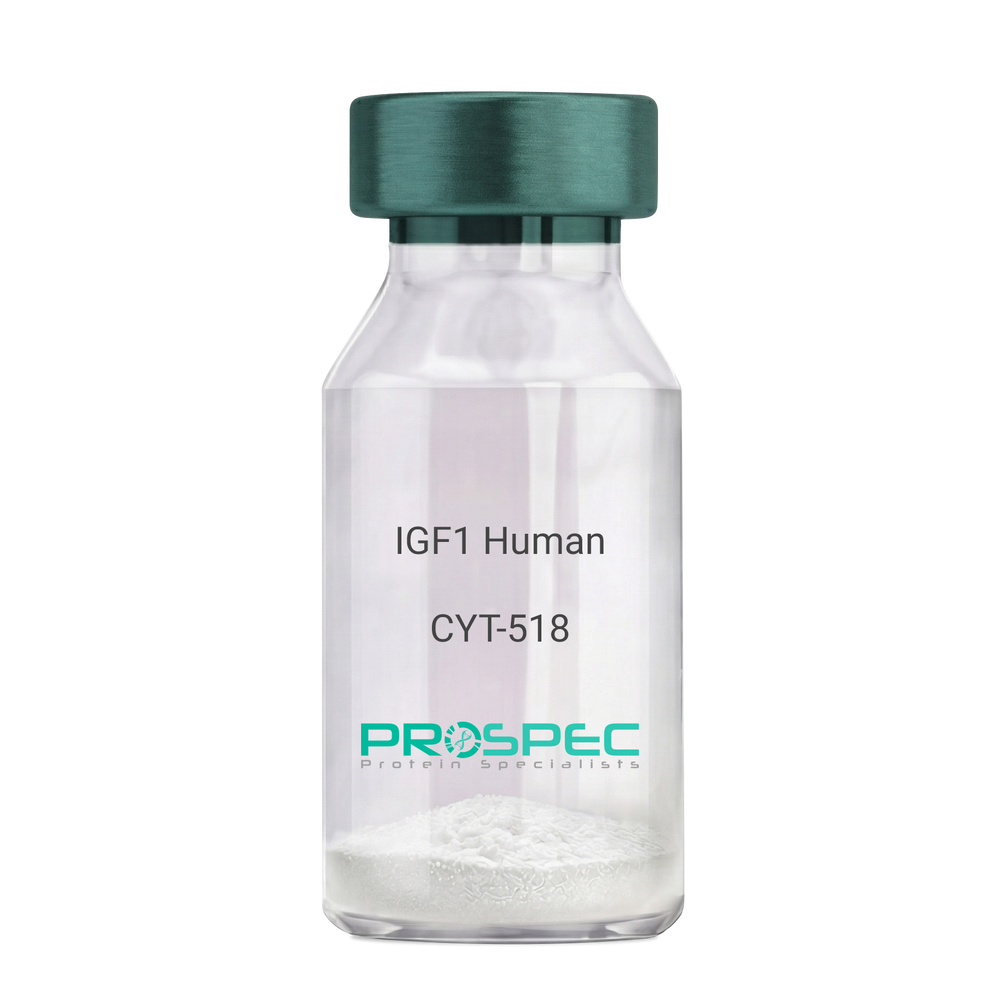
    IGF1 Human Des1-3

    Description:

    Insulin-Like Growth Factor 1 Des (1-3) Human Recombinant

    Somatomedin C, IGF-I, IGFI, IGF1, IGF-IA, Mechano growth factor, MGF, Des(1-3), Des1-3, Des 1-3, Des (1-3), IGF-1 (4-70).

    Product # :

    CYT-518

    Price :

    Quantity :

    Shipping Method :

    Room Temp Icon

    Shipped at Room temp

    Add To Cart

    More Info

    • description
    • source
    • formulation
    • purity
    • biological activity
    • More Info
    • Citations

    Description

    IGF-I Des(1-3) Human Recombinant produced in E.Coli is a single, non-glycosylated, polypeptide chain containing 67 amino acids (aa 4-70) and having a molecular mass of 7368.5 Dalton. IGF-1 Des1-3 is purified by proprietary chromatographic techniques.

    Source

    Escherichia Coli.

    Formulation

    The protein (1mg/ml) was lyophilized was lyophilized from a 0.2µm filtered concentrated solution in 20mM PBS, pH 7.0.

    Purity

    Greater than 97% as determined by:
    (a) Analysis by RP-HPLC.
    (b) Analysis by SDS-PAGE.

    Biological Activity

    The ED50 as determined by a cell proliferation assay using FDC-P1 cells is less than 2.0 ng/ml, corresponding to a specific activity of > 5×10⁵ units/mg.

    Citations

    More Info

    • Introduction

      The somatomedins, or insulin-like growth factors (IGFs), comprise a family of peptides that play important roles in mammalian growth and development. IGF1 mediates many of the growth-promoting effects of growth hormone (GH; MIM 139250). Early studies showed that growth hormone did not directly stimulate the incorporation of sulfate into cartilage, but rather acted through a serum factor, termed 'sulfation factor,' which later became known as 'somatomedin' (Daughaday et al., 1972). Three main somatomedins have been characterized: somatomedin C (IGF1), somatomedin A (IGF2; MIM 147470), and somatomedin B (MIM 193190) (Rotwein, 1986; Rosenfeld, 2003).

    • Synonyms

      Somatomedin C, IGF-I, IGFI, IGF1, IGF-IA, Mechano growth factor, MGF, Des(1-3), Des1-3, Des 1-3, Des (1-3), IGF-1 (4-70).

    • Physical Appearance

      Sterile Filtered White lyophilized (freeze-dried) powder.

    • Stability

      Lyophilized IGF-I des(1-3) although stable at room temperature for 3 weeks, should be stored desiccated below -18°C. Upon reconstitution IGF1 des-1-3 should be stored at 4°C between 2-7 days and for future use below -18°C.For long term storage it is recommended to add a carrier protein (0.1% HSA or BSA).Please prevent freeze-thaw cycles.

    • Solubility

      It is recommended to reconstitute the IGF-I des(1-3) in sterile 18M-cm H2O not less than 100µg/ml, which can then be further diluted to other aqueous solutions.

    • Amino Acid Sequence

      TLCGAELVDA LQFVCGDRGF YFNKPTGYGS SSRRAPQTGI VDECCFRSCD LRRLEMYCAP LKPAKSA.

    • Background

      What is the molecular weight/Mw of IGF1 HUMAN DES1-3 Protein?
      IGF1 HUMAN DES1-3 Protein has a total Mw of 7.3kDa.

      What is the source or expression system of IGF1 HUMAN DES1-3 Protein?
      Escherichia Coli.

      What is the Purity of IGF1 HUMAN DES1-3 Protein?
      IGF1 HUMAN DES1-3 Protein is >97% pure as determined by SDS-PAGE.

      What is the Biological Activity of IGF1 HUMAN DES1-3 Protein?
      The ED50 as determined by a cell proliferation assay using FDC-P1 cells is less than 2.0 ng/ml, corresponding to a specific activity of > 5×10⁵ units/mg.

      What is the amino acid sequence of IGF1 HUMAN DES1-3 Protein?
      TLCGAELVDA LQFVCGDRGF YFNKPTGYGS SSRRAPQTGI VDECCFRSCD LRRLEMYCAP LKPAKSA.

      What applications can IGF1 HUMAN DES1-3 Protein be used in?
      IGF1 HUMAN DES1-3 Protein can probably be used in western blot, ELISA and Lateral Flow.

      What is the endotoxin level for IGF1 HUMAN DES1-3 Protein?
      The endotoxin level is minimal, IGF1 HUMAN DES1-3 Protein was purified using conventional chromatography techniques.


    ProSpec's products are furnished for LABORATORY RESEARCH USE ONLY. The product may not be used as drugs, agricultural or pesticidal products, food additives or household chemicals.

    Igf I Des1 3 Human
  • View Data Sheet

    Name :

    FUT7 Human

    Description:

    Fucosyltransferase 7 Human Recombinant

    Fucosyltransferase 7 (Alpha (1,3) Fucosyltransferase), Fucosyltransferase VII, Galactoside 3-L-Fucosyltransferase, Selectin Ligand Synthase, FucT-VII, Fuc-TVII, FUT7, Alpha-(1,3)-Fucosyltransferase 7, Selectin-Ligand Synthase, EC 2.4.1.-, Fuc-TVII, Fucosyltransferase 7, EC 2.4.1, EC 2.4.1.65.

    Product # :

    ENZ-784

    Price :

    Quantity :

    Shipping Method :

    Ice Icon

    Shipped with Ice Packs

    Add To Cart

    More Info

    • description
    • source
    • formulation
    • purity
    • More Info
    • Citations

    Description

    FUT7 Human Recombinant produced in E.coli is a single, non-glycosylated polypeptide chain containing 329 amino acids (37-342) and having a molecular mass of 37.9kDa.FUT7 is fused to a 23 amino acid His-tag at N-terminus & purified by proprietary chromatographic techniques.

    Source

    Escherichia Coli.

    Formulation

    The FUT7 solution (0.25mg/ml) contains 20mM Tris-HCl buffer (pH 8.0), 0.4M Urea and 10% glycerol.

    Purity

    Greater than 85.0% as determined by SDS-PAGE.

    Citations

    More Info

    • Introduction

      Fucosyltransferase 7 (FUT7) is a golgi stack membrane protein which is involved in the creation of sialyl-Lewis X antigens. The FUT7 protein leads the synthesis of the E-selectin-binding sialyl-Lewis X moiety. FUT7 catalyzes alpha-1,3 glycosidic linkages involved in the expression of sialyl Lewis X antigens.

    • Synonyms

      Fucosyltransferase 7 (Alpha (1,3) Fucosyltransferase), Fucosyltransferase VII, Galactoside 3-L-Fucosyltransferase, Selectin Ligand Synthase, FucT-VII, Fuc-TVII, FUT7, Alpha-(1,3)-Fucosyltransferase 7, Selectin-Ligand Synthase, EC 2.4.1.-, Fuc-TVII, Fucosyltransferase 7, EC 2.4.1, EC 2.4.1.65.

    • Physical Appearance

      Sterile Filtered colorless solution.

    • Stability

      Store at 4°C if entire vial will be used within 2-4 weeks. Store, frozen at -20°C for longer periods of time. For long term storage it is recommended to add a carrier protein (0.1% HSA or BSA).Avoid multiple freeze-thaw cycles.

    • Amino Acid Sequence

      MGSSHHHHHH SSGLVPRGSH MGSPRGTPAP QPTITILVWH WPFTDQPPEL PSDTCTRYGI ARCHLSANRS LLASADAVVF HHRELQTRRS HLPLAQRPRG QPWVWASMES PSHTHGLSHL RGIFNWVLSY RRDSDIFVPY GRLEPHWGPS PPLPAKSRVA AWVVSNFQER QLRARLYRQL APHLRVDVFG RANGRPLCAS CLVPTVAQYR FYLSFENSQH RDYITEKFWR NALVAGTVPV VLGPPRATYE AFVPADAFVH VDDFGSAREL AAFLTGMNES RYQRFFAWRD RLRVRLFTDW RERFCAICDR YPHLPRSQVY EDLEGWFQA.

    ProSpec's products are furnished for LABORATORY RESEARCH USE ONLY. The product may not be used as drugs, agricultural or pesticidal products, food additives or household chemicals.

    Fut7 Human
  • View Data Sheet

    Name :

    BD 3 Rat

    Description:

    Beta Defensin-3 Rat Recombinant

    Beta-defensin 3, BD-3, Defensin beta 3, Defb3.

    Product # :

    CYT-063

    Price :

    Quantity :

    Shipping Method :

    Room Temp Icon

    Shipped at Room temp

    Add To Cart

    More Info

    • description
    • source
    • formulation
    • purity
    • biological activity
    • More Info
    • Citations

    Description

    BD-3 Rat Recombinant produced in E.coli is a single, non-glycosylated polypeptide chain containing 41 amino acids and having a molecular mass of 4.5kDa.The BD-3 is purified by proprietary chromatographic techniques.

    Source

    Escherichia Coli.

    Formulation

    BD-3 protein was lyophilized from a 0.2µm filtered concentrated solution in PBS, pH 7.4.

    Purity

    Greater than 98.0% as determined by:
    (a) Analysis by RP-HPLC.
    (b) Analysis by SDS-PAGE.

    Biological Activity

    Measured by its antimicrobial activity against E. coli. The ED50 for this effect is typically 4-20µg/ml, corresponding to a specific activity of 50,000-250,000units/mg.

    Citations

    More Info

    • Introduction

      Defensins form a family of microbicidal and cytotoxic peptides made by neutrophils. Members of the defensin family are highly similar in protein sequence. This gene encodes defensin, beta 103A, which has broad spectrum antimicrobial activity and may play an important role in innate epithelial defense.

    • Synonyms

      Beta-defensin 3, BD-3, Defensin beta 3, Defb3.

    • Physical Appearance

      Sterile Filtered White lyophilized (freeze-dried) powder.

    • Stability

      Lyophilized BD-3 although stable at room temperature for 3 weeks, should be stored desiccated below -18°C. Upon reconstitution BD-3 should be stored at 4°C between 2-7 days and for future use below -18°C. For long term storage it is recommended to add a carrier protein (0.1% HSA or BSA). Please prevent freeze-thaw cycles.

    • Solubility

      It is recommended to reconstitute the lyophilized BD-3 in sterile 18M-cm H2O not less than 100µg/ml, which can then be further diluted to other aqueous solutions.

    • Amino Acid Sequence

      KKVYNAVSCM TNGGICWLKC SGTFREIGSC GTRQLKCCKK K.

    • Background

      What is the molecular weight/Mw of BD3 Protein?
      BD3 Protein has a total Mw of 4.5kDa.

      What is the source or expression system of BD3 Protein?
      Escherichia Coli.

      What is the Purity of BD3 Protein?
      BD3 Protein is >98% pure as determined by SDS-PAGE.

      What is the Biological Activity of BD3 Protein?
      Measured by its antimicrobial activity against E. coli. The ED50 for this effect is typically 4-20µg/ml, corresponding to a specific activity of 50,000-250,000units/mg.

      What is the amino acid sequence of BD3 Protein?
      KKVYNAVSCM TNGGICWLKC SGTFREIGSC GTRQLKCCKK K.

      What applications can BD3 Protein be used in?
      BD3 Protein can probably be used in western blot, ELISA and Lateral Flow.

      What is the endotoxin level for BD3 Protein?
      The endotoxin level is minimal, BD3 Protein was purified using conventional chromatography techniques.

    ProSpec's products are furnished for LABORATORY RESEARCH USE ONLY. The product may not be used as drugs, agricultural or pesticidal products, food additives or household chemicals.

    Bd 3 Rat
  • View Data Sheet

    Name :

    FGF23 Human, His

    Description:

    Fibroblast Growth Factor-23 Human Recombinant, His Tag

    Tumor-derived hypophosphatemia-inducing factor, HYPF, ADHR, HPDR2, PHPTC, FGF23, FGF-23, Fibroblast Growth Factor-23.

    Product # :

    CYT-374

    Price :

    Quantity :

    Shipping Method :

    Room Temp Icon

    Shipped at Room temp

    Add To Cart

    More Info

    • description
    • source
    • formulation
    • purity
    • biological activity
    • More Info
    • Citations

    Description

    Fibroblast Growth Factor-23 Human Recombinant produced in E.Coli is a single, non-glycosylated polypeptide chain expressed with a -6xHis tag containing a total of 257 amino acids (251 a.a. FGF23+ 6 a.a. His tag) and having a molecular mass of 28629.5 Dalton. The FGF-23 is and purified by chromatographic techniques.

    Source

    Escherichia Coli.

    Formulation

    The protein (0.5mg/ml) was lyophilized from 25mM Tris pH7.5 and 0.6M NaCl solution.

    Purity

    Greater than 90.0% as determined by:
    (a) Analysis by RP-HPLC.
    (b) Analysis by SDS-PAGE.

    Biological Activity

    Treatment with hrFGF23 has been shown to induce FGFR mediated Erk phosphorylation, reduce plasma PTH levels in rats and to reduce blood phosphate levels.

    Citations

    More Info

    • Introduction

      FGF-23 is a member of the fibroblast growth factor (FGF) family. FGF family members possess broad mitogenic and cell survival activities and are involved in a variety of biological processes including embryonic development, cell growth, morphogenesis, tissue repair, tumor growth and invasion. FGF-23 inhibits renal tubular phosphate transport. This gene was identified by its mutations associated with autosomal dominant hypophosphatemic rickets (ADHR), an inherited phosphate wasting disorder. Abnormally high level expression of FGF23 was found in oncogenic hypophosphatemic osteomalacia (OHO), a phenotypically similar disease caused by abnormal phosphate metabolism. Mutations FGF23 have also been shown to cause familial tumoral calcinosis with hyperphosphatemia.

    • Synonyms

      Tumor-derived hypophosphatemia-inducing factor, HYPF, ADHR, HPDR2, PHPTC, FGF23, FGF-23, Fibroblast Growth Factor-23.

    • Physical Appearance

      Sterile Filtered white lyophilized powder.

    • Stability

      Lyophilized Fibroblast Growth Factor 23 although stable at room temperature for 3 weeks, should be stored desiccated below -18°C. Upon reconstitution FGF-23 should be stored at 4°C between 2-7 days and for future use below -18°C.For long term storage it is recommended to add a carrier protein (0.1% HSA or BSA).Please prevent freeze-thaw cycles.

    • Solubility

      It is recommended to reconstitute the lyophilized Fibroblast Growth Factor-23 in sterile 18MΩ-cm H2O not less than 100µg/ml, which can then be further diluted to other aqueous solutions.

    • Amino Acid Sequence

      MLGARLRLWVCALCSVCSMSVLRAYPNASPLLGSSWGGLIHLYTATARN
      SYHLQIHKNGHVDGAPHQTIYSALMIRSEDAGFVVITGVMSRRYLCMDFR
      GNIFGSHYFDPENCRFQHQTLENGYDVYHSPQYHFLVSLGRAKRAFLPG
      MNPPPYSQFLSRRNEIPLIHFNTPIPRRHTRSAEDDSERDPLNVLKPRAR
      MTPAPASCSQELPSAEDNSPMASDPLGVVRGGRVNTHAGGTGPEGCRP
      FAKFIHHHHHH.

    • Background

      What is the molecular weight/Mw of FGF23 HUMAN, HIS Protein?
      FGF23 HUMAN, HIS Protein has a total Mw of 28.6kDa.

      What is the source or expression system of FGF23 HUMAN, HIS Protein?
      Escherichia Coli.

      What is the Purity of FGF23 HUMAN, HIS Protein?
      FGF23 HUMAN, HIS Protein is >90% pure as determined by SDS-PAGE.

      What is the Biological Activity of FGF23 HUMAN, HIS Protein?
      Treatment with hrFGF23 has been shown to induce FGFR mediated Erk phosphorylation, reduce plasma PTH levels in rats and to reduce blood phosphate levels.

      What is the amino acid sequence of FGF23 HUMAN, HIS Protein?
      MLGARLRLWVCALCSVCSMSVLRAYPNASPLLGSSWGGLIHLYTATARN
      SYHLQIHKNGHVDGAPHQTIYSALMIRSEDAGFVVITGVMSRRYLCMDFR
      GNIFGSHYFDPENCRFQHQTLENGYDVYHSPQYHFLVSLGRAKRAFLPG
      MNPPPYSQFLSRRNEIPLIHFNTPIPRRHTRSAEDDSERDPLNVLKPRAR
      MTPAPASCSQELPSAEDNSPMASDPLGVVRGGRVNTHAGGTGPEGCRP
      FAKFIHHHHHH.

      What applications can FGF23 HUMAN, HIS Protein be used in?
      FGF23 HUMAN, HIS Protein can probably be used in western blot, ELISA and Lateral Flow.

      What is the endotoxin level for FGF23 HUMAN, HIS Protein?
      The endotoxin level is minimal, FGF23 HUMAN, HIS Protein was purified using conventional chromatography techniques.

    ProSpec's products are furnished for LABORATORY RESEARCH USE ONLY. The product may not be used as drugs, agricultural or pesticidal products, food additives or household chemicals.

    Fgf23 Human His
  • View Data Sheet

    Name :

    ACVR1 Human

    Description:

    Activin A Receptor Type 1 Human Recombinant

    ACVR1A, ALK2, ACVR1, ACTRI, ACTR-I, ACVRLK2, FOP, SKR1, TSRI, Activin receptor type I, Activin receptor-like kinase 2, ALK-2, TSR-I, Serine/threonine-protein kinase receptor R1, TGF-B superfamily receptor type I.

    Product # :

    CYT-1140

    Price :

    Quantity :

    Shipping Method :

    Ice Icon

    Shipped with Ice Packs

    Add To Cart

    More Info

    • description
    • source
    • formulation
    • purity
    • More Info
    • sds-page
    • Citations

    Description

    ACVR1 produced in Sf9 Baculovirus cells is a single, glycosylated polypeptide chain containing 342 amino acids (21-123a.a.) and having a molecular mass of 38.4kDa. ACVR1 is expressed with a 239 amino acid hIgG-His-Tag at C-Terminus and purified by proprietary chromatographic techniques.

    Source

    Sf9, Baculovirus cells.

    Formulation

    ACVR1 protein solution (0.25mg/ml) contains Phosphate Buffered Saline (pH 7.4) and 10% glycerol.

    Purity

    Greater than 90.0% as determined by SDS-PAGE.

    sds-page

    ACVR1 Human sds-page - Product image 1

    Citations

    More Info

    • Introduction

      Activin A Receptor Type 1 (ACVR1) is a member of TGF-beta serine/threonine kinase receptor family. ACVR1 forms a receptor complex contains2 type II and 2 type I transmembrane serine/threonine kinases. Type II receptors phosphorylate and activate type I receptors which autophosphorylate,bind and activate SMAD transcriptional regulators. ACVR1 takes part in left-right pattern formation during embryogenesis and is also essential in the BMP pathway which is responsible for the development and repair of the skeletal system.ACVR1 is linked to Fibrodysplasia Ossificans Progressiva which isknown for the formation of heterotopic bone throughout the body.

    • Synonyms

      ACVR1A, ALK2, ACVR1, ACTRI, ACTR-I, ACVRLK2, FOP, SKR1, TSRI, Activin receptor type I, Activin receptor-like kinase 2, ALK-2, TSR-I, Serine/threonine-protein kinase receptor R1, TGF-B superfamily receptor type I.

    • Physical Appearance

      Sterile filtered colorless solution.

    • Stability

      Store at 4°C if entire vial will be used within 2-4 weeks.Store, frozen at -20°C for longer periods of time. For long term storage it is recommended to add a carrier protein (0.1% HSA or BSA).Avoid multiple freeze-thaw cycles.

    • Amino Acid Sequence

      MEDEKPKVNP KLYMCVCEGL SCGNEDHCEG QQCFSSLSIN DGFHVYQKGC FQVYEQGKMT
      CKTPPSPGQA VECCQGDWCN RNITAQLPTK GKSFPGTQNF HLELEPKSCD KTHTCPPCPA
      PELLGGPSVF LFPPKPKDTL MISRTPEVTC VVVDVSHEDP EVKFNWYVDG VEVHNAKTKP
      REEQYNSTYR VVSVLTVLHQ DWLNGKEYKC KVSNKALPAP IEKTISKAKG QPREPQVYTL
      PPSRDELTKN QVSLTCLVKG FYPSDIAVEW ESNGQPENNY KTTPPVLDSD GSFFLYSKLT
      VDKSRWQQGN VFSCSVMHEA LHNHYTQKSL SLSPGKHHHH HH.

    • Background

      Functional Implications and Therapeutic Prospects of Activin A Receptor Type 1 Human Recombinant

      1. Abstract

      This study illuminates the functional roles and potential therapeutic applications of Activin A Receptor Type 1 Human Recombinant (ACVR1), a crucial protein in the TGF-beta superfamily signaling pathway. Through a comprehensive review of its structure, signaling mechanism, biological functions, and disease associations, this paper aims to elucidate the current understanding of ACVR1 and its potential therapeutic implications in various disease states.

      2. Introduction

      The Activin A Receptor Type 1 Human Recombinant, abbreviated as ACVR1, is a receptor protein vital for transmitting cellular signals in the Transforming Growth Factor-beta (TGF-beta) superfamily pathway. Known to play pivotal roles in organogenesis, bone growth, and cell differentiation, the ACVR1 and its functions present vast therapeutic potential.

      3. Structure and Signaling of ACVR1

      ACVR1 is a transmembrane serine/threonine kinase receptor, characterized by an extracellular ligand-binding domain and an intracellular kinase domain for signal transduction. Binding of ligands such as Activin A leads to the formation of heteromeric complexes with type II receptors, triggering phosphorylation events that activate downstream signaling pathways.

      4. Biological Functions of ACVR1

      Being a part of the TGF-beta superfamily signaling pathway, ACVR1 is implicated in a broad spectrum of biological processes. It is crucial for embryonic development, cellular proliferation, differentiation, apoptosis, and homeostasis. It also plays a significant role in bone morphogenesis, contributing to skeletal patterning and growth.

      5. ACVR1 in Disease Pathology

      The dysregulation of ACVR1 has been associated with various pathological conditions, including Fibrodysplasia Ossificans Progressiva (FOP), a rare genetic disorder characterized by progressive ossification of soft tissues. Mutations in ACVR1 lead to enhanced BMP signaling, causing aberrant bone formation. This highlights the critical role of ACVR1 in skeletal homeostasis and disease.

      6. Therapeutic Potential of ACVR1

      Given the central role of ACVR1 in cellular signaling and its association with disease, it presents a promising target for therapeutic intervention. Strategies to modulate ACVR1 signaling could potentially ameliorate symptoms of diseases like FOP, offering promising avenues for novel therapeutic approaches.

      7. Conclusion and Future Perspectives

      While our understanding of ACVR1's functional roles has expanded significantly over the years, much remains to be elucidated. Further research into the precise molecular mechanisms of ACVR1 and its pathway will pave the way for therapeutic advances, enhancing our capability to combat various diseases.

      What is the molecular weight / Mw of ACVR1 Protein?
      ACVR1 Protein has a total Mw of 38.4kDa.

      What is the source or expression system of ACVR1 Protein?
      Sf9, Baculovirus cells.

      What is the Purity of ACVR1 Protein?
      ACVR1 Protein is >90% pure as determined by SDS-PAGE.

      What is the Biological Activity of ACVR1 Protein?
      The biological functionality of ACVR1 Protein will be determined in the future.

      What is the endotoxin level for ACVR1 Protein?
      The endotoxin level is minimal, ACVR1 Protein was purified using conventional chromatography techniques.

      What is the amino acid sequence of ACVR1 Protein?
      MEDEKPKVNP KLYMCVCEGL SCGNEDHCEG QQCFSSLSIN DGFHVYQKGC FQVYEQGKMT
      CKTPPSPGQA VECCQGDWCN RNITAQLPTK GKSFPGTQNF HLELEPKSCD KTHTCPPCPA
      PELLGGPSVF LFPPKPKDTL MISRTPEVTC VVVDVSHEDP EVKFNWYVDG VEVHNAKTKP
      REEQYNSTYR VVSVLTVLHQ DWLNGKEYKC KVSNKALPAP IEKTISKAKG QPREPQVYTL
      PPSRDELTKN QVSLTCLVKG FYPSDIAVEW ESNGQPENNY KTTPPVLDSD GSFFLYSKLT
      VDKSRWQQGN VFSCSVMHEA LHNHYTQKSL SLSPGKHHHH HH.

      What applications can ACVR1 Protein be used in?
      ACVR1 Protein can probably be used in western blot, ELISA and Lateral Flow

    ProSpec's products are furnished for LABORATORY RESEARCH USE ONLY. The product may not be used as drugs, agricultural or pesticidal products, food additives or household chemicals.

    Acvr1 Human
  • View Data Sheet

    Name :

    Adiponectin Human, His

    Description:

    Adiponectin Human Recombinant, His tag

    Acrp30, AdipoQ, GBP-28, APM-1, ACDC.

    Product # :

    CYT-433

    Price :

    Quantity :

    Shipping Method :

    Room Temp Icon

    Shipped at Room temp

    Add To Cart

    More Info

    • description
    • source
    • formulation
    • purity
    • More Info
    • Citations

    Description

    The Acrp30 Human is created as a recombinant protein with N-terminal fusion of His Tag. The Adiponectin His-Tagged Fusion Protein, produced in E. coli, is 26.4 kDa protein containing 230 amino acid residues of the Acrp30 Human and 12 additional amino acid residues - HisTag (underlined).

    Source

    Escherichia Coli.

    Formulation

    Acrp30 Human was filtered (0.4µm) and lyophilized from 0.5 mg/ml in 0.02M Tris buffer pH7.5, 0.15M NaCl.

    Purity

    Acrp30 Human purity is greater than 95% as determined by SDS-PAGE.

    Citations

    More Info

    • Introduction

      Adiponectin, also referred to as Acrp30, AdipoQ and GBP-28, is a recently discovered 244 amino acid protein, the product of the apM1 gene, which is physiologically active and specifically and highly expressed in adipose cells (Adipokine). The protein belongs to the soluble defense collagen super family; it has a collagen-like domain structurally homologous with collagen VIII and X and complement factor C1q-like globular domain. APM-1 forms homotrimers, which are the building blocks for higher order complexes found circulating in serum.

    • Synonyms

      Acrp30, AdipoQ, GBP-28, APM-1, ACDC.

    • Physical Appearance

      Filtered White lyophilized (freeze-dried) powder.

    • Stability

      Store lyophilized Acrp30 Human at -20°C. Aliquot the product after reconstitution to avoid repeated freezing/thawing cycles. Reconstituted Acrp30 Human can be stored at 4°C for a limited period of time; it does not show any change after two weeks at 4°C.

    • Solubility

      It is recommended to add deionized water to prepare a working stock solution of approximately 0.5mg/ml and let the lyophilized pellet dissolve completely. Product is not sterile! Please filter the product by an appropriate sterile filter before using it on cell culture.

    • Amino Acid Sequence

      MRGSHHHHHHGSGHDQETTT QGPGVLLPLP KGACTGWMAG IPGHPGHNGA PGRDGRDGTP GEKGEKGDPG LIGPKGDIGE TGVPGAEGPR GFPGIQGRKG EPGEGAYVYR SAFSVGLETY VTIPNMPIRF TKIFYNQQNH YDGSTGKFHC NIPGLYYFAY HITVYMKDVK VSLFKKDKAM LFTYDQYQEN NVDQASGSVL LHLEVGDQVW LQVYGEGERN GLYADNDNDS TFTGFLLYHD TN.

    • Background

      What is the molecular weight / Mw of ADIPONECTIN Protein?
      ADIPONECTIN Protein has a total Mw of 26.4kDa.
      What is the source or expression system of ADIPONECTIN Protein?
      Escherichia Coli.

      What is the Purity of ADIPONECTIN Protein?
      ADIPONECTIN Protein is >95% pure as determined by SDS-PAGE.

      What is the Biological Activity of ADIPONECTIN Protein?
      The biological functionality of ADIPONECTIN Protein will be determined in the future.

      What is the amino acid sequence of ADIPONECTIN Protein?
      MRGSHHHHHHGSGHDQETTT QGPGVLLPLP KGACTGWMAG IPGHPGHNGA PGRDGRDGTP GEKGEKGDPG LIGPKGDIGE TGVPGAEGPR GFPGIQGRKG EPGEGAYVYR SAFSVGLETY VTIPNMPIRF TKIFYNQQNH YDGSTGKFHC NIPGLYYFAY HITVYMKDVK VSLFKKDKAM LFTYDQYQEN NVDQASGSVL LHLEVGDQVW LQVYGEGERN GLYADNDNDS TFTGFLLYHD TN.

      What applications can ADIPONECTIN Protein be used in?
      ADIPONECTIN Protein can probably be used in western blot, ELISA and Lateral Flow.

      What is the endotoxin level for ADIPONECTIN Protein?
      The endotoxin level is minimal, ADIPONECTIN Protein was purified using conventional chromatography techniques

    ProSpec's products are furnished for LABORATORY RESEARCH USE ONLY. The product may not be used as drugs, agricultural or pesticidal products, food additives or household chemicals.

    Adiponectin Human His
  • View Data Sheet

    Name :

    CST3 Rat

    Description:

    Cystatin C Rat Recombinant

    Cystatin-C, Cystatin-3, CYSC, MGC105556.

    Product # :

    PRO-438

    Price :

    Quantity :

    Shipping Method :

    Room Temp Icon

    Shipped at Room temp

    Add To Cart

    More Info

    • description
    • source
    • formulation
    • purity
    • More Info
    • Citations

    Description

    Total 134 AA, Mw: 14.93 kDa (calculated). N-terminal His-tag (14AA).

    Source

    Escherichia Coli.

    Formulation

    Filtered (0.4 micron) and lyophilized from 0.5 mg/ml in 0.03M Acetate buffer, pH 4.

    Purity

    Greater than 96% as determined by SDS-PAGE.

    Citations

    More Info

    • Introduction

      Cystatins are a superfamily of cysteine proteinase inhibitors found in both plants and animals. They comprise a group of proteinase inhibitors, widely distributed in tissues and body fluids, and form tight complexes with cysteine proteases such as cathepsin B, H, L and S. Cystatin C, a secreted molecule of this family, is of interest from biochemical, medicine and evolutionary points of view. Cystatin C, with molecular weight of 13260 Da, is composed of 120 amino acids, lacks carbohydrate and has two disulfide bridges located near the carboxyl terminus. Cystatin C is increased in patients with malignant diseases, and is related to the insufficiency of renal function and appears to be a better marker than creatinine. On the other hand, low levels of cystatin C involve cause the breakdown of the elastic laminae and, subsequently, the atherosclerosis and abdominal aortic aneurysm.

    • Synonyms

      Cystatin-C, Cystatin-3, CYSC, MGC105556.

    • Physical Appearance

      Sterile Filtered White lyophilized (freeze-dried) powder.

    • Stability

      Store lyophilized protein at -20°C. Aliquot the product after reconstitution to avoid repeated freezing/ thawing cycles. Reconstituted protein can be stored at 4°C for a limited period of time; it does not show any change after two weeks at 4°C.

    • Solubility

      Add 0.2 ml of 0.1M Acetate buffer pH4 and let the lyophilized pellet dissolve completely. For conversion into higher pH value, we recommend intensive dilution by relevant buffer to a concentration of 0.1mg/ml. In higher concentrations the solubility of this antigen is limited.

    • Amino Acid Sequence

      MRGSHHHHHH GMASGTSRPP PRLLGAPQEA DASEEGVQRA LDFAVSEYNK GSNDAYHSRA IQVVRARKQLVAGINYYLDV EMGRTTCTKS QTNLTNCPFH DQPHLMRKAL CSFQIYSVPW KGTHTLTKSS.

    ProSpec's products are furnished for LABORATORY RESEARCH USE ONLY. The product may not be used as drugs, agricultural or pesticidal products, food additives or household chemicals.

    Cystatin C Rat
  • View Data Sheet

    Name :

    Desmin Human

    Description:

    Desmin Human Recombinant

    Desmin, DES, CSM1, CSM2, CMD1I, FLJ12025, FLJ39719, FLJ41013, FLJ41793.

    Product # :

    PRO-520

    Price :

    Quantity :

    Shipping Method :

    Room Temp Icon

    Shipped at Room temp

    Add To Cart

    More Info

    • description
    • source
    • formulation
    • purity
    • More Info
    • Citations

    Description

    Desmin Human Recombinant having a calculated molecular mass of 53,539 Dalton, showing a 55kDa band on SDS-page, pI-5.16.

    Source

    Escherichia Coli.

    Formulation

    Desmin was lyophilized from a 1mg/ml solution containing 30mM Tris-HCl pH 8, 9.5M urea, 2mM DTT, 2mM EDTA and 10mM methylammonium chloride.

    Purity

    Greater than 95.0% as determined by SDS-PAGE.

    Citations

    More Info

    • Introduction

      Desmin is a muscle-specific class III intermediate filament. Homopolymers of this protein form a stable intracytoplasmic filamentous network connecting myofibrils to each other and to the plasma membrane. Mutations in this gene are associated with desmin-related myopathy, a familial cardiac and skeletal myopathy (CSM), and with distal myopathies.

    • Synonyms

      Desmin, DES, CSM1, CSM2, CMD1I, FLJ12025, FLJ39719, FLJ41013, FLJ41793.

    • Physical Appearance

      Sterile Filtered White lyophilized (freeze-dried) powder.

    • Stability

      Store the lyophilized Desmin between 2-8°C, do not freeze. Upon reconstitution Desmin should be stored at -20°C. Please prevent freeze-thaw cycles.

    • Solubility

      It is recommended to reconstitute the lyophilized Desmin in sterile 18MΩ-cm H2O not less than 100µg/ml, which can then be further diluted to other aqueous solutions.

    • Reconstitution to filaments

      After Desmin is dissolved in 9.5M urea buffer (see formulation), protofilaments and filament complexes are obtained by dialyzing the resulting polypeptide solution stepwise to a concentration of 4M urea and then to low salt condition (50mM NaCl, 2mM dithiothreitol, 10mM Tris-HCl, pH 7.4). For immunization purposes, the solution can be further dialyzed against PBS (phosphate buffered saline, e.g. Dulbecco's PBS).

    ProSpec's products are furnished for LABORATORY RESEARCH USE ONLY. The product may not be used as drugs, agricultural or pesticidal products, food additives or household chemicals.

    Desmin Human
  • View Data Sheet

    Name :

    STIP1 Human, His

    Description:

    Stress-Induced-Phosphoprotein 1 Human Recombinant, His Tag

    HOP, P60, STI1, STI1L, IEF-SSP-3521, STIP1, Stress-induced-phosphoprotein 1, Hsc70/Hsp90-organizing protein, Transformation-sensitive protein IEF SSP 3521, Renal carcinoma antigen NY-REN-11.

    Product # :

    PRO-753

    Price :

    Quantity :

    Shipping Method :

    Ice Icon

    Shipped with Ice Packs

    Add To Cart

    More Info

    • description
    • source
    • formulation
    • purity
    • More Info
    • Citations

    Description

    Recombinant Human STIP1 produced in E.Coli is a single, non-glycosylated polypeptide chain containing 563 amino acids (1-543 a.a) and having a molecular mass of 64.8kDa. STIP1 is fused to a 20 amino acid His-Tag at N-terminus and purified by conventional chromatography techniques.

    Source

    Escherichia Coli.

    Formulation

    The STIP1 protein solution (1mg/ml) contains 20mM Tris-HCl, pH-8, 1mM DTT, 1mM EDTA, 0.2mM PMSF and 20% Glycerol.

    Purity

    Greater than 90.0% as determined by SDS-PAGE.

    Citations

    More Info

    • Introduction

      STIP1 is an adaptor protein that mediates the functions of HSP70 & HSP90 in protein folding. STIP1 supports the transfer of proteins from HSP70 to HSP90 by binding together HSP90 and substrate-bound HSP70. STIP1 stimulates the ATPase activity of HSP70 and inhibits the ATPase activity of HSP90, suggesting that it regulates both the conformations and ATPase cycles of these chaperones. STIP1 genetic variations are involved in regulating corticosteroid response in asthmatic subjects with reduced lung function.

    • Synonyms

      HOP, P60, STI1, STI1L, IEF-SSP-3521, STIP1, Stress-induced-phosphoprotein 1, Hsc70/Hsp90-organizing protein, Transformation-sensitive protein IEF SSP 3521, Renal carcinoma antigen NY-REN-11.

    • Physical Appearance

      Sterile filtered colorless solution.

    • Stability

      Store at 4°C if entire vial will be used within 2-4 weeks. Store, frozen at -20°C for longer periods of time. For long term storage it is recommended to add a carrier protein (0.1% HSA or BSA). Avoid multiple freeze-thaw cycles.

    • Amino Acid Sequence

      MGSSHHHHHH SSGLVPRGSH MEQVNELKEK GNKALSVGNI DDALQCYSEA IKLDPHNHVL YSNRSAAYAK KGDYQKAYED GCKTVDLKPDWGKGYSRKAA ALEFLNRFEE AKRTYEEGLK HEANNPQLKE GLQNMEARLA ERKFMNPFNM PNLYQKLESD PRTRTLLSDP TYRELIEQLRNKPSDLGTKL QDPRIMTTLS VLLGVDLGSM DEEEEIATPP PPPPPKKETK PEPMEEDLPE NKKQALKEKE LGNDAYKKKD FDTALKHYDKAKELDPTNMT YITNQAAVYF EKGDYNKCRE LCEKAIEVGR ENREDYRQIA KAYARIGNSY FKEEKYKDAI HFYNKSLAEH TPDVLKKCQQAEKILKEQE RLAYINPDLA LEEKNKGNEC FQKGDYPQAM KHYTEAIKRN PKDAKLYSNR AACYTKLLEF QLALKDCEEC QLEPTFIKGYTRKAAALEA MKDYTKAMDV YQKALDLDSS CKEAADGYQR CMMAQYNRHD SPEDVKRRAM ADPEVQQIMS DPAMRLILEQ MQKDPQALSE HLKNPVIAQK IQKLMDVGLI AIR.

    ProSpec's products are furnished for LABORATORY RESEARCH USE ONLY. The product may not be used as drugs, agricultural or pesticidal products, food additives or household chemicals.

    Stip1 Human
  • View Data Sheet

    Name :

    C19ORF80 Mouse

    Description:

    Chromosome 19 Open Reading Frame 80 Mouse Recombinant

    Betatrophin, Angiopoietin-like protein 8, Lipasin, Refeeding-induced fat and liver protein, Gm6484, Angptl8, Rifl, EG624219.

    Product # :

    PRO-1576

    Price :

    Quantity :

    Shipping Method :

    Room Temp Icon

    Shipped at Room temp

    Add To Cart

    More Info

    • description
    • source
    • formulation
    • purity
    • More Info
    • Citations

    Description

    C19ORF80 Mouse Recombinant produced in E.Coli is a single, non-glycosylated, polypeptide chain (a.a 16-198) containing 193 amino acids including a 10 a.a N-terminal His tag. The total molecular mass is 21.8kDa (calculated).

    Source

    Escherichia Coli.

    Formulation

    C19ORF80 filtered (0.4 µm) and lyophilized from 0.5mg/ml in 30mM acetate buffer, pH-4.

    Purity

    Greater than 95.0% as determined by SDS-PAGE.

    Citations

    More Info

    • Introduction

      Chromosome 19 Open Reading Frame 80 (C19ORF80) is a significant new regulator of lipid metabolism which regulates serum triglyceride levels, possibly by promoting ANGPTL3 cleavage. C19ORF80 belongs to the ANGPTL protein family. C19ORF80 is a hormone which specifically promotes pancreatic beta cell proliferation and beta cell mass expansion, thus improving glucose tolerance. C19ORF80 is mainly expressed in the liver; it is also expressed in adipose tissues. C19ORF80 is expressed in response to food intake and stimulated by insulin.

    • Synonyms

      Betatrophin, Angiopoietin-like protein 8, Lipasin, Refeeding-induced fat and liver protein, Gm6484, Angptl8, Rifl, EG624219.

    • Physical Appearance

      Filtered White lyophilized (freeze-dried) powder.

    • Stability

      Store lyophilized protein at -20°C. Aliquot the product after reconstitution to avoid repeated freezing/thawing cycles. Reconstituted protein can be stored at 4°C for a limited period of time; it does not show any change after two weeks at 4°C.

    • Solubility

      It is recommended to add 0.1M Acetate buffer pH-4 to prepare a working stock solution of approximately 0.5mg/ml and let the lyophilized pellet dissolve completely. For conversion into higher pH value, we recommend intensive dilution by relevant buffer to a concentration of 10µg/ml. In higher concentrations the solubility of this antigen is limited. C19ORF80 is not sterile! Please filter the product by an appropriate sterile filter before using it in the cell culture.

    • Amino Acid Sequence

      MKHHHHHHASVRPAPVAPLG GPEPAQYEEL TLLFHGALQL GQALNGVYRA TEARLTEAGH SLGLYDRALE FLGTEVRQGQ DATQELRTSL SEIQVEEDAL HLRAEATARS LGEVARAQQA LRDTVRRLQV QLRGAWLGQA HQEFETLKAR ADKQSHLLWA LTGHVQRQQR EMAEQQQWLR QIQQRLHTAA LPA.

    ProSpec's products are furnished for LABORATORY RESEARCH USE ONLY. The product may not be used as drugs, agricultural or pesticidal products, food additives or household chemicals.

    C19Orf80 Mouse
  • View Data Sheet

    Name :

    C19ORF80 Rat

    Description:

    Chromosome 19 Open Reading Frame 80 Rat Recombinant

    Betatrophin, Angiopoietin-like protein 8, Lipasin, C19orf80, Angptl8, RIFL, TD26, PRO1185, PVPA599.

    Product # :

    PRO-2024

    Price :

    Quantity :

    Shipping Method :

    Room Temp Icon

    Shipped at Room temp

    Add To Cart

    More Info

    • description
    • source
    • formulation
    • purity
    • More Info
    • Citations

    Description

    C19ORF80 Rat Recombinant produced in E. coli is a polypeptide chain containing 193 amino acids and having a total molecular mass of 22.0 kDa. C19ORF80 has a N-Terminal His-tag (10 AA residue).

    Source

    Escherichia Coli.

    Formulation

    Filtered (0.4 µm) and lyophilized from a 0.5mg/ml solution containing 0.03M Acetate buffer pH 4.0.

    Purity

    Greater than 95.0% as determined by SDS-PAGE.

    Citations

    More Info

    • Introduction

      Chromosome 19 Open Reading Frame 80 (C19ORF80) is a significant new regulator of lipid metabolism which regulates serum triglyceride levels, possibly by promoting ANGPTL3 cleavage. C19ORF80 belongs to the ANGPTL protein family. C19ORF80 is a hormone which specifically promotes pancreatic beta cell proliferation and beta cell mass expansion, thus improving glucose tolerance. C19ORF80 is mainly expressed in the liver; it is also expressed in adipose tissues. C19ORF80 is expressed in response to food intake and stimulated by insulin.

    • Synonyms

      Betatrophin, Angiopoietin-like protein 8, Lipasin, C19orf80, Angptl8, RIFL, TD26, PRO1185, PVPA599.

    • Physical Appearance

      Filtered White lyophilized (freeze-dried) powder.

    • Stability

      Store lyophilized protein at -20°C. Aliquot the product after reconstitution to avoid repeated freezing/thawing cycles. Reconstituted protein can be stored at 4°C for a limited period of time; it does not show any change after two weeks at 4°C.

    • Solubility

      It is recommended to add 0.1M Acetate buffer pH-4 to prepare a working stock solution of approximately 0.5mg/ml and let the lyophilized pellet dissolve completely. For conversion into higher pH value, we recommend intensive dilution by relevant buffer to a concentration of 10µg/ml. In higher concentrations the solubility of this antigen is limited. C19ORF80 is not sterile! Please filter the product by an appropriate sterile filter before using it in the cell culture.

    • Amino Acid Sequence

      MKHHHHHHAS VRPAPVAPLG GPEPAQYEEL TLLFHGALQL GQALNGVYKA TEARLTEAGR NLGLFDQALE FLGREVNQGR DATRELRTSL SEIQAEEDTL HLRAEATARS LREVARAQHA LRNSVRRLQV QLRGAWLGQA HQEFENLKDR ADKQNHLLWA LTGHVQRQQR EMAEQQQWLR QIQQRLHMAA LPA

    ProSpec's products are furnished for LABORATORY RESEARCH USE ONLY. The product may not be used as drugs, agricultural or pesticidal products, food additives or household chemicals.

    C19Orf80 Rat
  • View Data Sheet

    Name :

    Insulin Human

    Description:

    Insulin Human Recombinant

    Product # :

    CYT-270

    Price :

    Quantity :

    Shipping Method :

    Room Temp Icon

    Shipped at Room temp

    Add To Cart

    More Info

    • description
    • source
    • formulation
    • purity
    • biological activity
    • More Info
    • Citations

    Description

    Insulin Human Recombinant produced in E.Coli is a two chain, non-glycosylated polypeptide chain containing 51 amino acids and having a molecular mass of 5807 Dalton. Insulin is purified by proprietary chromatographic techniques.

    Source

    Escherichia Coli.

    Formulation

    The protein was lyophilized from a concentrated (1mg/ml) solution with no additives.

    Purity

    Greater than 98.0% as determined by RP-HPLC analysis.

    Biological Activity

    The Biological Activity was determined to be 28 units/mg.

    Citations

    More Info

    • Introduction

      Insulin decreases blood glucose concentration. It increases cell permeability to monosaccharides, amino acids and fatty acids. It accelerates glycolysis, the pentose phosphate cycle, and glycogen synthesis in liver.

    • Physical Appearance

      Sterile Filtered White lyophilized (freeze-dried) powder.

    • Stability

      Lyophilized Insulin although stable at room temperature for 3 weeks, should be stored desiccated below -18°C. Upon reconstitution Insulin should be stored at 4°C between 2-7 days and for future use below -18°C.For long term storage it is recommended to add a carrier protein (0.1% HSA or BSA).Please prevent freeze-thaw cycles.

    • Solubility

      It is recommended to reconstitute the lyophilized Insulin in sterile 0.005N HCl not more than 1 mg/ml.

    ProSpec's products are furnished for LABORATORY RESEARCH USE ONLY. The product may not be used as drugs, agricultural or pesticidal products, food additives or household chemicals.

    Insulin Human
  • View Data Sheet

    Name :

    EFNA3 Human, Sf9

    Description:

    Ephrin A3 Human Recombinant, Sf9

    Ephrin-A3, EFL2, Ehk1-L, EPLG3, LERK3, EPH-related receptor tyrosine kinase ligand 3.

    Product # :

    PRO-2614

    Price :

    Quantity :

    Shipping Method :

    Ice Icon

    Shipped with Ice Packs

    Add To Cart

    More Info

    • description
    • source
    • formulation
    • purity
    • More Info
    • Citations

    Description

    EFNA3 Human Recombinant produced in Sf9 Baculovirus cells is a single, glycosylated polypeptide chain containing 434 amino acids (23-214aa) and having a molecular mass of 48.7kDaEFNA3 is fused to a 242 amino acid hIgG-His-Tag at C-terminus and purified by proprietary chromatographic techniques.

    Source

    Sf9, Baculovirus cells.

    Formulation

    The Fractalkine solution (0.5 mg/ml) contains 10% Glycerol and Phosphate Buffered Saline (pH 7.4).

    Purity

    Greater than 90.0% as determined by SDS-PAGE.

    Citations

    More Info

    • Introduction

      EFNA3 belongs to the ephrin (EPH) family. The ephrins and EPH-related receptors include thelargest subfamily of receptor protein-tyrosine kinases which have been implicated in mediating developmental events, especially in the nervous system and in erythropoiesis. Ephrins are divided into the ephrin-A (EFNA) class and the ephrin-B (EFNB) class, based on their structures and sequence relationships. The Ephrins from the EFNA class are anchored to the membrane by aglycosylphosphatidylinositol linkage, while the others from the EFNB class are transmembrane proteins.

    • Synonyms

      Ephrin-A3, EFL2, Ehk1-L, EPLG3, LERK3, EPH-related receptor tyrosine kinase ligand 3.

    • Physical Appearance

      Sterile Filtered colorless solution.

    • Stability

      Store at 4°C if entire vial will be used within 2-4 weeks. Store, frozen at -20°C for longer periods of time. For long term storage it is recommended to add a carrier protein (0.1% HSA or BSA).Avoid multiple freeze-thaw cycles.

    • Amino Acid Sequence

      ADPQGPGGAL GNRHAVYWNS SNQHLRREGY TVQVNVNDYL DIYCPHYNSS GVGPGAGPGP
      GGGAEQYVLY MVSRNGYRTC NASQGFKRWE CNRPHAPHSP IKFSEKFQRY SAFSLGYEFH
      AGHEYYYIST PTHNLHWKCL RMKVFVCCAS TSHSGEKPVP TLPQFTMGPN VKINVLEDFE
      GENPQVPKLE KSISGLEPKS CDKTHTCPPC PAPELLGGPS VFLFPPKPKD TLMISRTPEV
      TCVVVDVSHE DPEVKFNWYV DGVEVHNAKT KPREEQYNST YRVVSVLTVL HQDWLNGKEY
      KCKVSNKALP APIEKTISKA KGQPREPQVY TLPPSRDELT KNQVSLTCLV KGFYPSDIAV
      EWESNGQPEN NYKTTPPVLD SDGSFFLYSK LTVDKSRWQQ GNVFSCSVMH EALHNHYTQK SLSLSPGKHH
      HHHH

    ProSpec's products are furnished for LABORATORY RESEARCH USE ONLY. The product may not be used as drugs, agricultural or pesticidal products, food additives or household chemicals.

    Efna3 Protein
  • View Data Sheet

    Name :

    PCMT1 Human

    Description:

    Protein-L-Isoaspartate O-Methyltransferase Human Recombinant

    EC 2.1.1.77, PIMT, PCMT1, Protein-beta-aspartate methyltransferase, Protein L-isoaspartyl/D-aspartyl methyltransferase, L-isoaspartyl protein carboxyl methyltransferase.

    Product # :

    ENZ-522

    Price :

    Quantity :

    Shipping Method :

    Ice Icon

    Shipped with Ice Packs

    Add To Cart

    More Info

    • description
    • source
    • formulation
    • purity
    • More Info
    • Citations

    Description

    PCMT1 Recombinant Human produced in E.Coli is a single, non-glycosylated polypeptide chain containing 263 amino acids (1-227 a.a.) and having a molecular mass of 28.8 kDa. The PCMT1 is fused to a 36 amino acids His-Tag at N-terminus and purified by proprietary chromatographic techniques.

    Source

    Escherichia Coli.

    Formulation

    PCMT1 Human solution containing 20mM Tris-HCl pH-8, 0.1M NaCl, & 10% glycerol.

    Purity

    Greater than 95.0% as determined by SDS-PAGE.

    Citations

    More Info

    • Introduction

      PCMT1 enzyme catalyses the methyl esterification of L-isoaspartyl and D-aspartyl residues in peptides and proteins that result from spontaneous decomposition of normal L-aspartyl and L-asparaginyl residues. PCMT1 is involved in the repair and/or degradation of damaged proteins.

    • Synonyms

      EC 2.1.1.77, PIMT, PCMT1, Protein-beta-aspartate methyltransferase, Protein L-isoaspartyl/D-aspartyl methyltransferase, L-isoaspartyl protein carboxyl methyltransferase.

    • Physical Appearance

      Sterile filtered colorless solution.

    • Stability

      Store at 4°C if entire vial will be used within 2-4 weeks. Store, frozen at -20°C for longer periods of time. For long term storage it is recommended to add a carrier protein (0.1% HSA or BSA).Avoid multiple freeze-thaw cycles.

    • Amino Acid Sequence

      RGSHHHHHH GMASMTGGQQ MGRDLYDDDD KDRWGSMAWK SGGASHSELI HNLRKNGIIK TDKVFEVMLA TDRSHYAKCN PYMDSPQSIG FQATISAPHM HAYALELLFD QLHEGAKALD VGSGSGILTA CFARMVGCTG KVIGIDHIKE LVDDSINNVR KDDPTLLSSG RVQLVVGDGR MGYAEEAPYD AIHVGAAAPV VPQALIDQLK PGGRLILPVG PAGGNQMLEQ YDKLQDGSIK MKPLMGVIYV PLTDKEKQWS RWK.

    ProSpec's products are furnished for LABORATORY RESEARCH USE ONLY. The product may not be used as drugs, agricultural or pesticidal products, food additives or household chemicals.

    Pcmt1 Human
  • 1
  • …
  • 13
  • 14
  • 15
  • 16
  • 17
  • …
  • 42
Your browser does not support the video tag.

Products

  • Cytokines
  • Growth Factors
  • Chemokines
  • CD Antigens
  • Neurotrophins
  • Hormones
  • Enzymes
  • Viral Antigens
  • Recombinant Proteins
  • Natural Proteins
  • Monoclonal Antibodies
  • Polyclonal Antibodies
  • Thermal Packaging

About

  • Company
  • Founder
  • Contribution
  • Contact Us
  • My Account

Ordering

  • Ordering Method
  • Ordering - Credit Card
  • Ordering PO
  • Shipping Fees
  • FAQ's

Legal

  • Terms & Conditions
  • Privacy
  • Site Map
  • info@prospecbio.com
  • Facebook
  • Instagram
  • Linkedin Profile

© 2026 ProSpec-Tany TechnoGene Ltd. All Rights Reserved.

  • Choosing a selection results in a full page refresh.
  • Opens in a new window.