Skip to content

High-quality research proteins.

  • 1-800-805-6531

  • Mon - Sat 8.00-18.00, Sun - Closed

  • info@prospecbio.com

  • PO Box 6591 East Brunswick NJ 08816

  • Products
    • Cytokines
    • Growth factors
    • Chemokines
    • Cd antigens
    • Neurotrophins
    • Hormones
    • Enzymes
    • Viral antigens
    • Recombinant proteins
    • Natural proteins
    • Monoclonal antibodies
    • Polyclonal antibodies
    • Thermal Packaging
  • About
    • Company
    • Founder
    • Contribution
  • Customers
    • Eastern Asia
    • Eastern Europe
    • North America
    • South America
    • South East Asia
    • Southern Asia
    • Western Europe
  • Ordering
    • Ordering Method
    • Ordering - Credit Card
    • Ordering - PO
    • Shipping Fees
    • FAQs
  • Services
    • DNA Cloning
    • Protein Expression
    • Monoclonal Antibody
    • Fermentation
    • Technology License
  • Contact us
Log in

Country/region

  • USD $ | Albania
  • USD $ | Andorra
  • USD $ | Argentina
  • USD $ | Armenia
  • USD $ | Australia
  • USD $ | Austria
  • USD $ | Azerbaijan
  • USD $ | Belarus
  • USD $ | Belgium
  • USD $ | Bolivia
  • USD $ | Brazil
  • USD $ | Bulgaria
  • USD $ | Cambodia
  • USD $ | Canada
  • USD $ | Chile
  • USD $ | China
  • USD $ | Colombia
  • USD $ | Costa Rica
  • USD $ | Croatia
  • USD $ | Cyprus
  • USD $ | Czechia
  • USD $ | Denmark
  • USD $ | Estonia
  • USD $ | Finland
  • USD $ | France
  • USD $ | Georgia
  • USD $ | Germany
  • USD $ | Greece
  • USD $ | Hong Kong SAR
  • USD $ | Hungary
  • USD $ | Iceland
  • USD $ | India
  • USD $ | Ireland
  • USD $ | Israel
  • USD $ | Italy
  • USD $ | Japan
  • USD $ | Kazakhstan
  • USD $ | Latvia
  • USD $ | Liechtenstein
  • USD $ | Lithuania
  • USD $ | Madagascar
  • USD $ | Malta
  • USD $ | Mexico
  • USD $ | Moldova
  • USD $ | Monaco
  • USD $ | Netherlands
  • USD $ | New Zealand
  • USD $ | North Macedonia
  • USD $ | Norway
  • USD $ | Panama
  • USD $ | Paraguay
  • USD $ | Peru
  • USD $ | Philippines
  • USD $ | Poland
  • USD $ | Portugal
  • USD $ | Romania
  • USD $ | Singapore
  • USD $ | Slovakia
  • USD $ | Slovenia
  • USD $ | South Africa
  • USD $ | South Korea
  • USD $ | Spain
  • USD $ | Sri Lanka
  • USD $ | Sweden
  • USD $ | Switzerland
  • USD $ | Taiwan
  • USD $ | Thailand
  • USD $ | Türkiye
  • USD $ | Ukraine
  • USD $ | United Kingdom
  • USD $ | United States
  • USD $ | Uruguay
  • USD $ | Vatican City
  • USD $ | Venezuela
  • USD $ | Vietnam
  • Facebook
  • Instagram
logoProSpec - Recombinant Protein Manufacturer for academic and R&D industry
Become a distributor
Account Log in
Wishlist
Cart Cart(0)
  • Products
    +
    • Cytokines
    • Growth factors
    • Chemokines
    • Cd antigens
    • Neurotrophins
    • Hormones
    • Enzymes
    • Viral antigens
    • Recombinant proteins
    • Natural proteins
    • Monoclonal antibodies
    • Polyclonal antibodies
    • Thermal Packaging
  • About
    +
    • Company
    • Founder
    • Contribution
  • Customers
    +
    • Eastern Asia
    • Eastern Europe
    • North America
    • South America
    • South East Asia
    • Southern Asia
    • Western Europe
  • Ordering
    +
    • Ordering Method
    • Ordering - Credit Card
    • Ordering - PO
    • Shipping Fees
    • FAQs
  • Services
    +
    • DNA Cloning
    • Protein Expression
    • Monoclonal Antibody
    • Fermentation
    • Technology License
  • Contact us

Item added to your cart

View cart
View All
  • Cytokines
  • Growth factors
  • Chemokines
  • Cd antigens
  • Neurotrophins
  • Hormones
  • Enzymes
  • Viral antigens
  • Recombinant proteins
  • Natural proteins
  • Monoclonal antibodies
  • Polyclonal antibodies
  • Thermal Packaging
  • Tumor Necrosis Factor

    Tumor Necrosis Factor

    View All
  • 4-1BB

    4-1BB

    View All
  • Adiponectin

    Adiponectin

    View All
  • AIF1

    AIF1

    View All
  • Other Cytokines

    Other Cytokines

    View All
  • AITRL

    AITRL

    View All
  • Angiopoietin

    Angiopoietin

    View All
  • Apolipoprotein

    Apolipoprotein

    View All
  • B-Cell Activating Factor

    B-Cell Activating Factor

    View All
  • Beta Defensin

    Beta Defensin

    View All
  • Bone Morphogenetic Protein

    Bone Morphogenetic Protein

    View All
  • B type Natriuretic Peptide

    B type Natriuretic Peptide

    View All
  • BST

    BST

    View All
  • Betacellulin

    Betacellulin

    View All
  • Cardiotrophin

    Cardiotrophin

    View All
  • Activin

    Activin

    View All
  • Fibroblast Growth Factor

    Fibroblast Growth Factor

    View All
  • Other Growth Factors

    Other Growth Factors

    View All
  • CSF

    CSF

    View All
  • CTGF

    CTGF

    View All
  • IGFBP

    IGFBP

    View All
  • VEGF Protein

    VEGF Protein

    View All
  • EGF

    EGF

    View All
  • Epigen

    Epigen

    View All
  • Erythropoietin

    Erythropoietin

    View All
  • Insulin-Like Growth Factor

    Insulin-Like Growth Factor

    View All
  • Growth Hormone

    Growth Hormone

    View All
  • HDGF

    HDGF

    View All
  • Hepatocyte Growth Factor

    Hepatocyte Growth Factor

    View All
  • Insulin

    Insulin

    View All
  • BCA-1/ BLC (CXCL13)

    BCA-1/ BLC (CXCL13)

    View All
  • BRAK (CXCL14)

    BRAK (CXCL14)

    View All
  • C-10 (CCL6)

    C-10 (CCL6)

    View All
  • Other Chemokines

    Other Chemokines

    View All
  • MEC (CCL28)

    MEC (CCL28)

    View All
  • LD78-beta (CCL3L1)

    LD78-beta (CCL3L1)

    View All
  • CTACK (CCL27)

    CTACK (CCL27)

    View All
  • CXCL16

    CXCL16

    View All
  • CXCL17

    CXCL17

    View All
  • Platelet Factor-4 (CXCL4)

    Platelet Factor-4 (CXCL4)

    View All
  • ENA-78 (CXCL5)

    ENA-78 (CXCL5)

    View All
  • Eotaxin (CCL11,24,26)

    Eotaxin (CCL11,24,26)

    View All
  • Exodus-2 (CCL21)

    Exodus-2 (CCL21)

    View All
  • Fractalkine (CX3CL1)

    Fractalkine (CX3CL1)

    View All
  • CXCL6

    CXCL6

    View All
  • Other CD Antigens

    Other CD Antigens

    View All
  • CD14

    CD14

    View All
  • CD164

    CD164

    View All
  • CD1

    CD1

    View All
  • CD2

    CD2

    View All
  • CD200

    CD200

    View All
  • CD207

    CD207

    View All
  • CD226

    CD226

    View All
  • CD23

    CD23

    View All
  • CD244

    CD244

    View All
  • CD247

    CD247

    View All
  • CD27

    CD27

    View All
  • CD274

    CD274

    View All
  • CD300

    CD300

    View All
  • CD33

    CD33

    View All
  • Other Neurotrophins

    Other Neurotrophins

    View All
  • Beta-NGF

    Beta-NGF

    View All
  • BDNF

    BDNF

    View All
  • CDNF

    CDNF

    View All
  • CNTF

    CNTF

    View All
  • GDNF

    GDNF

    View All
  • Glia Maturation Factor

    Glia Maturation Factor

    View All
  • MANF

    MANF

    View All
  • Midkine

    Midkine

    View All
  • Neuroglobin

    Neuroglobin

    View All
  • Neurotrophic factors

    Neurotrophic factors

    View All
  • Neuregulin

    Neuregulin

    View All
  • Neuropilin

    Neuropilin

    View All
  • Pigment Epithelium-Derived Factor

    Pigment Epithelium-Derived Factor

    View All
  • Pleiotrophin

    Pleiotrophin

    View All
  • Peptide Hormones

    Peptide Hormones

    View All
  • Other Hormones

    Other Hormones

    View All
  • HCG

    HCG

    View All
  • Endothelin

    Endothelin

    View All
  • Exendin

    Exendin

    View All
  • FSH

    FSH

    View All
  • Glucagon

    Glucagon

    View All
  • GHRP

    GHRP

    View All
  • GLP

    GLP

    View All
  • Thyrostimulin

    Thyrostimulin

    View All
  • Inhibin A

    Inhibin A

    View All
  • LHRH

    LHRH

    View All
  • Melanotan

    Melanotan

    View All
  • Procalcitonin

    Procalcitonin

    View All
  • PTH

    PTH

    View All
  • Peroxiredoxin

    Peroxiredoxin

    View All
  • Peptidase

    Peptidase

    View All
  • Synthetase

    Synthetase

    View All
  • Transferase

    Transferase

    View All
  • Hydrolase

    Hydrolase

    View All
  • Dehydrogenase

    Dehydrogenase

    View All
  • ACE2

    ACE2

    View All
  • Esterase

    Esterase

    View All
  • Protein Kinases

    Protein Kinases

    View All
  • Other Enzymes

    Other Enzymes

    View All
  • Phosphatase

    Phosphatase

    View All
  • Deaminase

    Deaminase

    View All
  • Oxygenase

    Oxygenase

    View All
  • Adenylate Kinase

    Adenylate Kinase

    View All
  • Lyase

    Lyase

    View All
  • Chagas

    Chagas

    View All
  • SARS

    SARS

    View All
  • Influenza

    Influenza

    View All
  • ASFV

    ASFV

    View All
  • Astrovirus

    Astrovirus

    View All
  • Borrelia

    Borrelia

    View All
  • Helicobacter Pylori

    Helicobacter Pylori

    View All
  • Chikungunya

    Chikungunya

    View All
  • Chlamydia

    Chlamydia

    View All
  • Cytomegalo

    Cytomegalo

    View All
  • Dengue

    Dengue

    View All
  • EBV

    EBV

    View All
  • Ebola

    Ebola

    View All
  • Feline Leukemia Virus

    Feline Leukemia Virus

    View All
  • Hepatitis A

    Hepatitis A

    View All
  • Other

    Other

    View All
  • Actin

    Actin

    View All
  • ADAM

    ADAM

    View All
  • Complement Component

    Complement Component

    View All
  • Ag85

    Ag85

    View All
  • Eukaryotic Translation Initiation Factor

    Eukaryotic Translation Initiation Factor

    View All
  • Anterior Gradient Protein

    Anterior Gradient Protein

    View All
  • Heat Shock Protein

    Heat Shock Protein

    View All
  • Alpha-2-HS-Glycoprotein

    Alpha-2-HS-Glycoprotein

    View All
  • Hemoglobin

    Hemoglobin

    View All
  • Allergy

    Allergy

    View All
  • Anaplasma

    Anaplasma

    View All
  • Angiogenin

    Angiogenin

    View All
  • Ankyrin Repeat Domain

    Ankyrin Repeat Domain

    View All
  • Annexin

    Annexin

    View All
  • Other Natural Proteins

    Other Natural Proteins

    View All
  • Aprotinin

    Aprotinin

    View All
  • Transferrin

    Transferrin

    View All
  • Avidin

    Avidin

    View All
  • Anti Coagulation Factors

    Anti Coagulation Factors

    View All
  • Natural Albumin

    Natural Albumin

    View All
  • Natural Coagulation Factors

    Natural Coagulation Factors

    View All
  • Fibronectin

    Fibronectin

    View All
  • Thrombin

    Thrombin

    View All
  • Anti Human Enzyme

    Anti Human Enzyme

    View All
  • Other Monoclonal Antibodies

    Other Monoclonal Antibodies

    View All
  • Anti Human Cytokine

    Anti Human Cytokine

    View All
  • Anti Human Heat Shock Protein

    Anti Human Heat Shock Protein

    View All
  • Anti Mouse Lymphocyte

    Anti Mouse Lymphocyte

    View All
  • Anti Human Chemokine

    Anti Human Chemokine

    View All
  • Anti Human Lymphocyte

    Anti Human Lymphocyte

    View All
  • Anti Viral Monoclonal

    Anti Viral Monoclonal

    View All
  • Anti Mouse Cytokine

    Anti Mouse Cytokine

    View All
  • Anti-GST Monoclonal

    Anti-GST Monoclonal

    View All
  • Other Polyclonal Antibodies

    Other Polyclonal Antibodies

    View All
  • Anti Viral

    Anti Viral

    View All
  • Anti-GST Monoclonal

    Anti-GST Monoclonal

    View All
Back

Search results

1000 results found for “mmp”

Name

Description

Product #

Price

Quantity

Shipping Method

  • View Data Sheet

    Name :

    UMPS Human

    Description:

    Uridine Monophosphate Synthetase Human Recombinant

    OPRT, Uridine 5'-monophosphate synthase, UMP synthase, Orotate phosphoribosyltransferase , OPRT, OPRTase, Orotidine 5'-phosphate decarboxylase , ODC, OMPdecase.

    Product # :

    ENZ-663

    Price :

    Quantity :

    Shipping Method :

    Ice Icon

    Shipped with Ice Packs

    Add To Cart

    More Info

    • description
    • source
    • formulation
    • purity
    • More Info

    Description

    UMPS Human Recombinant produced in E.coli is a single, non-glycosylated polypeptide chain containing 500 amino acids (1-480 a.a) and having a molecular mass of 54.3kDa.UMPS is fused to a 20 amino acid His-tag at N-terminus & purified by proprietary chromatographic techniques.

    Source

    Escherichia Coli.

    Formulation

    The UMPS solution (1mg/ml) contains 20mM Tris-HCl buffer (pH 8.0), 2M Urea and 20% glycerol.

    Purity

    Greater than 90.0% as determined by SDS-PAGE.

    More Info

    • Introduction

      Uridine 5'-monophosphate synthase (UMPS), is a bifunctional enzyme that catalyzes the ultimate two steps of the de novo pyrimidine biosynthetic pathway. UMPS in eukaryotes links the orotate phosphoribosyltransferase and the orotidine-5’-monophosphate (OMP) decarboxylase activities into a single protein. The harmony of these 2 enzymes is assumed to be stabilized the catalytic centers as a result of the low molar concentration of the protein in mammalian cells.mutations in this gene are the reason of inherited orotic aciduria disease.

    • Synonyms

      OPRT, Uridine 5'-monophosphate synthase, UMP synthase, Orotate phosphoribosyltransferase , OPRT, OPRTase, Orotidine 5'-phosphate decarboxylase , ODC, OMPdecase.

    • Physical Appearance

      Sterile Filtered clear solution.

    • Stability

      Store at 4°C if entire vial will be used within 2-4 weeks. Store, frozen at -20°C for longer periods of time. For long term storage it is recommended to add a carrier protein (0.1% HSA or BSA).Avoid multiple freeze-thaw cycles.

    • Amino Acid Sequence

      MGSSHHHHHH SSGLVPRGSH MAVARAALGP LVTGLYDVQA FKFGDFVLKS GLSSPIYIDL RGIVSRPRLL SQVADILFQT AQNAGISFDT VCGVPYTALP LATVICSTNQ IPMLIRRKET KDYGTKRLVE GTINPGETCL IIEDVVTSGS SVLETVEVLQ KEGLKVTDAI VLLDREQGGK DKLQAHGIRL HSVCTLSKML EILEQQKKVD AETVGRVKRF IQENVFVAAN HNGSPLSIKE APKELSFGAR AELPRIHPVA SKLLRLMQKK ETNLCLSADV SLARELLQLA DALGPSICML KTHVDILNDF TLDVMKELIT LAKCHEFLIF EDRKFADIGN TVKKQYEGGI FKIASWADLV NAHVVPGSGV VKGLQEVGLP LHRGCLLIAE MSSTGSLATG DYTRAAVRMA EEHSEFVVGF ISGSRVSMKP EFLHLTPGVQ LEAGGDNLGQ QYNSPQEVIG KRGSDIIIVG RGIISAADRL EAAEMYRKAA WEAYLSRLGV.

    ProSpec's products are furnished for LABORATORY RESEARCH USE ONLY. The product may not be used as drugs, agricultural or pesticidal products, food additives or household chemicals.

    Umps Human
  • View Data Sheet

    Name :

    PTPN1 Human

    Description:

    Protein Tyrosine Phosphatase Non Receptor Type-1 Human Recombinant

    Tyrosine-protein phosphatase non-receptor type 1, EC 3.1.3.48, Protein-tyrosine phosphatase 1B, PTP-1B, PTPN1, PTP1B.

    Product # :

    PKA-219

    Price :

    Quantity :

    Shipping Method :

    Ice Icon

    Shipped with Ice Packs

    Add To Cart

    More Info

    • description
    • source
    • formulation
    • purity
    • biological activity
    • More Info

    Description

    Protein Tyrosine Phosphatase Non Receptor Type-1 Human Recombinant produced in E.Coli is a single, non-glycosylated polypeptide chain containing 321 amino acids and having a molecular mass of 37.3 kDa.

    Source

    Escherichia Coli.

    Formulation

    The protein (1mg/ml) contains 25mM Tris-HCl, pH 7.5, 2mM beta-mercaptoethanol, 1mM EDTA, 1mM DTT and 20% Glycerol.

    Purity

    Greater than 95.0% as determined by SDS-PAGE.

    Biological Activity

    Specific activity is > 10,000 units/mg, and is defined as the amount of enzyme that hydrolyze 1.0 nmole of p-nitrophenyl phosphate (pNPP) per minute at pH 7.5 at 37°C.

    More Info

    • Introduction

      Protein Tyrosine Phosphatase 1B is the founding member of the protein tyrosine phosphatase (PTP) family, which was isolated and identified based on its enzymatic activity and amino acid sequence. PTPs catalyze the hydrolysis of the phosphate monoesters specifically on tyrosine residues. Members of the PTP family share a highly conserved catalytic motif, which is essential for the catalytic activity. PTPs are known to be signaling molecules that regulate a variety of cellular processes including cell growth, differentiation, mitotic cycle, and oncogenic transformation. This PTP has been shown to act as a negative regulator of INS signaling by dephosphorylating the phosphotryosine residues of INS receptor kinase. This PTP was also reported to dephosphorylate epidermal growth factor receptor kinase, as well as JAK2 and TYK2 kinases, which implicated the role of this PTP in cell growth control, and cell response to IFN stimulation.

    • Synonyms

      Tyrosine-protein phosphatase non-receptor type 1, EC 3.1.3.48, Protein-tyrosine phosphatase 1B, PTP-1B, PTPN1, PTP1B.

    • Physical Appearance

      Sterile filtered colorless solution.

    • Stability

      Store at 4°C if entire vial will be used within 2-4 weeks. Store, frozen at -20°C for longer periods of time. For long term storage it is recommended to add a carrier protein (0.1% HSA or BSA). Avoid multiple freeze-thaw cycles.

    • Amino Acid Sequence

      MEMEKEFEQI DKSGSWAAIY QDIRHEASDF PCRVAKLPKN KNRNRYRDVS PFDHSRIKLHQEDNDYINAS LIKMEEAQRS YILTQGPLPN TCGHFWEMVW EQKSRGVVML NRVMEKGSLKCAQYWPQKEE KEMIFEDTNL KLTLISEDIK SYYTVRQLEL ENLTTQETRE ILHFHYTTWPDFGVPESPAS FLNFLFKVRE SGSLSPEHGP VVVHCSAGIG RSGTFCLADT CLLLMDKRKDPSSVDIKKVL LEMRKFRMGL IQTADQLRFS YLAVIEGAKF IMGDSSVQDQ WKELSHEDLE PPPEHIPPPPRPPKRILEPHN.

    ProSpec's products are furnished for LABORATORY RESEARCH USE ONLY. The product may not be used as drugs, agricultural or pesticidal products, food additives or household chemicals.

    Ptpn1 Human
  • View Data Sheet

    Name :

    RPL26 Human

    Description:

    Ribosomal Protein L26 Human Recombinant

    L26, Ribosomal Protein L26, 60S Ribosomal Protein L26.

    Product # :

    PRO-1538

    Price :

    Quantity :

    Shipping Method :

    Ice Icon

    Shipped with Ice Packs

    Add To Cart

    More Info

    • description
    • source
    • formulation
    • purity
    • More Info

    Description

    RPL26 Human Recombinant produced in E. coli is a single polypeptide chain containing 168 amino acids (1-145) and having a molecular mass of 19.6kDa. RPL26 is fused to a 23 amino acid His-tag at N-terminus & purified by proprietary chromatographic techniques.

    Source

    Escherichia Coli.

    Formulation

    The RPL26 solution (0.25mg/ml) contains 20mM Tris-HCl buffer (pH 8.0), 0.15M NaCl, 40% glycerol and 1mM DTT.

    Purity

    Greater than 85% as determined by SDS-PAGE.

    More Info

    • Introduction

      Ribosomal Protein L26 (RPL26) is a ribosomal protein which is a component of the 60S subunit (the large subunit of the ribosome). RPL26 is a part of the L24P family of ribosomal proteins which is located in the cytoplasm. There are numerous processed pseudogenes of RPL26 dispersed through the genome as usual for genes encoding ribosomal proteins.

    • Synonyms

      L26, Ribosomal Protein L26, 60S Ribosomal Protein L26.

    • Physical Appearance

      Sterile Filtered clear solution.

    • Stability

      Store at 4°C if entire vial will be used within 2-4 weeks. Store frozen at -20°C for longer periods of time. For long term storage it is recommended to add a carrier protein (0.1% HSA or BSA).Avoid multiple freeze-thaw cycles.

    • Amino Acid Sequence

      MGSSHHHHHH SSGLVPRGSH MGSMKFNPFV TSDRSKNRKR HFNAPSHIRR KIMSSPLSKE LRQKYNVRSM PIRKDDEVQV VRGHYKGQQI GKVVQVYRKK YVIYIERVQR EKANGTTVHV GIHPSKVVIT RLKLDKDRKK ILERKAKSRQ VGKEKGKYKE ETIEKMQE.

    ProSpec's products are furnished for LABORATORY RESEARCH USE ONLY. The product may not be used as drugs, agricultural or pesticidal products, food additives or household chemicals.

    Rpl26 Human
  • View Data Sheet

    Name :

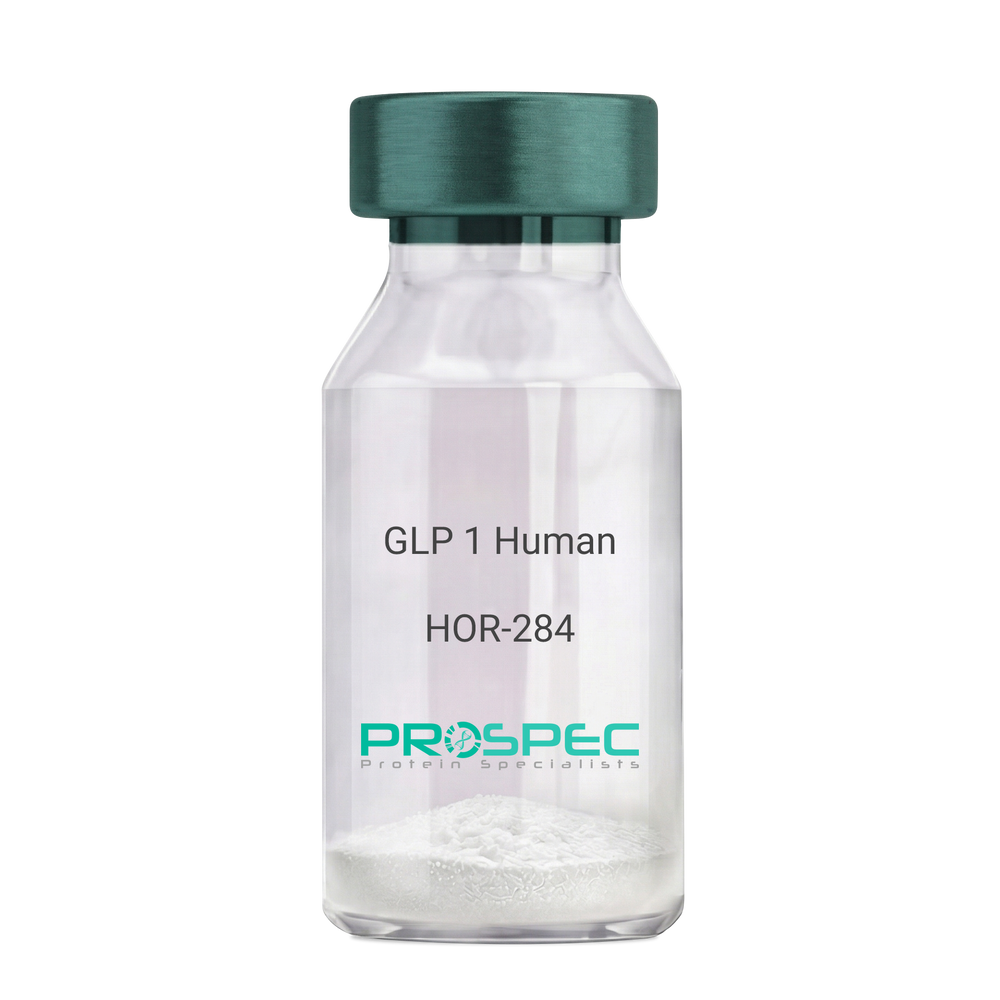
    GLP 1 Human

    Description:

    Human Glucagon Like Peptide-1

    GLP1, Glucagon Like Peptide-1, Incretin hormone.

    Product # :

    HOR-284

    Price :

    Quantity :

    Shipping Method :

    Room Temp Icon

    Shipped at Room temp

    Add To Cart

    More Info

    • description
    • formulation
    • purity
    • More Info

    Description

    Glucagon Like Peptide-1 is a single, non-glycosylated, polypeptide chain containing 30 amino acids and having a molecular mass of 3297.7 Dalton.The GLP-1 is purified by proprietary chromatographic techniques.

    Formulation

    The GLP-1 peptide was lyophilized with no additives.

    Purity

    Greater than 96.0% as determined by RP-HPLC.

    More Info

    • Introduction

      Glucagon-like peptide-1 (GLP-1) is derived from the transcription product of the proglucagon gene. The major source of GLP-1 in the body is the intestinal L cell that secretes GLP-1 as a guthormone. The biologically active forms of GLP-1 are: GLP-1-(7-37) and GLP-1-(7-36)NH2.
      GLP-1 secretion by L cells is dependent on the presence of nutrients in the lumen of the small intestine. The secretagogues (agents that causes or stimulates secretion) of this hormone include major nutrients like carbohydrate, proteinand lipid. Once in the circulation, GLP-1 has a half life of less than 2 minutes, due to rapid degradation by the enzyme dipeptidyl peptidase-4.
      GLP-1 possesses several physiological properties that make it a subject of intensive investigation as a potential treatment of diabetes mellitus. The known physiological functions of GLP-1 include: Increases insulin secretion from the pancreas in a glucose-dependent manner, decreases glucagon secretion from the pancreas, increases beta cells mass and insulin gene expression, inhibits acid secretion and gastric emptying in the stomach, decreases food intake by increasing satiety.

    • Synonyms

      GLP1, Glucagon Like Peptide-1, Incretin hormone.

    • Physical Appearance

      Sterile Filtered White lyophilized (freeze-dried) powder.

    • Stability

      Lyophilized Glucagon Like Peptide-1 although stable at room temperature for 3 weeks, should be stored desiccated below -18°C. Upon reconstitution GLP-1 should be stored at 4°C between 2-7 days and for future use below -18°C. For long term storage it is recommended to add a carrier protein (0.1% HSA or BSA).Please prevent freeze-thaw cycles.

    • Solubility

      It is recommended to reconstitute the lyophilized Glucagon Like Peptide-1 in sterile H2O at 0.5mg/ml, which can then be further diluted to other aqueous solutions.

    • Amino Acid Sequence

      H-His-Ala-Glu-Gly-Thr-Phe-Thr-Ser-Asp-Val-Ser-Ser-Tyr-Leu-Glu-Gly-Gln-Ala-Ala-Lys-Glu-Phe-Ile-Ala-Trp-Leu-Val-Lys-Gly-Arg-NH2.

    ProSpec's products are furnished for LABORATORY RESEARCH USE ONLY. The product may not be used as drugs, agricultural or pesticidal products, food additives or household chemicals.

    Glp 1 Human
  • View Data Sheet

    Name :

    ANPEP Mouse

    Description:

    Alanyl Aminopeptidase Membrane Mouse Recombinant

    Anpep, AP-M, AP-N, Apn, Cd13, P150, mAPN, Alanyl aminopeptidase, Aminopeptidase M, Membrane protein p161, Microsomal aminopeptidase, CD13, Lap-1, Lap1, aminopeptidase N.

    Product # :

    ENZ-1134

    Price :

    Quantity :

    Shipping Method :

    Ice Icon

    Shipped with Ice Packs

    Add To Cart

    More Info

    • description
    • source
    • formulation
    • purity
    • biological activity
    • More Info

    Description

    ANPEP Mouse produced in Sf9 Insect cells is a single, glycosylated polypeptide chain containing 943 amino acids (33-966 a.a.) and having a molecular mass of 107.5 kDa. ANPEPis expressed with a 9 amino acid His tag at C-Terminus and purified by proprietary chromatographic techniques.

    Source

    Sf9, Baculovirus cells.

    Formulation

    ANPEP protein solution ( 0.5mg/ml ) contains PBS (pH 7.4) and 10% glycerol.

    Purity

    Greater than 95.0% as determined by SDS-PAGE.

    Biological Activity

    Specific activity is > 4,000pmol/min/ug, and is defined as the amount of enzyme that hydrolyze 1pmole of H-AlaAMC to Alanine and AMC per minute at pH7.5 at 25C.

    More Info

    • Introduction

      ANPEP or aminopeptidase N, is an enzyme, found in the small-intestinal and renal microvillar membrane and other plasma membranes. The enzyme has a critical part in the digestion of peptides after their hydrolysis by gastric and pancreatic proteases. ANPEP is also part ofthe processing of different peptides as well as peptide hormones, neuropeptides & chemokines. The protein takes part in angiogenesis, enhancing cholesterol crystallization &amino acid transport by formatting with SLC6A19 transport protein and regulating its activity.

    • Synonyms

      Anpep, AP-M, AP-N, Apn, Cd13, P150, mAPN, Alanyl aminopeptidase, Aminopeptidase M, Membrane protein p161, Microsomal aminopeptidase, CD13, Lap-1, Lap1, aminopeptidase N.

    • Physical Appearance

      Sterile Filtered colorless solution.

    • Stability

      Store at 4°C if entire vial will be used within 2-4 weeks. Store, frozen at -20°C for longer periods of time. For long term storage it is recommended to add a carrier protein (0.1% HSA or BSA).Avoid multiple freeze-thaw cycles.

    • Amino Acid Sequence

      ADPYAQEKNR NAENSATAPT LPGSTSATTA TTTPAVDESK PWNQYRLPKT LIPDSYRVIL RPYLTPNNQG LYIFQGNSTV RFTCNQTTDV IIIHSKKLNY TLKGNHRVVL RTLDGTPAPN IDKTELVERT EYLVVHLQGS LVEGRQYEMD SQFQGELADD LAGFYRSEYM EGDVKKVVAT TQMQAADARK SFPCFDEPAM KAMFNITLIY PNNLIALSNM LPKESKPYPE DPSCTMTEFH STPKMSTYLL AYIVSEFKNI SSVSANGVQI GIWARPSAID EGQGDYALNV TGPILNFFAQ HYNTSYPLPK SDQIALPDFN AGAMENWGLV TYRESSLVFD SQSSSISNKE RVVTVIAHEL AHQWFGNLVT VAWWNDLWLN EGFASYVEYL GADYAEPTWN LKDLMVLNDV YRVMAVDALA SSHPLSSPAD EIKTPDQIME LFDSITYSKG ASVIRMLSSF LTEDLFKKGL SSYLHTYQYS NTVYLDLWEH LQKAVNQQTA VQPPATVRTI MDRWILQMGF PVITVNTNTG EISQKHFLLD SKSNVTRPSE FNYIWIAPIP FLKSGQEDHY WLDVEKNQSA KFQTSSNEWI LLNINVTGYY LVNYDENNWK KLQNQLQTDL SVIPVINRAQ IIHDSFNLAS AKMIPITLAL DNTLFLVKEA EYMPWQAALS SLNYFTLMFD RSEVYGPMKR YLKKQVTPLF FYFQNRTNNW VNRPPTLMEQ YNEINAISTA CSSGLKECRD LVVELYSQWM KNPNNNTIHP NLRSTVYCNA IAFGGEEEWN FAWEQFRNAT LVNEADKLRS ALACSKDVWI LNRYLSYTLN PDYIRKQDTT STIISIASNV AGHPLVWDFV RSNWKKLFEN YGGGSFSFAN LIQGVTRRFS SEFELQQLEQ FKADNSATGF GTGTRALEQA LEKTRANIDW VKENKDAVFK WFTENSSHHH HHH

    ProSpec's products are furnished for LABORATORY RESEARCH USE ONLY. The product may not be used as drugs, agricultural or pesticidal products, food additives or household chemicals.

    Anpep Protein Mouse
  • View Data Sheet

    Name :

    MME Human

    Description:

    Membrane Metalloendopeptidase Human Recombinant

    Membrane Metalloendopeptidase, Common Acute Lymphocytic Leukemia Antigen, Neutral Endopeptidase 24.11, Skin Fibroblast Elastase, Neutral Endopeptidase, Atriopeptidase, Enkephalinase, EC 3.4.24.11, Neprilysin, CALLA, NEP, SFE,Membrane Metallo-Endopeptidase (Neutral Endopeptidase, Enkephalinase, CALLA, CD10), Membrane Metallo-Endopeptidase Variant 1, Membrane Metallo-Endopeptidase Variant 2, Neprilysin-390, Neprilysin-411, CD10 Antigen, EC 3.4.24, CMT2T, SCA43, CD10, EPN, MME.   

    Product # :

    ENZ-1053

    Price :

    Quantity :

    Shipping Method :

    Ice Icon

    Shipped with Ice Packs

    Add To Cart

    More Info

    • description
    • source
    • formulation
    • purity
    • More Info

    Description

    MME Human Recombinant produced in Sf9 Insect cells is a single, glycosylated polypeptide chain containing 708 amino acids (52-750 a.a.) and having a molecular mass of 80.9kDa (Molecular size on SDS-PAGE will appear at approximately 70-100kDa).MME is expressed with a 6 amino acid His tag at C-Terminus and purified by proprietary chromatographic techniques.

    Source

    Sf9, Insect cells.

    Formulation

    MME protein solution (1mg/ml) 20 mM Tris-HCl buffer (pH 8.0) containing 100mM NaCl, 0.1mM PMSF and 10% glycerol.

    Purity

    Greater than 95.0% as determined by SDS-PAGE.

    More Info

    • Introduction

      Membrane Metalloendopeptidase, also known as MME is a zinc metallopeptidase which is expressed at the cell surface of various cells. MME degrades the amyloid beta peptide whose abnormal misfolding as well as aggregation in neural tissue has been implicated as the cause for Alzheimer's disease. MME is expressed in an extended range of tissues and is especially plentiful in the kidney. MME is also a common acute lymphocytic leukemia antigen which is a significant cell surface marker in the diagnosis of human acute lymphocytic leukemia (ALL). MME is used in hematological diagnosis because it is expressed by early B, pro-B and pre-B lymphocytes, and also by lymph node germinal centers.

    • Synonyms

      Membrane Metalloendopeptidase, Common Acute Lymphocytic Leukemia Antigen, Neutral Endopeptidase 24.11, Skin Fibroblast Elastase, Neutral Endopeptidase, Atriopeptidase, Enkephalinase, EC 3.4.24.11, Neprilysin, CALLA, NEP, SFE,Membrane Metallo-Endopeptidase (Neutral Endopeptidase, Enkephalinase, CALLA, CD10), Membrane Metallo-Endopeptidase Variant 1, Membrane Metallo-Endopeptidase Variant 2, Neprilysin-390, Neprilysin-411, CD10 Antigen, EC 3.4.24, CMT2T, SCA43, CD10, EPN, MME.

    • Physical Appearance

      Sterile Filtered clear solution.

    • Stability

      Store at 4°C if entire vial will be used within 2-4 weeks. Store, frozen at -20°C for longer periods of time. For long term storage it is recommended to add a carrier protein (0.1% HSA or BSA).Avoid multiple freeze-thaw cycles.

    • Amino Acid Sequence

      ADPYDDGICK SSDCIKSAAR LIQNMDATTE PCTDFFKYAC GGWLKRNVIP ETSSRYGNFD ILRDELEVVL KDVLQEPKTE DIVAVQKAKA LYRSCINESA IDSRGGEPLL KLLPDIYGWP VATENWEQKY GASWTAEKAI AQLNSKYGKK VLINLFVGTD DKNSVNHVIH IDQPRLGLPS RDYYECTGIY KEACTAYVDF MISVARLIRQ EERLPIDENQ LALEMNKVME LEKEIANATA KPEDRNDPML LYNKMTLAQI QNNFSLEING KPFSWLNFTN EIMSTVNISI TNEEDVVVYA PEYLTKLKPI LTKYSARDLQ NLMSWRFIMD LVSSLSRTYK ESRNAFRKAL YGTTSETATW
      RRCANYVNGN MENAVGRLYV EAAFAGESKH VVEDLIAQIR EVFIQTLDDL TWMDAETKKR AEEKALAIKE RIGYPDDIVS NDNKLNNEYL ELNYKEDEYF ENIIQNLKFS QSKQLKKLRE KVDKDEWISG AAVVNAFYSS GRNQIVFPAG ILQPPFFSAQ QSNSLNYGGI GMVIGHEITH GFDDNGRNFN KDGDLVDWWT QQSASNFKEQ SQCMVYQYGN FSWDLAGGQH LNGINTLGEN IADNGGLGQA YRAYQNYIKK NGEEKLLPGL DLNHKQLFFL NFAQVWCGTY RPEYAVNSIK TDVHSPGNFR IIGTLQNSAE FSEAFHCRKN SYMNPEKKCR VWHHHHHH

    ProSpec's products are furnished for LABORATORY RESEARCH USE ONLY. The product may not be used as drugs, agricultural or pesticidal products, food additives or household chemicals.

    MME Human
  • View Data Sheet

    Name :

    TPO Mouse

    Description:

    Thrombopoietin Mouse Recombinant

    Megakaryocyte colony-stimulating factor, Myeloproliferative leukemia virus oncogene ligand, C-mpl ligand, ML, Megakaryocyte growth and development factor, MGDF, TPO, MKCSF, MPLLG, MGC163194, THPO.

    Product # :

    CYT-346

    Price :

    Quantity :

    Shipping Method :

    Room Temp Icon

    Shipped at Room temp

    Add To Cart

    More Info

    • description
    • source
    • formulation
    • purity
    • biological activity
    • More Info

    Description

    Thrombopoietin Mouse Recombinant produced in E.Coli is a single, non-glycosylated soluble polypeptide chain containing 174 amino acids and having a molecular mass of 18704 Dalton. The TPO is purified by proprietary chromatographic techniques.

    Source

    Escherichia Coli.

    Formulation

    Lyophilized from a concentrated (1mg/ml) solution in water containing no additives.

    Purity

    Greater than 95.0% as determined by SDS-PAGE.

    Biological Activity

    ED50 range is less than 0.8ng/ml as determined by the dose dependent stimulation of Mo7e cells.

    More Info

    • Introduction

      Thrombopoietin is a glycoprotein hormone produced mainly by the liver and the kidneyt hat regulates the production of platelets by the bone marrow. It stimulates the production and differentiation of megakaryocytes, the bone marrow cells that fragment into large numbers of platelets.

    • Synonyms

      Megakaryocyte colony-stimulating factor, Myeloproliferative leukemia virus oncogene ligand, C-mpl ligand, ML, Megakaryocyte growth and development factor, MGDF, TPO, MKCSF, MPLLG, MGC163194, THPO.

    • Physical Appearance

      Sterile Filtered White lyophilized (freeze-dried) powder.

    • Stability

      Lyophilized Thrombopoietin although stable at room temperature for 3 weeks, should be stored desiccated below -18°C. Upon reconstitution TPO Mouse should be stored at 4°C between 2-7 days and for future use below -18°C.For long term storage it is recommended to add a carrier protein (0.1% HSA or BSA).Please prevent freeze-thaw cycles.

    • Solubility

      It is recommended to reconstitute the lyophilized Thrombopoietin in sterile 18MΩ-cm H2O not less than 100µg/ml, which can then be further diluted to other aqueous solutions.

    • Amino Acid Sequence

      SPVAPACDPR LLNKLLRDSH LLHSRLSQCP DVDPLSIPVL LPAVDFSLGE WKTQTEQSKA QDILGAVSLL LEGVMAARGQ LEPSCLSSLL GQLSGQVRLL LGALQGLLGT QLPLQGRTTA HKDPNALFLS LQQLLRGKVR FLLLVEGPTL CVRRTLPTTA VPSSTSQLLT LNKF.

    ProSpec's products are furnished for LABORATORY RESEARCH USE ONLY. The product may not be used as drugs, agricultural or pesticidal products, food additives or household chemicals.

    Mouse Thrombopoietin
  • View Data Sheet

    Name :

    POP4 Human

    Description:

    Processing Of Precursor 4 Human Recombinant

    RPP29, Ribonuclease P protein subunit p29, hPOP4.

    Product # :

    PRO-1407

    Price :

    Quantity :

    Shipping Method :

    Ice Icon

    Shipped with Ice Packs

    Add To Cart

    More Info

    • description
    • source
    • formulation
    • purity
    • More Info

    Description

    POP4 Human Recombinant produced in E.Coli is a single, non-glycosylated polypeptide chain containing 243 amino acids (1-220 a.a.) and having a molecular mass of 27.8kDa.POP4 is fused to a 23 amino acid His-tag at N-terminus & purified by proprietary chromatographic techniques.

    Source

    Escherichia Coli.

    Formulation

    POP4 protein solution (1mg/ml) contains 20mM Tris-HCl buffer, (pH 8.0), 0.4M UREA and 10% glycerol.

    Purity

    Greater than 85.0% as determined by SDS-PAGE.

    More Info

    • Introduction

      Processing of Precursor 4 (POP4) is a member of the eukaryotic/archaeal RNase P protein component 1 family. POP4 is one of the protein subunits of the small nucleolar ribonucleoprotein complexes: the endoribonuclease for mitochondrial RNA processing complex and the ribonuclease P complex. POP4 is confined to the nucleus and associates promptly with the RNA component of this complexes.POP4 is participating in processing of precursor RNAs.

    • Synonyms

      RPP29, Ribonuclease P protein subunit p29, hPOP4.

    • Physical Appearance

      Sterile Filtered clear solution.

    • Stability

      Store at 4°C if entire vial will be used within 2-4 weeks. Store, frozen at -20°C for longer periods of time. For long term storage it is recommended to add a carrier protein (0.1% HSA or BSA).Avoid multiple freeze-thaw cycles.

    • Amino Acid Sequence

      MGSSHHHHHH SSGLVPRGSH MGSMKSVIYH ALSQKEANDS DVQPSGAQRA EAFVRAFLKR STPRMSPQAR EDQLQRKAVV LEYFTRHKRK EKKKKAKGLS ARQRRELRLF DIKPEQQRYS LFLPLHELWK QYIRDLCSGL KPDTQPQMIQ AKLLKADLHG AIISVTKSKC PSYVGITGIL LQETKHIFKI ITKEDRLKVI PKLNCVFTVE TDGFISYIYG SKFQLRSSER SAKKFKAKGT IDL.

    ProSpec's products are furnished for LABORATORY RESEARCH USE ONLY. The product may not be used as drugs, agricultural or pesticidal products, food additives or household chemicals.

    Pop4 Human
  • View Data Sheet

    Name :

    M CSF Human

    Description:

    Macrophage-Colony Stimulating Factor Human Recombinant

    Macrophage Colony Stimulating Factor, CSF-1, Lanimostim, MCSF, MGC31930, M-CSF.

    Product # :

    CYT-308

    Price :

    Quantity :

    Shipping Method :

    Room Temp Icon

    Shipped at Room temp

    Add To Cart

    More Info

    • description
    • source
    • formulation
    • purity
    • biological activity
    • More Info

    Description

    Macrophage Colony Stimulating Factor Human Recombinant produced in E.coli is a disulfide linked homodimer, non-glycosylated, polypeptide chain containing 2 x 159 amino acids and having a total molecular mass of 37.1 KD. MCSF is purified by proprietary chromatographic techniques.

    Source

    Escherichia Coli.

    Formulation

    The MCSF protein was lyophilized with 10mM sodium Phosphate, pH-8.0 & 50mM NaCl.

    Purity

    Greater than 95.0% as determined by SDS-PAGE.

    Biological Activity

    The ED50, calculated by the dose-dependent stimulation of the proliferation of murine M-NFS-60 indicator cells was found to be 1.15ng/ml corresponding to a specific activity of 8.7x10⁵ Units/mg.

    More Info

    • Introduction

      Granulocyte/Macrophage Colony-Stimulating Factors are cytokines that act in hematopoiesis by controlling the production, differentiation, and function of 2 related white cell populations of the blood, the granulocytes and the monocytes-macrophages. MCSF induces cells of the monocyte/macrophage lineage. MCSF plays a role in immunological defenses, bone metabolism, lipoproteins clearance, fertility and pregnancy.

    • Synonyms

      Macrophage Colony Stimulating Factor, CSF-1, Lanimostim, MCSF, MGC31930, M-CSF.

    • Physical Appearance

      Sterile Filtered White lyophilized (freeze-dried) powder.

    • Stability

      Lyophilized MCSF although stable at room temperature for 3 weeks, should be stored desiccated below -18°C. Upon reconstitution MCSF should be stored at 4°C between 2-7 days and for future use below -18°C.Please prevent freeze-thaw cycles.

    • Solubility

      It is recommended to reconstitute the lyophilized MCSF in sterile 18M-cm H2O not less than 100µg/ml, which can then be further diluted to other aqueous solutions.

    • Amino Acid Sequence

      MEEVSEYCSH MIGSGHLQSL QRLIDSQMET SCQITFEFVD QEQLKDPVCY LKKAFLLVQD IMEDTMRFRD NTPNAIAIVQ LQELSLRLKS CFTKDYEEHD KACVRTFYET PLQLLEKVKN VFNETKNLLD KDWNIFSKNC NNSFAECSSQ GHERQSEGS.

    • Background

      M-CSF (Macrophage-Colony Stimulating Factor) Human Recombinant: Unraveling Its Role in Macrophage Biology and Beyond

      Abstract:

      M-CSF (Macrophage-Colony Stimulating Factor), also known as Lanimostim, MCSF, or MGC31930, is a crucial growth factor that regulates the development, proliferation, and function of macrophages.

      This research paper aims to provide a comprehensive analysis of the molecular characteristics, signaling pathways, and diverse physiological functions of M-CSF. Additionally, it explores the therapeutic implications of M-CSF in various diseases and disorders.

      Synonyms such as Lanimostim, MCSF, and MGC31930 associated with the protein are discussed throughout the paper to highlight their relevance in scientific literature.

      Introduction:

      1. M-CSF, also known as Lanimostim, MCSF, or MGC31930, is a growth factor that plays a critical role in the regulation of macrophage biology. This section introduces M-CSF and its synonyms, highlighting their significance and relevance in scientific research.

      Molecular Characteristics of M-CSF:

      1. This section explores the molecular characteristics of M-CSF, including its primary amino acid sequence, protein structure, and post-translational modifications. The importance of these factors in determining M-CSF's biological activity and receptor binding is discussed.

      Signaling Pathways Activated by M-CSF:

      1. M-CSF activates specific signaling pathways upon binding to its receptor, leading to diverse cellular responses. This section focuses on the activation of the MAPK/ERK and PI3K/Akt pathways. The downstream effectors and transcriptional regulators involved in mediating M-CSF's cellular responses are also discussed.

      Physiological Functions of M-CSF:

      1. M-CSF plays critical roles in various physiological processes, particularly in macrophage development, survival, polarization, and immune regulation. This section provides an in-depth analysis of M-CSF's contributions to these processes, emphasizing its role in hematopoiesis, tissue homeostasis, wound healing, and host defense.

      Therapeutic Implications of M-CSF:

      1. The unique properties of M-CSF make it a promising therapeutic candidate for various diseases and disorders. This section discusses the potential applications of M-CSF in immunotherapy, tissue regeneration, cancer treatment, and autoimmune diseases. The challenges and future directions in utilizing M-CSF as a therapeutic agent are also explored.

      M-CSF in Disease Pathogenesis:

      1. M-CSF dysregulation is implicated in the pathogenesis of several diseases, including cancer, inflammation, and bone disorders. This section examines the role of M-CSF in promoting tumor progression, macrophage-mediated inflammation, osteoclast differentiation, and metabolic diseases. The therapeutic implications and targeting of M-CSF in disease management are also discussed.

      Conclusion:

      1. M-CSF, also known as Lanimostim, MCSF, or MGC31930, is a critical growth factor involved in macrophage biology and disease pathogenesis. Understanding the molecular characteristics, signaling pathways, and physiological functions of M-CSF contributes to the exploration of its therapeutic potential in various disorders.

    ProSpec's products are furnished for LABORATORY RESEARCH USE ONLY. The product may not be used as drugs, agricultural or pesticidal products, food additives or household chemicals.

    M Csf Human
  • View Data Sheet

    Name :

    BMP4 Human, Active

    Description:

    Bone Morphogenetic protein-4 Active Active, Human Recombinant

    BMP4, ZYME, BMP2B, BMP2B1.

    Product # :

    CYT-1293

    Price :

    Quantity :

    Shipping Method :

    Room Temp Icon

    Shipped at Room temp

    Add To Cart

    More Info

    • description
    • source
    • formulation
    • purity
    • biological activity
    • More Info

    Description

    Bone Morphogenetic protein-4 Active Human Recombinant produced in E.coli is a homodimer , non-glycosylated, polypeptide chain containing 2x116 amino acids (ser293-arg408) and having a total molecular mass of 26.2kDa. BMP4 is purified by proprietary chromatographic techniques.

    Source

    Escherichia Coli.

    Formulation

    The protein was lyophilized from a sterile (0.2µm) filtered solution containing 4mM HCL.

    Purity

    Greater than 95.0% as determined by SDS-PAGE.

    Biological Activity

    The ED50, as calculated by Alkaline phosphatase activity induced in ATDC-5 cells is 157.2ng/ml corresponding to a specific activity which is 6361 units/mg.

    More Info

    • Synonyms

      BMP4, ZYME, BMP2B, BMP2B1.

    • Physical Appearance

      Sterile Filtered White lyophilized (freeze-dried) powder.

    • Stability

      Lyophilized BMP4 although stable at room temperature for 3 weeks, should be stored desiccated below -18°C. Upon reconstitution BMP4 should be stored at 4°C between 2-7 days and for future use below -18°C. Please prevent freeze-thaw cycles.

    • Solubility

      It is recommended to reconstitute the lyophilized BMP4 in sterile 4mM HCl at a concentration of 0.1 mg/ml, which can then be further diluted to other aqueous solutions

    • Amino Acid Sequence

      SPKHHSQRAR KKNKNCRRHS LYVDFSDVGW NDWIVAPPGY QAFYCHGDCP FPLADHLNST NHAI VQT LVN SVNSSIPKAC CVPTELSAIS MLYLDEYDKV VLKNYQEMVV EGCGCR.

    • Background

      The protein encoded by this gene is a member of the bone morphogenetic protein family which is part of the transforming growth factor-beta superfamily.

      The superfamily includes large families of growth and differentiation factors.

      Bone morphogenetic proteins were originally identified by an ability of demineralized bone extract to induce endochondral osteogenesis in vivo in an extraskeletal site.

      This particular family member plays an important role in the onset of endochondral bone formation in humans, and a reduction in expression has been associated with a variety of bone diseases, including the heritable disorder Fibrodysplasia Ossificans Progressiva.

      What is the molecular weight/Mw of BMP4 Protein?
      BMP4 Protein has a total Mw of 26.2kDa.

      What is the source or expression system of BMP4 Protein?
      Escherichia Coli.

      What is the Purity of BMP4 Protein?
      BMP4 Protein is >95% pure as determined by SDS-PAGE.

      What is the Biological Activity of BMP4 Protein?

      The ED50, as calculated by Alkaline phosphatase activity induced in ATDC-5 cells is 157.2ng/ml corresponding to a specific activity which is 6361 units/mg.

      What is the amino acid sequence of BMP4 Protein?
      SPKHHSQRAR KKNKNCRRHS LYVDFSDVGW NDWIVAPPGY QAFYCHGDCP FPLADHLNST NHAI VQT LVN SVNSSIPKAC CVPTELSAIS MLYLDEYDKV VLKNYQEMVV EGCGCR.

      What applications can BMP4 Protein be used in?
      BMP4 Protein can probably be used in western blot, ELISA and Lateral Flow.

      What is the endotoxin level for BMP4 Protein?
      The endotoxin level is minimal, BMP4 Protein was purified using conventional chromatography techniques.

    ProSpec's products are furnished for LABORATORY RESEARCH USE ONLY. The product may not be used as drugs, agricultural or pesticidal products, food additives or household chemicals.

    Bmp4 Human Active
  • View Data Sheet

    Name :

    Adiponectin Mouse, Trimeric

    Description:

    Adiponectin Mouse Recombinant, Trimeric form

    Acrp30, AdipoQ, GBP-28, APM-1, ACDC.

    Product # :

    CYT-247

    Price :

    Quantity :

    Shipping Method :

    Room Temp Icon

    Shipped at Room temp

    Add To Cart

    More Info

    • description
    • source
    • formulation
    • purity
    • More Info

    Description

    Trimeric form of Acrp30 Mouse was expressed in HEK293 cells.The cysteine 39 was replaced with alanine (C39A) 9. mAd-C39A can only form trimer, but not hexamer or HMW form.

    Source

    HEK293 (Human embryonic kidney cell line).

    Formulation

    Mouse Acrp30 filtered (0.4µm) and lyophilized from 0.5 mg/ml in 0.05M phosphate buffer, 0.05M NaCl, pH 7.2.

    Purity

    Acrp30 Mouse purity is greater than 95% as determined by SDS-PAGE.

    More Info

    • Introduction

      Adiponectin is a hormone exclusively expressed from adipose tissue. Many studies demonstrate that adiponectin has direct anti-diabetic, anti-atherogenic and anti-inflammatory functions. APM-1 can increase insulin sensitivity of skeletal muscle, attenuate hepatic lipogenesis and luconeogenesis, regulate NO production in endothelial cells, inhibit proliferation of smooth muscle cells and prevent lipid accumulation of macrophage cells.
      In the circulation, adiponectin is present as three different oligomeric complexes, including the high molecular weight (HMW), the middle molecular weight (MMW, also called hexamer) and low molecular weigh (MMW, also called trimer) forms 8. Different oligomeric complex of adiponectin activates different signaling pathways and exerts distinct functions.

    • Synonyms

      Acrp30, AdipoQ, GBP-28, APM-1, ACDC.

    • Physical Appearance

      Filtered white lyophilized (freeze-dried) powder.

    • Stability

      Store lyophilized Acrp30 Mouse at -20°C. Aliquot the product after reconstitution to avoid repeated freezing/thawing cycles. Reconstituted Acrp30 Mouse can be stored at 4°C for a limited period of time; it does not show any change after two weeks at 4°C.

    • Solubility

      Add deionized water to prepare a working stock solution of approximately 0.5 mg/mL and let the lyophilized pellet dissolve completely. Product is not sterile! Please filter the product by an appropriate sterile filter before using it in the cell culture.

    • Background

      What is the molecular weight/Mw of ADIPONECTIN Protein?
      ADIPONECTIN Protein has a total Mw of 26kDa.

      What is the source or expression system of ADIPONECTIN Protein?
      HEK293

      What is the Purity of ADIPONECTIN Protein?
      ADIPONECTIN Protein is >95% pure as determined by SDS-PAGE.

      What is the Biological Activity of ADIPONECTIN Protein?
      The biological functionality of ADIPONECTIN Protein will be determined in the future.

      What applications can ADIPONECTIN Protein be used in?
      ADIPONECTIN Protein can probably be used in western blot, ELISA and Lateral Flow.

      What is the endotoxin level for ADIPONECTIN Protein?
      The endotoxin level is minimal, ADIPONECTIN Protein was purified using conventional chromatography techniques.

    ProSpec's products are furnished for LABORATORY RESEARCH USE ONLY. The product may not be used as drugs, agricultural or pesticidal products, food additives or household chemicals.

    Adiponectin Mouse Trimeric
  • View Data Sheet

    Name :

    XPNPEP1 Human

    Description:

    X-Prolyl Aminopeptidase-1 Human Recombinant

    X-Prolyl Aminopeptidase (Aminopeptidase P) 1, Soluble, XPNPEPL, SAMP, X-Prolyl Aminopeptidase 1, Soluble, Aminoacylproline Aminopeptidase, Cytosolic Aminopeptidase P, Soluble Aminopeptidase P, X-Pro Aminopeptidase 1, EC 3.4.11.9, XPNPEPL1, X-Prolyl Aminopeptidase (Aminopeptidase P)-Like, Aminopeptidase P, Cytosolic, Xaa-Pro Aminopeptidase 1, XPNPEP, APP1, Xaa-Pro aminopeptidase 1.

    Product # :

    ENZ-880

    Price :

    Quantity :

    Shipping Method :

    Ice Icon

    Shipped with Ice Packs

    Add To Cart

    More Info

    • description
    • source
    • formulation
    • purity
    • More Info

    Description

    XPNPEP1 Human Recombinant produced in E.Coli is a single, non-glycosylated polypeptide chain containing 655 amino acids (1-623 a.a) and having a molecular mass of 73.4kDa. XPNPEP1 is fused to a 32 amino acid His-tag at N-terminus & purified by proprietary chromatographic techniques.

    Source

    Escherichia Coli.

    Formulation

    XPNPEP1 protein solution (1mg/ml) containing Phosphate buffered saline (pH7.4) and 20% glycerol.

    Purity

    Greater than 85.0% as determined by SDS-PAGE.

    More Info

    • Introduction

      X-Prolyl Aminopeptidase-1, also known as XPNPEP1 is a member of the peptidase M24B family. XPNPEP1 encodes the cytosolic form of a metalloaminopeptidase which catalyzes the cleavage of the N-terminal amino acid adjacent to a proline residue. Furthermore, XPNPEP1 plays a role in degradation as well as maturation of tachykinins, neuropeptides and peptide hormones.

    • Synonyms

      X-Prolyl Aminopeptidase (Aminopeptidase P) 1, Soluble, XPNPEPL, SAMP, X-Prolyl Aminopeptidase 1, Soluble, Aminoacylproline Aminopeptidase, Cytosolic Aminopeptidase P, Soluble Aminopeptidase P, X-Pro Aminopeptidase 1, EC 3.4.11.9, XPNPEPL1, X-Prolyl Aminopeptidase (Aminopeptidase P)-Like, Aminopeptidase P, Cytosolic, Xaa-Pro Aminopeptidase 1, XPNPEP, APP1, Xaa-Pro aminopeptidase 1.

    • Physical Appearance

      Sterile filtered colorless solution.

    • Stability

      Store at 4°C if entire vial will be used within 2-4 weeks. Store, frozen at -20°C for longer periods of time. For long term storage it is recommended to add a carrier protein (0.1% HSA or BSA).Avoid multiple freeze-thaw cycles.

    • Amino Acid Sequence

      MGSSHHHHHH SSGLVPRGSH MGSEFELRRQ ASMPPKVTSE LLRQLRQAMR NSEYVTEPIQ AYIIPSGDAH QSEYIAPCDC RRAFVSGFDG SAGTAIITEE HAAMWTDGRY FLQAAKQMDS NWTLMKMGLK DTPTQEDWLV SVLPEGSRVG VDPLIIPTDY WKKMAKVLRS AGHHLIPVKE NLVDKIWTDR PERPCKPLLT LGLDYTGISW KDKVADLRLK MAERNVMWFV VTALDEIAWL FNLRGSDVEH NPVFFSYAII GLETIMLFID GDRIDAPSVK EHLLLDLGLE AEYRIQVHPY KSILSELKAL CADLSPREKV WVSDKASYAV SETIPKDHRC CMPYTPICIA KAVKNSAESE GMRRAHIKDA VALCELFNWL EKEVPKGGVT EISAADKAEE FRRQQADFVD LSFPTISSTG PNGAIIHYAP VPETNRTLSL DEVYLIDSGA QYKDGTTDVT RTMHFGTPTA YEKECFTYVL KGHIAVSAAV FPTGTKGHLL DSFARSALWD SGLDYLHGTG HGVGSFLNVH EGPCGISYKT FSDEPLEAGM IVTDEPGYYE DGAFGIRIEN VVLVVPVKTK YNFNNRGSLT FEPLTLVPIQ TKMIDVDSLT DKECDWLNNY HLTCRDVIGK ELQKQGRQEA LEWLIRETQP ISKQH.

    ProSpec's products are furnished for LABORATORY RESEARCH USE ONLY. The product may not be used as drugs, agricultural or pesticidal products, food additives or household chemicals.

    Xpnpep1 Human
  • View Data Sheet

    Name :

    PhI p 6

    Description:

    Pollen allergen Phl p 6 Recombinant

    Pollen allergen Phl p 6, Allergen Phl p VI, Phl p 6, PHLPVI.

    Product # :

    PRO-2308

    Price :

    Quantity :

    Shipping Method :

    Ice Icon

    Shipped with Ice Packs

    Add To Cart

    More Info

    • description
    • source
    • formulation
    • purity
    • More Info

    Description

    Recombinant Pollen allergen Phl p 6 produced in SF9 is a glycosylated, polypeptide chain having a calculated molecular mass of 13,162 Dalton. PhI p 6 is expressed with a 10xHis tag at N-terminus and purified by proprietary chromatographic techniques.

    Source

    Sf9 insect cells.

    Formulation

    PhI p 6 is supplied in 20mM HEPES buffer pH-7.9 and 6M Urea.

    Purity

    Greater than 80.0% as determined by SDS-PAGE.

    More Info

    • Introduction

      Pollen allergen Phl p 6 (PhI p 6) causes an allergic reaction in humans.

    • Synonyms

      Pollen allergen Phl p 6, Allergen Phl p VI, Phl p 6, PHLPVI.

    • Physical Appearance

      Sterile Filtered clear solution.

    • Stability

      Store at 4°C if entire vial will be used within 2-4 weeks. Store, frozen at -20°C for longer periods of time. Avoid multiple freeze-thaw cycles.

    • Immunological Functions

      1. Binds IgE type human antibodies. 2. Immunodot test with positive/negative sera panels.

    • Molar extinction coefficient

      5960; A280(1mg/ml)=0.453

    ProSpec's products are furnished for LABORATORY RESEARCH USE ONLY. The product may not be used as drugs, agricultural or pesticidal products, food additives or household chemicals.

    Phi P 6
  • View Data Sheet

    Name :

    MIP 5 (68 a.a) Human

    Description:

    Macrophage Inflammatory Protein-5 (68 a.a) Human Recombinant (CCL15)

    Small inducible cytokine A15 precursor, CCL15, Macrophage inflammatory protein 5, MIP-5, MIP5, Chemokine CC-2, HCC-2, NCC-3, MIP- 1 delta, Leukotactin-1, LKN-1, Mrp-2b, C-C motif chemokine 15.

    Product # :

    CHM-011

    Price :

    Quantity :

    Shipping Method :

    Room Temp Icon

    Shipped at Room temp

    Add To Cart

    More Info

    • description
    • source
    • formulation
    • purity
    • biological activity
    • More Info

    Description

    Macrophage Inflammatory Protein-5 Human Recombinant produced in E.Coli is a single, non-glycosylated, polypeptide chain containing 68 amino acids and having a molecular mass of 7.4kDa. The MIP5 is purified by proprietary chromatographic techniques.

    Source

    Escherichia Coli.

    Formulation

    MIP5 was lyophilized from a 0.2µm filtered concentrated solution containing PBS, pH-7.4.

    Purity

    Greater than 97.0% as determined by:
    (a) Analysis by RP-HPLC.
    (b) Analysis by SDS-PAGE.

    Biological Activity

    Measured by its ability to chemoattract THP-1 human acute monocytic leukemia cells. The ED50 for this effect is typically 2-4ng/ml.

    More Info

    • Introduction

      CCL15, a new human CC chemokine, was isolated from a human fetal spleen cDNA library. CCL15 cDNA encodes a predicted 113 amino acid (aa) protein containing a putative signal peptide of 21 amino acids that is cleaved to generate a 92 aa residue mature protein. Within the CC family members, human CCL15 shares 45%, 44%, 35%, and 30% aa homology with mouse C10, human MPIF-1, human HCC-1, and mouse MIP-1?, respectively. The gene for MIP-5 is found on chromosome 17 where the genes for most of the human CC chemokines are located. Human CCL15 is expressed in T and B lymphocytes, NK cells, monocytes and monocyte-derived dendritic cells. Human MIP-5 is chemotactic for T cells and monocytes and has been shown to induce calcium flux in human CCR-1-transfected cells.

    • Synonyms

      Small inducible cytokine A15 precursor, CCL15, Macrophage inflammatory protein 5, MIP-5, MIP5, Chemokine CC-2, HCC-2, NCC-3, MIP- 1 delta, Leukotactin-1, LKN-1, Mrp-2b, C-C motif chemokine 15.

    • Physical Appearance

      Sterile Filtered White lyophilized (freeze-dried) powder.

    • Stability

      Lyophilized MIP-5 although stable at room temperature for 3 weeks, should be stored desiccated below -18°C. Upon reconstitution CCL15 should be stored at 4°C between 2-7 days and for future use below -18°C.For long term storage it is recommended to add a carrier protein (0.1% HSA or BSA).Please prevent freeze-thaw cycles.

    • Solubility

      It is recommended to reconstitute the lyophilized MIP5 in sterile 18MΩ-cm H2O not less than 100µg/ml, which can then be further diluted to other aqueous solutions.

    • Amino Acid Sequence

      SFHFAADCCT SYISQSIPCS LMKSYFETSS ECSKPGVIFL TKKGRQVCAK PSGPGVQDCM KKLKPYSI.

    ProSpec's products are furnished for LABORATORY RESEARCH USE ONLY. The product may not be used as drugs, agricultural or pesticidal products, food additives or household chemicals.

    Mip 5 68 Aa Human
  • View Data Sheet

    Name :

    MX1 Human

    Description:

    Myxovirus Resistance 1 Human Recombinant

    MX Dynamin-Like GTPase 1, Myxoma Resistance Protein 1, IFI-78K, IFI78, MX, Myxovirus (Influenza) Resistance 1, 

    Product # :

    PRO-2091

    Price :

    Quantity :

    Shipping Method :

    Ice Icon

    Shipped with Ice Packs

    Add To Cart

    More Info

    • description
    • source
    • formulation
    • purity
    • More Info
    • sds-page

    Description

    MX1 Human Recombinant produced in E.Coli is a single, non-glycosylated polypeptide chain containing 685 amino acids (1-662 a.a) and having a molecular mass of 77.9kDa. MX1 is fused to a 23 amino acid His-tag at N-terminus & purified by proprietary chromatographic techniques.

    Source

    Escherichia Coli.

    Formulation

    MX1 protein solution (0.25mg/ml) containing Phosphate buffered saline (pH7.4), 10% glycerol and 1mM DTT.

    Purity

    Greater than 85% as determined by SDS-PAGE.

    sds-page

    mx1 human sds-page - Product image 1

    More Info

    • Introduction

      Myxovirus Resistance 1, also known as MX1 is a guanosine triphosphate (GTP)-metabolizing protein which takes part in the cellular antiviral response. MX1 is induced by type I and type II IFN, and also antagonizes the replication process of some different RNA & DNA viruses. In addition, there is a related gene located adjacent to MX1 on chromosome 21, and there are multiple pseudogenes positioned in a cluster on chromosome 4.

    • Synonyms

      MX Dynamin-Like GTPase 1, Myxoma Resistance Protein 1, IFI-78K, IFI78, MX, Myxovirus (Influenza) Resistance 1,

    • Physical Appearance

      Sterile Filtered clear solution.

    • Stability

      Store at 4°C if entire vial will be used within 2-4 weeks. Store, frozen at -20°C for longer periods of time. For long term storage it is recommended to add a carrier protein (0.1% HSA or BSA).Avoid multiple freeze-thaw cycles.

    • Amino Acid Sequence

      MGSSHHHHHH SSGLVPRGSH MGSMVVSEVD IAKADPAAAS HPLLLNGDAT VAQKNPGSVA ENNLCSQYEE KVRPCIDLID SLRALGVEQD LALPAIAVIG DQSSGKSSVL EALSGVALPR GSGIVTRCPL VLKLKKLVNE DKWRGKVSYQ DYEIEISDAS EVEKEINKAQ NAIAGEGMGI SHELITLEIS SRDVPDLTLI DLPGITRVAV GNQPADIGYK IKTLIKKYIQ RQETISLVVV PSNVDIATTE ALSMAQEVDP EGDRTIGILT KPDLVDKGTE DKVVDVVRNL VFHLKKGYMI VKCRGQQEIQ DQLSLSEALQ REKIFFENHP YFRDLLEEGK ATVPCLAEKL TSELITHICK SLPLLENQIK ETHQRITEEL QKYGVDIPED ENEKMFFLID KVNAFNQDIT ALMQGEETVG EEDIRLFTRL RHEFHKWSTI IENNFQEGHK ILSRKIQKFE NQYRGRELPG FVNYRTFETI VKQQIKALEE PAVDMLHTVT DMVRLAFTDV SIKNFEEFFN LHRTAKSKIE DIRAEQEREG EKLIRLHFQM EQIVYCQDQV YRGALQKVRE KELEEEKKKK SWDFGAFQSS SATDSSMEEI FQHLMAYHQE ASKRISSHIP LIIQFFMLQT YGQQLQKAML QLLQDKDTYS WLLKERSDTS DKRKFLKERL ARLTQARRRL AQFPG.

    ProSpec's products are furnished for LABORATORY RESEARCH USE ONLY. The product may not be used as drugs, agricultural or pesticidal products, food additives or household chemicals.

    Mx1 Human
  • View Data Sheet

    Name :

    MAGOHB Human

    Description:

    Mago-Nashi Homolog B Human Recombinant

    mago-nashi homolog B (Drosophila), mago, magoh, MGN2, MAGOHB, MAGOH2.

    Product # :

    PRO-1488

    Price :

    Quantity :

    Shipping Method :

    Ice Icon

    Shipped with Ice Packs

    Add To Cart

    More Info

    • description
    • source
    • formulation
    • purity
    • More Info

    Description

    MAGOHB Human Recombinant produced in E.Coli is a single, non-glycosylated polypeptide chain containing 171 amino acids (1-148 a.a.) and having a molecular mass of 19.7kDa.MAGOHB is fused to a 23 amino acid His-tag at N-terminus & purified by proprietary chromatographic techniques.

    Source

    Escherichia Coli.

    Formulation

    MAGOHB protein solution (0.25mg/ml) contains 20mM Tris-HCl buffer, (pH 8.0), 1mM DTT, 30% glycerol and 0.15M NaCl.

    Purity

    Greater than 90.0% as determined by SDS-PAGE.

    More Info

    • Introduction

      Mago-Nashi Homolog B (MAGOHB) is a member of the mago nashi family. MAGOHB involved in mRNA splicing and in the nonsense-mediated decay (NMD) pathway. MAGOHB interacts with RBM8A and is a part of the exon junction complex (EJC) containing NCBP1, NCBP2, RNPS1, RBM8A, SRRM1, NXF1, UPF3B, UPF2 and ALYREF/THOC4.

    • Synonyms

      mago-nashi homolog B (Drosophila), mago, magoh, MGN2, MAGOHB, MAGOH2.

    • Physical Appearance

      Sterile Filtered clear solution.

    • Stability

      Store at 4°C if entire vial will be used within 2-4 weeks. Store, frozen at -20°C for longer periods of time. For long term storage it is recommended to add a carrier protein (0.1% HSA or BSA).Avoid multiple freeze-thaw cycles.

    • Amino Acid Sequence

      MGSSHHHHHH SSGLVPRGSH MGSMAVASDF YLRYYVGHKG KFGHEFLEFE FRPDGKLRYA NNSNYKNDVM IRKEAYVHKS VMEELKRIID DSEITKEDDA LWPPPDRVGR QELEIVIGDE HISFTTSKIG SLIDVNQSKD PEGLRVFYYL VQDLKCLVFS LIGLHFKIKP I.

    ProSpec's products are furnished for LABORATORY RESEARCH USE ONLY. The product may not be used as drugs, agricultural or pesticidal products, food additives or household chemicals.

    Magohb Human
  • View Data Sheet

    Name :

    GPD2 Human

    Description:

    Glycerol-3-Phosphate Dehydrogenase 2 Human Recombinant

    Glycerol-3-phosphate dehydrogenase mitochondrial, glycerol-3-phosphate dehydrogenase 2 (mitochondrial), GPDH-M, GPD-M, mtGPD, GPD2, GDH2, GPDM, mGPDH.

    Product # :

    ENZ-437

    Price :

    Quantity :

    Shipping Method :

    Ice Icon

    Shipped with Ice Packs

    Add To Cart

    More Info

    • description
    • source
    • formulation
    • purity
    • More Info

    Description

    GPD2 Human Recombinant produced in E.Coli is single, a non-glycosylated, Polypeptide chain containing 558 amino acids fragment (43-600) corresponding to the GlpA domain fragment of the mature protein, having a total molecular mass of 66.26kDa and fused with a 4.5kDa amino-terminal hexahistidine tag. The GPD2 is purified by proprietary chromatographic techniques.

    Source

    Escherichia Coli.

    Formulation

    GPD2 protein solution is supplied in 20mM Tris-HCl pH 8, 1mM EDTA and 50% glycerol.

    Purity

    Greater than 95.0% as determined by SDS-PAGE.

    More Info

    • Introduction

      GPD2 (Mitochondrial glycerol-3-phosphate dehydrogenase) is a Ca2+-sensitive, FAD-binding protein, which is located on the outer surface of the inner mitochondrial membrane. Two isoforms have been identified for mGPD: Isoform 1 is comprised of 727 a.a. residues, while isoform 2 lacks 126 a.a. residues of the N-terminus. GPD2 catalyses the oxidation of glycerol-3-phosphate to DHAP (dihydroxyacetone phosphate) with associated reduction of the enzyme-bound FAD. GPD2 is a testis-specific promoter of mitochondrial GPDH. GPD2 along with a cytosolic NAD-linked GPD forms the glycerol phosphate shuttle that uses the interconversion of G-3-P and DHAP to transfer reducing equivalents into mitochondria, which results in the reoxidation of NADH produced during glycolysis.
      GPD2 deficiency contributes to the impairment of glucose-stimulated INS discharge in a number of animal models of non-INS dependent diabetes mellitus. GPD2 up-regulation as a result of a highly glycolytic environment contributes to the general increase in ROS generation and may lead to the progression of prostate cancer.

    • Synonyms

      Glycerol-3-phosphate dehydrogenase mitochondrial, glycerol-3-phosphate dehydrogenase 2 (mitochondrial), GPDH-M, GPD-M, mtGPD, GPD2, GDH2, GPDM, mGPDH.

    • Physical Appearance

      Sterile Filtered clear solution.

    • Stability

      Store at 4°C if entire vial will be used within 2-4 weeks. Store, frozen at -20°C for longer periods of time. Please avoid freeze thaw cycles.

    ProSpec's products are furnished for LABORATORY RESEARCH USE ONLY. The product may not be used as drugs, agricultural or pesticidal products, food additives or household chemicals.

    Gpd2 Human
  • View Data Sheet

    Name :

    POMZP3 Human

    Description:

    POM121 And ZP3 Fusion Human Recombinant

    POM121 and ZP3 fusion protein, POM-ZP3, POMZP3, POM121 and ZP3 fusion protein isoform 1, POM121 And ZP3 Fusion.

    Product # :

    PRO-2020

    Price :

    Quantity :

    Shipping Method :

    Ice Icon

    Shipped with Ice Packs

    Add To Cart

    More Info

    • description
    • source
    • formulation
    • purity
    • More Info

    Description

    POMZP3 Human Recombinant produced in E.coli is a single, non-glycosylated polypeptide chain containing 210 amino acids (1-187) and having a molecular mass of 23.0 kDa.POMZP3 is fused to a 23 amino acid His-tag at N-terminus & purified by proprietary chromatographic techniques.

    Source

    E.coli.

    Formulation

    The POMZP3 solution (0.5mg/ml) contains 20mM Tris-HCl buffer (pH 8.0), 0.4M UREA and 10% glycerol.

    Purity

    Greater than 85% as determined by SDS-PAGE.

    More Info

    • Introduction

      POM121 And ZP3 Fusion (POMZP3) is a DNA sequences derived from two distinct loci, particularly through the duplication of 2 internal exons from the POMZP3 gene and 4 3' exons from the ZP3 gene. POMZP3 is a protein-coding gene which lacks the nuclear pore localization motif.

    • Synonyms

      POM121 and ZP3 fusion protein, POM-ZP3, POMZP3, POM121 and ZP3 fusion protein isoform 1, POM121 And ZP3 Fusion.

    • Physical Appearance

      Sterile Filtered colorless solution.

    • Stability

      Store at 4°C if entire vial will be used within 2-4 weeks. Store, frozen at -20°C for longer periods of time. For long term storage it is recommended to add a carrier protein (0.1% HSA or BSA).Avoid multiple freeze-thaw cycles.

    • Amino Acid Sequence

      MGSSHHHHHH SSGLVPRGSH MGSMVCSPVT LRIAPPDRRF SRSAIPEQII SSTLSSPSSN APDPCAKETV LSALKEKKKK RTVEEEDQIF LDGQENKRSC LVDGLTDASS AFKVPRPGPD TLQFTVDVFH FANDSRNMIY ITCHLKVTLA EQDPDELNKA CSFSKPSNSW FPVEGLADIC QCCNKGDCGT PSHSRRQPRV VSQWSTSASL.

    ProSpec's products are furnished for LABORATORY RESEARCH USE ONLY. The product may not be used as drugs, agricultural or pesticidal products, food additives or household chemicals.

    Pomzp3 Human
  • View Data Sheet

    Name :

    MFGE8 Mouse

    Description:

    Milk Fat Globule-EGF Factor 8 Protein Mouse Recombinant

    Milk fat globule-EGF factor 8 protein, isoform CRA_a, Putative uncharacterized protein, Mfge8, mCG_6301.

    Product # :

    CYT-1000

    Price :

    Quantity :

    Shipping Method :

    Ice Icon

    Shipped with Ice Packs

    Add To Cart

    More Info

    • description
    • source
    • formulation
    • purity
    • More Info

    Description

    MFGE8 Mouse Recombinant produced in Sf9 Baculovirus cells is a single, glycosylated polypeptide chain containing 413 amino acids (23-426a.a.) and having a molecular mass of 46kDa (Molecular size on SDS-PAGE will appear at approximately 40-57kDa).MFGE8 is expressed with a 6 amino acid His-tag at C-Terminus and purified by proprietary chromatographic techniques.

    Source

    Sf9, Baculovirus cells.

    Formulation

    MFGE8 protein solution (0.25mg/ml) contains Phosphate Buffered Saline (pH 7.4) and 10% glycerol.

    Purity

    Greater than 90.0% as determined by SDS-PAGE.

    More Info

    • Introduction

      Milk fat globule-EGF factor 8 protein (Mfge8) is pleiotropic secreted glycoprotein which promotes mammary gland morphogenesis, angiogenesis, and tumor progression. Mfge8 has also an imperative role in tissue homeostasis and the prevention of inflammation. Mfge8 functions as a bridge between phosphatidylserine on apoptotic cells and Integrin alpha V beta 3 on phagocytes, leading to the clearance of apoptotic debris.

    • Synonyms

      Milk fat globule-EGF factor 8 protein, isoform CRA_a, Putative uncharacterized protein, Mfge8, mCG_6301.

    • Physical Appearance

      Sterile filtered colorless solution.

    • Stability

      Store at 4°C if entire vial will be used within 2-4 weeks. Store, frozen at -20°C for longer periods of time. For long term storage it is recommended to add a carrier protein (0.1% HSA or BSA).Avoid multiple freeze-thaw cycles.

    • Amino Acid Sequence

      ADLASGDFCD SSLCLNGGTC LTGQDNDIYC LCPEGFTGLV CNETERGPCS PNPCYNDAKC LVTLDTQRGD IFTEYICQCP VGYSGIHCET GCSTQLGMEG GAIADSQISA SSVYMGFMGL QRWGPELARL YRTGIVNAWT ASNYDSKPWI QVNLLRKMRV SGVMTQGASR AGRAEYLKTF KVAYSLDGRK FEFIQDESGG DKEFLGNLDN NSLKVNMFNP TLEAQYIKLY PVSCHRGCTL RFELLGCELH GCSEPLGLKN NTIPDSQMSA SSSYKTWNLR AFGWYPHLGR LDNQGKINAW TAQSNSAKEW LQVDLGTQRQ VTGIITQGAR DFGHIQYVAS YKVAHSDDGV QWTVYEEQGS SKVFQGNLDN NSHKKNIFEK PFMARYVRVL PVSWHNRITL RLELLGCHHH HHH.

    • Background

      An Insight into Milk Fat Globule-EGF Factor 8 Protein (Mouse Recombinant): Characteristics, Applications, and Future Directions

      Abstract

      The Milk Fat Globule-EGF Factor 8 (MFG-E8) protein, particularly in its mouse recombinant form, has emerged as a pivotal player in multiple physiological processes. This paper aims to elucidate its unique characteristics, delve into current methodologies employed in its study, and chart the trajectory for future research directions.

      Introduction

      Milk Fat Globule-EGF Factor 8 (MFG-E8) is a glycoprotein known for its vital role in several cellular processes, including cell signaling, apoptosis, and phagocytosis. The recombinant form of MFG-E8 derived from mouse models offers a valuable tool for researchers in deciphering its biological relevance.

      Characteristics of MFG-E8 (Mouse Recombinant)

      1. Structural Profile: The MFG-E8 protein harbors EGF-like domains, which enable its participation in numerous cellular signaling events.

      2. Expression Spectrum: While originally identified in mammary epithelial cells, its expression spectrum extends to macrophages, dendritic cells, and other tissues.

      3. Biochemical Activity: It plays a key role in facilitating the phagocytic clearance of apoptotic cells by bridging these cells to phagocytes.

      Methodologies Employed in MFG-E8 Research

      1. Production of Recombinant MFG-E8: Using bacterial expression systems, such as E. coli, mouse MFG-E8 DNA is introduced, followed by protein purification techniques like gel filtration chromatography.

      2. Assays: The phagocytosis assays employing fluorescently tagged apoptotic cells and phagocytes enable researchers to quantify MFG-E8's effectiveness in apoptotic cell clearance.

      3. Immunoblotting: Through SDS-PAGE and Western blotting, the expression and purification of MFG-E8 can be monitored and validated.

      4. Knockout Models: MFG-E8 knockout mice models help decipher its in vivo significance, especially concerning its immune-regulatory roles.

      Original Ideas & Implications

      The potential for MFG-E8, particularly in its mouse recombinant form, to serve as a therapeutic agent in autoimmune disorders remains a tantalizing prospect. Considering its role in apoptotic cell clearance, dysregulation in MFG-E8 might be implicated in the etiology of autoimmune disorders. Thus, targeting this protein therapeutically may pave the way for innovative treatments.

      Conclusions & Future Directions

      While the recombinant MFG-E8 protein has elucidated much about the biological implications of this protein, the horizon is rife with potential. Future research might focus on its therapeutic potential, particularly in autoimmunity and inflammation.

    ProSpec's products are furnished for LABORATORY RESEARCH USE ONLY. The product may not be used as drugs, agricultural or pesticidal products, food additives or household chemicals.

    Mfge8 Mouse
  • View Data Sheet

    Name :

    vMIP-II

    Description:

    MIP-2 Viral Recombinant

    MIP-2 Viral, Viral MIP-2, MIP2 Viral, Viral MIP2, Viral Macrophage inflammatory Protein-2.

    Product # :

    CHM-376

    Price :

    Quantity :

    Shipping Method :

    Room Temp Icon

    Shipped at Room temp

    Add To Cart

    More Info

    • description
    • source
    • formulation
    • purity
    • biological activity
    • More Info

    Description

    MIP-2 Viral Recombinant produced in E.Coli is a single,non-glycosylated, polypeptide chain containing 70 amino acids and having a molecular mass of 7.9 kDa. The MIP-2 is purified by proprietary chromatographic techniques.

    Source

    Escherichia Coli.

    Formulation

    Lyophilized from 1mg/ml solution containing 20mM Phospahte Buffer, pH 7.4 % 0.15M NaCl.

    Purity

    Greater than 97.0% as determined by RP-HPLC & SDS-PAGE.

    Biological Activity

    Determined by the inhibitory effect on monocyte migration response to human MIP1A using a concentration range of 1µg-10µg/ml of viral MIP2 which will inhibit 25ng/ml of human MIP1A.

    More Info

    • Introduction

      Viral MIP-2 is closely related to MIP-1α, show amino acid sequence similarity of about 41%. At the amino acid sequence level, Viral MIP-1 and Viral MIP-2 share 48% similarity. Viral MIP-1 and Viral MIP-2 are more closely linked to one another phylogenetically than to other human chemokines, signifying that they have gene duplication within the virus rather than by two independent gene aquisitions. Viral MIP-2 binds to the CCR3 chemokine receptor through which eotaxin and other β chemokines activate eosinophils. Viral MIP-2 activates and chemoattract human eosinphils.

    • Synonyms

      MIP-2 Viral, Viral MIP-2, MIP2 Viral, Viral MIP2, Viral Macrophage inflammatory Protein-2.

    • Physical Appearance

      Sterile Filtered White lyophilized (freeze-dried) powder.

    • Stability

      Lyophilized MIP-2 Viral protein although stable at room temperature for 3 weeks, should be stored desiccated below -18°C. Upon reconstitution CXCL2 should be stored at 4°C between 2-7 days and for future use below -18°C. For long term storage it is recommended to add a carrier protein (0.1% HSA or BSA).Please prevent freeze-thaw cycles.

    • Solubility

      It is recommended to reconstitute the lyophilized CXCL2 Viral in sterile 18MΩ-cm H2O not less than 100µg/ml, which can then be further diluted to other aqueous solutions.

    • Amino Acid Sequence

      LGASWHRPDK CCLGYQKRPL PQVLLSSWYP TSQLCSKPGV IFLTKRGRQV
      CADKSKDWVK KLMQQLPVTA.

    • Background

      What is the molecular weight/Mw of VMIP-II Protein?
      VMIP-II Protein has a total Mw of 7.9kDa.

      What is the source or expression system of VMIP-II Protein?
      Escherichia Coli.

      What is the Purity of VMIP-II Protein?
      VMIP-II Protein is >97% pure as determined by SDS-PAGE.

      What is the Biological Activity of VMIP-II Protein?
      Determined by the inhibitory effect on monocyte migration response to human MIP1A using a concentration range of 1µg-10µg/ml of viral MIP2 which will inhibit 25ng/ml of human MIP1A.

      What is the amino acid sequence of VMIP-II Protein?
      LGASWHRPDK CCLGYQKRPL PQVLLSSWYP TSQLCSKPGV IFLTKRGRQV
      CADKSKDWVK KLMQQLPVTA.

      What applications can VMIP-II Protein be used in?
      VMIP-II Protein can probably be used in western blot, ELISA and Lateral Flow.

      What is the endotoxin level for VMIP-II Protein?
      The endotoxin level is minimal, VMIP-II Protein was purified using conventional chromatography techniques.


    ProSpec's products are furnished for LABORATORY RESEARCH USE ONLY. The product may not be used as drugs, agricultural or pesticidal products, food additives or household chemicals.

    Cxcl2 Viral
  • View Data Sheet

    Name :

    MAP2K2 Human

    Description:

    Mitogen-Activated Protein Kinase Kinase 2 Human Recombinant

    Dual specificity mitogen-activated protein kinase kinase 2, MAP kinase kinase 2, MAPKK 2, ERK activator kinase 2, MAPK/ERK kinase 2, MEK 2, MAP2K2,MEK2, MKK2, PRKMK2, MAPKK2.

    Product # :

    PKA-029

    Price :

    Quantity :

    Shipping Method :

    Ice Icon

    Shipped with Ice Packs

    Add To Cart

    More Info

    • description
    • source
    • formulation
    • purity
    • More Info

    Description

    MAP2K2 Human Recombinant produced in E.Coli is a single, non-glycosylated polypeptide chain containing 424 amino acids (1-400 a.a.) and having a molecular mass of 46.9kDa.MAP2K2 is fused to a 24 amino acid His-tag at N-terminus & purified by proprietary chromatographic techniques.

    Source

    Escherichia Coli.

    Formulation

    MAP2K2 protein solution (0.25mg/ml) containing 20mM Tris-HCl buffer (pH 8.0), 0.1M NaCl and 10% glycerol.

    Purity

    Greater than 90.0% as determined by SDS-PAGE.

    More Info

    • Introduction

      Mitogen-Activated Protein Kinase Kinase 2 (MAP2K2) is a dual specificity protein kinase, which is a member of the STE grouping of kinases and the MAP kinase kinase family. MAP2K2 is activated by a wide range of growth factors and cytokines and also by membrane depolarization and calcium influx. The MAP2K2 kinase is known for its vital role in mitogen growth factor signal transduction. MAP2K2 phosphorylates and consequently activates MAPK1/ERK2 and MAPK2/ERK3. The activation of the MAP2K2 kinase itself is dependent on the Ser/Thr phosphorylation by MAP kinase kinase kinases. The inhibition or degradation of the MAP2K2 kinase is also found to be involved in the pathogenesis of Yersinia and anthrax. MAP2K2 gene mutations cause cardiofaciocutaneous syndrome (CFC syndrome).

    • Synonyms

      Dual specificity mitogen-activated protein kinase kinase 2, MAP kinase kinase 2, MAPKK 2, ERK activator kinase 2, MAPK/ERK kinase 2, MEK 2, MAP2K2,MEK2, MKK2, PRKMK2, MAPKK2.

    • Physical Appearance

      Sterile filtered colorless solution.

    • Stability

      Store at 4°C if entire vial will be used within 2-4 weeks. Store, frozen at -20°C for longer periods of time. For long term storage it is recommended to add a carrier protein (0.1% HSA or BSA).Avoid multiple freeze-thaw cycles.

    • Amino Acid Sequence

      MGSSHHHHHH SSGLVPRGSH MGSHMLARRK PVLPALTINP TIAEGPSPTS EGASEANLVD LQKKLEELEL DEQQKKRLEA FLTQKAKVGE LKDDDFERIS ELGAGNGGVV TKVQHRPSGL IMARKLIHLE IKPAIRNQII RELQVLHECN SPYIVGFYGA FYSDGEISIC MEHMDGGSLD
      QVLKEAKRIP EEILGKVSIA VLRGLAYLRE KHQIMHRDVK PSNILVNSRG EIKLCDFGVS GQLIDSMANS FVGTRSYMAP ERLQGTHYSV QSDIWSMGLS LVELAVGRYP IPPPDAKELE AIFGRPVVDG EEGEPHSISP RPRPPGRPVS GHGMDSRPAM AIFELLDYIV NEPPPKLPNG
      VFTPDFQEFV NKCLIKNPAE RADLKMLTNH TFIKRSEVEE VDFAGWLCKT LRLNQPGTPT RTAV.

    ProSpec's products are furnished for LABORATORY RESEARCH USE ONLY. The product may not be used as drugs, agricultural or pesticidal products, food additives or household chemicals.

    Map2K2 Human
  • View Data Sheet

    Name :

    S.Typhi OMP

    Description:

    Salmonella Typhi Outer Membrane Protein Recombinant

    Product # :

    STY-002

    Price :

    Quantity :

    Shipping Method :

    Ice Icon

    Shipped with Ice Packs

    Add To Cart

    More Info

    • description
    • source
    • formulation
    • purity
    • More Info

    Description

    Recombinant Salmonella Typhi Outer Membrane Protein produced in E.coli contains 315 amino acids, and fused to a 6 His Tag at C-terminus, migrating as a 33kDa band on SDS-PAGE.S. typhi outer membrane protein is a central pathogen in S. typhi infection, and is directly exposed to the outside to interact with the human immune system.

    Source

    Escherichia Coli.

    Formulation

    Sterile Filtered solution containing 10mM Tris-HCl, 1mM EDTA and 50mM arginine.

    Purity

    Protein is >95% pure as determined by 12% PAGE (coomassie staining).

    More Info

    • Introduction

      Salmonella Typhi is a pathogen causing typhoid fever, affecting over 17 million people with approximately 600,000 deaths annually worldwide. If untreated, typhoid fever cases result in mortality rates ranging from 12-30%.

    • Physical Appearance

      Sterile Filtered solution.

    • Stability

      S.Typhi OMP although stable at 4°C for 1 week, should be stored below -18°C. Please prevent freeze thaw cycles.

    ProSpec's products are furnished for LABORATORY RESEARCH USE ONLY. The product may not be used as drugs, agricultural or pesticidal products, food additives or household chemicals.

    Styphi Omp
  • View Data Sheet

    Name :

    PGAM1 Mouse, Active

    Description:

    Phosphoglycerate Mutase 1 Mouse Recombinant, Active

    Phosphoglycerate mutase 1, BPG-dependent PGAM 1, Phosphoglycerate mutase isozyme B, PGAM-B, Pgam1, Pgam-1, 2310050F24Rik.

    Product # :

    ENZ-980

    Price :

    Quantity :

    Shipping Method :

    Ice Icon

    Shipped with Ice Packs

    Add To Cart

    More Info

    • description
    • source
    • formulation
    • purity
    • biological activity
    • More Info

    Description

    PGAM1 Mouse Recombinant produced in E.coli is a single, non-glycosylated polypeptide chain containing 278 amino acids (1-254) and having a molecular mass of 31.4kDa.PGAM1 is fused to a 24 amino acid His-tag at N-terminus & purified by proprietary chromatographic techniques.

    Source

    Escherichia Coli.

    Formulation

    The PGAM1 solution (1mg/ml) contains 20mM Tris-HCl buffer (pH8.0), 20% glycerol, 0.1M NaCl and 1mM DTT.

    Purity

    Greater than 95% as determined by SDS-PAGE.

    Biological Activity

    Specific activity is >150units/mg, in which One unit will convert 1.0 umole of 3-phosphoglycerate to 2-phosphoglcerate per minute at pH 7.6 at 37C.

    More Info

    • Introduction

      PGAM1 is part of the phosphoglycerate mutase family. PGAM1 is an essential component of glucose and 2,3-BPGA (2,3-bisphosphoglycerate) metabolism and catalyzes the reversible reaction of 3-phosphoglycerate (3-PGA) to 2-phosphoglycerate (2-PGA) in the glycolytic pathway. PGAM1 is a dimeric enzyme containing, in different tissues, different proportions of a slow-migrating muscle (MM) isozyme, a fast-migrating brain (BB) isozyme, and a hybrid form (MB). PGAM1 mutations lead to muscle phosphoglycerate mutase deficiency, a.k.a. glycogen storage disease X.

    • Synonyms

      Phosphoglycerate mutase 1, BPG-dependent PGAM 1, Phosphoglycerate mutase isozyme B, PGAM-B, Pgam1, Pgam-1, 2310050F24Rik.

    • Physical Appearance

      Sterile Filtered clear colorless solution.

    • Stability

      Store at 4°C if entire vial will be used within 2-4 weeks. Store, frozen at -20°C for longer periods of time. For long term storage it is recommended to add a carrier protein (0.1% HSA or BSA).Avoid multiple freeze-thaw cycles.

    • Amino Acid Sequence

      MGSSHHHHHH SSGLVPRGSH MGSHMAAYKL VLIRHGESAW NLENRFSGWY DADLSPAGHE EAKRGGQALR DAGYEFDICF TSVQKRAIRT LWTVLDAIDQ MWLPVVRTWR LNERHYGGLT GLNKAETAAK HGEAQVKIWR RSYDVPPPPM EPDHPFYSNI SKDRRYADLT EDQLPSCESL KDTIARALPF WNEEIVPQIK EGKRVLIAAH GNSLRGIVKH LEGLSEEAIM ELNLPTGIPI VYELDKNLKP IKPMQFLGDE ETVRKAMEAV AAQGKVKK.

    ProSpec's products are furnished for LABORATORY RESEARCH USE ONLY. The product may not be used as drugs, agricultural or pesticidal products, food additives or household chemicals.

    Pgam1 Mouse Active
  • View Data Sheet

    Name :

    M6PR Human

    Description:

    Mannose-6-Phosphate Receptor Human Recombinant

    Mannose-6-Phosphate Receptor (Cation Dependent), CD-MPR, MPR46, CD Man-6-P Receptor, MPR 46, 46-KDa Mannose 6-Phosphate Receptor, MPR-46, SMPR, Cation-Dependent Mannose-6-Phosphate Receptor, Mr 46,000 Man6PR, Small Mannose 6-Phosphate Receptor, 46 KDa Mannose 6-Phosphate Receptor, MPRD, M6PR.

    Product # :

    PRO-1961

    Price :

    Quantity :

    Shipping Method :

    Ice Icon

    Shipped with Ice Packs

    Add To Cart

    More Info

    • description
    • source
    • formulation
    • purity
    • More Info

    Description

    M6PR Human Recombinant produced in E.coli is a single, non-glycosylated polypeptide chain containing 182 amino acids (27-185) and having a molecular mass of 20.3kDa.M6PR is fused to a 23 amino acid His-tag at N-terminus & purified by proprietary chromatographic techniques.

    Source

    Escherichia Coli.

    Formulation

    The M6PR solution (0.5mg/ml) contains 20mM Tris-HCl buffer (pH 8.0), 0.15M NaCl, 10% glycerol and 1mM DTT.

    Purity

    Greater than 85.0% as determined by SDS-PAGE.

    More Info

    • Introduction

      Mannose-6-Phosphate Receptor (M6PR) belongs to the P-type lectin family. P-type lectins play a vital role in lysosome function through the specific transport of mannose-6-phosphate-containing acid hydrolases from the Golgi complex to lysosomes. The M6PR protein functions as a homodimer and needs divalent cations for ligand binding. Lysosomal enzymes carrying phosphomannosyl residues bind specifically to mannose-6-phosphate receptors in the Golgi apparatus and the ensuing receptor-ligand complex is transferred to an acidic prelyosomal compartment where the low pH mediates the dissociation of the complex.

    • Synonyms

      Mannose-6-Phosphate Receptor (Cation Dependent), CD-MPR, MPR46, CD Man-6-P Receptor, MPR 46, 46-KDa Mannose 6-Phosphate Receptor, MPR-46, SMPR, Cation-Dependent Mannose-6-Phosphate Receptor, Mr 46,000 Man6PR, Small Mannose 6-Phosphate Receptor, 46 KDa Mannose 6-Phosphate Receptor, MPRD, M6PR.

    • Physical Appearance

      Sterile Filtered clear solution.

    • Stability

      Store at 4°C if entire vial will be used within 2-4 weeks. Store, frozen at -20°C for longer periods of time. For long term storage it is recommended to add a carrier protein (0.1% HSA or BSA).Avoid multiple freeze-thaw cycles.

    • Amino Acid Sequence

      MGSSHHHHHH SSGLVPRGSH MGSTEEKTCD LVGEKGKESE KELALVKRLK PLFNKSFEST VGQGSDTYIY IFRVCREAGN HTSGAGLVQI NKSNGKETVV GRLNETHIFN GSNWIMLIYK GGDEYDNHCG KEQRRAVVMI SCNRHTLADN FNPVSEERGK VQDCFYLFEM DSSLACSPEI SH.

    ProSpec's products are furnished for LABORATORY RESEARCH USE ONLY. The product may not be used as drugs, agricultural or pesticidal products, food additives or household chemicals.

    M6Pr Human
  • 1
  • …
  • 11
  • 12
  • 13
  • 14
  • 15
  • …
  • 42
Your browser does not support the video tag.

Products

  • Cytokines
  • Growth Factors
  • Chemokines
  • CD Antigens
  • Neurotrophins
  • Hormones
  • Enzymes
  • Viral Antigens
  • Recombinant Proteins
  • Natural Proteins
  • Monoclonal Antibodies
  • Polyclonal Antibodies
  • Thermal Packaging

About

  • Company
  • Founder
  • Contribution
  • Contact Us
  • My Account

Ordering

  • Ordering Method
  • Ordering - Credit Card
  • Ordering PO
  • Shipping Fees
  • FAQ's

Legal

  • Terms & Conditions
  • Privacy
  • Site Map
  • info@prospecbio.com
  • Facebook
  • Instagram
  • Linkedin Profile

© 2026 ProSpec-Tany TechnoGene Ltd. All Rights Reserved.

  • Choosing a selection results in a full page refresh.
  • Opens in a new window.