Skip to content

High-quality research proteins.

  • 1-800-805-6531

  • Mon - Sat 8.00-18.00, Sun - Closed

  • info@prospecbio.com

  • PO Box 6591 East Brunswick NJ 08816

  • Products
    • Cytokines
    • Growth factors
    • Chemokines
    • Cd antigens
    • Neurotrophins
    • Hormones
    • Enzymes
    • Viral antigens
    • Recombinant proteins
    • Natural proteins
    • Monoclonal antibodies
    • Polyclonal antibodies
    • Thermal Packaging
  • About
    • Company
    • Founder
    • Contribution
  • Customers
    • Eastern Asia
    • Eastern Europe
    • North America
    • South America
    • South East Asia
    • Southern Asia
    • Western Europe
  • Ordering
    • Ordering Method
    • Ordering - Credit Card
    • Ordering - PO
    • Shipping Fees
    • FAQs
  • Services
    • DNA Cloning
    • Protein Expression
    • Monoclonal Antibody
    • Fermentation
    • Technology License
  • Contact us
Log in

Country/region

  • USD $ | Albania
  • USD $ | Andorra
  • USD $ | Argentina
  • USD $ | Armenia
  • USD $ | Australia
  • USD $ | Austria
  • USD $ | Azerbaijan
  • USD $ | Belarus
  • USD $ | Belgium
  • USD $ | Bolivia
  • USD $ | Brazil
  • USD $ | Bulgaria
  • USD $ | Cambodia
  • USD $ | Canada
  • USD $ | Chile
  • USD $ | China
  • USD $ | Colombia
  • USD $ | Costa Rica
  • USD $ | Croatia
  • USD $ | Cyprus
  • USD $ | Czechia
  • USD $ | Denmark
  • USD $ | Estonia
  • USD $ | Finland
  • USD $ | France
  • USD $ | Georgia
  • USD $ | Germany
  • USD $ | Greece
  • USD $ | Hong Kong SAR
  • USD $ | Hungary
  • USD $ | Iceland
  • USD $ | India
  • USD $ | Ireland
  • USD $ | Israel
  • USD $ | Italy
  • USD $ | Japan
  • USD $ | Kazakhstan
  • USD $ | Latvia
  • USD $ | Liechtenstein
  • USD $ | Lithuania
  • USD $ | Madagascar
  • USD $ | Malta
  • USD $ | Mexico
  • USD $ | Moldova
  • USD $ | Monaco
  • USD $ | Netherlands
  • USD $ | New Zealand
  • USD $ | North Macedonia
  • USD $ | Norway
  • USD $ | Panama
  • USD $ | Paraguay
  • USD $ | Peru
  • USD $ | Philippines
  • USD $ | Poland
  • USD $ | Portugal
  • USD $ | Romania
  • USD $ | Singapore
  • USD $ | Slovakia
  • USD $ | Slovenia
  • USD $ | South Africa
  • USD $ | South Korea
  • USD $ | Spain
  • USD $ | Sri Lanka
  • USD $ | Sweden
  • USD $ | Switzerland
  • USD $ | Taiwan
  • USD $ | Thailand
  • USD $ | Türkiye
  • USD $ | Ukraine
  • USD $ | United Kingdom
  • USD $ | United States
  • USD $ | Uruguay
  • USD $ | Vatican City
  • USD $ | Venezuela
  • USD $ | Vietnam
  • Facebook
  • Instagram
logoProSpec - Recombinant Protein Manufacturer for academic and R&D industry
Become a distributor
Account Log in
Wishlist
Cart Cart(0)
  • Products
    +
    • Cytokines
    • Growth factors
    • Chemokines
    • Cd antigens
    • Neurotrophins
    • Hormones
    • Enzymes
    • Viral antigens
    • Recombinant proteins
    • Natural proteins
    • Monoclonal antibodies
    • Polyclonal antibodies
    • Thermal Packaging
  • About
    +
    • Company
    • Founder
    • Contribution
  • Customers
    +
    • Eastern Asia
    • Eastern Europe
    • North America
    • South America
    • South East Asia
    • Southern Asia
    • Western Europe
  • Ordering
    +
    • Ordering Method
    • Ordering - Credit Card
    • Ordering - PO
    • Shipping Fees
    • FAQs
  • Services
    +
    • DNA Cloning
    • Protein Expression
    • Monoclonal Antibody
    • Fermentation
    • Technology License
  • Contact us

Item added to your cart

View cart
View All
  • Cytokines
  • Growth factors
  • Chemokines
  • Cd antigens
  • Neurotrophins
  • Hormones
  • Enzymes
  • Viral antigens
  • Recombinant proteins
  • Natural proteins
  • Monoclonal antibodies
  • Polyclonal antibodies
  • Thermal Packaging
  • Tumor Necrosis Factor

    Tumor Necrosis Factor

    View All
  • 4-1BB

    4-1BB

    View All
  • Adiponectin

    Adiponectin

    View All
  • AIF1

    AIF1

    View All
  • Other Cytokines

    Other Cytokines

    View All
  • AITRL

    AITRL

    View All
  • Angiopoietin

    Angiopoietin

    View All
  • Apolipoprotein

    Apolipoprotein

    View All
  • B-Cell Activating Factor

    B-Cell Activating Factor

    View All
  • Beta Defensin

    Beta Defensin

    View All
  • Bone Morphogenetic Protein

    Bone Morphogenetic Protein

    View All
  • B type Natriuretic Peptide

    B type Natriuretic Peptide

    View All
  • BST

    BST

    View All
  • Betacellulin

    Betacellulin

    View All
  • Cardiotrophin

    Cardiotrophin

    View All
  • Activin

    Activin

    View All
  • Fibroblast Growth Factor

    Fibroblast Growth Factor

    View All
  • Other Growth Factors

    Other Growth Factors

    View All
  • CSF

    CSF

    View All
  • CTGF

    CTGF

    View All
  • IGFBP

    IGFBP

    View All
  • VEGF Protein

    VEGF Protein

    View All
  • EGF

    EGF

    View All
  • Epigen

    Epigen

    View All
  • Erythropoietin

    Erythropoietin

    View All
  • Insulin-Like Growth Factor

    Insulin-Like Growth Factor

    View All
  • Growth Hormone

    Growth Hormone

    View All
  • HDGF

    HDGF

    View All
  • Hepatocyte Growth Factor

    Hepatocyte Growth Factor

    View All
  • Insulin

    Insulin

    View All
  • BCA-1/ BLC (CXCL13)

    BCA-1/ BLC (CXCL13)

    View All
  • BRAK (CXCL14)

    BRAK (CXCL14)

    View All
  • C-10 (CCL6)

    C-10 (CCL6)

    View All
  • Other Chemokines

    Other Chemokines

    View All
  • MEC (CCL28)

    MEC (CCL28)

    View All
  • LD78-beta (CCL3L1)

    LD78-beta (CCL3L1)

    View All
  • CTACK (CCL27)

    CTACK (CCL27)

    View All
  • CXCL16

    CXCL16

    View All
  • CXCL17

    CXCL17

    View All
  • Platelet Factor-4 (CXCL4)

    Platelet Factor-4 (CXCL4)

    View All
  • ENA-78 (CXCL5)

    ENA-78 (CXCL5)

    View All
  • Eotaxin (CCL11,24,26)

    Eotaxin (CCL11,24,26)

    View All
  • Exodus-2 (CCL21)

    Exodus-2 (CCL21)

    View All
  • Fractalkine (CX3CL1)

    Fractalkine (CX3CL1)

    View All
  • CXCL6

    CXCL6

    View All
  • Other CD Antigens

    Other CD Antigens

    View All
  • CD14

    CD14

    View All
  • CD164

    CD164

    View All
  • CD1

    CD1

    View All
  • CD2

    CD2

    View All
  • CD200

    CD200

    View All
  • CD207

    CD207

    View All
  • CD226

    CD226

    View All
  • CD23

    CD23

    View All
  • CD244

    CD244

    View All
  • CD247

    CD247

    View All
  • CD27

    CD27

    View All
  • CD274

    CD274

    View All
  • CD300

    CD300

    View All
  • CD33

    CD33

    View All
  • Other Neurotrophins

    Other Neurotrophins

    View All
  • Beta-NGF

    Beta-NGF

    View All
  • BDNF

    BDNF

    View All
  • CDNF

    CDNF

    View All
  • CNTF

    CNTF

    View All
  • GDNF

    GDNF

    View All
  • Glia Maturation Factor

    Glia Maturation Factor

    View All
  • MANF

    MANF

    View All
  • Midkine

    Midkine

    View All
  • Neuroglobin

    Neuroglobin

    View All
  • Neurotrophic factors

    Neurotrophic factors

    View All
  • Neuregulin

    Neuregulin

    View All
  • Neuropilin

    Neuropilin

    View All
  • Pigment Epithelium-Derived Factor

    Pigment Epithelium-Derived Factor

    View All
  • Pleiotrophin

    Pleiotrophin

    View All
  • Peptide Hormones

    Peptide Hormones

    View All
  • Other Hormones

    Other Hormones

    View All
  • HCG

    HCG

    View All
  • Endothelin

    Endothelin

    View All
  • Exendin

    Exendin

    View All
  • FSH

    FSH

    View All
  • Glucagon

    Glucagon

    View All
  • GHRP

    GHRP

    View All
  • GLP

    GLP

    View All
  • Thyrostimulin

    Thyrostimulin

    View All
  • Inhibin A

    Inhibin A

    View All
  • LHRH

    LHRH

    View All
  • Melanotan

    Melanotan

    View All
  • Procalcitonin

    Procalcitonin

    View All
  • PTH

    PTH

    View All
  • Peroxiredoxin

    Peroxiredoxin

    View All
  • Peptidase

    Peptidase

    View All
  • Synthetase

    Synthetase

    View All
  • Transferase

    Transferase

    View All
  • Hydrolase

    Hydrolase

    View All
  • Dehydrogenase

    Dehydrogenase

    View All
  • ACE2

    ACE2

    View All
  • Esterase

    Esterase

    View All
  • Protein Kinases

    Protein Kinases

    View All
  • Other Enzymes

    Other Enzymes

    View All
  • Phosphatase

    Phosphatase

    View All
  • Deaminase

    Deaminase

    View All
  • Oxygenase

    Oxygenase

    View All
  • Adenylate Kinase

    Adenylate Kinase

    View All
  • Lyase

    Lyase

    View All
  • Chagas

    Chagas

    View All
  • SARS

    SARS

    View All
  • Influenza

    Influenza

    View All
  • ASFV

    ASFV

    View All
  • Astrovirus

    Astrovirus

    View All
  • Borrelia

    Borrelia

    View All
  • Helicobacter Pylori

    Helicobacter Pylori

    View All
  • Chikungunya

    Chikungunya

    View All
  • Chlamydia

    Chlamydia

    View All
  • Cytomegalo

    Cytomegalo

    View All
  • Dengue

    Dengue

    View All
  • EBV

    EBV

    View All
  • Ebola

    Ebola

    View All
  • Feline Leukemia Virus

    Feline Leukemia Virus

    View All
  • Hepatitis A

    Hepatitis A

    View All
  • Other

    Other

    View All
  • Actin

    Actin

    View All
  • ADAM

    ADAM

    View All
  • Complement Component

    Complement Component

    View All
  • Ag85

    Ag85

    View All
  • Eukaryotic Translation Initiation Factor

    Eukaryotic Translation Initiation Factor

    View All
  • Anterior Gradient Protein

    Anterior Gradient Protein

    View All
  • Heat Shock Protein

    Heat Shock Protein

    View All
  • Alpha-2-HS-Glycoprotein

    Alpha-2-HS-Glycoprotein

    View All
  • Hemoglobin

    Hemoglobin

    View All
  • Allergy

    Allergy

    View All
  • Anaplasma

    Anaplasma

    View All
  • Angiogenin

    Angiogenin

    View All
  • Ankyrin Repeat Domain

    Ankyrin Repeat Domain

    View All
  • Annexin

    Annexin

    View All
  • Other Natural Proteins

    Other Natural Proteins

    View All
  • Aprotinin

    Aprotinin

    View All
  • Transferrin

    Transferrin

    View All
  • Avidin

    Avidin

    View All
  • Anti Coagulation Factors

    Anti Coagulation Factors

    View All
  • Natural Albumin

    Natural Albumin

    View All
  • Natural Coagulation Factors

    Natural Coagulation Factors

    View All
  • Fibronectin

    Fibronectin

    View All
  • Thrombin

    Thrombin

    View All
  • Anti Human Enzyme

    Anti Human Enzyme

    View All
  • Other Monoclonal Antibodies

    Other Monoclonal Antibodies

    View All
  • Anti Human Cytokine

    Anti Human Cytokine

    View All
  • Anti Human Heat Shock Protein

    Anti Human Heat Shock Protein

    View All
  • Anti Mouse Lymphocyte

    Anti Mouse Lymphocyte

    View All
  • Anti Human Chemokine

    Anti Human Chemokine

    View All
  • Anti Human Lymphocyte

    Anti Human Lymphocyte

    View All
  • Anti Viral Monoclonal

    Anti Viral Monoclonal

    View All
  • Anti Mouse Cytokine

    Anti Mouse Cytokine

    View All
  • Anti-GST Monoclonal

    Anti-GST Monoclonal

    View All
  • Other Polyclonal Antibodies

    Other Polyclonal Antibodies

    View All
  • Anti Viral

    Anti Viral

    View All
  • Anti-GST Monoclonal

    Anti-GST Monoclonal

    View All
Back

Search results

1000 results found for “Neuregulin”

Name

Description

Product #

Price

Quantity

Shipping Method

  • View Data Sheet

    Name :

    PDRG1 Human

    Description:

    p53 and DNA-Damage Regulated 1 Human Recombinant

    p53 and DNA damage-regulated protein 1, PDRG1, C20orf126, PDRG.

    Product # :

    PRO-007

    Price :

    Quantity :

    Shipping Method :

    Ice Icon

    Shipped with Ice Packs

    Add To Cart

    More Info

    • description
    • source
    • formulation
    • purity
    • More Info

    Description

    PDRG1 Human Recombinant fused with a 20 amino acid His tag at N-terminus produced in E.Coli is a single, non-glycosylated, polypeptide chain containing 153 amino acids (1-133 a.a.) and having a molecular mass of 17.6kDa. The PDRG1 is purified by proprietary chromatographic techniques.

    Source

    Escherichia Coli.

    Formulation

    The PDRG1 solution (0.5mg/ml) contains 20mM Tris-HCl buffer (pH8.0), 0.2M NaCl, 5mM DTT and 20% glycerol.

    Purity

    Greater than 90.0% as determined by SDS-PAGE.

    More Info

    • Introduction

      PDRG1 is a 133 amino acid protein that localizes to the cytoplasm and belongs to the prefoldin subunit beta family. PDRG1 is expressed primarily in normal testicular tissue, it is functionally induced by ultraviolet light and is thought to have a role in chaperone-mediated protein folding, possibly having a role in cellular degradation. PDRG1 is linked to Creutzfeldt-Jakob disease, amyotrophic lateral sclerosis, spinal muscular atrophy, ring chromosome 20 epilepsy syndrome and Alagille syndrome.

    • Synonyms

      p53 and DNA damage-regulated protein 1, PDRG1, C20orf126, PDRG.

    • Physical Appearance

      Sterile Filtered colorless solution.

    • Stability

      Store at 4°C if entire vial will be used within 2-4 weeks. Store, frozen at -20°C for longer periods of time. For long term storage it is recommended to add a carrier protein (0.1% HSA or BSA).Avoid multiple freeze-thaw cycles.

    • Amino Acid Sequence

      MGSSHHHHHH SSGLVPRGSH MLSPEAERVL RYLVEVEELA EEVLADKRQI VDLDTKRNQN REGLRALQKD LSLSEDVMVC FGNMFIKMPH PETKEMIEKD QDHLDKEIEK LRKQLKVKVN RLFEAQGKPE LKGFNLNPLN QDELKALKVI LKG.

    ProSpec's products are furnished for LABORATORY RESEARCH USE ONLY. The product may not be used as drugs, agricultural or pesticidal products, food additives or household chemicals.

    Pdrg1 Human
  • View Data Sheet

    Name :

    SCGB1A1 Human, His

    Description:

    Uteroglobin Human Recombinant, His Tag

    Uteroglobin, Clara cell phospholipid-binding protein, CCPBP, Clara cells 10 kDa secretory protein, CC10, Secretoglobin family 1A member 1, Urinary protein 1, UP-1, UP1, Urine protein 1, SCGB1A1, CCSP, UGB, CC16.

    Product # :

    CYT-752

    Price :

    Quantity :

    Shipping Method :

    Room Temp Icon

    Shipped at Room temp

    Add To Cart

    More Info

    • description
    • source
    • formulation
    • purity
    • More Info

    Description

    Uteroglobin Human Recombinant produced in E.Coli is a single, non-glycosylated, polypeptide chain containing 80 amino acids and including a 10 a.a N-terminal His tag. The total molecular mass is 9.2kDa (calculated).

    Source

    Escherichia Coli.

    Formulation

    Filtered (0.4 µm) and lyophilized from 0.5 mg/ml in 0.05M phosphate buffer and 0.075M NaCl, pH 7.4.

    Purity

    Greater than 90.0% as determined by SDS-PAGE.

    More Info

    • Introduction

      Uteroglobin (SCGB1A1) which belongs to the Secretoglobin (SCGBs) superfamily, is a multifunctional protein that exerts anti-inflammatory and anti-tumorigenic effects by binding small hydrophobic molecules such as phospholipids and prostaglandins. Uteroglobin is involved in numerous functions including anti-inflammation, inhibition of phospholipase A2 and the sequestering of hydrophobic ligands. SCGB1A1 is expressed by Clara cells, the non-ciliated, non-mucous secretory cells predominant in lung bronchioles, and by other epithelia which communicate with the external environment. On top of sequestering pro-inflammatory mediators and carcinogens, Uteroglobin is implicated in the inhibition of cell migration and invasion, platelet aggregation, and T cell differentiation. SCGB1A1 gene defects are associated with a susceptibility to asthma.

    • Synonyms

      Uteroglobin, Clara cell phospholipid-binding protein, CCPBP, Clara cells 10 kDa secretory protein, CC10, Secretoglobin family 1A member 1, Urinary protein 1, UP-1, UP1, Urine protein 1, SCGB1A1, CCSP, UGB, CC16.

    • Physical Appearance

      Filtered White lyophilized (freeze-dried) powder.

    • Stability

      Store lyophilized protein at -20°C. Aliquot the product after reconstitution to avoid repeated freezing/thawing cycles. Reconstituted protein can be stored at 4°C for a limited period of time; it does not show any change after two weeks at 4°C.

    • Solubility

      It is recommended to add deionized water to prepare a working stock solution of approximately 0.5mg/ml and let the lyophilized pellet dissolve completely. SCGB1A1 is not sterile! Please filter the product by an appropriate sterile filter before using it in the cell culture.

    • Amino Acid Sequence

      MKHHHHHHASEICPSFQRVI ETLLMDTPSS YEAAMELFSP DQDMREAGAQ LKKLVDTLPQ KPRESIIKLM EKIAQSSLCN.

    ProSpec's products are furnished for LABORATORY RESEARCH USE ONLY. The product may not be used as drugs, agricultural or pesticidal products, food additives or household chemicals.

    Scgb1A1 Human His
  • View Data Sheet

    Name :

    NMRAL1 Human

    Description:

    NmrA-Like Family Domain Containing 1 Human Recombinant

    NmrA-like family domain containing protein 1, short chain dehydrogenase/reductase family 48A member 1, HSCARG, SDR48A1, FLJ25918.

    Product # :

    PRO-1131

    Price :

    Quantity :

    Shipping Method :

    Ice Icon

    Shipped with Ice Packs

    Add To Cart

    More Info

    • description
    • source
    • formulation
    • purity
    • More Info

    Description

    NMRAL1 Human Recombinant produced in E. coli is a single polypeptide chain containing 323 amino acids (1-299) and having a molecular mass of 35.9 kDa.NMRAL1 is fused to a 24 amino acid His-tag at N-terminus & purified by proprietary chromatographic techniques.

    Source

    E.coli.

    Formulation

    The NMRAL1 solution (0.5mg/ml) contains 20mM Tris-HCl buffer (pH 8.0), 0.15M NaCl and 20% glycerol.

    Purity

    Greater than 95% as determined by SDS-PAGE.

    More Info

    • Introduction

      NMRAL1 is a redox sensor protein which goes through reformation and subcellular rearrangement in reaction to alterations in intracellular NADPH/NADP+ levels. When the NADPH concentration is low the protein is found mostly as a monomer, and binds argininosuccinate synthase (ASS1), which takes part in nitric oxide synthesis. Association with ASS1 defects NMRAL1 activity and diminishes the production of nitric oxide, which then inhibits apoptosis. When the NADPH concentration is normal , the protein is found as a dimer and hides the binding site for ASS1.

    • Synonyms

      NmrA-like family domain containing protein 1, short chain dehydrogenase/reductase family 48A member 1, HSCARG, SDR48A1, FLJ25918.

    • Physical Appearance

      Sterile Filtered colorless solution.

    • Stability

      Store at 4°C if entire vial will be used within 2-4 weeks. Store, frozen at -20°C for longer periods of time. For long term storage it is recommended to add a carrier protein (0.1% HSA or BSA).Avoid multiple freeze-thaw cycles.

    • Amino Acid Sequence

      MGSSHHHHHH SSGLVPRGSH MGSHMVDKKL VVVFGGTGAQ GGSVARTLLE DGTFKVRVVT RNPRKKAAKE LRLQGAEVVQ GDQDDQVIME LALNGAYATF IVTNYWESCS QEQEVKQGKL LADLARRLGL HYVVYSGLEN IKKLTAGRLA AAHFDGKGEV EEYFRDIGVP MTSVRLPCYF ENLLSHFLPQ KAPDGKSYLL SLPTGDVPMD GMSVSDLGPV VLSLLKMPEK YVGQNIGLST CRHTAEEYAA LLTKHTRKVV HDAKMTPEDY EKLGFPGARD LANMFRFYAL RPDRDIELTL RLNPKALTLD QWLEQHKGDF NLL

    ProSpec's products are furnished for LABORATORY RESEARCH USE ONLY. The product may not be used as drugs, agricultural or pesticidal products, food additives or household chemicals.

    Nmral1 Human
  • View Data Sheet

    Name :

    NUP62CL Human

    Description:

    Nucleopurin 62kDa C-Terminal Like Human Recombinant

    FLJ20130, RP13-383K5.2, Nucleoporin-62 C-terminal-like protein, NUP62L, NUP62CL, Nucleopurin 62kDa C-Terminal Like.

    Product # :

    PRO-1906

    Price :

    Quantity :

    Shipping Method :

    Ice Icon

    Shipped with Ice Packs

    Add To Cart

    More Info

    • description
    • source
    • formulation
    • purity
    • More Info

    Description

    NUP62CL Human Recombinant produced in E.Coli is a single, non-glycosylated polypeptide chain containing 95 amino acids (1-72 a.a) and having a molecular mass of 10.3kDa.NUP62CL is fused to a 23 amino acid His-tag at N-terminus & purified by proprietary chromatographic techniques.

    Source

    Escherichia Coli.

    Formulation

    NUP62CL protein solution (1mg/ml) contains 20mM Tris-HCl buffer (pH 8.0), 10% glycerol and 0.4M Urea.

    Purity

    Greater than 80.0% as determined by SDS-PAGE.

    More Info

    • Introduction

      Nucleopurin 62kDa C-Terminal Like, which is also known as NUP62CL, is a protein-coding gene. NUP62CL contains a domain found in nucleoporins which are glycoproteins located in nuclear pore complexes.

    • Synonyms

      FLJ20130, RP13-383K5.2, Nucleoporin-62 C-terminal-like protein, NUP62L, NUP62CL, Nucleopurin 62kDa C-Terminal Like.

    • Physical Appearance

      Sterile Filtered colorless solution.

    • Stability

      Store at 4°C if entire vial will be used within 2-4 weeks. Store, frozen at -20°C for longer periods of time. For long term storage it is recommended to add a carrier protein (0.1% HSA or BSA).Avoid multiple freeze-thaw cycles.

    • Amino Acid Sequence

      MGSSHHHHHH SSGLVPRGSH MGSMQFTSIS NSLTSTAAIG LSFTTSTTTT ATFTTNTTTT ITSGFTVNQN QLLSRGFENL VPYTSTVRFV FYMEK.

    ProSpec's products are furnished for LABORATORY RESEARCH USE ONLY. The product may not be used as drugs, agricultural or pesticidal products, food additives or household chemicals.

    Nup62Cl Human
  • View Data Sheet

    Name :

    SERPINA1 Human, Active

    Description:

    Alpha-1 Antitrypsin, Active Human Recombinant

    Alpha-1-antitrypsin, Alpha-1 protease inhibitor, Alpha-1-antiproteinase, SERPINA1, A1AT, PI, A1A, AAT, PI1, MGC9222, PRO2275, MGC23330.

    Product # :

    PRO-907

    Price :

    Quantity :

    Shipping Method :

    Room Temp Icon

    Shipped at Room temp

    Add To Cart

    More Info

    • description
    • source
    • formulation
    • purity
    • biological activity
    • More Info

    Description

    SERPINA1 Human Recombinant produced in rice is a single, non-glycosylated polypeptide chain containing 384 amino acids and having a molecular mass of 43.1 kDa.The SERPINA1 protein is purified by proprietary chromatographic techniques.

    Source

    Rice Grain (Oryza Sativa).

    Formulation

    SERPINA1 was lyophilized from a concentrated solution containing recombinant Albumin.

    Purity

    Greater than 95% as determined by SDS-PAGE.

    Biological Activity

    3~5 mg SERPINA1 will inhibit 1 mg PPE with an activity of 10.8 units per mg protein

    More Info

    • Introduction

      SERPINA1 is secreted and is a serine protease inhibitor which its targets include elastase, plasmin, collagenase, leucocytic proteases, trypsin, chymotrypsin, and plasminogen activator. Defects in SERPINA1 gene can cause emphysema or liver disease. SERPINA1 is an endogenous inhibitor of serine proteases and inhibits the catalytic domain of human recombinant matriptase in vitro. Rise in SERPINA1 occurs as an acute phase response to tissue necrosis and inflammation. mutations in SERPINA1 and SLC11A1 genes change the balance between elastase produced by leukocytes during phagocytosis.

    • Synonyms

      Alpha-1-antitrypsin, Alpha-1 protease inhibitor, Alpha-1-antiproteinase, SERPINA1, A1AT, PI, A1A, AAT, PI1, MGC9222, PRO2275, MGC23330.

    • Physical Appearance

      Sterile Filtered White lyophilized (freeze-dried) powder.

    • Stability

      Lyophilized SERPINA1 although stable at room temperature for 3 weeks, should be stored desiccated below -18°C. Upon reconstitution SERPINA1 should be stored at 4°C between 2-7 days and for future use below -18°C.For long term storage it is recommended to add a carrier protein (0.1% HSA or BSA).Please prevent freeze-thaw cycles.

    • Solubility

      It is recommended to reconstitute the lyophilized SERPINA1 in sterile 18M-cm H2O not less than 100µg/ml, which can then be further diluted to other aqueous solutions.

    ProSpec's products are furnished for LABORATORY RESEARCH USE ONLY. The product may not be used as drugs, agricultural or pesticidal products, food additives or household chemicals.

    Serpina1 Human Active
  • View Data Sheet

    Name :

    HIV-1 gp120 Nef Mosaic

    Description:

    HIV-1 gp120 Nef Mosaic Recombinant

    Product # :

    HIV-102

    Price :

    Quantity :

    Shipping Method :

    Ice Icon

    Shipped with Ice Packs

    Add To Cart

    More Info

    • description
    • source
    • formulation
    • purity
    • More Info

    Description

    HIV-1 gp120 is a non-glycosylated polypeptide chain, having a Mw of ~54kDa containing HIV-1 gp120 N-terminus immunodominant regions, 30-110 amino acids + full length Nef. The protein is fused to a six histidine tag at c-terminus.

    Source

    Escherichia Coli.

    Formulation

    10mM Tris-HCl, pH 4.5, 25mM Sodium Phosphate and 8M urea.

    Purity

    Greater than 95.0% as determined by HPLC analysis and SDS-PAGE.

    More Info

    • Introduction

      Human immunodeficiency virus (HIV) is a retrovirusthat can lead to a condition in which the immune systembegins to fail, leading to opportunistic infections. HIV primarily infects vital cells in the humanimmune systemsuch as helper T cells(specifically CD4+ T cells), macrophagesand dendritic cells. HIV infection leads to low levels of CD4+ T cells through three main mechanisms: firstly, direct viral killing of infected cells; secondly, increased rates of apoptosisin infected cells; and thirdly, killing of infected CD4+ T cells by CD8 cytotoxic lymphocytesthat recognize infected cells. When CD4+ T cell numbers decline below a critical level, cell-mediated immunityis lost, and the body becomes progressively more susceptible to opportunistic infections. HIV was classified as a member of the genus Lentivirus, part of the family of Retroviridae. Lentiviruses have many common morphologies and biological properties. Many species are infected by lentiviruses, which are characteristically responsible for long-duration illnesses with a long incubation period. Lentiviruses are transmitted as single-stranded, positive-sense, enveloped RNA viruses. Upon entry of the target cell, the viral RNA genomeis converted to double-stranded DNAby a virally encoded reverse transcriptasethat is present in the virus particle. This viral DNA is then integrated into the cellular DNA by a virally encoded integraseso that the genome can be transcribed. Once the virus has infected the cell, two pathways are possible: either the virus becomes latentand the infected cell continues to function, or the virus becomes active and replicates, and a large number of virus particles are liberated that can then infect other cells.

    • Physical Appearance

      Sterile filtered colorless clear solution.

    • Stability

      HIV-1 gp120 although stable at 4°C for 1 week, should be stored below -18°C. Please prevent freeze thaw cycles.

    • Applications

      HIV-1 gp120 antigen is suitable for ELISA and Western blots, excellent antigen for early detection of HIV seroconvertors with minimal specificity problems.

    • Specificity

      Immunoreactive with all sera of HIV-1 and HIV-type O infected individuals and with 60-80% of HIV-2 infected individuals.

    ProSpec's products are furnished for LABORATORY RESEARCH USE ONLY. The product may not be used as drugs, agricultural or pesticidal products, food additives or household chemicals.

    Hiv 1 Gp120
  • View Data Sheet

    Name :

    VWA2 Human

    Description:

    Von Willebrand Factor A Domain Containing 2 Human Recombinant

    A domain-containing protein similar to matrilin and collagen, AMACO, Colon cancer secreted protein 2, CCSP-2.

    Product # :

    PRO-2752

    Price :

    Quantity :

    Shipping Method :

    Ice Icon

    Shipped with Ice Packs

    Add To Cart

    More Info

    • description
    • source
    • formulation
    • purity
    • More Info

    Description

    VWA2 Human Recombinant produced in E.Coli is a single, non-glycosylated polypeptide chain containing 177 amino acids (341-517 a.a) and having a molecular mass of 19.3kDa.The VWA2 is expressed with an amino-terminal hexahistidine tag and purified by proprietary chromatographic techniques.

    Source

    Escherichia Coli.

    Formulation

    The VWA2 protein solution contains 20mM Tris-HCl, pH 8.0, 0.8M Urea & 50% glycerol.

    Purity

    Greater than 95% as determined by SDS-PAGE.

    More Info

    • Introduction

      Von Willebrand Factor A Domain Containing 2 (VWA2) is an extracellular matrix protein containing vWA-like domains. VWA2 contains a signal peptide sequence, an N-terminal VWA domain connected to 2 additional tandem vWA domains by a cysteine-rich sequence and an EGF-like domain. Also, another EGF-like domain is located at the C-terminus. Expression of VWA2 is induced in stage II, III and IV colon cancers and colon adenomas and is considered a novel serum marker for the diagnosis of early-stage colon cancer.

    • Synonyms

      A domain-containing protein similar to matrilin and collagen, AMACO, Colon cancer secreted protein 2, CCSP-2.

    • Physical Appearance

      Sterile Filtered colorless liquid formulation.

    • Stability

      Store at 4°C if entire vial will be used within 2-4 weeks. Store, frozen at -20°C for longer periods of time.Please avoid freeze thaw cycles.

    ProSpec's products are furnished for LABORATORY RESEARCH USE ONLY. The product may not be used as drugs, agricultural or pesticidal products, food additives or household chemicals.

    Vwa2 Human
  • View Data Sheet

    Name :

    Betacellulin Bovine

    Description:

    Betacellulin Bovine Recombinant

    Product # :

    CYT-406

    Price :

    Quantity :

    Shipping Method :

    Room Temp Icon

    Shipped at Room temp

    Add To Cart

    More Info

    • description
    • source
    • formulation
    • purity
    • biological activity
    • More Info

    Description

    Betacellulin Bovine Recombinant produced in E.Coli is a single, non-glycosylated, polypeptide chain containing 80 amino acids and having a molecular mass of 9003 Dalton. Betacellulin Bovine Recombinant is purified by proprietary chromatographic techniques.

    Source

    Escherichia Coli.

    Formulation

    The Betacellulin Bovine Recombinant was lyophilized after extensive dialysis against 50mM acetic acid.

    Purity

    Greater than 95.0% as determined by:
    (a) Analysis by RP-HPLC.
    (b) Analysis by SDS-PAGE.

    Biological Activity

    The ED50, calculated by the dose-dependent proliferation of murine BALB\C 3T3 cells (measured by 3H-thymidine uptake) is < 10.0 ng/ml, corresponding to a Specific Activity 100,000 units/mg.

    More Info

    • Introduction

      Btc is a potent mitogen for retinal pigment epithelial cells and vascular smooth muscle cells. The effects of betacellulin are probably mediated by the egf receptor and other related receptors.

    • Physical Appearance

      Sterile Filtered White lyophilized (freeze-dried) powder.

    • Stability

      Lyophilized Betacellulin Bovine Recombinant although stable at room temperature for 3 weeks, should be stored desiccated below -18°C. Upon reconstitution BTC Bovine should be stored at 4°C between 2-7 days and for future use below -18°C.For long term storage it is recommended to add a carrier protein (0.1% HSA or BSA).Please prevent freeze-thaw cycles.

    • Solubility

      It is recommended to reconstitute the lyophilized BTC Bovine in sterile 18MΩ-cm H2O not less than 100µg/ml, which can then be further diluted to other aqueous solutions.

    • Amino Acid Sequence

      The sequence of the first five N-terminal amino acids was determined and was found to be Asp-Gly-Asn-Ser-Thr.

    • Background

      What is the molecular weight/Mw of BETACELLULIN Protein?
      BETACELLULIN Protein has a total Mw of 9kDa.

      What is the source or expression system of BETACELLULIN Protein?
      Escherichia Coli.

      What is the Purity of BETACELLULIN Protein?
      BETACELLULIN Protein is >95% pure as determined by SDS-PAGE.

      What is the Biological Activity of BETACELLULIN Protein?
      The ED50, calculated by the dose-dependent proliferation of murine BALB\C 3T3 cells (measured by 3H-thymidine uptake) is < 10.0 ng/ml, corresponding to a Specific Activity 100,000 units/mg.

      What is the amino acid sequence of BETACELLULIN Protein?
      BETACELLULIN Protein is composed from 80 amino acids.

      What applications can BETACELLULIN Protein be used in?
      BETACELLULIN Protein can probably be used in western blot, ELISA and Lateral Flow.

      What is the endotoxin level for BETACELLULIN Protein?
      The endotoxin level is minimal, BETACELLULIN Protein was purified using conventional chromatography techniques.

    • Protein content

      Protein quantitation was carried out by two independent methods:1. UV spectroscopy at 280 nm using the absorbency value of 0.59 as the extinction coefficient for a 0.1% (1mg/ml) solution. This value is calculated by the PC GENE computer analysis program of protein sequences (IntelliGenetics). 2. Analysis by RP-HPLC, using a calibrated solution of BTC as a Reference Standard.

    ProSpec's products are furnished for LABORATORY RESEARCH USE ONLY. The product may not be used as drugs, agricultural or pesticidal products, food additives or household chemicals.

    Betacellulin Bovine
  • View Data Sheet

    Name :

    KLRG1 Human

    Description:

    Killer Cell Lectin-like Receptor Subfamily G, Member 1 Human Recombinant

    Killer cell lectin-like receptor subfamily G member 1, C-type lectin domain family 15 member A, ITIM-containing receptor MAFA-L, MAFA-like receptor, Mast cell function-associated antigen, KLRG1, CLEC15A, MAFA, MAFAL, 2F1, MAFA-L, MAFA-2F1, MAFA-LIKE.

    Product # :

    PRO-1344

    Price :

    Quantity :

    Shipping Method :

    Ice Icon

    Shipped with Ice Packs

    Add To Cart

    More Info

    • description
    • source
    • formulation
    • purity
    • More Info

    Description

    KLRG1 Human Recombinant produced in E.Coli is a single, non-glycosylated polypeptide chain containing 153 amino acids (60-189 a.a) and having a molecular mass of 17kDa.KLRG1 is fused to a 23 amino acid His-tag at N-terminus & purified by proprietary chromatographic techniques.

    Source

    Escherichia Coli.

    Formulation

    KLRG1 protein solution (0.5mg/ml) containing 20mM Tris-HCl buffer (pH 8.0), 0.4M UREA and 10% glycerol.

    Purity

    Greater than 85.0% as determined by SDS-PAGE.

    More Info

    • Introduction

      Killer Cell Lectin-like Receptor Subfamily G, Member 1 (KLRG1) is a member of the killer cell lectin-like receptor (KLR) family, which is a group of transmembrane proteins preferentially expressed in NK cells. Natural killer (NK) cells are lymphocytes which mediate lysis of certain tumor cells and virus-infected cells without previous activation. NK cells can also regulate specific humoral and cell-mediated immunity. The cell surface expression of KLRG1 is up-regulated by MHC class I molecules expression.

    • Synonyms

      Killer cell lectin-like receptor subfamily G member 1, C-type lectin domain family 15 member A, ITIM-containing receptor MAFA-L, MAFA-like receptor, Mast cell function-associated antigen, KLRG1, CLEC15A, MAFA, MAFAL, 2F1, MAFA-L, MAFA-2F1, MAFA-LIKE.

    • Physical Appearance

      Sterile Filtered colorless solution.

    • Stability

      Store at 4°C if entire vial will be used within 2-4 weeks. Store, frozen at -20°C for longer periods of time. For long term storage it is recommended to add a carrier protein (0.1% HSA or BSA).Avoid multiple freeze-thaw cycles.

    • Amino Acid Sequence

      MGSSHHHHHH SSGLVPRGSH MGSLCQGSNY STCASCPSCP DRWMKYGNHC YYFSVEEKDW NSSLEFCLAR DSHLLVITDN QEMSLLQVFL SEAFCWIGLR NNSGWRWEDG SPLNFSRISS NSFVQTCGAI NKNGLQASSC EVPLHWVCKK VRL.

    ProSpec's products are furnished for LABORATORY RESEARCH USE ONLY. The product may not be used as drugs, agricultural or pesticidal products, food additives or household chemicals.

    Klrg1 Human
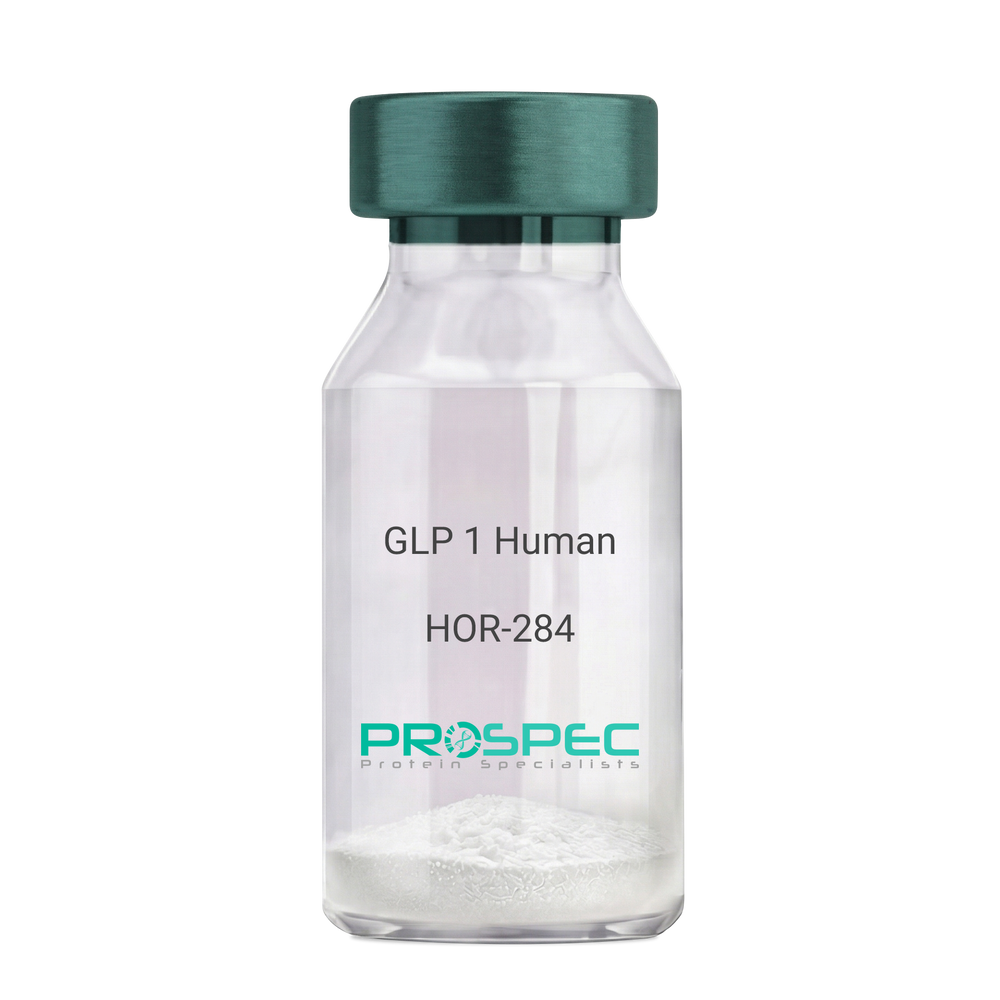
  • View Data Sheet

    Name :

    GLP 1 Human

    Description:

    Human Glucagon Like Peptide-1

    GLP1, Glucagon Like Peptide-1, Incretin hormone.

    Product # :

    HOR-284

    Price :

    Quantity :

    Shipping Method :

    Room Temp Icon

    Shipped at Room temp

    Add To Cart

    More Info

    • description
    • formulation
    • purity
    • More Info

    Description

    Glucagon Like Peptide-1 is a single, non-glycosylated, polypeptide chain containing 30 amino acids and having a molecular mass of 3297.7 Dalton.The GLP-1 is purified by proprietary chromatographic techniques.

    Formulation

    The GLP-1 peptide was lyophilized with no additives.

    Purity

    Greater than 96.0% as determined by RP-HPLC.

    More Info

    • Introduction

      Glucagon-like peptide-1 (GLP-1) is derived from the transcription product of the proglucagon gene. The major source of GLP-1 in the body is the intestinal L cell that secretes GLP-1 as a guthormone. The biologically active forms of GLP-1 are: GLP-1-(7-37) and GLP-1-(7-36)NH2.
      GLP-1 secretion by L cells is dependent on the presence of nutrients in the lumen of the small intestine. The secretagogues (agents that causes or stimulates secretion) of this hormone include major nutrients like carbohydrate, proteinand lipid. Once in the circulation, GLP-1 has a half life of less than 2 minutes, due to rapid degradation by the enzyme dipeptidyl peptidase-4.
      GLP-1 possesses several physiological properties that make it a subject of intensive investigation as a potential treatment of diabetes mellitus. The known physiological functions of GLP-1 include: Increases insulin secretion from the pancreas in a glucose-dependent manner, decreases glucagon secretion from the pancreas, increases beta cells mass and insulin gene expression, inhibits acid secretion and gastric emptying in the stomach, decreases food intake by increasing satiety.

    • Synonyms

      GLP1, Glucagon Like Peptide-1, Incretin hormone.

    • Physical Appearance

      Sterile Filtered White lyophilized (freeze-dried) powder.

    • Stability

      Lyophilized Glucagon Like Peptide-1 although stable at room temperature for 3 weeks, should be stored desiccated below -18°C. Upon reconstitution GLP-1 should be stored at 4°C between 2-7 days and for future use below -18°C. For long term storage it is recommended to add a carrier protein (0.1% HSA or BSA).Please prevent freeze-thaw cycles.

    • Solubility

      It is recommended to reconstitute the lyophilized Glucagon Like Peptide-1 in sterile H2O at 0.5mg/ml, which can then be further diluted to other aqueous solutions.

    • Amino Acid Sequence

      H-His-Ala-Glu-Gly-Thr-Phe-Thr-Ser-Asp-Val-Ser-Ser-Tyr-Leu-Glu-Gly-Gln-Ala-Ala-Lys-Glu-Phe-Ile-Ala-Trp-Leu-Val-Lys-Gly-Arg-NH2.

    ProSpec's products are furnished for LABORATORY RESEARCH USE ONLY. The product may not be used as drugs, agricultural or pesticidal products, food additives or household chemicals.

    Glp 1 Human
  • View Data Sheet

    Name :

    NEDD8 Human

    Description:

    Neural Precursor Cell Expressed Developmentally Down-Regulated 8 Human Recombinant

    Nedd-8, FLJ43224, MGC104393, MGC125896, MGC125897, NEDD8, Ubiquitin-like protein Nedd8, Neddylin, Neural precursor cell expressed developmentally down-regulated protein 8.

    Product # :

    ENZ-396

    Price :

    Quantity :

    Shipping Method :

    Ice Icon

    Shipped with Ice Packs

    Add To Cart

    More Info

    • description
    • source
    • formulation
    • purity
    • More Info

    Description

    NEDD8 Human Recombinant fused with 37 amino acid His tag at N-terminus produced in E.Coli is a single, non-glycosylated, polypeptide chain containing 113 amino acids (1-76 a.a.) and having a molecular mass of 12.8 kDa.The NEDD8 is purified by proprietary chromatographic techniques.

    Source

    Escherichia Coli.

    Formulation

    The NEDD8 solution contains 20mM Tris pH 8.0, 50mM NaCl, 0.5mM DTT & 10% glycerol.

    Purity

    Greater than 95.0% as determined by SDS-PAGE.

    More Info

    • Introduction

      NEDD8 is part of the ubiquitin family. Human NEDD8 shares 60% amino acid sequence homology to ubiquitin. The NEDD8 system is essential for the regulation of protein degradation pathways involved in cell cycle progression, morphogenesis and tumorigenesis. NEDD8 is involved in cell cycle control and embryogenesis. Covalent attachment to its substrates requires prior activation by the E-1 complex UbE1c- appbp1 and linkage to the E-2 enzyme UbE2m. Attachment of NEDD8 to cullins activates their associated E-3 ubiquitin ligase activity, and thus promotes polyubiquitination and proteasomal degradation of cyclins and other regulatory proteins.

    • Synonyms

      Nedd-8, FLJ43224, MGC104393, MGC125896, MGC125897, NEDD8, Ubiquitin-like protein Nedd8, Neddylin, Neural precursor cell expressed developmentally down-regulated protein 8.

    • Physical Appearance

      Sterile Filtered colorless solution.

    • Stability

      Store at 4°C if entire vial will be used within 2-4 weeks. Store, frozen at -20°C for longer periods of time. For long term storage it is recommended to add a carrier protein (0.1% HSA or BSA).Avoid multiple freeze-thaw cycles.

    • Amino Acid Sequence

      MHHHHHHMKI EEGKLVIWIN GDKGYNGLAE VGKKFEKDTG IKVTVEHPDK LEEKFPQVAA TGDGPDIIFW AHDRFGGYAQ SGLLAEITPD KAFQDKLYPF TWDAVRYNGK LIAYPIAVEA LSLIYNKDLL PNPPKTWEEI PALDKELKAK GKSALMFNLQ EPYFTWPLIA ADGGYAFKYE NGKYDIKDVG VDNAGAKAGL TFLVDLIKNK HMNADTDYSI AEAAFNKGET AMTINGPWAW SNIDTSKVNY GVTVLPTFKG QPSKPFVGVL SAGINAASPN KELAKEFLEN YLLTDEGLEA
      VNKDKPLGAV ALKSYEEELA KDPRIAATME NAQKGEIMPN IPQMSAFWYA VRTAVINAAS GRQTVDEALK DAQTNSSSNN NNNNNNNNLG IEGRGSHMAA AEAANCIMEV SCGQAESSEK PNAEDMTSKD YYFDSYAHFG IHEEMLKDEV RTLTYRNSMF HNRHLFKDKV VLDVGSGTGILCMFAAKAGA RKVIGIECSS ISDYAVKIVK ANKLDHVVTI IKGKVEEVEL PVEKVDIIIS EWMGYCLFYE SMLNTVLHAR DKWLAPDGLI FPDRATLYVT AIEDRQYKDY KIHWWENVYG
      FDMSCIKDVA IKEPLVDVVD PKQLVTNACL IKEVDIYTVK VEDLTFTSPF CLQVKRNDYVHALVAYFNIE FTRCHKRTGF STSPESPYTH WKQTVFYMED YLTVKTGEEI FGTIGMRPNA KNNRDLDFTI DLDFKGQLCE LSCSTDYRMR.

    ProSpec's products are furnished for LABORATORY RESEARCH USE ONLY. The product may not be used as drugs, agricultural or pesticidal products, food additives or household chemicals.

    Nedd8 Human
  • View Data Sheet

    Name :

    CAMLG Human

    Description:

    Calcium Modulating Ligand Human Recombinant

    Calcium Modulating Ligand, Calcium-Modulating Cyclophilin Ligand, Calcium-Signal Modulating Cyclophilin Ligand, Cyclophilin B-Binding Protein, CAML.

    Product # :

    PRO-1612

    Price :

    Quantity :

    Shipping Method :

    Ice Icon

    Shipped with Ice Packs

    Add To Cart

    More Info

    • description
    • source
    • formulation
    • purity
    • More Info

    Description

    CAMLG Human Recombinant produced in E.coli is a single, non-glycosylated polypeptide chain containing 212 amino acids (1-189) and having a molecular mass of 23.2kDa.CAMLG is fused to a 23 amino acid His-tag at N-terminus & purified by proprietary chromatographic techniques.

    Source

    Escherichia Coli.

    Formulation

    The CAMLG solution contains 20mM Tris-HCl buffer (pH 8.0), 0.15M NaCl and 10% glycerol.

    Purity

    Greater than 85% as determined by SDS-PAGE.

    More Info

    • Introduction

      CAMLG binds to cyclophilin B and operates downstream of the TCR and upstream of calcineurin by causing an influx of calcium. CAMLG is an essential membrane protein that takes part in the calcium signal transduction pathway, connecting cyclophilin B to calcium signaling.

    • Synonyms

      Calcium Modulating Ligand, Calcium-Modulating Cyclophilin Ligand, Calcium-Signal Modulating Cyclophilin Ligand, Cyclophilin B-Binding Protein, CAML.

    • Physical Appearance

      Sterile filtered colorless solution.

    • Stability

      Store at 4°C if entire vial will be used within 2-4 weeks. Store, frozen at -20°C for longer periods of time. For long term storage it is recommended to add a carrier protein (0.1% HSA or BSA).Avoid multiple freeze-thaw cycles.

    • Amino Acid Sequence

      MGSSHHHHHH SSGLVPRGSH MGSMESMAVA TDGGERPGVP AGSGLSASQR RAELRRRKLL MNSEQRINRI MGFHRPGSGA EEESQTKSKQ QDSDKLNSLS VPSVSKRVVL GDSVSTGTTD QQGGVAEVKG TQLGDKLDSF IKPPECSSDV NLELRQRNRG DLTADSVQRG SRHGLEQYLS RFEEAMKLRK QLISEKPSQE DGNTTEEFDS FR

    ProSpec's products are furnished for LABORATORY RESEARCH USE ONLY. The product may not be used as drugs, agricultural or pesticidal products, food additives or household chemicals.

    Camlg Human
  • View Data Sheet

    Name :

    NRIP3 Human

    Description:

    Nuclear Receptor-Interacting Protein 3 Human Recombinant

    C11orf14, NY-SAR-105, Nuclear receptor-interacting protein 3, Sarcoma antigen NY-SAR-105, NRIP3.

    Product # :

    PRO-1384

    Price :

    Quantity :

    Shipping Method :

    Ice Icon

    Shipped with Ice Packs

    Add To Cart

    More Info

    • description
    • source
    • formulation
    • purity
    • More Info

    Description

    NRIP3 Human Recombinant produced in E.Coli is a single, non-glycosylated polypeptide chain containing 264 amino acids (1-241 a.a.) and having a molecular mass of 29.4kDa. NRIP3 is fused to a 23 amino acid His-tag at N-terminus & purified by proprietary chromatographic techniques.

    Source

    E.coli.

    Formulation

    NRIP3 protein solution (0.5mg/ml) contains 20mM Tris-HCl buffer (pH 8.0), 0.15M NaCl, 20% glycerol and 1mM DTT.

    Purity

    Greater than 85% as determined by SDS-PAGE.

    More Info

    • Introduction

      Nuclear Receptor-Interacting Protein (NRIP3)is a 241 amino acid protein which is encoded by a gene that maps to human chromosome 11.Diseases associated with NRIP3 include sarcoma, and acute myeloid leukemia.

    • Synonyms

      C11orf14, NY-SAR-105, Nuclear receptor-interacting protein 3, Sarcoma antigen NY-SAR-105, NRIP3.

    • Physical Appearance

      Sterile Filtered colorless solution.

    • Stability

      Store at 4°C if entire vial will be used within 2-4 weeks. Store, frozen at -20°C for longer periods of time. For long term storage it is recommended to add a carrier protein (0.1% HSA or BSA).Avoid multiple freeze-thaw cycles.

    • Amino Acid Sequence

      MGSSHHHHHH SSGLVPRGSH MGSMFYSGLL TEGGRKETDM REAASLRQQR RMKQAVQFIH KDSADLLPLD GLKKLGSSKD MQPHNILQRR LMETNLSKLR SGPRVPWASK TNKLNQAKSE GLKKSEEDDM ILVSCQCAGK DVKALVDTGC LYNLISLACV DRLGLKEHVK SHKHEGEKLS LPRHLKVVGQ IEHLVITLGS LRLDCPAAVV DDNEKNLSLG LQTLRSLKCI INLDKHRLIM GKTDKEEIPF VETVSLNEDN TSEA.

    ProSpec's products are furnished for LABORATORY RESEARCH USE ONLY. The product may not be used as drugs, agricultural or pesticidal products, food additives or household chemicals.

    Nrip3 Human
  • View Data Sheet

    Name :

    Atosiban

    Description:

    Atosiban

    Product # :

    HOR-239

    Price :

    Quantity :

    Shipping Method :

    Room Temp Icon

    Shipped at Room temp

    Add To Cart

    More Info

    • description
    • formulation
    • purity
    • More Info
    • HPLC, MS

    Description

    Atosiban also called ADH (Anti-Diuretic Hormone) has a molecular formula of C43H67N11O12S2, 3-Mercaptopropionyl-D-Tyr(ET)-Ile-Thr-Asn-Cys-Pro-Orn-Gly-NH2 having a Mw of 994.2 Dalton.

    Formulation

    The Atosiban peptide was lyophilized with no additives.

    Purity

    Greater than 98.0% as determined by analysis by RP-HPLC.

    HPLC, MS

    atosiban hplc - Product image 1
    atosiban hplc - Product image 2

    More Info

    • Introduction

      Atosiban is the first oxytocin antagonist to be specifically developed for the treatment of preterm labor. Atosiban has a specific mode of action, inhibiting oxytocin-induced uterine contractions by blocking oxytocin receptors in the uterus. Extensive clinical investigations have shown Atosiban to be at least as effective as current tocolytic agents. In addition, due to its novel and specific mode of action, Atosiban has a markedly improved maternal side effects profile compared with conventional therapies.

    • Physical Appearance

      Sterile Filtered White lyophilized (freeze-dried) powder.

    • Stability

      Lyophilized Atosiban although stable at room temperature for 3 weeks, should be stored desiccated below -18°C. Upon reconstitution Atosiban should be stored at 4°C between 2-7 days and for future use below -18°C. For long term storage it is recommended to add a carrier protein (0.1% HSA or BSA).Please prevent freeze-thaw cycles.

    • Solubility

      It is recommended to reconstitute the lyophilized Atosiban in sterile 18MΩ-cm H2O not less than 100µg/ml, which can then be further diluted to other aqueous solutions.

    ProSpec's products are furnished for LABORATORY RESEARCH USE ONLY. The product may not be used as drugs, agricultural or pesticidal products, food additives or household chemicals.

    Atosiban
  • View Data Sheet

    Name :

    EGFR Human Sf9, Active

    Description:

    Epidermal Growth Factor Receptor Human Recombinant Sf9, Active

    Epidermal growth factor receptor, EC 2.7.10.1, Receptor tyrosine-protein kinase ErbB-1, ERBB, mENA, ERBB1, EGFR.

    Product # :

    PKA-335

    Price :

    Quantity :

    Shipping Method :

    Ice Icon

    Shipped with Ice Packs

    Add To Cart

    More Info

    • description
    • source
    • formulation
    • biological activity
    • More Info

    Description

    EGFR Human Recombinant encoding a.a. 672-1210 expressed in Baculovirus infected Sf9 cells, fused with a GST-tag at N-terminus with thrombin cleavage sites, having a molecular weight of 89,171 Dalton.EGFR is purified by proprietary chromatographic techniques.

    Source

    Baculovirus infected Sf9 cells.

    Formulation

    EGFR in 50mM HEPES pH 7.5, 100mM NaCl, 5mM DTT, 15mM reduced glutathione and 20% glycerol.

    Biological Activity

    Determination of Km value by Filter binding assay MAFC membrane.

    More Info

    • Introduction

      The epidermal growth factor receptor (EGF R) subfamily of receptor tyrosine kinases comprises four members: EGF R (also known as HER1, ErbB1 or ErbB), ErbB2 (Neu, HER-2), ErbB3 (HER-3), and ErbB4 (HER-4). All family members are type I transmembrane glycoprotein that has an extracellular domain which contains two cysteine-rich domains separated by a spacer region that is involved in ligand-binding, and a cytoplasmic domain which has a membrane-proximal tyrosine kinase domain and a C-terminal tail with multiple tyrosine autophosphorylation sites. The human EGF R gene encodes a 1210 amino acid (aa) residue precursor with a 24 aa putative signal peptide, a 621 aa extracellular domain, a 23 aa transmembrane domain, and a 542 aa cytoplasmic domain. EGF R has been shown to bind a subset of the EGF family ligands, including EGF, amphiregulin, TGF-a , betacellulin, epiregulin, heparin-binding EGF and neuregulin-2 in the absence of a co-receptor. Ligand binding induces EGF R homodimerization as well as heterdimerization with ErbB2, resulting in kinase activation, tyrosine phosphorylation and cell signaling. EGF R can also be recruited to form heterodimers with the ligand-activated ErbB3 or ErbB4. EGF R signaling has been shown to regulate multiple biological functions including cell proliferation, differentiation, motility and apoptosis. In addition, EGF R signaling has also been shown to play a role in carcinogenesis.

    • Synonyms

      Epidermal growth factor receptor, EC 2.7.10.1, Receptor tyrosine-protein kinase ErbB-1, ERBB, mENA, ERBB1, EGFR.

    • Physical Appearance

      Sterile filtered liquid.

    • Stability

      Store vial at -20°C to -80°C. When stored at the recommended temperature, this protein is stable for 12 months. Please avoid freeze-thaw cycles.

    • Specific Activity

      30 pmol/µgxmin.

    ProSpec's products are furnished for LABORATORY RESEARCH USE ONLY. The product may not be used as drugs, agricultural or pesticidal products, food additives or household chemicals.

    Egfr Sf9 Human
  • View Data Sheet

    Name :

    Insulin Human (20-110)

    Description:

    Insulin (20-110 a.a) Human Recombinant

    Product # :

    CYT-1237

    Price :

    Quantity :

    Shipping Method :

    Room Temp Icon

    Shipped at Room temp

    Add To Cart

    More Info

    • description
    • source
    • formulation
    • purity
    • More Info

    Description

    The Insulin Human is created as a recombinant protein with a 4kda N-terminal fusion of His Tag. The Insulin His-Tagged Fusion Protein, produced in E. coli, is a 13kDa protein containing 91 amino acid residues of the Insulin Human, 20-110 amino acids.

    Source

    Escherichia Coli.

    Formulation

    Each mg was lyophilized with 1xPBS, 0.4% SDS and 4mM DTT.

    Purity

    Greater than 90% as determined by SDS-PAGE.

    More Info

    • Physical Appearance

      Filtered White lyophilized (freeze-dried) powder.

    • Stability

      Store lyophilized Insulin at -20°C. Aliquot the product after reconstitution to avoid repeated freezing/thawing cycles. Reconstituted protein can be stored at 4°C for a limited period of time; it does not show any change after two weeks at 4°C.

    • Solubility

      It is recommended to add deionized water to prepare a working stock solution of approximately 0.5mg/ml and let the lyophilized pellet dissolve completely. Product is not sterile! Please filter the product by an appropriate sterile filter before using it on cell culture.

    • Amino Acid Sequence

      MALWMRLLPL LALLALWGPD PAAAFVNQHL CGSHLVEALY LVCGERGFFY TPKTRREAED LQVGQVELGG GPGAGSLQPL ALEGSLQKRG IVEQCCTSIC SLYQLENYCN

    • Background

      Insulin participates in the metabolism of carbohydrates, proteins and fats by regulating glucose homeostasis in the body. Insulin decreases blood glucose concentration. Insulin hormone facilitates the uptake of glucose into cells, mainly in muscle and fat tissues, and stimulates the liver to store glucose as glycogen. Insulin also inhibits the production of gluconeogenesis and promotes the synthesis of proteins and lipids. Insulin increases cell permeability to monosaccharides, fatty acids and amino acids. Insulin accelerates glycolysis, the pentose phosphate cycle and glycogen synthesis in liver.

    ProSpec's products are furnished for LABORATORY RESEARCH USE ONLY. The product may not be used as drugs, agricultural or pesticidal products, food additives or household chemicals.

    Insulin Recombinant
  • View Data Sheet

    Name :

    FCGR3A Human

    Description:

    CD16a Human Recombinant

    Low affinity immunoglobulin gamma Fc region receptor III-A, CD16a antigen, Fc-gamma, RIII-alpha, Fc-gamma RIII, Fc-gamma RIIIa, FcRIII, FcRIIIa, FcR-10, IgG Fc receptor III-2, CD16a, FCGR3A, FCG3, FCGR3, IGFR3, CD16, FCGRIII.

    Product # :

    PRO-1150

    Price :

    Quantity :

    Shipping Method :

    Ice Icon

    Shipped with Ice Packs

    Add To Cart

    More Info

    • description
    • source
    • formulation
    • purity
    • More Info

    Description

    FCGR3A Human Recombinant produced in E.Coli is a single, non-glycosylated polypeptide chain containing 228 amino acids (18-208 a.a) and having a molecular mass of 26kDa.FCGR3A is fused to a 37 amino acid His-tag at N-terminus & purified by proprietary chromatographic techniques.

    Source

    E.coli.

    Formulation

    FCGR3A protein solution (1mg/ml) containing 20mM Tris-HCl buffer (pH 8.0), 1M Urea and 10% glycerol.

    Purity

    Greater than 90% as determined by SDS-PAGE.

    More Info

    • Introduction

      Low affinity immunoglobulin gamma Fc region receptor III-A (FCGR3A) is a receptor for the Fc portion of immunoglobulin G, and is involved in the elimination of antigen-antibody complexes from the circulation, as well as other antibody-dependent responses. FCGR3A needs to associate with the gamma subunit of Fc epsilon. The FCGR3A receptor is expressed on natural killer (NK) cells as an integral membrane glycoprotein anchored through a transmembrane peptide, while FCGR3B is expressed on polymorphonuclear neutrophils (PMN) where the receptor is anchored through a phosphatidylinositol (PI) linkage. In addition, FCGR3A is expressed on macrophages, subpopulation of T-cells, immature thymocytes and placental trophoblasts. FCGR3A mediates antibody-dependent cellular cytotoxicity (ADCC) and other antibody-dependent responses, such as phagocytosis. FCGR3A gene mutations are linked with susceptibility to recurrent viral infections, susceptibility to systemic lupus erythematosus, and alloimmune neonatal neutropenia.

    • Synonyms

      Low affinity immunoglobulin gamma Fc region receptor III-A, CD16a antigen, Fc-gamma, RIII-alpha, Fc-gamma RIII, Fc-gamma RIIIa, FcRIII, FcRIIIa, FcR-10, IgG Fc receptor III-2, CD16a, FCGR3A, FCG3, FCGR3, IGFR3, CD16, FCGRIII.

    • Physical Appearance

      Sterile Filtered colorless solution.

    • Stability

      Store at 4°C if entire vial will be used within 2-4 weeks. Store, frozen at -20°C for longer periods of time. For long term storage it is recommended to add a carrier protein (0.1% HSA or BSA).Avoid multiple freeze-thaw cycles.

    • Amino Acid Sequence

      MRGSHHHHHH GMASMTGGQQ MGRDLYDDDD KDRWGSHMRT EDLPKAVVFL EPQWYRVLEK DSVTLKCQGA YSPEDNSTQW FHNESLISSQ ASSYFIDAAT VDDSGEYRCQ TNLSTLSDPV QLEVHIGWLL LQAPRWVFKE EDPIHLRCHS WKNTALHKVT YLQNGKGRKY FHHNSDFYIP KATLKDSGSY FCRGLFGSKN VSSETVNITI TQGLAVSTIS SFFPPGYQ.

    ProSpec's products are furnished for LABORATORY RESEARCH USE ONLY. The product may not be used as drugs, agricultural or pesticidal products, food additives or household chemicals.

    Fcgr3A Human
  • View Data Sheet

    Name :

    LIN28 Human

    Description:

    LIN28 Human Recombinant

    CSDD1, FLJ12457, LIN-28, LIN28A, Protein lin-28 homolog A, ZCCHC1, Zinc finger CCHC domain-containing protein 1, Lin-28A, LIN28.

    Product # :

    PRO-743

    Price :

    Quantity :

    Shipping Method :

    Ice Icon

    Shipped with Ice Packs

    Add To Cart

    More Info

    • description
    • source
    • formulation
    • purity
    • More Info

    Description

    Recombinant Human LIN28 produced in E.Coli is a single, non-glycosylated polypeptide chain containing 191 amino acids (42-209) and having a molecular mass of 21.1 kDa.LIN28 is expressed with a 23 amino acid His tag fused at N-Terminus and purified by proprietary chromatographic techniques.

    Source

    Escherichia Coli.

    Formulation

    The LIN28 protein solution (0.5mg/ml) contains 20mM Tris-HCl, pH-8, 10% glycerol, 0.1mM PMSF and 0.1M NaCl.

    Purity

    Greater than 85.0% as determined by SDS-PAGE

    More Info

    • Introduction

      LIN28 plays an important role as a 'translational enhancer', leading specific mRNAs to polysomes and therefore increasing the competence of protein synthesis. LIN28 is a marker of undifferentiated human embryonic stem cells and it enhances the efficiency of the formation of induced pluripotent stem (iPS) cells from human fibroblasts. LIN28 binds to the let-7 pre-miRNA and blocks production of the mature let-7 microRNA in mouse embryonic stem cells. Overexpression of LIN28 is associated with human germ-cell tumors.

    • Synonyms

      CSDD1, FLJ12457, LIN-28, LIN28A, Protein lin-28 homolog A, ZCCHC1, Zinc finger CCHC domain-containing protein 1, Lin-28A, LIN28.

    • Physical Appearance

      Sterile filtered colorless solution.

    • Stability

      Store at 4°C if entire vial will be used within 2-4 weeks. Store, frozen at -20°C for longer periods of time. For long term storage it is recommended to add a carrier protein (0.1% HSA or BSA). Avoid multiple freeze-thaw cycles.

    • Amino Acid Sequence

      MGSSHHHHHH SSGLVPRGSHRSMGICKWFN VRMGFGFLSM TARAGVALDP PVDVFVHQSK LHMEGFRSLK EGEAVEFTFK KSAKGLESIR VTGPGGVFCI GSERRPKGKS MQKRRSKGDR CYNCGGLDHH AKECKLPPQP KKCHFCQSIS HMVASCPLKA QQGPSAQGKP TYFREEEEEI HSPTLLPEAQ N.

    ProSpec's products are furnished for LABORATORY RESEARCH USE ONLY. The product may not be used as drugs, agricultural or pesticidal products, food additives or household chemicals.

    Lin28 Human
  • View Data Sheet

    Name :

    FGFR1OP Human (1-80)

    Description:

    FGFR1 Oncogene Partner (1-80 a.a.) Human Recombinant

    FGFR1 oncogene partner, FGFR1OP, FOP.

    Product # :

    PKA-138

    Price :

    Quantity :

    Shipping Method :

    Room Temp Icon

    Shipped at Room temp

    Add To Cart

    More Info

    • description
    • source
    • formulation
    • purity
    • More Info

    Description

    The FGFR1O PHuman is created as a recombinant protein with a 4kda N-terminal fusion of His Tag. The FGFR1OP His-Tagged Fusion Protein, produced in E. coli, is a 12kDa protein containing 80 amino acid residues of the FGFR1OP Human, 1-80 amino acids.

    Source

    Escherichia Coli.

    Formulation

    Each mg was lyophilized with 1xPBS, 0.4% SDS and 4mM DTT.

    Purity

    Greater than 90% as determined by SDS-PAGE.

    More Info

    • Synonyms

      FGFR1 oncogene partner, FGFR1OP, FOP.

    • Physical Appearance

      Filtered White lyophilized (freeze-dried) powder.

    • Stability

      Store lyophilized FGFR1OP at -20°C. Aliquot the product after reconstitution to avoid repeated freezing/thawing cycles. Reconstituted protein can be stored at 4°C for a limited period of time; it does not show any change after two weeks at 4°C.

    • Solubility

      It is recommended to add deionized water to prepare a working stock solution of approximately 0.5mg/ml and let the lyophilized pellet dissolve completely. Product is not sterile! Please filter the product by an appropriate sterile filter before using it on cell culture.

    • Amino Acid Sequence

      L MAATAAAVVA EEDTELRDLL VQTLENSGVL NRIKAELRAA VFLALEEQEK VENKTPLVNE SLRKFLNTKD GRLVASLVA

    • Background

      FGFR1 oncogene partner also known as FGFR1OP is a leucine-rich member of the FGFR1OP family. The ensuing chimeric protein contains the N-terminal leucine-rich region of the FGFR1OP protein fused to the catalytic domain of FGFR1. The FGFR1OP plays a main role in normal proliferation and differentiation of the erythroid lineage.

    ProSpec's products are furnished for LABORATORY RESEARCH USE ONLY. The product may not be used as drugs, agricultural or pesticidal products, food additives or household chemicals.

    Fgfr1Op Protein
  • View Data Sheet

    Name :

    LRG1 Human, Sf9

    Description:

    Leucine-Rich Alpha-2-Glycoprotein 1 Human Recombinant, Sf9

    Leucine Rich Alpha-2-Glycoprotein 1, Leucine-Rich Alpha-2-Glycoprotein, 1300008B03Rik, 2310031E04Rik, HMFT1766, Leucine-rich alpha-2-glycoprotein, LRG1, LRG. 

    Product # :

    PRO-2530

    Price :

    Quantity :

    Shipping Method :

    Ice Icon

    Shipped with Ice Packs

    Add To Cart

    More Info

    • description
    • source
    • formulation
    • purity
    • More Info

    Description

    LRG1 produced in Sf9 Baculovirus cells is a single, glycosylated polypeptide chain containing 321 amino acids (36-347a.a.) and having a molecular mass of 35.4kDa. LRG1 is expressed with a 6 amino acid His tag at C-Terminus and purified by proprietary chromatographic techniques.

    Source

    Sf9, Baculovirus cells.

    Formulation

    LRG1 protein solution (0.5mg/ml) contains Phosphate Buffered Saline (pH 7.4) and 10% glycerol.

    Purity

    Greater than 95.0% as determined by SDS-PAGE.

    More Info

    • Introduction

      LRG1 belongs to the leucine-rich repeat (LRR) family of proteins, which have been shown to be involved in protein-protein interaction, signal transduction, cell adhesion and development. The LRG1 is expressed during granulocyte differentiation.

    • Synonyms

      Leucine Rich Alpha-2-Glycoprotein 1, Leucine-Rich Alpha-2-Glycoprotein, 1300008B03Rik, 2310031E04Rik, HMFT1766, Leucine-rich alpha-2-glycoprotein, LRG1, LRG.

    • Physical Appearance

      Sterile Filtered colorless solution.

    • Stability

      Store at 4°C if entire vial will be used within 2-4 weeks. Store, frozen at -20°C for longer periods of time. For long term storage it is recommended to add a carrier protein (0.1% HSA or BSA). Avoid multiple freeze-thaw cycles.

    • Amino Acid Sequence

      ADPVTLSPKD CQVFRSDHGS SISCQPPAEI PGYLPADTVH LAVEFFNLTH LPANLLQGAS KLQELHLSSN GLESLSPEFL RPVPQLRVLD LTRNALTGLP PGLFQASATL DTLVLKENQL EVLEVSWLHG LKALGHLDLS GNRLRKLPPG LLANFTLLRT LDLGENQLET LPPDLLRGPL QLERLHLEGN KLQVLGKDLL LPQPDLRYLF LNGNKLARVA AGAFQGLRQL DMLDLSNNSL ASVPEGLWAS LGQPNWDMRD GFDISGNPWI CDQNLSDLYR WLQAQKDKMF SQNDTRCAGP EAVKGQTLLA VAKSQHHHHH H

    ProSpec's products are furnished for LABORATORY RESEARCH USE ONLY. The product may not be used as drugs, agricultural or pesticidal products, food additives or household chemicals.

    Lrg1 Protein
  • View Data Sheet

    Name :

    NPPC Human

    Description:

    Natriuretic Peptide C Human Recombinant

    Natriuretic Peptide Precursor C, C-Type Natriuretic Peptide, CNP2, CNP.

    Product # :

    CYT-760

    Price :

    Quantity :

    Shipping Method :

    Ice Icon

    Shipped with Ice Packs

    Add To Cart

    More Info

    • description
    • source
    • formulation
    • purity
    • More Info

    Description

    NPPC Human Recombinant produced in E.coli is a single, non-glycosylated polypeptide chain containing 126 amino acids (24-126) and having a molecular mass of 13.2kDa.NPPC is fused to a 23 amino acid His-tag at N-terminus & purified by proprietary chromatographic techniques.

    Source

    Escherichia Coli.

    Formulation

    The NPPC solution (0.25mg/ml) contains 20mM Tris-HCl buffer (pH 8.0), 0.15M NaCl and 10% glycerol.

    Purity

    Greater than 85% as determined by SDS-PAGE.

    More Info

    • Introduction

      NPPC is proteolytically managed to create a secreted hormone of the natriuretic peptide family. NPPC is vasoactive and natriuretic and controls the evolution and differentiation of cartilaginous growth plate chondrocytes.

    • Synonyms

      Natriuretic Peptide Precursor C, C-Type Natriuretic Peptide, CNP2, CNP.

    • Physical Appearance

      Sterile Filtered clear solution.

    • Stability

      Store at 4°C if entire vial will be used within 2-4 weeks. Store, frozen at -20°C for longer periods of time. For long term storage it is recommended to add a carrier protein (0.1% HSA or BSA).Avoid multiple freeze-thaw cycles.

    • Amino Acid Sequence

      MGSSHHHHHH SSGLVPRGSH MGSKPGAPPK VPRTPPAEEL AEPQAAGGGQ KKGDKAPGGG GANLKGDRSR LLRDLRVDTK SRAAWARLLQ EHPNARKYKG ANKKGLSKGC FGLKLDRIGS MSGLGC

    ProSpec's products are furnished for LABORATORY RESEARCH USE ONLY. The product may not be used as drugs, agricultural or pesticidal products, food additives or household chemicals.

    Nppc Human
  • View Data Sheet

    Name :

    ANG Human

    Description:

    Angiogenin Human Recombinant

    Angiogenin, ANG, Ribonuclease 5, RNase 5, RNASE5, ribonuclease, RNase A family, 5, ALS9, HEL168, MGC22466, MGC71966, RNASE4.

    Product # :

    PRO-1903

    Price :

    Quantity :

    Shipping Method :

    Ice Icon

    Shipped with Ice Packs

    Add To Cart

    More Info

    • description
    • source
    • formulation
    • purity
    • More Info

    Description

    ANG Human Recombinant produced in E.coli is a single, non-glycosylated polypeptide chain containing 144 amino acids (25-147) and having a molecular mass of 16.4 kDa.ANG is fused to a 21 amino acid His-Tag at N-terminus and purified by proprietary chromatographic techniques.

    Source

    Escherichia Coli.

    Formulation

    The ANG solution (0.5mg/ml) contains 20mM Tris-HCl buffer (pH 8.0), 10% glycerol and 0.4M Urea.

    Purity

    Greater than 85.0% as determined by SDS-PAGE.

    More Info

    • Introduction

      Angiogenin (ANG) is a part of the RNase A family. ANG is an extremely effective mediator of new blood vessel formation. ANG Cleaves tRNA within anticodon loops in order to produce tRNA-derived stress-induced fragments (tiRNAs) that inhibit protein synthesis and trigger the assembly of stress granules. ANG is also stimulates ribosomal RNA synthesis. The interaction with RNH1 in vivo regulates the Angiogenic activity.

    • Synonyms

      Angiogenin, ANG, Ribonuclease 5, RNase 5, RNASE5, ribonuclease, RNase A family, 5, ALS9, HEL168, MGC22466, MGC71966, RNASE4.

    • Physical Appearance

      Sterile Filtered colorless solution.

    • Stability

      Store at 4°C if entire vial will be used within 2-4 weeks. Store, frozen at -20°C for longer periods of time. For long term storage it is recommended to add a carrier protein (0.1% HSA or BSA).Avoid multiple freeze-thaw cycles.

    • Amino Acid Sequence

      MGSSHHHHHH SSGLVPRGSH MQDNSRYTHF LTQHYDAKPQ GRDDRYCESI MRRRGLTSPC KDINTFIHGN KRSIKAICEN KNGNPHRENL RISKSSFQVT TCKLHGGSPW PPCQYRATAG FRNVVVACEN GLPVHLDQSI FRRP.

    ProSpec's products are furnished for LABORATORY RESEARCH USE ONLY. The product may not be used as drugs, agricultural or pesticidal products, food additives or household chemicals.

    Ang Human
  • View Data Sheet

    Name :

    LCN2 Human

    Description:

    Neutrophil Gelatinase Associated Lipocalin/Lipocalin-2 Human Recombinant

    Neutrophil gelatinase-associated lipocalin, NGAL, p25, 25 kDa alpha-2-microglobulin-related subunit of MMP-9, Lipocalin-2, Oncogene 24p3, LCN2.

    Product # :

    ENZ-783

    Price :

    Quantity :

    Shipping Method :

    Room Temp Icon

    Shipped at Room temp

    Add To Cart

    More Info

    • description
    • source
    • formulation
    • purity
    • biological activity
    • More Info

    Description

    LCN2 Human Recombinant produced in E.Coli is a homodimeric non-glycosylated polypeptide chains consisting of two 178 amino acids and having a molecular mass of 41.0kDa.

    Source

    Escherichia Coli.

    Formulation

    LCN2 protein was lyophilized from a 0.2 µm filtered concentrated solution in PBS, pH 7.4, with 0.05 % Tween-20.

    Purity

    Greater than 95.0% as determined by: (a) Analysis by RP-HPLC.(b) Analysis by SDS-PAGE.

    Biological Activity

    The ED50 as determined by a cell proliferation assay using human TF-1 cells is less than 0.5ng/ml, corresponding to a specific activity of > 2.0 × 1,000,000 IU/mg.

    More Info

    • Introduction

      Recombinant Human Lipocalin-2 also called Neutrophil Gelatinase Associated Lipocalin (NGAL) belongs to a family of lipocans which include 25 proteins (including a1-microglobulin and b-lactoglobulin), which are characterized by their ability to bind small lipophilic substances in their hydrophobic core.
      They thereby serve as transporters of substances like retinal, biliverdins & prostaglandins. There are indications that NGAL is involved in modulation of the inflammatory response and is found in the plasma of patients after stroke.

    • Synonyms

      Neutrophil gelatinase-associated lipocalin, NGAL, p25, 25 kDa alpha-2-microglobulin-related subunit of MMP-9, Lipocalin-2, Oncogene 24p3, LCN2.

    • Physical Appearance

      Sterile Filtered White lyophilized (freeze-dried) powder.

    • Stability

      Lyophilized LCN2 although stable at room temperature for 3 weeks, should be stored desiccated below -18°C. Upon reconstitution LCN2 should be stored at 4°C between 2-7 days and for future use below -18°C. For long term storage it is recommended to add a carrier protein (0.1% HSA or BSA). Please prevent freeze-thaw cycles.

    • Amino Acid Sequence

      QDSTSDLIPA PPLSKVPLQQ NFQDNQFQGK WYVVGLAGNA ILREDKDPQK MYATIYELKE DKSYNVTSVL FRKKKCDYWI RTFVPGCQPG EFTLGNIKSY PGLTSYLVRV VSTNYNQHAM VFFKKVSQNR EYFKITLYGR TKELTSELKE NFIRFSKSLG LPENHIVFPV PIDQCIDG

    ProSpec's products are furnished for LABORATORY RESEARCH USE ONLY. The product may not be used as drugs, agricultural or pesticidal products, food additives or household chemicals.

    Human Lcn2
  • View Data Sheet

    Name :

    UPK2 Human

    Description:

    Uroplakin 2 Human Recombinant

    Uroplakin-2, UP2, Uroplakin II, UPII, UPK2.

    Product # :

    PRO-479

    Price :

    Quantity :

    Shipping Method :

    Ice Icon

    Shipped with Ice Packs

    Add To Cart

    More Info

    • description
    • source
    • formulation
    • purity
    • More Info

    Description

    UPK2 Human Recombinant produced in E.Coli is a single, non-glycosylated polypeptide chain containing 153 amino acids (26-155 a.a) and having a molecular mass of 16.2kDa.UPK2 is fused to a 23 amino acid His-tag at N-terminus & purified by proprietary chromatographic techniques.

    Source

    Escherichia Coli.

    Formulation

    UPK2 protein solution (1mg/ml) containing 20mM Tris-HCl buffer (pH 8.0), 2M UREA and 10% glycerol.

    Purity

    Greater than 90.0% as determined by SDS-PAGE.

    More Info

    • Introduction

      Uroplakin 2 (UPK2) is one of the proteins of the highly urothelium-specific integral membrane proteins of the asymmetric unit membrane which forms urothelium apical plaques in mammals. The asymmetric unit membrane is thought to strengthen the urothelium by preventing cell rupture during bladder distention. The UPK2 protein is expressed in the peripheral blood of bladder cancer patients with transitional cell carcinomas.

    • Synonyms

      Uroplakin-2, UP2, Uroplakin II, UPII, UPK2.

    • Physical Appearance

      Sterile Filtered colorless solution.

    • Stability

      Store at 4°C if entire vial will be used within 2-4 weeks. Store, frozen at -20°C for longer periods of time. For long term storage it is recommended to add a carrier protein (0.1% HSA or BSA).Avoid multiple freeze-thaw cycles.

    • Amino Acid Sequence

      MGSSHHHHHH SSGLVPRGSH MGSDFNISSL SGLLSPALTE SLLVALPPCH LTGGNATLMV RRANDSKVVT SSFVVPPCRG RRELVSVVDS GAGFTVTRLS AYQVTNLVPG TKFYISYLVK KGTATESSRE IPMSTLPRRN MESIGLGMAR TGG.

    ProSpec's products are furnished for LABORATORY RESEARCH USE ONLY. The product may not be used as drugs, agricultural or pesticidal products, food additives or household chemicals.

    Upk2 Human
  • 1
  • …
  • 9
  • 10
  • 11
  • 12
  • 13
  • …
  • 42
Your browser does not support the video tag.

Products

  • Cytokines
  • Growth Factors
  • Chemokines
  • CD Antigens
  • Neurotrophins
  • Hormones
  • Enzymes
  • Viral Antigens
  • Recombinant Proteins
  • Natural Proteins
  • Monoclonal Antibodies
  • Polyclonal Antibodies
  • Thermal Packaging

About

  • Company
  • Founder
  • Contribution
  • Contact Us
  • My Account

Ordering

  • Ordering Method
  • Ordering - Credit Card
  • Ordering PO
  • Shipping Fees
  • FAQ's

Legal

  • Terms & Conditions
  • Privacy
  • Site Map
  • info@prospecbio.com
  • Facebook
  • Instagram
  • Linkedin Profile

© 2026 ProSpec-Tany TechnoGene Ltd. All Rights Reserved.

  • Choosing a selection results in a full page refresh.
  • Opens in a new window.