Search results
1000 results found for “calreticulin”
Name
Description
Product #
Price
Quantity
Shipping Method
- View Data Sheet
Name :
CAV1 AntibodyDescription:
Caveolin-1, Mouse Anti Human
Caveolin-1, CAV1, CAV, CGL3, BSCL3, VIP21, MSTP085.
Product # :
ANT-027Price :
Quantity :
Shipping Method :
Shipped with Ice Packs
More Info
- formulation
- More Info
Formulation
1mg/ml containing PBS, pH-7.4, & 0.1% Sodium Azide.
More Info
-
Introduction
The scaffolding protein encoded by the CAV1 gene is the key component of the caveolae plasma membranes found in most cell types. Cholesterol is vital for caveolae formation and maintenance, and caveolae structure is highly sensitive to cholesterol depletion or treatment with cholesterol binding drugs. CAV1 can tightly and specifically bind free cholesterol and artificial cholesterol containing vesicles. Caveolin 1 links integrin subunits to the tyrosine kinase FYN, which is an initiating step in coupling integrins to the Ras-ERK pathway and promoting cell cycle progression. CAV1 is a tumor suppressor gene candidate and a negative regulator of the Ras-p42/44 mitogen-activated kinase. Caveolin 1 and caveolin 2 are positioned next to each other on chromosome 7 and express co-localizing proteins which form a stable hetero-oligomeric complex cascade. Mutations in the CAV1 gene are linked to Berardinelli-Seip congenital lipodystrophy.
-
Synonyms
Caveolin-1, CAV1, CAV, CGL3, BSCL3, VIP21, MSTP085.
-
Physical Appearance
Sterile Filtered clear solution.
-
Immunogen
Anti-human CAV1 mAb, is derived from hybridization of mouse FO myeloma cells with spleen cells from BALB/c mice immunized with recombinant human CAV1 amino acids 1-104 purified from E. coli.
-
Ig Subclass
Mouse IgG2b heavy chain and k light chain.
-
Clone
PAT4C1AT.
-
Applications
CAV1 antibody has been tested by ELISA, Western blot to assure specificity and reactivity. Since application varies, however, each investigation should be titrated by the reagent to obtain optimal results. Recommended dilution range for Western blot analysis is 1:250 ~ 1000.
Recommended starting dilution is 1:500. -
Type
Mouse Anti Human Monoclonal.
-
Storage Procedures
For periods up to 1 month store at 4°C, for longer periods of time, store at -20°C. Prevent freeze thaw cycles.
-
Purification Method
CAV1 antibody was purified from mouse ascitic fluids by protein-G affinity chromatography.
ProSpec's products are furnished for LABORATORY RESEARCH USE ONLY. The product may not be used as drugs, agricultural or pesticidal products, food additives or household chemicals.
- View Data Sheet
Name :
KRT18 BovineDescription:
Cytokeratin-18 Bovine
Keratin type I cytoskeletal 18, Cytokeratin-18, CK-18, Keratin-18, K18, KRT18,CYK18,Cell proliferation-inducing gene 46 protein.
Product # :
PRO-2785Price :
Quantity :
Shipping Method :
Shipped at Room temp
More Info
- description
- source
- formulation
- purity
- More Info
Description
KRT18 Bovine having a calculated molecular mass of 45 kDa, pI-5.4.
Source
Bovine liver.
Formulation
KRT18 was lyophilized from a 1mg/ml solution containing 30mM Tris/HCI pH 8, 9M urea, 2mM EDTA, 2mM DTT and 10mM methylammonium chloride.
Purity
Greater than 95.0% as determined by SDS-PAGE.
More Info
-
Synonyms
Keratin type I cytoskeletal 18, Cytokeratin-18, CK-18, Keratin-18, K18, KRT18,CYK18,Cell proliferation-inducing gene 46 protein.
-
Physical Appearance
Sterile Filtered White lyophilized (freeze-dried) powder.
-
Stability
Store the lyophilized KRT18 between 2-8°C, do not freeze. Upon reconstitution KRT18 should be stored at -20°C.Please prevent freeze-thaw cycles.
-
Solubility
It is recommended to reconstitute the lyophilized KRT18 in sterile 18MΩ-cm H2O not less than 100µg/ml, which can then be further diluted to other aqueous solutions.
-
Background
Keratin-18 (K18) is an intermediate filament protein that plays a vital role in maintaining the structural integrity of epithelial cells. Extensive research has been conducted on K18 in human and murine models, shedding light on its functions and implications for various epithelial tissues.
However, the study of K18 in bovine tissues is an emerging area with potential for advancing our understanding of epithelial cell biology and its applications in veterinary medicine and biotechnology. Bovine tissues, such as the liver and gastrointestinal tract, are of particular interest due to their relevance in cattle production and food safety.
This research aims to provide a comprehensive exploration of K18 in bovine tissues, elucidating its functions, structural significance, and potential applications.
The primary objective of this research is to elucidate the role of K18 in bovine tissues, particularly in maintaining the structural integrity of epithelial cells.In vitro and ex vivo experiments, utilizing bovine epithelial cell cultures and tissue specimens, will be conducted to investigate how K18 contributes to cellular morphology, cytoskeletal organization, and tissue resilience. Understanding these mechanisms is fundamental for deciphering the complexities of epithelial cell biology in bovine species.
The second objective is to assess the relevance of bovine K18 in veterinary medicine and cattle production. Studies involving bovine models will be conducted to evaluate the impact of K18 mutations or variations on tissue health, disease susceptibility, and meat quality. These investigations may provide valuable insights into potential applications in cattle breeding and food safety.
The third objective is to explore the potential biotechnological applications of bovine K18. Research will investigate the use of K18-expressing bovine cells as models for studying epithelial-related diseases and for developing tissue engineering approaches for veterinary medicine and biotechnology.
By delving into the functions and roles of K18 in bovine tissues, this research aims to expand our knowledge of epithelial cell biology, its implications for veterinary medicine, and its potential applications in biotechnology and cattle production.
ProSpec's products are furnished for LABORATORY RESEARCH USE ONLY. The product may not be used as drugs, agricultural or pesticidal products, food additives or household chemicals.
- View Data Sheet
Name :
BMP 4 HumanDescription:
Bone Morphogenetic Protein-4 Human Recombinant
BMP4, ZYME, BMP2B, BMP2B1.
Product # :
CYT-361Price :
Quantity :
Shipping Method :
Shipped at Room temp
More Info
- description
- source
- formulation
- purity
- More Info
Description
Bone Morphogenetic Protein-4 Human Recombinant produced in E.Coli is a monomeric, non-glycosylated, Polypeptide chain containing 116 amino acids and having a molecular mass of 13kDa. The BMP-4 is purified by proprietary chromatographic techniques.
Source
Escherichia Coli.
Formulation
BMP-4 was lyophilized from a 0.2µm filtered concentrated (1mg/ml) solution in 20mM Na2CO3 buffer, pH 9.0.
Purity
Greater than 95.0% as determined by:
(a) Analysis by RP-HPLC.
(b) Analysis by SDS-PAGE.More Info
-
Introduction
The protein encoded by this gene is a member of the bone morphogenetic protein family which is part of the transforming growth factor-beta superfamily. The superfamily includes large families of growth and differentiation factors. Bone morphogenetic proteins were originally identified by an ability of demineralized bone extract to induce endochondral osteogenesis in vivo in an extraskeletal site. This particular family member plays an important role in the onset of endochondral bone formation in humans, and a reduction in expression has been associated with a variety of bone diseases, including the heritable disorder Fibrodysplasia Ossificans Progressiva. Alternative splicing in the 5' untranslated region of this gene has been described and three variants are described, all encoding an identical protein.
-
Synonyms
BMP4, ZYME, BMP2B, BMP2B1.
-
Physical Appearance
Sterile Filtered White lyophilized (freeze-dried) powder.
-
Stability
Lyophilized Bone Morphogenetic Protein-4 although stable at room temperature for 3 weeks, should be stored desiccated below -18°C. Upon reconstitution BMP4 should be stored at 4°C between 2-7 days and for future use below -18°C.For long term storage it is recommended to add a carrier protein (0.1% HSA or BSA).Please prevent freeze-thaw cycles.
-
Solubility
It is recommended to reconstitute the lyophilized Bone Morphogenetic Protein-4 in sterile 18M-cm H2O not less than 100µg/ml, which can then be further diluted to other aqueous solutions.
-
Amino Acid Sequence
SPKHHSQRAR KKNKNCRRHS LYVDFSDVGW NDWIVAPPGY QAFYCHGDCP FPLADHLNST NHAIVQTLVN SVNSSIPKAC CVPTELSAIS MLYLDEYDKV VLKNYQEMVV EGCGCR.
-
Background
What You Should Know About Bone Morphogenetic Protein-4 (BMP-4) Human Recombinant
As part of the transforming growth factor-beta (TGF-β) superfamily, Bone morphogenetic protein-4 (BMP-4) participates in multiple developmental processes, from embryogenesis to bone and cartilage formation.
Since this signaling protein is involved in many physiological processes, its laboratory-produced version has been studied for different medical applications. Additionally, a reduction in BMP-4 expression has been associated with multiple diseases, leading to further research into its potential therapeutic benefits.
Are you interested in learning more about Bone Morphogenetic Protein-4 (BMP-4) human recombinant? Read on to find more information!
How Does Bone Morphogenetic Protein-4 (BMP-4) Work?
Bone Morphogenetic Protein-4 (BMP-4) regulates microRNAs miR-494 and miR-126-5p expression, controlling endothelial cells' involvement and function in angiogenesis. As such, it has diverse effects on cell growth, differentiation, and survival.
The Role of BMP-4
This protein emits signals that promote the formation of different tissues and organs, including the bones and cartilage, kidneys, teeth, and the neural tube. In other words, it's essential for the development of the heart, skeleton, and central nervous system.
However, the role of BMP-4 goes beyond these processes. It participates in different physiological activities, such as:
- Embryonic development
- Wound healing
- Bone remodeling
- Immune response modulation
- Tissue repair
- Cardiac development and function
What Is Bone Morphogenetic Protein-4 (BMP-4) Human Recombinant?
To replicate the effects of the BMP4 found in humans and explore its possible therapeutic applications, many laboratories have started producing this protein in Chinese hamster ovary (CHO) cells.
As mentioned, decreased BMP-4 expression has been associated with different diseases, including bone disorders, fibrosis, and cancer, which can cause other conditions, such as organ dysfunction.
More research is needed, but BMP-4 human recombinant (rhBMP4) produced in CHO has the potential to address these diseases and could be used for other medical applications. These are some examples:
- Cancer therapy
- Development of engineered tissues and organs
- Bone regeneration for the treatment of osteoporosis and nonunion fractures
- Bone growth and fusion in spinal fusion surgeries (the U.S. Food and Drug Administration approved some bone morphogenetic proteins for these procedures)
- Promotion of tissue repair and regeneration
Final Thoughts BMP-4
Although BMP-4 human recombinant produced in CHO offers potential benefits, several challenges remain, including possible side effects, as high doses can cause inflammation, bone overgrowth, and other issues.
However, the long-term effects of rhBMP4 are still under investigation. Further research will provide solutions to address these challenges and allow experts to explore this laboratory-produced protein's power in different medical fields.
What is the molecular weight/Mw of BMP4 Protein?
BMP4 Protein has a total Mw of 13kDa.
What is the source or expression system of BMP4 Protein?
Escherichia Coli.
What is the Purity of BMP4 Protein?
BMP4 Protein is >95% pure as determined by SDS-PAGE.
What is the Biological Activity of BMP4 Protein?
The biological functionality of BMP4 Protein will be determined in the future.
What is the amino acid sequence of BMP4 Protein?
SPKHHSQRAR KKNKNCRRHS LYVDFSDVGW NDWIVAPPGY QAFYCHGDCP FPLADHLNST NHAIVQTLVN SVNSSIPKAC CVPTELSAIS MLYLDEYDKV VLKNYQEMVV EGCGCR.
What applications can BMP4 Protein be used in?
BMP4 Protein can probably be used in western blot, ELISA and Lateral Flow.
What is the endotoxin level for BMP4 Protein?
The endotoxin level is minimal, BMP4 Protein was purified using conventional chromatography techniques.
ProSpec's products are furnished for LABORATORY RESEARCH USE ONLY. The product may not be used as drugs, agricultural or pesticidal products, food additives or household chemicals.
- View Data Sheet
Name :
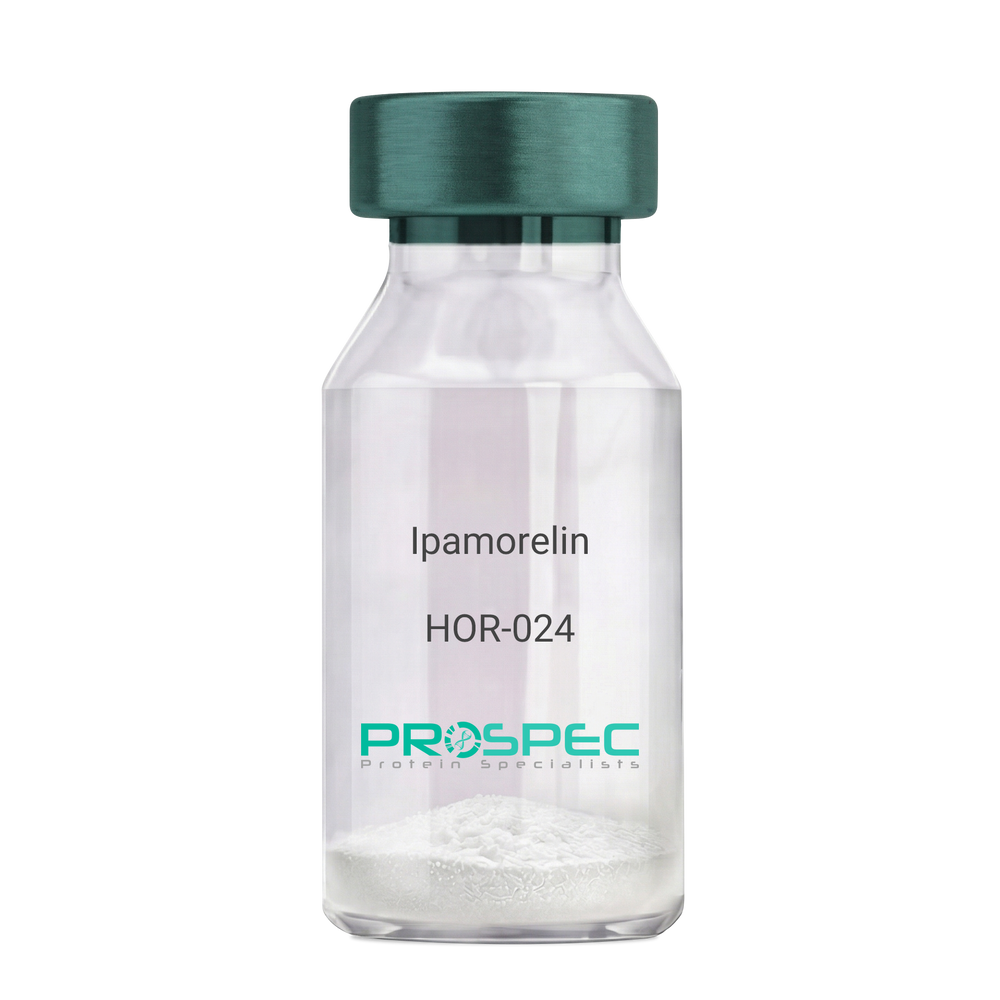
IpamorelinDescription:
Ipamorelin
Ipamorelin
Product # :
HOR-024Price :
Quantity :
Shipping Method :
Shipped at Room temp
More Info
- description
- formulation
- purity
- More Info
Description
Ipamorelin Synthetic is a single, non-glycosylated polypeptide chain containing 4 amino acids, having a molecular mass of 711.85 Dalton and a Molecular formula of C38H49N9O5.
Formulation
The protein was lyophilized with no additives.
Purity
Greater than 97.0% as determined by analysis by RP-HPLC.
More Info
-
Introduction
Ipamorelin is a peptide selective agonist of the ghrelin/growth hormone secretagogue receptor and a growth hormone secretagogue. Ipamorelin is a pentapeptide that was derived from GHRP1. Ipamorelin significantly increases plasma growth hormone levels in both animals and humans. Like pralmorelin and GHRP-6, ipamorelin does not affect prolactin, FSH, LH or TSH levels. However, unlike GHRP2 and GHRP6, but as growth hormone-releasing hormone (GHRH), ipamorelin does not stimulate the secretion of adrenocorticotropic hormone (ACTH) or cortisol, and is highly selective for inducing the secretion only of GH.
-
Synonyms
Ipamorelin
-
Physical Appearance
Sterile Filtered White lyophilized (freeze-dried) powder.
-
Stability
Lyophilized Ipamorelin although stable at room temperature for 3 weeks, should be stored desiccated below -18°C. Upon reconstitution Ipamorelin should be stored at 4°C between 2-7 days and for future use below -18°C. For long term storage it is recommended to add a carrier protein (0.1% HSA or BSA). Please prevent freeze-thaw cycles.
-
Solubility
It is recommended to reconstitute the lyophilized Ipamorelin in sterile 18MΩ-cm H2O not less than 100 µg/ml, which can then be further diluted to other aqueous solutions.
-
Amino Acid Sequence
Aib-His-D-2-Nal-D-Phe-Lys-NH2.
ProSpec's products are furnished for LABORATORY RESEARCH USE ONLY. The product may not be used as drugs, agricultural or pesticidal products, food additives or household chemicals.
- View Data Sheet
Name :
Activin-A MouseDescription:
Activin-A Mouse Recombinant
Inhba, Inhibin beta A, FSH releasing protein.
Product # :
CYT-146Price :
Quantity :
Shipping Method :
Shipped at Room temp
More Info
- description
- source
- formulation
- purity
- biological activity
- More Info
Description
Active form Activin-A Murine Recombinant produced in e.coli is a homodimeric, non-glycosylated, polypeptide chain containing 2 x 117 amino acids and having a molecular weight of 26.2kDa.The Active form Activin-A is purified by standard chromatographic techniques.
Source
E.Coli.
Formulation
Mouse Activin-A lyophilized from a concentrated 1mg/ml protein solution containing 0.1% TFA.
Purity
Greater than 95% as obsereved by SDS-PAGE.
Biological Activity
Biological activity is assessed by the ability to induce cytoxicity of MPC-11 cells and was found to be 8.8ng/ml corresponding to a specific activity of 1.1 x 10⁵ units/mg.
More Info
-
Introduction
Activins are homodimers or heterodimers of the different β subunit isoforms, part of the TGFβ family. Mature Activin A has two 116 amino acids residues βA subunits (βA-βA). Activin displays an extensive variety of biological activities, including mesoderm induction, neural cell differentiation, bone remodelling, haematopoiesis, and reproductive physiology. Activins takes part in the production and regulation of hormones such as FSH, LH, GnRH and ACTH. Cells that are identified to express Activin A include fibroblasts, endothelial cells, hepatocytes, vascular smooth muscle cells, macrophages, keratinocytes, osteoclasts, bone marrow monocytes, prostatic epithelium, neurons, chondrocytes, osteoblasts, Leydig cells, Sertoli cells, and ovarian granulosa cells.
-
Synonyms
Inhba, Inhibin beta A, FSH releasing protein.
-
Physical Appearance
Lyophilized freeze dried powder.
-
Stability
Lyophilized Activin-A although stable at room temperature for 3 weeks, should be stored desiccated below -18°C. Upon reconstitution Activin-A should be stored at 4°C between 2-7 days and for future use below -18°C.For long term storage it is recommended to add a carrier protein (0.1% HSA or BSA).Please prevent freeze-thaw cycles.
-
Solubility
Murine INHBA protein should be reconstituted in distilled pyrogen free water to a concentration of 100ug /ml which can then be further diluted to other aqueous solutions.
-
Amino Acid Sequence
MGLECDGKVN ICCKKQFFVS FKDIGWNDWI IAPSGYHANY CEGECPSHIA GTSGSSLSFH STVINHYRMR GHSPFANLKS CCVPTKLRPM SMLYYDDGQN IIKKDIQNMI VEECGCS.
-
Background
What is the molecular weight / Mw of Activin A Protein?
Activin A Protein has a total Mw of 26.2 kDa.What is the source or expression system of Activin A Protein?
Ecoli
What is the Purity of Activin A Protein?
Activin A Protein is >95% pure as determined by SDS-PAGE.
What is the Biological Activity of Activin A Protein?
Biological activity is assessed by the ability to induce cytoxicity of MPC-11 cells and was found to be 8.8ng/ml corresponding to a specific activity of 110,000 units/mg.
What is the endotoxin level for Activin A Protein?
The endotoxin level is minimal, ACTIVIN A Protein was purified using conventional chromatography techniques.
What is the amino acid sequence of ACTIVIN A Protein?
MGLECDGKVN ICCKKQFFVS FKDIGWNDWI IAPSGYHANY CEGECPSHIA GTSGSSLSFH STVINHYRMR GHSPFANLKS CCVPTKLRPM SMLYYDDGQN IIKKDIQNMI VEECGCS.
What applications can ACTIVIN A Protein be used in?
ACTIVIN A Protein can probably be used in western blot, ELISA and Lateral Flow.
ProSpec's products are furnished for LABORATORY RESEARCH USE ONLY. The product may not be used as drugs, agricultural or pesticidal products, food additives or household chemicals.
- View Data Sheet
Name :
CX3CL1 Human, HisDescription:
Fractalkine Human Recombinant (CX3CL1), His Tag
Fractalkine, CX3CL1, Neurotactin, CX3C membrane-anchored chemokine, Small inducible cytokine D1, NTN, NTT, CXC3, CXC3C, SCYD1, ABCD-3, C3Xkine.
Product # :
CHM-360Price :
Quantity :
Shipping Method :
Shipped with Ice Packs
More Info
- description
- source
- formulation
- purity
- More Info
- SDS-PAGE
Description
Fractalkine Human Recombinant fused with a 20 amino acid His tag at N-terminus produced in E.Coli is a single, non-glycosylated, polypeptide chain containing 97 amino acids (25-100 a.a.) and having a molecular mass of 10.9kDa. The Fractalkine is purified by proprietary chromatographic techniques.
Source
Escherichia Coli.
Formulation
The Fractalkine solution (0.5 mg/ml) contains Phosphate Buffered Saline pH7.4 and 10% glycerol.
Purity
Greater than 90.0% as determined by SDS-PAGE.
SDS-PAGE
More Info
-
Introduction
Fractalkine soluble form is chemotactic for t-cells and monocytes, but not for neutrophils. Fractalkine membrane-bound form promotes adhesion of those leukocytes to endothelial cells. Fractalkine regulates leukocyte adhesion and migration processes at the endothelium and binds to CX3CR1. Natural Human Fractalkine is produced as a long protein (373-amino acid) with an extended mucin-like stalk and a chemokine domain on top. The mucin-like stalk permits it to bind to the cell surface. Fractalkine gene is located on human chromosome 16 along with some CC chemokines known as CCL17 and CCL22.
-
Synonyms
Fractalkine, CX3CL1, Neurotactin, CX3C membrane-anchored chemokine, Small inducible cytokine D1, NTN, NTT, CXC3, CXC3C, SCYD1, ABCD-3, C3Xkine.
-
Physical Appearance
Sterile Filtered clear solution.
-
Stability
Store at 4°C if entire vial will be used within 2-4 weeks.Store, frozen at -20°C for longer periods of time.For long term storage it is recommended to add a carrier protein (0.1% HSA or BSA).Avoid multiple freeze-thaw cycles.
-
Amino Acid Sequence
MGSSHHHHHH SSGLVPRGSH MQHHGVTKCN ITCSKMTSKI PVALLIHYQQ NQASCGKRAI ILETRQHRLF CADPKEQWVK DAMQHLDRQA AALTRNG.
-
Background
What is the molecular weight/Mw of CX3CL1 HUMAN, HIS Protein?
CX3CL1 HUMAN, HIS Protein has a total Mw of 10.9kDa.
What is the source or expression system of CX3CL1 HUMAN, HIS Protein?
Escherichia Coli.
What is the Purity of CX3CL1 HUMAN, HIS Protein?
CX3CL1 HUMAN, HIS Protein is >90% pure as determined by SDS-PAGE.
What is the Biological Activity of CX3CL1 HUMAN, HIS Protein?
The biological functionality of CX3CL1 HUMAN, HIS Protein will be determined in the future.
What is the amino acid sequence of CX3CL1 HUMAN, HIS Protein?
MGSSHHHHHH SSGLVPRGSH MQHHGVTKCN ITCSKMTSKI PVALLIHYQQ NQASCGKRAI ILETRQHRLF CADPKEQWVK DAMQHLDRQA AALTRNG.
What applications can CX3CL1 HUMAN, HIS Protein be used in?
CX3CL1 HUMAN, HIS Protein can probably be used in western blot, ELISA and Lateral Flow.
What is the endotoxin level for CX3CL1 HUMAN, HIS Protein?
The endotoxin level is minimal, CX3CL1 HUMAN, HIS Protein was purified using conventional chromatography techniques.
ProSpec's products are furnished for LABORATORY RESEARCH USE ONLY. The product may not be used as drugs, agricultural or pesticidal products, food additives or household chemicals.
- View Data Sheet
Name :
Follistatin Human, HisDescription:
Follistatin Human Recombinant, His Tag
FST, FS, Activin-binding protein.
Product # :
CYT-029Price :
Quantity :
Shipping Method :
Shipped at Room temp
More Info
- description
- source
- formulation
- More Info
Description
FST His Protein is 36.0 kDa protein containing 325 amino acid residues of the FST His and the 10 aa N-Terminal His-tag.
Source
E. coli.
Formulation
FST His Tag was filtered (0.4µm) and lyophilized from 0.5mg/ml supplied in 20mM TRIS and 20mM NaCl, pH 7.5.
More Info
-
Introduction
Follistatin is a single-chain gonadal protein that specifically inhibits follicle-stimulating hormone release. The single FST gene encodes two isoforms, FST317 and FST344 containing 317 and 344 amino acids respectively, resulting from alternative splicing of the precursor mRNA. In a study in which 37 candidate genes were tested for linkage and association with polycystic ovary syndrome (PCOS) or hyperandrogenemia in 150 families, evidence was found for linkage between PCOS and follistatin. Follistatin binds directly to activin and functions as an activin antagonist. specific inhibitor of the biosynthesis and secretion of pituitary follicle stimulating hormone (fsh).
-
Synonyms
FST, FS, Activin-binding protein.
-
Stability
Store lyophilized FST His at -20°C. Aliquot the product after reconstitution to avoid repeated freezing/thawing cycles. Reconstituted FST His can be stored at 4°C for a limited period of time; it does not show any change after two weeks at 4°C.
-
Solubility
It is recommended to add deionized water to prepare a working stock solution of approximately 0.5mg/ml and let the lyophilized pellet dissolve completely. Product is not sterile! Please filter the product by an appropriate sterile filter before using it on cell culture.
-
Amino Acid Sequence
MKHHHHHHAS GNCWLRQAKN GRCQVLYKTE LSKEECCSTG RLSTSWTEED VNDNTLFKWM IFNGGAPNCI PCKETCENVD CGPGKKCRMN KKNKPRCVCA PDCSNITWKG PVCGLDGKTY RNECALLKAR CKEQPELEVQ YQGRCKKTCR DVFCPGSSTC VVDQTNNAYC VTCNRICPEP ASSEQYLCGN DGVTYSSACH LRKATCLLGR SIGLAYEGKC IKAKSCEDIQ CTGGKKCLWD FKVGRGRCSL CDELCPDSKS DEPVCASDNA TYASECAMKE AACSSGVLLE VKHSGSCNSI SEDTEEEEED EDQDYSFPIS SILEW.
-
Background
What is the molecular weight/Mw of FOLLISTATIN HUMAN, HIS Protein?
FOLLISTATIN HUMAN, HIS Protein has a total Mw of 36kDa.
What is the source or expression system of FOLLISTATIN HUMAN, HIS Protein?
Escherichia Coli.
What is the Biological Activity of FOLLISTATIN HUMAN, HIS Protein?
The biological functionality of FOLLISTATIN HUMAN, HIS Protein will be determined in the future.
What is the amino acid sequence of FOLLISTATIN HUMAN, HIS Protein?
MKHHHHHHAS GNCWLRQAKN GRCQVLYKTE LSKEECCSTG RLSTSWTEED VNDNTLFKWM IFNGGAPNCI PCKETCENVD CGPGKKCRMN KKNKPRCVCA PDCSNITWKG PVCGLDGKTY RNECALLKAR CKEQPELEVQ YQGRCKKTCR DVFCPGSSTC VVDQTNNAYC VTCNRICPEP ASSEQYLCGN DGVTYSSACH LRKATCLLGR SIGLAYEGKC IKAKSCEDIQ CTGGKKCLWD FKVGRGRCSL CDELCPDSKS DEPVCASDNA TYASECAMKE AACSSGVLLE VKHSGSCNSI SEDTEEEEED EDQDYSFPIS SILEW.
What applications can FOLLISTATIN HUMAN, HIS Protein be used in?
FOLLISTATIN HUMAN, HIS Protein can probably be used in western blot, ELISA and Lateral Flow.
What is the endotoxin level for FOLLISTATIN HUMAN, HIS Protein?
The endotoxin level is minimal, FOLLISTATIN HUMAN, HIS Protein was purified using conventional chromatography techniques.
ProSpec's products are furnished for LABORATORY RESEARCH USE ONLY. The product may not be used as drugs, agricultural or pesticidal products, food additives or household chemicals.
- View Data Sheet
Name :
L-Selectin Human, Sf9Description:
L-Selectin Human Recombinant, Sf9
Selectin L, Leukocyte-Endothelial Cell Adhesion Molecule 1, CD62 Antigen-Like Family Member L, Leukocyte Surface Antigen Leu-8, Lymphocyte Adhesion Molecule 1, Lymph Node Homing Receptor, Gp90-MEL, LECAM1, LYAM1, LNHR, TQ1, Leukocyte Adhesion Molecule, Pln Homing Receptor, CD62L Antigen, L-Selectin, CD62L, PLNHR, LAM-1, LAM1, LEU8, LSEL, L-selectin.
Product # :
PRO-2487Price :
Quantity :
Shipping Method :
Shipped with Ice Packs
More Info
- description
- source
- formulation
- purity
- More Info
Description
L-Selectin produced in Sf9 Baculovirus cells is a single, glycosylated polypeptide chain containing 303 amino acids (52-345a.a.) and having a molecular mass of 34.1kDa. (Molecular size on SDS-PAGE will appear at approximately 40-57kDa).L-Selectin is expressed with a 6 amino acid His tag at C-Terminus and purified by proprietary chromatographic techniques.
Source
Sf9, Baculovirus cells.
Formulation
L-Selectin protein solution (0.25mg/ml) contains Phosphate Buffered Saline (pH 7.4) and 10% glycerol.
Purity
Greater than 90% as determined by SDS-PAGE.
More Info
-
Introduction
L-Selectin belongs to a family of divalent cation-dependent carbohydrate-binding glycoproteins or adhesion molecules. The L-Selectin molecule is composed of various domains: one homologous to lectins, one to epidermal growth factor, and two to the consensus repeat units found in C3/C4 binding proteins.
L-selectin is expressed constitutively on lymphocytes, monocytes and granulocytes and interacts specifically with carbohydrate groups on activated endothelial cells. L-Selectin may be shed by proteolytic cleavage and circulating levels in biological fluids may be used as an indicator of various pathological conditions. L-Selectin is cleaved by ADAM17.
L-selectin works as a "homing receptor" for leukocytes to enter secondary lymphoid tissues via the high endothelial venules. Ligands present on endothelial cells will attach to leukocytes expressing L-selectin, which causes the leukocytes to become localized at that juncture. The receptor is also located on the cell surfaces of "naive" T cells, which have not yet encountered their particular antigen. This surface expression is lost following the cells activation. -
Synonyms
Selectin L, Leukocyte-Endothelial Cell Adhesion Molecule 1, CD62 Antigen-Like Family Member L, Leukocyte Surface Antigen Leu-8, Lymphocyte Adhesion Molecule 1, Lymph Node Homing Receptor, Gp90-MEL, LECAM1, LYAM1, LNHR, TQ1, Leukocyte Adhesion Molecule, Pln Homing Receptor, CD62L Antigen, L-Selectin, CD62L, PLNHR, LAM-1, LAM1, LEU8, LSEL, L-selectin.
-
Physical Appearance
Sterile Filtered clear solution.
-
Stability
Store at 4°C if entire vial will be used within 2-4 weeks. Store, frozen at -20°C for longer periods of time. For long term storage it is recommended to add a carrier protein (0.1% HSA or BSA).Avoid multiple freeze-thaw cycles.
-
Amino Acid Sequence
ADPWTYHYSE KPMNWQRARR FCRDNYTDLV AIQNKAEIEY LEKTLPFSRS YYWIGIRKIG GIWTWVGTNK SLTEEAENWG DGEPNNKKNK EDCVEIYIKR NKDAGKWNDD ACHKLKAALC YTASCQPWSC SGHGECVEII NNYTCNCDVG YYGPQCQFVI QCEPLEAPEL GTMDCTHPLG NFSFSSQCAF SCSEGTNLTG IEETTCGPFG NWSSPEPTCQ VIQCEPLSAP DLGIMNCSHP LASFSFTSAC TFICSEGTEL IGKKKTICES SGIWSNPSPI CQKLDKSFSM IKEGDYNHHH HHH.
ProSpec's products are furnished for LABORATORY RESEARCH USE ONLY. The product may not be used as drugs, agricultural or pesticidal products, food additives or household chemicals.
- View Data Sheet
Name :
Resistin Mouse, FlagDescription:
Resistin Mouse Recombinant, Flag Tag
Cysteine-rich secreted protein FIZZ3, Adipose tissue-specific secretory factor, ADSF, C/EBP-epsilon-regulated myeloid-specific secreted cysteine-rich protein, Cysteine-rich secreted protein A12-alpha-like 2, RSTN, XCP1, RETN1, MGC126603, MGC126609.
Product # :
CYT-457Price :
Quantity :
Shipping Method :
Shipped at Room temp
More Info
- description
- source
- formulation
- purity
- More Info
Description
Resistin Mouse is manufactured with signal sequence of phage fd (21aa) and C-terminal fusion of flagTag (10aa). Resistin Mouse Recombinant Flag-Tagged Fusion Protein is 13.7 kDa protein containing 93 amino acid residues of the Resistin Mouse and 31 additional amino acid residues - signal sequence of phage fd, flagTag (underlined).
Source
Escherichia Coli.
Formulation
Filtered (0.4µm) and lyophilized from 0.5 mg/ml in 0.05M Acetate buffer pH-4.
Purity
Greater than 95% as determined by SDS-PAGE.
More Info
-
Introduction
Resistin, a product of the RSTN gene, is a peptide hormone belonging to the class of cysteine-rich secreted proteins which is termed the RELM family, and is also described as ADSF (Adipose Tissue- Specific Secretory Factor) and FIZZ3 (Found in Inflammatory Zone). Human resistin contains 108 amino acids as a prepeptide, and its hydrofobic signal peptide is cleaved before its secretion. Resistin circulates in human blood as a dimeric protein consisting of two 92 amino acid polypeptides, which are disulfide-linked via Cys26.
Resistin may be an important link between obesity resistance. Mouse resistin, specifically produced and secreted by adipocyte, acts on skeletal muscle myocytes, hepatocytes and adipocytes themselves so that it reduces their sensitivity. They have also suggested that resistin is present at elevated levels in blood of obese mice, and is down regulated by fasting and antidiabetic drugs. Way et al., on the other hand, have found that resistin expression is severly suppressed in obesity and is stimulated by several antidiabetic drugs.
Other studies have shown that mouse resistin increases during the differentiation of adipocytes, but it also seems to inhibit adipogenesis. In contrast, the human adipogenic differentiation is likely to be associated with a down regulation of resistin gene expression. -
Synonyms
Cysteine-rich secreted protein FIZZ3, Adipose tissue-specific secretory factor, ADSF, C/EBP-epsilon-regulated myeloid-specific secreted cysteine-rich protein, Cysteine-rich secreted protein A12-alpha-like 2, RSTN, XCP1, RETN1, MGC126603, MGC126609.
-
Physical Appearance
Filtered White lyophilized (freeze-dried) powder.
-
Stability
Store lyophilized protein at -20°C. Aliquot the product after reconstitution to avoid repeated freezing/thawing cycles. Reconstituted protein can be stored at 4°C for a limited period of time; it does not show any change after two weeks at 4°C.
-
Solubility
It is recommended to add 0.1M Acetate buffer pH4 to prepare a working stock solution of approximately 0.5 mg/mL and let the lyophilized pellet dissolve completely. For conversion into higher pH value, we recommend intensive dilution by relevant buffer to a concentration of 10μg/ml. In higher concentrations the solubility of this antigen is limited. Product is not sterile! Please filter the product by an appropriate sterile filter before using it in the cell culture.
-
Amino Acid Sequence
MKKLLFAIPL VVPFYSHSTM ASMPLCPIDE AIDKKIKQDF NSLFPNAIKN IGLNCWTVSS RGKLASCPEG TAVLSCSCGS ACGSWDIREE KVCHCQCARI DWTAARCCKL QVASLEDYKD DDDK.
ProSpec's products are furnished for LABORATORY RESEARCH USE ONLY. The product may not be used as drugs, agricultural or pesticidal products, food additives or household chemicals.
- View Data Sheet
Name :
CTF1 RatDescription:
Cardiotrophin-1 Rat Recombinant
Cardiotrophin-1, CT-1, Ctf1.
Product # :
CYT-199Price :
Quantity :
Shipping Method :
Shipped at Room temp
More Info
- description
- source
- formulation
- purity
- biological activity
- More Info
Description
Cardiotrophin-1 Rat Recombinant produced in E.Coli is a single, non-glycosylated, polypeptide chain containing 203 amino acids and having a molecular mass of 21.4kDa.The CTF1 Rat is purified by proprietary chromatographic techniques.
Source
Escherichia Coli.
Formulation
Lyophilized from a 0.2µm filtered concentrated solution in PBS, pH 7.4.
Purity
Greater than 95.0% as determined by SDS-PAGE and HPLC analyses.
Biological Activity
The ED50 as determined by the dose-dependent proliferation of TF-1 cells was found to be < 0.5ng/ml, corresponding to a specific activity of > 2.0×10⁶ units/mg.More Info
-
Introduction
Cardiotrophin 1 (CT-1) is a 201 amino acid member of the interleukin-6 superfamily. It was identified by its ability to induce hypertrophic response in cardiac myocytes. CT-1 mRNA levels were found both in cardiac myocytes and in cardiac nonmyocytes. CT 1 was also detected in abundance in normal adult human lung and was expressed in both fetal and adult airway smooth muscle cells. CT 1 activates gp130 dependent signaling and stimulates the Janus kinase/signal transducers and activators of transcription (JAK/STAT) pathway to transduce hypertrophic and cytoprotective signals in cardiac myocytes.
CT 1 has also a neurotrophic function. CTF1 deficiency causes increased motoneuron cell death in spinal cord and brainstem nuclei of mice during a period between embryonic day 14 and the first postnatal week. Moreover, CT-1 is a hepatocyte survival factor that efficiently reduces hepatocellular damage in animal models of acute liver injury. Cardiotrophin 1 expression is augmented after hypoxic stimulation and it can protect cardiac cells when added either prior to simulated ischaemia or at the time of reoxygenation following simulated ischaemia. Cardiotrophin 1 can induce expression of the protective heat shock proteins (hsps) in cardiac cells.
Cardiotrophin-1 increased ventricular expression of ANP, brain natriuretic peptide (BNP) and angiotensinogen mRNA.
Cardiophin 1 levels were significantly elevated in patients with heart failure, patients with dilatative cardiomyopathy, moderate/severe mitral regurgitation, stable and unstable angina and after acute myocardial infarction. -
Synonyms
Cardiotrophin-1, CT-1, Ctf1.
-
Physical Appearance
Sterile Filtered White lyophilized (freeze-dried) powder.
-
Stability
Lyophilized Cardiotrophin-1 Rat although stable at room temperature for 3 weeks, should be stored desiccated below -18°C. Upon reconstitution CTF1 Rat should be stored at 4°C between 2-7 days and for future use below -18°C.Please prevent freeze-thaw cycles.
-
Solubility
It is recommended to reconstitute the lyophilized CTF1 in sterile 4mM HCl not less than 100µg/ml, which can then be further diluted to other aqueous solutions.
-
Amino Acid Sequence
MSQREGSLED HQTDSSFSFL PHLEAKIRQT HNLARLLTKY ADQLLEEYVQ QQGEPFGLPG FSPPRLPLAG LSGPAPSHAG LPVSERLRQD AAALSALPAL LDAVRRRQAE LNPRAPRLLR SLEDAARQVR ALGAAVETVL AALGAAARGP VPEPVATSAL FTSNSAAGVF SAKVLGLHVC GLYGEWVSRT EGDLGQLVPG GVA.
-
Background
What is the molecular weight/Mw of CTF1 Protein?
CTF1 Protein has a total Mw of 21.4kDa.
What is the source or expression system of CTF1 Protein?
Escherichia Coli.
What is the Purity of CTF1 Protein?
CTF1 Protein is >95% pure as determined by SDS-PAGE.
What is the Biological Activity of CTF1 Protein?
The ED50 as determined by the dose-dependent proliferation of TF-1 cells was found to be < 0.5ng/ml, corresponding to a specific activity of > 2.0×10⁶ units/mg.
What is the amino acid sequence of CTF1 Protein?
MSQREGSLED HQTDSSFSFL PHLEAKIRQT HNLARLLTKY ADQLLEEYVQ QQGEPFGLPG FSPPRLPLAG LSGPAPSHAG LPVSERLRQD AAALSALPAL LDAVRRRQAE LNPRAPRLLR SLEDAARQVR ALGAAVETVL AALGAAARGP VPEPVATSAL FTSNSAAGVF SAKVLGLHVC GLYGEWVSRT EGDLGQLVPG GVA.
What applications can CTF1 Protein be used in?
CTF1 Protein can probably be used in western blot, ELISA and Lateral Flow.
What is the endotoxin level for CTF1 Protein?
The endotoxin level is minimal, CTF1 Protein was purified using conventional chromatography techniques.
ProSpec's products are furnished for LABORATORY RESEARCH USE ONLY. The product may not be used as drugs, agricultural or pesticidal products, food additives or household chemicals.
- View Data Sheet
Name :
LGALS8 MouseDescription:
Galectin-8 Mouse Recombinant
Galectin-8, Gal-8, LGALS-8, AI326142, D13Ertd524e, 1200015E08Rik.
Product # :
CYT-185Price :
Quantity :
Shipping Method :
Shipped with Ice Packs
More Info
- description
- source
- formulation
- purity
- biological activity
- More Info
- SDS-PAGE
Description
LGALS8 mouse Recombinant produced E. coli is a single polypeptide chain containing 339 amino acids (1-316) and having a molecular mass of 38kDa.LGALS8 is fused to a 23 amino acid His-tag at N-terminus & purified by proprietary chromatographic techniques.
Source
Escherichia Coli.
Formulation
The LGALS8 solution (0.5mg/ml) contains 20mM Tris-HCl buffer (pH 8.0), 0.15M NaCl, 20% glycerol and 1mM DTT.
Purity
Greater than 90.0% as determined by SDS-PAGE.
Biological Activity
The ED50 for this effect is ≤ 2ug/ml. Measured by its ability to agglutinate human red blood cells.
SDS-PAGE
More Info
-
Introduction
LGALS8 is a prostate-specific antigen that is solely overexpressed in malignant tumors and thus is a supplementary specific identifier of malignancies. LGALS8 is part of the galectin gene family which facilitates both cell-cell and cell matrix interactions in a method parallel to the selectin subgroup of C-type lectins.
-
Synonyms
Galectin-8, Gal-8, LGALS-8, AI326142, D13Ertd524e, 1200015E08Rik.
-
Physical Appearance
Sterile Filtered colorless solution.
-
Stability
Store at 4°C if entire vial will be used within 2-4 weeks. Store, frozen at -20°C for longer periods of time. For long term storage it is recommended to add a carrier protein (0.1% HSA or BSA).Avoid multiple freeze-thaw cycles.
-
Amino Acid Sequence
MGSSHHHHHH SSGLVPRGSH MGSMLSLNNL QNIIYNPIIP YVGTITEQLK PGSLIVIRGH VPKDSERFQV DFQLGNSLKP RADVAFHFNP RFKRSSCIVC NTLTQEKWGW EEITYDMPFR KEKSFEIVFM VLKNKFQVAV NGRHVLLYAH RISPEQIDTV GIYGKVNIHS IGFRFSSDLQ
SMETSALGLT QINRENIQKP GKLQLSLPFE ARLNASMGPG RTVVIKGEVN TNARSFNVDL VAGKTRDIAL HLNPRLNVKA FVRNSFLQDA WGEEERNITC FPFSSGMYFE MIIYCDVREF KVAINGVHSL EYKHRFKDLS SIDTLSVDGD IRLLDVRSW. -
Background
What is the molecular weight/Mw of LGALS8 MOUSE Protein?
LGALS8 MOUSE Protein has a total Mw of 38kDa.
What is the source or expression system of LGALS8 MOUSE Protein?
Escherichia Coli.
What is the Purity of LGALS8 MOUSE Protein?
LGALS8 MOUSE Protein is >90% pure as determined by SDS-PAGE.
What is the Biological Activity of LGALS8 MOUSE Protein?
The biological functionality of LGALS8 MOUSE Protein will be determined in the future.
What is the amino acid sequence of LGALS8 MOUSE Protein?
MGSSHHHHHH SSGLVPRGSH MGSMLSLNNL QNIIYNPIIP YVGTITEQLK PGSLIVIRGH VPKDSERFQV DFQLGNSLKP RADVAFHFNP RFKRSSCIVC NTLTQEKWGW EEITYDMPFR KEKSFEIVFM VLKNKFQVAV NGRHVLLYAH RISPEQIDTV GIYGKVNIHS IGFRFSSDLQ
SMETSALGLT QINRENIQKP GKLQLSLPFE ARLNASMGPG RTVVIKGEVN TNARSFNVDL VAGKTRDIAL HLNPRLNVKA FVRNSFLQDA WGEEERNITC FPFSSGMYFE MIIYCDVREF KVAINGVHSL EYKHRFKDLS SIDTLSVDGD IRLLDVRSW.
What applications can LGALS8 MOUSE Protein be used in?
LGALS8 MOUSE Protein can probably be used in western blot, ELISA and Lateral Flow.
What is the endotoxin level for LGALS8 MOUSE Protein?
The endotoxin level is minimal, LGALS8 MOUSE Protein was purified using conventional chromatography techniques.
-
Assay Conditions
1. Mix equal volumes of human blood and Alsever’s solution (pH 7.0). (Alsever’s solution: NaCl 0.42g, Sodium citric acid 0.8g, Citric acid 0.055g, D-glucose 2.05g in DW100 ml).2. Centrifuge at 15000rpm for 10 minutes and wash 4 times with PBS.3. Dilute packed cells in a 0.5mg/ml trypsin-EDTA solution to give 4% red cell suspension.4. Incubate for 1 hour at 37°C and wash 4 times with PBS.5. Dilute packed cells in PBS to give a 4% red cell suspension.6. Load 50µl of 0.5%BSA-in-0.15M-NaCl solution and 25µl of 4%-Red-Cell-in-PBS in U shaped wells.7. Add 25µl of serial diluted galectin protein in PBS to each well plate (Round bottom 96 well plate).8. Incubate for 30 minutes at room temperature to observe visible agglutination.
ProSpec's products are furnished for LABORATORY RESEARCH USE ONLY. The product may not be used as drugs, agricultural or pesticidal products, food additives or household chemicals.
- View Data Sheet
Name :
LGALS9 HumanDescription:
Galectin-9 Human Recombinant
Lectin galactoside-binding soluble 9, Urate transporter/channel protein, LGALS9A, MGC125973, HUAT, Ecalectin, Galectin-9, MGC117375, MGC125974, HOM-HD-21, LGALS9.
Product # :
CYT-708Price :
Quantity :
Shipping Method :
Shipped with Ice Packs
More Info
- description
- source
- formulation
- purity
- More Info
- SDS-PAGE
Description
LGALS9 produced in E.Coli is a single, non-glycosylated polypeptide chain containing 168 amino acids (1-148 a.a.) and having a molecular mass of 18.5 kDa. Galectin-9 is fused to a 20 amino acid His-Tag at N-terminus and purified by proprietary chromatographic techniques.
Source
Escherichia Coli.
Formulation
The LGALS9 protein solution contains 20mM Tris-HCl, pH-8, 100mM NaCl and 20% glycerol.
Purity
Greater than 90.0% as determined by SDS-PAGE.
SDS-PAGE
More Info
-
Introduction
LGLAS9 binds galactosides and has high affinity for the Forssman pentasaccharide. LGLAS9 participates in thymocyte-epithelial interactions relevant to the biology of the thymus and Inhibits cell proliferation. LGLAS9 is a ligand for HAVCR2/TIM3. LGLAS9 Induces T-helper type 1 lymphocyte (Th1) death. LGLAS9 performs as an eosinophil chemoattractant LGLAS9 is an S-type lectin which is over-expressed in Hodgkin's disease tissue and takes part in the interaction between the H&RS cells with their surrounding cells.
-
Synonyms
Lectin galactoside-binding soluble 9, Urate transporter/channel protein, LGALS9A, MGC125973, HUAT, Ecalectin, Galectin-9, MGC117375, MGC125974, HOM-HD-21, LGALS9.
-
Physical Appearance
Sterile filtered colorless solution.
-
Stability
Store at 4°C if entire vial will be used within 2-4 weeks. Store, frozen at -20°C for longer periods of time. For long term storage it is recommended to add a carrier protein (0.1% HSA or BSA). Avoid multiple freeze-thaw cycles.
-
Amino Acid Sequence
MGSSHHHHHH SSGLVPRGSH MAFSGSQAPY LSPAVPFSGT IQGGLQDGLQ ITVNGTVLSS SGTRFAVNFQ TGFSGNDIAF HFNPRFEDGG YVVCNTRQNG SWGPEERKTH MPFQKGMPFD LCFLVQSSDF KVMVNGILFV QYFHRVPFHR VDTISVNGSV QLSYISFQ.
-
Background
What is the molecular weight/Mw of LGALS9 HUMAN Protein?
LGALS9 HUMAN Protein has a total Mw of 18.5kDa.
What is the source or expression system of LGALS9 HUMAN Protein?
Escherichia Coli.
What is the Purity of LGALS9 HUMAN Protein?
LGALS9 HUMAN Protein is >90% pure as determined by SDS-PAGE.
What is the Biological Activity of LGALS9 HUMAN Protein?
The biological functionality of LGALS9 HUMAN Protein will be determined in the future.
What is the amino acid sequence of LGALS9 HUMAN Protein?
MGSSHHHHHH SSGLVPRGSH MAFSGSQAPY LSPAVPFSGT IQGGLQDGLQ ITVNGTVLSS SGTRFAVNFQ TGFSGNDIAF HFNPRFEDGG YVVCNTRQNG SWGPEERKTH MPFQKGMPFD LCFLVQSSDF KVMVNGILFV QYFHRVPFHR VDTISVNGSV QLSYISFQ.
What applications can LGALS9 HUMAN Protein be used in?
LGALS9 HUMAN Protein can probably be used in western blot, ELISA and Lateral Flow.
What is the endotoxin level for LGALS9 HUMAN Protein?
The endotoxin level is minimal, LGALS9 HUMAN Protein was purified using conventional chromatography techniques.
ProSpec's products are furnished for LABORATORY RESEARCH USE ONLY. The product may not be used as drugs, agricultural or pesticidal products, food additives or household chemicals.
- View Data Sheet
Name :
NCS1 213 a.a. HumanDescription:
Neuronal Calcium Sensor 1 213 a.a. Human Recombinant
Neuronal Calcium Sensor 1, Frequenin-Like Ubiquitous Protein, Frequenin-Like Protein, Frequenin Homolog, FREQ, FLUP, Frequenin (Drosophila) Homolog, Frequenin Homolog (Drosophila), FREQ, NCS-1, Neuronal calcium sensor 1.
Product # :
PRO-2075Price :
Quantity :
Shipping Method :
Shipped with Ice Packs
More Info
- description
- source
- formulation
- purity
- More Info
Description
NCS1 213 a.a. Human Recombinant produced in E.Coli is a single, non-glycosylated polypeptide chain containing 213 amino acids (1-190 a.a) and having a molecular mass of 24.3kDa. NCS1 213 a.a. is fused to a 23 amino acid His-tag at N-terminus & purified by proprietary chromatographic techniques.
Source
Escherichia Coli.
Formulation
NCS1 213 a.a. protein solution (1mg/ml) containing 20mM Tris-HCl buffer (pH 8.0), 0.15M NaCl, 30% glycerol and 1mM DTT.
Purity
Greater than 95% as determined by SDS-PAGE.
More Info
-
Introduction
NCS1 is part of the neuronal calcium sensor gene family, which encode calcium-binding proteins expressed primarily in neurons. NCS1 regulates G protein-coupled receptor phosphorylation in a calcium-dependent manner and can substitute for calmodulin. NCS1 is related with secretory granules and modulates synaptic transmission and synaptic plasticity. NCS1 regulates GRK1 and substitutes for calmodulin. NCS1 stimulates PI4KB kinase activity and participates in long-term synaptic plasticity through its interaction with PICK1. NCS1 takes part in neuron differentiation through inhibition of the activity of N-type voltage-gated calcium channel.
-
Synonyms
Neuronal Calcium Sensor 1, Frequenin-Like Ubiquitous Protein, Frequenin-Like Protein, Frequenin Homolog, FREQ, FLUP, Frequenin (Drosophila) Homolog, Frequenin Homolog (Drosophila), FREQ, NCS-1, Neuronal calcium sensor 1.
-
Physical Appearance
Sterile Filtered clear colorless solution.
-
Stability
Store at 4°C if entire vial will be used within 2-4 weeks. Store, frozen at -20°C for longer periods of time. For long term storage it is recommended to add a carrier protein (0.1% HSA or BSA).Avoid multiple freeze-thaw cycles.
-
Amino Acid Sequence
MGSSHHHHHH SSGLVPRGSH MGSMGKSNSK LKPEVVEELT RKTYFTEKEV QQWYKGFIKD CPSGQLDAAG FQKIYKQFFP FGDPTKFATF VFNVFDENKD GRIEFSEFIQ ALSVTSRGTL DEKLRWAFKL YDLDNDGYIT RNEMLDIVDA IYQMVGNTVE LPEEENTPEK RVDRIFAMMD KNADGKLTLQ EFQEGSKADP SIVQALSLYD GLV.
ProSpec's products are furnished for LABORATORY RESEARCH USE ONLY. The product may not be used as drugs, agricultural or pesticidal products, food additives or household chemicals.
- View Data Sheet
Name :
NCS1 HumanDescription:
Neuronal Calcium Sensor 1 Human Recombinant
Frequenin homolog, FLUP, FREQ, Neuronal calcium sensor 1, Frequenin-like protein, Frequenin-like ubiquitous protein, NCS-1, NCS1, DKFZp761L1223.
Product # :
PRO-802Price :
Quantity :
Shipping Method :
Shipped with Ice Packs
More Info
- description
- source
- formulation
- purity
- More Info
Description
NCS1 Human Recombinant produced in E.Coli is a single, non-glycosylated, polypeptide chain containing 198 amino acids (1-190 a.a.) and having a molecular mass of 22.9 kDa. The NCS1 is fused to an 8 amino acid His Tag at C-Terminus and purified by proprietary chromatographic techniques.
Source
Escherichia Coli.
Formulation
The NCS1 solution contains 20mM Tris-HCl pH-8, 1mM DTT, and 10% glycerol.
Purity
Greater than 95% as determined by SDS-PAGE.
More Info
-
Introduction
NCS1 is part of the neuronal calcium sensor gene family, which encode calcium-binding proteins expressed primarily in neurons. NCS1 regulates G protein-coupled receptor phosphorylation in a calcium-dependent manner and can substitute for calmodulin. NCS1 is related with secretory granules and modulates synaptic transmission and synaptic plasticity. NCS1 regulates GRK1 and substitutes for calmodulin. NCS1 stimulates PI4KB kinase activity and participates in long-term synaptic plasticity through its interaction with PICK1. NCS1 takes part in neuron differentiation through inhibition of the activity of N-type voltage-gated calcium channel.
-
Synonyms
Frequenin homolog, FLUP, FREQ, Neuronal calcium sensor 1, Frequenin-like protein, Frequenin-like ubiquitous protein, NCS-1, NCS1, DKFZp761L1223.
-
Physical Appearance
Sterile Filtered clear colorless solution.
-
Stability
Store at 4°C if entire vial will be used within 2-4 weeks. Store, frozen at -20°C for longer periods of time. For long term storage it is recommended to add a carrier protein (0.1% HSA or BSA).Avoid multiple freeze-thaw cycles.
-
Amino Acid Sequence
MGKSNSKLKP EVVEELTRKT YFTEKEVQQW YKGFIKDCPS GQLDAAGFQK IYKQFFPFGD PTKFATFVFN VFDENKDGRI EFSEFIQALS VTSRGTLDEK LRWAFKLYDL DNDGYITRNE MLDIVDAIYQ MVGNTVELPE EENTPEKRVD RIFAMMDKNA DGKLTLQEFQ EGSKADPSIV QALSLYDGLV LEHHHHHH.
ProSpec's products are furnished for LABORATORY RESEARCH USE ONLY. The product may not be used as drugs, agricultural or pesticidal products, food additives or household chemicals.
- View Data Sheet
Name :
OPTC HumanDescription:
Opticin Human Recombinant
Opticin, Oculoglycan, OPT.
Product # :
PRO-2151Price :
Quantity :
Shipping Method :
Shipped with Ice Packs
More Info
- description
- source
- formulation
- purity
- More Info
Description
OPTC Human Recombinant produced in E.Coli is a single, non-glycosylated polypeptide chain containing 336 amino acids (20-332 a.a) and having a molecular mass of 37.6kDa. OPTC is fused to a 23 amino acid His-tag at N-terminus & purified by proprietary chromatographic techniques.
Source
Escherichia Coli.
Formulation
OPTC protein solution (0.5mg/ml) containing 20mM Tris-HCl (pH8.0) and 10% glycerol.
Purity
Greater than 85% as determined by SDS-PAGE.
More Info
-
Introduction
Opticin also known as OPTC is a member of the class III of the small leucine-rich repeat protein (SLRP) family. Members of this family are usually linked with the extracellular matrix. OPTC is attended in significant quantities in the vitreous of the eye and also localizes to the cornea, iris, ciliary body, optic nerve, choroid, retina, and fetal liver. OPTC might noncovalently bind collagen fibrils and regulate fibril morphology, spacing and organization. OPTC is mapped to a an area of chromosome 1 which is linked with the inherited eye diseases age-related macular degeneration (AMD) and posterior column ataxia with retinosa pigmentosa (AXPC1).
-
Synonyms
Opticin, Oculoglycan, OPT.
-
Physical Appearance
Sterile filtered colorless solution.
-
Stability
Store at 4°C if entire vial will be used within 2-4 weeks. Store, frozen at -20°C for longer periods of time. For long term storage it is recommended to add a carrier protein (0.1% HSA or BSA).Avoid multiple freeze-thaw cycles.
-
Amino Acid Sequence
MGSSHHHHHH SSGLVPRGSH MGSASLPRKE RKRREEQMPR EGDSFEVLPL RNDVLNPDNY GEVIDLSNYE ELTDYGDQLP EVKVTSLAPA TSISPAKSTT APGTPSSNPT MTRPTTAGLL LSSQPNHGLP TCLVCVCLGS SVYCDDIDLE DIPPLPRRTA YLYARFNRIS RIRAEDFKGL TKLKRIDLSN NLISSIDNDA FRLLHALQDL ILPENQLEAL PVLPSGIEFL DVRLNRLQSS GIQPAAFRAM EKLQFLYLSD NLLDSIPGPL PLSLRSVHLQ NNLIETMQRD VFCDPEEHKH TRRQLEDIRL DGNPINLSLF PSAYFCLPRL PIGRFT.
ProSpec's products are furnished for LABORATORY RESEARCH USE ONLY. The product may not be used as drugs, agricultural or pesticidal products, food additives or household chemicals.
- View Data Sheet
Name :
CAMK2N2 HumanDescription:
Calcium/Calmodulin-Dependent Protein Kinase II Inhibitor 2 Human Recombinant
Calcium/calmodulin-dependent protein kinase II inhibitor 2, CAMK2N2, CaM-KII inhibitory protein, CaM-KIIN, CAMKIIN, Calcium/calmodulin-dependent protein kinase II.
Product # :
PKA-311Price :
Quantity :
Shipping Method :
Shipped with Ice Packs
More Info
- description
- source
- formulation
- purity
- More Info
Description
CAMK2N2 Human Recombinant produced in E.Coli is a single, non-glycosylated polypeptide chain containing 102 amino acids (1-79a.a) and having a molecular mass of 11kDa.CAMK2N2 is fused to a 23 amino acid His-tag at N-terminus & purified by proprietary chromatographic techniques.
Source
E.coli.
Formulation
CAMK2N2 solution (1mg/ml) contains 20mM Tris-HCl buffer (pH8.0), 0.15M NaCl, 10% glycerol and 1mM DTT.
Purity
Greater than 95% as determined by SDS-PAGE.
More Info
-
Introduction
Calcium/Calmodulin-Dependent Protein Kinase II Inhibitor 2 (CAMK2N2) is a protein coding gene which regulates cell growth when overexpressed in colon adenocarcinoma LoVo cells. CAMK2N2 plays a role as a cellular inhibitor of CaM-kinase II (CAMK2).
-
Synonyms
Calcium/calmodulin-dependent protein kinase II inhibitor 2, CAMK2N2, CaM-KII inhibitory protein, CaM-KIIN, CAMKIIN, Calcium/calmodulin-dependent protein kinase II.
-
Physical Appearance
Sterile Filtered colorless solution.
-
Stability
Store at 4°C if entire vial will be used within 2-4 weeks. Store, frozen at -20°C for longer periods of time. For long term storage it is recommended to add a carrier protein (0.1% HSA or BSA).Avoid multiple freeze-thaw cycles.
-
Amino Acid Sequence
MGSSHHHHHH SSGLVPRGSH MGSMSEILPY SEDKMGRFGA DPEGSDLSFS CRLQDTNSFF AGNQAKRPPK LGQIGRAKRV VIEDDRIDDV LKGMGEKPPS GV.
ProSpec's products are furnished for LABORATORY RESEARCH USE ONLY. The product may not be used as drugs, agricultural or pesticidal products, food additives or household chemicals.
- View Data Sheet
Name :
Resistin Mutant HumanDescription:
Resistin Mutant Human Recombinant
Resistin, Cysteine-rich secreted protein FIZZ3, Adipose tissue-specific secretory factor, ADSF, C/EBP-epsilon-regulated myeloid-specific secreted cysteine-rich protein, Cysteine-rich secreted protein A12-alpha-like 2, RSTN, XCP1, RETN1, MGC126603, MGC126609.
Product # :
CYT-585Price :
Quantity :
Shipping Method :
Shipped at Room temp
More Info
- description
- source
- formulation
- purity
- More Info
Description
9.9 kDa protein containing 93 amino acid residues, produced in E.coli. Mutant-Resistin has had a Cysteine residue mutated to prevent dimerization and possibly acts as an antagonist.
Source
Escherichia Coli.
Formulation
Recombinant Human Resistin was lyophilized from a concentrated (1mg/ml) solution containing 0.1% TFA.
Purity
Greater than 95% as determined by SDS-PAGE.
More Info
-
Introduction
Resistin, a product of the RSTN gene, is a peptide hormone belonging to the class of cysteine-rich secreted proteins which is termed the RELM family, and is also described as ADSF (Adipose Tissue- Specific Secretory Factor) and FIZZ3 (Found in Inflammatory Zone). Human resistin contains 108 amino acids as a prepeptide, and its hydrophobic signal peptide is cleaved before its secretion. Resistin circulates in human blood as a dimeric protein consisting of two 92 amino acid polypeptides, which are disulfide-linked via Cys26.
Resistin may be an important link between obesity and insulin resistance. Mouse resistin, specifically produced and secreted by adipocyte, acts on skeletal muscle myocytes, hepatocytes and adipocytes themselves so that it reduces their sensitivity to insulin. Steppan et al. have suggested that resistin suppresses the ability of insulin to stimulate glucose uptake. They have also suggested that resistin is present at elevated levels in blood of obese mice, and is down regulated by fasting and antidiabetic drugs. Way et al., on the other hand, have found that resistin expression is severely suppressed in obesity and is stimulated by several antidiabetic drugs.
Other studies have shown that mouse resistin increases during the differentiation of adipocytes, but it also seems to inhibit adipogenesis. In contrast, the human adipogenic differentiation is likely to be associated with a down regulation of resistin gene expression. -
Synonyms
Resistin, Cysteine-rich secreted protein FIZZ3, Adipose tissue-specific secretory factor, ADSF, C/EBP-epsilon-regulated myeloid-specific secreted cysteine-rich protein, Cysteine-rich secreted protein A12-alpha-like 2, RSTN, XCP1, RETN1, MGC126603, MGC126609.
-
Stability
Store lyophilized protein at -20°C. Aliquot the product after reconstitution to avoid repeated freezing/thawing cycles. Reconstituted protein can be stored at 4°C for a limited period of time; it does not show any change after two weeks at 4°C.
-
Solubility
Add 0.2 ml of deionized water and let the lyophilized pellet dissolve completely.
-
Amino Acid Sequence
MSSKTLCSME EAINERIQEV AGSLIFRAIS SIGLECQSVT SRGDLATCPR GFAVTGCTCG SACGSWDVRA ETTCHCQCAG MDWTGARCCR VQP.
ProSpec's products are furnished for LABORATORY RESEARCH USE ONLY. The product may not be used as drugs, agricultural or pesticidal products, food additives or household chemicals.
- View Data Sheet
Name :
Super Leptin qA OvineDescription:
Super Leptin Antagonist Ovine Recombinant
Product # :
CYT-1245Price :
Quantity :
Shipping Method :
Shipped at Room temp
More Info
- description
- source
- formulation
- purity
- biological activity
- More Info
Description
Super Leptin Antagonist Ovine Recombinant is a single polypeptide chain containing 146 amino acids, an additional Ala at N-terminus acids and having a molecular mass of ~ 16 kDa. Super Ovine Leptin Antagonist was mutated, resulting in D23L/L39A/D40A/F41A that was purified by proprietary chromatographic techniques.
Source
Escherichia coli.
Formulation
The protein was lyophilized from a concentrated (1mg/ml) solution with 0.003mM NaHCO3.
Purity
Greater than 98.0% as determined by:
(a) Gel filtration analysis.
(b) Analysis by SDS-PAGE.
Biological Activity
ProSpec’s super Ovine leptin antagonist is capable of inhibiting leptin-induced proliferation of BAF/3 cells stably transfected with the long form of human leptin receptor. Super Ovine leptin antagonist also inhibits various leptin effects in several in vitro bioassays.
More Info
-
Physical Appearance
White lyophilized (freeze-dried) powder.
-
Stability
Lyophilized Super Leptin Antagonist although stable at room temperature for several weeks, should be stored desiccated below -18°C. Upon reconstitution of super Ovine leptin antagonist at > 0.1 mg/ml and up to 2 mg/ml and filter sterilization super Ovine leptin antagonist can be stored at 4C or even room temperature for several weeks making it suitable for long term infusion studies using osmotic pumps. At lower concentration addition of a carrier protein (0.1% HSA or BSA) is suggested. Please prevent freeze-thaw cycles.
-
Solubility
It is recommended to reconstitute the lyophilized Super Leptin Antagonist in sterile water or sterile 0.4% NaHCO3 adjusted to pH 10, not less than 100µg/ml, which can then be further diluted to other aqueous solutions.
-
Amino Acid Sequence
The sequence of the first five N-terminal amino acids was determined and was found to be Ala-Val-Pro-Ile-Arg.
-
Background
Leptin is a hormone which mainly produced by adipocytes. Leptin’s main part is to regulate long-term energy balance. Leptin is encoded by the LEP gene. Leptin receptors are expressed by various brain and peripheral cell types. leptin levels influence satiety, appetite and triggers behaviours which save energy. When leptin levels are high, the brain interprets that energy reserves are high, whereas low leptin levels means that energy reserves are low, in the process adapting the organism to starvation through a variety of metabolic, neurobiochemical, endocrine and behavioral change.
-
Protein content
Protein quantitation was carried out by UV spectroscopy at 280 nm using the absorbency value of 0.2 as the extinction coefficient for a 0.1% (1mg/ml) solution at pH 8.0. This value is calculated by the PC GENE computer analysis program of protein sequences (IntelliGenetics).
ProSpec's products are furnished for LABORATORY RESEARCH USE ONLY. The product may not be used as drugs, agricultural or pesticidal products, food additives or household chemicals.
- View Data Sheet
Name :
Clusterin RatDescription:
Clusterin Rat Recombinant
CLI, AAG4, KUB1, SGP2, SGP-2, SP-40, TRPM2, MGC24903, Complement-associated protein SP-40,40, Complement cytolysis inhibitor, NA1/NA2, Apolipoprotein J, Apo-J, Testosterone-repressed prostate message 2, TRPM-2.
Product # :
CYT-437Price :
Quantity :
Shipping Method :
Shipped at Room temp
More Info
- description
- source
- formulation
- purity
- More Info
Description
The Clusterin Rat His-Tagged Fusion Protein, produced in E.coli, is 26.5kDa protein containing 215 amino acid residues of the APO-J Rat and 25 additional amino acid residues: N-terminal fusion of T7-Tag (16AA) and C-terminal fusion of His-Tag (9AA). (Underlined).
Source
Escherichia Coli.
Formulation
Filtered (0.4µm) and lyophilized from 0.5mg/ml in 0.02M Tris buffer and 0.05M NaCl, pH 7.5.
Purity
Greater than 90% as determined by SDS PAGE.
More Info
-
Introduction
Clusterin also named Apolipoprotein J (APO-J) is a 75-80 kD disulfide-linked heterodimeric protein containing about 30% of N-linked carbohydrate rich in sialic acid but truncated forms targeted to the nucleus have also been identified.
The precursor polypeptide chain is cleaved proteolytically to remove the 22-mer secretory signal peptide and subsequently between residues 227/228 to generate the a and b chains. These are assembled in anti-parallel to give a heterodimeric molecule in which the cysteine-rich centers are linked by five disulfide bridges and are flanked by two predicted coiled-coil a-helices and three predicted amphipathic a-helices.
Across a broad range of species clusterin shows a high degree of sequence homology ranging from 70% to 80%. It is nearly ubiquitously expressed in most mammalian tissues and can be found in plasma, milk, urine, cerebrospinal fluid and semen.
It is able to bind and form complexes with numerous partners such as immunoglobulins, lipids, heparin, bacteria, complement components, paraoxonase, beta amyloid, leptin and others. Clusterin has been ascribed a plethora of functions such as phagocyte recruitment, aggregation induction, complement attack prevention, apoptosis inhibition, membrane remodeling, lipid transport, hormone transport and/or scavenging, matrix metalloproteinase inhibition.
A genuine function of clusterin has not been defined. One tempting hypothesis says that clusterin is an extracellular chaperone protecting cells from stress induced insults caused by degraded and misfolded protein precipitates.
Clusterin is up- or down regulated on the mRNA or protein level in many pathological and clinically relevant situations including cancer, organ regeneration, infection, Alzheimer disease, retinitis pigmentosa, myocardial infarction, renal tubular damage, autoimmunity and others. -
Synonyms
CLI, AAG4, KUB1, SGP2, SGP-2, SP-40, TRPM2, MGC24903, Complement-associated protein SP-40,40, Complement cytolysis inhibitor, NA1/NA2, Apolipoprotein J, Apo-J, Testosterone-repressed prostate message 2, TRPM-2.
-
Physical Appearance
White lyophilized (freeze-dried) powder.
-
Stability
Store lyophilized protein at -20°C. Aliquot the product after reconstitution to avoid repeated freezing/thawing cycles. Reconstituted protein can be stored at 4°C for a limited period of time; it does not show any change after two weeks at 4°C.
-
Solubility
It is recommended to add deionized water to a working concentration of 0.5mg/ml and let the lyophilized pellet dissolve completely. Product is not sterile! Please filter the product by an appropriate sterile filter before using it in the cell culture.
-
Amino Acid Sequence
MASMTGGQQM GRDPNSSSPF YFWMNGDRID SLLESDRQQS QVLDAMQDSF TRASGIIDTL FQDRFFTHEPQDIHHFSPMG FPHKRPHLLY PKSRLVRSLM PLSHYGPLSF HNMFQPFFDM IHQAQQAMDV QLHSPALQFPDVDFLKEGED DRTVCKEIRH NSTGCLKMKG QCEKCQEILS VDCSTNNPAQ ANLRQELNDS LQVAERLTQQYNELLHSLQS KMLNTSSLLE QALEHHHHHH.
-
Background
What is the molecular weight/Mw of CLUSTERIN Protein?
CLUSTERIN Protein has a total Mw of 26.5kDa.
What is the source or expression system of CLUSTERIN Protein?
Escherichia Coli.
What is the Purity of CLUSTERIN Protein?
CLUSTERIN Protein is >90% pure as determined by SDS-PAGE.
What is the Biological Activity of CLUSTERIN Protein?
The biological functionality of CLUSTERIN Protein will be determined in the future.
What is the amino acid sequence of CLUSTERIN Protein?
MASMTGGQQM GRDPNSSSPF YFWMNGDRID SLLESDRQQS QVLDAMQDSF TRASGIIDTL FQDRFFTHEPQDIHHFSPMG FPHKRPHLLY PKSRLVRSLM PLSHYGPLSF HNMFQPFFDM IHQAQQAMDV QLHSPALQFPDVDFLKEGED DRTVCKEIRH NSTGCLKMKG QCEKCQEILS VDCSTNNPAQ ANLRQELNDS LQVAERLTQQYNELLHSLQS KMLNTSSLLE QALEHHHHHH.
What applications can CLUSTERIN Protein be used in?
CLUSTERIN Protein can probably be used in western blot, ELISA and Lateral Flow.
What is the endotoxin level for CLUSTERIN Protein?
The endotoxin level is minimal, CLUSTERIN Protein was purified using conventional chromatography techniques.
ProSpec's products are furnished for LABORATORY RESEARCH USE ONLY. The product may not be used as drugs, agricultural or pesticidal products, food additives or household chemicals.
- View Data Sheet
Name :
Osteocrin Human, HEKDescription:
Osteocrin Human Recombinant, HEK
Osteocrin, Musclin, OSTN.
Product # :
PRO-2818Price :
Quantity :
Shipping Method :
Shipped with Ice Packs
More Info
- description
- source
- formulation
- purity
- biological activity
- More Info
Description
Osteocrin Human Recombinant is a single, glycosylated, polypeptide chain (28-133 a.a) containing a total of 112 amino acids and having a molecular mass of 12.5 kDa. Osteocrin is fused to a 6 a.a His-Tag at C-terminus and is purified by proprietary chromatographic techniques.
Source
HEK293 Cells.
Formulation
The Osteocrin solution (0.5mg/ml) contains 10% Glycerol and Phosphate-Buffered Saline (pH 7.4).
Purity
Greater than 95.0% as determined by SDS-PAGE.
Biological Activity
The ED50 range ≤ 20 ng/ml measured by its binding ability in a functional ELISA with Human NPRC.
More Info
-
Synonyms
Osteocrin, Musclin, OSTN.
-
Physical Appearance
Sterile Filtered colorless solution.
-
Stability
Store at 4°C if entire vial will be used within 2-4 weeks. Store, frozen at -20°C for longer periods of time. For long term storage it is recommended to add a carrier protein (0.1% HSA or BSA). Avoid multiple freeze-thaw cycles.
-
Amino Acid Sequence
VDVTTTEAFD SGVIDVQSTP TVREEKSATD LTAKLLLLDE LVSLENDVIE TKKKRSFSGF GSPLDRLSAG SVDHKGKQRK VVDHPKRRFG IPMDRIGRNR LSNSRGHHHH HH.
-
Background
Research has demonstrated that osteocrin influences bone formation by enhancing the anabolic effects of osteoblasts, the cells responsible for new bone formation. In addition to its skeletal roles, osteocrin has been shown to regulate cardiovascular functions by modulating blood pressure and cardiac hypertrophy. Furthermore, emerging evidence suggests that osteocrin may play a role in the central nervous system, impacting cognitive function and neuroprotection.
ProSpec's products are furnished for LABORATORY RESEARCH USE ONLY. The product may not be used as drugs, agricultural or pesticidal products, food additives or household chemicals.
- View Data Sheet
Name :
KLRF1 HumanDescription:
Killer Cell lectin-like Receptor Subfamily F Member 1 Human Recombinant
NKp80, KLRF1, C-type lectin domain family 5 member C, CLEC5C, ML, Killer cell lectin-like receptor F1, Killer cell lectin-like receptor subfamily F member 1,Killer cell lectin-like receptor subfamily F member 1 isoform 1, Lectin-like receptor F1, Activating coreceptor NKp80, CLEC5CMGC119908, MGC119907, MGC119909.
Product # :
PRO-2753Price :
Quantity :
Shipping Method :
Shipped with Ice Packs
More Info
- description
- source
- formulation
- purity
- biological activity
- More Info
Description
KLRF1 Human Recombinant produced in HEK293 Cells is a single, glycosylated polypeptide chain containing 414 amino acids (60-231a.a) and having a molecular mass of 47.1kDa.KLRF1 is fused to a 242 amino acid hIgG-His-Tag at C-terminus & purified by proprietary chromatographic techniques.
Source
HEK293 Cells.
Formulation
The KLRF1 solution (0.25mg/1ml) contains phosphate buffered saline (pH7.4) and 10% glycerol.
Purity
Greater than 85.0% as determined by SDS-PAGE.
Biological Activity
Measured by the ability of the immobilized protein to support the adhesion of U937 human histiocytic lymphoma cells. When cells are added to human KLRF1 coated plates 2 ug/ml. This effect is more to 60%.
More Info
-
Introduction
Killer cell lectin-like receptor subfamily F member 1, aka KLRF1, is a member of the C-type lectin family. KLRF1, an activating homodimeric C-type lectin-like receptor (CTLR), is expressed on nearly all natural killer (NK) cells and stimulates their cytoxicity and cytokine release. Killer cell lectin-like receptor subfamily F member 1 works through interaction with its ligand, AICL (activation-induced C-type lectin), which is selectively expressed on myeloid cells. AICL interaction regulates the immune responses at sites of inflammation by stimulating the release of proinflammatory cytokines. Diseases associated with KLRF1 include Developmental And Epileptic Encephalopathy 76.
-
Synonyms
NKp80, KLRF1, C-type lectin domain family 5 member C, CLEC5C, ML, Killer cell lectin-like receptor F1, Killer cell lectin-like receptor subfamily F member 1,Killer cell lectin-like receptor subfamily F member 1 isoform 1, Lectin-like receptor F1, Activating coreceptor NKp80, CLEC5CMGC119908, MGC119907, MGC119909.
-
Physical Appearance
Sterile filtered colorless solution.
-
Stability
Store at 4°C if entire vial will be used within 2-4 weeks.Store, frozen at -20°C for longer periods of time.For long term storage it is recommended to add a carrier protein (0.1% HSA or BSA).Avoid multiple freeze-thaw cycles.
-
Amino Acid Sequence
DGSLLVSQGV LLKCQKGSCS NATQYEDTGD LKVNNGTRRN ISNKDLCASR SADQTVLCQS EWLKYQGKCY WFSNEMKSWS DSYVYCLERK SHLLIIHDQL EMAFIQKNLR QLNYVWIGLN FTSLKMTWTW VDGSPIDSKI FFIKGPAKEN SCAAIKESKI FSETCSSVFK WICQYLEPKS CDRTHTCPPC PAPELLGGPS VFLFPPKPKD TLMISRTPEV TCVVVDVSHE DPEVKFNWYV DGVEVHNAKT KPREEQYNST YRVVSVLTVL HQDWLNGKEY KCKVSNKALP APIEKTISKA KGQPREPQVY TLPPSRDELT KNQVSLTCLV KGFYPSDIAV EWESNGQPEN NYKTTPPVLD SDGSFFLYSK LTVDKSRWQQ GNVFSCSVMH EALHNHYTQK SLSLSPGKHH HHHH
ProSpec's products are furnished for LABORATORY RESEARCH USE ONLY. The product may not be used as drugs, agricultural or pesticidal products, food additives or household chemicals.
- View Data Sheet
Name :
IFIH1 HumanDescription:
Interferon Induced With Helicase C Domain 1 Human Recombinant
Interferon-induced helicase C domain-containing protein 1, Clinically amyopathic dermatomyositis autoantigen 140 kDa, CADM-140 autoantigen, Helicase with 2 CARD domains, Helicard, Interferon-induced with helicase C domain protein 1, Melanoma differentiation-associated protein 5, MDA-5, Murabutide down-regulated protein, RIG-I-like receptor 2, RLR-2, RNA helicase-DEAD box protein 116, IFIH1, MDA5, RH116, Hlcd, IDDM19.
Product # :
PRO-1505Price :
Quantity :
Shipping Method :
Shipped with Ice Packs
More Info
- description
- source
- formulation
- purity
- More Info
Description
IFIH1 Human Recombinant produced in SF9 is a glycosylated, polypeptide chain having a calculated molecular mass of 152,000 Dalton. IFIH1 is expressed with a -10xHis tag at N-terminus and purified by proprietary chromatographic techniques.
Source
Sf9 Insect Cells.
Formulation
IFIH1 is supplied in 20mM HEPES buffer pH-7.9, 550mM NaCl and 6M Urea.
Purity
Greater than 93.0% as determined by SDS-PAGE.
More Info
-
Introduction
IFIH1 is a DEAD box protein which is upregulated in response to treatment with beta-interferon and a protein kinase C-activating compound, mezerein. Irreversible reprogramming of melanomas can be attained by therapy with both these agents; treatment with either agent alone only achieves reversible differentiation. DEAD box proteins are implicated in several cellular processes involving alteration of RNA secondary structure such as translation initiation, nuclear and mitochondrial splicing, and ribosome and spliceosome assembly.
-
Synonyms
Interferon-induced helicase C domain-containing protein 1, Clinically amyopathic dermatomyositis autoantigen 140 kDa, CADM-140 autoantigen, Helicase with 2 CARD domains, Helicard, Interferon-induced with helicase C domain protein 1, Melanoma differentiation-associated protein 5, MDA-5, Murabutide down-regulated protein, RIG-I-like receptor 2, RLR-2, RNA helicase-DEAD box protein 116, IFIH1, MDA5, RH116, Hlcd, IDDM19.
-
Physical Appearance
Sterile Filtered clear solution.
-
Stability
Store at 4°C if entire vial will be used within 2-4 weeks. Store, frozen at -20°C for longer periods of time. Avoid multiple freeze-thaw cycles.
ProSpec's products are furnished for LABORATORY RESEARCH USE ONLY. The product may not be used as drugs, agricultural or pesticidal products, food additives or household chemicals.
- View Data Sheet
Name :
OSM Human, 195 a.aDescription:
Oncostatin-M Human Recombinant (195 a.a.)
OSM, MGC20461, Oncostatin M.
Product # :
CYT-735Price :
Quantity :
Shipping Method :
Shipped at Room temp
More Info
- description
- source
- formulation
- purity
- biological activity
- More Info
Description
Oncostatin-M Human Recombinant produced in E.Coli is a single, non-glycosylated polypeptide chain containing 195 amino acids and having a molecular mass of 22kDa. The OSM is purified by proprietary chromatographic techniques.
Source
Escherichia Coli.
Formulation
Lyophilized from a concentrated (1mg/ml) solution containing 1xPBS pH-7.4.
Purity
Greater than 97.0% as determined by:
(a) Analysis by RP-HPLC.
(b) Analysis by SDS-PAGE.Biological Activity
The ED50 as determined by the dose-dependent stimulation of the proliferation of human TF-1 cells is < 0.2ng/ml, corresponding to a specific activity of > 5.0x10⁶ units/mg.More Info
-
Introduction
Oncostatin M is a member of a cytokine family that includes leukemia-inhibitory factor, granulocyte colony-stimulating factor, and interleukin 6. This gene encodes a growth regulator which inhibits the proliferation of a number of tumor cell lines. It regulates cytokine production, including IL-6, G-CSF and GM-CSF from endothelial cells.
-
Synonyms
OSM, MGC20461, Oncostatin M.
-
Physical Appearance
Sterile Filtered White lyophilized (freeze-dried) powder.
-
Stability
Lyophilized Oncostatin M although stable at room temperature for 3 weeks, should be stored desiccated below -18°C. Upon reconstitution Oncostatin should be stored at 4°C between 2-7 days and for future use below -18°C.For long term storage it is recommended to add a carrier protein (0.1% HSA or BSA).Please prevent freeze-thaw cycles.
-
Solubility
It is recommended to reconstitute the lyophilized Oncostatin M in sterile 18MΩ-cm H2O not less than 100µg/ml, which can then be further diluted to other aqueous solutions.
-
Amino Acid Sequence
AAIGSCSKEY RVLLGQLQKQ TDLMQDTSRL LDPYIRIQGL DVPKLREHCR ERPGAFPSEE TLRGLGRRGF LQTLNATLGC VLHRLADLEQ RLPKAQDLER SGLNIEDLEK LQMARPNILG LRNNIYCMAQ LLDNSDTAEP TKAGRGASQP PTPTPASDAF QRKLEGCRFL HGYHRFMHSV GRVFSKWGES PNRSR.
ProSpec's products are furnished for LABORATORY RESEARCH USE ONLY. The product may not be used as drugs, agricultural or pesticidal products, food additives or household chemicals.
- View Data Sheet
Name :
S100Z HumanDescription:
S100 Calcium Binding Protein Z Human Recombinant
Protein S100-Z, S100 calcium-binding protein Z, S100Z, Gm625, S100-zeta.
Product # :
PRO-840Price :
Quantity :
Shipping Method :
Shipped with Ice Packs
More Info
- description
- source
- formulation
- purity
- More Info
Description
S100Z Recombinant Human produced in E.Coli is a single, non-glycosylated polypeptide chain containing 119 amino acids (1-99 a.a.) and having a molecular mass of 13.7kDa. The S100Z is fused to a 20 amino acid His-Tag at N-terminus and purified by proprietary chromatographic techniques.
Source
Escherichia Coli.
Formulation
S100Z Human solution (1mg/ml) containing 20mM Tris-HCl pH-8, 1mM DTT, 1mM EDTA, 50mM NaCl & 20% glycerol.
Purity
Greater than 95.0% as determined by SDS-PAGE.
More Info
-
Introduction
S100Z is a recently discovered member of the S100 protein family. S100 proteins are small dimeric members of the EF-hand superfamily of Ca(2+) binding proteins thought to participate in mediating intracellular Ca(2+) signals by binding to and thereby regulating target proteins in a Ca(2+)-dependent manner. S100Z is a 99-amino acid protein capable of interacting with another member of the family, S100P. There are differences in the expression level of S100Z mRNA in various tissues. The highest levels were found in spleen and leukocytes. S100Z gene expression appears to be deregulated in some tumor tissues, compared to expression in their normal counterparts.
-
Synonyms
Protein S100-Z, S100 calcium-binding protein Z, S100Z, Gm625, S100-zeta.
-
Physical Appearance
Sterile filtered colorless solution.
-
Stability
Store at 4°C if entire vial will be used within 2-4 weeks. Store, frozen at -20°C for longer periods of time. For long term storage it is recommended to add a carrier protein (0.1% HSA or BSA).Avoid multiple freeze-thaw cycles.
-
Amino Acid Sequence
MGSSHHHHHH SSGLVPRGSH MPTQLEMAMD TMIRIFHRYS GKERKRFKLS KGELKLLLQR ELTEFLSCQK ETQLVDKIVQ DLDANKDNEV DFNEFVVMVA ALTVACNDYF VEQLKKKGK.
ProSpec's products are furnished for LABORATORY RESEARCH USE ONLY. The product may not be used as drugs, agricultural or pesticidal products, food additives or household chemicals.