Skip to content

High-quality research proteins.

  • 1-800-805-6531

  • Mon - Sat 8.00-18.00, Sun - Closed

  • info@prospecbio.com

  • PO Box 6591 East Brunswick NJ 08816

  • Products
    • Cytokines
    • Growth factors
    • Chemokines
    • Cd antigens
    • Neurotrophins
    • Hormones
    • Enzymes
    • Viral antigens
    • Recombinant proteins
    • Natural proteins
    • Monoclonal antibodies
    • Polyclonal antibodies
    • Thermal Packaging
  • About
    • Company
    • Founder
    • Contribution
  • Customers
    • Eastern Asia
    • Eastern Europe
    • North America
    • South America
    • South East Asia
    • Southern Asia
    • Western Europe
  • Ordering
    • Ordering Method
    • Ordering - Credit Card
    • Ordering - PO
    • Shipping Fees
    • FAQs
  • Services
    • DNA Cloning
    • Protein Expression
    • Monoclonal Antibody
    • Fermentation
    • Technology License
  • Contact us
Log in

Country/region

  • USD $ | Albania
  • USD $ | Andorra
  • USD $ | Argentina
  • USD $ | Armenia
  • USD $ | Australia
  • USD $ | Austria
  • USD $ | Azerbaijan
  • USD $ | Belarus
  • USD $ | Belgium
  • USD $ | Bolivia
  • USD $ | Brazil
  • USD $ | Bulgaria
  • USD $ | Cambodia
  • USD $ | Canada
  • USD $ | Chile
  • USD $ | China
  • USD $ | Colombia
  • USD $ | Costa Rica
  • USD $ | Croatia
  • USD $ | Cyprus
  • USD $ | Czechia
  • USD $ | Denmark
  • USD $ | Estonia
  • USD $ | Finland
  • USD $ | France
  • USD $ | Georgia
  • USD $ | Germany
  • USD $ | Greece
  • USD $ | Hong Kong SAR
  • USD $ | Hungary
  • USD $ | Iceland
  • USD $ | India
  • USD $ | Ireland
  • USD $ | Israel
  • USD $ | Italy
  • USD $ | Japan
  • USD $ | Kazakhstan
  • USD $ | Latvia
  • USD $ | Liechtenstein
  • USD $ | Lithuania
  • USD $ | Madagascar
  • USD $ | Malta
  • USD $ | Mexico
  • USD $ | Moldova
  • USD $ | Monaco
  • USD $ | Netherlands
  • USD $ | New Zealand
  • USD $ | North Macedonia
  • USD $ | Norway
  • USD $ | Panama
  • USD $ | Paraguay
  • USD $ | Peru
  • USD $ | Philippines
  • USD $ | Poland
  • USD $ | Portugal
  • USD $ | Romania
  • USD $ | Singapore
  • USD $ | Slovakia
  • USD $ | Slovenia
  • USD $ | South Africa
  • USD $ | South Korea
  • USD $ | Spain
  • USD $ | Sri Lanka
  • USD $ | Sweden
  • USD $ | Switzerland
  • USD $ | Taiwan
  • USD $ | Thailand
  • USD $ | Türkiye
  • USD $ | Ukraine
  • USD $ | United Kingdom
  • USD $ | United States
  • USD $ | Uruguay
  • USD $ | Vatican City
  • USD $ | Venezuela
  • USD $ | Vietnam
  • Facebook
  • Instagram
logoProSpec - Recombinant Protein Manufacturer for academic and R&D industry
Become a distributor
Account Log in
Wishlist
Cart Cart(0)
  • Products
    +
    • Cytokines
    • Growth factors
    • Chemokines
    • Cd antigens
    • Neurotrophins
    • Hormones
    • Enzymes
    • Viral antigens
    • Recombinant proteins
    • Natural proteins
    • Monoclonal antibodies
    • Polyclonal antibodies
    • Thermal Packaging
  • About
    +
    • Company
    • Founder
    • Contribution
  • Customers
    +
    • Eastern Asia
    • Eastern Europe
    • North America
    • South America
    • South East Asia
    • Southern Asia
    • Western Europe
  • Ordering
    +
    • Ordering Method
    • Ordering - Credit Card
    • Ordering - PO
    • Shipping Fees
    • FAQs
  • Services
    +
    • DNA Cloning
    • Protein Expression
    • Monoclonal Antibody
    • Fermentation
    • Technology License
  • Contact us

Item added to your cart

View cart
View All
  • Cytokines
  • Growth factors
  • Chemokines
  • Cd antigens
  • Neurotrophins
  • Hormones
  • Enzymes
  • Viral antigens
  • Recombinant proteins
  • Natural proteins
  • Monoclonal antibodies
  • Polyclonal antibodies
  • Thermal Packaging
  • Tumor Necrosis Factor

    Tumor Necrosis Factor

    View All
  • 4-1BB

    4-1BB

    View All
  • Adiponectin

    Adiponectin

    View All
  • AIF1

    AIF1

    View All
  • Other Cytokines

    Other Cytokines

    View All
  • AITRL

    AITRL

    View All
  • Angiopoietin

    Angiopoietin

    View All
  • Apolipoprotein

    Apolipoprotein

    View All
  • B-Cell Activating Factor

    B-Cell Activating Factor

    View All
  • Beta Defensin

    Beta Defensin

    View All
  • Bone Morphogenetic Protein

    Bone Morphogenetic Protein

    View All
  • B type Natriuretic Peptide

    B type Natriuretic Peptide

    View All
  • BST

    BST

    View All
  • Betacellulin

    Betacellulin

    View All
  • Cardiotrophin

    Cardiotrophin

    View All
  • Activin

    Activin

    View All
  • Fibroblast Growth Factor

    Fibroblast Growth Factor

    View All
  • Other Growth Factors

    Other Growth Factors

    View All
  • CSF

    CSF

    View All
  • CTGF

    CTGF

    View All
  • IGFBP

    IGFBP

    View All
  • VEGF Protein

    VEGF Protein

    View All
  • EGF

    EGF

    View All
  • Epigen

    Epigen

    View All
  • Erythropoietin

    Erythropoietin

    View All
  • Insulin-Like Growth Factor

    Insulin-Like Growth Factor

    View All
  • Growth Hormone

    Growth Hormone

    View All
  • HDGF

    HDGF

    View All
  • Hepatocyte Growth Factor

    Hepatocyte Growth Factor

    View All
  • Insulin

    Insulin

    View All
  • BCA-1/ BLC (CXCL13)

    BCA-1/ BLC (CXCL13)

    View All
  • BRAK (CXCL14)

    BRAK (CXCL14)

    View All
  • C-10 (CCL6)

    C-10 (CCL6)

    View All
  • Other Chemokines

    Other Chemokines

    View All
  • MEC (CCL28)

    MEC (CCL28)

    View All
  • LD78-beta (CCL3L1)

    LD78-beta (CCL3L1)

    View All
  • CTACK (CCL27)

    CTACK (CCL27)

    View All
  • CXCL16

    CXCL16

    View All
  • CXCL17

    CXCL17

    View All
  • Platelet Factor-4 (CXCL4)

    Platelet Factor-4 (CXCL4)

    View All
  • ENA-78 (CXCL5)

    ENA-78 (CXCL5)

    View All
  • Eotaxin (CCL11,24,26)

    Eotaxin (CCL11,24,26)

    View All
  • Exodus-2 (CCL21)

    Exodus-2 (CCL21)

    View All
  • Fractalkine (CX3CL1)

    Fractalkine (CX3CL1)

    View All
  • CXCL6

    CXCL6

    View All
  • Other CD Antigens

    Other CD Antigens

    View All
  • CD14

    CD14

    View All
  • CD164

    CD164

    View All
  • CD1

    CD1

    View All
  • CD2

    CD2

    View All
  • CD200

    CD200

    View All
  • CD207

    CD207

    View All
  • CD226

    CD226

    View All
  • CD23

    CD23

    View All
  • CD244

    CD244

    View All
  • CD247

    CD247

    View All
  • CD27

    CD27

    View All
  • CD274

    CD274

    View All
  • CD300

    CD300

    View All
  • CD33

    CD33

    View All
  • Other Neurotrophins

    Other Neurotrophins

    View All
  • Beta-NGF

    Beta-NGF

    View All
  • BDNF

    BDNF

    View All
  • CDNF

    CDNF

    View All
  • CNTF

    CNTF

    View All
  • GDNF

    GDNF

    View All
  • Glia Maturation Factor

    Glia Maturation Factor

    View All
  • MANF

    MANF

    View All
  • Midkine

    Midkine

    View All
  • Neuroglobin

    Neuroglobin

    View All
  • Neurotrophic factors

    Neurotrophic factors

    View All
  • Neuregulin

    Neuregulin

    View All
  • Neuropilin

    Neuropilin

    View All
  • Pigment Epithelium-Derived Factor

    Pigment Epithelium-Derived Factor

    View All
  • Pleiotrophin

    Pleiotrophin

    View All
  • Peptide Hormones

    Peptide Hormones

    View All
  • Other Hormones

    Other Hormones

    View All
  • HCG

    HCG

    View All
  • Endothelin

    Endothelin

    View All
  • Exendin

    Exendin

    View All
  • FSH

    FSH

    View All
  • Glucagon

    Glucagon

    View All
  • GHRP

    GHRP

    View All
  • GLP

    GLP

    View All
  • Thyrostimulin

    Thyrostimulin

    View All
  • Inhibin A

    Inhibin A

    View All
  • LHRH

    LHRH

    View All
  • Melanotan

    Melanotan

    View All
  • Procalcitonin

    Procalcitonin

    View All
  • PTH

    PTH

    View All
  • Peroxiredoxin

    Peroxiredoxin

    View All
  • Peptidase

    Peptidase

    View All
  • Synthetase

    Synthetase

    View All
  • Transferase

    Transferase

    View All
  • Hydrolase

    Hydrolase

    View All
  • Dehydrogenase

    Dehydrogenase

    View All
  • ACE2

    ACE2

    View All
  • Esterase

    Esterase

    View All
  • Protein Kinases

    Protein Kinases

    View All
  • Other Enzymes

    Other Enzymes

    View All
  • Phosphatase

    Phosphatase

    View All
  • Deaminase

    Deaminase

    View All
  • Oxygenase

    Oxygenase

    View All
  • Adenylate Kinase

    Adenylate Kinase

    View All
  • Lyase

    Lyase

    View All
  • Chagas

    Chagas

    View All
  • SARS

    SARS

    View All
  • Influenza

    Influenza

    View All
  • ASFV

    ASFV

    View All
  • Astrovirus

    Astrovirus

    View All
  • Borrelia

    Borrelia

    View All
  • Helicobacter Pylori

    Helicobacter Pylori

    View All
  • Chikungunya

    Chikungunya

    View All
  • Chlamydia

    Chlamydia

    View All
  • Cytomegalo

    Cytomegalo

    View All
  • Dengue

    Dengue

    View All
  • EBV

    EBV

    View All
  • Ebola

    Ebola

    View All
  • Feline Leukemia Virus

    Feline Leukemia Virus

    View All
  • Hepatitis A

    Hepatitis A

    View All
  • Other

    Other

    View All
  • Actin

    Actin

    View All
  • ADAM

    ADAM

    View All
  • Complement Component

    Complement Component

    View All
  • Ag85

    Ag85

    View All
  • Eukaryotic Translation Initiation Factor

    Eukaryotic Translation Initiation Factor

    View All
  • Anterior Gradient Protein

    Anterior Gradient Protein

    View All
  • Heat Shock Protein

    Heat Shock Protein

    View All
  • Alpha-2-HS-Glycoprotein

    Alpha-2-HS-Glycoprotein

    View All
  • Hemoglobin

    Hemoglobin

    View All
  • Allergy

    Allergy

    View All
  • Anaplasma

    Anaplasma

    View All
  • Angiogenin

    Angiogenin

    View All
  • Ankyrin Repeat Domain

    Ankyrin Repeat Domain

    View All
  • Annexin

    Annexin

    View All
  • Other Natural Proteins

    Other Natural Proteins

    View All
  • Aprotinin

    Aprotinin

    View All
  • Transferrin

    Transferrin

    View All
  • Avidin

    Avidin

    View All
  • Anti Coagulation Factors

    Anti Coagulation Factors

    View All
  • Natural Albumin

    Natural Albumin

    View All
  • Natural Coagulation Factors

    Natural Coagulation Factors

    View All
  • Fibronectin

    Fibronectin

    View All
  • Thrombin

    Thrombin

    View All
  • Anti Human Enzyme

    Anti Human Enzyme

    View All
  • Other Monoclonal Antibodies

    Other Monoclonal Antibodies

    View All
  • Anti Human Cytokine

    Anti Human Cytokine

    View All
  • Anti Human Heat Shock Protein

    Anti Human Heat Shock Protein

    View All
  • Anti Mouse Lymphocyte

    Anti Mouse Lymphocyte

    View All
  • Anti Human Chemokine

    Anti Human Chemokine

    View All
  • Anti Human Lymphocyte

    Anti Human Lymphocyte

    View All
  • Anti Viral Monoclonal

    Anti Viral Monoclonal

    View All
  • Anti Mouse Cytokine

    Anti Mouse Cytokine

    View All
  • Anti-GST Monoclonal

    Anti-GST Monoclonal

    View All
  • Other Polyclonal Antibodies

    Other Polyclonal Antibodies

    View All
  • Anti Viral

    Anti Viral

    View All
  • Anti-GST Monoclonal

    Anti-GST Monoclonal

    View All
Back

Search results

1000 results found for “Hepatocyte Growth Factor”

Name

Description

Product #

Price

Quantity

Shipping Method

  • View Data Sheet

    Name :

    FGFR3 Human, His

    Description:

    Fibroblast Growth Factor Receptor-3 Human Recombinant, His Tag

    CD333 Antigen, HSFGFR3EX, EC 2.7.10, CD333, CEK2, ACH, Fibroblast Growth Factor Receptor 3, EC 2.7.10.1, FGFR-3, JTK4, Fibroblast Growth Factor Receptor 3 Variant 4, Achondroplasia, Thanatophoric Dwarfism, Hydroxyaryl-Protein Kinase, Tyrosine Kinase JTK4.

    Product # :

    PKA-101

    Price :

    Quantity :

    Shipping Method :

    Ice Icon

    Shipped with Ice Packs

    Add To Cart

    More Info

    • description
    • source
    • formulation
    • purity
    • More Info
    • Citations

    Description

    FGFR3 Human Recombinant produced in Sf9 Baculovirus cells is a single, glycosylated polypeptide chain containing 592 amino acids (23-375a.a.) and having a molecular mass of 65.1kDa (Molecular size on SDS-PAGE will appear at approximately 70-100kDa). FGFR3 is expressed with a 239 amino acid hIgG-His tag at C-Terminus and purified by proprietary chromatographic techniques.

    Source

    Sf9, Baculovirus cells.

    Formulation

    FGFR3 protein solution (1mg/ml) contains Phosphate Buffered Saline (pH 7.4) and 10% glycerol.

    Purity

    Greater than 95.0% as determined by SDS-PAGE.

    Citations

    More Info

    • Introduction

      Fibroblast Growth Factors (FGFs) comprise a family of at least eighteen structurally realted proteins that are involved in a multitude of physiological and pathological cellular processes, including cell growth, differentation, angiogenesis, wound healing and tumorgenesis. The biological activities of the FGFs are mediated by a family if type I transmembrane tyrosine kinases which undergo dimerization and autophosphorylation after ligand binding. Four distinct genes encoding closely related FGF receptors, FGFR-1to -4 are known. Multiple forms of FGFR-1 to -3 are generated by alternative splicing of the mRNAs. A frequent splicing event involving FGFR-1 and -2 results in receptors containing all three Ig domains, referred to as the alpha isoform, or only IgII and IgIII, referred to as the ? isoform. Only the alpha isoform has been identified for FGFR-3 and FGFR-4. Additional splicing events for FGFR-1 to -3, involving the C-terminal half of the IgIII domain encoded by two mutually exclusive alternative exons, generate FGF receptors with alternative IgIII domains (IIIb and IIIc). A IIIa isoform which is a secreted FGF binding protein containing only the N-terminal half of the IgIII domain plus some intron sequences has also been reported for FGFR-1. Mutations in FGFR-1 to -3 have been found in patients with birth defects involving craniosynostosis.

    • Synonyms

      CD333 Antigen, HSFGFR3EX, EC 2.7.10, CD333, CEK2, ACH, Fibroblast Growth Factor Receptor 3, EC 2.7.10.1, FGFR-3, JTK4, Fibroblast Growth Factor Receptor 3 Variant 4, Achondroplasia, Thanatophoric Dwarfism, Hydroxyaryl-Protein Kinase, Tyrosine Kinase JTK4.

    • Physical Appearance

      Sterile Filtered colorless solution.

    • Stability

      Store at 4°C if entire vial will be used within 2-4 weeks. Store, frozen at -20°C for longer periods of time. For long term storage it is recommended to add a carrier protein (0.1% HSA or BSA). Avoid multiple freeze-thaw cycles.

    • Amino Acid Sequence

      ESLGTEQRVV GRAAEVPGPE PGQQEQLVFG SGDAVELSCP PPGGGPMGPT VWVKDGTGLV PSERVLVGPQ RLQVLNASHE DSGAYSCRQR LTQRVLCHFS VRVTDAPSSG DDEDGEDEAE DTGVDTGAPY WTRPERMDKK LLAVPAANTV RFRCPAAGNP TPSISWLKNG REFRGEHRIG GIKLRHQQWS LVMESVVPSD RGNYTCVVEN KFGSIRQTYT LDVLERSPHR PILQAGLPAN QTAVLGSDVE FHCKVYSDAQ PHIQWLKHVE VNGSKVGPDG TPYVTVLKTA GANTTDKELE VLSLHNVTFE DAGEYTCLAG NSIGFSHHSA WLVVLPAEEE LVEADEAGSV YAGLEPKSCD KTHTCPPCPA PELLGGPSVF LFPPKPKDTL MISRTPEVTC VVVDVSHEDP EVKFNWYVDG VEVHNAKTKP REEQYNSTYR VVSVLTVLHQ DWLNGKEYKC KVSNKALPAP IEKTISKAKG QPREPQVYTL PPSRDELTKN QVSLTCLVKG FYPSDIAVEW ESNGQPENNY KTTPPVLDSD GSFFLYSKLT VDKSRWQQGN VFSCSVMHEA LHNHYTQKSL SLSPGKHHHH HH.

    ProSpec's products are furnished for LABORATORY RESEARCH USE ONLY. The product may not be used as drugs, agricultural or pesticidal products, food additives or household chemicals.

    Fgfr3 Protein
  • View Data Sheet

    Name :

    EGF Antibody

    Description:

    Endothelial Growth Factor, Mouse Anti-Human

    Urogastrone, URG, EGF.

    Product # :

    ANT-169

    Price :

    Quantity :

    Shipping Method :

    Room Temp Icon

    Shipped at Room temp

    Add To Cart

    More Info

    • formulation
    • More Info
    • Citations

    Formulation

    1mg/ml in PBS (after reconstitution).

    Citations

    More Info

    • Introduction

      Epidermal growth factor has a profound effect on the differentiation of specific cells in vivo and is a potent mitogenic factor for a variety of cultured cells of both ectodermal and mesodermal origin. The EGF precursor is believed to exist as a membrane-bound molecule which is proteolytically cleaved to generate the 53-amino acid peptide hormone that stimulates cells to divide.
      EGF stimulates the growth of various epidermal and epithelial tissues in vivo and in vitro and of some fibroblasts in cell culture.

    • Synonyms

      Urogastrone, URG, EGF.

    • Solubility

      Reconstitute with sterile H20. Mix gently, wash the sides of the vial and wait 30-60 seconds before use.

    • Immunogen

      r.HumanEGF.

    • Ig Subclass

      Mouse IgG2b.

    • Clone

      NYRhEGF.

    • Applications

      Direct ELISA, Western Blot, Immuneprecipitation.

    • Titer

      By direct ELISA, 1:10,000 dilution will yield 0.3 O.D using alkaline phosphatase conjugated rabbit anti-mouse Ig (Jackson Laboratories).

    • Shipping Conditions

      Antibody is shipped lyophilized at ambient temperature.

    • Type

      Mouse Anti Human Monoclonal.

    • Storage Procedures

      In lyophilized form, for long periods, store at 4oC in a dry environment. After reconstitution, if not intended for use within a month, aliquot and store at -20oC.

    • Purification Method

      Ion exchange.

    ProSpec's products are furnished for LABORATORY RESEARCH USE ONLY. The product may not be used as drugs, agricultural or pesticidal products, food additives or household chemicals.

    Egf Antibody
  • View Data Sheet

    Name :

    FGF 9 Human

    Description:

    Fibroblast Growth Factor-9 Human Recombinant

    GAF (Glia-activating factor), HBGF-9, MGC119914, MGC119915, FGF-9.

    Product # :

    CYT-415

    Price :

    Quantity :

    Shipping Method :

    Room Temp Icon

    Shipped at Room temp

    Add To Cart

    More Info

    • description
    • source
    • formulation
    • purity
    • biological activity
    • More Info
    • Citations

    Description

    Fibroblast Growth Factor-9 Human Recombinant produced in E.coli is a single, non-glycosylated, polypeptide chain containing 207 amino acids and having a molecular mass of 23.4 kDa. The FGF-9 is purified by proprietary chromatographic techniques.

    Source

    Escherichia coli.

    Formulation

    The sterile protein powder is lyophilized from 1mg/ml solution containing 1xPBS.

    Purity

    Greater than 95.0% as determined by RP-HPLC and SDS-PAGE.

    Biological Activity

    The ED50, calculated by the dose-dependant proliferation of BAF3 cells expressing FGF receptors (measured by 3H-thymidine uptake) is <0.5ng/ml, corresponding to a specific activity of 2,000,000 Units/mg.

    Citations

    More Info

    • Introduction

      The human FGF-9 cDNA encodes a 208 amino acid residue protein that contains a single, potential N-linked glycosylation site. The native protein is glycosylated and is efficiently secreted after synthesis, although FGF -9 lacks a typical secretion signal. Rat and mouse FGF-9 show a very high homology to human FGF-9. The transcripts for FGF-9 have been found in brain and in kidney tissue. Fibroblast Growth Factor-9 is a member of the fibroblast growth factor (FGF) family. FGF family members possess broad mitogenic and cell survival activities, and are involved in a variety of biological processes, including embryonic development, cell growth, morphogenesis, tissue repair, tumor growth and invasion. FGF9 was isolated as a secreted factor that exhibits a growth-stimulating effect on cultured glial cells. In nervous system, this protein is produced mainly by neurons and may be important for glial cell development. Expression of the mouse homolog of this gene was found to be dependent on Sonic hedgehog (Shh) signaling. Mice lacking the homolog gene displayed a male-to-female sex reversal phenotype, which suggested a role in testicular embryogenesis Fibroblast Growth Factor 9 may have a role in glial cell growth and differentiation during development, gliosis during repair and regeneration of brain tissue after damage, differentiation and survival of neuronal cells, and growth stimulation of glial tumors.

    • Synonyms

      GAF (Glia-activating factor), HBGF-9, MGC119914, MGC119915, FGF-9.

    • Physical Appearance

      Sterile Filtered white lyophilized powder.

    • Stability

      Lyophilized Fibroblast Growth Factor 9 Human Recombinant although stable at room temperature for 3 weeks, should be stored desiccated below -18°C. Upon reconstitution FGF-9 should be stored at 4°C between 2-7 days and for future use below -18°C.For long term storage it is recommended to add a carrier protein (0.1% HSA or BSA).Please prevent freeze-thaw cycles.

    • Solubility

      It is recommended to reconstitute the lyophilized Fibroblast Growth Factor-9 Human Recombinant sterile 18M-cm H2O not less than 100µg/ml, which can then be further diluted to other aqueous solutions.

    • Amino Acid Sequence

      APLGEVGNYF GVQDAVPFGN VPVLPVDSPV LLSDHLGQSE AGGLPRGPAV
      TDLDHLKGIL RRRQLYCRTG FHLEIFPNGT IQGTRKDHSR FGILEFISIA
      VGLVSIRGVD SGLYLGMNEK GELYGSEKLT QECVFREQFE ENWYNTYSSN
      LYKHVDTGRR YYVALNKDGT PREGTRTKRH QKFTHFLPRP VDPDKVPELY
      KDILSQS.

    • Background

      What is the molecular weight/Mw of FGF9 Protein?
      FGF9 Protein has a total Mw of 23.4kDa.

      What is the source or expression system of FGF9 Protein?
      Escherichia Coli.

      What is the Purity of FGF9 Protein?
      FGF9 Protein is >95% pure as determined by SDS-PAGE.

      What is the Biological Activity of FGF9 Protein?
      The ED50, calculated by the dose-dependant proliferation of BAF3 cells expressing FGF receptors (measured by 3H-thymidine uptake) is <0.5ng/ml, corresponding to a specific activity of 2,000,000 Units/mg.

      What is the amino acid sequence of FGF9 Protein?
      APLGEVGNYF GVQDAVPFGN VPVLPVDSPV LLSDHLGQSE AGGLPRGPAV
      TDLDHLKGIL RRRQLYCRTG FHLEIFPNGT IQGTRKDHSR FGILEFISIA
      VGLVSIRGVD SGLYLGMNEK GELYGSEKLT QECVFREQFE ENWYNTYSSN
      LYKHVDTGRR YYVALNKDGT PREGTRTKRH QKFTHFLPRP VDPDKVPELY
      KDILSQS.

      What applications can FGF9 Protein be used in?
      FGF9 Protein can probably be used in western blot, ELISA and Lateral Flow.

      What is the endotoxin level for FGF9 Protein?
      The endotoxin level is minimal, FGF9 Protein was purified using conventional chromatography techniques.

    ProSpec's products are furnished for LABORATORY RESEARCH USE ONLY. The product may not be used as drugs, agricultural or pesticidal products, food additives or household chemicals.

    Fgf9 Human
  • View Data Sheet

    Name :

    AREG Human

    Description:

    Amphiregulin Human Recombinant

    Schwannoma-derived growth factor, Colorectum cell-derived growth factor, AR, CRDGF, SDGF, AREGB, MGC13647.

    Product # :

    CYT-041

    Price :

    Quantity :

    Shipping Method :

    Room Temp Icon

    Shipped at Room temp

    Add To Cart

    More Info

    • description
    • source
    • formulation
    • purity
    • biological activity
    • More Info
    • Citations

    Description

    Amphiregulin (AREG) Human Recombinant produced in E.Coli is a single, non-glycosylated, polypeptide chain containing 98 amino acids and having a molecular mass of 11.3 KDa.The AREG is purified by proprietary chromatographic techniques.

    Source

    Escherichia Coli.

    Formulation

    Lyophilized from a 0.2µm filtered concentrated solution in PBS, pH7.4.

    Purity

    Greater than 95.0% as determined by:
    (a) Analysis by HPLC.
    (b) Analysis by SDS-PAGE.

    Biological Activity

    Determined by its ability to stimulate the proliferation of mouse Balb/c 3T3 cells. The expected ED50 for this effect is 5-10 ng/ml, corresponding to a specific activity of 100,000-200,000units/mg.

    Citations

    More Info

    • Synonyms

      Schwannoma-derived growth factor, Colorectum cell-derived growth factor, AR, CRDGF, SDGF, AREGB, MGC13647.

    • Physical Appearance

      Sterile Filtered White lyophilized (freeze-dried) powder.

    • Stability

      Lyophilized AREG although stable at room temperature for 3 weeks, should be stored desiccated below -18°C. Upon reconstitution AREG should be stored at 4°C between 2-7 days and for future use below -18°C.For long term storage it is recommended to add a carrier protein (0.1% HSA or BSA).Please prevent freeze-thaw cycles.

    • Solubility

      It is recommended to reconstitute the lyophilized AREG in sterile 18M-cm H2O not less than 100µg/ml, which can then be further diluted to other aqueous solutions.

    • Amino Acid Sequence

      SVRVEQVVKP PQNKTESENT SDKPKRKKKG GKNGKNRRNR KKKNPCNAEF QNFCIHGECK YIEHLEAVTC KCQQEYFGER CGEKSMKTHS MIDSSLSK.

    • Background

      Amphiregulin Human Recombinant: Exploring its Role in Cancer Biology and Therapeutic Applications

      Abstract:


      Amphiregulin, a member of the epidermal growth factor (EGF) family, has gained significant attention in cancer research. This research paper provides an overview of Amphiregulin human recombinant, highlighting its molecular characteristics, signaling pathways, and therapeutic potential. Understanding the multifaceted role of Amphiregulin opens avenues for targeted cancer therapies. This article provides a concise analysis of Amphiregulin, emphasizing its impact on cancer biology and its therapeutic applications.

      Introduction:


      Cancer continues to be a significant health challenge worldwide, necessitating novel therapeutic approaches. Amphiregulin, an EGF family member, has emerged as a promising target in cancer research. This paper provides an overview of Amphiregulin, shedding light on its structure, function, and therapeutic potential.

      Amphiregulin Signaling and Mechanisms:


      Amphiregulin exerts its effects through the binding and activation of the EGF receptor (EGFR). Upon activation, a cascade of intracellular signaling pathways is triggered, including the MAPK and PI3K/AKT pathways. These pathways regulate critical cellular processes such as cell proliferation, survival, migration, and angiogenesis.

      Amphiregulin in Cancer Biology:


      Amphiregulin has been implicated in various aspects of cancer biology, including tumor growth, metastasis, and resistance to therapy. Its overexpression is observed in several cancer types, and its role in promoting tumor growth and metastasis has been demonstrated in preclinical studies. Targeting Amphiregulin signaling shows promise in inhibiting cancer progression and overcoming therapy resistance.

      Therapeutic Potential of Amphiregulin Human Recombinant:


      Amphiregulin human recombinant holds significant therapeutic potential in cancer treatment. Strategies aimed at blocking Amphiregulin-EGFR interactions or inhibiting downstream signaling pathways are being explored as potential therapeutic interventions. Additionally, Amphiregulin could serve as a predictive biomarker to identify patients who are more likely to respond to targeted therapies.

      Challenges and Future Directions:


      While the therapeutic targeting of Amphiregulin shows promise, several challenges need to be addressed. Further research is required to fully understand the complex interplay between Amphiregulin and other molecular pathways in cancer biology. Additionally, the development of specific and potent inhibitors and the identification of patient selection criteria are important considerations for successful clinical translation.

      Conclusion:


      Amphiregulin human recombinant represents a promising avenue for targeted cancer therapy. Understanding the molecular mechanisms and functional implications of Amphiregulin in cancer biology offers new opportunities for developing innovative treatments. Continued research in this field has the potential to improve patient outcomes and contribute to the advancement of personalized medicine.

      What is the molecular weight/Mw of AREG Protein?
      AREG Protein has a total Mw of 11.3kDa.

      What is the source or expression system of AREG Protein?
      Escherichia Coli.

      What is the Purity of AREG Protein?
      AREG Protein is >95% pure as determined by SDS-PAGE.

      What is the Biological Activity of AREG Protein?
      Determined by its ability to stimulate the proliferation of mouse Balb/c 3T3 cells. The expected ED50 for this effect is 5-10 ng/ml, corresponding to a specific activity of 100,000-200,000units/mg.

      What is the amino acid sequence of AREG Protein?
      SVRVEQVVKP PQNKTESENT SDKPKRKKKG GKNGKNRRNR KKKNPCNAEF QNFCIHGECK YIEHLEAVTC KCQQEYFGER CGEKSMKTHS MIDSSLSK.

      What applications can AREG Protein be used in?
      AREG Protein can probably be used in western blot, ELISA and Lateral Flow.

      What is the endotoxin level for AREG Protein?
      The endotoxin level is minimal, AREG Protein was purified using conventional chromatography techniques.

    ProSpec's products are furnished for LABORATORY RESEARCH USE ONLY. The product may not be used as drugs, agricultural or pesticidal products, food additives or household chemicals.

    Areg Human
  • View Data Sheet

    Name :

    FGF 1 Mouse

    Description:

    Fibroblast Growth Factor-Acidic Mouse Recombinant

    HBGF-1, ECGF-beta, FIBP, FGFIBP, FIBP-1, ECGF, ECGFA, GLIO703, FGF1, FGF-a.

    Product # :

    CYT-528

    Price :

    Quantity :

    Shipping Method :

    Room Temp Icon

    Shipped at Room temp

    Add To Cart

    More Info

    • description
    • source
    • formulation
    • purity
    • biological activity
    • More Info
    • Citations

    Description

    Fibroblast Growth Factor-acidic Mouse Recombinant (FGF-1) produced in E.Coli is a single, non-glycosylated, polypeptide chain containing 141 amino acids and having a molecular mass of 15.9kDa. The FGF acidic is purified by proprietary chromatographic techniques.

    Source

    Escherichia Coli.

    Formulation

    Lyophilized from a 0.2μm filtered concentrated solution in PBS, pH 7.0, 5% Trehalose, 0.02% Tween-80, 0.5mM DTT and 0.5mM EDTA.

    Purity

    Greater than 96.0% as determined by SDS-PAGE and HPLC analyses.

    Biological Activity

    The ED50 as determined by the dose-dependent proliferation of mouse BALB/c 3T3 cells, is less than 0.2ng/ml corresponding to a Specific Activity of 5x10⁶IU/mg.

    Citations

    More Info

    • Introduction

      Acidic fibroblast growth factor is a member of the fibroblast growth factor (FGF) family. FGF family members possess broad mitogenic and cell survival activities, and are involved in a variety of biological processes, including embryonic development, cell growth, morphogenesis, tissue repair, tumor growth and invasion. This protein functions as a modifier of endothelial cell migration and proliferation, as well as an angiogenic factor. It acts as a mitogen for a variety of mesoderm- and neuroectoderm-derived cells in vitro, thus is thought to be involved in organogenesis. Three alternatively spliced variants encoding different isoforms have been described. The binding growth factors are angiogenic agents in vivo and are potent mitogens for a variety of cell types in vitro. There are differences in the tissue distribution and concentration of these 2 growth factors.

    • Synonyms

      HBGF-1, ECGF-beta, FIBP, FGFIBP, FIBP-1, ECGF, ECGFA, GLIO703, FGF1, FGF-a.

    • Physical Appearance

      Sterile Filtered White lyophilized (freeze-dried) powder.

    • Stability

      Lyophilized Fibroblast Growth Factor-1 although stable at room temperature for 3 weeks, should be stored desiccated below -18°C. Upon reconstitution FGF-a should be stored at 4°C between 2-7 days and for future use below -18°C.Please prevent freeze-thaw cycles.

    • Solubility

      It is recommended to reconstitute the lyophilized Fibroblast Growth Factor-acidic in sterile 18MΩ-cm H2O not less than 100µg/ml, which can then be further diluted to other aqueous solutions.

    • Amino Acid Sequence

      MFNLPLGNYK KPKLLYCSNG GHFLRILPDG TVDGTRDRSD QHIQLQLSAE SAGEVYIKGT ETGQYLAMDT EGLLYGSQTP NEECLFLERL EENHYNTYTS KKHAEKNWFV GLKKNGSCKR GPRTHYGQKA ILFLPLPVSS D.

    • Background

      What is the molecular weight/Mw of FGF 1 Protein?
      FGF 1 Protein has a total Mw of 15.9kDa.

      What is the source or expression system of FGF 1 Protein?
      Escherichia Coli.

      What is the Purity of FGF 1 Protein?
      FGF 1 Protein is >96% pure as determined by SDS-PAGE.

      What is the Biological Activity of FGF 1 Protein?
      The ED50 as determined by the dose-dependent proliferation of mouse BALB/c 3T3 cells, is less than 0.2ng/ml corresponding to a Specific Activity of 5x10⁶IU/mg.

      What is the amino acid sequence of FGF 1 Protein?
      MFNLPLGNYK KPKLLYCSNG GHFLRILPDG TVDGTRDRSD QHIQLQLSAE SAGEVYIKGT ETGQYLAMDT EGLLYGSQTP NEECLFLERL EENHYNTYTS KKHAEKNWFV GLKKNGSCKR GPRTHYGQKA ILFLPLPVSS D.

      What applications can FGF 1 Protein be used in?
      FGF 1 Protein can probably be used in western blot, ELISA and Lateral Flow.

      What is the endotoxin level for FGF 1 Protein?
      The endotoxin level is minimal, FGF 1 Protein was purified using conventional chromatography techniques.

    ProSpec's products are furnished for LABORATORY RESEARCH USE ONLY. The product may not be used as drugs, agricultural or pesticidal products, food additives or household chemicals.

    Fgf 1 Mouse
  • View Data Sheet

    Name :

    FGF2 Human, Thermostable

    Description:

    Fibroblast Growth Factor-basic Human Recombinant, Thermostable

    HBGH-2, HBGF-2, FGF-2, FGF-b, HBGH2, HBGF2, FGF2, FGFb, FGF2 Thermostable, FGF-2 Thermostable.

    Product # :

    CYT-943

    Price :

    Quantity :

    Shipping Method :

    Room Temp Icon

    Shipped at Room temp

    Add To Cart

    More Info

    • description
    • source
    • formulation
    • purity
    • biological activity
    • More Info
    • Citations

    Description

    FGF2 Thermostable is a stabilized form of FGF2 growth factor which enables a novel method to produce FGF2-dependent cell cultures more efficiently, having less media changes. FGF2 Thermostable can maintain its biological activity even after five days at 37°C. The increase in the stability of FGF2 in cell-culture enables a more homogenous, undifferentiated stem cell culture, while saving scientists crucial time and money, as frequent supplementation of FGF-basic and the everyday medium change is not necessary. Thermostable FGF-2 is a hyperstable protein. The Thermal stability of the protein is increased by 15°C compared to the wild-type FGF-2. Thermostable FGF-2 is more than 5-times prolonged half-life in human cell culture incubated at 37°C. The FGF-2 Thermostable protein is engineered with fully retained biological function and has no harmful stabilizing additives.Thermostable FGF2 Human Recombinant produced in E.Coli is a single, non-glycosylated, polypeptide chain containing 154 amino acids and having a total calculated molecular mass is 17.2kDa.

    Source

    Escherichia Coli.

    Formulation

    FGF Basic Thermostable was lyophilized from 20mM Tris-HCl, 150mM NaCl & 5% Trehalose, pH-7.6.

    Purity

    Purity is greater than 95% as determined by SDS-PAGE.

    Biological Activity

    The ED50 as calculated by the dose-dependent proliferation of murine balb/c 3T3 cells is less than 0.05ng/ml, corresponding to a specific activity of >20,000,000 units/mg

    Citations

    More Info

    • Synonyms

      FGF2 Thermostable, FGF-basic Thermostable.

    • Physical Appearance

      Filtered White lyophilized (freeze-dried) powder.

    • Stability

      Lyophilized Thermostable FGF2 although stable at room temperature for 3 weeks, should be stored desiccated below -18°C. Upon reconstitution FGF2 Thermostable should be stored at 4°C between 2-7 days and for future use below -18°C.For long term storage it is recommended to add a carrier protein (0.1% HSA or BSA).Please prevent freeze-thaw cycles.

    • Solubility

      It is recommended to reconstitute the lyophilized FGF2 thermostable protein in sterile 18MΩ-cm H2O not less than 100µg/ml, which can then be further diluted to other aqueous solutions.

    • Amino Acid Sequence

      AAGSITTLPA LPEDGGSGAF PPGHFKDPKL LYCKNGGFFL RIHPDGRVDG TRDKSDPFIK LQLQAEERGV VSIKGVCANR YLAMKEDGRL YAIKNVTDEC FFFERLEENN YNTYRSRKYP SWYVALKRTG QYKLGSKTGP GQKAILFLPM SAKS

    • Background

      Why Choose FGF2 Thermostable?
      FGF2 can lose much of its activity after 1-2 days at 37°C due to unfolding and degradation. Thermostable FGF2 is engineered with amino acid substitutions that increase structural stability without significantly altering receptor binding or biological function.

      What are the advantages of FGF2 Protein?
      *Better maintenance of pluripotency markers
      *Higher colony quality
      *Faster expansion rates
      *Reduced spontaneous differentiation
      *Greater viability after passaging

      What is the source or expression system of FGF2 Protein?
      Escherichia Coli.

      What is the Purity of FGF2 Protein?

      FGF2 Protein is >95% pure as determined by SDS-PAGE.

      What is the molecular weight / Mw of FGF2 Protein?
      FGF2 Protein having a total Mw of 17.2kDa.

      What is the Biological Activity of FGF2 Protein?
      The ED50 as calculated by the dose-dependent proliferation of murine balb/c 3T3 cells is less than 0.05ng/ml, corresponding to a specific activity of >20,000,000 units/mg.

      What is the endotoxin level for FGF2 Protein?
      The endotoxin level is minimal, FGF2 Protein was purified using conventional chromatography techniques.

      What is the amino acid sequence of FGF2 Protein?
      AAGSITTLPA LPEDGGSGAF PPGHFKDPKL LYCKNGGFFL RIHPDGRVDG TRDKSDPFIK LQLQAEERGV VSIKGVCANR YLAMKEDGRL YAIKNVTDEC FFFERLEENN YNTYRSRKYP SWYVALKRTG QYKLGSKTGP GQKAILFLPM SAKS

      Is FGF2 Protein conjugated to a Tag?
      FGF2 Protein is not conjugated to a tag.

      What applications can FGF2 Protein be used in?
      FGF2 Protein can probably be used in western blot, ELISA and Lateral Flow.

    ProSpec's products are furnished for LABORATORY RESEARCH USE ONLY. The product may not be used as drugs, agricultural or pesticidal products, food additives or household chemicals.

    Fgf2 Human Thermostable
  • View Data Sheet

    Name :

    FGFBP Human

    Description:

    Fibroblast Growth Factor Binding Protein 1 Human Recombinant

    Fibroblast Growth Factor Binding Protein 1, FGFBP, HBP17, 17 KDa Heparin-Binding Growth Factor-Binding Protein, 17 KDa HBGF-Binding Protein, FGF-Binding Protein 1, FGF-BP1, FGFBP-1, FGF-BP, Heparin-Binding Growth Factor Binding Protein, Fibroblast Growth Factor-Binding Protein 1, Fibroblast growth factor-binding protein 1.

    Product # :

    CYT-860

    Price :

    Quantity :

    Shipping Method :

    Ice Icon

    Shipped with Ice Packs

    Add To Cart

    More Info

    • description
    • source
    • formulation
    • purity
    • More Info
    • sds-page
    • Citations

    Description

    FGFBP Human Recombinant produced in E.Coli is a single, non-glycosylated polypeptide chain containing 234 amino acids (24-234 a.a) and having a molecular mass of 26.2kDa. FGFBP is fused to a 23 amino acid His-tag at N-terminus & purified by proprietary chromatographic techniques.

    Source

    Escherichia Coli.

    Formulation

    FGFBP protein solution (0.25mg/ml) containing Phosphate buffered saline (pH7.4), 10% glycerol and 1mM DTT.

    Purity

    Greater than 85.0% as determined by SDS-PAGE.

    sds-page

    FGFBP Human - Product image 1

    Citations

    More Info

    • Introduction

      Fibroblast Growth Factor Binding Protein 1, also known as FGFBP1 is a secreted fibroblast growth factor carrier protein. FGFBP1 plays a vital part in cell proliferation, differentiation and migration by binding to fibroblast growth factors and potentiating their biological effects on target cells. In addition, FGFBP1 also takes part in tumor growth as an angiogenic switch molecule, furthermore an expression of FGFBP1 has been associated with more than a few types of cancer as well as pancreatic and colorectal adenocarcinoma.

    • Synonyms

      Fibroblast Growth Factor Binding Protein 1, FGFBP, HBP17, 17 KDa Heparin-Binding Growth Factor-Binding Protein, 17 KDa HBGF-Binding Protein, FGF-Binding Protein 1, FGF-BP1, FGFBP-1, FGF-BP, Heparin-Binding Growth Factor Binding Protein, Fibroblast Growth Factor-Binding Protein 1, Fibroblast growth factor-binding protein 1.

    • Physical Appearance

      Sterile Filtered colorless clear solution.

    • Stability

      Store at 4°C if entire vial will be used within 2-4 weeks. Store, frozen at -20°C for longer periods of time. For long term storage it is recommended to add a carrier protein (0.1% HSA or BSA).Please avoid freeze thaw cycles.

    • Amino Acid Sequence

      MGSSHHHHHH SSGLVPRGSH MGSKKKVKNG LHSKVVSEQK DTLGNTQIKQ KSRPGNKGKF VTKDQANCRW AATEQEEGIS LKVECTQLDH EFSCVFAGNP TSCLKLKDER VYWKQVARNL RSQKDICRYS KTAVKTRVCR KDFPESSLKL VSSTLFGNTK PRKEKTEMSP REHIKGKETT PSSLAVTQTM ATKAPECVED PDMANQRKTA LEFCGETWSS LCTFFLSIVQ DTSC.

    • Background

      What is the molecular weight/Mw of CYT-860 Protein?
      CYT-860 Protein has a total Mw of 26.2kDa.

      What is the source or expression system of CYT-860 Protein?
      Escherichia Coli.

      What is the Purity of CYT-860 Protein?
      CYT-860 Protein is >85% pure as determined by SDS-PAGE.

      What is the Biological Activity of CYT-860 Protein?
      The biological functionality of CYT-860 Protein will be determined in the future.

      What is the amino acid sequence of CYT-860 Protein?
      MGSSHHHHHH SSGLVPRGSH MGSKKKVKNG LHSKVVSEQK DTLGNTQIKQ KSRPGNKGKF VTKDQANCRW AATEQEEGIS LKVECTQLDH EFSCVFAGNP TSCLKLKDER VYWKQVARNL RSQKDICRYS KTAVKTRVCR KDFPESSLKL VSSTLFGNTK PRKEKTEMSP REHIKGKETT PSSLAVTQTM ATKAPECVED PDMANQRKTA LEFCGETWSS LCTFFLSIVQ DTSC.

      What applications can CYT-860 Protein be used in?
      CYT-860 Protein can probably be used in western blot, ELISA and Lateral Flow.

      What is the endotoxin level for CYT-860 Protein?
      The endotoxin level is minimal, CYT-860 Protein was purified using conventional chromatography techniques.

    ProSpec's products are furnished for LABORATORY RESEARCH USE ONLY. The product may not be used as drugs, agricultural or pesticidal products, food additives or household chemicals.

    Fgfbp Human
  • View Data Sheet

    Name :

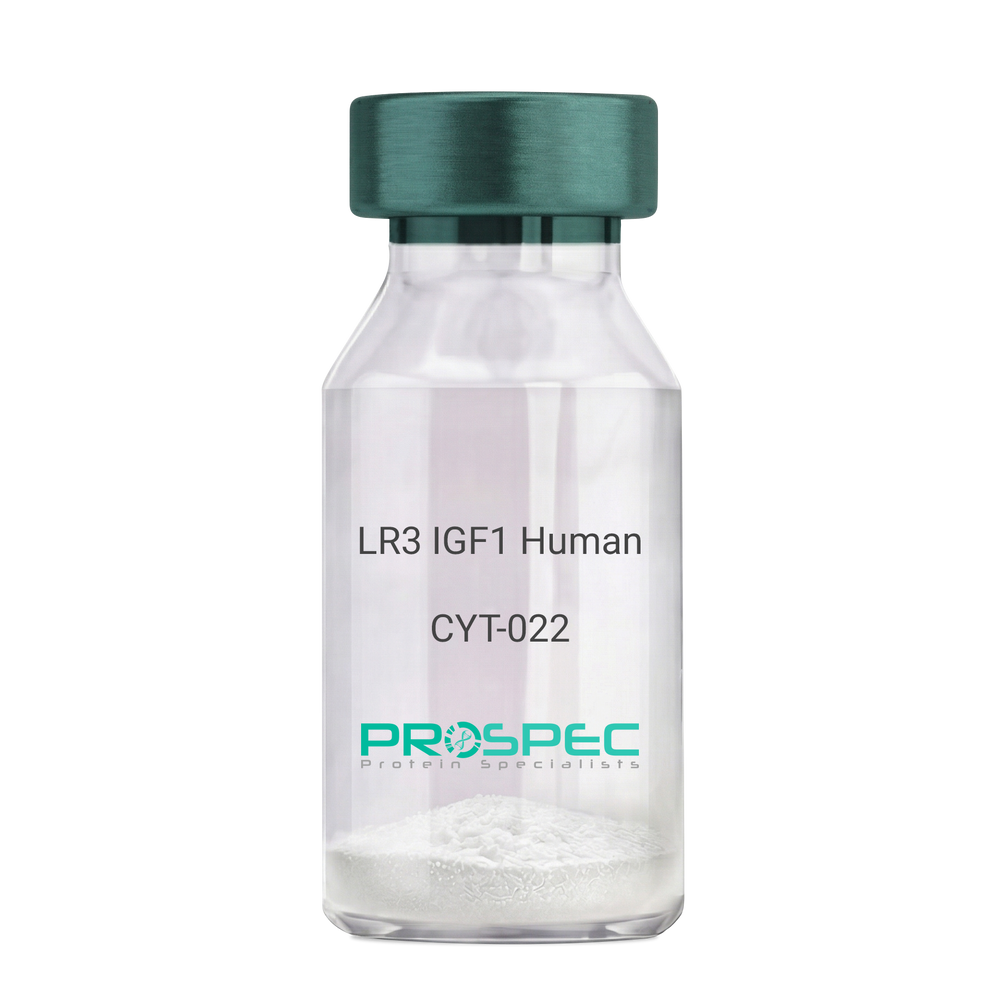
    IGF1 LR3 Human

    Description:

    LR3 Insulin Like Growth Factor-1 Human Recombinant

    R3 IGF1, R3 IGF-1, R3IGF1, R3IGF-1, LONG IGF1, LONG IGF-1, LONG R3 IGF1, LONG R3IGF1, LONG R3 IGF-1, LONG R3IGF-1.

    Product # :

    CYT-022

    Price :

    Quantity :

    Shipping Method :

    Room Temp Icon

    Shipped at Room temp

    Add To Cart

    More Info

    • description
    • source
    • formulation
    • purity
    • biological activity
    • More Info
    • sds-page
    • Citations

    Description

    The LR3 is a long-term analog of human IGF-1, specifically designed and manufactured for mammalian cell culture to support large-scale manufacturing of recombinant biopharmaceuticals. Recombinant Human LR3 Insulin Like Growth Factor-1 produced in E.Coli is a single, non-glycosylated, polypeptide chain containing 83 amino acids and having a molecular mass of 9.1kDa.

    Source

    Escherichia Coli.

    Formulation

    Lyophilized from a 0.2µm filtered concentrated solution in 20mM PB, pH 7.2.

    Purity

    Greater than 97.0% as determined by SDS-PAGE.

    Biological Activity

    The ED50 as determined by the stimulation of protein synthesis in L6 myoblasts is less than 10ng/ml, corresponding to a specific activity of 100,000units/mg.

    sds-page

    LR3 IGF1 sds-page - Product image 1

    Citations

    More Info

    • Introduction

      IGF-1 (Insulin-like growth factor-1) is a major hormonal mediator of statural growth. Under regular circumstances, GH (growth hormone) binds to its receptor in the liver, and other tissues, and stimulates the synthesis/secretion of IGF-1. In target tissues, the Type 1 IGF receptor, that is homologous to the insulin receptor, is activated by IGF-1, leading to intracellular signaling which stimulates multiple processes leading to statural growth. IGF-1 metabolic actions are partly directed at stimulating the uptake of glucose, fatty acids, and amino acids so that metabolism supports growing tissues.

    • Synonyms

      R3 IGF1, R3 IGF-1, R3IGF1, R3IGF-1, LONG IGF1, LONG IGF-1, LONG R3 IGF1, LONG R3IGF1, LONG R3 IGF-1, LONG R3IGF-1.

    • Physical Appearance

      Sterile Filtered White lyophilized (freeze-dried) powder.

    • Stability

      Lyophilized LR3 IGF1 although stable at room temperature for 3 weeks, should be stored desiccated below -18°C. Upon reconstitution the LR3 IGF1 should be stored at 4°C between 2-7 days and for future use below -18°C.For long term storage it is recommended to add a carrier protein (0.1% HSA or BSA).Please prevent freeze-thaw cycles.

    • Solubility

      It is recommended to reconstitute the lyophilized LR3 IGF1 in sterile 18M-cm H2O at a concentration of 100µg/ml, which can then be further diluted to other aqueous solutions.

    • Amino Acid Sequence

      MFPAMPLSSLFVNGPRTLCGAELVDALQFVCGDRGFYFNKPTGYGSSSRRAPQTGIV DECCFRSCDLRRLEMYCAPLKPAKSA.

    • Background

      What is the molecular weight/Mw of IGF1 LR3 HUMAN Protein?
      IGF1 LR3 HUMAN Protein has a total Mw of 9.1kDa.

      What is the source or expression system of IGF1 LR3 HUMAN Protein?
      Escherichia Coli.

      What is the Purity of IGF1 LR3 HUMAN Protein?
      IGF1 LR3 HUMAN Protein is >98% pure as determined by SDS-PAGE.

      What is the Biological Activity of IGF1 LR3 HUMAN Protein?
      The ED50 as determined by the stimulation of protein synthesis in L6 myoblasts is less than 10ng/ml, corresponding to a specific activity of 100,000units/mg.

      What is the amino acid sequence of IGF1 LR3 HUMAN Protein?
      MFPAMPLSSLFVNGPRTLCGAELVDALQFVCGDRGFYFNKPTGYGSSSRRAPQTGIV DECCFRSCDLRRLEMYCAPLKPAKSA.

      What applications can IGF1 LR3 HUMAN Protein be used in?
      IGF1 LR3 HUMAN Protein can probably be used in western blot, ELISA and Lateral Flow.

      What is the endotoxin level for IGF1 LR3 HUMAN Protein?
      The endotoxin level is minimal, IGF1 LR3 HUMAN Protein was purified using conventional chromatography techniques.


    ProSpec's products are furnished for LABORATORY RESEARCH USE ONLY. The product may not be used as drugs, agricultural or pesticidal products, food additives or household chemicals.

    Long R3 Igf1 Human
  • View Data Sheet

    Name :

    IGF1 Human, GST

    Description:

    Insulin-Like Growth Factor 1 Human Recombinant, GST Tag

    Somatomedin C, IGF-I, IGFI, IGF1, IGF-IA, Mechano growth factor, MGF.

    Product # :

    CYT-690

    Price :

    Quantity :

    Shipping Method :

    Ice Icon

    Shipped with Ice Packs

    Add To Cart

    More Info

    • description
    • source
    • formulation
    • More Info
    • Citations

    Description

    IGF1 Human Recombinant produced in E.Coli is a single, non-glycosylated, Polypeptide chain fused to a GST tag and is purified by proprietary chromatographic techniques.

    Source

    Escherichia Coli.

    Formulation

    IGF1 is supplied in 50mM Tris-Acetate, pH-7.5, 1mM EDTA and 20% Glycerol.

    Citations

    More Info

    • Introduction

      The somatomedins, or insulin-like growth factors (IGFs), comprise a family of peptides that play important roles in mammalian growth and development. IGF1 mediates many of the growth-promoting effects of growth hormone (GH; MIM 139250). Early studies showed that growth hormone did not directly stimulate the incorporation of sulfate into cartilage, but rather acted through a serum factor, termed 'sulfation factor,' which later became known as 'somatomedin' (Daughaday et al., 1972). Three main somatomedins have been characterized: somatomedin C (IGF1), somatomedin A (IGF2; MIM 147470), and somatomedin B (MIM 193190) (Rotwein, 1986; Rosenfeld, 2003).

    • Synonyms

      Somatomedin C, IGF-I, IGFI, IGF1, IGF-IA, Mechano growth factor, MGF.

    • Physical Appearance

      Sterile Filtered clear solution.

    • Stability

      Store at 4°C if entire vial will be used within 2-4 weeks. Store, frozen at -20°C for longer periods of time. Please avoid freeze thaw cycles.

    ProSpec's products are furnished for LABORATORY RESEARCH USE ONLY. The product may not be used as drugs, agricultural or pesticidal products, food additives or household chemicals.

    Igf1 Human Gst
  • View Data Sheet

    Name :

    GH Human, HEK

    Description:

    Growth Hormone Human Recombinant, HEK

    GH1, GH, GHN, GH-N, hGH-N,Pituitary growth hormone, Growth hormone 1, Somatotropin.

    Product # :

    CYT-091

    Price :

    Quantity :

    Shipping Method :

    Room Temp Icon

    Shipped at Room temp

    Add To Cart

    More Info

    • description
    • source
    • formulation
    • purity
    • biological activity
    • More Info
    • Citations

    Description

    Growth Hormone Human Recombinant produced in HEK cells is a non-glycosylated monomer, having a total molecular weight of 22kDa.The GH is purified by proprietary chromatographic techniques.

    Source

    HEK.

    Formulation

    The GH was lyophilized from 1.13mg/ml in 1xPBS.

    Purity

    Greater than 95% as obsereved by SDS-PAGE.

    Biological Activity

    The activity was determined by the dose dependent stimulation of the proliferation of rat lymphoma line Nb2-11 cells (prolactin indicator cell line), the ED50 is 0.1ng/ml.

    Citations

    More Info

    • Introduction

      GH is a member of the somatotropin/prolactin family of hormones which play an important role in growth control. The gene, along with four other related genes, is located at the growth hormone locus on chromosome 17 where they are interspersed in the same transcriptional orientation; an arrangement which is thought to have evolved by a series of gene duplications. The five genes share a remarkably high degree of sequence identity. Alternative splicing generates additional isoforms of each of the five growth hormones, leading to further diversity and potential for specialization. This particular family member is expressed in the pituitary but not in placental tissue as is the case for the other four genes in the growth hormone locus. Mutations in or deletions of the gene lead to growth hormone deficiency and short stature.

    • Synonyms

      GH1, GH, GHN, GH-N, hGH-N,Pituitary growth hormone, Growth hormone 1, Somatotropin.

    • Physical Appearance

      Sterile Filtered White lyophilized (freeze-dried) powder.

    • Stability

      Lyophilized GH although stable at room temperature for 3 weeks, should be stored desiccated below -18°C. Upon reconstitution GH should be stored at 4°C between 2-7 days and for future use below -18°C.For long term storage it is recommended to add a carrier protein (0.1% HSA or BSA).Please prevent freeze-thaw cycles.

    • Solubility

      It is recommended to reconstitute the lyophilized GH in sterile 1xPBS containing 0.1% endotoxin-free recombinant HSA.

    ProSpec's products are furnished for LABORATORY RESEARCH USE ONLY. The product may not be used as drugs, agricultural or pesticidal products, food additives or household chemicals.

    Gh Human Hek
  • View Data Sheet

    Name :

    TGFB1 Human, His

    Description:

    Transforming Growth Factor-Beta 1 Human Recombinant, His Tag

    Transforming growth factor beta-1, TGF-beta-1, CED, DPD1, TGFB, TGF-b 1, TGFB1.

    Product # :

    CYT-672

    Price :

    Quantity :

    Shipping Method :

    Ice Icon

    Shipped with Ice Packs

    Add To Cart

    More Info

    • description
    • source
    • formulation
    • purity
    • More Info
    • Citations

    Description

    TGF-b 1 Human Recombinant produced in E.Coli is a single, non-glycosylated, Polypeptide chain containing 112 amino acids fragment (279-390) having a molecular weight of 17.3kDa and fused with a 4.5kDa amino-terminal hexahistidine tag. The TGF-b 1 His is purified by proprietary chromatographic techniques.

    Source

    Escherichia Coli.

    Formulation

    TGF-b 1 His-Tag protein is supplied in 25mM NaAcetate pH 4.8 and 50% glycerol.

    Purity

    Greater than 95.0% as determined by SDS-PAGE.

    Citations

    More Info

    • Introduction

      Transforming growth factor betas (TGFBetas) mediate many cell-cell interactions that occur during embryonic development. Three TGFBetas have been identified in mammals. TGFBeta1, TGFBeta2 and TGFBeta3 are each synthesized as precursor proteins that are very similar in that each is cleaved to yield a 112 amino acid polypeptide that remains associated with the latent portion of the molecule.
      TGF-b 1 regulates the actions of numerous other growth factors involved in a variety of human diseases including renal disease, hepatic disease, heart failure and cardiomyopathies.

    • Synonyms

      Transforming growth factor beta-1, TGF-beta-1, CED, DPD1, TGFB, TGF-b 1, TGFB1.

    • Physical Appearance

      Sterile Filtered clear solution.

    • Stability

      Store at 4°C if entire vial will be used within 2-4 weeks. Store, frozen at -20°C for longer periods of time. Please avoid freeze thaw cycles.

    ProSpec's products are furnished for LABORATORY RESEARCH USE ONLY. The product may not be used as drugs, agricultural or pesticidal products, food additives or household chemicals.

    Tgf Beta 1 Human His
  • View Data Sheet

    Name :

    M CSF Human, His

    Description:

    Macrophage Colony Stimulating Factor Human Recombinant, His Tag

    CSF-1, Lanimostim, MCSF, MGC31930, M-CSF.

    Product # :

    CYT-695

    Price :

    Quantity :

    Shipping Method :

    Ice Icon

    Shipped with Ice Packs

    Add To Cart

    More Info

    • description
    • source
    • formulation
    • purity
    • More Info
    • Citations

    Description

    Macrophage Colony Stimulating Factor Human Recombinant produced in E.coli is a single, non-glycosylated, polypeptide chain containing 179 amino acids (33-190 a.a.) and having a total molecular mass of 20.7 kDa.MCSF is fused to a 20 amino acid His Tag at N-terminus and purified by proprietary chromatographic techniques.

    Source

    Escherichia Coli.

    Formulation

    The MCSF protein solution contains 20mM Tris-HCl, pH-8, 2mM DTT & 10% Glycerol.

    Purity

    Greater than 90.0% as determined by SDS-PAGE.

    Citations

    More Info

    • Introduction

      Granulocyte/Macrophage Colony-Stimulating Factors are cytokines that act in hematopoiesis by controlling the production, differentiation, and function of 2 related white cell populations of the blood, the granulocytes and the monocytes-macrophages. CSF-1 induces cells of the monocyte/macrophage lineage. It plays a role in immunological defenses, bone metabolism, lipoproteins clearance, fertility and pregnancy.

    • Synonyms

      CSF-1, Lanimostim, MCSF, MGC31930, M-CSF.

    • Physical Appearance

      Sterile filtered colorless solution.

    • Stability

      Store at 4°C if entire vial will be used within 2-4 weeks. Store, frozen at -20°C for longer periods of time. For long term storage it is recommended to add a carrier protein (0.1% HSA or BSA).Avoid multiple freeze-thaw cycles.

    • Amino Acid Sequence

      MGSSHHHHHH SSGLVPRGSH MEEVSEYCSH MIGSGHLQSL QRLIDSQMET SCQITFEFVD QEQLKDPVCY LKKAFLLVQD IMEDTMRFRD NTPNAIAIVQ LQELSLRLKS CFTKDYEEHD KACVRTFYET PLQLLEKVKN VFNETKNLLD KDWNIFSKNC NNSFAECSSQ DVVTKPDCN.

    ProSpec's products are furnished for LABORATORY RESEARCH USE ONLY. The product may not be used as drugs, agricultural or pesticidal products, food additives or household chemicals.

    M Csf Human His
  • View Data Sheet

    Name :

    M CSF Human, Baculovirus

    Description:

    Macrophage Colony Stimulating Factor Human Recombinant, Baculovirus

    CSF-1, Lanimostim, MCSF, MGC31930, M-CSF, Macrophage colony-stimulating factor 1, CSF1.

    Product # :

    CYT-637

    Price :

    Quantity :

    Shipping Method :

    Room Temp Icon

    Shipped at Room temp

    Add To Cart

    More Info

    • description
    • source
    • formulation
    • purity
    • biological activity
    • More Info
    • Citations

    Description

    Macrophage Colony Stimulating Factor Human Recombinant produced in Baculovirus is a disulfide linked homodimer, glycosylated, polypeptide chain containing 2 x 149 amino acids and having a total molecular mass of 42 kDa.MCSF is purified by proprietary chromatographic techniques.

    Source

    Baculovirus infected Silkworm.

    Formulation

    The lyophilized protein (1mg/ml) was lyophilized with 20mM phosphate buffer, 1% HSA and 3% manntiol.

    Purity

    Greater than 95.0% as determined by(a) Analysis by RP-HPLC.
    (b) Analysis by SDS-PAGE.

    Biological Activity

    The ED50, calculated by the dose-dependant stimulation of the proliferation of murine M-NFS-60 indicator cells was found < 3ng/ml, corresponding to a specific activity of less than 333,333.33units/mg.

    Citations

    More Info

    • Introduction

      Granulocyte/Macrophage Colony-Stimulating Factors are cytokines that act in hematopoiesis by controlling the production, differentiation, and function of 2 related white cell populations of the blood, the granulocytes and the monocytes-macrophages. CSF-1 induces cells of the monocyte/macrophage lineage. It plays a role in immunological defenses, bone metabolism, lipoproteins clearance, fertility and pregnancy.

    • Synonyms

      CSF-1, Lanimostim, MCSF, MGC31930, M-CSF, Macrophage colony-stimulating factor 1, CSF1.

    • Physical Appearance

      Sterile Filtered White lyophilized (freeze-dried) powder.

    • Stability

      Lyophilized Macrophage Colony Stimulating Factor although stable at room temperature for 3 weeks, should be stored desiccated below -18°C. Upon reconstitution MCSF should be stored at 4°C between 2-7 days and for future use below -18°C.Please prevent freeze-thaw cycles.

    • Solubility

      It is recommended to reconstitute the lyophilized M-CSF in sterile 18MΩ-cm H2O not less than 100µg/ml, which can then be further diluted to other aqueous solutions.

    • Amino Acid Sequence

      EEVSEYCSHM IGSGHLQSLQ RLIDSQMETS CQITFEFVDQ EQLKDPVCYL KKAFLLVQDI MEDTMRFRDN TPNAIAIVQL QELSLRLKSC FTKDYEEHDK ACVRTFYETP LQLLEKVKNV FNETKNLLDK DWNIFSKNCN NSFAECSSQ.

    ProSpec's products are furnished for LABORATORY RESEARCH USE ONLY. The product may not be used as drugs, agricultural or pesticidal products, food additives or household chemicals.

    Mcsf Human Baculovirus
  • View Data Sheet

    Name :

    FGF 1 Mouse, His

    Description:

    Fibroblast Growth Factor-acidic Mouse Recombinant, His Tag

    HBGF-1, ECGF-beta, FIBP, FGFIBP, FIBP-1, ECGF, ECGFA, GLIO703, FGF1, FGF-a.

    Product # :

    CYT-072

    Price :

    Quantity :

    Shipping Method :

    Ice Icon

    Shipped with Ice Packs

    Add To Cart

    More Info

    • description
    • source
    • formulation
    • purity
    • More Info
    • sds-page
    • Citations

    Description

    FGF-1 Mouse Recombinant produced in E.Coli is a single, non-glycosylated polypeptide chain containing 161 amino acids (16-155 a.a) and having a molecular mass of 18kDa (Molecular weight on SDS-PAGE will appear higher).FGF-1 is fused to a 21 amino acid His-tag at N-terminus & purified by proprietary chromatographic techniques.

    Source

    Escherichia Coli.

    Formulation

    FGF-1 protein solution (1mg/ml) containing 20mM Tris-HCl buffer (pH 8.0), 1mM DTT, 30% glycerol and 0.1M NaCl.

    Purity

    Greater than 90.0% as determined by SDS-PAGE.

    sds-page

    FGF1-sds-page - Product image 1

    Citations

    More Info

    • Introduction

      Acidic fibroblast growth factor is a member of the fibroblast growth factor (FGF) family. FGF family members possess broad mitogenic and cell survival activities, and are involved in a variety of biological processes, including embryonic development, cell growth, morphogenesis, tissue repair, tumor growth and invasion. This protein functions as a modifier of endothelial cell migration and proliferation, as well as an angiogenic factor. It acts as a mitogen for a variety of mesoderm- and neuroectoderm-derived cells in vitro, thus is thought to be involved in organogenesis. Three alternatively spliced variants encoding different isoforms have been described. The heparin-binding growth factors are angiogenic agents in vivo and are potent mitogens for a variety of cell types in vitro. There are differences in the tissue distribution and concentration of these 2 growth factors.

    • Synonyms

      HBGF-1, ECGF-beta, FIBP, FGFIBP, FIBP-1, ECGF, ECGFA, GLIO703, FGF1, FGF-a.

    • Physical Appearance

      Sterile Filtered colorless clear solution.

    • Stability

      Store at 4°C if entire vial will be used within 2-4 weeks.Store, frozen at -20°C for longer periods of time. For long term storage it is recommended to add a carrier protein (0.1% HSA or BSA).Avoid multiple freeze-thaw cycles.

    • Amino Acid Sequence

      MGSSHHHHHH SSGLVPRGSH MFNLPLGNYK KPKLLYCSNG GHFLRILPDG TVDGTRDRSD QHIQLQLSAE SAGEVYIKGT ETGQYLAMDT EGLLYGSQTP NEECLFLERL EENHYNTYTS KKHAEKNWFV GLKKNGSCKR GPRTHYGQKA ILFLPLPVSS D.

    • Background

      What is the molecular weight/Mw of FGF 1 Protein?
      FGF 1 Protein has a total Mw of 18kDa.

      What is the source or expression system of FGF 1 Protein?
      Escherichia Coli.

      What is the Purity of FGF 1 Protein?
      FGF 1 Protein is >90% pure as determined by SDS-PAGE.

      What is the Biological Activity of FGF 1 Protein?
      The biological functionality of FGF 1 Protein will be determined in the future.

      What is the amino acid sequence of FGF 1 Protein?
      MGSSHHHHHH SSGLVPRGSH MFNLPLGNYK KPKLLYCSNG GHFLRILPDG TVDGTRDRSD QHIQLQLSAE SAGEVYIKGT ETGQYLAMDT EGLLYGSQTP NEECLFLERL EENHYNTYTS KKHAEKNWFV GLKKNGSCKR GPRTHYGQKA ILFLPLPVSS D.

      What applications can FGF 1 Protein be used in?
      FGF 1 Protein can probably be used in western blot, ELISA and Lateral Flow.

      What is the endotoxin level for FGF 1 Protein?
      The endotoxin level is minimal, FGF 1 Protein was purified using conventional chromatography techniques.

    ProSpec's products are furnished for LABORATORY RESEARCH USE ONLY. The product may not be used as drugs, agricultural or pesticidal products, food additives or household chemicals.

    Fgf 1 Mouse His
  • View Data Sheet

    Name :

    M CSF Human

    Description:

    Macrophage-Colony Stimulating Factor Human Recombinant

    Macrophage Colony Stimulating Factor, CSF-1, Lanimostim, MCSF, MGC31930, M-CSF.

    Product # :

    CYT-308

    Price :

    Quantity :

    Shipping Method :

    Room Temp Icon

    Shipped at Room temp

    Add To Cart

    More Info

    • description
    • source
    • formulation
    • purity
    • biological activity
    • More Info
    • Citations

    Description

    Macrophage Colony Stimulating Factor Human Recombinant produced in E.coli is a disulfide linked homodimer, non-glycosylated, polypeptide chain containing 2 x 159 amino acids and having a total molecular mass of 37.1 KD. MCSF is purified by proprietary chromatographic techniques.

    Source

    Escherichia Coli.

    Formulation

    The MCSF protein was lyophilized with 10mM sodium Phosphate, pH-8.0 & 50mM NaCl.

    Purity

    Greater than 95.0% as determined by SDS-PAGE.

    Biological Activity

    The ED50, calculated by the dose-dependent stimulation of the proliferation of murine M-NFS-60 indicator cells was found to be 1.15ng/ml corresponding to a specific activity of 8.7x10⁵ Units/mg.

    Citations

    More Info

    • Introduction

      Granulocyte/Macrophage Colony-Stimulating Factors are cytokines that act in hematopoiesis by controlling the production, differentiation, and function of 2 related white cell populations of the blood, the granulocytes and the monocytes-macrophages. MCSF induces cells of the monocyte/macrophage lineage. MCSF plays a role in immunological defenses, bone metabolism, lipoproteins clearance, fertility and pregnancy.

    • Synonyms

      Macrophage Colony Stimulating Factor, CSF-1, Lanimostim, MCSF, MGC31930, M-CSF.

    • Physical Appearance

      Sterile Filtered White lyophilized (freeze-dried) powder.

    • Stability

      Lyophilized MCSF although stable at room temperature for 3 weeks, should be stored desiccated below -18°C. Upon reconstitution MCSF should be stored at 4°C between 2-7 days and for future use below -18°C.Please prevent freeze-thaw cycles.

    • Solubility

      It is recommended to reconstitute the lyophilized MCSF in sterile 18M-cm H2O not less than 100µg/ml, which can then be further diluted to other aqueous solutions.

    • Amino Acid Sequence

      MEEVSEYCSH MIGSGHLQSL QRLIDSQMET SCQITFEFVD QEQLKDPVCY LKKAFLLVQD IMEDTMRFRD NTPNAIAIVQ LQELSLRLKS CFTKDYEEHD KACVRTFYET PLQLLEKVKN VFNETKNLLD KDWNIFSKNC NNSFAECSSQ GHERQSEGS.

    • Background

      M-CSF (Macrophage-Colony Stimulating Factor) Human Recombinant: Unraveling Its Role in Macrophage Biology and Beyond

      Abstract:

      M-CSF (Macrophage-Colony Stimulating Factor), also known as Lanimostim, MCSF, or MGC31930, is a crucial growth factor that regulates the development, proliferation, and function of macrophages.

      This research paper aims to provide a comprehensive analysis of the molecular characteristics, signaling pathways, and diverse physiological functions of M-CSF. Additionally, it explores the therapeutic implications of M-CSF in various diseases and disorders.

      Synonyms such as Lanimostim, MCSF, and MGC31930 associated with the protein are discussed throughout the paper to highlight their relevance in scientific literature.

      Introduction:

      1. M-CSF, also known as Lanimostim, MCSF, or MGC31930, is a growth factor that plays a critical role in the regulation of macrophage biology. This section introduces M-CSF and its synonyms, highlighting their significance and relevance in scientific research.

      Molecular Characteristics of M-CSF:

      1. This section explores the molecular characteristics of M-CSF, including its primary amino acid sequence, protein structure, and post-translational modifications. The importance of these factors in determining M-CSF's biological activity and receptor binding is discussed.

      Signaling Pathways Activated by M-CSF:

      1. M-CSF activates specific signaling pathways upon binding to its receptor, leading to diverse cellular responses. This section focuses on the activation of the MAPK/ERK and PI3K/Akt pathways. The downstream effectors and transcriptional regulators involved in mediating M-CSF's cellular responses are also discussed.

      Physiological Functions of M-CSF:

      1. M-CSF plays critical roles in various physiological processes, particularly in macrophage development, survival, polarization, and immune regulation. This section provides an in-depth analysis of M-CSF's contributions to these processes, emphasizing its role in hematopoiesis, tissue homeostasis, wound healing, and host defense.

      Therapeutic Implications of M-CSF:

      1. The unique properties of M-CSF make it a promising therapeutic candidate for various diseases and disorders. This section discusses the potential applications of M-CSF in immunotherapy, tissue regeneration, cancer treatment, and autoimmune diseases. The challenges and future directions in utilizing M-CSF as a therapeutic agent are also explored.

      M-CSF in Disease Pathogenesis:

      1. M-CSF dysregulation is implicated in the pathogenesis of several diseases, including cancer, inflammation, and bone disorders. This section examines the role of M-CSF in promoting tumor progression, macrophage-mediated inflammation, osteoclast differentiation, and metabolic diseases. The therapeutic implications and targeting of M-CSF in disease management are also discussed.

      Conclusion:

      1. M-CSF, also known as Lanimostim, MCSF, or MGC31930, is a critical growth factor involved in macrophage biology and disease pathogenesis. Understanding the molecular characteristics, signaling pathways, and physiological functions of M-CSF contributes to the exploration of its therapeutic potential in various disorders.

    ProSpec's products are furnished for LABORATORY RESEARCH USE ONLY. The product may not be used as drugs, agricultural or pesticidal products, food additives or household chemicals.

    M Csf Human
  • View Data Sheet

    Name :

    FGF2 Human, His

    Description:

    Fibroblast Growth Factor-Basic Human Recombinant, His

    Prostatropin, FGF-basic, fgf2, Basic FGF, HBGF-2, FGF-2, FGF-b.

    Product # :

    cyt-1270

    Price :

    Quantity :

    Shipping Method :

    Ice Icon

    Shipped with Ice Packs

    Add To Cart

    More Info

    • description
    • source
    • formulation
    • purity
    • More Info
    • Citations

    Description

    Fibroblast Growth Factor-2 Human Recombinant (FGF-2) produced in E.Coli is a single, non-glycosylated, polypeptide chain containing 155 amino acids (134-288 a.a) and having a molecular mass of 18.1kDa.
    The FGF2 is conjugated to 6xHis Tag at N-terminus and is purified by proprietary chromatographic techniques.

    Source

    Escherichia Coli.

    Formulation

    FGF2 Human His protein is provided at a concentration of 1mg/ml in PBS Ph-7.2.

    Purity

    Greater than 90.0% as determined by SDS-PAGE.

    Citations

    More Info

    • Introduction

      FGF2 Human has an important role in cell growth and tissue regeneration. Recent findings show that FGF2 and IGF-1 improve muscle stem cell growth, muscle regeneration, and functional recovery in an animal model of severe muscle loss. FGF2 accelerates wound closure, collagen deposition, and blood vessel formation in diabetic mice. FGF2 forms condensates inside the nucleus thus plays an important role in critical functions in cellular signaling and gene transcription.

    • Synonyms

      Prostatropin, HBGH-2, HBGF-2, FGF-2, FGF-b.

    • Physical Appearance

      Sterile Filtered colorless clear solution.

    • Stability

      FGF-2 although stable at 4°C for 1 month, should be stored below -18°C.
      Please prevent freeze thaw cycles.

    • Background

      What is the major role of FGF2 Human His Tag?

      FGF2 Human His Tag enables detection with anti-His antibodies in W.B. or suitable ELISA assays, without the need for an FGF2-specific antibody. FGF2 Human His Tag allows capture on metal-chelate plates or beads for binding studies in assay immobilization.
      FGF2 stimulates growth of embryonic stem cells and induced pluripotent stem cells as well as stimulation of fibroblast and endothelial-cell growth.

      What is the molecular weight / Mw of FGF2 Human His tag?
      FGF2 Human His has a total Mw of 18.1kDa.

      What is the source or expression system of FGF2 Human His?
      E.Coli.

      What is the Purity of FGF2 Human His?
      FGF2 Human His is >90% pure as determined by SDS-PAGE.

      What is the Biological Activity of FGF2 Human His?
      The biological functionality of FGF2 Human His will be determined in the future.

      What is the amino acid sequence of FGF2 Human His?
      FGF2 Human His is composed from 134-288 amino acids.

      What applications can FGF2 Human His be used in?
      FGF2 Human His protein may be suitable for use in Western blot (WB) and ELISA, depending on the assay design.

      What is the endotoxin level for FGF2 Human His?
      The endotoxin level is minimal, FGF2 Human His was purified using conventional chromatography techniques.

      Who supplies recombinant FGF2 Human His that is in stock and available to order?
      ProSpec has the protein in stock and available for immediate delivery.

      Where can i order bulk mg quantities of FGF2 Human His?
      ProSpec supplies bulk mg quantities at affordable prices that meets research and academic budgets.

    ProSpec's products are furnished for LABORATORY RESEARCH USE ONLY. The product may not be used as drugs, agricultural or pesticidal products, food additives or household chemicals.

    FGF2 Human, His
  • View Data Sheet

    Name :

    IGF1 Mouse

    Description:

    Insulin-Like Growth Factor 1 Mouse Recombinant

    Somatomedin C, IGF-I, IGFIA, IGF1.

    Product # :

    CYT-229

    Price :

    Quantity :

    Shipping Method :

    Room Temp Icon

    Shipped at Room temp

    Add To Cart

    More Info

    • description
    • source
    • formulation
    • purity
    • biological activity
    • More Info
    • Citations

    Description

    Insulin-Like Growth Factor I mouse Recombinant produced in E.Coli is a single, non-glycosylated, polypeptide chain containing 70 amino acids and having a molecular mass of 7600 Dalton. IGF-I is purified by proprietary chromatographic techniques.

    Source

    Escherichia Coli.

    Formulation

    The protein was lyophilized with no additives.

    Purity

    Greater than 98.0% as determined by(a) Analysis by RP-HPLC.
    (b) Analysis by SDS-PAGE.

    Biological Activity

    The ED50, calculated by the dose-dependant proliferation of murine BALB\C 3T3 cells (measured by 3H-thymidine uptake) is < 1.0 ng/ml, corresponding to a specific activity of 1MU/mg.

    Citations

    More Info

    • Introduction

      The somatomedins, or insulin-like growth factors (IGFs), comprise a family of peptides that play important roles in mammalian growth and development. IGF1 mediates many of the growth-promoting effects of growth hormone (GH; MIM 139250). Early studies showed that growth hormone did not directly stimulate the incorporation of sulfate into cartilage, but rather acted through a serum factor, termed 'sulfation factor,' which later became known as 'somatomedin' (Daughaday et al., 1972). Three main somatomedins have been characterized: somatomedin C (IGF1), somatomedin A (IGF2; MIM 147470), and somatomedin B (MIM 193190) (Rotwein, 1986; Rosenfeld, 2003).

    • Synonyms

      Somatomedin C, IGF-I, IGFIA, IGF1.

    • Physical Appearance

      Sterile Filtered White lyophilized (freeze-dried) powder.

    • Stability

      Lyophilized IGFI although stable at room temperature for 3 weeks, should be stored desiccated below -18°C. Upon reconstitution IGF-1 should be stored at 4°C between 2-7 days and for future use below -18°C.For long term storage it is recommended to add a carrier protein (0.1% HSA or BSA).Please prevent freeze-thaw cycles.

    • Solubility

      It is recommended to reconstitute the lyophilized IGF1 in sterile 18MΩ-cm H2O not less than 100µg/ml, which can then be further diluted to other aqueous solutions.

    • Amino Acid Sequence

      The sequence of the first five N-terminal amino acids was determined and was found to be Gly-Pro-Glu-Thr-Leu.

    • Background

      What is the molecular weight/Mw of IGF1 MOUSE Protein?
      IGF1 MOUSE Protein has a total Mw of 7.6kDa.

      What is the source or expression system of IGF1 MOUSE Protein?
      Escherichia Coli.

      What is the Purity of IGF1 MOUSE Protein?
      IGF1 MOUSE Protein is >98% pure as determined by SDS-PAGE.

      What is the Biological Activity of IGF1 MOUSE Protein?
      The ED50, calculated by the dose-dependant proliferation of murine BALB\C 3T3 cells (measured by 3H-thymidine uptake) is < 1.0 ng/ml, corresponding to a specific activity of 1MU/mg.

      What is the amino acid sequence of IGF1 MOUSE Protein?
      The sequence of the first five N-terminal amino acids was determined and was found to be Gly-Pro-Glu-Thr-Leu.

      What applications can IGF1 MOUSE Protein be used in?
      IGF1 MOUSE Protein can probably be used in western blot, ELISA and Lateral Flow.

      What is the endotoxin level for IGF1 MOUSE Protein?
      The endotoxin level is minimal, IGF1 MOUSE Protein was purified using conventional chromatography techniques.


    • Protein content

      Protein quantitation was carried out by two independent methods1. UV spectroscopy at 280 nm using the absorbency value of 0.47 as the extinction coefficient for a 0.1% (1mg/ml) solution. This value is calculated by the PC GENE computer analysis program of protein sequences (IntelliGenetics). 2. Analysis by RP-HPLC, using a calibrated solution of IGF-I as a Reference Standard.

    ProSpec's products are furnished for LABORATORY RESEARCH USE ONLY. The product may not be used as drugs, agricultural or pesticidal products, food additives or household chemicals.

    Igf 1 Mouse
  • View Data Sheet

    Name :

    IGF1 Human

    Description:

    IGF-1 Human Recombinant

    Somatomedin C, IGF-I, IGFI, IGF1, IGF-IA MGF.

    Product # :

    CYT-216

    Price :

    Quantity :

    Shipping Method :

    Room Temp Icon

    Shipped at Room temp

    Add To Cart

    More Info

    • description
    • source
    • formulation
    • purity
    • biological activity
    • More Info
    • Citations

    Description

    IGF1 Human Recombinant produced in E.Coli is a single, non-glycosylated, polypeptide chain containing 70 amino acids and having a molecular mass of 7.6kDa.IGF-1 is purified by proprietary chromatographic techniques.

    Source

    Escherichia Coli.

    Formulation

    The protein was lyophilized from a concentrated solution in PBS, pH 7.0.

    Purity

    Greater than 97.0% as determined by:
    (a) Analysis by RP-HPLC.
    (b) Analysis by SDS-PAGE.

    Biological Activity

    The biological activity was determined by the cell proliferation assay using serum free human MCF-7 cells in <2ng/ml, corresponding to a Specific Activity of >5.0 x 10⁵IU/mg.

    Citations

    More Info

    • Introduction

      The somatomedins, IGFs, comprise a family of peptides that play important roles in mammalian growth and development. IGF1 mediates many of the growth-promoting effects of GH. Early studies showed that GH did not directly stimulate the incorporation of sulfate into cartilage, but rather acted through a serum factor, termed 'sulfation factor,' which later became known as 'somatomedin. Three main somatomedins have been characterized: somatomedin C (IGF1), somatomedin A (IGF2; MIM 147470), and somatomedin B.

    • Synonyms

      Somatomedin C, IGF-I, IGFI, IGF1, IGF-IA MGF.

    • Physical Appearance

      Sterile Filtered White lyophilized (freeze-dried) powder.

    • Stability

      Lyophilized IGF1 although stable at room temperature for 3 weeks, should be stored desiccated below -18°C. Upon reconstitution IGF1 should be stored at 4°C between 2-7 days and for future use below -18°C.For long term storage it is recommended to add a carrier protein (0.1% HSA or BSA).Please prevent freeze-thaw cycles.

    • Solubility

      It is recommended to reconstitute the lyophilized IGF-1 in sterile 18MΩ-cm H2O not less than 100µg/ml, which can then be further diluted to other aqueous solutions.

    • Amino Acid Sequence

      GPETLCGAEL VDALQFVCGD RGFYFNKPTG YGSSSRRAPQ TGIVDECCFR SCDLRRLEMY CAPLKPAKSA.

    • Background

      IGF stands for INS like growth factors, which are proteins that have a high similarity to INS. They are part of a complicated process that uses cells to communication with the physiologic environment around them. IGF’s complex system is often called the ‘axis’. This consists of:
      ● Two cell-surface receptors (IGF1R and IGF2R)
      ● Two ligands (IGF-1 and IGF-2)
      ● A family of six high-affinity IGF-binding proteins.
      ● Proteases.

      The Effect IGF Has On The Body
      Many unique tissue types express the IGF-1 receptor, and the effects can vary. It induces the survival of neurons, may catalyse skeletal muscle hypertrophy by inducing protein synthesis, and by blocking muscle atrophy. It works as a protector for cartilage cells, and may work to be an anabolic factor for the bones. When used in high concentrations, it can activate the INS receptor, and can even complement the effects that INS has on the body.

      Diseases And IGF
      Diseases and IGF are closely related, and a number of them can be affected. The INS IGF axis is thought to have an effect on aging, with an increased life span shown in fruit flies when used in studies.
      It is also important to note the crucial role that IGF plays in cancer and diabetes - IGF- 1 has been shown to stimulate growth in both prostate and breast cancer cells. The degree of risk that IGF-1 poses is up for debate, and many scientists are not in agreement. IGF has also shown to have the ability to decrease blood glucose levels, although not quite as effective as INS.

      How Was IGF Discovered?
      Investigators began studying the effects of biological substances on cells and tissues outside the body when IGFs were discovered. The name is self explanatory in the fact that IGF performs INS actions in some tissues, but is less potent than INS at decreasing blood sugar. Its fundamental action is to stimulate growth, whether that be within the epidermal growth factor or the nerve growth factor.

      What’s The Difference Between IGF-1 And IGF-2?
      The two types of IGF are IGF-1 and IGF-2. Although the names are similar, the specific actions that they take are different - they bind and activate completely difference receptors. The major actor in them both is the effect that they have on cell growth. Most of the actions of the pituitary GH are mediated by IGFs, but predominantly IGF-1. GH works to stimulate many tissues within the body, especially the liver which then secretes IGF-1. This then causes hypertrophy, or in layman's terms, an increase in cell size, as well as hyperplasia which is an increase in the number of cells.
      The IGF-1 concentration will increase during childhood and hit peak during puberty, but will then decrease afterwards, as does the hormone secretion itself. It has been proven that children and adults with a deficiency of the GH have low serum IGF-1 concentrations when put in comparison with others in the same age range. Patients who have conditions like acromegaly have been shown to have increased serum IGF-1 concentrations. The production of IGF-2 is less dependent on the secretion of GH than IGF-1, and is much less important for stimulating linear growth.

      What is the molecular weight/Mw of IGF1 HUMAN Protein?
      IGF1 HUMAN Protein has a total Mw of 7.6kDa.

      What is the source or expression system of IGF1 HUMAN Protein?
      Escherichia Coli.

      What is the Purity of IGF1 HUMAN Protein?
      IGF1 HUMAN Protein is >97% pure as determined by SDS-PAGE.

      What is the Biological Activity of IGF1 HUMAN Protein?
      The biological activity was determined by the cell proliferation assay using serum free human MCF-7 cells in <2ng/ml, corresponding to a Specific Activity of >5.0 x 10⁵IU/mg.
      What is the amino acid sequence of IGF1 HUMAN Protein?
      GPETLCGAEL VDALQFVCGD RGFYFNKPTG YGSSSRRAPQ TGIVDECCFR SCDLRRLEMY CAPLKPAKSA.

      What applications can IGF1 HUMAN Protein be used in?
      IGF1 HUMAN Protein can probably be used in western blot, ELISA and Lateral Flow.

      What is the endotoxin level for IGF1 HUMAN Protein?
      The endotoxin level is minimal, IGF1 HUMAN Protein was purified using conventional chromatography techniques.


    ProSpec's products are furnished for LABORATORY RESEARCH USE ONLY. The product may not be used as drugs, agricultural or pesticidal products, food additives or household chemicals.

    Igf 1 Human
  • View Data Sheet

    Name :

    FLT4 Human

    Description:

    Vascular Endothelial Growth Factor Receptor-3 Human Recombinant

    Tyrosine-protein kinase receptor FLT4, PCL, FLT41, FMS-LIKE TYROSINE KINASE 4, VEGFR-3, VEGFR3.

    Product # :

    PKA-244

    Price :

    Quantity :

    Shipping Method :

    Room Temp Icon

    Shipped at Room temp

    Add To Cart

    More Info

    • description
    • source
    • formulation
    • purity
    • biological activity
    • More Info
    • Citations

    Description

    Soluble FLT4 Human Recombinant fused with a carboxy-terminal 6X histidine-tag produced in baculovirus is a monomeric, glycosylated, polypeptide containing the extracellular part, 25-774 amino acids and having a total molecular mass of 120 kDa. The soluble receptor protein contains only the first 7 extracellular domains, which contain all the information necessary for ligand binding. The FLT4 is purified by proprietary chromatographic techniques.

    Source

    Insect Cells.

    Formulation

    FLT4 was lyophilized from a concentrated (1mg/ml) sterile solution containing 1xPBS.

    Purity

    Greater than 90.0% as determined by SDS-PAGE.

    Biological Activity

    Measured by its ability to bind recombinant rat VEGF-C in a functional solid phase binding assay. Immobilised recombinant human VEGFR-3/FLT-4 at 5 µg/ml can bind recombinant rat VEGF-C in a linear range of 8-500 ng/ml.

    Citations

    More Info

    • Introduction

      All three VEGF receptors belong to the class III subfamily of receptor tyrosine kinases (RTKs) characterised by the seven immunoglobulin-like loops in the extracellular domain. The expression of VEGFR-1 to -3 is almost exclusively restricted to hematopoietic precursor cells, vascular and lymphatic endothelial cells and to the monocyte/macrophage lineage. They play key roles in vasculogenesis, hematopoiesis, angiogenesis and lymphangiogenesis. The FLT-4 cDNA encodes a 1298 amino acid (aa) residue precursor protein with a 23 aa residue signal peptide. Mature VEGFR-3/FLT-4 is composed of a 751 aa residue extracellular domain, a 22 aa transmembrane domain and a 482 aa residue cytoplasmic domain. Both VEGF family members VEGF-C and VEGF-D have been shown to bind and activate VEGFR-3/FLT-4. The Flt-4 gene is widely expressed in the early embryo but becomes restricted to the lymphatic endothelial a latter stages of development. It is important for lymphangiogenesis.

    • Synonyms

      Tyrosine-protein kinase receptor FLT4, PCL, FLT41, FMS-LIKE TYROSINE KINASE 4, VEGFR-3, VEGFR3.

    • Physical Appearance

      Sterile Filtered White lyophilized (freeze-dried) powder.

    • Stability

      Lyophilized FLT4 although stable at room temperature for 3 weeks, should be stored desiccated below -18°C. Upon reconstitution FLT4 should be stored at 4°C between 2-7 days and for future use below -18°C.For long term storage it is recommended to add a carrier protein (0.1% HSA or BSA).Please prevent freeze-thaw cycles.

    • Solubility

      It is recommended to reconstitute the lyophilized FLT4 in sterile water not less than 100 µg/ml, which can then be further diluted to other aqueous solutions.

    ProSpec's products are furnished for LABORATORY RESEARCH USE ONLY. The product may not be used as drugs, agricultural or pesticidal products, food additives or household chemicals.

    Flt4 Human
  • View Data Sheet

    Name :

    FGF 9 Mouse

    Description:

    Fibroblast Growth Factor-9 Mouse Recombinant

    GAF (Glia-activating factor), HBGF-9, MGC119914, MGC119915, FGF-9.

    Product # :

    CYT-349

    Price :

    Quantity :

    Shipping Method :

    Room Temp Icon

    Shipped at Room temp

    Add To Cart

    More Info

    • description
    • source
    • formulation
    • purity
    • biological activity
    • More Info
    • Citations

    Description

    Fibroblast Growth Factor-9 Mouse Recombinant produced in E.Coli is a single, non-glycosylated, polypeptide chain containing 205 amino acids and having a molecular mass of 23308 Dalton.The FGF-9 Mouse Recombinant is purified by proprietary chromatographic techniques.

    Source

    Escherichia Coli.

    Formulation

    The protein was lyophilized from 10mM Tris, pH 8.0, 0.15M Amonium Sulfate.

    Purity

    Greater than 95.0% as determined by:
    (a) Analysis by RP-HPLC.
    (b) Analysis by SDS-PAGE.

    Biological Activity

    The ED50, calculated by the dose-dependant proliferation of BAF3 cells expressing FGF receptors (measured by 3H-thymidine uptake) is <0.5 ng/ml, corresponding to a specific activity of 2MU/mg.

    Citations

    More Info

    • Introduction

      Rat and mouse FGF-9 show a very high homology to human FGF-9. The transcripts for FGF-9 have been found in brain and in kidney tissue. Fibroblast Growth Factor-9 is a member of the fibroblast growth factor (FGF) family. FGF family members possess broad mitogenic and cell survival activities, and are involved in a variety of biological processes, including embryonic development, cell growth, morphogenesis, tissue repair, tumor growth and invasion. FGF9 was isolated as a secreted factor that exhibits a growth-stimulating effect on cultured glial cells. In nervous system, this protein is produced mainly by neurons and may be important for glial cell development. Expression of the mouse homolog of this gene was found to be dependent on Sonic hedgehog (Shh) signaling. Mice lacking the homolog gene displayed a male-to-female sex reversal phenotype, which suggested a role in testicular embryogenesis Fibroblast Growth Factor 9 may have a role in glial cell growth and differentiation during development, gliosis during repair and regeneration of brain tissue after damage, differentiation and survival of neuronal cells, and growth stimulation of glial tumors.

    • Synonyms

      GAF (Glia-activating factor), HBGF-9, MGC119914, MGC119915, FGF-9.

    • Physical Appearance

      Sterile Filtered White lyophilized (freeze-dried) powder.

    • Stability

      Lyophilized Fibroblast Growth Factor-9 although stable at room temperature for 3 weeks, should be stored desiccated below -18°C. Upon reconstitution FGF9 Mouse Recombinant should be stored at 4°C between 2-7 days and for future use below -18°C.For long term storage it is recommended to add a carrier protein (0.1% HSA or BSA).Please prevent freeze-thaw cycles.

    • Solubility

      It is recommended to reconstitute the lyophilized Fibroblast Growth Factor 9 in sterile 18MΩ-cm H2O not less than 100µg/ml, which can then be further diluted to other aqueous solutions.

    • Amino Acid Sequence

      The sequence of the first five N-terminal amino acids was determined and was found to be Pro-Leu-Gly-Glu-Val.

    • Background

      What is the molecular weight/Mw of FGF9 Protein?
      FGF9 Protein has a total Mw of 23.3kDa.

      What is the source or expression system of FGF9 Protein?
      Escherichia Coli.

      What is the Purity of FGF9 Protein?
      FGF9 Protein is >95% pure as determined by SDS-PAGE.

      What is the Biological Activity of FGF9 Protein?
      The ED50, calculated by the dose-dependant proliferation of BAF3 cells expressing FGF receptors (measured by 3H-thymidine uptake) is <0.5 ng/ml, corresponding to a specific activity of 2MU/mg.

      What is the amino acid sequence of FGF9 Protein?
      FGF9 Protein is composed from 205 amino acids.

      What applications can FGF9 Protein be used in?
      FGF9 Protein can probably be used in western blot, ELISA and Lateral Flow.

      What is the endotoxin level for FGF9 Protein?
      The endotoxin level is minimal, FGF9 Protein was purified using conventional chromatography techniques.

    ProSpec's products are furnished for LABORATORY RESEARCH USE ONLY. The product may not be used as drugs, agricultural or pesticidal products, food additives or household chemicals.

    Fgf9 Mouse
  • View Data Sheet

    Name :

    OSTF1 Human

    Description:

    Osteoclast Stimulating Factor-1 Human Recombinant

    SH3P2, OSF, OSTF-1, Osteoclast-stimulating factor 1, OSTF1, FLJ20559, bA235O14.1.

    Product # :

    CYT-630

    Price :

    Quantity :

    Shipping Method :

    Ice Icon

    Shipped with Ice Packs

    Add To Cart

    More Info

    • description
    • source
    • formulation
    • purity
    • More Info
    • Citations

    Description

    OSTF1 Human Recombinant produced in E.Coli is a monomeric, non-glycosylated, polypeptide chain containing 225 amino acids (1-217) and having a molecular mass of 25.1kDa. The OSTF1 is fused to an 8 amino acid His Tag at C-terminus & purified by proprietary chromatographic techniques.

    Source

    Escherichia Coli.

    Formulation

    OSTF1 protein (1mg/ml) solution contains 20mM Tris-HCl buffer pH 8, 0.5mM DTT and 10% glycerol.

    Purity

    Greater than 95.0% as determined by SDS-PAGE.

    Citations

    More Info

    • Introduction

      OSTF1 is an intracellular protein produced by osteoclasts that induces bone resorption, via signaling cascade which results in the secretion of factors enhancing osteoclast formation and activity.

    • Synonyms

      SH3P2, OSF, OSTF-1, Osteoclast-stimulating factor 1, OSTF1, FLJ20559, bA235O14.1.

    • Physical Appearance

      Sterile Filtered colorless solution.

    • Stability

      Store at 4°C if entire vial will be used within 2-4 weeks. Store, frozen at -20°C for longer periods of time. For long term storage it is recommended to add a carrier protein (0.1% HSA or BSA).Please avoid freeze thaw cycles.

    • Amino Acid Sequence

      MSKPPPKPVK PGEGGQVKVF RALYTFEPRT PDELYFEEGD IIYITDMSDT NWWKGTSKGR TGLIPSNYVA EQAESIDNPL HEAAKRGNLS WLRECLDNRV GVNGLDKAGS TALYWACHGG HKDIVEMLFT QPNIELNQQN KLGDTALHAA AWKGYADIVQ LFLAKGARTD LRNIEKKLAF DMATNAACAS LLKKKQGTDA VRTLSNAEDY LDDEDSDLEH HHHHH.

    ProSpec's products are furnished for LABORATORY RESEARCH USE ONLY. The product may not be used as drugs, agricultural or pesticidal products, food additives or household chemicals.

    Ostf1 Human
  • View Data Sheet

    Name :

    VEGF Mouse

    Description:

    Vascular Endothelial Growth Factor Mouse Recombinant

    Vascular endothelial growth factor A, VEGF-A, Vascular permeability factor, VPF, VEGF, MGC70609.

    Product # :

    CYT-336

    Price :

    Quantity :

    Shipping Method :

    Room Temp Icon

    Shipped at Room temp

    Add To Cart

    More Info

    • description
    • source
    • formulation
    • purity
    • biological activity
    • More Info
    • Citations

    Description

    Vascular Endothelial Growth Factor Mouse Recombinant produced in E.Coli is a disulfide-linked homodimeric, double polypeptide chains containing 165 amino acids and having a molecular mass of 38.8kDa.

    Source

    Escherichia Coli.

    Formulation

    The protein was lyophilized from a 0.2µm filtered solution with PBS, pH 7.4.

    Purity

    Greater than 95.0% as determined by:
    (a) Analysis by RP-HPLC.
    (b) Analysis by SDS-PAGE.

    Biological Activity

    The biological activity is determined by the dose-dependent stimulation of the proliferation of human umbilical vein endothelial cells (HUVEC) using a concentration range of 5.0 ng/ml corresponding to a specific activity of 200,000IU/mg.

    Citations

    More Info

    • Introduction

      Vascular endothelial growth factor is an important signaling protein involved in both vasculogenesis and angiogenesis. As its name implies, VEGF activity has been mostly studied on cells of the vascular endothelium, although it does have effects on a number of other cell types (e.g. stimulation monocyte/ macrophagemigration, neurons, cancer cells, kidney epithelial cells ). VEGF mediates increased vascular permeability, induces angiogenesis, vasculogenesis and endothelial cell growth, promotes cell migration, and inhibits apoptosis. In vitro, VEGF has been shown to stimulate endothelial cell mitogenesisand cell migration. VEGF is also a vasodilator and increases microvascular permeability and was originally referred to as vascular permeability factor.
      Elevated levels of this protein are linked to POEMS syndrome, also known as Crow-Fukase syndrome. Mutations in this gene have been associated with proliferative and nonproliferative diabetic retinopathy.

    • Synonyms

      Vascular endothelial growth factor A, VEGF-A, Vascular permeability factor, VPF, VEGF, MGC70609.

    • Physical Appearance

      Sterile Filtered White lyophilized (freeze-dried) powder.

    • Stability

      Lyophilized Vascular Endothelial Growth Factor although stable at room temperature for 3 weeks, should be stored desiccated below -18°C. Upon reconstitution VEGF should be stored at 4°C between 2-7 days and for future use below -18°C.For long term storage it is recommended to add a carrier protein (0.1% HSA or BSA).Please prevent freeze-thaw cycles.

    • Solubility

      It is recommended to reconstitute the lyophilized Vascular Endothelial Growth Factor in sterile 18MΩ-cm H2O not less than 100µg/ml, which can then be further diluted to other aqueous solutions.

    • Amino Acid Sequence

      MAPTTEGEQK SHEVIKFMDV YQRSYCRPIE TLVDIFQEYP DEIEYIFKPS CVPLMRCAGC CNDEALECVP TSESNITMQI MRIKPHQSQH IGEMSFLQHS RCECRPKKDR TKPEKHCEPC SERRKHLFVQ DPQTCKCSCK NTDSRCKARQ LELNERTCRC DKPRR.

    ProSpec's products are furnished for LABORATORY RESEARCH USE ONLY. The product may not be used as drugs, agricultural or pesticidal products, food additives or household chemicals.

    Vegf Mouse
  • View Data Sheet

    Name :

    GDF15 Mouse

    Description:

    Growth and Differentiation factor 15 Mouse Recombinant

    Growth/differentiation factor 15, GDF-15.

    Product # :

    CYT-857

    Price :

    Quantity :

    Shipping Method :

    Ice Icon

    Shipped with Ice Packs

    Add To Cart

    More Info

    • description
    • source
    • formulation
    • purity
    • More Info
    • sds-page
    • Citations

    Description

    GDF15 Mouse Recombinant produced in E.Coli is a single, non-glycosylated polypeptide chain containing 138 amino acids (189-303 a.a) and having a molecular mass of 14.9kDa. GDF15 is fused to a 23 amino acid His-tag at N-terminus & purified by proprietary chromatographic techniques.

    Source

    Escherichia Coli.

    Formulation

    GDF15 protein solution (1.0mg/ml) containing 20mM Phosphate buffer (pH 8.0) and 10% glycerol.

    Purity

    Greater than 90.0% as determined by SDS-PAGE.

    sds-page

    GDF15 Mouse - Product image 1

    Citations

    More Info

    • Introduction

      GDF15 is part of the TGF-Beta superfamily which is involved in regulating inflammatory and apoptotic pathways in injured tissues and throughout disease processes. GDF15 is most abundant in the liver. Its expression in liver can be considerably up-regulated in during injury of organs such as liver, kidney, heart and lung. GDF-15 promotes proliferation or growth arrest and differentiation due to differences in cellular differentiation. GDF15 prevents apoptosis in cerebellar granule neurons by activating Akt and inhibiting endogenously active ERK. GDF15 is a novel autocrine/endocrine factor that antagonizes the hypertrophic response and loss of ventricular performance.

    • Synonyms

      Growth/differentiation factor 15, GDF-15.

    • Physical Appearance

      Sterile Filtered colorless solution.

    • Stability

      Store at 4°C if entire vial will be used within 2-4 weeks. Store, frozen at -20°C for longer periods of time. For long term storage it is recommended to add a carrier protein (0.1% HSA or BSA).Avoid multiple freeze-thaw cycles.

    • Amino Acid Sequence

      MGSSHHHHHH SSGLVPRGSH MGSSAHAHPR DSCPLGPGRC CHLETVQATL EDLGWSDWVL SPRQLQLSMC VGECPHLYRS ANTHAQIKAR LHGLQPDKVP APCCVPSSYT PVVLMHRTDS GVSLQTYDDL VARGCHCA.

    • Background

      What is the molecular weight/Mw of GDF15 MOUSE Protein?
      GDF15 MOUSE Protein has a total Mw of 14.9kDa.

      What is the source or expression system of GDF15 MOUSE Protein?
      Escherichia Coli.

      What is the Purity of GDF15 MOUSE Protein?
      GDF15 MOUSE Protein is >90% pure as determined by SDS-PAGE.

      What is the Biological Activity of GDF15 MOUSE Protein?
      The biological functionality of GDF15 MOUSE Protein will be determined in the future.

      What is the amino acid sequence of GDF15 MOUSE Protein?
      MGSSHHHHHH SSGLVPRGSH MGSSAHAHPR DSCPLGPGRC CHLETVQATL EDLGWSDWVL SPRQLQLSMC VGECPHLYRS ANTHAQIKAR LHGLQPDKVP APCCVPSSYT PVVLMHRTDS GVSLQTYDDL VARGCHCA.

      What applications can GDF15 MOUSE Protein be used in?
      GDF15 MOUSE Protein can probably be used in western blot, ELISA and Lateral Flow.

      What is the endotoxin level for GDF15 MOUSE Protein?
      The endotoxin level is minimal, GDF15 MOUSE Protein was purified using conventional chromatography techniques.

    ProSpec's products are furnished for LABORATORY RESEARCH USE ONLY. The product may not be used as drugs, agricultural or pesticidal products, food additives or household chemicals.

    Gdf15 Mouse
  • View Data Sheet

    Name :

    PDGFRB Human

    Description:

    Platelet-Derived Growth Factor Receptor, Beta Human Recombinant

    Platelet-derived growth factor receptor beta, PDGF-R-beta, PDGFR-beta, Beta platelet-derived growth factor receptor, Beta-type platelet-derived growth factor receptor, CD140 antigen-like family member B, Platelet-derived growth factor receptor 1, PDGFR-1, CD140b, PDGFRB, Beta Platelet-Derived Growth Factor Receptor, Activated Tyrosine Kinase PDGFRB, CD140b AntigenNDEL1-PDGFRB, EC 2.7.10, CD140B, IBGC4, JTK12, PENTT, IMF1, KOGS, Platelet Derived Growth Factor Receptor Beta, Platelet-Derived Growth Factor Receptor, Beta Polypeptide, Beta-Type Platelet-Derived Growth Factor Receptor, Platelet-Derived Growth Factor Receptor 1, CD140, Antigen-Like Family Member B, PDGF-R-Beta, EC 2.7.10.1, PDGFR-Beta, PDGFR-1, PDGFR1, PDGFR,Platelet-Derived Growth Factor Receptor Beta.

    Product # :

    CYT-1051

    Price :

    Quantity :

    Shipping Method :

    Ice Icon

    Shipped with Ice Packs

    Add To Cart

    More Info

    • description
    • source
    • formulation
    • purity
    • More Info
    • Citations

    Description

    PDGFRB produced in Sf9 Insect cells is a single, glycosylated polypeptide chain containing 739 amino acids (33-532a.a.) and having a molecular mass of 83.3kDa (Molecular size on SDS-PAGE will appear at approximately 100-150kDa).PDGFRB is expressed with an 239 amino acid hIgG-His tag at C-Terminus and purified by proprietary chromatographic techniques.

    Source

    Sf9, Insect cells.

    Formulation

    PDGFRB protein solution (0.25mg/ml) contains Phosphate Buffered Saline (pH 7.4) and 10% glycerol.

    Purity

    Greater than 90.0% as determined by SDS-PAGE.

    Citations

    More Info

    • Introduction

      Platelet-derived growth factor receptor beta (PDGFRB), belongs to the class III subfamily of receptor tyrosine kinases (RTK) which also consist of the receptors for Flt3-ligand, SCF and M-CSF. PDGFRB takes a vital part in blood vessel development by promoting growth, migration as well as recruitment of pericytes and smooth muscle cells to endothelial cells. PDGFRB helps in rearrangement of the actin cytoskeleton in addition the formation of membrane ruffles. PDGFRB phosphorylates, NCK1, PIK3R1, PTPN11, CBL, SHC1, RASA1/GAP and PLCG1.

    • Synonyms

      Platelet-derived growth factor receptor beta, PDGF-R-beta, PDGFR-beta, Beta platelet-derived growth factor receptor, Beta-type platelet-derived growth factor receptor, CD140 antigen-like family member B, Platelet-derived growth factor receptor 1, PDGFR-1, CD140b, PDGFRB, Beta Platelet-Derived Growth Factor Receptor, Activated Tyrosine Kinase PDGFRB, CD140b Antigen
      NDEL1-PDGFRB, EC 2.7.10, CD140B, IBGC4, JTK12, PENTT, IMF1, KOGS, Platelet Derived Growth Factor Receptor Beta, Platelet-Derived Growth Factor Receptor, Beta Polypeptide, Beta-Type Platelet-Derived Growth Factor Receptor, Platelet-Derived Growth Factor Receptor 1, CD140, Antigen-Like Family Member B, PDGF-R-Beta, EC 2.7.10.1, PDGFR-Beta, PDGFR-1, PDGFR1, PDGFR,
      Platelet-Derived Growth Factor Receptor Beta.

    • Physical Appearance

      Sterile filtered colorless solution.

    • Stability

      Store at 4°C if entire vial will be used within 2-4 weeks. Store, frozen at -20°C for longer periods of time. For long term storage it is recommended to add a carrier protein (0.1% HSA or BSA).Avoid multiple freeze-thaw cycles.

    • Amino Acid Sequence

      LVVTPPGPEL VLNVSSTFVL TCSGSAPVVW ERMSQEPPQE MAKAQDGTFS SVLTLTNLTG LDTGEYFCTH NDSRGLETDE RKRLYIFVPD PTVGFLPNDA EELFIFLTEI TEITIPCRVT DPQLVVTLHE KKGDVALPVP YDHQRGFSGI FEDRSYICKT TIGDREVDSD AYYVYRLQVS SINVSVNAVQ TVVRQGENIT LMCIVIGNEV VNFEWTYPRK ESGRLVEPVT DFLLDMPYHI RSILHIPSAE LEDSGTYTCN VTESVNDHQD EKAINITVVE SGYVRLLGEV GTLQFAELHR SRTLQVVFEA YPPPTVLWFK DNRTLGDSSA GEIALSTRNV SETRYVSELT LVRVKVAEAG HYTMRAFHED AEVQLSFQLQ INVPVRVLEL SESHPDSGEQ TVRCRGRGMP QPNIIWSACR DLKRCPRELP PTLLGNSSEE ESQLETNVTY WEEEQEFEVV STLRLQHVDR PLSVRCTLRN AVGQDTQEVI VVPHSLPFKV LEPKSCDKTH TCPPCPAPEL LGGPSVFLFP PKPKDTLMIS RTPEVTCVVV DVSHEDPEVK FNWYVDGVEV HNAKTKPREE QYNSTYRVVS VLTVLHQDWL NGKEYKCKVS NKALPAPIEK TISKAKGQPR EPQVYTLPPS RDELTKNQVS LTCLVKGFYP SDIAVEWESN GQPENNYKTT PPVLDSDGSF FLYSKLTVDK SRWQQGNVFS CSVMHEALHN HYTQKSLSLS PGKHHHHHH.

    ProSpec's products are furnished for LABORATORY RESEARCH USE ONLY. The product may not be used as drugs, agricultural or pesticidal products, food additives or household chemicals.

    Pdgfrb Human
  • 1
  • …
  • 6
  • 7
  • 8
  • 9
  • 10
  • …
  • 42
Your browser does not support the video tag.

Products

  • Cytokines
  • Growth Factors
  • Chemokines
  • CD Antigens
  • Neurotrophins
  • Hormones
  • Enzymes
  • Viral Antigens
  • Recombinant Proteins
  • Natural Proteins
  • Monoclonal Antibodies
  • Polyclonal Antibodies
  • Thermal Packaging

About

  • Company
  • Founder
  • Contribution
  • Contact Us
  • My Account

Ordering

  • Ordering Method
  • Ordering - Credit Card
  • Ordering PO
  • Shipping Fees
  • FAQ's

Legal

  • Terms & Conditions
  • Privacy
  • Site Map
  • info@prospecbio.com
  • Facebook
  • Instagram
  • Linkedin Profile

© 2026 ProSpec-Tany TechnoGene Ltd. All Rights Reserved.

  • Choosing a selection results in a full page refresh.
  • Opens in a new window.