Search results
1000 results found for “Angiogenin”
Name
Description
Product #
Price
Quantity
Shipping Method
- View Data Sheet
Name :
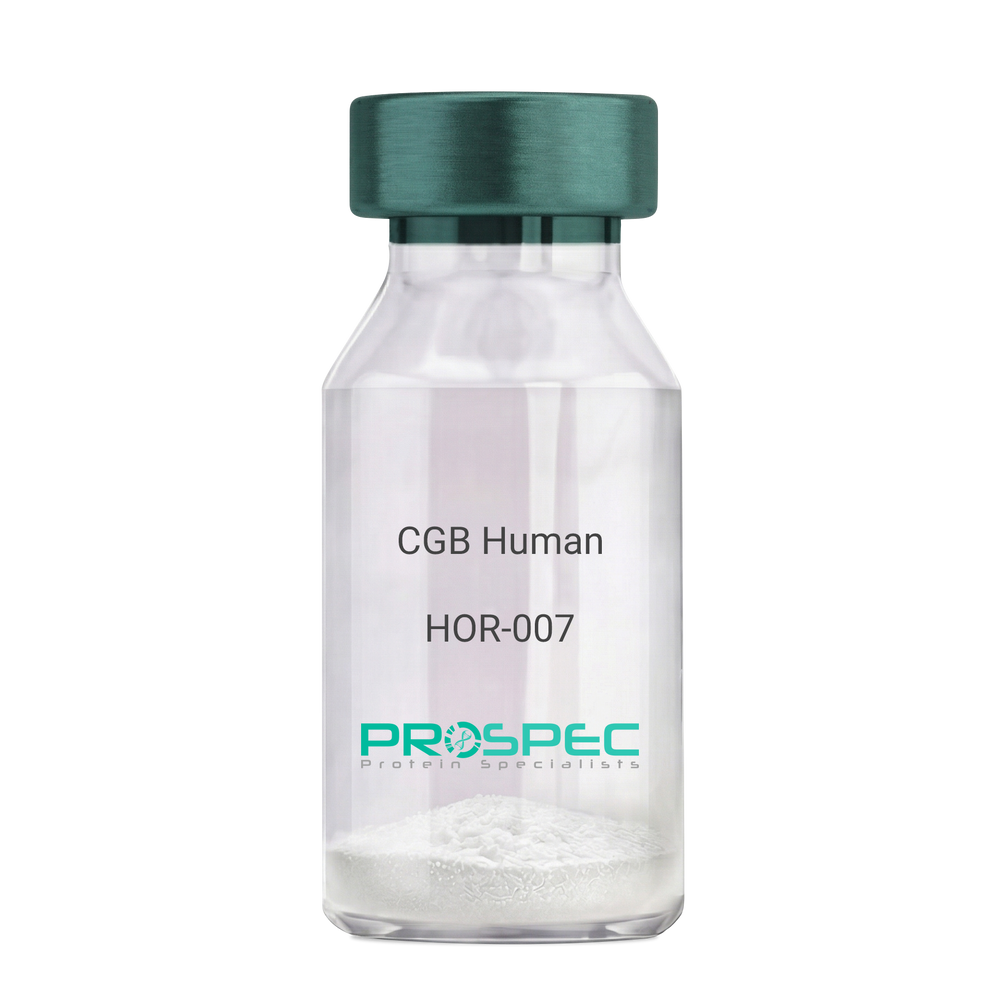
CGB HumanDescription:
CGB Human Recombinant
CGB3, CGB5, CGB7, CGB8, hCGB, CG-beta, CGB.
Product # :
HOR-007Price :
Quantity :
Shipping Method :
Shipped with Ice Packs
More Info
- description
- source
- formulation
- purity
- More Info
- Citations
Description
CGB Human Recombinant produced in E.Coli is a single, non-glycosylated polypeptide chain containing 168 amino acids (21-165 a.a.) and having a molecular mass of 17.9kDa. CGB is fused to a 23 amino acid His-tag at N-terminus & purified by proprietary chromatographic techniques.
Source
Escherichia Coli.
Formulation
CGB protein solution (0.5mg/ml) containing 20mM Tris-HCl buffer (pH 8.0), 0.4M Urea and 10% glycerol.
Purity
Greater than 85.0% as determined by SDS-PAGE.
Citations
More Info
-
Introduction
Glycoprotein hormones are heterodimers consisting of a common alpha subunit and a unique beta subunit which confers biological specificity. CGB is a member of the glycoprotein hormone beta chain family and is the beta 3 subunit of (CG). CG is produced by the trophoblastic cells of the placenta and stimulates the ovaries. The beta subunit of CG is encoded by 6 genes which are arranged in tandem and inverted pairs on chromosome 19q13.3 and contiguous with the luteinizing hormone beta subunit gene.
-
Synonyms
CGB3, CGB5, CGB7, CGB8, hCGB, CG-beta, CGB.
-
Physical Appearance
Sterile filtered colorless solution.
-
Stability
Store at 4°C if entire vial will be used within 2-4 weeks. Store, frozen at -20°C for longer periods of time. For long term storage it is recommended to add a carrier protein (0.1% HSA or BSA).Avoid multiple freeze-thaw cycles.
-
Amino Acid Sequence
MGSSHHHHHH SSGLVPRGSH MGSSKEPLRP RCRPINATLA VEKEGCPVCI TVNTTICAGY CPTMTRVLQG VLPALPQVVC NYRDVRFESI RLPGCPRGVN PVVSYAVALS CQCALCRRST TDCGGPKDHP LTCDDPRFQD SSSSKAPPPS LPSPSRLPGP SDTPILPQ.
ProSpec's products are furnished for LABORATORY RESEARCH USE ONLY. The product may not be used as drugs, agricultural or pesticidal products, food additives or household chemicals.
- View Data Sheet
Name :
ARTN HumanDescription:
Artemin Human Recombinant
ART, ARTN , EVN, NBN.
Product # :
CYT-306Price :
Quantity :
Shipping Method :
Shipped at Room temp
More Info
- description
- source
- formulation
- purity
- biological activity
- More Info
- Citations
Description
Artemin Human Recombinant produced in E.Coli is a disulfide-linked homodimer, non-glycosylated, polypeptide chain containing 2 x 113 amino acids and having a total molecular mass of 24.2 kDa. Artemin is purified by proprietary chromatographic techniques.
Source
Escherichia Coli.
Formulation
Artemin was lyophilized after extensive dialysis against 10mM sodium citrate pH-4.5 and 25mM sodium chloride.
Purity
Greater than 98.0% as determined by:
(a) Analysis by RP-HPLC.
(b) Analysis by SDS-PAGE.Biological Activity
The activity is determined by the dose-dependent proliferation of the SH-SY5Y cell line and is typically 4-8 ng/mL. The activity can also be determined by its ability to promote survival and neurite outgrowth.Citations
More Info
-
Introduction
The protein encoded by this gene is a member of the glial cell line-derived neurotophic factor (GDNF) family of ligands which are a group of ligands within the TGF-beta superfamily of signaling molecules. GDNFs are unique in having neurotrophic properties and have potential use for gene therapy in neurodegenrative disease. Artemin has been shown in culture to support the survival of a number of periferal neuron populations and at least one population of dopaminergic CNS neurons. Its role in the PNS and CNS is further substantiated by its expression pattern in the proximity of these neurons. This protein is a ligand for the RET receptor and uses GFR-alpha 3 as a coreceptor. Four alternatively spliced transcripts have been described, two of which encode the same protein.
-
Synonyms
ART, ARTN , EVN, NBN.
-
Physical Appearance
Sterile Filtered White lyophilized (freeze-dried) powder.
-
Stability
Lyophilized Artemin although stable at room temperature for 3 weeks, should be stored desiccated below -18°C. Upon reconstitution Artemin Human Recombinant should be stored at 4°C between 2-7 days and for future use below -18°C.For long term storage it is recommended to add a carrier protein (0.1% HSA or BSA).Please prevent freeze-thaw cycles.
-
Solubility
It is recommended to reconstitute the lyophilized Artemin in sterile 18MΩ-cm H2O not less than 100µg/ml, which can then be further diluted to other aqueous solutions.
-
Amino Acid Sequence
AGGPGSRARA AGARGCRLRS QLVPVRALGL GHRSDELVRF RFCSGSCRRA RSPHDLSLAS LLGAGALRPP PGSRPVSQPC CRPTRYEAVS FMDVNSTWRT VDRLSATACG CLG.
-
Background
Artemin Human Recombinant: Unraveling its Role in Neurobiology and Therapeutic Applications
Abstract:
Artemin, a member of the glial cell line-derived neurotrophic factor (GDNF) family, holds significant potential in neurobiology and therapeutic interventions. This research paper provides an overview of Artemin human recombinant, elucidating its molecular characteristics, signaling pathways, and therapeutic implications in neurological disorders. Understanding the multifaceted role of Artemin offers new avenues for targeted therapies. This article offers a concise analysis of Artemin, highlighting its impact on neurobiology and its therapeutic applications.
Introduction:
Neurological disorders represent a major challenge in healthcare, necessitating innovative therapeutic strategies. Artemin, a member of the GDNF family, has emerged as a promising molecule in neurobiology. This paper provides an overview of Artemin, shedding light on its structure, function, and therapeutic potential.
Artemin Signaling and Mechanisms:
Artemin binds to its receptor, Ret tyrosine kinase, and activates downstream signaling pathways, including the PI3K/AKT and MAPK pathways. These signaling cascades play crucial roles in neuronal survival, growth, and differentiation, highlighting the significance of Artemin in neurodevelopment and neuroprotection.
Artemin in Neurological Disorders:
Artemin has been implicated in various neurological disorders, including peripheral neuropathies and neurodegenerative diseases. Its neuroprotective properties and ability to enhance neuronal survival and regeneration make it a promising target for therapeutic interventions. Furthermore, Artemin may play a role in pain modulation and sensory neuron function.
Therapeutic Potential of Artemin Human Recombinant:
Artemin human recombinant offers promising prospects in the field of neurotherapeutics. Strategies aimed at modulating Artemin signaling or delivering exogenous Artemin hold potential for promoting neuronal survival, regeneration, and functional recovery. Artemin-based therapies could be developed for a range of neurological disorders, including peripheral neuropathies, Parkinson's disease, and spinal cord injuries.
Challenges and Future Directions:
While the therapeutic targeting of Artemin shows promise, several challenges lie ahead. Further research is needed to understand the precise mechanisms underlying Artemin's effects and its interactions with other signaling pathways. Additionally, the development of effective delivery methods and the identification of patient subgroups that may benefit from Artemin-based therapies are important considerations for clinical translation.
Conclusion:
Artemin human recombinant represents a promising avenue for therapeutic interventions in neurological disorders. Understanding the molecular mechanisms and functional implications of Artemin in neurobiology offers new opportunities for developing innovative treatments. Continued research in this field has the potential to improve the lives of individuals affected by neurological conditions and advance the field of neurotherapeutics.
What is the molecular weight/Mw of ARTN Protein?
ARTN Protein has a total Mw of 24.2kDa.
What is the source or expression system of ARTN Protein?
Escherichia Coli.
What is the Purity of ARTN Protein?
ARTN Protein is >98% pure as determined by SDS-PAGE.
What is the Biological Activity of ARTN Protein?
The activity is determined by the dose-dependent proliferation of the SH-SY5Y cell line and is typically 4-8 ng/mL. The activity can also be determined by its ability to promote survival and neurite outgrowth.
What is the amino acid sequence of ARTN Protein?
AGGPGSRARA AGARGCRLRS QLVPVRALGL GHRSDELVRF RFCSGSCRRA RSPHDLSLAS LLGAGALRPP PGSRPVSQPC CRPTRYEAVS FMDVNSTWRT VDRLSATACG CLG.
What applications can ARTN Protein be used in?
ARTN Protein can probably be used in western blot, ELISA and Lateral Flow.
What is the endotoxin level for ARTN Protein?
The endotoxin level is minimal, ARTN Protein was purified using conventional chromatography techniques.
ProSpec's products are furnished for LABORATORY RESEARCH USE ONLY. The product may not be used as drugs, agricultural or pesticidal products, food additives or household chemicals.
- View Data Sheet
Name :
Activin-A Human Plant-ActiveDescription:
Activin-A Human Recombinant, Plant-Active
Inhba, Inhibin beta A, FSH releasing protein.
Product # :
CYT-414Price :
Quantity :
Shipping Method :
Shipped at Room temp
More Info
- description
- source
- formulation
- purity
- biological activity
- More Info
- Citations
Description
Active form Activin-A Human Recombinant produced in Plant is a homodimeric, glycosylated, polypeptide chain containing 2 x 116 amino acids and having a molecular weight of 27.4kDa.The Active form Activin-A is fused to a 6-His tag at N-terminus and purified by standard chromatographic techniques.
Source
Nicotiana benthamiana.
Formulation
Active form Activin-A was lyophilized from a concentrated 1mg/ml protein solution containing 50mM Tris-HCl pH-7.4
Purity
Greater than 98% as obsereved by SDS-PAGE.
Biological Activity
The biological activity of INHBA is measured by its ability to inhibit mouse plasmacytoma cell line (MPC-11) cells proliferation ([3H]thymidine incorporation). ED50<5ng/ml.Citations
More Info
-
Introduction
Activins are homodimers or heterodimers of the different β subunit isoforms, part of the TGFβ family. Mature Activin A has two 116 amino acids residues βA subunits (βA-βA). Activin displays an extensive variety of biological activities, including mesoderm induction, neural cell differentiation, bone remodelling, haematopoiesis, and reproductive physiology. Activins takes part in the production and regulation of hormones such as FSH, LH, GnRH and ACTH. Cells that are identified to express Activin A include fibroblasts, endothelial cells, hepatocytes, vascular smooth muscle cells, macrophages, keratinocytes, osteoclasts, bone marrow monocytes, prostatic epithelium, neurons, chondrocytes, osteoblasts, Leydig cells, Sertoli cells, and ovarian granulosa cells.
-
Synonyms
Inhba, Inhibin beta A, FSH releasing protein.
-
Physical Appearance
Lyophilized freeze dried powder.
-
Stability
For long term storage it is recommended to add a carrier protein (0.1% HSA or BSA). Repeated freezing and thawing is not recommended.
-
Solubility
INHBA protein should be reconstituted in distilled water to a concentration of 50 ug /ml. Due to the protein nature, dimmers and multimers may be observed.
-
Amino Acid Sequence
HHHHHHGLECDGKVNICCKKQFFVSFKDIGWNDWIIAPSG
YHANYCEGECPSHIAGTSGSSLSFHSTVINHYRMRGHSPFA
NLKSCCVPTKLRPMSMLYYDDGQNIIKKDIQNMIVEECGCS. -
Background
What is the molecular weight / Mw of Activin A Protein?
Activin A Protein has a total Mw of 27.4 kDa.What is the source or expression system of Activin A Protein?
Nicotiana benthamiana.What is the Purity of Activin A Protein?
Activin A Protein is >98% pure as determined by SDS-PAGE.
What is the Biological Activity of Activin A Protein?
The biological activity of INHBA is measured by its ability to inhibit mouse plasmacytoma cell line (MPC-11) cells proliferation ([3H]thymidine incorporation). ED50<5ng/ml.What is the endotoxin level for Activin A Protein?
The endotoxin level is minimal, ACTIVIN A Protein was purified using conventional chromatography techniques.What is the amino acid sequence of ACTIVIN A Protein?HHHHHHGLECDGKVNICCKKQFFVSFKDIGWNDWIIAPSGYHANYCEGECPSHIAGTSGSSLSFHSTVINHYRMRGHSPFANLKSCCVPTKLRPMSMLYYDDGQNIIKKDIQNMIVEECGCS
What applications can ACTIVIN-A Protein be used in?
ACTIVIN A Protein can probably be used in western blot, ELISA and Lateral Flow.
ProSpec's products are furnished for LABORATORY RESEARCH USE ONLY. The product may not be used as drugs, agricultural or pesticidal products, food additives or household chemicals.
- View Data Sheet
Name :
OPG HumanDescription:
Osteoprotegerin Human Recombinant
TNFRSF11B, OPG, OCIF, Osteoclastogenesis inhibitory factor, Osteoprotegerin, TR1, MGC29565.
Product # :
CYT-177Price :
Quantity :
Shipping Method :
Shipped at Room temp
More Info
- description
- source
- formulation
- purity
- biological activity
- More Info
- Citations
Description
Recombinant Human Osteoprotegerin produced in E.coli cells is a single, non-glycosylated, polypeptide chain containing 174 amino acids and having a molecular mass of 20kDa. The OPG is purified by proprietary chromatographic techniques.
Source
Escherichia Coli.
Formulation
The OPG was lyophilized from a 0.2µm filtered concentrated (0.5mg/ml) solution in PBS, pH 7.4.
Purity
Greater than 95.0% as determined by:
(a) Analysis by RP-HPLC.
(b) Analysis by SDS-PAGE.Biological Activity
The activity is determined by its ability to neutralize the stimulation of U937 cells treated with 10ng/ml of soluble RANKL corresponding to a specific activity of 100,000IU/mg.Citations
More Info
-
Introduction
Osteoprotegerin acts as decoy receptor for rankl and thereby neutralizes its function in osteoclastogenesis. OPG inhibits the activation of osteoclasts and promotes osteoclast apoptosis in vitro. Bone homeostasis seems to depend on the local rankl/opg ratio. Osteoprotegerin may also play a role in preventing arterial calcification. May act as decoy receptor for trail and protect against apoptosis. Trail binding blocks the inhibition of osteoclastogenesis.
-
Synonyms
TNFRSF11B, OPG, OCIF, Osteoclastogenesis inhibitory factor, Osteoprotegerin, TR1, MGC29565.
-
Physical Appearance
Sterile Filtered White lyophilized (freeze-dried) powder.
-
Stability
Lyophilized Osteoprotegerin although stable at room temperature for 3 weeks, should be stored desiccated below -18°C. Upon reconstitution OCIF should be stored at 4°C between 2-7 days and for future use below -18°C. For long term storage it is recommended to add a carrier protein (0.1% HSA or BSA).Please prevent freeze-thaw cycles.
-
Solubility
It is recommended to reconstitute the lyophilized Osteoprotegerin in sterile 18MΩ-cm H2O not less than 100µg/ml, which can then be further diluted to other aqueous solutions.
-
Amino Acid Sequence
METFPPKYLH YDEETSHQLL CDKCPPGTYL KQHCTAKWKT VCAPCPDHYY TDSWHTSDEC LYCSPVCKEL QYVKQECNRT HNRVCECKEG RYLEIEFCLK HRSCPPGFGV VQAGTPERNT VCKRCPDGFF SNETSSKAPC RKHTNCSVFG LLLTQKGNAT HDNICSGNSE STQK.
ProSpec's products are furnished for LABORATORY RESEARCH USE ONLY. The product may not be used as drugs, agricultural or pesticidal products, food additives or household chemicals.
- View Data Sheet
Name :
ANXA11 HumanDescription:
Annexin A11 Human Recombinant
Annexin A11, 56 kDa autoantigen, Annexin XI, Annexin-11, Calcyclin-associated annexin 50, CAP-50, ANXA11, ANX11, CAP50.
Product # :
PRO-278Price :
Quantity :
Shipping Method :
Shipped with Ice Packs
More Info
- description
- source
- formulation
- purity
- More Info
- Citations
Description
ANXA11 Human Recombinant produced in E.coli is a single, non-glycosylated polypeptide chain containing 525 amino acids (1-505) and having a molecular mass of 56.6 kDa. The ANXA11 is fused to a 20 amino acid His-Tag at N-terminus and purified by proprietary chromatographic techniques.
Source
Escherichia Coli.
Formulation
The ANXA11 solution (0.25mg/ml) contains 20mM MES buffer (Ph 5.0), 20% glycerol, 2mM DTT and 100mM NaCl.
Purity
Greater than 95.0% as determined by SDS-PAGE.
Citations
More Info
-
Introduction
Annexin A11 (ANXA11) belongs to the annexin family, which is a group of calcium-dependent phospholipid-binding proteins. Annexins have distinctive N-terminal domains and conserved C-terminal domains, which contain the calcium-dependent phospholipid-binding sites. Annexin A11 binds specifically to calcyclin in a calcium-dependent manner. Moreover, ANXA11 is required for midbody formation and completion of the terminal phase of cytokinesis. The ANXA11 protein is a 56kDa antigen recognized by sera from patients with various autoimmune diseases.
-
Synonyms
Annexin A11, 56 kDa autoantigen, Annexin XI, Annexin-11, Calcyclin-associated annexin 50, CAP-50, ANXA11, ANX11, CAP50.
-
Physical Appearance
Sterile Filtered colorless solution.
-
Stability
Store at 4°C if entire vial will be used within 2-4 weeks. Store, frozen at -20°C for longer periods of time. For long term storage it is recommended to add a carrier protein (0.1% HSA or BSA).Avoid multiple freeze-thaw cycles.
-
Amino Acid Sequence
MGSSHHHHHH SSGLVPRGSH MSYPGYPPPP GGYPPAAPGG GPWGGAAYPP PPSMPPIGLD NVATYAGQFN QDYLSGMAAN MSGTFGGANM PNLYPGAPGA GYPPVPPGGF GQPPSAQQPV PPYGMYPPPG NPPSRMPSY PPYPGAPVPG QPMPPPGQQP PGAYPGQPPV TYPGQPPVPL PGQQQPVPSY PGYPGSGTVT PAVPPTQFGS RGTITDAPGF DPLRDAEVLR KAMKGFGTDE QAIIDCLGSR SNKQRQQILL SFKTAYGKDL IKDLKSELSG NFEKTILALM KTPVLFDIYE IKEAIKGVGT DEACLIEILA SRSNEHIREL NRAYKAEFKK TLEEAIRSDT GHFQRLLIS LSQGNRDEST NVDMSLAQRD AQELYAAGEN RLGTDESKFN AVLCSRSRAH LVAVFNEYQR MTGRDIEKSI CREMSGDLEE GMLAVVKCLK NTPAFFAERL NKAMRGAGTK DRTLIRIMVS RSETDLLDIR SEYKRMYGKS LYHDISGDTS GDYRKILLKI CGGND.
ProSpec's products are furnished for LABORATORY RESEARCH USE ONLY. The product may not be used as drugs, agricultural or pesticidal products, food additives or household chemicals.
- View Data Sheet
Name :
VEGF C RatDescription:
Vascular Endothelial Growth Factor Related Protein Rat Recombinant
VEGF-C, Vascular endothelial growth factor C, VRP, Flt4 ligand, Flt4-L.
Product # :
CYT-262Price :
Quantity :
Shipping Method :
Shipped at Room temp
More Info
- description
- source
- formulation
- purity
- biological activity
- More Info
- Citations
Description
Vascular Endothelial Growth Factor C Rat Recombinant contains 127 amino acids residues and was fused to a His- tag (6x His) at the C-terminal end. As a result of glycosylation VEGF-C migrates as an 15-20 kDa protein in SDS-PAGE under reducing conditions.
Source
Sf9, Insect Cells.
Formulation
Each mg of VEGF-C Rat contains 50mg BSA and PBS as buffer.
Purity
Greater than 90.0% as determined by SDS-PAGE.
Biological Activity
Measured by its ability to stimulate phosphorylation of the VEGFR-3/FLT-4 receptor in porcine aortic endothelial cells. The ED50 for this effect is typically 200-300ng/ml corresponding to a Specific Activity of 3,334-5,000IU/mg.Citations
More Info
-
Introduction
VEGF-C, also known as Vascular Endothelial Growth Factor Related Protein (VRP), is a recently discovered VEGF growth factor family member that is most closely related to VEGF-D. The rat VEGFC cDNA encodes a pre-pro-protein of 416 amino acids residues.
It is almost identical to the mouse VEGF-C protein. Similar to VEGF-D, VEGF-C has a VEGF homology domain spanning the middle third of the precursor molecule and long N- and C-terminal extensions. In adults, VEGF-C is highly expressed in heart, placenta, ovary and small intestine. Recombinant rat VEGF-C, lacking the N- and C-terminal extensions and containing only the middle VEGF homology domain, forms primarily non-covalently linked dimers. This protein is a ligand for both VEGFR-2/KDR and VEGFR-3/FLT -4. Since VEGFR-3 is strongly expressed in lymphatic endothelial cells, it has been postulated that VEGF-C is involved in the regulation of the growth and/or differentiation of lymphatic endothelium. Although recombinant rat VEGF-C is also a mitogen for vascular endothelial cells, it is much less potent than VEGF-A. -
Synonyms
VEGF-C, Vascular endothelial growth factor C, VRP, Flt4 ligand, Flt4-L.
-
Physical Appearance
Sterile Filtered White lyophilized (freeze-dried) powder.
-
Stability
Lyophilized Vascular Endothelial Growth Factor-C although stable at room temperature for 3 weeks, should be stored desiccated below -18°C. Upon reconstitution VEGF-C should be stored at 4°C between 2-7 days and for future use below -18°C.Please prevent freeze-thaw cycles.
-
Solubility
It is recommended to reconstitute the lyophilized Vascular Endothelial Growth Factor C in sterile 18MΩ-cm H2O not less than 100µg/ml, which can then be further diluted to other aqueous solutions.
-
Amino Acid Sequence
DTVKLAAAHYNTEILKSIDNEWRKTQCMPREVCIDVGKEFGAATNTFFKP PCVSVYRCGGCCNSEGLQCMNTSTGYLSKTLFEITVPLSQGPKPVTISFA NHTSCRCMSKLDVYRQVHSIIHHHHHH.
ProSpec's products are furnished for LABORATORY RESEARCH USE ONLY. The product may not be used as drugs, agricultural or pesticidal products, food additives or household chemicals.
- View Data Sheet
Name :
CCL23 HumanDescription:
Macrophage Inflammatory Protein-3 Human Recombinant (CCL23)
C-C motif chemokine 23, Small-inducible cytokine A23, Macrophage inflammatory protein 3, Myeloid progenitor inhibitory factor 1, CK-beta-8, MIP-3, MPIF-1, CKB-8, CCL23, MIP3, MPIF1, SCYA23, CKb8, Ckb-8-1.
Product # :
CHM-358Price :
Quantity :
Shipping Method :
Shipped at Room temp
More Info
- description
- source
- formulation
- purity
- biological activity
- More Info
- Citations
Description
MIP-3 Human Recombinant produced in E.Coli is a single, non-glycosylated, polypeptide chain containing 99 amino acids and having a molecular mass of 11.3kDa. The MIP-3 is purified by proprietary chromatographic techniques.
Source
Escherichia Coli.
Formulation
Filtered (0.2µm) and lyophilized from a concentrated (1mg/ml) solution in 20mM PB, pH 7.4, 150mM NaCl.
Purity
Greater than 97.0% as determined by:
(a) Analysis by RP-HPLC.
(b) Analysis by SDS-PAGE.Biological Activity
Determined by its ability to chemoattract human T cell population using a concentration range of 10-50ng/ml corresponding to a Specific Activity of 20,000-100,000IU/mg.Citations
More Info
-
Introduction
CCL23 (MIP-3) is a ligand for the CCR1chemokine receptor. CCL23 is one of several cytokine genes clustered on the q-arm of chromosome 17, in a locus containing several other CC chemokines. MIP-3 chemoattracts monocytes, resting T-lymphocytes and neutrophils, but not activated lymphocytes. Furthermore, it was shown that MIP-3 inhibits colony formation of bone marrow myeloid immature progenitors. MIP-3 is mainly expressed in lung and liver tissue, but can be also found in bone marrow and placenta, as well as in some cell lines of myeloid origin.
Alternative splicing of the CCL23 gene produces 2 mRNAs which encode a short (CK?8) and a long (CK?81) isoform of the MIP-3. CK?8 cDNA encodes a 120 amino acid residue precursor protein with a putative 21 a.a. residue signal peptide which is cleaved to generate a 99 a.a. residue mature CK?8 (a.a. 22-120). Further N-terminal processing of the 99 a.a. residue variant can produce a 75 a.a. residue CK?8 (a.a. 46-120) which is considerably more active than the 99 a.a. residue variant.
MIP-3 may be involved in the malignant progression of certain human cancer cells which overexpress ErbB2 through the transactivation of ErbB2 tyrosine kinase. MIP-3 may also be involved in angiogenesis via upregulation of matrix metalloproteinase MMP-2 expression. -
Synonyms
C-C motif chemokine 23, Small-inducible cytokine A23, Macrophage inflammatory protein 3, Myeloid progenitor inhibitory factor 1, CK-beta-8, MIP-3, MPIF-1, CKB-8, CCL23, MIP3, MPIF1, SCYA23, CKb8, Ckb-8-1.
-
Physical Appearance
Sterile Filtered White lyophilized (freeze-dried) powder.
-
Stability
Lyophilized MIP-3 although stable at room temperature for 3 weeks, should be stored desiccated below -18°C. Upon reconstitution CCL23 should be stored at 4°C between 2-7 days and for future use below -18°C.For long term storage it is recommended to add a carrier protein (0.1% HSA or BSA).Please prevent freeze-thaw cycles.
-
Solubility
It is recommended to reconstitute the lyophilized MIP-3 in sterile 18MΩ-cm H2O not less than 100µg/ml, which can then be further diluted to other aqueous solutions.
-
Amino Acid Sequence
RVTKDAETEF MMSKLPLENP VLLDRFHATS ADCCISYTPR SIPCSLLESYFETNSECSKP GVIFLTKKGR RFCANPSDKQ VQVCMRMLKL DTRIKTRKN.
-
Background
What is the molecular weight/Mw of CCL23 HUMAN Protein?
CCL23 HUMAN Protein has a total Mw of 11.3kDa.
What is the source or expression system of CCL23 HUMAN
Protein?Escherichia Coli.
What is the Purity of CCL23 HUMAN Protein?
CCL23 HUMAN Protein is > 97% pure as determined by SDS-PAGE.
What is the Biological Activity of CCL23 HUMAN Protein?
Determined by its ability to chemoattract human T cell
population using a concentration range of 10-50ng/ml corresponding to a
Specific Activity of 20,000-100,000IU/mg.What is the amino acid sequence of CCL23 HUMAN Protein?
RVTKDAETEF MMSKLPLENP VLLDRFHATS ADCCISYTPR
SIPCSLLESYFETNSECSKP GVIFLTKKGR RFCANPSDKQ VQVCMRMLKL DTRIKTRKN.What applications can CCL23 HUMAN Protein be used in?
CCL23 HUMAN Protein can probably be used in western blot,
ELISA and Lateral Flow.What is the endotoxin level for CCL23 HUMAN Protein?
The endotoxin level is minimal, CCL23 HUMAN Protein was
purified using conventional chromatography techniques.Who supplies recombinant CCL23 HUMAN that is in stock and
available to order?ProSpec has the protein in stock and available for immediate
delivery.Where can I order bulk mg quantities of CCL23 HUMAN?
ProSpec supplies bulk mg quantities at affordable prices
that meets research and academic budgets.
ProSpec's products are furnished for LABORATORY RESEARCH USE ONLY. The product may not be used as drugs, agricultural or pesticidal products, food additives or household chemicals.
- View Data Sheet
Name :
HIF1A HumanDescription:
Hypoxia-Inducible Factor-1 Alpha Human Recombinant
Hypoxia-inducible factor 1 alpha, HIF-1 alpha, HIF1 alpha, ARNT-interacting protein, Member of PAS protein 1, Basic-helix-loop-helix-PAS protein MOP1, HIF1A, MOP1, HIF1, PASD8, HIF-1A.
Product # :
PRO-477Price :
Quantity :
Shipping Method :
Shipped with Ice Packs
More Info
- description
- source
- formulation
- purity
- More Info
- Citations
Description
HIF1A Human Recombinant produced in E.Coli is a single, non-glycosylated polypeptide chain containing 298 amino acids (530-826) and having a molecular mass of 32.8kDa. The protein migrates as a 32.8kDa band on SDS-PAGE. The HIF1-A is purified by proprietary chromatographic techniques.
Source
Escherichia Coli.
Formulation
The HIF1A recombinant Human solution (1mg/ml) is formulated in PBS pH-7.4 and 10% glycerol.
Purity
Greater than 90.0% as determined by SDS-PAGE.
Citations
More Info
-
Introduction
Hypoxia-inducible factor-1 (HIF-1), identified as one of the transcription factors, has been found to play an essential role in cellular and systemic oxygen homeostasis. HIF-1 is a heterodimer composed of HIF-1b subunit and one of three subunits (Hif-1a, Hif-2 (or Hif-3)). The activation of Hif-1 (is closely associated with a variety of tumors and oncogenic pathways. Hif-1 (consists of DNA binding domain (DBD domain), Dimerization domain and C-terminal regulatory domains, including two transactivation domains (TAD), an oxygen-dependent degradation (ODD) domain, and inhibitory domains. Under hypoxic conditions HIF1A activates the transcription of more than 40 genes, including, erythropoietin, glucose transporters, glycolytic enzymes, VEGF, and other genes whose protein products increase oxygen delivery or facilitate metabolic adaptation to hypoxia. HIF-1A also plays a crucial role in embryonic vascularization, tumor angiogenesis and pathophysiology of ischemic disease. It binds to core DNA sequence 5'-[AG]CGTG-3' within the hypoxia response element (HRE) of target gene promoters. Activation involves recruitment of transcriptional coactivators such as CREBPB and EP300. Its activity is improved by interaction with both, NCOA1 or NCOA2. Interaction with redox regulatory protein APEX appears to activate CTAD and potentiates activation by NCOA1 and CREBBP. The induction is under reduced oxygen tension. HIF1A is also induced by a variety of receptor-mediated factors such as growth factors, cytokines, and circulatory factors for example PDGF, EGF, FGF-2, IGF-2, TGF-1 beta, HGF, TNF alpha, IL-1 beta, angiotensin-2 and thrombin. Nevertheless, this induction is less intense than that stimulated by hypoxia.
-
Synonyms
Hypoxia-inducible factor 1 alpha, HIF-1 alpha, HIF1 alpha, ARNT-interacting protein, Member of PAS protein 1, Basic-helix-loop-helix-PAS protein MOP1, HIF1A, MOP1, HIF1, PASD8, HIF-1A.
-
Physical Appearance
Sterile filtered colorless solution.
-
Stability
Store at 4°C if entire vial will be used within 2-4 weeks. Store, frozen at -20°C for longer periods of time. For long term storage it is recommended to add a carrier protein (0.1% HSA or BSA).Avoid multiple freeze-thaw cycles.
-
Amino Acid Sequence
MEFKLELVEK LFAEDTEAKN PFSTQDTDLD LEMLAPYIPM DDDFQLRSFD QLSPLESSSA SPESASPQST VTVFQQTQIQ EPTANATTTT ATTDELKTVT KDRMEDIKIL IASPSPTHIH KETTSATSSP YRDTQSRTAS PNRAGKGVIE QTEKSHPRSP NVLSVALSQR TTVPEEELNP KILALQNAQR KRKMEHDGSL FQAVGIGTLL QQPDDHAATT SLSWKRVKGC KSSEQNGMEQ KTIILIPSDL ACRLLGQSMD ESGLPQLTSY DCEVNAPIQG SRNLLQGEEL LRALDQVN.
ProSpec's products are furnished for LABORATORY RESEARCH USE ONLY. The product may not be used as drugs, agricultural or pesticidal products, food additives or household chemicals.
- View Data Sheet
Name :
AZGP1Description:
Alpha-2-Glycoprotein 1 Zinc-Binding Human Recombinant
Zinc-alpha-2-glycoprotein, ZA2G, ZAG, Zn-alpha-2-GP, Zn-alpha-2-glycoprotein.
Product # :
PRO-2169Price :
Quantity :
Shipping Method :
Shipped with Ice Packs
More Info
- description
- source
- formulation
- purity
- More Info
- Citations
Description
AZGP1 Human Recombinant produced in E.Coli is a single, non-glycosylated polypeptide chain containing 301 amino acids (21-298 a.a) and having a molecular mass of 34.5kDa.AZGP1 is fused to a 23 amino acid His-tag at N-terminus & purified by proprietary chromatographic techniques.
Source
Escherichia Coli.
Formulation
AZGP1 protein solution (0.5mg/ml) containing 20mM Tris-HCl (pH8.0) and 10% glycerol.
Purity
Greater than 85.0% as determined by SDS-PAGE.
Citations
More Info
-
Introduction
Zinc-alpha-2-glycoprotein (AZGP1) protein stimulates lipid degradation in adipocytes and causes the massive fat losses linked with various advanced cancers. AZGP1 may bind polyunsaturated fatty acids.
-
Synonyms
Zinc-alpha-2-glycoprotein, ZA2G, ZAG, Zn-alpha-2-GP, Zn-alpha-2-glycoprotein.
-
Physical Appearance
Sterile Filtered clear solution.
-
Stability
Store at 4°C if entire vial will be used within 2-4 weeks. Store, frozen at -20°C for longer periods of time. For long term storage it is recommended to add a carrier protein (0.1% HSA or BSA).Avoid multiple freeze-thaw cycles.
-
Amino Acid Sequence
MGSSHHHHHH SSGLVPRGSH MGSQENQDGR YSLTYIYTGL SKHVEDVPAF QALGSLNDLQ FFRYNSKDRK SQPMGLWRQV EGMEDWKQDS QLQKAREDIF METLKDIVEY YNDSNGSHVL QGRFGCEIEN NRSSGAFWKY YYDGKDYIEF NKEIPAWVPF DPAAQITKQK WEAEPVYVQR AKAYLEEECP ATLRKYLKYS KNILDRQDPP SVVVTSHQAP GEKKKLKCLA YDFYPGKIDV HWTRAGEVQE PELRGDVLHN GNGTYQSWVV VAVPPQDTAP YSCHVQHSSL AQPLVVPWEA S.
ProSpec's products are furnished for LABORATORY RESEARCH USE ONLY. The product may not be used as drugs, agricultural or pesticidal products, food additives or household chemicals.
- View Data Sheet
Name :
TAGLN HumanDescription:
Transgelin Human Recombinant
SM22, SMCC, TAGLN1, WS3-10, Transgelin, Smooth muscle protein 22-alpha, SM22-alpha, TAGLN, DKFZp686B01212, DKFZp686P11128.
Product # :
PRO-851Price :
Quantity :
Shipping Method :
Shipped with Ice Packs
More Info
- description
- source
- formulation
- purity
- More Info
- Citations
Description
TAGLN Recombinant E.coli produced in E.Coli is a single, non-glycosylated polypeptide chain containing 221 amino acids (1-201 a.a.) and having a molecular mass of 24.8 kDa. The TAGLN is fused to a 20 amino acid His-Tag at N-terminus and purified by proprietary chromatographic techniques.
Source
Escherichia Coli.
Formulation
TAGLN Human solution containing 20mM Tris-HCl pH-7.5, 1mM DTT & 20% glycerol.
Purity
Greater than 85.0% as determined by SDS-PAGE.
Citations
More Info
-
Introduction
TAGLN is a transformation and form-change responsive actin cross-linking/gelling protein that is part of the calponin family. TAGLN is expressed abundantly in fibroblasts and smooth muscle. TAGLN participates in calcium interactions and contractile properties of the cell that contribute to replicative senescence. Throughout embryogenesis, TAGLN is expressed in smooth, cardiac and skeletal muscle, but is limited during late fetal growth and adulthood to all vascular and visceral smooth muscle cells and low levels of expression in heart. TAGLN is downregulated in several transformed cell lines, showing that a decrease of TAGLN expression is an premature indicator of the onset of transformation.
-
Synonyms
SM22, SMCC, TAGLN1, WS3-10, Transgelin, Smooth muscle protein 22-alpha, SM22-alpha, TAGLN, DKFZp686B01212, DKFZp686P11128.
-
Physical Appearance
Sterile filtered colorless solution.
-
Stability
Store at 4°C if entire vial will be used within 2-4 weeks.Store, frozen at -20°C for longer periods of time. For long term storage it is recommended to add a carrier protein (0.1% HSA or BSA).Avoid multiple freeze-thaw cycles.
-
Amino Acid Sequence
MGSSHHHHHH SSGLVPRGSH MANKGPSYGM SREVQSKIEK KYDEELEERL VEWIIVQCGP DVGRPDRGRL GFQVWLKNGV ILSKLVNSLY PDGSKPVKVP ENPPSMVFKQ MEQVAQFLKA AEDYGVIKTD MFQTVDLFEG KDMAAVQRTL MALGSLAVTK NDGHYRGDPN WFMKKAQEHK REFTESQLQE GKHVIGLQMG SNRGASQAGM TGYGRPRQII S.
ProSpec's products are furnished for LABORATORY RESEARCH USE ONLY. The product may not be used as drugs, agricultural or pesticidal products, food additives or household chemicals.
- View Data Sheet
Name :
FGB HumanDescription:
Fibrinogen Beta Chain Human Recombinant
Fibrinogen beta chain, Fibrinopeptide B, Fibrinogen, B Beta Polypeptide, Epididymis Secretory Sperm Binding Protein Li 78p, HEL-S-78p.
Product # :
PRO-2210Price :
Quantity :
Shipping Method :
Shipped with Ice Packs
More Info
- description
- source
- formulation
- purity
- More Info
- Citations
Description
FGB Human Recombinant produced in E.Coli is a single, non-glycosylated polypeptide chain containing 351 amino acids (164-491a.a) and having a molecular mass of 40kDa. FGB is fused to a 23 amino acid His-tag at N-terminus & purified by proprietary chromatographic techniques.
Source
Escherichia Coli.
Formulation
FGB protein solution (1mg/ml) containing 20mM Tris-HCl buffer (pH8.0) and 10% glycerol.
Purity
Greater than 85.0% as determined by SDS-PAGE.
Citations
More Info
-
Introduction
Fibrinogen Beta Chain 9 (FGB) is the beta component of fibrinogen, a blood-borne glycoprotein composed of 3 pairs of nonidentical polypeptide chains. When vascular injury accrues, fibrinogen is cleaved by thrombin to form fibrin which is found in abundance in blood clots.
-
Synonyms
Fibrinogen beta chain, Fibrinopeptide B, Fibrinogen, B Beta Polypeptide, Epididymis Secretory Sperm Binding Protein Li 78p, HEL-S-78p.
-
Physical Appearance
Sterile Filtered colorless solution.
-
Stability
Store at 4°C if entire vial will be used within 2-4 weeks. Store, frozen at -20°C for longer periods of time. For long term storage it is recommended to add a carrier protein (0.1% HSA or BSA). Avoid multiple freeze-thaw cycles.
-
Amino Acid Sequence
MGSSHHHHHH SSGLVPRGSH MGSDNENVVN EYSSELEKHQ LYIDETVNSN IPTNLRVLRS ILENLRSKIQ KLESDVSAQM EYCRTPCTVS CNIPVVSGKE CEEIIRKGGE TSEMYLIQPD SSVKPYRVYC DMNTENGGWT VIQNRQDGSV DFGRKWDPYK QGFGNVATNT DGKNYCGLPG EYWLGNDKIS QLTRMGPTEL LIEMEDWKGD KVKAHYGGFT VQNEANKYQI SVNKYRGTAG NALMDGASQL MGENRTMTIH NGMFFSTYDR DNDGWLTSDP RKQCSKEDGG GWWYNRCHAA NPNGRYYWGG QYTWDMAKHG TDDGVVWMNW KGSWYSMRKM SMKIRPFFPQ Q.
ProSpec's products are furnished for LABORATORY RESEARCH USE ONLY. The product may not be used as drugs, agricultural or pesticidal products, food additives or household chemicals.
- View Data Sheet
Name :
Leptin tA Human, PEGDescription:
Leptin Antagonist Triple Mutant Human Recombinant, Pegylated
Product # :
CYT-702Price :
Quantity :
Shipping Method :
Shipped at Room temp
More Info
- description
- source
- formulation
- purity
- biological activity
- More Info
- Citations
Description
Pegylated Leptin Antagonist Triple Mutant Human Recombinant is a single non-glycosilated polypeptide chain containing 146 amino and additional Ala at N-terminus acids and having a molecular weight of 35.6kDa, Leptin was mutated, resulting in L39A/D40A/F41A. However due to enlarged hydrodymanic volume it runs on the SDS-PAGE as 48 kDa protein and in gel-filtration on Superdex 200 as over 200 kDa protein. Leptin Antagonist Triple Mutant Human Recombinant is Mono-Pegylated with 20kDa PEG and was purified by proprietary chromatographic techniques.
Source
Escherichia coli.
Formulation
The protein was lyophilized from a concentrated (0.65mg/ml) solution with 0.003mM NaHCO3.
Purity
Greater than 98.0% as determined by:
(a) Gel filtration analysis.
(b) Analysis by SDS-PAGE.Biological Activity
Capable of inhibiting leptin-induced proliferation of BAF/3 cells stably transfected with the long form of human leptin receptor. Its in vitro activity is 6-8 fold lower than the non-pegylated antagonist but in vivo it has profound weight gain effect (as compared to the non-pegylated antagonist), resulting mainly from increased food intake. Its in vivo activity compared to that of PEG-MLA is 9-27 fold higher.Citations
More Info
-
Physical Appearance
White lyophilized (freeze-dried) powder.
-
Stability
Lyophilized PEG-SHLA although stable at room temperature for several weeks, should be stored desiccated below - 20C. Upon reconstitution at > 0.1 mg/ml and up to 2 mg/ml of PEG-SHLA and filter sterilization mLEP mutant can be stored at 4C or even room temperature for several weeks making it suitable for long term infusion studies using osmotic pumps. At lower concentration addition of a carrier protein (0.1% HSA or BSA) is suggested. Please prevent freeze-thaw cycles.
-
Solubility
It is recommended to reconstitute the lyophilized Leptin Antagonist Triple Mutant pegylated Human Recombinant in sterile 0.4% NaHCO3 adjusted to pH 8-9, not less than 100µg/ml, which can then be further diluted to other aqueous solutions.
-
Protein content
Protein quantitation was carried out by UV spectroscopy at 280 nm using the absorbency value of 0.88 as the extinction coefficient for a 0.1% (1mg/ml) solution at pH 8.0. This value is calculated by the PC GENE computer analysis program of protein sequences (IntelliGenetics).
ProSpec's products are furnished for LABORATORY RESEARCH USE ONLY. The product may not be used as drugs, agricultural or pesticidal products, food additives or household chemicals.
- View Data Sheet
Name :
Leptin tA Rat, PEGDescription:
Leptin Antagonist Triple Mutant Pegylated Rat Recombinant
Product # :
CYT-567Price :
Quantity :
Shipping Method :
Shipped at Room temp
More Info
- description
- source
- formulation
- purity
- biological activity
- More Info
- Citations
Description
Leptin Antagonist Triple Mutant Rat Recombinant is a single non-glycosilated polypeptide chain containing 146 amino and additional Ala at N-terminus acids and having a molecular mass of ~ 16 kDa.The Rat Leptin antagonist was mutated, resulting in L39A/D40A/F41A mutant.The Rat Leptin antagonist is bound to 20 kDa mono-PEG at N-terminus, resulting in 35.6 kDa. The Rat Leptin triple anatagonist runs as a 48 kDa.Leptin Antagonist Triple Mutant Rat Recombinant was purified by proprietary chromatographic techniques.
Source
Escherichia coli.
Formulation
The Rat Leptin triple anatagonist was lyophilized from a concentrated (0.65mg/ml) solution with 0.003mM NaHCO3.
Purity
Greater than 99.0% as determined by:
(a) Gel filtration analysis.
(b) Analysis by SDS-PAGE.Biological Activity
Leptin Antagonist Triple Mutant Rat Recombinant half-life in circulation after SC injection was over 20 hours.
Leptin Antagonist Triple Mutant Rat Recombinant is capable of inhibiting leptin-induced proliferation of BAF/3 cells stably transfected with the long form of human leptin receptor. Leptin Antagonist Triple Mutant Rat Recombinant in vitro activity is 5-6 fold lower than the non-pegylated antagonist, though in vivo it has profound weight gain effect (as compared to the non-pegylated antagonist), resulting mainly from increased food intake.Citations
More Info
-
Physical Appearance
White lyophilized (freeze-dried) powder.
-
Stability
Lyophilized Leptin Antagonist Triple Mutant Rat Recombinant although stable at room temperature for several weeks, should be stored desiccated below -18°C. Upon reconstitution at > 0.1 Leptin mutant mg/ml and up to 2 mM and filter sterilization LEP mutant can be stored at 4°C or even room temperature for several weeks making it suitable for long term infusion studies using osmotic pumps. At lower concentration addition of a carrier protein (0.1% HSA or BSA) is suggested.Please prevent freeze-thaw cycles.
-
Solubility
It is recommended to reconstitute the lyophilized Leptin Antagonist Triple Mutant Rat Recombinant in sterile water or sterile 0.4% NaHCO3 adjusted to pH 8-9, not less than 100µg/ml, which can then be further diluted with other aqueous solutions.
-
Protein content
Protein quantization was carried out by UV spectroscopy at 280 nm using the absorbency value of 0.2 as the extinction coefficient for a 0.1% (1mg/ml) solution at pH 8.0. This value is calculated by the PC GENE computer analysis program of protein sequences (IntelliGenetics).
ProSpec's products are furnished for LABORATORY RESEARCH USE ONLY. The product may not be used as drugs, agricultural or pesticidal products, food additives or household chemicals.
- View Data Sheet
Name :
CXCL15 MouseDescription:
Lungkine (CXCL15) Mouse Recombinant
C-X-C motif chemokine 15, Lungkine, Small-inducible cytokine B15, Cxcl15, Scyb15.
Product # :
CHM-286Price :
Quantity :
Shipping Method :
Shipped at Room temp
More Info
- description
- source
- formulation
- purity
- biological activity
- More Info
- Citations
Description
Recombinant Mouse Lungkine produced in E.Coli is a single, non-glycosylated, polypeptide chain containing 142 amino acids and having a molecular mass of 16.4kDa.The CXCL15 is purified by proprietary chromatographic techniques.
Source
Escherichia Coli.
Formulation
The Lungkine protein was lyophilized from a 0.2µm filtered concentrated solution in PBS pH 7.4 and 0.02% Tween-20.
Purity
Greater than 95.0% as determined by:
(a) Analysis by RP-HPLC.
(b) Analysis by SDS-PAGE.Biological Activity
The biological activity determined by a chemotaxis bioassay using human neutrophils is in a concentration of 20-100 ng/ml.Citations
More Info
-
Introduction
Mouse Lungkine/CXCL15 (WECHE) belongs to the ELR motif-containing CXC chemokines. The mouse Lungkine gene has been mapped to chromosome 5. The cDNA of mouse Lungkine encodes a 166 amino acids (aa) protein with a 25 aa predicted signal peptide and a 141 aa mature protein with an exceptionally long C-terminal tail which extends beyond beyond the chemokine fold. Lungkine protein is secreted into bronchoalveolar space and is involved in lung-specific neutrophils trafficking. Furthermore, studies in Lungkine knockout mice propose that Lungkine is an imperative mediator of neutrophil migration from the lung parenchyma into the airspace. In addition, Lungkine is chemotactic for bone marrow progenitor cells and modulates hematopoietic cell differentiation. By Northern blot analysis and in-situ hybridization, Lungkine transcripts have only been specifically detected in the adult and fetal lung, and its expression is up-regulated under inflammatory conditions. There is a 35% aa sequence similarity between the mouse Lungkine and the human ENA-78 and a 31% similarity with the human IL-8.
-
Synonyms
C-X-C motif chemokine 15, Lungkine, Small-inducible cytokine B15, Cxcl15, Scyb15.
-
Physical Appearance
Sterile Filtered White lyophilized (freeze-dried) powder.
-
Stability
Lyophilized Lungkine although stable at room temperature for 3 weeks, should be stored desiccated below -18°C. Upon reconstitution CXCL15 should be stored at 4°C between 2-7 days and for future use below -18°C. For long term storage it is recommended to add a carrier protein (0.1% HSA or BSA). Please prevent freeze-thaw cycles.
-
Solubility
It is recommended to reconstitute the lyophilized Lungkine in sterile 18M-cm H2O not less than 100µg/ml, which can then be further diluted to other aqueous solutions.
-
Amino Acid Sequence
QELRCLCIQE HSEFIPLKLI KNIMVIFETI YCNRKEVIAV PKNGSMICLD PDAPWVKATV GPITNRFLPE DLKQKEFPPA MKLLYSVEHE KPLYLSFGRP ENKRIFPFPI RETSRHFADL AHNSDRNFLR DSSEVSLTGS DA.
-
Background
What is the molecular weight/Mw of CXCL15 MOUSE Protein?
CXCL15 MOUSE Protein has a total Mw of 16.4kDa.
What is the source or expression system of CXCL15 MOUSE Protein?
Escherichia Coli.
What is the Purity of CXCL15 MOUSE Protein?
CXCL15 MOUSE Protein is >95% pure as determined by SDS-PAGE.
What is the Biological Activity of CXCL15 MOUSE Protein?
The biological activity determined by a chemotaxis bioassay using human neutrophils is in a concentration of 20-100 ng/ml.
What is the amino acid sequence of CXCL15 MOUSE Protein?
QELRCLCIQE HSEFIPLKLI KNIMVIFETI YCNRKEVIAV PKNGSMICLD PDAPWVKATV GPITNRFLPE DLKQKEFPPA MKLLYSVEHE KPLYLSFGRP ENKRIFPFPI RETSRHFADL AHNSDRNFLR DSSEVSLTGS DA.
What applications can CXCL15 MOUSE Protein be used in?
CXCL15 MOUSE Protein can probably be used in western blot, ELISA and Lateral Flow.
What is the endotoxin level for CXCL15 MOUSE Protein?
The endotoxin level is minimal, CXCL15 MOUSE Protein was purified using conventional chromatography techniques.
Who supplies recombinant CXCL15 MOUSE that is in stock and available to order?
ProSpec has the protein in stock and available for immediate delivery.
Where can I order bulk mg quantities of CXCL15 MOUSE?
ProSpec supplies bulk mg quantities at affordable prices that meets research and academic budgets.
ProSpec's products are furnished for LABORATORY RESEARCH USE ONLY. The product may not be used as drugs, agricultural or pesticidal products, food additives or household chemicals.
- View Data Sheet
Name :
SCGB1A1 MouseDescription:
Uteroglobin Mouse Recombinant
Uteroglobin, Clara cell 17 kDa protein, Clara cell phospholipid-binding protein, CCPBP, Clara cells 10 kDa secretory protein, CC10, PCB-binding protein, Secretoglobin family 1A member 1, Scgb1a1, Ugb, Utg, UG, CC16, CCSP, PCB-BP.
Product # :
CYT-746Price :
Quantity :
Shipping Method :
Shipped at Room temp
More Info
- description
- source
- formulation
- purity
- biological activity
- More Info
- Citations
Description
Uteroglobin Mouse Recombinant produced in E.coli is a non-glycosylated disulfide-linked homodimeric protein containing 2x75 amino acids chains and having a molecular mass of 16.7kDa.The SCGB1A1 is purified by proprietary chromatographic techniques.
Source
Escherichia Coli.
Formulation
The Uteroglobin protein was lyophilized from a 0.2µm filtered concentrated solution in PBS, pH 7.4.
Purity
Greater than 98.0% as determined by:
(a) Analysis by RP-HPLC.
(b) Analysis by SDS-PAGE.Biological Activity
The ED50 as determined by the ability of the immobilized protein to support the adhesion of the A549 human lung carcinoma cells is less than 5.0µg/ml, corresponding to a specific activity of > 200 IU/mg.Citations
More Info
-
Introduction
Uteroglobin (SCGB1A1) which belongs to the Secretoglobin (SCGBs) superfamily, is a multifunctional protein that exerts anti-inflammatory and anti-tumorigenic effects by binding small hydrophobic molecules such as phospholipids and prostaglandins. Uteroglobin is involved in numerous functions including anti-inflammation, inhibition of phospholipase A2 and the sequestering of hydrophobic ligands. SCGB1A1 is expressed by Clara cells, the non-ciliated, non-mucous secretory cells predominant in lung bronchioles, and by other epithelia which communicate with the external environment. On top of sequestering pro-inflammatory mediators and carcinogens, Uteroglobin is implicated in the inhibition of cell migration and invasion, platelet aggregation, and T cell differentiation. SCGB1A1 gene defects are associated with a susceptibility to asthma.
-
Synonyms
Uteroglobin, Clara cell 17 kDa protein, Clara cell phospholipid-binding protein, CCPBP, Clara cells 10 kDa secretory protein, CC10, PCB-binding protein, Secretoglobin family 1A member 1, Scgb1a1, Ugb, Utg, UG, CC16, CCSP, PCB-BP.
-
Physical Appearance
Sterile Filtered White lyophilized (freeze-dried) powder.
-
Stability
Lyophilized Uteroglobin although stable at room temperature for 3 weeks, should be stored desiccated below -18°C. Upon reconstitution SCGB1A1 should be stored at 4°C between 2-7 days and for future use below -18°C. For long term storage it is recommended to add a carrier protein (0.1% HSA or BSA). Please prevent freeze-thaw cycles.
-
Solubility
It is recommended to reconstitute the lyophilized SCGB1A1 in sterile 18M-cm H2O not less than 100µg/ml, which can then be further diluted to other aqueous solutions.
-
Amino Acid Sequence
DICPGFLQVL EALLMESESG YVASLKPFNP GSDLQNAGTQ LKRLVDTLPQ ETRINIMKLT EKILTSPLCK QDLRF.
ProSpec's products are furnished for LABORATORY RESEARCH USE ONLY. The product may not be used as drugs, agricultural or pesticidal products, food additives or household chemicals.
- View Data Sheet
Name :
OPG Human, Hi-5Description:
Osteoprotegerin Human Recombinant, Hi-5
TNFRSF11B, OPG, OCIF, Osteoclastogenesis inhibitory factor, Osteoprotegerin, TR1, MGC29565.
Product # :
CYT-633Price :
Quantity :
Shipping Method :
Shipped with Ice Packs
More Info
- description
- source
- formulation
- purity
- biological activity
- More Info
- Citations
Description
Recombinant Osteoprotegerin produced in baculovirus is a signle, glycosylated polypeptide chain containing 389 amino acid residues (22-401 a.a.), having a calculated molecular mass of 44.7 kDa. The Osteoprotegerin is fused to a 6 amino acid His tag at C-terminus and purified by proprietary chromatographic techniques.
Source
Hi-5.
Formulation
Osteoprotegerin protein contains PBS pH-7.4 and 10% glycerol.
Purity
Greater than 90.0% as determined by SDS-PAGE.
Biological Activity
The ED50 range ≤ 8 ng/ml and is measured by its ability to inhibit cytotoxicity using Jurkat human acute T cell leukemia cells in the presence of 2ng/ml of human TRAIL (CAT# cyt-1014).
Citations
More Info
-
Introduction
Osteoprotegerin acts as decoy receptor for rankl and thereby neutralizes its function in osteoclastogenesis. OPG inhibits the activation of osteoclasts and promotes osteoclast apoptosis in vitro. Bone homeostasis seems to depend on the local rankl/opg ratio. Osteoprotegerin may also play a role in preventing arterial calcification. May act as decoy receptor for trail and protect against apoptosis. Trail binding blocks the inhibition of osteoclastogenesis.
-
Synonyms
TNFRSF11B, OPG, OCIF, Osteoclastogenesis inhibitory factor, Osteoprotegerin, TR1, MGC29565.
-
Physical Appearance
Sterile Filtered colorless clear solution.
-
Stability
Store at 4°C if entire vial will be used within 2-4 weeks. Store, frozen at -20°C for longer periods of time. Please avoid freeze thaw cycles.
-
Amino Acid Sequence
ADPETFPPKY LHYDEETSHQ LLCDKCPPGT YLKQHCTAKW KTVCAPCPDH YYTDSWHTSD ECLYCSPVCK ELQYVKQECN RTHNRVCECK EGRYLEIEFC LKHRSCPPGF GVVQAGTPER NTVCKRCPDG FFSNETSSKA PCRKHTNCSV FGLLLTQKGN ATHDNICSGN SESTQKCGID VTLCEEAFFR FAVPTKFTPN WLSVLVDNLP GTKVNAESVE RIKRQHSSQE QTFQLLKLWK HQNKDQDIVK KIIQDIDLCE NSVQRHIGHA NLTFEQLRSL MESLPGKKVG AEDIEKTIKA CKPSDQILKL LSLWRIKNGD QDTLKGLMHA LKHSKTYHFP KTVTQSLKKT IRFLHSFTMY KLYQKLFLEM IGNQVQSVKI SCLSHHHHHH.
ProSpec's products are furnished for LABORATORY RESEARCH USE ONLY. The product may not be used as drugs, agricultural or pesticidal products, food additives or household chemicals.
- View Data Sheet
Name :
XAGE1A HumanDescription:
X Antigen Family, Member 1A Human Recombinant
X antigen family member 1, XAGE-1, Cancer/testis antigen 12.1, CT12.1, G antigen family D member 2, XAGE1A, GAGED2, XAGE1, CTP9, CT12.1C.
Product # :
PRO-1256Price :
Quantity :
Shipping Method :
Shipped with Ice Packs
More Info
- description
- source
- formulation
- purity
- More Info
- Citations
Description
XAGE1A Human Recombinant produced in E.Coli is a single, non-glycosylated polypeptide chain containing 104 amino acids (1-81 a.a) and having a molecular mass of 11.5kDa.XAGE1A is fused to a 23 amino acid His-tag at N-terminus & purified by proprietary chromatographic techniques.
Source
Escherichia Coli.
Formulation
XAGE1A protein solution (0.25mg/ml) containing 20mM Tris-HCl buffer (pH 8.0), 0.2M NaCl, 20% glycerol and 2mM DTT.
Purity
Greater than 85.0% as determined by SDS-PAGE.
Citations
More Info
-
Introduction
G antigen family D member 2 (XAGE1A) belongs to the XAGE subfamily, which is a member of the GAGE family. The GAGE genes are expressed various tumors and in a number of fetal and reproductive tissues. XAGE1A contains a nuclear localization signal and shares a sequence similarity with other GAGE/PAGE proteins. XAGE1A is strongly expressed in Ewing's sarcoma, alveolar rhabdomyosarcoma and normal testis. Due to the expression pattern and the sequence similarity, the XAGE1A protein is also a member of a family of CT (cancer-testis) antigens.
-
Synonyms
X antigen family member 1, XAGE-1, Cancer/testis antigen 12.1, CT12.1, G antigen family D member 2, XAGE1A, GAGED2, XAGE1, CTP9, CT12.1C.
-
Physical Appearance
Sterile Filtered colorless solution.
-
Stability
Store at 4°C if entire vial will be used within 2-4 weeks. Store, frozen at -20°C for longer periods of time. For long term storage it is recommended to add a carrier protein (0.1% HSA or BSA).Avoid multiple freeze-thaw cycles.
-
Amino Acid Sequence
MGSSHHHHHH SSGLVPRGSH MGSMESPKKK NQQLKVGILH LGSRQKKIRI QLRSQCATWK VICKSCISQT PGINLDLGSG VKVKIIPKEE HCKMPEAGEE QPQV.
ProSpec's products are furnished for LABORATORY RESEARCH USE ONLY. The product may not be used as drugs, agricultural or pesticidal products, food additives or household chemicals.
- View Data Sheet
Name :
REN MouseDescription:
Renin Mouse Recombinant
Renin-1, Angiotensinogenase, Kidney renin, Ren1, Ren, Ren-A, Ren1c, Ren1d, Rn-1, Rnr.
Product # :
PRO-2251Price :
Quantity :
Shipping Method :
Shipped with Ice Packs
More Info
- description
- source
- formulation
- purity
- More Info
- Citations
Description
REN produced in Sf9 Baculovirus cells is a single, glycosylated polypeptide chain containing 387 amino acids (22-402 a.a.) and having a molecular mass of 42.5kDa (Migrates at 40-57kDa on SDS-PAGE under reducing conditions).REN is expressed with a 6 amino acid His tag at C-Terminus and purified by proprietary chromatographic techniques.
Source
Sf9, Baculovirus cells.
Formulation
REN protein solution (0.25mg/ml) contains Phosphate Buffered Saline (pH 7.4) and 10% glycerol.
Purity
Greater than 95.0% as determined by SDS-PAGE.
Citations
More Info
-
Introduction
Renin is a highly specific endopeptidase which generates angiotensin I from angiotensinogen in the plasma. angiotensin I is an important regulator of blood pressure and electrolyte balance. Renin initiates a cascade of reactions that produce an elevation of blood pressure and increased sodium retention by the kidney.
-
Synonyms
Renin-1, Angiotensinogenase, Kidney renin, Ren1, Ren, Ren-A, Ren1c, Ren1d, Rn-1, Rnr.
-
Physical Appearance
Sterile Filtered colorless solution.
-
Stability
Store at 4°C if entire vial will be used within 2-4 weeks. Store, frozen at -20°C for longer periods of time. For long term storage it is recommended to add a carrier protein (0.1% HSA or BSA). Avoid multiple freeze-thaw cycles.
-
Amino Acid Sequence
LPTRTATFER IPLKKMPSVR EILEERGVDM TRLSAEWGVF TKRPSLTNLT SPVVLTNYLN TQYYGEIGIG TPPQTFKVIF DTGSANLWVP STKCSRLYLA CGIHSLYESS DSSSYMENGS DFTIHYGSGR VKGFLSQDSV TVGGITVTQT FGEVTELPLI PFMLAKFDGV LGMGFPAQAV GGVTPVFDHI LSQGVLKEEV FSVYYNRGSH LLGGEVVLGG SDPQHYQGNF HYVSISKTDS WQITMKGVSV GSSTLLCEEG CAVVVDTGSS FISAPTSSLK LIMQALGAKE KRIEEYVVNC SQVPTLPDIS FDLGGRAYTL SSTDYVLQYP NRRDKLCTLA LHAMDIPPPT GPVWVLGATF IRKFYTEFDR HNNRIGFALA RHHHHHH.
ProSpec's products are furnished for LABORATORY RESEARCH USE ONLY. The product may not be used as drugs, agricultural or pesticidal products, food additives or household chemicals.
- View Data Sheet
Name :
HIF1A Human (85 a.a.)Description:
Hypoxia-Inducible Factor-1 Alpha (85 a.a.) Human Recombinant
Hypoxia-inducible factor 1 alpha, HIF-1 alpha, HIF1 alpha, ARNT-interacting protein, Member of PAS protein 1, Basic-helix-loop-helix-PAS protein MOP1, HIF1A, MOP1, HIF1, PASD8, HIF-1A.
Product # :
PRO-258Price :
Quantity :
Shipping Method :
Shipped with Ice Packs
More Info
- description
- source
- formulation
- purity
- More Info
- Citations
Description
HIF1A Recombinant Human produced in E.Coli is a single, non-glycosylated polypeptide chain containing 105 amino acids (1-85 a.a.) and having a molecular mass of 11.8 kDa. The HIF1A is fused to 20 amino acid His-Tag at N-terminus and purified by proprietary chromatographic techniques.
Source
Escherichia Coli.
Formulation
HIF1A Human (0.25mg/ml) solution containing 20mM Tris buffer(pH 8.0), 20% glycerol, 1mM DTT, 0.2M NaCl and 1mM EDTA.
Purity
Greater than 80.0% as determined by SDS-PAGE.
Citations
More Info
-
Introduction
HIF1A has a role as a master transcriptional monitor of the adaptive response to hypoxia. Under hypoxic conditions HIF1A activates the transcription of over 40 genes, including, erythropoietin, glucose transporters, glycolytic enzymes, vascular endothelial growth factor, and genes whose protein products increase oxygen release or facilitate metabolic adaptation to hypoxia. HIF1A functions as an essential role in embryonic vascularization, tumor angiogenesis and pathophysiology of ischemic disease.
-
Synonyms
Hypoxia-inducible factor 1 alpha, HIF-1 alpha, HIF1 alpha, ARNT-interacting protein, Member of PAS protein 1, Basic-helix-loop-helix-PAS protein MOP1, HIF1A, MOP1, HIF1, PASD8, HIF-1A.
-
Physical Appearance
Sterile filtered colorless solution.
-
Stability
Store at 4°C if entire vial will be used within 2-4 weeks. Store, frozen at -20°C for longer periods of time. For long term storage it is recommended to add a carrier protein (0.1% HSA or BSA).Avoid multiple freeze-thaw cycles.
-
Amino Acid Sequence
MGSSHHHHHH SSGLVPRGSH MEGAGGANDK KKISSERRKE KSRDAARSRR SKESEVFYEL AHQLPLPHNV SSHLDKASVM RLTISYLRVR KLLDAGDLDI EDDMK.
ProSpec's products are furnished for LABORATORY RESEARCH USE ONLY. The product may not be used as drugs, agricultural or pesticidal products, food additives or household chemicals.
- View Data Sheet
Name :
Ag85BDescription:
Mycobacterium Tuberculosis major secretory protein Antigen 85B Recombinant
Antigen 85-B, 85B, Extracellular alpha-antigen, Antigen 85 complex B, Ag85B, Mycolyl transferase 85B, EC 2.3.1.-, Fibronectin-binding protein B, 30 kDa extracellular protein, fbpB, A85B, Major Secretory Protein Antigen 85B.
Product # :
PRO-589Price :
Quantity :
Shipping Method :
Shipped at Room temp
More Info
- description
- source
- formulation
- purity
- More Info
- Citations
Description
Ag85B Recombinant His-Tag fusion protein produced in E.Coli is a single, non-glycosylated polypeptide chain having a molecular mass of 30kDa.
Source
Escherichia Coli.
Formulation
Lyophilized with no additives.
Purity
Greater than 90.0% as determined by SDS-PAGE.
Citations
More Info
-
Introduction
Antigen 85B Mycobacterium Tuberculosis-is the most abundant protein exposed by M. Tuberculosis, as well as a potent immunoprotective antigen and a leading drug target. Ag85 induces strong T-cell proliferation and IFN-g secretion in most healthy individuals exposed to M. tuberculosis, in BCG-vaccinated mice and humans, whereas the antibody against Ag85 are more prevalent in active tuberculosis patients with decreased cellular immune response.
-
Synonyms
Antigen 85-B, 85B, Extracellular alpha-antigen, Antigen 85 complex B, Ag85B, Mycolyl transferase 85B, EC 2.3.1.-, Fibronectin-binding protein B, 30 kDa extracellular protein, fbpB, A85B, Major Secretory Protein Antigen 85B.
-
Physical Appearance
Sterile Filtered and lyophilized, though might appear as a solution as a result of the glycerol content.
-
Stability
Ag85B although stable room temperature for 4 weeks, should be stored desiccated below -18°C. For long term storage it is recommended to add a carrier protein (0.1% HSA or BSA).Please prevent freeze-thaw cycles.
-
Solubility
It is recommended to reconstitute the lyophilized Antigen-85B in sterile 18MΩ-cm H2O not less than 100µg/ml, which can then be further diluted to other aqueous solutions.
-
Amino Acid Sequence
MRGSHHHHHHFSRPGLPVEYLQVPSPSMGRDIKVQFQSGGNNSPAVYLLDGLRAQ
DDYNGWDINTPAFEWYYQSGLSIVMPVGGQSSFYSDWYSPACGKAGCQTYKWETF
LTSELPQWLSANRAVKPTGSAAIGLSMAGSSAMILAAYHPQQFIYAGSLSALLDP
SQGMGPSLIGLAMGDAGGYKAADMWGPSSDPAWERNDPTQQIPKLVANNTRLWVY
CGNGTPNELGGANIPAEFLENFVRSSNLKFQDAYNAAGGHNAVFNFPPNGTHSWE
YWGAQLNAMKGDLQSSLGAG.
ProSpec's products are furnished for LABORATORY RESEARCH USE ONLY. The product may not be used as drugs, agricultural or pesticidal products, food additives or household chemicals.
- View Data Sheet
Name :
Adiponectin ProteinDescription:
Adiponectin Human Recombinant
Acrp30, AdipoQ, GBP-28, APM-1, ACDC.
Product # :
CYT-280Price :
Quantity :
Shipping Method :
Shipped with Ice Packs
More Info
- description
- source
- formulation
- purity
- More Info
- sds-page
- Citations
Description
The Adiponectin Human recombinant protein is a single, non-glycosilated polypeptide chain produced in E. coli, having a molecular weight of 25.1 kDa and containing 231 amino acids (15-244).
Source
Escherichia Coli.
Formulation
Acrp30 protein solution contains Phosphate buffered saline pH 7.4 and 1mM DTT.
Purity
Acrp30 purity is greater than 90% as determined by SDS-PAGE.
sds-page
Citations
More Info
-
Introduction
The adipose tissue exclusively expresses and secretes Adiponectin (Acrp30). Acrp30 is involved in various physiological processes such as energy homeostasis, insulin sensitivity, hormonal processes, fatty acid metabolism and obesity.
Adiponectin circulates in the plasma. Decreased levels of Adiponectin are associated with insulin resistance and hyperinsulinemia, as seen in people with obesity insulin resistance, and diabetes type 2, whose plasma levels of adiponectin are reduced.
The modular structure of Acrp30 is comprised of N-terminal collagenous domain followed by a C-terminal globular domain.
Acrp30 also acts as a significant negative regulator in hematopoiesis and immune systems; it may be involved in ending inflammatory responses through its inhibitory functions. Adiponectin inhibits endothelial NF-kappa-b signaling through a cAMP-dependent pathway, it also inhibits TNF-alpha- induced expression of endothelial adhesion molecules. -
Synonyms
Acrp30, AdipoQ, GBP-28, APM-1, ACDC.
-
Physical Appearance
Sterile Filtered clear solution.
-
Stability
Store at 4°C if entire vial will be used within 2-4 weeks. Store, frozen at -20°C for longer periods of time. For long term storage it is recommended to add a carrier protein (0.1% HSA or BSA).Avoid multiple freeze-thaw cycles.
-
Amino Acid Sequence
MGHDQETTTQGPGVLLPLPKGACTGWMAGIPGHPGHNGAPGRDGRDGTPGE
KGEKGDPGLIGPKGDIGETGVPGAEGPRGFPGIQGRKGEPGEGAYVYRSAFSV
GLETYVTIPNMPIRFTKIFYNQQNHYDGSTGKFHCNIPGLYYFAYHITVYMKD
VKVSLFKKDKAMLFTYDQYQENNVDQASGSVLLHLEVGDQVWLQVYGEGE
RNGLYADNDNDSTFTGFLLYHDTN. -
Background
Adiponectin Human Recombinant: Unraveling its Potential in Therapeutic Applications
1. Abstract
This paper aims to deliver an extensive exploration into Adiponectin Human Recombinant, a vital adipokine implicated in a multitude of metabolic processes. By delving into the structure, biological roles, and signaling pathways of adiponectin, we elucidate its contribution to pathophysiological conditions. Moreover, we examine the potential therapeutic application of adiponectin in metabolic and cardiovascular diseases.
2. Introduction
Adiponectin, a protein predominantly secreted by adipose tissue, plays an integral part in regulating metabolic processes such as glucose regulation and fatty acid oxidation. Understanding the intricacies of adiponectin's actions could pave the way for innovative therapeutic interventions in diseases like obesity, diabetes, and cardiovascular disease.
3. Structure and Signaling of Adiponectin
Adiponectin is a 30kDa protein consisting of a collagen-like domain and a C-terminal globular domain. It signals through adiponectin receptors AdipoR1 and AdipoR2, which then activate several intracellular signaling pathways, including AMP-activated protein kinase (AMPK) and peroxisome proliferator-activated receptor-alpha (PPAR-α), regulating various metabolic processes.
4. Biological Functions of Adiponectin
Adiponectin has been shown to enhance insulin sensitivity, stimulate fatty acid oxidation, and exert anti-inflammatory effects. Additionally, it is involved in regulating energy homeostasis and has been linked to the regulation of food intake and body weight.
5. Adiponectin in Disease Pathology
Reduced levels of adiponectin have been associated with obesity, insulin resistance, type 2 diabetes, and cardiovascular disease. Moreover, adiponectin deficiency has been observed in metabolic syndrome, emphasizing the adipokine's crucial role in metabolic health.
6. Therapeutic Potential of Adiponectin
Given adiponectin's role in metabolic regulation, its potential as a therapeutic target is of considerable interest. Approaches to increase circulating adiponectin levels or enhance adiponectin signaling could offer potential therapeutic strategies for managing metabolic diseases and cardiovascular conditions.
7. Conclusion and Future Perspectives
While our understanding of adiponectin and its role in health and disease has greatly advanced in recent years, there is still much to uncover. Further research on the precise molecular mechanisms of adiponectin could pave the way for novel therapeutic approaches.
What is the molecular weight / Mw of ADIPONECTIN Protein?
ADIPONECTIN Protein has a total Mw of 25.1kDa.
What is the source or expression system of ADIPONECTIN Protein?
Escherichia Coli.
What is the Purity of ADIPONECTIN Protein?
ADIPONECTIN Protein is >90% pure as determined by SDS-PAGE.
What is the Biological Activity of ADIPONECTIN Protein?
The biological functionality of ADIPONECTIN Protein will be determined in the future.
What is the amino acid sequence of ADIPONECTIN Protein?
MGHDQETTTQGPGVLLPLPKGACTGWMAGIPGHPGHNGAPGRDGRDGTPGE
KGEKGDPGLIGPKGDIGETGVPGAEGPRGFPGIQGRKGEPGEGAYVYRSAFSV
GLETYVTIPNMPIRFTKIFYNQQNHYDGSTGKFHCNIPGLYYFAYHITVYMKD
VKVSLFKKDKAMLFTYDQYQENNVDQASGSVLLHLEVGDQVWLQVYGEGE
RNGLYADNDNDSTFTGFLLYHDTN..
What applications can ADIPONECTIN Protein be used in?
ADIPONECTIN Protein can probably be used in western blot, ELISA and Lateral Flow.
What is the endotoxin level for ADIPONECTIN Protein?
The endotoxin level is minimal, ADIPONECTIN Protein was purified using conventional chromatography techniques
ProSpec's products are furnished for LABORATORY RESEARCH USE ONLY. The product may not be used as drugs, agricultural or pesticidal products, food additives or household chemicals.
- View Data Sheet
Name :
SCGB1A1 HumanDescription:
Uteroglobin Human Recombinant
Uteroglobin, Clara cell phospholipid-binding protein, CCPBP, Clara cells 10 kDa secretory protein, CC10, Secretoglobin family 1A member 1, Urinary protein 1, UP-1, UP1, Urine protein 1, SCGB1A1, CCSP, UGB, CC16.
Product # :
CYT-743Price :
Quantity :
Shipping Method :
Shipped at Room temp
More Info
- description
- source
- formulation
- purity
- biological activity
- More Info
- Citations
Description
Uteroglobin Human Recombinant produced in E.coli is a single, non-glycosylated polypeptide chain containing 70 amino acids and having a molecular mass of 15.8kDa.The SCGB1A1 is purified by proprietary chromatographic techniques.
Source
Escherichia Coli.
Formulation
The Uteroglobin protein was lyophilized from a 0.2µm filtered concentrated solution in PBS, pH 7.4.
Purity
Greater than 98.0% as determined by:
(a) Analysis by RP-HPLC.
(b) Analysis by SDS-PAGE.Biological Activity
The ED50 as determined by the ability of the immobilized protein to support the adhesion of the A549 human lung carcinoma cells is less than 5.0µg/ml, corresponding to a specific activity of > 200 IU/mg.Citations
More Info
-
Introduction
Uteroglobin (SCGB1A1) which belongs to the Secretoglobin (SCGBs) superfamily, is a multifunctional protein that exerts anti-inflammatory and anti-tumorigenic effects by binding small hydrophobic molecules such as phospholipids and prostaglandins. Uteroglobin is involved in numerous functions including anti-inflammation, inhibition of phospholipase A2 and the sequestering of hydrophobic ligands. SCGB1A1 is expressed by Clara cells, the non-ciliated, non-mucous secretory cells predominant in lung bronchioles, and by other epithelia which communicate with the external environment. On top of sequestering pro-inflammatory mediators and carcinogens, Uteroglobin is implicated in the inhibition of cell migration and invasion, platelet aggregation, and T cell differentiation. SCGB1A1 gene defects are associated with a susceptibility to asthma.
-
Synonyms
Uteroglobin, Clara cell phospholipid-binding protein, CCPBP, Clara cells 10 kDa secretory protein, CC10, Secretoglobin family 1A member 1, Urinary protein 1, UP-1, UP1, Urine protein 1, SCGB1A1, CCSP, UGB, CC16.
-
Physical Appearance
Sterile Filtered White lyophilized (freeze-dried) powder.
-
Stability
Lyophilized Uteroglobin although stable at room temperature for 3 weeks, should be stored desiccated below -18°C. Upon reconstitution SCGB1A1 should be stored at 4°C between 2-7 days and for future use below -18°C. For long term storage it is recommended to add a carrier protein (0.1% HSA or BSA). Please prevent freeze-thaw cycles.
-
Solubility
It is recommended to reconstitute the lyophilized SCGB1A1 in sterile 18M-cm H2O not less than 100µg/ml, which can then be further diluted to other aqueous solutions.
-
Amino Acid Sequence
EICPSFQRVI ETLLMDTPSS YEAAMELFSP DQDMREAGAQ LKKLVDTLPQ KPRESIIKLM EKIAQSSLCN.
ProSpec's products are furnished for LABORATORY RESEARCH USE ONLY. The product may not be used as drugs, agricultural or pesticidal products, food additives or household chemicals.
- View Data Sheet
Name :
Tissue Factor Human, ActiveDescription:
Coagulation Factor III Active Human Recombinant
Tissue factor, TF, Coagulation factor III, CD142.
Product # :
PRO-2845Price :
Quantity :
Shipping Method :
Shipped at Room temp
More Info
- description
- source
- formulation
- purity
- biological activity
- More Info
- Citations
Description
Recombinant Human Tissue Factor Active is a glycosylated, polypeptide chain containing 225 amino acids and having a total molecular mass of 45.0kDa. Coagulation Factor III is fused at C-terminus & is purified by proprietary chromatographic techniques.
Source
CHO cells.
Formulation
Lyophilized from a 0.2μm filtered solution in 20mM Tris and 150mM NaCl, pH 8.0.
Purity
Greater than 98.0% as determined by Analysis by SDS-PAGE.
Biological Activity
The ED50 was determined by its ability to activate fluorogenic peptide substrate Boc-VPR-AMC cleavage, when bound in 1:1 complex with Coagulation Factor VII.Citations
More Info
-
Synonyms
Tissue factor, TF, Coagulation factor III, CD142.
-
Physical Appearance
Sterile Filtered White lyophilized (freeze-dried) powder.
-
Stability
Lyophilized Coagulation Factor III although stable at room temperature for 3 weeks, should be stored desiccated below -18°C. Upon reconstitution Tissue Factor should be stored at 4°C between 2-7 days and for future use below -18°C.
Please prevent freeze-thaw cycles. -
Solubility
It is recommended to reconstitute the lyophilized Coagulation Factor III in sterile 18MΩ-cm H2O not less than 100µg/ml, which can then be further diluted to other aqueous solutions.
-
Amino Acid Sequence
SGTTNTVAAY NLTWKSTNFK TILEWEPKPV NQVYTVQIST KSGDWKSKCF YTTDTECDLT DEIVKDVKQT YLARVFSYPA GNVESTGSAG EPLYENSPEF TPYLETNLGQ PTIQSFEQVG TKVNVTVEDE RTLVRRNNTF LSLRDVFGKD LIYTLYYWKS SSSGKKTAKT NTNEFLIDVD KGENYCFSVQ AVIPSRTVNR KSTDSPVECM GQEKGEFREH HHHHH.
-
Background
Tissue Factor is the main initiator of the extrinsic blood coagulation pathway. after vascular injury, Tissue Factor binds circulating Factor VII/VIIa, forming the TF–FVIIa complex, which activates Factors IX and X, leading to thrombin generation and fibrin clot formation. Tissue Factor also participates in cell signalling influencing inflammation, angiogenesis, wound healing, and tumor progression.
What is the molecular weight / Mw of Tissue Factor Protein?
Tissue Factor Protein has a total Mw of 45kDa.
What is the source or expression system of Tissue Factor Protein?
CHO Cells
What is the Purity of Tissue Factor Protein?
Tissue Factor Protein is >98% pure as determined by SDS-PAGE.
What is the Biological Activity of Tissue Factor Protein?
The enzymatic activity was determined by its ability to activate fluorogenic peptide substrate Boc-VPR-AMC cleavage, when bound in 1:1 complex with Coagulation Factor VII.
What is the amino acid sequence of Tissue Factor Protein?
SGTTNTVAAY NLTWKSTNFK TILEWEPKPV NQVYTVQIST KSGDWKSKCF YTTDTECDLT DEIVKDVKQT YLARVFSYPA GNVESTGSAG EPLYENSPEF TPYLETNLGQ PTIQSFEQVG TKVNVTVEDE RTLVRRNNTF LSLRDVFGKD LIYTLYYWKS SSSGKKTAKT NTNEFLIDVD KGENYCFSVQ AVIPSRTVNR KSTDSPVECM GQEKGEFREH HHHHH
What applications can Tissue Factor Protein be used in?
Tissue Factor Protein can probably be used in western blot, ELISA and Lateral Flow.
What is the endotoxin level for Tissue Factor Protein?
The endotoxin level is minimal, Tissue Factor Protein was purified using conventional chromatography techniques.
ProSpec's products are furnished for LABORATORY RESEARCH USE ONLY. The product may not be used as drugs, agricultural or pesticidal products, food additives or household chemicals.
- View Data Sheet
Name :
Lymphotactin MouseDescription:
Lymphotactin (XCL1) Mouse Recombinant
XCL1, Cytokine SCM-1, ATAC, Lymphotaxin, SCM-1-alpha, Small inducible cytokine C1, XC chemokine ligand 1, LTN, LPTN, SCM1, SCM-1, SCYC1, SCM-1a.
Product # :
CHM-037Price :
Quantity :
Shipping Method :
Shipped at Room temp
More Info
- description
- source
- formulation
- purity
- biological activity
- More Info
- Citations
Description
Lymphotactin (XCL1) Mouse Recombinant produced in E.Coli is a non-glycosylated polypeptide chain containing 93 amino acids and having a molecular mass of approximately 10.1kDa.Lymphotactin is purified by proprietary chromatographic techniques.
Source
Escherichia Coli.
Formulation
Lyophilized from a 0.2μm filtered concentrated solution in PBS, pH 7.4.
Purity
Greater than 97.0% as determined by:
(a) Analysis by RP-HPLC.
(b) Analysis by SDS-PAGE.Biological Activity
The ED50 as determined by a chemotaxis bioassay using human XCR1 transfected murine BaF3 cells is < 100 ng/ml, corresponding to a specific activity of > 1.0 × 10⁴ IU/mg.
Citations
More Info
-
Introduction
XCL1 is a small cytokine belongs to the XC chemokine family that is also known as lymphotactin. XCL1 is found in high levels in spleen, thymus, intestine and peripheral blood leukocytes, and at lower levels in lung, prostate gland and ovary. Cellular sources for XCL1 include activated thymic and peripheral blood CD8+ T cells. This chemokine attracts T cells. In humans, XCL1 is closely related to XCL2, whose gene is found at the same locus on chromosome 1. XCL1 induces it chemotactic function by binding to a chemokine receptor called XCR1.
-
Synonyms
XCL1, Cytokine SCM-1, ATAC, Lymphotaxin, SCM-1-alpha, Small inducible cytokine C1, XC chemokine ligand 1, LTN, LPTN, SCM1, SCM-1, SCYC1, SCM-1a.
-
Physical Appearance
Sterile Filtered White lyophilized (freeze-dried) powder.
-
Stability
Lyophilized XCL1 although stable at room temperature for 3 weeks, should be stored desiccated below -18°C. Upon reconstitution Lymphotactin should be stored at 4°C between 2-7 days and for future use below -18°C.Please prevent freeze-thaw cycles.
-
Solubility
It is recommended to reconstitute the lyophilized Lymphotactin in sterile 18MΩ-cm H2O not less than 100µg/ml, which can then be further diluted to other aqueous solutions.
-
Amino Acid Sequence
VGTEVLEESS CVNLQTQRLP VQKIKTYIIW EGAMRAVIFV TKRGLKICAD PEAKWVKAAI KTVDGRASTR KNMAETVPTG AQRSTSTAIT LTG.
-
Background
What is the molecular weight/Mw of LYMPHOTACTIN MOUSE Protein?
LYMPHOTACTIN MOUSE Protein has a total Mw of 10.1kDa.
What is the source or expression system of LYMPHOTACTIN MOUSE Protein?
Escherichia Coli.
What is the Purity of LYMPHOTACTIN MOUSE Protein?
LYMPHOTACTIN MOUSE Protein is >97% pure as determined by SDS-PAGE.
What is the Biological Activity of LYMPHOTACTIN MOUSE Protein?
The ED50 as determined by a chemotaxis bioassay using human XCR1 transfected murine BaF3 cells is < 100 ng/ml, corresponding to a specific activity of > 1.0 × 10⁴ IU/mg.
What is the amino acid sequence of LYMPHOTACTIN MOUSE Protein?
VGTEVLEESS CVNLQTQRLP VQKIKTYIIW EGAMRAVIFV TKRGLKICAD PEAKWVKAAI KTVDGRASTR KNMAETVPTG AQRSTSTAIT LTG.
What applications can LYMPHOTACTIN MOUSE Protein be used in?
LYMPHOTACTIN MOUSE Protein can probably be used in western blot, ELISA and Lateral Flow.
What is the endotoxin level for LYMPHOTACTIN MOUSE Protein?
The endotoxin level is minimal, LYMPHOTACTIN MOUSE Protein was purified using conventional chromatography techniques.
Who supplies recombinant LYMPHOTACTIN MOUSE that is in stock and available to order?
ProSpec has the protein in stock and available for immediate delivery.
Where can I order bulk mg quantities of LYMPHOTACTIN MOUSE?
ProSpec supplies bulk mg quantities at affordable prices that meets research and academic budgets.
ProSpec's products are furnished for LABORATORY RESEARCH USE ONLY. The product may not be used as drugs, agricultural or pesticidal products, food additives or household chemicals.