Skip to content

High-quality research proteins.

  • 1-800-805-6531

  • Mon - Sat 8.00-18.00, Sun - Closed

  • info@prospecbio.com

  • PO Box 6591 East Brunswick NJ 08816

  • Products
    • Cytokines
    • Growth factors
    • Chemokines
    • Cd antigens
    • Neurotrophins
    • Hormones
    • Enzymes
    • Viral antigens
    • Recombinant proteins
    • Natural proteins
    • Monoclonal antibodies
    • Polyclonal antibodies
    • Thermal Packaging
  • About
    • Company
    • Founder
    • Contribution
  • Customers
    • Eastern Asia
    • Eastern Europe
    • North America
    • South America
    • South East Asia
    • Southern Asia
    • Western Europe
  • Ordering
    • Ordering Method
    • Ordering - Credit Card
    • Ordering - PO
    • Shipping Fees
    • FAQs
  • Services
    • DNA Cloning
    • Protein Expression
    • Monoclonal Antibody
    • Fermentation
    • Technology License
  • Contact us
Log in

Country/region

  • USD $ | Albania
  • USD $ | Andorra
  • USD $ | Argentina
  • USD $ | Armenia
  • USD $ | Australia
  • USD $ | Austria
  • USD $ | Azerbaijan
  • USD $ | Belarus
  • USD $ | Belgium
  • USD $ | Bolivia
  • USD $ | Brazil
  • USD $ | Bulgaria
  • USD $ | Cambodia
  • USD $ | Canada
  • USD $ | Chile
  • USD $ | China
  • USD $ | Colombia
  • USD $ | Costa Rica
  • USD $ | Croatia
  • USD $ | Cyprus
  • USD $ | Czechia
  • USD $ | Denmark
  • USD $ | Estonia
  • USD $ | Finland
  • USD $ | France
  • USD $ | Georgia
  • USD $ | Germany
  • USD $ | Greece
  • USD $ | Hong Kong SAR
  • USD $ | Hungary
  • USD $ | Iceland
  • USD $ | India
  • USD $ | Ireland
  • USD $ | Israel
  • USD $ | Italy
  • USD $ | Japan
  • USD $ | Kazakhstan
  • USD $ | Latvia
  • USD $ | Liechtenstein
  • USD $ | Lithuania
  • USD $ | Madagascar
  • USD $ | Malta
  • USD $ | Mexico
  • USD $ | Moldova
  • USD $ | Monaco
  • USD $ | Netherlands
  • USD $ | New Zealand
  • USD $ | North Macedonia
  • USD $ | Norway
  • USD $ | Panama
  • USD $ | Paraguay
  • USD $ | Peru
  • USD $ | Philippines
  • USD $ | Poland
  • USD $ | Portugal
  • USD $ | Romania
  • USD $ | Singapore
  • USD $ | Slovakia
  • USD $ | Slovenia
  • USD $ | South Africa
  • USD $ | South Korea
  • USD $ | Spain
  • USD $ | Sri Lanka
  • USD $ | Sweden
  • USD $ | Switzerland
  • USD $ | Taiwan
  • USD $ | Thailand
  • USD $ | Türkiye
  • USD $ | Ukraine
  • USD $ | United Kingdom
  • USD $ | United States
  • USD $ | Uruguay
  • USD $ | Vatican City
  • USD $ | Venezuela
  • USD $ | Vietnam
  • Facebook
  • Instagram
logoProSpec - Recombinant Protein Manufacturer for academic and R&D industry
Become a distributor
Account Log in
Wishlist
Cart Cart(0)
  • Products
    +
    • Cytokines
    • Growth factors
    • Chemokines
    • Cd antigens
    • Neurotrophins
    • Hormones
    • Enzymes
    • Viral antigens
    • Recombinant proteins
    • Natural proteins
    • Monoclonal antibodies
    • Polyclonal antibodies
    • Thermal Packaging
  • About
    +
    • Company
    • Founder
    • Contribution
  • Customers
    +
    • Eastern Asia
    • Eastern Europe
    • North America
    • South America
    • South East Asia
    • Southern Asia
    • Western Europe
  • Ordering
    +
    • Ordering Method
    • Ordering - Credit Card
    • Ordering - PO
    • Shipping Fees
    • FAQs
  • Services
    +
    • DNA Cloning
    • Protein Expression
    • Monoclonal Antibody
    • Fermentation
    • Technology License
  • Contact us

Item added to your cart

View cart
View All
  • Cytokines
  • Growth factors
  • Chemokines
  • Cd antigens
  • Neurotrophins
  • Hormones
  • Enzymes
  • Viral antigens
  • Recombinant proteins
  • Natural proteins
  • Monoclonal antibodies
  • Polyclonal antibodies
  • Thermal Packaging
  • Tumor Necrosis Factor

    Tumor Necrosis Factor

    View All
  • 4-1BB

    4-1BB

    View All
  • Adiponectin

    Adiponectin

    View All
  • AIF1

    AIF1

    View All
  • Other Cytokines

    Other Cytokines

    View All
  • AITRL

    AITRL

    View All
  • Angiopoietin

    Angiopoietin

    View All
  • Apolipoprotein

    Apolipoprotein

    View All
  • B-Cell Activating Factor

    B-Cell Activating Factor

    View All
  • Beta Defensin

    Beta Defensin

    View All
  • Bone Morphogenetic Protein

    Bone Morphogenetic Protein

    View All
  • B type Natriuretic Peptide

    B type Natriuretic Peptide

    View All
  • BST

    BST

    View All
  • Betacellulin

    Betacellulin

    View All
  • Cardiotrophin

    Cardiotrophin

    View All
  • Activin

    Activin

    View All
  • Fibroblast Growth Factor

    Fibroblast Growth Factor

    View All
  • Other Growth Factors

    Other Growth Factors

    View All
  • CSF

    CSF

    View All
  • CTGF

    CTGF

    View All
  • IGFBP

    IGFBP

    View All
  • VEGF Protein

    VEGF Protein

    View All
  • EGF

    EGF

    View All
  • Epigen

    Epigen

    View All
  • Erythropoietin

    Erythropoietin

    View All
  • Insulin-Like Growth Factor

    Insulin-Like Growth Factor

    View All
  • Growth Hormone

    Growth Hormone

    View All
  • HDGF

    HDGF

    View All
  • Hepatocyte Growth Factor

    Hepatocyte Growth Factor

    View All
  • Insulin

    Insulin

    View All
  • BCA-1/ BLC (CXCL13)

    BCA-1/ BLC (CXCL13)

    View All
  • BRAK (CXCL14)

    BRAK (CXCL14)

    View All
  • C-10 (CCL6)

    C-10 (CCL6)

    View All
  • Other Chemokines

    Other Chemokines

    View All
  • MEC (CCL28)

    MEC (CCL28)

    View All
  • LD78-beta (CCL3L1)

    LD78-beta (CCL3L1)

    View All
  • CTACK (CCL27)

    CTACK (CCL27)

    View All
  • CXCL16

    CXCL16

    View All
  • CXCL17

    CXCL17

    View All
  • Platelet Factor-4 (CXCL4)

    Platelet Factor-4 (CXCL4)

    View All
  • ENA-78 (CXCL5)

    ENA-78 (CXCL5)

    View All
  • Eotaxin (CCL11,24,26)

    Eotaxin (CCL11,24,26)

    View All
  • Exodus-2 (CCL21)

    Exodus-2 (CCL21)

    View All
  • Fractalkine (CX3CL1)

    Fractalkine (CX3CL1)

    View All
  • CXCL6

    CXCL6

    View All
  • Other CD Antigens

    Other CD Antigens

    View All
  • CD14

    CD14

    View All
  • CD164

    CD164

    View All
  • CD1

    CD1

    View All
  • CD2

    CD2

    View All
  • CD200

    CD200

    View All
  • CD207

    CD207

    View All
  • CD226

    CD226

    View All
  • CD23

    CD23

    View All
  • CD244

    CD244

    View All
  • CD247

    CD247

    View All
  • CD27

    CD27

    View All
  • CD274

    CD274

    View All
  • CD300

    CD300

    View All
  • CD33

    CD33

    View All
  • Other Neurotrophins

    Other Neurotrophins

    View All
  • Beta-NGF

    Beta-NGF

    View All
  • BDNF

    BDNF

    View All
  • CDNF

    CDNF

    View All
  • CNTF

    CNTF

    View All
  • GDNF

    GDNF

    View All
  • Glia Maturation Factor

    Glia Maturation Factor

    View All
  • MANF

    MANF

    View All
  • Midkine

    Midkine

    View All
  • Neuroglobin

    Neuroglobin

    View All
  • Neurotrophic factors

    Neurotrophic factors

    View All
  • Neuregulin

    Neuregulin

    View All
  • Neuropilin

    Neuropilin

    View All
  • Pigment Epithelium-Derived Factor

    Pigment Epithelium-Derived Factor

    View All
  • Pleiotrophin

    Pleiotrophin

    View All
  • Peptide Hormones

    Peptide Hormones

    View All
  • Other Hormones

    Other Hormones

    View All
  • HCG

    HCG

    View All
  • Endothelin

    Endothelin

    View All
  • Exendin

    Exendin

    View All
  • FSH

    FSH

    View All
  • Glucagon

    Glucagon

    View All
  • GHRP

    GHRP

    View All
  • GLP

    GLP

    View All
  • Thyrostimulin

    Thyrostimulin

    View All
  • Inhibin A

    Inhibin A

    View All
  • LHRH

    LHRH

    View All
  • Melanotan

    Melanotan

    View All
  • Procalcitonin

    Procalcitonin

    View All
  • PTH

    PTH

    View All
  • Peroxiredoxin

    Peroxiredoxin

    View All
  • Peptidase

    Peptidase

    View All
  • Synthetase

    Synthetase

    View All
  • Transferase

    Transferase

    View All
  • Hydrolase

    Hydrolase

    View All
  • Dehydrogenase

    Dehydrogenase

    View All
  • ACE2

    ACE2

    View All
  • Esterase

    Esterase

    View All
  • Protein Kinases

    Protein Kinases

    View All
  • Other Enzymes

    Other Enzymes

    View All
  • Phosphatase

    Phosphatase

    View All
  • Deaminase

    Deaminase

    View All
  • Oxygenase

    Oxygenase

    View All
  • Adenylate Kinase

    Adenylate Kinase

    View All
  • Lyase

    Lyase

    View All
  • Chagas

    Chagas

    View All
  • SARS

    SARS

    View All
  • Influenza

    Influenza

    View All
  • ASFV

    ASFV

    View All
  • Astrovirus

    Astrovirus

    View All
  • Borrelia

    Borrelia

    View All
  • Helicobacter Pylori

    Helicobacter Pylori

    View All
  • Chikungunya

    Chikungunya

    View All
  • Chlamydia

    Chlamydia

    View All
  • Cytomegalo

    Cytomegalo

    View All
  • Dengue

    Dengue

    View All
  • EBV

    EBV

    View All
  • Ebola

    Ebola

    View All
  • Feline Leukemia Virus

    Feline Leukemia Virus

    View All
  • Hepatitis A

    Hepatitis A

    View All
  • Other

    Other

    View All
  • Actin

    Actin

    View All
  • ADAM

    ADAM

    View All
  • Complement Component

    Complement Component

    View All
  • Ag85

    Ag85

    View All
  • Eukaryotic Translation Initiation Factor

    Eukaryotic Translation Initiation Factor

    View All
  • Anterior Gradient Protein

    Anterior Gradient Protein

    View All
  • Heat Shock Protein

    Heat Shock Protein

    View All
  • Alpha-2-HS-Glycoprotein

    Alpha-2-HS-Glycoprotein

    View All
  • Hemoglobin

    Hemoglobin

    View All
  • Allergy

    Allergy

    View All
  • Anaplasma

    Anaplasma

    View All
  • Angiogenin

    Angiogenin

    View All
  • Ankyrin Repeat Domain

    Ankyrin Repeat Domain

    View All
  • Annexin

    Annexin

    View All
  • Other Natural Proteins

    Other Natural Proteins

    View All
  • Aprotinin

    Aprotinin

    View All
  • Transferrin

    Transferrin

    View All
  • Avidin

    Avidin

    View All
  • Anti Coagulation Factors

    Anti Coagulation Factors

    View All
  • Natural Albumin

    Natural Albumin

    View All
  • Natural Coagulation Factors

    Natural Coagulation Factors

    View All
  • Fibronectin

    Fibronectin

    View All
  • Thrombin

    Thrombin

    View All
  • Anti Human Enzyme

    Anti Human Enzyme

    View All
  • Other Monoclonal Antibodies

    Other Monoclonal Antibodies

    View All
  • Anti Human Cytokine

    Anti Human Cytokine

    View All
  • Anti Human Heat Shock Protein

    Anti Human Heat Shock Protein

    View All
  • Anti Mouse Lymphocyte

    Anti Mouse Lymphocyte

    View All
  • Anti Human Chemokine

    Anti Human Chemokine

    View All
  • Anti Human Lymphocyte

    Anti Human Lymphocyte

    View All
  • Anti Viral Monoclonal

    Anti Viral Monoclonal

    View All
  • Anti Mouse Cytokine

    Anti Mouse Cytokine

    View All
  • Anti-GST Monoclonal

    Anti-GST Monoclonal

    View All
  • Other Polyclonal Antibodies

    Other Polyclonal Antibodies

    View All
  • Anti Viral

    Anti Viral

    View All
  • Anti-GST Monoclonal

    Anti-GST Monoclonal

    View All
Back

Search results

1000 results found for “thyrostimulin”

Name

Description

Product #

Price

Quantity

Shipping Method

  • View Data Sheet

    Name :

    Semaglutide

    Description:

    Semaglutide

    Product # :

    HOR-048

    Price :

    Quantity :

    Shipping Method :

    Room Temp Icon

    Shipped at Room temp

    Add To Cart

    More Info

    • description
    • formulation
    • purity
    • More Info
    • HPLC, MS
    • Citations

    Description

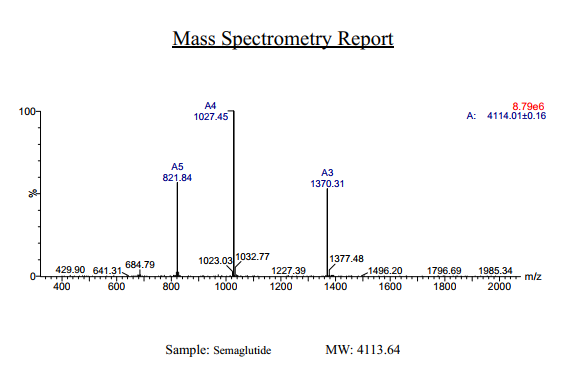
    Semaglutide Synthetic is a single, non-glycosylated polypeptide chain containing 31 amino acids, having a molecular mass of 4113 Dalton and a Molecular formula of C187H291N45O59.

    Formulation

    The protein was lyophilized with no additives.

    Purity

    Greater than 97.0% as determined by analysis by RP-HPLC.

    HPLC, MS

    Semaglutide hplc - Product image 1
    semaglutide mass spec - Product image 2

    Citations

    More Info

    • Physical Appearance

      Sterile Filtered White lyophilized (freeze-dried) powder.

    • Stability

      Lyophilized Semaglutide although stable at room temperature for 3 weeks, should be stored desiccated below -18°C. Upon reconstitution Semaglutide should be stored at 4°C between 2-7 days and for future use below -18°C. For long term storage it is recommended to add a carrier protein (0.1% HSA or BSA). Please prevent freeze-thaw cycles.

    • Solubility

      It is recommended to reconstitute the lyophilized Semaglutide in sterile 18MΩ-cm H2O not less than 100 µg/ml, which can then be further diluted to other aqueous solutions.

    • Amino Acid Sequence

      H-His-Aib-Glu-Gly-Thr-Phe-Thr-Ser-Asp-Val-Ser-Ser-Tyr-Leu-Glu-Gly-Gln-Ala-Ala-Lys(AEEAc-AEEAc-γ-Glu-17-carboxyheptadecanoyl)-Glu-Phe-Ile-Ala-Trp-Leu-Val-Arg-Gly-Arg-Gly-OH.

    • Background

      Semaglutide, a glucagon-like peptide-1 receptor agonist (GLP-1 RA), has emerged as a breakthrough in the field of diabetes management and metabolic disorders. It is recognized for its potent glucose-lowering effects, weight management properties, and cardiovascular benefits. Beyond diabetes, semaglutide is under investigation for its potential applications in obesity treatment and other related conditions. This research aims to comprehensively explore semaglutide, shedding light on its multifaceted mechanisms of action and its broader therapeutic implications.

      The primary objective of this research is to elucidate the mechanisms underlying the glucose-lowering and metabolic effects of semaglutide. In vitro and in vivo experiments will be conducted to investigate how semaglutide interacts with GLP-1 receptors, influences insulin secretion, and modulates glucose homeostasis. Understanding these mechanisms is crucial for harnessing the full therapeutic potential of semaglutide.

      The second objective is to assess the clinical relevance of semaglutide in diabetes management. Clinical trials involving individuals with type 2 diabetes will be conducted to evaluate the efficacy, safety, and long-term outcomes of semaglutide treatment. These investigations may provide valuable insights into its use as a monotherapy or adjunct therapy in diabetes care.

      The third objective is to explore the potential applications of semaglutide beyond diabetes. Research will investigate its role in obesity treatment, cardiovascular risk reduction, and non-alcoholic fatty liver disease (NAFLD) management. Understanding the multifaceted properties of semaglutide may open new avenues for therapeutic interventions in various metabolic and cardiovascular conditions.

      By delving into the diverse functions of semaglutide, this research aims to expand our understanding of its therapeutic potential and clinical applications. The findings may contribute to improved treatment strategies for individuals affected by diabetes, obesity, and related metabolic disorders.

    ProSpec's products are furnished for LABORATORY RESEARCH USE ONLY. The product may not be used as drugs, agricultural or pesticidal products, food additives or household chemicals.

    Semaglutide
  • View Data Sheet

    Name :

    THBD Human

    Description:

    Thrombomodulin Human Recombinant

    THBD, Thrombomodulin, TM, Fetomodulin, CD141, CD141 antigen, THRM, BDCA-3, BDCA3, blood dendritic cell antigen 3, AHUS6, THPH12.

    Product # :

    PRO-2697

    Price :

    Quantity :

    Shipping Method :

    Ice Icon

    Shipped with Ice Packs

    Add To Cart

    More Info

    • description
    • source
    • formulation
    • purity
    • More Info
    • Citations

    Description

    THBD Human Recombinant produced in Sf9 Baculovirus cells is a single, glycosylated polypeptide chain containing 500 amino acids (22-515a.a) and having a molecular mass of 52.6kDa.THBD is fused to an 6 amino acid His-tag at C-terminus & purified by proprietary chromatographic techniques.

    Source

    Sf9, Baculovirus cells.

    Formulation

    THBD protein solution (0.5mg/ml) contains Phosphate-Buffered Saline (pH 7.4) and 10% glycerol.

    Purity

    Greater than 90.0% as determined by SDS-PAGE.

    Citations

    More Info

    • Introduction

      Thrombomodulin, also referred to THBD, is an endothelial cell-expressed, transmembrane glycoprotein that can form a complex with the coagulation factor, thrombin. This complex increasethe activation of protein C in the anticoagulant pathway by forming a 1:1 stoichiometric complex with thrombin. Thrombomodulinbound thrombin has procoagulant effect at the same time by inhibiting fibrinolysis by cleaving thrombinactivatable fibrinolysis inhibitor (TAFI) into its active form. Reduced levels of thrombomodulin or increased serum levels of THBD can correlate with pathogenesis of certain cardiovascular diseases, such as atherosclerosis and thrombosis. Furthermore, it associated with, diabetes mellitus, liver cirrhosis, cerebral & myocardial infarction, and multiple sclerosis.

    • Synonyms

      THBD, Thrombomodulin, TM, Fetomodulin, CD141, CD141 antigen, THRM, BDCA-3, BDCA3, blood dendritic cell antigen 3, AHUS6, THPH12.

    • Physical Appearance

      Sterile Filtered colorless solution.

    • Stability

      Store at 4°C if entire vial will be used within 2-4 weeks. Store, frozen at -20°C for longer periods of time. For long term storage it is recommended to add a carrier protein (0.1% HSA or BSA).Avoid multiple freeze-thaw cycles.

    • Amino Acid Sequence

      EPQPGGSQCV EHDCFALYPG PATFLNASQI CDGLRGHLMT VRSSVAADVI SLLLNGDGGV GRRRLWIGLQ LPPGCGDPKR LGPLRGFQWV TGDNNTSYSR WARLDLNGAP LCGPLCVAVS AAEATVPSEP IWEEQQCEVK ADGFLCEFHF PATCRPLAVE PGAAAAAVSI TYGTPFAARG ADFQALPVGS SAAVAPLGLQ LMCTAPPGAV QGHWAREAPG AWDCSVENGG CEHACNAIPG
      APRCQCPAGA ALQADGRSCT ASATQSCNDL CEHFCVPNPD QPGSYSCMCE TGYRLAADQH RCEDVDDCIL EPSPCPQRCV NTQGGFECHC YPNYDLVDGE CVEPVDPCFR ANCEYQCQPL NQTSYLCVCA EGFAPIPHEP HRCQMFCNQT ACPADCDPNT QASCECPEGY ILDDGFICTD IDECENGGFC SGVCHNLPGT FECICGPDSA LARHIGTDCD SGKVDGGDSG SGEPPPSPTP
      GSTLTPPAVG LVHSHHHHHH

    ProSpec's products are furnished for LABORATORY RESEARCH USE ONLY. The product may not be used as drugs, agricultural or pesticidal products, food additives or household chemicals.

    Thbd Human
  • View Data Sheet

    Name :

    Epitalon

    Description:

    Epitalon

    Product # :

    HOR-031

    Price :

    Quantity :

    Shipping Method :

    Room Temp Icon

    Shipped at Room temp

    Add To Cart

    More Info

    • description
    • formulation
    • purity
    • More Info
    • Citations

    Description

    Epithalon Synthetic is a single, non-glycosylated polypeptide chain containing 4 amino acids, having a molecular mass of 390.35 Dalton and a Molecular formula of C14H22N4O9.

    Formulation

    The protein was lyophilized with no additives.

    Purity

    Greater than 97.0% as determined by analysis by RP-HPLC.

    Citations

    More Info

    • Physical Appearance

      Sterile Filtered White lyophilized (freeze-dried) powder.

    • Stability

      Lyophilized Epithalon although stable at room temperature for 3 weeks, should be stored desiccated below -18°C. Upon reconstitution Epithalon should be stored at 4°C between 2-7 days and for future use below -18°C.For long term storage it is recommended to add a carrier protein (0.1% HSA or BSA). Please prevent freeze-thaw cycles.

    • Solubility

      It is recommended to reconstitute the lyophilized Epithalon in sterile 18MΩ-cm H2O not less than 100 µg/ml, which can then be further diluted to other aqueous solutions.

    • Amino Acid Sequence

      H-Ala-Glu-Asp-Gly-OH .

    • Background

      Epitalon, also known as Epithalon, is a synthetic tetrapeptide that has been a focal point in the field of aging and longevity research. This peptide, consisting of four amino acids, is derived from the pineal gland and has been associated with a variety of biological effects, most notably its potential role in extending the lifespan of cells.

      Epitalon's primary function is its interaction with telomeres, the protective caps at the ends of chromosomes that shorten as cells divide. By stimulating the production of telomerase, an enzyme that can repair and lengthen telomeres, Epitalon may slow down the aging process at a cellular level.

      Numerous studies have explored the potential of Epitalon in extending the lifespan of organisms. For instance, Khavinson and colleagues (2003) found that Epitalon increased the lifespan of fruit flies, while Anisimov et al. (2003) reported similar results in mice. These findings suggest that Epitalon could potentially have similar effects in humans.

      Epitalon has also been studied for its role in regulating circadian rhythms. Korkushko et al. (2011) found that Epitalon could restore disrupted circadian rhythms in elderly people, suggesting potential applications in sleep disorders and other conditions related to circadian rhythm disruption.

      Beyond its potential role in aging and longevity, Epitalon has been explored for its potential therapeutic applications. Anisimov et al. (2011) found that Epitalon could reduce the incidence of spontaneous tumors in mice, suggesting potential applications in cancer prevention.

      While research on Epitalon is promising, it is important to note that most studies have been conducted in animals or in vitro. More research is needed to fully understand the potential effects and applications of Epitalon in humans. However, the existing body of research suggests that Epitalon could be a promising tool in the fight against aging and age-related diseases.

    ProSpec's products are furnished for LABORATORY RESEARCH USE ONLY. The product may not be used as drugs, agricultural or pesticidal products, food additives or household chemicals.

    Epitalon
  • View Data Sheet

    Name :

    GHRP1

    Description:

    Growth Hormone Releasing Peptide-1

    GHRP-1, GHRP1.

    Product # :

    HOR-021

    Price :

    Quantity :

    Shipping Method :

    Room Temp Icon

    Shipped at Room temp

    Add To Cart

    More Info

    • description
    • formulation
    • purity
    • More Info
    • Citations

    Description

    Growth Hormone Releasing Peptide-1 Synthetic is a single, non-glycosylated polypeptide chain containing 5 amino acids, having a molecular mass of 955.11 Dalton and a Molecular formula of C51H62N12O7.

    Formulation

    The protein was lyophilized with no additives.

    Purity

    Greater than 97.0% as determined by analysis by RP-HPLC.

    Citations

    More Info

    • Introduction

      GH-releasing peptides (GHRPs) are synthetic peptides that like GHRH effect on pituitary somatotrophs to stimulate GH release. The GHRP1 is one of several synthetic met-enkephalin analogs that owns unnatural D-amino acids. They were developed for their growth hormone (GH) releasing activity and called GH secretatogues. They lack opioid activity but are potent stimulators of GH release. These secretatogues are distinct from the growth hormone releasing hormone (GHRH or GHRF) as they share no sequence relation and derive their function through action at a completely different receptor, the ghrelin receptor.

    • Synonyms

      GHRP-1, GHRP1.

    • Physical Appearance

      Sterile Filtered White lyophilized (freeze-dried) powder.

    • Stability

      Lyophilized Growth Hormone Releasing Peptide-1 although stable at room temperature for 3 weeks, should be stored desiccated below -18°C. Upon reconstitution GHRP1 should be stored at 4°C between 2-7 days and for future use below -18°C. For long term storage it is recommended to add a carrier protein (0.1% HSA or BSA). Please prevent freeze-thaw cycles.

    • Solubility

      It is recommended to reconstitute the lyophilized GHRP1 in sterile 18MΩ-cm H2O not less than 100 µg/ml, which can then be further diluted to other aqueous solutions.

    • Amino Acid Sequence

      Ala-His-(D-β-Nal)-Ala-Trp-(D-Phe)-Lys-NH2.

    • Background

      What is the molecular weight/Mw of GHRP-1 Protein?
      GHRP-1 Protein has a total Mw of 0.955kDa.

      What is the Purity of GHRP-1 Protein?
      GHRP-1 Protein is >97% pure as determined by SDS-PAGE.

      What is the Biological Activity of GHRP-1 Protein?
      The biological functionality of GHRP-1 Protein will be determined in the future.

      What is the amino acid sequence of GHRP-1 Protein?
      Ala-His-(D-β-Nal)-Ala-Trp-(D-Phe)-Lys-NH2

      What applications can GHRP-1 Protein be used in?
      GHRP-1 Protein can probably be used in western blot, ELISA and Lateral Flow.

      What is the endotoxin level for GHRP-1 Protein?
      The endotoxin level is minimal, GHRP-1 Protein was purified using conventional chromatography techniques.

      Who supplies GHRP-1 that is in stock and available to order?
      ProSpec has the protein in stock and available for immediate delivery.

      Where can I order bulk mg quantities of GHRP-1?
      ProSpec supplies bulk mg quantities at affordable prices that meets research and academic budgets.

    ProSpec's products are furnished for LABORATORY RESEARCH USE ONLY. The product may not be used as drugs, agricultural or pesticidal products, food additives or household chemicals.

    Ghrp1
  • View Data Sheet

    Name :

    CTF1 Mouse

    Description:

    Cardiotrophin-1 Mouse Recombinant

    CTF1, CT1, CT-1, Cardiophin 1.

    Product # :

    CYT-151

    Price :

    Quantity :

    Shipping Method :

    Room Temp Icon

    Shipped at Room temp

    Add To Cart

    More Info

    • description
    • source
    • formulation
    • purity
    • biological activity
    • More Info
    • Citations

    Description

    CTF1 Mouse Recombinant produced in E.Coli is a single, non-glycosylated, polypeptide chain containing 202 amino acids and having a molecular mass of 21.3kDa.The CTF1 Mouse is purified by proprietary chromatographic techniques.

    Source

    Escherichia Coli.

    Formulation

    Lyophilized from a 0.2µm filtered concentrated solution in PBS, pH 7.4.

    Purity

    Greater than 98.0% as determined by SDS-PAGE.

    Biological Activity

    The ED50 as determined by the dose-dependent proliferation of TF-1 cells was < 1.0ng/ml, corresponding to a specific activity of > 1,000,000units/mg.

    Citations

    More Info

    • Introduction

      Cardiotrophin 1 (CT-1) is a 201 amino acid member of the interleukin-6 superfamily. It was identified by its ability to induce hypertrophic response in cardiac myocytes. CT-1 mRNA levels were found both in cardiac myocytes and in cardiac nonmyocytes. CT 1 was also detected in abundance in normal adult human lung and was expressed in both fetal and adult airway smooth muscle cells. CT 1 activates gp130 dependent signaling and stimulates the Janus kinase/signal transducers and activators of transcription (JAK/STAT) pathway to transduce hypertrophic and cytoprotective signals in cardiac myocytes.
      CT 1 has also a neurotrophic function. CTF1 deficiency causes increased motoneuron cell death in spinal cord and brainstem nuclei of mice during a period between embryonic day 14 and the first postnatal week. Moreover, CT-1 is a hepatocyte survival factor that efficiently reduces hepatocellular damage in animal models of acute liver injury. Cardiotrophin 1 expression is augmented after hypoxic stimulation and it can protect cardiac cells when added either prior to simulated ischaemia or at the time of reoxygenation following simulated ischaemia. Cardiotrophin 1 can induce expression of the protective heat shock proteins (hsps) in cardiac cells.
      Cardiotrophin-1 increased ventricular expression of ANP, brain natriuretic peptide (BNP) and angiotensinogen mRNA.
      Cardiophin 1 levels were significantly elevated in patients with heart failure, patients with dilatative cardiomyopathy, moderate/severe mitral regurgitation, stable and unstable angina and after acute myocardial infarction.

    • Synonyms

      CTF1, CT1, CT-1, Cardiophin 1.

    • Physical Appearance

      Sterile Filtered White lyophilized (freeze-dried) powder.

    • Stability

      Lyophilized CTF1 although stable at room temperature for 3 weeks, should be stored desiccated below -18°C. Upon reconstitution CTF1 should be stored at 4°C between 2-7 days and for future use below -18°C.Please prevent freeze-thaw cycles.

    • Solubility

      It is recommended to reconstitute the lyophilized CTF1 in sterile 4mM HCl to a concentration of 0.1-0.5 mg/ml. Stock solutions should be apportioned into working aliquots and stored at <-200C. Further dilutions should be made in appropriate buffered solutions.

    • Amino Acid Sequence

      SQREGSLEDH QTDSSISFLP HLEAKIRQTH NLARLLTKYA EQLLEEYVQQ QGEPFGLPGF SPPRLPLAGL SGPAPSHAGL PVSERLRQDA AALSVLPALL DAVRRRQAEL NPRAPRLLRS LEDAARQVRA LGAAVETVLA ALGAAARGPG PEPVTVATLF TANSTAGIFS AKVLGFHVCG LYGEWVSRTE GDLGQLVPGG VA

    • Background

      What is the molecular weight/Mw of CTF1 Protein?
      CTF1 Protein has a total Mw of 21.3kDa.

      What is the source or expression system of CTF1 Protein?
      Escherichia Coli.

      What is the Purity of CTF1 Protein?
      CTF1 Protein is >98% pure as determined by SDS-PAGE.

      What is the Biological Activity of CTF1 Protein?
      The ED50 as determined by the dose-dependent proliferation of TF-1 cells was < 1.0ng/ml, corresponding to a specific activity of > 1,000,000units/mg.

      What is the amino acid sequence of CTF1 Protein?
      SQREGSLEDH QTDSSISFLP HLEAKIRQTH NLARLLTKYA EQLLEEYVQQ QGEPFGLPGF SPPRLPLAGL SGPAPSHAGL PVSERLRQDA AALSVLPALL DAVRRRQAEL NPRAPRLLRS LEDAARQVRA LGAAVETVLA ALGAAARGPG PEPVTVATLF TANSTAGIFS AKVLGFHVCG LYGEWVSRTE GDLGQLVPGG VA

      What applications can CTF1 Protein be used in?
      CTF1 Protein can probably be used in western blot, ELISA and Lateral Flow.

      What is the endotoxin level for CTF1 Protein?
      The endotoxin level is minimal, CTF1 Protein was purified using conventional chromatography techniques.

    ProSpec's products are furnished for LABORATORY RESEARCH USE ONLY. The product may not be used as drugs, agricultural or pesticidal products, food additives or household chemicals.

    Ct 1 Mouse
  • View Data Sheet

    Name :

    Activin A Human

    Description:

    Activin A Human Recombinant

    Activin Beta-A chain, Erythroid differentiation protein, EDF, FRP, Activin-A, Inhibin-B, Inihibin-Beta A chain.

    Product # :

    CYT-569

    Price :

    Quantity :

    Shipping Method :

    Ice Icon

    Shipped with Ice Packs

    Add To Cart

    More Info

    • description
    • source
    • formulation
    • purity
    • More Info
    • sds-page
    • Citations

    Description

    Activin-A Human Recombinant produced in E.coli is a single, non-glycosylated polypeptide chain containing 137 amino acids (311-426) and having a molecular mass of 15.2kDa.Activin-A is fused to a 21 amino acid His-tag at N-terminus & purified by proprietary chromatographic techniques.

    Source

    Escherichia Coli.

    Formulation

    Activin-A protein solution (1mg/ml) contains 20mM Tris pH 8.0 and 10% glycerol.

    Purity

    Greater than 90.0% as determined by SDS-PAGE.

    sds-page

    Activin A Human sds-page - Product image 1

    Citations

    More Info

    • Introduction

      Inhibins are dimeric peptide hormones produced by female ovarian granulose cells and male Sertoli cells as well as a variety of other tissues. Inhibins have two isoforms, A and B, with the same alpha subunit but different beta subunits. Inhibin A is a dimer of alpha and beta A subunits, inhibin B is a dimer of alpha and beta B subunits.
      Inhibins are thought to inhibit the production of follicle-stimulating hormone (FSH) by the pituitary gland. In addition, Inhibins are also thought to play a role in the control of gametogenesis, and embryonic and fetal development.

    • Synonyms

      Activin Beta-A chain, Erythroid differentiation protein, EDF, FRP, Activin-A, Inhibin-B, Inihibin-Beta A chain.

    • Physical Appearance

      Sterile Filtered clear solution.

    • Stability

      Store at 4°C if entire vial will be used within 2-4 weeks. Store, frozen at -20°C for longer periods of time. For long term storage it is recommended to add a carrier protein (0.1% HSA or BSA).Avoid multiple freeze-thaw cycles.

    • Amino Acid Sequence

      MGSSHHHHHH SSGLVPRGSH MGLECDGKVN ICCKKQFFVS FKDIGWNDWI IAPSGYHANY CEGECPSHIA GTSGSSLSFH STVINHYRMR GHSPFANLKS CCVPTKLRPM SMLYYDDGQN IIKKDIQNMI VEECGCS.

    • Background

      What is the molecular weight / Mw of Activin A Protein?
      Activin A Protein has a total Mw of 15.2 kDa.

      What is the source or expression system of Activin A Protein?
      E.Coli

      What is the Purity of Activin A Protein?
      Activin A Protein is >90% pure as determined by SDS-PAGE.

      What is the Biological Activity of Activin A Protein?
      The biological functionality of Activin-A Protein will be determined in the future.

      What is the endotoxin level for Activin A Protein?
      The endotoxin level is minimal, ACTIVIN A Protein was purified using conventional chromatography techniques.

      What is the amino acid sequence of ACTIVIN A Protein?MGSSHHHHHH SSGLVPRGSH MGLECDGKVN ICCKKQFFVS FKDIGWNDWI IAPSGYHANY CEGECPSHIA GTSGSSLSFH STVINHYRMR GHSPFANLKS CCVPTKLRPM SMLYYDDGQN IIKKDIQNMI VEECGCS

      What applications can ACTIVIN-A Protein be used in?

      ACTIVIN A Protein can probably be used in western blot, ELISA and Lateral Flow.

    ProSpec's products are furnished for LABORATORY RESEARCH USE ONLY. The product may not be used as drugs, agricultural or pesticidal products, food additives or household chemicals.

    Activin A Human
  • View Data Sheet

    Name :

    IL1RA Mouse, His

    Description:

    Interleukin-1 Receptor Antagonist Mouse Recombinant, His Tag

    IRAP, IL1F3, IL1RA, IL-1ra3, ICIL-1RA, IL1RN, IL1 inhibitor, IL-1ra, F630041P17Rik.

    Product # :

    CYT-136

    Price :

    Quantity :

    Shipping Method :

    Ice Icon

    Shipped with Ice Packs

    Add To Cart

    More Info

    • description
    • source
    • formulation
    • purity
    • More Info
    • SDS-PAGE
    • Citations

    Description

    IL-1RA mouse Recombinant produced E. coli is a single polypeptide chain containing 177 amino acids (27-178) and having a molecular mass of 20kDa.IL-1RA is fused to a 25 amino acid His-tag at N-terminus & purified by proprietary chromatographic techniques.

    Source

    E.coli.

    Formulation

    The IL-1RA solution (1mg/ml) contains 20mM Tris-HCl buffer (pH 8.0), 0.1M NaCl and 10% glycerol.

    Purity

    Greater than 95% as determined by SDS-PAGE.

    SDS-PAGE

    IL1RA Mouse, His - Product image 1

    Citations

    More Info

    • Introduction

      Interleukin-1 ra is a member of the interleukin 1 cytokine family. This protein inhibits the activities of interleukin 1, alpha (IL1A) and interleukin 1, beta (IL1B), and modulates a variety of interleukin 1 related immune and inflammatory responses. This gene and five other closely related cytokine genes form a gene cluster spanning approximately 400 kb on chromosome 2. A polymorphism of this gene is reported to be associated with increased risk of osteoporotic fractures and gastric cancer. Four alternatively spliced transcript variants encoding distinct isoforms have been reported.

    • Synonyms

      IRAP, IL1F3, IL1RA, IL-1ra3, ICIL-1RA, IL1RN, IL1 inhibitor, IL-1ra, F630041P17Rik.

    • Physical Appearance

      Sterile Filtered colorless solution.

    • Stability

      Store at 4°C if entire vial will be used within 2-4 weeks. Store, frozen at -20°C for longer periods of time. For long term storage it is recommended to add a carrier protein (0.1% HSA or BSA).Avoid multiple freeze-thaw cycles.

    • Amino Acid Sequence

      MGSSHHHHHH SSGLVPRGSH MGSHMRPSGK RPCKMQAFRI WDTNQKTFYL RNNQLIAGYL QGPNIKLEEK IDMVPIDLHS VFLGIHGGKL CLSCAKSGDD IKLQLEEVNI TDLSKNKEED KRFTFIRSEK GPTTSFESAA CPGWFLCTTL EADRPVSLTN TPEEPLIVTK FYFQEDQ.

    • Background

      What is the molecular weight/Mw of IL1RA MOUSE, HIS Protein?
      IL1RA MOUSE, HIS Protein has a total Mw of 20kDa.

      What is the source or expression system of IL1RA MOUSE, HIS Protein?
      Escherichia Coli.

      What is the Purity of IL1RA MOUSE, HIS Protein?
      IL1RA MOUSE, HIS Protein is >95% pure as determined by SDS-PAGE.

      What is the Biological Activity of IL1RA MOUSE, HIS Protein?
      The biological functionality of IL1RA MOUSE, HIS Protein will be determined in the future.

      What is the amino acid sequence of IL1RA MOUSE, HIS Protein?
      MGSSHHHHHH SSGLVPRGSH MGSHMRPSGK RPCKMQAFRI WDTNQKTFYL RNNQLIAGYL QGPNIKLEEK IDMVPIDLHS VFLGIHGGKL CLSCAKSGDD IKLQLEEVNI TDLSKNKEED KRFTFIRSEK GPTTSFESAA CPGWFLCTTL EADRPVSLTN TPEEPLIVTK FYFQEDQ.

      What applications can IL1RA MOUSE, HIS Protein be used in?
      IL1RA MOUSE, HIS Protein can probably be used in western blot, ELISA and Lateral Flow.

      What is the endotoxin level for IL1RA MOUSE, HIS Protein?
      The endotoxin level is minimal, IL1RA MOUSE, HIS Protein was purified using conventional chromatography techniques.

      Who supplies recombinant IL1RA MOUSE, HIS that is in stock and available to order?
      ProSpec has the protein in stock and available for immediate delivery.

      Where can I order bulk mg quantities of IL1RA MOUSE, HIS?
      ProSpec supplies bulk mg quantities at affordable prices that meets research and academic budgets.

    ProSpec's products are furnished for LABORATORY RESEARCH USE ONLY. The product may not be used as drugs, agricultural or pesticidal products, food additives or household chemicals.

    Il 1Ra Mouse His
  • View Data Sheet

    Name :

    Leptin tA Mouse, PEG (D23L)

    Description:

    Leptin Triple Antagonist (D23L) Pegylated Mouse Recombinant

    OB Protein, Obesity Protein, OBS, Obesity factor.

    Product # :

    CYT-1242

    Price :

    Quantity :

    Shipping Method :

    Room Temp Icon

    Shipped at Room temp

    Add To Cart

    More Info

    • description
    • source
    • formulation
    • purity
    • biological activity
    • More Info
    • Citations

    Description

    Leptin Antagonist Triple Mutant D23L Mouse Recombinant is a single non-glycosilated polypeptide chain containing 146 amino and additional Ala at N-terminus. The Leptin antagonist was mutated, resulting in L39A/D40A/F41A mutant. The Mouse Leptin antagonist is bound to 20 kDa mono-PEG at N-terminus, resulting in 35.6 kDa. The Mouse Leptin triple anatagonist runs as a 48 kDa. Leptin Antagonist Triple Mutant Mouse Recombinant was purified by proprietary chromatographic techniques.

    Source

    Escherichia coli.

    Formulation

    The Mouse Leptin triple anatagonist was lyophilized from a concentrated (0.65mg/ml) solution with 0.003mM NaHCO3.

    Purity

    Greater than 99.0% as determined by:

    (a) Gel filtration analysis.

    (b) Analysis by SDS-PAGE.

    Biological Activity

    Leptin Antagonist Triple Mutant D23L Mouse Recombinant is capable of stimulating proliferation of BAF/3 cells stably transfected with the long form of human leptin receptor. Its in vitro activity is only slightly lower than the non-pegylated recombinant mouse leptin but in vivo it has profound weight reducing effect (as compared to the non-pegylated recombinant mouse leptin), resulting mainly from reduced food intake.

    Citations

    More Info

    • Synonyms

      OB Protein, Obesity Protein, OBS, Obesity factor.

    • Physical Appearance

      White lyophilized (freeze-dried) powder.

    • Stability

      Lyophilized Leptin Antagonist Triple Mutant Mouse Recombinant although stable at room temperature for several weeks, should be stored desiccated below -18°C. Upon reconstitution at > 0.1mg/ml and up to 2mM and filter sterilization LEP mutant can be stored at 4°C or even room temperature for several weeks making it suitable for long term infusion studies using osmotic pumps. At lower concentration addition of a carrier protein (0.1% HSA or BSA) is suggested. Please prevent freeze-thaw cycles.

    • Solubility

      It is recommended to reconstitute the lyophilized Leptin Antagonist Triple Mutant Mouse Recombinant in sterile water or sterile 0.4% NaHCO3adjusted to pH 8-9, not less than 100µg/ml, which can then be further diluted with other aqueous solutions.

    • Background

      Leptin is a hormone which mainly produced by adipocytes . Leptin’s main part is to regulate long-term energy balance. Leptin is encoded by the LEP gene. Leptin effects mainly on leptin receptors in the cell mambrane of various cells in the human body. The leptin receptor is found on a wide range of cell types. The leptin receptor is a single-transmembrane-domain type 1 cytokine receptor. leptin levels influence satiety, appetite and triggers behaviors which lead to energy savings High leptin levels are interpreted by the brain that energy reserves are high, whereas low leptin levels means that energy reserves are low, in the process adapting the organism to starvation through a variety of metabolic, neurobiochemical, endocrine and behavioral change.

    ProSpec's products are furnished for LABORATORY RESEARCH USE ONLY. The product may not be used as drugs, agricultural or pesticidal products, food additives or household chemicals.

    Leptin Mouse Peg Ta
  • View Data Sheet

    Name :

    CHGA Human

    Description:

    Chromogranin-A Human Recombinant

    CGA, CHGA, Vasostatin-2, Pituitary secretory protein I, SP-I.

    Product # :

    PRO-692

    Price :

    Quantity :

    Shipping Method :

    Ice Icon

    Shipped with Ice Packs

    Add To Cart

    More Info

    • description
    • source
    • formulation
    • purity
    • More Info
    • Citations

    Description

    Recombinant Human CHGA produced in E.Coli is a single, non-glycosylated polypeptide chain containing 114 amino acids (19-131 a.a) and having a molecular mass of 12.8 kDa. Chromgranin-A is purified by proprietary chromatographic techniques.

    Source

    Escherichia Coli.

    Formulation

    The CHGA protein contains 20mM Tris-HCl buffer pH-8, and 10% glycerol.

    Purity

    Greater than 95.0% as determined by analysis by SDS-PAGE.

    Citations

    More Info

    • Introduction

      Chromgranin-A is part of the neuroendocrine secretory protein family. CHGA is located in secretory vesicles of neurons and endocrine cells. Chromgranin-A is a precursor to three biologically active peptides; vasostatin, pancreastatin, and parastatin. These peptides act as autocrine or paracrine negative modulators of the neuroendocrine system. Other peptides, including chromostatin, beta-granin, WE-14 and GE-25, are also derived from the full-length protein. Chromgranin-A has numerous biological activities on some tissues and organs and exerts a large spectrum of homeostatic actions, including antifungal and antimicrobial effect, modulation of cell adhesion, and inhibition of parathyroid hormone secretion.

    • Synonyms

      CGA, CHGA, Vasostatin-2, Pituitary secretory protein I, SP-I.

    • Physical Appearance

      Sterile filtered colorless solution.

    • Stability

      Store at 4°C if entire vial will be used within 2-4 weeks. Store, frozen at -20°C for longer periods of time. For long term storage it is recommended to add a carrier protein (0.1% HSA or BSA). Avoid multiple freeze-thaw cycles.

    • Amino Acid Sequence

      MLPVNSPMNK GDTEVMKCIV EVISDTLSKP SPMPVSQECF ETLRGDERIL SILRHQNLLK ELQDLALQGA KERAHQQKKH SGFEDELSEV LENQSSQAEL KEAVEEPSSK DVME.

    ProSpec's products are furnished for LABORATORY RESEARCH USE ONLY. The product may not be used as drugs, agricultural or pesticidal products, food additives or household chemicals.

    Chromogranin A Human
  • View Data Sheet

    Name :

    YWHAH Human

    Description:

    Tyr-3/Trp-5 Monooxygenase Activation Protein ETA Human Recombinant

    14-3-3 ETA, YWHAH, YWHA1, Protein AS1, Tyr-3/Trp-5 Monooxygenase Activation Protein ETA.

    Product # :

    PKA-087

    Price :

    Quantity :

    Shipping Method :

    Ice Icon

    Shipped with Ice Packs

    Add To Cart

    More Info

    • description
    • source
    • formulation
    • purity
    • More Info
    • Citations

    Description

    YWHAH Human Recombinant produced in E.Coli is a single, non-glycosylated, polypeptide chain containing 246 amino acids and having a molecular mass of 28.2kDa. The YWHAH is purified by proprietary chromatographic techniques.

    Source

    Escherichia Coli.

    Formulation

    The YWHAH protein solution (1mg/ml) containing Phosphate Buffered Saline (pH7.4) 10% glycerol.

    Purity

    Greater than 90.0% as determined by SDS-PAGE.

    Citations

    More Info

    • Introduction

      YWHAH belongs to the 14-3-3 family of proteins which mediate signal transduction by binding to phosphoserine-containing proteins. 14-3-3 ETA is found in plants and mammals, and there is 99% identity to the mouse, rat and bovine orthologs. YWHAH gene contains a 7 base pair repeat sequence in its 5' UTR, and changes in the number of this repeat has been associated with early-onset schizophrenia.
      14-3-3 eta is specific to the site of joint inflammation.
      14-3-3 proteins are colocalized with Lewy bodies in Parkinson disease, though there is no specific staining for the 14-3-3 eta subunit.
      There are 3 different isoforms types of 14-3-3: Beta, Gamma and ETA that are DAL-1/Protein 4.1B-binding proteins.

    • Synonyms

      14-3-3 ETA, YWHAH, YWHA1, Protein AS1, Tyr-3/Trp-5 Monooxygenase Activation Protein ETA.

    • Physical Appearance

      Sterile filtered colorless solution.

    • Stability

      Store at 4°C if entire vial will be used within 2-4 weeks. Store, frozen at -20°C for longer periods of time. For long term storage it is recommended to add a carrier protein (0.1% HSA or BSA).Avoid multiple freeze-thaw cycles.

    • Amino Acid Sequence

      MGDREQLLQR ARLAEQAERY DDMASAMKAV TELNEPLSNE DRNLLSVAYK NVVGARRSSW RVISSIEQKT MADGNEKKLE KVKAYREKIE KELETVCNDV LSLLDKFLIK NCNDFQYESK VFYLKMKGDY YRYLAEVASG EKKNSVVEAS EAAYKEAFEI SKEQMQPTHP IRLGLALNFS VFYYEIQNAP EQACLLAKQA FDDAIAELDT LNEDSYKDST LIMQLLRDNL TLWTSDQQDE EAGEGN.

    ProSpec's products are furnished for LABORATORY RESEARCH USE ONLY. The product may not be used as drugs, agricultural or pesticidal products, food additives or household chemicals.

    Human Ywhah
  • View Data Sheet

    Name :

    CD90 Thy-1.2 Antibody

    Description:

    Thy-1.2 (CD90), Rat Anti-Mouse

    CD-90, CD90, THY-1, THY1, Theta Antigen.

    Product # :

    ANT-141

    Price :

    Quantity :

    Shipping Method :

    Room Temp Icon

    Shipped at Room temp

    Add To Cart

    More Info

    • formulation
    • More Info
    • Citations

    Formulation

    1mg/ml in PBS (after reconstitution).

    Citations

    More Info

    • Introduction

      CD-90 plays a role in cell-cell or cell-ligand interactions during synaptogenesis and other events in the brain Thy-1 is the designation for a major cell surface glycoprotein characteristic to T cells,. The Thy-1 glycoproteins are constituents of thymocytes and neurons and probably are involved in cell-cell interactions. Human Thy-1 homolog maps to chromosome 11 because that is where T3D is found, in the mouse T3D and Thy-1 map to chromosome 9 along with certain other loci that are on human 11q.

    • Synonyms

      CD-90, CD90, THY-1, THY1, Theta Antigen.

    • Solubility

      Reconstitute with of H20. Mix gently, wash the sides of the vial and wait 30-60 seconds before use.

    • Immunogen

      Purified mouse LN T cells.

    • Ig Subclass

      Rat IgM.

    • Clone

      mThy-1.2.

    • Applications

      Cytotoxic and staining antibody. For staining, use 10µl/1,000,000 cells. Exact titer for cytotoxicity should be determined by the investigator.

    • Available Conjugates

      This antibody is only available as purified antibody.

    • Type

      Rat Anti Mouse Monoclonal.

    • Storage Procedures

      Lyophilized: store at 4oC. After reconstitution, if not intended for use within a month, aliquot and store at -20oC.

    • Purification Method

      boric acid precipitation.

    ProSpec's products are furnished for LABORATORY RESEARCH USE ONLY. The product may not be used as drugs, agricultural or pesticidal products, food additives or household chemicals.

    Cd90 Thy 12 Antibody
  • View Data Sheet

    Name :

    TXNRD1 Human 161-649 a.a.

    Description:

    Thioredoxin Reductase 1 161-649 a.a. Human Recombinant

    Thioredoxin reductase 1 cytoplasmic, TR, Gene associated with retinoic and interferon-induced mortality 12 protein, GRIM-12, Gene associated with retinoic and IFN-induced mortality 12 protein, KM-102-derived reductase-like factor, Thioredoxin reductase TR1, TXNRD1, GRIM12, KDRF, TR1, TXNR, TRXR1, MGC9145.

    Product # :

    ENZ-042

    Price :

    Quantity :

    Shipping Method :

    Ice Icon

    Shipped with Ice Packs

    Add To Cart

    More Info

    • description
    • source
    • formulation
    • purity
    • More Info
    • Citations

    Description

    TXNRD1 Human Recombinant fused with a 21 amino acid His tag at N-terminus produced in E.Coli is a single, non-glycosylated, polypeptide chain containing 510 amino acids (161-649 a.a.) and having a molecular mass of 55.9kDa. The TXNRD1 is purified by proprietary chromatographic techniques.

    Source

    Escherichia Coli.

    Formulation

    The TXNRD1 solution (1 mg/ml) contains 20mM Tris-HCl buffer (pH8.0) and 10% Glycerol.

    Purity

    Greater than 90.0% as determined by SDS-PAGE.

    Citations

    More Info

    • Introduction

      TXNRD1 belongs to the selenium-containing pyridine nucleotide-disulphide oxidoreductase family, which has a conserved catalytic site of Cys-Val-Asn-Val-Gly-Cys. TXNRD1 decreases thioredoxins as well as other substrates, and participates in selenium metabolism and protection against oxidative stress. Inhibition of TXNRD1 activity serves as a potential treatment for cancer, AIDS and other autoimmune diseases as well as bacterial infections and parasitic diseases.

    • Synonyms

      Thioredoxin reductase 1 cytoplasmic, TR, Gene associated with retinoic and interferon-induced mortality 12 protein, GRIM-12, Gene associated with retinoic and IFN-induced mortality 12 protein, KM-102-derived reductase-like factor, Thioredoxin reductase TR1, TXNRD1, GRIM12, KDRF, TR1, TXNR, TRXR1, MGC9145.

    • Physical Appearance

      Sterile Filtered colorless solution.

    • Stability

      Store at 4°C if entire vial will be used within 2-4 weeks. Store, frozen at -20°C for longer periods of time. For long term storage it is recommended to add a carrier protein (0.1% HSA or BSA).Avoid multiple freeze-thaw cycles.

    • Amino Acid Sequence

      MGSSHHHHHH SSGLVPRGSH MYDYDLIIIG GGSGGLAAAK EAAQYGKKVM VLDFVTPTPL GTRWGLGGTC VNVGCIPKKL MHQAALLGQA LQDSRNYGWK VEETVKHDWD RMIEAVQNHI GSLNWGYRVA LREKKVVYEN AYGQFIGPHR IKATNNKGKE KIYSAERFLI ATGERPRYLG IPGDKEYCIS SDDLFSLPYC PGKTLVVGAS YVALECAGFL AGIGLDVTVM VRSILLRGFD QDMANKIGEH MEEHGIKFIR QFVPIKVEQI EAGTPGRLRV VAQSTNSEEI IEGEYNTVML AIGRDACTRK IGLETVGVKI NEKTGKIPVT DEEQTNVPYI YAIGDILEDK VELTPVAIQA GRLLAQRLYA GSTVKCDYEN VPTTVFTPLE YGACGLSEEK AVEKFGEENI EVYHSYFWPL EWTIPSRDNN KCYAKIICNT KDNERVVGFH VLGPNAGEVT QGFAAALKCG LTKKQLDSTI GIHPVCAEVF TTLSVTKRSG ASILQAGCCG.

    ProSpec's products are furnished for LABORATORY RESEARCH USE ONLY. The product may not be used as drugs, agricultural or pesticidal products, food additives or household chemicals.

    Txnrd1 Human 161 649 Aa
  • View Data Sheet

    Name :

    YARS2 Human

    Description:

    Tyrosyl-tRNA Synthetase 2 Human Recombinant

    Tyrosine--tRNA ligase mitochondrial, Tyrosyl-tRNA synthetase, TyrRS, YARS2, CGI-04, TYRRS, MLASA2, MT-TYRRS.

    Product # :

    ENZ-614

    Price :

    Quantity :

    Shipping Method :

    Ice Icon

    Shipped with Ice Packs

    Add To Cart

    More Info

    • description
    • source
    • formulation
    • purity
    • More Info
    • Citations

    Description

    YARS2 Human Recombinant produced in E.Coli is a single, non-glycosylated polypeptide chain containing 482 amino acids (17-477 a.a.) and having a molecular mass of 53.7kDa.YARS2 is fused to a 21 amino acid His-tag at N-terminus & purified by proprietary chromatographic techniques.

    Source

    Escherichia Coli.

    Formulation

    YARS2 protein solution (0.25mg/ml) containing 20mM Tris-HCl buffer (pH8.0), 20% glycerol, 0.1M NaCl, 1mM DTT.

    Purity

    Greater than 85.0% as determined by SDS-PAGE.

    Citations

    More Info

    • Introduction

      Tyrosyl-tRNA synthetase (YARS2) is a mitochondrial protein which catalyzes the attachment of tyrosine to tRNA(Tyr) in a two-step reaction: tyrosine is first activated by ATP to form Tyr-AMP and afterward transferred to the acceptor end of tRNA(Tyr). YARS2 gene mutations are linked with myopathy with lactic acidosis and sideroblastic anemia type 2 (MLASA2).

    • Synonyms

      Tyrosine--tRNA ligase mitochondrial, Tyrosyl-tRNA synthetase, TyrRS, YARS2, CGI-04, TYRRS, MLASA2, MT-TYRRS.

    • Physical Appearance

      Sterile Filtered colorless solution.

    • Stability

      Store at 4°C if entire vial will be used within 2-4 weeks. Store, frozen at -20°C for longer periods of time. For long term storage it is recommended to add a carrier protein (0.1% HSA or BSA).Avoid multiple freeze-thaw cycles.

    • Amino Acid Sequence

      MGSSHHHHHH SSGLVPRGSH MTLNLSVLLP LGLRKAHSGA QGLLAAQKAR GLFKDFFPET GTKIELPELF DRGTASFPQT IYCGFDPTAD SLHVGHLLAL LGLFHLQRAG HNVIALVGGA TARLGDPSGR TKEREALETE RVRANARALR LGLEALAANH QQLFTDGRSW GSFTVLDNSA WYQKQHLVDF LAAVGGHFRM GTLLSRQSVQ LRLKSPEGMS LAEFFYQVLQ AYDFYYLFQR YGCRVQLGGS DQLGNIMSGY EFINKLTGED VFGITVPLIT STTGAKLGKS AGNAVWLNRD KTSPFELYQF FVRQPDDSVE RYLKLFTFLP LPEIDHIMQL HVKEPERRGP QKRLAAEVTK LVHGREGLDS AKRCTQALYH SSIDALEVMS DQELKELFKE APFSEFFLDP GTSVLDTCRK ANAIPDGPRG YRMITEGGVS INHQQVTNPE SVLIVGQHIL KNGLSLLKIG KRNFYIIKWL QL.

    ProSpec's products are furnished for LABORATORY RESEARCH USE ONLY. The product may not be used as drugs, agricultural or pesticidal products, food additives or household chemicals.

    Yars2 Human
  • View Data Sheet

    Name :

    TSLPR Human, Sf9

    Description:

    Thymic Stromal Lymphopoietin Receptor Human Recombinant, Sf9

    Cytokine receptor-like factor 2, CRLF2, Cytokine receptor-like factor 2, Cytokine receptor-like 2, IL-XR, Thymic stromal lymphopoietin protein receptor, TSLP receptor, CRL2, ILXR, TSLPR, Cytokine receptor-like factor 2 isoform 1, CRLF2Y.

    Product # :

    CYT-995

    Price :

    Quantity :

    Shipping Method :

    Ice Icon

    Shipped with Ice Packs

    Add To Cart

    More Info

    • description
    • source
    • formulation
    • purity
    • More Info
    • Citations

    Description

    TSLPR Human Recombinant produced in Sf9 Baculovirus cells is a single, glycosylated polypeptide chain containing 218 amino acids (23-231) and having a molecular mass of 25.2kDa (Molecular size on SDS-PAGE will appear at approximately 28-40kDa).TSLPR is fused to a 6 amino acid His-Tag at C-terminus and purified by proprietary chromatographic techniques.

    Source

    Sf9, Baculovirus cells.

    Formulation

    TSLPR protein solution (1mg/ml) containing Phosphate Buffered Saline (pH 7.4) and 10% glycerol.

    Purity

    Greater than 95.0% as determined by SDS-PAGE.

    Citations

    More Info

    • Introduction

      Thymic Stromal Lymphopoietin Receptor (TSLPR) is a member of the type I cytokine receptor family. TSLPR alongside the interleukin 7 receptor (IL7R) activate STAT3, STAT5, and JAK2 pathways, which is regulated processes such as cell proliferation and development of the hematopoietic system. Two transcript variants encoding dissimilar isoforms have been found for this gene. TSLPR is expressed in heart, skeletal muscle, kidney and adult and fetal liver.

    • Synonyms

      Cytokine receptor-like factor 2, CRLF2, Cytokine receptor-like factor 2, Cytokine receptor-like 2, IL-XR, Thymic stromal lymphopoietin protein receptor, TSLP receptor, CRL2, ILXR, TSLPR, Cytokine receptor-like factor 2 isoform 1, CRLF2Y.

    • Physical Appearance

      Sterile Filtered clear solution.

    • Stability

      Store at 4°C if entire vial will be used within 2-4 weeks. Store, frozen at -20°C for longer periods of time. For long term storage it is recommended to add a carrier protein (0.1% HSA or BSA).Avoid multiple freeze-thaw cycles.

    • Amino Acid Sequence

      ADPQGGAAEG VQIQIIYFNL ETVQVTWNAS KYSRTNLTFH YRFNGDEAYD QCTNYLLQEG HTSGCLLDAE QRDDILYFSI RNGTHPVFTA SRWMVYYLKP SSPKHVRFSW HQDAVTVTCS DLSYGDLLYE VQYRSPFDTE WQSKQENTCN VTIEGLDAEK CYSFWVRVKA MEDVYGPDTY PSDWSEVTCW QRGEIRDACA ETPTPPKPKL SKHHHHHH.

    ProSpec's products are furnished for LABORATORY RESEARCH USE ONLY. The product may not be used as drugs, agricultural or pesticidal products, food additives or household chemicals.

    Tslpr Human Sf9
  • View Data Sheet

    Name :

    EREG Human, His

    Description:

    Epiregulin Human Recombinant, His Tag

    Epiregulin, Proepiregulin, ER, ERP.

    Product # :

    CYT-859

    Price :

    Quantity :

    Shipping Method :

    Ice Icon

    Shipped with Ice Packs

    Add To Cart

    More Info

    • description
    • source
    • formulation
    • purity
    • More Info
    • sds-page
    • Citations

    Description

    EREG Human Recombinant produced in E.Coli is a single, non-glycosylated polypeptide chain containing 69 amino acids (63-108 a.a) and having a molecular mass of 7.7kDa. EREG is fused to a 23 amino acid His-tag at N-terminus & purified by proprietary chromatographic techniques.

    Source

    Escherichia Coli.

    Formulation

    EREG protein solution (0.5mg/ml) containing 20mM Tris-HCl buffer (pH8.0) and 10% glycerol.

    Purity

    Greater than 80.0% as determined by SDS-PAGE

    sds-page

    EREG-sds-page - Product image 1

    Citations

    More Info

    • Introduction

      Epiregulin is part of the EGF family. Epiregulin functions as a ligand of EGFR, as well as a ligand of most members of the ERBB (v-erb-b2 oncogene homolog) family of tyrosine-kinase receptors.Epiregulin is expressed mostly in the placenta and peripheral blood leukocytes and in specific carcinomas of the bladder, lung, kidney and colon. Epiregulin stimulates the proliferation of keratinocytes, hepatocytes, fibroblasts and vascular smooth muscle cells. Epiregulin inhibits the growth of several tumor-derived epithelial cell lines. Human Epiregulin is initially synthesized as a glycosylated 19.0 kDa transmembrane precursor protein, which is processed by proteolytic cleavage to produce a 6.0 kDa mature secreted sequence.

    • Synonyms

      Epiregulin, Proepiregulin, ER, ERP.

    • Physical Appearance

      Sterile Filtered colorless solution.

    • Stability

      Store at 4°C if entire vial will be used within 2-4 weeks. Store, frozen at -20°C for longer periods of time. For long term storage it is recommended to add a carrier protein (0.1% HSA or BSA).Avoid multiple freeze-thaw cycles.

    • Amino Acid Sequence

      MGSSHHHHHH SSGLVPRGSH MGSVSITKCS SDMNGYCLHG QCIYLVDMSQ NYCRCEVGYT GVRCEHFFL.

    • Background

      What is the molecular weight/Mw of EREG Protein?
      EREG Protein has a total Mw of 7.7kDa.

      What is the source or expression system of EREG Protein?
      Escherichia Coli.

      What is the Purity of EREG Protein?
      EREG Protein is >80% pure as determined by SDS-PAGE.

      What is the Biological Activity of EREG Protein?
      The biological functionality of EREG Protein will be determined in the future.

      What is the amino acid sequence of EREG Protein?
      MGSSHHHHHH SSGLVPRGSH MGSVSITKCS SDMNGYCLHG QCIYLVDMSQ NYCRCEVGYT GVRCEHFFL.

      What applications can EREG Protein be used in?
      EREG Protein can probably be used in western blot, ELISA and Lateral Flow.

      What is the endotoxin level for EREG Protein?
      The endotoxin level is minimal, EREG Protein was purified using conventional chromatography techniques.

    ProSpec's products are furnished for LABORATORY RESEARCH USE ONLY. The product may not be used as drugs, agricultural or pesticidal products, food additives or household chemicals.

    Ereg Human His
  • View Data Sheet

    Name :

    TXNL1 Human

    Description:

    Thioredoxin-Like 1 Human Recombinant

    Thioredoxin-like protein 1, TRP32, Txl, 32 kDa thioredoxin-related protein, TXNL, Thioredoxin-like 32kDa, TXL-1.

    Product # :

    PRO-084

    Price :

    Quantity :

    Shipping Method :

    Ice Icon

    Shipped with Ice Packs

    Add To Cart

    More Info

    • description
    • source
    • formulation
    • purity
    • More Info
    • Citations

    Description

    TXNL1 produced in E.Coli is a single, non-glycosylated polypeptide chain containing 309 amino acids (1-289.a.a) and having a molecular mass of 34.4kDa. TXNL1 is fused to a 20 amino acid His-tag at N-terminus & purified by proprietary chromatographic techniques.

    Source

    Escherichia Coli.

    Formulation

    The TXNL1 protein solution (0.5mg/1ml) is formulated in 20 mM Tris-HCl buffer (pH8.0), 0.2M NaCl, 5mM DTT and 20% glycerol.

    Purity

    Greater than 95% as determined by SDS-PAGE.

    Citations

    More Info

    • Introduction

      TXNL1 is a cytoplasmic protein which takes part in endocytotic signaling pathways and acts as a redox sensor. TXNL1 is universally expressed in the body and its goal is to couple oxidative stress to endocytosis, thereby regulating the GDI. Moreover, overexpression of TXNL1 inhibits cell proliferation by predisposing the cell to G0/G1 arrest, signifying that TXNL1 also functions as a transcriptional repressor.

    • Synonyms

      Thioredoxin-like protein 1, TRP32, Txl, 32 kDa thioredoxin-related protein, TXNL, Thioredoxin-like 32kDa, TXL-1.

    • Physical Appearance

      Sterile Filtered clear solution.

    • Stability

      Store at 4°C if entire vial will be used within 2-4 weeks. Store, frozen at -20°C for longer periods of time.Please avoid freeze thaw cycles.

    • Amino Acid Sequence

      MGSSHHHHHH SSGLVPRGSH MVGVKPVGSD PDFQPELSGA GSRLAVVKFT MRGCGPCLRI APAFSSMSNK YPQAVFLEVD VHQCQGTAAT NNISATPTFL FFRNKVRIDQ YQGADAVGLE EKIKQHLEND PGSNEDTDIP KGYMDLMPFI NKAGCECLNE SDEHGFDNCL RKDTTFLESD CDEQLLITVA FNQPVKLYSM KFQGPDNGQG PKYVKIFINL PRSMDFEEAE RSEPTQALEL TEDDIKEDGI VPLRYVKFQN VNSVTIFVQS NQGEEETTRI SYFTFIGTPV QATNMNDFKR VVGKKGESH

    ProSpec's products are furnished for LABORATORY RESEARCH USE ONLY. The product may not be used as drugs, agricultural or pesticidal products, food additives or household chemicals.

    Txnl1 Human
  • View Data Sheet

    Name :

    TPM2 Human

    Description:

    Tropomyosin-2 Human Recombinant

    Tropomyosin 2 (beta), DA1, TMSB, DA2B, AMCD1, NEM4, Arthrogryposis Multiplex Congenital Distal-Type 1, beta-Tropomyosin.

    Product # :

    PRO-069

    Price :

    Quantity :

    Shipping Method :

    Ice Icon

    Shipped with Ice Packs

    Add To Cart

    More Info

    • description
    • source
    • formulation
    • purity
    • More Info
    • Citations

    Description

    TPM2 produced in E.Coli is a single, non-glycosylated polypeptide chain containing 304 amino acids (1-284a.a.) and having a molecular mass of 35.1kDa(molecular weight on SDS-PAGE will appear higher).TPM2 is fused to a 20 amino acid His-tag at N-terminus & purified by proprietary chromatographic techniques.

    Source

    Escherichia Coli.

    Formulation

    The TPM2 protein solution (0.5mg/ml) is formulated in 20mM Tris-HCl buffer (pH8.0), 1mM DTT, 100mM NaCl and 30% glycerol.

    Purity

    Greater than 90% as determined by SDS-PAGE.

    Citations

    More Info

    • Introduction

      Tropomyosin beta chain isoform 2 is affiliate to the actin filament binding protein family which primarily expressed in slow, type 1 muscle fibers. Mutations in TPM2 can change the expression of other sarcomeric tropomyosin proteins, and cause cap disease, nemaline myopathy and distal arthrogryposis syndromes.

    • Synonyms

      Tropomyosin 2 (beta), DA1, TMSB, DA2B, AMCD1, NEM4, Arthrogryposis Multiplex Congenital Distal-Type 1, beta-Tropomyosin.

    • Physical Appearance

      Sterile Filtered clear solution.

    • Stability

      Store at 4°C if entire vial will be used within 2-4 weeks. Store, frozen at -20°C for longer periods of time. For long term storage it is recommended to add a carrier protein (0.1% HSA or BSA).Avoid multiple freeze-thaw cycles.

    • Amino Acid Sequence

      MGSSHHHHHH SSGLVPRGSH MDAIKKKMQM LKLDKENAID RAEQAEADKK QAEDRCKQLE EEQQALQKKL KGTEDEVEKY SESVKEAQEK LEQAEKKATD AEADVASLNR RIQLVEEELD RAQERLATAL QKLEEAEKAA DESERGMKVI ENRAMKDEEK MELQEMQLKE AKHIAEDSDR KYEEVARKLV ILEGELERSE ERAEVAESRA RQLEEELRTM DQALKSLMAS EEEYSTKEDK YEEEIKLLEE KLKEAETRAE FAERSVAKLE KTIDDLEETL ASAKEENVEI HQTLDQTLLE LNNL.

    ProSpec's products are furnished for LABORATORY RESEARCH USE ONLY. The product may not be used as drugs, agricultural or pesticidal products, food additives or household chemicals.

    Tpm2 Human
  • View Data Sheet

    Name :

    GHK-Cu

    Description:

    GHK-Cu

    Copper Tripeptide-1

    Product # :

    HOR-063

    Price :

    Quantity :

    Shipping Method :

    Room Temp Icon

    Shipped at Room temp

    Add To Cart

    More Info

    • description
    • formulation
    • purity
    • More Info
    • Citations

    Description

    GHK-Cu is a synthetic single, non-glycosylated polypeptide chain containing 3 amino acids, having a molecular mass of 401.91 Dalton and a Molecular formula of C14H22N6O4Cu.

    Formulation

    The protein was lyophilized with no additives.

    Purity

    Greater than 97.0% as determined by analysis by RP-HPLC.

    Citations

    More Info

    • Physical Appearance

      Sterile Filtered White lyophilized (freeze-dried) powder.

    • Stability

      Lyophilized GHK-Cu although stable at room temperature for 3 weeks, should be stored desiccated below -18°C. Upon reconstitution GHK-Cu should be stored at 4°C between 2-7 days and for future use below -18°C.
      For long term storage it is recommended to add a carrier protein (0.1% HSA or BSA).
      Please prevent freeze-thaw cycles.


    • Solubility

      It is recommended to reconstitute the lyophilized GHK-Cu in sterile 18MΩ-cm H2O not less than 100 µg/ml, which can then be further diluted to other aqueous solutions.

    • Amino Acid Sequence

      Gly-His-Lys.

    • Background

      GHK-Cu is located in human plasma and has an ability to modify gene expression to a healthier state, influencing more than 4,000 human genes. GHK-Cu can change pathological gene expression to a healthy mode, mainly in chronic conditions as metastatic cancer, COPD and Ulcerative Colitis. GHK-Cu was discovered to be effective in systemic repair and neuroprotection.

      What is the molecular weight/Mw of GHK-CU Protein?
      GHK-CU Protein has a total Mw of 0.40kDa.

      What is the Purity of GHK-CU Protein?
      GHK-CU Protein is >97% pure as determined by SDS-PAGE.

      What is the Biological Activity of GHK-CU Protein?
      The biological functionality of GHK-CU Protein will be determined in the future.

      What is the amino acid sequence of GHK-CU Protein?
      Gly-His-Lys.

      What applications can GHK-CU Protein be used in?
      GHK-CU Protein can probably be used in western blot, ELISA and Lateral Flow.

      What is the endotoxin level for GHK-CU Protein?
      The endotoxin level is minimal, GHK-CU Protein was purified using conventional chromatography techniques.

      Who supplies GHK-CU that is in stock and available to order?
      ProSpec has the protein in stock and available for immediate delivery.

      Where can I order bulk mg quantities of GHK-CU?
      ProSpec supplies bulk mg quantities at affordable prices that meets research and academic budgets.

    ProSpec's products are furnished for LABORATORY RESEARCH USE ONLY. The product may not be used as drugs, agricultural or pesticidal products, food additives or household chemicals.

    GHK-Cu
  • View Data Sheet

    Name :

    C-Peptide

    Description:

    C-Peptide

    Product # :

    HOR-046

    Price :

    Quantity :

    Shipping Method :

    Room Temp Icon

    Shipped at Room temp

    Add To Cart

    More Info

    • description
    • formulation
    • purity
    • More Info
    • Citations

    Description

    C-Peptide Synthetic is a single, non-glycosylated polypeptide chain containing 31 amino acids, having a molecular mass of 3020 Dalton and a Molecular formula of C129H211N35O48S .

    Formulation

    The protein was lyophilized with no additives.

    Purity

    Greater than 97.0% as determined by analysis by RP-HPLC.

    Citations

    More Info

    • Physical Appearance

      Sterile Filtered White lyophilized (freeze-dried) powder.

    • Stability

      Lyophilized C-Peptide although stable at room temperature for 3 weeks, should be stored desiccated below -18°C. Upon reconstitution C-Peptide should be stored at 4°C between 2-7 days and for future use below -18°C. For long term storage it is recommended to add a carrier protein (0.1% HSA or BSA). Please prevent freeze-thaw cycles.

    • Solubility

      It is recommended to reconstitute the lyophilized C-Peptide in sterile 18MΩ-cm H2O not less than 100 µg/ml, which can then be further diluted to other aqueous solutions.

    • Amino Acid Sequence

      H-Glu-Ala-Glu-Asp-Leu-Gln-Val-Gly-Gln-Val-Glu-Leu-Gly-Gly-Gly-Pro-Gly-Ala-Gly-Ser-Leu-Gln-Pro-Leu-Ala-Leu-Glu-Gly-Ser-Leu-Gln-OH.

    • Background

      C-peptide, a small peptide derived from proinsulin, has garnered increasing attention in recent years for its multifaceted physiological functions and clinical significance, particularly in the context of diabetes mellitus. While initially considered a mere byproduct of insulin synthesis, research has revealed that C-peptide exerts unique biological effects, extending beyond glycemic control. This research endeavors to comprehensively investigate the roles of C-peptide, shedding light on its diverse functions and potential applications in diabetes management and other areas of healthcare.

      The primary objective of this study is to unravel the mechanisms underlying the physiological actions of C-peptide. In vitro experiments using cellular and tissue models will be conducted to explore how C-peptide interacts with cellular receptors and signaling pathways. This includes investigations into its influence on insulin secretion, glucose uptake, and endothelial function. Understanding these mechanisms is essential for delineating the potential therapeutic applications of C-peptide.

      The second objective is to assess the clinical relevance of C-peptide in diabetes management. Clinical trials involving individuals with type 1 and type 2 diabetes will be conducted to evaluate the effects of exogenous C-peptide administration on glycemic control, insulin sensitivity, and microvascular complications. These studies may provide valuable insights into the use of C-peptide as an adjunct therapy in diabetes treatment.

      The third objective is to explore the broader implications of C-peptide in healthcare. Research will investigate the potential role of C-peptide in conditions beyond diabetes, such as its effects on cardiovascular health, neuroprotection, and wound healing. Understanding the multifunctional properties of C-peptide may open up new avenues for therapeutic interventions in various medical specialties.

      By delving into the diverse functions of C-peptide, this research aims to expand our knowledge of its physiological roles and clinical applications. The findings may lead to innovative approaches for diabetes management and offer insights into the broader healthcare implications of C-peptide.

    ProSpec's products are furnished for LABORATORY RESEARCH USE ONLY. The product may not be used as drugs, agricultural or pesticidal products, food additives or household chemicals.

    C Peptide
  • View Data Sheet

    Name :

    PTH (1-34) Human

    Description:

    Parathyroid Hormone (1-34) Human

    Parathyrin, PTH, Parathormone.

    Product # :

    HOR-290

    Price :

    Quantity :

    Shipping Method :

    Room Temp Icon

    Shipped at Room temp

    Add To Cart

    More Info

    • description
    • formulation
    • purity
    • More Info
    • Citations

    Description

    Parathyroid Hormone Human Synthetic (C181H291N55O51S2) contains 34 amino acids and has a molecular mass of 4117.72 Dalton. The PTH is purified by proprietary chromatographic techniques.

    Formulation

    The protein (1mg/ml) was lyophilized without any additives.

    Purity

    Greater than 99.0% as determined by RP-HPLC.

    Citations

    More Info

    • Introduction

      Parathyroid hormone (PTH), or parathormone, is secreted by the parathyroid glands as a polypeptide containing 84 amino acids. It acts to increase the concentration of calciumin the blood, whereas calcitonin (a hormone produced by the parafollicular cells of the thyroid gland) acts to decrease calcium concentration. PTH acts to increase the concentration of calcium in the blood by acting upon parathyroid hormone receptorin three parts of the body: In the bones- It enhances the release of calcium from the large reservoir contained in the bones. Bone resorption is the normal destruction of bone by osteoclasts, which are indirectly stimulated by PTH. Stimulation is indirect since osteoclasts do not have a receptor for PTH; rather, PTH binds to osteoblasts, the cells responsible for creating bone. Binding stimulates osteoblasts to increase their expression of RANKL, which can bind to osteoclast precursors containing RANK, a receptor for RANKL. The binding of RANKL to RANK stimulates these precursors to fuse, forming new osteoclasts which ultimately enhances the resorption of bone.
      In the kidney- It enhances active reabsorption of calcium from distal tubules and the thick ascending limb.
      In the intestine- It enhances the absorption of calcium in the intestine by increasing the production of vitamin D and upregulating the enzyme responsible for 1-alpha hydroxylationof 25-hydroxy vitamin D, converting vitamin D to its active form (1,25-dihydroxy vitamin D) which effects the actual absorption of calcium (as Ca2+ ions) by the intestine via calbindin.
      Recombinant Human full length PTH 1-84 has potential as an anti-osteoporotic agent, due to its properties as a bone formation stimulant, it increases bone turnover, stimulating osteoblasts and reducing both vertebral and non vertebral fractures.

    • Synonyms

      Parathyrin, PTH, Parathormone.

    • Physical Appearance

      Sterile Filtered White lyophilized (freeze-dried) powder.

    • Stability

      Lyophilized Parathyrin although stable at room temperature for 3 weeks should be stored desiccated below -18°C. Upon reconstitution PTH should be stored at 4°C between 2-7 days and for future use below -18°C.For long term storage it is recommended to add a carrier protein (0.1% HSA or BSA).Please prevent freeze-thaw cycles.

    • Solubility

      It is recommended to reconstitute the lyophilized Parathormone in sterile 18MΩ-cm H2O not less than 100 µg/ml, which can then be further diluted to other aqueous solutions.

    • Amino Acid Sequence

      H-Ser-Val-Ser-Glu-Ile-Gln-Leu-Met-His-Asn-Leu-Gly-Lys-His-Leu-Asn-Ser-Met-Glu-Arg-Val-Glu-Trp-Leu-Arg-Lys-Lys-Leu-Gln-Asp-Val-His-Asn-Phe-OH.

    ProSpec's products are furnished for LABORATORY RESEARCH USE ONLY. The product may not be used as drugs, agricultural or pesticidal products, food additives or household chemicals.

    Pth 1 34 Human
  • View Data Sheet

    Name :

    Cagrilintide

    Description:

    Cagrilintide

    Product # :

    HOR-059

    Price :

    Quantity :

    Shipping Method :

    Room Temp Icon

    Shipped at Room temp

    Add To Cart

    More Info

    • description
    • formulation
    • purity
    • More Info
    • Citations

    Description

    Cagrilintide is a synthetic single, non-glycosylated polypeptide chain containing 37 amino acids, having a molecular mass of 4409 Dalton and a Molecular formula of C194H312N54O59.

    Formulation

    The protein was lyophilized with no additives.

    Purity

    Greater than 97.0% as determined by analysis by RP-HPLC.

    Citations

    More Info

    • Physical Appearance

      Sterile Filtered White lyophilized (freeze-dried) powder.

    • Stability

      Lyophilized Cagrilintide although stable at room temperature for 3 weeks, should be stored desiccated below -18°C. Upon reconstitution Cagrilintide should be stored at 4°C between 2-7 days and for future use below -18°C.
      For long term storage it is recommended to add a carrier protein (0.1% HSA or BSA).
      Please prevent freeze-thaw cycles.

    • Solubility

      It is recommended to reconstitute the lyophilized Cagrilintide in sterile 18MΩ-cm H2O not less than 100 µg/ml, which can then be further diluted to other aqueous solutions.

    • Amino Acid Sequence

      (Eicosanedioic acid-γ-Glu)-Lys-CysAsn-Thr-Ala-Thr-Cys-Ala-Thr-Gln-Arg-Leu-Ala-Glu-Phe-Leu-Arg-HisSer-Ser-Asn-Asn-Phe-Gly-Pro-Ile-Leu-Pro-Pro-Thr-Asn-Val-Gly-SerAsn-Thr-Pro-NH2 (Disulfide bridge:Cys3-Cys8).

    • Background

      Cagrilintide plays a role as a pioneering long-acting amylin analogue and integrates into the fixed-dose combination CagriSema (Cagrilintide + Semaglutide). Unlike GLP-1 agonists, Cagrilintide mimics amylin, a hormone co-secreted with insulin takes part in regulating satiety and slows gastric emptying through brainstem pathways.

    ProSpec's products are furnished for LABORATORY RESEARCH USE ONLY. The product may not be used as drugs, agricultural or pesticidal products, food additives or household chemicals.

    Cagrilintide
  • View Data Sheet

    Name :

    GHRP4

    Description:

    Growth Hormone Releasing Peptide-4

    GHRP-4, GHRP4.

    Product # :

    HOR-022

    Price :

    Quantity :

    Shipping Method :

    Room Temp Icon

    Shipped at Room temp

    Add To Cart

    More Info

    • description
    • formulation
    • purity
    • More Info
    • Citations

    Description

    Growth Hormone Releasing Peptide-4 Synthetic is a single, non-glycosylated polypeptide chain containing 4 amino acids, having a molecular mass of 607.73 Dalton and a Molecular formula of C34H37N7O4.

    Formulation

    The protein was lyophilized with no additives.

    Purity

    Greater than 97.0% as determined by analysis by RP-HPLC.

    Citations

    More Info

    • Introduction

      GH-releasing peptides (GHRPs) are synthetic peptides that like GHRH effect on pituitary somatotrophs to stimulate GH release. The GHRP4 is one of several synthetic met-enkephalin analogs that owns unnatural D-amino acids. They were developed for their growth hormone (GH) releasing activity and called GH secretatogues. They lack opioid activity but are potent stimulators of GH release. These secretatogues are distinct from the growth hormone releasing hormone (GHRH or GHRF) as they share no sequence relation and derive their function through action at a completely different receptor, the ghrelin receptor.

    • Synonyms

      GHRP-4, GHRP4.

    • Physical Appearance

      Sterile Filtered White lyophilized (freeze-dried) powder.

    • Stability

      Lyophilized Growth Hormone Releasing Peptide-4 although stable at room temperature for 3 weeks, should be stored desiccated below -18°C. Upon reconstitution GHRP4 should be stored at 4°C between 2-7 days and for future use below -18°C. For long term storage it is recommended to add a carrier protein (0.1% HSA or BSA). Please prevent freeze-thaw cycles.

    • Solubility

      It is recommended to reconstitute the lyophilized GHRP4 in sterile 18MΩ-cm H2O not less than 100 µg/ml, which can then be further diluted to other aqueous solutions.

    • Amino Acid Sequence

      (D-Trp)-Ala-Trp-(D-Phe)-NH2.

    • Background

      What is the molecular weight/Mw of GHRP4 Protein?
      GHRP4 Protein has a total Mw of 0.607kDa.

      What is the Purity of GHRP4 Protein?
      GHRP4 Protein is >97% pure as determined by SDS-PAGE.

      What is the Biological Activity of GHRP4 Protein?
      The biological functionality of GHRP4 Protein will be determined in the future.

      What is the amino acid sequence of GHRP4 Protein?
      (D-Trp)-Ala-Trp-(D-Phe)-NH2.

      What applications can GHRP4 Protein be used in?
      GHRP4 Protein can probably be used in western blot, ELISA and Lateral Flow.

      What is the endotoxin level for GHRP4 Protein?
      The endotoxin level is minimal, GHRP4 Protein was purified using conventional chromatography techniques.

      Who supplies GHRP4 that is in stock and available to order?
      ProSpec has the protein in stock and available for immediate delivery.

      Where can I order bulk mg quantities of GHRP4?
      ProSpec supplies bulk mg quantities at affordable prices that meets research and academic budgets.

    ProSpec's products are furnished for LABORATORY RESEARCH USE ONLY. The product may not be used as drugs, agricultural or pesticidal products, food additives or household chemicals.

    Ghrp4
  • View Data Sheet

    Name :

    Pentagastrin

    Description:

    Pentagastrin

    Product # :

    HOR-045

    Price :

    Quantity :

    Shipping Method :

    Room Temp Icon

    Shipped at Room temp

    Add To Cart

    More Info

    • description
    • formulation
    • purity
    • More Info
    • Citations

    Description

    Pentagastrin Synthetic is a single, non-glycosylated polypeptide chain containing 5 amino acids, having a molecular mass of 768 Dalton and a Molecular formula of C37H49N7O9S .

    Formulation

    The protein was lyophilized with no additives.

    Purity

    Greater than 97.0% as determined by analysis by RP-HPLC.

    Citations

    More Info

    • Physical Appearance

      Sterile Filtered White lyophilized (freeze-dried) powder.

    • Stability

      Lyophilized Pentagastrin although stable at room temperature for 3 weeks, should be stored desiccated below -18°C. Upon reconstitution Pentagastrin should be stored at 4°C between 2-7 days and for future use below -18°C. For long term storage it is recommended to add a carrier protein (0.1% HSA or BSA). Please prevent freeze-thaw cycles.

    • Solubility

      It is recommended to reconstitute the lyophilized Pentagastrin in sterile 18MΩ-cm H2O not less than 100 µg/ml, which can then be further diluted to other aqueous solutions.

    • Amino Acid Sequence

      Boc-β-Ala-Trp-Met-Asp-Phe-NH2.

    • Background

      Pentagastrin is a synthetic peptide that has long been recognized for its significant influence on gastric physiology. Its ability to stimulate gastric acid secretion and regulate various aspects of gastrointestinal function has made it a valuable tool in both basic research and clinical practice.

      This research aims to comprehensively investigate the multifaceted effects of pentagastrin on the gastrointestinal system, shedding light on its mechanisms of action and potential clinical applications.
      The primary objective of this study is to elucidate the mechanisms underlying pentagastrin-induced gastric acid secretion.

      In vitro experiments using isolated gastric cells or tissue preparations will be conducted to explore the signaling pathways activated by pentagastrin. This will include investigations into the role of intracellular messengers, such as cyclic AMP (cAMP), calcium ions (Ca2+), and protein kinases, in mediating the secretory response.

      The second objective is to assess the impact of pentagastrin on gastrointestinal motility. In vivo studies using animal models or human volunteers will be employed to investigate its effects on gastric emptying, intestinal transit, and colonic motility. These experiments may provide insights into the potential use of pentagastrin in the management of gastrointestinal motility disorders.

      The third objective is to explore the clinical applications of pentagastrin. Clinical trials and studies involving human subjects will be conducted to evaluate its potential therapeutic uses, such as in the diagnosis and treatment of gastric acid-related disorders, including peptic ulcers and gastroesophageal reflux disease (GERD). Additionally, the safety and efficacy of pentagastrin as an adjunct to medical imaging techniques, such as gastric scintigraphy, will be examined.

      By investigating the diverse effects of pentagastrin on the gastrointestinal system, this research aims to enhance our understanding of gastric physiology and its clinical relevance. The findings may lead to improved diagnostic and therapeutic strategies for gastrointestinal disorders, ultimately benefiting patients affected by these conditions.

    ProSpec's products are furnished for LABORATORY RESEARCH USE ONLY. The product may not be used as drugs, agricultural or pesticidal products, food additives or household chemicals.

    Pentagastrin
  • View Data Sheet

    Name :

    TK2 Human

    Description:

    Thymidine Kinase 2 Human Recombinant

    Thymidine kinase 2 mitochondrial, Mt-TK, TK2, MTTK, MTDPS2.

    Product # :

    PKA-041

    Price :

    Quantity :

    Shipping Method :

    Ice Icon

    Shipped with Ice Packs

    Add To Cart

    More Info

    • description
    • source
    • formulation
    • purity
    • More Info
    • Citations

    Description

    TK2 Human Recombinant produced in E.Coli is a single, non-glycosylated polypeptide chain containing 257 amino acids (34-265 a.a) and having a molecular mass of 30.2kDa.TK2 is fused to a 25 amino acid His-tag at N-terminus & purified by proprietary chromatographic techniques.

    Source

    E.coli.

    Formulation

    TK2 protein solution (0.5mg/ml) containing 20mM Tris-HCl buffer, pH8.0, 30% glycerol, 2mM DTT and 200mM NaCl.

    Purity

    Greater than 85% as determined by SDS-PAGE.

    Citations

    More Info

    • Introduction

      Thymidine kinase 2 mitochondrial (TK2) is a member of the DCK/DGK family. TK2 is an enzyme, a phosphotransferase (a kinase): 2'-deoxythymidine kinase, ATP-thymidine 5'-phosphotransferase. Thymidine kinase is found in most living cells. Thymidine kinase is present in 2 forms in mammalian cells, TK1 and TK2. Thymidine kinases have a central function in the synthesis of DNA and thus in cell division, since they are part of the exceptional reaction chain to introduce deoxythymidine into the DNA. TK2 is a deoxyribonucleoside kinase which specifically phosphorylates thymidine, deoxycytidine, and deoxyuridine. TK2 localizes to the mitochondria and is essential for mitochondrial DNA synthesis. TK2 gene defects are a cause of mitochondrial DNA depletion syndrome type 2 (MTDPS2).

    • Synonyms

      Thymidine kinase 2 mitochondrial, Mt-TK, TK2, MTTK, MTDPS2.

    • Physical Appearance

      Sterile Filtered colorless solution.

    • Stability

      Store at 4°C if entire vial will be used within 2-4 weeks. Store, frozen at -20°C for longer periods of time. For long term storage it is recommended to add a carrier protein (0.1% HSA or BSA).Avoid multiple freeze-thaw cycles.

    • Amino Acid Sequence

      MGSSHHHHHH SSGLVPRGSH MGSHMVQRRA WPPDKEQEKE KKSVICVEGN IASGKTTCLE FFSNATDVEV LTEPVSKWRN VRGHNPLGLM YHDASRWGLT LQTYVQLTML DRHTRPQVSS VRLMERSIHS ARYIFVENLY RSGKMPEVDY VVLSEWFDWI LRNMDVSVDL IVYLRTNPET CYQRLKKRCR EEEKVIPLEY LEAIHHLHEE WLIKGSLFPM AAPVLVIEAD HHMERMLELF EQNRDRILTP ENRKHCP.

    ProSpec's products are furnished for LABORATORY RESEARCH USE ONLY. The product may not be used as drugs, agricultural or pesticidal products, food additives or household chemicals.

    Tk2 Human
  • 1
  • …
  • 5
  • 6
  • 7
  • 8
  • 9
  • …
  • 42
Your browser does not support the video tag.

Products

  • Cytokines
  • Growth Factors
  • Chemokines
  • CD Antigens
  • Neurotrophins
  • Hormones
  • Enzymes
  • Viral Antigens
  • Recombinant Proteins
  • Natural Proteins
  • Monoclonal Antibodies
  • Polyclonal Antibodies
  • Thermal Packaging

About

  • Company
  • Founder
  • Contribution
  • Contact Us
  • My Account

Ordering

  • Ordering Method
  • Ordering - Credit Card
  • Ordering PO
  • Shipping Fees
  • FAQ's

Legal

  • Terms & Conditions
  • Privacy
  • Site Map
  • info@prospecbio.com
  • Facebook
  • Instagram
  • Linkedin Profile

© 2026 ProSpec-Tany TechnoGene Ltd. All Rights Reserved.

  • Choosing a selection results in a full page refresh.
  • Opens in a new window.