Skip to content

High-quality research proteins.

  • 1-800-805-6531

  • Mon - Sat 8.00-18.00, Sun - Closed

  • info@prospecbio.com

  • PO Box 6591 East Brunswick NJ 08816

  • Products
    • Cytokines
    • Growth factors
    • Chemokines
    • Cd antigens
    • Neurotrophins
    • Hormones
    • Enzymes
    • Viral antigens
    • Recombinant proteins
    • Natural proteins
    • Monoclonal antibodies
    • Polyclonal antibodies
    • Thermal Packaging
  • About
    • Company
    • Founder
    • Contribution
  • Customers
    • Eastern Asia
    • Eastern Europe
    • North America
    • South America
    • South East Asia
    • Southern Asia
    • Western Europe
  • Ordering
    • Ordering Method
    • Ordering - Credit Card
    • Ordering - PO
    • Shipping Fees
    • FAQs
  • Services
    • DNA Cloning
    • Protein Expression
    • Monoclonal Antibody
    • Fermentation
    • Technology License
  • Contact us
Log in

Country/region

  • USD $ | Albania
  • USD $ | Andorra
  • USD $ | Argentina
  • USD $ | Armenia
  • USD $ | Australia
  • USD $ | Austria
  • USD $ | Azerbaijan
  • USD $ | Belarus
  • USD $ | Belgium
  • USD $ | Bolivia
  • USD $ | Brazil
  • USD $ | Bulgaria
  • USD $ | Cambodia
  • USD $ | Canada
  • USD $ | Chile
  • USD $ | China
  • USD $ | Colombia
  • USD $ | Costa Rica
  • USD $ | Croatia
  • USD $ | Cyprus
  • USD $ | Czechia
  • USD $ | Denmark
  • USD $ | Estonia
  • USD $ | Finland
  • USD $ | France
  • USD $ | Georgia
  • USD $ | Germany
  • USD $ | Greece
  • USD $ | Hong Kong SAR
  • USD $ | Hungary
  • USD $ | Iceland
  • USD $ | India
  • USD $ | Ireland
  • USD $ | Israel
  • USD $ | Italy
  • USD $ | Japan
  • USD $ | Kazakhstan
  • USD $ | Latvia
  • USD $ | Liechtenstein
  • USD $ | Lithuania
  • USD $ | Madagascar
  • USD $ | Malta
  • USD $ | Mexico
  • USD $ | Moldova
  • USD $ | Monaco
  • USD $ | Netherlands
  • USD $ | New Zealand
  • USD $ | North Macedonia
  • USD $ | Norway
  • USD $ | Panama
  • USD $ | Paraguay
  • USD $ | Peru
  • USD $ | Philippines
  • USD $ | Poland
  • USD $ | Portugal
  • USD $ | Romania
  • USD $ | Singapore
  • USD $ | Slovakia
  • USD $ | Slovenia
  • USD $ | South Africa
  • USD $ | South Korea
  • USD $ | Spain
  • USD $ | Sri Lanka
  • USD $ | Sweden
  • USD $ | Switzerland
  • USD $ | Taiwan
  • USD $ | Thailand
  • USD $ | Türkiye
  • USD $ | Ukraine
  • USD $ | United Kingdom
  • USD $ | United States
  • USD $ | Uruguay
  • USD $ | Vatican City
  • USD $ | Venezuela
  • USD $ | Vietnam
  • Facebook
  • Instagram
logoProSpec - Recombinant Protein Manufacturer for academic and R&D industry
Become a distributor
Account Log in
Wishlist
Cart Cart(0)
  • Products
    +
    • Cytokines
    • Growth factors
    • Chemokines
    • Cd antigens
    • Neurotrophins
    • Hormones
    • Enzymes
    • Viral antigens
    • Recombinant proteins
    • Natural proteins
    • Monoclonal antibodies
    • Polyclonal antibodies
    • Thermal Packaging
  • About
    +
    • Company
    • Founder
    • Contribution
  • Customers
    +
    • Eastern Asia
    • Eastern Europe
    • North America
    • South America
    • South East Asia
    • Southern Asia
    • Western Europe
  • Ordering
    +
    • Ordering Method
    • Ordering - Credit Card
    • Ordering - PO
    • Shipping Fees
    • FAQs
  • Services
    +
    • DNA Cloning
    • Protein Expression
    • Monoclonal Antibody
    • Fermentation
    • Technology License
  • Contact us

Item added to your cart

View cart
View All
  • Cytokines
  • Growth factors
  • Chemokines
  • Cd antigens
  • Neurotrophins
  • Hormones
  • Enzymes
  • Viral antigens
  • Recombinant proteins
  • Natural proteins
  • Monoclonal antibodies
  • Polyclonal antibodies
  • Thermal Packaging
  • Tumor Necrosis Factor

    Tumor Necrosis Factor

    View All
  • 4-1BB

    4-1BB

    View All
  • Adiponectin

    Adiponectin

    View All
  • AIF1

    AIF1

    View All
  • Other Cytokines

    Other Cytokines

    View All
  • AITRL

    AITRL

    View All
  • Angiopoietin

    Angiopoietin

    View All
  • Apolipoprotein

    Apolipoprotein

    View All
  • B-Cell Activating Factor

    B-Cell Activating Factor

    View All
  • Beta Defensin

    Beta Defensin

    View All
  • Bone Morphogenetic Protein

    Bone Morphogenetic Protein

    View All
  • B type Natriuretic Peptide

    B type Natriuretic Peptide

    View All
  • BST

    BST

    View All
  • Betacellulin

    Betacellulin

    View All
  • Cardiotrophin

    Cardiotrophin

    View All
  • Activin

    Activin

    View All
  • Fibroblast Growth Factor

    Fibroblast Growth Factor

    View All
  • Other Growth Factors

    Other Growth Factors

    View All
  • CSF

    CSF

    View All
  • CTGF

    CTGF

    View All
  • IGFBP

    IGFBP

    View All
  • VEGF Protein

    VEGF Protein

    View All
  • EGF

    EGF

    View All
  • Epigen

    Epigen

    View All
  • Erythropoietin

    Erythropoietin

    View All
  • Insulin-Like Growth Factor

    Insulin-Like Growth Factor

    View All
  • Growth Hormone

    Growth Hormone

    View All
  • HDGF

    HDGF

    View All
  • Hepatocyte Growth Factor

    Hepatocyte Growth Factor

    View All
  • Insulin

    Insulin

    View All
  • BCA-1/ BLC (CXCL13)

    BCA-1/ BLC (CXCL13)

    View All
  • BRAK (CXCL14)

    BRAK (CXCL14)

    View All
  • C-10 (CCL6)

    C-10 (CCL6)

    View All
  • Other Chemokines

    Other Chemokines

    View All
  • MEC (CCL28)

    MEC (CCL28)

    View All
  • LD78-beta (CCL3L1)

    LD78-beta (CCL3L1)

    View All
  • CTACK (CCL27)

    CTACK (CCL27)

    View All
  • CXCL16

    CXCL16

    View All
  • CXCL17

    CXCL17

    View All
  • Platelet Factor-4 (CXCL4)

    Platelet Factor-4 (CXCL4)

    View All
  • ENA-78 (CXCL5)

    ENA-78 (CXCL5)

    View All
  • Eotaxin (CCL11,24,26)

    Eotaxin (CCL11,24,26)

    View All
  • Exodus-2 (CCL21)

    Exodus-2 (CCL21)

    View All
  • Fractalkine (CX3CL1)

    Fractalkine (CX3CL1)

    View All
  • CXCL6

    CXCL6

    View All
  • Other CD Antigens

    Other CD Antigens

    View All
  • CD14

    CD14

    View All
  • CD164

    CD164

    View All
  • CD1

    CD1

    View All
  • CD2

    CD2

    View All
  • CD200

    CD200

    View All
  • CD207

    CD207

    View All
  • CD226

    CD226

    View All
  • CD23

    CD23

    View All
  • CD244

    CD244

    View All
  • CD247

    CD247

    View All
  • CD27

    CD27

    View All
  • CD274

    CD274

    View All
  • CD300

    CD300

    View All
  • CD33

    CD33

    View All
  • Other Neurotrophins

    Other Neurotrophins

    View All
  • Beta-NGF

    Beta-NGF

    View All
  • BDNF

    BDNF

    View All
  • CDNF

    CDNF

    View All
  • CNTF

    CNTF

    View All
  • GDNF

    GDNF

    View All
  • Glia Maturation Factor

    Glia Maturation Factor

    View All
  • MANF

    MANF

    View All
  • Midkine

    Midkine

    View All
  • Neuroglobin

    Neuroglobin

    View All
  • Neurotrophic factors

    Neurotrophic factors

    View All
  • Neuregulin

    Neuregulin

    View All
  • Neuropilin

    Neuropilin

    View All
  • Pigment Epithelium-Derived Factor

    Pigment Epithelium-Derived Factor

    View All
  • Pleiotrophin

    Pleiotrophin

    View All
  • Peptide Hormones

    Peptide Hormones

    View All
  • Other Hormones

    Other Hormones

    View All
  • HCG

    HCG

    View All
  • Endothelin

    Endothelin

    View All
  • Exendin

    Exendin

    View All
  • FSH

    FSH

    View All
  • Glucagon

    Glucagon

    View All
  • GHRP

    GHRP

    View All
  • GLP

    GLP

    View All
  • Thyrostimulin

    Thyrostimulin

    View All
  • Inhibin A

    Inhibin A

    View All
  • LHRH

    LHRH

    View All
  • Melanotan

    Melanotan

    View All
  • Procalcitonin

    Procalcitonin

    View All
  • PTH

    PTH

    View All
  • Peroxiredoxin

    Peroxiredoxin

    View All
  • Peptidase

    Peptidase

    View All
  • Synthetase

    Synthetase

    View All
  • Transferase

    Transferase

    View All
  • Hydrolase

    Hydrolase

    View All
  • Dehydrogenase

    Dehydrogenase

    View All
  • ACE2

    ACE2

    View All
  • Esterase

    Esterase

    View All
  • Protein Kinases

    Protein Kinases

    View All
  • Other Enzymes

    Other Enzymes

    View All
  • Phosphatase

    Phosphatase

    View All
  • Deaminase

    Deaminase

    View All
  • Oxygenase

    Oxygenase

    View All
  • Adenylate Kinase

    Adenylate Kinase

    View All
  • Lyase

    Lyase

    View All
  • Chagas

    Chagas

    View All
  • SARS

    SARS

    View All
  • Influenza

    Influenza

    View All
  • ASFV

    ASFV

    View All
  • Astrovirus

    Astrovirus

    View All
  • Borrelia

    Borrelia

    View All
  • Helicobacter Pylori

    Helicobacter Pylori

    View All
  • Chikungunya

    Chikungunya

    View All
  • Chlamydia

    Chlamydia

    View All
  • Cytomegalo

    Cytomegalo

    View All
  • Dengue

    Dengue

    View All
  • EBV

    EBV

    View All
  • Ebola

    Ebola

    View All
  • Feline Leukemia Virus

    Feline Leukemia Virus

    View All
  • Hepatitis A

    Hepatitis A

    View All
  • Other

    Other

    View All
  • Actin

    Actin

    View All
  • ADAM

    ADAM

    View All
  • Complement Component

    Complement Component

    View All
  • Ag85

    Ag85

    View All
  • Eukaryotic Translation Initiation Factor

    Eukaryotic Translation Initiation Factor

    View All
  • Anterior Gradient Protein

    Anterior Gradient Protein

    View All
  • Heat Shock Protein

    Heat Shock Protein

    View All
  • Alpha-2-HS-Glycoprotein

    Alpha-2-HS-Glycoprotein

    View All
  • Hemoglobin

    Hemoglobin

    View All
  • Allergy

    Allergy

    View All
  • Anaplasma

    Anaplasma

    View All
  • Angiogenin

    Angiogenin

    View All
  • Ankyrin Repeat Domain

    Ankyrin Repeat Domain

    View All
  • Annexin

    Annexin

    View All
  • Other Natural Proteins

    Other Natural Proteins

    View All
  • Aprotinin

    Aprotinin

    View All
  • Transferrin

    Transferrin

    View All
  • Avidin

    Avidin

    View All
  • Anti Coagulation Factors

    Anti Coagulation Factors

    View All
  • Natural Albumin

    Natural Albumin

    View All
  • Natural Coagulation Factors

    Natural Coagulation Factors

    View All
  • Fibronectin

    Fibronectin

    View All
  • Thrombin

    Thrombin

    View All
  • Anti Human Enzyme

    Anti Human Enzyme

    View All
  • Other Monoclonal Antibodies

    Other Monoclonal Antibodies

    View All
  • Anti Human Cytokine

    Anti Human Cytokine

    View All
  • Anti Human Heat Shock Protein

    Anti Human Heat Shock Protein

    View All
  • Anti Mouse Lymphocyte

    Anti Mouse Lymphocyte

    View All
  • Anti Human Chemokine

    Anti Human Chemokine

    View All
  • Anti Human Lymphocyte

    Anti Human Lymphocyte

    View All
  • Anti Viral Monoclonal

    Anti Viral Monoclonal

    View All
  • Anti Mouse Cytokine

    Anti Mouse Cytokine

    View All
  • Anti-GST Monoclonal

    Anti-GST Monoclonal

    View All
  • Other Polyclonal Antibodies

    Other Polyclonal Antibodies

    View All
  • Anti Viral

    Anti Viral

    View All
  • Anti-GST Monoclonal

    Anti-GST Monoclonal

    View All
Back

Search results

1000 results found for “thyrostimulin”

Name

Description

Product #

Price

Quantity

Shipping Method

  • View Data Sheet

    Name :

    T.pallidum p15

    Description:

    Treponema pallidum p15 Recombinant

    Product # :

    TRP-246

    Price :

    Quantity :

    Shipping Method :

    Ice Icon

    Shipped with Ice Packs

    Add To Cart

    More Info

    • description
    • source
    • formulation
    • purity
    • More Info
    • Citations

    Description

    The E.Coli derived recombinant protein contains the Trp. Pallidum p15 immunodominant regions. The protein contains beta-galactosidase (114 kDa) fused at the N-terminus.

    Source

    Escherichia Coli.

    Formulation

    20mM Tris-HCl pH-8, 10mM B-ME and 8M urea.

    Purity

    Treponema Pallidum protein is >95% pure as determined by 10% PAGE (coomassie staining).

    Citations

    More Info

    • Introduction

      Treponema pallidum is a gram-negative spirochaete bacterium and is considered to be metabolically crippled. There are at least four known subspecies: T. pallidum pallidum, T. pallidum pertenue, T. pallidum carateum and T. pallidum endemicum. The helical structure of T. pallidum pallidum allows it to move in a corkscrew motion through viscous mediums such as mucus. Treponema pallidum sub sp. pallidum has one of the smallest bacterial genomes at 1.14 million base pairs (Mb) and has limited metabolic capabilities, reflecting its adaptation through genome reduction to the rich environment of mammalian tissue.

    • Stability

      Protein should be stored at 4°C.Refrigerate Upon arrival. DO NOT FREEZE.

    • Applications

      Treponema Pallidum protein is suitable for ELISA and Western blots, excellent antigen for detection of Trp. Pallidum with minimal specificity problems.

    • Specificity

      Immunoreactive with sera of Trp. Pallidum infected individuals.

    • Purification Method

      Treponema Pallidum protein was purified by proprietary chromatographic technique.

    ProSpec's products are furnished for LABORATORY RESEARCH USE ONLY. The product may not be used as drugs, agricultural or pesticidal products, food additives or household chemicals.

    Tpallidum P15
  • View Data Sheet

    Name :

    T.Vaginalis P65

    Description:

    Trichomonas Vaginalis P65 Recombinant

    Product # :

    PRO-1920

    Price :

    Quantity :

    Shipping Method :

    Ice Icon

    Shipped with Ice Packs

    Add To Cart

    More Info

    • description
    • source
    • formulation
    • purity
    • More Info
    • Citations

    Description

    The Recombinant Trichomonas vaginalis p65, E.Coli derived migrates around 67kda on SDS-PAGE. The full length protein is purified by standard chromatography techniques.

    Source

    Escherichia Coli.

    Formulation

    T. Vaginalis p65protein solution in PBS and 25Mm K2CO3.

    Purity

    Protein is >90% pure as determined by 10% PAGE (coomassie staining).

    Citations

    More Info

    • Introduction

      Trichomonas vaginalis, an anaerobic, flagellated protozoan parasite, is most dominant protozoan causing sexual transmitted disease. T. vaginalis induced vaginal tract infection occurs as multiple steps involving interactions between host macromolecules and protozoan virulent factor. Adhension protein P65 of T. vaginalis has a vital part in assisting the penetration into vaginal tract surface.

    • Physical Appearance

      Sterile Filtered clear solution.

    • Stability

      T. Vaginalis p65 Recombinant although stable at 4°C for 1 week, should be stored below -18°C. Please prevent freeze thaw cycles.

    ProSpec's products are furnished for LABORATORY RESEARCH USE ONLY. The product may not be used as drugs, agricultural or pesticidal products, food additives or household chemicals.

    Tvaginalis P65
  • View Data Sheet

    Name :

    TIMP2 Human HEK

    Description:

    Tissue Inhibitor of Metalloprotease 2 Human Recombinant, HEK

    TIMP metallopeptidase inhibitor 2, CSC-21K, tissue inhibitor of metalloproteinase 2, TIMP-2, metalloproteinase inhibitor 2.

    Product # :

    ENZ-120

    Price :

    Quantity :

    Shipping Method :

    Room Temp Icon

    Shipped at Room temp

    Add To Cart

    More Info

    • description
    • source
    • formulation
    • purity
    • biological activity
    • More Info
    • Citations

    Description

    TIMP2 Human Recombinant produced in HEK-293 cells is a secreted protein with the sequence of Human TIMP-2 (amino acids Cys27-Pro220) and is fused to a polyhistidine tag at the C-terminus.

    Source

    HEK293 Cells.

    Formulation

    The TIMP2 protein was lyophilized after extensive dialysis against PBS.

    Purity

    Greater than 95.0% as determined by SDS-PAGE.

    Biological Activity

    The IC50 of 3 nM is measured by its ability to inhibit recombinant human MMP-2 cleavage of the colorimetric peptide substrate, Mca-PLGL-DpaAR-NH2.

    Citations

    More Info

    • Introduction

      TIMP2 belongs to the TIMP gene family. The proteins encoded by this gene family are natural inhibitors of the matrix metalloproteinases, a group of peptidases that take part in degradation of the extracellular matrix. Besides having an inhibitory role against metalloproteinases, the encoded protein has a exclusive part among TIMPfamily members in its capability to directly suppress the proliferation of endothelial cells. Consequently, the encoded protein is crucial to the conservation of tissue homeostasis by suppressing the production of quiescent tissues as an answer to angiogenic factors, and by inhibiting protease activity in tissues undergoing renovation of the extracellular matrix.

    • Synonyms

      TIMP metallopeptidase inhibitor 2, CSC-21K, tissue inhibitor of metalloproteinase 2, TIMP-2, metalloproteinase inhibitor 2.

    • Physical Appearance

      Sterile Filtered White lyophilized (freeze-dried) powder.

    • Stability

      Lyophilized TIMP2 although stable at room temperature for 3 weeks, should be stored desiccated below -18°C. Upon reconstitution TIMP2 should be stored at 4°C between 2-7 days and for future use below -18°C.For long term storage it is recommended to add a carrier protein (0.1% HSA or BSA).Please prevent freeze-thaw cycles.

    • Solubility

      It is recommended to reconstitute the lyophilized TIMP2 in sterile assay buffer (50mM Tris, 10mM CaCl2, 150mM NaCl, 0.05% Brij-35, PH 7.5) not less than 100µg/ml.

    ProSpec's products are furnished for LABORATORY RESEARCH USE ONLY. The product may not be used as drugs, agricultural or pesticidal products, food additives or household chemicals.

    Timp2 Human Hek
  • View Data Sheet

    Name :

    EBV p18, GST

    Description:

    Epstein - Barr virus (HHV-4) p18 Recombinant, GST Tag

    Product # :

    EBV-277

    Price :

    Quantity :

    Shipping Method :

    Ice Icon

    Shipped with Ice Packs

    Add To Cart

    More Info

    • description
    • source
    • formulation
    • purity
    • More Info
    • Citations

    Description

    The E.Coli derived recombinant protein contains the HHV-4 p18 regions, having a molecular mass of 35.4kDa which includes GST tag at N-terminus.

    Source

    Escherichia Coli.

    Formulation

    3.8mg/ml in 50mM Tris-HCl, pH 8.0.

    Purity

    Protein is >90% pure as determined by 10% PAGE (coomassie staining).

    Citations

    More Info

    • Introduction

      The Epstein-Barr virus (EBV), also called Human herpes virus 4 (HHV-4), is a virus of the herpes family (which includes Herpes simplex virus and Cytomegalovirus. On infecting the B-lymphocyte, the linear virus genome circularizes and the virus subsequently persists within the cell as an episome. The virus can execute several distinct programs of gene expression which can be broadly categorized as being lytic cycle or latent cycle. The lytic cycle or productive infection results in staged expression of a host of viral proteins with the ultimate objective of producing infectious virions. Formally, this phase of infection does not inevitably lead to lysis of the host cell as EBV virions are produced by budding from the infected cell. The latent cycle (lysogenic) programs are those that do not result in production of virions. A very limited, distinct set of viral proteins are produced during latent cycle infection. These include Epstein-Barr nuclear antigen (EBNA)-1, EBNA-2, EBNA-3A, EBNA-3B, EBNA-3C, EBNA-leader protein (EBNA-LP) and latent membrane proteins (LMP)-1, LMP-2A and LMP-2B and the Epstein-Barr encoded RNAs (EBERs).

    • Stability

      EBV p18, GST although stable at 4°C for 1 week, should be stored below -18°C. Please prevent freeze thaw cycles.

    • Amino Acid Sequence

      ASAGTGALAS SAPSTAVAQS ATPSVSSSIS SLRAATSGAT AAASAAAAVD TGSGGGGQPH DTAPRGARKK Q.

    • Purification Method

      Purified by proprietary chromatographic technique.

    ProSpec's products are furnished for LABORATORY RESEARCH USE ONLY. The product may not be used as drugs, agricultural or pesticidal products, food additives or household chemicals.

    Ebv P18 Gst
  • View Data Sheet

    Name :

    MMP 9 Rabbit

    Description:

    Matrix Metalloproteinase-9 Rabbit Recombinant

    Matrix metalloproteinase-9, MMP-9, 92 kDa type IV collagenase, 92 kDa gelatinase, Gelatinase B, GELB, MMP9, CLG4B.

    Product # :

    ENZ-121

    Price :

    Quantity :

    Shipping Method :

    Ice Icon

    Shipped with Ice Packs

    Add To Cart

    More Info

    • description
    • source
    • formulation
    • purity
    • More Info
    • Citations

    Description

    MMP-9 Rabbit Recombinant is a full length secreted protein (688 amino acids - a.a. 20-707). The MMP-9 is expressed in insect cells and fused to a 30 aa C-terminal Myc-His tag, having a total MW of 79.94kDa. Purified MMP9 protein appears at 95kDa on SDS-PAGE gel due to protein modification.

    Source

    Baculovirus system, insect cells.

    Formulation

    The MMP-9 solution (0.3mg/ml) contains 50mM Tris, 150mM NaCl, 10% Glycerol, pH 7.5.

    Purity

    Greater than 85.0% as determined by SDS-PAGE.

    Citations

    More Info

    • Introduction

      Matrix metalloproteinases are a family of zinc and calcium-dependent endopeptidases that break down extracellular matrix proteins. The MMP9 is secreted as a 92kDa zymogen. Cleavage of ProMMP-9 results in the active enzyme, having a molecular weight of approximately 82kDa. MMP9 is composed of the following domains: a gelatin-binding domain consisting of three fibronectin type II units, a catalytic domain containing the zinc-binding site, a proline-rich type V collagen-homologous domain and a hemopexin-like domain. MMP9 is produced by the several cell types: monocytes, macrophages, neutrophils, keratinocytes, fibroblasts, osteoclasts and endothelial cells. MMP9 is involved in inflammatory responses, tissue remodeling, wound healing, tumor growth and metastasis. MMP9 may also play an important part in local proteolysis of the extracellular matrix and in leukocyte migration, as well as in bone osteoclastic resorption. MMP9 cleaves type IV and type V collagens into large C-terminal three qu

    • Synonyms

      Matrix metalloproteinase-9, MMP-9, 92 kDa type IV collagenase, 92 kDa gelatinase, Gelatinase B, GELB, MMP9, CLG4B.

    • Physical Appearance

      Sterile Filtered clear solution.

    • Stability

      Store at 4°C if entire vial will be used within 2-4 weeks. Store, frozen at -20°C for longer periods of time. For long term storage it is recommended to add a carrier protein (0.1% HSA or BSA).Avoid multiple freeze-thaw cycles.

    • Amino Acid Sequence

      APRRRQPTLVVFPGELRTRLTDRQLAEEYLFRYGYTRVASMHGDSQSLRLPLLLLQK
      HLSLPETGELDNATLEAMRAPRCGVPDVGKFQTFEGDLKWHHHNITYWIQNYSEDLP
      RDVIDDAFARAFALWSAVTPLTFTRVYSRDADIVIQFGVAEHGDGYPFDGKDGLLAHA
      FPPGPGIQGDAHFDDEELWSLGKGVVVPTYFGNADGAPCHFPFTFEGRSYTACTTD
      GRSDGMAWCSTTADYDTDRRFGFCPSERLYTQDGNADGKPCEFPFIFQGRTYSACT
      TDGRSDGHRWCATTASYDKDKLYGFCPTRADSTVVGGNSAGELCVFPFVFLGKEYS
      SCTSEGRRDGRLWCATTSNFDSDKKWGFCPDKGYSLFLVAAHEFGHALGLDHSSVP
      ERLMYPMYRYLEGSPLHEDDVRGIQHLYGPNPNPQPPATTTPEPQPTAPPTACPTWP
      ATVRPSEHPTTSPTGAPSAGPTGPPTASPSAAPTASLDPAEDVCNVNVFDAIAEIGNK
      LHVFKDGRYWRFSEGSGRRPQGPFLIADTWPALPAKLDSAFEEPLTKKLFFFSGRQV
      WVYTGASVLGPRRLDKLGLGPEVPHVTGALPRAGGKVLLFGAQRFWRFDVKTQTVD
      SRSGAPVDQMFPGVPLNTHDVFQYREKAYFCQDRFFWRVSTRNEVNLVDQVGYVS
      FDILHCPEDENLYFQGLEEQKLISEEDLNSAVDHHHHHH.

    ProSpec's products are furnished for LABORATORY RESEARCH USE ONLY. The product may not be used as drugs, agricultural or pesticidal products, food additives or household chemicals.

    Mmp 9 Rabbit
  • View Data Sheet

    Name :

    IL7 Human, HEK

    Description:

    Interleukin-7 Human Recombinant, HEK

    Lymphopoietin 1 (LP-1), pre-B cell factor, IL-7.

    Product # :

    CYT-197

    Price :

    Quantity :

    Shipping Method :

    Room Temp Icon

    Shipped at Room temp

    Add To Cart

    More Info

    • description
    • source
    • formulation
    • purity
    • biological activity
    • More Info
    • Citations

    Description

    IL-7 Human Recombinant produced in HEK cells is a glycosylated monomer, having a molecular weight range of 19-30kDa due to glycosylation.The IL-7 is purified by proprietary chromatographic techniques.

    Source

    HEK.

    Formulation

    The IL7 was lyophilized from 1mg/ml in 1xPBS.

    Purity

    Greater than 95% as obsereved by SDS-PAGE.

    Biological Activity

    The activity was determined by the dose dependent stimulation of the proliferation of murine 2E8 cells and is typically 0.3ng/ml corresponding to a specific activity of 3,333,334units/mg.

    Citations

    More Info

    • Introduction

      IL-7 is a cytokine important for B and T cell development. This cytokine and the hepatocyte growth factor (HGF) form a heterodimer that functions as a pre-pro-B cell growth-stimulating factor. This cytokine is found to be a cofactor for V(D)J rearrangement of the T cell receptor beta (TCRB) during early T cell development. This cytokine can be produced locally by intestinal epithelial and epithelial goblet cells, and may serve as a regulatory factor for intestinal mucosal lymphocytes. Knockout studies in mice suggested that this cytokine plays an essential role in lymphoid cell survival.

    • Synonyms

      Lymphopoietin 1 (LP-1), pre-B cell factor, IL-7.

    • Physical Appearance

      Sterile Filtered White lyophilized (freeze-dried) powder.

    • Stability

      Lyophilized IL-7 although stable at room temperature for 3 weeks, should be stored desiccated below -18°C. Upon reconstitution IL7 should be stored at 4°C between 2-7 days and for future use below -18°C.For long term storage it is recommended to add a carrier protein (0.1% HSA or BSA).Please prevent freeze-thaw cycles.

    • Solubility

      It is recommended to reconstitute the lyophilized IL-7 in sterile PBS containing 0.1% endotoxin-free recombinant HSA.

    • Background

      What is the molecular weight/Mw of IL7 HUMAN, HEK Protein?
      IL7 HUMAN, HEK Protein has a total Mw of 24.5kDa.

      What is the source or expression system of IL7 HUMAN, HEK Protein?
      HEK.
      What is the Purity of IL7 HUMAN, HEK Protein?
      IL7 HUMAN, HEK Protein is >95% pure as determined by SDS-PAGE.

      What is the Biological Activity of IL7 HUMAN, HEK Protein?
      The activity was determined by the dose dependent stimulation of the proliferation of murine 2E8 cells and is typically 0.3ng/ml corresponding to a specific activity of 3,333,334units/mg.

      What applications can IL7 HUMAN, HEK Protein be used in?
      IL7 HUMAN, HEK Protein can probably be used in western blot, ELISA and Lateral Flow.

      What is the endotoxin level for IL7 HUMAN, HEK Protein?
      The endotoxin level is minimal, IL7 HUMAN, HEK Protein was purified using conventional chromatography techniques.

      Who supplies recombinant IL7 HUMAN, HEK that is in stock and available to order?
      ProSpec has the protein in stock and available for immediate delivery.

      Where can I order bulk mg quantities of IL7 HUMAN, HEK?
      ProSpec supplies bulk mg quantities at affordable prices that meets research and academic budgets.

    ProSpec's products are furnished for LABORATORY RESEARCH USE ONLY. The product may not be used as drugs, agricultural or pesticidal products, food additives or household chemicals.

    Il 7 Human Hek
  • View Data Sheet

    Name :

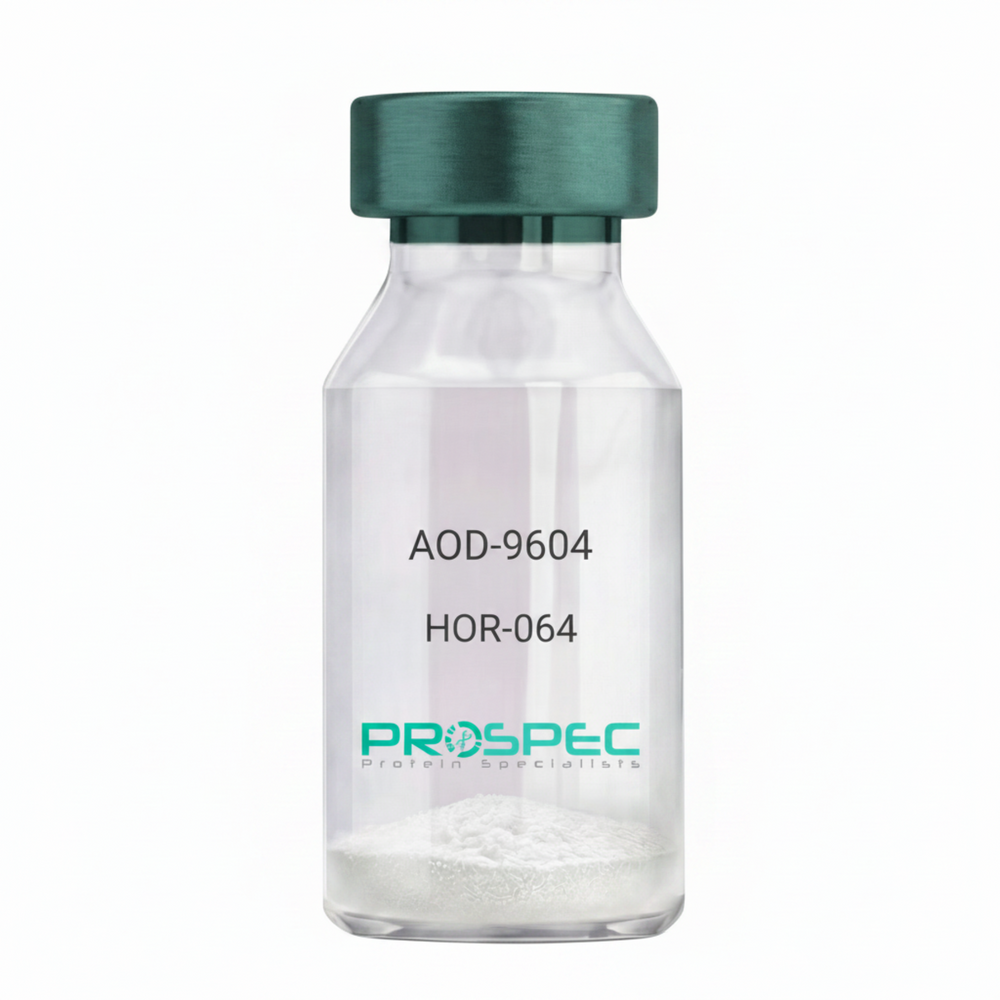
    AOD-9604

    Description:

    AOD-9604

    Product # :

    HOR-064

    Price :

    Quantity :

    Shipping Method :

    Room Temp Icon

    Shipped at Room temp

    Add To Cart

    More Info

    • description
    • formulation
    • purity
    • More Info
    • Citations

    Description

    AOD-9604 is a synthetic single, non-glycosylated polypeptide chain containing 16 amino acids, having a molecular mass of 1815 Dalton and a Molecular formula of C78H123N23O23 S2.

    Formulation

    The protein was lyophilized with no additives.

    Purity

    Greater than 97.0% as determined by analysis by RP-HPLC.

    Citations

    More Info

    • Physical Appearance

      Sterile Filtered White lyophilized (freeze-dried) powder.

    • Stability

      Lyophilized AOD-9604 although stable at room temperature for 3 weeks, should be stored desiccated below -18°C. Upon reconstitution AOD-9604 should be stored at 4°C between 2-7 days and for future use below -18°C.
      For long term storage it is recommended to add a carrier protein (0.1% HSA or BSA).
      Please prevent freeze-thaw cycles.

    • Solubility

      It is recommended to reconstitute the lyophilized AOD-9604 in sterile 18MΩ-cm H2O not less than 100 µg/ml, which can then be further diluted to other aqueous solutions.

    • Amino Acid Sequence

      H-Tyr-Leu-Arg-Ile-Val-Gln-Cys-Arg-SerVal-Glu-Gly-Ser-Cys-Gly-Phe-OH (Disulfide bond).

    • Background

      AOD-9604 is a synthetic analog of the C-terminal fragment (177–191) AOD-9604 stimulates lipolysis (fat breakdown) without the unwanted growth-promoting or insulin-antagonizing effects of full-length hGH. AOD-9604 is a potent lipolytic tool in animal models and researchers focus on its regenerative properties in joint health and its ability to modulate beta3 adrenergic receptors without the systemic risks of growth hormone.

    ProSpec's products are furnished for LABORATORY RESEARCH USE ONLY. The product may not be used as drugs, agricultural or pesticidal products, food additives or household chemicals.

    AOD-9604
  • View Data Sheet

    Name :

    HSF1 Antibody

    Description:

    Heat Shock Transcription Factor-1, Mouse Anti Human

    HSF-1, HSF1, HSTF-1, HSTF1, Heat shock factor protein 1, Heat shock transcription factor 1.

    Product # :

    ANT-328

    Price :

    Quantity :

    Shipping Method :

    Ice Icon

    Shipped with Ice Packs

    Add To Cart

    More Info

    • formulation
    • More Info
    • Citations

    Formulation

    1mg/ml containing PBS, pH-7.4, 0.02% Sodium Azide and 10% Glycerol.

    Citations

    More Info

    • Introduction

      The transcription of heat-shock genes is rapidly induced after temperature stress in response to environmental changes, and it is also involved in oogenesis, spermatogenesis, and placental development. Hsp90, is a major repressor of HSF1 gene. HSF1 is known for its participation in heat shock response. HSF1 protein regulates the transcription of hundreds of targets, such as genes involved in protein folding, detoxification, energy generation, carbohydrate metabolism, and cell wall organization. HSF1 binds to MTA1 in vitro & in breast carcinoma. Suppression of estrogen-dependent transcription may contribute to role of HSF1 in cancer. Human cancer lines of diverse origins express higher dependence on HSF1 function to maintain proliferation and survival than their non-transformed counterparts. HSF1 induces anticoagulation and relaxation factors in vascular endothelial cells and could therefore be used to treat cardiovascular disease. HSF1 is directly involved in the regulation of HO1 havi

    • Synonyms

      HSF-1, HSF1, HSTF-1, HSTF1, Heat shock factor protein 1, Heat shock transcription factor 1.

    • Immunogen

      Anti-human HSF1 mAb, is derived from hybridization of mouse FO myeloma cells with spleen cells from BALB/c mice immunized with recombinant human HSF1 amino acids 1-529 purified from E. coli.

    • Ig Subclass

      Mouse IgG1 heavy chain and κ light chain.

    • Clone

      PJ7F9AT.

    • Applications

      HSF1 antibody has been tested by ELISA and Western blot analysis to assure specificity and reactivity. Since application varies, however, each investigation should be titrated by the reagent to obtain optimal results. Recommended dilution range for Western blot analysis is 1:1,000~ 2,000. Recommended starting dilution is 1:1,000.

    • Type

      Mouse Anti Human Monoclonal.

    • Storage Procedures

      For periods up to 1 month store at 4°C, for longer periods of time, store at -20°C. Prevent freeze thaw cycles.

    • Purification Method

      HSF1 antibody was purified from mouse ascitic fluids by protein-G affinity chromatography.

    ProSpec's products are furnished for LABORATORY RESEARCH USE ONLY. The product may not be used as drugs, agricultural or pesticidal products, food additives or household chemicals.

    Hsf1 Antibody
  • View Data Sheet

    Name :

    SNTA1 Antibody

    Description:

    Syntrophin, Alpha 1, Mouse Anti Human

    Alpha-1-syntrophin, 59 kDa dystrophin-associated protein A1 acidic component 1, Pro-TGF-alpha cytoplasmic domain-interacting protein 1, TACIP1, Syntrophin-1, SNTA1, SNT1, LQT12, dJ1187J4.5.

    Product # :

    ANT-471

    Price :

    Quantity :

    Shipping Method :

    Ice Icon

    Shipped with Ice Packs

    Add To Cart

    More Info

    • formulation
    • More Info
    • Citations

    Formulation

    1mg/ml containing PBS, pH-7.4, 10% Glycerol and 0.02% Sodium Azide.

    Citations

    More Info

    • Introduction

      SNTA1 is a member of the syntrophin gene family. SNTA1 is a peripheral membrane protein found linked with dystrophin and dystrophin-related proteins. Dystrophin is a large, rod-like cytoskeletal protein located at the inner surface of muscle fibers. Dystrophin is absent in Duchenne Muscular Dystrophy patients, however it is present in reduced amounts in Becker Muscular Dystrophy patients. Syntrophins are cytoplasmic peripheral membrane scaffold proteins and components of the dystrophin-associated protein complex. The N-terminal PDZ domain of SNTA1 interacts with the C-terminus of the pore-forming alpha subunit (SCN5A) of the cardiac sodium channel Nav1.5. In addition, SNTA1 associates cardiac sodium channels with the nitric oxide synthase-PMCA4b (plasma membrane Ca-ATPase subtype 4b) complex in cardiomyocytes. The SNTA1 gene is a predisposition locus for Long-QT syndrome (LQT) - an inherited disorder associated with sudden cardiac death from arrhythmia - and sudden infant death syndrome (SIDS). SNTA1 also associates with dystrophin and dystrophin-related proteins at the neuromuscular junction and modifies intracellular calcium ion levels in muscle tissue.

    • Synonyms

      Alpha-1-syntrophin, 59 kDa dystrophin-associated protein A1 acidic component 1, Pro-TGF-alpha cytoplasmic domain-interacting protein 1, TACIP1, Syntrophin-1, SNTA1, SNT1, LQT12, dJ1187J4.5.

    • Physical Appearance

      Sterile filtered colorless solution.

    • Immunogen

      Anti-human SNTA1 mAb, clone PAT1E1A, is derived from hybridization of mouse F0 myeloma cells with spleen cells from BALB/c mice immunized with a recombinant human SNTA1 protein 1-505 amino acids purified from E. coli.

    • Ig Subclass

      Mouse IgG2b heavy chain and Kappa light chain.

    • Clone

      PAT1E1A.

    • Applications

      The antibody has been tested by ELISA, Western blot analysis to assure specificity and reactivity. Since application varies, however, each investigation should be titrated by the reagent to obtain optimal results. Recommended starting dilution is 1:1000.

    • Type

      Mouse Anti Human Monoclonal.

    • Storage Procedures

      For periods up to 1 month store at 4°C, for longer periods of time, store at -20°C. Prevent freeze thaw cycles.

    ProSpec's products are furnished for LABORATORY RESEARCH USE ONLY. The product may not be used as drugs, agricultural or pesticidal products, food additives or household chemicals.

    Snta1 Antibody
  • View Data Sheet

    Name :

    EGFR Antibody (PAT2H8AT)

    Description:

    Epidermal Growth Factor Receptor Clone PAT2H8AT, Mouse Anti Human

    ERBB, ERBB1, Epidermal growth factor receptor, HER1, PIG61, epidermal growth factor receptor, Urogastrone, Proto-oncogene c-ErbB-1, Oncogene ERBB, Cell proliferation inducing protein 61, Cell growth inhibiting protein 40, Avian erythroblastic leukemia viral (verbb) oncogene homolog.

    Product # :

    ANT-751

    Price :

    Quantity :

    Shipping Method :

    Ice Icon

    Shipped with Ice Packs

    Add To Cart

    More Info

    • formulation
    • More Info
    • Citations

    Formulation

    1mg/ml containing PBS, pH-7.4, 10% Glycerol and 0.02% Sodium Azide.

    Citations

    More Info

    • Introduction

      Epidermal growth factor receptor or EGFR or Erb-1 is a membranal protein that acts as a receptor for the extracellular EGF proteins family. This protein is a part of a family of receptors called ErbB family which are all tyrosine kinases receptors. Mutations in the gene of this receptors can cause cancer.

    • Synonyms

      ERBB, ERBB1, Epidermal growth factor receptor, HER1, PIG61, epidermal growth factor receptor, Urogastrone, Proto-oncogene c-ErbB-1, Oncogene ERBB, Cell proliferation inducing protein 61, Cell growth inhibiting protein 40, Avian erythroblastic leukemia viral (verbb) oncogene homolog.

    • Physical Appearance

      Sterile filtered colorless solution.

    • Immunogen

      Anti-human EGFR mAb, is derived from hybridization of mouse F0 myeloma cells with spleen cells from BALB/c mice immunized with recombinant human EGFR amino acids 424-605 purified from E. coli.

    • Ig Subclass

      Mouse IgG2b heavy chain and κ light chain.

    • Clone

      PAT2H8AT.

    • Applications

      EGFR antibody has been tested by ELISA, Western blot analysis and ICC/IF to assure specificity and reactivity. Since application varies, however, each investigation should be titrated by the reagent to obtain optimal results.

    • Type

      Mouse Anti Human Monoclonal.

    • Storage Procedures

      For periods up to 1 month store at 4°C, for longer periods of time, store at -20°C. Prevent freeze thaw cycles.

    • Purification Method

      EGFR antibody was purified from mouse ascitic fluids by protein-G affinity chromatography.

    ProSpec's products are furnished for LABORATORY RESEARCH USE ONLY. The product may not be used as drugs, agricultural or pesticidal products, food additives or household chemicals.

    Anti Egfr
  • View Data Sheet

    Name :

    SSR4 Antibody

    Description:

    Signal Sequence Receptor Delta, Mouse Anti Human

    TRAPD, Translocon-associated protein subunit delta, TRAP-delta, Signal sequence receptor subunit delta SSR-delta.

    Product # :

    ANT-509

    Price :

    Quantity :

    Shipping Method :

    Ice Icon

    Shipped with Ice Packs

    Add To Cart

    More Info

    • formulation
    • More Info
    • Citations

    Formulation

    1mg/ml containing PBS, pH-7.4, 10% Glycerol and 0.02% Sodium Azide.

    Citations

    More Info

    • Introduction

      SSR4 is a member of the TRAP-delta family. SSR4 is the delta subunit of the translocon-associated protein complex that participates in translocating proteins through the endoplasmic reticulum membrane. SSR4 positioned in the Xq28 region and organized in a compact head-to-head manner with the isocitrate dehydrogenase 3 (NAD+) gamma gene. Both genes are motivated by a CpG-embedded bidirectional promoter.

    • Synonyms

      TRAPD, Translocon-associated protein subunit delta, TRAP-delta, Signal sequence receptor subunit delta SSR-delta.

    • Physical Appearance

      Sterile filtered colorless solution.

    • Immunogen

      Anti-human SSR4 mAb, clone PAT26G5AT, is derived from hybridization of mouse F0 myeloma cells with spleen cells from BALB/c mice immunized with a recombinant human SSR4 protein 24-144 amino acids purified from E. coli.

    • Ig Subclass

      Mouse IgG1 heavy chain and k light chain.

    • Clone

      PAT26G5AT.

    • Applications

      The antibody has been tested by ELISA, Western blot analysis to assure specificity and reactivity. Since application varies, however, each investigation should be titrated by the reagent to obtain optimal results. Recommended starting dilution is 1:1000.

    • Type

      Mouse Anti Human Monoclonal.

    • Storage Procedures

      For periods up to 1 month store at 4°C, for longer periods of time, store at -20°C. Prevent freeze thaw cycles.

    • Purification Method

      SSR4 antibody was purified from mouse ascitic fluids by protein-A affinity chromatography.

    ProSpec's products are furnished for LABORATORY RESEARCH USE ONLY. The product may not be used as drugs, agricultural or pesticidal products, food additives or household chemicals.

    Ssr4 Antibody
  • View Data Sheet

    Name :

    EPM2A Antibody

    Description:

    Laforin, Mouse Anti Human

    Laforin, Lafora PTPase, LAFPTPase, EPM2A, EPM2, MELF, epilepsy progressive myoclonus type 2A Lafora disease.

    Product # :

    ANT-427

    Price :

    Quantity :

    Shipping Method :

    Ice Icon

    Shipped with Ice Packs

    Add To Cart

    More Info

    • formulation
    • More Info
    • Citations

    Formulation

    1mg/ml containing PBS, pH-7.4, & 0.1% Sodium Azide.

    Citations

    More Info

    • Introduction

      EPM2A is a dual-specificity phosphatase which associates with polyribosomes. The EPM2A protein may be involved in the regulation of glycogen metabolism. Mutations in the EPM2A gene have been linked to myoclonic epilepsy of Lafora.

    • Synonyms

      Laforin, Lafora PTPase, LAFPTPase, EPM2A, EPM2, MELF, epilepsy progressive myoclonus type 2A Lafora disease.

    • Immunogen

      Anti-human EPM2A mAb, is derived from hybridization of mouse F0 myeloma cells with spleen cells from BALB/c mice immunized with recombinant human EPM2A amino acids 243-331 purified from E. coli.

    • Ig Subclass

      Mouse IgG1 heavy chain and κ light chain.

    • Clone

      P3F3AT.

    • Applications

      EPM2A antibody has been tested by ELISA and Western blot analysis to assure specificity and reactivity. Since application varies, however, each investigation should be titrated by the reagent to obtain optimal results. Recommended dilution range for Western blot analysis is 1:1,000 ~ 2,000. Recommended starting dilution is 1:1,000.

    • Type

      Mouse Anti Human Monoclonal.

    • Storage Procedures

      For periods up to 1 month store at 4°C, for longer periods of time, store at -20°C. Prevent freeze thaw cycles.

    • Purification Method

      EPM2A antibody was purified from mouse ascitic fluids by protein-G affinity chromatography.

    ProSpec's products are furnished for LABORATORY RESEARCH USE ONLY. The product may not be used as drugs, agricultural or pesticidal products, food additives or household chemicals.

    Epm2A Antibody
  • View Data Sheet

    Name :

    TNFRSF10C Antibody

    Description:

    TRAIL Receptor-3, Mouse Anti Human

    Tumor Necrosis Factor Receptor Superfamily, Member 10c, Decoy Without An , Intracellular Domain, TRAILR3, DCR1, TRID, TNF-Related Apoptosis-Inducing Ligand Receptor, Antagonist Decoy Receptor For TRAIL/Apo-2L, Decoy TRAIL Receptor Without Death Domain, Lymphocyte Inhibitor Of TRAIL, Decoy Receptor,TRAIL-R, LIT,Tumor Necrosis Factor Receptor Superfamily Member 10C, TRAIL Receptor Without an Intracellular Domain, Cytotoxic TRAIL Receptor, TRAIL Receptor, CD263 Antigen, DCR1-TNFR, CD263.

    Product # :

    ANT-741

    Price :

    Quantity :

    Shipping Method :

    Ice Icon

    Shipped with Ice Packs

    Add To Cart

    More Info

    • formulation
    • More Info
    • Citations

    Formulation

    1mg/ml containing PBS, pH-7.4, 10% Glycerol and 0.02% Sodium Azide.

    Citations

    More Info

    • Introduction

      TRAIL Receptor-3, also known as TNFRSF10C belongs to theTNF-receptor super family. TNFRSF10C contains an extracellular TRAIL-binding domain as well as a transmembranedomain, however no cytoplasmic death domain. Furthermore, TNFRSF10C is not capable of inducing apoptosis, and is considered toact as an antagonistic receptor which protects cells from TRAIL-induced apoptosis.

    • Synonyms

      Tumor Necrosis Factor Receptor Superfamily, Member 10c, Decoy Without An , Intracellular Domain, TRAILR3, DCR1, TRID, TNF-Related Apoptosis-Inducing Ligand Receptor, Antagonist Decoy Receptor For TRAIL/Apo-2L, Decoy TRAIL Receptor Without Death Domain, Lymphocyte Inhibitor Of TRAIL, Decoy Receptor,TRAIL-R, LIT,Tumor Necrosis Factor Receptor Superfamily Member 10C, TRAIL Receptor Without an Intracellular Domain, Cytotoxic TRAIL Receptor, TRAIL Receptor, CD263 Antigen, DCR1-TNFR, CD263.

    • Physical Appearance

      Sterile filtered colorless solution.

    • Immunogen

      Anti-human TNFRSF10C mAb, is derived from hybridization of mouse SP2/0 myeloma cells with spleen cells from BALB/c mice immunized with Recombinant human TNFRSF10C amino acids 26-236 purified from E. coli.

    • Ig Subclass

      Mouse IgG1 heavy chain and κ light chain.

    • Clone

      PAT1E12AT.

    • Applications

      The antibody has been tested by ELISA, Western blot analysis, Flow cytometry and ICC/IF to assure specificity and reactivity. Since application varies, however, each investigation should be titrated by the reagent to obtain optimal results.

    • Type

      Mouse Anti Human Monoclonal.

    • Storage Procedures

      For periods up to 1 month store at 4°C, for longer periods of time, store at -20°C. Prevent freeze thaw cycles.

    • Purification Method

      TNFRSF10C antibody was purified from mouse ascitic fluids by protein-A affinity chromatography.

    ProSpec's products are furnished for LABORATORY RESEARCH USE ONLY. The product may not be used as drugs, agricultural or pesticidal products, food additives or household chemicals.

    Tnfrsf10C Antibody
  • View Data Sheet

    Name :

    TNNI1 Antibody

    Description:

    Troponin I Type 1, Mouse Anti Human

    DKFZp451O223, SSTNI, TNN1, Troponin I, slow skeletal muscle ,Troponin I, slow-twitch isoform.

    Product # :

    ANT-474

    Price :

    Quantity :

    Shipping Method :

    Ice Icon

    Shipped with Ice Packs

    Add To Cart

    More Info

    • formulation
    • More Info
    • Citations

    Formulation

    1mg/ml containing PBS, pH-7.4, 10% Glycerol and 0.01% Sodium Azide.

    Citations

    More Info

    • Introduction

      Troponin I, (TNNI1) is a member of the troponin I family. Troponin complex has 3 subunits, TNNI1 known as the inhibitory Subunit which prevents the actin-myosin interactions and thus mediating striated muscle relaxation. TNNI1 combines with tropomyosin and regulates calcium sensitivity of striated muscles by structural modifications in actin-myosin complexes.

    • Synonyms

      DKFZp451O223, SSTNI, TNN1, Troponin I, slow skeletal muscle ,Troponin I, slow-twitch isoform.

    • Physical Appearance

      Sterile Filtered colorless solution.

    • Immunogen

      Anti-human TNNI1 mAb, clone PAT36E7A, is derived from hybridization of mouse F0 myeloma cells with spleen cells from BALB/c mice immunized with a recombinant human TNNI1 protein.

    • Ig Subclass

      Mouse IgG2b heavy chain and Kappa light chain.

    • Clone

      PAT36E7A.

    • Applications

      The antibody has been tested by ELISA and Western blot analysis to assure specificity and reactivity. Since application varies, however, each investigation should be titrated by the reagent to obtain optimal results. Recommended dilution range for Western blot analysis is 1:500 ~ 1:5000. Recommended starting dilution is 1:5000.

    • Type

      Mouse Anti Human Monoclonal.

    • Storage Procedures

      For periods up to 1 month store at 4°C, for longer periods of time, store at -20°C. Prevent freeze thaw cycles.

    • Purification Method

      TNNI1 antibody was purified from mouse ascitic fluids by protein-G affinity chromatography.

    ProSpec's products are furnished for LABORATORY RESEARCH USE ONLY. The product may not be used as drugs, agricultural or pesticidal products, food additives or household chemicals.

    Tnni1 Antibody
  • View Data Sheet

    Name :

    TREM2 Antibody

    Description:

    Triggering receptor expressed on myeloid cells 2, Mouse Anti Human

    Triggering receptor expressed on myeloid cells 2, Triggering receptor expressed on monocytes 2, TREM-2, TREM2, Trem2a, Trem2b, Trem2c.

    Product # :

    ANT-429

    Price :

    Quantity :

    Shipping Method :

    Ice Icon

    Shipped with Ice Packs

    Add To Cart

    More Info

    • formulation
    • More Info
    • Citations

    Formulation

    1mg/ml containing PBS, pH-7.4, & 0.1% Sodium Azide.

    Citations

    More Info

    • Introduction

      TREM2 is a membrane protein that forms a receptor signaling complex with TYROBP. TREM2 may be involved in chronic inflammation by triggering the production of constitutive inflammatory cytokines. Defects in the TREM2 gene are a source of polycystic lipomembranous osteodysplasia with sclerosing leukoencephalopathy (PLOSL).

    • Synonyms

      Triggering receptor expressed on myeloid cells 2, Triggering receptor expressed on monocytes 2, TREM-2, TREM2, Trem2a, Trem2b, Trem2c.

    • Immunogen

      Anti-human TREM2 mAb, is derived from hybridization of mouse F0 myeloma cells with spleen cells from BALB/c mice immunized with recombinant human TREM2 amino acids 19-161 purified from E. coli.

    • Ig Subclass

      Mouse IgG3 heavy chain and κ light chain.

    • Clone

      P2B5AT.

    • Applications

      TREM2 antibody has been tested by ELISA and Western blot analysis to assure specificity and reactivity. Since application varies, however, each investigation should be titrated by the reagent to obtain optimal results. Recommended dilution range for Western blot analysis is 1:500 ~ 1,000.Recommended starting dilution is 1:500.

    • Type

      Mouse Anti Human Monoclonal.

    • Storage Procedures

      For periods up to 1 month store at 4°C, for longer periods of time, store at -20°C. Prevent freeze thaw cycles.

    • Purification Method

      TREM2 antibody was purified from mouse ascitic fluids by protein-G affinity chromatography.

    ProSpec's products are furnished for LABORATORY RESEARCH USE ONLY. The product may not be used as drugs, agricultural or pesticidal products, food additives or household chemicals.

    Trem2 Antibody
  • View Data Sheet

    Name :

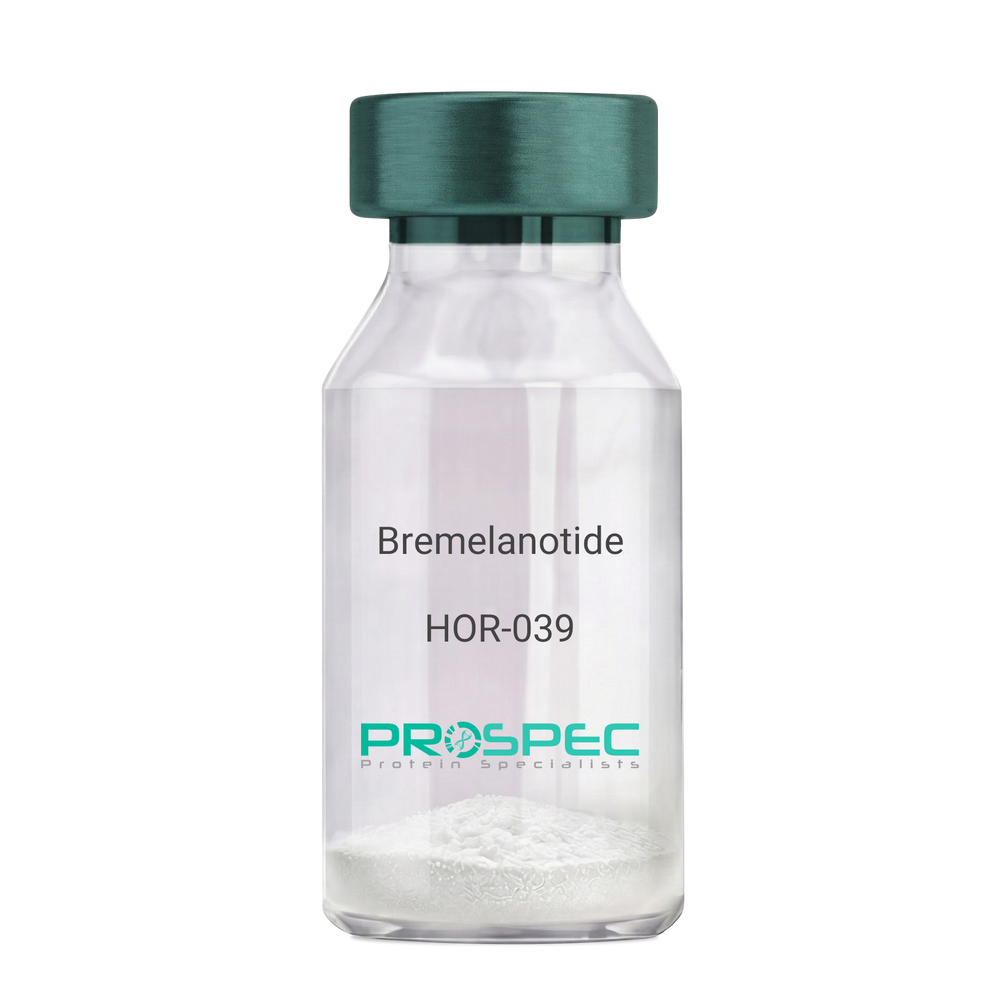
    Bremelanotide

    Description:

    Bremelanotide

    PT-141, Rekynda, bremelanotide acetate.

    Product # :

    HOR-039

    Price :

    Quantity :

    Shipping Method :

    Room Temp Icon

    Shipped at Room temp

    Add To Cart

    More Info

    • description
    • formulation
    • purity
    • More Info
    • Citations

    Description

    Bremelanotide Synthetic is a single, non-glycosylated polypeptide chain containing 6 amino acids, having a molecular mass of 1025.16 Dalton and a Molecular formula of C50H68N40O10.

    Formulation

    The protein was lyophilized with no additives.

    Purity

    Greater than 97.0% as determined by analysis by RP-HPLC.

    Citations

    More Info

    • Synonyms

      PT-141, Rekynda, bremelanotide acetate.

    • Physical Appearance

      Sterile Filtered White lyophilized (freeze-dried) powder.

    • Stability

      Lyophilized Bremelanotide although stable at room temperature for 3 weeks, should be stored desiccated below -18°C. Upon reconstitution Bremelanotide should be stored at 4°C between 2-7 days and for future use below -18°C. For long term storage it is recommended to add a carrier protein (0.1% HSA or BSA). Please prevent freeze-thaw cycles.

    • Solubility

      It is recommended to reconstitute the lyophilized Bremelanotide in sterile 18MΩ-cm H2O not less than 100 µg/ml, which can then be further diluted to other aqueous solutions.

    • Amino Acid Sequence

      Ac-Nle-cyclo(-Asp-His-D-Phe-Arg-Trp-Lys)-OH.

    • Background

      Bremelanotide (PT-141), a synthetic heptapeptide, is a novel therapeutic agent primarily utilized for the treatment of sexual dysfunction. This paper provides an exhaustive review of Bremelanotide, detailing its biochemical structure, mechanism of action, therapeutic applications, and future prospects in clinical medicine.

      Bremelanotide (PT-141), derived from Melanotan II, is a synthetic peptide developed for its role in treating sexual dysfunction in both men and women (Clayton et al., 2016). This paper presents a comprehensive examination of Bremelanotide, its biological properties, and potential therapeutic uses.

      Bremelanotide acts as a non-selective agonist of the melanocortin receptors, primarily MC3R and MC4R, present in the central nervous system. The peptide initiates its action in the hypothalamus, leading to downstream effects on sexual desire and arousal (King et al., 2007).

      The US Food and Drug Administration approved Bremelanotide for the treatment of premenopausal women with hypoactive sexual desire disorder (HSDD) in 2019. In clinical trials, it demonstrated efficacy in enhancing sexual desire and reducing distress associated with HSDD (Kingsberg et al., 2019).

      While the current focus of Bremelanotide is on treating sexual dysfunction, its future potential may extend to other areas due to its unique mechanism of action. Further research is needed to explore the full therapeutic potential of this intriguing peptide. In conclusion, Bremelanotide represents a significant advance in sexual dysfunction therapeutics, with potential implications extending beyond this realm.

    ProSpec's products are furnished for LABORATORY RESEARCH USE ONLY. The product may not be used as drugs, agricultural or pesticidal products, food additives or household chemicals.

    Bremelanotide
  • View Data Sheet

    Name :

    S100A8 Human, His

    Description:

    S100 Calcium Binding Protein A8 Human Recombinant, His Tag

    Calgranulin A, MRP8, CAGA, CGLA, CFAG, Protein S100-A8, S100 calcium-binding protein A8, Migration inhibitory factor-related protein 8, MRP-8, p8, Cystic fibrosis antigen, Leukocyte L1 complex light chain, Calprotectin L1L subunit, Urinary stone protein band A, S100A8, MIF, NIF, L1Ag, CP-10, MA387, 60B8AG.

    Product # :

    PRO-150

    Price :

    Quantity :

    Shipping Method :

    Room Temp Icon

    Shipped at Room temp

    Add To Cart

    More Info

    • description
    • source
    • formulation
    • More Info
    • Citations

    Description

    The Recombinant Human S100A8 produced in E.coli has a molecular mass of 12.08kDa containing 103 amino acid residues of the human S100A8 and fused to a 10 a.a. His tag at N-terminus.

    Source

    Escherichia Coli.

    Formulation

    S100A8 was filtered (0.4µm) and lyophilized in 0.5mg/ml in 20mM Tris and 100mM NaCl, pH 7.5.

    Citations

    More Info

    • Introduction

      S100A8 is a part of the S100 family of proteins containing 2 EF-hand calcium-binding motifs. S100 proteins are localized in the cytoplasm and/or nucleus of a broad range of cells, and participate in the regulation of cellular processes such as cell cycle progression and differentiation. S100A8 plays a role in the inhibition of casein kinase and as a cytokine. S100A8 altered expression is related with cystic fibrosis disease. S100A8 is a calcium-binding protein that has antimicrobial activity against bacteria and fungi.S100A8 is crucial for resistance towards invasion by pathogenic bacteria. S100A8 up-regulates transcription of genes that are under the control of NF-kappa-B. S100A8 plays a role in the development of endotoxic shock in response to bacterial lipopolysaccharide. S100A8 endorses tubulin polymerization and promotes phagocyte migration and infiltration of granulocytes at sites of wounding. S100A8 takes part as a pro-inflammatory mediator in acute and chronic inflammation and up-regulates the release of IL8 and cell-surface expression of ICAM1.

    • Synonyms

      Calgranulin A, MRP8, CAGA, CGLA, CFAG, Protein S100-A8, S100 calcium-binding protein A8, Migration inhibitory factor-related protein 8, MRP-8, p8, Cystic fibrosis antigen, Leukocyte L1 complex light chain, Calprotectin L1L subunit, Urinary stone protein band A, S100A8, MIF, NIF, L1Ag, CP-10, MA387, 60B8AG.

    • Stability

      Store lyophilized protein at -20°C. Aliquot the product after reconstitution to avoid repeated freezing/thawing cycles. Reconstituted protein can be stored at 4°C for a limited period of time; it does not show any change after two weeks at 4°C.

    • Solubility

      It is recommended to add deionized water to prepare a working stock solution of approximately 0.5 mg/ml and let the lyophilized pellet dissolve completely. Product is not sterile! Please filter the product by an appropriate sterile filter before using it in the cell culture.

    • Amino Acid Sequence

      MKHHHHHHAS MLTELEKALN SIIDVYHKYS LIKGNFHAVY RDDLKKLLET ECPQYIRKKG ADVWFKELDI NTDGAVNFQEMLTELEKALN SIIDVYHKYS LIKGNFHAVY RDDLKKLLET ECPQYIRKKG ADVWFKELDI NTDGAVNFQE FLILVIKMGV AAHKKSHEES HKE.

    ProSpec's products are furnished for LABORATORY RESEARCH USE ONLY. The product may not be used as drugs, agricultural or pesticidal products, food additives or household chemicals.

    S100A8 Human His
  • View Data Sheet

    Name :

    DPP4 Human, HEK

    Description:

    Dipeptidyl-Peptidase 4 Human Recombinant, HEK

    CD26, ADABP, ADCP2, DPPIV, TP103, DPP4, Dipeptidyl peptidase 4, Dipeptidyl peptidase IV, DPP IV, T-cell activation antigen CD26, Adenosine deaminase complexing protein 2, CD26 antigen.

    Product # :

    ENZ-1187

    Price :

    Quantity :

    Shipping Method :

    Ice Icon

    Shipped with Ice Packs

    Add To Cart

    More Info

    • description
    • source
    • formulation
    • purity
    • biological activity
    • More Info
    • Citations

    Description

    DPP4 Human Recombinant is a single, glycosylated polypeptide chain containing 977 amino acids (29-766a.a) and having a molecular mass of 112.1kDa (calculated). DPP4 is fused to a 239 amino acid hIgG-Tag at C-terminus and is purified by proprietary chromatographic techniques.

    Source

    HEK293 Cells.

    Formulation

    DPP4 protein solution (0.25mg/ml) contains 10% Glycerol and Phosphate-Buffered Saline (pH 7.4).

    Purity

    Greater than 95.0% as determined by Analysis by SDS-PAGE.

    Biological Activity

    Specific activity is > 15,000 pmol/min/ug in which one unit defined as the amount of enzyme that hydrolyze 1pmole of H-Gly-Pro-AMC.HBr to H-Gly-Pro and AMC per minute at pH 8.0 at 37℃.

     The ED50 range ≤250 ng/ml is measured by its binding ability in a functional ELISA with MERS-CoV Spike S1 Subunit (CAT# sars-052)..

    The ED50 range ≤200 ng/ml is measured by its binding ability in a functional ELISA with MERS-CoV Spike RBD (CAT# sars-054).

    The ED50 range ≤120 ng/ml is measured by its binding ability in a functional ELISA with MERS-CoV Spike (CAT# sars-051).

    Citations

    More Info

    • Synonyms

      CD26, ADABP, ADCP2, DPPIV, TP103, DPP4, Dipeptidyl peptidase 4, Dipeptidyl peptidase IV, DPP IV, T-cell activation antigen CD26, Adenosine deaminase complexing protein 2, CD26 antigen.

    • Physical Appearance

      Sterile Filtered colorless solution.

    • Stability

      Store at 4°C if entire vial will be used within 2-4 weeks. Store, frozen at -20°C for longer periods of time. For long term storage it is recommended to add a carrier protein (0.1% HSA or BSA).Avoid multiple freeze-thaw cycles.

    • Amino Acid Sequence

      DGSMNKGTDD ATADSRKTYT LTDYLKNTYR LKLYSLRWIS DHEYLYKQEN NILVFNAEYG NSSVFLENST FDEFGHSIND YSISPDGQFI LLEYNYVKQW RHSYTASYDI YDLNKRQLIT EERIPNNTQW VTWSPVGHKL AYVWNNDIYV KIEPNLPSYR ITWTGKEDII YNGITDWVYE EEVFSAYSAL WWSPNGTFLA YAQFNDTEVP LIEYSFYSDE SLQYPKTVRV PYPKAGAVNP TVKFFVVNTD SLSSVTNATS IQITAPASML IGDHYLCDVT WATQERISLQ WLRRIQNYSV MDICDYDESS GRWNCLVARQ HIEMSTTGWV GRFRPSEPHF TLDGNSFYKI ISNEEGYRHI CYFQIDKKDC TFITKGTWEV IGIEALTSDY LYYISNEYKG MPGGRNLYKI QLSDYTKVTC LSCELNPERC QYYSVSFSKE AKYYQLRCSG PGLPLYTLHS SVNDKGLRVL EDNSALDKML QNVQMPSKKL DFIILNETKF WYQMILPPHF DKSKKYPLLL DVYAGPCSQK ADTVFRLNWA TYLASTENII VASFDGRGSG YQGDKIMHAI NRRLGTFEVE DQIEAARQFS KMGFVDNKRI AIWGWSYGGY VTSMVLGSGS GVFKCGIAVA PVSRWEYYDS VYTERYMGLP TPEDNLDHYR NSTVMSRAEN FKQVEYLLIH GTADDNVHFQ QSAQISKALV DVGVDFQAMW YTDEDHGIAS STAHQHIYTH MSHFIKQCFS LPKLLEPKSC DKTHTCPPCP APELLGGPSV FLFPPKPKDT LMISRTPEVT CVVVDVSHED PEVKFNWYVD GVEVHNAKTK PREEQYNSTY RVVSVLTVLH QDWLNGKEYK CKVSNKALPA PIEKTISKAK GQPREPQVYT LPPSRDELTK NQVSLTCLVK GFYPSDIAVE WESNGQPENN YKTTPPVLDS DGSFFLYSKL TVDKSRWQQG NVFSCSVMHE ALHNHYTQKS LSLSPGK.

    • Background

      DPP4 protein, also known as Dipeptidyl peptidase-4 or CD26, is a cell surface protease with diverse functions in cell signaling and metabolism. This research aims to investigate the role of DPP4 protein in various physiological processes and its implications in disease pathogenesis. Understanding the biological significance of DPP4 can provide insights into its potential as a therapeutic target for several disorders.

      Function of DPP4 Protein:

      DPP4 protein is involved in the cleavage and regulation of several peptide hormones and chemokines, influencing their bioactivity and half-life. It is widely expressed in various tissues, including immune cells, endothelial cells, and epithelial cells. DPP4 can modulate immune responses, glucose metabolism, and neuropeptide signaling through enzymatic and non-enzymatic activities.

      Role of DPP4 Protein in Immune Regulation:

      DPP4 protein plays a role in immune cell activation and regulation. It is expressed on the surface of T cells, where it functions as a co-stimulatory molecule. DPP4 engagement on T cells promotes T cell activation, cytokine production, and adhesion to endothelial cells. Additionally, DPP4 can cleave and inactivate certain chemokines, thereby influencing chemotaxis and immune cell recruitment.

      Implications of DPP4 Protein in Metabolic Disorders:

      DPP4 protein is involved in glucose metabolism and insulin regulation. It cleaves incretin hormones, such as glucagon-like peptide-1 (GLP-1) and gastric inhibitory polypeptide (GIP), which play crucial roles in glucose homeostasis. Inhibition of DPP4 activity can enhance the action of these incretin hormones, leading to improved glycemic control. Therefore, DPP4 inhibitors have been developed as antidiabetic drugs.

      Association of DPP4 Protein with Cardiovascular Diseases:

      DPP4 protein has been implicated in the pathogenesis of cardiovascular diseases. Elevated DPP4 levels have been observed in patients with heart failure, atherosclerosis, and hypertension. DPP4 can contribute to endothelial dysfunction, inflammation, and vascular remodeling, which are key factors in the development and progression of cardiovascular disorders. Inhibition of DPP4 activity has shown potential as a therapeutic strategy in preclinical studies.

      Given its involvement in various biological processes and disease pathogenesis, DPP4 protein has emerged as a potential therapeutic target. DPP4 inhibitors, which prevent the enzymatic activity of DPP4, have been developed for the treatment of type 2 diabetes. These inhibitors enhance the action of incretin hormones, leading to improved glycemic control. Additionally, ongoing research aims to explore the therapeutic potential of DPP4 inhibitors in other conditions, such as immune-mediated disorders and cardiovascular diseases.

      Conclusion:

      The investigation of DPP4 protein provides insights into its diverse functions in cell signaling, immune regulation, and metabolism. Understanding the role of DPP4 in disease pathogenesis opens avenues for the development of targeted therapies for conditions such as diabetes, cardiovascular diseases, and immune-mediated disorders. Further research on DPP4 protein and its associated pathways may uncover new therapeutic opportunities and improve patient outcomes.

    ProSpec's products are furnished for LABORATORY RESEARCH USE ONLY. The product may not be used as drugs, agricultural or pesticidal products, food additives or household chemicals.

    Dpp4 Human Hek
  • View Data Sheet

    Name :

    NME1 Human, Active

    Description:

    Non-Metastatic Cells 1 Human Recombinant, BioActive

    Non-metastatic cells 1, Nucleoside diphosphate kinase A, NDP kinase A, AWD, GAAD, NB, NBS, NDPK-A, NM23, NM23-H1.

    Product # :

    PRO-2639

    Price :

    Quantity :

    Shipping Method :

    Ice Icon

    Shipped with Ice Packs

    Add To Cart

    More Info

    • description
    • source
    • formulation
    • purity
    • biological activity
    • More Info
    • Citations

    Description

    NME1 Human Recombinant produced in E.Coli is a single, non-glycosylated polypeptide chain containing 152 amino acids (1-152 a.a.) and having a molecular mass of 17.1kDa.

    Source

    E.coli.

    Formulation

    The NME1 solution (1mg/ml) contains 10% glycerol, 20mM Tris-HCl buffer (pH 7.5) and 1mM DTT.

    Purity

    Greater than 90.0% as determined by SDS-PAGE.

    Biological Activity

    Specific activity is > 1,200unit/mg, and is defined as the amount of enzyme that convert 1.0 umole each of ATP and TDP to ADP and TTP per minute at pH 7.5 at 25C in a couple system with PK/LDH.

    Citations

    More Info

    • Introduction

      Non-metastatic cells 1 or NME1 is a protein, found at first as a suppressor gene for candidate metastasis. The protein can be found in various types of tumor, potential of metastatic may increase or decrease as the protein’s levels changes. When the protein’s concentration is low, an aggressive carcinoma (colon, breast, gastric and melanoma) appears. High levels of NME1 have been linked to advanced thyroid cancer.

    • Synonyms

      Non-metastatic cells 1, Nucleoside diphosphate kinase A, NDP kinase A, AWD, GAAD, NB, NBS, NDPK-A, NM23, NM23-H1.

    • Physical Appearance

      Sterile Filtered colorless solution.

    • Stability

      Store at 4°C if entire vial will be used within 2-4 weeks. Store, frozen at -20°C for longer periods of time. For long term storage it is recommended to add a carrier protein (0.1% HSA or BSA).Avoid multiple freeze-thaw cycles.

    • Amino Acid Sequence

      MANCERTFIA IKPDGVQRGL VGEIIKRFEQ KGFRLVGLKF MQASEDLLKE HYVDLKDRPF FAGLVKYMHS GPVVAMVWEG LNVVKTGRVM LGETNPADSK PGTIRGDFCI QVGRNIIHGS DSVESAEKEI GLWFHPEELV DYTSCAQNWI YE

    ProSpec's products are furnished for LABORATORY RESEARCH USE ONLY. The product may not be used as drugs, agricultural or pesticidal products, food additives or household chemicals.

    Nme1 Protein
  • View Data Sheet

    Name :

    EYA2 Human

    Description:

    Eyes Absent Homolog 2 Human Recombinant

    Eyes absent homolog 2 (Drosophila), EAB1, EC 3.1.3.48.

    Product # :

    PRO-1071

    Price :

    Quantity :

    Shipping Method :

    Ice Icon

    Shipped with Ice Packs

    Add To Cart

    More Info

    • description
    • source
    • formulation
    • purity
    • More Info
    • Citations

    Description

    EYA2 Human Recombinant produced in E. coli is a single polypeptide chain containing 295 amino acids (244-514) and having a molecular mass of 33.2kDa.EYA2 is fused to a 24 amino acid His-tag at N-terminus & purified by proprietary chromatographic techniques.

    Source

    E.coli.

    Formulation

    The EYA2 solution (0.5mg/1ml) contains 20mM Tris-HCl buffer (pH 8.0), 0.15M NaCl, 1mM DTT and 40% glycerol.

    Purity

    Greater than 90% as determined by SDS-PAGE.

    Citations

    More Info

    • Introduction

      EYA2 belongs to tyrosine phosphatase family which specifically dephosphorylates 'Tyr-142' of histone H2AX (H2AXY142ph). EYA2 promotes effective DNA mending by dephosphorylating H2AX, promoting the enlistment of DNA repair complexes having MDC1. EYA2 role as histone phosphatase can explain its part in transcription regulation during organogenesis.

    • Synonyms

      Eyes absent homolog 2 (Drosophila), EAB1, EC 3.1.3.48.

    • Physical Appearance

      Sterile Filtered colorless solution.

    • Stability

      Store at 4°C if entire vial will be used within 2-4 weeks. Store, frozen at -20°C for longer periods of time. For long term storage it is recommended to add a carrier protein (0.1% HSA or BSA).Avoid multiple freeze-thaw cycles.

    • Amino Acid Sequence

      MGSSHHHHHH SSGLVPRGSH MGSMERVFVW DLDETIIIFH SLLTGTFASR YGKDTTTSVR IGLMMEEMIF NLADTHLFFN DLEDCDQIHV DDVSSDDNGQ DLSTYNFSAD GFHSSAPAAN LCLGSGVHGG VDWMRKLAFR YRRVKEMYNT YKNNVGGLIG TPKRETWLQL RAELEALTDL WLTHSLKALN LINSRPNCVN VLVTTTQLIP ALAKVLLYGL GSVFPIENIY SATKTGKESC FERIMQRFGR KAVYVVIGDG VEEEQGAKKH NMPFWRISCH ADLEALRHAL ELEYL.

    ProSpec's products are furnished for LABORATORY RESEARCH USE ONLY. The product may not be used as drugs, agricultural or pesticidal products, food additives or household chemicals.

    Eya2 Human
  • View Data Sheet

    Name :

    TFB2M Human

    Description:

    Transcription Factor B2, Mitochondrial Human Recombinant

    Dimethyladenosine transferase 2 mitochondrial, Hepatitis C virus NS5A-transactivated protein 5, HCV NS5A-transactivated protein 5, Mitochondrial 12S rRNA dimethylase 2, Mitochondrial transcription factor B2, h-mtTFB, h-mtTFB2, hTFB2M, mtTFB2, S-adenosylmethionine-6-N', N'-adenosyl(rRNA) dimethyltransferase 2, TFB2M, NS5ATP5, Hkp1.

    Product # :

    PRO-1259

    Price :

    Quantity :

    Shipping Method :

    Ice Icon

    Shipped with Ice Packs

    Add To Cart

    More Info

    • description
    • source
    • formulation
    • purity
    • More Info
    • Citations

    Description

    TFB2M Human Recombinant produced in E.Coli is a single, non-glycosylated polypeptide chain containing 401 amino acids (20-396 a.a) and having a molecular mass of 45.8kDa.TFB2M is fused to a 24 amino acid His-tag at N-terminus & purified by proprietary chromatographic techniques.

    Source

    Escherichia Coli.

    Formulation

    TFB2M protein solution (0.5mg/ml) containing 20mM Tris-HCl buffer (pH 8.0), 0.15M NaCl, 10% glycerol and 1mM DTT.

    Purity

    Greater than 90.0% as determined by SDS-PAGE.

    Citations

    More Info

    • Introduction

      Transcription Factor B2, Mitochondrial (TFB2M) is an S-adenosyl-L-methionine-dependent methyltransferase which specifically dimethylates mitochondrial 12S rRNA at the conserved stem loop. In addition, TFB2M is essential for basal transcription of mitochondrial DNA, most likely via its interaction with POLRMT and TFAM. TFB2M promotes transcription independently of the methyltransferase activity. TFB2M like TFB1M, activates transcription of mitochondrial DNA more effectively, whilst having less methyltransferase activity.

    • Synonyms

      Dimethyladenosine transferase 2 mitochondrial, Hepatitis C virus NS5A-transactivated protein 5, HCV NS5A-transactivated protein 5, Mitochondrial 12S rRNA dimethylase 2, Mitochondrial transcription factor B2, h-mtTFB, h-mtTFB2, hTFB2M, mtTFB2, S-adenosylmethionine-6-N', N'-adenosyl(rRNA) dimethyltransferase 2, TFB2M, NS5ATP5, Hkp1.

    • Physical Appearance

      Sterile Filtered colorless solution.

    • Stability

      Store at 4°C if entire vial will be used within 2-4 weeks. Store, frozen at -20°C for longer periods of time. For long term storage it is recommended to add a carrier protein (0.1% HSA or BSA).Avoid multiple freeze-thaw cycles.

    • Amino Acid Sequence

      MGSSHHHHHH SSGLVPRGSH MGSMAGRFCI LGSEAATRKH LPARNHCGLS DSSPQLWPEP DFRNPPRKAS KASLDFKRYV TDRRLAETLA QIYLGKPSRP PHLLLECNPG PGILTQALLE AGAKVVALES DKTFIPHLES LGKNLDGKLR VIHCDFFKLD PRSGGVIKPP AMSSRGLFKN LGIEAVPWTA DIPLKVVGMF PSRGEKRALW KLAYDLYSCT SIYKFGRIEV NMFIGEKEFQ KLMADPGNPD LYHVLSVIWQ LACEIKVLHM EPWSSFDIYT RKGPLENPKR RELLDQLQQK LYLIQMIPRQ NLFTKNLTPM NYNIFFHLLK HCFGRRSATV IDHLRSLTPL DARDILMQIG KQEDEKVVNM HPQDFKTLFE TIERSKDCAY KWLYDETLED R.

    ProSpec's products are furnished for LABORATORY RESEARCH USE ONLY. The product may not be used as drugs, agricultural or pesticidal products, food additives or household chemicals.

    Tfb2M Human
  • View Data Sheet

    Name :

    CARHSP1 Human

    Description:

    Calcium Regulated Heat Stable Protein 1 Human Recombinant

    Calcium-regulated heat stable protein 1, Calcium-regulated heat-stable protein of 24 kDa, CRHSP-24, CARHSP1, asCSDC1, MGC111446.

    Product # :

    PRO-257

    Price :

    Quantity :

    Shipping Method :

    Ice Icon

    Shipped with Ice Packs

    Add To Cart

    More Info

    • description
    • source
    • formulation
    • purity
    • More Info
    • Citations

    Description

    CRAHSP1 Human Recombinant fused with a 20 amino acid His tag at N-terminus produced in E.Coli is a single, non-glycosylated, polypeptide chain containing 167 amino acids (1-147 a.a.) and having a molecular mass of 18kDa. The CRAHSP1 is purified by proprietary chromatographic techniques.

    Source

    Escherichia Coli.

    Formulation

    The CRAHSP1 solution (0.5 mg/ml) contains 20mM Tris-HCl buffer (pH8.0) containing 10% glycerol and 0.1M NaCl.

    Purity

    Greater than 90.0% as determined by SDS-PAGE.

    Citations

    More Info

    • Introduction

      CRAHSP1 is a serine phosphoprotein initially identified as a physiological substrate for the Ca2+-calmodulin regulated protein phosphatase calcineurin (PP2B). CRAHSP1 interacts with the STYX/dead phosphate protein in developing spermatids and is a paralog of the brain-specific mRNA-binding protein PIPPIN. It is believed to have a common role in calcium-mediated signal transduction resulting from phosphorylation on serine residues.

    • Synonyms

      Calcium-regulated heat stable protein 1, Calcium-regulated heat-stable protein of 24 kDa, CRHSP-24, CARHSP1, asCSDC1, MGC111446.

    • Physical Appearance

      Sterile Filtered colorless solution.

    • Stability

      Store at 4°C if entire vial will be used within 2-4 weeks. Store, frozen at -20°C for longer periods of time. For long term storage it is recommended to add a carrier protein (0.1% HSA or BSA).Avoid multiple freeze-thaw cycles.

    • Amino Acid Sequence

      MGSSHHHHHH SSGLVPRGSH MSSEPPPPPQ PPTHQASVGL LDTPRSRERS PSPLRGNVVP SPLPTRRTRT FSATVRASQG PVYKGVCKCF CRSKGHGFIT PADGGPDIFL HISDVEGEYV PVEGDEVTYK MCSIPPKNEK LQAVEVVITH LAPGTKHETW SGHVISS.

    ProSpec's products are furnished for LABORATORY RESEARCH USE ONLY. The product may not be used as drugs, agricultural or pesticidal products, food additives or household chemicals.

    Carhsp1 Human
  • View Data Sheet

    Name :

    TROVE2 Bovine

    Description:

    TROVE Domain Family, Member 2, Bovine

    60 kDa SS-A/Ro ribonucleoprotein, 60 kDa ribonucleoprotein Ro, RoRNP, 60 kDa Ro protein, Ro 60 kDa autoantigen, TROVE domain family member 2, Sjoegren syndrome type A antigen, SS-A, Sjoegren syndrome antigen A2, TROVE2, RO60, SSA2, RO-60.

    Product # :

    PRO-111

    Price :

    Quantity :

    Shipping Method :

    Ice Icon

    Shipped with Ice Packs

    Add To Cart

    More Info

    • description
    • source
    • formulation
    • purity
    • More Info
    • Citations

    Description

    TROVE2 is a natural protein having a molecular mass of 60kDa. TROVE2 is purified from bovine tissues by protein-chemical methods.

    Source

    Bovine tissues.

    Formulation

    TROVE2 is supplied in 20mM Tris/HCl buffer pH-7.5, 150mM NaCl, 2mM MgCl2, 0.2mM DTT, 0.1mM PMSF and 20% glycerol.

    Purity

    Greater than 95% as determined by SDS-PAGE.

    Citations

    More Info

    • Introduction

      Ro 60 kDa autoantigen is an RNA-binding protein that binds to several small cytoplasmic RNA molecules known as Y RNAs. SSA2 may stabilize these RNAs from degradation. Sera taken from patients with Systemic Lupus Erythematosus (SLE) often contains antibodies that react with the normal cellular SSA2 protein as if this antigen was foreign.

    • Synonyms

      60 kDa SS-A/Ro ribonucleoprotein, 60 kDa ribonucleoprotein Ro, RoRNP, 60 kDa Ro protein, Ro 60 kDa autoantigen, TROVE domain family member 2, Sjoegren syndrome type A antigen, SS-A, Sjoegren syndrome antigen A2, TROVE2, RO60, SSA2, RO-60.

    • Stability

      Store at 4°C if entire vial will be used within 2-4 weeks. Store, frozen at -20°C for longer periods of time. Avoid multiple freeze-thaw cycles.

    • Immunological Functions

      1. Binds IgG-type human auto-antibodies. 2. Standard ELISA test (checkerboard analysis of positive/negative sera panels); immunodot test with positive/negative sera panels.

    • coating concentration

      0.2-0.6 µg/ml (depending on the type of ELISA plate and coating buffer). Suitable for biotinylation and iodination.

    • Applications

      Western blot with SLE sera (secondary Sjogren’s syndrome).

    ProSpec's products are furnished for LABORATORY RESEARCH USE ONLY. The product may not be used as drugs, agricultural or pesticidal products, food additives or household chemicals.

    Trove2 Bovine
  • View Data Sheet

    Name :

    PSME3 Human

    Description:

    Proteasome Activator Subunit 3 Human Recombinant

    Proteasome (prosome, macropain) activator subunit 3 (PA28 gamma; Ki), PA28G, Ki, Ki nuclear autoantigen, PA28-gamma, REG-GAMMA, Activator of multicatalytic protease subunit 3, Proteasome activator 28 subunit gamma, 11S regulator complex subunit gamma, PA28gamma,

    Product # :

    PRO-987

    Price :

    Quantity :

    Shipping Method :

    Ice Icon

    Shipped with Ice Packs

    Add To Cart

    More Info

    • description
    • source
    • formulation
    • purity
    • More Info
    • Citations

    Description

    PSME3 Human Recombinant produced in E.Coli is a single, non-glycosylated polypeptide chain containing 274 amino acids (1-254 a.a.) and having a molecular mass of 31.7kDa. PSME3 is fused to a 20 amino acid His-tag at N-terminus & purified by proprietary chromatographic techniques.

    Source

    E.coli.

    Formulation

    PSME3 protein solution (0.5mg/ml) containing 20mM Tris-HCl buffer (pH8.0), 200mM NaCl, 2mM DTT and 40% glycerol.

    Purity

    Greater than 90% as determined by SDS-PAGE.

    Citations

    More Info

    • Introduction

      PSME3 is a member of the PA28 family. The 26S proteasome is an extremely organized multicatalytic proteinase complex composed of 2 complexes, a 20S core and a 19S regulator. Proteasomes are spread all over the eukaryotic cells in large quantities and cleave peptides in an ATP/ubiquitin-dependent process in a non-lysosomal pathway. PSME3 stimulates the trypsin-like catalytic subunit of the proteasome and inhibits the chymotrypsin-like and postglutamyl-preferring (PGPH) subunits. PSEM3 enables the MDM2-p53/TP53 collaboration that encourages ubiquitination- and MDM2-dependent proteasomal degradation of p53/TP53, restricting its growth and causing inhibited apoptosis after DNA damage.

    • Synonyms

      Proteasome (prosome, macropain) activator subunit 3 (PA28 gamma; Ki), PA28G, Ki, Ki nuclear autoantigen, PA28-gamma, REG-GAMMA, Activator of multicatalytic protease subunit 3, Proteasome activator 28 subunit gamma, 11S regulator complex subunit gamma, PA28gamma,

    • Physical Appearance

      Sterile Filtered colorless solution.

    • Stability

      Store at 4°C if entire vial will be used within 2-4 weeks. Store, frozen at -20°C for longer periods of time. For long term storage it is recommended to add a carrier protein (0.1% HSA or BSA).Avoid multiple freeze-thaw cycles.

    • Amino Acid Sequence

      MGSSHHHHHH SSGLVPRGSH MASLLKVDQE VKLKVDSFRE RITSEAEDLV ANFFPKKLLE LDSFLKEPIL NIHDLTQIHS DMNLPVPDPI LLTNSHDGLD GPTYKKRRLD ECEEAFQGTK VFVMPNGMLK SNQQLVDIIE KVKPEIRLLI EKCNTVKMWV QLLIPRIEDG NNFGVSIQEE TVAELRTVES EAASYLDQIS RYYITRAKLV SKIAKYPHVE DYRRTVTEID EKEYISLRLI ISELRNQYVT LHDMILKNIE KIKRPRSSNA ETLY

    ProSpec's products are furnished for LABORATORY RESEARCH USE ONLY. The product may not be used as drugs, agricultural or pesticidal products, food additives or household chemicals.

    Psme3 Human
  • 1
  • …
  • 40
  • 41
  • 42
Your browser does not support the video tag.

Products

  • Cytokines
  • Growth Factors
  • Chemokines
  • CD Antigens
  • Neurotrophins
  • Hormones
  • Enzymes
  • Viral Antigens
  • Recombinant Proteins
  • Natural Proteins
  • Monoclonal Antibodies
  • Polyclonal Antibodies
  • Thermal Packaging

About

  • Company
  • Founder
  • Contribution
  • Contact Us
  • My Account

Ordering

  • Ordering Method
  • Ordering - Credit Card
  • Ordering PO
  • Shipping Fees
  • FAQ's

Legal

  • Terms & Conditions
  • Privacy
  • Site Map
  • info@prospecbio.com
  • Facebook
  • Instagram
  • Linkedin Profile

© 2026 ProSpec-Tany TechnoGene Ltd. All Rights Reserved.

  • Choosing a selection results in a full page refresh.
  • Opens in a new window.