Skip to content

High-quality research proteins.

  • 1-800-805-6531

  • Mon - Sat 8.00-18.00, Sun - Closed

  • info@prospecbio.com

  • PO Box 6591 East Brunswick NJ 08816

  • Products
    • Cytokines
    • Growth factors
    • Chemokines
    • Cd antigens
    • Neurotrophins
    • Hormones
    • Enzymes
    • Viral antigens
    • Recombinant proteins
    • Natural proteins
    • Monoclonal antibodies
    • Polyclonal antibodies
    • Thermal Packaging
  • About
    • Company
    • Founder
    • Contribution
  • Customers
    • Eastern Asia
    • Eastern Europe
    • North America
    • South America
    • South East Asia
    • Southern Asia
    • Western Europe
  • Ordering
    • Ordering Method
    • Ordering - Credit Card
    • Ordering - PO
    • Shipping Fees
    • FAQs
  • Services
    • DNA Cloning
    • Protein Expression
    • Monoclonal Antibody
    • Fermentation
    • Technology License
  • Contact us
Log in

Country/region

  • USD $ | Albania
  • USD $ | Andorra
  • USD $ | Argentina
  • USD $ | Armenia
  • USD $ | Australia
  • USD $ | Austria
  • USD $ | Azerbaijan
  • USD $ | Belarus
  • USD $ | Belgium
  • USD $ | Bolivia
  • USD $ | Brazil
  • USD $ | Bulgaria
  • USD $ | Cambodia
  • USD $ | Canada
  • USD $ | Chile
  • USD $ | China
  • USD $ | Colombia
  • USD $ | Costa Rica
  • USD $ | Croatia
  • USD $ | Cyprus
  • USD $ | Czechia
  • USD $ | Denmark
  • USD $ | Estonia
  • USD $ | Finland
  • USD $ | France
  • USD $ | Georgia
  • USD $ | Germany
  • USD $ | Greece
  • USD $ | Hong Kong SAR
  • USD $ | Hungary
  • USD $ | Iceland
  • USD $ | India
  • USD $ | Ireland
  • USD $ | Israel
  • USD $ | Italy
  • USD $ | Japan
  • USD $ | Kazakhstan
  • USD $ | Latvia
  • USD $ | Liechtenstein
  • USD $ | Lithuania
  • USD $ | Madagascar
  • USD $ | Malta
  • USD $ | Mexico
  • USD $ | Moldova
  • USD $ | Monaco
  • USD $ | Netherlands
  • USD $ | New Zealand
  • USD $ | North Macedonia
  • USD $ | Norway
  • USD $ | Panama
  • USD $ | Paraguay
  • USD $ | Peru
  • USD $ | Philippines
  • USD $ | Poland
  • USD $ | Portugal
  • USD $ | Romania
  • USD $ | Singapore
  • USD $ | Slovakia
  • USD $ | Slovenia
  • USD $ | South Africa
  • USD $ | South Korea
  • USD $ | Spain
  • USD $ | Sri Lanka
  • USD $ | Sweden
  • USD $ | Switzerland
  • USD $ | Taiwan
  • USD $ | Thailand
  • USD $ | Türkiye
  • USD $ | Ukraine
  • USD $ | United Kingdom
  • USD $ | United States
  • USD $ | Uruguay
  • USD $ | Vatican City
  • USD $ | Venezuela
  • USD $ | Vietnam
  • Facebook
  • Instagram
logoProSpec - Recombinant Protein Manufacturer for academic and R&D industry
Become a distributor
Account Log in
Wishlist
Cart Cart(0)
  • Products
    +
    • Cytokines
    • Growth factors
    • Chemokines
    • Cd antigens
    • Neurotrophins
    • Hormones
    • Enzymes
    • Viral antigens
    • Recombinant proteins
    • Natural proteins
    • Monoclonal antibodies
    • Polyclonal antibodies
    • Thermal Packaging
  • About
    +
    • Company
    • Founder
    • Contribution
  • Customers
    +
    • Eastern Asia
    • Eastern Europe
    • North America
    • South America
    • South East Asia
    • Southern Asia
    • Western Europe
  • Ordering
    +
    • Ordering Method
    • Ordering - Credit Card
    • Ordering - PO
    • Shipping Fees
    • FAQs
  • Services
    +
    • DNA Cloning
    • Protein Expression
    • Monoclonal Antibody
    • Fermentation
    • Technology License
  • Contact us

Item added to your cart

View cart
View All
  • Cytokines
  • Growth factors
  • Chemokines
  • Cd antigens
  • Neurotrophins
  • Hormones
  • Enzymes
  • Viral antigens
  • Recombinant proteins
  • Natural proteins
  • Monoclonal antibodies
  • Polyclonal antibodies
  • Thermal Packaging
  • Tumor Necrosis Factor

    Tumor Necrosis Factor

    View All
  • 4-1BB

    4-1BB

    View All
  • Adiponectin

    Adiponectin

    View All
  • AIF1

    AIF1

    View All
  • Other Cytokines

    Other Cytokines

    View All
  • AITRL

    AITRL

    View All
  • Angiopoietin

    Angiopoietin

    View All
  • Apolipoprotein

    Apolipoprotein

    View All
  • B-Cell Activating Factor

    B-Cell Activating Factor

    View All
  • Beta Defensin

    Beta Defensin

    View All
  • Bone Morphogenetic Protein

    Bone Morphogenetic Protein

    View All
  • B type Natriuretic Peptide

    B type Natriuretic Peptide

    View All
  • BST

    BST

    View All
  • Betacellulin

    Betacellulin

    View All
  • Cardiotrophin

    Cardiotrophin

    View All
  • Activin

    Activin

    View All
  • Fibroblast Growth Factor

    Fibroblast Growth Factor

    View All
  • Other Growth Factors

    Other Growth Factors

    View All
  • CSF

    CSF

    View All
  • CTGF

    CTGF

    View All
  • IGFBP

    IGFBP

    View All
  • VEGF Protein

    VEGF Protein

    View All
  • EGF

    EGF

    View All
  • Epigen

    Epigen

    View All
  • Erythropoietin

    Erythropoietin

    View All
  • Insulin-Like Growth Factor

    Insulin-Like Growth Factor

    View All
  • Growth Hormone

    Growth Hormone

    View All
  • HDGF

    HDGF

    View All
  • Hepatocyte Growth Factor

    Hepatocyte Growth Factor

    View All
  • Insulin

    Insulin

    View All
  • BCA-1/ BLC (CXCL13)

    BCA-1/ BLC (CXCL13)

    View All
  • BRAK (CXCL14)

    BRAK (CXCL14)

    View All
  • C-10 (CCL6)

    C-10 (CCL6)

    View All
  • Other Chemokines

    Other Chemokines

    View All
  • MEC (CCL28)

    MEC (CCL28)

    View All
  • LD78-beta (CCL3L1)

    LD78-beta (CCL3L1)

    View All
  • CTACK (CCL27)

    CTACK (CCL27)

    View All
  • CXCL16

    CXCL16

    View All
  • CXCL17

    CXCL17

    View All
  • Platelet Factor-4 (CXCL4)

    Platelet Factor-4 (CXCL4)

    View All
  • ENA-78 (CXCL5)

    ENA-78 (CXCL5)

    View All
  • Eotaxin (CCL11,24,26)

    Eotaxin (CCL11,24,26)

    View All
  • Exodus-2 (CCL21)

    Exodus-2 (CCL21)

    View All
  • Fractalkine (CX3CL1)

    Fractalkine (CX3CL1)

    View All
  • CXCL6

    CXCL6

    View All
  • Other CD Antigens

    Other CD Antigens

    View All
  • CD14

    CD14

    View All
  • CD164

    CD164

    View All
  • CD1

    CD1

    View All
  • CD2

    CD2

    View All
  • CD200

    CD200

    View All
  • CD207

    CD207

    View All
  • CD226

    CD226

    View All
  • CD23

    CD23

    View All
  • CD244

    CD244

    View All
  • CD247

    CD247

    View All
  • CD27

    CD27

    View All
  • CD274

    CD274

    View All
  • CD300

    CD300

    View All
  • CD33

    CD33

    View All
  • Other Neurotrophins

    Other Neurotrophins

    View All
  • Beta-NGF

    Beta-NGF

    View All
  • BDNF

    BDNF

    View All
  • CDNF

    CDNF

    View All
  • CNTF

    CNTF

    View All
  • GDNF

    GDNF

    View All
  • Glia Maturation Factor

    Glia Maturation Factor

    View All
  • MANF

    MANF

    View All
  • Midkine

    Midkine

    View All
  • Neuroglobin

    Neuroglobin

    View All
  • Neurotrophic factors

    Neurotrophic factors

    View All
  • Neuregulin

    Neuregulin

    View All
  • Neuropilin

    Neuropilin

    View All
  • Pigment Epithelium-Derived Factor

    Pigment Epithelium-Derived Factor

    View All
  • Pleiotrophin

    Pleiotrophin

    View All
  • Peptide Hormones

    Peptide Hormones

    View All
  • Other Hormones

    Other Hormones

    View All
  • HCG

    HCG

    View All
  • Endothelin

    Endothelin

    View All
  • Exendin

    Exendin

    View All
  • FSH

    FSH

    View All
  • Glucagon

    Glucagon

    View All
  • GHRP

    GHRP

    View All
  • GLP

    GLP

    View All
  • Thyrostimulin

    Thyrostimulin

    View All
  • Inhibin A

    Inhibin A

    View All
  • LHRH

    LHRH

    View All
  • Melanotan

    Melanotan

    View All
  • Procalcitonin

    Procalcitonin

    View All
  • PTH

    PTH

    View All
  • Peroxiredoxin

    Peroxiredoxin

    View All
  • Peptidase

    Peptidase

    View All
  • Synthetase

    Synthetase

    View All
  • Transferase

    Transferase

    View All
  • Hydrolase

    Hydrolase

    View All
  • Dehydrogenase

    Dehydrogenase

    View All
  • ACE2

    ACE2

    View All
  • Esterase

    Esterase

    View All
  • Protein Kinases

    Protein Kinases

    View All
  • Other Enzymes

    Other Enzymes

    View All
  • Phosphatase

    Phosphatase

    View All
  • Deaminase

    Deaminase

    View All
  • Oxygenase

    Oxygenase

    View All
  • Adenylate Kinase

    Adenylate Kinase

    View All
  • Lyase

    Lyase

    View All
  • Chagas

    Chagas

    View All
  • SARS

    SARS

    View All
  • Influenza

    Influenza

    View All
  • ASFV

    ASFV

    View All
  • Astrovirus

    Astrovirus

    View All
  • Borrelia

    Borrelia

    View All
  • Helicobacter Pylori

    Helicobacter Pylori

    View All
  • Chikungunya

    Chikungunya

    View All
  • Chlamydia

    Chlamydia

    View All
  • Cytomegalo

    Cytomegalo

    View All
  • Dengue

    Dengue

    View All
  • EBV

    EBV

    View All
  • Ebola

    Ebola

    View All
  • Feline Leukemia Virus

    Feline Leukemia Virus

    View All
  • Hepatitis A

    Hepatitis A

    View All
  • Other

    Other

    View All
  • Actin

    Actin

    View All
  • ADAM

    ADAM

    View All
  • Complement Component

    Complement Component

    View All
  • Ag85

    Ag85

    View All
  • Eukaryotic Translation Initiation Factor

    Eukaryotic Translation Initiation Factor

    View All
  • Anterior Gradient Protein

    Anterior Gradient Protein

    View All
  • Heat Shock Protein

    Heat Shock Protein

    View All
  • Alpha-2-HS-Glycoprotein

    Alpha-2-HS-Glycoprotein

    View All
  • Hemoglobin

    Hemoglobin

    View All
  • Allergy

    Allergy

    View All
  • Anaplasma

    Anaplasma

    View All
  • Angiogenin

    Angiogenin

    View All
  • Ankyrin Repeat Domain

    Ankyrin Repeat Domain

    View All
  • Annexin

    Annexin

    View All
  • Other Natural Proteins

    Other Natural Proteins

    View All
  • Aprotinin

    Aprotinin

    View All
  • Transferrin

    Transferrin

    View All
  • Avidin

    Avidin

    View All
  • Anti Coagulation Factors

    Anti Coagulation Factors

    View All
  • Natural Albumin

    Natural Albumin

    View All
  • Natural Coagulation Factors

    Natural Coagulation Factors

    View All
  • Fibronectin

    Fibronectin

    View All
  • Thrombin

    Thrombin

    View All
  • Anti Human Enzyme

    Anti Human Enzyme

    View All
  • Other Monoclonal Antibodies

    Other Monoclonal Antibodies

    View All
  • Anti Human Cytokine

    Anti Human Cytokine

    View All
  • Anti Human Heat Shock Protein

    Anti Human Heat Shock Protein

    View All
  • Anti Mouse Lymphocyte

    Anti Mouse Lymphocyte

    View All
  • Anti Human Chemokine

    Anti Human Chemokine

    View All
  • Anti Human Lymphocyte

    Anti Human Lymphocyte

    View All
  • Anti Viral Monoclonal

    Anti Viral Monoclonal

    View All
  • Anti Mouse Cytokine

    Anti Mouse Cytokine

    View All
  • Anti-GST Monoclonal

    Anti-GST Monoclonal

    View All
  • Other Polyclonal Antibodies

    Other Polyclonal Antibodies

    View All
  • Anti Viral

    Anti Viral

    View All
  • Anti-GST Monoclonal

    Anti-GST Monoclonal

    View All
Back

Search results

1000 results found for “Prothymosin”

Name

Description

Product #

Price

Quantity

Shipping Method

  • View Data Sheet

    Name :

    CXCL1 Rat

    Description:

    GRO-Alpha Rat Recombinant (CXCL1)

    Growth-regulated protein alpha, CXCL1, Melanoma growth stimulatory activity, MGSA, Neutrophil-activating protein 3, NAP-3, GRO-alpha(1-73), chemokine (C-X-C motif) ligand 1, GRO1, GROa, SCYB1, MGSA-a, MGSA alpha.

    Product # :

    CHM-375

    Price :

    Quantity :

    Shipping Method :

    Room Temp Icon

    Shipped at Room temp

    Add To Cart

    More Info

    • description
    • source
    • formulation
    • purity
    • biological activity
    • More Info

    Description

    CXCL1 Rat Recombinant produced in E.Coli is a single,non-glycosylated, polypeptide chain containing 73 amino acids and having a molecular mass of 7.8 kDa. The Rat CXCL1 is purified by proprietary chromatographic techniques.

    Source

    Escherichia Coli.

    Formulation

    Lyophilized from a 0.2μm filtered concentrated (1mg/ml) solution in 20mM PB, pH 7.4, and 150mM NaCl.

    Purity

    Greater than 97.0% as determined by:
    (a) Analysis by RP-HPLC.
    (b) Analysis by SDS-PAGE.

    Biological Activity

    Determined by its ability to chemoattract rat neutrophils using a concentration range of 10-100ng/ml corresponding to a Specific Activity of 10,000-100,000IU/mg.

    More Info

    • Introduction

      Chemokine (C-X-C motif) ligand 1 (CXCL1) is a small cytokine belonging to the CXC chemokine family that was previously called GRO1 oncogene, Neutrophil-activating protein 3 (NAP-3) and melanoma growth stimulating activity, alpha (MSGA-α). It is secreted by human melanoma cells, has mitogenic properties and is implicated in melanoma pathogenesis. CXCL1 is expressed by macrophages, neutrophils and epithelial cells, and has neutrophil chemoattractant activity. CXCL1 plays a role in spinal cord development by inhibiting the migration of oligodendrocyte precursors and is involved in the processes of angiogenesis, inflammation, wound healing, and tumorigenesis. This chemokine elicits its effects by signaling through the chemokine receptor CXCR2. The gene for CXCL1 is located on human chromosome 4 amongst genes for other CXC chemokines.

    • Synonyms

      Growth-regulated protein alpha, CXCL1, Melanoma growth stimulatory activity, MGSA, Neutrophil-activating protein 3, NAP-3, GRO-alpha(1-73), chemokine (C-X-C motif) ligand 1, GRO1, GROa, SCYB1, MGSA-a, MGSA alpha.

    • Physical Appearance

      Sterile Filtered White lyophilized (freeze-dried) powder.

    • Stability

      Lyophilized CXCL1 although stable at room temperature for 3 weeks, should be stored desiccated below -18°C. Upon reconstitution CXCL1 should be stored at 4°C between 2-7 days and for future use below -18°C.For long term storage it is recommended to add a carrier protein (0.1% HSA or BSA).Please prevent freeze-thaw cycles.

    • Solubility

      It is recommended to reconstitute the lyophilized CXCL1 in sterile 18MΩ-cm H2O not less than 100µg/ml, which can then be further diluted to other aqueous solutions.

    • Amino Acid Sequence

      APVANELRCQ CLQTVAGIHF KNIQSLKVMP PGPHCTQTEV IATLKNGREA CLDPEAPMVQ KIVQKMLKGV PK.

    • Background

      What is the molecular weight/Mw of CXCL1 RAT Protein?
      CXCL1 RAT Protein has a total Mw of 7.8kDa.

      What is the source or expression system of CXCL1 RAT Protein?
      Escherichia Coli.

      What is the Purity of CXCL1 RAT Protein?
      CXCL1 RAT Protein is >97% pure as determined by SDS-PAGE.

      What is the Biological Activity of CXCL1 RAT Protein?
      Determined by its ability to chemoattract rat neutrophils using a concentration range of 10-100ng/ml corresponding to a Specific Activity of 10,000-100,000IU/mg.

      What is the amino acid sequence of CXCL1 RAT Protein?
      APVANELRCQ CLQTVAGIHF KNIQSLKVMP PGPHCTQTEV IATLKNGREA CLDPEAPMVQ KIVQKMLKGV PK.

      What applications can CXCL1 RAT Protein be used in?
      CXCL1 RAT Protein can probably be used in western blot, ELISA and Lateral Flow.

      What is the endotoxin level for CXCL1 RAT Protein?
      The endotoxin level is minimal, CXCL1 RAT Protein was purified using conventional chromatography techniques.


    ProSpec's products are furnished for LABORATORY RESEARCH USE ONLY. The product may not be used as drugs, agricultural or pesticidal products, food additives or household chemicals.

    Gro Alpha Rat
  • View Data Sheet

    Name :

    GSTM1 Mouse, His

    Description:

    Glutathione S-Transferase M1 Mouse Recombinant, His Tag

    GST1, GTH4, GTM1, GSTM1-1, MGC26563, GSTM1a-1a, GSTM1b-1b, GSTM1, Glutathione S-transferase Mu 1, GST class-mu 1, Glutathione S-transferase GT8.7, pmGT10, GST 1-1.

    Product # :

    ENZ-456

    Price :

    Quantity :

    Shipping Method :

    Ice Icon

    Shipped with Ice Packs

    Add To Cart

    More Info

    • description
    • source
    • formulation
    • purity
    • biological activity
    • More Info

    Description

    GSTM1 Mouse Recombinant produced in E.Coli is a single, non-glycosylated, polypeptide chain containing 238 amino acids (1-218 a.a.) and having a molecular mass of 28.1kDa. The GTM1 is fused to a 20 amino acid His-Tag at N-Terminus and purified by proprietary chromatographic techniques.

    Source

    Escherichia Coli.

    Formulation

    The GSTM1 solution contains 20 mM Tris-HCl buffer ( pH8.0), 1mM DTT and 10% glycerol

    Purity

    Greater than 95.0% as determined by SDS-PAGE.

    Biological Activity

    Specific activity is < 11 units/mg, and is defined as the amount of enzyme that conjugate 1.0 u mole of 1-chloro-2,4-dinitrobenzene (CDNB) with reduced glutathione per minute at pH 6.5 at 25C.

    More Info

    • Introduction

      Cytosolic and membrane-bound types of GST are encoded by 2 different supergene families. There are 8 classes of the soluble cytoplasmic mammalian GST: alpha, kappa, mu, omega, pi, sigma, theta and zeta. The mu class of enzymes functions in the detoxification of electrophilic compounds, including carcinogens, therapeutic drugs, environmental toxins and products of oxidative stress, by conjugation with glutathione. The genes encoding the mu class of enzymes are arranged in a gene cluster on chromosome 1p13.3 and aare highly polymorphic. These genetic differences can change an individual's resistance to carcinogens and toxins as well as affect the toxicity and efficacy of certain drugs. Null mutations of this class mu gene have been linked with the rise in a number of cancers.

    • Synonyms

      GST1, GTH4, GTM1, GSTM1-1, MGC26563, GSTM1a-1a, GSTM1b-1b, GSTM1, Glutathione S-transferase Mu 1, GST class-mu 1, Glutathione S-transferase GT8.7, pmGT10, GST 1-1.

    • Physical Appearance

      Sterile Filtered colorless solution.

    • Stability

      Store at 4°C if entire vial will be used within 2-4 weeks. Store, frozen at -20°C for longer periods of time. For long term storage it is recommended to add a carrier protein (0.1% HSA or BSA).Avoid multiple freeze-thaw cycles.

    • Amino Acid Sequence

      MGSSHHHHHH SSGLVPRGSH MPMILGYWNV RGLTHPIRML LEYTDSSYDE KRYTMGDAPD FDRSQWLNEK FKLGLDFPNL PYLIDGSHKI TQSNAILRYL ARKHHLDGET EEERIRADIV ENQVMDTRMQ LIMLCYNPDF EKQKPEFLKT IPEKMKLYSE FLGKRPWFAG DKVTYVDFLA YDILDQYRMF EPKCLDAFPN LRDFLARFEG LKKISAYMKS SRYIATPIFS KMAHWSNK.

    ProSpec's products are furnished for LABORATORY RESEARCH USE ONLY. The product may not be used as drugs, agricultural or pesticidal products, food additives or household chemicals.

    Gstm1 Mouse His
  • View Data Sheet

    Name :

    PTX3 Human

    Description:

    Pentraxin-3 Human Recombinant

    TSG-14, TNFAIP5, PTX3, Pentraxin-related protein PTX3, Pentaxin-related protein PTX3, Tumor necrosis factor-inducible gene 14 protein, TSG14, pentraxin-related gene rapidly induced by IL-1 beta.

    Product # :

    PRO-694

    Price :

    Quantity :

    Shipping Method :

    Ice Icon

    Shipped with Ice Packs

    Add To Cart

    More Info

    • description
    • source
    • formulation
    • purity
    • More Info

    Description

    Recombinant Human PTX3 produced in E.Coli is a single, non-glycosylated polypeptide chain containing 401 amino acids (18-381 a.a) and having a molecular mass of 44.4 kDa. PTX3 is fused to a 37 amino acid His Tag at N-terminus and purified by proprietary chromatographic techniques.

    Source

    Escherichia Coli.

    Formulation

    The PTX3 protein contains 20mM Tris-HCl buffer pH-8, 1mM DTT and 10% glycerol.

    Purity

    Greater than 90% as determined by Analysis by SDS-PAGE.

    More Info

    • Introduction

      PTX3 is part of the pentraxin family sharing the C-terminal domain with short pentraxins and containing a unique N-terminal domain. PTX3 is produced and released at inflammatory sites by various cell types including monocytes/macrophages, endothelial cells, vascular smooth muscle cells, fibroblasts, and adipocytes. PTX3 is involved in the regulation of innate resistance to pathogens, inflammatory reactions, possibly clearance of self-components and female fertility. PTX3 is used as a marker for disease activity of psoriasis. High serum PTX3 levels are associated with the disease severity of systemic sclerosis. Elevated serum PTX3 is associated with pulmonary fungal infections.

    • Synonyms

      TSG-14, TNFAIP5, PTX3, Pentraxin-related protein PTX3, Pentaxin-related protein PTX3, Tumor necrosis factor-inducible gene 14 protein, TSG14, pentraxin-related gene rapidly induced by IL-1 beta.

    • Physical Appearance

      Sterile filtered colorless solution.

    • Stability

      Store at 4°C if entire vial will be used within 2-4 weeks. Store, frozen at -20°C for longer periods of time. For long term storage it is recommended to add a carrier protein (0.1% HSA or BSA). Avoid multiple freeze-thaw cycles.

    • Amino Acid Sequence

      MRGSHHHHHH GMASMTGGQQ MGRDLYDDDD KDRWGSMENS DDYDLMYVNL DNEIDNGLHP TEDPTPCDCG QEHSEWDKLF IMLENSQMRE RMLLQATDDV LRGELQRLRE ELGRLAESLA RPCAPGAPAE ARLTSALDEL LQATRDAGRR LARMEGAEAQ RPEEAGRALA AVLEELRQTR ADLHAVQGWA ARSWLPAGCE TAILFPMRSK KIFGSVHPVR PMRLESFSAC IWVKATDVLN KTILFSYGTK RNPYEIQLYL SYQSIVFVVG GEENKLVAEA MVSLGRWTHL CGTWNSEEGL TSLWVNGELA ATTVEMATGH IVPEGGILQI GQEKNGCCVG GGFDETLAFS GRLTGFNIWD SVLSNEEIRE TGGAESCHIR GNIVGWGVTE IQPHGGAQYV S.

    ProSpec's products are furnished for LABORATORY RESEARCH USE ONLY. The product may not be used as drugs, agricultural or pesticidal products, food additives or household chemicals.

    Ptx3 Human
  • View Data Sheet

    Name :

    RALA Mouse

    Description:

    V-ral Simian Leukemia Viral Oncogene Homolog A Mouse Recombinant

    Ras-related protein Ral-A, Rala, Ral, Ral-a, RALA. 

    Product # :

    PRO-2497

    Price :

    Quantity :

    Shipping Method :

    Ice Icon

    Shipped with Ice Packs

    Add To Cart

    More Info

    • description
    • source
    • formulation
    • purity
    • More Info

    Description

    RALA Mouse Recombinant produced in E.Coli is a single, non-glycosylated polypeptide chain containing 227 amino acids (1-203 a.a) and having a molecular mass of 25.7kDa. RALA is fused to a 24 amino acid His-tag at N-terminus & purified by proprietary chromatographic techniques.

    Source

    Escherichia Coli.

    Formulation

    RALA protein solution (0.5mg/ml) 20mM Tris-Hcl buffer (pH8.5) containing 30% glycerol, 0.1M NaCl and 0.1mM PMSF.

    Purity

    Greater than 90.0% as determined by SDS-PAGE.

    More Info

    • Introduction

      Ras-related protein Ral-A (RALA) is a member of the small GTPase superfamily, Ras family of proteins. RALA mediates a distinct downstream signaling pathway from Ras which facilitates cellular transformation. Furthermore, RALA is thought to be involved in various signaling cascades, including regulation of the cytoskeleton, vesicle trafficking, and endocytosis.

    • Synonyms

      Ras-related protein Ral-A, Rala, Ral, Ral-a, RALA.

    • Physical Appearance

      Sterile Filtered clear solution.

    • Stability

      Store at 4°C if entire vial will be used within 2-4 weeks. Store, frozen at -20°C for longer periods of time. For long term storage it is recommended to add a carrier protein (0.1% HSA or BSA).Avoid multiple freeze-thaw cycles.

    • Amino Acid Sequence

      MGSSHHHHHH SSGLVPRGSH MGSHMAANKP KGQNSLALHK VIMVGSGGVG KSALTLQFMY DEFVEDYEPT KADSYRKKVV LDGEEVQIDI LDTAGQEDYA AIRDNYFRSG EGFLCVFSIT EMESFAATAD FREQILRVKE DENVPFLLVG NKSDLEDKRQ VSVEEAKNRA DQWNVNYVET SAKTRANVDK VFFDLMREIR ARKMEDSKEK NGKKKRKSLA KRIRERC

    ProSpec's products are furnished for LABORATORY RESEARCH USE ONLY. The product may not be used as drugs, agricultural or pesticidal products, food additives or household chemicals.

    Rala Mouse
  • View Data Sheet

    Name :

    CCL22 Rat

    Description:

    Macrophage-Derived Chemokine (CCL22) Rat Recombinant

    C-C motif chemokine 22, Small-inducible cytokine A22, Macrophage-derived chemokine, MDC(1-69), Stimulated T-cell chemotactic protein 1, CC chemokine STCP-1, CCL22, MDC, SCYA22, ABCD-1, DC/B-CK, MGC34554, A-152E5.1, CC chemokine ABCD-1, Activated B and dendritic cell-derived, DCBCK.

    Product # :

    CHM-279

    Price :

    Quantity :

    Shipping Method :

    Room Temp Icon

    Shipped at Room temp

    Add To Cart

    More Info

    • description
    • source
    • formulation
    • purity
    • biological activity
    • More Info

    Description

    CCL22 Rat Recombinant produced in E.Coli is a non-glycosylated, Polypeptide chain containing 68 amino acids and having a molecular mass of 7.9kDa. The Rat CCL22 is purified by proprietary chromatographic techniques.

    Source

    Escherichia Coli.

    Formulation

    The protein was lyophilized from a 0.2µm filtered concentrated solution in 1×PBS, pH7.4.

    Purity

    Greater than 97.0% as determined by
    (a) Analysis by RP-HPLC.
    (b) Analysis by SDS-PAGE.

    Biological Activity

    Determined by its ability to chemoattract human activated lymphocytes using a concentration range of 10.0-100.0 ng/ml.

    More Info

    • Introduction

      MDC (CCL22) is a small cytokine that belongs to the CC chemokine family. CCL22 is one of several Cys-Cys (CC) cytokine genes clustered on the q arm of chromosome 16.
      MDC shows chemotactic activity for natural killer cells, chronically activated T lymphocytes, monocytes and dendritic cells. On the other hand, MDC shows a mild activity for primary activated T lymphocytes and has no chemoattractant activity for neutrophils, eosinophils and resting T lymphocytes. MDC may also have a role in the trafficking of activated T lymphocytes to inflammatory sites and other aspects of activated T lymphocyte physiology. MDC interacts with cell surface chemokine receptors CCR4.
      CCL22 is vastly expressed in macrophage and in monocyte-derived dendritic cells, and thymus. CCL22 is also found in the lymph node, appendix, activated monocytes, resting and activated macrophages. Lower expression of CCL22 can be seen in the lung and the spleen and very weak expression in the small intestine. In the lymph node CCL22 is expressed in a mature subset of Langerhans' cells (CD1a+ and CD83+).
      Furthermore, CCL22 is expressed in atopic dermatitis, allergic contact dermatitis skin, and psoriasis, in both the epidermis and dermis. In addition, MDC has a role in hindering progression of lung cancer. Moreover, significantly higher CCL22 expression is linked to gastric cancer.

    • Synonyms

      C-C motif chemokine 22, Small-inducible cytokine A22, Macrophage-derived chemokine, MDC(1-69), Stimulated T-cell chemotactic protein 1, CC chemokine STCP-1, CCL22, MDC, SCYA22, ABCD-1, DC/B-CK, MGC34554, A-152E5.1, CC chemokine ABCD-1, Activated B and dendritic cell-derived, DCBCK.

    • Physical Appearance

      Sterile Filtered White lyophilized (freeze-dried) powder.

    • Stability

      Lyophilized MDC although stable at room temperature for 3 weeks, should be stored desiccated below -18C. Upon reconstitution MDC should be stored at 4C between 2-7 days and for future use below -18C.For long term storage it is recommended to add a carrier protein (0.1% HSA or BSA).Please prevent freeze-thaw cycles.

    • Solubility

      It is recommended to reconstitute the lyophilized MDC in sterile 18M-cm H2O not less than 100µg/ml, which can then be further diluted to other aqueous solutions.

    • Amino Acid Sequence

      GPYGANVEDS ICCQDYIRHP LPPRFVKEFY WTSKSCRKPG VVLITIKNRD ICADPRMLWV KKILHKLA.

    • Background

      What is the molecular weight/Mw of CCL22 RAT Protein?
      CCL22 RAT Protein has a total Mw of 7.9kDa.

      What is the source or expression system of CCL22 RAT Protein?
      Escherichia Coli.

      What is the Purity of CCL22 RAT Protein?
      CCL22 RAT Protein is >97% pure as determined by SDS-PAGE.

      What is the Biological Activity of CCL22 RAT Protein?
      Determined by its ability to chemoattract human activated lymphocytes using a concentration range of 10.0-100.0 ng/ml.

      What is the amino acid sequence of CCL22 RAT Protein?
      GPYGANVEDS ICCQDYIRHP LPPRFVKEFY WTSKSCRKPG VVLITIKNRD ICADPRMLWV KKILHKLA

      What applications can CCL22 RAT Protein be used in?
      CCL22 RAT Protein can probably be used in western blot, ELISA and Lateral Flow.

      What is the endotoxin level for CCL22 RAT Protein?
      The endotoxin level is minimal, CCL22 RAT Protein was purified using conventional chromatography techniques.

    ProSpec's products are furnished for LABORATORY RESEARCH USE ONLY. The product may not be used as drugs, agricultural or pesticidal products, food additives or household chemicals.

    Mdc Rat
  • View Data Sheet

    Name :

    MED20 Human

    Description:

    Mediator Complex Subunit 20 Human Recombinant

    Mediator of RNA polymerase II transcription subunit 20, Mediator complex subunit 20, TRF-proximal protein homolog, hTRFP, MED20, TRFP, PRO0213.

    Product # :

    PRO-1204

    Price :

    Quantity :

    Shipping Method :

    Ice Icon

    Shipped with Ice Packs

    Add To Cart

    More Info

    • description
    • source
    • formulation
    • purity
    • More Info

    Description

    MED20 Human Recombinant produced in E.Coli is a single, non-glycosylated polypeptide chain containing 235 amino acids (1-212 a.a.) and having a molecular mass of 25.6kDa.MED20 is fused to a 23 amino acid His-tag at N-terminus & purified by proprietary chromatographic techniques.

    Source

    E.coli.

    Formulation

    MED20 protein solution (0.25mg/ml) containing 20mM Tris-HCl buffer (pH 8.5), 0.2M NaCl, 50% glycerol and 1mM DTT.

    Purity

    Greater than 90% as determined by SDS-PAGE.

    More Info

    • Introduction

      Mediator Complex Subunit 20 (MED20) is a subunit of the Mediator complex, which is a multiprotein coactivator of RNA transcription that interacts with DNA-bound transcriptional activators, RNA polymerase II, and general initiation factors. The Mediator functions as a link to transmit information from gene-specific regulatory proteins to the basal RNA polymerase II transcription apparatus. Mediator is recruited to promoters by direct interactions with regulatory proteins and functions as a scaffold for the compilation of a functional preinitiation complex with RNA polymerase II and the general transcription factors.

    • Synonyms

      Mediator of RNA polymerase II transcription subunit 20, Mediator complex subunit 20, TRF-proximal protein homolog, hTRFP, MED20, TRFP, PRO0213.

    • Physical Appearance

      Sterile Filtered colorless solution.

    • Stability

      Store at 4°C if entire vial will be used within 2-4 weeks. Store, frozen at -20°C for longer periods of time. For long term storage it is recommended to add a carrier protein (0.1% HSA or BSA).Avoid multiple freeze-thaw cycles.

    • Amino Acid Sequence

      MGSSHHHHHH SSGLVPRGSH MGSMGVTCVS QMPVAEGKSV QQTVELLTRK LEMLGAEKQG TFCVDCETYH TAASTLGSQG QTGKLMYVMH NSEYPLSCFA LFENGPCLIA DTNFDVLMVK LKGFFQSAKA SKIETRGTRY QYCDFLVKVG TVTMGPSARG ISVEVEYGPC VVASDCWSLL LEFLQSFLGS HTPGAPAVFG NRHDAVYGPA DTMVQYMELF NKIRKQQQVP VAGIR.

    ProSpec's products are furnished for LABORATORY RESEARCH USE ONLY. The product may not be used as drugs, agricultural or pesticidal products, food additives or household chemicals.

    Med20 Human
  • View Data Sheet

    Name :

    MED4 Human

    Description:

    Mediator Complex Subunit 4 Human Recombinant

    Mediator of RNA polymerase II transcription subunit 4, Mediator complex subunit 4, Vitamin D3 receptor-interacting protein complex 36 kDa component, Activator-recruited cofactor 36 kDa component, TRAP/SMCC/PC2 subunit p36 subunit, DRIP36, ARC36, MED4, VDRIP, TRAP36, HSPC126, FLJ10956, RP11-90M2.2.

    Product # :

    PRO-785

    Price :

    Quantity :

    Shipping Method :

    Ice Icon

    Shipped with Ice Packs

    Add To Cart

    More Info

    • description
    • source
    • formulation
    • purity
    • More Info

    Description

    MED4 produced in E.Coli is a single, non-glycosylated polypeptide chain containing 278 amino acids (1-270 a.a.) and having a molecular mass of 30.7kDa. MED4 is fused to 8 amino acids His Tag at C-terminus and purified by proprietary chromatographic techniques.

    Source

    Escherichia Coli.

    Formulation

    The MED4 protein solution (0.5mg/ml) contains 20mM Tris-HCl buffer (pH8.0), 20% glycerol, 1mM DTT and 100mM NaCl.

    Purity

    Greater than 80.0% as determined by SDS-PAGE.

    More Info

    • Introduction

      Mediator complex subunit 4 (MED4) is a component of the Mediator complex, a coactivator involved in the regulated transcription of nearly all RNA polymerase II-dependent genes. MED4 is a component of the vitamin D receptor-interacting protein (DRIP) complex which functions as a nuclear receptor coactivator. The DRIP complex is able to activate nuclear receptors in a ligand-dependent manner. MED4 functions as a link to convey information from gene-specific regulatory proteins to the basal RNA polymerase II transcription apparatus. MED4 is recruited to promoters by direct interactions with regulatory proteins and serves as a scaffold for the assembly of a functional preinitiation complex with RNA polymerase II and the general transcription factors.

    • Synonyms

      Mediator of RNA polymerase II transcription subunit 4, Mediator complex subunit 4, Vitamin D3 receptor-interacting protein complex 36 kDa component, Activator-recruited cofactor 36 kDa component, TRAP/SMCC/PC2 subunit p36 subunit, DRIP36, ARC36, MED4, VDRIP, TRAP36, HSPC126, FLJ10956, RP11-90M2.2.

    • Physical Appearance

      Sterile filtered colorless solution.

    • Stability

      Store at 4°C if entire vial will be used within 2-4 weeks. Store, frozen at -20°C for longer periods of time. For long term storage it is recommended to add a carrier protein (0.1% HSA or BSA). Avoid multiple freeze-thaw cycles.

    • Amino Acid Sequence

      MAASSSGEKE KERLGGGLGV AGGNSTRERL LSALEDLEVL SRELIEMLAI SRNQKLLQAG EENQVLELLI HRDGEFQELM KLALNQGKIH HEMQVLEKEV EKRDGDIQQL QKQLKEAEQI LATAVYQAKE KLKSIEKARK GAISSEEIIK YAHRISASNA VCAPLTWVPG DPRRPYPTDL EMRSGLLGQM NNPSTNGVNG HLPGDALAAG RLPDVLAPQY PWQSNDMSMN MLPPNHSSDF LLEPPGHNKE DEDDVEIMST DSSSSSSESD LEHHHHHH.

    ProSpec's products are furnished for LABORATORY RESEARCH USE ONLY. The product may not be used as drugs, agricultural or pesticidal products, food additives or household chemicals.

    Med4 Human
  • View Data Sheet

    Name :

    CPLX1 Human

    Description:

    Complexin-1 Human Recombinant

    CPLX-1, CPXI, CPX-I, CPX1, CPX-1, Synaphin2, Synaphin-2, Complexin-1, Complexin I, CPX I, CPLX1.

    Product # :

    PRO-645

    Price :

    Quantity :

    Shipping Method :

    Ice Icon

    Shipped with Ice Packs

    Add To Cart

    More Info

    • description
    • source
    • formulation
    • purity
    • More Info

    Description

    CPLX1 Human Recombinant fused with a 20 amino acid His tag at N-terminus produced in E.Coli is a single, non-glycosylated, polypeptide chain containing 154 amino acids (1-134 a.a) and having a molecular mass of 17.1kDa (molecular weight on SDS-PAGE will appear higher).The CPLX1 is purified by proprietary chromatographic techniques.

    Source

    Escherichia Coli.

    Formulation

    The CPLX1protein solution contains 20mM Tris-HCl pH-8 and 10% glycerol.

    Purity

    Greater than 90% by SDS-PAGE.

    More Info

    • Introduction

      CPLX1 is part of the SNARE family complex binding proteins that are catalysts or inhibitors of vesicle exocytosis. CPLX1 shows reduced Ca2+-triggered fast neurotransmitter release at hippocampal glutamatergic synapses, indicating that CPLX1 is a positive regulator of transmitter release. In contrast, CPLX1 inhibits SNARE-mediated liposome and cell fusions in vitro, that result in hypothesis thus acts as a fusion clamp of synaptic exocytosis. CPLX1 regulates a late step in synaptic vesicle exocytosis.

    • Synonyms

      CPLX-1, CPXI, CPX-I, CPX1, CPX-1, Synaphin2, Synaphin-2, Complexin-1, Complexin I, CPX I, CPLX1.

    • Physical Appearance

      Sterile Filtered colorless solution.

    • Stability

      Store at 4°C if entire vial will be used within 2-4 weeks. Store, frozen at -20°C for longer periods of time. For long term storage it is recommended to add a carrier protein (0.1% HSA or BSA).Avoid multiple freeze-thaw cycles.

    • Amino Acid Sequence

      MGSSHHHHHH SSGLVPRGSH MEFVMKQALG GATKDMGKML GGDEEKDPDA AKKEEERQEA LRQAEEERKA KYAKMEAERE AVRQGIRDKYGIKKKEEREA EAQAAMEANS EGSLTRPKKA IPPGCGDEVE EEDESILDTV IKYLPGPLQD MLKK.

    ProSpec's products are furnished for LABORATORY RESEARCH USE ONLY. The product may not be used as drugs, agricultural or pesticidal products, food additives or household chemicals.

    Cplx1 Human
  • View Data Sheet

    Name :

    RGS17 Human

    Description:

    Regulator of G-Protein Signaling 17 Human Recombinant

    Regulator of G-protein signaling 17, RGS-17, RGSZ2, hRGS17.

    Product # :

    PRO-924

    Price :

    Quantity :

    Shipping Method :

    Ice Icon

    Shipped with Ice Packs

    Add To Cart

    More Info

    • description
    • source
    • formulation
    • purity
    • More Info

    Description

    RGS17 Human Recombinant produced in E.coli is a single, non-glycosylated polypeptide chain containing 230 amino acids (1-210) and having a molecular mass of 26.5 kDa.The RGS17 is fused to a 20 amino acid His-Tag at N-terminus and purified by proprietary chromatographic techniques.

    Source

    E.coli.

    Formulation

    The RGS17 solution (1mg/ml) contains 20mM Tris-HCl buffer (pH 8.0), 0.1M NaCl,1mM DTT and 10% glycerol.

    Purity

    Greater than 90% as determined by SDS-PAGE.

    More Info

    • Introduction

      RGS17 weakens the signaling activity of G-proteins by binding to activated GTP-bound G alpha subunits and performing as a GTPase activating protein (GAP), increasing the rate of conversion of the GTP to GDP. This hydrolysis allows the G alpha subunits to bind G beta/gamma subunit heterodimers, creating inactive G-protein heterotrimers, which terminates the signal. RGS17 has a vital part in ending the signaling by mu opioid receptors and development of tolerance to opioid analgesic drugs.

    • Synonyms

      Regulator of G-protein signaling 17, RGS-17, RGSZ2, hRGS17.

    • Physical Appearance

      Sterile Filtered colorless solution.

    • Stability

      Store at 4°C if entire vial will be used within 2-4 weeks. Store, frozen at -20°C for longer periods of time. For long term storage it is recommended to add a carrier protein (0.1% HSA or BSA).Avoid multiple freeze-thaw cycles.

    • Amino Acid Sequence

      MGSSHHHHHH SSGLVPRGSH MRKRQQSQNE GTPAVSQAPG NQRPNNTCCF CWCCCCSCSC LTVRNEERGE NAGRPTHTTK MESIQVLEEC QNPTAEEVLS WSQNFDKMMK APAGRNLFRE FLRTEYSEEN LLFWLACEDL KKEQNKKVIE EKARMIYEDY ISILSPKEVS LDSRVREVIN RNLLDPNPHM YEDAQLQIYT LMHRDSFPRF LNSQIYKSFV ESTAGSSSES.

    ProSpec's products are furnished for LABORATORY RESEARCH USE ONLY. The product may not be used as drugs, agricultural or pesticidal products, food additives or household chemicals.

    Rgs17 Human
  • View Data Sheet

    Name :

    RPS2 Human

    Description:

    Ribosomal Protein S2 Human Recombinant

    Ribosomal Protein S2, Protein LLRep3, 40S Ribosomal Protein S4, 40S Ribosomal Protein S2, LLREP3, OK/KNS-cl.6, S2, RPS4.

    Product # :

    PRO-1786

    Price :

    Quantity :

    Shipping Method :

    Ice Icon

    Shipped with Ice Packs

    Add To Cart

    More Info

    • description
    • source
    • formulation
    • purity
    • More Info

    Description

    RPS2 Human Recombinant produced in E.Coli is a single, non-glycosylated polypeptide chain containing 316 amino acids (1-293aa) and having a molecular mass of 33.7kDa.RPS2 is fused to a 23 amino acid His-tag at N-terminus & purified by proprietary chromatographic techniques.

    Source

    Escherichia Coli.

    Formulation

    RPS2 protein solution (1mg/ml) containing 20mM Tris-HCl buffer (pH 8.0),10% glycerol and 0.4M Urea.

    Purity

    Greater than 85% as determined by SDS-PAGE.

    More Info

    • Introduction

      Ribosomal protein S2, (RPS2) is a member of the S5P familyof ribosomal proteins. Ribosomes, the organelles which catalyze protein synthesis, consist of a small 40S subunit and a large 60S subunit. Jointly these subunits are composed of 4 RNA species and approximately 80 structurally differentproteins. RPS2 is a ribosomal protein which is a component of the 40S subunit. RPS2located in the cytoplasm. RPS2 shares sequence similarity with mouse LLRep3. RPS2 has been associated with diamond-blackfan anemia, and herpes simplex.

    • Synonyms

      Ribosomal Protein S2, Protein LLRep3, 40S Ribosomal Protein S4, 40S Ribosomal Protein S2, LLREP3, OK/KNS-cl.6, S2, RPS4.

    • Physical Appearance

      Sterile Filtered clear solution.

    • Stability

      Store at 4°C if entire vial will be used within 2-4 weeks. Store, frozen at -20°C for longer periods of time.For long term storage it is recommended to add a carrier protein (0.1% HSA or BSA).Please avoid freeze thaw cycles.

    • Amino Acid Sequence

      MGSSHHHHHH SSGLVPRGSH MGSMADDAGA AGGPGGPGGP GMGNRGGFRG GFGSGIRGRG RGRGRGRGRG RGARGGKAED KEWMPVTKLG RLVKDMKIKS LEEIYLFSLP IKESEIIDFF LGASLKDEVL KIMPVQKQTR AGQRTRFKAF VAIGDYNGHV GLGVKCSKEV ATAIRGAIIL AKLSIVPVRR GYWGNKIGKP HTVPCKVTGR CGSVLVRLIP APRGTGIVSA PVPKKLLMMA GIDDCYTSAR GCTATLGNFA KATFDAISKT YSYLTPDLWK ETVFTKSPYQ EFTDHLVKTH TRVSVQRTQA PAVATT

    ProSpec's products are furnished for LABORATORY RESEARCH USE ONLY. The product may not be used as drugs, agricultural or pesticidal products, food additives or household chemicals.

    Rps2 Human
  • View Data Sheet

    Name :

    Leptin Rabbit

    Description:

    Leptin Rabbit Recombinant

    OB Protein, Obesity Protein, OBS, Obesity factor.

    Product # :

    CYT-507

    Price :

    Quantity :

    Shipping Method :

    Room Temp Icon

    Shipped at Room temp

    Add To Cart

    More Info

    • description
    • source
    • formulation
    • purity
    • biological activity
    • More Info

    Description

    Leptin Rabbit Recombinant produced in E.Coli is a single, non-glycosylated, polypeptide chain containing 146 amino acids and having a molecular mass of 16 kDa.The Leptin is purified by proprietary chromatographic techniques.

    Source

    Escherichia Coli.

    Formulation

    The protein was lyophilized from a concentrated (1mg/ml) solution with 0.02% NaHCO3.

    Purity

    Greater than 98.0% as determined by:
    (a) Analysis by SEC-HPLC.
    (b) Analysis by SDS-PAGE.

    Biological Activity

    Biological active as evidenced by inducing proliferation of BAF/3 cells stably transfected with the long form of human leptin receptor.

    More Info

    • Introduction

      A 16-kDa peptide hormone secreted from white adipocytes and implicated in the regulation of food intake and energy balance. Leptin provides the key afferent signal from fat cells in the feedback system that controls body fat stores.

    • Synonyms

      OB Protein, Obesity Protein, OBS, Obesity factor.

    • Physical Appearance

      Sterile Filtered White lyophilized (freeze-dried) powder.

    • Stability

      Lyophilized Leptin although stable at room temperature for 3 weeks, should be stored desiccated below -18°C. Upon reconstitution Leptin should be stored at 4°C between 2-7 days and for future use below -18°C.For long term storage it is recommended to add a carrier protein (0.1% HSA or BSA).Please prevent freeze-thaw cycles.

    • Solubility

      It is recommended to reconstitute the lyophilized Leptin in sterile 0.4% NaHCO3 adjusted to pH-8-9, not less than 100µg/ml, which can then be further diluted to other aqueous solutions.

    • Amino Acid Sequence

      The sequence of the first five N-terminal amino acids was determined and was found to be Ala-Val-Pro-Ile-Arg.

    • Protein content

      Protein quantitation was carried out by UV spectroscopy at 280 nm using the absorbency value of 0.505 as the extinction coefficient for a 0.1% (1mg/ml) solution at pH 8.0. This value is calculated by the PC GENE computer analysis program of protein sequences (IntelliGenetics).

    ProSpec's products are furnished for LABORATORY RESEARCH USE ONLY. The product may not be used as drugs, agricultural or pesticidal products, food additives or household chemicals.

    Leptin Rabbit
  • View Data Sheet

    Name :

    CMV Mosaic

    Description:

    Cytomegalo Virus Mosaic Recombinant

    Product # :

    CMV-217

    Price :

    Quantity :

    Shipping Method :

    Ice Icon

    Shipped with Ice Packs

    Add To Cart

    More Info

    • description
    • source
    • formulation
    • purity
    • More Info

    Description

    The E.Coli derived Recombinant Cytomegalo Virus Mosaic contains the multiple epitopes from P150-P52-P38-P65-P28 having a molecular weight of 40kDa.The CMV Mosaic is fused to a 6xHis tag and purified by proprietary chromatographic technique.

    Source

    Escherichia Coli.

    Formulation

    CMV Mosaic protein solution contains Phosphate buffered saline, 2M urea and 100mM arginine.

    Purity

    CMV Mosaic is >85% pure as determined by 12% PAGE (coomassie staining).

    More Info

    • Introduction

      CMV belongs to the Betaherpesvirinae subfamily of Herpesviridae which includes herpes simplex virustypes 1 and 2, varicella-zoster virus, and Epstein-Barrvirus. The herpesviruses share a characteristic ability to remain latentover long periods. CMV is a double-stranded linear DNA virus with 162 hexagonal protein capsomeres surrounded by a lipid membrane. CMV has the largest genome of the herpes viruses, ranging from 230-240 kilobase pairs. Human CMV is composed of unique and inverted repeats that include the existence of 4 genome isomers caused by inversion of L-S genome components (class E). Replication may be divided into immediate early, delayed early, and late gene expression based on time of synthesis after infection. The DNA is replicated by rolling circles. In vitro, CMV replicates in human fibroblasts.

    • Physical Appearance

      Sterile filtered colorless solution.

    • Stability

      CMV Mosaic protein although stable at 4°C for 1 week, should be stored below -18°C. Please prevent freeze thaw cycles.

    ProSpec's products are furnished for LABORATORY RESEARCH USE ONLY. The product may not be used as drugs, agricultural or pesticidal products, food additives or household chemicals.

    Cmv Mosaic
  • View Data Sheet

    Name :

    T.pallidum p41

    Description:

    Treponema pallidum p41 Recombinant

    Product # :

    TRP-242

    Price :

    Quantity :

    Shipping Method :

    Ice Icon

    Shipped with Ice Packs

    Add To Cart

    More Info

    • description
    • source
    • formulation
    • purity
    • More Info

    Description

    The E.coli derived recombinant protein contains the outer membrane T.Pallidum p41 immunodominant regions. The protein is fused with a Beta-galactosidase tag.

    Source

    Escherichia Coli.

    Formulation

    10mM Tris-HCl pH8.0, 1mM EDTA, 1mMDTT and 8M urea.

    Purity

    Treponema pallidum protein is >90% pure as determined by 10% PAGE (coomassie staining).

    More Info

    • Introduction

      Treponema pallidum is a gram-negative spirochaete bacterium and is considered to be metabolically crippled. There are at least four known subspecies: T. pallidum pallidum, T. pallidum pertenue, T. pallidum carateum and T. pallidum endemicum. The helical structure of T. pallidum pallidum allows it to move in a corkscrew motion through viscous mediums such as mucus. Treponema pallidum sub sp. pallidum has one of the smallest bacterial genomes at 1.14 million base pairs (Mb) and has limited metabolic capabilities, reflecting its adaptation through genome reduction to the rich environment of mammalian tissue.

    • Stability

      T.pallidum p41 although stable at 4°C for 1 week, should be stored below -18°C. Please prevent freeze thaw cycles.

    • Applications

      Treponema pallidum is suitable for ELISA and Western blots, excellent antigen for detection of T. Pallidum with minimal specificity problems.

    • Specificity

      Immunoreactive with sera of T.Pallidum infected individuals.

    • Purification Method

      Treponema pallidum protein was purified by proprietary chromatographic technique.

    ProSpec's products are furnished for LABORATORY RESEARCH USE ONLY. The product may not be used as drugs, agricultural or pesticidal products, food additives or household chemicals.

    Tpallidum P41
  • View Data Sheet

    Name :

    RPS6KB1 Human

    Description:

    Ribosomal Protein S6 Kinase B1 Human Recombinant

    Ribosomal protein S6 kinase beta-1 isoform a, p70 S6KA, p70(S6K)-alpha, p70-alpha, p70-S6K, PS6K, S6K, S6K-beta-1, S6K1, STK14A, 70 kDa ribosomal protein S6 kinase 1, p70-S6K 1, Ribosomal protein S6 kinase I, Serine/threonine-protein kinase 14A, p70 ribosomal S6 kinase alpha, p70 S6 kinase alpha, p70 S6K-alpha, p70 S6KA.

    Product # :

    PRO-2518

    Price :

    Quantity :

    Shipping Method :

    Ice Icon

    Shipped with Ice Packs

    Add To Cart

    More Info

    • description
    • source
    • formulation
    • purity
    • More Info

    Description

    RPS6KB1 produced in Sf9 Baculovirus cells is a single, glycosylated polypeptide chain containing 533 amino acids (1-525a.a.) and having a molecular mass of 60.2kDa. (Molecular size on SDS-PAGE will appear at approximately 70-100kDa).RPS6KB1 is expressed with a 8 amino acid His tag at C-Terminus and purified by proprietary chromatographic techniques.

    Source

    Sf9, Baculovirus cells.

    Formulation

    RPS6KB1 protein solution (0.25mg/ml) contains 50mM Tris-HCl (pH 7.5), 30% glycerol, 0.5M NaCl, 2mM DTT and 0.1mM PMSF.

    Purity

    Greater than 85.0% as determined by SDS-PAGE.

    More Info

    • Introduction

      Ribosomal Protein S6 Kinase Beta-1 Isoform A or RPS6KB1 is type of serine/threonine kinas. The protein effects on the PIP3 and phosphoinositide-dependent kinase-1 as part of the PI3 kinase pathway. Protein synthesis is induced by Phosphorylation of S6 in the ribosome. It was shown that phosphorylation of p70S6K at threonine 389 acts as mTOR activation indication and corresponded along with the inhibition of autophagy in different cases, nonetheless new studies has shown that the p70S6K activity has a constructive and increasing affect of autophagy.

    • Synonyms

      Ribosomal protein S6 kinase beta-1 isoform a, p70 S6KA, p70(S6K)-alpha, p70-alpha, p70-S6K, PS6K, S6K, S6K-beta-1, S6K1, STK14A, 70 kDa ribosomal protein S6 kinase 1, p70-S6K 1, Ribosomal protein S6 kinase I, Serine/threonine-protein kinase 14A, p70 ribosomal S6 kinase alpha, p70 S6 kinase alpha, p70 S6K-alpha, p70 S6KA.

    • Physical Appearance

      Sterile Filtered colorless solution.

    • Stability

      Store at 4°C if entire vial will be used within 2-4 weeks. Store, frozen at -20°C for longer periods of time. For long term storage it is recommended to add a carrier protein (0.1% HSA or BSA).Avoid multiple freeze-thaw cycles.

    • Amino Acid Sequence

      MRRRRRRDGF YPAPDFRDRE AEDMAGVFDI DLDQPEDAGS EDELEEGGQL NESMDHGGVG PYELGMEHCE KFEISETSVN RGPEKIRPEC FELLRVLGKG GYGKVFQVRK VTGANTGKIF AMKVLKKAMI VRNAKDTAHT KAERNILEEV KHPFIVDLIY AFQTGGKLYL ILEYLSGGEL
      FMQLEREGIF MEDTACFYLA EISMALGHLH QKGIIYRDLK PENIMLNHQG HVKLTDFGLC KESIHDGTVT HTFCGTIEYM APEILMRSGH NRAVDWWSLG ALMYDMLTGA PPFTGENRKK TIDKILKCKL NLPPYLTQEA RDLLKKLLKR NAASRLGAGP GDAGEVQAHP FFRHINWEEL
      LARKVEPPFK PLLQSEEDVS QFDSKFTRQT PVDSPDDSTL SESANQVFLG FTYVAPSVLE SVKEKFSFEP KIRSPRRFIG SPRTPVSPVK FSPGDFWGRG ASASTANPQT PVEYPMETSG IEQMDVTMSG EASAPLPIRQ PNSGPYKKQA FPMISKRPEH LRMNLLEHHH HHH.

    ProSpec's products are furnished for LABORATORY RESEARCH USE ONLY. The product may not be used as drugs, agricultural or pesticidal products, food additives or household chemicals.

    RPS6KB1 Human
  • View Data Sheet

    Name :

    vMIP-II

    Description:

    MIP-2 Viral Recombinant

    MIP-2 Viral, Viral MIP-2, MIP2 Viral, Viral MIP2, Viral Macrophage inflammatory Protein-2.

    Product # :

    CHM-376

    Price :

    Quantity :

    Shipping Method :

    Room Temp Icon

    Shipped at Room temp

    Add To Cart

    More Info

    • description
    • source
    • formulation
    • purity
    • biological activity
    • More Info

    Description

    MIP-2 Viral Recombinant produced in E.Coli is a single,non-glycosylated, polypeptide chain containing 70 amino acids and having a molecular mass of 7.9 kDa. The MIP-2 is purified by proprietary chromatographic techniques.

    Source

    Escherichia Coli.

    Formulation

    Lyophilized from 1mg/ml solution containing 20mM Phospahte Buffer, pH 7.4 % 0.15M NaCl.

    Purity

    Greater than 97.0% as determined by RP-HPLC & SDS-PAGE.

    Biological Activity

    Determined by the inhibitory effect on monocyte migration response to human MIP1A using a concentration range of 1µg-10µg/ml of viral MIP2 which will inhibit 25ng/ml of human MIP1A.

    More Info

    • Introduction

      Viral MIP-2 is closely related to MIP-1α, show amino acid sequence similarity of about 41%. At the amino acid sequence level, Viral MIP-1 and Viral MIP-2 share 48% similarity. Viral MIP-1 and Viral MIP-2 are more closely linked to one another phylogenetically than to other human chemokines, signifying that they have gene duplication within the virus rather than by two independent gene aquisitions. Viral MIP-2 binds to the CCR3 chemokine receptor through which eotaxin and other β chemokines activate eosinophils. Viral MIP-2 activates and chemoattract human eosinphils.

    • Synonyms

      MIP-2 Viral, Viral MIP-2, MIP2 Viral, Viral MIP2, Viral Macrophage inflammatory Protein-2.

    • Physical Appearance

      Sterile Filtered White lyophilized (freeze-dried) powder.

    • Stability

      Lyophilized MIP-2 Viral protein although stable at room temperature for 3 weeks, should be stored desiccated below -18°C. Upon reconstitution CXCL2 should be stored at 4°C between 2-7 days and for future use below -18°C. For long term storage it is recommended to add a carrier protein (0.1% HSA or BSA).Please prevent freeze-thaw cycles.

    • Solubility

      It is recommended to reconstitute the lyophilized CXCL2 Viral in sterile 18MΩ-cm H2O not less than 100µg/ml, which can then be further diluted to other aqueous solutions.

    • Amino Acid Sequence

      LGASWHRPDK CCLGYQKRPL PQVLLSSWYP TSQLCSKPGV IFLTKRGRQV
      CADKSKDWVK KLMQQLPVTA.

    • Background

      What is the molecular weight/Mw of VMIP-II Protein?
      VMIP-II Protein has a total Mw of 7.9kDa.

      What is the source or expression system of VMIP-II Protein?
      Escherichia Coli.

      What is the Purity of VMIP-II Protein?
      VMIP-II Protein is >97% pure as determined by SDS-PAGE.

      What is the Biological Activity of VMIP-II Protein?
      Determined by the inhibitory effect on monocyte migration response to human MIP1A using a concentration range of 1µg-10µg/ml of viral MIP2 which will inhibit 25ng/ml of human MIP1A.

      What is the amino acid sequence of VMIP-II Protein?
      LGASWHRPDK CCLGYQKRPL PQVLLSSWYP TSQLCSKPGV IFLTKRGRQV
      CADKSKDWVK KLMQQLPVTA.

      What applications can VMIP-II Protein be used in?
      VMIP-II Protein can probably be used in western blot, ELISA and Lateral Flow.

      What is the endotoxin level for VMIP-II Protein?
      The endotoxin level is minimal, VMIP-II Protein was purified using conventional chromatography techniques.


    ProSpec's products are furnished for LABORATORY RESEARCH USE ONLY. The product may not be used as drugs, agricultural or pesticidal products, food additives or household chemicals.

    Cxcl2 Viral
  • View Data Sheet

    Name :

    HSPB8 Human

    Description:

    Heat Shock Protein 22 kDa Protein-8 Human Recombinant

    HSPB8, H11, HMN2, CMT2L, DHMN2, E2IG1, HMN2A, HSP22, Heat shock protein beta-8, Alpha-crystallin C chain, Small stress protein-like protein HSP22, E2-induced gene 1 protein, Protein kinase H11, CRYAC.

    Product # :

    HSP-022

    Price :

    Quantity :

    Shipping Method :

    Room Temp Icon

    Shipped at Room temp

    Add To Cart

    More Info

    • description
    • source
    • formulation
    • purity
    • More Info

    Description

    Recombinant Human Heat Shock Protein 22 kDa Protein-8 is a full-length human HSP22 with an MW of 21604 Dalton produced in E.coli.

    Source

    Escherichia Coli.

    Formulation

    The HSPB8 protein was lyophilized from a concentrated (1mg/ml) solution containing 20mM Tris-acetate, pH-7.6, 10mM NaCl, 0.1mM EDTA, 0.1mM PMSF, 15mM b-ME.

    Purity

    Greater than 95.0% as determined by SDS-PAGE.

    More Info

    • Introduction

      HSPB8 displays temperature-dependent chaperone activity. HSPB8 acts as a mn(2+)-dependent serine-threonine- specific protein kinase. we are not convinced that this is its true role. Defects in HSPB8 are a cause of distal hereditary motor neuropathy type ii (DHMN2) also known as distal spinal muscular atrophy (DSMA) and spinal muscular atrophy of the charcot-marie-tooth type. it is an autosomal dominant disorder of lower motor neurons characterized by distal muscle weakness.

    • Synonyms

      HSPB8, H11, HMN2, CMT2L, DHMN2, E2IG1, HMN2A, HSP22, Heat shock protein beta-8, Alpha-crystallin C chain, Small stress protein-like protein HSP22, E2-induced gene 1 protein, Protein kinase H11, CRYAC.

    • Physical Appearance

      Sterile Filtered White lyophilized (freeze-dried) powder.

    • Stability

      Lyophilized HSPB8 although stable at room temperature for 3 weeks, should be stored desiccated below -18°C. Upon reconstitution HSPB8 should be stored at 4°C between 2-7 days and for future use below -18°C. For long term storage it is recommended to add a carrier protein (0.1% HSA or BSA). Please prevent freeze-thaw cycles.

    • Solubility

      It is recommended to reconstitute the lyophilized HSPB8 in sterile 18M-cm H2O not less than 100µg/ml, which can then be further diluted to other aqueous solutions.

    • Immunological Activity

      Immunoreactivity is confirmed by reaction with monoclonal mouse antibodies against HSPB8.

    ProSpec's products are furnished for LABORATORY RESEARCH USE ONLY. The product may not be used as drugs, agricultural or pesticidal products, food additives or household chemicals.

    Hspb8 Human
  • View Data Sheet

    Name :

    NPEPPS Human

    Description:

    Aminopeptidase Puromycin Sensitive Human Recombinant

    PSA, MP100, AAP-S, Puromycin-sensitive aminopeptidase, Cytosol alanyl aminopeptidase, aminopeptidase puromycin sensitive.

    Product # :

    ENZ-1196

    Price :

    Quantity :

    Shipping Method :

    Ice Icon

    Shipped with Ice Packs

    Add To Cart

    More Info

    • description
    • source
    • formulation
    • purity
    • biological activity
    • More Info

    Description

    NPEPPS Human Recombinant produced in HEK293 Cells is a single, glycosylated polypeptide chain containing 925 amino acids (1-919 a.a.) and having a molecular mass of 104kDa. NPEPPS is fused to a 6 amino acid His-tag at C-terminus and is purified by proprietary chromatographic techniques.

    Source

    HEK293 Cells.

    Formulation

    NPEPPS protein solution (0.25mg/ml) containing 20% Glycerol and Phosphate-Buffered Saline (pH 7.4).

    Purity

    Greater than 85.0% as determined by SDS-PAGE.

    Biological Activity

    Specific activity is > 800 pmol/min/ug and is defined as the amount of enzyme that cleaves 1 pmole of H-Leu[1]AMC per minute at pH7.0 at 37°C.

    More Info

    • Synonyms

      PSA, MP100, AAP-S, Puromycin-sensitive aminopeptidase, Cytosol alanyl aminopeptidase, aminopeptidase puromycin sensitive.

    • Physical Appearance

      Sterile filtered colorless solution.

    • Stability

      Store at 4°C if entire vial will be used within 2-4 weeks. Store, frozen at -20°C for longer periods of time. For long term storage it is recommended to add a carrier protein (0.1% HSA or BSA). Avoid multiple freeze-thaw cycles.

    • Amino Acid Sequence

      MWLAAAAPSL ARRLLFLGPP PPPLLLLVFS RSSRRRLHSL GLAAMPEKRP FERLPADVSP INYSLCLKPD LLDFTFEGKL EAAAQVRQAT NQIVMNCADI DIITASYAPE GDEEIHATGF NYQNEDEKVT LSFPSTLQTG TGTLKIDFVG ELNDKMKGFY RSKYTTPSGE VRYAAVTQFE ATDARRAFPC WDEPAIKATF DISLVVPKDR VALSNMNVID RKPYPDDENL VEVKFARTPV MSTYLVAFVV GEYDFVETRS KDGVCVRVYT PVGKAEQGKF ALEVAAKTLP FYKDYFNVPY PLPKIDLIAI ADFAAGAMEN GLVTYRETA LLIDPKNSCS SSRQWVALVV GHELAHQWFG NLVTMEWWTH LWLNEGFASW IEYLCVDHCF PEYDIWTQFV SADYTRAQEL DALDNSHPIE VSVGHPSEVD EIFDAISYSK GASVIRMLHD YIGDKDFKKG MNMYLTKFQQ KNAATEDLWE SLENASGKPI AAVMNTWTKQ MGFPLIYVEA EQVEDDRLLR LSQKKFCAGG SYVGEDCPQW MVPITISTSE DPNQAKLKIL MDKPEMNVVL KNVKPDQWVK LNLGTVGFYR TQYSSAMLES LLPGIRDLSL PPVDRLGLQN DLFSLARAGI ISTVEVLKVM EAFVNEPNYT VWSDLSCNLG ILSTLLSHTD FYEEIQEFVK DVFSPIGERL GWDPKPGEGH LDALLRGLVL GKLGKAGHKA TLEEARRRFK DHVEGKQILS ADLRSPVYLT VLKHGDGTTL DIMLKLHKQA DMQEEKNRIE RVLGATLLPD LIQKVLTFAL SEEVRPQDTV SVIGGVAGGS KHGRKAAWKF IKDNWEELYN RYQGGFLISR LIKLSVEGFA VDKMAGEVKA FFESHPAPSA ERTIQQCCEN ILLNAAWLKR DAESIHQYLL QRKASPPTVH HHHHH.

    • Background

      NPEPPS is involved in the proteolytic degradation of misfolded or damaged proteins, contributing to the maintenance of protein homeostasis within the cell. It specifically removes N-terminal amino acids from peptides, thereby regulating their activity and facilitating their further degradation by other proteases.

      This enzyme is particularly important in the nervous system, where it degrades neuropeptides and helps regulate synaptic signaling and neuronal communication.

    ProSpec's products are furnished for LABORATORY RESEARCH USE ONLY. The product may not be used as drugs, agricultural or pesticidal products, food additives or household chemicals.

    Npepps Human
  • View Data Sheet

    Name :

    BLMH Mouse

    Description:

    Bleomycin Hydrolase Mouse Recombinant

    BMH, BH, BLM hydrolase, Bleomycin Hydrolase.

    Product # :

    ENZ-1109

    Price :

    Quantity :

    Shipping Method :

    Ice Icon

    Shipped with Ice Packs

    Add To Cart

    More Info

    • description
    • source
    • formulation
    • purity
    • biological activity
    • More Info

    Description

    BLMH Mouse Recombinant produced in E.Coli is a single, non-glycosylated polypeptide chain containing 478 amino acids (1-455 aa) and having a molecular mass of 54.9 kDa.BLMH is fused to a 23 amino acid His tag at N-terminus and purified by proprietary chromatographic techniques.

    Source

    Escherichia Coli.

    Formulation

    The BLMH solution (0.25 mg/ml) contains 1mM DTT, 30% Glycerol, 20mM Tris-HCl(pH8.0) and 0.1M NaCl.

    Purity

    Greater than 90.0% as determined by SDS-PAGE.

    Biological Activity

    Specific activity is > 1,500 pmole/min/ug. Measured by hydrolysis of 1pmole of Met-AMC to Methionine and AMC per minute at pH7.5 at 37C˚.

    More Info

    • Introduction

      BLMH is affiliate to the papain superfamily of the cysteine protease and the peptidase C1 family. BLMH is a cytoplasmic cysteinepeptidase usually found as a homohexamer. BLMH shields normal and malignant cells from the glycopeptide antitumor drug BLM. BLMH catalyzes the inactivation of the antitumor drug BLM (a glycopeptide) by hydrolyzing the carboxyamide bond of its B-aminoalaninamide moiety and in addition demonstrates general aminopeptidase activity.

    • Synonyms

      BMH, BH, BLM hydrolase, Bleomycin Hydrolase.

    • Physical Appearance

      Sterile Filtered colorless solution.

    • Stability

      Store at 4°C if entire vial will be used within 2-4 weeks. Store, frozen at -20°C for longer periods of time. For long term storage it is recommended to add a carrier protein (0.1% HSA or BSA).Avoid multiple freeze-thaw cycles.

    • Amino Acid Sequence

      MGSSHHHHHH SSGLVPRGSH MGSMNNAGLN SEKVSALIQK LNSDPQFVLA QNVGTTHDLL
      DICLRRATVQ GAQHVFQHVV PQEGKPVTNQ KSSGRCWIFS CLNVMRLPFM KKFNIEEFEF
      SQSYLFFWDK VERCYFFLNA FVDTAQKKEP EDGRLVQYLL MNPTNDGGQW DMLVNIVEKY
      GVVPKKCFPE SHTTEATRRM NDILNHKMRE FCIRLRNLVH SGATKGEISS TQDAMMEEIF
      RVVCICLGNP PETFTWEYRD KDKNYHKIGP ITPLQFYKEH VKPLFNMEDK ICFVNDPRPQ
      HKYNKLYTVD YLSNMVGGRK TLYNNQPIDF LKKMVAASIK DGEAVWFGCD VGKHFNGKLG
      LSDMNVYDHE LVFGVSLKNM NKAERLAFGE SLMTHAMTFT AVSEKDNQEG TFVKWRVENS
      WGEDHGHKGY LCMTDEWFSE YVYEVVVDKK HVPEEVLAVL EQEPIVLPAW DPMGALAE

    ProSpec's products are furnished for LABORATORY RESEARCH USE ONLY. The product may not be used as drugs, agricultural or pesticidal products, food additives or household chemicals.

    Blmh Mouse
  • View Data Sheet

    Name :

    ESM1 Human, SF9

    Description:

    Endothelial Cell-Specific Molecule 1 Human Recombinant, Sf9

    Endothelial Cell Specific Molecule 1, Endothelial Cell-Specific Molecule 1, ESM-1, Endocan.

    Product # :

    PRO-2588

    Price :

    Quantity :

    Shipping Method :

    Ice Icon

    Shipped with Ice Packs

    Add To Cart

    More Info

    • description
    • source
    • formulation
    • purity
    • More Info

    Description

    ESM1 produced in Sf9 Baculovirus cells is a single, glycosylated polypeptide chain containing 174 amino acids (20-184a.a.) and having a molecular mass of 19.2kDa. (Molecular size on SDS-PAGE will appear at approximately 18-28kDa). ESM1 is expressed with a 9 amino acid His tag at C-Terminus and purified by proprietary chromatographic techniques.

    Source

    Sf9, Baculovirus cells.

    Formulation

    ESM1 protein solution (0.25mg/ml) contains Phosphate Buffered Saline (pH 7.4) and 10% glycerol.

    Purity

    Greater than 95.0% as determined by SDS-PAGE.

    More Info

    • Introduction

      ESM1, also knows as, Endothelial cell-specific molecule 1 is a protein encoded by a gene called ESM1 in humans. ESM1 is a secreted protein that is highly expressed in human kidney and lung tissues (in the endothelial cells). There are suggestions regarding the protein’s involvement in endothelium-dependent pathological diseases, due to his regulation that is performed by cytokines.

    • Synonyms

      Endothelial Cell Specific Molecule 1, Endothelial Cell-Specific Molecule 1, ESM-1, Endocan.

    • Physical Appearance

      Sterile Filtered clear solution.

    • Stability

      Store at 4°C if entire vial will be used within 2-4 weeks. Store, frozen at -20°C for longer periods of time. For long term storage it is recommended to add a carrier protein (0.1% HSA or BSA).Avoid multiple freeze-thaw cycles.

    • Amino Acid Sequence

      ADLWSNNYAV DCPQHCDSSE CKSSPRCKRT VLDDCGCCRV CAAGRGETCY RTVSGMDGMK CGPGLRCQPS NGEDPFGEEF GICKDCPYGT FGMDCRETCN CQSGICDRGT GKCLKFPFFQ YSVTKSSNRF VSLTEHDMAS GDGNIVREEV VKENAAGSPV MRKWLNPRHH HHHH.

    ProSpec's products are furnished for LABORATORY RESEARCH USE ONLY. The product may not be used as drugs, agricultural or pesticidal products, food additives or household chemicals.

    Esm1 Antigen
  • View Data Sheet

    Name :

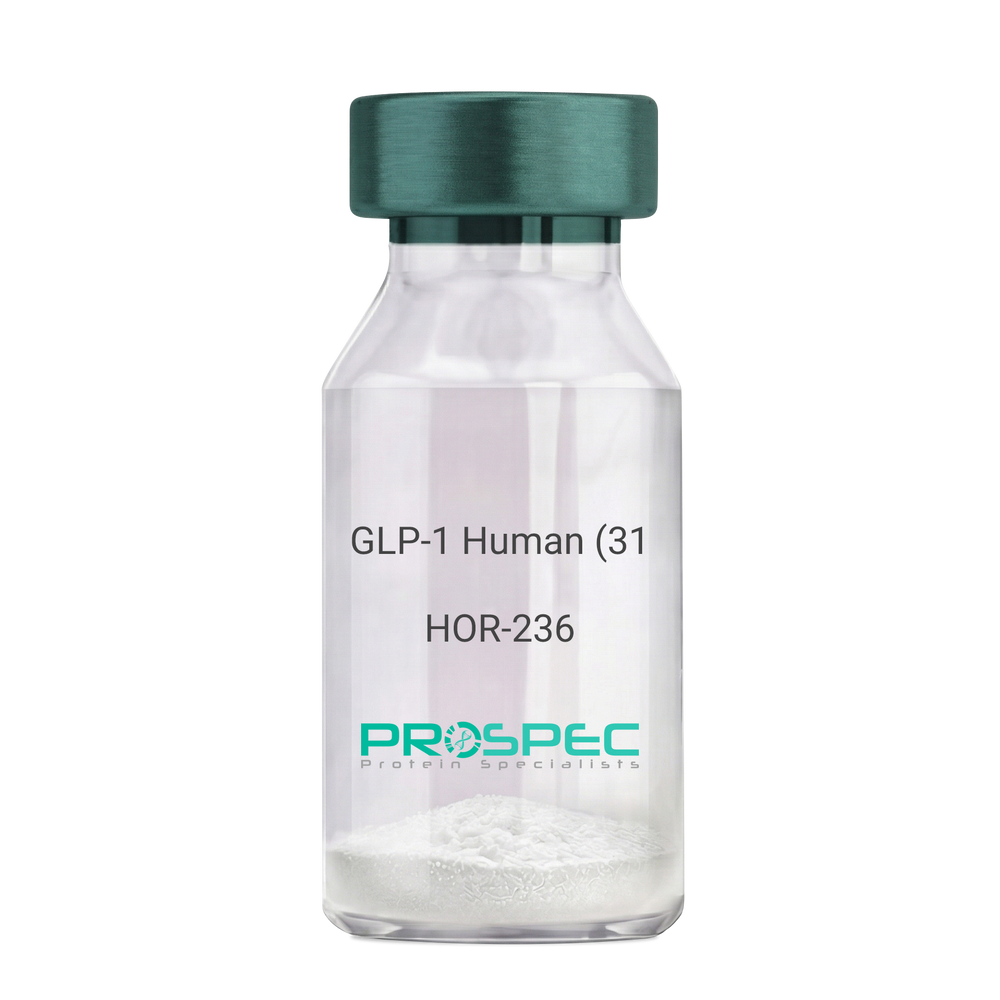
    GLP-1 Human (31 a.a.)

    Description:

    Glucagon Like Peptide-1 (31 a.a.) Human Recombinant

    GLP1, GLP2, GRPP.

    Product # :

    HOR-236

    Price :

    Quantity :

    Shipping Method :

    Room Temp Icon

    Shipped at Room temp

    Add To Cart

    More Info

    • description
    • source
    • formulation
    • purity
    • More Info

    Description

    Glucagon Like Peptide-1 Human Recombinant produced in E.Coli is a single, non-glycosylated, polypeptide chain containing 31 amino acids and having a molecular mass of 3.3 kDa. The GLP-1 is purified by proprietary chromatographic techniques.

    Source

    Escherichia Coli.

    Formulation

    The Recombinant GLP-1 concentrated solution (1mg/ml) was lyophilized after extensive dialyses against 0.1mg sodium phosphate monobasic & 1.6mg sodium phosphate dibasic.

    Purity

    Greater than 98.0% as determined by:
    (a) Analysis by RP-HPLC.
    (b) Analysis by SDS-PAGE.

    More Info

    • Introduction

      Glucagon-like peptide-1 (GLP-1) is derived from the transcription product of the proglucagon gene. The major source of GLP-1 in the body is the intestinal L cell that secretes GLP-1 as a guthormone. The biologically active forms of GLP-1 are: GLP-1-(7-37) and GLP-1-(7-36)NH2.
      GLP-1 secretion by L cells is dependent on the presence of nutrients in the lumen of the small intestine. The secretagogues (agents that causes or stimulates secretion) of this hormone include major nutrients like carbohydrate, proteinand lipid. Once in the circulation, GLP-1 has a half life of less than 2 minutes, due to rapid degradation by the enzyme dipeptidyl peptidase-4.
      GLP-1 possesses several physiological properties that make it a subject of intensive investigation as a potential treatment of diabetes mellitus. The known physiological functions of GLP-1 include: Increases insulin secretion from the pancreas in a glucose-dependent manner, decreases glucagon secretion from the pancreas, increases beta cells mass and insulin gene expression, inhibits acid secretion and gastric emptying in the stomach, decreases food intake by increasing satiety.

    • Synonyms

      GLP1, GLP2, GRPP.

    • Physical Appearance

      Sterile Filtered White lyophilized (freeze-dried) powder.

    • Stability

      Lyophilized Glucagon Like Peptide-1 although stable at room temperature for 3 weeks, should be stored desiccated below -18°C. Upon reconstitution GLP-1 should be stored at 4°C between 2-7 days and for future use below -18°C. For long term storage it is recommended to add a carrier protein (0.1% HSA or BSA).Please prevent freeze-thaw cycles.

    • Solubility

      It is recommended to reconstitute the lyophilized Glucagon Like Peptide-1 in sterile 18MΩ-cm H2O not less than 100µg/ml, which can then be further diluted to other aqueous solutions.

    • Amino Acid Sequence

      HAEGTFTSDV SSYLEGQAAK EFIAWLVKGR G.

    ProSpec's products are furnished for LABORATORY RESEARCH USE ONLY. The product may not be used as drugs, agricultural or pesticidal products, food additives or household chemicals.

    Glucagon Like Peptide 1 Human
  • View Data Sheet

    Name :

    TSLP Mouse

    Description:

    Thymic Stromal Lymphopoietin Mouse Recombinant

    Thymic Stromal Lymphopoietin, TSLP.

    Product # :

    CYT-1135

    Price :

    Quantity :

    Shipping Method :

    Ice Icon

    Shipped with Ice Packs

    Add To Cart

    More Info

    • description
    • source
    • formulation
    • purity
    • More Info

    Description

    TSLP Mouse Recombinant produced in Baculovirus is a single glycosylated polypeptide chain containing 130 amino acids (20-140aa) and having a molecular mass of 15.0kDa.TSLP is fused to a 6 amino acid His-Tag at C-terminus and purified by proprietary chromatographic techniques.

    Source

    Sf9, Baculovirus cells.

    Formulation

    The TSLP solution (0.5mg/ml) contains Phosphate Buffered Saline (pH 7.4) and 10% glycerol.

    Purity

    Greater than 90.0% as determined by SDS-PAGE.

    More Info

    • Introduction

      TSLP protein is a hemopoietic cytokine which signals throughout a heterodimeric receptor complex composed of the thymic stromal lymphopoietin receptor & the Interleukin-7 receptor alpha chain. TSLP impacts myeloid cells thus induces the discharge of T cell-attracting chemokines from monocytes & increases the growth of CD11c(+) dendritic cells. TSLP is mainly expressed in the heart, liver and prostate. TSLP is related in its biological activities with IL-7 and binds with the heterodimeric receptor complex consisting of the Interleukin-7 receptor alpha chain & the TSLPR. Similar to IL-7, TSLP enhances phosphorylation of STAT3 and STAT5, though uses kinases excluding JAKs for its activation. TSLP induces the release of T cell-attracting chemokines such asTARC & MDC from monocytes & triggers CD11c(+) dendritic cells. TSLP activated dendritic cells primes naive T cells to manufacture pro-allergic cytokines such as Iinterleukin-4, Interleukin-5, Interleukin-13 and TNF-alpha whereas down-regulating Interleukin-10 and IFN-gamma play a role in the initiation of allergic inflammation.

    • Synonyms

      Thymic Stromal Lymphopoietin, TSLP.

    • Physical Appearance

      Sterile Filtered colorless solution.

    • Stability

      Store at 4°C if entire vial will be used within 2-4 weeks. Store, frozen at -20°C for longer periods of time. For long term storage it is recommended to add a carrier protein (0.1% HSA or BSA).Avoid multiple freeze-thaw cycles.

    • Amino Acid Sequence

      ADPYNFSNCN FTSITKIYCN IIFHDLTGDL KGAKFEQIED CESKPACLLK IEYYTLNPIP
      GCPSLPDKTF ARRTREALND HCPGYPETER NDGTQEMAQE VQNICLNQTS QILRLWYSFM QSPEHHHHHH

    ProSpec's products are furnished for LABORATORY RESEARCH USE ONLY. The product may not be used as drugs, agricultural or pesticidal products, food additives or household chemicals.

    Tslp Mouse
  • View Data Sheet

    Name :

    LIN28B Human

    Description:

    LIN28B Human Recombinant

    Lin-28 Homolog B (C. Elegans), Protein Lin-28 Homolog B, CSDD2, Lin-28B, Lin-28.2, FLJ16517.

    Product # :

    PRO-1249

    Price :

    Quantity :

    Shipping Method :

    Ice Icon

    Shipped with Ice Packs

    Add To Cart

    More Info

    • description
    • source
    • formulation
    • purity
    • More Info

    Description

    LIN28B Human Recombinant produced in E. coli is a single polypeptide chain containing 273 amino acids (1-250) and having a molecular mass of 29.5 kDa. LIN28B is fused to a 23 amino acid His-tag at N-terminus & purified by proprietary chromatographic techniques.

    Source

    E.coli.

    Formulation

    The LIN28B solution (0.25mg/1ml) contains 20mM Tris-HCl buffer (pH 8.0), 0.2M NaCl, 2mM DTT and 10% glycerol.

    Purity

    Greater than 85% as determined by SDS-PAGE.

    More Info

    • Introduction

      Lin28B is a member of the lin-28 family. LIN28 protein is a microRNA-binding protein that binds to and enhances the translation of the IGF-2 mRNA. Lin28B acts as a suppressor of microRNA (miRNA) biogenesis by specifically binding the precursor let-7 (pre-let-7), a miRNA precursor. LIN28 is highly expressed in testis, fetal liver, placenta, and in primary human tumors and cancer cell lines.

    • Synonyms

      Lin-28 Homolog B (C. Elegans), Protein Lin-28 Homolog B, CSDD2, Lin-28B, Lin-28.2, FLJ16517.

    • Physical Appearance

      Sterile Filtered colorless solution.

    • Stability

      Store at 4°C if entire vial will be used within 2-4 weeks. Store, frozen at -20°C for longer periods of time. For long term storage it is recommended to add a carrier protein (0.1% HSA or BSA).Avoid multiple freeze-thaw cycles.

    • Amino Acid Sequence

      MGSSHHHHHH SSGLVPRGSH MGSMAEGGAS KGGGEEPGKL PEPAEEESQV LRGTGHCKWF NVRMGFGFIS MINREGSPLD IPVDVFVHQS KLFMEGFRSL KEGEPVEFTF KKSSKGLESI RVTGPGGSPC LGSERRPKGK TLQKRKPKGD RCYNCGGLDH HAKECSLPPQ PKKCHYCQSI MHMVANCPHK NVAQPPASSQ GRQEAESQPC TSTLPREVGG GHGCTSPPFP QEARAEISER SGRSPQEASS TKSSIAPEEQ SKKGPSVQKR KKT.

    ProSpec's products are furnished for LABORATORY RESEARCH USE ONLY. The product may not be used as drugs, agricultural or pesticidal products, food additives or household chemicals.

    Lin28B Human
  • View Data Sheet

    Name :

    RGS2 Human

    Description:

    Regulator of G-Protein Signaling 2 Human Recombinant

    Regulator of G-protein Signaling 2 24kDa, G0S8, G0/G1 switch regulatory protein 8, Cell growth-inhibiting gene 31 protein, RGS2.

    Product # :

    PRO-182

    Price :

    Quantity :

    Shipping Method :

    Ice Icon

    Shipped with Ice Packs

    Add To Cart

    More Info

    • description
    • source
    • formulation
    • purity
    • More Info

    Description

    RGS2 produced in E.Coli is a single, non-glycosylated polypeptide chain containing 231 amino acids (1-211a.a.) and having a molecular mass of 26.5 kDa. RGS2 is fused to a 20 amino acid His-tag at N-terminus & purified by proprietary chromatographic techniques.

    Source

    Escherichia Coli.

    Formulation

    The RGS2 protein solution (0.25mg/1ml) is formulated in 20mM Tris-HCl buffer (pH8.0), 100mM NaCl, 2mM DTT and 10% glycerol.

    Purity

    Greater than 90.0% as determined by SDS-PAGE.

    More Info

    • Introduction

      RGS2 belongs to the RGS family which are regulatory molecules that act as GTPase activating proteins for G alpha subunits of heterotrimeric G proteins. RGS2 inhibits signal transduction by increasing the GTPase activity of G protein alpha subunits and as a result driving them into their inactive GDP-bound form.

    • Synonyms

      Regulator of G-protein Signaling 2 24kDa, G0S8, G0/G1 switch regulatory protein 8, Cell growth-inhibiting gene 31 protein, RGS2.

    • Physical Appearance

      Sterile filtered colorless solution.

    • Stability

      Store at 4°C if entire vial will be used within 2-4 weeks. Store, frozen at -20°C for longer periods of time. For long term storage it is recommended to add a carrier protein (0.1% HSA or BSA).Avoid multiple freeze-thaw cycles.

    • Amino Acid Sequence

      MGSSHHHHHH SSGLVPRGSH MQSAMFLAVQ HDCRPMDKSA GSGHKSEEKR EKMKRTLLKD WKTRLSYFLQ NSSTPGKPKT GKKSKQQAFI KPSPEEAQLW SEAFDELLAS KYGLAAFRAF LKSEFCEENI EFWLACEDFK KTKSPQKLSS KARKIYTDFI EKEAPKEINI DFQTKTLIAQ NIQEATSGCF TTAQKRVYSL MENNSYPRFL ESEFYQDLCK KPQITTEPHA T

    ProSpec's products are furnished for LABORATORY RESEARCH USE ONLY. The product may not be used as drugs, agricultural or pesticidal products, food additives or household chemicals.

    Rgs2 Human
  • View Data Sheet

    Name :

    IL 22 Human

    Description:

    Interleukin-22 Human Recombinant

    IL-TIF, TIFa, IL-10-related T-cell-derived-inducible factor, IL-22, ILTIF, IL-D110, zcyto18, MGC79382, MGC79384, TIFIL-23.

    Product # :

    CYT-328

    Price :

    Quantity :

    Shipping Method :

    Room Temp Icon

    Shipped at Room temp

    Add To Cart

    More Info

    • description
    • source
    • formulation
    • purity
    • biological activity
    • More Info

    Description

    Interleukin-22 Human Recombinant produced in E.Coli is a single, non-glycosylated homodimeric polypeptide chain containing 2 x 146 amino acids and having a total molecular mass of 33,607 Dalton. The IL-22 is purified by proprietary chromatographic techniques.

    Source

    Escherichia Coli.

    Formulation

    Each mg contains 50mM Phosphate buffer pH=7.1.

    Purity

    Greater than 97.0% as determined by:
    (a) Analysis by RP-HPLC.
    (b) Analysis by SDS-PAGE.

    Biological Activity

    The Biological Activity was determined by the ability to activiate STAT following receptor ligand interaction.

    More Info

    • Introduction

      IL-22 is a member of the IL-10 family of regulatory cytokines.Members of this family share partial homology in their amino acid sequences, but they are dissimilar in their biological functions. Produced by T lymphocytes, IL-22 inhibits IL-4 production by Th2 cells, and induces acute phase reactants in the liver and pancreas. IL-22 signals through a receptor system consisting of IL-10R-beta/CRF2-4 and IL-22R, both of which are members of the class II cytokine-receptor family.

    • Synonyms

      IL-TIF, TIFa, IL-10-related T-cell-derived-inducible factor, IL-22, ILTIF, IL-D110, zcyto18, MGC79382, MGC79384, TIFIL-23.

    • Physical Appearance

      Sterile Filtered White lyophilized (freeze-dried) powder.

    • Stability

      Lyophilized Interleukin-22 although stable at room temperature for 3 weeks, should be stored desiccated below -18°C. Upon reconstitution IL22 should be stored at 4°C between 2-7 days and for future use below -18°C.Please prevent freeze-thaw cycles.

    • Solubility

      It is recommended to reconstitute the lyophilized Interleukin -22 in sterile 18MΩ-cm H2O not less than 100µg/ml, which can then be further diluted to other aqueous solutions.

    • Amino Acid Sequence

      The sequence of the first five N-terminal amino acids was determined and was found to be Met-Ala-Pro-Ile-Ser.

    ProSpec's products are furnished for LABORATORY RESEARCH USE ONLY. The product may not be used as drugs, agricultural or pesticidal products, food additives or household chemicals.

    Il 22 Human
  • 1
  • …
  • 39
  • 40
  • 41
  • 42
Your browser does not support the video tag.

Products

  • Cytokines
  • Growth Factors
  • Chemokines
  • CD Antigens
  • Neurotrophins
  • Hormones
  • Enzymes
  • Viral Antigens
  • Recombinant Proteins
  • Natural Proteins
  • Monoclonal Antibodies
  • Polyclonal Antibodies
  • Thermal Packaging

About

  • Company
  • Founder
  • Contribution
  • Contact Us
  • My Account

Ordering

  • Ordering Method
  • Ordering - Credit Card
  • Ordering PO
  • Shipping Fees
  • FAQ's

Legal

  • Terms & Conditions
  • Privacy
  • Site Map
  • info@prospecbio.com
  • Facebook
  • Instagram
  • Linkedin Profile

© 2026 ProSpec-Tany TechnoGene Ltd. All Rights Reserved.

  • Choosing a selection results in a full page refresh.
  • Opens in a new window.