Skip to content

High-quality research proteins.

  • 1-800-805-6531

  • Mon - Sat 8.00-18.00, Sun - Closed

  • info@prospecbio.com

  • PO Box 6591 East Brunswick NJ 08816

  • Products
    • Cytokines
    • Growth factors
    • Chemokines
    • Cd antigens
    • Neurotrophins
    • Hormones
    • Enzymes
    • Viral antigens
    • Recombinant proteins
    • Natural proteins
    • Monoclonal antibodies
    • Polyclonal antibodies
    • Thermal Packaging
  • About
    • Company
    • Founder
    • Contribution
  • Customers
    • Eastern Asia
    • Eastern Europe
    • North America
    • South America
    • South East Asia
    • Southern Asia
    • Western Europe
  • Ordering
    • Ordering Method
    • Ordering - Credit Card
    • Ordering - PO
    • Shipping Fees
    • FAQs
  • Services
    • DNA Cloning
    • Protein Expression
    • Monoclonal Antibody
    • Fermentation
    • Technology License
  • Contact us
Log in

Country/region

  • USD $ | Albania
  • USD $ | Andorra
  • USD $ | Argentina
  • USD $ | Armenia
  • USD $ | Australia
  • USD $ | Austria
  • USD $ | Azerbaijan
  • USD $ | Belarus
  • USD $ | Belgium
  • USD $ | Bolivia
  • USD $ | Brazil
  • USD $ | Bulgaria
  • USD $ | Cambodia
  • USD $ | Canada
  • USD $ | Chile
  • USD $ | China
  • USD $ | Colombia
  • USD $ | Costa Rica
  • USD $ | Croatia
  • USD $ | Cyprus
  • USD $ | Czechia
  • USD $ | Denmark
  • USD $ | Estonia
  • USD $ | Finland
  • USD $ | France
  • USD $ | Georgia
  • USD $ | Germany
  • USD $ | Greece
  • USD $ | Hong Kong SAR
  • USD $ | Hungary
  • USD $ | Iceland
  • USD $ | India
  • USD $ | Ireland
  • USD $ | Israel
  • USD $ | Italy
  • USD $ | Japan
  • USD $ | Kazakhstan
  • USD $ | Latvia
  • USD $ | Liechtenstein
  • USD $ | Lithuania
  • USD $ | Madagascar
  • USD $ | Malta
  • USD $ | Mexico
  • USD $ | Moldova
  • USD $ | Monaco
  • USD $ | Netherlands
  • USD $ | New Zealand
  • USD $ | North Macedonia
  • USD $ | Norway
  • USD $ | Panama
  • USD $ | Paraguay
  • USD $ | Peru
  • USD $ | Philippines
  • USD $ | Poland
  • USD $ | Portugal
  • USD $ | Romania
  • USD $ | Singapore
  • USD $ | Slovakia
  • USD $ | Slovenia
  • USD $ | South Africa
  • USD $ | South Korea
  • USD $ | Spain
  • USD $ | Sri Lanka
  • USD $ | Sweden
  • USD $ | Switzerland
  • USD $ | Taiwan
  • USD $ | Thailand
  • USD $ | Türkiye
  • USD $ | Ukraine
  • USD $ | United Kingdom
  • USD $ | United States
  • USD $ | Uruguay
  • USD $ | Vatican City
  • USD $ | Venezuela
  • USD $ | Vietnam
  • Facebook
  • Instagram
logoProSpec - Recombinant Protein Manufacturer for academic and R&D industry
Become a distributor
Account Log in
Wishlist
Cart Cart(0)
  • Products
    +
    • Cytokines
    • Growth factors
    • Chemokines
    • Cd antigens
    • Neurotrophins
    • Hormones
    • Enzymes
    • Viral antigens
    • Recombinant proteins
    • Natural proteins
    • Monoclonal antibodies
    • Polyclonal antibodies
    • Thermal Packaging
  • About
    +
    • Company
    • Founder
    • Contribution
  • Customers
    +
    • Eastern Asia
    • Eastern Europe
    • North America
    • South America
    • South East Asia
    • Southern Asia
    • Western Europe
  • Ordering
    +
    • Ordering Method
    • Ordering - Credit Card
    • Ordering - PO
    • Shipping Fees
    • FAQs
  • Services
    +
    • DNA Cloning
    • Protein Expression
    • Monoclonal Antibody
    • Fermentation
    • Technology License
  • Contact us

Item added to your cart

View cart
View All
  • Cytokines
  • Growth factors
  • Chemokines
  • Cd antigens
  • Neurotrophins
  • Hormones
  • Enzymes
  • Viral antigens
  • Recombinant proteins
  • Natural proteins
  • Monoclonal antibodies
  • Polyclonal antibodies
  • Thermal Packaging
  • Tumor Necrosis Factor

    Tumor Necrosis Factor

    View All
  • 4-1BB

    4-1BB

    View All
  • Adiponectin

    Adiponectin

    View All
  • AIF1

    AIF1

    View All
  • Other Cytokines

    Other Cytokines

    View All
  • AITRL

    AITRL

    View All
  • Angiopoietin

    Angiopoietin

    View All
  • Apolipoprotein

    Apolipoprotein

    View All
  • B-Cell Activating Factor

    B-Cell Activating Factor

    View All
  • Beta Defensin

    Beta Defensin

    View All
  • Bone Morphogenetic Protein

    Bone Morphogenetic Protein

    View All
  • B type Natriuretic Peptide

    B type Natriuretic Peptide

    View All
  • BST

    BST

    View All
  • Betacellulin

    Betacellulin

    View All
  • Cardiotrophin

    Cardiotrophin

    View All
  • Activin

    Activin

    View All
  • Fibroblast Growth Factor

    Fibroblast Growth Factor

    View All
  • Other Growth Factors

    Other Growth Factors

    View All
  • CSF

    CSF

    View All
  • CTGF

    CTGF

    View All
  • IGFBP

    IGFBP

    View All
  • VEGF Protein

    VEGF Protein

    View All
  • EGF

    EGF

    View All
  • Epigen

    Epigen

    View All
  • Erythropoietin

    Erythropoietin

    View All
  • Insulin-Like Growth Factor

    Insulin-Like Growth Factor

    View All
  • Growth Hormone

    Growth Hormone

    View All
  • HDGF

    HDGF

    View All
  • Hepatocyte Growth Factor

    Hepatocyte Growth Factor

    View All
  • Insulin

    Insulin

    View All
  • BCA-1/ BLC (CXCL13)

    BCA-1/ BLC (CXCL13)

    View All
  • BRAK (CXCL14)

    BRAK (CXCL14)

    View All
  • C-10 (CCL6)

    C-10 (CCL6)

    View All
  • Other Chemokines

    Other Chemokines

    View All
  • MEC (CCL28)

    MEC (CCL28)

    View All
  • LD78-beta (CCL3L1)

    LD78-beta (CCL3L1)

    View All
  • CTACK (CCL27)

    CTACK (CCL27)

    View All
  • CXCL16

    CXCL16

    View All
  • CXCL17

    CXCL17

    View All
  • Platelet Factor-4 (CXCL4)

    Platelet Factor-4 (CXCL4)

    View All
  • ENA-78 (CXCL5)

    ENA-78 (CXCL5)

    View All
  • Eotaxin (CCL11,24,26)

    Eotaxin (CCL11,24,26)

    View All
  • Exodus-2 (CCL21)

    Exodus-2 (CCL21)

    View All
  • Fractalkine (CX3CL1)

    Fractalkine (CX3CL1)

    View All
  • CXCL6

    CXCL6

    View All
  • Other CD Antigens

    Other CD Antigens

    View All
  • CD14

    CD14

    View All
  • CD164

    CD164

    View All
  • CD1

    CD1

    View All
  • CD2

    CD2

    View All
  • CD200

    CD200

    View All
  • CD207

    CD207

    View All
  • CD226

    CD226

    View All
  • CD23

    CD23

    View All
  • CD244

    CD244

    View All
  • CD247

    CD247

    View All
  • CD27

    CD27

    View All
  • CD274

    CD274

    View All
  • CD300

    CD300

    View All
  • CD33

    CD33

    View All
  • Other Neurotrophins

    Other Neurotrophins

    View All
  • Beta-NGF

    Beta-NGF

    View All
  • BDNF

    BDNF

    View All
  • CDNF

    CDNF

    View All
  • CNTF

    CNTF

    View All
  • GDNF

    GDNF

    View All
  • Glia Maturation Factor

    Glia Maturation Factor

    View All
  • MANF

    MANF

    View All
  • Midkine

    Midkine

    View All
  • Neuroglobin

    Neuroglobin

    View All
  • Neurotrophic factors

    Neurotrophic factors

    View All
  • Neuregulin

    Neuregulin

    View All
  • Neuropilin

    Neuropilin

    View All
  • Pigment Epithelium-Derived Factor

    Pigment Epithelium-Derived Factor

    View All
  • Pleiotrophin

    Pleiotrophin

    View All
  • Peptide Hormones

    Peptide Hormones

    View All
  • Other Hormones

    Other Hormones

    View All
  • HCG

    HCG

    View All
  • Endothelin

    Endothelin

    View All
  • Exendin

    Exendin

    View All
  • FSH

    FSH

    View All
  • Glucagon

    Glucagon

    View All
  • GHRP

    GHRP

    View All
  • GLP

    GLP

    View All
  • Thyrostimulin

    Thyrostimulin

    View All
  • Inhibin A

    Inhibin A

    View All
  • LHRH

    LHRH

    View All
  • Melanotan

    Melanotan

    View All
  • Procalcitonin

    Procalcitonin

    View All
  • PTH

    PTH

    View All
  • Peroxiredoxin

    Peroxiredoxin

    View All
  • Peptidase

    Peptidase

    View All
  • Synthetase

    Synthetase

    View All
  • Transferase

    Transferase

    View All
  • Hydrolase

    Hydrolase

    View All
  • Dehydrogenase

    Dehydrogenase

    View All
  • ACE2

    ACE2

    View All
  • Esterase

    Esterase

    View All
  • Protein Kinases

    Protein Kinases

    View All
  • Other Enzymes

    Other Enzymes

    View All
  • Phosphatase

    Phosphatase

    View All
  • Deaminase

    Deaminase

    View All
  • Oxygenase

    Oxygenase

    View All
  • Adenylate Kinase

    Adenylate Kinase

    View All
  • Lyase

    Lyase

    View All
  • Chagas

    Chagas

    View All
  • SARS

    SARS

    View All
  • Influenza

    Influenza

    View All
  • ASFV

    ASFV

    View All
  • Astrovirus

    Astrovirus

    View All
  • Borrelia

    Borrelia

    View All
  • Helicobacter Pylori

    Helicobacter Pylori

    View All
  • Chikungunya

    Chikungunya

    View All
  • Chlamydia

    Chlamydia

    View All
  • Cytomegalo

    Cytomegalo

    View All
  • Dengue

    Dengue

    View All
  • EBV

    EBV

    View All
  • Ebola

    Ebola

    View All
  • Feline Leukemia Virus

    Feline Leukemia Virus

    View All
  • Hepatitis A

    Hepatitis A

    View All
  • Other

    Other

    View All
  • Actin

    Actin

    View All
  • ADAM

    ADAM

    View All
  • Complement Component

    Complement Component

    View All
  • Ag85

    Ag85

    View All
  • Eukaryotic Translation Initiation Factor

    Eukaryotic Translation Initiation Factor

    View All
  • Anterior Gradient Protein

    Anterior Gradient Protein

    View All
  • Heat Shock Protein

    Heat Shock Protein

    View All
  • Alpha-2-HS-Glycoprotein

    Alpha-2-HS-Glycoprotein

    View All
  • Hemoglobin

    Hemoglobin

    View All
  • Allergy

    Allergy

    View All
  • Anaplasma

    Anaplasma

    View All
  • Angiogenin

    Angiogenin

    View All
  • Ankyrin Repeat Domain

    Ankyrin Repeat Domain

    View All
  • Annexin

    Annexin

    View All
  • Other Natural Proteins

    Other Natural Proteins

    View All
  • Aprotinin

    Aprotinin

    View All
  • Transferrin

    Transferrin

    View All
  • Avidin

    Avidin

    View All
  • Anti Coagulation Factors

    Anti Coagulation Factors

    View All
  • Natural Albumin

    Natural Albumin

    View All
  • Natural Coagulation Factors

    Natural Coagulation Factors

    View All
  • Fibronectin

    Fibronectin

    View All
  • Thrombin

    Thrombin

    View All
  • Anti Human Enzyme

    Anti Human Enzyme

    View All
  • Other Monoclonal Antibodies

    Other Monoclonal Antibodies

    View All
  • Anti Human Cytokine

    Anti Human Cytokine

    View All
  • Anti Human Heat Shock Protein

    Anti Human Heat Shock Protein

    View All
  • Anti Mouse Lymphocyte

    Anti Mouse Lymphocyte

    View All
  • Anti Human Chemokine

    Anti Human Chemokine

    View All
  • Anti Human Lymphocyte

    Anti Human Lymphocyte

    View All
  • Anti Viral Monoclonal

    Anti Viral Monoclonal

    View All
  • Anti Mouse Cytokine

    Anti Mouse Cytokine

    View All
  • Anti-GST Monoclonal

    Anti-GST Monoclonal

    View All
  • Other Polyclonal Antibodies

    Other Polyclonal Antibodies

    View All
  • Anti Viral

    Anti Viral

    View All
  • Anti-GST Monoclonal

    Anti-GST Monoclonal

    View All
Back

Search results

1000 results found for “neuritin”

Name

Description

Product #

Price

Quantity

Shipping Method

  • View Data Sheet

    Name :

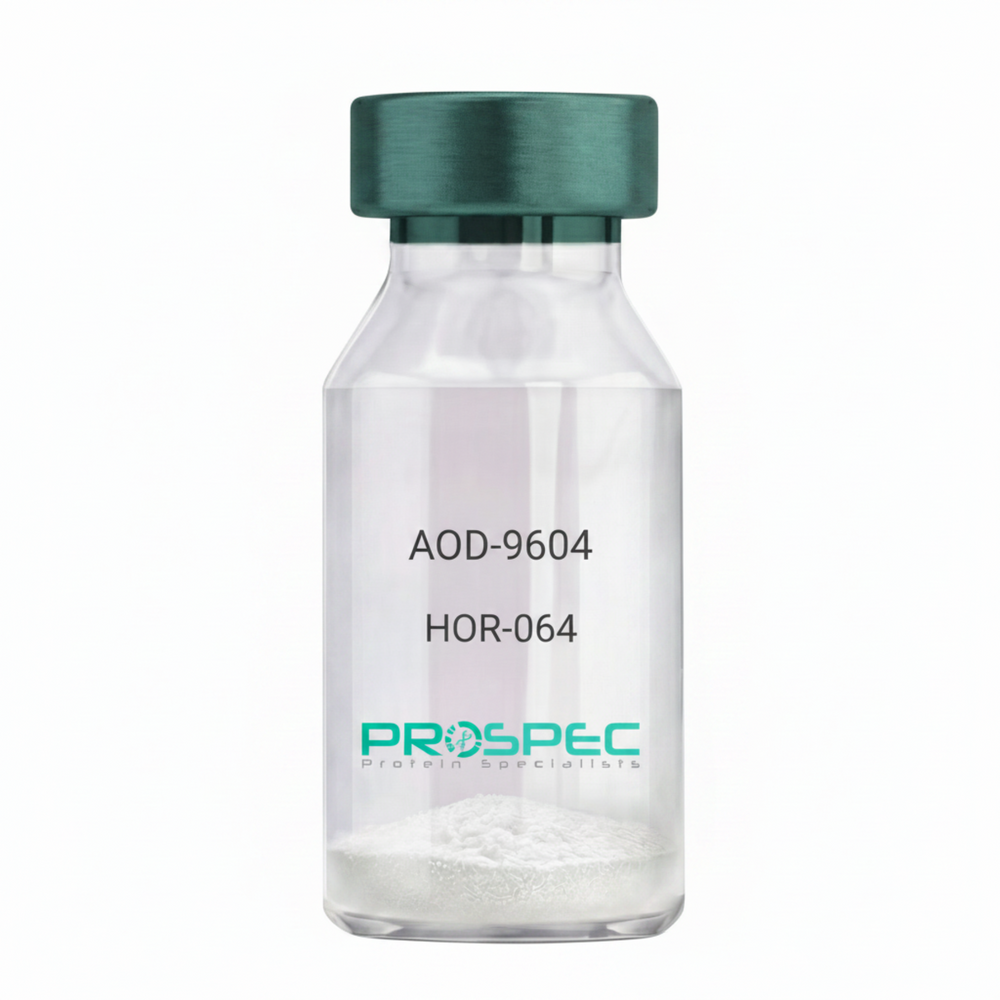
    AOD-9604

    Description:

    AOD-9604

    Product # :

    HOR-064

    Price :

    Quantity :

    Shipping Method :

    Room Temp Icon

    Shipped at Room temp

    Add To Cart

    More Info

    • description
    • formulation
    • purity
    • More Info

    Description

    AOD-9604 is a synthetic single, non-glycosylated polypeptide chain containing 16 amino acids, having a molecular mass of 1815 Dalton and a Molecular formula of C78H123N23O23 S2.

    Formulation

    The protein was lyophilized with no additives.

    Purity

    Greater than 97.0% as determined by analysis by RP-HPLC.

    More Info

    • Physical Appearance

      Sterile Filtered White lyophilized (freeze-dried) powder.

    • Stability

      Lyophilized AOD-9604 although stable at room temperature for 3 weeks, should be stored desiccated below -18°C. Upon reconstitution AOD-9604 should be stored at 4°C between 2-7 days and for future use below -18°C.
      For long term storage it is recommended to add a carrier protein (0.1% HSA or BSA).
      Please prevent freeze-thaw cycles.

    • Solubility

      It is recommended to reconstitute the lyophilized AOD-9604 in sterile 18MΩ-cm H2O not less than 100 µg/ml, which can then be further diluted to other aqueous solutions.

    • Amino Acid Sequence

      H-Tyr-Leu-Arg-Ile-Val-Gln-Cys-Arg-SerVal-Glu-Gly-Ser-Cys-Gly-Phe-OH (Disulfide bond).

    • Background

      AOD-9604 is a synthetic analog of the C-terminal fragment (177–191) AOD-9604 stimulates lipolysis (fat breakdown) without the unwanted growth-promoting or insulin-antagonizing effects of full-length hGH. AOD-9604 is a potent lipolytic tool in animal models and researchers focus on its regenerative properties in joint health and its ability to modulate beta3 adrenergic receptors without the systemic risks of growth hormone.

    ProSpec's products are furnished for LABORATORY RESEARCH USE ONLY. The product may not be used as drugs, agricultural or pesticidal products, food additives or household chemicals.

    AOD-9604
  • View Data Sheet

    Name :

    MAT2A Antibody

    Description:

    Methionine Adenosyltransferase II Alpha, Mouse Anti Human

    MATA2, MATII, SAMS2, MAT-2A, S-adenosylmethionine synthetase isoform type-2, AdoMet synthetase 2, Methionine adenosyltransferase 2, Methionine adenosyltransferase II, MAT2A, AMS2.

    Product # :

    ANT-388

    Price :

    Quantity :

    Shipping Method :

    Ice Icon

    Shipped with Ice Packs

    Add To Cart

    More Info

    • formulation
    • More Info

    Formulation

    1mg/ml containing PBS, pH-7.4, & 0.1% Sodium Azide.

    More Info

    • Introduction

      MAT2A is an important enzyme in cellular metabolism and catalyzes the formation of S-adenosylmethionine (SAMe) from L-methionine and ATP. MAT2A is expressed in extrahepatic tissues. In liver, MAT2A expression associates with growth, dedifferentiation, and cancer. NF-kappa B and AP-1 are necessary for basal MAT2A expression in HepG2 cells and mediate the increase in MAT2A expression in response to TNF-alpha. Up-regulation of MAT2A provides growth improvement and s-adenosylmethionine and methylthioadenosine thus can block mitogenic signaling in colon cancer cells. Lower expression of both MAT2A and MAT2beta and interfere with leptin signaling in liver cancer cells.

    • Synonyms

      MATA2, MATII, SAMS2, MAT-2A, S-adenosylmethionine synthetase isoform type-2, AdoMet synthetase 2, Methionine adenosyltransferase 2, Methionine adenosyltransferase II, MAT2A, AMS2.

    • Immunogen

      Anti-human MAT2A mAb is derived from hybridization of mouse F0 myeloma cells with spleen cells from BALB/c mice immunized with recombinant human MAT2A amino acids 1-395 purified from E. coli.

    • Ig Subclass

      Mouse IgG2b heavy chain and κ light chain.

    • Clone

      PAT3A2AT.

    • Applications

      MAT2A antibody has been tested by ELISA, Western blot and immunohistochemistry analysis to assure specificity and reactivity. Since application varies, however, each investigation should be titrated by the reagent to obtain optimal results. Recommended dilution range for Western blot is 1:1,000 ~ 1:2,000 and immunohistochemistry analysis is 1:50~100. Recommended starting dilution for Western blot is 1:1,000 and Immunohistochemistry is 1:50.

    • Type

      Mouse Anti Human Monoclonal.

    • Storage Procedures

      For periods up to 1 month store at 4°C, for longer periods of time, store at -20°C. Prevent freeze thaw cycles.

    • Purification Method

      MAT2A antibody was purified from mouse ascitic fluids by protein-G affinity chromatography.

    ProSpec's products are furnished for LABORATORY RESEARCH USE ONLY. The product may not be used as drugs, agricultural or pesticidal products, food additives or household chemicals.

    Mat2A Antibody
  • View Data Sheet

    Name :

    TBEV Core

    Description:

    Tick-Borne Encephalitis Virus Core Protein Recombinant

    Product # :

    TBE-285

    Price :

    Quantity :

    Shipping Method :

    Ice Icon

    Shipped with Ice Packs

    Add To Cart

    More Info

    • description
    • source
    • formulation
    • purity
    • More Info

    Description

    The E.coli derived recombinant protein contains the Tick-borne Encephalitis Virus core protein epitopes.

    Source

    Escherichia Coli.

    Formulation

    20mM MES pH 6.5, 8M urea, 200mM NaCl & 0.05% Tween-20.

    Purity

    Encephalitis protein is >95% pure as determined by 10% PAGE (coomassie staining).

    More Info

    • Introduction

      TBE is caused by tick-borne encephalitis virus (TBEV), a member of the family Flaviviridae.
      A closely related virus in Far Eastern Eurasia, Russian spring-summer encephalitis virus (RSSEV).
      The family Flaviviridae includes other tick-borne viruses are closely related to TBEV and RSSEV, such as Omsk hemorrhagic fever virus & Kyasanur Forest virus.
      Louping ill virus is also a member of this family.

    • Stability

      Encephalitis protein although stable at 4°C for 1 week, should be stored below -18°C. Please prevent freeze thaw cycles.

    • Applications

      Encephalitis antigen is suitable for ELISA and Western blots, excellent antigen for detection of Tick-borne encephalitis virus with minimal specificity problems.

    • Specificity

      Immunoreactive with sera of encephalitis virus infected individuals.

    • Purification Method

      Encephalitis protein was purified by proprietary chromatographic technique.

    ProSpec's products are furnished for LABORATORY RESEARCH USE ONLY. The product may not be used as drugs, agricultural or pesticidal products, food additives or household chemicals.

    Tbev Core
  • View Data Sheet

    Name :

    SEPT2 Human

    Description:

    Septin-2 Human Recombinant

    Septin 2, DIFF6, NEDD5, hNedd5, Pnutl3, NEDD-5.

    Product # :

    PRO-255

    Price :

    Quantity :

    Shipping Method :

    Ice Icon

    Shipped with Ice Packs

    Add To Cart

    More Info

    • description
    • source
    • formulation
    • purity
    • More Info

    Description

    SEPT2 Human Recombinant produced in E.Coli is a single, non-glycosylated, polypeptide chain containing 381 amino acids (1-361 a.a.) and having a molecular mass of 43.6kDa. SEPT2 is fused to a 20 amino acid His Tag at N-terminus and purified by proprietary chromatographic techniques.

    Source

    Escherichia Coli.

    Formulation

    SEPT2 solution (0.25mg/1ml) containing 20mM Tris-HCl buffer (pH8.0), 0.1M NaCl, 1mM DTT and 10% glycerol.

    Purity

    Greater than 90% as determined by SDS-PAGE.

    More Info

    • Introduction

      SEPT2 is a GTPase which is mandatory for cytokinesis and related to exocytosis. Septin-2 protein is able to hetero-oligomerize with Septin6, 7 and in addition takes part in the organization of new growth in organisms. SEPT2 is associated with a Tau-based paired helical filament core and contributes to the creation of neurofibrillary tangle as integral constituents of paired helical filaments.

    • Synonyms

      Septin 2, DIFF6, NEDD5, hNedd5, Pnutl3, NEDD-5.

    • Physical Appearance

      Sterile filtered colorless solution.

    • Stability

      Store at 4°C if entire vial will be used within 2-4 weeks. Store, frozen at -20°C for longer periods of time. For long term storage it is recommended to add a carrier protein (0.1% HSA or BSA).Avoid multiple freeze-thaw cycles.

    • Amino Acid Sequence

      MGSSHHHHHH SSGLVPRGSH MSKQQPTQFI NPETPGYVGF ANLPNQVHRK SVKKGFEFTL MVVGESGLGK STLINSLFLT DLYPERVISG AAEKIERTVQ IEASTVEIEE RGVKLRLTVV DTPGYGDAIN CRDCFKTIIS YIDEQFERYL HDESGLNRRH IIDNRVHCCF YFISPFGHGL KPLDVAFMKA IHNKVNIVPV IAKADTLTLK ERERLKKRIL DEIEEHNIKI YHLPDAESDE DEDFKEQTRL LKASIPFSVV GSNQLIEAKG KKVRGRLYPW GVVEVENPEH NDFLKLRTML ITHMQDLQEV TQDLHYENFR SERLKRGGRK VENEDMNKDQ ILLEKEAELR RMQEMIARMQ AQMQMQMQGG DGDGGALGHH V.

    ProSpec's products are furnished for LABORATORY RESEARCH USE ONLY. The product may not be used as drugs, agricultural or pesticidal products, food additives or household chemicals.

    Sept2 Human
  • View Data Sheet

    Name :

    SERPINA7 Human

    Description:

    Serpin Peptidase Inhibitor, Clade A Member 7 Human

    Product # :

    PRO-2739

    Price :

    Quantity :

    Shipping Method :

    Room Temp Icon

    Shipped at Room temp

    Add To Cart

    More Info

    • description
    • source
    • formulation
    • purity
    • More Info

    Description

    Human Serpin Peptidase Inhibitor, Clade A Member 7 Protein produced in Human plasma having a molecular mass of approximately 55kD.

    Source

    Human serum.

    Formulation

    The protein was lyophilized (0.2 µm filtered) from 20mM NH4HCO3.

    Purity

    Greater than 98.0%.

    More Info

    • Introduction

      Thyroxine binding globulin, also known as SERPINA7, is synthesized in the liver and carried in the blood.
      SERPINA7 may be decreased or increased in a number of diseases. Its main value in diagnosis is to assess thyroid function by determining the amount of free T3/T4.
      Thyroxine binding globulin, binds and transports thyroid hormones in the circulation. SERPINA7 carries the majority of the T3/T4 in the blood. SERPINA7 has only one binding site for T3/T4 and about 25% of Thyroxine binding globulin is usually saturated.

    • Physical Appearance

      Sterile Filtered White lyophilized (freeze-dried) powder.

    • Stability

      SERPINA7 Human although stable at room temperature for 3 weeks, should be stored between 2-8°C.

    • Solubility

      It is recommended to reconstitute the lyophilized SERPINA7 Human in phosphate buffer containing 0.15M NaCl.

    • Human Virus Test

      Starting material donor has been tested and certified negative for antibodies to HIV-1, HIV-2, HCV, HBSAG, Parvovirus B19, Syphilis and HIV/HBV/HCV (PCR).

    ProSpec's products are furnished for LABORATORY RESEARCH USE ONLY. The product may not be used as drugs, agricultural or pesticidal products, food additives or household chemicals.

    Serpina7 Human
  • View Data Sheet

    Name :

    RELM b Human

    Description:

    RELM-Beta Human Recombinant

    Resistin-like beta, RELM beta, Cysteine-rich secreted protein FIZZ2, Colon and small intestine-specific cysteine-rich protein, Cysteine-rich secreted protein A12-alpha-like 1, Colon carcinoma-related gene protein, RELM-b, XCP2, HXCP2.

    Product # :

    CYT-780

    Price :

    Quantity :

    Shipping Method :

    Room Temp Icon

    Shipped at Room temp

    Add To Cart

    More Info

    • description
    • source
    • formulation
    • purity
    • More Info

    Description

    RELM-b Human Recombinant produced in E.Coli is a disulfide-linked homodimer, non-glycosylated, polypeptide chain containing 2 x 89 amino acids and having a total molecular mass of 19kDa. RELM-b is purified by proprietary chromatographic techniques.

    Source

    Escherichia Coli.

    Formulation

    RELM-b was lyophilized from a solution containing 0.1% Trifluoroacetic Acid (TFA).

    Purity

    Greater than 90.0% as determined by SDS-PAGE.

    More Info

    • Introduction

      RELM-beta (Resistin-Like Molecule-beta) is a member of a recently identified family of secreted proteins containing a conserved cystein-rich C-terminus. The RELM family consists of resistin (also called FIZZ3), RELM-alfa (FIZZ1), RELM-beta (FIZZ2) and RELM-gamma. Only resisistin and RELM-beta were found in humans whereas all four RELM family members were identified in rodents.
      RELM-beta appears to be produced as a homodimer exclusively by intestinal goblet cells and can be found in high quantities in stool. Remarkably, stool of germ-free mice displaying sterile intestinal tract does not contain RELM-beta until bacterial colonization takes place after pathogen-free mice entered natural environment. Some, but not all, colon carcinoma cell lines secrete RELM-beta into the cell culture supernatant.
      The physiological function of RELM-beta is not known. High doses of recombinant RELM-beta showed hyperglycemic effects including lowered glucose disposal and increased hepatic glucose production in mice.

    • Synonyms

      Resistin-like beta, RELM beta, Cysteine-rich secreted protein FIZZ2, Colon and small intestine-specific cysteine-rich protein, Cysteine-rich secreted protein A12-alpha-like 1, Colon carcinoma-related gene protein, RELM-b, XCP2, HXCP2.

    • Physical Appearance

      Sterile Filtered White lyophilized (freeze-dried) powder.

    • Stability

      Lyophilized RELM-b although stable at room temperature for 3 weeks, should be stored desiccated below -18°C. Upon reconstitution RELM-b Human Recombinant should be stored at 4°C between 2-7 days and for future use below -18°C.For long term storage it is recommended to add a carrier protein (0.1% HSA or BSA).Please prevent freeze-thaw cycles.

    • Solubility

      It is recommended to reconstitute the lyophilized RELM-b in sterile 0.1% TFA not less than 100µg/ml, which can then be further diluted to other aqueous solutions.

    • Amino Acid Sequence

      MQCSLDSVMD KKIKDVLNSL EYSPSPISKK LSCASVKSQG RPSSCPAGMA VTGCACGYGC GSWDVQLETT CHCQCSVVDW TTARCCHLT.

    ProSpec's products are furnished for LABORATORY RESEARCH USE ONLY. The product may not be used as drugs, agricultural or pesticidal products, food additives or household chemicals.

    Relm B Human
  • View Data Sheet

    Name :

    proBNP Human

    Description:

    Pro B-type Natriuretic Protein Human Recombinant

    NPPB, Natriuretic Peptide Precursor B, BNP, B-type Natriuretic Peptide

    Product # :

    CYT-1205

    Price :

    Quantity :

    Shipping Method :

    Ice Icon

    Shipped with Ice Packs

    Add To Cart

    More Info

    • description
    • source
    • formulation
    • purity
    • More Info

    Description

    Recombinant Human Pro B-type Natriuretic Protein produced in E.Coli is a single, non-glycosylated, polypeptide chain (aa1-108), fused to His-tag and having a molecular weight of ~13kDa.The proBNP is purified by proprietary chromatographic techniques.

    Source

    Escherichia Coli.

    Formulation

    Human proBNP solution contains 500 mM NaCl, 20mM Tris-HCl, 4mM CaCl2, 4mM MgCl2and 60 mM B-mercaptoethanol, pH 7.5.

    Purity

    Greater than 90.0% as determined by SDS-PAGE.

    More Info

    • Introduction

      Natriuretic Peptide Precursor B acts as a cardiac hormone with a variety of biological actions including natriuresis, diuresis, vasorelaxation, and inhibition of renin and aldosterone secretion. It is thought to play a key role in cardiovascular homeostasis. Helps restore the body's salt and water balance. Improves heart function.

    • Synonyms

      NPPB, Natriuretic Peptide Precursor B, BNP, B-type Natriuretic Peptide

    • Physical Appearance

      Sterile Filtered colorless liquid formulation.

    • Stability

      proBNP although stable at 10°C for 7 days, should be stored below -18°C.Please prevent freeze-thaw cycles.

    • Background

      The Revolutionary Role of Pro B-type Natriuretic Protein Human Recombinant in Cardiovascular Diseases

      Introduction

      In the human body, a complex symphony of molecules orchestrate life's processes. Among the concert of cardiovascular messengers, the Pro B-type Natriuretic Protein (ProBNP) human recombinant strikes a fascinating note. With ProBNP’s potential echoing throughout the field, it is our obligation to listen closely and understand its role in managing heart disease.

      Uncovering ProBNP's Potential

      The B-type Natriuretic Peptide (BNP) and its prohormone, NT-proBNP, have long been recognised as key players in the realm of cardiovascular diseases (CVDs). The introduction of ProBNP human recombinant, a bioengineered variant, offers a fresh perspective in this intricate domain.

      In Vitro Revelations

      Like an artist crafting a masterpiece, we used E. coli to produce ProBNP human recombinant. Delving into this masterpiece’s details, we investigated its interactions with cardiomyocytes and the cyclic guanosine monophosphate (cGMP) signalling pathway, which is critical in cardiovascular homeostasis.

      In Vivo Insights

      Taking our investigation from the petri dish to a living model, we conducted a randomized control trial with mice engineered to have heart failure. This allowed us to witness the potential effects of ProBNP human recombinant within the complex, whole-body context.

      Emerging Results

      Our in vitro and in vivo investigations painted a promising picture. ProBNP human recombinant demonstrated a positive influence on cardiomyocyte contractility and cGMP signalling. Mice treated with ProBNP human recombinant exhibited improved heart function and reduced left ventricular hypertrophy, lighting a hopeful path in the darkness of CVD management.

      Conclusion

      Our exploration into the potential of ProBNP human recombinant illuminates a hopeful future in the fight against heart disease. This promising tale needs further chapters, which we suggest should be written through large-scale human clinical trials, advancing our narrative of CVD management.

      What is the molecular weight / Mw of ProBNP Human?
      ProBNP Human has a total Mw of 13kDa.

      What is the source or expression system of ProBNP Human?
      Escherichia Coli.

      What is the Purity of ProBNP Human?
      ProBNP Human is >90% pure as determined by SDS-PAGE.

      What is the Biological Activity of ProBNP Human?
      The biological functionality of ProBNP Human will be determined in the future.

      What is the amino acid sequence of ProBNP Human?
      proBNP Human Protein is composed from 108 amino acids.

      What applications can ProBNP Human be used in?
      ProBNP Human can probably be used in western blot, ELISA and Lateral Flow.

      What is the endotoxin level for ProBNP Human?
      The endotoxin level is minimal, ProBNP Human was purified using conventional chromatography techniques.


    ProSpec's products are furnished for LABORATORY RESEARCH USE ONLY. The product may not be used as drugs, agricultural or pesticidal products, food additives or household chemicals.

    Probnp Human
  • View Data Sheet

    Name :

    Cyclophilin A Rat

    Description:

    Cyclophilin-A Rat Recombinant

    Peptidyl-prolyl cis-trans isomerase A, EC:5.2.1.8, PPIase A, Cyclophilin A, Cyclosporin A-binding protein, Rotamase A, p1B15, p31, Ppia.

    Product # :

    ENZ-938

    Price :

    Quantity :

    Shipping Method :

    Room Temp Icon

    Shipped at Room temp

    Add To Cart

    More Info

    • description
    • source
    • formulation
    • purity
    • More Info

    Description

    Cyclophilin-A Rat Recombinant produced in E.Coli is a single, non-glycosylated, polypeptide chain (Val2-Leu164) containing 173 amino acids including a 10 aa His tag at N-terminus. The total calculated molecular mass is 19kDa.

    Source

    Escherichia Coli.

    Formulation

    Cyclophilin-A was filtered (0.4µm) and lyophilized from 0.5mg/ml solution in phosphate buffered saline and 5%(w/v) trehalose.

    Purity

    Greater than 95.0% as determined by SDS-PAGE.

    More Info

    • Introduction

      PPIases catalyze the cis-trans isomerization of proline imidic peptide bonds in oligopeptides and accelerate the folding of proteins. Cyclophilin-A is a cyclosporin binding-protein and may play a role in cyclosporin A-mediated immunosuppression. Cyclophilin-A can also interact with several HIV proteins, including p55 gag, Vpr, and capsid protein, and has been shown to be necessary for the formation of infectious HIV virions. Multiple pseudogenes that map to different chromosomes have been reported.

    • Synonyms

      Peptidyl-prolyl cis-trans isomerase A, EC:5.2.1.8, PPIase A, Cyclophilin A, Cyclosporin A-binding protein, Rotamase A, p1B15, p31, Ppia.

    • Physical Appearance

      Filtered White lyophilized (freeze-dried) powder.

    • Stability

      Store lyophilized protein at -20°C. Aliquot the product after reconstitution to avoid repeated freezing/thawing cycles. Reconstituted protein can be stored at 4°C for a limited period of time; it does not show any change after two weeks at 4°C.

    • Solubility

      It is recommended to add deionized water to prepare a working stock solution of approximately 0.5mg/ml and let the lyophilized pellet dissolve completely. Cyclophilin-A is not sterile! Please filter the product by an appropriate sterile filter before using it in the cell culture.

    • Amino Acid Sequence

      MKHHHHHHASVNPTVFFDIT ADGEPLGRVC FELFADKVPK TAENFRALST GEKGFGYKGS SFHRIIPGFM CQGGDFTRHN GTGGKSIYGE KFEDENFILK HTGPGILSMA NAGPNTNGSQ FFICTAKTEW LDGKHVVFGK VKEGMSIVEA MERFGSRNGK TSKKITISDC GQL.

    ProSpec's products are furnished for LABORATORY RESEARCH USE ONLY. The product may not be used as drugs, agricultural or pesticidal products, food additives or household chemicals.

    Cyclophilin A Rat
  • View Data Sheet

    Name :

    ANXA6 Human

    Description:

    Annexin A6 Human Recombinant

    ANX6, ANXA6, Annexin-VI, Lipocortin-6, Lipocortin-VI, Annexin-6, CPB-II, Annexin A6, p68, p70, Protein III, Chromobindin-20, 67 kDa calelectrin, Calphobindin-II, CBP68.

    Product # :

    PRO-767

    Price :

    Quantity :

    Shipping Method :

    Ice Icon

    Shipped with Ice Packs

    Add To Cart

    More Info

    • description
    • source
    • formulation
    • purity
    • More Info

    Description

    ANXA6 produced in E.Coli is a single, non-glycosylated polypeptide chain containing 693 amino acids (1-673 a.a.) and having a molecular mass of 78 kDa. ANXA6 is fused to a 20 amino acid His-Tag at N-terminus and purified by proprietary chromatographic techniques.

    Source

    Escherichia Coli.

    Formulation

    The ANXA6 protein solution contains 20mM Tris-HCl, pH-8, 0.1M NaCl and 10% glycerol.

    Purity

    Greater than 90% as determined by SDS-PAGE.

    More Info

    • Introduction

      ANXA6 is part of the family of calcium-dependent membrane and phospholipid binding proteins. ANXA6 mediats the endosome aggregation and vesicle fusion in secreting epithelia during exocytosis. ANXA6 correlates with CD21. ANXA6 regulates the release of Ca(2+) from intracellular stores. ANXA6 is differentially expressed in the lumbar spinal cord from rats submitted to peripheral lesion during neonatal period.

    • Synonyms

      ANX6, ANXA6, Annexin-VI, Lipocortin-6, Lipocortin-VI, Annexin-6, CPB-II, Annexin A6, p68, p70, Protein III, Chromobindin-20, 67 kDa calelectrin, Calphobindin-II, CBP68.

    • Physical Appearance

      Sterile filtered colorless solution.

    • Stability

      Store at 4°C if entire vial will be used within 2-4 weeks. Store, frozen at -20°C for longer periods of time. For long term storage it is recommended to add a carrier protein (0.1% HSA or BSA). Avoid multiple freeze-thaw cycles.

    • Amino Acid Sequence

      MGSSHHHHHH SSGLVPRGSH MAKPAQGAKY RGSIHDFPGF DPNQDAEALY TAMKGFGSDK EAILDIITSR SNRQRQEVCQ SYKSLYGKDL IADLKYELTG KFERLIVGLM RPPAYCDAKE IKDAISGIGT DEKCLIEILA SRTNEQMHQL VAAYKDAYER DLEADIIGDT SGHFQKMLVV LLQGTREEDD VVSEDLVQQD VQDLYEAGEL KWGTDEAQFI YILGNRSKQH LRLVFDEYLK TTGKPIEASI RGELSGDFEK LMLAVVKCIR STPEYFAERL FKAMKGLGTR DNTLIRIMVS RSELDMLDIR EIFRTKYEKS LYSMIKNDTS GEYKKTLLKL SGGDDDAAGQ FFPEAAQVAY QMWELSAVAR VELKGTVRPA DFNPDADAK ALRKAMKGLG TDEDTIIDII THRSNVQRQQ IRQTFKSHFG RDLMTDLKSE ISGDLARLIL GLMMPPAHYD AKQLKKAMEG AGTDEKALIE ILATRTNAEI RAINEAYKED YHKSLEDALS SDTSGHFRRI LISLATGHRE EGGENLDQAR EDAQVAAEIL EIADTPSGDK TSLETRFMTI LCTRSYPHLR RVFQEFIKMT NYDVEHTIKK EMSGDVRDAF VAIVQSVKNK PLFFADKLYK SMKGAGTDEK TLTRIMVSRS EIDLLNIRRE FIEKYDKSLH QAIEGDTSGD FLKALLALCG GED.

    ProSpec's products are furnished for LABORATORY RESEARCH USE ONLY. The product may not be used as drugs, agricultural or pesticidal products, food additives or household chemicals.

    Anxa6 Human
  • View Data Sheet

    Name :

    EDAR Human, Sf9

    Description:

    Ectodysplasin A Receptor Human Recombinant, Sf9

    Ectodysplasin A Receptor, Ectodysplasin 1, Anhidrotic Receptor, Anhidrotic Ectodysplasin Receptor 1, Ectodermal Dysplasia Receptor, Downless Homolog, EDA-A1 Receptor, DL, Tumor Necrosis Factor Receptor Superfamily Member EDAR, Downless, Mouse, Homolog Of, Ectodysplasin-A Receptor, ECTD10A, ECTD10B, EDA-A1R, EDA1R, ED1R, EDA3, HRM1, ED5, ED3.

    Product # :

    PRO-2510

    Price :

    Quantity :

    Shipping Method :

    Ice Icon

    Shipped with Ice Packs

    Add To Cart

    More Info

    • description
    • source
    • formulation
    • purity
    • More Info

    Description

    EDAR produced in Sf9 Baculovirus cells is a single, glycosylated polypeptide chain containing 413 amino acids (27-187a.a.) and having a molecular mass of 45.6kDa. (Molecular size on SDS-PAGE will appear at approximately 40-57kDa).EDAR is expressed with a 249 amino acid hIgG-His-tag at C-Terminus and purified by proprietary chromatographic techniques.

    Source

    Sf9, Baculovirus cells.

    Formulation

    EDAR protein solution (0.5mg/ml) contains 10% glycerol & Phosphate Buffered Saline (pH 7.4).

    Purity

    Greater than 90.0% as determined by SDS-PAGE.

    More Info

    • Introduction

      Ectodysplasin A Receptor, also known as EDAR belongs to the tumor necrosis factor receptor family. EDAR is a receptor for the soluble ligand ectodysplasin A, and is capable of activating the nuclear factor-kappaB, JNK, as well as caspase-independent cell death pathways. EDAR is necessary for the development of hair, teeth, and other ectodermal derivatives. Furthermore, mutations in EDAR resulted in autosomal dominant and recessive forms of hypohidrotic ectodermal dysplasia.

    • Synonyms

      Ectodysplasin A Receptor, Ectodysplasin 1, Anhidrotic Receptor, Anhidrotic Ectodysplasin Receptor 1, Ectodermal Dysplasia Receptor, Downless Homolog, EDA-A1 Receptor, DL, Tumor Necrosis Factor Receptor Superfamily Member EDAR, Downless, Mouse, Homolog Of, Ectodysplasin-A Receptor, ECTD10A, ECTD10B, EDA-A1R, EDA1R, ED1R, EDA3, HRM1, ED5, ED3.

    • Physical Appearance

      Sterile filtered colorless solution.

    • Stability

      Store at 4°C if entire vial will be used within 2-4 weeks. Store, frozen at -20°C for longer periods of time.For long term storage it is recommended to add a carrier protein (0.1% HSA or BSA).Please avoid freeze thaw cycles.

    • Amino Acid Sequence

      ADPEYSNCGE NEYYNQTTGL CQECPPCGPG EEPYLSCGYG TKDEDYGCVP CPAEKFSKGG YQICRRHKDC EGFFRATVLT PGDMENDAEC GPCLPGYYML ENRPRNIYGM VCYSCLLAPP NTKECVGATS GASANFPGTS GSSTLSPFQH AHKELSGQGH LATAAAAFES ACSLEPKSC DKTHTCPPCP APELLGGPSV FLFPPKPKDT LMISRTPEVT CVVVDVSHED PEVKFNWYVD GVEVHNAKTK PREEQYNSTY RVVSVLTVLH QDWLNGKEYK CKVSNKALPA PIEKTISKAK GQPREPQVYT LPPSRDELTK NQVSLTCLVK GFYPSDIAVE WESNGQPENN YKTTPPVLDS DGSFFLYSKL TVDKSRWQQG NVFSCSVMHE ALHNHYTQKS LSLSPGKHHH HHH.

    ProSpec's products are furnished for LABORATORY RESEARCH USE ONLY. The product may not be used as drugs, agricultural or pesticidal products, food additives or household chemicals.

    Edar Protein
  • View Data Sheet

    Name :

    OAZ1 Human

    Description:

    Ornithine Decarboxylase Antizyme 1 Human Recombinant

    Ornithine decarboxylase antizyme 1, OAZ, ODC-Az, AZI, antizyme 1, MGC138338.

    Product # :

    PRO-1200

    Price :

    Quantity :

    Shipping Method :

    Ice Icon

    Shipped with Ice Packs

    Add To Cart

    More Info

    • description
    • source
    • formulation
    • purity
    • More Info

    Description

    OAZ1 Human Recombinant produced in E. coli is a single polypeptide chain containing 251 amino acids (1-228) and having a molecular mass of 27.8 kDa.OAZ1 is fused to a 23 amino acid His-tag at N-terminus & purified by proprietary chromatographic techniques.

    Source

    E.coli.

    Formulation

    The OAZ1 solution (0.25mg/1ml) contains 20mM Tris-HCl buffer (pH 8.0), 0.15M NaCl, 1mM DTT and 30% glycerol.

    Purity

    Greater than 90% as determined by SDS-PAGE.

    More Info

    • Introduction

      OAZ1 is a member of the ODC antizyme family. OAZ1 is auto-regulated expressed by polyamine-enhanced translational frame shifting. OAZ1 negatively controls polyamine synthesis by increasing the negative feedback loop regulating ornithine decarboxylase (ODC) activity. The OAZ1 protein inhibits ornithine decarboxylase and speeds up its detraction.

    • Synonyms

      Ornithine decarboxylase antizyme 1, OAZ, ODC-Az, AZI, antizyme 1, MGC138338.

    • Physical Appearance

      Sterile Filtered colorless solution.

    • Stability

      Store at 4°C if entire vial will be used within 2-4 weeks. Store, frozen at -20°C for longer periods of time. For long term storage it is recommended to add a carrier protein (0.1% HSA or BSA).Avoid multiple freeze-thaw cycles.

    • Amino Acid Sequence

      MGSSHHHHHH SSGLVPRGSH MGSMVKSSLQ RILNSHCFAR EKEGDKPSAT IHASRTMPLL SLHSRGGSSS ESSRVSLHCC SNPGPGPRWC SDAPHPPLKI PGGRGNSQRD HNLSANLFYS DDRLNVTEEL TSNDKTRILN VQSRLTDAKR INWRTVLSGG SLYIEIPGGA LPEGSKDSFA VLLEFAEEQL RADHVFICFH KNREDRAALL RTFSFLGFEI VRPGHPLVPK RPDACFMAYT FERESSGEEE E

    ProSpec's products are furnished for LABORATORY RESEARCH USE ONLY. The product may not be used as drugs, agricultural or pesticidal products, food additives or household chemicals.

    Oaz1 Human
  • View Data Sheet

    Name :

    BIRC7 Human, (1-280 a.a.)

    Description:

    Baculoviral IAP Repeat-Containing 7 (1-280 a.a.) Human Recombinant

    Baculoviral IAP repeat-containing protein 7, KIAP, MLIAP, RNF50, ML-IAP, LIVIN, Kidney inhibitor of apoptosis protein, Melanoma inhibitor of apoptosis protein, RING finger protein 50, BIRC7.

    Product # :

    PRO-1042

    Price :

    Quantity :

    Shipping Method :

    Ice Icon

    Shipped with Ice Packs

    Add To Cart

    More Info

    • description
    • source
    • formulation
    • purity
    • More Info

    Description

    BIRC7 Human Recombinant produced in E.Coli is a single, non-glycosylated polypeptide chain containing 304 amino acids (1-280 a.a.) and having a molecular mass of 33.4kDa.BIRC7 is fused to a 24 amino acid His-tag at N-terminus & purified by proprietary chromatographic techniques.

    Source

    Escherichia Coli.

    Formulation

    BIRC7 protein solution (0.5mg/ml) containing 20mM Tris-HCl buffer (pH 8.0), 2mM DTT, 40% glycerol, 300mM NaCl and 1mM EDTA.

    Purity

    Greater than 90.0% as determined by SDS-PAGE.

    More Info

    • Introduction

      BIRC7 is a part of the inhibitor of apoptosis protein (IAP) family and contains a single copy of a baculovirus IAP repeat (BIR) as well as a RING-type zinc finger domain. The BIR domain is necessary for inhibitory activity & cooperates with caspases, while the RING finger domain sometimes increases anti-apoptotic activity but doesn’t inhibit apoptosis by itself. 2 transcript variants encoding diverse isoforms have been found for this gene. The 2 isoforms have dissimilar antiapoptotic characteristics, with isoform a protecting cells from apoptosis induced by staurosporine and isoform b defending cells from apoptosis induced by etoposide.
      BIRC7 has direct contact with several caspases together with caspase-3, caspase-7, & caspase –9. BIRC7 inhibits the activation of caspase-9 induced by Apaf-1, cytochrome c, and dATP.

    • Synonyms

      Baculoviral IAP repeat-containing protein 7, KIAP, MLIAP, RNF50, ML-IAP, LIVIN, Kidney inhibitor of apoptosis protein, Melanoma inhibitor of apoptosis protein, RING finger protein 50, BIRC7.

    • Physical Appearance

      Sterile Filtered clear solution.

    • Stability

      Store at 4°C if entire vial will be used within 2-4 weeks. Store, frozen at -20°C for longer periods of time. For long term storage it is recommended to add a carrier protein (0.1% HSA or BSA).Avoid multiple freeze-thaw cycles.

    • Amino Acid Sequence

      MGSSHHHHHH SSGLVPRGSH MGSHMGPKDS AKCLHRGPQP SHWAAGDGPT QERCGPRSLG SPVLGLDTCR AWDHVDGQIL GQLRPLTEEE EEEGAGATLS RGPAFPGMGS EELRLASFYD WPLTAEVPPE LLAAAGFFHT GHQDKVRCFF CYGGLQSWKR GDDPWTEHAK WFPSCQFLLR SKGRDFVHSV QETHSQLLGS WDPWEEPEDA APVAPSVPAS GYPELPTPRR EVQSESAQEP GARDVEAQLR RLQEERTCKV CLDRAVSIVF VPCGHLVCAE CAPGLQLCPI CRAPVRSRVR TFLS.

    ProSpec's products are furnished for LABORATORY RESEARCH USE ONLY. The product may not be used as drugs, agricultural or pesticidal products, food additives or household chemicals.

    Birc7 Human 1 280 Aa
  • View Data Sheet

    Name :

    PEA15 Human

    Description:

    Phosphoprotein Enriched in Astrocytes 15 Human Recombinant

    Astrocytic phosphoprotein PEA-15, 15 kDa phosphoprotein enriched in astrocytes, Phosphoprotein enriched in diabetes, PED, PEA15, MAT1, HMAT1, MAT1H, PEA-15, HUMMAT1H.

    Product # :

    PRO-729

    Price :

    Quantity :

    Shipping Method :

    Ice Icon

    Shipped with Ice Packs

    Add To Cart

    More Info

    • description
    • source
    • formulation
    • purity
    • More Info

    Description

    PEA15 Human Recombinant produced in E.Coli is a single, non-glycosylated, polypeptide chain containing 130 amino acids (1-130 a.a.) and having a molecular mass of 15kDa.The PEA15 is purified by proprietary chromatographic techniques.

    Source

    Escherichia Coli.

    Formulation

    The PEA15 protein solution contains 20mM Tris-HCl buffer (pH 7.5), 1mM DTT and 10% Glycerol.

    Purity

    Greater than 90.0% as determined by SDS-PAGE.

    More Info

    • Introduction

      PEA15 (Phospho-enriched protein in astrocytes 15kDa) is a death effector domain (DED)-containing protein mainly expressed in the central nervous system, principally in astrocytes. PEA15 is implicated in the regulation of various cellular processes including apoptosis, proliferation, glucose transport, adhesion and migration. Increased PEA15 levels have an affect tumorigenesis and cancer progression, therefore it is overexpressed in breast cancers and gliomas as well as in type 2 diabetes. PEA15 blocks Ras-mediated inhibition of integrin activation and modulates the ERK MAP kinase cascade. PEA15 also inhibits RPS6KA3 activities by holding it in the cytoplasm. In addition, PEA15 inhibits both TNFRSF6 and TNFRSF1A mediated CASP8 activity and apoptosis.
      PEA15 is ubiquitously expressed. PEA15 is most abundant in tissues such as the heart, brain, muscle and adipose tissue which use glucose as an energy source. Lower PEA15 expression is in glucose-producing tissues. Higher levels of PEA15 expression are found in tissues from individuals with type 2 diabetes than in controls.
      PEA15 expression is a significant prognostic marker in ovarian cancer.

    • Synonyms

      Astrocytic phosphoprotein PEA-15, 15 kDa phosphoprotein enriched in astrocytes, Phosphoprotein enriched in diabetes, PED, PEA15, MAT1, HMAT1, MAT1H, PEA-15, HUMMAT1H.

    • Physical Appearance

      Sterile Filtered colorless solution.

    • Stability

      Store at 4°C if entire vial will be used within 2-4 weeks.Store, frozen at -20°C for longer periods of time. For long term storage it is recommended to add a carrier protein (0.1% HSA or BSA).Please prevent freeze-thaw cycles.

    • Amino Acid Sequence

      MAEYGTLLQD LTNNITLEDL LKSACKED IPSEKSEEIT TGSAWFSFLE HNKLDKDNL SYIEHIFEIS RRPDLLTMVV DYRTRVLKIS EDELDTKLT RIPSAKKYKD IIRQPSEEEI IKLAPPPKKA.

    ProSpec's products are furnished for LABORATORY RESEARCH USE ONLY. The product may not be used as drugs, agricultural or pesticidal products, food additives or household chemicals.

    Pea15 Human
  • View Data Sheet

    Name :

    PFDN6 Human

    Description:

    Prefoldin Subunit 6 Human Recombinant

    Prefoldin Subunit 6, PFD6, H2-KE2, KE-2, HKE2, HLA class II region expressed gene KE2, MGC70744.

    Product # :

    PRO-178

    Price :

    Quantity :

    Shipping Method :

    Ice Icon

    Shipped with Ice Packs

    Add To Cart

    More Info

    • description
    • source
    • formulation
    • purity
    • More Info

    Description

    PFDN6 produced in E.Coli is a single, non-glycosylated polypeptide chain containing 149 amino acids (1-129a.a.) and having a molecular mass of 16.7 kDa. PFDN6 is fused to a 20 amino acid His-tag at N-terminus & purified by proprietary chromatographic techniques.

    Source

    Escherichia Coli.

    Formulation

    The PFDN6 protein solution (0.5mg/1ml) is formulated in 20 mM Tris-HCl buffer (pH8.0), 100mM NaCl, 1mM DTT and 10% glycerol.

    Purity

    Greater than 95% as determined by SDS-PAGE.

    More Info

    • Introduction

      PFDN6 is a subunit of the heteromeric prefoldin complex that chaperones developing actin and alpha- and beta-tubulin chains until they are transferred to the cytosolic chaperonin containing TCP1 (CCT) complex. PFDN6 binds specifically to cytosolic chaperonin (c-CPN), transfers target proteins to it and bind to developing polypeptide chain to promote folding in a setting where there are many competing pathways for nonnative proteins.

    • Synonyms

      Prefoldin Subunit 6, PFD6, H2-KE2, KE-2, HKE2, HLA class II region expressed gene KE2, MGC70744.

    • Physical Appearance

      Sterile Filtered clear solution.

    • Stability

      Store at 4°C if entire vial will be used within 2-4 weeks. Store, frozen at -20°C for longer periods of time. For long term storage it is recommended to add a carrier protein (0.1% HSA or BSA).Avoid multiple freeze-thaw cycles.

    • Amino Acid Sequence

      MGSSHHHHHH SSGLVPRGSH MAELIQKKLQ GEVEKYQQLQ KDLSKSMSGR QKLEAQLTEN NIVKEELALL DGSNVVFKLL GPVLVKQELG EARATVGKRL DYITAEIKRY ESQLRDLERQ SEQQRETLAQ LQQEFQRAQA AKAGAPGKA

    ProSpec's products are furnished for LABORATORY RESEARCH USE ONLY. The product may not be used as drugs, agricultural or pesticidal products, food additives or household chemicals.

    Pfdn6 Human
  • View Data Sheet

    Name :

    FNDC5 Human, Yeast

    Description:

    Fibronectin Type III Domain Containing 5 Human Recombinant, Yeast

    Fibronectin type III domain-containing protein 5, Fibronectin type III repeat-containing protein 2, Irisin, FRCP2, FNDC5.

    Product # :

    PRO-1663

    Price :

    Quantity :

    Shipping Method :

    Room Temp Icon

    Shipped at Room temp

    Add To Cart

    More Info

    • description
    • source
    • formulation
    • purity
    • biological activity
    • More Info

    Description

    Fibronectin Type III Domain Containing 5 Human Recombinant produced in yeast is a glycosylated, polypeptide chain containing 110 amino acids and having a molecular mass of 20-25 kDa.FNDC5 is purified by proprietary chromatographic techniques.

    Source

    Yeast.

    Formulation

    The FNDC5 was lyophilized from 0.45 µm filtered solution in PBS.

    Purity

    Greater than 98.0% as determined by SDS-PAGE.

    Biological Activity

    The biological activity of recombinant human irisin was measured by the ability to induce UCP-1 expression of adipocytes. The specific activity is 10ng/ml.

    More Info

    • Introduction

      Fibronectin Type III Domain Containing 5 (Irisin) is a newly discovered hormone, secreted into circulation by muscle, which acts on white adipocytes and promotes WAT “browning”. r-Irisin can reduce body weight and cause induction of brown adipocyte in vivo, including a capacity for thermogenic energy expenditure mediated by uncoupling protein 1 (UCP-1). Irisin mature protein is comprised of 110 amino acid residues and two potential glycosylation sites. High levels of Irisin can be found in the heart whereas Very low expression is found in the colon, pancreas and spleen, if any.

    • Synonyms

      Fibronectin type III domain-containing protein 5, Fibronectin type III repeat-containing protein 2, Irisin, FRCP2, FNDC5.

    • Physical Appearance

      Sterile Filtered White lyophilized (freeze-dried) powder.

    • Stability

      Lyophilized Fibronectin Type III Domain Containing 5 although stable at room temperature for 3 weeks, should be stored desiccated below -18°C. Upon reconstitution FNDC5 should be stored at 4°C between 2-7 days and for future use below -18°C.Please prevent freeze-thaw cycles.

    • Solubility

      It is recommended to reconstitute the lyophilized Fibronectin Type III Domain Containing 5 in sterile 18M-cm H2O not less than 100µg/ml, which can then be further diluted to other aqueous solutions.

    • Amino Acid Sequence

      S_P__S__A__P__V__N__V__T__V__R__H__L__K__A__N__S__A__V__V__S_

      W__D__V__L__E__D__E__V__V__I__G__F__A__I__S__Q__Q__K__K__D _V__R__M__L__R__F__I__Q__E__V__N__T__T__T__R__S__C__A__L__W_

      _ D__L__E__E__D__T__E__Y__I__V__H__V__Q__A__I__S__I__Q__G__Q_

      S__P__A__S__E__P__V__L__F__K__T__P__R__E__A__E__K__M__A__S_ K

      __N__K__D__E__V__T__M__K__E.

    ProSpec's products are furnished for LABORATORY RESEARCH USE ONLY. The product may not be used as drugs, agricultural or pesticidal products, food additives or household chemicals.

    Fndc5 Human Yeast
  • View Data Sheet

    Name :

    CX3CL1 Human, His

    Description:

    Fractalkine Human Recombinant (CX3CL1), His Tag

    Fractalkine, CX3CL1, Neurotactin, CX3C membrane-anchored chemokine, Small inducible cytokine D1, NTN, NTT, CXC3, CXC3C, SCYD1, ABCD-3, C3Xkine.

    Product # :

    CHM-360

    Price :

    Quantity :

    Shipping Method :

    Ice Icon

    Shipped with Ice Packs

    Add To Cart

    More Info

    • description
    • source
    • formulation
    • purity
    • More Info
    • SDS-PAGE

    Description

    Fractalkine Human Recombinant fused with a 20 amino acid His tag at N-terminus produced in E.Coli is a single, non-glycosylated, polypeptide chain containing 97 amino acids (25-100 a.a.) and having a molecular mass of 10.9kDa. The Fractalkine is purified by proprietary chromatographic techniques.

    Source

    Escherichia Coli.

    Formulation

    The Fractalkine solution (0.5 mg/ml) contains Phosphate Buffered Saline pH7.4 and 10% glycerol.

    Purity

    Greater than 90.0% as determined by SDS-PAGE.

    SDS-PAGE

    CX3CL1 Human, His-SDS-PAGE - Product image 1

    More Info

    • Introduction

      Fractalkine soluble form is chemotactic for t-cells and monocytes, but not for neutrophils. Fractalkine membrane-bound form promotes adhesion of those leukocytes to endothelial cells. Fractalkine regulates leukocyte adhesion and migration processes at the endothelium and binds to CX3CR1. Natural Human Fractalkine is produced as a long protein (373-amino acid) with an extended mucin-like stalk and a chemokine domain on top. The mucin-like stalk permits it to bind to the cell surface. Fractalkine gene is located on human chromosome 16 along with some CC chemokines known as CCL17 and CCL22.

    • Synonyms

      Fractalkine, CX3CL1, Neurotactin, CX3C membrane-anchored chemokine, Small inducible cytokine D1, NTN, NTT, CXC3, CXC3C, SCYD1, ABCD-3, C3Xkine.

    • Physical Appearance

      Sterile Filtered clear solution.

    • Stability

      Store at 4°C if entire vial will be used within 2-4 weeks.Store, frozen at -20°C for longer periods of time.For long term storage it is recommended to add a carrier protein (0.1% HSA or BSA).Avoid multiple freeze-thaw cycles.

    • Amino Acid Sequence

      MGSSHHHHHH SSGLVPRGSH MQHHGVTKCN ITCSKMTSKI PVALLIHYQQ NQASCGKRAI ILETRQHRLF CADPKEQWVK DAMQHLDRQA AALTRNG.

    • Background

      What is the molecular weight/Mw of CX3CL1 HUMAN, HIS Protein?
      CX3CL1 HUMAN, HIS Protein has a total Mw of 10.9kDa.

      What is the source or expression system of CX3CL1 HUMAN, HIS Protein?
      Escherichia Coli.

      What is the Purity of CX3CL1 HUMAN, HIS Protein?
      CX3CL1 HUMAN, HIS Protein is >90% pure as determined by SDS-PAGE.

      What is the Biological Activity of CX3CL1 HUMAN, HIS Protein?
      The biological functionality of CX3CL1 HUMAN, HIS Protein will be determined in the future.

      What is the amino acid sequence of CX3CL1 HUMAN, HIS Protein?
      MGSSHHHHHH SSGLVPRGSH MQHHGVTKCN ITCSKMTSKI PVALLIHYQQ NQASCGKRAI ILETRQHRLF CADPKEQWVK DAMQHLDRQA AALTRNG.

      What applications can CX3CL1 HUMAN, HIS Protein be used in?
      CX3CL1 HUMAN, HIS Protein can probably be used in western blot, ELISA and Lateral Flow.

      What is the endotoxin level for CX3CL1 HUMAN, HIS Protein?
      The endotoxin level is minimal, CX3CL1 HUMAN, HIS Protein was purified using conventional chromatography techniques.


    ProSpec's products are furnished for LABORATORY RESEARCH USE ONLY. The product may not be used as drugs, agricultural or pesticidal products, food additives or household chemicals.

    Fractalkine Human His
  • View Data Sheet

    Name :

    GADD45GIP1 Human

    Description:

    Growth Arrest and DNA-Damage-Inducible Gamma Interacting Protein 1 Human Recombinant

    Growth arrest and DNA-damage-inducible gamma interacting protein 1, PRG6, CRIF1, PLINP-1, KBBP2, Plinp1, Papillomavirus L2-interacting nuclear protein 1, CKII beta-associating protein, CR6-interacting factor 1, p53-responsive gene 6 protein, CKII beta binding protein 2, growth arrest and DNA damage-inducible proteins-interacting protein 1, papillomavirus L2 interacting nuclear protein 1, PLINP1.

    Product # :

    PRO-972

    Price :

    Quantity :

    Shipping Method :

    Ice Icon

    Shipped with Ice Packs

    Add To Cart

    More Info

    • description
    • source
    • formulation
    • purity
    • More Info

    Description

    GADD45GIP1 Human Recombinant produced in E.coli is a single, non-glycosylated polypeptide chain containing 196 amino acids (48-222) and having a molecular mass of 22.6 kDa.GADD45GIP1 is fused to a 21 amino acid His-tag at N-terminus & purified by proprietary chromatographic techniques.

    Source

    E.coli.

    Formulation

    The GADD45GIP1 solution (0.25mg/ml) contains 20mM Tris-HCl buffer (pH 8.0), 2mM DTT, 0.2M NaCl and 40% glycerol.

    Purity

    Greater than 90% as determined by SDS-PAGE.

    More Info

    • Introduction

      GADD45GIP1 is a nuclear protein which takes part in apoptosis control. GADD45GIP1 is expressed in several tissues, such as heart, thyroid, trachea, kidney, ovary, pancreas, testis and stomach and acts as a negative regulator of G1 to S phase cell cycle production by collaborating with GADD45 proteins to inhibit the activity of cyclin-dependent kinases.

    • Synonyms

      Growth arrest and DNA-damage-inducible gamma interacting protein 1, PRG6, CRIF1, PLINP-1, KBBP2, Plinp1, Papillomavirus L2-interacting nuclear protein 1, CKII beta-associating protein, CR6-interacting factor 1, p53-responsive gene 6 protein, CKII beta binding protein 2, growth arrest and DNA damage-inducible proteins-interacting protein 1, papillomavirus L2 interacting nuclear protein 1, PLINP1.

    • Physical Appearance

      Sterile Filtered colorless solution.

    • Stability

      Store at 4°C if entire vial will be used within 2-4 weeks. Store, frozen at -20°C for longer periods of time. For long term storage it is recommended to add a carrier protein (0.1% HSA or BSA).Avoid multiple freeze-thaw cycles.

    • Amino Acid Sequence

      MGSSHHHHHH SSGLVPRGSH MPRWQLGPRY AAKQFARYGA ASGVVPGSLW PSPEQLRELE AEEREWYPSL ATMQESLRVK QLAEEQKRRE REQHIAECMA KMPQMIVNWQ QQQRENWEKA QADKERRARL QAEAQELLGY QVDPRSARFQ ELLQDLEKKE RKRLKEEKQK RKKEARAAAL AAAVAQDPAA SGAPSS

    ProSpec's products are furnished for LABORATORY RESEARCH USE ONLY. The product may not be used as drugs, agricultural or pesticidal products, food additives or household chemicals.

    Gadd45Gip1 Human
  • View Data Sheet

    Name :

    TREM2 Human, HEK

    Description:

    Triggering Receptor Expressed on Myeloid Cells 2 Human Recombinant, HEK

    Triggering receptor expressed on myeloid cells 2, Triggering receptor expressed on monocytes 2, TREM-2, TREM2, Trem2a, Trem2b, Trem2c.

    Product # :

    PRO-2773

    Price :

    Quantity :

    Shipping Method :

    Ice Icon

    Shipped with Ice Packs

    Add To Cart

    More Info

    • description
    • source
    • formulation
    • purity
    • More Info

    Description

    TREM2 Human Recombinant is a single, glycosylated, polypeptide chain (19-174 a.a) containing a total of 162 amino acids, having a molecular mass of 18.2 kDa. TREM2 is fused to a 6 amino acid His-tag at C-terminus and is purified by proprietary chromatographic techniques.

    Source

    HEK293 Cells.

    Formulation

    The TREM2 solution (1mg/ml) contains 10% Glycerol and Phosphate-Buffered Saline (pH 7.4).

    Purity

    Greater than 95.0% as determined by SDS-PAGE.

    More Info

    • Synonyms

      Triggering receptor expressed on myeloid cells 2, Triggering receptor expressed on monocytes 2, TREM-2, TREM2, Trem2a, Trem2b, Trem2c.

    • Physical Appearance

      Sterile Filtered colorless solution.

    • Stability

      Store at 4°C if entire vial will be used within 2-4 weeks. Store, frozen at -20°C for longer periods of time. For long term storage it is recommended to add a carrier protein (0.1% HSA or BSA). Avoid multiple freeze-thaw cycles.

    • Amino Acid Sequence

      HNTTVFQGVA GQSLQVSCPY DSMKHWGRRK AWCRQLGEKG PCQRVVSTHN LWLLSFLRRW NGSTAITDDT LGGTLTITLR NLQPHDAGLY QCQSLHGSEA DTLRKVLVEV LADPLDHRDA GDLWFPGESE SFEDAHVEHS ISRSLLEGEI PFPPTSHHHH HH.

    • Background

      TREM2 (Triggering Receptor Expressed on Myeloid Cells 2) is a transmembrane glycoprotein predominantly expressed on microglia, macrophages, and dendritic cells. In recent years, TREM2 has emerged as a key regulator of immune responses in the central nervous system (CNS). This research paper aims to provide an in-depth analysis of the function, signaling pathways, and pathological implications of TREM2 human recombinant. Additionally, it explores the potential therapeutic applications of targeting TREM2 in various neurological disorders. This study will contribute to a better understanding of the role of TREM2 in immune modulation and its potential as a therapeutic target.

      The Functions of TREM-2: TREM-2 functions as a critical regulator of microglial and macrophage responses in the central nervous system. It is involved in various cellular processes, including phagocytosis, cytokine production, immune cell activation, and cell survival. Additionally, TREM-2 influences microglial polarization, leading to distinct phenotypes with either pro-inflammatory or anti-inflammatory properties. Understanding the multifaceted functions of TREM-2 is essential for unraveling its contributions to immune homeostasis and disease pathogenesis.

      Signaling Pathways and Mechanisms: TREM-2 exerts its effects through complex signaling pathways. Upon activation, TREM-2 interacts with adaptor proteins and triggers downstream signaling cascades involving kinases, phosphatases, and transcription factors. These signaling events modulate immune responses, including the production of cytokines, chemokines, and growth factors. Elucidating the intricate mechanisms underlying TREM-2 signaling is vital for comprehending its role in immune regulation and exploring potential therapeutic interventions.

      Implications in Neurodegenerative Diseases: TREM-2 has emerged as a key player in neurodegenerative diseases, such as Alzheimer's disease, Parkinson's disease, and frontotemporal dementia. Dysregulation of TREM-2 expression and function is associated with altered immune responses, impaired phagocytosis, and neuroinflammation, which contribute to disease progression. Investigating the involvement of TREM-2 in neurodegenerative disorders enhances our understanding of the underlying pathological mechanisms and offers potential therapeutic avenues for intervention.

      Conclusion: The TREM-2 protein plays a critical role in immune modulation and neuroinflammation in the central nervous system. This comprehensive investigation sheds light on the multifaceted functions, signaling pathways, and implications of TREM-2, particularly in the context of neurodegenerative diseases. Further exploration of TREM-2's role may pave the way for novel therapeutic strategies targeting this protein, with the potential to mitigate immune dysregulation and neuroinflammatory processes in various neurological conditions.

      Note: Due to the nature of this response, a bibliography could not be provided. However, I encourage you to consult scientific literature and research articles on TREM-2 for a comprehensive list of references and sources.

    ProSpec's products are furnished for LABORATORY RESEARCH USE ONLY. The product may not be used as drugs, agricultural or pesticidal products, food additives or household chemicals.

    Trem2 Human Hek
  • View Data Sheet

    Name :

    GPC4 511 aa Human

    Description:

    Glypican-4 511 aa Human Recombinant

    Glypican 4, Glypican Proteoglycan 4, K-glypican, DJ900E8.1 (Glypican 4), glypican-4.

    Product # :

    PRO-2034

    Price :

    Quantity :

    Shipping Method :

    Ice Icon

    Shipped with Ice Packs

    Add To Cart

    More Info

    • description
    • source
    • formulation
    • purity
    • More Info

    Description

    Glypican-4 Human Recombinant produced in E.Coli is a single, non-glycosylated, polypeptide chain (Ala19-Ser529) containing 521 amino acids including a 10 aa His tag at N-terminus. The total calculated molecular mass is 58.7kDa.

    Source

    Escherichia Coli.

    Formulation

    Glypican-4 filtered (0.4µm) solution at a concentration of 0.2mg/ml in 20mM Tris buffer, 50mM NaCl, pH 8.0 and 5mM DTT.

    Purity

    Greater than 90.0% as determined by SDS-PAGE.

    More Info

    • Introduction

      Glypican 4, also known as GPC4, is part of a family of glycosylphosphatidylinositol (GPI)-anchored heparan sulphate proteoglycans (HSPGs) which take part in the control of cell division and growth regulation. GPC4 is broadly expressed in human tissues, including lung, kidney, heart, placenta, skeletal muscle, and pancreas. In addition, GPC4 has been shown to be present in astrocytes, haematopoietic-progenitor and bone-marrow-stromal cells.

    • Synonyms

      Glypican 4, Glypican Proteoglycan 4, K-glypican, DJ900E8.1 (Glypican 4), glypican-4.

    • Physical Appearance

      Filtered colorless solution.

    • Stability

      Store at 4°C if entire vial will be used within 2-4 weeks. Store, frozen at -20°C for longer periods of time. For long term storage it is recommended to add a carrier protein (0.1% HSA or BSA).Avoid multiple freeze-thaw cycles.

    • Amino Acid Sequence

      MKHHHHHHASALLAAELKSK SCSEVRRLYV SKGFNKNDAP LHEINGDHLK ICPQGSTCCS QEMEEKYSLQ SKDDFKSVVS EQCNHLQAVF ASRYKKFDEF FKELLENAEK SLNDMFVKTY GHLYMQNSEL FKDLFVELKR YYVVGNVNLE EMLNDFWARL LERMFRLVNS QYHFTDEYLE CVSKYTEQLK PFGDVPRKLK LQVTRAFVAA RTFAQGLAVA GDVVSKVSVV NPTAQCTHAL LKMIYCSHCR GLVTVKPCYN YCSNIMRGCL ANQGDLDFEW NNFIDAMLMV AERLEGPFNI ESVMDPIDVK ISDAIMNMQD NSVQVSQKVF QGCGPPKPLP AGRISRSISE SAFSARFRPH HPEERPTTAA GTSLDRLVTD VKEKLKQAKK FWSSLPSNVC NDERMAAGNG NEDDCWNGKG KSRYLFAVTG NGLANQGNNP EVQVDTSKPD ILILRQIMAL RVMTSKMKNA YNGNDVDFFD ISDESSGEGS GSGCEYQQCP SEFDYNATDH AGKSANEKAD S.

    ProSpec's products are furnished for LABORATORY RESEARCH USE ONLY. The product may not be used as drugs, agricultural or pesticidal products, food additives or household chemicals.

    Gpc4 511 Aa Human
  • View Data Sheet

    Name :

    REN Human, HEK

    Description:

    Renin Human Recombinant, HEK

    Renin, Angiotensinogenase, EC 3.4.23.15, HNFJ2, Angiotensin-Forming Enzyme, Renin Precursor Renal, EC 3.4.23.

    Product # :

    PRO-2044

    Price :

    Quantity :

    Shipping Method :

    Room Temp Icon

    Shipped at Room temp

    Add To Cart

    More Info

    • description
    • source
    • formulation
    • purity
    • More Info

    Description

    Renin Human Recombinant produced in HEK cells is a single, glycosylated, polypeptide chain (Leu24-Arg406) containing a total of 393 amino acids, having a calculated molecular mass of 43.7kDa and fused to a 10 aa His tag at C-Terminus.

    Source

    HEK 293.

    Formulation

    REN was filtered (0.4µm) and lyophilized from 0.5mg/ml solution in phosphate buffered saline and 5% (w/v) trehalose.

    Purity

    Greater than 95.0% as determined by SDS-PAGE.

    More Info

    • Introduction

      Renin is a highly specific endopeptidase which generates angiotensin I from angiotensinogen in the plasma. angiotensin I is an important regulator of blood pressure and electrolyte balance. Renin initiates a cascade of reactions that produce an elevation of blood pressure and increased sodium retention by the kidney.

    • Synonyms

      Renin, Angiotensinogenase, EC 3.4.23.15, HNFJ2, Angiotensin-Forming Enzyme, Renin Precursor Renal, EC 3.4.23.

    • Physical Appearance

      Filtered White lyophilized (freeze-dried) powder.

    • Stability

      Store lyophilized protein at -20°C. Aliquot the product after reconstitution to avoid repeated freezing/thawing cycles. Reconstituted protein can be stored at 4°C for a limited period of time; it does not show any change after two weeks at 4°C.

    • Solubility

      It is recommended to add deionized water to prepare a working stock solution of approximately 0.5 mg/ml and let the lyophilized pellet dissolve completely. REN is not sterile! Please filter the product by an appropriate sterile filter before using it in the cell culture.

    • Amino Acid Sequence

      LPTDTTTFKR IFLKRMPSIR ESLKERGVDM ARLGPEWSQP MKRLTLGNTT SSVILTNYMD TQYYGEIGIG TPPQTFKVVF DTGSSNVWVP SSKCSRLYTA CVYHKLFDAS DSSSYKHNGT ELTLRYSTGT VSGFLSQDII TVGGITVTQM FGEVTEMPAL PFMLAEFDGV VGMGFIEQAI GRVTPIFDNI ISQGVLKEDV FSFYYNRDSE NSQSLGGQIV LGGSDPQHYE GNFHYINLIK TGVWQIQMKG VSVGSSTLLC EDGCLALVDT GASYISGSTS SIEKLMEALG AKKRLFDYVV KCNEGPTLPD ISFHLGGKEY TLTSADYVFQ ESYSSKKLCT LAIHAMDIPP PTGPTWALGA TFIRKFYTEF DRRNNRIGFA LAR HHHHHHH HHH.

    ProSpec's products are furnished for LABORATORY RESEARCH USE ONLY. The product may not be used as drugs, agricultural or pesticidal products, food additives or household chemicals.

    Ren Human Hek
  • View Data Sheet

    Name :

    Norovirus Group-II Paired Antibody

    Description:

    Mouse Anti Norovirus Group-II Paired

    Product # :

    ANT-663

    Price :

    Quantity :

    Shipping Method :

    Ice Icon

    Shipped with Ice Packs

    Add To Cart

    More Info

    • description
    • formulation
    • purity
    • More Info

    Description

    Paired Norovirus Group-II antibodies, capture and conjugating, target the viral nuclear protein. They were developed to detect Norovirus II antigen in stool rapid test. The capture antibody is used as a coating antibody, and the conjugating antibody is used as the conjugate to bind to colloid gold. Please note that when ordering for example: 100µg antibody we ship 50µg from each of the antibodies (100µg in total).

    Formulation

    * Norovirus Group II capture antibody in 1xPBS, pH 7.4.
    * Norovirus Group II conjugating antibody in 1xPBS, pH 7.4.

    Purity

    Greater than 90%.

    More Info

    • Introduction

      Noroviruses are categorized into two groups - group 1 and group 2. Norovirus is a widespread virus which can cause human gastroenteritis, an illness characterized with symptoms such as abdominal pain, diarrhea, vomiting and sickness. In America there are about 20 million causes of infection by Nororvirus, 800 ending in deaths. Worldwide, this virus infects around 267 million people and causes over 200,000 deaths per year. Even though having norovirus is unpleasant, it is seldom dangerous and typically ends in full recovery after few days. The cases resulting in deaths are primarily very young, elderly and immuno-suppressed individuals and people from less developed countries. Norovirus is extremely contagious and is spread from person to person, by infected food or water or polluted surfaces. Outbreaks usually happen from November to April, peaking in January.

    • Physical Appearance

      2 vials of sterile filtered clear colorless solution.

    • Stability

      Norovirus Group II antibody although stable at 4°C for 1 week, should be stored below -18°C. For long term storage it is recommended to add a carrier protein (0.1% HSA or BSA). Please prevent freeze-thaw cycles.

    • Applications

      Lateral flow immunoassay.

    • Type

      Mouse antibody Monoclonal.

    • Purification Method

      Purified monoclonal IgG by protein A chromatography.

    ProSpec's products are furnished for LABORATORY RESEARCH USE ONLY. The product may not be used as drugs, agricultural or pesticidal products, food additives or household chemicals.

    Norovirus Group Ii Paired Antibody
  • View Data Sheet

    Name :

    ErbB2 (146-192) Human

    Description:

    Tyrosine Kinase ErbB-2 (146-192) Human Recombinant

    erbB-2, EC 2.7.10.1, p185erbB2, C-erbB-2.

    Product # :

    PKA-136

    Price :

    Quantity :

    Shipping Method :

    Room Temp Icon

    Shipped at Room temp

    Add To Cart

    More Info

    • description
    • source
    • formulation
    • purity
    • More Info

    Description

    The ErbB2 Human is created as a recombinant protein with a 4kda N-terminal fusion of His Tag. The ErbB2 His-Tagged Fusion Protein, produced in E. coli, is a 14kDa protein containing 47 amino acid residues of the ErbB2 Human, 146-192amino acids.

    Source

    Escherichia Coli.

    Formulation

    Each mg was lyophilized with 1xPBS, 0.4% SDS and 4mM DTT.

    Purity

    Greater than 90% as determined by SDS-PAGE.

    More Info

    • Synonyms

      erbB-2, EC 2.7.10.1, p185erbB2, C-erbB-2.

    • Physical Appearance

      Filtered White lyophilized (freeze-dried) powder.

    • Stability

      Store lyophilized ErbB2 at -20°C. Aliquot the product after reconstitution to avoid repeated freezing/thawing cycles. Reconstituted protein can be stored at 4°C for a limited period of time; it does not show any change after two weeks at 4°C.

    • Solubility

      It is recommended to add deionized water to prepare a working stock solution of approximately 0.5mg/ml and let the lyophilized pellet dissolve completely. Product is not sterile! Please filter the product by an appropriate sterile filter before using it on cell culture.

    • Background

      HER2 / ErbB2 (human epidermal growth factor receptor 2) is a member of the ErbB family of receptor tyrosine kinases. It plays a role in cell signalling related to growth, differentiation and proliferation.

      erbB-2 encodes a 185-kDa orphan receptor tyrosine kinase that is constitutively active as a dimer and displays potent oncogenic activity when overexpressed.

      ErbB2 works as a receptor that, upon ligand binding activates downstream signalling pathways such as the MAPK and PI3K/AKT pathways, promoting cell proliferation and survival.

      The activation of ErbB2 leads to enhanced cell growth and survival, making it critical in normal cellular functions and in the pathogenesis of cancer.

      Herstatin, as the product of alternative HER-2 transcript, retains intron 8.
      The herstatin mRNA is expressed in normal human fetal kidney and liver, but is at reduced levels relative to p185HER-2 mRNA in carcinoma cells that contain an amplified HER-2 gene. Herstatin appears to be an inhibitor of p185HER-2, because it disrupts dimers, reduces tyrosine phosphorylation of p185, and inhibits the anchorage-independent growth of transformed cells that overexpress HER-2.

    ProSpec's products are furnished for LABORATORY RESEARCH USE ONLY. The product may not be used as drugs, agricultural or pesticidal products, food additives or household chemicals.

    Erbb2 Protein
  • View Data Sheet

    Name :

    MESDC2 Mouse

    Description:

    Mesoderm Development Candidate 2 Mouse Recombinant

    LDLR chaperone MESD, Mesoderm development candidate 2, Mesoderm development protein, Mesdc2, Mesd.

    Product # :

    PRO-2260

    Price :

    Quantity :

    Shipping Method :

    Ice Icon

    Shipped with Ice Packs

    Add To Cart

    More Info

    • description
    • source
    • formulation
    • purity
    • More Info

    Description

    MESDC2 Mouse Recombinant produced in E.Coli is a single, non-glycosylated polypeptide chain containing 218 amino acids (30-224 a.a) and having a molecular mass of 24.4kDa. MESDC2 is fused to a 23 amino acid His-tag at N-terminus & purified by proprietary chromatographic techniques.

    Source

    Escherichia Coli.

    Formulation

    MESDC2 protein solution (1mg/ml) containing Phosphate Buffered Saline (pH 7.4) and 10% glycerol.

    Purity

    Greater than 90.0% as determined by SDS-PAGE.

    More Info

    • Introduction

      Mesoderm development candidate 2 (MESDC2) is required for formation of the primitive streak and mesoderm during embryogenesis. MESDC2 binds to the Wnt co-receptors LRP5 and LRP6 in the endoplasmic reticulum and is required for their proper folding and cell surface expression.

    • Synonyms

      LDLR chaperone MESD, Mesoderm development candidate 2, Mesoderm development protein, Mesdc2, Mesd.

    • Physical Appearance

      Sterile Filtered colorless solution.

    • Stability

      Store at 4°C if entire vial will be used within 2-4 weeks. Store, frozen at -20°C for longer periods of time. For long term storage it is recommended to add a carrier protein (0.1% HSA or BSA).Avoid multiple freeze-thaw cycles.

    • Amino Acid Sequence

      MGSSHHHHHH SSGLVPRGSH MGSADTPGEA TPPPRKKKDI RDYNDADMAR LLEQWEKDDD IEEGDLPEHK RPSAPIDFSK LDPGKPESIL KMTKKGKTLM MFVTVSGNPT EKETEEITSL WQGSLFNANY DVQRFIVGSD RAIFMLRDGS YAWEIKDFLV SQDRCAEVTL EGQMYPGKGG GSKEKNKTKP EKAKKKEGDP KPRASKEDNR AGSRREDL.

    ProSpec's products are furnished for LABORATORY RESEARCH USE ONLY. The product may not be used as drugs, agricultural or pesticidal products, food additives or household chemicals.

    Mesdc2 Mouse
  • View Data Sheet

    Name :

    GPT1 Antibody

    Description:

    Anti Human Glutamate Pyruvate Transaminase 1

    Product # :

    ANT-778

    Price :

    Quantity :

    Shipping Method :

    Ice Icon

    Shipped with Ice Packs

    Add To Cart

    More Info

    • description
    • formulation
    • purity
    • More Info

    Description

    Monoclonal antibody to glutamate-pyruvate-transaminase-1

    Formulation

    PBS, sodium chloride and 0.095 % NaN3 as a preservative.


    Purity

    Protein is >95% pure.

    More Info

    • Physical Appearance

      Sterile Filtered clear solution.

    • Stability

      GPT1 Antibody although stable at 4°C for 1 week, should be stored below -18°C. Please prevent freeze thaw cycles.

    • Applications

      Immunoassay.

    • Background

      Monoclonal antibodies to Glutamate-Pyruvate Transaminase 1 (GPT/ALT1) are engineered proteins designed to bind GPT1, a key
      metabolic enzyme, for applications such as Western Blotting, ELISA, and immunofluorescence. These antibodies (often Mouse IgG1) are needed to recognize liver injury/ ALT1 metabolic activity.

    • Type

      Mouse antibody Monoclonal.

    • Purification Method

      Purified monoclonal IgG1 by protein A chromatography.

    ProSpec's products are furnished for LABORATORY RESEARCH USE ONLY. The product may not be used as drugs, agricultural or pesticidal products, food additives or household chemicals.

    Gpt1 Antibody
  • 1
  • …
  • 37
  • 38
  • 39
  • 40
  • 41
  • 42
Your browser does not support the video tag.

Products

  • Cytokines
  • Growth Factors
  • Chemokines
  • CD Antigens
  • Neurotrophins
  • Hormones
  • Enzymes
  • Viral Antigens
  • Recombinant Proteins
  • Natural Proteins
  • Monoclonal Antibodies
  • Polyclonal Antibodies
  • Thermal Packaging

About

  • Company
  • Founder
  • Contribution
  • Contact Us
  • My Account

Ordering

  • Ordering Method
  • Ordering - Credit Card
  • Ordering PO
  • Shipping Fees
  • FAQ's

Legal

  • Terms & Conditions
  • Privacy
  • Site Map
  • info@prospecbio.com
  • Facebook
  • Instagram
  • Linkedin Profile

© 2026 ProSpec-Tany TechnoGene Ltd. All Rights Reserved.

  • Choosing a selection results in a full page refresh.
  • Opens in a new window.