Search results
1000 results found for “Follistatin”
Name
Description
Product #
Price
Quantity
Shipping Method
- View Data Sheet
Name :
RAC3 HumanDescription:
Ras-Related C3 Botulinum Toxin Substrate 3 Human Recombinant
Ras-related C3 substrate 3, p21-Rac3, RAC3.
Product # :
PRO-073Price :
Quantity :
Shipping Method :
Shipped with Ice Packs
More Info
- description
- source
- formulation
- purity
- More Info
- Citations
Description
RAC3 Human Recombinant produced in E.Coli is a single, non-glycosylated, polypeptide chain containing 189 amino acids (1-189 a.a.) and having a total molecular mass of 21kDa.RAC3 is purified by proprietary chromatographic techniques.
Source
Escherichia Coli.
Formulation
The RAC3 solution (0.5mg/ml) contains 20mM Tris-HCl buffer (pH8.0), 10% glycerol, 2mM DTT, 200mM NaCl, 0.1mM PMSF and 1mM EDTA.
Purity
Greater than 95.0% as determined by SDS-PAGE.
Citations
More Info
-
Introduction
RAC3 belongs to the Rac subfamily of the Rho small G proteins. RAC3 is a small (approximately 21kDa) monomeric GTP-binding protein, which is an important component of intracellular signaling pathway, including the control of cell growth, cytoskeletal reorganization, and the activation of protein kinases.
-
Synonyms
Ras-related C3 substrate 3, p21-Rac3, RAC3.
-
Physical Appearance
Sterile Filtered colorless solution.
-
Stability
Store at 4°C if entire vial will be used within 2-4 weeks. Store, frozen at -20°C for longer periods of time. For long term storage it is recommended to add a carrier protein (0.1% HSA or BSA). Avoid multiple freeze-thaw cycles.
-
Amino Acid Sequence
MQAIKCVVVG DGAVGKTCLL ISYTTNAFPG EYIPTVFDNY SANVMVDGKP VNLGLWDTAG QEDYDRLRPL SYPQTDVFLI CFSLVSPASF ENVRAKWYPE VRHHCPHTPI LLVGTKLDLR DDKDTIERLR DKKLAPITYP QGLAMAREIG SVKYLECSAL TQRGLKTVFD EAIRAVLCPP PVKKPGKKC.
ProSpec's products are furnished for LABORATORY RESEARCH USE ONLY. The product may not be used as drugs, agricultural or pesticidal products, food additives or household chemicals.
- View Data Sheet
Name :
VSNL1 HumanDescription:
Visinin-Like Protein-1 Human Recombinant
VISL1, VISL-1, VIS1, VIS-1, VILIP, HLP3, Hippocalcin-like protein 3, VSNL1, VILIP-1, VILIP1, HLP-3, HPCAL3, HUVISL1, Visinin-like protein 1.
Product # :
PRO-723Price :
Quantity :
Shipping Method :
Shipped with Ice Packs
More Info
- description
- source
- formulation
- purity
- More Info
- Citations
Description
VSNL1 Human Recombinant produced in E.Coli is a single, non-glycosylated, polypeptide chain containing 191 amino acids (1-191 a.a.) and having a molecular mass of 22.1kDa.The VSNL1 is purified by proprietary chromatographic techniques.
Source
Escherichia Coli.
Formulation
The VSNL1 protein solution contains 20mM Tris-HCl buffer (pH8.0), 1mM DTT and 10% glycerol.
Purity
Greater than 95.0% as determined by SDS-PAGE.
Citations
More Info
-
Introduction
VSNL1 is a member of the visinin/recoverin subfamily of neuronal calcium sensor proteins. VILIP1 is strongly expressed in granule cells of the cerebellum where it associates with membranes in a calcium-dependent manner and modulates intracellular signaling pathways of the central nervous system by directly or indirectly regulating the activity of adenylyl cyclase. Changes in cellular expression of VSNL1 were found in hipppocampi of schizophrenics, since more interneurons showed immunoreactivity.
VILIP1 is expressed in pancreatic beta-cells. VILIP-1 interacts with cell membrane and actin-based cytoskeleton. VSNL1 modulates cAMP-accumulation in C6 glioma cells. HLP3 modulates cGMP-accumulation in transfected neural cells and cerebellar granule neurons. -
Synonyms
VISL1, VISL-1, VIS1, VIS-1, VILIP, HLP3, Hippocalcin-like protein 3, VSNL1, VILIP-1, VILIP1, HLP-3, HPCAL3, HUVISL1, Visinin-like protein 1.
-
Physical Appearance
Sterile Filtered colorless solution.
-
Stability
Store at 4°C if entire vial will be used within 2-4 weeks. Store, frozen at -20°C for longer periods of time. For long term storage it is recommended to add a carrier protein (0.1% HSA or BSA).Please prevent freeze-thaw cycles.
-
Amino Acid Sequence
MGKQNSKLAP EVMEDLVKST EFNEHELKQW YKGFLKDCPS GRLNLEEFQQ LYVKFFPYGD ASKFAQHAFR TFDKNGDGTI DFREFICALS ITSRGSFEQK LNWAFNMYDL DGDGKITRVE MLEIIEAIYK MVGTVIMMKM NEDGLTPEQR VDKIFSKMDK NKDDQITLDE FKEAAKSDPS IVLLLQCDIQ K.
ProSpec's products are furnished for LABORATORY RESEARCH USE ONLY. The product may not be used as drugs, agricultural or pesticidal products, food additives or household chemicals.
- View Data Sheet
Name :
RELM g MouseDescription:
RELM-Gamma Mouse Recombinant
Resistin-like gamma, RELMgamma,RELM-γ, RELM-g.
Product # :
CYT-1035Price :
Quantity :
Shipping Method :
Shipped at Room temp
More Info
- description
- source
- formulation
- purity
- More Info
- Citations
Description
RELM g Mouse Recombinant produced in E.Coli is a non glycosylated, homodimeric polypeptide chain containing 2 x 89 amino acids and having a total molecular mass of 18.9kDa. The RELM is purified by proprietary chromatographic techniques.
Source
Escherichia Coli.
Formulation
Lyophilized from a sterile filtered solution containing 0.1 % trifluoroacetic acid (TFA).
Purity
Greater than 95.0% as determined by SDS-PAGE.
Citations
More Info
-
Introduction
RELM-gamma is a novel member of the resistin-like molecule/found in inflammatory zone (RELM/FIZZ) family in mice and rats. Microarray and real-time RT-PCR experiments revealed a repression of RELMgamma mRNA in nasal respiratory epithelium of cigarette smoke-exposed versus untreated rats. The analysis of the physiological tissue-specific expression revealed highest expression in hematopoietic tissues, suggesting a cytokine-like role for RELM-gamma. RELM-gamma-mRNA is detectable in bone marrow, spleen, and lung as well as in peripheral blood granulocytes. Promyelocytic HL60 cells transfected with a RELM-gamma expression plasmid have an increased proliferation rate compared to mock-transfected cells and display an altered response to retinoic acid-induced granulocytic differentiation. Taken together, these data provide the first experimental evidence that RELM-gamma is a secreted molecule with a restricted expression pattern that may play a role in promyelocytic differentiation.
-
Synonyms
Resistin-like gamma, RELMgamma,RELM-γ, RELM-g.
-
Physical Appearance
Sterile Filtered White lyophilized (freeze-dried) powder.
-
Stability
Lyophilized RELM g although stable at room temperature for 3 weeks, should be stored desiccated below -18°C. Upon reconstitution RELM g Mouse should be stored at 4°C between 2-7 days and for future use below -18°C. For long term storage it is recommended to add a carrier protein (0.1% HSA or BSA). Please prevent freeze-thaw cycles.
-
Solubility
It is recommended to reconstitute the lyophilized RELM g in sterile 18MΩ-cm H2O at a concentration of 100µg/ml, which can then be further diluted to other aqueous solutions.
-
Amino Acid Sequence
MEGTLESIVE KKVKELLANR DDCPSTVTKT FSCTSITASG RLASCPSGMT VTGCACGYGC GSWDIRDGNT CHCQCSTMDW ATARCCQLA.
ProSpec's products are furnished for LABORATORY RESEARCH USE ONLY. The product may not be used as drugs, agricultural or pesticidal products, food additives or household chemicals.
- View Data Sheet
Name :
NAFDescription:
Nafarelin Acetate
Product # :
HOR-248Price :
Quantity :
Shipping Method :
Shipped at Room temp
More Info
- description
- formulation
- purity
- More Info
- Citations
Description
Nafarelin is a decapeptide containing 9 amino acids Glu-His-Trp-Ser-Ala-Leu-Arg-Pro.Nafarelin is purified by proprietary chromatographic techniques.
Formulation
The protein (1mg/ml) was lyophilized with no additives.
Purity
Greater than 98.0% as determined by:
(a) Analysis by RP-HPLC.
(b) Analysis by SDS-PAGE.Citations
More Info
-
Introduction
Nafarelin acetate is a synthetic analog of the naturally occurring gonadotropin-releasing hormone (GnRH). Nafarelin stimulates the release of the pituitary gonadotropins, LH and FSH, resulting in a temporary increase of ovarian steroidogenesis.
-
Physical Appearance
Sterile Filtered White lyophilized (freeze-dried) powder.
-
Stability
Lyophilized Nafarelin although stable at room temperature for 3 weeks, should be stored desiccated below -18°C. Upon reconstitution NAF should be stored at 4°C between 2-7 days and for future use below -18°C.For long term storage it is recommended to add a carrier protein (0.1% HSA or BSA).Please prevent freeze-thaw cycles.
-
Solubility
It is recommended to reconstitute the lyophilized Nafarelin in sterile 18MΩ-cm H2O not less than 100 µg/ml, which can then be further diluted to other aqueous solutions.
ProSpec's products are furnished for LABORATORY RESEARCH USE ONLY. The product may not be used as drugs, agricultural or pesticidal products, food additives or household chemicals.
- View Data Sheet
Name :
F7 HumanDescription:
Coagulation Factor VIIa Human Recombinant
Coagulation factor VII, EC 3.4.21.21, Serum prothrombin conversion accelerator, SPCA, Proconvertin, Eptacog alfa, F7.
Product # :
PRO-331Price :
Quantity :
Shipping Method :
Shipped at Room temp
More Info
- description
- source
- formulation
- purity
- biological activity
- More Info
- Citations
Description
Factor VIIa Human Recombinant produced in BHK is a glycosylated polypeptide two-chain dimer consisting of 406 amino acids with a molecular weight of 50kD.The Factor-VIIa is purified by proprietary chromatographic techniques.
Source
BHK cells (Baby Hamster Kidney Cells).
Formulation
The protein 1 mg/ml was lyophilized after from a sterile solution containing 10mg sucrose pH-6.
Purity
Greater than 98.0% as determined by analysis by SDS-PAGE.
Biological Activity
The potency per mg was tested and found to be 50,000Units/mg.Citations
More Info
-
Introduction
Coagulation factor VII is a vitamin K-dependent factor which is essential for hemostasis. It circulates in the blood as a zymogen which is later converted to an active form by factor IXa, factor Xa, factor XIIa, or thrombin by minor proteolysis. Upon activation of factor VII, a heavy chain with a catalytic domain and a light chain with 2 EGF-like domains are generated, and the two chains are held together by a disulfide bond. The presence of factor III and calcium ions further activates the coagulation cascade by converting factor IX to factor IXa and/or factor X to factor Xa. Alternative splicing of factor VII results in 2 transcripts. Defects in coagulation factor VII can cause coagulopathy. Coagulation factor VII initiates the extrinsic pathway of blood coagulation. Minor proteolysis converts factor VII to factor VIIa by factors Xa, XIIa, IXa, or thrombin. Factor VIIa also converts factor IX to factor IXa in the presence of tissue factor and calcium.
-
Synonyms
Coagulation factor VII, EC 3.4.21.21, Serum prothrombin conversion accelerator, SPCA, Proconvertin, Eptacog alfa, F7.
-
Physical Appearance
Sterile Filtered White lyophilized (freeze-dried) powder.
-
Stability
Lyophilized Factor-VIIa although stable at room temperature for 3 weeks, should be stored desiccated below -18°C. Upon reconstitution Factor-VIIa should be stored at 4°C between 2-7 days and for future use below -18°C.Please prevent freeze-thaw cycles.
-
Solubility
It is recommended to reconstitute the lyophilized Factor-VIIa in sterile 18MΩ-cm H2O not less than 100µg/ml, which can then be further diluted to other aqueous solutions.
ProSpec's products are furnished for LABORATORY RESEARCH USE ONLY. The product may not be used as drugs, agricultural or pesticidal products, food additives or household chemicals.
- View Data Sheet
Name :
MGAT2 Human, Sf9Description:
Mannoside Acetylglucosaminyltransferase 2 Human Recombinant, Sf9
Alpha-1, 6-mannosyl-glycoprotein 2-beta-N-acetylglucosaminyltransferase, MGAT2, CDG2A, CDGS2, GLCNACTII, GNT-II, GNT2, Beta-1,2-N-acetylglucosaminyltransferase II, GlcNAc-T II, Mannoside acetylglucosaminyltransferase 2, N-glycosyl-oligosaccharide-glycoprotein N-acetylglucosaminyltransferase II.
Product # :
ENZ-1077Price :
Quantity :
Shipping Method :
Shipped with Ice Packs
More Info
- description
- source
- formulation
- purity
- More Info
- Citations
Description
MGAT2 produced in Sf9 Baculovirus cells is a single, glycosylated polypeptide chain containing 427 amino acids (30-447a.a.) and having a molecular mass of 49.3kDa. (Molecular size on SDS-PAGE will appear at approximately 40-57kDa).MGAT2 is expressed with a 6 amino acid His tag at C-Terminus and purified by proprietary chromatographic techniques.
Source
Sf9, Baculovirus cells.
Formulation
MGAT2 protein solution (0.25mg/ml) contains 20mM Tris-HCl (pH 7.5), 10% glycerol, 0.15M NaCl and 1mM DTT.
Purity
Greater than 90.0% as determined by SDS-PAGE.
Citations
More Info
-
Introduction
MGAT2 is an enzyme which takes part in the catalyzation of a crucial step in the reaction of oligomannose which converts to complex N-glycans. MGAT2 has three domains, classic to glycosyltransferase: short N-terminal cytoplasmic domain, a C-terminal catalytic domain and hydrophobic non-cleavable signal-anchor domain. The enzyme MGAT2 is encoded by the MGAT2 gene in humans. There are no introns in the DNA coding the gene, therefore mutations in the MGAT2 will result in carbohydrate-deficient glycoprotein syndrome, type II.
-
Synonyms
Alpha-1, 6-mannosyl-glycoprotein 2-beta-N-acetylglucosaminyltransferase, MGAT2, CDG2A, CDGS2, GLCNACTII, GNT-II, GNT2, Beta-1,2-N-acetylglucosaminyltransferase II, GlcNAc-T II, Mannoside acetylglucosaminyltransferase 2, N-glycosyl-oligosaccharide-glycoprotein N-acetylglucosaminyltransferase II.
-
Physical Appearance
Sterile filtered colorless solution.
-
Stability
Store at 4°C if entire vial will be used within 2-4 weeks. Store, frozen at -20°C for longer periods of time. For long term storage it is recommended to add a carrier protein (0.1% HSA or BSA).Avoid multiple freeze-thaw cycles.
-
Amino Acid Sequence
ADPRQRKNEA LAPPLLDAEP ARGAGGRGGD HPSVAVGIRR VSNVSAASLV PAVPQPEADN LTLRYRSLVY QLNFDQTLRN VDKAGTWAPR ELVLVVQVHN RPEYLRLLLD SLRKAQGIDN VLVIFSHDFW STEINQLIAG VNFCPVLQVF FPFSIQLYPN EFPGSDPRDC PRDLPKNAAL
KLGCINAEYP DSFGHYREAK FSQTKHHWWW KLHFVWERVK ILRDYAGLIL FLEEDHYLAP DFYHVFKKMW KLKQQECPEC DVLSLGTYSA SRSFYGMADK VDVKTWKSTE HNMGLALTRN AYQKLIECTD TFCTYDDYNW DWTLQYLTVS CLPKFWKVLV PQIPRIFHAG DCGMHHKKTC
RPSTQSAQIE SLLNNNKQYM FPETLTISEK FTVVAISPPR KNGGWGDIRD HELCKSYRRL QHHHHHH.
ProSpec's products are furnished for LABORATORY RESEARCH USE ONLY. The product may not be used as drugs, agricultural or pesticidal products, food additives or household chemicals.
- View Data Sheet
Name :
SERPINC1 Human, Sf9Description:
Serpin Peptidase Inhibitor, Clade C Member 1 Human Recombinant, Sf9
SERPINC1, AT3, AT3D, ATIII, THPH7, Antithrombin-III, Serpin C1.
Product # :
PRO-2541Price :
Quantity :
Shipping Method :
Shipped with Ice Packs
More Info
- description
- source
- formulation
- purity
- More Info
- Citations
Description
SERPINC Human Recombinant produced in Sf9 Baculovirus cells is a single, glycosylated polypeptide chain containing 441 amino acids (33-464a.a.) and having a molecular mass of 50.1kDa (Molecular size on SDS-PAGE will appear at approximately 50-70kDa). SERPINC is expressed with a 9 amino acids His tag at C-Terminus and purified by proprietary chromatographic techniques.
Source
Sf9, Baculovirus cells.
Formulation
SERPINC protein solution (0.5mg/ml) contains Phosphate Buffered Saline (pH 7.4) and 10% glycerol.
Purity
Greater than 90.0% as determined by SDS-PAGE.
Citations
More Info
-
Introduction
Serpin Peptidase Inhibitor, Clade C Member 1 (SERPINC1), which is a part of the serpin superfamily, is a plasma protease inhibitor. SERPINC1 inhibits thrombin and other activated serine proteases of the coagulation system, and regulates the blood coagulation cascade. SERPINC1 also inhibits Thrombin and Factors IXa, Xa and XIa. Deficiencies in SERPINC1 can cause ATIII deficiency, an autosomal dominant disease which might lead to a hereditary thrombophilia.
-
Synonyms
SERPINC1, AT3, AT3D, ATIII, THPH7, Antithrombin-III, Serpin C1.
-
Physical Appearance
Sterile Filtered colorless solution.
-
Stability
Store at 4°C if entire vial will be used within 2-4 weeks. Store, frozen at -20°C for longer periods of time. For long term storage it is recommended to add a carrier protein (0.1% HSA or BSA).Avoid multiple freeze-thaw cycles.
-
Amino Acid Sequence
ADPHGSPVDI CTAKPRDIPM NPMCIYRSPE KKATEDEGSE QKIPEATNRR VWELSKANSR FATTFYQHLA DSKNDNDNIF LSPLSISTAF AMTKLGACND TLQQLMEVFK FDTISEKTSD QIHFFFAKLN CRLYRKANKS SKLVSANRLF GDKSLTFNET YQDISELVYG AKLQPLDFKE NAEQSRAAIN KWVSNKTEGR ITDVIPSEAI NELTVLVLVN TIYFKGLWKS KFSPENTRKE LFYKADGESC SASMMYQEGK FRYRRVAEGT QVLELPFKGD DITMVLILPK PEKSLAKVEK ELTPEVLQEW LDELEEMMLV VHMPRFRIED GFSLKEQLQD MGLVDLFSPE KSKLPGIVAE GRDDLYVSDA FHKAFLEVNE EGSEAAASTA VVIAGRSLNP NRVTFKANRP FLVFIREVPL NTIIFMGRVA NPCVKHHHHH H.
ProSpec's products are furnished for LABORATORY RESEARCH USE ONLY. The product may not be used as drugs, agricultural or pesticidal products, food additives or household chemicals.
- View Data Sheet
Name :
EREG Human, HEKDescription:
Epiregulin Human Recombinant, HEK
EPR, Epiregulin, Ep, ER, Proepiregulin, EREG.
Product # :
CYT-1206Price :
Quantity :
Shipping Method :
Shipped with Ice Packs
More Info
- description
- source
- formulation
- purity
- biological activity
- More Info
- Citations
Description
EREG Human Recombinant produced in HEK293 cells is a single, glycosylated polypeptide chain (63-108a.a) containing 289 amino acids and having a molecular mass of 32.6 kDa.EREG is fused to a 239 amino acid hIgG-His-Tag at C-terminus & purified by proprietary chromatographic techniques.
Source
HEK293 cells.
Formulation
EREG protein (0.25mg/ml) contains 10% glycerol and Phosphate-Buffered Saline (pH 7.4).
Purity
Greater than 90.0% as determined by SDS-PAGE.
Biological Activity
Measured in a cell proliferation assay using Balb/3T3 mouse embryonic fibroblast cells. The ED50 range ≤ 1ug/ml.
Citations
More Info
-
Introduction
"Epiregulin is part of the EGF family. Epiregulin functions as a ligand of EGFR, as well as a ligand of most members of the ERBB (v-erb-b2 oncogene homolog) family of tyrosine-kinase receptors.Epiregulin is expressed mostly in the placenta and peripheral blood leukocytes and in specific carcinomas of the bladder, lung, kidney and colon. Epiregulin stimulates the proliferation of keratinocytes, hepatocytes, fibroblasts and vascular smooth muscle cells. Epiregulin inhibits the growth of several tumor-derived epithelial cell lines. Human Epiregulin is initially synthesized as a glycosylated 19.0 kDa transmembrane precursor protein, which is processed by proteolytic cleavage to produce a 6.0 kDa mature secreted sequence."
-
Synonyms
EPR, Epiregulin, Ep, ER, Proepiregulin, EREG.
-
Physical Appearance
Sterile filtered colorless solution.
-
Stability
Store at 4°C if entire vial will be used within 2-4 weeks.Store, frozen at -20°C for longer periods of time.For long term storage it is recommended to add a carrier protein (0.1% HSA or BSA).Avoid multiple freeze-thaw cycles.
-
Amino Acid Sequence
DGSMVSITKC SSDMNGYCLH GQCIYLVDMS QNYCRCEVGY TGVRCEHFFL LEPKSCDKTH TCPPCPAPEL LGGPSVFLFP PKPKDTLMIS RTPEVTCVVV DVSHEDPEVK FNWYVDGVEV HNAKTKPREE QYNSTYRVVS VLTVLHQDWL NGKEYKCKVS NKALPAPIEK TISKAKGQPR EPQVYTLPPS RDELTKNQVS LTCLVKGFYP SDIAVEWESN GQPENNYKTT PPVLDSDGSF FLYSKLTVDK SRWQQGNVFS CSVMHEALHN HYTQKSLSLS PGKHHHHHH
-
Background
What is the molecular weight/Mw of EREG Protein?
EREG Protein has a total Mw of 32.6kDa.
What is the source or expression system of EREG Protein?
HEK293 cells.
What is the Purity of EREG Protein?
EREG Protein is >90% pure as determined by SDS-PAGE.
What is the Biological Activity of EREG Protein?
Measured in a cell proliferation assay using Balb/3T3 mouse embryonic fibroblast cells. The ED50 range ≤ 1ug/ml.
What is the amino acid sequence of EREG Protein?
DGSMVSITKC SSDMNGYCLH GQCIYLVDMS QNYCRCEVGY TGVRCEHFFL LEPKSCDKTH TCPPCPAPEL LGGPSVFLFP PKPKDTLMIS RTPEVTCVVV DVSHEDPEVK FNWYVDGVEV HNAKTKPREE QYNSTYRVVS VLTVLHQDWL NGKEYKCKVS NKALPAPIEK TISKAKGQPR EPQVYTLPPS RDELTKNQVS LTCLVKGFYP SDIAVEWESN GQPENNYKTT PPVLDSDGSF FLYSKLTVDK SRWQQGNVFS CSVMHEALHN HYTQKSLSLS PGKHHHHHH
What applications can EREG Protein be used in?
EREG Protein can probably be used in western blot, ELISA and Lateral Flow.
What is the endotoxin level for EREG Protein?
The endotoxin level is minimal, EREG Protein was purified using conventional chromatography techniques.
ProSpec's products are furnished for LABORATORY RESEARCH USE ONLY. The product may not be used as drugs, agricultural or pesticidal products, food additives or household chemicals.
- View Data Sheet
Name :
TFPI2 HumanDescription:
Tissue Factor Pathway Inhibitor 2 Human Recombinant
Tissue Factor Pathway Inhibitor 2, Placental Protein 5, TFPI-2, PP5, Retinal Pigment Epithelium Cell Factor 1, REF1, TFPI2.
Product # :
PRO-860Price :
Quantity :
Shipping Method :
Shipped with Ice Packs
More Info
- description
- source
- formulation
- purity
- More Info
- Citations
Description
TFPI2 Human Recombinant produced in Sf9 Baculovirus cells is a single, glycosylated polypeptide chain containing 199 amino acids (23-213 a.a.) and having a molecular mass of 22.9kDa (Migrates at 18-40kDa on SDS-PAGE under reducing conditions).TFPI2 is expressed with an 8 amino acid His tag at C-Terminus and purified by proprietary chromatographic techniques.
Source
Sf9, Baculovirus cells.
Formulation
TFPI2 protein solution (0.5mg/ml) contains Phosphate Buffered Saline (pH 7.4) and 10% glycerol.
Purity
Greater than 95.0% as determined by SDS-PAGE.
Citations
More Info
-
Introduction
TFPI2 takes part in the regulation of plasmin-mediated matrix remodeling. Inhibits trypsin, plasmin, factor VIIa/tissue factor and weakly factor Xa. TFPI2 doesn’t have any influence on thrombin.
-
Synonyms
Tissue Factor Pathway Inhibitor 2, Placental Protein 5, TFPI-2, PP5, Retinal Pigment Epithelium Cell Factor 1, REF1, TFPI2.
-
Physical Appearance
Sterile filtered colorless solution.
-
Stability
Store at 4°C if entire vial will be used within 2-4 weeks. Store, frozen at -20°C for longer periods of time. For long term storage it is recommended to add a carrier protein (0.1% HSA or BSA).Avoid multiple freeze-thaw cycles.
-
Amino Acid Sequence
DAAQEPTGNN AEICLLPLDY GPCRALLLRY YYDRYTQSCR QFLYGGCEGN ANNFYTWEAC DDACWRIEKV PKVCRLQVSV DDQCEGSTEK YFFNLSSMTC EKFFSGGCHR NRIENRFPDE ATCMGFCAPK KIPSFCYSPK DEGLCSANVT RYYFNPRYRT CDAFTYTGCG GNDNNFVSRE DCKRACAKAL KLEHHHHHH.
ProSpec's products are furnished for LABORATORY RESEARCH USE ONLY. The product may not be used as drugs, agricultural or pesticidal products, food additives or household chemicals.
- View Data Sheet
Name :
ITGB4 HumanDescription:
Integrin Beta 4 Human Recombinant
Integrin beta-4, GP150, CD104, ITGB4, Integrin Subunit Beta 4, CD104 Antigen, Integrin, Beta 4, Integrin Beta-4.
Product # :
PRO-2528Price :
Quantity :
Shipping Method :
Shipped with Ice Packs
More Info
- description
- source
- formulation
- purity
- More Info
- Citations
Description
ITGB4 produced in Sf9 Baculovirus cells is a single, glycosylated polypeptide chain containing 691 amino acids (28-710a.a.) and having a molecular mass of 77.5kDa. (Molecular size on SDS-PAGE will appear at approximately 70-100kDa). ITGB4 is expressed with an 8 amino acid His tag at C-Terminus and purified by proprietary chromatographic techniques.
Source
Sf9, Baculovirus cells.
Formulation
ITGB4 protein solution (0.5mg/ml) contains Phosphate Buffered Saline (pH 7.4) & 10% glycerol.
Purity
Greater than 90.0% as determined by SDS-PAGE.
Citations
More Info
-
Introduction
ITGB4 (integrin beta-4 isoform 1) belongs to the Integrin beta family. ITGB4 forms noncovalent heterodimers with Integrin alpha 6 and takes part in the formation of epithelial hemidesmosomes. ITGB4 has a vital structural role in the hemidesmosome of epithelial cells and is needed for the regulation of keratinocyte motility & polarity. ITGB4 leans towards the association with alpha 6 subunit and is expected to take a key role in the biology of invasive carcinoma.
-
Synonyms
Integrin beta-4, GP150, CD104, ITGB4, Integrin Subunit Beta 4, CD104 Antigen, Integrin, Beta 4, Integrin Beta-4.
-
Physical Appearance
Sterile Filtered colorless solution.
-
Stability
Store at 4°C if entire vial will be used within 2-4 weeks. Store, frozen at -20°C for longer periods of time. For long term storage it is recommended to add a carrier protein (0.1% HSA or BSA). Avoid multiple freeze-thaw cycles.
-
Amino Acid Sequence
NRCKKAPVKS CTECVRVDKD CAYCTDEMFR DRRCNTQAEL LAAGCQRESI VVMESSFQIT EETQIDTTLR RSQMSPQGLR VRLRPGEERH FELEVFEPLE SPVDLYILMD FSNSMSDDLD NLKKMGQNLA RVLSQLTSDY TIGFGKFVDK VSVPQTDMRP EKLKEPWPNS DPPFSFKNVI SLTEDVDEFR NKLQGERISG NLDAPEGGFD AILQTAVCTR DIGWRPDSTH LLVFSTESAF HYEADGANVL AGIMSRNDER CHLDTTGTYT QYRTQDYPSV PTLVRLLAKH NIIPIFAVTN YSYSYYEKLH TYFPVSSLGV LQEDSSNIVE LLEEAFNRIR SNLDIRALDS PRGLRTEVTS KMFQKTRTGS FHIRRGEVGI YQVQLRALEH VDGTHVCQLP EDQKGNIHLK PSFSDGLKMD AGIICDVCTC ELQKEVRSAR CSFNGDFVCG QCVCSEGWSG QTCNCSTGSL SDIQPCLREG EDKPCSGRGE CQCGHCVCYG EGRYEGQFCE YDNFQCPRTS GFLCNDRGRC SMGQCVCEPG WTGPSCDCPL SNATCIDSNG GICNGRGHCE CGRCHCHQQS LYTDTICEIN YSAIHPGLCE DLRSCVQCQA WGTGEKKGRT CEECNFKVKM VDELKRAEEV VVRCSFRDED DDCTYSYTME GDGAPGPNST VLVHKKKDCP PGSLEHHHHH H
ProSpec's products are furnished for LABORATORY RESEARCH USE ONLY. The product may not be used as drugs, agricultural or pesticidal products, food additives or household chemicals.
- View Data Sheet
Name :
PODXL HumanDescription:
Podocalyxin-Like Human Recombinant
Podocalyxin, Podocalyxin-like protein 1, PC, PCLP-1.
Product # :
PRO-2768Price :
Quantity :
Shipping Method :
Shipped with Ice Packs
More Info
- description
- source
- formulation
- purity
- More Info
- Citations
Description
PODXL Human Recombinant produced in HEK293 cells is a single, glycosylated polypeptide chain containing 416 amino acids (23-429 a.a.) and having a molecular mass of 43.1 kDa. PODXL is expressed with a 6 amino acid His tag at C-Terminus and purified by proprietary chromatographic techniques.
Source
HEK293 Cells
Formulation
PODXL protein solution (1mg/ml) containing Phosphate Buffered Saline (pH 7.4) and 10% glycerol.
Purity
Greater than 95% as determined by SDS-PAGE.
Citations
More Info
-
Introduction
Podocalyxin (PODXL) is a greatly glycosylated transmembrane sialoprotein in the CD34 and endoglycan family. The PODXL protein is involved in the regulation of both adhesion and cell morphology and cancer progression. PODXL functions as an anti-adhesive molecule, which retains an open filtration pathway between neighboring foot processes in the podocyte by charge repulsion. Moreover, PODXL serves as a pro-adhesive molecule, enhancing the adherence of cells to immobilized ligands, increasing the rate of migration and cell-cell contacts in an integrin-dependent manner.
-
Synonyms
Podocalyxin, Podocalyxin-like protein 1, PC, PCLP-1.
-
Physical Appearance
Sterile Filtered clear solution.
-
Stability
Store at 4°C if entire vial will be used within 2-4 weeks. Store, frozen at -20°C for longer periods of time.For long term storage it is recommended to add a carrier protein (0.1% HSA or BSA).Please avoid freeze thaw cycles.
-
Amino Acid Sequence
DGS-SPSPSPS PSQNATQTTT DSSNKTAPTP ASSVTIMATD TAQQSTVPTS KANEILASVK ATTLGVSSDS PGTTTLAQQV SGPVNTTVAR GGGSGNPTTT IESPKSTKSA DTTTVATSTA TAKPNTTSSQ NGAEDTTNSG GKSSHSVTTD LTSTKAEHLT TPHPTSPLSP RQPTSTHPVA TPTSSGHDHL MKISSSSSTV AIPGYTFTSP GMTTTLPSSV ISQRTQQTSS QMPASSTAPS SQETVQPTSP ATALRTPTLP ETMSSSPTAA STTHRYPKTP SPTVAHESNW AKCEDLETQT QSEKQLVLNL TGNTLCAGGA SDEKLISLIC RAVKATFNPA QDKCGIRLAS VPGSQTVVVK EITIHTKLPA KDVYERLKDK WDELKEAGVS DMKLGDQGPP EEAEDRFSMP-HHHHHH.
ProSpec's products are furnished for LABORATORY RESEARCH USE ONLY. The product may not be used as drugs, agricultural or pesticidal products, food additives or household chemicals.
- View Data Sheet
Name :
LTF Holo HumanDescription:
Lactoferrin Holo Human Recombinant
Lactotransferrin, Lactoferrin, Growth-inhibiting protein 12, Talalactoferrin, LTF, GIG12, LF, HLF2, Neutrophil Lactoferrin.
Product # :
PRO-592Price :
Quantity :
Shipping Method :
Shipped at Room temp
More Info
- description
- source
- formulation
- purity
- More Info
- Citations
Description
Recombinant Human Holo Lactoferrin produced in Plant is a glycosylated mature polypeptide sequence having an approximate molecular mass of 80 kDa.The Human Holo Lactoferrin is purified by proprietary chromatographic techniques.
Source
Rice Flour.
Formulation
The Human Holo lactoferrin was lyophilized with no additives.
Purity
Greater than 95% as determined by SDS-PAGE.
Citations
More Info
-
Introduction
Lactoferrin is a glycoprotein that belongs to the transferrin family of iron binding proteins. It is found in human breast milk as well as most epithelial surface secretions including tears, nasogastric, saliva, and bronchial. Lactoferrin binds 2 molecules of iron with very high affinity. Lactoferrin inhibits bacterial growth by withholding iron, its N-terminal region is an antimicrobial peptide. Lactotransferrin acts synergistically with lysozyme to potentiate the activity of both proteins. The multifunctional protein lactoferrin has many physiological possible roles. It is often referred to as an innate defense protein and frequently serves as the first line of defense in protection against pathogens. It has been shown to have the ability to bind iron, it is a natural anti-bacterial, anti-fungal and anti-viral, it is an antioxidant and it also has immunomodulatory properties. It has many beneficial properties, which make it a good candidate for a number of product applications. Considerable research is currently going on to explain the various suggested biological functions of lactoferrin.
-
Synonyms
Lactotransferrin, Lactoferrin, Growth-inhibiting protein 12, Talalactoferrin, LTF, GIG12, LF, HLF2, Neutrophil Lactoferrin.
-
Physical Appearance
Pink lyophilized powder.
-
Stability
Recombinant Holo Lactoferrin although stable at room temperature for 5 days, should be stored desiccated below -18°C.Please prevent freeze-thaw cycles.
-
Solubility
It is recommended to reconstitute the lyophilized LTF Holo Human in sterile water at 10mg/ml, which can then be further diluted to other aqueous solutions.
ProSpec's products are furnished for LABORATORY RESEARCH USE ONLY. The product may not be used as drugs, agricultural or pesticidal products, food additives or household chemicals.
- View Data Sheet
Name :
BMP 7 Human, HEKDescription:
Bone Morphogenetic protein-7 Human Recombinant, HEK
Osteogenic Protein 1, BMP-7.
Product # :
CYT-082Price :
Quantity :
Shipping Method :
Shipped at Room temp
More Info
- description
- source
- formulation
- purity
- biological activity
- More Info
- Citations
Description
BMP-7 Human Recombinant produced in HEK cells is a glycosylated disulfide-linked homodimer, having a molecular weight range of 30-38kDa due to glycosylation.The BMP7 corresponds to amino acid residues 315 to 431 of the full-length BMP-7 precursor and is purified by proprietary chromatographic techniques.
Source
HEK.
Formulation
The BMP7 was lyophilized from 1mg/ml in 1xPBS.
Purity
Greater than 95% as obsereved by SDS-PAGE.
Biological Activity
The specific activity was determined by the dose dependent induction of alkaline phosphatase production in the ATDC-5 cell line (Mouse chondrogenic cell line) and is typically 50-250ng/ml.Citations
More Info
-
Introduction
The bone morphogenetic proteins (BMPs) are a family of secreted signaling molecules that can induce ectopic bone growth. Many BMPs are part of the transforming growth factor-beta (TGFB) superfamily. BMPs were originally identified by an ability of demineralized bone extract to induce endochondral osteogenesis in vivo in an extraskeletal site. Based on its expression early in embryogenesis, the BMP encoded by this gene has a proposed role in early development. In addition, the fact that this BMP is closely related to BMP5 and BMP7 has lead to speculation of possible bone inductive activity.
-
Synonyms
Osteogenic Protein 1, BMP-7.
-
Physical Appearance
Sterile Filtered White lyophilized (freeze-dried) powder.
-
Stability
Lyophilized BMP7 although stable at room temperature for 3 weeks, should be stored desiccated below -18°C. Upon reconstitution BMP-7 should be stored at 4°C between 2-7 days and for future use below -18°C.For long term storage it is recommended to add a carrier protein (0.1% HSA or BSA).Please prevent freeze-thaw cycles.
-
Solubility
It is recommended to reconstitute the lyophilized BMP-7 in sterile water not less than 100µg/ml, which can then be further diluted to other aqueous solutions.
-
Amino Acid Sequence
DFSLDNEVHSSFIHRRLRSQERREMQREILSILGLPHRPRPHLQGKHNSAPMFMLDLYNAM AVEEGGGPGGQGFSYPYKAVFSTQGPPLASLQDSHFLTDADMVMSFVNLVEHDKEFFHPR YHHREFRFDLSKIPEGEAVTAAEFRIYKDYIRERFDNETFRISVYQVLQEHLGRESDLFLDSRTLWASE EGWLVFDITATSNHWVVNPRHNLGLQLSVETLDGQSINPKLAGLIGRHGPQNKQPFMVAFFKAT.
-
Background
BMP-7 Bone Morphogenetic Protein-7 Human Recombinant: A Key Regulator of Osteogenesis and Beyond
Abstract:
BMP-7 (Bone Morphogenetic Protein-7), also known as Osteogenic Protein 1 or BMP-7, is a potent growth factor that plays a crucial role in various biological processes, particularly in osteogenesis and tissue regeneration.
This research paper aims to comprehensively explore the molecular characteristics, signaling pathways, and diverse physiological functions of BMP-7.
Additionally, it investigates the therapeutic implications of BMP-7 in different disorders. Synonyms such as Osteogenic Protein 1 and BMP-7 associated with the protein are discussed throughout the paper to highlight their relevance in scientific literature.
Introduction:
BMP-7, also known as Osteogenic Protein 1 or BMP-7, is a growth factor with multifaceted roles in osteogenesis, tissue regeneration, and disease. This section introduces BMP-7 and its synonyms, highlighting their significance and relevance in scientific research.
Molecular Characteristics of BMP-7:
This section explores the molecular characteristics of BMP-7, including its primary amino acid sequence, protein structure, post-translational modifications, and binding partners. The importance of these factors in determining BMP-7's biological activity and receptor specificity is discussed.
Signaling Pathways Activated by BMP-7 :
BMP-7 activates specific signaling pathways upon binding to its receptors, leading to diverse cellular responses. This section focuses on the canonical BMP signaling pathway, highlighting the activation of Smad-dependent and Smad-independent pathways. The downstream effectors and transcriptional regulators involved in mediating BMP-7's cellular responses are also discussed.
Physiological Functions of BMP-7 :
BMP-7 plays critical roles in various physiological processes, particularly in osteogenesis and tissue regeneration. This section provides an in-depth analysis of BMP-7's contributions to these processes, emphasizing its role in promoting bone formation, cartilage development, renal function, and wound healing.
Therapeutic Implications of BMP-7 :
The unique properties of BMP-7 make it a promising therapeutic candidate for various disorders. This section discusses the potential applications of BMP-7 in bone regeneration, cartilage repair, kidney disease, and tissue engineering. The challenges and future directions in utilizing BMP-7 as a therapeutic agent are also explored.
BMP-7 in Disease Progression:
BMP-7 is implicated in the progression of certain diseases, including fibrosis, cancer, and cardiovascular disorders. This section examines the role of BMP-7 in tissue fibrosis, tumor progression, angiogenesis, and cardiac remodeling. The therapeutic implications and targeting of BMP-7 in disease management are also discussed.
Conclusion:
BMP-7, also known as Osteogenic Protein 1 or BMP-7, is a critical growth factor involved in osteogenesis, tissue regeneration, and disease progression. Understanding the molecular characteristics, signaling pathways, and physiological functions of BMP-7 contributes to the exploration of its therapeutic potential in various disorders.
What is the molecular weight/Mw of BMP7 Protein?
BMP7 Protein has a total Mw of 38kDa.
What is the source or expression system of BMP7 Protein?
HEK.
What is the Purity of BMP7 Protein?
BMP7 Protein is >95% pure as determined by SDS-PAGE.
What is the Biological Activity of BMP7 Protein?
The specific activity was determined by the dose dependent induction of alkaline phosphatase production in the ATDC-5 cell line (Mouse chondrogenic cell line) and is typically 50-250ng/ml.
What is the amino acid sequence of BMP7 Protein?
DFSLDNEVHSSFIHRRLRSQERREMQREILSILGLPHRPRPHLQGKHNSAPMFMLDLYNAM AVEEGGGPGGQGFSYPYKAVFSTQGPPLASLQDSHFLTDADMVMSFVNLVEHDKEFFHPR YHHREFRFDLSKIPEGEAVTAAEFRIYKDYIRERFDNETFRISVYQVLQEHLGRESDLFLDSRTLWASE EGWLVFDITATSNHWVVNPRHNLGLQLSVETLDGQSINPKLAGLIGRHGPQNKQPFMVAFFKAT.
What applications can BMP7 Protein be used in?
BMP7 Protein can probably be used in western blot, ELISA and Lateral Flow.
What is the endotoxin level for BMP7 Protein?
The endotoxin level is minimal, BMP7 Protein was purified using conventional chromatography techniques.
ProSpec's products are furnished for LABORATORY RESEARCH USE ONLY. The product may not be used as drugs, agricultural or pesticidal products, food additives or household chemicals.
- View Data Sheet
Name :
Adiponectin ProteinDescription:
Adiponectin Human Recombinant
Acrp30, AdipoQ, GBP-28, APM-1, ACDC.
Product # :
CYT-280Price :
Quantity :
Shipping Method :
Shipped with Ice Packs
More Info
- description
- source
- formulation
- purity
- More Info
- sds-page
- Citations
Description
The Adiponectin Human recombinant protein is a single, non-glycosilated polypeptide chain produced in E. coli, having a molecular weight of 25.1 kDa and containing 231 amino acids (15-244).
Source
Escherichia Coli.
Formulation
Acrp30 protein solution contains Phosphate buffered saline pH 7.4 and 1mM DTT.
Purity
Acrp30 purity is greater than 90% as determined by SDS-PAGE.
sds-page
Citations
More Info
-
Introduction
The adipose tissue exclusively expresses and secretes Adiponectin (Acrp30). Acrp30 is involved in various physiological processes such as energy homeostasis, insulin sensitivity, hormonal processes, fatty acid metabolism and obesity.
Adiponectin circulates in the plasma. Decreased levels of Adiponectin are associated with insulin resistance and hyperinsulinemia, as seen in people with obesity insulin resistance, and diabetes type 2, whose plasma levels of adiponectin are reduced.
The modular structure of Acrp30 is comprised of N-terminal collagenous domain followed by a C-terminal globular domain.
Acrp30 also acts as a significant negative regulator in hematopoiesis and immune systems; it may be involved in ending inflammatory responses through its inhibitory functions. Adiponectin inhibits endothelial NF-kappa-b signaling through a cAMP-dependent pathway, it also inhibits TNF-alpha- induced expression of endothelial adhesion molecules. -
Synonyms
Acrp30, AdipoQ, GBP-28, APM-1, ACDC.
-
Physical Appearance
Sterile Filtered clear solution.
-
Stability
Store at 4°C if entire vial will be used within 2-4 weeks. Store, frozen at -20°C for longer periods of time. For long term storage it is recommended to add a carrier protein (0.1% HSA or BSA).Avoid multiple freeze-thaw cycles.
-
Amino Acid Sequence
MGHDQETTTQGPGVLLPLPKGACTGWMAGIPGHPGHNGAPGRDGRDGTPGE
KGEKGDPGLIGPKGDIGETGVPGAEGPRGFPGIQGRKGEPGEGAYVYRSAFSV
GLETYVTIPNMPIRFTKIFYNQQNHYDGSTGKFHCNIPGLYYFAYHITVYMKD
VKVSLFKKDKAMLFTYDQYQENNVDQASGSVLLHLEVGDQVWLQVYGEGE
RNGLYADNDNDSTFTGFLLYHDTN. -
Background
Adiponectin Human Recombinant: Unraveling its Potential in Therapeutic Applications
1. Abstract
This paper aims to deliver an extensive exploration into Adiponectin Human Recombinant, a vital adipokine implicated in a multitude of metabolic processes. By delving into the structure, biological roles, and signaling pathways of adiponectin, we elucidate its contribution to pathophysiological conditions. Moreover, we examine the potential therapeutic application of adiponectin in metabolic and cardiovascular diseases.
2. Introduction
Adiponectin, a protein predominantly secreted by adipose tissue, plays an integral part in regulating metabolic processes such as glucose regulation and fatty acid oxidation. Understanding the intricacies of adiponectin's actions could pave the way for innovative therapeutic interventions in diseases like obesity, diabetes, and cardiovascular disease.
3. Structure and Signaling of Adiponectin
Adiponectin is a 30kDa protein consisting of a collagen-like domain and a C-terminal globular domain. It signals through adiponectin receptors AdipoR1 and AdipoR2, which then activate several intracellular signaling pathways, including AMP-activated protein kinase (AMPK) and peroxisome proliferator-activated receptor-alpha (PPAR-α), regulating various metabolic processes.
4. Biological Functions of Adiponectin
Adiponectin has been shown to enhance insulin sensitivity, stimulate fatty acid oxidation, and exert anti-inflammatory effects. Additionally, it is involved in regulating energy homeostasis and has been linked to the regulation of food intake and body weight.
5. Adiponectin in Disease Pathology
Reduced levels of adiponectin have been associated with obesity, insulin resistance, type 2 diabetes, and cardiovascular disease. Moreover, adiponectin deficiency has been observed in metabolic syndrome, emphasizing the adipokine's crucial role in metabolic health.
6. Therapeutic Potential of Adiponectin
Given adiponectin's role in metabolic regulation, its potential as a therapeutic target is of considerable interest. Approaches to increase circulating adiponectin levels or enhance adiponectin signaling could offer potential therapeutic strategies for managing metabolic diseases and cardiovascular conditions.
7. Conclusion and Future Perspectives
While our understanding of adiponectin and its role in health and disease has greatly advanced in recent years, there is still much to uncover. Further research on the precise molecular mechanisms of adiponectin could pave the way for novel therapeutic approaches.
What is the molecular weight / Mw of ADIPONECTIN Protein?
ADIPONECTIN Protein has a total Mw of 25.1kDa.
What is the source or expression system of ADIPONECTIN Protein?
Escherichia Coli.
What is the Purity of ADIPONECTIN Protein?
ADIPONECTIN Protein is >90% pure as determined by SDS-PAGE.
What is the Biological Activity of ADIPONECTIN Protein?
The biological functionality of ADIPONECTIN Protein will be determined in the future.
What is the amino acid sequence of ADIPONECTIN Protein?
MGHDQETTTQGPGVLLPLPKGACTGWMAGIPGHPGHNGAPGRDGRDGTPGE
KGEKGDPGLIGPKGDIGETGVPGAEGPRGFPGIQGRKGEPGEGAYVYRSAFSV
GLETYVTIPNMPIRFTKIFYNQQNHYDGSTGKFHCNIPGLYYFAYHITVYMKD
VKVSLFKKDKAMLFTYDQYQENNVDQASGSVLLHLEVGDQVWLQVYGEGE
RNGLYADNDNDSTFTGFLLYHDTN..
What applications can ADIPONECTIN Protein be used in?
ADIPONECTIN Protein can probably be used in western blot, ELISA and Lateral Flow.
What is the endotoxin level for ADIPONECTIN Protein?
The endotoxin level is minimal, ADIPONECTIN Protein was purified using conventional chromatography techniques
ProSpec's products are furnished for LABORATORY RESEARCH USE ONLY. The product may not be used as drugs, agricultural or pesticidal products, food additives or household chemicals.
- View Data Sheet
Name :
HCV NS4 a+b, FluorosceinDescription:
Hepatitis C Virus NS4 a+b. Fluoroscein Recombinant
Product # :
HCV-268Price :
Quantity :
Shipping Method :
Shipped with Ice Packs
More Info
- description
- formulation
- purity
- More Info
- Citations
Description
The E.coli derived 19 kDa recombinant protein Fluoroscien labeled contains the HCV NS4 immunodominant regions, amino acids 1658-1863. The protein is fused with b-galactosidase (114 kDa) at N-terminus.
Formulation
20mM Tris-Hcl pH 8, 8M urea & 10mM B-ME.
Purity
HCV NS4 a+b Fluoroscein protein is >95% pure as determined by 10% PAGE (coomassie staining).
Citations
More Info
-
Introduction
HCV is a small 50nm, enveloped, single-stranded, positive sense RNAvirus in the family Flaviviridae.
HCV has a high rate of replication with approximately one trillion particles produced each day in an infected individual. Due to lack of proofreading by the HCV RNA polymerase, the HCV has an exceptionally high mutation rate, a factor that may help it elude the host's immune response. Hepatitis C virus is classified into six genotypes(1-6) with several subtypes within each genotype. The preponderance and distribution of HCV genotypes varies globally. Genotype is clinically important in determining potential response to interferon-based therapy and the required duration of such therapy. Genotypes 1 and 4 are less responsive to interferon-based treatment than are the other genotypes (2, 3, 5 and 6). -
Stability
HCV NS4 a+b Fluoroscein although stable at 4°C for 1 week, should be stored below -18°C. Please prevent freeze thaw cycles.
-
Applications
HCV NS4 a+b Fluoroscein antigen in ELISA and Western blots, excellent antigen for detection of HCV with minimal specificity problems.
-
Specificity
Immunoreactive with sera of HCV-infected individuals.
-
Purification Method
HCV NS4 a+b Fluoroscein protein was purified by proprietary chromatographic technique.
ProSpec's products are furnished for LABORATORY RESEARCH USE ONLY. The product may not be used as drugs, agricultural or pesticidal products, food additives or household chemicals.
- View Data Sheet
Name :
ACTHDescription:
Adrenocorticotropic Hormone
Corticotropin-lipotropin, Pro-opiomelanocortin, POMC, ACTH, LPH, MSH, NPP, POC, CLIP, Tetracosactide.
Product # :
HOR-279Price :
Quantity :
Shipping Method :
Shipped at Room temp
More Info
- description
- formulation
- purity
- More Info
- Citations
Description
The Molecular formula of Adrenocorticotropic Hormone is C136H210N40O31S and the molecular weight is 2933.5 Dalton.
Formulation
The ACTH hormone was lyophilized with no additives.
Purity
Greater than 98.0% as determined by:
(a) Analysis by RP-HPLC.
(b) Analysis by SDS-PAGE.Citations
More Info
-
Introduction
Adrenocorticotropic hormone, as its name implies, stimulates the adrenal cortex. More specifically, it stimulates secretion of glucocorticoids such as cortisol, and has little control over secretion of aldosterone, the other major steroid hormone from the adrenal cortex. Stimulates secretion of adrenal corticosteroids and induces growth of adrenal cortex. ACTH also called Tetracosactide directly activates G-proteins. A stimulator of adenylate cyclase and cAMP formation.
-
Synonyms
Corticotropin-lipotropin, Pro-opiomelanocortin, POMC, ACTH, LPH, MSH, NPP, POC, CLIP, Tetracosactide.
-
Physical Appearance
Sterile Filtered White lyophilized (freeze-dried) powder.
-
Stability
Lyophilized Adrenocorticotropic Hormone although stable at room temperature for 3 weeks, should be stored desiccated below -18°C. Upon reconstitution ACTH should be stored at 4°C between 2-7 days and for future use below -18°C.For long term storage it is recommended to add a carrier protein (0.1% HSA or BSA).Please prevent freeze-thaw cycles.
-
Solubility
It is recommended to reconstitute the lyophilized ACTH in sterile 18MΩ-cm H2O not less than 100 µg/ml, which can then be further diluted to other aqueous solutions.
-
Amino Acid Sequence
Ser-Tyr-Ser-Met-Glu-His-Phe-Arg-Trp-Gly-Lys-Pro-Val-Gly-Lys-Lys-Arg-Arg-Pro-Val-Lys-Val-Tyr-Pro-OH.
ProSpec's products are furnished for LABORATORY RESEARCH USE ONLY. The product may not be used as drugs, agricultural or pesticidal products, food additives or household chemicals.
- View Data Sheet
Name :
MBP AntibodyDescription:
Maltose-Binding protein, Mouse Antibody
MBP, Maltose-Binding protein.
Product # :
ANT-451Price :
Quantity :
Shipping Method :
Shipped with Ice Packs
More Info
- formulation
- More Info
- Citations
Formulation
1mg/ml containing PBS, pH-7.4, 10% glycerol & 0.02% Sodium Azide.
Citations
More Info
-
Introduction
Maltose Binding Protein is a member of the maltose/maltodextrin system of E.Coli, which is accountable for the uptake and efficient catabolism of maltodextrins. The maltose/maltodextrin is a complex regulatory and transport system involving many proteins and protein complexes. MBP elevates the yield of its fusion partner in many cases and is often able to promote the solubility of polypeptides to which it is fused.
-
Synonyms
MBP, Maltose-Binding protein.
-
Physical Appearance
Sterile filtered colorless solution.
-
Immunogen
Anti MBP mAb is derived from hybridization of mouse SP2/0 myeloma cells with spleen cells from BALB/c mice immunized with recombinant MBP purified from E. coli.
-
Ig Subclass
Mouse IgG1 heavy chain and κ light chain.
-
Clone
P10C12AT.
-
Applications
MBP antibody has been tested by ELISA and Western blot analysis to assure specificity and reactivity. Since application varies, however, each investigation should be titrated by the reagent to obtain optimal results.
-
Type
Mouse Antibody Monoclonal.
-
Storage Procedures
For periods up to 1 month store at 4°C, for longer periods of time, store at -20°C. Prevent freeze thaw cycles.
-
Purification Method
MBP antibody was purified from mouse ascitic fluids by protein-A affinity chromatography.
ProSpec's products are furnished for LABORATORY RESEARCH USE ONLY. The product may not be used as drugs, agricultural or pesticidal products, food additives or household chemicals.
- View Data Sheet
Name :
Placental Lactogen CaprineDescription:
Placental Lactogen Caprine Recombinant
Chorionic Somatomammotropin Hormone 1, CSH1, CS-1, hCS, PL.
Product # :
CYT-510Price :
Quantity :
Shipping Method :
Shipped at Room temp
More Info
- description
- source
- formulation
- purity
- biological activity
- More Info
- Citations
Description
Placental Lactogen Caprine Recombinant, is a single polypeptide chain containing 199 amino acids and an additional Ala at the N-terminus having a molecular mass of 23 kDa. Placental Lactogen Recombinant Goat is purified by proprietary chromatographic techniques.
Source
Escherichia Coli.
Formulation
The protein was lyophilized from a concentrated (1mg/ml) solution with 0.02-0.03% NaHCO3.
Purity
Greater than 99.0% as determined by:
(a) Gel filtration analysis.
(b) Analysis by SDS-PAGE.Biological Activity
Placental Lactogen Caprine is biologically active as evidenced by inducing proliferation of Nb2 cells.Citations
More Info
-
Introduction
Placental Lactogen is a polypeptide hormone that is produced by the Syncytiotrophoblasts of the Placenta, also known as chorionic somatomammotropin. It has both Growth Hormone and Prolactin activities on growth, lactation, and luteal steroid production. In women, placental lactogen secretion begins soon after implantation and increases to 1 g or more a day in late pregnancy. Placental lactogen is also an insulin antagonist.
Placental Lactogen Goat is also capable of activating human and other heterologous GH receptors but not ruminat GH receptors. -
Synonyms
Chorionic Somatomammotropin Hormone 1, CSH1, CS-1, hCS, PL.
-
Physical Appearance
Sterile Filtered White lyophilized (freeze-dried) powder.
-
Stability
Lyophilized caprine recombinant placental lactogen although stable at room temperature for several weeks, should be stored desiccated below -18C. Upon reconstitution of caprine recombinant placental lactogen at > 0.1 mg/ml and up to 4 mg/ml and filter sterilization caprine recombinant placental lactogen can be stored at 4C for several weeks.
-
Solubility
It is recommended to reconstitute the lyophilized caprine recombinant placental lactogen in sterile water or 0.4% NaHCO3 adjusted tp pH 8-9, not less than 100µg/ml, which can then be further diluted to other aqueous solutions, preferably in presence of carrier protein.
-
Amino Acid Sequence
The sequence of the first four N-terminal amino acids was determined and was found to be Ala-Glu-Asn-Tyr.
-
Protein content
UV spectroscopy at 280 nm using the absorbency value of 0.85 as the extinction coefficient for a 0.1% (1mg/ml) solution. This value is calculated by the PC GENE computer analysis program of protein sequences (IntelliGenetics).
ProSpec's products are furnished for LABORATORY RESEARCH USE ONLY. The product may not be used as drugs, agricultural or pesticidal products, food additives or household chemicals.
- View Data Sheet
Name :
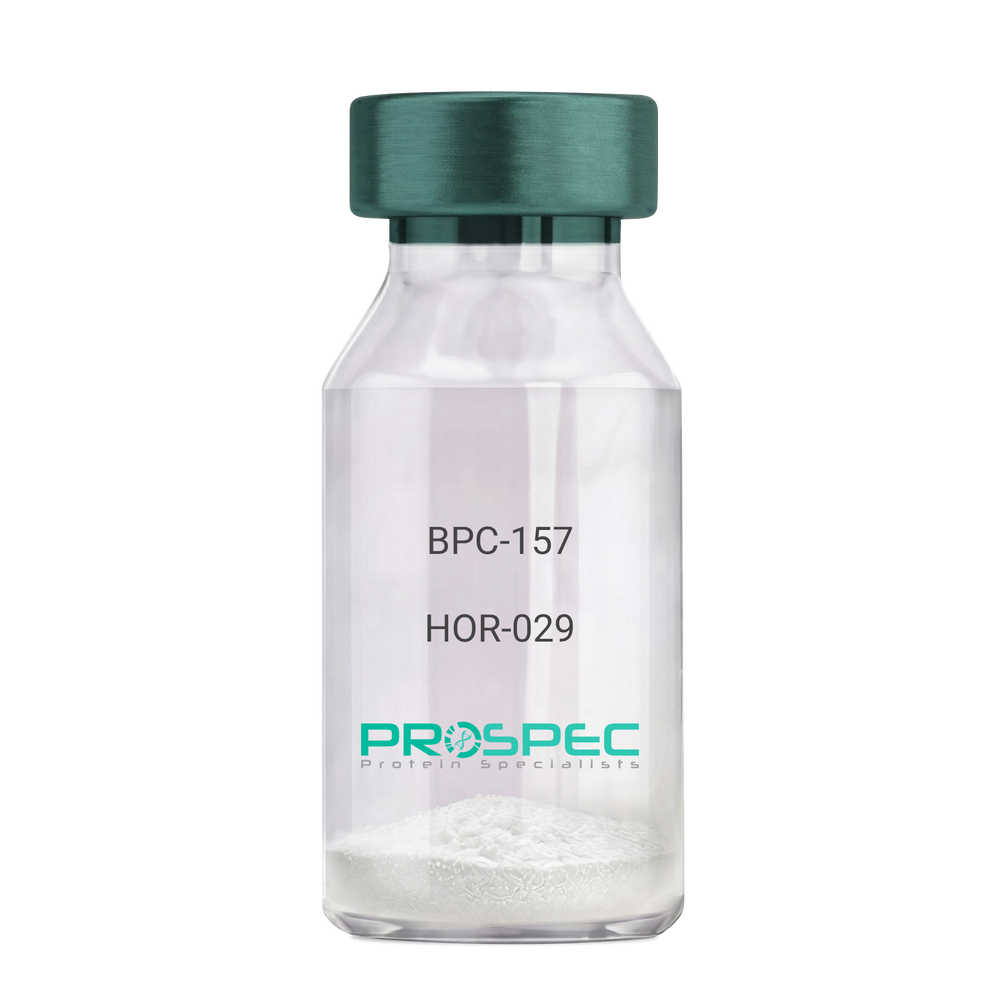
BPC-157Description:
BPC-157 Pentadecapeptide
Product # :
HOR-029Price :
Quantity :
Shipping Method :
Shipped at Room temp
More Info
- description
- formulation
- purity
- More Info
- Citations
Description
BPC-157 Synthetic is a single, non-glycosylated polypeptide chain containing 15 amino acids, having a molecular mass of 1419.55 Dalton and a Molecular formula of C62H98N16O22.
Formulation
The protein was lyophilized with no additives.
Purity
Greater than 97.0% as determined by analysis by RP-HPLC.
Citations
More Info
-
Physical Appearance
Sterile Filtered White lyophilized (freeze-dried) powder.
-
Stability
Lyophilized BPC-157 although stable at room temperature for 3 weeks, should be stored desiccated below -18°C. Upon reconstitution bpc-157 should be stored at 4°C between 2-7 days and for future use below -18°C. For long term storage it is recommended to add a carrier protein (0.1% HSA or BSA). Please prevent freeze-thaw cycles.
-
Solubility
It is recommended to reconstitute the lyophilized BPC-157 in sterile 18MΩ-cm H2O not less than 100 µg/ml, which can then be further diluted to other aqueous solutions.
-
Amino Acid Sequence
H-Gly-Glu-Pro-Pro-Pro-Gly-Lys-Pro-Ala-Asp-Asp-Ala-Gly-Leu-Val-OH
-
Background
BPC-157, short for Body Protection Compound-157, is a synthetic peptide that has garnered significant attention in the field of regenerative medicine and sports science. This peptide, derived from a portion of the human gastric juice protein known as BPC, exhibits remarkable healing and tissue regeneration properties. BPC-157 has shown promise in various preclinical and clinical studies, demonstrating its potential for the treatment of a wide range of injuries and disorders.
The research on BPC-157 encompasses investigations into its mechanisms of action, efficacy, safety, and potential therapeutic applications. Studies have elucidated the peptide's ability to enhance angiogenesis, promote collagen synthesis, modulate inflammatory responses, and protect against oxidative stress. These properties make BPC-157 an intriguing candidate for accelerating tissue healing, reducing inflammation, and improving overall recovery outcomes.
Preclinical studies have revealed the beneficial effects of BPC-157 in several injury models. For instance, BPC-157 has demonstrated its potential in accelerating tendon and ligament healing, mitigating muscle damage, and promoting bone regeneration. These findings suggest that BPC-157 could be a valuable therapeutic tool in orthopedic medicine and sports-related injuries.
Furthermore, BPC-157 has exhibited promising effects on gastrointestinal health. Studies have highlighted its ability to protect and heal the gut lining, reduce ulcer formation, and alleviate symptoms associated with inflammatory bowel disease. These observations open up avenues for BPC-157 as a potential treatment for gastrointestinal disorders.
In addition to its regenerative properties, BPC-157 has shown potential in neurological and psychiatric conditions. Research has indicated its neuroprotective effects, with implications for the treatment of traumatic brain injury, stroke, and neurodegenerative disorders. Preliminary studies also suggest BPC-157's potential as an antidepressant and anxiolytic agent.
Despite the promising findings, further research is needed to fully understand the mechanisms underlying BPC-157's actions and to assess its long-term safety and efficacy. Clinical trials are underway to explore its potential therapeutic applications in humans, including its use in tendon and ligament repair, inflammatory bowel disease, and neurodegenerative disorders.
This comprehensive review aims to summarize the current state of research on BPC-157, providing an overview of its mechanisms of action and therapeutic potential. By examining relevant studies and findings, we aim to shed light on the diverse applications of BPC-157 and its implications for regenerative medicine, sports science, and various disease
ProSpec's products are furnished for LABORATORY RESEARCH USE ONLY. The product may not be used as drugs, agricultural or pesticidal products, food additives or household chemicals.
- View Data Sheet
Name :
FGF 21 Mouse, Sf9Description:
Fibroblast Growth Factor-21 Mouse Recombinant, Sf9
Fibroblast growth factor 21, FGF-21.
Product # :
CYT-930Price :
Quantity :
Shipping Method :
Shipped with Ice Packs
More Info
- description
- source
- formulation
- purity
- More Info
- sds-page
- Citations
Description
FGF-21 produced in Sf9 Baculovirus cells is a single, glycosylated polypeptide chain containing 190 amino acids (29-210a.a.) and having a molecular mass of 21.0kDa (Molecular size on SDS-PAGE will appear at approximately 18-28kDa). FGF21 is expressed with an 8 amino acid His tag at C-Terminus and purified by proprietary chromatographic techniques.
Source
Sf9, Baculovirus cells.
Formulation
FGF-21 protein solution (0.5mg/ml) contains Phosphate Buffered Saline (pH 7.4) and 10% glycerol.
Purity
Greater than 90.0% as determined by SDS-PAGE.
sds-page
Citations
More Info
-
Introduction
The FGFs are a family of more than 20 small (~17–26 kDa) secreted peptides. The initial characterization of these proteins focused on their ability to stimulate fibroblast proliferation. This mitogenic activity was mediated through FGF receptors (FGFRs) 1, 2, or 3. A fourth closely related tyrosine kinase receptor (FGFR4) was able to bind the FGFs but did not lead to a mitogenic response.
FGFs modulate cellular activity via at least 5 distinct subfamilies of high-affinity FGF receptors (FGFRs): FGFR-1, -2, -3, and -4, all with intrinsic tyrosine kinase activity and, except for FGFR-4, multiple splice isoforms, and FGFR-5, which lacks an intracellular kinase domain. There is growing evidence that FGFRs can be important for regulation of glucose and lipid homeostasis. The overexpression of a dominant negative form of FGFR-1 in ? cells leads to diabetes in mice, which thus implies that proper FGF signaling is required for normal ? cell function and glycemia maintenance. FGFR-2 appears to be a key molecule during pancreatic development. Moreover, FGFR-4 has been implicated in cholesterol metabolism and bile acid synthesis.
FGF-21 is preferentially expressed in liver, but an exact knowledge of FGF-21 bioactivity and its mode of action have been lacking to date. FGF-21 is a potent activator of glucose uptake on adipocytes, protects animals from diet-induced obesity when overexpressed in transgenic mice, and lowers blood glucose and triglyceride levels when therapeutically administered to diabetic rodents. -
Synonyms
Fibroblast growth factor 21, FGF-21.
-
Physical Appearance
Sterile Filtered colorless clear solution.
-
Stability
Store at 4°C if entire vial will be used within 2-4 weeks.Store, frozen at -20°C for longer periods of time. For long term storage it is recommended to add a carrier protein (0.1% HSA or BSA).Avoid multiple freeze-thaw cycles.
-
Amino Acid Sequence
AYPIPDSSPL LQFGGQVRQR YLYTDDDQDT EAHLEIREDG TVVGAAHRSP ESLLELKALK PGVIQILGVK ASRFLCQQPD GALYGSPHFD PEACSFRELL LEDGYNVYQS EAHGLPLRLP QKDSPNQDAT SWGPVRFLPM PGLLHEPQDQ AGFLPPEPPD VGSSDPLSMV EPLQGRSPSY ASLEHHHHHH.
-
Background
What is the molecular weight/Mw of FGF21 MOUSE,SF9 Protein?
FGF21 MOUSE,SF9 Protein has a total Mw of 21kDa.
What is the source or expression system of FGF21 MOUSE,SF9 Protein?
Sf9, Baculovirus cells.
What is the Purity of FGF21 MOUSE,SF9 Protein?
FGF21 MOUSE,SF9 Protein is >90% pure as determined by SDS-PAGE.
What is the Biological Activity of FGF21 MOUSE,SF9 Protein?
The biological functionality of FGF21 MOUSE,SF9 Protein will be determined in the future.
What is the amino acid sequence of FGF21 MOUSE,SF9 Protein?
AYPIPDSSPL LQFGGQVRQR YLYTDDDQDT EAHLEIREDG TVVGAAHRSP ESLLELKALK PGVIQILGVK ASRFLCQQPD GALYGSPHFD PEACSFRELL LEDGYNVYQS EAHGLPLRLP QKDSPNQDAT SWGPVRFLPM PGLLHEPQDQ AGFLPPEPPD VGSSDPLSMV EPLQGRSPSY ASLEHHHHHH.
What applications can FGF21 MOUSE,SF9 Protein be used in?
FGF21 MOUSE,SF9 Protein can probably be used in western blot, ELISA and Lateral Flow.
What is the endotoxin level for FGF21 MOUSE,SF9 Protein?
The endotoxin level is minimal, FGF21 MOUSE,SF9 Protein was purified using conventional chromatography techniques.
ProSpec's products are furnished for LABORATORY RESEARCH USE ONLY. The product may not be used as drugs, agricultural or pesticidal products, food additives or household chemicals.
- View Data Sheet
Name :
FTCD HumanDescription:
Formiminotransferase Cyclodeaminase Human Recombinant
Formiminotransferase-cyclodeaminase, FTCD, LCHC1, LC-1.
Product # :
ENZ-302Price :
Quantity :
Shipping Method :
Shipped with Ice Packs
More Info
- description
- source
- formulation
- purity
- More Info
- Citations
Description
Formiminotransferase Cyclodeaminase Human Recombinant (also called liver cytosol type 1) produced in SF9, is a glycosylated, polypeptide chain having a molecular mass of 59,749 Dalton.The FTCD is expressed with a -6xHis tag and purified by proprietary chromatographic techniques.
Source
Sf9 insect cells.
Formulation
FTCD is supplied in 16mM HEPES buffer pH-7.6, 240mM sodium chloride, and 20% glycerol.
Purity
Greater than 95% as determined by SDS-PAGE.
Citations
More Info
-
Introduction
Formiminotransferase cyclodeaminase is an enzyme which catalyzes the conversion of formiminoglutamateand tetrahydrofolateinto formiminotetrahydrofolateand glutamate.
Formiminotransferase cyclodeaminase, a bifunctional enzyme of tetrahydrofolate synthesis, is the target antigen of anti-LC1 (liver cytosol antigen type 1) autoantibodies. Presence of LC1 autoantibodies is a marker for type 2 autoimmune hepatitis (for which anti-LKM 1/cytochrome P450 2D6 autoantibodies are a further marker).
Serum LC1 autoantibody concentrations appear to fluctuate in parallel with aminotransferase levels, a particularly intriguing observation that suggests a possible role of LC1 autoreactivity in the pathogenic mechanism leading to hepatocyte injury. -
Synonyms
Formiminotransferase-cyclodeaminase, FTCD, LCHC1, LC-1.
-
Stability
Store at 4°C if entire vial will be used within 2-4 weeks. Store, frozen at -20°Cfor longer periods of time. Avoid multiple freeze-thaw cycles.
-
Immunological Functions
1. Binds IgG-type human auto-antibodies.2. Standard ELISA test (checker-board analysis of positive/negative sera panels, immuno-dot test).
-
coating concentration
0.35-0.7 µg/ml (depending on the type of ELISA plate and coating buffer).Suitable for biotinylation and iodination.
ProSpec's products are furnished for LABORATORY RESEARCH USE ONLY. The product may not be used as drugs, agricultural or pesticidal products, food additives or household chemicals.
- View Data Sheet
Name :
SPP1 HumanDescription:
Osteopontin Human Recombinant
Secreted Phosphoprotein-1, OPN, BNSP, BSPI, ETA-1, MGC110940, SPP-1, Osteopontin, Bone sialoprotein 1, Urinary stone protein, Nephropontin, Uropontin, SPP1.
Product # :
CYT-635Price :
Quantity :
Shipping Method :
Shipped with Ice Packs
More Info
- description
- source
- formulation
- purity
- More Info
- Citations
Description
Secreted Phosphoprotein-1 Human Recombinant produced in E.Coli is single, a non-glycosylated, Polypeptide chain containing 321 amino acids fragment (17-314) and having a total molecular mass of 36.2 kDa(molecular weight on SDS-PAGE will shift up). The SPP1 protein is fused to a 20 amino acid His-Tag at N-terminus and purified by proprietary chromatographic techniques.
Source
Escherichia Coli.
Formulation
Osteopontin is supplied in 20mM Tris-HCl buffer pH-7.5, 1mM DTT, 2mM EDTA and 10% glycerol.
Purity
Greater than 90.0% as determined by SDS-PAGE.
Citations
More Info
-
Introduction
Osteopontin is a glycoprotein that was first identified in osteoblasts and is involved in bone remodeling, immune functions in fibroblasts, macrophages, and lymphocytes during inflammation and wound healing. SPP1 binds tightly to hydroxyapatite. SPP1 forms an integral part of the mineralized matrix. SPP1 is vital to cell-matrix interaction.
Secreted Phosphoprotein-1 protects against cardiac ischemia-reperfusion injury via late preconditioning. Expression of both Ostepontin and CD44 in hepatocellular carcinoma is linked with advanced tumor stage and contributes to prognosis information. SPP1 is the most over-expressed gene in intrahepatic cholangiocarcinoma. Secreted Phosphoprotein-1 overexpression is related with interstitial lung diseases. -
Synonyms
Secreted Phosphoprotein-1, OPN, BNSP, BSPI, ETA-1, MGC110940, SPP-1, Osteopontin, Bone sialoprotein 1, Urinary stone protein, Nephropontin, Uropontin, SPP1.
-
Physical Appearance
Sterile Filtered clear colorless solution.
-
Stability
Store at 4°C if entire vial will be used within 2-4 weeks. Store, frozen at -20°C for longer periods of time. For long term storage it is recommended to add a carrier protein (0.1% HSA or BSA).Avoid multiple freeze-thaw cycles.
-
Amino Acid Sequence
MGSSHHHHHH SSGLVPRGSH RSMIPVKQAD SGSSEEKQLY NKYPDAVATW LNPDPSQKQN LLAPQNAVSS EETNDFKQET LPSKSNESHD HMDDMDDEDD DDHVDSQDSI DSNDSDDVDD TDDSHQSDES HHSDESDELV TDFPTDLPAT EVFTPVVPTV DTYDGRGDSV VYGLRSKSKK FRRPDIQYPD ATDEDITSHM ESEELNGAYK AIPVAQDLNA PSDWDSRGKD SYETSQLDDQ SAETHSHKQS RLYKRKANDE SNEHSDVIDS QELSKVSREF HSHEFHSHED MLVVDPKSKE EDKHLKFRIS HELDSASSEV N.
ProSpec's products are furnished for LABORATORY RESEARCH USE ONLY. The product may not be used as drugs, agricultural or pesticidal products, food additives or household chemicals.
- View Data Sheet
Name :
FGF4 HumanDescription:
Fibroblast Growth Factor-4 Human Recombinant
HBGF4, FGF-4, FGF4, KFGF, HSTF1.
Product # :
CYT-312Price :
Quantity :
Shipping Method :
Shipped at Room temp
More Info
- description
- source
- formulation
- purity
- biological activity
- More Info
- Citations
Description
FGF4 Human Recombinant produced in E.Coli is a single, non-glycosylated, polypeptide chain containing 182 amino acids and having a molecular mass of 19.8kDa. The FGF4 is purified by proprietary chromatographic techniques.
Source
Escherichia Coli.
Formulation
The FGF4 protein was lyophilized with 20mM sodium phosphate and 500mM NaCl pH-7.5.
Purity
Greater than 95.0% as determined by SDS-PAGE.
Biological Activity
The ED50 as determined by NR6R-3T3 Proliferation is 0.54ng/ml, corresponding to a specific activity of 1.8X10⁶ units/mg.
Citations
More Info
-
Introduction
FGF4 holds s comprehensive mitogenic and cell survival activities and takes part in a range of biological processes including embryonic development, cell growth, morphogenesis, tissue repair, tumor growth and invasion. FGF4 possess oncogenic transforming activity. FGF4 and FGF3, oncogenic growth factors are localized on chromosome 11. Co-amplification of both factors was found in several kinds of human tumors. FGF4 functions in bone morphogenesis and limb development through the sonic hedgehog (SHH) signaling pathway.
-
Synonyms
HBGF4, FGF-4, FGF4, KFGF, HSTF1.
-
Physical Appearance
Sterile Filtered White lyophilized (freeze-dried) powder.
-
Stability
Lyophilized FGF4 although stable at room temperature for 3 weeks, should be stored desiccated below -18°C. Upon reconstitution FGF-4 should be stored at 4°C between 2-7 days and for future use below -18°C.Please prevent freeze-thaw cycles.
-
Solubility
It is recommended to reconstitute the lyophilized FGF4 Human Recombinant sterile 18MΩ-cm H2O not less than 100µg/ml, which can then be further diluted to other aqueous solutions.
-
Amino Acid Sequence
MAPTAPNGTL EAELERRWES LVALSLARLP VAAQPKEAAV QSGAGDYLLG IKRLRRLYCN VGIGFHLQAL PDGRIGGAHA DTRDSLLELS PVERGVVSIF GVASRFFVAM SSKGKLYGSP FFTDECTFKE ILLPNNYNAY ESYKYPGMFI ALSKNGKTKK GNRVSPTMKV THFLPRL.
-
Background
What is the molecular weight/Mw of FGF4 HUMAN Protein?
FGF4 HUMAN Protein has a total Mw of 19.8kDa.
What is the source or expression system of FGF4 HUMAN Protein?
Escherichia Coli.
What is the Purity of FGF4 HUMAN Protein?
FGF4 HUMAN Protein is > 95% pure as determined by SDS-PAGE.
What is the Biological Activity of FGF4 HUMAN Protein?
The ED50 as determined by NR6R-3T3 Proliferation is 0.54ng/ml, corresponding to a specific activity of 1.8X10⁶ units/mg.
What is the amino acid sequence of FGF4 HUMAN Protein?
MAPTAPNGTL EAELERRWES LVALSLARLP VAAQPKEAAV QSGAGDYLLG IKRLRRLYCN VGIGFHLQAL PDGRIGGAHA DTRDSLLELS PVERGVVSIF GVASRFFVAM SSKGKLYGSP FFTDECTFKE ILLPNNYNAY ESYKYPGMFI ALSKNGKTKK GNRVSPTMKV THFLPRL.
What applications can FGF4 HUMAN Protein be used in?
FGF4 HUMAN Protein can probably be used in western blot, ELISA and Lateral Flow.
What is the endotoxin level for FGF4 HUMAN Protein?
The endotoxin level is minimal, FGF4 HUMAN Protein was purified using conventional chromatography techniques.
ProSpec's products are furnished for LABORATORY RESEARCH USE ONLY. The product may not be used as drugs, agricultural or pesticidal products, food additives or household chemicals.
- View Data Sheet
Name :
SPARC HumanDescription:
Secreted Protein Acidic & Rich in Cysteine Recombinant Human
Osteonectin, ON, Basement-membrane protein 40, BM-40, SPARC, Secreted Protein acidic and Rich in Cysteine.
Product # :
PRO-2602Price :
Quantity :
Shipping Method :
Shipped at Room temp
More Info
- description
- source
- formulation
- purity
- biological activity
- More Info
- Citations
Description
Secreted Protein Acidic & Rich in Cysteine Human Recombinant produced in E.Coli is a single, non- glycosylated polypeptide chain containing 286 amino acids and having a molecular mass of 32.7kDa.SPARC is purified by proprietary chromatographic techniques.
Source
Escherichia Coli.
Formulation
Lyophilized from a 0.2μm filtered concentrated solution in PBS, pH 7.4.
Purity
Greater than 98.0% as determined by:
(a) Analysis by RP-HPLC.
(b) Analysis by SDS-PAGE.Biological Activity
The ED50 as determined by its ability to inhibit the cell growth of Mv1Lu mink lung epithelial cells is < 3.0 µg/mL, corresponding to a specific activity of > 333 IU/mg.
Citations
More Info
-
Introduction
SPARC, an acronym for “secreted protein, acidic and rich in cysteine”, is also known as osteonectin or BM-40. It is the founding member of a family of secreted matricellular proteins with similar domain structure. The 303 amino acid, 43 kDa protein contains a 17 aa signal sequence, an N-terminal acidic region that binds calcium, a follistatin domain containing Kazal-like sequences, and a C-terminal extracellular calcium (EC) binding domain with two EF-hand motifs. SPARC is produced by fibroblasts, capillary endothelial cells, platelets and macrophages, especially in areas of tissue morphogenesis and remodeling. SPARC shows context-specific effects, but generally inhibits adhesion, spreading and proliferation, and promotes collagen matrix formation. For endothelial cells, SPARC disrupts focal adhesions and binds and sequesters PDGF and VEGF. SPARC is abundantly expressed in bone, where it promotes osteoblast differentiation and inhibits adipogenesis.
-
Synonyms
Osteonectin, ON, Basement-membrane protein 40, BM-40, SPARC, Secreted Protein acidic and Rich in Cysteine.
-
Physical Appearance
Sterile Filtered White lyophilized (freeze-dried) powder.
-
Stability
Lyophilized SPARC although stable at room temperature for 3 weeks, should be stored desiccated below -18°C. Upon reconstitution Secreted Protein Acidic & Rich in Cysteine should be stored at 4°C between 2-7 days and for future use below -18°C.Please prevent freeze-thaw cycles.
-
Solubility
It is recommended to reconstitute the lyophilized SPARC in sterile 18MΩ-cm H2O not less than 100µg/ml, which can then be further diluted to other aqueous solutions.
-
Amino Acid Sequence
APQQEALPDE TEVVEETVAE VTEVSVGANP VQVEVGEFDD GAEETEEEVV AENPCQNHHC KHGKVCELDE NNTPMCVCQD PTSCPAPIGE FEKVCSNDNK TFDSSCHFFA TKCTLEGTKK GHKLHLDYIG PCKYIPPCLD SELTEFPLRM RDWLKNVLVT LYERDEDNNL LTEKQKLRVK KIHENEKRLE AGDHPVELLA RDFEKNYNMY IFPVHWQFGQ LDQHPIDGYL SHTELAPLRA PLIPMEHCTT RFFETCDLDN DKYIALDEWA GCFGIKQKDI DKDLVI.
ProSpec's products are furnished for LABORATORY RESEARCH USE ONLY. The product may not be used as drugs, agricultural or pesticidal products, food additives or household chemicals.