Skip to content

High-quality research proteins.

  • 1-800-805-6531

  • Mon - Sat 8.00-18.00, Sun - Closed

  • info@prospecbio.com

  • PO Box 6591 East Brunswick NJ 08816

  • Products
    • Cytokines
    • Growth factors
    • Chemokines
    • Cd antigens
    • Neurotrophins
    • Hormones
    • Enzymes
    • Viral antigens
    • Recombinant proteins
    • Natural proteins
    • Monoclonal antibodies
    • Polyclonal antibodies
    • Thermal Packaging
  • About
    • Company
    • Founder
    • Contribution
  • Customers
    • Eastern Asia
    • Eastern Europe
    • North America
    • South America
    • South East Asia
    • Southern Asia
    • Western Europe
  • Ordering
    • Ordering Method
    • Ordering - Credit Card
    • Ordering - PO
    • Shipping Fees
    • FAQs
  • Services
    • DNA Cloning
    • Protein Expression
    • Monoclonal Antibody
    • Fermentation
    • Technology License
  • Contact us
Log in

Country/region

  • USD $ | Albania
  • USD $ | Andorra
  • USD $ | Argentina
  • USD $ | Armenia
  • USD $ | Australia
  • USD $ | Austria
  • USD $ | Azerbaijan
  • USD $ | Belarus
  • USD $ | Belgium
  • USD $ | Bolivia
  • USD $ | Brazil
  • USD $ | Bulgaria
  • USD $ | Cambodia
  • USD $ | Canada
  • USD $ | Chile
  • USD $ | China
  • USD $ | Colombia
  • USD $ | Costa Rica
  • USD $ | Croatia
  • USD $ | Cyprus
  • USD $ | Czechia
  • USD $ | Denmark
  • USD $ | Estonia
  • USD $ | Finland
  • USD $ | France
  • USD $ | Georgia
  • USD $ | Germany
  • USD $ | Greece
  • USD $ | Hong Kong SAR
  • USD $ | Hungary
  • USD $ | Iceland
  • USD $ | India
  • USD $ | Ireland
  • USD $ | Israel
  • USD $ | Italy
  • USD $ | Japan
  • USD $ | Kazakhstan
  • USD $ | Latvia
  • USD $ | Liechtenstein
  • USD $ | Lithuania
  • USD $ | Madagascar
  • USD $ | Malta
  • USD $ | Mexico
  • USD $ | Moldova
  • USD $ | Monaco
  • USD $ | Netherlands
  • USD $ | New Zealand
  • USD $ | North Macedonia
  • USD $ | Norway
  • USD $ | Panama
  • USD $ | Paraguay
  • USD $ | Peru
  • USD $ | Philippines
  • USD $ | Poland
  • USD $ | Portugal
  • USD $ | Romania
  • USD $ | Singapore
  • USD $ | Slovakia
  • USD $ | Slovenia
  • USD $ | South Africa
  • USD $ | South Korea
  • USD $ | Spain
  • USD $ | Sri Lanka
  • USD $ | Sweden
  • USD $ | Switzerland
  • USD $ | Taiwan
  • USD $ | Thailand
  • USD $ | Türkiye
  • USD $ | Ukraine
  • USD $ | United Kingdom
  • USD $ | United States
  • USD $ | Uruguay
  • USD $ | Vatican City
  • USD $ | Venezuela
  • USD $ | Vietnam
  • Facebook
  • Instagram
logoProSpec - Recombinant Protein Manufacturer for academic and R&D industry
Become a distributor
Account Log in
Wishlist
Cart Cart(0)
  • Products
    +
    • Cytokines
    • Growth factors
    • Chemokines
    • Cd antigens
    • Neurotrophins
    • Hormones
    • Enzymes
    • Viral antigens
    • Recombinant proteins
    • Natural proteins
    • Monoclonal antibodies
    • Polyclonal antibodies
    • Thermal Packaging
  • About
    +
    • Company
    • Founder
    • Contribution
  • Customers
    +
    • Eastern Asia
    • Eastern Europe
    • North America
    • South America
    • South East Asia
    • Southern Asia
    • Western Europe
  • Ordering
    +
    • Ordering Method
    • Ordering - Credit Card
    • Ordering - PO
    • Shipping Fees
    • FAQs
  • Services
    +
    • DNA Cloning
    • Protein Expression
    • Monoclonal Antibody
    • Fermentation
    • Technology License
  • Contact us

Item added to your cart

View cart
View All
  • Cytokines
  • Growth factors
  • Chemokines
  • Cd antigens
  • Neurotrophins
  • Hormones
  • Enzymes
  • Viral antigens
  • Recombinant proteins
  • Natural proteins
  • Monoclonal antibodies
  • Polyclonal antibodies
  • Thermal Packaging
  • Tumor Necrosis Factor

    Tumor Necrosis Factor

    View All
  • 4-1BB

    4-1BB

    View All
  • Adiponectin

    Adiponectin

    View All
  • AIF1

    AIF1

    View All
  • Other Cytokines

    Other Cytokines

    View All
  • AITRL

    AITRL

    View All
  • Angiopoietin

    Angiopoietin

    View All
  • Apolipoprotein

    Apolipoprotein

    View All
  • B-Cell Activating Factor

    B-Cell Activating Factor

    View All
  • Beta Defensin

    Beta Defensin

    View All
  • Bone Morphogenetic Protein

    Bone Morphogenetic Protein

    View All
  • B type Natriuretic Peptide

    B type Natriuretic Peptide

    View All
  • BST

    BST

    View All
  • Betacellulin

    Betacellulin

    View All
  • Cardiotrophin

    Cardiotrophin

    View All
  • Activin

    Activin

    View All
  • Fibroblast Growth Factor

    Fibroblast Growth Factor

    View All
  • Other Growth Factors

    Other Growth Factors

    View All
  • CSF

    CSF

    View All
  • CTGF

    CTGF

    View All
  • IGFBP

    IGFBP

    View All
  • VEGF Protein

    VEGF Protein

    View All
  • EGF

    EGF

    View All
  • Epigen

    Epigen

    View All
  • Erythropoietin

    Erythropoietin

    View All
  • Insulin-Like Growth Factor

    Insulin-Like Growth Factor

    View All
  • Growth Hormone

    Growth Hormone

    View All
  • HDGF

    HDGF

    View All
  • Hepatocyte Growth Factor

    Hepatocyte Growth Factor

    View All
  • Insulin

    Insulin

    View All
  • BCA-1/ BLC (CXCL13)

    BCA-1/ BLC (CXCL13)

    View All
  • BRAK (CXCL14)

    BRAK (CXCL14)

    View All
  • C-10 (CCL6)

    C-10 (CCL6)

    View All
  • Other Chemokines

    Other Chemokines

    View All
  • MEC (CCL28)

    MEC (CCL28)

    View All
  • LD78-beta (CCL3L1)

    LD78-beta (CCL3L1)

    View All
  • CTACK (CCL27)

    CTACK (CCL27)

    View All
  • CXCL16

    CXCL16

    View All
  • CXCL17

    CXCL17

    View All
  • Platelet Factor-4 (CXCL4)

    Platelet Factor-4 (CXCL4)

    View All
  • ENA-78 (CXCL5)

    ENA-78 (CXCL5)

    View All
  • Eotaxin (CCL11,24,26)

    Eotaxin (CCL11,24,26)

    View All
  • Exodus-2 (CCL21)

    Exodus-2 (CCL21)

    View All
  • Fractalkine (CX3CL1)

    Fractalkine (CX3CL1)

    View All
  • CXCL6

    CXCL6

    View All
  • Other CD Antigens

    Other CD Antigens

    View All
  • CD14

    CD14

    View All
  • CD164

    CD164

    View All
  • CD1

    CD1

    View All
  • CD2

    CD2

    View All
  • CD200

    CD200

    View All
  • CD207

    CD207

    View All
  • CD226

    CD226

    View All
  • CD23

    CD23

    View All
  • CD244

    CD244

    View All
  • CD247

    CD247

    View All
  • CD27

    CD27

    View All
  • CD274

    CD274

    View All
  • CD300

    CD300

    View All
  • CD33

    CD33

    View All
  • Other Neurotrophins

    Other Neurotrophins

    View All
  • Beta-NGF

    Beta-NGF

    View All
  • BDNF

    BDNF

    View All
  • CDNF

    CDNF

    View All
  • CNTF

    CNTF

    View All
  • GDNF

    GDNF

    View All
  • Glia Maturation Factor

    Glia Maturation Factor

    View All
  • MANF

    MANF

    View All
  • Midkine

    Midkine

    View All
  • Neuroglobin

    Neuroglobin

    View All
  • Neurotrophic factors

    Neurotrophic factors

    View All
  • Neuregulin

    Neuregulin

    View All
  • Neuropilin

    Neuropilin

    View All
  • Pigment Epithelium-Derived Factor

    Pigment Epithelium-Derived Factor

    View All
  • Pleiotrophin

    Pleiotrophin

    View All
  • Peptide Hormones

    Peptide Hormones

    View All
  • Other Hormones

    Other Hormones

    View All
  • HCG

    HCG

    View All
  • Endothelin

    Endothelin

    View All
  • Exendin

    Exendin

    View All
  • FSH

    FSH

    View All
  • Glucagon

    Glucagon

    View All
  • GHRP

    GHRP

    View All
  • GLP

    GLP

    View All
  • Thyrostimulin

    Thyrostimulin

    View All
  • Inhibin A

    Inhibin A

    View All
  • LHRH

    LHRH

    View All
  • Melanotan

    Melanotan

    View All
  • Procalcitonin

    Procalcitonin

    View All
  • PTH

    PTH

    View All
  • Peroxiredoxin

    Peroxiredoxin

    View All
  • Peptidase

    Peptidase

    View All
  • Synthetase

    Synthetase

    View All
  • Transferase

    Transferase

    View All
  • Hydrolase

    Hydrolase

    View All
  • Dehydrogenase

    Dehydrogenase

    View All
  • ACE2

    ACE2

    View All
  • Esterase

    Esterase

    View All
  • Protein Kinases

    Protein Kinases

    View All
  • Other Enzymes

    Other Enzymes

    View All
  • Phosphatase

    Phosphatase

    View All
  • Deaminase

    Deaminase

    View All
  • Oxygenase

    Oxygenase

    View All
  • Adenylate Kinase

    Adenylate Kinase

    View All
  • Lyase

    Lyase

    View All
  • Chagas

    Chagas

    View All
  • SARS

    SARS

    View All
  • Influenza

    Influenza

    View All
  • ASFV

    ASFV

    View All
  • Astrovirus

    Astrovirus

    View All
  • Borrelia

    Borrelia

    View All
  • Helicobacter Pylori

    Helicobacter Pylori

    View All
  • Chikungunya

    Chikungunya

    View All
  • Chlamydia

    Chlamydia

    View All
  • Cytomegalo

    Cytomegalo

    View All
  • Dengue

    Dengue

    View All
  • EBV

    EBV

    View All
  • Ebola

    Ebola

    View All
  • Feline Leukemia Virus

    Feline Leukemia Virus

    View All
  • Hepatitis A

    Hepatitis A

    View All
  • Other

    Other

    View All
  • Actin

    Actin

    View All
  • ADAM

    ADAM

    View All
  • Complement Component

    Complement Component

    View All
  • Ag85

    Ag85

    View All
  • Eukaryotic Translation Initiation Factor

    Eukaryotic Translation Initiation Factor

    View All
  • Anterior Gradient Protein

    Anterior Gradient Protein

    View All
  • Heat Shock Protein

    Heat Shock Protein

    View All
  • Alpha-2-HS-Glycoprotein

    Alpha-2-HS-Glycoprotein

    View All
  • Hemoglobin

    Hemoglobin

    View All
  • Allergy

    Allergy

    View All
  • Anaplasma

    Anaplasma

    View All
  • Angiogenin

    Angiogenin

    View All
  • Ankyrin Repeat Domain

    Ankyrin Repeat Domain

    View All
  • Annexin

    Annexin

    View All
  • Other Natural Proteins

    Other Natural Proteins

    View All
  • Aprotinin

    Aprotinin

    View All
  • Transferrin

    Transferrin

    View All
  • Avidin

    Avidin

    View All
  • Anti Coagulation Factors

    Anti Coagulation Factors

    View All
  • Natural Albumin

    Natural Albumin

    View All
  • Natural Coagulation Factors

    Natural Coagulation Factors

    View All
  • Fibronectin

    Fibronectin

    View All
  • Thrombin

    Thrombin

    View All
  • Anti Human Enzyme

    Anti Human Enzyme

    View All
  • Other Monoclonal Antibodies

    Other Monoclonal Antibodies

    View All
  • Anti Human Cytokine

    Anti Human Cytokine

    View All
  • Anti Human Heat Shock Protein

    Anti Human Heat Shock Protein

    View All
  • Anti Mouse Lymphocyte

    Anti Mouse Lymphocyte

    View All
  • Anti Human Chemokine

    Anti Human Chemokine

    View All
  • Anti Human Lymphocyte

    Anti Human Lymphocyte

    View All
  • Anti Viral Monoclonal

    Anti Viral Monoclonal

    View All
  • Anti Mouse Cytokine

    Anti Mouse Cytokine

    View All
  • Anti-GST Monoclonal

    Anti-GST Monoclonal

    View All
  • Other Polyclonal Antibodies

    Other Polyclonal Antibodies

    View All
  • Anti Viral

    Anti Viral

    View All
  • Anti-GST Monoclonal

    Anti-GST Monoclonal

    View All
Back

Search results

1000 results found for “Coagulation Factors”

Name

Description

Product #

Price

Quantity

Shipping Method

  • View Data Sheet

    Name :

    TGM2 Human, Sf9

    Description:

    Tissue Transglutaminase Human Recombinant, Sf9

    Protein-glutamine gamma-glutamyltransferase 2, EC 2.3.2.13, Tissue transglutaminase, TGase C, TGC, TG(C), Transglutaminase-2, TGase-H, TG2, TGM2.

    Product # :

    ENZ-303

    Price :

    Quantity :

    Shipping Method :

    Ice Icon

    Shipped with Ice Packs

    Add To Cart

    More Info

    • description
    • source
    • formulation
    • purity
    • More Info

    Description

    Tissue Transglutaminase Human Recombinant produced in SF9 is a glycosylated, polypeptide chain having a molecular mass of 83 kDa. tTG is expressed with a -6xHis tag and purified by proprietary chromatographic techniques. By point mutation of the active center the catalytic transglutaminase activity has been eliminated, resulting in increased stability during storage and coating.

    Source

    Sf9 insect cells.

    Formulation

    TGM2 is supplied in 16mM HEPES buffer pH-8.0, 320mM NaCl and 20% glycerol.

    Purity

    Greater than 95% as determined by SDS-PAGE.

    More Info

    • Introduction

      Celiac disease is an enteropathy that is characterized by intestinal lesions of variable severity. Tissue-type transglutaminase (tTG) is believed to be the predominant autoantigen for celiac disease and the corresponding autoantibodies show higher sensitivity and specificity than anti-gliadin antibodies. Highly pure recombinant human tTG is now available to replace the traditionally used tTG fraction from guinea pig.
      Tissue-type transglutaminase antigens have been specifically modified for improved handling: exchange of an active site amino acid eliminates the protein cross-linking activity of the enzyme, while maintaining the native three-dimensional structure and the enzyme's secondary GTPase activity. This engineering assures reproducible properties of the antigen preparations through the absence of variable and ill-defined covalent aggregates of tTG antigen and host cell proteins.

    • Synonyms

      Protein-glutamine gamma-glutamyltransferase 2, EC 2.3.2.13, Tissue transglutaminase, TGase C, TGC, TG(C), Transglutaminase-2, TGase-H, TG2, TGM2.

    • Stability

      Store at 4°C if entire vial will be used within 2-4weeks. Store, frozen at -20°C for longer periods of time. Avoid multiple freeze-thaw cycles.

    ProSpec's products are furnished for LABORATORY RESEARCH USE ONLY. The product may not be used as drugs, agricultural or pesticidal products, food additives or household chemicals.

    Tgm2 Human Sf9
  • View Data Sheet

    Name :

    CGREF1 Human

    Description:

    Cell Growth Regulator With EF-Hand Domain 1 Human Recombinant

    Cell Growth Regulator With EF-Hand Domain 1, Cell Growth Regulatory Gene 11 Protein, Hydrophobestin, CGR11, Cell Growth Regulator With EF Hand Domain Protein 1, Cell Growth Regulator With EF Hand Domain 1, Cell growth regulator with EF hand domain protein 1.

    Product # :

    PRO-2154

    Price :

    Quantity :

    Shipping Method :

    Ice Icon

    Shipped with Ice Packs

    Add To Cart

    More Info

    • description
    • source
    • formulation
    • purity
    • More Info

    Description

    CGREF1 Human Recombinant produced in E.Coli is a single, non-glycosylated polypeptide chain containing 305 amino acids (20-301 a.a) and having a molecular mass of 32.3kDa. CGREF1 is fused to a 23 amino acid His-tag at N-terminus & purified by proprietary chromatographic techniques.

    Source

    Escherichia Coli.

    Formulation

    CGREF1 protein solution (0.5mg/ml) containing Phosphate Buffered Saline (pH7.4).

    Purity

    Greater than 85% as determined by SDS-PAGE.

    More Info

    • Introduction

      Cell Growth Regulator with EF-Hand Domain 1, also known as CGREF1 is a secreted calcium ion binding protein. CGREF1 includes two EF-hand domains & both EF-hands are essential for function. CGREF1 is most likely digested extracellularly by an unfamiliar serine protease generating extremely hydrophobic bioactive peptides. CGREF1 mediates cell-cell adhesion in a calcium-dependent manner. In addition, CGREF1 is capable to inhibit growth in more than a few cell lines.

    • Synonyms

      Cell Growth Regulator With EF-Hand Domain 1, Cell Growth Regulatory Gene 11 Protein, Hydrophobestin, CGR11, Cell Growth Regulator With EF Hand Domain Protein 1, Cell Growth Regulator With EF Hand Domain 1, Cell growth regulator with EF hand domain protein 1.

    • Physical Appearance

      Sterile filtered colorless solution.

    • Stability

      Store at 4°C if entire vial will be used within 2-4 weeks. Store, frozen at -20°C for longer periods of time. For long term storage it is recommended to add a carrier protein (0.1% HSA or BSA).Avoid multiple freeze-thaw cycles.

    • Amino Acid Sequence

      MGSSHHHHHH SSGLVPRGSH MGSAPKDGVT RPDSEVQHQL LPNPFQPGQE QLGLLQSYLK GLGRTEVQLE HLSREQVLLY LFALHDYDQS GQLDGLELLS MLTAALAPGA ANSPTTNPVI LIVDKVLETQ DLNGDGLMTP AELINFPGVA LRHVEPGEPL APSPQEPQAV GRQSLLAKSP LRQETQEAPG PREEAKGQVE ARRESLDPVQ EPGGQAEADG DVPGPRGEAE GQAEAKGDAP GPRGEAGGQA EAEGDAPGPR GEAGGQAEAR ENGEEAKELP GETLESKNTQ NDFEVHIVQV ENDEI.

    ProSpec's products are furnished for LABORATORY RESEARCH USE ONLY. The product may not be used as drugs, agricultural or pesticidal products, food additives or household chemicals.

    Cgref1 Human
  • View Data Sheet

    Name :

    PSMA8 Human

    Description:

    Proteasome Subunit Alpha Type 8 Human Recombinant

    Proteasome subunit alpha type-7-like, PSMA8, PSMA7L.

    Product # :

    ENZ-203

    Price :

    Quantity :

    Shipping Method :

    Ice Icon

    Shipped with Ice Packs

    Add To Cart

    More Info

    • description
    • source
    • formulation
    • purity
    • More Info

    Description

    PSMA8 Human Recombinant produced in E.coli is a single, non-glycosylated polypeptide chain containing 270 amino acids (1-250) and having a molecular mass of 30kDa.PSMA8 is fused to a 20 amino acid His-tag at N-terminus & purified by proprietary chromatographic techniques.

    Source

    E.coli.

    Formulation

    The PSMA8 solution (0.5mg/ml) contains 20mM Tris-HCl buffer (pH 8.0), 1mM DTT, 10% glycerol and 0.1M NaCl.

    Purity

    Greater than 90% as determined by SDS-PAGE.

    More Info

    • Introduction

      Proteasome subunit alpha type-8 (PSMA8) is a member of the peptidase T1A family. PSMA8 is a multicatalytic proteinase complex which is distinguished by its ability to cleave peptides with Arg, Phe, Tyr, Leu, and Glu adjacent to the leaving group at neutral or slightly basic pH. The proteasome has an ATP-dependent proteolytic activity. The PSMA8 subunit may be testis-specific.

    • Synonyms

      Proteasome subunit alpha type-7-like, PSMA8, PSMA7L.

    • Physical Appearance

      Sterile Filtered colorless solution.

    • Stability

      Store at 4°C if entire vial will be used within 2-4 weeks. Store, frozen at -20°C for longer periods of time. For long term storage it is recommended to add a carrier protein (0.1% HSA or BSA).Avoid multiple freeze-thaw cycles.

    • Amino Acid Sequence

      MGSSHHHHHH SSGLVPRGSH MASRYDRAIT VFSPDGHLFQ VEYAQEAVKK GSTAVGIRGT NIVVLGVEKK SVAKLQDERT VRKICALDDH VCMAFAGLTA DARVVINRAR VECQSHKLTV EDPVTVEYIT RFIATLKQKY TQSNGRRPFG ISALIVGFDD DGISRLYQTD PSGTYHAWKA
      NAIGRSAKTV REFLEKNYTE DAIASDSEAI KLAIKALLEV VQSGGKNIEL AIIRRNQPLK MFSAKEVELY VTEIEKEKEE AEKKKSKKSV.

    ProSpec's products are furnished for LABORATORY RESEARCH USE ONLY. The product may not be used as drugs, agricultural or pesticidal products, food additives or household chemicals.

    Psma8 Human
  • View Data Sheet

    Name :

    IL 12 p35 Human

    Description:

    Interleukin-12 p35 Human Recombinant

    NKSF1, CTL maturation factor (TCMF), Cytotoxic lymphocyte maturation factor 35 kDa subunit (CLMF p35), TSF, Edodekin-alpha, IL-12 p35, IL-12A, IL-12 subunit p35, NK cell stimulatory factor chain 1, SGT2, FLJ39002.

    Product # :

    CYT-487

    Price :

    Quantity :

    Shipping Method :

    Ice Icon

    Shipped with Ice Packs

    Add To Cart

    More Info

    • description
    • source
    • formulation
    • purity
    • More Info

    Description

    Interleukin-12 p35 His Human Recombinant produced in E.Coli is single, a non-glycosylated, polypeptide chain containing 197 amino acids fragment (57-253) with an amino-terminal hexahistidine tag. The IL-12 p35 His is purified by proprietary chromatographic techniques.

    Source

    Escherichia Coli.

    Formulation

    Interleukin-12 p35 His-Tag is supplied in 1xPBS and 50% glycerol.

    Purity

    Greater than 95.0% as determined by SDS-PAGE.

    More Info

    • Introduction

      Active IL-12 is a p70 disulphide-linked dimer composed of p35 and p40 subunits. The protein is a pleiotropic cytokine produced primarily by antigen presenting cells and has multiple effects on T lymphocytes and natural killer cells in terms of stimulating cytotoxicity, proliferation, production of other cytokines and Th1 subset differentiation.

    • Synonyms

      NKSF1, CTL maturation factor (TCMF), Cytotoxic lymphocyte maturation factor 35 kDa subunit (CLMF p35), TSF, Edodekin-alpha, IL-12 p35, IL-12A, IL-12 subunit p35, NK cell stimulatory factor chain 1, SGT2, FLJ39002.

    • Physical Appearance

      Sterile Filtered clear solution.

    • Stability

      Store at 4°C if entire vial will be used within 2-4 weeks. Store, frozen at -20°C for longer periods of time. Please avoid freeze thaw cycles.

    ProSpec's products are furnished for LABORATORY RESEARCH USE ONLY. The product may not be used as drugs, agricultural or pesticidal products, food additives or household chemicals.

    Il 12 P35 Human His
  • View Data Sheet

    Name :

    FGFR1 Human

    Description:

    Fibroblast Growth Factor Receptor 1 Fc Chimera Human Recombinant

    FGFR-1, bFGF-R, C-FGR, CD331, fms-related tyrosine kinase 2, Pfeiffer syndrome, CEK, FLG, FLT2, KAL2, BFGFR, FGFBR, HBGFR, FGFR1/FGFR1OP2 FUSION GENE, FGFR1/ZNF198 FUSION GENE, FLG FGFR1/BCR FUSION GENE, FLG protein, FMS-LIKE GENE, N-sam tyrosine kinase, basic fibroblast growth factor receptor 1.

    Product # :

    PKA-230

    Price :

    Quantity :

    Shipping Method :

    Room Temp Icon

    Shipped at Room temp

    Add To Cart

    More Info

    • description
    • source
    • formulation
    • purity
    • biological activity
    • More Info

    Description

    Soluble FGFR-1a (IIIc) Fc Chimera Human Recombinant fused with Xa cleavage site with the Fc part of human IgG1 produced in baculovirus is a heterodimeric, glycosylated, Polypeptide chain containing 601 amino acids and having a molecular mass of 170 kDa. The FGFR1 is purified by proprietary chromatographic techniques.

    Source

    Insect Cells.

    Formulation

    CD331 was lyophilized from a concentrated (1 mg/ml) sterile solution containing 1xPBS.

    Purity

    Greater than 90.0% as determined by SDS-PAGE.

    Biological Activity

    Determined by its ability to inhibit human FGF acidic-dependent proliferation on R1 cells. The ED50 for this effect is typically at 15.0-30.0 ng/ml.

    More Info

    • Introduction

      Fibroblast Growth Factors (FGFs) comprise a family of at least eighteen structurally realted proteins that are involved in a multitude of physiological and pathological cellular processes, including cell growth, differentation, angiogenesis, wound healing and tumorgenesis. The biological activities of the FGFs are mediated by a family if type I transmembrane tyrosine kinases which undergo dimerization and autophosphorylation after ligand binding. Four distinct genes encoding closely related FGF receptors, FGFR-1to -4 are known. Multiple forms of FGFR-1 to -3 are generated by alternative splicing of the mRNAs. A frequent splicing event involving FGFR-1 and -2 results in receptors containing all three Ig domains, referred to as the alpha isoform, or only IgII and IgIII, referred to as the ? isoform. Only the alpha isoform has been identified for FGFR-3 and FGFR-4. Additional splicing events for FGFR-1 to -3, involving the C-terminal half of the IgIII domain encoded by two mutually exclusive alternative exons, generate FGF receptors with alternative IgIII domains (IIIb and IIIc). A IIIa isoform which is a secreted FGF binding protein containing only the N-terminal half of the IgIII domain plus some intron sequences has also been reported for FGFR-1. Mutations in FGFR-1 to -3 have been found in patients with birth defects involving craniosynostosis.

    • Synonyms

      FGFR-1, bFGF-R, C-FGR, CD331, fms-related tyrosine kinase 2, Pfeiffer syndrome, CEK, FLG, FLT2, KAL2, BFGFR, FGFBR, HBGFR, FGFR1/FGFR1OP2 FUSION GENE, FGFR1/ZNF198 FUSION GENE, FLG FGFR1/BCR FUSION GENE, FLG protein, FMS-LIKE GENE, N-sam tyrosine kinase, basic fibroblast growth factor receptor 1.

    • Physical Appearance

      Sterile Filtered White lyophilized (freeze-dried) powder.

    • Stability

      Lyophilized FGFR1A although stable at room temperature for 3 weeks, should be stored desiccated below -18°C. Upon reconstitution FGFR1 should be stored at 4°C between 2-7 days and for future use below -18°C.For long term storage it is recommended to add a carrier protein (0.1% HSA or BSA).Please prevent freeze-thaw cycles.

    • Solubility

      It is recommended to reconstitute the lyophilized bFGF-R in sterile PBS not less than 100 µg/ml, which can then be further diluted to other aqueous solutions.

    • Amino Acid Sequence

      RPSPTLPEQAQPWGAPVEVESFLVHPGDLLQLRCRLRDDVQSINWLRDGVQL AESNRTRITGEEVEVQDSVPADSGLYACVTSSPSGSDTTYFSVNVSDALPSS EDDDDDDDSSSEEKETDNTKPNRMPVAPYWTSPEKMEKKLHAVPAAKTVKFK CPSSGTPNPTLRWLKNGKEFKPDHRIGGYKVRYATWSIIMDSVVPSDKGNYT CIVENEYGSINHTYQLDVVERSPHRPILQAGLPANKTVALGSNVEFMCKVYS DPQPHIQWLKHIEVNGSKIGPDNLPYVQILKTAGVNTTDKEMEVLHLRNVSF EDAGEYTCLAGNSIGLSHHSAWLTVLEALEERPAVMTSPLYLEDPRRASIEG RGDPEEPKSCDKTHTCPPCPAPELLGGPSVFLFPPKPKDTLMISRTPEVTCV VVDVSHEDPEVKFNWYVDGVEVHNAKTKPREEQYNSTYRVVSVLTVLHQDWL NGKEYKCKVSNKALPAPIEKTISKAKGQPREPQVYTLPPSRDELTKNQVSLT CLVKGFYPSDIAVEWESNGQPENNYKTTPPVLDSDGSFFLYSKLTVDKSRWQ QGNVFSCSVMHEALHNHYTQKSLSLSPGK

    ProSpec's products are furnished for LABORATORY RESEARCH USE ONLY. The product may not be used as drugs, agricultural or pesticidal products, food additives or household chemicals.

    Fgfr1 Human
  • View Data Sheet

    Name :

    FGF 21 Mouse, His

    Description:

    Fibroblast Growth Factor-21 Mouse Recombinant, His Tag

    Fibroblast growth factor 21, FGF-21.

    Product # :

    CYT-516

    Price :

    Quantity :

    Shipping Method :

    Room Temp Icon

    Shipped at Room temp

    Add To Cart

    More Info

    • description
    • source
    • formulation
    • purity
    • More Info

    Description

    Fibroblast Growth Factor -21 Mouse Recombinant produced in E.Coli is a single, non-glycosylated, polypeptide chain containing 192 amino acids and having a molecular mass of 21.2 kDa. The amino acid sequence of the recombinant human FGF21 is 100% homologous to the amino acid sequence of the Mouse FGF21 without signal sequence and contains 10 a.a. His tag at N-terminal.The FGF-21 is purified by proprietary chromatographic techniques.

    Source

    Escherichia Coli.

    Formulation

    Filtered (0.4 µm) and lyophilized from 0.5 mg/ml in 20mM TRIS, 20mM NaCl, pH 7.5.

    Purity

    Greater than 95.0% as determined by:
    (a) Analysis by RP-HPLC.
    (b) Analysis by SDS-PAGE.

    More Info

    • Introduction

      The FGFs are a family of more than 20 small (~17–26 kDa) secreted peptides. The initial characterization of these proteins focused on their ability to stimulate fibroblast proliferation. This mitogenic activity was mediated through FGF receptors (FGFRs) 1, 2, or 3. A fourth closely related tyrosine kinase receptor (FGFR4) was able to bind the FGFs but did not lead to a mitogenic response.
      FGFs modulate cellular activity via at least 5 distinct subfamilies of high-affinity FGF receptors (FGFRs): FGFR-1, -2, -3, and -4, all with intrinsic tyrosine kinase activity and, except for FGFR-4, multiple splice isoforms, and FGFR-5, which lacks an intracellular kinase domain. There is growing evidence that FGFRs can be important for regulation of glucose and lipid homeostasis. The overexpression of a dominant negative form of FGFR-1 in ? cells leads to diabetes in mice, which thus implies that proper FGF signaling is required for normal ? cell function and glycemia maintenance. FGFR-2 appears to be a key molecule during pancreatic development. Moreover, FGFR-4 has been implicated in cholesterol metabolism and bile acid synthesis.
      FGF-19, has been shown to cause resistance to diet-induced obesity and insulin desensitization and to improve insulin, glucose, and lipid profiles in diabetic rodents. Since these effects, at least in part, are mediated through the observed changes in metabolic rates, FGF-19 can be considered as a regulator of energy expenditure.
      FGF-21 is preferentially expressed in liver, but an exact knowledge of FGF-21 bioactivity and its mode of action have been lacking to date. FGF-21 is a potent activator of glucose uptake on adipocytes, protects animals from diet-induced obesity when overexpressed in transgenic mice, and lowers blood glucose and triglyceride levels when therapeutically administered to diabetic rodents.

    • Synonyms

      Fibroblast growth factor 21, FGF-21.

    • Physical Appearance

      Filtered white lyophilized powder.

    • Stability

      Lyophilized FGF-21 Mouse Recombinant although stable at room temperature for 3 weeks, should be stored desiccated below -18°C. Upon reconstitution Fibroblast Growth Factor 21 should be stored at 4°C between 2-7 days and for future use below -18°C. For long term storage it is recommended to add a carrier protein (0.1% HSA or BSA).Please prevent freeze-thaw cycles.

    • Solubility

      It is recommended to add deionized water to prepare a working stock solution of approximately 0.5 mg/ml and let the lyophilized pellet dissolve completely. Product is not sterile! Please filter the product by an appropriate sterile filter before using it in the cell culture. Add DTT (0.2mM) and NaCl (0.1-0.15M) before freezing to prevent potential aggregation.

    • Amino Acid Sequence

      MKHHHHHHAS AYPIPDSSPL LQFGGQVRQR YLYTDDDQDT EAHLEIREDG TVVGAAHRSP ESLLELKALKPGVIQILGVK ASRFLCQQPD GALYGSPHFD PEACSFRELL LEDGYNVYQS EAHGLPLRLP QKDSPNQDATSWGPVRFLPM PGLLHEPQDQ AGFLPPEPPD VGSSDPLSMV EPLQGRSPSY AS.

    • Background

      What is the molecular weight/Mw of FGF21 MOUSE,HIS Protein?
      FGF21 MOUSE,HIS Protein has a total Mw of 21.2kDa.

      What is the source or expression system of FGF21 MOUSE,HIS Protein?
      Escherichia Coli.

      What is the Purity of FGF21 MOUSE,HIS Protein?
      FGF21 MOUSE,HIS Protein is >95% pure as determined by SDS-PAGE.

      What is the Biological Activity of FGF21 MOUSE,HIS Protein?
      The biological functionality of FGF21 MOUSE,HIS Protein will be determined in the future.

      What is the amino acid sequence of FGF21 MOUSE,HIS Protein?
      MKHHHHHHAS AYPIPDSSPL LQFGGQVRQR YLYTDDDQDT EAHLEIREDG TVVGAAHRSP ESLLELKALKPGVIQILGVK ASRFLCQQPD GALYGSPHFD PEACSFRELL LEDGYNVYQS EAHGLPLRLP QKDSPNQDATSWGPVRFLPM PGLLHEPQDQ AGFLPPEPPD VGSSDPLSMV EPLQGRSPSY AS.

      What applications can FGF21 MOUSE,HIS Protein be used in?
      FGF21 MOUSE,HIS Protein can probably be used in western blot, ELISA and Lateral Flow.

      What is the endotoxin level for FGF21 MOUSE,HIS Protein?
      The endotoxin level is minimal, FGF21 MOUSE,HIS Protein was purified using conventional chromatography techniques.

    ProSpec's products are furnished for LABORATORY RESEARCH USE ONLY. The product may not be used as drugs, agricultural or pesticidal products, food additives or household chemicals.

    Fgf21 Mouse His
  • View Data Sheet

    Name :

    Prolactin Human

    Description:

    Prolactin Human Recombinant

    Mammotropin, Luteotropic hormone, Luteotropin, PRL.

    Product # :

    CYT-267

    Price :

    Quantity :

    Shipping Method :

    Room Temp Icon

    Shipped at Room temp

    Add To Cart

    More Info

    • description
    • source
    • formulation
    • purity
    • biological activity
    • More Info

    Description

    Prolactin Human Recombinant produced in E.Coli is a single, non-glycosylated polypeptide chain containing 200 amino acids and having a molecular mass of 23007 Dalton. The Prolactin is purified by proprietary chromatographic techniques.

    Source

    Escherichia Coli.

    Formulation

    The protein was lyophilized from a concentrated (1mg/ml) solution with 10mM sodium Phosphate buffer pH=8 and 50mM Nacl.

    Purity

    Greater than 95.0% as determined by:
    (a) Analysis by SEC-HPLC.
    (b) Analysis by SDS-PAGE.

    Biological Activity

    The ED50 as determined by the dose-dependant stimulation of the proliferation of rat lymphoma, Nb2-11 was found to be < 0.065ng/ml corresponding to a Specific Activity of 15,385,000IU/mg.

    More Info

    • Introduction

      Prolactin is a neuroendocrine hormone synthesized primarily by the pituitary gland but also a variety of other cell types including the placenta, brain and uterus. Its primary function is to promote and maintain lactation but has also been shown to have a role in breast cancer development, regulation of reproductive function and immunoregulation.

    • Synonyms

      Mammotropin, Luteotropic hormone, Luteotropin, PRL.

    • Physical Appearance

      Sterile Filtered White lyophilized (freeze-dried) powder.

    • Stability

      Lyophilized Prolactin although stable at room temperature for 3 weeks, should be stored desiccated below -18°C. Upon reconstitution Prolactin should be stored at 4°C between 2-7 days and for future use below -18°C.For long term storage it is recommended to add a carrier protein (0.1% HSA or BSA).Please prevent freeze-thaw cycles.

    • Solubility

      It is recommended to reconstitute the lyophilized Prolactin in sterile 18MΩ-cm H2O not less than 100µg/ml, which can then be further diluted to other aqueous solutions.

    • Amino Acid Sequence

      The sequence of the first five N-terminal amino acids was determined and was found to be Met-Leu-Pro-Ile-Cys.

    ProSpec's products are furnished for LABORATORY RESEARCH USE ONLY. The product may not be used as drugs, agricultural or pesticidal products, food additives or household chemicals.

    Prolactin Human
  • View Data Sheet

    Name :

    MFAP3 Human

    Description:

    Microfibrillar-associated Protein 3 Human Recombinant

    Microfibril-associated glycoprotein 3, MFAP3.

    Product # :

    PRO-1949

    Price :

    Quantity :

    Shipping Method :

    Ice Icon

    Shipped with Ice Packs

    Add To Cart

    More Info

    • description
    • source
    • formulation
    • purity
    • More Info

    Description

    MFAP3 Human Recombinant produced in E.coli is a single, non-glycosylated polypeptide chain containing 152 amino acids (19-147) and having a molecular mass of 16.7 kDa.MFAP3 is fused to a 23 amino acid His-tag at N-terminus & purified by proprietary chromatographic techniques.

    Source

    Escherichia Coli.

    Formulation

    The MFAP3 solution (0.5mg/ml) contains 20mM Tris-HCl buffer (pH 8.0), 0.15M NaCl, 20% glycerol and 1mM DTT.

    Purity

    Greater than 90.0% as determined by SDS-PAGE.

    More Info

    • Introduction

      Microfibrillar-associated Protein 3 (MFAP3) contains 1 Ig-like C2-type (immunoglobulin-like) domain, and belongs to lncRNA RNA class. The MFAP3 protein is a component of the elastin-associated microfibrils. Among MFAP3 related pathways are degradation of the extracellular matrix and elastic fiber formation. An significant paralog of the MFAP3 gene is MFAP3L.

    • Synonyms

      Microfibril-associated glycoprotein 3, MFAP3.

    • Physical Appearance

      Sterile Filtered clear solution.

    • Stability

      Store at 4°C if entire vial will be used within 2-4 weeks. Store, frozen at -20°C for longer periods of time. For long term storage it is recommended to add a carrier protein (0.1% HSA or BSA).Avoid multiple freeze-thaw cycles.

    • Amino Acid Sequence

      MGSSHHHHHH SSGLVPRGSH MGSAFVLEDV DFDQMVSLEA NRSSYNASFP SSFELSASSH SDDDVIIAKE GTSVSIECLL TASHYEDVHW HNSKGQQLDG RSRGGKWLVS DNFLNITNVA FDDRGLYTCF VTSPIRASYS VTLRVIFTSG DM.

    ProSpec's products are furnished for LABORATORY RESEARCH USE ONLY. The product may not be used as drugs, agricultural or pesticidal products, food additives or household chemicals.

    Mfap3 Human
  • View Data Sheet

    Name :

    MTHFD2 Human

    Description:

    MTHFD2 Human Recombinant

    Bifunctional methylenetetrahydrofolate dehydrogenase/cyclohydrolase, mitochondrial, NAD-dependent methylenetetrahydrofolate dehydrogenase, Methenyltetrahydrofolate cyclohydrolase, NMDMC, MTHFD2.

    Product # :

    ENZ-853

    Price :

    Quantity :

    Shipping Method :

    Ice Icon

    Shipped with Ice Packs

    Add To Cart

    More Info

    • description
    • source
    • formulation
    • purity
    • More Info

    Description

    MTHFD2 Human Recombinant produced in E.coli is a single, non-glycosylated polypeptide chain containing 344 amino acids (30-350) and having a molecular mass of 37.2kDa.MTHFD2 is fused to a 23 amino acid His-tag at N-terminus & purified by proprietary chromatographic techniques.

    Source

    Escherichia Coli.

    Formulation

    The MTHFD2 solution (1mg/ml) contains Phosphate buffered saline (pH7.4), 20% glycerol and 1mM DTT.

    Purity

    Greater than 95.0% as determined by SDS-PAGE.

    More Info

    • Introduction

      MTHFD2 plays a role as a homodimer which requires magnesium and inorganic phosphate. MTHFD2 has a pseudogene on chromosome 7 and owns 3 different enzymatic activities. Each of the activities catalyzes 1 of 3 sequential reactions in the interconversion of 1-carbon derivatives of tetrahydrofolate, which are substrates for methionine, thymidylate, and de novo purine syntheses.

    • Synonyms

      Bifunctional methylenetetrahydrofolate dehydrogenase/cyclohydrolase, mitochondrial, NAD-dependent methylenetetrahydrofolate dehydrogenase, Methenyltetrahydrofolate cyclohydrolase, NMDMC, MTHFD2.

    • Physical Appearance

      Sterile Filtered clear solution.

    • Stability

      Store at 4°C if entire vial will be used within 2-4 weeks. Store, frozen at -20°C for longer periods of time. For long term storage it is recommended to add a carrier protein (0.1% HSA or BSA).Avoid multiple freeze-thaw cycles.

    • Amino Acid Sequence

      MGSSHHHHHH SSGLVPRGSH MGSLAAVRNE AVVISGRKLA QQIKQEVRQE VEEWVASGNK RPHLSVILVG ENPASHSYVL NKTRAAAVVG INSETIMKPA SISEEELLNL INKLNNDDNV DGLLVQLPLP EHIDERRICN AVSPDKDVDG FHVINVGRMC LDQYSMLPAT PWGVWEIIKR TGIPTLGKNV VVAGRSKNVG MPIAMLLHTD GAHERPGGDA TVTISHRYTP KEQLKKHTIL ADIVISAAGI PNLITADMIK EGAAVIDVGI NRVHDPVTAK PKLVGDVDFE GVRQKAGYIT PVPGGVGPMT VAMLMKNTII AAKKVLRLEE REVLKSKELG VATN.

    ProSpec's products are furnished for LABORATORY RESEARCH USE ONLY. The product may not be used as drugs, agricultural or pesticidal products, food additives or household chemicals.

    Mthfd2 Human
  • View Data Sheet

    Name :

    SLAMF6 Human

    Description:

    SLAMF6 Human Recombinant

    CD352, KALI, KALIb, Ly108, NTB-A, NTBA, Activating NK receptor, SLAM family member 6.

    Product # :

    PRO-1286

    Price :

    Quantity :

    Shipping Method :

    Ice Icon

    Shipped with Ice Packs

    Add To Cart

    More Info

    • description
    • source
    • formulation
    • purity
    • More Info

    Description

    SLAMF6 Human Recombinant produced in E.Coli is a single, non-glycosylated polypeptide chain containing 228 amino acids (22-226 a.a.) and having a molecular mass of 25.5kDa. SLAMF6 is fused to a 23 amino acid His-tag at N-terminus & purified by proprietary chromatographic techniques.

    Source

    Escherichia Coli.

    Formulation

    SLAMF6 protein solution (1mg/ml) contains 20mM Tris-HCl buffer, (pH 8.0), 0.4M Urea and 10% glycerol.

    Purity

    Greater than 85.0% as determined by SDS-PAGE.

    More Info

    • Introduction

      SLAM family member 6 (SLAMF6) is a member of the SLAM family of immune cell receptors. SLAMF6 is a unique receptor on T cells which, when triggered potentiates T cell expansion in a CD28-independent manner. SLAMF6 has a high expression on NK-, T-, and B cells. SLAMF6 exhibits homotypic interactions and can connect with adaptor molecules such as SAP to alter immune cell function.

    • Synonyms

      CD352, KALI, KALIb, Ly108, NTB-A, NTBA, Activating NK receptor, SLAM family member 6.

    • Physical Appearance

      Sterile Filtered clear solution.

    • Stability

      Store at 4°C if entire vial will be used within 2-4 weeks. Store, frozen at -20°C for longer periods of time. For long term storage it is recommended to add a carrier protein (0.1% HSA or BSA).Avoid multiple freeze-thaw cycles.

    • Amino Acid Sequence

      MGSSHHHHHH SSGLVPRGSH MGSQSSLTPL MVNGILGESV TLPLEFPAGE KVNFITWLFN ETSLAFIVPH ETKSPEIHVT NPKQGKRLNF TQSYSLQLSN LKMEDTGSYR AQISTKTSAK LSSYTLRILR QLRNIQVTNH SQLFQNMTCE LHLTCSVEDA DDNVSFRWEA LGNTLSSQPN LTVSWDPRIS SEQDYTCIAE NAVSNLSFSV SAQKLCEDVK IQYTDTKM.

    ProSpec's products are furnished for LABORATORY RESEARCH USE ONLY. The product may not be used as drugs, agricultural or pesticidal products, food additives or household chemicals.

    Slamf6 Human
  • View Data Sheet

    Name :

    ATP6V1F Human

    Description:

    ATPase Transporting, Lysosomal V1 Subunit F Human Recombinant

    ATP6S14, VATF, Vma7, V-type proton ATPase subunit F, V-ATPase 14 kDa subunit.

    Product # :

    PRO-2166

    Price :

    Quantity :

    Shipping Method :

    Ice Icon

    Shipped with Ice Packs

    Add To Cart

    More Info

    • description
    • source
    • formulation
    • purity
    • More Info

    Description

    ATP6V1F Human Recombinant produced in E.Coli is a single, non-glycosylated polypeptide chain containing 142 amino acids (1-119 a.a) and having a molecular mass of 15.8kDa.ATP6V1F is fused to a 23 amino acid His-tag at N-terminus & purified by proprietary chromatographic techniques.

    Source

    Escherichia Coli.

    Formulation

    ATP6V1F protein solution (0.5mg/ml) containing Phosphate buffered saline (pH7.4), 50% glycerol and 1mM DTT.

    Purity

    Greater than 90.0% as determined by SDS-PAGE.

    More Info

    • Introduction

      ATPase Transporting, Lysosomal V1 Subunit F (ATP6V1F) is a component of vacuolar ATPase (V-ATPase); it is a multi-subunit enzyme, which mediates acidification of eukaryotic intracellular organelles. V-ATPase dependent organelle acidification is required for such intracellular processes as protein sorting, zymogen activation, receptor-mediated endocytosis, and synaptic vesicle proton gradient generation. V-ATPase is comprised of a cytosolic V1 domain and a transmembrane V0 domain. The V1 domain contains 3 A and 3 B subunits, 2 G subunits as well as the C, D, E, F, and H subunits. The V1 domain has the ATP catalytic site. The V0 domain consists of 5 different subunits: a, c, c', c', and d.

    • Synonyms

      ATP6S14, VATF, Vma7, V-type proton ATPase subunit F, V-ATPase 14 kDa subunit.

    • Physical Appearance

      Sterile Filtered clear solution.

    • Stability

      Store at 4°C if entire vial will be used within 2-4 weeks. Store, frozen at -20°C for longer periods of time. For long term storage it is recommended to add a carrier protein (0.1% HSA or BSA).Avoid multiple freeze-thaw cycles.

    • Amino Acid Sequence

      MGSSHHHHHH SSGLVPRGSH MGSMAGRGKL IAVIGDEDTV TGFLLGGIGE LNKNRHPNFL VVEKDTTINE IEDTFRQFLN RDDIGIILIN QYIAEMVRHA LDAHQQSIPA VLEIPSKEHP YDAAKDSILR RARGMFTAED LR.

    ProSpec's products are furnished for LABORATORY RESEARCH USE ONLY. The product may not be used as drugs, agricultural or pesticidal products, food additives or household chemicals.

    Atp6V1F Human
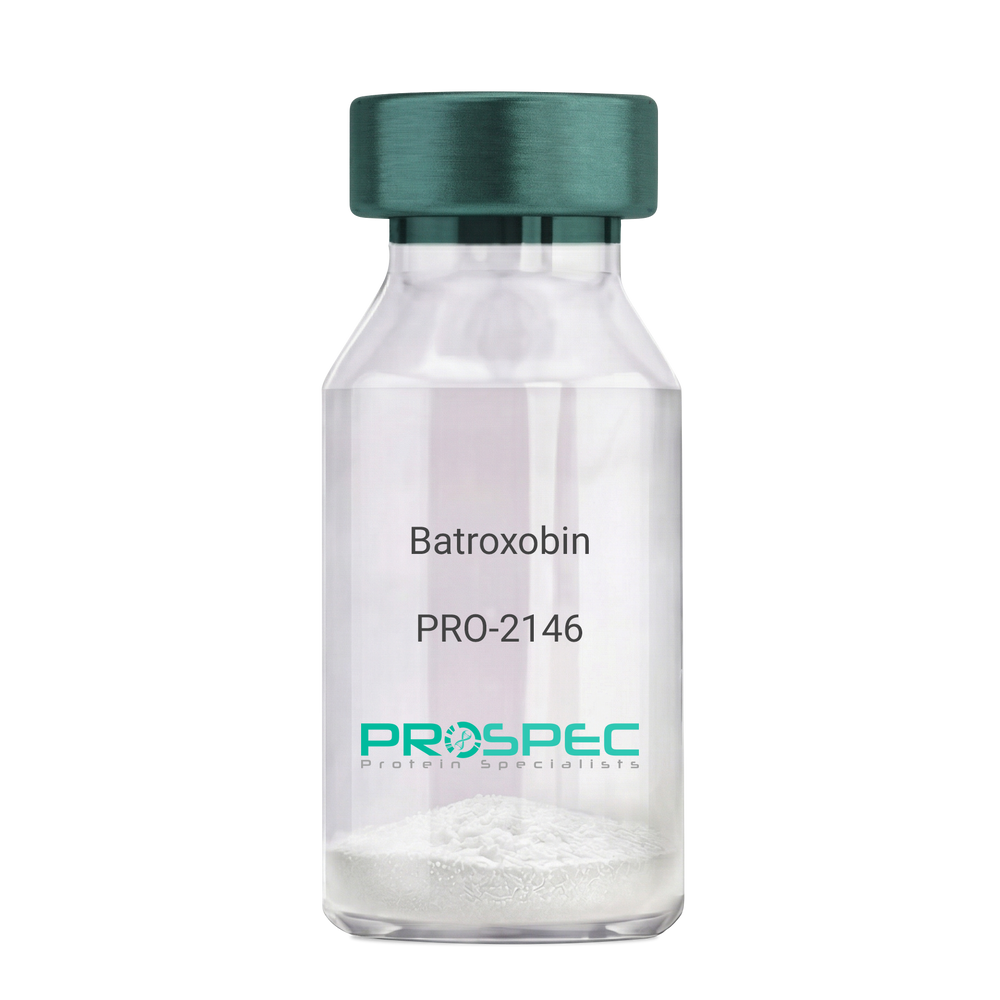
  • View Data Sheet

    Name :

    Batroxobin

    Description:

    Batroxobin

    Thrombin-like enzyme batroxobin, EC 3.4.21.74, BX, Bothrops atrox serine proteinase, Venombin-A, Batroxobin.

    Product # :

    PRO-2146

    Price :

    Quantity :

    Shipping Method :

    Room Temp Icon

    Shipped at Room temp

    Add To Cart

    More Info

    • description
    • formulation
    • More Info

    Description

    Batroxobin, isolated from Bothrops atrox snake venom, has an Mw of approximately 43kDa.

    Formulation

    The Batroxobin protein was lyophilized from a concentrated (1mg/ml) solution with no additives.

    More Info

    • Introduction

      Batroxobin is a serin protease that reduces fibronogen levels and is originally extracted from snake venom of Bothrops Atrox. Batroxobin is used in defibrinogenation and thrombolysis and also has an effect on c-fos gene and growth factor.
      Batroxobin can efficiently restrain proliferation of VSMCs, by blocking the release and uptake of Ca2+, thus influencing [Ca2+]i.
      Batroxobin converts fibrinogen to fibrin through the restricted release of fibrinopeptide-A from fibrinogen to promote blood to clot. Unlike thrombin, it is not affected by heparin and hirudin.

    • Synonyms

      Thrombin-like enzyme batroxobin, EC 3.4.21.74, BX, Bothrops atrox serine proteinase, Venombin-A, Batroxobin.

    • Physical Appearance

      Sterile Filtered white lyophilized powder.

    • Stability

      Store the lyophilized Batroxobin between 2-8°C. Do not freeze!

    • Solubility

      It is recommended to reconstitute the lyophilized Batroxobin in sterile 18MΩ-cm H2O not less than 100µg/ml or more than 10mg/ml solutions.

    • Unit Definition

      100BU [Batroxobin Units]=1mg.

    ProSpec's products are furnished for LABORATORY RESEARCH USE ONLY. The product may not be used as drugs, agricultural or pesticidal products, food additives or household chemicals.

    Batroxobin Native
  • View Data Sheet

    Name :

    SULT1A2 Human

    Description:

    Sulfotransferase Family, Cytosolic, 1A, Member 2 Human Recombinant

    Sulfotransferase 1A2, ST1A2, Aryl sulfotransferase 2, Phenol sulfotransferase 2, Phenol-sulfating phenol sulfotransferase 2, P-PST 2, SULT1A2, STP2, HAST4, TSPST2.

    Product # :

    ENZ-152

    Price :

    Quantity :

    Shipping Method :

    Ice Icon

    Shipped with Ice Packs

    Add To Cart

    More Info

    • description
    • source
    • formulation
    • purity
    • More Info

    Description

    SULT1A2 Human Recombinant produced in E.Coli is a single, non-glycosylated polypeptide chain containing 315 amino acids (1-295 a.a.) and having a molecular mass of 36.4kDa.SULT1A2 is fused to a 20 amino acid His-tag at N-terminus & purified by proprietary chromatographic techniques.

    Source

    Escherichia Coli.

    Formulation

    SULT1A2 protein solution (1mg/ml) containing 20mM Tris-HCl buffer (pH 8.0), 1mM DTT, 10% glycerol and 0.1M NaCl.

    Purity

    Greater than 95.0% as determined by SDS-PAGE.

    More Info

    • Introduction

      Sulfotransferase 1A2 (SULT1A2) belongs to the sulfotransferase family. Sulfotransferase enzymes catalyze the sulfate conjugation of many hormones, neurotransmitters, drugs, and xenobiotic compounds. SULT1A2 mediates the metabolic activation of carcinogenic N-hydroxyarylamines to DNA binding products and might thus participate as a modulating factor of cancer risk.

    • Synonyms

      Sulfotransferase 1A2, ST1A2, Aryl sulfotransferase 2, Phenol sulfotransferase 2, Phenol-sulfating phenol sulfotransferase 2, P-PST 2, SULT1A2, STP2, HAST4, TSPST2.

    • Physical Appearance

      Sterile Filtered colorless solution.

    • Stability

      Store at 4°C if entire vial will be used within 2-4 weeks. Store, frozen at -20°C for longer periods of time. For long term storage it is recommended to add a carrier protein (0.1% HSA or BSA).Avoid multiple freeze-thaw cycles.

    • Amino Acid Sequence

      MGSSHHHHHH SSGLVPRGSH MELIQDISRP PLEYVKGVPL IKYFAEALGP LQSFQARPDD LLISTYPKSG TTWVSQILDM IYQGGDLEKC HRAPIFMRVP FLEFKVPGIP SGMETLKNTP APRLLKTHLP LALLPQTLLD QKVKVVYVAR NAKDVAVSYY HFYHMAKVYP HPGTWESFLE KFMAGEVSYG SWYQHVQEWW ELSRTHPVLY LFYEDMKENP KREIQKILEF VGRSLPEETV DLMVEHTSFK EMKKNPMTNY TTVRREFMDH SISPFMRKGM AGDWKTTFTV AQNERFDADY AEKMAGCSLS FRSEL.

    ProSpec's products are furnished for LABORATORY RESEARCH USE ONLY. The product may not be used as drugs, agricultural or pesticidal products, food additives or household chemicals.

    Sult1A2 Human
  • View Data Sheet

    Name :

    BPIFA1 Human

    Description:

    BPI fold containing family A Member 1 Human Recombinant

    BPI fold-containing family A member 1, Lung-specific protein X, Nasopharyngeal carcinoma-related protein, Palate lung and nasal epithelium clone protein, Secretory protein in upper respiratory tracts, Tracheal epithelium-enriched protein, Von Ebner protein Hl, BPIFA1, LUNX, NASG, PLUNC, SPURT, SPLUNC1, bA49G10.5.

    Product # :

    PRO-404

    Price :

    Quantity :

    Shipping Method :

    Ice Icon

    Shipped with Ice Packs

    Add To Cart

    More Info

    • description
    • source
    • formulation
    • purity
    • More Info

    Description

    BPIFA1 Human Recombinant produced in E.Coli is a single, non-glycosylated polypeptide chain containing 260 amino acids (20-256 a.a) and having a molecular mass of 27.1kDa.BPIFA1 is fused to a 23 amino acid His-tag at N-terminus & purified by proprietary chromatographic techniques.

    Source

    Escherichia Coli.

    Formulation

    BPIFA1 protein solution (1mg/ml) containing 20mM Tris-HCl buffer (pH 8.0), 0.2M NaCl and 30% glycerol.

    Purity

    Greater than 90.0% as determined by SDS-PAGE.

    More Info

    • Introduction

      BPI fold containing family A Member 1 (BPIFA1) belongs to the short subfamily of PLUNC family proteins and have homology only to the Nterminal domains of BPI. BPIFA1 is a secreted protein which is expressed in the secretory ducts and submucosal glands of tracheobronchial tissues. BPIFA1 binds to LPS (lipopolysaccharide) in nasal lavage fluid (NLF) which alludes to its role in the inflammatory response of the upper airways after exposure to irritants. BPIFA1 may also serve as a potential molecular marker for detection of micrometastasis in non-small-cell lung cancer. Decreased levels of BPIFA1 are observed in the NLF of smokers and people who have been exposed to reactive epoxy chemicals, which indicats that long-term exposure to airway irritants damages the production of BPIFA1 in the upper respiratory tract.

    • Synonyms

      BPI fold-containing family A member 1, Lung-specific protein X, Nasopharyngeal carcinoma-related protein, Palate lung and nasal epithelium clone protein, Secretory protein in upper respiratory tracts, Tracheal epithelium-enriched protein, Von Ebner protein Hl, BPIFA1, LUNX, NASG, PLUNC, SPURT, SPLUNC1, bA49G10.5.

    • Physical Appearance

      Sterile Filtered colorless solution.

    • Stability

      Store at 4°C if entire vial will be used within 2-4 weeks. Store, frozen at -20°C for longer periods of time. For long term storage it is recommended to add a carrier protein (0.1% HSA or BSA).Avoid multiple freeze-thaw cycles.

    • Amino Acid Sequence

      MGSSHHHHHH SSGLVPRGSH MGSQFGGLPV PLDQTLPLNV NPALPLSPTG LAGSLTNALS NGLLSGGLLG ILENLPLLDI LKPGGGTSGG LLGGLLGKVT SVIPGLNNII DIKVTDPQLL ELGLVQSPDG HRLYVTIPLG IKLQVNTPLV GASLLRLAVK LDITAEILAV RDKQERIHLV LGDCTHSPGS LQISLLDGLG PLPIQGLLDS LTGILNKVLP ELVQGNVCPL VNEVLRGLDI TLVHDIVNML IHGLQFVIKV.

    ProSpec's products are furnished for LABORATORY RESEARCH USE ONLY. The product may not be used as drugs, agricultural or pesticidal products, food additives or household chemicals.

    Bpifa1 Human
  • View Data Sheet

    Name :

    C8G Human

    Description:

    Complement Component 8, Gamma Human Recombinant

    Complement component 8 gamma polypeptide, C8C, complement component C8 gamma chain, MGC142186.

    Product # :

    PRO-947

    Price :

    Quantity :

    Shipping Method :

    Ice Icon

    Shipped with Ice Packs

    Add To Cart

    More Info

    • description
    • source
    • formulation
    • purity
    • More Info

    Description

    C8G Human Recombinant produced in E.coli is a single, non-glycosylated polypeptide chain containing 203 amino acids (21-202) and having a molecular mass of 22.6 kDa.The C8G is fused to a 21 amino acid His-Tag at N-terminus and purified by proprietary chromatographic techniques.

    Source

    E.coli.

    Formulation

    The C8G solution (0.5mg/ml) contains 20mM Tris-HCl buffer (pH 8.0), 2mM DTT, 0.15M NaCl and 10% glycerol.

    Purity

    Greater than 95% as determined by SDS-PAGE.

    More Info

    • Introduction

      C8, a component of the complement system consists of three polypeptides C8A, C8B and C8G and takes part in the formation of Membrane Attack Complex (MAC). Patients with C8 deficiency are exposed to several bacteria infections. C8G, a member of the lipocalin family and calycin superfamily, is a secreted protein that can bind retinol. C8G is created in the liver, monocytes and fibroblast and has a role in clearing pathogens from an infected host.

    • Synonyms

      Complement component 8 gamma polypeptide, C8C, complement component C8 gamma chain, MGC142186.

    • Physical Appearance

      Sterile Filtered colorless solution.

    • Stability

      Store at 4°C if entire vial will be used within 2-4 weeks. Store, frozen at -20°C for longer periods of time. For long term storage it is recommended to add a carrier protein (0.1% HSA or BSA).Avoid multiple freeze-thaw cycles.

    • Amino Acid Sequence

      MGSSHHHHHH SSGLVPRGSH MQKPQRPRRP ASPISTIQPK ANFDAQQFAG TWLLVAVGSA CRFLQEQGHR AEATTLHVAP QGTAMAVSTF RKLDGICWQV RQLYGDTGVL GRFLLQARGA RGAVHVVVAE TDYQSFAVLY LERAGQLSVK LYARSLPVSD SVLSGFEQRV QEAHLTEDQI FYFPKYGFCE AADQFHVLDE VRR

    ProSpec's products are furnished for LABORATORY RESEARCH USE ONLY. The product may not be used as drugs, agricultural or pesticidal products, food additives or household chemicals.

    C8G Human
  • View Data Sheet

    Name :

    TEK Human Fc

    Description:

    TEK Tyrosine Kinase Endothelial Fc Chimera Human Recombinant

    Angiopoietin-1 receptor precursor, Tyrosine-protein kinase receptor TIE-2, hTIE2, Tyrosine-protein kinase receptor TEK, p140 TEK, Tunica interna endothelial cell kinase, CD202b, VMCM, VMCM1, TIE2.

    Product # :

    PKA-248

    Price :

    Quantity :

    Shipping Method :

    Room Temp Icon

    Shipped at Room temp

    Add To Cart

    More Info

    • description
    • source
    • formulation
    • purity
    • More Info

    Description

    Soluble TEK Human Recombinant fused with the Fc part of human IgG1 produced in baculovirus is a monomeric, glycosylated, polypeptide containing 730 amino acids and having a total molecular mass of 250 kDa. Human TIE-2/Fc monomer has a calculated molecular mass of approximately 125 kDa. As a result of glycosylation, the recombinant protein migrates as an approximately 140 kDa protein in SDS-PAGE under reducing conditions.The TEK Fc Chimera is purified by proprietary chromatographic techniques.

    Source

    Insect Cells.

    Formulation

    TEK Fc Chimera was lyophilized from a concentrated (1mg/ml) sterile solution containing 1xPBS.

    Purity

    Greater than 90.0% as determined by:
    (a) Analysis by RP-HPLC.
    (b) Analysis by SDS-PAGE.

    More Info

    • Introduction

      TIE-1 (tyrosine kinase with Ig and EGF homology domains 1) and TIE-2/Tek comprise a receptor tyrosine kinase (RTK) subfamily with unique structural characteristics: two immunoglobulin-like domains flanking three epidermal growth factor (EGF)-like domains and followed by three fibronectin type III-like repeats in the extracellular region and a split tyrosine kinase domain in the cytoplasmic region. These receptors are expressed primarily on endothelial and hematopoietic progenitor cells and play critical roles in angiogenesis, vasculogenesis and hematopoiesis. Human TIE-1 cDNA encodes a 1122 amino acid (aa) residue precursor protein with an 18 residue putative signal peptide, a 726 residue extracellular domain and a 353 residue cytoplasmic domain. Two ligands, angiopoietin-1 (Ang1) and angiopoietin-2 (Ang2), which bind TIE-2 with high-affinity have been identified. Ang2 has been reported to act as an antagonist for Ang1. Mice engineered to overexpress Ang2 or to lack Ang1 or Tie-1 display similar angiogenic defects.

    • Synonyms

      Angiopoietin-1 receptor precursor, Tyrosine-protein kinase receptor TIE-2, hTIE2, Tyrosine-protein kinase receptor TEK, p140 TEK, Tunica interna endothelial cell kinase, CD202b, VMCM, VMCM1, TIE2.

    • Physical Appearance

      Sterile Filtered White lyophilized (freeze-dried) powder.

    • Stability

      Lyophilized sTIE-2 although stable at room temperature for 3 weeks, should be stored desiccated below -18°C. Upon reconstitution TEK should be stored at 4°C between 2-7 days and for future use below -18°C.For long term storage it is recommended to add a carrier protein (0.1% HSA or BSA).Please prevent freeze-thaw cycles.

    • Solubility

      It is recommended to reconstitute the lyophilized TIE-2 Fc Chimera in sterile water not less than 100µg/ml, which can then be further diluted to other aqueous solutions.

    ProSpec's products are furnished for LABORATORY RESEARCH USE ONLY. The product may not be used as drugs, agricultural or pesticidal products, food additives or household chemicals.

    Tie 2 Human Fc
  • View Data Sheet

    Name :

    PSMA4 Human

    Description:

    Proteasome Subunit Alpha Type 4 Human Recombinant

    Proteasome subunit alpha type-4, Macropain subunit C9, Multicatalytic endopeptidase complex subunit C9, Proteasome component C9, Proteasome subunit L, PSMA4, HC9, PSC9, HsT17706.

    Product # :

    ENZ-222

    Price :

    Quantity :

    Shipping Method :

    Ice Icon

    Shipped with Ice Packs

    Add To Cart

    More Info

    • description
    • source
    • formulation
    • purity
    • More Info

    Description

    PSMA4 Human Recombinant produced in E.coli is a single, non-glycosylated polypeptide chain containing 285 amino acids (1-261) and having a molecular mass of 32kDa.PSMA4 is fused to a 24 amino acid His-tag at N-terminus & purified by proprietary chromatographic techniques.

    Source

    E.coli.

    Formulation

    The PSMA4 solution (1mg/ml) contains 20mM Tris-HCl buffer (pH8.0), 20% glycerol, 1mM DTT and 0.1mM PMSF.

    Purity

    Greater than 95% as determined by SDS-PAGE.

    More Info

    • Introduction

      Proteasome subunit alpha type 4 (PSMA4) belongs to the peptidase T1A family, which is a 20S core alpha subunit. The proteasome is a multicatalytic proteinase complex with an extremely ordered ring-shaped 20S core structure. The core structure is comprised of 4 rings of 28 non-identical subunits; 2 rings are composed of 7 alpha subunits and 2 rings are composed of 7 beta subunits. PSMA4 is dispersed throughout eukaryotic cells at a high concentration and cleaves peptides in an ATP/ubiquitin-dependent process in a non-lysosomal pathway.

    • Synonyms

      Proteasome subunit alpha type-4, Macropain subunit C9, Multicatalytic endopeptidase complex subunit C9, Proteasome component C9, Proteasome subunit L, PSMA4, HC9, PSC9, HsT17706.

    • Physical Appearance

      Sterile Filtered colorless solution.

    • Stability

      Store at 4°C if entire vial will be used within 2-4 weeks. Store, frozen at -20°C for longer periods of time. For long term storage it is recommended to add a carrier protein (0.1% HSA or BSA).Avoid multiple freeze-thaw cycles.

    • Amino Acid Sequence

      MGSSHHHHHH SSGLVPRGSH MGSHMSRRYD SRTTIFSPEG RLYQVEYAME AIGHAGTCLG ILANDGVLLA AERRNIHKLL DEVFFSEKIY KLNEDMACSV AGITSDANVL TNELRLIAQR YLLQYQEPIP CEQLVTALCD IKQAYTQFGG KRPFGVSLLY IGWDKHYGFQ LYQSDPSGNY GGWKATCIGN NSAAAVSMLK QDYKEGEMTL KSALALAIKV LNKTMDVSKL SAEKVEIATL TRENGKTVIR VLKQKEVEQL IKKHEEEEAK AEREKKEKEQ KEKDK.

    ProSpec's products are furnished for LABORATORY RESEARCH USE ONLY. The product may not be used as drugs, agricultural or pesticidal products, food additives or household chemicals.

    Psma4 Human
  • View Data Sheet

    Name :

    PSMB3 Human

    Description:

    Proteasome Subunit Beta Type 3 Human Recombinant

    Proteasome (prosome, macropain) subunit beta type 3, Proteasome chain 13, HC10-II, Proteasome component C10-II, Proteasome theta chain, EC 3.4.25.1, MGC4147.

    Product # :

    ENZ-200

    Price :

    Quantity :

    Shipping Method :

    Ice Icon

    Shipped with Ice Packs

    Add To Cart

    More Info

    • description
    • source
    • formulation
    • purity
    • More Info

    Description

    PSMB3 Human Recombinant produced in E.Coli is a single, non-glycosylated polypeptide chain containing 225 amino acids (1-205 a.a.) and having a molecular mass of 25.1kDa.PSMB3 is fused to a 20 amino acid His-tag at N-terminus & purified by proprietary chromatographic techniques.

    Source

    Escherichia Coli.

    Formulation

    PSMB3 protein solution (0.25mg/ml) containing 20mM Tris-HCl buffer (pH8.0), 200mM NaCl, 1mM DTT and 50% glycerol.

    Purity

    Greater than 90.0% as determined by SDS-PAGE.

    More Info

    • Introduction

      The proteasome is a multicatalytic proteinase complex with an extremely organized ring-shaped 20S core structure. The core structure consists of 4 rings of 28 non-identical subunits; 2 rings consist of 7 alpha subunits and 2 rings consist of 7 beta subunits. Proteasomes are spread all over the eukaryotic cells in large quantities and cleave peptides in an ATP/ubiquitin-dependent procedure in a non-lysosomal pathway. A vital role of a modified proteasome, the immunoproteasome, is the handling of class I MHC peptides.

    • Synonyms

      Proteasome (prosome, macropain) subunit beta type 3, Proteasome chain 13, HC10-II, Proteasome component C10-II, Proteasome theta chain, EC 3.4.25.1, MGC4147.

    • Physical Appearance

      Sterile Filtered colorless solution.

    • Stability

      Store at 4°C if entire vial will be used within 2-4 weeks. Store, frozen at -20°C for longer periods of time. For long term storage it is recommended to add a carrier protein (0.1% HSA or BSA).Avoid multiple freeze-thaw cycles.

    • Amino Acid Sequence

      MGSSHHHHHH SSGLVPRGSH MSIMSYNGGA VMAMKGKNCV AIAADRRFGI QAQMVTTDFQ KIFPMGDRLY IGLAGLATDV QTVAQRLKFR LNLYELKEGR QIKPYTLMSM VANLLYEKRF GPYYTEPVIA GLDPKTFKPF ICSLDLIGCP MVTDDFVVSG TCAEQMYGMC ESLWEPNMDP DHLFETISQA MLNAVDRDAV SGMGVIVHII EKDKITTRTL KARMD

    ProSpec's products are furnished for LABORATORY RESEARCH USE ONLY. The product may not be used as drugs, agricultural or pesticidal products, food additives or household chemicals.

    Psmb3 Human
  • View Data Sheet

    Name :

    LGALS3 Mouse, Active

    Description:

    Galectin-3 Mouse Recombinant, BioActive

    Lectin galactose binding soluble 3, Lectin, galactose binding, soluble 3, CBP35, GAL3, GALBP, GALIG, LGALS2, MAC2.

    Product # :

    CYT-1151

    Price :

    Quantity :

    Shipping Method :

    Ice Icon

    Shipped with Ice Packs

    Add To Cart

    More Info

    • description
    • source
    • formulation
    • purity
    • biological activity
    • More Info
    • sds-page

    Description

    LGALS3 Mouse Recombinant produced in E.Coli is a single, non-glycosylated polypeptide chain containing 287 amino acids ( 1-264 a.a) and having a molecular mass of 29.8kDa.LGALS3 is fused to a 23 amino acid His-tag at N-terminus & purified by proprietary chromatographic techniques.

    Source

    E.coli.

    Formulation

    LGALS3 protein (0.5mg/ml) contains 20mM Tris-HCl buffer (pH 8.0), 0.15M NaCl, 50% glycerol,1mM DTT and 2mM EDTA.

    Purity

    Greater than 95% as determined by SDS-PAGE.

    Biological Activity

    Measured by its ability to agglutinate human red blood cells. The ED50 for this effect is ≥ 25ug/ml. 

    sds-page

    LGALS3-sds-page - Product image 1

    More Info

    • Introduction

      Galectin 3, or LGALS3, is a protein which belongs to the animal lectins family, that binds betagalactoside residues selectively. LGALS3 is originated and leaves cells through ectocytosis. The protein is capable of inhibition apoptosis and the development of cancer. Galectin 3 is found in epithelial tissues in organisms, it can be located in dendritic cells, Kupffer cells, macrophages etc. LGALS3 levels elevated when inflammation is generating, cell proliferation, trans-activation by viral proteins and cell differentiation.

    • Synonyms

      Lectin galactose binding soluble 3, Lectin, galactose binding, soluble 3, CBP35, GAL3, GALBP, GALIG, LGALS2, MAC2.

    • Physical Appearance

      Sterile Filtered colorless solution.

    • Stability

      Store at 4°C if entire vial will be used within 2-4 weeks. Store, frozen at -20°C for longer periods of time. For long term storage it is recommended to add a carrier protein (0.1% HSA or BSA).Avoid multiple freeze-thaw cycles.

    • Amino Acid Sequence

      MGSSHHHHHH SSGLVPRGSH MGSMADSFSL NDALAGSGNP NPQGYPGAWG NQPGAGGYPG AAYPGAYPGQ APPGAYPGQA PPGAYPGQAP PSAYPGPTAP GAYPGPTAPG AYPGSTAPGA FPGQPGAPGA YPSAPGGYPA AGPYGVPAGP LTVPYDLPLP GGVMPRMLIT IMGTVKPNAN RIVLDFRRGN DVAFHFNPRF NENNRRVIVC NTKQDNNWGK EERQSAFPFE SGKPFKIQVL VEADHFKVAV NDAHLLQYNH RMKNLREISQ LGISGDITLT SANHAMI.

    • Background

      What is the molecular weight/Mw of LGALS3 MOUSE Protein?
      LGALS3 MOUSE Protein has a total Mw of 29.8kDa.

      What is the source or expression system of LGALS3 MOUSE Protein?
      Escherichia Coli.

      What is the Purity of LGALS3 MOUSE Protein?
      LGALS3 MOUSE Protein is >95% pure as determined by SDS-PAGE.

      What is the Biological Activity of LGALS3 MOUSE Protein?
      Measured by its ability to agglutinate human red blood cells. The ED50 for this effect is ≥ 25ug/ml.

      What is the amino acid sequence of LGALS3 MOUSE Protein?
      MGSSHHHHHH SSGLVPRGSH MGSMADSFSL NDALAGSGNP NPQGYPGAWG NQPGAGGYPG AAYPGAYPGQ APPGAYPGQA PPGAYPGQAP PSAYPGPTAP GAYPGPTAPG AYPGSTAPGA FPGQPGAPGA YPSAPGGYPA AGPYGVPAGP LTVPYDLPLP GGVMPRMLIT IMGTVKPNAN RIVLDFRRGN DVAFHFNPRF NENNRRVIVC NTKQDNNWGK EERQSAFPFE SGKPFKIQVL VEADHFKVAV NDAHLLQYNH RMKNLREISQ LGISGDITLT SANHAMI.

      What applications can LGALS3 MOUSE Protein be used in?
      LGALS3 MOUSE Protein can probably be used in western blot, ELISA and Lateral Flow.

    ProSpec's products are furnished for LABORATORY RESEARCH USE ONLY. The product may not be used as drugs, agricultural or pesticidal products, food additives or household chemicals.

    Galectin 3 Mouse
  • View Data Sheet

    Name :

    Urokinase

    Description:

    Urokinase Human Recombinant

    PLAU, ATF, BDPLT5, QPD, u-PA, UPA, URK, Urokinase-type plasminogen activator, U-plasminogen activator, uPA, Urokinase-type plasminogen activator long chain A, Urokinase-type plasminogen activator short chain A, Urokinase-type plasminogen activator chain B.

    Product # :

    ENZ-965

    Price :

    Quantity :

    Shipping Method :

    Ice Icon

    Shipped with Ice Packs

    Add To Cart

    More Info

    • description
    • source
    • formulation
    • purity
    • More Info

    Description

    Urokinase Human Recombinant produced in Sf9 Baculovirus cells is a single, glycosylated polypeptide chain containing 419 amino acids (21-431) and having a molecular mass of 47.4kDa (Molecular size on SDS-PAGE will appear at approximately 40-57kDa).Urokinase is fused to 8 amino acid His-Tag at C-terminus and purified by proprietary chromatographic techniques.

    Source

    Sf9, Baculovirus cells.

    Formulation

    Urokinase protein solution (0.5mg/ml) containing Phosphate buffered saline (pH7.4) and 10% glycerol.

    Purity

    Greater than 95.0% as determined by SDS-PAGE.

    More Info

    • Introduction

      Urokinase (UK) is a serine protease, which is one of biological plasminogen activators.
      It is involved in a number of biological functions including fibrinolysis, embryogenesis, cell migration, tissue remodeling, ovulation, and wound healing.
      It can be obtained from human urine or kidney cell culture.

    • Synonyms

      PLAU, ATF, BDPLT5, QPD, u-PA, UPA, URK, Urokinase-type plasminogen activator, U-plasminogen activator, uPA, Urokinase-type plasminogen activator long chain A, Urokinase-type plasminogen activator short chain A, Urokinase-type plasminogen activator chain B.

    • Physical Appearance

      Sterile Filtered clear solution.

    • Stability

      Store at 4°C if entire vial will be used within 2-4 weeks. Store, frozen at -20°C for longer periods of time. For long term storage it is recommended to add a carrier protein (0.1% HSA or BSA).Avoid multiple freeze-thaw cycles.

    • Amino Acid Sequence

      SNELHQVPSN CDCLNGGTCV SNKYFSNIHW CNCPKKFGGQ HCEIDKSKTC YEGNGHFYRG KASTDTMGRP CLPWNSATVL QQTYHAHRSD ALQLGLGKHN YCRNPDNRRR PWCYVQVGLK PLVQECMVHD CADGKKPSSP PEELKFQCGQ KTLRPRFKII GGEFTTIENQ PWFAAIYRRH RGGSVTYVCG GSLISPCWVI SATHCFIDYP KKEDYIVYLG RSRLNSNTQG EMKFEVENLI LHKDYSADTL AHHNDIALLK IRSKEGRCAQ PSRTIQTICL PSMYNDPQFG TSCEITGFGK ENSTDYLYPE QLKMTVVKLI SHRECQQPHY YGSEVTTKML CAADPQWKTD SCQGDSGGPL VCSLQGRMTL TGIVSWGRGC ALKDKPGVYT RVSHFLPWIR SHTKEENGLA LLEHHHHHH.

    ProSpec's products are furnished for LABORATORY RESEARCH USE ONLY. The product may not be used as drugs, agricultural or pesticidal products, food additives or household chemicals.

    Urokinase Human 2
  • View Data Sheet

    Name :

    CDNF Human

    Description:

    Cerebral Neurotrophic Factor Human Recombinant

    Cerebral neurotrophic factor, arginine-rich, mutated in early stage tumors-like 1, Conserved neurotrophic factor, ARMET-like protein 1, ARMETL1.

    Product # :

    CYT-167

    Price :

    Quantity :

    Shipping Method :

    Room Temp Icon

    Shipped at Room temp

    Add To Cart

    More Info

    • description
    • source
    • formulation
    • purity
    • biological activity
    • More Info

    Description

    CDNF Human Recombinant produced in E.coli is a single, non-glycosylated polypeptide chain containing 161 amino acids and having a molecular mass of 18.5kDa.The CDNF is purified by proprietary chromatographic techniques.

    Source

    Escherichia Coli.

    Formulation

    CDNF protein was lyophilized from a 0.2µm filtered concentrated solution in 1xPBS, pH 7.4.

    Purity

    Greater than 96.0% as determined by:
    (a) Analysis by RP-HPLC.
    (b) Analysis by SDS-PAGE.

    Biological Activity

    The ED50 as determined by its ability to stimulate the proliferation of rat C6 cells is 15-25µg/ml, corresponding to a specific activity of 40-67units/mg.

    More Info

    • Introduction

      CDNF is a member of the ARMET family and acts as a trophic factor for neurons. CDNF inhibits the (6-OHDA)-induced degeneration of neurons. When CDNF controlled after 6-OHDA-lesioning, it reestablishes the function and inhibits the degeneration of neurons in substantia nigra. CDNF is universally expressed in neuronal and non-neuronal tissues. The highest levels in the brain are found in the optic nerve and corpus callosum.

    • Synonyms

      Cerebral neurotrophic factor, arginine-rich, mutated in early stage tumors-like 1, Conserved neurotrophic factor, ARMET-like protein 1, ARMETL1.

    • Physical Appearance

      Sterile Filtered White lyophilized (freeze-dried) powder.

    • Stability

      Lyophilized CDNF although stable at room temperature for 3 weeks, should be stored desiccated below -18°C. Upon reconstitution CDNF should be stored at 4°C between 2-7 days and for future use below -18°C. For long term storage it is recommended to add a carrier protein (0.1% HSA or BSA). Please prevent freeze-thaw cycles.

    • Solubility

      It is recommended to reconstitute the lyophilized CDNF in sterile 18M-cm H2O not less than 100µg/ml, which can then be further diluted to other aqueous solutions.

    • Amino Acid Sequence

      QEAGGRPGAD CEVCKEFLNR FYKSLIDRGV NFSLDTIEKE LISFCLDTKG KENRLCYYLG ATKDAATKIL SEVTRPMSVH MPAMKICEKL KKLDSQICEL KYEKTLDLAS VDLRKMRVAE LKQILHSWGE ECRACAEKTD YVNLIQELAP KYAATHPKTE L

    • Background

      Cerebral Neurotrophic Factor Human Recombinant: A Leap Forward in Neurobiology

      The field of neurobiology is replete with wonder, particularly due to the influential role of neurotrophic factors. These essential proteins, responsible for the survival and growth of neurons, have become a focal point in modern research. Among these, the Cerebral Neurotrophic Factor (CNF) stands out, offering novel insights and potential breakthroughs in our understanding of neurological health.

      Enter the world of bioengineering, a scientific arena where we have successfully replicated CNF, leading to the birth of Cerebral Neurotrophic Factor Human Recombinant (CNF-HR). This is a massive step towards conquering neurodegenerative disorders such as Alzheimer's and Parkinson's diseases, conditions that have perplexed scientists and clinicians for decades.

      The extraordinary capacity of CNF-HR lies in its dual functionality - it acts as a defender and a promoter. It defends neurons from harmful degenerative processes while promoting their growth and development. Picture a devoted gardener who tirelessly protects his garden from pests and nurtures the growth of each plant. In this context, the brain is the vibrant garden, and the neurons, the delicate plants we must care for.

      Although this scientific breakthrough sparks enthusiasm, it's crucial to remember the challenges that lie ahead. The path to determining the most effective method of delivering CNF-HR to the brain, identifying the optimal dosage, and monitoring potential side effects is a winding one. Nevertheless, with continuous research and relentless scientific curiosity, we are optimistic about overcoming these challenges.

      In conclusion, the development of CNF-HR is a significant milestone in the fascinating journey of neurobiology. Its potential to change the trajectory of treating neurodegenerative diseases and enhancing our understanding of neuronal function is tremendous. While the journey is strewn with complexities, the potential rewards we stand to reap promise a future where neurodegenerative diseases could be effectively managed or even cured.

      What is the molecular weight/Mw of CDNF Protein?
      CDNF Protein has a total Mw of 18.5kDa.

      What is the source or expression system of CDNF Protein?
      Escherichia Coli.

      What is the Purity of CDNF Protein?
      CDNF Protein is >96% pure as determined by SDS-PAGE.

      What is the Biological Activity of CDNF Protein?
      The ED50 as determined by its ability to stimulate the proliferation of rat C6 cells is 15-25µg/ml, corresponding to a specific activity of 40-67units/mg.

      What is the amino acid sequence of CDNF Protein?
      QEAGGRPGAD CEVCKEFLNR FYKSLIDRGV NFSLDTIEKE LISFCLDTKG KENRLCYYLG ATKDAATKIL SEVTRPMSVH MPAMKICEKL KKLDSQICEL KYEKTLDLAS VDLRKMRVAE LKQILHSWGE ECRACAEKTD YVNLIQELAP KYAATHPKTE L

      What applications can CDNF Protein be used in?
      CDNF Protein can probably be used in western blot, ELISA and Lateral Flow.

      What is the endotoxin level for CDNF Protein?
      The endotoxin level is minimal, CDNF Protein was purified using conventional chromatography techniques

    ProSpec's products are furnished for LABORATORY RESEARCH USE ONLY. The product may not be used as drugs, agricultural or pesticidal products, food additives or household chemicals.

    Cdnf Human
  • View Data Sheet

    Name :

    Leptin Ovine, MTS

    Description:

    Leptin Ovine Recombinant, MTS tag

    OB Protein, Obesity Protein, OBS, Obesity factor.

    Product # :

    CYT-531

    Price :

    Quantity :

    Shipping Method :

    Room Temp Icon

    Shipped at Room temp

    Add To Cart

    More Info

    • description
    • source
    • formulation
    • purity
    • biological activity
    • More Info

    Description

    Leptin Ovine MTS tagged Recombinant produced in E.Coli is a single, non-glycosylated, polypeptide chain containing 157 amino acids and having a molecular mass of 17.5 kDa.The Leptin is purified by proprietary chromatographic techniques. The membrane translocating sequence Tag is composed of 10 amino acids Val-Leu-Leu-Pro-Val-Leu-Leu-Ala-Ala-Pro located at the N-terminus.

    Source

    Escherichia Coli.

    Formulation

    The protein was lyophilized from a concentrated (1mg/ml) solution with 0.02% NaHCO3.

    Purity

    Greater than 98.0% as determined by:
    (a) Gel filtration analysis.
    (b) Analysis by SDS-PAGE.

    Biological Activity

    Biological active as evidenced by inducing proliferation of BAF/3 cells stably transfected with the long form of human leptin receptor.

    More Info

    • Introduction

      A 16-kDa peptide hormone secreted from white adipocytes and implicated in the regulation of food intake and energy balance. Leptin provides the key afferent signal from fat cells in the feedback system that controls body fat stores.

    • Synonyms

      OB Protein, Obesity Protein, OBS, Obesity factor.

    • Physical Appearance

      Sterile Filtered White lyophilized (freeze-dried) powder.

    • Stability

      Lyophilized Leptin Ovine MTS tagged although stable at room temperature for 3 weeks, should be stored desiccated below -18°C. Upon reconstitution Leptin should be stored at 4°C between 2-7 days and for future use below -18°C.For long term storage it is recommended to add a carrier protein (0.1% HSA or BSA).Please prevent freeze-thaw cycles.

    • Solubility

      It is recommended to reconstitute the lyophilized Leptin in sterile 0.02% NaHCO3 not less than 100µg/ml, which can then be further diluted to other aqueous solutions.

    • Amino Acid Sequence

      The sequence of the first five N-terminal amino acids was determined and was found to be Ala-Val-Leu-Leu-Pro.

    • Protein content

      Protein quantization was carried out by UV spectroscopy at 280 nm using the absorbency value of 0.18 as the extinction coefficient for a 0.1% (1mg/ml) solution at pH 8.0. This value is calculated by the PC GENE computer analysis program of protein sequences (IntelliGenetics).

    ProSpec's products are furnished for LABORATORY RESEARCH USE ONLY. The product may not be used as drugs, agricultural or pesticidal products, food additives or household chemicals.

    Leptin Ovine Mts
  • View Data Sheet

    Name :

    METTL21A Human

    Description:

    Methyltransferase Like 21A Human Recombinant

    Protein N-lysine methyltransferase METTL21A, HSPA lysine methyltransferase, HSPA-KMT, Hepatocellular carcinoma-associated antigen 557b, Methyltransferase-like protein 21A, METTL21A, FAM119A, HCA557B, Methyltransferase Like 21A.

    Product # :

    ENZ-718

    Price :

    Quantity :

    Shipping Method :

    Ice Icon

    Shipped with Ice Packs

    Add To Cart

    More Info

    • description
    • source
    • formulation
    • purity
    • More Info

    Description

    METTL21A Human Recombinant produced in E. coli is a single polypeptide chain containing 149 amino acids (93-218) and having a molecular mass of 17 kDa.METTL21A is fused to a 23 amino acid His-tag at N-terminus & purified by proprietary chromatographic techniques.

    Source

    E.coli.

    Formulation

    The METTL21A solution (0.25mg/ml) contains 20mM Tris-HCl buffer (pH 8.0), 0.15M NaCl and 30% glycerol.

    Purity

    Greater than 85% as determined by SDS-PAGE.

    More Info

    • Introduction

      METTL21A, which is a part of the methyltransferase superfamily, is a Protein-lysine methyltransferase that in vitro methylates HSPA1, HSPA5 and HSPA8.

    • Synonyms

      Protein N-lysine methyltransferase METTL21A, HSPA lysine methyltransferase, HSPA-KMT, Hepatocellular carcinoma-associated antigen 557b, Methyltransferase-like protein 21A, METTL21A, FAM119A, HCA557B, Methyltransferase Like 21A.

    • Physical Appearance

      Sterile Filtered colorless solution.

    • Stability

      Store at 4°C if entire vial will be used within 2-4 weeks. Store, frozen at -20°C for longer periods of time. For long term storage it is recommended to add a carrier protein (0.1% HSA or BSA).Avoid multiple freeze-thaw cycles.

    • Amino Acid Sequence

      MGSSHHHHHH SSGLVPRGSH MGSTDRKVAL EFLKSNVQAN LPPHIQTKTV VKELTWGQNL GSFSPGEFDL ILGADIIYLE ETFTDLLQTL EHLCSNHSVI LLACRIRYER DNNFLAMLER QFTVRKVHYD PEKDVHIYEA QKRNQKEDL.

    ProSpec's products are furnished for LABORATORY RESEARCH USE ONLY. The product may not be used as drugs, agricultural or pesticidal products, food additives or household chemicals.

    Mettl21A Human
  • View Data Sheet

    Name :

    HTF Bovine

    Description:

    Holo Transferrin Bovine

    Serotransferrin, Transferrin, Siderophilin, Beta-1-metal-binding globulin, TF, PRO1557, PRO2086, DKFZp781D0156, Holo Transferrin, HTF.

    Product # :

    PRO-510

    Price :

    Quantity :

    Shipping Method :

    Room Temp Icon

    Shipped at Room temp

    Add To Cart

    More Info

    • description
    • formulation
    • purity
    • More Info

    Description

    Bovine Holo Transferrin is a glycoprotein of approximately 80 kDa.

    Formulation

    The protein (1mg/ml) was lyophilized with no additives.

    Purity

    Greater than 97.0% as determined by Cellulose Acetate.

    More Info

    • Introduction

      Transferrin is the iron-transport protein of vertebrate serum and donates iron to cells through interaction with a specific membrane receptor, CD71. Transferrin appears to be indispensable for most cells growing in tissue culture.
      It is referred to frequently as a growth factor because, in analogy to other growth factor-receptor interactions, proliferating cells express high numbers of transferrin receptors, and the binding of transferrin to their receptors is needed for cells to initiate and maintain their DNA synthesis. Apart from its role as an iron transport protein transferrin acts as a cytokine and has functions that may not be related to its iron-carrying capacity.

    • Synonyms

      Serotransferrin, Transferrin, Siderophilin, Beta-1-metal-binding globulin, TF, PRO1557, PRO2086, DKFZp781D0156, Holo Transferrin, HTF.

    • Physical Appearance

      Sterile Filtered Pink lyophilized (freeze-dried) powder.

    • Stability

      Lyophilized Bovine HTF although stable at room temperature for 3 weeks, should be stored desiccated below -18°C. Upon reconstitution Bovine HTF should be stored at 4°C between 2-7 days and for future use below -18°C.Please prevent freeze-thaw cycles.

    • Solubility

      It is recommended to reconstitute the lyophilized Bovine HTF in sterile 18MΩ-cm H2O not less than 100µg/ml, which can then be further diluted to other aqueous solutions.

    • Human Virus Test

      FDA approved Plasma from each donor has been tested and found negative for antibody to HIV-1, HIV-2, HCV, HBSAG, HBc, ALT and Syphilis.Viral inactivation by pasteurization (60°C for 10 hours) has been validated using three different test viruses, with removal of 8-14.5 logs of virus documented. The purification process has also been found to remove significant additional quantities of virus.

    • Applications

      Bovine Transferrin is a crucial component for the cultivation of mammalian cells in-vitro. Bovine Transferrin is Critical for long-term cells growth in-vitro. Bovine Transferrin is used as detoxificant in media by binding contaminating metal ions. Bovine Transferrin is often used as a nutrient in fermentation media for recombinant protein and biopharmaceutical production. Additional common uses of Bovine Transferrin areMolecular weight, Affinity purification of anti-human transferrin antibodies and also as receptor mediated transfection of molecules such as DNA, into cells.

    ProSpec's products are furnished for LABORATORY RESEARCH USE ONLY. The product may not be used as drugs, agricultural or pesticidal products, food additives or household chemicals.

    Holo Transferrin Bovine
  • 1
  • …
  • 37
  • 38
  • 39
  • 40
  • 41
  • 42
Your browser does not support the video tag.

Products

  • Cytokines
  • Growth Factors
  • Chemokines
  • CD Antigens
  • Neurotrophins
  • Hormones
  • Enzymes
  • Viral Antigens
  • Recombinant Proteins
  • Natural Proteins
  • Monoclonal Antibodies
  • Polyclonal Antibodies
  • Thermal Packaging

About

  • Company
  • Founder
  • Contribution
  • Contact Us
  • My Account

Ordering

  • Ordering Method
  • Ordering - Credit Card
  • Ordering PO
  • Shipping Fees
  • FAQ's

Legal

  • Terms & Conditions
  • Privacy
  • Site Map
  • info@prospecbio.com
  • Facebook
  • Instagram
  • Linkedin Profile

© 2026 ProSpec-Tany TechnoGene Ltd. All Rights Reserved.

  • Choosing a selection results in a full page refresh.
  • Opens in a new window.