Skip to content

High-quality research proteins.

  • 1-800-805-6531

  • Mon - Sat 8.00-18.00, Sun - Closed

  • info@prospecbio.com

  • PO Box 6591 East Brunswick NJ 08816

  • Products
    • Cytokines
    • Growth factors
    • Chemokines
    • Cd antigens
    • Neurotrophins
    • Hormones
    • Enzymes
    • Viral antigens
    • Recombinant proteins
    • Natural proteins
    • Monoclonal antibodies
    • Polyclonal antibodies
    • Thermal Packaging
  • About
    • Company
    • Founder
    • Contribution
  • Customers
    • Eastern Asia
    • Eastern Europe
    • North America
    • South America
    • South East Asia
    • Southern Asia
    • Western Europe
  • Ordering
    • Ordering Method
    • Ordering - Credit Card
    • Ordering - PO
    • Shipping Fees
    • FAQs
  • Services
    • DNA Cloning
    • Protein Expression
    • Monoclonal Antibody
    • Fermentation
    • Technology License
  • Contact us
Log in

Country/region

  • USD $ | Albania
  • USD $ | Andorra
  • USD $ | Argentina
  • USD $ | Armenia
  • USD $ | Australia
  • USD $ | Austria
  • USD $ | Azerbaijan
  • USD $ | Belarus
  • USD $ | Belgium
  • USD $ | Bolivia
  • USD $ | Brazil
  • USD $ | Bulgaria
  • USD $ | Cambodia
  • USD $ | Canada
  • USD $ | Chile
  • USD $ | China
  • USD $ | Colombia
  • USD $ | Costa Rica
  • USD $ | Croatia
  • USD $ | Cyprus
  • USD $ | Czechia
  • USD $ | Denmark
  • USD $ | Estonia
  • USD $ | Finland
  • USD $ | France
  • USD $ | Georgia
  • USD $ | Germany
  • USD $ | Greece
  • USD $ | Hong Kong SAR
  • USD $ | Hungary
  • USD $ | Iceland
  • USD $ | India
  • USD $ | Ireland
  • USD $ | Israel
  • USD $ | Italy
  • USD $ | Japan
  • USD $ | Kazakhstan
  • USD $ | Latvia
  • USD $ | Liechtenstein
  • USD $ | Lithuania
  • USD $ | Madagascar
  • USD $ | Malta
  • USD $ | Mexico
  • USD $ | Moldova
  • USD $ | Monaco
  • USD $ | Netherlands
  • USD $ | New Zealand
  • USD $ | North Macedonia
  • USD $ | Norway
  • USD $ | Panama
  • USD $ | Paraguay
  • USD $ | Peru
  • USD $ | Philippines
  • USD $ | Poland
  • USD $ | Portugal
  • USD $ | Romania
  • USD $ | Singapore
  • USD $ | Slovakia
  • USD $ | Slovenia
  • USD $ | South Africa
  • USD $ | South Korea
  • USD $ | Spain
  • USD $ | Sri Lanka
  • USD $ | Sweden
  • USD $ | Switzerland
  • USD $ | Taiwan
  • USD $ | Thailand
  • USD $ | Türkiye
  • USD $ | Ukraine
  • USD $ | United Kingdom
  • USD $ | United States
  • USD $ | Uruguay
  • USD $ | Vatican City
  • USD $ | Venezuela
  • USD $ | Vietnam
  • Facebook
  • Instagram
logoProSpec - Recombinant Protein Manufacturer for academic and R&D industry
Become a distributor
Account Log in
Wishlist
Cart Cart(0)
  • Products
    +
    • Cytokines
    • Growth factors
    • Chemokines
    • Cd antigens
    • Neurotrophins
    • Hormones
    • Enzymes
    • Viral antigens
    • Recombinant proteins
    • Natural proteins
    • Monoclonal antibodies
    • Polyclonal antibodies
    • Thermal Packaging
  • About
    +
    • Company
    • Founder
    • Contribution
  • Customers
    +
    • Eastern Asia
    • Eastern Europe
    • North America
    • South America
    • South East Asia
    • Southern Asia
    • Western Europe
  • Ordering
    +
    • Ordering Method
    • Ordering - Credit Card
    • Ordering - PO
    • Shipping Fees
    • FAQs
  • Services
    +
    • DNA Cloning
    • Protein Expression
    • Monoclonal Antibody
    • Fermentation
    • Technology License
  • Contact us

Item added to your cart

View cart
View All
  • Cytokines
  • Growth factors
  • Chemokines
  • Cd antigens
  • Neurotrophins
  • Hormones
  • Enzymes
  • Viral antigens
  • Recombinant proteins
  • Natural proteins
  • Monoclonal antibodies
  • Polyclonal antibodies
  • Thermal Packaging
  • Tumor Necrosis Factor

    Tumor Necrosis Factor

    View All
  • 4-1BB

    4-1BB

    View All
  • Adiponectin

    Adiponectin

    View All
  • AIF1

    AIF1

    View All
  • Other Cytokines

    Other Cytokines

    View All
  • AITRL

    AITRL

    View All
  • Angiopoietin

    Angiopoietin

    View All
  • Apolipoprotein

    Apolipoprotein

    View All
  • B-Cell Activating Factor

    B-Cell Activating Factor

    View All
  • Beta Defensin

    Beta Defensin

    View All
  • Bone Morphogenetic Protein

    Bone Morphogenetic Protein

    View All
  • B type Natriuretic Peptide

    B type Natriuretic Peptide

    View All
  • BST

    BST

    View All
  • Betacellulin

    Betacellulin

    View All
  • Cardiotrophin

    Cardiotrophin

    View All
  • Activin

    Activin

    View All
  • Fibroblast Growth Factor

    Fibroblast Growth Factor

    View All
  • Other Growth Factors

    Other Growth Factors

    View All
  • CSF

    CSF

    View All
  • CTGF

    CTGF

    View All
  • IGFBP

    IGFBP

    View All
  • VEGF Protein

    VEGF Protein

    View All
  • EGF

    EGF

    View All
  • Epigen

    Epigen

    View All
  • Erythropoietin

    Erythropoietin

    View All
  • Insulin-Like Growth Factor

    Insulin-Like Growth Factor

    View All
  • Growth Hormone

    Growth Hormone

    View All
  • HDGF

    HDGF

    View All
  • Hepatocyte Growth Factor

    Hepatocyte Growth Factor

    View All
  • Insulin

    Insulin

    View All
  • BCA-1/ BLC (CXCL13)

    BCA-1/ BLC (CXCL13)

    View All
  • BRAK (CXCL14)

    BRAK (CXCL14)

    View All
  • C-10 (CCL6)

    C-10 (CCL6)

    View All
  • Other Chemokines

    Other Chemokines

    View All
  • MEC (CCL28)

    MEC (CCL28)

    View All
  • LD78-beta (CCL3L1)

    LD78-beta (CCL3L1)

    View All
  • CTACK (CCL27)

    CTACK (CCL27)

    View All
  • CXCL16

    CXCL16

    View All
  • CXCL17

    CXCL17

    View All
  • Platelet Factor-4 (CXCL4)

    Platelet Factor-4 (CXCL4)

    View All
  • ENA-78 (CXCL5)

    ENA-78 (CXCL5)

    View All
  • Eotaxin (CCL11,24,26)

    Eotaxin (CCL11,24,26)

    View All
  • Exodus-2 (CCL21)

    Exodus-2 (CCL21)

    View All
  • Fractalkine (CX3CL1)

    Fractalkine (CX3CL1)

    View All
  • CXCL6

    CXCL6

    View All
  • Other CD Antigens

    Other CD Antigens

    View All
  • CD14

    CD14

    View All
  • CD164

    CD164

    View All
  • CD1

    CD1

    View All
  • CD2

    CD2

    View All
  • CD200

    CD200

    View All
  • CD207

    CD207

    View All
  • CD226

    CD226

    View All
  • CD23

    CD23

    View All
  • CD244

    CD244

    View All
  • CD247

    CD247

    View All
  • CD27

    CD27

    View All
  • CD274

    CD274

    View All
  • CD300

    CD300

    View All
  • CD33

    CD33

    View All
  • Other Neurotrophins

    Other Neurotrophins

    View All
  • Beta-NGF

    Beta-NGF

    View All
  • BDNF

    BDNF

    View All
  • CDNF

    CDNF

    View All
  • CNTF

    CNTF

    View All
  • GDNF

    GDNF

    View All
  • Glia Maturation Factor

    Glia Maturation Factor

    View All
  • MANF

    MANF

    View All
  • Midkine

    Midkine

    View All
  • Neuroglobin

    Neuroglobin

    View All
  • Neurotrophic factors

    Neurotrophic factors

    View All
  • Neuregulin

    Neuregulin

    View All
  • Neuropilin

    Neuropilin

    View All
  • Pigment Epithelium-Derived Factor

    Pigment Epithelium-Derived Factor

    View All
  • Pleiotrophin

    Pleiotrophin

    View All
  • Peptide Hormones

    Peptide Hormones

    View All
  • Other Hormones

    Other Hormones

    View All
  • HCG

    HCG

    View All
  • Endothelin

    Endothelin

    View All
  • Exendin

    Exendin

    View All
  • FSH

    FSH

    View All
  • Glucagon

    Glucagon

    View All
  • GHRP

    GHRP

    View All
  • GLP

    GLP

    View All
  • Thyrostimulin

    Thyrostimulin

    View All
  • Inhibin A

    Inhibin A

    View All
  • LHRH

    LHRH

    View All
  • Melanotan

    Melanotan

    View All
  • Procalcitonin

    Procalcitonin

    View All
  • PTH

    PTH

    View All
  • Peroxiredoxin

    Peroxiredoxin

    View All
  • Peptidase

    Peptidase

    View All
  • Synthetase

    Synthetase

    View All
  • Transferase

    Transferase

    View All
  • Hydrolase

    Hydrolase

    View All
  • Dehydrogenase

    Dehydrogenase

    View All
  • ACE2

    ACE2

    View All
  • Esterase

    Esterase

    View All
  • Protein Kinases

    Protein Kinases

    View All
  • Other Enzymes

    Other Enzymes

    View All
  • Phosphatase

    Phosphatase

    View All
  • Deaminase

    Deaminase

    View All
  • Oxygenase

    Oxygenase

    View All
  • Adenylate Kinase

    Adenylate Kinase

    View All
  • Lyase

    Lyase

    View All
  • Chagas

    Chagas

    View All
  • SARS

    SARS

    View All
  • Influenza

    Influenza

    View All
  • ASFV

    ASFV

    View All
  • Astrovirus

    Astrovirus

    View All
  • Borrelia

    Borrelia

    View All
  • Helicobacter Pylori

    Helicobacter Pylori

    View All
  • Chikungunya

    Chikungunya

    View All
  • Chlamydia

    Chlamydia

    View All
  • Cytomegalo

    Cytomegalo

    View All
  • Dengue

    Dengue

    View All
  • EBV

    EBV

    View All
  • Ebola

    Ebola

    View All
  • Feline Leukemia Virus

    Feline Leukemia Virus

    View All
  • Hepatitis A

    Hepatitis A

    View All
  • Other

    Other

    View All
  • Actin

    Actin

    View All
  • ADAM

    ADAM

    View All
  • Complement Component

    Complement Component

    View All
  • Ag85

    Ag85

    View All
  • Eukaryotic Translation Initiation Factor

    Eukaryotic Translation Initiation Factor

    View All
  • Anterior Gradient Protein

    Anterior Gradient Protein

    View All
  • Heat Shock Protein

    Heat Shock Protein

    View All
  • Alpha-2-HS-Glycoprotein

    Alpha-2-HS-Glycoprotein

    View All
  • Hemoglobin

    Hemoglobin

    View All
  • Allergy

    Allergy

    View All
  • Anaplasma

    Anaplasma

    View All
  • Angiogenin

    Angiogenin

    View All
  • Ankyrin Repeat Domain

    Ankyrin Repeat Domain

    View All
  • Annexin

    Annexin

    View All
  • Other Natural Proteins

    Other Natural Proteins

    View All
  • Aprotinin

    Aprotinin

    View All
  • Transferrin

    Transferrin

    View All
  • Avidin

    Avidin

    View All
  • Anti Coagulation Factors

    Anti Coagulation Factors

    View All
  • Natural Albumin

    Natural Albumin

    View All
  • Natural Coagulation Factors

    Natural Coagulation Factors

    View All
  • Fibronectin

    Fibronectin

    View All
  • Thrombin

    Thrombin

    View All
  • Anti Human Enzyme

    Anti Human Enzyme

    View All
  • Other Monoclonal Antibodies

    Other Monoclonal Antibodies

    View All
  • Anti Human Cytokine

    Anti Human Cytokine

    View All
  • Anti Human Heat Shock Protein

    Anti Human Heat Shock Protein

    View All
  • Anti Mouse Lymphocyte

    Anti Mouse Lymphocyte

    View All
  • Anti Human Chemokine

    Anti Human Chemokine

    View All
  • Anti Human Lymphocyte

    Anti Human Lymphocyte

    View All
  • Anti Viral Monoclonal

    Anti Viral Monoclonal

    View All
  • Anti Mouse Cytokine

    Anti Mouse Cytokine

    View All
  • Anti-GST Monoclonal

    Anti-GST Monoclonal

    View All
  • Other Polyclonal Antibodies

    Other Polyclonal Antibodies

    View All
  • Anti Viral

    Anti Viral

    View All
  • Anti-GST Monoclonal

    Anti-GST Monoclonal

    View All
Back

Search results

1000 results found for “Insulin-Like Growth Factor”

Name

Description

Product #

Price

Quantity

Shipping Method

  • View Data Sheet

    Name :

    IgG-Fc antibody

    Description:

    IgG-Fc, Mouse Anti-Human

    Product # :

    ANT-173

    Price :

    Quantity :

    Shipping Method :

    Room Temp Icon

    Shipped at Room temp

    Add To Cart

    More Info

    • formulation
    • More Info

    Formulation

    1mg/ml in PBS (after reconstitution).

    More Info

    • Solubility

      Reconstitute with H20 to get a 1 mg/ml concentration. Mix gently, wash the sides of the vial and wait 30-60 seconds before use.

    • Immunogen

      Purified hIgG.

    • Ig Subclass

      Mouse IgG2a.

    • Clone

      NYRhIgGFc.

    • Note

      This antibody does not cross reacts with Fab or F(ab')2 of IgG. Some cross reaction with IgG of other species such as horse and sheep was observed. No cross reaction with human IgA, IgE or IgM.

    • Titer

      By direct ELISA, 1:10,000 dilution will yield 0.75 O.D using alkaline phosphatase conjugated rabbit anti-mouse Ig (Jackson Laboratories).

    • Shipping Conditions

      Antibody is shipped lyophilized at ambient temperature.

    • Type

      Mouse Anti Human Monoclonal.

    • Storage Procedures

      In lyophilized form, for long periods, store at 4°C in a dry environment. After reconstitution, if not intended for use within a month, aliquot and store at -20°C.

    • Purification Method

      Ion exchange column.

    ProSpec's products are furnished for LABORATORY RESEARCH USE ONLY. The product may not be used as drugs, agricultural or pesticidal products, food additives or household chemicals.

    Iga Fc Antibody
  • View Data Sheet

    Name :

    NXT1 Human

    Description:

    NTF2-like Export Factor 1 Human Recombinant

    NTF2-like export factor 1, MTR2, Protein P15, NTF2-related export protein 1, NUTF-like export factor 1, NTX2-like export factor1.

    Product # :

    PRO-218

    Price :

    Quantity :

    Shipping Method :

    Ice Icon

    Shipped with Ice Packs

    Add To Cart

    More Info

    • description
    • source
    • formulation
    • purity
    • More Info

    Description

    NXT1 Human Recombinant fused with a 20 amino acid His tag at N-terminus produced in E.Coli is a single, non-glycosylated, polypeptide chain containing 160 amino acids (1-140a.a.) and having a molecular mass of 18.0kDa. The NXT1 is purified by proprietary chromatographic techniques.

    Source

    Escherichia Coli.

    Formulation

    The NXT1 solution (0.25mg/ml) contains 20mM Tris-HCl buffer (pH 8.0), 20% glycerol and 0.1M NaCl.

    Purity

    Greater than 85.0% as determined by SDS-PAGE.

    More Info

    • Introduction

      NXT1 operates as a nuclear export factor in both RAN and CRM1 dependent pathways. NXT1 is known to stimulate the export of U1 snRNA in RAN (Ras-related nuclear protein) and CRM1 (chromosome region maintenance) dependent pathways and the export of tRNA and mRNA in a CRM1-independent pathway. This protein heterodimerizes with Tap protein and regulates the ability of Tap protein to intermediate nuclear mRNA export.

    • Synonyms

      NTF2-like export factor 1, MTR2, Protein P15, NTF2-related export protein 1, NUTF-like export factor 1, NTX2-like export factor1.

    • Physical Appearance

      Sterile Filtered colorless solution.

    • Stability

      Store at 4°C if entire vial will be used within 2-4 weeks. Store, frozen at -20°C for longer periods of time. For long term storage it is recommended to add a carrier protein (0.1% HSA or BSA).Avoid multiple freeze-thaw cycles.

    • Amino Acid Sequence

      MGSSHHHHHH SSGLVPRGSH MASVDFKTYV DQACRAAEEF VNVYYTTMDK RRRLLSRLYM GTATLVWNGN AVSGQESLSE FFEMLPSSEF QISVVDCQPV HDEATPSQTT VLVVICGSVK FEGNKQRDFN QNFILTAQAS PSNTVWKIAS DCFRFQDWAS.

    ProSpec's products are furnished for LABORATORY RESEARCH USE ONLY. The product may not be used as drugs, agricultural or pesticidal products, food additives or household chemicals.

    Nxt1 Human
  • View Data Sheet

    Name :

    BMP4 Human, Active

    Description:

    Bone Morphogenetic protein-4 Active Active, Human Recombinant

    BMP4, ZYME, BMP2B, BMP2B1.

    Product # :

    CYT-1293

    Price :

    Quantity :

    Shipping Method :

    Room Temp Icon

    Shipped at Room temp

    Add To Cart

    More Info

    • description
    • source
    • formulation
    • purity
    • biological activity
    • More Info

    Description

    Bone Morphogenetic protein-4 Active Human Recombinant produced in E.coli is a homodimer , non-glycosylated, polypeptide chain containing 2x116 amino acids (ser293-arg408) and having a total molecular mass of 26.2kDa. BMP4 is purified by proprietary chromatographic techniques.

    Source

    Escherichia Coli.

    Formulation

    The protein was lyophilized from a sterile (0.2µm) filtered solution containing 4mM HCL.

    Purity

    Greater than 95.0% as determined by SDS-PAGE.

    Biological Activity

    The ED50, as calculated by Alkaline phosphatase activity induced in ATDC-5 cells is 157.2ng/ml corresponding to a specific activity which is 6361 units/mg.

    More Info

    • Synonyms

      BMP4, ZYME, BMP2B, BMP2B1.

    • Physical Appearance

      Sterile Filtered White lyophilized (freeze-dried) powder.

    • Stability

      Lyophilized BMP4 although stable at room temperature for 3 weeks, should be stored desiccated below -18°C. Upon reconstitution BMP4 should be stored at 4°C between 2-7 days and for future use below -18°C. Please prevent freeze-thaw cycles.

    • Solubility

      It is recommended to reconstitute the lyophilized BMP4 in sterile 4mM HCl at a concentration of 0.1 mg/ml, which can then be further diluted to other aqueous solutions

    • Amino Acid Sequence

      SPKHHSQRAR KKNKNCRRHS LYVDFSDVGW NDWIVAPPGY QAFYCHGDCP FPLADHLNST NHAI VQT LVN SVNSSIPKAC CVPTELSAIS MLYLDEYDKV VLKNYQEMVV EGCGCR.

    • Background

      The protein encoded by this gene is a member of the bone morphogenetic protein family which is part of the transforming growth factor-beta superfamily.

      The superfamily includes large families of growth and differentiation factors.

      Bone morphogenetic proteins were originally identified by an ability of demineralized bone extract to induce endochondral osteogenesis in vivo in an extraskeletal site.

      This particular family member plays an important role in the onset of endochondral bone formation in humans, and a reduction in expression has been associated with a variety of bone diseases, including the heritable disorder Fibrodysplasia Ossificans Progressiva.

      What is the molecular weight/Mw of BMP4 Protein?
      BMP4 Protein has a total Mw of 26.2kDa.

      What is the source or expression system of BMP4 Protein?
      Escherichia Coli.

      What is the Purity of BMP4 Protein?
      BMP4 Protein is >95% pure as determined by SDS-PAGE.

      What is the Biological Activity of BMP4 Protein?

      The ED50, as calculated by Alkaline phosphatase activity induced in ATDC-5 cells is 157.2ng/ml corresponding to a specific activity which is 6361 units/mg.

      What is the amino acid sequence of BMP4 Protein?
      SPKHHSQRAR KKNKNCRRHS LYVDFSDVGW NDWIVAPPGY QAFYCHGDCP FPLADHLNST NHAI VQT LVN SVNSSIPKAC CVPTELSAIS MLYLDEYDKV VLKNYQEMVV EGCGCR.

      What applications can BMP4 Protein be used in?
      BMP4 Protein can probably be used in western blot, ELISA and Lateral Flow.

      What is the endotoxin level for BMP4 Protein?
      The endotoxin level is minimal, BMP4 Protein was purified using conventional chromatography techniques.

    ProSpec's products are furnished for LABORATORY RESEARCH USE ONLY. The product may not be used as drugs, agricultural or pesticidal products, food additives or household chemicals.

    Bmp4 Human Active
  • View Data Sheet

    Name :

    CDNF Human

    Description:

    Cerebral Neurotrophic Factor Human Recombinant

    Cerebral neurotrophic factor, arginine-rich, mutated in early stage tumors-like 1, Conserved neurotrophic factor, ARMET-like protein 1, ARMETL1.

    Product # :

    CYT-167

    Price :

    Quantity :

    Shipping Method :

    Room Temp Icon

    Shipped at Room temp

    Add To Cart

    More Info

    • description
    • source
    • formulation
    • purity
    • biological activity
    • More Info

    Description

    CDNF Human Recombinant produced in E.coli is a single, non-glycosylated polypeptide chain containing 161 amino acids and having a molecular mass of 18.5kDa.The CDNF is purified by proprietary chromatographic techniques.

    Source

    Escherichia Coli.

    Formulation

    CDNF protein was lyophilized from a 0.2µm filtered concentrated solution in 1xPBS, pH 7.4.

    Purity

    Greater than 96.0% as determined by:
    (a) Analysis by RP-HPLC.
    (b) Analysis by SDS-PAGE.

    Biological Activity

    The ED50 as determined by its ability to stimulate the proliferation of rat C6 cells is 15-25µg/ml, corresponding to a specific activity of 40-67units/mg.

    More Info

    • Introduction

      CDNF is a member of the ARMET family and acts as a trophic factor for neurons. CDNF inhibits the (6-OHDA)-induced degeneration of neurons. When CDNF controlled after 6-OHDA-lesioning, it reestablishes the function and inhibits the degeneration of neurons in substantia nigra. CDNF is universally expressed in neuronal and non-neuronal tissues. The highest levels in the brain are found in the optic nerve and corpus callosum.

    • Synonyms

      Cerebral neurotrophic factor, arginine-rich, mutated in early stage tumors-like 1, Conserved neurotrophic factor, ARMET-like protein 1, ARMETL1.

    • Physical Appearance

      Sterile Filtered White lyophilized (freeze-dried) powder.

    • Stability

      Lyophilized CDNF although stable at room temperature for 3 weeks, should be stored desiccated below -18°C. Upon reconstitution CDNF should be stored at 4°C between 2-7 days and for future use below -18°C. For long term storage it is recommended to add a carrier protein (0.1% HSA or BSA). Please prevent freeze-thaw cycles.

    • Solubility

      It is recommended to reconstitute the lyophilized CDNF in sterile 18M-cm H2O not less than 100µg/ml, which can then be further diluted to other aqueous solutions.

    • Amino Acid Sequence

      QEAGGRPGAD CEVCKEFLNR FYKSLIDRGV NFSLDTIEKE LISFCLDTKG KENRLCYYLG ATKDAATKIL SEVTRPMSVH MPAMKICEKL KKLDSQICEL KYEKTLDLAS VDLRKMRVAE LKQILHSWGE ECRACAEKTD YVNLIQELAP KYAATHPKTE L

    • Background

      Cerebral Neurotrophic Factor Human Recombinant: A Leap Forward in Neurobiology

      The field of neurobiology is replete with wonder, particularly due to the influential role of neurotrophic factors. These essential proteins, responsible for the survival and growth of neurons, have become a focal point in modern research. Among these, the Cerebral Neurotrophic Factor (CNF) stands out, offering novel insights and potential breakthroughs in our understanding of neurological health.

      Enter the world of bioengineering, a scientific arena where we have successfully replicated CNF, leading to the birth of Cerebral Neurotrophic Factor Human Recombinant (CNF-HR). This is a massive step towards conquering neurodegenerative disorders such as Alzheimer's and Parkinson's diseases, conditions that have perplexed scientists and clinicians for decades.

      The extraordinary capacity of CNF-HR lies in its dual functionality - it acts as a defender and a promoter. It defends neurons from harmful degenerative processes while promoting their growth and development. Picture a devoted gardener who tirelessly protects his garden from pests and nurtures the growth of each plant. In this context, the brain is the vibrant garden, and the neurons, the delicate plants we must care for.

      Although this scientific breakthrough sparks enthusiasm, it's crucial to remember the challenges that lie ahead. The path to determining the most effective method of delivering CNF-HR to the brain, identifying the optimal dosage, and monitoring potential side effects is a winding one. Nevertheless, with continuous research and relentless scientific curiosity, we are optimistic about overcoming these challenges.

      In conclusion, the development of CNF-HR is a significant milestone in the fascinating journey of neurobiology. Its potential to change the trajectory of treating neurodegenerative diseases and enhancing our understanding of neuronal function is tremendous. While the journey is strewn with complexities, the potential rewards we stand to reap promise a future where neurodegenerative diseases could be effectively managed or even cured.

      What is the molecular weight/Mw of CDNF Protein?
      CDNF Protein has a total Mw of 18.5kDa.

      What is the source or expression system of CDNF Protein?
      Escherichia Coli.

      What is the Purity of CDNF Protein?
      CDNF Protein is >96% pure as determined by SDS-PAGE.

      What is the Biological Activity of CDNF Protein?
      The ED50 as determined by its ability to stimulate the proliferation of rat C6 cells is 15-25µg/ml, corresponding to a specific activity of 40-67units/mg.

      What is the amino acid sequence of CDNF Protein?
      QEAGGRPGAD CEVCKEFLNR FYKSLIDRGV NFSLDTIEKE LISFCLDTKG KENRLCYYLG ATKDAATKIL SEVTRPMSVH MPAMKICEKL KKLDSQICEL KYEKTLDLAS VDLRKMRVAE LKQILHSWGE ECRACAEKTD YVNLIQELAP KYAATHPKTE L

      What applications can CDNF Protein be used in?
      CDNF Protein can probably be used in western blot, ELISA and Lateral Flow.

      What is the endotoxin level for CDNF Protein?
      The endotoxin level is minimal, CDNF Protein was purified using conventional chromatography techniques

    ProSpec's products are furnished for LABORATORY RESEARCH USE ONLY. The product may not be used as drugs, agricultural or pesticidal products, food additives or household chemicals.

    Cdnf Human
  • View Data Sheet

    Name :

    GADD45G Human

    Description:

    Growth Arrest and DNA-Damage-Inducible Gamma Human Recombinant

    DDIT2, GADD45gamma, GADD45G, Growth arrest and DNA-damage-inducible protein GADD45 gamma, Cytokine-responsive protein CR6, DNA-damage-inducible transcript 2, DDIT-2, CR6, GRP17.

    Product # :

    PRO-570

    Price :

    Quantity :

    Shipping Method :

    Ice Icon

    Shipped with Ice Packs

    Add To Cart

    More Info

    • description
    • source
    • formulation
    • purity
    • More Info

    Description

    GADD45G Human Recombinant produced in E.Coli is a single, non-glycosylated polypeptide chain containing 159 amino acids and having a molecular mass of 17.1 kDa.

    Source

    Escherichia Coli.

    Formulation

    The GADD45G protein solution (1mg/ml) contains 20mM Tris-HCl pH-7.

    Purity

    Greater than 95.0% as determined by SDS-PAGE.

    More Info

    • Introduction

      GADD45G is part of the nuclear proteins to interact with various proteins whose transcript levels are raised after stressful growth arrest conditions and treatment with DNA-damaging agents. GADD45G reacts to environmental stresses by mediating activation of the p38/JNK pathway which is mediated through their protein binding and activating MTK1/MEKK4 kinase, which is an upstream activator of both p38 and JNK MAPKs. GADD45G acts as a new-age tumor suppressor however is being frequently inactivated epigenetically in multiple tumors. GADD45G mRNA expression is down-regulated in hepatocellular carcinoma. GADD45G causes cell cycle arrest at G2/M transition when transfected into Hep-G2 cells. GADD45 Gamma induction by androgens involves new protein synthesis. Overexpression of GADD45 Gamma inhibits cell growth and causes morphological modifications in prostate cell lines thus GADD45 gamma takes part in differentiation induction by androgens.

    • Synonyms

      DDIT2, GADD45gamma, GADD45G, Growth arrest and DNA-damage-inducible protein GADD45 gamma, Cytokine-responsive protein CR6, DNA-damage-inducible transcript 2, DDIT-2, CR6, GRP17.

    • Physical Appearance

      Sterile Filtered colorless solution.

    • Stability

      Store at 4°C if entire vial will be used within 2-4 weeks. Store, frozen at -20°C for longer periods of time. For long term storage it is recommended to add a carrier protein (0.1% HSA or BSA).Avoid multiple freeze-thaw cycles.

    • Amino Acid Sequence

      MTLEEVRGQD TVPESTARMQ GAGKALHELL LSAQRQGCLT AGVYESAKVL NVDPDNVTFC VLAAGEEDEG DIALQIHFTL IQAFCCENDIDIVRVGDVQR LAAIVGAGEE AGAPGDLHCI LISNPNEDAW KDPALEKLSL FCEESRSVND WVPSITLPE.

    ProSpec's products are furnished for LABORATORY RESEARCH USE ONLY. The product may not be used as drugs, agricultural or pesticidal products, food additives or household chemicals.

    Gadd45G Human
  • View Data Sheet

    Name :

    CTLA4 Human, igG-His

    Description:

    Cytotoxic T-Lymphocyte Associated Antigen-4 Human Recombinant, igG-His Tag

    CTLA4, ALPS5, CD, CD152, CELIAC3, CTLA-4, GRD4, GSE, IDDM12, CD152, Cytotoxic T-Lymphocyte Associated Antigen-4, igG-His Tag.

    Product # :

    CYT-985

    Price :

    Quantity :

    Shipping Method :

    Ice Icon

    Shipped with Ice Packs

    Add To Cart

    More Info

    • description
    • source
    • formulation
    • purity
    • More Info

    Description

    CTLA4 produced in Sf9 Baculovirus cells is a single, glycosylated polypeptide chain containing 368 amino acids (36-161a.a.) and having a molecular mass of 40.8kDa (Molecular size on SDS-PAGE will appear at approximately 40-57kDa). CTLA4 is expressed with a 239 amino acid hIgG-His-tag at C-Terminus and purified by proprietary chromatographic techniques.

    Source

    Sf9, Baculovirus cells.

    Formulation

    CTLA4 protein solution (0.5mg/ml) contains Phosphate Buffered Saline (pH 7.4) and 10% glycerol.

    Purity

    Greater than 95% as determined by SDS-PAGE.

    More Info

    • Introduction

      CTLA-4 is a member of the immunoglobulin superfamily and encodes a protein which transmits an inhibitory signal to T cells. The protein contains a V domain, a transmembrane domain, and a cytoplasmic tail. Alternate transcriptional splice variants, encoding different isoforms, have been characterized. The membrane-bound isoform functions as a homodimer interconnected by a disulfide bond, while the soluble isoform functions as a monomer. Mutations in this gene have been associated with insulin-dependent diabetes mellitus, Graves disease, Hashimoto thyroiditis, celiac disease, systemic lupus erythematosus, thyroid-associated orbitopathy, and other autoimmune diseases.

    • Synonyms

      CTLA4, ALPS5, CD, CD152, CELIAC3, CTLA-4, GRD4, GSE, IDDM12, CD152, Cytotoxic T-Lymphocyte Associated Antigen-4, igG-His Tag.

    • Physical Appearance

      Sterile filtered colorless solution.

    • Stability

      Store at 4°C if entire vial will be used within 2-4 weeks. Store, frozen at -20°C for longer periods of time. For long term storage it is recommended to add a carrier protein (0.1% HSA or BSA).Avoid multiple freeze-thaw cycles.

    • Amino Acid Sequence

      ADLKAMHVAQ PAVVLASSRG IASFVCEYAS PGKATEVRVT VLRQADSQVT EVCAATYMMG NELTFLDDSI CTGTSSGNQV NLTIQGLRAM DTGLYICKVE LMYPPPYYLG IGNGTQIYVI DPEPCPDSDL EPKSCDKTHT CPPCPAPELL GGPSVFLFPP KPKDTLMISR TPEVTCVVVD VSHEDPEVKF NWYVDGVEVH NAKTKPREEQ YNSTYRVVSV LTVLHQDWLN GKEYKCKVSN KALPAPIEKT ISKAKGQPRE PQVYTLPPSR DELTKNQVSL TCLVKGFYPS DIAVEWESNG QPENNYKTTP PVLDSDGSFF LYSKLTVDKS RWQQGNVFSC SVMHEALHNH YTQKSLSLSP GKHHHHHH.

    • Background

      What is the molecular weight/Mw of CTLA4 Protein?
      CTLA4 Protein has a total Mw of 40.8kDa.

      What is the source or expression system of CTLA4 Protein?
      Sf9, Baculovirus cells.

      What is the Purity of CTLA4 Protein?
      CTLA4 Protein is >95% pure as determined by SDS-PAGE.

      What is the Biological Activity of CTLA4 Protein?
      The biological functionality of CTLA4 Protein will be determined in the future.

      What is the amino acid sequence of CTLA4 Protein?
      ADLKAMHVAQ PAVVLASSRG IASFVCEYAS PGKATEVRVT VLRQADSQVT EVCAATYMMG NELTFLDDSI CTGTSSGNQV NLTIQGLRAM DTGLYICKVE LMYPPPYYLG IGNGTQIYVI DPEPCPDSDL EPKSCDKTHT CPPCPAPELL GGPSVFLFPP KPKDTLMISR TPEVTCVVVD VSHEDPEVKF NWYVDGVEVH NAKTKPREEQ YNSTYRVVSV LTVLHQDWLN GKEYKCKVSN KALPAPIEKT ISKAKGQPRE PQVYTLPPSR DELTKNQVSL TCLVKGFYPS DIAVEWESNG QPENNYKTTP PVLDSDGSFF LYSKLTVDKS RWQQGNVFSC SVMHEALHNH YTQKSLSLSP GKHHHHHH.

      What applications can CTLA4 Protein be used in?
      CTLA4 Protein can probably be used in western blot, ELISA and Lateral Flow.

      What is the endotoxin level for CTLA4 Protein?
      The endotoxin level is minimal, CTLA4 Protein was purified using conventional chromatography techniques.

    ProSpec's products are furnished for LABORATORY RESEARCH USE ONLY. The product may not be used as drugs, agricultural or pesticidal products, food additives or household chemicals.

    Ctla4 Human Igg His
  • View Data Sheet

    Name :

    SLAMF1 Human

    Description:

    SLAMF1 Human Recombinant

    Signaling lymphocytic activation molecule, CDw150, IPO-3, CD150, SLAMF1, SLAM.

    Product # :

    PRO-1342

    Price :

    Quantity :

    Shipping Method :

    Ice Icon

    Shipped with Ice Packs

    Add To Cart

    More Info

    • description
    • source
    • formulation
    • purity
    • More Info

    Description

    SLAMF1 Human Recombinant produced in E.Coli is a single, non-glycosylated polypeptide chain containing 240 amino acids (21-237 a.a) and having a molecular mass of 26.7kDa.SLAMF1 is fused to a 23 amino acid His-tag at N-terminus & purified by proprietary chromatographic techniques.

    Source

    Escherichia Coli.

    Formulation

    SLAMF1 protein solution (0.5mg/ml) containing 20mM Tris-HCl buffer (pH 8.0), 0.4M UREA and 10% glycerol.

    Purity

    Greater than 85.0% as determined by SDS-PAGE.

    More Info

    • Introduction

      SLAMF1 is a member of the immunoglobulin gene superfamily and is involved in T-cell stimulation. The SLAMF1 protein is constitutively expressed on peripheral blood memory T cells, T-cell clones, immature thymocytes, and a fraction of B cells, and is swiftly induced on naive T cells after activation. There are probably 2 modes of SLAM signaling: one in which the inhibitor SH2D1A serves as a negative regulator and another in which protein-tyrosine phosphatase 2C (PTPN11)-dependent signal transduction functions.

    • Synonyms

      Signaling lymphocytic activation molecule, CDw150, IPO-3, CD150, SLAMF1, SLAM.

    • Physical Appearance

      Sterile Filtered colorless solution.

    • Stability

      Store at 4°C if entire vial will be used within 2-4 weeks. Store, frozen at -20°C for longer periods of time. For long term storage it is recommended to add a carrier protein (0.1% HSA or BSA).Avoid multiple freeze-thaw cycles.

    • Amino Acid Sequence

      MGSSHHHHHH SSGLVPRGSH MGSASYGTGG RMMNCPKILR QLGSKVLLPL TYERINKSMN KSIHIVVTMA KSLENSVENK IVSLDPSEAG PPRYLGDRYK FYLENLTLGI RESRKEDEGW YLMTLEKNVS VQRFCLQLRL YEQVSTPEIK VLNKTQENGT CTLILGCTVE KGDHVAYSWS EKAGTHPLNP ANSSHLLSLT LGPQHADNIY ICTVSNPISN NSQTFSPWPG CRTDPSETKP.

    ProSpec's products are furnished for LABORATORY RESEARCH USE ONLY. The product may not be used as drugs, agricultural or pesticidal products, food additives or household chemicals.

    Slamf1 Human
  • View Data Sheet

    Name :

    IL 32A Human

    Description:

    Interleukin-32 alpha Human Recombinant

    NK4, TAIF, TAIFa, TAIFb, TAIFc, TAIFd, IL-32beta, IL-32alpha, IL-32delta, IL-32gamma, Interleukin-32, IL-32, Natural killer cells protein 4, Tumor necrosis factor alpha-inducing factor, IL-32a, IL32a, IL32, Interleukin-32 alpha.

    Product # :

    CYT-584

    Price :

    Quantity :

    Shipping Method :

    Room Temp Icon

    Shipped at Room temp

    Add To Cart

    More Info

    • description
    • source
    • formulation
    • purity
    • biological activity
    • More Info

    Description

    Interleukin-32 human recombinant produced in E.Coli is a single, non-glycosylated, polypeptide chain containing 131 amino acids and having a molecular mass of 14.9 kDa.

    Source

    Escherichia Coli.

    Formulation

    IL-32 was lyophilized from a concentrated (1mg/ml) solution in water containing 50mM sodium Phosphate buffer pH=7.5.

    Purity

    Greater than 97.0% as determined by(a) Analysis by RP-HPLC.
    (b) Analysis by SDS-PAGE.

    Biological Activity

    Human IL-32 alpha activity is measured via the dose-dependent induction of TNF-alpha in the human THP-1 monocytic cell line.

    More Info

    • Introduction

      IL-32 is part of the cytokine family and contains a tyrosine sulfation site, 3 potential N-myristoylation sites, multiple putative phosphorylation sites, and an RGD cell-attachment sequence. IL-32 expression is elevated after the activation of T-cells by mitogens or the activation of NK cells by IL-2. IL-32 induces the production of TNF-a from macrophage cells. IL-32 pro-inflammatory pathway is activated in response to influenza A virus infection. Dysregulation of IL-32 in myelodysplastic syndrome and chronic myelomonocytic leukemia modulates apoptosis and impairs NK function.
      Induction of TNF, IL-1beta, and IL-6 by IL-32 is intervened by p38-MAPK. IL-32 induced monocyte-to-macrophage differentiation is mediated through nonapoptotic, caspase-3-dependent mechanisms. IL32 plays an important role in the pathogenesis of rheumatoid arthritis. IL-32 is involved in activation-induced cell death in T cells, through its intracellular actions. IL-32 is a cell-associated proinflammatory cytokine, which is particularly stimulated by mycobacteria through a caspase-1- and IL-18-dependent production of IFNgamma.
      IL-32 is associated with TNF-a, IL-1beta, and IL-18. IL32 is involved in human rheumatoid arthritis and is a novel target in autoimmune diseases.

    • Synonyms

      NK4, TAIF, TAIFa, TAIFb, TAIFc, TAIFd, IL-32beta, IL-32alpha, IL-32delta, IL-32gamma, Interleukin-32, IL-32, Natural killer cells protein 4, Tumor necrosis factor alpha-inducing factor, IL-32a, IL32a, IL32, Interleukin-32 alpha.

    • Physical Appearance

      Sterile Filtered White lyophilized (freeze-dried) powder.

    • Stability

      Lyophilized IL32 although stable at room temperature for 3 weeks, should be stored desiccated below -18°C. Upon reconstitution IL32 should be stored at 4°C between 2-7 days and for future use below -18°C.Please prevent freeze-thaw cycles.

    • Solubility

      It is recommended to reconstitute the lyophilized IL-32 in sterile 18MΩ-cm H2O not less than 100µg/ml, which can then be further diluted to other aqueous solutions.

    • Amino Acid Sequence

      MCFPKVLSDD MKKLKARMHQ AIERFYDKMQ NAESGRGQVM SSLAELEDDF KEGYLETVAA YYEEQHPELT PLLEKERDGL RCRGNRSPVP DVEDPATEEP GESFCDKSYG APRGDKEELT PQKCSEPQSS K.

    ProSpec's products are furnished for LABORATORY RESEARCH USE ONLY. The product may not be used as drugs, agricultural or pesticidal products, food additives or household chemicals.

    Il 32 Human
  • View Data Sheet

    Name :

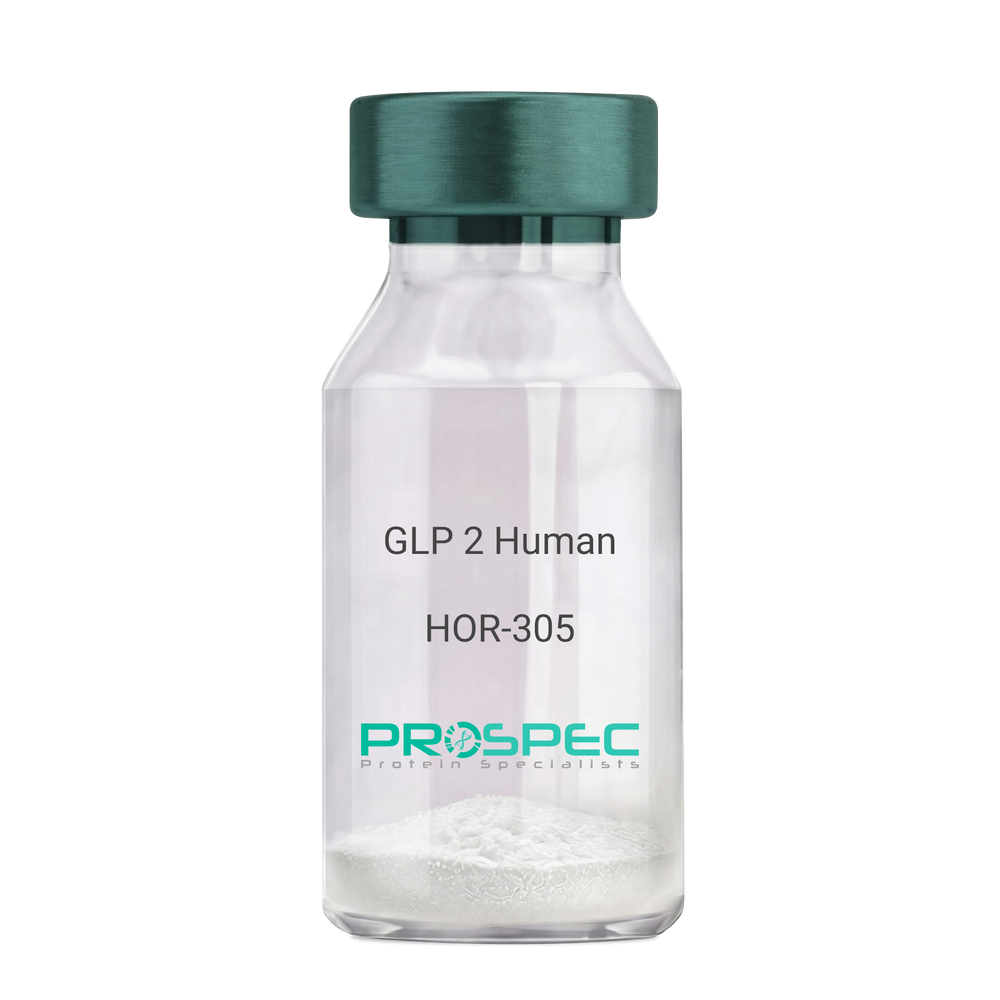
    GLP 2 Human

    Description:

    Human GLP-2

    GLP2, GLP-2, GLP 2.

    Product # :

    HOR-305

    Price :

    Quantity :

    Shipping Method :

    Room Temp Icon

    Shipped at Room temp

    Add To Cart

    More Info

    • description
    • formulation
    • purity
    • More Info

    Description

    GLP-2 contains 34 amino acids having a molecular mass of 3922.35 Dalton.

    Formulation

    The protein (1mg/ml) was lyophilized with no additives.

    Purity

    Greater than 98.0% as determined by RP-HPLC.

    More Info

    • Introduction

      GLP-2 functions as an intestinal growth factor, which stimulates intestinal epithelial growth. GLP2 is involved in diabetes-associated bowel growth. GLP2 enhances cell differentiation, playing a role as a cytokine and in tissue regeneration, and mediating cytoprotection. GLP2 is invloded numerous therapeutic applications. GLP2 regulates signaling pathways coupled to cell proliferation and cell death by apoptosis.
      GLP-2 is produced by specific post-translational proteolytic cleavage of proGLP. GLP-2 is manufactured by the intestinal endocrine L cell and by several neurons in the central nervous system.

    • Synonyms

      GLP2, GLP-2, GLP 2, Glucagon Like Peptide-2.

    • Physical Appearance

      Sterile Filtered White lyophilized (freeze-dried) powder.

    • Stability

      Lyophilized GLP2 although stable at room temperature for 3 weeks, should be stored desiccated below -18°C. Upon reconstitution GLP2 should be stored at 4°C between 2-7 days and for future use below -18°C.For long term storage it is recommended to add a carrier protein (0.1% HSA or BSA).Please prevent freeze-thaw cycles.

    • Solubility

      It is recommended to reconstitute the lyophilized GLP-2 in sterile 18MΩ-cm H2O not less than 100 µg/ml, which can then be further diluted to other aqueous solutions.

    • Amino Acid Sequence

      His-Ala-Asp-Gly-Ser-Phe-Ser-Asp-Glu-Met-Asn-Thr-Ile-Leu-Asp-Asn-Leu-Ala-Ala-Arg-Asp-Phe-Ile-Asn-Trp-Leu-Ile-Gln-Thr-Lys-Ile-Thr-Asp-Arg.

    • Background

      What is the molecular weight/Mw of GLP 2 HUMAN Protein?
      GLP 2 HUMAN Protein has a total Mw of 3.92kDa.


      What is the Purity of GLP 2 HUMAN Protein?
      GLP 2 HUMAN Protein is >95% pure as determined by SDS-PAGE.

      What is the Biological Activity of GLP 2 HUMAN Protein?
      The biological functionality of GLP 2 HUMAN Protein will be determined in the future.

      What is the amino acid sequence of GLP 2 HUMAN Protein?
      His-Ala-Asp-Gly-Ser-Phe-Ser-Asp-Glu-Met-Asn-Thr-Ile-Leu-Asp-Asn-Leu-Ala-Ala-Arg-Asp-Phe-Ile-Asn-Trp-Leu-Ile-Gln-Thr-Lys-Ile-Thr-Asp-Arg.

      What applications can GLP 2 HUMAN Protein be used in?
      GLP 2 HUMAN Protein can probably be used in western blot, ELISA and Lateral Flow.

      What is the endotoxin level for GLP 2 HUMAN Protein?
      The endotoxin level is minimal, GLP 2 HUMAN Protein was purified using conventional chromatography techniques.


    ProSpec's products are furnished for LABORATORY RESEARCH USE ONLY. The product may not be used as drugs, agricultural or pesticidal products, food additives or household chemicals.

    Glp 2 Human
  • View Data Sheet

    Name :

    MCSF Mouse, Sf9

    Description:

    Macrophage Colony Stimulating Factor Mouse Recombinant, Sf9

    M-Csf, Macrophage colony-stimulating factor 1, CSF-1, MCSF, Csf1, C87615, MCSF, op, Processedmacrophage colony-stimulating factor 1.

    Product # :

    CYT-1141

    Price :

    Quantity :

    Shipping Method :

    Ice Icon

    Shipped with Ice Packs

    Add To Cart

    More Info

    • description
    • source
    • formulation
    • purity
    • biological activity
    • More Info

    Description

    MCSF Mouse produced in Sf9 Baculovirus cells is a single, glycosylated polypeptide chain containing 164 amino acids (33-187 aa) and having a molecular mass of 19.1 kDa.MCSF is fused to a 6 amino acid His tag at C-terminus and purified by proprietary chromatographic techniques.

    Source

    Sf9, Baculovirus cells.

    Formulation

    The MCSF solution (1mg/ml) contains 10% Glycerol and Phosphate-Buffered Saline (pH 7.4).

    Purity

    Greater than 90.0% as determined by SDS-PAGE.

    Biological Activity

    Determined by cell proliferation assay using M-NFS-60 mouse myelogenous leukemia lymphoblast cells. ED50 range for this effect is ≤ 4ng/ml.

    More Info

    • Introduction

      Macrophage Colony Stimulating Factor (M CSF) or colony stimulating factor 1, is a cytokine, that promoted differentiation in hematopoietic stem cells to macrophages. Another role of M CSF is to bind to its receptor (colony stimulating factor 1 receptor) and to take part in placenta growth and development.

    • Synonyms

      M-Csf, Macrophage colony-stimulating factor 1, CSF-1, MCSF, Csf1, C87615, MCSF, op, Processedmacrophage colony-stimulating factor 1.

    • Physical Appearance

      Sterile Filtered colorless solution.

    • Stability

      Store at 4°C if entire vial will be used within 2-4 weeks. Store, frozen at -20°C for longer periods of time. For long term storage it is recommended to add a carrier protein (0.1% HSA or BSA).Avoid multiple freeze-thaw cycles.

    • Amino Acid Sequence

      ADPKEVSEHC SHMIGNGHLK VLQQLIDSQM ETSCQIAFEF VDQEQLDDPV CYLKKAFFLV
      QDIIDETMRF KDNTPNANAT ERLQELSNNL NSCFTKDYEE QNKACVRTFH ETPLQLLEKI
      KNFFNETKNL LEKDWNIFTK NCNNSFAKCS SRDVVTKPHH HHHH

    ProSpec's products are furnished for LABORATORY RESEARCH USE ONLY. The product may not be used as drugs, agricultural or pesticidal products, food additives or household chemicals.

    Mcsf Mouse
  • View Data Sheet

    Name :

    DFFA Human

    Description:

    DNA Fragmentation Factor Subunit Alpha Human Recombinant

    DNA fragmentation factor subunit alpha, DNA fragmentation factor 45 kDa subunit, DFF-45, Inhibitor of CAD, ICAD, DFFA, DFF1, DFF45.

    Product # :

    PRO-718

    Price :

    Quantity :

    Shipping Method :

    Ice Icon

    Shipped with Ice Packs

    Add To Cart

    More Info

    • description
    • source
    • formulation
    • purity
    • More Info

    Description

    DFFA Human Recombinant fused with 20 amino acid His tag at N-terminus produced in E.Coli is a single, non-glycosylated, polypeptide chain containing 351 amino acids (1- 331 a.a.) and having a molecular mass of 38.7kDa.The DFFA is purified by proprietary chromatographic techniques.

    Source

    Escherichia Coli.

    Formulation

    The DFFA solution (1mg/ml) contains 20mM Tris-HCl buffer (pH 8.0), 10% glycerol and 1mM DTT.

    Purity

    Greater than 90.0% as determined by SDS-PAGE.

    More Info

    • Introduction

      DFF is a heterodimeric protein of 40kDa (DFFB) and 45kDa (DFFA) subunits. DFFA (DNA fragmentation factor subunit alpha) is the substrate for caspase-3 and triggers DNA fragmentation during apoptosis. DFF is activated once DFFA is cleaved by caspase-3. The cleaved fragments of DFFA detach from DFFB (the active component of DFF), which in turn triggers DNA fragmentation as well as chromatin condensation during apoptosis. Apoptosis is accompanied by shrinkage and fragmentation of the cells and nuclei and degradation of the chromosomal DNA into nucleosomal units.
      A reduced level of DFFA detected in ovarian endometriosis may be a part of an apoptosis-resistant mechanism enhancing the disease progression.
      DFFA at chromosome 1 shows rare allelic variants in neuroblastoma tumors.

    • Synonyms

      DNA fragmentation factor subunit alpha, DNA fragmentation factor 45 kDa subunit, DFF-45, Inhibitor of CAD, ICAD, DFFA, DFF1, DFF45.

    • Physical Appearance

      Sterile Filtered colorless solution.

    • Stability

      Store at 4°C if entire vial will be used within 2-4 weeks. Store, frozen at -20°C for longer periods of time. For long term storage it is recommended to add a carrier protein (0.1% HSA or BSA).Avoid multiple freeze-thaw cycles.

    • Amino Acid Sequence

      MGSSHHHHHH SSGLVPRGSH MEVTGDAGVP ESGEIRTLKP CLLRRNYSRE QHGVAASCLE DLRSKACDIL AIDKSLTPVT LVLAEDGTIV DDDDYFLCLP SNTKFVALAS NEKWAYNNSD GGTAWISQES FDVDETDSGA GLKWKNVARQ LKEDLSSIIL LSEEDLQMLV DAPCSDLAQE LRQSCATVQR LQHTLQQVLD QREEVRQSKQ LLQLYLQALE KEGSLLSKQE ESKAAFGEEV DAVDTGISRE TSSDVALASH ILTALREKQA PELSLSSQDL ELVTKEDPKA LAVALNWDIK KTETVQEACE WELALRLQQT QSLHSLRSIS ASKASPPGDL QNPKRARQDP T.

    ProSpec's products are furnished for LABORATORY RESEARCH USE ONLY. The product may not be used as drugs, agricultural or pesticidal products, food additives or household chemicals.

    Dffa Human
  • View Data Sheet

    Name :

    EIF4E Mouse

    Description:

    Eukaryotic Translation Initiation Factor 4E Recombinant Mouse

    eIF-4E, eIF4E, mRNA cap-binding protein, eIF-4F 25 kDa subunit, Eif4e.

    Product # :

    PRO-2411

    Price :

    Quantity :

    Shipping Method :

    Ice Icon

    Shipped with Ice Packs

    Add To Cart

    More Info

    • description
    • source
    • formulation
    • purity
    • More Info

    Description

    EIF4E Mouse Recombinant produced in E.Coli is a single, non-glycosylated polypeptide chain containing 241 amino acids (1-217 a.a) and having a molecular mass of 27.6kDa. EIF4E is fused to a 24 amino acid His-tag at N-terminus & purified by proprietary chromatographic techniques.

    Source

    Escherichia Coli.

    Formulation

    EIF4E protein solution (1mg/ml) 20mM Tris-HCl Buffer (pH8.0), 10% glycerol, 1mM DTT, 0.1M NaCl and 0.1mM PMSF.

    Purity

    Greater than 95.0% as determined by SDS-PAGE.

    More Info

    • Introduction

      EIF4E is part of the eukaryotic initiation factor 4 families, controls translation of maternal mRNAs in early embryos before the onset of zygotic transcription. EIF4E identifies and binds to the 7 methyl GTP cap structure of eukaryotic mRNAs, thus modulates the initiation of translation. EIF4E enables ribosome binding by inducing the unwinding of the mRNAs secondary structures.

    • Synonyms

      eIF-4E, eIF4E, mRNA cap-binding protein, eIF-4F 25 kDa subunit, Eif4e.

    • Physical Appearance

      Sterile Filtered clear solution.

    • Stability

      Store at 4°C if entire vial will be used within 2-4 weeks. Store, frozen at -20°C for longer periods of time. For long term storage it is recommended to add a carrier protein (0.1% HSA or BSA).Avoid multiple freeze-thaw cycles.

    • Amino Acid Sequence

      MGSSHHHHHH SSGLVPRGSH MGSHMATVEP ETTPTTNPPP AEEEKTESNQ EVANPEHYIK HPLQNRWALW FFKNDKSKTW QANLRLISKF DTVEDFWALY NHIQLSSNLM PGCDYSLFKD GIEPMWEDEK NKRGGRWLIT LNKQQRRSDL DRFWLETLLC LIGESFDDYS DDVCGAVVNV RAKGDKIAIW TTECENRDAV THIGRVYKER LGLPPKIVIG YQSHADTATK SGSTTKNRFV V

    ProSpec's products are furnished for LABORATORY RESEARCH USE ONLY. The product may not be used as drugs, agricultural or pesticidal products, food additives or household chemicals.

    Eif4E Mouse
  • View Data Sheet

    Name :

    IL 6 Rat

    Description:

    Interleukin-6 Rat Recombinant

    IFN-b2, B cell differentiation factor (BCDF), BSF-2, HPGF, HSF, MGI-2, IL-6, Interleukin HP-1, B-cell hybridoma growth factor.

    Product # :

    CYT-388

    Price :

    Quantity :

    Shipping Method :

    Room Temp Icon

    Shipped at Room temp

    Add To Cart

    More Info

    • description
    • source
    • formulation
    • purity
    • biological activity
    • More Info

    Description

    Interleukin-6 Rat Recombinant produced in E.Coli is a single, non-glycosylated polypeptide chain containing 187 amino acids and having a molecular mass of 21732 Dalton. The IL6 is purified by proprietary chromatographic techniques.

    Source

    Escherichia Coli.

    Formulation

    The protein was lyophilized from 0.02% TFA.

    Purity

    Greater than 90.0% as determined by SDS-PAGE.

    Biological Activity

    The ED50 is less than 0.01 ng/ml as determined by dose-dependent stimulation of mouse 7TD1 cells.

    More Info

    • Introduction

      Interleukin-6 is a potent pro-inflammatory cytokine primarily produced by activated T cells and an assortment of other cells including endothelial cells and macrophages. IL-6 affects B and T lymphocytes and has been shown to have a role in host defense, acute phase reactions, immune responses and hematopoiesis.

    • Synonyms

      IFN-b2, B cell differentiation factor (BCDF), BSF-2, HPGF, HSF, MGI-2, IL-6, Interleukin HP-1, B-cell hybridoma growth factor.

    • Physical Appearance

      Sterile Filtered White lyophilized (freeze-dried) powder.

    • Stability

      Lyophilized Interleukin-6 although stable at room temperature for 3 weeks, should be stored desiccated below -18°C. Upon reconstitution IL6 should be stored at 4°C between 2-7 days and for future use below -18°C.For long term storage it is recommended to add a carrier protein (0.1% HSA or BSA).Please prevent freeze-thaw cycles.

    • Solubility

      It is recommended to reconstitute the lyophilized Interleukin-6 with 10mM HCl at a concentration of 0.1 mg/ml which can then be further diluted to other aqueous solutions.

    • Amino Acid Sequence

      The sequence of the first five N-terminal amino acids was determined and was found to be Met-Phe-Pro-Thr-Ser.

    • Background

      Research Paper on Interleukin-6 Rat Recombinant

      Abstract:

      Exploring Interleukin-6 Rat Recombinant: This research paper provides an extensive description of Interleukin-6 (IL-6) Rat Recombinant, a vital cytokine in immunological studies. We delve into its molecular properties, significance in immune responses, and its synonyms, including DIF, TNFA, and TNFSF2. Join us as we uncover the potential applications of IL-6 Rat Recombinant in advancing our understanding of immune regulation.

      Introduction:

      Unraveling IL-6 Rat Recombinant: This paper introduces IL-6 Rat Recombinant, a valuable tool for investigating immune responses. As researchers, we are intrigued by its diverse functions and potential therapeutic implications.

      An Extensive Description of IL-6 Rat Recombinant:

      We present a comprehensive overview of IL-6 Rat Recombinant, focusing on its structural characteristics and involvement in immune signaling. This recombinant cytokine allows us to explore the complexities of IL-6 biology and its impact on immune system homeostasis.

      Significance in Immune Responses:

      Marvel at IL-6's pivotal role in orchestrating immune responses! As a crucial mediator between immune cells, IL-6 plays a critical role in regulating inflammation and immune cell activation. It also contributes to tissue repair and antibody production.

      Interactions and Synonyms:

      Learn about the synonyms associated with IL-6, such as DIF, TNFA, and TNFSF2. Understanding these synonyms enhances our comprehension of the interconnected cytokine network, contributing to a broader understanding of immune signaling.

      Potential Applications in Immunological Research:

      Explore the diverse applications of IL-6 Rat Recombinant in immunological research. From deciphering cellular responses to developing potential therapeutics, this recombinant cytokine serves as an indispensable tool for advancing our knowledge of the immune system. Researchers use it for in vitro studies, functional assays, and investigating disease pathogenesis.

      Novel Insights and Therapeutic Implications:

      Gain novel insights into the therapeutic implications of IL-6 Rat Recombinant. Understanding its role in disease pathogenesis may lead to the development of targeted therapies for various immune-related disorders. Clinical trials targeting IL-6 have shown promise in treating certain inflammatory conditions.

      Conclusion:

      Concluding our exploration of IL-6 Rat Recombinant, we recognize its significance in immunological research. The extensive description of this recombinant cytokine broadens our understanding of IL-6 biology and its potential applications in various fields. By utilizing this powerful tool, we strive to make significant advancements in immunology research for improved health outcomes.

    • Protein content

      Protein quantitation was carried out by two independent methods:1. UV spectroscopy at 280 nm using the absorbency value of 0.55 as the extinction coefficient for a 0.1% (1mg/ml) solution. This value is calculated by the PC GENE computer analysis program of protein sequences (IntelliGenetics). 2. Analysis by RP-HPLC, using a standard solution of IL-6 as a Reference Standard.

    ProSpec's products are furnished for LABORATORY RESEARCH USE ONLY. The product may not be used as drugs, agricultural or pesticidal products, food additives or household chemicals.

    Il 6 Rat
  • View Data Sheet

    Name :

    Leptin qA Mouse, PEG

    Description:

    Leptin Quadruple Antagonist Pegylated Mouse Recombinant

    Product # :

    CYT-1244

    Price :

    Quantity :

    Shipping Method :

    Room Temp Icon

    Shipped at Room temp

    Add To Cart

    More Info

    • description
    • source
    • formulation
    • purity
    • biological activity
    • More Info

    Description

    Leptin Antagonist Quadruple Mutant Mouse Recombinant is a single non-glycosilated polypeptide chain containing 146 amino acids and additional Ala at N-terminus. The Mouse Leptin antagonist was mutated, resulting in D23L/L39A/D40A/F41A mutant. The Mouse Leptin antagonist is bound to 20 kDa mono-PEG at N-terminus, resulting in 35.6 kDa. The Mouse Leptin Quadruple anatagonist Pegylated runs as a 55 kDa due to enlarged hydrodymanic volume. Leptin Antagonist Quadruple Mutant Mouse Recombinant was purified by proprietary chromatographic techniques.

    Source

    Escherichia coli.

    Formulation

    The Mouse Leptin Quadruple anatagonist was lyophilized from a concentrated (0.65mg/ml) solution with 0.003mM NaHCO3.

    Purity

    Greater than 95.0% as determined by:

    (a) Gel filtration analysis.

    (b) Analysis by SDS-PAGE.

    Biological Activity

    Pegylated Mouse Leptin Quadruple Antagonist inhibits leptin-induced proliferation of BAF/3 cells stably transfected with the long form of human leptin receptor.  Pegylated recombinant mouse leptin antagonist in vitro activity is 6-8 fold lower than the non-pegylated recombinant super mouse leptin antagonist but in vivo it has profound weight gain effect, resulting mainly from increased food intake. Its in vivo activity compared to that of PEG-MLA is 9-27 fold higher.

    More Info

    • Physical Appearance

      White lyophilized (freeze-dried) powder.

    • Stability

      Lyophilized Leptin Antagonist Quadruple Mutant Mouse Recombinant although stable at room temperature for several weeks, should be stored desiccated below -18°C. Upon reconstitution at > 0.1 mg/ml and up to 2mM and filter sterilization LEP mutant can be stored at 4°C or even room temperature for several weeks making it suitable for long term infusion studies using osmotic pumps. At lower concentration addition of a carrier protein (0.1% HSA or BSA) is suggested. Please prevent freeze-thaw cycles.

    • Solubility

      It is recommended to reconstitute the lyophilized Leptin Antagonist Quadruple Mutant Mouse Recombinant in sterile water or sterile 0.4% NaHCO3adjusted to pH 8-9, not less than 100µg/ml, which can then be further diluted with other aqueous solutions.

    • Background

      Leptin produced mainly by adipocytes. Leptin mostly regulate long-term energy balance. Leptin is encoded by the LEP gene. Leptin receptors are expressed by various brain and peripheral cell types. leptin levels influence satiety, appetite and triggers behaviors which lead to energy savings. High leptin levels are interpreted by the brain that energy reserves are high, whereas low leptin levels means that energy reserves are low, in the process adapting the organism to starvation through a variety of metabolic, neurobiochemical, endocrine and behavioral change.

    • Protein content

      Protein quantization was carried out by UV spectroscopy at 280 nm using the absorbency value of 0.2 as the extinction coefficient for a 0.1% (1mg/ml) solution at pH 8.0. This value is calculated by the PC GENE computer analysis program of protein sequences (IntelliGenetics).

    ProSpec's products are furnished for LABORATORY RESEARCH USE ONLY. The product may not be used as drugs, agricultural or pesticidal products, food additives or household chemicals.

    Leptin Mouse Ta Peg
  • View Data Sheet

    Name :

    RANGRF Human

    Description:

    RAN Guanine Nucleotide Release Factor Human Recombinant

    Ran guanine nucleotide release factor, RanGNRF, Ran-binding protein MOG1, RANGRF, MOG1, HSPC165, HSPC236, MDS5.

    Product # :

    PRO-1149

    Price :

    Quantity :

    Shipping Method :

    Ice Icon

    Shipped with Ice Packs

    Add To Cart

    More Info

    • description
    • source
    • formulation
    • purity
    • More Info

    Description

    RANGRF Human Recombinant produced in E.Coli is a single, non-glycosylated polypeptide chain containing 210 amino acids (1-186 a.a) and having a molecular mass of 23kDa.RANGRF is fused to a 24 amino acid His-tag at N-terminus & purified by proprietary chromatographic techniques.

    Source

    Escherichia Coli.

    Formulation

    RANGRF protein solution (1mg/ml) containing 20mM Tris-HCl buffer (pH8.0), 10% glycerol, 0.15M NaCl and 1mM DTT.

    Purity

    Greater than 90% as determined by SDS-PAGE.

    More Info

    • Introduction

      RANGRF is a protein which acts as a guanine nucleotide release factor in mouse and regulates the expression and function of the Nav1.5 cardiac sodium channel in human. RANGRF also controls the intracellular trafficking of RAN. In cardiac cells, the RANGRF appears to regulate the cell surface localization of SCN5A.

    • Synonyms

      Ran guanine nucleotide release factor, RanGNRF, Ran-binding protein MOG1, RANGRF, MOG1, HSPC165, HSPC236, MDS5.

    • Physical Appearance

      Sterile filtered colorless solution.

    • Stability

      Store at 4°C if entire vial will be used within 2-4 weeks. Store, frozen at -20°C for longer periods of time. For long term storage it is recommended to add a carrier protein (0.1% HSA or BSA).Avoid multiple freeze-thaw cycles.

    • Amino Acid Sequence

      MGSSHHHHHH SSGLVPRGSH MGSHMEPTRD CPLFGGAFSA ILPMGAIDVS DLRPVPDNQE VFCHPVTDQS LIVELLELQA HVRGEAAARY HFEDVGGVQG ARAVHVESVQ PLSLENLALR GRCQEAWVLS GKQQIAKENQ QVAKDVTLHQ ALLRLPQYQT DLLLTFNQPP PDNRSSLGPE NLSPAPWSLG DFEQLVTSLT LHDPNIFGPQ.

    ProSpec's products are furnished for LABORATORY RESEARCH USE ONLY. The product may not be used as drugs, agricultural or pesticidal products, food additives or household chemicals.

    Rangrf Human
  • View Data Sheet

    Name :

    KLF7 (80-230) Human

    Description:

    Kruppel-Like Factor 7 (80-230) Human Recombinant

    UKLF, Krueppel-like factor 7, Ubiquitous krueppel-like factor, KLF7.

    Product # :

    PRO-2824

    Price :

    Quantity :

    Shipping Method :

    Room Temp Icon

    Shipped at Room temp

    Add To Cart

    More Info

    • description
    • source
    • formulation
    • purity
    • More Info

    Description

    The KLF7 Human is created as a recombinant protein with a 4kda N-terminal fusion of His Tag. The KLF7 His-Tagged Fusion Protein, produced in E. coli, is a 22kDa protein containing 126 amino acid residues of the KLF7 Human, 80-230 amino acids.

    Source

    Escherichia Coli.

    Formulation

    Each mg was lyophilized with 1xPBS, 0.4% SDS and 4mM DTT.

    Purity

    Greater than 90% as determined by SDS-PAGE.

    More Info

    • Synonyms

      UKLF, Krueppel-like factor 7, Ubiquitous krueppel-like factor, KLF7.

    • Physical Appearance

      Filtered White lyophilized (freeze-dried) powder.

    • Stability

      Store lyophilized KLF7 at -20°C. Aliquot the product after reconstitution to avoid repeated freezing/thawing cycles. Reconstituted protein can be stored at 4°C for a limited period of time; it does not show any change after two weeks at 4°C.

    • Solubility

      It is recommended to add deionized water to prepare a working stock solution of approximately 0.5mg/ml and let the lyophilized pellet dissolve completely. Product is not sterile! Please filter the product by an appropriate sterile filter before using it on cell culture.

    • Background

      Kruppel-Like Factor 7 (KLF7) which is a part of the KLF family, plays an important roles in many biological processes, including cellular proliferation, differentiation and apoptosis.

      KLF7 functions as a transcription factor, binding to specific DNA sequences to regulate gene expression.

      KLF7 takes part in the regulation of metabolic pathways, including glucose homeostasis. KLF7 modulates insulin sensitivity and plays a role in adipocyte differentiation.

      KLF7 contributes to the progression of type 2 diabetes by inhibiting hormone expression and secretion in pancreatic beta-cells and also by deregulating adipocytokine secretion in adipocytes.

      KLF7 is critical in the development and maturation of neurons. KLF7 promotes the differentiation of neural progenitor cells and influences axon growth and synaptic plasticity.

    ProSpec's products are furnished for LABORATORY RESEARCH USE ONLY. The product may not be used as drugs, agricultural or pesticidal products, food additives or household chemicals.

    Klf7 Protein
  • View Data Sheet

    Name :

    LILRA3 Human

    Description:

    Leukocyte Immunoglobulin Like Receptor A3 Human Recombinant

    LILRA3, ILT6, LIR4, LIR-4, LILRA3, CD85e, Leukocyte immunoglobulin-like receptor subfamily A member 3, leukocyte immunoglobulin-like receptor subfamily A member 3 isoform 1, CD85 antigen-like family member E, Immunoglobulin-like transcript 6, Leukocyte immunoglobulin-like receptor 4, Monocyte inhibitory receptor HM43/HM31.

    Product # :

    PRO-2831

    Price :

    Quantity :

    Shipping Method :

    Ice Icon

    Shipped with Ice Packs

    Add To Cart

    More Info

    • description
    • source
    • formulation
    • purity
    • More Info

    Description

    LILRA3 Human Recombinant is a single, glycosylated, polypeptide chain (24-439 a.a) containing a total of 658 amino acids and having a molecular mass of 72.2 kDa. LILRA3 is fused to a 239 a.a hIgG-his-Tag at C-terminus and is purified by proprietary chromatographic techniques.

    Source

    HEK293 Cells.

    Formulation

    The LILRA3 solution (0.5mg/ml) contains 10% Glycerol and Phosphate-Buffered Saline (pH 7.4).

    Purity

    Greater than 95.0% as determined by SDS-PAGE.

    More Info

    • Synonyms

      LILRA3, ILT6, LIR4, LIR-4, LILRA3, CD85e, Leukocyte immunoglobulin-like receptor subfamily A member 3, leukocyte immunoglobulin-like receptor subfamily A member 3 isoform 1, CD85 antigen-like family member E, Immunoglobulin-like transcript 6, Leukocyte immunoglobulin-like receptor 4, Monocyte inhibitory receptor HM43/HM31.

    • Physical Appearance

      Sterile Filtered colorless solution.

    • Stability

      Store at 4°C if entire vial will be used within 2-4 weeks. Store, frozen at -20°C for longer periods of time. For long term storage it is recommended to add a carrier protein (0.1% HSA or BSA). Avoid multiple freeze-thaw cycles.

    • Amino Acid Sequence

      DGSGPLPKPT LWAEPGSVIT QGSPVTLRCQ GSLETQEYHL YREKKTALWI TRIPQELVKK GQFPILSITW EHAGRYCCIY GSHTAGLSES SDPLELVVTG AYSKPTLSAL PSPVVTSGGN VTIQCDSQVA FDGFILCKEG EDEHPQCLNS HSHARGSSRA IFSVGPVSPS RRWSYRCYGY DSRAPYVWSL PSDLLGLLVP GVSKKPSLSV QPGPVVAPGE KLTFQCGSDA GYDRFVLYKE WGRDFLQRPG RQPQAGLSQA NFTLGPVSRS YGGQYTCSGA YNLSSEWSAP SDPLDILITG QIRARPFLSV RPGPTVASGE NVTLLCQSQG GMHTFLLTKE GAADSPLRLK SKRQSHKYQA EFPMSPVTSA HAGTYRCYGS LSSNPYLLTH PSDPLELVVS GAAETLSPPQ NKSDSKAGEL EPKSCDKTHT CPPCPAPELL GGPSVFLFPP KPKDTLMISR TPEVTCVVVD VSHEDPEVKF NWYVDGVEVH NAKTKPREEQ YNSTYRVVSV LTVLHQDWLN GKEYKCKVSN KALPAPIEKT ISKAKGQPRE PQVYTLPPSR DELTKNQVSL TCLVKGFYPS DIAVEWESNG QPENNYKTTP PVLDSDGSFF LYSKLTVDKS RWQQGNVFSC SVMHEALHNH YTQKSLSLSP GKHHHHHH.

    • Background

      Leukocyte Immunoglobulin Like Receptor A3 (LILRA3) acts as a soluble receptor for class I MHC antigens. LILRA3 binds classical and non-classical HLA class I molecules and exhibits high affinity for monocyte surfaces, effectively suppressing LPS-induced TNF-alpha production. Unlike many of its family, LILRA3 has no transmembrane domain.

    ProSpec's products are furnished for LABORATORY RESEARCH USE ONLY. The product may not be used as drugs, agricultural or pesticidal products, food additives or household chemicals.

    Lilra3 Human
  • View Data Sheet

    Name :

    ITGB1 Antibody

    Description:

    Mouse Anti Human Integrin Beta 1

    Integrin beta-1, Fibronectin receptor subunit beta, Glycoprotein IIa, GPIIA, VLA-4 subunit beta, CD29, ITGB1, FNRB, MDF2, MSK12, Integrin beta 1, CD29, VLAB.

    Product # :

    ANT-715

    Price :

    Quantity :

    Shipping Method :

    Ice Icon

    Shipped with Ice Packs

    Add To Cart

    More Info

    • formulation
    • More Info

    Formulation

    1mg/ml containing PBS, pH-7.4, 10% Glycerol and 0.02% Sodium Azide.

    More Info

    • Introduction

      Integrins are heterodimeric proteins consist of alpha and beta subunits. There are more than 18 alpha and 8 beta subunits discovered in mammals. Integrin family members are membrane receptors that participates in cell adhesion and recognition in a variety of processes including embryogenesis, hemostasis, tissue repair, immune response and metastatic diffusion of tumor cells. ITGB1 encodes a beta subunit.

    • Synonyms

      Integrin beta-1, Fibronectin receptor subunit beta, Glycoprotein IIa, GPIIA, VLA-4 subunit beta, CD29, ITGB1, FNRB, MDF2, MSK12, Integrin beta 1, CD29, VLAB.

    • Physical Appearance

      Sterile filtered colorless solution.

    • Immunogen

      Anti-human ITGB1 mAb, is derived from hybridization of mouse F0 myeloma cells with spleen cells from BALB/c mice immunized with a recombinant human ITGB1 protein 21-461 amino acids purified from E. coli.

    • Ig Subclass

      Mouse IgG1 heavy chain and k light chain.

    • Clone

      PAT47E2AT.

    • Applications

      ITGB1 antibody has been tested by ELISA and Western blot analysis to assure specificity and reactivity. Since application varies, however, each investigation should be titrated by the reagent to obtain optimal results.

    • Type

      Mouse Anti Human Monoclonal.

    • Storage Procedures

      For periods up to 1 month store at 4°C, for longer periods of time, store at -20°C. Prevent freeze thaw cycles.

    • Purification Method

      ITGB1 antibody was purified from mouse ascitic fluids by protein-A affinity chromatography.

    ProSpec's products are furnished for LABORATORY RESEARCH USE ONLY. The product may not be used as drugs, agricultural or pesticidal products, food additives or household chemicals.

    Itgb1 Antibody
  • View Data Sheet

    Name :

    IL 11 Mouse

    Description:

    Interleukin-11 Mouse Recombinant

    AGIF, Adipogenesis inhibitory factor, IL-11, Interleukin-11, Il11.

    Product # :

    CYT-646

    Price :

    Quantity :

    Shipping Method :

    Room Temp Icon

    Shipped at Room temp

    Add To Cart

    More Info

    • description
    • source
    • formulation
    • purity
    • biological activity
    • More Info

    Description

    Interleukin-11 Mouse Recombinant produced in E.Coli is a single, non-glycosylated polypeptide chain containing 179 amino acids and having a molecular mass of 19.1kDa. The Mouse IL-11 is purified by proprietary chromatographic techniques.

    Source

    Escherichia Coli.

    Formulation

    The protein was lyophilized from a 0.2µm filtered concentrated (1mg/ml) solution in PBS, pH 7.4.

    Purity

    Greater than 97.0% as determined by:
    (a) Analysis by RP-HPLC.
    (b) Analysis by SDS-PAGE.

    Biological Activity

    The ED50 as determined by the dose-dependant stimulation of the proliferation of murine T11 was found to be less than 2.0 ng/ml, corresponding to a specific activity of 500,000IU/mg.

    More Info

    • Introduction

      IL11 is a member of the gp130 family of cytokines. These cytokines drive the assembly of multisubunit receptor complexes, all of which contain at least one molecule of the transmembrane signaling receptor IL6ST (gp130). IL-11 is shown to stimulate the T-cell-dependent development of immunoglobulin-producing B cells. It is also found to support the proliferation of hematopoietic stem cells and megakaryocyte progenitor cells.

    • Synonyms

      AGIF, Adipogenesis inhibitory factor, IL-11, Interleukin-11, Il11.

    • Physical Appearance

      Sterile Filtered White lyophilized (freeze-dried) powder.

    • Stability

      Lyophilized Interleukin-11 although stable at room temperature for 3 weeks, should be stored desiccated below -18°C. Upon reconstitution IL11 should be stored at 4°C between 2-7 days and for future use below -18°C.For long term storage it is recommended to add a carrier protein (0.1% HSA or BSA).Please prevent freeze-thaw cycles.

    • Solubility

      It is recommended to reconstitute the lyophilized Interleukin 11 in sterile 18MΩ-cm H2O not less than 100µg/ml, which can then be further diluted to other aqueous solutions.

    • Amino Acid Sequence

      MPGPPAGSPR VSSDPRADLD SAVLLTRSLL ADTRQLAAQM RDKFPADGDH SLDSLPTLAM SAGTLGSLQL PGVLTRLRVD LMSYLRHVQW LRRAGGPSLK TLEPELGALQ ARLERLLRRL QLLMSRLALP QAAPDQPVIP LGPPASAWGS IRAAHAILGG LHLTLDWAVR GLLLLKTRL.

    ProSpec's products are furnished for LABORATORY RESEARCH USE ONLY. The product may not be used as drugs, agricultural or pesticidal products, food additives or household chemicals.

    Il 11 Mouse
  • View Data Sheet

    Name :

    GTF2E2 Human

    Description:

    General Transcription Factor IIE, Polypeptide 2 Human Recombinant

    General transcription factor IIE polypeptide 2 beta 34kDa, transcription initiation factor IIE subunit beta, TFIIE-beta, TF2E2, TFIIE-B.

    Product # :

    PRO-1107

    Price :

    Quantity :

    Shipping Method :

    Ice Icon

    Shipped with Ice Packs

    Add To Cart

    More Info

    • description
    • source
    • formulation
    • purity
    • More Info

    Description

    GTF2E2 Human Recombinant produced in E. coli is a single polypeptide chain containing 315 amino acids (1-291) and having a molecular mass of 35.6kDa.GTF2E2 is fused to a 24 amino acid His-tag at N-terminus & purified by proprietary chromatographic techniques.

    Source

    E.coli.

    Formulation

    The GTF2E2 solution (1mg/1ml) contains 20mM Tris-HCl buffer (pH 8.0), 100mM NaCl, 1mM DTT and 30% glycerol.

    Purity

    Greater than 90% as determined by SDS-PAGE.

    More Info

    • Introduction

      GTF2E2 is vital for transcription initiation by RNA polymerase II in conjunction with other general factors. General Transcription Factor IIE is a heterotetramer composed of two subunits of relatively high molecular mass 57,000 (GTF2E1) and two of 34,000 (GTF2E2). GTF2E2 is necessary in conjunction with GTF2E1 for transcription initiation. GTF2E2 recruits TFIIH to the initiation complex and stimulates the RNA polymerase II C-terminal domain kinase and DNA-dependent ATPase activities of TFIIH. Both TFIIE and TFIIH are essential for promoter clearance by RNA polymerase.

    • Synonyms

      General transcription factor IIE polypeptide 2 beta 34kDa, transcription initiation factor IIE subunit beta, TFIIE-beta, TF2E2, TFIIE-B.

    • Physical Appearance

      Sterile Filtered colorless solution.

    • Stability

      Store at 4°C if entire vial will be used within 2-4 weeks. Store, frozen at -20°C for longer periods of time. For long term storage it is recommended to add a carrier protein (0.1% HSA or BSA).Avoid multiple freeze-thaw cycles.

    • Amino Acid Sequence

      MGSSHHHHHH SSGLVPRGSH MGSHMDPSLL RERELFKKRA LSTPVVEKRS ASSESSSSSS KKKKTKVEHG GSSGSKQNSD HSNGSFNLKA LSGSSGYKFG VLAKIVNYMK TRHQRGDTHP LTLDEILDET QHLDIGLKQK QWLMTEALVN NPKIEVIDGK YAFKPKYNVR DKKALLRLLD QHDQRGLGGI LLEDIEEALP NSQKAVKALG DQILFVNRPD KKKILFFNDK SCQFSVDEEF QKLWRSVTVD SMDEEKIEEY LKRQGISSMQ ESGPKKVAPI QRRKKPASQK KRRFKTHNEH LAGVLKDYSD ITSSK

    ProSpec's products are furnished for LABORATORY RESEARCH USE ONLY. The product may not be used as drugs, agricultural or pesticidal products, food additives or household chemicals.

    Gtf2E2 Human
  • View Data Sheet

    Name :

    RERG Human

    Description:

    RAS-like, Estrogen-Regulated, Growth Inhibitor Human Recombinant

    Ras-related and estrogen-regulated growth inhibitor, RERG, MGC15754.

    Product # :

    PRO-106

    Price :

    Quantity :

    Shipping Method :

    Ice Icon

    Shipped with Ice Packs

    Add To Cart

    More Info

    • description
    • source
    • formulation
    • purity
    • More Info

    Description

    RERG Human Recombinant fused with a 20 amino acid His tag at N-terminus produced in E.Coli is a single, non-glycosylated, polypeptide chain containing 219 amino acids (1-199 a.a.) and having a molecular mass of 24.7kDa (Molecular size on SDS-PAGE will appear higher). The RERG is purified by proprietary chromatographic techniques.

    Source

    Escherichia Coli.

    Formulation

    The RERG solution (0.25 mg/ml) contains 20mM Tris-HCl buffer (pH8.0), 0.2M NaCl, 5mM DTT and 50% glycerol.

    Purity

    Greater than 85.0% as determined by SDS-PAGE.

    More Info

    • Introduction

      RERG is a 199 amino acid protein which localizes in the cytoplasm and is a member of the Ras subfamily of small GTPases. RERG is expressed in the pancreas, liver, skin, lung, brain, kidney and heart tissue. RERG is a vital mediator of diverse cell signaling pathways, including those leading to cell proliferation, cytoskeletal organization and secretion.

    • Synonyms

      Ras-related and estrogen-regulated growth inhibitor, RERG, MGC15754.

    • Physical Appearance

      Sterile Filtered colorless solution.

    • Stability

      Store at 4°C if entire vial will be used within 2-4 weeks. Store, frozen at -20°C for longer periods of time. For long term storage it is recommended to add a carrier protein (0.1% HSA or BSA). Avoid multiple freeze-thaw cycles.

    • Amino Acid Sequence

      MGSSHHHHHH SSGLVPRGSH MAKSAEVKLA IFGRAGVGKS ALVVRFLTKR FIWEYDPTLE STYRHQATID DEVVSMEILD TAGQEDTIQR EGHMRWGEGF VLVYDITDRG SFEEVLPLKN ILDEIKKPKN VTLILVGNKA DLDHSRQVST EEGEKLATEL ACAFYECSAC TGEGNITEIF YELCREVRRR RMVQGKTRRR SSTTHVKQAI NKMLTKISS.

    ProSpec's products are furnished for LABORATORY RESEARCH USE ONLY. The product may not be used as drugs, agricultural or pesticidal products, food additives or household chemicals.

    Rerg Human
  • View Data Sheet

    Name :

    IFNG Canine

    Description:

    Interferon-gamma Canine Recombinant

    Immune Interferon, type II interferon, T cell interferon, MAF, IFNG, IFG, IFI, IFN-gamma.

    Product # :

    CYT-404

    Price :

    Quantity :

    Shipping Method :

    Room Temp Icon

    Shipped at Room temp

    Add To Cart

    More Info

    • description
    • source
    • formulation
    • purity
    • biological activity
    • More Info

    Description

    Recombinant IFNG Dog produced in E.coli cells is a non-glycosylated, homodimeric protein containing 143 amino acid chain and having a molecular mass of 16.9kDa. IFNG is purified by proprietary chromatographic techniques.

    Source

    Escherichia Coli.

    Formulation

    The IFNG was lyophilized from a 0.2µm filtered concentrated solution in 25mM Sodium Succinate, pH 5.0, 60mM NaCl, with 0.1% Tween-80.

    Purity

    Greater than 97.0% as determined by:
    (a) Analysis by RP-HPLC.
    (b) Analysis by SDS-PAGE.

    Biological Activity

    The ED50 as determined by an anti-viral assay using A-72 canine fibroma cells infected with vesicular stomatitis virus (VSV) is less than 2.0 ng/ml, corresponding to a specific activity of > 5.0 × 10⁵ IU/mg.

    More Info

    • Introduction

      IFN-gamma produced by lymphocytes activated by specific antigens or mitogens.
      IFN-gamma, in addition to having antiviral activity, has important immunoregulatory functions, it is a potent activator of macrophages, and has antiproliferative effects on transformed cells and it can potentiate the antiviral and antitumor effects of the type I interferons.

    • Synonyms

      Immune Interferon, type II interferon, T cell interferon, MAF, IFNG, IFG, IFI, IFN-gamma.

    • Physical Appearance

      Sterile Filtered White lyophilized (freeze-dried) powder.

    • Stability

      Lyophilized IFNG although stable at room temperature for 3 weeks, should be stored desiccated below -18°C. Upon reconstitution IFNG should be stored at 4°C between 2-7 days and for future use below -18°C.For long term storage it is recommended to add a carrier protein (0.1% HSA or BSA).Please prevent freeze-thaw cycles.

    • Solubility

      It is recommended to reconstitute the lyophilized IFNG in sterile distilled H2O not less than 100µg/ml, which can then be further diluted to other aqueous solutions.

    • Amino Acid Sequence

      QAMFFKEIEN LKEYFNASNP DVSDGGSLFV DILKKWREES DKTIIQSQIV SFYLKLFDNF KDNQIIQRSM DTIKEDMLGK FLNSSTSKRE DFLKLIQIPV NDLQVQRKAI NELIKVMNDL SPRSNLRKRK RSQNLFRGRR ASK

    • Background

      What is the molecular weight/Mw of IFNG CANINE Protein?
      IFNG CANINE Protein has a total Mw of 16.9kDa.

      What is the source or expression system of IFNG CANINE Protein?
      Escherichia Coli.

      What is the Purity of IFNG CANINE Protein?
      IFNG CANINE Protein is >97% pure as determined by SDS-PAGE.

      What is the Biological Activity of IFNG CANINE Protein?
      The ED50 as determined by an anti-viral assay using A-72 canine fibroma cells infected with vesicular stomatitis virus (VSV) is less than 2.0 ng/ml, corresponding to a specific activity of > 5.0 × 10⁵ IU/mg.

      What is the amino acid sequence of IFNG CANINE Protein?
      QAMFFKEIEN LKEYFNASNP DVSDGGSLFV DILKKWREES DKTIIQSQIV SFYLKLFDNF KDNQIIQRSM DTIKEDMLGK FLNSSTSKRE DFLKLIQIPV NDLQVQRKAI NELIKVMNDL SPRSNLRKRK RSQNLFRGRR ASK

      What applications can IFNG CANINE Protein be used in?
      IFNG CANINE Protein can probably be used in western blot, ELISA and Lateral Flow.

      What is the endotoxin level for IFNG CANINE Protein?
      The endotoxin level is minimal, IFNG CANINE Protein was purified using conventional chromatography techniques.

    ProSpec's products are furnished for LABORATORY RESEARCH USE ONLY. The product may not be used as drugs, agricultural or pesticidal products, food additives or household chemicals.

    Ifng Canine
  • View Data Sheet

    Name :

    GAGA-POZ

    Description:

    GAGA-POZ Drosophila Melanogaster Recombinant

    Transcription factor GAGA, Trithorax-like protein, GAGA factor, GAF, Adh transcription factor 2, Neural conserved at 70F, Trl, Adf-2, GAGA, Nc70F, TFGAGA, CG33261, GAGA-POZ.

    Product # :

    PRO-435

    Price :

    Quantity :

    Shipping Method :

    Ice Icon

    Shipped with Ice Packs

    Add To Cart

    More Info

    • description
    • source
    • formulation
    • purity
    • More Info

    Description

    GAGA-POZ Drosophila Melanogaster Recombinant produced in E.Coli is a single, non-glycosylated polypeptide chain containing 130 amino acids & having a molecular mass of 14 kDa.

    Source

    Escherichia Coli.

    Formulation

    The protein containing 10mM HEPES (pH-7.4) and 25mM NaCl.

    Purity

    Greater than 95% as determined by SDS-PAGE.

    More Info

    • Introduction

      The GAGA factor is a sequence-specific DNA-binding protein, which participates in the regulation of the expression of a variety of different classes of genes in Drosophila such as many developmentally regulated genes, stress induced genes, and cell cycle regulated genes, as well as housekeeping genes. GAGA contains a C-terminal glutamine-rich domain and a highly conserved N-terminal POZ domain which reported to be involved in self-oligomerization in a number of other POZ domain containing proteins. In case of GAGA protein, the N-terminal POZ domain mediates the formation of oligomers both in vitro and in vivo.

    • Synonyms

      Transcription factor GAGA, Trithorax-like protein, GAGA factor, GAF, Adh transcription factor 2, Neural conserved at 70F, Trl, Adf-2, GAGA, Nc70F, TFGAGA, CG33261, GAGA-POZ.

    • Physical Appearance

      Sterile filtered colorless solution.

    • Stability

      Store at 4°C if entire vial will be used within 2-4 weeks. Store, frozen at -20°C for longer periods of time. For long term storage it is recommended to add a carrier protein (0.1% HSA or BSA). Avoid multiple freeze-thaw cycles.

    • Amino Acid Sequence

      MSLPMNSLYS LTWGDYGTSL VSAIQLLRCH GDLVDCTLAA GGRSFPAHKI VLCAASPFLLDLLKNTPCKH PVVMLAGVNA NDLEALLEFV YRGEVSVDHA QLPSLLQAAQ CLNIQGLAPQTVTKDDYTTH.

    ProSpec's products are furnished for LABORATORY RESEARCH USE ONLY. The product may not be used as drugs, agricultural or pesticidal products, food additives or household chemicals.

    Gaga Factor
  • View Data Sheet

    Name :

    sRANKL Mouse

    Description:

    RANK Ligand Soluble Mouse Recombinant

    Soluble Receptor Activator of NFkB Ligand, TNFSF11, TRANCE, TNF-related activation-induced cytokine, OPGL, ODF, Osteoclast differentiation factor, Tumor necrosis factor ligand superfamily member 11, Receptor activator of nuclear factor kappa B ligand, RANKL, Osteoprotegerin ligand, CD254 antigen, sRANKL, sOdf.

    Product # :

    CYT-320

    Price :

    Quantity :

    Shipping Method :

    Room Temp Icon

    Shipped at Room temp

    Add To Cart

    More Info

    • description
    • source
    • formulation
    • purity
    • biological activity
    • More Info

    Description

    sRANKL Mouse Recombinant produced in E.coli is single, non-glycosylated, polypeptide chain containing 174 amino acids ( 143-316 a.a.) and having a total molecular mass of 19.9kDa. CD254 is purified by proprietary chromatographic techniques.

    Source

    Escherichia Coli.

    Formulation

    The protein (1mg/ml) was lyophilized with 10mM Na2PO4, pH 7.5 & 50mM NaCl.

    Purity

    Greater than 95.0% as determined by SDS-PAGE.

    Biological Activity

    Measured by its ability to induce osteoclast formation on murine RAW264.7 cells using a concentration of 50ng/ml shown in “Corning® Osteo Assay Surface 24 Well Plates with Transwell® Permeable Supports- A Useful Tool for Co-Culture Studies” by Rebecca M. Wood and Mark Rothenber, corresponding to a specific activity of 20,000Units/mg.

    More Info

    • Introduction

      RANKL binds to tnfrsf11b/opg and to tnfrsf11a/rank. Osteoclast differentiation and activation factor. augments the ability of dendritic cells to stimulate naive t-cell proliferation. May be an important regulator of interactions between t-cells and dendritic cells and may play a role in the regulation of the t-cell-dependent immune response. sRANKL may also play an important role in enhanced bone-resorption in humoral hypercalcemia of malignancy.

    • Synonyms

      Soluble Receptor Activator of NFkB Ligand, TNFSF11, TRANCE, TNF-related activation-induced cytokine, OPGL, ODF, Osteoclast differentiation factor, Tumor necrosis factor ligand superfamily member 11, Receptor activator of nuclear factor kappa B ligand, RANKL, Osteoprotegerin ligand, CD254 antigen, sRANKL, sOdf.

    • Physical Appearance

      Sterile Filtered White lyophilized (freeze-dried) powder.

    • Stability

      Lyophilized TNFSF11 although stable at room temperature for 3 weeks, should be stored desiccated below -18°C. Upon reconstitution sRANKL should be stored at 4°C between 2-7 days and for future use below -18°C. For long term storage it is recommended to add a carrier protein (0.1% HSA or BSA). Please prevent freeze-thaw cycles.

    • Solubility

      It is recommended to reconstitute the lyophilized sRANKL in sterile 18MΩ-cm H2O not less than 100µg/ml, which can then be further diluted to other aqueous solutions.

    • Amino Acid Sequence

      PAMMEGSWLD VAQRGKPEAQ PFAHLTINAA SIPSGSHKVT LSSWYHDRGW AKISNMTLSN GKLRVNQDGF YYLYANICFR HHETSGSVPT DYLQLMVYVV KTSIKIPSSH NLMKGGSTKN WSGNSEFHFY SINVGGFFKL RAGEEISIQV SNPSLLDPDQ DATYFGAFKV QDID.

    ProSpec's products are furnished for LABORATORY RESEARCH USE ONLY. The product may not be used as drugs, agricultural or pesticidal products, food additives or household chemicals.

    Rankl Mouse
  • 1
  • …
  • 36
  • 37
  • 38
  • 39
  • 40
  • …
  • 42
Your browser does not support the video tag.

Products

  • Cytokines
  • Growth Factors
  • Chemokines
  • CD Antigens
  • Neurotrophins
  • Hormones
  • Enzymes
  • Viral Antigens
  • Recombinant Proteins
  • Natural Proteins
  • Monoclonal Antibodies
  • Polyclonal Antibodies
  • Thermal Packaging

About

  • Company
  • Founder
  • Contribution
  • Contact Us
  • My Account

Ordering

  • Ordering Method
  • Ordering - Credit Card
  • Ordering PO
  • Shipping Fees
  • FAQ's

Legal

  • Terms & Conditions
  • Privacy
  • Site Map
  • info@prospecbio.com
  • Facebook
  • Instagram
  • Linkedin Profile

© 2026 ProSpec-Tany TechnoGene Ltd. All Rights Reserved.

  • Choosing a selection results in a full page refresh.
  • Opens in a new window.