Skip to content

High-quality research proteins.

  • 1-800-805-6531

  • Mon - Sat 8.00-18.00, Sun - Closed

  • info@prospecbio.com

  • PO Box 6591 East Brunswick NJ 08816

  • Products
    • Cytokines
    • Growth factors
    • Chemokines
    • Cd antigens
    • Neurotrophins
    • Hormones
    • Enzymes
    • Viral antigens
    • Recombinant proteins
    • Natural proteins
    • Monoclonal antibodies
    • Polyclonal antibodies
    • Thermal Packaging
  • About
    • Company
    • Founder
    • Contribution
  • Customers
    • Eastern Asia
    • Eastern Europe
    • North America
    • South America
    • South East Asia
    • Southern Asia
    • Western Europe
  • Ordering
    • Ordering Method
    • Ordering - Credit Card
    • Ordering - PO
    • Shipping Fees
    • FAQs
  • Services
    • DNA Cloning
    • Protein Expression
    • Monoclonal Antibody
    • Fermentation
    • Technology License
  • Contact us
Log in

Country/region

  • USD $ | Albania
  • USD $ | Andorra
  • USD $ | Argentina
  • USD $ | Armenia
  • USD $ | Australia
  • USD $ | Austria
  • USD $ | Azerbaijan
  • USD $ | Belarus
  • USD $ | Belgium
  • USD $ | Bolivia
  • USD $ | Brazil
  • USD $ | Bulgaria
  • USD $ | Cambodia
  • USD $ | Canada
  • USD $ | Chile
  • USD $ | China
  • USD $ | Colombia
  • USD $ | Costa Rica
  • USD $ | Croatia
  • USD $ | Cyprus
  • USD $ | Czechia
  • USD $ | Denmark
  • USD $ | Estonia
  • USD $ | Finland
  • USD $ | France
  • USD $ | Georgia
  • USD $ | Germany
  • USD $ | Greece
  • USD $ | Hong Kong SAR
  • USD $ | Hungary
  • USD $ | Iceland
  • USD $ | India
  • USD $ | Ireland
  • USD $ | Israel
  • USD $ | Italy
  • USD $ | Japan
  • USD $ | Kazakhstan
  • USD $ | Latvia
  • USD $ | Liechtenstein
  • USD $ | Lithuania
  • USD $ | Madagascar
  • USD $ | Malta
  • USD $ | Mexico
  • USD $ | Moldova
  • USD $ | Monaco
  • USD $ | Netherlands
  • USD $ | New Zealand
  • USD $ | North Macedonia
  • USD $ | Norway
  • USD $ | Panama
  • USD $ | Paraguay
  • USD $ | Peru
  • USD $ | Philippines
  • USD $ | Poland
  • USD $ | Portugal
  • USD $ | Romania
  • USD $ | Singapore
  • USD $ | Slovakia
  • USD $ | Slovenia
  • USD $ | South Africa
  • USD $ | South Korea
  • USD $ | Spain
  • USD $ | Sri Lanka
  • USD $ | Sweden
  • USD $ | Switzerland
  • USD $ | Taiwan
  • USD $ | Thailand
  • USD $ | Türkiye
  • USD $ | Ukraine
  • USD $ | United Kingdom
  • USD $ | United States
  • USD $ | Uruguay
  • USD $ | Vatican City
  • USD $ | Venezuela
  • USD $ | Vietnam
  • Facebook
  • Instagram
logoProSpec - Recombinant Protein Manufacturer for academic and R&D industry
Become a distributor
Account Log in
Wishlist
Cart Cart(0)
  • Products
    +
    • Cytokines
    • Growth factors
    • Chemokines
    • Cd antigens
    • Neurotrophins
    • Hormones
    • Enzymes
    • Viral antigens
    • Recombinant proteins
    • Natural proteins
    • Monoclonal antibodies
    • Polyclonal antibodies
    • Thermal Packaging
  • About
    +
    • Company
    • Founder
    • Contribution
  • Customers
    +
    • Eastern Asia
    • Eastern Europe
    • North America
    • South America
    • South East Asia
    • Southern Asia
    • Western Europe
  • Ordering
    +
    • Ordering Method
    • Ordering - Credit Card
    • Ordering - PO
    • Shipping Fees
    • FAQs
  • Services
    +
    • DNA Cloning
    • Protein Expression
    • Monoclonal Antibody
    • Fermentation
    • Technology License
  • Contact us

Item added to your cart

View cart
View All
  • Cytokines
  • Growth factors
  • Chemokines
  • Cd antigens
  • Neurotrophins
  • Hormones
  • Enzymes
  • Viral antigens
  • Recombinant proteins
  • Natural proteins
  • Monoclonal antibodies
  • Polyclonal antibodies
  • Thermal Packaging
  • Tumor Necrosis Factor

    Tumor Necrosis Factor

    View All
  • 4-1BB

    4-1BB

    View All
  • Adiponectin

    Adiponectin

    View All
  • AIF1

    AIF1

    View All
  • Other Cytokines

    Other Cytokines

    View All
  • AITRL

    AITRL

    View All
  • Angiopoietin

    Angiopoietin

    View All
  • Apolipoprotein

    Apolipoprotein

    View All
  • B-Cell Activating Factor

    B-Cell Activating Factor

    View All
  • Beta Defensin

    Beta Defensin

    View All
  • Bone Morphogenetic Protein

    Bone Morphogenetic Protein

    View All
  • B type Natriuretic Peptide

    B type Natriuretic Peptide

    View All
  • BST

    BST

    View All
  • Betacellulin

    Betacellulin

    View All
  • Cardiotrophin

    Cardiotrophin

    View All
  • Activin

    Activin

    View All
  • Fibroblast Growth Factor

    Fibroblast Growth Factor

    View All
  • Other Growth Factors

    Other Growth Factors

    View All
  • CSF

    CSF

    View All
  • CTGF

    CTGF

    View All
  • IGFBP

    IGFBP

    View All
  • VEGF Protein

    VEGF Protein

    View All
  • EGF

    EGF

    View All
  • Epigen

    Epigen

    View All
  • Erythropoietin

    Erythropoietin

    View All
  • Insulin-Like Growth Factor

    Insulin-Like Growth Factor

    View All
  • Growth Hormone

    Growth Hormone

    View All
  • HDGF

    HDGF

    View All
  • Hepatocyte Growth Factor

    Hepatocyte Growth Factor

    View All
  • Insulin

    Insulin

    View All
  • BCA-1/ BLC (CXCL13)

    BCA-1/ BLC (CXCL13)

    View All
  • BRAK (CXCL14)

    BRAK (CXCL14)

    View All
  • C-10 (CCL6)

    C-10 (CCL6)

    View All
  • Other Chemokines

    Other Chemokines

    View All
  • MEC (CCL28)

    MEC (CCL28)

    View All
  • LD78-beta (CCL3L1)

    LD78-beta (CCL3L1)

    View All
  • CTACK (CCL27)

    CTACK (CCL27)

    View All
  • CXCL16

    CXCL16

    View All
  • CXCL17

    CXCL17

    View All
  • Platelet Factor-4 (CXCL4)

    Platelet Factor-4 (CXCL4)

    View All
  • ENA-78 (CXCL5)

    ENA-78 (CXCL5)

    View All
  • Eotaxin (CCL11,24,26)

    Eotaxin (CCL11,24,26)

    View All
  • Exodus-2 (CCL21)

    Exodus-2 (CCL21)

    View All
  • Fractalkine (CX3CL1)

    Fractalkine (CX3CL1)

    View All
  • CXCL6

    CXCL6

    View All
  • Other CD Antigens

    Other CD Antigens

    View All
  • CD14

    CD14

    View All
  • CD164

    CD164

    View All
  • CD1

    CD1

    View All
  • CD2

    CD2

    View All
  • CD200

    CD200

    View All
  • CD207

    CD207

    View All
  • CD226

    CD226

    View All
  • CD23

    CD23

    View All
  • CD244

    CD244

    View All
  • CD247

    CD247

    View All
  • CD27

    CD27

    View All
  • CD274

    CD274

    View All
  • CD300

    CD300

    View All
  • CD33

    CD33

    View All
  • Other Neurotrophins

    Other Neurotrophins

    View All
  • Beta-NGF

    Beta-NGF

    View All
  • BDNF

    BDNF

    View All
  • CDNF

    CDNF

    View All
  • CNTF

    CNTF

    View All
  • GDNF

    GDNF

    View All
  • Glia Maturation Factor

    Glia Maturation Factor

    View All
  • MANF

    MANF

    View All
  • Midkine

    Midkine

    View All
  • Neuroglobin

    Neuroglobin

    View All
  • Neurotrophic factors

    Neurotrophic factors

    View All
  • Neuregulin

    Neuregulin

    View All
  • Neuropilin

    Neuropilin

    View All
  • Pigment Epithelium-Derived Factor

    Pigment Epithelium-Derived Factor

    View All
  • Pleiotrophin

    Pleiotrophin

    View All
  • Peptide Hormones

    Peptide Hormones

    View All
  • Other Hormones

    Other Hormones

    View All
  • HCG

    HCG

    View All
  • Endothelin

    Endothelin

    View All
  • Exendin

    Exendin

    View All
  • FSH

    FSH

    View All
  • Glucagon

    Glucagon

    View All
  • GHRP

    GHRP

    View All
  • GLP

    GLP

    View All
  • Thyrostimulin

    Thyrostimulin

    View All
  • Inhibin A

    Inhibin A

    View All
  • LHRH

    LHRH

    View All
  • Melanotan

    Melanotan

    View All
  • Procalcitonin

    Procalcitonin

    View All
  • PTH

    PTH

    View All
  • Peroxiredoxin

    Peroxiredoxin

    View All
  • Peptidase

    Peptidase

    View All
  • Synthetase

    Synthetase

    View All
  • Transferase

    Transferase

    View All
  • Hydrolase

    Hydrolase

    View All
  • Dehydrogenase

    Dehydrogenase

    View All
  • ACE2

    ACE2

    View All
  • Esterase

    Esterase

    View All
  • Protein Kinases

    Protein Kinases

    View All
  • Other Enzymes

    Other Enzymes

    View All
  • Phosphatase

    Phosphatase

    View All
  • Deaminase

    Deaminase

    View All
  • Oxygenase

    Oxygenase

    View All
  • Adenylate Kinase

    Adenylate Kinase

    View All
  • Lyase

    Lyase

    View All
  • Chagas

    Chagas

    View All
  • SARS

    SARS

    View All
  • Influenza

    Influenza

    View All
  • ASFV

    ASFV

    View All
  • Astrovirus

    Astrovirus

    View All
  • Borrelia

    Borrelia

    View All
  • Helicobacter Pylori

    Helicobacter Pylori

    View All
  • Chikungunya

    Chikungunya

    View All
  • Chlamydia

    Chlamydia

    View All
  • Cytomegalo

    Cytomegalo

    View All
  • Dengue

    Dengue

    View All
  • EBV

    EBV

    View All
  • Ebola

    Ebola

    View All
  • Feline Leukemia Virus

    Feline Leukemia Virus

    View All
  • Hepatitis A

    Hepatitis A

    View All
  • Other

    Other

    View All
  • Actin

    Actin

    View All
  • ADAM

    ADAM

    View All
  • Complement Component

    Complement Component

    View All
  • Ag85

    Ag85

    View All
  • Eukaryotic Translation Initiation Factor

    Eukaryotic Translation Initiation Factor

    View All
  • Anterior Gradient Protein

    Anterior Gradient Protein

    View All
  • Heat Shock Protein

    Heat Shock Protein

    View All
  • Alpha-2-HS-Glycoprotein

    Alpha-2-HS-Glycoprotein

    View All
  • Hemoglobin

    Hemoglobin

    View All
  • Allergy

    Allergy

    View All
  • Anaplasma

    Anaplasma

    View All
  • Angiogenin

    Angiogenin

    View All
  • Ankyrin Repeat Domain

    Ankyrin Repeat Domain

    View All
  • Annexin

    Annexin

    View All
  • Other Natural Proteins

    Other Natural Proteins

    View All
  • Aprotinin

    Aprotinin

    View All
  • Transferrin

    Transferrin

    View All
  • Avidin

    Avidin

    View All
  • Anti Coagulation Factors

    Anti Coagulation Factors

    View All
  • Natural Albumin

    Natural Albumin

    View All
  • Natural Coagulation Factors

    Natural Coagulation Factors

    View All
  • Fibronectin

    Fibronectin

    View All
  • Thrombin

    Thrombin

    View All
  • Anti Human Enzyme

    Anti Human Enzyme

    View All
  • Other Monoclonal Antibodies

    Other Monoclonal Antibodies

    View All
  • Anti Human Cytokine

    Anti Human Cytokine

    View All
  • Anti Human Heat Shock Protein

    Anti Human Heat Shock Protein

    View All
  • Anti Mouse Lymphocyte

    Anti Mouse Lymphocyte

    View All
  • Anti Human Chemokine

    Anti Human Chemokine

    View All
  • Anti Human Lymphocyte

    Anti Human Lymphocyte

    View All
  • Anti Viral Monoclonal

    Anti Viral Monoclonal

    View All
  • Anti Mouse Cytokine

    Anti Mouse Cytokine

    View All
  • Anti-GST Monoclonal

    Anti-GST Monoclonal

    View All
  • Other Polyclonal Antibodies

    Other Polyclonal Antibodies

    View All
  • Anti Viral

    Anti Viral

    View All
  • Anti-GST Monoclonal

    Anti-GST Monoclonal

    View All
Back

Search results

1000 results found for “interleukin 8 (cxcl8)”

Name

Description

Product #

Price

Quantity

Shipping Method

  • View Data Sheet

    Name :

    CST3 Mouse

    Description:

    Cystatin-C Mouse Recombinant

    Post G-globulin, CST 3, CST3, Gamma-Trace, Cystatin 3, Amyloid Angiopathy and Cerebral Hemorrhage, Cystatin-C precursor, neuroendocrine basic polypeptide.

    Product # :

    PRO-597

    Price :

    Quantity :

    Shipping Method :

    Room Temp Icon

    Shipped at Room temp

    Add To Cart

    More Info

    • description
    • source
    • formulation
    • purity
    • More Info
    • Citations

    Description

    Cystatin-C Murine Recombinant produced in E.Coli is a single, non-glycosylated, polypeptide chain containing 134 amino acids and having a molecular mass of 15kDa. The Mouse Cystatin-C is fused to His tag at N-Terminus.The Mouse Cystatin-C is purified by proprietary chromatographic techniques.

    Source

    Escherichia Coli.

    Formulation

    The sterile filtered concentrated (0.5mg/ml) protein solution was lyophilized with 20mM Tris & 50mM NaCl pH-7.5.

    Purity

    Greater than 95% as determined by SDS-PAGE.

    Citations

    More Info

    • Introduction

      Cystatins are a superfamily of cysteine proteinase inhibitors found in both plants and animals. They comprise a group of proteinase inhibitors, widely distributed in tissues and body fluids, and form tight complexes with cysteine proteases such as cathepsin B, H, L and S. Cystatin C, a secreted molecule of this family, is of interest from biochemical, medicine and evolutionary points of view. Cystatin C, with molecular weight of 13260 Da, is composed of 120 amino acids, lacks carbohydrate and has two disulfide bridges located near the carboxyl terminus. Cystatin C is increased in patients with malignant diseases, and is related to the insufficiency of renal function and appears to be a better marker than creatinine. On the other hand, low levels of cystatin C involve cause the breakdown of the elastic laminae and, subsequently, the atherosclerosis and abdominal aortic aneurysm.

    • Synonyms

      Post G-globulin, CST 3, CST3, Gamma-Trace, Cystatin 3, Amyloid Angiopathy and Cerebral Hemorrhage, Cystatin-C precursor, neuroendocrine basic polypeptide.

    • Physical Appearance

      Sterile Filtered White lyophilized (freeze-dried) powder.

    • Stability

      Store lyophilized protein at -20°C. Aliquot the product after reconstitution to avoid repeated freezing/thawing cycles. Reconstituted protein can be stored at 4°C for a limited period of time.

    • Solubility

      Add deionized water to a working concentration of 0.5mg/ml and let the lyophilized pellet dissolve completely.

    • Amino Acid Sequence

      MRGSHHHHHH GMASATPKQG PRMLGAPEEA DANEEGVRRA LDFAVSEYNK GSNDAYHSRA IQVVRARKQL VAGVNYFLDV EMGRTTCTKS QTNLTDCPFH DQPHLMRKAL CSFQIYSVPW KGTHSLTKFSCKNA.

    ProSpec's products are furnished for LABORATORY RESEARCH USE ONLY. The product may not be used as drugs, agricultural or pesticidal products, food additives or household chemicals.

    Cystatin C Mouse
  • View Data Sheet

    Name :

    MCM7 PAT1G8AT Antibody

    Description:

    Minichromosome Maintenance Complex Component 7, Clone PAT1G8AT, Mouse Anti Human

    Minichromosome Maintenance Complex Component 7, MCM7 Minichromosome Maintenance Deficient 7 (S. Cerevisiae), Minichromosome Maintenance Deficient (S. Cerevisiae) 7, DNA Replication Licensing Factor MCM7, Homolog of S. Cerevisiae Cdc47, CDC47 Homolog, P1CDC47, PNAS146, P85MCM, MCM2, CDC47, P1.1-MCM3, EC 3.6.4.12.

    Product # :

    ANT-719

    Price :

    Quantity :

    Shipping Method :

    Ice Icon

    Shipped with Ice Packs

    Add To Cart

    More Info

    • formulation
    • More Info
    • Citations

    Formulation

    1mg/ml containing PBS, pH-7.4, & 0.1% Sodium Azide.

    Citations

    More Info

    • Introduction

      MCM7 is a highly conserved mini-chromosome maintenance protein (MCM) vital for eukaryotic genome replication initiation. The MCM proteins form a hexameric protein complex which is a key component of the pre-replication complex (pre_RC) which takes part in replication forks formation and in DNA replication related proteins recruitment. The MCM complex is comprised of MCM2, 4, 6 and 7 proteins and possesses DNA helicase activity, such as DNA unwinding.

    • Synonyms

      Minichromosome Maintenance Complex Component 7, MCM7 Minichromosome Maintenance Deficient 7 (S. Cerevisiae), Minichromosome Maintenance Deficient (S. Cerevisiae) 7, DNA Replication Licensing Factor MCM7, Homolog of S. Cerevisiae Cdc47, CDC47 Homolog, P1CDC47, PNAS146, P85MCM, MCM2, CDC47, P1.1-MCM3, EC 3.6.4.12.

    • Immunogen

      Anti-human MCM7 mAb, is derived from hybridization of mouse F0 myeloma cells with spleen cells from BALB/c mice immunized with a recombinant human MCM7 protein 1-414 amino acids purified from E. coli.

    • Ig Subclass

      Mouse IgG2b heavy chain and k light chain.

    • Clone

      PAT1G8AT.

    • Applications

      MCM7 antibody has been tested by ELISA and Western blot analysis to assure specificity and reactivity. Since application varies, however, each investigation should be titrated by the reagent to obtain optimal results.

    • Type

      Mouse Anti Human Monoclonal.

    • Storage Procedures

      For periods up to 1 month store at 4°C, for longer periods of time, store at -20°C. Prevent freeze thaw cycles.

    • Purification Method

      MCM7 antibody was purified from mouse ascitic fluids by protein-G affinity chromatography.

    ProSpec's products are furnished for LABORATORY RESEARCH USE ONLY. The product may not be used as drugs, agricultural or pesticidal products, food additives or household chemicals.

    Anti Mcm7
  • View Data Sheet

    Name :

    Acrp30 Antibody

    Description:

    Adiponectin, Mouse Anti Human

    Acrp30, AdipoQ, GBP-28, APM-1, ACDC.

    Product # :

    ANT-232

    Price :

    Quantity :

    Shipping Method :

    Ice Icon

    Shipped with Ice Packs

    Add To Cart

    More Info

    • formulation
    • More Info
    • Citations

    Formulation

    containing PBS, pH-7.4, & 0.1% Sodium Azide

    Citations

    More Info

    • Introduction

      Human Adiponectin is a secreted protein expressed exclusively in differentiated adipocyte (adipokine). Adiponectin contains a modular structure comprising an N-terminal collagenous domain followed by a C-terminal globular domain. APM-1 plays a role in various physiological processes such as energy homeostasis and obesity. Plasma levels of adiponectin are reduced in obese humans, and decreased levels are associated with insulin resistance and hyperinsulinemia.

    • Synonyms

      Acrp30, AdipoQ, GBP-28, APM-1, ACDC.

    • Physical Appearance

      Sterile Filtered solution.

    • Immunogen

      Anti-human adiponectin mAb, is derived from hybridization of mouse SP2/O myeloma cells with spleen cells from BALB/c mice immunized with Recombinant human adiponectin amino acids 15-244 purified from E. coli.

    • Ig Subclass

      Mouse IgG1 heavy chain and k light chain.

    • Clone

      P1G12AT.

    • Applications

      Adiponectin antibody has been tested by ELISA and Western blot analysis to assure specificity and reactivity. Recommended dilution range for Western blot analysis is 1:250 ~ 1:1,000. The antibody has the specificity against globular domain of adiponectin. Recommended starting dilution is 1:500.

    • Type

      Mouse Anti Human Monoclonal.

    • Storage Procedures

      For periods up to 1 month store at 4°C, for longer periods of time, store at -20°C. Prevent freeze thaw cycles.

    • Purification Method

      Adiponectin antibody was purified from mouse ascitic fluids by protein-G affinity chromatography.

    ProSpec's products are furnished for LABORATORY RESEARCH USE ONLY. The product may not be used as drugs, agricultural or pesticidal products, food additives or household chemicals.

    Acrp30 Antibody
  • View Data Sheet

    Name :

    NCF1 Human

    Description:

    Neutrophil Cytosolic Factor 1 Human Recombinant

    NCF1A, NOXO2, p47phox, SH3PXD1A .

    Product # :

    PRO-488

    Price :

    Quantity :

    Shipping Method :

    Ice Icon

    Shipped with Ice Packs

    Add To Cart

    More Info

    • description
    • source
    • formulation
    • purity
    • More Info
    • Citations

    Description

    NCF1 Recombinant Human produced in E.Coli is a single, non-glycosylated polypeptide chain containing 398 amino acids (1-390 a.a.) and having a molecular mass of 45.7 kDa. The NCF1 is fused to an 8 amino acid His-Tag at C-terminus and purified by proprietary chromatographic techniques.

    Source

    Escherichia Coli.

    Formulation

    0.5mg/ml solution containing 20mM Tris-HCl pH-8, 1mM DTT, 0.1M NaCl & 20% glycerol.

    Purity

    Greater than 90.0% as determined by SDS-PAGE.

    Citations

    More Info

    • Introduction

      NCF1 is a cytosolic subunit protein of neutrophil NADPH oxidase which a
      Multi-component enzyme that is activates production of superoxide anion. NCF1, along with NCF2 and a membrane bound cytochrome b558, is necessary for activation of the latent NADPH oxidase necessary for superoxide production. Mutations in this NCF1 have been related with chronic granulomatous disease.

    • Synonyms

      NCF1A, NOXO2, p47phox, SH3PXD1A .

    • Physical Appearance

      Sterile filtered colorless solution.

    • Stability

      Store at 4°C if entire vial will be used within 2-4 weeks. Store, frozen at -20°C for longer periods of time. For long term storage it is recommended to add a carrier protein (0.1% HSA or BSA).Avoid multiple freeze-thaw cycles.

    • Amino Acid Sequence

      MGDTFIRHIA LLGFEKRFVP SQHYVYMFLV KWQDLSEKVV YRRFTEIYEF HKTLKEMFPI EAGAINPENR IIPHLPAPKW FDGQRAAENR QGTLTEYCST LMSLPTKISR CPHLLDFFKV RPDDLKLPTD NQTKKPETYL MPKDGKSTAT DITGPIILQT YRAIANYEKT SGSEMALSTG DVVEVVEKSE SGWWFCQMKA KRGWIPASFL EPLDSPDETE DPEPNYAGEP YVAIKAYTAV EGDEVSLLEG EAVEVIHKLL DGWWVIRKDDVTGYFPSMYL QKSGQDVSQA QRQIKRGAPP RRSSIRNAHS IHQRSRKRLS QDAYRRNSVR FLQQRRRQAR PGPQSPGSPL EEERQTQRSK PQPAVPPRPS ADLILNRCSE STKRKLASAV VEHHHHHH.

    ProSpec's products are furnished for LABORATORY RESEARCH USE ONLY. The product may not be used as drugs, agricultural or pesticidal products, food additives or household chemicals.

    Ncf1 Human
  • View Data Sheet

    Name :

    CAPG Antibody

    Description:

    Capping Protein Gelsolin-Like, Mouse Anti Human

    AFCP, CAPG, Macrophage-capping protein, Actin regulatory protein CAP-G, MCP.

    Product # :

    ANT-643

    Price :

    Quantity :

    Shipping Method :

    Ice Icon

    Shipped with Ice Packs

    Add To Cart

    More Info

    • formulation
    • More Info
    • Citations

    Formulation

    1mg/ml containing PBS, pH-7.4, 10% Glycerol and 0.02% Sodium Azide.

    Citations

    More Info

    • Introduction

      CAPG is part of the gelsolin/villin family of actin-regulatory proteins. CAPG reversibly blocks the barbed ends of F-actin filaments in a Ca2+ and phosphoinositide-regulated method, though it does not separate preformed actin filaments. By capping the barbed ends of actin filaments, CAPG contributes to the control of actin-based motility in non-muscle cells. CAPG is involved in macrophage function. CAPG is involved in regulating cytoplasmic and/or nuclear structures via possible interactions with actin. CAPG binds DNA. CAPG lacks a nuclear export sequence present in structurally related proteins. CAPG is a tumor suppressor protein that plays a role in the tumorigenic progression of certain cancers. Dysregulated expression of CAPG was found in premalignant and malignant oral carcinogenesis.

    • Synonyms

      AFCP, CAPG, Macrophage-capping protein, Actin regulatory protein CAP-G, MCP.

    • Physical Appearance

      Sterile filtered colorless solution.

    • Immunogen

      Anti-human CAPG mAb, is derived from hybridization of mouse F0 myeloma cells with spleen cells from BALB/c mice immunized with recombinant human CAPG amino acids 1-348 purified from E. coli.

    • Ig Subclass

      Mouse IgG2b heavy chain and k light chain.

    • Clone

      PAT1D10AT.

    • Applications

      CAPG antibody has been tested by ELISA, Western blot analysis and ICC/IF to assure specificity and reactivity. Since application varies, however, each investigation should be titrated by the reagent to obtain optimal results.

    • Type

      Mouse Anti Human Monoclonal.

    • Storage Procedures

      For periods up to 1 month store at 4°C, for longer periods of time, store at -20°C. Prevent freeze thaw cycles.

    • Purification Method

      CAPG antibody was purified from mouse ascitic fluids by protein-A affinity chromatography.

    ProSpec's products are furnished for LABORATORY RESEARCH USE ONLY. The product may not be used as drugs, agricultural or pesticidal products, food additives or household chemicals.

    Capg Antibody
  • View Data Sheet

    Name :

    SHH (C24II) Human

    Description:

    Sonic HedgeHog (C24II) Human Recombinant

    Sonic Hedgehog, MCOPCB5, SMMCI, HLP3, HPE3, Sonic Hedgehog (Drosophila) Homolog, Sonic Hedgehog Homolog (Drosophila), Sonic Hedgehog Homolog, Sonic Hedgehog Protein, TPTPS, HHG-1, HHG1, TPT, SHH (C24II).

    Product # :

    CYT-888

    Price :

    Quantity :

    Shipping Method :

    Ice Icon

    Shipped with Ice Packs

    Add To Cart

    More Info

    • description
    • source
    • formulation
    • purity
    • More Info
    • Citations

    Description

    SHH Human Recombinant produced in E.Coli is a single, non-glycosylated, polypeptide chain containing 176 amino acids (24-197 a.a.) and having a molecular mass of 19.8kDa (The Cys at position 24 has been replaced with 2 Ile).The SHH is purified by proprietary chromatographic techniques.

    Source

    Escherichia Coli.

    Formulation

    The SHH protein solution (1mg/ml) containing Phosphate buffered saline (pH7.4).

    Purity

    Greater than 95% as determined by SDS-PAGE.

    Citations

    More Info

    • Introduction

      Sonic Hedgehog is part of a small group of secreted proteins which are vital for development in both vertebrates and invertebrates. 3 mammalian hedgehog genes (sonic, desert, Indian) share about 60% homology. The Human Sonic Hedgehog is 99% homologous to the mouse gene. Sonic HedgeHog is a protein that is vital in guding the early embryo. It has been associated as the major inductive signal in patterning of the ventral neural tube, the anterior-posterior limb axis, and the ventral somites. Sonic HedgeHog binds to the patched receptor, which functions in association with smoothened, to activate the transcription of target genes. In the absence of sonic HedgeHog, patched receptor represses the constitutive signaling activity of smoothened. Sonic HedgeHog also regulates another factor, the gli oncogene. Sonic HedgeHog intercellular signal is essential for a various patterning events during development: signal produced by the notochord that induces ventral cell fate in the neural tube and somites, and the polarizing signal for patterning of the anterior-posterior axis of the developing limb bud. Sonic HedgeHog exhibits both floor plate- and motor neuron-inducing activity. Mutations in a long-range Sonic HedgeHog enhancer located in an intron of the limb region 1 gene result in preaxial polydactyly.

    • Synonyms

      Sonic Hedgehog, MCOPCB5, SMMCI, HLP3, HPE3, Sonic Hedgehog (Drosophila) Homolog, Sonic Hedgehog Homolog (Drosophila), Sonic Hedgehog Homolog, Sonic Hedgehog Protein, TPTPS, HHG-1, HHG1, TPT, SHH (C24II).

    • Physical Appearance

      Sterile filtered colorless solution.

    • Stability

      Store at 4°C if entire vial will be used within 2-4 weeks. Store, frozen at -20°C for longer periods of time. For long term storage it is recommended to add a carrier protein (0.1% HSA or BSA).Avoid multiple freeze-thaw cycles.

    • Amino Acid Sequence

      MIIGPGRGFG KRRHPKKLTP LAYKQFIPNV AEKTLGASGR YEGKISRNSE RFKELTPNYN PDIIFKDEEN TGADRLMTQR CKDKLNALAI SVMNQWPGVK LRVTEGWDED GHHSEESLHY EGRAVDITTS DRDRSKYGML ARLAVEAGFD WVYYESKAHI HCSVKAENSV AAKSGG

    ProSpec's products are furnished for LABORATORY RESEARCH USE ONLY. The product may not be used as drugs, agricultural or pesticidal products, food additives or household chemicals.

    Shh C24Ii Human
  • View Data Sheet

    Name :

    ICAM2 Human

    Description:

    Intercellular Adhesion Molecule-2 Human Recombinant

    Intercellular Adhesion Molecule 2, ICAM2, ICAM-2, CD102, CD102 Antigen.

    Product # :

    PRO-1943

    Price :

    Quantity :

    Shipping Method :

    Ice Icon

    Shipped with Ice Packs

    Add To Cart

    More Info

    • description
    • source
    • formulation
    • purity
    • More Info
    • Citations

    Description

    ICAM2 Human Recombinant produced in E.coli is a single, non-glycosylated polypeptide chain containing 225 amino acids (22-223) and having a molecular mass of 24.8 kDa.ICAM2 is fused to a 23 amino acid His-tag at N-terminus & purified by proprietary chromatographic techniques.

    Source

    Escherichia Coli.

    Formulation

    The ICAM2 solution (0.5mg/ml) contains 20mM Tris-HCl buffer (pH 8.0), 0.15M NaCl, 10% glycerol and 1mM DTT.

    Purity

    Greater than 90.0% as determined by SDS-PAGE.

    Citations

    More Info

    • Introduction

      Intercellular Adhesion Molecule-2 (ICAM2) belongs to the intercellular adhesion molecule (ICAM) family. All ICAM proteins are type I transmembrane glycoproteins, containing 2-9 immunoglobulin-like C2-type domains, and bind to the leukocyte adhesion LFA-1 protein. The ICAM2 protein has a role in lymphocyte recirculation by blocking LFA-1-dependent cell adhesion. ICAM2 mediates adhesive interactions vital for antigen-specific immune response, NK-cell mediated clearance, lymphocyte recirculation, and additional cellular interactions essential for immune response and surveillance.

    • Synonyms

      Intercellular Adhesion Molecule 2, ICAM2, ICAM-2, CD102, CD102 Antigen.

    • Physical Appearance

      Sterile Filtered colorless solution.

    • Stability

      Store at 4°C if entire vial will be used within 2-4 weeks. Store, frozen at -20°C for longer periods of time. For long term storage it is recommended to add a carrier protein (0.1% HSA or BSA).Avoid multiple freeze-thaw cycles.

    • Amino Acid Sequence

      MGSSHHHHHH SSGLVPRGSH MGSSDEKVFE VHVRPKKLAV EPKGSLEVNC STTCNQPEVG GLETSLDKIL LDEQAQWKHY LVSNISHDTV LQCHFTCSGK QESMNSNVSV YQPPRQVILT LQPTLVAVGK SFTIECRVPT VEPLDSLTLF LFRGNETLHY ETFGKAAPAP QEATATFNST ADREDGHRNF SCLAVLDLMS RGGNIFHKHS APKMLEIYEP VSDSQ.

    ProSpec's products are furnished for LABORATORY RESEARCH USE ONLY. The product may not be used as drugs, agricultural or pesticidal products, food additives or household chemicals.

    Icam2 Human
  • View Data Sheet

    Name :

    SOST Human, HEK

    Description:

    Sclerostin Human Recombinant, HEK

    Sclerostin, SOST, CDD, VBCH.

    Product # :

    PRO-2481

    Price :

    Quantity :

    Shipping Method :

    Room Temp Icon

    Shipped at Room temp

    Add To Cart

    More Info

    • description
    • source
    • formulation
    • purity
    • More Info
    • Citations

    Description

    SOST Human Recombinant produced in HEK293 cells is a single, glycosylated polypeptide chain (a.a 24-213) containing 196 amino acids including a 6 a.a C-terminal His tag. The total molecular mass is 22.4kDa (calculated).

    Source

    HEK293 Cells.

    Formulation

    SOST filtered (0.4 µm) and lyophilized from 0.5mg/ml in PBS and 5 % (w/v) trehalose, pH 7.4.

    Purity

    Greater than 95.0% as determined by SDS-PAGE.

    Citations

    More Info

    • Introduction

      Sclerostin (SOST) is a secreted glycoprotein with a C-terminal cysteine knot-like (CTCK) domain and sequence similarity to the DAN (differential screening-selected gene aberrative in neuroblastoma) family of bone morphogenetic protein (BMP) antagonists. Sclerostin functions as a negative regulator of bone growth, by inhibiting bone formation. SOST is widely expressed at low levels, with highest levels in the bone, cartilage, kidney, liver, bone marrow and primary osteoblasts differentiated for 21 days. SOST gene defects cause sclerosteosis and bone dysplasia.

    • Synonyms

      Sclerostin, SOST, CDD, VBCH.

    • Physical Appearance

      Filtered White lyophilized (freeze-dried) powder.

    • Stability

      Store lyophilized protein at -20°C. Aliquot the product after reconstitution to avoid repeated freezing/thawing cycles. Reconstituted protein can be stored at 4°C for a limited period of time; it does not show any change after one week at 4°C.

    • Solubility

      It is recommended to add deionized water to prepare a working stock solution of approximately 0.5mg/ml and let the lyophilized pellet dissolve completely. SOST is not sterile! Please filter the product by an appropriate sterile filter before using it in the cell culture.

    • Amino Acid Sequence

      QGWQAFKNDA TEIIPELGEY PEPPPELENN KTMNRAENGG RPPHHPFETK DVSEYSCREL HFTRYVTDGP CRSAKPVTEL VCSGQCGPAR LLPNAIGRGK WWRPSGPDFR CIPDRYRAQR VQLLCPGGEA PRARKVRLVA SCKCKRLTRF HNQSELKDFG TEAARPQKGR KPRPRARSAK ANQAELENAY HHHHHH.

    ProSpec's products are furnished for LABORATORY RESEARCH USE ONLY. The product may not be used as drugs, agricultural or pesticidal products, food additives or household chemicals.

    Sost Protein
  • View Data Sheet

    Name :

    CARD18 Human

    Description:

    Caspase Recruitment Domain Family, Member 18 Human Recombinant

    Caspase recruitment domain family member 18, ICEBERG, pseudo-ICE, UNQ5804, Caspase-1 inhibitor Iceberg, ICEBERG caspase-1 inhibitor.

    Product # :

    PRO-1061

    Price :

    Quantity :

    Shipping Method :

    Ice Icon

    Shipped with Ice Packs

    Add To Cart

    More Info

    • description
    • source
    • formulation
    • purity
    • More Info
    • Citations

    Description

    CARD18 Human Recombinant produced in E. coli is a single polypeptide chain containing 110 amino acids (1-90) and having a molecular mass of 12.3kDa.CARD18 is fused to a 20 amino acid His-tag at N-terminus & purified by proprietary chromatographic techniques.

    Source

    E.coli.

    Formulation

    The LSM3 solution (0.5mg/1ml) contains 20mM Tris-HCl buffer (pH 8.0), 100mM Nacl, 1mM DTT and 10% glycerol.

    Purity

    Greater than 95% as determined by SDS-PAGE.

    Citations

    More Info

    • Introduction

      CARD18 belongs to the death-domain-fold superfamily which is induced by proinflammatory stimuli. CARD18 contains basically only a Caspase recruitment domain, inhibits generation of IL-1b by cooperating with caspase-1 and inhibiting connotation with RIP 2. The connotation of CARD18 to caspase-1 is enabled by the charge-charge interactions between the prodomain of caspase-1 and the surface charge of CARD18.

    • Synonyms

      Caspase recruitment domain family member 18, ICEBERG, pseudo-ICE, UNQ5804, Caspase-1 inhibitor Iceberg, ICEBERG caspase-1 inhibitor.

    • Physical Appearance

      Sterile Filtered colorless solution.

    • Stability

      Store at 4°C if entire vial will be used within 2-4 weeks. Store, frozen at -20°C for longer periods of time. For long term storage it is recommended to add a carrier protein (0.1% HSA or BSA).Avoid multiple freeze-thaw cycles.

    • Amino Acid Sequence

      MGSSHHHHHH SSGLVPRGSH MADQLLRKKR RIFIHSVGAG TINALLDCLL EDEVISQEDM NKVRDENDTV MDKARVLIDL VTGKGPKSCC KFIKHLCEED PQLASKMGLH

    ProSpec's products are furnished for LABORATORY RESEARCH USE ONLY. The product may not be used as drugs, agricultural or pesticidal products, food additives or household chemicals.

    Card18 Human
  • View Data Sheet

    Name :

    CD84 Human, Sf9

    Description:

    CD84 Human Recombinant, Sf9

    CD84 Molecule, Signaling Lymphocytic Activation Molecule 5, Leukocyte Differentiation Antigen CD84, CD84 Antigen (Leukocyte Antigen), Cell Surface Antigen MAX.3, Hly9-Beta, SLAMF5, Leucocyte Differentiation Antigen CD84, Leukocyte Antigen CD84, SLAM Family Member 5, CD84 Antigen, HCD84, MCD84, LY9B, SLAM family member 5, Cell surface antigen MAX.3, Hly9-beta, Leukocyte differentiation antigen CD84, Signaling lymphocytic activation molecule 5.

    Product # :

    PRO-2409

    Price :

    Quantity :

    Shipping Method :

    Ice Icon

    Shipped with Ice Packs

    Add To Cart

    More Info

    • description
    • source
    • formulation
    • purity
    • More Info
    • Citations

    Description

    CD84 Human Recombinant produced in Sf9 Baculovirus cells is a single, glycosylated polypeptide chain containing 213 amino acids (22-225 a.a.) and having a molecular mass of 23.8kDa (Molecular size on SDS-PAGE will appear at approximately 28-40kDa).CD84 is expressed with a 6 amino acids His tag at C-Terminus and purified by proprietary chromatographic techniques.

    Source

    Sf9, Baculovirus cells.

    Formulation

    CD84 protein solution (0.5mg/ml) contains Phosphate Buffered Saline (pH 7.4) and 10% glycerol.

    Purity

    Greater than 95% as determined by SDS-PAGE.

    Citations

    More Info

    • Introduction

      CD84 belongs to the signaling lymphocyte activation molecule (SLAM) family which forms a subset of the greater CD2 cell-surface receptor Ig superfamily. CD84, a membrane glycoprotein, is a homophilic adhesion molecule found in various immune cells types and takes part in regulating receptor-mediated signaling in those cells.

    • Synonyms

      CD84 Molecule, Signaling Lymphocytic Activation Molecule 5, Leukocyte Differentiation Antigen CD84, CD84 Antigen (Leukocyte Antigen), Cell Surface Antigen MAX.3, Hly9-Beta, SLAMF5, Leucocyte Differentiation Antigen CD84, Leukocyte Antigen CD84, SLAM Family Member 5, CD84 Antigen, HCD84, MCD84, LY9B, SLAM family member 5, Cell surface antigen MAX.3, Hly9-beta, Leukocyte differentiation antigen CD84, Signaling lymphocytic activation molecule 5.

    • Physical Appearance

      Sterile Filtered colorless solution.

    • Stability

      Store at 4°C if entire vial will be used within 2-4 weeks. Store, frozen at -20°C for longer periods of time. For long term storage it is recommended to add a carrier protein (0.1% HSA or BSA).Avoid multiple freeze-thaw cycles.

    • Amino Acid Sequence

      ADPKDSEIFT VNGILGESVT FPVNIQEPRQ VKIIAWTSKT SVAYVTPGDS ETAPVVTVTH RNYYERIHAL GPNYNLVISD LRMEDAGDYK ADINTQADPY TTTKRYNLQI YRRLGKPKIT QSLMASVNST CNVTLTCSVE KEEKNVTYNW SPLGEEGNVL QIFQTPEDQE LTYTCTAQNP
      VSNNSDSISA RQLCADIAMG FRTHHTGHHH HHH.

    ProSpec's products are furnished for LABORATORY RESEARCH USE ONLY. The product may not be used as drugs, agricultural or pesticidal products, food additives or household chemicals.

    Cd84 Human Sf9
  • View Data Sheet

    Name :

    TREM2 Human, HEK

    Description:

    Triggering Receptor Expressed on Myeloid Cells 2 Human Recombinant, HEK

    Triggering receptor expressed on myeloid cells 2, Triggering receptor expressed on monocytes 2, TREM-2, TREM2, Trem2a, Trem2b, Trem2c.

    Product # :

    PRO-2773

    Price :

    Quantity :

    Shipping Method :

    Ice Icon

    Shipped with Ice Packs

    Add To Cart

    More Info

    • description
    • source
    • formulation
    • purity
    • More Info
    • Citations

    Description

    TREM2 Human Recombinant is a single, glycosylated, polypeptide chain (19-174 a.a) containing a total of 162 amino acids, having a molecular mass of 18.2 kDa. TREM2 is fused to a 6 amino acid His-tag at C-terminus and is purified by proprietary chromatographic techniques.

    Source

    HEK293 Cells.

    Formulation

    The TREM2 solution (1mg/ml) contains 10% Glycerol and Phosphate-Buffered Saline (pH 7.4).

    Purity

    Greater than 95.0% as determined by SDS-PAGE.

    Citations

    More Info

    • Synonyms

      Triggering receptor expressed on myeloid cells 2, Triggering receptor expressed on monocytes 2, TREM-2, TREM2, Trem2a, Trem2b, Trem2c.

    • Physical Appearance

      Sterile Filtered colorless solution.

    • Stability

      Store at 4°C if entire vial will be used within 2-4 weeks. Store, frozen at -20°C for longer periods of time. For long term storage it is recommended to add a carrier protein (0.1% HSA or BSA). Avoid multiple freeze-thaw cycles.

    • Amino Acid Sequence

      HNTTVFQGVA GQSLQVSCPY DSMKHWGRRK AWCRQLGEKG PCQRVVSTHN LWLLSFLRRW NGSTAITDDT LGGTLTITLR NLQPHDAGLY QCQSLHGSEA DTLRKVLVEV LADPLDHRDA GDLWFPGESE SFEDAHVEHS ISRSLLEGEI PFPPTSHHHH HH.

    • Background

      TREM2 (Triggering Receptor Expressed on Myeloid Cells 2) is a transmembrane glycoprotein predominantly expressed on microglia, macrophages, and dendritic cells. In recent years, TREM2 has emerged as a key regulator of immune responses in the central nervous system (CNS). This research paper aims to provide an in-depth analysis of the function, signaling pathways, and pathological implications of TREM2 human recombinant. Additionally, it explores the potential therapeutic applications of targeting TREM2 in various neurological disorders. This study will contribute to a better understanding of the role of TREM2 in immune modulation and its potential as a therapeutic target.

      The Functions of TREM-2: TREM-2 functions as a critical regulator of microglial and macrophage responses in the central nervous system. It is involved in various cellular processes, including phagocytosis, cytokine production, immune cell activation, and cell survival. Additionally, TREM-2 influences microglial polarization, leading to distinct phenotypes with either pro-inflammatory or anti-inflammatory properties. Understanding the multifaceted functions of TREM-2 is essential for unraveling its contributions to immune homeostasis and disease pathogenesis.

      Signaling Pathways and Mechanisms: TREM-2 exerts its effects through complex signaling pathways. Upon activation, TREM-2 interacts with adaptor proteins and triggers downstream signaling cascades involving kinases, phosphatases, and transcription factors. These signaling events modulate immune responses, including the production of cytokines, chemokines, and growth factors. Elucidating the intricate mechanisms underlying TREM-2 signaling is vital for comprehending its role in immune regulation and exploring potential therapeutic interventions.

      Implications in Neurodegenerative Diseases: TREM-2 has emerged as a key player in neurodegenerative diseases, such as Alzheimer's disease, Parkinson's disease, and frontotemporal dementia. Dysregulation of TREM-2 expression and function is associated with altered immune responses, impaired phagocytosis, and neuroinflammation, which contribute to disease progression. Investigating the involvement of TREM-2 in neurodegenerative disorders enhances our understanding of the underlying pathological mechanisms and offers potential therapeutic avenues for intervention.

      Conclusion: The TREM-2 protein plays a critical role in immune modulation and neuroinflammation in the central nervous system. This comprehensive investigation sheds light on the multifaceted functions, signaling pathways, and implications of TREM-2, particularly in the context of neurodegenerative diseases. Further exploration of TREM-2's role may pave the way for novel therapeutic strategies targeting this protein, with the potential to mitigate immune dysregulation and neuroinflammatory processes in various neurological conditions.

      Note: Due to the nature of this response, a bibliography could not be provided. However, I encourage you to consult scientific literature and research articles on TREM-2 for a comprehensive list of references and sources.

    ProSpec's products are furnished for LABORATORY RESEARCH USE ONLY. The product may not be used as drugs, agricultural or pesticidal products, food additives or household chemicals.

    Trem2 Human Hek
  • View Data Sheet

    Name :

    MCL1 Human

    Description:

    Myeloid Cell Leukemia Sequence 1 Human Recombinant

    Myeloid cell leukemia sequence 1 (BCL2-related), induced myeloid leukemia cell differentiation protein Mcl-1, myeloid cell leukemia ES, Bcl-2-related protein EAT/mcl1, Bcl-2-like protein 3, MCL1-ES, MCL1S, mcl1/EAT, BCL2L3, MCL1L.

    Product # :

    PRO-1202

    Price :

    Quantity :

    Shipping Method :

    Ice Icon

    Shipped with Ice Packs

    Add To Cart

    More Info

    • description
    • source
    • formulation
    • purity
    • More Info
    • Citations

    Description

    MCL1 Human Recombinant produced in E. coli is a single polypeptide chain containing 347 amino acids (1-327) and having a molecular mass of 37.2 kDa.MCL1 is fused to a 20 amino acid His-tag at N-terminus & purified by proprietary chromatographic techniques.

    Source

    E.coli.

    Formulation

    The MCL1 solution (0.25mg/1ml) contains 20mM Tris-HCl buffer (pH 8.0), 0.2M NaCl, 2mM DTT and 20% glycerol.

    Purity

    Greater than 90% as determined by SDS-PAGE.

    Citations

    More Info

    • Introduction

      MCL1 is a member of the Bcl-2 family. MCL1 takes part in the control of apoptosis against cell existence, and in the preservation of viability but not of proliferation. Alternative splicing happens at this locus and two transcript variants encoding different isoforms are known. Isoform 1 is the longer gene product and it increases cell existence by inhibiting apoptosis. Isoform 2 is a shorter gene product which indorses apoptosis and is death-inducing.

    • Synonyms

      Myeloid cell leukemia sequence 1 (BCL2-related), induced myeloid leukemia cell differentiation protein Mcl-1, myeloid cell leukemia ES, Bcl-2-related protein EAT/mcl1, Bcl-2-like protein 3, MCL1-ES, MCL1S, mcl1/EAT, BCL2L3, MCL1L.

    • Physical Appearance

      Sterile Filtered colorless solution.

    • Stability

      Store at 4°C if entire vial will be used within 2-4 weeks. Store, frozen at -20°C for longer periods of time. For long term storage it is recommended to add a carrier protein (0.1% HSA or BSA).Avoid multiple freeze-thaw cycles.

    • Amino Acid Sequence

      MGSSHHHHHH SSGLVPRGSH MFGLKRNAVI GLNLYCGGAG LGAGSGGATR PGGRLLATEK EASARREIGG GEAGAVIGGS AGASPPSTLT PDSRRVARPP PIGAEVPDVT ATPARLLFFA PTRRAAPLEE MEAPAADAIM SPEEELDGYE PEPLGKRPAV LPLLELVGES GNNTSTDGSL PSTPPPAEEE EDELYRQSLE IISRYLREQA TGAKDTKPMG RSGATSRKAL ETLRRVGDGV QRNHETAFQG MLRKLDIKNE DDVKSLSRVM IHVFSDGVTN WGRIVTLISF GAFVAKHLKT INQESCIEPL AESITDVLVR TKRDWLVKQR GWDGFVEFFH VEDLEGG.

    ProSpec's products are furnished for LABORATORY RESEARCH USE ONLY. The product may not be used as drugs, agricultural or pesticidal products, food additives or household chemicals.

    Mcl1 Human
  • View Data Sheet

    Name :

    CCN1 Human

    Description:

    Cysteine-Rich Angiogenic Inducer 61 Human Recombinant

    CYR61, Protein CYR61, Cysteine-rich angiogenic inducer 61, IGF-binding protein 10, IGFBP-10, IBP-10, Protein GIG1, CCN family member 1, CCN1, GIG1, IGFBP10.

    Product # :

    CYT-164

    Price :

    Quantity :

    Shipping Method :

    Room Temp Icon

    Shipped at Room temp

    Add To Cart

    More Info

    • description
    • source
    • formulation
    • purity
    • biological activity
    • More Info
    • Citations

    Description

    CYR61 Human Recombinant produced in E.Coli is a single, non-glycosylated, polypeptide chain containing 357 amino acids and having a molecular mass of 39.5kDa.The CYR61 is purified by proprietary chromatographic techniques.

    Source

    Escherichia Coli.

    Formulation

    Lyophilized from a 0.2m filtered concentrated solution in PBS, pH 7.4.

    Purity

    Greater than 95.0% as determined by SDS-PAGE.

    Biological Activity

    The ED50 was determined by the proliferation of mouse 3T3 cells is < 2.0 ug/ml, corresponding to a specific activity of > 500 units/mg.

    Citations

    More Info

    • Introduction

      CYR61 is a growth factor-inducible, immediate-early gene that has multifaceted activities in various cancers. CYR61 is a secreted, cysteine-rich, binding protein which is encoded by a growth factor-inducible immediate-early gene. Acting as an extracellular, matrix-associated signaling molecule, CYR61 promotes the adhesion of endothelial cells through interaction with integrin and enhances growth factor-induced DNA synthesis in the same cell type.

    • Synonyms

      CYR61, Protein CYR61, Cysteine-rich angiogenic inducer 61, IGF-binding protein 10, IGFBP-10, IBP-10, Protein GIG1, CCN family member 1, CCN1, GIG1, IGFBP10.

    • Physical Appearance

      Sterile Filtered White lyophilized (freeze-dried) powder.

    • Stability

      Lyophilized CYR61 Human although stable at room temperature for 3 weeks, should be stored desiccated below -18°C. Upon reconstitution CYR61 should be stored at 4°C between 2-7 days and for future use below -18°C.Please prevent freeze-thaw cycles.

    • Solubility

      It is recommended to reconstitute the lyophilized CYR61 in sterile 18M-cm H2O not less than 100µg/ml, which can then be further diluted to other aqueous solutions.

    • Amino Acid Sequence

      TCPAACHCPL EAPKCAPGVG LVRDGCGCCK VCAKQLNEDC SKTQPCDHTK GLECNFGASS TALKGICRAQ SEGRPCEYNS RIYQNGESFQ PNCKHQCTCI DGAVGCIPLC PQELSLPNLG CPNPRLVKVT GQCCEEWVCD EDSIKDPMED QDGLLGKELG FDASEVELTR NNELIAVGKG SSLKRLPVFG MEPRILYNPL QGQKCIVQTT SWSQCSKTCG TGISTRVTND NPECRLVKET RICEVRPCGQ PVYSSLKKGK KCSKTKKSPE PVRFTYAGCL SVKKYRPKYC GSCVDGRCCT
      PQLTRTVKMR FRCEDGETFS KNVMMIQSCK CNYNCPHANE AAFPFYRLFN DIHKFRD

    • Background

      Title: Cysteine-Rich Angiogenic Inducer 61 Human Recombinant: A Potential Regulator of Angiogenesis

      Abstract:


      Cysteine-rich angiogenic inducer 61 (CYR61) is an important extracellular matrix-associated protein that plays a significant role in angiogenesis and cell adhesion. This research paper provides a comprehensive analysis of human recombinant CYR61, focusing on its production, characterization, and potential applications in regulating angiogenesis. The paper discusses the significance of CYR61 in physiological and pathological angiogenesis, including wound healing, tumor development, and cardiovascular diseases. Furthermore, it explores ongoing research and clinical trials investigating the therapeutic potential of recombinant CYR61 in various pathological conditions. The information presented in this paper aims to enhance our understanding of human recombinant CYR61 and its utility as a research tool and a potential regulator of angiogenesis.

      Introduction:


      Cysteine-rich angiogenic inducer 61 (CYR61) is an extracellular matrix-associated protein that plays a crucial role in angiogenesis, the formation of new blood vessels from pre-existing ones. Human recombinant CYR61, produced through genetic engineering techniques, provides researchers with a valuable tool to study its biological functions and explore its therapeutic potential.

      Production and Characterization:


      Recombinant CYR61 is typically generated using expression systems such as mammalian cells or bacteria. The protein is then purified and characterized to ensure its structural integrity and functional activity. Quality control measures are implemented to confirm the specificity and bioactivity of the recombinant CYR61.

      Role in Angiogenesis:


      CYR61 is involved in various aspects of angiogenesis, including endothelial cell proliferation, migration, and tube formation. It interacts with integrins and other cell surface receptors to modulate signaling pathways involved in angiogenic processes. Recombinant CYR61 serves as a valuable tool for studying the mechanisms underlying angiogenesis and exploring its potential as a therapeutic target.

      Therapeutic Implications:


      The dysregulation of angiogenesis is associated with several pathological conditions, including cancer, cardiovascular diseases, and chronic wounds. Recombinant CYR61 has shown promise as a potential regulator of angiogenesis and a therapeutic agent. It can be used to promote or inhibit angiogenesis, depending on the specific context. Ongoing research and clinical trials are investigating the therapeutic applications of recombinant CYR61 in various diseases, including cancer and ischemic disorders.

      Conclusion:


      Human recombinant CYR61 is a valuable research tool and a potential regulator of angiogenesis. Its production, characterization, and applications in modulating angiogenic processes contribute to our understanding of angiogenesis and the development of novel therapeutic interventions. Continued research and clinical trials exploring the therapeutic potential of recombinant CYR61 offer promising prospects for improving outcomes in cancer, cardiovascular diseases, and wound healing.

      What is the molecular weight/Mw of CCN1 Protein?
      CCN1 Protein has a total Mw of 39.5kDa.

      What is the source or expression system of CCN1 Protein?
      Escherichia Coli.

      What is the Purity of CCN1 Protein?
      CCN1 Protein is >95% pure as determined by SDS-PAGE.

      What is the Biological Activity of CCN1 Protein?
      The ED50 was determined by the proliferation of mouse 3T3 cells is < 2.0 ug/ml, corresponding to a specific activity of > 500 units/mg.

      What is the amino acid sequence of CCN1 Protein?
      TCPAACHCPL EAPKCAPGVG LVRDGCGCCK VCAKQLNEDC SKTQPCDHTK GLECNFGASS TALKGICRAQ SEGRPCEYNS RIYQNGESFQ PNCKHQCTCI DGAVGCIPLC PQELSLPNLG CPNPRLVKVT GQCCEEWVCD EDSIKDPMED QDGLLGKELG FDASEVELTR NNELIAVGKG SSLKRLPVFG MEPRILYNPL QGQKCIVQTT SWSQCSKTCG TGISTRVTND NPECRLVKET RICEVRPCGQ PVYSSLKKGK KCSKTKKSPE PVRFTYAGCL SVKKYRPKYC GSCVDGRCCT
      PQLTRTVKMR FRCEDGETFS KNVMMIQSCK CNYNCPHANE AAFPFYRLFN DIHKFRD

      What applications can CCN1 Protein be used in?
      CCN1 Protein can probably be used in western blot, ELISA and Lateral Flow.

      What is the endotoxin level for CCN1 Protein?
      The endotoxin level is minimal, CCN1 Protein was purified using conventional chromatography techniques.

    ProSpec's products are furnished for LABORATORY RESEARCH USE ONLY. The product may not be used as drugs, agricultural or pesticidal products, food additives or household chemicals.

    Cyr61 Human
  • View Data Sheet

    Name :

    HAVCR1 Mouse

    Description:

    Hepatitis A Virus Cellular Receptor 1 Mouse Recombinant

    Hepatitis A virus cellular receptor 1 homolog, HAVcr-1, Kidney injury molecule 1, KIM-1, T cell immunoglobulin and mucin domain-containing protein 1, TIMD-1, T cell membrane protein 1, T-cell immunoglobulin mucin receptor 1, TIM-1.

    Product # :

    HAV-232

    Price :

    Quantity :

    Shipping Method :

    Ice Icon

    Shipped with Ice Packs

    Add To Cart

    More Info

    • description
    • source
    • formulation
    • purity
    • More Info
    • Citations

    Description

    HAVCR1 produced in Sf9 Baculovirus cells is a single, glycosylated polypeptide chain containing 222 amino acids (22-237 a.a.) and having a molecular mass of 24.4kDa (Migrates at 40-57kDa on SDS-PAGE under reducing conditions). HAVCR1 is expressed with a 6 amino acid His tag at C-Terminus and purified by proprietary chromatographic techniques.

    Source

    Sf9, Baculovirus cells.

    Formulation

    HAVCR1 protein solution (0.25mg/ml) contains Phosphate Buffered Saline (pH 7.4) and 10% glycerol.

    Purity

    Greater than 90.0% as determined by SDS-PAGE.

    Citations

    More Info

    • Introduction

      Hepatitis A virus cellular receptor 1 (HAVCR1) is a membrane receptor for both human hepatitis A virus (HHAV) and TIMD4. HAVCR1 is a type I trans-membrane structural glycoprotein located in the renal proximal tubule epithelial cells. HAVCR1 protein may be involved in the control of asthma and allergic diseases. The reference genome represents an allele which retains a MTTVP amino acid segment that presents defense against atopy in HHAV seropositive individuals.

    • Synonyms

      Hepatitis A virus cellular receptor 1 homolog, HAVcr-1, Kidney injury molecule 1, KIM-1, T cell immunoglobulin and mucin domain-containing protein 1, TIMD-1, T cell membrane protein 1, T-cell immunoglobulin mucin receptor 1, TIM-1.

    • Physical Appearance

      Sterile Filtered colorless solution.

    • Stability

      Store at 4°C if entire vial will be used within 2-4 weeks. Store, frozen at -20°C for longer periods of time. For long term storage it is recommended to add a carrier protein (0.1% HSA or BSA). Avoid multiple freeze-thaw cycles.

    • Amino Acid Sequence

      YVEVKGVVGH PVTLPCTYST YRGITTTCWG RGQCPSSACQ NTLIWTNGHR VTYQKSSRYN LKGHISEGDV SLTIENSVES DSGLYCCRVE IPGWFNDQKV TFSLQVKPEI PTRPPTRPTT TRPTATGRPT TISTRSTHVP TSIRVSTSTP PTSTHTWTHK PEPTTFCPHE TTAEVTGIPS HTPTDWNGTV TSSGDTWSNH TEAIPPGKPQ KNPTKGHHHH HH.

    ProSpec's products are furnished for LABORATORY RESEARCH USE ONLY. The product may not be used as drugs, agricultural or pesticidal products, food additives or household chemicals.

    Havcr1 Mouse
  • View Data Sheet

    Name :

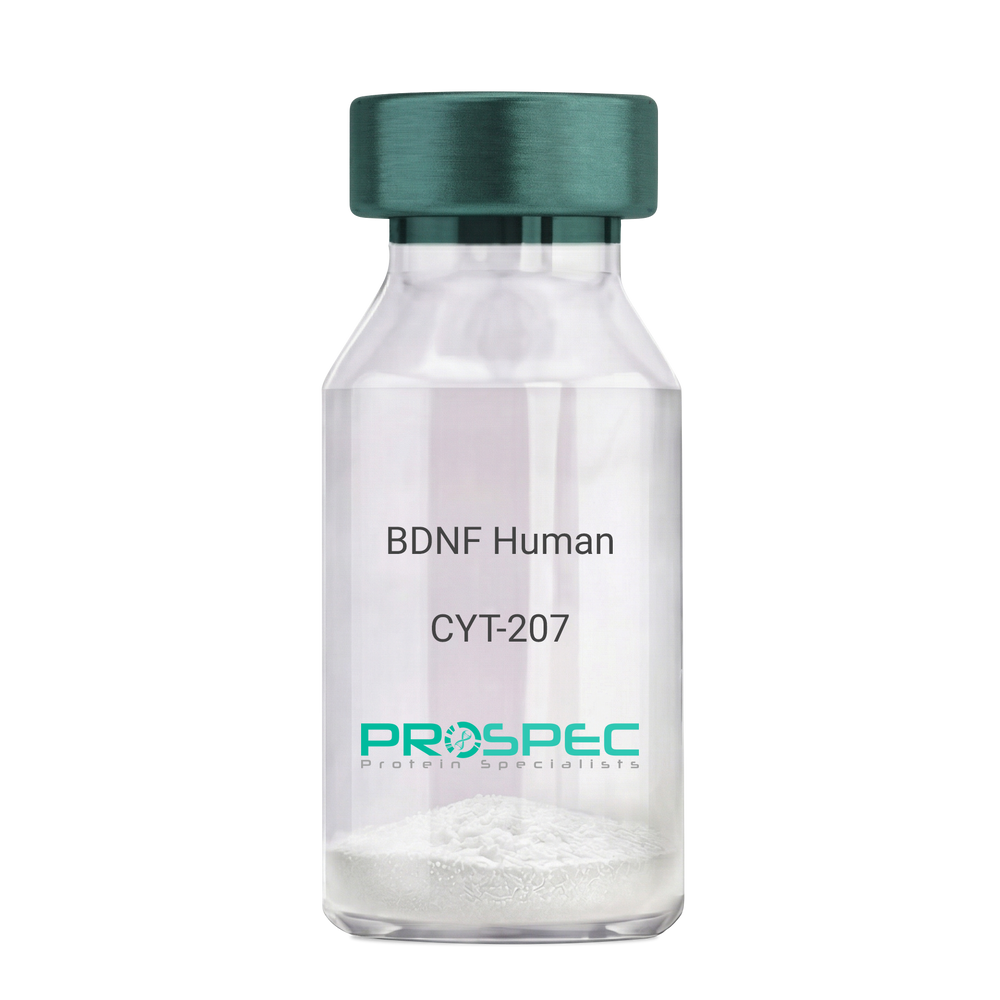
    BDNF Human

    Description:

    Brain-Derived Neurotrophic Factor Human Recombinant

    Brain-Derived Neurotrophic Factor, BDNF, MGC34632.

    Product # :

    CYT-207

    Price :

    Quantity :

    Shipping Method :

    Room Temp Icon

    Shipped at Room temp

    Add To Cart

    More Info

    • description
    • source
    • formulation
    • purity
    • biological activity
    • More Info
    • Activity
    • Citations

    Description

    BDNF Human Recombinant produced in E.Coli is a homodimer, non-glycosylated, polypeptide chain containing 2 x 119 amino acids (and an N-terminal Met) and having a total molecular mass of 28kDa. BDNF Human Recombinant is purified by proprietary chromatographic techniques.

    Source

    Escherichia Coli.

    Formulation

    The protein was lyophilized with 20mM PB and 400mM NaCl, pH 7.2.

    Purity

    BDNF is greater than 950% as determined SDS-PAGE.

    Biological Activity

    The activity was determined using Immobilized Human TrkB-His tag protein 2ug/ml (100 μl/well) for its binding to NHS-Biotin BDNF. The ED50 of was found to be ≤20ng/mL

    Activity

    bdnf activity - Product image 1

    Citations

    More Info

    • Introduction

      BDNF promotes the survival of neuronal populations that are all located either in the central nervous system or directly connected to it. BDNF is a major regulator of synaptic transmission and plasticity at adult synapses in many regions of the cns. The versatility of BDNF is emphasized by its contribution to a range of adaptive neuronal responses including long-term potentiation (ltp), long-term depression (ltd), certain forms of short-term synaptic plasticity, as well as homeostatic regulation of intrinsic neuronal excitability.

    • Synonyms

      Brain-Derived Neurotrophic Factor, BDNF, MGC34632.

    • Physical Appearance

      Sterile Filtered White lyophilized (freeze-dried) powder.

    • Stability

      Lyophilized BDNF although stable at room temperature for 3 weeks, should be stored desiccated below -18°C. Upon reconstitution BDNF should be stored at 4°C between 2-7 days and for future use below -18°C.For long term storage it is recommended to add a carrier protein (0.1% HSA or BSA).Please prevent freeze-thaw cycles.

    • Solubility

      It is recommended to reconstitute the lyophilized BDNF in sterile 18M-cm H2O not less than 100µg/ml, which can then be further diluted to other aqueous solutions.

    • Amino Acid Sequence

      HSDPARRGE LSVCDSISEW VTAADKKTAV DMSGGTVTVL EKVPVSKGQL KQYFYETKCN PMGYTKEGCR GIDKRHWNSQ CRTTQSYVRA LTMDSKKRIG WRFIRIDTSC VCTLTIKRGR.

    • Background

      Final Thoughts

      Although more research is needed on the safety and effectiveness of BDNF human recombinant, trials suggest that this laboratory-produced protein may be effective in managing and treating several neurological and psychiatric disorders. It's important for experts to stay up to date on the latest developments and research to learn more about potential risks and benefits.

      What is the molecular weight/Mw of BDNF Protein?
      BDNF Protein has a total Mw of 27kDa.

      What is the source or expression system of BDNF Protein?
      Escherichia Coli.

      What is the Purity of BDNF Protein?
      BDNF Protein is >97% pure as determined by SDS-PAGE.

      What is the Biological Activity of BDNF Protein?
      The ED50, as determined by the dose-dependent induction of C6 cells proliferation, is 1.3-2µg/ml.

      What is the amino acid sequence of BDNF Protein?
      MHSDPARRGE LSVCDSISEW VTAADKKTAV DMSGGTVTVL EKVPVSKGQL KQYFYETKCN PMGYTKEGCR GIDKRHWNSQ CRTTQSYVRA LTMDSKKRIG WRFIRIDTSC VCTLTIKRGR.

      What applications can BDNF Protein be used in?
      BDNF Protein can probably be used in western blot, ELISA and Lateral Flow.

      What is the endotoxin level for BDNF Protein?
      The endotoxin level is minimal, BDNF Protein was purified using conventional chromatography techniques.

    • Protein content

      BDNF quantitation was carried out by two independent methods:1. UV spectroscopy at 280 nm using the absorbency value of 1.6 as the extinction coefficient for a 0.1% (1mg/ml) solution. This value is calculated by the PC GENE computer analysis program of protein sequences (IntelliGenetics). 2. Analysis by RP-HPLC, using a standard solution of Brain-derived Neurotrophic Factor as a Reference Standard.

    ProSpec's products are furnished for LABORATORY RESEARCH USE ONLY. The product may not be used as drugs, agricultural or pesticidal products, food additives or household chemicals.

    Bdnf Human
  • View Data Sheet

    Name :

    GM-CSF Mouse

    Description:

    Granulocyte Macrophage-Colony Stimulating Factor Mouse Recombinant

    CSF-2, MGI-1GM, GM-CSF, Pluripoietin-alpha, CSF2, GMCSF

    Product # :

    CYT-222

    Price :

    Quantity :

    Shipping Method :

    Room Temp Icon

    Shipped at Room temp

    Add To Cart

    More Info

    • description
    • source
    • formulation
    • purity
    • biological activity
    • More Info
    • Citations

    Description

    Granulocyte Macrophage Colony Stimulating Factor Mouse Recombinant produced in E.Coli is a single, non-glycosylated, polypeptide chain containing 125 amino acids and having a molecular mass of 14285.35 Dalton.GM-CSF Mouse is purified by proprietary chromatographic techniques.

    Source

    Escherichia Coli.

    Formulation

    GM-CSF Mouse was lyophilized with no additives.

    Purity

    Greater than 98.0% as determined by(a) Analysis by RP-HPLC.
    (b) Analysis by SDS-PAGE.

    Biological Activity

    The ED50 as determined by the dose-dependant stimulation of the proliferation of murine FDC-P1 cell line is < 0.2 ng/ml, corresponding to a Specific Activity of 5,000,000 IU/mg.

    Citations

    More Info

    • Introduction

      GMCSF is a cytokine that controls the production, differentiation, and function of granulocytes and macrophages. The active form of the protein is found extracellularly as a homodimer. This gene has been localized to a cluster of related genes at chromosome region 5q31, which is known to be associated with interstitial deletions in the 5q- syndrome and acute myelogenous leukemia. Other genes in the cluster include those encoding interleukins 4, 5, and 13.
      GM-CSF stimulates the growth and differentiation of hematopoietic precursor cells from various lineages, including granulocytes, macrophages, eosinophils and erythrocytes.

    • Synonyms

      CSF-2, MGI-1GM, GM-CSF, Pluripoietin-alpha, CSF2, GMCSF

    • Physical Appearance

      Sterile Filtered White lyophilized (freeze-dried) powder.

    • Stability

      Lyophilized Granulocyte Macrophage Colony Stimulating Factor although stable at room temperature for 3 weeks, should be stored desiccated below -18°C. Upon reconstitution GM-CSF should be stored at 4°C between 2-7 days and for future use below -18°C.For long term storage it is recommended to add a carrier protein (0.1% HSA or BSA).Please prevent freeze-thaw cycles.

    • Solubility

      It is recommended to reconstitute the lyophilized Granulocyte Macrophage Colony Stimulating Factor in sterile 20mM AcOH (acetic Acid) not less than 100µg/ml, which can then be further diluted to other aqueous solutions.

    • Amino Acid Sequence

      The sequence of the first five N-terminal amino acids was determined and was found to be Met-Ala-Pro-Thr-Arg.

    • Background

      What is the molecular weight/Mw of GM-CSF MOUSE Protein?
      GM-CSF MOUSE Protein has a total Mw of 14.28kDa.

      What is the source or expression system of GM-CSF MOUSE Protein?
      Escherichia Coli.

      What is the Purity of GM-CSF MOUSE Protein?
      GM-CSF MOUSE Protein is >98% pure as determined by SDS-PAGE.

      What is the Biological Activity of GM-CSF MOUSE Protein?
      The ED50 as determined by the dose-dependant stimulation of the proliferation of murine FDC-P1 cell line is < 0.2 ng/ml, corresponding to a Specific Activity of 5,000,000 IU/mg.

      What is the amino acid sequence of GM-CSF MOUSE Protein?
      The sequence of the first five N-terminal amino acids was determined and was found to be Met-Ala-Pro-Thr-Arg.

      What applications can GM-CSF MOUSE Protein be used in?
      GM-CSF MOUSE Protein can probably be used in western blot, ELISA and Lateral Flow.

      What is the endotoxin level for GM-CSF MOUSE Protein?
      The endotoxin level is minimal, GM-CSF MOUSE Protein was purified using conventional chromatography techniques.


    • Protein content

      GM-CSF quantitation was carried out by two independent methods1. UV spectroscopy at 280 nm using the absorbency value of 0.765 as the extinction coefficient for a 0.1% (1mg/ml) solution. This value is calculated by the PC GENE computer analysis program of protein sequences (IntelliGenetics). 2. Analysis by RP-HPLC, using a calibrated solution of GM-CSF as a Reference Standard.

    ProSpec's products are furnished for LABORATORY RESEARCH USE ONLY. The product may not be used as drugs, agricultural or pesticidal products, food additives or household chemicals.

    Gm Csf Mouse
  • View Data Sheet

    Name :

    ACAD8 Human

    Description:

    Acyl-Coenzyme A Dehydrogenase 8 Human Recombinant

    Acyl-CoA dehydrogenase family member 8 mitochondrial, ACAD-8, Isobutyryl-CoA dehydrogenase, Activator-recruited cofactor 42 kDa component, ARC42, FLJ22590.

    Product # :

    ENZ-294

    Price :

    Quantity :

    Shipping Method :

    Ice Icon

    Shipped with Ice Packs

    Add To Cart

    More Info

    • description
    • source
    • formulation
    • purity
    • More Info
    • Citations

    Description

    ACAD8 Human Recombinant produced in E.coli is a single, non-glycosylated polypeptide chain containing 416 amino acids (23-415) and having a molecular mass of 45.1kDa.ACAD8 is fused to a 23 amino acid His-tag at N-terminus & purified by proprietary chromatographic techniques.

    Source

    Escherichia Coli.

    Formulation

    The ACAD8 solution contains 20mM Tris-HCl buffer (pH 8.0), 0.15M NaCl, 1mM DTT and 30% glycerol.

    Purity

    Greater than 95% as determined by SDS-PAGE.

    Citations

    More Info

    • Introduction

      Acyl CoA dehydrogenase is the enzymeused to catalyzethe first step of ?-oxidationin Fatty acid metabolism.
      Acyl-coenzyme A (CoA) dehydrogenases (ACADs) are a family of mitochondrial enzymes that catalyze the first dehydrogenation step in the bets-oxidation of fatty acyl-CoA derivatives. Several human ACADs exist and all ACADs catalyze the same initial dehydrogenation of the substrate at the beta-carbon atom and require electron transfer flavoprotein as an alectron acceptor. The predicted 415-amino acid ACAD8 protein contains many of the residues conserved in most other ACADs, including an active site glutamic acid residue and residues important for tetramer formation.

    • Synonyms

      Acyl-CoA dehydrogenase family member 8 mitochondrial, ACAD-8, Isobutyryl-CoA dehydrogenase, Activator-recruited cofactor 42 kDa component, ARC42, FLJ22590.

    • Physical Appearance

      Sterile Filtered clear solution.

    • Stability

      Store at 4°C if entire vial will be used within 2-4 weeks. Store, frozen at -20°C for longer periods of time. For long term storage it is recommended to add a carrier protein (0.1% HSA or BSA).Avoid multiple freeze-thaw cycles.

    • Amino Acid Sequence

      MGSSHHHHHH SSGLVPRGSH MGSLVQTGHR SLTSCIDPSM GLNEEQKEFQ KVAFDFAARE MAPNMAEWDQ KELFPVDVMR KAAQLGFGGV YIQTDVGGSG LSRLDTSVIF EALATGCTST TAYISIHNMC AWMIDSFGNE EQRHKFCPPL CTMEKFASYC LTEPGSGSDA ASLLTSAKKQ GDHYILNGSK AFISGAGESD IYVVMCRTGG PGPKGISCIV VEKGTPGLSF GKKEKKVGWN SQPTRAVIFE DCAVPVANRI GSEGQGFLIA VRGLNGGRIN IASCSLGAAH ASVILTRDHL NVRKQFGEPL ASNQYLQFTL ADMATRLVAA RLMVRNAAVA LQEERKDAVA LCSMAKLFAT DECFAICNQA LQMHGGYGYL KDYAVQQYVR DSRVHQILEG SNEVMRILIS RSLLQE.

    ProSpec's products are furnished for LABORATORY RESEARCH USE ONLY. The product may not be used as drugs, agricultural or pesticidal products, food additives or household chemicals.

    Acad8 Human
  • View Data Sheet

    Name :

    CFH Rat

    Description:

    Complement Factor H Rat

    Complement factor H, H factor 1, CFH, HF, HF1, HF2.

    Product # :

    PRO-2709

    Price :

    Quantity :

    Shipping Method :

    Ice Icon

    Shipped with Ice Packs

    Add To Cart

    More Info

    • description
    • source
    • formulation
    • purity
    • More Info
    • Citations

    Description

    Rat Complement Factor H produced in Rat plasma having a total molecular mass of 155kDa.

    Source

    Rat Plasma.

    Formulation

    CFH protein solution contains phosphate Buffered Saline, pH 7.2.

    Purity

    Greater than 95.0% as determined by SDS-PAGE.

    Citations

    More Info

    • Introduction

      Complement factor H (CFH) is an important regulatory component of the alternative pathway of complement. CFH is prevents complement activation on host cells and tissues, mainly the kidney. CFH controls the formation and decay of the alternative pathway C3/C5 convertase and acts as a cofactor for factor I which proteolytically inactivates C3b when C3b is bound to factor H. The N-terminal 5 domains of CFH bind to C3b and inhibit binding of factor B thus reducing the formation of C3/C5 convertase. CFH also binds to preformed C3/C5 convertases and causes quick release of the catalytic subunit Bb. These activities are necessary for controlling the spontaneous activation of the alternative pathway amplification process in plasma. In addition, CFH controls the formation and decay of these enzymes when C3b is attached to the surface of particles.

    • Synonyms

      Complement factor H, H factor 1, CFH, HF, HF1, HF2.

    • Physical Appearance

      Sterile filtered solution.

    • Stability

      CFH Rat is stable at 4°C if entire vial will be used within 2-4 weeks.Store, frozen below -20°C for longer periods of time.For long term storage it is recommended to add a carrier protein (0.1% HSA or BSA).Avoid multiple freeze-thaw cycles.

    ProSpec's products are furnished for LABORATORY RESEARCH USE ONLY. The product may not be used as drugs, agricultural or pesticidal products, food additives or household chemicals.

    Cfh Rat
  • View Data Sheet

    Name :

    DHH (C23II) Mouse

    Description:

    Desert Hedgehog (C23II) Mouse Recombinant

    Desert hedgehog protein, DHH, HHG-3, C78960.

    Product # :

    CYT-773

    Price :

    Quantity :

    Shipping Method :

    Room Temp Icon

    Shipped at Room temp

    Add To Cart

    More Info

    • description
    • source
    • formulation
    • purity
    • biological activity
    • More Info
    • Citations

    Description

    DHH (C23II) Mouse Recombinant produced in E.Coli is a single, non-glycosylated polypeptide chain containing 177 amino acids and having a molecular mass of 20kDa. The DHH (C23II) is purified by proprietary chromatographic techniques.

    Source

    Escherichia Coli.

    Formulation

    Lyophilized from a 0.2µm filtered concentrated solution in PBS, pH7.4, 1mM DTT and 0.05% Tween-80.

    Purity

    Greater than 97.0% as determined by:
    (a) Analysis by RP-HPLC.
    (b) Analysis by SDS-PAGE.

    Biological Activity

    The ED50 as determined by its ability to induce alkaline phosphatase production by murine MC3T3-E1 cells is 5-20 µg/ml.

    Citations

    More Info

    • Introduction

      DHH is part of the Hedgehog family which encodes signaling molecules that are involved in regulating morphogenesis. DHH protein is a precursor that is autocatalytically cleaved, the N-terminal portion is soluble and contains the signalling activity while the C-terminal portion is involved in precursor processing. Additionally, the C-terminal product covalently attaches a cholesterol moiety to the N-terminal product, restricting the N-terminal product to the cell surface and preventing it from freely diffusing throughout the organism. Defects in DHH protein have been associated with partial gonadal dysgenesis (PGD) accompanied by minifascicular polyneuropathy. DHH plays a role both male gonadal differentiation and perineurial development.
      DHH plays a role in intercellular signaling which is essential for a variety of patterning events during development. DHH functions as a spermatocyte survival factor in the testes & is essential for testes development.

    • Synonyms

      Desert hedgehog protein, DHH, HHG-3, C78960.

    • Physical Appearance

      Sterile Filtered White lyophilized (freeze-dried) powder.

    • Stability

      Lyophilized DHH (C23II) although stable at room temperature for 3 weeks, should be stored desiccated below -18°C. Upon reconstitution DHH (C23II) should be stored at 4°C between 2-7 days and for future use below -18°C. For long term storage it is recommended to add a carrier protein (0.1% HSA or BSA).Please prevent freeze-thaw cycles.

    • Solubility

      It is recommended to reconstitute the lyophilized DHH (C23II) in sterile 18M-cm H2O not less than 100µg/ml, which can then be further diluted to other aqueous solutions.

    • Amino Acid Sequence

      IIGPGRGPVG RRRYVRKQLV PLLYKQFVPS MPERTLGASG PAEGRVTRGS ERFRDLVPNY NPDIIFKDEE NSGADRLMTE RCKERVNALA IAVMNMWPGV RLRVTEGWDE DGHHAQDSLH YEGRALDITT SDRDRNKYGL LARLAVEAGF DWVYYESRNH IHVSVKADNS LAVRAGG.

    ProSpec's products are furnished for LABORATORY RESEARCH USE ONLY. The product may not be used as drugs, agricultural or pesticidal products, food additives or household chemicals.

    Dhh C23Ii Mouse
  • View Data Sheet

    Name :

    TNF a Rabbit

    Description:

    Tumor Necrosis Factor-Alpha Rabbit Recombinant

    Tumor necrosis factor, Cachectin, TNF-alpha, Tumor necrosis factor ligand superfamily member 2, TNF-a, TNF, TNFA, TNFSF2. 

    Product # :

    CYT-008

    Price :

    Quantity :

    Shipping Method :

    Room Temp Icon

    Shipped at Room temp

    Add To Cart

    More Info

    • description
    • source
    • formulation
    • purity
    • biological activity
    • More Info
    • Citations

    Description

    Tumor Necrosis Factor-a Rabbit Recombinant consists of three identical polypeptide chains of 158 amino acids combined to form a compact, bell-shaped homotrimer. TNF-alpha was produced in E.Coli is a non-glycosylated, polypeptide chain having a molecular mass of 17.4 kDa for the individual subunit. The TNF-alpha is purified by standard chromatographic techniques.

    Source

    Escherichia Coli.

    Formulation

    TNF-alpha Rabbit was lyophilized after extensive dialysis against 20mM PB, pH7.4, 300mM NaCl.

    Purity

    Greater than 95% as determined by:
    (a) Analysis by RP-HPLC.
    (b) Analysis by SDS-PAGE.

    Biological Activity

    The ED50 as determined by the cytolysis of murine L929 cells in the presence of Actinomycin D is less than 0.03ng/ml, corresponding to a Specific Activity of 30,000,000 IU/mg.

    Citations

    More Info

    • Introduction

      Tumor necrosis factor is a cytokine involved in systemic inflammation and is a member of a group of cytokines that all stimulate the acute phase reaction. TNF is mainly secreted by macrophages.
      TNF causes apoptotic cell death, cellular proliferation, differentiation, inflammation, tumorigenesis and viral replication, TNF is also involved in lipid metabolism, and coagulation. TNF's primary role is in the regulation of immune cells.
      Dysregulation and, in particular, overproduction of TNF have been implicated in a variety of human diseases- autoimmune diseases, insulin resistance, and cancer.

    • Synonyms

      Tumor necrosis factor, Cachectin, TNF-alpha, Tumor necrosis factor ligand superfamily member 2, TNF-a, TNF, TNFA, TNFSF2.

    • Physical Appearance

      Sterile Filtered White lyophilized (freeze-dried) powder.

    • Stability

      Lyophilized Tumor Necrosis Factor-a although stable at room temperature for 3 weeks, should be stored desiccated below -18°C. Upon reconstitution TNF-a should be stored at 4°C between 2-7 days and for future use below -18°C.For long term storage it is recommended to add a carrier protein (0.1% HSA or BSA).Please prevent freeze-thaw cycles.

    • Solubility

      It is recommended to reconstitute the lyophilized Tumor Necrosis Factor-alpha in sterile 18MΩ-cm H2O not less than 100µg/ml, which can then be further diluted to other aqueous solutions.

    • Amino Acid Sequence

      The sequence of the first five N-terminal amino acids was determined and was found to be Met-Ser-Ala-Ser-Arg.

    ProSpec's products are furnished for LABORATORY RESEARCH USE ONLY. The product may not be used as drugs, agricultural or pesticidal products, food additives or household chemicals.

    Tnf A Rabbit
  • View Data Sheet

    Name :

    BMP8B Human

    Description:

    Bone Morphogenetic protein-8b Human Recombinant

    Bone morphogenetic protein 8B, BMP-8, BMP-8B, Osteogenic protein 2, OP-2, BMP8B, BMP8, Bone Morphogenetic protein-8b, OP2.

    Product # :

    CYT-830

    Price :

    Quantity :

    Shipping Method :

    Ice Icon

    Shipped with Ice Packs

    Add To Cart

    More Info

    • description
    • source
    • formulation
    • purity
    • More Info
    • sds-page
    • Citations

    Description

    BMP8B Human Recombinant produced in E.Coli is a single, non-glycosylated polypeptide chain containing 162 amino acids (264-402a.a.) and having a molecular mass of 18.1kDa.BMP8B is fused to a 23 amino acid His-tag at N-terminus & purified by proprietary chromatographic techniques.

    Source

    E.coli.

    Formulation

    BMP8B protein solution (1mg/ml) containing 20mM Tris-HCl buffer (pH8.0), 0.4M Urea and 10% glycerol.

    Purity

    Greater than 90% as determined by SDS-PAGE.

    sds-page

    BMP8B-sds-page - Product image 1

    Citations

    More Info

    • Introduction

      Bone Morphogenetic protein-8b (BMP8B) belongs to a family of secreted signaling molecules which can induce ectopic bone growth. BMP8B is known for having a possible bone inductive activity as it is related to BMP5 and BMP7. BMP8B is the osteoinductive factor accountable for epithelial osteogenesis.

    • Synonyms

      Bone morphogenetic protein 8B, BMP-8, BMP-8B, Osteogenic protein 2, OP-2, BMP8B, BMP8, Bone Morphogenetic protein-8b, OP2.

    • Physical Appearance

      Sterile Filtered colorless solution.

    • Stability

      Store at 4°C if entire vial will be used within 2-4 weeks. Store, frozen at -20°C for longer periods of time. For long term storage it is recommended to add a carrier protein (0.1% HSA or BSA).Avoid multiple freeze-thaw cycles.

    • Amino Acid Sequence

      MGSSHHHHHH SSGLVPRGSH MGSAVRPLRR RQPKKSNELP QANRLPGIFD DVHGSHGRQV CRRHELYVSF QDLGWLDWVI APQGYSAYYC EGECSFPLDS CMNATNHAIL QSLVHLMMPD AVPKACCAPT KLSATSVLYY DSSNNVILRK HRNMVVKACG CH.

    • Background

      Bone Morphogenetic Protein-8B Human Recombinant: Unveiling the Potential for Regenerative Medicine and Tissue Engineering

      Abstract:

      Bone Morphogenetic Protein-8B (BMP-8B) human recombinant is a key member of the bone morphogenetic protein family, renowned for its crucial role in tissue development, regeneration, and repair. This research paper aims to provide a comprehensive analysis of BMP-8B, including its characteristics, signaling pathways, and potential therapeutic applications. Furthermore, innovative methodologies for the production and optimization of BMP-8B human recombinant are proposed, shedding light on its future implications in the field of regenerative medicine and tissue engineering.

      Introduction:

      Regenerative medicine and tissue engineering offer promising solutions to address the challenges of tissue repair and regeneration. BMP-8B, a prominent member of the BMP family, plays a vital role in orchestrating cellular responses during tissue development and healing. This paper delves into the distinctive features of BMP-8B and presents novel approaches for the production and optimization of BMP-8B human recombinant, aiming to unleash its therapeutic potential in various regenerative contexts.

      Characteristics and Signaling Pathways:

      BMP-8B is a secreted growth factor belonging to the transforming growth factor-beta (TGF-β) superfamily. It exerts its biological effects by binding to specific cell surface receptors, thereby initiating intricate intracellular signaling cascades. BMP-8B signaling pathways, including Smad-dependent and Smad-independent pathways, regulate crucial processes such as cell differentiation, proliferation, and extracellular matrix synthesis, influencing tissue development and repair.

      Production of BMP-8B Human Recombinant:

      Efficient production methodologies are essential for harnessing the therapeutic potential of BMP-8B human recombinant. Various recombinant protein expression systems, such as mammalian cells or baculovirus-insect cell systems, have been utilized for the production of functional BMP-8B. Optimization strategies, including codon optimization, signal peptide engineering, and protein folding enhancement, have been employed to improve the yield and bioactivity of BMP-8B recombinant protein.

      Potential Therapeutic Applications:

      BMP-8B human recombinant holds immense promise in the field of regenerative medicine and tissue engineering. Its involvement in bone and cartilage formation, muscle regeneration, and wound healing makes it a potential candidate for the treatment of skeletal disorders, muscle injuries, and chronic wounds. Furthermore, the ability of BMP-8B to modulate cell behavior and tissue remodeling highlights its broader therapeutic applications in diverse regenerative processes.

      Conclusion:

      BMP-8B human recombinant emerges as a crucial regulator in regenerative medicine and tissue engineering, offering significant potential for tissue repair and regeneration. Optimizing production methodologies and further unraveling its signaling mechanisms will enhance its therapeutic applications. Given its involvement in bone, cartilage, and muscle formation, as well as wound healing, BMP-8B human recombinant represents a valuable tool for promoting tissue regeneration and addressing the unmet clinical needs in regenerative medicine.

      What is the molecular weight/Mw of BMP8B Protein?
      BMP8B Protein has a total Mw of 18.1kDa.

      What is the source or expression system of BMP8B Protein?
      Escherichia Coli.

      What is the Purity of BMP8B Protein?
      BMP8B Protein is >90% pure as determined by SDS-PAGE.

      What is the Biological Activity of BMP8B Protein?
      The biological functionality of BMP8B Protein will be determined in the future.

      What is the amino acid sequence of BMP8B Protein?
      MGSSHHHHHH SSGLVPRGSH MGSAVRPLRR RQPKKSNELP QANRLPGIFD DVHGSHGRQV CRRHELYVSF QDLGWLDWVI APQGYSAYYC EGECSFPLDS CMNATNHAIL QSLVHLMMPD AVPKACCAPT KLSATSVLYY DSSNNVILRK HRNMVVKACG CH.

      What applications can BMP8B Protein be used in?
      BMP8B Protein can probably be used in western blot, ELISA and Lateral Flow.

      What is the endotoxin level for BMP8B Protein?
      The endotoxin level is minimal, BMP8B Protein was purified using conventional chromatography techniques.

    ProSpec's products are furnished for LABORATORY RESEARCH USE ONLY. The product may not be used as drugs, agricultural or pesticidal products, food additives or household chemicals.

    Bmp8B Human
  • View Data Sheet

    Name :

    S100A9 Human

    Description:

    S100 Calcium Binding Protein A9 Human Recombinant

    Calgranulin B, 60B8AG, CAGB, CFAG, CGLB, L1AG, LIAG, MAC387, MIF, MRP14, NIF, P14, Protein S100-A9, S100 calcium-binding protein A9.

    Product # :

    PRO-814

    Price :

    Quantity :

    Shipping Method :

    Ice Icon

    Shipped with Ice Packs

    Add To Cart

    More Info

    • description
    • source
    • formulation
    • purity
    • More Info
    • Citations

    Description

    S100A9 Human Recombinant produced in E.Coli is a single, non-glycosylated, polypeptide chain containing 122 amino acids (1-114 a.a.) and having a molecular mass of 14.3kDa. S100A9 protein is fused to an 8 amino acid His-Tag at C-terminus and purified by standard chromatography.

    Source

    Escherichia Coli.

    Formulation

    S100A9 Human solution containing 20mM Tris HCl pH-8, 0.1M NaCl and 10% glycerol.

    Purity

    Greater than 90% as determined by SDS-PAGE.

    Citations

    More Info

    • Introduction

      S100A9 is part of the S100 family of proteins containing 2 EF-hand calcium-binding motifs. S100A9 protein is localized in the cytoplasm and/or nucleus of a wide range of cells, and participates in the regulation of several cellular processes such as cell cycle progression and differentiation. S100 genes include no less than 13 proteins which are localized as a cluster on chromosome 1q21. S100A9 is involved in the inhibition of casein kinase and altered expression of this protein is associated with the disease cystic fibrosis.

    • Synonyms

      Calgranulin B, 60B8AG, CAGB, CFAG, CGLB, L1AG, LIAG, MAC387, MIF, MRP14, NIF, P14, Protein S100-A9, S100 calcium-binding protein A9.

    • Physical Appearance

      Sterile filtered colorless solution.

    • Stability

      Store at 4°C if entire vial will be used within 2-4 weeks. Store, frozen at -20°C for longer periods of time. For long term storage it is recommended to add a carrier protein (0.1% HSA or BSA).Avoid multiple freeze-thaw cycles.

    • Amino Acid Sequence

      MTCKMSQLER NIETIINTFH QYSVKLGHPD TLNQGEFKEL VRKDLQNFLK KENKNEKVIE HIMEDLDTNA DKQLSFEEFI MLMARLTWAS HEKMHEGDEG PGHHHKPGLG EGTPLEHHHH HH.

    ProSpec's products are furnished for LABORATORY RESEARCH USE ONLY. The product may not be used as drugs, agricultural or pesticidal products, food additives or household chemicals.

    S100A9 Human
  • View Data Sheet

    Name :

    Adiponectin Mouse, His

    Description:

    Adiponectin Mouse Recombinant, His Tag

    Acrp30, AdipoQ, GBP-28, APM-1, ACDC.

    Product # :

    CYT-537

    Price :

    Quantity :

    Shipping Method :

    Ice Icon

    Shipped with Ice Packs

    Add To Cart

    More Info

    • description
    • source
    • formulation
    • purity
    • More Info
    • sds-page
    • Citations

    Description

    The Adiponectin Mouse is created as a recombinant protein with a 21 a.a N-terminal fusion of His Tag. The Adiponectin His-Tagged Fusion Protein, produced in E. coli, is a 27.2kDa protein containing 251 amino acid residues of the Acrp30 Mouse, 18-247 amino acids.

    Source

    Escherichia Coli.

    Formulation

    Acrp30 Mouse is a sterile filtered liquid formulation containing (1mg/ml) 20mM Tris-HCl pH-8, 1mM DTT and 10% Glycerol.

    Purity

    Acrp30 Mouse purity is greater than 90% as determined by SDS-PAGE.

    sds-page

    Adiponectin sds-page - Product image 1

    Citations

    More Info

    • Introduction

      Adiponectin is an adipocyte specific secreted protein that circulates in the plasma. It is induced during adipocyte differentiation and its secretion is stimulated by insulin. Mouse adiponectin shares about 83% amino acid identity with that human. Adiponectin plays a role in various physiological processes such as energy homeostasis and obesity. Adiponectin is reduced in obese humans, and decreased level is associated with insulin resistance and hyperinsulinemia.

    • Synonyms

      Acrp30, AdipoQ, GBP-28, APM-1, ACDC.

    • Stability

      Store at 4°C if entire vial will be used within 2-4 weeks. Store, frozen at -20°C for longer periods of time. For long term storage it is recommended to add a carrier protein (0.1% HSA or BSA).Avoid multiple freeze-thaw cycles.

    • Amino Acid Sequence

      MGSSHHHHHH SSGLVPRGSH MEDDVTTTEE LAPALVPPPK GTCAGWMAGI PGHPGHNGTP GRDGRDGTPG EKGEKGDAGL LGPKGETGDV GMTGAEGPRG FPGTPGRKGE PGEAAYVYRS AFSVGLETRV TVPNVPIRFT KIFYNQQNHY DGSTGKFYCN IPGLYYFSYH ITVYMKDVKV SLFKKDKAVL FTYDQYQEKN VDQASGSVLL HLEVGDQVWL QVYGDGDHNG LYADNVNDST FTGFLLYHDT N.

    • Background

      What is the molecular weight/Mw of ADIPONECTIN Protein?
      ADIPONECTIN Protein has a total Mw of 27.2kDa.

      What is the source or expression system of ADIPONECTIN Protein?
      Escherichia Coli.

      What is the Purity of ADIPONECTIN Protein?
      ADIPONECTIN Protein is >90% pure as determined by SDS-PAGE.

      What is the Biological Activity of ADIPONECTIN Protein?
      The biological functionality of ADIPONECTIN Protein will be determined in the future.

      What is the amino acid sequence of ADIPONECTIN Protein?
      MGSSHHHHHH SSGLVPRGSH MEDDVTTTEE LAPALVPPPK GTCAGWMAGI PGHPGHNGTP GRDGRDGTPG EKGEKGDAGL LGPKGETGDV GMTGAEGPRG FPGTPGRKGE PGEAAYVYRS AFSVGLETRV TVPNVPIRFT KIFYNQQNHY DGSTGKFYCN IPGLYYFSYH ITVYMKDVKV SLFKKDKAVL FTYDQYQEKN VDQASGSVLL HLEVGDQVWL QVYGDGDHNG LYADNVNDST FTGFLLYHDT N.

      What applications can ADIPONECTIN Protein be used in?
      ADIPONECTIN Protein can probably be used in western blot, ELISA and Lateral Flow.

      What is the endotoxin level for ADIPONECTIN Protein?
      The endotoxin level is minimal, ADIPONECTIN Protein was purified using conventional chromatography techniques.

    ProSpec's products are furnished for LABORATORY RESEARCH USE ONLY. The product may not be used as drugs, agricultural or pesticidal products, food additives or household chemicals.

    Acrp30 Mouse His
  • View Data Sheet

    Name :

    NOV Human

    Description:

    Nephroblastoma Overexpressed Human Recombinant

    Protein NOV homolog, NovH, CCN family member 3, nsulin-like growth factor-binding protein 9, IBP-9, IGF-binding protein 9, IGFBP-9, Nephroblastoma-overexpressed gene protein homolog, NOV, CCN3, IGFBP9, NOVH.

    Product # :

    CYT-805

    Price :

    Quantity :

    Shipping Method :

    Room Temp Icon

    Shipped at Room temp

    Add To Cart

    More Info

    • description
    • source
    • formulation
    • purity
    • biological activity
    • More Info
    • Citations

    Description

    Nephroblastoma Overexpressed Human Recombinant produced in E.Coli is a single, non-glycosylated, polypeptide chain containing 331 amino acids and having a molecular mass of 36.2 kDa. The NOV is purified by proprietary chromatographic techniques.

    Source

    Escherichia Coli.

    Formulation

    Lyophilized from a 0.2µm filtered concentrated solution in 20mM Tris-HCl, pH 8.6 and 150 mM NaCl.

    Purity

    Greater than 95.0% as determined by:(a) Analysis by RP-HPLC.(b) Analysis by SDS-PAGE.

    Biological Activity

    Determined by a cell proliferation assay using murine Balb/c 3T3 cells is less than 1.0 µg/ml, corresponding to a specific activity of > 1000 IU/mg. range of 10.0 -50.0 ng/ml, corresponding to a specific activity of 20,000-100,000units/mg.

    Citations

    More Info

    • Introduction

      Nephroblastoma Overexpressed (NOV) which is encoded by the NOV gene is a part of the CCN (CTGF/CYR61/NOV) family. NOV takes part in reducing tumorgenicity and proliferation of certain cancer cell lines. NOV interacts with numerous proteins and is involved in both internal and external cell signaling. NOV is expressed in particular tumors, including Wilm’s tumor and most nephroblastomas and is also exerts proangiogenic activities.

    • Synonyms

      Protein NOV homolog, NovH, CCN family member 3, nsulin-like growth factor-binding protein 9, IBP-9, IGF-binding protein 9, IGFBP-9, Nephroblastoma-overexpressed gene protein homolog, NOV, CCN3, IGFBP9, NOVH.

    • Physical Appearance

      Sterile Filtered White lyophilized (freeze-dried) powder.

    • Stability

      Lyophilized NOV although stable at room temperature for 3 weeks, should be stored desiccated below -18°C. Upon reconstitution NOV should be stored at 4°C between 2-7 days and for future use below -18°C. For long term storage it is recommended to add a carrier protein (0.1% HSA or BSA). Please prevent freeze-thaw cycles.

    • Solubility

      It is recommended to reconstitute the lyophilized NOV in sterile 18M-cm H2O not less than 100µg/ml, which can then be further diluted to other aqueous solutions.

    • Amino Acid Sequence

      MQVAATQRCP PQCPGRCPAT PPTCAPGVRA VLDGCSCCLV CARQRGESCS DLEPCDESSG LYCDRSADPS NQTGICTAVE GDNCVFDGVI YRSGEKFQPS CKFQCTCRDG QIGCVPRCQL DVLLPEPNCP APRKVEVPGE CCEKWICGPD EEDSLGGLTL AAYRPEATLG VEVSDSSVNC IEQTTEWTAC SKSCGMGFST RVTNRNRQCE MLKQTRLCMV RPCEQEPEQP TDKKGKKCLR TKKSLKAIHL QFKNCTSLHT YKPRFCGVCS DGRCCTPHNT KTIQAEFQCS PGQIVKKPVM VIGTCTCHTN CPKNNEAFLQ ELELKTTRGK M.

    ProSpec's products are furnished for LABORATORY RESEARCH USE ONLY. The product may not be used as drugs, agricultural or pesticidal products, food additives or household chemicals.

    Nov Human
  • 1
  • …
  • 34
  • 35
  • 36
  • 37
  • 38
  • …
  • 42
Your browser does not support the video tag.

Products

  • Cytokines
  • Growth Factors
  • Chemokines
  • CD Antigens
  • Neurotrophins
  • Hormones
  • Enzymes
  • Viral Antigens
  • Recombinant Proteins
  • Natural Proteins
  • Monoclonal Antibodies
  • Polyclonal Antibodies
  • Thermal Packaging

About

  • Company
  • Founder
  • Contribution
  • Contact Us
  • My Account

Ordering

  • Ordering Method
  • Ordering - Credit Card
  • Ordering PO
  • Shipping Fees
  • FAQ's

Legal

  • Terms & Conditions
  • Privacy
  • Site Map
  • info@prospecbio.com
  • Facebook
  • Instagram
  • Linkedin Profile

© 2026 ProSpec-Tany TechnoGene Ltd. All Rights Reserved.

  • Choosing a selection results in a full page refresh.
  • Opens in a new window.