Search results
1000 results found for “synaptotagmin”
Name
Description
Product #
Price
Quantity
Shipping Method
- View Data Sheet
Name :
PTHrP N15 HumanDescription:
Parathyroid Hormone Related Protein N15 Labeled Human Recombinant
Parathyroid Hormone 2, PTH2, TIPF39, Tuberoinfundibular 39 Residue Protein.
Product # :
HOR-005Price :
Quantity :
Shipping Method :
Shipped at Room temp
More Info
- description
- source
- formulation
- purity
- More Info
Description
PTHrP N15 Human Recombinant produced in E.Coli is a single, non-glycosylated, polypeptide chain containing 86 amino acids, having an MW of 10033 Da labeled by the stable isotope N15.The PTHrP is purified by proprietary chromatographic techniques.
Source
Escherichia Coli.
Formulation
PthRp N15 protein was lyophilized from a 0.2µm filtered concentrated solution in 1xPBS,
pH 7.4.Purity
Greater than 95.0% as determined by:
(a) Analysis by RP-HPLC.
(b) Analysis by SDS-PAGE.More Info
-
Introduction
PTHrP is a powerful and discriminating agonist of PTH2R which takes part in adenyl cyclase activation and intracellular calcium levels elevation. PTHrP encourages protein kinase C beta activation, recruitment of beta-arrestin and PTH2R internalization. Additionally, PTHrP inhibits cell proliferation through its contribution to PTH2R activation, activates nociceptors and nociceptive circuits and acts as a neuropeptide in spermatogenesis.
-
Synonyms
Parathyroid Hormone 2, PTH2, TIPF39, Tuberoinfundibular 39 Residue Protein.
-
Physical Appearance
Sterile Filtered White lyophilized (freeze-dried) powder.
-
Stability
Lyophilized PTHrP N15 although stable at room temperature for 3 weeks, should be stored desiccated below -18C. Upon reconstitution PTHrP N15 should be stored at 4C between 2-7 days and for future use below -18C.For long term storage it is recommended to add a carrier protein (0.1% HSA or BSA).Please prevent freeze-thaw cycles.
-
Solubility
It is recommended to be briefly centrifuged prior to opening to bring the contents to the bottom. Reconstitute in 10mM HAc to a concentration of 0.1-1.0 mg/mL. Further dilutions should be made in appropriate buffered solutions.
-
Amino Acid Sequence
AVSEHQLLHD KGKSIQDLRR RFFLHHLIAE IHTAEIRATS EVSPNSKPSP NTKNHPVRFG SDDEGRYLTQ ETNKVETYKE QPLKTP.
ProSpec's products are furnished for LABORATORY RESEARCH USE ONLY. The product may not be used as drugs, agricultural or pesticidal products, food additives or household chemicals.
- View Data Sheet
Name :
MAP1LC3A HumanDescription:
Microtubule-Associated Protein 1 Light Chain 3 Alpha Human Recombinant
ATG8E, LC3, LC3A, MAP1ALC3, MAP1BLC3, MLP3A.
Product # :
PRO-495Price :
Quantity :
Shipping Method :
Shipped with Ice Packs
More Info
- description
- source
- formulation
- purity
- More Info
Description
MAP1LC3A Recombinant Human produced in E.Coli is a single, non-glycosylated polypeptide chain containing 128 amino acids (1-120 a.a.) and having a molecular mass of 15.1 kDa. The MAP1LC3A is fused to 8 amino acid His-Tag at C-terminus and purified by proprietary chromatographic techniques.
Source
Escherichia Coli.
Formulation
The MAP1LC3A solution (1mg/ml) contains 20mM Tris-HCl pH-8.0, 1mM DTT, 0.1M NaCl & 20% glycerol.
Purity
Greater than 95.0% as determined by SDS-PAGE.
More Info
-
Introduction
MAP1LC3A takes part in formation of autophagosomal vacuoles and is one of the light chain subunits that functions together with both MAP1A and/or MAP1B. MAP1LC3A has an important part in neuronal development and in maintaining the balance between neuronal plasticity and rigidity. MAP1LC3A is expressed as two alternatively spliced isoforms that are expressed in testis, brain, heart, liver and skeletal muscle, but are absent in thymus and peripheral blood leukocytes.
-
Synonyms
ATG8E, LC3, LC3A, MAP1ALC3, MAP1BLC3, MLP3A.
-
Physical Appearance
Sterile filtered colorless solution.
-
Stability
Store at 4°C if entire vial will be used within 2-4 weeks. Store, frozen at -20°C for longer periods of time. For long term storage it is recommended to add a carrier protein (0.1% HSA or BSA).Avoid multiple freeze-thaw cycles.
-
Amino Acid Sequence
MPSDRPFKQR RSFADRCKEV QQIRDQHPSK IPVIIERYKG EKQLPVLDKT KFLVPDHVNM SELVKIIRRR LQLNPTQAFF LLVNQHSMVS VSTPIADIYE QEKDEDGFLY MVYASQETFG LEHHHHHH.
ProSpec's products are furnished for LABORATORY RESEARCH USE ONLY. The product may not be used as drugs, agricultural or pesticidal products, food additives or household chemicals.
- View Data Sheet
Name :
MAPKAPK3 HumanDescription:
Mitogen-Activated Protein Kinase-Activated Protein Kinase 3 Human Recombinant
3PK, MAPKAP-K3, MAPKAP3, MAPKAPK-3, MK-3, MAP kinase-activated protein kinase 3, MAPK-activated protein kinase 3, MAPKAP kinase 3,MAPKAPK-3, MK-3,MAPKAPK3.
Product # :
PKA-045Price :
Quantity :
Shipping Method :
Shipped with Ice Packs
More Info
- description
- source
- formulation
- purity
- More Info
Description
MAPKAPK3 Human Recombinant produced in E.Coli is a single, non-glycosylated polypeptide chain containing 405 amino acids (1-382 a.a) and having a molecular mass of 45.4kDa. MAPKAPK3 is fused to a 23 amino acid His-tag at N-terminus & purified by proprietary chromatographic techniques.
Source
E.coli.
Formulation
MAPKAPK3 protein solution (1mg/ml) containing 20mM Tris-HCl buffer (pH 8.0), 0.2M NaCl, 20% glycerol and 1mM DTT.
Purity
Greater than 95% as determined by SDS-PAGE.
More Info
-
Introduction
MAP kinase-activated protein kinase 3 (MAPKAPK3) is involved in inflammatory Reaction by regulating tumor necrosis factor (TNF) and IL6 production post-transcriptionally. MAPKAPK3 phosphorylates AU-rich elements (AREs)-binding proteins, like TTP/ZFP36, leading to control of stability and translation of TNF and IL6 mRNAs. Phosphorylation of TTP/ZFP36 (a major post-transcriptional regulator of TNF), promotes its binding to 14-3-3 proteins and reduces its ARE mRNA affinity resulting in inhibition of dependent degradation of ARE-containing transcript. MAPKAPK3 is activated by growth inducers and stress stimulation of cells.
-
Synonyms
3PK, MAPKAP-K3, MAPKAP3, MAPKAPK-3, MK-3, MAP kinase-activated protein kinase 3, MAPK-activated protein kinase 3, MAPKAP kinase 3,MAPKAPK-3, MK-3,MAPKAPK3.
-
Physical Appearance
Sterile Filtered colorless solution.
-
Stability
Store at 4°C if entire vial will be used within 2-4 weeks. Store, frozen at -20°C for longer periods of time. For long term storage it is recommended to add a carrier protein (0.1% HSA or BSA).Avoid multiple freeze-thaw cycles.
-
Amino Acid Sequence
MGSSHHHHHH SSGLVPRGSH MGSMDGETAE EQGGPVPPPV APGGPGLGGA PGGRREPKKY AVTDDYQLSK QVLGLGVNGK VLECFHRRTG QKCALKLLYD SPKARQEVDH HWQASGGPHI VCILDVYENM HHGKRCLLII MECMEGGELF SRIQERGDQA FTEREAAEIM RDIGTAIQFL HSHNIAHRDV KPENLLYTSK EKDAVLKLTD FGFAKETTQN ALQTPCYTPY YVAPEVLGPE KYDKSCDMWS LGVIMYILLC GFPPFYSNTG QAISPGMKRR IRLGQYGFPN PEWSEVSEDA KQLIRLLLKT DPTERLTITQ FMNHPWINQS MVVPQTPLHT ARVLQEDKDH WDEVKEEMTS ALATMRVDYD QVKIKDLKTS NNRLLNKRRK KQAGSSSASQ GCNNQ.
ProSpec's products are furnished for LABORATORY RESEARCH USE ONLY. The product may not be used as drugs, agricultural or pesticidal products, food additives or household chemicals.
- View Data Sheet
Name :
VPS25 HumanDescription:
Vacuolar Protein Sorting 25 Human Recombinant
Vacuolar protein sorting 25 homolog (S. cerevisiae), vacuolar protein-sorting-associated protein 25, ELL-associated protein of 20 kDa, ESCRT-II complex subunit VPS25, Dermal papilla-derived protein 9, DERP9, EAP20, FAP20, MGC10540.
Product # :
PRO-1054Price :
Quantity :
Shipping Method :
Shipped with Ice Packs
More Info
- description
- source
- formulation
- purity
- More Info
Description
VPS25 Human Recombinant produced in E. coli is a single polypeptide chain containing 200 amino acids (1-176) and having a molecular mass of 23.3kDa.VPS25 is fused to a 24 amino acid His-tag at N-terminus & purified by proprietary chromatographic techniques.
Source
E.coli.
Formulation
The VPS25 solution (0.5mg/ml) contains 20mM Tris-HCl buffer (pH 8.0), 100mM Nacl, and 20% glycerol.
Purity
Greater than 85% as determined by SDS-PAGE.
More Info
-
Introduction
VPS25 contains the ESCRT-II complex (endosomal sorting complex required for transport II), that is needed for sorting of endosomal cargo proteins into MVBs and multivesicular body (MVB) formation. The MVB pathway facilitates transport of transmembrane proteins into the lumen of the lysosome for degradation. The ESCRT-II complex takes part in the recruitment of the ESCRT-III complex which is involved in transcription regulation, probably through its collaboration with ELL.
-
Synonyms
Vacuolar protein sorting 25 homolog (S. cerevisiae), vacuolar protein-sorting-associated protein 25, ELL-associated protein of 20 kDa, ESCRT-II complex subunit VPS25, Dermal papilla-derived protein 9, DERP9, EAP20, FAP20, MGC10540.
-
Physical Appearance
Sterile Filtered colorless solution.
-
Stability
Store at 4°C if entire vial will be used within 2-4 weeks. Store, frozen at -20°C for longer periods of time. For long term storage it is recommended to add a carrier protein (0.1% HSA or BSA).Avoid multiple freeze-thaw cycles.
-
Amino Acid Sequence
MGSSHHHHHH SSGLVPRGSH MGSHMAMSFE WPWQYRFPPF FTLQPNVDTR QKQLAAWCSL VLSFCRLHKQ SSMTVMEAQE SPLFNNVKLQ RKLPVESIQI VLEELRKKGN LEWLDKSKSS FLIMWRRPEE WGKLIYQWVS RSGQNNSVFT LYELTNGEDT EDEEFHGLDE ATLLRALQAL QQEHKAEIIT VSDGRGVKFF
ProSpec's products are furnished for LABORATORY RESEARCH USE ONLY. The product may not be used as drugs, agricultural or pesticidal products, food additives or household chemicals.
- View Data Sheet
Name :
Recoverin HumanDescription:
Recoverin Human Recombinant
RCV1, Cancer-associated retinopathy protein, Protein CAR, RCVRN, Recoverin.
Product # :
PRO-441Price :
Quantity :
Shipping Method :
Shipped with Ice Packs
More Info
- description
- source
- formulation
- purity
- More Info
Description
Recoverin Human Recombinant produced in E.Coli is a single, non-glycosylated polypeptide chain containing 200 amino acids & having a molecular mass of 23kDa.
Source
Escherichia Coli.
Formulation
The protein (1mg/ml) contains 20mM Tris-HCl pH 8.0, 1mM EDTA, 2mM MgCl2 and 10% Glycerol.
Purity
Greater than 95.0% as determined by SDS-PAGE.
More Info
-
Introduction
Recoverin is a member of the recoverin family of neuronal calcium sensors. Recoverin is a heterogeneously acylated calcium-binding and intracellular signal transduction 23kDa protein in the photoreceptor cells of retina. Recoverin contains four EF-hands, of which two bind Ca. Ca-induced extrusion of the acyl group from a hydrophobic cleft in the protein drives the translocation of recoverin from solution to the disc membrane. Recoverin may prolong the termination of the phototransduction cascade in the retina by blocking the phosphorylation of photo-activated rhodopsin. Recoverin plays a key role in the inhibition of rhodopsin kinase, a molecule that regulates the phosphorylation of rhodopsin. This in due course controls the ability of the eye to adapt to, and recover from, exposure to the presence of light. Recoverin is a detectable serologic protein that is expressed in patients with cancer-associated retinopathy, a paraneoplastic syndrome.
-
Synonyms
RCV1, Cancer-associated retinopathy protein, Protein CAR, RCVRN, Recoverin.
-
Physical Appearance
Sterile filtered colorless solution.
-
Stability
Store at 4°C if entire vial will be used within 2-4 weeks. Store, frozen at -20°C for longer periods of time. For long term storage it is recommended to add a carrier protein (0.1% HSA or BSA). Avoid multiple freeze-thaw cycles.
-
Amino Acid Sequence
MGNSKSGALS KEILEELQLN TKFSEEELCS WYQSFLKDCP TGRITQQQFQ SIYAKFFPDT DPKAYAQHVF RSFDSNLDGT LDFKEYVIAL HMTTAGKTNQ KLEWAFSLYD VDGNGTISKNEVLEIVMAIF KMITPEDVKL LPDDENTPEK RAEKIWKYFG KNDDDKLTEK EFIEGTLANK EILRLIQFEP QKVKEKMKNA.
ProSpec's products are furnished for LABORATORY RESEARCH USE ONLY. The product may not be used as drugs, agricultural or pesticidal products, food additives or household chemicals.
- View Data Sheet
Name :
CNPY4 HumanDescription:
Canopy FGF Signaling Regulator 4 Human Recombinant
PRAT4B, Protein canopy homolog 4, CNPY4.
Product # :
PRO-1976Price :
Quantity :
Shipping Method :
Shipped with Ice Packs
More Info
- description
- source
- formulation
- purity
- More Info
Description
CNPY4 Human Recombinant produced in E.Coli is a single, non-glycosylated polypeptide chain containing 252 amino acids (22-248 a.a) and having a molecular mass of 28.6kDa. CNPY4 is fused to a 25 amino acid His-tag at N-terminus & purified by proprietary chromatographic techniques..
Source
Escherichia Coli.
Formulation
CNPY4 protein solution (0.25mg/ml) containing 20mM Tris-HCl buffer (pH 8.0), 0.2M NaCl, 50% glycerol, 5mM DTT and 2mM EDTA.
Purity
Greater than 85.0% as determined by SDS-PAGE.
More Info
-
Introduction
Canopy FGF Signaling Regulator 4 (CNPY4) is a part of the canopy family which owns one saposin B-type domain. CNPY4 takes part in the regulation process of the cell surface expression of TLR4.
-
Synonyms
PRAT4B, Protein canopy homolog 4, CNPY4.
-
Physical Appearance
Sterile Filtered colorless solution.
-
Stability
Store at 4°C if entire vial will be used within 2-4 weeks. Store, frozen at -20°C for longer periods of time. For long term storage it is recommended to add a carrier protein (0.1% HSA or BSA).Avoid multiple freeze-thaw cycles.
-
Amino Acid Sequence
MGSSHHHHHH SSGLVPRGSH MGSEFGMLKE EDDDTERLPS KCEVCKLLST ELQAELSRTG RSREVLELGQ VLDTGKRKRH VPYSVSETRL EEALENLCER ILDYSVHAER KGSLRYAKGQ SQTMATLKGL VQKGVKVDLG IPLELWDEPS VEVTYLKKQC ETMLEEFEDI VGDWYFHHQE QPLQNFLCEG HVLPAAETAC LQETWTGKEI TDGEEKTEGE EEQEEEEEEE EEEGGDKMTK TGSHPKLDRE DL.
ProSpec's products are furnished for LABORATORY RESEARCH USE ONLY. The product may not be used as drugs, agricultural or pesticidal products, food additives or household chemicals.
- View Data Sheet
Name :
PSMB7 HumanDescription:
Proteasome Subunit Beta Type 7 Human Recombinant
Proteasome subunit beta type-7, Macropain chain Z, Multicatalytic endopeptidase complex chain Z, Proteasome subunit Z, PSMB7, Z.
Product # :
ENZ-577Price :
Quantity :
Shipping Method :
Shipped with Ice Packs
More Info
- description
- source
- formulation
- purity
- More Info
Description
PSMB7 Human Recombinant produced in E.coli is a single, non-glycosylated polypeptide chain containing 255 amino acids (44-277) and having a molecular mass of 27.6kDa (Molecular size on SDS-PAGE will appear higher).PSMB7 is fused to a 21 amino acid His-tag at N-terminus & purified by proprietary chromatographic techniques.
Source
Escherichia Coli.
Formulation
The PSMB7 solution (0.25mg/ml) contains 20mM Tris-HCl buffer (pH8.0), 20% glycerol and 1mM DTT.
Purity
Greater than 80.0% as determined by SDS-PAGE.
More Info
-
Introduction
Proteasome subunit beta type-7 (PSMB7) belongs to the proteasome B-type family. PSMB7 is a multicatalytic proteinase complex with an extremely ordered ring-shaped 20S core structure. This core structure is comprised of 4 rings of 28 non-identical subunits; 2 rings are comprised of 7 alpha subunits and 2 rings are comprised of 7 beta subunits. Proteasomes are scattered all over eukaryotic cells at a high concentration and cleave peptides in an ATP/ubiquitin-dependent manner in a non-lysosomal pathway. The processing of class I MHC peptides is a vital function of the immunoproteasome (which is a modified proteasome).
-
Synonyms
Proteasome subunit beta type-7, Macropain chain Z, Multicatalytic endopeptidase complex chain Z, Proteasome subunit Z, PSMB7, Z.
-
Physical Appearance
Sterile Filtered colorless solution.
-
Stability
Store at 4°C if entire vial will be used within 2-4 weeks. Store, frozen at -20°C for longer periods of time. For long term storage it is recommended to add a carrier protein (0.1% HSA or BSA).Avoid multiple freeze-thaw cycles.
-
Amino Acid Sequence
MGSSHHHHHH SSGLVPRGSH MTTIAGVVYK DGIVLGADTR ATEGMVVADK NCSKIHFISP NIYCCGAGTA ADTDMTTQLI SSNLELHSLS TGRLPRVVTA NRMLKQMLFR YQGYIGAALV LGGVDVTGPH LYSIYPHGST DKLPYVTMGS GSLAAMAVFE DKFRPDMEEE EAKNLVSEAI AAGIFNDLGS GSNIDLCVIS KNKLDFLRPY TVPNKKGTRL GRYRCEKGTT AVLTEKITPL EIEVLEETVQ TMDTS.
ProSpec's products are furnished for LABORATORY RESEARCH USE ONLY. The product may not be used as drugs, agricultural or pesticidal products, food additives or household chemicals.
- View Data Sheet
Name :
LYVE1 Human 25-235 a.a.Description:
Lymphatic Vessel Endothelial Hyaluronic Acid Receptor 1 (25-235 a.a) Human Recombinant
HAR, XLKD1, LYVE-1, CRSBP-1, LYVE1, Lymphatic vessel endothelial hyaluronic acid receptor 1 precursor, Cell surface retention sequence-binding protein 1, Hyaluronic acid receptor, Extracellular link domain-containing protein.
Product # :
PKA-349Price :
Quantity :
Shipping Method :
Shipped with Ice Packs
More Info
- description
- source
- formulation
- purity
- More Info
Description
LYVE1 Human Recombinant produced in insect cells is a single, glycosylated polypeptide chain containing 229 amino acids and having a molecular mass of 24.8 kDa. As a result of glycosylation, the LYVE1 migrates on SDS-PAGE at approximately 50 kDa. LYVE1 is expressed with 15 amino acids His tag at C-Terminus and purified by proprietary chromatographic techniques.
Source
High Five insect cells.
Formulation
The LYVE1 protein solution contains 20mM Tris buffer pH-7.5 and 10% Glycerol.
Purity
Greater than 90.0% as determined by:(a) Analysis by RP-HPLC.(b) Analysis by SDS-PAGE.
More Info
-
Introduction
LYVE1 is a selective marker of the lymphatic endothelium & a surface endocytic receptor for both soluble and immobilized hyaluronan, LYVE1 is an extracellular glycosaminoglycan that plays a role in cell adhesion and migration. LYVE1 functions in lympathic hyaluronan transport and is involved in tumor metastasis. Recombinant human LYVE1 was expressed in and purified by conventional chromatography techniques. The normal adult human choroid is endowed with a significant number of LYVE-1 positive macrophages. LYVE-1 is expressed in a reticulum cell neoplasm in an axillary lymph node. This reticulum cell sarcoma is a lymphatic sinus lining cell sarcoma which might represent another subtype of reticulum cell sarcomas.
LYVE-1 immunohistochemistry is a functional method for detecting lymphatics invaded by cancer cells, and detailed examination of the submucosa around the tumor is important for predicting LN metastasis. -
Synonyms
HAR, XLKD1, LYVE-1, CRSBP-1, LYVE1, Lymphatic vessel endothelial hyaluronic acid receptor 1 precursor, Cell surface retention sequence-binding protein 1, Hyaluronic acid receptor, Extracellular link domain-containing protein.
-
Physical Appearance
Sterile Filtered colorless solution.
-
Stability
Store at 4°C if entire vial will be used within 2-4 weeks. Store, frozen at -20°C for longer periods of time. For long term storage it is recommended to add a carrier protein (0.1% HSA or BSA).Avoid multiple freeze-thaw cycles.
-
Amino Acid Sequence
DPLRAEELS IQVSCRIMGI TLVSKKANQQ LNFTEAKEAC RLLGLSLAGK DQVETALKAS FETCSYGWVG DGFVVISRIS PNPKCGKNGV GVLIRKVPVS RQFAAYCYNS SDTWTNSCIP EIITTKDPIF NTQTATQTTE FIVSDSTYSV ASPYSTIPAP TTTPPAPAST SIPRRKKLIC VTEVFMETST MSTETEPFVE NKAAFKNEAA GFGGSGRLVP RGSHHHHHH.
ProSpec's products are furnished for LABORATORY RESEARCH USE ONLY. The product may not be used as drugs, agricultural or pesticidal products, food additives or household chemicals.
- View Data Sheet
Name :
SBDS AntibodyDescription:
Shwachman-Bodian-Diamond Syndrome, Mouse Anti Human
SDS, SWDS, Shwachman-Bodian-Diamond syndrome, Ribosome Maturation protein SBDS.
Product # :
ANT-091Price :
Quantity :
Shipping Method :
Shipped with Ice Packs
More Info
- formulation
- More Info
Formulation
1mg/ml containing PBS, pH-7.4, 0.02% Sodium Azide and %10 Glycerol.
More Info
-
Introduction
SBDS is part of an extremely preserved protein family which exists from archaea to vertebrates and plants. SBDS protein functions in RNA metabolism and has a role in the biogenesis of the 60S ribosomal subunit and translational activation of ribosomes. Shwachman-Diamond syndrome is a rare autosomal recessive disorder produced by mutations in the SBDS gene.
-
Synonyms
SDS, SWDS, Shwachman-Bodian-Diamond syndrome, Ribosome Maturation protein SBDS.
-
Immunogen
Anti-human SBDS mAb, is derived from hybridization of mouse FO myeloma cells with spleen cells from BALB/c mice immunized with recombinant human SBDS amino acids 1-250 purified from E. coli.
-
Ig Subclass
Mouse IgG2b heavy chain and kappa light chain.
-
Clone
PAT1E8AT.
-
Type
Mouse Anti Human Monoclonal.
-
Storage Procedures
For periods up to 1 month store at 4°C, for longer periods of time, store at -20°C. Prevent freeze thaw cycles.
-
Purification Method
SBDS antibody was purified from mouse ascitic fluids by protein-G affinity chromatography.
ProSpec's products are furnished for LABORATORY RESEARCH USE ONLY. The product may not be used as drugs, agricultural or pesticidal products, food additives or household chemicals.
- View Data Sheet
Name :
SERPINA3 HumanDescription:
Alpha-1 AntiChymotrypsin Human
Alpha-1-antichymotrypsin, ACT, Cell growth-inhibiting gene 24/25 protein, SERPINA3, AACT, A1ACT, GIG24, GIG25, MGC88254.
Product # :
PRO-378Price :
Quantity :
Shipping Method :
Shipped at Room temp
More Info
- description
- source
- formulation
- purity
- More Info
Description
Human Alpha-1 AntiChymotrypsin produced from normal human serum having a molecular mass of 68kDa.
Source
Human Serum.
Formulation
Lyophilized from 0.02M Tris-buffer,pH-7.5 and 0.15M Nacl.
Purity
Greater than 90.0%.
More Info
-
Introduction
Alpha 1 ACT is an early-stage acute-phase plasma protein and a serpin that preferentially inactivates chymotrypsin, cathepsin G, and chymase. Alpha-1- ACT, a serine protease inhibitor, is tightly associated with amyloid plaques in Alzheimer's disease (AD) and in normal aged human and monkey brain.
Regulation of the serine proteases and serine protease inhibitors plays an important role in neuromuscular differentiation. Prostate specific antigen (PSA), a chymotrypsin-like serine protease, is predominantly complexed to Alpha-1-ACT. -
Synonyms
Alpha-1-antichymotrypsin, ACT, Cell growth-inhibiting gene 24/25 protein, SERPINA3, AACT, A1ACT, GIG24, GIG25, MGC88254.
-
Physical Appearance
Sterile Filtered White lyophilized (freeze-dried) powder.
-
Stability
Human SERPINA3 although stable at room temperature for 3 weeks, should be stored between 2-8°C. Do not freeze.
-
Solubility
It is recommended to reconstitute the lyophilized human A1ACT in sterile 18MΩ-cm H2O at 1mg/ml, which can then be further diluted to other aqueous solutions.
-
Human Virus Test
Starting material tested and found negative for HIV I & II antibodies, Hepatitis B surface antigen, and Hepatitis C antibodies.
ProSpec's products are furnished for LABORATORY RESEARCH USE ONLY. The product may not be used as drugs, agricultural or pesticidal products, food additives or household chemicals.
- View Data Sheet
Name :
STOM AntibodyDescription:
Stomatin, Mouse Anti Human
BND7, EPB7, EPB72, Erythrocyte band 7 integral membrane protein, Protein 7.2b, Stomatin, STOM.
Product # :
ANT-514Price :
Quantity :
Shipping Method :
Shipped with Ice Packs
More Info
- formulation
- More Info
Formulation
1mg/ml containing PBS, pH-7.4, 10% Glycerol and 0.02% Sodium Azide.
More Info
-
Introduction
Stomatin (STOM) is a part of a highly conserved family of integral membrane proteins. STOM is a membrane protein involved in regulation of monovalent cation transport through lipid membranes which regulates ACCN1 and ACCN3 gating. STOM is a major lipid-raft component of erythrocytes and epithelial cells, and an abundant platelet protein which acts as a cytoskeletal anchor.
-
Synonyms
BND7, EPB7, EPB72, Erythrocyte band 7 integral membrane protein, Protein 7.2b, Stomatin, STOM.
-
Physical Appearance
Sterile filtered colorless solution.
-
Immunogen
Anti-human STOM mAb, clone PAT33F5AT, is derived from hybridization of mouse F0 myeloma cells with spleen cells from BALB/c mice immunized with a recombinant human STOM protein 55-288 amino acids purified from E. coli.
-
Ig Subclass
Mouse IgG2b heavy chain and k light chain.
-
Clone
PAT33F5AT.
-
Applications
The antibody has been tested by ELISA, Western blot analysis to assure specificity and reactivity. Since application varies, however, each investigation should be titrated by the reagent to obtain optimal results. Recommended starting dilution is 1:1000.
-
Type
Mouse Anti Human Monoclonal.
-
Storage Procedures
For periods up to 1 month store at 4°C, for longer periods of time, store at -20°C. Prevent freeze thaw cycles.
-
Purification Method
STOM antibody was purified from mouse ascitic fluids by protein-A affinity chromatography.
ProSpec's products are furnished for LABORATORY RESEARCH USE ONLY. The product may not be used as drugs, agricultural or pesticidal products, food additives or household chemicals.
- View Data Sheet
Name :
GDNF Human, Sf9Description:
Glial-Derived Neurotrophic Factor Human Recombinant, Sf9
Glial cell line-derived neurotrophic factor, hGDNF, Astrocyte-derived trophic factor, ATF, ATF1, ATF2, HFB1-GDNF, HSCR3.
Product # :
CYT-1162Price :
Quantity :
Shipping Method :
Shipped with Ice Packs
More Info
- description
- source
- formulation
- purity
- More Info
Description
GDNF Human Recombinant produced in Baculovirus is a single glycosylated polypeptide chain containing 113amino acids (109-211 aa) and having a molecular mass of 12.8kDa.GDNF is fused to an 10 amino acid His tag at C-terminus and purified by proprietary chromatographic techniques.
Source
Sf9, Baculovirus cells.
Formulation
GDNF protein (0.25mg/ml) contains 10% glycerol and Phosphate-Buffered Saline (pH 7.4).
Purity
Greater than 90.0% as determined by SDS-PAGE.
More Info
-
Introduction
Glial cell-derived neurotrophic factor or GDNF is part of the GDNF group of ligands proteins. GDNF has a crucial part in numerous cell mechanisms such as neurite outgrowth, cell differentiation, cell survival and migration of cells. GDNF enhances neurons survival via GFRa receptors (mainly GFRa1). The mentioned neurons can die as a result from Parkinson's disease or ALS (amyotrophic lateral sclerosis). This protein takes part in the development of the spermatogenesis & kidney, also, it has a role in alcohol metabolism as ameliorating.
-
Synonyms
Glial cell line-derived neurotrophic factor, hGDNF, Astrocyte-derived trophic factor, ATF, ATF1, ATF2, HFB1-GDNF, HSCR3.
-
Physical Appearance
Sterile Filtered colorless solution.
-
Stability
Store at 4°C if entire vial will be used within 2-4 weeks. Store, frozen at -20°C for longer periods of time. For long term storage it is recommended to add a carrier protein (0.1% HSA or BSA).Avoid multiple freeze-thaw cycles.
-
Amino Acid Sequence
ADPMRGQRGK NRGCVLTAIH LNVTDLGLGY ETKEELIFRY CSGSCDAAET TYDKILKNLS RNRRLVSDKV GQACCRPIAF DDDLSFLDDN LVYHILRKHS AKRCGCIHHH HHH
-
Background
What is the molecular weight/Mw of GDNF HUMAN, SF9 Protein?
GDNF HUMAN, SF9 Protein has a total Mw of 12.8kDa.
What is the source or expression system of GDNF HUMAN, SF9 Protein?
Sf9, Baculovirus cells.
What is the Purity of GDNF HUMAN, SF9 Protein?
GDNF HUMAN, SF9 Protein is >90% pure as determined by SDS-PAGE.
What is the Biological Activity of GDNF HUMAN, SF9 Protein?
The biological functionality of GDNF HUMAN, SF9 Protein will be determined in the future.
What is the amino acid sequence of GDNF HUMAN, SF9 Protein?
ADPMRGQRGK NRGCVLTAIH LNVTDLGLGY ETKEELIFRY CSGSCDAAET TYDKILKNLS RNRRLVSDKV GQACCRPIAF DDDLSFLDDN LVYHILRKHS AKRCGCIHHH HHH
What applications can GDNF HUMAN, SF9 Protein be used in?
GDNF HUMAN, SF9 Protein can probably be used in western blot, ELISA and Lateral Flow.
What is the endotoxin level for GDNF HUMAN, SF9 Protein?
The endotoxin level is minimal, GDNF HUMAN, SF9 Protein was purified using conventional chromatography techniques.
ProSpec's products are furnished for LABORATORY RESEARCH USE ONLY. The product may not be used as drugs, agricultural or pesticidal products, food additives or household chemicals.
- View Data Sheet
Name :
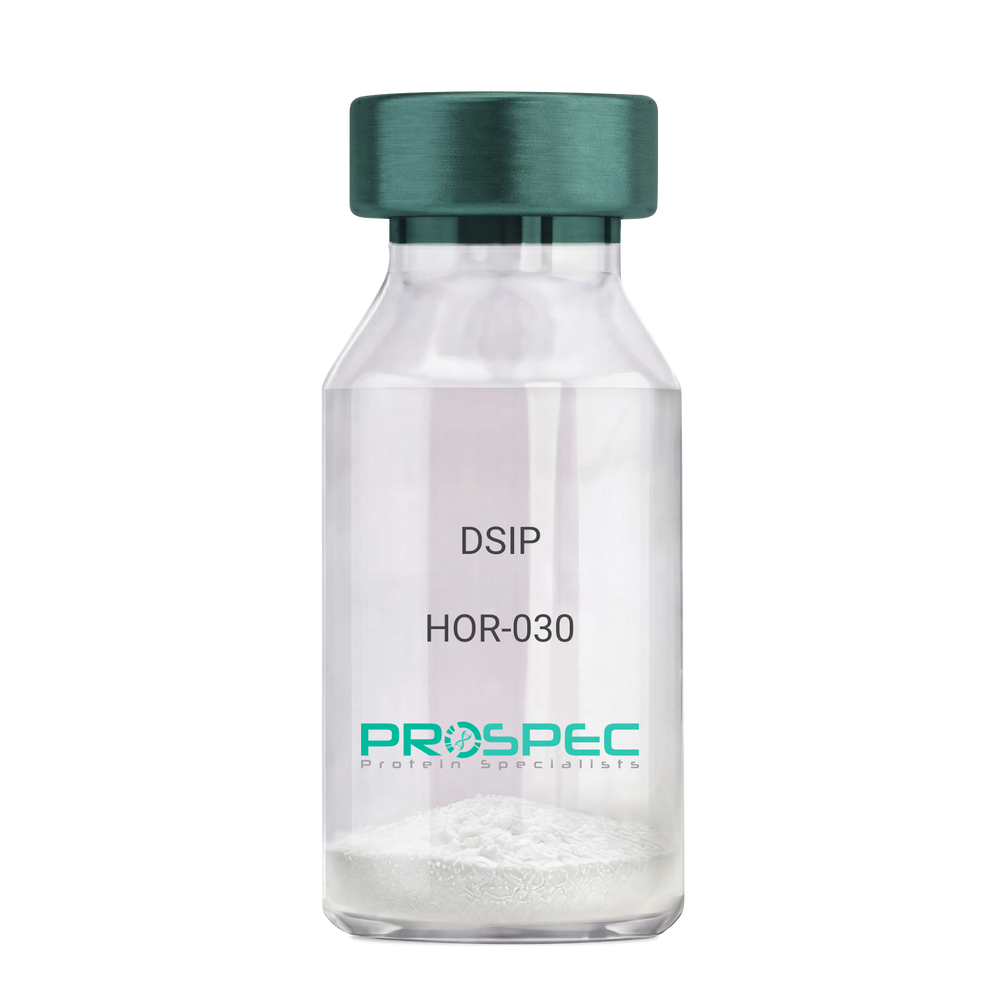
DSIPDescription:
Delta Sleep Inducing Peptide
Product # :
HOR-030Price :
Quantity :
Shipping Method :
Shipped at Room temp
More Info
- description
- formulation
- purity
- More Info
Description
DSIP Synthetic is a single, non-glycosylated polypeptide chain containing 15 amino acids, having a molecular mass of 1419.55 Dalton and a Molecular formula of C62H98N16O22.
Formulation
The protein was lyophilized with no additives.
Purity
Greater than 97.0% as determined by analysis by RP-HPLC.
More Info
-
Physical Appearance
Sterile Filtered White lyophilized (freeze-dried) powder.
-
Stability
Lyophilized DSIP although stable at room temperature for 3 weeks, should be stored desiccated below -18°C. Upon reconstitution DSIP should be stored at 4°C between 2-7 days and for future use below -18°C. For long term storage it is recommended to add a carrier protein (0.1% HSA or BSA). Please prevent freeze-thaw cycles.
-
Solubility
It is recommended to reconstitute the lyophilized DSIP in sterile 18MΩ-cm H2O not less than 100 µg/ml, which can then be further diluted to other aqueous solutions.
-
Amino Acid Sequence
H-Gly-Glu-Pro-Pro-Pro-Gly-Lys-Pro-Ala-Asp-Asp-Ala-Gly-Leu-Val-OH
-
Background
Delta Sleep-Inducing Peptide (DSIP), also known as Sleep-Promoting Peptide, is a neuropeptide that has been the subject of extensive research due to its potential role in sleep regulation, stress response, and neuroprotection. This nonapeptide, first isolated from the cerebral venous blood of rabbits during sleep, has been shown to induce slow-wave sleep, modulate pain perception, and exhibit potential antioxidant and immunomodulatory properties.
DSIP's primary function is its interaction with the sleep regulatory system. By modulating the release of certain neurotransmitters, DSIP can influence sleep patterns, particularly promoting slow-wave sleep, the most restorative stage of sleep. Studies by Kovalzon et al. (2011) have demonstrated that DSIP can enhance sleep quality in rats, suggesting potential applications in sleep disorders and the promotion of healthy sleep patterns.
In addition to its sleep-inducing effects, DSIP has been shown to possess neuroprotective properties. Research by Zolotarev et al. (2014) found that DSIP could protect neurons from oxidative stress, suggesting potential applications in the treatment of neurodegenerative diseases such as Alzheimer's and Parkinson's disease.
Given its sleep-inducing and neuroprotective effects, DSIP has been proposed as a potential therapeutic agent for a variety of conditions, including sleep disorders, chronic pain, and neurodegenerative diseases. For instance, a study by Spong et al. (2016) found that DSIP could improve sleep quality in patients with chronic insomnia, indicating its potential as a therapeutic agent in the treatment of sleep disorders.
While research on DSIP is promising, it is important to note that most studies have been conducted in animals or in vitro. More research is needed to fully understand the potential effects and applications of DSIP in humans. However, the existing body of research suggests that DSIP could be a promising tool in the treatment of sleep disorders, chronic pain, and neurodegenerative diseases.
ProSpec's products are furnished for LABORATORY RESEARCH USE ONLY. The product may not be used as drugs, agricultural or pesticidal products, food additives or household chemicals.
- View Data Sheet
Name :
CFH RatDescription:
Complement Factor H Rat
Complement factor H, H factor 1, CFH, HF, HF1, HF2.
Product # :
PRO-2709Price :
Quantity :
Shipping Method :
Shipped with Ice Packs
More Info
- description
- source
- formulation
- purity
- More Info
Description
Rat Complement Factor H produced in Rat plasma having a total molecular mass of 155kDa.
Source
Rat Plasma.
Formulation
CFH protein solution contains phosphate Buffered Saline, pH 7.2.
Purity
Greater than 95.0% as determined by SDS-PAGE.
More Info
-
Introduction
Complement factor H (CFH) is an important regulatory component of the alternative pathway of complement. CFH is prevents complement activation on host cells and tissues, mainly the kidney. CFH controls the formation and decay of the alternative pathway C3/C5 convertase and acts as a cofactor for factor I which proteolytically inactivates C3b when C3b is bound to factor H. The N-terminal 5 domains of CFH bind to C3b and inhibit binding of factor B thus reducing the formation of C3/C5 convertase. CFH also binds to preformed C3/C5 convertases and causes quick release of the catalytic subunit Bb. These activities are necessary for controlling the spontaneous activation of the alternative pathway amplification process in plasma. In addition, CFH controls the formation and decay of these enzymes when C3b is attached to the surface of particles.
-
Synonyms
Complement factor H, H factor 1, CFH, HF, HF1, HF2.
-
Physical Appearance
Sterile filtered solution.
-
Stability
CFH Rat is stable at 4°C if entire vial will be used within 2-4 weeks.Store, frozen below -20°C for longer periods of time.For long term storage it is recommended to add a carrier protein (0.1% HSA or BSA).Avoid multiple freeze-thaw cycles.
ProSpec's products are furnished for LABORATORY RESEARCH USE ONLY. The product may not be used as drugs, agricultural or pesticidal products, food additives or household chemicals.
- View Data Sheet
Name :
RSG1 HumanDescription:
REM2 and RAB-Like Small GTPase 1 Human Recombinant
REM2- and Rab-like small GTPase 1, RSG1, C1orf89, RP4-733M16.4.
Product # :
PRO-1334Price :
Quantity :
Shipping Method :
Shipped with Ice Packs
More Info
- description
- source
- formulation
- purity
- More Info
Description
RSG1 Human Recombinant produced in E.Coli is a single, non-glycosylated polypeptide chain containing 281 amino acids (1-258 a.a) and having a molecular mass of 30.9kDa.RSG1 is fused to a 23 amino acid His-tag at N-terminus & purified by proprietary chromatographic techniques.
Source
Escherichia Coli.
Formulation
RSG1 protein solution (0.25mg/ml) containing 20mM Tris-HCl buffer (pH 8.5), 0.2M NaCl, 50% glycerol and 2mM DTT.
Purity
Greater than 85.0% as determined by SDS-PAGE.
More Info
-
Introduction
REM2 and RAB-Like Small GTPase 1 (RSG1) plays a part in targeted membrane trafficking most likely at the level of vesicle fusion with membranes. The RSG1 protein is involved in cilium biogenesis by regulating the transportation of cargo proteins to the basal body and to the apical tips of cilia. RSG1 is a potential effector of the planar cell polarity signaling pathway. RSG1 is also involved in exocytosis in secretory cells.
-
Synonyms
REM2- and Rab-like small GTPase 1, RSG1, C1orf89, RP4-733M16.4.
-
Physical Appearance
Sterile Filtered colorless solution.
-
Stability
Store at 4°C if entire vial will be used within 2-4 weeks. Store, frozen at -20°C for longer periods of time. For long term storage it is recommended to add a carrier protein (0.1% HSA or BSA).Avoid multiple freeze-thaw cycles.
-
Amino Acid Sequence
MGSSHHHHHH SSGLVPRGSH MGSMARPPVP GSVVVPNWHE SAEGKEYLAC ILRKNRRRVF GLLERPVLLP PVSIDTASYK IFVSGKSGVG KTALVAKLAG LEVPVVHHET TGIQTTVVFW PAKLQASSRV VMFRFEFWDC GESALKKFDH MLLACMENTD AFLFLFSFTD RASFEDLPGQ LARIAGEAPG VVRMVIGSKF DQYMHTDVPE RDLTAFRQAW ELPLLRVKSV PGRRLADGRT LDGRAGLADV AHILNGLAEQ LWHQDQVAAG LLPNPPESAP E.
ProSpec's products are furnished for LABORATORY RESEARCH USE ONLY. The product may not be used as drugs, agricultural or pesticidal products, food additives or household chemicals.
- View Data Sheet
Name :
CD116 Human, sf9Description:
GM-CSF Receptor Alpha Sf9 Human Recombinant
Colony Stimulating Factor 2 Receptor Alpha Subunit, Colony Stimulating Factor 2 Receptor, Alpha, Low-Affinity (Granulocyte-Macrophage), Alpha-GM-CSF Receptor, GM-CSF-R-Alpha, CD116 Antigen, GMCSFR-Alpha, GMR-Alpha, CDw116, CSF2RY, CSF2R, Granulocyte-Macrophage Colony-Stimulating Factor Receptor Subunit Alpha, Granulocyte-Macrophage Colony-Stimulating Factor Receptor Alpha Chain, GM-CSF Receptor Alpha Subunit, AlphaGMR, CSF2RAX, CSF2RAY, CSF2RX, GMCSFR, CD116, SMDP4, GMR.
Product # :
CYT-1044Price :
Quantity :
Shipping Method :
Shipped with Ice Packs
More Info
- description
- source
- formulation
- purity
- biological activity
- More Info
Description
CSF2RA produced in Sf9 Baculovirus cells is a single, glycosylated polypeptide chain containing 310 amino acids (20-320a.a.) and having a molecular mass of 35.9kDa. (Molecular size on SDS-PAGE will appear at approximately 40-57kDa). CSF2RA is expressed with a 9 amino acid His tag at C-Terminus and purified by proprietary chromatographic techniques.
Source
Sf9, Baculovirus cells.
Formulation
CSF2RA protein solution (0.5mg/ml) contains Phosphate Buffered Saline (pH 7.4) and 10% glycerol.
Purity
Greater than 90.0% as determined by SDS-PAGE.
Biological Activity
Measured by its ability to inhibit GM-CSF dependent proliferation of TF1 human erythroleukemic cells. The ED50 for this effect is less or equal to 10ug/ml in the presence of 0.5ng/ml GM-CSF.
More Info
-
Introduction
GM-CSF Receptor Alpha (CSF2RA) is the alpha subunit of the heterodimeric receptor for colony stimulating factor 2, a cytokine which controls the production, differentiation, and function of granulocytes and macrophages. CSFR2 is also a member of the cytokine family of receptors. In addition, this gene is found in the pseudoautosomal region (PAR) of the X and Y chromosomes. Multiple transcript variants encoding various isoforms have been found for this gene, while some of the isoforms being membrane-bound and others being soluble. Diseases associated with CSF2RA include surfactant metabolism dysfunction, pulmonary 4, and csf2ra-related pulmonary surfactant metabolism dysfunction.
-
Synonyms
Colony Stimulating Factor 2 Receptor Alpha Subunit, Colony Stimulating Factor 2 Receptor, Alpha, Low-Affinity (Granulocyte-Macrophage), Alpha-GM-CSF Receptor, GM-CSF-R-Alpha, CD116 Antigen, GMCSFR-Alpha, GMR-Alpha, CDw116, CSF2RY, CSF2R, Granulocyte-Macrophage Colony-Stimulating Factor Receptor Subunit Alpha, Granulocyte-Macrophage Colony-Stimulating Factor Receptor Alpha Chain, GM-CSF Receptor Alpha Subunit, AlphaGMR, CSF2RAX, CSF2RAY, CSF2RX, GMCSFR, CD116, SMDP4, GMR.
-
Physical Appearance
Sterile Filtered colorless solution.
-
Stability
Store at 4°C if entire vial will be used within 2-4 weeks. Store, frozen at -20°C for longer periods of time. For long term storage it is recommended to add a carrier protein (0.1% HSA or BSA). Avoid multiple freeze-thaw cycles.
-
Amino Acid Sequence
ADPLIPEKSD LRTVAPASSL NVRFDSRTMN LSWDCQENTT FSKCFLTDKK NRVVEPRLSN NECSCTFREI CLHEGVTFEV HVNTSQRGFQ QKLLYPNSGR EGTAAQNFSC FIYNADLMNC TWARGPTAPR DVQYFLYIRN SKRRREIRCP YYIQDSGTHV GCHLDNLSGL TSRNYFLVNG TSREIGIQFF DSLLDTKKIE RFNPPSNVTV RCNTTHCLVR WKQPRTYQKL SYLDFQYQLD VHRKNTQPGT ENLLINVSGD LENRYNFPSS EPRAKHSVKI RAADVRILNW SSWSEAIEFG SDDGHHHHHH
-
Background
GM-CSF Receptor Alpha Human Recombinant: A Glimpse into Its Potential and Implications
Abstract:
Granulocyte-Macrophage Colony Stimulating Factor (GM-CSF) receptor alpha, a pivotal component in the GM-CSF signaling pathway, has been the focal point of numerous studies pertaining to hematopoiesis and immune responses. This paper provides an overview of the GM-CSF receptor alpha human recombinant, exploring its characteristics, production techniques, and potential therapeutic applications.
Introduction
GM-CSF, a cytokine responsible for the differentiation and proliferation of white blood cells, functions by binding to its receptor, GM-CSF receptor. The alpha subunit (GM-CSFRα) of this receptor plays a crucial role in ligand binding and is essential for initiating cellular responses. Modern biotechnological advancements have led to the successful production of its human recombinant form, offering new avenues in medical research.
Recombinant GM-CSFRα:
Production and Features Recombinant GM-CSFRα is synthesized using cutting-edge recombinant DNA technologies, predominantly in bacterial or mammalian expression systems. This human recombinant form retains its ability to bind to GM-CSF, maintaining its biological functionality and providing myriad research opportunities.
Therapeutic and Clinical Prospects
- Autoimmune Diseases: GM-CSF is often overexpressed in various autoimmune disorders. By utilizing recombinant GM-CSFRα as a potential decoy receptor, it's feasible to mitigate the effects of excessive GM-CSF, offering a new therapeutic strategy.
- Hematopoietic Disorders: Given its integral role in white blood cell development, recombinant GM-CSFRα might hold promise in treatments or as a diagnostic tool for certain hematological conditions.
- Research Paradigm: Beyond therapeutic applications, the recombinant GM-CSFRα can serve as an invaluable research tool to elucidate the nuances of GM-CSF signaling, aiding in the understanding of immune response mechanisms.
Conclusion:
GM-CSF receptor alpha human recombinant stands at the forefront of exciting research and therapeutic potential. While its full capabilities are yet to be realized, current insights underscore its significance in the realms of immunology and medicine.
What is the molecular weight/Mw of CD116 Protein?
CD116 Protein has a total Mw of 35.9kDa.
What is the source or expression system of CD116 Protein?
Sf9, Baculovirus cells.
What is the Purity of CD116 Protein?
CD116 Protein is >90% pure as determined by SDS-PAGE.
What is the Biological Activity of CD116 Protein?
Measured by its ability to inhibit GM-CSF dependent proliferation of TF1 human erythroleukemic cells. The ED50 for this effect is less or equal to 10ug/ml in the presence of 0.5ng/ml GM-CSF.
What is the amino acid sequence of CD116 Protein?
CD116 Protein is composed from 310 amino acids.
What applications can CD116 Protein be used in?
CD116 Protein can probably be used in western blot, ELISA and Lateral Flow.
What is the endotoxin level for CD116 Protein?
The endotoxin level is minimal, CD116 Protein was purified using conventional chromatography techniques
ProSpec's products are furnished for LABORATORY RESEARCH USE ONLY. The product may not be used as drugs, agricultural or pesticidal products, food additives or household chemicals.
- View Data Sheet
Name :
SNRPE HumanDescription:
Small Nuclear Ribonucleoprotein Polypeptide E Human Recombinant
Small nuclear ribonucleoprotein E, snRNP-E, Sm protein E, Sm-E, SmE, SNRPE, B-raf.
Product # :
PRO-104Price :
Quantity :
Shipping Method :
Shipped with Ice Packs
More Info
- description
- source
- formulation
- purity
- More Info
Description
SNRPE Human Recombinant fused with a 20 amino acid His tag at N-terminus produced in E.Coli is a single, non-glycosylated, polypeptide chain containing 112 amino acids (1-92 a.a.) and having a molecular mass of 12.9kDa. The SNRPE is purified by proprietary chromatographic techniques.
Source
Escherichia Coli.
Formulation
The SNRPE solution (0.25 mg/ml) contains 20mM Tris-HCl buffer (pH8.0), 0.2M NaCl, 5mM DTT, 1mM EDTA and 30% glycerol.
Purity
Greater than 95.0% as determined by SDS-PAGE.
More Info
-
Introduction
SNRPE facilitates the cytoplasmic construction of the UsnRNPs by binding to a conserved Sm site on UsnRNA and forming a stable snRNP core complex. While a core protein to UsnRNP, the SNRPE connects with the entire U family of snRNAs including U1–U6. In addition, SNRPE interacts with DDX20 and Small nuclear ribonucleoprotein polypeptide F.
-
Synonyms
Small nuclear ribonucleoprotein E, snRNP-E, Sm protein E, Sm-E, SmE, SNRPE, B-raf.
-
Physical Appearance
Sterile Filtered colorless solution.
-
Stability
Store at 4°C if entire vial will be used within 2-4 weeks. Store, frozen at -20°C for longer periods of time. For long term storage it is recommended to add a carrier protein (0.1% HSA or BSA).Avoid multiple freeze-thaw cycles.
-
Amino Acid Sequence
MGSSHHHHHH SSGLVPRGSH MAYRGQGQKV QKVMVQPINL IFRYLQNRSR IQVWLYEQVN MRIEGCIIGF DEYMNLVLDD AEEIHSKTKS RKQLGRIMLK GDNITLLQSV SN.
ProSpec's products are furnished for LABORATORY RESEARCH USE ONLY. The product may not be used as drugs, agricultural or pesticidal products, food additives or household chemicals.
- View Data Sheet
Name :
SSR1 HumanDescription:
Signal Sequence Receptor, Alpha Human Recombinant
Signal Sequence Receptor Alpha, Translocon-Associated Protein Alpha, SSR Alpha Subunit, TRAP-alpha, TRAPA.
Product # :
PRO-1772Price :
Quantity :
Shipping Method :
Shipped with Ice Packs
More Info
- description
- source
- formulation
- purity
- More Info
Description
SSR1 Human Recombinant produced in E.Coli is a single, non-glycosylated polypeptide chain topological domain containing 209 amino acids (22-207 a.a) and having a molecular mass of 23.1kDa. SSR1 is fused to a 23 amino acid His-tag at N-terminus & purified by proprietary chromatographic techniques.
Source
Escherichia Coli.
Formulation
SSR1 protein solution (0.25mg/ml) containing 20mM Tris-HCl buffer (pH8.0), 0.1M NaCl, 1mM DTT and 20% glycerol.
Purity
Greater than 90.0% as determined by SDS-PAGE.
More Info
-
Introduction
SSR is a glycosylated endoplasmic reticulum (ER) membrane receptor involved in protein translocation across the ER membrane. SSR is formed of 2 subunits, a 34-kD glycoprotein encoded by this gene and a 22-kD glycoprotein. SSR gene creates a number of mRNA species due to complex alternative polyadenylation. SSR is unique since it exploits arrays of polyA signal sequences which are mostly non-canonical.
-
Synonyms
Signal Sequence Receptor Alpha, Translocon-Associated Protein Alpha, SSR Alpha Subunit, TRAP-alpha, TRAPA.
-
Physical Appearance
Sterile Filtered clear solution.
-
Stability
Store at 4°C if entire vial will be used within 2-4 weeks. Store, frozen at -20°C for longer periods of time.For long term storage it is recommended to add a carrier protein (0.1% HSA or BSA).Please avoid freeze thaw cycles.
-
Amino Acid Sequence
MGSSHHHHHH SSGLVPRGSH MGSRGGPRGL LAVAQDLTED EETVEDSIIE DEDDEAEVEE DEPTDLVEDK EEEDVSGEPE ASPSADTTIL FVKGEDFPAN NIVKFLVGFT NKGTEDFIVE SLDASFRYPQ DYQFYIQNFT ALPLNTVVPP QRQATFEYSF IPAEPMGGRP FGLVINLNYK DLNGNVFQDA VFNQTVTVIE REDGLDGET
ProSpec's products are furnished for LABORATORY RESEARCH USE ONLY. The product may not be used as drugs, agricultural or pesticidal products, food additives or household chemicals.
- View Data Sheet
Name :
GDI2 HumanDescription:
GDP Dissociation Inhibitor 2 Human Recombinant
GDP Dissociation Inhibitor 2, GDI2, RABGDIB, Guanosine Diphosphate Dissociation Inhibitor 2 , Rab GDI Beta , GDI-2, Epididymis Secretory Sperm Binding Protein Li 46e, Rab GDP Dissociation Inhibitor Beta , Rab GDP-Dissociation , HEL-S-46e.
Product # :
PRO-1948Price :
Quantity :
Shipping Method :
Shipped with Ice Packs
More Info
- description
- source
- formulation
- purity
- More Info
Description
GDI2 Human Recombinant produced in E.coli is a single, non-glycosylated polypeptide chain containing 468 amino acids (1-445) and having a molecular mass of 53.1 kDa.GDI2 is fused to a 23 amino acid His-tag at N-terminus & purified by proprietary chromatographic techniques.
Source
Escherichia Coli.
Formulation
The GDI2 solution (0.5mg/ml) contains 20mM Tris-HCl buffer (pH 8.0), 0.1M NaCl, 10% glycerol and 1mM DTT.
Purity
Greater than 85.0% as determined by SDS-PAGE.
More Info
-
Introduction
Rab GDP dissociation inhibitor beta isoform 1 (GDI2) is a member of the GDP dissociation inhibitors (GDIs) family. GDI proteins can bind and release GDP-bound Rab proteins from membranes. GDI1 interacts with virtually all of the Rab proteins, whereas GDI2 interacts with Rabll but not Rab3A. GDI2 distributes ubiquitously, presenting a membrane bound location in perinuclear regions of cells.
-
Synonyms
GDP Dissociation Inhibitor 2, GDI2, RABGDIB, Guanosine Diphosphate Dissociation Inhibitor 2 , Rab GDI Beta , GDI-2, Epididymis Secretory Sperm Binding Protein Li 46e, Rab GDP Dissociation Inhibitor Beta , Rab GDP-Dissociation , HEL-S-46e.
-
Physical Appearance
Sterile Filtered clear solution.
-
Stability
Store at 4°C if entire vial will be used within 2-4 weeks. Store, frozen at -20°C for longer periods of time. For long term storage it is recommended to add a carrier protein (0.1% HSA or BSA).Avoid multiple freeze-thaw cycles.
-
Amino Acid Sequence
MGSSHHHHHH SSGLVPRGSH MGSMNEEYDV IVLGTGLTEC ILSGIMSVNG KKVLHMDRNP YYGGESASIT PLEDLYKRFK IPGSPPESMG RGRDWNVDLI PKFLMANGQL VKMLLYTEVT RYLDFKVTEG SFVYKGGKIY KVPSTEAEAL ASSLMGLFEK RRFRKFLVYV ANFDEKDPRT FEGIDPKKTT MRDVYKKFDL GQDVIDFTGH ALALYRTDDY LDQPCYETIN RIKLYSESLA RYGKSPYLYP LYGLGELPQG FARLSAIYGG TYMLNKPIEE IIVQNGKVIG VKSEGEIARC KQLICDPSYV KDRVEKVGQV IRVICILSHP IKNTNDANSC QIIIPQNQVN RKSDIYVCMI SFAHNVAAQG KYIAIVSTTV ETKEPEKEIR PALELLEPIE QKFVSISDLL VPKDLGTESQ IFISRTYDAT THFETTCDDI KNIYKRMTGS EFDFEEMKRK KNDIYGED.
ProSpec's products are furnished for LABORATORY RESEARCH USE ONLY. The product may not be used as drugs, agricultural or pesticidal products, food additives or household chemicals.
- View Data Sheet
Name :
CDC25A HumanDescription:
Cell Division Cycle 25A Human Recombinant
M-phase inducer phosphatase 1, Dual specificity phosphatase Cdc25A, CDC25A, CDC25A2.
Product # :
ENZ-091Price :
Quantity :
Shipping Method :
Shipped with Ice Packs
More Info
- description
- source
- formulation
- purity
- More Info
Description
CDC25A Human Recombinant fused with a 36 amino acid His tag at N-terminus produced in E.Coli is a single, non-glycosylated, polypeptide chain containing 560 amino acids (1-524 a.a.) and having a molecular mass of 63.2kDa. The CDC25A is purified by proprietary chromatographic techniques.
Source
Escherichia Coli.
Formulation
The CDC25A solution (0.25 mg/ml) contains 20mM Tris-HCl buffer (pH 8.0), 5mM DTT, 20% glycerol, 0.2M NaCl and 1mM EDTA.
Purity
Greater than 80.0% as determined by SDS-PAGE.
More Info
-
Introduction
M-phase inducer phosphatase 1 (CDC25A) belongs to the CDC25 family of phosphatases. CDC25A is essential for progression from G1 to the S phase of the cell cycle. CDC25A activates the cyclin-dependent kinase CDC2 by eliminating 2 phosphate groups. CDC25A is specifically degraded in reaction to DNA damage, which inhibits cells with chromosomal abnormalities from progressing in the course of cell division. CDC25A is an oncogene, though its exact function in oncogenesis has not been determined.
-
Synonyms
M-phase inducer phosphatase 1, Dual specificity phosphatase Cdc25A, CDC25A, CDC25A2.
-
Physical Appearance
Sterile Filtered colorless solution.
-
Stability
Store at 4°C if entire vial will be used within 2-4 weeks. Store, frozen at -20°C for longer periods of time. For long term storage it is recommended to add a carrier protein (0.1% HSA or BSA).Avoid multiple freeze-thaw cycles.
-
Amino Acid Sequence
MRGSHHHHHH GMASMTGGQQ MGRDLYDDDD KDRWGSMELG PEPPHRRRLL FACSPPPASQ PVVKALFGAS AAGGLSPVTN LTVTMDQLQG LGSDYEQPLE VKNNSNLQRM GSSESTDSGF CLDSPGPLDS KENLENPMRR IHSLPQKLLG CSPALKRSHS DSLDHDIFQL IDPDENKENE AFEFKKPVRP VSRGCLHSHG LQEGKDLFTQ RQNSAPARML SSNERDSSEP GNFIPLFTPQ SPVTATLSDE DDGFVDLLDG ENLKNEEETP SCMASLWTAP LVMRTTNLDN RCKLFDSPSL CSSSTRSVLK RPERSQEESP PGSTKRRKSM SGASPKESTN PEKAHETLHQ SLSLASSPKG TIENILDNDP RDLIGDFSKG YLFHTVAGKH QDLKYISPEI MASVLNGKFA NLIKEFVIID CRYPYEYEGG HIKGAVNLHM EEEVEDFLLK KPIVPTDGKR VIVVFHCEFS SERGPRMCRY VRERDRLGNE YPKLHYPELY VLKGGYKEFF MKCQSYCEPP SYRPMHHEDF KEDLKKFRTK SRTWAGEKSK REMYSRLKKL.
ProSpec's products are furnished for LABORATORY RESEARCH USE ONLY. The product may not be used as drugs, agricultural or pesticidal products, food additives or household chemicals.
- View Data Sheet
Name :
PTMS HumanDescription:
Prothymosin Human Recombinant
ParaT, parathymosin.
Product # :
PRO-1735Price :
Quantity :
Shipping Method :
Shipped with Ice Packs
More Info
- description
- source
- formulation
- purity
- More Info
Description
PTMS Human Recombinant produced in E.Coli is a single, non-glycosylated polypeptide chain containing 125 amino acids (1-102aa) and having a molecular mass of 13.9kDa.PTMS is fused to a 23 amino acid His-tag at N-terminus & purified by proprietary chromatographic techniques.
Source
Escherichia Coli.
Formulation
PTMS protein solution (0.5mg/ml) containing 20mM Tris-HCl buffer (pH 8.0), 0.15M NaCl, 20% glycerol and 1mM DTT.
Purity
Greater than 95.0% as determined by SDS-PAGE.
More Info
-
Introduction
Parathymosin, also known as PTMS is a member of the pro/parathymosin family. PTMS may mediate immune function by blocking the effect of prothymosin alpha which confers resistance to particular opportunistic infections. Among the diseases associated with PTMS are hepatitis b, and alzheimer's disease.
-
Synonyms
ParaT, parathymosin.
-
Physical Appearance
Sterile Filtered clear solution.
-
Stability
Store at 4°C if entire vial will be used within 2-4 weeks. Store, frozen at -20°C for longer periods of time. For long term storage it is recommended to add a carrier protein (0.1% HSA or BSA).Avoid multiple freeze-thaw cycles.
-
Amino Acid Sequence
MGSSHHHHHH SSGLVPRGSH MGSMSEKSVE AAAELSAKDL KEKKEKVEEK ASRKERKKEV VEEEENGAEE EEEETAEDGE EEDEGEEEDE EEEEEDDEGP ALKRAAEEED EADPKRQKTE NGASA
ProSpec's products are furnished for LABORATORY RESEARCH USE ONLY. The product may not be used as drugs, agricultural or pesticidal products, food additives or household chemicals.
- View Data Sheet
Name :
YWHAB Human, HisDescription:
Tyr-3/Trp-5 Monooxygenase Activation Protein, Beta, Human Recombinant, His Tag
14-3-3 protein beta/alpha, Protein kinase C inhibitor protein 1, Protein 1054, YWHAB, HS1, GW128, KCIP-1, Tyr-3/Trp- 5 Monooxygenase Activation Protein Beta, 14-3-3 Beta.
Product # :
PKA-096Price :
Quantity :
Shipping Method :
Shipped with Ice Packs
More Info
- description
- source
- formulation
- purity
- More Info
Description
YWHAB Human Recombinant produced in E. coli is a single polypeptide chain containing 270 amino acids (1-246) and having a molecular mass of 30.6kDa. YWHAB is fused to a 24 amino acid His-tag at N-terminus & purified by proprietary chromatographic techniques.
Source
Escherichia Coli.
Formulation
The YWHAB solution (1mg/1ml) contains phosphate buffered Saline (pH7.4) and 10% glycerol.
Purity
Greater than 90.0% as determined by SDS-PAGE.
More Info
-
Introduction
YWHAB belongs to the 14-3-3 family of proteins which are in charge for signal transduction by binding to phosphoserine-containing proteins. YWHAB is found in both plants and mammals. YWHAB protein interacts with RAF1 and CDC25 phosphatases,thus linking mitogenic signaling and the cell cycle machinery. YWHAB is an adapter protein involved in the regulation of a large spectrum of both general and specialized signaling pathway. YWHAB binds to a large number of proteins by recognition of a phosphoserine or phosphothreonine motif. Binding generally results in the modulation of the activity of the binding partner.
-
Synonyms
14-3-3 protein beta/alpha, Protein kinase C inhibitor protein 1, Protein 1054, YWHAB, HS1, GW128, KCIP-1, Tyr-3/Trp- 5 Monooxygenase Activation Protein Beta, 14-3-3 Beta.
-
Physical Appearance
Sterile Filtered colorless solution.
-
Stability
Store at 4°C if entire vial will be used within 2-4 weeks.Store, frozen at -20°C for longer periods of time. For long term storage it is recommended to add a carrier protein (0.1% HSA or BSA).Avoid multiple freeze-thaw cycles.
-
Amino Acid Sequence
MGSSHHHHHH SSGLVPRGSH MGSHMTMDKS ELVQKAKLAE QAERYDDMAA AMKAVTEQGH ELSNEERNLL SVAYKNVVGA RRSSWRVISS IEQKTERNEK KQQMGKEYRE KIEAELQDIC NDVLELLDKY LIPNATQPES KVFYLKMKGD YFRYLSEVAS GDNKQTTVSN SQQAYQEAFE ISKKEMQPTH PIRLGLALNF SVFYYEILNS PEKACSLAKT AFDEAIAELD TLNEESYKDS TLIMQLLRDN LTLWTSENQG DEGDAGEGEN.
ProSpec's products are furnished for LABORATORY RESEARCH USE ONLY. The product may not be used as drugs, agricultural or pesticidal products, food additives or household chemicals.
- View Data Sheet
Name :
PSMA5 HumanDescription:
Proteasome Subunit Alpha Type 5 Human Recombinant
Proteasome subunit alpha type-5, Macropain zeta chain, Multicatalytic endopeptidase complex zeta chain, Proteasome zeta chain, PSMA5, PSC5, ZETA.
Product # :
ENZ-213Price :
Quantity :
Shipping Method :
Shipped with Ice Packs
More Info
- description
- source
- formulation
- purity
- More Info
Description
PSMA5 Human Recombinant produced in E.coli is a single, non-glycosylated polypeptide chain containing 277 amino acids (1-241) and having a molecular mass of 30.5kDa.PSMA5 is fused to a 36 amino acid His-tag at N-terminus & purified by proprietary chromatographic techniques.
Source
E.coli.
Formulation
The PSMA5 solution (0.5mg/ml) contains 20mM Tris-HCl buffer (pH 8.0), 2mM DTT, 10% glycerol and 100mM NaCl.
Purity
Greater than 90% as determined by SDS-PAGE.
More Info
-
Introduction
Proteasome subunit alpha type-5 (PSMA5) is a member of the peptidase T1A family. The proteasome is a multicatalytic proteinase complex which is distinguished by its ability to cleave peptides with Arg, Phe, Tyr, Leu, and Glu adjacent to the leaving group at neutral or slightly basic pH. Proteasomes are spread throughout eukaryotic cells at a high concentration and cleave peptides in an ATP/ubiquitin-dependent process in a non-lysosomal pathway. PSMA5 interacts with PLK1. The PSMA5 peptidase has a very wide-ranging specificity for cleavage of peptide bonds.
-
Synonyms
Proteasome subunit alpha type-5, Macropain zeta chain, Multicatalytic endopeptidase complex zeta chain, Proteasome zeta chain, PSMA5, PSC5, ZETA.
-
Physical Appearance
Sterile Filtered colorless solution.
-
Stability
Store at 4°C if entire vial will be used within 2-4 weeks. Store, frozen at -20°C for longer periods of time. For long term storage it is recommended to add a carrier protein (0.1% HSA or BSA).Avoid multiple freeze-thaw cycles.
-
Amino Acid Sequence
MRGSHHHHHH GMASMTGGQQ MGRDLYDDDD KDRWGSMFLT RSEYDRGVNT FSPEGRLFQV EYAIEAIKLG STAIGIQTSE GVCLAVEKRI TSPLMEPSSI EKIVEIDAHI GCAMSGLIAD AKTLIDKARV ETQNHWFTYN ETMTVESVTQ AVSNLALQFG EEDADPGAMS RPFGVALLFG GVDEKGPQLF HMDPSGTFVQ CDARAIGSAS EGAQSSLQEV YHKSMTLKEA IKSSLIILKQ VMEEKLNATN IELATVQPGQ NFHMFTKEEL EEVIKDI.
ProSpec's products are furnished for LABORATORY RESEARCH USE ONLY. The product may not be used as drugs, agricultural or pesticidal products, food additives or household chemicals.
- View Data Sheet
Name :
PTPN7 HumanDescription:
Protein Tyrosine Phosphatase Non Receptor Type-7 Human Recombinant
Protein tyrosine phosphatase non-receptor type 7, HEPTP, LC-PTP, Hematopoietic protein-tyrosine phosphatase, Protein-tyrosine phosphatase LC-PTP, PTPNI, LPTP, BPTP-4, dual specificity phosphatase 1, protein-tyrosine phosphatase non-receptor-type, stress induced, EC 3.1.3.48.
Product # :
PKA-025Price :
Quantity :
Shipping Method :
Shipped with Ice Packs
More Info
- description
- source
- formulation
- purity
- More Info
Description
PTPN7 Human Recombinant produced in E. coli is a single polypeptide chain containing 384 amino acids (1-360) and having a molecular mass of 43.1kDa.PTPN7 is fused to a 24 amino acid His-tag at N-terminus & purified by proprietary chromatographic techniques.
Source
E.coli.
Formulation
The PTPN7 solution (0.5mg/ml) contains 20mM Tris-HCl buffer (pH 8.0), 100mM NaCl, 1mM DTT and 20% glycerol.
Purity
Greater than 90% as determined by SDS-PAGE.
More Info
-
Introduction
PTPN7 performs specifically on tyrosine-phosphorylated MAPK1. PTPN7 takes part in the regulation of signal transduction and T and B-lymphocyte development.
-
Synonyms
Protein tyrosine phosphatase non-receptor type 7, HEPTP, LC-PTP, Hematopoietic protein-tyrosine phosphatase, Protein-tyrosine phosphatase LC-PTP, PTPNI, LPTP, BPTP-4, dual specificity phosphatase 1, protein-tyrosine phosphatase non-receptor-type, stress induced, EC 3.1.3.48.
-
Physical Appearance
Sterile Filtered colorless solution.
-
Stability
Store at 4°C if entire vial will be used within 2-4 weeks. Store, frozen at -20°C for longer periods of time. For long term storage it is recommended to add a carrier protein (0.1% HSA or BSA).Avoid multiple freeze-thaw cycles.
-
Amino Acid Sequence
MGSSHHHHHH SSGLVPRGSH MGSHMVQAHG GRSRAQPLTL SLGAAMTQPP PEKTPAKKHV RLQERRGSNV ALMLDVRSLG AVEPICSVNT PREVTLHFLR TAGHPLTRWA LQRQPPSPKQ LEEEFLKIPS NFVSPEDLDI PGHASKDRYK TILPNPQSRV CLGRAQSQED GDYINANYIR GYDGKEKVYI ATQGPMPNTV SDFWEMVWQE EVSLIVMLTQ LREGKEKCVH YWPTEEETYG PFQIRIQDMK ECPEYTVRQL TIQYQEERRS VKHILFSAWP DHQTPESAGP LLRLVAEVEE SPETAAHPGP IVVHCSAGIG RTGCFIATRI GCQQLKARGE VDILGIVCQL RLDRGGMIQT AEQYQFLHHT LALYAGQLPE EPSP
ProSpec's products are furnished for LABORATORY RESEARCH USE ONLY. The product may not be used as drugs, agricultural or pesticidal products, food additives or household chemicals.