Skip to content

High-quality research proteins.

  • 1-800-805-6531

  • Mon - Sat 8.00-18.00, Sun - Closed

  • info@prospecbio.com

  • PO Box 6591 East Brunswick NJ 08816

  • Products
    • Cytokines
    • Growth factors
    • Chemokines
    • Cd antigens
    • Neurotrophins
    • Hormones
    • Enzymes
    • Viral antigens
    • Recombinant proteins
    • Natural proteins
    • Monoclonal antibodies
    • Polyclonal antibodies
    • Thermal Packaging
  • About
    • Company
    • Founder
    • Contribution
  • Customers
    • Eastern Asia
    • Eastern Europe
    • North America
    • South America
    • South East Asia
    • Southern Asia
    • Western Europe
  • Ordering
    • Ordering Method
    • Ordering - Credit Card
    • Ordering - PO
    • Shipping Fees
    • FAQs
  • Services
    • DNA Cloning
    • Protein Expression
    • Monoclonal Antibody
    • Fermentation
    • Technology License
  • Contact us
Log in

Country/region

  • USD $ | Albania
  • USD $ | Andorra
  • USD $ | Argentina
  • USD $ | Armenia
  • USD $ | Australia
  • USD $ | Austria
  • USD $ | Azerbaijan
  • USD $ | Belarus
  • USD $ | Belgium
  • USD $ | Bolivia
  • USD $ | Brazil
  • USD $ | Bulgaria
  • USD $ | Cambodia
  • USD $ | Canada
  • USD $ | Chile
  • USD $ | China
  • USD $ | Colombia
  • USD $ | Costa Rica
  • USD $ | Croatia
  • USD $ | Cyprus
  • USD $ | Czechia
  • USD $ | Denmark
  • USD $ | Estonia
  • USD $ | Finland
  • USD $ | France
  • USD $ | Georgia
  • USD $ | Germany
  • USD $ | Greece
  • USD $ | Hong Kong SAR
  • USD $ | Hungary
  • USD $ | Iceland
  • USD $ | India
  • USD $ | Ireland
  • USD $ | Israel
  • USD $ | Italy
  • USD $ | Japan
  • USD $ | Kazakhstan
  • USD $ | Latvia
  • USD $ | Liechtenstein
  • USD $ | Lithuania
  • USD $ | Madagascar
  • USD $ | Malta
  • USD $ | Mexico
  • USD $ | Moldova
  • USD $ | Monaco
  • USD $ | Netherlands
  • USD $ | New Zealand
  • USD $ | North Macedonia
  • USD $ | Norway
  • USD $ | Panama
  • USD $ | Paraguay
  • USD $ | Peru
  • USD $ | Philippines
  • USD $ | Poland
  • USD $ | Portugal
  • USD $ | Romania
  • USD $ | Singapore
  • USD $ | Slovakia
  • USD $ | Slovenia
  • USD $ | South Africa
  • USD $ | South Korea
  • USD $ | Spain
  • USD $ | Sri Lanka
  • USD $ | Sweden
  • USD $ | Switzerland
  • USD $ | Taiwan
  • USD $ | Thailand
  • USD $ | Türkiye
  • USD $ | Ukraine
  • USD $ | United Kingdom
  • USD $ | United States
  • USD $ | Uruguay
  • USD $ | Vatican City
  • USD $ | Venezuela
  • USD $ | Vietnam
  • Facebook
  • Instagram
logoProSpec - Recombinant Protein Manufacturer for academic and R&D industry
Become a distributor
Account Log in
Wishlist
Cart Cart(0)
  • Products
    +
    • Cytokines
    • Growth factors
    • Chemokines
    • Cd antigens
    • Neurotrophins
    • Hormones
    • Enzymes
    • Viral antigens
    • Recombinant proteins
    • Natural proteins
    • Monoclonal antibodies
    • Polyclonal antibodies
    • Thermal Packaging
  • About
    +
    • Company
    • Founder
    • Contribution
  • Customers
    +
    • Eastern Asia
    • Eastern Europe
    • North America
    • South America
    • South East Asia
    • Southern Asia
    • Western Europe
  • Ordering
    +
    • Ordering Method
    • Ordering - Credit Card
    • Ordering - PO
    • Shipping Fees
    • FAQs
  • Services
    +
    • DNA Cloning
    • Protein Expression
    • Monoclonal Antibody
    • Fermentation
    • Technology License
  • Contact us

Item added to your cart

View cart
View All
  • Cytokines
  • Growth factors
  • Chemokines
  • Cd antigens
  • Neurotrophins
  • Hormones
  • Enzymes
  • Viral antigens
  • Recombinant proteins
  • Natural proteins
  • Monoclonal antibodies
  • Polyclonal antibodies
  • Thermal Packaging
  • Tumor Necrosis Factor

    Tumor Necrosis Factor

    View All
  • 4-1BB

    4-1BB

    View All
  • Adiponectin

    Adiponectin

    View All
  • AIF1

    AIF1

    View All
  • Other Cytokines

    Other Cytokines

    View All
  • AITRL

    AITRL

    View All
  • Angiopoietin

    Angiopoietin

    View All
  • Apolipoprotein

    Apolipoprotein

    View All
  • B-Cell Activating Factor

    B-Cell Activating Factor

    View All
  • Beta Defensin

    Beta Defensin

    View All
  • Bone Morphogenetic Protein

    Bone Morphogenetic Protein

    View All
  • B type Natriuretic Peptide

    B type Natriuretic Peptide

    View All
  • BST

    BST

    View All
  • Betacellulin

    Betacellulin

    View All
  • Cardiotrophin

    Cardiotrophin

    View All
  • Activin

    Activin

    View All
  • Fibroblast Growth Factor

    Fibroblast Growth Factor

    View All
  • Other Growth Factors

    Other Growth Factors

    View All
  • CSF

    CSF

    View All
  • CTGF

    CTGF

    View All
  • IGFBP

    IGFBP

    View All
  • VEGF Protein

    VEGF Protein

    View All
  • EGF

    EGF

    View All
  • Epigen

    Epigen

    View All
  • Erythropoietin

    Erythropoietin

    View All
  • Insulin-Like Growth Factor

    Insulin-Like Growth Factor

    View All
  • Growth Hormone

    Growth Hormone

    View All
  • HDGF

    HDGF

    View All
  • Hepatocyte Growth Factor

    Hepatocyte Growth Factor

    View All
  • Insulin

    Insulin

    View All
  • BCA-1/ BLC (CXCL13)

    BCA-1/ BLC (CXCL13)

    View All
  • BRAK (CXCL14)

    BRAK (CXCL14)

    View All
  • C-10 (CCL6)

    C-10 (CCL6)

    View All
  • Other Chemokines

    Other Chemokines

    View All
  • MEC (CCL28)

    MEC (CCL28)

    View All
  • LD78-beta (CCL3L1)

    LD78-beta (CCL3L1)

    View All
  • CTACK (CCL27)

    CTACK (CCL27)

    View All
  • CXCL16

    CXCL16

    View All
  • CXCL17

    CXCL17

    View All
  • Platelet Factor-4 (CXCL4)

    Platelet Factor-4 (CXCL4)

    View All
  • ENA-78 (CXCL5)

    ENA-78 (CXCL5)

    View All
  • Eotaxin (CCL11,24,26)

    Eotaxin (CCL11,24,26)

    View All
  • Exodus-2 (CCL21)

    Exodus-2 (CCL21)

    View All
  • Fractalkine (CX3CL1)

    Fractalkine (CX3CL1)

    View All
  • CXCL6

    CXCL6

    View All
  • Other CD Antigens

    Other CD Antigens

    View All
  • CD14

    CD14

    View All
  • CD164

    CD164

    View All
  • CD1

    CD1

    View All
  • CD2

    CD2

    View All
  • CD200

    CD200

    View All
  • CD207

    CD207

    View All
  • CD226

    CD226

    View All
  • CD23

    CD23

    View All
  • CD244

    CD244

    View All
  • CD247

    CD247

    View All
  • CD27

    CD27

    View All
  • CD274

    CD274

    View All
  • CD300

    CD300

    View All
  • CD33

    CD33

    View All
  • Other Neurotrophins

    Other Neurotrophins

    View All
  • Beta-NGF

    Beta-NGF

    View All
  • BDNF

    BDNF

    View All
  • CDNF

    CDNF

    View All
  • CNTF

    CNTF

    View All
  • GDNF

    GDNF

    View All
  • Glia Maturation Factor

    Glia Maturation Factor

    View All
  • MANF

    MANF

    View All
  • Midkine

    Midkine

    View All
  • Neuroglobin

    Neuroglobin

    View All
  • Neurotrophic factors

    Neurotrophic factors

    View All
  • Neuregulin

    Neuregulin

    View All
  • Neuropilin

    Neuropilin

    View All
  • Pigment Epithelium-Derived Factor

    Pigment Epithelium-Derived Factor

    View All
  • Pleiotrophin

    Pleiotrophin

    View All
  • Peptide Hormones

    Peptide Hormones

    View All
  • Other Hormones

    Other Hormones

    View All
  • HCG

    HCG

    View All
  • Endothelin

    Endothelin

    View All
  • Exendin

    Exendin

    View All
  • FSH

    FSH

    View All
  • Glucagon

    Glucagon

    View All
  • GHRP

    GHRP

    View All
  • GLP

    GLP

    View All
  • Thyrostimulin

    Thyrostimulin

    View All
  • Inhibin A

    Inhibin A

    View All
  • LHRH

    LHRH

    View All
  • Melanotan

    Melanotan

    View All
  • Procalcitonin

    Procalcitonin

    View All
  • PTH

    PTH

    View All
  • Peroxiredoxin

    Peroxiredoxin

    View All
  • Peptidase

    Peptidase

    View All
  • Synthetase

    Synthetase

    View All
  • Transferase

    Transferase

    View All
  • Hydrolase

    Hydrolase

    View All
  • Dehydrogenase

    Dehydrogenase

    View All
  • ACE2

    ACE2

    View All
  • Esterase

    Esterase

    View All
  • Protein Kinases

    Protein Kinases

    View All
  • Other Enzymes

    Other Enzymes

    View All
  • Phosphatase

    Phosphatase

    View All
  • Deaminase

    Deaminase

    View All
  • Oxygenase

    Oxygenase

    View All
  • Adenylate Kinase

    Adenylate Kinase

    View All
  • Lyase

    Lyase

    View All
  • Chagas

    Chagas

    View All
  • SARS

    SARS

    View All
  • Influenza

    Influenza

    View All
  • ASFV

    ASFV

    View All
  • Astrovirus

    Astrovirus

    View All
  • Borrelia

    Borrelia

    View All
  • Helicobacter Pylori

    Helicobacter Pylori

    View All
  • Chikungunya

    Chikungunya

    View All
  • Chlamydia

    Chlamydia

    View All
  • Cytomegalo

    Cytomegalo

    View All
  • Dengue

    Dengue

    View All
  • EBV

    EBV

    View All
  • Ebola

    Ebola

    View All
  • Feline Leukemia Virus

    Feline Leukemia Virus

    View All
  • Hepatitis A

    Hepatitis A

    View All
  • Other

    Other

    View All
  • Actin

    Actin

    View All
  • ADAM

    ADAM

    View All
  • Complement Component

    Complement Component

    View All
  • Ag85

    Ag85

    View All
  • Eukaryotic Translation Initiation Factor

    Eukaryotic Translation Initiation Factor

    View All
  • Anterior Gradient Protein

    Anterior Gradient Protein

    View All
  • Heat Shock Protein

    Heat Shock Protein

    View All
  • Alpha-2-HS-Glycoprotein

    Alpha-2-HS-Glycoprotein

    View All
  • Hemoglobin

    Hemoglobin

    View All
  • Allergy

    Allergy

    View All
  • Anaplasma

    Anaplasma

    View All
  • Angiogenin

    Angiogenin

    View All
  • Ankyrin Repeat Domain

    Ankyrin Repeat Domain

    View All
  • Annexin

    Annexin

    View All
  • Other Natural Proteins

    Other Natural Proteins

    View All
  • Aprotinin

    Aprotinin

    View All
  • Transferrin

    Transferrin

    View All
  • Avidin

    Avidin

    View All
  • Anti Coagulation Factors

    Anti Coagulation Factors

    View All
  • Natural Albumin

    Natural Albumin

    View All
  • Natural Coagulation Factors

    Natural Coagulation Factors

    View All
  • Fibronectin

    Fibronectin

    View All
  • Thrombin

    Thrombin

    View All
  • Anti Human Enzyme

    Anti Human Enzyme

    View All
  • Other Monoclonal Antibodies

    Other Monoclonal Antibodies

    View All
  • Anti Human Cytokine

    Anti Human Cytokine

    View All
  • Anti Human Heat Shock Protein

    Anti Human Heat Shock Protein

    View All
  • Anti Mouse Lymphocyte

    Anti Mouse Lymphocyte

    View All
  • Anti Human Chemokine

    Anti Human Chemokine

    View All
  • Anti Human Lymphocyte

    Anti Human Lymphocyte

    View All
  • Anti Viral Monoclonal

    Anti Viral Monoclonal

    View All
  • Anti Mouse Cytokine

    Anti Mouse Cytokine

    View All
  • Anti-GST Monoclonal

    Anti-GST Monoclonal

    View All
  • Other Polyclonal Antibodies

    Other Polyclonal Antibodies

    View All
  • Anti Viral

    Anti Viral

    View All
  • Anti-GST Monoclonal

    Anti-GST Monoclonal

    View All
Back

Search results

1000 results found for “nuclease”

Name

Description

Product #

Price

Quantity

Shipping Method

  • View Data Sheet

    Name :

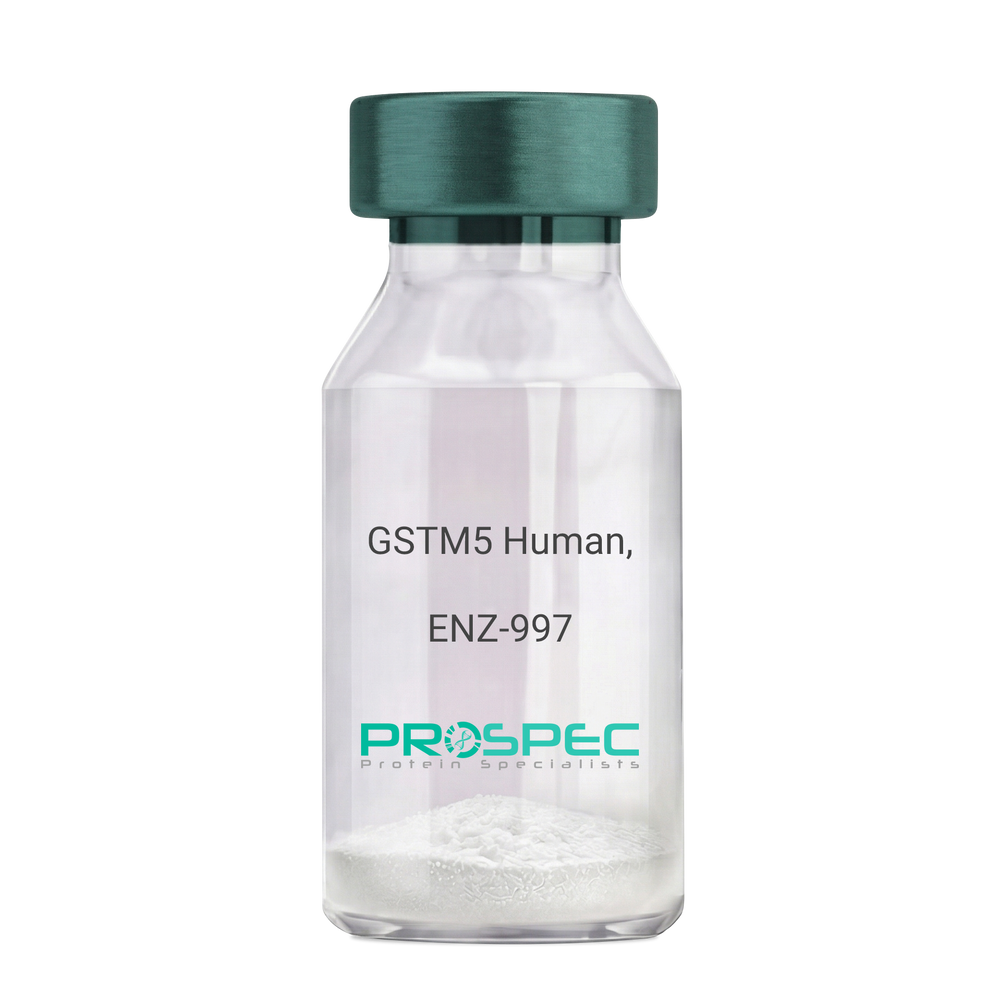
    GSTM5 Human, Active

    Description:

    Glutathione S-Transferase MU 5 Human Recombinant, Active

    Glutathione S-transferase mu 5, GSTM5-5, GST class-mu 5, GTM5, glutathione S-alkyltransferase M5, S-(hydroxyalkyl) glutathione lyase M5, EC 2.5.1.18.

    Product # :

    ENZ-997

    Price :

    Quantity :

    Shipping Method :

    Ice Icon

    Shipped with Ice Packs

    Add To Cart

    More Info

    • description
    • source
    • formulation
    • purity
    • biological activity
    • More Info
    • Citations

    Description

    GSTM5 Human Recombinant produced in E. coli is a single polypeptide chain containing 242 amino acids (1-218) and having a molecular mass of 28.2 kDa.GSTM5 is fused to a 24 amino acid His-tag at N-terminus & purified by proprietary chromatographic techniques.

    Source

    E.coli.

    Formulation

    The GSTM5 solution (1mg/ml) contains 20mM Tris-HCl buffer (pH 8.0), 0.1M NaCl, 1mM DTT and 10% glycerol.

    Purity

    Greater than 95% as determined by SDS-PAGE.

    Biological Activity

    Specific activity is > 90,000 pmol/min/ug, and is defined as the amount of enzyme that conjugate 1.0 u mole of 1-chloro-2,4- dinitrobenzene (CDNB) with reduced glutathione per minute at pH 6.5 at 25C.

    Citations

    More Info

    • Introduction

      Glutathione S-transferase mu 5 (GSTM5) belongs to the glutathione s-transferase (GST) family of proteins. There are 8 families of GST proteins, specifically alpha, kappa, mu, omega, pi, sigma, theta and zeta, each of which is comprised of proteins which have various functions throughout the cell. GSTM5 belongs to the mu class of enzymes which function in the detoxification of electrophilic compounds, including carcinogens, therapeutic drugs, environmental toxins and products of oxidative stress, by conjugation with glutathione. GSTM5 has an imperative role in detoxification. GSTM5 conjugates reduced glutathione to a large number of exogenous and endogenous hydrophobic electrophiles.

    • Synonyms

      Glutathione S-transferase mu 5, GSTM5-5, GST class-mu 5, GTM5, glutathione S-alkyltransferase M5, S-(hydroxyalkyl) glutathione lyase M5, EC 2.5.1.18.

    • Physical Appearance

      Sterile Filtered colorless solution.

    • Stability

      Store at 4°C if entire vial will be used within 2-4 weeks. Store, frozen at -20°C for longer periods of time. For long term storage it is recommended to add a carrier protein (0.1% HSA or BSA).Avoid multiple freeze-thaw cycles.

    • Amino Acid Sequence

      MGSSHHHHHH SSGLVPRGSH MGSHMPMTLG YWDIRGLAHA IRLLLEYTDS SYVEKKYTLG DAPDYDRSQW LNEKFKLGLD FPNLPYLIDG AHKITQSNAI LRYIARKHNL CGETEEEKIR VDILENQVMD NHMELVRLCY DPDFEKLKPK YLEELPEKLK LYSEFLGKRP WFAGDKITFV DFLAYDVLDM KRIFEPKCLD AFLNLKDFIS RFEGLKKISA YMKSSQFLRG LLFGKSATWN SK.

    ProSpec's products are furnished for LABORATORY RESEARCH USE ONLY. The product may not be used as drugs, agricultural or pesticidal products, food additives or household chemicals.

    Gstm5 Human Active
  • View Data Sheet

    Name :

    MMP10 Human

    Description:

    Matrix Metallopeptidase 10 Human Recombinant

    SL-2, STMY2, Stromelysin-2, Matrix metalloproteinase-10, MMP-10, Transin-2, MMP10.

    Product # :

    ENZ-764

    Price :

    Quantity :

    Shipping Method :

    Ice Icon

    Shipped with Ice Packs

    Add To Cart

    More Info

    • description
    • source
    • formulation
    • purity
    • More Info
    • Citations

    Description

    MMP10 Human Recombinant produced in E.coli is a single, non-glycosylated polypeptide chain containing 401 amino acids (99-476a.a) and having a molecular mass of 45.4kDa. MMP10 is fused to a 23 amino acid His-tag at N-terminus & purified by proprietary chromatographic techniques.

    Source

    Escherichia Coli.

    Formulation

    The MMP10 solution (0.5mg/ml) contains 20mM Tris-HCl buffer (pH 8.0), 0.4M UREA and 10% glycerol.

    Purity

    Greater than 90% as determined by SDS-PAGE.

    Citations

    More Info

    • Introduction

      MMP10 (Matrix Metallopeptidase 10) which is a part of the matrix metalloproteinase (MMP) is activating procollagenase. MMP10 is part of a cluster of MMP genes which localize to chromosome 11q22.3. MMP10 takes part in the breakdown of extracellular matrix in normal physiological processes, like embryonic development, reproduction, and tissue remodeling, as also in disease processes, such as arthritis and metastasis. The majority MMP's are secreted as inactive proproteins that are activated when cleaved by extracellular proteinases. MMP10 encodes an enzyme which degrades proteoglycans and fibronectin.

    • Synonyms

      SL-2, STMY2, Stromelysin-2, Matrix metalloproteinase-10, MMP-10, Transin-2, MMP10.

    • Physical Appearance

      Sterile Filtered colorless solution.

    • Stability

      Store at 4°C if entire vial will be used within 2-4 weeks. Store, frozen at -20°C for longer periods of time. For long term storage it is recommended to add a carrier protein (0.1% HSA or BSA). Avoid multiple freeze-thaw cycles.

    • Amino Acid Sequence

      MGSSHHHHHH SSGLVPRGSH MGSFSSFPGM PKWRKTHLTY RIVNYTPDLP RDAVDSAIEK ALKVWEEVTP LTFSRLYEGE ADIMISFAVK EHGDFYSFDG PGHSLAHAYP PGPGLYGDIH FDDDEKWTED ASGTNLFLVA AHELGHSLGL FHSANTEALM YPLYNSFTEL AQFRLSQDDV NGIQSLYGPP PASTEEPLVP TKSVPSGSEM PAKCDPALSF DAISTLRGEY LFFKDRYFWR RSHWNPEPEF HLISAFWPSL PSYLDAAYEV NSRDTVFIFK GNEFWAIRGN EVQAGYPRGI HTLGFPPTIR KIDAAVSDKE KKKTYFFAAD KYWRFDENSQ SMEQGFPRLI ADDFPGVEPK VDAVLQAFGF FYFFSGSSQF EFDPNARMVT HILKSNSWLH C.

    ProSpec's products are furnished for LABORATORY RESEARCH USE ONLY. The product may not be used as drugs, agricultural or pesticidal products, food additives or household chemicals.

    Mmp10 Human
  • View Data Sheet

    Name :

    DUSP18 Human

    Description:

    Dual Specificity Phosphatase 18 Human Recombinant

    Dual specificity protein phosphatase 18, Low molecular weight dual specificity phosphatase 20, LMW-DSP20, DUSP18, LMWDSP20, VHP, DUSP26.

    Product # :

    ENZ-582

    Price :

    Quantity :

    Shipping Method :

    Ice Icon

    Shipped with Ice Packs

    Add To Cart

    More Info

    • description
    • source
    • formulation
    • purity
    • More Info
    • Citations

    Description

    DUSP18 Human Recombinant produced in E.coli is a single, non-glycosylated polypeptide chain containing 212 amino acids (1-188) and having a molecular mass of 23.6kDa.DUSP18 is fused to a 24 amino acid His-tag at N-terminus & purified by proprietary chromatographic techniques.

    Source

    E.coli.

    Formulation

    The DUSP18 solution (0.5mg/ml) contains 20mM Tris-HCl buffer (pH 8.0), 1mM DTT, 40% glycerol, 0.1mM PMSF and 1mM EDTA.

    Purity

    Greater than 95% as determined by SDS-PAGE.

    Citations

    More Info

    • Introduction

      Dual specificity phosphatase 18 (DUSP18) belongs to the dual-specificity phosphatase (DSP) family, which catalyzes dephosphorylation of phosphotyrosine and phosphothreonine residues. DUSP18 has a preferential enzymatic activity for phosphorylated tyrosine residues over threonine residues, in addition DUSP18 dephosphorylates p-nitrophenyl phosphate (pNPP) in vitro. Furthermore, DUSP18 is inhibited by iodoarectic acid and is activated by manganese ions. DUSP18 is extensively expressed with the highest levels in the liver, brain, ovary and testis.

    • Synonyms

      Dual specificity protein phosphatase 18, Low molecular weight dual specificity phosphatase 20, LMW-DSP20, DUSP18, LMWDSP20, VHP, DUSP26.

    • Physical Appearance

      Sterile Filtered colorless solution.

    • Stability

      Store at 4°C if entire vial will be used within 2-4 weeks. Store, frozen at -20°C for longer periods of time. For long term storage it is recommended to add a carrier protein (0.1% HSA or BSA).Avoid multiple freeze-thaw cycles.

    • Amino Acid Sequence

      MGSSHHHHHH SSGLVPRGSH MGSHMTAPSC AFPVQFRQPS VSGLSQITKS LYISNGVAAN NKLMLSSNQI TMVINVSVEV VNTLYEDIQY MQVPVADSPN SRLCDFFDPI ADHIHSVEMK QGRTLLHCAA GVSRSAALCL AYLMKYHAMS LLDAHTWTKS CRPIIRPNSG FWEQLIHYEF
      QLFGKNTVHM VSSPVGMIPD IYEKEVRLMI PL.

    ProSpec's products are furnished for LABORATORY RESEARCH USE ONLY. The product may not be used as drugs, agricultural or pesticidal products, food additives or household chemicals.

    Dusp18 Human
  • View Data Sheet

    Name :

    GCAT Human

    Description:

    Glycine C-Acetyltransferase Human Recombinant

    2-amino-3-ketobutyrate coenzyme A ligase mitochondrial, AKB ligase, EC 2.3.1.29, Aminoacetone synthase, Glycine acetyltransferase, GCAT, KBL.

    Product # :

    ENZ-705

    Price :

    Quantity :

    Shipping Method :

    Ice Icon

    Shipped with Ice Packs

    Add To Cart

    More Info

    • description
    • source
    • formulation
    • purity
    • More Info
    • Citations

    Description

    GCAT Human Recombinant produced in E.Coli is a single, non-glycosylated polypeptide chain containing 419 amino acids (22-419 a.a) and having a molecular mass of 45kDa.GCAT is fused to a 21 amino acid His-tag at N-terminus & purified by proprietary chromatographic techniques.

    Source

    Escherichia Coli.

    Formulation

    GCAT protein solution (1mg/ml) containing 20mM Tris-HCl buffer (pH 8.0), 0.4M urea and 10% glycerol.

    Purity

    Greater than 85.0% as determined by SDS-PAGE.

    Citations

    More Info

    • Introduction

      L-threonine to glycine degradation consists of a two-step biochemical pathway which involvs the enzymes L-threonine dehydrogenase and 2-amino-3-ketobutyrate coenzyme A ligase. L-Threonine is initially converted into 2-amino-3-ketobutyrate by L-threonine dehydrogenase. Glycine C-Acetyltransferase (GCAT) is the 2nd enzyme in this pathway, which subsequently catalyzes the reaction between 2-amino-3-ketobutyrate and coenzyme A to form glycine and acetyl-CoA. The GCAT enzyme is regard as a class II pyridoxal-phosphate-dependent aminotransferase. GCAT is strongly expressed in the heart, brain, liver and pancreas. GCAT is also found in lung.

    • Synonyms

      2-amino-3-ketobutyrate coenzyme A ligase mitochondrial, AKB ligase, EC 2.3.1.29, Aminoacetone synthase, Glycine acetyltransferase, GCAT, KBL.

    • Physical Appearance

      Sterile Filtered clear solution.

    • Stability

      Store at 4°C if entire vial will be used within 2-4 weeks. Store, frozen at -20°C for longer periods of time. For long term storage it is recommended to add a carrier protein (0.1% HSA or BSA).Avoid multiple freeze-thaw cycles.

    • Amino Acid Sequence

      MGSSHHHHHH SSGLVPRGSH MSALAQLRGI LEGELEGIRG AGTWKSERVI TSRQGPHIRV DGVSGGILNF CANNYLGLSS HPEVIQAGLQ ALEEFGAGLS SVRFICGTQS IHKNLEAKIA RFHQREDAIL YPSCYDANAG LFEALLTPED AVLSDELNHA SIIDGIRLCK AHKYRYRHLD MADLEAKLQE AQKHRLRLVA TDGAFSMDGD IAPLQEICCL ASRYGALVFM DECHATGFLG PTGRGTDELL GVMDQVTIIN STLGKALGGA SGGYTTGPGP LVSLLRQRAR PYLFSNSLPP AVVGCASKAL DLLMGSNTIV QSMAAKTQRF RSKMEAAGFT ISGASHPICP VMLGDARLAS RMADDMLKRG IFVIGFSYPV VPKGKARIRV QISAVHSEED IDRCVEAFVE VGRLHGALP.

    ProSpec's products are furnished for LABORATORY RESEARCH USE ONLY. The product may not be used as drugs, agricultural or pesticidal products, food additives or household chemicals.

    Gcat Human
  • View Data Sheet

    Name :

    GYG1 Human

    Description:

    Glycogenin-1 Human Recombinant

    Glycogenin-1, GYG1, GYG.

    Product # :

    ENZ-431

    Price :

    Quantity :

    Shipping Method :

    Ice Icon

    Shipped with Ice Packs

    Add To Cart

    More Info

    • description
    • source
    • formulation
    • purity
    • More Info
    • Citations

    Description

    GYG1 Human Recombinant fused with a 32 amino acid His-T7 tag at N-terminus produced in E.Coli is a single, non-glycosylated, polypeptide chain containing 365 amino acids (1-333 a.a.) and having a molecular mass of 41.2kDa.The GYG1 is purified by proprietary chromatographic techniques.

    Source

    Escherichia Coli.

    Formulation

    The GYG1 solution contains 20mM Tris-HCl buffer (pH 8.0), 1mM DTT and 10% glycerol.

    Purity

    Greater than 90.0% as determined by SDS-PAGE.

    Citations

    More Info

    • Introduction

      Glycogenin-1 (GYG1) is an enzyme involved in glycogen biosynthesis. GYG1 is the chief enzyme involved in glycogen polymerisation. Glycogenin-1 is vital for the function of self-glucosylates, using an inter-subunit mechanism, to form an oligosaccharide primer which acts as substrate for glycogen synthase. In addition, GYG1 has a role in regulating glycogen metabolism and the achievement of maximal glycogen levels in skeletal muscle. GYG1 mRNA and protein content and activity increase in the muscle during recovery from prolonged and exhaustive exercise. GYG1 is inactivated with glycogen catabolism which concurs with an increase in glycogenin gene expression as exercise and glycogenolysis advance. Glycogenin will remain covalently attached to the reducing end of the glycogen molecule.

    • Synonyms

      Glycogenin-1, GYG1, GYG.

    • Physical Appearance

      Sterile Filtered colorless solution.

    • Stability

      Store at 4°C if entire vial will be used within 2-4 weeks. Store, frozen at -20°C for longer periods of time. For long term storage it is recommended to add a carrier protein (0.1% HSA or BSA).Avoid multiple freeze-thaw cycles.

    • Amino Acid Sequence

      MHHHHHHMAS MTGGQQMGRD LYDDDDKDRW GSMTDQAFVT LTTNDAYAKG ALVLGSSLKQ HRTTRRLVVL ATPQVSDSMR KVLETVFDEV IMVDVLDSGD SAHLTLMKRP ELGVTLTKLH CWSLTQYSKC VFMDADTLVL ANIDDLFDRE ELSAAPDPGW PDCFNSGVFV YQPSVETYNQ LLHLASEQGS FDGGDQGILN TFFSSWATTD IRKHLPFIYN LSSISIYSYL PAFKVFGASA KVVHFLGRVK PWNYTYDPKT KSVKSEAHDP NMTHPEFLIL WWNIFTTNVL PLLQQFGLVK DTCSYVNVED VSGAISHLSL GEIPAMAQPF VSSEERKERW EQGQADYMGA DSFDNIKRKL DTYLQ.

    ProSpec's products are furnished for LABORATORY RESEARCH USE ONLY. The product may not be used as drugs, agricultural or pesticidal products, food additives or household chemicals.

    Gyg1 Human
  • View Data Sheet

    Name :

    KLK1 Human, His

    Description:

    Kallikrein-1 Human Recombinant, His Tag

    KLK1, KLK-1, HK1, HK-1, KLKR, KLK6, Tissue Kallikrein, hKLK1, EC 3.4.21.35, Kidney/pancreas/salivary gland kallikrein, Kallikrein-1.

    Product # :

    ENZ-690

    Price :

    Quantity :

    Shipping Method :

    Ice Icon

    Shipped with Ice Packs

    Add To Cart

    More Info

    • description
    • source
    • formulation
    • purity
    • More Info
    • Citations

    Description

    Kallikrein-1 Human Recombinant produced in E.coli is a single, non-glycosylated polypeptide chain containing 259 amino acids (25-262) and having a molecular mass of 28.7kDa.KLK1 is fused to a 21 amino acid His-tag at N-terminus & purified by proprietary chromatographic techniques.

    Source

    Escherichia Coli.

    Formulation

    The KLK1 solution (0.25mg/ml) contains 20mM Tris-HCl buffer (pH 8.0), 0.15M NaCl, 10% glycerol and 1mM DTT.

    Purity

    Greater than 90.0% as determined by SDS-PAGE.

    Citations

    More Info

    • Introduction

      Kallikreins are serine protease enzymes having various physiological functions.
      Kallikreins are implicated in carcinogenesis and have potenital as novel cancer disease biomarkers. KLK1 is one of the fifteen kallikrein subfamily members located in a cluster on chromosome 19. KLK1 is functionally conserved in its ability to release the vasoactive peptide, Lys-bradykinin, from low molecular weight kininogen.
      Human Kallikrein-1, also called as Kallidinogenase, Kininogenase or Kininogenin, is an active protein enzyme present in saliva, pancreatic juices, and urine that catalyzes the proteolysis of bradykininogen to bradykinin.
      Kallikrein-1, which derived from human or porcine, have been used as drugs for a long time, they are mainly used in the treatment f light to medium hypertension and occlusion of cerebral and surrounding blood vessels.
      KLK1 demonstrates both trypsin- and chymotrypsin-like selectivities with Tyr/Arg preferred at site P1, Ser/Arg strongly preferred at P1', and Phe/Leu at P2.
      rs5517 in the KLK1 gene is considerably connected with hypertension in a Chinese Han population. KLK1 is expressed de novo in endothelial cells and mediates relaxation of human umbilical veins. The K allele of KLK1 promoter and TT genotype of TGF-beta1 are a genetic KLK1 -130 GN and -128 G-C, and the defenselessness factor contributing to progressive renal descent in Taiwanese primary vesicoureteric reflux children.
      Induction of KLK1 in carotid arteriosclerosis doesn’t lead to kallikrein-kinins pathway activation. Transgenic rats expressing KLK1 have impaired renal response to acute volume expansion Endothelial cells synthesize and release active form of KLK1on the surface which is important function in maintenance of circulation homeostasis.
      KLK1 participates in epidermal desquamation through cleavage of desmoglein 1 and regulation by lympho-epithelial Kazal-type-related inhibitor (LEKTI).

    • Synonyms

      KLK1, KLK-1, HK1, HK-1, KLKR, KLK6, Tissue Kallikrein, hKLK1, EC 3.4.21.35, Kidney/pancreas/salivary gland kallikrein, Kallikrein-1.

    • Physical Appearance

      Sterile Filtered clear solution.

    • Stability

      Store at 4°C if entire vial will be used within 2-4 weeks. Store, frozen at -20°C for longer periods of time. For long term storage it is recommended to add a carrier protein (0.1% HSA or BSA).Avoid multiple freeze-thaw cycles.

    • Amino Acid Sequence

      MGSSHHHHHH SSGLVPRGSH MIVGGWECEQ HSQPWQAALY HFSTFQCGGI LVHRQWVLTA AHCISDNYQL WLGRHNLFDD ENTAQFVHVS ESFPHPGFNM SLLENHTRQA DEDYSHDLML LRLTEPADTI TDAVKVVELP TQEPEVGSTC LASGWGSIEP ENFSFPDDLQ CVDLKILPND ECKKVHVQKV TDFMLCVGHL EGGKDTCVGD SGGPLMCDGV LQGVTSWGYV PCGTPNKPSV AVRVLSYVKW IEDTIAENS.

    ProSpec's products are furnished for LABORATORY RESEARCH USE ONLY. The product may not be used as drugs, agricultural or pesticidal products, food additives or household chemicals.

    Klk1 Human His
  • View Data Sheet

    Name :

    MAP2K6 Human, sf9

    Description:

    Mitogen-Activated Protein Kinase Kinase 6 Human Recombinant, sf9

    Angiopoietin-1 receptor, Endothelial tyrosine kinase, HYK, STK1, Tunica interna endothelial cell kinase, Tyrosine kinase with Ig and EGF homology domains-2, Tyrosine-protein kinase receptor TEK, Tyrosine-protein kinase receptor TIE-2, mTIE2, p140 TEK, CD202b.

    Product # :

    PKA-079

    Price :

    Quantity :

    Shipping Method :

    Ice Icon

    Shipped with Ice Packs

    Add To Cart

    More Info

    • description
    • source
    • formulation
    • purity
    • More Info
    • Citations

    Description

    MAP2K6 produced in Sf9 Baculovirus cells is a single, glycosylated polypeptide chain containing 340 amino acids (1-334 a.a.) and having a molecular mass of 38.3kDa (Migrates at 40-57kDa on SDS-PAGE under reducing conditions).MAP2K6 is expressed with a 6 amino acid His tag at C-Terminus and purified by proprietary chromatographic techniques.

    Source

    Sf9, Baculovirus cells.

    Formulation

    MAP2K6 protein solution (1mg/ml) contains Phosphate Buffered Saline (pH 7.4) and 20% glycerol.

    Purity

    Greater than 90.0% as determined by SDS-PAGE.

    Citations

    More Info

    • Introduction

      Mitogen-Activated Protein Kinase 6 (MAP2K6) is a part of the dual specificity protein kinase family. MAP2K6 phosphorylates and activates p38 MAP kinase in response to inflammatory cytokines or environmental stress. MAP2K6 is a vital component of the MAP kinase signal transduction pathway. MAP2K6 takes part in various cellular processes such as stress induced cell cycle arrest and apoptosis.

    • Synonyms

      Angiopoietin-1 receptor, Endothelial tyrosine kinase, HYK, STK1, Tunica interna endothelial cell kinase, Tyrosine kinase with Ig and EGF homology domains-2, Tyrosine-protein kinase receptor TEK, Tyrosine-protein kinase receptor TIE-2, mTIE2, p140 TEK, CD202b.

    • Physical Appearance

      Sterile Filtered colorless solution.

    • Stability

      Store at 4°C if entire vial will be used within 2-4 weeks. Store, frozen at -20°C for longer periods of time. For long term storage it is recommended to add a carrier protein (0.1% HSA or BSA). Avoid multiple freeze-thaw cycles.

    • Amino Acid Sequence

      MSQSKGKKRN PGLKIPKEAF EQPQTSSTPP RDLDSKACIS IGNQNFEVKA DDLEPIMELG RGAYGVVEKM RHVPSGQIMA VKRIRATVNS QEQKRLLMDL DISMRTVDCP FTVTFYGALF REGDVWICME LMDTSLDKFY KQVIDKGQTI PEDILGKIAV SIVKALEHLH SKLSVIHRDV KPSNVLINAL GQVKMCDFGI SGYLVDSVAK TIDAGCKPYM APERINPELN QKGYSVKSDI WSLGITMIEL AILRFPYDSW GTPFQQLKQV VEEPSPQLPA DKFSAEFVDF TSQCLKKNSK ERPTYPELMQ HPFFTLHESK GTDVASFVKL ILGDHHHHHH.

    ProSpec's products are furnished for LABORATORY RESEARCH USE ONLY. The product may not be used as drugs, agricultural or pesticidal products, food additives or household chemicals.

    Map2K6 Human Sf9
  • View Data Sheet

    Name :

    TPO Human, Biotin

    Description:

    Thyroid Peroxidase Human Recombinant, Biotinylated

    Thyroid peroxidase, EC 1.11.1.8, TPO, MSA, TPX.

    Product # :

    ENZ-1082

    Price :

    Quantity :

    Shipping Method :

    Ice Icon

    Shipped with Ice Packs

    Add To Cart

    More Info

    • description
    • source
    • formulation
    • purity
    • More Info
    • Citations

    Description

    Thyroid Peroxidase Human Recombinant produced in SF9 is a Biotinylated, glycosylated, polypeptide chain containing 834 amino acids and having a molecular mass of 93 kDa (excluding glycosylation). The TPO is expressed with a -6xHis tag at C-terminus and purified by proprietary chromatographic techniques.

    Source

    Sf9 insect cells.

    Formulation

    TPO is supplied in 16mM HEPES pH-7.6, 160mM NaCl, 0.08mM Kl and 20% glycerol.

    Purity

    Greater than 95% as determined by SDS-PAGE.

    Citations

    More Info

    • Introduction

      Thyroid Peroxidase (TPO) represents one of the main autoantigenic targets in autoimmune thyroid disease of humans. Its identity with the formerly so-called `microsomal antigen` has been shown several years ago. As an integral membrane glycoprotein it is restricted to the apical plasma membrane of the follicular epithelial cells and comprises two identical subunits of approx. 100 kDa molecular weight. The hemoprotein TPO plays a key role in the thyroid hormone biosynthesis by catalysing both the iodination of tyrosyl residues and the coupling of iodotyrosyl residues in thyroglobulin (TG) to form precursors of the thyroid hormones T4 and T3.

    • Synonyms

      Thyroid peroxidase, EC 1.11.1.8, TPO, MSA, TPX.

    • Physical Appearance

      Sterile Filtered clear solution.

    • Stability

      Store at 4°C if entire vial will be used within 2-4 weeks. Store, frozen at -20°C for longer periods of time. Avoid multiple freeze-thaw cycles.

    • Immunological Functions

      1. Binds IgG-type human auto-antibodies.2. Auto-antibodies to TPO recognize conformation-dependent epitopes.3. Functional Streptavidin based ELISA test (analysis of positive/negative samples.)

    ProSpec's products are furnished for LABORATORY RESEARCH USE ONLY. The product may not be used as drugs, agricultural or pesticidal products, food additives or household chemicals.

    Thyroid Peroxidase Enzyme
  • View Data Sheet

    Name :

    DECR1 Human

    Description:

    2,4-Dienoyl CoA Reductase 1 Human Recombinant

    2,4-dienoyl-CoA reductase, mitochondrial, 2,4-dienoyl-CoA reductase [NADPH], 4-enoyl-CoA reductase [NADPH], DECR1, DECR, NADPH, SDR18C1.

    Product # :

    ENZ-102

    Price :

    Quantity :

    Shipping Method :

    Ice Icon

    Shipped with Ice Packs

    Add To Cart

    More Info

    • description
    • source
    • formulation
    • purity
    • More Info
    • Citations

    Description

    DECR1 Human Recombinant fused to 21 amino acid His Tag at N-terminal produced in E.Coli is a single, non-glycosylated, polypeptide chain containing 322 amino acids (35-335 a.a.) and having a molecular mass of 34.4kDa. The DECR1 is purified by proprietary chromatographic techniques.

    Source

    Escherichia Coli.

    Formulation

    The DECR1 solution contains 20mM Tris-HCl buffer (pH 8.0), 10% glycerol and 1mM DTT.

    Purity

    Greater than 90.0% as determined by SDS-PAGE.

    Citations

    More Info

    • Introduction

      DECR1 is a mitochondrial protein which exists as a homotetramer and is a member of a family of short-chain dehydrogenases/reductases. DECR1 acts as an auxiliary enzyme of beta-oxidation andt partakes in the metabolism of unsaturated fatty enoyl-CoA esters. in particular, DECR1 uses NADP+ to catalyze the reduction of 2,4-dienoyl-CoA to yield trans-3-enoyl-CoA that can subsequently be used as an intermediate in the Krebs cycle. Furthermore, DECR1 is believed to work as a tumor suppressor, possibly downregulating the expression of Neu and slowing the rate of tumorigenesis.

    • Synonyms

      2,4-dienoyl-CoA reductase, mitochondrial, 2,4-dienoyl-CoA reductase [NADPH], 4-enoyl-CoA reductase [NADPH], DECR1, DECR, NADPH, SDR18C1.

    • Physical Appearance

      Sterile Filtered colorless solution.

    • Stability

      Store at 4°C if entire vial will be used within 2-4 weeks. Store, frozen at -20°C for longer periods of time. For long term storage it is recommended to add a carrier protein (0.1% HSA or BSA).Avoid multiple freeze-thaw cycles.

    • Amino Acid Sequence

      MGSSHHHHHH SSGLVPRGSH MNTEALQSKF FSPLQKAMLP PNSFQGKVAF ITGGGTGLGK GMTTLLSSLG AQCVIASRKM DVLKATAEQI SSQTGNKVHA IQCDVRDPDM VQNTVSELIK VAGHPNIVIN NAAGNFISPT ERLSPNAWKT ITDIVLNGTA FVTLEIGKQL IKAQKGAAFL SITTIYAETG SGFVVPSASA KAGVEAMSKS LAAEWGKYGM RFNVIQPGPI KTKGAFSRLD PTGTFEKEMI GRIPCGRLGT VEELANLAAF LCSDYASWIN GAVIKFDGGE EVLISGEFND LRKVTKEQWD TIEELIRKTK GS.

    ProSpec's products are furnished for LABORATORY RESEARCH USE ONLY. The product may not be used as drugs, agricultural or pesticidal products, food additives or household chemicals.

    Decr1 Human
  • View Data Sheet

    Name :

    HK3 Human

    Description:

    Hexokinase-3 Human Recombinant

    Hexokinase-3, EC 2.7.1.1, Hexokinase type III, HK III, HXK3, HK3.

    Product # :

    PKA-229

    Price :

    Quantity :

    Shipping Method :

    Ice Icon

    Shipped with Ice Packs

    Add To Cart

    More Info

    • description
    • source
    • formulation
    • purity
    • More Info
    • Citations

    Description

    HK-3 Human Recombinant produced in E.Coli is a single, non-glycosylated, polypeptide chain fused to His tag at the N-terminal encoding the sequence of 943 amino acids and having a molecular mass of 101.1 kDa.HXK3 is purified by proprietary chromatographic techniques.

    Source

    Escherichia Coli.

    Formulation

    The protein (1mg/ml) contains 20mM Tris pH 8.0 and 10% glycerol.

    Purity

    Greater than 95.0% as determined by SDS-PAGE.

    Citations

    More Info

    • Introduction

      Hexokinases phosphorylate glucose to produce glucose-6-phosphate, thus committing glucose to the glycolytic pathway. HK3 encodes hexokinase 3. Similar to hexokinases 1 and 2, this allosteric enzyme is inhibited by its product glucose-6-phosphate. Hexokinase3 lacks the hydrophobic N-terminal sequence critical for targeting to mitochondria. Hexpkinase3 may have anabolic functions, providing H6P for glycogen or lipid synthesis.

    • Synonyms

      Hexokinase-3, EC 2.7.1.1, Hexokinase type III, HK III, HXK3, HK3.

    • Physical Appearance

      Sterile filtered colorless solution.

    • Stability

      Store at 4°C if entire vial will be used within 2-4 weeks.Store, frozen at -20°C for longer periods of time. For long term storage it is recommended to add a carrier protein (0.1% HSA or BSA). Please avoid freeze-thaw cycles.

    • Amino Acid Sequence

      MGSSHHHHHH SSGLVPRGSH MDSIGSSGLR QGEETLSCSE EGLPGPSDSSE LVQECLQQFKVTRAQLQQI QASLLGSMEQ ALRGQASPAP AVRMLPTYVG STPHGTEQGD FVVLELGATG ASLRVLWVTL TGIEGHRVEP RSQEFVIPQE VMLGAGQQLF DFAAHCLSEF LDAQPVNKQGLQLGFSFSFP CHQTGLDRST LISWTKGFRC SGVEGQDVVQ LLRDAIRRQG AYNIDVVAVV NDTVGTMMGC EPGVRPCEVG LVVDTGTNAC YMEEARHVAV LDEDRGRVCV SVEWGSFSDD GALGPVLTTF DHTLDHESLN PGAQRFEKMI GGLYLGELVR LVLAHLARCG VLFGGCTSPA LLSQGSILLE HVAEMEDPST GAARVHAILQ DLGLSPGASD VELVQHVCAA VCTRAAQLCA AALAAVLSCL QHSREQQTLQ VAVATGGRVC ERHPRFCSVL QGTVMLLAPE CDVSLIPSVDGGGRGVAMVT AVAARLAAHR RLLEETLAPF RLNHDQLAAV QAQMRKAMAK GLRGEASSLR MLPTFVRATP DGSERGDFLA LDLGGTNFRV LLVRVTTGVQ ITSEIYSIPE TVAQGSGQQL FDHIVDCIVD FQQKQGLSGQ SLPLGFTFSF PCRQLGLDQG ILLNWTKGFK ASDCEGQDVV SLLREAITRR QAVELNVVAI VNDTVGTMMS CGYEDPRCEI GLIVGTGTNA CYMEELRNVAGVPGDSGRMC INMEWGAFGD DGSLAMLSTR FDASVDQASI NPGKQRFEKM ISGMYLGEIV RHILLHLTSL GVLFRGQQIQ RLQTRDIFKT KFLSEIESDS LALRQVRAIL EDLGLPLTSDDALMVLEVCQ AVSQRAAQLC GAGVAAVVEK IRENRGLEEL AVSVGVDGTL YKLHPRFSSL VAATVRELAP RCVVTFLQSE DGSGKGAALV TAVACRLAQL TRV.

    ProSpec's products are furnished for LABORATORY RESEARCH USE ONLY. The product may not be used as drugs, agricultural or pesticidal products, food additives or household chemicals.

    Hk3 Human
  • View Data Sheet

    Name :

    DNAJC19 Human

    Description:

    DnaJ (Hsp40) Homolog, Subfamily C, Member 19 Human Recombinant

    Mitochondrial import inner membrane translocase subunit TIM14, DnaJ homolog subfamily C member 19, DNAJC19, TIM14, TIMM14, Pam18.

    Product # :

    HSP-039

    Price :

    Quantity :

    Shipping Method :

    Ice Icon

    Shipped with Ice Packs

    Add To Cart

    More Info

    • description
    • source
    • formulation
    • purity
    • More Info
    • Citations

    Description

    DNAJC19 Human Recombinant fused with a 37 amino acid His tag at N-terminus produced in E.Coli is a single, non-glycosylated, polypeptide chain containing 135 amino acids (19-116 a.a.) and having a molecular mass of 15.1kDa. The DNAJC19 is purified by proprietary chromatographic techniques.

    Source

    Escherichia Coli.

    Formulation

    The DNAJC19 solution (1 mg/ml) contains 20mM Tris-HCl buffer (pH 8.0), 10% glycerol, 2mM DTT and 0.1M NaCl.

    Purity

    Greater than 90.0% as determined by SDS-PAGE.

    Citations

    More Info

    • Introduction

      DNAJC19 is part of a complex involved in the ATP-dependent transport of transit peptide-containing proteins from the inner cell membrane to the mitochondrial matrix. DNAJC19 is a single-pass membrane protein which contains a J domain and is localized to the inner membrane of the mitochondrion. Expressed ubiquitously, DNAJC19 acts as a component of the mitochondrial DNAJC19 complex that is responsible for the ATP-dependent translocation of select proteins from the inner mitochondrial membrane to the mitochondrial matrix. Defects in the DNAJC19 gene are the cause of 3-methylglutaconic aciduria type 5 (MGA5), otherwise known as dilated cardiomyopathy with ataxia (DCMA).

    • Synonyms

      Mitochondrial import inner membrane translocase subunit TIM14, DnaJ homolog subfamily C member 19, DNAJC19, TIM14, TIMM14, Pam18.

    • Physical Appearance

      Sterile Filtered colorless solution.

    • Stability

      Store at 4°C if entire vial will be used within 2-4 weeks. Store, frozen at -20°C for longer periods of time. For long term storage it is recommended to add a carrier protein (0.1% HSA or BSA).Avoid multiple freeze-thaw cycles.

    • Amino Acid Sequence

      MRGSHHHHHH GMASMTGGQQ MGRDLYDDDD KDRWGSMGRY VLQAMKHMEP QVKQVFQSLP KSAFSGGYYR GGFEPKMTKR EAALILGVSP TANKGKIRDA HRRIMLLNHP DKGGSPYIAA KINEAKDLLE GQAKK.

    ProSpec's products are furnished for LABORATORY RESEARCH USE ONLY. The product may not be used as drugs, agricultural or pesticidal products, food additives or household chemicals.

    Dnajc19 Human
  • View Data Sheet

    Name :

    EPHX1 Human

    Description:

    Epoxide Hydrolase 1 Microsomal Human Recombinant

    Epoxide hydrolase 1, microsomal (xenobiotic), MEH, EPHX, EPOX, Epoxide hydratase, Microsomal epoxide hydrolase.

    Product # :

    ENZ-773

    Price :

    Quantity :

    Shipping Method :

    Ice Icon

    Shipped with Ice Packs

    Add To Cart

    More Info

    • description
    • source
    • formulation
    • purity
    • More Info
    • Citations

    Description

    EPHX1 Human Recombinant produced in E.coli is a single, non-glycosylated polypeptide chain containing 451 amino acids (21-455a.a) and having a molecular mass of 52.2kDa. EPHX1 is fused to a 16 amino acid T7-tag at N-terminus & purified by proprietary chromatographic techniques.

    Source

    Escherichia Coli.

    Formulation

    The EPHX1 solution (0.25mg/ml) contains 20mM Tris-HCl buffer (pH 8.0), 10% glycerol and 0.4M Urea.

    Purity

    Greater than 90% as determined by SDS-PAGE.

    Citations

    More Info

    • Introduction

      Epoxide Hydrolase 1 Microsomal (EPHX1) is a vital biotransformation enzyme which transfers epoxides from the degradation of aromatic compounds to trans-dihydrodiols that can be conjugated and excreted from the body. Epoxide hydrolase plays a role in both activation and detoxification of epoxides. Mutations in EPHX1 trigger preeclampsia, epoxide hydrolase deficiency or increased epoxide hydrolase activity.

    • Synonyms

      Epoxide hydrolase 1, microsomal (xenobiotic), MEH, EPHX, EPOX, Epoxide hydratase, Microsomal epoxide hydrolase.

    • Physical Appearance

      Sterile Filtered colorless solution.

    • Stability

      Store at 4°C if entire vial will be used within 2-4 weeks. Store, frozen at -20°C for longer periods of time. For long term storage it is recommended to add a carrier protein (0.1% HSA or BSA). Avoid multiple freeze-thaw cycles.

    • Amino Acid Sequence

      MASMTGGQQM GRGSHMRDKE ETLPLEDGWW GPGTRSAARE DDSIRPFKVE TSDEEIHDLH QRIDKFRFTP PLEDSCFHYG FNSNYLKKVI SYWRNEFDWK KQVEILNRYP HFKTKIEGLD IHFIHVKPPQ LPAGHTPKPL LMVHGWPGSF YEFYKIIPLL TDPKNHGLSD EHVFEVICPS IPGYGFSEAS SKKGFNSVAT ARIFYKLMLR LGFQEFYIQG GDWGSLICTN MAQLVPSHVK GLHLNMALVL SNFSTLTLLL GQRFGRFLGL TERDVELLYP VKEKVFYSLM RESGYMHIQC TKPDTVGSAL NDSPVGLAAY ILEKFSTWTN TEFRYLEDGG LERKFSLDDL LTNVMLYWTT GTIISSQRFY KENLGQGWMT QKHERMKVYV PTGFSAFPFE LLHTPEKWVR FKYPKLISYS YMVRGGHFAA FEEPELLAQD IRKFLSVLER Q.

    ProSpec's products are furnished for LABORATORY RESEARCH USE ONLY. The product may not be used as drugs, agricultural or pesticidal products, food additives or household chemicals.

    Ephx1 Human
  • View Data Sheet

    Name :

    OTC Human

    Description:

    Ornithine Carbamoyltransferase Human Recombinant

    Ornithine carbamoyltransferase mitochondrial, Ornithine transcarbamylase, OTCase, OCTD, EC 2.1.3.3.

    Product # :

    ENZ-596

    Price :

    Quantity :

    Shipping Method :

    Ice Icon

    Shipped with Ice Packs

    Add To Cart

    More Info

    • description
    • source
    • formulation
    • purity
    • More Info
    • Citations

    Description

    OTC Recombinant produced in E. coli is a single polypeptide chain containing 347 amino acids (33-354) and having a molecular mass of 38.9kDa.OTC is fused to a 25 amino acid His-tag at N-terminus & purified by proprietary chromatographic techniques.

    Source

    E.coli.

    Formulation

    The OTC solution (0.5mg/ml) contains 20mM MES buffer (pH 6.0), 100mM Nacl, 2mM DTT and 10% glycerol.

    Purity

    Greater than 90% as determined by SDS-PAGE.

    Citations

    More Info

    • Introduction

      OTC is a member of the ATCase/OTCase family. OTC has a key part in the urea cycle, catalyzing the second step in this pathway: the transformation of L-orthinine and carbamoyl phosphate to L-citrulline. In humans, the urea cycle is a vital pathway to detoxification of ammonia. Alterations in the gene encoding OTC are linked to the X-linked disorder OTCD (ornithine carbamoyltransferase deficiency). OTCD disorder of the urea cycle is characterized by hyperammonemia.

    • Synonyms

      Ornithine carbamoyltransferase mitochondrial, Ornithine transcarbamylase, OTCase, OCTD, EC 2.1.3.3.

    • Physical Appearance

      Sterile Filtered colorless solution.

    • Stability

      Store at 4°C if entire vial will be used within 2-4 weeks. Store, frozen at -20°C for longer periods of time. For long term storage it is recommended to add a carrier protein (0.1% HSA or BSA).Avoid multiple freeze-thaw cycles.

    • Amino Acid Sequence

      MGSSHHHHHH SSGLVPRGSH MGSHMNKVQL KGRDLLTLKN FTGEEIKYML WLSADLKFRI KQKGEYLPLL QGKSLGMIFE KRSTRTRLST ETGFALLGGH PCFLTTQDIH LGVNESLTDT ARVLSSMADA VLARVYKQSD LDTLAKEASI PIINGLSDLY HPIQILADYL TLQEHYSSLK GLTLSWIGDG NNILHSIMMS AAKFGMHLQA ATPKGYEPDA SVTKLAEQYA KENGTKLLLT NDPLEAAHGG NVLITDTWIS MGQEEEKKKR LQAFQGYQVT MKTAKVAASD WTFLHCLPRK PEEVDDEVFY SPRSLVFPEA ENRKWTIMAV MVSLLTDYSP QLQKPKF.

    ProSpec's products are furnished for LABORATORY RESEARCH USE ONLY. The product may not be used as drugs, agricultural or pesticidal products, food additives or household chemicals.

    Otc Human
  • View Data Sheet

    Name :

    GLO1 Human, Active

    Description:

    Glyoxalase-I Human Recombinant, Active

    GLYI, GLOD1, GLO1, Glyoxalase-1, Lactoylglutathione lyase, Methylglyoxalase, Aldoketomutase, Ketone-aldehyde mutase, Glyoxalase I, S-D-lactoylglutathione methylglyoxal lyase, Glx I.

    Product # :

    ENZ-999

    Price :

    Quantity :

    Shipping Method :

    Ice Icon

    Shipped with Ice Packs

    Add To Cart

    More Info

    • description
    • source
    • formulation
    • purity
    • biological activity
    • More Info
    • Citations

    Description

    Glyoxalase-I Human Recombinant produced in E.Coli is a single, non-glycosylated, polypeptide chain containing 184 amino acids and having a molecular mass of 20.7 kDa. Glyoxalase-1 is purified by proprietary chromatographic techniques.

    Source

    Escherichia Coli.

    Formulation

    Glyoxalase-1 solution containing 20mM Tris-HCl pH-8, 1mM DTT and 10% glycerol.

    Purity

    Greater than 90.0% as determined by SDS-PAGE.

    Biological Activity

    Specific activity: > 400 units/mg. One unit will form 1.0umol of S-lactoylgutathione from methylglyoxal and reduced glutathione per minute at pH6.5 at 25C

    Citations

    More Info

    • Introduction

      GLO1 is involved in the catalysis and formation of S-lactoyl-glutathione from methylglyoxal condensation and reduced glutatione. GLO1 is linked to HLA and is localized to 6p21.3-p21.1, between HLA and the centromere. GLO1 enzyme is ubundantly expressed and present in numerous tumor cell lines, in which its concentration is often upregulated ubiquitisly. GLO1 is a major susceptible gene for autism in an ethnic Chinese population from Taiwan. GLO1 might be involved in the pathophysiology of mood disorders. GLO1 plays a role in the pathophysiology of mood disorders. Overexpression of GLO1 is associated with kidney tumor.

    • Synonyms

      GLYI, GLOD1, GLO1, Glyoxalase-1, Lactoylglutathione lyase, Methylglyoxalase, Aldoketomutase, Ketone-aldehyde mutase, Glyoxalase I, S-D-lactoylglutathione methylglyoxal lyase, Glx I.

    • Physical Appearance

      Sterile filtered colorless solution.

    • Stability

      Store at 4°C if entire vial will be used within 2-4 weeks. Store, frozen at -20°C for longer periods of time. For long term storage it is recommended to add a carrier protein (0.1% HSA or BSA).Avoid multiple freeze-thaw cycles.

    • Amino Acid Sequence

      MAEPQPPSGG LTDEAALSCC SDADPSTKDF LLQQTMLRVK DPKKSLDFYT RVLGMTLIQK CDFPIMKFSL YFLAYEDKND IPKEKDEKIAWALSRKATLE LTHNWGTEDD ETQSYHNGNS DPRGFGHIGI AVPDVYSACK RFEELGVKFV KKPDDGKMKG LAFIQDPDGY WIEILNPNKM ATLM.

    ProSpec's products are furnished for LABORATORY RESEARCH USE ONLY. The product may not be used as drugs, agricultural or pesticidal products, food additives or household chemicals.

    Glo1 Human Active
  • View Data Sheet

    Name :

    UBE2Q2 Human

    Description:

    Ubiquitin Conjugating Enzyme E2Q2 Human Recombinant

    Ubiquitin-conjugating enzyme E2 Q2, UBE2Q2, E2 ubiquitin-conjugating enzyme Q2, Ubiquitin carrier protein Q2, Ubiquitin-protein ligase Q2, Ubiquitin Conjugating Enzyme E2Q2, Ubiquitin-conjugating enzyme E2 Q2 isoform1.

    Product # :

    ENZ-885

    Price :

    Quantity :

    Shipping Method :

    Ice Icon

    Shipped with Ice Packs

    Add To Cart

    More Info

    • description
    • source
    • formulation
    • purity
    • More Info
    • Citations

    Description

    UBE2Q2 Human Recombinant produced in E.Coli is a single, non-glycosylated polypeptide chain containing 398 amino acids (1-375a.a.) and having a molecular mass of 45.2kDa.UBE2Q2 is fused to a 23 amino acid His-tag at N-terminus & purified by proprietary chromatographic techniques.

    Source

    Escherichia Coli.

    Formulation

    UBE2Q2 protein solution (0.5mg/ml) containing Phosphate Buffer Saline (pH7.4), 30% glycerol and 1mM DTT.

    Purity

    Greater than 85.0% as determined by SDS-PAGE.

    Citations

    More Info

    • Introduction

      Ubiquitin Conjugating Enzyme E2Q2 (UBE2Q2) is a protein coding gene which receives ubiquitin from the E1 complex and catalyzes its covalent attachment to various proteins. UBE2Q2 which is a part of the ubiquitin-conjugating enzyme family is detected in hypopharyngeal head and neck squamous cell carcinoma and in tumor masses.

    • Synonyms

      Ubiquitin-conjugating enzyme E2 Q2, UBE2Q2, E2 ubiquitin-conjugating enzyme Q2, Ubiquitin carrier protein Q2, Ubiquitin-protein ligase Q2, Ubiquitin Conjugating Enzyme E2Q2, Ubiquitin-conjugating enzyme E2 Q2 isoform1.

    • Physical Appearance

      Sterile Filtered clear solution.

    • Stability

      Store at 4°C if entire vial will be used within 2-4 weeks. Store, frozen at -20°C for longer periods of time. For long term storage it is recommended to add a carrier protein (0.1% HSA or BSA).Avoid multiple freeze-thaw cycles.

    • Amino Acid Sequence

      MGSSHHHHHH SSGLVPRGSH MGSMSVSGLK AELKFLASIF DKNHERFRIV SWKLDELHCQ FLVPQQGSPH SLPPPLTLHC NITESYPSSS PIWFVDSEDP NLTSVLERLE DTKNNNLLRQ QLKWLICELC SLYNLPKHLD VEMLDQPLPT GQNGTTEEVT SEEEEEEEEM AEDIEDLDHY EMKEEEPISG KKSEDEGIEK ENLAILEKIR KTQRQDHLNG AVSGSVQASD RLMKELRDIY RSQSYKTGIY SVELINDSLY DWHVKLQKVD PDSPLHSDLQ ILKEKEGIEY ILLNFSFKDN FPFDPPFVRV VLPVLSGGYV LGGGALCMEL LTKQGWSSAY SIESVIMQIN ATLVKGKARV QFGANKNQYN LARAQQSYNS IVQIHEKNGW YTPPKEDG.

    ProSpec's products are furnished for LABORATORY RESEARCH USE ONLY. The product may not be used as drugs, agricultural or pesticidal products, food additives or household chemicals.

    Ube2Q2 Human
  • View Data Sheet

    Name :

    GPI Human, Active

    Description:

    Glucose-6-Phosphate Isomerase Human Recombinant, BioActive

    Glucose-6-phosphate isomerase, Autocrine motility factor, Neuroleukin, Phosphoglucose isomerase, Phosphohexose isomerase, Sperm antigen 36, GPI, AMF, GNPI, NLK, PGI, PHI, SA36, SA-36.

    Product # :

    ENZ-1148

    Price :

    Quantity :

    Shipping Method :

    Ice Icon

    Shipped with Ice Packs

    Add To Cart

    More Info

    • description
    • source
    • formulation
    • purity
    • biological activity
    • More Info
    • Citations

    Description

    GPIHuman Recombinant produced in E.Coli is a single, non-glycosylated polypeptide chain containing 578 amino acids (1-558) and having a molecular mass of 65.3 kDa.GPI is fused to a 20 amino acid His-Tag at N-terminus and purified by proprietary chromatographic techniques.

    Source

    Escherichia Coli.

    Formulation

    The GPI solution (1 mg/ml) contains 10% Glycerol, 1mM DTT and 20mM Tris-HCl buffer (pH 8.0).

    Purity

    Greater than 95.0% as determined by SDS-PAGE.

    Biological Activity

    Specific activity is > 400unit/mg.It is defined by the increase of NADPH in absorbance at 340 nm, resulting from the reduction of NADP. 1 unit will convert 1.0 umole of D-Fructose 6-phosphate to D-glucose 6- phosphate per minute at pH 7.4 at 37˚C.

    Citations

    More Info

    • Introduction

      GPI or Glucose-6-phosphate isomerase, is a protein, part of the multifunctional phosphoglucose isomerase family, which its members take part in energy pathways. GPI is a dimeric enzyme that enhances the isomerization of glucose-6-phosphate and fructose-6- phosphate (both reversible). In mammals, GPI acts as an angiogenic factor & tumor-secreted cytokine. The enzyme also acts as a neurotrophic factor for spinal & sensory neurons.

    • Synonyms

      Glucose-6-phosphate isomerase, Autocrine motility factor, Neuroleukin, Phosphoglucose isomerase, Phosphohexose isomerase, Sperm antigen 36, GPI, AMF, GNPI, NLK, PGI, PHI, SA36, SA-36.

    • Physical Appearance

      Sterile Filtered colorless solution.

    • Stability

      Store at 4°C if entire vial will be used within 2-4 weeks. Store, frozen at -20°C for longer periods of time. For long term storage it is recommended to add a carrier protein (0.1% HSA or BSA).Avoid multiple freeze-thaw cycles.

    • Amino Acid Sequence

      MGSSHHHHHH SSGLVPRGSH MAALTRDPQF QKLQQWYREH RSELNLRRLF DANKDRFNHF SLTLNTNHGH ILVDYSKNLV TEDVMRMLVD LAKSRGVEAA RERMFNGEKI NYTEGRAVLH VALRNRSNTP ILVDGKDVMP EVNKVLDKMK SFCQRVRSGD WKGYTGKTIT DVINIGIGGS DLGPLMVTEA LKPYSSGGPR VWYVSNIDGT HIAKTLAQLN PESSLFIIAS KTFTTQETIT NAETAKEWFL QAAKDPSAVA KHFVALSTNT TKVKEFGIDP QNMFEFWDWV GGRYSLWSAI GLSIALHVGF DNFEQLLSGA HWMDQHFRTT PLEKNAPVLL ALLGIWYINC FGCETHAMLP YDQYLHRFAA YFQQGDMESN GKYITKSGTR VDHQTGPIVW GEPGTNGQHA FYQLIHQGTK MIPCDFLIPV QTQHPIRKGL HHKILLANFL AQTEALMRGK STEEARKELQ AAGKSPEDLE RLLPHKVFEG NRPTNSIVFT KLTPFMLGAL VAMYEHKIFV QGIIWDINSF DQWGVELGKQ LAKKIEPELD GSAQVTSHDA STNGLINFIK QQREARVQ

    ProSpec's products are furnished for LABORATORY RESEARCH USE ONLY. The product may not be used as drugs, agricultural or pesticidal products, food additives or household chemicals.

    Gpi Enzyme
  • View Data Sheet

    Name :

    HAAO Human

    Description:

    3-Hydroxyanthranilate 3,4-Dioxygenase Human Recombinant

    3-hydroxyanthranilate 3,4-dioxygenase, 3-hydroxyanthranilate oxygenase, 3-HAO, 3-hydroxyanthranilic acid dioxygenase, HAD, HAAO, HAO.

    Product # :

    ENZ-617

    Price :

    Quantity :

    Shipping Method :

    Ice Icon

    Shipped with Ice Packs

    Add To Cart

    More Info

    • description
    • source
    • formulation
    • purity
    • More Info
    • Citations

    Description

    HAAO Human Recombinant produced in E.Coli is a single, non-glycosylated polypeptide chain containing 310 amino acids (1-286 a.a.) and having a molecular mass of 35kDa.HAAO is fused to a 24 amino acid His-tag at N-terminus & purified by proprietary chromatographic techniques.

    Source

    Escherichia Coli.

    Formulation

    HAAO protein solution (0.5mg/ml) containing 20mM Tris-HCl buffer (pH 8.0), 0.15M NaCl, 10% glycerol and 1mM DTT.

    Purity

    Greater than 90.0% as determined by SDS-PAGE.

    Citations

    More Info

    • Introduction

      HAAO is a monomeric cytosolic protein which is a member of intramolecular dioxygenases family containing nonheme ferrous iron. The HAAO protein catalyzes the synthesis of quinolinic acid (QUIN) from 3-hydroxyanthranilic acid. QUIN is an excitotoxin whose toxicity is facilitated by its ability to activate glutamate N-methyl-D-aspartate receptors. Amplified cerebral levels of QUIN may contribute to the pathogenesis of neurologic and inflammatory disorders. HAAO is widely distributed in peripheral organs, such as liver and kidney, and is also present in low amounts in the central nervous system.

    • Synonyms

      3-hydroxyanthranilate 3,4-dioxygenase, 3-hydroxyanthranilate oxygenase, 3-HAO, 3-hydroxyanthranilic acid dioxygenase, HAD, HAAO, HAO.

    • Physical Appearance

      Sterile Filtered colorless solution.

    • Stability

      Store at 4°C if entire vial will be used within 2-4 weeks. Store, frozen at -20°C for longer periods of time. For long term storage it is recommended to add a carrier protein (0.1% HSA or BSA).Avoid multiple freeze-thaw cycles.

    • Amino Acid Sequence

      MGSSHHHHHH SSGLVPRGSH MGSHMERRLG VRAWVKENRG SFQPPVCNKL MHQEQLKVMF IGGPNTRKDY HIEEGEEVFY QLEGDMVLRV LEQGKHRDVV IRQGEIFLLP ARVPHSPQRF ANTVGLVVER RRLETELDGL RYYVGDTMDV LFEKWFYCKD LGTQLAPIIQ EFFSSEQYRT GKPIPDQLLK EPPFPLSTRS IMEPMSLDAW LDSHHRELQA GTPLSLFGDT YETQVIAYGQ GSSEGLRQNV DVWLWQLEGS SVVTMGGRRL SLAPDDSLLV LAGTSYAWER TQGSVALSVT QDPACKKPLG.

    ProSpec's products are furnished for LABORATORY RESEARCH USE ONLY. The product may not be used as drugs, agricultural or pesticidal products, food additives or household chemicals.

    Haao Human
  • View Data Sheet

    Name :

    ACOT11 Human

    Description:

    Acyl-CoA Thioesterase 11 Human Recombinant

    Acyl-CoA Thioesterase 11, StAR-Related Lipid Transfer (START) Domain Containing 14, Thioesterase, Adipose Associated, Acyl-CoA Thioester Hydrolase 11, Adipose-Associated Thioesterase, Brown Fat-Inducible Thioesterase, Thioesterase Superfamily Member 1, START Domain Containing 14, Acyl-Coenzyme A Thioesterase 11, STARD14, THEM1, THEA, BFIT, BFIT1, BFIT2, KIAA0707, EC 3.1.2.1.

    Product # :

    ENZ-756

    Price :

    Quantity :

    Shipping Method :

    Ice Icon

    Shipped with Ice Packs

    Add To Cart

    More Info

    • description
    • source
    • formulation
    • purity
    • More Info
    • Citations

    Description

    ACOT11 Human Recombinant produced in E.Coli is a single, non-glycosylated polypeptide chain topological domain containing 268 amino acids (19-250 a.a) and having a molecular mass of 29.9kDa. ACOT11 is fused to a 36 amino acid His-tag at N-terminus.

    Source

    Escherichia Coli.

    Formulation

    ACOT11 protein solution (1mg/ml) containing 20mM Tris-HCl buffer (pH8.0), 0.4M Urea and 10% glycerol.

    Purity

    Greater than 90% as determined by SDS-PAGE.

    Citations

    More Info

    • Introduction

      ACOT11 belongs to the acyl-CoA thioesterase family which catalyses the transformation of activated fatty acids to the equivalent non-esterified fatty acid and coenzyme A. Expression of a mouse homolog in brown adipose tissue is induced by low temperatures and inhibited by high temperatures. Obesity-resistant mice demonstrated High levels of expression compared with obesity-prone mice, indicating BFIT takes part in acyl-CoA thioesterase 11 in obesity. BFIT has acyl-CoA thioesterase activity towards medium (C12) and long-chain (C18) fatty acyl-CoA substrates.

    • Synonyms

      Acyl-CoA Thioesterase 11, StAR-Related Lipid Transfer (START) Domain Containing 14, Thioesterase, Adipose Associated, Acyl-CoA Thioester Hydrolase 11, Adipose-Associated Thioesterase, Brown Fat-Inducible Thioesterase, Thioesterase Superfamily Member 1, START Domain Containing 14, Acyl-Coenzyme A Thioesterase 11, STARD14, THEM1, THEA, BFIT, BFIT1, BFIT2, KIAA0707, EC 3.1.2.1.

    • Physical Appearance

      Sterile Filtered colorless solution.

    • Stability

      Store at 4°C if entire vial will be used within 2-4 weeks. Store, frozen at -20°C for longer periods of time. For long term storage it is recommended to add a carrier protein (0.1% HSA or BSA).Avoid multiple freeze-thaw cycles.

    • Amino Acid Sequence

      MRGSHHHHHH GMASMTGGQQ MGRDLYDDDD KDRWGSNRTS RKSALRAGND SAMADGEGYR NPTEVQMSQL VLPCHTNQRG ELSVGQLLKW IDTTACLSAE RHAGCPCVTA SMDDIYFEHT ISVGQVVNIK AKVNRAFNSS MEVGIQVASE DLCSEKQWNV CKALATFVAR REITKVKLKQ ITPRTEEEKM EHSVAAERRR MRLVYADTIK DLLANCAIQG DLESRDCSRM VPAEKTRVES VELVLPPHAN HQGNTFGGQI MAWMENVA

    ProSpec's products are furnished for LABORATORY RESEARCH USE ONLY. The product may not be used as drugs, agricultural or pesticidal products, food additives or household chemicals.

    Acot11 Human
  • View Data Sheet

    Name :

    AMT Human

    Description:

    Aminomethyltransferase Human Recombinant

    GCE, GCST, GCVT, NKH, Aminomethyltransferase, mitochondrial, Glycine cleavage system T protein, GCVT.

    Product # :

    ENZ-900

    Price :

    Quantity :

    Shipping Method :

    Ice Icon

    Shipped with Ice Packs

    Add To Cart

    More Info

    • description
    • source
    • formulation
    • purity
    • More Info
    • Citations

    Description

    AMT Human Recombinant produced in E.Coli is a single, non-glycosylated polypeptide chain containing 398 amino acids (29-403 a.a) and having a molecular mass of 43.3kDa.AMT is fused to a 23 amino acid His-tag at N-terminus & purified by proprietary chromatographic techniques.

    Source

    Escherichia Coli.

    Formulation

    AMT protein solution (1mg/ml) in Phosphate Buffered Saline, 30% glycerol and 1mM DTT.

    Purity

    Greater than 95.0% as determined by SDS-PAGE.

    Citations

    More Info

    • Introduction

      Aminomethyltransferase, mitochondrial isoform 1 (AMT) is a component of the glycine cleavage system termed T-protein. AMT reversibly catalyzes the degradation of the aminomethyl moiety of glycine attached to the lipoate cofactor of H-protein, leading to the production of ammonia, 5,10-methylenetetrahydrofolate, and dihydrolipoate-bearing H-protein in the presence of tetrahydrofolate.

    • Synonyms

      GCE, GCST, GCVT, NKH, Aminomethyltransferase, mitochondrial, Glycine cleavage system T protein, GCVT.

    • Physical Appearance

      Sterile Filtered colorless solution.

    • Stability

      Store at 4°C if entire vial will be used within 2-4 weeks. Store, frozen at -20°C for longer periods of time. For long term storage it is recommended to add a carrier protein (0.1% HSA or BSA).Avoid multiple freeze-thaw cycles.

    • Amino Acid Sequence

      MGSSHHHHHH SSGLVPRGSH MGSAQEVLRR TPLYDFHLAH GGKMVAFAGW SLPVQYRDSH TDSHLHTRQH CSLFDVSHML QTKILGSDRV KLMESLVVGD IAELRPNQGT LSLFTNEAGG ILDDLIVTNT SEGHLYVVSN AGCWEKDLAL MQDKVRELQN QGRDVGLEVL DNALLALQGP TAAQVLQAGV ADDLRKLPFM TSAVMEVFGV SGCRVTRCGY TGEDGVEISV PVAGAVHLAT AILKNPEVKL AGLAARDSLR LEAGLCLYGN DIDEHTTPVE GSLSWTLGKR RRAAMDFPGA KVIVPQLKGR VQRRRVGLMC EGAPMRAHSP ILNMEGTKIG TVTSGCPSPS LKKNVAMGYV PCEYSRPGTM LLVEVRRKQQ MAVVSKMPFV PTNYYTLK.

    ProSpec's products are furnished for LABORATORY RESEARCH USE ONLY. The product may not be used as drugs, agricultural or pesticidal products, food additives or household chemicals.

    Amt Human
  • View Data Sheet

    Name :

    HSD17B11 Human

    Description:

    Hydroxysteroid (17-beta) Dehydrogenase 11 Human Recombinant

    17-beta-hydroxysteroid dehydrogenase 11, 17-beta-HSD 11, 17bHSD11, 17betaHSD11, 17-beta-hydroxysteroid dehydrogenase XI, 17-beta-HSD XI, 17betaHSDXI, Cutaneous T-cell lymphoma-associated antigen HD-CL-03, CTCL-associated antigen HD-CL-03, Dehydrogenase/reductase SDR family member 8, Retinal short-chain dehydrogenase/reductase 2, retSDR2, HSD17B11, DHRS8, PAN1B, SDR16C2, 17BHSD11.

    Product # :

    ENZ-049

    Price :

    Quantity :

    Shipping Method :

    Ice Icon

    Shipped with Ice Packs

    Add To Cart

    More Info

    • description
    • source
    • formulation
    • purity
    • More Info
    • Citations

    Description

    HSD17B11 Human Recombinant fused with a 21 amino acid His tag at N-terminus produced in E.Coli is a single, non-glycosylated, polypeptide chain containing 287 amino acids (20-285 a.a.) and having a molecular mass of 31.4kDa. The HSD17B11 is purified by proprietary chromatographic techniques.

    Source

    Escherichia Coli.

    Formulation

    The HSD17B11 solution (0.5 mg/ml) contains 20mM Tris-HCl buffer (pH8.0), 0.2M NaCl, 5mM DTT and 20% glycerol.

    Purity

    Greater than 95.0% as determined by SDS-PAGE.

    Citations

    More Info

    • Introduction

      Dehydrogenase/reductase SDR family member 8 (HSD17B11) is a member of the HSD17B family of proteins, which regulate the availability of steroids within various tissues throughout the body. HSD17B11 is widely expressed with the highest levels found in the retina, pancreas, kidney, liver, lung, adrenal, small intestine, ovary and heart as well as in steroidogenic cells. HSD17B11 converts androstan-3-?,17-?-diol (3-?-diol) to androsterone, suggesting it may participate in androgen metabolism during steroidogenesis.

    • Synonyms

      17-beta-hydroxysteroid dehydrogenase 11, 17-beta-HSD 11, 17bHSD11, 17betaHSD11, 17-beta-hydroxysteroid dehydrogenase XI, 17-beta-HSD XI, 17betaHSDXI, Cutaneous T-cell lymphoma-associated antigen HD-CL-03, CTCL-associated antigen HD-CL-03, Dehydrogenase/reductase SDR family member 8, Retinal short-chain dehydrogenase/reductase 2, retSDR2, HSD17B11, DHRS8, PAN1B, SDR16C2, 17BHSD11.

    • Physical Appearance

      Sterile Filtered colorless solution.

    • Stability

      Store at 4°C if entire vial will be used within 2-4 weeks. Store, frozen at -20°C for longer periods of time. For long term storage it is recommended to add a carrier protein (0.1% HSA or BSA).Avoid multiple freeze-thaw cycles.

    • Amino Acid Sequence

      MGSSHHHHHH SSGLVPRGSH MESFVKLFIP KRRKSVTGEI VLITGAGHGI GRLTAYEFAK LKSKLVLWDI NKHGLEETAA KCKGLGAKVH TFVVDCSNRE DIYSSAKKVK AEIGDVSILV NNAGVVYTSD LFATQDPQIE KTFEVNVLAH FWTTKAFLPA MTKNNHGHIV TVASAAGHVS VPFLLAYCSS KFAAVGFHKT LTDELAALQI TGVKTTCLCP NFVNTGFIKN PSTSLGPTLE PEEVVNRLMH GILTEQKMIF IPSSIAFLTT LERILPERFL AVLKQKI.

    ProSpec's products are furnished for LABORATORY RESEARCH USE ONLY. The product may not be used as drugs, agricultural or pesticidal products, food additives or household chemicals.

    Hsd17B11 Human
  • View Data Sheet

    Name :

    ECHDC1 Human

    Description:

    Enoyl CoA Hydratase Domain Containing 1 Human Recombinant

    Ethylmalonyl-CoA decarboxylase, Enoyl-CoA hydratase domain-containing protein 1, Methylmalonyl-CoA decarboxylase, MMCD, ECHDC1, dJ351K20.2.

    Product # :

    ENZ-573

    Price :

    Quantity :

    Shipping Method :

    Ice Icon

    Shipped with Ice Packs

    Add To Cart

    More Info

    • description
    • source
    • formulation
    • purity
    • More Info
    • Citations

    Description

    SNAP25 Recombinant Human produced in E.Coli is a single, non-glycosylated polypeptide chain containing 226 amino acids (1-206 a.a.) and having a molecular mass of 25.4 kDa. SNAP25 is fused to a 20 amino acid His Tag at N-terminus and purified by conventional chromatography techniques.

    Source

    E.coli.

    Formulation

    The ECHDC1 solution (1mg/ml) contains 20mM Tris-HCl buffer (pH8.0), 10% glycerol, 1mM DTT and 0.1M NaCl.

    Purity

    Greater than 95% as determined by SDS-PAGE.

    Citations

    More Info

    • Introduction

      Enoyl CoA hydratase domain containing 1 (ECHDC1) is a member of the enoyl-CoA hydratase/isomerase family. ECHDC1 is an enzyme which hydrates the double bond between the second and third carbons on acyl-CoA. The ECHDC1 enzyme is crucial to metabolizing fatty acids to supply both acetyl CoA and energy.

    • Synonyms

      Ethylmalonyl-CoA decarboxylase, Enoyl-CoA hydratase domain-containing protein 1, Methylmalonyl-CoA decarboxylase, MMCD, ECHDC1, dJ351K20.2.

    • Physical Appearance

      Sterile Filtered colorless solution.

    • Stability

      Store at 4°C if entire vial will be used within 2-4 weeks. Store, frozen at -20°C for longer periods of time. For long term storage it is recommended to add a carrier protein (0.1% HSA or BSA).Avoid multiple freeze-thaw cycles.

    • Amino Acid Sequence

      MGSSHHHHHH SSGLVPRGSH MALKQEMAKS LLKTASLSGR TKLLHQTGLS LYSTSHGFYE EEVKKTLQQF PGGSIDLQKE DNGIGILTLN NPSRMNAFSG VMMLQLLEKV IELENWTEGK GLIVRGAKNT FSSGSDLNAV KSLGTPEDGM AVCMFMQNTL TRFMRLPLIS VALVQGWALG
      GGAEFTTACD FRLMTPESKI RFVHKEMGII PSWGGTTRLV EIIGSRQALK VLSGALKLDS KNALNIGMVE EVLQSSDETK SLEEAQEWLK QFIQGPPEVI RALKKSVCSG RELYLEEALQ NERDLLGTVW GGPANLEAIA KKGKFNK.

    ProSpec's products are furnished for LABORATORY RESEARCH USE ONLY. The product may not be used as drugs, agricultural or pesticidal products, food additives or household chemicals.

    Echdc1 Human
  • View Data Sheet

    Name :

    NQO2 Human

    Description:

    NAD(P)H Dehydrogenase Quinone 2 Human Recombinant

    DHQV, DIA6, QR2, EC 1.10.99.2, NMOR2, NQO2, NRH:quinone oxidoreductase 2, NRH dehydrogenase [quinone] 2, Ribosyldihydronicotinamide dehydrogenase [quinone].

    Product # :

    ENZ-515

    Price :

    Quantity :

    Shipping Method :

    Ice Icon

    Shipped with Ice Packs

    Add To Cart

    More Info

    • description
    • source
    • formulation
    • purity
    • More Info
    • Citations

    Description

    NQO2 Human Recombinant produced in E.Coli is a single, non-glycosylated, polypeptide chain containing 251amino acids (1-231 a.a.) and having a molecular mass of 28.1 kDa. NQO2 protein is fused to a 20 amino acid His-Tag at N-terminus and purified by standard chromatography.

    Source

    Escherichia Coli.

    Formulation

    NQO2 Human solution (1mg/ml) containing 20mM Tris-HCl pH-8, 1mM DTT & 10% glycerol.

    Purity

    Greater than 95% as determined by SDS-PAGE.

    Citations

    More Info

    • Introduction

      NQO2 is a flavoprotein that catalyzes the 2-electron reduction of diverse quinones, redox dyes, and the vitamin K menadione. NQO2 mainly uses dihydronicotinamide riboside (NRH) as the electron donor. NQO2 catalyzes the metabolic detoxification of quinones and their derivatives to hydroquinones. This detoxification process protects cells against quinone-induced oxidative stress, cytotoxicity and mutagenicity.

    • Synonyms

      DHQV, DIA6, QR2, EC 1.10.99.2, NMOR2, NQO2, NRH:quinone oxidoreductase 2, NRH dehydrogenase [quinone] 2, Ribosyldihydronicotinamide dehydrogenase [quinone].

    • Physical Appearance

      Sterile filtered colorless solution.

    • Stability

      Store at 4°C if entire vial will be used within 2-4 weeks. Store, frozen at -20°C for longer periods of time. For long term storage it is recommended to add a carrier protein (0.1% HSA or BSA).Avoid multiple freeze-thaw cycles.

    • Amino Acid Sequence

      MGSSHHHHHH SSGLVPRGSH MAGKKVLIVY AHQEPKSFNG SLKNVAVDEL SRQGCTVTVS DLYAMNFEPR ATDKDITGTL SNPEVFNYGV ETHEAYKQRS LASDITDEQK KVREADLVIF QFPLYWFSVP AILKGWMDRV LCQGFAFDIP GFYDSGLLQG KLALLSVTTG GTAEMYTKTG VNGDSRYFLW PLQHGTLHFC GFKVLAPQIS FAPEIASEEE RKGMVAAWSQ RLQTIWKEEP IPCTAHWHFG Q.

    ProSpec's products are furnished for LABORATORY RESEARCH USE ONLY. The product may not be used as drugs, agricultural or pesticidal products, food additives or household chemicals.

    Nqo2 Human
  • View Data Sheet

    Name :

    IMPA1 Human

    Description:

    Inositol Monophosphatase 1 Human Recombinant

    Inositol monophosphatase 1, IMP 1, IMPase 1, Inositol-1(or 4)-monophosphatase 1, Lithium-sensitive myo-inositol monophosphatase A1, IMPA1, IMPA, IMP.

    Product # :

    ENZ-006

    Price :

    Quantity :

    Shipping Method :

    Ice Icon

    Shipped with Ice Packs

    Add To Cart

    More Info

    • description
    • source
    • formulation
    • purity
    • More Info
    • Citations

    Description

    IMPA1 Human Recombinant fused with a 20 amino acid His tag at N-terminus produced in E.Coli is a single, non-glycosylated, polypeptide chain containing 297 amino acids (1-277 a.a.) and having a molecular mass of 32.3kDa. The IMPA1 is purified by proprietary chromatographic techniques.

    Source

    Escherichia Coli.

    Formulation

    The IMPA1 solution (1mg/ml) contains 20mM Tris-HCl Buffer (pH 8.0) and 10% Glycerol.

    Purity

    Greater than 95.0% as determined by SDS-PAGE.

    Citations

    More Info

    • Introduction

      Inositol monophosphatase1 (IMPA1) is responsible for the provision of inositol essential for synthesis of phosphatidylinositol and polyphosphoinositides. IMPA1 has a central role in the phosphatidylinositol signaling pathway by catalyzing the hydrolysis of inositol monophosphates. IMPA1 has been recognized as the pharmacological target for lithium action in the brain. The IMPA1 enzyme has a magnesium-dependent phosphatase activity and is inhibited by therapeutic concentrations of lithium. Inhibition of inositol monophosphate hydroylosis and ensuing depletion of inositol for phosphatidylinositol synthesis may perhaps explain the anti-manic and anti-depressive effects of lithium administered to treat bipolar disorder.

    • Synonyms

      Inositol monophosphatase 1, IMP 1, IMPase 1, Inositol-1(or 4)-monophosphatase 1, Lithium-sensitive myo-inositol monophosphatase A1, IMPA1, IMPA, IMP.

    • Physical Appearance

      Sterile Filtered colorless solution.

    • Stability

      Store at 4°C if entire vial will be used within 2-4 weeks. Store, frozen at -20°C for longer periods of time. For long term storage it is recommended to add a carrier protein (0.1% HSA or BSA).Avoid multiple freeze-thaw cycles.

    • Amino Acid Sequence

      MGSSHHHHHH SSGLVPRGSH MADPWQECMD YAVTLARQAG EVVCEAIKNE MNVMLKSSPV DLVTATDQKV EKMLISSIKE KYPSHSFIGE ESVAAGEKSI LTDNPTWIID PIDGTTNFVH RFPFVAVSIG FAVNKKIEFG VVYSCVEGKM YTARKGKGAF CNGQKLQVSQ QEDITKSLLV TELGSSRTPE TVRMVLSNME KLFCIPVHGI RSVGTAAVNM CLVATGGADA YYEMGIHCWD VAGAGIIVTE AGGVLMDVTG GPFDLMSRRV IAANNRILAE RIAKEIQVIP LQRDDED.

    ProSpec's products are furnished for LABORATORY RESEARCH USE ONLY. The product may not be used as drugs, agricultural or pesticidal products, food additives or household chemicals.

    Impa1 Human
  • View Data Sheet

    Name :

    PRPS1 Human

    Description:

    Phosphoribosyl Pyrophosphate Synthetase 1 Human Recombinant

    ARTS, CMTX5, PPRibP, PRSI, DFN2, Ribose-phosphate pyrophosphokinase 1, DFNX1, Phosphoribosyl pyrophosphate synthase I, PRS-I, PRPS1, KIAA0967.

    Product # :

    PKA-361

    Price :

    Quantity :

    Shipping Method :

    Ice Icon

    Shipped with Ice Packs

    Add To Cart

    More Info

    • description
    • source
    • formulation
    • purity
    • More Info
    • Citations

    Description

    PRPS1 Human Recombinant produced in E.Coli is a single, non-glycosylated polypeptide chain containing 338 amino acids (1-318 a.a.) and having a molecular weight of 36.9kDa.The PRPS1 is fused to 20 a.a His-Tag at N-terminus and purified by proprietary chromatographic techniques.

    Source

    Escherichia Coli.

    Formulation

    The PRPS1 protein solution contains 20mM Tris-HCl, pH-8, 100mM NaCl, 1mM DTT and 20% glycerol.

    Purity

    Greater than 90.0% as determined by SDS-PAGE.

    Citations

    More Info

    • Introduction

      PRPS1 catalyzes the synthesis of phosphoribosylpyrophosphate (PRPP) that is essential for nucleotide synthesis. PRPS1 catalyzes the phosphoribosylation of ribose 5-phosphate to 5-phosphoribosyl-1-pyrophosphate, which is essential for purine metabolism and nucleotide biosynthesis. Defects in PRPS1 result in phosphoribosylpyrophosphate synthetase superactivity, Charcot-Marie-Tooth disease X-linked recessive type 5 and Arts Syndrome.

    • Synonyms

      ARTS, CMTX5, PPRibP, PRSI, DFN2, Ribose-phosphate pyrophosphokinase 1, DFNX1, Phosphoribosyl pyrophosphate synthase I, PRS-I, PRPS1, KIAA0967.

    • Physical Appearance

      Sterile filtered colorless solution.

    • Stability

      Store at 4°C if entire vial will be used within 2-4 weeks. Store, frozen at -20°C for longer periods of time. For long term storage it is recommended to add a carrier protein (0.1% HSA or BSA). Avoid multiple freeze-thaw cycles.

    • Amino Acid Sequence

      MGSSHHHHHH SSGLVPRGSH MPNIKIFSGS SHQDLSQKIA DRLGLELGKV VTKKFSNQET CVEIGESVRG EDVYIVQSGC GEINDNLMEL LIMINACKIA SASRVTAVIP CFPYARQDKK DKSRAPISAK LVANMLSVAG ADHIITMDLH ASQIQGFFDI PVDNLYAEPA VLKWIRENIS EWRNCTIVSP DAGGAKRVTS IADRLNVDFA LIHKERKKAN EVDRMVLVGD VKDRVAILVD DMADTCGTIC HAADKLLSAG ATRVYAILTH GIFSGPAISR INNACFEAVV VTNTIPQEDK MKHCSKIQVI DISMILAEAI RRTHNGESVS YLFSHVPL.

    ProSpec's products are furnished for LABORATORY RESEARCH USE ONLY. The product may not be used as drugs, agricultural or pesticidal products, food additives or household chemicals.

    Prps1 Human
  • 1
  • …
  • 30
  • 31
  • 32
  • 33
  • 34
  • …
  • 42
Your browser does not support the video tag.

Products

  • Cytokines
  • Growth Factors
  • Chemokines
  • CD Antigens
  • Neurotrophins
  • Hormones
  • Enzymes
  • Viral Antigens
  • Recombinant Proteins
  • Natural Proteins
  • Monoclonal Antibodies
  • Polyclonal Antibodies
  • Thermal Packaging

About

  • Company
  • Founder
  • Contribution
  • Contact Us
  • My Account

Ordering

  • Ordering Method
  • Ordering - Credit Card
  • Ordering PO
  • Shipping Fees
  • FAQ's

Legal

  • Terms & Conditions
  • Privacy
  • Site Map
  • info@prospecbio.com
  • Facebook
  • Instagram
  • Linkedin Profile

© 2026 ProSpec-Tany TechnoGene Ltd. All Rights Reserved.

  • Choosing a selection results in a full page refresh.
  • Opens in a new window.