Search results
1000 results found for “Peptide Hormones”
Name
Description
Product #
Price
Quantity
Shipping Method
- View Data Sheet
Name :
AntideDescription:
Antide Acetate
Product # :
HOR-242Price :
Quantity :
Shipping Method :
Shipped at Room temp
More Info
- description
- formulation
- purity
- More Info
- Citations
Description
Antide acetate (Ac-AA10-NH2) is an LHRH antagonist and represses LH and FSH release from the pituitary gland. Antide Mw is 1590.6 Dalton.
Formulation
The Antide peptide was lyophilized with no additives.
Purity
Greater than 98.0% as determined by RP-HPLC.
Citations
More Info
-
Physical Appearance
Sterile Filtered White lyophilized (freeze-dried) powder.
-
Stability
Lyophilized Antide although stable at room temperature for 3 weeks, should be stored desiccated below -18°C. Upon reconstitution Antide should be stored at 4°C between 2-7 days and for future use below -18°C. For long term storage it is recommended to add a carrier protein (0.1% HSA or BSA).Please prevent freeze-thaw cycles.
-
Solubility
It is recommended to reconstitute the lyophilized Antide in sterile water at 0.1mg-0.5mg/ml.
-
Amino Acid Sequence
Ac-D-2-Nal-D-Phe(4-CL)-3-D-Pal-Ser-Lys(nicotinoyl)-D-Lys(nicotinoyl)-Leu-Lys(Isopropyl)-Pro-D-Ala-Nh2.
ProSpec's products are furnished for LABORATORY RESEARCH USE ONLY. The product may not be used as drugs, agricultural or pesticidal products, food additives or household chemicals.
- View Data Sheet
Name :
GH CarpDescription:
Growth Hormone Carp Recombinant
GH1, GH, GHN, GH-N, hGH-N,Pituitary growth hormone, Growth hormone 1, Somatotropin.
Product # :
CYT-297Price :
Quantity :
Shipping Method :
Shipped at Room temp
More Info
- description
- source
- formulation
- purity
- biological activity
- More Info
- Citations
Description
Growth Hormone Carp Recombinant produced in E.Coli is a single, non-glycosylated, polypeptide chain containing 188 amino acids & having a molecular mass of 21,408 Dalton. Growth Hormone Carp is purified by proprietary chromatographic techniques.
Source
Escherichia Coli.
Formulation
The GH Carp was lyophilized from a concentrated (1mg/ml) solution with 0.3% NaHCO3 adjusted to pH 8.
Purity
Greater than 95.0% as determined by:
(a) Analysis by SEC-HPLC.
(b) Analysis by SDS-PAGE.Biological Activity
Carp GH is biologically active in rat 3T3 F442A preadipocytes, though its activity is 15-fold lower compared to bovine GH, but it is equally potent in vivo in promoting carp growth (Fine et al.1993). Furthermore, carp GH forms 1:2 complex with the extra cellular domain of ovine growth hormone receptor.Citations
More Info
-
Introduction
Growth-Hormone is a member of the somatotropin/prolactin family of hormones which play an important role in growth control. The gene, along with four other related genes, is located at the growth hormone locus on chromosome 17 where they are interspersed in the same transcriptional orientation; an arrangement which is thought to have evolved by a series of gene duplications. The five genes share a remarkably high degree of sequence identity. Alternative splicing generates additional isoforms of each of the five growth hormones, leading to further diversity and potential for specialization. This particular family member is expressed in the pituitary but not in placental tissue as is the case for the other four genes in the growth hormone locus. Mutations in or deletions of the gene lead to growth hormone deficiency and short stature.
-
Synonyms
GH1, GH, GHN, GH-N, hGH-N,Pituitary growth hormone, Growth hormone 1, Somatotropin.
-
Physical Appearance
Sterile Filtered White lyophilized (freeze-dried) powder.
-
Stability
Lyophilized Growth Hormone Carp recombinant although stable at room temperature for 3 weeks, should be stored desiccated below -18°C. Upon reconstitution Growth Hormone Carp should be stored at 4°C between 2-7 days and for future use below -18°C.For long term storage it is recommended to add a carrier protein (0.1% HSA or BSA).Please prevent freeze-thaw cycles.
-
Solubility
It is recommended to reconstitute the lyophilized Growth Hormone Carp recombinant in sterile 18MΩ-cm H2O not less than 100µg/ml, which can then be further diluted to other aqueous solutions.
-
Amino Acid Sequence
The sequence of the first five N-terminal amino acids was determined and found to be Ser-Asp-Asn-Gln-Arg.
ProSpec's products are furnished for LABORATORY RESEARCH USE ONLY. The product may not be used as drugs, agricultural or pesticidal products, food additives or household chemicals.
- View Data Sheet
Name :
Thymosin beta 4Description:
Thymosin β4
Thymosin beta-4. TB500, TB-500
Product # :
HOR-275Price :
Quantity :
Shipping Method :
Shipped at Room temp
More Info
- description
- formulation
- purity
- More Info
- Citations
Description
Thymosin b4 is a 43 amino acid peptide which is regarded as the main intracellular G-actin sequestering peptide. It has a molecular weight of 4963.55 Da, and its molecular formula is: C212H350N56O78S1. Extracellular Thymosin b4 may contribute to physiological processes such as angiogenesis, wound healing, and regulation of inflammation.
Formulation
The protein (1mg/ml) was lyophilized with no additives.
Purity
Greater than 98.0% as determined by RP-HPLC.
Citations
More Info
-
Introduction
Thymosin is a hormone secreted from the thymus. Its primary function is to stimulate the production of T cells, which are an important part of the immune system. Thymosin also assists in the development of B cells to plasma cells to produce antibodies. The predominant form of thymosin, thymosin b4, is a member of a highly conserved family of actin monomer-sequestering proteins. b-thymosins are the primary regulators of unpolymerized actin, and are essential for maintaining the small cytoplasmic pool of free G-actin monomers required for rapid filament elongation and allowing for the flux of monomers between the thymosin-bound pool and F-actin.
-
Synonyms
Thymosin beta-4. TB500, TB-500
-
Physical Appearance
Sterile Filtered White lyophilized (freeze-dried) powder.
-
Stability
Lyophilized Thymosin b4 although stable at room temperature for 3 weeks, should be stored desiccated below -18°C. Upon reconstitution T beta 4 should be stored at 4°C between 2-7 days and for future use below -18°C.For long term storage it is recommended to add a carrier protein (0.1% HSA or BSA).Please prevent freeze-thaw cycles.
-
Solubility
It is recommended to reconstitute the lyophilized Thymosin beta-4 in sterile 18MΩ-cm H2O not less than 100 µg/ml, which can then be further diluted to other aqueous solutions.
-
Amino Acid Sequence
Thymosin b4 has an a.a. sequence of Ac-Ser-Asp-Lys-Pro-Asp-Met-Ala-Glu-Ile-Glu-Lys-Phe-Asp-Lys-Ser-Lys-Leu-Lys-Lys-Thr-Glu-Thr-Gln-Glu-Lys-Asn-Pro-Leu-Pro-Ser-Lys-Glu-Thr-Ile-Glu-Gln-Glu-Lys-Gln-Ala-Gly-Glu-Ser-OH.
-
Background
What is the molecular weight/Mw of THYMOSIN BETA 4 Protein?
THYMOSIN BETA 4 Protein has a total Mw of 4.96kDa.
What is the Purity of THYMOSIN BETA 4 Protein?
THYMOSIN BETA 4 Protein is >98% pure as determined by SDS-PAGE.
What is the Biological Activity of THYMOSIN BETA 4 Protein?
The biological functionality of THYMOSIN BETA 4 Protein will be determined in the future.
What is the amino acid sequence of THYMOSIN BETA 4 Protein?
Thymosin b4 has an a.a. sequence of Ac-Ser-Asp-Lys-Pro-Asp-Met-Ala-Glu-Ile-Glu-Lys-Phe-Asp-Lys-Ser-Lys-Leu-Lys-Lys-Thr-Glu-Thr-Gln-Glu-Lys-Asn-Pro-Leu-Pro-Ser-Lys-Glu-Thr-Ile-Glu-Gln-Glu-Lys-Gln-Ala-Gly-Glu-Ser-OH.
What applications can THYMOSIN BETA 4 Protein be used in?
THYMOSIN BETA 4 Protein can probably be used in western blot, ELISA and Lateral Flow.
What is the endotoxin level for THYMOSIN BETA 4 Protein?
The endotoxin level is minimal, THYMOSIN BETA 4 Protein was purified using conventional chromatography techniques.
Who supplies THYMOSIN BETA 4 that is in stock and available to order?
ProSpec has the protein in stock and available for immediate delivery.
Where can I order bulk mg quantities of THYMOSIN BETA 4?
ProSpec supplies bulk mg quantities at affordable prices that meets research and academic budgets.
ProSpec's products are furnished for LABORATORY RESEARCH USE ONLY. The product may not be used as drugs, agricultural or pesticidal products, food additives or household chemicals.
- View Data Sheet
Name :
PTH (1-84) N15 HumanDescription:
Parathyroid Hormone (1-84) N15 Labeled Human Recombinant
Parathyrin, PTH, Parathormone.
Product # :
HOR-002Price :
Quantity :
Shipping Method :
Shipped at Room temp
More Info
- description
- source
- formulation
- purity
- biological activity
- More Info
- Citations
Description
PTH (1-84) N15 Human Recombinant produced in E.coli is a single, non-glycosylated polypeptide chain containing 84 amino acids and having a molecular mass of 9550 Dalton labeled by the stable isotope N15.The PTH (1-84) N15 is purified by proprietary chromatographic techniques.
Source
Escherichia Coli.
Formulation
PTH (1-84) N15 protein was lyophilized from a 0.2µm filtered concentrated solution in 1xPBS, pH 7.4.
Purity
Greater than 97.0% as determined by:
(a) Analysis by RP-HPLC.
(b) Analysis by SDS-PAGE.Biological Activity
The activity calculated by UMR106 cell/cAMP method corresponding to a specific activity of 9,000 Units/mg.Citations
More Info
-
Introduction
Parathyroid hormone (PTH), or parathormone, is secreted by the parathyroid glands as a polypeptide containing 84 amino acids. It acts to increase the concentration of calciumin the blood, whereas calcitonin (a hormone produced by the parafollicular cells of the thyroid gland) acts to decrease calcium concentration. PTH acts to increase the concentration of calcium in the blood by acting upon parathyroid hormone receptorin three parts of the body: In the bones- It enhances the release of calcium from the large reservoir contained in the bones. Bone resorption is the normal destruction of bone by osteoclasts, which are indirectly stimulated by PTH. Stimulation is indirect since osteoclasts do not have a receptor for PTH; rather, PTH binds to osteoblasts, the cells responsible for creating bone. Binding stimulates osteoblasts to increase their expression of RANKL, which can bind to osteoclast precursors containing RANK, a receptor for RANKL. The binding of RANKL to RANK stimulates these precursors to fuse, forming new osteoclasts which ultimately enhances the resorption of bone.
In the kidney- It enhances active reabsorption of calcium from distal tubules and the thick ascending limb.
In the intestine- It enhances the absorption of calcium in the intestine by increasing the production of vitamin D and upregulating the enzyme responsible for 1-alpha hydroxylationof 25-hydroxy vitamin D, converting vitamin D to its active form (1,25-dihydroxy vitamin D) which effects the actual absorption of calcium (as Ca2+ ions) by the intestine via calbindin.
Recombinant Human full length PTH 1-84 has potential as an anti-osteoporotic agent, due to its properties as a bone formation stimulant, it increases bone turnover, stimulating osteoblasts and reducing both vertebral and non vertebral fractures. -
Synonyms
Parathyrin, PTH, Parathormone.
-
Physical Appearance
Sterile Filtered White lyophilized (freeze-dried) powder.
-
Stability
Lyophilized Parathyrin although stable at room temperature for 3 weeks, should be stored desiccated below -18°C. Upon reconstitution PTH should be stored at 4°C between 2-7 days and for future use below -18°C.For long term storage it is recommended to add a carrier protein (0.1% HSA or BSA).Please prevent freeze-thaw cycles.
-
Solubility
It is recommended to reconstitute the lyophilized Parathormone in sterile 18MΩ-cm H2O not less than 100 µg/ml, which can then be further diluted to other aqueous solutions.
-
Amino Acid Sequence
SVSEIQLMHN LGKHLNSMER VEWLRKKLQD VHNFVALGAP LAPRDAGSQR PRKKEDNVLV ESHEKSLGEA DKADVNVLTK AKSQ.
ProSpec's products are furnished for LABORATORY RESEARCH USE ONLY. The product may not be used as drugs, agricultural or pesticidal products, food additives or household chemicals.
- View Data Sheet
Name :
REG1A HumanDescription:
Regenerating Islet-Derived 1 Alpha Human Recombinant
Lithostathine-1-alpha, Pancreatic stone protein, PSP, Pancreatic thread protein, PTP, Islet of Langerhans regenerating protein, REG, Regenerating protein I alpha, Islet cells regeneration factor, ICRF, REG1A, PSPS, P19, PSPS1, MGC12447.
Product # :
PRO-289Price :
Quantity :
Shipping Method :
Shipped at Room temp
More Info
- description
- source
- formulation
- purity
- More Info
- Citations
Description
The Recombinant Human REG 1 alpha is produced with N-terminal fusion His Tag. The Recombinant Human REG 1 alpha His-Tagged Fusion Protein, has a molecular weight of 17.8 kDa protein containing 144 amino acid residues of the Human REG 1 alpha and 12 additional amino acid residues – His Tag.
Source
Escherichia Coli.
Formulation
Filtered (0.4µm) and lyophilized from 0.5 mg/ml in 5mM Tris, 25mM NaCl, pH 7.5.
Purity
Greater than 95% as determined by SDS-PAGE.
Citations
More Info
-
Introduction
REG protein was shown to be stimulated during the regeneration of pancreatic islets. Since then, many Reg-related proteins have been identified in humans and other animals. In human, the four REG family genes, i.e., REG 1 alpha, REG 1 beta, REG-related sequence (RS) and HIP/PAP, have so far been isolated. These Reg-related proteins are classified into four subfamilies according to their amino-acid sequences, but they share a similar structure and physiological function. Reg protein is a growth factor for pancreatic beta cells and also suggests that the administration of Reg protein could be used as another therapeutic approach for diabetes mellitus. Human REG cDNA which encodes a 166-amino acid protein with a 22-amino acid signal peptide. The amino acid sequence of human REG protein has 68% homology to that of rat Reg protein.
Reg I was found to be expressed mainly in pancreatic beta and acinoductular cells as well as gastric fundic enterochromaffin-like (ECL) cells. Reg I production in ECL cells is stimulated by gastrin, as well as by the proinflammatory cytokine, cytokine-induced neutrophil chemoattractant (CINC)-2Beta. In patients with chronic hypergastrinemia, Reg production is stimulated, with the increased proliferation of gastric mucosal cells. Patients with Helicobacter pylori infection also showed increased Reg production in the gastric mucosa, partly via increased plasma gastrin concentration and partly via increased proinflammatory cytokine production. The serum concentration of the reg-protein was significantly higher in patients with various pancreatic diseases than in normal controls, and was also significantly higher in patients with acute pancreatitis or chronic relapsing pancreatitis than in patients with chronic pancreatitis. Furthermore, the serum PSP/reg-protein concentration was also significantly increased in liver cirrhosis, choledocholithiasis, and various cancers of the digestive system. -
Synonyms
Lithostathine-1-alpha, Pancreatic stone protein, PSP, Pancreatic thread protein, PTP, Islet of Langerhans regenerating protein, REG, Regenerating protein I alpha, Islet cells regeneration factor, ICRF, REG1A, PSPS, P19, PSPS1, MGC12447.
-
Stability
Store lyophilized protein at -20°C. Aliquot the product after reconstitution to avoid repeated freezing/thawing cycles. Reconstituted protein can be stored at 4°C for a limited period of time; it does not show any change after two weeks at 4°C.
-
Solubility
Add deionized water to a working concentration approximately 0.5 mg/ml and let the lyophilized pellet dissolve completely. Product is not sterile! Please filter the product by appropriate sterile filter before using it in the cell culture.
-
Amino Acid Sequence
MKHHHHHHAS HMQEAQTELP QARISCPEGT NAYRSYCYYF NEDRETWVDA DLYCQNMNSG NLVSVLTQAE GAFVASLIKE SGTDDFNVWI GLHDPKKNRR WHWSSGSLVS YKSWGIGAPS SVNPGYCVSL TSSTGFQKWK DVPCEDKFSF VCKFKN.
ProSpec's products are furnished for LABORATORY RESEARCH USE ONLY. The product may not be used as drugs, agricultural or pesticidal products, food additives or household chemicals.
- View Data Sheet
Name :
PNC-27Description:
PNC-27
Product # :
HOR-038Price :
Quantity :
Shipping Method :
Shipped at Room temp
More Info
- description
- formulation
- purity
- More Info
- HPLC, MS
- Citations
Description
PNC-27 Synthetic is a single, non-glycosylated polypeptide chain containing 32 amino acids, having a molecular mass of 4031.72 Dalton and a Molecular formula of C188H293N53O44S.
Formulation
The protein was lyophilized with no additives.
Purity
Greater than 97.0% as determined by analysis by RP-HPLC.
HPLC, MS
Citations
More Info
-
Physical Appearance
Sterile Filtered White lyophilized (freeze-dried) powder.
-
Stability
Lyophilized PNC-27 although stable at room temperature for 3 weeks, should be stored desiccated below -18°C. Upon reconstitution PNC-27 should be stored at 4°C between 2-7 days and for future use below -18°C. For long term storage it is recommended to add a carrier protein (0.1% HSA or BSA). Please prevent freeze-thaw cycles.
-
Solubility
It is recommended to reconstitute the lyophilized PNC-27 in sterile 18MΩ-cm H2O not less than 100 µg/ml, which can then be further diluted to other aqueous solutions.
-
Amino Acid Sequence
H-Pro-Pro-Leu-Ser-Gln-Glu-Thr-Phe-Ser-Asp-Leu-Trp-Lys-Leu-Leu-Lys-Lys-Trp-Lys-Met-Arg-Arg-Asn-Gln-Phe-Trp-Val-Lys-Val-Gln-Arg-Gly-OH
-
Background
PNC-27, a promising anticancer peptide, has gained attention due to its selective cytotoxicity against cancer cells without harming normal cells. This paper aims to elucidate the biochemical characteristics of PNC-27 and explore its potential therapeutic applications in the field of oncology.
PNC-27, a novel anticancer peptide, holds great promise in the treatment of cancer due to its unique mechanism of action and selective cytotoxicity towards cancer cells (Goldberg et al., 2010). This paper seeks to delve into the biochemical attributes of PNC-27 and its therapeutic potential in cancer treatment.
Derived from the p53 tumor-suppressor protein, PNC-27 exhibits a unique binding affinity for the MDM-2 protein found in the membranes of cancer cells. This binding triggers membrane pore formation, leading to cell lysis and death, leaving normal cells unaffected (Goldberg et al., 2010).
Preclinical studies have highlighted the potential of PNC-27 in treating various types of cancers. Its ability to induce cell death in cancer cells without harming normal cells presents a promising direction for cancer therapeutics. For instance, studies have shown PNC-27 to be effective against lung and breast cancers (Hoshino et al., 2011; Sarafraz-Yazdi et al., 2010).
The promising potential of PNC-27 warrants further exploration in clinical trials to evaluate its efficacy and safety in humans. Furthermore, investigation into its synergistic effects with other cancer treatments could provide a more holistic approach to cancer therapeutics. In conclusion, PNC-27 presents an exciting avenue for cancer research, offering a novel and targeted approach to cancer treatment.
ProSpec's products are furnished for LABORATORY RESEARCH USE ONLY. The product may not be used as drugs, agricultural or pesticidal products, food additives or household chemicals.
- View Data Sheet
Name :
DSIPDescription:
Delta Sleep Inducing Peptide
Product # :
HOR-030Price :
Quantity :
Shipping Method :
Shipped at Room temp
More Info
- description
- formulation
- purity
- More Info
- Citations
Description
DSIP Synthetic is a single, non-glycosylated polypeptide chain containing 15 amino acids, having a molecular mass of 1419.55 Dalton and a Molecular formula of C62H98N16O22.
Formulation
The protein was lyophilized with no additives.
Purity
Greater than 97.0% as determined by analysis by RP-HPLC.
Citations
More Info
-
Physical Appearance
Sterile Filtered White lyophilized (freeze-dried) powder.
-
Stability
Lyophilized DSIP although stable at room temperature for 3 weeks, should be stored desiccated below -18°C. Upon reconstitution DSIP should be stored at 4°C between 2-7 days and for future use below -18°C. For long term storage it is recommended to add a carrier protein (0.1% HSA or BSA). Please prevent freeze-thaw cycles.
-
Solubility
It is recommended to reconstitute the lyophilized DSIP in sterile 18MΩ-cm H2O not less than 100 µg/ml, which can then be further diluted to other aqueous solutions.
-
Amino Acid Sequence
H-Gly-Glu-Pro-Pro-Pro-Gly-Lys-Pro-Ala-Asp-Asp-Ala-Gly-Leu-Val-OH
-
Background
Delta Sleep-Inducing Peptide (DSIP), also known as Sleep-Promoting Peptide, is a neuropeptide that has been the subject of extensive research due to its potential role in sleep regulation, stress response, and neuroprotection. This nonapeptide, first isolated from the cerebral venous blood of rabbits during sleep, has been shown to induce slow-wave sleep, modulate pain perception, and exhibit potential antioxidant and immunomodulatory properties.
DSIP's primary function is its interaction with the sleep regulatory system. By modulating the release of certain neurotransmitters, DSIP can influence sleep patterns, particularly promoting slow-wave sleep, the most restorative stage of sleep. Studies by Kovalzon et al. (2011) have demonstrated that DSIP can enhance sleep quality in rats, suggesting potential applications in sleep disorders and the promotion of healthy sleep patterns.
In addition to its sleep-inducing effects, DSIP has been shown to possess neuroprotective properties. Research by Zolotarev et al. (2014) found that DSIP could protect neurons from oxidative stress, suggesting potential applications in the treatment of neurodegenerative diseases such as Alzheimer's and Parkinson's disease.
Given its sleep-inducing and neuroprotective effects, DSIP has been proposed as a potential therapeutic agent for a variety of conditions, including sleep disorders, chronic pain, and neurodegenerative diseases. For instance, a study by Spong et al. (2016) found that DSIP could improve sleep quality in patients with chronic insomnia, indicating its potential as a therapeutic agent in the treatment of sleep disorders.
While research on DSIP is promising, it is important to note that most studies have been conducted in animals or in vitro. More research is needed to fully understand the potential effects and applications of DSIP in humans. However, the existing body of research suggests that DSIP could be a promising tool in the treatment of sleep disorders, chronic pain, and neurodegenerative diseases.
ProSpec's products are furnished for LABORATORY RESEARCH USE ONLY. The product may not be used as drugs, agricultural or pesticidal products, food additives or household chemicals.
- View Data Sheet
Name :
Kisspeptin-10Description:
Kisspeptin-10
Product # :
HOR-044Price :
Quantity :
Shipping Method :
Shipped at Room temp
More Info
- description
- formulation
- purity
- More Info
- Citations
Description
Kisspeptin-10 Synthetic is a single, non-glycosylated polypeptide chain containing 10 amino acids, having a molecular mass of 1302 Dalton and a Molecular formula of C63H83N17O14 .
Formulation
The protein was lyophilized with no additives.
Purity
Greater than 97.0% as determined by analysis by RP-HPLC.
Citations
More Info
-
Physical Appearance
Sterile Filtered White lyophilized (freeze-dried) powder.
-
Stability
Lyophilized Kisspeptin-10 although stable at room temperature for 3 weeks, should be stored desiccated below -18°C. Upon reconstitution Kisspeptin-10 should be stored at 4°C between 2-7 days and for future use below -18°C. For long term storage it is recommended to add a carrier protein (0.1% HSA or BSA). Please prevent freeze-thaw cycles.
-
Solubility
It is recommended to reconstitute the lyophilized Kisspeptin-10 in sterile 18MΩ-cm H2O not less than 100 µg/ml, which can then be further diluted to other aqueous solutions.
-
Amino Acid Sequence
H-Tyr-Asn-Trp-Asn-Ser-Phe-Gly-Leu-Arg-Phe-NH2.
-
Background
Kisspeptin-10, a peptide derived from the Kisspeptin gene (KISS1), has emerged as a key player in the regulation of reproductive physiology. The peptide is known for its potent ability to stimulate the release of gonadotropin-releasing hormone (GnRH), a crucial factor in the control of the hypothalamic-pituitary-gonadal axis. The pivotal role of kisspeptin-10 in orchestrating the onset of puberty and the regulation of the menstrual cycle highlights its significance in reproductive health. This research aims to delve into the multifaceted functions of kisspeptin-10, shedding light on its physiological roles and potential applications in reproductive disorders.
The primary objective of this study is to comprehensively explore the effects of kisspeptin-10 on the reproductive system. In vitro and in vivo assays will be conducted to investigate the impact of kisspeptin-10 on GnRH release and subsequent gonadotropin secretion. The interactions between kisspeptin-10 and its receptor, G protein-coupled receptor 54 (GPR54), will be explored using binding assays, potentially unraveling novel signaling pathways activated by this interaction.
The second objective is to investigate the potential therapeutic applications of kisspeptin-10 in reproductive disorders. Clinical studies and animal models will be utilized to assess the efficacy of kisspeptin-10 in stimulating ovulation, particularly in cases of infertility caused by hypothalamic dysfunction. Furthermore, the potential of kisspeptin-10 in regulating conditions like polycystic ovary syndrome (PCOS) and hypogonadotropic hypogonadism will be explored.
The third objective is to elucidate the molecular mechanisms underlying the actions of kisspeptin-10. Transcriptomic and proteomic analyses will be employed to identify genes and proteins regulated by kisspeptin-10 stimulation. This information could reveal novel downstream effectors of kisspeptin-10 signaling, contributing to a more comprehensive understanding of its role in reproductive physiology.
By delving into the complexities of kisspeptin-10, this research aims to provide insights into its multifunctional roles in reproductive health and expand its potential therapeutic applications. The findings from this study may pave the way for the development of targeted interventions for reproductive disorders, potentially improving the quality of life for individuals affected by these conditions.
ProSpec's products are furnished for LABORATORY RESEARCH USE ONLY. The product may not be used as drugs, agricultural or pesticidal products, food additives or household chemicals.
- View Data Sheet
Name :
Prolactin HumanDescription:
Prolactin Human Recombinant
Mammotropin, Luteotropic hormone, Luteotropin, PRL.
Product # :
CYT-267Price :
Quantity :
Shipping Method :
Shipped at Room temp
More Info
- description
- source
- formulation
- purity
- biological activity
- More Info
- Citations
Description
Prolactin Human Recombinant produced in E.Coli is a single, non-glycosylated polypeptide chain containing 200 amino acids and having a molecular mass of 23007 Dalton. The Prolactin is purified by proprietary chromatographic techniques.
Source
Escherichia Coli.
Formulation
The protein was lyophilized from a concentrated (1mg/ml) solution with 10mM sodium Phosphate buffer pH=8 and 50mM Nacl.
Purity
Greater than 95.0% as determined by:
(a) Analysis by SEC-HPLC.
(b) Analysis by SDS-PAGE.Biological Activity
The ED50 as determined by the dose-dependant stimulation of the proliferation of rat lymphoma, Nb2-11 was found to be < 0.065ng/ml corresponding to a Specific Activity of 15,385,000IU/mg.Citations
More Info
-
Introduction
Prolactin is a neuroendocrine hormone synthesized primarily by the pituitary gland but also a variety of other cell types including the placenta, brain and uterus. Its primary function is to promote and maintain lactation but has also been shown to have a role in breast cancer development, regulation of reproductive function and immunoregulation.
-
Synonyms
Mammotropin, Luteotropic hormone, Luteotropin, PRL.
-
Physical Appearance
Sterile Filtered White lyophilized (freeze-dried) powder.
-
Stability
Lyophilized Prolactin although stable at room temperature for 3 weeks, should be stored desiccated below -18°C. Upon reconstitution Prolactin should be stored at 4°C between 2-7 days and for future use below -18°C.For long term storage it is recommended to add a carrier protein (0.1% HSA or BSA).Please prevent freeze-thaw cycles.
-
Solubility
It is recommended to reconstitute the lyophilized Prolactin in sterile 18MΩ-cm H2O not less than 100µg/ml, which can then be further diluted to other aqueous solutions.
-
Amino Acid Sequence
The sequence of the first five N-terminal amino acids was determined and was found to be Met-Leu-Pro-Ile-Cys.
ProSpec's products are furnished for LABORATORY RESEARCH USE ONLY. The product may not be used as drugs, agricultural or pesticidal products, food additives or household chemicals.
- View Data Sheet
Name :
ExenatideDescription:
Exenatide
Exendin-4.
Product # :
HOR-246Price :
Quantity :
Shipping Method :
Shipped at Room temp
More Info
- description
- formulation
- purity
- More Info
- Citations
Description
Exenatide is a single, non-glycosylated, peptide containing 39 amino acids and having a molecular mass of 4186.6 Dalton. Exenatide has the empirical formula C184H282N50O60S.
Formulation
The Exenatide peptide was lyophilized from a concentrated solution with no additives.
Purity
Greater than 99.0% as determined by:
(a) Analysis by RP-HPLC.
(b) Analysis by SDS-PAGE.Citations
More Info
-
Introduction
Exenatide Derived from the saliva of the gila monster, is a 39 amino acid peptide that mimics the GLP-1 incretin, an insulin secretagogue with glucoregulatory effects. Typical responses to exenatide include improvements in the initial rapid release of endogenous insulin, suppression of glucagon release by the pancreas, regulation of gastric empyting, and reduced appetite - all of which function to lower blood glucose. Exenatide is self-regulating in that it lowers blood sugar when levels are elevated but does not continue to lower blood sugar when levels return to normal, unlike with sulfonylureas or insulins.
-
Synonyms
Exendin-4.
-
Physical Appearance
Sterile Filtered White lyophilized (freeze-dried) powder.
-
Stability
Lyophilized Exenatide although stable at room temperature for 3 weeks, should be stored desiccated below -18°C. Upon reconstitution Exenatide should be stored at 4°C between 2-7 days and for future use below -18°C. For long term storage it is recommended to add a carrier protein (0.1% HSA or BSA).Please prevent freeze-thaw cycles.
-
Solubility
It is recommended to reconstitute the lyophilized Exenatide in sterile 18MΩ-cm H2O not less than 100 µg/ml, which can then be further diluted to other aqueous solutions.
-
Amino Acid Sequence
H-His-Gly-Glu-Gly-Thr-Phe-Thr-Ser-Asp-Leu-Ser-Lys-Gln-Met-Glu-Glu-Glu-Ala-Val-Arg-Leu-Phe-Ile-Glu-Trp-Leu-Lys-Asn-Gly-Gly-Pro-Ser-Ser-Gly-Ala-Pro-Pro-Pro-Ser-NH2.
ProSpec's products are furnished for LABORATORY RESEARCH USE ONLY. The product may not be used as drugs, agricultural or pesticidal products, food additives or household chemicals.
- View Data Sheet
Name :
TirzepatideDescription:
Tirzepatide
Product # :
HOR-057Price :
Quantity :
Shipping Method :
Shipped at Room temp
More Info
- description
- formulation
- purity
- More Info
- Citations
Description
Tirzepatide is a synthetic single, non-glycosylated polypeptide chain containing 39 amino acids, having a molecular mass of 4813 Dalton and a Molecular formula of C187H291N45O59.
Formulation
The protein was lyophilized with no additives.
Purity
Greater than 97.0% as determined by analysis by RP-HPLC.
Citations
More Info
-
Physical Appearance
Sterile Filtered White lyophilized (freeze-dried) powder.
-
Stability
Lyophilized Tirzepatide although stable at room temperature for 3 weeks, should be stored desiccated below -18°C. Upon reconstitution Tirzepatide should be stored at 4°C between 2-7 days and for future use below -18°C.
For long term storage it is recommended to add a carrier protein (0.1% HSA or BSA).
Please prevent freeze-thaw cycles. -
Solubility
It is recommended to reconstitute the lyophilized Tirzepatide in sterile 18MΩ-cm H2O not less than 100 µg/ml, which can then be further diluted to other aqueous solutions.
-
Amino Acid Sequence
His-Ala-Glu-Gly-Thr-Phe-Thr-Ser-Asp-Tyr-Ser-Ile-Aib-Leu-Asp-Lys-Ile-Ala-Gln-Lys (Eicosanedioyl-isoGlu-PEG2-PEG2)-Ala-Phe-Val-Gln-Trp-Leu-Ile-Ala-Gly-Gly-Pro-Ser-Ser-Gly-Ala-Pro-Pro-Pro-Ser-NH2.
-
Background
Tirzepatide is a first-in-class dual glucose-dependent insulinotropic polypeptide and glucagon-like peptide-1 receptor agonist. Recent development suggests Tirzepatide as organ protection and systemic metabolic health while at first, it was only approved for Type 2 Diabetes and Chronic Weight Management. Preclinical data also indicates a promising future in neuroprotection and most likely to expand its clinical utility into neurodegenerative pathologies.
What is the molecular weight/Mw of TIRZEPATIDE Protein?
TIRZEPATIDE Protein has a total Mw of 4.8kDa.
What is the Purity of TIRZEPATIDE Protein?
TIRZEPATIDE Protein is >97% pure as determined by SDS-PAGE.
What is the Biological Activity of TIRZEPATIDE Protein?
The biological functionality of TIRZEPATIDE Protein will be determined in the future.
What is the amino acid sequence of TIRZEPATIDE Protein?
His-Ala-Glu-Gly-Thr-Phe-Thr-Ser-Asp-Tyr-Ser-Ile-Aib-Leu-Asp-Lys-Ile-Ala-Gln-Lys (Eicosanedioyl-isoGlu-PEG2-PEG2)-Ala-Phe-Val-Gln-Trp-Leu-Ile-Ala-Gly-Gly-Pro-Ser-Ser-Gly-Ala-Pro-Pro-Pro-Ser-NH2.
What applications can TIRZEPATIDE Protein be used in?
TIRZEPATIDE Protein can probably be used in western blot, ELISA and Lateral Flow.
What is the endotoxin level for TIRZEPATIDE Protein?
The endotoxin level is minimal, TIRZEPATIDE Protein was purified using conventional chromatography techniques.
Who supplies TIRZEPATIDE that is in stock and available to order?
ProSpec has the protein in stock and available for immediate delivery.
Where can I order bulk mg quantities of TIRZEPATIDE?
ProSpec supplies bulk mg quantities at affordable prices that meets research and academic budgets.
ProSpec's products are furnished for LABORATORY RESEARCH USE ONLY. The product may not be used as drugs, agricultural or pesticidal products, food additives or household chemicals.
- View Data Sheet
Name :
GPHB5 HumanDescription:
Thyrostimulin Beta Human Recombinant
Glycoprotein hormone beta-5, ZLUT1, GPHB5, GPB5.
Product # :
HOR-257Price :
Quantity :
Shipping Method :
Shipped at Room temp
More Info
- description
- source
- formulation
- purity
- More Info
- Citations
Description
GPHB5 Human Recombinant produced in E.Coli is a single, non-glycosylated, polypeptide chain containing 120 amino acids and having a total molecular mass of 13.34 kDa. The Thyrostimulin contains His tag which consists of 14 additional amino acids.The amino acid sequence of the recombinant human Thyrostimulin beta subunit is 100% homologous to the amino acid sequence of the human Thyrostimulin beta subunit without signal sequence. (N-terminal 24AA).Thyrostimulin is purified by proprietary chromatographic techniques.
Source
Escherichia Coli.
Formulation
The GPHB5 filtered (0.4µm) and lyophilized from 0.5mg/ml in 0.05M Acetate buffer pH 4.
Purity
Greater than 95.0% as determined by:
(a) Analysis by RP-HPLC.
(b) Analysis by SDS-PAGE.Citations
More Info
-
Introduction
Human thyrostimulin ranks among the glycoprotein hormone family. These hormones consist of two subunits, the common alpha- and specific beta-subunits, which associate noncovalently to form a heterodimer. The alpha-subunit combines with four distinct beta-subunits giving rise to four biologically active hormones in human: FSH, LH, TSH, and CG. FSH, LH, and TSH, mainly expressed in the anterior pituitary, are essential for coordinated endocrine regulation in the hypothalamus- pituitary axis and show to activate specific G protein–coupled receptors in the thyroid (TSH receptor) and gonads (LH and FSH receptors), respectively.
The heterodimeric glycoprotein hormones have only been identified in vertebrates and are highly conserved in organisms from primitive rayfin fish (Chondrostei) to human in both primary sequences and functional characteristics.
Corticotroph-derived glycoprotein hormone (CGH), also referred to as thyrostimulin, is a noncovalent heterodimer of glycoprotein hormone alpha 2 (GPHA2) and glycoprotein hormone beta 5 (GPHB5).
Recombinant A2/B5 heterodimeric glycoproteins activates human TSH receptors, but not LH and FSH receptors, and shows high affinity to TSH receptors in a radioligand receptor assay. The heterodimer also stimulates cAMP production and thymidine incorporation by cultured thyroid cells and increases serum thyroxine levels in TSH-suppressed rats in vivo. This new heterodimeric glycoprotein hormone was named as thyrostimulin based on its thyroid-stimulating activity. The expression of thyrostimulin in the anterior pituitary known to express TSH receptors suggested a paracrine mechanism. -
Synonyms
Glycoprotein hormone beta-5, ZLUT1, GPHB5, GPB5.
-
Physical Appearance
Filtered White lyophilized (freeze-dried) powder.
-
Stability
Lyophilized Thyrostimulin although stable at room temperature for 3 weeks, should be stored desiccated below -18°C. Upon reconstitution GPHB5 should be stored at 4°C between 2-7 days and for future use below -18°C. For long term storage it is recommended to add a carrier protein (0.1% HSA or BSA).Please prevent freeze-thaw cycles.
-
Solubility
It is recommended to add 0.1M Acetate buffer pH4 to prepare a working stock solution of ~ 0.5 mg/ml and let the lyophilized pellet dissolve completely. For conversion into higher pH value, we recommend intensive dilution by relevant buffer to a concentration of 10μg/ml. In higher concentrations the solubility of this protein is limited. Product is not sterile! Please filter the product by an appropriate sterile filter before using it in the cell culture.
-
Amino Acid Sequence
MRGSHHHHHH GMASASSGNL RTFVGCAVRE FTFLAKKPGC RGLRITTDAC WGRCETWEKP ILEPPYIEAH HRVCTYNETK QVTVKLPNCA PGVDPFYTYP VAIRCDCGAC STATTECETI.
ProSpec's products are furnished for LABORATORY RESEARCH USE ONLY. The product may not be used as drugs, agricultural or pesticidal products, food additives or household chemicals.
- View Data Sheet
Description:
Human Follicle Stimulating Hormone
Follitropin subunit beta, Follicle-stimulating hormone beta subunit, FSH-beta, FSH-B, Follitropin beta chain, FSH.
Product # :
HOR-249Price :
Quantity :
Shipping Method :
Shipped at Room temp
More Info
- description
- source
- formulation
- More Info
- Citations
Description
FSH Human is a glycoprotein produced from urine of post-menopausal women and having a total molecular mass of 30,000 Dalton.FSH is a heterodimeric hormone consisting of 92 amino acids a chain and 111 amino acids b chain.The FSH is purified by proprietary chromatographic techniques.
Source
Urine of post-menopausal women.
Formulation
The FSH was lyophilized with no additives.
Citations
More Info
-
Introduction
Follicle stimulating hormone (FSH) is a hormone synthesised and secreted by gonadotropes in the anterior pituitary gland. FSH and LH act synergistically in reproductionIn women, in the ovary FSH stimulates the growth of immature Graafian follicles to maturation. As the follicle grows it releases inhibin, which shuts off the FSH production.
In men, FSH enhances the production of androgen-binding proteinby the Sertoli cells of the testes and is critical for spermatogenesis.
In both males and females, FSH stimulates the maturation of germ cells. In females, FSH initiates follicular growth, specifically affecting granulosa cells. With the concomitant rise in inhibin B FSH levels then decline in the late follicular phase. This seems to be critical in selecting only the most advanced follicle to proceed to ovulation. At the end of the luteal phase, there is a slight rise in FSH that seems to be of importance to start the next ovulatory cycle.
Like its partner, LH, FSH release at the pituitary gland is controlled by pulses of gonadotropin-releasing hormone(GnRH). Those pulses, in turn, are subject to the estrogen feed-back from the gonads. -
Synonyms
Follitropin subunit beta, Follicle-stimulating hormone beta subunit, FSH-beta, FSH-B, Follitropin beta chain, FSH.
-
Physical Appearance
Sterile Filtered White lyophilized (freeze-dried) powder.
-
Stability
Lyophilized FSH although stable at room temperature for 3 weeks, should be stored desiccated below -18°C. Upon reconstitution FSH-beta should be stored at 4°C between 2-7 days and for future use below -18°C. For long term storage it is recommended to add a carrier protein (0.1% HSA or BSA).Please prevent freeze-thaw cycles.
-
Solubility
It is recommended to reconstitute the lyophilized Follicle Stimulating Hormone in sterile pyrogen free water at 2,000IU/1ml, which can then be further diluted to other aqueous solutions.
-
Background
What is the molecular weight/Mw of FOLLICLE STIMULATING HORMONE HUMAN Protein?
FOLLICLE STIMULATING HORMONE HUMAN Protein has a total Mw of 30kDa.
What is the source or expression system of FOLLICLE STIMULATING HORMONE HUMAN Protein?
Urine of post-menopausal women.
What is the Biological Activity of FOLLICLE STIMULATING HORMONE HUMAN Protein?
The biological functionality of FOLLICLE STIMULATING HORMONE HUMAN Protein will be determined in the future.
What is the amino acid sequence of FOLLICLE STIMULATING HORMONE HUMAN Protein?
FOLLICLE STIMULATING HORMONE HUMAN Protein is composed from 92 amino acids a chain and 111 amino acids b chain.
What applications can FOLLICLE STIMULATING HORMONE HUMAN Protein be used in?
FOLLICLE STIMULATING HORMONE HUMAN Protein can probably be used in western blot, ELISA and Lateral Flow.
What is the endotoxin level for FOLLICLE STIMULATING HORMONE HUMAN Protein?
The endotoxin level is minimal, FOLLICLE STIMULATING HORMONE HUMAN Protein was purified using conventional chromatography techniques.
-
Contaminants
Less than: 0.1% hCG, 0.5%TSH, 0.5% LH, 0.5%GH and 0.5%Prl.Free of HbsAg, antibodies to HIV and HCV.
ProSpec's products are furnished for LABORATORY RESEARCH USE ONLY. The product may not be used as drugs, agricultural or pesticidal products, food additives or household chemicals.
- View Data Sheet
Name :
TRH HumanDescription:
Thyrotropin Releasing Hormone Human
Thyroliberin, TRH, MGC125964, MGC125965, Protirelin, TRF.
Product # :
HOR-264Price :
Quantity :
Shipping Method :
Shipped at Room temp
More Info
- description
- formulation
- purity
- More Info
- Citations
Description
Thyrotropin Releasing Hormone Human C16H22N6O4 has a molecular mass of 362.4 Dalton.The TRH is purified by proprietary chromatographic techniques.
Formulation
The TRH was lyophilized with no additives.
Purity
Greater than 98.2% as determined by analysis by RP-HPLC.
Citations
More Info
-
Introduction
Thyrotropin-releasing hormone (TRH), also called thyrotropin-releasing factor (TRF), thyroliberin or protirelin, is a tripeptide hormonethat stimulates the release of thyroid-stimulating hormoneand prolactinby the anterior pituitary.
TRH is produced by the hypothalamus, near the paraventricular nucleus.
It travels across the median eminenceto the pituitary via the hypophyseal portal system. It is released from cells called thyrotropes.
In addition to the brain, TRH can also be detected in other areas of the body including the gastrointestinal systemand pancreatic islets.
Protirelin stimulates the secretion of pituitary thyroid stimulating hormone from the anterior pituitary and has been shown that protirelin increases secretion of prolactin. Protirelin is identified as 5-oxo-L-prolyl-L-histidyl-L-proline amide. It is a synthetic tripeptide that is believed to be structurally identical to the naturally-occurring thyrotropin-releasing hormone produced by the hypothalamus. -
Synonyms
Thyroliberin, TRH, MGC125964, MGC125965, Protirelin, TRF.
-
Physical Appearance
Sterile Filtered White lyophilized (freeze-dried) powder.
-
Stability
Lyophilized Protirelin although stable at room temperature for 3 weeks, should be stored desiccated below -18°C. Upon reconstitution TRH should be stored at 4°C between 2-7 days and for future use below -18°C.For long term storage it is recommended to add a carrier protein (0.1% HSA or BSA).Please prevent freeze-thaw cycles.
-
Solubility
It is recommended to reconstitute the lyophilized Thyroliberin in sterile 18MΩ-cm H2O not less than 100 µg/ml, which can then be further diluted to other aqueous solutions.
-
Amino Acid Sequence
Pyr-His-Pro-NH2.
-
Background
What is the molecular weight/Mw of TRH HUMAN Protein?
TRH HUMAN Protein has a total Mw of 0.36kDa.
What is the Purity of TRH HUMAN Protein?
TRH HUMAN Protein is >98.2% pure as determined by SDS-PAGE.
What is the Biological Activity of TRH HUMAN Protein?
The biological functionality of TRH HUMAN Protein will be determined in the future.
What is the amino acid sequence of TRH HUMAN Protein?
Pyr-His-Pro-NH2.
What applications can TRH HUMAN Protein be used in?
TRH HUMAN Protein can probably be used in western blot, ELISA and Lateral Flow.
What is the endotoxin level for TRH HUMAN Protein?
The endotoxin level is minimal, TRH HUMAN Protein was purified using conventional chromatography techniques.
ProSpec's products are furnished for LABORATORY RESEARCH USE ONLY. The product may not be used as drugs, agricultural or pesticidal products, food additives or household chemicals.
- View Data Sheet
Name :
CagrilintideDescription:
Cagrilintide
Product # :
HOR-059Price :
Quantity :
Shipping Method :
Shipped at Room temp
More Info
- description
- formulation
- purity
- More Info
- Citations
Description
Cagrilintide is a synthetic single, non-glycosylated polypeptide chain containing 37 amino acids, having a molecular mass of 4409 Dalton and a Molecular formula of C194H312N54O59.
Formulation
The protein was lyophilized with no additives.
Purity
Greater than 97.0% as determined by analysis by RP-HPLC.
Citations
More Info
-
Physical Appearance
Sterile Filtered White lyophilized (freeze-dried) powder.
-
Stability
Lyophilized Cagrilintide although stable at room temperature for 3 weeks, should be stored desiccated below -18°C. Upon reconstitution Cagrilintide should be stored at 4°C between 2-7 days and for future use below -18°C.
For long term storage it is recommended to add a carrier protein (0.1% HSA or BSA).
Please prevent freeze-thaw cycles.
-
Solubility
It is recommended to reconstitute the lyophilized Cagrilintide in sterile 18MΩ-cm H2O not less than 100 µg/ml, which can then be further diluted to other aqueous solutions.
-
Amino Acid Sequence
(Eicosanedioic acid-γ-Glu)-Lys-CysAsn-Thr-Ala-Thr-Cys-Ala-Thr-Gln-Arg-Leu-Ala-Glu-Phe-Leu-Arg-HisSer-Ser-Asn-Asn-Phe-Gly-Pro-Ile-Leu-Pro-Pro-Thr-Asn-Val-Gly-SerAsn-Thr-Pro-NH2 (Disulfide bridge:Cys3-Cys8).
-
Background
Cagrilintide plays a role as a pioneering long-acting amylin analogue and integrates into the fixed-dose combination CagriSema (Cagrilintide + Semaglutide). Unlike GLP-1 agonists, Cagrilintide mimics amylin, a hormone co-secreted with insulin takes part in regulating satiety and slows gastric emptying through brainstem pathways.
ProSpec's products are furnished for LABORATORY RESEARCH USE ONLY. The product may not be used as drugs, agricultural or pesticidal products, food additives or household chemicals.
- View Data Sheet
Name :
LHRH HumanDescription:
Luteinizing Hormone Releasing Hormone Human
Progonadoliberin-1, Progonadoliberin I, LHRH, GRH, GNRH, LNRH.
Product # :
HOR-261Price :
Quantity :
Shipping Method :
Shipped at Room temp
More Info
- description
- formulation
- purity
- More Info
- Citations
Description
Lutenizing Hormone Releasing Hormone Human Synthetic is a single, non-glycosylated, polypeptide chain containing 10 amino acids and having a molecular mass of 1182.2 Dalton. The molecular formula is C55H75N17O13.C2H4O2. The CAS Number is 71447-49-9.
Formulation
The LHRH was lyophilized from a concentrated (1 mg/ml) solution with no additives.
Purity
Greater than 98.0% as determined by RP-HPLC.
Citations
More Info
-
Introduction
Gonadotropin-releasing hormone 1 (GNRH1), also known as Luteinising-hormone releasing hormone (LHRH), is a peptide hormone responsible for the release of FSH and LH from the anterior pituitary. GNRH1 is synthesized and released by the hypothalamus.
At the pituitary, GNRH1 stimulates the synthesis and secretion of the gonadotropins follicle-stimulating hormone (FSH) and luteinizing hormone (LH). These processes are controlled by the size and frequency of GNRH1 pulses, as well as by feedback from androgens and estrogens. Low requency GNRH1 pulses lead to FSH release, whereas high frequency GNRH1 pulses stimulate LH release.
There are differences in GNRH1 secretion between males and females. In males, GNRH1 is secreted in pulses at a constant frequency, but in females the frequency of the pulses varies during the menstrual cycle and there is a large surge of GNRH1 just before ovulation.
GNRH1 secretion is pulsatile in all vertebrates, and is necessary for correct reproductive function. Thus, a single hormone, GNRH1, controls a complex process of follicular growth, ovulation, and corpus luteum maintenance in the female, and spermatogenesis in the male. -
Synonyms
Progonadoliberin-1, Progonadoliberin I, LHRH, GRH, GNRH, LNRH.
-
Physical Appearance
Sterile Filtered White lyophilized (freeze-dried) powder.
-
Stability
Lyophilized LHRH although stable at room temperature for 3 weeks, should be stored desiccated below -18°C. Upon reconstitution LNRH should be stored at 4°C between 2-7 days and for future use below -18°C.For long term storage it is recommended to add a carrier protein (0.1% HSA or BSA).Please prevent freeze-thaw cycles.
-
Solubility
It is recommended to reconstitute the lyophilized LHRH in sterile 18MΩ-cm H2O not less than 100µg/ml, which can then be further diluted to other aqueous solutions. The LHRH is also soluble in a 1% glacial acetic acid.
-
Amino Acid Sequence
Pyr-His-Trp-Ser-Tyr-Gly-Leu-Arg-Pro-Gly-NH2.
ProSpec's products are furnished for LABORATORY RESEARCH USE ONLY. The product may not be used as drugs, agricultural or pesticidal products, food additives or household chemicals.
- View Data Sheet
Name :
OrnipressinDescription:
Ornipressin
Product # :
HOR-036Price :
Quantity :
Shipping Method :
Shipped at Room temp
More Info
- description
- formulation
- purity
- More Info
- Citations
Description
Ornipressin Synthetic is a single, non-glycosylated polypeptide chain containing 9 amino acids, having a molecular mass of 1042.19 Dalton and a Molecular formula of C45H63N13O12 S2.
Formulation
The protein was lyophilized with no additives.
Purity
Greater than 97.0% as determined by analysis by RP-HPLC.
Citations
More Info
-
Physical Appearance
Sterile Filtered White lyophilized (freeze-dried) powder.
-
Stability
Lyophilized Ornipressin although stable at room temperature for 3 weeks, should be stored desiccated below -18°C. Upon reconstitution Ornipressin should be stored at 4°C between 2-7 days and for future use below -18°C. For long term storage it is recommended to add a carrier protein (0.1% HSA or BSA). Please prevent freeze-thaw cycles.
-
Solubility
It is recommended to reconstitute the lyophilized Ornipressin in sterile 18MΩ-cm H2O not less than 100 µg/ml, which can then be further diluted to other aqueous solutions.
-
Amino Acid Sequence
H-Cys-Tyr-Phe-Gln-Asn-Cys-Pro-Orn-Gly-NH2.
-
Background
Ornipressin, a naturally occurring non-mammalian vasopressin analogue, has been recognized for its role in vasoconstriction and antidiuresis, making it an invaluable agent in certain clinical settings (Holmes et al., 2003). This paper aims to comprehensively review ornipressin's biochemical properties, its clinical applications, and potential future directions for therapeutic use.
Ornipressin is characterized by its strong vasopressin V1 receptor agonist activity, resulting in intense vasoconstriction. It also exhibits antidiuretic properties through the activation of V2 receptors in the renal collecting ducts, albeit to a lesser extent compared to vasopressin (Evans & Davidson, 1964).
Clinical applications of ornipressin are mainly driven by its potent vasoconstrictor activity. It has shown promise in managing esophageal variceal bleeding, where its vasoconstrictive properties help achieve hemostasis (Bosch et al., 2004).
Furthermore, it has been used as a rescue therapy in vasodilatory shock, where traditional vasoconstrictors may have limited effect (Morelli et al., 2005).
As our understanding of ornipressin continues to expand, future research is directed toward fine-tuning its application in various clinical scenarios and exploring potential new therapeutic roles. Current research is investigating the possible neuroprotective role of ornipressin in conditions such as cerebral ischemia (Uchida et al., 2010).Ornipressin, with its robust vasoconstrictor and antidiuretic properties, plays a crucial role in managing certain clinical situations. As we continue to explore this intriguing compound, its therapeutic potential appears to be far-reaching, warranting continued research in this field
ProSpec's products are furnished for LABORATORY RESEARCH USE ONLY. The product may not be used as drugs, agricultural or pesticidal products, food additives or household chemicals.
- View Data Sheet
Name :
SemaglutideDescription:
Semaglutide
Product # :
HOR-048Price :
Quantity :
Shipping Method :
Shipped at Room temp
More Info
- description
- formulation
- purity
- More Info
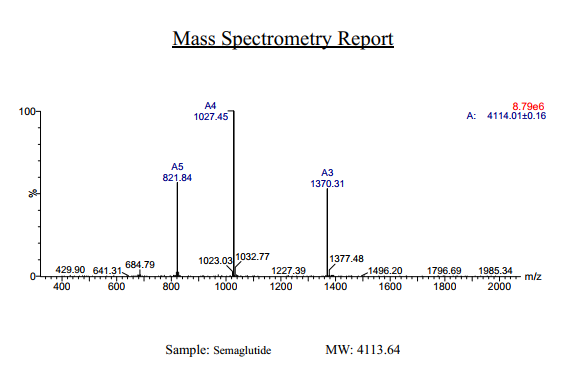
- HPLC, MS
- Citations
Description
Semaglutide Synthetic is a single, non-glycosylated polypeptide chain containing 31 amino acids, having a molecular mass of 4113 Dalton and a Molecular formula of C187H291N45O59.
Formulation
The protein was lyophilized with no additives.
Purity
Greater than 97.0% as determined by analysis by RP-HPLC.
HPLC, MS
Citations
More Info
-
Physical Appearance
Sterile Filtered White lyophilized (freeze-dried) powder.
-
Stability
Lyophilized Semaglutide although stable at room temperature for 3 weeks, should be stored desiccated below -18°C. Upon reconstitution Semaglutide should be stored at 4°C between 2-7 days and for future use below -18°C. For long term storage it is recommended to add a carrier protein (0.1% HSA or BSA). Please prevent freeze-thaw cycles.
-
Solubility
It is recommended to reconstitute the lyophilized Semaglutide in sterile 18MΩ-cm H2O not less than 100 µg/ml, which can then be further diluted to other aqueous solutions.
-
Amino Acid Sequence
H-His-Aib-Glu-Gly-Thr-Phe-Thr-Ser-Asp-Val-Ser-Ser-Tyr-Leu-Glu-Gly-Gln-Ala-Ala-Lys(AEEAc-AEEAc-γ-Glu-17-carboxyheptadecanoyl)-Glu-Phe-Ile-Ala-Trp-Leu-Val-Arg-Gly-Arg-Gly-OH.
-
Background
Semaglutide, a glucagon-like peptide-1 receptor agonist (GLP-1 RA), has emerged as a breakthrough in the field of diabetes management and metabolic disorders. It is recognized for its potent glucose-lowering effects, weight management properties, and cardiovascular benefits. Beyond diabetes, semaglutide is under investigation for its potential applications in obesity treatment and other related conditions. This research aims to comprehensively explore semaglutide, shedding light on its multifaceted mechanisms of action and its broader therapeutic implications.
The primary objective of this research is to elucidate the mechanisms underlying the glucose-lowering and metabolic effects of semaglutide. In vitro and in vivo experiments will be conducted to investigate how semaglutide interacts with GLP-1 receptors, influences insulin secretion, and modulates glucose homeostasis. Understanding these mechanisms is crucial for harnessing the full therapeutic potential of semaglutide.
The second objective is to assess the clinical relevance of semaglutide in diabetes management. Clinical trials involving individuals with type 2 diabetes will be conducted to evaluate the efficacy, safety, and long-term outcomes of semaglutide treatment. These investigations may provide valuable insights into its use as a monotherapy or adjunct therapy in diabetes care.
The third objective is to explore the potential applications of semaglutide beyond diabetes. Research will investigate its role in obesity treatment, cardiovascular risk reduction, and non-alcoholic fatty liver disease (NAFLD) management. Understanding the multifaceted properties of semaglutide may open new avenues for therapeutic interventions in various metabolic and cardiovascular conditions.
By delving into the diverse functions of semaglutide, this research aims to expand our understanding of its therapeutic potential and clinical applications. The findings may contribute to improved treatment strategies for individuals affected by diabetes, obesity, and related metabolic disorders.
ProSpec's products are furnished for LABORATORY RESEARCH USE ONLY. The product may not be used as drugs, agricultural or pesticidal products, food additives or household chemicals.
- View Data Sheet
Name :
Prolactin Human, PEGDescription:
Prolactin Pegylated Human Recombinant
Mammotropin, Luteotropic hormone, Luteotropin, PRL.
Product # :
CYT-1063Price :
Quantity :
Shipping Method :
Shipped at Room temp
More Info
- description
- source
- formulation
- purity
- biological activity
- More Info
- Citations
Description
Prolactin Human Recombinant Pegylated produced in E.Coli is a single, non-glycosylated polypeptide chain containing 199 amino acids + an additional Ala at n-terminal. Pegylated Prolactin is mono-pegylated having a molecular mass of ~ 39 kDa, however under non-denaturing conditions it behaves as 220 kDa protein due to its increased hydrodynamic volume. The Pegylated Prolactin protein is purified by proprietary chromatographic techniques.
Source
Escherichia Coli.
Formulation
The protein was lyophilized from a concentrated (1mg/ml) solution with 0.02-0.03% NaHCO3
Purity
Greater than 99.0% as determined by:
(a) Analysis by Gel filtration.
(b) Analysis by SDS-PAGE.Biological Activity
Pegylated Human Prolactin was tested for its biological functionality in-vitro by inducing proliferation of Nb2 cells or Baf/3 cells that were stably transfected with Human Prolactin receptors, though its activity is lower than human Prolactin. However, it is anticipated that its biological activity in vivo will be higher than human Prolactin due to prolonged persistence in circulation.
Citations
More Info
-
Introduction
Prolactin is a neuroendocrine hormone synthesized primarily by the pituitary gland but also a variety of other cell types including the placenta, brain and uterus. Prolactin is secreted when eating, nursing, mating, estrogen treatment and during ovulation. Prolactin's primary role is to promote and maintain lactation but also plays a role in breast cancer development, regulation of reproductive function and immunoregulation.
-
Synonyms
Mammotropin, Luteotropic hormone, Luteotropin, PRL.
-
Physical Appearance
Sterile Filtered White lyophilized (freeze-dried) powder.
-
Stability
Lyophilized Prolactin although stable at room temperature for 3 weeks, should be stored desiccated below -18°C. Upon reconstitution Prolactin should be stored at 4°C between 2-7 days and for future use below -18°C. For long term storage it is recommended to add a carrier protein (0.1% HSA or BSA). Please prevent freeze-thaw cycles.
-
Solubility
It is recommended to reconstitute the lyophilized Prolactin in sterile 0.4% NaHCO3 pH-8-9, not less than 100µg/ml, which can then be further diluted to other aqueous solutions.
ProSpec's products are furnished for LABORATORY RESEARCH USE ONLY. The product may not be used as drugs, agricultural or pesticidal products, food additives or household chemicals.
- View Data Sheet
Name :
CRHBP HumanDescription:
Corticotropin Releasing Hormone Binding Protein Human Recombinant
Corticotropin releasing hormone binding protein, CRF-BP, CRH-BP, CRF-binding protein.
Product # :
HOR-267Price :
Quantity :
Shipping Method :
Shipped at Room temp
More Info
- description
- source
- formulation
- More Info
- Citations
Description
CRHBP Human Recombinant is a 34.58 kDa protein containing 308 aa and fused to a 10 aa N-Terminal His-tag. CRHBP is purified by proprietary chromatographic techniques.
Source
Escherichia Coli.
Formulation
CRHBP Human was filtered (0.4µm) and lyophilized from 0.5mg/ml supplied in 20mM TRIS and 20mM NaCl, pH 7.5.
Citations
More Info
-
Introduction
CRH is a powerful stimulator of synthesis and secretion of preopiomelanocortin-derived peptides. CRH concentration in the human peripheral circulation is usually low. The concentration rises during pregnancy and fall back quickly after parturition. Maternal plasma CRH most likely originates from the placenta. Human plasma has a CRH-binding protein that inactivates CRH and can inhibit inappropriate pituitary-adrenal stimulation in pregnancy.
-
Synonyms
Corticotropin releasing hormone binding protein, CRF-BP, CRH-BP, CRF-binding protein.
-
Physical Appearance
Filtered white lyophilized powder.
-
Stability
Store lyophilized protein at -20°C. Aliquot reconstituted protein to avoid repeated freezing/thawing cycles and store at -80°C for long term storage. Reconstituted protein can be stored at 4°C for a limited period of time; it does not show any change after one week at 4°C.
-
Solubility
Add deionized water to prepare a working stock solution of approximately 0.5mg/ml and let the lyophilized pellet dissolve completely. Product is not sterile! Please filter the product by an appropriate sterile filter before using it in the cell culture.
-
Amino Acid Sequence
MKHHHHHHAS YLELREAADY DPFLLFSANL KRELAGEQPY RRALRCLDML SLQGQFTFTA DRPQLHCAAF FISEPEEFIT IHYDQVSIDC QGGDFLKVFD GWILKGEKFP SSQDHPLPSA ERYIDFCESG LSRRSIRSSQ NVAMIFFRVH EPGNGFTLTI KTDPNLFPCN VISQTPNGKF TLVVPHQHRN CSFSIIYPVV IKISDLTLGH VNGLQLKKSS AGCEGIGDFV ELLGGTGLDP SKMTPLADLC YPFHGPAQMK VGCDNTVVRM VSSGKHVNRV TFEYRQLEPY ELENPNGNSI GEFCLSGL YLELREAADY DPFLLFSANL KRELAGEQPY RRALRCLDML SLQGQFTFTA DRPQLHCAAF FISEPEEFIT IHYDQVSIDC QGGDFLKVFD GWILKGEKFP SSQDHPLPSA ERYIDFCESG LSRRSIRSSQ NVAMIFFRVH EPGNGFTLTI KTDPNLFPCN VISQTPNGKF TLVVPHQHRN CSFSIIYPVV IKISDLTLGH VNGLQLKKSS AGCEGIGDFV ELLGGTGLDP SKMTPLADLC YPFHGPAQMK VGCDNTVVRM VSSGKHVNRV TFEYRQLEPY ELENPNGNSI GEFCLSGL
-
Applications
ELISA, Western blotting
ProSpec's products are furnished for LABORATORY RESEARCH USE ONLY. The product may not be used as drugs, agricultural or pesticidal products, food additives or household chemicals.
- View Data Sheet
Name :
Follicle Stimulating HormoneDescription:
Follicle Stimulating Hormone Human Recombinant
Follitropin subunit beta, Follicle-stimulating hormone beta subunit, FSH-beta, FSH-B, Follitropin beta chain, FSH.
Product # :
HOR-253Price :
Quantity :
Shipping Method :
Shipped at Room temp
More Info
- description
- source
- formulation
- purity
- biological activity
- More Info
- sds-Page, HPLC
- Citations
Description
FSH Human Recombinant produced in HEK-293 cells is heterodimeric, glycosylated, polypeptide chain transfected with two expression plasmids encoding the human FSH-alpha chain (Accession # P01215) (Ala25-Ser116) and human FSH-beta chain (Asn19-Glu129) (Accession # P01225) having an approximate Mw of 25 kDa. FSH human recombinant is fused to Flag-tag, 6xHis-tag at the C-terminal and purified by proprietary chromatographic techniques.
Source
HEK293
Formulation
The recombinant FSH was lyophilized from 0.2µm filtered solution containing PBS, pH 7.4.
Purity
Greater than 95% as determined by SDS-PAGE.
Biological Activity
The ED50 as determined by cAMP accumulation in human FSH Receptor transfected Chinese Hamster Ovary cells was found to be 80-450 pg/ml.
sds-Page, HPLC
Citations
More Info
-
Introduction
Follicle stimulating hormone (FSH) is a hormone synthesised and secreted by gonadotropes in the anterior pituitary gland. FSH and LH act synergistically in reproduction: In women, in the ovary FSH stimulates the growth of immature Graafian follicles to maturation. As the follicle grows it releases inhibin, which shuts off the FSH production. In men, FSH enhances the production of androgen-binding protein by the Sertoli cells of the testes and is critical for spermatogenesis. In both males and females, FSH stimulates the maturation of germ cells. In females, FSH initiates follicular growth, specifically affecting granulosa cells. With the concomitant rise in inhibin B FSH levels then decline in the late follicular phase. This seems to be critical in selecting only the most advanced follicle to proceed to ovulation. At the end of the luteal phase, there is a slight rise in FSH that seems to be of importance to start the next ovulatory cycle. Like its partner, LH, FSH release at the pituitary gland is controlled by pulses of gonadotropin-releasing hormone (GnRH). Those pulses, in turn, are subject to the estrogen feed-back from the gonads.
-
Synonyms
Follitropin subunit beta, Follicle-stimulating hormone beta subunit, FSH-beta, FSH-B, Follitropin beta chain, FSH.
-
Physical Appearance
Sterile Filtered White lyophilized (freeze-dried) powder.
-
Stability
Lyophilized recombinant FSH although stable at room temperature for 3 weeks, should be stored desiccated below -18°C. Upon reconstitution FSH should be stored at 4°C between 2-7 days and for future use below -18°C. For long term storage it is recommended to add a carrier protein (0.1% HSA or BSA).Please prevent freeze-thaw cycles.
-
Solubility
It is recommended to reconstitute the lyophilized Follicle Stimulating Hormone in sterile 18MΩ-cm H2O not less than 100 µg/ml, which can then be further diluted to other aqueous solutions.
-
Amino Acid Sequence
FSH subunit alpha: APDVQDCPECTLQENPFFSQPGAPILQCMGCCFSRAYPTPLR SKKTMLVQKNVTSESTCCVAKSYNRVTVMGGFKVENHTACHCSTCYYHKS.
FSH subunit beta: NSCELTNITIAIEKEECRFCISINTTWCAGYCYTRDLVYKDP ARPKIQKTCTFKELVYETVRVPGCAHHADSLYTYPVATQCHCGKCDSDSTDCTVRGLGPSYCSFGEMKE.
-
Background
What is the molecular weight/Mw of FOLLICLE STIMULATING HORMONE Protein?
FOLLICLE STIMULATING HORMONE Protein has a total Mw of 25kDa.
What is the source or expression system of FOLLICLE STIMULATING HORMONE Protein?
HEK293.
What is the Purity of FOLLICLE STIMULATING HORMONE Protein?
FOLLICLE STIMULATING HORMONE Protein is >95% pure as determined by SDS-PAGE.
What is the Biological Activity of FOLLICLE STIMULATING HORMONE Protein?
The ED50 as determined by cAMP accumulation in human FSH Receptor transfected Chinese Hamster Ovary cells was found to be 80-450 pg/ml.
What is the amino acid sequence of FOLLICLE STIMULATING HORMONE Protein?
FSH subunit alpha: APDVQDCPECTLQENPFFSQPGAPILQCMGCCFSRAYPTPLR SKKTMLVQKNVTSESTCCVAKSYNRVTVMGGFKVENHTACHCSTCYYHKS.
FSH subunit beta: NSCELTNITIAIEKEECRFCISINTTWCAGYCYTRDLVYKDP ARPKIQKTCTFKELVYETVRVPGCAHHADSLYTYPVATQCHCGKCDSDSTDCTVRGLGPSYCSFGEMKE.
What applications can FOLLICLE STIMULATING HORMONE Protein be used in?
FOLLICLE STIMULATING HORMONE Protein can probably be used in western blot, ELISA and Lateral Flow.
What is the endotoxin level for FOLLICLE STIMULATING HORMONE Protein?
The endotoxin level is minimal, FOLLICLE STIMULATING HORMONE Protein was purified using conventional chromatography techniques.
Who supplies recombinant FOLLICLE STIMULATING HORMONE that is in stock and available to order?
ProSpec has the protein in stock and available for immediate delivery.
Where can I order bulk mg quantities of FOLLICLE STIMULATING HORMONE?
ProSpec supplies bulk mg quantities at affordable prices that meets research and academic budgets.
ProSpec's products are furnished for LABORATORY RESEARCH USE ONLY. The product may not be used as drugs, agricultural or pesticidal products, food additives or household chemicals.
- View Data Sheet
Name :
PTH (7-34) HumanDescription:
Parathyroid Hormone (7-34) Human Recombinant
PTH/PTHrP receptor antagonist, PTHrP analog, PTHR, MGC138426, MGC138452.
Product # :
HOR-266Price :
Quantity :
Shipping Method :
Shipped at Room temp
More Info
- description
- source
- formulation
- purity
- biological activity
- More Info
- Citations
Description
Parathyroid Hormone Human Recombinant produced in E.Coli is a single, non-glycosylated, polypeptide chain containing 28 amino acids and having a molecular mass of 3.4kDa. The PTH is purified by proprietary chromatographic techniques.
Source
Escherichia Coli.
Formulation
Lyophilized from a 0.2μm filtered concentrated solution in PBS, pH 7.4.
Purity
Greater than 97.0% as determined by:
(a) Analysis by RP-HPLC.
(b) Analysis by SDS-PAGE.Biological Activity
The activity calculated by UMR106 cell/cAMP method corresponding to a specific activity of 10,000 Units/mg.Citations
More Info
-
Introduction
Polypeptide hormones secreted by the parathyroid glands, which promote release of calcium from bone to extracellular fluid by activating osteoblasts and inhibiting osteoclasts, indirectly promote increased intestinal absorption of calcium, and promote renal tubular reabsorption of calcium and increased renal excretion of phosphates. It is a major regulator of bone metabolism. Secretion of parathyroid hormone increases when the level of calcium in the extracellular fluid is low. Its action is opposed by calcitonin.
PTH (7-34), which is a PTH/PTHrP receptor antagonist, can stimulate hair growth and epidermal proliferation in mice. -
Synonyms
PTH/PTHrP receptor antagonist, PTHrP analog, PTHR, MGC138426, MGC138452.
-
Physical Appearance
Sterile Filtered White lyophilized (freeze-dried) powder.
-
Stability
Lyophilized Parathyrin although stable at room temperature for 3 weeks, should be stored desiccated below -18°C. Upon reconstitution PTH should be stored at 4°C between 2-7 days and for future use below -18°C.For long term storage it is recommended to add a carrier protein (0.1% HSA or BSA).Please prevent freeze-thaw cycles.
-
Solubility
It is recommended to reconstitute the lyophilized PTH in sterile 18MΩ-cm H2O not less than 100 µg/ml, which can then be further diluted to other aqueous solutions.
-
Amino Acid Sequence
LMHNLGKHLN SMERVEWLRK KLQDVHNF.
ProSpec's products are furnished for LABORATORY RESEARCH USE ONLY. The product may not be used as drugs, agricultural or pesticidal products, food additives or household chemicals.
- View Data Sheet
Name :
LHRH ProteinDescription:
Luteinizing Hormone Releasing Hormone Human Recombinant
LHRH, GRH, GNRH, LNRH.
Product # :
HOR-268Price :
Quantity :
Shipping Method :
Shipped with Ice Packs
More Info
- description
- source
- formulation
- purity
- More Info
- Citations
Description
LHRH Human Recombinant produced in E.Coli is a single, non-glycosylated polypeptide chain containing 92 amino acids (24-92 a.a.) and having a molecular mass of 10.3kDa.LHRH is fused to a 23 amino acid His-tag at N-terminus & purified by proprietary chromatographic techniques.
Source
Escherichia Coli.
Formulation
LHRH protein solution (0.5mg/ml) containing 20mM Tris-HCl buffer (pH 8.0), 0.15M NaCl, 20% glycerol and 1mM DTT.
Purity
Greater than 90.0% as determined by SDS-PAGE.
Citations
More Info
-
Introduction
GNRH1 also known as Luteinising-hormone releasing hormone (LHRH), is a peptide hormone responsible for the release of FSH and LH from the anterior pituitary. GNRH1 is synthesized and released by the hypothalamus.
At the pituitary, GNRH1 stimulates the synthesis and secretion of the follicle-stimulating hormone (FSH) and luteinizing hormone (LH). These processes are controlled by the size and frequency of GNRH1 pulses, as well as by feedback from androgens and estrogens. Low requency GNRH1 pulses lead to FSH release, whereas high frequency GNRH1 pulses stimulate LH release.
There are differences in GNRH1 secretion between males and females. In males, GNRH1 is secreted in pulses at a constant frequency, but in females the frequency of the pulses varies during the menstrual cycle and there is a large surge of GNRH1 just before ovulation.
GNRH1 secretion is pulsatile in all vertebrates, and is necessary for correct reproductive function. Thus, a single hormone, GNRH1, controls a complex process of follicular growth, ovulation, and corpus luteum maintenance in the female, and spermatogenesis in the male. -
Synonyms
LHRH, GRH, GNRH, LNRH.
-
Physical Appearance
Sterile filtered colorless solution.
-
Stability
Store at 4°C if entire vial will be used within 2-4 weeks. Store, frozen at -20°C for longer periods of time. For long term storage it is recommended to add a carrier protein (0.1% HSA or BSA).Avoid multiple freeze-thaw cycles.
-
Amino Acid Sequence
MGSSHHHHHH SSGLVPRGSH MGSQHWSYGL RPGGKRDAEN LIDSFQEIVK EVGQLAETQR FECTTHQPRS PLRDLKGALE SLIEEETGQK KI.
ProSpec's products are furnished for LABORATORY RESEARCH USE ONLY. The product may not be used as drugs, agricultural or pesticidal products, food additives or household chemicals.
- View Data Sheet
Name :
Exendin 4Description:
Exendin-4 Recombinant
Product # :
HOR-269Price :
Quantity :
Shipping Method :
Shipped at Room temp
More Info
- description
- source
- formulation
- purity
- biological activity
- More Info
- Citations
Description
Exendin-4 Recombinant produced in E.Coli is a non-glycosylated polypeptide chain containing 39 amino acids and having a molecular mass of approximately 4.2kDa. Exendin-4 is purified by proprietary chromatographic techniques.
Source
Escherichia Coli.
Formulation
Lyophilized from a 0.2μm filtered concentrated solution in PBS, pH 7.4.
Purity
Greater than 96.0% as determined by:
(a) Analysis by RP-HPLC.
(b) Analysis by SDS-PAGE.Biological Activity
1. Regulates Glucose levels rapidly
2. Reduces Insulin resistance
3. Reduces Glucagon4. Stimulates beta cell growth production.
Citations
More Info
-
Introduction
Exedin-4 Recombinant is a like peptide-1 receptor agonist. The native hormone is produced in the gut of Gila monster Heloderma suspectrum (a type of reptile found in the desert) that stimulates production without causing threateningly low blood sugar, which can occur after using some anti-diabetes products. Recently, researchers used extracted saliva from gila monsters to create an unprecedented breakthrough in Diabetes Type 2 treatment. Unlike other products taken for type 2 diabetes, Exedin-4 has not been linked with weight gain and actually resulted in weight loss, according to the researchers. Exedin-4 enhances glucose-dependant secretion, suppresses inappropriately elevated secretion and slows gastric emptying in vivo. It also promotes B-cell proliferation and neogenesis in vitro and in animal models. Exedin-4 stimulates an increase in acinar cAMP, without stimulating the release of amylase.
-
Physical Appearance
Sterile Filtered White lyophilized (freeze-dried) powder.
-
Stability
Lyophilized Exendin Recombinant although stable at room temperature for 3 weeks, should be stored desiccated below -18°C. Upon reconstitution Exendin-4 should be stored at 4°C between 2-7 days and for future use below -18°C. For long term storage it is recommended to add a carrier protein (0.1% HSA or BSA).Please prevent freeze-thaw cycles.
-
Solubility
It is recommended to reconstitute the lyophilized Exendin Recombinant in sterile 18MΩ-cm H2O not less than 100 µg/ml, which can then be further diluted to other aqueous solutions.
-
Amino Acid Sequence
HGEGTFTSDL SKQMEEEAVR LFIEWLKNGG PSSGAPPPS.
ProSpec's products are furnished for LABORATORY RESEARCH USE ONLY. The product may not be used as drugs, agricultural or pesticidal products, food additives or household chemicals.