Skip to content

High-quality research proteins.

  • 1-800-805-6531

  • Mon - Sat 8.00-18.00, Sun - Closed

  • info@prospecbio.com

  • PO Box 6591 East Brunswick NJ 08816

  • Products
    • Cytokines
    • Growth factors
    • Chemokines
    • Cd antigens
    • Neurotrophins
    • Hormones
    • Enzymes
    • Viral antigens
    • Recombinant proteins
    • Natural proteins
    • Monoclonal antibodies
    • Polyclonal antibodies
    • Thermal Packaging
  • About
    • Company
    • Founder
    • Contribution
  • Customers
    • Eastern Asia
    • Eastern Europe
    • North America
    • South America
    • South East Asia
    • Southern Asia
    • Western Europe
  • Ordering
    • Ordering Method
    • Ordering - Credit Card
    • Ordering - PO
    • Shipping Fees
    • FAQs
  • Services
    • DNA Cloning
    • Protein Expression
    • Monoclonal Antibody
    • Fermentation
    • Technology License
  • Contact us
Log in

Country/region

  • USD $ | Albania
  • USD $ | Andorra
  • USD $ | Argentina
  • USD $ | Armenia
  • USD $ | Australia
  • USD $ | Austria
  • USD $ | Azerbaijan
  • USD $ | Belarus
  • USD $ | Belgium
  • USD $ | Bolivia
  • USD $ | Brazil
  • USD $ | Bulgaria
  • USD $ | Cambodia
  • USD $ | Canada
  • USD $ | Chile
  • USD $ | China
  • USD $ | Colombia
  • USD $ | Costa Rica
  • USD $ | Croatia
  • USD $ | Cyprus
  • USD $ | Czechia
  • USD $ | Denmark
  • USD $ | Estonia
  • USD $ | Finland
  • USD $ | France
  • USD $ | Georgia
  • USD $ | Germany
  • USD $ | Greece
  • USD $ | Hong Kong SAR
  • USD $ | Hungary
  • USD $ | Iceland
  • USD $ | India
  • USD $ | Ireland
  • USD $ | Israel
  • USD $ | Italy
  • USD $ | Japan
  • USD $ | Kazakhstan
  • USD $ | Latvia
  • USD $ | Liechtenstein
  • USD $ | Lithuania
  • USD $ | Madagascar
  • USD $ | Malta
  • USD $ | Mexico
  • USD $ | Moldova
  • USD $ | Monaco
  • USD $ | Netherlands
  • USD $ | New Zealand
  • USD $ | North Macedonia
  • USD $ | Norway
  • USD $ | Panama
  • USD $ | Paraguay
  • USD $ | Peru
  • USD $ | Philippines
  • USD $ | Poland
  • USD $ | Portugal
  • USD $ | Romania
  • USD $ | Singapore
  • USD $ | Slovakia
  • USD $ | Slovenia
  • USD $ | South Africa
  • USD $ | South Korea
  • USD $ | Spain
  • USD $ | Sri Lanka
  • USD $ | Sweden
  • USD $ | Switzerland
  • USD $ | Taiwan
  • USD $ | Thailand
  • USD $ | Türkiye
  • USD $ | Ukraine
  • USD $ | United Kingdom
  • USD $ | United States
  • USD $ | Uruguay
  • USD $ | Vatican City
  • USD $ | Venezuela
  • USD $ | Vietnam
  • Facebook
  • Instagram
logoProSpec - Recombinant Protein Manufacturer for academic and R&D industry
Become a distributor
Account Log in
Wishlist
Cart Cart(0)
  • Products
    +
    • Cytokines
    • Growth factors
    • Chemokines
    • Cd antigens
    • Neurotrophins
    • Hormones
    • Enzymes
    • Viral antigens
    • Recombinant proteins
    • Natural proteins
    • Monoclonal antibodies
    • Polyclonal antibodies
    • Thermal Packaging
  • About
    +
    • Company
    • Founder
    • Contribution
  • Customers
    +
    • Eastern Asia
    • Eastern Europe
    • North America
    • South America
    • South East Asia
    • Southern Asia
    • Western Europe
  • Ordering
    +
    • Ordering Method
    • Ordering - Credit Card
    • Ordering - PO
    • Shipping Fees
    • FAQs
  • Services
    +
    • DNA Cloning
    • Protein Expression
    • Monoclonal Antibody
    • Fermentation
    • Technology License
  • Contact us

Item added to your cart

View cart
View All
  • Cytokines
  • Growth factors
  • Chemokines
  • Cd antigens
  • Neurotrophins
  • Hormones
  • Enzymes
  • Viral antigens
  • Recombinant proteins
  • Natural proteins
  • Monoclonal antibodies
  • Polyclonal antibodies
  • Thermal Packaging
  • Tumor Necrosis Factor

    Tumor Necrosis Factor

    View All
  • 4-1BB

    4-1BB

    View All
  • Adiponectin

    Adiponectin

    View All
  • AIF1

    AIF1

    View All
  • Other Cytokines

    Other Cytokines

    View All
  • AITRL

    AITRL

    View All
  • Angiopoietin

    Angiopoietin

    View All
  • Apolipoprotein

    Apolipoprotein

    View All
  • B-Cell Activating Factor

    B-Cell Activating Factor

    View All
  • Beta Defensin

    Beta Defensin

    View All
  • Bone Morphogenetic Protein

    Bone Morphogenetic Protein

    View All
  • B type Natriuretic Peptide

    B type Natriuretic Peptide

    View All
  • BST

    BST

    View All
  • Betacellulin

    Betacellulin

    View All
  • Cardiotrophin

    Cardiotrophin

    View All
  • Activin

    Activin

    View All
  • Fibroblast Growth Factor

    Fibroblast Growth Factor

    View All
  • Other Growth Factors

    Other Growth Factors

    View All
  • CSF

    CSF

    View All
  • CTGF

    CTGF

    View All
  • IGFBP

    IGFBP

    View All
  • VEGF Protein

    VEGF Protein

    View All
  • EGF

    EGF

    View All
  • Epigen

    Epigen

    View All
  • Erythropoietin

    Erythropoietin

    View All
  • Insulin-Like Growth Factor

    Insulin-Like Growth Factor

    View All
  • Growth Hormone

    Growth Hormone

    View All
  • HDGF

    HDGF

    View All
  • Hepatocyte Growth Factor

    Hepatocyte Growth Factor

    View All
  • Insulin

    Insulin

    View All
  • BCA-1/ BLC (CXCL13)

    BCA-1/ BLC (CXCL13)

    View All
  • BRAK (CXCL14)

    BRAK (CXCL14)

    View All
  • C-10 (CCL6)

    C-10 (CCL6)

    View All
  • Other Chemokines

    Other Chemokines

    View All
  • MEC (CCL28)

    MEC (CCL28)

    View All
  • LD78-beta (CCL3L1)

    LD78-beta (CCL3L1)

    View All
  • CTACK (CCL27)

    CTACK (CCL27)

    View All
  • CXCL16

    CXCL16

    View All
  • CXCL17

    CXCL17

    View All
  • Platelet Factor-4 (CXCL4)

    Platelet Factor-4 (CXCL4)

    View All
  • ENA-78 (CXCL5)

    ENA-78 (CXCL5)

    View All
  • Eotaxin (CCL11,24,26)

    Eotaxin (CCL11,24,26)

    View All
  • Exodus-2 (CCL21)

    Exodus-2 (CCL21)

    View All
  • Fractalkine (CX3CL1)

    Fractalkine (CX3CL1)

    View All
  • CXCL6

    CXCL6

    View All
  • Other CD Antigens

    Other CD Antigens

    View All
  • CD14

    CD14

    View All
  • CD164

    CD164

    View All
  • CD1

    CD1

    View All
  • CD2

    CD2

    View All
  • CD200

    CD200

    View All
  • CD207

    CD207

    View All
  • CD226

    CD226

    View All
  • CD23

    CD23

    View All
  • CD244

    CD244

    View All
  • CD247

    CD247

    View All
  • CD27

    CD27

    View All
  • CD274

    CD274

    View All
  • CD300

    CD300

    View All
  • CD33

    CD33

    View All
  • Other Neurotrophins

    Other Neurotrophins

    View All
  • Beta-NGF

    Beta-NGF

    View All
  • BDNF

    BDNF

    View All
  • CDNF

    CDNF

    View All
  • CNTF

    CNTF

    View All
  • GDNF

    GDNF

    View All
  • Glia Maturation Factor

    Glia Maturation Factor

    View All
  • MANF

    MANF

    View All
  • Midkine

    Midkine

    View All
  • Neuroglobin

    Neuroglobin

    View All
  • Neurotrophic factors

    Neurotrophic factors

    View All
  • Neuregulin

    Neuregulin

    View All
  • Neuropilin

    Neuropilin

    View All
  • Pigment Epithelium-Derived Factor

    Pigment Epithelium-Derived Factor

    View All
  • Pleiotrophin

    Pleiotrophin

    View All
  • Peptide Hormones

    Peptide Hormones

    View All
  • Other Hormones

    Other Hormones

    View All
  • HCG

    HCG

    View All
  • Endothelin

    Endothelin

    View All
  • Exendin

    Exendin

    View All
  • FSH

    FSH

    View All
  • Glucagon

    Glucagon

    View All
  • GHRP

    GHRP

    View All
  • GLP

    GLP

    View All
  • Thyrostimulin

    Thyrostimulin

    View All
  • Inhibin A

    Inhibin A

    View All
  • LHRH

    LHRH

    View All
  • Melanotan

    Melanotan

    View All
  • Procalcitonin

    Procalcitonin

    View All
  • PTH

    PTH

    View All
  • Peroxiredoxin

    Peroxiredoxin

    View All
  • Peptidase

    Peptidase

    View All
  • Synthetase

    Synthetase

    View All
  • Transferase

    Transferase

    View All
  • Hydrolase

    Hydrolase

    View All
  • Dehydrogenase

    Dehydrogenase

    View All
  • ACE2

    ACE2

    View All
  • Esterase

    Esterase

    View All
  • Protein Kinases

    Protein Kinases

    View All
  • Other Enzymes

    Other Enzymes

    View All
  • Phosphatase

    Phosphatase

    View All
  • Deaminase

    Deaminase

    View All
  • Oxygenase

    Oxygenase

    View All
  • Adenylate Kinase

    Adenylate Kinase

    View All
  • Lyase

    Lyase

    View All
  • Chagas

    Chagas

    View All
  • SARS

    SARS

    View All
  • Influenza

    Influenza

    View All
  • ASFV

    ASFV

    View All
  • Astrovirus

    Astrovirus

    View All
  • Borrelia

    Borrelia

    View All
  • Helicobacter Pylori

    Helicobacter Pylori

    View All
  • Chikungunya

    Chikungunya

    View All
  • Chlamydia

    Chlamydia

    View All
  • Cytomegalo

    Cytomegalo

    View All
  • Dengue

    Dengue

    View All
  • EBV

    EBV

    View All
  • Ebola

    Ebola

    View All
  • Feline Leukemia Virus

    Feline Leukemia Virus

    View All
  • Hepatitis A

    Hepatitis A

    View All
  • Other

    Other

    View All
  • Actin

    Actin

    View All
  • ADAM

    ADAM

    View All
  • Complement Component

    Complement Component

    View All
  • Ag85

    Ag85

    View All
  • Eukaryotic Translation Initiation Factor

    Eukaryotic Translation Initiation Factor

    View All
  • Anterior Gradient Protein

    Anterior Gradient Protein

    View All
  • Heat Shock Protein

    Heat Shock Protein

    View All
  • Alpha-2-HS-Glycoprotein

    Alpha-2-HS-Glycoprotein

    View All
  • Hemoglobin

    Hemoglobin

    View All
  • Allergy

    Allergy

    View All
  • Anaplasma

    Anaplasma

    View All
  • Angiogenin

    Angiogenin

    View All
  • Ankyrin Repeat Domain

    Ankyrin Repeat Domain

    View All
  • Annexin

    Annexin

    View All
  • Other Natural Proteins

    Other Natural Proteins

    View All
  • Aprotinin

    Aprotinin

    View All
  • Transferrin

    Transferrin

    View All
  • Avidin

    Avidin

    View All
  • Anti Coagulation Factors

    Anti Coagulation Factors

    View All
  • Natural Albumin

    Natural Albumin

    View All
  • Natural Coagulation Factors

    Natural Coagulation Factors

    View All
  • Fibronectin

    Fibronectin

    View All
  • Thrombin

    Thrombin

    View All
  • Anti Human Enzyme

    Anti Human Enzyme

    View All
  • Other Monoclonal Antibodies

    Other Monoclonal Antibodies

    View All
  • Anti Human Cytokine

    Anti Human Cytokine

    View All
  • Anti Human Heat Shock Protein

    Anti Human Heat Shock Protein

    View All
  • Anti Mouse Lymphocyte

    Anti Mouse Lymphocyte

    View All
  • Anti Human Chemokine

    Anti Human Chemokine

    View All
  • Anti Human Lymphocyte

    Anti Human Lymphocyte

    View All
  • Anti Viral Monoclonal

    Anti Viral Monoclonal

    View All
  • Anti Mouse Cytokine

    Anti Mouse Cytokine

    View All
  • Anti-GST Monoclonal

    Anti-GST Monoclonal

    View All
  • Other Polyclonal Antibodies

    Other Polyclonal Antibodies

    View All
  • Anti Viral

    Anti Viral

    View All
  • Anti-GST Monoclonal

    Anti-GST Monoclonal

    View All
Back

Search results

1000 results found for “Leptin”

Name

Description

Product #

Price

Quantity

Shipping Method

  • View Data Sheet

    Name :

    Hepatocyte Growth Factor Human, HEK

    Description:

    Hepatocyte Growth Factor Human Recombinant, HEK

    Scatter Factor (SF), Hepatopoietin (HPTA), HGF, HGFB, F-TCF.

    Product # :

    CYT-090

    Price :

    Quantity :

    Shipping Method :

    Room Temp Icon

    Shipped at Room temp

    Add To Cart

    More Info

    • description
    • source
    • formulation
    • purity
    • biological activity
    • More Info

    Description

    HGF Human Recombinant produced in HEK cells is a glycosylated disulfide-linked heterodimer, containing 697 a.a. (Gln-32 to Ser-728) having a total molecular weight of 80kDa. The HGF is purified by proprietary chromatographic techniques.

    Source

    HEK.

    Formulation

    The HGF was lyophilized from a solution (1mg/ml) containing 10mM Sodium phosphate, 150mM NaCl, 0.01% Tween 80 and 100mM L-Arginine, pH 6.5.

    Purity

    Greater than 90.0% as determined by SDS-PAGE.

    Biological Activity

    The activity was measured in a cell proliferation assay using 4MBr-5 rhesus monkey epithelial cells (ATCC CCL-208). The EC50 for this effect is typically 20-40ng/ml.

    More Info

    • Introduction

      Hepatocyte Growth Factor (HGF) is a multifunctional growth factor which regulates both cell growth and cell motility. It exerts a strong mitogenic effect on hepatocytes and primary epithelial cells. HGF synergizes with Interleukin-3 and GM-CSF to stimulate colony formation of hematopoietic progenitor cells in vitro and may, therefore, also modulate hematopoiesis.

    • Synonyms

      Scatter Factor (SF), Hepatopoietin (HPTA), HGF, HGFB, F-TCF.

    • Physical Appearance

      Sterile Filtered White lyophilized (freeze-dried) powder.

    • Stability

      Lyophilized HGF although stable at room temperature for 3 weeks, should be stored desiccated below -18°C. Upon reconstitution HGF should be stored at 4°C between 2-7 days and for future use below -18°C.For long term storage it is recommended to add a carrier protein (0.1% HSA or BSA).Please prevent freeze-thaw cycles.

    • Solubility

      It is recommended to reconstitute the lyophilized Hepatocyte Growth Factor in sterile 18MΩ-cm H2O not less than 100µg/ml, which can then be further diluted to other aqueous solutions.

    • Amino Acid Sequence

      32-QRKRRNTIHE FKKSAKTTLI KIDPALKIKT KKVNTADQCA NRCTRNKGLP FTCKAFVFDK ARKQCLWFPF NSMSSGVKKE FGHEFDLYEN KDYIRNCIIG KGRSYKGTVS ITKSGIKCQP WSSMIPHEHS FLPSSYRGKD LQENYCRNPR GEEGGPWCFT SNPEVRYEVC DIPQCSEVEC MTCNGESYRG LMDHTESGKI CQRWDHQTPH RHKFLPERYP DKGFDDNYCR NPDGQPRPWC YTLDPHTRWE YCAIKTCADN TMNDTDVPLE TTECIQGQGE GYRGTVNTIW NGIPCQRWDS QYPHEHDMTP ENFKCKDLRE NYCRNPDGSE SPWCFTTDPN IRVGYCSQIP NCDMSHGQDC YRGNGKNYMG NLSQTRSGLT CSMWDKNMED LHRHIFWEPD ASKLNENYCR NPDDDAHGPW CYTGNPLIPW DYCPISRCEG DTTPTIVNLD HPVISCAKTK QLRVVNGIPT RTNIGWMVSL RYRNKHICGG SLIKESWVLT ARQCFPSRDL KDYEAWLGIH DVHGRGDEKC KQVLNVSQLV YGPEGSDLVL MKLARPAVLD DFVSTIDLPN YGCTIPEKTS CSVYGWGYTG LINYDGLLRV AHLYIMGNEK CSQHHRGKVT LNESEICAGA EKIGSGPCEG DYGGPLVCEQ HKMRMVLGVI VPGRGCAIPN RPGIFVRVAY YAKWIHKIIL TYKVPQS-728

    • Background

      What is the molecular weight/Mw of HEPATOCYTE GROWTH FACTOR HUMAN,HEK Protein?
      HEPATOCYTE GROWTH FACTOR HUMAN,HEK Protein has a total Mw of 80kDa.

      What is the source or expression system of HEPATOCYTE GROWTH FACTOR HUMAN,HEK Protein?
      HEK.
      What is the Purity of HEPATOCYTE GROWTH FACTOR HUMAN,HEK Protein?
      HEPATOCYTE GROWTH FACTOR HUMAN,HEK Protein is >90% pure as determined by SDS-PAGE.

      What is the Biological Activity of HEPATOCYTE GROWTH FACTOR HUMAN,HEK Protein?
      The activity was measured in a cell proliferation assay using 4MBr-5 rhesus monkey epithelial cells (ATCC CCL-208). The EC50 for this effect is typically 20-40ng/ml.
      What is the amino acid sequence of HEPATOCYTE GROWTH FACTOR HUMAN,HEK Protein?
      32-QRKRRNTIHE FKKSAKTTLI KIDPALKIKT KKVNTADQCA NRCTRNKGLP FTCKAFVFDK ARKQCLWFPF NSMSSGVKKE FGHEFDLYEN KDYIRNCIIG KGRSYKGTVS ITKSGIKCQP WSSMIPHEHS FLPSSYRGKD LQENYCRNPR GEEGGPWCFT SNPEVRYEVC DIPQCSEVEC MTCNGESYRG LMDHTESGKI CQRWDHQTPH RHKFLPERYP DKGFDDNYCR NPDGQPRPWC YTLDPHTRWE YCAIKTCADN TMNDTDVPLE TTECIQGQGE GYRGTVNTIW NGIPCQRWDS QYPHEHDMTP ENFKCKDLRE NYCRNPDGSE SPWCFTTDPN IRVGYCSQIP NCDMSHGQDC YRGNGKNYMG NLSQTRSGLT CSMWDKNMED LHRHIFWEPD ASKLNENYCR NPDDDAHGPW CYTGNPLIPW DYCPISRCEG DTTPTIVNLD HPVISCAKTK QLRVVNGIPT RTNIGWMVSL RYRNKHICGG SLIKESWVLT ARQCFPSRDL KDYEAWLGIH DVHGRGDEKC KQVLNVSQLV YGPEGSDLVL MKLARPAVLD DFVSTIDLPN YGCTIPEKTS CSVYGWGYTG LINYDGLLRV AHLYIMGNEK CSQHHRGKVT LNESEICAGA EKIGSGPCEG DYGGPLVCEQ HKMRMVLGVI VPGRGCAIPN RPGIFVRVAY YAKWIHKIIL TYKVPQS-728

      What applications can HEPATOCYTE GROWTH FACTOR HUMAN,HEK Protein be used in?
      HEPATOCYTE GROWTH FACTOR HUMAN,HEK Protein can probably be used in western blot, ELISA and Lateral Flow.

      What is the endotoxin level for HEPATOCYTE GROWTH FACTOR HUMAN,HEK Protein?
      The endotoxin level is minimal, HEPATOCYTE GROWTH FACTOR HUMAN,HEK Protein was purified using conventional chromatography techniques.


    ProSpec's products are furnished for LABORATORY RESEARCH USE ONLY. The product may not be used as drugs, agricultural or pesticidal products, food additives or household chemicals.

    Hgf Human Hek
  • View Data Sheet

    Name :

    LAYN Human

    Description:

    Layilin Human Recombinant

    Layilin

    Product # :

    PRO-1629

    Price :

    Quantity :

    Shipping Method :

    Ice Icon

    Shipped with Ice Packs

    Add To Cart

    More Info

    • description
    • source
    • formulation
    • purity
    • More Info

    Description

    LAYN Human Recombinant produced in E.coli is a single, non-glycosylated polypeptide chain containing 237 amino acids (22-235) and having a molecular mass of 26.7kDa.LAYN is fused to a 23 amino acid His-tag at N-terminus & purified by proprietary chromatographic techniques.

    Source

    Escherichia Coli.

    Formulation

    The LAYN solution contains 20mM Tris-HCl buffer (pH 8.0), 0.15M NaCl, 1mM DTT and 10% glycerol.

    Purity

    Greater than 85% as determined by SDS-PAGE.

    More Info

    • Introduction

      LAYN, also known as Layilin, contains 1 c-type lectin domain. This protein is receptor for hyaluronate and Interacts with NF2, RDX and TLN1. The C-terminal domain interacts with the N-terminal domain of RDX.

    • Synonyms

      Layilin

    • Physical Appearance

      Sterile filtered colorless solution.

    • Stability

      Store at 4°C if entire vial will be used within 2-4 weeks. Store, frozen at -20°C for longer periods of time. For long term storage it is recommended to add a carrier protein (0.1% HSA or BSA).Avoid multiple freeze-thaw cycles.

    • Amino Acid Sequence

      MGSSHHHHHH SSGLVPRGSH MGSATGRLLS ASDLDLRGGQ PVCRGGTQRP CYKVIYFHDT SRRLNFEEAK EACRRDGGQL VSIESEDEQK LIEKFIENLL PSDGDFWIGL RRREEKQSNS TACQDLYAWT DGSISQFRNW YVDEPSCGSE VCVVMYHQPS APAGIGGPYM FQWNDDRCNM KNNFICKYSD EKPAVPSREA EGEETELTTP VLPEETQEED AKKTFKESRE AALNLAY

    ProSpec's products are furnished for LABORATORY RESEARCH USE ONLY. The product may not be used as drugs, agricultural or pesticidal products, food additives or household chemicals.

    Layn Human
  • View Data Sheet

    Name :

    Retatrutide

    Description:

    Retatrutide

    Product # :

    HOR-058

    Price :

    Quantity :

    Shipping Method :

    Room Temp Icon

    Shipped at Room temp

    Add To Cart

    More Info

    • description
    • formulation
    • purity
    • More Info

    Description

    Retatrutide  is a synthetic single, non-glycosylated polypeptide chain containing 39 amino acids, having a molecular mass of 4731 Dalton and a Molecular formula of C221H342N46O68.               

    Formulation

    The protein was lyophilized with no additives.

    Purity

    Greater than 97.0% as determined by analysis by RP-HPLC.

    More Info

    • Physical Appearance

      Sterile Filtered White lyophilized (freeze-dried) powder.

    • Stability

      Lyophilized Retatrutide although stable at room temperature for 3 weeks, should be stored desiccated below -18°C. Upon reconstitution Retatrutide should be stored at 4°C between 2-7 days and for future use below -18°C.
      For long term storage it is recommended to add a carrier protein (0.1% HSA or BSA).
      Please prevent freeze-thaw cycles.

    • Solubility

      It is recommended to reconstitute the lyophilized Retatrutide in sterile 18MΩ-cm H2O not less than 100 µg/ml, which can then be further diluted to other aqueous solutions.

    • Amino Acid Sequence

      H-Tyr-Aib-Gln-Gly-Thr-Phe-Thr-SerAsp-Tyr-Ser-Ile-α-Me-Leu-Leu-Asp-Lys-{diacid-C20-gamma-Glu- (AEEA)-Lys}-Ala-Gln-Aib-Ala-Phe-Ile-Glu-Tyr-Leu-Leu-Glu-Gly-GlyPro-Ser-Ser-Gly-Ala-Pro-Pro-Pro-Ser-NH2.

    • Background

      Retatrutide is atriple agonist targeting the GIP, GLP-1, and glucagon receptors which offers a distinct metabolic profile that goes beyond previous dual agonists like Tirzepatide. Retatrutide takes a very important part in metabolic pharmacotherapy, achieving high weight loss of nearly 30% in Phase 3 trials. Retatrutide’s triple-receptor agonism—mainly the inclusion of the glucagon receptor—provides a superior metabolic advantage in clearing liver fat and increasing thermogenesis compared to dual agonists.

    ProSpec's products are furnished for LABORATORY RESEARCH USE ONLY. The product may not be used as drugs, agricultural or pesticidal products, food additives or household chemicals.

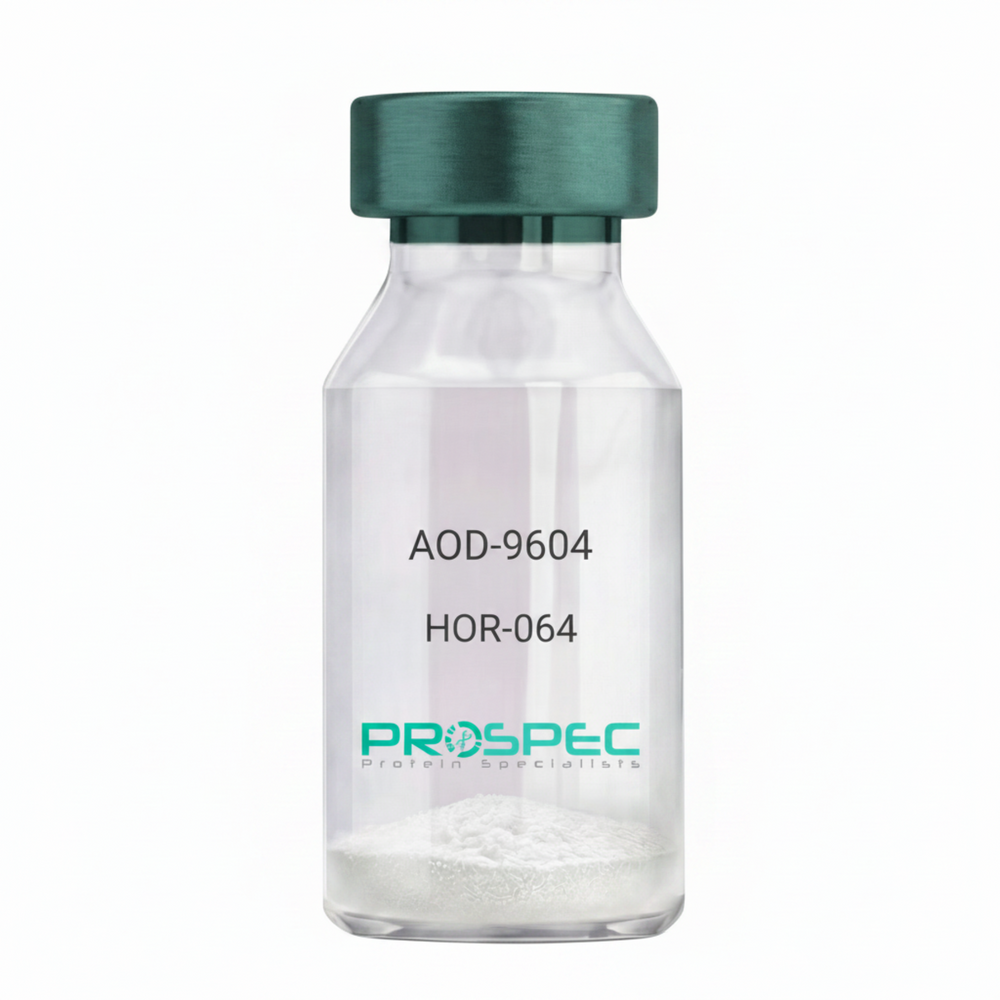
    AOD-9604
  • View Data Sheet

    Name :

    Procalcitonin Rat

    Description:

    Procalcitonin Rat Recombinant

    Calcitonin, Calca, Calc.

    Product # :

    HOR-019

    Price :

    Quantity :

    Shipping Method :

    Room Temp Icon

    Shipped at Room temp

    Add To Cart

    More Info

    • description
    • source
    • formulation
    • purity
    • More Info

    Description

    Procalcitonin Rat Recombinant produced in E.Coli is a single, non-glycosylated, polypeptide chain (Val26-Asn136) containing 121 amino acids including a 10 aa His tag at N-terminus. The total calculated molecular mass is 13.6kDa.

    Source

    Escherichia Coli.

    Formulation

    Procalcitonin was filtered (0.4µm) and lyophilized in 20mM TRIS and 50mM NaCl, pH 8.0.

    Purity

    Greater than 95.0% as determined by SDS-PAGE.

    More Info

    • Introduction

      Procalcitonin is a peptide hormone mainly produced by the C cells of the thyroid and certain endocrine cells of the lung. Under normal expression conditions, procalcitonin is immediately cleaved into three specific fragments, an N terminal residue, calcitonin and katacalcin. Levels of unprocessed procalcitonin rise significantly after bacterial infection, trauma or shock.

    • Synonyms

      Calcitonin, Calca, Calc.

    • Physical Appearance

      Filtered White lyophilized (freeze-dried) powder.

    • Stability

      Store lyophilized protein at -20°C. Aliquot the product after reconstitution to avoid repeated freezing/thawing cycles. Reconstituted protein can be stored at 4°C for a limited period of time; it does not show any change after two weeks at 4°C.

    • Solubility

      It is recommended to add deionized water to prepare a working stock solution of approximately 0.5 mg/ml and let the lyophilized pellet dissolve completely. Procalcitonin is not sterile! Please filter the product by an appropriate sterile filter before using it in the cell culture.

    • Amino Acid Sequence

      MKHHHHHHASVPLRSTLESS PGMATLSEEE ARLLAALVQN YMQMKVRELE QEEEQEAEGS SLDSPRSKRC GNLSTCMLGT YTQDLNKFHT FPQTSIGVGA PGKKRDMAKD LETNHHPYFG N.

    ProSpec's products are furnished for LABORATORY RESEARCH USE ONLY. The product may not be used as drugs, agricultural or pesticidal products, food additives or household chemicals.

    Procalcitonin Rat
  • View Data Sheet

    Name :

    PTPRN Human

    Description:

    Protein Tyrosine Phosphatase Receptor Type N Human Recombinant

    Receptor-type tyrosine-protein phosphatase-like N, R-PTP-N, Islet cell antigen 512, ICA 512, Islet cell autoantigen 3, PTP IA-2, PTPRN, ICA3, ICA512.

    Product # :

    ENZ-1162

    Price :

    Quantity :

    Shipping Method :

    Ice Icon

    Shipped with Ice Packs

    Add To Cart

    More Info

    • description
    • source
    • formulation
    • purity
    • More Info

    Description

    Recombinant Human Protein Tyrosine Phosphatase Receptor Type N produced in SF9 is a glycosylated, polypeptide chain having a calculated molecular mass of 46kDa. PTPRN is expressed with a 6xHis tag and purified by proprietary chromatographic techniques.

    Source

    Sf9 insect cells.

    Formulation

    PTPRN is supplied in 50mM Sodium phosphate (pH 8.0) and 20% Glycerol.

    Purity

    Greater than 95.0% as determined by SDS-PAGE.

    More Info

    • Introduction

      Protein Tyrosine Phosphatase Receptor Type N (PTPRN) is a catalytically inactive protein and a major target of autoimmune response in diabetes mellitus. The long C-terminal intracellular tail covers the majority of autoantibody epitopes. PTPRN is expressed in neural, neuroendocrine and pancreatic islet cells.

    • Synonyms

      Receptor-type tyrosine-protein phosphatase-like N, R-PTP-N, Islet cell antigen 512, ICA 512, Islet cell autoantigen 3, PTP IA-2, PTPRN, ICA3, ICA512.

    • Physical Appearance

      Sterile Filtered colorless solution.

    • Stability

      Store at 4°C if entire vial will be used within 2-4 weeks. Store, frozen at -20°C for longer periods of time. Avoid multiple freeze-thaw cycles.

    ProSpec's products are furnished for LABORATORY RESEARCH USE ONLY. The product may not be used as drugs, agricultural or pesticidal products, food additives or household chemicals.

    Ptprn Human
  • View Data Sheet

    Name :

    CRH Human (13-87)

    Description:

    Corticotropin Releasing Hormone (13-87 a.a.) Human Recombinant

    CRF, Corticotropin-Releasing Factor.

    Product # :

    HOR-054

    Price :

    Quantity :

    Shipping Method :

    Room Temp Icon

    Shipped at Room temp

    Add To Cart

    More Info

    • description
    • source
    • formulation
    • purity
    • More Info

    Description

    The CRH Human is created as a recombinant protein with a 4kda N-terminal fusion of His Tag. The CRH His-Tagged Fusion Protein, produced in E. coli, is a 15kDa protein containing 75 amino acid residues of the CRH Human, 13-87 amino acids.

    Source

    Escherichia Coli.

    Formulation

    Each mg was lyophilized with 1xPBS, 0.4% SDS and 4mM DTT.

    Purity

    Greater than 90% as determined by SDS-PAGE.

    More Info

    • Synonyms

      CRF, Corticotropin-Releasing Factor.

    • Physical Appearance

      Filtered White lyophilized (freeze-dried) powder.

    • Stability

      Store lyophilized CRH at -20°C. Aliquot the product after reconstitution to avoid repeated freezing/thawing cycles. Reconstituted protein can be stored at 4°C for a limited period of time; it does not show any change after two weeks at 4°C.

    • Solubility

      It is recommended to add deionized water to prepare a working stock solution of approximately 0.5mg/ml and let the lyophilized pellet dissolve completely. Product is not sterile! Please filter the product by an appropriate sterile filter before using it on cell culture.

    • Background

      CRH is a neuropeptide which regulates body's response to stress. CRH stimulates the release of ACTH from the pituitary gland which triggers the adrenal glands to produce cortisol. CRH takes part in the hypothalamic-pituitary-adrenal axis which controls the production of cortisol and other glucocorticoids. CRH is synthesized in different tissues such as the brainstem, hypothalamus and peripheral organs. In Pregnancy, CRH regulates parturition and fetal development.

    ProSpec's products are furnished for LABORATORY RESEARCH USE ONLY. The product may not be used as drugs, agricultural or pesticidal products, food additives or household chemicals.

    Crh Protein
  • View Data Sheet

    Name :

    Darbepoetin

    Description:

    Darbepoetin-Alpha Human Recombinant

    Erythropoietin-Mutant, EPO-mutant, NESP, Novel Erythropoiesis Stimulating Protein, EPO Mutant.

    Product # :

    CYT-1263

    Price :

    Quantity :

    Shipping Method :

    Room Temp Icon

    Shipped at Room temp

    Add To Cart

    More Info

    • description
    • source
    • formulation
    • purity
    • biological activity
    • More Info

    Description

    Darbepoetin-alpha Human Recombinant is produced in Chinese hamster ovary (CHO) cells by recombinant DNA technology is a glycosylated polypeptide chain containing 165 amino acids and having a predicted molecular mass of 18,200 Dalton and apparent glycosylated molecular mass of 37-40kDa. Darbepoetin is purified by proprietary chromatographic techniques.

    Source

    Chinese Hamster Ovary Cells(CHO).

    Formulation

    Each mg of lyophilized Darbepoetin powder contains 20mM Phosphate Buffer, 0.15M NaCl pH-6.2 & 0.005% Tween-80.

    Purity

    Greater than 97.0% as determined by SDS-PAGE.

    Biological Activity

    The Specific Activity was measured by Normocyth -aemic mice and was found to be 1,000,000 IU/mg.

    More Info

    • Introduction

      Darbepoetin is a mutant recombinant human EPO-Alpha protein re-engineered, containing 5 amino acid changes at N30, T32, V87, N88, T90. Darbepoetin exhibits longer half-life stimulating red blood cell production than Erythropoietin. Darbepoetin maintains hemoglobin more effectively compared to EPO-Alpha.

    • Synonyms

      NESP, Novel Erythropoiesis Stimulating Protein, EPO Mutant.

    • Physical Appearance

      Sterile Filtered White lyophilized (freeze-dried) powder.

    • Stability

      Lyophilized Darbepoetin although stable at room temperature for 3 weeks, should be stored desiccated below -18°C. Upon reconstitution Darbepoetin should be stored at 4°C between 2-7 days and for future use below -18°C.For long term storage it is recommended to add a carrier protein (0.1% HSA or BSA).Please prevent freeze-thaw cycles.

    • Solubility

      It is recommended to reconstitute the lyophilized Darbepoetin in sterile 18MΩ-cm H2O not less than 100µg/ml, which can then be further diluted to other aqueous solutions.

    • Amino Acid Sequence

      APPRLICDSR VLERYLLEAK EAENITTGCN ETCSLNENIT VPDTKVNFYA WKRMEVGQQA VEVWQGLALL SEAVLRGQAL LVNSSQVNET LQLHVDKAVS GLRSLTTLLR ALGAQKEAIS PPDAASAAPL RTITADTFRK LFRVYSNFLR GKLKLYTGEA CRTGD.

    • Background

      What is the molecular weight/Mw of DARBEPOETIN Protein?
      DARBEPOETIN Protein has a total Mw of 38.5kDa.

      What is the source or expression system of DARBEPOETIN Protein?
      Chinese Hamster Ovary Cells(CHO).

      What is the Purity of DARBEPOETIN Protein?
      DARBEPOETIN Protein is >97% pure as determined by SDS-PAGE.

      What is the Biological Activity of DARBEPOETIN Protein?
      The Specific Activity was measured by Normocyth -aemic mice and was found to be 1,000,000 IU/mg.

      What is the amino acid sequence of DARBEPOETIN Protein?
      APPRLICDSR VLERYLLEAK EAENITTGCN ETCSLNENIT VPDTKVNFYA WKRMEVGQQA VEVWQGLALL SEAVLRGQAL LVNSSQVNET LQLHVDKAVS GLRSLTTLLR ALGAQKEAIS PPDAASAAPL RTITADTFRK LFRVYSNFLR GKLKLYTGEA CRTGD

      What applications can DARBEPOETIN Protein be used in?
      DARBEPOETIN Protein can probably be used in western blot, ELISA and Lateral Flow.

      What is the endotoxin level for DARBEPOETIN Protein?
      The endotoxin level is minimal, DARBEPOETIN Protein was purified using conventional chromatography techniques

    ProSpec's products are furnished for LABORATORY RESEARCH USE ONLY. The product may not be used as drugs, agricultural or pesticidal products, food additives or household chemicals.

    Darbepoetin
  • View Data Sheet

    Name :

    Survodutide

    Description:

    Survodutide

    Product # :

    HOR-061

    Price :

    Quantity :

    Shipping Method :

    Room Temp Icon

    Shipped at Room temp

    Add To Cart

    More Info

    • description
    • formulation
    • purity
    • More Info

    Description

    Survodutide is a synthetic single, non-glycosylated polypeptide chain containing 29 amino acids, having a molecular mass of 4231.62 Dalton and a Molecular formula of C192H289N47O61.

    Formulation

    The protein was lyophilized with no additives.

    Purity

    Greater than 97.0% as determined by analysis by RP-HPLC.

    More Info

    • Physical Appearance

      Sterile Filtered White lyophilized (freeze-dried) powder.

    • Stability

      Lyophilized Survodutide although stable at room temperature for 3 weeks, should be stored desiccated below -18°C. Upon reconstitution Survodutide should be stored at 4°C between 2-7 days and for future use below -18°C.
      For long term storage it is recommended to add a carrier protein (0.1% HSA or BSA).
      Please prevent freeze-thaw cycles.

    • Solubility

      It is recommended to reconstitute the lyophilized Survodutide in sterile 18MΩ-cm H2O not less than 100 µg/ml, which can then be further diluted to other aqueous solutions.

    • Amino Acid Sequence

      H-His-1-Aminocyclobutanecarboxylic acid-Gln-Gly-Thr-Phe-Thr-Ser-Asp-Tyr-Ser-Lys-Tyr-Leu-Asp-Glu-ArgAla-Ala-Lys-Asp-Phe-Ile-Lys-(Gly-Gly-Ser-Gly-Ser-Gly-γ-Gludiacid18)-Trp-Leu-Glu-Ser-Ala-NH2.

    • Background

      Survodutide is a dual agonist targeting both the GLP-1 and Glucagon receptors. It has a glucagon component, which effects directly on the liver to increase energy expenditure and clear fat. Survodutide takes part in treatment of liver disease, mainly Metabolic Dysfunction-Associated Steatohepatitis, while simultaneously advancing through Phase 3 trials for obesity.

    ProSpec's products are furnished for LABORATORY RESEARCH USE ONLY. The product may not be used as drugs, agricultural or pesticidal products, food additives or household chemicals.

    survodutide
  • View Data Sheet

    Name :

    Prolactin Ovine

    Description:

    Prolactin Ovine Recombinant

    Mammotropin, Luteotropic hormone, Luteotropin, PRL.

    Product # :

    CYT-240

    Price :

    Quantity :

    Shipping Method :

    Room Temp Icon

    Shipped at Room temp

    Add To Cart

    More Info

    • description
    • source
    • formulation
    • purity
    • biological activity
    • More Info

    Description

    Prolactin Ovine Recombinant produced in E.Coli is a single, non-glycosylated polypeptide chain containing 199 amino acids and having a molecular mass of 23 kDa. The Prolactin n is purified by proprietary chromatographic techniques.

    Source

    Escherichia Coli.

    Formulation

    The protein was lyophilized from a concentrated (1mg/ml) solution with 0.02-0.03% NaHCO3.

    Purity

    Greater than 99.0% as determined by:
    (a) Gel filtration analysis.
    (b) Analysis by SDS-PAGE.

    Biological Activity

    Is fully biologically active as evidenced by inducing proliferation of Nb2 cells.

    More Info

    • Introduction

      Prolactin is a neuroendocrine hormone synthesized primarily by the pituitary gland but also a variety of other cell types including the placenta, brain and uterus. Its primary function is to promote and maintain lactation but has also been shown to have a role in breast cancer development, regulation of reproductive function and immunoregulation.

    • Synonyms

      Mammotropin, Luteotropic hormone, Luteotropin, PRL.

    • Physical Appearance

      Sterile Filtered White lyophilized (freeze-dried) powder.

    • Stability

      Lyophilized Prolactin although stable at room temperature for 3 weeks, should be stored desiccated below -18°C. Upon reconstitution Prl should be stored at 4°C between 2-7 days and for future use below -18°C.For long term storage it is recommended to add a carrier protein (0.1% HSA or BSA).Please prevent freeze-thaw cycles.

    • Solubility

      It is recommended to reconstitute the lyophilized Prolactin in sterile 18MΩ-cm H2O or 0.4% NaHCO3 adjusted to pH 8-9, not less than 100µg/ml, which can then be further diluted to other aqueous solutions.

    • Amino Acid Sequence

      The sequence of the first six N-terminal amino acids was determined and was found to be Ala-Thr-Pro-Val-Cys-Pro.

    • Protein content

      Protein quantitation was carried out by UV spectroscopy at 280 nm using the absorbency value of 0.93 as the extinction coefficient for a 0.1% (1mg/ml) solution. This value is calculated by the PC DNAman computer analysis program of protein sequences.

    ProSpec's products are furnished for LABORATORY RESEARCH USE ONLY. The product may not be used as drugs, agricultural or pesticidal products, food additives or household chemicals.

    Prolactin Ovine
  • View Data Sheet

    Name :

    Tri a 14.0101

    Description:

    Non-Specific Lipid-Transfer Protein Tri a 14 Recombinant

    Non-specific lipid-transfer protein, ltp142.

    Product # :

    ALR-025

    Price :

    Quantity :

    Shipping Method :

    Ice Icon

    Shipped with Ice Packs

    Add To Cart

    More Info

    • description
    • source
    • formulation
    • purity
    • More Info

    Description

    Recombinant Non-Specific Lipid-Transfer Protein Tri a 14 produced in SF9 is a glycosylated, polypeptide chain having a calculated molecular mass of 13kDa. Tri a 14.0101 is expressed with a 6xHis tag and purified by proprietary chromatographic techniques.

    Source

    Sf9 insect cells.

    Formulation

    Tri a 14.0101 is supplied in 20mM HEPES buffer pH-8.0, 200mM NaCl and 20% glycerol.

    Purity

    Greater than 80.0% as determined by SDS-PAGE.

    More Info

    • Introduction

      Tri a 14.0101 is a non-specific lipid transfer protein and a major wheat allergen. Those who are sensitive to this allergen may have baker’s asthma, a frequent occupational allergic disease caused mainly by inhalation of cereal flour, especially wheat flour. Tri a 14.0101 consists of 4 helical fragments and irregular C-terminal regions which are highly stable to heat treatment and proteolytic attack.

    • Synonyms

      Non-specific lipid-transfer protein, ltp142.

    • Physical Appearance

      Sterile Filtered clear solution.

    • Stability

      Store at 4°C if entire vial will be used within 2-4 weeks. Store, frozen at -20°C for longer periods of time. Avoid multiple freeze-thaw cycles.

    • Immunological Functions

      1. Binds IgE-type human antibodies.2. Immunodot test with positive/negative samples.

    • Applications

      Tested by LAL (Limulus Amoebocyte Lysate) chromogenic endotoxin assay.

    ProSpec's products are furnished for LABORATORY RESEARCH USE ONLY. The product may not be used as drugs, agricultural or pesticidal products, food additives or household chemicals.

    Tri A 140101
  • View Data Sheet

    Name :

    Y.Enterocolitica (O:9) LcrV

    Description:

    Yersinia Enterocolitica (O:9) LcrV Recombinant

    Product # :

    PRO-2277

    Price :

    Quantity :

    Shipping Method :

    Ice Icon

    Shipped with Ice Packs

    Add To Cart

    More Info

    • description
    • source
    • formulation
    • purity
    • More Info

    Description

    Recombinant Yersinia Enterocolitica (O:9) LcrV produced in E.coli is a non-glycosylated, polypeptide chain having a calculated molecular mass of 38,668 Dalton. Y.Enterocolitica (O:9) LcrV is expressed with a 10xHis tag at N-terminus and purified by proprietary chromatographic techniques.

    Source

    Escherichia Coli.

    Formulation

    Y.Enterocolitica (O:9) LcrV is supplied in 20mM HEPES buffer pH-7.6, 250mM NaCl and 20% glycerol.

    Purity

    Greater than 80.0% as determined by SDS-PAGE.

    More Info

    • Introduction

      Yersinia enterocolitica is a Gram-negative bacillus-shaped bacterium, which is a member of the Enterobacteriaceae family. Y.Enterocolitica is motile at temperatures between 22-29°C, however becomes non-motile at normal human body temperature. Y. Enterocolitica infection causes the yersiniosis disease, which is an animal-borne disease occurring in humans, as well as in a various groups of animals such as cattle, deer, pigs, and birds. Yersinia enterocolitica is a heterogeneous group of strains, which are conventionally classified by bio-typing into six bio-groups on the basis of phenotypic characteristics, and by serotyping into more than 57 “O” serogroups, on the basis of their O (lipopolysaccharide or LPS) surface antigen. Five of the six biogroups (1B and 2–5) are considered as pathogens. Nevertheless, only a few of these serogroups have been linked with disease in either humans or animals. Strains which belong to serogroups O:3 (biogroup 4), O:5,27 (biogroups 2 and 3), O:8 (biogroup 1B), and O:9 (biogroup 2) are most frequently isolated worldwide from human samples. Still, the main Y. enterocolitica serogroup in many European countries is serogroup O:3 followed by O:9, whereas the serogroup O:8 is mostly detected in the United States.

    • Physical Appearance

      Sterile Filtered clear solution.

    • Stability

      Store at 4°C if entire vial will be used within 2-4 weeks. Store, frozen at -20°C for longer periods of time. Avoid multiple freeze-thaw cycles.

    • Immunological Functions

      1. Binds IgG- and IgM- and IgA-type human antibodies.2. Immunodot test with positive/negative sera panels.

    ProSpec's products are furnished for LABORATORY RESEARCH USE ONLY. The product may not be used as drugs, agricultural or pesticidal products, food additives or household chemicals.

    Yenterocolitica O 9 Lcrv
  • View Data Sheet

    Name :

    CST11 Human

    Description:

    Cystatin 11 Human Recombinant

    CST8L, CTES2, dJ322G13.6, SC13.

    Product # :

    PRO-1475

    Price :

    Quantity :

    Shipping Method :

    Ice Icon

    Shipped with Ice Packs

    Add To Cart

    More Info

    • description
    • source
    • formulation
    • purity
    • More Info

    Description

    CST11 Human Recombinant produced in E.Coli is a single, non-glycosylated polypeptide chain containing 101 amino acids (26-103 a.a.) and having a molecular mass of 11.8kDa.CST11 is fused to a 23 amino acid His-tag at N-terminus & purified by proprietary chromatographic techniques.

    Source

    E.coli.

    Formulation

    CST11 protein solution (1mg/ml) contains 20mM Tris-HCl buffer, (pH 8.0), 0.4M urea and 10% glycerol.

    Purity

    Greater than 90% as determined by SDS-PAGE.

    More Info

    • Introduction

      Cystatin 11 (CST11) is a member of the Cystatin family. The Cystatin superfamily is comprised of proteins with multiple cystatin-like sequences. Several family members are active cysteine protease inhibitors, other family members have lost or perhaps never developed this inhibitory activity. The Cystatin superfamily consists of three inhibitory families, including the type 1 cystatins (stefins), type 2 cystatins and the kininogens. The type 2 cystatin proteins are a class of cysteine proteinase inhibitors found in a variety of human fluids and secretions. The majority of the type 2 cystatin genes and pseudogenes are contained in the cystatin locus on chromosome 20. CST11 is located in the cystatin locus and encodes an epididymal-specific protein whose specific function has not been verified yet.

    • Synonyms

      CST8L, CTES2, dJ322G13.6, SC13.

    • Physical Appearance

      Sterile Filtered colorless solution.

    • Stability

      Store at 4°C if entire vial will be used within 2-4 weeks. Store, frozen at -20°C for longer periods of time. For long term storage it is recommended to add a carrier protein (0.1% HSA or BSA).Avoid multiple freeze-thaw cycles.

    • Amino Acid Sequence

      MGSSHHHHHH SSGLVPRGSH MGSARKKTFL SVHEVMAVEN YAKDSLQWIT DQYNKESDDK YHFRIFRVLK VQRQQVNCFF SVFAVPWFEQ YKILNKSCSS D.

    ProSpec's products are furnished for LABORATORY RESEARCH USE ONLY. The product may not be used as drugs, agricultural or pesticidal products, food additives or household chemicals.

    Cst11 Human
  • View Data Sheet

    Name :

    EIF1AY Human

    Description:

    Eukaryotic Translation Initiation Factor 1A Y-linked Recombinant Human

    Eukaryotic translation initiation factor 1A Y chromosome, Eukaryotic translation initiation factor 4C, eIF-4C, eIF-1A Y isoform.

    Product # :

    PRO-098

    Price :

    Quantity :

    Shipping Method :

    Ice Icon

    Shipped with Ice Packs

    Add To Cart

    More Info

    • description
    • source
    • formulation
    • purity
    • More Info

    Description

    EIF1AY produced in E.Coli is a single, non-glycosylated polypeptide chain containing 167 amino acids (1-144.a.a) and having a molecular mass of 18.8kDa. EIF1AY is fused to a 23 amino acid His-tag at N-terminus & purified by proprietary chromatographic techniques.

    Source

    Escherichia Coli.

    Formulation

    The EIF1AY protein solution (0.5mg/1ml) is formulated in 20 mM Tris-HCl buffer (pH8.0), 0.1M NaCl, 1mM DTT and 20% glycerol.

    Purity

    Greater than 95% as determined by SDS-PAGE.

    More Info

    • Introduction

      EIF1AY is comparable to eukaryotic translation initiation factor 1A (EIF1A). EIF1AY protein is essential for highest rate of protein biosynthesis. EIF1AY increases ribosome dissociation into subunits and is obligatory for the binding of the 43S complex (a 40S subunit, eIF2/GTP/Met-tRNAi and eIF3) to the 5' end of capped RNA.

    • Synonyms

      Eukaryotic translation initiation factor 1A Y chromosome, Eukaryotic translation initiation factor 4C, eIF-4C, eIF-1A Y isoform.

    • Physical Appearance

      Sterile Filtered clear solution.

    • Stability

      Store at 4°C if entire vial will be used within 2-4 weeks. Store, frozen at -20°C for longer periods of time.Please avoid freeze thaw cycles.

    • Amino Acid Sequence

      MGSSHHHHHH SSGLVPRGSH MGSMPKNKGK GGKNRRRGKN ENESEKRELV FKEDGQEYAQ VIKMLGNGRL EALCFDGVKR LCHIRGKLRK KVWINTSDII LVGLRDYQDN KADVILKYNA DEARSLKAYG ELPEHAKINE TDTFGPGDDD EIQFDDIGDD DEDIDDI.

    ProSpec's products are furnished for LABORATORY RESEARCH USE ONLY. The product may not be used as drugs, agricultural or pesticidal products, food additives or household chemicals.

    Eif1Ay Human
  • View Data Sheet

    Name :

    SRGN Human

    Description:

    Serglycin Human Recombinant

    Serglycin, PRG, PRG1, PPG, Proteoglycan 1 secretory granule, Hematopoetic proteoglycan core protein, Platelet proteoglycan core protein, proteoglycan protein core for mast cell secretory granule.

    Product # :

    PRO-965

    Price :

    Quantity :

    Shipping Method :

    Ice Icon

    Shipped with Ice Packs

    Add To Cart

    More Info

    • description
    • source
    • formulation
    • purity
    • More Info

    Description

    SRGN Human Recombinant produced in E.coli is a single, non-glycosylated polypeptide chain containing 156 amino acids (28-158) and having a molecular mass of 17.4 kDa (Molecular weight on SDS-PAGE will appear higher).SRGN is fused to a 25 amino acid His-tag at N-terminus & purified by proprietary chromatographic techniques.

    Source

    E.coli.

    Formulation

    The SRGN solution (1mg/ml) contains 20mM Tris-HCl buffer (pH 8.0), 2mM DTT, 0.15M NaCl and 10% glycerol.

    Purity

    Greater than 90% as determined by SDS-PAGE.

    More Info

    • Introduction

      SRGN is identified as a hematopoietic cell granule proteoglycan. Proteoglycans stored in the secretory granules of various hematopoietic cells also hold a protease-resistant peptide core, and is vital for neutralizing hydrolytic enzymes. SRGN is related to the macromolecular complex of granzymes and perforin that acts as a intermediary of granule-mediated apoptosis.

    • Synonyms

      Serglycin, PRG, PRG1, PPG, Proteoglycan 1 secretory granule, Hematopoetic proteoglycan core protein, Platelet proteoglycan core protein, proteoglycan protein core for mast cell secretory granule.

    • Physical Appearance

      Sterile Filtered colorless solution.

    • Stability

      Store at 4°C if entire vial will be used within 2-4 weeks. Store, frozen at -20°C for longer periods of time. For long term storage it is recommended to add a carrier protein (0.1% HSA or BSA).Avoid multiple freeze-thaw cycles.

    • Amino Acid Sequence

      MGSSHHHHHH SSGLVPRGSH MGSHMYPTRR ARYQWVRCNP DSNSANCLEE KGPMFELLPG ESNKIPRLRT DLFPKTRIQD LNRIFPLSED YSGSGFGSGS GSGSGSGSGF LTEMEQDYQL VDESDAFHDN LRSLDRNLPS DSQDLGQHGL EEDFML.

    ProSpec's products are furnished for LABORATORY RESEARCH USE ONLY. The product may not be used as drugs, agricultural or pesticidal products, food additives or household chemicals.

    Srgn Human
  • View Data Sheet

    Name :

    BNP Protein

    Description:

    B-type Natriuretic Peptide Human Recombinant

    NPPB, Natriuretic Peptide Precursor B, BNP, B-type Natriuretic Peptide.

    Product # :

    CYT-327

    Price :

    Quantity :

    Shipping Method :

    Room Temp Icon

    Shipped at Room temp

    Add To Cart

    More Info

    • description
    • source
    • formulation
    • purity
    • More Info

    Description

    B-type Natriuretic Peptide Recombinant Human produced in E.Coli is a single, non-glycosylated, polypeptide chain containing 32 amino acids and having a molecular mass of 3,500 Dalton. NPPB is purified by proprietary chromatographic techniques.

    Source

    Escherichia Coli.

    Formulation

    Natriuretic Peptide Precursor B was lyophilized from a 0.2 µm filtered concentrated solution in PBS, pH 7.4.

    Purity

    Greater than 97.0% as determined by:
    (a) Analysis by RP-HPLC.
    (b) Analysis by SDS-PAGE.

    More Info

    • Introduction

      Natriuretic Peptide Precursor B acts as a cardiac hormone with a variety of biological actions including natriuresis, diuresis, vasorelaxation, and inhibition of renin and aldosterone secretion. It is thought to play a key role in cardiovascular homeostasis. Helps restore the body's salt and water balance. Improves heart function.

    • Synonyms

      NPPB, Natriuretic Peptide Precursor B, BNP, B-type Natriuretic Peptide.

    • Physical Appearance

      Sterile Filtered White lyophilized (freeze-dried) powder.

    • Stability

      Lyophilized B-type Natriuretic Peptide although stable at room temperature for 3 weeks, should be stored desiccated below -18°C. Upon reconstitution NPPB should be stored at 4°C between 2-7 days and for future use below -18°C.For long term storage it is recommended to add a carrier protein (0.1% HSA or BSA).Please prevent freeze-thaw cycles.

    • Solubility

      It is recommended to reconstitute the lyophilized B-type Natriuretic Peptide in sterile 18MΩ-cm H2O not less than 100µg/ml, which can then be further diluted to other aqueous solutions.

    • Amino Acid Sequence

      SPKMVQGSGCFGRKMDRISSSSGLGCKVLRRH.

    • Background

      What is the molecular weight / Mw of BNP Protein?
      BNP Protein has a total Mw of 3.5kDa.

      What is the source or expression system of BNP Protein?

      Escherichia Coli.

      What is the Purity of BNP Protein?
      BNP Protein is >97% pure as determined by SDS-PAGE.

      What is the Biological Activity of BNP Protein?
      The biological functionality of BNP Protein will be determined in the future.

      What is the amino acid sequence of BNP Protein?

      SPKMVQGSGCFGRKMDRISSSSGLGCKVLRRH.

      What applications can BNP Protein Protein be used in?
      BNP Protein can probably be used in western blot, ELISA and Lateral Flow.

      What is the endotoxin level for BNP Protein?

      The endotoxin level is minimal, BNP Protein was purified using conventional chromatography techniques.

    ProSpec's products are furnished for LABORATORY RESEARCH USE ONLY. The product may not be used as drugs, agricultural or pesticidal products, food additives or household chemicals.

    Nppb Human Recombinant
  • View Data Sheet

    Name :

    Pleiotrophin Human

    Description:

    Pleiotrophin Human Recombinant

    PTN, Heparin Affin Regulatory Protein, HARP, Heparin-binding growth factor-8, HBGF-8, Osteoblast-Specific Factor-1, OSF-1, Heparin-binding growth-associated molecule, HB-GAM, HBNF-1 Heparin-binding brain mitogen, Heparin-binding neurite outgrowth-promoting factor 1, HBBM, NEGF1.

    Product # :

    CYT-749

    Price :

    Quantity :

    Shipping Method :

    Room Temp Icon

    Shipped at Room temp

    Add To Cart

    More Info

    • description
    • source
    • formulation
    • purity
    • More Info
    • sds-page

    Description

    Pleiotrophin Human Recombinant produced in E.coli is a single, non-glycosylated polypeptide chain containing 136 amino acids and having a molecular mass of 15.3kDa.The Pleiotrophin is purified by proprietary chromatographic techniques.

    Source

    Escherichia Coli.

    Formulation

    The Pleiotrophin protein was lyophilized from a 0.2µm filtered concentrated solution in PBS, pH 7.4.

    Purity

    Greater than 97.0% as determined by:
    (a) Analysis by RP-HPLC.
    (b) Analysis by SDS-PAGE.

    sds-page

    Pleiotrophin Human SDS-PAGE - Product image 1

    More Info

    • Introduction

      Pleiotrophin (Osteoblast-Specific Factor-1, OSF-1) contains 136 amino acid residues. The sequence is very rich in cationic amino acids (24% of the residues); lysine cluster sequences are found in the N-terminal and C-terminal ends of the structure.
      The OSF-1 gene was shown by Northern blotting analysis to be expressed in mouse calvarial osteoblast-enriched cells and in mouse brain tissues, but not in thymus, spleen, kidney, liver, lung, testis or heart. Pleiotrophin has the ability to promote adhesion, migration, expansion, and differentiation of human osteoprogenitor cells. In addition to certain types of cancer, the embryonic growth and differentiation factor pleiotrophin is found also in adults in inflammatory diseases. In osteoarthritis, pleiotrophin is especially expressed in early stages, and its concentrations in the synovial fluid could serve as a marker for the progress of the disease. Pleitrophin might be involved in cartilage repair in osteoarthritis, in particular, in earlier stages.

    • Synonyms

      PTN, Heparin Affin Regulatory Protein, HARP, Heparin-binding growth factor-8, HBGF-8, Osteoblast-Specific Factor-1, OSF-1, Heparin-binding growth-associated molecule, HB-GAM, HBNF-1 Heparin-binding brain mitogen, Heparin-binding neurite outgrowth-promoting factor 1, HBBM, NEGF1.

    • Physical Appearance

      Sterile Filtered White lyophilized (freeze-dried) powder.

    • Stability

      Lyophilized Pleiotrophin although stable at room temperature for 3 weeks, should be stored desiccated below -18°C. Upon reconstitution Pleiotrophin should be stored at 4°C between 2-7 days and for future use below -18°C. For long term storage it is recommended to add a carrier protein (0.1% HSA or BSA). Please prevent freeze-thaw cycles.

    • Solubility

      It is recommended to reconstitute the lyophilized Pleiotrophin in sterile 18M-cm H2O not less than 100µg/ml, which can then be further diluted to other aqueous solutions.

    • Amino Acid Sequence

      GKKEKPEKKV KKSDCGEWQW SVCVPTSGDC GLGTREGTRT GAECKQTMKT QRCKIPCNWK KQFGAECKYQ FQAWGECDLN TALKTRTGSL KRALHNAECQ KTVTISKPCG KLTKPKPQAE SKKKKKEGKK QEKMLD.

    ProSpec's products are furnished for LABORATORY RESEARCH USE ONLY. The product may not be used as drugs, agricultural or pesticidal products, food additives or household chemicals.

    Pleiotrophin
  • View Data Sheet

    Name :

    KRT17 Human

    Description:

    Cytokeratin 17 Human Recombinant

    Keratin 17, PCHC1, 39.1, CK-17, K17, PC2, PC, cytokeratin-17, Keratin 17 Epitope S1, Keratin 17 Epitope S2, Keratin 17 Epitope S4, Keratin, Type I Cytoskeletal 1, keratin-17, Cytokeratin-17, Keratin-17.

    Product # :

    PRO-1883

    Price :

    Quantity :

    Shipping Method :

    Ice Icon

    Shipped with Ice Packs

    Add To Cart

    More Info

    • description
    • source
    • formulation
    • purity
    • More Info

    Description

    KRT17 Human Recombinant produced in E.Coli is a single, non-glycosylated polypeptide chain containing 455 amino acids (1-432 a.a) and having a molecular mass of 50.5kDa.KRT17 is fused to a 23 amino acid His-tag at N-terminus & purified by proprietary chromatographic techniques.

    Source

    Escherichia Coli.

    Formulation

    KRT17 protein solution (0.5mg/ml) containing 20mM Tris-HCl buffer (pH8.0), 10% glycerol and 0.4M Urea.

    Purity

    Greater than 90% as determined by SDS-PAGE.

    More Info

    • Introduction

      Cytokeratin 17 also known as KRT17 is a type I cytokeratin. KRT17 is found in nail beds, hair follicles, sebaceous glands, and other epidermal appendages. Mutations in KRT17 lead to Jackson-Lawler type pachyonychia congenita and steatocystoma multiplex. KRT17 takes part in the formation and maintenance of a variety of skin appendages, particularly in determining shape and orientation of hair. KRT17 also modulates the function of TNF-alpha in the precise context of hair cycling. Moreover, KRT17 regulates protein synthesis and epithelial cell growth all through binding to the adapter protein SFN and by stimulating Akt/mTOR pathway.

    • Synonyms

      Keratin 17, PCHC1, 39.1, CK-17, K17, PC2, PC, cytokeratin-17, Keratin 17 Epitope S1, Keratin 17 Epitope S2, Keratin 17 Epitope S4, Keratin, Type I Cytoskeletal 1, keratin-17, Cytokeratin-17, Keratin-17.

    • Physical Appearance

      Sterile Filtered clear solution.

    • Stability

      Store at 4°C if entire vial will be used within 2-4 weeks. Store, frozen at -20°C for longer periods of time.For long term storage it is recommended to add a carrier protein (0.1% HSA or BSA).Please avoid freeze thaw cycles.

    • Amino Acid Sequence

      MGSSHHHHHH SSGLVPRGSH MGSMTTSIRQ FTSSSSIKGS SGLGGGSSRT SCRLSGGLGA GSCRLGSAGG LGSTLGGSSY SSCYSFGSGG GYGSSFGGVD GLLAGGEKAT MQNLNDRLAS YLDKVRALEE ANTELEVKIR DWYQRQAPGP ARDYSQYYRT IEELQNKILT ATVDNANILL QIDNARLAAD DFRTKFETEQ ALRLSVEADI NGLRRVLDEL TLARADLEMQ IENLKEELAY LKKNHEEEMN ALRGQVGGEI NVEMDAAPGV DLSRILNEMR DQYEKMAEKN RKDAEDWFFS KTEELNREVA TNSELVQSGK SEISELRRTM QALEIELQSQ LSMKASLEGN LAETENRYCV QLSQIQGLIG SVEEQLAQLR CEMEQQNQEY KILLDVKTRL EQEIATYRRL LEGEDAHLTQ YKKEPVTTRQ VRTIVEEVQD GKVISSREQV HQTTR

    ProSpec's products are furnished for LABORATORY RESEARCH USE ONLY. The product may not be used as drugs, agricultural or pesticidal products, food additives or household chemicals.

    Krt17 Human
  • View Data Sheet

    Name :

    GKN3P Human

    Description:

    Gastrokine 3 Human Recombinant

    Gastrokine 3 Pseudogene, Gastrokine-3, GKN3P.

    Product # :

    PRO-2033

    Price :

    Quantity :

    Shipping Method :

    Ice Icon

    Shipped with Ice Packs

    Add To Cart

    More Info

    • description
    • source
    • formulation
    • purity
    • More Info

    Description

    GKN3P Human Recombinant produced in E.Coli is a single, non-glycosylated, polypeptide chain (Met21-Leu181) containing 171 amino acids including a 10 aa His tag at N-terminus. The total calculated molecular mass is 19.4kDa.

    Source

    Escherichia Coli.

    Formulation

    GKN3P filtered (0.4µm) solution at a concentration of 0.3mg/ml in 0.03M acetate buffer, pH 4.0 and 20% glycerol.

    Purity

    Greater than 95.0% as determined by SDS-PAGE.

    More Info

    • Introduction

      Gastrokine 3 (GKN3P) is a Pseudogene, which May inhibit gastric epithelial cell proliferation.

    • Synonyms

      Gastrokine 3 Pseudogene, Gastrokine-3, GKN3P.

    • Physical Appearance

      Filtered colorless solution.

    • Stability

      Store at 4°C if entire vial will be used within 2-4 weeks. Store, frozen at -20°C for longer periods of time. For long term storage it is recommended to add a carrier protein (0.1% HSA or BSA).Avoid multiple freeze-thaw cycles.

    • Amino Acid Sequence

      MKHHHHHHASMMNIRFNHPL YGSFGTQIIH IGAFQGMVSI RDNNIFSEWD GILDYKNALL VAKVFNKMAC VLARMDKAVF PSLDDISKAL DKQAFKYYPS TRGLTYTVLP SWVKNLAQYG KPIKNMCRDD PTYFAQQQKE GTALAIDSNS CFEIQLLSFM GLFICGETPG L.

    ProSpec's products are furnished for LABORATORY RESEARCH USE ONLY. The product may not be used as drugs, agricultural or pesticidal products, food additives or household chemicals.

    Gkn3P Human
  • View Data Sheet

    Name :

    CLMP Human

    Description:

    CXADR-Like Membrane Protein Human Recombinant

    CXADR-Like Membrane Protein, CLMP, Adipocyte Adhesion Molecule, Coxsackie- And Adenovirus Receptor-Like Membrane Protein, ACAM, ASAM, Adipocyte-Specific Adhesion Molecule, CAR-Like Membrane Protein, CSBS, CSBM.

    Product # :

    PRO-1941

    Price :

    Quantity :

    Shipping Method :

    Ice Icon

    Shipped with Ice Packs

    Add To Cart

    More Info

    • description
    • source
    • formulation
    • purity
    • More Info

    Description

    CLMP Human Recombinant produced in E.coli is a single, non-glycosylated polypeptide chain containing 233 amino acids (19-235) and having a molecular mass of 26.1 kDa.CLMP is fused to a 16 amino acid His-tag at N-terminus & purified by proprietary chromatographic techniques.

    Source

    Escherichia Coli.

    Formulation

    The CLMP solution (0.5mg/ml) contains 20mM Tris-HCl buffer (pH 8.0), 0.4M UREA and 10% glycerol.

    Purity

    Greater than 90.0% as determined by SDS-PAGE.

    More Info

    • Introduction

      The CTX family of proteins (including ASAM) are type I transmembrane proteins within the Ig superfamily, which localize to junctional complexes between endothelial and epithelial cells and may play a role in cell-cell adhesion. CLMP has a role in adipocyte differentiation and development of obesity. CLMP is required for normal small intestine development.

    • Synonyms

      CXADR-Like Membrane Protein, CLMP, Adipocyte Adhesion Molecule, Coxsackie- And Adenovirus Receptor-Like Membrane Protein, ACAM, ASAM, Adipocyte-Specific Adhesion Molecule, CAR-Like Membrane Protein, CSBS, CSBM.

    • Physical Appearance

      Sterile Filtered clear solution.

    • Stability

      Store at 4°C if entire vial will be used within 2-4 weeks. Store, frozen at -20°C for longer periods of time. For long term storage it is recommended to add a carrier protein (0.1% HSA or BSA).Avoid multiple freeze-thaw cycles.

    • Amino Acid Sequence

      MASMTGGQQM GRGSHMTHTE IKRVAEEKVT LPCHHQLGLP EKDTLDIEWL LTDNEGNQKV VITYSSRHVY NNLTEEQKGR VAFASNFLAG DASLQIEPLK PSDEGRYTCK VKNSGRYVWS HVILKVLVRP SKPKCELEGE LTEGSDLTLQ CESSSGTEPI VYYWQRIREK EGEDERLPPK SRIDYNHPGR VLLQNLTMSY SGLYQCTAGN EAGKESCVVR VTVQYVQSIG MVA.

    ProSpec's products are furnished for LABORATORY RESEARCH USE ONLY. The product may not be used as drugs, agricultural or pesticidal products, food additives or household chemicals.

    Clmp Human
  • View Data Sheet

    Name :

    RELM a Mouse

    Description:

    RELM-alpha Mouse Recombinant

    Resistin-like alpha, RELMalpha, Cysteine-rich secreted protein FIZZ1, Parasite-induced macrophage novel gene 1 protein, Cysteine-rich secreted protein A12-gamma, RELM-a.

    Product # :

    CYT-309

    Price :

    Quantity :

    Shipping Method :

    Room Temp Icon

    Shipped at Room temp

    Add To Cart

    More Info

    • description
    • source
    • formulation
    • purity
    • More Info

    Description

    Mouse RELM-alpha Recombinant produced in E.Coli is a monomeric, non-glycosylated, polypeptide chain containing 88 amino acids and having a molecular mass of 10 kDa. The Mouse RELM-alpha is purified by proprietary chromatographic techniques.

    Source

    Escherichia Coli.

    Formulation

    Sterile filtered and lyophilized from 0.5mg/ml in 10mM sodium phosphate buffer, pH 7.5.

    Purity

    Greater than 98% as determined by SDS-PAGE & RP-HPLC.

    More Info

    • Introduction

      Bronchoalveolar lavage fluid from mice with experimentally induced allergic pulmonary inflammation contains a novel 9.4 kDa cysteine-rich secreted protein, RELM-alpha (FIZZ1, found in inflammatory zone). RELM-alpha is a secreted protein that has a restricted tissue distribution with highest levels in adipose tissue stroma. Murine RELM-alpha (FIZZ1) is the founding member of a new gene family including two other murine genes expressed, respectively, in intestinal crypt epithelium (RELM-beta) and white adipose tissue (Resistin), and two related human genes.
      RELMalpha inhibits the differentiation of 3T3-L1 preadipocytes into adipocytes but has no effect on proliferation of 3T3-L1 preadipocytes. RELMalpha is able to form heterooligomers with resistin but not RELMbeta. Since RELMalpha is expressed by adipose tissue and it is a secreted factor, our findings suggest that RELMalpha may be involved in the control of the adipogenesis as well as in the process of muscle differentiation.
      In the lung, RELM-alpha is induced by hypoxia and was renamed as hypoxia-induced mitogenic factor (HIMF). HIMF strongly activated Akt phosphorylation. The phosphatidylinositol 3-kinase (PI3K) inhibitor LY294002 (10 micromol/L) inhibited HIMF-activated Akt phosphorylation. It also inhibited HIMF stimulated RPSM proliferation. Thus, the PI3K/Akt pathway, at least in part, mediates the proliferative effect of HIMF. Further studies showed that HIMF had angiogenic and vasoconstrictive properties. HIMF increased pulmonary arterial pressure and vascular resistance. Further studies suggest that HIMF regulates apoptosis and may participate in lung alveolarization and maturation.

    • Synonyms

      Resistin-like alpha, RELMalpha, Cysteine-rich secreted protein FIZZ1, Parasite-induced macrophage novel gene 1 protein, Cysteine-rich secreted protein A12-gamma, RELM-a.

    • Physical Appearance

      Sterile Filtered White lyophilized (freeze-dried) powder.

    • Stability

      Store lyophilized protein at -20°C. Aliquot the product after reconstitution to avoid repeated freezing/thawing cycles. Reconstituted protein can be stored at 4°C for a limited period of time; it does not show any change after two weeks at 4°C.

    • Solubility

      At 0.1mg/ml of deionized sterile water.

    • Amino Acid Sequence

      MDETIEIIVE NKVKELLANP ANYPSTVTKT LSCTSVKTMN RWASCPAGMT ATGCACGFAC GSWEIQSGDT CNCLCLLVDW TTARCCQLS.

    ProSpec's products are furnished for LABORATORY RESEARCH USE ONLY. The product may not be used as drugs, agricultural or pesticidal products, food additives or household chemicals.

    Relm Alpha Mouse
  • View Data Sheet

    Name :

    HBZ Mouse

    Description:

    Hemoglobin-Zeta Mouse Recombinant

    Hemoglobin subunit zeta, Hba-x, Hbz1, AI450015, Alpha-like embryonic globin chain x, Zeta-globin.

    Product # :

    PRO-2517

    Price :

    Quantity :

    Shipping Method :

    Ice Icon

    Shipped with Ice Packs

    Add To Cart

    More Info

    • description
    • source
    • formulation
    • purity
    • More Info

    Description

    HBZ Mouse Recombinant produced in E.Coli is a single, non-glycosylated polypeptide chain containing 162 amino acids (1-142 a.a) and having a molecular mass of 18.3kDa.HBZ is fused to a 20 amino acid His-tag at N-terminus & purified by proprietary chromatographic techniques.

    Source

    Escherichia Coli.

    Formulation

    HBZ protein solution (0.25mg/ml) containing 20mM MES(pH6.0), 0.1M NaCl and 10% glycerol.

    Purity

    Greater than 90.0% as determined by SDS-PAGE.

    More Info

    • Introduction

      Hemoglobin Subunit Zeta (Hbz) or Hba-x is a alpha-like hemoglobin and part of the globin family. The protein is expressed and produced in the the yolk sac in early stages of embryonic development. Hemoglobin subunit zeta has 2 pseudogenes and 5 functional genes.

    • Synonyms

      Hemoglobin subunit zeta, Hba-x, Hbz1, AI450015, Alpha-like embryonic globin chain x, Zeta-globin.

    • Physical Appearance

      Sterile Filtered clear colorless solution.

    • Stability

      Store at 4°C if entire vial will be used within 2-4 weeks. Store, frozen at -20°C for longer periods of time. For long term storage it is recommended to add a carrier protein (0.1% HSA or BSA).Avoid multiple freeze-thaw cycles.

    • Amino Acid Sequence

      MGSSHHHHHH SSGLVPRGSH MSLMKNERAI IMSMWEKMAA QAEPIGTETL ERLFCSYPQT KTYFPHFDLH HGSQQLRAHG FKIMTAVGDA VKSIDNLSSA LTKLSELHAY ILRVDPVNFK LLSHCLLVTM AARFPADFTP EVHEAWDKFM SILSSILTEK YR.

    ProSpec's products are furnished for LABORATORY RESEARCH USE ONLY. The product may not be used as drugs, agricultural or pesticidal products, food additives or household chemicals.

    Hemoglobin Zeta Mouse
  • View Data Sheet

    Name :

    OSM Mouse

    Description:

    Oncostatin-M Mouse Recombinant

    Oncostatin-M, OSM, OncoM.

    Product # :

    CYT-168

    Price :

    Quantity :

    Shipping Method :

    Room Temp Icon

    Shipped at Room temp

    Add To Cart

    More Info

    • description
    • source
    • formulation
    • purity
    • biological activity
    • More Info

    Description

    OSM Mouse Recombinant produced in E.coli is a single, non-glycosylated polypeptide chain containing 181 amino acids and having a molecular mass of 20.4kDa.The OSM is purified by proprietary chromatographic techniques.

    Source

    Escherichia Coli.

    Formulation

    OSM protein was lyophilized from a 0.2µm filtered concentrated solution in 1xPBS, pH 7.4.

    Purity

    Greater than 95.0% as determined by:
    (a) Analysis by RP-HPLC.
    (b) Analysis by SDS-PAGE.

    Biological Activity

    The ED50 as determined by the dose-dependent stimulation of the proliferation of NIH-3T3 mouse embryonic fibroblast cells is < 1 ng/ml, corresponding to a specific activity of > 1.0×10⁶ units/mg.

    More Info

    • Introduction

      Oncostatin M is a member of a cytokine family that includes leukemia-inhibitory factor, granulocyte colony-stimulating factor, and interleukin 6. This gene encodes a growth regulator which inhibits the proliferation of a number of tumor cell lines. It regulates cytokine production, including IL-6, G-CSF and GM-CSF from endothelial cells.

    • Synonyms

      Oncostatin-M, OSM, OncoM.

    • Physical Appearance

      Sterile Filtered White lyophilized (freeze-dried) powder.

    • Stability

      Lyophilized Oncostatin M although stable at room temperature for 3 weeks, should be stored desiccated below -18°C. Upon reconstitution Oncostatin should be stored at 4°C between 2-7 days and for future use below -18°C.For long term storage it is recommended to add a carrier protein (0.1% HSA or BSA).Please prevent freeze-thaw cycles.

    • Solubility

      It is recommended to reconstitute the lyophilized Oncostatin M in sterile 18MΩ-cm H2O not less than 100µg/ml, which can then be further diluted to other aqueous solutions.

    • Amino Acid Sequence

      NRGCSNSSSQ LLSQLQNQAN LTGNTESLLE PYIRLQNLNT PDLRAACTQH SVAFPSEDTL RQLSKPHFLS TVYTTLDRVL YQLDALRQKF LKTPAFPKLD SARHNILGIR NNVFCMARLL NHSLEIPEPT QTDSGASRST TTPDVFNTKI GSCGFLWGYH RFMGSVGRVF REWDDGSTRS R.

    ProSpec's products are furnished for LABORATORY RESEARCH USE ONLY. The product may not be used as drugs, agricultural or pesticidal products, food additives or household chemicals.

    Osm Mouse
  • View Data Sheet

    Name :

    GPHB5 Human

    Description:

    Thyrostimulin Beta Human Recombinant

    Glycoprotein hormone beta-5, ZLUT1, GPHB5, GPB5.

    Product # :

    HOR-257

    Price :

    Quantity :

    Shipping Method :

    Room Temp Icon

    Shipped at Room temp

    Add To Cart

    More Info

    • description
    • source
    • formulation
    • purity
    • More Info

    Description

    GPHB5 Human Recombinant produced in E.Coli is a single, non-glycosylated, polypeptide chain containing 120 amino acids and having a total molecular mass of 13.34 kDa. The Thyrostimulin contains His tag which consists of 14 additional amino acids.The amino acid sequence of the recombinant human Thyrostimulin beta subunit is 100% homologous to the amino acid sequence of the human Thyrostimulin beta subunit without signal sequence. (N-terminal 24AA).Thyrostimulin is purified by proprietary chromatographic techniques.

    Source

    Escherichia Coli.

    Formulation

    The GPHB5 filtered (0.4µm) and lyophilized from 0.5mg/ml in 0.05M Acetate buffer pH 4.

    Purity

    Greater than 95.0% as determined by:
    (a) Analysis by RP-HPLC.
    (b) Analysis by SDS-PAGE.

    More Info

    • Introduction

      Human thyrostimulin ranks among the glycoprotein hormone family. These hormones consist of two subunits, the common alpha- and specific beta-subunits, which associate noncovalently to form a heterodimer. The alpha-subunit combines with four distinct beta-subunits giving rise to four biologically active hormones in human: FSH, LH, TSH, and CG. FSH, LH, and TSH, mainly expressed in the anterior pituitary, are essential for coordinated endocrine regulation in the hypothalamus- pituitary axis and show to activate specific G protein–coupled receptors in the thyroid (TSH receptor) and gonads (LH and FSH receptors), respectively.
      The heterodimeric glycoprotein hormones have only been identified in vertebrates and are highly conserved in organisms from primitive rayfin fish (Chondrostei) to human in both primary sequences and functional characteristics.
      Corticotroph-derived glycoprotein hormone (CGH), also referred to as thyrostimulin, is a noncovalent heterodimer of glycoprotein hormone alpha 2 (GPHA2) and glycoprotein hormone beta 5 (GPHB5).
      Recombinant A2/B5 heterodimeric glycoproteins activates human TSH receptors, but not LH and FSH receptors, and shows high affinity to TSH receptors in a radioligand receptor assay. The heterodimer also stimulates cAMP production and thymidine incorporation by cultured thyroid cells and increases serum thyroxine levels in TSH-suppressed rats in vivo. This new heterodimeric glycoprotein hormone was named as thyrostimulin based on its thyroid-stimulating activity. The expression of thyrostimulin in the anterior pituitary known to express TSH receptors suggested a paracrine mechanism.

    • Synonyms

      Glycoprotein hormone beta-5, ZLUT1, GPHB5, GPB5.

    • Physical Appearance

      Filtered White lyophilized (freeze-dried) powder.

    • Stability

      Lyophilized Thyrostimulin although stable at room temperature for 3 weeks, should be stored desiccated below -18°C. Upon reconstitution GPHB5 should be stored at 4°C between 2-7 days and for future use below -18°C. For long term storage it is recommended to add a carrier protein (0.1% HSA or BSA).Please prevent freeze-thaw cycles.

    • Solubility

      It is recommended to add 0.1M Acetate buffer pH4 to prepare a working stock solution of ~ 0.5 mg/ml and let the lyophilized pellet dissolve completely. For conversion into higher pH value, we recommend intensive dilution by relevant buffer to a concentration of 10μg/ml. In higher concentrations the solubility of this protein is limited. Product is not sterile! Please filter the product by an appropriate sterile filter before using it in the cell culture.

    • Amino Acid Sequence

      MRGSHHHHHH GMASASSGNL RTFVGCAVRE FTFLAKKPGC RGLRITTDAC WGRCETWEKP ILEPPYIEAH HRVCTYNETK QVTVKLPNCA PGVDPFYTYP VAIRCDCGAC STATTECETI.

    ProSpec's products are furnished for LABORATORY RESEARCH USE ONLY. The product may not be used as drugs, agricultural or pesticidal products, food additives or household chemicals.

    Gphb5 Human
  • View Data Sheet

    Name :

    Placental Lactogen Caprine

    Description:

    Placental Lactogen Caprine Recombinant

    Chorionic Somatomammotropin Hormone 1, CSH1, CS-1, hCS, PL.

    Product # :

    CYT-510

    Price :

    Quantity :

    Shipping Method :

    Room Temp Icon

    Shipped at Room temp

    Add To Cart

    More Info

    • description
    • source
    • formulation
    • purity
    • biological activity
    • More Info

    Description

    Placental Lactogen Caprine Recombinant, is a single polypeptide chain containing 199 amino acids and an additional Ala at the N-terminus having a molecular mass of 23 kDa. Placental Lactogen Recombinant Goat is purified by proprietary chromatographic techniques.

    Source

    Escherichia Coli.

    Formulation

    The protein was lyophilized from a concentrated (1mg/ml) solution with 0.02-0.03% NaHCO3.

    Purity

    Greater than 99.0% as determined by:
    (a) Gel filtration analysis.
    (b) Analysis by SDS-PAGE.

    Biological Activity

    Placental Lactogen Caprine is biologically active as evidenced by inducing proliferation of Nb2 cells.

    More Info

    • Introduction

      Placental Lactogen is a polypeptide hormone that is produced by the Syncytiotrophoblasts of the Placenta, also known as chorionic somatomammotropin. It has both Growth Hormone and Prolactin activities on growth, lactation, and luteal steroid production. In women, placental lactogen secretion begins soon after implantation and increases to 1 g or more a day in late pregnancy. Placental lactogen is also an insulin antagonist.
      Placental Lactogen Goat is also capable of activating human and other heterologous GH receptors but not ruminat GH receptors.

    • Synonyms

      Chorionic Somatomammotropin Hormone 1, CSH1, CS-1, hCS, PL.

    • Physical Appearance

      Sterile Filtered White lyophilized (freeze-dried) powder.

    • Stability

      Lyophilized caprine recombinant placental lactogen although stable at room temperature for several weeks, should be stored desiccated below -18C. Upon reconstitution of caprine recombinant placental lactogen at > 0.1 mg/ml and up to 4 mg/ml and filter sterilization caprine recombinant placental lactogen can be stored at 4C for several weeks.

    • Solubility

      It is recommended to reconstitute the lyophilized caprine recombinant placental lactogen in sterile water or 0.4% NaHCO3 adjusted tp pH 8-9, not less than 100µg/ml, which can then be further diluted to other aqueous solutions, preferably in presence of carrier protein.

    • Amino Acid Sequence

      The sequence of the first four N-terminal amino acids was determined and was found to be Ala-Glu-Asn-Tyr.

    • Protein content

      UV spectroscopy at 280 nm using the absorbency value of 0.85 as the extinction coefficient for a 0.1% (1mg/ml) solution. This value is calculated by the PC GENE computer analysis program of protein sequences (IntelliGenetics).

    ProSpec's products are furnished for LABORATORY RESEARCH USE ONLY. The product may not be used as drugs, agricultural or pesticidal products, food additives or household chemicals.

    Placental Lactogen Caprine
  • 1
  • …
  • 23
  • 24
  • 25
  • 26
  • 27
  • …
  • 42
Your browser does not support the video tag.

Products

  • Cytokines
  • Growth Factors
  • Chemokines
  • CD Antigens
  • Neurotrophins
  • Hormones
  • Enzymes
  • Viral Antigens
  • Recombinant Proteins
  • Natural Proteins
  • Monoclonal Antibodies
  • Polyclonal Antibodies
  • Thermal Packaging

About

  • Company
  • Founder
  • Contribution
  • Contact Us
  • My Account

Ordering

  • Ordering Method
  • Ordering - Credit Card
  • Ordering PO
  • Shipping Fees
  • FAQ's

Legal

  • Terms & Conditions
  • Privacy
  • Site Map
  • info@prospecbio.com
  • Facebook
  • Instagram
  • Linkedin Profile

© 2026 ProSpec-Tany TechnoGene Ltd. All Rights Reserved.

  • Choosing a selection results in a full page refresh.
  • Opens in a new window.