Skip to content

High-quality research proteins.

  • 1-800-805-6531

  • Mon - Sat 8.00-18.00, Sun - Closed

  • info@prospecbio.com

  • PO Box 6591 East Brunswick NJ 08816

  • Products
    • Cytokines
    • Growth factors
    • Chemokines
    • Cd antigens
    • Neurotrophins
    • Hormones
    • Enzymes
    • Viral antigens
    • Recombinant proteins
    • Natural proteins
    • Monoclonal antibodies
    • Polyclonal antibodies
    • Thermal Packaging
  • About
    • Company
    • Founder
    • Contribution
  • Customers
    • Eastern Asia
    • Eastern Europe
    • North America
    • South America
    • South East Asia
    • Southern Asia
    • Western Europe
  • Ordering
    • Ordering Method
    • Ordering - Credit Card
    • Ordering - PO
    • Shipping Fees
    • FAQs
  • Services
    • DNA Cloning
    • Protein Expression
    • Monoclonal Antibody
    • Fermentation
    • Technology License
  • Contact us
Log in

Country/region

  • USD $ | Albania
  • USD $ | Andorra
  • USD $ | Argentina
  • USD $ | Armenia
  • USD $ | Australia
  • USD $ | Austria
  • USD $ | Azerbaijan
  • USD $ | Belarus
  • USD $ | Belgium
  • USD $ | Bolivia
  • USD $ | Brazil
  • USD $ | Bulgaria
  • USD $ | Cambodia
  • USD $ | Canada
  • USD $ | Chile
  • USD $ | China
  • USD $ | Colombia
  • USD $ | Costa Rica
  • USD $ | Croatia
  • USD $ | Cyprus
  • USD $ | Czechia
  • USD $ | Denmark
  • USD $ | Estonia
  • USD $ | Finland
  • USD $ | France
  • USD $ | Georgia
  • USD $ | Germany
  • USD $ | Greece
  • USD $ | Hong Kong SAR
  • USD $ | Hungary
  • USD $ | Iceland
  • USD $ | India
  • USD $ | Ireland
  • USD $ | Israel
  • USD $ | Italy
  • USD $ | Japan
  • USD $ | Kazakhstan
  • USD $ | Latvia
  • USD $ | Liechtenstein
  • USD $ | Lithuania
  • USD $ | Madagascar
  • USD $ | Malta
  • USD $ | Mexico
  • USD $ | Moldova
  • USD $ | Monaco
  • USD $ | Netherlands
  • USD $ | New Zealand
  • USD $ | North Macedonia
  • USD $ | Norway
  • USD $ | Panama
  • USD $ | Paraguay
  • USD $ | Peru
  • USD $ | Philippines
  • USD $ | Poland
  • USD $ | Portugal
  • USD $ | Romania
  • USD $ | Singapore
  • USD $ | Slovakia
  • USD $ | Slovenia
  • USD $ | South Africa
  • USD $ | South Korea
  • USD $ | Spain
  • USD $ | Sri Lanka
  • USD $ | Sweden
  • USD $ | Switzerland
  • USD $ | Taiwan
  • USD $ | Thailand
  • USD $ | Türkiye
  • USD $ | Ukraine
  • USD $ | United Kingdom
  • USD $ | United States
  • USD $ | Uruguay
  • USD $ | Vatican City
  • USD $ | Venezuela
  • USD $ | Vietnam
  • Facebook
  • Instagram
logoProSpec - Recombinant Protein Manufacturer for academic and R&D industry
Become a distributor
Account Log in
Wishlist
Cart Cart(0)
  • Products
    +
    • Cytokines
    • Growth factors
    • Chemokines
    • Cd antigens
    • Neurotrophins
    • Hormones
    • Enzymes
    • Viral antigens
    • Recombinant proteins
    • Natural proteins
    • Monoclonal antibodies
    • Polyclonal antibodies
    • Thermal Packaging
  • About
    +
    • Company
    • Founder
    • Contribution
  • Customers
    +
    • Eastern Asia
    • Eastern Europe
    • North America
    • South America
    • South East Asia
    • Southern Asia
    • Western Europe
  • Ordering
    +
    • Ordering Method
    • Ordering - Credit Card
    • Ordering - PO
    • Shipping Fees
    • FAQs
  • Services
    +
    • DNA Cloning
    • Protein Expression
    • Monoclonal Antibody
    • Fermentation
    • Technology License
  • Contact us

Item added to your cart

View cart
View All
  • Cytokines
  • Growth factors
  • Chemokines
  • Cd antigens
  • Neurotrophins
  • Hormones
  • Enzymes
  • Viral antigens
  • Recombinant proteins
  • Natural proteins
  • Monoclonal antibodies
  • Polyclonal antibodies
  • Thermal Packaging
  • Tumor Necrosis Factor

    Tumor Necrosis Factor

    View All
  • 4-1BB

    4-1BB

    View All
  • Adiponectin

    Adiponectin

    View All
  • AIF1

    AIF1

    View All
  • Other Cytokines

    Other Cytokines

    View All
  • AITRL

    AITRL

    View All
  • Angiopoietin

    Angiopoietin

    View All
  • Apolipoprotein

    Apolipoprotein

    View All
  • B-Cell Activating Factor

    B-Cell Activating Factor

    View All
  • Beta Defensin

    Beta Defensin

    View All
  • Bone Morphogenetic Protein

    Bone Morphogenetic Protein

    View All
  • B type Natriuretic Peptide

    B type Natriuretic Peptide

    View All
  • BST

    BST

    View All
  • Betacellulin

    Betacellulin

    View All
  • Cardiotrophin

    Cardiotrophin

    View All
  • Activin

    Activin

    View All
  • Fibroblast Growth Factor

    Fibroblast Growth Factor

    View All
  • Other Growth Factors

    Other Growth Factors

    View All
  • CSF

    CSF

    View All
  • CTGF

    CTGF

    View All
  • IGFBP

    IGFBP

    View All
  • VEGF Protein

    VEGF Protein

    View All
  • EGF

    EGF

    View All
  • Epigen

    Epigen

    View All
  • Erythropoietin

    Erythropoietin

    View All
  • Insulin-Like Growth Factor

    Insulin-Like Growth Factor

    View All
  • Growth Hormone

    Growth Hormone

    View All
  • HDGF

    HDGF

    View All
  • Hepatocyte Growth Factor

    Hepatocyte Growth Factor

    View All
  • Insulin

    Insulin

    View All
  • BCA-1/ BLC (CXCL13)

    BCA-1/ BLC (CXCL13)

    View All
  • BRAK (CXCL14)

    BRAK (CXCL14)

    View All
  • C-10 (CCL6)

    C-10 (CCL6)

    View All
  • Other Chemokines

    Other Chemokines

    View All
  • MEC (CCL28)

    MEC (CCL28)

    View All
  • LD78-beta (CCL3L1)

    LD78-beta (CCL3L1)

    View All
  • CTACK (CCL27)

    CTACK (CCL27)

    View All
  • CXCL16

    CXCL16

    View All
  • CXCL17

    CXCL17

    View All
  • Platelet Factor-4 (CXCL4)

    Platelet Factor-4 (CXCL4)

    View All
  • ENA-78 (CXCL5)

    ENA-78 (CXCL5)

    View All
  • Eotaxin (CCL11,24,26)

    Eotaxin (CCL11,24,26)

    View All
  • Exodus-2 (CCL21)

    Exodus-2 (CCL21)

    View All
  • Fractalkine (CX3CL1)

    Fractalkine (CX3CL1)

    View All
  • CXCL6

    CXCL6

    View All
  • Other CD Antigens

    Other CD Antigens

    View All
  • CD14

    CD14

    View All
  • CD164

    CD164

    View All
  • CD1

    CD1

    View All
  • CD2

    CD2

    View All
  • CD200

    CD200

    View All
  • CD207

    CD207

    View All
  • CD226

    CD226

    View All
  • CD23

    CD23

    View All
  • CD244

    CD244

    View All
  • CD247

    CD247

    View All
  • CD27

    CD27

    View All
  • CD274

    CD274

    View All
  • CD300

    CD300

    View All
  • CD33

    CD33

    View All
  • Other Neurotrophins

    Other Neurotrophins

    View All
  • Beta-NGF

    Beta-NGF

    View All
  • BDNF

    BDNF

    View All
  • CDNF

    CDNF

    View All
  • CNTF

    CNTF

    View All
  • GDNF

    GDNF

    View All
  • Glia Maturation Factor

    Glia Maturation Factor

    View All
  • MANF

    MANF

    View All
  • Midkine

    Midkine

    View All
  • Neuroglobin

    Neuroglobin

    View All
  • Neurotrophic factors

    Neurotrophic factors

    View All
  • Neuregulin

    Neuregulin

    View All
  • Neuropilin

    Neuropilin

    View All
  • Pigment Epithelium-Derived Factor

    Pigment Epithelium-Derived Factor

    View All
  • Pleiotrophin

    Pleiotrophin

    View All
  • Peptide Hormones

    Peptide Hormones

    View All
  • Other Hormones

    Other Hormones

    View All
  • HCG

    HCG

    View All
  • Endothelin

    Endothelin

    View All
  • Exendin

    Exendin

    View All
  • FSH

    FSH

    View All
  • Glucagon

    Glucagon

    View All
  • GHRP

    GHRP

    View All
  • GLP

    GLP

    View All
  • Thyrostimulin

    Thyrostimulin

    View All
  • Inhibin A

    Inhibin A

    View All
  • LHRH

    LHRH

    View All
  • Melanotan

    Melanotan

    View All
  • Procalcitonin

    Procalcitonin

    View All
  • PTH

    PTH

    View All
  • Peroxiredoxin

    Peroxiredoxin

    View All
  • Peptidase

    Peptidase

    View All
  • Synthetase

    Synthetase

    View All
  • Transferase

    Transferase

    View All
  • Hydrolase

    Hydrolase

    View All
  • Dehydrogenase

    Dehydrogenase

    View All
  • ACE2

    ACE2

    View All
  • Esterase

    Esterase

    View All
  • Protein Kinases

    Protein Kinases

    View All
  • Other Enzymes

    Other Enzymes

    View All
  • Phosphatase

    Phosphatase

    View All
  • Deaminase

    Deaminase

    View All
  • Oxygenase

    Oxygenase

    View All
  • Adenylate Kinase

    Adenylate Kinase

    View All
  • Lyase

    Lyase

    View All
  • Chagas

    Chagas

    View All
  • SARS

    SARS

    View All
  • Influenza

    Influenza

    View All
  • ASFV

    ASFV

    View All
  • Astrovirus

    Astrovirus

    View All
  • Borrelia

    Borrelia

    View All
  • Helicobacter Pylori

    Helicobacter Pylori

    View All
  • Chikungunya

    Chikungunya

    View All
  • Chlamydia

    Chlamydia

    View All
  • Cytomegalo

    Cytomegalo

    View All
  • Dengue

    Dengue

    View All
  • EBV

    EBV

    View All
  • Ebola

    Ebola

    View All
  • Feline Leukemia Virus

    Feline Leukemia Virus

    View All
  • Hepatitis A

    Hepatitis A

    View All
  • Other

    Other

    View All
  • Actin

    Actin

    View All
  • ADAM

    ADAM

    View All
  • Complement Component

    Complement Component

    View All
  • Ag85

    Ag85

    View All
  • Eukaryotic Translation Initiation Factor

    Eukaryotic Translation Initiation Factor

    View All
  • Anterior Gradient Protein

    Anterior Gradient Protein

    View All
  • Heat Shock Protein

    Heat Shock Protein

    View All
  • Alpha-2-HS-Glycoprotein

    Alpha-2-HS-Glycoprotein

    View All
  • Hemoglobin

    Hemoglobin

    View All
  • Allergy

    Allergy

    View All
  • Anaplasma

    Anaplasma

    View All
  • Angiogenin

    Angiogenin

    View All
  • Ankyrin Repeat Domain

    Ankyrin Repeat Domain

    View All
  • Annexin

    Annexin

    View All
  • Other Natural Proteins

    Other Natural Proteins

    View All
  • Aprotinin

    Aprotinin

    View All
  • Transferrin

    Transferrin

    View All
  • Avidin

    Avidin

    View All
  • Anti Coagulation Factors

    Anti Coagulation Factors

    View All
  • Natural Albumin

    Natural Albumin

    View All
  • Natural Coagulation Factors

    Natural Coagulation Factors

    View All
  • Fibronectin

    Fibronectin

    View All
  • Thrombin

    Thrombin

    View All
  • Anti Human Enzyme

    Anti Human Enzyme

    View All
  • Other Monoclonal Antibodies

    Other Monoclonal Antibodies

    View All
  • Anti Human Cytokine

    Anti Human Cytokine

    View All
  • Anti Human Heat Shock Protein

    Anti Human Heat Shock Protein

    View All
  • Anti Mouse Lymphocyte

    Anti Mouse Lymphocyte

    View All
  • Anti Human Chemokine

    Anti Human Chemokine

    View All
  • Anti Human Lymphocyte

    Anti Human Lymphocyte

    View All
  • Anti Viral Monoclonal

    Anti Viral Monoclonal

    View All
  • Anti Mouse Cytokine

    Anti Mouse Cytokine

    View All
  • Anti-GST Monoclonal

    Anti-GST Monoclonal

    View All
  • Other Polyclonal Antibodies

    Other Polyclonal Antibodies

    View All
  • Anti Viral

    Anti Viral

    View All
  • Anti-GST Monoclonal

    Anti-GST Monoclonal

    View All
Back

Search results

1000 results found for “cebp”

Name

Description

Product #

Price

Quantity

Shipping Method

  • View Data Sheet

    Name :

    CX3CL1 Mouse

    Description:

    Fractalkine Mouse Recombinant (CX3CL1)

    Fractalkine, C-X3-C motif chemokine 1, CX3C membrane-anchored chemokine, Neurotactin, Small-inducible cytokine D1, Cx3cl1, Cx3c, Fkn, Scyd1, CX3C, ABCD-3, AB030188, AI848747, D8Bwg0439e.

    Product # :

    CHM-017

    Price :

    Quantity :

    Shipping Method :

    Room Temp Icon

    Shipped at Room temp

    Add To Cart

    More Info

    • description
    • source
    • formulation
    • purity
    • biological activity
    • More Info

    Description

    Fractalkine Mouse Recombinant produced in E.Coli is a single, non-glycosylated, polypeptide chain containing 76 amino acids and having a molecular mass of 8.7kDa. The CX3CL1 is purified by proprietary chromatographic techniques.

    Source

    Escherichia Coli.

    Formulation

    Lyophilized from a 0.2µm filtered concentrated solution in PBS, pH 7.4.

    Purity

    Greater than 97.0% as determined by:
    (a) Analysis by RP-HPLC.
    (b) Analysis by SDS-PAGE.

    Biological Activity

    The ED50as determined by a cell proliferation assay using human peripheral blood lymphocytes (PBL) is less than 0.5 µg/ml, corresponding to a specific activity of > 2000IU/mg.

    More Info

    • Introduction

      Fractalkine soluble form is chemotactic for t-cells and monocytes, but not for neutrophils. Fractalkine membrane-bound form promotes adhesion of those leukocytes to endothelial cells. Fractalkine regulates leukocyte adhesion and migration processes at the endothelium and binds to CX3CR1. Natural Human Fractalkine is produced as a long protein (373-amino acid) with an extended mucin-like stalk and a chemokine domain on top. The mucin-like stalk permits it to bind to the cell surface. Fractalkine gene is located on human chromosome 16 along with some CC chemokines known as CCL17 and CCL22.

    • Synonyms

      Fractalkine, C-X3-C motif chemokine 1, CX3C membrane-anchored chemokine, Neurotactin, Small-inducible cytokine D1, Cx3cl1, Cx3c, Fkn, Scyd1, CX3C, ABCD-3, AB030188, AI848747, D8Bwg0439e.

    • Physical Appearance

      Sterile Filtered White lyophilized (freeze-dried) powder.

    • Stability

      Lyophilized CX3CL1 although stable at room temperature for 3 weeks, should be stored desiccated below -18°C. Upon reconstitution CX3CL1 should be stored at 4°C between 2-7 days and for future use below -18°C.For long term storage it is recommended to add a carrier protein (0.1% HSA or BSA).Please prevent freeze-thaw cycles.

    • Solubility

      It is recommended to reconstitute the lyophilized CX3CL1 in sterile 18MΩ-cm H2O not less than 100µg/ml, which can then be further diluted to other aqueous solutions.

    • Amino Acid Sequence

      QHLGMTKCEI MCGKMTSRIP VALLIRYQLN QESCGKRAIV LETTQHRRFC ADPKEKWVQD AMKHLDHQAA ALTKNG.

    • Background

      What is the molecular weight/Mw of CX3CL1 MOUSE Protein?
      CX3CL1 MOUSE Protein has a total Mw of 8.7kDa.

      What is the source or expression system of CX3CL1 MOUSE Protein?
      Escherichia Coli.

      What is the Purity of CX3CL1 MOUSE Protein?
      CX3CL1 MOUSE Protein is >97% pure as determined by SDS-PAGE.

      What is the Biological Activity of CX3CL1 MOUSE Protein?
      The ED50as determined by a cell proliferation assay using human peripheral blood lymphocytes (PBL) is less than 0.5 µg/ml, corresponding to a specific activity of > 2000IU/mg.

      What is the amino acid sequence of CX3CL1 MOUSE Protein?
      QHLGMTKCEI MCGKMTSRIP VALLIRYQLN QESCGKRAIV LETTQHRRFC ADPKEKWVQD AMKHLDHQAA ALTKNG.

      What applications can CX3CL1 MOUSE Protein be used in?
      CX3CL1 MOUSE Protein can probably be used in western blot, ELISA and Lateral Flow.

      What is the endotoxin level for CX3CL1 MOUSE Protein?
      The endotoxin level is minimal, CX3CL1 MOUSE Protein was purified using conventional chromatography techniques.


    ProSpec's products are furnished for LABORATORY RESEARCH USE ONLY. The product may not be used as drugs, agricultural or pesticidal products, food additives or household chemicals.

    Fractalkine Mouse
  • View Data Sheet

    Name :

    GNB3 Human

    Description:

    Guanine Nucleotide Binding Protein Beta Polypeptide 3 Human Recombinant

    Transducin Beta Chain 3, G Protein, Beta-3 Subunit, GTP-Binding Regulatory Protein Beta-3 Chain, Guanine Nucleotide-Binding Protein G(I)/G(S)/G(T) Beta Subunit 3, Guanine Nucleotide-Binding Protein G(I)/G(S)/G(T) Subunit Beta-3, Hypertension Associated Protein, Guanine Nucleotide Binding Protein (G Protein), Beta Polypeptide 3, GNB3.

    Product # :

    PRO-332

    Price :

    Quantity :

    Shipping Method :

    Ice Icon

    Shipped with Ice Packs

    Add To Cart

    More Info

    • description
    • source
    • formulation
    • purity
    • More Info

    Description

    GNB3 Human Recombinant produced in E.Coli is a single, non-glycosylated polypeptide chain containing 363 amino acids (1-340 a.a) and having a molecular mass of 39.6kDa.GNB3 is fused to a 23 amino acid His-tag at N-terminus & purified by proprietary chromatographic techniques.

    Source

    Escherichia Coli.

    Formulation

    GNB3 protein solution (0.5mg/ml) containing 20mM Tris-HCl buffer (pH8.0), 10% glycerol and 0.4M Urea.

    Purity

    Greater than 80.0% as determined by SDS-PAGE.

    More Info

    • Introduction

      GNB3 belongs to the WD repeat G protein beta family. GNB3 is an important regulator of alpha subunit, as well as of certain signal transduction receptor and effector. A single-nucleotide polymorphism (C825T) in GNB3 is linked with essential hypertension and obesity. In addition, this polymorphism is also linked with the occurrence of the splice variant GNB3-s, which seems to have increased activity. GNB3-s is an example of alternative splicing caused by a nucleotide change outside of the splice donor and acceptor sites. Further splice variants may exist for GNB3, however they have not been fully described. Among the diseases associated with GNB3 are syncope, and aortic coarctation.

    • Synonyms

      Transducin Beta Chain 3, G Protein, Beta-3 Subunit, GTP-Binding Regulatory Protein Beta-3 Chain, Guanine Nucleotide-Binding Protein G(I)/G(S)/G(T) Beta Subunit 3, Guanine Nucleotide-Binding Protein G(I)/G(S)/G(T) Subunit Beta-3, Hypertension Associated Protein, Guanine Nucleotide Binding Protein (G Protein), Beta Polypeptide 3, GNB3.

    • Physical Appearance

      Sterile Filtered clear solution.

    • Stability

      Store at 4°C if entire vial will be used within 2-4 weeks. Store, frozen at -20°C for longer periods of time. For long term storage it is recommended to add a carrier protein (0.1% HSA or BSA).Avoid multiple freeze-thaw cycles.

    • Amino Acid Sequence

      MGSSHHHHHH SSGLVPRGSH MGSMGEMEQL RQEAEQLKKQ IADARKACAD VTLAELVSGL EVVGRVQMRT RRTLRGHLAK IYAMHWATDS KLLVSASQDG KLIVWDSYTT NKVHAIPLRS SWVMTCAYAP SGNFVACGGL DNMCSIYNLK SREGNVKVSR ELSAHTGYLS CCRFLDDNNI VTSSGDTTCA LWDIETGQQK TVFVGHTGDC MSLAVSPDFN LFISGACDAS AKLWDVREGT CRQTFTGHES DINAICFFPN GEAICTGSDD ASCRLFDLRA DQELICFSHE SIICGITSVA FSLSGRLLFA GYDDFNCNVW DSMKSERVGI LSGHDNRVSC LGVTADGMAV ATGSWDSFLK IWN.

    ProSpec's products are furnished for LABORATORY RESEARCH USE ONLY. The product may not be used as drugs, agricultural or pesticidal products, food additives or household chemicals.

    Gnb3 Human
  • View Data Sheet

    Name :

    CXCL1 Human

    Description:

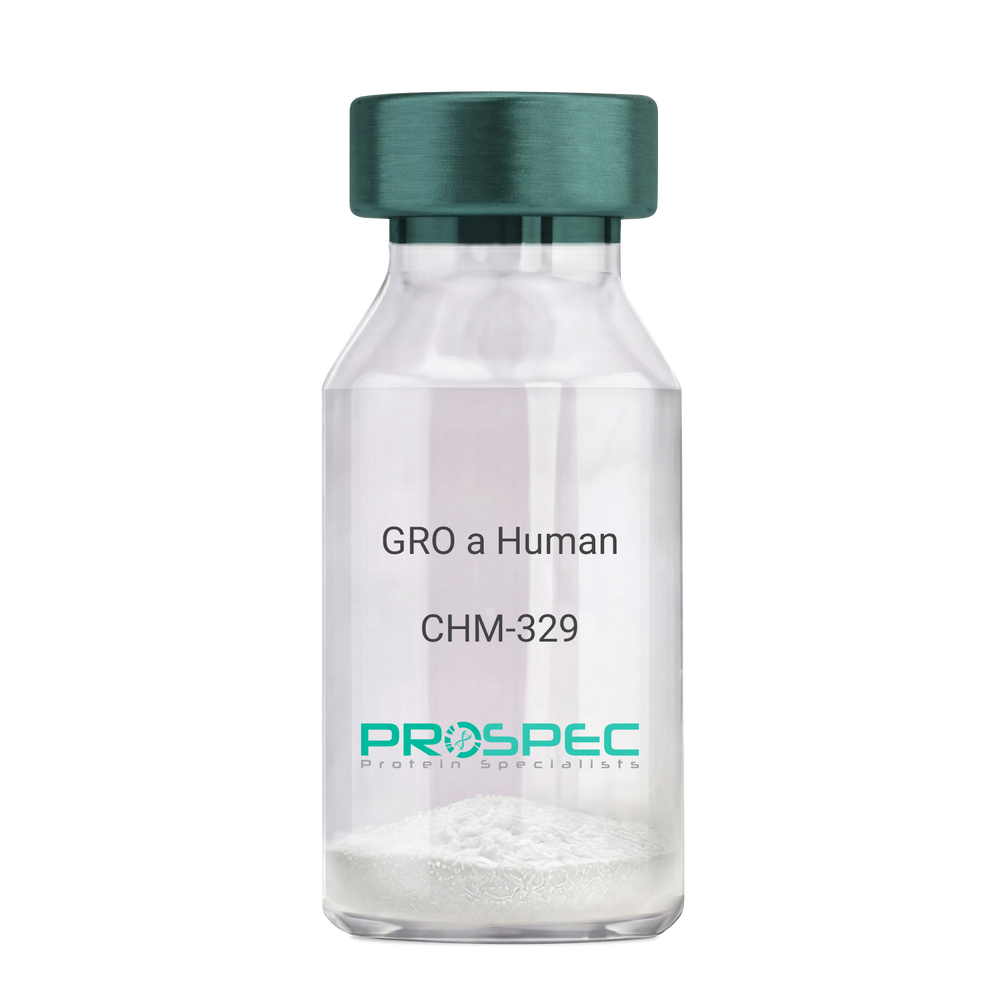
    GRO-Alpha Human Recombinant (CXCL1)

    Growth-regulated protein alpha, CXCL1, Melanoma growth stimulatory activity, MGSA, Neutrophil-activating protein 3, NAP-3, GRO-alpha (1-73), chemokine (C-X-C motif) ligand 1, GRO1, GROa, SCYB1, MGSA-a, MGSA alpha.

    Product # :

    CHM-329

    Price :

    Quantity :

    Shipping Method :

    Room Temp Icon

    Shipped at Room temp

    Add To Cart

    More Info

    • description
    • source
    • formulation
    • purity
    • biological activity
    • More Info

    Description

    GRO Alpha Human Recombinant produced in E.Coli is a single,non-glycosylated, polypeptide chain containing 73 amino acids and having a molecular mass of 7811 Dalton. The GRO-alpha is purified by proprietary chromatographic techniques.

    Source

    Escherichia Coli.

    Formulation

    Lyophilized from a 0.2µm filtered concentrated (1mg/ml) solution in 20mM PB, pH 7.4, 50mM NaCl.

    Purity

    Greater than 97.0% as determined by:
    (a) Analysis by RP-HPLC.
    (b) Analysis by SDS-PAGE.

    Biological Activity

    Determined by its ability to chemoattract human peripheral blood neutrophils using a concentration range of 10.0-100.0 ng/ml.

    More Info

    • Introduction

      Chemokine (C-X-C motif) ligand 1 (CXCL1) is a small cytokine belonging to the CXC chemokine family that was previously called GRO1 oncogene, Neutrophil-activating protein 3 (NAP-3) and melanoma growth stimulating activity, alpha (MSGA-a). It is secreted by human melanoma cells, has mitogenic properties and is implicated in melanoma pathogenesis. CXCL1 is expressed by macrophages, neutrophilsand epithelial cells, and has neutrophil chemoattractant activity. CXCL1 plays a role in spinal cord development by inhibiting the migration of oligodendrocyte precursors and is involved in the processes of angiogenesis, inflammation, wound healing, and tumorigenesis. This chemokine elicits its effects by signaling through the chemokine receptor CXCR2. The gene for CXCL1 is located on human chromosome 4 amongst genes for other CXC chemokines.

    • Synonyms

      Growth-regulated protein alpha, CXCL1, Melanoma growth stimulatory activity, MGSA, Neutrophil-activating protein 3, NAP-3, GRO-alpha (1-73), chemokine (C-X-C motif) ligand 1, GRO1, GROa, SCYB1, MGSA-a, MGSA alpha.

    • Physical Appearance

      Sterile Filtered White lyophilized (freeze-dried) powder.

    • Stability

      Lyophilized GRO-alpha although stable at room temperature for 3 weeks, should be stored desiccated below -18°C. Upon reconstitution CXCL1 should be stored at 4°C between 2-7 days and for future use below -18°C. For long term storage it is recommended to add a carrier protein (0.1% HSA or BSA).Please prevent freeze-thaw cycles.

    • Solubility

      It is recommended to reconstitute the lyophilized CXCL1 in sterile 18MΩ-cm H2O not less than 100µg/ml, which can then be further diluted to other aqueous solutions.

    • Amino Acid Sequence

      The sequence of the first five N-terminal amino acids was determined and was found to be Ala-Ser-Val-Ala-Thr.

    • Background

      What is the molecular weight/Mw of CXCL1 HUMAN Protein?
      CXCL1 HUMAN Protein has a total Mw of 7.81kDa.

      What is the source or expression system of CXCL1 HUMAN Protein?
      Escherichia Coli.

      What is the Purity of CXCL1 HUMAN Protein?
      CXCL1 HUMAN Protein is >97% pure as determined by SDS-PAGE.

      What is the Biological Activity of CXCL1 HUMAN Protein?
      Determined by its ability to chemoattract human peripheral blood neutrophils using a concentration range of 10.0-100.0 ng/ml.

      What is the amino acid sequence of CXCL1 HUMAN Protein?
      The sequence of the first five N-terminal amino acids was determined and was found to be Ala-Ser-Val-Ala-Thr.

      What applications can CXCL1 HUMAN Protein be used in?
      CXCL1 HUMAN Protein can probably be used in western blot, ELISA and Lateral Flow.

      What is the endotoxin level for CXCL1 HUMAN Protein?
      The endotoxin level is minimal, CXCL1 HUMAN Protein was purified using conventional chromatography techniques.


    ProSpec's products are furnished for LABORATORY RESEARCH USE ONLY. The product may not be used as drugs, agricultural or pesticidal products, food additives or household chemicals.

    Gro A Human
  • View Data Sheet

    Name :

    CXCL1 Rat

    Description:

    GRO-Alpha Rat Recombinant (CXCL1)

    Growth-regulated protein alpha, CXCL1, Melanoma growth stimulatory activity, MGSA, Neutrophil-activating protein 3, NAP-3, GRO-alpha(1-73), chemokine (C-X-C motif) ligand 1, GRO1, GROa, SCYB1, MGSA-a, MGSA alpha.

    Product # :

    CHM-375

    Price :

    Quantity :

    Shipping Method :

    Room Temp Icon

    Shipped at Room temp

    Add To Cart

    More Info

    • description
    • source
    • formulation
    • purity
    • biological activity
    • More Info

    Description

    CXCL1 Rat Recombinant produced in E.Coli is a single,non-glycosylated, polypeptide chain containing 73 amino acids and having a molecular mass of 7.8 kDa. The Rat CXCL1 is purified by proprietary chromatographic techniques.

    Source

    Escherichia Coli.

    Formulation

    Lyophilized from a 0.2μm filtered concentrated (1mg/ml) solution in 20mM PB, pH 7.4, and 150mM NaCl.

    Purity

    Greater than 97.0% as determined by:
    (a) Analysis by RP-HPLC.
    (b) Analysis by SDS-PAGE.

    Biological Activity

    Determined by its ability to chemoattract rat neutrophils using a concentration range of 10-100ng/ml corresponding to a Specific Activity of 10,000-100,000IU/mg.

    More Info

    • Introduction

      Chemokine (C-X-C motif) ligand 1 (CXCL1) is a small cytokine belonging to the CXC chemokine family that was previously called GRO1 oncogene, Neutrophil-activating protein 3 (NAP-3) and melanoma growth stimulating activity, alpha (MSGA-α). It is secreted by human melanoma cells, has mitogenic properties and is implicated in melanoma pathogenesis. CXCL1 is expressed by macrophages, neutrophils and epithelial cells, and has neutrophil chemoattractant activity. CXCL1 plays a role in spinal cord development by inhibiting the migration of oligodendrocyte precursors and is involved in the processes of angiogenesis, inflammation, wound healing, and tumorigenesis. This chemokine elicits its effects by signaling through the chemokine receptor CXCR2. The gene for CXCL1 is located on human chromosome 4 amongst genes for other CXC chemokines.

    • Synonyms

      Growth-regulated protein alpha, CXCL1, Melanoma growth stimulatory activity, MGSA, Neutrophil-activating protein 3, NAP-3, GRO-alpha(1-73), chemokine (C-X-C motif) ligand 1, GRO1, GROa, SCYB1, MGSA-a, MGSA alpha.

    • Physical Appearance

      Sterile Filtered White lyophilized (freeze-dried) powder.

    • Stability

      Lyophilized CXCL1 although stable at room temperature for 3 weeks, should be stored desiccated below -18°C. Upon reconstitution CXCL1 should be stored at 4°C between 2-7 days and for future use below -18°C.For long term storage it is recommended to add a carrier protein (0.1% HSA or BSA).Please prevent freeze-thaw cycles.

    • Solubility

      It is recommended to reconstitute the lyophilized CXCL1 in sterile 18MΩ-cm H2O not less than 100µg/ml, which can then be further diluted to other aqueous solutions.

    • Amino Acid Sequence

      APVANELRCQ CLQTVAGIHF KNIQSLKVMP PGPHCTQTEV IATLKNGREA CLDPEAPMVQ KIVQKMLKGV PK.

    • Background

      What is the molecular weight/Mw of CXCL1 RAT Protein?
      CXCL1 RAT Protein has a total Mw of 7.8kDa.

      What is the source or expression system of CXCL1 RAT Protein?
      Escherichia Coli.

      What is the Purity of CXCL1 RAT Protein?
      CXCL1 RAT Protein is >97% pure as determined by SDS-PAGE.

      What is the Biological Activity of CXCL1 RAT Protein?
      Determined by its ability to chemoattract rat neutrophils using a concentration range of 10-100ng/ml corresponding to a Specific Activity of 10,000-100,000IU/mg.

      What is the amino acid sequence of CXCL1 RAT Protein?
      APVANELRCQ CLQTVAGIHF KNIQSLKVMP PGPHCTQTEV IATLKNGREA CLDPEAPMVQ KIVQKMLKGV PK.

      What applications can CXCL1 RAT Protein be used in?
      CXCL1 RAT Protein can probably be used in western blot, ELISA and Lateral Flow.

      What is the endotoxin level for CXCL1 RAT Protein?
      The endotoxin level is minimal, CXCL1 RAT Protein was purified using conventional chromatography techniques.


    ProSpec's products are furnished for LABORATORY RESEARCH USE ONLY. The product may not be used as drugs, agricultural or pesticidal products, food additives or household chemicals.

    Gro Alpha Rat
  • View Data Sheet

    Name :

    CXCL3 Mouse, His

    Description:

    GRO-Gamma Mouse Recombinant (CXCL3), His Tag

    C-X-C motif chemokine 3, Dendritic cell inflammatory protein 1, Cxcl3, Dcip1, Gm1960, GRO-g.

    Product # :

    CHM-283

    Price :

    Quantity :

    Shipping Method :

    Ice Icon

    Shipped with Ice Packs

    Add To Cart

    More Info

    • description
    • source
    • formulation
    • purity
    • More Info

    Description

    GRO-g Mouse Recombinant produced in E.Coli is a single, non-glycosylated polypeptide chain containing 98 amino acids (28-100 a.a.) and having a molecular mass of 10.6kDa.CXCL3 is fused to a 25 amino acid His-tag at N-terminus & purified by proprietary chromatographic techniques.

    Source

    Escherichia Coli.

    Formulation

    GRO-gamma protein solution (0.25mg/ml) containing 20mM Tris-HCl buffer (pH8.0), 50% glycerol, 0.15M NaCl and 5mM DTT.

    Purity

    Greater than 90.0% as determined by SDS-PAGE.

    More Info

    • Introduction

      Chemokine (C-X-C motif) ligand 3 (CXCL3) is a small cytokine belonging to the CXC chemokine family that is also known as GRO3 oncogene (GRO3), GRO protein gamma (GROg) and macrophage inflammatory protein-2-beta (MIP2b). CXCL3 controls migration and adhesion of monocytes and mediates it effects on its target cell by interacting with a cell surface chemokine receptor called CXCR2. The gene for CXCL3 is located on chromosome 4 in a cluster of other CXC chemokines.

    • Synonyms

      C-X-C motif chemokine 3, Dendritic cell inflammatory protein 1, Cxcl3, Dcip1, Gm1960, GRO-g.

    • Physical Appearance

      Sterile Filtered colorless solution.

    • Stability

      Store at 4°C if entire vial will be used within 2-4 weeks.Store, frozen at -20°C for longer periods of time. For long term storage it is recommended to add a carrier protein (0.1% HSA or BSA).Avoid multiple freeze-thaw cycles.

    • Amino Acid Sequence

      MGSSHHHHHH SSGLVPRGSH MGSHMAVVAS ELRCQCLNTL PRVDFETIQS LTVTPPGPHC TQTEVIATLK DGQEVCLNPQ GPRLQIIIKK ILKSGKSS.

    • Background

      What is the molecular weight/Mw of CXCL3 MOUSE, HIS Protein?
      CXCL3 MOUSE, HIS Protein has a total Mw of 10.6kDa.

      What is the source or expression system of CXCL3 MOUSE, HIS Protein?
      Escherichia Coli.

      What is the Purity of CXCL3 MOUSE, HIS Protein?
      CXCL3 MOUSE, HIS Protein is >90% pure as determined by SDS-PAGE.

      What is the Biological Activity of CXCL3 MOUSE, HIS Protein?
      The biological functionality of CXCL3 MOUSE, HIS Protein will be determined in the future.

      What is the amino acid sequence of CXCL3 MOUSE, HIS Protein?
      MGSSHHHHHH SSGLVPRGSH MGSHMAVVAS ELRCQCLNTL PRVDFETIQS LTVTPPGPHC TQTEVIATLK DGQEVCLNPQ GPRLQIIIKK ILKSGKSS.

      What applications can CXCL3 MOUSE, HIS Protein be used in?
      CXCL3 MOUSE, HIS Protein can probably be used in western blot, ELISA and Lateral Flow.

      What is the endotoxin level for CXCL3 MOUSE, HIS Protein?
      The endotoxin level is minimal, CXCL3 MOUSE, HIS Protein was purified using conventional chromatography techniques.


    ProSpec's products are furnished for LABORATORY RESEARCH USE ONLY. The product may not be used as drugs, agricultural or pesticidal products, food additives or household chemicals.

    Gro G Mouse His
  • View Data Sheet

    Name :

    MBIP Human

    Description:

    MAP3K12 Binding Inhibitory Protein 1 Human Recombinant

    MAP3K12 binding inhibitory protein 1, MAPK upstream kinase-binding inhibitory protein, MUK-binding inhibitory protein, MBIP.

    Product # :

    PRO-1803

    Price :

    Quantity :

    Shipping Method :

    Ice Icon

    Shipped with Ice Packs

    Add To Cart

    More Info

    • description
    • source
    • formulation
    • purity
    • More Info

    Description

    MBIP Human Recombinant produced in E. coli is a single polypeptide chain containing 367 amino acids (1-344) and having a molecular mass of 41.7kDa. MBIP is fused to a 23 amino acid His-tag at N-terminus & purified by proprietary chromatographic techniques.

    Source

    Escherichia Coli.

    Formulation

    The MBIP solution (1mg/ml) contains 20mM Tris-HCl buffer (pH 8.0), 10% glycerol and 0.4M Urea.

    Purity

    Greater than 85% as determined by SDS-PAGE.

    More Info

    • Introduction

      MAP3K12 Binding Inhibitory Protein 1 (MBIP) is a part of the ATAC complex which consists of histones H3 and H4 with a histone acetyltransferase activity. MBIP inhibits the MAP3K12 activity in order to induce the activation of the JNK/SAPK pathway.

    • Synonyms

      MAP3K12 binding inhibitory protein 1, MAPK upstream kinase-binding inhibitory protein, MUK-binding inhibitory protein, MBIP.

    • Physical Appearance

      Sterile Filtered clear solution.

    • Stability

      Store at 4°C if entire vial will be used within 2-4 weeks. Store frozen at -20°C for longer periods of time. For long term storage it is recommended to add a carrier protein (0.1% HSA or BSA).Avoid multiple freeze-thaw cycles.

    • Amino Acid Sequence

      MGSSHHHHHH SSGLVPRGSH MGSMAAATEL NRPSSGDRNL ERRCRPNLSR EVLYEIFRSL HTLVGQLDLR DDVVKITIDW NKLQSLSAFQ PALLFSALEQ HILYLQPFLA KLQSPIKEEN TTAVEEIGRT EMGNKNEVND KFSIGDLQEE EKHKESDLRD VKKTQIHFDP EVVQIKAGKA EIDRRISAFI ERKQAEINEN NVREFCNVID CNQENSCART DAIFTPYPGF KSHVKVSRVV NTYGPQTRPE GIPGSGHKPN SMLRDCGNQA VEERLQNIEA HLRLQTGGPV PRDIYQRIKK LEDKILELEG ISPEYFQSVS FSGKRRKVQP PQQNYSLAEL DEKISALKQA LLRKSREAES MATHHLP.

    ProSpec's products are furnished for LABORATORY RESEARCH USE ONLY. The product may not be used as drugs, agricultural or pesticidal products, food additives or household chemicals.

    Mbip Human
  • View Data Sheet

    Name :

    CCL22 Human, His

    Description:

    Macrophage-Derived Chemokine Human Recombinant (CCL22), His Tag

    C-C motif chemokine 22, Small-inducible cytokine A22, Macrophage-derived chemokine, MDC(1-69), Stimulated T-cell chemotactic protein 1, CC chemokine STCP-1, CCL22, MDC, SCYA22, ABCD-1, DC/B-CK, MGC34554, A-152E5.1.

    Product # :

    CHM-367

    Price :

    Quantity :

    Shipping Method :

    Ice Icon

    Shipped with Ice Packs

    Add To Cart

    More Info

    • description
    • source
    • formulation
    • purity
    • More Info
    • SDS-PAGE

    Description

    MDC Human Recombinant produced in E.Coli is a non-glycosylated, Polypeptide chain containing 90 amino acids (25-93 a.a.) and having a molecular mass of 10.3 kDa. The MDC is fused to 21 amino acid His-Tag at N-terminus purified by proprietary chromatographic techniques.

    Source

    Escherichia Coli.

    Formulation

    The MDC protein contains phosphate-buffered Saline (PBS) pH7.4 and 10% glycerol.

    Purity

    Greater than 95% as determined by Analysis by SDS-PAGE.

    SDS-PAGE

    CCL22 HUMAN, HIS-SDS-PAGE - Product image 1

    More Info

    • Introduction

      MDC (CCL22) is a small cytokine that belongs to the CC chemokine family. CCL22 is one of several Cys-Cys (CC) cytokine genes clustered on the q arm of chromosome 16. MDC shows chemotactic activity for natural killer cells, chronically activated T lymphocytes, monocytes and dendritic cells. On the other hand, MDC shows a mild activity for primary activated T lymphocytes and has no chemoattractant activity for neutrophils, eosinophils and resting T lymphocytes. MDC may also have a role in the trafficking of activated T lymphocytes to inflammatory sites and other aspects of activated T lymphocyte physiology. MDC interacts with cell surface chemokine receptors CCR4.
      CCL22 is vastly expressed in macrophage and in monocyte-derived dendritic cells, and thymus. CCL22 is also found in the lymph node, appendix, activated monocytes, resting and activated macrophages. Lower expression of CCL22 can be seen in the lung and the spleen and very weak expression in the small intestine. In the lymph node CCL22 is expressed in a mature subset of Langerhans' cells (CD1a+ and CD83+).
      Furthermore, CCL22 is expressed in atopic dermatitis, allergic contact dermatitis skin, and psoriasis, in both the epidermis and dermis. In addition, MDC has a role in hindering progression of lung cancer. Moreover, significantly higher CCL22 expression is linked to gastric cancer.

    • Synonyms

      C-C motif chemokine 22, Small-inducible cytokine A22, Macrophage-derived chemokine, MDC(1-69), Stimulated T-cell chemotactic protein 1, CC chemokine STCP-1, CCL22, MDC, SCYA22, ABCD-1, DC/B-CK, MGC34554, A-152E5.1.

    • Physical Appearance

      Sterile filtered colorless solution.

    • Stability

      Store at 4°C if entire vial will be used within 2-4 weeks. Store, frozen at -20°C for longer periods of time. For long term storage it is recommended to add a carrier protein (0.1% HSA or BSA). Avoid multiple freeze-thaw cycles.

    • Amino Acid Sequence

      MGSSHHHHHH SSGLVPRGSH MGPYGANMED SVCCRDYVRY RLPLRVVKHF YWTSDSCPRP GVVLLTFRDK EICADPRVPW VKMILNKLSQ.

    • Background

      What is the molecular weight/Mw of CCL22 HUMAN, HIS Protein?
      CCL22 HUMAN, HIS Protein has a total Mw of 10.3kDa.

      What is the source or expression system of CCL22 HUMAN, HIS Protein?
      Escherichia Coli.

      What is the Purity of CCL22 HUMAN, HIS Protein?
      CCL22 HUMAN, HIS Protein is > 95% pure as determined by SDS-PAGE.

      What is the Biological Activity of CCL22 HUMAN, HIS Protein?
      The biological functionality of CCL22 HUMAN, HIS Protein will be determined in the future.

      What is the amino acid sequence of CCL22 HUMAN, HIS Protein?
      MGSSHHHHHH SSGLVPRGSH MGPYGANMED SVCCRDYVRY RLPLRVVKHF YWTSDSCPRP GVVLLTFRDK EICADPRVPW VKMILNKLSQ

      What applications can CCL22 HUMAN, HIS Protein be used in?
      CCL22 HUMAN, HIS Protein can probably be used in western blot, ELISA and Lateral Flow.

      What is the endotoxin level for CCL22 HUMAN, HIS Protein?
      The endotoxin level is minimal, CCL22 HUMAN, HIS Protein was purified using conventional chromatography techniques.

    ProSpec's products are furnished for LABORATORY RESEARCH USE ONLY. The product may not be used as drugs, agricultural or pesticidal products, food additives or household chemicals.

    Mdc Human His
  • View Data Sheet

    Name :

    RBBP9 Human

    Description:

    Retinoblastoma Binding Protein 9 Human Recombinant

    Retinoblastoma binding protein 9, RBBP-9, Retinoblastoma-binding protein 10, RBBP-10, BOG, B5T-overexpressed gene protein, putative hydrolase RBBP9, retinoma-binding protein 9.

    Product # :

    PRO-991

    Price :

    Quantity :

    Shipping Method :

    Ice Icon

    Shipped with Ice Packs

    Add To Cart

    More Info

    • description
    • source
    • formulation
    • purity
    • More Info

    Description

    RBBP9 Human Recombinant produced in E.Coli is a single, non-glycosylated polypeptide chain containing 206 amino acids (1-186 a.a.) and having a molecular mass of 23.1kDa.RBBP9 is fused to a 20 amino acid His-tag at N-terminus & purified by proprietary chromatographic techniques.

    Source

    E.coli.

    Formulation

    RBBP9 protein solution (0.5mg/ml) containing 20mM Tris-HCl buffer (pH8.0), 100mM NaCl, 1mM DTT and 10% glycerol.

    Purity

    Greater than 95% as determined by SDS-PAGE.

    More Info

    • Introduction

      RBBP9, restricts to the nucleus and cytoplasm, is a retinoblastoma binding protein which takes part in the regulation of cell proliferation and differentiation. RBBP9 cooperates with retinoblastoma (Rb) and offers cellular resistance to the growth-inhibitory effects of TGFbeta1, therefore enabling the cellular transformation process.

    • Synonyms

      Retinoblastoma binding protein 9, RBBP-9, Retinoblastoma-binding protein 10, RBBP-10, BOG, B5T-overexpressed gene protein, putative hydrolase RBBP9, retinoma-binding protein 9.

    • Physical Appearance

      Sterile Filtered colorless solution.

    • Stability

      Store at 4°C if entire vial will be used within 2-4 weeks. Store, frozen at -20°C for longer periods of time. For long term storage it is recommended to add a carrier protein (0.1% HSA or BSA).Avoid multiple freeze-thaw cycles.

    • Amino Acid Sequence

      MGSSHHHHHH SSGLVPRGSH MASPSKAVIV PGNGGGDVTT HGWYGWVKKE LEKIPGFQCL AKNMPDPITA RESIWLPFME TELHCDEKTI IIGHSSGAIA AMRYAETHRV YAIVLVSAYT SDLGDENERA SGYFTRPWQW EKIKANCPYI VQFGSTDDPF LPWKEQQEVA DRLETKLHKF TDCGHFQNTE FHELITVVKS LLKVPA

    ProSpec's products are furnished for LABORATORY RESEARCH USE ONLY. The product may not be used as drugs, agricultural or pesticidal products, food additives or household chemicals.

    Rbbp9 Human
  • View Data Sheet

    Name :

    SLPI Human

    Description:

    Secretory Leukocyte Peptidase Inhibitor Human Recombinant

    Antileukoproteinase, ALK1, ALP, BLPI, HUSI, HUSI-I, MPI, WAP4, WFDC4, WAP four-disulfide core domain protein 4, Protease inhibitor WAP4, Seminal proteinase inhibitor, Mucus proteinase inhibitor.

    Product # :

    PRO-849

    Price :

    Quantity :

    Shipping Method :

    Ice Icon

    Shipped with Ice Packs

    Add To Cart

    More Info

    • description
    • source
    • formulation
    • purity
    • More Info

    Description

    SLPI Recombinant E.coli produced in E.Coli is a single, non-glycosylated polypeptide chain containing 128 amino acids (26-132 a.a.) and having a molecular mass of 14 kDa. The SLPI is fused to a 21 amino acid His-Tag at N-terminus and purified by proprietary chromatographic techniques.

    Source

    Escherichia Coli.

    Formulation

    SLPI Human solution containing 20mM Tris-HCl pH-8.0, 2mM DTT, 0.1M NaCl & 20% glycerol.

    Purity

    Greater than 80.0% as determined by SDS-PAGE.

    More Info

    • Introduction

      SLPI is a secreted inhibitor which guards epithelial tissues from serine proteases. SLPI is localized in various secretions including seminal plasma, cervical mucus, and bronchial secretions, and has affinity for trypsin, leukocyte elastase, and cathepsin G. SLPI inhibitory effect contributes to the immune response by protecting epithelial surfaces from attack by endogenous proteolytic enzymes. SLPI protein has broad-spectrum anti-biotic activity. SLPI is an acid-stable proteinase inhibitor with strong affinities for trypsin, chymotrypsin, elastase, and cathepsin G. SLPI prevents elastase-mediated damage to oral and mucosal tissues.

    • Synonyms

      Antileukoproteinase, ALK1, ALP, BLPI, HUSI, HUSI-I, MPI, WAP4, WFDC4, WAP four-disulfide core domain protein 4, Protease inhibitor WAP4, Seminal proteinase inhibitor, Mucus proteinase inhibitor.

    • Physical Appearance

      Sterile filtered colorless solution.

    • Stability

      Store at 4°C if entire vial will be used within 2-4 weeks. Store, frozen at -20°C for longer periods of time. For long term storage it is recommended to add a carrier protein (0.1% HSA or BSA).Avoid multiple freeze-thaw cycles.

    • Amino Acid Sequence

      MGSSHHHHHH SSGLVPRGSH MSGKSFKAGV CPPKKSAQCL RYKKPECQSD WQCPGKKRCC PDTCGIKCLD PVDTPNPTRR KPGKCPVTYG QCLMLNPPNF CEMDGQCKRD LKCCMGMCGK SCVSPVKA.

    ProSpec's products are furnished for LABORATORY RESEARCH USE ONLY. The product may not be used as drugs, agricultural or pesticidal products, food additives or household chemicals.

    Slpi Human
  • View Data Sheet

    Name :

    FABP5 Human, His

    Description:

    Fatty Acid Binding Protein 5 Human Recombinant, His Tag

    Fatty acid-binding protein epidermal, E-FABP, Fatty acid-binding protein 5, Psoriasis-associated fatty acid-binding protein homolog, PA-FABP, FABP5, EFABP, PAFABP.

    Product # :

    PRO-666

    Price :

    Quantity :

    Shipping Method :

    Ice Icon

    Shipped with Ice Packs

    Add To Cart

    More Info

    • description
    • source
    • formulation
    • purity
    • More Info

    Description

    FABP5 Human Recombinant produced in E.Coli is a single, non-glycosylated polypeptide chain containing 135 amino acids and having a molecular mass of 19.66kDa. FABP5 is fused to His tag at N-terminus and purified by standard chromatography techniques.

    Source

    Escherichia Coli.

    Formulation

    FABP5 His-Tag is supplied in 20mM Tris HCl pH-8 and 50% glycerol.

    Purity

    Greater than 95% as determined by SDS-PAGE.

    More Info

    • Introduction

      Human Fatty Epidermal Acid Binding Protein FABP also called FABP-5 is a 15 kD member of the intracellular fatty acid binding protein (FABP) family, which is known for the ability to bind fatty acids and related compounds ( bile acids or retinoids). In an internal cavity. The fatty acid binding proteins aP2 (fatty acid binding protein [FABP]-4) and mal1 (EFABP) are closely related and both are expressed in adipocytes. Absence of EFABP/mal1 resulted in increased systemic insulin sensitivity in two models of obesity and insulin resistance. Adipocytes isolated from mal1-deficient mice also exhibited enhanced insulin-stimulated glucose transport capacity. In contrast, mice expressing high levels of mal1 in adipose tissue display reduced systematic insulin activity.

    • Synonyms

      Fatty acid-binding protein epidermal, E-FABP, Fatty acid-binding protein 5, Psoriasis-associated fatty acid-binding protein homolog, PA-FABP, FABP5, EFABP, PAFABP.

    • Physical Appearance

      Sterile Filtered colorless liquid formulation.

    • Stability

      Store at 4°C if entire vial will be used within 2-4 weeks. Store, frozen at -20°C for longer periods of time.Please avoid freeze thaw cycles.

    ProSpec's products are furnished for LABORATORY RESEARCH USE ONLY. The product may not be used as drugs, agricultural or pesticidal products, food additives or household chemicals.

    Fabp5 Human His
  • View Data Sheet

    Name :

    FKBP2 Human

    Description:

    FK506 Binding Protein 2 Human Recombinant

    FKBP13, FKBP-2, Peptidyl-prolyl cis-trans isomerase FKBP2, PPIase FKBP2, FK506-binding protein 2, Rotamase, Immunophilin FKBP13, 13 kDa FK506-binding protein, 13 kDa FKBP, FKBP-13, FKBP2, PPIase.

    Product # :

    ENZ-503

    Price :

    Quantity :

    Shipping Method :

    Ice Icon

    Shipped with Ice Packs

    Add To Cart

    More Info

    • description
    • source
    • formulation
    • purity
    • biological activity
    • More Info

    Description

    FKBP2 Human Recombinant produced in E.Coli is a single, non-glycosylated, polypeptide chain containing 122 amino acids (22-142 a.a.) and having a molecular mass of 13.4 kDa. The FKBP2 is purified by proprietary chromatographic techniques.

    Source

    Escherichia Coli.

    Formulation

    The FKBP2 solution contains 20mM Tris-HCl pH-8, 1mM DTT, and 10% glycerol.

    Purity

    Greater than 90% as determined by SDS-PAGE.

    Biological Activity

    Specific activity is > 270 nmoles/min/ug, and is defined as the amount of enzyme that cleaves 1umole of suc-AAFP-pNA per minute at 25C in Tris-Hcl pH8.0 using chymotrypsin.

    More Info

    • Introduction

      FKBP2 is part of the immunophilin protein family, which takes part in immunoregulation and basic cellular processes involving protein folding and trafficking. FKBP2 is a cis-trans prolyl isomerase that binds the immunosuppressants FK506 and rapamycin. FKBP2 functions as an ER chaperone and as a component of membrane cytoskeletal scaffolds.

    • Synonyms

      FKBP13, FKBP-2, Peptidyl-prolyl cis-trans isomerase FKBP2, PPIase FKBP2, FK506-binding protein 2, Rotamase, Immunophilin FKBP13, 13 kDa FK506-binding protein, 13 kDa FKBP, FKBP-13, FKBP2, PPIase.

    • Physical Appearance

      Sterile Filtered clear colorless solution.

    • Stability

      Store at 4°C if entire vial will be used within 2-4 weeks. Store, frozen at -20°C for longer periods of time.For long term storage it is recommended to add a carrier protein (0.1% HSA or BSA).Avoid multiple freeze-thaw cycles.

    • Amino Acid Sequence

      MATGAEGKRK LQIGVKKRVD HCPIKSRKGD VLHMHYTGKL EDGTEFDSSL PQNQPFVFSL GTGQVIKGWD QGLLGMCEGE KRKLVIPSEL GYGERGAPPK IPGGATLVFE VELLKIERRT EL.

    ProSpec's products are furnished for LABORATORY RESEARCH USE ONLY. The product may not be used as drugs, agricultural or pesticidal products, food additives or household chemicals.

    Fkbp2 Human
  • View Data Sheet

    Name :

    PI16 Human

    Description:

    Peptidase Inhibitor 16 Human Recombinant

    Peptidase inhibitor 16, PI-16, Cysteine-rich secretory protein 9, CRISP-9, PSP94-binding protein, PI16, CRISP9, PSPBP, MSMBBP, MGC45378, DKFZp586B1817.

    Product # :

    ENZ-113

    Price :

    Quantity :

    Shipping Method :

    Room Temp Icon

    Shipped at Room temp

    Add To Cart

    More Info

    • description
    • source
    • formulation
    • purity
    • More Info

    Description

    The Peptidase Inhibitor 16 Human Recombinant is produced in HEK293 cells and fused with a C-terminal Flag Tag (11 amino acids). The PI16 Flag Tagged Fusion Protein is 45.7kDa protein containing a total of 426 amino acid residues and purified by proprietary chromatographic techniques.

    Source

    HEK293 (Human Embryonic Kidney cell line).

    Formulation

    PI16 was filtered (0.4µm) and lyophilized from 0.5mg/ml in 20mM Tris and 50mM NaCl, pH 7.5.

    Purity

    Greater than 95.0% as determined by SDS-PAGE.

    More Info

    • Introduction

      Peptidase Inhibitor 16 (PI16) which a member of the CRISP family, is a putative serine protease inhibitor. PI16 interacts with PSP94/MSMB. PI16 is expressed in the prostate, testis, ovary and intestine. It also concentrates in prostate cancer patient's sera. PI16 may serve as a marker following prostatectomy for prostate cancer.

    • Synonyms

      Peptidase inhibitor 16, PI-16, Cysteine-rich secretory protein 9, CRISP-9, PSP94-binding protein, PI16, CRISP9, PSPBP, MSMBBP, MGC45378, DKFZp586B1817.

    • Physical Appearance

      Filtered White lyophilized (freeze-dried) powder.

    • Stability

      Store lyophilized PI16 Human recombinant at -20°C. Aliquot the product after reconstitution to avoid repeated freezing/thawing cycles. Reconstituted protein can be stored at 4°C for a limited period of time; it does not show any change after two weeks at 4°C.

    • Solubility

      It is recommended to add deionized water to prepare a working stock solution of 0.5mg/ml and let the lyophilized pellet dissolve completely. Product is not sterile! Please filter the product by an appropriate sterile filter before using it in the cell culture.

    • Amino Acid Sequence

      LTDEEKRLMV ELHNLYRAQV SPPASDMLHM RWDEELAAFA KAYARQCVWG HNKERGRRGE NLFAITDEGM DVPLAMEEWH HEREHYNLSA ATCSPGQMCG HYTQVVWAKT ERIGCGSHFC EKLQGVEETN IELLVCNYEP PGNVKGKRPY QEGTPCSQCP SGYHCKNSLC EPIGSPEDAQ DLPYLVTEAP SFRATEASDS RKMGTPSSLA TGIPAFLVTE VSGSLATKAL PAVETQAPTS LATKDPPSMA TEAPPCVTTE VPSILAAHSL PSLDEEPVTF PKSTHVPIPK SADKVTDKTK VPSRSPENSL DPKMSLTGAR ELLPHAQEEA EAEAELPPSS EVLASVFPAQ DKPGELQATL DHTGHTSSKS LPNFPNTSAT ANATGGRALA LQSSLPGAEG PDKPSVVSGL NSGPGAAADYKDDDDK.

    ProSpec's products are furnished for LABORATORY RESEARCH USE ONLY. The product may not be used as drugs, agricultural or pesticidal products, food additives or household chemicals.

    Pi16 Human
  • View Data Sheet

    Name :

    CLEC5A Human

    Description:

    C-Type Lectin Domain Family 5, Member A Human Recombinant

    C-type lectin domain family 5 member A , CLECSF5, MDL-1, MDL1, C-type lectin superfamily member 5, Myeloid DAP12-associating lectin 1.

    Product # :

    PRO-2165

    Price :

    Quantity :

    Shipping Method :

    Ice Icon

    Shipped with Ice Packs

    Add To Cart

    More Info

    • description
    • source
    • formulation
    • purity
    • More Info

    Description

    CLEC5A Human Recombinant produced in E.Coli is a single, non-glycosylated polypeptide chain containing 184 amino acids (28-188 a.a) and having a molecular mass of 20.8kDa.CLEC5A is fused to a 23 amino acid His-tag at N-terminus & purified by proprietary chromatographic techniques.

    Source

    Escherichia Coli.

    Formulation

    CLEC5A protein solution (0.25mg/ml) containing 20mM Tris-HCl buffer, (pH8.0) and 10% glycerol.

    Purity

    Greater than 80.0% as determined by SDS-PAGE.

    More Info

    • Introduction

      C-type lectin domain family 5-member A isoform 1 (CLEC5A) is part of the CTL/CTLD superfamily which carry various functions, for instance cell-cell signaling, cell adhesion, glycoprotein turnover, in addition to their inflammation & immune response abilities. CLEC5A operates as a cell attachment receptor for all 4 serotypes of Dengue virus in addition to Japanese encephalitis virus. CLEC5A binds to the dengue virus and it triggers signaling through the phosphylation of TYROBP, as a result no viral entrance occurs, however this interaction does stimulate proinflammatory cytokine release. CLEC5A preforms as a positive regulator of osteoclastogenesis and also a main regulator of synovial injury & bone erosion for the period of autoimmune joint inflammation.

    • Synonyms

      C-type lectin domain family 5 member A , CLECSF5, MDL-1, MDL1, C-type lectin superfamily member 5, Myeloid DAP12-associating lectin 1.

    • Physical Appearance

      Sterile Filtered clear solution.

    • Stability

      Store at 4°C if entire vial will be used within 2-4 weeks. Store, frozen at -20°C for longer periods of time. For long term storage it is recommended to add a carrier protein (0.1% HSA or BSA).Avoid multiple freeze-thaw cycles.

    • Amino Acid Sequence

      MGSSHHHHHH SSGLVPRGSH MGSPQIFNKS NDGFTTTRSY GTVSQIFGSS SPSPNGFITT RSYGTVCPKD WEFYQARCFF LSTSESSWNE SRDFCKGKGS TLAIVNTPEK LKFLQDITDA EKYFIGLIYH REEKRWRWIN NSVFNGNVTN QNQNFNCATI GLTKTFDAAS CDISYRRICE KNAK.

    ProSpec's products are furnished for LABORATORY RESEARCH USE ONLY. The product may not be used as drugs, agricultural or pesticidal products, food additives or household chemicals.

    Clec5A Human
  • View Data Sheet

    Name :

    MMP 1 Human, HEK

    Description:

    Matrix Metalloproteinase-1 Human Recombinant, HEK

    Interstitial collagenase, Fibroblast collagenase, Matrix metalloproteinase-1, MMP-1, MMP1, CLG, CLGN.

    Product # :

    ENZ-099

    Price :

    Quantity :

    Shipping Method :

    Ice Icon

    Shipped with Ice Packs

    Add To Cart

    More Info

    • description
    • source
    • formulation
    • purity
    • biological activity
    • More Info
    • sds-page

    Description

    MMP-1 Human Recombinant produced in HEK293 cells is a proform of the Human MMP1 (Met1-Asn469) and fused with a ployhistide tag at the C-terminus, having an Mw of 52kDa. MMP-1 is purified by proprietary chromatographic techniques.

    Source

    HEK293 cells.

    Formulation

    The MMP-1 is supplied as a 0.2µm filtered solution in MES, NaCl, Glycerol and Brij35.

    Purity

    Greater than 95% as determined by SDS-PAGE.

    Biological Activity

    The activity was measured by its ability to cleave fluorogenic peptide substrate, Mca-KPLGL-Dpa-AR-NH2, The specific activity is > 400 pmoles/min/µg.
    Recombinant Human MMP-1 protein pro form needs to be activated with p-aminophenylmercuric acetate (APMA).
    Activation Protocol:
    1. Dilute MMP1 to 50µg/ml in the Assay Buffer: 50mM Tris, 10mM CaCl2, 150mM NaCl, 0.05% (w/v) and Brij 35, pH 7.5.
    2. Activate MMP1 by adding APMA to a final concentration of 1mM. (Sigma, Catalog # A9563) and 100mM stock in DMSO.
    3. Incubate at 37°C for 2 hours.

    sds-page

    mmp1 human hek sds-page - Product image 1

    More Info

    • Introduction

      MMP-1 (interstitial collagenase) can break down a wide range of substrates including types I, II, III, VII, VIII, and X collagens as well as L-Selectin, pro-TNF, IL-1?, IGFBP-3, IGFBP-5, casein, gelatin, ?1 antitrypsin, myelin basic protein, pro-MMP2 and pro-MMP9. A significant function of MMP-1 is the degradation of fibrillar collagens in extracellular matrix remodeling. MMP-1 is expressed in fibroblasts, keratinocytes, endothelial cells, monocytes and macrophages. MMP1 can be divided into a number of distinct domains: a prodomain which is cleaved on activation, a catalytic domain containing the zinc binding site and a short hinge region with a carboxyl terminal domain. MMP1 is part of a cluster of MMP genes which localize to chromosome 11q22.3.

    • Synonyms

      Interstitial collagenase, Fibroblast collagenase, Matrix metalloproteinase-1, MMP-1, MMP1, CLG, CLGN.

    • Physical Appearance

      Sterile Filtered colorless solution.

    • Stability

      Store at 4°C if entire vial will be used within 2-4 weeks. Store, frozen at -20°C for longer periods of time.Avoid multiple freeze-thaw cycles.

    ProSpec's products are furnished for LABORATORY RESEARCH USE ONLY. The product may not be used as drugs, agricultural or pesticidal products, food additives or household chemicals.

    Mmp 1 Human
  • View Data Sheet

    Name :

    FABP4 Human

    Description:

    Fatty Acid Binding Protein 4 Human

    Fatty acid-binding protein adipocyte, AFABP, Fatty acid-binding protein 4, Adipocyte lipid-binding protein, ALBP, A-FABP, FABP4.

    Product # :

    PRO-1568

    Price :

    Quantity :

    Shipping Method :

    Room Temp Icon

    Shipped at Room temp

    Add To Cart

    More Info

    • description
    • source
    • formulation
    • purity
    • More Info

    Description

    The Human FABP4 produced from Human Adipose Tissue has a molecular mass of 14.587kDa (calculated without glycosylation) containing 131 amino acid residues.

    Source

    Human Adipose Tissue.

    Formulation

    FABP4 protein filtered (0.4µm) and lyophilized in 0.5mg/ml in 0.05M phosphate buffer and 0.075M NaCl, pH 6.5.

    Purity

    Greater than 85.0% as determined by SDS-PAGE.

    More Info

    • Introduction

      Adipocyte fatty acid binding protein FABP4 is a 15 kDa member of the intracellular fatty acid binding protein (FABP) family, which is known for the ability to bind fatty acids and related compounds (bile acids or retinoids) in an internal cavity. FABP4 is expressed in a differentiation-dependent fashion in adipocytes and is a critical gene in the regulation of the biological function of these cells.
      In mice, targeted mutations in FABP4 provide significant protection from IR in the context of both dietary and genetic obesity. Adipocytes obtained from FABP4-deficient mice also have reduced efficiency of ipolysis in vitro and in vivo, and these mice exhibited moderately improved systemic dyslipidemia. Recent studies also demonstrated FABP4 expression in macrophages upon differentiation and activation. In these cells, FABP4 modulates inflammatory responses and cholesterol ester accumulation, and total or macrophage-specific FABP4 deficiency confers dramatic protection against atherosclerosis in the apoE-/- mice. These results indicate a central role for FABP4 in the development of major components of the metabolic syndrome through its distinct actions in adipocytes and macrophages.

    • Synonyms

      Fatty acid-binding protein adipocyte, AFABP, Fatty acid-binding protein 4, Adipocyte lipid-binding protein, ALBP, A-FABP, FABP4.

    • Physical Appearance

      Filtered White lyophilized (freeze-dried) powder.

    • Stability

      Store lyophilized protein at -20°C. Aliquot the product after reconstitution to avoid repeated freezing/thawing cycles. Reconstituted protein can be stored at 4°C for a limited period of time; it does not show any change after two weeks at 4°C.

    • Solubility

      It is recommended to add deionized water to prepare a working stock solution of approximately 0.5 mg/ml and let the lyophilized pellet dissolve completely. Product is not sterile! Please filter the product by an appropriate sterile filter before using it in the cell culture.

    • Amino Acid Sequence

      CDAFVGTWKL VSSENFDDYM KEVGVGFATR KVAGMAKPNM IISVNGDVIT IKSESTFKNT EISFILGQEF DEVTADDRKV KSTITLDGGV LVHVQKWDGK STTIKRKRED DKLVVECVMK GVTSTRVYER A.

    ProSpec's products are furnished for LABORATORY RESEARCH USE ONLY. The product may not be used as drugs, agricultural or pesticidal products, food additives or household chemicals.

    Human Fabp4
  • View Data Sheet

    Name :

    CCNB1 Human

    Description:

    Cyclin-B1 Human Recombinant

    G2/mitotic-specific cyclin-B1, cyclin B1, CCNB.

    Product # :

    PKA-037

    Price :

    Quantity :

    Shipping Method :

    Ice Icon

    Shipped with Ice Packs

    Add To Cart

    More Info

    • description
    • source
    • formulation
    • purity
    • More Info

    Description

    CCNB1 Human Recombinant produced in E. coli is a single polypeptide chain containing 457 amino acids (1-433) and having a molecular mass of 50.9 kDa.CCNB1 is fused to a 24 amino acid His-tag at N-terminus & purified by proprietary chromatographic techniques.

    Source

    E.coli.

    Formulation

    The CCNB1 solution (0.25mg/1ml) contains 20mM Tris-HCl buffer (pH 8.0), 150mM NaCl and 20% glycerol.

    Purity

    Greater than 85% as determined by SDS-PAGE.

    More Info

    • Introduction

      Cyclin B1 (CCNB1) is a regulatory protein involved in mitosis. CCNB1 creates a complex with p34(cdc2) to form the maturation-promoting factor (MPF). CCNB1 is vital for the control of the cell cycle at the G2/M (mitosis) transition. CCNB1 builds up steadily during the G2 and is immediately destroyed at mitosis. The 2 alternative transcripts produce a constitutively expressed transcript and a cell cycle-regulated transcript which is expressed predominantly during G2/M phase. These transcripts are a result of alternate transcription initiation sites.

    • Synonyms

      G2/mitotic-specific cyclin-B1, cyclin B1, CCNB.

    • Physical Appearance

      Sterile Filtered colorless solution.

    • Stability

      Store at 4°C if entire vial will be used within 2-4 weeks. Store, frozen at -20°C for longer periods of time. For long term storage it is recommended to add a carrier protein (0.1% HSA or BSA).Avoid multiple freeze-thaw cycles.

    • Amino Acid Sequence

      MGSSHHHHHH SSGLVPRGSH MGSHMALRVT RNSKINAENK AKINMAGAKR VPTAPAATSK PGLRPRTALG DIGNKVSEQL QAKMPMKKEA KPSATGKVID KKLPKPLEKV PMLVPVPVSE PVPEPEPEPE PEPVKEEKLS PEPILVDTAS PSPMETSGCA PAEEDLCQAF SDVILAVNDV DAEDGADPNL CSEYVKDIYA YLRQLEEEQA VRPKYLLGRE VTGNMRAILI DWLVQVQMKF RLLQETMYMT VSIIDRFMQN NCVPKKMLQL VGVTAMFIAS KYEEMYPPEI GDFAFVTDNT YTKHQIRQME MKILRALNFG LGRPLPLHFL RRASKIGEVD VEQHTLAKYL MELTMLDYDM VHFPPSQIAA GAFCLALKIL DNGEWTPTLQ HYLSYTEESL LPVMQHLAKN VVMVNQGLTK HMTVKNKYAT SKHAKISTLP QLNSALVQDL AKAVAKV.

    ProSpec's products are furnished for LABORATORY RESEARCH USE ONLY. The product may not be used as drugs, agricultural or pesticidal products, food additives or household chemicals.

    Ccnb1 Human
  • View Data Sheet

    Name :

    CRMP1 Human

    Description:

    Collapsin Response Mediator Protein-1 Human Recombinant

    Dihydropyrimidinase-related protein 1, DRP-1, Collapsin response mediator protein 1, CRMP-1, CRMP1, DPYSL1, DRP1.

    Product # :

    PRO-493

    Price :

    Quantity :

    Shipping Method :

    Ice Icon

    Shipped with Ice Packs

    Add To Cart

    More Info

    • description
    • source
    • formulation
    • purity
    • More Info

    Description

    CRMP1 Human Recombinant produced in E.Coli is a single, non-glycosylated polypeptide chain containing 597 amino acids (1-572 a.a) and having a molecular mass of 64.8kDa (Will appear as multiple bands on SDS-PAGE).CRMP1 is fused to a 25 amino acid His-tag at N-terminus & purified by proprietary chromatographic techniques.

    Source

    Escherichia Coli.

    Formulation

    CRMP1 protein solution (1mg/ml) containing Phosphate buffered saline (pH7.4), 10% glycerol, 1mM DTT and 0.2mM PMSF.

    Purity

    Greater than 95.0% as determined by SDS-PAGE.

    More Info

    • Introduction

      Collapsin response mediator proteins (CRMPs) are cytosolic phosphoproteins involved in neuronal differentiation and axonal guidance. CRMP2 was previously shown to mediate the repulsive effect of Sema3A on axons and to participate in axonal specification. The X-ray crystal structure of murine CRMP1 was determined at 2.1 resolution and demonstrates that CRMP1 is a bilobed ‘lung-shaped’ protein forming a tetrameric assembly.

    • Synonyms

      Dihydropyrimidinase-related protein 1, DRP-1, Collapsin response mediator protein 1, CRMP-1, CRMP1, DPYSL1, DRP1.

    • Physical Appearance

      Sterile Filtered clear solution.

    • Stability

      Store at 4°C if entire vial will be used within 2-4 weeks. Store, frozen at -20°C for longer periods of time. For long term storage it is recommended to add a carrier protein (0.1% HSA or BSA).Avoid multiple freeze-thaw cycles.

    • Amino Acid Sequence

      MGSSHHHHHH SSGLVPRGSH MGSEFMSYQG KKSIPHITSD RLLIKGGRII NDDQSLYADV YLEDGLIKQI GENLIVPGGV KTIEANGRMV IPGGIDVNTY LQKPSQGMTA ADDFFQGTRA ALVGGTTMII DHVVPEPGSS LLTSFEKWHE AADTKSCCDY SLHVDITSWY DGVREELEVL VQDKGVNSFQ VYMAYKDVYQ MSDSQLYEAF TFLKGLGAVI LVHAENGDLI AQEQKRILEM GITGPEGHAL SRPEELEAEA VFRAITIAGR INCPVYITKV MSKSAADIIA LARKKGPLVF GEPIAASLGT DGTHYWSKNW AKAAAFVTSP PLSPDPTTPD YLTSLLACGD LQVTGSGHCP YSTAQKAVGK DNFTLIPEGV NGIEERMTVV WDKAVATGKM DENQFVAVTS TNAAKIFNLY PRKGRIAVGS DADVVIWDPD KLKTITAKSH KSAVEYNIFE GMECHGSPLV VISQGKIVFE DGNINVNKGM GRFIPRKAFP EHLYQRVKIR NKVFGLQGVS RGMYDGPVYE VPATPKYATP APSAKSSPSK HQPPPIRNLH QSNFSLSGAQ IDDNNPRRTG HRIVAPPGGR SNITSLG.

    ProSpec's products are furnished for LABORATORY RESEARCH USE ONLY. The product may not be used as drugs, agricultural or pesticidal products, food additives or household chemicals.

    CRMP1 Human
  • View Data Sheet

    Name :

    CXCL13 Human

    Description:

    BCA-1/BLC Human Recombinant (CXCL13)

    C-X-C motif chemokine 13, Small-inducible cytokine B13, B lymphocyte chemoattractant, CXC chemokine BLC, CXCL13, BCA1, BCA-1, CXCL-13, B cell Attracting Chemokine-1, BLC, ANGIE, BLR1L, SCYB13, ANGIE2.

    Product # :

    CHM-348

    Price :

    Quantity :

    Shipping Method :

    Room Temp Icon

    Shipped at Room temp

    Add To Cart

    More Info

    • description
    • source
    • formulation
    • purity
    • biological activity
    • More Info

    Description

    CXCL13 Human Recombinant produced in E.Coli is a single,non-glycosylated, polypeptide chain containing 87 amino acids and having a molecular mass of 10.3 kDa. The BCA-1 is purified by proprietary chromatographic techniques.

    Source

    Escherichia Coli.

    Formulation

    The BCA-1 protein was lyophilized from a concentrated (0.5mg/ml) solution containing 20mM PBS & 150mM NaCl pH-7.4.

    Purity

    Greater than 97.0% as determined by:
    (a) Analysis by RP-HPLC.
    (b) Analysis by SDS-PAGE.

    Biological Activity

    Determined by its ability to chemoattract human B cells using a concentration range of 1-10ng/ml corresponding to a Specific Activity of 100,000-1,000,000IU/mg.

    More Info

    • Introduction

      BCA-1 is a CXC chemokine that is highly expressed in thesecondary lymphoid organs, such as follicles of the spleen, lymph nodes, and Peyer's patches. CXCL13 promotes the migration of B lymphocytes (compared to T cells and macrophages), by stimulating calcium influx into, and chemotaxis of, cells expressing Burkitt's lymphoma receptor 1 (BLR1). BCA1 therefore function in the homing of B lymphocytes to follicles. Human BCA-1 shares a 64% amino acid sequence similarity with the mouse protein and 23 - 34% amino acid sequence identity with other known CXC chemokines. Recombinant or chemically synthesized BCA1 is a potent chemoattractant for B lymphocytes but not T lymphocytes, monocytes or neutrophils. BLR1, a G protein-coupled receptor originally isolated from Burkitt’s lymphoma cells, has now been shown to be the specific receptor for BCA1. Among cells of the hematopoietic lineages, the expression of BLR-1, now designated CXCR-5, is restricted to B lymphocytes and a subpopulation of T helper memory cells.

    • Synonyms

      C-X-C motif chemokine 13, Small-inducible cytokine B13, B lymphocyte chemoattractant, CXC chemokine BLC, CXCL13, BCA1, BCA-1, CXCL-13, B cell Attracting Chemokine-1, BLC, ANGIE, BLR1L, SCYB13, ANGIE2.

    • Physical Appearance

      Sterile Filtered White lyophilized (freeze-dried) powder.

    • Stability

      Lyophilized BCA1 although stable at room temperature for 3 weeks, should be stored desiccated below -18°C. Upon reconstitution BCA1 should be stored at 4°C between 2-7 days and for future use below -18°C.For long term storage it is recommended to add a carrier protein (0.1% HSA or BSA).Please prevent freeze-thaw cycles.

    • Solubility

      It is recommended to reconstitute the lyophilized CXCL13 in sterile 18MΩ-cm H2O not less than 100µg/ml, which can then be further diluted to other aqueous solutions.

    • Amino Acid Sequence

      VLEVYYTSLRCRCVQESSVFIPRRFIDRIQILPRGNG CPRKEIIVWKKNKSIVCVDPQAEWIQRMMEVLRKR SSSTLPVPVFKRKIP.

    • Background

      What is the molecular weight/Mw of CXCL13 HUMAN Protein?
      CXCL13 HUMAN Protein has a total Mw of 10.3kDa.

      What is the source or expression system of CXCL13 HUMAN Protein?
      Escherichia Coli.

      What is the Purity of CXCL13 HUMAN Protein?
      CXCL13 HUMAN Protein is >97% pure as determined by SDS-PAGE.

      What is the Biological Activity of CXCL13 HUMAN Protein?
      Determined by its ability to chemoattract human B cells using a concentration range of 1-10ng/ml corresponding to a Specific Activity of 100,000-1,000,000IU/mg.

      What is the amino acid sequence of CXCL13 HUMAN Protein?
      VLEVYYTSLRCRCVQESSVFIPRRFIDRIQILPRGNG CPRKEIIVWKKNKSIVCVDPQAEWIQRMMEVLRKR SSSTLPVPVFKRKIP.

      What applications can CXCL13 HUMAN Protein be used in?
      CXCL13 HUMAN Protein can probably be used in western blot, ELISA and Lateral Flow.

      What is the endotoxin level for CXCL13 HUMAN Protein?
      The endotoxin level is minimal, CXCL13 HUMAN Protein was purified using conventional chromatography techniques.


    ProSpec's products are furnished for LABORATORY RESEARCH USE ONLY. The product may not be used as drugs, agricultural or pesticidal products, food additives or household chemicals.

    Cxcl13 Human
  • View Data Sheet

    Name :

    ELP4 Human

    Description:

    Elongator Acetyltransferase Complex Subunit 4 Human Recombinant

    Elongator complex protein 4, ELP4, Elongator Acetyltransferase Complex Subunit 4, hELP4, PAX6 neighbor gene protein, C11orf19, PAXNEB, dJ68P15A.1, PAX6NEB.

    Product # :

    PRO-2102

    Price :

    Quantity :

    Shipping Method :

    Ice Icon

    Shipped with Ice Packs

    Add To Cart

    More Info

    • description
    • source
    • formulation
    • purity
    • More Info

    Description

    ELP4 Human Recombinant produced in E.Coli is a single, non-glycosylated polypeptide chain containing 447 amino acids (1-424 a.a.) and having a molecular mass of 49kDa.ELP4 is fused to a 23 amino acid His-tag at N-terminus & purified by proprietary chromatographic techniques.

    Source

    Escherichia Coli.

    Formulation

    ELP4 protein solution (1mg/ml) containing 20mM Tris-HCl buffer (pH 8.0) and 10% glycerol.

    Purity

    Greater than 80.0% as determined by SDS-PAGE.

    More Info

    • Introduction

      Elongator Acetyltransferase Complex Subunit 4, also known as ELP4 is a protein coding gene which is a subunit of the RNA polymerase II elongator complex. ELP4 complements phenotypes of yeast ELP4 deletion mutants and is related to Rolandic epilepsy.

    • Synonyms

      Elongator complex protein 4, ELP4, Elongator Acetyltransferase Complex Subunit 4, hELP4, PAX6 neighbor gene protein, C11orf19, PAXNEB, dJ68P15A.1, PAX6NEB.

    • Physical Appearance

      Sterile Filtered clear solution.

    • Stability

      Store at 4°C if entire vial will be used within 2-4 weeks. Store, frozen at -20°C for longer periods of time. For long term storage it is recommended to add a carrier protein (0.1% HSA or BSA).Avoid multiple freeze-thaw cycles.

    • Amino Acid Sequence

      MGSSHHHHHH SSGLVPRGSH MGSMAAVATC GSVAASTGSA VATASKSNVT SFQRRGPRAS VTNDSGPRLV SIAGTRPSVR NGQLLVSTGL PALDQLLGGG LAVGTVLLIE EDKYNIYSPL LFKYFLAEGI VNGHTLLVAS AKEDPANILQ ELPAPLLDDK CKKEFDEDVY NHKTPESNIK MKIAWRYQLL PKMEIGPVSS SRFGHYYDAS KRMPQELIEA SNWHGFFLPE KISSTLKVEP CSLTPGYTKL LQFIQNIIYE EGFDGSNPQK KQRNILRIGI QNLGSPLWGD DICCAENGGN SHSLTKFLYV LRGLLRTSLS ACIITMPTHL IQNKAIIARV TTLSDVVVGL ESFIGSERET NPLYKDYHGL IHIRQIPRLN NLICDESDVK DLAFKLKRKL FTIERLHLPP DLSDTVSRSS KMDLAESAKR LGPGCGMMAG GKKHLDF.

    ProSpec's products are furnished for LABORATORY RESEARCH USE ONLY. The product may not be used as drugs, agricultural or pesticidal products, food additives or household chemicals.

    Elp4 Human
  • View Data Sheet

    Name :

    SSBP1 Human, His

    Description:

    Single-Stranded DNA Binding Protein 1 Human Recombinant, His Tag

    Mt-SSB, mtSSB, SOSS-B1, SSBP, PWP1-interacting protein 17, Single-stranded DNA-binding protein, mitochondrial.

    Product # :

    PRO-1408

    Price :

    Quantity :

    Shipping Method :

    Ice Icon

    Shipped with Ice Packs

    Add To Cart

    More Info

    • description
    • source
    • formulation
    • purity
    • More Info

    Description

    SSBP1 Human Recombinant produced in E.Coli is a single, non-glycosylated polypeptide chain containing 155 amino acids (17-148 a.a.) and having a molecular mass of 17kDa.SSBP1 is fused to a 23 amino acid His-tag at N-terminus & purified by proprietary chromatographic techniques.

    Source

    Escherichia Coli.

    Formulation

    SSBP1 protein solution (0.5mg/ml) contains 20mM Tris-HCl buffer, (pH 8.0), 0.15M NaCl, 30% glycerol and 1mM DTT.

    Purity

    Greater than 95.0% as determined by SDS-PAGE.

    More Info

    • Introduction

      Single-Stranded DNA Binding Protein 1 (SSBP) participates in mitochondrial biogenesis. SSBP binds preferentially and cooperatively to ss-DNA. The SSBP protein is involved in mitochondrial DNA replication and associates with mitochondrial DNA.

    • Synonyms

      Mt-SSB, mtSSB, SOSS-B1, SSBP, PWP1-interacting protein 17, Single-stranded DNA-binding protein, mitochondrial.

    • Physical Appearance

      Sterile Filtered clear solution.

    • Stability

      Store at 4°C if entire vial will be used within 2-4 weeks. Store, frozen at -20°C for longer periods of time. For long term storage it is recommended to add a carrier protein (0.1% HSA or BSA).Avoid multiple freeze-thaw cycles.

    • Amino Acid Sequence

      MGSSHHHHHH SSGLVPRGSH MGSESETTTS LVLERSLNRV HLLGRVGQDP VLRQVEGKNP VTIFSLATNE MWRSGDSEVY QLGDVSQKTT WHRISVFRPG LRDVAYQYVK KGSRIYLEGK IDYGEYMDKN NVRRQATTII ADNIIFLSDQ TKEKE.

    ProSpec's products are furnished for LABORATORY RESEARCH USE ONLY. The product may not be used as drugs, agricultural or pesticidal products, food additives or household chemicals.

    Ssbp1 Human His
  • View Data Sheet

    Name :

    Epoetin Fc Human

    Description:

    Erythropoietin-Alpha Fc-Chimera Human Recombinant

    EPO-a, EPO-alpha, Epoetin, EP, MGC138142.

    Product # :

    CYT-325

    Price :

    Quantity :

    Shipping Method :

    Room Temp Icon

    Shipped at Room temp

    Add To Cart

    More Info

    • description
    • source
    • formulation
    • purity
    • biological activity
    • More Info

    Description

    Erythropoietin-alpha Fc-Chimera Human Recombinant is produced in Chinese hamster ovary (CHO) cells by recombinant DNA technology is a dimeric, glycosilated, polypeptide chain consisting of two mature human EPO molecules linked to the Fc portion of human IgG1. The Fc component contains the CH2 domain, the CH3 domain and hinge region, but not the CH1 domain of IgG1. As a result of glycosylation, the recombinant protein migrates with an apparent molecular mass of 140 kDa in non-reducing SDS-PAGE.

    Source

    Chinese Hamster Ovary Cells(CHO).

    Formulation

    Each mg of lyophilized powder contains 1x PBS pH-7.4.

    Purity

    Greater than 98.0% as determined by:
    (a) Analysis by RP-HPLC.
    (b) Analysis by SDS-PAGE.

    Biological Activity

    The ED50 as determined by the dose-dependent stimulation of human megakaryoblastic leukemia cells is less than 2.0 ng/ml, corresponding to a Specific Activity of 5.0 x 10⁵ IU/mg.

    More Info

    • Introduction

      This gene is a member of the EPO/TPO family and encodes a secreted, glycosylated cytokine composed of four alpha helical bundles. The protein is found in the plasma and regulates red cell production by promoting erythroid differentiation and initiating hemoglobin synthesis. This protein also has neuroprotective activity against a variety of potential brain injuries and antiapoptotic functions in several tissue types.

    • Synonyms

      EPO-a, EPO-alpha, Epoetin, EP, MGC138142.

    • Physical Appearance

      Sterile Filtered White lyophilized (freeze-dried) powder.

    • Stability

      Lyophilized Erythropoietin-a although stable at room temperature for 3 weeks, should be stored desiccated below -18°C. Upon reconstitution EPO-alpha should be stored at 4°C between 2-7 days and for future use below -18°C.For long term storage it is recommended to add a carrier protein (0.1% HSA or BSA).Please prevent freeze-thaw cycles.

    • Solubility

      It is recommended to reconstitute the lyophilized Erythropoietin in sterile 18MΩ-cm H2O not less than 100µg/ml, which can then be further diluted to other aqueous solutions.

    • Background

      What is the molecular weight/Mw of EPOETIN Protein?
      EPOETIN Protein has a total Mw of 140kDa.

      What is the source or expression system of EPOETIN Protein?
      Chinese Hamster Ovary Cells(CHO).

      What is the Purity of EPOETIN Protein?
      EPOETIN Protein is >98% pure as determined by SDS-PAGE.

      What is the Biological Activity of EPOETIN Protein?
      The ED50 as determined by the dose-dependent stimulation of human megakaryoblastic leukemia cells is less than 2.0 ng/ml, corresponding to a Specific Activity of 5.0 x 10⁵ IU/mg.

      What applications can EPOETIN Protein be used in?
      EPOETIN Protein can probably be used in western blot, ELISA and Lateral Flow.

      What is the endotoxin level for EPOETIN Protein?
      The endotoxin level is minimal, EPOETIN Protein was purified using conventional chromatography techniques.

    ProSpec's products are furnished for LABORATORY RESEARCH USE ONLY. The product may not be used as drugs, agricultural or pesticidal products, food additives or household chemicals.

    Epo Alpha Human Fc
  • View Data Sheet

    Name :

    Dnak SBD C-terminus E.Coli

    Description:

    Dnak Substrate Binding Domain C-terminal E.Coli Recombinant

    HSP-70, HSP70, DnaK, Chaperone protein dnaK, Heat shock protein 70, Heat shock 70 kDa protein, groP, grpF, seg, b0014, JW0013.

    Product # :

    HSP-009

    Price :

    Quantity :

    Shipping Method :

    Ice Icon

    Shipped with Ice Packs

    Add To Cart

    More Info

    • description
    • source
    • formulation
    • purity
    • More Info

    Description

    Recombinant Dnak Substrate Binding Domain C-terminal produced in E.Coli is a single, non-glycosylated polypeptide chain containing 255 amino acids and having a molecular mass of 27.7 kDa.

    Source

    Escherichia Coli.

    Formulation

    The DnaK protein contains 25mM Tris-HCl, pH7.5, 100mM NaCl, 5mM DTT and 10% Glycerol.

    Purity

    Greater than 95.0% as determined by SDS-PAGE.

    More Info

    • Introduction

      DnaK, originally identified for its DNA replication by bacteriophage l in E. coli is the bacterial hsp70 chaperone. This protein is involved in the folding and assembly of newly synthesized polypeptide chains and in preventing the aggregation of stress-denatured proteins.The protein coding region of the substrate binding domain of DnaK (amino acids 385-638) was amplified by PCR and cloned into an E. coli expression vector. The substrate binding domain of DNAK was purified to apparent homogeneity by using conventional column chromatography techniques. Additional amino acid (Met) is attached at N- terminus.

    • Synonyms

      HSP-70, HSP70, DnaK, Chaperone protein dnaK, Heat shock protein 70, Heat shock 70 kDa protein, groP, grpF, seg, b0014, JW0013.

    • Physical Appearance

      Sterile filtered colorless solution.

    • Stability

      Store at 4°C if entire vial will be used within 2-4 weeks. Store, frozen at -20°C for longer periods of time. For long term storage it is recommended to add a carrier protein (0.1% HSA or BSA).Avoid multiple freeze-thaw cycles.

    • Amino Acid Sequence

      MDVKDVLLLD VTPLSLGIET MGGVMTTLIA KNTTIPTKHS QVFSTAEDNQ SAVTIHVLQGERKRAADNKS LGQFNLDGIN PAPRGMPQIE VTFDIDADGI LHVSAKDKNS GKEQKITIKA SSGLNEDEIQ KMVRDAEANA EADRKFEELV QTRNQGDHLL HSTRKQVEEA GDKLPADDKTAIESALTALE TALKGEDKAA IEAKMQELAQ VSQKLMEIAQ QQHAQQQTAG ADASANNAKD DDVVDAEFEE VKDKK.

    ProSpec's products are furnished for LABORATORY RESEARCH USE ONLY. The product may not be used as drugs, agricultural or pesticidal products, food additives or household chemicals.

    Dnak Sbd C Terminal
  • View Data Sheet

    Name :

    LBP Human

    Description:

    Lipopolysaccaride Human Recombinant

    Lipopolysaccharide-binding protein, LBP, MGC22233.

    Product # :

    PRO-538

    Price :

    Quantity :

    Shipping Method :

    Room Temp Icon

    Shipped at Room temp

    Add To Cart

    More Info

    • description
    • source
    • formulation
    • biological activity
    • More Info

    Description

    The Lipopolysaccharide Binding Protein is produced from human LBP transfected CHO-cells in serum free medium. Before transfection the complete human LBP-cDNA was amplified by PCR and cloned into expression vector p-POL-DHFR.The recombinant Human LBP was purified by his-tag with metal affinity purification with Talon and controlled by SDS page. Showing a 58kDa band on SDS-PAGE.Attention: His-tag has no protease site and can not be split off.

    Source

    Chinese Hamster Ovarian Cells (CHO).

    Formulation

    Recombinant Human LBP was lyophilized from a protein solution (0.3mg/ml) containing phosphate-buffered saline, pH 7.2.

    Biological Activity

    Up to 0.2 µg/ ml LBP mediates binding of FITC-LPS (0.5µg/ml) to CD14+CHO transfectants (FACS).

    More Info

    • Introduction

      Lipopolysaccharides (LPS) are a type of glycolipids on the outer cell wall of Gram-negative bacteria. Lipopolysaccharide binding protein (aka LBP) is a plasma protein which facilitates the diffusion of bacterial LPS (endotoxin). LBP is involved in the acute-phase immunologic response to gram-negative bacterial infections. In cooperation with bactericidal permeability-increasing protein (BPI), LBP binds LPS and interacts with the CD14 receptor, most likely playing a role in regulating LPS-dependent monocyte responses. LBP belongs to a family of structurally and functionally related proteins, including BPI, plasma cholesteryl ester transfer protein (CETP), and phospholipid transfer protein (PLTP). The LBP gene is found on chromosome 20, directly downstream of the BPI gene. LBP catalyzes the transfer of LPS monomers from LPS aggregates to HDL particles, to phospholipid bilayers, and to a binding site on soluble CD14 (sCD14). sCD14 is capable of speeding up the transfer by receiving an LPS monomer from an LPS aggregate, and then yielding it to an HDL particle, therefore acting as a soluble "shuttle" for an insoluble lipid.

    • Synonyms

      Lipopolysaccharide-binding protein, LBP, MGC22233.

    • Physical Appearance

      Sterile Filtered White lyophilized (freeze-dried) powder.

    • Stability

      Lyophilized LBP Human Recombinant although stable at room temperature for 3 weeks, should be stored desiccated below -18°C. Upon reconstitution LBP should be stored at 4°C between 2-7 days and for future use below -18°C.Please prevent freeze-thaw cycles.

    • Solubility

      Every 10µg of recombinant human LBP should be reconstituted using 33µl of sterile H2O. The solution can be than diluted with phosphate-buffered saline or other buffers.

    ProSpec's products are furnished for LABORATORY RESEARCH USE ONLY. The product may not be used as drugs, agricultural or pesticidal products, food additives or household chemicals.

    Lbp Human
  • View Data Sheet

    Name :

    SEPX1 Human

    Description:

    Selenoprotein X 1 Human Recombinant

    Methionine-R-sulfoxide reductase B1, MsrB1, Selenoprotein X, SelX, SEPX1, SELR, SELX, HSPC270, MGC3344.

    Product # :

    PRO-260

    Price :

    Quantity :

    Shipping Method :

    Ice Icon

    Shipped with Ice Packs

    Add To Cart

    More Info

    • description
    • source
    • formulation
    • purity
    • More Info

    Description

    SEPX1 Human Recombinant fused with a 20 amino acid His tag at N-terminus produced in E.Coli is a single, non-glycosylated, polypeptide chain containing 136 amino acids (1-116 a.a.) and having a molecular mass of 14.8kDa. In bacteria, the selenocystein (Sec/U) element is positioned directly following the UGA codon within the reading frame for the selenoprotein so we mutated Sec-95 to Cys. The SEPX1 is purified by proprietary chromatographic techniques.

    Source

    Escherichia Coli.

    Formulation

    The SEPX1 solution (0.5 mg/ml) contains 20mM Tris-HCl Buffer (pH 7.5), 1mM DTT, 0.1mM PMSF, 2mM EDTA and 10% Glycerol.

    Purity

    Greater than 90.0% as determined by SDS-PAGE.

    More Info

    • Introduction

      Methionine sulfoxide reductase B1 (SEPX1 or MSRB1), is a selenoprotein that contains a selenocysteine (Sec) residue at its active site. The selenocysteine is encoded by the UGA codon that usually signals translation termination. SEPX1 is a member of the methionine sulfoxide reductase B (MsrB) family, and is expressed in an assortment of adult and fetal tissues. MSRs (Methionine sulfoxide reductases) catalyze the reduction of free and protein-bound methionine sulfoxides to corresponding methionines. The oxidation of methionine by ROS creates a diastereomeric mixture of methionine-S-sulfoxide (Met-S-SO) and methionine-R-sulfoxide (Met-R-SO). Two separate enzyme families evolved for reduction of these sulfoxides, with methionine-S-sulfoxide reductase (MsrA) being stereospecific for Met-S-SO and methionine-R-sulfoxide reductase (MsrB) for Met-R-SO.

    • Synonyms

      Methionine-R-sulfoxide reductase B1, MsrB1, Selenoprotein X, SelX, SEPX1, SELR, SELX, HSPC270, MGC3344.

    • Physical Appearance

      Sterile Filtered colorless solution.

    • Stability

      Store at 4°C if entire vial will be used within 2-4 weeks. Store, frozen at -20°C for longer periods of time. For long term storage it is recommended to add a carrier protein (0.1% HSA or BSA).Avoid multiple freeze-thaw cycles.

    • Amino Acid Sequence

      MGSSHHHHHH SSGLVPRGSH MSFCSFFGGE VFQNHFEPGV YVCAKCGYEL FSSRSKYAHS SPWPAFTETI HADSVAKRPE HNRSEALKVS CGKCGNGLGH EFLNDGPKPG QSRFCIFSSS LKFVPKGKET SASQGH.

    ProSpec's products are furnished for LABORATORY RESEARCH USE ONLY. The product may not be used as drugs, agricultural or pesticidal products, food additives or household chemicals.

    Sepx1 Human
  • 1
  • …
  • 16
  • 17
  • 18
  • 19
  • 20
  • …
  • 42
Your browser does not support the video tag.

Products

  • Cytokines
  • Growth Factors
  • Chemokines
  • CD Antigens
  • Neurotrophins
  • Hormones
  • Enzymes
  • Viral Antigens
  • Recombinant Proteins
  • Natural Proteins
  • Monoclonal Antibodies
  • Polyclonal Antibodies
  • Thermal Packaging

About

  • Company
  • Founder
  • Contribution
  • Contact Us
  • My Account

Ordering

  • Ordering Method
  • Ordering - Credit Card
  • Ordering PO
  • Shipping Fees
  • FAQ's

Legal

  • Terms & Conditions
  • Privacy
  • Site Map
  • info@prospecbio.com
  • Facebook
  • Instagram
  • Linkedin Profile

© 2026 ProSpec-Tany TechnoGene Ltd. All Rights Reserved.

  • Choosing a selection results in a full page refresh.
  • Opens in a new window.