Search results
1000 results found for “PPARG”
Name
Description
Product #
Price
Quantity
Shipping Method
- View Data Sheet
Name :
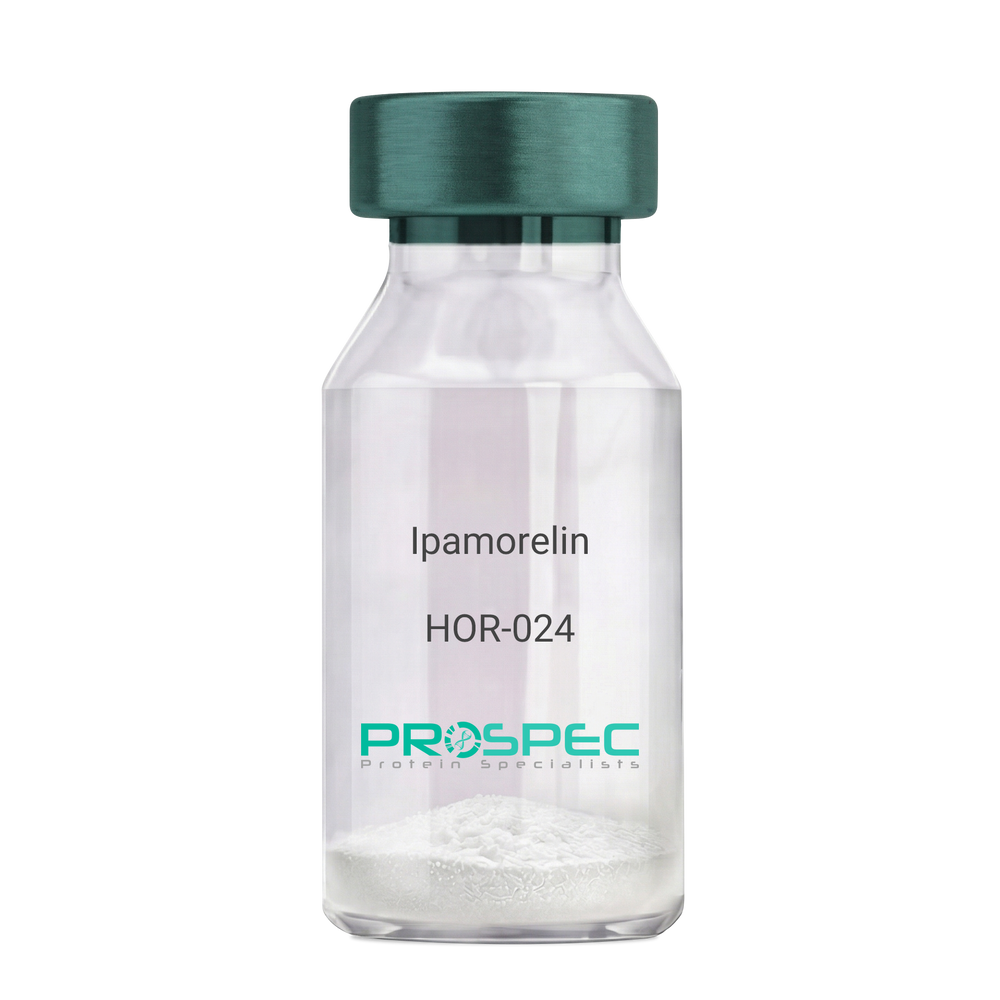
IpamorelinDescription:
Ipamorelin
Ipamorelin
Product # :
HOR-024Price :
Quantity :
Shipping Method :
Shipped at Room temp
More Info
- description
- formulation
- purity
- More Info
Description
Ipamorelin Synthetic is a single, non-glycosylated polypeptide chain containing 4 amino acids, having a molecular mass of 711.85 Dalton and a Molecular formula of C38H49N9O5.
Formulation
The protein was lyophilized with no additives.
Purity
Greater than 97.0% as determined by analysis by RP-HPLC.
More Info
-
Introduction
Ipamorelin is a peptide selective agonist of the ghrelin/growth hormone secretagogue receptor and a growth hormone secretagogue. Ipamorelin is a pentapeptide that was derived from GHRP1. Ipamorelin significantly increases plasma growth hormone levels in both animals and humans. Like pralmorelin and GHRP-6, ipamorelin does not affect prolactin, FSH, LH or TSH levels. However, unlike GHRP2 and GHRP6, but as growth hormone-releasing hormone (GHRH), ipamorelin does not stimulate the secretion of adrenocorticotropic hormone (ACTH) or cortisol, and is highly selective for inducing the secretion only of GH.
-
Synonyms
Ipamorelin
-
Physical Appearance
Sterile Filtered White lyophilized (freeze-dried) powder.
-
Stability
Lyophilized Ipamorelin although stable at room temperature for 3 weeks, should be stored desiccated below -18°C. Upon reconstitution Ipamorelin should be stored at 4°C between 2-7 days and for future use below -18°C. For long term storage it is recommended to add a carrier protein (0.1% HSA or BSA). Please prevent freeze-thaw cycles.
-
Solubility
It is recommended to reconstitute the lyophilized Ipamorelin in sterile 18MΩ-cm H2O not less than 100 µg/ml, which can then be further diluted to other aqueous solutions.
-
Amino Acid Sequence
Aib-His-D-2-Nal-D-Phe-Lys-NH2.
ProSpec's products are furnished for LABORATORY RESEARCH USE ONLY. The product may not be used as drugs, agricultural or pesticidal products, food additives or household chemicals.
- View Data Sheet
Name :
IL 1RA Rat, HisDescription:
Interleukin-1 Receptor Antagonist Rat Recombinant, His Tag
Interleukin-1 receptor antagonist protein, IL-1RN, IL-1ra, IRAP, IL1 inhibitor, Il1rn, Il-1ra, Interleukin-1 Receptor Antagonist, IL-1ra, IL 1RA.
Product # :
CYT-899Price :
Quantity :
Shipping Method :
Shipped with Ice Packs
More Info
- description
- source
- formulation
- purity
- More Info
Description
IL 1RA Rat Recombinant produced in E.Coli is a single, non-glycosylated polypeptide chain containing 175 amino acids (27-178a.a.) and having a molecular mass of 19.8kDa.IL 1RA is fused to a 23 amino acid His-tag at N-terminus & purified by proprietary chromatographic techniques.
Source
Escherichia Coli.
Formulation
IL 1RA protein solution (1mg/ml) containing Phosphate Buffer Saline (pH7.4), 10% glycerol and 1mM DTT.
Purity
Greater than 90.0% as determined by analysis by SDS-PAGE.
More Info
-
Introduction
Interleukin-1 ra is a member of the interleukin 1 cytokine family. This protein inhibits the activities of interleukin 1, alpha (IL1A) and interleukin 1, beta (IL1B), and modulates a variety of interleukin 1 related immune and inflammatory responses. This gene and five other closely related cytokine genes form a gene cluster spanning approximately 400 kb on chromosome 2. A polymorphism of this gene is reported to be associated with increased risk of osteoporotic fractures and gastric cancer. Four alternatively spliced transcript variants encoding distinct isoforms have been reported.
-
Synonyms
Interleukin-1 receptor antagonist protein, IL-1RN, IL-1ra, IRAP, IL1 inhibitor, Il1rn, Il-1ra, Interleukin-1 Receptor Antagonist, IL-1ra, IL 1RA.
-
Physical Appearance
Sterile Filtered clear solution.
-
Stability
Store at 4°C if entire vial will be used within 2-4 weeks. Store, frozen at -20°C for longer periods of time. For long term storage it is recommended to add a carrier protein (0.1% HSA or BSA).Avoid multiple freeze-thaw cycles.
-
Amino Acid Sequence
MGSSHHHHHH SSGLVPRGSH MGSHPAGKRP CKMQAFRIWD TNQKTFYLRN NQLIAGYLQG PNTKLEEKID MVPIDFRNVF LGIHGGKLCL SCVKSGDDTK LQLEEVNITD LNKNKEEDKR FTFIRSETGP TTSFESLACP GWFLCTTLEA DHPVSLTNTP KEPCTVTKFY FQEDQ.
ProSpec's products are furnished for LABORATORY RESEARCH USE ONLY. The product may not be used as drugs, agricultural or pesticidal products, food additives or household chemicals.
- View Data Sheet
Name :
HMGB3 HumanDescription:
High-Mobility Group Box 3 Human Recombinant
High Mobility Group Box 3, High-Mobility Group (Nonhistone Chromosomal) Protein 4, Non-Histone Chromosomal Protein, High Mobility Group Protein B3, High Mobility Group Protein 4, HMG-2a, HMG-4.
Product # :
PRO-1623Price :
Quantity :
Shipping Method :
Shipped with Ice Packs
More Info
- description
- source
- formulation
- purity
- More Info
Description
HMGB3 Human Recombinant produced in E.coli is a single, non-glycosylated polypeptide chain containing 203 amino acids (1-180) and having a molecular mass of 22.8kDa.HMGB3 is fused to a 23 amino acid His-tag at N-terminus & purified by proprietary chromatographic techniques.
Source
Escherichia Coli.
Formulation
The HMGB3 solution (0.5mg/ml) contains 20mM Tris-HCl buffer (pH 8.0), 0.15M NaCl, 1mM DTT and 10% glycerol.
Purity
Greater than 85% as determined by SDS-PAGE.
More Info
-
Introduction
HMGB3 is a member of the high mobility group (HMG) protein superfamily. HMGB3 holds DNA-binding HMG box domains, as do HMG1 and HMG2, and like the rest of the HMG protein superfamily members has a vital part in DNA replication, transcription and nucleosome assembly.
-
Synonyms
High Mobility Group Box 3, High-Mobility Group (Nonhistone Chromosomal) Protein 4, Non-Histone Chromosomal Protein, High Mobility Group Protein B3, High Mobility Group Protein 4, HMG-2a, HMG-4.
-
Physical Appearance
Sterile filtered colorless solution.
-
Stability
Store at 4°C if entire vial will be used within 2-4 weeks. Store, frozen at -20°C for longer periods of time. For long term storage it is recommended to add a carrier protein (0.1% HSA or BSA).Avoid multiple freeze-thaw cycles.
-
Amino Acid Sequence
MGSSHHHHHH SSGLVPRGSH MGSMAKGDPK KPKGKMSAYA FFVQTCREEH KKKNPEVPVN FAEFSKKCSE RWKTMSGKEK SKFDEMAKAD KVRYDREMKD YGPAKGGKKK KDPNAPKRPP SGFFLFCSEF RPKIKSTNPG ISIGDVAKKL GEMWNNLNDS EKQPYITKAA KLKEKYEKDV ADYKSKGKFD GAKGPAKVAR KKV.
ProSpec's products are furnished for LABORATORY RESEARCH USE ONLY. The product may not be used as drugs, agricultural or pesticidal products, food additives or household chemicals.
- View Data Sheet
Name :
GlucagonDescription:
Glucagon Human
GLP1, GLP2, GRPP.
Product # :
HOR-286Price :
Quantity :
Shipping Method :
Shipped at Room temp
More Info
- description
- formulation
- purity
- More Info
Description
Glucagon Human Synthetic is a single, non-glycosylated, polypeptide chain containing 29 amino acids and having a molecular mass of 3483 Dalton and the molecular formula is: C153H225N43O49S.The Glucagon is purified by proprietary chromatographic techniques.
Formulation
Glucagon peptide was formulated with no additives.
Purity
Greater than 96.0% as determined by RP-HPLC.
More Info
-
Introduction
Glucagon is an important hormone involved in carbohydrate metabolism. The hormone is synthesized and secreted from alpha cells (?-cells) of the islets of Langerhans, which are located in the endocrine portion of the pancreas. Glucagon is released when the glucose level in the blood is low (hypoglycemia), causing the liver to convert stored glycogen into glucose and release it into the bloodstream. The action of glucagon is thus opposite to that of insulin, which instructs the body's cells to take in glucose from the blood in times of satiation.
Glucagon is beneficial for the culture of some cell types. It has been used in some biochemical regulation studies of glycogenolysis in hepatocytes. It has been also been found to induce DNA replication in primary cultures of adult rat hepatocytes when used in combinations with EGF and Insulin. Glucagon increases the blood glucose concentration by promoting rapid breakdown of liver glycogen, and also acts to relax smooth muscle such as the gastrointestinal tract. -
Synonyms
GLP1, GLP2, GRPP.
-
Physical Appearance
Sterile Filtered White lyophilized (freeze-dried) powder.
-
Stability
Glucagon although stable at room temperature for 3 weeks, should be stored desiccated below -18°C. Upon reconstitution Glucagon should be stored at 4°C between 2-7 days and for future use below -18°C.For long term storage it is recommended to add a carrier protein (0.1% HSA or BSA).Please prevent freeze-thaw cycles.
-
Solubility
It is recommended to reconstitute the lyophilized Glucagon in a sterile 1% HCl solution at a concentration of 0.1-1 mg/ml, which can then be further diluted to other aqueous solutions.
-
Amino Acid Sequence
His-Ser-Gln-Gly-Thr-Phe-Thr-Ser-Asp-Tyr-Ser-Lys-Tyr-Leu-Asp-Ser-Arg-Arg-Ala-Gln-Asp-Phe-Val-Gln-Trp-Leu-Met-Asn-Thr-OH.
ProSpec's products are furnished for LABORATORY RESEARCH USE ONLY. The product may not be used as drugs, agricultural or pesticidal products, food additives or household chemicals.
- View Data Sheet
Name :
Chlamydia PGP-3DDescription:
Chlamidia Trachomatis PGP-3D Recombinant
Product # :
CHT-007Price :
Quantity :
Shipping Method :
Shipped with Ice Packs
More Info
- description
- source
- formulation
- purity
- More Info
Description
The E.coli derived recombinant protein contains Chlamydia Trachomatis PGP-3D full length protein epitope. The protein is fused to a 6xHis-Tag at C-terminus.
Source
Escherichia Coli.
Formulation
10mM Tris-HCl, pH 8, 1.5M Urea and 50% Glycerol.
Purity
Protein is >90% pure as determined by SDS-PAGE.
More Info
-
Introduction
Chlamydia is a common term for infection with any bacterium belonging to the phylum Chlamydiae. This term derives from the name of the bacterial genusChlamydiain the family Chlamydiaceae, order Chlamydiales, class and phylum Chlamydiae. There are two genera in Chlamydiaceae: Chlamydia and Chlamydophila. The genus Chlamydia includes three species: C. trachomatis, C. muridarum, and C. suis.
-
Stability
Chlamydia PGP-3D although stable at 4°C for 1 week, should be stored below -18°C. Please prevent freeze thaw cycles.
-
Applications
Chlamydia PGP-3D protein is suitable for use in ELISA. Each laboratory should determine an optimum working titer for use in its particular application. Other applications have not been tested but use in such assays should not necessarily be excluded.
-
Specificity
Immunoreactive with sera of Chlamydia Trachomatis infected individuals.
-
Purification Method
Chlamydia PGP-3D protein was purified by proprietary chromatographic technique.
ProSpec's products are furnished for LABORATORY RESEARCH USE ONLY. The product may not be used as drugs, agricultural or pesticidal products, food additives or household chemicals.
- View Data Sheet
Name :
OPG Human, HisDescription:
Osteoprotegerin Human Recombinant, His Tag
TNFRSF11B, OPG, OCIF, Osteoclastogenesis inhibitory factor, TR1, MGC29565.
Product # :
CYT-290Price :
Quantity :
Shipping Method :
Shipped at Room temp
More Info
- description
- source
- formulation
- purity
- More Info
Description
Recombinant Human OCIF produced in E.coli cells is a single, non-glycosylated, polypeptide chain containing amino acids 201-401 and having a molecular mass of 31 kDa which includes a 4 kDa His tag.The OPG is purified by proprietary chromatographic techniques.
Source
Escherichia Coli.
Formulation
The protein was lyophilized from a concentrated (1mg/ml) solution with 1X PBS, 0.1% SDS and 1mM DTT.
Purity
Greater than 80.0% as determined by(a) Analysis by RP-HPLC.
(b) Analysis by SDS-PAGE.More Info
-
Introduction
Osteoprotegerin, which is a member of the tumor necrosis factor receptor superfamily and is involved in the regulation of bone metabolism. OPGand its ligand (OPGL) are cytokines regulating osteoclasto-genesis. OPGL binds to receptors on the surface of preosteoclasts and stimulates their differentiation into active osteoclasts. This leads to osteoresorption. OPG inhibits this osteoclasto-genesis (OPG is secreted by osteoblasts, and binds to OPGL, thus inhibiting maturation of osteoclasts and osteoresorption). The degree and activity of osteoresorption depend mainly on the balance between OPG and its ligand (OPGL); factors increasing OPGL expression mostly reduce OPG expression and vice versa.
-
Synonyms
TNFRSF11B, OPG, OCIF, Osteoclastogenesis inhibitory factor, TR1, MGC29565.
-
Physical Appearance
Sterile Filtered White lyophilized (freeze-dried) powder.
-
Stability
Lyophilized Osteoprotegerin although stable at room temperature for 3 weeks, should be stored desiccated below -18°C. Upon reconstitution OCIF should be stored at 4°C between 2-7 days and for future use below -18°C.For long term storage it is recommended to add a carrier protein (0.1% HSA or BSA).Please prevent freeze-thaw cycles.
-
Solubility
It is recommended to reconstitute the lyophilized Osteoprotegerin in sterile 18MΩ-cm H2O not less than 100µg/ml, which can then be further diluted to other aqueous solutions.
-
Applications
1. Positive control for Western blot.
2. Antibody production.
3. Protein assay.
ProSpec's products are furnished for LABORATORY RESEARCH USE ONLY. The product may not be used as drugs, agricultural or pesticidal products, food additives or household chemicals.
- View Data Sheet
Name :
4-1BBR Human, Sf9Description:
4-1BB Receptor Human Recombinant, Sf9
Tumor Necrosis Factor Receptor Superfamily, Member 9, T-Cell Antigen 4-1BB Homolog, 4-1BB Ligand Receptor, T-Cell Antigen ILA, CD137 Antigen, CDw137, CD137, ILA, Interleukin-Activated Receptor, Homolog Of Mouse Ly63, Induced By Lymphocyte Activation (ILA), Homolog Of Mouse 4-1BB, Receptor Protein 4-1BB, T Cell Antigen ILA, 4-1BB, Tumor necrosis factor receptor superfamily member 9.
Product # :
CYT-931Price :
Quantity :
Shipping Method :
Shipped with Ice Packs
More Info
- description
- source
- formulation
- purity
- More Info
Description
4-1BBR produced in Sf9 Baculovirus cells is a single, glycosylated polypeptide chain containing 411 amino acids (18-186a.a.) and having a molecular mass of 45.3kDa. (Molecular size on SDS-PAGE will appear at approximately 40-57kDa). 4-1BBR is expressed with a 242 amino acid hIgG-His-tag at C-Terminus and purified by proprietary chromatographic techniques.
Source
Sf9, Baculovirus cells.
Formulation
4-1BBR protein solution (0.5mg/ml) contains Phosphate Buffered Saline (pH 7.4) and 10% glycerol.
Purity
Greater than 90.0% as determined by SDS-PAGE
More Info
-
Introduction
4-1BBR is a member of the TNF-receptor superfamily. 4-1BB receptor contributes to the clonal expansion, survival, and development of T cells.4-1BBRcan also induce proliferation in peripheral monocytes, enhance T cell apoptosis induced by TCR/CD3 triggered activation, and regulate CD28 co-stimulation to promote Th1 cell responses. The expression of this receptor is induced by lymphocyte activation. TRAF adaptor proteins have been shown to bind to this receptor and transduce the signals leading to activation of NF-kappaB.
-
Synonyms
Tumor Necrosis Factor Receptor Superfamily, Member 9, T-Cell Antigen 4-1BB Homolog, 4-1BB Ligand Receptor, T-Cell Antigen ILA, CD137 Antigen, CDw137, CD137, ILA, Interleukin-Activated Receptor, Homolog Of Mouse Ly63, Induced By Lymphocyte Activation (ILA), Homolog Of Mouse 4-1BB, Receptor Protein 4-1BB, T Cell Antigen ILA, 4-1BB, Tumor necrosis factor receptor superfamily member 9.
-
Physical Appearance
Sterile Filtered colorless solution.
-
Stability
Store at 4°C if entire vial will be used within 2-4 weeks. Store, frozen at -20°C for longer periods of time. For long term storage it is recommended to add a carrier protein (0.1% HSA or BSA).Avoid multiple freeze-thaw cycles.
-
Amino Acid Sequence
ADLFERTRSL QDPCSNCPAG TFCDNNRNQI CSPCPPNSFS SAGGQRTCDI CRQCKGVFRT RKECSSTSNA ECDCTPGFHC LGAGCSMCEQ DCKQGQELTK KGCKDCCFGT FNDQKRGICR PWTNCSLDGK SVLVNGTKER DVVCGPSPAD LSPGASSVTP PAPAREPGHS PQLEPKSCDK THTCPPCPAP ELLGGPSVFL FPPKPKDTLM ISRTPEVTCV VVDVSHEDPE VKFNWYVDGV EVHNAKTKPR EEQYNSTYRV VSVLTVLHQD WLNGKEYKCK VSNKALPAPI EKTISKAKGQ PREPQVYTLP PSRDELTKNQ VSLTCLVKGF YPSDIAVEWE SNGQPENNYK TTPPVLDSDG SFFLYSKLTV DKSRWQQGNV FSCSVMHEAL HNHYTQKSLS LSPGKHHHHH H.
ProSpec's products are furnished for LABORATORY RESEARCH USE ONLY. The product may not be used as drugs, agricultural or pesticidal products, food additives or household chemicals.
- View Data Sheet
Name :
AITR HumanDescription:
AITR Human Recombinant
TNFRSF18, AITR, CD357, GITR, GITR-D, Tumor necrosis factor receptor superfamily member 18, Activation-inducible TNFR family receptor, Glucocorticoid-induced TNFR-related protein, CD357, UNQ319/PRO364.
Product # :
CYT-925Price :
Quantity :
Shipping Method :
Shipped with Ice Packs
More Info
- description
- source
- formulation
- purity
- More Info
- sds-page
Description
AITR Human Recombinant produced in Sf9 Baculovirus is a single, glycosylated polypeptide chain containing 145 amino acids (26-162a.a.) and having a molecular mass of 15.6kDa (Migrates at 18-28kDa on SDS-PAGE under reducing conditions).AITR is fused to an 8 amino acid His-tag at C-terminus & purified by proprietary chromatographic techniques.
Source
Escherichia Coli.
Formulation
AITR protein solution (0.5mg/ml) containing Phosphate Buffered Saline (pH 7.4) and 10% glycerol.
Purity
Greater than 95.0% as determined by SDS-PAGE.
sds-page
More Info
-
Synonyms
TNFRSF18, AITR, CD357, GITR, GITR-D, Tumor necrosis factor receptor superfamily member 18, Activation-inducible TNFR family receptor, Glucocorticoid-induced TNFR-related protein, CD357, UNQ319/PRO364.
-
Physical Appearance
Sterile filtered colorless solution.
-
Stability
Store at 4°C if entire vial will be used within 2-4 weeks. Store, frozen at -20°C for longer periods of time. For long term storage it is recommended to add a carrier protein (0.1% HSA or BSA).Avoid multiple freeze-thaw cycles.
-
Amino Acid Sequence
QRPTGGPGCG PGRLLLGTGT DARCCRVHTT RCCRDYPGEE CCSEWDCMCV QPEFHCGDPC CTTCRHHPCP PGQGVQSQGK FSFGFQCIDC ASGTFSGGHE GHCKPWTDCT QFGFLTVFPG NKTHNAVCVP GSPPAEPLEH HHHHH.
-
Background
AITR Human Recombinant: Unveiling its Role in Immune Regulation and Therapeutic Potential
1. Abstract
This research paper aims to provide a comprehensive exploration of the AITR Human Recombinant, a crucial receptor involved in immune regulation. By examining its structure, signaling pathways, biological functions, and implications in disease, we unravel the potential therapeutic applications of AITR in immune-related disorders.
2. Introduction
AITR, also known as TNFRSF18, is a receptor protein that plays a vital role in immune regulation. With its involvement in T-cell responses and immune tolerance, AITR has emerged as an intriguing target for therapeutic interventions in various immune-mediated conditions.
3. Structure and Signaling of AITR
AITR is a transmembrane receptor protein belonging to the tumor necrosis factor receptor superfamily. Its extracellular domain interacts with its ligand, glucocorticoid-induced TNFR-related protein (GITR) ligand, leading to downstream signaling events that modulate immune cell function.
4. Biological Functions of AITR
AITR activation influences T-cell responses by regulating T-cell activation, proliferation, and cytokine production. Additionally, AITR signaling can modulate the balance between effector and regulatory T-cell populations, thereby playing a role in immune tolerance and immune homeostasis.
5. AITR in Disease Pathology
AITR dysregulation has been associated with various immune-related disorders, including autoimmune diseases, cancer, and transplant rejection. Understanding the role of AITR in these pathologies may provide insights into potential therapeutic strategies targeting AITR signaling.
6. Therapeutic Potential of AITR
The unique role of AITR in immune regulation makes it an appealing target for therapeutic interventions. Modulation of AITR signaling holds promise for manipulating immune responses in the context of autoimmune diseases, cancer immunotherapy, and transplantation.
7. Conclusion and Future Perspectives
While our understanding of AITR and its functions has advanced significantly, further research is warranted to unravel its complex signaling pathways and therapeutic potential. Continued investigations into AITR biology will enhance our ability to develop targeted therapies for immune-related disorders.
What is the molecular weight/Mw of AITR Protein?
AITR Protein has a total Mw of 15.6kDa.
What is the source or expression system of AITR Protein?
Escherichia Coli.
What is the Purity of AITR Protein?
AITR Protein is >95% pure as determined by SDS-PAGE.
What is the Biological Activity of AITR Protein?
The biological functionality of AITR Protein will be determined in the future.
What is the amino acid sequence of AITR Protein?
QRPTGGPGCG PGRLLLGTGT DARCCRVHTT RCCRDYPGEE CCSEWDCMCV QPEFHCGDPC CTTCRHHPCP PGQGVQSQGK FSFGFQCIDC ASGTFSGGHE GHCKPWTDCT QFGFLTVFPG NKTHNAVCVP GSPPAEPLEH HHHHH.
What applications can AITR Protein be used in?
AITR Protein can probably be used in western blot, ELISA and Lateral Flow.
What is the endotoxin level for AITR Protein?
The endotoxin level is minimal, AITR Protein was purified using conventional chromatography techniques.
ProSpec's products are furnished for LABORATORY RESEARCH USE ONLY. The product may not be used as drugs, agricultural or pesticidal products, food additives or household chemicals.
- View Data Sheet
Name :
MSR1 Human, sf9Description:
Macrophage Scavenger Receptor 1, sf9 Human Recombinant
Macrophage Scavenger Receptor 1, Macrophage Acetylated LDL Receptor I And II, Scavenger Receptor Class A Member 1, SCARA1, Macrophage Scavenger Receptor Type III, CD204 Antigen, CD204, PhSR1, PhSR2, SR-A, SRA.
Product # :
PRO-2318Price :
Quantity :
Shipping Method :
Shipped with Ice Packs
More Info
- description
- source
- formulation
- purity
- More Info
Description
MSR1 produced in Sf9 Baculovirus cells is a single, glycosylated polypeptide chain containing 384 amino acids (77-451 a.a.) and having a molecular mass of 42.4kDa (Migrates at 40-57kDa on SDS-PAGE under reducing conditions). MSR1 is expressed with a 6 amino acid His tag at C-Terminus and purified by proprietary chromatographic techniques.
Source
Sf9, Baculovirus cells.
Formulation
MSR1 protein solution (0.5mg/ml) contains Phosphate Buffered Saline (pH 7.4) and 10% glycerol.
Purity
Greater than 95.0% as determined by SDS-PAGE.
More Info
-
Introduction
Macrophage Scavenger Receptor 1, also known as MSR1 is a member of the class A macrophage scavenger receptors, which comprises three different types 1, 2 and 3 generated by alternative splicing. Furthermore, these receptors or isoforms are macrophage-specific trimeric integral membrane glycoproteins and have been implicated in many macrophage-associated physiological as well as pathological processes which include atherosclerosis, Alzheimer's disease, and host defense.
-
Synonyms
Macrophage Scavenger Receptor 1, Macrophage Acetylated LDL Receptor I And II, Scavenger Receptor Class A Member 1, SCARA1, Macrophage Scavenger Receptor Type III, CD204 Antigen, CD204, PhSR1, PhSR2, SR-A, SRA.
-
Physical Appearance
Sterile Filtered colorless solution.
-
Stability
Store at 4°C if entire vial will be used within 2-4 weeks. Store, frozen at -20°C for longer periods of time. For long term storage it is recommended to add a carrier protein (0.1% HSA or BSA). Avoid multiple freeze-thaw cycles.
-
Amino Acid Sequence
ADPKWETKNC SVSSTNANDI TQSLTGKGND SEEEMRFQEV FMEHMSNMEK RIQHILDMEA NLMDTEHFQN FSMTTDQRFN DILLQLSTLF SSVQGHGNAI DEISKSLISL NTTLLDLQLN IENLNGKIQE NTFKQQEEIS KLEERVYNVS AEIMAMKEEQ VHLEQEIKGE VKVLNNITND LRLKDWEHSQ TLRNITLIQG PPGPPGEKGD RGPTGESGPR GFPGPIGPPG LKGDRGAIGF PGSRGLPGYA GRPGNSGPKG QKGEKGSGNT LTPFTKVRLV GGSGPHEGRV EILHSGQWGT ICDDRWEVRV GQVVCRSLGY PGVQAVHKAA HFGQGTGPIW LNEVFCFGRE SSIEECKIRQ WGTRACSHSE DAGVTCTLHH HHHH.
ProSpec's products are furnished for LABORATORY RESEARCH USE ONLY. The product may not be used as drugs, agricultural or pesticidal products, food additives or household chemicals.
- View Data Sheet
Name :
SNRPD HumanDescription:
Small Nuclear Ribonucleoprotein Polypeptide D1, D2, D3 Human Recombinant
Product # :
PRO-997Price :
Quantity :
Shipping Method :
Shipped with Ice Packs
More Info
- description
- source
- formulation
- purity
- More Info
Description
SNRPD Human Recombinant produced in SF9 insect cells, is a mixed protein complex containing the SNRPD1 (16 kDa), SNRPD2 (18 kDa) and SNRPD3 (18 kDa) proteins. Each protein (SNRPD1+ SNRPD2+ SNRPD3) is individually fused to a -6xHis tag at N-terminus and purified by proprietary chromatographic techniques.
Source
Sf9 insect cells.
Formulation
SNRPD is supplied in 20mM HEPES buffer pH-7.5, 400mM NaCl and 20% glycerol.
Purity
Greater than 95% as determined by SDS-PAGE.
More Info
-
Physical Appearance
Sterile Filtered clear solution.
-
Stability
Store at 4°C if entire vial will be used within 2-4 weeks. Store, frozen at -20°C for longer periods of time. Avoid multiple freeze-thaw cycles.
-
Immunological Functions
1. Binds IgG-type human auto-antibodies.2. Standard ELISA test (checker-board analysis of positive/negative samples).
-
coating concentration
0.4-0.8 µg/ml (depending on the type of ELISA plate and coating buffer). Suitable for labeling of functional groups.
-
Applications
Western blot with:
a) Anti-Sm positive patient sera.
b) Monoclonal anti-hexa-His-tag antibody.
ProSpec's products are furnished for LABORATORY RESEARCH USE ONLY. The product may not be used as drugs, agricultural or pesticidal products, food additives or household chemicals.
- View Data Sheet
Name :
NRGN HumanDescription:
Neurogranin Human Recombinant
hng, RC3, Neurogranin, Ng, NRGN.
Product # :
CYT-293Price :
Quantity :
Shipping Method :
Shipped with Ice Packs
More Info
- description
- source
- formulation
- purity
- More Info
Description
NRGN Human Recombinant produced in E.Coli is a single, non-glycosylated polypeptide chain containing 101 amino acids (1-78 a.a.) and having a molecular mass of 10.0kDa (molecular size on SDS-PAGE will appear higher). NRGN is fused to a 23 amino acid His-tag at N-terminus & purified by proprietary chromatographic techniques.
Source
Escherichia Coli.
Formulation
NRGN protein solution (0.5mg/ml) contains 20mM Tris-HCl buffer (pH7.0), 30% glycerol 0.1mM PMSF and 1mM EDTA.
Purity
Greater than 90% as determined by SDS-PAGE.
More Info
-
Introduction
Neurogranin (NRGN) is a calmodulin-binding protein which is expressed solely in the brain, mainly in dendritic spines. NRGN is also taking part in the protein kinase C signaling pathway by being a "third messenger" substrate of protein kinase C-mediated molecular cascades during synaptic development and remodeling. NRGN binds to calmodulin in the absence of calcium. NRGN protein’s phosphorylation by protein kinase C lowers its binding ability.
-
Synonyms
hng, RC3, Neurogranin, Ng, NRGN.
-
Physical Appearance
Sterile filtered colorless solution.
-
Stability
Store at 4°C if entire vial will be used within 2-4 weeks. Store, frozen at -20°C for longer periods of time. For long term storage it is recommended to add a carrier protein (0.1% HSA or BSA).Avoid multiple freeze-thaw cycles.
-
Amino Acid Sequence
MGSSHHHHHH SSGLVPRGSH MGSMDCCTEN ACSKPDDDIL DIPLDDPGAN AAAAKIQASF RGHMARKKIK SGERGRKGPG PGGPGGAGVA RGGAGGGPSG D.
ProSpec's products are furnished for LABORATORY RESEARCH USE ONLY. The product may not be used as drugs, agricultural or pesticidal products, food additives or household chemicals.
- View Data Sheet
Name :
PF4V1 HumanDescription:
Platelet Factor 4 Variant 1 Human Recombinant
PF4V1, Platelet Factor 4 Variant 1, CXCL4L1, CXCL4V1, PF4alt, PF4var1, SCYB4V1, PF4-ALT, PF4A, C-X-C Motif Chemokine 4, Platelet Factor 4 Variant, Platelet Factor 4, Variant 1 (PF4-Like) , C-X-C Motif Chemokine 4 Variant.
Product # :
CHM-027Price :
Quantity :
Shipping Method :
Shipped with Ice Packs
More Info
- description
- source
- formulation
- purity
- More Info
Description
PF4V1 Human Recombinant produced in E.Coli is a single, non-glycosylated polypeptide chain containing 97 amino acids (31-104 a.a.) and having a molecular mass of 10.6kDa.PF4V1 is fused to a 23 amino acid His-tag at N-terminus & purified by proprietary chromatographic techniques.
Source
Escherichia Coli.
Formulation
PF4V1 protein solution (0.25mg/ml) contains 20mM Tris-HCl buffer (pH 8.0), 0.2M NaCl, 50% glycerol and 1mM DTT.
Purity
Greater than 85.0% as determined by SDS-PAGE.
More Info
-
Introduction
Platelet Factor 4 Variant 1 (PF4V1) is a member of the intercrine alpha (chemokine CxC) family. PF4V1 is an inhibitor of angiogenesis and inhibitor of endothelial cell chemotaxis (in vitro).
-
Synonyms
PF4V1, Platelet Factor 4 Variant 1, CXCL4L1, CXCL4V1, PF4alt, PF4var1, SCYB4V1, PF4-ALT, PF4A, C-X-C Motif Chemokine 4, Platelet Factor 4 Variant, Platelet Factor 4, Variant 1 (PF4-Like) , C-X-C Motif Chemokine 4 Variant.
-
Physical Appearance
Sterile Filtered colorless clear solution.
-
Stability
Store at 4°C if entire vial will be used within 2-4 weeks. Store, frozen at -20°C for longer periods of time. For long term storage it is recommended to add a carrier protein (0.1% HSA or BSA).Please avoid freeze thaw cycles.
-
Amino Acid Sequence
MGSSHHHHHH SSGLVPRGSH MGSFARAEAE EDGDLQCLCV KTTSQVRPRH ITSLEVIKAG PHCPTAQLIA TLKNGRKICL DLQALLYKKI IKEHLES.
ProSpec's products are furnished for LABORATORY RESEARCH USE ONLY. The product may not be used as drugs, agricultural or pesticidal products, food additives or household chemicals.
- View Data Sheet
Name :
PGD Human, ActiveDescription:
Phosphogluconate Dehydrogenase, Active Human Recombinant
EC 1.1.1.44, 6PGD, PGDH, 6-phosphogluconate dehydrogenase decarboxylating, PGD.
Product # :
ENZ-1128Price :
Quantity :
Shipping Method :
Shipped with Ice Packs
More Info
- description
- source
- formulation
- purity
- biological activity
- More Info
Description
PGD Human Recombinant produced in E.Coli is a single, non-glycosylated polypeptide chain containing 503 amino acids (1-483) and having a molecular mass of 55.3 kDa.PGD Human is fused to a 20 amino acid His-Tag at N-terminus and purified by proprietary chromatographic techniques.
Source
Escherichia Coli.
Formulation
The PGD solution (1mg/ml) contains 10% Glycerol, 1mM DTT, 0.1M NaCl, and 20mM Tris-HCl buffer (pH 8.0).
Purity
Greater than 90.0% as determined by SDS-PAGE.
Biological Activity
Specific activity is > 10unit/mg. One unit will oxidize 1.0 umole of 6-phospho-D-gluconate to D-ribulose 5- phosphate per minute at pH 8.0 at 25˚C, in the presence of beta-NADP.
More Info
-
Introduction
6PGD is the 2nd dehydrogenase in the pentose phosphate shift. Pentose is crucial for the biosynthesis of nucleic acid. The pentose phosphate cycle is a prominent source of NADPH. 6PGD deficiency is mostly asymptomatic, and the inheritance of this deasis is autosomal dominant. PGD deficiency elevate the erythrocyte pyruvate kinase levels of activity & decreases glutathione synthetase, which causes hemolysis.
-
Synonyms
EC 1.1.1.44, 6PGD, PGDH, 6-phosphogluconate dehydrogenase decarboxylating, PGD.
-
Physical Appearance
Sterile Filtered colorless solution.
-
Stability
Store at 4°C if entire vial will be used within 2-4 weeks. Store, frozen at -20°C for longer periods of time. For long term storage it is recommended to add a carrier protein (0.1% HSA or BSA).Avoid multiple freeze-thaw cycles.
-
Amino Acid Sequence
MGSSHHHHHH SSGLVPRGSH MAQADIALIG LAVMGQNLIL NMNDHGFVVC AFNRTVSKVD DFLANEAKGT KVVGAQSLKE MVSKLKKPRR IILLVKAGQA VDDFIEKLVP LLDTGDIIID GGNSEYRDTT RRCRDLKAKG ILFVGSGVSG GEEGARYGPS LMPGGNKEAW PHIKTIFQGI AAKVGTGEPC CDWVGDEGAG HFVKMVHNGI EYGDMQLICE AYHLMKDVLG MAQDEMAQAF EDWNKTELDS FLIEITANIL KFQDTDGKHL LPKIRDSAGQ KGTGKWTAIS ALEYGVPVTL IGEAVFARCL SSLKDERIQA SKKLKGPQKF QFDGDKKSFL EDIRKALYAS KIISYAQGFM LLRQAATEFG WTLNYGGIAL MWRGGCIIRS VFLGKIKDAF DRNPELQNLL LDDFFKSAVE NCQDSWRRAV STGVQAGIPM PCFTTALSFY DGYRHEMLPA SLIQAQRDYF GAHTYELLAK PGQFIHTNWT GHGGTVSSSS YNA
ProSpec's products are furnished for LABORATORY RESEARCH USE ONLY. The product may not be used as drugs, agricultural or pesticidal products, food additives or household chemicals.
- View Data Sheet
Name :
Procalcitonin RatDescription:
Procalcitonin Rat Recombinant
Calcitonin, Calca, Calc.
Product # :
HOR-019Price :
Quantity :
Shipping Method :
Shipped at Room temp
More Info
- description
- source
- formulation
- purity
- More Info
Description
Procalcitonin Rat Recombinant produced in E.Coli is a single, non-glycosylated, polypeptide chain (Val26-Asn136) containing 121 amino acids including a 10 aa His tag at N-terminus. The total calculated molecular mass is 13.6kDa.
Source
Escherichia Coli.
Formulation
Procalcitonin was filtered (0.4µm) and lyophilized in 20mM TRIS and 50mM NaCl, pH 8.0.
Purity
Greater than 95.0% as determined by SDS-PAGE.
More Info
-
Introduction
Procalcitonin is a peptide hormone mainly produced by the C cells of the thyroid and certain endocrine cells of the lung. Under normal expression conditions, procalcitonin is immediately cleaved into three specific fragments, an N terminal residue, calcitonin and katacalcin. Levels of unprocessed procalcitonin rise significantly after bacterial infection, trauma or shock.
-
Synonyms
Calcitonin, Calca, Calc.
-
Physical Appearance
Filtered White lyophilized (freeze-dried) powder.
-
Stability
Store lyophilized protein at -20°C. Aliquot the product after reconstitution to avoid repeated freezing/thawing cycles. Reconstituted protein can be stored at 4°C for a limited period of time; it does not show any change after two weeks at 4°C.
-
Solubility
It is recommended to add deionized water to prepare a working stock solution of approximately 0.5 mg/ml and let the lyophilized pellet dissolve completely. Procalcitonin is not sterile! Please filter the product by an appropriate sterile filter before using it in the cell culture.
-
Amino Acid Sequence
MKHHHHHHASVPLRSTLESS PGMATLSEEE ARLLAALVQN YMQMKVRELE QEEEQEAEGS SLDSPRSKRC GNLSTCMLGT YTQDLNKFHT FPQTSIGVGA PGKKRDMAKD LETNHHPYFG N.
ProSpec's products are furnished for LABORATORY RESEARCH USE ONLY. The product may not be used as drugs, agricultural or pesticidal products, food additives or household chemicals.
- View Data Sheet
Name :
CHGA Human, HEKDescription:
Chromogranin A Human Recombinant, HEK
CHGA, CGA, Chromogranin-A, Vasostatin I, SP-I, Pituitary secretory protein I.
Product # :
PRO-2664Price :
Quantity :
Shipping Method :
Shipped at Room temp
More Info
- description
- source
- formulation
- purity
- More Info
Description
CHGA Human Recombinant is a single, glycosylated polypeptide chain containing 445 amino acids (19-457a.a) and having a molecular mass of 49.7kDa (calculated). CHGA is fused to a 6 a.a His tag at C-terminal.
Source
HEK293 cells.
Formulation
CHGA filtered (0.4 µm) and lyophilized from 0.5mg/ml in PBS, pH 7.0.
Purity
Greater than 95.0% as determined by SDS-PAGE.
More Info
-
Introduction
Chromogranin A is a 439 amino acid protein which is encoded on chromosome 14 and is present in neuroendocrine cells throughout the body, including the neuroendocrine cells of the large and small intestine, adrenal medulla and pancreatic islets. It is an excellent marker for carcinoid tumors, phenochromocytomas, paragangliomas, and other neuroendocrine tumors.
Coexpression of chromogranin A and neuron specific enolase (NSE) is common in neuroendocrine neoplasms. -
Synonyms
CHGA, CGA, Chromogranin-A, Vasostatin I, SP-I, Pituitary secretory protein I.
-
Physical Appearance
Filtered White lyophilized (freeze-dried) powder.
-
Stability
Store lyophilized protein at -20°C. Aliquot the product after reconstitution to avoid repeated freezing/thawing cycles. Reconstituted protein can be stored at 4°C for a limited period of time; it does not show any change after two weeks at 4°C.
-
Solubility
It is recommended to add deionized water to prepare a working stock solution of approximately 0.5mg/ml and let the lyophilized pellet dissolve completely.
-
Amino Acid Sequence
LPVNSPMNKG DTEVMKCIVE VISDTLSKPS PMPVSQECFE TLRGDERILS ILRHQNLLKE LQDLALQGAK ERAHQQKKHS GFEDELSEVL ENQSSQAELK EAVEEPSSKD VMEKREDSKE AEKSGEATDG ARPQALPEPM QESKAEGNNQ APGEEEEEEE EATNTHPPAS LPSQKYPGPQ AEGDSEGLSQ GLVDREKGLS AEPGWQAKRE EEEEEEEEAE AGEEAVPEEE GPTVVLNPHP SLGYKEIRKG ESRSEALAVD GAGKPGAEEA QDPEGKGEQE HSQQKEEEEE MAVVPQGLFR GGKSGELEQE EERLSKEWED SKRWSKMDQL AKELTAEKRL EGQEEEEDNR DSSMKLSFRA RAYGFRGPGP QLRRGWRPSS REDSLEAGLP LQVRGYPEEK KEEEGSANRR PEDQELESLS AIEAELEKVA HQLQALRRGH HHHHH
ProSpec's products are furnished for LABORATORY RESEARCH USE ONLY. The product may not be used as drugs, agricultural or pesticidal products, food additives or household chemicals.
- View Data Sheet
Name :
CHGA Human, HisDescription:
Chromogranin-A Human Recombinant, His Tag
CGA, CHGA, Vasostatin-2, Pituitary secretory protein I, SP-I.
Product # :
PRO-699Price :
Quantity :
Shipping Method :
Shipped with Ice Packs
More Info
- description
- source
- formulation
- purity
- More Info
Description
Recombinant Human CHGA produced in E.Coli is a single, non-glycosylated polypeptide chain containing 460 amino acids (19-457 a.a) and having a molecular mass of 51.2kDa (Molecular weight on SDS-PAGE will appear higher). Chromgranin-A is fused to 21 amino acid His Tag at N-terminus and purified by proprietary chromatographic techniques.
Source
Escherichia Coli.
Formulation
The CHGA protein (0.5mg/ml) contains 20mM Tris-HCl buffer pH-7.5, 2mM EDTA, 0.1mM PMSF and 10% glycerol.
Purity
Greater than 80.0% as determined by Analysis by SDS-PAGE.
More Info
-
Introduction
Chromgranin-A is part of the neuroendocrine secretory protein family. CHGA is located in secretory vesicles of neurons and endocrine cells. Chromgranin-A is a precursor to three biologically active peptides; vasostatin, pancreastatin, and parastatin. These peptides act as autocrine or paracrine negative modulators of the neuroendocrine system. Other peptides, including chromostatin, beta-granin, WE-14 and GE-25, are also derived from the full-length protein. Chromgranin-A has numerous biological activities on some tissues and organs and exerts a large spectrum of homeostatic actions, including antifungal and antimicrobial effect, modulation of cell adhesion, and inhibition of parathyroid hormone secretion.
-
Synonyms
CGA, CHGA, Vasostatin-2, Pituitary secretory protein I, SP-I.
-
Physical Appearance
Sterile filtered colorless solution.
-
Stability
Store at 4°C if entire vial will be used within 2-4 weeks. Store, frozen at -20°C for longer periods of time. For long term storage it is recommended to add a carrier protein (0.1% HSA or BSA). Avoid multiple freeze-thaw cycles.
-
Amino Acid Sequence
MGSSHHHHHH SSGLVPRGSH MLPVNSPMNK GDTEVMKCIV EVISDTLSKP SPMPVSQECF ETLRGDERIL SILRHQNLLK ELQDLALQGA KERAHQQKKH SGFEDELSEV LENQSSQAEL KEAVEEPSSK DVMEKREDSK EAEKSGEATD GARPQALPEP MQESKAEGNN QAPGEEEEEE EEATNTHPPA SLPSQKYPGP QAEGDSEGLS QGLVDREKGL SAEPGWQAKR EEEEEEEEEA EAGEEAVPEE EGPTVVLNPH PSLGYKEIRK GESRSEALAV DGAGKPGAEE AQDPEGKGEQ EHSQQKEEEE EMAVVPQGLF RGGKSGELEQ EEERLSKEWE DSKRWSKMDQ LAKELTAEKR LEGQEEEEDN RDSSMKLSFR ARAYGFRGPG PQLRRGWRPS SREDSLEAGL PLQVRGYPEE KKEEEGSANR RPEDQELESL SAIEAELEKV AHQLQALRRG.
ProSpec's products are furnished for LABORATORY RESEARCH USE ONLY. The product may not be used as drugs, agricultural or pesticidal products, food additives or household chemicals.
- View Data Sheet
Name :
REG4 Human, Sf9Description:
Regenerating Islet-Derived 4 Human Recombinant, Sf9
Regenerating islet-derived protein 4, Reg IV, REG-like protein, Gastrointestinal secretory protein, REG4, GISP, RELP.
Product # :
PRO-2595Price :
Quantity :
Shipping Method :
Shipped with Ice Packs
More Info
- description
- source
- formulation
- purity
- More Info
Description
REG4 produced in Sf9 Baculovirus cells is a single, glycosylated polypeptide chain (23-158 a.a.) and fused to a 9 aa His Tag at C-terminus containing a total of 145 amino acids and having a molecular mass of 17kDa.REG4 shows multiple bands between 13.5-18kDa on SDS-PAGE, reducing conditions and purified by proprietary chromatographic techniques.
Source
Sf9, Baculovirus cells.
Formulation
REG4 protein solution (0.25mg/ml) contains 10% glycerol & Phosphate buffered saline (pH7.4).
Purity
Greater than 90% as determined by SDS-PAGE.
More Info
-
Introduction
REG protein was shown to be stimulated during the regeneration of pancreatic islets. Since then, many Reg-related proteins have been identified in humans and other animals. In human, the four REG family genes, i.e., REG 1 alpha, REG 1 beta, REG-related sequence (RS) and HIP/PAP, have so far been isolated. These Reg-related proteins are classified into four subfamilies according to their amino-acid sequences, but they share a similar structure and physiological function. Reg protein is a growth factor for pancreatic beta cells and also suggests that the administration of Reg protein could be used as another therapeutic approach for diabetes mellitus. Human REG cDNA which encodes a 166-amino acid protein with a 22-amino acid signal peptide. The amino acid sequence of human REG protein has 68% homology to that of rat Reg protein.
-
Synonyms
Regenerating islet-derived protein 4, Reg IV, REG-like protein, Gastrointestinal secretory protein, REG4, GISP, RELP.
-
Physical Appearance
Sterile filtered colorless solution.
-
Stability
Store at 4°C if entire vial will be used within 2-4 weeks. Store, frozen at -20°C for longer periods of time. For long term storage it is recommended to add a carrier protein (0.1% HSA or BSA).Avoid multiple freeze-thaw cycles.
-
Amino Acid Sequence
ADPDIIMRPS CAPGWFYHKS NCYGYFRKLR NWSDAELECQ SYGNGAHLAS ILSLKEASTI
AEYISGYQRS QPIWIGLHDP QKRQQWQWID GAMYLYRSWS GKSMGGNKHC AEMSSNNNFL TWSSNECNKR QHFLCKYRPH HHHHH
ProSpec's products are furnished for LABORATORY RESEARCH USE ONLY. The product may not be used as drugs, agricultural or pesticidal products, food additives or household chemicals.
- View Data Sheet
Name :
PLGF Human, HisDescription:
Placental Growth Factor Human Recombinant, His Tag
PIGF, PGF, PLGF-1.
Product # :
CYT-1031Price :
Quantity :
Shipping Method :
Shipped at Room temp
More Info
- description
- source
- formulation
- purity
- More Info
Description
PLGF1 Human Recombinant produced in E.Coli is a single, non-glycosylated, polypeptide chain (a.a 19-131) containing 123 amino acids including a 10 a.a N-terminal His tag. The total molecular mass is 13.8kDa (calculated).
Source
Escherichia Coli.
Formulation
PLGF1 filtered (0.4 µm) and lyophilized from 0.5mg/ml in PBS and 5% w/v trehalose, pH 7.4.
Purity
Greater than 95.0% as determined by SDS-PAGE.
More Info
-
Introduction
PLGF is a growth factor active in angiogenesis, and endothelial cell growth, stimulating their proliferation and migration. It binds to receptor vegfr-1/flt1.
-
Synonyms
PIGF, PGF, PLGF-1.
-
Physical Appearance
Filtered White lyophilized (freeze-dried) powder.
-
Stability
Store lyophilized protein at -20°C. Aliquot the product after reconstitution to avoid repeated freezing/thawing cycles. Reconstituted protein can be stored at 4°C for a limited period of time; it does not show any change after two weeks at 4°C.
-
Solubility
It is recommended to add deionized water to prepare a working stock solution of approximately 0.5mg/ml and let the lyophilized pellet dissolve completely. PLGF1 is not sterile! Please filter the product by an appropriate sterile filter before using it in the cell culture.
-
Amino Acid Sequence
MKHHHHHHAS LPAVPPQQWA LSAGNGSSEV EVVPFQEVWG RSYCRALERL VDVVSEYPSE VEHMFSPSCV SLLRCTGCCG DENLHCVPVE TANVTMQLLK IRSGDRPSYV ELTFSQHVRC ECR.
ProSpec's products are furnished for LABORATORY RESEARCH USE ONLY. The product may not be used as drugs, agricultural or pesticidal products, food additives or household chemicals.
- View Data Sheet
Name :
RRAGC HumanDescription:
Ras-Related GTP Binding C Human Recombinant
Ras-related GTP-binding protein C, Rag C, RagC, GTPase-interacting protein 2, TIB929, RRAGC, GTR2.
Product # :
PRO-1050Price :
Quantity :
Shipping Method :
Shipped with Ice Packs
More Info
- description
- source
- formulation
- purity
- More Info
Description
RRAGC Human Recombinant produced in E.Coli is a single, non-glycosylated polypeptide chain containing 423 amino acids (1-399 a.a) and having a molecular mass of 46.7kDa.RRAGC is fused to a 24 amino acid His-tag at N-terminus & purified by proprietary chromatographic techniques.
Source
Escherichia Coli.
Formulation
RRAGC protein solution (0.5mg/ml) containing 20mM Tris-HCl buffer (pH 8.0), 1mM DTT, 10% glycerol and 0.1M NaCl.
Purity
Greater than 85.0% as determined by SDS-PAGE.
More Info
-
Introduction
Ras-related GTP binding C (RRAGC) is a monomeric guanine nucleotide-binding protein, or G protein. As a result of binding GTP or GDP, small G proteins act as molecular regulators in various cell processes and signaling pathways. RRAGC regulates the organization of the actin cytoskeleton and has an intrinsic GTPase activity. RRAGC is possibly necessary for the amino acid-induced relocalization of mTORC1 to the lysosomes and its succeeding activation by the GTPase RHEB, which is key step in the activation of the TOR signaling cascade by amino acids.
-
Synonyms
Ras-related GTP-binding protein C, Rag C, RagC, GTPase-interacting protein 2, TIB929, RRAGC, GTR2.
-
Physical Appearance
Sterile Filtered clear solution.
-
Stability
Store at 4°C if entire vial will be used within 2-4 weeks. Store, frozen at -20°C for longer periods of time. For long term storage it is recommended to add a carrier protein (0.1% HSA or BSA).Avoid multiple freeze-thaw cycles.
-
Amino Acid Sequence
MGSSHHHHHH SSGLVPRGSH MGSHMSLQYG AEETPLAGSY GAADSFPKDF GYGVEEEEEE AAAAGGGVGA GAGGGCGPGG ADSSKPRILL MGLRRSGKSS IQKVVFHKMS PNETLFLEST NKIYKDDISN SSFVNFQIWD FPGQMDFFDP TFDYEMIFRG TGALIYVIDA QDDYMEALTR
LHITVSKAYK VNPDMNFEVF IHKVDGLSDD HKIETQRDIH QRANDDLADA GLEKLHLSFY LTSIYDHSIF EAFSKVVQKL IPQLPTLENL LNIFISNSGI EKAFLFDVVS KIYIATDSSP VDMQSYELCC DMIDVVIDVS CIYGLKEDGS GSAYDKESMA IIKLNNTTVL YLKEVTKFLA
LVCILREESF ERKGLIDYNF HCFRKAIHEV FEVGVTSHRS CGHQTSASSL KALTHNGTPR NAI.
ProSpec's products are furnished for LABORATORY RESEARCH USE ONLY. The product may not be used as drugs, agricultural or pesticidal products, food additives or household chemicals.
- View Data Sheet
Name :
CRYGD HumanDescription:
Crystallin, Gamma D Human Recombinant
Gamma-crystallin D, Gamma-D-crystallin, Gamma-crystallin 4, CRYGD, CRYG4, CCP; CACA, CCA3, cry-g-D.
Product # :
PRO-913Price :
Quantity :
Shipping Method :
Shipped with Ice Packs
More Info
- description
- source
- formulation
- purity
- More Info
Description
CRYGD Human Recombinant produced in E.Coli is a single, non-glycosylated polypeptide chain containing 194 amino acids (1-174 a.a.) and having a molecular mass of 22.9kDa.CRYGD is fused to a 20 amino acid His-tag at N-terminus & purified by proprietary chromatographic techniques.
Source
Escherichia Coli.
Formulation
CRYGD protein solution (1mg/ml) containing 20mM Tris-HCl buffer (pH 8.0), 5mM DTT, 10% glycerol and 200mM NaCl.
Purity
Greater than 95.0% as determined by SDS-PAGE.
More Info
-
Introduction
CRYGD is a member of the beta/gamma-crystallin family. Crystallins are the principal structural components of the vertebrate eye lens. The mammalian lens crystallins are divided into alpha, beta, and gamma families. Gamma-crystallins are involved in cataract formation. Defects in the CRYGD gene are responsible for cataract autosomal dominant (ADC), cataract congenital non-nuclear polymorphic autosomal dominant (CCP), cataract congenital cerulean type 3 (CCA3) and cataract crystalline aculeiform (CACA).
-
Synonyms
Gamma-crystallin D, Gamma-D-crystallin, Gamma-crystallin 4, CRYGD, CRYG4, CCP; CACA, CCA3, cry-g-D.
-
Physical Appearance
Sterile filtered colorless solution.
-
Stability
Store at 4°C if entire vial will be used within 2-4 weeks. Store, frozen at -20°C for longer periods of time. For long term storage it is recommended to add a carrier protein (0.1% HSA or BSA).Avoid multiple freeze-thaw cycles.
-
Amino Acid Sequence
MGSSHHHHHH SSGLVPRGSH MGKITLYEDR GFQGRHYECS SDHPNLQPYL SRCNSARVDS GCWMLYEQPN YSGLQYFLRR GDYADHQQWM GLSDSVRSCR LIPHSGSHRI RLYEREDYRG QMIEFTEDCS CLQDRFRFNE IHSLNVLEGS WVLYELSNYR GRQYLLMPGD YRRYQDWGAT NARVGSLRRV IDFS.
ProSpec's products are furnished for LABORATORY RESEARCH USE ONLY. The product may not be used as drugs, agricultural or pesticidal products, food additives or household chemicals.
- View Data Sheet
Name :
NAPG HumanDescription:
N-ethylmaleimide-Sensitive Factor Attachment Protein, Gamma Human Recombinant
Gamma-soluble NSF attachment protein, SNAP-gamma, N-ethylmaleimide-sensitive factor attachment protein gamma, NAPG, SNAPG, GAMMASNAP.
Product # :
PRO-944Price :
Quantity :
Shipping Method :
Shipped with Ice Packs
More Info
- description
- source
- formulation
- purity
- More Info
Description
NAPG Human Recombinant produced in E.Coli is a single, non-glycosylated polypeptide chain containing 336 amino acids (1-312 a.a.) and having a molecular mass of 37.3kDa.NAPG is fused to a 24 amino acid His-tag at N-terminus & purified by proprietary chromatographic techniques.
Source
Escherichia Coli.
Formulation
NAPG protein solution (1mg/ml) containing 20mM Tris-HCl buffer (pH8.0), 10% glycerol, 0.1M NaCl and 1mM DTT.
Purity
Greater than 95.0% as determined by SDS-PAGE.
More Info
-
Introduction
Gamma-SNAP (NAPG) is a cytoplasmic protein which binds to a membrane receptor complex composed of VAMP, SNAP25 and syntaxin. NAPG mediates the membrane binding of NSF, which is crucial for membrane fusion reactions. NSF and SNAPs seem to be general components of the intracellular membrane fusion system, and their action at specific sites of fusion needs be controlled by SNAP receptors specific to the membranes being fused. NAPG mediates platelet exocytosis and controls the membrane fusion events of this process.
-
Synonyms
Gamma-soluble NSF attachment protein, SNAP-gamma, N-ethylmaleimide-sensitive factor attachment protein gamma, NAPG, SNAPG, GAMMASNAP.
-
Physical Appearance
Sterile Filtered colorless solution.
-
Stability
Store at 4°C if entire vial will be used within 2-4 weeks. Store, frozen at -20°C for longer periods of time. For long term storage it is recommended to add a carrier protein (0.1% HSA or BSA).Avoid multiple freeze-thaw cycles.
-
Amino Acid Sequence
MGSSHHHHHH SSGLVPRGSH MGSHMAAQKI NEGLEHLAKA EKYLKTGFLK WKPDYDSAAS EYGKAAVAFK NAKQFEQAKD ACLREAVAHE NNRALFHAAK AYEQAGMMLK EMQKLPEAVQ LIEKASMMYL ENGTPDTAAM ALERAGKLIE NVDPEKAVQL YQQTANVFEN EERLRQAVEL LGKASRLLVR GRRFDEAALS IQKEKNIYKE IENYPTCYKK TIAQVLVHLH RNDYVAAERC VRESYSIPGF NGSEDCAALE QLLEGYDQQD QDQVSDVCNS PLFKYMDNDY AKLGLSLVVP GGGIKKKSPA TPQAKPDGVT ATAADEEEDE YSGGLC.
ProSpec's products are furnished for LABORATORY RESEARCH USE ONLY. The product may not be used as drugs, agricultural or pesticidal products, food additives or household chemicals.
- View Data Sheet
Name :
p16-INK4a HumanDescription:
Cyclin-Dependent Kinase Inhibitor 2A Human Recombinant
Cyclin-dependent kinase 4 inhibitor A, CDK4I, p16-INK4, p16-INK4a, p16INK4A, CDKN-2A, CDKN2, Multiple tumor suppressor 1, MTS1, CMM2, MLM, TP16, p16(INK4), p19.
Product # :
PKA-341Price :
Quantity :
Shipping Method :
Shipped at Room temp
More Info
- description
- source
- formulation
- purity
- More Info
Description
CDKN2A Human Recombinant produced in E.Coli, it's a single non-glycosylated polypeptide chain containing 156 amino acids, approximately 16.5 kDa.CDKN2A is purified by proprietary chromatographic techniques.
Source
Escherichia Coli.
Formulation
CDKN2A was lyophilized from a concentrated (1mg/ml) sterile solution containing 1x PBS pH-7.4.
Purity
Greater than 95.0% as determined by:
(a) Analysis by RP-HPLC.
(b) Analysis by SDS-PAGE.More Info
-
Introduction
Cyclin-dependent kinase inhibitors (CDKIs) are proteins that bind to and inhibit the activity of CDKs. Two major classes of CDK inhibitors have been identified. The p16 family (p15, p16, p18 and p19) binds to and inhibits the activities of CDK4 and CDK6. The p21 family (p21, p27, p28 and p57) can bind to broad range of CDK-cyclin complexes and inhibit their activities. CDKIs are capable of suppressing growth, and several lines of evidence strongly suggest that at least some CDKIs may be tumor suppressor proteins.
-
Synonyms
Cyclin-dependent kinase 4 inhibitor A, CDK4I, p16-INK4, p16-INK4a, p16INK4A, CDKN-2A, CDKN2, Multiple tumor suppressor 1, MTS1, CMM2, MLM, TP16, p16(INK4), p19.
-
Physical Appearance
Sterile Filtered White lyophilized (freeze-dried) powder.
-
Stability
Lyophilized Cyclin-dependent kinase although stable at room temperature for 3 weeks, should be stored desiccated below -18°C. Upon reconstitution Cyclin-dependent kinase should be stored at 4°C between 2-7 days and for future use below -18°C.For long term storage it is recommended to add a carrier protein (0.1% HSA or BSA).Please prevent freeze-thaw cycles.
-
Solubility
It is recommended to reconstitute the lyophilized Cyclin-dependent kinase in sterile water not less than 100µg/ml, which can then be further diluted to other aqueous solutions.
-
Amino Acid Sequence
MEPAAGSSMEPSADWLATAAARGRVEEVRALLEAGALPNAPNSYGRRPIQVM
MMGSARVAELLLLHGAEPNCADPATLTRPVHDAAREGFLDTLVVLHRAGARL
DVRDAWGRLPVDLAEELGHRDVARYLRAAAGGTRGSNHARIDAAEGPSDIPD.
ProSpec's products are furnished for LABORATORY RESEARCH USE ONLY. The product may not be used as drugs, agricultural or pesticidal products, food additives or household chemicals.
- View Data Sheet
Name :
BPGM HumanDescription:
2,3-Bisphosphoglycerate Mutase Human Recombinant
Bisphosphoglycerate mutase, EC 5.4.2.4, BPGM, 2,3-bisphosphoglycerate mutase erythrocyte, 2,3-bisphosphoglycerate synthase, BPG-dependent PGAM.
Product # :
ENZ-505Price :
Quantity :
Shipping Method :
Shipped with Ice Packs
More Info
- description
- source
- formulation
- purity
- More Info
Description
BPGM Human Recombinant produced in E.Coli is a single, non-glycosylated, polypeptide chain containing 267 amino acids (1-259 a.a.) and having a molecular mass of 31 kDa. The BPGM is fused to an 8 amino acid His Tag at C-Terminus and purified by proprietary chromatographic techniques.
Source
Escherichia Coli.
Formulation
The BPGM solution (0.5mg/ml) contains 20mM Tris-HCl (pH 8.0), 1mM DTT and 10% glycerol.
Purity
Greater than 95% as determined by SDS-PAGE.
More Info
-
Introduction
BPGM is found at high concentrations in red blood cells where it binds to and decreases the oxygen affinity of hemoglobin. PGM deficiency increases the oxygen affinity of cells. BPGM is a multifunctional enzyme that catalyzes 2,3-DPG synthesis through its synthetase activity, and 2,3-DPG degradation using its phosphatase activity. BPGM has phosphoglycerate phosphomutase activity. Mutations in BPGM cause hemolytic anemia. BPGM catalyzes the reaction of EC 5.4.2.1 (mutase) and EC 3.1.3.13 (phosphatase), but with a reduced activity.
-
Synonyms
Bisphosphoglycerate mutase, EC 5.4.2.4, BPGM, 2,3-bisphosphoglycerate mutase erythrocyte, 2,3-bisphosphoglycerate synthase, BPG-dependent PGAM.
-
Physical Appearance
Sterile Filtered clear colorless solution.
-
Stability
Store at 4°C if entire vial will be used within 2-4 weeks. Store, frozen at -20°C for longer periods of time. For long term storage it is recommended to add a carrier protein (0.1% HSA or BSA).Avoid multiple freeze-thaw cycles.
-
Amino Acid Sequence
MSKYKLIMLR HGEGAWNKEN RFCSWVDQKL NSEGMEEARN CGKQLKALNF EFDLVFTSVL NRSIHTAWLI LEELGQEWVP VESSWRLNERHYGALIGLNR EQMALNHGEE QVRLWRRSYN VTPPPIEESH PYYQEIYNDR RYKVCDVPLD QLPRSESLKD VLERLLPYWN ERIAPEVLRG KTILISAHGN SSRALLKHLE GISDEDIINI TLPTGVPILL ELDENLRAVG PHQFLGDQEA IQAAIKKVED QGKVKQAKKL EHHHHHH.
ProSpec's products are furnished for LABORATORY RESEARCH USE ONLY. The product may not be used as drugs, agricultural or pesticidal products, food additives or household chemicals.
- View Data Sheet
Name :
PCNP HumanDescription:
PEST proteolytic Signal Containing Nuclear Protein Human Recombinant
PEST proteolytic signal-containing nuclear protein, PCNP, PEST-containing nuclear protein.
Product # :
PRO-906Price :
Quantity :
Shipping Method :
Shipped with Ice Packs
More Info
- description
- source
- formulation
- purity
- More Info
Description
PCNP Human Recombinant produced in E.Coli is a single, non-glycosylated polypeptide chain containing 202 amino acids (1-178 a.a.) and having a molecular mass of 21.5kDa.PCNP is fused to a 24 amino acid His-tag at N-terminus & purified by proprietary chromatographic techniques.
Source
Escherichia Coli.
Formulation
PCNP protein solution (1mg/ml) containing 20mM Tris-HCl buffer (pH 8.0) and 10% glycerol.
Purity
Greater than 95.0% as determined by SDS-PAGE.
More Info
-
Introduction
PEST proteolytic signal containing nuclear protein (PCNP) is a nuclear protein involved in cell cycle regulation and tumorigenesis. The PCNP protein is ubiquitinated post-translationally by NIRF (an ubiquitin ligase). The PCNP exists as 3 isoforms produced by alternative splicing events.
-
Synonyms
PEST proteolytic signal-containing nuclear protein, PCNP, PEST-containing nuclear protein.
-
Physical Appearance
Sterile Filtered clear solution.
-
Stability
Store at 4°C if entire vial will be used within 2-4 weeks. Store, frozen at -20°C for longer periods of time. For long term storage it is recommended to add a carrier protein (0.1% HSA or BSA).Avoid multiple freeze-thaw cycles.
-
Amino Acid Sequence
MGSSHHHHHH SSGLVPRGSH MGSHMADGKA GDEKPEKSQR AGAAGGPEEE AEKPVKTKTV SSSNGGESSS RSAEKRSAEE EAADLPTKPT KISKFGFAIG SQTTKKASAI SIKLGSSKPK ETVPTLAPKT LSVAAAFNED EDSEPEEMPP EAKMRMKNIG RDTPTSAGPN SFNKGKHGFS DNQKLWERNI KSHLGNVHDQ DN.
ProSpec's products are furnished for LABORATORY RESEARCH USE ONLY. The product may not be used as drugs, agricultural or pesticidal products, food additives or household chemicals.