Search results
1000 results found for “pparg”
Name
Description
Product #
Price
Quantity
Shipping Method
- View Data Sheet
Name :
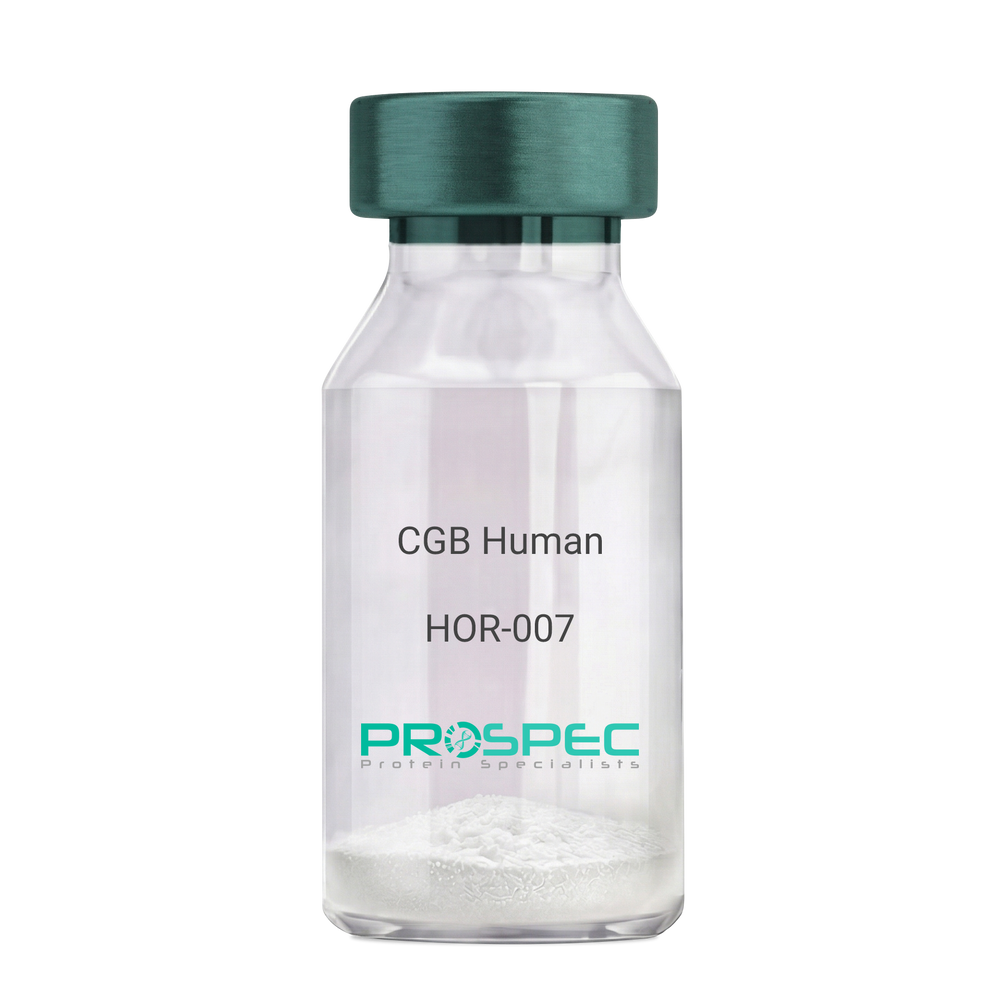
CGB HumanDescription:
CGB Human Recombinant
CGB3, CGB5, CGB7, CGB8, hCGB, CG-beta, CGB.
Product # :
HOR-007Price :
Quantity :
Shipping Method :
Shipped with Ice Packs
More Info
- description
- source
- formulation
- purity
- More Info
Description
CGB Human Recombinant produced in E.Coli is a single, non-glycosylated polypeptide chain containing 168 amino acids (21-165 a.a.) and having a molecular mass of 17.9kDa. CGB is fused to a 23 amino acid His-tag at N-terminus & purified by proprietary chromatographic techniques.
Source
Escherichia Coli.
Formulation
CGB protein solution (0.5mg/ml) containing 20mM Tris-HCl buffer (pH 8.0), 0.4M Urea and 10% glycerol.
Purity
Greater than 85.0% as determined by SDS-PAGE.
More Info
-
Introduction
Glycoprotein hormones are heterodimers consisting of a common alpha subunit and a unique beta subunit which confers biological specificity. CGB is a member of the glycoprotein hormone beta chain family and is the beta 3 subunit of (CG). CG is produced by the trophoblastic cells of the placenta and stimulates the ovaries. The beta subunit of CG is encoded by 6 genes which are arranged in tandem and inverted pairs on chromosome 19q13.3 and contiguous with the luteinizing hormone beta subunit gene.
-
Synonyms
CGB3, CGB5, CGB7, CGB8, hCGB, CG-beta, CGB.
-
Physical Appearance
Sterile filtered colorless solution.
-
Stability
Store at 4°C if entire vial will be used within 2-4 weeks. Store, frozen at -20°C for longer periods of time. For long term storage it is recommended to add a carrier protein (0.1% HSA or BSA).Avoid multiple freeze-thaw cycles.
-
Amino Acid Sequence
MGSSHHHHHH SSGLVPRGSH MGSSKEPLRP RCRPINATLA VEKEGCPVCI TVNTTICAGY CPTMTRVLQG VLPALPQVVC NYRDVRFESI RLPGCPRGVN PVVSYAVALS CQCALCRRST TDCGGPKDHP LTCDDPRFQD SSSSKAPPPS LPSPSRLPGP SDTPILPQ.
ProSpec's products are furnished for LABORATORY RESEARCH USE ONLY. The product may not be used as drugs, agricultural or pesticidal products, food additives or household chemicals.
- View Data Sheet
Name :
GP1BB HumanDescription:
Glycoprotein Ib Platelet Subunit Beta Human Recombinant
GPIBB, glycoprotein Ib platelet subunit beta, BDPLT1,GP-Ib beta, BS, CD42C ,GPIbbeta, Antigen CD42b-beta, GPIb-beta, GPIbB, Platelet glycoprotein Ib beta chain.
Product # :
PRO-2774Price :
Quantity :
Shipping Method :
Shipped with Ice Packs
More Info
- description
- source
- formulation
- purity
- More Info
Description
GP1BB Human Recombinant is a single, glycosylated, polypeptide chain (26-147 a.a) containing a total of 131 amino acids, having a molecular mass of 14.0 kDa. GP1BB is fused to a 6 amino acid His-tag at C-terminus and is purified by proprietary chromatographic techniques.
Source
HEK293 Cells.
Formulation
The GP1BB solution (0.25mg/ml) contains 10% Glycerol and Phosphate-Buffered Saline (pH 7.4).
Purity
Greater than 95.0% as determined by SDS-PAGE.
More Info
-
Synonyms
GPIBB, glycoprotein Ib platelet subunit beta, BDPLT1,GP-Ib beta, BS, CD42C ,GPIbbeta, Antigen CD42b-beta, GPIb-beta, GPIbB, Platelet glycoprotein Ib beta chain.
-
Physical Appearance
Sterile Filtered colorless solution.
-
Stability
Store at 4°C if entire vial will be used within 2-4 weeks. Store, frozen at -20°C for longer periods of time. For long term storage it is recommended to add a carrier protein (0.1% HSA or BSA). Avoid multiple freeze-thaw cycles.
-
Amino Acid Sequence
DGSCPAPCSC AGTLVDCGRR GLTWASLPTA FPVDTTELVL TGNNLTALPP GLLDALPALR TAHLGANPWR CDCRLVPLRA WLAGRPERAP YRDLRCVAPP ALRGRLLPYL AEDELRAACA PGPLCHHHHH H.
-
Background
Glycoprotein 1b beta (GP1BB) is a crucial component of the platelet glycoprotein Ib-IX-V complex, playing a pivotal role in platelet function and hemostasis. This research aims to explore the structure, function, and implications of GP1BB protein in platelet adhesion, aggregation, and the development of thrombotic disorders. Understanding the molecular mechanisms and regulatory roles of GP1BB can provide valuable insights into its potential as a therapeutic target for thrombotic diseases.
Structure and Expression of GP1BB Protein:
GP1BB is a transmembrane protein consisting of an extracellular domain, a single transmembrane region, and a short cytoplasmic tail. It is predominantly expressed on the surface of platelets, where it interacts with von Willebrand factor (VWF) and other components of the glycoprotein Ib-IX-V complex. GP1BB is crucial for mediating platelet adhesion to damaged endothelium and the formation of stable platelet aggregates at the site of injury.
GP1BB and Platelet Adhesion:
GP1BB interacts with VWF, which is exposed upon vascular injury. This interaction facilitates the initial attachment of platelets to the damaged endothelium. GP1BB also participates in the formation of high-affinity bonds between platelets and VWF, contributing to the stabilization of platelet adhesion and the initiation of platelet aggregation. Dysregulation of GP1BB-mediated platelet adhesion can lead to abnormal clot formation and thrombotic disorders.
Implications of GP1BB in Thrombotic Disorders:
Defects or mutations in the GP1BB gene can result in Bernard-Soulier syndrome (BSS), a rare inherited bleeding disorder characterized by giant platelets, thrombocytopenia, and impaired platelet adhesion. BSS patients often experience excessive bleeding and bruising due to defective GP1BB function. On the other hand, abnormal activation or overexpression of GP1BB has been associated with increased risk of thrombotic events, such as myocardial infarction and stroke.
Therapeutic Strategies Targeting GP1BB:
Given its crucial role in platelet function and thrombotic disorders, GP1BB represents a potential target for therapeutic interventions. Strategies aimed at modulating GP1BB expression or function have been explored. This includes the development of monoclonal antibodies or small molecule inhibitors that selectively target GP1BB and interfere with its interaction with VWF or other binding partners. Such approaches aim to prevent excessive platelet adhesion and aggregation, reducing the risk of thrombotic events.
Challenges and Future Directions:
While targeting GP1BB shows promise, several challenges need to be addressed. The development of specific inhibitors or modulators of GP1BB that do not interfere with its physiological functions is crucial. Additionally, understanding the complex interplay between GP1BB and other platelet receptors and signaling pathways is essential for the development of effective therapeutic strategies.
Conclusion:
The study of GP1BB protein provides valuable insights into its central role in platelet adhesion, aggregation, and thrombotic disorders. Understanding the molecular mechanisms and functional implications of GP1BB opens avenues for the development of targeted therapies for thrombotic diseases. Further research on GP1BB protein, its interactions, and its modulation in pathological conditions will contribute to the development of novel therapeutic interventions to mitigate the risk of thrombotic events and improve patient outcomes.
ProSpec's products are furnished for LABORATORY RESEARCH USE ONLY. The product may not be used as drugs, agricultural or pesticidal products, food additives or household chemicals.
- View Data Sheet
Name :
RGS14 HumanDescription:
Regulator of G-Protein Signaling 14 Human Recombinant
Regulator of G-protein signaling 14, RGS14.
Product # :
PRO-1151Price :
Quantity :
Shipping Method :
Shipped with Ice Packs
More Info
- description
- source
- formulation
- purity
- More Info
Description
RGS14 Human Recombinant produced in E.Coli is a single, non-glycosylated polypeptide chain containing 586 amino acids (1-566 a.a) and having a molecular mass of 63.6kDa.RGS14 is fused to a 20 amino acid His-tag at N-terminus & purified by proprietary chromatographic techniques.
Source
Escherichia Coli.
Formulation
RGS14 protein solution (0.5mg/ml) containing 20mM Tris-HCl buffer, pH7.5, 10% glycerol, 1mM DTT and 200mM NaCl.
Purity
Greater than 80% as determined by SDS-PAGE.
More Info
-
Introduction
Regulator of G-protein signaling 14 (RGS14) is a member of the regulator of G protein signaling family. RGS14 contains one RGS domain, 2 Raf-like Ras-binding domains (RBDs) and one GoLoco motif. RGS14 reduces the signaling activity of G-proteins by binding, via its GoLoco domain, to specific types of activated, GTP-bound G alpha subunits. RGS14 is a scaffolding protein which integrates G protein and H-Ras/ERK/MAP kinase signaling pathways, thus making it suitably positioned to repress plasticity in CA2 neurons. Since RGS14 is highly enriched in CA2 pyramidal neurons, it has a role in inhibition of both synaptic plasticity at these synapses and hippocampal-based learning and memory.
-
Synonyms
Regulator of G-protein signaling 14, RGS14.
-
Physical Appearance
Sterile Filtered colorless solution.
-
Stability
Store at 4°C if entire vial will be used within 2-4 weeks. Store, frozen at -20°C for longer periods of time. For long term storage it is recommended to add a carrier protein (0.1% HSA or BSA).Avoid multiple freeze-thaw cycles.
-
Amino Acid Sequence
MGSSHHHHHH SSGLVPRGSH MPGKPKHLGV PNGRMVLAVS DGELSSTTGP QGQGEGRGSS LSIHSLPSGP SSPFPTEEQP VASWALSFER LLQDPLGLAY FTEFLKKEFS AENVTFWKAC ERFQQIPASD TQQLAQEARN IYQEFLSSQA LSPVNIDRQA WLGEEVLAEP RPDMFRAQQL QIFNLMKFDS YARFVKSPLY RECLLAEAEG RPLREPGSSR LGSPDATRKK PKLKPGKSLP LGVEELGQLP PVEGPGGRPL RKSFRRELGG TANAALRRES QGSLNSSASL DLGFLAFVSS KSESHRKSLG STEGESESRP GKYCCVYLPD GTASLALARP GLTIRDMLAG ICEKRGLSLP
DIKVYLVGNE QALVLDQDCT VLADQEVRLE NRITFELELT ALERVVRISA KPTKRLQEAL QPILEKHGLS PLEVVLHRPG EKQPLDLGKL VSSVAAQRLV LDTLPGVKIS KARDKSPCRS QGCPPRTQDK ATHPPPASPS SLVKVPSSAT GKRQTCDIEG LVELLNRVQS SGAHDQRGLL
RKEDLVLPEF LQLPAQGPSS EETPPQTKSA AQPIGGSLNS TTDSAL.
ProSpec's products are furnished for LABORATORY RESEARCH USE ONLY. The product may not be used as drugs, agricultural or pesticidal products, food additives or household chemicals.
- View Data Sheet
Name :
PSPN MouseDescription:
Persephin Mouse Recombinant
Persephin, PSPN.
Product # :
CYT-802Price :
Quantity :
Shipping Method :
Shipped at Room temp
More Info
- description
- source
- formulation
- purity
- biological activity
- More Info
Description
PSPN Mouse Recombinant produced in E.Coli is a disulfide-linked homodimer containing 2x96 amino acids and having a molecular mass of 20.7kDa. The PSPN is purified by proprietary chromatographic techniques.
Source
Escherichia Coli.
Formulation
Lyophilized from a 0.2?m filtered concentrated solution in 30 %ACN, 0.1 %TFA, 150mM NaCl.
Purity
Greater than 95.0% as determined by:
(a) Analysis by RP-HPLC.
(b) Analysis by SDS-PAGE.Biological Activity
Fully biologically active when compared to standard. The ED50 as determined by a cell proliferation assay using human TT medullary thyroid cancer cells is less than 0.1ng/ml, corresponding to a specific activity of > 1.0 × 10,000,000 IU/mg.More Info
-
Introduction
Persephin is a member of the GDNF ligand subfamily of the TGF-beta superfamily. PSPN encourages the existence and growth of key dopaminergic and motor neurons, as well as taking part in kidney development. Nonetheless, persephin does not support existence of peripheral neurons.
-
Synonyms
Persephin, PSPN.
-
Physical Appearance
Sterile Filtered White lyophilized (freeze-dried) powder.
-
Stability
Lyophilized PSPN although stable at room temperature for 3 weeks, should be stored desiccated below -18°C. Upon reconstitution PSPN should be stored at 4°C between 2-7 days and for future use below -18°C. For long term storage it is recommended to add a carrier protein (0.1% HSA or BSA). Please prevent freeze-thaw cycles.
-
Solubility
It is recommended to reconstitute the lyophilized PSPN in sterile 18MΩ-cm H2O not less than 100µg/ml, which can then be further diluted to other aqueous solutions.
-
Amino Acid Sequence
ALAGSCRLWS LTLPVAELGL GYASEEKVIF RYCAGSCPQE ARTQHSLVLA RLRGRGRAHG RPCCQPTSYA DVTFLDDQHH WQQLPQLSAA ACGCGG
ProSpec's products are furnished for LABORATORY RESEARCH USE ONLY. The product may not be used as drugs, agricultural or pesticidal products, food additives or household chemicals.
- View Data Sheet
Name :
AGR2 HumanDescription:
Anterior Gradient Protein 2 Homolog Human Recombinant
Anterior gradient protein 2 homolog, Secreted cement gland protein XAG-2 homolog, AG-2, hAG-2, HPC8, AGR2, AG2, GOB-4, HAG-2, XAG-2.
Product # :
PRO-580Price :
Quantity :
Shipping Method :
Shipped with Ice Packs
More Info
- description
- source
- formulation
- purity
- More Info
Description
AGR2 Human Recombinant produced in E.Coli is a single, non-glycosylated, polypeptide chain containing 191 amino acids (21-175 a.a.) and having a molecular mass of 21.9 kDa. AGR2 protein is fused to a 36 amino acid His-Tag at N-terminus and purified by standard chromatography.
Source
Escherichia Coli.
Formulation
The protein contains 20mM Tris-HCl pH 8.0, 1mM DTT, 1mM EDTA and 10% Glycerol.
Purity
Greater than 95.0% as determined by SDS-PAGE.
More Info
-
Introduction
AGR2 (Anterior gradient 2 homolog) is the human orthologue of the secreted Xenopus laevis Anterior Gradient protein (XAG-2). This is a small, possibly secreted molecule of yet weakly defined functions that is widely expressed in human tissues. Expression of AGR2 shows a positive correlation with expression of estrogen receptor in breast carcinoma and a negative correlation with expression of EGF receptor.
-
Synonyms
Anterior gradient protein 2 homolog, Secreted cement gland protein XAG-2 homolog, AG-2, hAG-2, HPC8, AGR2, AG2, GOB-4, HAG-2, XAG-2.
-
Physical Appearance
Sterile filtered colorless solution.
-
Stability
Store at 4°C if entire vial will be used within 2-4 weeks. Store, frozen at -20°C for longer periods of time. For long term storage it is recommended to add a carrier protein (0.1% HSA or BSA). Avoid multiple freeze-thaw cycles.
-
Amino Acid Sequence
MRGSHHHHHH GMASMTGGQQ MGRDLYDDDD KDRWGSMRDT TVKPGAKKDT KDSRPKLPQT LSRGWGDQLI WTQTYEEALY KSKTSNKPLM IIHHLDECPH SQALKKVFAE NKEIQKLAEQ FVLLNLVYET TDKHLSPDGQ YVPRIMFVDP SLTVRADITG RYSNRLYAYE PADTALLLDN MKKALKLLKT EL.
ProSpec's products are furnished for LABORATORY RESEARCH USE ONLY. The product may not be used as drugs, agricultural or pesticidal products, food additives or household chemicals.
- View Data Sheet
Name :
HMGB3 HumanDescription:
High-Mobility Group Box 3 Human Recombinant
High Mobility Group Box 3, High-Mobility Group (Nonhistone Chromosomal) Protein 4, Non-Histone Chromosomal Protein, High Mobility Group Protein B3, High Mobility Group Protein 4, HMG-2a, HMG-4.
Product # :
PRO-1623Price :
Quantity :
Shipping Method :
Shipped with Ice Packs
More Info
- description
- source
- formulation
- purity
- More Info
Description
HMGB3 Human Recombinant produced in E.coli is a single, non-glycosylated polypeptide chain containing 203 amino acids (1-180) and having a molecular mass of 22.8kDa.HMGB3 is fused to a 23 amino acid His-tag at N-terminus & purified by proprietary chromatographic techniques.
Source
Escherichia Coli.
Formulation
The HMGB3 solution (0.5mg/ml) contains 20mM Tris-HCl buffer (pH 8.0), 0.15M NaCl, 1mM DTT and 10% glycerol.
Purity
Greater than 85% as determined by SDS-PAGE.
More Info
-
Introduction
HMGB3 is a member of the high mobility group (HMG) protein superfamily. HMGB3 holds DNA-binding HMG box domains, as do HMG1 and HMG2, and like the rest of the HMG protein superfamily members has a vital part in DNA replication, transcription and nucleosome assembly.
-
Synonyms
High Mobility Group Box 3, High-Mobility Group (Nonhistone Chromosomal) Protein 4, Non-Histone Chromosomal Protein, High Mobility Group Protein B3, High Mobility Group Protein 4, HMG-2a, HMG-4.
-
Physical Appearance
Sterile filtered colorless solution.
-
Stability
Store at 4°C if entire vial will be used within 2-4 weeks. Store, frozen at -20°C for longer periods of time. For long term storage it is recommended to add a carrier protein (0.1% HSA or BSA).Avoid multiple freeze-thaw cycles.
-
Amino Acid Sequence
MGSSHHHHHH SSGLVPRGSH MGSMAKGDPK KPKGKMSAYA FFVQTCREEH KKKNPEVPVN FAEFSKKCSE RWKTMSGKEK SKFDEMAKAD KVRYDREMKD YGPAKGGKKK KDPNAPKRPP SGFFLFCSEF RPKIKSTNPG ISIGDVAKKL GEMWNNLNDS EKQPYITKAA KLKEKYEKDV ADYKSKGKFD GAKGPAKVAR KKV.
ProSpec's products are furnished for LABORATORY RESEARCH USE ONLY. The product may not be used as drugs, agricultural or pesticidal products, food additives or household chemicals.
- View Data Sheet
Name :
PECR HumanDescription:
Peroxisomal Trans-2-enoyl-CoA Reductase Human Recombinant
Peroxisomal trans-2-enoyl-CoA reductase, TERP, HSA250303, SDR29C1, 2,4-dienoyl-CoA reductase-related protein, DCR-RP, pVI-ARL, EC 1.3.1.38, HPDHASE, putative short chain alcohol dehydrogenase, short chain dehydrogenase/reductase family 29C member 1.
Product # :
ENZ-177Price :
Quantity :
Shipping Method :
Shipped with Ice Packs
More Info
- description
- source
- formulation
- purity
- More Info
Description
PECR Human Recombinant produced in E.coli is a single, non-glycosylated polypeptide chain containing 327 amino acids (1-303) and having a molecular mass of 35.1 kDa.PECR is fused to a 24 amino acid His-tag at N-terminus & purified by proprietary chromatographic techniques.
Source
E.coli.
Formulation
The PECR solution (1mg/ml) contains 20mM Tris-HCl buffer (pH 8.0), 0.15M NaCl, 2mM DTT and 10% glycerol.
Purity
Greater than 95% as determined by SDS-PAGE.
More Info
-
Introduction
PECR is the main enzyme for a projected peroxisomal chain elongation pathway and is primarily expressed in kidney and liver.
-
Synonyms
Peroxisomal trans-2-enoyl-CoA reductase, TERP, HSA250303, SDR29C1, 2,4-dienoyl-CoA reductase-related protein, DCR-RP, pVI-ARL, EC 1.3.1.38, HPDHASE, putative short chain alcohol dehydrogenase, short chain dehydrogenase/reductase family 29C member 1.
-
Physical Appearance
Sterile Filtered colorless solution.
-
Stability
Store at 4°C if entire vial will be used within 2-4 weeks. Store, frozen at -20°C for longer periods of time. For long term storage it is recommended to add a carrier protein (0.1% HSA or BSA).Avoid multiple freeze-thaw cycles.
-
Amino Acid Sequence
MGSSHHHHHH SSGLVPRGSH MGSHMASWAK GRSYLAPGLL QGQVAIVTGG ATGIGKAIVK ELLELGSNVV IASRKLERLK SAADELQANL PPTKQARVIP IQCNIRNEEE VNNLVKSTLD TFGKINFLVN NGGGQFLSPA EHISSKGWHA VLETNLTGTF YMCKAVYSSW MKEHGGSIVN IIVPTKAGFP LAVHSGAARA GVYNLTKSLA LEWACSGIRI NCVAPGVIYS QTAVENYGSW GQSFFEGSFQ KIPAKRIGVP EEVSSVVCFL LSPAASFITG QSVDVDGGRS LYTHSYEVPD HDNWPKGAGD LSVVKKMKET FKEKAKL
ProSpec's products are furnished for LABORATORY RESEARCH USE ONLY. The product may not be used as drugs, agricultural or pesticidal products, food additives or household chemicals.
- View Data Sheet
Name :
PLA2G10 HumanDescription:
Secreted Phospholipase A2-X Human Recombinant
Group 10 secretory phospholipase A2, EC 3.1.1.4, Group X secretory phospholipase A2, Phosphatidylcholine 2-acylhydrolase GX, GX sPLA2, sPLA2-X, SPLA2, GXPLA2, MGC119918, MGC119919, MGC133367, PLA2G10.
Product # :
ENZ-329Price :
Quantity :
Shipping Method :
Shipped at Room temp
More Info
- description
- source
- formulation
- purity
- More Info
Description
Secreted Phospholipase A2-X Human Recombinant is manufactured with N-terminal fusion HisTag. PLA2G10 His-Tagged Fusion Protein, is 15.5 kDa containing 123 amino acid residues of the human secreted phospholipase A2-X and 16 additional amino acid residues - HisTag (underlined).
Source
Escherichia Coli.
Formulation
PLA2G10 filtered (0.4 µm) and lyophilized from 0.5mg/ml solution in 20mM Tris and 50mM NaCl, pH 7.5.
Purity
Greater than 95% as determined by SDS PAGE.
More Info
-
Introduction
Phospholipase A2 (PLA2) catalyzes the hydrolysis of the sn-2 position of membrane glycerophospholipids to liberate arachidonic acid (AA), a precursor of eicosanoids including prostaglandins and leukotrienes. The same reaction also produces lysophosholipids, which represent another class of lipid mediators.
The secretory PLA2 (sPLA2) family, in which 10 isozymes have been identified, consists of low molecular weight, Ca2+-requiring secretory enzymes that have been implicated in a number of biological processes, such as modification of eicosanoid generation, inflammation, and host defense.
This enzyme has been proposed to hydrolyze phosphatidylcholine (PC) in lipoproteins to liberate lyso-PC and free fatty acids in the arterial wall, thereby facilitating the accumulation of bioactive lipids and modified lipoproteins in atherosclerotic foci.
In mice, sPLA2 expression significantly influences HDL particle size and composition and demonstrate that an induction of sPLA2 is required for the decrease in plasma HDL cholesterol in response to inflammatory stimuli. Instillation of bacteria into the bronchi was associated with surfactant degradation and a decrease in large:small ratio of surfactant aggregates in rats. -
Synonyms
Group 10 secretory phospholipase A2, EC 3.1.1.4, Group X secretory phospholipase A2, Phosphatidylcholine 2-acylhydrolase GX, GX sPLA2, sPLA2-X, SPLA2, GXPLA2, MGC119918, MGC119919, MGC133367, PLA2G10.
-
Physical Appearance
Sterile Filtered lyophilized (freeze-dried) powder.
-
Stability
Store lyophilized protein at -20°C. Aliquot the product after reconstitution to avoid repeated freezing/thawing cycles. Reconstituted protein can be stored at 4°C for a limited period of time; it does not show any change after two weeks at 4°C.
-
Solubility
It is recommended to add deionized water to prepare a working stock solution of approximately 0.5mg/ml and let the lyophilized pellet dissolve completely.
-
Amino Acid Sequence
MRGSHHHHHH GMASHMGILE LAGTVGCVGP RTPIAYMKYG CFCGLGGHGQ PRDAIDWCCH GHDCCYTRAE EAGCSPKTER YSWQCVNQSV LCGPAENKCQ ELLCKCDQEI ANCLAQTEYN LKYLFYPQFL CEPDSPKCD
ProSpec's products are furnished for LABORATORY RESEARCH USE ONLY. The product may not be used as drugs, agricultural or pesticidal products, food additives or household chemicals.
- View Data Sheet
Name :
PLA2G2E HumanDescription:
Secreted Phospholipase A2-IIE Human Recombinant
Group IIE secretory phospholipase A2, EC 3.1.1.4, Phosphatidylcholine 2-acylhydrolase GIIE, GIIE sPLA2, sPLA(2)-IIE, sPLA2-IIE, PLA2G2E.
Product # :
ENZ-327Price :
Quantity :
Shipping Method :
Shipped at Room temp
More Info
- description
- source
- formulation
- purity
- More Info
Description
Secreted Phospholipase A2-IIE Human Recombinant manufactured with N-terminal His-Tag. PLA2G2E His-Tagged Fusion Protein is 15.8 kDa protein containing 123 amino acid residues of the human secreted phospholipase A2-IIE and 16 additional amino acid residues – His-Tag (underlined).
Source
Escherichia Coli.
Formulation
Sterile filtered and lyophilized from 0.5 mg/ml in 0.05M Acetate buffer pH-4.
Purity
Greater than 95% as determined by SDS PAGE.
More Info
-
Introduction
Phospholipase A2 (PLA2) catalyzes the hydrolysis of the sn-2 position of membrane glycerophospholipids to liberate arachidonic acid (AA), a precursor of eicosanoids including prostaglandins and leukotrienes. The same reaction also produces lysophosholipids, which represent another class of lipid mediators.
The secretory PLA2 (sPLA2) family, in which 10 isozymes have been identified, consists of low molecular weight, Ca2+-requiring secretory enzymes that have been implicated in a number of biological processes, such as modification of eicosanoid generation, inflammation, and host defense.This enzyme has been proposed to hydrolyze phosphatidylcholine (PC) in lipoproteins to liberate lyso-PC and free fatty acids in the arterial wall, thereby facilitating the accumulation of bioactive lipids and modified lipoproteins in atherosclerotic foci.
In mice, sPLA2 expression significantly influences HDL particle size and composition and demonstrate that an induction of sPLA2 is required for the decrease in plasma HDL cholesterol in response to inflammatory stimuli. Instillation of bacteria into the bronchi was associated with surfactant degradation and a decrease in large:small ratio of surfactant aggregates in rats. -
Synonyms
Group IIE secretory phospholipase A2, EC 3.1.1.4, Phosphatidylcholine 2-acylhydrolase GIIE, GIIE sPLA2, sPLA(2)-IIE, sPLA2-IIE, PLA2G2E.
-
Physical Appearance
Sterile Filtered lyophilized (freeze-dried) powder.
-
Stability
Store lyophilized protein at -20°C. Aliquot the product after reconstitution to avoid repeated freezing/thawing cycles. Reconstituted protein can be stored at 4°C for a limited period of time; it does not show any change after two weeks at 4°C.
-
Solubility
Add 0.2 ml of 0.1M Acetate buffer pH-4 and let the lyophilized pellet dissolve completely. For conversion into higher pH value, we recommend intensive dilution by relevant buffer to a concentration of 10 μg/ml. In higher concentrations the solubility of this antigen is limited.
-
Amino Acid Sequence
MRGSHHHHHH GMASHMNLVQ FGVMIEKMTG KSALQYNDYG CYCGIGGSHW PVDQTDWCCH AHDCCYGRLE KLGCEPKLEK YLFSVSERGI FCAGRTTCQR LTCECDKRAA LCFRRNLGTY NRKYAHYPNK LCTGPTPPC
ProSpec's products are furnished for LABORATORY RESEARCH USE ONLY. The product may not be used as drugs, agricultural or pesticidal products, food additives or household chemicals.
- View Data Sheet
Name :
StreptavidinDescription:
Streptavidin Recombinant
Product # :
PRO-791Price :
Quantity :
Shipping Method :
Shipped at Room temp
More Info
- description
- source
- formulation
- purity
- More Info
Description
Streptavidin Streptomyces Avidinii Recombinant produced in E.Coli. The molecular weight per tetramer is approximately 52kDa.
Source
Escherichia Coli.
Formulation
Lyophilized in 10mM potassium phosphate buffer pH 6.5.
Purity
Greater than 98.0% as determined by SDS-PAGE and HPLC.
More Info
-
Introduction
Streptavidin is a tetrameric protein secreted by Streptomyces avidinii which binds firmly to biotin. Streptavidin is widely used in molecular biology through its unique high affinity for the vitamin biotin. The dissociation constant (Kd) of the biotin-streptavidin complex is about ~10-15 mol/L. The strong affinity recognition of biotin and biotinylated molecules has made streptavidin one of the most important components in diagnostics and laboratory kits. The streptavidin/biotin system has one of the biggest free energies of association of yet observed for noncovalent binding of a protein and small ligand in aqueous solution (K_assoc = 10**14). The complexes are also extremely stable over a wide range of temperature and pH.
-
Physical Appearance
Sterile Filtered White lyophilized (freeze-dried) powder.
-
Stability
Streptavidin is shipped at ambient temperature, upon arrival store at -20°C.
-
Solubility
It is recommended to reconstitute the lyophilized Streptavidin in sterile 18MΩ-cm H2O not less than 0.5mg/ml, which can then be further diluted to other aqueous solutions.
-
Amino Acid Sequence
MAEAGITGTWYNQLGSTFIVTAGADGALTGTYESAVGNAESRYVLT
GRYDSAPATDGSGTALGWTVAWKNNYRNAHSATTWSGQYVGGA
EARINTQWLLTSGTTEANAWKSTLVGHDTFTKVKPSAAS. -
Proteolytic Activity
< 10-3 U/mg protein (Azocoll, 25 °C, 24 h, pH 8.0).
-
Specific Activity
> 17U/mg (one unit binds 1 μg D-biotin).
ProSpec's products are furnished for LABORATORY RESEARCH USE ONLY. The product may not be used as drugs, agricultural or pesticidal products, food additives or household chemicals.
- View Data Sheet
Name :
HIV-1 p24 gagDescription:
HIV-1 p24 gag Recombinant
Product # :
HIV-123Price :
Quantity :
Shipping Method :
Shipped with Ice Packs
More Info
- description
- source
- formulation
- purity
- More Info
Description
The E.coli derived 39 kDa recombinant protein is a non-glycosylated polypeptide chain, containing the HIV-1 p24 gag immunodominant regions, 77-436 amino acids.The HIV-1 p24 gag is fused to beta-galactosidase (114 kDa).
Source
Escherichia Coli.
Formulation
8M urea, 20mM Tris-HCl pH-8 & 10mM b-mercaptoethanol.
Purity
Greater than 95.0% as determined by HPLC analysis and SDS-PAGE.
More Info
-
Introduction
Human immunodeficiency virus (HIV) is a retrovirusthat can lead to a condition in which the immune systembegins to fail, leading to opportunistic infections. HIV primarily infects vital cells in the humanimmune systemsuch as helper T cells(specifically CD4+ T cells), macrophagesand dendritic cells. HIV infection leads to low levels of CD4+ T cells through three main mechanisms: firstly, direct viral killing of infected cells; secondly, increased rates of apoptosisin infected cells; and thirdly, killing of infected CD4+ T cells by CD8 cytotoxic lymphocytesthat recognize infected cells. When CD4+ T cell numbers decline below a critical level, cell-mediated immunityis lost, and the body becomes progressively more susceptible to opportunistic infections. HIV was classified as a member of the genus Lentivirus, part of the family of Retroviridae. Lentiviruses have many common morphologies and biological properties. Many species are infected by lentiviruses, which are characteristically responsible for long-duration illnesses with a long incubation period. Lentiviruses are transmitted as single-stranded, positive-sense, enveloped RNA viruses. Upon entry of the target cell, the viral RNA genomeis converted to double-stranded DNAby a virally encoded reverse transcriptasethat is present in the virus particle. This viral DNA is then integrated into the cellular DNA by a virally encoded integraseso that the genome can be transcribed. Once the virus has infected the cell, two pathways are possible: either the virus becomes latentand the infected cell continues to function, or the virus becomes active and replicates, and a large number of virus particles are liberated that can then infect other cells.
-
Physical Appearance
Sterile filtered colorless clear solution.
-
Stability
HIV-1 p24 gag although stable at 4°C for 1 week, should be stored below -18°C. Please prevent freeze thaw cycles.
-
Amino Acid Sequence
slyn tvatlycvhq rieikdtkea ldkikeeqnk skkkaqqaaa dtghssqvsq nypivqniqg qmvhqaispr tlnawvkvve ekafspevip mfsalsegat pqdlntmlnt vgghqaamqm lketineeaa ewdrvhpvha gpiapgqmre prgsdiagtt stlqeqigwm tnnppipvge iykrwiilgl nkivrmyspt sildirqgpk epfrdyvdrf yktlraeqas qevknwmtet llvqnanpdc ktilkalgpa atleemmtac qgvggpghka rvlaeamsqv tnsatimmqr gnfrnqrkiv kcfncgkegh iarncraprk kgcwkcgkeg hqmkdcterq anflgk.
-
Applications
HIV-1 p24 gag antigen in ELISA and Western blots, excellent antigen for early detection of HIV seroconvertors with minimal specificity problems.
-
Specificity
Immunoreactive with all sera of HIV-1 infected individuals.
ProSpec's products are furnished for LABORATORY RESEARCH USE ONLY. The product may not be used as drugs, agricultural or pesticidal products, food additives or household chemicals.
- View Data Sheet
Name :
PKAR-I alpha HumanDescription:
Protein Kinase A regulatory subunit-1 alpha Human Recombinant
cAMP-dependent protein kinase type I-alpha regulatory subunit, Tissue-specific extinguisher 1, TSE1, PRKAR1A PKR1, PRKAR1, CAR, CNC, CNC1, PKR1, ADOHR, PPNAD1, ACRDYS1.
Product # :
PKA-202Price :
Quantity :
Shipping Method :
Shipped with Ice Packs
More Info
- description
- source
- formulation
- purity
- More Info
Description
PKA regulatory subunit I a Human Recombinant is a dimeric 86kDa protein (the monomer is 381 aa 43kDa). PKAR-I alpha is purified by proprietary chromatographic techniques.
Source
Escherichia Coli.
Formulation
PKA regulatory subunit-I alpha is supplied at a concentration of 0.8 mg/ml in 20mM MOPS (pH 7.0), 150mM NaCl, 1mM 2-mercaptoethanol and 50% glycerol.
Purity
Greater than 95% as determined by SDS-PAGE.
More Info
-
Introduction
The Regulatory (R) subunit of Protein Kinase A (PKA) inhibits its kinase activity by shielding the Catalytic (C) subunit from physiological substrates. This inhibition is reversed in response to extra-cellular signals that increase cAMP levels in the cytoplasm. Upon cAMP binding to R, C is allosterically released from R, activating a spectrum of downstream signaling cascades. Crystallographic data indicated that a series of distinct conformational changes within CBD-A must occur to relay the cAMP signal from the cAMP binding site to the R:C interaction interface. One critical cAMP relay site within the CBD-A of R has been identified as Asp170 because the D170A mutation selectively reduces the negative cooperativity between the cAMP- and C-recognition sites (i.e. the KD for the R:C complex in the presence of cAMP is reduced by more than 12-fold), without significantly compromising the high affinity of R for both binding partners.
-
Synonyms
cAMP-dependent protein kinase type I-alpha regulatory subunit, Tissue-specific extinguisher 1, TSE1, PRKAR1A PKR1, PRKAR1, CAR, CNC, CNC1, PKR1, ADOHR, PPNAD1, ACRDYS1.
-
Physical Appearance
Sterile Filtered clear solution.
-
Stability
PKAR-Ia should be stored at 4°C if entire vial will be used within 2-4 weeks. For long term storage it is recommended to store at -20°C. Avoid multiple freeze-thaw cycles.
-
Inhibitory Activity
The cAMP-dependent protein kinase, regulatory subunit RIa reversibly inhibits the catalytic subunit Ca of the cAMP-dependent protein kinase PKA. The inhibition of the catalytic subunit can be reversed by the addition of the second messenger cAMP.
-
Antigen Amino Acid Sequence
MESGSTAASE EARSLRECEL YVQKHNIQAL LKDSIVQLCT ARPERPMAFL REYFERLEKEEAKQIQNLQK AGTRTDSRED EISPPPPNPV VKGRRRRGAI SAEVYTEEDA ASYVRKVIPKDYKTMAALAK AIEKNVLFSH LDDNERSDIF DAMFSVSFIA GETVIQQGDE GDNFYVIDQGETDVYVNNEW ATSVGEGGSF GELALIYGTP RAATVKAKTN VKLWGIDRDS YRRILMGSTLRKRKMYEEFL SKVSILESLD KWERLTVADA LEPVQFEDGQ KIVVQGEPGD EFFIILEGSAAVLQRRSENE EFVEVGRLGP SDYFGEIALL MNRPRAATVV ARGPLKCVKL DRPRFERVLGPCSDILKRNI QQYNSFVSLS V
ProSpec's products are furnished for LABORATORY RESEARCH USE ONLY. The product may not be used as drugs, agricultural or pesticidal products, food additives or household chemicals.
- View Data Sheet
Name :
PPA1 HumanDescription:
Pyrophosphatase-1 Human Recombinant
Pyrophosphatase (inorganic) 1, PP, PP1, IOPPP, SID6-8061, Pyrophosphate phospho-hydrolase, PPase, cytosolic inorganic pyrophosphatase, diphosphate phosphohydrolase, inorganic diphosphatase, EC 3.6.1.1.
Product # :
ENZ-241Price :
Quantity :
Shipping Method :
Shipped with Ice Packs
More Info
- description
- source
- formulation
- purity
- More Info
Description
PPA1 Human Recombinant produced in E.coli is a single, non-glycosylated polypeptide chain containing 313 amino acids (1-289) and having a molecular mass of 35.2kDa.PPA1 is fused to a 24 amino acid His-tag at N-terminus & purified by proprietary chromatographic techniques.
Source
E.coli.
Formulation
The PPA1 solution (0.5mg/ml) contains 20mM Tris-HCl buffer (pH 8.0), 200mM NaCl, 2mM DTT and 20% glycerol.
Purity
Greater than 95% as determined by SDS-PAGE.
More Info
-
Introduction
PPA1 is a member of the PPase family. PPA1 catalyzes the conversion of one molecule of pyrophosphate to two phosphate ions. Many biochemical pathways use the hydrolysis of PPi to two phosphate ions to make the reactions permanently irreversible. A prominent illustration of this phenomenon is the inorganic pyrophosphatase catalyzation in the hydrolysis reaction at the beginning of lipid degradation. Inorganic pyrophosphatase provides the motivation for the activation of fatty acids destined for oxidation by stimulating the rapid hydrolysis of pyrophosphate.
-
Synonyms
Pyrophosphatase (inorganic) 1, PP, PP1, IOPPP, SID6-8061, Pyrophosphate phospho-hydrolase, PPase, cytosolic inorganic pyrophosphatase, diphosphate phosphohydrolase, inorganic diphosphatase, EC 3.6.1.1.
-
Physical Appearance
Sterile Filtered colorless solution.
-
Stability
Store at 4°C if entire vial will be used within 2-4 weeks. Store, frozen at -20°C for longer periods of time. For long term storage it is recommended to add a carrier protein (0.1% HSA or BSA).Avoid multiple freeze-thaw cycles.
-
Amino Acid Sequence
MGSSHHHHHH SSGLVPRGSH MGSHMSGFST EERAAPFSLE YRVFLKNEKG QYISPFHDIP IYADKDVFHM VVEVPRWSNA KMEIATKDPL NPIKQDVKKG KLRYVANLFP YKGYIWNYGA IPQTWEDPGH NDKHTGCCGD NDPIDVCEIG SKVCARGEII GVKVLGILAM IDEGETDWKV IAINVDDPDA ANYNDINDVK RLKPGYLEAT VDWFRRYKVP DGKPENEFAF NAEFKDKDFA IDIIKSTHDH WKALVTKKTN GKGISCMNTT LSESPFKCDP DAARAIVDAL PPPCESACTV PTDVDKWFHH QKN.
ProSpec's products are furnished for LABORATORY RESEARCH USE ONLY. The product may not be used as drugs, agricultural or pesticidal products, food additives or household chemicals.
- View Data Sheet
Name :
ASNS MouseDescription:
Asparagine Synthetase Mouse Recombinant
Glutamine-dependent asparagine synthetase, Asns, Asparagine synthetase.
Product # :
ENZ-1100Price :
Quantity :
Shipping Method :
Shipped with Ice Packs
More Info
- description
- source
- formulation
- purity
- More Info
Description
ASNS produced in Sf9 Insect cells is a single, glycosylated polypeptide chain containing 567 amino acids (1-561a.a.) and having a molecular mass of 65.1 kDa.ASNS is expressed with a 6 amino acid His tag at C-Terminus and purified by proprietary chromatographic techniques.
Source
Sf9, Insect cells.
Formulation
ASNS protein solution ( 0.25mg/ml ) contains PBS (pH 7.4) and 40% glycerol.
Purity
Greater than 95.0% as determined by SDS-PAGE.
More Info
-
Introduction
Asparagine synthetase (ASNS) is a cytoplasmic enzyme that turns aspartate toasparagine and functions mostly in mammalian organs. ASNS is responsible for cell growthand its mRNA content is associated with changes in the cell cycle. ASNS may also play a role as a biomarker for ovarian cancer.
-
Synonyms
Glutamine-dependent asparagine synthetase, Asns, Asparagine synthetase.
-
Physical Appearance
Sterile Filtered colorless solution.
-
Stability
Store at 4°C if entire vial will be used within 2-4 weeks. Store, frozen at -20°C for longer periods of time. For long term storage it is recommended to add a carrier protein (0.1% HSA or BSA). Avoid multiple freeze-thaw cycles.
-
Amino Acid Sequence
MCGIWALFGS DDCLSVQCLS AMKIAHRGPD AFRFENVNGY TNCCFGFHRL AVVDPLFGMQ PIRVRKYPYL WLCYNGEIYN HKALQQRFEF EYQTNVDGEI ILHLYDKGGI EKTICMLDGV FAFILLDTAN KKVFLGRDTY GVRPLFKAMT EDGFLAVCSE AKGLVSLKHS TTPFLKVEPF LPGHYEVLDL KPNGKVASVE MVKYHHCTDE PLHAIYDSVE KLFPGFDLET VKNNLRILFD NAIKKRLMTD RRIGCLLSGG LDSSLVAASL LKQLKEAQVQ YPLQTFAIGM EDSPDLLAAR KVANYIGSEH HEVLFNSEEG IQALDEVIFS LETYDITTVR ASVGMYLISK YIRKNTDSVV IFSGEGSDEL TQGYIYFHKA PSPEKAEEES ERLLKELYLF DVLRADRTTA AHGLELRVPF LDHRFSSYYL SLPPDMRIPK NGIEKHLLRE TFEDCNLLPK EILWRPKEAF SDGITSVKNS WFKILQDYVE HQVDDEMMSA SQKFPFNTP KTKEGYFYRQ IFERHYPGRA DWLTHYWMPK WINATDPSAR TLTHYKS AAK AHHHHHH.
ProSpec's products are furnished for LABORATORY RESEARCH USE ONLY. The product may not be used as drugs, agricultural or pesticidal products, food additives or household chemicals.
- View Data Sheet
Name :
GAGE2D HumanDescription:
G Antigen 2D Human Recombinant
G Antigen 2D, Cancer/Testis Antigen 4.8, CT4.8, GAGE-8, GAGE8, G Antigen 8.
Product # :
PRO-1726Price :
Quantity :
Shipping Method :
Shipped with Ice Packs
More Info
- description
- source
- formulation
- purity
- More Info
Description
GAGE2D Human Recombinant produced in E.Coli is a single, non-glycosylated polypeptide chain containing 139 amino acids (1-116 a.a) and having a molecular mass of 15.2kDa (Molecular size on SDS-PAGE will appear higher).GAGE2D is fused to a 23 amino acid His-tag at N-terminus & purified by proprietary chromatographic techniques.
Source
Escherichia Coli.
Formulation
GAGE2D protein solution (1mg/ml) containing 20mM Tris-HCl buffer (pH8.0), 10% glycerol and 0.1M NaCl.
Purity
Greater than 95.0% as determined by SDS-PAGE.
More Info
-
Introduction
GAGE2D is a member of the GAGE family, which organized in clustered repeats. In addition, they have a high degree of predicted sequence identity, but differ by scattered single nucleotide substitution. Thefirst GAGE nomenclature was based on identified mRNA sequences; however the high identity of the GAGE membersmade it impossible to separate products of paralogous genes from polymorph products. Moreover GAGE2D is not expressed in normal tissues, except in testis; however it is expressed by a large proportion of tumors of various histological origins.
-
Synonyms
G Antigen 2D, Cancer/Testis Antigen 4.8, CT4.8, GAGE-8, GAGE8, G Antigen 8.
-
Physical Appearance
Sterile Filtered clear solution.
-
Stability
Store at 4°C if entire vial will be used within 2-4 weeks. Store, frozen at -20°C for longer periods of time. For long term storage it is recommended to add a carrier protein (0.1% HSA or BSA).Avoid multiple freeze-thaw cycles.
-
Amino Acid Sequence
MGSSHHHHHH SSGLVPRGSH MGSMSWRGRS TYRPRPRRYV EPPEMIGPMR PEQFSDEVEP ATPEEGEPAT QRQDPAAAQE GEDEGASAGQ GPKPEADSQE QGHPQTGCEC EDGPDGQEMD PPNPEEVKTP EEGEKQSQC
ProSpec's products are furnished for LABORATORY RESEARCH USE ONLY. The product may not be used as drugs, agricultural or pesticidal products, food additives or household chemicals.
- View Data Sheet
Name :
DAG1 HumanDescription:
Dystroglycan 1 Human Recombinant
Dystroglycan, Dystrophin-associated glycoprotein 1, DAG1, A3a, DAG, AGRNR, 156DAG, MDDGC7, MDDGC9.
Product # :
PRO-1571Price :
Quantity :
Shipping Method :
Shipped at Room temp
More Info
- description
- source
- formulation
- purity
- More Info
Description
DAG1 Human Recombinant produced in E.Coli is a single, non-glycosylated, polypeptide chain (a.a 30-312) containing 293 amino acids including a 10 a.a N-terminal His tag. The total molecular mass is 31.87kDa (calculated).
Source
Escherichia Coli.
Formulation
DAG1 filtered (0.4 µm) and lyophilized from 0.5mg/ml in 0.05M phosphate buffer and 0.075M NaCl, pH 7.4.
Purity
Greater than 90.0% as determined by SDS-PAGE.
More Info
-
Introduction
Dystroglycan 1 (DAG1) is a laminin binding component of the dystrophin-glycoprotein complex which provides a connection between the subsarcolemmal cytoskeleton and the extracellular matrix. The N-terminal domain of alpha-dystroglycan is secreted into the cerebrospinal fluid. The effect of DAG1 on the nervous system remains vague. The complete dystroglycan complex is expressed in a various tissues and has a role in processes such as laminin and basement membrane assembly, sarcolemmal stability, cell survival, peripheral nerve myelination, nodal structure, cell migration, and epithelial polarization. DAG1 is a candidate gene for the site of the mutation in autosomal recessive muscular dystrophies. The dramatic decrease of DAG1 in Duchenne muscular dystrophy leads to a loss of linkage between the sarcolemma and extracellular matrix, making muscle fibers more susceptible to necrosis.
-
Synonyms
Dystroglycan, Dystrophin-associated glycoprotein 1, DAG1, A3a, DAG, AGRNR, 156DAG, MDDGC7, MDDGC9.
-
Physical Appearance
Filtered White lyophilized (freeze-dried) powder.
-
Stability
Store lyophilized protein at -20°C. Aliquot the product after reconstitution to avoid repeated freezing/thawing cycles. Reconstituted protein can be stored at 4°C for a limited period of time; it does not show any change after two weeks at 4°C.
-
Solubility
It is recommended to add deionized water to prepare a working stock solution of approximately 0.5mg/ml and let the lyophilized pellet dissolve completely. DAG1 is not sterile! Please filter the product by an appropriate sterile filter before using it in the cell culture.
-
Amino Acid Sequence
MKHHHHHHASHWPSEPSEAV RDWENQLEAS MHSVLSDLHE AVPTVVGIPD GTAVVGRSFR VTIPTDLIAS SGDIIKVSAA GKEALPSWLH WDSQSHTLEG LPLDTDKGVH YISVSATRLG ANGSHIPQTS SVFSIEVYPE DHSELQSVRT ASPDPGEVVS SACAADEPVT VLTVILDADL TKMTPKQRID LLHRMRSFSE VELHNMKLVP VVNNRLFDMS AFMAGPGNAK KVVENGALLS WKLGCSLNQN SVPDIHGVEA PAREGAMSAQ LGYPVVGWHI ANKKPPLPKR VRR.
ProSpec's products are furnished for LABORATORY RESEARCH USE ONLY. The product may not be used as drugs, agricultural or pesticidal products, food additives or household chemicals.
- View Data Sheet
Name :
PCOLCE Human, Sf9Description:
Procollagen C-Endopeptidase Enhancer Human Recombinant, Sf9
Procollagen C-endopeptidase enhancer 1, Procollagen COOH-terminal proteinase enhancer 1, PCPE-1, Procollagen C-proteinase enhancer 1, Type 1 procollagen C-proteinase enhancer protein, Type I procollagen COOH-terminal proteinase enhancer, PCOLCE, PCPE1, Procollagen C-Endopeptidase Enhancer, Procollagen C-Proteinase, Enhancer 1, Procollagen, Type 1, COOH-Terminal Proteinase Enhancer, Type I Procollagen COOH-Terminal Proteinase Enhancer, Type 1 Procollagen C-Proteinase Enhancer Protein, Procollagen COOH-Terminal Proteinase Enhancer 1.
Product # :
ENZ-1075Price :
Quantity :
Shipping Method :
Shipped with Ice Packs
More Info
- description
- source
- formulation
- purity
- More Info
Description
PCOLCE produced in Sf9 Insect cells is a single, glycosylated polypeptide chain containing 433 amino acids (26-449 a.a.) and having a molecular mass of 46.6kDa (Molecular size on SDS-PAGE will appear at approximately 40-57kDa). PCOLCE is expressed with an 9 amino acid His tag at C-Terminus and purified by proprietary chromatographic techniques.
Source
Sf9, Insect cells.
Formulation
PCOLCE protein solution (0.25mg/ml) contains 20mM Tris-HCl (pH 8.0), 10% glycerol and 0.1M NaCl.
Purity
Greater than 95.0% as determined by SDS-PAGE.
More Info
-
Introduction
Procollagen C-endopeptidase enhancer 1, also known as PCOLCE binds to the C-terminal propeptide of type I procollagen and enhances procollagen C-proteinase activity. In addition, C-terminal processed part of PCPE (CT-PCPE) has a metalloproteinase inhibitory activity. Among the diseases which are associated with PCOLCE: bone fracture & oculopharyngeal muscular dystrophy.
-
Synonyms
Procollagen C-endopeptidase enhancer 1, Procollagen COOH-terminal proteinase enhancer 1, PCPE-1, Procollagen C-proteinase enhancer 1, Type 1 procollagen C-proteinase enhancer protein, Type I procollagen COOH-terminal proteinase enhancer, PCOLCE, PCPE1, Procollagen C-Endopeptidase Enhancer, Procollagen C-Proteinase, Enhancer 1, Procollagen, Type 1, COOH-Terminal Proteinase Enhancer, Type I Procollagen COOH-Terminal Proteinase Enhancer, Type 1 Procollagen C-Proteinase Enhancer Protein, Procollagen COOH-Terminal Proteinase Enhancer 1.
-
Physical Appearance
Sterile filtered colorless solution.
-
Stability
Store at 4°C if entire vial will be used within 2-4 weeks. Store, frozen at -20°C for longer periods of time. For long term storage it is recommended to add a carrier protein (0.1% HSA or BSA).Avoid multiple freeze-thaw cycles.
-
Amino Acid Sequence
ADPQTPNYTR PVFLCGGDVK GESGYVASEG FPNLYPPNKE CIWTITVPEG QTVSLSFRVF DLELHPACRY DALEVFAGSG TSGQRLGRFC GTFRPAPLVA PGNQVTLRMT TDEGTGGRGF LLWYSGRATS GTEHQFCGGR LEKAQGTLTT PNWPESDYPP GISCSWHIIA PPDQVIALTF EKFDLEPDTY CRYDSVSVFN GAVSDDSRRL GKFCGDAVPG SISSEGNELL VQFVSDLSVT ADGFSASYKT LPRGTAKEGQ GPGPKRGTEP KVKLPPKSQP PEKTEESPSA PDAPTCPKQC RRTGTLQSNF CASSLVVTAT VKSMVREPGE GLAVTVSLIG AYKTGGLDLP SPPTGASLKF YVPCKQCPPM KKGVSYLLMG QVEENRGPVL PPESFVVLHR PNQDQILTNL SKRKCPSQPV RAAASQDHHH HHH.
ProSpec's products are furnished for LABORATORY RESEARCH USE ONLY. The product may not be used as drugs, agricultural or pesticidal products, food additives or household chemicals.
- View Data Sheet
Name :
FCGR3B HumanDescription:
CD16b Human Recombinant
Fc Fragment Of IgG Receptor IIIb, Fc Fragment Of IgG, Low Affinity IIIb, Receptor (CD16b), Fc Gamma Receptor IIIb, IgG Fc Receptor III-1, Fc-Gamma RIII-Beta, Fc-Gamma RIIIb, FCRIIIb, FCR-10, FCRIII, FCGR3, CD16b, FCG3, Fc Fragment Of IgG, Low Affinity IIIb, Receptor For (CD16), Low Affinity Immunoglobulin Gamma Fc Region Receptor III-B, Fc-Gamma Receptor IIIb (CD 16), Fc-Gamma RIII, CD16b Antigen, IGFR3, CD16.
Product # :
PRO-2486Price :
Quantity :
Shipping Method :
Shipped with Ice Packs
More Info
- description
- source
- formulation
- purity
- More Info
Description
FCGR3B produced in Sf9 Baculovirus cells is a single, glycosylated polypeptide chain containing 188 amino acids (21-200a.a.) and having a molecular mass of 21.4kDa. (Molecular size on SDS-PAGE will appear at approximately 28-40kDa).FCGR3B is expressed with an 8 amino acid His tag at C-Terminus and purified by proprietary chromatographic techniques.
Source
Sf9, Baculovirus cells.
Formulation
FCGR3B protein solution (0.25mg/ml) contains Phosphate Buffered Saline (pH 7.4) and 10% glycerol.
Purity
Greater than 90.0% as determined by SDS-PAGE.
More Info
-
Introduction
FCGR3B, also known as CD16b belongs to the Ig super family. FCGR3B encodes a glycosylphosphatidylinositol (GPI)-anchored protein which is expressed constitutively by neutrophils. FCGR3B binds to complex or aggregated IgG and monomeric IgG. Different from III-A, FCGR3B cannot arbitrate antibody-dependent cytotoxicity and phagocytosis. FCGR3B operate to capture immune complexes in peripheral blood circulation that does not activate neutrophils.
-
Synonyms
Fc Fragment Of IgG Receptor IIIb, Fc Fragment Of IgG, Low Affinity IIIb, Receptor (CD16b), Fc Gamma Receptor IIIb, IgG Fc Receptor III-1, Fc-Gamma RIII-Beta, Fc-Gamma RIIIb, FCRIIIb, FCR-10, FCRIII, FCGR3, CD16b, FCG3, Fc Fragment Of IgG, Low Affinity IIIb, Receptor For (CD16), Low Affinity Immunoglobulin Gamma Fc Region Receptor III-B, Fc-Gamma Receptor IIIb (CD 16), Fc-Gamma RIII, CD16b Antigen, IGFR3, CD16.
-
Physical Appearance
Sterile filtered colorless solution.
-
Stability
Store at 4°C if entire vial will be used within 2-4 weeks. Store, frozen at -20°C for longer periods of time. For long term storage it is recommended to add a carrier protein (0.1% HSA or BSA).Avoid multiple freeze-thaw cycles.
-
Amino Acid Sequence
EDLPKAVVFL EPQWYSVLEK DSVTLKCQGA YSPEDNSTQW FHNENLISSQ ASSYFIDAAT VNDSGEYRCQ TNLSTLSDPV QLEVHIGWLL LQAPRWVFKE EDPIHLRCHS WKNTALHKVT YLQNGKDRKY FHHNSDFHIP KATLKDSGSY FCRGLVGSKN VSSETVNITI TQGLAVSTIS VEHHHHHH.
ProSpec's products are furnished for LABORATORY RESEARCH USE ONLY. The product may not be used as drugs, agricultural or pesticidal products, food additives or household chemicals.
- View Data Sheet
Name :
PF4V1 HumanDescription:
Platelet Factor 4 Variant 1 Human Recombinant
PF4V1, Platelet Factor 4 Variant 1, CXCL4L1, CXCL4V1, PF4alt, PF4var1, SCYB4V1, PF4-ALT, PF4A, C-X-C Motif Chemokine 4, Platelet Factor 4 Variant, Platelet Factor 4, Variant 1 (PF4-Like) , C-X-C Motif Chemokine 4 Variant.
Product # :
CHM-027Price :
Quantity :
Shipping Method :
Shipped with Ice Packs
More Info
- description
- source
- formulation
- purity
- More Info
Description
PF4V1 Human Recombinant produced in E.Coli is a single, non-glycosylated polypeptide chain containing 97 amino acids (31-104 a.a.) and having a molecular mass of 10.6kDa.PF4V1 is fused to a 23 amino acid His-tag at N-terminus & purified by proprietary chromatographic techniques.
Source
Escherichia Coli.
Formulation
PF4V1 protein solution (0.25mg/ml) contains 20mM Tris-HCl buffer (pH 8.0), 0.2M NaCl, 50% glycerol and 1mM DTT.
Purity
Greater than 85.0% as determined by SDS-PAGE.
More Info
-
Introduction
Platelet Factor 4 Variant 1 (PF4V1) is a member of the intercrine alpha (chemokine CxC) family. PF4V1 is an inhibitor of angiogenesis and inhibitor of endothelial cell chemotaxis (in vitro).
-
Synonyms
PF4V1, Platelet Factor 4 Variant 1, CXCL4L1, CXCL4V1, PF4alt, PF4var1, SCYB4V1, PF4-ALT, PF4A, C-X-C Motif Chemokine 4, Platelet Factor 4 Variant, Platelet Factor 4, Variant 1 (PF4-Like) , C-X-C Motif Chemokine 4 Variant.
-
Physical Appearance
Sterile Filtered colorless clear solution.
-
Stability
Store at 4°C if entire vial will be used within 2-4 weeks. Store, frozen at -20°C for longer periods of time. For long term storage it is recommended to add a carrier protein (0.1% HSA or BSA).Please avoid freeze thaw cycles.
-
Amino Acid Sequence
MGSSHHHHHH SSGLVPRGSH MGSFARAEAE EDGDLQCLCV KTTSQVRPRH ITSLEVIKAG PHCPTAQLIA TLKNGRKICL DLQALLYKKI IKEHLES.
ProSpec's products are furnished for LABORATORY RESEARCH USE ONLY. The product may not be used as drugs, agricultural or pesticidal products, food additives or household chemicals.
- View Data Sheet
Name :
PHLDA2 HumanDescription:
Pleckstrin homology-like domain family A member 2 Human Recombinant
Pleckstrin homology-like domain family A member 2, Imprinted in placenta and liver protein, Tumor-suppressing subchromosomal transferable fragment candidate gene 3 protein, Tumor-suppressing STF cDNA 3 protein, Beckwith-Wiedemann syndrome chromosomal region 1 candidate gene C protein, p17-Beckwith-Wiedemann region 1 C, PHLDA2, BWR1C, HLDA2, IPL, TSSC3, BRW1C.
Product # :
PRO-781Price :
Quantity :
Shipping Method :
Shipped with Ice Packs
More Info
- description
- source
- formulation
- purity
- More Info
Description
PHLDA2 Human Recombinant produced in E.Coli is a single, non-glycosylated, polypeptide chain containing 172 amino acids (1-152 a.a.) and having a molecular mass of 19.2 kDa. PHLDA2 is fused to 20 amino acid His Tag at N-terminus and purified by proprietary chromatographic techniques.
Source
Escherichia Coli.
Formulation
PHLDA2 solution (0.5mg/ml) containing 20mM Tris-HCl buffer (pH8.0), 20% glycerol 0.1M NaCl and 1mM DTT.
Purity
Greater than 85% as determined by SDS-PAGE.
More Info
-
Introduction
Pleckstrin homology-like domain family A member 2 (PHLDA2) is a cytoplasmic protein, which is involved in fetal and placental growth. PHLDA2 is an apoptosis-related protein, which acts as a negative growth regulator and is expressed during normal human development. PHLDA2 is imprinted on placenta, liver and fetal tissues during embryogenesis and is removed once development is complete. The PHLDA2 gene is one of a number of genes in the imprinted gene domain of 11p15.5 which is considered to be an important tumor suppressor gene region. Changes in this region may be linked to the Beckwith-Wiedemann syndrome, Wilms tumor, rhabdomyosarcoma, adrenocortical carcinoma, and lung, ovarian, and breast cancer. PHLDA2 is expressed in placenta (present in all cells of the villous cytotrophoblast) and adult prostate gland. Furthermore, PHLDA2 is expressed in adult brain and neuroblastoma, medullablastoma and glioblastoma cell lines and at low levels in adult liver and lung, and fetal liver.
-
Synonyms
Pleckstrin homology-like domain family A member 2, Imprinted in placenta and liver protein, Tumor-suppressing subchromosomal transferable fragment candidate gene 3 protein, Tumor-suppressing STF cDNA 3 protein, Beckwith-Wiedemann syndrome chromosomal region 1 candidate gene C protein, p17-Beckwith-Wiedemann region 1 C, PHLDA2, BWR1C, HLDA2, IPL, TSSC3, BRW1C.
-
Physical Appearance
Sterile filtered colorless solution.
-
Stability
PHLDA2 Human Recombinant although stable at 4°C for 1 week, should be stored below -18°C. Please prevent freeze thaw cycles.
-
Amino Acid Sequence
MGSSHHHHHH SSGLVPRGSH MKSPDEVLRE GELEKRSDSL FQLWKKKRGV LTSDRLSLFP ASPRARPKEL RFHSILKVDC VERTGKYVYF TIVTTDHKEI DFRCAGESCW NAAIALALID FQNRRALQDF RSRQERTAPA APAEDAVAAA AAAPSEPSEP SRPSPQPKPR TP.
ProSpec's products are furnished for LABORATORY RESEARCH USE ONLY. The product may not be used as drugs, agricultural or pesticidal products, food additives or household chemicals.
- View Data Sheet
Name :
Procalcitonin RhesusDescription:
Procalcitonin Rhesus Recombinant
Calcitonin.
Product # :
HOR-016Price :
Quantity :
Shipping Method :
Shipped at Room temp
More Info
- description
- source
- formulation
- purity
- More Info
Description
Procalcitonin Rhesus Recombinant produced in E.Coli is a single, non-glycosylated, polypeptide chain (Ala26-Asn140) containing 125 amino acids including a 10 aa His tag at N-terminus. The total calculated molecular mass is 14kDa.
Source
Escherichia Coli.
Formulation
Procalcitonin was filtered (0.4µm) and lyophilized from 0.5mg/ml solution in 20mM Tris buffer and 50mM NaCl, pH 7.5.
Purity
Greater than 95.0% as determined by SDS-PAGE.
More Info
-
Introduction
Procalcitonin is a peptide hormone mainly produced by the C cells of the thyroid and certain endocrine cells of the lung. Under normal expression conditions, procalcitonin is immediately cleaved into three specific fragments, an N terminal residue, calcitonin and katacalcin. Levels of unprocessed procalcitonin rise significantly after bacterial infection, trauma or shock.
-
Synonyms
Calcitonin.
-
Physical Appearance
Filtered White lyophilized (freeze-dried) powder.
-
Stability
Store lyophilized protein at -20°C. Aliquot the product after reconstitution to avoid repeated freezing/thawing cycles. Reconstituted protein can be stored at 4°C for a limited period of time; it does not show any change after two weeks at 4°C.
-
Solubility
It is recommended to add deionized water to prepare a working stock solution of approximately 0.5 mg/ml and let the lyophilized pellet dissolve completely. Procalcitonin is not sterile! Please filter the product by an appropriate sterile filter before using it in the cell culture.
-
Amino Acid Sequence
MKHHHHHHASAPFRSALESS PDPATLSEEE ARLLLAALVQ DYVQMKASEL EQEQETEGSS LDSPRSKRCG NLSTCMLGTY TQDFNKFHTF PQTAIGVGAP GKKRDMSSDL ERNRRRYVSM PQDAN.
ProSpec's products are furnished for LABORATORY RESEARCH USE ONLY. The product may not be used as drugs, agricultural or pesticidal products, food additives or household chemicals.
- View Data Sheet
Name :
RAGE Human, Sf9Description:
Advanced Glycosylation End Product-Specific Receptor Human Recombinant, Sf9
Advanced Glycosylation End-Product Specific Receptor, Advanced Glycosylation End Product-Specific Receptor, RAGE, Receptor for Advanced Glycation End-Products Variant 20, Receptor for Advanced Glycosylation End Products, Receptor for Advanced Glycation End-Products, RAGE Isoform NtRAGE-Delta, RAGE Isoform SRAGE-Delta, SCARJ1.
Product # :
PRO-2645Price :
Quantity :
Shipping Method :
Shipped with Ice Packs
More Info
- description
- source
- formulation
- purity
- biological activity
- More Info
Description
RAGE Human Recombinant produced in Sf9 Baculovirus cells is a single, glycosylated polypeptide chain containing 561 amino acids (24-342 a.a) and having a molecular mass of 61.2kDa. RAGE is fused to a 242 amino acid hIgG-His-tag at C-terminus & purified by proprietary chromatographic techniques.
Source
Sf9, Baculovirus cells.
Formulation
The RAGE solution (0.25mg/1ml) contains Phosphate-Buffered Saline (pH 7.4) and 10% glycerol.
Purity
Greater than 90.0% as determined by SDS-PAGE.
Biological Activity
Measured by the ability of the binding activity in a functional ELISA. The ED50 range ≤15ug/ml.
More Info
-
Introduction
Advanced Glycosylation End Product-Specific Receptor or RAGE is an immunoglobulin, part of the immunoglobulin transmembrane proteins family. RAGE moderates interactions between advanced glycosylation end products, also known as AGE. These signaling has a crucial part in the regulation of TNFalpha,oxidative stress, endothelial dysfunction in type 2 diabetesproduction and expression. RAGE helps the translocation of ABPP (amyloid-beta peptide) through the membrane of cells to the intracellular area in the cortical neurons.
-
Synonyms
Advanced Glycosylation End-Product Specific Receptor, Advanced Glycosylation End Product-Specific Receptor, RAGE, Receptor for Advanced Glycation End-Products Variant 20, Receptor for Advanced Glycosylation End Products, Receptor for Advanced Glycation End-Products, RAGE Isoform NtRAGE-Delta, RAGE Isoform SRAGE-Delta, SCARJ1.
-
Physical Appearance
Sterile Filtered colorless solution.
-
Stability
Store at 4°C if entire vial will be used within 2-4 weeks. Store, frozen at -20°C for longer periods of time. For long term storage it is recommended to add a carrier protein (0.1% HSA or BSA).Avoid multiple freeze-thaw cycles.
-
Amino Acid Sequence
ADLQNITARI GEPLVLKCKG APKKPPQRLE WKLNTGRTEA WKVLSPQGGG PWDSVARVLP NGSLFLPAVG IQDEGIFRCQ AMNRNGKETK SNYRVRVYQI PGKPEIVDSA SELTAGVPNK VGTCVSEGSY PAGTLSWHLD GKPLVPNEKG VSVKEQTRRH PETGLFTLQS ELMVTPARGG DPRPTFSCSF SPGLPRHRAL RTAPIQPRVW EPVPLEEVQL VVEPEGGAVA PGGTVTLTCE VPAQPSPQIH WMKDGVPLPL PPSPVLILPE IGPQDQGTYS CVATHSSHGP QESRAVSISI IEPGEEGPTA GSVGGSGLGT LALEPKSCDK THTCPPCPAP ELLGGPSVFL FPPKPKDTLM ISRTPEVTCV VVDVSHEDPE VKFNWYVDGV EVHNAKTKPR EEQYNSTYRV VSVLTVLHQD WLNGKEYKCK VSNKALPAPI EKTISKAKGQ PREPQVYTLP PSRDELTKNQ VSLTCLVKGF YPSDIAVEWE SNGQPENNYK TTPPVLDSDG SFFLYSKLTV DKSRWQQGNV FSCSVMHEA HNHYTQKSLS LSPGKHHHHH H.
ProSpec's products are furnished for LABORATORY RESEARCH USE ONLY. The product may not be used as drugs, agricultural or pesticidal products, food additives or household chemicals.
- View Data Sheet
Name :
AGR2 MouseDescription:
Anterior Gradient Protein 2 Homolog Mouse Recombinant
Agr2h, Gob-4, HAG-2, mAG-2, XAG-2, AG-2, Protein Gob-4, Secreted cement gland protein XAG-2 homolog.
Product # :
PRO-2395Price :
Quantity :
Shipping Method :
Shipped with Ice Packs
More Info
- description
- source
- formulation
- purity
- More Info
Description
AGR2 Mouse Recombinant produced in E.coli is a single, non-glycosylated polypeptide chain containing 180 amino acids (21-175) and having a molecular mass of 20.5kDa.AGR2 is fused to a 25 amino acid His-tag at N-terminus& purified by proprietary chromatographic techniques.
Source
Escherichia Coli.
Formulation
The AGR2 solution (0.5mg/ml) contains 20mM Tris-HCl buffer (pH 8.0), 1mM DTT, 1mM EDTA and 20% glycerol.
Purity
Greater than 90% as determined by SDS-PAGE.
More Info
-
Introduction
AGR2 (Anterior gradient 2 homolog) is the human orthologue of the secreted Xenopus laevis Anterior Gradient protein (XAG-2). This is a small, possibly secreted molecule of yet weakly defined functions that is widely expressed in human tissues. Expression of AGR2 shows a positive correlation with expression of estrogen receptor in breast carcinoma and a negative correlation with expression of EGF receptor.
-
Synonyms
Agr2h, Gob-4, HAG-2, mAG-2, XAG-2, AG-2, Protein Gob-4, Secreted cement gland protein XAG-2 homolog.
-
Physical Appearance
Sterile Filtered clear colorless solution.
-
Stability
Store at 4°C if entire vial will be used within 2-4 weeks. Store, frozen at -20°C for longer periods of time. For long term storage it is recommended to add a carrier protein (0.1% HSA or BSA).Avoid multiple freeze-thaw cycles.
-
Amino Acid Sequence
MGSSHHHHHH SSGLVPRGSH MGSHMKDTTV KSGAKKDPKD SRPKLPQTLS RGWGDQLIWT QTYEEALYRS KTSNRPLMVI HHLDECPHSQ ALKKVFAEHK EIQKLAEQFV LLNLVYETTD KHLSPDGQYV PRIVFVDPSL TVRADITGRY SNRLYAYEPS DTALLYDNMK KALKLLKTEL.
ProSpec's products are furnished for LABORATORY RESEARCH USE ONLY. The product may not be used as drugs, agricultural or pesticidal products, food additives or household chemicals.
- View Data Sheet
Name :
PFN4 HumanDescription:
Profilin-4 Human Recombinant
PFN-4, Profilin-IV, Profilin4.
Product # :
PRO-818Price :
Quantity :
Shipping Method :
Shipped with Ice Packs
More Info
- description
- source
- formulation
- purity
- More Info
Description
PFN4 Human Recombinant produced in E.Coli is a single, non-glycosylated, polypeptide chain containing 149 amino acids (1-129 a.a.) and having a molecular mass of 16.4 kDa. PFN4 protein is fused to a 20 amino acid His tag at N-terminus and purified by standard chromatography.
Source
Escherichia Coli.
Formulation
PFN4 Human solution containing 20mM Trsi HCL pH-8, 1mM DTT and 10% glycerol.
Purity
Greater than 95% as determined by SDS-PAGE.
More Info
-
Introduction
PFN4 is a small actin-binding protein that participates in the dynamic turnover and restructuring of the actin cytoskeleton. PFN4 is localized in all eukaryotic organisms in the majority of cells. PFN4 is crucial for spatially and temporally controlled growth of actin microfilaments, which is a necessary process in cellular locomotion and cell shape changes.
-
Synonyms
PFN-4, Profilin-IV, Profilin4.
-
Physical Appearance
Sterile filtered colorless solution.
-
Stability
Store at 4°C if entire vial will be used within 2-4 weeks. Store, frozen at -20°C for longer periods of time. For long term storage it is recommended to add a carrier protein (0.1% HSA or BSA). Avoid multiple freeze-thaw cycles.
-
Amino Acid Sequence
MGSSHHHHHH SSGLVPRGSH MSHLQSLLLD TLLGTKHVDS AALIKIQERS LCVASPGFNV TPSDVRTLVN GFAKNPLQAR REGLYFKGKD YRCVRADEYS LYAKNENTGV VVVKTHLYLL VATYTEGMYP SICVEATESL GDYLRKKGS.
ProSpec's products are furnished for LABORATORY RESEARCH USE ONLY. The product may not be used as drugs, agricultural or pesticidal products, food additives or household chemicals.