Search results
1000 results found for “snrp”
Name
Description
Product #
Price
Quantity
Shipping Method
- View Data Sheet
Name :
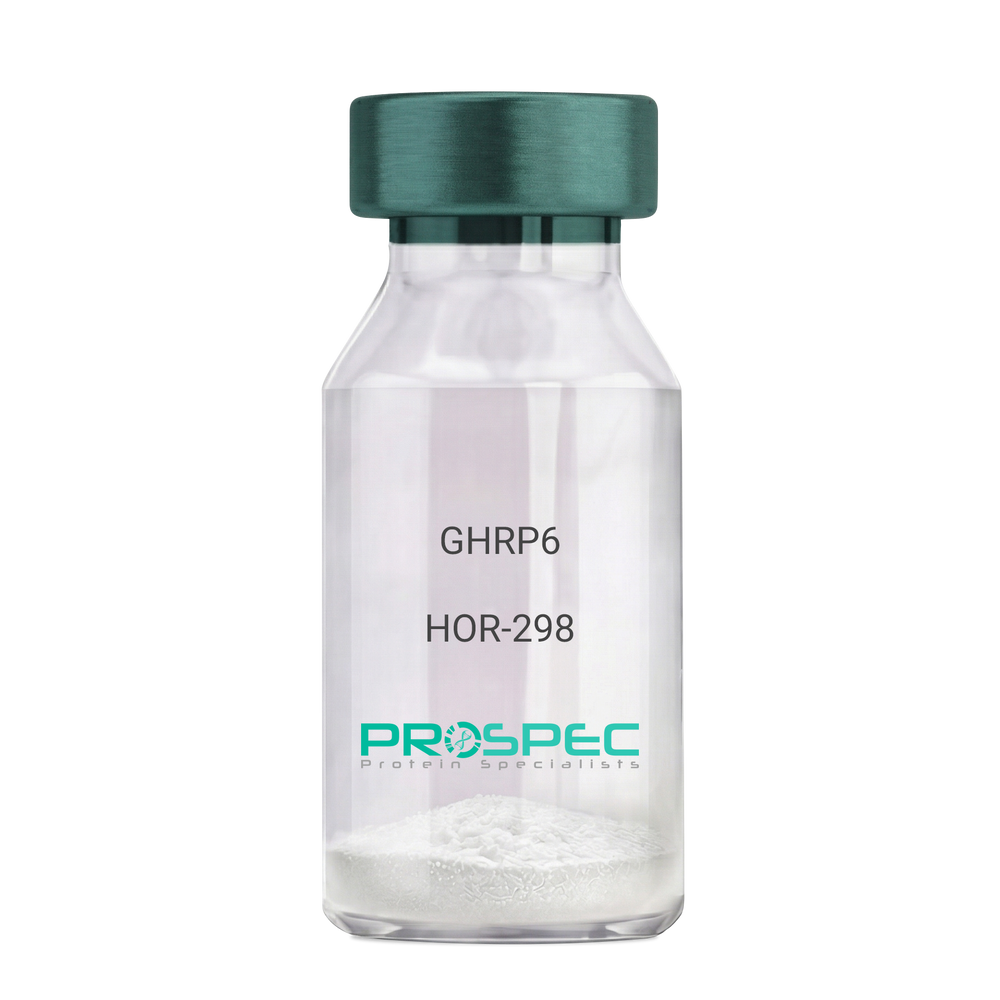
GHRP6Description:
Growth Hormone Releasing Peptide-6
GHRP-6, GHRP6
Product # :
HOR-298Price :
Quantity :
Shipping Method :
Shipped at Room temp
More Info
- description
- formulation
- purity
- More Info
Description
Growth Hormone Releasing Peptide-6 Synthetic is a single, non-glycosylated polypeptide chain containing 6 amino acids, having a molecular mass of 873 Dalton and a Molecular formula of C46H56N12O6.
Formulation
The GHRP-6 peptide was lyophilized with no additives.
Purity
Greater than 98.0% as determined by analysis by RP-HPLC.
More Info
-
Introduction
GH-releasing peptides (GHRPs) are synthetic peptides that like GHRH act directly on pituitary somatotrophs to stimulate GH release. Growth hormone (GH) release is stimulated by a variety of synthetic secretagogues, of which growth hormone-releasing hexapeptide (GHRP-6) has been most thoroughly studied; it is thought to have actions at both pituitary and hypothalamic site.
-
Synonyms
GHRP-6, GHRP6
-
Physical Appearance
Sterile Filtered White lyophilized (freeze-dried) powder.
-
Stability
Lyophilized Growth Hormone Releasing Peptide-6 although stable at room temperature for 3 weeks, should be stored desiccated below -18°C. Upon reconstitution GHRP-6 should be stored at 4°C between 2-7 days and for future use below -18°C. For long term storage it is recommended to add a carrier protein (0.1% HSA or BSA).Please prevent freeze-thaw cycles.
-
Solubility
It is recommended to reconstitute the lyophilized GHRP-6 in sterile 18MΩ-cm H2O not less than 100 µg/ml, which can then be further diluted to other aqueous solutions.
-
Amino Acid Sequence
His-D-Trp-Ala-Trp-D-Phe-Lys-NH2.
ProSpec's products are furnished for LABORATORY RESEARCH USE ONLY. The product may not be used as drugs, agricultural or pesticidal products, food additives or household chemicals.
- View Data Sheet
Name :
Adiponectin Human, HEKDescription:
Adiponectin Human Recombinant, HEK
Acrp30, AdipoQ, GBP-28, APM-1, ACDC.
Product # :
CYT-434Price :
Quantity :
Shipping Method :
Shipped at Room temp
More Info
- description
- source
- formulation
- purity
- biological activity
- More Info
- sds-page
Description
Acrp30 Human Recombinant produced in HEK cells is a glycosylated polypeptide chain containing 234 amino acids (19-244a.a.) and having a molecular mass of 25.5kDa. Acrp30 is expressed with a FLAG tag at C-Terminus and purified by proprietary chromatographic techniques.
Source
HEK293 (Human Embryonic Kidney cell line).
Formulation
Filtered (0.4µm) and lyophilized from 0.5mg/ml in 50mM phosphate Buffer, 75mM NaCl, pH 7.4.
Purity
Greater than 98% as determined by HPLC and SDS PAGE.
Biological Activity
In vitro gluconeogenesis assay in primary hepatocytes was performed, showing the Adiponectin human derived from mammalian cells can inhibit glucose production. The ED50 was ~6 µg/ml.
sds-page
More Info
-
Introduction
Adiponectin is a recently discovered 244 amino acid protein, the product of the apM1 gene, which is physiologically active and specifically and highly expressed in adipose cells (Adipokine). The protein belongs to the soluble defense collagen super family; it has a collagen-like domain structurally homologous with collagen VIII and X and complement factor C1q-like globular domain. APM-1 forms homotrimers, which are the building blocks for higher order complexes found circulating in serum.
-
Synonyms
Acrp30, AdipoQ, GBP-28, APM-1, ACDC.
-
Physical Appearance
White lyophilized (freeze-dried) powder.
-
Stability
For long term, store lyophilized AdipoQ at -20°C. Aliquot the product after reconstitution to avoid repeated freezing/thawing cycles. Reconstituted protein can be stored at 4°C for a limited period of time; it does not show any change after two weeks at 4°C. The lyophilized protein remains stable for 24 months when stored at -20°C.
-
Solubility
Add deionized water to prepare a working stock solution of approximately 0.5mg/ml and let the lyophilized pellet dissolve completely. Product not sterile! Please filter the product by an appropriate sterile filter before using it in cell culture.
-
Amino Acid Sequence
ETTTQGPGVL LPLPKGACTG WMAGIPGHPG HNGAPGRDGR DGTPGEKGEK GDPGLIGPKG DIGETGVPGA EGPRGFPGIQ GRKGEPGEGA YVYRSAFSVG LETYVTIPNM PIRFTKIFYN QQNHYDGSTG KFHCNIPGLY YFAYHIVYMK DVKVSLFKKD KAMLFTYDQY QENNVDQASG SVLLHLEVGD QVWLQVYGEG ERNGLYADND NDSTFTGFLL YHDTNDYKDDDDK.
-
Background
What is the molecular weight/Mw of adiponectin Protein?
Adiponectin Protein has a total Mw of 25.5kDa.
What is the source or expression system of adiponectin Protein?
HEK293.
What is the Purity of adiponectin Protein?
adiponectin Protein is >98% pure as determined by SDS-PAGE.
What is the Biological Activity of adiponectin Protein?
In vitro gluconeogenesis assay in primary hepatocytes was performed, showing the Adiponectin human derived from mammalian cells can inhibit glucose production. The ED50 was ~6 µg/ml.
What is the amino acid sequence of adiponectin Protein?
ETTTQGPGVL LPLPKGACTG WMAGIPGHPG HNGAPGRDGR DGTPGEKGEK GDPGLIGPKG DIGETGVPGA EGPRGFPGIQ GRKGEPGEGA YVYRSAFSVG LETYVTIPNM PIRFTKIFYN QQNHYDGSTG KFHCNIPGLY YFAYHIVYMK DVKVSLFKKD KAMLFTYDQY QENNVDQASG SVLLHLEVGD QVWLQVYGEG ERNGLYADND NDSTFTGFLL YHDTNDYKDDDDK.
What applications can adiponectin Protein be used in?
adiponectin Protein can probably be used in western blot, ELISA and Lateral Flow.
What is the endotoxin level for adiponectin Protein?
The endotoxin level is minimal, adiponectin Protein was purified using conventional chromatography techniques.
ProSpec's products are furnished for LABORATORY RESEARCH USE ONLY. The product may not be used as drugs, agricultural or pesticidal products, food additives or household chemicals.
- View Data Sheet
Name :
SAMSN1 HumanDescription:
SAM Domain SH3 Domain and Nuclear Localization Signal 1 Human Recombinant
HACS1, NASH1, SASH2, SH3D6B, SLy2, SAM domain-containing protein SAMSN-1, Hematopoietic adaptor containing SH3 and SAM domains 1, Nash1, SAM domain, SH3 domain and nuclear localization signals protein 1, SH3-SAM adaptor protein, SAMSN1.
Product # :
PRO-1995Price :
Quantity :
Shipping Method :
Shipped with Ice Packs
More Info
- description
- source
- formulation
- purity
- More Info
Description
SAMSN1 Human Recombinant produced in E.Coli is a single, non-glycosylated polypeptide chain containing 396 amino acids (1-373a.a) and having a molecular mass of 44.1kDa. SAMSN1 is fused to a 23 amino acid His-tag at N-terminus & purified by proprietary chromatographic techniques.
Source
Escherichia Coli.
Formulation
SAMSN1 protein solution (0.25mg/ml) containing 20mM Tris-HCl buffer (pH8.0), 30% glycerol 0.1M NaCl and 1mM DTT.
Purity
Greater than 80.0% as determined by SDS-PAGE.
More Info
-
Introduction
SAM Domain SH3 Domain and Nuclear Localization Signal 1 (SAMSN1) is a member of a known adaptors and scaffold proteins containing SH3 and SAM (sterile alpha motif) domains. SAMSN1 is a negative regulator of B-cell activation and is down-regulates cell proliferation. SAMSN1 is up-regulated by IL-4 in activated B cells and expressed mainly in dendritic cells. SAMSN1 owns a function which is similar to other adaptor proteins that link signaling molecules in signal transduction cascades.
-
Synonyms
HACS1, NASH1, SASH2, SH3D6B, SLy2, SAM domain-containing protein SAMSN-1, Hematopoietic adaptor containing SH3 and SAM domains 1, Nash1, SAM domain, SH3 domain and nuclear localization signals protein 1, SH3-SAM adaptor protein, SAMSN1.
-
Physical Appearance
Sterile Filtered colorless solution.
-
Stability
Store at 4°C if entire vial will be used within 2-4 weeks. Store, frozen at -20°C for longer periods of time. For long term storage it is recommended to add a carrier protein (0.1% HSA or BSA).Avoid multiple freeze-thaw cycles.
-
Amino Acid Sequence
MGSSHHHHHH SSGLVPRGSH MGSMLKRKPS NVSEKEKHQK PKRSSSFGNF DRFRNNSLSK PDDSTEAHEG DPTNGSGEQS KTSNNGGGLG KKMRAISWTM KKKVGKKYIK ALSEEKDEED GENAHPYRNS DPVIGTHTEK VSLKASDSMD SLYSGQSSSS GITSCSDGTS NRDSFRLDDD GPYSGPFCGR ARVHTDFTPS PYDTDSLKIK KGDIIDIICK TPMGMWTGML NNKVGNFKFI YVDVISEEEA APKKIKANRR SNSKKSKTLQ EFLERIHLQE YTSTLLLNGY ETLEDLKDIK ESHLIELNIE NPDDRRRLLS AAENFLEEEI IQEQENEPEP LSLSSDISLN KSQLDDCPRD SGCYISSGNS DNGKEDLESE NLSDMVHKII ITEPSD.
ProSpec's products are furnished for LABORATORY RESEARCH USE ONLY. The product may not be used as drugs, agricultural or pesticidal products, food additives or household chemicals.
- View Data Sheet
Name :
HP-NAPDescription:
Neutrophil-activating protein A Helicobacter Pylori Recombinant
DNA protection during starvation protein, Bacterioferritin, HP-NAP, Neutrophil-activating protein A, NAP A, dps, napA.
Product # :
PRO-2035Price :
Quantity :
Shipping Method :
Shipped at Room temp
More Info
- description
- source
- formulation
- purity
- More Info
Description
HP-NAP Recombinant produced in E.Coli is a single, non-glycosylated, polypeptide chain (Met1-Ala144) containing 154 amino acids including a 10 aa His tag at N-terminus. The total calculated molecular mass is 18.2kDa.
Source
Escherichia Coli.
Formulation
HP-NAP was filtered (0.4 µm) and lyophilized in 20mM Tris buffer and 50mM NaCl, pH 7.5.
Purity
Greater than 90.0% as determined by SDS-PAGE.
More Info
-
Introduction
HP-NAP protects DNA from oxidative damage by sequestering intracellular Fe2+ ion and storing it in the form of Fe3+ oxyhydroxide mineral. One hydrogen peroxide oxidizes two Fe2+ ions, thus preventing hydroxyl radical production by the Fenton reaction. HP-NAP is necessary for the survival in the presence of oxidative stress. Dps is also a virulence factor which activates neutrophils, mast cells and monocytes. HP-NAP binds to neutrophil-glycosphingolipids and to sulfated carbohydrates on mucin. HP-NAP might play a part in the accumulation of neutrophils and monocytes at the site of infection. HP-NAP induces superoxide anion generation, adhesion and chemotaxis of neutrophils, via a pertussis toxin-sensitive pathway involving MAP kinases.
-
Synonyms
DNA protection during starvation protein, Bacterioferritin, HP-NAP, Neutrophil-activating protein A, NAP A, dps, napA.
-
Physical Appearance
Filtered White lyophilized (freeze-dried) powder.
-
Stability
Store lyophilized protein at -20°C. Aliquot the product after reconstitution to avoid repeated freezing/thawing cycles. Reconstituted protein can be stored at 4°C for a limited period of time; it does not show any change after two weeks at 4°C.
-
Solubility
It is recommended to add deionized water to prepare a working stock solution of approximately 0.5mg/ml and let the lyophilized pellet dissolve completely. HP-NAP is not sterile! Please filter the product by an appropriate sterile filter before using it in the cell culture.
-
Amino Acid Sequence
MKHHHHHHASMKTFEILKHL QADAIVLFMK VHNFHWNVKG TDFFNVHKAT EEIYEEFADM FDDLAERIVQ LGHHPLVTLS EAIKLTRVKE ETKTSFHSKD IFKEILEDYK YLEKEFKELS NTAEKEGDKV TVTYADDQLA KLQKSIWMLQ AHLA.
ProSpec's products are furnished for LABORATORY RESEARCH USE ONLY. The product may not be used as drugs, agricultural or pesticidal products, food additives or household chemicals.
- View Data Sheet
Name :
PPARG HumanDescription:
Peroxisome Proliferator Activated Receptor Gamma Human Recombinant
Peroxisome proliferator-activated receptor gamma, PPAR-gamma, PPARG, NR1C3, PPARG1, PPARG2.
Product # :
PKA-228Price :
Quantity :
Shipping Method :
Shipped with Ice Packs
More Info
- description
- source
- formulation
- purity
- More Info
Description
Peroxisome Proliferator Activated Receptor Gamma Human Recombinant is expressed in E.coli having a molecular weight of 59.2 kDa and fused to an amino terminal hexahistidine tag.
Source
Escherichia Coli.
Formulation
The protein solution contains 20mM Tris-HCl and 50% glycerol.
Purity
Greater than 90.0% as determined by SDS-PAGE.
More Info
-
Introduction
The peroxisome proliferator activated receptors (PPARs) are ligandactivated transcription factors within the nuclear receptor superfamily, which play important roles in adipogenesis, glucose homeostasis andinflammation. Three different isotypes can be distinguished; alpha, beta and gamma. PPARg, is mainly expressed in adipose tissue and to lesser extent in colon, the immune system and the retina. Whereas PPARg operates in the catabolism of fatty acids in the liver, PPARg influences the storage of fatty acids in the adipose tissue and plays a role in adipocyte differentiation. PPARg binds to DNA as a heterodimer with retinoid X receptor (RXR), activating expression of target genes after binding ligand.
-
Synonyms
Peroxisome proliferator-activated receptor gamma, PPAR-gamma, PPARG, NR1C3, PPARG1, PPARG2.
-
Physical Appearance
Sterile Filtered clear solution.
-
Stability
Store at 4°C if entire vial will be used within 2-4 weeks.Store, frozen at -20°C for longer periods of time.Avoid multiple freeze-thaw cycles.
ProSpec's products are furnished for LABORATORY RESEARCH USE ONLY. The product may not be used as drugs, agricultural or pesticidal products, food additives or household chemicals.
- View Data Sheet
Description:
Adiponectin Globular Recombinant, His Tag
Acrp30, AdipoQ, GBP-28, APM-1, ACDC.
Product # :
CYT-277Price :
Quantity :
Shipping Method :
Shipped at Room temp
More Info
- description
- source
- formulation
- purity
- More Info
Description
Acrp30 Human has a total of 171 amino acids. N-terminal underlined amino acids are His-tag and the protease cleavage site (31AA-Underlined). The AA sequence of Acrp30 Human is homologous to the 105-244 amino acid sequence of the Human full-length Adiponectin (Swiss-prot entry Q15848).
Source
Escherichia Coli.
Formulation
Acrp30 Human is a filtered powder, lyophilized from 0.6mg/ml in PBS buffer.
Purity
Purity of Acrp30 Human is greater than 95% as determined by SDS PAGE.
More Info
-
Introduction
Adiponectin is a protein exclusively secreted from adipose tissue. In the circulation, adiponectin is present as three different oligomeric complexes, including the high molecular weight (HMW), the middle molecular weight (MMW, also called hexamer) and low molecular weigh (LMW, also called trimer) forms. Different oligomeric complex of adiponectin activates different signaling pathways and exerts distinct functions.
-
Synonyms
Acrp30, AdipoQ, GBP-28, APM-1, ACDC.
-
Stability
For long term, store lyophilized Acrp30 Human at -20°C. Aliquot the product after reconstitution to avoid repeated freezing/thawing cycles. Reconstituted Acrp30 Human can be stored at 4°C for a limited period of time; it does not show any change after two weeks at 4°C. The lyophilized Acrp30 Human remains stable for 24 months when stored at -20°C.
-
Solubility
Add deionized water and let the lyophilized pellet of Acrp30 Human dissolve completely.
-
Amino Acid Sequence
MSWWHHHHHH NWNIPTTQDT TQDLWFEGAM GGEGAYVYRS FSVGLETYV TIPNMPIRFT KIFYNQQNHYDGSTGKFHCN IPGLYYFAYH ITVYMKDVKV SLFKKDKAML FTYDQYQENN VDQASGSVLL HEVGDQVWLQVYGEGERNGL YADNDNDSTF TGFLLYHDTN.
-
Background
What is the molecular weight/Mw of ADIPONECTIN Protein?
ADIPONECTIN Protein has a total Mw of 16.7kDa.
What is the source or expression system of ADIPONECTIN Protein?
Escherichia Coli.
What is the Purity of ADIPONECTIN Protein?
ADIPONECTIN Protein is >95% pure as determined by SDS-PAGE.
What is the Biological Activity of ADIPONECTIN Protein?
The biological functionality of ADIPONECTIN Protein will be determined in the future.
What is the amino acid sequence of ADIPONECTIN Protein?
MSWWHHHHHH NWNIPTTQDT TQDLWFEGAM GGEGAYVYRS FSVGLETYV TIPNMPIRFT KIFYNQQNHYDGSTGKFHCN IPGLYYFAYH ITVYMKDVKV SLFKKDKAML FTYDQYQENN VDQASGSVLL HEVGDQVWLQVYGEGERNGL YADNDNDSTF TGFLLYHDTN.
What applications can ADIPONECTIN Protein be used in?
ADIPONECTIN Protein can probably be used in western blot, ELISA and Lateral Flow.
What is the endotoxin level for ADIPONECTIN Protein?
The endotoxin level is minimal, ADIPONECTIN Protein was purified using conventional chromatography techniques
ProSpec's products are furnished for LABORATORY RESEARCH USE ONLY. The product may not be used as drugs, agricultural or pesticidal products, food additives or household chemicals.
- View Data Sheet
Name :
CENPP HumanDescription:
Centromere Protein-P Human Recombinant
Centromere protein P, CENP-P, CENPP.
Product # :
PRO-1784Price :
Quantity :
Shipping Method :
Shipped with Ice Packs
More Info
- description
- source
- formulation
- purity
- More Info
Description
CENPP Human Recombinant produced in E.Coli is a single, non-glycosylated polypeptide chain containing 308 amino acids (1-288 a.a) and having a molecular mass of 35.3kDa.CENPP is fused to a 20 amino acid His-tag at N-terminus & purified by proprietary chromatographic techniques.
Source
Escherichia Coli.
Formulation
CENPP protein solution (1mg/ml) containing 20mM Tris-HCl buffer (pH 8.0), 0.4M Urea and 10% glycerol.
Purity
Greater than 85% as determined by SDS-PAGE.
More Info
-
Introduction
Centromere protein P (CENPP) is component of the CENPA-CAD (nucleosome distal) complex, which is a complex recruited to centromeres and involved in assembly of kinetochore proteins, mitotic progression and chromosome segregation. CENPP protein is involved in incorporation of newly synthesized CENPA into centromeres by way of its interaction with the CENPA-NAC complex.
-
Synonyms
Centromere protein P, CENP-P, CENPP.
-
Physical Appearance
Sterile filtered colorless solution.
-
Stability
Store at 4°C if entire vial will be used within 2-4 weeks. Store, frozen at -20°C for longer periods of time. For long term storage it is recommended to add a carrier protein (0.1% HSA or BSA).Avoid multiple freeze-thaw cycles.
-
Amino Acid Sequence
MGSSHHHHHH SSGLVPRGSH MDAELAEVRA LQAEIAALRR ACEDPPAPWE EKSRVQKSFQ AIHQFNLEGW KSSKDLKNQL GHLESELSFL STLTGINIRN HSKQTEDLTS TEMTEKSIRK VLQRHRLSGN CHMVTFQLEF QILEIQNKER LSSAVTDLNI IMEPTECSEL SEFVSRAEER KDLFMFFRSL HFFVEWFEYR KRTFKHLKEK YPDAVYLSEG PSSCSMGIRS ASRPGFELVI VWRIQIDEDG KVFPKLDLLT KVPQRALELD KNRAIETAPL SFRTLVGLLG IEAALESLIK SLCAEENN.
ProSpec's products are furnished for LABORATORY RESEARCH USE ONLY. The product may not be used as drugs, agricultural or pesticidal products, food additives or household chemicals.
- View Data Sheet
Name :
CNTFR HumanDescription:
Ciliary Neurotrophic Factor Receptor Human Recombinant
Ciliary Neurotrophic Factor Receptor, CNTF Receptor Subunit Alpha, CNTFR-Alpha, Ciliary Neurotrophic Factor Receptor Subunit Alpha, Ciliary neurotrophic factor receptor subunit alpha, CNTF receptor subunit alpha, CNTFR-alpha.
Product # :
CYT-883Price :
Quantity :
Shipping Method :
Shipped with Ice Packs
More Info
- description
- source
- formulation
- purity
- More Info
- sds-page
Description
CNTFR Human Recombinant produced in E.Coli is a single, non-glycosylated polypeptide chain containing 341 amino acids (23-342 a.a) and having a molecular mass of 38.1kDa. CNTFR is fused to a 21 amino acid His-tag at N-terminus & purified by proprietary chromatographic techniques.
Source
Escherichia Coli.
Formulation
CNTFR protein solution (1mg/ml) containing 20mM Tris-HCl buffer (pH 8.0) and 10% glycerol.
Purity
Greater than 85.0% as determined by SDS-PAGE.
sds-page
More Info
-
Introduction
Ciliary Neurotrophic Factor Receptor, also known as CNTFR is a member of the type I cytokine receptor family. CNTFR binds to CNTF. The alpha subunit provides the receptor specificity. Sole nucleotide polymorphisms in CNTFR has been associated with variations in muscle strength, in addition to early onset of eating disorders.
-
Synonyms
Ciliary Neurotrophic Factor Receptor, CNTF Receptor Subunit Alpha, CNTFR-Alpha, Ciliary Neurotrophic Factor Receptor Subunit Alpha, Ciliary neurotrophic factor receptor subunit alpha, CNTF receptor subunit alpha, CNTFR-alpha.
-
Physical Appearance
Sterile Filtered colorless clear solution.
-
Stability
Store at 4°C if entire vial will be used within 2-4 weeks. Store, frozen at -20°C for longer periods of time. For long term storage it is recommended to add a carrier protein (0.1% HSA or BSA).Avoid multiple freeze-thaw cycles.
-
Amino Acid Sequence
MGSSHHHHHH SSGLVPRGSH MQRHSPQEAP HVQYERLGSD VTLPCGTANW DAAVTWRVNG TDLAPDLLNG SQLVLHGLEL GHSGLYACFH RDSWHLRHQV LLHVGLPPRE PVLSCRSNTY PKGFYCSWHL PTPTYIPNTF NVTVLHGSKI MVCEKDPALK NRCHIRYMHL FSTIKYKVSI SVSNALGHNA TAITFDEFTI VKPDPPENVV ARPVPSNPRR LEVTWQTPST WPDPESFPLK FFLRYRPLIL DQWQHVELSD GTAHTITDAY AGKEYIIQVA AKDNEIGTWS DWSVAAHATP WTEEPRHLTT EAQAAETTTS TTSSLAPPPT TKICDPGELG S.
-
Background
Unveiling the Potential of Human Recombinant Ciliary Neurotrophic Factor Receptor: Insights and Applications
Abstract:
The Ciliary Neurotrophic Factor Receptor (CNTFR) holds a crucial role in mediating the effects of ciliary neurotrophic factor (CNTF) on neuronal survival and growth. This paper discusses the significance of Human Recombinant CNTFR, its production methods, and its potential applications in neurobiology and therapeutic interventions. The review sheds light on the pivotal role of CNTFR in neuroprotection and neuroregeneration research.
Introduction:
CNTFR, a transmembrane protein, plays a pivotal role in transmitting CNTF-mediated signals to the cell. The availability of Human Recombinant CNTFR allows researchers to investigate its role in neuronal function and develop targeted therapies for neurodegenerative disorders. CNTFR's involvement in modulating neuronal health and promoting regeneration makes it an essential component in neurobiology.
Role in CNTF Signaling:
CNTFR forms a receptor complex with other proteins, including gp130 and LIFRβ, to bind CNTF and initiate downstream signaling pathways. Activation of intracellular signaling cascades, such as JAK/STAT and MAPK, contributes to the neuroprotective and growth-promoting effects of CNTF.
Production Methods:
Human Recombinant CNTFR is produced through gene expression in suitable host cells, often employing bacterial or mammalian systems. Ensuring proper folding and post-translational modifications is essential to maintain its functionality and binding affinity for CNTF.
Therapeutic Applications:
The availability of Human Recombinant CNTFR offers potential therapeutic applications in neurodegenerative diseases like amyotrophic lateral sclerosis (ALS), multiple sclerosis, and retinal degeneration. Manipulating CNTFR-mediated signaling presents opportunities to enhance neuronal survival and regeneration, ultimately improving patient outcomes.
Challenges and Future Directions:
While promising, challenges include optimizing the interaction between CNTFR and CNTF, ensuring efficient delivery to target tissues, and understanding potential off-target effects. Ongoing research is essential to unravel the complete mechanisms of CNTFR-mediated signaling and its implications for therapy.
Conclusion:
Human Recombinant Ciliary Neurotrophic Factor Receptor serves as a crucial tool in advancing our understanding of neuroprotection and regeneration. Its potential to modulate CNTF-mediated effects opens avenues for innovative therapeutic strategies targeting neurodegenerative disorders, exemplifying the intersection of molecular biology and clinical application.
What is the molecular weight/Mw of CNTF Protein?
CNTF Protein has a total Mw of 38.1kDa.
What is the source or expression system of CNTF Protein?
Escherichia Coli.
What is the Purity of CNTF Protein?
CNTF Protein is >85% pure as determined by SDS-PAGE.
What is the Biological Activity of CNTF Protein?
The biological functionality of CNTF Protein will be determined in the future.
What is the amino acid sequence of CNTF Protein?
MGSSHHHHHH SSGLVPRGSH MQRHSPQEAP HVQYERLGSD VTLPCGTANW DAAVTWRVNG TDLAPDLLNG SQLVLHGLEL GHSGLYACFH RDSWHLRHQV LLHVGLPPRE PVLSCRSNTY PKGFYCSWHL PTPTYIPNTF NVTVLHGSKI MVCEKDPALK NRCHIRYMHL FSTIKYKVSI SVSNALGHNA TAITFDEFTI VKPDPPENVV ARPVPSNPRR LEVTWQTPST WPDPESFPLK FFLRYRPLIL DQWQHVELSD GTAHTITDAY AGKEYIIQVA AKDNEIGTWS DWSVAAHATP WTEEPRHLTT EAQAAETTTS TTSSLAPPPT TKICDPGELG S.
What applications can CNTF Protein be used in?
CNTF Protein can probably be used in western blot, ELISA and Lateral Flow.
What is the endotoxin level for CNTF Protein?
The endotoxin level is minimal, CNTF Protein was purified using conventional chromatography tech
ProSpec's products are furnished for LABORATORY RESEARCH USE ONLY. The product may not be used as drugs, agricultural or pesticidal products, food additives or household chemicals.
- View Data Sheet
Name :
COPS6 HumanDescription:
COP9 Constitutive Photomorphogenic 6 Human Recombinant
CSN6, MOV34-34KD, COP9 signalosome complex subunit 6, JAB1-containing signalosome subunit 6, MOV34 homolog, Vpr-interacting protein, hVIP, COPS6.
Product # :
PRO-1650Price :
Quantity :
Shipping Method :
Shipped with Ice Packs
More Info
- description
- source
- formulation
- purity
- More Info
Description
COPS6 Human Recombinant produced in E.Coli is a single, non-glycosylated polypeptide chain containing 347 amino acids (1-327 a.a.) and having a molecular mass of 38.9kDa.COPS6 is fused to a 20 amino acid His-tag at N-terminus & purified by proprietary chromatographic techniques.
Source
Escherichia Coli.
Formulation
COPS6 protein solution (0.25mg/ml) contains 20mM Tris-HCl buffer, (pH 8.0), 0.4M UREA and 10% glycerol.
Purity
Greater than 80.0% as determined by SDS-PAGE.
More Info
-
Introduction
COP9 Constitutive Photomorphogenic 6 (COPS6) is a member of the translation initiation factor 3 (eIF3) superfamily,peptidase M67A family and CSN6 subfamily. COPS6 is one of 8 subunits of COP9 signalosome,a highly conserved protein complex which functions as an significant regulator in multiple signaling pathways. COP9's structure and function of signalosome is similar to 19S regulatory particle of 26S proteasome. COP9 signalosome can interact with SCF-type E3 ubiquitin ligases and act as a positive regulator of E3 ubiquitin ligases.COP9 takes part in the regulation of cell cycle and likely to be a cellular cofactor for HIV-1 accessory gene product Vpr.
-
Synonyms
CSN6, MOV34-34KD, COP9 signalosome complex subunit 6, JAB1-containing signalosome subunit 6, MOV34 homolog, Vpr-interacting protein, hVIP, COPS6.
-
Physical Appearance
Sterile Filtered clear solution.
-
Stability
Store at 4°C if entire vial will be used within 2-4 weeks. Store, frozen at -20°C for longer periods of time. For long term storage it is recommended to add a carrier protein (0.1% HSA or BSA).Avoid multiple freeze-thaw cycles.
-
Amino Acid Sequence
MGSSHHHHHH SSGLVPRGSH MAAAAAAAAA TNGTGGSSGM EVDAAVVPSV MACGVTGSVS VALHPLVILN ISDHWIRMRS QEGRPVQVIG ALIGKQEGRN IEVMNSFELL SHTVEEKIII DKEYYYTKEE QFKQVFKELE FLGWYTTGGP PDPSDIHVHK QVCEIIESPL FLKLNPMTKH TDLPVSVFES VIDIINGEAT MLFAELTYTL ATEEAERIGV DHVARMTATG SGENSTVAEH LIAQHSAIKM LHSRVKLILE YVKASEAGEV PFNHEILREA YALCHCLPVL STDKFKTDFY DQCNDVGLMA YLGTITKTCN TMNQFVNKFN VLYDRQGIGR RMRGLFF.
ProSpec's products are furnished for LABORATORY RESEARCH USE ONLY. The product may not be used as drugs, agricultural or pesticidal products, food additives or household chemicals.
- View Data Sheet
Name :
TNIP1 HumanDescription:
TNFAIP3 Interacting Protein 1 Human Recombinant
TNFAIP3-interacting protein 1, HIV-1 Nef-interacting protein, Nef-associated factor 1, Naf1, Nip40-1, Virion-associated nuclear shuttling protein, VAN, hVAN, TNIP1, KIAA0113, NAF1, ABIN-1.
Product # :
PRO-005Price :
Quantity :
Shipping Method :
Shipped with Ice Packs
More Info
- description
- source
- formulation
- purity
- More Info
Description
TNIP1 Human Recombinant fused with a 20 amino acid His tag at N-terminus produced in E.Coli is a single, non-glycosylated, polypeptide chain containing 458 amino acids (94-530 a.a.) and having a molecular mass of 51.8kDa. The TNIP1 is purified by proprietary chromatographic techniques.
Source
Escherichia Coli.
Formulation
The TNIP1 solution (0.25 mg/ml) contains 20mM Tris-HCl buffer (pH7.5), 20% glycerol, 5mM DTT and 200mM NaCl.
Purity
Greater than 75.0% as determined by SDS-PAGE.
More Info
-
Introduction
TNFAIP3-interacting protein 1 (TNIP1) interacts with zinc finger protein A20/TNFAIP3 and inhibits TNF-induced NF-kappa-B-dependent gene expression by interfering with a RIP- or TRAF2-mediated transactivation signal. Furthermore, TNIP1 interacts with HIV-1 matrix protein and is packaged into virions and its overexpression can inhibit viral replication. TNIP1 can regulate matrix nuclear localization, both nuclear import of Preintegration complex (PIC) and export of GAG polyprotein and viral genomic RNA during virion production.
-
Synonyms
TNFAIP3-interacting protein 1, HIV-1 Nef-interacting protein, Nef-associated factor 1, Naf1, Nip40-1, Virion-associated nuclear shuttling protein, VAN, hVAN, TNIP1, KIAA0113, NAF1, ABIN-1.
-
Physical Appearance
Sterile Filtered colorless solution.
-
Stability
Store at 4°C if entire vial will be used within 2-4 weeks. Store, frozen at -20°C for longer periods of time. For long term storage it is recommended to add a carrier protein (0.1% HSA or BSA).Avoid multiple freeze-thaw cycles.
-
Amino Acid Sequence
MGSSHHHHHH SSGLVPRGSH MSNVTASPTA PACPSDKPAP VQKPPSSGTS SEFEVVTPEE QNSPESSSHA NAMALGPLPR EDGNLMLHLQ RLETTLSVCA EEPDHGQLFT HLGRMALEFN RLASKVHKNE QRTSILQTLC EQLRKENEAL KAKLDKGLEQ RDQAAERLRE ENLELKKLLM SNGNKEGASG RPGSPKMEGT GKKAVAGQQQ ASVTAGKVPE VVALGAAEKK VKMLEQQRSE LLEVNKQWDQ HFRSMKQQYE QKITELRQKL ADLQKQVTDL EAEREQKQRD FDRKLLLAKS KIEMEETDKE QLTAEAKELR QKVKYLQDQL SPLTRQREYQ EKEIQRLNKA LEEALSIQTP PSSPPTAFGS PEGAGALLRK QELVTQNELL KQQVKIFEED FQRERSDRER MNEEKEELKK QVEKLQAQVT LSNAQLKAFK DEEKAREALR QQKRKAKA.
ProSpec's products are furnished for LABORATORY RESEARCH USE ONLY. The product may not be used as drugs, agricultural or pesticidal products, food additives or household chemicals.
- View Data Sheet
Name :
NAPA HumanDescription:
N-Ethylmaleimide-Sensitive Factor Attachment Protein, Alpha Human Recombinant
SNAPA, SNAP-alpha.
Product # :
PRO-250Price :
Quantity :
Shipping Method :
Shipped with Ice Packs
More Info
- description
- source
- formulation
- purity
- More Info
Description
NAPA Human Recombinant produced in E.Coli is a single, non-glycosylated polypeptide chain containing 315 amino acids (1-295) and having a molecular mass of 35.3 kDa. NAPA is fused to 20 amino acid His Tag at N-terminus and purified by standard chromatography techniques.
Source
Escherichia Coli.
Formulation
NAPA protein solution (1mg/ml) contains 20mM Tris-HCl pH-7.5 and 10% glycerol.
Purity
Greater than 95.0% as determined by SDS-PAGE.
More Info
-
Introduction
NAPA is part of the SNAP (Soluble NSF Attachment Protein) family. SNAPs, acting together with SNAREs (SNAP receptors) and the N-ethylmaleimide-sensitive fusion protein (NSF), are necessary for the fusion of transport vesicles to their objective membranes in synaptic transmission, intra-Golgi transport, endosome-to-endosome fusion and transcytotic vesicles-to-plasma membrane transport. NAPA is in charge of the binding of NSF and therefore the formation of a 20S fusion particle.
-
Synonyms
SNAPA, SNAP-alpha.
-
Physical Appearance
Sterile Filtered colorless solution.
-
Stability
Store at 4°C if entire vial will be used within 2-4 weeks. Store, frozen at -20°C for longer periods of time. For long term storage it is recommended to add a carrier protein (0.1% HSA or BSA).Avoid multiple freeze-thaw cycles.
-
Amino Acid Sequence
MGSSHHHHHH SSGLVPRGSH MDNSGKEAEA MALLAEAERK VKNSQSFFSG LFGGSSKIEE ACEIYARAAN MFKMAKNWSA AGNAFCQAAQ LHLQLQSKHD AATCFVDAGN AFKKADPQEA INCLMRAIEI YTDMGRFTIA AKHHISIAEI YETELVDIEK AIAHYEQSAD YYKGEESNSS ANKCLLKVAG YAALLEQYQK AIDIYEQVGT NAMDSPLLKY SAKDYFFKAA LCHFCIDMLN AKLAVQKYEE LFPAFSDSRE CKLMKKLLEA
HEEQNVDSYT ESVKEYDSIS RLDQWLTTML LRIKKTIQGD EEDLR.
ProSpec's products are furnished for LABORATORY RESEARCH USE ONLY. The product may not be used as drugs, agricultural or pesticidal products, food additives or household chemicals.
- View Data Sheet
Name :
NUP210 HumanDescription:
Nucleopurin 210kDa Recombinant Human
Nucleoporin 210kDa, KIAA0906, GP210, Nuclear envelope pore membrane protein POM 210, Nuclear pore protein gp210, nuclear pore membrane glycoprotein 210.
Product # :
PRO-109Price :
Quantity :
Shipping Method :
Shipped with Ice Packs
More Info
- description
- source
- formulation
- purity
- More Info
Description
Recombinant NUP210 protein is a construct carrying multiple concatenated copies of the short cytoplasmic gp210 C-terminus (which contains the autoreactive epitopes) and having a molecular mass of 27kDa (pH 9.8). NUP210 protein is fused to a hexa-histidine purification tag.
Source
Sf9 insect cells.
Formulation
NUP210 is supplied in 20mM HEPES buffer pH-7.9 and 6M Urea.
Purity
Greater than 95% as determined by SDS-PAGE.
More Info
-
Introduction
The NUP210 complex is a immense structure which spreads through the nuclear envelope, forming a doorway which regulates the flow of macromolecules between the nucleus and the cytoplasm. Nucleoporins are the core components of the nuclear pore complex in eukaryotic cells. NUP210 is a membrane-spanning glycoprotein and is a major component of the nuclear pore complex.
-
Synonyms
Nucleoporin 210kDa, KIAA0906, GP210, Nuclear envelope pore membrane protein POM 210, Nuclear pore protein gp210, nuclear pore membrane glycoprotein 210.
-
Stability
Store at 4°C if entire vial will be used within 2-4 weeks. Store, frozen at -20°C for longer periods of time. Avoid multiple freeze-thaw cycles.
-
Immunological Functions
1. Binds IgG-type human auto-antibodies. 2. Standard ELISA test (checkerboard analysis of positive/negative sera panels); immunodot test.
-
coating concentration
0.4-1.0 µg/ml (depending on the type of ELISA plate and coating buffer). Suitable for labeling of functional groups.
-
Applications
Western blot with PBC sera or monoclonal anti-hexa-His-tag antibody.
ProSpec's products are furnished for LABORATORY RESEARCH USE ONLY. The product may not be used as drugs, agricultural or pesticidal products, food additives or household chemicals.
- View Data Sheet
Name :
SHBG HumanDescription:
Sex Hormone-Binding Globulin Human Recombinant
Sex hormone-binding globulin, SHBG, Sex steroid-binding protein, SBP, Testis-specific androgen-binding protein, ABP, Testosterone-estradiol-binding globulin, TeBG, Testosterone-estrogen-binding globulin, SHBG.
Product # :
PRO-1603Price :
Quantity :
Shipping Method :
Shipped with Ice Packs
More Info
- description
- source
- formulation
- More Info
Description
SHBG Human Recombinant produced in CHO cells is a single, glycosylated, polypeptide chain containing a total of 428 amino acids, having a molecular mass of 46.79kDa (calculated), the SHBG is fused to a 6 a.a C-terminal His tag and also includes a myc-epitope.The Human SHBG is purified by proprietary chromatographic techniques.
Source
CHO cells.
Formulation
SHBG filtered solution at a concentration of 55.6µg/ml in certified FBS (Fetal Bovine Serum 5%).
More Info
-
Introduction
Sex-hormone-binding globulin (SHBG) is a beta-globulin which specifically binds steroid hormones; it is involved in the transport of sex steroids in plasma. The main site of SHBG synthesis is assumed to be the hepatocytes. The production of SHBG is regulated by androgen/estrogen balance, thyroid hormones, and dietary factors, among others. The concentration of SHBG is a key factor regulating their distribution between protein-bound and free states. SHBG concentration determination is primarily significant in the evaluation of mild disorders of androgen metabolism and it allows detection of women with hirsutism who are likely to react to estrogen therapy. Testosterone/SHBG-ratios correlate well with both measured and calculated values for free testosterone thus aid to distinguish between subjects with excessive androgen activity and normal individuals. SHBG gene polymorphisms are linked with polycystic ovary syndrome and type 2 diabetes mellitus.
-
Synonyms
Sex hormone-binding globulin, SHBG, Sex steroid-binding protein, SBP, Testis-specific androgen-binding protein, ABP, Testosterone-estradiol-binding globulin, TeBG, Testosterone-estrogen-binding globulin, SHBG.
-
Physical Appearance
Filtered colorless solution.
-
Stability
Store at 4°C if entire vial will be used within 2-4 weeks. Store, frozen at -20°C for longer periods of time. For long term storage it is recommended to add a carrier protein (0.1% HSA or BSA).Avoid multiple freeze-thaw cycles.
-
Amino Acid Sequence
AAQPARRARR TKLLLLLLLL LRHTRQGWAL RPVLPTQSAH DPPAVHLSNG PGQEPIAVMT FDLTKITKTS SSFEVRTWDP EGVIFYGDTN PKDDWFMLGL RDGRPEIQLH NHWAQLTVGA GPRLDDGRWH QVEVKMEGDS VLLEVDGEEV LRLRQVSGPL TSKRHPIMRI ALGGLLFPAS NLRLPLVPAL DGCLRRDSWL DKQAEISASA PTSLRSCDVE SNPGIFLPPG TQAEFNLRDI PQPHAEPWAF SLDLGLKQAA GSGHLLALGT PENPSWLSLH LQDQKVVLSS GSGPGLDLPL VLGLPLQLKL SMSRVVLSQG SKMKALALPP LGLAPLLNLW AKPQGRLFLG ALPGEDSSTS FCLNGLWAQG QRLDVDQALN RSHEIWTHSC PQSPGNGTDA SHSRGGPEQKLISEEDLNSA VDHHHHHH.
ProSpec's products are furnished for LABORATORY RESEARCH USE ONLY. The product may not be used as drugs, agricultural or pesticidal products, food additives or household chemicals.
- View Data Sheet
Name :
GABARAPL2 HumanDescription:
GABA(A) Receptor-Associated Protein Like 2 Human Recombinant
GABA(A) receptor-associated protein-like 2, GATE-16, GEF2, ATG8, ATG8C, Ganglioside expression factor 2, General protein transport factor p16, Golgi-associated ATPase enhancer of 16 kDa, MAP1 light chain 3-related protein, gamma-aminobutyric acid receptor-associated protein-like 2, MAP1 light chain 3 related protein, FLC3A.
Product # :
PRO-079Price :
Quantity :
Shipping Method :
Shipped with Ice Packs
More Info
- description
- source
- formulation
- purity
- More Info
Description
GABARAPL2 produced in E.Coli is a single, non-glycosylated polypeptide chain containing 137 amino acids (1-117a.a.) and having a molecular mass of 15.8kDa. GABARAPL2 is fused to a 20 amino acid His-tag at N-terminus & purified by proprietary chromatographic techniques.
Source
Escherichia Coli.
Formulation
The GABARAPL2 protein solution (0.5mg/1ml) is formulated in 20mM Tris-HCl buffer (pH8.0), 0.2M NaCl, 5mM DTT and 20% glycerol.
Purity
Greater than 90% as determined by SDS-PAGE.
More Info
-
Introduction
GABARAPL2 takes part in intra Golgi traffic and modulates intra Golgi transport by coupling between NSF activity and SNAREs activation. GABARAPL2 first stimulates the ATPase activity of NSF which in turn stimulates the association with GOSR1.
-
Synonyms
GABA(A) receptor-associated protein-like 2, GATE-16, GEF2, ATG8, ATG8C, Ganglioside expression factor 2, General protein transport factor p16, Golgi-associated ATPase enhancer of 16 kDa, MAP1 light chain 3-related protein, gamma-aminobutyric acid receptor-associated protein-like 2, MAP1 light chain 3 related protein, FLC3A.
-
Physical Appearance
Sterile Filtered clear solution.
-
Stability
Store at 4°C if entire vial will be used within 2-4 weeks. Store, frozen at -20°C for longer periods of time.Please avoid freeze thaw cycles.
-
Amino Acid Sequence
MGSSHHHHHH SSGLVPRGSH MKWMFKEDHS LEHRCVESAK IRAKYPDRVP VIVEKVSGSQ IVDIDKRKYL VPSDITVAQF MWIIRKRIQL PSEKAIFLFV DKTVPQSSLT MGQLYEKEKD EDGFLYVAYS GENTFGF
ProSpec's products are furnished for LABORATORY RESEARCH USE ONLY. The product may not be used as drugs, agricultural or pesticidal products, food additives or household chemicals.
- View Data Sheet
Name :
SNCA A53T HumanDescription:
Alpha Synuclein A53T Human Recombinant
Alpha-synuclein, Non-A beta component of AD amyloid, Non-A4 component of amyloid precursor, NACP, PD1, PARK1, PARK4, MGC110988, a-Synuclein, SNCA.
Product # :
PRO-159Price :
Quantity :
Shipping Method :
Shipped with Ice Packs
More Info
- description
- source
- formulation
- purity
- More Info
Description
A-Synuclein A53T Human Recombinant which is a Parkinson’s disease-related point mutant, produced in E.Coli is a single, non-glycosylated polypeptide chain of 140 amino acids having a molecular mass of 14.4kDa (molecular size on SDS-PAGE will appear higher). The Recombinant Human a-Synuclein A53T is purified by proprietary chromatographic techniques.
Source
Escherichia Coli.
Formulation
The protein (1mg/ml) contains 20mM Tris-HCl buffer (pH 7.5) and 0.1M NaCl.
Purity
Greater than 95.0% as determined by SDS-PAGE.
More Info
-
Introduction
a-Synuclein (amino acids 1-140), an acidic neuronal protein of 140 amino acids, is extremely heat-resistant and is natively unfolded with an extended structure primarily composed of random coils. a-synuclein has been suggested to be implicated in the pathogenesis of Parkinson’s disease and related neurodegenerative disorders, and more recently, to be an important regulatory component of vesicular transport in neuronal cells. Moreover, recent studies have shown that a-synuclein has chaperone activity and that this activity is lost upon removing its C-terminal acidic tail (amino acids 96-140).
-
Synonyms
Alpha-synuclein, Non-A beta component of AD amyloid, Non-A4 component of amyloid precursor, NACP, PD1, PARK1, PARK4, MGC110988, a-Synuclein, SNCA.
-
Physical Appearance
Sterile filtered colorless solution.
-
Stability
Store at 4°C if entire vial will be used within 2-4 weeks. Store, frozen at -20°C for longer periods of time. For long term storage it is recommended to add a carrier protein (0.1% HSA or BSA). Avoid multiple freeze-thaw cycles.
-
Amino Acid Sequence
MDVFMKGLSK AKEGVVAAAE KTKQGVAEAA GKTKEGVLYV GSKTKEGVVH GVTTVAEKTK EQVTNVGGAV VTGVTAVAQK TVEGAGSIAA ATGFVKKDQL GKNEEGAPQE GILEDMPVDP DNEAYEMPSE EGYQDYEPEA.
ProSpec's products are furnished for LABORATORY RESEARCH USE ONLY. The product may not be used as drugs, agricultural or pesticidal products, food additives or household chemicals.
- View Data Sheet
Name :
TNFR (22-211) HumanDescription:
Tumor Necrosis Factor Receptor (22-211 a.a.) Human Recombinant
CD120a, FPF, MS5, p55, p55-R, p60, TBP1, TNF-R, TNF-R-I, TNF-R55, TNFAR, TNFR1, TNFR1-d2,TNFR55, TNFR60, Tumor necrosis factor receptor superfamily member 1A, Tumor necrosis factor receptor superfamily member 1A.
Product # :
CYT-851Price :
Quantity :
Shipping Method :
Shipped with Ice Packs
More Info
- description
- source
- formulation
- purity
- More Info
Description
TNFR Human Recombinant produced in E.Coli is a single, non-glycosylated polypeptide chain containing 213 amino acids (22-211 a.a) and having a molecular mass of 23.6kDa.TNFR is fused to a 23 amino acid His-tag at N-terminus & purified by proprietary chromatographic techniques.
Source
Escherichia Coli.
Formulation
TNFR protein solution (1mg/ml) containing 20mM Tirs-HCl (pH8.0) and 10% glycerol.
Purity
Greater than 85% as determined by SDS-PAGE.
More Info
-
Introduction
TNFR1 belongs to the TNF-receptor superfamily. TNFR1 is a receptor for TNFSF2/TNF-alpha and homotrimeric TNFSF1/lymphotoxin-alpha.
There are 2 types of soluble TNF receptors: sTNFR-I and sTNFR-II, which act to neutralize the biological activities of TNF alpha and TNF beta. The levels of these soluble receptors seem to increase as a result of shedding of the extracellular domains of the membrane bound receptors. TNF-a, TNFR1 and TNFR2 have roles in cellular differentiation. TNFR1 and TNFR2 function in cell type-specific renal injury.
TNFR1 is capable of signaling both cell survival and apoptosis. TNFR1-induced apoptosis requires 2 sequential signaling complexes. TNFR1 is capable of activating NF-kappaB, mediate apoptosis, and function as a regulator of inflammation. Oxidative stress promotes TNFR1 and TNFR2 self-interaction, ligand-independent and enhanced ligand-dependent TNF signaling. TNFR1 contributes to the induction of non-cytocidal TNF effects including anti-viral state and activation of the acid sphingomyelinase. Human TNFR1 has a major region which controls cell surface expression. High levels of soluble TNF receptors are found in the amniotic fluid of pregnant women.
Germline mutations of the extracellular domains of TNFR1 are linked to the autosomal dominant periodic fever syndrome. The impaired receptor clearance is believed to be a mechanism of the disease. Familial hibernian fever (FHF) is caused by defects in TNFRSF1A gene. -
Synonyms
CD120a, FPF, MS5, p55, p55-R, p60, TBP1, TNF-R, TNF-R-I, TNF-R55, TNFAR, TNFR1, TNFR1-d2,TNFR55, TNFR60, Tumor necrosis factor receptor superfamily member 1A, Tumor necrosis factor receptor superfamily member 1A.
-
Physical Appearance
Sterile filtered colorless solution.
-
Stability
Store at 4°C if entire vial will be used within 2-4 weeks. Store, frozen at -20°C for longer periods of time. For long term storage it is recommended to add a carrier protein (0.1% HSA or BSA).Avoid multiple freeze-thaw cycles.
-
Amino Acid Sequence
MGSSHHHHHH SSGLVPRGSH MGSIYPSGVI GLVPHLGDRE KRDSVCPQGK YIHPQNNSIC CTKCHKGTYL YNDCPGPGQD TDCRECESGS FTASENHLRH CLSCSKCRKE MGQVEISSCT VDRDTVCGCR KNQYRHYWSE NLFQCFNCSL CLNGTVHLSC QEKQNTVCTC HAGFFLRENE CVSCSNCKKS LECTKLCLPQ IENVKGTEDS GTT.
ProSpec's products are furnished for LABORATORY RESEARCH USE ONLY. The product may not be used as drugs, agricultural or pesticidal products, food additives or household chemicals.
- View Data Sheet
Name :
SRSF1 HumanDescription:
Serine/arginine-Rich Splicing Factor 1 Human Recombinant
ASF, MGC5228, SF2, SF2p33, SRp30a, Serine/arginine-rich splicing factor 1, SRSF1, splicing factor 1, ASF-1, Splicing factor, arginine/serine-rich 1, pre-mRNA-splicing factor SF2, P33 subunit, OK/SW-cl.3.
Product # :
PRO-1352Price :
Quantity :
Shipping Method :
Shipped with Ice Packs
More Info
- description
- source
- formulation
- purity
- More Info
Description
SRSF1 Human Recombinant produced in E.coli is a single, non-glycosylated polypeptide chain containing 268 amino acids (1-248) and having a molecular mass of 29.9 kDa.SRSF1 is fused to a 20 amino acid His-tag at N-terminus & purified by proprietary chromatographic techniques.
Source
Escherichia Coli.
Formulation
The SRSF1 solution (1mg/ml) contains 20mM Tris-HCl buffer (pH 8.0), 0.4M urea and 10% glycerol.
Purity
Greater than 90% as determined by SDS-PAGE.
More Info
-
Introduction
Serine/arginine-rich splicing factor 1 (SFRS1) belongs to the arginine/serine-rich splicing factor protein family, and functions in both constitutive and alternative pre-mRNA splicing. SFRS1 binds to pre-mRNA transcripts and components of the spliceosome, and can either initiate or inhibit splicing depending on the position of the pre-mRNA binding site. The ability of SFRS1 to activate splicing is controlled by phosphorylation and interactions with other splicing factor associated proteins.
-
Synonyms
ASF, MGC5228, SF2, SF2p33, SRp30a, Serine/arginine-rich splicing factor 1, SRSF1, splicing factor 1, ASF-1, Splicing factor, arginine/serine-rich 1, pre-mRNA-splicing factor SF2, P33 subunit, OK/SW-cl.3.
-
Physical Appearance
Sterile Filtered colorless solution.
-
Stability
Store at 4°C if entire vial will be used within 2-4 weeks. Store, frozen at -20°C for longer periods of time. For long term storage it is recommended to add a carrier protein (0.1% HSA or BSA).Avoid multiple freeze-thaw cycles.
-
Amino Acid Sequence
MGSSHHHHHH SSGLVPRGSH MSGGGVIRGP AGNNDCRIYV GNLPPDIRTK DIEDVFYKYG AIRDIDLKNR RGGPPFAFVE FEDPRDAEDA VYGRDGYDYD GYRLRVEFPR SGRGTGRGGG GGGGGGAPRG RYGPPSRRSE NRVVVSGLPP SGSWQDLKDH MREAGDVCYA DVYRDGTGVV EFVRKEDMTY AVRKLDNTKF RSHEGETAYI RVKVDGPRSP SYGRSRSRSR SRSRSRSRSN SRSRSYSPRR SRGSPRYSPR HSRSRSRT.
ProSpec's products are furnished for LABORATORY RESEARCH USE ONLY. The product may not be used as drugs, agricultural or pesticidal products, food additives or household chemicals.
- View Data Sheet
Name :
STX1A HumanDescription:
Syntaxin-1A Human Recombinant
STX1, HPC-1, p35-1, Syntaxin-1A, Neuron-specific antigen HPC-1, STX-1A, STX1A.
Product # :
PRO-574Price :
Quantity :
Shipping Method :
Shipped with Ice Packs
More Info
- description
- source
- formulation
- purity
- More Info
Description
Syntaxin-1A Human Recombinant fused to N-terminal His-Tag produced in E.Coli is a single, non-glycosylated polypeptide chain containing 226 amino acids (1-226) and having a molecular mass of 26.1 kDa.Recombinant Human STX1A contains N-terminal domain (Habc) and t_SNARE domain (H3 domain).
Source
Escherichia Coli.
Formulation
The protein solution contains 20mM Tris-HCl pH7.5, 10% glycerol, and 1mM DTT.
Purity
Greater than 95.0% as determined by Analysis by SDS-PAGE.
More Info
-
Introduction
Syntaxin is membrane integrated Q-SNARE protein participating in exocytosis. Syntaxin is composed of an N-terminal regulatory domain (Habc), a SNARE domain (known as H3), and a single C-terminal transmembrane domain. The SNARE (H3) domain binds to both synaptobrevin and SNAP-25 forming the core SNARE complex. Synaptic vesicles store neurotransmitters that are released during calcium-regulated exocytosis. The specificity of neurotransmitter release requires the localization of both synaptic vesicles and calcium channels to the presynaptic active zone. Syntaxins function in this vesicle fusion process. Syntaxins also serve as a substrate for botulinum neurotoxin type C, a metalloprotease that blocks exocytosis and has high affinity for a molecular complex that includes the alpha-latrotoxin receptor which produces exocytosis.
-
Synonyms
STX1, HPC-1, p35-1, Syntaxin-1A, Neuron-specific antigen HPC-1, STX-1A, STX1A.
-
Physical Appearance
Sterile Filtered colorless solution.
-
Stability
Store at 4°C if entire vial will be used within 2-4 weeks.Store, frozen at -20°C for longer periods of time. For long term storage it is recommended to add a carrier protein (0.1% HSA or BSA).Avoid multiple freeze-thaw cycles.
-
Amino Acid Sequence
MKDRTQELRT AKDSDDDDDV AVTVDRDRFM DEFFEQVEEI RGFIDKIAEN VEEVKRKHSA ILASPNPDEK TKEELEELMS DIKKTANKVR SKLKSIEQSI EQEEGLNRSS ADLRIRKTQH STLSRKFVEV MSEYNATQSD YRERCKGRIQ RQLEITGRTT TSEELEDMLE SGNPAIFASG IIMDSSISKQ ALSEIETRHS EIIKLENSIR ELHDMFMDMA MLVESQ.
ProSpec's products are furnished for LABORATORY RESEARCH USE ONLY. The product may not be used as drugs, agricultural or pesticidal products, food additives or household chemicals.
- View Data Sheet
Name :
SUGT1 HumanDescription:
SGT1 Recombinant Human
SGT1, suppressor of G2 allele of SKP1 (S. cerevisiae), SGT1, Putative 40-6-3 protein, SGT1B protein.
Product # :
PRO-096Price :
Quantity :
Shipping Method :
Shipped with Ice Packs
More Info
- description
- source
- formulation
- purity
- More Info
Description
SGT1 produced in E.Coli is a single, non-glycosylated polypeptide chain containing 252 amino acids (115-365.a.a) and having a molecular mass of 30.7kDa. SGT1 is fused to a 21 amino acid His-tag at N-terminus & purified by proprietary chromatographic techniques.
Source
Escherichia Coli.
Formulation
The SGT1 protein solution (0.5mg/1ml) is formulated in 20 mM Tris-HCl buffer (pH8.0), 0.1M NaCl, 1mM DTT and 20% glycerol.
Purity
Greater than 90% as determined by SDS-PAGE.
More Info
-
Introduction
SUGT1 is homolog to yeast protein SGT1, a regulator of the cell cycle which is vital for G1/S and G2/M transitions. SUGT1 holds a CS domain, a SGS domain, a p23 domain and three tetratricopeptide repeats (TPR). SUGT1 protein associates with Skp1 p19 and CUL-1, subunits of the SCF ubiquitin ligase complex, and is believed to take a part in protein degradation. Furthermore, SUGT1 is essential for the kinetochores assembly, and has a role as a co-chaperone for HSP90.
-
Synonyms
SGT1, suppressor of G2 allele of SKP1 (S. cerevisiae), SGT1, Putative 40-6-3 protein, SGT1B protein.
-
Physical Appearance
Sterile Filtered clear solution.
-
Stability
Store at 4°C if entire vial will be used within 2-4 weeks. Store, frozen at -20°C for longer periods of time.Please avoid freeze thaw cycles.
-
Amino Acid Sequence
MGSSHHHHHH SSGLVPRGSH MHRVGQAGLQ LLTSSDPPAL DSQSAGITGA DANFSVWIKR CQEAQNGSES EVWTHQSKIK YDWYQTESQVVITLMIKNVQ KNDVNVEFSE KELSALVKLP SGEDYNLKLE LLHPIIPEQS TFKVLSTKIE IKLKKPEAVR WEKLEGQGDV PTPKQFVADVKNLYPSSSPY TRNWDKLVGE IKEEEKNEKL EGDAALNRLF QQIYSDGSDE VKRAMNKSFM ESGGTVLSTN WSDVGKRKVE INPPDDMEWKKY
ProSpec's products are furnished for LABORATORY RESEARCH USE ONLY. The product may not be used as drugs, agricultural or pesticidal products, food additives or household chemicals.
- View Data Sheet
Name :
POLR2D HumanDescription:
Polymerase II Polypeptide D Human Recombinant
HSRBP4, HSRPB4, RBP4, RPB16, DNA-directed RNA polymerase II subunit RPB4, RNA polymerase II subunit B4, DNA-directed RNA polymerase II subunit D, RNA polymerase II 16 kDa subunit, POLR2D.
Product # :
ENZ-739Price :
Quantity :
Shipping Method :
Shipped with Ice Packs
More Info
- description
- source
- formulation
- purity
- More Info
Description
POLR2D Human Recombinant produced in E.coli is a single, non-glycosylated polypeptide chain containing 165 amino acids (1-142) and having a molecular mass of 18.7kDa.POLR2D is fused to a 23 amino acid His-tag at N-terminus & purified by proprietary chromatographic techniques.
Source
E.coli.
Formulation
The POLR2D solution (1mg/ml) contains 20mM Tris-HCl buffer (pH 8.0), 0.4M Urea and 10% glycerol.
Purity
Greater than 90% as determined by SDS-PAGE.
More Info
-
Introduction
Polymerase II Polypeptide D (POLR2D) is a member of the eukaryotic RPB4 RNA polymerase subunit family. POLR2D is the fourth largest subunit of RNA polymerase II. Pol II is the main element of the basal RNA polymerase II transcription machinery. polymerase is responsible forsynthesizing messenger RNA in eukaryotes. In yeast, POLR2D subunit is connected with the polymeraseunder suboptimal growth conditions and might have a stress protective role. POLR2D catalyzes the transcription of DNA into RNA by the 4 ribonucleoside triphosphates as substrates.
-
Synonyms
HSRBP4, HSRPB4, RBP4, RPB16, DNA-directed RNA polymerase II subunit RPB4, RNA polymerase II subunit B4, DNA-directed RNA polymerase II subunit D, RNA polymerase II 16 kDa subunit, POLR2D.
-
Physical Appearance
Sterile Filtered colorless solution.
-
Stability
Store at 4°C if entire vial will be used within 2-4 weeks. Store, frozen at -20°C for longer periods of time. For long term storage it is recommended to add a carrier protein (0.1% HSA or BSA).Avoid multiple freeze-thaw cycles.
-
Amino Acid Sequence
MGSSHHHHHH SSGLVPRGSH MGSMAAGGSD PRAGDVEEDA SQLIFPKEFE TAETLLNSEV HMLLEHRKQQ NESAEDEQEL SEVFMKTLNY TARFSRFKNR ETIASVRSLL LQKKLHKFEL ACLANLCPET AEESKALIPS LEGRFEDEEL QQILDDIQTK RSFQY.
ProSpec's products are furnished for LABORATORY RESEARCH USE ONLY. The product may not be used as drugs, agricultural or pesticidal products, food additives or household chemicals.
- View Data Sheet
Name :
RNF7 HumanDescription:
Ring Finger Protein 7 Human Recombinant
RING-box protein 2 isoform 1, Ring finger protein 7, CKBBP1, ROC2, SAG, RING-box protein 2, Rbx2, CKII beta-binding protein 1, Regulator of cullins 2, Sensitive to apoptosis gene protein, RBX2, RNF7.
Product # :
PRO-1671Price :
Quantity :
Shipping Method :
Shipped with Ice Packs
More Info
- description
- source
- formulation
- purity
- More Info
Description
RNF7 Human Recombinant produced in E.Coli is a single, non-glycosylated polypeptide chain containing 136 amino acids (1-113 a.a) and having a molecular mass of 15.1kDa.RNF7 is fused to a 23 amino acid His-tag at N-terminus & purified by proprietary chromatographic techniques.
Source
Escherichia Coli.
Formulation
RNF7 protein solution (1mg/ml) containing 20mM Tris-HCl buffer (pH 8.0), 10% glycerol and 0.4M Urea.
Purity
Greater than 90.0% as determined by SDS-PAGE.
More Info
-
Introduction
Ring Finger Protein 7, also known as RNF7, is an extremely conserved ring finger protein. RNF7 is a vital subunit of SKP1-cullin/CDC53-F box protein ubiquitin ligases that are a part of the protein degradation machinery important for cell cycle progression and signal transduction. RNF7 is a substrate of casein kinase II (CSNK2A1/CKII) and also interacts with it. The phosphorylation of RNF7 by CSNK2A1 promotes the degradation of IkappaBalpha (CHUK/IKK-alpha/IKBKA) and p27Kip1(CDKN1B).
-
Synonyms
RING-box protein 2 isoform 1, Ring finger protein 7, CKBBP1, ROC2, SAG, RING-box protein 2, Rbx2, CKII beta-binding protein 1, Regulator of cullins 2, Sensitive to apoptosis gene protein, RBX2, RNF7.
-
Physical Appearance
Sterile Filtered colorless solution.
-
Stability
Store at 4°C if entire vial will be used within 2-4 weeks. Store, frozen at -20°C for longer periods of time. For long term storage it is recommended to add a carrier protein (0.1% HSA or BSA).Avoid multiple freeze-thaw cycles.
-
Amino Acid Sequence
MGSSHHHHHH SSGLVPRGSH MGSMADVEDG EETCALASHS GSSGSKSGGD KMFSLKKWNA VAMWSWDVEC DTCAICRVQV MDACLRCQAE NKQEDCVVVW GECNHSFHNC CMSLWVKQNN RCPLCQQDWV VQRIGK.
ProSpec's products are furnished for LABORATORY RESEARCH USE ONLY. The product may not be used as drugs, agricultural or pesticidal products, food additives or household chemicals.
- View Data Sheet
Name :
RPRD1B HumanDescription:
Regulation Of Nuclear Pre-MRNA Domain Containing 1B Human Recombinant
Regulation of nuclear pre-mRNA domain-containing protein 1B, C20orf77, CREPT, dJ1057B20.2, NET60.
Product # :
PRO-2205Price :
Quantity :
Shipping Method :
Shipped with Ice Packs
More Info
- description
- source
- formulation
- purity
- More Info
Description
RPRD1B Human Recombinant produced in E.Coli is a single, non-glycosylated polypeptide chain containing 349 amino acids (1-326 a.a) and having a molecular mass of 39.3kDa.RPRD1B is fused to a 23 amino acid His-tag at N-terminus & purified by proprietary chromatographic techniques.
Source
Escherichia Coli.
Formulation
RPRD1B protein solution (1mg/ml) in Phosphate buffered saline (pH7.4), 20% glycerol and 1mM DTT.
Purity
Greater than 90.0% as determined by SDS-PAGE.
More Info
-
Introduction
Regulation of nuclear pre-mRNA domain-containing protein 1B (RPRD1B) interacts with phosphorylated C-terminal heptapeptide repeat domain (CTD) of the largest RNA polymerase II subunit POLR2A, and participates in dephosphorylation of the CTD. RPRD1B stimulates binding of RNA polymerase II to the CCDN1 promoter and to the termination region before the poly-A site but decreases its binding after the poly-A site. RPRD1B inhibits RNA polymerase II from reading through the 3' end termination site and may allow it to be drafted back to the promoter through promotion of the formation of a chromatin loop. In addition, RPRD1B enhances the transcription of several other cell cycle-related genes including CDK2, CDK4, CDK6 and cyclin-E but not CDKN1A, CDKN1B or cyclin-A. RPRD1B also promotes cell proliferation.
-
Synonyms
Regulation of nuclear pre-mRNA domain-containing protein 1B, C20orf77, CREPT, dJ1057B20.2, NET60.
-
Physical Appearance
Sterile Filtered clear solution.
-
Stability
Store at 4°C if entire vial will be used within 2-4 weeks. Store, frozen at -20°C for longer periods of time. For long term storage it is recommended to add a carrier protein (0.1% HSA or BSA).Avoid multiple freeze-thaw cycles.
-
Amino Acid Sequence
MGSSHHHHHH SSGLVPRGSH MGSMSSFSES ALEKKLSELS NSQQSVQTLS LWLIHHRKHA GPIVSVWHRE LRKAKSNRKL TFLYLANDVI QNSKRKGPEF TREFESVLVD AFSHVAREAD EGCKKPLERL LNIWQERSVY GGEFIQQLKL SMEDSKSPPP KATEEKKSLK RTFQQIQEEE DDDYPGSYSP QDPSAGPLLT EELIKALQDL ENAASGDATV RQKIASLPQE VQDVSLLEKI TDKEAAERLS KTVDEACLLL AEYNGRLAAE LEDRRQLARM LVEYTQNQKD VLSEKEKKLE EYKQKLARVT QVRKELKSHI QSLPDLSLLP NVTGGLAPLP SAGDLFSTD.
ProSpec's products are furnished for LABORATORY RESEARCH USE ONLY. The product may not be used as drugs, agricultural or pesticidal products, food additives or household chemicals.
- View Data Sheet
Name :
CRP CanineDescription:
C-Reactive Protein Canine Recombinant
C-reactive protein, CRP, PTX1, MGC88244, MGC149895.
Product # :
PRO-2663Price :
Quantity :
Shipping Method :
Shipped at Room temp
More Info
- description
- source
- formulation
- purity
- More Info
Description
CRP Canine Recombinant is a single, glycosylated polypeptide chain containing 204 amino acids and having a molecular mass of 23.2kDa (calculated).
Source
HEK293 cells.
Formulation
CRP filtered (0.4 µm) and lyophilized from 0.5mg/ml in 20mM Tris, 50mM NaCl and 1mM CaCl2, pH 7.5.
Purity
Greater than 95.0% as determined by SDS-PAGE.
More Info
-
Introduction
CRP is an acute phase protein that correlates with inflammatory disease and is synthesized by hepatocytes during the acute phase response by certain cytokines (IL-1 and TNF Alpha and Beta). CRP levels increase dramatically and serve as a useful marker of inflammation in such conditions as bacterial infection, rheumatoid arthritis, viral infections, transplantation rejection, meningitis, myocardial infarction, septicemia, osteomyelitis and others. CRP is also highly correlated to Serum Amyloid A levels.
-
Synonyms
C-reactive protein, CRP, PTX1, MGC88244, MGC149895.
-
Physical Appearance
Filtered White lyophilized (freeze-dried) powder.
-
Stability
Store lyophilized protein at -20°C. Aliquot the product after reconstitution to avoid repeated freezing/thawing cycles. Reconstituted protein can be stored at 4°C for a limited period of time; it does not show any change after two weeks at 4°C.
-
Solubility
It is recommended to add deionized water to prepare a working stock solution of approximately 0.5mg/ml and let the lyophilized pellet dissolve completely.
-
Amino Acid Sequence
QIDLDEKAFV FPRESENSYV ILFPQLQKPM KAFTVCLQVY TDLTRPHSLF SYATKSQSNE ILLFKERPGL FSVSVGGSDA FINFPQKFYA PQHFCVTWES VTGLTELWVD GKPMVRASLR RGYTVGSGAS IVLGQEQDSF GGGFDKNQSL VGDIEDVNMW DFVLSPSQIL TLYTTRALSP NVLNWRNLRY ETRGEVFLKK ELWS
ProSpec's products are furnished for LABORATORY RESEARCH USE ONLY. The product may not be used as drugs, agricultural or pesticidal products, food additives or household chemicals.
- View Data Sheet
Name :
NARS Human, Sf9Description:
Asparaginyl-TRNA Synthetase Human Recombinant, Sf9
Asparagine--tRNA ligase, cytoplasmic, EC 6.1.1.22, Asparaginyl-tRNA synthetase, AsnRS, NARS, NARS1.
Product # :
ENZ-716Price :
Quantity :
Shipping Method :
Shipped with Ice Packs
More Info
- description
- source
- formulation
- purity
- More Info
Description
NARS Human Recombinant produced in SF9 is a glycosylated, polypeptide chain having a calculated molecular mass of 63,853 Dalton. NARS is expressed with a -6xHis tag at N-terminus and purified by proprietary chromatographic techniques.
Source
Sf9 Insect Cells.
Formulation
NARS is supplied in 20mM HEPES buffer pH-7.6, 250mM NaCl and 20% glycerol.
Purity
Greater than 80.0% as determined by SDS-PAGE.
More Info
-
Introduction
Aminoacyl-tRNA synthetases are a class of enzymes which charge tRNAs with their cognate amino acids. Asparaginyl-tRNA synthetase (NARS) is localized to the cytoplasm and is a member of the class II family of tRNA synthetases. The N-terminal domain characterizes the signature sequence for the eukaryotic asparaginyl-tRNA synthetases.
-
Synonyms
Asparagine--tRNA ligase, cytoplasmic, EC 6.1.1.22, Asparaginyl-tRNA synthetase, AsnRS, NARS, NARS1.
-
Physical Appearance
Sterile Filtered clear solution.
-
Stability
Store at 4°C if entire vial will be used within 2-4 weeks. Store, frozen at -20°C for longer periods of time. Avoid multiple freeze-thaw cycles.
ProSpec's products are furnished for LABORATORY RESEARCH USE ONLY. The product may not be used as drugs, agricultural or pesticidal products, food additives or household chemicals.