Skip to content

High-quality research proteins.

  • 1-800-805-6531

  • Mon - Sat 8.00-18.00, Sun - Closed

  • info@prospecbio.com

  • PO Box 6591 East Brunswick NJ 08816

  • Products
    • Cytokines
    • Growth factors
    • Chemokines
    • Cd antigens
    • Neurotrophins
    • Hormones
    • Enzymes
    • Viral antigens
    • Recombinant proteins
    • Natural proteins
    • Monoclonal antibodies
    • Polyclonal antibodies
    • Thermal Packaging
  • About
    • Company
    • Founder
    • Contribution
  • Customers
    • Eastern Asia
    • Eastern Europe
    • North America
    • South America
    • South East Asia
    • Southern Asia
    • Western Europe
  • Ordering
    • Ordering Method
    • Ordering - Credit Card
    • Ordering - PO
    • Shipping Fees
    • FAQs
  • Services
    • DNA Cloning
    • Protein Expression
    • Monoclonal Antibody
    • Fermentation
    • Technology License
  • Contact us
Log in

Country/region

  • USD $ | Albania
  • USD $ | Andorra
  • USD $ | Argentina
  • USD $ | Armenia
  • USD $ | Australia
  • USD $ | Austria
  • USD $ | Azerbaijan
  • USD $ | Belarus
  • USD $ | Belgium
  • USD $ | Bolivia
  • USD $ | Brazil
  • USD $ | Bulgaria
  • USD $ | Cambodia
  • USD $ | Canada
  • USD $ | Chile
  • USD $ | China
  • USD $ | Colombia
  • USD $ | Costa Rica
  • USD $ | Croatia
  • USD $ | Cyprus
  • USD $ | Czechia
  • USD $ | Denmark
  • USD $ | Estonia
  • USD $ | Finland
  • USD $ | France
  • USD $ | Georgia
  • USD $ | Germany
  • USD $ | Greece
  • USD $ | Hong Kong SAR
  • USD $ | Hungary
  • USD $ | Iceland
  • USD $ | India
  • USD $ | Ireland
  • USD $ | Israel
  • USD $ | Italy
  • USD $ | Japan
  • USD $ | Kazakhstan
  • USD $ | Latvia
  • USD $ | Liechtenstein
  • USD $ | Lithuania
  • USD $ | Madagascar
  • USD $ | Malta
  • USD $ | Mexico
  • USD $ | Moldova
  • USD $ | Monaco
  • USD $ | Netherlands
  • USD $ | New Zealand
  • USD $ | North Macedonia
  • USD $ | Norway
  • USD $ | Panama
  • USD $ | Paraguay
  • USD $ | Peru
  • USD $ | Philippines
  • USD $ | Poland
  • USD $ | Portugal
  • USD $ | Romania
  • USD $ | Singapore
  • USD $ | Slovakia
  • USD $ | Slovenia
  • USD $ | South Africa
  • USD $ | South Korea
  • USD $ | Spain
  • USD $ | Sri Lanka
  • USD $ | Sweden
  • USD $ | Switzerland
  • USD $ | Taiwan
  • USD $ | Thailand
  • USD $ | Türkiye
  • USD $ | Ukraine
  • USD $ | United Kingdom
  • USD $ | United States
  • USD $ | Uruguay
  • USD $ | Vatican City
  • USD $ | Venezuela
  • USD $ | Vietnam
  • Facebook
  • Instagram
logoProSpec - Recombinant Protein Manufacturer for academic and R&D industry
Become a distributor
Account Log in
Wishlist
Cart Cart(0)
  • Products
    +
    • Cytokines
    • Growth factors
    • Chemokines
    • Cd antigens
    • Neurotrophins
    • Hormones
    • Enzymes
    • Viral antigens
    • Recombinant proteins
    • Natural proteins
    • Monoclonal antibodies
    • Polyclonal antibodies
    • Thermal Packaging
  • About
    +
    • Company
    • Founder
    • Contribution
  • Customers
    +
    • Eastern Asia
    • Eastern Europe
    • North America
    • South America
    • South East Asia
    • Southern Asia
    • Western Europe
  • Ordering
    +
    • Ordering Method
    • Ordering - Credit Card
    • Ordering - PO
    • Shipping Fees
    • FAQs
  • Services
    +
    • DNA Cloning
    • Protein Expression
    • Monoclonal Antibody
    • Fermentation
    • Technology License
  • Contact us

Item added to your cart

View cart
View All
  • Cytokines
  • Growth factors
  • Chemokines
  • Cd antigens
  • Neurotrophins
  • Hormones
  • Enzymes
  • Viral antigens
  • Recombinant proteins
  • Natural proteins
  • Monoclonal antibodies
  • Polyclonal antibodies
  • Thermal Packaging
  • Tumor Necrosis Factor

    Tumor Necrosis Factor

    View All
  • 4-1BB

    4-1BB

    View All
  • Adiponectin

    Adiponectin

    View All
  • AIF1

    AIF1

    View All
  • Other Cytokines

    Other Cytokines

    View All
  • AITRL

    AITRL

    View All
  • Angiopoietin

    Angiopoietin

    View All
  • Apolipoprotein

    Apolipoprotein

    View All
  • B-Cell Activating Factor

    B-Cell Activating Factor

    View All
  • Beta Defensin

    Beta Defensin

    View All
  • Bone Morphogenetic Protein

    Bone Morphogenetic Protein

    View All
  • B type Natriuretic Peptide

    B type Natriuretic Peptide

    View All
  • BST

    BST

    View All
  • Betacellulin

    Betacellulin

    View All
  • Cardiotrophin

    Cardiotrophin

    View All
  • Activin

    Activin

    View All
  • Fibroblast Growth Factor

    Fibroblast Growth Factor

    View All
  • Other Growth Factors

    Other Growth Factors

    View All
  • CSF

    CSF

    View All
  • CTGF

    CTGF

    View All
  • IGFBP

    IGFBP

    View All
  • VEGF Protein

    VEGF Protein

    View All
  • EGF

    EGF

    View All
  • Epigen

    Epigen

    View All
  • Erythropoietin

    Erythropoietin

    View All
  • Insulin-Like Growth Factor

    Insulin-Like Growth Factor

    View All
  • Growth Hormone

    Growth Hormone

    View All
  • HDGF

    HDGF

    View All
  • Hepatocyte Growth Factor

    Hepatocyte Growth Factor

    View All
  • Insulin

    Insulin

    View All
  • BCA-1/ BLC (CXCL13)

    BCA-1/ BLC (CXCL13)

    View All
  • BRAK (CXCL14)

    BRAK (CXCL14)

    View All
  • C-10 (CCL6)

    C-10 (CCL6)

    View All
  • Other Chemokines

    Other Chemokines

    View All
  • MEC (CCL28)

    MEC (CCL28)

    View All
  • LD78-beta (CCL3L1)

    LD78-beta (CCL3L1)

    View All
  • CTACK (CCL27)

    CTACK (CCL27)

    View All
  • CXCL16

    CXCL16

    View All
  • CXCL17

    CXCL17

    View All
  • Platelet Factor-4 (CXCL4)

    Platelet Factor-4 (CXCL4)

    View All
  • ENA-78 (CXCL5)

    ENA-78 (CXCL5)

    View All
  • Eotaxin (CCL11,24,26)

    Eotaxin (CCL11,24,26)

    View All
  • Exodus-2 (CCL21)

    Exodus-2 (CCL21)

    View All
  • Fractalkine (CX3CL1)

    Fractalkine (CX3CL1)

    View All
  • CXCL6

    CXCL6

    View All
  • Other CD Antigens

    Other CD Antigens

    View All
  • CD14

    CD14

    View All
  • CD164

    CD164

    View All
  • CD1

    CD1

    View All
  • CD2

    CD2

    View All
  • CD200

    CD200

    View All
  • CD207

    CD207

    View All
  • CD226

    CD226

    View All
  • CD23

    CD23

    View All
  • CD244

    CD244

    View All
  • CD247

    CD247

    View All
  • CD27

    CD27

    View All
  • CD274

    CD274

    View All
  • CD300

    CD300

    View All
  • CD33

    CD33

    View All
  • Other Neurotrophins

    Other Neurotrophins

    View All
  • Beta-NGF

    Beta-NGF

    View All
  • BDNF

    BDNF

    View All
  • CDNF

    CDNF

    View All
  • CNTF

    CNTF

    View All
  • GDNF

    GDNF

    View All
  • Glia Maturation Factor

    Glia Maturation Factor

    View All
  • MANF

    MANF

    View All
  • Midkine

    Midkine

    View All
  • Neuroglobin

    Neuroglobin

    View All
  • Neurotrophic factors

    Neurotrophic factors

    View All
  • Neuregulin

    Neuregulin

    View All
  • Neuropilin

    Neuropilin

    View All
  • Pigment Epithelium-Derived Factor

    Pigment Epithelium-Derived Factor

    View All
  • Pleiotrophin

    Pleiotrophin

    View All
  • Peptide Hormones

    Peptide Hormones

    View All
  • Other Hormones

    Other Hormones

    View All
  • HCG

    HCG

    View All
  • Endothelin

    Endothelin

    View All
  • Exendin

    Exendin

    View All
  • FSH

    FSH

    View All
  • Glucagon

    Glucagon

    View All
  • GHRP

    GHRP

    View All
  • GLP

    GLP

    View All
  • Thyrostimulin

    Thyrostimulin

    View All
  • Inhibin A

    Inhibin A

    View All
  • LHRH

    LHRH

    View All
  • Melanotan

    Melanotan

    View All
  • Procalcitonin

    Procalcitonin

    View All
  • PTH

    PTH

    View All
  • Peroxiredoxin

    Peroxiredoxin

    View All
  • Peptidase

    Peptidase

    View All
  • Synthetase

    Synthetase

    View All
  • Transferase

    Transferase

    View All
  • Hydrolase

    Hydrolase

    View All
  • Dehydrogenase

    Dehydrogenase

    View All
  • ACE2

    ACE2

    View All
  • Esterase

    Esterase

    View All
  • Protein Kinases

    Protein Kinases

    View All
  • Other Enzymes

    Other Enzymes

    View All
  • Phosphatase

    Phosphatase

    View All
  • Deaminase

    Deaminase

    View All
  • Oxygenase

    Oxygenase

    View All
  • Adenylate Kinase

    Adenylate Kinase

    View All
  • Lyase

    Lyase

    View All
  • Chagas

    Chagas

    View All
  • SARS

    SARS

    View All
  • Influenza

    Influenza

    View All
  • ASFV

    ASFV

    View All
  • Astrovirus

    Astrovirus

    View All
  • Borrelia

    Borrelia

    View All
  • Helicobacter Pylori

    Helicobacter Pylori

    View All
  • Chikungunya

    Chikungunya

    View All
  • Chlamydia

    Chlamydia

    View All
  • Cytomegalo

    Cytomegalo

    View All
  • Dengue

    Dengue

    View All
  • EBV

    EBV

    View All
  • Ebola

    Ebola

    View All
  • Feline Leukemia Virus

    Feline Leukemia Virus

    View All
  • Hepatitis A

    Hepatitis A

    View All
  • Other

    Other

    View All
  • Actin

    Actin

    View All
  • ADAM

    ADAM

    View All
  • Complement Component

    Complement Component

    View All
  • Ag85

    Ag85

    View All
  • Eukaryotic Translation Initiation Factor

    Eukaryotic Translation Initiation Factor

    View All
  • Anterior Gradient Protein

    Anterior Gradient Protein

    View All
  • Heat Shock Protein

    Heat Shock Protein

    View All
  • Alpha-2-HS-Glycoprotein

    Alpha-2-HS-Glycoprotein

    View All
  • Hemoglobin

    Hemoglobin

    View All
  • Allergy

    Allergy

    View All
  • Anaplasma

    Anaplasma

    View All
  • Angiogenin

    Angiogenin

    View All
  • Ankyrin Repeat Domain

    Ankyrin Repeat Domain

    View All
  • Annexin

    Annexin

    View All
  • Other Natural Proteins

    Other Natural Proteins

    View All
  • Aprotinin

    Aprotinin

    View All
  • Transferrin

    Transferrin

    View All
  • Avidin

    Avidin

    View All
  • Anti Coagulation Factors

    Anti Coagulation Factors

    View All
  • Natural Albumin

    Natural Albumin

    View All
  • Natural Coagulation Factors

    Natural Coagulation Factors

    View All
  • Fibronectin

    Fibronectin

    View All
  • Thrombin

    Thrombin

    View All
  • Anti Human Enzyme

    Anti Human Enzyme

    View All
  • Other Monoclonal Antibodies

    Other Monoclonal Antibodies

    View All
  • Anti Human Cytokine

    Anti Human Cytokine

    View All
  • Anti Human Heat Shock Protein

    Anti Human Heat Shock Protein

    View All
  • Anti Mouse Lymphocyte

    Anti Mouse Lymphocyte

    View All
  • Anti Human Chemokine

    Anti Human Chemokine

    View All
  • Anti Human Lymphocyte

    Anti Human Lymphocyte

    View All
  • Anti Viral Monoclonal

    Anti Viral Monoclonal

    View All
  • Anti Mouse Cytokine

    Anti Mouse Cytokine

    View All
  • Anti-GST Monoclonal

    Anti-GST Monoclonal

    View All
  • Other Polyclonal Antibodies

    Other Polyclonal Antibodies

    View All
  • Anti Viral

    Anti Viral

    View All
  • Anti-GST Monoclonal

    Anti-GST Monoclonal

    View All
Back

Search results

355 results found for “pih1 domain containing”

Name

Description

Product #

Price

Quantity

Shipping Method

  • View Data Sheet

    Name :

    STUB1 Human

    Description:

    STIP1 Homology and U-Box Containing Protein 1 Human Recombinant

    CHIP, UBOX1, HSPABP2, NY-CO-7, SDCCAG7, STUB1, STIP1 homology and U box-containing protein 1, Carboxy terminus of Hsp70-interacting protein, E3 ubiquitin-protein ligase CHIP, CLL-associated antigen KW-8, Antigen NY-CO-7.

    Product # :

    HSP-019

    Price :

    Quantity :

    Shipping Method :

    Ice Icon

    Shipped with Ice Packs

    Add To Cart

    More Info

    • description
    • source
    • formulation
    • purity
    • More Info

    Description

    STUB1 Human Recombinant produced in E.Coli is a single, non-glycosylated polypeptide chain containing 303 amino acids and having a molecular mass of 34.8 kDa.STUB1 is expressed and purified by proprietary chromatographic techniques.

    Source

    Escherichia Coli.

    Formulation

    The STUB1 protein solution contains 20mM Tris-HCl, pH-7.5, 10% glycerol and 5mM DTT.

    Purity

    Greater than 90.0% as determined by SDS-PAGE.

    More Info

    • Introduction

      STUB1, is a cytoplasmic protein whose amino acid sequence is highly preserved across species. STUB1 interacts with the molecular chaperones Hsc70-Hsp70 and Hsp90 through its TPR domain, whereas its U-box domain contains its E3 ubiquitin ligase activity. STUB1 interaction with these molecular chaperones lead to in client substrate ubiquitylation and degradation by the proteasome. therefore, STUB1 acts to tilt the folding-refolding mechanism towards the degradative pathway, and it serves as a link between the two. STUB1 inhibits anchorage-independent cell growth and metastatic potential by degrading oncogenic proteins including SRC-3. Inhibition of tyrosine kinase activity of Her-2/neu by quercetin specifies an lateration in the Her-2/neu structure which promotes STUB1 recruitments and down-regulation of Her-2/neu. STUB1 recognizes and mediates degradation of toxic, oligomeric forms of alphaSyn.

    • Synonyms

      CHIP, UBOX1, HSPABP2, NY-CO-7, SDCCAG7, STUB1, STIP1 homology and U box-containing protein 1, Carboxy terminus of Hsp70-interacting protein, E3 ubiquitin-protein ligase CHIP, CLL-associated antigen KW-8, Antigen NY-CO-7.

    • Physical Appearance

      Sterile filtered colorless solution.

    • Stability

      Store at 4°C if entire vial will be used within 2-4 weeks. Store, frozen at -20°C for longer periods of time. For long term storage it is recommended to add a carrier protein (0.1% HSA or BSA). Avoid multiple freeze-thaw cycles.

    • Amino Acid Sequence

      MKGKEEKEGG ARLGAGGGSP EKSPSAQELK EQGNRLFVGR KYPEAAACYG RAITRNPLVA VYYTNRALCY LKMQQHEQAL ADCRRALELD GQSVKAHFFL GQCQLEMESY DEAIANLQRA YSLAKEQRLN FGDDIPSALR IAKKKRWNSI EERRIHQESE LHSYLSRLIA AERERELEEC QRNHEGDEDD SHVRAQQACI EAKHDKYMAD MDELFSQVDE KRKKRDIPDY LCGKISFELM REPCITPSGI TYDRKDIEEH LQRVGHFDPV TRSPLTQEQL IPNLAMKEVI DAFISENGWV EDY.

    ProSpec's products are furnished for LABORATORY RESEARCH USE ONLY. The product may not be used as drugs, agricultural or pesticidal products, food additives or household chemicals.

    Stub1 Human
  • View Data Sheet

    Name :

    CoV-2 S1 (319-537)

    Description:

    Coronavirus 2019 Spike Glycoprotein-S1 Receptor Binding Domain (319-537 a.a), Recombinant

    Product # :

    SARS-038

    Price :

    Quantity :

    Shipping Method :

    Room Temp Icon

    Shipped at Room temp

    Add To Cart

    More Info

    • description
    • source
    • formulation
    • purity
    • More Info

    Description

    The HEK293 derived recombinant protein contains the Coronavirus 2019 Spike Glycoprotein S1 Receptor Binding Domain [ RBD ], Wuhan-Hu-1 strain, amino acids 319-537, having a Mw of 26.5kDa. Cov-2 RBD is fused to His tag at C-terminal

    Source

    HEK293 Cells.

    Formulation

    Lyophilized from a 0.2μm filtered concentrated solution in PBS pH-7.4 and 10% treaholse.

    Purity

    Protein is >90% pure as determined SDS-PAGE.

    More Info

    • Introduction

      A human infecting coronavirus (viral pneumonia) called 2019 novel coronavirus, 2019-nCoV was found in the fish market at the city of Wuhan, Hubei province of China on December 2019.

      The 2019-nCoV shares an 87% identity to the 2 bat-derived severe acute respiratory syndrome 2018 SARS-CoV-2 located in Zhoushan of eastern China. 2019-nCoV has an analogous receptor-BD-structure to that of 2018 SARS-CoV, even though there is a.a. diversity so thus the 2019-nCoV might bind to ACE2 receptor protein (angiotensin-converting enzyme 2) in humans.

      While bats are possibly the host of 2019-nCoV, researchers suspect that animal from the ocean sold at the seafood market was an intermediate host. RSCU analysis proposes that the 2019-nCoV is a recombinant within the viral spike glycoprotein between the bat coronavirus and an unknown coronavirus.

    • Physical Appearance

      Sterile Filtered White lyophilized (freeze-dried) powder.

    • Stability

      Lyophilized Cov-2 RBD protein although stable at room temperature for 3 weeks, should be stored desiccated below -18°C. Upon reconstitution CoV2 RBD protein should be stored at 4°C between 2-7 days and for future use below -18°C.For long term storage it is recommended to add a carrier protein (0.1% HSA or BSA).Please prevent freeze-thaw cycles.

    • Solubility

      It is recommended to reconstitute the lyophilized CoV-2 S1 protein in sterile 18M-cm H2O at a conc. of 0.5mg/ml and not less than 0.1mg/ml, which can then be further diluted to other aqueous solutions

    • Purification Method

      Purified by Metal-Afinity chromatographic technique.

    ProSpec's products are furnished for LABORATORY RESEARCH USE ONLY. The product may not be used as drugs, agricultural or pesticidal products, food additives or household chemicals.

    product_image.jpg
  • View Data Sheet

    Name :

    C4a Human

    Description:

    Complement C4a Human

    Complement C4-A, Acidic complement C4, C3 and PZP-like alpha-2-macroglobulin domain-containing protein 2, C4A, CO4, CPAMD2.

    Product # :

    PRO-2689

    Price :

    Quantity :

    Shipping Method :

    Ice Icon

    Shipped with Ice Packs

    Add To Cart

    More Info

    • description
    • source
    • formulation
    • purity
    • More Info

    Description

    Human Complement C4a produced in Human plasma having a molecular mass of 8,759 Dalton.

    Source

    Human Plasma.

    Formulation

    C4a protein solution contains 10mM HEPES buffered saline and 120mM NaCl, pH 7.2.

    Purity

    Greater than 95.0% as determined by SDS-PAGE.

    More Info

    • Introduction

      Natural human C4a is created by cleavage of human C4 by human C1s. C4a is produced during activation of both lectin and the classical pathways of complement. C4a is a non glycosylated polypeptide containing 77 amino acids. C4a is a member of the anaphylatoxin family of 3 proteins (C3a, C4a and C5a) produced by the activation of complement.

    • Synonyms

      Complement C4-A, Acidic complement C4, C3 and PZP-like alpha-2-macroglobulin domain-containing protein 2, C4A, CO4, CPAMD2.

    • Physical Appearance

      Sterile filtered solution.

    • Stability

      C4a Human is stable at 4°C if entire vial will be used within 2-4 weeks.Store, frozen below -20°C for longer periods of time.For long term storage it is recommended to add a carrier protein (0.1% HSA or BSA).Avoid multiple freeze-thaw cycles.

    • Human Virus Test

      Plasma from each donor has been tested and found negative for antibody to HIV-1,HIV-2, HCV, HTLV-I &II, STS and HBSAG.

    ProSpec's products are furnished for LABORATORY RESEARCH USE ONLY. The product may not be used as drugs, agricultural or pesticidal products, food additives or household chemicals.

    C4A Human
  • View Data Sheet

    Name :

    GM-CSF Human, Pichia

    Description:

    Granulocyte Macrophage-Colony Stimulating Factor Human Recombinant, Pichia

    CSF-2, MGI-1GM, GM-CSF, Pluripoietin-alpha, Molgramostin, Sargramostim, MGC131935, MGC138897.

    Product # :

    CYT-324

    Price :

    Quantity :

    Shipping Method :

    Room Temp Icon

    Shipped at Room temp

    Add To Cart

    More Info

    • description
    • source
    • formulation
    • purity
    • biological activity
    • More Info

    Description

    Granulocyte Macrophage Colony Stimulating Factor Human Recombinant produced in Yeast is a single, glycosylated, polypeptide chain containing 127 amino acids and having a molecular mass of 26-32 kDa. rhGMCSF differs from the natural human GM-CSF by a substitution of leucine at position 23 (R to L), and the carbohydrate moiety may be different from the native protein. GM-CSF is purified by proprietary chromatographic techniques.

    Source

    Pichia Pastoris.

    Formulation

    The protein was lyophilized from a concentrated (1mg/ml) solution containing 10mM phosphate buffer pH 7.0, 40 mg mannitol and 10 mg sucrose.

    Purity

    Greater than 97.0% as determined by1. Analysis by RP-HPLC.
    2. Analysis by SDS-PAGE.

    Biological Activity

    The ED50 as determined by the dose-dependant stimulation of the proliferation of human TF-1 cells (human erythroleukemic indicator cell line) is < 0.183 ng/ml, corresponding to a Specific Activity of 5,500,000IU/mg.

    More Info

    • Introduction

      GMCSF is a cytokine that controls the production, differentiation, and function of granulocytes and macrophages. The active form of the protein is found extracellularly as a homodimer. This gene has been localized to a cluster of related genes at chromosome region 5q31, which is known to be associated with interstitial deletions in the 5q- syndrome and acute myelogenous leukemia. Other genes in the cluster include those encoding interleukins 4, 5, and 13.
      GM-CSF stimulates the growth and differentiation of hematopoietic precursor cells from various lineages, including granulocytes, macrophages, eosinophils and erythrocytes.

    • Synonyms

      CSF-2, MGI-1GM, GM-CSF, Pluripoietin-alpha, Molgramostin, Sargramostim, MGC131935, MGC138897.

    • Physical Appearance

      Sterile Filtered White lyophilized (freeze-dried) powder.

    • Stability

      Lyophilized Granulocyte Macrophage Colony Stimulating Factor although stable at room temperature for 3 weeks, should be stored desiccated below -18°C. Upon reconstitution GMCSF should be stored at 4°C between 2-7 days and for future use below -18°C.For long term storage it is recommended to add a carrier protein (0.1% HSA or BSA).Please prevent freeze-thaw cycles.

    • Solubility

      It is recommended to reconstitute the lyophilized Granulocyte Macrophage Colony Stimulating Factor in sterile 18MΩ-cm H2O not less than 100µg/ml, which can then be further diluted to other aqueous solutions.

    • Amino Acid Sequence

      The sequence of the first five N-terminal amino acids was determined and was found to be Ala-Pro-Ala-Arg-Ser.

    • Background

      What is the molecular weight/Mw of GM-CSF HUMAN, PICHIA Protein?
      GM-CSF HUMAN, PICHIA Protein has a total Mw of 29kDa.

      What is the source or expression system of GM-CSF HUMAN, PICHIA Protein?
      Pichia Pastoris.
      What is the Purity of GM-CSF HUMAN, PICHIA Protein?
      GM-CSF HUMAN, PICHIA Protein is >97% pure as determined by SDS-PAGE.

      What is the Biological Activity of GM-CSF HUMAN, PICHIA Protein?
      The ED50 as determined by the dose-dependant stimulation of the proliferation of human TF-1 cells (human erythroleukemic indicator cell line) is < 0.183 ng/ml, corresponding to a Specific Activity of 5,500,000IU/mg.

      What is the amino acid sequence of GM-CSF HUMAN, PICHIA Protein?
      The sequence of the first five N-terminal amino acids was determined and was found to be Ala-Pro-Ala-Arg-Ser.

      What applications can GM-CSF HUMAN, PICHIA Protein be used in?
      GM-CSF HUMAN, PICHIA Protein can probably be used in western blot, ELISA and Lateral Flow.

      What is the endotoxin level for GM-CSF HUMAN, PICHIA Protein?
      The endotoxin level is minimal, GM-CSF HUMAN, PICHIA Protein was purified using conventional chromatography techniques.


    ProSpec's products are furnished for LABORATORY RESEARCH USE ONLY. The product may not be used as drugs, agricultural or pesticidal products, food additives or household chemicals.

    Gm Csf Human Pichia
  • View Data Sheet

    Name :

    SOSTDC1 Human

    Description:

    Sclerostin Domain Containing 1 Human Recombinant

    Sclerostin domain-containing protein 1, Ectodermal BMP inhibitor, Ectodin, Uterine sensitization-associated gene 1 protein, USAG-1, SOSTDC1, USAG1, CDA019.

    Product # :

    PRO-426

    Price :

    Quantity :

    Shipping Method :

    Ice Icon

    Shipped with Ice Packs

    Add To Cart

    More Info

    • description
    • source
    • formulation
    • purity
    • More Info

    Description

    SOSTDC1 Human Recombinant produced in E.Coli is a single, non-glycosylated polypeptide chain containing 206 amino acids (24-206 a.a) and having a molecular mass of 23kDa.SOSTDC1 is fused to a 23 amino acid His-tag at N-terminus & purified by proprietary chromatographic techniques.

    Source

    Escherichia Coli.

    Formulation

    SOSTDC1 protein solution (1mg/ml) containing 20mM Tris-HCl buffer (pH 8.0), 0.4M UREA and 10% glycerol.

    Purity

    Greater than 85.0% as determined by SDS-PAGE.

    More Info

    • Introduction

      Sclerostin Domain Containing 1 (SOSTDC1) belongs to the sclerostin family and an N-glycosylated, secreted protein with a C-terminal cystine knot-like domain. The SOSTDC1 protein acts as a bone morphogenetic protein (BMP) antagonist. Specifically, SOSTDC1 directly associates with BMPs, prohibiting them from binding their receptors, thus regulating BMP signaling throughout cellular proliferation, differentiation, and programmed cell death. SOSTDC1 may also be involved in the onset of endometrial receptivity for implantation/sensitization for the decidual cell reaction Enhances Wnt signaling and hinders TGF-beta signaling. In addition, SOSTDC1 directly antagonizes the activity of BMP2, BMP4, BMP6 and BMP7 in a dose-dependent manner.

    • Synonyms

      Sclerostin domain-containing protein 1, Ectodermal BMP inhibitor, Ectodin, Uterine sensitization-associated gene 1 protein, USAG-1, SOSTDC1, USAG1, CDA019.

    • Physical Appearance

      Sterile Filtered colorless solution.

    • Stability

      Store at 4°C if entire vial will be used within 2-4 weeks. Store, frozen at -20°C for longer periods of time. For long term storage it is recommended to add a carrier protein (0.1% HSA or BSA).Avoid multiple freeze-thaw cycles.

    • Amino Acid Sequence

      MGSSHHHHHH SSGLVPRGSH MGSFKNDATE ILYSHVVKPV PAHPSSNSTL NQARNGGRHF SNTGLDRNTR VQVGCRELRS TKYISDGQCT SISPLKELVC AGECLPLPVL PNWIGGGYGT KYWSRRSSQE WRCVNDKTRT QRIQLQCQDG STRTYKITVV TACKCKRYTR QHNESSHNFE SMSPAKPVQH HRERKRASKS SKHSMS.

    ProSpec's products are furnished for LABORATORY RESEARCH USE ONLY. The product may not be used as drugs, agricultural or pesticidal products, food additives or household chemicals.

    Sostdc1 Human
  • View Data Sheet

    Name :

    Zika Ectodomain

    Description:

    Zika Ectodomain Recombinant

    Product # :

    ZKV-006

    Price :

    Quantity :

    Shipping Method :

    Ice Icon

    Shipped with Ice Packs

    Add To Cart

    More Info

    • description
    • source
    • formulation
    • purity
    • More Info

    Description

    Recombinant Zika Ectodomain is a glycosylated protein, produced using baculovirus vectors in insect cells and its Mw is approximately 45kDa.The Zika Ectodomain is a recombinant protein of the ectodomain of the envelope protein from the Suriname Zika virus strain.

    Source

    Baculovirus Insect Cells.

    Formulation

    The Zika Ectodomain solution 10mM Sodium phosphate, pH 7.2, 150mM NaCl.

    Purity

    Greater than 90.0% as determined by SDS-PAGE.

    More Info

    • Introduction

      Zika virus (ZIKV) belongs to the family Flaviviridae and the genus Flavivirus, it is transmitted by daytime-active Aedes mosquitoes, such as A. aegypti and A. albopictus. The Zika virus is related to the dengue, yellow fever, Japanese encephalitis, and West Nile viruses. Much like the other flaviviruses, Zika virus is enveloped and icosahedral and has a nonsegmented, single-stranded, positive-sense RNA genome. Zika fever is an infection, which often causes no symptoms or only mild ones, like a mild form of dengue fever, and it is treated by rest. As of February 2016, there has been mounting evidence that Zika fever in pregnant women can cause abnormal brain development in their fetuses by mother-to-child transmission, which may result in miscarriage or microcephaly, however it is not yet known whether Zika virus causes microcephaly. Furthermore, a connection has been established with neurologic conditions in infected adults, including Guillain–Barre syndrome.

    • Physical Appearance

      Sterile Filtered solution.

    • Stability

      Zika Ectodomain should be stored at 4°C. Do not freeze!

    ProSpec's products are furnished for LABORATORY RESEARCH USE ONLY. The product may not be used as drugs, agricultural or pesticidal products, food additives or household chemicals.

    Zika Ectodomain
  • View Data Sheet

    Name :

    LYVE1 Antibody

    Description:

    Lymphatic Vessel Endothelial Hyaluronic Acid Receptor 1, Mouse Anti Human

    Lymphatic vessel endothelial hyaluronic acid receptor 1 precursor, LYVE-1, Cell surface retention sequence-binding protein 1, CRSBP-1, Hyaluronic acid receptor, Extracellular link domain-containing protein.

    Product # :

    ANT-322

    Price :

    Quantity :

    Shipping Method :

    Ice Icon

    Shipped with Ice Packs

    Add To Cart

    More Info

    • formulation
    • More Info

    Formulation

    1mg/ml containing PBS, pH-7.4, & 0.02% Sodium Azide and 10% Glycerol.

    More Info

    • Introduction

      LYVE-1 has been identified as a major receptor for HA (extracellular matrix glycosaminoglycan hyaluronan) on the lymph vessel wall. The deduced amino acid sequence of LYVE-1 predicts a 322-residue type I integral membrane polypeptide 41% similar to the CD44 HA receptor with a 212-residue extracellular domain containing a single Link module the prototypic HA binding domain of the Link protein superfamily. Like CD44, the LYVE-1 molecule binds both soluble and immobilized HA. However, unlike CD44, the LYVE-1 molecule colocalizes with HA on the luminal face of the lymph vessel wall and is completely absent from blood vessels. Hence, LYVE-1 is the first lymph-specific HA receptor to be characterized and is a uniquely powerful marker for lymph vessels themselves.

    • Synonyms

      Lymphatic vessel endothelial hyaluronic acid receptor 1 precursor, LYVE-1, Cell surface retention sequence-binding protein 1, CRSBP-1, Hyaluronic acid receptor, Extracellular link domain-containing protein.

    • Immunogen

      Anti-human LYVE1 mAb is derived from hybridization of mouse SP2/O myeloma cells with spleen cells from BALB/c mice immunized with recombinant human LYVE1 amino acids 25-235 purified from E. coli.

    • Ig Subclass

      Mouse IgG2b heavy chain and κ light chain.

    • Clone

      P4G1AT.

    • Applications

      LYVE1 antibody has been tested by ELISA and Western blot analysis to assure specificity and reactivity. Since application varies, however, each investigation should be titrated by the reagent to obtain optimal results. Recommended dilution range for Western blot analysis is 1:500 ~ 1,000. Recommended starting dilution is 1:1,000.

    • Type

      Mouse Anti Human Monoclonal.

    • Storage Procedures

      For periods up to 1 month store at 4°C, for longer periods of time, store at -20°C. Prevent freeze thaw cycles.

    • Purification Method

      LYVE1 antibody was purified from mouse ascitic fluids by protein-G affinity chromatography.

    ProSpec's products are furnished for LABORATORY RESEARCH USE ONLY. The product may not be used as drugs, agricultural or pesticidal products, food additives or household chemicals.

    Lyve1 Antibody
  • View Data Sheet

    Name :

    MPPED2 Human

    Description:

    Metallophosphoesterase Domain Containing 2 Human Recombinant

    Metallophosphoesterase Domain Containing 2, C11orf8, 239FB, Fetal Brain Protein 239, Chromosome 11 Open Reading Frame 8, Metallophosphoesterase MPPED2, EC 3.1., FAM1B, D11S302E, Metallophosphoesterase Domain-Containing Protein 2.

    Product # :

    PRO-1754

    Price :

    Quantity :

    Shipping Method :

    Ice Icon

    Shipped with Ice Packs

    Add To Cart

    More Info

    • description
    • source
    • formulation
    • purity
    • More Info

    Description

    MPPED2 Human Recombinant produced in E.Coli is a single, non-glycosylated polypeptide chain containing 317 amino acids (1-294 a.a) and having a molecular mass of 35.7kDa. MPPED2 is fused to a 23 amino acid His-tag at N-terminus & purified by proprietary chromatographic techniques.

    Source

    Escherichia Coli.

    Formulation

    MPPED2 protein solution (0.25 mg/ml) containing 20mM Tris-HCl buffer (pH 8.0), 0.15M NaCl, 10% glycerol and 1mM DTT.

    Purity

    Greater than 85% as determined by SDS-PAGE.

    More Info

    • Introduction

      Metallophosphoesterase domain containing 2 (MPPED2) is a member of the UPF0046 family. MPPED2 displays low metallophosphoesterase activity, in vitro. In addition, MPPED2 encodes a metallophosphoesterase. MPPED2 may take part in the development of the nervous system, brain development. Among the diseases associated with MPPED2 are wagr syndrome, and aniridia.

    • Synonyms

      Metallophosphoesterase Domain Containing 2, C11orf8, 239FB, Fetal Brain Protein 239, Chromosome 11 Open Reading Frame 8, Metallophosphoesterase MPPED2, EC 3.1., FAM1B, D11S302E, Metallophosphoesterase Domain-Containing Protein 2.

    • Physical Appearance

      Sterile Filtered clear solution.

    • Stability

      Store at 4°C if entire vial will be used within 2-4 weeks. Store, frozen at -20°C for longer periods of time.For long term storage it is recommended to add a carrier protein (0.1% HSA or BSA).Please avoid freeze thaw cycles.

    • Amino Acid Sequence

      MGSSHHHHHH SSGLVPRGSH MGSMAHGIPS QGKVTITVDE YSSNPTQAFT HYNINQSRFQ PPHVHMVDPI PYDTPKPAGH TRFVCISDTH SRTDGIQMPY GDILLHTGDF TELGLPSEVK KFNDWLGNLP YEYKIVIAGN HELTFDKEFM ADLVKQDYYR FPSVSKLKPE DFDNVQSLLT NSIYLQDSEV TVKGFRIYGA PWTPWFNGWG FNLPRGQSLL DKWNLIPEGI DILMTHGPPL GFRDWVPKEL QRVGCVELLN TVQRRVRPKL HVFGGIHEGY GIMTDGYTTY INASTCTVSF QPTNPPIIFD LPNPQGS

    ProSpec's products are furnished for LABORATORY RESEARCH USE ONLY. The product may not be used as drugs, agricultural or pesticidal products, food additives or household chemicals.

    Mpped2 Human
  • View Data Sheet

    Name :

    TBC1D13 Human

    Description:

    TBC1 Domain Family, Member 13 Human Recombinant

    RP11-545E17.5, TBC1 domain family member 13, Tumor Suppressor Candidate 2, TBC1D13.

    Product # :

    PRO-1679

    Price :

    Quantity :

    Shipping Method :

    Ice Icon

    Shipped with Ice Packs

    Add To Cart

    More Info

    • description
    • source
    • formulation
    • purity
    • More Info

    Description

    TBC1D13 Human Recombinant produced in E.coli is a single, non-glycosylated polypeptide chain containing 423 amino acids (1-400) and having a molecular mass of 48.9 kDa.TBC1D13 is fused to a 23 amino acid His-tag at N-terminus & purified by proprietary chromatographic techniques.

    Source

    Escherichia Coli.

    Formulation

    The TBC1D13 solution (1mg/ml) contains 20mM Tris-HCl buffer (pH 8.0), 0.15M NaCl, 10% glycerol and 1mM DTT.

    Purity

    Greater than 95.0% as determined by SDS-PAGE.

    More Info

    • Introduction

      TBC1 Domain Family, Member 13, also known as TBC1D13, contains 1 Rab-GAP TBC domain. TBC1D13 acts as a GTPase-activating protein for Rab family protein.

    • Synonyms

      RP11-545E17.5, TBC1 domain family member 13, Tumor Suppressor Candidate 2, TBC1D13.

    • Physical Appearance

      Sterile Filtered colorless solution.

    • Stability

      Store at 4°C if entire vial will be used within 2-4 weeks. Store, frozen at -20°C for longer periods of time. For long term storage it is recommended to add a carrier protein (0.1% HSA or BSA).Avoid multiple freeze-thaw cycles.

    • Amino Acid Sequence

      MGSSHHHHHH SSGLVPRGSH MGSMSSLHKS RIADFQDVLK EPSIALEKLR ELSFSGIPCE GGLRCLCWKI LLNYLPLERA SWTSILAKQR ELYAQFLREM IIQPGIAKAN MGVSREDVTF EDHPLNPNPD SRWNTYFKDN EVLLQIDKDV RRLCPDISFF QRATDYPCLL ILDPQNEFET LRKRVEQTTL KSQTVARNRS GVTNMSSPHK NSVPSSLNEY EVLPNGCEAH WEVVERILFI YAKLNPGIAY VQGMNEIVGP LYYTFATDPN SEWKEHAEAD TFFCFTNLMA EIRDNFIKSL DDSQCGITYK MEKVYSTLKD KDVELYLKLQ EQNIKPQFFA FRWLTLLLSQ EFLLPDVIRI WDSLFADDNR FDFLLLVCCA MLMLIREQLL EGDFTVNMRL LQDYPITDVC QILQKAKELQ DSK.

    ProSpec's products are furnished for LABORATORY RESEARCH USE ONLY. The product may not be used as drugs, agricultural or pesticidal products, food additives or household chemicals.

    Tbc1D13 Human
  • View Data Sheet

    Name :

    SCP2D1 Human

    Description:

    SCP2 sterol-binding domain containing 1 Human Recombinant

    SCP2 Sterol-Binding Domain Containing 1, C20orf79, Sterol Carrier Protein 2-Like Protein, Chromosome 20 Open Reading Frame 79, HSD22, dJ1068E13.2, SCP2 Sterol-Binding Domain-Containing Protein 1.

    Product # :

    PRO-1915

    Price :

    Quantity :

    Shipping Method :

    Ice Icon

    Shipped with Ice Packs

    Add To Cart

    More Info

    • description
    • source
    • formulation
    • purity
    • More Info

    Description

    SCP2D1 Human Recombinant produced in E.Coli is a single, non-glycosylated polypeptide chain containing 179 amino acids (1-156 a.a) and having a molecular mass of 20.1kDa.SCP2D1 is fused to a 23 amino acid His-tag at N-terminus & purified by proprietary chromatographic techniques.

    Source

    Escherichia Coli.

    Formulation

    SCP2D1 protein solution (0.25mg/ml) containing 20mM Tris-HCl buffer (pH 8.0), 0.15M NaCl, 20% glycerol and 1mM DTT.

    Purity

    Greater than 85% as determined by SDS-PAGE.

    More Info

    • Introduction

      SCP2 sterol-binding domain containing 1 also known as SCP2D1 contains 1 SCP2 domain. One of the diseases associated with SCP2D1 is d-bifunctional protein deficiency.

    • Synonyms

      SCP2 Sterol-Binding Domain Containing 1, C20orf79, Sterol Carrier Protein 2-Like Protein, Chromosome 20 Open Reading Frame 79, HSD22, dJ1068E13.2, SCP2 Sterol-Binding Domain-Containing Protein 1.

    • Physical Appearance

      Sterile Filtered clear solution.

    • Stability

      Store at 4°C if entire vial will be used within 2-4 weeks. Store, frozen at -20°C for longer periods of time.For long term storage it is recommended to add a carrier protein (0.1% HSA or BSA).Please avoid freeze thaw cycles.

    • Amino Acid Sequence

      MGSSHHHHHH SSGLVPRGSH MGS MWKRSDH QPKIKAEDGP LVGQFEVLGS VPEPAMPHPL ELSEFESFPV FQDIRLHIRE VGAQLVKKVN AVFQLDITKN GKTILRWTID LKNGSGDMYP GPARLPADTV FTIPESVFME LVLGKMNPQK AFLAGKFKVS GKVLLSWKLE RVFKDWAKF

    ProSpec's products are furnished for LABORATORY RESEARCH USE ONLY. The product may not be used as drugs, agricultural or pesticidal products, food additives or household chemicals.

    Scp2D1 Human
  • View Data Sheet

    Name :

    CARD18 Human

    Description:

    Caspase Recruitment Domain Family, Member 18 Human Recombinant

    Caspase recruitment domain family member 18, ICEBERG, pseudo-ICE, UNQ5804, Caspase-1 inhibitor Iceberg, ICEBERG caspase-1 inhibitor.

    Product # :

    PRO-1061

    Price :

    Quantity :

    Shipping Method :

    Ice Icon

    Shipped with Ice Packs

    Add To Cart

    More Info

    • description
    • source
    • formulation
    • purity
    • More Info

    Description

    CARD18 Human Recombinant produced in E. coli is a single polypeptide chain containing 110 amino acids (1-90) and having a molecular mass of 12.3kDa.CARD18 is fused to a 20 amino acid His-tag at N-terminus & purified by proprietary chromatographic techniques.

    Source

    E.coli.

    Formulation

    The LSM3 solution (0.5mg/1ml) contains 20mM Tris-HCl buffer (pH 8.0), 100mM Nacl, 1mM DTT and 10% glycerol.

    Purity

    Greater than 95% as determined by SDS-PAGE.

    More Info

    • Introduction

      CARD18 belongs to the death-domain-fold superfamily which is induced by proinflammatory stimuli. CARD18 contains basically only a Caspase recruitment domain, inhibits generation of IL-1b by cooperating with caspase-1 and inhibiting connotation with RIP 2. The connotation of CARD18 to caspase-1 is enabled by the charge-charge interactions between the prodomain of caspase-1 and the surface charge of CARD18.

    • Synonyms

      Caspase recruitment domain family member 18, ICEBERG, pseudo-ICE, UNQ5804, Caspase-1 inhibitor Iceberg, ICEBERG caspase-1 inhibitor.

    • Physical Appearance

      Sterile Filtered colorless solution.

    • Stability

      Store at 4°C if entire vial will be used within 2-4 weeks. Store, frozen at -20°C for longer periods of time. For long term storage it is recommended to add a carrier protein (0.1% HSA or BSA).Avoid multiple freeze-thaw cycles.

    • Amino Acid Sequence

      MGSSHHHHHH SSGLVPRGSH MADQLLRKKR RIFIHSVGAG TINALLDCLL EDEVISQEDM NKVRDENDTV MDKARVLIDL VTGKGPKSCC KFIKHLCEED PQLASKMGLH

    ProSpec's products are furnished for LABORATORY RESEARCH USE ONLY. The product may not be used as drugs, agricultural or pesticidal products, food additives or household chemicals.

    Card18 Human
  • View Data Sheet

    Name :

    PPP1CC Human, Active

    Description:

    Protein Phosphatase 1, Catalytic Subunit Gamma Human Recombinant, Active

    Protein phosphatase 1 catalytic subunit gamma isozyme/isoform, Protein phosphatase 1C catalytic subunit, serine/threonine phosphatase 1 gamma, serine/threonine-protein phosphatase PP1-gamma catalytic subunit, PP1gamma, PPP1G, EC 3.1.3.16.

    Product # :

    ENZ-1042

    Price :

    Quantity :

    Shipping Method :

    Ice Icon

    Shipped with Ice Packs

    Add To Cart

    More Info

    • description
    • source
    • formulation
    • purity
    • biological activity
    • More Info

    Description

    PPP1CC produced in E.Coli is a single, non-glycosylated polypeptide chain containing 343 amino acids (1-323a.a.) and having a molecular mass of 39.1kDa.PPP1CC is fused to a 20 amino acid His-tag at N-terminus & purified by proprietary chromatographic techniques.

    Source

    Escherichia Coli.

    Formulation

    The PPP1CC protein solution (0.25mg/ml) containing 20mM Tris-HCl buffer (pH8.0), 0.2M NaCl, 2mM DTT and 50% glycerol.

    Purity

    Greater than 85.0% as determined by SDS-PAGE.

    Biological Activity

    Specific activity is > 700 units/mg, and is defined as the amount of enzyme that hydrolyzes 1.0 nmole of p-nitrophenyl phosphate (pNPP) per minute at pH 7.5 at 37°C.

    More Info

    • Introduction

      PPP1CC is vital for cell division and takes part in the regulation of protein synthesis, muscle contractility and glycogen metabolism. Additionally, PPP1CC has a role in long-term synaptic plasticity and regulation of ionic conductance, and has a significant role in dephosphorylating substrates such as the postsynaptic density-associated Ca2+/calmodulin dependent protein kinase II.

    • Synonyms

      Protein phosphatase 1 catalytic subunit gamma isozyme/isoform, Protein phosphatase 1C catalytic subunit, serine/threonine phosphatase 1 gamma, serine/threonine-protein phosphatase PP1-gamma catalytic subunit, PP1gamma, PPP1G, EC 3.1.3.16.

    • Physical Appearance

      Sterile Filtered clear solution.

    • Stability

      Store at 4°C if entire vial will be used within 2-4 weeks. Store, frozen at -20°C for longer periods of time. For long term storage it is recommended to add a carrier protein (0.1% HSA or BSA).Avoid multiple freeze-thaw cycles.

    • Amino Acid Sequence

      MGSSHHHHHH SSGLVPRGSH MADLDKLNID SIIQRLLEVR GSKPGKNVQL QENEIRGLCL KSREIFLSQP ILLELEAPLK ICGDIHGQYY DLLRLFEYGG FPPESNYLFL GDYVDRGKQS LETICLLLAY KIKYPENFFL LRGNHECASI NRIYGFYDEC KRRYNIKLWK TFTDCFNCLP IAAIVDEKIF CCHGGLSPDL QSMEQIRRIM RPTDVPDQGL LCDLLWSDPD KDVLGWGEND RGVSFTFGAE VVAKFLHKHD LDLICRAHQV VEDGYEFFAK RQLVTLFSAP NYCGEFDNAG AMMSVDETLM CSFQILKPAE KKKPNATRPV TPPRGMITKQ AKK.

    ProSpec's products are furnished for LABORATORY RESEARCH USE ONLY. The product may not be used as drugs, agricultural or pesticidal products, food additives or household chemicals.

    Ppp1Cc Human Active
  • View Data Sheet

    Name :

    CIB1 Antibody

    Description:

    Calcium and Integrin Binding 1, Mouse Anti Human

    Calcium and integrin-binding protein 1, Calmyrin, DNA-PKcs-interacting protein, Kinase-interacting protein, SNK-interacting protein 2-28, SIP2-28, CIB1, CIB, KIP, PRKDCIP.

    Product # :

    ANT-377

    Price :

    Quantity :

    Shipping Method :

    Ice Icon

    Shipped with Ice Packs

    Add To Cart

    More Info

    • formulation
    • More Info

    Formulation

    1mg/ml containing PBS, pH-7.4, & 0.1% Sodium Azide.

    More Info

    • Introduction

      CIB1 (Calcium and integrin binding 1) is regulatory protein with 50% homology to calmodulin and calcineurin B, that encodes a member of the calcium-binding protein family. CIB1 interacts with DNA-dependent protein kinase and may play a role in kinase-phosphatase regulation of DNA end joining. Also CIB1 is widely expressed and binds to a number of effectors, such as integrin αIIb, PAK1, and polo-like kinases, in different tissues.

    • Synonyms

      Calcium and integrin-binding protein 1, Calmyrin, DNA-PKcs-interacting protein, Kinase-interacting protein, SNK-interacting protein 2-28, SIP2-28, CIB1, CIB, KIP, PRKDCIP.

    • Immunogen

      Anti-human CIB1 mAb is derived from hybridization of mouse F0 myeloma cells with spleen cells from BALB/c mice immunized with recombinant human CIB1 amino acids 1-191 purified from E. coli.

    • Ig Subclass

      Mouse IgG2b heavy chain and κ light chain.

    • Clone

      P1D1AT.

    • Applications

      CIB1 antibody has been tested by ELISA and Western blot analysis to assure specificity and reactivity. Since application varies, however, each investigation should be titrated by the reagent to obtain optimal results. Recommended dilution range for Western blot analysis is 1:1,000 ~ 2,000. Recommended starting dilution is 1:1,000.

    • Type

      Mouse Anti Human Monoclonal.

    • Storage Procedures

      For periods up to 1 month store at 4°C, for longer periods of time, store at -20°C. Prevent freeze thaw cycles.

    • Purification Method

      CIB1 antibody was purified from mouse ascitic fluids by protein-G affinity chromatography.

    ProSpec's products are furnished for LABORATORY RESEARCH USE ONLY. The product may not be used as drugs, agricultural or pesticidal products, food additives or household chemicals.

    Cib1 Antibody
  • View Data Sheet

    Name :

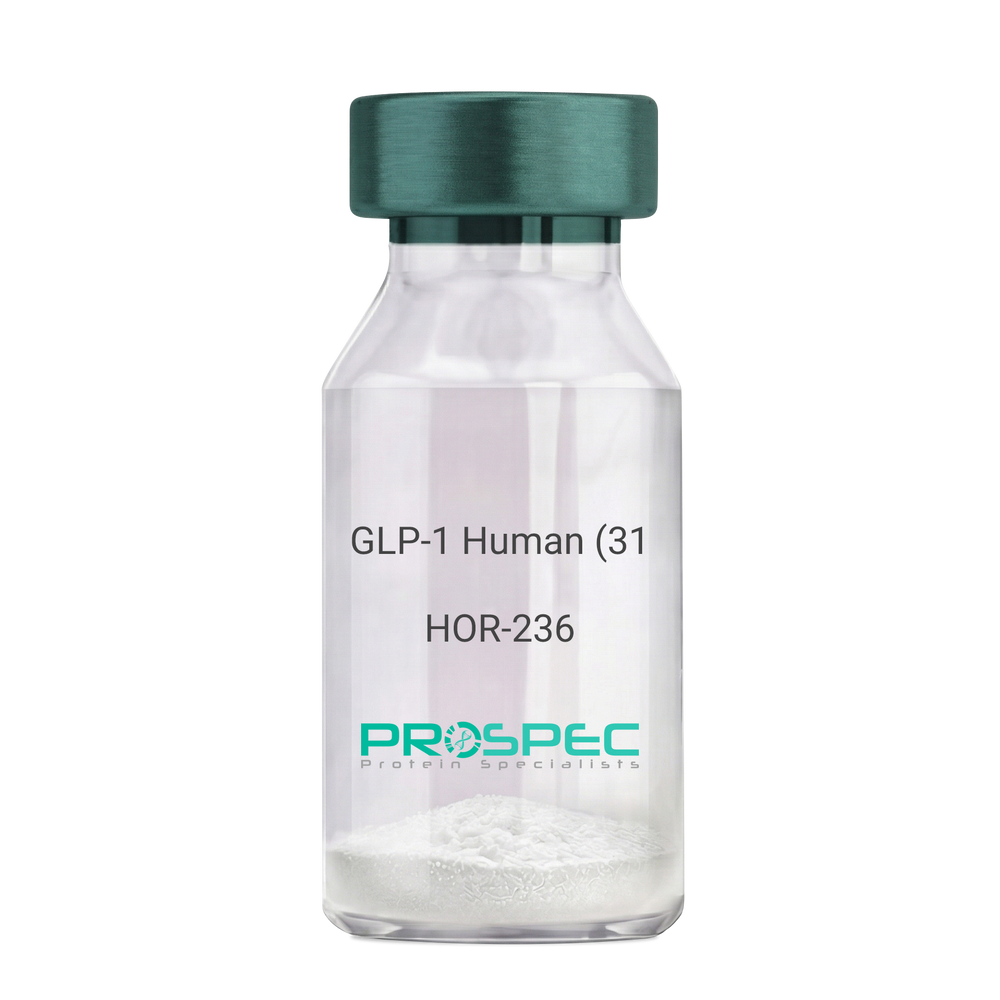
    GLP-1 Human (31 a.a.)

    Description:

    Glucagon Like Peptide-1 (31 a.a.) Human Recombinant

    GLP1, GLP2, GRPP.

    Product # :

    HOR-236

    Price :

    Quantity :

    Shipping Method :

    Room Temp Icon

    Shipped at Room temp

    Add To Cart

    More Info

    • description
    • source
    • formulation
    • purity
    • More Info

    Description

    Glucagon Like Peptide-1 Human Recombinant produced in E.Coli is a single, non-glycosylated, polypeptide chain containing 31 amino acids and having a molecular mass of 3.3 kDa. The GLP-1 is purified by proprietary chromatographic techniques.

    Source

    Escherichia Coli.

    Formulation

    The Recombinant GLP-1 concentrated solution (1mg/ml) was lyophilized after extensive dialyses against 0.1mg sodium phosphate monobasic & 1.6mg sodium phosphate dibasic.

    Purity

    Greater than 98.0% as determined by:
    (a) Analysis by RP-HPLC.
    (b) Analysis by SDS-PAGE.

    More Info

    • Introduction

      Glucagon-like peptide-1 (GLP-1) is derived from the transcription product of the proglucagon gene. The major source of GLP-1 in the body is the intestinal L cell that secretes GLP-1 as a guthormone. The biologically active forms of GLP-1 are: GLP-1-(7-37) and GLP-1-(7-36)NH2.
      GLP-1 secretion by L cells is dependent on the presence of nutrients in the lumen of the small intestine. The secretagogues (agents that causes or stimulates secretion) of this hormone include major nutrients like carbohydrate, proteinand lipid. Once in the circulation, GLP-1 has a half life of less than 2 minutes, due to rapid degradation by the enzyme dipeptidyl peptidase-4.
      GLP-1 possesses several physiological properties that make it a subject of intensive investigation as a potential treatment of diabetes mellitus. The known physiological functions of GLP-1 include: Increases insulin secretion from the pancreas in a glucose-dependent manner, decreases glucagon secretion from the pancreas, increases beta cells mass and insulin gene expression, inhibits acid secretion and gastric emptying in the stomach, decreases food intake by increasing satiety.

    • Synonyms

      GLP1, GLP2, GRPP.

    • Physical Appearance

      Sterile Filtered White lyophilized (freeze-dried) powder.

    • Stability

      Lyophilized Glucagon Like Peptide-1 although stable at room temperature for 3 weeks, should be stored desiccated below -18°C. Upon reconstitution GLP-1 should be stored at 4°C between 2-7 days and for future use below -18°C. For long term storage it is recommended to add a carrier protein (0.1% HSA or BSA).Please prevent freeze-thaw cycles.

    • Solubility

      It is recommended to reconstitute the lyophilized Glucagon Like Peptide-1 in sterile 18MΩ-cm H2O not less than 100µg/ml, which can then be further diluted to other aqueous solutions.

    • Amino Acid Sequence

      HAEGTFTSDV SSYLEGQAAK EFIAWLVKGR G.

    ProSpec's products are furnished for LABORATORY RESEARCH USE ONLY. The product may not be used as drugs, agricultural or pesticidal products, food additives or household chemicals.

    Glucagon Like Peptide 1 Human
  • View Data Sheet

    Name :

    SDF 1a Human, His

    Description:

    Stromal Cell-Derived Factor-1 alpha Human Recombinant, His Tag

    SDF-1, CXCL12, Pre-B cell growth-stimulating factor, PBSF, hIRH, chemokine (C-X-C motif) ligand 12, SDF1, SDF1A, TPAR1, SCYB12, SDF-1a, TLSF-a.

    Product # :

    CHM-241

    Price :

    Quantity :

    Shipping Method :

    Room Temp Icon

    Shipped at Room temp

    Add To Cart

    More Info

    • description
    • source
    • formulation
    • purity
    • More Info

    Description

    Stromal Cell-Derived Factor-1 alpha Human Recombinant produced in E.Coli is a non-glycosylated, Polypeptide chain containing 78 amino acids, having a molecular mass of 9.2 kDa. The SDF-1a is fused to 10 amino acids His-Tag at N-terminus and purified by proprietary chromatographic techniques.

    Source

    Escherichia Coli.

    Formulation

    The protein was filtered (0.4µm) and lyophilized from a concentrated (0.5mg/ml) solution containing 20mM Tris buffer pH-7.5 and 20mM sodium chloride.

    Purity

    Greater than 95.0% as determined SDS-PAGE.

    More Info

    • Introduction

      SDF-1 (stromal cell-derived factor-1) is small cytokine belonging to the chemokine family that is officially designated Chemokine (C-X-C motif) ligand 12 (CXCL12). It is produced in two forms, SDF-1?/CXCL12a and SDF-1?/CXCL12b, by alternate splicing of the same gene. Chemokines are characterized by the presence of four conserved cysteines, which form two disulfide bonds. The CXCL12 proteins belong to the group of CXC chemokines, whose initial pair of cysteines are separated by one intervening amino acid. CXCL12 is strongly chemotactic for lymphocytes and has been implicated as an important cell co-ordinator during development. During embryogenesis it directs the migration of hematopoietic cells from foetal liver to bone marrow. Mice which were knocked-out for CXCL12 gene were lethal before the birth or within just 1 hour of life. As another role, CXCL12a alters also the electrophysiology of neurons. CXCL12 was shown to be expressend in many tissues in mice (including brain, thymus, heart, lung, liver, kidney, spleen and bone marrow).
      The receptor for this chemokine is CXCR4, which was previously called fusin. This CXCL12-CXCR4 interaction used to be considered exclusive (unlike for other chemokines and their receptors), but recently it was suggested that CXCL12 is also bound by CXCR7 receptor.
      The gene for CXCL12 is located on human chromosome 10. In human and mouse both CXCL12 and CXCR4 show high identity of sequence: 99% and 90%, respectively.

    • Synonyms

      SDF-1, CXCL12, Pre-B cell growth-stimulating factor, PBSF, hIRH, chemokine (C-X-C motif) ligand 12, SDF1, SDF1A, TPAR1, SCYB12, SDF-1a, TLSF-a.

    • Physical Appearance

      White lyophilized (freeze-dried) powder.

    • Stability

      Lyophilized SDF1A although stable at room temperature for 3 weeks, should be stored desiccated below -18°C. Upon reconstitution CXCL12 should be stored at 4°C between 2-7 days and for future use below -18°C.For long term storage it is recommended to add a carrier protein (0.1% HSA or BSA).Please prevent freeze-thaw cycles.

    • Solubility

      It is recommended to add deionized water to a working concentration approximately 0.5 mg/ml and let the lyophilized pellet dissolve completely. Product is not sterile! Please filter the product by appropriate sterile filter before using it in the cell culture.

    • Amino Acid Sequence

      MKHHHHHHAS KPVSLSYRCP CRFFESHVAR ANVKHLKILN TPNCALQIVA RLKNNNRQVC IDPKLKWIQE YLEKALNK.

    ProSpec's products are furnished for LABORATORY RESEARCH USE ONLY. The product may not be used as drugs, agricultural or pesticidal products, food additives or household chemicals.

    Sdf 1A Human His
  • View Data Sheet

    Name :

    IL1A Human, His

    Description:

    Interleukin-1 alpha Human Recombinant, His Tag

    Hematopoietin-1, Lymphocyte-activating factor (LAF), Endogenous Pyrogen (EP), Leukocyte Endogenous Mediator (LEM), Mononuclear Cell Factor (MCF), IL-1 alpha,IL1, IL-1A, IL1F1.

    Product # :

    CYT-479

    Price :

    Quantity :

    Shipping Method :

    Ice Icon

    Shipped with Ice Packs

    Add To Cart

    More Info

    • description
    • source
    • formulation
    • purity
    • More Info

    Description

    IL-1A Human Recombinant produced in E.Coli is single, a non-glycosylated, Polypeptide chain containing 159 amino acids fragment (113-271) with an amino-terminal hexahistidine tag and having a total molecular mass of 22.5kDa. The Interleukin-1 alpha His-tag is purified by proprietary chromatographic techniques.

    Source

    Escherichia Coli.

    Formulation

    IL-1 alpha His-tag protein is supplied in 1x PBS and 50% glycerol.

    Purity

    Greater than 95.0% as determined by:
    (a) Analysis by RP-HPLC.
    (b) Analysis by SDS-PAGE.

    More Info

    • Introduction

      Interleukin-1 alpha is a proinflammatory cytokine produced by a wide variety of cell types, including macrophages, osteoblasts, monocytes and hepatocytes. Circulating levels of are normally low and only rise after stimulation by agents such as those produced by inflammation, infection or microbial endotoxins. IL-1 alpha possesses a wide variety of biological activities and exerts its effects by binding to specific cell surface receptors.

    • Synonyms

      Hematopoietin-1, Lymphocyte-activating factor (LAF), Endogenous Pyrogen (EP), Leukocyte Endogenous Mediator (LEM), Mononuclear Cell Factor (MCF), IL-1 alpha,IL1, IL-1A, IL1F1.

    • Physical Appearance

      Sterile Filtered clear solution.

    • Stability

      Store at 4°C if entire vial will be used within 2-4 weeks. Store, frozen at -20°C for longer periods of time. Please avoid freeze thaw cycles.

    • Background

      What is the molecular weight/Mw of IL1A HUMAN, HIS Protein?
      IL1A HUMAN, HIS Protein has a total Mw of 22.5kDa.

      What is the source or expression system of IL1A HUMAN, HIS Protein?
      Escherichia Coli.

      What is the Purity of IL1A HUMAN, HIS Protein?
      IL1A HUMAN, HIS Protein is >95% pure as determined by SDS-PAGE.

      What is the Biological Activity of IL1A HUMAN, HIS Protein?
      The biological functionality of IL1A HUMAN, HIS Protein will be determined in the future.

      What is the amino acid sequence of IL1A HUMAN, HIS Protein?
      IL1A HUMAN, HIS Protein is composed from 159 amino acids.

      What applications can IL1A HUMAN, HIS Protein be used in?
      IL1A HUMAN, HIS Protein can probably be used in western blot, ELISA and Lateral Flow.

      What is the endotoxin level for IL1A HUMAN, HIS Protein?
      The endotoxin level is minimal, IL1A HUMAN, HIS Protein was purified using conventional chromatography techniques.

    ProSpec's products are furnished for LABORATORY RESEARCH USE ONLY. The product may not be used as drugs, agricultural or pesticidal products, food additives or household chemicals.

    Il 1 Alpha Human His
  • View Data Sheet

    Name :

    FAHD1 Human

    Description:

    Fumarylacetoacetate Hydrolase Domain Containing 1 Human Recombinant

    Fumarylacetoacetate hydrolase domain-containing protein 1, YisK-like protein, FAHD1, C16orf36, YISKL, MGC74876, DKFZp566J2046.

    Product # :

    ENZ-067

    Price :

    Quantity :

    Shipping Method :

    Ice Icon

    Shipped with Ice Packs

    Add To Cart

    More Info

    • description
    • source
    • formulation
    • purity
    • More Info

    Description

    FAHD1 Human Recombinant fused with a 20 amino acid His tag at N-terminus produced in E.Coli is a single, non-glycosylated, polypeptide chain containing 244 amino acids (1-224 a.a.) and having a molecular mass of 27kDa. The FAHD1 is purified by proprietary chromatographic techniques.

    Source

    Escherichia Coli.

    Formulation

    The FAHD1 solution (1 mg/ml) contains 20mM Tris-HCl buffer (pH 8.0), 1mM DTT, 10% glycerol and 0.1M NaCl.

    Purity

    Greater than 95.0% as determined by SDS-PAGE.

    More Info

    • Introduction

      Fumarylacetoacetate hydrolase domain-containing protein 1 (FAHD1) is a member of the FAH family. FAHD1 is considered to have hydrolase activity and it uses Magnesium and Calcium as cofactors. It seems quite likely that the metal binding sites are involved in an enzymatic activity connected to the catabolism of aromatic amino acids.

    • Synonyms

      Fumarylacetoacetate hydrolase domain-containing protein 1, YisK-like protein, FAHD1, C16orf36, YISKL, MGC74876, DKFZp566J2046.

    • Physical Appearance

      Sterile Filtered colorless solution.

    • Stability

      Store at 4°C if entire vial will be used within 2-4 weeks. Store, frozen at -20°C for longer periods of time. For long term storage it is recommended to add a carrier protein (0.1% HSA or BSA).Avoid multiple freeze-thaw cycles.

    • Amino Acid Sequence

      MGSSHHHHHH SSGLVPRGSH MGIMAASRPL SRFWEWGKNI VCVGRNYADH VREMRSAVLS EPVLFLKPST AYAPEGSPIL MPAYTRNLHH ELELGVVMGK RCRAVPEAAA MDYVGGYALC LDMTARDVQD ECKKKGLPWT LAKSFTASCP VSAFVPKEKI PDPHKLKLWL KVNGELRQEG ETSSMIFSIP YIISYVSKII TLEEGDIILT GTPKGVGPVK ENDEIEAGIH GLVSMTFKVE KPEY.

    ProSpec's products are furnished for LABORATORY RESEARCH USE ONLY. The product may not be used as drugs, agricultural or pesticidal products, food additives or household chemicals.

    Fahd1 Human
  • View Data Sheet

    Name :

    LYVE1 Mouse Sf9

    Description:

    Lymphatic Vessel Endothelial Hyaluronic Acid Receptor 1 Mouse Recombinant, Sf9

    Lymphatic vessel endothelial hyaluronic acid receptor 1 precursor, LYVE-1, Cell surface retention sequence-binding protein 1, CRSBP-1, Hyaluronic acid receptor, Extracellular link domain-containing protein.

    Product # :

    PKA-251

    Price :

    Quantity :

    Shipping Method :

    Room Temp Icon

    Shipped at Room temp

    Add To Cart

    More Info

    • description
    • source
    • formulation
    • purity
    • More Info

    Description

    Soluble LYVE1 Mouse Recombinant fused to a C-terminal His-tag (6xHis) produced in baculovirus is a monomeric, glycosylated, polypeptide containing 228 amino acids (Met-1 to Gly 228) and having a molecular mass of 25 kDa but as a result of glycosilation the Mw is 40 kDa. The LYVE-1 is purified by proprietary chromatographic techniques.

    Source

    Insect Cells.

    Formulation

    LYVE1 was lyophilized from a concentrated (1mg/ml) sterile solution containing no additives.

    Purity

    Greater than 95.0% as determined by:
    (a)Analysis by RP-HPLC.
    (b)Analysis by SDS-PAGE.

    More Info

    • Introduction

      LYVE-1 has been identified as a major receptor for HA (extracellular matrix glycosaminoglycan hyaluronan) on the lymph vessel wall. The deduced amino acid sequence of LYVE-1 predicts a 322-residue type I integral membrane polypeptide 41% similar to the CD44 HA receptor with a 212-residue extracellular domain containing a single Link module the prototypic HA binding domain of the Link protein superfamily. Like CD44, the LYVE-1 molecule binds both soluble and immobilized HA. However, unlike CD44, the LYVE-1 molecule colocalizes with HA on the luminal face of the lymph vessel wall and is completely absent from blood vessels. Hence, LYVE-1 is the first lymph-specific HA receptor to be characterized and is a uniquely powerful marker for lymph vessels themselves.

    • Synonyms

      Lymphatic vessel endothelial hyaluronic acid receptor 1 precursor, LYVE-1, Cell surface retention sequence-binding protein 1, CRSBP-1, Hyaluronic acid receptor, Extracellular link domain-containing protein.

    • Physical Appearance

      Sterile Filtered White lyophilized (freeze-dried) powder.

    • Stability

      Lyophilized sLYVE-1 although stable at room temperature for 3 weeks, should be stored desiccated below -18°C. Upon reconstitution sLYVE-1 should be stored at 4°C between 2-7 days and for future use below -18°C.For long term storage it is recommended to add a carrier protein (0.1% HSA or BSA).Please prevent freeze-thaw cycles.

    • Solubility

      It is recommended to reconstitute the lyophilized LYVE1 in sterile water not less than 100µg/ml, which can then be further diluted to other aqueous solutions.

    ProSpec's products are furnished for LABORATORY RESEARCH USE ONLY. The product may not be used as drugs, agricultural or pesticidal products, food additives or household chemicals.

    Lyve1 Mouse Sf9
  • View Data Sheet

    Name :

    CCDC23 Human

    Description:

    Coiled-Coil Domain Containing 23 Human Recombinant

    Coiled-Coil Domain Containing 23, CCDC23.

    Product # :

    PRO-2132

    Price :

    Quantity :

    Shipping Method :

    Ice Icon

    Shipped with Ice Packs

    Add To Cart

    More Info

    • description
    • source
    • formulation
    • purity
    • More Info

    Description

    CCDC23 Human Recombinant produced in E.Coli is a single, non-glycosylated polypeptide chain containing 91 amino acids (1-66 a.a) and having a molecular mass of 10.5kDa.CCDC23 is fused to a 25 amino acid His-tag at N-terminus & purified by proprietary chromatographic techniques.

    Source

    E.coli.

    Formulation

    CCDC23 protein solution (0.5mg/ml) containing Phosphate buffered saline (pH7.4), 20% glycerol and 1mM DTT.

    Purity

    Greater than 90% as determined by SDS-PAGE.

    More Info

    • Introduction

      Coiled-Coil Domain Containing 23, also known as CCDC23 is a 66 amino acid protein which is encoded by a gene mapping tohuman chromosome 1. Chromosome 1 is the biggest human chromosome spanning approximately 260 million base pairsand making up 8% of the human genome. In addition, there are about 3,000 genes on chromosome 1, and taking into account thehuge number of genes there are also a big number of diseases connected with chromosome 1. One of the diseasesthat have been associated with CCDC23 is endotheliitis.

    • Synonyms

      Coiled-Coil Domain Containing 23, CCDC23.

    • Physical Appearance

      Sterile Filtered colorless solution.

    • Stability

      Store at 4°C if entire vial will be used within 2-4 weeks. Store, frozen at -20°C for longer periods of time. For long term storage it is recommended to add a carrier protein (0.1% HSA or BSA).Avoid multiple freeze-thaw cycles.

    • Amino Acid Sequence

      MGSSHHHHHH SSGLVPRGSH MGSEFMDPPA RKEKTKVKES VSRVEKAKQK SAQQELKQRQ RAEIYALNRV MTELEQQQFD EFCKQMQPPG E.

    ProSpec's products are furnished for LABORATORY RESEARCH USE ONLY. The product may not be used as drugs, agricultural or pesticidal products, food additives or household chemicals.

    Ccdc23 Human
  • View Data Sheet

    Name :

    ASB13 Human

    Description:

    Ankyrin Repeat And SOCS Box Containing 13 Human Recombinant

    Ankyrin repeat and SOCS box protein 13, ASB-13, ASB13, ankyrin repeat and SOCS box containing 13.

    Product # :

    PRO-2060

    Price :

    Quantity :

    Shipping Method :

    Ice Icon

    Shipped with Ice Packs

    Add To Cart

    More Info

    • description
    • source
    • formulation
    • purity
    • More Info

    Description

    ASB13 Human Recombinant produced in E.Coli is a single, non-glycosylated polypeptide chain containing 301 amino acids (1-278 a.a.) and having a molecular mass of 32.4kDa.ASB13 is fused to a 23 amino acid His-tag at N-terminus & purified by proprietary chromatographic techniques.

    Source

    Escherichia Coli.

    Formulation

    ASB13 protein solution (1mg/ml) containing 20mM Tris-HCl buffer (pH8.0), 0.4M UREA and 10% glycerol.

    Purity

    Greater than 90% as determined by SDS-PAGE.

    More Info

    • Introduction

      ASB13 belongs to the ankyrin repeat and SOCS box-containing (ASB) family of proteins which contains ankyrin repeat sequence and a SOCS box domain. ASB13 is a protein coding gene that plays a role as a substrate-recognition part of a SCF-like ECS E3 ubiquitin-protein ligase complex which arbitrates the ubiquitination and subsequent proteasomal degradation of target proteins.

    • Synonyms

      Ankyrin repeat and SOCS box protein 13, ASB-13, ASB13, ankyrin repeat and SOCS box containing 13.

    • Physical Appearance

      Sterile Filtered clear solution.

    • Stability

      Store at 4°C if entire vial will be used within 2-4 weeks. Store, frozen at -20°C for longer periods of time.For long term storage it is recommended to add a carrier protein (0.1% HSA or BSA).Please avoid freeze thaw cycles.

    • Amino Acid Sequence

      MGSSHHHHHH SSGLVPRGSH MGSMEPRAAD GCFLGDVGFW VERTPVHEAA QRGESLQLQQ LIESGACVNQ VTVDSITPLH AASLQGQARC VQLLLAAGAQ VDARNIDGST PLCDACASGS IECVKLLLSY GAKVNPPLYT ASPLHEACMS GSSECVRLLI DVGANLEAHD CHFGTPLHVA CAREHLDCVK VLLNAGANVN AAKLHETALH HAAKVKNVDL IEMLIEFGGN IYARDNRGKK PSDYTWSSSA PAKCFEYYEK TPLTLSQLCR VNLRKATGVR GLEKIAKLNI PPRLIDYLSY N.

    ProSpec's products are furnished for LABORATORY RESEARCH USE ONLY. The product may not be used as drugs, agricultural or pesticidal products, food additives or household chemicals.

    Asb13 Human
  • View Data Sheet

    Name :

    KIR2DL1 Antibody

    Description:

    Killer Cell Immunoglobulin-Like Receptor 2 Domains Long Cytoplasmic Tail 1, Mouse Anti Human

    Killer cell immunoglobulin-like receptor 2DL1, MHC class I NK cell receptor, Natural killer-associated transcript 1, NKAT-1, p58 natural killer cell receptor clones CL-42/47.11, p58 NK receptor, p58.1 MHC class-I-specific NK receptor, CD158 antigen-like family member A, CD158a antigen, KIR2DL1, CD158A, NKAT1, NKAT, p58.1, KIR221, KIR-K64.

    Product # :

    ANT-318

    Price :

    Quantity :

    Shipping Method :

    Ice Icon

    Shipped with Ice Packs

    Add To Cart

    More Info

    • formulation
    • More Info

    Formulation

    1mg/ml containing PBS, pH-7.4, & 0.1% Sodium Azide.

    More Info

    • Introduction

      Killer-cell immunoglobulin-like receptors (KIRs), are a family of cell surface glycoproteins found on Natural Killer (NK) Cells, which are important cells of the immune system. They control the killing function of these cells by interacting with MHC class I molecules, which are expressed on all cell types. This interaction allows them to identify virally infected cells or tumor cells that have a distinctive low level of Class I MHC on their surface. The majority of KIRs are inhibitory, which means that their recognition of MHC suppresses the cytotoxic activity of their NK cell. Only a limited number of KIRs have the capacity to activate cells. The KIR genes are found in a cluster on chromosome 19q13.4 within the 1 Mb leukocyte receptor complex (LRC). KIR molecules are extremely polymorphic, meaning their gene sequences differ significantly between individuals, so that different individuals have different arrays/repertoires of KIR genes. The KIR proteins are categorized by the number of

    • Synonyms

      Killer cell immunoglobulin-like receptor 2DL1, MHC class I NK cell receptor, Natural killer-associated transcript 1, NKAT-1, p58 natural killer cell receptor clones CL-42/47.11, p58 NK receptor, p58.1 MHC class-I-specific NK receptor, CD158 antigen-like family member A, CD158a antigen, KIR2DL1, CD158A, NKAT1, NKAT, p58.1, KIR221, KIR-K64.

    • Physical Appearance

      Sterile Filtered colorless solution.

    • Immunogen

      Anti-human KIR2DL1 mAb is derived from hybridization of mouse SP2/0 myeloma cells with spleen cells from BALB/c mice immunized with recombinant human KIR2DL1 amino acids 23-223 purified from E. coli.

    • Ig Subclass

      Mouse IgG2a heavy chain and κ light chain.

    • Clone

      P2F9AT.

    • Applications

      KIR2DL1 antibody has been tested by ELISA, Western blot and immunoprecipitation analysis to assure specificity and reactivity. Since application varies, however, each investigation should be titrated by the reagent to obtain optimal results. Recommended dilution range for Western blot analysis is 1:500 ~ 2,000. Recommended starting dilution is 1:500.

    • Type

      Mouse Anti Human Monoclonal.

    • Storage Procedures

      For periods up to 1 month store at 4°C, for longer periods of time, store at -20°C. Prevent freeze thaw cycles.

    • Purification Method

      KIR2DL1 antibody was purified from mouse ascitic fluids by protein-G affinity chromatography.

    ProSpec's products are furnished for LABORATORY RESEARCH USE ONLY. The product may not be used as drugs, agricultural or pesticidal products, food additives or household chemicals.

    Kir2Dl1 Antibody
  • View Data Sheet

    Name :

    ASPSCR1 Human

    Description:

    Alveolar Soft Part Sarcoma Chromosome Region, Candidate 1 Human Recombinant

    ASPCR1, ASPL, ASPS, RCC17, TUG, UBXD9, UBXN9, Tether containing UBX domain for GLUT4, Alveolar soft part sarcoma chromosomal region candidate gene 1 protein, Alveolar soft part sarcoma locus, Renal papillary cell carcinoma protein 17, UBX domain-containing protein 9, ASPSCR1.

    Product # :

    PRO-1519

    Price :

    Quantity :

    Shipping Method :

    Ice Icon

    Shipped with Ice Packs

    Add To Cart

    More Info

    • description
    • source
    • formulation
    • purity
    • More Info

    Description

    ASPSCR1 Human Recombinant produced in E. coli is a single polypeptide chain containing 576 amino acids (1-553) and having a molecular mass of 62.6kDa. ASPSCR1 is fused to a 23 amino acid His-tag at N-terminus & purified by proprietary chromatographic techniques.

    Source

    Escherichia Coli.

    Formulation

    The ASPSCR1 solution (0.25mg/ml) contains 20mM Tris-HCl buffer (pH 8.0), 0.15M NaCl, 10% glycerol and 1mM DTT.

    Purity

    Greater than 85% as determined by SDS-PAGE.

    More Info

    • Introduction

      Alveolar Soft Part Sarcoma Chromosome Region, Candidate 1 (ASPSCR1) contains a UBX domain and interacts with glucose transporter type 4 (GLUT4). ASPSCR1 is a tether, which sequesters the GLUT4 in intracellular vesicles in muscle and fat cells, and redistributes the GLUT4 to the plasma membrane. Translocation t(X;17)(p11;q25) of this ASPSCR1 with transcription factor TFE3 gene ends with a ASPSCR1-TFE3 fusion protein in alveolar soft part sarcoma and in renal cell carcinomas.

    • Synonyms

      ASPCR1, ASPL, ASPS, RCC17, TUG, UBXD9, UBXN9, Tether containing UBX domain for GLUT4, Alveolar soft part sarcoma chromosomal region candidate gene 1 protein, Alveolar soft part sarcoma locus, Renal papillary cell carcinoma protein 17, UBX domain-containing protein 9, ASPSCR1.

    • Physical Appearance

      Sterile Filtered clear solution.

    • Stability

      Store at 4°C if entire vial will be used within 2-4 weeks. Store, frozen at -20°C for longer periods of time. For long term storage it is recommended to add a carrier protein (0.1% HSA or BSA).Avoid multiple freeze-thaw cycles.

    • Amino Acid Sequence

      MGSSHHHHHH SSGLVPRGSH MGSMAAPAGG GGSAVSVLAP NGRRHTVKVT PSTVLLQVLE DTCRRQDFNP CEYDLKFQRS VLDLSLQWRF ANLPNNAKLE MVPASRSREG PENMVRIALQ LDDGSRLQDS FCSGQTLWEL LSHFPQIREC LQHPGGATPV CVYTRDEVTG EAALRGTTLQ SLGLTGGSAT IRFVMKCYDP VGKTPGSLGS SASAGQAAAS APLPLESGEL SRGDLSRPED ADTSGPCCEH TQEKQSTRAP AAAPFVPFSG GGQRLGGPPG PTRPLTSSSA KLPKSLSSPG GPSKPKKSKS GQDPQQEQEQ ERERDPQQEQ ERERPVDREP VDREPVVCHP DLEERLQAWP AELPDEFFEL TVDDVRRRLA QLKSERKRLE EAPLVTKAFR EAQIKEKLER YPKVALRVLF PDRYVLQGFF RPSETVGDLR DFVRSHLGNP ELSFYLFITP PKTVLDDHTQ TLFQANLFPA ALVHLGAEEP AGVYLEPGLL EHAISPSAAD VLVARYMSRA AGSPSPLPAP DPAPKSEPAA EEGALVPPEP IPGTAQPVKR SLGKVPKWLK LPASKR.

    ProSpec's products are furnished for LABORATORY RESEARCH USE ONLY. The product may not be used as drugs, agricultural or pesticidal products, food additives or household chemicals.

    Aspscr1 Human
  • View Data Sheet

    Name :

    RASSF3 Human

    Description:

    Ras Association Domain-Containing Protein 3 Human Recombinant

    Ras association domain-containing protein 3, RASSF3.

    Product # :

    PRO-1378

    Price :

    Quantity :

    Shipping Method :

    Ice Icon

    Shipped with Ice Packs

    Add To Cart

    More Info

    • description
    • source
    • formulation
    • purity
    • More Info

    Description

    RASSF3 Human Recombinant produced in E.Coli is a single, non-glycosylated polypeptide chain containing 261 amino acids (1-238a.a) and having a molecular mass of 30kDa. RASSF3 is fused to a 23 amino acid His-tag at N-terminus & purified by proprietary chromatographic techniques.

    Source

    E.coli.

    Formulation

    RASSF3 protein solution (1mg/ml) containing 20mM Tris-HCl buffer (pH 8.0), 0.4M Urea and 10% glycerol.

    Purity

    Greater than 85% as determined by SDS-PAGE.

    More Info

    • Introduction

      Ras association domain-containing protein 3 (RASSF3) is a ubiquitously expressed protein found in normal and cancerous tissues. RASSF3 is a member of RASSF family whose members contain a highly conserved Ras association domain (Ral GDS/AF-6 or RA) and function as Ras effectors/tumor suppressors. RASSF3 contains an N-terminal RA domain and a coiled-coil SARAH domain and may have 3 isoforms (RASSF3A, RASSF3B and RASSF3C) due to alternative splicing. RASSF3B and RASSF3C are shorter than RASSF3A and do not contain the RA and SARAH domain.

    • Synonyms

      Ras association domain-containing protein 3, RASSF3.

    • Physical Appearance

      Sterile Filtered colorless solution.

    • Stability

      Store at 4°C if entire vial will be used within 2-4 weeks. Store, frozen at -20°C for longer periods of time. For long term storage it is recommended to add a carrier protein (0.1% HSA or BSA).Avoid multiple freeze-thaw cycles.

    • Amino Acid Sequence

      MGSSHHHHHH SSGLVPRGSH MGSMSSGYSS LEEDAEDFFF TARTSFFRRA PQGKPRSGQQ DVEKEKETHS YLSKEEIKEK VHKYNLAVTD KLKMTLNSNG IYTGFIKVQM ELCKPPQTSP NSGKLSPSSN GCMNTLHISS TNTVGEVIEA LLKKFLVTES PAKFALYKRC HREDQVYACK LSDREHPLYL RLVAGPRTDT LSFVLREHEI GEWEAFSLPE LQNFLRILDK EEDEQLQNLK RRYTAYRQKL EEALREVWKP D.

    ProSpec's products are furnished for LABORATORY RESEARCH USE ONLY. The product may not be used as drugs, agricultural or pesticidal products, food additives or household chemicals.

    Rassf3 Human
  • View Data Sheet

    Name :

    DDX39A Human

    Description:

    DEAD Box Protein 39A Human Recombinant

    DEAD (Asp-Glu-Ala-Asp) box polypeptide 39A, BAT1, BAT1L, DDX39, DDXL, URH49, ATP-dependent RNA helicase DDX39A, DEAD box protein 39, Nuclear RNA helicase URH49, DDX39A.

    Product # :

    PRO-1990

    Price :

    Quantity :

    Shipping Method :

    Ice Icon

    Shipped with Ice Packs

    Add To Cart

    More Info

    • description
    • source
    • formulation
    • purity
    • More Info

    Description

    DDX39A Human Recombinant produced in E.Coli is a single, non-glycosylated polypeptide chain containing 274 amino acids (1-249 a.a) and having a molecular mass of 31kDa. DDX39A is fused to a 25 amino acid His-tag at N-terminus & purified by proprietary chromatographic techniques.

    Source

    Escherichia Coli.

    Formulation

    DDX39A protein solution (1mg/ml) containing 20mM Tris-HCl buffer (pH 8.0), 10% glycerol and 0.4M Urea.

    Purity

    Greater than 80.0% as determined by SDS-PAGE.

    More Info

    • Introduction

      DDX39A which is a part of the DEAD box protein family is characterized by the conserved motif Asp-Glu-Ala-Asp. This pattern is implicated in a various cellular processes involving alteration of RNA secondary structure, nuclear and mitochondrial splicing, and ribosome and spliceosome assembly. Several members of the DEAD box protein family are taking part in embryogenesis, spermatogenesis, and cellular growth and division.

    • Synonyms

      DEAD (Asp-Glu-Ala-Asp) box polypeptide 39A, BAT1, BAT1L, DDX39, DDXL, URH49, ATP-dependent RNA helicase DDX39A, DEAD box protein 39, Nuclear RNA helicase URH49, DDX39A.

    • Physical Appearance

      Sterile Filtered colorless solution.

    • Stability

      Store at 4°C if entire vial will be used within 2-4 weeks. Store, frozen at -20°C for longer periods of time. For long term storage it is recommended to add a carrier protein (0.1% HSA or BSA).Avoid multiple freeze-thaw cycles.

    • Amino Acid Sequence

      MGSSHHHHHH SSGLVPRGSH MGSEFMAEQD VENDLLDYDE EEEPQAPQES TPAPPKKDIK GSYVSIHSSG FRDFLLKPEL LRAIVDCGFE HPSEVQHECI PQAILGMDVL CQAKSGMGKT AVFVLATLQQ IEPVNGQVTV LVMCHTRELA FQISKEYERF SKYMPSVKVS VFFGGLSIKK DEEVLKKNCP HVVVGTPGRI LALVRNRSFS LKNVKHFVLD ECDKMLEQLD MRRDVQEIFR LTPHEKQCMM FSATLSKDIR PVCRKFMQDP MEVF.

    ProSpec's products are furnished for LABORATORY RESEARCH USE ONLY. The product may not be used as drugs, agricultural or pesticidal products, food additives or household chemicals.

    Ddx39A Human
  • 1
  • …
  • 8
  • 9
  • 10
  • 11
  • 12
  • …
  • 15
Your browser does not support the video tag.

Products

  • Cytokines
  • Growth Factors
  • Chemokines
  • CD Antigens
  • Neurotrophins
  • Hormones
  • Enzymes
  • Viral Antigens
  • Recombinant Proteins
  • Natural Proteins
  • Monoclonal Antibodies
  • Polyclonal Antibodies
  • Thermal Packaging

About

  • Company
  • Founder
  • Contribution
  • Contact Us
  • My Account

Ordering

  • Ordering Method
  • Ordering - Credit Card
  • Ordering PO
  • Shipping Fees
  • FAQ's

Legal

  • Terms & Conditions
  • Privacy
  • Site Map
  • info@prospecbio.com
  • Facebook
  • Instagram
  • Linkedin Profile

© 2026 ProSpec-Tany TechnoGene Ltd. All Rights Reserved.

  • Choosing a selection results in a full page refresh.
  • Opens in a new window.