Search results
1000 results found for “cytokeratin”
Name
Description
Product #
Price
Quantity
Shipping Method
- View Data Sheet
Name :
CNTF Human, His ActiveDescription:
Ciliary Neurotrophic Factor Human Recombinant, His Tag Active
Ciliary neurotrophic factor, CNTF, HCNTF.
Product # :
CYT-909Price :
Quantity :
Shipping Method :
Shipped with Ice Packs
More Info
- description
- source
- formulation
- purity
- biological activity
- More Info
Description
CNTF Human Recombinant produced in E.Coli is a single, non-glycosylated polypeptide chain containing 220 amino acids (1-200 a.a) and having a molecular mass of 25kDa. CNTF is fused to a 20 amino acid His-tag at N-terminus & purified by proprietary chromatographic techniques.
Source
Escherichia Coli.
Formulation
CNTF protein solution (1mg/ml) containing 20 mM Tris-HCl buffer (pH 8.5), 1 mM DTT,30% Glycerol and 0.2M NaCl.
Purity
Greater than 95.0% as determined by SDS-PAGE.
Biological Activity
Measured in a cell proliferation assay using TF-1 human erythroleukemic cell. The ED50 for this effects is less or equal to 1 ug/ml.More Info
-
Introduction
CNTF is a polypeptide hormone whose actions appear to be restricted to the nervous system where it promotes neurotransmitter synthesis and neurite outgrowth in certain neuronal populations. The protein is a potent survival factor for neurons and oligodendrocytes and may be relevant in reducing tissue destruction during inflammatory attacks. A mutation in this gene, which results in aberrant splicing, leads to ciliary neurotrophic factor deficiency, but this phenotype is not causally related to neurologic disease. In addition to the predominant monocistronic transcript originating from this locus, the gene is also co-transcribed with the upstream ZFP91 gene. Co-transcription from the two loci results in a transcript that contains a complete coding region for the zinc finger protein but lacks a complete coding region for ciliary neurotrophic factor.
CNTF is a survival factor for various neuronal cell types. Seems to prevent the degeneration of motor axons after axotomy. -
Synonyms
Ciliary neurotrophic factor, CNTF, HCNTF.
-
Physical Appearance
Sterile Filtered clear solution.
-
Stability
Store at 4°C if entire vial will be used within 2-4 weeks. Store, frozen at -20°C for longer periods of time. For long term storage it is recommended to add a carrier protein (0.1% HSA or BSA).Avoid multiple freeze-thaw cycles.
-
Amino Acid Sequence
MGSSHHHHHH SSGLVPRGSH MAFTEHSPLT PHRRDLCSRS IWLARKIRSD LTALTESYVK HQGLNKNINL DSADGMPVAS TDQWSELTEA ERLQENLQAY RTFHVLLARL LEDQQVHFTP TEGDFHQAIH TLLLQVAAFA YQIEELMILL EYKIPRNEAD GMPINVGDGG LFEKKLWGLK VLQELSQWTV RSIHDLRFIS SHQTGIPARG SHYIANNKKM.
-
Background
What is the molecular weight/Mw of CNTF Protein?
CNTF Protein has a total Mw of 25kDa.
What is the source or expression system of CNTF Protein?
Escherichia Coli.
What is the Purity of CNTF Protein?
CNTF Protein is >95% pure as determined by SDS-PAGE.
What is the Biological Activity of CNTF Protein?
Measured in a cell proliferation assay using TF-1 human erythroleukemic cell. The ED50 for this effects is less or equal to 1 ug/ml.
What is the amino acid sequence of CNTF Protein?
MGSSHHHHHH SSGLVPRGSH MAFTEHSPLT PHRRDLCSRS IWLARKIRSD LTALTESYVK HQGLNKNINL DSADGMPVAS TDQWSELTEA ERLQENLQAY RTFHVLLARL LEDQQVHFTP TEGDFHQAIH TLLLQVAAFA YQIEELMILL EYKIPRNEAD GMPINVGDGG LFEKKLWGLK VLQELSQWTV RSIHDLRFIS SHQTGIPARG SHYIANNKKM.
What applications can CNTF Protein be used in?
CNTF Protein can probably be used in western blot, ELISA and Lateral Flow.
What is the endotoxin level for CNTF Protein?
The endotoxin level is minimal, CNTF Protein was purified using conventional chromatography techniques.
ProSpec's products are furnished for LABORATORY RESEARCH USE ONLY. The product may not be used as drugs, agricultural or pesticidal products, food additives or household chemicals.
- View Data Sheet
Name :
CCL24 RatDescription:
Eotaxin-2 Rat Recombinant (CCL24)
C-C motif chemokine 24, Small-inducible cytokine A24, Myeloid progenitor inhibitory factor 2, CK-beta-6, Eosinophil chemotactic protein 2, Eotaxin-2, CCL24, Ckb-6, MPIF2, MPIF-2, SCYA24, Eotaxin2, CCL-24.
Product # :
CHM-282Price :
Quantity :
Shipping Method :
Shipped at Room temp
More Info
- description
- source
- formulation
- purity
- biological activity
- More Info
Description
CCL24 Rat Recombinant produced in E.Coli is a single, non-glycosylated polypeptide chain containing 93 amino acids and having a molecular mass of 10.2kDa. The CCL24 is purified by proprietary chromatographic techniques.
Source
Escherichia Coli.
Formulation
Lyophilized from a 0.2µm filtered concentrated solution in 1×PBS, pH 7.4.
Purity
Greater than 97.0% as determined by:
(a) Analysis by RP-HPLC.
(b) Analysis by SDS-PAGE.Biological Activity
Determined by its ability to chemoattract murine lymphocytes using a concentration range of 10-100ng/ml corresponding to a Specific Activity of 10,000-100,000IU/mg.More Info
-
Introduction
Eotaxin-2, also called MPIF2 & Ckb6, is a novel CC chemokine produced by activated monocytes and T lymphocytes. Eotaxin-2 selectively chemoattracts cells expressing CCR3 including eosinophils, basophils, Th2 T cells, mast cells, and certain subsets of dendritic cells. Furthermore, Eotaxin-2 inhibits the proliferation of multipotential hematopoietic progenitor cells. The mature protein, which includes C-terminal truncation, contains 78 amino acids (92 amino acids for the mouse homolog, without C-terminal truncation).
CCL24 functions as a chemotactic chemokine for resting t-lymphocytes, and eosinophils. CCL24 has lower chemotactic activity for neutrophils but none for monocytes and activated lymphocytes. CCL24 is a strong suppressor of colony formation by a multipotential hematopoietic progenitor cell line and binds to CCR3. -
Synonyms
C-C motif chemokine 24, Small-inducible cytokine A24, Myeloid progenitor inhibitory factor 2, CK-beta-6, Eosinophil chemotactic protein 2, Eotaxin-2, CCL24, Ckb-6, MPIF2, MPIF-2, SCYA24, Eotaxin2, CCL-24.
-
Physical Appearance
Sterile Filtered White lyophilized (freeze-dried) powder.
-
Stability
Lyophilized Eotaxin-2 although stable at room temperature for 3 weeks, should be stored desiccated below -18°C. Upon reconstitution CCL24 should be stored at 4°C between 2-7 days and for future use below -18°C. For long term storage it is recommended to add a carrier protein (0.1% HSA or BSA).Please prevent freeze-thaw cycles.
-
Solubility
It is recommended to reconstitute the lyophilized CCL24 Rat Recombinant in sterile 18M-cm H2O not less than 100µg/ml, which can then be further diluted to other aqueous solutions.
-
Amino Acid Sequence
VTIPSSCCVT FISKKIPVNR VISYQLANGS ICPKAGVIFI TKKGHKICTD PKLPWVQKHI KNLDAKRNQP SEGAKALGPK FVIQKLRGNS TKV.
-
Background
What is the molecular weight/Mw of CCL24 RAT Protein?
CCL24 RAT Protein has a total Mw of 10.2kDa.
What is the source or expression system of CCL24 RAT Protein?
Escherichia Coli.
What is the Purity of CCL24 RAT Protein?
CCL24 RAT Protein is >97% pure as determined by SDS-PAGE.
What is the Biological Activity of CCL24 RAT Protein?
Determined by its ability to chemoattract murine lymphocytes using a concentration range of 10-100ng/ml corresponding to a Specific Activity of 10,000-100,000IU/mg.
What is the amino acid sequence of CCL24 RAT Protein?
VTIPSSCCVT FISKKIPVNR VISYQLANGS ICPKAGVIFI TKKGHKICTD PKLPWVQKHI KNLDAKRNQP SEGAKALGPK FVIQKLRGNS TKV.
What applications can CCL24 RAT Protein be used in?
CCL24 RAT Protein can probably be used in western blot, ELISA and Lateral Flow.
What is the endotoxin level for CCL24 RAT Protein?
The endotoxin level is minimal, CCL24 RAT Protein was purified using conventional chromatography techniques.
ProSpec's products are furnished for LABORATORY RESEARCH USE ONLY. The product may not be used as drugs, agricultural or pesticidal products, food additives or household chemicals.
- View Data Sheet
Name :
Epoetin Fc HumanDescription:
Erythropoietin-Alpha Fc-Chimera Human Recombinant
EPO-a, EPO-alpha, Epoetin, EP, MGC138142.
Product # :
CYT-325Price :
Quantity :
Shipping Method :
Shipped at Room temp
More Info
- description
- source
- formulation
- purity
- biological activity
- More Info
Description
Erythropoietin-alpha Fc-Chimera Human Recombinant is produced in Chinese hamster ovary (CHO) cells by recombinant DNA technology is a dimeric, glycosilated, polypeptide chain consisting of two mature human EPO molecules linked to the Fc portion of human IgG1. The Fc component contains the CH2 domain, the CH3 domain and hinge region, but not the CH1 domain of IgG1. As a result of glycosylation, the recombinant protein migrates with an apparent molecular mass of 140 kDa in non-reducing SDS-PAGE.
Source
Chinese Hamster Ovary Cells(CHO).
Formulation
Each mg of lyophilized powder contains 1x PBS pH-7.4.
Purity
Greater than 98.0% as determined by:
(a) Analysis by RP-HPLC.
(b) Analysis by SDS-PAGE.Biological Activity
The ED50 as determined by the dose-dependent stimulation of human megakaryoblastic leukemia cells is less than 2.0 ng/ml, corresponding to a Specific Activity of 5.0 x 10⁵ IU/mg.More Info
-
Introduction
This gene is a member of the EPO/TPO family and encodes a secreted, glycosylated cytokine composed of four alpha helical bundles. The protein is found in the plasma and regulates red cell production by promoting erythroid differentiation and initiating hemoglobin synthesis. This protein also has neuroprotective activity against a variety of potential brain injuries and antiapoptotic functions in several tissue types.
-
Synonyms
EPO-a, EPO-alpha, Epoetin, EP, MGC138142.
-
Physical Appearance
Sterile Filtered White lyophilized (freeze-dried) powder.
-
Stability
Lyophilized Erythropoietin-a although stable at room temperature for 3 weeks, should be stored desiccated below -18°C. Upon reconstitution EPO-alpha should be stored at 4°C between 2-7 days and for future use below -18°C.For long term storage it is recommended to add a carrier protein (0.1% HSA or BSA).Please prevent freeze-thaw cycles.
-
Solubility
It is recommended to reconstitute the lyophilized Erythropoietin in sterile 18MΩ-cm H2O not less than 100µg/ml, which can then be further diluted to other aqueous solutions.
-
Background
What is the molecular weight/Mw of EPOETIN Protein?
EPOETIN Protein has a total Mw of 140kDa.
What is the source or expression system of EPOETIN Protein?
Chinese Hamster Ovary Cells(CHO).
What is the Purity of EPOETIN Protein?
EPOETIN Protein is >98% pure as determined by SDS-PAGE.
What is the Biological Activity of EPOETIN Protein?
The ED50 as determined by the dose-dependent stimulation of human megakaryoblastic leukemia cells is less than 2.0 ng/ml, corresponding to a Specific Activity of 5.0 x 10⁵ IU/mg.
What applications can EPOETIN Protein be used in?
EPOETIN Protein can probably be used in western blot, ELISA and Lateral Flow.
What is the endotoxin level for EPOETIN Protein?
The endotoxin level is minimal, EPOETIN Protein was purified using conventional chromatography techniques.
ProSpec's products are furnished for LABORATORY RESEARCH USE ONLY. The product may not be used as drugs, agricultural or pesticidal products, food additives or household chemicals.
- View Data Sheet
Name :
SOSTDC1 HumanDescription:
Sclerostin Domain Containing 1 Human Recombinant
Sclerostin domain-containing protein 1, Ectodermal BMP inhibitor, Ectodin, Uterine sensitization-associated gene 1 protein, USAG-1, SOSTDC1, USAG1, CDA019.
Product # :
PRO-426Price :
Quantity :
Shipping Method :
Shipped with Ice Packs
More Info
- description
- source
- formulation
- purity
- More Info
Description
SOSTDC1 Human Recombinant produced in E.Coli is a single, non-glycosylated polypeptide chain containing 206 amino acids (24-206 a.a) and having a molecular mass of 23kDa.SOSTDC1 is fused to a 23 amino acid His-tag at N-terminus & purified by proprietary chromatographic techniques.
Source
Escherichia Coli.
Formulation
SOSTDC1 protein solution (1mg/ml) containing 20mM Tris-HCl buffer (pH 8.0), 0.4M UREA and 10% glycerol.
Purity
Greater than 85.0% as determined by SDS-PAGE.
More Info
-
Introduction
Sclerostin Domain Containing 1 (SOSTDC1) belongs to the sclerostin family and an N-glycosylated, secreted protein with a C-terminal cystine knot-like domain. The SOSTDC1 protein acts as a bone morphogenetic protein (BMP) antagonist. Specifically, SOSTDC1 directly associates with BMPs, prohibiting them from binding their receptors, thus regulating BMP signaling throughout cellular proliferation, differentiation, and programmed cell death. SOSTDC1 may also be involved in the onset of endometrial receptivity for implantation/sensitization for the decidual cell reaction Enhances Wnt signaling and hinders TGF-beta signaling. In addition, SOSTDC1 directly antagonizes the activity of BMP2, BMP4, BMP6 and BMP7 in a dose-dependent manner.
-
Synonyms
Sclerostin domain-containing protein 1, Ectodermal BMP inhibitor, Ectodin, Uterine sensitization-associated gene 1 protein, USAG-1, SOSTDC1, USAG1, CDA019.
-
Physical Appearance
Sterile Filtered colorless solution.
-
Stability
Store at 4°C if entire vial will be used within 2-4 weeks. Store, frozen at -20°C for longer periods of time. For long term storage it is recommended to add a carrier protein (0.1% HSA or BSA).Avoid multiple freeze-thaw cycles.
-
Amino Acid Sequence
MGSSHHHHHH SSGLVPRGSH MGSFKNDATE ILYSHVVKPV PAHPSSNSTL NQARNGGRHF SNTGLDRNTR VQVGCRELRS TKYISDGQCT SISPLKELVC AGECLPLPVL PNWIGGGYGT KYWSRRSSQE WRCVNDKTRT QRIQLQCQDG STRTYKITVV TACKCKRYTR QHNESSHNFE SMSPAKPVQH HRERKRASKS SKHSMS.
ProSpec's products are furnished for LABORATORY RESEARCH USE ONLY. The product may not be used as drugs, agricultural or pesticidal products, food additives or household chemicals.
- View Data Sheet
Name :
TAC3 HumanDescription:
Tachykinin-3 Human Recombinant
Tachykinin-3, ZNEUROK1, Neurokinin-B, NKB, Neuromedin-K, TAC3, NKNB, PRO1155.
Product # :
PRO-716Price :
Quantity :
Shipping Method :
Shipped with Ice Packs
More Info
- description
- source
- formulation
- purity
- More Info
Description
TAC3 Human Recombinant fused with 20 amino acid His tag at N-terminus produced in E.Coli is a single, non-glycosylated, polypeptide chain containing 125 amino acids (17-121 a.a.) and having a molecular mass of 13.8kDa.The TAC3 is purified by proprietary chromatographic techniques.
Source
Escherichia Coli.
Formulation
The TAC3 solution contains 20mM Tris-HCl buffer (pH 8.0) and 20% glycerol.
Purity
Greater than 95.0% as determined by SDS-PAGE.
More Info
-
Introduction
Tachykinin-3 belongs to the substance P-related tachykinin family. Tachykinins are active peptides that stimulate neurons, induce behavioral responses, are effective vasodilators and secretagogues, and contract (directly or indirectly) many smooth muscles. TAC3 and its receptor are essential switches of regulator of human puberty, regulated by the brain through the release of the GnRH which starts a chain of processes which eventually lead to the production of sex hormones.
During pregnancy, the expression of TAC3 is restricted to the outer syncytiotrophoblast of the placenta, significant concentrations of TAC3 can be identified in plasma as early as week 9, and plasma concentrations of TAC3 are grossly elevated in pregnancy-induced hypertension and pre-eclampsia. Higher Tachykinin-3 concentrations in normotensive pregnant women may be caused by the advanced gestational age and/or the result of a negative interaction of other vasoactive substances. TAC3 has a role in the continuance of high placental blood flow in normal pregnancy. -
Synonyms
Tachykinin-3, ZNEUROK1, Neurokinin-B, NKB, Neuromedin-K, TAC3, NKNB, PRO1155.
-
Physical Appearance
Sterile Filtered colorless solution.
-
Stability
Store at 4°C if entire vial will be used within 2-4 weeks. Store, frozen at -20°C for longer periods of time. For long term storage it is recommended to add a carrier protein (0.1% HSA or BSA).Avoid multiple freeze-thaw cycles.
-
Amino Acid Sequence
MGSSHHHHHH SSGLVPRGSH QSFGAVCKEP QEEVVPGGGR SKRDPDLYQL LQRLFKSHSS LEGLLKALSQ ASTDPKESTS PEKRDMHDFF VGLMGKRSVQ PDSPTDVNQE NVPSFGILKY PPRAE.
ProSpec's products are furnished for LABORATORY RESEARCH USE ONLY. The product may not be used as drugs, agricultural or pesticidal products, food additives or household chemicals.
- View Data Sheet
Name :
CIB2 HumanDescription:
Calcium and Integrin Binding 2 Human Recombinant
Calcium and integrin-binding family member 2, Kinase-interacting protein 2, KIP 2, CIB2, KIP2.
Product # :
PKA-268Price :
Quantity :
Shipping Method :
Shipped with Ice Packs
More Info
- description
- source
- formulation
- purity
- More Info
Description
CIB2 Human Recombinant fused with a 20 amino acid His tag at N-terminus produced in E.Coli is a single, non-glycosylated, polypeptide chain containing 207 amino acids (1-187a.a.) and having a molecular mass of 23.8kDa (Molecular weight on SDS-PAGE will appear higher). The CIB2 is purified by proprietary chromatographic techniques.
Source
Escherichia Coli.
Formulation
The CIB2 solution (0.5 mg/ml) contains 20mM Tris-HCl buffer (pH8.0), 10% glycerol, 2mM DTT, 100mM NaCl and 1mM PMSF.
Purity
Greater than 90.0% as determined by SDS-PAGE.
More Info
-
Introduction
CIB2 is a member of the calcium and integrin-binding family.CIB2 is possibly a Ca2+-binding regulatory protein which interacts with DNA-dependent protein kinase catalytic subunit (DNA-PKcs). In the skeletal muscle, CIB2 co-localizes with the integrin alpha7B subunit at the sarcolemma and at the neuromuscular and myotendinous junctions. CIB2 is closely related to CIB1.
-
Synonyms
Calcium and integrin-binding family member 2, Kinase-interacting protein 2, KIP 2, CIB2, KIP2.
-
Physical Appearance
Sterile Filtered colorless solution.
-
Stability
Store at 4°C if entire vial will be used within 2-4 weeks. Store, frozen at -20°C for longer periods of time. For long term storage it is recommended to add a carrier protein (0.1% HSA or BSA).Avoid multiple freeze-thaw cycles.
-
Amino Acid Sequence
MGSSHHHHHH SSGLVPRGSH MGNKQTIFTE EQLDNYQDCT FFNKKDILKL HSRFYELAPN LVPMDYRKSP IVHVPMSLII QMPELRENPF KERIVAAFSE DGEGNLTFND FVDMFSVLCE SAPRELKANY AFKIYDFNTD NFICKEDLEL TLARLTKSEL DEEEVVLVCD KVIEEADLDG DGKLGFADFE DMIAKAPDFL STFHIRI.
ProSpec's products are furnished for LABORATORY RESEARCH USE ONLY. The product may not be used as drugs, agricultural or pesticidal products, food additives or household chemicals.
- View Data Sheet
Name :
UCK2 HumanDescription:
Uridine-Cytidine Kinase 2 Human Recombinant
UK, UCK 2, Uridine-Cytidine Kinase 2, Uridine Monophosphate Kinase, Cytidine Monophosphokinase 2.
Product # :
PKA-332Price :
Quantity :
Shipping Method :
Shipped with Ice Packs
More Info
- description
- source
- formulation
- purity
- More Info
Description
UCK2 produced in E.Coli is a single, non-glycosylated polypeptide chain containing 269 amino acids (1-261a.a.) and having a molecular mass of 30.3kDa.UCK2 is fused to an 8 amino acid His-tag at C-terminus & purified by proprietary chromatographic techniques.
Source
Escherichia Coli.
Formulation
The UCK2 protein solution (1mg/1ml) is formulated in 20mM Tris-HCl buffer (pH8.0), 2mM DTT, 100mM NaCl, 0.1mM PMSF, 1mM EDTA and 20% glycerol .
Purity
Greater than 90% as determined by SDS-PAGE.
More Info
-
Introduction
UCK2 is a member of the uridinekinase family. UCK2 catalyzes the phosphorylation of uridine monophosphate to uridine diphosphate and cytidine monophosphate. UCK2 has a part in the production of pyrimidine nucleoside triphosphates essential for RNA and DNA synthesis. Furthermore, an allele of this gene is an important player in mediating nonhumoral immunity to Hemophilus influenzae type B.
-
Synonyms
UK, UCK 2, Uridine-Cytidine Kinase 2, Uridine Monophosphate Kinase, Cytidine Monophosphokinase 2.
-
Physical Appearance
Sterile Filtered clear solution.
-
Stability
Store at 4°C if entire vial will be used within 2-4 weeks. Store, frozen at -20°C for longer periods of time.Please avoid freeze thaw cycles.
-
Amino Acid Sequence
MAGDSEQTLQ NHQQPNGGEP FLIGVSGGTA SGKSSVCAKI VQLLGQNEVD YRQKQVVILS QDSFYRVLTS EQKAKALKGQ FNFDHPDAFD NELILKTLKE ITEGKTVQIP VYDFVSHSRK EETVTVYPAD VVLFEGILAF YSQEVRDLFQ MKLFVDTDAD TRLSRRVLRD ISERGRDLEQ ILSQYITFVK PAFEEFCLPT KKYADVIIPR GADNLVAINL IVQHIQDILN GGPSKRQTNG CLNGYTPSRK RQASESSSRP HLEHHHHHH
ProSpec's products are furnished for LABORATORY RESEARCH USE ONLY. The product may not be used as drugs, agricultural or pesticidal products, food additives or household chemicals.
- View Data Sheet
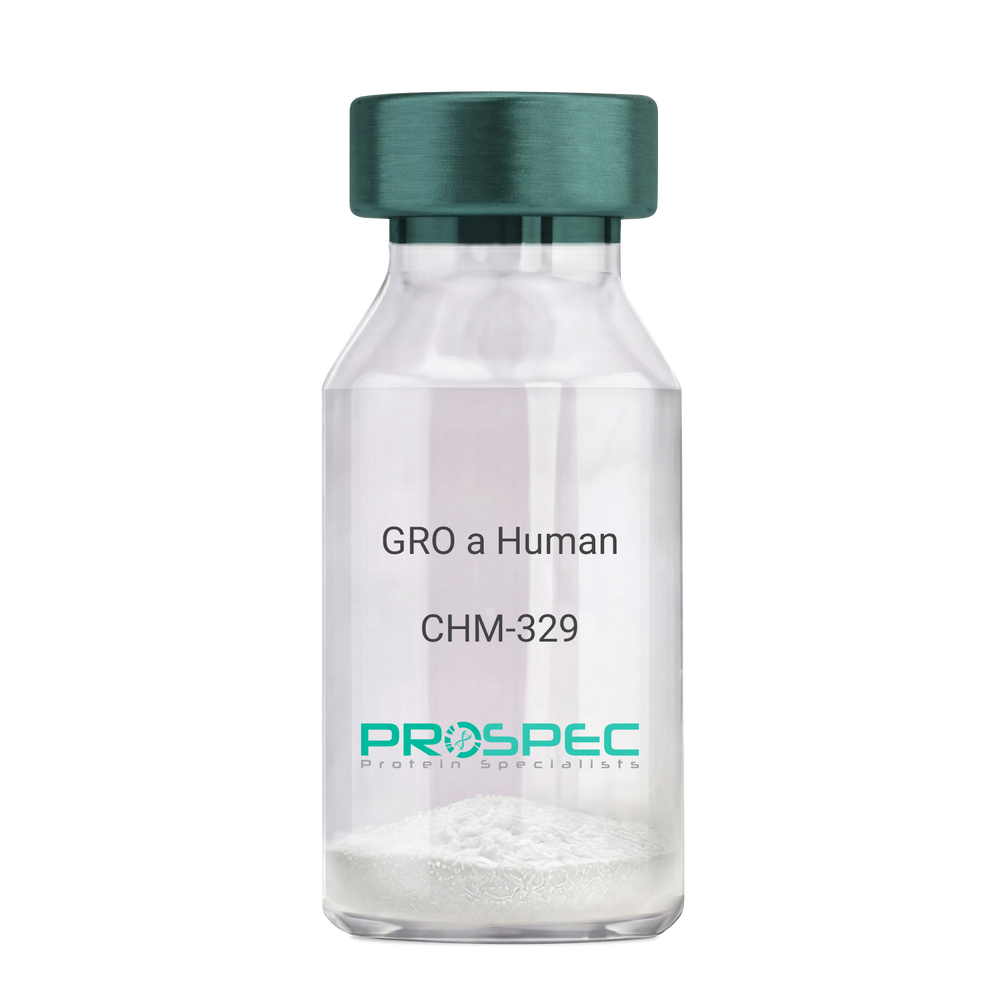
Name :
CXCL1 HumanDescription:
GRO-Alpha Human Recombinant (CXCL1)
Growth-regulated protein alpha, CXCL1, Melanoma growth stimulatory activity, MGSA, Neutrophil-activating protein 3, NAP-3, GRO-alpha (1-73), chemokine (C-X-C motif) ligand 1, GRO1, GROa, SCYB1, MGSA-a, MGSA alpha.
Product # :
CHM-329Price :
Quantity :
Shipping Method :
Shipped at Room temp
More Info
- description
- source
- formulation
- purity
- biological activity
- More Info
Description
GRO Alpha Human Recombinant produced in E.Coli is a single,non-glycosylated, polypeptide chain containing 73 amino acids and having a molecular mass of 7811 Dalton. The GRO-alpha is purified by proprietary chromatographic techniques.
Source
Escherichia Coli.
Formulation
Lyophilized from a 0.2µm filtered concentrated (1mg/ml) solution in 20mM PB, pH 7.4, 50mM NaCl.
Purity
Greater than 97.0% as determined by:
(a) Analysis by RP-HPLC.
(b) Analysis by SDS-PAGE.Biological Activity
Determined by its ability to chemoattract human peripheral blood neutrophils using a concentration range of 10.0-100.0 ng/ml.
More Info
-
Introduction
Chemokine (C-X-C motif) ligand 1 (CXCL1) is a small cytokine belonging to the CXC chemokine family that was previously called GRO1 oncogene, Neutrophil-activating protein 3 (NAP-3) and melanoma growth stimulating activity, alpha (MSGA-a). It is secreted by human melanoma cells, has mitogenic properties and is implicated in melanoma pathogenesis. CXCL1 is expressed by macrophages, neutrophilsand epithelial cells, and has neutrophil chemoattractant activity. CXCL1 plays a role in spinal cord development by inhibiting the migration of oligodendrocyte precursors and is involved in the processes of angiogenesis, inflammation, wound healing, and tumorigenesis. This chemokine elicits its effects by signaling through the chemokine receptor CXCR2. The gene for CXCL1 is located on human chromosome 4 amongst genes for other CXC chemokines.
-
Synonyms
Growth-regulated protein alpha, CXCL1, Melanoma growth stimulatory activity, MGSA, Neutrophil-activating protein 3, NAP-3, GRO-alpha (1-73), chemokine (C-X-C motif) ligand 1, GRO1, GROa, SCYB1, MGSA-a, MGSA alpha.
-
Physical Appearance
Sterile Filtered White lyophilized (freeze-dried) powder.
-
Stability
Lyophilized GRO-alpha although stable at room temperature for 3 weeks, should be stored desiccated below -18°C. Upon reconstitution CXCL1 should be stored at 4°C between 2-7 days and for future use below -18°C. For long term storage it is recommended to add a carrier protein (0.1% HSA or BSA).Please prevent freeze-thaw cycles.
-
Solubility
It is recommended to reconstitute the lyophilized CXCL1 in sterile 18MΩ-cm H2O not less than 100µg/ml, which can then be further diluted to other aqueous solutions.
-
Amino Acid Sequence
The sequence of the first five N-terminal amino acids was determined and was found to be Ala-Ser-Val-Ala-Thr.
-
Background
What is the molecular weight/Mw of CXCL1 HUMAN Protein?
CXCL1 HUMAN Protein has a total Mw of 7.81kDa.
What is the source or expression system of CXCL1 HUMAN Protein?
Escherichia Coli.
What is the Purity of CXCL1 HUMAN Protein?
CXCL1 HUMAN Protein is >97% pure as determined by SDS-PAGE.
What is the Biological Activity of CXCL1 HUMAN Protein?
Determined by its ability to chemoattract human peripheral blood neutrophils using a concentration range of 10.0-100.0 ng/ml.
What is the amino acid sequence of CXCL1 HUMAN Protein?
The sequence of the first five N-terminal amino acids was determined and was found to be Ala-Ser-Val-Ala-Thr.
What applications can CXCL1 HUMAN Protein be used in?
CXCL1 HUMAN Protein can probably be used in western blot, ELISA and Lateral Flow.
What is the endotoxin level for CXCL1 HUMAN Protein?
The endotoxin level is minimal, CXCL1 HUMAN Protein was purified using conventional chromatography techniques.
ProSpec's products are furnished for LABORATORY RESEARCH USE ONLY. The product may not be used as drugs, agricultural or pesticidal products, food additives or household chemicals.
- View Data Sheet
Name :
CLTB HumanDescription:
Clathrin, Light Chain B Human Recombinant
Clathrin light chain B, Lcb, CLTB.
Product # :
PRO-1172Price :
Quantity :
Shipping Method :
Shipped with Ice Packs
More Info
- description
- source
- formulation
- purity
- More Info
Description
CLTB Human Recombinant produced in E.Coli is a single, non-glycosylated polypeptide chain containing 234 amino acids (1-211 a.a) and having a molecular mass of 25.6kDa (Molecular size on SDS-PAGE will appear higher).CLTB is fused to a 23 amino acid His-tag at N-terminus & purified by proprietary chromatographic techniques.
Source
Escherichia Coli.
Formulation
CLTB protein solution (1mg/ml) containing 20mM Tris-HCl buffer, pH8.0, 10% glycerol, 0.2mM PMSF and 100mM NaCl.
Purity
Greater than 85.0% as determined by SDS-PAGE.
More Info
-
Introduction
Clathrin light chain B (CLTB) is a member of the clathrin light chain family. Clathrin is a protein that has a key role in the formation of coated vesicles. CLTB functions as the key structural component of the lattice-type cytoplasmic face of coated pits and vesicles which capture certain macromolecules during receptor-mediated endocytosis. CLTB forms a triskelion form comprised of 3 clathrin heavy chains and 3 light chains. When the triskelia interact they form a polyhedral pattern which encircles the vesicle. CME (Clathrin-mediated endocytosis) controls numerous cellular physiological processes such as the internalization of growth factors and receptors, entry of pathogens, and synaptic transmission.
-
Synonyms
Clathrin light chain B, Lcb, CLTB.
-
Physical Appearance
Sterile Filtered colorless solution.
-
Stability
Store at 4°C if entire vial will be used within 2-4 weeks. Store, frozen at -20°C for longer periods of time. For long term storage it is recommended to add a carrier protein (0.1% HSA or BSA).Avoid multiple freeze-thaw cycles.
-
Amino Acid Sequence
MGSSHHHHHH SSGLVPRGSH MGSMADDFGF FSSSESGAPE AAEEDPAAAF LAQQESEIAG IENDEGFGAP AGSHAAPAQP GPTSGAGSED MGTTVNGDVF QEANGPADGY AAIAQADRLT QEPESIRKWR EEQRKRLQEL DAASKVTEQE WREKAKKDLE EWNQRQSEQV EKNKINNRAS
EEAFVKESKE ETPGTEWEKV AQLCDFNPKS SKQCKDVSRL RSVLMSLKQT PLSR.
ProSpec's products are furnished for LABORATORY RESEARCH USE ONLY. The product may not be used as drugs, agricultural or pesticidal products, food additives or household chemicals.
- View Data Sheet
Name :
G CSF Antibody, BiotinDescription:
Granulocyte Colony Stimulating Factor, Mouse Anti-Human, Biotin
CSF-3, MGI-1G, GM-CSF beta, Pluripoietin, Filgrastim, Lenograstim, G-CSF, MGC45931, GCSF.
Product # :
ANT-240Price :
Quantity :
Shipping Method :
Shipped at Room temp
More Info
- formulation
- More Info
Formulation
1 mg/ml in PBS (after reconstitution).
More Info
-
Introduction
GCSF is a cytokine that controls the production, differentiation, and function of granulocytes. The active protein is found extracellularly. Three transcript variants encoding three different isoforms have been found for this gene.
Granulocyte/macrophage colony-stimulating factors are cytokines that act in hematopoiesis by controlling the production, differentiation, and function of 2 related white cell populations of the blood, the granulocytes and the monocytes-macrophages. This csf induces granulocytes. -
Synonyms
CSF-3, MGI-1G, GM-CSF beta, Pluripoietin, Filgrastim, Lenograstim, G-CSF, MGC45931, GCSF.
-
Solubility
Reconstitute with sterile H20. Mix gently, wash the sides of the vial and wait 30-60 seconds before use.
-
Immunogen
r.Human G-CSF.
-
Ig Subclass
Mouse IgG.
-
Clone
NYRhGCSF.
-
Applications
Direct ELISA, Western Blot, Intra-cellular staining.
-
Titer
For intra-cellular staining use 10µl per 1,000,000 cells.
-
Shipping Conditions
Antibody is shipped lyophilized at ambient temperature.
-
Type
Mouse Anti Human Monoclonal.
-
Storage Procedures
In lyophilized form, for long periods, store at 4°C in a dry environment. After reconstitution, if not intended for use within a month, aliquot and store at -20°C.
-
Purification Method
Protein A.
ProSpec's products are furnished for LABORATORY RESEARCH USE ONLY. The product may not be used as drugs, agricultural or pesticidal products, food additives or household chemicals.
- View Data Sheet
Name :
Cardiac Actin BovineDescription:
Cardiac Actin Bovine
Actin alpha cardiac muscle 1, Alpha-cardiac actin, ACTC1, ACTC.
Product # :
PRO-519Price :
Quantity :
Shipping Method :
Shipped at Room temp
More Info
- description
- source
- formulation
- purity
- More Info
Description
Ultra pure Cardiac Actin having a Molecular mass of 43,000 dalton.
Source
Bovine Heart.
Formulation
The protein was lyophilized from a 1mg/ml solution containing 10mM Tris-acetate buffer pH 8.0, 0.2mM CaCl2, 0.2mM ATP, 1mM DTT and 0.5% SDS.
Purity
Greater than 98.0% as determined by:
(a) Analysis by RP-HPLC.
(b) Analysis by SDS-PAGE.More Info
-
Introduction
Alpha-cardiac actin belongs to the actin family which is comprised of three main groups of actin isoforms, alpha, beta, and gamma. The alpha actins are found in muscle tissues and are a major constituent of the contractile apparatus. Defects in the cardiac actin have been associated with idiopathic dilated cardiomyopathy (IDC) and familial hypertrophic cardiomyopathy (FHC).
-
Synonyms
Actin alpha cardiac muscle 1, Alpha-cardiac actin, ACTC1, ACTC.
-
Physical Appearance
Sterile Filtered White lyophilized (freeze-dried) powder.
-
Stability
Lyophilized Cardiac-Actin although stable at room temperature for 3 weeks, should be stored desiccated below -18°C. Upon reconstitution Cardiac Actin should be stored at 4°C between 2-7 days and for future use below -18°C.For long term storage it is recommended to add a carrier protein (0.1% HSA or BSA).Please prevent freeze-thaw cycles.
-
Solubility
It is recommended to reconstitute the lyophilized Cardiac Actin in sterile 18MΩ-cm H2O not less than 100µg/ml, which can then be further diluted to other aqueous solutions.
-
Applications
Protein standard in 1D and 2D SDS gelelectrophoresis
Immunoassays
Immunization.
ProSpec's products are furnished for LABORATORY RESEARCH USE ONLY. The product may not be used as drugs, agricultural or pesticidal products, food additives or household chemicals.
- View Data Sheet
Name :
Cyclophilin-E AntibodyDescription:
Cyclophilin-E, Mouse Anti Human
Peptidyl-prolyl cis-trans isomerase E, PPIase E, Rotamase E, Cyclophilin-33, PPIE, peptidylprolyl isomerase E, CYP33, Cyclophilin E, CYP-33, MGC3736, MGC111222.
Product # :
ANT-695Price :
Quantity :
Shipping Method :
Shipped with Ice Packs
More Info
- formulation
- More Info
Formulation
1mg/ml containing PBS, pH-7.4, 10% Glycerol and 0.02% Sodium Azide.
More Info
-
Introduction
Cyclophilin-E is a member of the peptidyl-prolyl cis-trans isomerase (PPIase) family. PPIases catalyze the cis-trans isomerization of proline imidic peptide bonds in oligopeptides and speeds up the protein folding. Cyclophilin-E contains a highly conserved cyclophilin domain in addition to a RNA-binding domain. Cyclophilin-E exhibits PPIase activity, protein folding activities and possess RNA-binding activity. Cyclophilin-E contains 2 RNA binding domains at the N-terminal region and a PPIase domain at the C-terminal region.
-
Synonyms
Peptidyl-prolyl cis-trans isomerase E, PPIase E, Rotamase E, Cyclophilin-33, PPIE, peptidylprolyl isomerase E, CYP33, Cyclophilin E, CYP-33, MGC3736, MGC111222.
-
Physical Appearance
Sterile filtered colorless solution.
-
Immunogen
Anti-human Cyclophilin-E mAb, is derived from hybridization of mouse F0 myeloma cells with spleen cells from BALB/c mice immunized with recombinant human Cyclophilin-E amino acids 1-301 purified from E. coli.
-
Ig Subclass
Mouse IgG1 heavy chain and κ light chain.
-
Clone
PAT17E8AT.
-
Applications
Cyclophilin-E antibody has been tested by ELISA and Western blot analysis to assure specificity and reactivity. Since application varies, however, each investigation should be titrated by the reagent to obtain optimal results.
-
Type
Mouse Anti Human Monoclonal.
-
Storage Procedures
For periods up to 1 month store at 4°C, for longer periods of time, store at -20°C. Prevent freeze thaw cycles.
-
Purification Method
Cyclophilin-E antibody was purified from mouse ascitic fluids by protein-A affinity chromatography.
ProSpec's products are furnished for LABORATORY RESEARCH USE ONLY. The product may not be used as drugs, agricultural or pesticidal products, food additives or household chemicals.
- View Data Sheet
Name :
GKN1 HumanDescription:
Gastrokine 1 Human Recombinant
BRICHOS domain containing 1, 18 kDa antrum mucosa protein, gastrokine 1, Protein CA11, AMP-18, BRICD1, foveolin, FOV.
Product # :
PRO-1206Price :
Quantity :
Shipping Method :
Shipped with Ice Packs
More Info
- description
- source
- formulation
- purity
- More Info
Description
GKN1 Human Recombinant produced in E. coli is a single polypeptide chain containing 223 amino acids (1-199) and having a molecular mass of 24.5 kDa.GKN1 is fused to a 24 amino acid His-tag at N-terminus & purified by proprietary chromatographic techniques.
Source
E.coli.
Formulation
The GKN1 solution (0.25mg/1ml) contains 20mM Tris-HCl buffer (pH 8.0), 0.1M NaCl, 1mM DTT and 10% glycerol.
Purity
Greater than 85% as determined by SDS-PAGE.
More Info
-
Introduction
Gastrokine-1 (GKN1) is a member of the gastrokine family. GKN1 has mitogenic activity and is involved in preserving the integrity of the gastric mucosal epithelium. GKN1 is down-regulated in human gastric cancer tissue in comparison to normal gastric mucosa. GKN1 is expressed in the stomach; however no expression is detected in cancer tissue or gastric cancer cell lines.
-
Synonyms
BRICHOS domain containing 1, 18 kDa antrum mucosa protein, gastrokine 1, Protein CA11, AMP-18, BRICD1, foveolin, FOV.
-
Physical Appearance
Sterile Filtered colorless solution.
-
Stability
Store at 4°C if entire vial will be used within 2-4 weeks. Store, frozen at -20°C for longer periods of time. For long term storage it is recommended to add a carrier protein (0.1% HSA or BSA).Avoid multiple freeze-thaw cycles.
-
Amino Acid Sequence
MGSSHHHHHH SSGLVPRGSH MGSH MLAYSS VHCFREDKMK FTIVFAGLLG VFLAPALANY NINVNDDNNN AGSGQQSVSV NNEHNVANVD NNNGWDSWNS IWDYGNGFAA TRLFQKKTCI VHKMNKEVMP SIQSLDALVK EKKLQGKGPG GPPPKGLMYS VNPNKVDDLS KFGKNIANMC RGIPTYMAEE MQEASLFFYS GTCYTTSVLW IVDISFCGDT VEN.
ProSpec's products are furnished for LABORATORY RESEARCH USE ONLY. The product may not be used as drugs, agricultural or pesticidal products, food additives or household chemicals.
- View Data Sheet
Name :
CKMT3 HumanDescription:
Creatine Kinase Muscle Type-3 Human Recombinant
Creatine kinase M-type, EC 2.7.3.2, Creatine kinase M chain, M-CK, CKM, CKMM, CKMMITIII.
Product # :
CKI-272Price :
Quantity :
Shipping Method :
Shipped with Ice Packs
More Info
- description
- source
- formulation
- purity
- biological activity
- More Info
Description
CKMT3 Human Recombinant produced in Pichia Pastoris is a glycosylated polypeptide chain having an identical amino acid sequence compared to the native enzyme, purified under non-denaturing conditions and reacts with polyclonal antibodies to MM Isoenzyme in ELISA.The CKMT3 is purified by proprietary chromatographic techniques.
Source
Pichia Pastoris.
Formulation
Each mg of protein contains 20mM Tris pH-8, 1mM EDTA and 1mM DTT.
Purity
Greater than 95.0% as determined by
(a) Analysis by RP-HPLC.
(b) Analysis by SDS-PAGE.Biological Activity
The biological activity measured by the enzymatic activity of Creatine phosphokinase procedure No.45-UV, 1IU-1 µmole creatine phosphate was 500 IU/mg at 37 degrees celsius corresponding to a Specific Activity of 2,000ng/ml.More Info
-
Introduction
The three isoenzymes (MM, MB, and BB) are found in muscle, cardiac and brain tissues. These recombinant proteins are ideal for calibrating diagnostic instruments and researching neuromuscular diseases. Creatine Kinases can be used for indications in many neuromuscular applications. These disorders include cardiac disease, mitochondrial disorders, inflammatory myopathies, myasthenia, polymyositis, McArdle's disease, NMJ disorders, muscular dystrophy, ALS, hypo and hyperthyroid disorders, central core disease, acid maltase deficiency, myoglobinuria, rhabdomyolysis, motor neuron diseases, rheumatic diseases, and other that create elevated or reduced levels of Creatine Kinases.
-
Synonyms
Creatine kinase M-type, EC 2.7.3.2, Creatine kinase M chain, M-CK, CKM, CKMM, CKMMITIII.
-
Physical Appearance
Sterile Filtered colorless liquid formulation.
-
Stability
CKMT3 although stable at 15°C for 7 days, should be stored below -18°C. Please prevent freeze-thaw cycles.
ProSpec's products are furnished for LABORATORY RESEARCH USE ONLY. The product may not be used as drugs, agricultural or pesticidal products, food additives or household chemicals.
- View Data Sheet
Name :
CX3CL1 Human, Sf9Description:
Fractalkine (CX3CL1) Human Recombinant, Sf9
Fractalkine, CX3CL1, Neurotactin, CX3C membrane-anchored chemokine, Small inducible cytokine D1, NTN, NTT, CXC3, CXC3C, SCYD1, ABCD-3, C3Xkine.
Product # :
CHM-042Price :
Quantity :
Shipping Method :
Shipped with Ice Packs
More Info
- description
- source
- formulation
- purity
- More Info
- SDS-PAGE
Description
Fractalkine Human Recombinant produced in Sf9 Baculovirus cells is a single, glycosylated polypeptide chain containing 323 amino acids (25-339aa) and having a molecular mass of 34.3kDa.Fractalkine is fused to a 8 amino acid His tag at C-terminus and purified by proprietary chromatographic techniques.
Source
Sf9, Baculovirus cells.
Formulation
The Fractalkine solution (1 mg/ml) contains 10% Glycerol and Phosphate Buffered Saline (pH 7.4).
Purity
Greater than 90.0% as determined by SDS-PAGE.
SDS-PAGE
More Info
-
Introduction
Fractalkine soluble form is chemotactic for t-cells and monocytes, but not for neutrophils. Fractalkine membrane-bound form promotes adhesion of those leukocytes to endothelial cells. Fractalkine regulates leukocyte adhesion and migration processes at the endothelium and binds to CX3CR1. Fractalkine gene is located on human chromosome 16 along with some CC chemokines known as CCL17 and CCL22.
-
Synonyms
Fractalkine, CX3CL1, Neurotactin, CX3C membrane-anchored chemokine, Small inducible cytokine D1, NTN, NTT, CXC3, CXC3C, SCYD1, ABCD-3, C3Xkine.
-
Physical Appearance
Sterile Filtered colorless solution.
-
Stability
Store at 4°C if entire vial will be used within 2-4 weeks. Store, frozen at -20°C for longer periods of time. For long term storage it is recommended to add a carrier protein (0.1% HSA or BSA).Avoid multiple freeze-thaw cycles.
-
Amino Acid Sequence
QHHGVTKCNI TCSKMTSKIP VALLIHYQQN QASCGKRAII LETRQHRLFC ADPKEQWVKD
AMQHLDRQAA ALTRNGGTFE KQIGEVKPRT TPAAGGMDES VVLEPEATGE SSSLEPTPSS
QEAQRALGTS PELPTGVTGS SGTRLPPTPK AQDGGPVGTE LFRVPPVSTA ATWQSSAPHQ
PGPSLWAEAK TSEAPSTQDP STQASTASSP APEENAPSEG QRVWGQGQSP RPENSLEREE
MGPVPAHTDA FQDWGPGSMA HVSVVPVSSE GTPSREPVAS GSWTPKAEEP IHATMDPQRL GVLITPVPDA QAATRLEHHH HHH -
Background
What is the molecular weight/Mw of CX3CL1 HUMAN, SF9 Protein?
CX3CL1 HUMAN, SF9 Protein has a total Mw of 34.3kDa.
What is the source or expression system of CX3CL1 HUMAN, SF9 Protein?
Sf9, Baculovirus cells.
What is the Purity of CX3CL1 HUMAN, SF9 Protein?
CX3CL1 HUMAN, SF9 Protein is >90% pure as determined by SDS-PAGE.
What is the Biological Activity of CX3CL1 HUMAN, SF9 Protein?
The biological functionality of CX3CL1 HUMAN, SF9 Protein will be determined in the future.
What is the amino acid sequence of CX3CL1 HUMAN, SF9 Protein?
QHHGVTKCNI TCSKMTSKIP VALLIHYQQN QASCGKRAII LETRQHRLFC ADPKEQWVKD
AMQHLDRQAA ALTRNGGTFE KQIGEVKPRT TPAAGGMDES VVLEPEATGE SSSLEPTPSS
QEAQRALGTS PELPTGVTGS SGTRLPPTPK AQDGGPVGTE LFRVPPVSTA ATWQSSAPHQ
PGPSLWAEAK TSEAPSTQDP STQASTASSP APEENAPSEG QRVWGQGQSP RPENSLEREE
MGPVPAHTDA FQDWGPGSMA HVSVVPVSSE GTPSREPVAS GSWTPKAEEP IHATMDPQRL GVLITPVPDA QAATRLEHHH HHH
What applications can CX3CL1 HUMAN, SF9 Protein be used in?
CX3CL1 HUMAN, SF9 Protein can probably be used in western blot, ELISA and Lateral Flow.
What is the endotoxin level for CX3CL1 HUMAN, SF9 Protein?
The endotoxin level is minimal, CX3CL1 HUMAN, SF9 Protein was purified using conventional chromatography techniques.
ProSpec's products are furnished for LABORATORY RESEARCH USE ONLY. The product may not be used as drugs, agricultural or pesticidal products, food additives or household chemicals.
- View Data Sheet
Name :
Betacellulin BovineDescription:
Betacellulin Bovine Recombinant
Product # :
CYT-406Price :
Quantity :
Shipping Method :
Shipped at Room temp
More Info
- description
- source
- formulation
- purity
- biological activity
- More Info
Description
Betacellulin Bovine Recombinant produced in E.Coli is a single, non-glycosylated, polypeptide chain containing 80 amino acids and having a molecular mass of 9003 Dalton. Betacellulin Bovine Recombinant is purified by proprietary chromatographic techniques.
Source
Escherichia Coli.
Formulation
The Betacellulin Bovine Recombinant was lyophilized after extensive dialysis against 50mM acetic acid.
Purity
Greater than 95.0% as determined by:
(a) Analysis by RP-HPLC.
(b) Analysis by SDS-PAGE.Biological Activity
The ED50, calculated by the dose-dependent proliferation of murine BALB\C 3T3 cells (measured by 3H-thymidine uptake) is < 10.0 ng/ml, corresponding to a Specific Activity 100,000 units/mg.
More Info
-
Introduction
Btc is a potent mitogen for retinal pigment epithelial cells and vascular smooth muscle cells. The effects of betacellulin are probably mediated by the egf receptor and other related receptors.
-
Physical Appearance
Sterile Filtered White lyophilized (freeze-dried) powder.
-
Stability
Lyophilized Betacellulin Bovine Recombinant although stable at room temperature for 3 weeks, should be stored desiccated below -18°C. Upon reconstitution BTC Bovine should be stored at 4°C between 2-7 days and for future use below -18°C.For long term storage it is recommended to add a carrier protein (0.1% HSA or BSA).Please prevent freeze-thaw cycles.
-
Solubility
It is recommended to reconstitute the lyophilized BTC Bovine in sterile 18MΩ-cm H2O not less than 100µg/ml, which can then be further diluted to other aqueous solutions.
-
Amino Acid Sequence
The sequence of the first five N-terminal amino acids was determined and was found to be Asp-Gly-Asn-Ser-Thr.
-
Background
What is the molecular weight/Mw of BETACELLULIN Protein?
BETACELLULIN Protein has a total Mw of 9kDa.
What is the source or expression system of BETACELLULIN Protein?
Escherichia Coli.
What is the Purity of BETACELLULIN Protein?
BETACELLULIN Protein is >95% pure as determined by SDS-PAGE.
What is the Biological Activity of BETACELLULIN Protein?
The ED50, calculated by the dose-dependent proliferation of murine BALB\C 3T3 cells (measured by 3H-thymidine uptake) is < 10.0 ng/ml, corresponding to a Specific Activity 100,000 units/mg.
What is the amino acid sequence of BETACELLULIN Protein?
BETACELLULIN Protein is composed from 80 amino acids.
What applications can BETACELLULIN Protein be used in?
BETACELLULIN Protein can probably be used in western blot, ELISA and Lateral Flow.
What is the endotoxin level for BETACELLULIN Protein?
The endotoxin level is minimal, BETACELLULIN Protein was purified using conventional chromatography techniques.
-
Protein content
Protein quantitation was carried out by two independent methods:1. UV spectroscopy at 280 nm using the absorbency value of 0.59 as the extinction coefficient for a 0.1% (1mg/ml) solution. This value is calculated by the PC GENE computer analysis program of protein sequences (IntelliGenetics). 2. Analysis by RP-HPLC, using a calibrated solution of BTC as a Reference Standard.
ProSpec's products are furnished for LABORATORY RESEARCH USE ONLY. The product may not be used as drugs, agricultural or pesticidal products, food additives or household chemicals.
- View Data Sheet
Name :
CKMB1 HumanDescription:
Creatine Kinase MB Isoenzyme Type-1 Human Recombinant
Creatine Kinase MB 1, CKMB1
Product # :
CKI-269Price :
Quantity :
Shipping Method :
Shipped with Ice Packs
More Info
- description
- source
- formulation
- purity
- biological activity
- More Info
Description
CKMB1 Human Recombinant produced in E.Coli is a non covalently linked heterodimer that consists of 381 a.a. and having a total Mw of ~85.6kDa. The CKMB1 is purified by proprietary chromatographic techniques.
Source
E.Coli
Formulation
CKMB1 was lyophilized a concentrated solution containing 20mM Tris, 150mM NaCl, pH-8.
Purity
Greater than 95.0% as determined by SDS-PAGE.
Biological Activity
CKMB1 activity was measured kinetically by the CK-NAC assay at 37°C which was found to be between 500-600 units/mg. 1U converts 1µmole of creatine phosphate to creatine/min at 37˚CMore Info
-
Introduction
The three isoenzymes (MM, MB, and BB) are found in muscle, cardiac and brain tissues. These recombinant proteins are ideal for calibrating diagnostic instruments and researching neuromuscular diseases. Creatine Kinases can be used for indications in many neuromuscular applications. These disorders include cardiac disease, mitochondrial disorders, inflammatory myopathies, myasthenia, polymyositis, McArdle's disease, NMJ disorders, muscular dystrophy, ALS, hypo and hyperthyroid disorders, central core disease, acid maltase deficiency, myoglobinuria, rhabdomyolysis, motor neuron diseases, rheumatic diseases, and other that create elevated or reduced levels of Creatine Kinases.
-
Synonyms
Creatine Kinase MB Isoenzyme Type-1, CK MB1
-
Physical Appearance
Sterile Filtered white lyophilized powder.
-
Stability
Lyophilized CKMB1 although stable at room temperature for 3 weeks, should be stored desiccated below -18°C. Upon reconstitution MCSF should be stored at 4°C between 2-7 days and for future use below -18°C.Please prevent freeze-thaw cycles.
-
Solubility
It is recommended to reconstitute the lyophilized CKMB1 in sterile 18MΩ-cm H2O at 0.1 mg/ml, which can then be further diluted to other aqueous solutions.
-
Amino Acid Sequence
CKM1
MPFGNTHNKF KLNYKPEEEY PDLSKHNNHM AKVLTLELYK KLRDKETPSG FTVDDVIQTG VDNPGHPFIM TVGCVAGDEE SYEVFKELFD PIISDRHGGY KPTDKHKTDL NHENLKGGDD LDPNYVLSSR VRTGRSIKGY TLPPHCSRGE RRAVEKLSVE ALNSLTGEFK GKYYPLKSMT EKEQQQLIDD HFLFDKPVSP LLLASGMARD WPDARGIWHN DNKSFLVWVN EEDHLRVISM EKGGNMKEVF RRFCVGLQKI EEIFKKAGHP FMWNQHLGYV LTCPSNLGTG LRGGVHVKLA HLSKHPKFEE ILTRLRLQKR GTGGVDTAAV GSVFDVSNAD RLGSSEVEQV QLVVDGVKLM VEMEKKLEKG QSIDDMIPAQCKB
MPFSNSHNAL KLRFPAEDEF PDLSAHNNHM AKVLTPELYA ELRAKSTPSG FTLDDVIQTG VDNPGHPYIM TVGCVAGDEE SYEVFKDLFD PIIEDRHGGY KPSDEHKTDL NPDNLQGGDD LDPNYVLSSR VRTGRSIRGF CLPPHCSRGE RRAIEKLAVE ALSSLDGDLA GRYYALKSMT EAEQQQLIDD HFLFDKPVSP LLLASGMARD WPDARGIWHN DNKTFLVWVN EEDHLRVISM QKGGNMKEVF TRFCTGLTQI ETLFKSKDYE FMWNPHLGYI LTCPSNLGTG LRAGVHIKLP NLGKHEKFSE VLKRLRLQKR GTGGVDTAAV GGVFDVSNAD RLGFSEVELV QMVVDGVKLL IEMEQRLEQG QAIDDLMPAQ K
-
Background
What is the molecular weight / Mw of CKMB1 Protein?
CKMB1 Protein is a non covalently heterodimer having a total Mw of 85.6
What is the source or expression system of CKMB1 Protein?
Escherichia Coli.
What is the Purity of CKMB1 Protein?
CKMB1 Protein is >95% pure as determined by SDS-PAGE.
What is the Biological Activity of CKMB1 Protein?
The activity was determined kinetically by the CK-NAC assay at 37°C which ranges between 500-600 U/mg.
What is the amino acid sequence of CKMB1 Protein?
CKM1
MPFGNTHNKF KLNYKPEEEY PDLSKHNNHM AKVLTLELYK KLRDKETPSG FTVDDVIQTG VDNPGHPFIM TVGCVAGDEE SYEVFKELFD PIISDRHGGY KPTDKHKTDL NHENLKGGDD LDPNYVLSSR VRTGRSIKGY TLPPHCSRGE RRAVEKLSVE ALNSLTGEFK GKYYPLKSMT EKEQQQLIDD HFLFDKPVSP LLLASGMARD WPDARGIWHN DNKSFLVWVN EEDHLRVISM EKGGNMKEVF RRFCVGLQKI EEIFKKAGHP FMWNQHLGYV LTCPSNLGTG LRGGVHVKLA HLSKHPKFEE ILTRLRLQKR GTGGVDTAAV GSVFDVSNAD RLGSSEVEQV QLVVDGVKLM VEMEKKLEKG QSIDDMIPAQ
CKB
MPFSNSHNAL KLRFPAEDEF PDLSAHNNHM AKVLTPELYA ELRAKSTPSG FTLDDVIQTG VDNPGHPYIM TVGCVAGDEE SYEVFKDLFD PIIEDRHGGY KPSDEHKTDL NPDNLQGGDD LDPNYVLSSR VRTGRSIRGF CLPPHCSRGE RRAIEKLAVE ALSSLDGDLA GRYYALKSMT EAEQQQLIDD HFLFDKPVSP LLLASGMARD WPDARGIWHN DNKTFLVWVN EEDHLRVISM QKGGNMKEVF TRFCTGLTQI ETLFKSKDYE FMWNPHLGYI LTCPSNLGTG LRAGVHIKLP NLGKHEKFSE VLKRLRLQKR GTGGVDTAAV GGVFDVSNAD RLGFSEVELV QMVVDGVKLL IEMEQRLEQG QAIDDLMPAQ K
What applications can CKMB1 Protein be used in?
CKMB1 Protein can probably be used in western blot, ELISA and Lateral Flow.
What is the endotoxin level for CKMB1 Protein?
The endotoxin level is minimal, CKMB1 Protein was purified using conventional chromatography techniques.
ProSpec's products are furnished for LABORATORY RESEARCH USE ONLY. The product may not be used as drugs, agricultural or pesticidal products, food additives or household chemicals.
- View Data Sheet
Name :
Midkine HumanDescription:
Midkine Human Recombinant
NEGF-2, Neurite Growth-Promoting Factor 2, MK, Neurite outgrowth-promoting protein, Midgestation and kidney protein, Amphiregulin-associated protein, ARAP, Neurite outgrowth-promoting factor 2, FLJ27379, Midkine, MK1, NEGF2.
Product # :
CYT-192Price :
Quantity :
Shipping Method :
Shipped at Room temp
More Info
- description
- source
- formulation
- purity
- biological activity
- More Info
Description
Midkine Human Recombinant produced in E.Coli is a single, non-glycosylated polypeptide chain containing 123 amino acids and having a molecular mass of 13.4kDa. The Midkine is purified by proprietary chromatographic techniques.
Source
Escherichia Coli.
Formulation
Lyophilized from a 0.2µm filtered concentrated solution in 1×PBS, pH 7.4.
Purity
Greater than 95.0% as determined by:
(a) Analysis by RP-HPLC.
(b) Analysis by SDS-PAGE.Biological Activity
Determined by its ability to chemoattract human neutrophils using a concentration range of 0.1-10 ng/ml corresponding to a specific activity of 100,000-10,000,000IU/mg.More Info
-
Introduction
Midkine (MK) is the product of a retinoic acid responsive gene. It contains 121 amino acid residues including 10 conserved cysteine residues, all of which appear to be disulphide linked.
Midkine is expressed during embryogenesis, showing an expression pattern that suggests functions in neurogenesis, cell migration, secondary organogenetic induction, and mesoderm-epithelial interaction.
The widespread downregulation of MK in the adult human is reverted in a number of cancers, in which polypeptides are able to act as both transforming growth factors and promoters of angiogenesis.
Midkine (MK), induces chemotaxis of human neutrophils and was found to trigger mobilization of intracellular calcium of these cells.
Midkine induces histamine release from rat peritoneal mast cells with a rapid response in a dose dependent manner.
Midkine is also a potent stimulator of collagen and glycosaminoglycan synthesis. -
Synonyms
NEGF-2, Neurite Growth-Promoting Factor 2, MK, Neurite outgrowth-promoting protein, Midgestation and kidney protein, Amphiregulin-associated protein, ARAP, Neurite outgrowth-promoting factor 2, FLJ27379, Midkine, MK1, NEGF2.
-
Physical Appearance
Sterile Filtered White lyophilized (freeze-dried) powder.
-
Stability
Lyophilized Midkine although stable at room temperature for 3 weeks, should be stored desiccated below -18°C. Upon reconstitution Midkine should be stored at 4°C between 2-7 days and for future use below -18°C. For long term storage it is recommended to add a carrier protein (0.1% HSA or BSA).Please prevent freeze-thaw cycles.
-
Solubility
It is recommended to reconstitute the lyophilized Midkine in sterile 18M-cm H2O not less than 100µg/ml, which can then be further diluted to other aqueous solutions.
-
Amino Acid Sequence
VAKKKDKVKK GGPGSECAEW AWGPCTPSSK DCGVGFREGT CGAQTQRIRC RVPCNWKKEF GADCKYKFEN WGACDGGTGT KVRQGTLKKA RYNAQCQETI RVTKPCTPKT KAKAKAKKGK GKD.
ProSpec's products are furnished for LABORATORY RESEARCH USE ONLY. The product may not be used as drugs, agricultural or pesticidal products, food additives or household chemicals.
- View Data Sheet
Name :
Adiponectin ProteinDescription:
Adiponectin Human Recombinant
Acrp30, AdipoQ, GBP-28, APM-1, ACDC.
Product # :
CYT-280Price :
Quantity :
Shipping Method :
Shipped with Ice Packs
More Info
- description
- source
- formulation
- purity
- More Info
- sds-page
Description
The Adiponectin Human recombinant protein is a single, non-glycosilated polypeptide chain produced in E. coli, having a molecular weight of 25.1 kDa and containing 231 amino acids (15-244).
Source
Escherichia Coli.
Formulation
Acrp30 protein solution contains Phosphate buffered saline pH 7.4 and 1mM DTT.
Purity
Acrp30 purity is greater than 90% as determined by SDS-PAGE.
sds-page
More Info
-
Introduction
The adipose tissue exclusively expresses and secretes Adiponectin (Acrp30). Acrp30 is involved in various physiological processes such as energy homeostasis, insulin sensitivity, hormonal processes, fatty acid metabolism and obesity.
Adiponectin circulates in the plasma. Decreased levels of Adiponectin are associated with insulin resistance and hyperinsulinemia, as seen in people with obesity insulin resistance, and diabetes type 2, whose plasma levels of adiponectin are reduced.
The modular structure of Acrp30 is comprised of N-terminal collagenous domain followed by a C-terminal globular domain.
Acrp30 also acts as a significant negative regulator in hematopoiesis and immune systems; it may be involved in ending inflammatory responses through its inhibitory functions. Adiponectin inhibits endothelial NF-kappa-b signaling through a cAMP-dependent pathway, it also inhibits TNF-alpha- induced expression of endothelial adhesion molecules. -
Synonyms
Acrp30, AdipoQ, GBP-28, APM-1, ACDC.
-
Physical Appearance
Sterile Filtered clear solution.
-
Stability
Store at 4°C if entire vial will be used within 2-4 weeks. Store, frozen at -20°C for longer periods of time. For long term storage it is recommended to add a carrier protein (0.1% HSA or BSA).Avoid multiple freeze-thaw cycles.
-
Amino Acid Sequence
MGHDQETTTQGPGVLLPLPKGACTGWMAGIPGHPGHNGAPGRDGRDGTPGE
KGEKGDPGLIGPKGDIGETGVPGAEGPRGFPGIQGRKGEPGEGAYVYRSAFSV
GLETYVTIPNMPIRFTKIFYNQQNHYDGSTGKFHCNIPGLYYFAYHITVYMKD
VKVSLFKKDKAMLFTYDQYQENNVDQASGSVLLHLEVGDQVWLQVYGEGE
RNGLYADNDNDSTFTGFLLYHDTN. -
Background
Adiponectin Human Recombinant: Unraveling its Potential in Therapeutic Applications
1. Abstract
This paper aims to deliver an extensive exploration into Adiponectin Human Recombinant, a vital adipokine implicated in a multitude of metabolic processes. By delving into the structure, biological roles, and signaling pathways of adiponectin, we elucidate its contribution to pathophysiological conditions. Moreover, we examine the potential therapeutic application of adiponectin in metabolic and cardiovascular diseases.
2. Introduction
Adiponectin, a protein predominantly secreted by adipose tissue, plays an integral part in regulating metabolic processes such as glucose regulation and fatty acid oxidation. Understanding the intricacies of adiponectin's actions could pave the way for innovative therapeutic interventions in diseases like obesity, diabetes, and cardiovascular disease.
3. Structure and Signaling of Adiponectin
Adiponectin is a 30kDa protein consisting of a collagen-like domain and a C-terminal globular domain. It signals through adiponectin receptors AdipoR1 and AdipoR2, which then activate several intracellular signaling pathways, including AMP-activated protein kinase (AMPK) and peroxisome proliferator-activated receptor-alpha (PPAR-α), regulating various metabolic processes.
4. Biological Functions of Adiponectin
Adiponectin has been shown to enhance insulin sensitivity, stimulate fatty acid oxidation, and exert anti-inflammatory effects. Additionally, it is involved in regulating energy homeostasis and has been linked to the regulation of food intake and body weight.
5. Adiponectin in Disease Pathology
Reduced levels of adiponectin have been associated with obesity, insulin resistance, type 2 diabetes, and cardiovascular disease. Moreover, adiponectin deficiency has been observed in metabolic syndrome, emphasizing the adipokine's crucial role in metabolic health.
6. Therapeutic Potential of Adiponectin
Given adiponectin's role in metabolic regulation, its potential as a therapeutic target is of considerable interest. Approaches to increase circulating adiponectin levels or enhance adiponectin signaling could offer potential therapeutic strategies for managing metabolic diseases and cardiovascular conditions.
7. Conclusion and Future Perspectives
While our understanding of adiponectin and its role in health and disease has greatly advanced in recent years, there is still much to uncover. Further research on the precise molecular mechanisms of adiponectin could pave the way for novel therapeutic approaches.
What is the molecular weight / Mw of ADIPONECTIN Protein?
ADIPONECTIN Protein has a total Mw of 25.1kDa.
What is the source or expression system of ADIPONECTIN Protein?
Escherichia Coli.
What is the Purity of ADIPONECTIN Protein?
ADIPONECTIN Protein is >90% pure as determined by SDS-PAGE.
What is the Biological Activity of ADIPONECTIN Protein?
The biological functionality of ADIPONECTIN Protein will be determined in the future.
What is the amino acid sequence of ADIPONECTIN Protein?
MGHDQETTTQGPGVLLPLPKGACTGWMAGIPGHPGHNGAPGRDGRDGTPGE
KGEKGDPGLIGPKGDIGETGVPGAEGPRGFPGIQGRKGEPGEGAYVYRSAFSV
GLETYVTIPNMPIRFTKIFYNQQNHYDGSTGKFHCNIPGLYYFAYHITVYMKD
VKVSLFKKDKAMLFTYDQYQENNVDQASGSVLLHLEVGDQVWLQVYGEGE
RNGLYADNDNDSTFTGFLLYHDTN..
What applications can ADIPONECTIN Protein be used in?
ADIPONECTIN Protein can probably be used in western blot, ELISA and Lateral Flow.
What is the endotoxin level for ADIPONECTIN Protein?
The endotoxin level is minimal, ADIPONECTIN Protein was purified using conventional chromatography techniques
ProSpec's products are furnished for LABORATORY RESEARCH USE ONLY. The product may not be used as drugs, agricultural or pesticidal products, food additives or household chemicals.
- View Data Sheet
Name :
Omentin AntibodyDescription:
Omentin, Mouse Anti Human
Intelectin-1, HL1, LFR, HL-1, INTL, ITLN, hIntL.
Product # :
ANT-505Price :
Quantity :
Shipping Method :
Shipped with Ice Packs
More Info
- formulation
- More Info
Formulation
1mg/ml containing PBS, pH-7.4, 10% Glycerol and 0.02% Sodium Azide.
More Info
-
Introduction
Omentin is a recently recognized gene highly localized to the mental tissue (visceral adipose tissue). Omentin is present in the stromal vascular cells in the adipose tissue rather than in the adipocytes. Omentin is predominantly expressed in the visceral adipose tissue than the subcutaneous tissue, with the omentin mRNA being 150 times higher in the visceral adipose tissue. Omentin has also been detected in human blood using western blot analysis, and seems to increase insulin-stimulated glucose uptake in 3T3-L1 adipocytes in mice. Omentin seems to increase Akt phosphorylation irrespective of insulin presence. Its role in glucose metabolism and obesity remains to be described; an insulin-sensitizing action is possible.Differences in Omentin expression has been noted in adipose tissue from normals and patients with inflammatory bowel disease although its significance is unknown
-
Synonyms
Intelectin-1, HL1, LFR, HL-1, INTL, ITLN, hIntL.
-
Physical Appearance
Sterile filtered colorless solution.
-
Immunogen
Anti-human Omentin mAb, clone PAT6C11AT, is derived from hybridization of mouse F0 myeloma cells with spleen cells from BALB/c mice immunized with a recombinant human Omentin protein 17-313 amino acids purified from E. coli.
-
Ig Subclass
Mouse IgG1 heavy chain and Kappa light chain.
-
Clone
PAT6C11AT.
-
Applications
The antibody has been tested by ELISA and Western blot analysis to assure specificity and reactivity. Since application varies, however, each investigation should be titrated by the reagent to obtain optimal results. Recommended starting dilution is 1:250.
-
Type
Mouse Anti Human Monoclonal.
-
Storage Procedures
For periods up to 1 month store at 4°C, for longer periods of time, store at -20°C. Prevent freeze thaw cycles.
-
Purification Method
Omentin antibody was purified by protein-A affinity chromatography.
ProSpec's products are furnished for LABORATORY RESEARCH USE ONLY. The product may not be used as drugs, agricultural or pesticidal products, food additives or household chemicals.
- View Data Sheet
Name :
CTHRC1 Human, HEKDescription:
Collagen Triple Helix Repeat Containing 1 Human Recombinant, HEK
Collagen Triple Helix Repeat Containing 1, Protein NMTC1, CTHRC1.
Product # :
PRO-2028Price :
Quantity :
Shipping Method :
Shipped at Room temp
More Info
- description
- source
- formulation
- purity
- More Info
Description
CTHRC1 Human Recombinant produced in HEK cells is a single, glycosylated, polypeptide chain (Ser31-Lys243) containing a total of 219 amino acids, having a calculated molecular mass of 23.9kDa and fused to a 6 aa His tag at C-Terminus.
Source
HEK 293.
Formulation
CTHRC1 was filtered (0.4µm) and lyophilized in phosphate buffered saline pH 7.5.
Purity
Greater than 95.0% as determined by SDS-PAGE.
More Info
-
Introduction
Collagen triple helix repeat-containing protein 1 (CTHRC1) functions as a negative regulator of collagen matrix deposition. CTHRC1 is a secreted 28kDa protein which is glycosylated and highly conserved from lower chordates to mammals. CTHRC1 is highly connected with calcified tissues and cartilaginous matrix, but not with endothelial cells. CTHRC1 is detected qualitatively in plasma of healthy human subjects. CTHRC1 plasma levels are also significantly elevated during pregnancy, in diabetes, in inflammatory and infectious conditions, in subjects with acute myeloid leukemia but not in subjects with solid cancers. The hormonal functions of CTHRC1 include regulation of lipid storage and cellular glycogen levels with potentially far-reaching implications for cell metabolism and physiology. CTHRC1 gene deletion leads to fatty liver (steatosis) formation in mice while others exhibited inactivation of the CTHRC1 gene also results in low bone mass.
-
Synonyms
Collagen Triple Helix Repeat Containing 1, Protein NMTC1, CTHRC1.
-
Physical Appearance
Filtered White lyophilized (freeze-dried) powder.
-
Stability
Store lyophilized protein at -20°C. Aliquot the product after reconstitution to avoid repeated freezing/thawing cycles. Reconstituted protein can be stored at 4°C for a limited period of time; it does not show any change after two weeks at 4°C.
-
Solubility
It is recommended to add deionized water to prepare a working stock solution of approximately 0.5 mg/ml and let the lyophilized pellet dissolve completely. CTHRC1 is not sterile! Please filter the product by an appropriate sterile filter before using it in the cell culture.
-
Amino Acid Sequence
SEIPKGKQKA QLRQREVVDL YNGMCLQGPA GVPGRDGSPG ANGIPGTPGI PGRDGFKGEK GECLRESFEE SWTPNYKQCS WSSLNYGIDL GKIAECTFTK MRSNSALRVL FSGSLRLKCR NACCQRWYFT FNGAECSGPL PIEAIIYLDQ GSPEMNSTIN IHRTSSVEGL CEGIGAGLVD VAIWVGTCSD YPKGDASTGW NSVSRIIIEE LPK HHHHHH.
ProSpec's products are furnished for LABORATORY RESEARCH USE ONLY. The product may not be used as drugs, agricultural or pesticidal products, food additives or household chemicals.
- View Data Sheet
Name :
ARMC10 HumanDescription:
Armadillo Repeat Containing 10 Human Recombinant
Armadillo repeat-containing protein 10, Splicing variant involved in hepatocarcinogenesis protein, ARMC10, SVH.
Product # :
PRO-1453Price :
Quantity :
Shipping Method :
Shipped with Ice Packs
More Info
- description
- source
- formulation
- purity
- More Info
Description
ARMC10 Human Recombinant produced in E.Coli is a single, non-glycosylated polypeptide chain containing 304 amino acids (28-308 a.a) and having a molecular mass of 33.6 kDa.ARMC10 is fused to a 23 amino acid His-tag at N-terminus & purified by proprietary chromatographic techniques.
Source
Escherichia Coli.
Formulation
ARMC10 protein solution (1mg/ml) containing 20mM Tris-HCl buffer (pH 8.0), 0.15M NaCl, 10% glycerol and 1mM DTT.
Purity
Greater than 85.0% as determined by SDS-PAGE.
More Info
-
Introduction
AMRC10 is a protein which contains an armadillo repeat and transmembrane domain. Upregulation of the AMRC10 gene has a role in hepatocellular carcinoma. AMRC10 decreases the transcriptional activity of the tumor suppressor protein p53 through direct interaction with the DNA-binding domain of p53, moreover it might play a role in cell growth and survival.
-
Synonyms
Armadillo repeat-containing protein 10, Splicing variant involved in hepatocarcinogenesis protein, ARMC10, SVH.
-
Physical Appearance
Sterile Filtered colorless solution.
-
Stability
Store at 4°C if entire vial will be used within 2-4 weeks. Store, frozen at -20°C for longer periods of time. For long term storage it is recommended to add a carrier protein (0.1% HSA or BSA).Avoid multiple freeze-thaw cycles.
-
Amino Acid Sequence
MGSSHHHHHH SSGLVPRGSH MGSTRGRRRG DRELGIRSSK SAEDLTDGSY DDVLNAEQLQ KLLYLLESTE DPVIIERALI TLGNNAAFSV NQAIIRELGG IPIVANKINH SNQSIKEKAL NALNNLSVNV ENQIKIKIYI SQVCEDVFSG PLNSAVQLAG LTLLTNMTVT NDHQHMLHSY ITDLFQVLLT GNGNTKVQVL KLLLNLSENP AMTEGLLRAQ VDSSFLSLYD SHVAKEILLR VLTLFQNIKN CLKIEGHLAV QPTFTEGSLF FLLHGEECAQ KIRALVDHHD AEVKEKVVTI IPKI.
ProSpec's products are furnished for LABORATORY RESEARCH USE ONLY. The product may not be used as drugs, agricultural or pesticidal products, food additives or household chemicals.
- View Data Sheet
Name :
DYNLT3 HumanDescription:
Dynein, Light Chain, Tctex-Type 3 Human Recombinant
Dynein light chain Tctex-type 3, t-complex-associated-testis-expressed 1-like, TCTE1XL, Protein 91/23, TCTEX1L, TCTE1L, RP3.
Product # :
PRO-1197Price :
Quantity :
Shipping Method :
Shipped with Ice Packs
More Info
- description
- source
- formulation
- purity
- More Info
Description
DYNLT3 Human Recombinant produced in E. coli is a single polypeptide chain containing 139 amino acids (1-116) and having a molecular mass of 15.5 kDa.DYNLT3 is fused to a 23 amino acid His-tag at N-terminus & purified by proprietary chromatographic techniques.
Source
E.coli.
Formulation
The DYNLT3 solution (0.25mg/1ml) contains 20mM Tris-HCl buffer (pH 8.0), 0.15M NaCl and 10% glycerol.
Purity
Greater than 80% as determined by SDS-PAGE.
More Info
-
Introduction
DYNLT3 belongs to a subclass of dynein light chains. The DYNLT3 protein homodimerizes and forms the light chain component of the cytoplasmic dynein motor protein complex. DYNLT3 functions as one of several non-catalytic accessory components of the cytoplasmic dynein 1 complex which are believed to be involved in linking dynein to cargos and to adapter proteins that regulate dynein function. DYNLT3 may also work independently of dynein as a transcriptional modulator. DYNLT3 is required for the effective progression through mitosis.
-
Synonyms
Dynein light chain Tctex-type 3, t-complex-associated-testis-expressed 1-like, TCTE1XL, Protein 91/23, TCTEX1L, TCTE1L, RP3.
-
Physical Appearance
Sterile Filtered colorless solution.
-
Stability
Store at 4°C if entire vial will be used within 2-4 weeks. Store, frozen at -20°C for longer periods of time. For long term storage it is recommended to add a carrier protein (0.1% HSA or BSA).Avoid multiple freeze-thaw cycles.
-
Amino Acid Sequence
MGSSHHHHHH SSGLVPRGSH MGSMEEYHRH CDEVGFNAEE AHNIVKECVD GVLGGEDYNH NNINQWTASI VEQSLTHLVK LGKAYKYIVT CAVVQKSAYG FHTASSCFWD TTSDGTCTVR WENRTMNCIV NVFAIAIVL
ProSpec's products are furnished for LABORATORY RESEARCH USE ONLY. The product may not be used as drugs, agricultural or pesticidal products, food additives or household chemicals.
- View Data Sheet
Name :
SOST Human, HEKDescription:
Sclerostin Human Recombinant, HEK
Sclerostin, SOST, CDD, VBCH.
Product # :
PRO-2481Price :
Quantity :
Shipping Method :
Shipped at Room temp
More Info
- description
- source
- formulation
- purity
- More Info
Description
SOST Human Recombinant produced in HEK293 cells is a single, glycosylated polypeptide chain (a.a 24-213) containing 196 amino acids including a 6 a.a C-terminal His tag. The total molecular mass is 22.4kDa (calculated).
Source
HEK293 Cells.
Formulation
SOST filtered (0.4 µm) and lyophilized from 0.5mg/ml in PBS and 5 % (w/v) trehalose, pH 7.4.
Purity
Greater than 95.0% as determined by SDS-PAGE.
More Info
-
Introduction
Sclerostin (SOST) is a secreted glycoprotein with a C-terminal cysteine knot-like (CTCK) domain and sequence similarity to the DAN (differential screening-selected gene aberrative in neuroblastoma) family of bone morphogenetic protein (BMP) antagonists. Sclerostin functions as a negative regulator of bone growth, by inhibiting bone formation. SOST is widely expressed at low levels, with highest levels in the bone, cartilage, kidney, liver, bone marrow and primary osteoblasts differentiated for 21 days. SOST gene defects cause sclerosteosis and bone dysplasia.
-
Synonyms
Sclerostin, SOST, CDD, VBCH.
-
Physical Appearance
Filtered White lyophilized (freeze-dried) powder.
-
Stability
Store lyophilized protein at -20°C. Aliquot the product after reconstitution to avoid repeated freezing/thawing cycles. Reconstituted protein can be stored at 4°C for a limited period of time; it does not show any change after one week at 4°C.
-
Solubility
It is recommended to add deionized water to prepare a working stock solution of approximately 0.5mg/ml and let the lyophilized pellet dissolve completely. SOST is not sterile! Please filter the product by an appropriate sterile filter before using it in the cell culture.
-
Amino Acid Sequence
QGWQAFKNDA TEIIPELGEY PEPPPELENN KTMNRAENGG RPPHHPFETK DVSEYSCREL HFTRYVTDGP CRSAKPVTEL VCSGQCGPAR LLPNAIGRGK WWRPSGPDFR CIPDRYRAQR VQLLCPGGEA PRARKVRLVA SCKCKRLTRF HNQSELKDFG TEAARPQKGR KPRPRARSAK ANQAELENAY HHHHHH.
ProSpec's products are furnished for LABORATORY RESEARCH USE ONLY. The product may not be used as drugs, agricultural or pesticidal products, food additives or household chemicals.