Search results
859 results found for “Serine Peptidase Inhibitor”
Name
Description
Product #
Price
Quantity
Shipping Method
- View Data Sheet
Name :
MME HumanDescription:
Membrane Metalloendopeptidase Human Recombinant
Membrane Metalloendopeptidase, Common Acute Lymphocytic Leukemia Antigen, Neutral Endopeptidase 24.11, Skin Fibroblast Elastase, Neutral Endopeptidase, Atriopeptidase, Enkephalinase, EC 3.4.24.11, Neprilysin, CALLA, NEP, SFE,Membrane Metallo-Endopeptidase (Neutral Endopeptidase, Enkephalinase, CALLA, CD10), Membrane Metallo-Endopeptidase Variant 1, Membrane Metallo-Endopeptidase Variant 2, Neprilysin-390, Neprilysin-411, CD10 Antigen, EC 3.4.24, CMT2T, SCA43, CD10, EPN, MME.
Product # :
ENZ-1053Price :
Quantity :
Shipping Method :
Shipped with Ice Packs
More Info
- description
- source
- formulation
- purity
- More Info
Description
MME Human Recombinant produced in Sf9 Insect cells is a single, glycosylated polypeptide chain containing 708 amino acids (52-750 a.a.) and having a molecular mass of 80.9kDa (Molecular size on SDS-PAGE will appear at approximately 70-100kDa).MME is expressed with a 6 amino acid His tag at C-Terminus and purified by proprietary chromatographic techniques.
Source
Sf9, Insect cells.
Formulation
MME protein solution (1mg/ml) 20 mM Tris-HCl buffer (pH 8.0) containing 100mM NaCl, 0.1mM PMSF and 10% glycerol.
Purity
Greater than 95.0% as determined by SDS-PAGE.
More Info
-
Introduction
Membrane Metalloendopeptidase, also known as MME is a zinc metallopeptidase which is expressed at the cell surface of various cells. MME degrades the amyloid beta peptide whose abnormal misfolding as well as aggregation in neural tissue has been implicated as the cause for Alzheimer's disease. MME is expressed in an extended range of tissues and is especially plentiful in the kidney. MME is also a common acute lymphocytic leukemia antigen which is a significant cell surface marker in the diagnosis of human acute lymphocytic leukemia (ALL). MME is used in hematological diagnosis because it is expressed by early B, pro-B and pre-B lymphocytes, and also by lymph node germinal centers.
-
Synonyms
Membrane Metalloendopeptidase, Common Acute Lymphocytic Leukemia Antigen, Neutral Endopeptidase 24.11, Skin Fibroblast Elastase, Neutral Endopeptidase, Atriopeptidase, Enkephalinase, EC 3.4.24.11, Neprilysin, CALLA, NEP, SFE,Membrane Metallo-Endopeptidase (Neutral Endopeptidase, Enkephalinase, CALLA, CD10), Membrane Metallo-Endopeptidase Variant 1, Membrane Metallo-Endopeptidase Variant 2, Neprilysin-390, Neprilysin-411, CD10 Antigen, EC 3.4.24, CMT2T, SCA43, CD10, EPN, MME.
-
Physical Appearance
Sterile Filtered clear solution.
-
Stability
Store at 4°C if entire vial will be used within 2-4 weeks. Store, frozen at -20°C for longer periods of time. For long term storage it is recommended to add a carrier protein (0.1% HSA or BSA).Avoid multiple freeze-thaw cycles.
-
Amino Acid Sequence
ADPYDDGICK SSDCIKSAAR LIQNMDATTE PCTDFFKYAC GGWLKRNVIP ETSSRYGNFD ILRDELEVVL KDVLQEPKTE DIVAVQKAKA LYRSCINESA IDSRGGEPLL KLLPDIYGWP VATENWEQKY GASWTAEKAI AQLNSKYGKK VLINLFVGTD DKNSVNHVIH IDQPRLGLPS RDYYECTGIY KEACTAYVDF MISVARLIRQ EERLPIDENQ LALEMNKVME LEKEIANATA KPEDRNDPML LYNKMTLAQI QNNFSLEING KPFSWLNFTN EIMSTVNISI TNEEDVVVYA PEYLTKLKPI LTKYSARDLQ NLMSWRFIMD LVSSLSRTYK ESRNAFRKAL YGTTSETATW
RRCANYVNGN MENAVGRLYV EAAFAGESKH VVEDLIAQIR EVFIQTLDDL TWMDAETKKR AEEKALAIKE RIGYPDDIVS NDNKLNNEYL ELNYKEDEYF ENIIQNLKFS QSKQLKKLRE KVDKDEWISG AAVVNAFYSS GRNQIVFPAG ILQPPFFSAQ QSNSLNYGGI GMVIGHEITH GFDDNGRNFN KDGDLVDWWT QQSASNFKEQ SQCMVYQYGN FSWDLAGGQH LNGINTLGEN IADNGGLGQA YRAYQNYIKK NGEEKLLPGL DLNHKQLFFL NFAQVWCGTY RPEYAVNSIK TDVHSPGNFR IIGTLQNSAE FSEAFHCRKN SYMNPEKKCR VWHHHHHH
ProSpec's products are furnished for LABORATORY RESEARCH USE ONLY. The product may not be used as drugs, agricultural or pesticidal products, food additives or household chemicals.
- View Data Sheet
Name :
SERPINE1 AntibodyDescription:
Plasminogen Activator Inhibitor-1, Mouse Anti Human
Serpin Family E Member 1, Endothelial Plasminogen Activator Inhibitor, Serpin E1, PLANH1, PAI-1, PAI1, PAI, Plasminogen Activator Inhibitor Type I, Plasminogen Activator Inhibitor 1, SERPINE1.
Product # :
ANT-688Price :
Quantity :
Shipping Method :
Shipped with Ice Packs
More Info
- formulation
- More Info
Formulation
1mg/ml containing PBS, pH-7.4, 10% Glycerol and 0.02% Sodium Azide.
More Info
-
Introduction
Plasminogen activator inhibitor-1 is the principal inhibitor of tissue plasminogen activator(tPA) and urokinase(uPA), the activators of plasminogenand hence fibrinolysis(the physiological breakdown of blood clots). It is a serine protease inhibitor(serpin) protein (SERPINE1). The other PAI, plasminogen activator inhibitor-2(PAI-2) is secreted by the placentaand only present in significant amounts during pregnancy. In addition, protease nexinacts as an inhibitor of tPA and urokinase. PAI-1, however, is the main inhibitor of the plasminogen activators.
-
Synonyms
Serpin Family E Member 1, Endothelial Plasminogen Activator Inhibitor, Serpin E1, PLANH1, PAI-1, PAI1, PAI, Plasminogen Activator Inhibitor Type I, Plasminogen Activator Inhibitor 1, SERPINE1.
-
Physical Appearance
Sterile filtered colorless solution.
-
Immunogen
Anti-human SERPINE1 mAb, is derived from hybridization of mouse F0 myeloma cells with spleen cells from BALB/c mice immunized with recombinant human SERPINE1 amino acids 24-402 purified from E. coli.
-
Ig Subclass
Mouse IgG1 heavy chain and k light chain.
-
Clone
PAT1C5AT.
-
Applications
SERPINE1 antibody has been tested by ELISA, Western blot analysis and ICC/IF to assure specificity and reactivity. Since application varies, however, each investigation should be titrated by the reagent to obtain optimal results.
-
Type
Mouse Anti Human Monoclonal.
-
Storage Procedures
For periods up to 1 month store at 4°C, for longer periods of time, store at -20°C. Prevent freeze thaw cycles.
-
Purification Method
SERPINE1 antibody was purified from mouse ascitic fluids by protein-A affinity chromatography.
ProSpec's products are furnished for LABORATORY RESEARCH USE ONLY. The product may not be used as drugs, agricultural or pesticidal products, food additives or household chemicals.
- View Data Sheet
Name :
Adiponectin Human, Sf9Description:
Adiponectin Human Recombinant, Sf9
Adiponectin, C1Q And Collagen Domain Containing, Adipose Most Abundant Gene Transcript 1 Protein, Adipocyte Complement-Related 30 KDa Protein, 30 KDa Adipocyte Complement-Related Protein, ACRP30, APM-1, GBP28, ACDC, APM1, Adipocyte, C1q And Collagen Domain-Containing Protein, Adipocyte, C1Q And Collagen Domain Containing, Adipose Most Abundant Gene Transcript 1, Adipose Specific Collagen-Like Factor, Gelatin-Binding Protein 28, Gelatin-Binding Protein, Adiponectin Precursor, Adiponectin, ADIPQTL1, ADPN, 30 kDa adipocyte complement-related protein, dipocyte complement-related 30 kDa protein, ACRP30, Adipocyte, C1q and collagen domain-containing protein, Adipose most abundant gene transcript 1 protein, apM-1, Gelatin-binding protein.
Product # :
CYT-1002Price :
Quantity :
Shipping Method :
Shipped with Ice Packs
More Info
- description
- source
- formulation
- purity
- More Info
- sds-page
Description
Acrp30 Human Recombinant produced in Sf9 Baculovirus cells is a single, glycosylated polypeptide chain containing 146 amino acids (106-242a.a.) and having a molecular mass of 16.9kDa. (Molecular size on SDS-PAGE will appear at approximately 13.5-18kDa). Acrp30 is expressed with a 6 amino acid His tag at C-Terminus and purified by proprietary chromatographic techniques.
Source
Sf9, Baculovirus cells.
Formulation
Acrp30 protein solution (0.5mg/ml) contains Phosphate Buffered Saline (pH 7.4) and 10% glycerol.
Purity
Greater than 95.0% as determined by SDS-PAGE.
sds-page
More Info
-
Introduction
The adipose tissue exclusively expresses and secretes Adiponectin (Acrp30). Acrp30 is involved in various physiological processes such as energy homeostasis, insulin sensitivity, hormonal processes, fatty acid metabolism and obesity.
Adiponectin circulates in the plasma. Decreased levels of Adiponectin are associated with insulin resistance and hyperinsulinemia, as seen in people with obesity insulin resistance, and diabetes type 2, whose plasma levels of adiponectin are reduced.
The modular structure of Acrp30 is comprised of N-terminal collagenous domain followed by a C-terminal globular domain.
Acrp30 also acts as a significant negative regulator in hematopoiesis and immune systems; it may be involved in ending inflammatory responses through its inhibitory functions. Adiponectin inhibits endothelial NF-kappa-b signaling through a cAMP-dependent pathway, it also inhibits TNF-alpha- induced expression of endothelial adhesion molecules. -
Synonyms
Adiponectin, C1Q And Collagen Domain Containing, Adipose Most Abundant Gene Transcript 1 Protein, Adipocyte Complement-Related 30 KDa Protein, 30 KDa Adipocyte Complement-Related Protein, ACRP30, APM-1, GBP28, ACDC, APM1, Adipocyte, C1q And Collagen Domain-Containing Protein, Adipocyte, C1Q And Collagen Domain Containing, Adipose Most Abundant Gene Transcript 1, Adipose Specific Collagen-Like Factor, Gelatin-Binding Protein 28, Gelatin-Binding Protein, Adiponectin Precursor, Adiponectin, ADIPQTL1, ADPN, 30 kDa adipocyte complement-related protein, dipocyte complement-related 30 kDa protein, ACRP30, Adipocyte, C1q and collagen domain-containing protein, Adipose most abundant gene transcript 1 protein, apM-1, Gelatin-binding protein.
-
Physical Appearance
Sterile Filtered clear solution.
-
Stability
Store at 4°C if entire vial will be used within 2-4 weeks. Store, frozen at -20°C for longer periods of time. For long term storage it is recommended to add a carrier protein (0.1% HSA or BSA).Avoid multiple freeze-thaw cycles.
-
Amino Acid Sequence
ADPEGAYVYR SAFSVGLETY VTIPNMPIRF TKIFYNQQNH YDGSTGKFHC NIPGLYYFAY HITVYMKDVK VSLFKKDKAM LFTYDQYQEN NVDQASGSVL LHLEVGDQVW LQVYGEGERN GLYADNDNDS TFTGFLLYHD HHHHHH.
-
Background
What is the molecular weight/Mw of ADIPONECTIN Protein?
ADIPONECTIN Protein has a total Mw of 16.9kDa.
What is the source or expression system of ADIPONECTIN Protein?
Sf9, Baculovirus cells.
What is the Purity of ADIPONECTIN Protein?
ADIPONECTIN Protein is >95% pure as determined by SDS-PAGE.
What is the Biological Activity of ADIPONECTIN Protein?
The biological functionality of ADIPONECTIN Protein will be determined in the future.
What is the amino acid sequence of ADIPONECTIN Protein?
ADPEGAYVYR SAFSVGLETY VTIPNMPIRF TKIFYNQQNH YDGSTGKFHC NIPGLYYFAY HITVYMKDVK VSLFKKDKAM LFTYDQYQEN NVDQASGSVL LHLEVGDQVW LQVYGEGERN GLYADNDNDS TFTGFLLYHD HHHHHH.
What applications can ADIPONECTIN Protein be used in?
ADIPONECTIN Protein can probably be used in western blot, ELISA and Lateral Flow.
What is the endotoxin level for ADIPONECTIN Protein?
The endotoxin level is minimal, ADIPONECTIN Protein was purified using conventional chromatography techniques.
ProSpec's products are furnished for LABORATORY RESEARCH USE ONLY. The product may not be used as drugs, agricultural or pesticidal products, food additives or household chemicals.
- View Data Sheet
Name :
SIT1 HumanDescription:
Signaling Threshold Regulating Transmembrane Adaptor 1 Human Recombinant
Signaling threshold-regulating transmembrane adapter 1, SHP2-interacting transmembrane adapter protein, Suppression-inducing transmembrane adapter 1, gp30/40, SIT1, SIT, RP11-331F9.5, MGC125908, MGC125909, MGC125910.
Product # :
PRO-928Price :
Quantity :
Shipping Method :
Shipped with Ice Packs
More Info
- description
- source
- formulation
- purity
- More Info
Description
SIT1 Human Recombinant produced in E.Coli is a single, non-glycosylated polypeptide chain containing 156 amino acids (62-196 a.a.) and having a molecular mass of 16.9kDa (Molecular weight on SDS-PAGE will appear higher).SIT1 is fused to a 21 amino acid His-tag at N-terminus & purified by proprietary chromatographic techniques.
Source
Escherichia Coli.
Formulation
SIT1 protein solution (0.25mg/ml) containing 20mM Tris-HCl buffer (pH8.0) and 20% glycerol.
Purity
Greater than 90.0% as determined by SDS-PAGE.
More Info
-
Introduction
Signaling threshold-regulating transmembrane adapter 1 (SIT1) negatively regulates T-cell antigen receptor (TCR)-mediated signaling in T-cells. SIT1 is involved in positive selection of T-cells. SIT1 is specifically expressed in T- and B-cells. SIT1 is also present in plasma cells but not in germinal center B-cells (at protein level). SIT1 is expressed in T- and B-cell lymphoma.
-
Synonyms
Signaling threshold-regulating transmembrane adapter 1, SHP2-interacting transmembrane adapter protein, Suppression-inducing transmembrane adapter 1, gp30/40, SIT1, SIT, RP11-331F9.5, MGC125908, MGC125909, MGC125910.
-
Physical Appearance
Sterile Filtered colorless solution.
-
Stability
Store at 4°C if entire vial will be used within 2-4 weeks. Store, frozen at -20°C for longer periods of time. For long term storage it is recommended to add a carrier protein (0.1% HSA or BSA).Avoid multiple freeze-thaw cycles.
-
Amino Acid Sequence
MGSSHHHHHH SSGLVPRGSH MHLSQWTRGR SRSHPGQGRS GESVEEVPLY GNLHYLQTGR LSQDPEPDQQ DPTLGGPARA AEEVMCYTSL QLRPPQGRIP GPGTPVKYSE VVLDSEPKSQ ASGPEPELYA SVCAQTRRAR ASFPDQAYAN SQPAAS.
ProSpec's products are furnished for LABORATORY RESEARCH USE ONLY. The product may not be used as drugs, agricultural or pesticidal products, food additives or household chemicals.
- View Data Sheet
Name :
CAMP HumanDescription:
Cathelicidin Antimicrobial Peptide Human Recombinant
CAP-18, CAP18, CRAMP, FALL-39, FALL39, HSD26, LL37, 18 kDa cationic antimicrobial protein, FALL-39 peptide antibiotic, Cathelicidin antimicrobial peptide.
Product # :
PRO-1405Price :
Quantity :
Shipping Method :
Shipped with Ice Packs
More Info
- description
- source
- formulation
- purity
- More Info
Description
CAMP Human Recombinant produced in E.Coli is a single, non-glycosylated polypeptide chain containing 163 amino acids (34-173 a.a.) and having a molecular mass of 18.4kDa.CAMP is fused to a 23 amino acid His-tag at N-terminus.
Source
Escherichia Coli.
Formulation
CAMP protein solution (0.5mg/ml) contains 20mM Tris-HCl buffer (pH 8.0), 0.4M UREA and 10% glycerol.
Purity
Greater than 85.0% as determined by SDS-PAGE.
More Info
-
Introduction
CAMP belongs to the antimicrobial peptide family, contains highly conserved N-terminal signal peptide, a cathelin domain and a structurally variable cationic antimicrobial peptide that produced by extracellular proteolysis from the C-terminus. CAMP has numerous functions besides the antimicrobial activity such as: cell chemotaxis, immune mediator induction and inflammatory response regulation.
-
Synonyms
CAP-18, CAP18, CRAMP, FALL-39, FALL39, HSD26, LL37, 18 kDa cationic antimicrobial protein, FALL-39 peptide antibiotic, Cathelicidin antimicrobial peptide.
-
Physical Appearance
Sterile Filtered clear solution.
-
Stability
Store at 4°C if entire vial will be used within 2-4 weeks. Store, frozen at -20°C for longer periods of time. For long term storage it is recommended to add a carrier protein (0.1% HSA or BSA).Avoid multiple freeze-thaw cycles.
-
Amino Acid Sequence
MGSSHHHHHH SSGLVPRGSH MGSQVLSYKE AVLRAIDGIN QRSSDANLYR LLDLDPRPTM DGDPDTPKPV SFTVKETVCP RTTQQSPEDC DFKKDGLVKR CMGTVTLNQA RGSFDISCDK DNKRFALLGD FFRKSKEKIG KEFKRIVQRI KDFLRNLVPR TES.
ProSpec's products are furnished for LABORATORY RESEARCH USE ONLY. The product may not be used as drugs, agricultural or pesticidal products, food additives or household chemicals.
- View Data Sheet
Name :
SAA1 MonkeyDescription:
Serum Amyloid A (APO-SAA1) Rhesus Macaque Recombinant
Serum amyloid A protein, SAA, Amyloid protein A, Amyloid fibril protein AA, SAA1, SAA2, PIG4, TP53I4, MGC111216.
Product # :
CYT-719Price :
Quantity :
Shipping Method :
Shipped at Room temp
More Info
- description
- source
- formulation
- purity
- biological activity
- More Info
Description
SAA1 monkey Recombinant produced in E.Coli is a single, non-glycosylated, polypeptide chain containing 104 amino acids and having a total molecular mass of 11.8 kDa. SAA1 is purified by proprietary chromatographic techniques.
Source
Escherichia Coli.
Formulation
The protein was lyophilized with 1x PBS pH-7.4
Purity
Greater than 97.0% as determined by: (a) Analysis by RP-HPLC. (b) Analysis by SDS-PAGE.
Biological Activity
Determined by its ability to chemoattract human monocytes using a concentration range of 1.0-10.0 ng/ml.More Info
-
Introduction
SAA1 protein is an acute phase apolipoprotein reactant which is produced mostly by hepatocytes and under regulation of inflammatory cytokines. SAA1 (Serum amyloid A1) protein is produced mainly in the liver and circulates in low levels in the blood. The SAA1 seems to have a role in the immune system. SAA1 protein levels increase in the blood and other tissues under conditions of inflammation. SAA1 may facilitate the repair of injured tissues; it also acts as an antibacterial agent, and signals the migration of germ-fighting cells to sites of infection. SAA1 also functions as an apolipoprotein of the HDL complex.
Elevated levels of SAA1 ultimately affect secondary amyloidosis, extracellular amassing of amyloid fibrils, resulting from a circulating precursor, in a variety of tissues and organs. The most widespread type of amyloidosis appears secondary to chronic inflammatory disease, mainly rheumatoid arthritis. The SAA1 cleavage product a designated amyloid protein A is deposited systemically as amyloid in vital organs such as the liver, spleen, and kidneys in chronic inflammatory diseases patients. These deposits are extremely insoluble and resistant to proteolysis; they disrupt tissue structure and compromise performance. -
Synonyms
Serum amyloid A protein, SAA, Amyloid protein A, Amyloid fibril protein AA, SAA1, SAA2, PIG4, TP53I4, MGC111216.
-
Physical Appearance
Sterile Filtered White lyophilized (freeze-dried) powder.
-
Stability
Lyophilized SAA1 although stable at room temperature for 3 weeks, should be stored desiccated below -18°C. Upon reconstitution SAA1 should be stored at 4°C between 2-7 days and for future use below -18°C. For long term storage it is recommended to add a carrier protein (0.1% HSA or BSA). Please prevent freeze-thaw cycles.
-
Solubility
It is recommended to reconstitute the lyophilized SAA1 in sterile 18MΩ-cm H2O not less than 100µg/ml, which can then be further diluted to other aqueous solutions.
-
Amino Acid Sequence
RSWFSFLGEA YDGARDMWRA YSDMKEANYK NSDKYFHARG NYDAAQRGPG GVWAAEVISD ARENIQKLLG RGAEDTLADQ AANEWGRSGK DPNHFRPAGL PEKY.
ProSpec's products are furnished for LABORATORY RESEARCH USE ONLY. The product may not be used as drugs, agricultural or pesticidal products, food additives or household chemicals.
- View Data Sheet
Name :
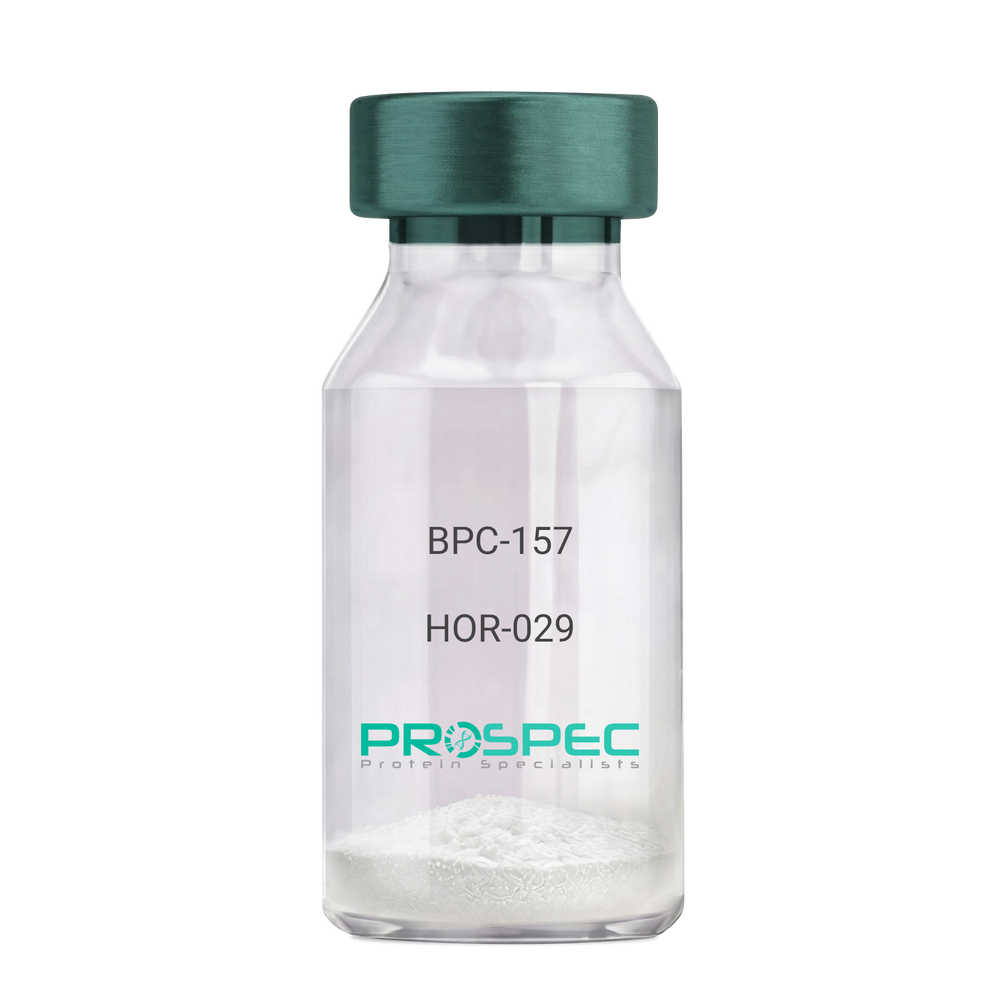
BPC-157Description:
BPC-157 Pentadecapeptide
Product # :
HOR-029Price :
Quantity :
Shipping Method :
Shipped at Room temp
More Info
- description
- formulation
- purity
- More Info
Description
BPC-157 Synthetic is a single, non-glycosylated polypeptide chain containing 15 amino acids, having a molecular mass of 1419.55 Dalton and a Molecular formula of C62H98N16O22.
Formulation
The protein was lyophilized with no additives.
Purity
Greater than 97.0% as determined by analysis by RP-HPLC.
More Info
-
Physical Appearance
Sterile Filtered White lyophilized (freeze-dried) powder.
-
Stability
Lyophilized BPC-157 although stable at room temperature for 3 weeks, should be stored desiccated below -18°C. Upon reconstitution bpc-157 should be stored at 4°C between 2-7 days and for future use below -18°C. For long term storage it is recommended to add a carrier protein (0.1% HSA or BSA). Please prevent freeze-thaw cycles.
-
Solubility
It is recommended to reconstitute the lyophilized BPC-157 in sterile 18MΩ-cm H2O not less than 100 µg/ml, which can then be further diluted to other aqueous solutions.
-
Amino Acid Sequence
H-Gly-Glu-Pro-Pro-Pro-Gly-Lys-Pro-Ala-Asp-Asp-Ala-Gly-Leu-Val-OH
-
Background
BPC-157, short for Body Protection Compound-157, is a synthetic peptide that has garnered significant attention in the field of regenerative medicine and sports science. This peptide, derived from a portion of the human gastric juice protein known as BPC, exhibits remarkable healing and tissue regeneration properties. BPC-157 has shown promise in various preclinical and clinical studies, demonstrating its potential for the treatment of a wide range of injuries and disorders.
The research on BPC-157 encompasses investigations into its mechanisms of action, efficacy, safety, and potential therapeutic applications. Studies have elucidated the peptide's ability to enhance angiogenesis, promote collagen synthesis, modulate inflammatory responses, and protect against oxidative stress. These properties make BPC-157 an intriguing candidate for accelerating tissue healing, reducing inflammation, and improving overall recovery outcomes.
Preclinical studies have revealed the beneficial effects of BPC-157 in several injury models. For instance, BPC-157 has demonstrated its potential in accelerating tendon and ligament healing, mitigating muscle damage, and promoting bone regeneration. These findings suggest that BPC-157 could be a valuable therapeutic tool in orthopedic medicine and sports-related injuries.
Furthermore, BPC-157 has exhibited promising effects on gastrointestinal health. Studies have highlighted its ability to protect and heal the gut lining, reduce ulcer formation, and alleviate symptoms associated with inflammatory bowel disease. These observations open up avenues for BPC-157 as a potential treatment for gastrointestinal disorders.
In addition to its regenerative properties, BPC-157 has shown potential in neurological and psychiatric conditions. Research has indicated its neuroprotective effects, with implications for the treatment of traumatic brain injury, stroke, and neurodegenerative disorders. Preliminary studies also suggest BPC-157's potential as an antidepressant and anxiolytic agent.
Despite the promising findings, further research is needed to fully understand the mechanisms underlying BPC-157's actions and to assess its long-term safety and efficacy. Clinical trials are underway to explore its potential therapeutic applications in humans, including its use in tendon and ligament repair, inflammatory bowel disease, and neurodegenerative disorders.
This comprehensive review aims to summarize the current state of research on BPC-157, providing an overview of its mechanisms of action and therapeutic potential. By examining relevant studies and findings, we aim to shed light on the diverse applications of BPC-157 and its implications for regenerative medicine, sports science, and various disease
ProSpec's products are furnished for LABORATORY RESEARCH USE ONLY. The product may not be used as drugs, agricultural or pesticidal products, food additives or household chemicals.
- View Data Sheet
Name :
STK16 AntibodyDescription:
Serine/Threonine Kinase 16, Mouse Anti Human
Serine/threonine-protein kinase 16, Myristoylated and palmitoylated serine/threonine-protein kinase, MPSK, Protein kinase PKL12, TGF-beta-stimulated factor 1, TSF-1, Tyrosine-protein kinase STK16, hPSK, STK16, MPSK1, PKL12, TSF1, KRCT.
Product # :
ANT-521Price :
Quantity :
Shipping Method :
Shipped with Ice Packs
More Info
- formulation
- More Info
Formulation
1mg/ml containing PBS, pH-7.4, 10% Glycerol and 0.02% Sodium Azide.
More Info
-
Introduction
Serine/threonine-protein kinase 16 (STK16) is a membrane-associated protein kinase which phosphorylates on serine and threonine residues. STK16 is involved in secretory vesicle trafficking or intracellular signaling. Furthermore, the STK16 protein may have a role in regulating stromal-epithelial interactions which occur during ductal morphogenesis in the mammary gland. STK16 can autophosphorylate on Tyr residue; it is however unclear whether STK16 has tyrosine-protein kinase toward other proteins. STK16 may also be involved in TGF-beta signaling.
-
Synonyms
Serine/threonine-protein kinase 16, Myristoylated and palmitoylated serine/threonine-protein kinase, MPSK, Protein kinase PKL12, TGF-beta-stimulated factor 1, TSF-1, Tyrosine-protein kinase STK16, hPSK, STK16, MPSK1, PKL12, TSF1, KRCT.
-
Physical Appearance
Sterile filtered colorless solution.
-
Immunogen
Anti-human STK16 mAb, clone PAT4A1AT, is derived from hybridization of mouse F0 myeloma cells with spleen cells from BALB/c mice immunized with a recombinant human STK16 protein 1-305 amino acids purified from E. coli.
-
Ig Subclass
Mouse IgG1 heavy chain and k light chain.
-
Clone
PAT4A1AT.
-
Applications
The antibody has been tested by ELISA, Western blot analysis to assure specificity and reactivity. Since application varies, however, each investigation should be titrated by the reagent to obtain optimal results. Recommended starting dilution is 1:1000.
-
Type
Mouse Anti Human Monoclonal.
-
Storage Procedures
For periods up to 1 month store at 4°C, for longer periods of time, store at -20°C. Prevent freeze thaw cycles.
-
Purification Method
STK16 antibody was purified from mouse ascitic fluids by protein-A affinity chromatography.
ProSpec's products are furnished for LABORATORY RESEARCH USE ONLY. The product may not be used as drugs, agricultural or pesticidal products, food additives or household chemicals.
- View Data Sheet
Name :
CARD17 HumanDescription:
Caspase Recruitment Domain Family, Member 17 Human Recombinant
CARD17, Caspase Recruitment Domain Family, Member 17, Caspase recruitment domain-containing protein 17, INCA, Caspase-1 inhibitor INCA, Inhibitory caspase recruitment domain protein.
Product # :
PRO-1688Price :
Quantity :
Shipping Method :
Shipped with Ice Packs
More Info
- description
- source
- formulation
- purity
- More Info
Description
CARD17 Human Recombinant produced in E.coli is a single, non-glycosylated polypeptide chain containing 133 amino acids (1-110) and having a molecular mass of 14.3 kDa.CARD17 is fused to a 23 amino acid His-tag at N-terminus & purified by proprietary chromatographic techniques.
Source
Escherichia Coli.
Formulation
The CARD17 solution (1mg/ml) contains 20mM Tris-HCl buffer (pH 8.0), 0.15M NaCl, 20% glycerol and 1mM DTT.
Purity
Greater than 95.0% as determined by SDS-PAGE.
More Info
-
Introduction
Caspase Recruitment Domain Family, Member 17 (CARD17) is a regulator of procaspase-1/CASP1 activation involved in the regulation of the proteolytic maturation of pro-IL-1beta/IL1B and its release throughout inflammation. CARD17 inhibits the release of IL1B in reaction to LPS in monocytes. Though, unlike CASP1, CARD17 do not induce NF-kappa-B activation.
-
Synonyms
CARD17, Caspase Recruitment Domain Family, Member 17, Caspase recruitment domain-containing protein 17, INCA, Caspase-1 inhibitor INCA, Inhibitory caspase recruitment domain protein.
-
Physical Appearance
Sterile Filtered colorless solution.
-
Stability
Store at 4°C if entire vial will be used within 2-4 weeks. Store, frozen at -20°C for longer periods of time. For long term storage it is recommended to add a carrier protein (0.1% HSA or BSA).Avoid multiple freeze-thaw cycles.
-
Amino Acid Sequence
MGSSHHHHHH SSGLVPRGSH MGSMADKVLK EKRKQFIRSV GEGTINGLLG ELLETRVLSQ EEIEIVKCEN ATVMDKARAL LDSVIRKGAP ACQICITYIC EEDSHLAGTL GLSAGPTSGN HLTTQDSQIV LPS.
ProSpec's products are furnished for LABORATORY RESEARCH USE ONLY. The product may not be used as drugs, agricultural or pesticidal products, food additives or household chemicals.
- View Data Sheet
Name :
HSA, Pichia PastorisDescription:
Human Serum Albumin Recombinant, Pichia
Serum albumin, ALB, PRO0883, PRO0903, PRO1341, DKFZp779N1935, GIG20, GIG42, PRO1708, PRO2044, PRO2619, PRO2675, UNQ696, SA, HSA.
Product # :
PRO-2149Price :
Quantity :
Shipping Method :
Shipped with Ice Packs
More Info
- description
- source
- formulation
- purity
- More Info
Description
HSA Human Recombinant produced in Pichia Pastoris is a polypeptide chain containing 585 amino acids and having a molecular mass of 67 kDa.The recombinant Albumin is purified by proprietary chromatographic techniques.
Source
Pichia Pastoris.
Formulation
The Recombinant Albumin having a concentration of 200mg/ml contains 140mM sodium chloride and 0.16mM octanoate.
Purity
Greater than 97% as determined by HPLC.
More Info
-
Introduction
Albumin is synthesized in the liver as preproalbumin which has an N-terminal peptide that is removed before the nascent protein is released from the rough endoplasmic reticulum. The product, proalbumin, is in turn cleaved in the Golgi vesicles to produce the secreted albumin. Albumin is a soluble, monomeric protein which comprises about one-half of the blood serum protein. Albumin functions primarily as a carrier protein for steroids, fatty acids, and thyroid hormones and plays a role in stabilizing extracellular fluid volume. Mutations in this gene on chromosome 4 result in various anomalous proteins. Albumin is a globular unglycosylated serum protein of molecular weight 65,000. The human albumin gene is 16,961 nucleotides long from the putative 'cap' site to the first poly (A) addition site. It is split into 15 exons which are symmetrically placed within the 3 domains that are thought to have arisen by triplication of a single primordial domain.
HSA is widely used to stabilize blood volume generally from donors but the fear of contamination such as HIV & Hepatitis has enticed great interest in the recombinant form which is identical to the natural blood. -
Synonyms
Serum albumin, ALB, PRO0883, PRO0903, PRO1341, DKFZp779N1935, GIG20, GIG42, PRO1708, PRO2044, PRO2619, PRO2675, UNQ696, SA, HSA.
-
Physical Appearance
Yellowish gel like solution.
-
Stability
Recombinant Albumin although stable at 15°C for 1 week, should be stored at 4°C for longer periods of time.Please prevent freeze-thaw cycles.
-
Applications
Recombinant Albumin can be used as a media culture supplement at concentrations up to 5 grams per liter. Gradual adaptation of cell lines over several passages to a concentration of 0.5gr to 2gr per liter.
ProSpec's products are furnished for LABORATORY RESEARCH USE ONLY. The product may not be used as drugs, agricultural or pesticidal products, food additives or household chemicals.
- View Data Sheet
Name :
PINK1 HumanDescription:
PTEN Induced Putative Kinase 1 Human Recombinant
PTEN induced putative kinase 1, PARK6, protein kinase BRPK, Parkinson disease (autosomal recessive) 6, serine/threonine-protein kinase PINK1 mitochondrial, EC 2.7.11.1.
Product # :
PKA-010Price :
Quantity :
Shipping Method :
Shipped with Ice Packs
More Info
- description
- source
- formulation
- purity
- More Info
Description
PINK1 Human Recombinant produced in E.coli is a single, non-glycosylated polypeptide chain containing 353 amino acids (156-507) and having a molecular mass of 37.9 kDa.PINK1 is purified by proprietary chromatographic techniques.
Source
E.coli.
Formulation
The PINK1 solution (1mg/ml) contains 20mM Tris-HCl buffer (pH 8.0), 1M Urea and 5% glycerol.
Purity
Greater than 90% as determined by SDS-PAGE.
More Info
-
Introduction
PINK1 is a serine/threonine protein kinase which is found in the mitochondria. PINK1 shields cells from stress-induced mitochondrial dysfunction. Mutations results in one form of autosomal recessive early-onset Parkinson disease.
-
Synonyms
PTEN induced putative kinase 1, PARK6, protein kinase BRPK, Parkinson disease (autosomal recessive) 6, serine/threonine-protein kinase PINK1 mitochondrial, EC 2.7.11.1.
-
Physical Appearance
Sterile Filtered colorless solution.
-
Stability
Store at 4°C if entire vial will be used within 2-4 weeks. Store, frozen at -20°C for longer periods of time. For long term storage it is recommended to add a carrier protein (0.1% HSA or BSA).Avoid multiple freeze-thaw cycles.
-
Amino Acid Sequence
MYLIGQSIGK GCSAAVYEAT MPTLPQNLEV TKSTGLLPGR GPGTSAPGEG QERAPGAPAF PLAIKMMWNI SAGSSSEAIL NTMSQELVPA SRVALAGEYG AVTYRKSKRG PKQLAPHPNI IRVLRAFTSS VPLLPGALVD YPDVLPSRLH PEGLGHGRTL FLVMKNYPCT LRQYLCVNTP SPRLAAMMLL QLLEGVDHLV QQGIAHRDLK SDNILVELDP DGCPWLVIAD FGCCLADESI GLQLPFSSWY VDRGGNGCLM APEVSTARPG PRAVIDYSKA DAWAVGAIAY EIFGLVNPFY GQGKAHLESR SYQEAQLPAL PESVPPDVRQ LVRALLQREA SKRPSARVAA NVL.
ProSpec's products are furnished for LABORATORY RESEARCH USE ONLY. The product may not be used as drugs, agricultural or pesticidal products, food additives or household chemicals.
- View Data Sheet
Name :
Leptin tA OvineDescription:
Leptin Antagonist Triple Mutant Ovine Recombinant
Product # :
CYT-356Price :
Quantity :
Shipping Method :
Shipped at Room temp
More Info
- description
- source
- formulation
- purity
- biological activity
- More Info
Description
Leptin Antagonist Triple Mutant Ovine Recombinant is a single non-glycosilated polypeptide chain containing 146 amino and additional Ala at N-terminus acids and having a molecular mass of ~ 16 kDa, Leptin was mutated, resulting in L39A/D40A/F41A mutant. Leptin Antagonist Triple Mutant Ovine Recombinant was purified by proprietary chromatographic techniques.
Source
Escherichia coli.
Formulation
The protein was lyophilized from a concentrated (0.65mg/ml) solution with 0.003mM NaHCO3.
Purity
Greater than 98.0% as determined by:
(a) Gel filtration analysis.
(b) Analysis by SDS-PAGE.Biological Activity
ProSpec’s Leptin-Antagonist Triple Mutant Ovine Recombinant is capable of inhibiting leptin-induced proliferation of BAF/3 cells stably transfected with the long form of mouse leptin receptor. It also inhibits various leptin effects in several in vitro bioassays.More Info
-
Physical Appearance
White lyophilized (freeze-dried) powder.
-
Stability
Lyophilized Leptin Antagonist Triple Mutant Ovine Recombinant although stable at room temperature for several weeks, should be stored desiccated below -18°C. Upon reconstitution at > 0.1 Lep-tA mutant mg/ml and up to 2 mM and filter sterilization Leptin mutant can be stored at 4°C or even room temperature for several weeks making it suitable for long term infusion studies using osmotic pumps. At lower concentration addition of a carrier protein (0.1% HSA or BSA) is suggested. Please prevent freeze-thaw cycles.
-
Solubility
It is recommended to reconstitute the lyophilized Leptin-Antagonist Triple Mutant Ovine Recombinant in sterile water or sterile 0.4% NaHCO3 adjusted to pH 8, not less than 100µg/ml, which can then be further diluted to other aqueous solutions.
-
Amino Acid Sequence
The sequence of the first five N-terminal amino acids was determined and was found to be Ala-Val-Pro-Ile-Arg.
-
Protein content
Protein quantitation was carried out by UV spectroscopy at 280 nm using the absorbency value of 0.21 as the extinction coefficient for a 0.1% (1mg/ml) solution at pH 8.0. This value is calculated by the PC GENE computer analysis program of protein sequences (IntelliGenetics).
ProSpec's products are furnished for LABORATORY RESEARCH USE ONLY. The product may not be used as drugs, agricultural or pesticidal products, food additives or household chemicals.
- View Data Sheet
Name :
UBLCP1 HumanDescription:
Ubiquitin-Like Domain Containing CTD Phosphatase 1 Human Recombinant
CPUB1, Ubiquitin-like domain-containing CTD phosphatase 1, Nuclear proteasome inhibitor UBLCP1.
Product # :
PRO-151Price :
Quantity :
Shipping Method :
Shipped with Ice Packs
More Info
- description
- source
- formulation
- purity
- More Info
Description
UBLCP1 Human Recombinant produced in E.Coli is a single, non-glycosylated polypeptide chain containing 341 amino acids (1-318 a.a) and having a molecular mass of 39.2kDa.UBLCP1 is fused to a 23 amino acid His-tag at N-terminus & purified by proprietary chromatographic techniques.
Source
Escherichia Coli.
Formulation
UBLCP1 protein solution (0.25mg/ml) in Phosphate buffered saline (pH7.4), 10% glycerol and 1mM DTT.
Purity
Greater than 85.0% as determined by SDS-PAGE.
More Info
-
Introduction
Ubiquitin-like domain-containing CTD phosphatase 1 (UBLCP1) dephosphorylates 26S nuclear proteasomes, thereby decreasing their proteolytic activity. The dephosphorylation averts assembly of the core and regulatory particles (CP and RP) into mature 26S proteasome.
-
Synonyms
CPUB1, Ubiquitin-like domain-containing CTD phosphatase 1, Nuclear proteasome inhibitor UBLCP1.
-
Physical Appearance
Sterile Filtered clear solution.
-
Stability
Store at 4°C if entire vial will be used within 2-4 weeks. Store, frozen at -20°C for longer periods of time. For long term storage it is recommended to add a carrier protein (0.1% HSA or BSA).Avoid multiple freeze-thaw cycles.
-
Amino Acid Sequence
MGSSHHHHHH SSGLVPRGSH MGSMALPIIV KWGGQEYSVT TLSEDDTVLD LKQFLKTLTG VLPERQKLLG LKVKGKPAEN DVKLGALKLK PNTKIMMMGT REESLEDVLG PPPDNDDVVN DFDIEDEVVE VENREENLLK ISRRVKEYKV EILNPPREGK KLLVLDVDYT LFDHRSCAET GVELMRPYLH EFLTSAYEDY DIVIWSATNM KWIEAKMKEL GVSTNANYKI TFMLDSAAMI TVHTPRRGLI DVKPLGVIWG KFSEFYSKKN TIMFDDIGRN FLMNPQNGLK IRPFMKAHLN RDKDKELLKL TQYLKEIAKL DDFLDLNHKY WERYLSKKQG Q.
ProSpec's products are furnished for LABORATORY RESEARCH USE ONLY. The product may not be used as drugs, agricultural or pesticidal products, food additives or household chemicals.
- View Data Sheet
Name :
MME Human, ActiveDescription:
Membrane Metalloendopeptidase Human Recombinant, Active
Membrane Metalloendopeptidase, Common Acute Lymphocytic Leukemia Antigen, Neutral Endopeptidase 24.11, Skin Fibroblast Elastase, Neutral Endopeptidase, Atriopeptidase, Enkephalinase, EC 3.4.24.11, Neprilysin, CALLA, NEP, SFE,Membrane Metallo-Endopeptidase (Neutral Endopeptidase, Enkephalinase, CALLA, CD10), Membrane Metallo-Endopeptidase Variant 1, Membrane Metallo-Endopeptidase Variant 2, Neprilysin-390, Neprilysin-411, CD10 Antigen, EC 3.4.24, CMT2T, SCA43, CD10, EPN, MME.
Product # :
ENZ-1116Price :
Quantity :
Shipping Method :
Shipped with Ice Packs
More Info
- description
- source
- formulation
- purity
- biological activity
- More Info
Description
MME Human produced in Sf9 Baculovirus cells is a single, glycosylated polypeptide chain containing 708 amino acids (52-750 aa) and having a molecular mass of 80.9kDa.MME is fused to a 6 amino acid His tag at C-terminus and purified by proprietary chromatographic techniques.
Source
Sf9, Baculovirus cells.
Formulation
The MME solution (1mg/ml) contains 10% Glycerol, 20 mM Tris-HCl buffer (pH 8.0), 0.1mM PMSF and 100mM NaCl.
Purity
Greater than 95.0% as determined by SDS-PAGE.
Biological Activity
Specific activity > 5,000 pmol/min/ug. One unit will convert 1.0 pmole of Mca-SEVNLDAEFRK(Dnp)RR-NH2 to MCA- Pro-Leu-OH per minute, at pH 8.8 at 25C˚.
More Info
-
Introduction
Neutral endopeptidase (NEP) is an enzyme located in the cell membrane (bound to it) that is able to dissolve biologically active proteins and is expressed on the surface of lymphoid progenitors, human podocytes, syncytiotrophoblastic cells, and many other epithelial cells including polymorphonuclear leukocytes.
-
Synonyms
Membrane Metalloendopeptidase, Common Acute Lymphocytic Leukemia Antigen, Neutral Endopeptidase 24.11, Skin Fibroblast Elastase, Neutral Endopeptidase, Atriopeptidase, Enkephalinase, EC 3.4.24.11, Neprilysin, CALLA, NEP, SFE,Membrane Metallo-Endopeptidase (Neutral Endopeptidase, Enkephalinase, CALLA, CD10), Membrane Metallo-Endopeptidase Variant 1, Membrane Metallo-Endopeptidase Variant 2, Neprilysin-390, Neprilysin-411, CD10 Antigen, EC 3.4.24, CMT2T, SCA43, CD10, EPN, MME.
-
Physical Appearance
Sterile Filtered colorless solution.
-
Stability
Store at 4°C if entire vial will be used within 2-4 weeks. Store, frozen at -20°C for longer periods of time. For long term storage it is recommended to add a carrier protein (0.1% HSA or BSA).Avoid multiple freeze-thaw cycles.
-
Amino Acid Sequence
ADPYDDGICK SSDCIKSAAR LIQNMDATTE PCTDFFKYAC GGWLKRNVIP ETSSRYGNFD ILRDELEVVL KDVLQEPKTE DIVAVQKAKA LYRSCINESA IDSRGGEPLL KLLPDIYGWP VATENWEQKY GASWTAEKAI AQLNSKYGKK VLINLFVGTD DKNSVNHVIH IDQPRLGLPS RDYYECTGIY KEACTAYVDF MISVARLIRQ EERLPIDENQ LALEMNKVME LEKEIANATA KPEDRNDPML LYNKMTLAQI QNNFSLEING KPFSWLNFTN EIMSTVNISIT NEEDVVVYAP EYLTKLKPI LTKYSARDLQ NLMSWRFIMD LVSSLSRTYK ESRNAFRKAL YGTTSETATW RRCANYVNGN MENAVGRLYV EAAFAGESKH VVEDLIAQIR EVFIQTLDDL TWMDAETKKR AEEKALAIKE RIGYPDDIVS NDNKLNNEYL ELNYKEDEYF ENIIQNLKFS QSKQLKKLRE KVDKDEWISG AAVVNAFYSS GRNQIVFPAG ILQPPFFSAQ QSNSLNYGGI GMVIGHEITH GFDDNGRNFN KDGDLVDWWT QQSASNFKEQ SQCMVYQYGN FSWDLAGGQH LNGINTLGEN IADNGGLGQA YRAYQNYIKK NGEEKLLPGL DLNHKQLFFL NFAQVWCGTY RPEYAVNSIK TDVHSPGNFR IIGTLQNSAE FSEAFHCRKN SYMNPEKKCR VWHHHHHH
ProSpec's products are furnished for LABORATORY RESEARCH USE ONLY. The product may not be used as drugs, agricultural or pesticidal products, food additives or household chemicals.
- View Data Sheet
Name :
USP15 HumanDescription:
Ubiquitin Specific Peptidase 15 Human Recombinant
Ubiquitin Specific Peptidase 15, Ubiquitin Carboxyl-Terminal Hydrolase 15, Deubiquitinating Enzyme 15, Ubiquitin-Specific-Processing Protease 15, Ubiquitin Specific Protease 15, Ubiquitin Thiolesterase 15, KIAA0529, UNPH4, UNPH-2, EC 3.4.19.12, EC 3.1.2.15.
Product # :
PRO-1622Price :
Quantity :
Shipping Method :
Shipped with Ice Packs
More Info
- description
- source
- formulation
- purity
- More Info
Description
USP15 Human Recombinant produced in E.coli is a single, non-glycosylated polypeptide chain containing 258 amino acids (1-235) and having a molecular mass of 29.5kDa.USP15 is fused to a 23 amino acid His-tag at N-terminus & purified by proprietary chromatographic techniques.
Source
Escherichia Coli.
Formulation
The USP15 solution contains 20mM Tris-HCl buffer (pH 8.0), 0.15M NaCl, 1mM DTT and 10% glycerol.
Purity
Greater than 90% as determined by SDS-PAGE.
More Info
-
Introduction
USP15 belongs to the ubiquitin specific protease (USP) family of deubiquitinating enzymes which has a vital role in ubiquitin-dependent processes through polyubiquitin chain disassembly and hydrolysis of ubiquitin-substrate bonds. USP15 connects with the COP9 signalosome, and takes part in transforming growth factor beta signalling through deubiquitination of receptor-activated SMAD transcription factors. Alternatively spliced transcript variants encoding multiple isoforms of this gene are known, and a pseudo gene of USP15 is sited on the long arm of chromosome 2.
-
Synonyms
Ubiquitin Specific Peptidase 15, Ubiquitin Carboxyl-Terminal Hydrolase 15, Deubiquitinating Enzyme 15, Ubiquitin-Specific-Processing Protease 15, Ubiquitin Specific Protease 15, Ubiquitin Thiolesterase 15, KIAA0529, UNPH4, UNPH-2, EC 3.4.19.12, EC 3.1.2.15.
-
Physical Appearance
Sterile filtered colorless solution.
-
Stability
Store at 4°C if entire vial will be used within 2-4 weeks. Store, frozen at -20°C for longer periods of time. For long term storage it is recommended to add a carrier protein (0.1% HSA or BSA).Avoid multiple freeze-thaw cycles.
-
Amino Acid Sequence
MGSSHHHHHH SSGLVPRGSH MGSMAEGGAA DLDTQRSDIA TLLKTSLRKG DTWYLVDSRW FKQWKKYVGF DSWDKYQMGD QNVYPGPIDN SGLLKDGDAQ SLKEHLIDEL DYILLPTEGW NKLVSWYTLM EGQEPIARKV VEQGMFVKHC KVEVYLTELK LCENGNMNNV VTRRFSKADT IDTIEKEIRK IFSIPDEKET RLWNKYMSNT FEPLNKPDST IQDAGLYQGQ VLVIEQKNED GTWPRGPSTP KKPLEQSC
ProSpec's products are furnished for LABORATORY RESEARCH USE ONLY. The product may not be used as drugs, agricultural or pesticidal products, food additives or household chemicals.
- View Data Sheet
Name :
SIAH1 HumanDescription:
Siah E3 Ubiquitin Protein Ligase 1 Human Recombinant
Siah E3 ubiquitin protein ligase 1, Seven in absentia homolog 1, seven in absentia homolog 1 (Drosophila), E3 ubiquitin-protein ligase SIAH1, HUMSIAH, hSIAH1, Siah-1a, SIAH1A, EC 6.3.2.
Product # :
ENZ-640Price :
Quantity :
Shipping Method :
Shipped with Ice Packs
More Info
- description
- source
- formulation
- purity
- More Info
Description
SIAH1 Human Recombinant produced in E. coli is a single polypeptide chain containing 216 amino acids (90-282) and having a molecular mass of 24.1 kDa.SIAH1 is fused to a 23 amino acid His-tag at N-terminus & purified by proprietary chromatographic techniques.
Source
E.coli.
Formulation
The SIAH1 solution (0.25mg/1ml) contains 20mM Tris-HCl buffer (pH 8.0), 100mM NaCl, 1mM DTT and 40% glycerol.
Purity
Greater than 95% as determined by SDS-PAGE.
More Info
-
Introduction
E3 ubiquitin-protein ligase SIAH1 (SIAH1) belongs to the SIAH (seven in absentia homolog) family. SIAH1 is a tumor suppressor protein, which is expressed in intestinal epithelium and activated during apoptosis. SIAH1 is involved in ubiquitination and proteasome-mediated degradation of specific proteins. SIAH1 is comprised of an N-terminal RING-finger domain (required for proteolysis) and a cystein-rich C-terminal domain (which regulates oligomerization and SIAH binding to target proteins). SIAH1 causes indirect degradation of beta-catenin by way of creation of a complex with Siah-interacting protein (SIP), Skp1 and Ebi.
-
Synonyms
Siah E3 ubiquitin protein ligase 1, Seven in absentia homolog 1, seven in absentia homolog 1 (Drosophila), E3 ubiquitin-protein ligase SIAH1, HUMSIAH, hSIAH1, Siah-1a, SIAH1A, EC 6.3.2.
-
Physical Appearance
Sterile Filtered colorless solution.
-
Stability
Store at 4°C if entire vial will be used within 2-4 weeks. Store, frozen at -20°C for longer periods of time. For long term storage it is recommended to add a carrier protein (0.1% HSA or BSA).Avoid multiple freeze-thaw cycles.
-
Amino Acid Sequence
MGSSHHHHHH SSGLVPRGSH MGSVANSVLF PCKYASSGCE ITLPHTEKAD HEELCEFRPY SCPCPGASCK WQGSLDAVMP HLMHQHKSIT TLQGEDIVFL ATDINLPGAV DWVMMQSCFG FHFMLVLEKQ EKYDGHQQFF AIVQLIGTRK QAENFAYRLE LNGHRRRLTW EATPRSIHEG IATAIMNSDC LVFDTSIAQL FAENGNLGIN VTISMC.
ProSpec's products are furnished for LABORATORY RESEARCH USE ONLY. The product may not be used as drugs, agricultural or pesticidal products, food additives or household chemicals.
- View Data Sheet
Name :
PHB2 HumanDescription:
Prohibitin 2 Human Recombinant
BAP, Bap37, BCAP37, p22, PNAS-141, REA, Prohibitin-2, B-cell receptor-associated protein BAP37, D-prohibitin, Repressor of estrogen receptor activity, PHB2.
Product # :
PRO-1533Price :
Quantity :
Shipping Method :
Shipped with Ice Packs
More Info
- description
- source
- formulation
- purity
- More Info
Description
PHB2 Human Recombinant produced in E. coli is a single polypeptide chain containing 322 amino acids (1-299) and having a molecular mass of 35.7kDa. PHB2 is fused to a 23 amino acid His-tag at N-terminus & purified by proprietary chromatographic techniques.
Source
Escherichia Coli.
Formulation
The PHB2 solution (1mg/ml) contains 20mM Tris-HCl buffer (pH 8.0), 0.4M UREA and 10% glycerol.
Purity
Greater than 85% as determined by SDS-PAGE.
More Info
-
Introduction
Prohibitin 2, also known as PHB2, mediates transcriptional repression by nuclear hormone receptors via recruitment of histone deacetylases by similarity. PHB2 functions as an estrogen receptor (ER)-selective coregulator which potentiates the inhibitory activities of antiestrogens and represses the activity of estrogens. PHB2 which is involved in regulating mitochondrial respiration activity and in aging, competes with NCOA1 for modulation of ER transcriptional activity.
-
Synonyms
BAP, Bap37, BCAP37, p22, PNAS-141, REA, Prohibitin-2, B-cell receptor-associated protein BAP37, D-prohibitin, Repressor of estrogen receptor activity, PHB2.
-
Physical Appearance
Sterile Filtered clear solution.
-
Stability
Store at 4°C if entire vial will be used within 2-4 weeks. Store frozen at -20°C for longer periods of time. For long term storage it is recommended to add a carrier protein (0.1% HSA or BSA).Avoid multiple freeze-thaw cycles.
-
Amino Acid Sequence
MGSSHHHHHH SSGLVPRGSH MGSMAQNLKD LAGRLPAGPR GMGTALKLLL GAGAVAYGVR ESVFTVEGGH RAIFFNRIGG VQQDTILAEG LHFRIPWFQY PIIYDIRARP RKISSPTGSK DLQMVNISLR VLSRPNAQEL PSMYQRLGLD YEERVLPSIV NEVLKSVVAK FNASQLITQR AQVSLLIRRE LTERAKDFSL ILDDVAITEL SFSREYTAAV EAKQVAQQEA QRAQFLVEKA KQEQRQKIVQ AEGEAEAAKM LGEALSKNPG YIKLRKIRAA QNISKTIATS QNRIYLTADN LVLNLQDESF TRGSDSLIKG KK.
ProSpec's products are furnished for LABORATORY RESEARCH USE ONLY. The product may not be used as drugs, agricultural or pesticidal products, food additives or household chemicals.
- View Data Sheet
Name :
REG1A HumanDescription:
Regenerating Islet-Derived 1 Alpha Human Recombinant
Lithostathine-1-alpha, Pancreatic stone protein, PSP, Pancreatic thread protein, PTP, Islet of Langerhans regenerating protein, REG, Regenerating protein I alpha, Islet cells regeneration factor, ICRF, REG1A, PSPS, P19, PSPS1, MGC12447.
Product # :
PRO-289Price :
Quantity :
Shipping Method :
Shipped at Room temp
More Info
- description
- source
- formulation
- purity
- More Info
Description
The Recombinant Human REG 1 alpha is produced with N-terminal fusion His Tag. The Recombinant Human REG 1 alpha His-Tagged Fusion Protein, has a molecular weight of 17.8 kDa protein containing 144 amino acid residues of the Human REG 1 alpha and 12 additional amino acid residues – His Tag.
Source
Escherichia Coli.
Formulation
Filtered (0.4µm) and lyophilized from 0.5 mg/ml in 5mM Tris, 25mM NaCl, pH 7.5.
Purity
Greater than 95% as determined by SDS-PAGE.
More Info
-
Introduction
REG protein was shown to be stimulated during the regeneration of pancreatic islets. Since then, many Reg-related proteins have been identified in humans and other animals. In human, the four REG family genes, i.e., REG 1 alpha, REG 1 beta, REG-related sequence (RS) and HIP/PAP, have so far been isolated. These Reg-related proteins are classified into four subfamilies according to their amino-acid sequences, but they share a similar structure and physiological function. Reg protein is a growth factor for pancreatic beta cells and also suggests that the administration of Reg protein could be used as another therapeutic approach for diabetes mellitus. Human REG cDNA which encodes a 166-amino acid protein with a 22-amino acid signal peptide. The amino acid sequence of human REG protein has 68% homology to that of rat Reg protein.
Reg I was found to be expressed mainly in pancreatic beta and acinoductular cells as well as gastric fundic enterochromaffin-like (ECL) cells. Reg I production in ECL cells is stimulated by gastrin, as well as by the proinflammatory cytokine, cytokine-induced neutrophil chemoattractant (CINC)-2Beta. In patients with chronic hypergastrinemia, Reg production is stimulated, with the increased proliferation of gastric mucosal cells. Patients with Helicobacter pylori infection also showed increased Reg production in the gastric mucosa, partly via increased plasma gastrin concentration and partly via increased proinflammatory cytokine production. The serum concentration of the reg-protein was significantly higher in patients with various pancreatic diseases than in normal controls, and was also significantly higher in patients with acute pancreatitis or chronic relapsing pancreatitis than in patients with chronic pancreatitis. Furthermore, the serum PSP/reg-protein concentration was also significantly increased in liver cirrhosis, choledocholithiasis, and various cancers of the digestive system. -
Synonyms
Lithostathine-1-alpha, Pancreatic stone protein, PSP, Pancreatic thread protein, PTP, Islet of Langerhans regenerating protein, REG, Regenerating protein I alpha, Islet cells regeneration factor, ICRF, REG1A, PSPS, P19, PSPS1, MGC12447.
-
Stability
Store lyophilized protein at -20°C. Aliquot the product after reconstitution to avoid repeated freezing/thawing cycles. Reconstituted protein can be stored at 4°C for a limited period of time; it does not show any change after two weeks at 4°C.
-
Solubility
Add deionized water to a working concentration approximately 0.5 mg/ml and let the lyophilized pellet dissolve completely. Product is not sterile! Please filter the product by appropriate sterile filter before using it in the cell culture.
-
Amino Acid Sequence
MKHHHHHHAS HMQEAQTELP QARISCPEGT NAYRSYCYYF NEDRETWVDA DLYCQNMNSG NLVSVLTQAE GAFVASLIKE SGTDDFNVWI GLHDPKKNRR WHWSSGSLVS YKSWGIGAPS SVNPGYCVSL TSSTGFQKWK DVPCEDKFSF VCKFKN.
ProSpec's products are furnished for LABORATORY RESEARCH USE ONLY. The product may not be used as drugs, agricultural or pesticidal products, food additives or household chemicals.
- View Data Sheet
Name :
STK3 HumanDescription:
Serine/Threonine Kinase 3 Human Recombinant
Serine/Threonine Kinase 3, Mammalian STE20-like protein kinase 2, MST-2, STE20-like kinase MST2, Serine/threonine-protein kinase Krs-1, MST2/N, MST2/C, KRS1,MST2.
Product # :
PKA-091Price :
Quantity :
Shipping Method :
Shipped with Ice Packs
More Info
- description
- source
- formulation
- purity
- More Info
Description
STK3 Human Recombinant produced in Sf9 Insect cell is a single, non-glycosylated polypeptide chain containing 331 amino acids (1-322aa.a) and having a molecular mass of 37.6kDa (Migrates at 40-57kDa on SDS-PAGE under reducing conditions).STK3 is fused to a 6 amino acid His tag at C-Terminus and purified by proprietary chromatographic techniques.
Source
Sf9 Insect cells.
Formulation
STK3 protein solution (0.25mg/ml) containing Phosphate Buffered Saline (pH 7.4) and 10% glycerol.
Purity
Greater than 90% as determined by SDS-PAGE.
More Info
-
Introduction
Serine/threonine-protein kinase 3 (), is a mammalian Ste20-related protein kinases most closely related to Drosophila Hippo, which is a major regulator of cell proliferation as well as survival in the course of development. STK3 is a serine/threonine kinase which functions early in a pheromone responsive signal transduction cascade in yeast. Furthermore, STK3 activates the human large tumor suppressor kinase Lats1. STK3 also modulates stress-induced cardiac hypertrophy.
-
Synonyms
Serine/Threonine Kinase 3, Mammalian STE20-like protein kinase 2, MST-2, STE20-like kinase MST2, Serine/threonine-protein kinase Krs-1, MST2/N, MST2/C, KRS1,MST2.
-
Physical Appearance
Sterile Filtered colorless solution.
-
Stability
Store at 4°C if entire vial will be used within 2-4 weeks. Store, frozen at -20°C for longer periods of time. For long term storage it is recommended to add a carrier protein (0.1% HSA or BSA).Avoid multiple freeze-thaw cycles.
-
Amino Acid Sequence
ADPMEQPPAP KSKLKKLSED SLTKQPEEVF DVLEKLGEGS YGSVFKAIHK ESGQVVAIKQ VPVESDLQEI IKEISIMQQC DSPYVVKYYG SYFKNTDLWI VMEYCGAGSV SDIIRLRNKT LIEDEIATIL KSTLKGLEYL HFMRKIHRDI KAGNILLNTE GHAKLADFGV AGQLTDTMAK RNTVIGTPFW MAPEVIQEIG YNCVADIWSL GITSIEMAEG KPPYADIHPM RAIFMIPTNP PPTFRKPELW SDDFTDFVKK CLVKNPEQRA TATQLLQHPF IKNAKPVSIL RDLITEAMEI KAKRHEEQQR ELEEEEENSD EDELDHHHHH H.
ProSpec's products are furnished for LABORATORY RESEARCH USE ONLY. The product may not be used as drugs, agricultural or pesticidal products, food additives or household chemicals.
- View Data Sheet
Name :
MGAT2 Human, Sf9Description:
Mannoside Acetylglucosaminyltransferase 2 Human Recombinant, Sf9
Alpha-1, 6-mannosyl-glycoprotein 2-beta-N-acetylglucosaminyltransferase, MGAT2, CDG2A, CDGS2, GLCNACTII, GNT-II, GNT2, Beta-1,2-N-acetylglucosaminyltransferase II, GlcNAc-T II, Mannoside acetylglucosaminyltransferase 2, N-glycosyl-oligosaccharide-glycoprotein N-acetylglucosaminyltransferase II.
Product # :
ENZ-1077Price :
Quantity :
Shipping Method :
Shipped with Ice Packs
More Info
- description
- source
- formulation
- purity
- More Info
Description
MGAT2 produced in Sf9 Baculovirus cells is a single, glycosylated polypeptide chain containing 427 amino acids (30-447a.a.) and having a molecular mass of 49.3kDa. (Molecular size on SDS-PAGE will appear at approximately 40-57kDa).MGAT2 is expressed with a 6 amino acid His tag at C-Terminus and purified by proprietary chromatographic techniques.
Source
Sf9, Baculovirus cells.
Formulation
MGAT2 protein solution (0.25mg/ml) contains 20mM Tris-HCl (pH 7.5), 10% glycerol, 0.15M NaCl and 1mM DTT.
Purity
Greater than 90.0% as determined by SDS-PAGE.
More Info
-
Introduction
MGAT2 is an enzyme which takes part in the catalyzation of a crucial step in the reaction of oligomannose which converts to complex N-glycans. MGAT2 has three domains, classic to glycosyltransferase: short N-terminal cytoplasmic domain, a C-terminal catalytic domain and hydrophobic non-cleavable signal-anchor domain. The enzyme MGAT2 is encoded by the MGAT2 gene in humans. There are no introns in the DNA coding the gene, therefore mutations in the MGAT2 will result in carbohydrate-deficient glycoprotein syndrome, type II.
-
Synonyms
Alpha-1, 6-mannosyl-glycoprotein 2-beta-N-acetylglucosaminyltransferase, MGAT2, CDG2A, CDGS2, GLCNACTII, GNT-II, GNT2, Beta-1,2-N-acetylglucosaminyltransferase II, GlcNAc-T II, Mannoside acetylglucosaminyltransferase 2, N-glycosyl-oligosaccharide-glycoprotein N-acetylglucosaminyltransferase II.
-
Physical Appearance
Sterile filtered colorless solution.
-
Stability
Store at 4°C if entire vial will be used within 2-4 weeks. Store, frozen at -20°C for longer periods of time. For long term storage it is recommended to add a carrier protein (0.1% HSA or BSA).Avoid multiple freeze-thaw cycles.
-
Amino Acid Sequence
ADPRQRKNEA LAPPLLDAEP ARGAGGRGGD HPSVAVGIRR VSNVSAASLV PAVPQPEADN LTLRYRSLVY QLNFDQTLRN VDKAGTWAPR ELVLVVQVHN RPEYLRLLLD SLRKAQGIDN VLVIFSHDFW STEINQLIAG VNFCPVLQVF FPFSIQLYPN EFPGSDPRDC PRDLPKNAAL
KLGCINAEYP DSFGHYREAK FSQTKHHWWW KLHFVWERVK ILRDYAGLIL FLEEDHYLAP DFYHVFKKMW KLKQQECPEC DVLSLGTYSA SRSFYGMADK VDVKTWKSTE HNMGLALTRN AYQKLIECTD TFCTYDDYNW DWTLQYLTVS CLPKFWKVLV PQIPRIFHAG DCGMHHKKTC
RPSTQSAQIE SLLNNNKQYM FPETLTISEK FTVVAISPPR KNGGWGDIRD HELCKSYRRL QHHHHHH.
ProSpec's products are furnished for LABORATORY RESEARCH USE ONLY. The product may not be used as drugs, agricultural or pesticidal products, food additives or household chemicals.
- View Data Sheet
Name :
BAIAP2 HumanDescription:
BAI1-Associated Protein 2 Human Recombinant
Brain-specific angiogenesis inhibitor 1-associated protein 2, BAI1-associated protein 2, Protein BAP2, Fas ligand-associated factor 3, FLAF3, IRS-58, IRSp53/58, IRSP53.
Product # :
PRO-1022Price :
Quantity :
Shipping Method :
Shipped with Ice Packs
More Info
- description
- source
- formulation
- purity
- More Info
Description
BAIAP2 Human Recombinant produced in E.coli is a single, non-glycosylated polypeptide chain containing 530 amino acids (1-522) and having a molecular mass of 58.4kDa.BAIAP2 is fused to an 8 amino acid His-tag at C-terminus & purified by proprietary chromatographic techniques.
Source
E.coli.
Formulation
The BAIAP2 solution (0.5mg/ml) contains 20mM Tris-HCl buffer (pH 8.0), 100mM NaCl, 1mM DTT and 30% glycerol.
Purity
Greater than 90% as determined by SDS-PAGE.
More Info
-
Introduction
BAIAP2 is a ubiquitous regulator of the actin cytoskeleton. Controled by the Rho-family GTPases BAIAP2 facilitates filopodia development. BAIAP2 is expressed in the cytoplasm and binds small membrane-bound G-proteins to cytoplasmic effector proteins. BAIAP2 was identified as interacting with the dentatorubral-pallidoluysian atrophy gene, which is related to an autosomal dominant neurodegenerative disease.
-
Synonyms
Brain-specific angiogenesis inhibitor 1-associated protein 2, BAI1-associated protein 2, Protein BAP2, Fas ligand-associated factor 3, FLAF3, IRS-58, IRSp53/58, IRSP53.
-
Physical Appearance
Sterile Filtered colorless solution.
-
Stability
Store at 4°C if entire vial will be used within 2-4 weeks. Store, frozen at -20°C for longer periods of time. For long term storage it is recommended to add a carrier protein (0.1% HSA or BSA).Avoid multiple freeze-thaw cycles.
-
Amino Acid Sequence
MSLSRSEEMH RLTENVYKTI MEQFNPSLRN FIAMGKNYEK ALAGVTYAAK GYFDALVKMG ELASESQGSK ELGDVLFQMA EVHRQIQNQL EEMLKSFHNE LLTQLEQKVE LDSRYLSAAL KKYQTEQRSK GDALDKCQAE LKKLRKKSQG SKNPQKYSDK ELQYIDAISN KQGELENYVS DGYKTALTEE RRRFCFLVEK QCAVAKNSAA YHSKGKELLA QKLPLWQQAC ADPSKIPERA VQLMQQVASN GATLPSALSA SKSNLVISDP IPGAKPLPVP PELAPFVGRM SAQESTPIMN GVTGPDGEDY SPWADRKAAQ PKSLSPPQSQ SKLSDSYSNT LPVRKSVTPK NSYATTAENK TLPRSSSMAA GLERNGRMRV KAIFSHAAGD NSTLLSFKEG DLITLLVPEA RDGWHYGESE KTKMRGWFPF SYTRVLDSDG SDRLHMSLQQ GKSSSTGNLL DKDDLAIPPP DYGAASRAFP AQTASGFKQR PYSVAVPAFS QGLDDYGARS MSSGSGTLVS TVVEHHHHHH
ProSpec's products are furnished for LABORATORY RESEARCH USE ONLY. The product may not be used as drugs, agricultural or pesticidal products, food additives or household chemicals.
- View Data Sheet
Name :
ASRGL1 HumanDescription:
ASRGL1 Human Recombinant
ALP, ALP1, CRASH, ,Beta-aspartyl-peptidase, Isoaspartyl dipeptidase.
Product # :
ENZ-837Price :
Quantity :
Shipping Method :
Shipped with Ice Packs
More Info
- description
- source
- formulation
- purity
- More Info
Description
ASRGL1 Human Recombinant produced in E.Coli is a single, non-glycosylated polypeptide chain containing 331 amino acids (1-308 a.a) and having a molecular mass of 34.4kDa.ASRGL1 is fused to a 23 amino acid His-tag at N-terminus & purified by proprietary chromatographic techniques.
Source
Escherichia Coli.
Formulation
ASRGL1 protein solution (0.5mg/ml) containing Phosphate buffer saline, (pH 7.4) ,10% glycerol and 1mM DTT.
Purity
Greater than 90.0% as determined by SDS-PAGE.
More Info
-
Introduction
ASRGL1 is a 308 amino acid protein which is a member of the Ntn-hydrolase family. ASRGL1 is an autoantigenic protein which is present in the mid-piece of sperm after obstruction of the male reproductive tract. ASRGL1 is expressed highly in the testis, but is also expressed in the brain, kidney and gastrointestinal tissues. High levels of ASRGL1 are also detected in ovarian, uterine and mammary tumors in comparison with normal tissues of the same origin.
-
Synonyms
ALP, ALP1, CRASH, ,Beta-aspartyl-peptidase, Isoaspartyl dipeptidase.
-
Physical Appearance
Sterile Filtered colorless solution.
-
Stability
Store at 4°C if entire vial will be used within 2-4 weeks. Store, frozen at -20°C for longer periods of time. For long term storage it is recommended to add a carrier protein (0.1% HSA or BSA).Avoid multiple freeze-thaw cycles.
-
Amino Acid Sequence
MGSSHHHHHH SSGLVPRGSH MGSMNPIVVV HGGGAGPISK DRKERVHQGM VRAATVGYGI LREGGSAVDA VEGAVVALED DPEFNAGCGS VLNTNGEVEM DASIMDGKDL SAGAVSAVQC IANPIKLARL VMEKTPHCFL TDQGAAQFAA AMGVPEIPGE KLVTERNKKR LEKEKHEKGA QKTDCQKNLG TVGAVALDCK GNVAYATSTG GIVNKMVGRV GDSPCLGAGG YADNDIGAVS TTGHGESILK VNLARLTLFH IEQGKTVEEA ADLSLGYMKS RVKGLGGLIV VSKTGDWVAK WTSTSMPWAA AKDGKLHFGI DPDDTTITDL P.
ProSpec's products are furnished for LABORATORY RESEARCH USE ONLY. The product may not be used as drugs, agricultural or pesticidal products, food additives or household chemicals.
- View Data Sheet
Name :
Adiponectin ProteinDescription:
Adiponectin Human Recombinant
Acrp30, AdipoQ, GBP-28, APM-1, ACDC.
Product # :
CYT-280Price :
Quantity :
Shipping Method :
Shipped with Ice Packs
More Info
- description
- source
- formulation
- purity
- More Info
- sds-page
Description
The Adiponectin Human recombinant protein is a single, non-glycosilated polypeptide chain produced in E. coli, having a molecular weight of 25.1 kDa and containing 231 amino acids (15-244).
Source
Escherichia Coli.
Formulation
Acrp30 protein solution contains Phosphate buffered saline pH 7.4 and 1mM DTT.
Purity
Acrp30 purity is greater than 90% as determined by SDS-PAGE.
sds-page
More Info
-
Introduction
The adipose tissue exclusively expresses and secretes Adiponectin (Acrp30). Acrp30 is involved in various physiological processes such as energy homeostasis, insulin sensitivity, hormonal processes, fatty acid metabolism and obesity.
Adiponectin circulates in the plasma. Decreased levels of Adiponectin are associated with insulin resistance and hyperinsulinemia, as seen in people with obesity insulin resistance, and diabetes type 2, whose plasma levels of adiponectin are reduced.
The modular structure of Acrp30 is comprised of N-terminal collagenous domain followed by a C-terminal globular domain.
Acrp30 also acts as a significant negative regulator in hematopoiesis and immune systems; it may be involved in ending inflammatory responses through its inhibitory functions. Adiponectin inhibits endothelial NF-kappa-b signaling through a cAMP-dependent pathway, it also inhibits TNF-alpha- induced expression of endothelial adhesion molecules. -
Synonyms
Acrp30, AdipoQ, GBP-28, APM-1, ACDC.
-
Physical Appearance
Sterile Filtered clear solution.
-
Stability
Store at 4°C if entire vial will be used within 2-4 weeks. Store, frozen at -20°C for longer periods of time. For long term storage it is recommended to add a carrier protein (0.1% HSA or BSA).Avoid multiple freeze-thaw cycles.
-
Amino Acid Sequence
MGHDQETTTQGPGVLLPLPKGACTGWMAGIPGHPGHNGAPGRDGRDGTPGE
KGEKGDPGLIGPKGDIGETGVPGAEGPRGFPGIQGRKGEPGEGAYVYRSAFSV
GLETYVTIPNMPIRFTKIFYNQQNHYDGSTGKFHCNIPGLYYFAYHITVYMKD
VKVSLFKKDKAMLFTYDQYQENNVDQASGSVLLHLEVGDQVWLQVYGEGE
RNGLYADNDNDSTFTGFLLYHDTN. -
Background
Adiponectin Human Recombinant: Unraveling its Potential in Therapeutic Applications
1. Abstract
This paper aims to deliver an extensive exploration into Adiponectin Human Recombinant, a vital adipokine implicated in a multitude of metabolic processes. By delving into the structure, biological roles, and signaling pathways of adiponectin, we elucidate its contribution to pathophysiological conditions. Moreover, we examine the potential therapeutic application of adiponectin in metabolic and cardiovascular diseases.
2. Introduction
Adiponectin, a protein predominantly secreted by adipose tissue, plays an integral part in regulating metabolic processes such as glucose regulation and fatty acid oxidation. Understanding the intricacies of adiponectin's actions could pave the way for innovative therapeutic interventions in diseases like obesity, diabetes, and cardiovascular disease.
3. Structure and Signaling of Adiponectin
Adiponectin is a 30kDa protein consisting of a collagen-like domain and a C-terminal globular domain. It signals through adiponectin receptors AdipoR1 and AdipoR2, which then activate several intracellular signaling pathways, including AMP-activated protein kinase (AMPK) and peroxisome proliferator-activated receptor-alpha (PPAR-α), regulating various metabolic processes.
4. Biological Functions of Adiponectin
Adiponectin has been shown to enhance insulin sensitivity, stimulate fatty acid oxidation, and exert anti-inflammatory effects. Additionally, it is involved in regulating energy homeostasis and has been linked to the regulation of food intake and body weight.
5. Adiponectin in Disease Pathology
Reduced levels of adiponectin have been associated with obesity, insulin resistance, type 2 diabetes, and cardiovascular disease. Moreover, adiponectin deficiency has been observed in metabolic syndrome, emphasizing the adipokine's crucial role in metabolic health.
6. Therapeutic Potential of Adiponectin
Given adiponectin's role in metabolic regulation, its potential as a therapeutic target is of considerable interest. Approaches to increase circulating adiponectin levels or enhance adiponectin signaling could offer potential therapeutic strategies for managing metabolic diseases and cardiovascular conditions.
7. Conclusion and Future Perspectives
While our understanding of adiponectin and its role in health and disease has greatly advanced in recent years, there is still much to uncover. Further research on the precise molecular mechanisms of adiponectin could pave the way for novel therapeutic approaches.
What is the molecular weight / Mw of ADIPONECTIN Protein?
ADIPONECTIN Protein has a total Mw of 25.1kDa.
What is the source or expression system of ADIPONECTIN Protein?
Escherichia Coli.
What is the Purity of ADIPONECTIN Protein?
ADIPONECTIN Protein is >90% pure as determined by SDS-PAGE.
What is the Biological Activity of ADIPONECTIN Protein?
The biological functionality of ADIPONECTIN Protein will be determined in the future.
What is the amino acid sequence of ADIPONECTIN Protein?
MGHDQETTTQGPGVLLPLPKGACTGWMAGIPGHPGHNGAPGRDGRDGTPGE
KGEKGDPGLIGPKGDIGETGVPGAEGPRGFPGIQGRKGEPGEGAYVYRSAFSV
GLETYVTIPNMPIRFTKIFYNQQNHYDGSTGKFHCNIPGLYYFAYHITVYMKD
VKVSLFKKDKAMLFTYDQYQENNVDQASGSVLLHLEVGDQVWLQVYGEGE
RNGLYADNDNDSTFTGFLLYHDTN..
What applications can ADIPONECTIN Protein be used in?
ADIPONECTIN Protein can probably be used in western blot, ELISA and Lateral Flow.
What is the endotoxin level for ADIPONECTIN Protein?
The endotoxin level is minimal, ADIPONECTIN Protein was purified using conventional chromatography techniques
ProSpec's products are furnished for LABORATORY RESEARCH USE ONLY. The product may not be used as drugs, agricultural or pesticidal products, food additives or household chemicals.
- View Data Sheet
Name :
CAMK2N2 HumanDescription:
Calcium/Calmodulin-Dependent Protein Kinase II Inhibitor 2 Human Recombinant
Calcium/calmodulin-dependent protein kinase II inhibitor 2, CAMK2N2, CaM-KII inhibitory protein, CaM-KIIN, CAMKIIN, Calcium/calmodulin-dependent protein kinase II.
Product # :
PKA-311Price :
Quantity :
Shipping Method :
Shipped with Ice Packs
More Info
- description
- source
- formulation
- purity
- More Info
Description
CAMK2N2 Human Recombinant produced in E.Coli is a single, non-glycosylated polypeptide chain containing 102 amino acids (1-79a.a) and having a molecular mass of 11kDa.CAMK2N2 is fused to a 23 amino acid His-tag at N-terminus & purified by proprietary chromatographic techniques.
Source
E.coli.
Formulation
CAMK2N2 solution (1mg/ml) contains 20mM Tris-HCl buffer (pH8.0), 0.15M NaCl, 10% glycerol and 1mM DTT.
Purity
Greater than 95% as determined by SDS-PAGE.
More Info
-
Introduction
Calcium/Calmodulin-Dependent Protein Kinase II Inhibitor 2 (CAMK2N2) is a protein coding gene which regulates cell growth when overexpressed in colon adenocarcinoma LoVo cells. CAMK2N2 plays a role as a cellular inhibitor of CaM-kinase II (CAMK2).
-
Synonyms
Calcium/calmodulin-dependent protein kinase II inhibitor 2, CAMK2N2, CaM-KII inhibitory protein, CaM-KIIN, CAMKIIN, Calcium/calmodulin-dependent protein kinase II.
-
Physical Appearance
Sterile Filtered colorless solution.
-
Stability
Store at 4°C if entire vial will be used within 2-4 weeks. Store, frozen at -20°C for longer periods of time. For long term storage it is recommended to add a carrier protein (0.1% HSA or BSA).Avoid multiple freeze-thaw cycles.
-
Amino Acid Sequence
MGSSHHHHHH SSGLVPRGSH MGSMSEILPY SEDKMGRFGA DPEGSDLSFS CRLQDTNSFF AGNQAKRPPK LGQIGRAKRV VIEDDRIDDV LKGMGEKPPS GV.
ProSpec's products are furnished for LABORATORY RESEARCH USE ONLY. The product may not be used as drugs, agricultural or pesticidal products, food additives or household chemicals.