Search results
1000 results found for “paraoxonase”
Name
Description
Product #
Price
Quantity
Shipping Method
- View Data Sheet
Name :
HPRT1 HumanDescription:
Hypoxanthine-Guanine Phosphoribosyltransferase Human Recombinant
Hypoxanthine-Guanine Phosphoribosyltransferase , EC 2.4.2.8, HGPRT, HGPRTase, HPRT, HPRT1.
Product # :
ENZ-524Price :
Quantity :
Shipping Method :
Shipped with Ice Packs
More Info
- description
- source
- formulation
- purity
- More Info
Description
HPRT1 Recombinant Human produced in E.Coli is a single, non-glycosylated polypeptide chain containing 238 amino acids (1-218 a.a.) and having a molecular mass of 26.7 kDa. The HPRT1 is fused to a 20 amino acids His-Tag at N-terminus and purified by proprietary chromatographic techniques.
Source
Escherichia Coli.
Formulation
HPRT1 Human solution containing 20mM Tris HCl pH-8, & 20% glycerol.
Purity
Greater than 95.0% as determined by SDS-PAGE.
More Info
-
Introduction
HPRT1 has a main part in the generation of purine nucleotides through the purine salvage pathway. HPRT1 primarily functions to salvage purines from degraded DNA to renewed purine synthesis. Therefore, it performs as a catalyst in the reaction between guanine and phosphoribosyl pyrophosphate to form GMP.
-
Synonyms
Hypoxanthine-Guanine Phosphoribosyltransferase , EC 2.4.2.8, HGPRT, HGPRTase, HPRT, HPRT1.
-
Physical Appearance
Sterile filtered colorless solution.
-
Stability
Store at 4°C if entire vial will be used within 2-4 weeks. Store, frozen at -20°C for longer periods of time. For long term storage it is recommended to add a carrier protein (0.1% HSA or BSA).Avoid multiple freeze-thaw cycles.
-
Amino Acid Sequence
MGSSHHHHHH SSGLVPRGSH MATRSPGVVI SDDEPGYDLD LFCIPNHYAE DLERVFIPHG LIMDRTERLA RDVMKEMGGH HIVALCVLKG GYKFFADLLD YIKALNRNSD RSIPMTVDFI RLKSYCNDQS TGDIKVIGGD DLSTLTGKNV LIVEDIIDTG KTMQTLLSLV RQYNPKMVKV ASLLVKRTPR SVGYKPDFVG FEIPDKFVVG YALDYNEYFR DLNHVCVISE TGKAKYKA.
ProSpec's products are furnished for LABORATORY RESEARCH USE ONLY. The product may not be used as drugs, agricultural or pesticidal products, food additives or household chemicals.
- View Data Sheet
Name :
ENOPH1 HumanDescription:
Enolase-Phosphatase-1 Human Recombinant
Enolase-phosphatase E1, 2,3-diketo-5-methylthio-1-phosphopentane phosphatase, MASA homolog, ENOPH1, MASA, E1, MST145, FLJ12594, DKFZp586M0524.
Product # :
ENZ-077Price :
Quantity :
Shipping Method :
Shipped with Ice Packs
More Info
- description
- source
- formulation
- purity
- More Info
Description
ENOPH1 Human Recombinant fused with a 20 amino acid His tag at N-terminus produced in E.Coli is a single, non-glycosylated, polypeptide chain containing 281 amino acids (1-261 a.a.) and having a molecular mass of 31kDa. The ENOPH1 is purified by proprietary chromatographic techniques.
Source
Escherichia Coli.
Formulation
The ENOPH1 solution (1 mg/ml) contains 20mM Tris-HCl buffer (pH 8.0), 1mM DTT, 10% glycerol and 100mM NaCl.
Purity
Greater than 90.0% as determined by SDS-PAGE.
More Info
-
Introduction
Enolase-phosphatase E1 (ENOPH1) belongs to the MasA family of the HAD (halo-acid dehalogenase)-like hydrolase superfamily. ENOPH1 is a bifunctional enzyme which demonstrates both phosphatase and atypical enolase activities. ENOPH1 has a significant role in the ubiquitous methionine salvage pathway which is a biochemical pathway found in all organisms that regulate methionine levels in the cell.
-
Synonyms
Enolase-phosphatase E1, 2,3-diketo-5-methylthio-1-phosphopentane phosphatase, MASA homolog, ENOPH1, MASA, E1, MST145, FLJ12594, DKFZp586M0524.
-
Physical Appearance
Sterile Filtered colorless solution.
-
Stability
Store at 4°C if entire vial will be used within 2-4 weeks. Store, frozen at -20°C for longer periods of time. For long term storage it is recommended to add a carrier protein (0.1% HSA or BSA).Avoid multiple freeze-thaw cycles.
-
Amino Acid Sequence
MGSSHHHHHH SSGLVPRGSH MVVLSVPAEV TVILLDIEGT TTPIAFVKDI LFPYIEENVK EYLQTHWEEE ECQQDVSLLR KQAEEDAHLD GAVPIPAASG NGVDDLQQMI QAVVDNVCWQ MSLDRKTTAL KQLQGHMWRA AFTAGRMKAE FFADVVPAVR KWREAGMKVY IYSSGSVEAQ KLLFGHSTEG DILELVDGHF DTKIGHKVES ESYRKIADSI GCSTNNILFL TDVTREASAA EEADVHVAVV VRPGNAGLTD DEKTYYSLIT SFSELYLPSS T.
ProSpec's products are furnished for LABORATORY RESEARCH USE ONLY. The product may not be used as drugs, agricultural or pesticidal products, food additives or household chemicals.
- View Data Sheet
Name :
MMP-2 Human, HEKDescription:
Matrix Metalloproteinase-2 Human Recombinant, HEK
72 kDa type IV collagenase, 72 kDa gelatinase, Gelatinase A, Matrix metalloproteinase-2, MMP-2, TBE-1, MMP2, CLG4A, CLG4, MONA, MMP-II.
Product # :
ENZ-100Price :
Quantity :
Shipping Method :
Shipped with Ice Packs
More Info
- description
- source
- formulation
- purity
- biological activity
- More Info
- sds-page
Description
MMP-2 Human Recombinant produced in HEK293 cells is a proform of the Human MMP-2 (Ala30-Cys660) and fused with a ployhistide tag at the C-terminus, having an Mw of 71kDa. MMP-2 is purified by proprietary chromatographic techniques.
Source
HEK293 cells.
Formulation
The MMP-2 is supplied as a 0.2µm filtered solution in 20mM Tris-HCl, 150mM NaCl and 0.05% Brij 35, pH 7.4.
Purity
Greater than 95% as determined by SDS-PAGE.
Biological Activity
The activity was measured by its ability to cleave fluorogenic peptide substrate, Mca-PLGL-Dpa-AR-NH2 (RND,Catalog # ES001)., The specific activity is > 1,000 pmoles/min/µg.
Recombinant Human MMP-2 protein pro form needs to be activated with p-aminophenylmercuric acetate (APMA).
Activation Protocol:
1. Dilute MMP2 to 100µg/ml in the Assay Buffer: 50mM Tris, 10mM CaCl2, 150mM NaCl, 0.05% (w/v) and Brij 35, pH 7.5.
2. Activate MMP2 by adding APMA to a final concentration of 1mM. (Sigma, Catalog # A9563) and 100mM stock in DMSO.
3. Incubate at 37°C for 1 hour.sds-page
More Info
-
Introduction
Matrix metalloproteinase-2 (MMP-2) is a type IV collagenase, which is involved in endometrial menstrual breakdown, regulation of vascularization and the inflammatory response. MMP-2 contains a number of distinct domains: a prodomain that is cleaved upon activation; a catalytic domain containing the zinc binding site; a fibronectin like domain believed to have a role in substrate targeting; and a carboxyl terminal (hemopexin like) domain containing 2 N-linked glycosylation. The MMP-2 can degrade an extensive array of substrates including type IV, V, VII and X collagens as well as gelatin type I. In addition, MMP-2 interacts with THBS2, TIMP2, Thrombospondin 1, CCL7 and TIMP4. MMP-2 autocatalytic cleavage in the C-terminal generates the anti-angiogenic peptide, PEX. This process seems to be made possible by binding integrinv/beta3. Defects in the MMP-2 are the cause of Torg-Winchester syndrome (TWS), aka multicentric osteolysis nodulosis and arthropathy (MONA).
-
Synonyms
72 kDa type IV collagenase, 72 kDa gelatinase, Gelatinase A, Matrix metalloproteinase-2, MMP-2, TBE-1, MMP2, CLG4A, CLG4, MONA, MMP-II.
-
Physical Appearance
The MMP-2 is supplied as a sterile Filtered colorless solution.
-
Stability
Store MMP-2 at 4°C if entire vial will be used within 2-4 weeks. Store frozen at -20°C for longer periods of time.Avoid multiple freeze-thaw cycles.
ProSpec's products are furnished for LABORATORY RESEARCH USE ONLY. The product may not be used as drugs, agricultural or pesticidal products, food additives or household chemicals.
- View Data Sheet
Name :
TDP2 HumanDescription:
Tyrosyl-DNA Phosphodiesterase 2 Human Recombinant
AD022, dJ30M3.3, EAP2, EAPII, RP1-30M3.3, TTRAP, 5'-tyrosyl-DNA phosphodiesterase,hTDP2, ETS1-associated protein 2, ETS1-associated protein II.
Product # :
ENZ-698Price :
Quantity :
Shipping Method :
Shipped with Ice Packs
More Info
- description
- source
- formulation
- purity
- More Info
Description
TDP2 Human Recombinant produced in E.coli is a single, non-glycosylated polypeptide chain containing 385 amino acids (1-362) and having a molecular mass of 43.3kDa. TDP2 is fused to a 23 amino acid His-tag at N-terminus & purified by proprietary chromatographic techniques.
Source
Escherichia Coli.
Formulation
The TDP2 solution (0.5mg/ml) contains 20mM Tris-HCl buffer, (pH 8.0), 0.15M NaCl, 10% glycerol and 1mM DTT.
Purity
Greater than 85.0% as determined by SDS-PAGE.
More Info
-
Introduction
Tyrosyl-DNA Phosphodiesterase 2 (TDP2), belongs to the CCR4/nocturin family of divalent cation-dependent phosphodiesterases.TDP2 associates with CD40, tumor necrosis factor (TNF) receptor-75 and TNF receptor associated factors (TRAFs), and inhibits nuclear factor-kappa-B activation. TDP2 is characterized by similar sequence and structure as APE1 endonuclease, which participates in DNA repair and the activation of transcription factors.
-
Synonyms
AD022, dJ30M3.3, EAP2, EAPII, RP1-30M3.3, TTRAP, 5'-tyrosyl-DNA phosphodiesterase,hTDP2, ETS1-associated protein 2, ETS1-associated protein II.
-
Physical Appearance
Sterile filtered colorless solution.
-
Stability
Store at 4°C if entire vial will be used within 2-4 weeks. Store, frozen at -20°C for longer periods of time. For long term storage it is recommended to add a carrier protein (0.1% HSA or BSA). Avoid multiple freeze-thaw cycles.
-
Amino Acid Sequence
MGSSHHHHHH SSGLVPRGSH MGSMELGSCL EGGREAAEEE GEPEVKKRRL LCVEFASVAS CDAAVAQCFL AENDWEMERA LNSYFEPPVE ESALERRPET ISEPKTYVDL TNEETTDSTT SKISPSEDTQ QENGSMFSLI TWNIDGLDLN NLSERARGVC SYLALYSPDV IFLQEVIPPY YSYLKKRSSN YEIITGHEEG YFTAIMLKKS RVKLKSQEII PFPSTKMMRN LLCVHVNVSG NELCLMTSHL ESTRGHAAER MNQLKMVLKK MQEAPESATV IFAGDTNLRD REVTRCGGLP NNIVDVWEFL GKPKHCQYTW DTQMNSNLGI TAACKLRFDR IFFRAAAEEG HIIPRSLDLL GLEKLDCGRF PSDHWGLLCN LDIIL.
ProSpec's products are furnished for LABORATORY RESEARCH USE ONLY. The product may not be used as drugs, agricultural or pesticidal products, food additives or household chemicals.
- View Data Sheet
Name :
MMP 13 HumanDescription:
Matrix Metalloproteinase-13 Human Recombinant
CLG3, MANDP1, Matrix metalloproteinase-13, MMP-13, MMP13.
Product # :
ENZ-317Price :
Quantity :
Shipping Method :
Shipped with Ice Packs
More Info
- description
- source
- formulation
- purity
- More Info
Description
MMP-13 produced in E.Coli is a single, non-glycosylated polypeptide chain containing 391 amino acids (104-471 a.a.) and having a molecular mass of 44.7 kDa. MMP-13 is fused to a 23 amino acid His Tag at N-Terminus and purified by proprietary chromatographic techniques.
Source
Escherichia Coli.
Formulation
The MMP-13 solution (0.5mg/ml) contains 20mM Tris-HCl buffer (pH 8.0), 10% glycerol, 0.15M NaCl and 1mM DTT.
Purity
Greater than 85% as determined by SDS-PAGE.
More Info
-
Introduction
Matrix Metalloproteinase-13 (MMP-13) is an enzyme that is a member of the MMP extracellular protease family. Extracellular protease enzymes, by virtue of their broad substrate specificities1, play a role in both normal and disease states of tissue proliferation. Among the targets of MMP-13 are collagen, gelatin, entactin, pro-TNF-a, and chemokine SDF-11-4.
MMP-13 is found in its latent form as a 52-56 kDa glycosylated proenzyme. Upon cleavage the 22-46 kDa5 MMP-1 becomes active in extracellular matrix remodeling.
Because of the prominent role that MMP-1 plays in cell migration and metastasis, it is an important target for inhibition screening. -
Synonyms
CLG3, MANDP1, Matrix metalloproteinase-13, MMP-13, MMP13.
-
Physical Appearance
Sterile Filtered clear solution.
-
Stability
Store at 4°C if entire vial will be used within 2-4 weeks. Store, frozen at -20°C for longer periods of time. For long term storage it is recommended to add a carrier protein (0.1% HSA or BSA).Avoid multiple freeze-thaw cycles.
-
Amino Acid Sequence
MGSSHHHHHH SSGLVPRGSH MGSYNVFPRT LKWSKMNLTY RIVNYTPDMT HSEVEKAFKK AFKVWSDVTP LNFTRLHDGI ADIMISFGIK EHGDFYPFDG PSGLLAHAFP PGPNYGGDAH FDDDETWTSS SKGYNLFLVA AHEFGHSLGL DHSKDPGALM FPIYTYTGKS HFMLPDDDVQ GIQSLYGPGD EDPNPKHPKT PDKCDPSLSL DAITSLRGET MIFKDRFFWR LHPQQVDAEL FLTKSFWPEL PNRIDAAYEH PSHDLIFIFR GRKFWALNGY DILEGYPKKI SELGLPKEVK KISAAVHFED TGKTLLFSGN QVWRYDDTNH IMDKDYPRLI EEDFPGIGDK VDAVYEKNGY IYFFNGPIQF EYSIWSNRIV RVMPANSILW C.
ProSpec's products are furnished for LABORATORY RESEARCH USE ONLY. The product may not be used as drugs, agricultural or pesticidal products, food additives or household chemicals.
- View Data Sheet
Name :
GSTP1 MouseDescription:
Glutathione S-Transferase pi 1 Mouse Recombinant
Glutathione S-transferase P 1, Gst P1, GST YF-YF, GST class-pi, GST-piB, Preadipocyte growth factor.
Product # :
ENZ-909Price :
Quantity :
Shipping Method :
Shipped with Ice Packs
More Info
- description
- source
- formulation
- purity
- biological activity
- More Info
Description
GSTP1 Mouse Recombinant produced in E.Coli is a single, non-glycosylated polypeptide chain containing 233 amino acids (1-210 a.a) and having a molecular mass of 26kDa. GSTP1 is fused to a 23 amino acid His-tag at N-terminus & purified by proprietary chromatographic techniques.
Source
Escherichia Coli.
Formulation
GSTP1 protein solution (1mg/ml) containing Phosphate Buffered Saline (pH 7.4) and 10% glycerol.
Purity
Greater than 90.0% as determined by SDS-PAGE.
Biological Activity
Specific activity is > 40 units/mg, and is defined as the amount of enzyme that conjugate 1.0 umole of 1-chloro-2,4-dinitrobenzene (CDNB) with reduced glutathione per minute at pH 6.5 at 25C.More Info
-
Introduction
GSTP1 is a polymorphic gene encoding active, functionally different GSTP1 variant proteins that are believed to function in xenobiotic metabolism and have a part in susceptibility to cancer, and other diseases. GSTP1 is a glutathione S-transferase belonging to the pi class. GST family enzymes play a significant role in detoxification by catalyzing the conjugation of many hydrophobic and electrophilic compounds with reduced glutathione. Based upon the biochemical, immunologic and structural properties of the soluble GSTs they are grouped into 4 main classes: alpha, mu, pi, and theta. The GSTP1 enzyme acts by catalyzing the reaction of glutathione with an acceptor molecule to form a Sulfur-substituted glutathione. The reactions employing glutathione contribute the transformation of a broad range of electrophiles, including reactive products of lipid, protein, carcinogens, therapeutic drugs, environmental toxins, and products of oxidative stress.
The GSTP1 inactivation through CpG hypermethylation is frequent in pituitary adenomas and may be a factor in aggressive pituitary tumor behavior. GSTP1 is may be a transcriptional target of the p53 tumor suppressor gene. Single-nucleotide polymorphism in GSTP1 is linked to modified protein binding, which influence GSTP1's contribution to carcinogen and drug metabolism, and possibly disease pathogenesis and/or drug response. GST-pi might have central roles in proliferation of androgen-independent human prostate cancer cells. -
Synonyms
Glutathione S-transferase P 1, Gst P1, GST YF-YF, GST class-pi, GST-piB, Preadipocyte growth factor.
-
Physical Appearance
Sterile Filtered colorless solution.
-
Stability
Store at 4°C if entire vial will be used within 2-4 weeks. Store, frozen at -20°C for longer periods of time. For long term storage it is recommended to add a carrier protein (0.1% HSA or BSA).Avoid multiple freeze-thaw cycles.
-
Amino Acid Sequence
MGSSHHHHHH SSGLVPRGSH MGSMPPYTIV YFPVRGRCEA MRMLLADQGQ SWKEEVVTID TWMQGLLKPT CLYGQLPKFE DGDLTLYQSN AILRHLGRSL GLYGKNQREA AQMDMVNDGV EDLRGKYVTL IYTNYENGKN DYVKALPGHL KPFETLLSQN QGGKAFIVGD QISFADYNLL DLLLIHQVLA PGCLDNFPLL SAYVARLSAR PKIKAFLSSP EHVNRPINGN GKQ.
ProSpec's products are furnished for LABORATORY RESEARCH USE ONLY. The product may not be used as drugs, agricultural or pesticidal products, food additives or household chemicals.
- View Data Sheet
Name :
PAPP-A HumanDescription:
Pregnancy-Associated Plasma Protein-1 Human Recombinant
Pappalysin-1, Pregnancy-associated plasma protein A, PAPP-A, IGF-dependent IGFBP-4 protease, IGFBP-4ase, PAPPA, PAPA, DIPLA1, PAPPA1, ASBABP2.
Product # :
ENZ-441Price :
Quantity :
Shipping Method :
Shipped with Ice Packs
More Info
- description
- source
- formulation
- purity
- More Info
Description
PAPP-A Human Recombinant produced in E.Coli is single, a non-glycosylated, Polypeptide chain containing 191 amino acids fragment (81-271) corresponding to the PAPP-A “Jelly-Roll” domain fragment, having a total molecular mass of 25.75kDa and fused with an amino-terminal hexahistidine tag. The PAPP-A is purified by proprietary chromatographic techniques.
Source
Escherichia Coli.
Formulation
PAPP-A protein is supplied in 20mM Tris Hcl PH 8.0, 4M Urea and 50% Glycerol.
Purity
Greater than 95.0% as determined by SDS-PAGE.
More Info
-
Introduction
PAPPA is a large zinc binding protein, which acts as a metalloprotease and specifically cleaves IGFBP-4 and IGFBP-5, resulting in release of bound IGF. PAPP-A can also act as a regulator of IGF bioactivity in a number of biological systems, including the human ovary and cardiovascular systems. It was shown that PAPP A levels are elevated in patients with unstable angina or acute myocardial infarction. Furthermore, PAPPA is believed to be involved in local proliferative processes such as wound healing and bone remodeling. Moreover, PAPP-A is produced in high concentrations during pregnancy and is released into the maternal circulation. In placenta, PAPP A is expressed in X cells in septa and anchoring villi, and in syncytiotrophoblasts in the chorionic villi.
Lower levels of PAPPA are found in an array of other tissues including kidney, myometrium, endometrium, ovaries, breast, prostate, bone marrow, colon, fibroblasts and osteoblasts. PAPP-A is present in serum and placenta during pregnancy; with levels increasing throughout pregnancy. Low levels of PAPP A are associated with a number of foetal chromosomal abnormalities, as well as pre-eclampsia and stillbirth.
PAPPA levels may be a potentially highly specific marker for heart disease.
PAPP-A proteolytic activity is inhibited by targeting substrate exosite binding. -
Synonyms
Pappalysin-1, Pregnancy-associated plasma protein A, PAPP-A, IGF-dependent IGFBP-4 protease, IGFBP-4ase, PAPPA, PAPA, DIPLA1, PAPPA1, ASBABP2.
-
Physical Appearance
Sterile Filtered clear solution.
-
Stability
Store at 4°C if entire vial will be used within 2-4 weeks. Store, frozen at -20°C for longer periods of time. Please avoid freeze thaw cycles.
ProSpec's products are furnished for LABORATORY RESEARCH USE ONLY. The product may not be used as drugs, agricultural or pesticidal products, food additives or household chemicals.
- View Data Sheet
Name :
PDIA3 AntibodyDescription:
Protein Disulfide Isomerase A3, Mouse Anti Human
ERp57, ERp60, ERp61, GRP57, GRP58, HsT17083, P58, PI-PLC, ER60, Protein disulfide-isomerase A3, Disulfide isomerase ER-60, Endoplasmic reticulum resident protein 60, ER protein 60, 58 kDa microsomal protein, Endoplasmic reticulum resident protein 57, ER protein 57, 58 kDa glucose-regulated protein, PDIA3.
Product # :
ANT-633Price :
Quantity :
Shipping Method :
Shipped with Ice Packs
More Info
- formulation
- More Info
Formulation
1mg/ml containing PBS, pH-7.4, 10% Glycerol and 0.02% Sodium Azide.
More Info
-
Introduction
PDIA3 is an enzyme that belongs to the endoplasmic reticulum and interacts with lectin chaperones calreticulin and calnexin to modulate folding of newly synthesized glycoproteins. PDIA3 has protein disulfide isomerase activity. Complexes of lectins and PDIA3 mediate protein folding by promoting formation of disulfide bonds in their glycoprotein substrates. PDIA3 is expressed in the lumbar spinal cord from rats submitted to peripheral lesion during neonatal period. PDIA3 interacts with thiazide-sensitive sodium-chloride cotransporter in the kidney and is induced by glucose deprivation. PDIA3 is part of the major histocompatibility complex (MHC) class I peptide-loading complex (TAP1), which is important for formation of the final antigen conformation and export from the endoplasmic reticulum to the cell surface.
-
Synonyms
ERp57, ERp60, ERp61, GRP57, GRP58, HsT17083, P58, PI-PLC, ER60, Protein disulfide-isomerase A3, Disulfide isomerase ER-60, Endoplasmic reticulum resident protein 60, ER protein 60, 58 kDa microsomal protein, Endoplasmic reticulum resident protein 57, ER protein 57, 58 kDa glucose-regulated protein, PDIA3.
-
Physical Appearance
Sterile filtered colorless solution.
-
Immunogen
Anti-human PDIA3 mAb, is derived from hybridization of mouse F0 myeloma cells with spleen cells from BALB/c mice immunized with a recombinant human PDIA3 protein 25-505 amino acids purified from E. coli.
-
Ig Subclass
Mouse IgG2a heavy chain and k light chain.
-
Clone
PAT9E9AT.
-
Applications
The antibody has been tested by ELISA, Western blot analysis, Flow cytometry and ICC/IF to assure specificity and reactivity. Since application varies, however, each investigation should be titrated by the reagent to obtain optimal results.
-
Type
Mouse Anti Human Monoclonal.
-
Storage Procedures
For periods up to 1 month store at 4°C, for longer periods of time, store at -20°C. Prevent freeze thaw cycles.
-
Purification Method
PDIA3 antibody was purified from mouse ascitic fluids by protein-A affinity chromatography.
ProSpec's products are furnished for LABORATORY RESEARCH USE ONLY. The product may not be used as drugs, agricultural or pesticidal products, food additives or household chemicals.
- View Data Sheet
Name :
ProMMP 9 HumanDescription:
Pro-Matrix Metalloproteinase-9 Human Recombinant
Matrix metalloproteinase-9, MMP-9, 92 kDa gelatinase, Gelatinase B, GELB, MMP9, CLG4B.
Product # :
ENZ-439Price :
Quantity :
Shipping Method :
Shipped with Ice Packs
More Info
- description
- source
- formulation
- purity
- More Info
Description
Pro-MMP-9 Human Recombinant produced in E.Coli is single, a non-glycosylated, Polypeptide chain containing 688 amino acids fragment (20-707) corresponding to the pro form of the protein minus the signal peptide, having a total molecular mass of 78.59kDa and fused with a 4.5kDa amino-terminal hexahistidine tag. The Pro-MMP-9 is purified by proprietary chromatographic techniques.
Source
Escherichia Coli.
Formulation
Pro-MMP-9 protein is supplied in 1x PBS and 50% glycerol.
Purity
Greater than 95.0% as determined by SDS-PAGE.
More Info
-
Introduction
Matrix metalloproteinases are a family of zinc and calcium-dependent endopeptidases that break down extracellular matrix proteins. The MMP9 is secreted as a 92kDa zymogen. Cleavage of ProMMP-9 results in the active enzyme, having a molecular weight of approximately 82kDa. MMP9 is composed of the following domains: a gelatin-binding domain consisting of three fibronectin type II units, a catalytic domain containing the zinc-binding site, a proline-rich type V collagen-homologous domain and a hemopexin-like domain. MMP9 is produced by the several cell types: monocytes, macrophages, neutrophils, keratinocytes, fibroblasts, osteoclasts and endothelial cells. MMP9 is involved in inflammatory responses, tissue remodeling, wound healing, tumor growth and metastasis. MMP9 may also play an important part in local proteolysis of the extracellular matrix and in leukocyte migration, as well as in bone osteoclastic resorption. MMP9 cleaves type IV and type V collagens into large C-terminal three quarter fragments and shorter N-terminal one quarter fragments. MMP9 can also degrade fibronectin but not laminin or Pz-peptide.
MMP9 defects may be a cause of susceptibility to intervertebral disc disease (IDD), also known as lumbar disk herniation (LDH). -
Synonyms
Matrix metalloproteinase-9, MMP-9, 92 kDa gelatinase, Gelatinase B, GELB, MMP9, CLG4B.
-
Physical Appearance
Sterile Filtered clear solution.
-
Stability
Store at 4°C if entire vial will be used within 2-4 weeks. Store, frozen at -20°C for longer periods of time. Please avoid freeze thaw cycles.
ProSpec's products are furnished for LABORATORY RESEARCH USE ONLY. The product may not be used as drugs, agricultural or pesticidal products, food additives or household chemicals.
- View Data Sheet
Name :
ENPP2 HumanDescription:
Ectonucleotide Pyrophosphatase-2 Human Recombinant
ENPP2, ATX, PDNP2, ATX-X, NPP2, PD-IALPHA, Ectonucleotide pyrophosphatase/phosphodiesterase family member 2 isoform 2, ectonucleotide pyrophosphatase/phosphodiesterase 2, ENPP2, E-NPP 2, AUTOTAXIN, Extracellular lysophospholipase D, LysoPLD.
Product # :
ENZ-1173Price :
Quantity :
Shipping Method :
Shipped with Ice Packs
More Info
- description
- source
- formulation
- purity
- biological activity
- More Info
Description
ENPP2 Human Recombinant produced in HEK293 Cells is a single, glycosylated polypeptide chain containing 825 amino acids (49-863a.a) and having a molecular mass of 94.9kDa.ENPP2 is fused to a 6 amino acid His-tag at C-terminus, and is purified by proprietary chromatographic techniques.
Source
HEK293 Cells.
Formulation
The ENPP2 solution (0.25mg/ml) contains PBS (pH7.4) and 10% glycerol.
Purity
Greater than 90.0% as determined by SDS-PAGE.
Biological Activity
Specific activity is greater than 15,000 units/mg, and defined as the amount of enzyme that hydrolyze 1nmole of bis (pNitrophenyl) phosphate per minute at pH8.7 at 37℃.
More Info
-
Introduction
Ectonucleotide Pyrophosphatase-2, aka ENPP2, a part of the ectonucleotide pyrophosphatasefamily. ENPP2 is able to cut the phosphodiester bond between the alpha and the beta position of triphosphate nucleotides, acting as an ectonucleotide phosphodiesterase producing pyrophosphate, as most members of the ENPP family. It is unlike ENPP-1 and ENPP-3, has weak activity against nucleotides, but shows a lysophospholipase D activity which allows the formation of LPA and choline from lysophosphatidylcholine. As well, ENPP-2 and LPA are involved in several inflammatory-driven diseases such as arthritis and asthma.
-
Synonyms
ENPP2, ATX, PDNP2, ATX-X, NPP2, PD-IALPHA, Ectonucleotide pyrophosphatase/phosphodiesterase family member 2 isoform 2, ectonucleotide pyrophosphatase/phosphodiesterase 2, ENPP2, E-NPP 2, AUTOTAXIN, Extracellular lysophospholipase D, LysoPLD.
-
Physical Appearance
Sterile Filtered colorless solution.
-
Stability
Store at 4°C if entire vial will be used within 2-4 weeks. Store, frozen at -20°C for longer periods of time. For long term storage it is recommended to add a carrier protein (0.1% HSA or BSA). Avoid multiple freeze-thaw cycles.
-
Amino Acid Sequence
DGSMDSPWTN ISGSCKGRCF ELQEAGPPDC RCDNLCKSYT SCCHDFDELC LKTARGWECT KDRCGEVRNE ENACHCSEDC LARGDCCTNY QVVCKGESHW VDDDCEEIKA AECPAGFVRP PLIIFSVDGF RASYMKKGSK VMPNIEKLRS CGTHSPYMRP VYPTKTFPNL YTLATGLYPE SHGIVGNSMY DPVFDATFHL RGREKFNHRW WGGQPLWITA TKQGVKAGTF FWSVVIPHER RILTILQWLT LPDHERPSVY AFYSEQPDFS GHKYGPFGPE MTNPLREIDK IVGQLMDGLK QLKLHRCVNV IFVGDHGMED VTCDRTEFLS NYLTNVDDIT LVPGTLGRIR SKFSNNAKYD PKAIIANLTC KKPDQHFKPY LKQHLPKRLH YANNRRIEDI HLLVERRWHV ARKPLDVYKK PSGKCFFQGD HGFDNKVNSM QTVFVGYGST FKYKTKVPPF ENIELYNVMC DLLGLKPAPN NGTHGSLNHL LRTNTFRPTM PEEVTRPNYP GIMYLQSDFD LGCTCDDKVE PKNKLDELNK RLHTKGSTEE RHLLYGRPAV LYRTRYDILY HTDFESGYSE IFLMPLWTSY TVSKQAEVSS VPDHLTSCVR PDVRVSPSFS QNCLAYKNDK QMSYGFLFPP YLSSSPEAKY DAFLVTNMVP MYPAFKRVWN YFQRVLVKKY ASERNGVNVI SGPIFDYDYD GLHDTEDKIK QYVEGSSIPV PTHYYSIITS CLDFTQPADK CDGPLSVSSF ILPHRPDNEE SCNSSEDESK WVEELMKMHT ARVRDIEHLT SLDFFRKTSR SYPEILTLKT YLHTYESEIH HHHHH
ProSpec's products are furnished for LABORATORY RESEARCH USE ONLY. The product may not be used as drugs, agricultural or pesticidal products, food additives or household chemicals.
- View Data Sheet
Name :
AASDHPPT HumanDescription:
Aminoadipate-Semialdehyde Dehydrogenase-Phosphopantetheinyl Transferase Human Recombinant
L-aminoadipate-semialdehyde dehydrogenase-phosphopantetheinyl transferase, 4'-phosphopantetheinyl transferase, Alpha-aminoadipic semialdehyde dehydrogenase-phosphopantetheinyl transferase, AASD-PPT, LYS5 ortholog, AASDHPPT, LYS2, LYS5, CGI-80, DKFZp566E2346.
Product # :
ENZ-008Price :
Quantity :
Shipping Method :
Shipped with Ice Packs
More Info
- description
- source
- formulation
- purity
- More Info
Description
AASDHPPT Human Recombinant fused with a 21 amino acid His tag at N-terminus produced in E.Coli is a single, non-glycosylated, polypeptide chain containing 316 amino acids (14-309 a.a.) and having a molecular mass of 36.4kDa. The AASDHPPT is purified by proprietary chromatographic techniques.
Source
Escherichia Coli.
Formulation
The AASDHPPT solution (1mg/ml) contains 20mM Tris-HCl Buffer (pH 8.0), 1mM DTT and 10% Glycerol.
Purity
Greater than 95.0% as determined by SDS-PAGE.
More Info
-
Introduction
AASDHPPT is a member of the P-Pant transferase superfamily. AASDHPPT catalyzes the post-translational modification of target proteins by phosphopantetheine and can transfer the 4'-phosphopantetheine moiety from coenzyme A to a serine residue of a broad range of acceptors, such as the acyl carrier domain of FASN (in vitro). AASDHPPT is similar to Saccharomyces cerevisiae LYS5, which is required for the activation of the alpha-aminoadipate dehydrogenase in the biosynthetic pathway of lysine. AASDHPPT is found in the heart, skeletal muscle, placenta, testis, brain, pancreas, liver and kidney. It’s been suggested that defects in the human AASDHPPT gene result in pipecolic acidemia.
-
Synonyms
L-aminoadipate-semialdehyde dehydrogenase-phosphopantetheinyl transferase, 4'-phosphopantetheinyl transferase, Alpha-aminoadipic semialdehyde dehydrogenase-phosphopantetheinyl transferase, AASD-PPT, LYS5 ortholog, AASDHPPT, LYS2, LYS5, CGI-80, DKFZp566E2346.
-
Physical Appearance
Sterile Filtered colorless solution.
-
Stability
Store at 4°C if entire vial will be used within 2-4 weeks. Store, frozen at -20°C for longer periods of time. For long term storage it is recommended to add a carrier protein (0.1% HSA or BSA).Avoid multiple freeze-thaw cycles.
-
Amino Acid Sequence
MGSSHHHHHH SSGLVPRGSH MEGVRWAFSC GTWLPSRAEW LLAVRSIQPE EKERIGQFVF ARDAKAAMAG RLMIRKLVAE KLNIPWNHIR LQRTAKGKPV LAKDSSNPYP NFNFNISHQG DYAVLAAEPE LQVGIDIMKT SFPGRGSIPE FFHIMKRKFT NKEWETIRSF KDEWTQLDMF YRNWALKESF IKAIGVGLGF ELQRLEFDLS PLNLDIGQVY KETRLFLDGE EEKEWAFEES KIDEHHFVAV ALRKPDGSRH QDVPSQDDSK PTQRQFTILN FNDLMSSAVP MTPEDPSFWD CFCFTEEIPI RNGTKS.
ProSpec's products are furnished for LABORATORY RESEARCH USE ONLY. The product may not be used as drugs, agricultural or pesticidal products, food additives or household chemicals.
- View Data Sheet
Name :
GLO1 Human, ActiveDescription:
Glyoxalase-I Human Recombinant, Active
GLYI, GLOD1, GLO1, Glyoxalase-1, Lactoylglutathione lyase, Methylglyoxalase, Aldoketomutase, Ketone-aldehyde mutase, Glyoxalase I, S-D-lactoylglutathione methylglyoxal lyase, Glx I.
Product # :
ENZ-999Price :
Quantity :
Shipping Method :
Shipped with Ice Packs
More Info
- description
- source
- formulation
- purity
- biological activity
- More Info
Description
Glyoxalase-I Human Recombinant produced in E.Coli is a single, non-glycosylated, polypeptide chain containing 184 amino acids and having a molecular mass of 20.7 kDa. Glyoxalase-1 is purified by proprietary chromatographic techniques.
Source
Escherichia Coli.
Formulation
Glyoxalase-1 solution containing 20mM Tris-HCl pH-8, 1mM DTT and 10% glycerol.
Purity
Greater than 90.0% as determined by SDS-PAGE.
Biological Activity
Specific activity: > 400 units/mg. One unit will form 1.0umol of S-lactoylgutathione from methylglyoxal and reduced glutathione per minute at pH6.5 at 25CMore Info
-
Introduction
GLO1 is involved in the catalysis and formation of S-lactoyl-glutathione from methylglyoxal condensation and reduced glutatione. GLO1 is linked to HLA and is localized to 6p21.3-p21.1, between HLA and the centromere. GLO1 enzyme is ubundantly expressed and present in numerous tumor cell lines, in which its concentration is often upregulated ubiquitisly. GLO1 is a major susceptible gene for autism in an ethnic Chinese population from Taiwan. GLO1 might be involved in the pathophysiology of mood disorders. GLO1 plays a role in the pathophysiology of mood disorders. Overexpression of GLO1 is associated with kidney tumor.
-
Synonyms
GLYI, GLOD1, GLO1, Glyoxalase-1, Lactoylglutathione lyase, Methylglyoxalase, Aldoketomutase, Ketone-aldehyde mutase, Glyoxalase I, S-D-lactoylglutathione methylglyoxal lyase, Glx I.
-
Physical Appearance
Sterile filtered colorless solution.
-
Stability
Store at 4°C if entire vial will be used within 2-4 weeks. Store, frozen at -20°C for longer periods of time. For long term storage it is recommended to add a carrier protein (0.1% HSA or BSA).Avoid multiple freeze-thaw cycles.
-
Amino Acid Sequence
MAEPQPPSGG LTDEAALSCC SDADPSTKDF LLQQTMLRVK DPKKSLDFYT RVLGMTLIQK CDFPIMKFSL YFLAYEDKND IPKEKDEKIAWALSRKATLE LTHNWGTEDD ETQSYHNGNS DPRGFGHIGI AVPDVYSACK RFEELGVKFV KKPDDGKMKG LAFIQDPDGY WIEILNPNKM ATLM.
ProSpec's products are furnished for LABORATORY RESEARCH USE ONLY. The product may not be used as drugs, agricultural or pesticidal products, food additives or household chemicals.
- View Data Sheet
Name :
ACP6 HumanDescription:
Acid Phosphatase-6 Human Recombinant
Acid Phosphatase 6, Lysophosphatidic, Acid Phosphatase-Like Protein 1, PACPL1, ACPL1, LPAP, Lysophosphatidic Acid Phosphatase Type 6, Lysophosphatidic Acid Phosphatase 6, Acid Phosphatase Like 1, EC 3.1.3.2, Lysophosphatidic acid phosphatase type 6.
Product # :
ENZ-865Price :
Quantity :
Shipping Method :
Shipped with Ice Packs
More Info
- description
- source
- formulation
- purity
- biological activity
- More Info
Description
ACP6 Human Recombinant produced in E.Coli is a single, non-glycosylated polypeptide chain containing 419 amino acids (33-428a.a) and having a molecular mass of 47.7kDa. ACP6 is fused to a 23 amino acid His-tag at N-terminus & purified by proprietary chromatographic techniques.
Source
Escherichia Coli.
Formulation
ACP6 protein solution (1mg/ml) containing Phosphate buffered saline (pH7.4), 30% glycerol and 1mM DTT.
Purity
Greater than 95.0% as determined by SDS-PAGE.
Biological Activity
Specific activity is > 1000 units/mg, and is defined as the amount of enzyme which hydrolyze 1.0 nmoles of p-nitrophenyl phosphate (pNPP) per minute at PH 5.0 at 37C.More Info
-
Introduction
Acid Phosphatase-6, also known as ACP6 is Hydrolyzes lysophosphatidic acid (LPA) which contains a medium length fatty acid chain to the corresponding monoacylglycerol. ACP6 shows highest activity with lysophosphatidic acid which contains myristate (C14:0), monounsaturated oleate (C18:1) or palmitate (C16:0), and lower activity with C18:0 as well as C6:0 lysophosphatidic acid.
-
Synonyms
Acid Phosphatase 6, Lysophosphatidic, Acid Phosphatase-Like Protein 1, PACPL1, ACPL1, LPAP, Lysophosphatidic Acid Phosphatase Type 6, Lysophosphatidic Acid Phosphatase 6, Acid Phosphatase Like 1, EC 3.1.3.2, Lysophosphatidic acid phosphatase type 6.
-
Physical Appearance
Sterile filtered colorless solution.
-
Stability
Store at 4°C if entire vial will be used within 2-4 weeks. Store, frozen at -20°C for longer periods of time. For long term storage it is recommended to add a carrier protein (0.1% HSA or BSA).Avoid multiple freeze-thaw cycles.
-
Amino Acid Sequence
MGSSHHHHHH SSGLVPRGSH MGSELQEADG QCPVDRSLLK LKMVQVVFRH GARSPLKPLP LEEQVEWNPQ LLEVPPQTQF DYTVTNLAGG PKPYSPYDSQ YHETTLKGGM FAGQLTKVGM QQMFALGERL RKNYVEDIPF LSPTFNPQEV FIRSTNIFRN LESTRCLLAG LFQCQKEGPI IIHTDEADSE VLYPNYQSCW SLRQRTRGRR QTASLQPGIS EDLKKVKDRM GIDSSDKVDF FILLDNVAAE QAHNLPSCPM LKRFARMIEQ RAVDTSLYIL PKEDRESLQM AVGPFLHILE SNLLKAMDSA TAPDKIRKLY LYAAHDVTFI PLLMTLGIFD HKWPPFAVDL TMELYQHLES KEWFVQLYYH GKEQVPRGCP DGLCPLDMFL NAMSVYTLSP EKYHALCSQT QVMEVGNEE.
ProSpec's products are furnished for LABORATORY RESEARCH USE ONLY. The product may not be used as drugs, agricultural or pesticidal products, food additives or household chemicals.
- View Data Sheet
Name :
ALDOC MouseDescription:
Aldolase C Fructose-Bisphosphate Mouse Recombinant
Aldolase 3, Brain-type aldolase, Scrapie-responsive protein 2, Zebrin II, Aldo3, Scrg2, Fructose-bisphosphate aldolase C, ALDOC.
Product # :
ENZ-868Price :
Quantity :
Shipping Method :
Shipped with Ice Packs
More Info
- description
- source
- formulation
- purity
- More Info
Description
ALDOC Mouse Recombinant produced in E.Coli is a single, non-glycosylated polypeptide chain containing 387 amino acids (1-363 a.a) and having a molecular mass of 41.9kDa.ALDOC is fused to a 24 amino acid His-tag at N-terminus & purified by proprietary chromatographic techniques.
Source
Escherichia Coli.
Formulation
The ALDOC solution (1mg/ml) containing Phosphate buffered saline (pH7.4), 20% glycerol and 1mM DTT.
Purity
Greater than 95.0% as determined by SDS-PAGE.
More Info
-
Introduction
Aldolase C Fructose-Bisphosphate (ALDOC) belongs to the class I fructose-bisphosphate aldolase family. ALDOC is a glycolytic enzyme which catalyzes the reversible aldol cleavage of fructose-1,6-biphosphate and fructose 1-phosphate to dihydroxyacetone phosphate and either glyceraldehyde-3-phosphate or glyceraldehydes respectively. ALDOC is expressed exclusively in the hippocampus and Purkinje cells of the brain.
-
Synonyms
Aldolase 3, Brain-type aldolase, Scrapie-responsive protein 2, Zebrin II, Aldo3, Scrg2, Fructose-bisphosphate aldolase C, ALDOC.
-
Physical Appearance
Sterile Filtered clear colorless solution.
-
Stability
Store at 4°C if entire vial will be used within 2-4 weeks.Store, frozen at -20°C for longer periods of time. For long term storage it is recommended to add a carrier protein (0.1% HSA or BSA).Avoid multiple freeze-thaw cycles.
-
Amino Acid Sequence
MGSSHHHHHH SSGLVPRGSH MGSHMPHSYP ALSAEQKKEL SDIALRIVTP GKGILAADES VGSMAKRLSQ IGVENTEENR RLYRQVLFSA DDRVKKCIGG VIFFHETLYQ KDDNGVPFVR TIQDKGILVG IKVDKGVVPL AGTDGETTTQ GLDGLLERCA QYKKDGADFA KWRCVLKISD RTPSALAILE NANVLARYAS ICQQNGIVPI VEPEILPDGD HDLKRCQYVT EKVLAAVYKA LSDHHVYLEG TLLKPNMVTP GHACPIKYSP EEIAMATVTA LRRTVPPAVP GVTFLSGGQS EEEASLNLNA INRCPLPRPW ALTFSYGRAL QASALNAWRG QRDNAGAATE EFIKRAEMNG LAAQGRYEGS GDGGAAAQSL YIANHAY
ProSpec's products are furnished for LABORATORY RESEARCH USE ONLY. The product may not be used as drugs, agricultural or pesticidal products, food additives or household chemicals.
- View Data Sheet
Name :
CDO1 HumanDescription:
Cysteine Dioxygenase Human Recombinant
Cysteine dioxygenase type 1, Cysteine dioxygenase type I, CDO-I, CDO, CDO1.
Product # :
ENZ-449Price :
Quantity :
Shipping Method :
Shipped with Ice Packs
More Info
- description
- source
- formulation
- purity
- More Info
Description
CDO1 Human Recombinant fused with a 37 amino acids His tag at N-terminus produced in E.Coli is a single, non-glycosylated, polypeptide chain containing 207 amino acids (1-170 a.a.) and having a molecular mass of 23.9kDa.The CDO1 is purified by proprietary chromatographic techniques.
Source
Escherichia Coli.
Formulation
The CDO1 solution contains 20mM Tris buffer(pH 8.0), 10% glycerol and 1mM DTT.
Purity
Greater than 90.0% as determined by SDS-PAGE.
More Info
-
Introduction
CDO1 (Cysteine dioxygenase) is a mammalian non-heme iron enzyme that initiates a number of significant metabolic pathways associated with pyruvate and several sulfurate compounds including sulfate, hypotaurine and taurine. CDO1 catalyzes the conversion of L-cysteine to cysteine sulfinic acid (cysteine sulfinate) by incorporation of dioxygen. CDO1 is a vital regulator of cellular cysteine concentrations and has an essential role in maintaining the hepatic concentration of intracellular free cysteine within a proper narrow range. CDO1 is able to alter intracellular cysteine levels and glutathione levels. CDO1 is highly expressed in the liver and placenta. On the other hand CDO1 has a low expression in heart, brain and pancreas. CDO1 can also be detected in hepatoblastoma HepG2 cells.
-
Synonyms
Cysteine dioxygenase type 1, Cysteine dioxygenase type I, CDO-I, CDO, CDO1.
-
Physical Appearance
Sterile Filtered colorless solution.
-
Stability
Store at 4°C if entire vial will be used within 2-4 weeks. Store, frozen at -20°C for longer periods of time. For long term storage it is recommended to add a carrier protein (0.1% HSA or BSA).Avoid multiple freeze-thaw cycles.
-
Amino Acid Sequence
MRGSHHHHHH GMASMTGGQQ MGRDLYDDDD KDRWGSHMEQ TEVLKPRTLA DLIRILHQLF AGDEVNVEEV QAIMEAYESD PTEWAMYAKF DQYRYTRNLV DQGNGKFNLM ILCWGEGHGS SIHDHTNSHC FLKMLQGNLK ETLFAWPDKK SNEMVKKSER VLRENQCAYI NDSVGLHRVE NISHTEPAVS LHLYSPPFDT CHAFDQR.
ProSpec's products are furnished for LABORATORY RESEARCH USE ONLY. The product may not be used as drugs, agricultural or pesticidal products, food additives or household chemicals.
- View Data Sheet
Name :
PPCS AntibodyDescription:
Phosphopantothenoylcysteine Synthetase, Mouse Anti Human
Phosphopantothenate--cysteine ligase, Phosphopantothenoylcysteine synthetase, PPC synthetase, PPCS, COAB, RP11-163G10.1.
Product # :
ANT-070Price :
Quantity :
Shipping Method :
Shipped with Ice Packs
More Info
- formulation
- More Info
Formulation
1mg/ml containing PBS, pH-7.4, 10% Glycerol and 0.02% Sodium Azide.
More Info
-
Introduction
Phosphopantothenate-cysteine ligase (PPCS) catalyzes the first step in the biosynthesis of coenzyme A (CoA) from pantothenic acid (vitamin B5), which is a vital universal pathway in prokaryotes and eukaryotes. PPCS, being one of the last enzymes in this pathway, converts phosphopantothenate to phosphopantothenoylcysteine.
-
Synonyms
Phosphopantothenate--cysteine ligase, Phosphopantothenoylcysteine synthetase, PPC synthetase, PPCS, COAB, RP11-163G10.1.
-
Physical Appearance
Sterile filtered colorless solution.
-
Immunogen
Anti-human PPCS mAb, is derived from hybridization of mouse F0 myeloma cells with spleen cells from BALB/c mice immunized with recombinant human PPCS amino acids 1-311 purified from E. coli.
-
Ig Subclass
Mouse IgG1 heavy chain and ? light chain.
-
Clone
PAT10D11AT.
-
Applications
PPCS antibody has been tested by ELISA, Western blot analysis to assure specificity and reactivity. Since application varies, however, each investigation should be titrated by the reagent to obtain optimal results.
-
Type
Mouse Anti Human Monoclonal.
-
Storage Procedures
For periods up to 1 month store at 4°C, for longer periods of time, store at -20°C. Prevent freeze thaw cycles.
-
Purification Method
PPCS antibody was purified from mouse ascitic fluids by protein-A affinity chromatography.
ProSpec's products are furnished for LABORATORY RESEARCH USE ONLY. The product may not be used as drugs, agricultural or pesticidal products, food additives or household chemicals.
- View Data Sheet
Name :
HMOX2 HumanDescription:
Heme Oxygenase-2 Human Recombinant
EC 1.14.99.3, HO2, Heme oxygenase 2, HO-2, HMOX2.
Product # :
ENZ-478Price :
Quantity :
Shipping Method :
Shipped with Ice Packs
More Info
- description
- source
- formulation
- purity
- More Info
Description
HMOX2 Human Recombinant produced in E.Coli is a single, non-glycosylated, polypeptide chain containing 264 amino acids (1-264 a.a.) and having a molecular mass of 30.5 kDa. HMOX2 is purified by proprietary chromatographic techniques.
Source
Escherichia Coli.
Formulation
HMOX2 solution containing 20mM Tris pH-8, 1mM DTT and 10% glycerol.
Purity
Greater than 90% as determined by SDS-PAGE.
More Info
-
Introduction
HMOX2 cleaves the heme ring at the alpha methene bridge to form biliverdin. Biliverdin is subsequently transferred to bilirubin by biliverdin reductase. Under physiological conditions, the activity of HMOX2 is highest in the spleen, where senescent erythrocytes are sequestrated and destroyed. HMOX2 participates in the production of carbon monoxide in the brain where it operates as a neurotransmitter. HMOX2 is an essential enzyme in heme catabolism and is involved in cellular response to oxidative stress.
-
Synonyms
EC 1.14.99.3, HO2, Heme oxygenase 2, HO-2, HMOX2.
-
Physical Appearance
Sterile filtered colorless solution.
-
Stability
HMOX2 Human Recombinant although stable at 4°C for 1 week, should be stored below -18°C. Please prevent freeze thaw cycles.
-
Amino Acid Sequence
SAEVETSEG VDESEKKNSG ALEKENQMRM ADLSELLKEG TKEAHDRAEN TQFVKDFLKG NIKKELFKLA TTALYFTYSA LEEEMERNKD HPAFAPLYFP MELHRKEALT KDMEYFFGEN WEEQVQCPKA AQKYVERIHY IGQNEPELLV AHAYTRYMGD LSGGQVLKKV AQRALKLPST GEGTQFYLFE NVDNAQQFKQ LYRARMNALD LNMKTKERIV EEANKAFEYN MQIFNELDQA GSTLARETLE DGFPVHDGKG DMRK.
ProSpec's products are furnished for LABORATORY RESEARCH USE ONLY. The product may not be used as drugs, agricultural or pesticidal products, food additives or household chemicals.
- View Data Sheet
Name :
PPP1CA HumanDescription:
Protein Phosphatase 1, Catalytic Subunit Alpha Human Recombinant
Serine/threonine-protein phosphatase PP1-alpha catalytic subunit, PP-1A, PPP1CA, PPP1A, PP1alpha.
Product # :
ENZ-165Price :
Quantity :
Shipping Method :
Shipped with Ice Packs
More Info
- description
- source
- formulation
- purity
- biological activity
- More Info
Description
PPP1CA Human Recombinant produced in E.Coli is a single, non-glycosylated polypeptide chain containing 350 amino acids (1-330 a.a) and having a molecular mass of 39.7kDa.PPP1CA is fused to a 20 amino acid His-tag at N-terminus & purified by proprietary chromatographic techniques.
Source
Escherichia Coli.
Formulation
PPP1CA protein solution (0.2mg/ml) containing 50mM Tris-HCl (pH8.5),0.2M NaCl, 1mM DTT, 0.1mM PMSF, 1mM MnCl2 and 50% glycerol.
Purity
Greater than 80.0% as determined by SDS-PAGE.
Biological Activity
Specific activity: >3,000 units/mg. Enzymatic activity was confirmed by measuring the amount of enzyme hydrolyzing 1 nmole of p-nitrophenyl phosphate (pNPP) per minute at 37C, pH7.5 using 30mM of substrate.
More Info
-
Introduction
Serine/Threonine-protein phosphatase PP1-alpha catalytic subunit (PPP1CA) is crucial for cell division, and participates in the regulation of glycogen metabolism, muscle contractility and protein synthesis. The PPP1CA protein may have a significant role in dephosphorylating substrates such as the postsynaptic density-associated Ca2+/calmodulin dependent protein kinase II.
-
Synonyms
Serine/threonine-protein phosphatase PP1-alpha catalytic subunit, PP-1A, PPP1CA, PPP1A, PP1alpha.
-
Physical Appearance
Sterile filtered yellowish solution.
-
Stability
Store at 4°C if entire vial will be used within 2-4 weeks. Store, frozen at -20°C for longer periods of time. For long term storage it is recommended to add a carrier protein (0.1% HSA or BSA).Avoid multiple freeze-thaw cycles.
-
Amino Acid Sequence
MGSSHHHHHH SSGLVPRGSH MSDSEKLNLD SIIGRLLEVQ GSRPGKNVQL TENEIRGLCL KSREIFLSQP ILLELEAPLK ICGDIHGQYY DLLRLFEYGG FPPESNYLFL GDYVDRGKQS LETICLLLAY KIKYPENFFL LRGNHECASI NRIYGFYDEC KRRYNIKLWK TFTDCFNCLP IAAIVDEKIF CCHGGLSPDL QSMEQIRRIM RPTDVPDQGL LCDLLWSDPD KDVQGWGEND RGVSFTFGAE VVAKFLHKHD LDLICRAHQV VEDGYEFFAK RQLVTLFSAP NYCGEFDNAG AMMSVDETLM CSFQILKPAD KNKGKYGQFS GLNPGGRPIT PPRNSAKAKK.
ProSpec's products are furnished for LABORATORY RESEARCH USE ONLY. The product may not be used as drugs, agricultural or pesticidal products, food additives or household chemicals.
- View Data Sheet
Name :
PMM2 HumanDescription:
Phosphomannomutase 2 Human Recombinant
Phosphomannomutase 2, PMM 2, PMM2, CDG1, CDGS, CDG1a.
Product # :
ENZ-002Price :
Quantity :
Shipping Method :
Shipped with Ice Packs
More Info
- description
- source
- formulation
- purity
- More Info
Description
PMM2 Human Recombinant fused with a 20 amino acid His tag at N-terminus produced in E.Coli is a single, non-glycosylated, polypeptide chain containing 266 amino acids (1-246 a.a.) and having a molecular mass of 30.2kDa. The PMM2 is purified by proprietary chromatographic techniques.
Source
Escherichia Coli.
Formulation
The PMM2 solution (1 mg/ml) contains 20mM Tris-HCl buffer(pH 8.0), 10% glycerol,
1mM DTT and 0.1M NaCl.Purity
Greater than 95.0% as determined by SDS-PAGE.
More Info
-
Introduction
Phosphomannomutase 2 (PMM2) is a member of the eukaryotic PMM family. Phosphomannomutase 2 is involved in the synthesis of the GDP-mannose and dolichol-phosphate-mannose required for a number of critical mannosyl transfer reactions. PMM2 catalyzes the isomerization of mannose 6-phosphate to mannose 1-phosphate. PMM2 mutations are linked to congenital disorders of glycosylation (CDG)-Ia, an autosomal recessive disorder characterized by central nervous system dysfunction and multiorgan failure.
-
Synonyms
Phosphomannomutase 2, PMM 2, PMM2, CDG1, CDGS, CDG1a.
-
Physical Appearance
Sterile Filtered colorless solution.
-
Stability
Store at 4°C if entire vial will be used within 2-4 weeks. Store, frozen at -20°C for longer periods of time. For long term storage it is recommended to add a carrier protein (0.1% HSA or BSA).Avoid multiple freeze-thaw cycles.
-
Amino Acid Sequence
MGSSHHHHHH SSGLVPRGSH MAAPGPALCL FDVDGTLTAP RQKITKEMDD FLQKLRQKIK IGVVGGSDFE KVQEQLGNDV VEKYDYVFPE NGLVAYKDGK LLCRQNIQSH LGEALIQDLI NYCLSYIAKI KLPKKRGTFI EFRNGMLNVS PIGRSCSQEE RIEFYELDKK ENIRQKFVAD LRKEFAGKGL TFSIGGQISF DVFPDGWDKR YCLRHVENDG YKTIYFFGDK TMPGGNDHEI FTDPRTMGYS VTAPEDTRRI CELLFS.
ProSpec's products are furnished for LABORATORY RESEARCH USE ONLY. The product may not be used as drugs, agricultural or pesticidal products, food additives or household chemicals.
- View Data Sheet
Name :
RNLS HumanDescription:
Renalase Human Recombinant
Renalase FAD-Dependent Amine Oxidase, Chromosome 10 Open Reading Frame 59, Monoamine Oxidase-C, C10orf59, FLJ11218, Renalase, MAO-C, EC 1.4.-.-.
Product # :
ENZ-653Price :
Quantity :
Shipping Method :
Shipped with Ice Packs
More Info
- description
- source
- formulation
- purity
- More Info
Description
RNLS Human Recombinant produced in E. coli is a single polypeptide chain containing 349 amino acids (18-342) and having a molecular mass of 38.8 kDa.RNLS is fused to a 24 amino acid His-tag at N-terminus & purified by proprietary chromatographic techniques.
Source
E.coli.
Formulation
The RNLS solution contains 20mM Tris-HCl buffer (pH 8.0), 2M Urea and 10% glycerol.
Purity
Greater than 90% as determined by SDS-PAGE.
More Info
-
Introduction
Renalase (RNLS) is a flavin adenine dinucleotide-dependent amine oxidase which is secreted into the blood from the kidney. RNLS acts as a hormone which metabolizes circulating catecholamines that have an active role in the sympathetic and parasympathetic nervous systems. High catecholamine concentration activates plasma RNLS and promotes its secretion and synthesis.
-
Synonyms
Renalase FAD-Dependent Amine Oxidase, Chromosome 10 Open Reading Frame 59, Monoamine Oxidase-C, C10orf59, FLJ11218, Renalase, MAO-C, EC 1.4.-.-.
-
Physical Appearance
Sterile Filtered colorless solution.
-
Stability
Store at 4°C if entire vial will be used within 2-4 weeks. Store, frozen at -20°C for longer periods of time. For long term storage it is recommended to add a carrier protein (0.1% HSA or BSA).Avoid multiple freeze-thaw cycles.
-
Amino Acid Sequence
MGSSHHHHHH SSGLVPRGSH MGSMALLRRQ TSGPLYLAVW DKAEDSGGRM TTACSPHNPQ CTADLGAQYI TCTPHYAKKH QRFYDELLAY GVLRPLSSPI EGMVMKEGDC NFVAPQGISS IIKHYLKESG AEVYFRHRVT QINLRDDKWE VSKQTGSPEQ FDLIVLTMPV PEILQLQGDI TTLISECQRQ QLEAVSYSSR YALGLFYEAG TKIDVPWAGQ YITSNPCIRF VSIDNKKRNI ESSEIGPSLV IHTTVPFGVT YLEHSIEDVQ ELVFQQLENI LPGLPQPIAT KCQKWRHSQV TNAAANCPGQ MTLHHKPFLA CGGDGFTQSN FDGCITSALC VLEALKNYI
ProSpec's products are furnished for LABORATORY RESEARCH USE ONLY. The product may not be used as drugs, agricultural or pesticidal products, food additives or household chemicals.
- View Data Sheet
Name :
PRSS3 Human, HEKDescription:
Protease Serine 3 Human Recombinant, HEK
Protease, Serine, 3, Protease, Serine, 4 (Trypsin 4, Brain), Brain Trypsinogen, Mesotrypsinogen, Mesotrypsin, Trypsin III, EC 3.4.21.4 4, Trypsin IV, PRSS4, TRY3, TRY4 Protease, Serine, 3 (Mesotrypsin), Pancreatic Trypsinogen III, Serine Protease 3, Serine Protease 4, Trypsinogen IV, Trypsinogen 4, Trypsinogen 5, EC 3.4.21, MTG, T9.
Product # :
ENZ-1194Price :
Quantity :
Shipping Method :
Shipped with Ice Packs
More Info
- description
- source
- formulation
- purity
- biological activity
- More Info
Description
PRSS3 Human Recombinant produced in HEK293 Cells is a single, glycosylated polypeptide chain containing 238 amino acids (16-247 a.a.) and having a molecular mass of 26kDa. PRSS3 is fused to a 6 amino acid His-tag at C-terminus and is purified by proprietary chromatographic techniques.
Source
HEK293 Cells.
Formulation
PRSS3 protein solution (1mg/ml) containing 10% Glycerol and Phosphate-Buffered Saline (pH 7.4).
Purity
Greater than 95.0% as determined by SDS-PAGE.
Biological Activity
Specific activity is > 10,000pmol/min/ug, and is defined as the amount of enzyme that cleaves 1pmol of McaRPKPVE-Nval-WRK(Dnp)-NH2 per minute at pH 8.0 at 37℃.
More Info
-
Synonyms
Protease, Serine, 3, Protease, Serine, 4 (Trypsin 4, Brain), Brain Trypsinogen, Mesotrypsinogen, Mesotrypsin, Trypsin III, EC 3.4.21.4 4, Trypsin IV, PRSS4, TRY3, TRY4 Protease, Serine, 3 (Mesotrypsin), Pancreatic Trypsinogen III, Serine Protease 3, Serine Protease 4, Trypsinogen IV, Trypsinogen 4, Trypsinogen 5, EC 3.4.21, MTG, T9.
-
Physical Appearance
Sterile filtered colorless solution.
-
Stability
Store at 4°C if entire vial will be used within 2-4 weeks. Store, frozen at -20°C for longer periods of time. For long term storage it is recommended to add a carrier protein (0.1% HSA or BSA). Avoid multiple freeze-thaw cycles.
-
Amino Acid Sequence
VPFDDDDKIV GGYTCEENSL PYQVSLNSGS HFCGGSLISE QWVVSAAHCY KTRIQVRLGE HNIKVLEGNE QFINAAKIIR HPKYNRDTLD NDIMLIKLSS PAVINARVST ISLPTAPPAA GTECLISGWG NTLSFGADYP DELKCLDAPV LTQAECKASY PGKITNSMFC VGFLEGGKDS CQRDSGGPVV CNGQLQGVVS WGHGCAWKNR PGVYTKVYNY VDWIKDTIAA NSHHHHHH.
-
Background
PRSS3 is a member of the serine protease family, characterized by its specific enzymatic activity mediated by the serine residue in the catalytic triad. PRSS3's structure consists of a catalytic domain, a substrate-binding site, and disulfide bridges that help maintain its stability. Understanding the molecular characteristics of PRSS3 is crucial for elucidating its functions.
Physiological Functions: PRSS3 is primarily expressed in the pancreas, where it plays a vital role in the digestion of dietary proteins. It contributes to the breakdown of proteins into smaller peptides, facilitating their absorption in the small intestine. PRSS3 is part of a complex enzymatic network that ensures proper digestion and nutrient absorption.
Pathological Implications: Research has shown that abnormal PRSS3 activity or expression can be associated with various diseases. For example, alterations in PRSS3 have been linked to pancreatic diseases, including pancreatitis and pancreatic cancer. Investigating PRSS3's role in disease pathogenesis can provide valuable insights into the development and progression of these conditions.
Biomedical Research: PRSS3 human recombinant proteins are valuable tools in biomedical research. Researchers use these recombinant proteins to study PRSS3's enzymatic properties, interactions with other molecules, and potential therapeutic applications. They can perform controlled experiments to gain a deeper understanding of PRSS3's functions.
Therapeutic Potential: PRSS3's involvement in diseases like pancreatitis and pancreatic cancer has raised interest in its therapeutic potential. Researchers explore the development of inhibitors or modulators targeting PRSS3 as potential treatments for these diseases. Additionally, PRSS3's role in protein digestion has implications for digestive disorders and enzyme replacement therapies.
Diagnostic Markers: PRSS3 levels or activity may serve as diagnostic markers for certain diseases. Changes in PRSS3 expression in pancreatic tissue or serum may be indicative of pancreatic disorders. Research in this area aims to establish PRSS3 as a diagnostic tool for early disease detection.
Future Directions: Continued research on PRSS3 human recombinant and its roles in health and disease is essential. This includes investigating its regulation, substrate specificity, and potential interactions with other proteins. Such studies may uncover novel therapeutic targets and diagnostic strategies.
ProSpec's products are furnished for LABORATORY RESEARCH USE ONLY. The product may not be used as drugs, agricultural or pesticidal products, food additives or household chemicals.
- View Data Sheet
Name :
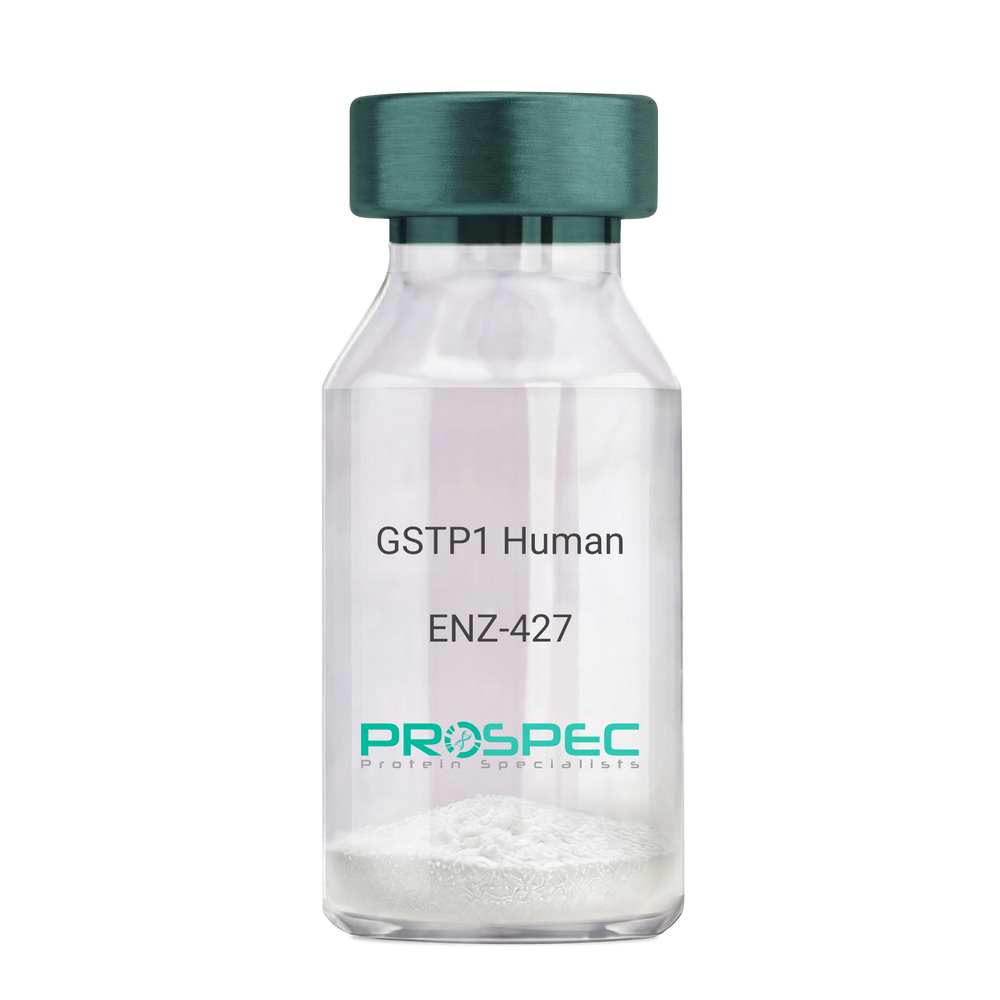
GSTP1 HumanDescription:
Glutathione S-Transferase pi 1 Human Recombinant
Glutathione S-transferase P, GST class-pi, GSTP1-1, GSTP1, FAEES3, GST3, PI, DFN7.
Product # :
ENZ-427Price :
Quantity :
Shipping Method :
Shipped with Ice Packs
More Info
- description
- source
- formulation
- purity
- biological activity
- More Info
Description
GSTP1 Human Recombinant fused with 36 amino acid His tag at N-terminus produced in E.Coli is a single, non-glycosylated, polypeptide chain containing 246 amino acids (1-210 a.a.) And having a molecular mass of 27.4kDa. The GSTP1 is purified by proprietary chromatographic techniques.
Source
Escherichia Coli.
Formulation
The GSTP1 solution (0.5mg/ml) contains 20mM Tris-HCl buffer (pH7.0), 30% glycerol, 1mM EDTA and 0.1mM PMSF.
Purity
Greater than 95.0% as determined by SDS-PAGE.
Biological Activity
Specific activity is > 80 units/mg, and is defined as the amount of enzyme that conjugate 1.0 u mole of 1-chloro-2,4-dinitrobenzene (CDNB) with reduced glutathione per minute at pH 6.5 at 25°C.
More Info
-
Introduction
GSTP1 is a polymorphic gene encoding active, functionally different GSTP1 variant proteins that are believed to function in xenobiotic metabolism and have a part in susceptibility to cancer, and other diseases. GSTP1 is a glutathione S-transferase belonging to the pi class. GST family enzymes play a significant role in detoxification by catalyzing the conjugation of many hydrophobic and electrophilic compounds with reduced glutathione. Based upon the biochemical, immunologic and structural properties of the soluble GSTs they are grouped into 4 main classes: alpha, mu, pi, and theta. The GSTP1 enzyme acts by catalyzing the reaction of glutathione with an acceptor molecule to form a Sulfur-substituted glutathione. The reactions employing glutathione contribute the transformation of a broad range of electrophiles, including reactive products of lipid, protein, carcinogens, therapeutic drugs, environmental toxins, and products of oxidative stress.
The GSTP1 inactivation through CpG hypermethylation is frequent in pituitary adenomas and may be a factor in aggressive pituitary tumor behavior. GSTP1 is may be a transcriptional target of the p53 tumor suppressor gene. Single-nucleotide polymorphism in GSTP1 is linked to modified protein binding, which influence GSTP1's contribution to carcinogen and drug metabolism, and possibly disease pathogenesis and/or drug response. GST-pi might have central roles in proliferation of androgen-independent human prostate cancer cells. -
Synonyms
Glutathione S-transferase P, GST class-pi, GSTP1-1, GSTP1, FAEES3, GST3, PI, DFN7.
-
Physical Appearance
Sterile Filtered colorless solution.
-
Stability
Store at 4°C if entire vial will be used within 2-4 weeks. Store, frozen at -20°C for longer periods of time. For long term storage it is recommended to add a carrier protein (0.1% HSA or BSA). Avoid multiple freeze-thaw cycles.
-
Amino Acid Sequence
MRGSHHHHHH GMASMTGGQQ MGRDLYDDDD KDRWGSMPPY TVVYFPVRGR CAALRMLLAD QGQSWKEEVV TVETWQEGSL KASCLYGQLP KFQDGDLTLY QSNTILRHLG RTLGLYGKDQ QEAALVDMVN DGVEDLRCKY ISLIYTNYEA GKDDYVKALP GQLKPFETLL SQNQGGKTFI VGDQISFADY NLLDLLLIHE VLAPGCLDAF PLLSAYVGRL SARPKLKAFL ASPEYVNLPI NGNGKQ.
ProSpec's products are furnished for LABORATORY RESEARCH USE ONLY. The product may not be used as drugs, agricultural or pesticidal products, food additives or household chemicals.
- View Data Sheet
Name :
PhI p 6Description:
Pollen allergen Phl p 6 Recombinant
Pollen allergen Phl p 6, Allergen Phl p VI, Phl p 6, PHLPVI.
Product # :
PRO-2308Price :
Quantity :
Shipping Method :
Shipped with Ice Packs
More Info
- description
- source
- formulation
- purity
- More Info
Description
Recombinant Pollen allergen Phl p 6 produced in SF9 is a glycosylated, polypeptide chain having a calculated molecular mass of 13,162 Dalton. PhI p 6 is expressed with a 10xHis tag at N-terminus and purified by proprietary chromatographic techniques.
Source
Sf9 insect cells.
Formulation
PhI p 6 is supplied in 20mM HEPES buffer pH-7.9 and 6M Urea.
Purity
Greater than 80.0% as determined by SDS-PAGE.
More Info
-
Introduction
Pollen allergen Phl p 6 (PhI p 6) causes an allergic reaction in humans.
-
Synonyms
Pollen allergen Phl p 6, Allergen Phl p VI, Phl p 6, PHLPVI.
-
Physical Appearance
Sterile Filtered clear solution.
-
Stability
Store at 4°C if entire vial will be used within 2-4 weeks. Store, frozen at -20°C for longer periods of time. Avoid multiple freeze-thaw cycles.
-
Immunological Functions
1. Binds IgE type human antibodies. 2. Immunodot test with positive/negative sera panels.
-
Molar extinction coefficient
5960; A280(1mg/ml)=0.453
ProSpec's products are furnished for LABORATORY RESEARCH USE ONLY. The product may not be used as drugs, agricultural or pesticidal products, food additives or household chemicals.
- View Data Sheet
Name :
XPNPEP1 HumanDescription:
X-Prolyl Aminopeptidase-1 Human Recombinant
X-Prolyl Aminopeptidase (Aminopeptidase P) 1, Soluble, XPNPEPL, SAMP, X-Prolyl Aminopeptidase 1, Soluble, Aminoacylproline Aminopeptidase, Cytosolic Aminopeptidase P, Soluble Aminopeptidase P, X-Pro Aminopeptidase 1, EC 3.4.11.9, XPNPEPL1, X-Prolyl Aminopeptidase (Aminopeptidase P)-Like, Aminopeptidase P, Cytosolic, Xaa-Pro Aminopeptidase 1, XPNPEP, APP1, Xaa-Pro aminopeptidase 1.
Product # :
ENZ-880Price :
Quantity :
Shipping Method :
Shipped with Ice Packs
More Info
- description
- source
- formulation
- purity
- More Info
Description
XPNPEP1 Human Recombinant produced in E.Coli is a single, non-glycosylated polypeptide chain containing 655 amino acids (1-623 a.a) and having a molecular mass of 73.4kDa. XPNPEP1 is fused to a 32 amino acid His-tag at N-terminus & purified by proprietary chromatographic techniques.
Source
Escherichia Coli.
Formulation
XPNPEP1 protein solution (1mg/ml) containing Phosphate buffered saline (pH7.4) and 20% glycerol.
Purity
Greater than 85.0% as determined by SDS-PAGE.
More Info
-
Introduction
X-Prolyl Aminopeptidase-1, also known as XPNPEP1 is a member of the peptidase M24B family. XPNPEP1 encodes the cytosolic form of a metalloaminopeptidase which catalyzes the cleavage of the N-terminal amino acid adjacent to a proline residue. Furthermore, XPNPEP1 plays a role in degradation as well as maturation of tachykinins, neuropeptides and peptide hormones.
-
Synonyms
X-Prolyl Aminopeptidase (Aminopeptidase P) 1, Soluble, XPNPEPL, SAMP, X-Prolyl Aminopeptidase 1, Soluble, Aminoacylproline Aminopeptidase, Cytosolic Aminopeptidase P, Soluble Aminopeptidase P, X-Pro Aminopeptidase 1, EC 3.4.11.9, XPNPEPL1, X-Prolyl Aminopeptidase (Aminopeptidase P)-Like, Aminopeptidase P, Cytosolic, Xaa-Pro Aminopeptidase 1, XPNPEP, APP1, Xaa-Pro aminopeptidase 1.
-
Physical Appearance
Sterile filtered colorless solution.
-
Stability
Store at 4°C if entire vial will be used within 2-4 weeks. Store, frozen at -20°C for longer periods of time. For long term storage it is recommended to add a carrier protein (0.1% HSA or BSA).Avoid multiple freeze-thaw cycles.
-
Amino Acid Sequence
MGSSHHHHHH SSGLVPRGSH MGSEFELRRQ ASMPPKVTSE LLRQLRQAMR NSEYVTEPIQ AYIIPSGDAH QSEYIAPCDC RRAFVSGFDG SAGTAIITEE HAAMWTDGRY FLQAAKQMDS NWTLMKMGLK DTPTQEDWLV SVLPEGSRVG VDPLIIPTDY WKKMAKVLRS AGHHLIPVKE NLVDKIWTDR PERPCKPLLT LGLDYTGISW KDKVADLRLK MAERNVMWFV VTALDEIAWL FNLRGSDVEH NPVFFSYAII GLETIMLFID GDRIDAPSVK EHLLLDLGLE AEYRIQVHPY KSILSELKAL CADLSPREKV WVSDKASYAV SETIPKDHRC CMPYTPICIA KAVKNSAESE GMRRAHIKDA VALCELFNWL EKEVPKGGVT EISAADKAEE FRRQQADFVD LSFPTISSTG PNGAIIHYAP VPETNRTLSL DEVYLIDSGA QYKDGTTDVT RTMHFGTPTA YEKECFTYVL KGHIAVSAAV FPTGTKGHLL DSFARSALWD SGLDYLHGTG HGVGSFLNVH EGPCGISYKT FSDEPLEAGM IVTDEPGYYE DGAFGIRIEN VVLVVPVKTK YNFNNRGSLT FEPLTLVPIQ TKMIDVDSLT DKECDWLNNY HLTCRDVIGK ELQKQGRQEA LEWLIRETQP ISKQH.
ProSpec's products are furnished for LABORATORY RESEARCH USE ONLY. The product may not be used as drugs, agricultural or pesticidal products, food additives or household chemicals.