Skip to content

High-quality research proteins.

  • 1-800-805-6531

  • Mon - Sat 8.00-18.00, Sun - Closed

  • info@prospecbio.com

  • PO Box 6591 East Brunswick NJ 08816

  • Products
    • Cytokines
    • Growth factors
    • Chemokines
    • Cd antigens
    • Neurotrophins
    • Hormones
    • Enzymes
    • Viral antigens
    • Recombinant proteins
    • Natural proteins
    • Monoclonal antibodies
    • Polyclonal antibodies
    • Thermal Packaging
  • About
    • Company
    • Founder
    • Contribution
  • Customers
    • Eastern Asia
    • Eastern Europe
    • North America
    • South America
    • South East Asia
    • Southern Asia
    • Western Europe
  • Ordering
    • Ordering Method
    • Ordering - Credit Card
    • Ordering - PO
    • Shipping Fees
    • FAQs
  • Services
    • DNA Cloning
    • Protein Expression
    • Monoclonal Antibody
    • Fermentation
    • Technology License
  • Contact us
Log in

Country/region

  • USD $ | Albania
  • USD $ | Andorra
  • USD $ | Argentina
  • USD $ | Armenia
  • USD $ | Australia
  • USD $ | Austria
  • USD $ | Azerbaijan
  • USD $ | Belarus
  • USD $ | Belgium
  • USD $ | Bolivia
  • USD $ | Brazil
  • USD $ | Bulgaria
  • USD $ | Cambodia
  • USD $ | Canada
  • USD $ | Chile
  • USD $ | China
  • USD $ | Colombia
  • USD $ | Costa Rica
  • USD $ | Croatia
  • USD $ | Cyprus
  • USD $ | Czechia
  • USD $ | Denmark
  • USD $ | Estonia
  • USD $ | Finland
  • USD $ | France
  • USD $ | Georgia
  • USD $ | Germany
  • USD $ | Greece
  • USD $ | Hong Kong SAR
  • USD $ | Hungary
  • USD $ | Iceland
  • USD $ | India
  • USD $ | Ireland
  • USD $ | Israel
  • USD $ | Italy
  • USD $ | Japan
  • USD $ | Kazakhstan
  • USD $ | Latvia
  • USD $ | Liechtenstein
  • USD $ | Lithuania
  • USD $ | Madagascar
  • USD $ | Malta
  • USD $ | Mexico
  • USD $ | Moldova
  • USD $ | Monaco
  • USD $ | Netherlands
  • USD $ | New Zealand
  • USD $ | North Macedonia
  • USD $ | Norway
  • USD $ | Panama
  • USD $ | Paraguay
  • USD $ | Peru
  • USD $ | Philippines
  • USD $ | Poland
  • USD $ | Portugal
  • USD $ | Romania
  • USD $ | Singapore
  • USD $ | Slovakia
  • USD $ | Slovenia
  • USD $ | South Africa
  • USD $ | South Korea
  • USD $ | Spain
  • USD $ | Sri Lanka
  • USD $ | Sweden
  • USD $ | Switzerland
  • USD $ | Taiwan
  • USD $ | Thailand
  • USD $ | Türkiye
  • USD $ | Ukraine
  • USD $ | United Kingdom
  • USD $ | United States
  • USD $ | Uruguay
  • USD $ | Vatican City
  • USD $ | Venezuela
  • USD $ | Vietnam
  • Facebook
  • Instagram
logoProSpec - Recombinant Protein Manufacturer for academic and R&D industry
Become a distributor
Account Log in
Wishlist
Cart Cart(0)
  • Products
    +
    • Cytokines
    • Growth factors
    • Chemokines
    • Cd antigens
    • Neurotrophins
    • Hormones
    • Enzymes
    • Viral antigens
    • Recombinant proteins
    • Natural proteins
    • Monoclonal antibodies
    • Polyclonal antibodies
    • Thermal Packaging
  • About
    +
    • Company
    • Founder
    • Contribution
  • Customers
    +
    • Eastern Asia
    • Eastern Europe
    • North America
    • South America
    • South East Asia
    • Southern Asia
    • Western Europe
  • Ordering
    +
    • Ordering Method
    • Ordering - Credit Card
    • Ordering - PO
    • Shipping Fees
    • FAQs
  • Services
    +
    • DNA Cloning
    • Protein Expression
    • Monoclonal Antibody
    • Fermentation
    • Technology License
  • Contact us

Item added to your cart

View cart
View All
  • Cytokines
  • Growth factors
  • Chemokines
  • Cd antigens
  • Neurotrophins
  • Hormones
  • Enzymes
  • Viral antigens
  • Recombinant proteins
  • Natural proteins
  • Monoclonal antibodies
  • Polyclonal antibodies
  • Thermal Packaging
  • Tumor Necrosis Factor

    Tumor Necrosis Factor

    View All
  • 4-1BB

    4-1BB

    View All
  • Adiponectin

    Adiponectin

    View All
  • AIF1

    AIF1

    View All
  • Other Cytokines

    Other Cytokines

    View All
  • AITRL

    AITRL

    View All
  • Angiopoietin

    Angiopoietin

    View All
  • Apolipoprotein

    Apolipoprotein

    View All
  • B-Cell Activating Factor

    B-Cell Activating Factor

    View All
  • Beta Defensin

    Beta Defensin

    View All
  • Bone Morphogenetic Protein

    Bone Morphogenetic Protein

    View All
  • B type Natriuretic Peptide

    B type Natriuretic Peptide

    View All
  • BST

    BST

    View All
  • Betacellulin

    Betacellulin

    View All
  • Cardiotrophin

    Cardiotrophin

    View All
  • Activin

    Activin

    View All
  • Fibroblast Growth Factor

    Fibroblast Growth Factor

    View All
  • Other Growth Factors

    Other Growth Factors

    View All
  • CSF

    CSF

    View All
  • CTGF

    CTGF

    View All
  • IGFBP

    IGFBP

    View All
  • VEGF Protein

    VEGF Protein

    View All
  • EGF

    EGF

    View All
  • Epigen

    Epigen

    View All
  • Erythropoietin

    Erythropoietin

    View All
  • Insulin-Like Growth Factor

    Insulin-Like Growth Factor

    View All
  • Growth Hormone

    Growth Hormone

    View All
  • HDGF

    HDGF

    View All
  • Hepatocyte Growth Factor

    Hepatocyte Growth Factor

    View All
  • Insulin

    Insulin

    View All
  • BCA-1/ BLC (CXCL13)

    BCA-1/ BLC (CXCL13)

    View All
  • BRAK (CXCL14)

    BRAK (CXCL14)

    View All
  • C-10 (CCL6)

    C-10 (CCL6)

    View All
  • Other Chemokines

    Other Chemokines

    View All
  • MEC (CCL28)

    MEC (CCL28)

    View All
  • LD78-beta (CCL3L1)

    LD78-beta (CCL3L1)

    View All
  • CTACK (CCL27)

    CTACK (CCL27)

    View All
  • CXCL16

    CXCL16

    View All
  • CXCL17

    CXCL17

    View All
  • Platelet Factor-4 (CXCL4)

    Platelet Factor-4 (CXCL4)

    View All
  • ENA-78 (CXCL5)

    ENA-78 (CXCL5)

    View All
  • Eotaxin (CCL11,24,26)

    Eotaxin (CCL11,24,26)

    View All
  • Exodus-2 (CCL21)

    Exodus-2 (CCL21)

    View All
  • Fractalkine (CX3CL1)

    Fractalkine (CX3CL1)

    View All
  • CXCL6

    CXCL6

    View All
  • Other CD Antigens

    Other CD Antigens

    View All
  • CD14

    CD14

    View All
  • CD164

    CD164

    View All
  • CD1

    CD1

    View All
  • CD2

    CD2

    View All
  • CD200

    CD200

    View All
  • CD207

    CD207

    View All
  • CD226

    CD226

    View All
  • CD23

    CD23

    View All
  • CD244

    CD244

    View All
  • CD247

    CD247

    View All
  • CD27

    CD27

    View All
  • CD274

    CD274

    View All
  • CD300

    CD300

    View All
  • CD33

    CD33

    View All
  • Other Neurotrophins

    Other Neurotrophins

    View All
  • Beta-NGF

    Beta-NGF

    View All
  • BDNF

    BDNF

    View All
  • CDNF

    CDNF

    View All
  • CNTF

    CNTF

    View All
  • GDNF

    GDNF

    View All
  • Glia Maturation Factor

    Glia Maturation Factor

    View All
  • MANF

    MANF

    View All
  • Midkine

    Midkine

    View All
  • Neuroglobin

    Neuroglobin

    View All
  • Neurotrophic factors

    Neurotrophic factors

    View All
  • Neuregulin

    Neuregulin

    View All
  • Neuropilin

    Neuropilin

    View All
  • Pigment Epithelium-Derived Factor

    Pigment Epithelium-Derived Factor

    View All
  • Pleiotrophin

    Pleiotrophin

    View All
  • Peptide Hormones

    Peptide Hormones

    View All
  • Other Hormones

    Other Hormones

    View All
  • HCG

    HCG

    View All
  • Endothelin

    Endothelin

    View All
  • Exendin

    Exendin

    View All
  • FSH

    FSH

    View All
  • Glucagon

    Glucagon

    View All
  • GHRP

    GHRP

    View All
  • GLP

    GLP

    View All
  • Thyrostimulin

    Thyrostimulin

    View All
  • Inhibin A

    Inhibin A

    View All
  • LHRH

    LHRH

    View All
  • Melanotan

    Melanotan

    View All
  • Procalcitonin

    Procalcitonin

    View All
  • PTH

    PTH

    View All
  • Peroxiredoxin

    Peroxiredoxin

    View All
  • Peptidase

    Peptidase

    View All
  • Synthetase

    Synthetase

    View All
  • Transferase

    Transferase

    View All
  • Hydrolase

    Hydrolase

    View All
  • Dehydrogenase

    Dehydrogenase

    View All
  • ACE2

    ACE2

    View All
  • Esterase

    Esterase

    View All
  • Protein Kinases

    Protein Kinases

    View All
  • Other Enzymes

    Other Enzymes

    View All
  • Phosphatase

    Phosphatase

    View All
  • Deaminase

    Deaminase

    View All
  • Oxygenase

    Oxygenase

    View All
  • Adenylate Kinase

    Adenylate Kinase

    View All
  • Lyase

    Lyase

    View All
  • Chagas

    Chagas

    View All
  • SARS

    SARS

    View All
  • Influenza

    Influenza

    View All
  • ASFV

    ASFV

    View All
  • Astrovirus

    Astrovirus

    View All
  • Borrelia

    Borrelia

    View All
  • Helicobacter Pylori

    Helicobacter Pylori

    View All
  • Chikungunya

    Chikungunya

    View All
  • Chlamydia

    Chlamydia

    View All
  • Cytomegalo

    Cytomegalo

    View All
  • Dengue

    Dengue

    View All
  • EBV

    EBV

    View All
  • Ebola

    Ebola

    View All
  • Feline Leukemia Virus

    Feline Leukemia Virus

    View All
  • Hepatitis A

    Hepatitis A

    View All
  • Other

    Other

    View All
  • Actin

    Actin

    View All
  • ADAM

    ADAM

    View All
  • Complement Component

    Complement Component

    View All
  • Ag85

    Ag85

    View All
  • Eukaryotic Translation Initiation Factor

    Eukaryotic Translation Initiation Factor

    View All
  • Anterior Gradient Protein

    Anterior Gradient Protein

    View All
  • Heat Shock Protein

    Heat Shock Protein

    View All
  • Alpha-2-HS-Glycoprotein

    Alpha-2-HS-Glycoprotein

    View All
  • Hemoglobin

    Hemoglobin

    View All
  • Allergy

    Allergy

    View All
  • Anaplasma

    Anaplasma

    View All
  • Angiogenin

    Angiogenin

    View All
  • Ankyrin Repeat Domain

    Ankyrin Repeat Domain

    View All
  • Annexin

    Annexin

    View All
  • Other Natural Proteins

    Other Natural Proteins

    View All
  • Aprotinin

    Aprotinin

    View All
  • Transferrin

    Transferrin

    View All
  • Avidin

    Avidin

    View All
  • Anti Coagulation Factors

    Anti Coagulation Factors

    View All
  • Natural Albumin

    Natural Albumin

    View All
  • Natural Coagulation Factors

    Natural Coagulation Factors

    View All
  • Fibronectin

    Fibronectin

    View All
  • Thrombin

    Thrombin

    View All
  • Anti Human Enzyme

    Anti Human Enzyme

    View All
  • Other Monoclonal Antibodies

    Other Monoclonal Antibodies

    View All
  • Anti Human Cytokine

    Anti Human Cytokine

    View All
  • Anti Human Heat Shock Protein

    Anti Human Heat Shock Protein

    View All
  • Anti Mouse Lymphocyte

    Anti Mouse Lymphocyte

    View All
  • Anti Human Chemokine

    Anti Human Chemokine

    View All
  • Anti Human Lymphocyte

    Anti Human Lymphocyte

    View All
  • Anti Viral Monoclonal

    Anti Viral Monoclonal

    View All
  • Anti Mouse Cytokine

    Anti Mouse Cytokine

    View All
  • Anti-GST Monoclonal

    Anti-GST Monoclonal

    View All
  • Other Polyclonal Antibodies

    Other Polyclonal Antibodies

    View All
  • Anti Viral

    Anti Viral

    View All
  • Anti-GST Monoclonal

    Anti-GST Monoclonal

    View All
Back

Search results

1000 results found for “other hormones”

Name

Description

Product #

Price

Quantity

Shipping Method

  • View Data Sheet

    Name :

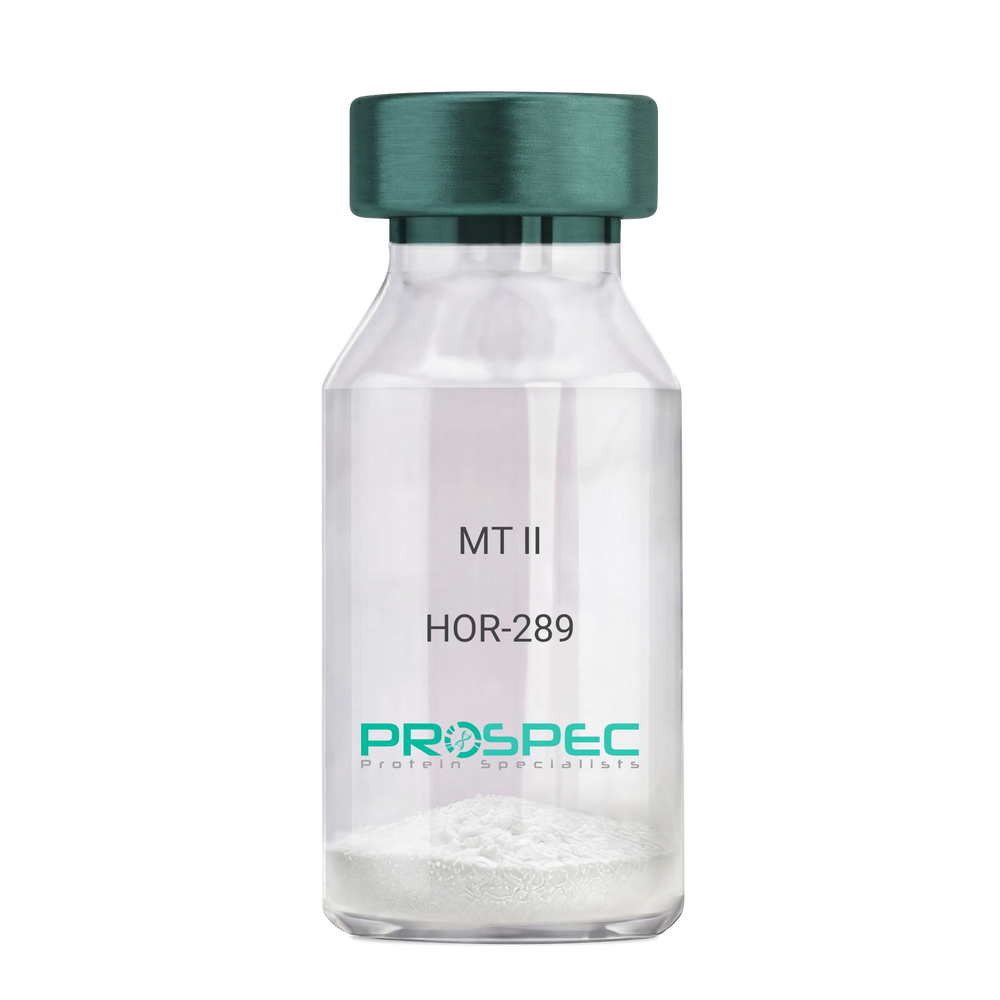
    MT II

    Description:

    Melanotan-II

    Melanotan-II, MT-II, Melanotan.

    Product # :

    HOR-289

    Price :

    Quantity :

    Shipping Method :

    Room Temp Icon

    Shipped at Room temp

    Add To Cart

    More Info

    • description
    • formulation
    • purity
    • More Info
    • Citations

    Description

    The molecular formula of Melanotan-II is C50H69N15O9. It has the amino acid sequence of Ac-Nle-cyclo [Asp-His-D-Phe-Arg-Trp-Lys]-NH2 and a molecular weight of 1024.2 Dalton. The CAS Number is 121062-08-6.

    Formulation

    The protein (1mg/ml) was lyophilized with no additives.

    Purity

    Greater than 99% as determined by by RP-HPLC.

    Citations

    More Info

    • Introduction

      Melanotan and Melanotan-II are both analogs of the peptide hormone alpha melanocyte stimulating hormone (a-MSH) that tend to induce skin tanning. Unlike Melanotan, Melanotan-II has the additional effect of increasing libido. Melanotan II has aphrodisiac properties.

    • Synonyms

      Melanotan-II, MT-II, Melanotan.

    • Physical Appearance

      Sterile Filtered White lyophilized (freeze-dried) powder.

    • Stability

      Lyophilized Melanotan-II although stable at room temperature for 3 weeks, should be stored desiccated below -18°C. Upon reconstitution MT-II should be stored at 4°C between 2-7 days and for future use below -18°C.For long term storage it is recommended to add a carrier protein (0.1% HSA or BSA).Please prevent freeze-thaw cycles.

    • Solubility

      It is recommended to reconstitute the lyophilized Melanotan-II in sterile 18MΩ-cm H2O not less than 100 µg/ml, which can then be further diluted to other aqueous solutions.

    ProSpec's products are furnished for LABORATORY RESEARCH USE ONLY. The product may not be used as drugs, agricultural or pesticidal products, food additives or household chemicals.

    Melanotan Ii
  • View Data Sheet

    Name :

    PTHrP N15 Human

    Description:

    Parathyroid Hormone Related Protein N15 Labeled Human Recombinant

    Parathyroid Hormone 2, PTH2, TIPF39, Tuberoinfundibular 39 Residue Protein.

    Product # :

    HOR-005

    Price :

    Quantity :

    Shipping Method :

    Room Temp Icon

    Shipped at Room temp

    Add To Cart

    More Info

    • description
    • source
    • formulation
    • purity
    • More Info
    • Citations

    Description

    PTHrP N15 Human Recombinant produced in E.Coli is a single, non-glycosylated, polypeptide chain containing 86 amino acids, having an MW of 10033 Da labeled by the stable isotope N15.The PTHrP is purified by proprietary chromatographic techniques.

    Source

    Escherichia Coli.

    Formulation

    PthRp N15 protein was lyophilized from a 0.2µm filtered concentrated solution in 1xPBS,
    pH 7.4.

    Purity

    Greater than 95.0% as determined by:
    (a) Analysis by RP-HPLC.
    (b) Analysis by SDS-PAGE.

    Citations

    More Info

    • Introduction

      PTHrP is a powerful and discriminating agonist of PTH2R which takes part in adenyl cyclase activation and intracellular calcium levels elevation. PTHrP encourages protein kinase C beta activation, recruitment of beta-arrestin and PTH2R internalization. Additionally, PTHrP inhibits cell proliferation through its contribution to PTH2R activation, activates nociceptors and nociceptive circuits and acts as a neuropeptide in spermatogenesis.

    • Synonyms

      Parathyroid Hormone 2, PTH2, TIPF39, Tuberoinfundibular 39 Residue Protein.

    • Physical Appearance

      Sterile Filtered White lyophilized (freeze-dried) powder.

    • Stability

      Lyophilized PTHrP N15 although stable at room temperature for 3 weeks, should be stored desiccated below -18C. Upon reconstitution PTHrP N15 should be stored at 4C between 2-7 days and for future use below -18C.For long term storage it is recommended to add a carrier protein (0.1% HSA or BSA).Please prevent freeze-thaw cycles.

    • Solubility

      It is recommended to be briefly centrifuged prior to opening to bring the contents to the bottom. Reconstitute in 10mM HAc to a concentration of 0.1-1.0 mg/mL. Further dilutions should be made in appropriate buffered solutions.

    • Amino Acid Sequence

      AVSEHQLLHD KGKSIQDLRR RFFLHHLIAE IHTAEIRATS EVSPNSKPSP NTKNHPVRFG SDDEGRYLTQ ETNKVETYKE QPLKTP.

    ProSpec's products are furnished for LABORATORY RESEARCH USE ONLY. The product may not be used as drugs, agricultural or pesticidal products, food additives or household chemicals.

    Pthrp N15 Human
  • View Data Sheet

    Name :

    Prolactin Human, His

    Description:

    Prolactin Human Recombinant, His Tag

    Mammotropin, Luteotropic hormone, Luteotropin, PRL.

    Product # :

    CYT-493

    Price :

    Quantity :

    Shipping Method :

    Ice Icon

    Shipped with Ice Packs

    Add To Cart

    More Info

    • description
    • source
    • formulation
    • purity
    • More Info
    • Citations

    Description

    Prolactin-His Human Recombinant produced in E.Coli is a single, non-glycosylated polypeptide chain containing 199 amino acids fragment (29-227) and having a molecular mass of 23 kDa with an amino-terminal hexahistidine tag. The Prolactin is purified by proprietary chromatographic techniques.

    Source

    Escherichia Coli.

    Formulation

    Prolactin His is supplied in 1x PBS and 50% glycerol.

    Purity

    Greater than 95.0% as determined by(a) Analysis by RP-HPLC.
    (b) Analysis by SDS-PAGE.

    Citations

    More Info

    • Introduction

      Prolactin is a neuroendocrine hormone synthesized primarily by the pituitary gland but also a variety of other cell types including the placenta, brain and uterus. Its primary function is to promote and maintain lactation but has also been shown to have a role in breast cancer development, regulation of reproductive function and immunoregulation.

    • Synonyms

      Mammotropin, Luteotropic hormone, Luteotropin, PRL.

    • Physical Appearance

      Sterile Filtered clear solution.

    • Stability

      Store at 4°C if entire vial will be used within 2-4 weeks. Store, frozen at -20°C for longer periods of time. Please avoid freeze thaw cycles.

    ProSpec's products are furnished for LABORATORY RESEARCH USE ONLY. The product may not be used as drugs, agricultural or pesticidal products, food additives or household chemicals.

    Prolactin Human His
  • View Data Sheet

    Name :

    Exenatide

    Description:

    Exenatide

    Exendin-4.

    Product # :

    HOR-246

    Price :

    Quantity :

    Shipping Method :

    Room Temp Icon

    Shipped at Room temp

    Add To Cart

    More Info

    • description
    • formulation
    • purity
    • More Info
    • Citations

    Description

    Exenatide is a single, non-glycosylated, peptide containing 39 amino acids and having a molecular mass of 4186.6 Dalton. Exenatide has the empirical formula C184H282N50O60S.

    Formulation

    The Exenatide peptide was lyophilized from a concentrated solution with no additives.

    Purity

    Greater than 99.0% as determined by:
    (a) Analysis by RP-HPLC.
    (b) Analysis by SDS-PAGE.

    Citations

    More Info

    • Introduction

      Exenatide Derived from the saliva of the gila monster, is a 39 amino acid peptide that mimics the GLP-1 incretin, an insulin secretagogue with glucoregulatory effects. Typical responses to exenatide include improvements in the initial rapid release of endogenous insulin, suppression of glucagon release by the pancreas, regulation of gastric empyting, and reduced appetite - all of which function to lower blood glucose. Exenatide is self-regulating in that it lowers blood sugar when levels are elevated but does not continue to lower blood sugar when levels return to normal, unlike with sulfonylureas or insulins.

    • Synonyms

      Exendin-4.

    • Physical Appearance

      Sterile Filtered White lyophilized (freeze-dried) powder.

    • Stability

      Lyophilized Exenatide although stable at room temperature for 3 weeks, should be stored desiccated below -18°C. Upon reconstitution Exenatide should be stored at 4°C between 2-7 days and for future use below -18°C. For long term storage it is recommended to add a carrier protein (0.1% HSA or BSA).Please prevent freeze-thaw cycles.

    • Solubility

      It is recommended to reconstitute the lyophilized Exenatide in sterile 18MΩ-cm H2O not less than 100 µg/ml, which can then be further diluted to other aqueous solutions.

    • Amino Acid Sequence

      H-His-Gly-Glu-Gly-Thr-Phe-Thr-Ser-Asp-Leu-Ser-Lys-Gln-Met-Glu-Glu-Glu-Ala-Val-Arg-Leu-Phe-Ile-Glu-Trp-Leu-Lys-Asn-Gly-Gly-Pro-Ser-Ser-Gly-Ala-Pro-Pro-Pro-Ser-NH2.

    ProSpec's products are furnished for LABORATORY RESEARCH USE ONLY. The product may not be used as drugs, agricultural or pesticidal products, food additives or household chemicals.

    Exenatide
  • View Data Sheet

    Name :

    Placental Lactogen Ovine

    Description:

    Placental Lactogen Ovine Recombinant

    Chorionic Somatomammotropin Hormone 1, CSH1, CS-1, hCS, PL.

    Product # :

    CYT-512

    Price :

    Quantity :

    Shipping Method :

    Room Temp Icon

    Shipped at Room temp

    Add To Cart

    More Info

    • description
    • source
    • formulation
    • purity
    • biological activity
    • More Info
    • Citations

    Description

    Placental Lactogen Ovine Recombinant, is a single polypeptide chain containing 199 amino acids and an additional Ala at the N-terminus having a molecular mass of 23 kDa. Placental Lactogen Recombinant is purified by proprietary chromatographic techniques.

    Source

    Escherichia Coli.

    Formulation

    The protein was lyophilized from a concentrated (1mg/ml) solution with 0.02-0.03% NaHCO3.

    Purity

    Greater than 97.0% as determined by:
    (a) Analysis gel filtration.
    (b) Analysis by SDS-PAGE.

    Biological Activity

    Placental Lactogen Ovine is biologically active as evidenced by inducing proliferation of Nb2 cells.

    Citations

    More Info

    • Introduction

      Placental Lactogen is a polypeptide hormone that is produced by the Syncytiotrophoblasts of the Placenta, also known as chorionic somatomammotropin. It has both Growth Hormone and Prolactin activities on growth, lactation, and luteal steroid production. In women, placental lactogen secretion begins soon after implantation and increases to 1 g or more a day in late pregnancy. Placental lactogen is also an insulin antagonist.
      Placental Lactogen Ovine is also capable of activating human and other heterologous GH receptors but not ruminat GH receptors.

    • Synonyms

      Chorionic Somatomammotropin Hormone 1, CSH1, CS-1, hCS, PL.

    • Physical Appearance

      Sterile Filtered White lyophilized (freeze-dried) powder.

    • Stability

      Lyophilized Placental Lactogen Ovine Recombinant although stable at room temperature for 3 weeks, should be stored desiccated below -18°C. Upon reconstitution Placental Lactogen should be stored at 4°C between 2-7 days and for future use below -18°C.For long term storage it is recommended to add a carrier protein (0.1% HSA or BSA).Please prevent freeze-thaw cycles.

    • Solubility

      It is recommended to reconstitute the lyophilized Placental Lactogen in sterile 18MΩ-cm H2O not less than 100µg/ml, which can then be further diluted to other aqueous solutions.

    • Amino Acid Sequence

      The sequence of the first five N-terminal amino acids was determined and was found to be Ala-Gln-His-Pro-Pro.

    • Protein content

      UV spectroscopy at 280 nm using the absorbency value of 0.85 as the extinction coefficient for a 0.1% (1mg/ml) solution. This value is calculated by the PC GENE computer analysis program of protein sequences (IntelliGenetics).

    ProSpec's products are furnished for LABORATORY RESEARCH USE ONLY. The product may not be used as drugs, agricultural or pesticidal products, food additives or household chemicals.

    Placental Lactogen Ovine
  • View Data Sheet

    Name :

    Inhibin a Human

    Description:

    Inhibin Alpha Human Recombinant

    Product # :

    HOR-303

    Price :

    Quantity :

    Shipping Method :

    Ice Icon

    Shipped with Ice Packs

    Add To Cart

    More Info

    • description
    • source
    • formulation
    • purity
    • More Info
    • Citations

    Description

    Inhibin-Alpha Human Recombinant produced in E.Coli is a non-glycosylated, polypeptide chain containing 264 amino acids comprising of both A and B chains, having a molecular mass of 33.5 kDa.The Inhibin-Alpha is fused with an amino-terminal hexahistidine tag. The Inhibin-Alpha is purified by standard chromatographic techniques.

    Source

    Escherichia Coli.

    Formulation

    Inhibin-A alpha chain is supplied in 20mM Tris and 50% glycerol.

    Purity

    Greater than 95.0% as determined by SDS-PAGE analysis.

    Citations

    More Info

    • Introduction

      Inhibins are dimeric peptide hormones produced by female ovarian granulose cells and male Sertoli cells as well as a variety of other tissues. Inhibins have two isoforms, A and B, with the same alpha subunit but different beta subunits. Inhibin A is a dimer of alpha and beta A subunits, inhibin B is a dimer of alpha and beta B subunits.
      Inhibins are thought to inhibit the production of follicle-stimulating hormone (FSH) by the pituitary gland. In addition, Inhibins are also thought to play a role in the control of gametogenesis, and embryonic and fetal development.

    • Physical Appearance

      Sterile Filtered clear solution.

    • Stability

      Store at 4°C if entire vial will be used within 2-4 weeks. Store, frozen at -20°C for longer periods of time.Please avoid freeze thaw cycles.

    • Amino Acid Sequence

      Alpha chain:
      STPLMSWPWSPSALRLLQRPPEEPAAHANCHRVALNISFQELGWERWIVYPPSFIFHYCHGGCGLHIP PNLSLPVPGAPPTPAQPYSLLPGAQPCCAALPGTMRPLHVRTTSDGGYSFKYETVPNLLTQHCACI.

      Beta Chain:
      GLECDGKVNICCKKQFFVSFKDIGWNDWIIAPSGYHANYCEGECPSHIAGTSGSSLSFHSTVINHYRMR
      GHSPFANLKSCCVPTKLRPMSMLYYDDGQNIIKKDIQNMIVEECGCS.

    ProSpec's products are furnished for LABORATORY RESEARCH USE ONLY. The product may not be used as drugs, agricultural or pesticidal products, food additives or household chemicals.

    Inhibin A Human
  • View Data Sheet

    Name :

    INHBC Human

    Description:

    Inhibin-Beta C Chain Human Recombinant

    Inhibin Beta C, Actv Beta-C Chain, IHBC, Inhibin Beta C Chain.

    Product # :

    HOR-010

    Price :

    Quantity :

    Shipping Method :

    Ice Icon

    Shipped with Ice Packs

    Add To Cart

    More Info

    • description
    • source
    • formulation
    • purity
    • More Info
    • Citations

    Description

    INHBC Human Recombinant produced in E.coli is a single, non-glycosylated polypeptide chain containing 139 amino acids (237-352) and having a molecular mass of 14.9kDa.INHBC is fused to a 23 amino acid His-tag at N-terminus & purified by proprietary chromatographic techniques.

    Source

    E.coli.

    Formulation

    The INHBC solution (0.5mg/ml) contains 20mM Tris-HCl buffer (pH 8.0), 0.15M NaCl, 1mM DTT and 10% glycerol.

    Purity

    Greater than 85% as determined by SDS-PAGE.

    Citations

    More Info

    • Introduction

      INHBC, the beta C chain of inhibin, belongs to the TGF-beta superfamily. INHBC formulates heterodimers with beta A and beta B subunits. Other members of the TGF-beta superfamily are Actv's and Inhibins, hormones with contradictory roles which take part in pituitary, hypothalamic, and gonadal hormone secretion, as well as differentiation and growth of numerous cell types.

    • Synonyms

      Inhibin Beta C, Actv Beta-C Chain, IHBC, Inhibin Beta C Chain.

    • Physical Appearance

      Sterile Filtered colorless solution.

    • Stability

      Store at 4°C if entire vial will be used within 2-4 weeks. Store, frozen at -20°C for longer periods of time. For long term storage it is recommended to add a carrier protein (0.1% HSA or BSA).Avoid multiple freeze-thaw cycles.

    • Amino Acid Sequence

      MGSSHHHHHH SSGLVPRGSH MGSGIDCQGG SRMCCRQEFF VDFREIGWHD WIIQPEGYAM NFCIGQCPLH IAGMPGIAAS FHTAVLNLLK ANTAAGTTGG GSCCVPTARR PLSLLYYDRD SNIVKTDIPD MVVEACGCS

    ProSpec's products are furnished for LABORATORY RESEARCH USE ONLY. The product may not be used as drugs, agricultural or pesticidal products, food additives or household chemicals.

    Inhbc Human
  • View Data Sheet

    Name :

    GH Chicken

    Description:

    GH Chicken Recombinant

    GH1, GH, GHN, GH-N, hGH-N,Pituitary GH, GH 1, 

    Product # :

    CYT-430

    Price :

    Quantity :

    Shipping Method :

    Room Temp Icon

    Shipped at Room temp

    Add To Cart

    More Info

    • description
    • source
    • formulation
    • purity
    • biological activity
    • More Info
    • Citations

    Description

    GH Chicken Recombinant produced in E.Coli is a single, non-glycosylated, polypeptide chain containing 191 amino acids with an additional Ala at its N-terminus and having a molecular mass of 22255 Dalton. GH Chicken recombinant is purified by proprietary chromatographic techniques.

    Source

    Escherichia Coli.

    Formulation

    The protein was lyophilized from a concentrated (1mg/ml) solution with 0.3% NaHCO3 adjusted to pH 8.

    Purity

    Greater than 99.0% as determined by:
    (a) Analysis by SDS-PAGE gel.
    (b) Analysis by SEC-HPLC.

    Biological Activity

    GH Chicken Recombinantis fully biologically active in homologous assays and in PDF-P1 3B9 cells stably transfected with rabbit GH receptors.

    Citations

    More Info

    • Introduction

      GH is a member of the prolactin family of hormones which play an important role in growth control. The gene, along with four other related genes, is located at the GH locus on chromosome 17 where they are interspersed in the same transcriptional orientation; an arrangement which is thought to have evolved by a series of gene duplications. The five genes share a remarkably high degree of sequence identity. Alternative splicing generates additional isoforms of each of the five GHs, leading to further diversity and potential for specialization. This particular family member is expressed in the pituitary but not in placental tissue as is the case for the other four genes in the GH locus. Mutations in or deletions of the gene lead to GH deficiency and short stature.

    • Synonyms

      GH1, GH, GHN, GH-N, hGH-N,Pituitary GH, GH 1,

    • Physical Appearance

      Sterile Filtered White lyophilized (freeze-dried) powder.

    • Stability

      Lyophilized GH Chicken although stable at room temperature for 3 weeks, should be stored desiccated below -18°C. Upon reconstitution at > 0.1 mg/ml and filter sterilization GH can be stored at 4°C for several weeks. At lower concentration addition of a carrier protein (0.1% HSA or BSA) is recommended.Please prevent freeze-thaw cycles.

    • Solubility

      It is recommended to reconstitute the lyophilized GH Chicken Recombinant in sterile water or 0.4% NaHCO3 adjusted to pH 8-9, not less than 100µg/ml and not more than 3 mg/ml, which can then be further diluted to other aqueous solutions, preferably in presence of carrier protein.

    • Amino Acid Sequence

      The sequence of the first five N-terminal amino acids was determined and was found to be Ala-Thr-Phe-Pro-Ala.

    • Protein content

      Protein quantitation was carried out by two independent methods:1. UV spectroscopy at 280 nm using the absorbency value of 0.75 as the extinction coefficient for a 0.1% (1mg/ml) solution at pH 8.0 This value is calculated by the PC GENE computer analysis program of protein sequences (IntelliGenetics). 2. Analysis by RP-HPLC, using a calibrated solution of GH as a Reference Standard.

    ProSpec's products are furnished for LABORATORY RESEARCH USE ONLY. The product may not be used as drugs, agricultural or pesticidal products, food additives or household chemicals.

    Growth Hormone Chicken
  • View Data Sheet

    Name :

    PRLR Human, Antagonist S.Active

    Description:

    Prolactin Receptor Antagonist, S. Active Human Recombinant

    Mammotropin, Luteotropic hormone, Luteotropin, PRL.

    Product # :

    CYT-1253

    Price :

    Quantity :

    Shipping Method :

    Room Temp Icon

    Shipped at Room temp

    Add To Cart

    More Info

    • description
    • source
    • formulation
    • purity
    • biological activity
    • More Info
    • Citations

    Description

    Prolactin Human Receptor Antagonist del 1-9, G129R mutant produced in E.Coli is a single, non-glycosylated polypeptide chain containing 190 amino acids + an additional Ala at n-terminal and having a molecular mass of ~ 22 kDa was modified by additional 12 mutations. The Human Prolactin Receptor Antagonist is purified by proprietary chromatographic techniques.

    Source

    Escherichia coli.

    Formulation

    The protein was lyophilized from a concentrated (1-2mg/ml) solution with 0.02% -0.03% NaHCO3.

    Purity

    Greater than 97.0% as determined by:

    (a) Analysis by Gel Filtration.

    (b) Analysis by SDS-PAGE.

    Biological Activity

    fully biologically active as evidenced by inhibiting PRLR-induced proliferation of Nb2 cells or Baf3 cells stably transfected with hPRL receptors. It also interacts at 1:1 molar ratio with human prolactin receptor extracellular domain as documented by SEC and SPR (Biacore analysis). It is ~ 100 fold more potent than 1-9 G129R hPRL in Ba/F3 cells and > 1000-fold potent in Nb2 cells.

    Citations

    More Info

    • Synonyms

      Mammotropin, Luteotropic hormone, Luteotropin, PRL.

    • Physical Appearance

      Sterile Filtered White lyophilized (freeze-dried) powder.

    • Stability

      Lyophilized PRLR although stable at room temperature for 3 weeks, should be stored desiccated below -18°C. Upon reconstitution at > 0.1 mg/ml and up to 3 mg/ml and filter sterilization PRLR can be stored at 4C for several weeks. Please prevent freeze-thaw cycles.

    • Solubility

      It is recommended to reconstitute the lyophilized PRLR in sterile 0.4% NaHCO3 adjusted to pH 8-9 not less than 100µg/ml, which can then be further diluted to other aqueous solutions.

    • Amino Acid Sequence

      The sequence of the first six N-terminal amino acids was determined and was found to be Ala-Arg-Ser-Gln-Val-Thr

    • Background

      Prolactin is a pituitary hormone which takes part in the stimulation of milk production, salt and water regulation, development, growth and reproduction. The primary step in its action is binding a specific membrane receptor (prolactin receptor) which belongs to the superfamily of class 1 cytokine receptors. PRLR varies in size (short and long forms) with tissue source and species, from ~40 kDa to 100 kDa. The PRL-R consists of at least 3 separate domains: an extracellular region with 5 cysteines which contains the prolactin binding site, a single transmembrane domain and a cytoplasmic region, the length of which appears to influence ligand binding and regulate cellular function.

    ProSpec's products are furnished for LABORATORY RESEARCH USE ONLY. The product may not be used as drugs, agricultural or pesticidal products, food additives or household chemicals.

    Prlr Antagonist Human
  • View Data Sheet

    Name :

    SHBG Protein

    Description:

    Sex Hormone-Binding Globulin Human

    Sex hormone-binding globulin, SHBG, Sex steroid-binding protein, SBP, Testis-specific androgen-binding protein, ABP, Testosterone-estradiol-binding globulin, TeBG, Testosterone-estrogen-binding globulin, SHBG.

    Product # :

    PRO-2757

    Price :

    Quantity :

    Shipping Method :

    Ice Icon

    Shipped with Ice Packs

    Add To Cart

    More Info

    • description
    • source
    • formulation
    • More Info
    • Citations

    Description

    SHBG is a protein of approximately 45kD.

    Source

    Human serum.

    Formulation

    The protein is supplied in 0.01M HEPES, PH 7.4 and 0.15M NaCl.

    Citations

    More Info

    • Introduction

      Sex-hormone-binding globulin (SHBG) is a beta-globulin which specifically binds steroid hormones; it is involved in the transport of sex steroids in plasma. The main site of SHBG synthesis is assumed to be the hepatocytes. The production of SHBG is regulated by androgen/estrogen balance, thyroid hormones, insulin and dietary factors, among others. The concentration of SHBG is a key factor regulating their distribution between protein-bound and free states. SHBG concentration determination is primarily significant in the evaluation of mild disorders of androgen metabolism and it allows detection of women with hirsutism who are likely to react to estrogen therapy. Testosterone/SHBG-ratios correlate well with both measured and calculated values for free testosterone thus aid to distinguish between subjects with excessive androgen activity and normal individuals. SHBG gene polymorphisms are linked with polycystic ovary syndrome and type 2 diabetes mellitus.

    • Synonyms

      Sex hormone-binding globulin, SHBG, Sex steroid-binding protein, SBP, Testis-specific androgen-binding protein, ABP, Testosterone-estradiol-binding globulin, TeBG, Testosterone-estrogen-binding globulin, SHBG.

    • Physical Appearance

      Streile filtered colorless solution.

    • Stability

      Upon arrival, Store at -20°C. Please prevent freeze-thaw cycles.

    • Human Virus Test

      FDA approved Plasma from each donor has been tested and found negative for antibodies to HIV-1 & 2, HCV, HBsAG, Parvovirus B19, HBc, HBV, HIV and Syphilis.

    ProSpec's products are furnished for LABORATORY RESEARCH USE ONLY. The product may not be used as drugs, agricultural or pesticidal products, food additives or household chemicals.

    Shbg Protein
  • View Data Sheet

    Name :

    FSH Paired Antibody

    Description:

    Anti Human Follicle Stimulating Hormone Mouse

    Product # :

    ANT-788

    Price :

    Quantity :

    Shipping Method :

    Ice Icon

    Shipped with Ice Packs

    Add To Cart

    More Info

    • description
    • formulation
    • More Info
    • Citations

    Description

    Paired FSH monoclonal antibodies are composed of anti-FSH α and β subunits, the anti-FSH α is used for the coating and antibody to β subunit is used for colloid gold conjugation. Please note that when ordering for example: 100µg paired antibody, you receive 50µg from each antibody (100µg in total).

    Formulation

    * FSH α (coating) antibody in 50mM NaCl, 10mM PBS, 0.1% NaN3, PH 8 (15.62mg/ml).
    * FSH β (Labeling) antibody in 50mM NaCl, 10mM PBS, 0.1% NaN3, PH 8 (6mg/ml).

    Citations

    More Info

    • Physical Appearance

      2 vials of sterile Filtered clear colorless solution.

    • Stability

      For periods up to 1month FSHPaired Antibody should be stored at 4°C, for longer periods of time, store at -20°C. Prevent freeze thaw cycles.

    • Applications

      Lateral flow immunoassay.

    • Background

      Follicle stimulating hormone (FSH) is synthesised and secreted by gonadotropes in the anterior pituitary gland. FSH and LH act synergistically in reproduction in women. FSH hormone stimulates the growth of immature Graafian follicles to maturation in the ovary. As the follicle grows it releases inhibin, which shuts off the FSH production. In men, FSH enhances the production of androgen-binding proteinby the Sertoli cells of the testes and is critical for spermatogenesis. In both males and females, FSH stimulates the maturation of germ cells. In females, FSH initiates follicular growth, mainly affecting granulosa cells. Like LH, FSH release at the pituitary gland is controlled by pulses of gonadotropin-releasing hormone (GnRH). In turn, those pulses are subject to the estrogen feed-back from the gonads.

    • Type

      Mouse antibody Monoclonal.

    • Purification Method

      Purified by Ion Exchange (IEX) Chromatography.

    ProSpec's products are furnished for LABORATORY RESEARCH USE ONLY. The product may not be used as drugs, agricultural or pesticidal products, food additives or household chemicals.

    Fsh Antibody
  • View Data Sheet

    Name :

    Prolactin Ovine

    Description:

    Prolactin Ovine Recombinant

    Mammotropin, Luteotropic hormone, Luteotropin, PRL.

    Product # :

    CYT-240

    Price :

    Quantity :

    Shipping Method :

    Room Temp Icon

    Shipped at Room temp

    Add To Cart

    More Info

    • description
    • source
    • formulation
    • purity
    • biological activity
    • More Info
    • Citations

    Description

    Prolactin Ovine Recombinant produced in E.Coli is a single, non-glycosylated polypeptide chain containing 199 amino acids and having a molecular mass of 23 kDa. The Prolactin n is purified by proprietary chromatographic techniques.

    Source

    Escherichia Coli.

    Formulation

    The protein was lyophilized from a concentrated (1mg/ml) solution with 0.02-0.03% NaHCO3.

    Purity

    Greater than 99.0% as determined by:
    (a) Gel filtration analysis.
    (b) Analysis by SDS-PAGE.

    Biological Activity

    Is fully biologically active as evidenced by inducing proliferation of Nb2 cells.

    Citations

    More Info

    • Introduction

      Prolactin is a neuroendocrine hormone synthesized primarily by the pituitary gland but also a variety of other cell types including the placenta, brain and uterus. Its primary function is to promote and maintain lactation but has also been shown to have a role in breast cancer development, regulation of reproductive function and immunoregulation.

    • Synonyms

      Mammotropin, Luteotropic hormone, Luteotropin, PRL.

    • Physical Appearance

      Sterile Filtered White lyophilized (freeze-dried) powder.

    • Stability

      Lyophilized Prolactin although stable at room temperature for 3 weeks, should be stored desiccated below -18°C. Upon reconstitution Prl should be stored at 4°C between 2-7 days and for future use below -18°C.For long term storage it is recommended to add a carrier protein (0.1% HSA or BSA).Please prevent freeze-thaw cycles.

    • Solubility

      It is recommended to reconstitute the lyophilized Prolactin in sterile 18MΩ-cm H2O or 0.4% NaHCO3 adjusted to pH 8-9, not less than 100µg/ml, which can then be further diluted to other aqueous solutions.

    • Amino Acid Sequence

      The sequence of the first six N-terminal amino acids was determined and was found to be Ala-Thr-Pro-Val-Cys-Pro.

    • Protein content

      Protein quantitation was carried out by UV spectroscopy at 280 nm using the absorbency value of 0.93 as the extinction coefficient for a 0.1% (1mg/ml) solution. This value is calculated by the PC DNAman computer analysis program of protein sequences.

    ProSpec's products are furnished for LABORATORY RESEARCH USE ONLY. The product may not be used as drugs, agricultural or pesticidal products, food additives or household chemicals.

    Prolactin Ovine
  • View Data Sheet

    Name :

    Glucagon Human

    Description:

    Glucagon Human Recombinant

    GLP1, GLP2, GRPP.

    Product # :

    HOR-237

    Price :

    Quantity :

    Shipping Method :

    Room Temp Icon

    Shipped at Room temp

    Add To Cart

    More Info

    • description
    • source
    • formulation
    • purity
    • biological activity
    • More Info
    • Citations

    Description

    Glucagon Human Recombinant produced in E.Coli is a single, non-glycosylated, polypeptide chain containing 29 amino acids and having a molecular mass of 3483 Dalton. The Glucagon is purified by proprietary chromatographic techniques.

    Source

    Escherichia Coli.

    Formulation

    Each mg of recombinant Glucagon was formulated with 100mg of lactose.

    Purity

    Greater than 98.0% as determined by:
    (a) Analysis by RP-HPLC.
    (b) Analysis by SDS-PAGE.

    Biological Activity

    The activity is determind by comparing, under certain conditions, the hyperglycemic effect it produces with that produced by the international standard or by reference preparation calibrated in IU and is found to be 1 IU/mg.

    Citations

    More Info

    • Introduction

      Glucagon is an important hormone involved in carbohydrate metabolism. The hormone is synthesized and secreted from alpha cells (a-cells) of the islets of Langerhans, which are located in the endocrine portion of the pancreas. Glucagon is released when the glucose level in the blood is low (hypoglycemia), causing the liver to convert stored glycogen into glucose and release it into the bloodstream. The action of glucagon is thus opposite to that of insulin, which instructs the body's cells to take in glucose from the blood in times of satiation.
      Glucagon is beneficial for the culture of some cell types. It has been used in some biochemical regulation studies of glycogenolysis in hepatocytes. It has been also been found to induce DNA replication in primary cultures of adult rat hepatocytes when used in combinations with EGF and Insulin. Glucagon increases the blood glucose concentration by promoting rapid breakdown of liver glycogen, and also acts to relax smooth muscle such as the gastrointestinal tract.

    • Synonyms

      GLP1, GLP2, GRPP.

    • Physical Appearance

      Sterile Filtered White lyophilized (freeze-dried) powder.

    • Stability

      Lyophilized Glucagon although stable at room temperature for 3 weeks, should be stored at 40C.For long term storage it is recommended to add a carrier protein (0.1% HSA or BSA).

    • Solubility

      It is recommended to reconstitute the lyophilized Glucagon sterile 18MΩ-cm H2O not less than 100 µg/ml, which can then be further diluted to other aqueous solutions.

    • Amino Acid Sequence

      The sequence of the first five N-terminal amino acids was determined and was found to be His-Ser-Gln-Gly-Thr.

    • Background

      What is the molecular weight/Mw of GLUCAGON HUMAN Protein?
      GLUCAGON HUMAN Protein has a total Mw of 3.48kDa.

      What is the source or expression system of GLUCAGON HUMAN Protein?
      Escherichia Coli.

      What is the Purity of GLUCAGON HUMAN Protein?
      GLUCAGON HUMAN Protein is >98% pure as determined by SDS-PAGE.

      What is the Biological Activity of GLUCAGON HUMAN Protein?
      The activity is determind by comparing, under certain conditions, the hyperglycemic effect it produces with that produced by the international standard or by reference preparation calibrated in IU and is found to be 1 IU/mg.

      What is the amino acid sequence of GLUCAGON HUMAN Protein?
      The sequence of the first five N-terminal amino acids was determined and was found to be His-Ser-Gln-Gly-Thr.

      What applications can GLUCAGON HUMAN Protein be used in?
      GLUCAGON HUMAN Protein can probably be used in western blot, ELISA and Lateral Flow.

      What is the endotoxin level for GLUCAGON HUMAN Protein?
      The endotoxin level is minimal, GLUCAGON HUMAN Protein was purified using conventional chromatography techniques.

    ProSpec's products are furnished for LABORATORY RESEARCH USE ONLY. The product may not be used as drugs, agricultural or pesticidal products, food additives or household chemicals.

    Glucagon Human Recombinant
  • View Data Sheet

    Name :

    Glucagon

    Description:

    Glucagon Human

    GLP1, GLP2, GRPP.

    Product # :

    HOR-286

    Price :

    Quantity :

    Shipping Method :

    Room Temp Icon

    Shipped at Room temp

    Add To Cart

    More Info

    • description
    • formulation
    • purity
    • More Info
    • Citations

    Description

    Glucagon Human Synthetic is a single, non-glycosylated, polypeptide chain containing 29 amino acids and having a molecular mass of 3483 Dalton and the molecular formula is: C153H225N43O49S.The Glucagon is purified by proprietary chromatographic techniques.

    Formulation

    Glucagon peptide was formulated with no additives.

    Purity

    Greater than 96.0% as determined by RP-HPLC.

    Citations

    More Info

    • Introduction

      Glucagon is an important hormone involved in carbohydrate metabolism. The hormone is synthesized and secreted from alpha cells (?-cells) of the islets of Langerhans, which are located in the endocrine portion of the pancreas. Glucagon is released when the glucose level in the blood is low (hypoglycemia), causing the liver to convert stored glycogen into glucose and release it into the bloodstream. The action of glucagon is thus opposite to that of insulin, which instructs the body's cells to take in glucose from the blood in times of satiation.
      Glucagon is beneficial for the culture of some cell types. It has been used in some biochemical regulation studies of glycogenolysis in hepatocytes. It has been also been found to induce DNA replication in primary cultures of adult rat hepatocytes when used in combinations with EGF and Insulin. Glucagon increases the blood glucose concentration by promoting rapid breakdown of liver glycogen, and also acts to relax smooth muscle such as the gastrointestinal tract.

    • Synonyms

      GLP1, GLP2, GRPP.

    • Physical Appearance

      Sterile Filtered White lyophilized (freeze-dried) powder.

    • Stability

      Glucagon although stable at room temperature for 3 weeks, should be stored desiccated below -18°C. Upon reconstitution Glucagon should be stored at 4°C between 2-7 days and for future use below -18°C.For long term storage it is recommended to add a carrier protein (0.1% HSA or BSA).Please prevent freeze-thaw cycles.

    • Solubility

      It is recommended to reconstitute the lyophilized Glucagon in a sterile 1% HCl solution at a concentration of 0.1-1 mg/ml, which can then be further diluted to other aqueous solutions.

    • Amino Acid Sequence

      His-Ser-Gln-Gly-Thr-Phe-Thr-Ser-Asp-Tyr-Ser-Lys-Tyr-Leu-Asp-Ser-Arg-Arg-Ala-Gln-Asp-Phe-Val-Gln-Trp-Leu-Met-Asn-Thr-OH.

    ProSpec's products are furnished for LABORATORY RESEARCH USE ONLY. The product may not be used as drugs, agricultural or pesticidal products, food additives or household chemicals.

    Glucagon Human
  • View Data Sheet

    Name :

    GHBP Human, Sf9

    Description:

    Growth Hormone Binding Protein Human Recombinant, Sf9

    GHR, GHBP, GHIP.

    Product # :

    CYT-1152

    Price :

    Quantity :

    Shipping Method :

    Ice Icon

    Shipped with Ice Packs

    Add To Cart

    More Info

    • description
    • source
    • formulation
    • purity
    • biological activity
    • More Info
    • Citations

    Description

    GHBP Human produced in Sf9 Baculovirus cells is a single, glycosylated polypeptide chain containing 254 amino acids (19-264aa) and having a molecular mass of 29.4kDa.GHBP is fused to a 8 amino acid His tag at C-terminus and purified by proprietary chromatographic techniques.

    Source

    Sf9, Baculovirus cells.

    Formulation

    The GHBP solution (1mg/ml) contains 10% Glycerol and Phosphate-Buffered Saline (pH 7.4).

    Purity

    Greater than 95.0% as determined by SDS-PAGE.

    Biological Activity

    Measured by ability to inhibit GH-induced proliferation assay using Nb2-11 Rat lymphoma cells in the presence of 1.25ng/ml of human growth hormone. The ED50 for this effect is equal or less than 10ng/ml.

    Citations

    More Info

    • Introduction

      Growth Hormone Binding Protein or GHR, is a protein, part of the cytokine receptor superfamily. GHR binds to 2 receptors, therefore it enhances signal transduction via dimerization of receptors. In elevated levels, growth hormone operates as an antagonist due to high variance in the binding sites affinities. The antagonist operation can be embellished even more when the binding site is reduced its affinity.

    • Synonyms

      GHR, GHBP, GHIP.

    • Physical Appearance

      Sterile Filtered colorless solution.

    • Stability

      Store at 4°C if entire vial will be used within 2-4 weeks. Store, frozen at -20°C for longer periods of time. For long term storage it is recommended to add a carrier protein (0.1% HSA or BSA).Avoid multiple freeze-thaw cycles.

    • Amino Acid Sequence

      FSGSEATAAI LSRAPWSLQS VNPGLKTNSS KEPKFTKCRS PERETFSCHW TDEVHHGTKN LGPIQLFYTR RNTQEWTQEW KECPDYVSAG ENSCYFNSSF TSIWIPYCIK LTSNGGTVDE KCFSVDEIVQ PDPPIALNWT LLNVSLTGIH ADIQVRWEAP RNADIQKGWM VLEYELQYKE VNETKWKMMD PILTTSVPVY SLKVDKEYEV RVRSKQRNSG NYGEFSEVLY VTLPQMSQFT
      CEEDFYLEHH HHHH

    ProSpec's products are furnished for LABORATORY RESEARCH USE ONLY. The product may not be used as drugs, agricultural or pesticidal products, food additives or household chemicals.

    Ghr Protein
  • View Data Sheet

    Name :

    Prolactin Rabbit

    Description:

    Prolactin Rabbit Recombinant

    Mammotropin, Luteotropic hormone, Luteotropin, PRL.

    Product # :

    CYT-513

    Price :

    Quantity :

    Shipping Method :

    Room Temp Icon

    Shipped at Room temp

    Add To Cart

    More Info

    • description
    • source
    • formulation
    • purity
    • biological activity
    • More Info
    • Citations

    Description

    Prolactin Rabbit Recombinant produced in E.Coli is a single, non-glycosylated polypeptide chain containing 200 amino acids and having a molecular mass of 23007 Dalton. The Porlactin is purified by proprietary chromatographic techniques.

    Source

    Escherichia Coli.

    Formulation

    The protein was lyophilized from a concentrated (1mg/ml) solution with 0.0045mM NaHCO3.

    Purity

    Greater than 98.0% as determined by:
    (a) Analysis by SEC-HPLC.
    (b) Analysis by SDS-PAGE.

    Biological Activity

    The ED50 as determined by the dose-dependant stimulation of the proliferation of rat lymphoma, Nb2-11 was found to be < 0.065ng/ml.

    Citations

    More Info

    • Introduction

      Prolactin is a neuroendocrine hormone synthesized primarily by the pituitary gland but also a variety of other cell types including the placenta, brain and uterus. Its primary function is to promote and maintain lactation but has also been shown to have a role in breast cancer development, regulation of reproductive function and immunoregulation.

    • Synonyms

      Mammotropin, Luteotropic hormone, Luteotropin, PRL.

    • Physical Appearance

      Sterile Filtered White lyophilized (freeze-dried) powder.

    • Stability

      Lyophilized Prolactin although stable at room temperature for 3 weeks, should be stored desiccated below -18°C. Upon reconstitution Prl should be stored at 4°C between 2-7 days and for future use below -18°C.For long term storage it is recommended to add a carrier protein (0.1% HSA or BSA).Please prevent freeze-thaw cycles.

    • Solubility

      It is recommended to reconstitute the lyophilized Prolactin in sterile 18MΩ-cm H2O not less than 100µg/ml, which can then be further diluted to other aqueous solutions.

    • Amino Acid Sequence

      The sequence of the first five N-terminal amino acids was determined and was found to be Ala-Leu-Pro-Ile-Cys.

    • Protein content

      Protein quantitation was carried out by two independent methods1. UV spectroscopy at 280 nm using the absorbency value of 0.87 as the extinction coefficient for a 0.1% (1mg/ml) solution. This value is calculated by the PC GENE computer analysis program of protein sequences (IntelliGenetics). 2. Analysis by RP-HPLC, using a calibrated solution of Prolactinl as a Reference Standard.

    ProSpec's products are furnished for LABORATORY RESEARCH USE ONLY. The product may not be used as drugs, agricultural or pesticidal products, food additives or household chemicals.

    Prolactin Rabbit
  • View Data Sheet

    Name :

    EDN3

    Description:

    Human Endothelin-3

    EDN3, EDN-3, ET-3, ET3, WS4B, HSCR4, MGC15067, MGC61498, Endothelin-3, Preproendothelin-3, PPET3.

    Product # :

    HOR-309

    Price :

    Quantity :

    Shipping Method :

    Room Temp Icon

    Shipped at Room temp

    Add To Cart

    More Info

    • description
    • formulation
    • purity
    • More Info
    • Citations

    Description

    EDN3 contains 21 amino acids having a molecular mass of 2643.08 Dalton, and the molecular formula is: C121H168N26O33S4. Disulfide bonds between cys-1 and cys-15 + cys-3 and cys-11.

    Formulation

    The protein (1mg/ml) was lyophilized with no additives.

    Purity

    Greater than 97.0% as determined by RP-HPLC.

    Citations

    More Info

    • Introduction

      EDN3 interacts with endothelin receptor B, on the surface of cells. Throughout embryonic development, EDN3 takes part in neural crest cells that migrate from the developing spinal cord to specific regions in the embryo, where they give rise to many different types of cells. EDN3 and EDN3R are necessary for the formation of nerves in the large intestine (enteric nerves) and melanocytes (produce melanin). Mutations in the EDN3 gene is linked with Waardenburg syndrome, type IV that is characterized by changes in skin, hair, and eye coloring. Mutations in the EDN3 gene is linked with Hirschsprung disease that causes severe constipation or intestinal blockage.

    • Synonyms

      EDN3, EDN-3, ET-3, ET3, WS4B, HSCR4, MGC15067, MGC61498, Endothelin-3, Preproendothelin-3, PPET3.

    • Physical Appearance

      Sterile Filtered White lyophilized (freeze-dried) powder.

    • Stability

      Lyophilized EDN3 although stable at room temperature for 3 weeks, should be stored desiccated below -18°C. Upon reconstitution EDN3 should be stored at 4°C between 2-7 days and for future use below -18°C.For long term storage it is recommended to add a carrier protein (0.1% HSA or BSA).Please prevent freeze-thaw cycles.

    • Solubility

      It is recommended to reconstitute the lyophilized EDN3 in sterile Acetic Acid not less than 0.5mg/ml, which can then be further diluted to other aqueous solutions.

    • Amino Acid Sequence

      H-Cys-Thr-Cys-Phe-Thr-Tyr-Lys-Asp-Lys-Glu-Cys-Val-Tyr-Tyr-Cys-His-Leu-Asp-Ile-Ile-Trp-OH.

    • Peptide Content

      88%.

    ProSpec's products are furnished for LABORATORY RESEARCH USE ONLY. The product may not be used as drugs, agricultural or pesticidal products, food additives or household chemicals.

    Edn3 Human
  • View Data Sheet

    Name :

    Prolactin Ovine, His

    Description:

    Ovine Prolactin Recombinant, His Tag

    Mammotropin, Luteotropic hormone, Luteotropin, PRL.

    Product # :

    CYT-1185

    Price :

    Quantity :

    Shipping Method :

    Ice Icon

    Shipped with Ice Packs

    Add To Cart

    More Info

    • description
    • source
    • formulation
    • purity
    • More Info
    • Citations

    Description

    Prolactin Ovine produced in E.Coli is a single, non-glycosylated polypeptide chain, fused to a 6 His Tag at C-terminus & purified by proprietary chromatographic techniques.

    Source

    Escherichia Coli.

    Formulation

    (1mg/ml) in 1 X PBS, pH 7.2 and 50% glycerol.

    Purity

    Protein is >90% pure as determined by SDS-PAGE.

    Citations

    More Info

    • Introduction

      Prolactin is a neuroendocrine hormone synthesized primarily by the pituitary gland but also a variety of other cell types including the placenta, brain and uterus. Prolactin’s primary function is to promote and maintain lactation and also in breast cancer development, regulation of reproductive function and immunoregulation.

    • Synonyms

      Mammotropin, Luteotropic hormone, Luteotropin, PRL.

    • Physical Appearance

      Sterile Filtered colorless solution.

    • Stability

      Store at 4°C if entire vial will be used within 2-4 weeks. Store, frozen at -20°C for longer periods of time. For long term storage it is recommended to add a carrier protein (0.1% HSA or BSA). Avoid multiple freeze-thaw cycles.

    ProSpec's products are furnished for LABORATORY RESEARCH USE ONLY. The product may not be used as drugs, agricultural or pesticidal products, food additives or household chemicals.

    Ovine Prolactin
  • View Data Sheet

    Name :

    Procalcitonin Canine

    Description:

    Procalcitonin Canine Recombinant

    Calcitonin, Calca, Calc, CCALCI.

    Product # :

    HOR-015

    Price :

    Quantity :

    Shipping Method :

    Room Temp Icon

    Shipped at Room temp

    Add To Cart

    More Info

    • description
    • source
    • formulation
    • purity
    • More Info
    • Citations

    Description

    Procalcitonin Canine Recombinant produced in E.Coli is a single, non-glycosylated, polypeptide chain (Ala26-Arg130) containing 115 amino acids including a 10 aa His tag at N-terminus. The total calculated molecular mass is 12.7kDa.

    Source

    Escherichia Coli.

    Formulation

    Procalcitonin was filtered (0.4 µm) and lyophilized in 20mM TRIS and 50mM NaCl, pH 7.2.

    Purity

    Greater than 90.0% as determined by SDS-PAGE.

    Citations

    More Info

    • Introduction

      Procalcitonin is a peptide hormone mainly produced by the C cells of the thyroid and certain endocrine cells of the lung. Under normal expression conditions, procalcitonin is immediately cleaved into three specific fragments, an N terminal residue, calcitonin and katacalcin. Levels of unprocessed procalcitonin rise significantly after bacterial infection, trauma or shock.

    • Synonyms

      Calcitonin, Calca, Calc, CCALCI.

    • Physical Appearance

      Filtered White lyophilized (freeze-dried) powder.

    • Stability

      Store lyophilized protein at -20°C. Aliquot the product after reconstitution to avoid repeated freezing/thawing cycles. Reconstituted protein can be stored at 4°C for a limited period of time; it does not show any change after two weeks at 4°C.

    • Solubility

      It is recommended to add deionized water to prepare a working stock solution of approximately 0.5 mg/ml and let the lyophilized pellet dissolve completely. Procalcitonin is not sterile! Please filter the product by an appropriate sterile filter before using it in the cell culture.

    • Amino Acid Sequence

      MKHHHHHHASAPFRSALEGL PDPTALSEKE GRLLLAALVK AYVQRKNELE QEQEQETEGS SLDSSRAKRC SNLSTCVLGT YSKDLNNFHT FSGIGFGAET PGKKRDIASG LERGR.

    ProSpec's products are furnished for LABORATORY RESEARCH USE ONLY. The product may not be used as drugs, agricultural or pesticidal products, food additives or household chemicals.

    Procalcitonin Canine
  • View Data Sheet

    Name :

    GLP-1 Human (31 a.a.)

    Description:

    Glucagon Like Peptide-1 (31 a.a.) Human Recombinant

    GLP1, GLP2, GRPP.

    Product # :

    HOR-236

    Price :

    Quantity :

    Shipping Method :

    Room Temp Icon

    Shipped at Room temp

    Add To Cart

    More Info

    • description
    • source
    • formulation
    • purity
    • More Info
    • Citations

    Description

    Glucagon Like Peptide-1 Human Recombinant produced in E.Coli is a single, non-glycosylated, polypeptide chain containing 31 amino acids and having a molecular mass of 3.3 kDa. The GLP-1 is purified by proprietary chromatographic techniques.

    Source

    Escherichia Coli.

    Formulation

    The Recombinant GLP-1 concentrated solution (1mg/ml) was lyophilized after extensive dialyses against 0.1mg sodium phosphate monobasic & 1.6mg sodium phosphate dibasic.

    Purity

    Greater than 98.0% as determined by:
    (a) Analysis by RP-HPLC.
    (b) Analysis by SDS-PAGE.

    Citations

    More Info

    • Introduction

      Glucagon-like peptide-1 (GLP-1) is derived from the transcription product of the proglucagon gene. The major source of GLP-1 in the body is the intestinal L cell that secretes GLP-1 as a guthormone. The biologically active forms of GLP-1 are: GLP-1-(7-37) and GLP-1-(7-36)NH2.
      GLP-1 secretion by L cells is dependent on the presence of nutrients in the lumen of the small intestine. The secretagogues (agents that causes or stimulates secretion) of this hormone include major nutrients like carbohydrate, proteinand lipid. Once in the circulation, GLP-1 has a half life of less than 2 minutes, due to rapid degradation by the enzyme dipeptidyl peptidase-4.
      GLP-1 possesses several physiological properties that make it a subject of intensive investigation as a potential treatment of diabetes mellitus. The known physiological functions of GLP-1 include: Increases insulin secretion from the pancreas in a glucose-dependent manner, decreases glucagon secretion from the pancreas, increases beta cells mass and insulin gene expression, inhibits acid secretion and gastric emptying in the stomach, decreases food intake by increasing satiety.

    • Synonyms

      GLP1, GLP2, GRPP.

    • Physical Appearance

      Sterile Filtered White lyophilized (freeze-dried) powder.

    • Stability

      Lyophilized Glucagon Like Peptide-1 although stable at room temperature for 3 weeks, should be stored desiccated below -18°C. Upon reconstitution GLP-1 should be stored at 4°C between 2-7 days and for future use below -18°C. For long term storage it is recommended to add a carrier protein (0.1% HSA or BSA).Please prevent freeze-thaw cycles.

    • Solubility

      It is recommended to reconstitute the lyophilized Glucagon Like Peptide-1 in sterile 18MΩ-cm H2O not less than 100µg/ml, which can then be further diluted to other aqueous solutions.

    • Amino Acid Sequence

      HAEGTFTSDV SSYLEGQAAK EFIAWLVKGR G.

    ProSpec's products are furnished for LABORATORY RESEARCH USE ONLY. The product may not be used as drugs, agricultural or pesticidal products, food additives or household chemicals.

    Glucagon Like Peptide 1 Human
  • View Data Sheet

    Name :

    GCGR Human

    Description:

    Glucagon Receptor Human Recombinant

    GL-R, GLR, Glucagon Receptor.

    Product # :

    HOR-020

    Price :

    Quantity :

    Shipping Method :

    Room Temp Icon

    Shipped at Room temp

    Add To Cart

    More Info

    • description
    • source
    • formulation
    • purity
    • More Info
    • Citations

    Description

    GCGR Human Recombinant produced in E. coli is a single, non-glycosylated polypeptide chain (a.a 29-142) containing 125 amino acids including an 8 a.a C-terminal His tag. The total molecular mass is 19.9kDa (calculated).

    Source

    E. coli

    Formulation

    GCGR filtered (0.4 µm) and lyophilized from solution in acetonitrile/0,1%TFA and 1% (w/v) trehalose.

    Purity

    Greater than 95.0% as determined by SDS-PAGE.

    Citations

    More Info

    • Introduction

      Glucagon receptor is part of the glucagon receptor family which also contains GLP-1, GLP-2, GHRH and GIP receptors. GCGR regulates blood glucose levels and is mainly expressed in the pancreas, liver and kidneys. Mutations in GCGR are a cause of non-insulin-dependent diabetes mellitus.

    • Synonyms

      GL-R, GLR, Glucagon Receptor.

    • Physical Appearance

      Filtered White lyophilized (freeze-dried) powder.

    • Stability

      Store lyophilized protein at -20°C. Aliquot the product after reconstitution to avoid repeated freezing/thawing cycles. Reconstituted protein can be stored at 4°C for a limited period of time; it does not show any change after one week at 4°C.

    • Solubility

      It is recommended to add deionized water to prepare a working stock solution of approximately 0.5mg/ml and let the lyophilized pellet dissolve completely. GCGR is not sterile! Please filter the product by an appropriate sterile filter before using it in the cell culture.

    • Amino Acid Sequence

      MQVMDFLFEK WKLYGDQCHH NLSLLPPPTE LVCNRTFDKY SCWPDTPANT TANISCPWYL PWHHKVQHRF VFKRCGPDGQ WVRGPRGQPW RDASQCQMDG EEIEVQKEVA KMYSSFQLEH HHHHH.

    ProSpec's products are furnished for LABORATORY RESEARCH USE ONLY. The product may not be used as drugs, agricultural or pesticidal products, food additives or household chemicals.

    Gcgr Human
  • View Data Sheet

    Name :

    Prolactin Ovine Antagonist

    Description:

    Prolactin Ovine Antagonsit Recombinant

    Mammotropin, Luteotropic hormone, Luteotropin, PRL.

    Product # :

    CYT-311

    Price :

    Quantity :

    Shipping Method :

    Room Temp Icon

    Shipped at Room temp

    Add To Cart

    More Info

    • description
    • source
    • formulation
    • purity
    • biological activity
    • More Info
    • Citations

    Description

    Prolactin Ovine Antagonist Recombinant produced in E.Coli is a single, non-glycosylated polypeptide chain containing 199 amino acids and having a molecular mass of 23kDa. Ovine Prolactin Antagonist is purified by proprietary chromatographic techniques.

    Source

    Escherichia Coli.

    Formulation

    Ovine Prolactin was lyophilized from a concentrated (1mg/ml) solution with 0.02%-0.03% NaHCO3.

    Purity

    Greater than 99.0% as determined by SDS-PAGE.

    Biological Activity

    Ovine Prolactin Antagonist is devoid of agonistic activity and capable of inhibiting biological activity of Ovine Prolactin or other lactogenic hormones as evidenced by proliferation assay of Nb2 or other cells.

    Citations

    More Info

    • Introduction

      Prolactin is a lactogenic hormone secreted by the adenohypophysis .Besides its major action on lactation, in some species prolactin exerts effects on reproduction, maternal behavior, fat metabolism, immunomodulation and osmoregulation.Prolactin has been shown also to have cytokine-like activities and to have important immunoregulatory activities. It contributes to the development of lymphoid tissues and the maintenance of physiological immune function and also modulates a variety of T-cell immune responses. Prolactin has been reported to activate cellular proliferation in nonreproductive tissue, such as liver, spleen, and thymus. It induces significant proliferation in aortic smooth muscle cells and also enhances proliferation of these cells induced by PDGF . Prolactin also appears to be directly mitogenic for pancreatic beta cells. Prolactin is also mitogenic for cultured astrocytes.

    • Synonyms

      Mammotropin, Luteotropic hormone, Luteotropin, PRL.

    • Physical Appearance

      Sterile Filtered White lyophilized (freeze-dried) powder.

    • Stability

      Lyophilized Ovine Prolactin Antagonist although stable at room temperature for 3 weeks, should be stored desiccated below -18°C. Upon reconstitution Ovine Prolactin Antagonist should be stored at 4°C between 2-7 days and for future use below -18°C.For long term storage it is recommended to add a carrier protein (0.1% HSA or BSA).Please prevent freeze-thaw cycles.

    • Solubility

      It is recommended to reconstitute the lyophilized Ovine Prolactin Antagonist in sterile 18MΩ-cm H2O not less than 100µg/ml, which can then be further diluted to other aqueous solutions.

    • Amino Acid Sequence

      The sequence of the first five N-terminal amino acids was determined and was found to be Ala-Thr-Pro-Val-Cys-Pro.

    ProSpec's products are furnished for LABORATORY RESEARCH USE ONLY. The product may not be used as drugs, agricultural or pesticidal products, food additives or household chemicals.

    Prolactin Antagonist Ovine
  • View Data Sheet

    Name :

    Prolactin Mouse

    Description:

    Prolactin Mouse Recombinant

    Mammotropin, Luterotropic hormone, Lutetropin, PRL.

    Product # :

    CYT-321

    Price :

    Quantity :

    Shipping Method :

    Room Temp Icon

    Shipped at Room temp

    Add To Cart

    More Info

    • description
    • source
    • formulation
    • purity
    • biological activity
    • More Info
    • Citations

    Description

    Prolactin Mouse Recombinant produced in E.Coli is a single, non-glycosylated polypeptide chain containing 198 amino acids and having a molecular mass of 22.5 kDa. The Prolactin is purified by proprietary chromatographic techniques.

    Source

    Escherichia Coli.

    Formulation

    The protein was lyophilized from a concentrated (1mg/ml) solution with 10mM sodium Phosphate buffer pH=8 and 50mM Nacl.

    Purity

    Greater than 95.0% as determined by:
    (a) Analysis by RP-HPLC.
    (b) Analysis by SDS-PAGE.

    Biological Activity

    The sequence of the first five N-terminal amino acids was determined and was found to be Ala-Leu-Pro-Ile-Cys-Ser.

    Citations

    More Info

    • Introduction

      Prolactin is a neuroendocrine hormone synthesized primarily by the pituitary gland but also a variety of other cell types including the placenta, brain and uterus. Its primary function is to promote and maintain lactation but has also been shown to have a role in breast cancer development, regulation of reproductive function and immunoregulation.

    • Synonyms

      Mammotropin, Luterotropic hormone, Lutetropin, PRL.

    • Physical Appearance

      Sterile Filtered White lyophilized (freeze-dried) powder.

    • Stability

      Lyophilized Prolactin although stable at room temperature for 3 weeks, should be stored desiccated below -18°C. Upon reconstitution Prolactin should be stored at 4°C between 2-7 days and for future use below -18°C.For long term storage it is recommended to add a carrier protein (0.1% HSA or BSA).Please prevent freeze-thaw cycles.

    • Solubility

      It is recommended to reconstitute the lyophilized Prolactin in sterile 18MΩ-cm H2O not less than 100µg/ml, which can then be further diluted to other aqueous solutions.

    • Amino Acid Sequence

      The sequence of the first five N-terminal amino acids was determined and was found to be Met-Leu-Pro-Ile-Cys.

    ProSpec's products are furnished for LABORATORY RESEARCH USE ONLY. The product may not be used as drugs, agricultural or pesticidal products, food additives or household chemicals.

    Prolactin Mouse
  • View Data Sheet

    Name :

    GHBP Mouse

    Description:

    Growth Hormone Binding Protein Mouse Recombinant

    GHR, GHBP, GH receptor, Somatotropin receptor.

    Product # :

    CYT-1256

    Price :

    Quantity :

    Shipping Method :

    Room Temp Icon

    Shipped at Room temp

    Add To Cart

    More Info

    • description
    • source
    • formulation
    • purity
    • biological activity
    • More Info
    • Citations

    Description

    Growth Hormone Binding Protein Mouse Recombinant produced in E.Coli is a single, non-glycosylated, polypeptide chain containing 247 amino acids and having a molecular mass of 28 kDa. GHBP Mouse is purified by proprietary chromatographic techniques.

    Source

    Escherichia Coli.

    Formulation

    The Growth Hormone Binding Protein Mouse was lyophilized from a concentrated (1mg/ml) solution with 0.5mg/ml NaHCO3.

    Purity

    Greater than 95.0% as determined by:

    (a) Gel filtration analysis.

    (b) Analysis by SDS-PAGE.

    Biological Activity

    fully biologically active as evidenced by its ability of forming 2:1 complex with human and non-primate GHs.

    Citations

    More Info

    • Synonyms

      GHR, GHBP, GH receptor, Somatotropin receptor.

    • Physical Appearance

      Sterile Filtered White lyophilized (freeze-dried) powder.

    • Stability

      Lyophilized GHBP Mouse although stable at room temperature for 3 weeks, should be stored desiccated below -20C. Upon reconstitution at > 0.1 GHBP Mouse -ECD mg/ml and filter sterilization GHBP can be stored at 4C for several weeks. At lower concentration addition of a carrier protein (0.1% HSA or BSA) is suggested. Please prevent freeze-thaw cycles.

    • Solubility

      It is recommended to reconstitute the lyophilized GHBP Mouse in sterile 0.4% NaHCO3 adjusted to pH 8 or in distilled water, not less than 100µg/ml, which can then be further diluted to other aqueous solutions.

    • Amino Acid Sequence

      The sequence of the first five N-terminal amino acids was determined and was found to be Ala-Phe-Ser-Gly-Ser.

    • Background

      GHBP is a transmembrane receptor for growth hormone. Binding of growth hormone to the receptor leads to receptor dimerization and the activation of an intra- and intercellular signal transduction pathway leading to growth. A common alternate allele of this gene, called GHRd3, lacks exon 3 and has been well-characterized. Mutations in GHBP have been associated with Laron syndrome, also known as the growth hormone insensitivity syndrome (GHIS), a disorder characterized by short height.

    ProSpec's products are furnished for LABORATORY RESEARCH USE ONLY. The product may not be used as drugs, agricultural or pesticidal products, food additives or household chemicals.

    Ghbp Mouse
  • 1
  • …
  • 5
  • 6
  • 7
  • 8
  • 9
  • …
  • 42
Your browser does not support the video tag.

Products

  • Cytokines
  • Growth Factors
  • Chemokines
  • CD Antigens
  • Neurotrophins
  • Hormones
  • Enzymes
  • Viral Antigens
  • Recombinant Proteins
  • Natural Proteins
  • Monoclonal Antibodies
  • Polyclonal Antibodies
  • Thermal Packaging

About

  • Company
  • Founder
  • Contribution
  • Contact Us
  • My Account

Ordering

  • Ordering Method
  • Ordering - Credit Card
  • Ordering PO
  • Shipping Fees
  • FAQ's

Legal

  • Terms & Conditions
  • Privacy
  • Site Map
  • info@prospecbio.com
  • Facebook
  • Instagram
  • Linkedin Profile

© 2026 ProSpec-Tany TechnoGene Ltd. All Rights Reserved.

  • Choosing a selection results in a full page refresh.
  • Opens in a new window.