Skip to content

High-quality research proteins.

  • 1-800-805-6531

  • Mon - Sat 8.00-18.00, Sun - Closed

  • info@prospecbio.com

  • PO Box 6591 East Brunswick NJ 08816

  • Products
    • Cytokines
    • Growth factors
    • Chemokines
    • Cd antigens
    • Neurotrophins
    • Hormones
    • Enzymes
    • Viral antigens
    • Recombinant proteins
    • Natural proteins
    • Monoclonal antibodies
    • Polyclonal antibodies
    • Thermal Packaging
  • About
    • Company
    • Founder
    • Contribution
  • Customers
    • Eastern Asia
    • Eastern Europe
    • North America
    • South America
    • South East Asia
    • Southern Asia
    • Western Europe
  • Ordering
    • Ordering Method
    • Ordering - Credit Card
    • Ordering - PO
    • Shipping Fees
    • FAQs
  • Services
    • DNA Cloning
    • Protein Expression
    • Monoclonal Antibody
    • Fermentation
    • Technology License
  • Contact us
Log in

Country/region

  • USD $ | Albania
  • USD $ | Andorra
  • USD $ | Argentina
  • USD $ | Armenia
  • USD $ | Australia
  • USD $ | Austria
  • USD $ | Azerbaijan
  • USD $ | Belarus
  • USD $ | Belgium
  • USD $ | Bolivia
  • USD $ | Brazil
  • USD $ | Bulgaria
  • USD $ | Cambodia
  • USD $ | Canada
  • USD $ | Chile
  • USD $ | China
  • USD $ | Colombia
  • USD $ | Costa Rica
  • USD $ | Croatia
  • USD $ | Cyprus
  • USD $ | Czechia
  • USD $ | Denmark
  • USD $ | Estonia
  • USD $ | Finland
  • USD $ | France
  • USD $ | Georgia
  • USD $ | Germany
  • USD $ | Greece
  • USD $ | Hong Kong SAR
  • USD $ | Hungary
  • USD $ | Iceland
  • USD $ | India
  • USD $ | Ireland
  • USD $ | Israel
  • USD $ | Italy
  • USD $ | Japan
  • USD $ | Kazakhstan
  • USD $ | Latvia
  • USD $ | Liechtenstein
  • USD $ | Lithuania
  • USD $ | Madagascar
  • USD $ | Malta
  • USD $ | Mexico
  • USD $ | Moldova
  • USD $ | Monaco
  • USD $ | Netherlands
  • USD $ | New Zealand
  • USD $ | North Macedonia
  • USD $ | Norway
  • USD $ | Panama
  • USD $ | Paraguay
  • USD $ | Peru
  • USD $ | Philippines
  • USD $ | Poland
  • USD $ | Portugal
  • USD $ | Romania
  • USD $ | Singapore
  • USD $ | Slovakia
  • USD $ | Slovenia
  • USD $ | South Africa
  • USD $ | South Korea
  • USD $ | Spain
  • USD $ | Sri Lanka
  • USD $ | Sweden
  • USD $ | Switzerland
  • USD $ | Taiwan
  • USD $ | Thailand
  • USD $ | Türkiye
  • USD $ | Ukraine
  • USD $ | United Kingdom
  • USD $ | United States
  • USD $ | Uruguay
  • USD $ | Vatican City
  • USD $ | Venezuela
  • USD $ | Vietnam
  • Facebook
  • Instagram
logoProSpec - Recombinant Protein Manufacturer for academic and R&D industry
Become a distributor
Account Log in
Wishlist
Cart Cart(0)
  • Products
    +
    • Cytokines
    • Growth factors
    • Chemokines
    • Cd antigens
    • Neurotrophins
    • Hormones
    • Enzymes
    • Viral antigens
    • Recombinant proteins
    • Natural proteins
    • Monoclonal antibodies
    • Polyclonal antibodies
    • Thermal Packaging
  • About
    +
    • Company
    • Founder
    • Contribution
  • Customers
    +
    • Eastern Asia
    • Eastern Europe
    • North America
    • South America
    • South East Asia
    • Southern Asia
    • Western Europe
  • Ordering
    +
    • Ordering Method
    • Ordering - Credit Card
    • Ordering - PO
    • Shipping Fees
    • FAQs
  • Services
    +
    • DNA Cloning
    • Protein Expression
    • Monoclonal Antibody
    • Fermentation
    • Technology License
  • Contact us

Item added to your cart

View cart
View All
  • Cytokines
  • Growth factors
  • Chemokines
  • Cd antigens
  • Neurotrophins
  • Hormones
  • Enzymes
  • Viral antigens
  • Recombinant proteins
  • Natural proteins
  • Monoclonal antibodies
  • Polyclonal antibodies
  • Thermal Packaging
  • Tumor Necrosis Factor

    Tumor Necrosis Factor

    View All
  • 4-1BB

    4-1BB

    View All
  • Adiponectin

    Adiponectin

    View All
  • AIF1

    AIF1

    View All
  • Other Cytokines

    Other Cytokines

    View All
  • AITRL

    AITRL

    View All
  • Angiopoietin

    Angiopoietin

    View All
  • Apolipoprotein

    Apolipoprotein

    View All
  • B-Cell Activating Factor

    B-Cell Activating Factor

    View All
  • Beta Defensin

    Beta Defensin

    View All
  • Bone Morphogenetic Protein

    Bone Morphogenetic Protein

    View All
  • B type Natriuretic Peptide

    B type Natriuretic Peptide

    View All
  • BST

    BST

    View All
  • Betacellulin

    Betacellulin

    View All
  • Cardiotrophin

    Cardiotrophin

    View All
  • Activin

    Activin

    View All
  • Fibroblast Growth Factor

    Fibroblast Growth Factor

    View All
  • Other Growth Factors

    Other Growth Factors

    View All
  • CSF

    CSF

    View All
  • CTGF

    CTGF

    View All
  • IGFBP

    IGFBP

    View All
  • VEGF Protein

    VEGF Protein

    View All
  • EGF

    EGF

    View All
  • Epigen

    Epigen

    View All
  • Erythropoietin

    Erythropoietin

    View All
  • Insulin-Like Growth Factor

    Insulin-Like Growth Factor

    View All
  • Growth Hormone

    Growth Hormone

    View All
  • HDGF

    HDGF

    View All
  • Hepatocyte Growth Factor

    Hepatocyte Growth Factor

    View All
  • Insulin

    Insulin

    View All
  • BCA-1/ BLC (CXCL13)

    BCA-1/ BLC (CXCL13)

    View All
  • BRAK (CXCL14)

    BRAK (CXCL14)

    View All
  • C-10 (CCL6)

    C-10 (CCL6)

    View All
  • Other Chemokines

    Other Chemokines

    View All
  • MEC (CCL28)

    MEC (CCL28)

    View All
  • LD78-beta (CCL3L1)

    LD78-beta (CCL3L1)

    View All
  • CTACK (CCL27)

    CTACK (CCL27)

    View All
  • CXCL16

    CXCL16

    View All
  • CXCL17

    CXCL17

    View All
  • Platelet Factor-4 (CXCL4)

    Platelet Factor-4 (CXCL4)

    View All
  • ENA-78 (CXCL5)

    ENA-78 (CXCL5)

    View All
  • Eotaxin (CCL11,24,26)

    Eotaxin (CCL11,24,26)

    View All
  • Exodus-2 (CCL21)

    Exodus-2 (CCL21)

    View All
  • Fractalkine (CX3CL1)

    Fractalkine (CX3CL1)

    View All
  • CXCL6

    CXCL6

    View All
  • Other CD Antigens

    Other CD Antigens

    View All
  • CD14

    CD14

    View All
  • CD164

    CD164

    View All
  • CD1

    CD1

    View All
  • CD2

    CD2

    View All
  • CD200

    CD200

    View All
  • CD207

    CD207

    View All
  • CD226

    CD226

    View All
  • CD23

    CD23

    View All
  • CD244

    CD244

    View All
  • CD247

    CD247

    View All
  • CD27

    CD27

    View All
  • CD274

    CD274

    View All
  • CD300

    CD300

    View All
  • CD33

    CD33

    View All
  • Other Neurotrophins

    Other Neurotrophins

    View All
  • Beta-NGF

    Beta-NGF

    View All
  • BDNF

    BDNF

    View All
  • CDNF

    CDNF

    View All
  • CNTF

    CNTF

    View All
  • GDNF

    GDNF

    View All
  • Glia Maturation Factor

    Glia Maturation Factor

    View All
  • MANF

    MANF

    View All
  • Midkine

    Midkine

    View All
  • Neuroglobin

    Neuroglobin

    View All
  • Neurotrophic factors

    Neurotrophic factors

    View All
  • Neuregulin

    Neuregulin

    View All
  • Neuropilin

    Neuropilin

    View All
  • Pigment Epithelium-Derived Factor

    Pigment Epithelium-Derived Factor

    View All
  • Pleiotrophin

    Pleiotrophin

    View All
  • Peptide Hormones

    Peptide Hormones

    View All
  • Other Hormones

    Other Hormones

    View All
  • HCG

    HCG

    View All
  • Endothelin

    Endothelin

    View All
  • Exendin

    Exendin

    View All
  • FSH

    FSH

    View All
  • Glucagon

    Glucagon

    View All
  • GHRP

    GHRP

    View All
  • GLP

    GLP

    View All
  • Thyrostimulin

    Thyrostimulin

    View All
  • Inhibin A

    Inhibin A

    View All
  • LHRH

    LHRH

    View All
  • Melanotan

    Melanotan

    View All
  • Procalcitonin

    Procalcitonin

    View All
  • PTH

    PTH

    View All
  • Peroxiredoxin

    Peroxiredoxin

    View All
  • Peptidase

    Peptidase

    View All
  • Synthetase

    Synthetase

    View All
  • Transferase

    Transferase

    View All
  • Hydrolase

    Hydrolase

    View All
  • Dehydrogenase

    Dehydrogenase

    View All
  • ACE2

    ACE2

    View All
  • Esterase

    Esterase

    View All
  • Protein Kinases

    Protein Kinases

    View All
  • Other Enzymes

    Other Enzymes

    View All
  • Phosphatase

    Phosphatase

    View All
  • Deaminase

    Deaminase

    View All
  • Oxygenase

    Oxygenase

    View All
  • Adenylate Kinase

    Adenylate Kinase

    View All
  • Lyase

    Lyase

    View All
  • Chagas

    Chagas

    View All
  • SARS

    SARS

    View All
  • Influenza

    Influenza

    View All
  • ASFV

    ASFV

    View All
  • Astrovirus

    Astrovirus

    View All
  • Borrelia

    Borrelia

    View All
  • Helicobacter Pylori

    Helicobacter Pylori

    View All
  • Chikungunya

    Chikungunya

    View All
  • Chlamydia

    Chlamydia

    View All
  • Cytomegalo

    Cytomegalo

    View All
  • Dengue

    Dengue

    View All
  • EBV

    EBV

    View All
  • Ebola

    Ebola

    View All
  • Feline Leukemia Virus

    Feline Leukemia Virus

    View All
  • Hepatitis A

    Hepatitis A

    View All
  • Other

    Other

    View All
  • Actin

    Actin

    View All
  • ADAM

    ADAM

    View All
  • Complement Component

    Complement Component

    View All
  • Ag85

    Ag85

    View All
  • Eukaryotic Translation Initiation Factor

    Eukaryotic Translation Initiation Factor

    View All
  • Anterior Gradient Protein

    Anterior Gradient Protein

    View All
  • Heat Shock Protein

    Heat Shock Protein

    View All
  • Alpha-2-HS-Glycoprotein

    Alpha-2-HS-Glycoprotein

    View All
  • Hemoglobin

    Hemoglobin

    View All
  • Allergy

    Allergy

    View All
  • Anaplasma

    Anaplasma

    View All
  • Angiogenin

    Angiogenin

    View All
  • Ankyrin Repeat Domain

    Ankyrin Repeat Domain

    View All
  • Annexin

    Annexin

    View All
  • Other Natural Proteins

    Other Natural Proteins

    View All
  • Aprotinin

    Aprotinin

    View All
  • Transferrin

    Transferrin

    View All
  • Avidin

    Avidin

    View All
  • Anti Coagulation Factors

    Anti Coagulation Factors

    View All
  • Natural Albumin

    Natural Albumin

    View All
  • Natural Coagulation Factors

    Natural Coagulation Factors

    View All
  • Fibronectin

    Fibronectin

    View All
  • Thrombin

    Thrombin

    View All
  • Anti Human Enzyme

    Anti Human Enzyme

    View All
  • Other Monoclonal Antibodies

    Other Monoclonal Antibodies

    View All
  • Anti Human Cytokine

    Anti Human Cytokine

    View All
  • Anti Human Heat Shock Protein

    Anti Human Heat Shock Protein

    View All
  • Anti Mouse Lymphocyte

    Anti Mouse Lymphocyte

    View All
  • Anti Human Chemokine

    Anti Human Chemokine

    View All
  • Anti Human Lymphocyte

    Anti Human Lymphocyte

    View All
  • Anti Viral Monoclonal

    Anti Viral Monoclonal

    View All
  • Anti Mouse Cytokine

    Anti Mouse Cytokine

    View All
  • Anti-GST Monoclonal

    Anti-GST Monoclonal

    View All
  • Other Polyclonal Antibodies

    Other Polyclonal Antibodies

    View All
  • Anti Viral

    Anti Viral

    View All
  • Anti-GST Monoclonal

    Anti-GST Monoclonal

    View All
Back

Search results

560 results found for “GTPase IMAP Family”

Name

Description

Product #

Price

Quantity

Shipping Method

  • View Data Sheet

    Name :

    GDF5 Mouse, His

    Description:

    Growth differentiation factor 5 Mouse Recombinant, His Tag

    Bmp-14, Bp, GDF-5, Bone morphogenetic protein 14, GDF5.

    Product # :

    CYT-852

    Price :

    Quantity :

    Shipping Method :

    Ice Icon

    Shipped with Ice Packs

    Add To Cart

    More Info

    • description
    • source
    • formulation
    • purity
    • More Info
    • sds-page
    • Citations

    Description

    GDF5 Mouse Recombinant produced in E.Coli is a single, non-glycosylated polypeptide chain containing 143 amino acids (376-495 a.a) and having a molecular mass of 16kDa.GDF5 is fused to a 23 amino acid His-tag at N-terminus & purified by proprietary chromatographic techniques.

    Source

    Escherichia Coli.

    Formulation

    GDF5 protein solution (0.5mg/ml) containing 20mM Tris-HCl buffer (pH 8.0) and 10% glycerol.

    Purity

    Greater than 90.0% as determined by SDS-PAGE.

    sds-page

    GDF5 sds-page - Product image 1

    Citations

    More Info

    • Introduction

      GDF-5 is a member of the bone morphogenetic protein (BMP) family and the TGF-beta superfamily. This group of proteins is characterized by a polybasic proteolytic processing site which is cleaved to produce a mature protein containing seven conserved cysteine residues. The members of this family are regulators of cell growth and differentiation in both embryonic and adult tissues. Mutations in this gene are associated with acromesomelic dysplasia, Hunter-Thompson type; brachydactyly, type C; and chondrodysplasia, Grebe type. These associations confirm that the gene product plays a role in skeletal development.

    • Synonyms

      Bmp-14, Bp, GDF-5, Bone morphogenetic protein 14, GDF5.

    • Physical Appearance

      Sterile Filtered colorless solution.

    • Stability

      Store at 4°C if entire vial will be used within 2-4 weeks. Store, frozen at -20°C for longer periods of time. For long term storage it is recommended to add a carrier protein (0.1% HSA or BSA).Avoid multiple freeze-thaw cycles.

    • Amino Acid Sequence

      MGSSHHHHHH SSGLVPRGSH MGSAPLANRQ GKRPSKNLKA RCSRKALHVN FKDMGWDDWI IAPLEYEAFH CEGLCEFPLR SHLEPTNHAV IQTLMNSMDP ESTPPTCCVP TRLSPISILF IDSANNVVYK QYEDMVVESC GCR.

    • Background

      What is the molecular weight/Mw of GDF5 MOUSE Protein?
      GDF5 MOUSE Protein has a total Mw of 16kDa.

      What is the source or expression system of GDF5 MOUSE Protein?
      Escherichia Coli.

      What is the Purity of GDF5 MOUSE Protein?
      GDF5 MOUSE Protein is >90% pure as determined by SDS-PAGE.

      What is the Biological Activity of GDF5 MOUSE Protein?
      The biological functionality of GDF5 MOUSE Protein will be determined in the future.

      What is the amino acid sequence of GDF5 MOUSE Protein?
      MGSSHHHHHH SSGLVPRGSH MGSAPLANRQ GKRPSKNLKA RCSRKALHVN FKDMGWDDWI IAPLEYEAFH CEGLCEFPLR SHLEPTNHAV IQTLMNSMDP ESTPPTCCVP TRLSPISILF IDSANNVVYK QYEDMVVESC GCR.

      What applications can GDF5 MOUSE Protein be used in?
      GDF5 MOUSE Protein can probably be used in western blot, ELISA and Lateral Flow.

      What is the endotoxin level for GDF5 MOUSE Protein?
      The endotoxin level is minimal, GDF5 MOUSE Protein was purified using conventional chromatography techniques.

    ProSpec's products are furnished for LABORATORY RESEARCH USE ONLY. The product may not be used as drugs, agricultural or pesticidal products, food additives or household chemicals.

    Gdf5 Mouse
  • View Data Sheet

    Name :

    GSTM3 Human

    Description:

    Glutathione S-Transferase MU 3 Human Recombinant

    Glutathione S-transferase mu 3 (brain), GST5, GSTM3-3, GST class-mu 3, GSTB, GTM3, brain type mu-glutathione S-transferase, glutathione S-aralkyltransferase M3, glutathione S-alkyltransferase M3, S-(hydroxyalkyl)glutathione lyase M3, EC 2.5.1.18.

    Product # :

    ENZ-592

    Price :

    Quantity :

    Shipping Method :

    Ice Icon

    Shipped with Ice Packs

    Add To Cart

    More Info

    • description
    • source
    • formulation
    • purity
    • More Info
    • Citations

    Description

    GSTM3 Recombinant produced in E. coli is a single polypeptide chain containing 249 amino acids (1-225) and having a molecular mass of 29.1kDa.GSTM3 is fused to a 24 amino acid His-tag at N-terminus & purified by proprietary chromatographic techniques.

    Source

    E.coli.

    Formulation

    The GSTM3 solution (1mg/ml) contains 20mM Tris-HCl buffer (pH 8.0), 100mM Nacl,
    1mM DTT and 10% glycerol.

    Purity

    Greater than 95% as determined by SDS-PAGE.

    Citations

    More Info

    • Introduction

      GSTM3 belongs to the glutathione s-transferase (GST) family of proteins. There are eight GST proteins families, named alpha, kappa, mu, omega, pi, sigma, theta and zeta. Each one of the GST families has several proteins with different functions throughout the cell. The mu type of enzymes takes part in the detoxification of electrophilic compounds, including therapeutic drugs, carcinogens, environmental toxins and products of oxidative stress, by conjugation with glutathione.

    • Synonyms

      Glutathione S-transferase mu 3 (brain), GST5, GSTM3-3, GST class-mu 3, GSTB, GTM3, brain type mu-glutathione S-transferase, glutathione S-aralkyltransferase M3, glutathione
      S-alkyltransferase M3, S-(hydroxyalkyl)glutathione lyase M3, EC 2.5.1.18.

    • Physical Appearance

      Sterile Filtered colorless solution.

    • Stability

      Store at 4°C if entire vial will be used within 2-4 weeks. Store, frozen at -20°C for longer periods of time. For long term storage it is recommended to add a carrier protein (0.1% HSA or BSA).Avoid multiple freeze-thaw cycles.

    • Amino Acid Sequence

      MGSSHHHHHH SSGLVPRGSH MGSHMSCESS MVLGYWDIRG LAHAIRLLLE FTDTSYEEKR YTCGEAPDYD RSQWLDVKFK LDLDFPNLPY LLDGKNKITQ SNAILRYIAR KHNMCGETEE EKIRVDIIEN QVMDFRTQLI RLCYSSDHEK LKPQYLEELP GQLKQFSMFL GKFSWFAGEK LTFVDFLTYD ILDQNRIFDP KCLDEFPNLK AFMCRFEALE KIAAYLQSDQ FCKMPINNKM AQWGNKPVC

    ProSpec's products are furnished for LABORATORY RESEARCH USE ONLY. The product may not be used as drugs, agricultural or pesticidal products, food additives or household chemicals.

    Gstm3 Human
  • View Data Sheet

    Name :

    MAPK3 Human, His

    Description:

    Mitogen-Activated Protein Kinase 3 Human Recombinant, His-Tag

    ERK1, HS44KDAP, HUMKER1A, P44ERK1, P44MAPK, PRKM3, MAP kinase3.

    Product # :

    PKA-265

    Price :

    Quantity :

    Shipping Method :

    Ice Icon

    Shipped with Ice Packs

    Add To Cart

    More Info

    • description
    • source
    • formulation
    • purity
    • More Info
    • Citations

    Description

    MAPK3 Human Recombinant produced in E.Coli is a single, non-glycosylated, polypeptide chain containing 399 amino acids (1-379 a.a.) and having a molecular mass of 45.2 kDa. The MAPK3 is fused to a 20 amino acid His-Tag at N-terminus and purified by proprietary chromatographic techniques.

    Source

    Escherichia Coli.

    Formulation

    The MAPK3 0.5mg/ml protein solution contains 20mM Tris-HCl buffer pH-8, 1mM DTT, 0.1M NaCl and 20% glycerol.

    Purity

    Greater than 90.0% as determined by SDS-PAGE.

    Citations

    More Info

    • Introduction

      MAPK3 is a part of the MAP kinase family which is recognized as extracellular signal-regulated kinases (ERKs), that function in a signaling cascade that controls various cellular procedures such as proliferation, differentiation, and cell cycle progression in reaction to a variety of extracellular signals. MAPK3 is activated by upstream kinases, resulting in its translocation to the nucleus where it phosphorylates nuclear targets.

    • Synonyms

      ERK1, HS44KDAP, HUMKER1A, P44ERK1, P44MAPK, PRKM3, MAP kinase3.

    • Physical Appearance

      Sterile Filtered colorless solution.

    • Stability

      Store at 4°C if entire vial will be used within 2-4 weeks. Store, frozen at -20°C for longer periods of time. For long term storage it is recommended to add a carrier protein (0.1% HSA or BSA).Avoid multiple freeze-thaw cycles.

    • Amino Acid Sequence

      MGSSHHHHHH SSGLVPRGSH MAAAAAQGGG GGEPRRTEGV GPGVPGEVEM VKGQPFDVGP RYTQLQYIGE GAYGMVSSAY DHVRKTRVAI KKISPFEHQT YCQRTLREIQ ILLRFRHENV IGIRDILRAS TLEAMRDVYI VQDLMETDLY KLLKSQQLSN DHICYFLYQI LRGLKYIHSA NVLHRDLKPS NLLINTTCDL KICDFGLARI ADPEHDHTGF LTEYVATRWY RAPEIMLNSK GYTKSIDIWS VGCILAEMLS NRPIFPGKHY LDQLNHILGI LGSPSQEDLN CIINMKARNY LQSLPSKTKV AWAKLFPKSD SKALDLLDRM LTFNPNKRIT VEEALAHPYL EQYYDPTDEP VAEEPFTFAM ELDDLPKERL KELIFQETAR FQPGVLEAP.

    ProSpec's products are furnished for LABORATORY RESEARCH USE ONLY. The product may not be used as drugs, agricultural or pesticidal products, food additives or household chemicals.

    Mapk3 Human
  • View Data Sheet

    Name :

    QPCT Human

    Description:

    Glutaminyl-Peptide Cyclotransferase Human Recombinant

    Glutaminyl-Peptide Cyclotransferase, Glutaminyl Cyclase, QC, Glutaminyl-TRNA Cyclotransferase, Glutamyl Cyclase, EC 2.3.2.5, SQC, EC, GCT, Glutaminyl-peptide cyclotransferase.

    Product # :

    ENZ-912

    Price :

    Quantity :

    Shipping Method :

    Ice Icon

    Shipped with Ice Packs

    Add To Cart

    More Info

    • description
    • source
    • formulation
    • purity
    • More Info
    • Citations

    Description

    QPCT produced in Sf9 Baculovirus cells is a single, glycosylated polypeptide chain containing 339 amino acids (29-361a.a.) and having a molecular mass of 38.7kDa (Molecular size on SDS-PAGE will appear at approximately 28-40kDa). QPCT is expressed with a 6 amino acid His tag at C-Terminus and purified by proprietary chromatographic techniques.

    Source

    Sf9, Baculovirus cells.

    Formulation

    QPCT protein solution (0.5mg/ml) contains Phosphate Buffered Saline (pH 7.4) and 10% glycerol.

    Purity

    Greater than 90.0% as determined by SDS-PAGE.

    Citations

    More Info

    • Introduction

      Glutaminyl-Peptide Cyclotransferase, also known as QPCT is a member of the glutaminyl-peptide cyclotransferase family. QPCT is responsible for the biosynthesis of pyroglutamyl peptides. Furthermore, QPCT is partial against acidic and tryptophan residues adjacent to the N-terminal glutaminyl residue and a lack of importance of chain length following the second residue. QPCT catalyzes N-terminal pyroglutamate formation, also in vitro, it catalyzes pyroglutamate formation of N-terminally truncated form of APP amyloid-beta peptides [Glu-3]-beta-amyloid.

    • Synonyms

      Glutaminyl-Peptide Cyclotransferase, Glutaminyl Cyclase, QC, Glutaminyl-TRNA Cyclotransferase, Glutamyl Cyclase, EC 2.3.2.5, SQC, EC, GCT, Glutaminyl-peptide cyclotransferase.

    • Physical Appearance

      Sterile Filtered colorless solution.

    • Stability

      Store at 4°C if entire vial will be used within 2-4 weeks. Store, frozen at -20°C for longer periods of time. For long term storage it is recommended to add a carrier protein (0.1% HSA or BSA).Avoid multiple freeze-thaw cycles.

    • Amino Acid Sequence

      VSPSASAWPE EKNYHQPAIL NSSALRQIAE GTSISEMWQN DLQPLLIERY PGSPGSYAAR QHIMQRIQRL QADWVLEIDT FLSQTPYGYR SFSNIISTLN PTAKRHLVLA CHYDSKYFSH WNNRVFVGAT DSAVPCAMML ELARALDKKL LSLKTVSDSK PDLSLQLIFF DGEEAFLHWS PQDSLYGSRH LAAKMASTPH PPGARGTSQL HGMDLLVLLD LIGAPNPTFP NFFPNSARWF ERLQAIEHEL HELGLLKDHS LEGRYFQNYS YGGVIQDDHI PFLRRGVPVL HLIPSPFPEV WHTMDDNEEN LDESTIDNLN KILQVFVLEY LHLHHHHHH.

    ProSpec's products are furnished for LABORATORY RESEARCH USE ONLY. The product may not be used as drugs, agricultural or pesticidal products, food additives or household chemicals.

    Qpct Human
  • View Data Sheet

    Name :

    MAP1LC3A Human

    Description:

    Microtubule-Associated Protein 1 Light Chain 3 Alpha Human Recombinant

    ATG8E, LC3, LC3A, MAP1ALC3, MAP1BLC3, MLP3A.

    Product # :

    PRO-495

    Price :

    Quantity :

    Shipping Method :

    Ice Icon

    Shipped with Ice Packs

    Add To Cart

    More Info

    • description
    • source
    • formulation
    • purity
    • More Info
    • Citations

    Description

    MAP1LC3A Recombinant Human produced in E.Coli is a single, non-glycosylated polypeptide chain containing 128 amino acids (1-120 a.a.) and having a molecular mass of 15.1 kDa. The MAP1LC3A is fused to 8 amino acid His-Tag at C-terminus and purified by proprietary chromatographic techniques.

    Source

    Escherichia Coli.

    Formulation

    The MAP1LC3A solution (1mg/ml) contains 20mM Tris-HCl pH-8.0, 1mM DTT, 0.1M NaCl & 20% glycerol.

    Purity

    Greater than 95.0% as determined by SDS-PAGE.

    Citations

    More Info

    • Introduction

      MAP1LC3A takes part in formation of autophagosomal vacuoles and is one of the light chain subunits that functions together with both MAP1A and/or MAP1B. MAP1LC3A has an important part in neuronal development and in maintaining the balance between neuronal plasticity and rigidity. MAP1LC3A is expressed as two alternatively spliced isoforms that are expressed in testis, brain, heart, liver and skeletal muscle, but are absent in thymus and peripheral blood leukocytes.

    • Synonyms

      ATG8E, LC3, LC3A, MAP1ALC3, MAP1BLC3, MLP3A.

    • Physical Appearance

      Sterile filtered colorless solution.

    • Stability

      Store at 4°C if entire vial will be used within 2-4 weeks. Store, frozen at -20°C for longer periods of time. For long term storage it is recommended to add a carrier protein (0.1% HSA or BSA).Avoid multiple freeze-thaw cycles.

    • Amino Acid Sequence

      MPSDRPFKQR RSFADRCKEV QQIRDQHPSK IPVIIERYKG EKQLPVLDKT KFLVPDHVNM SELVKIIRRR LQLNPTQAFF LLVNQHSMVS VSTPIADIYE QEKDEDGFLY MVYASQETFG LEHHHHHH.

    ProSpec's products are furnished for LABORATORY RESEARCH USE ONLY. The product may not be used as drugs, agricultural or pesticidal products, food additives or household chemicals.

    Map1Lc3A Human
  • View Data Sheet

    Name :

    TOMM34 Human

    Description:

    Translocase Of Outer Mitochondrial Membrane 34 Human Recombinant

    HTOM34P, TOM34, URCC3, Mitochondrial import, TOMM34 receptor subunit TOM34, hTom34, Translocase of outer membrane 34 kDa subunit.

    Product # :

    PRO-1501

    Price :

    Quantity :

    Shipping Method :

    Ice Icon

    Shipped with Ice Packs

    Add To Cart

    More Info

    • description
    • source
    • formulation
    • purity
    • More Info
    • Citations

    Description

    TOMM34 Human Recombinant produced in E. coli is a single polypeptide chain containing 332 amino acids (1-309) and having a molecular mass of 36.9kDa. TOMM34 is fused to a 23 amino acid His-tag at N-terminus & purified by proprietary chromatographic techniques.

    Source

    Escherichia Coli.

    Formulation

    The TOMM34 solution (0.25mg/ml) contains 20mM Tris-HCl buffer (pH 8.0), 0.15M NaCl, 20% glycerol and 1mM DTT.

    Purity

    Greater than 85% as determined by SDS-PAGE.

    Citations

    More Info

    • Introduction

      Translocase of Outer Mitochondrial Membrane 34 (TOMM34) which is found in the cytoplasm and sometimes associated with the outer mitochondrial membrane is involved in the import of precursor proteins into mitochondria. TOMM34 has a chaperone-like activity, binding the mature portion of unfolded proteins and aiding their import into mitochondria. TOMM34 has a weak ATPase activity and contains 6 TPR repeats.

    • Synonyms

      HTOM34P, TOM34, URCC3, Mitochondrial import, TOMM34 receptor subunit TOM34, hTom34, Translocase of outer membrane 34 kDa subunit.

    • Physical Appearance

      Sterile Filtered clear solution.

    • Stability

      Store at 4°C if entire vial will be used within 2-4 weeks. Store, frozen at -20°C for longer periods of time. For long term storage it is recommended to add a carrier protein (0.1% HSA or BSA).Avoid multiple freeze-thaw cycles.

    • Amino Acid Sequence

      MGSSHHHHHH SSGLVPRGSH MGSMAPKFPD SVEELRAAGN ESFRNGQYAE ASALYGRALR VLQAQGSSDP EEESVLYSNR AACHLKDGNC RDCIKDCTSA LALVPFSIKP LLRRASAYEA LEKYPMAYVD YKTVLQIDDN VTSAVEGINR MTRALMDSLG PEWRLKLPSI PLVPVSAQKR WNSLPSENHK EMAKSKSKET TATKNRVPSA GDVEKARVLK EEGNELVKKG NHKKAIEKYS ESLLCSNLES ATYSNRALCY LVLKQYTEAV KDCTEALKLD GKNVKAFYRR AQAHKALKDY KSSFADISNL LQIEPRNGPA QKLRQEVKQN LH.

    ProSpec's products are furnished for LABORATORY RESEARCH USE ONLY. The product may not be used as drugs, agricultural or pesticidal products, food additives or household chemicals.

    Tomm34 Human
  • View Data Sheet

    Name :

    GPT Rat

    Description:

    Glutamic-Pyruvate Transaminase Rat Recombinant

    Alanine aminotransferase 1 (EC:2.6.1.2), ALT1, Glutamate pyruvate transaminase 1, GPT 1, Glutamic--alanine transaminase 1, Glutamic--pyruvic transaminase 1, Gpt, Aat1, Gpt1.

    Product # :

    ENZ-918

    Price :

    Quantity :

    Shipping Method :

    Ice Icon

    Shipped with Ice Packs

    Add To Cart

    More Info

    • description
    • source
    • formulation
    • purity
    • biological activity
    • More Info
    • Citations

    Description

    GPT Rat Recombinant produced in E.Coli is a single, non-glycosylated polypeptide chain containing 519 amino acids (1-496 a.a) and having a molecular mass of 57.5kDa. GPT is fused to a 23 amino acid His-tag at N-terminus & purified by proprietary chromatographic techniques.

    Source

    E.coli.

    Formulation

    GPT protein solution (1mg/ml) containing Phosphate Buffered Saline pH 7.4 and 10% glycerol.

    Purity

    Greater than 90.0% as determined by SDS-PAGE.

    Biological Activity

    Specific activity is > 60units/mg, and is defined as the amount of enzyme that cleaves 1umole of L-Alanine to L-Glutamate per minute at pH 7.5 at 37C.

    Citations

    More Info

    • Introduction

      GPT catalyzes the reversible transamination between alanine and 2-oxoglutarate to create pyruvate and glutamate. GPT has a crucial part in the intermediary metabolism of glucose and amino acids. GPT is broadly used as an indicator of liver reliability or hepatocellular destruction in clinical tests.

    • Synonyms

      Alanine aminotransferase 1 (EC:2.6.1.2), ALT1, Glutamate pyruvate transaminase 1, GPT 1, Glutamic--alanine transaminase 1, Glutamic--pyruvic transaminase 1, Gpt, Aat1, Gpt1.

    • Physical Appearance

      Sterile Filtered colorless solution.

    • Stability

      Store at 4°C if entire vial will be used within 2-4 weeks. Store, frozen at -20°C for longer periods of time. For long term storage it is recommended to add a carrier protein (0.1% HSA or BSA).Avoid multiple freeze-thaw cycles.

    • Amino Acid Sequence

      MGSSHHHHHH SSGLVPRGSH MGSMASRVND QSQASRNGLK GKVLTLDTMN PCVRRVEYAV RGPIVQRALE LEQELRQGVK KPFTEVIRAN IGDAQAMGQR PITFFRQVLA LCVYPNLLSS PDFPEDAKRR AERILQACGG HSLGAYSISS GIQPIREDVA QYIERRDGGI PADPNNIFLS TGASDAIVTM LKLLVSGEGR ARTGVLIPIP QYPLYSAALA ELDAVQVDYY LDEERAWALD IAELRRALCQ ARDRCCPRVL CVINPGNPTG QVQTRECIEA VIRFAFKEGL FLMADEVYQD NVYAEGSQFH SFKKVLMEMG PPYSTQQELA SFHSVSKGYM GECGFRGGYV EVVNMDAEVQ KQMGKLMSVR LCPPVPGQAL MDMVVSPPTP SEPSFKQFQA ERQEVLAELA AKAKLTEQVF NEAPGIRCNP VQGAMYSFPQ VQLPLKAVQR AQELGLAPDM FFCLCLLEET GICVVPGSGF GQQEGTYHFR MTILPPMEKL RLLLEKLSHF HAKFTHEYS.

    ProSpec's products are furnished for LABORATORY RESEARCH USE ONLY. The product may not be used as drugs, agricultural or pesticidal products, food additives or household chemicals.

    Gpt Rat
  • View Data Sheet

    Name :

    THTPA Human

    Description:

    Thiamine Triphosphatase Human Recombinant

    MGC2652, THTP, THTPASE.

    Product # :

    ENZ-249

    Price :

    Quantity :

    Shipping Method :

    Ice Icon

    Shipped with Ice Packs

    Add To Cart

    More Info

    • description
    • source
    • formulation
    • purity
    • More Info
    • Citations

    Description

    Recombinant Human THTPA produced in E.Coli is a single, non-glycosylated polypeptide chain containing 250 amino acids (1-230 a.a.) and having a molecular mass of 27.7 kDa. THTPA is fused to a 20 amino acid His-Tag at N-Terminus and purified by conventional chromatography techniques.

    Source

    Escherichia Coli.

    Formulation

    The THTPA 1mg/ml protein solution contains 20mM Tris-HCL buffer, pH-8, 1mM DTT and 10% Glycerol.

    Purity

    Greater than 90.0% as determined by SDS-PAGE.

    Citations

    More Info

    • Introduction

      THTPA enzyme is part of the THTPase family. THTPA is localized to the cytoplasm and expressed at small quantities in a variety of tissues, including testis, uterus, prostate, bladder, lung and kidney. THTPA is a hydrolase that catalyzes the H2O-dependent hydrolysis of thiamine triphosphate (THTP) to thiamine diphosphate (THDP), the main form of thiamine within the cell. THTPA occurs as a monomer and is activated at an optimal pH of 8.5.

    • Synonyms

      MGC2652, THTP, THTPASE.

    • Physical Appearance

      Sterile filtered colorless solution.

    • Stability

      Store THTPA at 4°C if entire vial will be used within 2-4 weeks. Store, frozen at -20°C for longer periods of time. For long term storage it is recommended to add a carrier protein (0.1% HSA or BSA).Avoid multiple freeze-thaw cycles.

    • Amino Acid Sequence

      MGSSHHHHHH SSGLVPRGSH MAQGLIEVER KFLPGPGTEE RLQELGGTLE YRVTFRDTYY DTPELSLMQA DHWLRRREDS GWELKCPGAA GVLGPHTEYK ELTAEPTIVA QLCKVLRADG LGAGDVAAVL GPLGLQEVAS FVTKRSAWKL VLLGADEEEP QLRVDLDTAD FGYAVGEVEA LVHEEAEVPT ALEKIHRLSS MLGVPAQETA PAKLIVYLQR FRPQDYQRLL EVNSSRERPQ ETEDPDHCLG.

    ProSpec's products are furnished for LABORATORY RESEARCH USE ONLY. The product may not be used as drugs, agricultural or pesticidal products, food additives or household chemicals.

    Thtpa Human
  • View Data Sheet

    Name :

    MAP2K6 Human, sf9

    Description:

    Mitogen-Activated Protein Kinase Kinase 6 Human Recombinant, sf9

    Angiopoietin-1 receptor, Endothelial tyrosine kinase, HYK, STK1, Tunica interna endothelial cell kinase, Tyrosine kinase with Ig and EGF homology domains-2, Tyrosine-protein kinase receptor TEK, Tyrosine-protein kinase receptor TIE-2, mTIE2, p140 TEK, CD202b.

    Product # :

    PKA-079

    Price :

    Quantity :

    Shipping Method :

    Ice Icon

    Shipped with Ice Packs

    Add To Cart

    More Info

    • description
    • source
    • formulation
    • purity
    • More Info
    • Citations

    Description

    MAP2K6 produced in Sf9 Baculovirus cells is a single, glycosylated polypeptide chain containing 340 amino acids (1-334 a.a.) and having a molecular mass of 38.3kDa (Migrates at 40-57kDa on SDS-PAGE under reducing conditions).MAP2K6 is expressed with a 6 amino acid His tag at C-Terminus and purified by proprietary chromatographic techniques.

    Source

    Sf9, Baculovirus cells.

    Formulation

    MAP2K6 protein solution (1mg/ml) contains Phosphate Buffered Saline (pH 7.4) and 20% glycerol.

    Purity

    Greater than 90.0% as determined by SDS-PAGE.

    Citations

    More Info

    • Introduction

      Mitogen-Activated Protein Kinase 6 (MAP2K6) is a part of the dual specificity protein kinase family. MAP2K6 phosphorylates and activates p38 MAP kinase in response to inflammatory cytokines or environmental stress. MAP2K6 is a vital component of the MAP kinase signal transduction pathway. MAP2K6 takes part in various cellular processes such as stress induced cell cycle arrest and apoptosis.

    • Synonyms

      Angiopoietin-1 receptor, Endothelial tyrosine kinase, HYK, STK1, Tunica interna endothelial cell kinase, Tyrosine kinase with Ig and EGF homology domains-2, Tyrosine-protein kinase receptor TEK, Tyrosine-protein kinase receptor TIE-2, mTIE2, p140 TEK, CD202b.

    • Physical Appearance

      Sterile Filtered colorless solution.

    • Stability

      Store at 4°C if entire vial will be used within 2-4 weeks. Store, frozen at -20°C for longer periods of time. For long term storage it is recommended to add a carrier protein (0.1% HSA or BSA). Avoid multiple freeze-thaw cycles.

    • Amino Acid Sequence

      MSQSKGKKRN PGLKIPKEAF EQPQTSSTPP RDLDSKACIS IGNQNFEVKA DDLEPIMELG RGAYGVVEKM RHVPSGQIMA VKRIRATVNS QEQKRLLMDL DISMRTVDCP FTVTFYGALF REGDVWICME LMDTSLDKFY KQVIDKGQTI PEDILGKIAV SIVKALEHLH SKLSVIHRDV KPSNVLINAL GQVKMCDFGI SGYLVDSVAK TIDAGCKPYM APERINPELN QKGYSVKSDI WSLGITMIEL AILRFPYDSW GTPFQQLKQV VEEPSPQLPA DKFSAEFVDF TSQCLKKNSK ERPTYPELMQ HPFFTLHESK GTDVASFVKL ILGDHHHHHH.

    ProSpec's products are furnished for LABORATORY RESEARCH USE ONLY. The product may not be used as drugs, agricultural or pesticidal products, food additives or household chemicals.

    Map2K6 Human Sf9
  • View Data Sheet

    Name :

    ENPP1 Mouse

    Description:

    Ectonucleotide Pyrophosphatase Mouse Recombinant

    Ectonucleotide pyrophosphatase/phosphodiesterase family member 1, E-NPP 1, Membrane component chromosome 6 surface marker 1, Phosphodiesterase I/nucleotide pyrophosphatase 1, Plasma-cell membrane glycoprotein PC-1, ENPP1, M6S1, NPPS, PC1, PDNP1, NPP1, PC-1, PCA1, ARHR2, COLED.

    Product # :

    ENZ-1193

    Price :

    Quantity :

    Shipping Method :

    Room Temp Icon

    Shipped at Room temp

    Add To Cart

    More Info

    • description
    • source
    • formulation
    • purity
    • More Info
    • Citations

    Description

    ENPP1 Mouse Recombinant produced in HEK cells is a single, glycosylated, polypeptide chain containing 828 amino acids (Lys85-Glu906) and having a molecular mass of 95.2kDa. ENPP1 Mouse is fused to a 6 a.a his tag at C-Terminus and is purified by proprietary chromatographic techniques.

    Source

    HEK 293.

    Formulation

    The filtered (0.4µm) concentrated protein solution was lyophilized with PBS, PH 7.5.

    Purity

    Greater than 95.0% as determined by SDS-PAGE.

    Citations

    More Info

    • Synonyms

      Ectonucleotide pyrophosphatase/phosphodiesterase family member 1, E-NPP 1, Membrane component chromosome 6 surface marker 1, Phosphodiesterase I/nucleotide pyrophosphatase 1, Plasma-cell membrane glycoprotein PC-1, ENPP1, M6S1, NPPS, PC1, PDNP1, NPP1, PC-1, PCA1, ARHR2, COLED.

    • Physical Appearance

      Filtered White lyophilized (freeze-dried) powder.

    • Stability

      Store lyophilized protein at -20°C. Aliquot the product after reconstitution to avoid repeated freezing/thawing cycles. Reconstituted protein can be stored at 4°C for a limited period of time.

    • Solubility

      It is recommended to add deionized water to a working concentration of 0.5mg/ml and let the lyophilized pellet dissolve completely.

    • Amino Acid Sequence

      KEVKSCKGRC FERTFSNCRC DAACVSLGNC CLDFQETCVE PTHIWTCNKF RCGEKRLSRF VCSCADDCKT HNDCCINYSS VCQDKKSWVE ETCESIDTPE CPAEFESPPT LLFSLDGFRA EYLHTWGGLL PVISKLKNCG TYTKNMRPMY PTKTFPNHYS IVTGLYPESH GIIDNKMYDP KMNASFSLKS KEKFNPLWYK GQPIWVTANH QEVKSGTYFW PGSDVEIDGI LPDIYKVYNG SVPFEERILA VLEWLQLPSH ERPHFYTLYL EEPDSSGHSH GPVSSEVIKA LQKVDRLVGM LMDGLKDLGL DKCLNLILIS DHGMEQGSCK KYVYLNKYLG DVNNVKVVYG PAARLRPTDV PETYYSFNYE ALAKNLSCRE PNQHFRPYLK PFLPKRLHFA KSDRIEPLTF YLDPQWQLAL NPSERKYCGS GFHGSDNLFS NMQALFIGYG PAFKHGAEVD SFENIEVYNL MCDLLGLIPA PNNGSHGSLN HLLKKPIYNP SHPKEEGFLS QCPIKSTSND LGCTCDPWIV PIKDFEKQLN LTTEDVDDIY HMTVPYGRPR ILLKQHHVCL LQQQQFLTGY SLDLLMPLWA SYTFLRNDQF SRDDFSNCLY QDLRIPLSPV HKCSYYKSNS KLSYGFLTPP RLNRVSNHIY SEALLTSNIV PMYQSFQVIW HYLHDTLLQR YAHERNGINV VSGPVFDFDY DGRYDSLEIL KQNSRVIRSQ EILIPTHFFI VLTSCKQLSE TPLECSALES SAYILPHRPD NIESCTHGKR ESSWVEELLT LHRARVTDVE LITGLSFYQD RQESVSELLR LKTHLPIFSQ EDHHHHHH.

    • Background

      Ectonucleotide pyrophosphatase/phosphodiesterase 1 (ENPP1) is an enzyme with multifaceted roles in cellular metabolism, bone mineralization, and insulin signaling. Research utilizing mouse models has been pivotal in elucidating the complex biology of ENPP1 and its implications for various physiological processes and disease states. This study aims to provide a comprehensive exploration of ENPP1 in mouse physiology, shedding light on its diverse functions and potential applications in understanding metabolic health and disease mechanisms.

      The primary objective of this research is to elucidate the impact of ENPP1 in mouse models on metabolic health. In vivo experiments using genetically modified mice with altered ENPP1 expression or activity will be conducted to investigate how ENPP1 influences glucose homeostasis, insulin sensitivity, and lipid metabolism. Understanding these mechanisms is fundamental for deciphering the role of ENPP1 in metabolic diseases such as diabetes and obesity.

      The second objective is to assess the clinical relevance of ENPP1 in mouse models of bone health. Mouse models of skeletal disorders will be employed to explore how ENPP1 affects bone mineralization, density, and remodeling. These investigations may provide valuable insights into potential therapeutic strategies targeting ENPP1 in bone-related diseases.

      The third objective is to explore the broader implications of ENPP1 in mouse physiology, including its effects on vascular health, inflammation, and tissue repair. Research will investigate its roles in vascular calcification, inflammation resolution, and tissue regeneration. Understanding the multifaceted properties of ENPP1 in mouse models may open new avenues for therapeutic interventions in various metabolic and chronic disease contexts.

      By delving into the diverse functions of ENPP1 in mouse physiology, this research aims to expand our knowledge of its physiological roles and clinical applications. The findings may contribute to the development of targeted interventions for metabolic diseases, bone disorders, and other conditions influenced by ENPP1.

    ProSpec's products are furnished for LABORATORY RESEARCH USE ONLY. The product may not be used as drugs, agricultural or pesticidal products, food additives or household chemicals.

    Enpp1 Mouse
  • View Data Sheet

    Name :

    IGHG2A Mouse

    Description:

    Ig gamma-2A chain C region Mouse Recombinant

    Immunoglobulin heavy chain constant region gamma 2a, Immunoglobulin G, Ig gamma-2A chain C region, A allele, Ighg.

    Product # :

    PRO-2842

    Price :

    Quantity :

    Shipping Method :

    Ice Icon

    Shipped with Ice Packs

    Add To Cart

    More Info

    • description
    • source
    • formulation
    • purity
    • More Info
    • Citations

    Description

    IGHG2A Mouse Recombinant produced inSf9 Baculovirus cells is a single glycosylated polypeptide chain containing 242 amino acids (98-330 a.a.) and having a molecular mass of 27.5 kDa. IGHG2A Mouse is fused to a 6 amino acid His-tag at C-terminus & purified by proprietary chromatographic techniques.

    Source

    Sf9, Baculovirus cells.

    Formulation

    IGHG2A protein solution (1mg/ml) containing 20mM Tris-HCl buffer (pH 8.0) and 10% glycerol.

    Purity

    Greater than 90.0% as determined by SDS-PAGE.

    Citations

    More Info

    • Synonyms

      Immunoglobulin heavy chain constant region gamma 2a, Immunoglobulin G, Ig gamma-2A chain C region, A allele, Ighg.

    • Physical Appearance

      Sterile filtered colorless solution.

    • Stability

      Store at 4°C if entire vial will be used within 2-4 weeks. Store, frozen at -20°C for longer periods of time. For long term storage it is recommended to add a carrier protein (0.1% HSA or BSA). Avoid multiple freeze-thaw cycles.

    • Amino Acid Sequence

      ADPEPRGPTI KPCPPCKCPA PNLLGGPSVF IFPPKIKDVL MISLSPIVTC VVVDVSEDDP DVQISWFVNN VEVHTAQTQT HREDYNSTLR VVSALPIQHQ DWMSGKEFKC KVNNKDLPAP IERTISKPKG SVRAPQVYVL PPPEEEMTKK QVTLTCMVTD FMPEDIYVEW TNNGKTELNY KNTEPVLDSD GSYFMYSKLR VEKKNWVERN SYSCSVVHEG LHNHHTTKSF SRTPGKHHHH HH.

    • Background

      The Ig gamma-2A chain C region is the constant region of the gamma-2A heavy chain in immunoglobulin molecules, particularly in mice. This region is responsible for various effector functions of IgG2a antibodies, such as antibody-dependent cellular cytotoxicity and phagocytosis and is encoded by the Ighg2a gene. The constant region of the gamma-2A chain takes part in various immune response such as regulation of the immune response, antibody-dependent cellular cytotoxicity and phagocytosis.

    ProSpec's products are furnished for LABORATORY RESEARCH USE ONLY. The product may not be used as drugs, agricultural or pesticidal products, food additives or household chemicals.

    Ighg2A Mouse
  • View Data Sheet

    Name :

    TYMP Human

    Description:

    Thymidine Phosphorylase Human Recombinant

    Thymidine phosphorylase, Gliostatin, Platelet-derived endothelial cell growth factor, PD-ECGF, TdRPase, TYMP, ECGF1, TP, MNGIE, MEDPS1, MTDPS1, PDECGF, hPD-ECGF.

    Product # :

    ENZ-005

    Price :

    Quantity :

    Shipping Method :

    Ice Icon

    Shipped with Ice Packs

    Add To Cart

    More Info

    • description
    • source
    • formulation
    • purity
    • More Info
    • Citations

    Description

    TYMP Human Recombinant fused with a 21 amino acid His tag at N-terminus produced in E.Coli is a single, non-glycosylated, polypeptide chain containing 493 amino acids (11-482 a.a.) and having a molecular mass of 51.3kDa. The TYMP is purified by proprietary chromatographic techniques.

    Source

    Escherichia Coli.

    Formulation

    The TYMP solution (1mg/ml) contains 20mM Tris-HCl buffer (pH 8.0), 1mM DTT and 10% glycerol.

    Purity

    Greater than 90.0% as determined by SDS-PAGE.

    Citations

    More Info

    • Introduction

      Thymidine phosphorylase precursor (TYMP) is a platelet-derived endothelial cell growth factor that catalyzes the formation of thymine and 2-deoxy-D-ribose-1-phosphate from thymidine and orthophosphate. TYMP is an angiogenic inducer that potently stimulates the growth of endothelial cells and induces chemotaxis. TYMP has a highly restricted target cell specificity acting only on endothelial cells. An increased expression of TYMP is found in a broad array of different solid tumors and inflammatory diseases and is frequently associated with poor prognosis. Mutations in the TYMP gene are linked to mitochondrial neurogastrointestinal encephalomyopathy.

    • Synonyms

      Thymidine phosphorylase, Gliostatin, Platelet-derived endothelial cell growth factor, PD-ECGF, TdRPase, TYMP, ECGF1, TP, MNGIE, MEDPS1, MTDPS1, PDECGF, hPD-ECGF.

    • Physical Appearance

      Sterile Filtered colorless solution.

    • Stability

      Store at 4°C if entire vial will be used within 2-4 weeks. Store, frozen at -20°C for longer periods of time. For long term storage it is recommended to add a carrier protein (0.1% HSA or BSA).Avoid multiple freeze-thaw cycles.

    • Amino Acid Sequence

      MGSSHHHHHH SSGLVPRGSH MAPPAPGDFS GEGSQGLPDP SPEPKQLPEL IRMKRDGGRL SEADIRGFVA AVVNGSAQGA QIGAMLMAIR LRGMDLEETS VLTQALAQSG QQLEWPEAWR QQLVDKHSTG GVGDKVSLVL APALAACGCK VPMISGRGLG HTGGTLDKLE SIPGFNVIQS PEQMQVLLDQ AGCCIVGQSE QLVPADGILY AARDVTATVD SLPLITASIL SKKLVEGLSA LVVDVKFGGA AVFPNQEQAR ELAKTLVGVG ASLGLRVAAA LTAMDKPLGR CVGHALEVEE ALLCMDGAGP PDLRDLVTTL GGALLWLSGH AGTQAQGAAR VAAALDDGSA LGRFERMLAA QGVDPGLARA LCSGSPAERR QLLPRAREQE ELLAPADGTV ELVRALPLAL VLHELGAGRS RAGEPLRLGV GAELLVDVGQ RLRRGTPWLR VHRDGPALSG PQSRALQEAL VLSDRAPFAA PSPFAELVLP PQQ.

    ProSpec's products are furnished for LABORATORY RESEARCH USE ONLY. The product may not be used as drugs, agricultural or pesticidal products, food additives or household chemicals.

    Tymp Human
  • View Data Sheet

    Name :

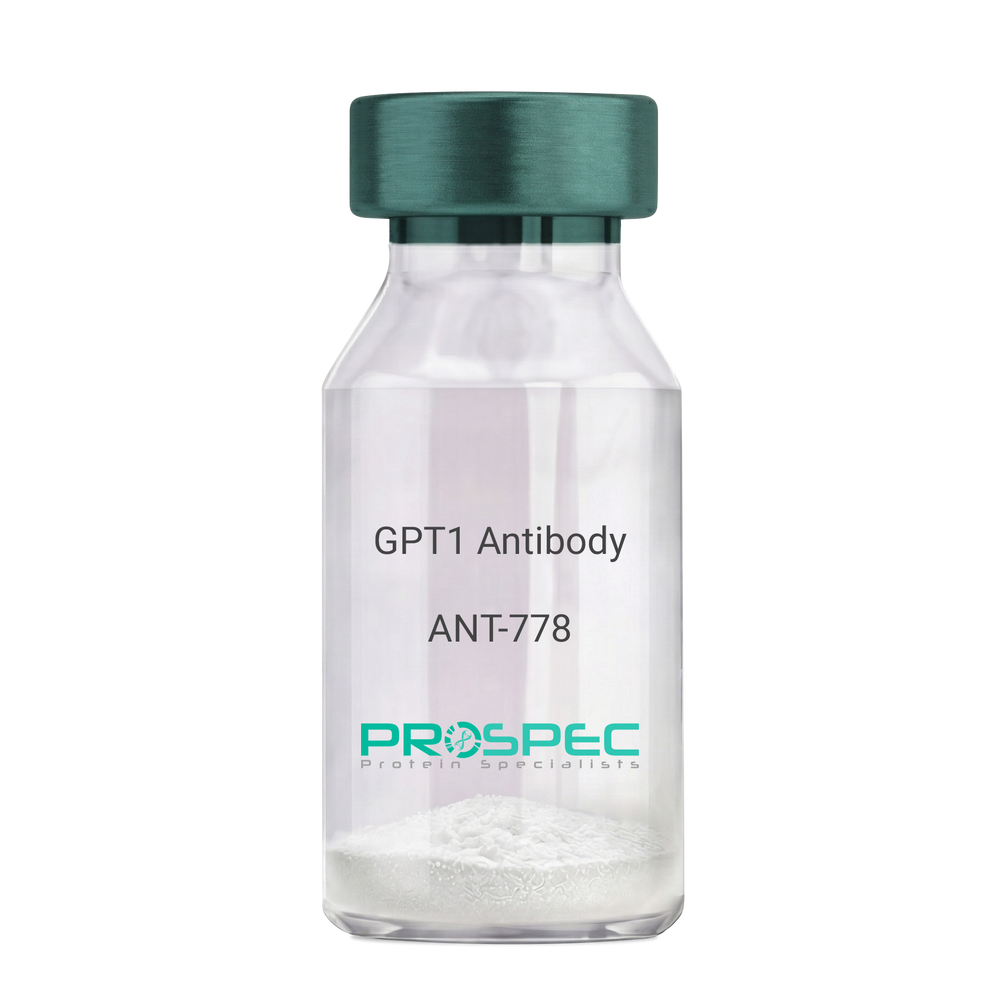
    GPT1 Antibody

    Description:

    Anti Human Glutamate Pyruvate Transaminase 1

    Product # :

    ANT-778

    Price :

    Quantity :

    Shipping Method :

    Ice Icon

    Shipped with Ice Packs

    Add To Cart

    More Info

    • description
    • formulation
    • purity
    • More Info
    • Citations

    Description

    Monoclonal antibody to glutamate-pyruvate-transaminase-1

    Formulation

    PBS, sodium chloride and 0.095 % NaN3 as a preservative.


    Purity

    Protein is >95% pure.

    Citations

    More Info

    • Physical Appearance

      Sterile Filtered clear solution.

    • Stability

      GPT1 Antibody although stable at 4°C for 1 week, should be stored below -18°C. Please prevent freeze thaw cycles.

    • Applications

      Immunoassay.

    • Background

      Monoclonal antibodies to Glutamate-Pyruvate Transaminase 1 (GPT/ALT1) are engineered proteins designed to bind GPT1, a key
      metabolic enzyme, for applications such as Western Blotting, ELISA, and immunofluorescence. These antibodies (often Mouse IgG1) are needed to recognize liver injury/ ALT1 metabolic activity.

    • Type

      Mouse antibody Monoclonal.

    • Purification Method

      Purified monoclonal IgG1 by protein A chromatography.

    ProSpec's products are furnished for LABORATORY RESEARCH USE ONLY. The product may not be used as drugs, agricultural or pesticidal products, food additives or household chemicals.

    Gpt1 Antibody
  • View Data Sheet

    Name :

    PMSG

    Description:

    Pregnant Mare Serum Gonadotropin

    Product # :

    HOR-272

    Price :

    Quantity :

    Shipping Method :

    Room Temp Icon

    Shipped at Room temp

    Add To Cart

    More Info

    • description
    • source
    • formulation
    • More Info
    • Citations

    Description

    PMSG is a complex glycoprotein obtained from the serum of pregnant mares. This 43-63 kda protein is capable of supplementing and being substituted for the follicle stimulating and interstitial cell-stimulating hormone of the anterior pituitary gland in both the male and female. Thus PMSG-Intervet stimulates development of the ovarian follicle in the female.

    Source

    Serum of pregnant mares.

    Formulation

    The PMSG was lyophilized with no additives.

    Citations

    More Info

    • Introduction

      PMSG Hormone is a well know used hormone together with progestogen to increase ovulation just before to artificial insemination. PMSG hormone is a placental glycoprotein produced from the serum of pregnant mares. PMSG comprises of an alfa subunit and a beta subunit. PMSG hormone is secreted from endometrial cups within the pregnant mare uterus aging from 40 to 130 days into their maturation, and once extracted, it can been used to promote artificially estrus in female animals. These assemblies produce PMSG hormone to induce mare's ovarian and repsouctive structures. PMSG can induce the growth of follicles by ovaries and results in ovulatation. PMSG hormone has an about a 4 day half-life of bioactivity in species other than horses. The extended biological activity can cause ovarian stimulation and ovulation. However, PMSG use alone often causes cystic ovarian disease because of the unrestrained ovarian stimulation and due to the sugar molecules which decrease clearance of the hormone. PMSG is more likely to be used than other pituitary hormones due to the extended circulatory half-life. PMSG solely exhibits luteinizing hormone like activity, however in other animal classes it has FSH & LH like activity.

    • Physical Appearance

      Sterile Filtered White lyophilized (freeze-dried) powder.

    • Stability

      Lyophilized PMSG although stable at room temperature for 3 weeks, should be stored between 2-8°C.

    • Solubility

      It is recommended to reconstitute the lyophilized PMSG in sterile 18M-cm H2O at a concentration of 1000 IU/ml, which can then be further diluted to other aqueous solutions.

    • Background

      What is the molecular weight/Mw of PMSG Protein?
      PMSG Protein has a total Mw of 43-63 kDa.

      What is the source or expression system of PMSG Protein?
      Serum of pregnant mares.

      What is the Biological Activity of PMSG Protein?
      The biological functionality of PMSG Protein will be determined in the future.

      What applications can PMSG Protein be used in?
      PMSG Protein can probably be used in western blot, ELISA and Lateral Flow.

      What is the endotoxin level for PMSG Protein?
      The endotoxin level is minimal, PMSG Protein was purified using conventional chromatography techniques.

      Who supplies PMSG that is in stock and available to order?
      ProSpec has the protein in stock and available for immediate delivery.

      Where can I order bulk mg quantities of PMSG?
      ProSpec supplies bulk mg quantities at affordable prices that meets research and academic budgets.

    ProSpec's products are furnished for LABORATORY RESEARCH USE ONLY. The product may not be used as drugs, agricultural or pesticidal products, food additives or household chemicals.

    Pmsg
  • View Data Sheet

    Name :

    FGFR1OP Human (1-80)

    Description:

    FGFR1 Oncogene Partner (1-80 a.a.) Human Recombinant

    FGFR1 oncogene partner, FGFR1OP, FOP.

    Product # :

    PKA-138

    Price :

    Quantity :

    Shipping Method :

    Room Temp Icon

    Shipped at Room temp

    Add To Cart

    More Info

    • description
    • source
    • formulation
    • purity
    • More Info
    • Citations

    Description

    The FGFR1O PHuman is created as a recombinant protein with a 4kda N-terminal fusion of His Tag. The FGFR1OP His-Tagged Fusion Protein, produced in E. coli, is a 12kDa protein containing 80 amino acid residues of the FGFR1OP Human, 1-80 amino acids.

    Source

    Escherichia Coli.

    Formulation

    Each mg was lyophilized with 1xPBS, 0.4% SDS and 4mM DTT.

    Purity

    Greater than 90% as determined by SDS-PAGE.

    Citations

    More Info

    • Synonyms

      FGFR1 oncogene partner, FGFR1OP, FOP.

    • Physical Appearance

      Filtered White lyophilized (freeze-dried) powder.

    • Stability

      Store lyophilized FGFR1OP at -20°C. Aliquot the product after reconstitution to avoid repeated freezing/thawing cycles. Reconstituted protein can be stored at 4°C for a limited period of time; it does not show any change after two weeks at 4°C.

    • Solubility

      It is recommended to add deionized water to prepare a working stock solution of approximately 0.5mg/ml and let the lyophilized pellet dissolve completely. Product is not sterile! Please filter the product by an appropriate sterile filter before using it on cell culture.

    • Amino Acid Sequence

      L MAATAAAVVA EEDTELRDLL VQTLENSGVL NRIKAELRAA VFLALEEQEK VENKTPLVNE SLRKFLNTKD GRLVASLVA

    • Background

      FGFR1 oncogene partner also known as FGFR1OP is a leucine-rich member of the FGFR1OP family. The ensuing chimeric protein contains the N-terminal leucine-rich region of the FGFR1OP protein fused to the catalytic domain of FGFR1. The FGFR1OP plays a main role in normal proliferation and differentiation of the erythroid lineage.

    ProSpec's products are furnished for LABORATORY RESEARCH USE ONLY. The product may not be used as drugs, agricultural or pesticidal products, food additives or household chemicals.

    Fgfr1Op Protein
  • View Data Sheet

    Name :

    IGFBP7 Human, His

    Description:

    Insulin Like Growth Factor Binding Protein-7Human Recombinant, His Tag

    Insulin-like growth factor-binding protein 7, IBP-7, IGF-binding protein 7, IGFBP-7, IGFBP-rP1, MAC25 protein, PGI2-stimulating factor, Prostacyclin-stimulating factor, Tumor-derived adhesion factor, TAF, IGFBP7, MAC25, PSF, AGM, FSTL2, RAMSVPS, IGFBP-7v, IGFBPRP1.

    Product # :

    CYT-809

    Price :

    Quantity :

    Shipping Method :

    Ice Icon

    Shipped with Ice Packs

    Add To Cart

    More Info

    • description
    • source
    • formulation
    • purity
    • More Info
    • SDS-PAGE
    • Citations

    Description

    IGFBP7 Human Recombinant produced in E.Coli is a single, non-glycosylated polypeptide chain containing 279 amino acids (27-282 a.a.) and having a molecular mass of 28.8kDa.IGFBP7 is fused to a 23 amino acid His-tag at N-terminus & purified by proprietary chromatographic techniques.

    Source

    Escherichia Coli.

    Formulation

    IGFBP7 protein solution (0.25mg/ml) containing 20mM Tris-HCl buffer (pH8.0), 0.2M NaCl, 50% glycerol, 2mM DTT and 1mM EDTA.

    Purity

    Greater than 85% as determined by SDS-PAGE.

    SDS-PAGE

    IGFBP7 Human - Product image 1

    Citations

    More Info

    • Introduction

      Insulin-like Growth Factor-Binding Protein 7 (IGFBP7) is a member of the IGFBP family. IGFBP family members are all cysteine rich proteins with conserved cysteine and have an IGFBP domain, a Kazal-like domain and an Ig-like C2-type domain. IGFBP7 is expressed in a broad range of normal human tissues and it mostly shows reduced expression in cancer cell lines of prostate, breast, colon, and lung origin. IGFBP7 has a role in skeletal myogenesis by binding to IGF in a manner which inhibits IGF induced differentiation of skeletal myoblasts, without disturbing IGF induced proliferation. Moreover, IGFBP7 suppresses growth and colony formation of prostate and breast cancer cell lines via an IGF independent mechanism, which triggers a delay in the G1 phase of the cell cycle, and increased apoptosis.

    • Synonyms

      Insulin-like growth factor-binding protein 7, IBP-7, IGF-binding protein 7, IGFBP-7, IGFBP-rP1, MAC25 protein, PGI2-stimulating factor, Prostacyclin-stimulating factor, Tumor-derived adhesion factor, TAF, IGFBP7, MAC25, PSF, AGM, FSTL2, RAMSVPS, IGFBP-7v, IGFBPRP1.

    • Physical Appearance

      Sterile Filtered clear solution.

    • Stability

      Store at 4°C if entire vial will be used within 2-4 weeks. Store, frozen at -20°C for longer periods of time. For long term storage it is recommended to add a carrier protein (0.1% HSA or BSA).Avoid multiple freeze-thaw cycles.

    • Amino Acid Sequence

      MGSSHHHHHH SSGLVPRGSH MGSSSSDTCG PCEPASCPPL PPLGCLLGET RDACGCCPMC ARGEGEPCGG GGAGRGYCAP GMECVKSRKR RKGKAGAAAG GPGVSGVCVC KSRYPVCGSD GTTYPSGCQL RAASQRAESR GEKAITQVSK GTCEQGPSIV TPPKDIWNVT GAQVYLSCEV IGIPTPVLIW NKVKRGHYGV QRTELLPGDR DNLAIQTRGG PEKHEVTGWV LVSPLSKEDA GEYECHASNS QGQASASAKI TVVDALHEIP VKKGEGAEL.

    • Background

      What is the molecular weight/Mw of IGFBP7 HUMAN, HIS Protein?
      IGFBP7 HUMAN, HIS Protein has a total Mw of 28.8kDa.

      What is the source or expression system of IGFBP7 HUMAN, HIS Protein?
      Escherichia Coli.

      What is the Purity of IGFBP7 HUMAN, HIS Protein?
      IGFBP7 HUMAN, HIS Protein is >85% pure as determined by SDS-PAGE.

      What is the Biological Activity of IGFBP7 HUMAN, HIS Protein?
      The biological functionality of IGFBP7 HUMAN, HIS Protein will be determined in the future.

      What is the amino acid sequence of IGFBP7 HUMAN, HIS Protein?
      MGSSHHHHHH SSGLVPRGSH MGSSSSDTCG PCEPASCPPL PPLGCLLGET RDACGCCPMC ARGEGEPCGG GGAGRGYCAP GMECVKSRKR RKGKAGAAAG GPGVSGVCVC KSRYPVCGSD GTTYPSGCQL RAASQRAESR GEKAITQVSK GTCEQGPSIV TPPKDIWNVT GAQVYLSCEV IGIPTPVLIW NKVKRGHYGV QRTELLPGDR DNLAIQTRGG PEKHEVTGWV LVSPLSKEDA GEYECHASNS QGQASASAKI TVVDALHEIP VKKGEGAEL.

      What applications can IGFBP7 HUMAN, HIS Protein be used in?
      IGFBP7 HUMAN, HIS Protein can probably be used in western blot, ELISA and Lateral Flow.

      What is the endotoxin level for IGFBP7 HUMAN, HIS Protein?
      The endotoxin level is minimal, IGFBP7 HUMAN, HIS Protein was purified using conventional chromatography techniques.

    ProSpec's products are furnished for LABORATORY RESEARCH USE ONLY. The product may not be used as drugs, agricultural or pesticidal products, food additives or household chemicals.

    Igfbp7 Human His
  • View Data Sheet

    Name :

    TPPP3 Human

    Description:

    Tubulin Polymerization-Promoting Protein Family Member 3 Human Recombinant

    Tubulin Polymerization-Promoting Protein Family Member 3, Brain Specific Protein, p25gamma, TPPP/p20, p20.

    Product # :

    PRO-1615

    Price :

    Quantity :

    Shipping Method :

    Ice Icon

    Shipped with Ice Packs

    Add To Cart

    More Info

    • description
    • source
    • formulation
    • purity
    • More Info
    • Citations

    Description

    TPPP3 Human Recombinant produced in E.coli is a single, non-glycosylated polypeptide chain containing 199 amino acids (1-176) and having a molecular mass of 21.4kDa.TPPP3 is fused to a 23 amino acid His-tag at N-terminus & purified by proprietary chromatographic techniques.

    Source

    Escherichia Coli.

    Formulation

    The TPPP3 solution contains 20mM Tris-HCl buffer (pH 8.0), 0.15M NaCl, 1mM DTT and 10% glycerol.

    Purity

    Greater than 95% as determined by SDS-PAGE.

    Citations

    More Info

    • Introduction

      TPPP3 is a member of the TPPP family and is found in the cytoplasm. TPPP3 binds tubulin, has microtubule bundling activity takes part in mitosis and cell proliferation.

    • Synonyms

      Tubulin Polymerization-Promoting Protein Family Member 3, Brain Specific Protein, p25gamma, TPPP/p20, p20.

    • Physical Appearance

      Sterile filtered colorless solution.

    • Stability

      Store at 4°C if entire vial will be used within 2-4 weeks. Store, frozen at -20°C for longer periods of time. For long term storage it is recommended to add a carrier protein (0.1% HSA or BSA).Avoid multiple freeze-thaw cycles.

    • Amino Acid Sequence

      MGSSHHHHHH SSGLVPRGSH MGSMAASTDM AGLEESFRKF AIHGDPKASG QEMNGKNWAK LCKDCKVADG KSVTGTDVDI VFSKVKGKSA RVINYEEFKK ALEELATKRF KGKSKEEAFD AICQLVAGKE PANVGVTKAK TGGAVDRLTD TSRYTGSHKE RFDESGKGKG IAGRQDILDD SGYVSAYKNA GTYDAKVKK

    ProSpec's products are furnished for LABORATORY RESEARCH USE ONLY. The product may not be used as drugs, agricultural or pesticidal products, food additives or household chemicals.

    Tppp3 Human
  • View Data Sheet

    Name :

    SYT1 Human

    Description:

    Synaptotagmin I Human Recombinant

    Synaptotagmin-1, Synaptotagmin I, SytI, p65, SYT1, SVP65, SYT.

    Product # :

    PRO-239

    Price :

    Quantity :

    Shipping Method :

    Ice Icon

    Shipped with Ice Packs

    Add To Cart

    More Info

    • description
    • source
    • formulation
    • purity
    • More Info
    • Citations

    Description

    SYT1 produced in E.Coli is a single, non-glycosylated polypeptide chain containing 256 amino acids (136-382 a.a) and having a molecular mass of 29.5kDa.SYT1 is fused to an 8 amino acid His-tag at C-terminus & purified by proprietary chromatographic techniques.

    Source

    Escherichia Coli.

    Formulation

    SYT1 protein solution (0.25mg/ml) containing 20mM Tris-HCl buffer (pH 8.0), 2mM DTT, 20% glycerol and 100mM NaCl.

    Purity

    Greater than 85.0% as determined by SDS-PAGE.

    Citations

    More Info

    • Introduction

      Synaptotagmin-1(SYT1) is a member of the synaptotagmin family, which contains two C2 domains. The synaptotagmins are integral membrane proteins of synaptic vesicles assumed to function as Ca(2+) sensors in the process of vesicular trafficking and exocytosis. SYT1 is the principal regulator responsible for allowing the human brain to release neurotransmitters. SYT1 may have a regulatory role in the membrane interactions during trafficking of synaptic vesicles at the active zone of the synapse. SYT1 binds acidic phospholipids with a specificity which entails the presence of both an acidic head group and a diacyl backbone. SYT1 can also bind to at least 3 additional proteins in a Ca2+-independent manner; these being neurexins, syntaxin and AP2.

    • Synonyms

      Synaptotagmin-1, Synaptotagmin I, SytI, p65, SYT1, SVP65, SYT.

    • Physical Appearance

      Sterile Filtered colorless solution.

    • Stability

      Store at 4°C if entire vial will be used within 2-4 weeks. Store, frozen at -20°C for longer periods of time. For long term storage it is recommended to add a carrier protein (0.1% HSA or BSA).Avoid multiple freeze-thaw cycles.

    • Amino Acid Sequence

      MEPKEEEKLG KLQYSLDYDF QNNQLLVGII QAAELPALDM GGTSDPYVKV FLLPDKKKKF ETKVHRKTLN PVFNEQFTFK VPYSELGGKT LVMAVYDFDR FSKHDIIGEF KVPMNTVDFG HVTEEWRDLQ SAEKEEQEKL GDICFSLRYV PTAGKLTVVI LEAKNLKKMD VGGLSDPYVK IHLMQNGKRL KKKKTTIKKN TLNPYYNESF SFEVPFEQIQ KVQVVVTVLD YDKIGKNDAI GKVFVGYNLE HHHHHH.

    ProSpec's products are furnished for LABORATORY RESEARCH USE ONLY. The product may not be used as drugs, agricultural or pesticidal products, food additives or household chemicals.

    Syt1 Human
  • View Data Sheet

    Name :

    MPI Human

    Description:

    Mannose Phosphate Isomerase Human Recombinant

    Mannose-6-phosphate isomerase, PMI1, CDG1B, Phosphohexomutase, Phosphomannose isomerase, EC 5.3.1.8, FLJ39201.

    Product # :

    ENZ-169

    Price :

    Quantity :

    Shipping Method :

    Ice Icon

    Shipped with Ice Packs

    Add To Cart

    More Info

    • description
    • source
    • formulation
    • purity
    • More Info
    • Citations

    Description

    MPI Human Recombinant produced in E.coli is a single, non-glycosylated polypeptide chain containing 382 amino acids (1-362) and having a molecular mass of 41.9 kDa.The MPI is fused to a 20 amino acid His-Tag at N-terminus and purified by proprietary chromatographic techniques.

    Source

    E.coli.

    Formulation

    The MPI solution (0.5mg/ml) contains 20mM Tris-HCl buffer (pH 8.0), 0.4M Urea and 5% glycerol.

    Purity

    Greater than 90% as determined by SDS-PAGE.

    Citations

    More Info

    • Introduction

      MPI is a member of the mannose-6-phosphate isomerase type 1 family. Although MPI is expressed in all tissues, it can be found more abundantly in heart, brain and skeletal muscle. Localized to the cytoplasm, MPI exploits zinc as a cofactor and catalyzes the interconversion of fructose-6-phosphate and mannose-6-phosphate. Mutations in the MPI gene are the cause of carbohydrate-deficient glycoprotein syndrome, type Ib.

    • Synonyms

      Mannose-6-phosphate isomerase, PMI1, CDG1B, Phosphohexomutase, Phosphomannose isomerase, EC 5.3.1.8, FLJ39201.

    • Physical Appearance

      Sterile Filtered colorless solution.

    • Stability

      Store at 4°C if entire vial will be used within 2-4 weeks. Store, frozen at -20°C for longer periods of time. For long term storage it is recommended to add a carrier protein (0.1% HSA or BSA).Avoid multiple freeze-thaw cycles.

    • Amino Acid Sequence

      MGSSHHHHHH SSGLVPRGSH MAAPRVFPLS CAVQQYAWGK MGSNSEVARL LASSDPLAQI AEDKPYAELW MGTHPRGDAK ILDNRISQKT LSQWIAENQD SLGSKVKDTF NGNLPFLFKV LSVETPLSIQ AHPNKELAEK LHLQAPQHYP DANHKPEMAI ALTPFQGLCG FRPVEEIVTF LKTAAGNNME DIFGELLLQL HQQYPGDIGC FAIYFLNLLT LKPGEAMFLE ANVPHAYLKG DCVECMACSD NTVRAGLTPK FIDVPTLCEM LSYTPSSSKD RLFLPTRSQE DPYLSIYDPP VPDFTIMKTE VPGSVTEYKV LALDSASILL MVQGTVIAST PTTQTPIPLQ RGGVLFIGAN ESVSLKLTEP KDLLIFRACC LL

    ProSpec's products are furnished for LABORATORY RESEARCH USE ONLY. The product may not be used as drugs, agricultural or pesticidal products, food additives or household chemicals.

    Mpi Human
  • View Data Sheet

    Name :

    p16-INK4a Human, TAT

    Description:

    Cyclin-Dependent Kinase Inhibitor 2A Human Recombinant, TAT

    Cyclin-dependent kinase 4 inhibitor A, CDK4I, p16-INK4, p16-INK4a, p16INK4A, CDKN-2A, CDKN2, Multiple tumor suppressor 1, MTS1, CMM2, MLM, TP16, p16(INK4), p19.

    Product # :

    PKA-337

    Price :

    Quantity :

    Shipping Method :

    Room Temp Icon

    Shipped at Room temp

    Add To Cart

    More Info

    • description
    • source
    • formulation
    • purity
    • More Info
    • Citations

    Description

    p16-INK4a Human Recombinant is a single, non-glycosylated, polypeptide chain produced in E.coli, containing a total of 168 amino acids, which includes the 156 residues of full-length p16-INK4a and a 13-residue C-terminal TAT peptide (GGYGRKKRRQRRR), having a total Mw of 18kDa. p16-INK4a is purified by proprietary chromatographic techniques.

    Source

    Escherichia Coli.

    Formulation

    Lyophilized from a 0.2µm filtered concentrated solution in 1xPBS, pH 7.4.

    Purity

    Greater than 95.0% as determined by:
    (a) Analysis by RP-HPLC.
    (b) Analysis by SDS-PAGE.

    Citations

    More Info

    • Introduction

      Cyclin-dependent kinase inhibitors (CDKIs) are proteins that bind to and inhibit the activity of CDKs. Two major classes of CDK inhibitors have been identified. The p16 family (p15, p16, p18 and p19) binds to and inhibits the activities of CDK4 and CDK6. The p21 family (p21, p27, p28 and p57) can bind to broad range of CDK-cyclin complexes and inhibit their activities. CDKIs are capable of suppressing growth, and several lines of evidence strongly suggest that at least some CDKIs may be tumor suppressor proteins.

    • Synonyms

      Cyclin-dependent kinase 4 inhibitor A, CDK4I, p16-INK4, p16-INK4a, p16INK4A, CDKN-2A, CDKN2, Multiple tumor suppressor 1, MTS1, CMM2, MLM, TP16, p16(INK4), p19.

    • Physical Appearance

      Sterile Filtered White lyophilized (freeze-dried) powder.

    • Stability

      Lyophilized p16-INK4a although stable at room temperature for 3 weeks, should be stored desiccated below -18°C. Upon reconstitution p16-INK4a should be stored at 4°C between 2-7 days and for future use below -18°C. For long term storage it is recommended to add a carrier protein (0.1% HSA or BSA).Please prevent freeze-thaw cycles.

    • Solubility

      It is recommended to reconstitute the lyophilized p16-INK4a in sterile 18MΩ-cm H2O not less than 100µg/ml, which can then be further diluted to other aqueous solutions.

    • Amino Acid Sequence

      EPAAGSSMEP SADWLATAAA RGRVEEVRAL LEAGALPNAP NSYGRRPIQV MMMGSARVAE LLLLHGAEPN CADPATLTRP VHDAAREGFL DTLVVLHRAG ARLDVRDAWG RLPVDLAEEL GHRDVARYLR AAAGGTRGSN HARIDAAEGP SDIPDGGYGR KKRRQRRR.

    ProSpec's products are furnished for LABORATORY RESEARCH USE ONLY. The product may not be used as drugs, agricultural or pesticidal products, food additives or household chemicals.

    P16 Ink4A Human Tat
  • View Data Sheet

    Name :

    PGAM1 Mouse

    Description:

    Phosphoglycerate Mutase 1 Mouse Recombinant

    Phosphoglycerate mutase 1, BPG-dependent PGAM 1, Phosphoglycerate mutase isozyme B, PGAM-B, Pgam1, Pgam-1, 2310050F24Rik.

    Product # :

    ENZ-627

    Price :

    Quantity :

    Shipping Method :

    Ice Icon

    Shipped with Ice Packs

    Add To Cart

    More Info

    • description
    • source
    • formulation
    • purity
    • More Info
    • Citations

    Description

    PGAM1 Mouse Recombinant produced in E.coli is a single, non-glycosylated polypeptide chain containing 278 amino acids (1-254) and having a molecular mass of 31.4kDa.PGAM1 is fused to a 24 amino acid His-tag at N-terminus & purified by proprietary chromatographic techniques.

    Source

    Escherichia Coli.

    Formulation

    The PGAM1 solution (1mg/ml) contains 20mM Tris-HCl buffer (pH8.0), 20% glycerol, 0.1M NaCl and 1mM DTT.

    Purity

    Greater than 95% as determined by SDS-PAGE.

    Citations

    More Info

    • Introduction

      PGAM1 is part of the phosphoglycerate mutase family. PGAM1 is an essential component of glucose and 2,3-BPGA (2,3-bisphosphoglycerate) metabolism and catalyzes the reversible reaction of 3-phosphoglycerate (3-PGA) to 2-phosphoglycerate (2-PGA) in the glycolytic pathway. PGAM1 is a dimeric enzyme containing, in different tissues, different proportions of a slow-migrating muscle (MM) isozyme, a fast-migrating brain (BB) isozyme, and a hybrid form (MB). PGAM1 mutations lead to muscle phosphoglycerate mutase deficiency, a.k.a. glycogen storage disease X.

    • Synonyms

      Phosphoglycerate mutase 1, BPG-dependent PGAM 1, Phosphoglycerate mutase isozyme B, PGAM-B, Pgam1, Pgam-1, 2310050F24Rik.

    • Physical Appearance

      Sterile Filtered clear colorless solution.

    • Stability

      Store at 4°C if entire vial will be used within 2-4 weeks. Store, frozen at -20°C for longer periods of time. For long term storage it is recommended to add a carrier protein (0.1% HSA or BSA).Avoid multiple freeze-thaw cycles.

    • Amino Acid Sequence

      MGSSHHHHHH SSGLVPRGSH MGSHMAAYKL VLIRHGESAW NLENRFSGWY DADLSPAGHE EAKRGGQALR DAGYEFDICF TSVQKRAIRT LWTVLDAIDQ MWLPVVRTWR LNERHYGGLT GLNKAETAAK HGEAQVKIWR RSYDVPPPPM EPDHPFYSNI SKDRRYADLT EDQLPSCESL KDTIARALPF WNEEIVPQIK EGKRVLIAAH GNSLRGIVKH LEGLSEEAIM ELNLPTGIPI VYELDKNLKP IKPMQFLGDE ETVRKAMEAV AAQGKVKK.

    ProSpec's products are furnished for LABORATORY RESEARCH USE ONLY. The product may not be used as drugs, agricultural or pesticidal products, food additives or household chemicals.

    Pgam1 Mouse
  • View Data Sheet

    Name :

    PTPN4 Human

    Description:

    Protein Tyrosine Phosphatase Non Receptor Type-4 Human Recombinant

    Protein Tyrosine Phosphatase, Non-Receptor Type 4 (Megakaryocyte), Protein-Tyrosine Phosphatase MEG1, PTPase-MEG1, EC 3.1.3.48, MEG, Tyrosine-Protein Phosphatase Non-Receptor Type 4, Megakaryocyte Protein-Tyrosine Phosphatase, Protein Tyrosine Phosphatase MEG1, Megakaryocyte Phosphatase, PTPMEG1, PTPMEG, Tyrosine-protein phosphatase non-receptor type 4, Protein-tyrosine phosphatase MEG1.

    Product # :

    PKA-075

    Price :

    Quantity :

    Shipping Method :

    Ice Icon

    Shipped with Ice Packs

    Add To Cart

    More Info

    • description
    • source
    • formulation
    • purity
    • More Info
    • Citations

    Description

    PTPN4 Human Recombinant produced in E.Coli is a single, non-glycosylated polypeptide chain containing 280 amino acids (655-913 a.a) and having a molecular mass of 32kDa. PTPN4 is fused to a 21 amino acid His-tag at N-terminus & purified by proprietary chromatographic techniques.

    Source

    E.coli.

    Formulation

    PTPN4 protein solution (1mg/ml) containing 20mM Tris buffer (pH 8.0) and 10% glycerol.

    Purity

    Greater than 85% as determined by SDS-PAGE.

    Citations

    More Info

    • Introduction

      Protein Tyrosine Phosphatase Non Receptor Type-4, also known asPTPN4 belongs to the protein tyrosine phosphatase, PTP family. PTPs are identified as signaling molecules which regulate a variety of cellular processes as well as cell growth, differentiation, mitotic cycle, and oncogenic transformation. PTPN4 is broadly expressed non-receptor protein tyrosine phosphatase. In addition, PTPN4 interacts with glutamate receptor delta 2 & epsilon, and affects glutamate receptors signaling and/or in regulation of their activities through tyrosine dephosphorylation.

    • Synonyms

      Protein Tyrosine Phosphatase, Non-Receptor Type 4 (Megakaryocyte), Protein-Tyrosine Phosphatase MEG1, PTPase-MEG1, EC 3.1.3.48, MEG, Tyrosine-Protein Phosphatase Non-Receptor Type 4, Megakaryocyte Protein-Tyrosine Phosphatase, Protein Tyrosine Phosphatase MEG1, Megakaryocyte Phosphatase, PTPMEG1, PTPMEG, Tyrosine-protein phosphatase non-receptor type 4, Protein-tyrosine phosphatase MEG1.

    • Physical Appearance

      Sterile Filtered colorless solution.

    • Stability

      Store at 4°C if entire vial will be used within 2-4 weeks. Store, frozen at -20°C for longer periods of time. For long term storage it is recommended to add a carrier protein (0.1% HSA or BSA).Avoid multiple freeze-thaw cycles.

    • Amino Acid Sequence

      MGSSHHHHHH SSGLVPRGSH MVLTQFDQLY RKKPGMTMSC AKLPQNISKN RYRDISPYDA TRVILKGNED YINANYINME IPSSSIINQY IACQGPLPHT CTDFWQMTWE QGSSMVVMLT TQVERGRVKC HQYWPEPTGS SSYGCYQVTC HSEEGNTAYI FRKMTLFNQE KNESRPLTQI QYIAWPDHGV PDDSSDFLDF VCHVRNKRAG KEEPVVVHCS AGIGRTGVLI TMETAMCLIE CNQPVYPLDI VRTMRDQRAM MIQTPSQYRF VCEAILKVYE.

    ProSpec's products are furnished for LABORATORY RESEARCH USE ONLY. The product may not be used as drugs, agricultural or pesticidal products, food additives or household chemicals.

    Ptpn4 Human
  • View Data Sheet

    Name :

    GAMT Human

    Description:

    Guanidinoacetate N-Methyltransferase Human Recombinant

    PIG2, TP53I2, GAMT, Guanidinoacetate N-methyltransferase.

    Product # :

    ENZ-460

    Price :

    Quantity :

    Shipping Method :

    Ice Icon

    Shipped with Ice Packs

    Add To Cart

    More Info

    • description
    • source
    • formulation
    • purity
    • More Info
    • Citations

    Description

    Recombinant Human GAMT produced in E.Coli is a single, non-glycosylated polypeptide chain containing 256 amino acids (1-236 a.a) and having a molecular mass of 28.4 kDa. GAMT is fused to a 20 amino acids His-Tag at N-terminus and purified by conventional chromatography techniques.

    Source

    Escherichia Coli.

    Formulation

    The GAMT protein solution contains 20mM Tris-HCl, pH-8, 1mM DTT and 10% Glycerol.

    Purity

    Greater than 95.0% as determined by SDS-PAGE.

    Citations

    More Info

    • Introduction

      GAMT is a methyltransferase that transfers guanidoacetate to creatine, using S-adenosylmethionine as the methyl donor. Defects GAMT gene result in neurologic syndromes and muscular hypotonia, probably due to creatine deficiency and accumulation of guanidinoacetate in the brain of affected individuals. GAMT take parts in the two-step synthesis of creatine from the protein building blocks glycine, arginine, and methionine. GAMT takes part in supplying the energy for muscle contraction, and is in addition a significant player in nervous system functioning. GAMT is active in the liver, pancreas, and kidne.

    • Synonyms

      PIG2, TP53I2, GAMT, Guanidinoacetate N-methyltransferase.

    • Physical Appearance

      Sterile filtered colorless solution.

    • Stability

      Store at 4°C if entire vial will be used within 2-4 weeks. Store, frozen at -20°C for longer periods of time. For long term storage it is recommended to add a carrier protein (0.1% HSA or BSA). Avoid multiple freeze-thaw cycles.

    • Amino Acid Sequence

      MGSSHHHHHH SSGLVPRGSH MSAPSATPIF APGENCSPAW GAAPAAYDAA DTHLRILGKP VMERWETPYM HALAAAASSK GGRVLEVGFG MAIAASKVQE APIDEHWIIE CNDGVFQRLR DWAPRQTHKV IPLKGLWEDV APTLPDGHFD GILYDTYPLS EETWHTHQFN FIKNHAFRLL KPGGVLTYCN LTSWGELMKS KYSDITIMFE ETQVPALLEA GFRRENIRTE VMALVPPADC RYYAFPQMIT PLVTKG.

    ProSpec's products are furnished for LABORATORY RESEARCH USE ONLY. The product may not be used as drugs, agricultural or pesticidal products, food additives or household chemicals.

    Gamt Human
  • View Data Sheet

    Name :

    GZMK Human, Sf9

    Description:

    Granzyme-K, Human Recombinant, sf9

    GZMK, TRYP2, Granzyme-K, Granzyme K, Fragmentin-3, Granzyme-3, NK-tryptase-2, NK-Tryp-2.

    Product # :

    ENZ-1031

    Price :

    Quantity :

    Shipping Method :

    Ice Icon

    Shipped with Ice Packs

    Add To Cart

    More Info

    • description
    • source
    • formulation
    • purity
    • More Info
    • Citations

    Description

    GZMK Human Recombinant produced in Sf9 Baculovirus cells is a single, glycosylated polypeptide chain containing 247 amino acids (27-264) and having a molecular mass of 26.9kDa (Molecular size on SDS-PAGE will appear at approximately 28-40kDa). GZMK is fused to a 6 amino acid His-Tag at C-terminus and purified by proprietary chromatographic techniques.

    Source

    Sf9, Baculovirus cells.

    Formulation

    GZMK protein solution (0.25mg/ml) containing Phosphate Buffered Saline (pH 7.4), 20% glycerol and 1mM DTT.

    Purity

    Greater than 95.0% as determined by analysis by SDS-PAGE.

    Citations

    More Info

    • Introduction

      GZMK is a part of a group of related serine proteases from the cytoplasmic granules of cytotoxic lymphocytes. Cytolytic T lymphocytes and natural killer cells have the outstanding ability to bind, recognize and lyse specific target cells. They defend their host by lysing cells bearing on their surface 'nonself' antigens, usually peptides or proteins resulting from infection by intracellular pathogens.

    • Synonyms

      GZMK, TRYP2, Granzyme-K, Granzyme K, Fragmentin-3, Granzyme-3, NK-tryptase-2, NK-Tryp-2.

    • Physical Appearance

      Sterile Filtered clear solution.

    • Stability

      Store at 4°C if entire vial will be used within 2-4 weeks. Store, frozen at -20°C for longer periods of time. For long term storage it is recommended to add a carrier protein (0.1% HSA or BSA).Avoid multiple freeze-thaw cycles.

    • Amino Acid Sequence

      ADPIIGGKEV SPHSRPFMAS IQYGGHHVCG GVLIDPQWVL TAAHCQYRFT KGQSPTVVLG AHSLSKNEAS KQTLEIKKFI PFSRVTSDPQ SNDIMLVKLQ TAAKLNKHVK MLHIRSKTSL RSGTKCKVTG WGATDPDSLR PSDTLREVTV TVLSRKLCNS QSYYNGDPFI TKDMVCAGDA KGQKDSCKGD SGGPLICKGV FHAIVSGGHE CGVATKPGIY TLLTKKYQTW IKSNLVPPHT NHHHHHH.

    ProSpec's products are furnished for LABORATORY RESEARCH USE ONLY. The product may not be used as drugs, agricultural or pesticidal products, food additives or household chemicals.

    Gzmk Sf9
  • 1
  • …
  • 5
  • 6
  • 7
  • 8
  • 9
  • …
  • 24
Your browser does not support the video tag.

Products

  • Cytokines
  • Growth Factors
  • Chemokines
  • CD Antigens
  • Neurotrophins
  • Hormones
  • Enzymes
  • Viral Antigens
  • Recombinant Proteins
  • Natural Proteins
  • Monoclonal Antibodies
  • Polyclonal Antibodies
  • Thermal Packaging

About

  • Company
  • Founder
  • Contribution
  • Contact Us
  • My Account

Ordering

  • Ordering Method
  • Ordering - Credit Card
  • Ordering PO
  • Shipping Fees
  • FAQ's

Legal

  • Terms & Conditions
  • Privacy
  • Site Map
  • info@prospecbio.com
  • Facebook
  • Instagram
  • Linkedin Profile

© 2026 ProSpec-Tany TechnoGene Ltd. All Rights Reserved.

  • Choosing a selection results in a full page refresh.
  • Opens in a new window.