Search results
1000 results found for “CTGF”
Name
Description
Product #
Price
Quantity
Shipping Method
- View Data Sheet
Name :
CTSZ Human, Sf9Description:
Cathepsin-Z Human Recombinant, Sf9
Cathepsin Z, Cathepsin X, Cysteine-Type Carboxypeptidase, Lysosomal Carboxypeptidase B, Carboxypeptidase LB, Cathepsin B2, Cathepsin IV, Cathepsin Z1, Cathepsin P, Cathepsin Y, EC 3.4.18.1, Preprocathepsin P, CTSX.
Product # :
ENZ-1097Price :
Quantity :
Shipping Method :
Shipped with Ice Packs
More Info
- description
- source
- formulation
- purity
- biological activity
- More Info
- Citations
Description
CTSZ produced in Sf9 Baculovirus cells is a single, glycosylated polypeptide chain containing 288 amino acids (24-303.a.) and having a molecular mass of 32.5kDa. (Molecular size on SDS-PAGE will appear at approximately 28-40kDa).CTSZ is expressed with an 8 amino acid His tag at C-Terminus and purified by proprietary chromatographic techniques.
Source
Sf9, Baculovirus cells.
Formulation
CTSZ protein solution (0.5mg/ml) contains 10% glycerol & Phosphate Buffered Saline (pH 7.4).
Purity
Greater than 95% as determined by SDS-PAGE.
Biological Activity
The specific activity is determent as the ability of 1 unit to convert 1.0 pmole of Mca-PLGL-Dpa-AR-NH2 to MCA- Pro-Leu-OH per minute at pH 3.5 at 25C and is > 1,400 pmol/min/ug.
Citations
More Info
-
Introduction
Cathepsin-Z (CTSZ) is a lysosomal cysteine proteinase and a member of the peptidase C1 family. CTSZ, which is known also as cathepsin X and cathepsin P, exhibits carboxy-monopeptidase and carboxy-dipeptidase activities. CTSZ is expressed ubiquitously in cancer cell lines and primary tumors and as other members of this family, takes part in tumorigenesis.
-
Synonyms
Cathepsin Z, Cathepsin X, Cysteine-Type Carboxypeptidase, Lysosomal Carboxypeptidase B, Carboxypeptidase LB, Cathepsin B2, Cathepsin IV, Cathepsin Z1, Cathepsin P, Cathepsin Y, EC 3.4.18.1, Preprocathepsin P, CTSX.
-
Physical Appearance
Sterile Filtered clear solution.
-
Stability
Store at 4°C if entire vial will be used within 2-4 weeks. Store, frozen at -20°C for longer periods of time.For long term storage it is recommended to add a carrier protein (0.1% HSA or BSA).Please avoid freeze thaw cycles.
-
Amino Acid Sequence
GLYFRRGQTC YRPLRGDGLA PLGRSTYPRP HEYLSPADLP KSWDWRNVDG VNYASITRNQ
HIPQYCGSCW AHASTSAMAD RINIKRKGAW PSTLLSVQNV IDCGNAGSCE GGNDLSVWDY
AHQHGIPDET CNNYQAKDQE CDKFNQCGTC NEFKECHAIR NYTLWRVGDY GSLSGREKMM
AEIYANGPIS CGIMATERLA NYTGGIYAEY QDTTYINHVV SVAGWGISDG TEYWIVRNSW
GEPWGERGWL RIVTSTYKDG KGARYNLAIE EHCTFGDPIV LEHHHHHH
ProSpec's products are furnished for LABORATORY RESEARCH USE ONLY. The product may not be used as drugs, agricultural or pesticidal products, food additives or household chemicals.
- View Data Sheet
Name :
G CSF MouseDescription:
Granulocyte-Colony Stimulating Factor Mouse Recombinant
CSF3, MGI-1G, GM-CSF beta, Pluripoietin, G-CSF, GCSF.
Product # :
CYT-410Price :
Quantity :
Shipping Method :
Shipped at Room temp
More Info
- description
- source
- formulation
- purity
- biological activity
- More Info
- Citations
Description
Granulocyte Colony Stimulating Factor Mouse Recombinant produced in E.coli is a single, non-glycosylated, polypeptide chain containing 178 amino acids and having a molecular mass of approximately 18.9kDa. G-CSF is purified by proprietary chromatographic techniques.
Source
Escherichia Coli.
Formulation
G-CSF Lyophilized from 10mM NaCitrate, pH 4.0 and 150mM NaCl.
Purity
Greater than 98.0% as determined by:
(a) Analysis by RP-HPLC.
(b) Analysis by SDS-PAGE.Biological Activity
The ED50 as determined by a cell proliferation assay using murine NFS-60 cells is < 0.05 ng/ml, corresponding to a Specific Activity of 2 x 10⁷IU/mg.Citations
More Info
-
Introduction
Granulocyte Colony Stimulating Factor is a growth factor and/or cytokine produced by the endothelium, macrophages and a number of other immune cells. GCSF stimulates the bone marrow to produce granulocytes and also to stimulate the survival, proliferation, differentiation and function of neutrophil granulocyte progenator cells and mature neutrophils.
-
Synonyms
CSF3, MGI-1G, GM-CSF beta, Pluripoietin, G-CSF, GCSF.
-
Physical Appearance
Sterile Filtered White lyophilized (freeze-dried) powder.
-
Stability
Lyophilized Granulocyte Colony Stimulating Factor although stable at room temperature for 3 weeks, should be stored desiccated below -18°C. Upon reconstitution GCSF should be stored at 4°C between 2-7 days and for future use below -18°C.For long term storage it is recommended to add a carrier protein (0.1% HSA or BSA).Please prevent freeze-thaw cycles.
-
Solubility
It is recommended to reconstitute the lyophilized Granulocyte Colony Stimulating Factor in sterile 18MΩ-cm H2O not less than 100µg/ml, which can then be further diluted to other aqueous solutions.
-
Amino Acid Sequence
VPLVTVSAL PPSLPLPRSF LLKSLEQVRK IQASGSVLLE QLCATYKLCH PEELVLLGHS LGIPKASLSG CSSQALQQTQ CLSQLHSGLC LYQGLLQALS GISPALAPTL DLLQLDVANF ATTIWQQMEN LGVAPTVQPT QSAMPAFTSA FQRRAGGVLA ISYLQGFLET ARLALHHLA.
-
Background
What is the molecular weight/Mw of G CSF MOUSE Protein?
G CSF MOUSE Protein has a total Mw of 18.9kDa.
What is the source or expression system of G CSF MOUSE Protein?
Escherichia Coli.
What is the Purity of G CSF MOUSE Protein?
G CSF MOUSE Protein is >98% pure as determined by SDS-PAGE.
What is the Biological Activity of G CSF MOUSE Protein?
The ED50 as determined by a cell proliferation assay using murine NFS-60 cells is < 0.05 ng/ml, corresponding to a Specific Activity of 2 x 10⁷IU/mg.
What is the amino acid sequence of G CSF MOUSE Protein?
VPLVTVSAL PPSLPLPRSF LLKSLEQVRK IQASGSVLLE QLCATYKLCH PEELVLLGHS LGIPKASLSG CSSQALQQTQ CLSQLHSGLC LYQGLLQALS GISPALAPTL DLLQLDVANF ATTIWQQMEN LGVAPTVQPT QSAMPAFTSA FQRRAGGVLA ISYLQGFLET ARLALHHLA.
What applications can G CSF MOUSE Protein be used in?
G CSF MOUSE Protein can probably be used in western blot, ELISA and Lateral Flow.
What is the endotoxin level for G CSF MOUSE Protein?
The endotoxin level is minimal, G CSF MOUSE Protein was purified using conventional chromatography techniques.
ProSpec's products are furnished for LABORATORY RESEARCH USE ONLY. The product may not be used as drugs, agricultural or pesticidal products, food additives or household chemicals.
- View Data Sheet
Name :
CST7 HumanDescription:
Cystatin 7 Human Recombinant
Cystatin-F, Cystatin-7, Cystatin-like metastasis-associated protein, CMAP, Leukocystatin, Cystatin 7, CST7, CMAP.
Product # :
PRO-2222Price :
Quantity :
Shipping Method :
Shipped with Ice Packs
More Info
- description
- source
- formulation
- purity
- More Info
- Citations
Description
CST7 Human Recombinant produced in E. coli is a single polypeptide chain containing 132 amino acids (20-145) and having a molecular mass of 15.3kDa.CST7 is fused to a 7 amino acid His-tag at C-terminus & purified by proprietary chromatographic techniques.
Source
Escherichia Coli.
Formulation
The CST7 solution (0.5mg/1ml) contains phosphate buffered saline (pH7.4).
Purity
Greater than 95.0% as determined by SDS-PAGE.
Citations
More Info
-
Introduction
Cystatin 7 (CST7) is a glycosylated cysteine protease inhibitor with a putative role in immune regulation through inhibition of a unique target in the hematopoietic system. Cystatin-7 is comprised of multiple cystatin-like sequences. The superfamily is comprised of 3 inhibitory families: the type 1 cystatins (stefins), type 2 cystatins and the kininogens. Some members are active cysteine protease inhibitors, while others have lost or possibly never had this inhibitory activity. Type 2 cystatin proteins are a class of cysteine proteinase inhibitors found in various human fluids and secretions. CST7 protein expression has been observed in numerous human cancer cell lines established from malignant tumors.
-
Synonyms
Cystatin-F, Cystatin-7, Cystatin-like metastasis-associated protein, CMAP, Leukocystatin, Cystatin 7, CST7, CMAP.
-
Physical Appearance
Sterile Filtered clear solution.
-
Stability
Store at 4°C if entire vial will be used within 2-4 weeks. Store, frozen at -20°C for longer periods of time. For long term storage it is recommended to add a carrier protein (0.1% HSA or BSA).Avoid multiple freeze-thaw cycles.
-
Amino Acid Sequence
GPSPDTCSQD LNSRVKPGFP KTIKTNDPGV LQAARYSVEK FNNCTNDMFL FKESRITRAL VQIVKGLKYM LEVEIGRTTC KKNQHLRLDD CDFQTNHTLK QTLSCYSEVW VVPWLQHFEV PVLRCHHHHH HH.
ProSpec's products are furnished for LABORATORY RESEARCH USE ONLY. The product may not be used as drugs, agricultural or pesticidal products, food additives or household chemicals.
- View Data Sheet
Name :
TNFRSF4 HumanDescription:
TNF Receptor Superfamily Member 4 Human Recombinant
TNFRSF4, TNF Receptor Superfamily Member 4, TAX Transcriptionally-Activated Glycoprotein 1 Receptor, OX40L Receptor, ACT35 Antigen, CD134 Antigen, TXGP1L, Tax-Transcriptionally Activated Glycoprotein 1 Receptor, Tumor Necrosis Factor Receptor Superfamily, Member 4, Tumor Necrosis Factor Receptor Superfamily Member 4 , Lymphoid Activation Antigene ACT35, OX40 Cell Surface Antigen, OX40 Homologue , ATC35 Antigen, OX40 Antigen , ACT35, CD134, IMD16, OX40.
Product # :
CYT-1039Price :
Quantity :
Shipping Method :
Shipped with Ice Packs
More Info
- description
- source
- formulation
- purity
- biological activity
- More Info
- Citations
Description
TNFRSF4 produced in Sf9 Baculovirus cells is a single, glycosylated polypeptide chain containing 425 amino acids (29-214a.a.) and having a molecular mass of 46.9Da. (Molecular size on SDS-PAGE will appear at approximately 40-57kDa). TNFRSF4 is expressed with a 239 amino acid higG-His tag at C-Terminus and purified by proprietary chromatographic techniques.
Source
Sf9, Baculovirus cells.
Formulation
TNFRSF4 protein solution (0.5mg/ml) contains Phosphate Buffered Saline (pH 7.4) and 10% glycerol.
Purity
Greater than 90.0% as determined by SDS-PAGE.
Biological Activity
Measured by its binding ability in a functional ELISA with mouse OX40 Ligand/TNFSF4 The ED50 range ≤ 0.15 ug/ml.
Citations
More Info
-
Introduction
TNFRSF4, also known as TNF Receptor Superfamily Member 4, is a T cell co-stimulatory molecule which belongs to the TNF receptor superfamily. TNFRSF4 coordinates with other co-stimulatory substances such as CD28, CD40, CD30, CD27 and 4-1BB to control the activation of the immune response. TNFRSF4 takes a vital part in antigen-specific T cell expansion as well as survival. TNFRSF4 is up-regulated on CD4+ and CD8+ T cells upon engagement of the TCR by antigen presenting cells along with co-stimulation by CD40-CD40 Ligand and CD28-B7. In addition, TNFRSF4 regulates cytokine production from T cells, antigen presenting cells, natural killer cells and natural killer cells. TNFRSF4 regulates cytokine receptor signaling.
-
Synonyms
TNFRSF4, TNF Receptor Superfamily Member 4, TAX Transcriptionally-Activated Glycoprotein 1 Receptor, OX40L Receptor, ACT35 Antigen, CD134 Antigen, TXGP1L, Tax-Transcriptionally Activated Glycoprotein 1 Receptor, Tumor Necrosis Factor Receptor Superfamily, Member 4, Tumor Necrosis Factor Receptor Superfamily Member 4 , Lymphoid Activation Antigene ACT35, OX40 Cell Surface Antigen, OX40 Homologue , ATC35 Antigen, OX40 Antigen , ACT35, CD134, IMD16, OX40.
-
Physical Appearance
Sterile Filtered colorless solution.
-
Stability
Store at 4°C if entire vial will be used within 2-4 weeks. Store, frozen at -20°C for longer periods of time. For long term storage it is recommended to add a carrier protein (0.1% HSA or BSA). Avoid multiple freeze-thaw cycles.
-
Amino Acid Sequence
LHCVGDTYPS NDRCCHECRP GNGMVSRCSR SQNTVCRPCG PGFYNDVVSS KPCKPCTWCN LRSGSERKQL CTATQDTVCR CRAGTQPLDS YKPGVDCAPC PPGHFSPGDN QACKPWTNCT LAGKHTLQPA SNSSDAICED RDPPATQPQE TQGPPARPIT VQPTEAWPRT SQGPSTRPVE VPGGRALEPK SCDKTHTCPP CPAPELLGGP SVFLFPPKPK DTLMISRTPE VTCVVVDVSH EDPEVKFNWY VDGVEVHNAK TKPREEQYNS TYRVVSVLTV LHQDWLNGKE YKCKVSNKAL PAPIEKTISK AKGQPREPQV YTLPPSRDEL TKNQVSLTCL VKGFYPSDIA VEWESNGQPE NNYKTTPPVL DSDGSFFLYS KLTVDKSRWQ QGNVFSCSVM HEALHNHYTQ KSLSLSPGKH HHHHH
ProSpec's products are furnished for LABORATORY RESEARCH USE ONLY. The product may not be used as drugs, agricultural or pesticidal products, food additives or household chemicals.
- View Data Sheet
Name :
CTLA4 MouseDescription:
Cytotoxic T-Lymphocyte Associated Antigen-4 Mouse Recombinant
Cytotoxic T-lymphocyte protein 4, Cytotoxic T-lymphocyte-associated antigen 4, CTLA-4, CD152, Ctla4, Cd152.
Product # :
CYT-950Price :
Quantity :
Shipping Method :
Shipped with Ice Packs
More Info
- description
- source
- formulation
- purity
- biological activity
- More Info
- Citations
Description
CTLA4 Mouse Recombinant produced in Sf9 Insect cells is a single, glycosylated polypeptide chain containing 363 amino acids (38-161aa) and having a molecular mass of 40.6kDa (Molecular size on SDS-PAGE will appear at approximately 40-57kDa).CTLA4 is fused to a 239 amino acid hIgG-His-tag at C-terminus & purified by proprietary chromatographic techniques.
Source
Sf9 Insect cells.
Formulation
CTLA4 protein solution (0.5mg/ml) contains Phosphate Buffered Saline (pH 7.4) and 10% glycerol.
Purity
Greater than 90.0% as determined by SDS-PAGE.
Biological Activity
The ED50 range ≤150ng/ml and the activity is determined by the IL-2 ELISA in a using stimulated Jurkat human acute T cell leukemia cells with Human B7-1/CD80.
Citations
More Info
-
Introduction
CTLA-4 is a member of the immunoglobulin superfamily and encodes a protein which transmits an inhibitory signal to T cells. The protein contains a V domain, a transmembrane domain, and a cytoplasmic tail. Alternate transcriptional splice variants, encoding different isoforms, have been characterized. The membrane-bound isoform functions as a homodimer interconnected by a disulfide bond, while the soluble isoform functions as a monomer. Mutations in this gene have been associated with ins.-dependent diabetes mellitus, Graves disease, Hashimoto thyroiditis, celiac disease, systemic lupus erythematosus, thyroid-associated orbitopathy, and other autoimmune diseases.
-
Synonyms
Cytotoxic T-lymphocyte protein 4, Cytotoxic T-lymphocyte-associated antigen 4, CTLA-4, CD152, Ctla4, Cd152.
-
Physical Appearance
Sterile filtered colorless solution.
-
Stability
Store at 4°C if entire vial will be used within 2-4 weeks. Store, frozen at -20°C for longer periods of time. For long term storage it is recommended to add a carrier protein (0.1% HSA or BSA).Avoid multiple freeze-thaw cycles.
-
Amino Acid Sequence
IQVTQPSVVL ASSHGVASFP CEYSPSHNTD EVRVTVLRQT NDQMTEVCAT TFTEKNTVGF LDYPFCSGTF NESRVNLTIQ GLRAVDTGLY LCKVELMYPP PYFVGMGNGT QIYVIDPEPC PDSDLEPKSC DKTHTCPPCP APELLGGPSV FLFPPKPKDT LMISRTPEVT CVVVDVSHED
PEVKFNWYVD GVEVHNAKTK PREEQYNSTY RVVSVLTVLH QDWLNGKEYK CKVSNKALPA PIEKTISKAK GQPREPQVYT LPPSRDELTK NQVSLTCLVK GFYPSDIAVE WESNGQPENN YKTTPPVLDS DGSFFLYSKL TVDKSRWQQG NVFSCSVMHE ALHNHYTQKS LSLSPGKHHH
HHH.
-
Background
What is the molecular weight/Mw of CTLA4 Protein?
CTLA4 Protein has a total Mw of 40.6kDa.
What is the source or expression system of CTLA4 Protein?
Sf9 Insect cells.
What is the Purity of CTLA4 Protein?
CTLA4 Protein is >90% pure as determined by SDS-PAGE.
What is the Biological Activity of CTLA4 Protein?
The ED50 range ≤150ng/ml and the activity is determined by the IL-2 ELISA in a using stimulated Jurkat human acute T cell leukemia cells with Human B7-1/CD80.
What is the amino acid sequence of CTLA4 Protein?
IQVTQPSVVL ASSHGVASFP CEYSPSHNTD EVRVTVLRQT NDQMTEVCAT TFTEKNTVGF LDYPFCSGTF NESRVNLTIQ GLRAVDTGLY LCKVELMYPP PYFVGMGNGT QIYVIDPEPC PDSDLEPKSC DKTHTCPPCP APELLGGPSV FLFPPKPKDT LMISRTPEVT CVVVDVSHED
PEVKFNWYVD GVEVHNAKTK PREEQYNSTY RVVSVLTVLH QDWLNGKEYK CKVSNKALPA PIEKTISKAK GQPREPQVYT LPPSRDELTK NQVSLTCLVK GFYPSDIAVE WESNGQPENN YKTTPPVLDS DGSFFLYSKL TVDKSRWQQG NVFSCSVMHE ALHNHYTQKS LSLSPGKHHH
HHH.
What applications can CTLA4 Protein be used in?
CTLA4 Protein can probably be used in western blot, ELISA and Lateral Flow.
What is the endotoxin level for CTLA4 Protein?
The endotoxin level is minimal, CTLA4 Protein was purified using conventional chromatography techniques.
ProSpec's products are furnished for LABORATORY RESEARCH USE ONLY. The product may not be used as drugs, agricultural or pesticidal products, food additives or household chemicals.
- View Data Sheet
Name :
FGFR4 HumanDescription:
Fibroblast Growth Factor Receptor 4 Fc Chimera Human Recombinant
Fibroblast Growth Factor Receptor 4, EC 2.7.10.1, JTK2, TKF, Tyrosine Kinase Related To Fibroblast Growth Factor Receptor, Hydroxyaryl-Protein Kinase, Protein-Tyrosine Kinase, Tyrosylprotein Kinase, CD334 Antigen, EC 2.7.10, FGFR-4, CD334, FGFR4.
Product # :
PKA-233Price :
Quantity :
Shipping Method :
Shipped at Room temp
More Info
- description
- source
- formulation
- purity
- biological activity
- More Info
- Citations
Description
Soluble FGFR-4a (IIIc) Fc Chimera Human Recombinant fused with Xa cleavage site with the Fc part of human IgG1 produced in baculovirus is a heterodimeric, glycosylated, Polypeptide chain and having a molecular mass of 170 kDa. The FGFR4 is purified by proprietary chromatographic techniques.
Source
Insect Cells.
Formulation
CD334 was lyophilized from a concentrated (1mg/ml) sterile solution containing no additives.
Purity
Greater than 90.0% as determined by:
(a) Analysis by RP-HPLC.
(b) Analysis by SDS-PAGE.Biological Activity
Determined by its ability to inhibit human FGF acidic-dependent proliferation on R1 cells. The ED50 for this effect is typically at 15.0-30.0 ng/ml.Citations
More Info
-
Introduction
Fibroblast growth factors (FGFs) comprise a family of at least eighteen structurally related proteins that are involved in a multitude of physiological and pathological cellular processes, including cell growth, differentiation, angiogenesis, wound healing and tumorgenesis. The biological activities of the FGFs are mediated by a family of type I transmembrane tyrosine kinases which undergo dimerization and autophosphorylation after ligand binding. Four distinct genes encoding closely related FGF receptors, FGF R1 - 4, are known. All four genes for FGF Rs encode proteins with an N-terminal signal peptide, three immunoglobulin (Ig)-like domains, an acid-box region containing a run of acidic residues between the IgI and IgII domains, a transmembrane domain and the split tyrosine-kinase domain. Multiple forms of FGF R1 - 3 are generated by alternative splicing of the mRNAs. A frequent splicing event involving FGF R1 and 2 results in receptors containing all three Ig domains, referred to as the a isoform, or only IgII and IgIII, referred to as the b isoform. Only the a isoform has been identified for FGF R3 and FGF R4. Additional splicing events for FGF R1 - 3, involving the C-terminal half of the IgIII domain encoded by two mutually exclusive alternative exons, generate FGF receptors with alternative IgIII domains (IIIb and IIIc). A IIIa isoform which is a secreted FGF binding protein containing only the N-terminal half of the IgIII domain plus some intron sequences has also been reported for FGF R1. Mutations in FGF R1 - 3 have been found in patients with birth defects involving craniosynostosis. The complex patterns of expression of these receptors as well as the specificity of their interactions with the various FGF ligand family members are under investigation.
-
Synonyms
Fibroblast Growth Factor Receptor 4, EC 2.7.10.1, JTK2, TKF, Tyrosine Kinase Related To Fibroblast Growth Factor Receptor, Hydroxyaryl-Protein Kinase, Protein-Tyrosine Kinase, Tyrosylprotein Kinase, CD334 Antigen, EC 2.7.10, FGFR-4, CD334, FGFR4.
-
Physical Appearance
Sterile Filtered White lyophilized (freeze-dried) powder.
-
Stability
Lyophilized FGFR4 although stable at room temperature for 3 weeks, should be stored desiccated below -18°C. Upon reconstitution FGFR4 should be stored at 4°C between 2-7 days and for future use below -18°C.For long term storage it is recommended to add a carrier protein (0.1% HSA or BSA).Please prevent freeze-thaw cycles.
-
Solubility
It is recommended to reconstitute the lyophilized FGFR-4 in sterile PBS not less than 100 µg/ml, which can then be further diluted to other aqueous solutions.
ProSpec's products are furnished for LABORATORY RESEARCH USE ONLY. The product may not be used as drugs, agricultural or pesticidal products, food additives or household chemicals.
- View Data Sheet
Name :
FCGRT MouseDescription:
Fc Fragment Of IgG Receptor And Transporter Mouse Recombinant
IgG receptor FcRn large subunit p51, FcRn, IgG Fc fragment receptor transporter alpha chain, Neonatal Fc receptor, Fcgrt, Fcrn.
Product # :
PRO-2376Price :
Quantity :
Shipping Method :
Shipped with Ice Packs
More Info
- description
- source
- formulation
- purity
- More Info
- Citations
Description
FCGRT Mouse Recombinant produced in Sf9 Baculovirus cells is a single, glycosylated polypeptide chain containing 285 amino acids (22-297 a.a) and having a molecular mass of 32.1kDa (Molecular size on SDS-PAGE will appear at approximately 40-57kDa).FCGRT is fused to a 6 amino acid His-tag at C-terminus & purified by proprietary chromatographic techniques.
Source
Sf9, Baculovirus cells.
Formulation
FCGRT protein solution (0.5mg/ml) contains Phosphate buffered saline (pH7.4) and 10% glycerol.
Purity
Greater than 85.0% as determined by SDS-PAGE.
Citations
More Info
-
Introduction
Fc Fragment Of IgG Receptor And Transporter also known as FCGRT is a transmembrane glycoprotein with structural homology to MHC class 1 proteins. FCGRT is widely expressed in endothelial and epithelial cells and takes a vital part in IgG homeostasis. Moreover, FCGRT is expressed in neutrophils in addition myeloid antigen presenting cells. FCGRT can enhance IgG-meditated phagocytosis as well as antigen presentation by heses cells, however it promotes the degradation of opsonizing IgG rather than returning it to the circulation.
-
Synonyms
IgG receptor FcRn large subunit p51, FcRn, IgG Fc fragment receptor transporter alpha chain, Neonatal Fc receptor, Fcgrt, Fcrn.
-
Physical Appearance
Sterile filtered colorless solution.
-
Stability
Store at 4°C if entire vial will be used within 2-4 weeks. Store, frozen at -20°C for longer periods of time. For long term storage it is recommended to add a carrier protein (0.1% HSA or BSA).Avoid multiple freeze-thaw cycles.
-
Amino Acid Sequence
ADPSETRPPL MYHLTAVSNP STGLPSFWAT GWLGPQQYLT YNSLRQEADP CGAWMWENQV SWYWEKETTD LKSKEQLFLE ALKTLEKILN GTYTLQGLLG CELASDNSSV PTAVFALNGE EFMKFNPRIG NWTGEWPETE IVANLWMKQP DAARKESEFL LNSCPERLLG HLERGRRNLE WKEPPSMRLK ARPGNSGSSV LTCAAFSFYP PELKFRFLRN GLASGSGNCS TGPNGDGSFH AWSLLEVKRG DEHHYQCQVE HEGLAQPLTV DLDSSARSSH HHHHH.
ProSpec's products are furnished for LABORATORY RESEARCH USE ONLY. The product may not be used as drugs, agricultural or pesticidal products, food additives or household chemicals.
- View Data Sheet
Name :
TCF4 Human, sf9Description:
Transcription Factor 4 Human Recombinant, sf9
Transcription Factor 4, Class B Basic Helix-Loop-Helix Protein 19, Immunoglobulin Transcription Factor 2, SL3-3 Enhancer Factor 2, BHLHb19, ITF-2, SEF-2, TCF-4, ITF2, SEF2, SEF2-1A, SEF2-1B, SEF2-1D, SEF2-1, FECD3, E2-2, PTHS.
Product # :
PRO-2354Price :
Quantity :
Shipping Method :
Shipped with Ice Packs
More Info
- description
- source
- formulation
- purity
- More Info
- Citations
Description
TCF4 produced in Sf9 Baculovirus cells is a single, glycosylated polypeptide chain containing 513 amino acids (1-507a.a.) and having a molecular mass of 54.9kDa (Molecular size on SDS-PAGE will appear at approximately 35-100kDa). TCF4 is expressed with a 6 amino acid His tag at C-Terminus and purified by proprietary chromatographic techniques.
Source
Sf9, Baculovirus cells.
Formulation
TCF4 protein solution (0.5mg/ml) contains Phosphate Buffered Saline (pH 7.4) and 10% glycerol.
Purity
Greater than 85.0% as determined by SDS-PAGE.
Citations
More Info
-
Introduction
Transcription Factor 4 (TCF4) acts as a transcription factor and takes part in the initiation of neuronal differentiation. TCF4 recognizes an Ephrussi-box ('E-box') binding site ('CANNTG') - a motif primary identified in immunoglobulin enhancers. TCF4 is mainly expressed in pre-B-cells, even though it is present in other tissues as well.
-
Synonyms
Transcription Factor 4, Class B Basic Helix-Loop-Helix Protein 19, Immunoglobulin Transcription Factor 2, SL3-3 Enhancer Factor 2, BHLHb19, ITF-2, SEF-2, TCF-4, ITF2, SEF2, SEF2-1A, SEF2-1B, SEF2-1D, SEF2-1, FECD3, E2-2, PTHS.
-
Physical Appearance
Sterile Filtered colorless solution.
-
Stability
Store at 4°C if entire vial will be used within 2-4 weeks. Store, frozen at -20°C for longer periods of time. For long term storage it is recommended to add a carrier protein (0.1% HSA or BSA). Avoid multiple freeze-thaw cycles.
-
Amino Acid Sequence
MKFKQCRCSD TGLCCLDHEG KAEVYAPSAS TADYNRDSPG YPSSKPATST FPSSFFMQDG HHSSDPWSSS SGMNQPGYAG MLGNSSHIPQ SSSYCSLHPH ERLSYPSHSS ADINSSLPPM STFHRSGTNH YSTSSCTPPA NGTDSIMANR GSGAAGSSQT GDALGKALAS IYSPDHTNNS FSSNPSTPVG SPPSLSAGTA VWSRNGGQAS SSPNYEGPLH SLQSRIEDRL ERLDDAIHVL RNHAVGPSTA MPGGHGDMHG IIGPSHNGAM GGLGSGYGTG LLSANRHSLM VGTHREDGVA LRGSHSLLPN QVPVPQLPVQ SATSPDLNPP QDPYRGMPPG LQGQSVSSGS SEIKSDDEGD ENLQDTKSSE DKKLDDDKKD IKSITSNNDD EDLTPEQKAE REKERRMANN ARERLRVRDI NEAFKELGRM VQLHLKSDKP QTKLLILHQA VAVILSLEQQ VRERNLNPKA ACLKRREEEK VSSEPPPLSL AGPHPGMGDA SNHMGQMHHH HHH.
ProSpec's products are furnished for LABORATORY RESEARCH USE ONLY. The product may not be used as drugs, agricultural or pesticidal products, food additives or household chemicals.
- View Data Sheet
Name :
bNGF Human, CHODescription:
Beta-Nerve Growth Factor Human Recombinant, CHO
Beta Polypeptide, NGF, NGFB, HSAN5, Beta-NGF, MGC161426, MGC161428.
Product # :
CYT-246Price :
Quantity :
Shipping Method :
Shipped at Room temp
More Info
- description
- source
- formulation
- purity
- biological activity
- More Info
- Citations
Description
Nerve Growth Factor-beta Human Recombinant produced in CHO is a noncovalently disulfide linked homodimer, glycosylated, polypeptide chain (Ser122-Arg239) containing 2 identical 118 amino acids and having a molecular mass of 26.5 kDa.The NGF-b is purified by proprietary chromatographic techniques.
Source
Chinese Hamster Ovary Cells.
Formulation
The protein was lyophilized from a 0.2µm filtered solution in 20mM PB and 250mM NaCl, pH 7.0.
Purity
Greater than 95.0% as determined by:
(a) Analysis by RP-HPLC.
(b) Analysis by SDS-PAGE.Biological Activity
The ED50, calculated by its ability to stimulate chick E9 DRG neurite outgrowth was found to be < 1.0 ng/ml, corresponding to a specific activity of > 1 x 10⁶ units/mg.Citations
More Info
-
Introduction
NGF-beta has nerve growth stimulating activity and the complex is involved in the regulation of growth and the differentiation of sympathetic and certain sensory neurons. Mutations in this gene have been associated with hereditary sensory and autonomic neuropathy, type 5 (HSAN5), and dysregulation of this gene's expression is associated with allergic rhinitis.
-
Synonyms
Beta Polypeptide, NGF, NGFB, HSAN5, Beta-NGF, MGC161426, MGC161428.
-
Physical Appearance
Sterile Filtered White lyophilized (freeze-dried) powder.
-
Stability
Lyophilized Nerve Growth Factor b although stable at room temperature for 3 weeks, should be stored desiccated below -18°C. Upon reconstitution Nerve Growth Factor-beta should be stored at 4°C between 2-7 days and for future use below -18°C. For long-term storage it is recommended to add a carrier protein (0.1% HSA or BSA).Please prevent freeze-thaw cycles.
-
Solubility
It is recommended to reconstitute the lyophilized NGF-b in sterile 18MΩ-cm H2O not less than 100µg/ml, which can then be further diluted to other aqueous solutions.
-
Amino Acid Sequence
Was analyzed by Mass spectrometry.
-
Background
What is the molecular weight/Mw of B NGF Protein?
B NGF Protein has a total Mw of 26.5kDa.
What is the source or expression system of B NGF Protein?
Chinese Hamster Ovary Cells.
What is the Purity of B NGF Protein?
B NGF Protein is >95% pure as determined by SDS-PAGE.
What is the Biological Activity of B NGF Protein?
The ED50, calculated by its ability to stimulate chick E9 DRG neurite outgrowth was found to be < 1.0 ng/ml, corresponding to a specific activity of > 1 x 10⁶ units/mg.
What is the amino acid sequence of B NGF Protein?
B NGF Protein is composed from 118 amino acids.
What applications can B NGF Protein be used in?
B NGF Protein can probably be used in western blot, ELISA and Lateral Flow.
What is the endotoxin level for B NGF Protein?
The endotoxin level is minimal, B NGF Protein was purified using conventional chromatography techniques.
ProSpec's products are furnished for LABORATORY RESEARCH USE ONLY. The product may not be used as drugs, agricultural or pesticidal products, food additives or household chemicals.
- View Data Sheet
Name :
LITAF HumanDescription:
Lipopolysaccharide-Induced TNF Factor Human Recombinant
Lipopolysaccharide-induced TNF-alpha factor, PIG7, SIMPLE, Lipopolysaccharide-induced tumor necrosis factor-alpha factor, LPS-induced TNF-alpha factor, p53-induced gene 7 protein, Small integral membrane protein of lysosome/late endosome, LITAF.
Product # :
PRO-1350Price :
Quantity :
Shipping Method :
Shipped with Ice Packs
More Info
- description
- source
- formulation
- purity
- More Info
- Citations
Description
LITAF Human Recombinant produced in E.coli is a single, non-glycosylated polypeptide chain containing 181 amino acids (1-161) and having a molecular mass of 19.2 kDa. LITAF is fused to a 20 amino acid His-tag at N-terminus & purified by proprietary chromatographic techniques.
Source
Escherichia Coli.
Formulation
The LITAF solution (0.25mg/ml) contains 20mM Tris-HCl buffer (pH 8.0), 0.4M Urea and 10% glycerol.
Purity
Greater than 85% as determined by SDS-PAGE.
Citations
More Info
-
Introduction
Lipopolysaccharide-induced TNF-alpha factor (LITAF) is a small integral membrane protein of lysosome/late endosome. The expression of inflammatory cytokines such as TNF-alpha in Lipopolysaccharide-induced processes is mediated by LITAF. LITAF connects to STAT6B, which belongs to the STAT6 family forming a complex on the TNF-alpha promoter that modifies TNF activity. High levels of expression of LITAF mRNA are observed mostly in the placenta, peripheral blood leukocytes, lymph nodes and spleen.
-
Synonyms
Lipopolysaccharide-induced TNF-alpha factor, PIG7, SIMPLE, Lipopolysaccharide-induced tumor necrosis factor-alpha factor, LPS-induced TNF-alpha factor, p53-induced gene 7 protein, Small integral membrane protein of lysosome/late endosome, LITAF.
-
Physical Appearance
Sterile Filtered colorless solution.
-
Stability
Store at 4°C if entire vial will be used within 2-4 weeks. Store, frozen at -20°C for longer periods of time. For long term storage it is recommended to add a carrier protein (0.1% HSA or BSA).Avoid multiple freeze-thaw cycles.
-
Amino Acid Sequence
MGSSHHHHHH SSGLVPRGSH MSVPGPYQAA TGPSSAPSAP PSYEETVAVN SYYPTPPAPM PGPTTGLVTG PDGKGMNPPS YYTQPAPIPN NNPITVQTVY VQHPITFLDR PIQMCCPSCN KMIVSQLSYN AGALTWLSCG SLCLLGCIAG CCFIPFCVDA LQDVDHYCPN CRALLGTYKR L.
ProSpec's products are furnished for LABORATORY RESEARCH USE ONLY. The product may not be used as drugs, agricultural or pesticidal products, food additives or household chemicals.
- View Data Sheet
Name :
GTF2H5 HumanDescription:
General Transcription Factor IIH Polypeptide 5 Human Recombinant
General transcription factor IIH subunit 5, bA120J8.2, C6orf175, TFB5, TFIIH, TGF2H5, TTD, TTD-A, TTDA, TFIIH basal transcription factor complex TTD-A subunit, TFB5 ortholog.
Product # :
PRO-2125Price :
Quantity :
Shipping Method :
Shipped with Ice Packs
More Info
- description
- source
- formulation
- purity
- More Info
- Citations
Description
GTF2H5 Human Recombinant produced in E.Coli is a single, non-glycosylated polypeptide chain containing 94 amino acids (1-71 a.a) and having a molecular mass of 10.4kDa.GTF2H5 is fused to a 23 amino acid His-tag at N-terminus & purified by proprietary chromatographic techniques.
Source
Escherichia Coli.
Formulation
GTF2H5 protein solution (1mg/ml) containing Phosphate buffered saline (pH7.4) and 10% glycerol.
Purity
Greater than 95.0% as determined by SDS-PAGE.
Citations
More Info
-
Introduction
General Transcription Factor IIH Polypeptide 5 (GTF2H5) is a subunit of transcription/repair factor TFIIH, which serves in gene transcription and DNA repair. GTF2H5 protein stimulates ERCC3/XPB ATPase activity which triggers DNA opening during DNA repair, and is involved in the regulation of cellular levels of TFIIH. GTF2H5 gene mutations result in trichothiodystrophy, complementation group A.
-
Synonyms
General transcription factor IIH subunit 5, bA120J8.2, C6orf175, TFB5, TFIIH, TGF2H5, TTD, TTD-A, TTDA, TFIIH basal transcription factor complex TTD-A subunit, TFB5 ortholog.
-
Physical Appearance
Sterile Filtered clear solution.
-
Stability
Store at 4°C if entire vial will be used within 2-4 weeks. Store, frozen at -20°C for longer periods of time. For long term storage it is recommended to add a carrier protein (0.1% HSA or BSA).Avoid multiple freeze-thaw cycles.
-
Amino Acid Sequence
MGSSHHHHHH SSGLVPRGSH MGSMVNVLKG VLIECDPAMK QFLLYLDESN ALGKKFIIQD IDDTHVFVIA ELVNVLQERV GELMDQNAFS LTQK.
ProSpec's products are furnished for LABORATORY RESEARCH USE ONLY. The product may not be used as drugs, agricultural or pesticidal products, food additives or household chemicals.
- View Data Sheet
Name :
TGFBR1 Human, ActiveDescription:
Transforming Growth Factor Beta Receptor 1 Human Recombinant, Active
TGFBR1, AAT5, ACVRLK4, ALK-5, ALK5, ESS1, LDS1, LDS1A, LDS2A, MSSE, SKR4, tbetaR-I, TGFR-1.
Product # :
PKA-135Price :
Quantity :
Shipping Method :
Shipped with Ice Packs
More Info
- description
- source
- formulation
- purity
- biological activity
- More Info
- Citations
Description
TGFBR1 produced in Sf9 insect cells is a single, glycosylated polypeptide chain containing 342 amino acids (27-126a.a.) and having a molecular mass of 38kDa. TGFBR1 is expressed with 242 amino acid hIgG-His-Tag at C-Terminus and purified by proprietary chromatographic techniques.
Source
Sf9, Baculovirus cells.
Formulation
TGFBR1 protein solution (0.5mg/ml) Phosphate Buffered Saline (pH 7.4) containing 10% glycerol.
Purity
Greater than 90.0% as determined by SDS-PAGE.
Biological Activity
≤ 2 ug/ml, measured by its binding ability in a functional ELISA with Mouse CD105.
Citations
More Info
-
Synonyms
TGFBR1, AAT5, ACVRLK4, ALK-5, ALK5, ESS1, LDS1, LDS1A, LDS2A, MSSE, SKR4, tbetaR-I, TGFR-1.
-
Physical Appearance
Sterile filtered colorless solution.
-
Stability
Store at 4°C if entire vial will be used within 2-4 weeks. Store, frozen at -20°C for longer periods of time. For long term storage it is recommended to add a carrier protein (0.1% HSA or BSA).Avoid multiple freeze-thaw cycles.
-
Amino Acid Sequence
ADLLLPGATA LQCFCHLCTK DNFTCVTDGL CFVSVTETTD KVIHNSMCIA EIDLIPRDRP FVCAPSSKTG SVTTTYCCNQ DHCNKIELPT TVKSSPGLGP VELVEPKSCD KTHTCPPCPA PELLGGPSVF LFPPKPKDTL MISRTPEVTC VVVDVSHEDP EVKFNWYVDG VEVHNAKTKP REEQYNSTYR VVSVLTVLHQ DWLNGKEYKC KVSNKALPAP IEKTISKAKG QPREPQVYTL
PPSRDELTKN QVSLTCLVKG FYPSDIAVEW ESNGQPENNY KTTPPVLDSD GSFFLYSKLT VDKSRWQQGN VFSCSVMHEA LHNHYTQKSL SLSPGKHHHH HH. -
Background
Transforming Growth Factor Beta Receptor 1 (TGFBR1), a transmembrane protein crucial in the TGF-β signaling pathway, holds a paramount position in regulating diverse cellular processes. Its intricate involvement in development, immune responses, tissue homeostasis, and disease has elevated TGFBR1 to a central role in biology and medicine. This research embarks on a comprehensive exploration of the TGFBR1 protein, unraveling its structural complexities, signaling mechanisms, and its far-reaching implications in various physiological and pathological contexts. By dissecting the intricacies of TGFBR1, scientists aim to decode the fundamental cellular processes it governs and explore potential therapeutic avenues in the domains of cancer, fibrosis, and immunology.
Structural Complexity of TGFBR1:
TGFBR1 is a serine/threonine kinase receptor with an extracellular ligand-binding domain, a transmembrane domain, and an intracellular kinase domain. Its structure allows it to interact with TGF-β ligands and initiate downstream signaling cascades. Understanding the three-dimensional architecture of TGFBR1 is pivotal for deciphering its interactions with ligands, co-receptors, and intracellular signaling partners, shedding light on the molecular intricacies of its function.
Signaling Pathways and Physiological Functions:
Upon ligand binding, TGFBR1 phosphorylates downstream effectors, regulating processes like cell proliferation, differentiation, apoptosis, and immune responses. TGF-β signaling mediated by TGFBR1 is vital in embryogenesis, tissue repair, and immune tolerance. Dysregulation of this pathway is implicated in numerous diseases, including cancer, fibrosis, and autoimmune disorders, underscoring the significance of TGFBR1 in maintaining cellular and tissue homeostasis.
TGFBR1 in Cancer Biology:
TGFBR1's dual role as a tumor suppressor and a promoter of cancer progression reflects its complexity in cancer biology. In early stages, TGFBR1 signaling suppresses cell growth and promotes apoptosis, acting as a defense against tumorigenesis. However, in advanced stages, cancer cells exploit TGFBR1 signaling to facilitate invasion, metastasis, and immune evasion. Understanding the context-dependent nature of TGFBR1's functions in cancer is pivotal for developing targeted therapies.
Targeting TGFBR1 in Therapeutics:
Given its critical roles in various diseases, TGFBR1 has emerged as an attractive target for therapeutic interventions. In cancer, efforts are underway to develop small molecule inhibitors and monoclonal antibodies that modulate TGFBR1 signaling, aiming to curb tumor progression. Additionally, in fibrotic disorders, targeting TGFBR1 offers hope for halting the pathological tissue remodeling characteristic of these diseases, providing potential treatments for conditions such as pulmonary fibrosis and liver cirrhosis.
TGFBR1 Protein, with its intricate signaling mechanisms and diverse physiological roles, stands at the crossroads of fundamental cellular processes and disease pathogenesis. Its involvement in development, immune regulation, cancer, and tissue homeostasis underscores its significance in biology and medicine. As researchers delve deeper into the complexities of TGFBR1, they pave the way for innovative therapies and a deeper understanding of diseases, ultimately shaping the future of healthcare and scientific exploration. This research not only illuminates the pivotal role of TGFBR1 but also holds the promise of transformative advancements in medicine and our understanding of cellular signaling pathways.
ProSpec's products are furnished for LABORATORY RESEARCH USE ONLY. The product may not be used as drugs, agricultural or pesticidal products, food additives or household chemicals.
- View Data Sheet
Name :
GM-CSF Human, PichiaDescription:
Granulocyte Macrophage-Colony Stimulating Factor Human Recombinant, Pichia
CSF-2, MGI-1GM, GM-CSF, Pluripoietin-alpha, Molgramostin, Sargramostim, MGC131935, MGC138897.
Product # :
CYT-324Price :
Quantity :
Shipping Method :
Shipped at Room temp
More Info
- description
- source
- formulation
- purity
- biological activity
- More Info
- Citations
Description
Granulocyte Macrophage Colony Stimulating Factor Human Recombinant produced in Yeast is a single, glycosylated, polypeptide chain containing 127 amino acids and having a molecular mass of 26-32 kDa. rhGMCSF differs from the natural human GM-CSF by a substitution of leucine at position 23 (R to L), and the carbohydrate moiety may be different from the native protein. GM-CSF is purified by proprietary chromatographic techniques.
Source
Pichia Pastoris.
Formulation
The protein was lyophilized from a concentrated (1mg/ml) solution containing 10mM phosphate buffer pH 7.0, 40 mg mannitol and 10 mg sucrose.
Purity
Greater than 97.0% as determined by1. Analysis by RP-HPLC.
2. Analysis by SDS-PAGE.Biological Activity
The ED50 as determined by the dose-dependant stimulation of the proliferation of human TF-1 cells (human erythroleukemic indicator cell line) is < 0.183 ng/ml, corresponding to a Specific Activity of 5,500,000IU/mg.Citations
More Info
-
Introduction
GMCSF is a cytokine that controls the production, differentiation, and function of granulocytes and macrophages. The active form of the protein is found extracellularly as a homodimer. This gene has been localized to a cluster of related genes at chromosome region 5q31, which is known to be associated with interstitial deletions in the 5q- syndrome and acute myelogenous leukemia. Other genes in the cluster include those encoding interleukins 4, 5, and 13.
GM-CSF stimulates the growth and differentiation of hematopoietic precursor cells from various lineages, including granulocytes, macrophages, eosinophils and erythrocytes. -
Synonyms
CSF-2, MGI-1GM, GM-CSF, Pluripoietin-alpha, Molgramostin, Sargramostim, MGC131935, MGC138897.
-
Physical Appearance
Sterile Filtered White lyophilized (freeze-dried) powder.
-
Stability
Lyophilized Granulocyte Macrophage Colony Stimulating Factor although stable at room temperature for 3 weeks, should be stored desiccated below -18°C. Upon reconstitution GMCSF should be stored at 4°C between 2-7 days and for future use below -18°C.For long term storage it is recommended to add a carrier protein (0.1% HSA or BSA).Please prevent freeze-thaw cycles.
-
Solubility
It is recommended to reconstitute the lyophilized Granulocyte Macrophage Colony Stimulating Factor in sterile 18MΩ-cm H2O not less than 100µg/ml, which can then be further diluted to other aqueous solutions.
-
Amino Acid Sequence
The sequence of the first five N-terminal amino acids was determined and was found to be Ala-Pro-Ala-Arg-Ser.
-
Background
What is the molecular weight/Mw of GM-CSF HUMAN, PICHIA Protein?
GM-CSF HUMAN, PICHIA Protein has a total Mw of 29kDa.
What is the source or expression system of GM-CSF HUMAN, PICHIA Protein?
Pichia Pastoris.
What is the Purity of GM-CSF HUMAN, PICHIA Protein?
GM-CSF HUMAN, PICHIA Protein is >97% pure as determined by SDS-PAGE.
What is the Biological Activity of GM-CSF HUMAN, PICHIA Protein?
The ED50 as determined by the dose-dependant stimulation of the proliferation of human TF-1 cells (human erythroleukemic indicator cell line) is < 0.183 ng/ml, corresponding to a Specific Activity of 5,500,000IU/mg.
What is the amino acid sequence of GM-CSF HUMAN, PICHIA Protein?
The sequence of the first five N-terminal amino acids was determined and was found to be Ala-Pro-Ala-Arg-Ser.
What applications can GM-CSF HUMAN, PICHIA Protein be used in?
GM-CSF HUMAN, PICHIA Protein can probably be used in western blot, ELISA and Lateral Flow.
What is the endotoxin level for GM-CSF HUMAN, PICHIA Protein?
The endotoxin level is minimal, GM-CSF HUMAN, PICHIA Protein was purified using conventional chromatography techniques.
ProSpec's products are furnished for LABORATORY RESEARCH USE ONLY. The product may not be used as drugs, agricultural or pesticidal products, food additives or household chemicals.
- View Data Sheet
Name :
TFF2 Human, HisDescription:
Trefoil Factor-2 Human Recombinant, His Tag
TFF-2, Spasmolytic polypeptide, Spasmolysin, SML1, Trefoil factor 2, SP, TFF2.
Product # :
CYT-611Price :
Quantity :
Shipping Method :
Shipped at Room temp
More Info
- description
- source
- formulation
- purity
- More Info
- Citations
Description
TFF-2 Human Recombinant produced in E.Coli is a single, non-glycosylated, polypeptide chain containing 116 amino acids (24-129) which includes a 10 amino acid His Tag fused at N-terminus and having a total molecular mass of 13.2 kDa. TFF2 Human Recombinant is purified by proprietary chromatographic techniques.
Source
Escherichia Coli.
Formulation
The TFF2 protein was lyophilized from 0.4μm filtered solution at a concentration of 0.5mg/ml containing 20mM Tris pH-7.5, and 20mM NaCl.
Purity
Greater than 95.0% as determined by SDS-PAGE.
Citations
More Info
-
Introduction
Proteins of the TFF family are characterized by obtaining a minimum of 1 copy of the trefoil motif, a 40-amino acid domain that contains 3 conserved disulfides. Trefoil Factors are stable secretory proteins expressed in gastrointestinal mucosa which protect the mucosa from insults, stabilize the mucus layer and affect healing of the epithelium.TFF2 inhibits gastric acid motility & secretion. TFF2 stabilizes glycoproteins in the mucus gel through interactions with carbohydrate side chains.
-
Synonyms
TFF-2, Spasmolytic polypeptide, Spasmolysin, SML1, Trefoil factor 2, SP, TFF2.
-
Physical Appearance
Filtered White lyophilized (freeze-dried) powder.
-
Stability
Lyophilized TFF2 although stable at room temperature for 3 weeks, should be stored desiccated below -18°C. Upon reconstitution TFF2 should be stored at 4°C between 2-7 days and for future use below -18°C.For long term storage it is recommended to add a carrier protein (0.1% HSA or BSA).Please prevent freeze-thaw cycles.
-
Solubility
It is recommended to add deionized water to prepare a working stock solution of approximately 0.5mg/ml and let the lyophilized pellet dissolve completely. Product is not sterile! Please filter the product by an appropriate sterile filter before using it in the cell culture.
-
Amino Acid Sequence
MKHHHHHHAS EKPSPCQCSR LSPHNRTNCG FPGITSDQCF DNGCCFDSSV TGVPWCFHPL PKQESDQCVM EVSDRRNCGY PGISPEECAS RKCCFSNFIF EVPWCFFPKSVEDCHY.
ProSpec's products are furnished for LABORATORY RESEARCH USE ONLY. The product may not be used as drugs, agricultural or pesticidal products, food additives or household chemicals.
- View Data Sheet
Name :
CGB3 HumanDescription:
CGB3 Human Recombinant
CGB3 CGB5 CGB8, CGB5, CGB7, CGB8, HCGB, CG-beta.
Product # :
PRO-2398Price :
Quantity :
Shipping Method :
Shipped with Ice Packs
More Info
- description
- source
- formulation
- purity
- More Info
- Citations
Description
CGB3 Human Recombinant produced in Sf9 Baculovirus cells is a single, glycosylated polypeptide chain containing 154 amino acids (21-165.a.) and having a molecular mass of 16.6kDa (Molecular size on SDS-PAGE will appear at approximately 18-28kDa). CGB3 is expressed with a 6 amino acid His tag at C-Terminus and purified by proprietary chromatographic techniques.
Source
Sf9, Baculovirus cells.
Formulation
CGB3 protein solution (0.25mg/ml) contains Phosphate Buffered Saline (pH 7.4) and 10% glycerol.
Purity
Greater than 90.0% as determined by SDS-PAGE.
Citations
More Info
-
Introduction
CGB3, belongs to the glycoprotein hormone beta chain family. CGB3 encodes the beta 3 subunit. CGB3 stimulates the expression of GCM1 target genes, as well as the fusogenic protein syncytin-1, to promote placental cell fusion. Furthermore, CGB3 is synthesized in large quantities by the growing placenta, reaching peak concentrations in maternal blood throughout the late first trimester and early mid-trimester of pregnancy. CGB3 is expressed solely by trophoblasts. CGB3 is a significant biomarker in pregnancy and oncology, where it is routinely detected and quantified by specific immunoassays.
-
Synonyms
CGB3 CGB5 CGB8, CGB5, CGB7, CGB8, HCGB, CG-beta.
-
Physical Appearance
Sterile Filtered clear solution.
-
Stability
Store at 4°C if entire vial will be used within 2-4 weeks. Store, frozen at -20°C for longer periods of time. For long term storage it is recommended to add a carrier protein (0.1% HSA or BSA).Avoid multiple freeze-thaw cycles.
-
Amino Acid Sequence
ADPSKEPLRP RCRPINATLA VEKEGCPVCI TVNTTICAGY CPTMTRVLQG VLPALPQVVC NYRDVRFESI RLPGCPRGVN PVVSYAVALS CQCALCRRST TDCGGPKDHP LTCDDPRFQD SSSSKAPPPS LPSPSRLPGP SDTPILPQHH HHHH.
ProSpec's products are furnished for LABORATORY RESEARCH USE ONLY. The product may not be used as drugs, agricultural or pesticidal products, food additives or household chemicals.
- View Data Sheet
Name :
FGF4 HumanDescription:
Fibroblast Growth Factor-4 Human Recombinant
HBGF4, FGF-4, FGF4, KFGF, HSTF1.
Product # :
CYT-312Price :
Quantity :
Shipping Method :
Shipped at Room temp
More Info
- description
- source
- formulation
- purity
- biological activity
- More Info
- Citations
Description
FGF4 Human Recombinant produced in E.Coli is a single, non-glycosylated, polypeptide chain containing 182 amino acids and having a molecular mass of 19.8kDa. The FGF4 is purified by proprietary chromatographic techniques.
Source
Escherichia Coli.
Formulation
The FGF4 protein was lyophilized with 20mM sodium phosphate and 500mM NaCl pH-7.5.
Purity
Greater than 95.0% as determined by SDS-PAGE.
Biological Activity
The ED50 as determined by NR6R-3T3 Proliferation is 0.54ng/ml, corresponding to a specific activity of 1.8X10⁶ units/mg.
Citations
More Info
-
Introduction
FGF4 holds s comprehensive mitogenic and cell survival activities and takes part in a range of biological processes including embryonic development, cell growth, morphogenesis, tissue repair, tumor growth and invasion. FGF4 possess oncogenic transforming activity. FGF4 and FGF3, oncogenic growth factors are localized on chromosome 11. Co-amplification of both factors was found in several kinds of human tumors. FGF4 functions in bone morphogenesis and limb development through the sonic hedgehog (SHH) signaling pathway.
-
Synonyms
HBGF4, FGF-4, FGF4, KFGF, HSTF1.
-
Physical Appearance
Sterile Filtered White lyophilized (freeze-dried) powder.
-
Stability
Lyophilized FGF4 although stable at room temperature for 3 weeks, should be stored desiccated below -18°C. Upon reconstitution FGF-4 should be stored at 4°C between 2-7 days and for future use below -18°C.Please prevent freeze-thaw cycles.
-
Solubility
It is recommended to reconstitute the lyophilized FGF4 Human Recombinant sterile 18MΩ-cm H2O not less than 100µg/ml, which can then be further diluted to other aqueous solutions.
-
Amino Acid Sequence
MAPTAPNGTL EAELERRWES LVALSLARLP VAAQPKEAAV QSGAGDYLLG IKRLRRLYCN VGIGFHLQAL PDGRIGGAHA DTRDSLLELS PVERGVVSIF GVASRFFVAM SSKGKLYGSP FFTDECTFKE ILLPNNYNAY ESYKYPGMFI ALSKNGKTKK GNRVSPTMKV THFLPRL.
-
Background
What is the molecular weight/Mw of FGF4 HUMAN Protein?
FGF4 HUMAN Protein has a total Mw of 19.8kDa.
What is the source or expression system of FGF4 HUMAN Protein?
Escherichia Coli.
What is the Purity of FGF4 HUMAN Protein?
FGF4 HUMAN Protein is > 95% pure as determined by SDS-PAGE.
What is the Biological Activity of FGF4 HUMAN Protein?
The ED50 as determined by NR6R-3T3 Proliferation is 0.54ng/ml, corresponding to a specific activity of 1.8X10⁶ units/mg.
What is the amino acid sequence of FGF4 HUMAN Protein?
MAPTAPNGTL EAELERRWES LVALSLARLP VAAQPKEAAV QSGAGDYLLG IKRLRRLYCN VGIGFHLQAL PDGRIGGAHA DTRDSLLELS PVERGVVSIF GVASRFFVAM SSKGKLYGSP FFTDECTFKE ILLPNNYNAY ESYKYPGMFI ALSKNGKTKK GNRVSPTMKV THFLPRL.
What applications can FGF4 HUMAN Protein be used in?
FGF4 HUMAN Protein can probably be used in western blot, ELISA and Lateral Flow.
What is the endotoxin level for FGF4 HUMAN Protein?
The endotoxin level is minimal, FGF4 HUMAN Protein was purified using conventional chromatography techniques.
ProSpec's products are furnished for LABORATORY RESEARCH USE ONLY. The product may not be used as drugs, agricultural or pesticidal products, food additives or household chemicals.
- View Data Sheet
Name :
GTF2E2 HumanDescription:
General Transcription Factor IIE, Polypeptide 2 Human Recombinant
General transcription factor IIE polypeptide 2 beta 34kDa, transcription initiation factor IIE subunit beta, TFIIE-beta, TF2E2, TFIIE-B.
Product # :
PRO-1107Price :
Quantity :
Shipping Method :
Shipped with Ice Packs
More Info
- description
- source
- formulation
- purity
- More Info
- Citations
Description
GTF2E2 Human Recombinant produced in E. coli is a single polypeptide chain containing 315 amino acids (1-291) and having a molecular mass of 35.6kDa.GTF2E2 is fused to a 24 amino acid His-tag at N-terminus & purified by proprietary chromatographic techniques.
Source
E.coli.
Formulation
The GTF2E2 solution (1mg/1ml) contains 20mM Tris-HCl buffer (pH 8.0), 100mM NaCl, 1mM DTT and 30% glycerol.
Purity
Greater than 90% as determined by SDS-PAGE.
Citations
More Info
-
Introduction
GTF2E2 is vital for transcription initiation by RNA polymerase II in conjunction with other general factors. General Transcription Factor IIE is a heterotetramer composed of two subunits of relatively high molecular mass 57,000 (GTF2E1) and two of 34,000 (GTF2E2). GTF2E2 is necessary in conjunction with GTF2E1 for transcription initiation. GTF2E2 recruits TFIIH to the initiation complex and stimulates the RNA polymerase II C-terminal domain kinase and DNA-dependent ATPase activities of TFIIH. Both TFIIE and TFIIH are essential for promoter clearance by RNA polymerase.
-
Synonyms
General transcription factor IIE polypeptide 2 beta 34kDa, transcription initiation factor IIE subunit beta, TFIIE-beta, TF2E2, TFIIE-B.
-
Physical Appearance
Sterile Filtered colorless solution.
-
Stability
Store at 4°C if entire vial will be used within 2-4 weeks. Store, frozen at -20°C for longer periods of time. For long term storage it is recommended to add a carrier protein (0.1% HSA or BSA).Avoid multiple freeze-thaw cycles.
-
Amino Acid Sequence
MGSSHHHHHH SSGLVPRGSH MGSHMDPSLL RERELFKKRA LSTPVVEKRS ASSESSSSSS KKKKTKVEHG GSSGSKQNSD HSNGSFNLKA LSGSSGYKFG VLAKIVNYMK TRHQRGDTHP LTLDEILDET QHLDIGLKQK QWLMTEALVN NPKIEVIDGK YAFKPKYNVR DKKALLRLLD QHDQRGLGGI LLEDIEEALP NSQKAVKALG DQILFVNRPD KKKILFFNDK SCQFSVDEEF QKLWRSVTVD SMDEEKIEEY LKRQGISSMQ ESGPKKVAPI QRRKKPASQK KRRFKTHNEH LAGVLKDYSD ITSSK
ProSpec's products are furnished for LABORATORY RESEARCH USE ONLY. The product may not be used as drugs, agricultural or pesticidal products, food additives or household chemicals.
- View Data Sheet
Name :
CTNNBIP1 HumanDescription:
Catenin, Beta Interacting Protein 1 Human Recombinant
ICAT, MGC15093, CNBP1, CTNNBIP1, Beta-catenin-interacting protein 1, Inhibitor of beta-catenin and Tcf-4.
Product # :
PRO-850Price :
Quantity :
Shipping Method :
Shipped with Ice Packs
More Info
- description
- source
- formulation
- purity
- More Info
- Citations
Description
CTNNBIP1 Recombinant E.coli produced in E.Coli is a single, non-glycosylated polypeptide chain containing 101 amino acids (1-81 a.a.) and having a molecular mass of 11.3 kDa. The CTNNBIP1 is fused to a 20 amino acid His-Tag at N-terminus and purified by proprietary chromatographic techniques.
Source
Escherichia Coli.
Formulation
CTNNBIP1 Human solution containing 20mM Tris-HCl pH-7.5, 2mM DTT, 0.1M NaCl & 20% glycerol.
Purity
Greater than 90.0% as determined by SDS-PAGE.
Citations
More Info
-
Introduction
CTNNBIP1 binds CTNNB1 and avoids interaction between CTNNB1 and TCF (T-cell transcription factor) family members. CTNNBIP1 is a negative regulator of the Wnt signaling pathway.
-
Synonyms
ICAT, MGC15093, CNBP1, CTNNBIP1, Beta-catenin-interacting protein 1, Inhibitor of beta-catenin and Tcf-4.
-
Physical Appearance
Sterile filtered colorless solution.
-
Stability
Store at 4°C if entire vial will be used within 2-4 weeks. Store, frozen at -20°C for longer periods of time. For long term storage it is recommended to add a carrier protein (0.1% HSA or BSA).Avoid multiple freeze-thaw cycles.
-
Amino Acid Sequence
MGSSHHHHHH SSGLVPRGSH MNREGAPGKS PEEMYIQQKV RVLLMLRKMG SNLTASEEEF LRTYAGVVNS QLSQLPPHSI DQGAEDVVMA FSRSETEDRR Q.
ProSpec's products are furnished for LABORATORY RESEARCH USE ONLY. The product may not be used as drugs, agricultural or pesticidal products, food additives or household chemicals.
- View Data Sheet
Name :
CTSL MouseDescription:
Cathepsin-L Mouse Recombinant
Cathepsin L1, Cathepsin L, Major excreted protein, MEP, p39 cysteine proteinase.
Product # :
ENZ-944Price :
Quantity :
Shipping Method :
Shipped with Ice Packs
More Info
- description
- source
- formulation
- purity
- More Info
- Citations
Description
CTSL Mouse Recombinant produced in Sf9 Baculovirus cells is a single, glycosylated polypeptide chain containing 325 amino acids (18-334a.a.) and having a molecular mass of 36.8kDa (Molecular size on SDS-PAGE will appear at approximately 40-57kDa). CTSL is expressed with an 8 amino acid His tag at C-Terminus and purified by proprietary chromatographic techniques.
Source
Sf9, Baculovirus cells.
Formulation
CTSL protein solution (0.25mg/ml) containing Phosphate Buffered Saline (pH 7.4) and 10% glycerol.
Purity
Greater than 90.0% as determined by SDS-PAGE.
Citations
More Info
-
Introduction
Cathepsin-L also known as CTSL is a member of the peptidase C1 family. CTSL, is a dimer composed of disulfide-linked heavy and light chains, both formed from a single protein precursor. Furthermore, CTSL is a lysosomal cysteine proteinase which takes a main part in intracellular protein catabolism. CTSL substrates include collagen and elastin, as well as alpha-1 protease inhibitor, which is the most important controlling element of neutrophil elastase activity. CTSL has been implicated in a number of pathologic processes, including myofibril necrosis in myopathies and in myocardial ischemia, and in the renal tubular response to proteinuria. Multiple alternatively spliced transcript variants have been found for CTSL.
-
Synonyms
Cathepsin L1, Cathepsin L, Major excreted protein, MEP, p39 cysteine proteinase.
-
Physical Appearance
Sterile filtered colorless solution.
-
Stability
Store at 4°C if entire vial will be used within 2-4 weeks. Store, frozen at -20°C for longer periods of time. For long term storage it is recommended to add a carrier protein (0.1% HSA or BSA).Avoid multiple freeze-thaw cycles.
-
Amino Acid Sequence
TPKFDQTFSA EWHQWKSTHR RLYGTNEEEW RRAIWEKNMR MIQLHNGEYS NGQHGFSMEM NAFGDMTNEE FRQVVNGYRH QKHKKGRLFQ EPLMLKIPKS VDWREKGCVT PVKNQGQCGS CWAFSASGCL EGQMFLKTGK LISLSEQNLV DCSHAQGNQG CNGGLMDFAF QYIKENGGLD SEESYPYEAK DGSCKYRAEF AVANDTGFVD IPQQEKALMK AVATVGPISV AMDASHPSLQ FYSSGIYYEP NCSSKNLDHG VLLVGYGYEG TDSNKNKYWL VKNSWGSEWG MEGYIKIAKD RDNHCGLATA ASYPVVNLEH HHHHH.
ProSpec's products are furnished for LABORATORY RESEARCH USE ONLY. The product may not be used as drugs, agricultural or pesticidal products, food additives or household chemicals.
- View Data Sheet
Name :
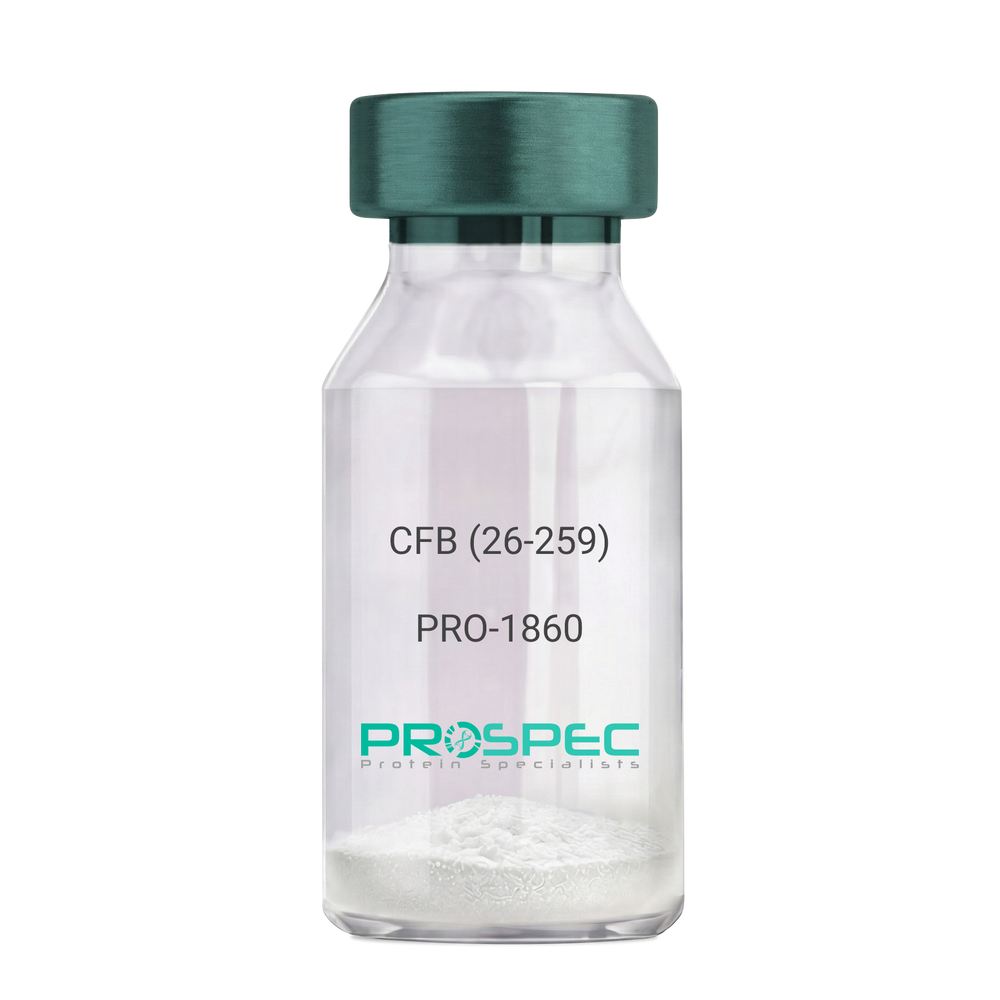
CFB (26-259) HumanDescription:
Complement Factor B (26-259 a.a.) Human Recombinant
Complement factor B (EC:3.4.21.47), C3/C5 convertase, Glycine-rich beta glycoprotein, GBG, PBF2, Properdin factor B, Complement factor B Ba fragment, Complement factor B Bb fragment, CFB, Complement Factor B, BFD, AHUS4, BF, BFD, CFAB, FB, FBI12, H2-Bf.
Product # :
PRO-1860Price :
Quantity :
Shipping Method :
Shipped with Ice Packs
More Info
- description
- source
- formulation
- purity
- More Info
- Citations
Description
CFB (26-259) Human Recombinant produced in E. coli is. a single polypeptide chain containing 257 amino acids and having a molecular mass of 28.4kDa. CFB is fused to a 23 amino acid His-tag at N-terminus & purified by proprietary chromatographic techniques.
Source
Escherichia Coli.
Formulation
The CFB solution (1mg/ml) contains 20mM Tris-HCl buffer (pH 8.0), 10% glycerol and 0.4M Urea.
Purity
Greater than 85.0% as determined by SDS-PAGE.
Citations
More Info
-
Introduction
Complement Factor B, also known as CFB, encodes complement factor B which is a component of the alternative pathway of complement activation. Factor B circulates in the blood as a single chain polypeptide. Once the alternative pathway is activated it is cleaved by complement factor D yielding the noncatalytic chain Ba and the catalytic subunit Bb. The active subunit Bb is a serine protease which connects with C3b to form the alternative pathway C3 convertase. Also, Bb is involved in the proliferation of preactivated B lymphocytes, while Ba inhibits their proliferation.
-
Synonyms
Complement factor B (EC:3.4.21.47), C3/C5 convertase, Glycine-rich beta glycoprotein, GBG, PBF2, Properdin factor B, Complement factor B Ba fragment, Complement factor B Bb fragment, CFB, Complement Factor B, BFD, AHUS4, BF, BFD, CFAB, FB, FBI12, H2-Bf.
-
Physical Appearance
Sterile Filtered colorless solution.
-
Stability
Store at 4°C if entire vial will be used within 2-4 weeks. Store, frozen at -20°C for longer periods of time. For long term storage it is recommended to add a carrier protein (0.1% HSA or BSA).Avoid multiple freeze-thaw cycles.
-
Amino Acid Sequence
MGSSHHHHHH SSGLVPRGSQ SHMTPWSLAR PQGSCSLEGV EIKGGSFRLL QEGQALEYVC PSGFYPYPVQ TRTCRSTGSW STLKTQDQKT VRKAECRAIH CPRPHDFENG EYWPRSPYYN VSDEISFHCY DGYTLRGSAN RTCQVNGRWS GQTAICDNGA GYCSNPGIPI GTRKVGSQYR LEDSVTYHCS RGLTLRGSQR RTCQEGGSWS GTEPSCQDSF MYDTPQEVAE AFLSSLTETI EGVDAEDGHG PGEQQKR.
ProSpec's products are furnished for LABORATORY RESEARCH USE ONLY. The product may not be used as drugs, agricultural or pesticidal products, food additives or household chemicals.
- View Data Sheet
Name :
GM- CSF Human, Sf9Description:
Granulocyte Macrophage-Colony Stimulating Factor Human Recombinant, Sf9
CSF-2, MGI-1GM, GMCSF, Pluripoietin-alpha, Molgramostin, Sargramostim.
Product # :
CYT-416Price :
Quantity :
Shipping Method :
Shipped at Room temp
More Info
- description
- source
- formulation
- purity
- biological activity
- More Info
- Citations
Description
GM-CSF Human Recombinant produced in insect cells is a single, glycosylated, polypeptide chain containing 127 amino acids (18-144) and having a molecular mass of 14.6kDa. GM-CSF is fused to a C-terminal His -tag (6x His) and purified by proprietary chromatographic techniques.
Source
Insect Cells.
Formulation
The protein was lyophilized with PBS.
Purity
Greater than 98.0% as determined by SDS-PAGE.
Biological Activity
The ED50 as determined by the dose-dependant stimulation of the proliferation of human TF-1 cells (human erythroleukemic indicator cell line) is < 0.1 ng/ml, corresponding to a Specific Activity of 10,000,000IU/mg.Citations
More Info
-
Introduction
GMCSF is a cytokine that controls the production, differentiation, and function of granulocytes and macrophages. The active form of the protein is found extracellularly as a homodimer. This gene has been localized to a cluster of related genes at chromosome region 5q31, which is known to be associated with interstitial deletions in the 5q- syndrome and acute myelogenous leukemia. Other genes in the cluster include those encoding interleukins 4, 5, and 13.
GM-CSF stimulates the growth and differentiation of hematopoietic precursor cells from various lineages, including granulocytes, macrophages, eosinophils and erythrocytes. -
Synonyms
CSF-2, MGI-1GM, GMCSF, Pluripoietin-alpha, Molgramostin, Sargramostim.
-
Physical Appearance
Sterile Filtered White lyophilized (freeze-dried) powder.
-
Stability
Lyophilized Granulocyte Macrophage Colony Stimulating Factor although stable at room temperature for 3 weeks, should be stored desiccated below -18°C. Upon reconstitution GMCSF should be stored at 4°C between 2-7 days and for future use below -18°C.For long term storage it is recommended to add a carrier protein (0.1% HSA or BSA).Please prevent freeze-thaw cycles.
-
Solubility
It is recommended to reconstitute the lyophilized Granulocyte Macrophage Colony Stimulating Factor in sterile 18MΩ-cm H2O not less than 100µg/ml, which can then be further diluted to other aqueous solutions.
-
Amino Acid Sequence
The sequence of the first five N-terminal amino acids was determined and was found to be Ala-Pro-Ala-Arg-Ser.
-
Background
Recombinant Granulocyte-Macrophage Colony-Stimulating Factor (GMCSF) is a protein that plays a crucial role in the production and differentiation of white blood cells, including granulocytes and macrophages. It is a potent stimulator of hematopoietic stem cells, which are responsible for the production of all blood cells in the body. Recombinant GMCSF is a synthetic version of the protein that is produced using recombinant DNA technology.
Recombinant GMCSF has been extensively studied for its potential therapeutic applications in a variety of medical conditions, including cancer, autoimmune diseases, and infectious diseases. In cancer, GMCSF is used as an immunostimulatory agent to enhance the immune response against cancer cells. By stimulating the production and differentiation of white blood cells, GM-CSF can increase the number of immune cells that can recognize and attack cancer cells. This approach has been successfully used in the treatment of several types of cancer, including melanoma and leukemia.
In autoimmune diseases, recombinant GMCSF has been investigated as a potential treatment for conditions such as rheumatoid arthritis and multiple sclerosis. These diseases are characterized by an overactive immune response that attacks healthy tissues in the body. By modulating the immune response, GMCSF may be able to reduce inflammation and prevent further damage to affected tissues.
In infectious diseases, recombinant GMCSF has been studied as a potential treatment for conditions such as sepsis and HIV/AIDS. In sepsis, a severe bacterial infection, GMCSF may be able to stimulate the production of white blood cells and improve the immune response against the infection. In HIV/AIDS, GMCSF may be able to enhance the immune response against the virus and reduce the risk of opportunistic infections.
Recombinant GMCSF is typically administered by injection, either directly into the affected tissue or into the bloodstream. It is generally well-tolerated, although some patients may experience side effects such as fever, fatigue, and muscle pain.
In conclusion, recombinant GMCSF is a promising therapeutic agent with potential applications in a variety of medical conditions. Its ability to stimulate the production and differentiation of white blood cells makes it a valuable tool in the treatment of cancer, autoimmune diseases, and infectious diseases. Ongoing research is likely to uncover new uses for this protein and further refine its therapeutic potential.
What is the molecular weight/Mw of GM- CSF HUMAN, SF9 Protein?
GM- CSF HUMAN, SF9 Protein has a total Mw of 14.6kDa.
What is the source or expression system of GM- CSF HUMAN, SF9 Protein?
Insect Cells.
What is the Purity of GM- CSF HUMAN, SF9 Protein?
GM- CSF HUMAN, SF9 Protein is >98% pure as determined by SDS-PAGE.
What is the Biological Activity of GM- CSF HUMAN, SF9 Protein?
The ED50 as determined by the dose-dependant stimulation of the proliferation of human TF-1 cells (human erythroleukemic indicator cell line) is < 0.1 ng/ml, corresponding to a Specific Activity of 10,000,000IU/mg.
What is the amino acid sequence of GM- CSF HUMAN, SF9 Protein?
The sequence of the first five N-terminal amino acids was determined and was found to be Ala-Pro-Ala-Arg-Ser.
What applications can GM- CSF HUMAN, SF9 Protein be used in?
GM- CSF HUMAN, SF9 Protein can probably be used in western blot, ELISA and Lateral Flow.
What is the endotoxin level for GM- CSF HUMAN, SF9 Protein?
The endotoxin level is minimal, GM- CSF HUMAN, SF9 Protein was purified using conventional chromatography techniques.
ProSpec's products are furnished for LABORATORY RESEARCH USE ONLY. The product may not be used as drugs, agricultural or pesticidal products, food additives or household chemicals.
- View Data Sheet
Name :
TGFB3 AntibodyDescription:
Transforming Growth Factor-beta 3 Polyclonal Rabbit Anti Human Antibody
Transforming Growth Factor-beta3, TGFB3, ARVD, FLJ16571, TGF-beta3.
Product # :
ANT-040Price :
Quantity :
Shipping Method :
Shipped with Ice Packs
More Info
- formulation
- More Info
- Citations
Formulation
lyophilized from 1mg/ml solution in 0.2µm sterile filtered solution in phosphate buffered saline.
Citations
More Info
-
Introduction
Transforming growth factor betas (TGF Betas) mediate many cell-cell interactions that occur during embryonic development. Three TGF Betas have been identified in mammals. TGF Beta 1, TGF Beta 2 and TGF Beta 3 are each synthesized as precursor proteins that are very similar in that each is cleaved to yield a 112 amino acid polypeptide that remains associated with the latent portion of the molecule.
-
Synonyms
Transforming Growth Factor-beta3, TGFB3, ARVD, FLJ16571, TGF-beta3.
-
Stability
Store at 4°C. For long term storage freezes in working aliquots at -20°C. Repeated freezing and thawing is not recommended.
-
Solubility
Reconstitute with H20. Mix gently, wash the sides of the vial and wait 30-60 seconds before use.
-
Immunogen
IgG Anti Human TGFb-3 is developed in rabbit using recombinant Human TGFb-3 produced in plants.
-
Applications
To detect Human TGFb-3 by WB analysis this IgG can be used in a dilution of 1/500-1/1000.
-
Antigen Amino Acid Sequence
ALDTNYCFRNLEENCCVRPLYIDFRQDLGWKWVHEPKGYYANFCSGPCPYLRSADTTHSTVLGLYNTLNPEASASPCCVPQDLEPLTILYYVGRTPKVEQLSNMVVKSCKCS
-
Type
Polyclonal Rabbit Antibody.
-
Purification Method
Purified IgG prepared by affinity chromatography on protein G.
ProSpec's products are furnished for LABORATORY RESEARCH USE ONLY. The product may not be used as drugs, agricultural or pesticidal products, food additives or household chemicals.
- View Data Sheet
Name :
TGFB2 MouseDescription:
Transforming Growth Factor-Beta 2 Mouse Recombinant
Transforming growth factor beta-2, TGF-beta-2, G-TSF, Tgfb-2, TGFbeta2.
Product # :
CYT-1266Price :
Quantity :
Shipping Method :
Shipped at Room temp
More Info
- description
- source
- formulation
- purity
- biological activity
- More Info
- Citations
Description
Transforming Growth Factor-Beta 2 Mouse Recombinant produced in CHO is a homodimer, polypeptide chain containing 2 x 112 amino acids and having a total molecular mass of 25.4kDa.
TGFB2 Mouse Recombinant is purified by proprietary chromatographic techniques.Source
CHO Cells.
Formulation
The protein was lyophilized with 0.1% (v/v) TFA and 35% (v/v) Acetonitrile.
Purity
Greater than 97.0% as determined by SDS-PAGE and SEC-HPLC analyses.
Biological Activity
The biological activity was determined by TGFB2 ability to inhibit the mouse IL-4-dependent proliferation of mouse HT-2 cells. The expected ED50 for this effect is <0.05ng/ml, corresponding to a specific activity of ≥ 2.0 × 10⁷ units/mg.Citations
More Info
-
Synonyms
Transforming growth factor, beta 2, cetermin, Glioblastoma-derived T-cell suppressor factor, polyergin, G-TSF, TGF-beta2, TGF-beta-2, transforming growth factor beta-2, BSC-1 cell growth inhibitor, TGFB-2.
-
Physical Appearance
Sterile Filtered White lyophilized (freeze-dried) powder.
-
Stability
Lyophilized TGFB2 although stable at room temperature for 3 weeks, should be stored desiccated below -18°C. Upon reconstitution Transforming Growth Factor-Beta 2 should be stored at 4°C between 2-7 days and for future use below -18°C.
For long term storage it is recommended to add a carrier protein (0.1% HSA or BSA).
Please prevent freeze-thaw cycles.
-
Solubility
It is recommended to reconstitute the lyophilized Transforming Growth Factor-Beta 2 in sterile 4mM HCl not less than 100µg/ml, which can then be further diluted to other aqueous solutions.
-
Amino Acid Sequence
ALDAAYCFRN VQDNCCLRPL YIDFKRDLGW KWIHEPKGYN ANFCAGACPY LWSSDTQHTK VLSLYNTINP EASASPCCVS QDLEPLTILY YIGNTPKIEQ LSNMIVKSCK CS.
-
Background
TGFB2 differ from TGFB1 in the tissue distribution, receptor interactions, and several biological roles.
TGFB2 requires TGFBR3 for its binding to TGFBR2 while TGFB1 binds directly to the receptor TGFBR2.
TGFB2 is crucial for embryonic development ocular biology, neural development, and tissue morphogenesis while TGFB1 is crucial for immune regulation and fibrosis.
TGFB2 exhibits more tissue-specific developmental expression Vs TGFB1.
What is the source or expression system of Mouse TGFB2 Protein?
CHO Cells
What is the Purity of Mouse TGFB2 Protein?
Mouse TGFB2 Protein is >97% pure as determined by SDS-PAGE.
What is the molecular weight / Mw of Mouse TGFB2 Protein?
Mouse TGFB2 Protein having a total Mw of 25.6kDa.
What is the Biological Activity of Mouse TGFB2 Protein?
The biological functionality of Mouse TGFB2 Protein is determined by mouse HT-2 cells.
What is the endotoxin level for Mouse TGFB2 Protein?
The endotoxin level is minimal, Mouse TGFB2 Protein was purified using conventional chromatography techniques.
What is the amino acid sequence of Mouse TGFB2 Protein?
ALDAAYCFRN VQDNCCLRPL YIDFKRDLGW KWIHEPKGYN ANFCAGACPY LWSSDTQHTK VLSLYNTINP EASASPCCVS QDLEPLTILY YIGNTPKIEQ LSNMIVKSCK CS.
Is TGFB2 a homodimer / homodimeric protein?
Yes, TGFB2 is homo dimer consisting of 2 identical chains.
ProSpec's products are furnished for LABORATORY RESEARCH USE ONLY. The product may not be used as drugs, agricultural or pesticidal products, food additives or household chemicals.
- View Data Sheet
Name :
CFP Human, NativeDescription:
Complement Factor Properdin Human
Properdin, Complement factor P, CFP, PFC, Complement factor properdin, BFD, PFD, Properdin.
Product # :
PRO-2702Price :
Quantity :
Shipping Method :
Shipped with Ice Packs
More Info
- description
- source
- formulation
- purity
- More Info
- Citations
Description
CFP Human produced in Human plasma having a molecular weight of 53kDa.
Source
Human Plasma.
Formulation
CFP solution contains PBS, pH 7.2.
Purity
Greater than 95.0% as determined by SDS-PAGE.
Citations
More Info
-
Introduction
Complement Factor Properdin (CFP) which is a plasma glycoprotein, is a positive regulator of the alternative complement pathway of the innate immune system. CFP binds and stabilizes the C3- and C5-convertase enzyme complexes in a feedback loop that eventually ends with formation of the membrane attack complex and lysis of the target cell. Mutations in CFP lead to 2 forms of properdin deficiency that cause high susceptibility to meningococcal infections.
-
Synonyms
Properdin, Complement factor P, CFP, PFC, Complement factor properdin, BFD, PFD, Properdin.
-
Physical Appearance
Sterile filtered solution.
-
Stability
CFP Human is stable at 4°C if entire vial will be used within 2-4 weeks.Store, frozen below -20°C for longer periods of time.For long term storage it is recommended to add a carrier protein (0.1% HSA or BSA).Avoid multiple freeze-thaw cycles.
-
Human Virus Test
Plasma from each donor has been tested and found negative for antibody to HIV-1, HIV-2, HCV, HTLV-I &II, STS and HBSAG.
ProSpec's products are furnished for LABORATORY RESEARCH USE ONLY. The product may not be used as drugs, agricultural or pesticidal products, food additives or household chemicals.