Skip to content

High-quality research proteins.

  • 1-800-805-6531

  • Mon - Sat 8.00-18.00, Sun - Closed

  • info@prospecbio.com

  • PO Box 6591 East Brunswick NJ 08816

  • Products
    • Cytokines
    • Growth factors
    • Chemokines
    • Cd antigens
    • Neurotrophins
    • Hormones
    • Enzymes
    • Viral antigens
    • Recombinant proteins
    • Natural proteins
    • Monoclonal antibodies
    • Polyclonal antibodies
    • Thermal Packaging
  • About
    • Company
    • Founder
    • Contribution
  • Customers
    • Eastern Asia
    • Eastern Europe
    • North America
    • South America
    • South East Asia
    • Southern Asia
    • Western Europe
  • Ordering
    • Ordering Method
    • Ordering - Credit Card
    • Ordering - PO
    • Shipping Fees
    • FAQs
  • Services
    • DNA Cloning
    • Protein Expression
    • Monoclonal Antibody
    • Fermentation
    • Technology License
  • Contact us
Log in

Country/region

  • USD $ | Albania
  • USD $ | Andorra
  • USD $ | Argentina
  • USD $ | Armenia
  • USD $ | Australia
  • USD $ | Austria
  • USD $ | Azerbaijan
  • USD $ | Belarus
  • USD $ | Belgium
  • USD $ | Bolivia
  • USD $ | Brazil
  • USD $ | Bulgaria
  • USD $ | Cambodia
  • USD $ | Canada
  • USD $ | Chile
  • USD $ | China
  • USD $ | Colombia
  • USD $ | Costa Rica
  • USD $ | Croatia
  • USD $ | Cyprus
  • USD $ | Czechia
  • USD $ | Denmark
  • USD $ | Estonia
  • USD $ | Finland
  • USD $ | France
  • USD $ | Georgia
  • USD $ | Germany
  • USD $ | Greece
  • USD $ | Hong Kong SAR
  • USD $ | Hungary
  • USD $ | Iceland
  • USD $ | India
  • USD $ | Ireland
  • USD $ | Israel
  • USD $ | Italy
  • USD $ | Japan
  • USD $ | Kazakhstan
  • USD $ | Latvia
  • USD $ | Liechtenstein
  • USD $ | Lithuania
  • USD $ | Madagascar
  • USD $ | Malta
  • USD $ | Mexico
  • USD $ | Moldova
  • USD $ | Monaco
  • USD $ | Netherlands
  • USD $ | New Zealand
  • USD $ | North Macedonia
  • USD $ | Norway
  • USD $ | Panama
  • USD $ | Paraguay
  • USD $ | Peru
  • USD $ | Philippines
  • USD $ | Poland
  • USD $ | Portugal
  • USD $ | Romania
  • USD $ | Singapore
  • USD $ | Slovakia
  • USD $ | Slovenia
  • USD $ | South Africa
  • USD $ | South Korea
  • USD $ | Spain
  • USD $ | Sri Lanka
  • USD $ | Sweden
  • USD $ | Switzerland
  • USD $ | Taiwan
  • USD $ | Thailand
  • USD $ | Türkiye
  • USD $ | Ukraine
  • USD $ | United Kingdom
  • USD $ | United States
  • USD $ | Uruguay
  • USD $ | Vatican City
  • USD $ | Venezuela
  • USD $ | Vietnam
  • Facebook
  • Instagram
logoProSpec - Recombinant Protein Manufacturer for academic and R&D industry
Become a distributor
Account Log in
Wishlist
Cart Cart(0)
  • Products
    +
    • Cytokines
    • Growth factors
    • Chemokines
    • Cd antigens
    • Neurotrophins
    • Hormones
    • Enzymes
    • Viral antigens
    • Recombinant proteins
    • Natural proteins
    • Monoclonal antibodies
    • Polyclonal antibodies
    • Thermal Packaging
  • About
    +
    • Company
    • Founder
    • Contribution
  • Customers
    +
    • Eastern Asia
    • Eastern Europe
    • North America
    • South America
    • South East Asia
    • Southern Asia
    • Western Europe
  • Ordering
    +
    • Ordering Method
    • Ordering - Credit Card
    • Ordering - PO
    • Shipping Fees
    • FAQs
  • Services
    +
    • DNA Cloning
    • Protein Expression
    • Monoclonal Antibody
    • Fermentation
    • Technology License
  • Contact us

Item added to your cart

View cart
View All
  • Cytokines
  • Growth factors
  • Chemokines
  • Cd antigens
  • Neurotrophins
  • Hormones
  • Enzymes
  • Viral antigens
  • Recombinant proteins
  • Natural proteins
  • Monoclonal antibodies
  • Polyclonal antibodies
  • Thermal Packaging
  • Tumor Necrosis Factor

    Tumor Necrosis Factor

    View All
  • 4-1BB

    4-1BB

    View All
  • Adiponectin

    Adiponectin

    View All
  • AIF1

    AIF1

    View All
  • Other Cytokines

    Other Cytokines

    View All
  • AITRL

    AITRL

    View All
  • Angiopoietin

    Angiopoietin

    View All
  • Apolipoprotein

    Apolipoprotein

    View All
  • B-Cell Activating Factor

    B-Cell Activating Factor

    View All
  • Beta Defensin

    Beta Defensin

    View All
  • Bone Morphogenetic Protein

    Bone Morphogenetic Protein

    View All
  • B type Natriuretic Peptide

    B type Natriuretic Peptide

    View All
  • BST

    BST

    View All
  • Betacellulin

    Betacellulin

    View All
  • Cardiotrophin

    Cardiotrophin

    View All
  • Activin

    Activin

    View All
  • Fibroblast Growth Factor

    Fibroblast Growth Factor

    View All
  • Other Growth Factors

    Other Growth Factors

    View All
  • CSF

    CSF

    View All
  • CTGF

    CTGF

    View All
  • IGFBP

    IGFBP

    View All
  • VEGF Protein

    VEGF Protein

    View All
  • EGF

    EGF

    View All
  • Epigen

    Epigen

    View All
  • Erythropoietin

    Erythropoietin

    View All
  • Insulin-Like Growth Factor

    Insulin-Like Growth Factor

    View All
  • Growth Hormone

    Growth Hormone

    View All
  • HDGF

    HDGF

    View All
  • Hepatocyte Growth Factor

    Hepatocyte Growth Factor

    View All
  • Insulin

    Insulin

    View All
  • BCA-1/ BLC (CXCL13)

    BCA-1/ BLC (CXCL13)

    View All
  • BRAK (CXCL14)

    BRAK (CXCL14)

    View All
  • C-10 (CCL6)

    C-10 (CCL6)

    View All
  • Other Chemokines

    Other Chemokines

    View All
  • MEC (CCL28)

    MEC (CCL28)

    View All
  • LD78-beta (CCL3L1)

    LD78-beta (CCL3L1)

    View All
  • CTACK (CCL27)

    CTACK (CCL27)

    View All
  • CXCL16

    CXCL16

    View All
  • CXCL17

    CXCL17

    View All
  • Platelet Factor-4 (CXCL4)

    Platelet Factor-4 (CXCL4)

    View All
  • ENA-78 (CXCL5)

    ENA-78 (CXCL5)

    View All
  • Eotaxin (CCL11,24,26)

    Eotaxin (CCL11,24,26)

    View All
  • Exodus-2 (CCL21)

    Exodus-2 (CCL21)

    View All
  • Fractalkine (CX3CL1)

    Fractalkine (CX3CL1)

    View All
  • CXCL6

    CXCL6

    View All
  • Other CD Antigens

    Other CD Antigens

    View All
  • CD14

    CD14

    View All
  • CD164

    CD164

    View All
  • CD1

    CD1

    View All
  • CD2

    CD2

    View All
  • CD200

    CD200

    View All
  • CD207

    CD207

    View All
  • CD226

    CD226

    View All
  • CD23

    CD23

    View All
  • CD244

    CD244

    View All
  • CD247

    CD247

    View All
  • CD27

    CD27

    View All
  • CD274

    CD274

    View All
  • CD300

    CD300

    View All
  • CD33

    CD33

    View All
  • Other Neurotrophins

    Other Neurotrophins

    View All
  • Beta-NGF

    Beta-NGF

    View All
  • BDNF

    BDNF

    View All
  • CDNF

    CDNF

    View All
  • CNTF

    CNTF

    View All
  • GDNF

    GDNF

    View All
  • Glia Maturation Factor

    Glia Maturation Factor

    View All
  • MANF

    MANF

    View All
  • Midkine

    Midkine

    View All
  • Neuroglobin

    Neuroglobin

    View All
  • Neurotrophic factors

    Neurotrophic factors

    View All
  • Neuregulin

    Neuregulin

    View All
  • Neuropilin

    Neuropilin

    View All
  • Pigment Epithelium-Derived Factor

    Pigment Epithelium-Derived Factor

    View All
  • Pleiotrophin

    Pleiotrophin

    View All
  • Peptide Hormones

    Peptide Hormones

    View All
  • Other Hormones

    Other Hormones

    View All
  • HCG

    HCG

    View All
  • Endothelin

    Endothelin

    View All
  • Exendin

    Exendin

    View All
  • FSH

    FSH

    View All
  • Glucagon

    Glucagon

    View All
  • GHRP

    GHRP

    View All
  • GLP

    GLP

    View All
  • Thyrostimulin

    Thyrostimulin

    View All
  • Inhibin A

    Inhibin A

    View All
  • LHRH

    LHRH

    View All
  • Melanotan

    Melanotan

    View All
  • Procalcitonin

    Procalcitonin

    View All
  • PTH

    PTH

    View All
  • Peroxiredoxin

    Peroxiredoxin

    View All
  • Peptidase

    Peptidase

    View All
  • Synthetase

    Synthetase

    View All
  • Transferase

    Transferase

    View All
  • Hydrolase

    Hydrolase

    View All
  • Dehydrogenase

    Dehydrogenase

    View All
  • ACE2

    ACE2

    View All
  • Esterase

    Esterase

    View All
  • Protein Kinases

    Protein Kinases

    View All
  • Other Enzymes

    Other Enzymes

    View All
  • Phosphatase

    Phosphatase

    View All
  • Deaminase

    Deaminase

    View All
  • Oxygenase

    Oxygenase

    View All
  • Adenylate Kinase

    Adenylate Kinase

    View All
  • Lyase

    Lyase

    View All
  • Chagas

    Chagas

    View All
  • SARS

    SARS

    View All
  • Influenza

    Influenza

    View All
  • ASFV

    ASFV

    View All
  • Astrovirus

    Astrovirus

    View All
  • Borrelia

    Borrelia

    View All
  • Helicobacter Pylori

    Helicobacter Pylori

    View All
  • Chikungunya

    Chikungunya

    View All
  • Chlamydia

    Chlamydia

    View All
  • Cytomegalo

    Cytomegalo

    View All
  • Dengue

    Dengue

    View All
  • EBV

    EBV

    View All
  • Ebola

    Ebola

    View All
  • Feline Leukemia Virus

    Feline Leukemia Virus

    View All
  • Hepatitis A

    Hepatitis A

    View All
  • Other

    Other

    View All
  • Actin

    Actin

    View All
  • ADAM

    ADAM

    View All
  • Complement Component

    Complement Component

    View All
  • Ag85

    Ag85

    View All
  • Eukaryotic Translation Initiation Factor

    Eukaryotic Translation Initiation Factor

    View All
  • Anterior Gradient Protein

    Anterior Gradient Protein

    View All
  • Heat Shock Protein

    Heat Shock Protein

    View All
  • Alpha-2-HS-Glycoprotein

    Alpha-2-HS-Glycoprotein

    View All
  • Hemoglobin

    Hemoglobin

    View All
  • Allergy

    Allergy

    View All
  • Anaplasma

    Anaplasma

    View All
  • Angiogenin

    Angiogenin

    View All
  • Ankyrin Repeat Domain

    Ankyrin Repeat Domain

    View All
  • Annexin

    Annexin

    View All
  • Other Natural Proteins

    Other Natural Proteins

    View All
  • Aprotinin

    Aprotinin

    View All
  • Transferrin

    Transferrin

    View All
  • Avidin

    Avidin

    View All
  • Anti Coagulation Factors

    Anti Coagulation Factors

    View All
  • Natural Albumin

    Natural Albumin

    View All
  • Natural Coagulation Factors

    Natural Coagulation Factors

    View All
  • Fibronectin

    Fibronectin

    View All
  • Thrombin

    Thrombin

    View All
  • Anti Human Enzyme

    Anti Human Enzyme

    View All
  • Other Monoclonal Antibodies

    Other Monoclonal Antibodies

    View All
  • Anti Human Cytokine

    Anti Human Cytokine

    View All
  • Anti Human Heat Shock Protein

    Anti Human Heat Shock Protein

    View All
  • Anti Mouse Lymphocyte

    Anti Mouse Lymphocyte

    View All
  • Anti Human Chemokine

    Anti Human Chemokine

    View All
  • Anti Human Lymphocyte

    Anti Human Lymphocyte

    View All
  • Anti Viral Monoclonal

    Anti Viral Monoclonal

    View All
  • Anti Mouse Cytokine

    Anti Mouse Cytokine

    View All
  • Anti-GST Monoclonal

    Anti-GST Monoclonal

    View All
  • Other Polyclonal Antibodies

    Other Polyclonal Antibodies

    View All
  • Anti Viral

    Anti Viral

    View All
  • Anti-GST Monoclonal

    Anti-GST Monoclonal

    View All
Back

Search results

1000 results found for “erythropoietin”

Name

Description

Product #

Price

Quantity

Shipping Method

  • View Data Sheet

    Name :

    EGF Mouse Protein

    Description:

    Epidermal Growth Factor Mouse Recombinant

    Urogastrone, URG, EGF.

    Product # :

    CYT-326

    Price :

    Quantity :

    Shipping Method :

    Room Temp Icon

    Shipped at Room temp

    Add To Cart

    More Info

    • description
    • source
    • formulation
    • purity
    • biological activity
    • More Info

    Description

    Epidermal Growth Factor Mouse Recombinant produced in E.Coli is a single, non-glycosylated, polypeptide chain containing 53 amino acids including 3 intramolecular disulfide-bonds and having a molecular mass of 6 kDa.The EGF is purified by proprietary chromatographic techniques.

    Source

    Escherichia Coli.

    Formulation

    The protein was lyophilized with no additives.

    Purity

    Greater than 98.0% as determined by:
    (a) Analysis by RP-HPLC.
    (b) Analysis by SDS-PAGE.

    Biological Activity

    The activity is determined by the dose-dependent proliferation of mouse BALB/c 3T3 cells and is typically less than 0.1ng/ml.

    More Info

    • Introduction

      Epidermal growth factor has a profound effect on the differentiation of specific cells in vivo and is a potent mitogenic factor for a variety of cultured cells of both ectodermal and mesodermal origin. The EGF precursor is believed to exist as a membrane-bound molecule which is proteolytically cleaved to generate the 53-amino acid peptide hormone that stimulates cells to divide. EGF stimulates the growth of various epidermal and epithelial tissues in vivo and in vitro and of some fibroblasts in cell culture.

    • Synonyms

      Urogastrone, URG, EGF.

    • Physical Appearance

      Sterile Filtered White lyophilized (freeze-dried) powder.

    • Stability

      Lyophilized Epidermal Growth Factor Recombinant although stable at room temperature for 3 weeks, should be stored desiccated below -18°C. Upon reconstitution EGF should be stored at 4°C between 2-7 days and for future use below -18°C.For long term storage it is recommended to add a carrier protein (0.1% HSA or BSA).Please prevent freeze-thaw cycles.

    • Solubility

      It is recommended to reconstitute the lyophilized Epidermal Growth Factor in sterile 18MΩ-cm H2O not less than 100µg/ml, which can then be further diluted to other aqueous solutions.

    • Amino Acid Sequence

      NSYPGCPSSY DGYCLNGGVC MHIESLDSYT CNCVIGYSGD RCQTRDLRWW ELR.

    • Background

      Exploring Novel Frontiers: Epidermal Growth Factor Mouse Recombinant and its Potential Therapeutic Implications

      Abstract:

      This research paper delves into the uncharted realm of Epidermal Growth Factor Mouse Recombinant (EGF-MR), unraveling its intricate molecular attributes, cellular signaling, and therapeutic prospects. Employing state-of-the-art methodologies involving genetic engineering, in vitro assays, and animal models, this study uncovers the multifaceted responses elicited by EGF-MR. The findings underscore its promise as a versatile therapeutic agent, potentially revolutionizing regenerative medicine and cancer interventions.

      Introduction:

      Epidermal Growth Factor (EGF) plays a pivotal role in cellular dynamics. This paper ventures into the nuanced landscape of Epidermal Growth Factor Mouse Recombinant (EGF-MR), delving into its unique molecular characteristics and exploring the therapeutic horizons it presents.

      Molecular Insights and Receptor Binding:

      EGF-MR's interaction with the epidermal growth factor receptor (EGFR) sets the stage for intricate intracellular events. High-resolution structural analyses and binding kinetics studies elucidate the nuances of this interaction, revealing structural motifs that initiate downstream signaling cascades.

      Cellular Signaling and Functional Responses:

      EGF-MR initiates canonical and non-canonical signaling pathways, including the mitogen-activated protein kinase (MAPK) and phosphoinositide 3-kinase (PI3K)/Akt pathways. Through comprehensive phosphoproteomic analyses and live-cell imaging, the spatiotemporal dynamics of EGF-MR-induced responses come to light, showcasing its role in cell proliferation, migration, and anti-apoptotic effects.

      Genetic Engineering and In Vitro Assays:

      Precise genetic manipulation ensures optimal EGF-MR expression. Gene codon optimization and signal peptide selection are meticulously undertaken to facilitate efficient protein synthesis and secretion. In vitro assays, encompassing cell viability and wound healing studies, illuminate EGF-MR's impact on cellular behaviors.

      In Vivo Implications and Therapeutic Prospects:

      In animal models, EGF-MR emerges as a transformative factor in tissue regeneration. Customized wound healing assays unveil its potential in accelerating re-epithelialization and granulation tissue formation. Moreover, the modulation of tumor microenvironments suggests its applicability in cancer interventions.

      Future Directions and Challenges:

      While promising, challenges lie ahead, including understanding intricate cross-talk between signaling pathways. Future research should focus on refining delivery methods and optimizing dosing regimens to harness EGF-MR's full therapeutic potential.

      Conclusion:

      In a convergence of advanced methodologies and visionary therapeutic possibilities, Epidermal Growth Factor Mouse Recombinant takes center stage. Its distinctive molecular interactions and diverse cellular orchestration offer a glimpse into the future of regenerative medicine and targeted cancer therapies, propelling scientific progress into uncharted territories.

      What is the molecular weight/Mw of EGF Protein?
      EGF Protein has a total Mw of 6 kDa.

      What is the source or expression system of EGF Protein?
      Escherichia Coli.

      What is the Purity of EGF Protein?
      EGF Protein is >98% pure as determined by SDS-PAGE.

      What is the Biological Activity of EGF Protein?
      The activity is determined by the dose-dependent proliferation of mouse BALB/c 3T3 cells and is typically less than 0.1ng/ml.

      What is the amino acid sequence of EGF Protein?
      NSYPGCPSSY DGYCLNGGVC MHIESLDSYT CNCVIGYSGD RCQTRDLRWW ELR.
      What applications can EGF Protein be used in?
      EGF Protein can probably be used in western blot, ELISA and Lateral Flow.

      What is the endotoxin level for EGF Protein?
      The endotoxin level is minimal, EGF Protein was purified using conventional chromatography techniques.

    ProSpec's products are furnished for LABORATORY RESEARCH USE ONLY. The product may not be used as drugs, agricultural or pesticidal products, food additives or household chemicals.

    Egf Mouse Recombinant
  • View Data Sheet

    Name :

    IFNG Mouse

    Description:

    IFN-Gamma Mouse Recombinant

    Immune IFN, type II IFN, T cell IFN, MAF, IFNG, IFG, IFI, IFN-gamma.

    Product # :

    CYT-358

    Price :

    Quantity :

    Shipping Method :

    Room Temp Icon

    Shipped at Room temp

    Add To Cart

    More Info

    • description
    • source
    • formulation
    • purity
    • biological activity
    • More Info

    Description

    IFN-gamma Mouse Recombinant produced in E.Coli is a single, non-glycosylated, polypeptide chain containing 134 amino acids and having a molecular mass of 15.6kDa.The IFN-gamma is purified by proprietary chromatographic techniques.

    Source

    Escherichia Coli.

    Formulation

    Lyophilized from a 0.2µm filtered concentrated (1mg/ml) solution in PBS, pH 7.4 and 5% trehalose.

    Purity

    Greater than 95.0% as determined by:
    (a) Analysis by RP-HPLC.
    (b) Analysis by SDS-PAGE.

    Biological Activity

    The specific activity as determined in a viral resistance assay is < 0.1 ng/ml, corresponding to a specific activity of 10,000,000 IU/mg


    More Info

    • Introduction

      IFN-gamma produced by lymphocytes activated by specific antigens or mitogens.
      IFN-gamma, in addition to having antiviral activity, has important immunoregulatory functions, it is a potent activator of macrophages, and has antiproliferative effects on transformed cells and it can potentiate the antiviral and antitumor effects of the type I IFNs.

    • Synonyms

      Immune IFN, type II IFN, T cell IFN, MAF, IFNG, IFG, IFI, IFN-gamma.

    • Physical Appearance

      Sterile Filtered White lyophilized (freeze-dried) powder.

    • Stability

      Lyophilized IFN-gamma although stable at room temperature for 3 weeks, should be stored desiccated below -18°C. Upon reconstitution IFN-gamma should be stored at 4°C between 2-7 days and for future use below -18°C.For long term storage it is recommended to add a carrier protein (0.1% HSA or BSA).Please prevent freeze-thaw cycles.

    • Solubility

      It is recommended to reconstitute the lyophilized IFN-gamma in sterile distilled water or 20mM AcOH at concentrations ranging between 0.1mg-0.5mg/ml, which can then be further diluted to other aqueous solutions.

    • Amino Acid Sequence

      MHGTVIESLE SLNNYFNSSG IDVEEKSLFL DIWRNWQKDG DMKILQSQII SFYLRLFEVL KDNQAISNNI SVIESHLITT FFSNSKAKKD AFMSIAKFEV NNPQVQRQAF NELIRVVHQL LPESSLRKRK RSRC.

    • Background

      What is the molecular weight/Mw of IFNG MOUSE Protein?
      IFNG MOUSE Protein has a total Mw of 15.6kDa.

      What is the source or expression system of IFNG MOUSE Protein?
      Escherichia Coli.

      What is the Purity of IFNG MOUSE Protein?
      IFNG MOUSE Protein is >95% pure as determined by SDS-PAGE.

      What is the Biological Activity of IFNG MOUSE Protein?
      The specific activity as determined in a viral resistance assay is < 0.1 ng/ml, corresponding to a specific activity of 10,000,000 IU/mg


      What is the amino acid sequence of IFNG MOUSE Protein?
      MHGTVIESLE SLNNYFNSSG IDVEEKSLFL DIWRNWQKDG DMKILQSQII SFYLRLFEVL KDNQAISNNI SVIESHLITT FFSNSKAKKD AFMSIAKFEV NNPQVQRQAF NELIRVVHQL LPESSLRKRK RSRC.

      What applications can IFNG MOUSE Protein be used in?
      IFNG MOUSE Protein can probably be used in western blot, ELISA and Lateral Flow.

      What is the endotoxin level for IFNG MOUSE Protein?
      The endotoxin level is minimal, IFNG MOUSE Protein was purified using conventional chromatography techniques.

    ProSpec's products are furnished for LABORATORY RESEARCH USE ONLY. The product may not be used as drugs, agricultural or pesticidal products, food additives or household chemicals.

    Interferon Gamma Mouse
  • View Data Sheet

    Name :

    Adiponectin Human, HEK

    Description:

    Adiponectin Human Recombinant, HEK

    Acrp30, AdipoQ, GBP-28, APM-1, ACDC.

    Product # :

    CYT-434

    Price :

    Quantity :

    Shipping Method :

    Room Temp Icon

    Shipped at Room temp

    Add To Cart

    More Info

    • description
    • source
    • formulation
    • purity
    • biological activity
    • More Info
    • sds-page

    Description

    Acrp30 Human Recombinant produced in HEK cells is a glycosylated polypeptide chain containing 234 amino acids (19-244a.a.) and having a molecular mass of 25.5kDa. Acrp30 is expressed with a FLAG tag at C-Terminus and purified by proprietary chromatographic techniques.

    Source

    HEK293 (Human Embryonic Kidney cell line).

    Formulation

    Filtered (0.4µm) and lyophilized from 0.5mg/ml in 50mM phosphate Buffer, 75mM NaCl, pH 7.4.

    Purity

    Greater than 98% as determined by HPLC and SDS PAGE.

    Biological Activity

    In vitro gluconeogenesis assay in primary hepatocytes was performed, showing the Adiponectin human derived from mammalian cells can inhibit glucose production. The ED50 was ~6 µg/ml.

    sds-page

    adiponectin human HEK sds-page - Product image 1

    More Info

    • Introduction

      Adiponectin is a recently discovered 244 amino acid protein, the product of the apM1 gene, which is physiologically active and specifically and highly expressed in adipose cells (Adipokine). The protein belongs to the soluble defense collagen super family; it has a collagen-like domain structurally homologous with collagen VIII and X and complement factor C1q-like globular domain. APM-1 forms homotrimers, which are the building blocks for higher order complexes found circulating in serum.

    • Synonyms

      Acrp30, AdipoQ, GBP-28, APM-1, ACDC.

    • Physical Appearance

      White lyophilized (freeze-dried) powder.

    • Stability

      For long term, store lyophilized AdipoQ at -20°C. Aliquot the product after reconstitution to avoid repeated freezing/thawing cycles. Reconstituted protein can be stored at 4°C for a limited period of time; it does not show any change after two weeks at 4°C. The lyophilized protein remains stable for 24 months when stored at -20°C.

    • Solubility

      Add deionized water to prepare a working stock solution of approximately 0.5mg/ml and let the lyophilized pellet dissolve completely. Product not sterile! Please filter the product by an appropriate sterile filter before using it in cell culture.

    • Amino Acid Sequence

      ETTTQGPGVL LPLPKGACTG WMAGIPGHPG HNGAPGRDGR DGTPGEKGEK GDPGLIGPKG DIGETGVPGA EGPRGFPGIQ GRKGEPGEGA YVYRSAFSVG LETYVTIPNM PIRFTKIFYN QQNHYDGSTG KFHCNIPGLY YFAYHIVYMK DVKVSLFKKD KAMLFTYDQY QENNVDQASG SVLLHLEVGD QVWLQVYGEG ERNGLYADND NDSTFTGFLL YHDTNDYKDDDDK.

    • Background

      What is the molecular weight/Mw of adiponectin Protein?
      Adiponectin Protein has a total Mw of 25.5kDa.

      What is the source or expression system of adiponectin Protein?
      HEK293.

      What is the Purity of adiponectin Protein?
      adiponectin Protein is >98% pure as determined by SDS-PAGE.

      What is the Biological Activity of adiponectin Protein?
      In vitro gluconeogenesis assay in primary hepatocytes was performed, showing the Adiponectin human derived from mammalian cells can inhibit glucose production. The ED50 was ~6 µg/ml.

      What is the amino acid sequence of adiponectin Protein?
      ETTTQGPGVL LPLPKGACTG WMAGIPGHPG HNGAPGRDGR DGTPGEKGEK GDPGLIGPKG DIGETGVPGA EGPRGFPGIQ GRKGEPGEGA YVYRSAFSVG LETYVTIPNM PIRFTKIFYN QQNHYDGSTG KFHCNIPGLY YFAYHIVYMK DVKVSLFKKD KAMLFTYDQY QENNVDQASG SVLLHLEVGD QVWLQVYGEG ERNGLYADND NDSTFTGFLL YHDTNDYKDDDDK.

      What applications can adiponectin Protein be used in?
      adiponectin Protein can probably be used in western blot, ELISA and Lateral Flow.

      What is the endotoxin level for adiponectin Protein?
      The endotoxin level is minimal, adiponectin Protein was purified using conventional chromatography techniques.

    ProSpec's products are furnished for LABORATORY RESEARCH USE ONLY. The product may not be used as drugs, agricultural or pesticidal products, food additives or household chemicals.

    Adiponectin Human Hek
  • View Data Sheet

    Name :

    AGRP Human

    Description:

    Agouti–Related Protein Human Recombinant

    ART, AGRT, ASIP2, MGC118963, AGRP.

    Product # :

    HOR-283

    Price :

    Quantity :

    Shipping Method :

    Room Temp Icon

    Shipped at Room temp

    Add To Cart

    More Info

    • description
    • source
    • formulation
    • purity
    • More Info

    Description

    The Human Agouti-related protein is created as a recombinant protein with N-terminal fusion of His Tag.The Human Agouti-related protein His-Tagged Fusion Protein, produced in E. coli, is 14.4 kDa (calculated) protein containing 112 amino acid residues of the human AGRP and 16 additional amino acid residues - His Tag, thrombin cleavage site (highlighted).The AGRP is purified by proprietary chromatographic techniques.

    Source

    Escherichia Coli.

    Formulation

    AGRP protein was lyophilized from 0.5mg/ml in 5mM TRIS, 25mM NaCl, pH 7.5.

    Purity

    Purity of Agouti–related protein recombinant human is >95% as determined by SDS-PAGE.

    More Info

    • Introduction

      Agouti-related protein is an endogenous antagonist of hypothalamic alpha-melanocortin receptors MC3R and MC4R with potent orexigenic activity. Although a complete deletion of the AGRP gene does not produce any significant metabolic phenotypes, reduction in AGRP expression by RNA interference is associated with increased metabolic rate along with reduced weight gain. In hypothalamus, it is produced by neurons in the medial portion of arcuate nucleus, which produce also the potent orexigenic peptide Neuropeptide Y (NP-Y). Another site of central AGRP production is the hypothalamic nucleus. AGRP encompasses 132 amino acid residues and its alpha-melanocortin inhibiting activity results in a 34 amino acid cystine knot domain within the C-terminal (87-132) portion of the protein. Both AGRP and NP-Y expression was shown to be suppressed by leptin. Central administration of AGRP induces hyperphagia and increased gain in body weight in rodents, but may also exert metabolic effects even when hyperphagia is prevented. In the absence of hyperphagia, intracerebralventricular administration of AGRP caused significant increases in plasma leptin and insulin concentrations (twofold and 1.5-fold, respectively) and fat pad mass.
      In the periphery, AGRP mRNA was found in adrenal glands, lung, testis, ovary, skeletal muscle and adipose tissue in humans or rodents. In the adrenals, it was shown that AGRP antagonizes glucosteroid production mediated by MC4R. AGRP could then modulate locally the functions of some peripheral tissues such as adrenals.
      In human and rat serum, detectable levels of AGRP-like activity were reported in the lower picogram range. The serum AGRP levels were elevated in obese humans compared to lean controls and increased with fasting in rats.

    • Synonyms

      ART, AGRT, ASIP2, MGC118963, AGRP.

    • Physical Appearance

      Sterile Filtered White lyophilized (freeze-dried) powder.

    • Stability

      Store lyophilized AGRP protein at -20°C. Aliquot the product after reconstitution to avoid repeated freezing/thawing cycles. Reconstituted protein can be stored at 4°C for a limited period of time; it does not show any change after two weeks at 4°C.

    • Solubility

      Add deionized water to prepare a working stock solution of approximately 0.5mg/ml and let the lyophilized pellet dissolve completely.

    • Amino Acid Sequence

      MKHHHHHHHM LVPRGSAQMG LAPMEGIRRP DQALLPELPG LGLRAPLKKT TAEQAEEDLL QEAQALAEVL DLQDREPRSS RRCVRLHESC LGQQVPCCDP CATCYCRFFN AFCYCRKLGT AMNPCSRT.

    ProSpec's products are furnished for LABORATORY RESEARCH USE ONLY. The product may not be used as drugs, agricultural or pesticidal products, food additives or household chemicals.

    Agrp Human
  • View Data Sheet

    Name :

    EIF4EBP3 Human

    Description:

    Eukaryotic Translation Initiation Factor 4E-Binding Protein 3 Human Recombinant

    Eukaryotic translation initiation factor 4E-binding protein 3, 4E-BP3, eIF4E-binding protein 3, EIF4EBP3, 4EBP3.

    Product # :

    PRO-2054

    Price :

    Quantity :

    Shipping Method :

    Ice Icon

    Shipped with Ice Packs

    Add To Cart

    More Info

    • description
    • source
    • formulation
    • purity
    • More Info

    Description

    EIF4EBP3 Human Recombinant produced in E.coli is a single, non-glycosylated polypeptide chain containing 123 amino acids (1-100) and having a molecular mass of 13.3 kDa.EIF4EBP3 is fused to a 23 amino acid His-Tag at N-terminus and purified by proprietary chromatographic techniques.

    Source

    E.coli.

    Formulation

    The EIF4EBP3 solution (0.25mg/ml) contains 20mM Tris-HCl buffer (pH 8.0), 0.15M NaCl, 10% glycerol and 1mM DTT.

    Purity

    Greater than 85% as determined by SDS-PAGE.

    More Info

    • Introduction

      Eukaryotic Translation Initiation Factor 4E-Binding Protein 3 (EIF4EBP3) belongs to the EIF4EBP family whose proteins bind to eukaryotic initiation factor 4E and regulate its assembly into EIF4F, the multi-subunit translation initiation factor that identifies the mRNA cap structure.

    • Synonyms

      Eukaryotic translation initiation factor 4E-binding protein 3, 4E-BP3, eIF4E-binding protein 3, EIF4EBP3, 4EBP3.

    • Physical Appearance

      Sterile Filtered colorless solution.

    • Stability

      Store at 4°C if entire vial will be used within 2-4 weeks. Store, frozen at -20°C for longer periods of time. For long term storage it is recommended to add a carrier protein (0.1% HSA or BSA).Avoid multiple freeze-thaw cycles.

    • Amino Acid Sequence

      MGSSHHHHHH SSGLVPRGSH MGSMSTSTSC PIPGGRDQLP DCYSTTPGGT LYATTPGGTR IIYDRKFLLE CKNSPIARTP PCCLPQIPGV TTPPTAPLSK LEELKEQETE EEIPDDAQFE MDI.

    ProSpec's products are furnished for LABORATORY RESEARCH USE ONLY. The product may not be used as drugs, agricultural or pesticidal products, food additives or household chemicals.

    Eif4Ebp3 Human
  • View Data Sheet

    Name :

    ELP4 Human

    Description:

    Elongator Acetyltransferase Complex Subunit 4 Human Recombinant

    Elongator complex protein 4, ELP4, Elongator Acetyltransferase Complex Subunit 4, hELP4, PAX6 neighbor gene protein, C11orf19, PAXNEB, dJ68P15A.1, PAX6NEB.

    Product # :

    PRO-2102

    Price :

    Quantity :

    Shipping Method :

    Ice Icon

    Shipped with Ice Packs

    Add To Cart

    More Info

    • description
    • source
    • formulation
    • purity
    • More Info

    Description

    ELP4 Human Recombinant produced in E.Coli is a single, non-glycosylated polypeptide chain containing 447 amino acids (1-424 a.a.) and having a molecular mass of 49kDa.ELP4 is fused to a 23 amino acid His-tag at N-terminus & purified by proprietary chromatographic techniques.

    Source

    Escherichia Coli.

    Formulation

    ELP4 protein solution (1mg/ml) containing 20mM Tris-HCl buffer (pH 8.0) and 10% glycerol.

    Purity

    Greater than 80.0% as determined by SDS-PAGE.

    More Info

    • Introduction

      Elongator Acetyltransferase Complex Subunit 4, also known as ELP4 is a protein coding gene which is a subunit of the RNA polymerase II elongator complex. ELP4 complements phenotypes of yeast ELP4 deletion mutants and is related to Rolandic epilepsy.

    • Synonyms

      Elongator complex protein 4, ELP4, Elongator Acetyltransferase Complex Subunit 4, hELP4, PAX6 neighbor gene protein, C11orf19, PAXNEB, dJ68P15A.1, PAX6NEB.

    • Physical Appearance

      Sterile Filtered clear solution.

    • Stability

      Store at 4°C if entire vial will be used within 2-4 weeks. Store, frozen at -20°C for longer periods of time. For long term storage it is recommended to add a carrier protein (0.1% HSA or BSA).Avoid multiple freeze-thaw cycles.

    • Amino Acid Sequence

      MGSSHHHHHH SSGLVPRGSH MGSMAAVATC GSVAASTGSA VATASKSNVT SFQRRGPRAS VTNDSGPRLV SIAGTRPSVR NGQLLVSTGL PALDQLLGGG LAVGTVLLIE EDKYNIYSPL LFKYFLAEGI VNGHTLLVAS AKEDPANILQ ELPAPLLDDK CKKEFDEDVY NHKTPESNIK MKIAWRYQLL PKMEIGPVSS SRFGHYYDAS KRMPQELIEA SNWHGFFLPE KISSTLKVEP CSLTPGYTKL LQFIQNIIYE EGFDGSNPQK KQRNILRIGI QNLGSPLWGD DICCAENGGN SHSLTKFLYV LRGLLRTSLS ACIITMPTHL IQNKAIIARV TTLSDVVVGL ESFIGSERET NPLYKDYHGL IHIRQIPRLN NLICDESDVK DLAFKLKRKL FTIERLHLPP DLSDTVSRSS KMDLAESAKR LGPGCGMMAG GKKHLDF.

    ProSpec's products are furnished for LABORATORY RESEARCH USE ONLY. The product may not be used as drugs, agricultural or pesticidal products, food additives or household chemicals.

    Elp4 Human
  • View Data Sheet

    Name :

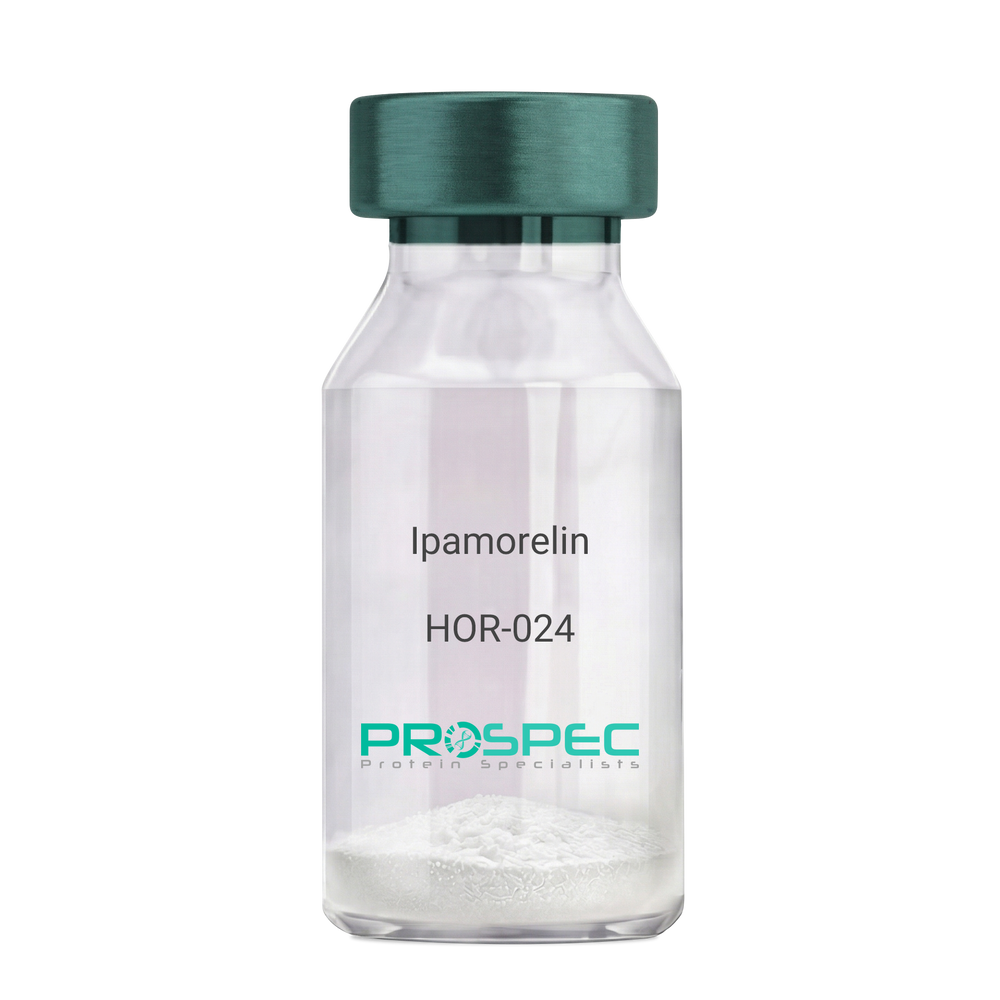
    Ipamorelin

    Description:

    Ipamorelin

    Ipamorelin

    Product # :

    HOR-024

    Price :

    Quantity :

    Shipping Method :

    Room Temp Icon

    Shipped at Room temp

    Add To Cart

    More Info

    • description
    • formulation
    • purity
    • More Info

    Description

    Ipamorelin Synthetic is a single, non-glycosylated polypeptide chain containing 4 amino acids, having a molecular mass of 711.85 Dalton and a Molecular formula of C38H49N9O5.

    Formulation

    The protein was lyophilized with no additives.

    Purity

    Greater than 97.0% as determined by analysis by RP-HPLC.

    More Info

    • Introduction

      Ipamorelin is a peptide selective agonist of the ghrelin/growth hormone secretagogue receptor and a growth hormone secretagogue. Ipamorelin is a pentapeptide that was derived from GHRP1. Ipamorelin significantly increases plasma growth hormone levels in both animals and humans. Like pralmorelin and GHRP-6, ipamorelin does not affect prolactin, FSH, LH or TSH levels. However, unlike GHRP2 and GHRP6, but as growth hormone-releasing hormone (GHRH), ipamorelin does not stimulate the secretion of adrenocorticotropic hormone (ACTH) or cortisol, and is highly selective for inducing the secretion only of GH.

    • Synonyms

      Ipamorelin

    • Physical Appearance

      Sterile Filtered White lyophilized (freeze-dried) powder.

    • Stability

      Lyophilized Ipamorelin although stable at room temperature for 3 weeks, should be stored desiccated below -18°C. Upon reconstitution Ipamorelin should be stored at 4°C between 2-7 days and for future use below -18°C. For long term storage it is recommended to add a carrier protein (0.1% HSA or BSA). Please prevent freeze-thaw cycles.

    • Solubility

      It is recommended to reconstitute the lyophilized Ipamorelin in sterile 18MΩ-cm H2O not less than 100 µg/ml, which can then be further diluted to other aqueous solutions.

    • Amino Acid Sequence

      Aib-His-D-2-Nal-D-Phe-Lys-NH2.

    ProSpec's products are furnished for LABORATORY RESEARCH USE ONLY. The product may not be used as drugs, agricultural or pesticidal products, food additives or household chemicals.

    Ipamorelin
  • View Data Sheet

    Name :

    CRHBP Human

    Description:

    Corticotropin Releasing Hormone Binding Protein Human Recombinant

    Corticotropin releasing hormone binding protein, CRF-BP, CRH-BP, CRF-binding protein.

    Product # :

    HOR-267

    Price :

    Quantity :

    Shipping Method :

    Room Temp Icon

    Shipped at Room temp

    Add To Cart

    More Info

    • description
    • source
    • formulation
    • More Info

    Description

    CRHBP Human Recombinant is a 34.58 kDa protein containing 308 aa and fused to a 10 aa N-Terminal His-tag. CRHBP is purified by proprietary chromatographic techniques.

    Source

    Escherichia Coli.

    Formulation

    CRHBP Human was filtered (0.4µm) and lyophilized from 0.5mg/ml supplied in 20mM TRIS and 20mM NaCl, pH 7.5.

    More Info

    • Introduction

      CRH is a powerful stimulator of synthesis and secretion of preopiomelanocortin-derived peptides. CRH concentration in the human peripheral circulation is usually low. The concentration rises during pregnancy and fall back quickly after parturition. Maternal plasma CRH most likely originates from the placenta. Human plasma has a CRH-binding protein that inactivates CRH and can inhibit inappropriate pituitary-adrenal stimulation in pregnancy.

    • Synonyms

      Corticotropin releasing hormone binding protein, CRF-BP, CRH-BP, CRF-binding protein.

    • Physical Appearance

      Filtered white lyophilized powder.

    • Stability

      Store lyophilized protein at -20°C. Aliquot reconstituted protein to avoid repeated freezing/thawing cycles and store at -80°C for long term storage. Reconstituted protein can be stored at 4°C for a limited period of time; it does not show any change after one week at 4°C.

    • Solubility

      Add deionized water to prepare a working stock solution of approximately 0.5mg/ml and let the lyophilized pellet dissolve completely. Product is not sterile! Please filter the product by an appropriate sterile filter before using it in the cell culture.

    • Amino Acid Sequence

      MKHHHHHHAS YLELREAADY DPFLLFSANL KRELAGEQPY RRALRCLDML SLQGQFTFTA DRPQLHCAAF FISEPEEFIT IHYDQVSIDC QGGDFLKVFD GWILKGEKFP SSQDHPLPSA ERYIDFCESG LSRRSIRSSQ NVAMIFFRVH EPGNGFTLTI KTDPNLFPCN VISQTPNGKF TLVVPHQHRN CSFSIIYPVV IKISDLTLGH VNGLQLKKSS AGCEGIGDFV ELLGGTGLDP SKMTPLADLC YPFHGPAQMK VGCDNTVVRM VSSGKHVNRV TFEYRQLEPY ELENPNGNSI GEFCLSGL YLELREAADY DPFLLFSANL KRELAGEQPY RRALRCLDML SLQGQFTFTA DRPQLHCAAF FISEPEEFIT IHYDQVSIDC QGGDFLKVFD GWILKGEKFP SSQDHPLPSA ERYIDFCESG LSRRSIRSSQ NVAMIFFRVH EPGNGFTLTI KTDPNLFPCN VISQTPNGKF TLVVPHQHRN CSFSIIYPVV IKISDLTLGH VNGLQLKKSS AGCEGIGDFV ELLGGTGLDP SKMTPLADLC YPFHGPAQMK VGCDNTVVRM VSSGKHVNRV TFEYRQLEPY ELENPNGNSI GEFCLSGL

    • Applications

      ELISA, Western blotting

    ProSpec's products are furnished for LABORATORY RESEARCH USE ONLY. The product may not be used as drugs, agricultural or pesticidal products, food additives or household chemicals.

    Crhbp Human
  • View Data Sheet

    Name :

    IFIH1 Human

    Description:

    Interferon Induced With Helicase C Domain 1 Human Recombinant

    Interferon-induced helicase C domain-containing protein 1, Clinically amyopathic dermatomyositis autoantigen 140 kDa, CADM-140 autoantigen, Helicase with 2 CARD domains, Helicard, Interferon-induced with helicase C domain protein 1, Melanoma differentiation-associated protein 5, MDA-5, Murabutide down-regulated protein, RIG-I-like receptor 2, RLR-2, RNA helicase-DEAD box protein 116, IFIH1, MDA5, RH116, Hlcd, IDDM19.

    Product # :

    PRO-1505

    Price :

    Quantity :

    Shipping Method :

    Ice Icon

    Shipped with Ice Packs

    Add To Cart

    More Info

    • description
    • source
    • formulation
    • purity
    • More Info

    Description

    IFIH1 Human Recombinant produced in SF9 is a glycosylated, polypeptide chain having a calculated molecular mass of 152,000 Dalton. IFIH1 is expressed with a -10xHis tag at N-terminus and purified by proprietary chromatographic techniques.

    Source

    Sf9 Insect Cells.

    Formulation

    IFIH1 is supplied in 20mM HEPES buffer pH-7.9, 550mM NaCl and 6M Urea.

    Purity

    Greater than 93.0% as determined by SDS-PAGE.

    More Info

    • Introduction

      IFIH1 is a DEAD box protein which is upregulated in response to treatment with beta-interferon and a protein kinase C-activating compound, mezerein. Irreversible reprogramming of melanomas can be attained by therapy with both these agents; treatment with either agent alone only achieves reversible differentiation. DEAD box proteins are implicated in several cellular processes involving alteration of RNA secondary structure such as translation initiation, nuclear and mitochondrial splicing, and ribosome and spliceosome assembly.

    • Synonyms

      Interferon-induced helicase C domain-containing protein 1, Clinically amyopathic dermatomyositis autoantigen 140 kDa, CADM-140 autoantigen, Helicase with 2 CARD domains, Helicard, Interferon-induced with helicase C domain protein 1, Melanoma differentiation-associated protein 5, MDA-5, Murabutide down-regulated protein, RIG-I-like receptor 2, RLR-2, RNA helicase-DEAD box protein 116, IFIH1, MDA5, RH116, Hlcd, IDDM19.

    • Physical Appearance

      Sterile Filtered clear solution.

    • Stability

      Store at 4°C if entire vial will be used within 2-4 weeks. Store, frozen at -20°C for longer periods of time. Avoid multiple freeze-thaw cycles.

    ProSpec's products are furnished for LABORATORY RESEARCH USE ONLY. The product may not be used as drugs, agricultural or pesticidal products, food additives or household chemicals.

    Ifih1 Human
  • View Data Sheet

    Name :

    HERPUD1 Human

    Description:

    HERPUD1 Human Recombinant

    Homocysteine-responsive endoplasmic reticulum-resident ubiquitin-like domain member 1 protein, HERPUD1, Methyl methanesulfonate (MMF)-inducible fragment protein 1, HERP, KIAA0025, MIF1, Mif1, SUP.

    Product # :

    PRO-2105

    Price :

    Quantity :

    Shipping Method :

    Ice Icon

    Shipped with Ice Packs

    Add To Cart

    More Info

    • description
    • source
    • formulation
    • purity
    • More Info

    Description

    HERPUD1 Human Recombinant produced in E. coli is a single polypeptide chain containing 286 amino acids (1-263) and having a molecular mass of 31.6kDa.HERPUD1 is fused to a 23 amino acid His-tag at N-terminus & purified by proprietary chromatographic techniques.

    Source

    Escherichia Coli.

    Formulation

    The HERPUD1 solution (0.5mg/1ml) contains Phosphate buffer saline (pH 7.4) and 10% glycerol.

    Purity

    Greater than 85.0% as determined by SDS-PAGE.

    More Info

    • Introduction

      HERPUD1 is a multi-pass membrane protein which is a part of the endoplasmic reticulum quality control system. HERPUD1 owns 1 N-terminal ubiquitin-like domain and is expressed highly in the brain. HERPUD1 is also known as ER-associated degradation (ERAD) which takes part in ubiquitin-dependent degradation of misfolded endoplasmic reticulum proteins.

    • Synonyms

      Homocysteine-responsive endoplasmic reticulum-resident ubiquitin-like domain member 1 protein, HERPUD1, Methyl methanesulfonate (MMF)-inducible fragment protein 1, HERP, KIAA0025, MIF1, Mif1, SUP.

    • Physical Appearance

      Sterile Filtered clear solution.

    • Stability

      Store at 4°C if entire vial will be used within 2-4 weeks. Store, frozen at -20°C for longer periods of time. For long term storage it is recommended to add a carrier protein (0.1% HSA or BSA).Avoid multiple freeze-thaw cycles.

    • Amino Acid Sequence

      MGSSHHHHHH SSGLVPRGSH MGSMESETEP EPVTLLVKSP NQRHRDLELS GDRGWSVGHL KAHLSRVYPE RPRPEDQRLI YSGKLLLDHQ CLRDLLPKQE KRHVLHLVCN VKSPSKMPEI NAKVAESTEE PAGSNRGQYP EDSSSDGLRQ REVLRNLSSP GWENISRPEA AQQAFQGLGP GFSGYTPYGW LQLSWFQQIY ARQYYMQYLA ATAASGAFVP PPSAQEIPVV SAPAPAPIHN QFPAENQPAN QNAAPQVVVN PGANQNLRMN AQGGPIVEED DEINRD.

    ProSpec's products are furnished for LABORATORY RESEARCH USE ONLY. The product may not be used as drugs, agricultural or pesticidal products, food additives or household chemicals.

    Herpud1 Human
  • View Data Sheet

    Name :

    EHF Human

    Description:

    Ets Homologous Factor Human Recombinant

    ESE3, ESE3B, ESEJ, ETS homologous factor, hEHF, ETS domain-containing transcription factor, Epithelium-specific Ets transcription factor 3, EHF.

    Product # :

    PRO-1436

    Price :

    Quantity :

    Shipping Method :

    Ice Icon

    Shipped with Ice Packs

    Add To Cart

    More Info

    • description
    • source
    • formulation
    • purity
    • More Info

    Description

    EHF Human Recombinant produced in E. coli is a single polypeptide chain containing 323 amino acids (1-300) and having a molecular mass of 37.3kDa. EHF is fused to a 23 amino acid His-tag at N-terminus & purified by proprietary chromatographic techniques.

    Source

    E.coli.

    Formulation

    The EHF solution (1mg/ml) contains 20mM Tris-HCl buffer (pH 8.0), 0.4M Urea and 10% glycerol.

    Purity

    Greater than 90% as determined by SDS-PAGE.

    More Info

    • Introduction

      ETS homologous factor (EHF) is a part of the ESE subfamily of Ets transcription factors. Ets factors are an important kind of transcriptional regulators which take part in hema-topoiesis, angiogenesis, organogenesis, oncogenesis and specification of neuronal connectivity. EHF is expressed solely in a subset of epithelial cells, with highest expression noticed in glandular epithelium of the prostate, pancreas, salivary gland and trachea. EHF transactivates the c-Met promoter via 3 high affinity binding sites, which support the notion that EHF contribute to branching morphogenesis.

    • Synonyms

      ESE3, ESE3B, ESEJ, ETS homologous factor, hEHF, ETS domain-containing transcription factor, Epithelium-specific Ets transcription factor 3, EHF.

    • Physical Appearance

      Sterile Filtered colorless solution.

    • Stability

      Store at 4°C if entire vial will be used within 2-4 weeks. Store, frozen at -20°C for longer periods of time. For long term storage it is recommended to add a carrier protein (0.1% HSA or BSA).Avoid multiple freeze-thaw cycles.

    • Amino Acid Sequence

      MGSSHHHHHH SSGLVPRGSH MGSMILEGGG VMNLNPGNNL LHQPPAWTDS YSTCNVSSGF FGGQWHEIHP QYWTKYQVWE WLQHLLDTNQ LDANCIPFQE FDINGEHLCS MSLQEFTRAA GTAGQLLYSN LQHLKWNGQC SSDLFQSTHN VIVKTEQTEP SIMNTWKDEN YLYDTNYGST VDLLDSKTFC RAQISMTTTS HLPVAESPDM KKEQDPPAKC HTKKHNPRGT HLWEFIRDIL LNPDKNPGLI KWEDRSEGVF RFLKSEAVAQ LWGKKKNNSS MTYEKLSRAM RYYYKREILE RVDGRRLVYK FGKNARGWRE NEN.

    ProSpec's products are furnished for LABORATORY RESEARCH USE ONLY. The product may not be used as drugs, agricultural or pesticidal products, food additives or household chemicals.

    Ehf Human
  • View Data Sheet

    Name :

    PDIA3 Antibody

    Description:

    Protein Disulfide Isomerase A3, Mouse Anti Human

    ERp57, ERp60, ERp61, GRP57, GRP58, HsT17083, P58, PI-PLC, ER60, Protein disulfide-isomerase A3, Disulfide isomerase ER-60, Endoplasmic reticulum resident protein 60, ER protein 60, 58 kDa microsomal protein, Endoplasmic reticulum resident protein 57, ER protein 57, 58 kDa glucose-regulated protein, PDIA3.

    Product # :

    ANT-633

    Price :

    Quantity :

    Shipping Method :

    Ice Icon

    Shipped with Ice Packs

    Add To Cart

    More Info

    • formulation
    • More Info

    Formulation

    1mg/ml containing PBS, pH-7.4, 10% Glycerol and 0.02% Sodium Azide.

    More Info

    • Introduction

      PDIA3 is an enzyme that belongs to the endoplasmic reticulum and interacts with lectin chaperones calreticulin and calnexin to modulate folding of newly synthesized glycoproteins. PDIA3 has protein disulfide isomerase activity. Complexes of lectins and PDIA3 mediate protein folding by promoting formation of disulfide bonds in their glycoprotein substrates. PDIA3 is expressed in the lumbar spinal cord from rats submitted to peripheral lesion during neonatal period. PDIA3 interacts with thiazide-sensitive sodium-chloride cotransporter in the kidney and is induced by glucose deprivation. PDIA3 is part of the major histocompatibility complex (MHC) class I peptide-loading complex (TAP1), which is important for formation of the final antigen conformation and export from the endoplasmic reticulum to the cell surface.

    • Synonyms

      ERp57, ERp60, ERp61, GRP57, GRP58, HsT17083, P58, PI-PLC, ER60, Protein disulfide-isomerase A3, Disulfide isomerase ER-60, Endoplasmic reticulum resident protein 60, ER protein 60, 58 kDa microsomal protein, Endoplasmic reticulum resident protein 57, ER protein 57, 58 kDa glucose-regulated protein, PDIA3.

    • Physical Appearance

      Sterile filtered colorless solution.

    • Immunogen

      Anti-human PDIA3 mAb, is derived from hybridization of mouse F0 myeloma cells with spleen cells from BALB/c mice immunized with a recombinant human PDIA3 protein 25-505 amino acids purified from E. coli.

    • Ig Subclass

      Mouse IgG2a heavy chain and k light chain.

    • Clone

      PAT9E9AT.

    • Applications

      The antibody has been tested by ELISA, Western blot analysis, Flow cytometry and ICC/IF to assure specificity and reactivity. Since application varies, however, each investigation should be titrated by the reagent to obtain optimal results.

    • Type

      Mouse Anti Human Monoclonal.

    • Storage Procedures

      For periods up to 1 month store at 4°C, for longer periods of time, store at -20°C. Prevent freeze thaw cycles.

    • Purification Method

      PDIA3 antibody was purified from mouse ascitic fluids by protein-A affinity chromatography.

    ProSpec's products are furnished for LABORATORY RESEARCH USE ONLY. The product may not be used as drugs, agricultural or pesticidal products, food additives or household chemicals.

    Pdia3 Antibody
  • View Data Sheet

    Name :

    Survodutide

    Description:

    Survodutide

    Product # :

    HOR-061

    Price :

    Quantity :

    Shipping Method :

    Room Temp Icon

    Shipped at Room temp

    Add To Cart

    More Info

    • description
    • formulation
    • purity
    • More Info

    Description

    Survodutide is a synthetic single, non-glycosylated polypeptide chain containing 29 amino acids, having a molecular mass of 4231.62 Dalton and a Molecular formula of C192H289N47O61.

    Formulation

    The protein was lyophilized with no additives.

    Purity

    Greater than 97.0% as determined by analysis by RP-HPLC.

    More Info

    • Physical Appearance

      Sterile Filtered White lyophilized (freeze-dried) powder.

    • Stability

      Lyophilized Survodutide although stable at room temperature for 3 weeks, should be stored desiccated below -18°C. Upon reconstitution Survodutide should be stored at 4°C between 2-7 days and for future use below -18°C.
      For long term storage it is recommended to add a carrier protein (0.1% HSA or BSA).
      Please prevent freeze-thaw cycles.

    • Solubility

      It is recommended to reconstitute the lyophilized Survodutide in sterile 18MΩ-cm H2O not less than 100 µg/ml, which can then be further diluted to other aqueous solutions.

    • Amino Acid Sequence

      H-His-1-Aminocyclobutanecarboxylic acid-Gln-Gly-Thr-Phe-Thr-Ser-Asp-Tyr-Ser-Lys-Tyr-Leu-Asp-Glu-ArgAla-Ala-Lys-Asp-Phe-Ile-Lys-(Gly-Gly-Ser-Gly-Ser-Gly-γ-Gludiacid18)-Trp-Leu-Glu-Ser-Ala-NH2.

    • Background

      Survodutide is a dual agonist targeting both the GLP-1 and Glucagon receptors. It has a glucagon component, which effects directly on the liver to increase energy expenditure and clear fat. Survodutide takes part in treatment of liver disease, mainly Metabolic Dysfunction-Associated Steatohepatitis, while simultaneously advancing through Phase 3 trials for obesity.

    ProSpec's products are furnished for LABORATORY RESEARCH USE ONLY. The product may not be used as drugs, agricultural or pesticidal products, food additives or household chemicals.

    survodutide
  • View Data Sheet

    Name :

    Hexarelin

    Description:

    Hexarelin

    Product # :

    HOR-288

    Price :

    Quantity :

    Shipping Method :

    Room Temp Icon

    Shipped at Room temp

    Add To Cart

    More Info

    • description
    • formulation
    • purity
    • More Info

    Description

    Hexarelin has 7 amino acids H-His-D-2-Methyl-Trp-Ala-Trp-D-Phe-Lys-NH2 and having a molecular weight of 887 Dalton. The Molecular Formula is C47H58N12O6.

    Formulation

    The Hexarelin peptide was lyophilized with no additives.

    Purity

    Greater than 98.0% as determined by:
    (a) Analysis by RP-HPLC.
    (b) Analysis by SDS-PAGE.

    More Info

    • Introduction

      Hexarelin stimulates GH secretion. Hexarelin is more resistant to proteolytic degradation than GHRP-6.

    • Physical Appearance

      Sterile Filtered lyophilized (freeze-dried) powder.

    • Stability

      Lyophilized Hexarelin although stable at room temperature for 3 weeks, should be stored desiccated below -18°C. Upon reconstitution Hexarelin should be stored at 4°C between 2-7 days and for future use below -18°C. For long term storage it is recommended to add a carrier protein (0.1% HSA or BSA).Please prevent freeze-thaw cycles.

    • Solubility

      It is recommended to reconstitute the lyophilized Hexarelin 18MΩ-cm H2O not less than 100 µg/ml, which can then be further diluted to other aqueous solutions.

    ProSpec's products are furnished for LABORATORY RESEARCH USE ONLY. The product may not be used as drugs, agricultural or pesticidal products, food additives or household chemicals.

    Hexarelin
  • View Data Sheet

    Name :

    Adipotide

    Description:

    Adipotide

    Product # :

    HOR-060

    Price :

    Quantity :

    Shipping Method :

    Room Temp Icon

    Shipped at Room temp

    Add To Cart

    More Info

    • description
    • formulation
    • purity
    • More Info

    Description

    Adipotide is a synthetic single, non-glycosylated polypeptide chain containing 25 amino acids, having a molecular mass of 2555 Dalton and a Molecular formula of C111H204N36O28S2.

    Formulation

    The protein was lyophilized with no additives.

    Purity

    Greater than 97.0% as determined by analysis by RP-HPLC.

    More Info

    • Physical Appearance

      Sterile Filtered White lyophilized (freeze-dried) powder.

    • Stability

      Lyophilized Adipotide although stable at room temperature for 3 weeks, should be stored desiccated below -18°C. Upon reconstitution Adipotide should be stored at 4°C between 2-7 days and for future use below -18°C.
      For long term storage it is recommended to add a carrier protein (0.1% HSA or BSA).
      Please prevent freeze-thaw cycles.

    • Solubility

      It is recommended to reconstitute the lyophilized Adipotide in sterile 18MΩ-cm H2O not less than 100 µg/ml, which can then be further diluted to other aqueous solutions.

    • Amino Acid Sequence

      H-Cys-Lys-Gly-Gly-Arg-Ala-Lys-AspCys-Gly-Gly-d-Lys-d-Leu-d-Ala-d-Lys-d-Leu-d-Ala-d-Lys-d-Lys-d-Leud-Ala-d-Lys-d-Leu-d-Ala-d-Lys-OH (disulfide bond).

    • Background

      Adipotide is a proapoptotic peptidomimetic which selectively destroy the blood vessels supplying white adipose tissue. Adipotide plays a main role in translational metabolic research. Adipotide is the most potent proof-of-concept for non-hormonal, vascular-targeted fat reduction.

    ProSpec's products are furnished for LABORATORY RESEARCH USE ONLY. The product may not be used as drugs, agricultural or pesticidal products, food additives or household chemicals.

    Adipotide
  • View Data Sheet

    Name :

    Vasoactive Intestinal Peptide

    Description:

    Vasoactive Intestinal Peptide

    Product # :

    HOR-043

    Price :

    Quantity :

    Shipping Method :

    Room Temp Icon

    Shipped at Room temp

    Add To Cart

    More Info

    • description
    • formulation
    • purity
    • More Info

    Description

    Vasoactive Intestinal Peptide Synthetic is a single, non-glycosylated polypeptide chain containing 28 amino acids, having a molecular mass of 3325 Dalton and a Molecular formula of C147H238N44O42S .

    Formulation

    The protein was lyophilized with no additives.

    Purity

    Greater than 97.0% as determined by analysis by RP-HPLC.

    More Info

    • Physical Appearance

      Sterile Filtered White lyophilized (freeze-dried) powder.

    • Stability

      Lyophilized Vasoactive Intestinal Peptide although stable at room temperature for 3 weeks, should be stored desiccated below -18°C. Upon reconstitution Vasoactive Intestinal Peptide should be stored at 4°C between 2-7 days and for future use below -18°C. For long term storage it is recommended to add a carrier protein (0.1% HSA or BSA). Please prevent freeze-thaw cycles.

    • Solubility

      It is recommended to reconstitute the lyophilized Vasoactive Intestinal Peptide in sterile 18MΩ-cm H2O not less than 100 µg/ml, which can then be further diluted to other aqueous solutions.

    • Amino Acid Sequence

      H-His-Ser-Asp-Ala-Val-Phe-Thr-Asp-Asn-Tyr-Thr-Arg-Leu-Arg-Lys-Gln-Met-Ala-Val-Lys-Lys-Tyr-Leu-Asn-Ser-Ile-Leu-Asn-NH2.

    • Background

      Vasoactive Intestinal Peptide (VIP), a prominent member of the glucagon-secretin peptide superfamily, plays a multifaceted role as a neuropeptide and neurotransmitter. This research paper aims to provide an extensive analysis of VIP, exploring its biochemical properties, diverse physiological functions, and potential therapeutic applications in various disease conditions.

      Vasoactive Intestinal Peptide (VIP), originally identified for its potent vasodilatory properties in the gastrointestinal system, has since been recognized for its wide-ranging physiological effects throughout the body. As a neuropeptide and neurotransmitter.

      VIP, a 28-amino acid peptide, exhibits a diverse range of biological activities due to its interactions with multiple G protein-coupled receptors (GPCRs) from the VIP/PACAP receptor family (Harmar et al., 2012). These receptors are expressed in various tissues and cells, enabling VIP to exert its pleiotropic effects.

      VIP is involved in the regulation of numerous physiological processes. It functions as a potent vasodilator, modulates smooth muscle activity in the gastrointestinal tract, and participates in neurotransmission in the central and peripheral nervous systems (Lelievre et al., 2008). Additionally, VIP has immunomodulatory properties, influencing immune cell functions and inflammatory responses (Delgado et al., 2004).

      VIP serves as a neurotransmitter in the central nervous system, where it contributes to various neuronal functions, including learning, memory, and sensory perception (Deng et al., 2015). Moreover, VIP has demonstrated neuroprotective effects in neurodegenerative disorders, making it a potential therapeutic target for neuroprotection and neuroregeneration (Delgado et al., 2002).

      VIP's diverse physiological functions offer potential therapeutic applications in various disease contexts. Research has explored its potential in the treatment of inflammatory diseases, neurodegenerative disorders, and gastrointestinal disorders (Delgado et al., 2013). Furthermore, VIP-based therapies are being investigated for their neuroprotective potential in brain injuries and stroke.

      As the research on VIP continues to progress, further investigation is warranted to uncover the precise mechanisms of action and potential clinical applications in medicine. VIP stands as a remarkable example of a neuropeptide with extensive physiological roles and therapeutic potential in various disease conditions.

      What is the molecular weight/Mw of VASOACTIVE INTESTINAL PEPTIDE Protein?
      VASOACTIVE INTESTINAL PEPTIDE Protein has a total Mw of 3.32kDa.

      What is the Purity of VASOACTIVE INTESTINAL PEPTIDE Protein?
      VASOACTIVE INTESTINAL PEPTIDE Protein is >97% pure as determined by SDS-PAGE.

      What is the Biological Activity of VASOACTIVE INTESTINAL PEPTIDE Protein?
      The biological functionality of VASOACTIVE INTESTINAL PEPTIDE Protein will be determined in the future.

      What is the amino acid sequence of VASOACTIVE INTESTINAL PEPTIDE Protein?
      H-His-Ser-Asp-Ala-Val-Phe-Thr-Asp-Asn-Tyr-Thr-Arg-Leu-Arg-Lys-Gln-Met-Ala-Val-Lys-Lys-Tyr-Leu-Asn-Ser-Ile-Leu-Asn-NH2.

      What applications can VASOACTIVE INTESTINAL PEPTIDE Protein be used in?
      VASOACTIVE INTESTINAL PEPTIDE Protein can probably be used in western blot, ELISA and Lateral Flow.

      What is the endotoxin level for VASOACTIVE INTESTINAL PEPTIDE Protein?
      The endotoxin level is minimal, VASOACTIVE INTESTINAL PEPTIDE Protein was purified using conventional chromatography techniques.

    ProSpec's products are furnished for LABORATORY RESEARCH USE ONLY. The product may not be used as drugs, agricultural or pesticidal products, food additives or household chemicals.

    Vasoactive Intestinal Peptide
  • View Data Sheet

    Name :

    EEF2K Human

    Description:

    Eukaryotic Elongation Factor-2 Kinase Human Recombinant

    Eukaryotic Elongation Factor 2 Kinase, Calcium/Calmodulin-Dependent Eukaryotic Elongation Factor 2 Kinase, EEF-2 Kinase, EC 2.7.11.20, EEF-2K, Calcium/Calmodulin-Dependent Eukaryotic Elongation Factor-2 Kinase, Calmodulin-Dependent Protein Kinase III, Eukaroytic Elongation Factor 2 Kinase, Eukaryotic Elongation Factor-2 Kinase, Elongation Factor-2 Kinase, EC 2.7.11, HSU93850, Eukaryotic elongation factor 2 kinase.

    Product # :

    PKA-061

    Price :

    Quantity :

    Shipping Method :

    Ice Icon

    Shipped with Ice Packs

    Add To Cart

    More Info

    • description
    • source
    • formulation
    • purity
    • More Info

    Description

    EEF2K Human Recombinant produced in E.Coli is a single, non-glycosylated polypeptide chain containing 748 amino acids (1-725 a.a) and having a molecular mass of 84.6kDa. EEF2K is fused to a 23 amino acid His-tag at N-terminus & purified by proprietary chromatographic techniques.

    Source

    Escherichia Coli.

    Formulation

    EEF2K protein solution (0.25 mg/ml) containing Phosphate buffered saline (pH7.4) and 10% glycerol.

    Purity

    Greater than 85.0% as determined by SDS-PAGE.

    More Info

    • Introduction

      Eukaryotic elongation factor-2 kinase (EEF2K) is threonine kinase which regulates protein synthesis by means of controlling the rate of peptide chain elongation. Upon activation through a diversity of upstream kinases including AMPK or TRPM7, EEF2K phosphorylates the elongation factor EEF2 at a sole site, renders it unable to bind ribosomes and therefore inactive. In turn, the rate of protein synthesis is being reduced.

    • Synonyms

      Eukaryotic Elongation Factor 2 Kinase, Calcium/Calmodulin-Dependent Eukaryotic Elongation Factor 2 Kinase, EEF-2 Kinase, EC 2.7.11.20, EEF-2K, Calcium/Calmodulin-Dependent Eukaryotic Elongation Factor-2 Kinase, Calmodulin-Dependent Protein Kinase III, Eukaroytic Elongation Factor 2 Kinase, Eukaryotic Elongation Factor-2 Kinase, Elongation Factor-2 Kinase, EC 2.7.11, HSU93850, Eukaryotic elongation factor 2 kinase.

    • Physical Appearance

      Sterile Filtered colorless solution.

    • Stability

      Store at 4°C if entire vial will be used within 2-4 weeks. Store, frozen at -20°C for longer periods of time. For long term storage it is recommended to add a carrier protein (0.1% HSA or BSA).Avoid multiple freeze-thaw cycles.

    • Amino Acid Sequence

      MGSSHHHHHH SSGLVPRGSH MGSMADEDLI FRLEGVDGGQ SPRAGHDGDS DGDSDDEEGY FICPITDDPS SNQNVNSKVN KYYSNLTKSE RYSSSGSPAN SFHFKEAWKH AIQKAKHMPD PWAEFHLEDI ATERATRHRY NAVTGEWLDD EVLIKMASQP FGRGAMRECF RTKKLSNFLH AQQWKGASNY VAKRYIEPVD RDVYFEDVRL QMEAKLWGEE YNRHKPPKQV DIMQMCIIEL KDRPGKPLFH LEHYIEGKYI KYNSNSGFVR DDNIRLTPQA FSHFTFERSG HQLIVVDIQG VGDLYTDPQI HTETGTDFGD GNLGVRGMAL FFYSHACNRI CESMGLAPFD LSPRERDAVN QNTKLLQSAK TILRGTEEKC GSPRVRTLSG SRPPLLRPLS ENSGDENMSD VTFDSLPSSP SSATPHSQKL DHLHWPVFSD LDNMASRDHD HLDNHRESEN SGDSGYPSEK RGELDDPEPR EHGHSYSNRK YESDEDSLGS SGRVCVEKWN LLNSSRLHLP RASAVALEVQ RLNALDLEKK IGKSILGKVH LAMVRYHEGG RFCEKGEEWD QESAVFHLEH AANLGELEAI VGLGLMYSQL PHHILADVSL KETEENKTKG FDYLLKAAEA GDRQSMILVA RAFDSGQNLS PDRCQDWLEA LHWYNTALEM TDCDEGGEYD GMQDEPRYMM LAREAEMLFT GGYGLEKDPQ RSGDLYTQAA EAAMEAMKGR LANQYYQKAE EAWAQMEE.

    ProSpec's products are furnished for LABORATORY RESEARCH USE ONLY. The product may not be used as drugs, agricultural or pesticidal products, food additives or household chemicals.

    Eef2K Human
  • View Data Sheet

    Name :

    EFNA5 Human, Active

    Description:

    Ephrin A5 Human Recombinant, Active

    EFNA5, AF1, EFL5, EPLG7, GLC1M, LERK7, RAGS, Ephrin-A5, AL-1, EPH-related receptor tyrosine kinase ligand 7.

    Product # :

    PRO-2816

    Price :

    Quantity :

    Shipping Method :

    Ice Icon

    Shipped with Ice Packs

    Add To Cart

    More Info

    • description
    • source
    • formulation
    • purity
    • biological activity
    • More Info

    Description

    EFNA5 Human Recombinant is a single, glycosylated, polypeptide chain (21-203 a.a) containing a total of 422 amino acids and having a molecular mass of 48.1 kDa. EFNA5 is fused to a 239 a.a hIgG-His-Tag at C-terminus and is purified by proprietary chromatographic techniques.

    Source

    Sf9, Baculovirus cells.

    Formulation

    The EFNA5 solution (0.5mg/ml) contains 10% Glycerol and Phosphate-Buffered Saline (pH 7.4).

    Purity

    Greater than 95.0% as determined by SDS-PAGE.

    Biological Activity

    The ED50 range ≤ 60 ng/ml measured by its binding ability in a functional ELISA with Mouse EphA3 (CAT# pro-2817).

    More Info

    • Synonyms

      EFNA5, AF1, EFL5, EPLG7, GLC1M, LERK7, RAGS, Ephrin-A5, AL-1, EPH-related receptor tyrosine kinase ligand 7.

    • Physical Appearance

      Sterile Filtered colorless solution.

    • Stability

      Store at 4°C if entire vial will be used within 2-4 weeks. Store, frozen at -20°C for longer periods of time. For long term storage it is recommended to add a carrier protein (0.1% HSA or BSA). Avoid multiple freeze-thaw cycles.

    • Amino Acid Sequence

      QDPGSKAVAD RYAVYWNSSN PRFQRGDYHI DVCINDYLDV FCPHYEDSVP EDKTERYVLY MVNFDGYSAC DHTSKGFKRW ECNRPHSPNG PLKFSEKFQL FTPFSLGFEF RPGREYFYIS SAIPDNGRRS CLKLKVFVRP TNSCMKTIGV HDRVFDVNDK VENSLEPADD TVHESAEPSR GENLEPKSCD KTHTCPPCPA PELLGGPSVF LFPPKPKDTL MISRTPEVTC VVVDVSHEDP EVKFNWYVDG VEVHNAKTKP REEQYNSTYR VVSVLTVLHQ DWLNGKEYKC KVSNKALPAP IEKTISKAKG QPREPQVYTL PPSRDELTKN QVSLTCLVKG FYPSDIAVEW ESNGQPENNY KTTPPVLDSD GSFFLYSKLT VDKSRWQQGN VFSCSVMHEA LHNHYTQKSL SLSPGKHHHH HH.

    • Background

      EFNA5 functions through contact-mediated signaling, which can result in either forward signaling (through Eph receptors) or reverse signaling (through ephrins themselves). These signaling pathways regulate various cellular processes such as migration, adhesion, and proliferation. Disruptions or alterations in EFNA5 signaling have been implicated in neurodevelopmental disorders, cancer metastasis, and angiogenesis, highlighting the importance of understanding this protein's roles at a molecular level.

    ProSpec's products are furnished for LABORATORY RESEARCH USE ONLY. The product may not be used as drugs, agricultural or pesticidal products, food additives or household chemicals.

    Efna5 Protein
  • View Data Sheet

    Name :

    GPHA2 Human

    Description:

    Thyrostimulin Alpha Human Recombinant

    GPA2, GPHA2, ZSIG51, Glycoprotein hormone alpha-2, MGC126572.

    Product # :

    HOR-258

    Price :

    Quantity :

    Shipping Method :

    Room Temp Icon

    Shipped at Room temp

    Add To Cart

    More Info

    • description
    • source
    • formulation
    • purity
    • More Info

    Description

    GPHA2 Human Recombinant produced in E.Coli is a single, non-glycosylated, polypeptide chain containing 120 amino acids and having a total molecular mass of 13.28 kDa. The Thyrostimulin contains His tag which consists of 14 additional amino acids.The amino acid sequence of the recombinant human Thyrostimulin beta subunit is 100% homologous to the amino acid sequence of the human Thyrostimulin beta subunit without signal sequence. (N-terminal 24AA).Thyrostimulin is purified by proprietary chromatographic techniques.

    Source

    Escherichia Coli.

    Formulation

    GPHA2 filtered (0.4µm) and lyophilized from 0.5mg/ml in 0.05M Acetate buffer pH 4.

    Purity

    Greater than 95.0% as determined by:
    (a) Analysis by RP-HPLC.
    (b) Analysis by SDS-PAGE.

    More Info

    • Introduction

      Human thyrostimulin ranks among the glycoprotein hormone family. These hormones consist of two subunits, the common alpha- and specific beta-subunits, which associate noncovalently to form a heterodimer. The alpha-subunit combines with four distinct beta-subunits giving rise to four biologically active hormones in human: FSH, LH, TSH, and CG. FSH, LH, and TSH, mainly expressed in the anterior pituitary, are essential for coordinated endocrine regulation in the hypothalamus- pituitary axis and show to activate specific G protein–coupled receptors in the thyroid (TSH receptor) and gonads (LH and FSH receptors), respectively.
      The heterodimeric glycoprotein hormones have only been identified in vertebrates and are highly conserved in organisms from primitive rayfin fish (Chondrostei) to human in both primary sequences and functional characteristics.
      Corticotroph-derived glycoprotein hormone (CGH), also referred to as thyrostimulin, is a noncovalent heterodimer of glycoprotein hormone alpha 2 (GPHA2) and glycoprotein hormone beta 5 (GPHB5).
      Recombinant A2/B5 heterodimeric glycoproteins activates human TSH receptors, but not LH and FSH receptors, and shows high affinity to TSH receptors in a radioligand receptor assay. The heterodimer also stimulates cAMP production and thymidine incorporation by cultured thyroid cells and increases serum thyroxine levels in TSH-suppressed rats in vivo. This new heterodimeric glycoprotein hormone was named as thyrostimulin based on its thyroid-stimulating activity. The expression of thyrostimulin in the anterior pituitary known to express TSH receptors suggested a paracrine mechanism.

    • Synonyms

      GPA2, GPHA2, ZSIG51, Glycoprotein hormone alpha-2, MGC126572.

    • Physical Appearance

      Filtered White lyophilized (freeze-dried) powder.

    • Stability

      Lyophilized Thyrostimulin although stable at room temperature for 3 weeks, should be stored desiccated below -18°C. Upon reconstitution GPHA2 should be stored at 4°C between 2-7 days and for future use below -18°C. For long term storage it is recommended to add a carrier protein (0.1% HSA or BSA).Please prevent freeze-thaw cycles.

    • Solubility

      It is recommended to add 0.1M Acetate buffer pH4 to prepare a working stock solution of ~ 0.5 mg/ml and let the lyophilized pellet dissolve completely. For conversion into higher pH value, we recommend intensive dilution by relevant buffer to a concentration of 10μg/ml. In higher concentrations the solubility of this protein is limited. Product is not sterile! Please filter the product by an appropriate sterile filter before using it in the cell culture.

    • Amino Acid Sequence

      MRGSHHHHHH GMAS QEAVIPG CHLHPFNVTV RSDRQGTCQG SHVAQACVGH CESSAFPSRY SVLVASGYRH NITSVSQCCT ISGLKKVKVQ LQCVGSRREE LEIFTARACQCDMCRLSRY.

    ProSpec's products are furnished for LABORATORY RESEARCH USE ONLY. The product may not be used as drugs, agricultural or pesticidal products, food additives or household chemicals.

    Gpa2 Human
  • View Data Sheet

    Name :

    VEGF Antibody

    Description:

    Vascular Endothelial Cell Growth Factor, Mouse Anti-Human

    Vascular endothelial growth factor A, VEGF-A, Vascular permeability factor, VPF, VEGF, MGC70609.

    Product # :

    ANT-125

    Price :

    Quantity :

    Shipping Method :

    Room Temp Icon

    Shipped at Room temp

    Add To Cart

    More Info

    • More Info

    More Info

    • Introduction

      Vascular endothelial growth factoris an important signaling proteininvolved in both vasculogenesisand angiogenesis. As its name implies, VEGF activity has been mostly studied on cells of the vascular endothelium, although it does have effects on a number of other cell types (e.g. stimulation monocyte/macrophagemigration, neurons, cancer cells, kidney epithelial cells ).VEGF mediates increased vascular permeability, induces angiogenesis, vasculogenesis and endothelial cell growth, promotes cell migration, and inhibits apoptosis. In vitro, VEGF has been shown to stimulate endothelial cell mitogenesisand cell migration. VEGF is also a vasodilator and increases microvascular permeability and was originally referred to as vascular permeability factor.
      Elevated levels of this protein is linked to POEMS syndrome, also known as Crow-Fukase syndrome. Mutations in this gene have been associated with proliferative and nonproliferative diabetic retinopathy.

    • Synonyms

      Vascular endothelial growth factor A, VEGF-A, Vascular permeability factor, VPF, VEGF, MGC70609.

    • Solubility

      Reconstitute with sterile H20. Mix gently, wash the sides of the vial and wait 30-60 seconds before use.

    • Immunogen

      r.HumanVEGF.

    • Ig Subclass

      Mouse IgM.

    • Clone

      NYRhVEGF.

    • Applications

      Direct ELISA, Western Blot, Immuneprecipitation.

    • Titer

      By direct ELISA, 1:10,000 dilution will yield 0.15 O.D using alkaline phosphatase conjugated rabbit anti-mouse Ig (Jackson Laboratories).

    • Shipping Conditions

      Antibody is shipped lyophilized at ambient temperature.

    • Type

      Mouse Anti Human Monoclonal.

    • Storage Procedures

      In lyophilized form, for long periods, store at 4oC in a dry environment. After reconstitution, if not intended for use within a month, aliquot and store at -20oC.

    • Purification Method

      Boric acid precipitation Protein concentration1mg/ml in PBS (after reconstitution).

    ProSpec's products are furnished for LABORATORY RESEARCH USE ONLY. The product may not be used as drugs, agricultural or pesticidal products, food additives or household chemicals.

    Vegf Antibody
  • View Data Sheet

    Name :

    Y.Enterocolitica (O:9) YopH

    Description:

    Yersinia Enterocolitica (O:9) YopH Recombinant

    Product # :

    PRO-2275

    Price :

    Quantity :

    Shipping Method :

    Ice Icon

    Shipped with Ice Packs

    Add To Cart

    More Info

    • description
    • source
    • formulation
    • purity
    • More Info

    Description

    Recombinant Yersinia Enterocolitica (O:9) YopH produced in E.coli is a non-glycosylated, polypeptide chain having a calculated molecular mass of 52,311 Dalton. Y.Enterocolitica (O:9) YopH is expressed with a 10xHis tag at N-terminus and purified by proprietary chromatographic techniques.

    Source

    Escherichia Coli.

    Formulation

    Y.Enterocolitica (O:9) YopH is supplied in 20mM HEPES buffer pH-7.6, 250mM NaCl and 20% glycerol.

    Purity

    Greater than 80.0% as determined by SDS-PAGE.

    More Info

    • Introduction

      Yersinia enterocolitica is a Gram-negative bacillus-shaped bacterium, which is a member of the Enterobacteriaceae family. Y.Enterocolitica is motile at temperatures between 22-29°C, however becomes non-motile at normal human body temperature. Y. Enterocolitica infection causes the yersiniosis disease, which is an animal-borne disease occurring in humans, as well as in a various groups of animals such as cattle, deer, pigs, and birds. Yersinia enterocolitica is a heterogeneous group of strains, which are conventionally classified by bio-typing into six bio-groups on the basis of phenotypic characteristics, and by serotyping into more than 57 “O” serogroups, on the basis of their O (lipopolysaccharide or LPS) surface antigen. Five of the six biogroups (1B and 2–5) are considered as pathogens. Nevertheless, only a few of these serogroups have been linked with disease in either humans or animals. Strains which belong to serogroups O:3 (biogroup 4), O:5,27 (biogroups 2 and 3), O:8 (biogroup 1B), and O:9 (biogroup 2) are most frequently isolated worldwide from human samples. Still, the main Y. enterocolitica serogroup in many European countries is serogroup O:3 followed by O:9, whereas the serogroup O:8 is mostly detected in the United States.

    • Physical Appearance

      Sterile Filtered clear solution.

    • Stability

      Store at 4°C if entire vial will be used within 2-4 weeks. Store, frozen at -20°C for longer periods of time. Avoid multiple freeze-thaw cycles.

    • Immunological Functions

      1. Binds IgG- and IgM- and IgA-type human antibodies.2. Immunodot test with positive/negative sera panels.

    ProSpec's products are furnished for LABORATORY RESEARCH USE ONLY. The product may not be used as drugs, agricultural or pesticidal products, food additives or household chemicals.

    Yenterocolitica O 9 Yoph
  • View Data Sheet

    Name :

    EGFR Antibody

    Description:

    Epidermal Growth Factor Receptor, Mouse Anti Human

    Epidermal growth factor receptor, EC 2.7.10.1, Receptor tyrosine-protein kinase ErbB-1, ERBB, mENA, ERBB1, EGFR.

    Product # :

    ANT-042

    Price :

    Quantity :

    Shipping Method :

    Ice Icon

    Shipped with Ice Packs

    Add To Cart

    More Info

    • formulation
    • More Info

    Formulation

    1mg/ml containing PBS, pH-7.4, & 0.1% Sodium Azide.

    More Info

    • Introduction

      The epidermal growth factor receptor (EGF R) subfamily of receptor tyrosine kinases comprises four members: EGF R (also known as HER1, ErbB1 or ErbB), ErbB2 (Neu, HER-2), ErbB3 (HER-3), and ErbB4 (HER-4). All family members are type I transmembrane glycoprotein that has an extracellular domain which contains two cysteine-rich domains separated by a spacer region that is involved in ligand-binding, and a cytoplasmic domain which has a membrane-proximal tyrosine kinase domain and a C-terminal tail with multiple tyrosine autophosphorylation sites. The human EGF R gene encodes a 1210 amino acid (aa) residue precursor with a 24 aa putative signal peptide, a 621 aa extracellular domain, a 23 aa transmembrane domain, and a 542 aa cytoplasmic domain. EGF R has been shown to bind a subset of the EGF family ligands, including EGF, amphiregulin, TGF-a , betacellulin, epiregulin, heparin-binding EGF and neuregulin-2 in the absence of a co-receptor. Ligand binding induces EGF R homodimerization as well as heterdimerization with ErbB2, resulting in kinase activation, tyrosine phosphorylation and cell signaling. EGF R can also be recruited to form heterodimers with the ligand-activated ErbB3 or ErbB4. EGF R signaling has been shown to regulate multiple biological functions including cell proliferation, differentiation, motility and apoptosis. In addition, EGF R signaling has also been shown to play a role in carcinogenesis.

    • Synonyms

      Epidermal growth factor receptor, EC 2.7.10.1, Receptor tyrosine-protein kinase ErbB-1, ERBB, mENA, ERBB1, EGFR.

    • Physical Appearance

      Sterile filtered colorless solution.

    • Immunogen

      Anti-human EGFR mAb, is derived from hybridization of mouse FO myeloma cells with spleen cells from BALB/c mice immunized with recombinant human EGFR amino acids 424-605 purified from E. coli.

    • Ig Subclass

      Mouse IgG2b heavy chain and k light chain.

    • Clone

      PAT6E3AT.

    • Applications

      EGFR antibody has been tested by ELISA, Western blot analysis to assure specificity and reactivity. Since application varies, however, each investigation should be titrated by the reagent to obtain optimal results. Recommended dilution range for Western blot analysis is 1:500 ~ 1000.
      Recommended starting dilution is 1:500.

    • Type

      Mouse Anti Human Monoclonal.

    • Storage Procedures

      For periods up to 1 month store at 4°C, for longer periods of time, store at -20°C. Prevent freeze thaw cycles.

    • Purification Method

      EGFR antibody was purified from mouse ascitic fluids by protein-G affinity chromatography.

    ProSpec's products are furnished for LABORATORY RESEARCH USE ONLY. The product may not be used as drugs, agricultural or pesticidal products, food additives or household chemicals.

    Egfr Antibody
  • View Data Sheet

    Name :

    ANGPTL7 Mouse

    Description:

    Angiopoietin-like Protein 7 Mouse Recombinant

    Angiopoietin-related protein 7, Angiopoietin-like protein 7.

    Product # :

    CYT-914

    Price :

    Quantity :

    Shipping Method :

    Ice Icon

    Shipped with Ice Packs

    Add To Cart

    More Info

    • description
    • source
    • formulation
    • purity
    • More Info
    • sds-page

    Description

    ANGPTL7 produced in Sf9 Baculovirus cells is a single, glycosylated polypeptide chain containing 324 amino acids (22-337 a.a.) and having a molecular mass of 37.5kDa. ANGPTL7 is expressed with an 8 amino acid His tag at C-Terminus and purified by proprietary chromatographic techniques.

    Source

    Sf9, Baculovirus cells.

    Formulation

    ANGPTL7 protein solution (0.25mg/ml) contains Phosphate Buffered Saline (pH 7.4) and 10% glycerol.

    Purity

    Greater than 90.0% as determined by SDS-PAGE.

    sds-page

    ANGPTL7-sds-page - Product image 1

    More Info

    • Introduction

      Angiopoietin-related protein 7 (ANGPTL7), belongs to the angiopoietin-like family of molecules. ANGPTL7 is expressed in the corneal stroma, trabecular meshwork, and sclera. ANGPTL7 production is up-regulated in trabecular meshwork cells by glucocorticoids and TGF-Beta and in cartilage by TNF-alpha.

    • Synonyms

      Angiopoietin-related protein 7, Angiopoietin-like protein 7.

    • Physical Appearance

      Sterile Filtered colorless solution.

    • Stability

      Store at 4°C if entire vial will be used within 2-4 weeks. Store, frozen at -20°C for longer periods of time. For long term storage it is recommended to add a carrier protein (0.1% HSA or BSA). Avoid multiple freeze-thaw cycles.

    • Amino Acid Sequence

      QKPHKRKTQL KAAGCCEEMR ELKAQVANLS SLLGELSRKQ ESDWVSVVMQ VMELESSSKH MESRLSTAES KYSEMNNQID IMQLQAAQTV TQTSADAIYD CSSLYQKNYR ISGVYKLPPD EFLGSPELEV FCDMETSGGG WTIIQRRKSG LVSFYQDWRQ YKQGFGSIRG DFWLGNEHIH RLTRQPSRLR VELEDWEGNA RYAEYSYFAL GNELNSYRLF LGNYSGNVGK DALLYHNNTV FSTKDKDNDN CLDKCAQLRK GGYWYNCCTD SNLNGVYYRL GEHRKHMDGI SWYGWHGANY SLKRVEMKIR PEAFKPLEHH HHHH.

    • Background

      What is the molecular weight/Mw of ANGPTL7 Protein?
      ANGPTL7 Protein has a total Mw of 37.5kDa.

      What is the source or expression system of ANGPTL7 Protein?
      Sf9, Baculovirus cells.


      What is the Purity of ANGPTL7 Protein?
      ANGPTL7 Protein is >90% pure as determined by SDS-PAGE.

      What is the Biological Activity of ANGPTL7 Protein?
      The biological functionality of ANGPTL7 Protein will be determined in the future.

      What is the amino acid sequence of ANGPTL7 Protein?
      QKPHKRKTQL KAAGCCEEMR ELKAQVANLS SLLGELSRKQ ESDWVSVVMQ VMELESSSKH MESRLSTAES KYSEMNNQID IMQLQAAQTV TQTSADAIYD CSSLYQKNYR ISGVYKLPPD EFLGSPELEV FCDMETSGGG WTIIQRRKSG LVSFYQDWRQ YKQGFGSIRG DFWLGNEHIH RLTRQPSRLR VELEDWEGNA RYAEYSYFAL GNELNSYRLF LGNYSGNVGK DALLYHNNTV FSTKDKDNDN CLDKCAQLRK GGYWYNCCTD SNLNGVYYRL GEHRKHMDGI SWYGWHGANY SLKRVEMKIR PEAFKPLEHH HHHH.
      What applications can ANGPTL7 Protein be used in?
      ANGPTL7 Protein can probably be used in western blot, ELISA and Lateral Flow.

      What is the endotoxin level for ANGPTL7 Protein?
      The endotoxin level is minimal, ANGPTL7 Protein was purified using conventional chromatography techniques.

    ProSpec's products are furnished for LABORATORY RESEARCH USE ONLY. The product may not be used as drugs, agricultural or pesticidal products, food additives or household chemicals.

    Angptl7 Mouse
  • View Data Sheet

    Name :

    Resistin Human, HEK

    Description:

    Resistin Human Recombinant, HEK

    RETN,ADSF,FIZZ3,RETN1,RSTN,XCP1,resistin precursor, Adipose tissue-specific secretory factor, ADSFMGC126609, C/EBP-epsilon-regulated myeloid-specific secreted cysteine-rich protein, Cysteine-rich secreted protein A12-alpha-like 2, Cysteine-rich secreted protein FIZZ3, FIZZ3; FIZZ3MGC126603, found in inflammatory zone 3, HXCP1.

    Product # :

    CYT-1183

    Price :

    Quantity :

    Shipping Method :

    Ice Icon

    Shipped with Ice Packs

    Add To Cart

    More Info

    • description
    • source
    • formulation
    • purity
    • More Info

    Description

    Resistin Human Recombinant produced in HEK293 cells is a single, glycosylated polypeptide chain (19-108 a.a) containing 96 amino acids and having a molecular mass of 10.3 kDa.Resistin is fused to a 6 amino acid His-tag at C-terminus & purified by proprietary chromatographic techniques.

    Source

    HEK293 cells.

    Formulation

    Resistin protein (1mg/ml) contains 20% glycerol and 20mM Sodium citrate (pH3.0).

    Purity

    Greater than 95.0% as determined by SDS-PAGE.

    More Info

    • Introduction

      Resistin, also known as adipose tissue-specific secretory factor (ADSF) is a cysteine-rich peptide derived from adipose tissue. Resistin takes part in the inflammatory response, glucose metabolism, and angiogenesis.Resistin blocks insulinstimulated uptake of glucose by adipocytes and promote glucose release by hepatocytes. As such,Resistin considered to participate in diet‑induced insulin-sensitivity. Resistin causes high levels of lowdensity lipoprotein (LDL), increasing the risk of heart disease.

    • Synonyms

      RETN,ADSF,FIZZ3,RETN1,RSTN,XCP1,resistin precursor, Adipose tissue-specific secretory factor, ADSFMGC126609, C/EBP-epsilon-regulated myeloid-specific secreted cysteine-rich protein, Cysteine-rich secreted protein A12-alpha-like 2, Cysteine-rich secreted protein FIZZ3, FIZZ3; FIZZ3MGC126603, found in inflammatory zone 3, HXCP1.

    • Physical Appearance

      Sterile Filtered colorless solution.

    • Stability

      Store at 4°C if entire vial will be used within 2-4 weeks. Store, frozen at -20°C for longer periods of time. For long term storage it is recommended to add a carrier protein (0.1% HSA or BSA).Avoid multiple freeze-thaw cycles.

    • Amino Acid Sequence

      KTLCSMEEAI NERIQEVAGS LIFRAISSIG LECQSVTSRG DLATCPRGFA VTGCTCGSAC GSWDVRAETT CHCQCAGMDW TGARCCRVQP HHHHHH

    ProSpec's products are furnished for LABORATORY RESEARCH USE ONLY. The product may not be used as drugs, agricultural or pesticidal products, food additives or household chemicals.

    Resistin Protein
  • 1
  • …
  • 4
  • 5
  • 6
  • 7
  • 8
  • …
  • 42
Your browser does not support the video tag.

Products

  • Cytokines
  • Growth Factors
  • Chemokines
  • CD Antigens
  • Neurotrophins
  • Hormones
  • Enzymes
  • Viral Antigens
  • Recombinant Proteins
  • Natural Proteins
  • Monoclonal Antibodies
  • Polyclonal Antibodies
  • Thermal Packaging

About

  • Company
  • Founder
  • Contribution
  • Contact Us
  • My Account

Ordering

  • Ordering Method
  • Ordering - Credit Card
  • Ordering PO
  • Shipping Fees
  • FAQ's

Legal

  • Terms & Conditions
  • Privacy
  • Site Map
  • info@prospecbio.com
  • Facebook
  • Instagram
  • Linkedin Profile

© 2026 ProSpec-Tany TechnoGene Ltd. All Rights Reserved.

  • Choosing a selection results in a full page refresh.
  • Opens in a new window.