Search results
1000 results found for “Secretagogin”
Name
Description
Product #
Price
Quantity
Shipping Method
- View Data Sheet
Name :
YWHAG HumanDescription:
Tyr-3/Trp-5 Monooxygenase Activation Protein Gamma Human Recombinant
14-3-3 protein gamma, Protein kinase C inhibitor protein 1, KCIP-1, YWHAG, Tyrosine 3-monooxygenase/tryptophan 5-monooxygenase activation protein, gamma polypeptide.
Product # :
PKA-238Price :
Quantity :
Shipping Method :
Shipped with Ice Packs
More Info
- description
- source
- formulation
- purity
- More Info
Description
YWHAG Human Recombinant produced in E.Coli is a single, non-glycosylated, polypeptide chain containing 247 amino acids (1-247) and having a molecular mass of 28 kDa. YWHAG is purified by proprietary chromatographic techniques.
Source
Escherichia Coli.
Formulation
YWHAG solution containing 20mM Tris 7.5.
Purity
Greater than 95.0% as determined by SDS-PAGE.
More Info
-
Introduction
The 14-3-3 family of proteins plays a key regulatory role in signal transduction, checkpoint control, apoptotic and nutrient-sensing pathways. 14-3-3 proteins are highly conserved and ubiquitously expressed. There are at least seven isoforms that have been identified in mammals. The 14-3-3gamma, a subtype of the 14-3-3 family of proteins, was thought to be brain and neuron-specific. It has been shown to interact with RAF1 and protein kinase C, proteins involved in various signal transduction pathways.
-
Synonyms
14-3-3 protein gamma, Protein kinase C inhibitor protein 1, KCIP-1, YWHAG, Tyrosine 3-monooxygenase/tryptophan 5-monooxygenase activation protein, gamma polypeptide.
-
Physical Appearance
Sterile filtered colorless solution.
-
Stability
Store at 4°C if entire vial will be used within 2-4 weeks. Store, frozen at -20°C for longer periods of time. For long term storage it is recommended to add a carrier protein (0.1% HSA or BSA).Avoid multiple freeze-thaw cycles.
-
Amino Acid Sequence
MVDREQLVQK ARLAEQAERY DDMAAAMKNV TELNEPLSNE ERNLLSVAYK NVVGARRSSW RVISSIEQKT SADGNEKKIE MVRAYREKIE KELEAVCQDV LSLLDNYLIK NCSETQYESK VFYLKMKGDY YRYLAEVATG EKRATVVESS EKAYSEAHEI SKEHMQPTHP IRLGLALNYS VFYYEIQNAP EQACHLAKTA FDDAIAELDT LNEDSYKDST LIMQLLRDNL TLWTSDQQDD DGGEGNN.
ProSpec's products are furnished for LABORATORY RESEARCH USE ONLY. The product may not be used as drugs, agricultural or pesticidal products, food additives or household chemicals.
- View Data Sheet
Name :
SERPINE1 HumanDescription:
Plasminogen Activator Inhibitor-1 Human Recombinant
PAI-1, PAI1, PLANH1, SERPINE1, PAIE, PLASMINOGEN ACTIVATOR INHIBITOR, BETA-MIGRATING ENDOTHELIAL-CELL-DERIVED TYPE.
Product # :
ENZ-357Price :
Quantity :
Shipping Method :
Shipped with Ice Packs
More Info
- description
- source
- formulation
- purity
- biological activity
- More Info
Description
SERPINE1 Human Recombinant fused to an N-terminal His-Tag produced in E.Coli is a single, non-glycosylated polypeptide chain containing 400 amino acids (24-402) and having a molecular mass of 45kDa.SERPINE1 is fused to a 21 amino acid His-Tag at N-terminus and purified by proprietary chromatographic techniques.
Source
Escherichia Coli.
Formulation
50mM NaAc (pH 5.5), 10% glycerol and 0.1M NaCl.
Purity
Greater than 95.0% as determined by SDS-PAGE.
Biological Activity
The IC50 for this effect is less than 3nM, measured by its ability to inhibit uPA cleavage of the substrate Z-GGRAMC.
More Info
-
Introduction
Plasminogen activator inhibitor-1 is the principal inhibitor of tissue plasminogen activator(tPA) and uPA, the activators of plasminogenand hence fibrinolysis(the physiological breakdown of blood clots). It is a serine protease inhibitor(serpin) protein (SERPINE1). The other PAI, plasminogen activator inhibitor-2(PAI-2) is secreted by the placentaand only present in significant amounts during pregnancy. In addition, protease nexinacts as an inhibitor of tPA. SERPINE1, however, is the main inhibitor of the plasminogen activators.
-
Synonyms
PAI-1, PAI1, PLANH1, SERPINE1, PAIE, PLASMINOGEN ACTIVATOR INHIBITOR, BETA-MIGRATING ENDOTHELIAL-CELL-DERIVED TYPE.
-
Physical Appearance
Sterile Filtered clear colorless solution.
-
Stability
Store at 4°C if entire vial will be used within 2-4 weeks. Store, frozen at -20°C for longer periods of time. For long term storage it is recommended to add a carrier protein (0.1% HSA or BSA).Avoid multiple freeze-thaw cycles.
-
Amino Acid Sequence
MGSSHHHHHH SSGLVPRGSH MVHHPPSYVA HLASDFGVRV FQQVAQASKD RNVVFSPYGVASVLAMLQLT TGGETQQQIQ AAMGFKIDDK GMAPALRHLY KELMGPWNKD EISTTDAIFVQRDLKLVQGF MPHFFRLFRS TVKQVDFSEV ERARFIINDW VKTHTKGMIS NLLGKGAVDQLTRLVLVNAL YFNGQWKTPF PDSSTHRRLF HKSDGSTVSV PMMAQTNKFN YTEFTTPDGHYYDILELPYH GDTLSMFIAA PYEKEVPLSA LTNILSAQLI SHWKGNMTRL PRLLVLPKFSLETEVDLRKP LENLGMTDMF RQFQADFTSL SDQEPLHVAQ ALQKVKIEVN ESGTVASSSTAVIVSARMAP EEIIMDRPFL FVVRHNPTGT VLFMGQVMEP.
ProSpec's products are furnished for LABORATORY RESEARCH USE ONLY. The product may not be used as drugs, agricultural or pesticidal products, food additives or household chemicals.
- View Data Sheet
Name :
SPARC HumanDescription:
Secreted Protein Acidic & Rich in Cysteine Recombinant Human
Osteonectin, ON, Basement-membrane protein 40, BM-40, SPARC, Secreted Protein acidic and Rich in Cysteine.
Product # :
PRO-2602Price :
Quantity :
Shipping Method :
Shipped at Room temp
More Info
- description
- source
- formulation
- purity
- biological activity
- More Info
Description
Secreted Protein Acidic & Rich in Cysteine Human Recombinant produced in E.Coli is a single, non- glycosylated polypeptide chain containing 286 amino acids and having a molecular mass of 32.7kDa.SPARC is purified by proprietary chromatographic techniques.
Source
Escherichia Coli.
Formulation
Lyophilized from a 0.2μm filtered concentrated solution in PBS, pH 7.4.
Purity
Greater than 98.0% as determined by:
(a) Analysis by RP-HPLC.
(b) Analysis by SDS-PAGE.Biological Activity
The ED50 as determined by its ability to inhibit the cell growth of Mv1Lu mink lung epithelial cells is < 3.0 µg/mL, corresponding to a specific activity of > 333 IU/mg.
More Info
-
Introduction
SPARC, an acronym for “secreted protein, acidic and rich in cysteine”, is also known as osteonectin or BM-40. It is the founding member of a family of secreted matricellular proteins with similar domain structure. The 303 amino acid, 43 kDa protein contains a 17 aa signal sequence, an N-terminal acidic region that binds calcium, a follistatin domain containing Kazal-like sequences, and a C-terminal extracellular calcium (EC) binding domain with two EF-hand motifs. SPARC is produced by fibroblasts, capillary endothelial cells, platelets and macrophages, especially in areas of tissue morphogenesis and remodeling. SPARC shows context-specific effects, but generally inhibits adhesion, spreading and proliferation, and promotes collagen matrix formation. For endothelial cells, SPARC disrupts focal adhesions and binds and sequesters PDGF and VEGF. SPARC is abundantly expressed in bone, where it promotes osteoblast differentiation and inhibits adipogenesis.
-
Synonyms
Osteonectin, ON, Basement-membrane protein 40, BM-40, SPARC, Secreted Protein acidic and Rich in Cysteine.
-
Physical Appearance
Sterile Filtered White lyophilized (freeze-dried) powder.
-
Stability
Lyophilized SPARC although stable at room temperature for 3 weeks, should be stored desiccated below -18°C. Upon reconstitution Secreted Protein Acidic & Rich in Cysteine should be stored at 4°C between 2-7 days and for future use below -18°C.Please prevent freeze-thaw cycles.
-
Solubility
It is recommended to reconstitute the lyophilized SPARC in sterile 18MΩ-cm H2O not less than 100µg/ml, which can then be further diluted to other aqueous solutions.
-
Amino Acid Sequence
APQQEALPDE TEVVEETVAE VTEVSVGANP VQVEVGEFDD GAEETEEEVV AENPCQNHHC KHGKVCELDE NNTPMCVCQD PTSCPAPIGE FEKVCSNDNK TFDSSCHFFA TKCTLEGTKK GHKLHLDYIG PCKYIPPCLD SELTEFPLRM RDWLKNVLVT LYERDEDNNL LTEKQKLRVK KIHENEKRLE AGDHPVELLA RDFEKNYNMY IFPVHWQFGQ LDQHPIDGYL SHTELAPLRA PLIPMEHCTT RFFETCDLDN DKYIALDEWA GCFGIKQKDI DKDLVI.
ProSpec's products are furnished for LABORATORY RESEARCH USE ONLY. The product may not be used as drugs, agricultural or pesticidal products, food additives or household chemicals.
- View Data Sheet
Name :
CRYGN HumanDescription:
Crystallin, Gamma N Human Recombinant
Gamma-crystallin N, Gamma-N-crystallin, CRYGN.
Product # :
PRO-1152Price :
Quantity :
Shipping Method :
Shipped with Ice Packs
More Info
- description
- source
- formulation
- purity
- More Info
Description
CRYGN Human Recombinant produced in E.Coli is a single, non-glycosylated polypeptide chain containing 206 amino acids (1-182 a.a) and having a molecular mass of 23.1kDa.CRYGN is fused to a 24 amino acid His-tag at N-terminus & purified by proprietary chromatographic techniques.
Source
E.coli.
Formulation
CRYGN protein solution (1mg/ml) containing 20mM Tris-HCl buffer (pH 8.0), 0.4M Urea and 10% glycerol.
Purity
Greater than 90% as determined by SDS-PAGE.
More Info
-
Introduction
Crystallin gamma N (CRYGN) is a member of the Crystallins family. Crystallins are the main proteins of the vertebrate eye lens, where they preserve the transparency and refractive index of the lens. CRYGN is unique in the way that it has both beta and gamma crystallin protein motifs. The CRYGN is differentially controlled after early development, and is involved in cataract creation due to either age-related protein degradation or genetic mutation.
-
Synonyms
Gamma-crystallin N, Gamma-N-crystallin, CRYGN.
-
Physical Appearance
Sterile Filtered colorless solution.
-
Stability
Store at 4°C if entire vial will be used within 2-4 weeks. Store, frozen at -20°C for longer periods of time. For long term storage it is recommended to add a carrier protein (0.1% HSA or BSA).Avoid multiple freeze-thaw cycles.
-
Amino Acid Sequence
MGSSHHHHHH SSGLVPRGSH MGSHMAQRSG KITLYEGKHF TGQKLEVFGD CDNFQDRGFM NRVNSIHVES GAWVCFNHPD FRGQQFILEH GDYPDFFRWN SHSDHMGSCR PVGMHGEHFR LEIFEGCNFT GQCLEFLEDS PFLQSRGWVK NCVNTIKVYG DGAAWSPRSF GAEDFQLSSS LQSDQGPEEA TTKPATTQPP FLTANL.
ProSpec's products are furnished for LABORATORY RESEARCH USE ONLY. The product may not be used as drugs, agricultural or pesticidal products, food additives or household chemicals.
- View Data Sheet
Name :
SERPINC1 HumanDescription:
Serpin Peptidase Inhibitor, Clade C Member 1 Human Recombinant
AT3, AT3D, ATIII, THPH7, Antithrombin-III, Serpin C1, SERPINC1.
Product # :
PRO-1877Price :
Quantity :
Shipping Method :
Shipped with Ice Packs
More Info
- description
- source
- formulation
- purity
- More Info
Description
SERPINC1 Human Recombinant produced in E.Coli is a single, non-glycosylated polypeptide chain containing 455 amino acids (33-464 a.a) and having a molecular mass of 51.4kDa. SERPINC1 is fused to a 23 amino acid His-tag at N-terminus & purified by proprietary chromatographic techniques.
Source
Escherichia Coli.
Formulation
SERPINC1 protein solution (0.5mg/ml) containing 20mM Tris-HCl buffer (pH 8.0), 0.4M Urea and 10% glycerol.
Purity
Greater than 85.0% as determined by SDS-PAGE.
More Info
-
Introduction
Serpin Peptidase Inhibitor, Clade C Member 1 (SERPINC1), which is a part of the serpin superfamily, is a plasma protease inhibitor. SERPINC1 inhibits thrombin and other activated serine proteases of the coagulation system, and regulates the blood coagulation cascade. SERPINC1 also inhibits Thrombin and Factors IXa, Xa and XIa. Deficiencies in SERPINC1 can cause ATIII deficiency, an autosomal dominant disease which might lead to a hereditary thrombophilia.
-
Synonyms
AT3, AT3D, ATIII, THPH7, Antithrombin-III, Serpin C1, SERPINC1.
-
Physical Appearance
Sterile Filtered colorless solution.
-
Stability
Store at 4°C if entire vial will be used within 2-4 weeks. Store, frozen at -20°C for longer periods of time. For long term storage it is recommended to add a carrier protein (0.1% HSA or BSA).Avoid multiple freeze-thaw cycles.
-
Amino Acid Sequence
MGSSHHHHHH SSGLVPRGSH MGSHGSPVDI CTAKPRDIPM NPMCIYRSPE KKATEDEGSE QKIPEATNRR VWELSKANSR FATTFYQHLA DSKNDNDNIF LSPLSISTAF AMTKLGACND TLQQLMEVFK FDTISEKTSD QIHFFFAKLN CRLYRKANKS SKLVSANRLF GDKSLTFNET YQDISELVYG AKLQPLDFKE NAEQSRAAIN KWVSNKTEGR ITDVIPSEAI NELTVLVLVN TIYFKGLWKS KFSPENTRKE LFYKADGESC SASMMYQEGK FRYRRVAEGT QVLELPFKGD DITMVLILPK PEKSLAKVEK ELTPEVLQEW LDELEEMMLV VHMPRFRIED GFSLKEQLQD MGLVDLFSPE KSKLPGIVAE GRDDLYVSDA FHKAFLEVNE EGSEAAASTA VVIAGRSLNP NRVTFKANRP FLVFIREVPL NTIIFMGRVA NPCVK.
ProSpec's products are furnished for LABORATORY RESEARCH USE ONLY. The product may not be used as drugs, agricultural or pesticidal products, food additives or household chemicals.
- View Data Sheet
Name :
SERPING1 HumanDescription:
Serpin Peptidase Inhibitor, Clade G Member 1 Human Recombinant
C1IN, C1INH, C1NH, HAE1, HAE2 , Plasma protease C1 inhibitor, C1 esterase inhibitor, C1-inhibiting factor, Serpin G1, Name, SERPING1.
Product # :
PRO-1401Price :
Quantity :
Shipping Method :
Shipped with Ice Packs
More Info
- description
- source
- formulation
- purity
- More Info
Description
SERPING1 Human Recombinant produced in E.Coli is a single, non-glycosylated polypeptide chain containing 499 amino acids (23-500a.a) and having a molecular mass of 55.1kDa. SERPING1 is fused to a 21 amino acid His-tag at N-terminus & purified by proprietary chromatographic techniques.
Source
E.coli.
Formulation
SERPING1 protein solution (0.5mg/ml) containing 20mM Tris-HCl buffer (pH 8.0), 0.4M Urea and10% glycerol.
Purity
Greater than 90% as determined by SDS-PAGE.
More Info
-
Introduction
Plasma protease C1 inhibitor (SERPING1) is a part of the serpin superfamily of serine protease inhibitors. SERPING1 plays an important role in regulating activation of both the complement and contact systems. That isdue to the fact that SERPING1 regulates the activation of complement factor C1 in addition to the activity of activated C1 by coupling with the active catalytic site at the light chains of C1r and C1s. SERPING1 insufficiency results in hereditary angioedema, which is characterized by recurrent episodes of localized angioedema of the skin, gastrointestinal mucosa or upper respiratory mucosa.
-
Synonyms
C1IN, C1INH, C1NH, HAE1, HAE2 , Plasma protease C1 inhibitor, C1 esterase inhibitor, C1-inhibiting factor, Serpin G1, Name, SERPING1.
-
Physical Appearance
Sterile Filtered colorless solution.
-
Stability
Store at 4°C if entire vial will be used within 2-4 weeks. Store, frozen at -20°C for longer periods of time. For long term storage it is recommended to add a carrier protein (0.1% HSA or BSA).Avoid multiple freeze-thaw cycles.
-
Amino Acid Sequence
MGSSHHHHHH SSGLVPRGSH MNPNATSSSS QDPESLQDRG EGKVATTVIS KMLFVEPILE VSSLPTTNST TNSATKITAN TTDEPTTQPT TEPTTQPTIQ PTQPTTQLPT DSPTQPTTGS FCPGPVTLCS DLESHSTEAV LGDALVDFSL KLYHAFSAMK KVETNMAFSP FSIASLLTQV LLGAGENTKT NLESILSYPK DFTCVHQALK GFTTKGVTSV SQIFHSPDLA IRDTFVNASR TLYSSSPRVL SNNSDANLEL INTWVAKNTN NKISRLLDSL PSDTRLVLLN AIYLSAKWKT TFDPKKTRME PFHFKNSVIK VPMMNSKKYP VAHFIDQTLK AKVGQLQLSH NLSLVILVPQ NLKHRLEDME QALSPSVFKA IMEKLEMSKF QPTLLTLPRI KVTTSQDMLS IMEKLEFFDF SYDLNLCGLT EDPDLQVSAM QHQTVLELTE TGVEAAAASA ISVARTLLVF EVQQPFLFVL WDQQHKFPVF MGRVYDPRA.
ProSpec's products are furnished for LABORATORY RESEARCH USE ONLY. The product may not be used as drugs, agricultural or pesticidal products, food additives or household chemicals.
- View Data Sheet
Name :
DsbG E.ColiDescription:
Thiol Disulfide Interchange Protein E.Coli Recombinant DsbG
Thiol:disulfide interchange protein dsbG, dsbG, ybdP, b0604, JW0597.
Product # :
HSP-024Price :
Quantity :
Shipping Method :
Shipped with Ice Packs
More Info
- description
- source
- formulation
- purity
- More Info
Description
Recombinant DsbG produced in E.Coli is a single, non-glycosylated polypeptide chain containing 232 amino acids and having a molecular mass of 25.8 kDa. DsbG is purified by conventional chromatography techniques.
Source
Escherichia Coli.
Formulation
The DsbG protein solution contains 20mM Tris-HCl, pH-8, 2mM EDTA and 10% Glycerol.
Purity
Greater than 95.0% as determined by SDS-PAGE.
More Info
-
Introduction
Dsb proteins are in charge for the formation and rearrangement of disulfide bonds during the folding of secreted and membrane proteins in bacteria. DsbG has disulfide bond isomerase and chaperone activity. DsbG interacts with refolding intermediates of chemically denatured citrate synthase and prevents their aggregation in vitro. DsbG shares sequnce homology with DsbC. DsbG forms a stable periplasmic dimer and displays an equilibrium constant with glutathione comparable with DsbA and DsbC. DsbG is expressed at roughly 25% level of DsbC.
-
Synonyms
Thiol:disulfide interchange protein dsbG, dsbG, ybdP, b0604, JW0597.
-
Physical Appearance
Sterile filtered colorless solution.
-
Stability
Store at 4°C if entire vial will be used within 2-4 weeks. Store, frozen at -20°C for longer periods of time. For long term storage it is recommended to add a carrier protein (0.1% HSA or BSA).Avoid multiple freeze-thaw cycles.
-
Amino Acid Sequence
MEELPAPVKA IEKQGITIIK TFDAPGGMKG YLGKYQDMGV TIYLTPDGKH AISGYMYNEK GENLSNTLIE KEIYAPAGRE MWQRMEQSHW LLDGKKDAPV IVYVFADPFC PYCKQFWQQA RPWVDSGKVQ LRTLLVGVIK PESPATAAAI LASKDPAKTW QQYEASGGKL KLNVPANVST EQMKVLSDNE KLMDDLGANV TPAIYYMSKE NTLQQAVGLP DQKTLNIIMG NK.
ProSpec's products are furnished for LABORATORY RESEARCH USE ONLY. The product may not be used as drugs, agricultural or pesticidal products, food additives or household chemicals.
- View Data Sheet
Name :
FGB HumanDescription:
Fibrinogen Beta Chain Human Recombinant
Fibrinogen beta chain, Fibrinopeptide B, Fibrinogen, B Beta Polypeptide, Epididymis Secretory Sperm Binding Protein Li 78p, HEL-S-78p.
Product # :
PRO-2210Price :
Quantity :
Shipping Method :
Shipped with Ice Packs
More Info
- description
- source
- formulation
- purity
- More Info
Description
FGB Human Recombinant produced in E.Coli is a single, non-glycosylated polypeptide chain containing 351 amino acids (164-491a.a) and having a molecular mass of 40kDa. FGB is fused to a 23 amino acid His-tag at N-terminus & purified by proprietary chromatographic techniques.
Source
Escherichia Coli.
Formulation
FGB protein solution (1mg/ml) containing 20mM Tris-HCl buffer (pH8.0) and 10% glycerol.
Purity
Greater than 85.0% as determined by SDS-PAGE.
More Info
-
Introduction
Fibrinogen Beta Chain 9 (FGB) is the beta component of fibrinogen, a blood-borne glycoprotein composed of 3 pairs of nonidentical polypeptide chains. When vascular injury accrues, fibrinogen is cleaved by thrombin to form fibrin which is found in abundance in blood clots.
-
Synonyms
Fibrinogen beta chain, Fibrinopeptide B, Fibrinogen, B Beta Polypeptide, Epididymis Secretory Sperm Binding Protein Li 78p, HEL-S-78p.
-
Physical Appearance
Sterile Filtered colorless solution.
-
Stability
Store at 4°C if entire vial will be used within 2-4 weeks. Store, frozen at -20°C for longer periods of time. For long term storage it is recommended to add a carrier protein (0.1% HSA or BSA). Avoid multiple freeze-thaw cycles.
-
Amino Acid Sequence
MGSSHHHHHH SSGLVPRGSH MGSDNENVVN EYSSELEKHQ LYIDETVNSN IPTNLRVLRS ILENLRSKIQ KLESDVSAQM EYCRTPCTVS CNIPVVSGKE CEEIIRKGGE TSEMYLIQPD SSVKPYRVYC DMNTENGGWT VIQNRQDGSV DFGRKWDPYK QGFGNVATNT DGKNYCGLPG EYWLGNDKIS QLTRMGPTEL LIEMEDWKGD KVKAHYGGFT VQNEANKYQI SVNKYRGTAG NALMDGASQL MGENRTMTIH NGMFFSTYDR DNDGWLTSDP RKQCSKEDGG GWWYNRCHAA NPNGRYYWGG QYTWDMAKHG TDDGVVWMNW KGSWYSMRKM SMKIRPFFPQ Q.
ProSpec's products are furnished for LABORATORY RESEARCH USE ONLY. The product may not be used as drugs, agricultural or pesticidal products, food additives or household chemicals.
- View Data Sheet
Name :
SPP1 MouseDescription:
Osteopontin 1 Mouse Recombinant
Secreted Phosphoprotein-1, OPN, BNSP, BSPI, ETA-1, MGC110940, SPP-1, Osteopontin, Bone sialoprotein 1, Urinary stone protein, Nephropontin, Uropontin, SPP1
Product # :
CYT-1201Price :
Quantity :
Shipping Method :
Shipped with Ice Packs
More Info
- description
- source
- formulation
- purity
- biological activity
- More Info
Description
SPP1 Mouse Recombinant produced in HEK293 Cells is a single, glycosylated polypeptide chain containing 287 amino acids (17-294 a.a) and having a molecular mass of 31.8kDa.SPP1 is expressed with a 6 amino acid His tag at C-Terminus and purified by proprietary chromatographic techniques.
Source
HEK293 Cells.
Formulation
The SPP1 solution (0.25mg/1ml) contains phosphate buffered saline (pH7.4) and 10% glycerol.
Purity
Greater than 90.0% as determined by SDS-PAGE.
Biological Activity
Measured by the ability of the immobilized protein to support the adhesion of HEK293 HEK cells when the cells are added to mouse SPP1 coated plates. The ED50 range is ≤ 1.5 ug/ml.
More Info
-
Introduction
Osteopontin is a glycoprotein that was first identified in osteoblasts and is involved in bone remodeling, immune functions in fibroblasts, macrophages, and lymphocytes during inflammation and wound healing. SPP1 binds tightly to hydroxyapatite. SPP1 forms an integral part of the mineralized matrix. SPP1 is vital to cell-matrix interaction. Secreted Phosphoprotein-1 protects against cardiac ischemia-reperfusion injury via late preconditioning. Expression of both Ostepontin and CD44 in hepatocellular carcinoma is linked with advanced tumor stage and contributes to prognosis information. SPP1 is the most over-expressed gene in intrahepatic cholangiocarcinoma. Secreted Phosphoprotein-1 overexpression is related with interstitial lung diseases.
-
Synonyms
Secreted Phosphoprotein-1, OPN, BNSP, BSPI, ETA-1, MGC110940, SPP-1, Osteopontin, Bone sialoprotein 1, Urinary stone protein, Nephropontin, Uropontin, SPP1
-
Physical Appearance
Sterile Filtered colorless solution.
-
Stability
Store at 4°C if entire vial will be used within 2-4 weeks.Store, frozen at -20°C for longer periods of time.For long term storage it is recommended to add a carrier protein (0.1% HSA or BSA).Avoid multiple freeze-thaw cycles.
-
Amino Acid Sequence
DGSLPVKVTD SGSSEEKLYS LHPDPIATWL VPDPSQKQNL LAPQNAVSSE EKDDFKQETL PSNSNESHDH MDDDDDDDDD DGDHAESEDS VDSDESDESH HSDESDETVT ASTQADTFTP IVPTVDVPNG RGDSLAYGLR SKSRSFQVSD EQYPDATDED LTSHMKSGES KESLDVIPVA QLLSMPSDQD NNGKGSHESS QLDEPSLETH RLEHSKESQE SADQSDVIDS QASSKASLEH QSHKFHSHKD KLVLDPKSKE DDRYLKFRIS HELESSSSEV NHHHHHH
ProSpec's products are furnished for LABORATORY RESEARCH USE ONLY. The product may not be used as drugs, agricultural or pesticidal products, food additives or household chemicals.
- View Data Sheet
Name :
SEPT2 HumanDescription:
Septin-2 Human Recombinant
Septin 2, DIFF6, NEDD5, hNedd5, Pnutl3, NEDD-5.
Product # :
PRO-255Price :
Quantity :
Shipping Method :
Shipped with Ice Packs
More Info
- description
- source
- formulation
- purity
- More Info
Description
SEPT2 Human Recombinant produced in E.Coli is a single, non-glycosylated, polypeptide chain containing 381 amino acids (1-361 a.a.) and having a molecular mass of 43.6kDa. SEPT2 is fused to a 20 amino acid His Tag at N-terminus and purified by proprietary chromatographic techniques.
Source
Escherichia Coli.
Formulation
SEPT2 solution (0.25mg/1ml) containing 20mM Tris-HCl buffer (pH8.0), 0.1M NaCl, 1mM DTT and 10% glycerol.
Purity
Greater than 90% as determined by SDS-PAGE.
More Info
-
Introduction
SEPT2 is a GTPase which is mandatory for cytokinesis and related to exocytosis. Septin-2 protein is able to hetero-oligomerize with Septin6, 7 and in addition takes part in the organization of new growth in organisms. SEPT2 is associated with a Tau-based paired helical filament core and contributes to the creation of neurofibrillary tangle as integral constituents of paired helical filaments.
-
Synonyms
Septin 2, DIFF6, NEDD5, hNedd5, Pnutl3, NEDD-5.
-
Physical Appearance
Sterile filtered colorless solution.
-
Stability
Store at 4°C if entire vial will be used within 2-4 weeks. Store, frozen at -20°C for longer periods of time. For long term storage it is recommended to add a carrier protein (0.1% HSA or BSA).Avoid multiple freeze-thaw cycles.
-
Amino Acid Sequence
MGSSHHHHHH SSGLVPRGSH MSKQQPTQFI NPETPGYVGF ANLPNQVHRK SVKKGFEFTL MVVGESGLGK STLINSLFLT DLYPERVISG AAEKIERTVQ IEASTVEIEE RGVKLRLTVV DTPGYGDAIN CRDCFKTIIS YIDEQFERYL HDESGLNRRH IIDNRVHCCF YFISPFGHGL KPLDVAFMKA IHNKVNIVPV IAKADTLTLK ERERLKKRIL DEIEEHNIKI YHLPDAESDE DEDFKEQTRL LKASIPFSVV GSNQLIEAKG KKVRGRLYPW GVVEVENPEH NDFLKLRTML ITHMQDLQEV TQDLHYENFR SERLKRGGRK VENEDMNKDQ ILLEKEAELR RMQEMIARMQ AQMQMQMQGG DGDGGALGHH V.
ProSpec's products are furnished for LABORATORY RESEARCH USE ONLY. The product may not be used as drugs, agricultural or pesticidal products, food additives or household chemicals.
- View Data Sheet
Name :
MIF Human His NDescription:
Macrophage Migration Inhibitory Factor Human, Recombinant His Tag N-Terminus
Phenylpyruvate tautomerase, Glycosylation-inhibiting factor, GIF, MMIF, MIF.
Product # :
CYT-431Price :
Quantity :
Shipping Method :
Shipped with Ice Packs
More Info
- description
- source
- formulation
- purity
- More Info
Description
MIF human Recombinant, fused to 40 a.a. His-tag at N-terminus, was cloned into an E. coli expression vector and was purified to apparent homogeneity by using conventional column chromatography techniques. Macrophage Inducing Factor Human Recombinant ( 1-115 a.a. ) is a single, non-glycosylated, polypeptide chain having a total amino acids of 155 and molecular mass of 17kDa.
Source
Escherichia Coli.
Formulation
1mg/ml solution containing PBS pH-7.4.
Purity
Greater than 95.0% as determined by:
(a) Analysis by RP-HPLC.
(b) Analysis by SDS-PAGE.More Info
-
Introduction
The cytokine Macrophage migration inhibitory factor (MIF) has been identified to be secreted by the pituitary gland and the monocyte/macrophage and to play an important role in endotoxic shock. MIF has the unique property of being released from macrophages and T cells in response to physiological concentrations of glucocorticoids. The secretion of MIF is tightly regulated and decreases at high, anti-inflammatory steroid concentration.
-
Synonyms
Phenylpyruvate tautomerase, Glycosylation-inhibiting factor, GIF, MMIF, MIF.
-
Physical Appearance
Sterile filtered colorless solution.
-
Stability
Liquid MIF although stable 4°C for 1 week, should be stored below -18°C. Please prevent freeze-thaw cycles.
-
Amino Acid Sequence
MRGSHHHHHHGMASMTGGQQMGRDLYDDDDKDRWGSMPMFIVNTNV PRASVPDGFL SELTQQLAQA TGKPPQYIAV HVVPDQLMAF GGSSEPCALC LHSIGKIGGA QNRSYSKLLC GLLAERLRIS PDRVYINYYD MNAANVGWNN STFA.
ProSpec's products are furnished for LABORATORY RESEARCH USE ONLY. The product may not be used as drugs, agricultural or pesticidal products, food additives or household chemicals.
- View Data Sheet
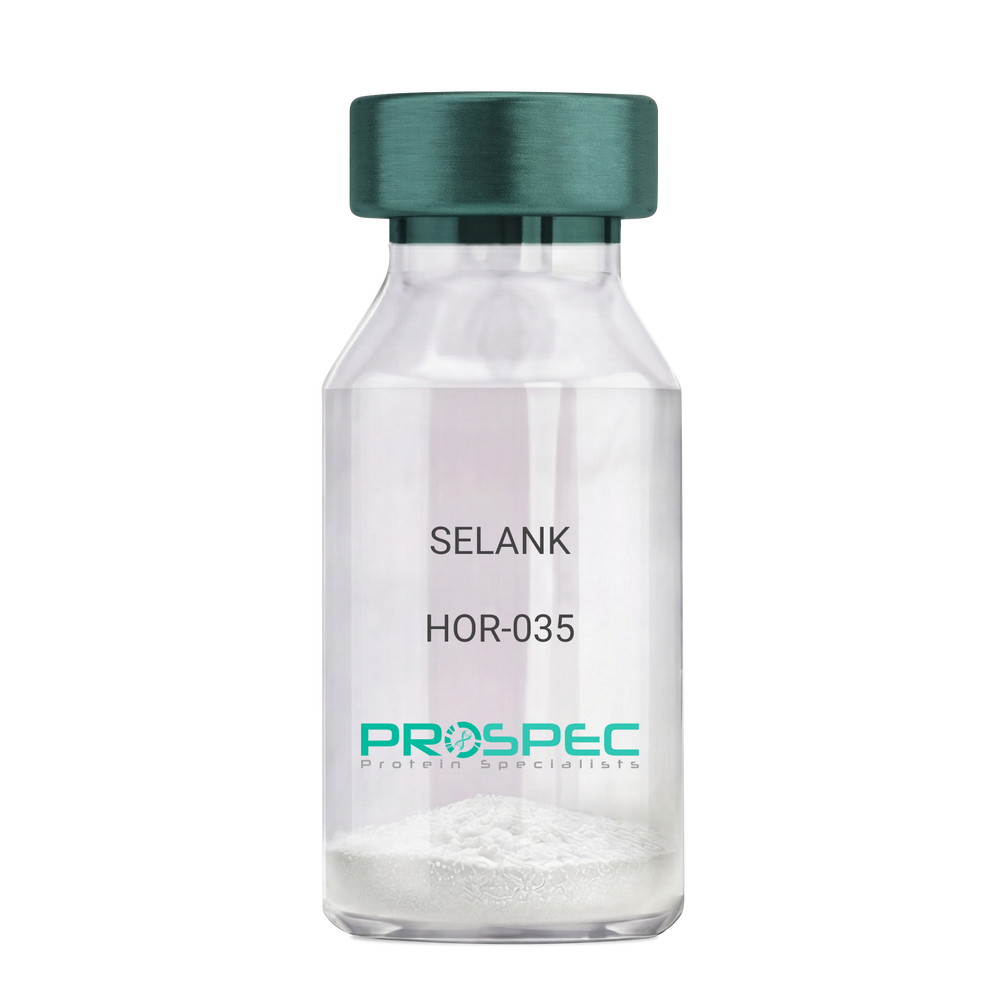
Name :
SELANKDescription:
SELANK
Product # :
HOR-035Price :
Quantity :
Shipping Method :
Shipped at Room temp
More Info
- description
- formulation
- purity
- More Info
Description
SELANK Synthetic is a single, non-glycosylated polypeptide chain containing 7 amino acids, having a molecular mass of 751.89 Dalton and a Molecular formula of C33H57N11O9.
Formulation
The protein was lyophilized with no additives.
Purity
Greater than 97.0% as determined by analysis by RP-HPLC.
More Info
-
Physical Appearance
Sterile Filtered White lyophilized (freeze-dried) powder.
-
Stability
Lyophilized SELANK although stable at room temperature for 3 weeks, should be stored desiccated below -18°C. Upon reconstitution SELANK should be stored at 4°C between 2-7 days and for future use below -18°C. For long term storage it is recommended to add a carrier protein (0.1% HSA or BSA). Please prevent freeze-thaw cycles.
-
Solubility
It is recommended to reconstitute the lyophilized SELANK in sterile 18MΩ-cm H2O not less than 100 µg/ml, which can then be further diluted to other aqueous solutions.
-
Amino Acid Sequence
H-Thr-Lys-Pro-Arg-Pro-Gly-Pro-OH.
-
Background
Selank, also known as TP-7, is a synthetic peptide that has garnered significant attention in the scientific community due to its potential anxiolytic, neuroprotective, and nootropic effects. This heptapeptide, derived from the naturally occurring human tetrapeptide Tuftsin, has been shown to possess a wide range of biological activities, including enhancing memory, reducing anxiety, and potentially mitigating the effects of neurodegenerative diseases.
Selank's primary mechanism of action involves its interaction with the GABAergic system, the body's main inhibitory neurotransmitter system. By modulating the activity of GABA receptors, Selank can exert a calming effect on the brain, reducing anxiety and enhancing cognitive function. Studies by Semenova et al. (2014) have demonstrated that Selank can enhance memory and learning in rats, suggesting potential applications in cognitive enhancement and the treatment of cognitive disorders.
In addition to its anxiolytic and nootropic effects, Selank has been shown to possess neuroprotective properties. Research by Ershov et al. (2016) found that Selank could protect neurons from oxidative stress, suggesting potential applications in the treatment of neurodegenerative diseases such as Alzheimer's and Parkinson's disease.
Given its anxiolytic, nootropic, and neuroprotective effects, Selank has been proposed as a potential therapeutic agent for a variety of conditions, including anxiety disorders, cognitive disorders, and neurodegenerative diseases. For instance, a study by Medvedev et al. (2017) found that Selank could improve symptoms in patients with generalized anxiety disorder, indicating its potential as a therapeutic agent in the treatment of anxiety disorders.
While research on Selank is promising, it is important to note that most studies have been conducted in animals or in vitro. More research is needed to fully understand the potential effects and applications of Selank in humans. However, the existing body of research suggests that Selank could be a promising tool in the treatment of anxiety disorders, cognitive disorders, and neurodegenerative diseases.
ProSpec's products are furnished for LABORATORY RESEARCH USE ONLY. The product may not be used as drugs, agricultural or pesticidal products, food additives or household chemicals.
- View Data Sheet
Name :
SCGB1A1 HumanDescription:
Uteroglobin Human Recombinant
Uteroglobin, Clara cell phospholipid-binding protein, CCPBP, Clara cells 10 kDa secretory protein, CC10, Secretoglobin family 1A member 1, Urinary protein 1, UP-1, UP1, Urine protein 1, SCGB1A1, CCSP, UGB, CC16.
Product # :
CYT-743Price :
Quantity :
Shipping Method :
Shipped at Room temp
More Info
- description
- source
- formulation
- purity
- biological activity
- More Info
Description
Uteroglobin Human Recombinant produced in E.coli is a single, non-glycosylated polypeptide chain containing 70 amino acids and having a molecular mass of 15.8kDa.The SCGB1A1 is purified by proprietary chromatographic techniques.
Source
Escherichia Coli.
Formulation
The Uteroglobin protein was lyophilized from a 0.2µm filtered concentrated solution in PBS, pH 7.4.
Purity
Greater than 98.0% as determined by:
(a) Analysis by RP-HPLC.
(b) Analysis by SDS-PAGE.Biological Activity
The ED50 as determined by the ability of the immobilized protein to support the adhesion of the A549 human lung carcinoma cells is less than 5.0µg/ml, corresponding to a specific activity of > 200 IU/mg.More Info
-
Introduction
Uteroglobin (SCGB1A1) which belongs to the Secretoglobin (SCGBs) superfamily, is a multifunctional protein that exerts anti-inflammatory and anti-tumorigenic effects by binding small hydrophobic molecules such as phospholipids and prostaglandins. Uteroglobin is involved in numerous functions including anti-inflammation, inhibition of phospholipase A2 and the sequestering of hydrophobic ligands. SCGB1A1 is expressed by Clara cells, the non-ciliated, non-mucous secretory cells predominant in lung bronchioles, and by other epithelia which communicate with the external environment. On top of sequestering pro-inflammatory mediators and carcinogens, Uteroglobin is implicated in the inhibition of cell migration and invasion, platelet aggregation, and T cell differentiation. SCGB1A1 gene defects are associated with a susceptibility to asthma.
-
Synonyms
Uteroglobin, Clara cell phospholipid-binding protein, CCPBP, Clara cells 10 kDa secretory protein, CC10, Secretoglobin family 1A member 1, Urinary protein 1, UP-1, UP1, Urine protein 1, SCGB1A1, CCSP, UGB, CC16.
-
Physical Appearance
Sterile Filtered White lyophilized (freeze-dried) powder.
-
Stability
Lyophilized Uteroglobin although stable at room temperature for 3 weeks, should be stored desiccated below -18°C. Upon reconstitution SCGB1A1 should be stored at 4°C between 2-7 days and for future use below -18°C. For long term storage it is recommended to add a carrier protein (0.1% HSA or BSA). Please prevent freeze-thaw cycles.
-
Solubility
It is recommended to reconstitute the lyophilized SCGB1A1 in sterile 18M-cm H2O not less than 100µg/ml, which can then be further diluted to other aqueous solutions.
-
Amino Acid Sequence
EICPSFQRVI ETLLMDTPSS YEAAMELFSP DQDMREAGAQ LKKLVDTLPQ KPRESIIKLM EKIAQSSLCN.
ProSpec's products are furnished for LABORATORY RESEARCH USE ONLY. The product may not be used as drugs, agricultural or pesticidal products, food additives or household chemicals.
- View Data Sheet
Name :
SERPINA5 HumanDescription:
Serpin Peptidase Inhibitor Clade A Member 5 Human Recombinant
PAI3, PCI, PROCI, PLANH3, Protein-C Inhibitor, Serpin A5, Plasminogen activator inhibitor 3, PAI-3, SERPINA5.
Product # :
PRO-749Price :
Quantity :
Shipping Method :
Shipped with Ice Packs
More Info
- description
- source
- formulation
- purity
- More Info
Description
SERPINA5 Human Recombinant fused with a 20 amino acid His tag at N-terminus produced in E.Coli is a single, non-glycosylated, polypeptide chain containing 408 amino acids (20-406 a.a.) and having a molecular mass of 45.9 kDa.The SERPINA5 is purified by proprietary chromatographic techniques.
Source
Escherichia Coli.
Formulation
The SERPINA5 solution (0.5mg/ml) contains 20mM Tris-HCl buffer pH-8, 1mM DTT and 10% glycerol.
Purity
Greater than 90.0% as determined by SDS-PAGE.
More Info
-
Introduction
SERPINA5 up regulates TAFI activation by inhibiting the protein C activation. SERPINA5 is a significant regulator in the equilibrium between coagulation and fibrinolysis by differentially inhibiting the activation of TAFI and of Protein-C. SERPINA5 belongs to the serpin serine proteinase inhibitor family. SERPINA5 protein inhibits plasminogen activators as well as activated protein C.
SERPINA5 is secreted in plasma & liver. SERPINA5 is involved in cell inflammation, proliferation, apoptosis, tumour cell migration, invasion, and metastasis. Moreover, SERPINA5 controls the invasive potential of renal cell carcinoma by inhibiting urinary plasminogen activator secreted by the cells. SERPINA5 participtes in regulating key serine proteases which are involved in metastatic prostate disease. -
Synonyms
PAI3, PCI, PROCI, PLANH3, Protein-C Inhibitor, Serpin A5, Plasminogen activator inhibitor 3, PAI-3, SERPINA5.
-
Physical Appearance
Sterile Filtered colorless solution.
-
Stability
Store at 4°C if entire vial will be used within 2-4 weeks.Store, frozen at -20°C for longer periods of time. For long term storage it is recommended to add a carrier protein (0.1% HSA or BSA).Avoid multiple freeze-thaw cycles.
-
Amino Acid Sequence
MGSSHHHHHH SSGLVPRGSH MHRHHPREMK KRVEDLHVGA TVAPSSRRDF TFDLYRALAS AAPSQNIFFS PVSISMSLAM LSLGAGSSTK MQILEGLGLN LQKSSEKELH RGFQQLLQEL NQPRDGFQLS LGNALFTDLV VDLQDTFVSA MKTLYLADTF PTNFRDSAGA MKQINDYVAK QTKGKIVDLL KNLDSNAVVI MVNYIFFKAK WETSFNHKGT QEQDFYVTSE TVVRVPMMSR EDQYHYLLDR NLSCRVVGVP YQGNATALFI LPSEGKMQQV ENGLSEKTLR KWLKMFKKRQ LELYLPKFSI EGSYQLEKVL PSLGISNVFT SHADLSGISN HSNIQVSEMV HKAVVEVDES GTRAAAATGT IFTFRSARLN SQRLVFNRPF LMFIVDNNIL FLGKVNRP.
ProSpec's products are furnished for LABORATORY RESEARCH USE ONLY. The product may not be used as drugs, agricultural or pesticidal products, food additives or household chemicals.
- View Data Sheet
Name :
OMG HumanDescription:
Oligodendrocyte Myelin Glycoprotein Recombinant Human
Oligodendrocyte-myelin glycoprotein, OMG, OMGP.
Product # :
PRO-2343Price :
Quantity :
Shipping Method :
Shipped with Ice Packs
More Info
- description
- source
- formulation
- purity
- More Info
Description
OMG Human Recombinant produced in Sf9 Baculovirus cells is a single, glycosylated polypeptide chain containing 401 amino acids (25-418) and having a molecular mass of 45.4kDa (Molecular size on SDS-PAGE will appear at approximately 50-100kDa).OMG is fused to 8 amino acid His-Tag at C-terminus and purified by proprietary chromatographic techniques.
Source
Sf9, Baculovirus cells.
Formulation
OMG protein solution (0.5mg/ml) containing Phosphate Buffered Saline (pH 7.4) and 10% glycerol.
Purity
Greater than 95.0% as determined by analysis by SDS-PAGE.
More Info
-
Introduction
Oligodendrocyte-myelin glycoprotein (OMG) is a cell membrane protein which contains 8 leucine-rich repeats. The OMG protein is expressed on the surface of oligodendrocytes and on large projection neurons, including Purkinje cells of the cerebellum, pyramidal cells of the hippocampus, motoneurons of the brainstem and anterior horn cells of the spinal cord. The neurite outgrowth inhibitory activities of all three myelin-derived proteins are mediated by binding to a joint receptor complex consisting of the Nogo receptor and the p75 neurotrophin receptor.
-
Synonyms
Oligodendrocyte-myelin glycoprotein, OMG, OMGP.
-
Physical Appearance
Sterile Filtered clear solution.
-
Stability
Store at 4°C if entire vial will be used within 2-4 weeks. Store, frozen at -20°C for longer periods of time. For long term storage it is recommended to add a carrier protein (0.1% HSA or BSA).Avoid multiple freeze-thaw cycles.
-
Amino Acid Sequence
ICPLQCICTE RHRHVDCSGR NLSTLPSGLQ ENIIHLNLSY NHFTDLHNQL TQYTNLRTLD ISNNRLESLP AHLPRSLWNM SAANNNIKLL DKSDTAYQWN LKYLDVSKNM LEKVVLIKNT LRSLEVLNLS SNKLWTVPTN MPSKLHIVDL SNNSLTQILP GTLINLTNLT HLYLHNNKFT FIPDQSFDQL FQLQEITLYN NRWSCDHKQN ITYLLKWMME TKAHVIGTPC STQISSLKEH NMYPTPSGFT SSLFTVSGMQ TVDTINSLSV VTQPKVTKIP KQYRTKETTF GATLSKDTTF TSTDKAFVPY PEDTSTETIN SHEAAAATLT IHLQDGMVTN TSLTSSTKSS PTPMTLSITS GMPNNFSEMP QQSTTLNLWR EETTTNVKTP LPSVEHHHHH H.
ProSpec's products are furnished for LABORATORY RESEARCH USE ONLY. The product may not be used as drugs, agricultural or pesticidal products, food additives or household chemicals.
- View Data Sheet
Name :
Agrin RatDescription:
Agrin Rat Recombinant
Agrin, Agrn, C90, C22, Agrin N-terminal 110 kDa subunit, Agrin C-terminal 110 kDa subunit, Agrin C-terminal 90 kDa fragment, Agrin C-terminal 22 kDa fragment, AGR
Product # :
PRO-2627Price :
Quantity :
Shipping Method :
Shipped with Ice Packs
More Info
- description
- source
- formulation
- purity
- More Info
Description
Agrin Rat produced in Sf9 Baculovirus cells is a single, glycosylated polypeptide chain containing 766 amino acids (997-1753 a.a.) and having a molecular mass of 82.5kDa.Agrin is fused to a 9 amino acid His tag at C-Terminus and purified by proprietary chromatographic techniques.
Source
Sf9, Baculovirus cells.
Formulation
The Agrin solution (0.5mg/ml) contains 10% Glycerol in Phosphate-Buffered Saline (pH 7.4).
Purity
Greater than 90.0% as determined by SDS-PAGE.
More Info
-
Introduction
Agrin or AGRN is a large protein (proteoglycan) that has a crucial part in the development of neuromuscular junction amid embryogenesis. The protein has an involvement in the collection and aggregation of acetylcholine receptors through synaptogenesis. The agrin gene can be found and expressed in rat embryonic nervous system andmuscle tissue. This Agrin protein is aggregated in the synapses, there it can take part in regeneration & development. The protein binds to receptors on the surface of skeletal muscle.
-
Synonyms
Agrin, Agrn, C90, C22, Agrin N-terminal 110 kDa subunit, Agrin C-terminal 110 kDa subunit, Agrin C-terminal 90 kDa fragment, Agrin C-terminal 22 kDa fragment, AGR
-
Physical Appearance
Sterile Filtered colorless solution.
-
Stability
Store at 4°C if entire vial will be used within 2-4 weeks. Store, frozen at -20°C for longer periods of time. For long term storage it is recommended to add a carrier protein (0.1% HSA or BSA).Avoid multiple freeze-thaw cycles.
-
Amino Acid Sequence
ADPSCYNSPL GCCSDGKTPS LDSEGSNCPA TKAFQGVLEL EGVEGQELFY TPEMADPKSE LFGETARSIE STLDDLFRNS DVKKDFWSVR LRELGPGKLV RAIVDVHFDP TTAFQASDVG QALLRQIQVS RPWALAVRRP LQEHVRFLDF DWFPTFFTGA ATGTTAAMAT ARATTVSRLP ASSVTPRVYP SHTSRPVGRT TAPPTTRRPP TTATNMDRPR TPGHQQPSKS CDSQPCLHGG
TCQDQDSGKG FTCSCTAGRG GSVCEKVQPP SMPAFKGHSF LAFPTLRAYH TLRLALEFRA LETEGLLLYN GNARGKDFLA LALLDGRVQF RFDTGSGPAV LTSLVPVEPG RWHRLELSRH WRQGTLSVDG ETPVVGESPS GTDGLNLDTN LYVGGIPEEQ VAMVLDRTSV GVGLKGCIRM LDINNQQLEL SDWQRAAVQS SGVGECGDHP CLPNPCHGGA LCQALEAGMF LCQCPPGRFG PTCADEKSPC QPNPCHGAAP CRVLSSGGAK CECPLGRSGT FCQTVLETAG SRPFLADFNG FSYLELKGLH TFERDLGEKM ALEMVFLARG PSGLLLYNGQ KTDGKGDFVS LALHNRHLEF CYDLGKGAAV IRSKEPIALG TWVRVFLERN GRKGALQVGD GPRVLGESPK SRKVPHTMLN LKEPLYIGGA PDFSKLARGA AVSSGFSGVI QLVSLRGHQL LTQEHVLRAV DVSPFADHPC TQALGNPCLN GGSCVPREAT YECLCPGGFS GLHCEKGLVE HHHHHH
ProSpec's products are furnished for LABORATORY RESEARCH USE ONLY. The product may not be used as drugs, agricultural or pesticidal products, food additives or household chemicals.
- View Data Sheet
Name :
PLA2G2A HumanDescription:
Secreted Phospholipase A2-IIA Human Recombinant
MOM1, PLA2, PLA2B, PLA2L, PLA2S, PLAS1, sPLA2, Phospholipase A2 membrane associated, EC 3.1.1.4, Phosphatidylcholine 2-acylhydrolase, Group IIA phospholipase A2, GIIC sPLA2, Non-pancreatic secretory phospholipase A2, NPS-PLA2, sPLA2-IIA, PLA2G2A.
Product # :
ENZ-290Price :
Quantity :
Shipping Method :
Shipped at Room temp
More Info
- description
- source
- formulation
- purity
- More Info
Description
Secreted Phospholipase A2-IIA Human Recombinant is manufactured with N-terminal fusion of HisTag. PLA2G2A His-Tagged Fusion Protein is 15.8 kDa containing 124 amino acid residues of the human secreted phospholipase A2-IIA and 16 additional amino acid residues – HisTag.
Source
Escherichia Coli.
Formulation
Lyophilized from 0.5 mg/ml in 0.05M Acetate buffer pH-4.
Purity
Greater than 95% as determined by SDS-PAGE.
More Info
-
Introduction
Phospholipase A2 (PLA2) catalyzes the hydrolysis of the sn-2 position of membrane glycerophospholipids to liberate arachidonic acid (AA), a precursor of eicosanoids including prostaglandins and leukotrienes. The same reaction also produces lysophosholipids, which represent another class of lipid mediators.
The secretory PLA2 (sPLA2) family, in which 10 isozymes have been identified, consists of lowmolecular weight, Ca2+-requiring secretory enzymes that have been implicated in a number of biological processes, such as modification of eicosanoid generation, inflammation, and host defense.
This enzyme has been proposed to hydrolyze phosphatidylcholine (PC) in lipoproteins to liberate lyso- PC and free fatty acids in the arterial wall, thereby facilitating the accumulation of bioactive lipids and modified lipoproteins in atherosclerotic foci.
In mice, sPLA2 expression significantly influences HDL particle size and composition and demonstrate that an induction of sPLA2 is required for the decrease in plasma HDL cholesterol in response to inflammatory stimuli. Instillation of bacteria into the bronchi was associated with surfactant degradation and a decrease in large:small ratio of surfactant aggregates in rats.
sPLA2-IIA can exert beneficial action in the context of infectious diseases since recent studies have shown that this enzyme exhibits potent bactericidal effects. Induction of the synthesis of sPLA2-IIA is generally initiated by endotoxin and a limited number of cytokines via paracrine and/or autocrine processes. -
Synonyms
MOM1, PLA2, PLA2B, PLA2L, PLA2S, PLAS1, sPLA2, Phospholipase A2 membrane associated, EC 3.1.1.4, Phosphatidylcholine 2-acylhydrolase, Group IIA phospholipase A2, GIIC sPLA2, Non-pancreatic secretory phospholipase A2, NPS-PLA2, sPLA2-IIA, PLA2G2A.
-
Physical Appearance
Filtered lyophilized (freeze-dried) powder.
-
Stability
Store lyophilized protein at -20°C. Aliquot the product after reconstitution to avoid repeated freezing/thawing cycles. Reconstituted protein can be stored at 4°C for a limited period of time; it does not show any change after two weeks at 4°C.
-
Solubility
It is recommended to add 0.1M Acetate buffer pH-4 to prepare a working stock solution of approximately 0.5mg/ml and let the lyophilized pellet dissolve completely. For conversion into higher pH value, an intensive dilution by relevant buffer to a concentration of 10μg/ml is recomended. In higher concentrations the solubility of the PLA2G2A antigen is limited. Product is not sterile! Please filter the product by an appropriate sterile filter before using it in the cell culture.
-
Amino Acid Sequence
MRGSHHHHHH GMASHMNLVN FHRMIKLTTG KEAALSYGFY GCHCGVGGRG SPKDATDRCC VTHDCCYKRL EKRGCGTKFL SYKFSNSGSR ITCAKQDSCR SQLCECDKAA ATCFARNKTT YNKKYQYYSN KHCRGSTPRC.
ProSpec's products are furnished for LABORATORY RESEARCH USE ONLY. The product may not be used as drugs, agricultural or pesticidal products, food additives or household chemicals.
- View Data Sheet
Name :
Tamm HorsfallDescription:
Recombinant Human Tamm Horsfall Glycoprotein
Tamm-Horsfall urinary glycoprotein, THP, FJHN, HNFJ, THGP, MCKD2, ADMCKD2, UMOD, Uromodulin.
Product # :
ENZ-1206Price :
Quantity :
Shipping Method :
Shipped at Room temp
More Info
- description
- source
- formulation
- purity
- More Info
- SDS-PAGE
Description
Uromodulin Human Recombinant protein produced from HEK Cells, is a polypeptide chain containing 595 amino acids ( 25-613 a.a. ) and having a total Mw of 65 kDa.
Source
HEK293
Formulation
The UMOD protein was lyophilized from 0.4μm filtered solution containing 50mM NaCl, 0.02M TRIS, pH 7.5.
Purity
Greater than 90.0% as determined by SDS-PAGE analysis.
SDS-PAGE
More Info
-
Introduction
Uromodulin (Tamm–Horsfall protein) is produced mainly by cells in the kidney’s thick ascending limb and is the most abundant protein in normal urine.
Uromodulin takes part in salt and water regulation, helps prevent urinary tract infections and kidney stones, and influences inflammation and immune activity in the kidney.
Reduced Uromodulin levels is associated with chronic kidney disease.
UMOD mutations causes unproper protein folding and thus transported incorrectly, resulting in its accumulation inside kidney tubular cells that damages the tubules and cause kidney disease (ADTKD-UMOD), associated with high uric acid, gout, and progressive kidney failure.
-
Synonyms
Tamm-Horsfall urinary glycoprotein, THP, FJHN, HNFJ, THGP, MCKD2, ADMCKD2, UMOD, Uromodulin.
-
Physical Appearance
Filtered White lyophilized (freeze-dried) powder.
-
Stability
Lyophilized UMOD although stable at room temperature for 3 weeks, should be stored at -18C. Upon reconstitution UMOD should be stored at 4C between 2-7 days and for future use below -18C.
For long term storage it is recommended to add a carrier protein (0.1% HSA or BSA).
Please prevent freeze-thaw cycles.
-
Solubility
Add deionized water to prepare a working stock solution of approximately 0.5mg/ml and let the lyophilized pellet dissolve completely. Product is not sterile! Please filter the product by an appropriate sterile filter before using it in the cell culture.
-
Amino Acid Sequence
DTSEARWCSE CHSNATCTED EAVTTCTCQE GFTGDGLTCV DLDECAIPGA HNCSANSSCV NTPGSFSCVC PEGFRLSPGL GCTDVDECAE PGLSHCHALA TCVNVVGSYL CVCPAGYRGD GWHCECSPGS CGPGLDCVPE GDALVCADPC QAHRTLDEYW RSTEYGEGYA CDTDLRGWYR FVGQGGARMA ETCVPVLRCN TAAPMWLNGT HPSSDEGIVS RKACAHWSGH CCLWDASVQV KACAGGYYVY NLTAPPECHL AYCTDPSSVE GTCEECSIDE DCKSNNGRWH CQCKQDFNIT DISLLEHRLE CGANDMKVSL GKCQLKSLGF DKVFMYLSDS RCSGFNDRDN RDWVSVVTPA RDGPCGTVLT RNETHATYSN TLYLADEIII RDLNIKINFA CSYPLDMKVS LKTALQPMVS ALNIRVGGTG MFTVRMALFQ TPSYTQPYQG SSVTLSTEAF LYVGTMLDGG DLSRFALLMT NCYATPSSNA TDPLKYFIIQ DRCPHTRDST IQVVENGESS QGRFSVQMFR FAGNYDLVYL HCEVYLCDTM NEKCKPTCSG TRFRSGSVID QSRVLNLGPI TRKGVQATVH HHHHH
-
Background
Uromodulin is the most abundant protein in normal urine. Its secretion in urine follows proteolytic cleavage of the ectodomain of its glycosyl phosphatidylinosital-anchored counterpart that is situated on the luminal cell surface of the loop of Henle. Uromodulin plays a role as a constitutive inhibitor of calcium crystallization in renal fluids. Secretion of uromodulin in urine provides protection against urinary tract infections caused by uropathogenic bacteria. Defects in Uromodulin expression are associated with the autosomal dominant renal disorders medullary cystic kidney disease-2 (MCKD2) and familial juvenile hyperuricemic nephropathy (FJHN). These disorders are characterized by juvenile onset of hyperuricemia, gout, and progressive renal failure. While several transcript variants may exist for this gene, the full-length natures of only two have been described to date. UMOD is involved in regulating the circulating activity of cytokines as it binds to il-1, il-2 and tnf with high affinity.
What is the molecular weight/Mw of UMOD Protein?
UMOD Protein has a total Mw of 65kDa.
What is the source or expression system of UMOD Protein?
HEK293.
What is the Purity of UMOD Protein?
UMOD Protein is >90% pure as determined by SDS-PAGE.
What is the Biological Activity of UMOD Protein?
The biological functionality of UMOD Protein will be determined in the future.
What is the amino acid sequence of UMOD Protein?
UMOD Protein is composed from 595 amino acids.
What applications can UMOD Protein be used in?
UMOD Protein can probably be used in western blot, ELISA and Lateral Flow.
What is the endotoxin level for UMOD Protein?
The endotoxin level is minimal, UMOD Protein was purified using conventional chromatography techniques.
ProSpec's products are furnished for LABORATORY RESEARCH USE ONLY. The product may not be used as drugs, agricultural or pesticidal products, food additives or household chemicals.
- View Data Sheet
Name :
Betacellulin HumanDescription:
Betacellulin Human Recombinant
Product # :
CYT-330Price :
Quantity :
Shipping Method :
Shipped at Room temp
More Info
- description
- source
- formulation
- purity
- biological activity
- More Info
Description
Betacellulin Human Recombinant produced in E.Coli is a single, non-glycosylated, polypeptide chain containing 80 amino acids and having a molecular mass of 9 kDa. Betacellulin Human Recombinant is purified by proprietary chromatographic techniques.
Source
Escherichia Coli.
Formulation
The Betacellulin Human Recombinant was lyophilized from a 0.2µm filtered concentrated solution in PBS, pH 7.4.
Purity
Greater than 98.0% as determined by(a) Analysis by RP-HPLC.
(b) Analysis by SDS-PAGE.Biological Activity
The ED50, calculated by the dose-dependant proliferation of murine BALB\C 3T3 cells (measured by 3H-thymidine uptake) is < 0.05 ng/ml. corresponding to a Specific Activity of >20,000,000IU/mg.More Info
-
Introduction
Btc is a potent mitogen for retinal pigment epithelial cells and vascular smooth muscle cells. The effects of betacellulin are probably mediated by the egf receptor and other related receptors.
-
Physical Appearance
Sterile Filtered White lyophilized (freeze-dried) powder.
-
Stability
Lyophilized Betacellulin Human Recombinant although stable at room temperature for 3 weeks, should be stored desiccated below -18°C. Upon reconstitution BTC Human should be stored at 4°C between 2-7 days and for future use below -18°C.For long term storage it is recommended to add a carrier protein (0.1% HSA or BSA).Please prevent freeze-thaw cycles.
-
Solubility
It is recommended to reconstitute the lyophilized BTC Human in sterile 18MΩ-cm H2O not less than 100µg/ml, which can then be further diluted to other aqueous solutions.
-
Amino Acid Sequence
DGNSTRSPET NGLLCGDPEE NCAATTTQSK RKGHFSRCPK QYKHYCIKGR CRFVVAEQTP SCVCDEGYIG ARCERVDLFY
-
Background
Betacellulin Human Recombinant: Illuminating Pathways in Regenerative Medicine
Introduction
In the ever-evolving landscape of regenerative medicine, a promising new chapter unfolds with the arrival of Betacellulin Human Recombinant (BTC). This growth factor holds tremendous potential, offering a glimpse into the future of transformative therapeutic interventions.
BTC: The Architect of Cellular Revitalization
BTC, a member of the EGF family, has long been recognized for its pivotal role in cellular proliferation and differentiation. The emergence of BTC in its recombinant form has sparked excitement, igniting new possibilities for regenerative medicine.
Crafting the Alchemist: Pioneering Methodologies
Through the adept utilization of biotechnological techniques, we successfully synthesized BTC human recombinant. Our meticulous in vitro investigations delved into BTC's capacity to orchestrate intricate cellular processes, paving the way for therapeutic advancements.
Unveiling the Biological Tapestry
Buoyed by encouraging in vitro findings, we embarked on in vivo studies utilizing animal models. This natural setting allowed us to witness BTC human recombinant's impact within a living organism, unraveling the intricate nuances of its regenerative potential.
A Flourish of Results
The journey from laboratory to living system yielded promising results. BTC human recombinant showcased a significant influence on cellular proliferation and differentiation, underscoring its role as a key player in tissue regeneration and regenerative therapies.
Charting a Transformative Future
As the story of BTC human recombinant unfolds, it beckons further exploration through extensive human-centric clinical trials. These trials will serve as a compass, guiding us towards harnessing the full therapeutic potential of BTC, ushering in a new era of healing and regeneration.
What is the molecular weight/Mw of BTC Protein?
BTC Protein has a total Mw of 9kDa.
What is the source or expression system of BTC Protein?
Escherichia Coli.
What is the Purity of BTC Protein?
BTC Protein is >98% pure as determined by SDS-PAGE.
What is the Biological Activity of BTC Protein?
The ED50, calculated by the dose-dependant proliferation of murine BALB\C 3T3 cells (measured by 3H-thymidine uptake) is < 0.05 ng/ml. corresponding to a Specific Activity of >20,000,000IU/mg.
What is the amino acid sequence of BTC Protein?
DGNSTRSPET NGLLCGDPEE NCAATTTQSK RKGHFSRCPK QYKHYCIKGR CRFVVAEQTP SCVCDEGYIG ARCERVDLFY
What applications can BTC Protein be used in?
BTC Protein can probably be used in western blot, ELISA and Lateral Flow.
What is the endotoxin level for BTC Protein?
The endotoxin level is minimal, BTC Protein was purified using conventional chromatography techniques.
ProSpec's products are furnished for LABORATORY RESEARCH USE ONLY. The product may not be used as drugs, agricultural or pesticidal products, food additives or household chemicals.
- View Data Sheet
Name :
SCGB1A1 MouseDescription:
Uteroglobin Mouse Recombinant
Uteroglobin, Clara cell 17 kDa protein, Clara cell phospholipid-binding protein, CCPBP, Clara cells 10 kDa secretory protein, CC10, PCB-binding protein, Secretoglobin family 1A member 1, Scgb1a1, Ugb, Utg, UG, CC16, CCSP, PCB-BP.
Product # :
CYT-746Price :
Quantity :
Shipping Method :
Shipped at Room temp
More Info
- description
- source
- formulation
- purity
- biological activity
- More Info
Description
Uteroglobin Mouse Recombinant produced in E.coli is a non-glycosylated disulfide-linked homodimeric protein containing 2x75 amino acids chains and having a molecular mass of 16.7kDa.The SCGB1A1 is purified by proprietary chromatographic techniques.
Source
Escherichia Coli.
Formulation
The Uteroglobin protein was lyophilized from a 0.2µm filtered concentrated solution in PBS, pH 7.4.
Purity
Greater than 98.0% as determined by:
(a) Analysis by RP-HPLC.
(b) Analysis by SDS-PAGE.Biological Activity
The ED50 as determined by the ability of the immobilized protein to support the adhesion of the A549 human lung carcinoma cells is less than 5.0µg/ml, corresponding to a specific activity of > 200 IU/mg.More Info
-
Introduction
Uteroglobin (SCGB1A1) which belongs to the Secretoglobin (SCGBs) superfamily, is a multifunctional protein that exerts anti-inflammatory and anti-tumorigenic effects by binding small hydrophobic molecules such as phospholipids and prostaglandins. Uteroglobin is involved in numerous functions including anti-inflammation, inhibition of phospholipase A2 and the sequestering of hydrophobic ligands. SCGB1A1 is expressed by Clara cells, the non-ciliated, non-mucous secretory cells predominant in lung bronchioles, and by other epithelia which communicate with the external environment. On top of sequestering pro-inflammatory mediators and carcinogens, Uteroglobin is implicated in the inhibition of cell migration and invasion, platelet aggregation, and T cell differentiation. SCGB1A1 gene defects are associated with a susceptibility to asthma.
-
Synonyms
Uteroglobin, Clara cell 17 kDa protein, Clara cell phospholipid-binding protein, CCPBP, Clara cells 10 kDa secretory protein, CC10, PCB-binding protein, Secretoglobin family 1A member 1, Scgb1a1, Ugb, Utg, UG, CC16, CCSP, PCB-BP.
-
Physical Appearance
Sterile Filtered White lyophilized (freeze-dried) powder.
-
Stability
Lyophilized Uteroglobin although stable at room temperature for 3 weeks, should be stored desiccated below -18°C. Upon reconstitution SCGB1A1 should be stored at 4°C between 2-7 days and for future use below -18°C. For long term storage it is recommended to add a carrier protein (0.1% HSA or BSA). Please prevent freeze-thaw cycles.
-
Solubility
It is recommended to reconstitute the lyophilized SCGB1A1 in sterile 18M-cm H2O not less than 100µg/ml, which can then be further diluted to other aqueous solutions.
-
Amino Acid Sequence
DICPGFLQVL EALLMESESG YVASLKPFNP GSDLQNAGTQ LKRLVDTLPQ ETRINIMKLT EKILTSPLCK QDLRF.
ProSpec's products are furnished for LABORATORY RESEARCH USE ONLY. The product may not be used as drugs, agricultural or pesticidal products, food additives or household chemicals.
- View Data Sheet
Name :
ZG16 HumanDescription:
Zymogen Granule Protein 16 Homolog Human Recombinant
Zymogen granule membrane protein 16, Zymogen granule protein 16, hZG16, Secretory lectin ZG16, ZG16, JCLN, JCLN1, ZG16A, FLJ43571, FLJ92276, MGC34820, MGC183567.
Product # :
PRO-478Price :
Quantity :
Shipping Method :
Shipped with Ice Packs
More Info
- description
- source
- formulation
- purity
- More Info
Description
ZG16 Human Recombinant produced in E. coli is a single polypeptide chain containing 174 amino acids (17-167) and having a molecular mass of 19kDa. ZG16 is fused to a 23 amino acid His-tag at N-terminus & purified by proprietary chromatographic techniques.
Source
Escherichia Coli.
Formulation
The ZG16 solution (0.25mg/ml) contains 20mM Tris-HCl buffer (pH 8.0), 0.15M NaCl, 20% glycerol and 1mM DTT.
Purity
Greater than 95% as determined by SDS-PAGE.
More Info
-
Introduction
Zymogen Granule Protein 16 Homolog (ZG16) is a member of the jacalin lectin family. ZG16 may have a role in protein trafficking and may act as a linker molecule between the submembranous matrix on the luminal side of zymogen granule membrane (ZGM) and aggregated secretory proteins during granule formation in the TGN. ZG16 is highly expressed in the liver, but can also be detected at lower levels in colon, ileum and jejunum.
-
Synonyms
Zymogen granule membrane protein 16, Zymogen granule protein 16, hZG16, Secretory lectin ZG16, ZG16, JCLN, JCLN1, ZG16A, FLJ43571, FLJ92276, MGC34820, MGC183567.
-
Physical Appearance
Sterile filtered colorless solution.
-
Stability
Store at 4°C if entire vial will be used within 2-4 weeks. Store, frozen at -20°C for longer periods of time. For long term storage it is recommended to add a carrier protein (0.1% HSA or BSA). Avoid multiple freeze-thaw cycles.
-
Amino Acid Sequence
MGSSHHHHHH SSGLVPRGSH MGSNAIQARS SSYSGEYGGG GGKRFSHSGN QLDGPITALR VRVNTYYIVG LQVRYGKVWS DYVGGRNGDL EEIFLHPGES VIQVSGKYKW YLKKLVFVTD KGRYLSFGKD SGTSFNAVPL HPNTVLRFIS GRSGSLIDAI GLHWDVYPTS CSRC.
ProSpec's products are furnished for LABORATORY RESEARCH USE ONLY. The product may not be used as drugs, agricultural or pesticidal products, food additives or household chemicals.
- View Data Sheet
Name :
ENHO HumanDescription:
Energy Homeostasis Associated Human Recombinant
Adropin, Energy homeostasis-associated protein, ENHO, C9orf165, UNQ470.
Product # :
PRO-1569Price :
Quantity :
Shipping Method :
Shipped at Room temp
More Info
- description
- source
- formulation
- purity
- More Info
Description
ENHO Human Recombinant produced in E.Coli is a single, non-glycosylated, polypeptide chain (a.a 34-76) containing 121 amino acids including extra 78 N-terminal amino acids. The total molecular mass is 13.05kDa (calculated).
Source
Escherichia Coli.
Formulation
ENHO filtered (0.4 µm) and lyophilized from 0.5mg/ml in phosphate buffered saline.
Purity
Greater than 90.0% as determined by SDS-PAGE.
More Info
-
Introduction
Energy Homeostasis Associated (ENHO) participates in glucose homeostasis maintenance and lipid metabolism. ENHO is expressed in the liver and the brain. The role of ENHO in obesity or diabetes is studied.
-
Synonyms
Adropin, Energy homeostasis-associated protein, ENHO, C9orf165, UNQ470.
-
Physical Appearance
Filtered White lyophilized (freeze-dried) powder.
-
Stability
Store lyophilized protein at -20°C. Aliquot the product after reconstitution to avoid repeated freezing/thawing cycles. Reconstituted protein can be stored at 4°C for a limited period of time; it does not show any change after two weeks at 4°C.
-
Solubility
It is recommended to add deionized water to prepare a working stock solution of approximately 0.5mg/ml and let the lyophilized pellet dissolve completely. ENHO is not sterile! Please filter the product by an appropriate sterile filter before using it in the cell culture.
-
Amino Acid Sequence
MGGKSNGEKK YIVGFKQGFK SCAKKEDVIS EKGGKLQKCF KYVDAASATL NEKAVEELKK DPSVAYVEED KLFKALTSCHSRSADVDSLS ESSPNSSPGP CPEKAPPPQK PSHEGSYLLQ P.
ProSpec's products are furnished for LABORATORY RESEARCH USE ONLY. The product may not be used as drugs, agricultural or pesticidal products, food additives or household chemicals.
- View Data Sheet
Name :
RAGE Human, Sf9Description:
Advanced Glycosylation End Product-Specific Receptor Human Recombinant, Sf9
Advanced Glycosylation End-Product Specific Receptor, Advanced Glycosylation End Product-Specific Receptor, RAGE, Receptor for Advanced Glycation End-Products Variant 20, Receptor for Advanced Glycosylation End Products, Receptor for Advanced Glycation End-Products, RAGE Isoform NtRAGE-Delta, RAGE Isoform SRAGE-Delta, SCARJ1.
Product # :
PRO-2645Price :
Quantity :
Shipping Method :
Shipped with Ice Packs
More Info
- description
- source
- formulation
- purity
- biological activity
- More Info
Description
RAGE Human Recombinant produced in Sf9 Baculovirus cells is a single, glycosylated polypeptide chain containing 561 amino acids (24-342 a.a) and having a molecular mass of 61.2kDa. RAGE is fused to a 242 amino acid hIgG-His-tag at C-terminus & purified by proprietary chromatographic techniques.
Source
Sf9, Baculovirus cells.
Formulation
The RAGE solution (0.25mg/1ml) contains Phosphate-Buffered Saline (pH 7.4) and 10% glycerol.
Purity
Greater than 90.0% as determined by SDS-PAGE.
Biological Activity
Measured by the ability of the binding activity in a functional ELISA. The ED50 range ≤15ug/ml.
More Info
-
Introduction
Advanced Glycosylation End Product-Specific Receptor or RAGE is an immunoglobulin, part of the immunoglobulin transmembrane proteins family. RAGE moderates interactions between advanced glycosylation end products, also known as AGE. These signaling has a crucial part in the regulation of TNFalpha,oxidative stress, endothelial dysfunction in type 2 diabetesproduction and expression. RAGE helps the translocation of ABPP (amyloid-beta peptide) through the membrane of cells to the intracellular area in the cortical neurons.
-
Synonyms
Advanced Glycosylation End-Product Specific Receptor, Advanced Glycosylation End Product-Specific Receptor, RAGE, Receptor for Advanced Glycation End-Products Variant 20, Receptor for Advanced Glycosylation End Products, Receptor for Advanced Glycation End-Products, RAGE Isoform NtRAGE-Delta, RAGE Isoform SRAGE-Delta, SCARJ1.
-
Physical Appearance
Sterile Filtered colorless solution.
-
Stability
Store at 4°C if entire vial will be used within 2-4 weeks. Store, frozen at -20°C for longer periods of time. For long term storage it is recommended to add a carrier protein (0.1% HSA or BSA).Avoid multiple freeze-thaw cycles.
-
Amino Acid Sequence
ADLQNITARI GEPLVLKCKG APKKPPQRLE WKLNTGRTEA WKVLSPQGGG PWDSVARVLP NGSLFLPAVG IQDEGIFRCQ AMNRNGKETK SNYRVRVYQI PGKPEIVDSA SELTAGVPNK VGTCVSEGSY PAGTLSWHLD GKPLVPNEKG VSVKEQTRRH PETGLFTLQS ELMVTPARGG DPRPTFSCSF SPGLPRHRAL RTAPIQPRVW EPVPLEEVQL VVEPEGGAVA PGGTVTLTCE VPAQPSPQIH WMKDGVPLPL PPSPVLILPE IGPQDQGTYS CVATHSSHGP QESRAVSISI IEPGEEGPTA GSVGGSGLGT LALEPKSCDK THTCPPCPAP ELLGGPSVFL FPPKPKDTLM ISRTPEVTCV VVDVSHEDPE VKFNWYVDGV EVHNAKTKPR EEQYNSTYRV VSVLTVLHQD WLNGKEYKCK VSNKALPAPI EKTISKAKGQ PREPQVYTLP PSRDELTKNQ VSLTCLVKGF YPSDIAVEWE SNGQPENNYK TTPPVLDSDG SFFLYSKLTV DKSRWQQGNV FSCSVMHEA HNHYTQKSLS LSPGKHHHHH H.
ProSpec's products are furnished for LABORATORY RESEARCH USE ONLY. The product may not be used as drugs, agricultural or pesticidal products, food additives or household chemicals.
- View Data Sheet
Name :
CRIPT HumanDescription:
Cysteine-Rich PDZ-Binding Protein Human Recombinant
Cysteine-rich interactor of PDZ three, cysteine-rich PDZ-binding protein, Cysteine-rich interactor of PDZ3, postsynaptic protein CRIPT, HSPC139.
Product # :
PRO-1105Price :
Quantity :
Shipping Method :
Shipped with Ice Packs
More Info
- description
- source
- formulation
- purity
- More Info
Description
CRIPT Human Recombinant produced in E. coli is a single polypeptide chain containing 124 amino acids (1-101) and having a molecular mass of 13.7kDa.CRIPT is fused to a 23 amino acid His-tag at N-terminus & purified by proprietary chromatographic techniques.
Source
E.coli.
Formulation
The CRIPT solution (1mg/1ml) contains 20mM Tris-HCl buffer (pH 8.0), 100mM NaCl, 1mM DTT and 20% glycerol.
Purity
Greater than 95% as determined by SDS-PAGE.
More Info
-
Introduction
Cysteine-rich PDZ-binding protein, also known as CRIPT, takes part in the cytoskeletal anchoring of DLG4 in excitatory synapses.
-
Synonyms
Cysteine-rich interactor of PDZ three, cysteine-rich PDZ-binding protein, Cysteine-rich interactor of PDZ3, postsynaptic protein CRIPT, HSPC139.
-
Physical Appearance
Sterile Filtered colorless solution.
-
Stability
Store at 4°C if entire vial will be used within 2-4 weeks. Store, frozen at -20°C for longer periods of time. For long term storage it is recommended to add a carrier protein (0.1% HSA or BSA).Avoid multiple freeze-thaw cycles.
-
Amino Acid Sequence
MGSIHHHHHH SSGLVPRGSH MGSMVCEKCE KKLGTVITPD TWKDGARNTT ESGGRKLNEN KALTSKKARF DPYGKNKFST CRICKSSVHQ PGSHYCQGCA YKKGICAMCG KKVLDTKNYK QTSV
ProSpec's products are furnished for LABORATORY RESEARCH USE ONLY. The product may not be used as drugs, agricultural or pesticidal products, food additives or household chemicals.