Skip to content

High-quality research proteins.

  • 1-800-805-6531

  • Mon - Sat 8.00-18.00, Sun - Closed

  • info@prospecbio.com

  • PO Box 6591 East Brunswick NJ 08816

  • Products
    • Cytokines
    • Growth factors
    • Chemokines
    • Cd antigens
    • Neurotrophins
    • Hormones
    • Enzymes
    • Viral antigens
    • Recombinant proteins
    • Natural proteins
    • Monoclonal antibodies
    • Polyclonal antibodies
    • Thermal Packaging
  • About
    • Company
    • Founder
    • Contribution
  • Customers
    • Eastern Asia
    • Eastern Europe
    • North America
    • South America
    • South East Asia
    • Southern Asia
    • Western Europe
  • Ordering
    • Ordering Method
    • Ordering - Credit Card
    • Ordering - PO
    • Shipping Fees
    • FAQs
  • Services
    • DNA Cloning
    • Protein Expression
    • Monoclonal Antibody
    • Fermentation
    • Technology License
  • Contact us
Log in

Country/region

  • USD $ | Albania
  • USD $ | Andorra
  • USD $ | Argentina
  • USD $ | Armenia
  • USD $ | Australia
  • USD $ | Austria
  • USD $ | Azerbaijan
  • USD $ | Belarus
  • USD $ | Belgium
  • USD $ | Bolivia
  • USD $ | Brazil
  • USD $ | Bulgaria
  • USD $ | Cambodia
  • USD $ | Canada
  • USD $ | Chile
  • USD $ | China
  • USD $ | Colombia
  • USD $ | Costa Rica
  • USD $ | Croatia
  • USD $ | Cyprus
  • USD $ | Czechia
  • USD $ | Denmark
  • USD $ | Estonia
  • USD $ | Finland
  • USD $ | France
  • USD $ | Georgia
  • USD $ | Germany
  • USD $ | Greece
  • USD $ | Hong Kong SAR
  • USD $ | Hungary
  • USD $ | Iceland
  • USD $ | India
  • USD $ | Ireland
  • USD $ | Israel
  • USD $ | Italy
  • USD $ | Japan
  • USD $ | Kazakhstan
  • USD $ | Latvia
  • USD $ | Liechtenstein
  • USD $ | Lithuania
  • USD $ | Madagascar
  • USD $ | Malta
  • USD $ | Mexico
  • USD $ | Moldova
  • USD $ | Monaco
  • USD $ | Netherlands
  • USD $ | New Zealand
  • USD $ | North Macedonia
  • USD $ | Norway
  • USD $ | Panama
  • USD $ | Paraguay
  • USD $ | Peru
  • USD $ | Philippines
  • USD $ | Poland
  • USD $ | Portugal
  • USD $ | Romania
  • USD $ | Singapore
  • USD $ | Slovakia
  • USD $ | Slovenia
  • USD $ | South Africa
  • USD $ | South Korea
  • USD $ | Spain
  • USD $ | Sri Lanka
  • USD $ | Sweden
  • USD $ | Switzerland
  • USD $ | Taiwan
  • USD $ | Thailand
  • USD $ | Türkiye
  • USD $ | Ukraine
  • USD $ | United Kingdom
  • USD $ | United States
  • USD $ | Uruguay
  • USD $ | Vatican City
  • USD $ | Venezuela
  • USD $ | Vietnam
  • Facebook
  • Instagram
logoProSpec - Recombinant Protein Manufacturer for academic and R&D industry
Become a distributor
Account Log in
Wishlist
Cart Cart(0)
  • Products
    +
    • Cytokines
    • Growth factors
    • Chemokines
    • Cd antigens
    • Neurotrophins
    • Hormones
    • Enzymes
    • Viral antigens
    • Recombinant proteins
    • Natural proteins
    • Monoclonal antibodies
    • Polyclonal antibodies
    • Thermal Packaging
  • About
    +
    • Company
    • Founder
    • Contribution
  • Customers
    +
    • Eastern Asia
    • Eastern Europe
    • North America
    • South America
    • South East Asia
    • Southern Asia
    • Western Europe
  • Ordering
    +
    • Ordering Method
    • Ordering - Credit Card
    • Ordering - PO
    • Shipping Fees
    • FAQs
  • Services
    +
    • DNA Cloning
    • Protein Expression
    • Monoclonal Antibody
    • Fermentation
    • Technology License
  • Contact us

Item added to your cart

View cart
View All
  • Cytokines
  • Growth factors
  • Chemokines
  • Cd antigens
  • Neurotrophins
  • Hormones
  • Enzymes
  • Viral antigens
  • Recombinant proteins
  • Natural proteins
  • Monoclonal antibodies
  • Polyclonal antibodies
  • Thermal Packaging
  • Tumor Necrosis Factor

    Tumor Necrosis Factor

    View All
  • 4-1BB

    4-1BB

    View All
  • Adiponectin

    Adiponectin

    View All
  • AIF1

    AIF1

    View All
  • Other Cytokines

    Other Cytokines

    View All
  • AITRL

    AITRL

    View All
  • Angiopoietin

    Angiopoietin

    View All
  • Apolipoprotein

    Apolipoprotein

    View All
  • B-Cell Activating Factor

    B-Cell Activating Factor

    View All
  • Beta Defensin

    Beta Defensin

    View All
  • Bone Morphogenetic Protein

    Bone Morphogenetic Protein

    View All
  • B type Natriuretic Peptide

    B type Natriuretic Peptide

    View All
  • BST

    BST

    View All
  • Betacellulin

    Betacellulin

    View All
  • Cardiotrophin

    Cardiotrophin

    View All
  • Activin

    Activin

    View All
  • Fibroblast Growth Factor

    Fibroblast Growth Factor

    View All
  • Other Growth Factors

    Other Growth Factors

    View All
  • CSF

    CSF

    View All
  • CTGF

    CTGF

    View All
  • IGFBP

    IGFBP

    View All
  • VEGF Protein

    VEGF Protein

    View All
  • EGF

    EGF

    View All
  • Epigen

    Epigen

    View All
  • Erythropoietin

    Erythropoietin

    View All
  • Insulin-Like Growth Factor

    Insulin-Like Growth Factor

    View All
  • Growth Hormone

    Growth Hormone

    View All
  • HDGF

    HDGF

    View All
  • Hepatocyte Growth Factor

    Hepatocyte Growth Factor

    View All
  • Insulin

    Insulin

    View All
  • BCA-1/ BLC (CXCL13)

    BCA-1/ BLC (CXCL13)

    View All
  • BRAK (CXCL14)

    BRAK (CXCL14)

    View All
  • C-10 (CCL6)

    C-10 (CCL6)

    View All
  • Other Chemokines

    Other Chemokines

    View All
  • MEC (CCL28)

    MEC (CCL28)

    View All
  • LD78-beta (CCL3L1)

    LD78-beta (CCL3L1)

    View All
  • CTACK (CCL27)

    CTACK (CCL27)

    View All
  • CXCL16

    CXCL16

    View All
  • CXCL17

    CXCL17

    View All
  • Platelet Factor-4 (CXCL4)

    Platelet Factor-4 (CXCL4)

    View All
  • ENA-78 (CXCL5)

    ENA-78 (CXCL5)

    View All
  • Eotaxin (CCL11,24,26)

    Eotaxin (CCL11,24,26)

    View All
  • Exodus-2 (CCL21)

    Exodus-2 (CCL21)

    View All
  • Fractalkine (CX3CL1)

    Fractalkine (CX3CL1)

    View All
  • CXCL6

    CXCL6

    View All
  • Other CD Antigens

    Other CD Antigens

    View All
  • CD14

    CD14

    View All
  • CD164

    CD164

    View All
  • CD1

    CD1

    View All
  • CD2

    CD2

    View All
  • CD200

    CD200

    View All
  • CD207

    CD207

    View All
  • CD226

    CD226

    View All
  • CD23

    CD23

    View All
  • CD244

    CD244

    View All
  • CD247

    CD247

    View All
  • CD27

    CD27

    View All
  • CD274

    CD274

    View All
  • CD300

    CD300

    View All
  • CD33

    CD33

    View All
  • Other Neurotrophins

    Other Neurotrophins

    View All
  • Beta-NGF

    Beta-NGF

    View All
  • BDNF

    BDNF

    View All
  • CDNF

    CDNF

    View All
  • CNTF

    CNTF

    View All
  • GDNF

    GDNF

    View All
  • Glia Maturation Factor

    Glia Maturation Factor

    View All
  • MANF

    MANF

    View All
  • Midkine

    Midkine

    View All
  • Neuroglobin

    Neuroglobin

    View All
  • Neurotrophic factors

    Neurotrophic factors

    View All
  • Neuregulin

    Neuregulin

    View All
  • Neuropilin

    Neuropilin

    View All
  • Pigment Epithelium-Derived Factor

    Pigment Epithelium-Derived Factor

    View All
  • Pleiotrophin

    Pleiotrophin

    View All
  • Peptide Hormones

    Peptide Hormones

    View All
  • Other Hormones

    Other Hormones

    View All
  • HCG

    HCG

    View All
  • Endothelin

    Endothelin

    View All
  • Exendin

    Exendin

    View All
  • FSH

    FSH

    View All
  • Glucagon

    Glucagon

    View All
  • GHRP

    GHRP

    View All
  • GLP

    GLP

    View All
  • Thyrostimulin

    Thyrostimulin

    View All
  • Inhibin A

    Inhibin A

    View All
  • LHRH

    LHRH

    View All
  • Melanotan

    Melanotan

    View All
  • Procalcitonin

    Procalcitonin

    View All
  • PTH

    PTH

    View All
  • Peroxiredoxin

    Peroxiredoxin

    View All
  • Peptidase

    Peptidase

    View All
  • Synthetase

    Synthetase

    View All
  • Transferase

    Transferase

    View All
  • Hydrolase

    Hydrolase

    View All
  • Dehydrogenase

    Dehydrogenase

    View All
  • ACE2

    ACE2

    View All
  • Esterase

    Esterase

    View All
  • Protein Kinases

    Protein Kinases

    View All
  • Other Enzymes

    Other Enzymes

    View All
  • Phosphatase

    Phosphatase

    View All
  • Deaminase

    Deaminase

    View All
  • Oxygenase

    Oxygenase

    View All
  • Adenylate Kinase

    Adenylate Kinase

    View All
  • Lyase

    Lyase

    View All
  • Chagas

    Chagas

    View All
  • SARS

    SARS

    View All
  • Influenza

    Influenza

    View All
  • ASFV

    ASFV

    View All
  • Astrovirus

    Astrovirus

    View All
  • Borrelia

    Borrelia

    View All
  • Helicobacter Pylori

    Helicobacter Pylori

    View All
  • Chikungunya

    Chikungunya

    View All
  • Chlamydia

    Chlamydia

    View All
  • Cytomegalo

    Cytomegalo

    View All
  • Dengue

    Dengue

    View All
  • EBV

    EBV

    View All
  • Ebola

    Ebola

    View All
  • Feline Leukemia Virus

    Feline Leukemia Virus

    View All
  • Hepatitis A

    Hepatitis A

    View All
  • Other

    Other

    View All
  • Actin

    Actin

    View All
  • ADAM

    ADAM

    View All
  • Complement Component

    Complement Component

    View All
  • Ag85

    Ag85

    View All
  • Eukaryotic Translation Initiation Factor

    Eukaryotic Translation Initiation Factor

    View All
  • Anterior Gradient Protein

    Anterior Gradient Protein

    View All
  • Heat Shock Protein

    Heat Shock Protein

    View All
  • Alpha-2-HS-Glycoprotein

    Alpha-2-HS-Glycoprotein

    View All
  • Hemoglobin

    Hemoglobin

    View All
  • Allergy

    Allergy

    View All
  • Anaplasma

    Anaplasma

    View All
  • Angiogenin

    Angiogenin

    View All
  • Ankyrin Repeat Domain

    Ankyrin Repeat Domain

    View All
  • Annexin

    Annexin

    View All
  • Other Natural Proteins

    Other Natural Proteins

    View All
  • Aprotinin

    Aprotinin

    View All
  • Transferrin

    Transferrin

    View All
  • Avidin

    Avidin

    View All
  • Anti Coagulation Factors

    Anti Coagulation Factors

    View All
  • Natural Albumin

    Natural Albumin

    View All
  • Natural Coagulation Factors

    Natural Coagulation Factors

    View All
  • Fibronectin

    Fibronectin

    View All
  • Thrombin

    Thrombin

    View All
  • Anti Human Enzyme

    Anti Human Enzyme

    View All
  • Other Monoclonal Antibodies

    Other Monoclonal Antibodies

    View All
  • Anti Human Cytokine

    Anti Human Cytokine

    View All
  • Anti Human Heat Shock Protein

    Anti Human Heat Shock Protein

    View All
  • Anti Mouse Lymphocyte

    Anti Mouse Lymphocyte

    View All
  • Anti Human Chemokine

    Anti Human Chemokine

    View All
  • Anti Human Lymphocyte

    Anti Human Lymphocyte

    View All
  • Anti Viral Monoclonal

    Anti Viral Monoclonal

    View All
  • Anti Mouse Cytokine

    Anti Mouse Cytokine

    View All
  • Anti-GST Monoclonal

    Anti-GST Monoclonal

    View All
  • Other Polyclonal Antibodies

    Other Polyclonal Antibodies

    View All
  • Anti Viral

    Anti Viral

    View All
  • Anti-GST Monoclonal

    Anti-GST Monoclonal

    View All
Back

Search results

1000 results found for “Cathepsin”

Name

Description

Product #

Price

Quantity

Shipping Method

  • View Data Sheet

    Name :

    PRCP Human

    Description:

    Prolylcarboxypeptidase Human Recombinant

    Angiotensinase-C, PRCP, Proline Carboxypeptidase.

    Product # :

    ENZ-1178

    Price :

    Quantity :

    Shipping Method :

    Ice Icon

    Shipped with Ice Packs

    Add To Cart

    More Info

    • description
    • source
    • formulation
    • purity
    • biological activity
    • More Info

    Description

    PRCP Human Recombinant produced in HEK cells is a single, glycosylated, polypeptide chain (22-496 a.a) containing a total of 481 amino acids, having a molecular mass of 54.3 kDa. PRCP is fused to a 6 amino acid His-tag at C-terminus,and is purified by proprietary chromatographic techniques.

    Source

    HEK293 Cells.

    Formulation

    The PRCP solution (0.25mg/ml) contains 30% Glycerol and Phosphate-Buffered Saline (pH 7.4).

    Purity

    Greater than 95% as determined by SDS-PAGE.

    Biological Activity

    Specific activity is > 3,000 pmol/min/μg, and is defined as the amount of enzyme that converts 1pmole of Z-ProAla-OH/min. at pH-4 at 25˚C.

    More Info

    • Introduction

      PRCP is a plasma protein which takes part in the cleavage of C-terminal amino acids linked to proline in proteinfor example angiotensin-2 & 3 at acidic pHenvironment rather than at neutral pHwhich exhibit less activity. This cleavage is important since Angiotensin-2 takes part in regulation of blood pressure & electrolyte balance which is essential to hypertension.

    • Synonyms

      Angiotensinase-C, PRCP, Proline Carboxypeptidase.

    • Physical Appearance

      Sterile filtered colorless solution.

    • Stability

      Store at 4°C if entire vial will be used within 2-4 weeks. Store, frozen at -20°C for longer periods of time. For long term storage it is recommended to add a carrier protein (0.1% HSA or BSA).Avoid multiple freeze-thaw cycles.

    • Amino Acid Sequence

      LRPALRALGS LHLPTNPTSL PAVAKNYSVL YFQQKVDHFG FNTVKTFNQR YLVADKYWKK NGGSILFYTG NEGDIIWFCN NTGFMWDVAE ELKAMLVFAE HRYYGESLPF GDNSFKDSRH LNFLTSEQAL ADFAELIKHL KRTIPGAENQ PVIAIGGSYG GMLAAWFRMK YPHMVVGALA ASAPIWQFED LVPCGVFMKI VTTDFRKSGP HCSESIHRSW DAINRLSNTG SGLQWLTGALHLCSPLTSQD IQHLKDWISE TWVNLAMVDY PYASNFLQPL PAWPIKVVCQ YLKNPNVSDS LLLQNIFQAL NVYYNYSGQV KCLNISETAT SSLGTLGWSY QACTEVVMPF CTNGVDDMFE PHSWNLKELS DDCFQQWGVR PRPSWITTMY GGKNISSHTN IVFSNGELDP WSGGGVTKDI TDTLVAVTIS EGAHHLDLRT KNALDPMSVL LARSLEVRHM KNWIRDFYDS AGKQ HHHHHH

    ProSpec's products are furnished for LABORATORY RESEARCH USE ONLY. The product may not be used as drugs, agricultural or pesticidal products, food additives or household chemicals.

    Prcp Human
  • View Data Sheet

    Name :

    CST3 Rat

    Description:

    Cystatin C Rat Recombinant

    Cystatin-C, Cystatin-3, CYSC, MGC105556.

    Product # :

    PRO-438

    Price :

    Quantity :

    Shipping Method :

    Room Temp Icon

    Shipped at Room temp

    Add To Cart

    More Info

    • description
    • source
    • formulation
    • purity
    • More Info

    Description

    Total 134 AA, Mw: 14.93 kDa (calculated). N-terminal His-tag (14AA).

    Source

    Escherichia Coli.

    Formulation

    Filtered (0.4 micron) and lyophilized from 0.5 mg/ml in 0.03M Acetate buffer, pH 4.

    Purity

    Greater than 96% as determined by SDS-PAGE.

    More Info

    • Introduction

      Cystatins are a superfamily of cysteine proteinase inhibitors found in both plants and animals. They comprise a group of proteinase inhibitors, widely distributed in tissues and body fluids, and form tight complexes with cysteine proteases such as cathepsin B, H, L and S. Cystatin C, a secreted molecule of this family, is of interest from biochemical, medicine and evolutionary points of view. Cystatin C, with molecular weight of 13260 Da, is composed of 120 amino acids, lacks carbohydrate and has two disulfide bridges located near the carboxyl terminus. Cystatin C is increased in patients with malignant diseases, and is related to the insufficiency of renal function and appears to be a better marker than creatinine. On the other hand, low levels of cystatin C involve cause the breakdown of the elastic laminae and, subsequently, the atherosclerosis and abdominal aortic aneurysm.

    • Synonyms

      Cystatin-C, Cystatin-3, CYSC, MGC105556.

    • Physical Appearance

      Sterile Filtered White lyophilized (freeze-dried) powder.

    • Stability

      Store lyophilized protein at -20°C. Aliquot the product after reconstitution to avoid repeated freezing/ thawing cycles. Reconstituted protein can be stored at 4°C for a limited period of time; it does not show any change after two weeks at 4°C.

    • Solubility

      Add 0.2 ml of 0.1M Acetate buffer pH4 and let the lyophilized pellet dissolve completely. For conversion into higher pH value, we recommend intensive dilution by relevant buffer to a concentration of 0.1mg/ml. In higher concentrations the solubility of this antigen is limited.

    • Amino Acid Sequence

      MRGSHHHHHH GMASGTSRPP PRLLGAPQEA DASEEGVQRA LDFAVSEYNK GSNDAYHSRA IQVVRARKQLVAGINYYLDV EMGRTTCTKS QTNLTNCPFH DQPHLMRKAL CSFQIYSVPW KGTHTLTKSS.

    ProSpec's products are furnished for LABORATORY RESEARCH USE ONLY. The product may not be used as drugs, agricultural or pesticidal products, food additives or household chemicals.

    Cystatin C Rat
  • View Data Sheet

    Name :

    CST5 Human

    Description:

    Cystatin 5 Human Recombinant

    Cystatin-D, CST5, Cystatin 5, Cystatin-5.

    Product # :

    PRO-2221

    Price :

    Quantity :

    Shipping Method :

    Ice Icon

    Shipped with Ice Packs

    Add To Cart

    More Info

    • description
    • source
    • formulation
    • purity
    • biological activity
    • More Info

    Description

    CST5 Human Recombinant produced in Sf9 Baculovirus cells is a single, glycosylated polypeptide chain containing 123 amino acids (26-142 a.a) and having a molecular mass of 14.36kDa. CST5 is fused to a 6 amino acid His-tag at C-terminus & purified by proprietary chromatographic techniques.

    Source

    Sf9, Baculovirus cells.

    Formulation

    The CST5 solution (0.5mg/1ml) contains phosphate buffered saline (pH7.4) and 10% glycerol.

    Purity

    Greater than 90.0% as determined by SDS-PAGE.

    Biological Activity

    The IC50 value is < 2.0nM. The inhibitory function of Cystatin 5 on protease activity of papain was measured by a fluorometric assay using Z-FR-AMC at pH 7.5 at 25C.

    More Info

    • Introduction

      Cystatin 5 (CST5) is a novel member of the cystatin superfamily, which encompasses proteins that contain multiple cystatin-like sequences. Some members are active cysteine protease inhibitors, while others have lost or possibly never had this inhibitory activity. The superfamily is comprised of 3 inhibitory families: the type 1 cystatins (stefins), type 2 cystatins and the kininogens. Type 2 cystatin proteins are a class of cysteine proteinase inhibitors found in various human fluids and secretions.

    • Synonyms

      Cystatin-D, CST5, Cystatin 5, Cystatin-5.

    • Physical Appearance

      Sterile Filtered clear solution.

    • Stability

      Store at 4°C if entire vial will be used within 2-4 weeks. Store, frozen at -20°C for longer periods of time. For long term storage it is recommended to add a carrier protein (0.1% HSA or BSA).Avoid multiple freeze-thaw cycles.

    • Amino Acid Sequence

      QSRTLAGGIH ATDLNDKSVQ RALDFAISEY NKVINKDEYY SRPLQVMAAY QQIVGGVNYY FNVKFGRTTC TKSQPNLDNC PFNDQPKLKE EEFCSFQINE VPWEDKISIL NYKCRKVHHH HHH.

    ProSpec's products are furnished for LABORATORY RESEARCH USE ONLY. The product may not be used as drugs, agricultural or pesticidal products, food additives or household chemicals.

    Cst5 Human
  • View Data Sheet

    Name :

    CST9 Human

    Description:

    Cystatin 9 Human Recombinant

    CLM, cystatin-9 (testatin), Cystatin-like molecule.

    Product # :

    PRO-955

    Price :

    Quantity :

    Shipping Method :

    Ice Icon

    Shipped with Ice Packs

    Add To Cart

    More Info

    • description
    • source
    • formulation
    • purity
    • More Info

    Description

    CST9 Human Recombinant produced in E.coli is a single, non-glycosylated polypeptide chain containing 152 amino acids (29-159) and having a molecular mass of 17.2 kDa.CST9 is fused to a 21 amino acid His-tag at N-terminus & purified by proprietary chromatographic techniques.

    Source

    E.coli.

    Formulation

    The CST9 solution (1mg/ml) contains 20mM Tris-HCl buffer (pH 8.0), 0.4M Urea and 10% glycerol.

    Purity

    Greater than 90% as determined by SDS-PAGE.

    More Info

    • Introduction

      CST9 belongs to the CRES (cystatin-related epididymal spermatogenic) subfamily. The CRES (cystatin-related epididymal spermatogenic) protein outlines a new subgroup in the family 2 cystatins of the cystatin superfamily. A few members are active cysteine protease inhibitors, however others have lost or possibly never developed this inhibitory activity. CST9 takes part in hematopoietic differentiation or inflammation and is expressed in heart, placenta, lung, liver, skeletal muscle and pancreas. CST9 is upregulated by LPS in several cancer cell lines, such as promyelocytic leukemia (HL-60) and myelomonocytic leukemia.

    • Synonyms

      CLM, cystatin-9 (testatin), Cystatin-like molecule.

    • Physical Appearance

      Sterile Filtered colorless solution.

    • Stability

      Store at 4°C if entire vial will be used within 2-4 weeks. Store, frozen at -20°C for longer periods of time. For long term storage it is recommended to add a carrier protein (0.1% HSA or BSA).Avoid multiple freeze-thaw cycles.

    • Amino Acid Sequence

      MGSSHHHHHH SSGLVPRGSH MWCSEEEMGG NNKIVQDPMF LATVEFALNT FNVQSKEEHA YRLLRVLSSW REDSMDRKWR GKMVFSMNLQ LRQTVCRKFE DDIDNCPFQE SLELNNVRQG ISFPQVHSCG CCMGCGVGTG AADKAIPRDK GK.

    ProSpec's products are furnished for LABORATORY RESEARCH USE ONLY. The product may not be used as drugs, agricultural or pesticidal products, food additives or household chemicals.

    Cst9 Human
  • View Data Sheet

    Name :

    LECT1 (214-333) Human

    Description:

    Leukocyte Cell Derived Chemotaxin 1 (214-333 a.a.) Human Recombinant

    BRICD3, CHM-I, CHM1, MYETS1, Leukocyte cell-derived chemotaxin 1, Chondrosurfactant protein, CH-SP, Chondromodulin-1, ChM-I, LECT1.

    Product # :

    PRO-1857

    Price :

    Quantity :

    Shipping Method :

    Ice Icon

    Shipped with Ice Packs

    Add To Cart

    More Info

    • description
    • source
    • formulation
    • purity
    • More Info

    Description

    LECT1 Human Recombinant produced in E. coli is. a single polypeptide chain containing 143 amino acids (214-333) and having a molecular mass of 16.2kDa. LECT1 is fused to a 23 amino acid His-tag at N-terminus & purified by proprietary chromatographic techniques.

    Source

    Escherichia Coli.

    Formulation

    The LECT1 solution (1mg/ml) contains 20mM Tris-HCl buffer (pH 8.0), 0.4M UREA and 10% glycerol.

    Purity

    Greater than 85% as determined by SDS-PAGE.

    More Info

    • Introduction

      Leukocyte Cell Derived Chemotaxin 1 (214-333 a.a.), also known as LECT1, is a glycosylated transmembrane protein which is cleaved to form a mature, secreted protein. The mature protein encourages chondrocyte growth and inhibits angiogenesis. The mature protein takes part in endochondral bone development by permitting cartilaginous anlagen to be vascularized and replaced by bone. LECT1 is expressed in the avascular area of prehypertrophic cartilage and its expression reduces during vascular invasion and chondrocyte hypertrophy.

    • Synonyms

      BRICD3, CHM-I, CHM1, MYETS1, Leukocyte cell-derived chemotaxin 1, Chondrosurfactant protein, CH-SP, Chondromodulin-1, ChM-I, LECT1.

    • Physical Appearance

      Sterile Filtered clear solution.

    • Stability

      Store at 4°C if entire vial will be used within 2-4 weeks. Store frozen at -20°C for longer periods of time. For long term storage it is recommended to add a carrier protein (0.1% HSA or BSA).Avoid multiple freeze-thaw cycles.

    • Amino Acid Sequence

      MGSSHHHHHH SSGLVPRGSH MGSREVVRKI VPTTTKRPHS GPRSNPGAGR LNNETRPSVQ EDSQAFNPDN PYHQEGESMT FDPRLDHEGI CCIECRRSYT HCQKICEPLG GYYPWPYNYQ GCRSACRVIM PCSWWVARIL GMV.

    ProSpec's products are furnished for LABORATORY RESEARCH USE ONLY. The product may not be used as drugs, agricultural or pesticidal products, food additives or household chemicals.

    Lect1 214 333 Human
  • View Data Sheet

    Name :

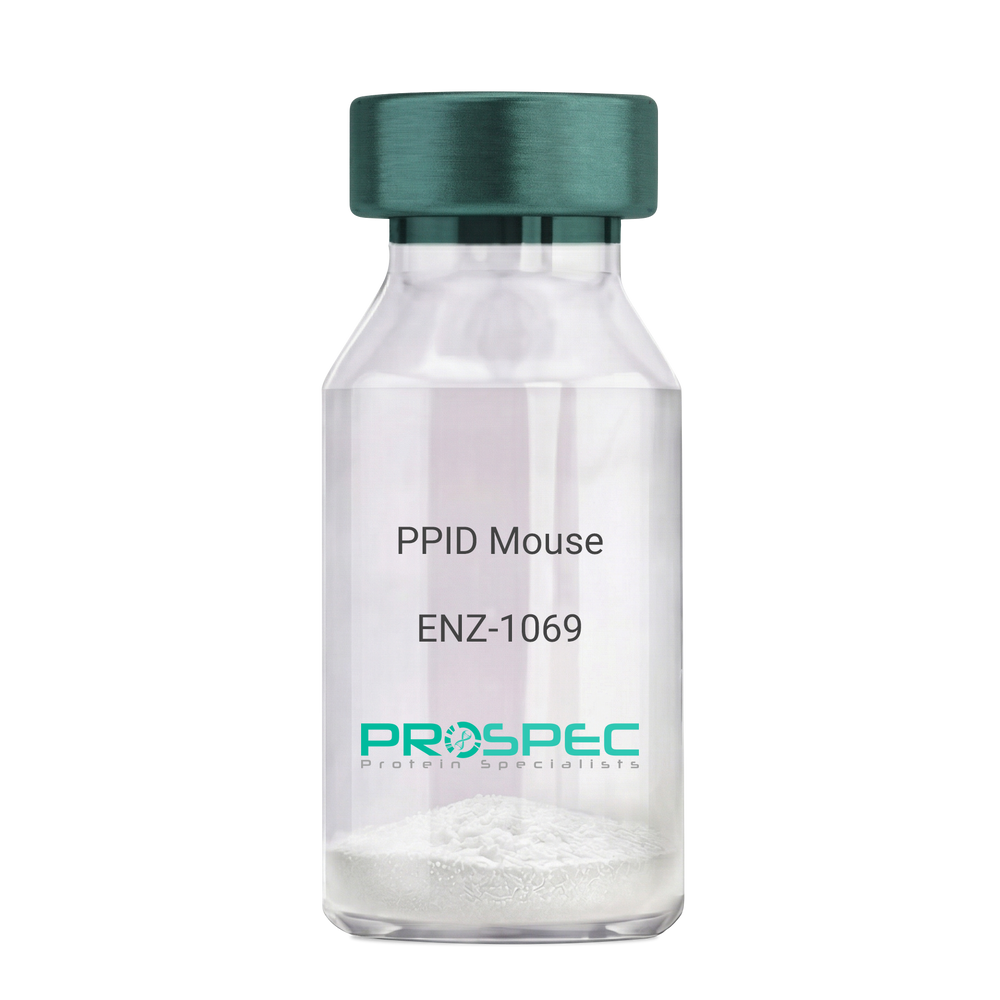
    PPID Mouse

    Description:

    Peptidylprolyl Isomerase D Mouse Recombinant

    Peptidyl-prolyl cis-trans isomerase D, PPIase D, 40 kDa peptidyl-prolyl cis-trans isomerase, Cyclophilin-40, CYP-40, Cyclophilin-related protein, CYP40, CYPD, PPID, Peptidylprolyl Isomerase D.

    Product # :

    ENZ-1069

    Price :

    Quantity :

    Shipping Method :

    Ice Icon

    Shipped with Ice Packs

    Add To Cart

    More Info

    • description
    • source
    • formulation
    • purity
    • biological activity
    • More Info

    Description

    PPID Mouse Recombinant produced in E.Coli is a single, non-glycosylated polypeptide chain containing 395 amino acids (1-370a.a.) and having a molecular mass of 43.4kDa. PPID is fused to a 25 amino acid His-tag at N-terminus & purified by proprietary chromatographic techniques.

    Source

    Escherichia Coli.

    Formulation

    PPID protein solution (1mg/ml) containing 20mM Tris-Hcl buffer (pH8.0), 10% glycerol and 1mM DTT.

    Purity

    Greater than 90.0% as determined by SDS-PAGE.

    Biological Activity

    Specific activity is > 700nmol/min/mg, and is defined as the amount of enzyme that cleaves 1umole of suc-AAFP-PNA per minute at 37°C in Tris–HCl pH 8.0 using chymotrypsin.

    More Info

    • Introduction

      Cyclophilin-D is a member of the peptidyl-prolyl cis-trans isomerase (PPIase) family. PPIases catalyze the cis-trans isomerization of proline imidic peptide bonds in oligopeptides and speeds up the protein folding. Cyclophilin-D possess PPIase activity and binds to the immunosuppressant cyclosporin-A. Cyclophilin-D is very well known that its overexpression suppresses the apoptosis in cancer cell. Cyclophilin-D suppresses apoptotic cell death by the use of mitochondrial hexokinase-2 dependent mechanism in cancer cells.

    • Synonyms

      Peptidyl-prolyl cis-trans isomerase D, PPIase D, 40 kDa peptidyl-prolyl cis-trans isomerase, Cyclophilin-40, CYP-40, Cyclophilin-related protein, CYP40, CYPD, PPID, Peptidylprolyl Isomerase D.

    • Physical Appearance

      Sterile Filtered colorless solution.

    • Stability

      Store at 4°C if entire vial will be used within 2-4 weeks. Store, frozen at -20°C for longer periods of time. For long term storage it is recommended to add a carrier protein (0.1% HSA or BSA). Please prevent freeze-thaw cycles.

    • Amino Acid Sequence

      MGSSHHHHHH SSGLVPRGSH MGSEFMSHAS PAAKPSNSKN PRVFFDVDIG GERVGRIVLE LFADIVPKTA ENFRALCTGE KGTGSTTGKP LHFKGCPFHR IIKKFMIQGG DFSNQNGTGG ESIYGEKFED ENFHYKHDRE GLLSMANAGP NTNGSQFFIT TVPTPHLDGK HVVFGQVIKG LGVARTLENV EVNGEKPAKL CVIAECGELK EGDDWGIFPK DGSGDSHPDF PEDADIDLKD VDKILLISED LKNIGNTFFK SQNWEMAIKK YAKVLRYVDS SKAVIEKADR SRLQPIALSC VLNIGACKLK MSNWQGAIDS CLEALEMDPS NTKALYRKAQ GWQGLKEYDQ ALADLKKAQE IAPGDKAIQA ELLKVKQMIK AQKDKEKAVY AKMFA.

    ProSpec's products are furnished for LABORATORY RESEARCH USE ONLY. The product may not be used as drugs, agricultural or pesticidal products, food additives or household chemicals.

    Ppid Mouse
  • View Data Sheet

    Name :

    Hepsin Human

    Description:

    Hepsin Human Recombinant

    HPN, TMPRSS1, Serine protease hepsin, Transmembrane protease serine 1.

    Product # :

    PRO-2846

    Price :

    Quantity :

    Shipping Method :

    Room Temp Icon

    Shipped at Room temp

    Add To Cart

    More Info

    • description
    • source
    • formulation
    • purity
    • biological activity
    • More Info

    Description

    Hepsin Human Recombinant produced in Cho cells is a covalently-linked heterodimer having a total molecular mass of 43.0kDa. Hepsin is fused to a 6 amino acid His-tag at C-terminus & purified by proprietary chromatographic techniques.

    Source

    CHO cells.

    Formulation

    The Hepsin protein was Lyophilized from a 0.2µm filtered concentrated solution in 20mM Tris and 150mM NaCl, pH 8.0.

    Purity

    Greater than 95.0% as determined by SDS-PAGE.

    Biological Activity

    The specific activity is >20,000 pmol/min/μg and was measured by its ability to cleave tert-butoxycarbonyl-Gln-Arg-Arg-7-amino-4-methylcoumarin (Boc-QRR-AMC).

    More Info

    • Synonyms

      HPN, TMPRSS1, Serine protease hepsin, Transmembrane protease serine 1.

    • Physical Appearance

      Filtered White lyophilized (freeze-dried) powder.

    • Stability

      Lyophilized Hepsin Active although stable at room temperature for 3 weeks, should be stored desiccated below -18°C. Upon reconstitution Hepsin Active should be stored at 4°C between 2-7 days and for future use below -18°C.
      Please prevent freeze-thaw cycles.

    • Solubility

      It is recommended to reconstitute the lyophilized Hepsin in sterile 18MΩ-cm H2O not less than 100µg/ml, which can then be further diluted to other aqueous solutions.

    • Amino Acid Sequence

      Light Chain (Non-catalytic Chain)
      RSDQEPLYPV QVSSADARLM VFDKTEGTWR LLCSSRSNAR VAGLSCEEMG FLRALTHSEL DVRTAGANGT SGFFCVDEGR LPHTQRLLE VISVCDCPRGR FLAAICQDCG RRKLPVDR.

      Heavy Chain (Catalytic Chain)
      IVGGRDTSLG RWPWQVSLRY DGAHLCGGSL LSGDWVLTAA HCFPERNRVL SRWRVFAGAV AQASPHGLQL GVQAVVYHGG YLPFRDPNSE ENSNDIALVH LSSPLPLTEY IQPVCLPAAG QALVDGKICT VTGWGNTQYY GQQAGVLQEA RVPIISNDVC NGADFYGNQI KPKMFCAGYP EGGIDACQGD SGGPFVCEDS ISRTPRWRLC GIVSWGTGCA LAQKPGVYTK VSDFREWIFQ AIKTHSEASG MVTQLHHHHH H.

    • Background

      Hepsin is a type II transmembrane serine protease expressed primarily on epithelial cells, it takes part in extracellular proteolysis by activating precursor proteins such as pro-HGF and contributes to tissue remodeling, cell signaling, and normal epithelial function. Recombinant Hepsin is used to study prostate cancer, extracellular matrix remodelling, protease signalling pathways, tumor invasion, metastasis, HGF/MET signaling, and for screening inhibitors that target serine proteases

      What is the molecular weight / Mw of Hepsin Protein?
      Hepsin Protein has a total Mw of 43kDa.

      What is the source or expression system of Hepsin Protein?
      CHO Cells

      What is the Purity of Hepsin Protein?
      Hepsin Protein is >95% pure as determined by SDS-PAGE.

      What is the Biological Activity of Hepsin Protein?
      The enzymatic activity was measured by its ability to cleave tert-butoxycarbonyl-Gln-Arg-Arg-7-amino-4-methylcoumarin (Boc-QRR-AMC). The specific activity is >20,000 pmol/min/μg.

      What is the amino acid sequence of Hepsin Protein?
      Light Chain (Non-catalytic Chain)
      RSDQEPLYPV QVSSADARLM VFDKTEGTWR LLCSSRSNAR VAGLSCEEMG FLRALTHSEL DVRTAGANGT SGFFCVDEGR LPHTQRLLE VISVCDCPRGR FLAAICQDCG RRKLPVDR
      Heavy Chain (Catalytic Chain)
      IVGGRDTSLG RWPWQVSLRY DGAHLCGGSL LSGDWVLTAA HCFPERNRVL SRWRVFAGAV AQASPHGLQL GVQAVVYHGG YLPFRDPNSE ENSNDIALVH LSSPLPLTEY IQPVCLPAAG QALVDGKICT VTGWGNTQYY GQQAGVLQEA RVPIISNDVC NGADFYGNQI KPKMFCAGYP EGGIDACQGD SGGPFVCEDS ISRTPRWRLC GIVSWGTGCA LAQKPGVYTK VSDFREWIFQ AIKTHSEASG MVTQLHHHHH H

      What applications can Hepsin Protein be used in?
      Hepsin Protein can probably be used in western blot, ELISA and Lateral Flow.

      What is the endotoxin level for Hepsin Protein?
      The endotoxin level is minimal, Hepsin Protein was purified using conventional chromatography techniques.

    ProSpec's products are furnished for LABORATORY RESEARCH USE ONLY. The product may not be used as drugs, agricultural or pesticidal products, food additives or household chemicals.

    Hepsin Human
  • View Data Sheet

    Name :

    ARSA Human

    Description:

    Arylsulfatase A Human Recombinant

    Arylsulfatase A, ASA, EC 3.1.6.8, Cerebroside-sulfatase, ARSA, MLD.

    Product # :

    ENZ-706

    Price :

    Quantity :

    Shipping Method :

    Ice Icon

    Shipped with Ice Packs

    Add To Cart

    More Info

    • description
    • source
    • formulation
    • purity
    • More Info

    Description

    ARSA Human Recombinant produced in E.coli is a single, non-glycosylated polypeptide chain containing 512 amino acids (21-509) and having a molecular mass of 54.3kDa.ARSA is fused to a 23 amino acid His-tag at N-terminus & purified by proprietary chromatographic techniques.

    Source

    Escherichia Coli.

    Formulation

    The ARSA solution (1mg/ml) contains 20mM Tris-HCl buffer (pH 8.0), 0.4M UREA and 10% glycerol.

    Purity

    Greater than 90% as determined by SDS-PAGE.

    More Info

    • Introduction

      Arylsulfatase A (ARSA) hydrolyzes cerebrosidesulfate to cerebroside and sulfate. ARSA is inhibited by phosphate. The phosphate develops a covalent bond with the active site 3-oxoalanine. ARSA gene defects cause metachromatic leucodystrophy (MLD), a progressive demyelination disease which results in various neurological symptoms and ultimately death.

    • Synonyms

      Arylsulfatase A, ASA, EC 3.1.6.8, Cerebroside-sulfatase, ARSA, MLD.

    • Physical Appearance

      Sterile Filtered clear solution.

    • Stability

      Store at 4°C if entire vial will be used within 2-4 weeks. Store, frozen at -20°C for longer periods of time. For long term storage it is recommended to add a carrier protein (0.1% HSA or BSA).Avoid multiple freeze-thaw cycles.

    • Amino Acid Sequence

      MGSSHHHHHH SSGLVPRGSH MGSRPPNIVL IFADDLGYGD LGCYGHPSST TPNLDQLAAG GLRFTDFYVP VSLCTPSRAA LLTGRLPVRM GMYPGVLVPS SRGGLPLEEV TVAEVLAARG YLTGMAGKWH LGVGPEGAFL PPHQGFHRFL GIPYSHDQGP CQNLTCFPPA TPCDGGCDQG LVPIPLLANL SVEAQPPWLP GLEARYMAFA HDLMADAQRQ DRPFFLYYAS HHTHYPQFSG QSFAERSGRG PFGDSLMELD AAVGTLMTAI GDLGLLEETL VIFTADNGPE TMRMSRGGCS GLLRCGKGTT YEGGVREPAL AFWPGHIAPG VTHELASSLD LLPTLAALAG APLPNVTLDG FDLSPLLLGT GKSPRQSLFF YPSYPDEVRG VFAVRTGKYK AHFFTQGSAH SDTTADPACH ASSSLTAHEP PLLYDLSKDP GENYNLLGGV AGATPEVLQA LKQLQLLKAQ LDAAVTFGPS QVARGEDPAL QICCHPGCTP RPACCHCPDP HA.

    ProSpec's products are furnished for LABORATORY RESEARCH USE ONLY. The product may not be used as drugs, agricultural or pesticidal products, food additives or household chemicals.

    Arsa Human
  • View Data Sheet

    Name :

    LOX Human

    Description:

    Lysyl Oxidase Human Recombinant

    Lysyl Oxidase, EC 1.4.3.13, Protein-lysine 6-oxidase, Lysyl oxidase.

    Product # :

    ENZ-829

    Price :

    Quantity :

    Shipping Method :

    Ice Icon

    Shipped with Ice Packs

    Add To Cart

    More Info

    • description
    • source
    • formulation
    • purity
    • More Info

    Description

    LOX Human Recombinant produced in E.Coli is a single, non-glycosylated polypeptide chain containing 272 amino acids (169-417a.a) and having a molecular mass of 31.4kDa.LOX is fused to a 23 amino acid His-tag at N-terminus & purified by proprietary chromatographic techniques.

    Source

    E.coli.

    Formulation

    LOX protein solution (1mg/ml) containing 20mM Tris-HCl buffer (pH 8.0) and 10% glycerol.

    Purity

    Greater than 85% as determined by SDS-PAGE.

    More Info

    • Introduction

      Lysyl Oxidase also known as LOX is an extracellular copper enzyme which initiates the crosslinking of collagens and elastin. LOX catalyzes oxidative deamination of the epsilon-amino group in certain lysine and hydroxylysine residues of collagens and lysine residues of elastin. Adding up to crosslinking extracellular matrix proteins, LOX plays a part in tumor suppression. Moreover, defects in LOX are the cause of autosomal recessive cutis laxa type I, CL type I. Two transcript variants encoding dissimilar isoforms have been found for LOX.

    • Synonyms

      Lysyl Oxidase, EC 1.4.3.13, Protein-lysine 6-oxidase, Lysyl oxidase.

    • Physical Appearance

      Sterile Filtered colorless solution.

    • Stability

      Store at 4°C if entire vial will be used within 2-4 weeks. Store, frozen at -20°C for longer periods of time. For long term storage it is recommended to add a carrier protein (0.1% HSA or BSA).Avoid multiple freeze-thaw cycles.

    • Amino Acid Sequence

      MGSSHHHHHH SSGLVPRGSH MGSDDPYNPY KYSDDNPYYN YYDTYERPRP GGRYRPGYGT GYFQYGLPDL VADPYYIQAS TYVQKMSMYN LRCAAEENCL ASTAYRADVR DYDHRVLLRF PQRVKNQGTS DFLPSRPRYS WEWHSCHQHY HSMDEFSHYD LLDANTQRRV AEGHKASFCL EDTSCDYGYH RRFACTAHTQ GLSPGCYDTY GADIDCQWID ITDVKPGNYI LKVSVNPSYL VPESDYTNNV VRCDIRYTGH HAYASGCTIS PY.

    ProSpec's products are furnished for LABORATORY RESEARCH USE ONLY. The product may not be used as drugs, agricultural or pesticidal products, food additives or household chemicals.

    Lox Human
  • View Data Sheet

    Name :

    CTACK Mouse

    Description:

    CTACK Mouse Recombinant (CCL27)

    C-C motif chemokine 27, CC chemokine ILC, Cutaneous T-cell-attracting chemokine, CTACK, ESkine, IL-11 R-alpha-locus chemokine, ALP, mILC, Skinkine, Small-inducible cytokine A27, Ccl27, Ilc, Scya27.

    Product # :

    CHM-013

    Price :

    Quantity :

    Shipping Method :

    Room Temp Icon

    Shipped at Room temp

    Add To Cart

    More Info

    • description
    • source
    • formulation
    • purity
    • biological activity
    • More Info

    Description

    CTACK Mouse Recombinant produced in E.Coli is a single, non-glycosylated, polypeptide chain containing 95 amino acids and having a molecular mass of 10.9kDa. The CTACK is purified by proprietary chromatographic techniques.

    Source

    Escherichia Coli.

    Formulation

    Lyophilized from a 0.2µm filtered concentrated solution in 20mM PB, pH7.4 and 300mM NaCl.

    Purity

    Greater than 98.0% as determined by:
    (a) Analysis by RP-HPLC.
    (b) Analysis by SDS-PAGE.

    Biological Activity

    The biological activity determined by a chemotaxis bioassay using human peripheral blood lymphocytes is in a concentration range of 10-100 ng/ml.

    More Info

    • Introduction

      CTACK is a chemotactic factor that attracts skin-associated memory T-lymphocytes. CTACK is involved in mediating homing of lymphocytes to cutaneous sites. CTACK Binds to CCR10.

    • Synonyms

      C-C motif chemokine 27, CC chemokine ILC, Cutaneous T-cell-attracting chemokine, CTACK, ESkine, IL-11 R-alpha-locus chemokine, ALP, mILC, Skinkine, Small-inducible cytokine A27, Ccl27, Ilc, Scya27.

    • Physical Appearance

      Sterile Filtered White lyophilized (freeze-dried) powder.

    • Stability

      Lyophilized CTACK although stable at room temperature for 3 weeks, should be stored desiccated below -18°C. Upon reconstitution CTACK should be stored at 4°C between 2-7 days and for future use below -18°C. For long term storage it is recommended to add a carrier protein (0.1% HSA or BSA). Please prevent freeze-thaw cycles.

    • Solubility

      It is recommended to reconstitute the lyophilized CTACK in sterile 18MΩ-cm H2O not less than 100µg/ml, which can then be further diluted to other aqueous solutions.

    • Amino Acid Sequence

      LPLPSSTSCC TQLYRQPLPS RLLRRIVHME LQEADGDCHL QAVVLHLARR SVCVHPQNRS LARWLERQGK RLQGTVPSLN LVLQKKMYSN PQQQN.

    • Background

      What is the molecular weight/Mw of CTACK MOUSE Protein?
      CTACK MOUSE Protein has a total Mw of 10.9kDa.

      What is the source or expression system of CTACK MOUSE Protein?
      Escherichia Coli.

      What is the Purity of CTACK MOUSE Protein?
      CTACK MOUSE Protein is >98% pure as determined by SDS-PAGE.

      What is the Biological Activity of CTACK MOUSE Protein?
      The biological activity determined by a chemotaxis bioassay using human peripheral blood lymphocytes is in a concentration range of 10-100 ng/ml.

      What is the amino acid sequence of CTACK MOUSE Protein?
      LPLPSSTSCC TQLYRQPLPS RLLRRIVHME LQEADGDCHL QAVVLHLARR SVCVHPQNRS LARWLERQGK RLQGTVPSLN LVLQKKMYSN PQQQN.

      What applications can CTACK MOUSE Protein be used in?
      CTACK MOUSE Protein can probably be used in western blot, ELISA and Lateral Flow.

      What is the endotoxin level for CTACK MOUSE Protein?
      The endotoxin level is minimal, CTACK MOUSE Protein was purified using conventional chromatography techniques.


    ProSpec's products are furnished for LABORATORY RESEARCH USE ONLY. The product may not be used as drugs, agricultural or pesticidal products, food additives or household chemicals.

    Ctack Mouse
  • View Data Sheet

    Name :

    PCBD1 Human

    Description:

    Pterin-4-Alpha-Carbinolamine Dehydratase Human Recombinant

    DCOH, PCBD, PCD, PHS.

    Product # :

    ENZ-552

    Price :

    Quantity :

    Shipping Method :

    Ice Icon

    Shipped with Ice Packs

    Add To Cart

    More Info

    • description
    • source
    • formulation
    • purity
    • More Info

    Description

    PCBD1 produced in E.Coli is a single, non-glycosylated polypeptide chain containing 124 amino acids (1-104 a.a.) and having a molecular mass of 14.1kDa.PCBD1 is fused to a 20 amino acid His-tag at N-terminus & purified by proprietary chromatographic techniques.

    Source

    Escherichia Coli.

    Formulation

    The PCBD1 protein solution (1mg/ml) contains 20mM Tris-HCl buffer (pH-8), 1mM DTT, and 10% glycerol.

    Purity

    Greater than 95.0% as determined by SDS-PAGE.

    More Info

    • Introduction

      PCBD1 enzyme takes part in phenylalanine hydroxylation. PCBD1 deficiency results in hyperphenylalaninemia. PCBD1 enzyme controls the homodimerization of HNF1. PCBD1 takes part in tetrahydrobiopterin biosynthesis. PCBD1 prevents the formation of 7-pterins and accelerate the formation of quinonoid-BH2. PCBD1 is a coactivator for HNF1A-dependent transcription.

    • Synonyms

      DCOH, PCBD, PCD, PHS.

    • Physical Appearance

      Sterile filtered colorless solution.

    • Stability

      Store at 4°C if entire vial will be used within 2-4 weeks. Store, frozen at -20°C for longer periods of time. For long term storage it is recommended to add a carrier protein (0.1% HSA or BSA).Avoid multiple freeze-thaw cycles.

    • Amino Acid Sequence

      MGSSHHHHHH SSGLVPRGSH MAGKAHRLSA EERDQLLPNL RAVGWNELEG RDAIFKQFHF KDFNRAFGFM TRVALQAEKL DHHPEWFNVY
      NKVHITLSTH ECAGLSERDI NLASFIEQVA VSMT.

    ProSpec's products are furnished for LABORATORY RESEARCH USE ONLY. The product may not be used as drugs, agricultural or pesticidal products, food additives or household chemicals.

    Pcbd1 Human
  • View Data Sheet

    Name :

    AGA Human, sf9

    Description:

    Aspartylglucosaminidase Human Recombinant, sf9

    Aspartylglucosaminidase, Glycosylasparaginase, N4-(N-Acetyl-Beta-Glucosaminyl)-L-Asparagine Amidase, N(4)-(Beta-N-Acetylglucosaminyl)-L-Asparaginase , EC 3.5.1.26, Aspartylglucosylamine Deaspartylase, EC 3.5.1, ASRG, AGU, GA.

    Product # :

    ENZ-990

    Price :

    Quantity :

    Shipping Method :

    Ice Icon

    Shipped with Ice Packs

    Add To Cart

    More Info

    • description
    • source
    • formulation
    • purity
    • More Info

    Description

    AGA produced in Sf9 Baculovirus cells is a single, glycosylated polypeptide chain containing 332 amino acids (24-346 a.a.) and having a molecular mass of 35.7kDa (Molecular size on SDS-PAGE will appear at approximately 18-57kDa). AGA is expressed with a 6 amino acid His tag at C-Terminus and purified by proprietary chromatographic techniques.

    Source

    Sf9, Baculovirus cells.

    Formulation

    AGA protein solution (0.25mg/ml) contains Phosphate Buffered Saline (pH 7.4) and 10% glycerol.

    Purity

    Greater than 90.0% as determined by SDS-PAGE.

    More Info

    • Introduction

      Aspartylglucosaminidase, also known as AGA, takes part in the catabolism of Nlinked oligosaccharides of glycoproteins. AGA is a protein coding gene which cleaves asparagine from N-acetylglucosamines in the lysosomal breakdown of glycoproteins.

    • Synonyms

      Aspartylglucosaminidase, Glycosylasparaginase, N4-(N-Acetyl-Beta-Glucosaminyl)-L-Asparagine Amidase, N(4)-(Beta-N-Acetylglucosaminyl)-L-Asparaginase , EC 3.5.1.26, Aspartylglucosylamine Deaspartylase, EC 3.5.1, ASRG, AGU, GA.

    • Physical Appearance

      Sterile Filtered colorless solution.

    • Stability

      Store at 4°C if entire vial will be used within 2-4 weeks. Store, frozen at -20°C for longer periods of time. For long term storage it is recommended to add a carrier protein (0.1% HSA or BSA). Avoid multiple freeze-thaw cycles.

    • Amino Acid Sequence

      ADPSSPLPLV VNTWPFKNAT EAAWRALASG GSALDAVESG CAMCEREQCD GSVGFGGSPD ELGETTLDAM IMDGTTMDVG AVGDLRRIKN AIGVARKVLE HTTHTLLVGE SATTFAQSMG FINEDLSTTA SQALHSDWLA RNCQPNYWRN VIPDPSKYCG PYKPPGILKQ DIPIHKETED DRGHDTIGMV VIHKTGHIAA GTSTNGIKFK IHGRVGDSPI PGAGAYADDT AGAAAATGNG DILMRFLPSY QAVEYMRRGE DPTIACQKVI SRIQKHFPEF FGAVICANVT GSYGAACNKL STFTQFSFMV YNSEKNQPTE EKVDCIHHHH HH.

    ProSpec's products are furnished for LABORATORY RESEARCH USE ONLY. The product may not be used as drugs, agricultural or pesticidal products, food additives or household chemicals.

    Aga Human Sf9
  • View Data Sheet

    Name :

    C.Albicans Enolase

    Description:

    Candida Albicans Enolase Recombinant

    Product # :

    PRO-2297

    Price :

    Quantity :

    Shipping Method :

    Ice Icon

    Shipped with Ice Packs

    Add To Cart

    More Info

    • description
    • source
    • formulation
    • purity
    • More Info

    Description

    Recombinant Candida Albicans Enolase produced in SF9 is a glycosylated, polypeptide chain having a calculated molecular mass of 46kDa. C.Albicans Enolase is expressed with a 10xHis tag at N-terminus and purified by proprietary chromatographic techniques.

    Source

    Sf9 insect cells.

    Formulation

    C.Albicans Enolase is supplied in 20mM HEPES buffer pH-8, 200mM NaCl and 20% glycerol.

    Purity

    Greater than 95.0% as determined by SDS-PAGE.

    More Info

    • Introduction

      Candida albicans is a diploid fungus, which grows both as yeast and filamentous cells and a contributory agent of opportunistic oral and genital infections in humans, and candidal onychomycosis (an infection of the nail plate). Systemic fungal infections (fungemias) including those by C. albicans are regarded as key causes of morbidity and mortality in immunocompromised patients (e.g., AIDS, cancer chemotherapy, organ or bone marrow transplantation). C. albicans biofilms may develop on the surface of implantable medical devices. C. albicans is commensal and a constituent of the normal gut flora containing microorganisms which live in the human mouth and gastrointestinal tract. Overgrowth of the fungus leads to in candidiasis (candidosis). Candidiasis is frequently detected in immunocompromised persons, including HIV-infected patients. To infect host tissue, the habitual unicellular yeast-like form of C. albicans reacts to environmental signals and changes into an invasive, multicellular filamentous form, a phenomenon which is known as dimorphism.

    • Physical Appearance

      Sterile Filtered clear solution.

    • Stability

      Store at 4°C if entire vial will be used within 2-4 weeks. Store, frozen at -20°C for longer periods of time. Avoid multiple freeze-thaw cycles.

    ProSpec's products are furnished for LABORATORY RESEARCH USE ONLY. The product may not be used as drugs, agricultural or pesticidal products, food additives or household chemicals.

    Calbicans Enolase
  • View Data Sheet

    Name :

    CTACK Human

    Description:

    CTACK Human Recombinant (CCL27)

    ALP, CTACK, ESKINE, ILC, PESKY, SCYA27, CCL27, C-C motif chemokine 27, Small-inducible cytokine A27, IL-11 R-alpha-locus chemokine, Skinkine, ESkine, Cutaneous T-cell-attracting chemokine.

    Product # :

    CHM-373

    Price :

    Quantity :

    Shipping Method :

    Ice Icon

    Shipped with Ice Packs

    Add To Cart

    More Info

    • description
    • source
    • formulation
    • purity
    • More Info
    • SDS-PAGE

    Description

    CTACK Human Recombinant produced in E.Coli is a single, non-glycosylated, polypeptide chain containing 89 amino acids (25-112 a.a.) and having a molecular mass of 10.3kDa. CTACK protein is purified by standard chromatography.

    Source

    Escherichia Coli.

    Formulation

    CTACK Human solution containing 10mM sodium citrate pH-3.5 & 10% glycerol.

    Purity

    Greater than 95% as determined by SDS-PAGE.

    SDS-PAGE

    CTACK Human-SDS-PAGE - Product image 1

    More Info

    • Introduction

      CTACK is a chemotactic factor that attracts skin-associated memory T-lymphocytes. CTACK is involved in mediating homing of lymphocytes to cutaneous sites. CTACK Binds to CCR10.

    • Synonyms

      ALP, CTACK, ESKINE, ILC, PESKY, SCYA27, CCL27, C-C motif chemokine 27, Small-inducible cytokine A27, IL-11 R-alpha-locus chemokine, Skinkine, ESkine, Cutaneous T-cell-attracting chemokine.

    • Physical Appearance

      Sterile filtered colorless solution.

    • Stability

      Store at 4°C if entire vial will be used within 2-4 weeks. Store, frozen at -20°C for longer periods of time. For long term storage it is recommended to add a carrier protein (0.1% HSA or BSA).Avoid multiple freeze-thaw cycles.

    • Amino Acid Sequence

      MFLLPPSTAC CTQLYRKPLS DKLLRKVIQV ELQEADGDCH LQAFVLHLAQ RSICIHPQNP SLSQWFEHQE RKLHGTLPKL NFGMLRKMG.

    • Background

      What is the molecular weight/Mw of CTACK HUMAN Protein?
      CTACK HUMAN Protein has a total Mw of 10.3kDa.

      What is the source or expression system of CTACK HUMAN Protein?
      Escherichia Coli.

      What is the Purity of CTACK HUMAN Protein?
      CTACK HUMAN Protein is >95% pure as determined by SDS-PAGE.

      What is the Biological Activity of CTACK HUMAN Protein?
      The biological functionality of CTACK HUMAN Protein will be determined in the future.

      What is the amino acid sequence of CTACK HUMAN Protein?
      MFLLPPSTAC CTQLYRKPLS DKLLRKVIQV ELQEADGDCH LQAFVLHLAQ RSICIHPQNP SLSQWFEHQE RKLHGTLPKL NFGMLRKMG.

      What applications can CTACK HUMAN Protein be used in?
      CTACK HUMAN Protein can probably be used in western blot, ELISA and Lateral Flow.

      What is the endotoxin level for CTACK HUMAN Protein?
      The endotoxin level is minimal, CTACK HUMAN Protein was purified using conventional chromatography techniques.

    ProSpec's products are furnished for LABORATORY RESEARCH USE ONLY. The product may not be used as drugs, agricultural or pesticidal products, food additives or household chemicals.

    Ctack Human
  • View Data Sheet

    Name :

    PCOLCE Human, Sf9

    Description:

    Procollagen C-Endopeptidase Enhancer Human Recombinant, Sf9

    Procollagen C-endopeptidase enhancer 1,  Procollagen COOH-terminal proteinase enhancer 1,  PCPE-1,  Procollagen C-proteinase enhancer 1,  Type 1 procollagen C-proteinase enhancer protein,  Type I procollagen COOH-terminal proteinase enhancer,  PCOLCE,  PCPE1,  Procollagen C-Endopeptidase Enhancer, Procollagen C-Proteinase, Enhancer 1, Procollagen, Type 1, COOH-Terminal Proteinase Enhancer, Type I Procollagen COOH-Terminal Proteinase Enhancer, Type 1 Procollagen C-Proteinase Enhancer Protein, Procollagen COOH-Terminal Proteinase Enhancer 1.

    Product # :

    ENZ-1075

    Price :

    Quantity :

    Shipping Method :

    Ice Icon

    Shipped with Ice Packs

    Add To Cart

    More Info

    • description
    • source
    • formulation
    • purity
    • More Info

    Description

    PCOLCE produced in Sf9 Insect cells is a single, glycosylated polypeptide chain containing 433 amino acids (26-449 a.a.) and having a molecular mass of 46.6kDa (Molecular size on SDS-PAGE will appear at approximately 40-57kDa). PCOLCE is expressed with an 9 amino acid His tag at C-Terminus and purified by proprietary chromatographic techniques.

    Source

    Sf9, Insect cells.

    Formulation

    PCOLCE protein solution (0.25mg/ml) contains 20mM Tris-HCl (pH 8.0), 10% glycerol and 0.1M NaCl.

    Purity

    Greater than 95.0% as determined by SDS-PAGE.

    More Info

    • Introduction

      Procollagen C-endopeptidase enhancer 1, also known as PCOLCE binds to the C-terminal propeptide of type I procollagen and enhances procollagen C-proteinase activity. In addition, C-terminal processed part of PCPE (CT-PCPE) has a metalloproteinase inhibitory activity. Among the diseases which are associated with PCOLCE: bone fracture & oculopharyngeal muscular dystrophy.

    • Synonyms

      Procollagen C-endopeptidase enhancer 1, Procollagen COOH-terminal proteinase enhancer 1, PCPE-1, Procollagen C-proteinase enhancer 1, Type 1 procollagen C-proteinase enhancer protein, Type I procollagen COOH-terminal proteinase enhancer, PCOLCE, PCPE1, Procollagen C-Endopeptidase Enhancer, Procollagen C-Proteinase, Enhancer 1, Procollagen, Type 1, COOH-Terminal Proteinase Enhancer, Type I Procollagen COOH-Terminal Proteinase Enhancer, Type 1 Procollagen C-Proteinase Enhancer Protein, Procollagen COOH-Terminal Proteinase Enhancer 1.

    • Physical Appearance

      Sterile filtered colorless solution.

    • Stability

      Store at 4°C if entire vial will be used within 2-4 weeks. Store, frozen at -20°C for longer periods of time. For long term storage it is recommended to add a carrier protein (0.1% HSA or BSA).Avoid multiple freeze-thaw cycles.

    • Amino Acid Sequence

      ADPQTPNYTR PVFLCGGDVK GESGYVASEG FPNLYPPNKE CIWTITVPEG QTVSLSFRVF DLELHPACRY DALEVFAGSG TSGQRLGRFC GTFRPAPLVA PGNQVTLRMT TDEGTGGRGF LLWYSGRATS GTEHQFCGGR LEKAQGTLTT PNWPESDYPP GISCSWHIIA PPDQVIALTF EKFDLEPDTY CRYDSVSVFN GAVSDDSRRL GKFCGDAVPG SISSEGNELL VQFVSDLSVT ADGFSASYKT LPRGTAKEGQ GPGPKRGTEP KVKLPPKSQP PEKTEESPSA PDAPTCPKQC RRTGTLQSNF CASSLVVTAT VKSMVREPGE GLAVTVSLIG AYKTGGLDLP SPPTGASLKF YVPCKQCPPM KKGVSYLLMG QVEENRGPVL PPESFVVLHR PNQDQILTNL SKRKCPSQPV RAAASQDHHH HHH.

    ProSpec's products are furnished for LABORATORY RESEARCH USE ONLY. The product may not be used as drugs, agricultural or pesticidal products, food additives or household chemicals.

    Pcolce Protein
  • View Data Sheet

    Name :

    Cyclophilin F Rat Bioactive

    Description:

    Cyclophilin-F Rat Recombinant Bioactive

    Peptidyl-prolyl cis-trans isomerase F, mitochondrial, PPIase F, Cyclophilin D, CyP-D, CypD, Cyclophilin F, Rotamase F.

    Product # :

    ENZ-1019

    Price :

    Quantity :

    Shipping Method :

    Ice Icon

    Shipped with Ice Packs

    Add To Cart

    More Info

    • description
    • source
    • formulation
    • purity
    • biological activity
    • More Info

    Description

    Cyclophilin F Rat Recombinant produced in E.Coli is a single, non-glycosylated polypeptide chain containing 200 amino acids (30-206 a.a) and having a molecular mass of 21.2Da. Cyclophilin F is fused to a 23 amino acid His-tag at N-terminus & purified by proprietary chromatographic techniques.

    Source

    Escherichia Coli.

    Formulation

    Cyclophilin F protein solution (1mg/ml) containing Phosphate Buffered Saline (pH 7.4), 10% glycerol and 1mM DTT.

    Purity

    Greater than 90.0% as determined by SDS-PAGE.

    Biological Activity

    Specific activity is > 1,300 nmol/min/mg, and is defined as the amount of enzyme that cleaves 1nmol of suc-AAFP-PNA per minute at 37C in Tris–HCl pH 8.0 using chymotrypsin.

    More Info

    • Introduction

      PPIF is a part of the peptidyl-prolyl cis-trans isomerase (PPIase) family. PPIF accelerates the folding of proteins. It catalyzes the cis-trans isomerization of proline imidic peptide bonds in oligopeptides. PPIF is key component of the mitochondrial permeability transition pore in the inner mitochondrial membrane. Activation of this pore is thought to be involved in the induction of apoptotic and necrotic cell death.

    • Synonyms

      Peptidyl-prolyl cis-trans isomerase F, mitochondrial, PPIase F, Cyclophilin D, CyP-D, CypD, Cyclophilin F, Rotamase F.

    • Physical Appearance

      Sterile filtered colorless solution.

    • Stability

      Store at 4°C if entire vial will be used within 2-4 weeks. Store, frozen at -20°C for longer periods of time. For long term storage it is recommended to add a carrier protein (0.1% HSA or BSA).Avoid multiple freeze-thaw cycles.

    • Amino Acid Sequence

      MGSSHHHHHH SSGLVPRGSH MGSCSDGGAR GANSSSQNPL VYLDVGADGQ PLGRVVLELK ADVVPKTAEN FRALCTGEKG FGYKGSTFHR VIPAFMCQAG DFTNHNGTGG KSIYGSRFPD ENFTLKHVGP GVLSMANAGP NTNGSQFFIC TIKTDWLDGK HVVFGHVKEG MDVVKKIESF GSKSGKTSKK IVITDCGQLS.

    ProSpec's products are furnished for LABORATORY RESEARCH USE ONLY. The product may not be used as drugs, agricultural or pesticidal products, food additives or household chemicals.

    Cyclophilin F Rat Bioactive
  • View Data Sheet

    Name :

    CHI3L1 (22-383) Human

    Description:

    Chitinase 3-Like 1 (22-383 a.a) Human Recombinant

    Chitinase 3 Like 1, Chitinase 3-Like 1 (Cartilage Glycoprotein-39), Cartilage Glycoprotein 39, 39 KDa Synovial Protein, HCGP-39, CGP-39, YKL-40, GP-39 , Chitinase-3-Like Protein 1, Cartilage Glycoprotein-39, HC-Gp39, HCGP-3P, YYL-40, ASRT7, YKL40.

    Product # :

    ENZ-975

    Price :

    Quantity :

    Shipping Method :

    Ice Icon

    Shipped with Ice Packs

    Add To Cart

    More Info

    • description
    • source
    • formulation
    • purity
    • More Info

    Description

    CHI3L1 produced in Sf9 Baculovirus cells is a single, glycosylated polypeptide chain containing 370 amino acids (22-383 a.a.) and having a molecular mass of 41.4kDa (Migrates at 40-57kDa on SDS-PAGE under reducing conditions).CHI3L1 is expressed with an 8 amino acid His tag at C-Terminus and purified by proprietary chromatographic techniques.

    Source

    Sf9, Baculovirus cells.

    Formulation

    CHI3L1 protein solution (0.25mg/ml) contains Phosphate Buffered Saline (pH 7.4), 10% glycerol and 1mM DTT.

    Purity

    Greater than 90.0% as determined by SDS-PAGE.

    More Info

    • Introduction

      Chitinase 3-Like 1 (CHI3L1) catalyze the hydrolysis of chitin that is an abundant glycopolymer present in insect exoskeletons and fungal cell walls. The glycoside hydrolase 18 family of chitinases comprises 8 human family members. CHI3L1 belongs to the glycosyl hydrolase 18 family. CHI3L1 lacks chitinase activity and is secreted by activated macrophages, chondrocytes, neutrophils and synovial cells. CHI3L1 takes part in the process of inflammation and tissue remodeling.

    • Synonyms

      Chitinase 3 Like 1, Chitinase 3-Like 1 (Cartilage Glycoprotein-39), Cartilage Glycoprotein 39, 39 KDa Synovial Protein, HCGP-39, CGP-39, YKL-40, GP-39 , Chitinase-3-Like Protein 1, Cartilage Glycoprotein-39, HC-Gp39, HCGP-3P, YYL-40, ASRT7, YKL40.

    • Physical Appearance

      Sterile Filtered colorless solution.

    • Stability

      Store at 4°C if entire vial will be used within 2-4 weeks. Store, frozen at -20°C for longer periods of time. For long term storage it is recommended to add a carrier protein (0.1% HSA or BSA). Avoid multiple freeze-thaw cycles.

    • Amino Acid Sequence

      YKLVCYYTSW SQYREGDGSC FPDALDRFLC THIIYSFANI SNDHIDTWEW NDVTLYGMLN TLKNRNPNLK TLLSVGGWNF GSQRFSKIAS NTQSRRTFIK SVPPFLRTHG FDGLDLAWLY PGRGDKQHFT TLIKEMKAEF IKEAQPGKKQ LLLSAALSAG KVTIDSSYDI AKISQHLDFI SIMTYDFHGA WRGTTGHHSP LFRGQEDASP DRFSNTDYAV GYMLRLGAPA SKLVMGIPTF GRSFTLASSE TGVGAPISGP GIPGRFTKEA GTLAYYEICD FLRGATVHRI LGQQVPYATK GNQWVGYDDQ ESVKSKVQYL KDRQLAGAMV WALDLDDFQG SFCGQDLRFP LTNAIKDALA ATLEHHHHHH.

    ProSpec's products are furnished for LABORATORY RESEARCH USE ONLY. The product may not be used as drugs, agricultural or pesticidal products, food additives or household chemicals.

    Chi3L1 22 383 Human
  • View Data Sheet

    Name :

    S100A8 Human

    Description:

    S100 Calcium Binding Protein A8 Human Recombinant

    Calgranulin A, MRP8, CAGA, CGLA, CFAG, Protein S100-A8, S100 calcium-binding protein A8, Migration inhibitory factor-related protein 8, MRP-8, p8, Cystic fibrosis antigen, Leukocyte L1 complex light chain, Calprotectin L1L subunit, Urinary stone protein band A, S100A8, MIF, NIF, L1Ag, CP-10, MA387, 60B8AG.

    Product # :

    PRO-800

    Price :

    Quantity :

    Shipping Method :

    Ice Icon

    Shipped with Ice Packs

    Add To Cart

    More Info

    • description
    • source
    • formulation
    • purity
    • More Info

    Description

    S100A8 Human Recombinant produced in E.Coli is a single, non-glycosylated, polypeptide chain containing 93 amino acids (1-93 a.a.) and having a molecular mass of 10.8 kDa. The S100A8 is purified by proprietary chromatographic techniques.

    Source

    Escherichia Coli.

    Formulation

    The S100A8 solution (0.5mg/ml) contains 20mM Tris-HCl pH-8, 1mM DTT and 10% glycerol.

    Purity

    Greater than 90% as determined by SDS-PAGE.

    More Info

    • Introduction

      S100A8 is a part of the S100 family of proteins containing 2 EF-hand calcium-binding motifs. S100 proteins are localized in the cytoplasm and/or nucleus of a broad range of cells, and participate in the regulation of cellular processes such as cell cycle progression and differentiation. S100A8 plays a role in the inhibition of casein kinase and as a cytokine. S100A8 altered expression is related with cystic fibrosis disease. S100A8 is a calcium-binding protein that has antimicrobial activity against bacteria and fungi.S100A8 is crucial for resistance towards invasion by pathogenic bacteria. S100A8 up-regulates transcription of genes that are under the control of NF-kappa-B. S100A8 plays a role in the development of endotoxic shock in response to bacterial lipopolysaccharide. S100A8 endorses tubulin polymerization and promotes phagocyte migration and infiltration of granulocytes at sites of wounding. S100A8 takes part as a pro-inflammatory mediator in acute and chronic inflammation and up-regulates the release of IL8 and cell-surface expression of ICAM1.

    • Synonyms

      Calgranulin A, MRP8, CAGA, CGLA, CFAG, Protein S100-A8, S100 calcium-binding protein A8, Migration inhibitory factor-related protein 8, MRP-8, p8, Cystic fibrosis antigen, Leukocyte L1 complex light chain, Calprotectin L1L subunit, Urinary stone protein band A, S100A8, MIF, NIF, L1Ag, CP-10, MA387, 60B8AG.

    • Physical Appearance

      Sterile Filtered clear colorless solution.

    • Stability

      Store at 4°C if entire vial will be used within 2-4 weeks.Store, frozen at -20°C for longer periods of time. For long term storage it is recommended to add a carrier protein (0.1% HSA or BSA).Avoid multiple freeze-thaw cycles.

    • Amino Acid Sequence

      MLTELEKALN SIIDVYHKYS LIKGNFHAVY RDDLKKLLET ECPQYIRKKG ADVWFKELDI NTDGAVNFQE FLILVIKMGV AAHKKSHEES HKE.

    ProSpec's products are furnished for LABORATORY RESEARCH USE ONLY. The product may not be used as drugs, agricultural or pesticidal products, food additives or household chemicals.

    S100A8 Human
  • View Data Sheet

    Name :

    CSTB Human

    Description:

    Cystatin B Human Recombinant

    Cystatin-B, Stefin-B, Liver thiol proteinase inhibitor, CPI-B, CSTB, CST6, EPM1, PME, STFB.

    Product # :

    PRO-609

    Price :

    Quantity :

    Shipping Method :

    Ice Icon

    Shipped with Ice Packs

    Add To Cart

    More Info

    • description
    • source
    • formulation
    • purity
    • More Info

    Description

    CSTB Human Recombinant fused to a 20 a.a His-Tag at N-Terminus produced in E.Coli is a single, non-glycosylated polypeptide chain containing 118 amino acids (1-98 a.a) and having a molecular mass of 13 kDa.

    Source

    Escherichia Coli.

    Formulation

    The protein solution contains 20mM Tris-HCl pH-8 & 50mM NaCl.

    Purity

    Greater than 95.0% as determined by SDS-PAGE.

    More Info

    • Introduction

      Type 1 cystatins are also called stefins which function as intracellular thiol protease inhibitors. Cystatin-B protein is able to form a dimer stabilized by noncovalent forces, inhibiting papain and cathepsins l, h and b. CSTB protein protects proteases leakage from lysosomes. Mutations in Stefin-B gene cause primary defects in patients with progressive myoclonic epilepsy (EPM1), a degenerative disease of the central nervous system. CSTB is overexpressed & elevated in the serum of HCC patients. Cystatin-B in vivo has a polymeric structure which is sensitive to the redox environment. Cystatin-B inhibits bone resorption by down-regulating intracellular cathepsin K activity despite increased osteoclast survival. Protein and mRNA levels of stefin B are significantly lower in atypical benign meningiomas. Stefins-A & Stefin-B which belong to the type-1 Cystatins, are up-regulated in lung tumours and thus able to counteract harmful tumour-associated proteolytic activity. Human stefin-A & Stefin-B form amyloid fibrils. Copper binding by stefin-B reduces amyloid fibril formation. A number of alternatively spliced CSTB isoforms were recognized in patients with progressive myoclonus epilepsy. Decreased CSTB activity in EPM1 pathogenesis is controled by cathepsins through increased activity of cathepsin-S & cathepsin-L.

    • Synonyms

      Cystatin-B, Stefin-B, Liver thiol proteinase inhibitor, CPI-B, CSTB, CST6, EPM1, PME, STFB.

    • Physical Appearance

      Sterile Filtered colorless solution.

    • Stability

      Store at 4°C if entire vial will be used within 2-4 weeks. Store, frozen at -20°C for longer periods of time. For long term storage it is recommended to add a carrier protein (0.1% HSA or BSA).Avoid multiple freeze-thaw cycles.

    • Amino Acid Sequence

      MGSSHHHHHH SSGLVPRGSH MMCGAPSATQ PATAETQHIA DQVRSQLEEK ENKKFPVFKA VSFKSQVVAG TNYFIKVHVG DEDFVHLRVF QSLPHENKPL TLSNYQTNKA KHDELTYF.

    ProSpec's products are furnished for LABORATORY RESEARCH USE ONLY. The product may not be used as drugs, agricultural or pesticidal products, food additives or household chemicals.

    Cystatin B Human
  • View Data Sheet

    Name :

    ESAT6-CFP10

    Description:

    ESAT6-CFP10 Chimeric Recombinant

    Early Secretory Target Mycobacterium Tuberculosis, ESAT-6

    Product # :

    PRO-2737

    Price :

    Quantity :

    Shipping Method :

    Ice Icon

    Shipped with Ice Packs

    Add To Cart

    More Info

    • description
    • source
    • formulation
    • purity
    • More Info

    Description

    Recombinant Chimeric ESAT6-CFP10 produced in E. coli is fused to a 6 amino acid his tag at its C-terminus and purified by proprietary chromatographic technique.

    Source

    Escherichia Coli.

    Formulation

    ESAT6-CFP10 solution contains 25mM K2CO3, 0.02% NaN3 and PBS.

    Purity

    Protein is >95% pure as determined by 12% PAGE (coomassie staining).

    More Info

    • Introduction

      Mycobacterium antigen ESAT6 has been isolated from low molecular weight fractions of the shot-term-culture filtrate (ST-CF) and it can easily be detected in tuberculosis patients. The export of ESAT-6 which is a potent T-cell antigen, and related proteins requires a dedicated secretory apparatus that is encoded by a group of genes, several of which also code for proteins that are recognized strongly by T cells. The ESAT-6 systems can consequently be considered as immunogenicity islands and there is mounting evidence that the equivalent genes are subject to selective pressure imposed by the immune system of the host. This antigen includes many epitopes detectable in the serum of most patients with tuberculosis (more than 90%). By the attempts to obtain the vaccine on the basis of ESAT-6 it was demonstrated that the optimization of adjuvant is very important when using the combination of dioctadecylammonium bromide and monophosphoryllipide. ESAT-6 is very potential as diagnostic for differentiation between the mycobacterial infection and BCG vaccination. The main topic in ESAT-6 using is in antibody production and in test-systems for tuberculosis elaboration. Early secretory antigen 6 (ESAT6) and cell filtrate protein 10 (CFP10) are 2 antigens secreted as a complex by the replicating Mycobacterium tuberculosis complex (MTC).

    • Synonyms

      Early Secretory Target Mycobacterium Tuberculosis, ESAT-6

    • Physical Appearance

      Sterile Filtered clear solution.

    • Stability

      Store at 4°C if entire vial will be used within 2-4 weeks.Store, frozen at -20°C for longer periods of time.For long term storage it is recommended to add a carrier protein (0.1% HSA or BSA).Avoid multiple freeze-thaw cycles.

    • Applications

      Immunoassay.

    ProSpec's products are furnished for LABORATORY RESEARCH USE ONLY. The product may not be used as drugs, agricultural or pesticidal products, food additives or household chemicals.

    Esat6 Cfp10
  • View Data Sheet

    Name :

    TGM2 Human

    Description:

    Tissue Transglutaminase Human Recombinant

    Protein gamma-glutamyltransferase 2, EC 2.3.2.13, Tissue transglutaminase, TGase C, TGC, TG(C), Transglutaminase-2, TGase-H, TG2, TGM2.

    Product # :

    ENZ-394

    Price :

    Quantity :

    Shipping Method :

    Ice Icon

    Shipped with Ice Packs

    Add To Cart

    More Info

    • description
    • source
    • formulation
    • purity
    • More Info

    Description

    Tissue Transglutaminase Human Recombinant produced in E.coli is a non-glycosylated, polypeptide chain having a molecular mass of 78,018 Dalton. tTG is expressed with a -6xHis tag and purified by proprietary chromatographic techniques. By point mutation of the active center the catalytic transglutaminase activity has been eliminated, resulting in increased stability during storage and coating.

    Source

    Escherichia Coli.

    Formulation

    TGM2 is supplied in 16mM HEPES buffer pH-8.0, 400mM NaCl, and 20% glycerol.

    Purity

    Greater than 95% as determined by SDS-PAGE.

    More Info

    • Introduction

      Celiac disease is an enteropathy that is characterized by intestinal lesions of variable severity. Tissue-type transglutaminase (tTG) is believed to be the predominant autoantigen for celiac disease and the corresponding autoantibodies show higher sensitivity and specificity than anti-gliadin antibodies. Highly pure recombinant human tTG is now available to replace the traditionally used tTG fraction from guinea pig.
      Tissue-type transglutaminase antigens have been specifically modified for improved handling: exchange of an active site amino acid eliminates the protein cross-linking activity of the enzyme, while maintaining the native three-dimensional structure and the enzyme's secondary GTPase activity. This engineering assures reproducible properties of the antigen preparations through the absence of variable and ill-defined covalent aggregates of tTG antigen and host cell proteins.

    • Synonyms

      Protein gamma-glutamyltransferase 2, EC 2.3.2.13, Tissue transglutaminase, TGase C, TGC, TG(C), Transglutaminase-2, TGase-H, TG2, TGM2.

    • Physical Appearance

      Sterile Filtered clear solution.

    • Stability

      Store at 4°C if entire vial will be used within 2-4 weeks. Store, frozen at -20°C for longer periods of time. Avoid multiple freeze-thaw cycles.

    ProSpec's products are furnished for LABORATORY RESEARCH USE ONLY. The product may not be used as drugs, agricultural or pesticidal products, food additives or household chemicals.

    Tgm2 Human
  • View Data Sheet

    Name :

    CES1D Mouse

    Description:

    Carboxylesterase 1D Mouse Recombinant

    Carboxylesterase 1D, Carboxylesterase 3 (EC:3.1.1.1, EC:3.1.1.67), Fatty acid ethyl ester synthase, FAEE synthase, Triacylglycerol hydrolase, TGH, CES1D.

    Product # :

    ENZ-1007

    Price :

    Quantity :

    Shipping Method :

    Ice Icon

    Shipped with Ice Packs

    Add To Cart

    More Info

    • description
    • source
    • formulation
    • purity
    • biological activity
    • More Info

    Description

    CES1D Mouse Recombinant produced in Sf9 Baculovirus cells is a single, glycosylated polypeptide chain containing 555 amino acids (19-565 a.a) and having a molecular mass of 60.9kDa (Molecular size on SDS-PAGE will appear at approximately 50-70kDa).CES1D is fused to an 8 amino acid His-tag at C-terminus & purified by proprietary chromatographic techniques.

    Source

    Sf9, Baculovirus cells.

    Formulation

    CES1D protein solution (0.5mg/ml) contains Phosphate Buffered Saline (pH 7.4) and 10% glycerol.

    Purity

    Greater than 90.0% as determined by SDS-PAGE.

    Biological Activity

    Specific activity is > 80,000 pmol/min/ug and is defined as the amount of enzyme that hydrolyze 1pmole of p-nitrophenyl acetate to pnitrophenol per minute at pH 7.5 at 37C.

    More Info

    • Introduction

      Carboxylesterase 1D, also known as CES1D is part of a big family of carboxylesterases which are responsible for the hydrolysis of ester in addition to amide bonds. CES1D is the principle lipase of white adipose tissue fat cake extracts. Partially purified white adipose tissue Ces1d had lipase activity in addition to lesser but detectable neutral cholesteryl ester hydrolase activity. CES1D demonstrates low catalytic efficiency for hydrolysis of CPT-11, a prodrugs for camptothecin used in cancer therapeutics.

    • Synonyms

      Carboxylesterase 1D, Carboxylesterase 3 (EC:3.1.1.1, EC:3.1.1.67), Fatty acid ethyl ester synthase, FAEE synthase, Triacylglycerol hydrolase, TGH, CES1D.

    • Physical Appearance

      Sterile Filtered colorless solution.

    • Stability

      Store at 4°C if entire vial will be used within 2-4 weeks. Store, frozen at -20°C for longer periods of time. For long term storage it is recommended to add a carrier protein (0.1% HSA or BSA). Avoid multiple freeze-thaw cycles.

    • Amino Acid Sequence

      YPSSPPVVNT VKGKVLGKYV NLEGFTQPVA VFLGVPFAKP PLGSLRFAPP QPAEPWSFVK NTTSYPPMCS QDAVGGQVLS ELFTNRKENI PLQFSEDCLY LNIYTPADLT KNSRLPVMVW IHGGGLVVGG ASTYDGLALS AHENVVVVTI QYRLGIWGFF STGDEHSRGN WGHLDQVAALRWVQDNIANF GGNPGSVTIF GESAGGFSVS VLVLSPLAKN LFHRAISESG VSLTAALITT DVKPIAGLVA TLSGCKTTTS AVMVHCLRQK TEDELLETSL KLNLFKLDLL GNPKESYPFL PTVIDGVVLP KAPEEILAEK SFSTVPYIVG INKQEFGWII PTLMGYPLAE GKLDQKTANSLLWKSYPTLK ISENMIPVVA EKYLGGTDDL TKKKDLFQDL MADVVFGVPS VIVSRSHRDA GASTYMYEFE YRPSFVSAMR PKAVIGDHGD EIFSVFGSPF LKDGASEEET NLSKMVMKFW ANFARNGNPN GGGLPHWPEY DQKEGYLKIG ASTQAAQRLK DKEVSFWAEL RAKESAQRPSHREHVELLEH HHHHH.

    ProSpec's products are furnished for LABORATORY RESEARCH USE ONLY. The product may not be used as drugs, agricultural or pesticidal products, food additives or household chemicals.

    Ces1D Mouse
  • View Data Sheet

    Name :

    Angiotensin

    Description:

    Angiotensin

    Angiotensinogen, Serpin A8, ANHU, SERPINA8.

    Product # :

    ENZ-283

    Price :

    Quantity :

    Shipping Method :

    Room Temp Icon

    Shipped at Room temp

    Add To Cart

    More Info

    • description
    • source
    • purity
    • More Info

    Description

    Angiotensin contains a total of 8 amino acids having a molecular weight of 1031.2 Dalton and a molecular formula of C49H70N14O11.

    Source

    Synthetic.

    Purity

    Greater than 98.0% as determined by RP-HPLC.

    More Info

    • Introduction

      Angiotensin is an oligopeptide in the blood that causes vasoconstriction, increased blood pressure, and release of aldosterone from the adrenal cortex. It is a powerful dipsogen. It is derived from the precursor molecule angiotensinogen, a serum globulin produced in the liver. It plays an important role in the renin-angiotensin system.
      The protein encoded by this gene, pre-angiotensinogen or angiotensinogen precursor, is expressed in the liver and is cleaved by the enzyme renin in response to lowered blood pressure. The resulting product, angiotensin I is then cleaved by angiotensin converting enzyme (ACE) to generate the physiologically active enzyme angiotensin II. The protein is involved in maintaining blood pressure and in the pathogenesis of essential hypertension and preeclampsia.

    • Synonyms

      Angiotensinogen, Serpin A8, ANHU, SERPINA8.

    • Physical Appearance

      Sterile Filtered white lyophilized powder.

    • Stability

      Lyophilized Angiotensin although stable at room temperature for 3 weeks, should be stored desiccated below -18°C. Upon reconstitution Serpin A8 should be stored at 4°C between 2-7 days and for future use below -18°C.Please prevent freeze-thaw cycles.

    • Solubility

      It is recommended to reconstitute the lyophilized Angiotensin in sterile 18MΩ-cm H2O not less than 100 µg/ml or more than 10 mg/ml solutions.

    • Amino Acid Sequence

      Asn-Arg-Val-Tyr-Val-His-Pro-Phe-OH.

    ProSpec's products are furnished for LABORATORY RESEARCH USE ONLY. The product may not be used as drugs, agricultural or pesticidal products, food additives or household chemicals.

    Angiotensin
  • View Data Sheet

    Name :

    AOC3 Human

    Description:

    Amine Oxidase Copper Containing 3 Human Recombinant

    VAP-1, AOC3, HPAO, VAP1, Membrane primary amine oxidase, Copper amine oxidase, HPAO, Semicarbazidesensitive amine oxidase, SSAO, Vascular adhesion protein 1.

    Product # :

    ENZ-1152

    Price :

    Quantity :

    Shipping Method :

    Ice Icon

    Shipped with Ice Packs

    Add To Cart

    More Info

    • description
    • source
    • formulation
    • purity
    • More Info

    Description

    AOC3 Human produced in Sf9 Baculovirus cells is a single, glycosylated polypeptide chain containing 746 amino acids (27-763 aa) and having a molecular mass of 82.8kDa.AOC3 is fused to a 9 amino acid His tag at C-terminus and purified by proprietary chromatographic techniques.

    Source

    Sf9, Baculovirus cells.

    Formulation

    The AOC3 solution (0.25 mg/ml) contains 10% Glycerol and Phosphate-Buffered Saline (pH 7.4).

    Purity

    Greater than 90.0% as determined by SDS-PAGE.

    More Info

    • Introduction

      Amine Oxidase Copper Containing 3 , also referred to AOC3, a copper amine oxidase with a topaquinone cofactor.
      AOC3 is a cell adhesion protein which participates in recirculation & extravasation of lymphocyte by mediating the binding of lymphocytes to peripheral lymph node vascular endothelial cells in an L-selectin independent fashion.
      Amine Oxidase Copper Containing 3 acts in adipogenesis.
      The protein catalyzes the oxidative deamination of small primary amines such as methylamine, benzylamine & aminoacetone in a reaction that produces an aldehyde, ammonia and H2O2.

    • Synonyms

      VAP-1, AOC3, HPAO, VAP1, Membrane primary amine oxidase, Copper amine oxidase, HPAO, Semicarbazidesensitive amine oxidase, SSAO, Vascular adhesion protein 1.

    • Physical Appearance

      Sterile Filtered colorless solution.

    • Stability

      Store at 4°C if entire vial will be used within 2-4 weeks. Store, frozen at -20°C for longer periods of time. For long term storage it is recommended to add a carrier protein (0.1% HSA or BSA).Avoid multiple freeze-thaw cycles.

    • Amino Acid Sequence

      ADPGRGGDGG EPSQLPHCPS VSPSAQPWTH PGQSQLFADL SREELTAVMR FLTQRLGPGL VDAAQARPSD NCVFSVELQL PPKAAALAHL DRGSPPPARE ALAIVFFGRQ PQPNVSELVV GPLPHPSYMR DVTVERHGGP LPYHRRPVLF QEYLDIDQMI FNRELPQASG LLHHCCFYKH RGRNLVTMTT APRGLQSGDR ATWFGLYYNI SGAGFFLHHV GLELLVNHKA LDPARWTIQK VFYQGRYYDS LAQLEAQFEA GLVNVVLIPD NGTGGSWSLK SPVPPGPAPP LQFYPQGPRF SVQGSRVASS LWTFSFGLGA FSGPRIFDVR FQGERLVYEI SLQEALAIYG GNSPAAMTTR YVDGGFGMGK YTTPLTRGVD CPYLATYVDW HFLLESQAPK TIRDAFCVFE QNQGLPLRRH HSDLYSHYFG GLAETVLVVR SMSTLLNYDY VWDTVFHPSG AIEIRFYATG YISSAFLFGA TGKYGNQVSE HTLGTVHTHS AHFKVDLDVA GLENWVWAED MVFVPMAVPW SPEHQLQRLQ VTRKLLEMEE QAAFLVGSAT PRYLYLASNH SNKWGHPRGY RIQMLSFAGE PLPQNSSMAR GFSWERYQLA VTQRKEEEPS SSSVFNQNDP WAPTVDFSDF INNETIAGKD LVAWVTAGFL HIPHAEDIPN TVTVGNGVGF FLRPYNFFDE DPSFYSADSI YFRGDQDAGA CEVNPLACLP QAAACAPDLP AFSHGGFSHN HHHHHH

    ProSpec's products are furnished for LABORATORY RESEARCH USE ONLY. The product may not be used as drugs, agricultural or pesticidal products, food additives or household chemicals.

    Aoc3 Human
  • 1
  • …
  • 4
  • 5
  • 6
  • 7
  • 8
  • …
  • 42
Your browser does not support the video tag.

Products

  • Cytokines
  • Growth Factors
  • Chemokines
  • CD Antigens
  • Neurotrophins
  • Hormones
  • Enzymes
  • Viral Antigens
  • Recombinant Proteins
  • Natural Proteins
  • Monoclonal Antibodies
  • Polyclonal Antibodies
  • Thermal Packaging

About

  • Company
  • Founder
  • Contribution
  • Contact Us
  • My Account

Ordering

  • Ordering Method
  • Ordering - Credit Card
  • Ordering PO
  • Shipping Fees
  • FAQ's

Legal

  • Terms & Conditions
  • Privacy
  • Site Map
  • info@prospecbio.com
  • Facebook
  • Instagram
  • Linkedin Profile

© 2026 ProSpec-Tany TechnoGene Ltd. All Rights Reserved.

  • Choosing a selection results in a full page refresh.
  • Opens in a new window.