Skip to content

High-quality research proteins.

  • 1-800-805-6531

  • Mon - Sat 8.00-18.00, Sun - Closed

  • info@prospecbio.com

  • PO Box 6591 East Brunswick NJ 08816

  • Products
    • Cytokines
    • Growth factors
    • Chemokines
    • Cd antigens
    • Neurotrophins
    • Hormones
    • Enzymes
    • Viral antigens
    • Recombinant proteins
    • Natural proteins
    • Monoclonal antibodies
    • Polyclonal antibodies
    • Thermal Packaging
  • About
    • Company
    • Founder
    • Contribution
  • Customers
    • Eastern Asia
    • Eastern Europe
    • North America
    • South America
    • South East Asia
    • Southern Asia
    • Western Europe
  • Ordering
    • Ordering Method
    • Ordering - Credit Card
    • Ordering - PO
    • Shipping Fees
    • FAQs
  • Services
    • DNA Cloning
    • Protein Expression
    • Monoclonal Antibody
    • Fermentation
    • Technology License
  • Contact us
Log in

Country/region

  • USD $ | Albania
  • USD $ | Andorra
  • USD $ | Argentina
  • USD $ | Armenia
  • USD $ | Australia
  • USD $ | Austria
  • USD $ | Azerbaijan
  • USD $ | Belarus
  • USD $ | Belgium
  • USD $ | Bolivia
  • USD $ | Brazil
  • USD $ | Bulgaria
  • USD $ | Cambodia
  • USD $ | Canada
  • USD $ | Chile
  • USD $ | China
  • USD $ | Colombia
  • USD $ | Costa Rica
  • USD $ | Croatia
  • USD $ | Cyprus
  • USD $ | Czechia
  • USD $ | Denmark
  • USD $ | Estonia
  • USD $ | Finland
  • USD $ | France
  • USD $ | Georgia
  • USD $ | Germany
  • USD $ | Greece
  • USD $ | Hong Kong SAR
  • USD $ | Hungary
  • USD $ | Iceland
  • USD $ | India
  • USD $ | Ireland
  • USD $ | Israel
  • USD $ | Italy
  • USD $ | Japan
  • USD $ | Kazakhstan
  • USD $ | Latvia
  • USD $ | Liechtenstein
  • USD $ | Lithuania
  • USD $ | Madagascar
  • USD $ | Malta
  • USD $ | Mexico
  • USD $ | Moldova
  • USD $ | Monaco
  • USD $ | Netherlands
  • USD $ | New Zealand
  • USD $ | North Macedonia
  • USD $ | Norway
  • USD $ | Panama
  • USD $ | Paraguay
  • USD $ | Peru
  • USD $ | Philippines
  • USD $ | Poland
  • USD $ | Portugal
  • USD $ | Romania
  • USD $ | Singapore
  • USD $ | Slovakia
  • USD $ | Slovenia
  • USD $ | South Africa
  • USD $ | South Korea
  • USD $ | Spain
  • USD $ | Sri Lanka
  • USD $ | Sweden
  • USD $ | Switzerland
  • USD $ | Taiwan
  • USD $ | Thailand
  • USD $ | Türkiye
  • USD $ | Ukraine
  • USD $ | United Kingdom
  • USD $ | United States
  • USD $ | Uruguay
  • USD $ | Vatican City
  • USD $ | Venezuela
  • USD $ | Vietnam
  • Facebook
  • Instagram
logoProSpec - Recombinant Protein Manufacturer for academic and R&D industry
Become a distributor
Account Log in
Wishlist
Cart Cart(0)
  • Products
    +
    • Cytokines
    • Growth factors
    • Chemokines
    • Cd antigens
    • Neurotrophins
    • Hormones
    • Enzymes
    • Viral antigens
    • Recombinant proteins
    • Natural proteins
    • Monoclonal antibodies
    • Polyclonal antibodies
    • Thermal Packaging
  • About
    +
    • Company
    • Founder
    • Contribution
  • Customers
    +
    • Eastern Asia
    • Eastern Europe
    • North America
    • South America
    • South East Asia
    • Southern Asia
    • Western Europe
  • Ordering
    +
    • Ordering Method
    • Ordering - Credit Card
    • Ordering - PO
    • Shipping Fees
    • FAQs
  • Services
    +
    • DNA Cloning
    • Protein Expression
    • Monoclonal Antibody
    • Fermentation
    • Technology License
  • Contact us

Item added to your cart

View cart
View All
  • Cytokines
  • Growth factors
  • Chemokines
  • Cd antigens
  • Neurotrophins
  • Hormones
  • Enzymes
  • Viral antigens
  • Recombinant proteins
  • Natural proteins
  • Monoclonal antibodies
  • Polyclonal antibodies
  • Thermal Packaging
  • Tumor Necrosis Factor

    Tumor Necrosis Factor

    View All
  • 4-1BB

    4-1BB

    View All
  • Adiponectin

    Adiponectin

    View All
  • AIF1

    AIF1

    View All
  • Other Cytokines

    Other Cytokines

    View All
  • AITRL

    AITRL

    View All
  • Angiopoietin

    Angiopoietin

    View All
  • Apolipoprotein

    Apolipoprotein

    View All
  • B-Cell Activating Factor

    B-Cell Activating Factor

    View All
  • Beta Defensin

    Beta Defensin

    View All
  • Bone Morphogenetic Protein

    Bone Morphogenetic Protein

    View All
  • B type Natriuretic Peptide

    B type Natriuretic Peptide

    View All
  • BST

    BST

    View All
  • Betacellulin

    Betacellulin

    View All
  • Cardiotrophin

    Cardiotrophin

    View All
  • Activin

    Activin

    View All
  • Fibroblast Growth Factor

    Fibroblast Growth Factor

    View All
  • Other Growth Factors

    Other Growth Factors

    View All
  • CSF

    CSF

    View All
  • CTGF

    CTGF

    View All
  • IGFBP

    IGFBP

    View All
  • VEGF Protein

    VEGF Protein

    View All
  • EGF

    EGF

    View All
  • Epigen

    Epigen

    View All
  • Erythropoietin

    Erythropoietin

    View All
  • Insulin-Like Growth Factor

    Insulin-Like Growth Factor

    View All
  • Growth Hormone

    Growth Hormone

    View All
  • HDGF

    HDGF

    View All
  • Hepatocyte Growth Factor

    Hepatocyte Growth Factor

    View All
  • Insulin

    Insulin

    View All
  • BCA-1/ BLC (CXCL13)

    BCA-1/ BLC (CXCL13)

    View All
  • BRAK (CXCL14)

    BRAK (CXCL14)

    View All
  • C-10 (CCL6)

    C-10 (CCL6)

    View All
  • Other Chemokines

    Other Chemokines

    View All
  • MEC (CCL28)

    MEC (CCL28)

    View All
  • LD78-beta (CCL3L1)

    LD78-beta (CCL3L1)

    View All
  • CTACK (CCL27)

    CTACK (CCL27)

    View All
  • CXCL16

    CXCL16

    View All
  • CXCL17

    CXCL17

    View All
  • Platelet Factor-4 (CXCL4)

    Platelet Factor-4 (CXCL4)

    View All
  • ENA-78 (CXCL5)

    ENA-78 (CXCL5)

    View All
  • Eotaxin (CCL11,24,26)

    Eotaxin (CCL11,24,26)

    View All
  • Exodus-2 (CCL21)

    Exodus-2 (CCL21)

    View All
  • Fractalkine (CX3CL1)

    Fractalkine (CX3CL1)

    View All
  • CXCL6

    CXCL6

    View All
  • Other CD Antigens

    Other CD Antigens

    View All
  • CD14

    CD14

    View All
  • CD164

    CD164

    View All
  • CD1

    CD1

    View All
  • CD2

    CD2

    View All
  • CD200

    CD200

    View All
  • CD207

    CD207

    View All
  • CD226

    CD226

    View All
  • CD23

    CD23

    View All
  • CD244

    CD244

    View All
  • CD247

    CD247

    View All
  • CD27

    CD27

    View All
  • CD274

    CD274

    View All
  • CD300

    CD300

    View All
  • CD33

    CD33

    View All
  • Other Neurotrophins

    Other Neurotrophins

    View All
  • Beta-NGF

    Beta-NGF

    View All
  • BDNF

    BDNF

    View All
  • CDNF

    CDNF

    View All
  • CNTF

    CNTF

    View All
  • GDNF

    GDNF

    View All
  • Glia Maturation Factor

    Glia Maturation Factor

    View All
  • MANF

    MANF

    View All
  • Midkine

    Midkine

    View All
  • Neuroglobin

    Neuroglobin

    View All
  • Neurotrophic factors

    Neurotrophic factors

    View All
  • Neuregulin

    Neuregulin

    View All
  • Neuropilin

    Neuropilin

    View All
  • Pigment Epithelium-Derived Factor

    Pigment Epithelium-Derived Factor

    View All
  • Pleiotrophin

    Pleiotrophin

    View All
  • Peptide Hormones

    Peptide Hormones

    View All
  • Other Hormones

    Other Hormones

    View All
  • HCG

    HCG

    View All
  • Endothelin

    Endothelin

    View All
  • Exendin

    Exendin

    View All
  • FSH

    FSH

    View All
  • Glucagon

    Glucagon

    View All
  • GHRP

    GHRP

    View All
  • GLP

    GLP

    View All
  • Thyrostimulin

    Thyrostimulin

    View All
  • Inhibin A

    Inhibin A

    View All
  • LHRH

    LHRH

    View All
  • Melanotan

    Melanotan

    View All
  • Procalcitonin

    Procalcitonin

    View All
  • PTH

    PTH

    View All
  • Peroxiredoxin

    Peroxiredoxin

    View All
  • Peptidase

    Peptidase

    View All
  • Synthetase

    Synthetase

    View All
  • Transferase

    Transferase

    View All
  • Hydrolase

    Hydrolase

    View All
  • Dehydrogenase

    Dehydrogenase

    View All
  • ACE2

    ACE2

    View All
  • Esterase

    Esterase

    View All
  • Protein Kinases

    Protein Kinases

    View All
  • Other Enzymes

    Other Enzymes

    View All
  • Phosphatase

    Phosphatase

    View All
  • Deaminase

    Deaminase

    View All
  • Oxygenase

    Oxygenase

    View All
  • Adenylate Kinase

    Adenylate Kinase

    View All
  • Lyase

    Lyase

    View All
  • Chagas

    Chagas

    View All
  • SARS

    SARS

    View All
  • Influenza

    Influenza

    View All
  • ASFV

    ASFV

    View All
  • Astrovirus

    Astrovirus

    View All
  • Borrelia

    Borrelia

    View All
  • Helicobacter Pylori

    Helicobacter Pylori

    View All
  • Chikungunya

    Chikungunya

    View All
  • Chlamydia

    Chlamydia

    View All
  • Cytomegalo

    Cytomegalo

    View All
  • Dengue

    Dengue

    View All
  • EBV

    EBV

    View All
  • Ebola

    Ebola

    View All
  • Feline Leukemia Virus

    Feline Leukemia Virus

    View All
  • Hepatitis A

    Hepatitis A

    View All
  • Other

    Other

    View All
  • Actin

    Actin

    View All
  • ADAM

    ADAM

    View All
  • Complement Component

    Complement Component

    View All
  • Ag85

    Ag85

    View All
  • Eukaryotic Translation Initiation Factor

    Eukaryotic Translation Initiation Factor

    View All
  • Anterior Gradient Protein

    Anterior Gradient Protein

    View All
  • Heat Shock Protein

    Heat Shock Protein

    View All
  • Alpha-2-HS-Glycoprotein

    Alpha-2-HS-Glycoprotein

    View All
  • Hemoglobin

    Hemoglobin

    View All
  • Allergy

    Allergy

    View All
  • Anaplasma

    Anaplasma

    View All
  • Angiogenin

    Angiogenin

    View All
  • Ankyrin Repeat Domain

    Ankyrin Repeat Domain

    View All
  • Annexin

    Annexin

    View All
  • Other Natural Proteins

    Other Natural Proteins

    View All
  • Aprotinin

    Aprotinin

    View All
  • Transferrin

    Transferrin

    View All
  • Avidin

    Avidin

    View All
  • Anti Coagulation Factors

    Anti Coagulation Factors

    View All
  • Natural Albumin

    Natural Albumin

    View All
  • Natural Coagulation Factors

    Natural Coagulation Factors

    View All
  • Fibronectin

    Fibronectin

    View All
  • Thrombin

    Thrombin

    View All
  • Anti Human Enzyme

    Anti Human Enzyme

    View All
  • Other Monoclonal Antibodies

    Other Monoclonal Antibodies

    View All
  • Anti Human Cytokine

    Anti Human Cytokine

    View All
  • Anti Human Heat Shock Protein

    Anti Human Heat Shock Protein

    View All
  • Anti Mouse Lymphocyte

    Anti Mouse Lymphocyte

    View All
  • Anti Human Chemokine

    Anti Human Chemokine

    View All
  • Anti Human Lymphocyte

    Anti Human Lymphocyte

    View All
  • Anti Viral Monoclonal

    Anti Viral Monoclonal

    View All
  • Anti Mouse Cytokine

    Anti Mouse Cytokine

    View All
  • Anti-GST Monoclonal

    Anti-GST Monoclonal

    View All
  • Other Polyclonal Antibodies

    Other Polyclonal Antibodies

    View All
  • Anti Viral

    Anti Viral

    View All
  • Anti-GST Monoclonal

    Anti-GST Monoclonal

    View All
Back

Search results

1000 results found for “B9 Protein”

Name

Description

Product #

Price

Quantity

Shipping Method

  • View Data Sheet

    Name :

    VEGF (121 a.a.) Human, Sf9

    Description:

    Vascular Endothelial Growth Factor (121 a.a.) Human Recombinant, Sf9

    Vascular endothelial growth factor A, VEGF-A, Vascular permeability factor, VPF, VEGF, MGC70609.

    Product # :

    CYT-200

    Price :

    Quantity :

    Shipping Method :

    Room Temp Icon

    Shipped at Room temp

    Add To Cart

    More Info

    • description
    • source
    • formulation
    • purity
    • biological activity
    • More Info
    • Citations

    Description

    Vascular Endothelial Growth Factor-121 Human Recombinant produced in insect cells as an 18kDa homodimer, is a glycosylated, polypeptide chain containing 121 amino acids and having a molecular mass of approximately 36kDa.VEGF121 circulates more freely than other VEGF forms, which bind more tightly with vascular heparin sulfates.The VEGF-121 is purified by proprietary chromatographic techniques.

    Source

    Sf9, Insect Cells.

    Formulation

    The protein was lyophilized from a solution containing 50mM acetic acid.

    Purity

    Greater than 95.0% as determined by SDS-PAGE.

    Biological Activity

    Measured in a cell proliferation assay using primary HUVECs. The ED50 for this effect is typically 2-10ng/ml.

    Citations

    More Info

    • Introduction

      Vascular endothelial growth factor is an important signaling protein involved in both vasculogenesis and angiogenesis. As its name implies, VEGF activity has been mostly studied on cells of the vascular endothelium, although it does have effects on a number of other cell types (e.g. stimulation monocyte/ macrophagemigration, neurons, cancer cells, kidney epithelial cells ).VEGF mediates increased vascular permeability, induces angiogenesis, vasculogenesis and endothelial cell growth, promotes cell migration, and inhibits apoptosis. In vitro, VEGF has been shown to stimulate endothelial cell mitogenesisand cell migration. VEGF is also a vasodilator and increases microvascular permeability and was originally referred to as vascular permeability factor.
      Elevated levels of this protein are linked to POEMS syndrome, also known as Crow-Fukase syndrome. Mutations in this gene have been associated with proliferative and nonproliferative diabetic retinopathy.

    • Synonyms

      Vascular endothelial growth factor A, VEGF-A, Vascular permeability factor, VPF, VEGF, MGC70609.

    • Physical Appearance

      Sterile Filtered White lyophilized (freeze-dried) powder.

    • Stability

      Lyophilized Vascular Endothelial Growth Factor 121 although stable at room temperature for 3 weeks, should be stored desiccated below -18°C. Upon reconstitution VEGF-121 should be stored at 4°C between 2-7 days and for future use below -18°C.For long term storage it is recommended to add a carrier protein (0.1% HSA or BSA).Please prevent freeze-thaw cycles.

    • Solubility

      The lyophilized VEGF121 should be reconstituted in 50mM acetic acid to a concentration not lower than 50µg/ml.

    • Amino Acid Sequence

      APMAEGGGQNHHEVVKFMDVYQRSYCHPIETLVDIFQEYPDEIEYIFKPS CVPLMRCGGCCNDEGLECVPTEESNITMQIMRIKPHQGQHIGEMSFLQHN KCECRPKKDRARQEKCDKPRR.

    ProSpec's products are furnished for LABORATORY RESEARCH USE ONLY. The product may not be used as drugs, agricultural or pesticidal products, food additives or household chemicals.

    Vegf121 Human Sf9
  • View Data Sheet

    Name :

    SNRPC Human, Sf9

    Description:

    Small Nuclear Ribonucleoprotein Polypeptide C Human Recombinant, Sf9

    U1 small nuclear ribonucleoprotein C, U1 snRNP C, U1-C, U1C, SNRPC, Yhc1.

    Product # :

    PRO-1510

    Price :

    Quantity :

    Shipping Method :

    Ice Icon

    Shipped with Ice Packs

    Add To Cart

    More Info

    • description
    • source
    • formulation
    • purity
    • More Info
    • Citations

    Description

    SNRPC Human Recombinant produced in SF9 is a glycosylated, polypeptide chain having a calculated molecular mass of 25,000 Dalton. SNRPC is expressed with a -6x His tag at N-terminus and purified by proprietary chromatographic techniques.

    Source

    Sf9 insect cells.

    Formulation

    SNRPC is supplied in 20mM HEPES buffer pH-7.5, 0.01mM EDTA and 0.02% SDS.

    Purity

    Greater than 90% as determined by SDS-PAGE.

    Citations

    More Info

    • Introduction

      SNRPC is a member of the U1 small nuclear ribonucleoprotein C family. The SNRPC protein component of the U1 small nuclear ribonucleoprotein (snRNP) particle required for the formation of the spliceosome. SNRPC participates in the processing of nuclear precursor messenger RNA splicing. snRNP particles are tackled by autoantibodies frequently produced by patients with connective tissue diseases.

    • Synonyms

      U1 small nuclear ribonucleoprotein C, U1 snRNP C, U1-C, U1C, SNRPC, Yhc1.

    • Physical Appearance

      Sterile Filtered clear solution.

    • Stability

      Store at 4°C if entire vial will be used within 2-4 weeks. Store, frozen at -20°C for longer periods of time. Avoid multiple freeze-thaw cycles.

    ProSpec's products are furnished for LABORATORY RESEARCH USE ONLY. The product may not be used as drugs, agricultural or pesticidal products, food additives or household chemicals.

    Snrpc Human Sf9
  • View Data Sheet

    Name :

    PI3 Human, Sf9

    Description:

    Peptidase Inhibitor 3 Human Recombinant, Sf9

    Elafin, ESI, SKALP, WAP3, WFDC14.

    Product # :

    PRO-2653

    Price :

    Quantity :

    Shipping Method :

    Ice Icon

    Shipped with Ice Packs

    Add To Cart

    More Info

    • description
    • source
    • formulation
    • purity
    • More Info
    • Citations

    Description

    PI3 Human Recombinant produced in Sf9 Baculovirus cells is a single, glycosylated polypeptide chain containing 101 amino acids (23-117a.a) and having a molecular mass of 10.7kDa.PI3 is fused to an 6 amino acid His-tag at C-terminus & purified by proprietary chromatographic techniques.

    Source

    Sf9, Baculovirus cells.

    Formulation

    The PI3 solution (0.2mg/ml) contains Phosphate-Buffered Saline (pH 7.4) and 10% glycerol.

    Purity

    Greater than 85.0% as determined by SDS-PAGE.

    Citations

    More Info

    • Introduction

      Peptidase Inhibitor 3, also referred to PI3, is neutrophil and pancreatic elastase-specific inhibitor of skin. The protein may prevent elastase mediated tissue proteolysis. PI3 has shown inhibition of alpha-4-beta-2/CHRNA2-CHRNB2 nicotinic acetylcholine receptor, a weak inhibition on Kv11.1/KCNH2/ERG1 and on the transient receptor potential cation channel subfamily V member 1.

    • Synonyms

      Elafin, ESI, SKALP, WAP3, WFDC14.

    • Physical Appearance

      Sterile Filtered colorless solution.

    • Stability

      Store at 4°C if entire vial will be used within 2-4 weeks. Store, frozen at -20°C for longer periods of time. For long term storage it is recommended to add a carrier protein (0.1% HSA or BSA).Avoid multiple freeze-thaw cycles.

    • Amino Acid Sequence

      AVTGVPVKGQ DTVKGRVPFN GQDPVKGQVS VKGQDKVKAQ EPVKGPVSTK PGSCPIILIR CAMLNPPNRC LKDTDCPGIK KCCEGSCGMA CFVPQHHHHH H

    ProSpec's products are furnished for LABORATORY RESEARCH USE ONLY. The product may not be used as drugs, agricultural or pesticidal products, food additives or household chemicals.

    Elafin Human
  • View Data Sheet

    Name :

    COQ9 Human

    Description:

    Coenzyme Q9 Human Recombinant

    Ubiquinone biosynthesis protein COQ9, mitochondrial, C16orf49, COQ10D5, C16orf49, HSPC326, PSEC0129.

    Product # :

    ENZ-898

    Price :

    Quantity :

    Shipping Method :

    Ice Icon

    Shipped with Ice Packs

    Add To Cart

    More Info

    • description
    • source
    • formulation
    • purity
    • More Info
    • Citations

    Description

    COQ9 Human Recombinant produced in E.Coli is a single, non-glycosylated polypeptide chain containing 297 amino acids (45-318 a.a) and having a molecular mass of 33.3kDa.COQ9 is fused to a 23 amino acid His-tag at N-terminus & purified by proprietary chromatographic techniques.

    Source

    Escherichia Coli.

    Formulation

    COQ9 protein solution (1mg/ml) in Phosphate buffered saline (pH7.4), 10% glycerol and 1mM DTT.

    Purity

    Greater than 90.0% as determined by SDS-PAGE.

    Citations

    More Info

    • Introduction

      Ubiquinone biosynthesis protein COQ9 (COQ9) represents a mitochondrial ubiquinone biosynthesis gene. The COQ9 protein is likely required for biosynthesis of coenzyme Q10, since mutations at this locus have been linked with autosomal-recessive neonatal-onset primary coenzyme Q10 deficiency.

    • Synonyms

      Ubiquinone biosynthesis protein COQ9, mitochondrial, C16orf49, COQ10D5, C16orf49, HSPC326, PSEC0129.

    • Physical Appearance

      Sterile Filtered colorless solution.

    • Stability

      Store at 4°C if entire vial will be used within 2-4 weeks. Store, frozen at -20°C for longer periods of time. For long term storage it is recommended to add a carrier protein (0.1% HSA or BSA).Avoid multiple freeze-thaw cycles.

    • Amino Acid Sequence

      MGSSHHHHHH SSGLVPRGSH MGSRSSDEQK QQPPNSFSQQ HSETQGAEKP DPESSHSPPR YTDQGGEEEE DYESEEQLQH RILTAALEFV PAHGWTAEAI AEGAQSLGLS SAAASMFGKD GSELILHFVT QCNTRLTRVL EEEQKLVQLG QAEKRKTDQF LRDAVETRLR MLIPYIEHWP RALSILMLPH NIPSSLSLLT SMVDDMWHYA GDQSTDFNWY TRRAMLAAIY NTTELVMMQD SSPDFEDTWR FLENRVNDAM NMGHTAKQVK STGEALVQGL MGAAVTLKNL TGLNQRR.

    ProSpec's products are furnished for LABORATORY RESEARCH USE ONLY. The product may not be used as drugs, agricultural or pesticidal products, food additives or household chemicals.

    Coq9 Human
  • View Data Sheet

    Name :

    Protein G

    Description:

    Protein G Recombinant

    Product # :

    PRO-402

    Price :

    Quantity :

    Shipping Method :

    Room Temp Icon

    Shipped at Room temp

    Add To Cart

    More Info

    • description
    • source
    • formulation
    • purity
    • More Info
    • sds-page
    • Citations

    Description

    The Protein G is a single, non-glycosylated protein contains 200 amino acids having a molecular mass of 21.8kDa. The Protein-G migrates on SDS-PAGE around 32kDa.

    Source

    Escherichia Coli.

    Formulation

    Lyophilized white powder containing no additives.

    Purity

    >96% as determined by SDS-PAGE and RP-HPLC.

    sds-page

    Protein-G sds-page - Product image 1

    Citations

    More Info

    • Physical Appearance

      Sterile Filtered White lyophilized (freeze-dried) powder.

    • Stability

      Lyophilized Recombinant Protein G although stable at room temperature for 3 weeks, should be stored desiccated below -18°C. Upon reconstitution Protein G should be stored at 4°C between 2-7 days and for future use below -18°C.Please prevent freeze-thaw cycles.

    • Solubility

      Reconstitution with deionized water or PBS.

    • Amino Acid Sequence

      LPKTDTYKLILNGKTLKGETTTEAVDAATAEKVFKQYANDNGVDGEWTYDDAT KTFTVTEKPEVIDASELTPAVTTYKLVINGKTLKGETTTEAVDAATAEKVFK QYANDNGVDGEWTYDDATKTFTVTEKPEVIDASELTPAVTTYKLVINGKTL KGETTTKAVDAETAEKAFKQYANDNGVDGVWTYDDATKTFTVTE.

    ProSpec's products are furnished for LABORATORY RESEARCH USE ONLY. The product may not be used as drugs, agricultural or pesticidal products, food additives or household chemicals.

    Protein G
  • View Data Sheet

    Name :

    EFNB3 Human, Sf9

    Description:

    Ephrin- B3 Human Recombinant, Sf9

    Ephrin B3, EPH-Related Receptor Transmembrane Ligand ELK-L3, Ephrin-B3, EPLG8, LERK8, Eph-Related Receptor Tyrosine Kinase Ligand 8, EPH-Related Receptor Tyrosine Kinase Ligand 8, LERK-8, EFL6, Ephrin-B3, EPH-related receptor transmembrane ligand ELK-L3, EPH-related receptor tyrosine kinase ligand 8, LERK-8.

    Product # :

    PRO-2381

    Price :

    Quantity :

    Shipping Method :

    Ice Icon

    Shipped with Ice Packs

    Add To Cart

    More Info

    • description
    • source
    • formulation
    • purity
    • More Info
    • Citations

    Description

    EFNB3 produced in Sf9 Baculovirus cells is a single, glycosylated polypeptide chain containing 208 amino acids (28-226a.a.) and having a molecular mass of 23.0kDa. (Molecular size on SDS-PAGE will appear at approximately 28-40kDa). EFNB3 is expressed with a 6 amino acid His tag at C-Terminus and purified by proprietary chromatographic techniques.

    Source

    Sf9, Baculovirus cells.

    Formulation

    EFNB3 protein solution (0.5mg/ml) contains Phosphate Buffered Saline (pH 7.4) and 10% glycerol.

    Purity

    Greater than 95% as determined by SDS-PAGE.

    Citations

    More Info

    • Introduction

      Ephrin-B3 (EFNB3) which belongs to the ephrin gene family is essential in brain development as well as in its maintenance. EFNB3 binds to, and induces the collapse of, commissural axons/growth cones in vitro. EFNB3 loosely binds Eph receptors located on bordering cells, leading to contact-dependent bidirectional signaling into neighboring cells. The EPH and EPH-related receptors comprise the largest subfamily of receptor protein-tyrosine kinases and are implicated in mediating developmental events, mostly in the nervous system.

    • Synonyms

      Ephrin B3, EPH-Related Receptor Transmembrane Ligand ELK-L3, Ephrin-B3, EPLG8, LERK8, Eph-Related Receptor Tyrosine Kinase Ligand 8, EPH-Related Receptor Tyrosine Kinase Ligand 8, LERK-8, EFL6, Ephrin-B3, EPH-related receptor transmembrane ligand ELK-L3, EPH-related receptor tyrosine kinase ligand 8, LERK-8.

    • Physical Appearance

      Sterile Filtered colorless solution.

    • Stability

      Store at 4°C if entire vial will be used within 2-4 weeks.Store, frozen at -20°C for longer periods of time. For long term storage it is recommended to add a carrier protein (0.1% HSA or BSA).Avoid multiple freeze-thaw cycles.

    • Amino Acid Sequence

      ADPLSLEPVY WNSANKRFQA EGGYVLYPQI GDRLDLLCPR ARPPGPHSSP NYEFYKLYLV GGAQGRRCEA PPAPNLLLTC DRPDLDLRFT IKFQEYSPNL WGHEFRSHHD YYIIATSDGT REGLESLQGG VCLTRGMKVL LRVGQSPRGG AVPRKPVSEM PMERDRGAAH SLEPGKENLP GDPTSNATSR GAEGPLPPPS MPHHHHHH.

    ProSpec's products are furnished for LABORATORY RESEARCH USE ONLY. The product may not be used as drugs, agricultural or pesticidal products, food additives or household chemicals.

    Efnb3 Human Sf9
  • View Data Sheet

    Name :

    C1QTNF9 Human

    Description:

    Complement C1q Tumor Necrosis Factor-Related Protein 9 Human Recombinant

    C1QTNF9A, AQL1, CTRP9, C1q and tumor necrosis factor related protein 9, MGC48915.

    Product # :

    PRO-135

    Price :

    Quantity :

    Shipping Method :

    Room Temp Icon

    Shipped at Room temp

    Add To Cart

    More Info

    • description
    • source
    • formulation
    • More Info
    • Citations

    Description

    C1QTNF9 Protein is a 33.7 kDa protein containing 324 aa fused to a 10 aa N-Terminal His-tag.

    Source

    E. coli

    Formulation

    C1QTNF9 Human was filtered (0.4µm) and lyophilized from 0.5mg/ml supplied in 0.03M Acetate buffer, pH 4.

    Citations

    More Info

    • Synonyms

      C1QTNF9A, AQL1, CTRP9, C1q and tumor necrosis factor related protein 9, MGC48915.

    • Stability

      Store lyophilized C1QTNF9 uman at -20°C. Aliquot the product after reconstitution to avoid repeated freezing/thawing cycles. Reconstituted C1QTNF9 an be stored at 4°C for a limited period of time; it does not show any change after two weeks at 4°C.

    • Solubility

      Add 0.1M Acetate buffer pH4 to prepare a working stock solution of approximately 0.5 mg/ml and let the lyophilized pellet dissolve completely. For conversion into higher pH value, we recommend intensive dilution by relevant buffer to a concentration of 10µg/ml. In higher concentrations the solubility of this antigen is limited. Product is not sterile! Please filter the product by an appropriate sterile filter before using it in the cell culture.

    • Amino Acid Sequence

      MKHHHHHHAS QDTCRQGHPG IPGNPGHNGL PGRDGRDGAK GDKGDAGEPG RPGSPGKDGT SGEKGERGAD GKVEAKGIKG DQGSRGSPGK HGPKGLAGPM GEKGLRGETG PQGQKGNKGD VGPTGPEGPR GNIGPLGPTG LPGPMGPIGK PGPKGEAGPT GPQGEPGVRG IRGWKGDRGE KGKIGETLVL PKSAFTVGLT VLSKFPSSDM PIKFDKILYN EFNHYDTAAG KFTCHIAGVY YFTYHITVFS RNVQVSLVKN GVKILHTKDA YMSSEDQASG GIVLQLKLGD EVWLQVTGGE RFNGLFADED DDTTFTGFLL FSSP

    • Applications

      Western blotting

    ProSpec's products are furnished for LABORATORY RESEARCH USE ONLY. The product may not be used as drugs, agricultural or pesticidal products, food additives or household chemicals.

    C1Qtnf9 Human
  • View Data Sheet

    Name :

    TFPI Human, Sf9

    Description:

    Tissue Factor Pathway Inhibitor Human Recombinant, Sf9

    Tissue Factor Pathway Inhibitor (Lipoprotein-Associated Coagulation Inhibitor), Extrinsic Pathway Inhibitor, Tissue Factor Pathway Inhibitor, anti-convertin, TFPI1, EPI, LACI, TFI.

    Product # :

    PRO-2441

    Price :

    Quantity :

    Shipping Method :

    Ice Icon

    Shipped with Ice Packs

    Add To Cart

    More Info

    • description
    • source
    • formulation
    • purity
    • More Info
    • Citations

    Description

    TFPI Human Recombinant produced in Sf9 Baculovirus cells is a single, glycosylated polypeptide chain containing 285 amino acids (29-304a.a.) and having a molecular mass of 33kDa (Molecular size on SDS-PAGE will appear at approximately 40-57kDa). TFPI is expressed with a 9 amino acids His tag at C-Terminus and purified by proprietary chromatographic techniques.

    Source

    Sf9, Baculovirus cells.

    Formulation

    TFPI protein solution (0.25mg/ml) contains Phosphate Buffered Saline (pH 7.4) and 10% glycerol.

    Purity

    Greater than 90.0% as determined by SDS-PAGE.

    Citations

    More Info

    • Introduction

      TFPI is a protease inhibitor which controls the tissue factor (TF)-dependent pathway of blood coagulation. The coagulation process starts with the creation of a factor VIIa-TF complex, that proteolytically triggers additional proteases (factors IX and X) and eventually results in a fibrin clot. TFPI inhibits the activated factor X and VIIa-TF proteases in an autoregulatory loop. TFPI is glycosylated and predominantly located in the vascular endothelium and plasma in both free forms and complexed with plasma lipoproteins. A number of alternatively spliced transcript variants of this gene have are known, however the full-length nature of several of these variants were not yet established.

    • Synonyms

      Tissue Factor Pathway Inhibitor (Lipoprotein-Associated Coagulation Inhibitor), Extrinsic Pathway Inhibitor, Tissue Factor Pathway Inhibitor, anti-convertin, TFPI1, EPI, LACI, TFI.

    • Physical Appearance

      Sterile Filtered colorless solution.

    • Stability

      Store at 4°C if entire vial will be used within 2-4 weeks. Store, frozen at -20°C for longer periods of time. For long term storage it is recommended to add a carrier protein (0.1% HSA or BSA).Avoid multiple freeze-thaw cycles.

    • Amino Acid Sequence

      ADPDSEEDEE HTIITDTELP PLKLMHSFCA FKADDGPCKA IMKRFFFNIF TRQCEEFIYG GCEGNQNRFE SLEECKKMCT RDNANRIIKT TLQQEKPDFC FLEEDPGICR GYITRYFYNN QTKQCERFKY GGCLGNMNNF ETLEECKNIC EDGPNGFQVD NYGTQLNAVN NSLTPQSTKV PSLFEFHGPS WCLTPADRGL CRANENRFYY NSVIGKCRPF KYSGCGGNEN NFTSKQECLR ACKKGFIQRI SKGGLIKTKR KRKKQRVKIA YEEIFVKNMH HHHHH.

    ProSpec's products are furnished for LABORATORY RESEARCH USE ONLY. The product may not be used as drugs, agricultural or pesticidal products, food additives or household chemicals.

    Tfpi Protein
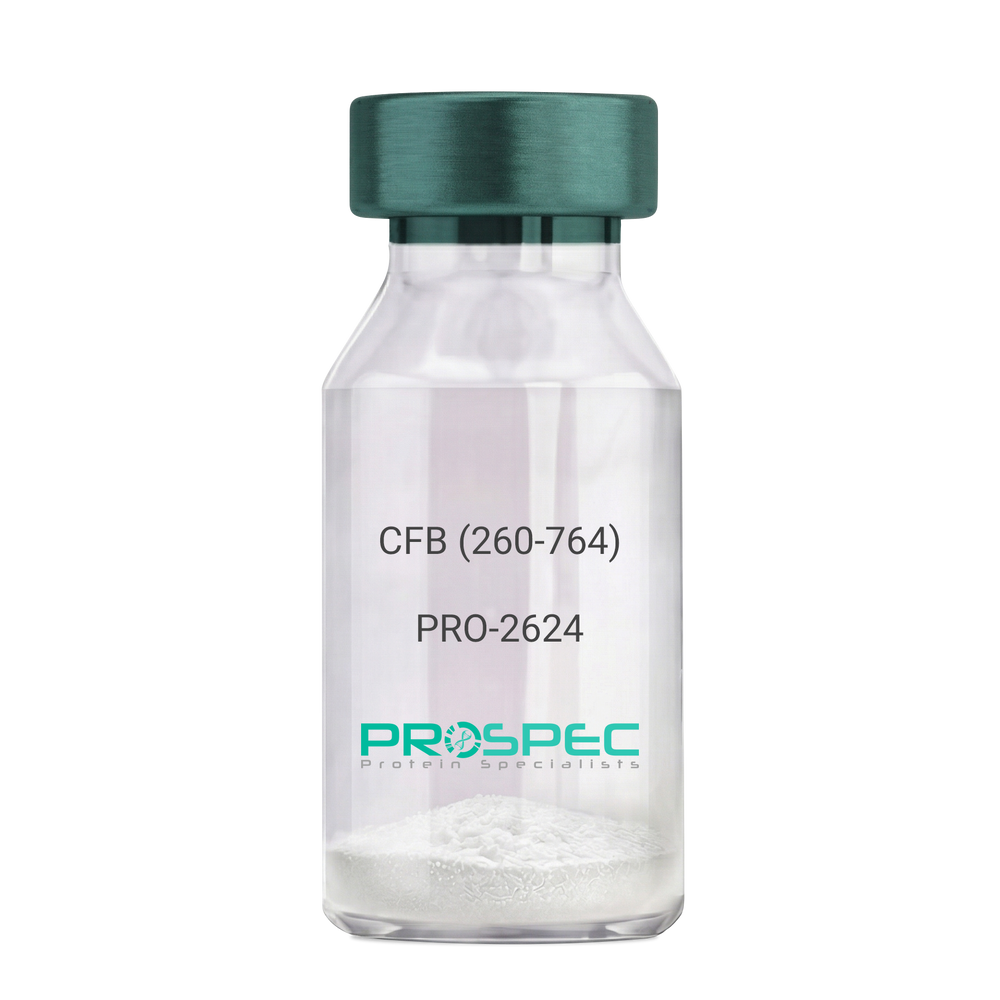
  • View Data Sheet

    Name :

    CFB (260-764) Human, Sf9

    Description:

    Complement Factor B (260-764 a.a.) Human Recombinant, Sf9

    CFB, C3/C5 convertase, Glycine-rich beta glycoprotein, GBG, PBF2, Properdin factor B, BF, BFD, AHUS4, ARMD14, CFAB, CFBD, FB, FBI12, GBG, H2-Bf.

    Product # :

    PRO-2624

    Price :

    Quantity :

    Shipping Method :

    Ice Icon

    Shipped with Ice Packs

    Add To Cart

    More Info

    • description
    • source
    • formulation
    • purity
    • More Info
    • Citations

    Description

    CFB Human Recombinant produced in Sf9 Baculovirus cells is a single, glycosylated polypeptide chain containing 514 amino acids (260-764 a.a) and having a molecular mass of 58.1kDa.CFB is fused to an 9 amino acid His-tag at C-terminus & purified by proprietary chromatographic techniques.

    Source

    Sf9, Baculovirus cells.

    Formulation

    CFB protein solution (0.5mg/ml) containing Phosphate Buffered Saline (pH 7.4) and 20% glycerol.

    Purity

    Greater than 90.0% as determined by SDS-PAGE.

    Citations

    More Info

    • Introduction

      Factor B is a protein, build from a single chain that circulates in the blood. Complement factor D cleaves and activates factor B, thus creating a catalytic subunit Bb and noncatalytic chain Ba. Subunit Bb is a serine protease that can bind to C3b and forms alternative pathway C3 convertase. Subunit Ba acts as an inhibitor for proliferation of lymphocytes, when Bb is part of the lymphocytes’ proliferation. The gene that codes for this protein is located on chromosome six.

    • Synonyms

      CFB, C3/C5 convertase, Glycine-rich beta glycoprotein, GBG, PBF2, Properdin factor B, BF, BFD, AHUS4, ARMD14, CFAB, CFBD, FB, FBI12, GBG, H2-Bf.

    • Physical Appearance

      Sterile Filtered colorless solution.

    • Stability

      Store at 4°C if entire vial will be used within 2-4 weeks. Store, frozen at -20°C for longer periods of time. For long term storage it is recommended to add a carrier protein (0.1% HSA or BSA).Avoid multiple freeze-thaw cycles.

    • Amino Acid Sequence

      ADPKIVLDPS GSMNIYLVLD GSDSIGASNF TGAKKCLVNL IEKVASYGVK PRYGLVTYAT
      YPKIWVKVSE ADSSNADWVT KQLNEINYED HKLKSGTNTK KALQAVYSMM SWPDDVPPEG
      WNRTRHVIIL MTDGLHNMGG DPITVIDEIR DLLYIGKDRK NPREDYLDVY VFGVGPLVNQ
      VNINALASKK DNEQHVFKVK DMENLEDVFY QMIDESQSLS LCGMVWEHRK GTDYHKQPWQ
      AKISVIRPSK GHESCMGAVV SEYFVLTAAH CFTVDDKEHS IKVSVGGEKR DLEIEVVLFH
      PNYNINGKKE AGIPEFYDYD VALIKLKNKL KYGQTIRPIC LPCTEGTTRA LRLPPTTTCQ
      QQKEELLPAQ DIKALFVSEE EKKLTRKEVY IKNGDKKGSC ERDAQYAPGY DKVKDISEVV
      TPRFLCTGGV SPYADPNTCR GDSGGPLIVH KRSRFIQVGV ISWGVVDVCK NQKRQKQVPA HARDFHINLF QVLPWLKEKL QDEDLGFLHH HHHH

    ProSpec's products are furnished for LABORATORY RESEARCH USE ONLY. The product may not be used as drugs, agricultural or pesticidal products, food additives or household chemicals.

    Complement Factor B
  • View Data Sheet

    Name :

    NTS Human, sf9

    Description:

    Neurotensin Human Recombinant, sf9

    Neurotensin/neuromedin N, NTS, Neuromedin N, NN, NmN, NT, NmN-125.

    Product # :

    PRO-2374

    Price :

    Quantity :

    Shipping Method :

    Ice Icon

    Shipped with Ice Packs

    Add To Cart

    More Info

    • description
    • source
    • formulation
    • purity
    • More Info
    • Citations

    Description

    NTS Human Recombinant produced in Sf9 Baculovirus cells is a single, glycosylated polypeptide chain containing 134 amino acids (24-148) and having a molecular mass of 15.4kDa (Molecular size on SDS-PAGE will appear at approximately 13.5-18kDa).NTS is fused to 6 amino acid His-Tag at C-terminus and purified by proprietary chromatographic techniques.

    Source

    Sf9, Baculovirus cells.

    Formulation

    NTS protein solution (1mg/ml) containing Phosphate Buffered Saline (pH 7.4) and 10% glycerol.

    Purity

    Greater than 90.0% as determined by analysis by SDS-PAGE.

    Citations

    More Info

    • Introduction

      Neurotensin (NTS) is a common precursor for 2 peptides, neuromedin N and neurotensin. Neurotensin is a secreted tridecapeptide, which is generally distributed throughout the central nervous system, and may serve as a neurotransmitter or a neuromodulator. NTS is involved in dopamine-associated pathophysiological events, in the maintenance of gut structure and function, and in the regulation of fat metabolism. Tissue-specific processing may initiate the formation in some tissues of larger forms of neuromedin N and neurotensin. The large forms may embody more stable peptides which are also biologically active.

    • Synonyms

      Neurotensin/neuromedin N, NTS, Neuromedin N, NN, NmN, NT, NmN-125.

    • Physical Appearance

      Sterile Filtered clear solution.

    • Stability

      Store at 4°C if entire vial will be used within 2-4 weeks. Store, frozen at -20°C for longer periods of time. For long term storage it is recommended to add a carrier protein (0.1% HSA or BSA).Avoid multiple freeze-thaw cycles.

    • Amino Acid Sequence

      ADPSDSEEEM KALEADFLTN MHTSKISKAH VPSWKMTLLN VCSLVNNLNS PAEETGEVHE EELVARRKLP TALDGFSLEA MLTIYQLHKI CHSRAFQHWE LIQEDILDTG NDKNGKEEVI KRKIPYILHH HHHH.

    ProSpec's products are furnished for LABORATORY RESEARCH USE ONLY. The product may not be used as drugs, agricultural or pesticidal products, food additives or household chemicals.

    Nts Human Sf9
  • View Data Sheet

    Name :

    CHGA Human, Sf9

    Description:

    Chromogranin A Human Recombinant, Sf9

    CHGA, CGA, Chromogranin-A, Vasostatin I, SP-I, Pituitary secretory protein I.

    Product # :

    PRO-2513

    Price :

    Quantity :

    Shipping Method :

    Ice Icon

    Shipped with Ice Packs

    Add To Cart

    More Info

    • description
    • source
    • formulation
    • purity
    • More Info
    • Citations

    Description

    CHGA produced in Sf9 Baculovirus cells is a single, glycosylated polypeptide chain (19-457 a.a.) and fused to a 6 aa His Tag at C-terminus containing a total of 448 amino acids and having a molecular mass of 50kDa.CHGA shows multiple bands between 50-70kDa on SDS-PAGE, reducing conditions and purified by proprietary chromatographic techniques.

    Source

    Sf9, Baculovirus cells.

    Formulation

    CHGA protein solution (0.25mg/ml) contains Phosphate Buffered Saline (pH 7.4), 20% glycerol & 0.1mM PMSF.

    Purity

    Greater than 85.0% as determined by SDS-PAGE.

    Citations

    More Info

    • Introduction

      Chromogranin-A Isoform 1 Preproprotein or CHGA is part of the neuroendocrine secretory proteins of the chromogranin/secretogranin family. CHGA is a precursor of numerus enzymes such as pancreastatin, catestatin, vasostatin-1,vasostatin-2, and parastatin. The protein acts as a negative regulator the neuroendocrine activity of autocrine or nearby cells (paracrine). CHGA causes further production of secretory granules that contains insulin in pancreatic islet beta cells.

    • Synonyms

      CHGA, CGA, Chromogranin-A, Vasostatin I, SP-I, Pituitary secretory protein I.

    • Physical Appearance

      Sterile Filtered colorless solution.

    • Stability

      Store at 4°C if entire vial will be used within 2-4 weeks. Store, frozen at -20°C for longer periods of time. For long term storage it is recommended to add a carrier protein (0.1% HSA or BSA). Avoid multiple freeze-thaw cycles.

    • Amino Acid Sequence

      ADLLPVNSPM NKGDTEVMKC IVEVISDTLS KPSPMPVSQE CFETLRGDER ILSILRHQNL LKELQDLALQ GAKERAHQQK KHSGFEDELS EVLENQSSQA ELKEAVEEPS SKDVMEKRED SKEAEKSGEA TDGARPQALP EPMQESKAEG NNQAPGEEEE EEEEATNTHP PASLPSQKYP GPQAEGDSEG LSQGLVDREK GLSAEPGWQA KREEEEEEEE EAEAGEEAVP EEEGPTVVLN PHPSLGYKEI RKGESRSEAL AVDGAGKPGA EEAQDPEGKG EQEHSQQKEE EEEMAVVPQG LFRGGKSGEL EQEEERLSKE WEDSKRWSKM DQLAKELTAE KRLEGQEEEE DNRDSSMKLS FRARAYGFRG PGPQLRRGWR PSSREDSLEA GLPLQVRGYP EEKKEEEGSA NRRPEDQELE SLSAIEAELE KVAHQLQALR RGHHHHHH.

    ProSpec's products are furnished for LABORATORY RESEARCH USE ONLY. The product may not be used as drugs, agricultural or pesticidal products, food additives or household chemicals.

    Chromogranin A
  • View Data Sheet

    Name :

    RLBP1 Human, sf9

    Description:

    Retinaldehyde Binding Protein 1 Human Recombinant, sf9

    Retinaldehyde-binding protein 1, Cellular retinaldehyde-binding protein, RLBP1, CRALBP.

    Product # :

    PRO-2341

    Price :

    Quantity :

    Shipping Method :

    Ice Icon

    Shipped with Ice Packs

    Add To Cart

    More Info

    • description
    • source
    • formulation
    • purity
    • More Info
    • Citations

    Description

    RLBP1 Human Recombinant produced in Sf9 Baculovirus cells is a single, glycosylated polypeptide chain containing 326 amino acids (1-317) and having a molecular mass of 37.5kDa (Molecular size on SDS-PAGE will appear at approximately 28-40kDa).RLBP1 is fused to 6 amino acid His-Tag at C-terminus and purified by proprietary chromatographic techniques.

    Source

    Sf9, Baculovirus cells.

    Formulation

    RLBP1 protein solution (0.5mg/ml) containing Phosphate Buffered Saline (pH 7.4) and 20% glycerol.

    Purity

    Greater than 90.0% as determined by analysis by SDS-PAGE.

    Citations

    More Info

    • Introduction

      RLBP1 is a 36-kD water-soluble protein that transports 11-cis-retinal or 11-cis-retinaldehyde as physiologic ligands. RLBP1 is a functional element of the visual cycle. RLBP1 gene mutations cause retinitis punctata albescens, severe rod-cone dystrophy and Bothnia dystrophy (nonsyndromic autosomal recessive retinitis pigmentosa).

    • Synonyms

      Retinaldehyde-binding protein 1, Cellular retinaldehyde-binding protein, RLBP1, CRALBP.

    • Physical Appearance

      Sterile Filtered clear solution.

    • Stability

      Store at 4°C if entire vial will be used within 2-4 weeks. Store, frozen at -20°C for longer periods of time. For long term storage it is recommended to add a carrier protein (0.1% HSA or BSA).Avoid multiple freeze-thaw cycles.

    • Amino Acid Sequence

      ADPMSEGVGT FRMVPEEEQE LRAQLEQLTT KDHGPVFGPC SQLPRHTLQK AKDELNEREE TREEAVRELQ EMVQAQAASG EELAVAVAER VQEKDSGFFL RFIRARKFNV GRAYELLRGY VNFRLQYPEL FDSLSPEAVR CTIEAGYPGV LSSRDKYGRV VMLFNIENWQ SQEITFDEIL QAYCFILEKL LENEETQING FCIIENFKGF TMQQAASLRT SDLRKMVDML QDSFPARFKA IHFIHQPWYF TTTYNVVKPF LKSKLLERVF VHGDDLSGFY QEIDENILPS DFGGTLPKYD GKAVAEQLFG PQAQAENTAF HHHHHH.

    ProSpec's products are furnished for LABORATORY RESEARCH USE ONLY. The product may not be used as drugs, agricultural or pesticidal products, food additives or household chemicals.

    Rlbp1 Human Sf9
  • View Data Sheet

    Name :

    EFNA3 Human, Sf9

    Description:

    Ephrin A3 Human Recombinant, Sf9

    Ephrin-A3, EFL2, Ehk1-L, EPLG3, LERK3, EPH-related receptor tyrosine kinase ligand 3.

    Product # :

    PRO-2614

    Price :

    Quantity :

    Shipping Method :

    Ice Icon

    Shipped with Ice Packs

    Add To Cart

    More Info

    • description
    • source
    • formulation
    • purity
    • More Info
    • Citations

    Description

    EFNA3 Human Recombinant produced in Sf9 Baculovirus cells is a single, glycosylated polypeptide chain containing 434 amino acids (23-214aa) and having a molecular mass of 48.7kDaEFNA3 is fused to a 242 amino acid hIgG-His-Tag at C-terminus and purified by proprietary chromatographic techniques.

    Source

    Sf9, Baculovirus cells.

    Formulation

    The Fractalkine solution (0.5 mg/ml) contains 10% Glycerol and Phosphate Buffered Saline (pH 7.4).

    Purity

    Greater than 90.0% as determined by SDS-PAGE.

    Citations

    More Info

    • Introduction

      EFNA3 belongs to the ephrin (EPH) family. The ephrins and EPH-related receptors include thelargest subfamily of receptor protein-tyrosine kinases which have been implicated in mediating developmental events, especially in the nervous system and in erythropoiesis. Ephrins are divided into the ephrin-A (EFNA) class and the ephrin-B (EFNB) class, based on their structures and sequence relationships. The Ephrins from the EFNA class are anchored to the membrane by aglycosylphosphatidylinositol linkage, while the others from the EFNB class are transmembrane proteins.

    • Synonyms

      Ephrin-A3, EFL2, Ehk1-L, EPLG3, LERK3, EPH-related receptor tyrosine kinase ligand 3.

    • Physical Appearance

      Sterile Filtered colorless solution.

    • Stability

      Store at 4°C if entire vial will be used within 2-4 weeks. Store, frozen at -20°C for longer periods of time. For long term storage it is recommended to add a carrier protein (0.1% HSA or BSA).Avoid multiple freeze-thaw cycles.

    • Amino Acid Sequence

      ADPQGPGGAL GNRHAVYWNS SNQHLRREGY TVQVNVNDYL DIYCPHYNSS GVGPGAGPGP
      GGGAEQYVLY MVSRNGYRTC NASQGFKRWE CNRPHAPHSP IKFSEKFQRY SAFSLGYEFH
      AGHEYYYIST PTHNLHWKCL RMKVFVCCAS TSHSGEKPVP TLPQFTMGPN VKINVLEDFE
      GENPQVPKLE KSISGLEPKS CDKTHTCPPC PAPELLGGPS VFLFPPKPKD TLMISRTPEV
      TCVVVDVSHE DPEVKFNWYV DGVEVHNAKT KPREEQYNST YRVVSVLTVL HQDWLNGKEY
      KCKVSNKALP APIEKTISKA KGQPREPQVY TLPPSRDELT KNQVSLTCLV KGFYPSDIAV
      EWESNGQPEN NYKTTPPVLD SDGSFFLYSK LTVDKSRWQQ GNVFSCSVMH EALHNHYTQK SLSLSPGKHH
      HHHH

    ProSpec's products are furnished for LABORATORY RESEARCH USE ONLY. The product may not be used as drugs, agricultural or pesticidal products, food additives or household chemicals.

    Efna3 Protein
  • View Data Sheet

    Name :

    RARRES2 Human, Sf9

    Description:

    Retinoic Acid Receptor Responder 2 Human Recombinant, Sf9

    Retinoic Acid Receptor Responder 2, Chemerin, Retinoic Acid Receptor Responder (Tazarotene Induced) 2, Tazarotene-Induced Gene 2 Protein, RAR-Responsive Protein TIG2, TIG2, Retinoic Acid Receptor Responder Protein 2, HP10433, Retinoic acid receptor responder protein 2, Chemerin, RAR-responsive protein TIG2, Tazarotene-induced gene 2 protein.

    Product # :

    PRO-2382

    Price :

    Quantity :

    Shipping Method :

    Ice Icon

    Shipped with Ice Packs

    Add To Cart

    More Info

    • description
    • source
    • formulation
    • purity
    • More Info
    • Citations

    Description

    RARRES2 produced in Sf9 Baculovirus cells is a single, glycosylated polypeptide chain containing 146 amino acids (21-157a.a.) and having a molecular mass of 16.9kDa. (Molecular size on SDS-PAGE will appear at approximately 18-28kDa). RARRES2 is expressed with a 6 amino acid His tag at C-Terminus and purified by proprietary chromatographic techniques.

    Source

    Sf9, Baculovirus cells.

    Formulation

    RARRES2 protein solution (0.5mg/ml) contains Phosphate Buffered Saline (pH 7.4) and 10% glycerol.

    Purity

    Greater than 90.0% as determined by SDS-PAGE.

    Citations

    More Info

    • Introduction

      RARRES2 is a secreted chemotactic protein that initiates chemotaxis through the ChemR23 G protein-coupled seven-transmembrane domain ligand. RARRES2 is upregulated by the synthetic retinoid tazarotene and found in a vast variety of tissues. RARRES2 acts as an adipokine, and is truncated on both termini from the proprotein. RARRES2 is structurally related to the cathelicidin precursors, cystatin C and kininogens. RARRES2 promotes calcium mobilization and chemotaxis of immature dendritic cells and macrophages. RARRES2 is secreted as a precursor of little biological activity, which requires proteolytic cleavage of its COOH-terminal domain to be exchangeed into a potent and highly specific agonist of ChemR23. RARRES2 signals via its receptor, ChemR23 (CMKLR1), as a positive regulator of adipocyte differentiation and metabolic function. The Chemerin receptor acts as a coreceptor for SIV and some primary HIV-1 strains. The Chemerin receptor has another ligand, called tazarotene-induced gene.

    • Synonyms

      Retinoic Acid Receptor Responder 2, Chemerin, Retinoic Acid Receptor Responder (Tazarotene Induced) 2, Tazarotene-Induced Gene 2 Protein, RAR-Responsive Protein TIG2, TIG2, Retinoic Acid Receptor Responder Protein 2, HP10433, Retinoic acid receptor responder protein 2, Chemerin, RAR-responsive protein TIG2, Tazarotene-induced gene 2 protein.

    • Physical Appearance

      Sterile Filtered colorless solution.

    • Stability

      Store at 4°C if entire vial will be used within 2-4 weeks. Store, frozen at -20°C for longer periods of time. For long term storage it is recommended to add a carrier protein (0.1% HSA or BSA).Avoid multiple freeze-thaw cycles.

    • Amino Acid Sequence

      ADPELTEAQR RGLQVALEEF HKHPPVQWAF QETSVESAVD TPFPAGIFVR LEFKLQQTSC RKRDWKKPEC KVRPNGRKRK CLACIKLGSE DKVLGRLVHC PIETQVLREA EEHQETQCLR VQRAGEDPHS FYFPGQFAFS HHHHHH.

    ProSpec's products are furnished for LABORATORY RESEARCH USE ONLY. The product may not be used as drugs, agricultural or pesticidal products, food additives or household chemicals.

    Rarres2 Human Sf9
  • View Data Sheet

    Name :

    VCAM1 Human, sf9

    Description:

    Vascular cell adhesion molecule 1 Human Recombinant, sf9

    Vascular Cell Adhesion Molecule 1, CD106 Antigen, INCAM-100 , Vascular Cell Adhesion Protein 1, V-CAM 1, VCAM-1, CD106, L1CAM.

    Product # :

    PRO-2367

    Price :

    Quantity :

    Shipping Method :

    Ice Icon

    Shipped with Ice Packs

    Add To Cart

    More Info

    • description
    • source
    • formulation
    • purity
    • More Info
    • Citations

    Description

    VCAM1 produced in Sf9 Baculovirus cells is a single, glycosylated polypeptide chain containing 685 amino acids (25-698 a.a.) and having a molecular mass of 75.6kDa (Molecular size on SDS-PAGE will appear at approximately 70-100kDa). VCAM1 is expressed with a 11 amino acid His tag at C-Terminus and purified by proprietary chromatographic techniques.

    Source

    Sf9, Baculovirus cells.

    Formulation

    VCAM1 protein solution (0.5mg/ml) contains Phosphate Buffered Saline (pH 7.4) and 10% glycerol.

    Purity

    Greater than 90.0% as determined by SDS-PAGE.

    Citations

    More Info

    • Introduction

      VCAM1 is a member of the Ig superfamily. It is a cell surface sialoglycoprotein expressed by cytokine activated endothelium. VCAM-1 contains 6 or 7 immunoglobulin domains, and is expressed on both large and small vessels only after the endothelial cells are stimulated by cytokines. The protein has a number of functions including the regulation of leukocyte migration, leukocyte endothelial cell adhesion and signal transduction and may play a role in a number of inflammatory diseases (artherosclerosis and rheumatoid arthritis).

    • Synonyms

      Vascular Cell Adhesion Molecule 1, CD106 Antigen, INCAM-100 , Vascular Cell Adhesion Protein 1, V-CAM 1, VCAM-1, CD106, L1CAM.

    • Physical Appearance

      Sterile Filtered colorless solution.

    • Stability

      Store at 4°C if entire vial will be used within 2-4 weeks. Store, frozen at -20°C for longer periods of time. For long term storage it is recommended to add a carrier protein (0.1% HSA or BSA). Avoid multiple freeze-thaw cycles.

    • Amino Acid Sequence

      ADPEFFKIET TPESRYLAQI GDSVSLTCST TGCESPFFSW RTQIDSPLNG KVTNEGTTST LTMNPVSFGN EHSYLCTATC ESRKLEKGIQ VEIYSFPKDP EIHLSGPLEA GKPITVKCSV ADVYPFDRLE IDLLKGDHLM KSQEFLEDAD RKSLETKSLE VTFTPVIEDI GKVLVCRAKL HIDEMDSVPT VRQAVKELQV YISPKNTVIS VNPSTKLQEG GSVTMTCSSE GLPAPEIFWS KKLDNGNLQH LSGNATLTLI AMRMEDSGIY VCEGVNLIGK NRKEVELIVQ EKPFTVEISP GPRIAAQIGD SVMLTCSVMG CESPSFSWRT QIDSPLSGKV RSEGTNSTLT LSPVSFENEH SYLCTVTCGH KKLEKGIQVE LYSFPRDPEI EMSGGLVNGS SVTVSCKVPS VYPLDRLEIE LLKGETILEN IEFLEDTDMK SLENKSLEMT FIPTIEDTGK ALVCQAKLHI DDMEFEPKQR QSTQTLYVNV APRDTTVLVS PSSILEEGSS VNMTCLSQGF PAPKILWSRQ LPNGELQPLS ENATLTLIST KMEDSGVYLC EGINQAGRSR KEVELIIQVT PKDIKLTAFP SESVKEGDTV IISCTCGNVP ETWIILKKKA ETGDTVLKSI DGAYTIRKAQ LKDAGVYECE SKNKVGSQLR SLTLDVQGRE NNKDYFSPEH HHHHH.

    ProSpec's products are furnished for LABORATORY RESEARCH USE ONLY. The product may not be used as drugs, agricultural or pesticidal products, food additives or household chemicals.

    Vcam1 Human Sf9
  • View Data Sheet

    Name :

    VEGF Mouse, Sf9

    Description:

    Vascular Endothelial Growth Factor Mouse Recombinant, Sf9

    Vascular endothelial growth factor A, VEGF-A, Vascular permeability factor, VPF, VEGF, MGC70609.

    Product # :

    CYT-226

    Price :

    Quantity :

    Shipping Method :

    Room Temp Icon

    Shipped at Room temp

    Add To Cart

    More Info

    • description
    • source
    • formulation
    • purity
    • biological activity
    • More Info
    • Citations

    Description

    Vascular Endothelial Growth Factor Mouse Recombinant produced in Sf9 insect cells is a double, glycosylated, polypeptide chain containing 164 amino acids and having a molecular mass of 48 kDa.The VEGF is purified by proprietary chromatographic techniques.

    Source

    Baculovirus Sf9 cells.

    Formulation

    The protein was lyophilized from a concentrated (1mg/ml) solution with no additives.

    Purity

    Greater than 95.0% as determined by:
    (a) Analysis by RP-HPLC.
    (b) Analysis by SDS-PAGE.

    Biological Activity

    The ED50 range, determined by the dose-dependent proliferation of human umbilical vein endothelial cells (HUVEC) (measured by 3H-thymidine uptake) is 1-2 ng/ml, corresponding to a specific activity of 1x10⁶ Units/mg.

    Citations

    More Info

    • Introduction

      Vascular endothelial growth factor is an important signaling protein involved in both vasculogenesis and angiogenesis. As its name implies, VEGF activity has been mostly studied on cells of the vascular endothelium, although it does have effects on a number of other cell types (e.g. stimulation monocyte/ macrophagemigration, neurons, cancer cells, kidney epithelial cells ).VEGF mediates increased vascular permeability, induces angiogenesis, vasculogenesis and endothelial cell growth, promotes cell migration, and inhibits apoptosis. In vitro, VEGF has been shown to stimulate endothelial cell mitogenesisand cell migration. VEGF is also a vasodilator and increases microvascular permeability and was originally referred to as vascular permeability factor.
      Elevated levels of this protein are linked to POEMS syndrome, also known as Crow-Fukase syndrome. Mutations in this gene have been associated with proliferative and nonproliferative diabetic retinopathy.

    • Synonyms

      Vascular endothelial growth factor A, VEGF-A, Vascular permeability factor, VPF, VEGF, MGC70609.

    • Physical Appearance

      Sterile Filtered White lyophilized (freeze-dried) powder.

    • Stability

      Lyophilized Vascular Endothelial Growth Factor Sf9 although stable at room temperature for 3 weeks, should be stored desiccated below -18°C. Upon reconstitution VEGF-Sf9 should be stored at 4°C between 2-7 days and for future use below -18°C.For long term storage it is recommended to add a carrier protein (0.1% HSA or BSA).Please prevent freeze-thaw cycles.

    • Solubility

      It is recommended to reconstitute the lyophilized Vascular Endothelial Growth Factor-Sf9 in sterile 18MΩ-cm H2O not less than 100µg/ml, which can then be further diluted to other aqueous solutions.

    ProSpec's products are furnished for LABORATORY RESEARCH USE ONLY. The product may not be used as drugs, agricultural or pesticidal products, food additives or household chemicals.

    Vegf Mouse Sf9
  • View Data Sheet

    Name :

    SNRPD2 Human, Sf9

    Description:

    Small Nuclear Ribonucleoprotein Polypeptide D2 Human Recombinant, Sf9

    Small nuclear ribonucleoprotein Sm D2, Sm-D2, snRNP core protein D2, SNRPD2, SNRPD1, SMD2.

    Product # :

    PRO-995

    Price :

    Quantity :

    Shipping Method :

    Ice Icon

    Shipped with Ice Packs

    Add To Cart

    More Info

    • description
    • source
    • formulation
    • purity
    • More Info
    • Citations

    Description

    SNRPD2 Human Recombinant produced in SF9 is a glycosylated, polypeptide chain having a calculated molecular mass of 14,773 Dalton. SNRPD2 is expressed with a -6x His tag at N-terminus and purified by proprietary chromatographic techniques.

    Source

    Sf9 insect cells.

    Formulation

    SNRPD2 is supplied in 20mM HEPES buffer pH-7.6, 250mM NaCl and 20% glycerol.

    Purity

    Greater than 80% as determined by SDS-PAGE.

    Citations

    More Info

    • Introduction

      SNRPD2 is a member of the small nuclear ribonucleoprotein core protein family. SNRPD2 is a small nuclear ribonucleoprotein (snRNPs) which comprises the spliceosome in eukaryotes. SNRPD2 is required for pre-mRNA splicing and small nuclear ribonucleoprotein biogenesis.

    • Synonyms

      Small nuclear ribonucleoprotein Sm D2, Sm-D2, snRNP core protein D2, SNRPD2, SNRPD1, SMD2.

    • Physical Appearance

      Sterile Filtered clear solution.

    • Stability

      Store at 4°C if entire vial will be used within 2-4 weeks. Store, frozen at -20°C for longer periods of time. Avoid multiple freeze-thaw cycles.

    • Immunological Functions

      1. Binds IgG-type human auto-antibodies.2. Standard ELISA test (checker-board analysis of positive/negative sera panels including CDC international reference sera).

    • coating concentration

      0.4-0.8 µg/ml (depending on the type of ELISA plate and coating buffer). Suitable for biotinylation and iodination.

    • Applications

      Western blot with anti-Sm positive patient sera.

    ProSpec's products are furnished for LABORATORY RESEARCH USE ONLY. The product may not be used as drugs, agricultural or pesticidal products, food additives or household chemicals.

    Snrpd2 Human Sf9
  • View Data Sheet

    Name :

    RBP4 Protein

    Description:

    Retinol Binding Protein-4 Human

    Retinol Binding Protein 4, RBP-4, RBP4, Plasma retinol-binding protein, PRBP, RBP.

    Product # :

    CYT-1218

    Price :

    Quantity :

    Shipping Method :

    Room Temp Icon

    Shipped at Room temp

    Add To Cart

    More Info

    • description
    • source
    • formulation
    • purity
    • More Info
    • Citations

    Description

    RBP4 Human produced in Pooled human plasma can be used as a calibrator in immunoassays. Immunoreactivity was checked using monoclonal antibodies specific to RBP4.

    Source

    Human Plasma.

    Formulation

    RBP4 was lyophilized from PBS, 150mM NaCl, and 10mM K-phosphate, pH 7.4.

    Purity

    Greater than 95.0% as determined by SDS-PAGE.

    Citations

    More Info

    • Synonyms

      Retinol Binding Protein 4, RBP-4, RBP4, Plasma retinol-binding protein, PRBP, RBP.

    • Physical Appearance

      Sterile Filtered White lyophilized (freeze-dried) powder.

    • Stability

      Lyophilized Retinol Binding Protein-4 although stable at room temperature for 3 weeks, should be stored desiccated below -18°C. Upon reconstitution RBP4 should be stored at 4°C between 2-7 days and for future use below -18°C. For long term storage it is recommended to add a carrier protein (0.1% HSA or BSA). Please prevent freeze-thaw cycles.

    • Solubility

      It is recommended to reconstitute the lyophilized RBP4 in sterile 18MΩ-cm H2O not less than 100µg/ml, which can then be further diluted to other aqueous solutions.

    • Background

      Retinol Binding Protein 4 (RBP4) is a multifunctional protein that plays a crucial role in the transport of retinol (vitamin A) in the bloodstream. Beyond its traditional role in vitamin A metabolism, RBP4 has emerged as a key player in various physiological processes and pathological conditions. This research endeavors to explore the diverse facets of RBP4 in human biology, shedding light on its physiological functions, regulatory mechanisms, and implications in health and disease.

      Physiological Functions:

      At its core, RBP4 acts as a carrier protein, shuttling retinol from the liver, where it is stored, to peripheral tissues where it is utilized. Retinol is vital for vision, immune function, growth, and development, making RBP4 an essential component in these processes. By regulating the availability of retinol, RBP4 contributes significantly to maintaining normal vision, immune responses, and cellular differentiation, particularly in epithelial tissues.

      Metabolic Significance:

      Research has unveiled RBP4’s role in metabolic regulation. It has been associated with insulin resistance, a hallmark of type 2 diabetes mellitus. Elevated RBP4 levels are observed in individuals with obesity and insulin resistance, implicating its involvement in metabolic disorders. Understanding the interplay between RBP4, insulin signaling, and glucose metabolism is crucial for deciphering the complexities of diabetes and metabolic syndrome.

      Immunological Implications:

      Beyond its metabolic functions, RBP4 has been implicated in immune responses. Studies have suggested its involvement in modulating inflammatory processes and immune cell functions. By influencing immune cell differentiation and cytokine production, RBP4 may play a role in both immune defense and autoimmune disorders. Investigating these immunological implications provides insights into the crosstalk between metabolic and immune pathways.

      Genetic and Environmental Influences:

      Genetic variations and environmental factors, such as diet and lifestyle, can impact RBP4 levels and functions. Research into these influences is essential for understanding individual susceptibility to metabolic disorders and inflammatory conditions. Genetic studies shed light on the hereditary aspects of RBP4 regulation, providing valuable information for personalized medicine approaches.

      Clinical Relevance:

      RBP4’s involvement in various diseases, including diabetes, cardiovascular diseases, and certain cancers, underscores its clinical relevance. It serves as a potential biomarker for metabolic dysregulation and a target for therapeutic interventions. Moreover, RBP4-targeted therapies are being explored for their potential in managing metabolic disorders and related complications.

      Conclusion:

      RBP4, once primarily recognized for its role in vitamin A transport, has evolved into a multifaceted protein with intricate roles in metabolism, immunity, and disease. Its functions extend far beyond being a mere carrier of retinol, influencing diverse physiological processes and serving as a nexus between metabolic health and immunological responses. Unraveling the complexities of RBP4 opens avenues for understanding diseases like diabetes and offers promising prospects for innovative therapies, emphasizing its significance in human biology and medicine.

    ProSpec's products are furnished for LABORATORY RESEARCH USE ONLY. The product may not be used as drugs, agricultural or pesticidal products, food additives or household chemicals.

    Rbp4 Protein
  • View Data Sheet

    Name :

    ADAM10 Human, Sf9

    Description:

    A Disintegrin and Metalloproteinase Domain 10 Human Recombinant, Sf9

    Kuz, AD10, MADM, CD156c, HsT18717, ADAM metallopeptidase domain 10, A disintegrin and metalloproteinase domain 10, Mammalian disintegrin-metalloprotease, Kuzbanian protein homolog, CDw156, ADAM 10, ADAM10.

    Product # :

    PRO-2359

    Price :

    Quantity :

    Shipping Method :

    Ice Icon

    Shipped with Ice Packs

    Add To Cart

    More Info

    • description
    • source
    • formulation
    • purity
    • More Info
    • Citations

    Description

    ADAM10 Human Recombinant produced in Sf9 Baculovirus cells is a single, glycosylated polypeptide chain containing 467 amino acids (214-672 aa) and having a molecular mass of 51.6kDa (Migrates at 50-70kDa on SDS-PAGE under reducing conditions).ADAM10 is expressed with an 8 amino acid His tag at C-Terminus and purified by proprietary chromatographic techniques.

    Source

    Sf9, Baculovirus cells.

    Formulation

    ADAM10 protein solution (0.5mg/ml) containing Phosphate Buffered Saline (pH 7.4) and 10% glycerol.

    Purity

    Greater than 85.0% as determined by SDS-PAGE.

    Citations

    More Info

    • Introduction

      ADAM10 is part of the ADAM family which are cell surface proteins with a distinctive structure possessing both potential adhesion and protease domains. ADAM10 cleaves many proteins including TNF-alpha and E-cadherin. ADAM10 cleaves the membrane-bound precursor of tnf-alpha at 76- ala-|-val-77 to its mature soluble form. ADAM10 is in charge for the proteolytic release of several other cell-surface proteins, including heparin-binding epidermal growth-like factor, ephrin-a2 and for constitutive and regulated alpha-secretase cleavage of amyloid precursor protein ADAM10 is involved in the normal cleavage of the cellular prion protein. ADAM10 is involved in the cleavage of the adhesion molecule l1 at the cell surface and in the release of membrane vesicles, suggesting a vesicle-based protease activity. ADAM10 controls the proteolytic processing of notch and mediates lateral inhibition during neurogenesis.

    • Synonyms

      Kuz, AD10, MADM, CD156c, HsT18717, ADAM metallopeptidase domain 10, A disintegrin and metalloproteinase domain 10, Mammalian disintegrin-metalloprotease, Kuzbanian protein homolog, CDw156, ADAM 10, ADAM10.

    • Physical Appearance

      Sterile Filtered colorless solution.

    • Stability

      Store at 4°C if entire vial will be used within 2-4 weeks. Store, frozen at -20°C for longer periods of time. For long term storage it is recommended to add a carrier protein (0.1% HSA or BSA).Avoid multiple freeze-thaw cycles.

    • Amino Acid Sequence

      TTSAEKNTCQ LYIQTDHLFF KYYGTREAVI AQISSHVKAI DTIYQTTDFS GIRNISFMVK RIRINTTADE KDPTNPFRFP NIGVEKFLEL NSEQNHDDYC LAYVFTDRDF DDGVLGLAWV GAPSGSSGGI CEKSKLYSDG KKKSLNTGII TVQNYGSHVP PKVSHITFAH EVGHNFGSPH DSGTECTPGE SKNLGQKENG NYIMYARATS GDKLNNNKFS LCSIRNISQV LEKKRNNCFV ESGQPICGNG MVEQGEECDC GYSDQCKDEC CFDANQPEGR KCKLKPGKQC SPSQGPCCTA QCAFKSKSEK CRDDSDCARE GICNGFTALC PASDPKPNFT DCNRHTQVCI NGQCAGSICE KYGLEECTCA SSDGKDDKEL CHVCCMKKMD PSTCASTGSV QWSRHFSGRT ITLQPGSPCN DFRGYCDVFM RCRLVDADGP LARLKKAIFS PELYENIAEL EHHHHHH

    ProSpec's products are furnished for LABORATORY RESEARCH USE ONLY. The product may not be used as drugs, agricultural or pesticidal products, food additives or household chemicals.

    Adam10 Human Sf9
  • View Data Sheet

    Name :

    Streptavidin Protein

    Description:

    Streptavidin

    Product # :

    PRO-283

    Price :

    Quantity :

    Shipping Method :

    Room Temp Icon

    Shipped at Room temp

    Add To Cart

    More Info

    • description
    • source
    • formulation
    • More Info
    • Citations

    Description

    Streptavidin is a protein produced by Streptomyces avidinii and isolated by purification from fermentation broth. The pure, homogeneous protein shows predominantly one single band in SDS PAGE. Streptavidin consists of 4 identical subunits, each bearing an active binding site for biotin. Streptavidin has a molecular weight of 55kDa.

    Source

    Bacterium Streptomyces avidinii.

    Formulation

    The Streptavidin was lyophilized from a 25mg/ml solution in 10 mM potassium phosphate buffer pH 6.5

    Citations

    More Info

    • Introduction

      Streptavidin is a tetrameric protein secreted by Streptomyces avidinii which binds firmly to biotin. Streptavidin is wilyde used in molecular biology through its unique high affinity for the vitamin biotin. The dissociation constant (Kd) of the biotin-streptavidin complex is about ~10-15 mol/L. The strong affinity recognition of biotin and biotinylated molecules has made streptavidin one of the most important components in diagnostics and laboratory kits. The streptavidin/biotin system has one of the biggest free energies of association of yet observed for noncovalent binding of a protein and small ligand in aqueous solution (K_assoc = 10**14). The complexes are also extremely stable over a wide range of temperature and pH.

    • Physical Appearance

      Sterile Filtered lyophilized powder.

    • Stability

      Streptavidin although stable at 4°C for 3 weeks, should be stored desiccated below -18°C. For longer storage in dissolved form add 1mM EDTA and/or 0.02 % NaN3 or pass the solution through a sterile filter.Please prevent freeze-thaw cycles.

    • Solubility

      Gives a clear solution at 10mg/ml in 4.0 mM potassium phosphate pH 6.5

    • Specific Activity

      The biological activity is 16.8 U/mg, 1 unit binds 1µg biotin.

    ProSpec's products are furnished for LABORATORY RESEARCH USE ONLY. The product may not be used as drugs, agricultural or pesticidal products, food additives or household chemicals.

    Streptavidin
  • View Data Sheet

    Name :

    GZMB Human, sf9

    Description:

    Granzyme-B, Sf9 Human Recombinant

    Granzyme B, T-Cell Serine Protease 1-3E, Cathepsin G-Like 1, Granzyme B (Granzyme 2, Cytotoxic T-Lymphocyte-Associated Serine Esterase 1, Cytotoxic T-Lymphocyte Proteinase 2, Cytotoxic Serine Protease B , Human Lymphocyte Protein, Fragmentin 2, EC 3.4.21.79, CTSGL1, CTLA1 , CSPB , CGL1, SECT , C11, HLP , Cytotoxic T-Lymphocyte-Associated Serine Esterase 1, Lymphocyte Protease, Fragmentin-2 , Granzyme 2 , Granzyme-2 , EC 3.4.21, CTLA-1 , CGL-1, CSP-B, CCPI , GRB.          

    Product # :

    ENZ-1078

    Price :

    Quantity :

    Shipping Method :

    Ice Icon

    Shipped with Ice Packs

    Add To Cart

    More Info

    • description
    • source
    • formulation
    • purity
    • biological activity
    • More Info
    • Citations

    Description

    GZMB produced in Sf9 Baculovirus cells is a single, glycosylated polypeptide chain containing 235 amino acids (19-247a.a.) and having a molecular mass of 26.5kDa. (Molecular size on SDS-PAGE will appear at approximately 28-40kDa). GZMB is expressed with an 6 amino acid His tag at C-Terminus and purified by proprietary chromatographic techniques.

    Source

    Sf9, Baculovirus cells.

    Formulation

    GZMB protein solution (0.5mg/ml) contains Phosphate Buffered Saline (pH 7.4) ,20% glycerol and 1mM DTT.

    Purity

    Greater than 95.0% as determined by SDS-PAGE.

    Biological Activity

    Specific activity is > 7,000 pmol/min/ug, and is defined as the amount of enzyme that cleave 1pmole of Boc-Ala-Ala-Asp-SBzl at 37C.

    Citations

    More Info

    • Introduction

      Granzyme-B (GZMB) is essential for target cell lysis in cell-mediated immune responses. GZMB is related to an activation cascade of caspases responsible for apoptosis execution. GZMB cuts caspase-3, -7, -9 and 10 to activate enzymes mediating apoptosis.

    • Synonyms

      Granzyme B, T-Cell Serine Protease 1-3E, Cathepsin G-Like 1, Granzyme B (Granzyme 2, Cytotoxic T-Lymphocyte-Associated Serine Esterase 1, Cytotoxic T-Lymphocyte Proteinase 2, Cytotoxic Serine Protease B , Human Lymphocyte Protein, Fragmentin 2, EC 3.4.21.79, CTSGL1, CTLA1 , CSPB , CGL1, SECT , C11, HLP , Cytotoxic T-Lymphocyte-Associated Serine Esterase 1, Lymphocyte Protease, Fragmentin-2 , Granzyme 2 , Granzyme-2 , EC 3.4.21, CTLA-1 , CGL-1, CSP-B, CCPI , GRB.

    • Physical Appearance

      Sterile Filtered colorless solution.

    • Stability

      Store at 4°C if entire vial will be used within 2-4 weeks. Store, frozen at -20°C for longer periods of time. For long term storage it is recommended to add a carrier protein (0.1% HSA or BSA). Avoid multiple freeze-thaw cycles.

    • Amino Acid Sequence

      GEIIGGHEAK PHSRPYMAYL MIWDQKSLKR CGGFLIRDDF VLTAAHCWGS SINVTLGAHN IKEQEPTQQF IPVKRPIPHP AYNPKNFSND IMLLQLERKA KRTRAVQPLR LPSNKAQVKP GQTCSVAGWG QTAPLGKHSH TLQEVKMTVQ EDRKCESDLR HYYDSTIELC VGDPEIKKTS FKGDSGGPLV CNKVAQGIVS YGRNNGMPPR ACTKVSSFVH WIKKTMKRYH HHHHH

    ProSpec's products are furnished for LABORATORY RESEARCH USE ONLY. The product may not be used as drugs, agricultural or pesticidal products, food additives or household chemicals.

    Granzyme B Human
  • View Data Sheet

    Name :

    SFRP4 Human, sf9

    Description:

    Secreted Frizzled-Related Protein 4 Human Recombinant, sf9

    Secreted Frizzled Related Protein 4, Secreted Frizzled-Related Protein 4, Frizzled Protein, Human Endometrium, SFRP-4, FRPHE Secreted Frizzled-Related Protein 4; Secreted Frizzled-Related Protein 4, FRP-4, PYL, SFRP4, FRPHE.

    Product # :

    PRO-2368

    Price :

    Quantity :

    Shipping Method :

    Ice Icon

    Shipped with Ice Packs

    Add To Cart

    More Info

    • description
    • source
    • formulation
    • purity
    • More Info
    • Citations

    Description

    SFRP4 produced in Sf9 Baculovirus cells is a single, glycosylated polypeptide chain containing 337 amino acids (19-346 a.a.) and having a molecular mass of 38.9kDa (Molecular size on SDS-PAGE will appear at approximately 40-57kDa). SFRP4 is expressed with a 9 amino acid His tag at C-Terminus and purified by proprietary chromatographic techniques.

    Source

    Sf9, Baculovirus cells.

    Formulation

    SFRP4 protein solution (0.5mg/ml) contains Phosphate Buffered Saline (pH 7.4) and 10% glycerol.

    Purity

    Greater than 90.0% as determined by SDS-PAGE.

    Citations

    More Info

    • Introduction

      Secreted frizzled-related protein 4 (SFRP4) belongs to the SFRP family which contains a cysteine-rich domain homologous to the putative Wnt-binding site of Frizzled proteins. SFRPs serve as soluble modulators of Wnt signaling. SFRP4 may serve as a regulator of adult uterine morphology and function. SFRP4 increases apoptosis during ovulation possibly via modulation of FZ1/FZ4/WNT4 signaling. SFRP4 also has phosphaturic effects by specifically inhibiting sodium-dependent phosphate uptake. SFRP4 is expressed in proliferative endometrium and several types of ovarian, endometrial and Brest tumors. SFRP4 is expressed in mesenchymal cells and in cardiomyocytes. SFRP4 expression in ventricular myocardium correlates with apoptosis related gene expression. SFRP4 is up-regulated in failing myocardium.

    • Synonyms

      Secreted Frizzled Related Protein 4, Secreted Frizzled-Related Protein 4, Frizzled Protein, Human Endometrium, SFRP-4, FRPHE Secreted Frizzled-Related Protein 4; Secreted Frizzled-Related Protein 4, FRP-4, PYL, SFRP4, FRPHE.

    • Physical Appearance

      Sterile Filtered colorless solution.

    • Stability

      Store at 4°C if entire vial will be used within 2-4 weeks. Store, frozen at -20°C for longer periods of time. For long term storage it is recommended to add a carrier protein (0.1% HSA or BSA). Avoid multiple freeze-thaw cycles.

    • Amino Acid Sequence

      ADPVRGAPCE AVRIPMCRHM PWNITRMPNH LHHSTQENAI LAIEQYEELV DVNCSAVLRF FLCAMYAPIC TLEFLHDPIK PCKSVCQRAR DDCEPLMKMY NHSWPESLAC DELPVYDRGV CISPEAIVTD LPEDVKWIDI TPDMMVQERP LDVDCKRLSP DRCKCKKVKP TLATYLSKNY SYVIHAKIKA VQRSGCNEVT TVVDVKEIFK SSSPIPRTQV PLITNSSCQC PHILPHQDVL IMCYEWRSRM MLLENCLVEK WRDQLSKRSI QWEERLQEQR RTVQDKKKTA GRTSRSNPPK PKGKPPAPKP ASPKKNIKTR SAQKRTNPKR VHHHHHH

    ProSpec's products are furnished for LABORATORY RESEARCH USE ONLY. The product may not be used as drugs, agricultural or pesticidal products, food additives or household chemicals.

    Sfrp4 Human Sf9
  • View Data Sheet

    Name :

    CDH1 Human, Sf9

    Description:

    E-Cadherin Human Recombinant, Sf9

    Cadherin 1, Type 1, E-Cadherin, Cadherin 1, Type 1, E-Cadherin (Epithelial), Epithelial Cadherin, CAM 120/80, Uvomorulin, CDHE, UVO, Calcium-Dependent Adhesion Protein, Epithelial, Cadherin 1, E-Cadherin (Epithelial), Cell-CAM 120/80, CD324 Antigen, Arc-1, CD324, ECAD, LCAM, Cadherin-1.

    Product # :

    PRO-2265

    Price :

    Quantity :

    Shipping Method :

    Ice Icon

    Shipped with Ice Packs

    Add To Cart

    More Info

    • description
    • source
    • formulation
    • purity
    • More Info
    • Citations

    Description

    CDH1 produced in Sf9 Baculovirus cells is a single, glycosylated polypeptide chain containing 694 amino acids (24-709a.a.) and having a molecular mass of 76.6kDa. (Molecular size on SDS-PAGE will appear at approximately 70kDa). CDH1 is expressed with an 8 amino acid His tag at C-Terminus and purified by proprietary chromatographic techniques.

    Source

    Sf9, Baculovirus cells.

    Formulation

    CDH1 protein solution (0.5mg/ml) contains Phosphate Buffered Saline (pH 7.4) and 10% glycerol.

    Purity

    Greater than 90% as determined by SDS-PAGE.

    Citations

    More Info

    • Introduction

      E-cadherin (uvomorulin, cell-CAM120/80) is a calcium dependent cell adhesion molecule expressed predominately in epithelial tissues. It plays an important role in the growth and development of cells via the mechanisms of control of tissue architecture and the maintenance of tissue integrity. Numerous studies have demonstrated that reduction and/or loss of Ecadherin expression in carcinomas correlates positively with the potential of these tumors for invasion and metastasis.

    • Synonyms

      Cadherin 1, Type 1, E-Cadherin, Cadherin 1, Type 1, E-Cadherin (Epithelial), Epithelial Cadherin, CAM 120/80, Uvomorulin, CDHE, UVO, Calcium-Dependent Adhesion Protein, Epithelial, Cadherin 1, E-Cadherin (Epithelial), Cell-CAM 120/80, CD324 Antigen, Arc-1, CD324, ECAD, LCAM, Cadherin-1.

    • Physical Appearance

      Sterile Filtered colorless solution.

    • Stability

      Store at 4°C if entire vial will be used within 2-4 weeks. Store, frozen at -20°C for longer periods of time. For long term storage it is recommended to add a carrier protein (0.1% HSA or BSA).Avoid multiple freeze-thaw cycles.

    • Amino Acid Sequence

      EPEPCHPGFD AESYTFTVPR RHLERGRVLG RVNFEDCTGR QRTAYFSLDT RFKVGTDGVI TVKRPLRFHN PQIHFLVYAW DSTYRKFSTK VTLNTVGHHH RPPPHQASVS GIQAELLTFP NSSPGLRRQK RDWVIPPISC PENEKGPFPK NLVQIKSNKD KEGKVFYSIT GQGADTPPVG VFIIERETGW LKVTEPLDRE RIATYTLFSH AVSSNGNAVE DPMEILITVT DQNDNKPEFT QEVFKGSVME GALPGTSVME VTATDADDDV NTYNAAIAYT ILSQDPELPD KNMFTINRNT GVISVVTTGL DRESFPTYTL VVQAADLQGE GLSTTATAVI TVTDTNDNPP IFNPTTYKGQ VPENEANVVI TTLKVTDADA PNTPAWEAVY TILNDDGGQF VVTTNPVNND GILKTAKGLD FEAKQQYILH VAVTNVVPFE VSLTTSTATV TVDVLDVNEA PIFVPPEKRV EVSEDFGVGQ EITSYTAQEP DTFMEQKITY RIWRDTANWL EINPDTGAIS TRAELDREDF EHVKNSTYTA LIIATDNGSP VATGTGTLLL ILSDVNDNAP IPEPRTIFFC ERNPKPQVIN IIDADLPPNT SPFTAELTHG ASANWTIQYN DPTQESIILK PKMALEVGDY KINLKLMDNQ NKDQVTTLEV SVCDCEGAAG VCRKAQPVEA GLQIPALEHH HHHH.

    ProSpec's products are furnished for LABORATORY RESEARCH USE ONLY. The product may not be used as drugs, agricultural or pesticidal products, food additives or household chemicals.

    Cdh1 Human Sf9
  • View Data Sheet

    Name :

    CEA Protein

    Description:

    Carcinoembryonic Antigen Human

    CEACAM5, Meconium Antigen 100, Carcinoembryonic Antigen, CD66e Antigen, CD66e, Carcinoembryonic Antigen, CEA, oncofetal antigen.

    Product # :

    PRO-2801

    Price :

    Quantity :

    Shipping Method :

    Ice Icon

    Shipped with Ice Packs

    Add To Cart

    More Info

    • description
    • source
    • formulation
    • purity
    • More Info
    • Citations

    Description

    CEA produced from patient source colon carcinoma liver metastatic tissue can be used as general marker in screening and monitoring malignant disease states.

    Source

    Liver tissue.

    Formulation

    CEA protein solution contains 0.1M PBS, pH 7.4, 0.09 % NaN3 and 2 % methyl-mannoside.

    Purity

    Greater than 95.0% as determined by SDS-PAGE.

    Citations

    More Info

    • Synonyms

      CEACAM5, Meconium Antigen 100, Carcinoembryonic Antigen, CD66e Antigen, CD66e, Carcinoembryonic Antigen, CEA, oncofetal antigen.

    • Physical Appearance

      Sterile Filtered colorless solution.

    • Stability

      Store at 4°C if entire vial will be used within 2-4 weeks. Store, frozen at -20°C for longer periods of time. For long term storage it is recommended to add a carrier protein (0.1% HSA or BSA). Avoid multiple freeze-thaw cycles.

    • Applications

      Blood samples from tissue donors were tested and found to be negative for HBsAg, HIV-1 and HIV-2 antibodies and HCV.

    • Background

      Carcinoembryonic Antigen, commonly known as CEA, is a glycoprotein that was initially identified as a tumor marker. Over the years, research into CEA has unveiled its intricate involvement in various physiological processes, not only in cancer but also in the context of normal development and inflammatory conditions. This research aims to delve into the multifaceted roles of CEA, exploring its structural intricacies, regulatory mechanisms, and its implications in health, disease, and beyond.

      Structural Complexity of CEA:

      CEA, belonging to the immunoglobulin superfamily, is a complex glycoprotein featuring multiple structural domains. Its diverse forms and glycosylation patterns contribute to its functional versatility. CEA is primarily expressed in fetal tissues, but its presence is often detected in adults under pathological conditions, especially in various types of cancer.

      CEA in Cancer Biology:

      CEA was first recognized as a biomarker for colorectal cancer, but its overexpression is not limited to this context. Elevated CEA levels have been associated with several other malignancies, including breast, lung, and pancreatic cancers. CEA’s involvement in cancer biology ranges from promoting angiogenesis and metastasis to inhibiting immune responses, making it a critical player in tumor progression and evasion.

      Beyond Cancer: CEA in Development and Inflammation:

      While CEA’s role in cancer is prominent, recent studies have uncovered its participation in normal physiological processes. During embryonic development, CEA is involved in cell adhesion, contributing to tissue organization and morphogenesis. Additionally, CEA expression can be induced in inflammatory conditions, suggesting its involvement in immune responses and tissue repair mechanisms.

      CEA as a Diagnostic and Therapeutic Target:

      The diverse expression patterns of CEA in various diseases make it a valuable diagnostic tool. CEA assays are widely used for cancer screening, monitoring disease progression, and assessing treatment efficacy. Moreover, CEA’s presence on the surface of cancer cells has made it a target for immunotherapy, enabling the development of targeted therapies aimed at specifically eradicating CEA-positive tumor cells.

    ProSpec's products are furnished for LABORATORY RESEARCH USE ONLY. The product may not be used as drugs, agricultural or pesticidal products, food additives or household chemicals.

    Cea Human
  • 1
  • …
  • 3
  • 4
  • 5
  • 6
  • 7
  • …
  • 42
Your browser does not support the video tag.

Products

  • Cytokines
  • Growth Factors
  • Chemokines
  • CD Antigens
  • Neurotrophins
  • Hormones
  • Enzymes
  • Viral Antigens
  • Recombinant Proteins
  • Natural Proteins
  • Monoclonal Antibodies
  • Polyclonal Antibodies
  • Thermal Packaging

About

  • Company
  • Founder
  • Contribution
  • Contact Us
  • My Account

Ordering

  • Ordering Method
  • Ordering - Credit Card
  • Ordering PO
  • Shipping Fees
  • FAQ's

Legal

  • Terms & Conditions
  • Privacy
  • Site Map
  • info@prospecbio.com
  • Facebook
  • Instagram
  • Linkedin Profile

© 2026 ProSpec-Tany TechnoGene Ltd. All Rights Reserved.

  • Choosing a selection results in a full page refresh.
  • Opens in a new window.