Search results
1000 results found for “smad”
Name
Description
Product #
Price
Quantity
Shipping Method
- View Data Sheet
Name :
SNUPN HumanDescription:
Snurportin 1 Human Recombinant
KPNBL, RNUT1, Snurportin1, SPN1, RNA U transporter 1.
Product # :
PRO-866Price :
Quantity :
Shipping Method :
Shipped with Ice Packs
More Info
- description
- source
- formulation
- purity
- More Info
Description
SNUPN Recombinant Human produced in E.Coli is a single, non-glycosylated polypeptide chain containing 380 amino acids (1-360 a.a.) and having a molecular mass of 43.3 kDa. The SNUPN is fused to 20 amino acid His-Tag at N-terminus and purified by proprietary chromatographic techniques.
Source
Escherichia Coli.
Formulation
SNUPN Human solution containing 20mM Tris pH-8, 2mM DTT, 0.1M NaCl, & 10% glycerol.
Purity
Greater than 90.0% as determined by SDS-PAGE.
More Info
-
Introduction
SNUPN is a nuclear import adaptor protein which is part of the Snurportin family.
SNUPN is Localized to the cytoplasm and nucleus and contains an N-terminal IBB domain and a trimethylguanosine (m3G)-cap binding domain. SNUPN binds specifically the terminal 2,2,7-m3G-cap at the 5'' end of U snRNPs and is involved in transport of U snRNPs into the nucleus through an association with Importin β. -
Synonyms
KPNBL, RNUT1, Snurportin1, SPN1, RNA U transporter 1.
-
Physical Appearance
Sterile filtered colorless solution.
-
Stability
Store at 4°C if entire vial will be used within 2-4 weeks. Store, frozen at -20°C for longer periods of time. For long term storage it is recommended to add a carrier protein (0.1% HSA or BSA). Avoid multiple freeze-thaw cycles.
-
Amino Acid Sequence
MGSSHHHHHH SSGLVPRGSH MEELSQALAS SFSVSQDLNS TAAPHPRLSQ YKSKYSSLEQ SERRRRLLEL QKSKRLDYVN HARRLAEDDW TGMESEEENK KDDEEMDIDT VKKLPKHYAN QLMLSEWLID VPSDLGQEWI VVVCPVGKRA LIVASRGSTS AYTKSGYCVN RFSSLLPGGN RRNSTAKDYT ILDCIYNEVN QTYYVLDVMC WRGHPFYDCQ TDFRFYWMHS KLPEEEGLGE KTKLNPFKFV GLKNFPCTPE SLCDVLSMDF PFEVDGLLFY HKQTHYSPGS TPLVGWLRPY MVSDVLGVAV PAGPLTTKPD YAGHQLQQIM EHKKSQKEGM KEKLTHKASE NGHYELEHLS
TPKLKGSSHS PDHPGCLMEN.
ProSpec's products are furnished for LABORATORY RESEARCH USE ONLY. The product may not be used as drugs, agricultural or pesticidal products, food additives or household chemicals.
- View Data Sheet
Name :
STXBP6 HumanDescription:
Syntaxin Binding Protein 6 Human Recombinant
Syntaxin-binding protein 6, Amisyn, STXBP6, HSPC156, Syntaxin Binding Protein 6.
Product # :
PRO-2056Price :
Quantity :
Shipping Method :
Shipped with Ice Packs
More Info
- description
- source
- formulation
- purity
- More Info
Description
STXBP6 Human Recombinant produced in E.Coli is a single, non-glycosylated polypeptide chain containing 233 amino acids (1-210 a.a.) and having a molecular mass of 25.9kDa.STXBP6 is fused to a 23 amino acid His-tag at N-terminus & purified by proprietary chromatographic techniques.
Source
Escherichia Coli.
Formulation
STXBP6 protein solution (0.5mg/ml) containing 20mM Tris-HCl buffer (pH8.0), 10% glycerol, 0.15M NaCl and 1mM DTT.
Purity
Greater than 90% as determined by SDS-PAGE.
More Info
-
Introduction
Syntaxin-binding protein 6 (STXBP6) binds components of the SNARE complex and takes part in regulating SNARE complex configuration. STXBP6 forms non-fusogenic complexes with SNAP25 and STX1A and modulates the formation of SNARE complexes and exocytosis.
-
Synonyms
Syntaxin-binding protein 6, Amisyn, STXBP6, HSPC156, Syntaxin Binding Protein 6.
-
Physical Appearance
Sterile Filtered clear solution.
-
Stability
Store at 4°C if entire vial will be used within 2-4 weeks. Store, frozen at -20°C for longer periods of time.For long term storage it is recommended to add a carrier protein (0.1% HSA or BSA).Please avoid freeze thaw cycles.
-
Amino Acid Sequence
MGSSHHHHHH SSGLVPRGSH MGSMSAKSAI SKEIFAPLDE RMLGAVQVKR RTKKKIPFLA TGGQGEYLTY ICLSVTNKKP TQASITKVKQ FEGSTSFVRR SQWMLEQLRQ VNGIDPNGDS AEFDLLFENA FDQWVASTAS EKCTFFQILH HTCQRYLTDR KPEFINCQSK IMGGNSILHS AADSVTSAVQ KASQALNERG ERLGRAEEKT EDLKNSAQQF AETAHKLAMK HKC.
ProSpec's products are furnished for LABORATORY RESEARCH USE ONLY. The product may not be used as drugs, agricultural or pesticidal products, food additives or household chemicals.
- View Data Sheet
Name :
Super Leptin qA OvineDescription:
Super Leptin Antagonist Ovine Recombinant
Product # :
CYT-1245Price :
Quantity :
Shipping Method :
Shipped at Room temp
More Info
- description
- source
- formulation
- purity
- biological activity
- More Info
Description
Super Leptin Antagonist Ovine Recombinant is a single polypeptide chain containing 146 amino acids, an additional Ala at N-terminus acids and having a molecular mass of ~ 16 kDa. Super Ovine Leptin Antagonist was mutated, resulting in D23L/L39A/D40A/F41A that was purified by proprietary chromatographic techniques.
Source
Escherichia coli.
Formulation
The protein was lyophilized from a concentrated (1mg/ml) solution with 0.003mM NaHCO3.
Purity
Greater than 98.0% as determined by:
(a) Gel filtration analysis.
(b) Analysis by SDS-PAGE.
Biological Activity
ProSpec’s super Ovine leptin antagonist is capable of inhibiting leptin-induced proliferation of BAF/3 cells stably transfected with the long form of human leptin receptor. Super Ovine leptin antagonist also inhibits various leptin effects in several in vitro bioassays.
More Info
-
Physical Appearance
White lyophilized (freeze-dried) powder.
-
Stability
Lyophilized Super Leptin Antagonist although stable at room temperature for several weeks, should be stored desiccated below -18°C. Upon reconstitution of super Ovine leptin antagonist at > 0.1 mg/ml and up to 2 mg/ml and filter sterilization super Ovine leptin antagonist can be stored at 4C or even room temperature for several weeks making it suitable for long term infusion studies using osmotic pumps. At lower concentration addition of a carrier protein (0.1% HSA or BSA) is suggested. Please prevent freeze-thaw cycles.
-
Solubility
It is recommended to reconstitute the lyophilized Super Leptin Antagonist in sterile water or sterile 0.4% NaHCO3 adjusted to pH 10, not less than 100µg/ml, which can then be further diluted to other aqueous solutions.
-
Amino Acid Sequence
The sequence of the first five N-terminal amino acids was determined and was found to be Ala-Val-Pro-Ile-Arg.
-
Background
Leptin is a hormone which mainly produced by adipocytes. Leptin’s main part is to regulate long-term energy balance. Leptin is encoded by the LEP gene. Leptin receptors are expressed by various brain and peripheral cell types. leptin levels influence satiety, appetite and triggers behaviours which save energy. When leptin levels are high, the brain interprets that energy reserves are high, whereas low leptin levels means that energy reserves are low, in the process adapting the organism to starvation through a variety of metabolic, neurobiochemical, endocrine and behavioral change.
-
Protein content
Protein quantitation was carried out by UV spectroscopy at 280 nm using the absorbency value of 0.2 as the extinction coefficient for a 0.1% (1mg/ml) solution at pH 8.0. This value is calculated by the PC GENE computer analysis program of protein sequences (IntelliGenetics).
ProSpec's products are furnished for LABORATORY RESEARCH USE ONLY. The product may not be used as drugs, agricultural or pesticidal products, food additives or household chemicals.
- View Data Sheet
Name :
FAAH2 HumanDescription:
Fatty Acid Amide Hydrolase 2 Human Recombinant
Fatty acid amide hydrolase 2, AMDD, Amidase domain-containing protein, Anandamide amidohydrolase 2, Oleamide hydrolase 2, FAAH2.
Product # :
ENZ-777Price :
Quantity :
Shipping Method :
Shipped with Ice Packs
More Info
- description
- source
- formulation
- purity
- More Info
Description
FAAH2 Human Recombinant produced in E.coli is a single, non-glycosylated polypeptide chain containing 524 amino acids (32-532a.a) and having a molecular mass of 57.4kDa. FAAH2 is fused to a 23 amino acid His-tag at N-terminus & purified by proprietary chromatographic techniques.
Source
Escherichia Coli.
Formulation
The FAAH2 solution (1mg/ml) contains 20mM Tris-HCl buffer (pH 8.0), 10% glycerol and 0.4M Urea.
Purity
Greater than 80% as determined by SDS-PAGE.
More Info
-
Introduction
Fatty Acid Amide Hydrolase 2 (FAAH2) shares a conserved protein motif with the amidase signature family of enzymes. FAAH2 catalyzes the hydrolysis of a broad range of bioactive lipids, including those from the 3 main classes of fatty acid amides; N-acylethanolamines, fatty acid primary amides and N-acyl amino acids. FAAH2 is also degrades bioactive fatty acid amides to their corresponding acids, thus helping to end the signaling functions of these molecules. FAAH2 prefers monounsaturated acyl chains as a substrate.
-
Synonyms
Fatty acid amide hydrolase 2, AMDD, Amidase domain-containing protein, Anandamide amidohydrolase 2, Oleamide hydrolase 2, FAAH2.
-
Physical Appearance
Sterile Filtered clear solution.
-
Stability
Store at 4°C if entire vial will be used within 2-4 weeks. Store, frozen at -20°C for longer periods of time. For long term storage it is recommended to add a carrier protein (0.1% HSA or BSA).Avoid multiple freeze-thaw cycles.
-
Amino Acid Sequence
MGSSHHHHHH SSGLVPRGSH MGSGGPKFAS KTPRPVTEPL LLLSGMQLAK LIRQRKVKCI DVVQAYINRI KDVNPMINGI VKYRFEEAMK EAHAVDQKLA EKQEDEATLE NKWPFLGVPL TVKEAFQLQG MPNSSGLMNR RDAIAKTDAT VVALLKGAGA IPLGITNCSE LCMWYESSNK IYGRSNNPYD LQHIVGGSSG GEGCTLAAAC SVIGVGSDIG GSIRMPAFFN GIFGHKPSPG VVPNKGQFPL AVGAQELFLC TGPMCRYAED LAPMLKVMAG PGIKRLKLDT KVHLKDLKFY WMEHDGGSFL MSKVDQDLIM TQKKVVVHLE TILGASVQHV KLKKMKYSFQ LWIAMMSAKG HDGKEPVKFV DLLGDHGKHV SPLWELIKWC LGLSVYTIPS IGLALLEEKL RYSNEKYQKF KAVEESLRKE LVDMLGDDGV FLYPSHPTVA PKHHVPLTRP FNFAYTGVFS ALGLPVTQCP LGLNAKGLPL GIQVVAGPFN DHLTLAVAQY LEKTFGGWVC PGKF.
ProSpec's products are furnished for LABORATORY RESEARCH USE ONLY. The product may not be used as drugs, agricultural or pesticidal products, food additives or household chemicals.
- View Data Sheet
Name :
FAIM HumanDescription:
Fas Apoptotic Inhibitory Molecule Human Recombinant
FAIM1, Fas Apoptotic Inhibitory Molecule, FAIM2, LFG, NMP35, Fas Apoptotic Inhibitory Molecule 1, FAIM.
Product # :
PRO-1742Price :
Quantity :
Shipping Method :
Shipped with Ice Packs
More Info
- description
- source
- formulation
- purity
- More Info
Description
FAIM Human Recombinant produced in E.Coli is a single, non-glycosylated polypeptide chain containing 236 amino acids (1-213aa) and having a molecular mass of 26.4kDa.FAIM is fused to a 23 amino acid His-tag at N-terminus & purified by proprietary chromatographic techniques.
Source
Escherichia Coli.
Formulation
FAIM protein solution (0.5 mg /ml) containing 20mM Tris-HCl buffer (pH 8.0), 0.4M UREA and 10% glycerol.
Purity
Greater than 85% as determined by SDS-PAGE.
More Info
-
Introduction
Fas apoptotic inhibitory molecule, also known as FAIM function as an inducible effector molecule which mediates Fas resistance produced by surface Ig engagement in B cells. In addition FAIM protects against death receptor-triggered apoptosis and regulates B-cell signaling and differentiation. Among the diseases associated with FAIM are hemorrhagic thrombocythemia, and food allergy.
-
Synonyms
FAIM1, Fas Apoptotic Inhibitory Molecule, FAIM2, LFG, NMP35, Fas Apoptotic Inhibitory Molecule 1, FAIM.
-
Physical Appearance
Sterile Filtered clear solution.
-
Stability
Store at 4°C if entire vial will be used within 2-4 weeks. Store, frozen at -20°C for longer periods of time.For long term storage it is recommended to add a carrier protein (0.1% HSA or BSA).Please avoid freeze thaw cycles.
-
Amino Acid Sequence
MGSSHHHHHH SSGLVPRGSH MGSMLLPFIR TLPLLCYNHL LVSPDSATLS PPYSLEKMTD LVAVWDVALS DGVHKIEFEH GTTSGKRVVY VDGKEEIRKE WMFKLVGKET FYVGAAKTKA TINIDAISGF AYEYTLEING KSLKKYMEDR SKTTNTWVLH MDGENFRIVL EKDAMDVWCN GKKLETAGEF VDDGTETHFS IGNHDCYIKA VSSGKRKEGI IHTLIVDNRE IPEIAS.
ProSpec's products are furnished for LABORATORY RESEARCH USE ONLY. The product may not be used as drugs, agricultural or pesticidal products, food additives or household chemicals.
- View Data Sheet
Name :
TFF2 HumanDescription:
Trefoil Factor-2 Human Recombinant
TFF-2, Spasmolytic polypeptide, Spasmolysin, SML1, Trefoil factor 2, SP, TFF2.
Product # :
CYT-612Price :
Quantity :
Shipping Method :
Shipped at Room temp
More Info
- description
- source
- formulation
- purity
- biological activity
- More Info
Description
TFF-2 Human Recombinant produced in E.Coli is a single, non-glycosylated, polypeptide chain containing 106 amino acids (24-129) and having a total molecular mass of 12 kDa. TFF2 Human Recombinant includes a 40-amino acid trefoil motif containing three conserved intramolecular disulfide bonds and was purified by proprietary chromatographic techniques.
Source
Escherichia Coli.
Formulation
The TFF2 protein was lyophilized from 0.4μm filtered solution at a concentration of 1mg/mL containing 1x PBS pH-7.4.
Purity
Greater than 97.0% as determined by(a) Analysis by RP-HPLC.
(b) Analysis by SDS-PAGE.Biological Activity
Determined by its ability to chemoattract human MCF-7 cells using a concentration 1.0-10.0 ng/ml.More Info
-
Introduction
Proteins of the TFF family are characterized by obtaining a minimum of 1 copy of the trefoil motif, a 40-amino acid domain that contains 3 conserved disulfides. Trefoil Factors are stable secretory proteins expressed in gastrointestinal mucosa which protect the mucosa from insults, stabilize the mucus layer and affect healing of the epithelium.TFF2 inhibits gastric acid motility & secretion. TFF2 stabilizes glycoproteins in the mucus gel through interactions with carbohydrate side chains.
-
Synonyms
TFF-2, Spasmolytic polypeptide, Spasmolysin, SML1, Trefoil factor 2, SP, TFF2.
-
Physical Appearance
Sterile Filtered White lyophilized (freeze-dried) powder.
-
Stability
Lyophilized TFF2 although stable at room temperature for 3 weeks, should be stored desiccated below -18°C. Upon reconstitution TFF2 should be stored at 4°C between 2-7 days and for future use below -18°C.For long term storage it is recommended to add a carrier protein (0.1% HSA or BSA).Please prevent freeze-thaw cycles.
-
Solubility
It is recommended to reconstitute the lyophilized TFF2 in sterile 18MΩ-cm H2O not less than 100µg/ml, which can then be further diluted to other aqueous solutions.
-
Amino Acid Sequence
EKPSPCQCSR LSPHNRTNCG FPGITSDQCF DNGCCFDSSV TGVPWCFHPL PKQESDQCVM EVSDRRNCGY PGISPEECAS RKCCFSNFIF EVPWCFFPKSVEDCHY.
ProSpec's products are furnished for LABORATORY RESEARCH USE ONLY. The product may not be used as drugs, agricultural or pesticidal products, food additives or household chemicals.
- View Data Sheet
Name :
ING1 HumanDescription:
Inhibitor of Growth Family, Member 1 Human Recombinant
Inhibitor Of Growth Family, Member 1, Growth Inhibitory Protein ING1, Tumor Suppressor ING1, Growth Inhibitor ING1, Inhibitor Of Growth Protein 1, Inhibitor Of Growth 1, P24ING1c,P33ING1b, P47ING1a, P33ING1, P33, P47, ING1 .
Product # :
PRO-2130Price :
Quantity :
Shipping Method :
Shipped with Ice Packs
More Info
- description
- source
- formulation
- purity
- More Info
Description
ING1 Human Recombinant produced in E.Coli is a single, non-glycosylated polypeptide chain containing 302 amino acids (1-279 a.a) and having a molecular mass of 34.3kDa.ING1 is fused to a 23 amino acid His-tag at N-terminus & purified by proprietary chromatographic techniques.
Source
Escherichia Coli.
Formulation
ING1 protein solution (1mg/ml) containing 20mM Tris-HCl buffer (pH 8.0) and 10% glycerol.
Purity
Greater than 90.0% as determined by SDS-PAGE.
More Info
-
Introduction
Inhibitor of Growth Family Member 1, also known as ING1 is a tumor suppressor protein which is able to induce cell growth arrest and apoptosis. ING1 is a nuclear protein which physically act together with the tumor suppressor protein TP53 and is a component of the p53 signaling pathway. In addition, Reduced expression and rearrangement of ING1 have been identified in various cancers. Multiple alternatively spliced transcript variants encoding distinct isoforms have been described for ING1.
-
Synonyms
Inhibitor Of Growth Family, Member 1, Growth Inhibitory Protein ING1, Tumor Suppressor ING1, Growth Inhibitor ING1, Inhibitor Of Growth Protein 1, Inhibitor Of Growth 1, P24ING1c,P33ING1b, P47ING1a, P33ING1, P33, P47, ING1 .
-
Physical Appearance
Sterile Filtered clear solution.
-
Stability
Store at 4°C if entire vial will be used within 2-4 weeks. Store, frozen at -20°C for longer periods of time. For long term storage it is recommended to add a carrier protein (0.1% HSA or BSA).Avoid multiple freeze-thaw cycles.
-
Amino Acid Sequence
MGSSHHHHHH SSGLVPRGSH MGSMLSPANG EQLHLVNYVE DYLDSIESLP FDLQRNVSLM REIDAKYQEI LKELDECYER FSRETDGAQK RRMLHCVQRA LIRSQELGDE KIQIVSQMVE LVENRTRQVD SHVELFEAQQ ELGDTAGNSG KAGADRPKGE AAAQADKPNS KRSRRQRNNE NRENASSNHD HDDGASGTPK EKKAKTSKKK KRSKAKAERE ASPADLPIDP NEPTYCLCNQ VSYGEMIGCD NDECPIEWFH FSCVGLNHKP KGKWYCPKCR GENEKTMDKA LEKSKKERAY NR.
ProSpec's products are furnished for LABORATORY RESEARCH USE ONLY. The product may not be used as drugs, agricultural or pesticidal products, food additives or household chemicals.
- View Data Sheet
Name :
GHRL HumanDescription:
Ghrelin Human Recombinant
Appetite-regulating hormone precursor, Growth hormone secretagogue, Growth hormone-releasing peptide, GHRP, Motilin-related peptide, M46 protein, Ghrelin, Obestatin, MTLRP.
Product # :
HOR-294Price :
Quantity :
Shipping Method :
Shipped with Ice Packs
More Info
- description
- source
- formulation
- purity
- More Info
Description
Ghrelin Human Recombinant contains 115 amino acids (24-117 a.a.) and a total molecular mass of 12.8 kDa. The GHRL is fused to a 20 amino acid His Tag at N-terminus and purified by proprietary chromatographic techniques.
Source
Escherichia Coli.
Formulation
The Ghrelin protein solution contains 20mM Tris-HCl, pH-8 & 10% glycerol.
Purity
Greater than 90.0% as determined by SDS-PAGE.
More Info
-
Introduction
Obestatin is a hormone that is produced in the cells lining the stomach and small intestine of several mammals including humans; it drastically reduces appetite in mice and is expected to do the same in humans. Obestatin is a peptide hormone - a relatively small protein. It is encoded by the same gene that also encodes ghrelin, a peptide hormone that increases appetite. The protein produced by that gene breaks into two smaller peptides, ghrelin and obestatin. Ghrelin is an endogenous ligand for the growth hormone secretagogue receptor and is involved in regulating growth hormone release. Ghrelin is derived from a preprohormone called preproghrelin, which also generates a second peptide called obestatin. Ghrelin is an endogenous ligand for the orphan G protein-coupled receptor GPR39 and is involved in satiety and decreased food intake.
-
Synonyms
Appetite-regulating hormone precursor, Growth hormone secretagogue, Growth hormone-releasing peptide, GHRP, Motilin-related peptide, M46 protein, Ghrelin, Obestatin, MTLRP.
-
Physical Appearance
Sterile filtered colorless solution.
-
Stability
Store at 4°C if entire vial will be used within 2-4 weeks. Store, frozen at -20°C for longer periods of time. For long term storage it is recommended to add a carrier protein (0.1% HSA or BSA). Avoid multiple freeze-thaw cycles.
-
Amino Acid Sequence
MGSSHHHHHH SSGLVPRGSH MGSSFLSPEH QRVQQRKESK KPPAKLQPRA LAGWLRPEDG GQAEGAEDEM EVRFNAPFDV GIKLSGVQYQ QHSQALGKFL QDILWEEAKE APADK.
-
Background
What is the molecular weight/Mw of GHRELIN HUMAN Protein?
GHRELIN HUMAN Protein has a total Mw of 12.8kDa.
What is the source or expression system of GHRELIN HUMAN Protein?
Escherichia Coli.
What is the Purity of GHRELIN HUMAN Protein?
GHRELIN HUMAN Protein is >90% pure as determined by SDS-PAGE.
What is the Biological Activity of GHRELIN HUMAN Protein?
The biological functionality of GHRELIN HUMAN Protein will be determined in the future.
What is the amino acid sequence of GHRELIN HUMAN Protein?
MGSSHHHHHH SSGLVPRGSH MGSSFLSPEH QRVQQRKESK KPPAKLQPRA LAGWLRPEDG GQAEGAEDEM EVRFNAPFDV GIKLSGVQYQ QHSQALGKFL QDILWEEAKE APADK.
What applications can GHRELIN HUMAN Protein be used in?
GHRELIN HUMAN Protein can probably be used in western blot, ELISA and Lateral Flow.
What is the endotoxin level for GHRELIN HUMAN Protein?
The endotoxin level is minimal, GHRELIN HUMAN Protein was purified using conventional chromatography techniques.
ProSpec's products are furnished for LABORATORY RESEARCH USE ONLY. The product may not be used as drugs, agricultural or pesticidal products, food additives or household chemicals.
- View Data Sheet
Name :
CDNF MouseDescription:
Cerebral Dopamine Neurotrophic Factor Mouse Recombinant
Cerebral dopamine neurotrophic factor, ARMET-like protein 1, Conserved dopamine neurotrophic factor, Cdnf, Armetl1, 9330140G23.
Product # :
CYT-729Price :
Quantity :
Shipping Method :
Shipped at Room temp
More Info
- description
- source
- formulation
- purity
- biological activity
- More Info
Description
CDNF Mouse Recombinant produced in E.coli is a single, non-glycosylated polypeptide chain containing 163 amino acids and having a molecular mass of 18.5kDa.The CDNF is purified by proprietary chromatographic techniques.
Source
Escherichia Coli.
Formulation
CDNF protein was lyophilized from a 0.2µm filtered concentrated solution in 1xPBS, pH 7.4.
Purity
Greater than 97.0% as determined by:
(a) Analysis by RP-HPLC.
(b) Analysis by SDS-PAGE.Biological Activity
CDNF Mouse is able to enhance neurite outgrowth of E16-E18 rat embryonic cortical neurons when immobilized at 5-30 µg/mL on a nitrocellulose-coated microplate.More Info
-
Introduction
CDNF is a member of the ARMET family and acts as a trophic factor for dopamine neurons. CDNF inhibits the 6-hydroxydopamine (6-OHDA)-induced degeneration of dopaminergic neurons. When CDNF controlled after 6-OHDA-lesioning, it reestablishes the dopaminergic function and inhibits the degeneration of dopaminergic neurons in substantia nigra. CDNF is universally expressed in neuronal and non-neuronal tissues. The highest levels in the brain are found in the optic nerve and corpus callosum.
-
Synonyms
Cerebral dopamine neurotrophic factor, ARMET-like protein 1, Conserved dopamine neurotrophic factor, Cdnf, Armetl1, 9330140G23.
-
Physical Appearance
Sterile Filtered White lyophilized (freeze-dried) powder.
-
Stability
Lyophilized CDNF although stable at room temperature for 3 weeks, should be stored desiccated below -18°C. Upon reconstitution CDNF should be stored at 4°C between 2-7 days and for future use below -18°C. For long term storage it is recommended to add a carrier protein (0.1% HSA or BSA). Please prevent freeze-thaw cycles.
-
Solubility
It is recommended to reconstitute the lyophilized CDNF in sterile 18M-cm H2O not less than 100µg/ml, which can then be further diluted to other aqueous solutions.
-
Amino Acid Sequence
QGLEAGVGPR ADCEVCKEFL DRFYNSLLSR GIDFSADTIE KELLNFCSDA KGKENRLCYY LGATTDAATK ILGEVTRPMS VHIPAVKICE KLKKMDSQIC ELKYGKKLDL ASVDLWKMRV AELKQILQRW GEECRACAEK SDYVNLIREL APKYVEIYPQ TEL.
-
Background
What is the molecular weight/Mw of CDNF Protein?
CDNF Protein has a total Mw of 18.5kDa.
What is the source or expression system of CDNF Protein?
Escherichia Coli.
What is the Purity of CDNF Protein?
CDNF Protein is >97% pure as determined by SDS-PAGE.
What is the Biological Activity of CDNF Protein?
CDNF Mouse is able to enhance neurite outgrowth of E16-E18 rat embryonic cortical neurons when immobilized at 5-30 µg/mL on a nitrocellulose-coated microplate.
What is the amino acid sequence of CDNF Protein?
QGLEAGVGPR ADCEVCKEFL DRFYNSLLSR GIDFSADTIE KELLNFCSDA KGKENRLCYY LGATTDAATK ILGEVTRPMS VHIPAVKICE KLKKMDSQIC ELKYGKKLDL ASVDLWKMRV AELKQILQRW GEECRACAEK SDYVNLIREL APKYVEIYPQ TEL.
What applications can CDNF Protein be used in?
CDNF Protein can probably be used in western blot, ELISA and Lateral Flow.
What is the endotoxin level for CDNF Protein?
The endotoxin level is minimal, CDNF Protein was purified using conventional chromatography techniques.
ProSpec's products are furnished for LABORATORY RESEARCH USE ONLY. The product may not be used as drugs, agricultural or pesticidal products, food additives or household chemicals.
- View Data Sheet
Name :
CLEC4M HumanDescription:
C-type Lectin Domain Family 4, Member M Human Recombinant
CD209 antigen-like protein 1, DC-SIGN-related protein, Dendritic cell-specific ICAM-3-grabbing non-integrin 2, Liver/lymph node-specific ICAM-3-grabbing non-integrin, DC-SIGNR, DC-SIGN2, L-SIGN, CD299, CLEC4M, CD209L, CD209L1, CD299, HP10347
Product # :
PRO-2713Price :
Quantity :
Shipping Method :
Shipped with Ice Packs
More Info
- description
- source
- formulation
- purity
- More Info
Description
CLEC4M Human Recombinant produced in Sf9 Baculovirus cells is a single, glycosylated polypeptide chain containing 570 amino acids (72-399 a.a) and having a molecular mass of 64.8kDa.CLEC4M is fused to a 239 amino acid hIgG-His-Tag at C-terminus & purified by proprietary chromatographic techniques.
Source
Sf9, Baculovirus cells.
Formulation
The CLEC4M solution (0.5mg/ml) contains Phosphate-Buffered Saline (pH 7.4) and 10% glycerol.
Purity
Greater than 95.0% as determined by SDS-PAGE.
More Info
-
Introduction
C-type Lectin Domain Family 4, Member M (CLEC4M) is a type II integral membrane proteinand A pathogen-recognition receptor which takes part in peripheral immune surveillance in liver. CLEC4M mediates the endocytosis of pathogens which than degraded in lysosomal compartments. CLEC4M is a receptor for ICAM3, binding to mannose-like carbohydrates and also recognizes various evolutionarily divergent pathogens with a large impact on public health, including tuberculosis mycobacteria, and viruses which among them are Ebola, hepatitis C,influenza A, HIV-1, West Nile virus and the SARS-CoV acute respiratory syndrome coronavirus.
-
Synonyms
CD209 antigen-like protein 1, DC-SIGN-related protein, Dendritic cell-specific ICAM-3-grabbing non-integrin 2, Liver/lymph node-specific ICAM-3-grabbing non-integrin, DC-SIGNR, DC-SIGN2, L-SIGN, CD299, CLEC4M, CD209L, CD209L1, CD299, HP10347
-
Physical Appearance
Sterile filtered colorless solution.
-
Stability
Store at 4°C if entire vial will be used within 2-4 weeks.Store, frozen at -20°C for longer periods of time.For long term storage it is recommended to add a carrier protein (0.1% HSA or BSA).Avoid multiple freeze-thaw cycles.
-
Amino Acid Sequence
ADPVSKVPSS LSQEQSEQDA IYQNLTQLKA AVGELSEKSK LQEIYQELTQ LKAAVGELPE KSKLQEIYQE LTRLKAAVGE LPEKSKLQEI YQELTRLKAA VGELPEKSKL QEIYQELTRL KAAVGELPEK SKLQEIYQEL TELKAAVGEL PEKSKLQEIY QELTQLKAAV GELPDQSKQQ QIYQELTDLK TAFERLCRHC PKDWTFFQGN CYFMSNSQRN WHDSVTACQE VRAQLVVIKT AEEQNFLQLQ TSRSNRFSWM GLSDLNQEGT WQWVDGSPLS PSFQRYWNSG EPNNSGNEDC AEFSGSGWND NRCDVDNYWI CKKPAACFRD ELEPKSCDKT HTCPPCPAPE LLGGPSVFLF PPKPKDTLMI SRTPEVTCVV VDVSHEDPEV KFNWYVDGVE VHNAKTKPRE EQYNSTYRVV SVLTVLHQDW LNGKEYKCKV SNKALPAPIE KTISKAKGQP REPQVYTLPP SRDELTKNQV SLTCLVKGFY PSDIAVEWES NGQPENNYKT TPPVLDSDGS FFLYSKLTVD KSRWQQGNVF SCSVMHEALH NHYTQKSLSL SPGKHHHHHH
ProSpec's products are furnished for LABORATORY RESEARCH USE ONLY. The product may not be used as drugs, agricultural or pesticidal products, food additives or household chemicals.
- View Data Sheet
Name :
MAFF HumanDescription:
V-maf Musculoaponeurotic Fibrosarcoma Oncogene F Human Recombinant
hMafF, U-MAF, Transcription factor MafF, U-Maf, V-maf musculoaponeurotic fibrosarcoma oncogene homolog F, MAFF.
Product # :
PRO-1565Price :
Quantity :
Shipping Method :
Shipped with Ice Packs
More Info
- description
- source
- formulation
- purity
- More Info
Description
MAFF Human Recombinant produced in E. coli is a single polypeptide chain containing 187 amino acids (1-164) and having a molecular mass of 20.1kDa. MAFF is fused to a 23 amino acid His-tag at N-terminus & purified by proprietary chromatographic techniques.
Source
E.coli.
Formulation
The MAFF solution (1mg/ml) contains 20mM Tris-HCl buffer (pH8.0), 10% glycerol and 0.4M Urea.
Purity
Greater than 85% as determined by SDS-PAGE.
More Info
-
Introduction
V-maf Musculoaponeurotic Fibrosarcoma Oncogene F (MAFF) which is expressed in the term myometrium and kidney is a basic leucine zipper (bZIP) transcription factor which lacks a transactivation domain. MAFF is known to bind the US-2 DNA element and probably heterodimerizes along with other leucine zipper-containing proteins to enhance expression of the OTR gene throughout pregnancy period. MAFF also forms homodimers, and since it lacks a transactivation domain, the homodimer operates as a repressor of transcription.
-
Synonyms
hMafF, U-MAF, Transcription factor MafF, U-Maf, V-maf musculoaponeurotic fibrosarcoma oncogene homolog F, MAFF.
-
Physical Appearance
Sterile Filtered colorless solution.
-
Stability
Store at 4°C if entire vial will be used within 2-4 weeks. Store, frozen at -20°C for longer periods of time. For long term storage it is recommended to add a carrier protein (0.1% HSA or BSA).Avoid multiple freeze-thaw cycles.
-
Amino Acid Sequence
MGSSHHHHHH SSGLVPRGSH MGSMSVDPLS SKALKIKREL SENTPHLSDE ALMGLSVREL NRHLRGLSAE EVTRLKQRRR TLKNRGYAAS CRVKRVCQKE ELQKQKSELE REVDKLAREN AAMRLELDAL RGKCEALQGF ARSVAAARGP ATLVAPASVI TIVKSTPGSG SGPAHGPDPA HGPASCS.
ProSpec's products are furnished for LABORATORY RESEARCH USE ONLY. The product may not be used as drugs, agricultural or pesticidal products, food additives or household chemicals.
- View Data Sheet
Name :
VAMP2 HumanDescription:
Synaptobrevin-2 Human Recombinant
Vesicle-associated membrane protein 2, SYB2, VAMP-2, Synaptobrevin-2, VAMP2, FLJ11460.
Product # :
PRO-578Price :
Quantity :
Shipping Method :
Shipped with Ice Packs
More Info
- description
- source
- formulation
- purity
- More Info
Description
VAMP2 Human Recombinant produced in E.Coli is a single, non-glycosylated polypeptide chain containing 126 amino acids (1-89) and having a molecular mass of 13.8 kDa. The VAMP contains 37 amino acids His-Tag fused at N-terminus and purified by standard chromatography techniques.
Source
Escherichia Coli.
Formulation
The protein solution (1mg/ml) contains 1X PBS pH 7.4 and 1mM EDTA.
Purity
Greater than 95.0% as dtermined by SDS-PAGE.
More Info
-
Introduction
Synaptobrevin 2 which is an 18 kDa integral membrane protein localized to the cytoplasmic surface of synaptic vesicle, consists of a proline-rich N-terminal region, a highly conserved hydrophilic domain, followed by a transmembrane anchor and a C-terminal. Synaptobrevin 2 is predominantly expressed in Langerhans islets and glomerular cells. The N-terminal domain of the protein (residues 1-89) forms a specific SNARE complex with the target membrane-associated t- or Q-SNAREs syntaxin 1 and SNAP-25.
-
Synonyms
Vesicle-associated membrane protein 2, SYB2, VAMP-2, Synaptobrevin-2, VAMP2, FLJ11460.
-
Physical Appearance
Sterile Filtered colorless solution.
-
Stability
Store at 4°C if entire vial will be used within 2-4 weeks. Store, frozen at -20°C for longer periods of time. For long term storage it is recommended to add a carrier protein (0.1% HSA or BSA).Avoid multiple freeze-thaw cycles.
-
Amino Acid Sequence
MRGSHHHHHH GMASMTGGQQ MGRDLYDDDD KDRWGSHMSA TAATAPPAAP AGEGGPPAPP PNLTSNRRLQ QTQAQVDEVV DIMRVNVDKV LERDQKLSEL DDRADALQAG ASQFETSAAK LKRKYW.
ProSpec's products are furnished for LABORATORY RESEARCH USE ONLY. The product may not be used as drugs, agricultural or pesticidal products, food additives or household chemicals.
- View Data Sheet
Name :
HSV-2 gD (525-578)Description:
Herpes Simplex Virus-2 gD (525-578 a.a.) Recombinant
Product # :
HSV-229Price :
Quantity :
Shipping Method :
Shipped with Ice Packs
More Info
- description
- source
- formulation
- purity
- More Info
Description
The E.Coli derived recombinant protein contains the HSV-2 gD (525-578) immunodominant region. HSV2 gD is fused to a six histidine his tag at c-terminus and purified by proprietary chromatographic techniques.
Source
Escherichia Coli.
Formulation
(1mg/ml) in 1x PBS
Purity
Protein is >95% pure as determined by SDS-PAGE
More Info
-
Introduction
Receptors across the cell membrane interact with some viral glycoproteins therefor enabling HSV to enter the host cell. The HSV enter through pores created by the binding of particular receptors across the cell membrane with the virus's coating envelope, following by a fusion of the HSV and the host cell. HSV enters the host cell through the same mechanism and stages as other viruses do. Initially, matching receptors across the virus's envelope and host cell's membrane interacts and bring the two together. During the transitional stage, begins fusion between the host cell and virus (hemifusion state). The closing stage happens when a steady pore was made; through these pores the virus's particles enter the cell.
-
Physical Appearance
Sterile Filtered clear solution.
-
Stability
HSV-2 gD although stable at 4°C for 1 week, should be stored below -18°C. Please prevent freeze thaw cycles.
-
Applications
ELISA & WB.
ProSpec's products are furnished for LABORATORY RESEARCH USE ONLY. The product may not be used as drugs, agricultural or pesticidal products, food additives or household chemicals.
- View Data Sheet
Name :
SARS MERS, HEKDescription:
SARS MERS Spike Glycoprotein-S1, Recombinant
Product # :
SARS-023Price :
Quantity :
Shipping Method :
Shipped with Ice Packs
More Info
- description
- source
- formulation
- purity
- More Info
Description
The HEK293 derived recombinant protein contains the SARS MERS Spike Glycoprotein S1, amino acids 18-725 fused to dimeric Fc tag at N-terminal having a total Mw of 215.7 kDa.
Source
HEK293
Formulation
SARS MERS S1 protein solution is supplied in PBS.
Purity
Protein is >85% pure as determined SDS-PAGE.
More Info
-
Introduction
SARS Coronavirus is an enveloped virus containing three outer structural proteins, namely the membrane (M), envelope (E), and spike (S) proteins. Spike (S)-glycoprotein of the virus interacts with a cellular receptor and mediates membrane fusion to allow viral entry into susceptible target cells. Accordingly, S-protein plays an important role in virus infection cycle and is the primary target of neutralizing antibodies.
-
Physical Appearance
Sterile Filtered clear solution.
-
Stability
SARS MERS Protein is shipped on ice packs. Upon arrival, Store at -20°C.
-
Purification Method
Purified by Protein-G chromatographic technique.
ProSpec's products are furnished for LABORATORY RESEARCH USE ONLY. The product may not be used as drugs, agricultural or pesticidal products, food additives or household chemicals.
- View Data Sheet
Name :
CTSD MouseDescription:
Cathepsin-D Mouse Recombinant
Ctsd, CatD, CD, Cathepsin D.
Product # :
ENZ-1017Price :
Quantity :
Shipping Method :
Shipped with Ice Packs
More Info
- description
- source
- formulation
- purity
- biological activity
- More Info
Description
CTSD produced in Sf9 Baculovirus cells is a single, glycosylated polypeptide chain containing 398 amino acids (21-410 a.a.) and having a molecular mass of 44.0kDa (Molecular size on SDS-PAGE will appear at approximately 40-57kDa). CTSD is expressed with an 8 amino acid His tag at C-Terminus and purified by proprietary chromatographic techniques.
Source
Sf9, Baculovirus cells.
Formulation
CTSD protein solution (0.25mg/ml) contains Phosphate Buffered Saline (pH 7.4) and 10% glycerol.
Purity
Greater than 90.0% as determined by SDS-PAGE.
Biological Activity
Specific activity is > 1,000 pmol/min/ug in which one unit will convert 1.0 pmole of Mca-PLGL-Dpa-AR-NH2 to MCA- Pro-Leu-OH per minute at pH 3.5 at 25C.More Info
-
Introduction
Cathepsin D is synthesized as a 54kDa precursor, which is proteolytically processed to an intermediate 48kDa single chain, which matures into more stable 34kDa and 14kDa two chain form. It is an estrogen-regulated lysosomal protease that has been suggested to facilitate cancer cell migration and invasion by digesting the basement membrane, extracellular matrix, and xonnective tissue. Because of its mitogenic and proteolytic activities, it has been implicated as a prognostic marker in many tumor types. Cathepsin D is expressed in epithelial cells as well as in macrophages.
-
Synonyms
Ctsd, CatD, CD, Cathepsin D.
-
Physical Appearance
Sterile Filtered colorless solution.
-
Stability
Store at 4°C if entire vial will be used within 2-4 weeks. Store, frozen at -20°C for longer periods of time. For long term storage it is recommended to add a carrier protein (0.1% HSA or BSA). Avoid multiple freeze-thaw cycles.
-
Amino Acid Sequence
IIRIPLRKFT SIRRTMTEVG GSVEDLILKG PITKYSMQSS PKTTEPVSEL LKNYLDAQYY GDIGIGTPPQ CFTVVFDTGS SNLWVPSIHC KILDIACWVH HKYNSDKSST YVKNGTSFDI HYGSGSLSGY LSQDTVSVPC KSDQSKARGI KVEKQIFGEA TKQPGIVFVA AKFDGILGMG YPHISVNNVL PVFDNLMQQK LVDKNIFSFY LNRDPEGQPG GELMLGGTDS KYYHGELSYL NVTRKAYWQV HMDQLEVGNE LTLCKGGCEA IVDTGTSLLV GPVEEVKELQ KAIGAVPLIQ GEYMIPCEKV SSLPTVYLKL GGKNYELHPD KYILKVSQGG KTICLSGFMG MDIPPPSGPL WILGDVFIGS YYTVFDRDNN RVGFANAVVL LEHHHHHH.
ProSpec's products are furnished for LABORATORY RESEARCH USE ONLY. The product may not be used as drugs, agricultural or pesticidal products, food additives or household chemicals.
- View Data Sheet
Name :
MUSTN1 HumanDescription:
Musculoskeletal, Embryonic Nuclear Protein 1 Human Recombinant
Musculoskeletal, Embryonic Nuclear Protein 1, MUSTANG, Musculoskeletal Embryonic Nuclear Protein 1, Musculoskeletal Temporally Activated Novel, MUSTN1.
Product # :
PRO-2061Price :
Quantity :
Shipping Method :
Shipped with Ice Packs
More Info
- description
- source
- formulation
- purity
- More Info
Description
MUSTN1 Human Recombinant produced in E.Coli is a single, non-glycosylated polypeptide chain containing 105 amino acids (1-82 a.a) and having a molecular mass of 11.3kDa. MUSTN1 is fused to a 23 amino acid His-tag at N-terminus & purified by proprietary chromatographic techniques.
Source
Escherichia Coli.
Formulation
MUSTN1 protein solution (0.25 mg/ml) containing 20mM Tris-HCl buffer (pH 8.0), 0.15M NaCl, 10% glycerol and 1mM DTT.
Purity
Greater than 80.0% as determined by SDS-PAGE.
More Info
-
Introduction
Musculoskeletal, Embryonic Nuclear Protein 1, also known as MUSTN1 is a member of the MUSTANG family. MUSTN1 is implicated in the development andregeneration of the musculoskeletal system.
-
Synonyms
Musculoskeletal, Embryonic Nuclear Protein 1, MUSTANG, Musculoskeletal Embryonic Nuclear Protein 1, Musculoskeletal Temporally Activated Novel, MUSTN1.
-
Physical Appearance
Sterile Filtered clear solution.
-
Stability
Store at 4°C if entire vial will be used within 2-4 weeks. Store, frozen at -20°C for longer periods of time. For long term storage it is recommended to add a carrier protein (0.1% HSA or BSA).Avoid multiple freeze-thaw cycles.
-
Amino Acid Sequence
MGSSHHHHHH SSGLVPRGSH MGSMSQAGAQ EAPIKKKRPP VKEEDLKGAR GNLTKNQEIK SKTYQVMREC EQAGSAAPSV FSRTRTGTET VFEKPKAGPT KSVFG.
ProSpec's products are furnished for LABORATORY RESEARCH USE ONLY. The product may not be used as drugs, agricultural or pesticidal products, food additives or household chemicals.
- View Data Sheet
Name :
SARS MERS RBD, ActiveDescription:
SARS MERS Spike Receptor Binding Domain Recombinant, Active
Middle East respiratory syndrome coronavirus, Human betacoronavirus 2c EMC/2012, MERS-CoV, MERS, MERSCoV RBD, MERS RBD, receptor binding domain, RBD, Spike RBD protein, Spike glycoprotein, S glycoprotein, E2, Peplomer protein
Product # :
SARS-060Price :
Quantity :
Shipping Method :
Shipped with Ice Packs
More Info
- description
- source
- formulation
- purity
- biological activity
- More Info
Description
SARS MERS RBD Recombinant produced in Sf9 Baculovirus cells is a single, glycosylated polypeptide chain containing 258 amino acids (358-606 aa) and having a molecular mass of 28.2kDa. SARS MERS RBD is fused to a 6 amino acid His-tag at C-terminus & purified by proprietary chromatographic techniques.
Source
Sf9, Baculovirus cells.
Formulation
The SARS MERS RBD solution (0.5mg/ml) contains 10% glycerol and Phosphate-Buffered Saline (pH 7.4).
Purity
Greater than 90.0% as determined by SDS-PAGE.
Biological Activity
Measured by its binding ability in a functional ELISA with Human DPPIV/CD26 (CAT# enz-1187).
More Info
-
Synonyms
Middle East respiratory syndrome coronavirus, Human betacoronavirus 2c EMC/2012, MERS-CoV, MERS, MERSCoV RBD, MERS RBD, receptor binding domain, RBD, Spike RBD protein, Spike glycoprotein, S glycoprotein, E2, Peplomer protein
-
Physical Appearance
Sterile filtered colorless solution.
-
Stability
Store at 4°C if entire vial will be used within 2-4 weeks.Store, frozen at -20°C for longer periods of time.For long term storage it is recommended to add a carrier protein (0.1% HSA or BSA).Avoid multiple freeze-thaw cycles.
-
Amino Acid Sequence
ADPSGVYSVS SFEAKPSGSV VEQAEGVECD FSPLLSGTPP QVYNFKRLVF TNCNYNLTKL LSLFSVNDFT CSQISPAAIA SNCYSSLILD YFSYPLSMKS DLSVSSAGPI SQFNYKQSFS NPTCLILATV PHNLTTITKP LKYSYINKCS RLLSDDRTEV PQLVNANQYS PCVSIVPSTV WEDGDYYRKQ LSPLEGGGWL VASGSTVAMT EQLQMGFGIT VQYGTDTNSV CPKLEFANDT KIASQLGNCV EYHHHHHH.
-
Background
The severe acute respiratory syndrome coronavirus (SARS-CoV) and Middle East respiratory syndrome coronavirus (MERS-CoV) have posed significant global health threats in recent years. Central to their pathogenesis is the interaction between the viral spike proteins and host cell receptors. This research aims to investigate the receptor binding domain (RBD) of SARS and MERS spike proteins and its implications for viral entry and the development of therapeutic interventions. Understanding the molecular mechanisms underlying viral-host interactions can pave the way for targeted therapeutic strategies against these deadly coronaviruses.
Structure and Function of SARS and MERS Spike RBD:
The spike proteins of SARS-CoV and MERS-CoV are critical for viral entry into host cells. These proteins consist of two subunits: S1, responsible for receptor binding, and S2, involved in membrane fusion. The receptor binding domain (RBD) within the S1 subunit specifically interacts with host cell receptors, enabling viral attachment and entry. The RBDs of SARS and MERS spike proteins exhibit unique structural features and binding affinities for their respective receptors.
Interaction with ACE2 and DPP4 Receptors:
The SARS-CoV spike protein RBD interacts with the angiotensin-converting enzyme 2 (ACE2) receptor, which is abundantly expressed in the respiratory tract. The binding of SARS-CoV RBD to ACE2 facilitates viral entry into host cells. On the other hand, the MERS-CoV spike protein RBD interacts with the dipeptidyl peptidase 4 (DPP4) receptor, predominantly expressed in the lungs and other tissues. The ACE2 and DPP4 receptors play crucial roles in determining the host range and tissue tropism of SARS and MERS coronaviruses.
Implications for Viral Pathogenesis:
The binding of SARS and MERS spike RBDs to their respective receptors triggers conformational changes in the spike protein, leading to membrane fusion and subsequent viral entry. This process is crucial for viral replication and the spread of infection within the host. The specificity and affinity of the RBD-receptor interaction influence viral tropism, tissue damage, and disease severity. Understanding the determinants of RBD-receptor binding can provide insights into viral pathogenesis and potential therapeutic targets.
Development of Therapeutic Interventions:
The RBD of SARS and MERS spike proteins represents a promising target for the development of antiviral therapeutics. Several strategies have been explored, including monoclonal antibodies and small molecule inhibitors, to disrupt the RBD-receptor interaction and inhibit viral entry. These approaches aim to block the binding interface between the spike RBD and the host receptor, thereby preventing viral attachment and entry. Additionally, vaccine development efforts have focused on generating neutralizing antibodies against the RBD to elicit protective immune responses.
Conclusion:
The investigation of the receptor binding domain (RBD) of SARS and MERS spike proteins sheds light on the molecular mechanisms underlying viral entry and pathogenesis. The specific interactions between the spike RBD and host cell receptors play a crucial role in determining viral tropism and tissue damage. Targeting the RBD-receptor interaction holds promise for the development of effective therapeutics against SARS-CoV, MERS-CoV, and potentially other related coronaviruses. Further research and development efforts are needed to exploit the potential of the spike RBD as a therapeutic target and to combat future coronavirus outbreaks.
ProSpec's products are furnished for LABORATORY RESEARCH USE ONLY. The product may not be used as drugs, agricultural or pesticidal products, food additives or household chemicals.
- View Data Sheet
Name :
DDAVPDescription:
Desmopressin
Product # :
HOR-270Price :
Quantity :
Shipping Method :
Shipped at Room temp
More Info
- description
- formulation
- purity
- More Info
Description
Desmopressin also called ADH (Anti-Diuretic Hormone) has a molecular formula of C46H64N14O12S2 , Mpr-Tyr-Phe-Gln-Asn-Cys-Pro-D-Arg-Gly-NH2 having a Mw of 1069.23 Dalton.
Formulation
The Desmopressin peptide was lyophilized with no additives.
Purity
Greater than 98.0% as determined by:
(a) Analysis by RP-HPLC.
(b) Analysis by SDS-PAGE.More Info
-
Introduction
Desmopressin is the first vasopressin analog with a very high and very specific antidiuretic effect, has been widely used for different therapeutic purposes and is believed to be partly responsible for the formation of memories learning and memory processes. Desmopressin increases urine concentration and decreases urine production. Desmopressin is used to prevent and control excessive thirst, urination, and dehydration.
-
Physical Appearance
Sterile Filtered White lyophilized (freeze-dried) powder.
-
Stability
Lyophilized Desmopressin although stable at room temperature for 3 weeks, should be stored desiccated below -18°C. Upon reconstitution DDAVP should be stored at 4°C between 2-7 days and for future use below -18°C. For long term storage it is recommended to add a carrier protein (0.1% HSA or BSA).Please prevent freeze-thaw cycles.
-
Solubility
It is recommended to reconstitute the lyophilized DDAVP in sterile 18MΩ-cm H2O not less than 100 µg/ml, which can then be further diluted to other aqueous solutions.
ProSpec's products are furnished for LABORATORY RESEARCH USE ONLY. The product may not be used as drugs, agricultural or pesticidal products, food additives or household chemicals.
- View Data Sheet
Name :
SELPLG HumanDescription:
Selectin P Ligand Human Recombinant
Cutaneous Lymphocyte-Associated Associated Antigen, Selectin P Ligand, PSGL-1, CD162 Antigen, P-Selectin Glycoprotein Ligand 1, CLA.
Product # :
PRO-2714Price :
Quantity :
Shipping Method :
Shipped with Ice Packs
More Info
- description
- source
- formulation
- purity
- More Info
Description
SELPLG Human Recombinant produced in HEK293 Cells is a single, glycosylated polypeptide chain containing 496 amino acids (42-295 a.a) and having a molecular mass of 53.4kDa.SELPLG is fused to a 239 amino acid hIgG-His-Tag at C-terminus & purified by proprietary chromatographic techniques.
Source
HEK293 Cells.
Formulation
The SELPLG solution (1mg/1ml) contains phosphate buffered saline (pH7.4) and 10% glycerol.
Purity
Greater than 90.0% as determined by SDS-PAGE.
More Info
-
Introduction
SELPLG glycoprotein functions as a high affinity counter-receptor for the cell adhesion selectin molecules (P, E and L) located in stimulated T lymphocytes and myeloid cells. SELPLG binds leukocytes to activated platelets or endothelia expressing selectins, a vital role in leukocyte trafficking throughout inflammation. In order to have a high-affinity binding activity SELPLG needs two post-translational modifications, tyrosine sulfation and the addition of the sialyl Lewis x tetrasaccharide (sLex) to its O-linked glycans. Polymorphisms and abnormal expression of SELPLG are linked to defects in the innate and adaptive immune response. Alternate splicing results in multiple transcript variants.
-
Synonyms
Cutaneous Lymphocyte-Associated Associated Antigen, Selectin P Ligand, PSGL-1, CD162 Antigen, P-Selectin Glycoprotein Ligand 1, CLA.
-
Physical Appearance
Sterile filtered colorless solution.
-
Stability
Store at 4°C if entire vial will be used within 2-4 weeks.Store, frozen at -20°C for longer periods of time.For long term storage it is recommended to add a carrier protein (0.1% HSA or BSA).Avoid multiple freeze-thaw cycles.
-
Amino Acid Sequence
DGSQATEYEY LDYDFLPETE PPEMLRNSTD TTPLTGPGTP ESTTVEPAAR RSTGLDAGGA VTELTTELAN MGNLSTDSAA MEIQTTQPAA TEAQTTPLAA TEAQTTRLTA TEAQTTPLAA TEAQTTPPAA TEAQTTQPTG LEAQTTAPAA MEAQTTAPAA MEAQTTPPAA MEAQTTQTTA MEAQTTAPEA TEAQTTQPTA TEAQTTPLAA MEALSTEPSA TEALSMEPTT KRGLFIPFSV SSVTHKGIPM AASNLSVLEP KSCDKTHTCP PCPAPELLGG PSVFLFPPKP KDTLMISRTP EVTCVVVDVS HEDPEVKFNW YVDGVEVHNA KTKPREEQYN STYRVVSVLT VLHQDWLNGK EYKCKVSNKA LPAPIEKTIS KAKGQPREPQ VYTLPPSRDE LTKNQVSLTC LVKGFYPSDI AVEWESNGQP ENNYKTTPPV LDSDGSFFLY SKLTVDKSRW QQGNVFSCSV MHEALHNHYT QKSLSLSPGK HHHHHH
ProSpec's products are furnished for LABORATORY RESEARCH USE ONLY. The product may not be used as drugs, agricultural or pesticidal products, food additives or household chemicals.
- View Data Sheet
Name :
SAA HumanDescription:
Serum Amyloid A (APO-SAA) Human Recombinant
Product # :
CYT-942Price :
Quantity :
Shipping Method :
Shipped at Room temp
More Info
- description
- source
- formulation
- purity
- biological activity
- More Info
Description
APO-SAA Human Recombinant produced in E.Coli is a single, non-glycosylated, polypeptide chain containing 104 amino acids and having a molecular mass of 11.7kDa. Recombinant Apo-SAA is a consensus SAA molecule corresponding to human Apo-SAA1a, except for the presence of an N-terminal methionine, the substitution of asparagine for aspartic acid at position 60, and arginine for histidine at position 71 (the latter two substituted residues are present in Apo-SAA2b).The Human APO-SAA is purified by proprietary chromatographic techniques.
Source
Escherichia Coli.
Formulation
Human SAA was lyophilized from a concentrated (1mg/ml) solution in 20mM Tris-HCl, pH 9.0 and 150mM NaCl.
Purity
Greater than 98.0% as determined by:
(a) Analysis by RP-HPLC.
(b) Analysis by SDS-PAGE.Biological Activity
The biological activity determined by its ability to down-regulate lipid biosynthesis in aortic smooth muscle cells. The effective concentration was found to be 4µM.More Info
-
Introduction
Serum amyloid A protein which is a member of the SAA family is encoded by the SAA gene in humans. SAA is expressed by the liver and secreted in plasma. Serum amyloid A is the main acute phase reactant and apolipoprotein of the HDL complex. Elevated serum SAA protein levels may be linked with lung cancer. The level of Apo-SAA, which is ordinarily 1-5 ?g/ml in plasma, increases 500-1000 fold within 24 hours of an inflammatory stimulus and, under these conditions, is the most abundant HDL Apolipoprotein.
-
Physical Appearance
Sterile Filtered White lyophilized (freeze-dried) powder.
-
Stability
Lyophilized Human SAA although stable at room temperature for 3 weeks, should be stored desiccated below -18°C. Upon reconstitution Human SAA should be stored at 4°C between 2-7 days and for future use below -18°C.Please prevent freeze-thaw cycles.
-
Solubility
It is recommended to reconstitute the lyophilized SAA Human in sterile 18M-cm H2O not less than 100µg/ml, which can then be further diluted to other aqueous solutions.
-
Amino Acid Sequence
RSFFSFLGEA FDGARDMWRA YSDMREANYI GSDKYFHARG NYDAAKRGPG GVWAAEAISN ARENIQRFFG RGAEDSLADQ AANEWGRSGK DPNHFRPAGL PEKY.
ProSpec's products are furnished for LABORATORY RESEARCH USE ONLY. The product may not be used as drugs, agricultural or pesticidal products, food additives or household chemicals.
- View Data Sheet
Name :
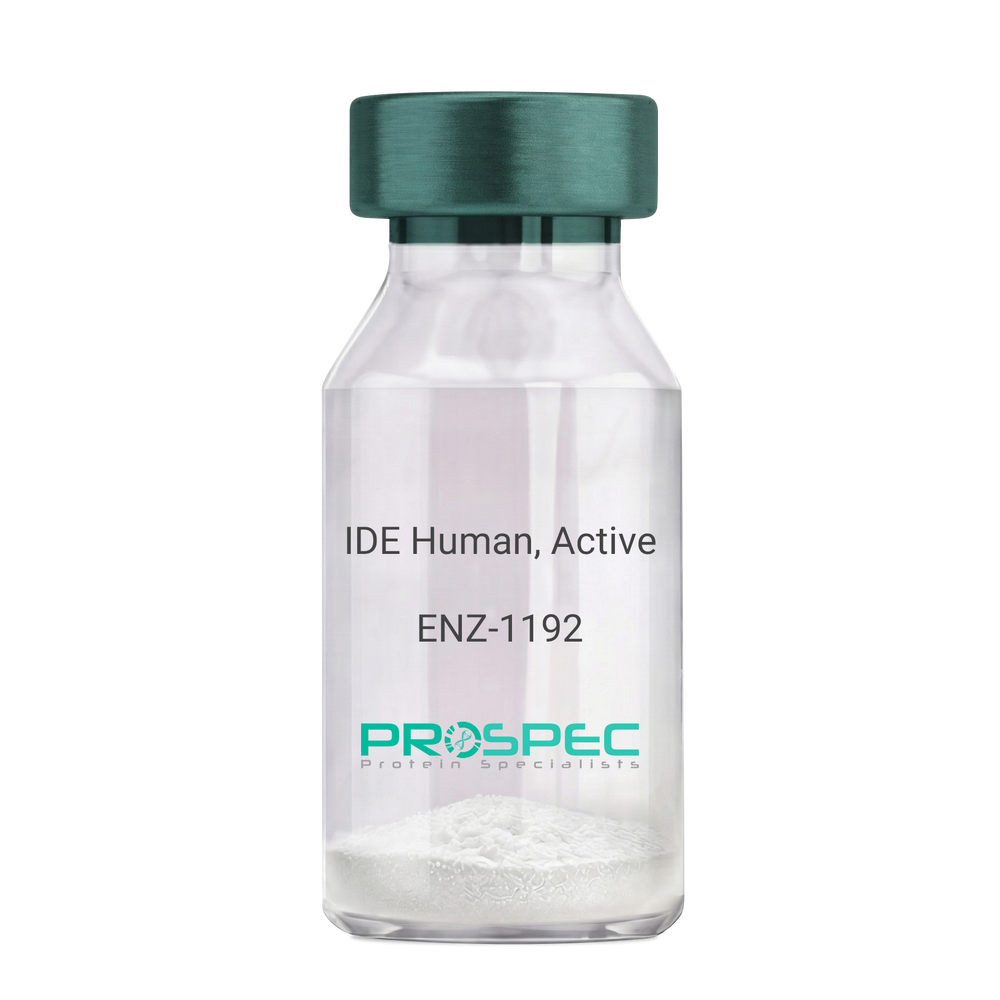
IDE Human, ActiveDescription:
Insulin-Degrading Enzyme Human Recombinant
Insulin-Degrading Enzyme, Abeta-Degrading Protease, Insulysin, EC 3.4.24.56, Insulinase, Insulin Protease, INSULYSIN, EC 3.4.24, IDE, insulin-degrading enzyme isoform 1.
Product # :
ENZ-1192Price :
Quantity :
Shipping Method :
Shipped with Ice Packs
More Info
- description
- source
- formulation
- purity
- biological activity
- More Info
Description
IDE Human, Active Human Recombinant produced in E.Coli is a single, non-glycosylated, polypeptide chain (42-1019 a.a) containing a total of 984 amino acids, having a molecular mass of 114 kDa. IDE is fused to a 6 amino acid His-tag at C-terminus and is purified by proprietary chromatographic techniques.
Source
Escherichia Coli.
Formulation
The IDE solution (0.5mg/ml) contains 10% Glycerol, 100mM NaCl, 0.05% Brij35 and 20mM Tris-HCl buffer (pH 7.5).
Purity
Greater than 90.0% as determined by SDS-PAGE.
Biological Activity
Specific activity is greater than 3,000 pmol/min/ug in which 1 unit will convert 1.0 pmole of Mca-RPPGFSAFK(Dnp)-OH to MCA-Pro-Leu-OH per minute at pH 7.5 at 25°C.
More Info
-
Synonyms
Insulin-Degrading Enzyme, Abeta-Degrading Protease, Insulysin, EC 3.4.24.56, Insulinase, Insulin Protease, INSULYSIN, EC 3.4.24, IDE, insulin-degrading enzyme isoform 1.
-
Physical Appearance
Filtered colorless solution.
-
Stability
Store at 4°C if entire vial will be used within 2-4 weeks. Store, frozen at -20°C for longer periods of time. For long term storage it is recommended to add a carrier protein (0.1% HSA or BSA). Avoid multiple freeze-thaw cycles.
-
Amino Acid Sequence
MNNPAIKRIG NHITKSPEDK REYRGLELAN GIKVLLISDP TTDKSSAALD VHIGSLSDPP NIAGLSHFCE HMLFLGTKKY PKENEYSQFL SEHAGSSNAF TSGEHTNYYF DVSHEHLEGA LDRFAQFFLC PLFDESCKDR EVNAVDSEHE KNVMNDAWRL FQLEKATGNP KHPFSKFGTG NKYTLETRPN QEGIDVRQEL LKFHSAYYSS NLMAVCVLGR ESLDDLTNLV VKLFSEVENK NVPLPEFPEH PFQEEHLKQL YKIVPIKDIR NLYVTFPIPD LQKYYKSNPG HYLGHLIGHE GPGSLLSELK SKGWVNTLVG GQKEGARGFM FFIINVDLTE EGLLHVEDII LHMFQYIQKL RAEGPQEWVF QECKDLNAVA FRFKDKERPR GYTSKIAGIL HYYPLEEVLT AEYLLEEFRP DLIEMVLDKL RPENVRVAIV SKSFEGKTDR TEEWYGTQYK QEAIPDEVIK KWQNADLNGK FKLPTKNEFI PTNFEILPLE KEATPYPALI KDTAMSKLWF KQDDKFFLPK ACLNFEFFSP FAYVDPLHCN MAYLYLELLK DSLNEYAYAA ELAGLSYDLQ NTIYGMYLSV KGYNDKQPIL LKKIIEKMAT FEIDEKRFEI IKEAYMRSLN NFRAEQPHQH AMYYLRLLMT EVAWTKDELK EALDDVTLPR LKAFIPQLLS RLHIEALLHG NITKQAALGI MQMVEDTLIE HAHTKPLLPS
QLVRYREVQL PDRGWFVYQQ RNEVHNNCGI EIYYQTDMQS TSENMFLELF CQIISEPCFN TLRTKEQLGY IVFSGPRRAN GIQGLRFIIQ SEKPPHYLES RVEAFLITME KSIEDMTEEA FQKHIQALAI RRLDKPKKLS AECAKYWGEI ISQQYNFDRD NTEVAYLKTL TKEDIIKFYK EMLAVDAPRR HKVSVHVLAR EMDSCPVVGE FPCQNDINLS QAPALPQPEV IQNMTEFKRG LPLFPLVKPH INFMAAKLHH HHHH. -
Background
Insulin-degrading enzyme (IDE) is a crucial protease that plays a significant role in maintaining glucose homeostasis by degrading insulin and other bioactive peptides. Dysregulation of IDE has been implicated in various metabolic disorders, particularly type 2 diabetes mellitus. IDE is also associated with the clearance of amyloid-beta peptides in the brain, making it relevant to Alzheimer's disease pathology. Studying the recombinant form of IDE is fundamental to understanding its functional mechanisms and exploring potential avenues for therapeutic interventions.
The primary goal of this research is to express and purify recombinant IDE using diverse expression systems. Recombinant DNA techniques will be employed to construct expression vectors containing the IDE gene, followed by expression in bacterial, yeast, or mammalian cell-based systems. The recombinant IDE will be purified using affinity chromatography or other appropriate methods, facilitating subsequent biochemical and biophysical characterization.
The second objective is to investigate the substrate specificity and catalytic activity of the purified IDE. In vitro enzymatic assays will be conducted to analyse the ability of the recombinant IDE to degrade insulin and other potential substrates. The effects of various factors, such as pH, temperature, and potential modulators, on IDE activity will be evaluated. Additionally, the interactions between IDE and its substrates will be explored using binding assays.
The third objective is to elucidate the three-dimensional structure of the IDE recombinant using techniques like X-ray crystallography or nuclear magnetic resonance (NMR) spectroscopy. Structural insights into the active site and binding pockets of IDE will provide valuable information for understanding its substrate recognition and catalytic mechanisms. This knowledge could be instrumental in designing targeted therapeutic compounds.
By characterizing the IDE recombinant, this research aims to contribute to our understanding of its role in insulin metabolism, glucose regulation, and potential therapeutic applications. The findings from this study may have implications for the development of novel treatments for diabetes and other related disorders.
ProSpec's products are furnished for LABORATORY RESEARCH USE ONLY. The product may not be used as drugs, agricultural or pesticidal products, food additives or household chemicals.
- View Data Sheet
Name :
IL 27 HumanDescription:
Interleukin-27 Human Recombinant
Interleukin-30, IL-30, IL-27/p28, p28, Interleukin-27, Interleukin-27/p28, IL-27, Interleukin-27 subunit alpha, IL-27 subunit alpha, IL27-A, Il27, Il27a, IL-27p28.
Product # :
CYT-048Price :
Quantity :
Shipping Method :
Shipped at Room temp
More Info
- description
- source
- formulation
- purity
- biological activity
- More Info
Description
IL-27 Human Recombinant produced in HEK cells is a glycosylated non-covalently heterodimer that consists of 2 chains, IL27A (IL27p28) having a Mw of 25kDa and IL27B (EBI3) having a Mw of 30kDa. Each chain migrates separately on SDS-PAGE. The IL-27 protein is purified by proprietary chromatographic techniques
Source
HEK.
Formulation
The IL-27 was lyophilized from 1mg/ml in 1xPBS.
Purity
Greater than 90% as obsereved by SDS-PAGE.
Biological Activity
The specific activity was determined by the dose dependent inhibition of HIV replication in human CD4+ T cells and in human monocyte-derived macrophages and is typically 4-12ng/ml.More Info
-
Introduction
Interleukin-27 protein is related to IL-12A & is one of the subunits of a heterodimeric cytokine complex. IL-27 interacts with EBV induced gene 3 also called EBI3, and forms a complex that drives rapid expansion of CD4 (+) T cells. IL-27 complex is synergizes with IL-12 in order to trigger the cytokine production of IFN-Gamma of CD4 (+) T cells. The biological effect of IL-27 is mediated by class-I cytokine receptor (WSX1/TCRR). The pro-inflammatory activity of IL-27 is mediated through the growing expression of key molecules involved in the MHC class-I & MHC class-II pathways. Both MHC class-I and MHC-class-II expression are increased in endothelial cells after Interleukin-27 stimulation which suggests that it may play an important role in conferring the immune function on vascular endothelium IL-27p28 subunit can be induced by IFN-beta and during LPS-induced maturation of dendritic cells in type-I IFN-dependent manner through IFN regulatory factor-1 activation. Interleukin-27 regulates Interleukin-12 responsiveness of CD4+ T cells through Stat1-dependent and -independent mechanisms. IL-17 & IL-23 play an important IL-17 role in inflammation. Interleukin-27 possesses potent anti-angiogenic activity that plays an important role in its antitumor and antimetastatic activities. EBV induced gene 3 plays a role, independently from IL-27, in regulating anti-viral or anti-tumoral immune responses. Interleukin-27 is a potent inhibitor of HIV-1 replication in macrophages, CD4+ T cells, peripheral blood mononuclear cells. Interleukin-27 triggers STAT activation and gene transcription.
-
Synonyms
Interleukin-30, IL-30, IL-27/p28, p28, Interleukin-27, Interleukin-27/p28, IL-27, Interleukin-27 subunit alpha, IL-27 subunit alpha, IL27-A, Il27, Il27a, IL-27p28.
-
Physical Appearance
Sterile Filtered White lyophilized (freeze-dried) powder.
-
Stability
Lyophilized IL-27 although stable at room temperature for 3 weeks, should be stored desiccated below -18°C. Upon reconstitution IL27 should be stored at 4°C between 2-7 days and for future use below -18°C.For long term storage it is recommended to add a carrier protein (0.1% HSA or BSA).Please prevent freeze-thaw cycles.
-
Solubility
It is recommended to reconstitute the lyophilized IL-27 in sterile PBS containing 0.1% endotoxin-free recombinant HSA.
-
Amino Acid Sequence
IL-27A (215aa):
FPRPPGRPQL SLQELRREFT VSLHLARKLL AEVRGQAHRF AESHLPGVNL YLLPLGEQLP DVSLTFQAWR RLSDPERLCF ISTTLQPFHA LLGGLGTQGR WTNMERMQLW AMRLDLRDLQ RHLRFQVLAA GFNLPEEEEE EEEEEEEERK GLLPGALGSA LQGPAQVSWP QLLSTYRLLH SLELVLSRAV RELLLLSKAG HSVWPLGFPT LSPQP.
IL-27B (209aa):
RKGPPAALTL PRVQCRASRY PIAVDCSWTL PPAPNSTSPV SFIATYRLGM AARGHSWPCL QQTPTSTSCT ITDVQLFSMA PYVLNVTAVH PWGSSSSFVP FITEHIIKPD PPEGVRLSPL AERQLQVQWE PPGSWPFPEI FSLKYWIRYK RQGAARFHRV GPIEATSFIL RAVRPRARYY VQVAAQDLTD YGELSDWSLP ATATMSLGK.
ProSpec's products are furnished for LABORATORY RESEARCH USE ONLY. The product may not be used as drugs, agricultural or pesticidal products, food additives or household chemicals.
- View Data Sheet
Name :
Leptin Mouse, PEGDescription:
Pegylated Mouse Leptin Recombinant
OB Protein, Obesity Protein, OBS, Obesity factor.
Product # :
CYT-591Price :
Quantity :
Shipping Method :
Shipped at Room temp
More Info
- description
- source
- formulation
- purity
- biological activity
- More Info
Description
Leptin Mono-Pegylated Mouse Recombinant produced in E.Coli is a single, non-glycosylated, polypeptide chain containing 146 amino acids and an additional Ala at N-terminus. Pegylated Mouse Leptin contains PEG 20 kDa at its N-terminus and having a molecular mass of 35.6 kDa as determined by mass spectrometry. Since its enlarged hydrodymanic volume Pegylated Leptin runs on SDS-PAGE as A 48 kDa protein and in gel-filtration on Superdex 200 as over 100 kDa protein. Pegylated Mouse Leptin half-life in circulation after SC injection was over 20 hours. Mouse Leptin was purified by proprietary chromatographic techniques according to Salomon et al (2006) Protein Expression and Purification 47, 128–136 and then pegylated.
Source
Escherichia Coli.
Formulation
The mouse Leptin was lyophilized from a concentrated (0.65mg/ml) solution containing 0.003mM NaHCO3.
Purity
Greater than 99.0% as determined by:
(a) Analysis by Gel-Filtration.
(b) Analysis by SDS-PAGE.Biological Activity
Pegylated mouse Leptin is capable of stimulatng proliferation of BAF/3 cells stably transfected with the long form of human leptin receptor. Pegylated mouse Leptin in vitro activity is only slightly lower than the non-pegylated antagonist but in vivo it has profound weight reducing effect (as compared to the non-pegylated leptin), resulting mainly from reduced food intake.More Info
-
Introduction
A 16-kDa peptide hormone secreted from white adipocytes and implicated in the regulation of food intake and energy balance. Leptin provides the key afferent signal from fat cells in the feedback system that controls body fat stores.
-
Synonyms
OB Protein, Obesity Protein, OBS, Obesity factor.
-
Physical Appearance
Sterile Filtered White lyophilized (freeze-dried) powder.
-
Stability
Lyophilized Leptin although stable at room temperature for 3 weeks, should be stored desiccated below -18°C. Upon reconstitution Leptin should be stored at 4°C between 2-7 days and for future use below -18°C.For long term storage it is recommended to add a carrier protein (0.1% HSA or BSA).Please prevent freeze-thaw cycles.
-
Solubility
It is recommended to reconstitute the lyophilized Leptin in sterile 0.4% NaHCO3 adjusted to pH-8.5 not less than 100µg/ml, which can then be further diluted to other aqueous solutions.
ProSpec's products are furnished for LABORATORY RESEARCH USE ONLY. The product may not be used as drugs, agricultural or pesticidal products, food additives or household chemicals.
- View Data Sheet
Name :
SIRPA Human, HEKDescription:
Signal-Regulatory Protein Alpha Human Recombinant, HEK
Tyrosine-protein phosphatase non-receptor type substrate 1 isoform 1, SHP substrate 1, SHPS-1, Brain Iglike molecule with tyrosine-based activation motifs, Bit, CD172 antigen-like family member A, MYD1, PTPNS1, SHPS1,SIRP, Inhibitory receptorSHPS-1, Macrophage fusion receptor, MyD-1 antigen, Signal-regulatory protein alpha-1, Sirp-alpha-1, Signalregulatory protein alpha-2, Sirp-alpha-2, Signal-regulatory protein alpha-3, Sirp-alpha-3, p84, CD172a, BIT, MFR.
Product # :
PRO-2755Price :
Quantity :
Shipping Method :
Shipped with Ice Packs
More Info
- description
- source
- formulation
- purity
- biological activity
- More Info
Description
SIRPA Human Recombinant produced in HEK293 cells is a single, glycosylated polypeptide chain (27-373a.a) containing 356 amino acids and having a molecular mass of 39kDa.SIRPA is fused to a 6 amino acid His-tag at C-terminus,and is purified by proprietary chromatographic techniques.
Source
HEK293 Cells.
Formulation
The SIRPA solution (1mg/ml) contains Phosphate-Buffered Saline (pH 7.4) and 10% glycerol.
Purity
Greater than 95% as determined by SDS-PAGE.
Biological Activity
Measured by its binding ability in a functional ELISA with Human CD47.
More Info
-
Introduction
Signal-Regulatory Protein Alpha, SIRPA belongs to the signal-regulatory-protein (SIRP) family, as well as the immunoglobulin super family. The members of the SIRP family are receptor-type transmembrane glycoproteins which are involved in the negative regulation of receptor tyrosine kinase-coupled signaling processes.
SIRPA can be phosphorylated by tyrosine kinases. The phospho-tyrosine residues of this PTP have been shown to recruit SH2 domain containing tyrosine phosphatases (PTP), and perform as substrates of PTPs. SIRPA take part in signal transduction mediated by a variety of growth factor receptors. CD47 has been shown to be a ligand for SIRPA. -
Synonyms
Tyrosine-protein phosphatase non-receptor type substrate 1 isoform 1, SHP substrate 1, SHPS-1, Brain Iglike molecule with tyrosine-based activation motifs, Bit, CD172 antigen-like family member A, MYD1, PTPNS1, SHPS1,SIRP, Inhibitory receptor
SHPS-1, Macrophage fusion receptor, MyD-1 antigen, Signal-regulatory protein alpha-1, Sirp-alpha-1, Signalregulatory protein alpha-2, Sirp-alpha-2, Signal-regulatory protein alpha-3, Sirp-alpha-3, p84, CD172a, BIT, MFR. -
Physical Appearance
Sterile Filtered clear solution.
-
Stability
Store at 4°C if entire vial will be used within 2-4 weeks. Store, frozen at -20°C for longer periods of time. For long term storage it is recommended to add a carrier protein (0.1% HSA or BSA).Avoid multiple freeze-thaw cycles.
-
Amino Acid Sequence
DGSGVAGEEE LQVIQPDKSV LVAAGETATL RCTATSLIPV GPIQWFRGAG PGRELIYNQK EGHFPRVTTV SDLTKRNNMD FSIRIGNITP ADAGTYYCVK FRKGSPDDVE FKSGAGTELS VRAKPSAPVV SGPAARATPQ HTVSFTCESH GFSPRDITLK WFKNGNELSD FQTNVDPVGE SVSYSIHSTA KVVLTREDVH SQVICEVAHV TLQGDPLRGT ANLSETIRVP PTLEVTQQPV RAENQVNVTC QVRKFYPQRL QLTWLENGNV SRTETASTVT ENKDGTYNWM SWLLVNVSAH RDDVKLTCQV EHDGQPAVSK SHDLKVSAHP KEQGSNTAAE NTGSNERNIY HHHHHH.
ProSpec's products are furnished for LABORATORY RESEARCH USE ONLY. The product may not be used as drugs, agricultural or pesticidal products, food additives or household chemicals.