Skip to content

High-quality research proteins.

  • 1-800-805-6531

  • Mon - Sat 8.00-18.00, Sun - Closed

  • info@prospecbio.com

  • PO Box 6591 East Brunswick NJ 08816

  • Products
    • Cytokines
    • Growth factors
    • Chemokines
    • Cd antigens
    • Neurotrophins
    • Hormones
    • Enzymes
    • Viral antigens
    • Recombinant proteins
    • Natural proteins
    • Monoclonal antibodies
    • Polyclonal antibodies
    • Thermal Packaging
  • About
    • Company
    • Founder
    • Contribution
  • Customers
    • Eastern Asia
    • Eastern Europe
    • North America
    • South America
    • South East Asia
    • Southern Asia
    • Western Europe
  • Ordering
    • Ordering Method
    • Ordering - Credit Card
    • Ordering - PO
    • Shipping Fees
    • FAQs
  • Services
    • DNA Cloning
    • Protein Expression
    • Monoclonal Antibody
    • Fermentation
    • Technology License
  • Contact us
Log in

Country/region

  • USD $ | Albania
  • USD $ | Andorra
  • USD $ | Argentina
  • USD $ | Armenia
  • USD $ | Australia
  • USD $ | Austria
  • USD $ | Azerbaijan
  • USD $ | Belarus
  • USD $ | Belgium
  • USD $ | Bolivia
  • USD $ | Brazil
  • USD $ | Bulgaria
  • USD $ | Cambodia
  • USD $ | Canada
  • USD $ | Chile
  • USD $ | China
  • USD $ | Colombia
  • USD $ | Costa Rica
  • USD $ | Croatia
  • USD $ | Cyprus
  • USD $ | Czechia
  • USD $ | Denmark
  • USD $ | Estonia
  • USD $ | Finland
  • USD $ | France
  • USD $ | Georgia
  • USD $ | Germany
  • USD $ | Greece
  • USD $ | Hong Kong SAR
  • USD $ | Hungary
  • USD $ | Iceland
  • USD $ | India
  • USD $ | Ireland
  • USD $ | Israel
  • USD $ | Italy
  • USD $ | Japan
  • USD $ | Kazakhstan
  • USD $ | Latvia
  • USD $ | Liechtenstein
  • USD $ | Lithuania
  • USD $ | Madagascar
  • USD $ | Malta
  • USD $ | Mexico
  • USD $ | Moldova
  • USD $ | Monaco
  • USD $ | Netherlands
  • USD $ | New Zealand
  • USD $ | North Macedonia
  • USD $ | Norway
  • USD $ | Panama
  • USD $ | Paraguay
  • USD $ | Peru
  • USD $ | Philippines
  • USD $ | Poland
  • USD $ | Portugal
  • USD $ | Romania
  • USD $ | Singapore
  • USD $ | Slovakia
  • USD $ | Slovenia
  • USD $ | South Africa
  • USD $ | South Korea
  • USD $ | Spain
  • USD $ | Sri Lanka
  • USD $ | Sweden
  • USD $ | Switzerland
  • USD $ | Taiwan
  • USD $ | Thailand
  • USD $ | Türkiye
  • USD $ | Ukraine
  • USD $ | United Kingdom
  • USD $ | United States
  • USD $ | Uruguay
  • USD $ | Vatican City
  • USD $ | Venezuela
  • USD $ | Vietnam
  • Facebook
  • Instagram
logoProSpec - Recombinant Protein Manufacturer for academic and R&D industry
Become a distributor
Account Log in
Wishlist
Cart Cart(0)
  • Products
    +
    • Cytokines
    • Growth factors
    • Chemokines
    • Cd antigens
    • Neurotrophins
    • Hormones
    • Enzymes
    • Viral antigens
    • Recombinant proteins
    • Natural proteins
    • Monoclonal antibodies
    • Polyclonal antibodies
    • Thermal Packaging
  • About
    +
    • Company
    • Founder
    • Contribution
  • Customers
    +
    • Eastern Asia
    • Eastern Europe
    • North America
    • South America
    • South East Asia
    • Southern Asia
    • Western Europe
  • Ordering
    +
    • Ordering Method
    • Ordering - Credit Card
    • Ordering - PO
    • Shipping Fees
    • FAQs
  • Services
    +
    • DNA Cloning
    • Protein Expression
    • Monoclonal Antibody
    • Fermentation
    • Technology License
  • Contact us

Item added to your cart

View cart
View All
  • Cytokines
  • Growth factors
  • Chemokines
  • Cd antigens
  • Neurotrophins
  • Hormones
  • Enzymes
  • Viral antigens
  • Recombinant proteins
  • Natural proteins
  • Monoclonal antibodies
  • Polyclonal antibodies
  • Thermal Packaging
  • Tumor Necrosis Factor

    Tumor Necrosis Factor

    View All
  • 4-1BB

    4-1BB

    View All
  • Adiponectin

    Adiponectin

    View All
  • AIF1

    AIF1

    View All
  • Other Cytokines

    Other Cytokines

    View All
  • AITRL

    AITRL

    View All
  • Angiopoietin

    Angiopoietin

    View All
  • Apolipoprotein

    Apolipoprotein

    View All
  • B-Cell Activating Factor

    B-Cell Activating Factor

    View All
  • Beta Defensin

    Beta Defensin

    View All
  • Bone Morphogenetic Protein

    Bone Morphogenetic Protein

    View All
  • B type Natriuretic Peptide

    B type Natriuretic Peptide

    View All
  • BST

    BST

    View All
  • Betacellulin

    Betacellulin

    View All
  • Cardiotrophin

    Cardiotrophin

    View All
  • Activin

    Activin

    View All
  • Fibroblast Growth Factor

    Fibroblast Growth Factor

    View All
  • Other Growth Factors

    Other Growth Factors

    View All
  • CSF

    CSF

    View All
  • CTGF

    CTGF

    View All
  • IGFBP

    IGFBP

    View All
  • VEGF Protein

    VEGF Protein

    View All
  • EGF

    EGF

    View All
  • Epigen

    Epigen

    View All
  • Erythropoietin

    Erythropoietin

    View All
  • Insulin-Like Growth Factor

    Insulin-Like Growth Factor

    View All
  • Growth Hormone

    Growth Hormone

    View All
  • HDGF

    HDGF

    View All
  • Hepatocyte Growth Factor

    Hepatocyte Growth Factor

    View All
  • Insulin

    Insulin

    View All
  • BCA-1/ BLC (CXCL13)

    BCA-1/ BLC (CXCL13)

    View All
  • BRAK (CXCL14)

    BRAK (CXCL14)

    View All
  • C-10 (CCL6)

    C-10 (CCL6)

    View All
  • Other Chemokines

    Other Chemokines

    View All
  • MEC (CCL28)

    MEC (CCL28)

    View All
  • LD78-beta (CCL3L1)

    LD78-beta (CCL3L1)

    View All
  • CTACK (CCL27)

    CTACK (CCL27)

    View All
  • CXCL16

    CXCL16

    View All
  • CXCL17

    CXCL17

    View All
  • Platelet Factor-4 (CXCL4)

    Platelet Factor-4 (CXCL4)

    View All
  • ENA-78 (CXCL5)

    ENA-78 (CXCL5)

    View All
  • Eotaxin (CCL11,24,26)

    Eotaxin (CCL11,24,26)

    View All
  • Exodus-2 (CCL21)

    Exodus-2 (CCL21)

    View All
  • Fractalkine (CX3CL1)

    Fractalkine (CX3CL1)

    View All
  • CXCL6

    CXCL6

    View All
  • Other CD Antigens

    Other CD Antigens

    View All
  • CD14

    CD14

    View All
  • CD164

    CD164

    View All
  • CD1

    CD1

    View All
  • CD2

    CD2

    View All
  • CD200

    CD200

    View All
  • CD207

    CD207

    View All
  • CD226

    CD226

    View All
  • CD23

    CD23

    View All
  • CD244

    CD244

    View All
  • CD247

    CD247

    View All
  • CD27

    CD27

    View All
  • CD274

    CD274

    View All
  • CD300

    CD300

    View All
  • CD33

    CD33

    View All
  • Other Neurotrophins

    Other Neurotrophins

    View All
  • Beta-NGF

    Beta-NGF

    View All
  • BDNF

    BDNF

    View All
  • CDNF

    CDNF

    View All
  • CNTF

    CNTF

    View All
  • GDNF

    GDNF

    View All
  • Glia Maturation Factor

    Glia Maturation Factor

    View All
  • MANF

    MANF

    View All
  • Midkine

    Midkine

    View All
  • Neuroglobin

    Neuroglobin

    View All
  • Neurotrophic factors

    Neurotrophic factors

    View All
  • Neuregulin

    Neuregulin

    View All
  • Neuropilin

    Neuropilin

    View All
  • Pigment Epithelium-Derived Factor

    Pigment Epithelium-Derived Factor

    View All
  • Pleiotrophin

    Pleiotrophin

    View All
  • Peptide Hormones

    Peptide Hormones

    View All
  • Other Hormones

    Other Hormones

    View All
  • HCG

    HCG

    View All
  • Endothelin

    Endothelin

    View All
  • Exendin

    Exendin

    View All
  • FSH

    FSH

    View All
  • Glucagon

    Glucagon

    View All
  • GHRP

    GHRP

    View All
  • GLP

    GLP

    View All
  • Thyrostimulin

    Thyrostimulin

    View All
  • Inhibin A

    Inhibin A

    View All
  • LHRH

    LHRH

    View All
  • Melanotan

    Melanotan

    View All
  • Procalcitonin

    Procalcitonin

    View All
  • PTH

    PTH

    View All
  • Peroxiredoxin

    Peroxiredoxin

    View All
  • Peptidase

    Peptidase

    View All
  • Synthetase

    Synthetase

    View All
  • Transferase

    Transferase

    View All
  • Hydrolase

    Hydrolase

    View All
  • Dehydrogenase

    Dehydrogenase

    View All
  • ACE2

    ACE2

    View All
  • Esterase

    Esterase

    View All
  • Protein Kinases

    Protein Kinases

    View All
  • Other Enzymes

    Other Enzymes

    View All
  • Phosphatase

    Phosphatase

    View All
  • Deaminase

    Deaminase

    View All
  • Oxygenase

    Oxygenase

    View All
  • Adenylate Kinase

    Adenylate Kinase

    View All
  • Lyase

    Lyase

    View All
  • Chagas

    Chagas

    View All
  • SARS

    SARS

    View All
  • Influenza

    Influenza

    View All
  • ASFV

    ASFV

    View All
  • Astrovirus

    Astrovirus

    View All
  • Borrelia

    Borrelia

    View All
  • Helicobacter Pylori

    Helicobacter Pylori

    View All
  • Chikungunya

    Chikungunya

    View All
  • Chlamydia

    Chlamydia

    View All
  • Cytomegalo

    Cytomegalo

    View All
  • Dengue

    Dengue

    View All
  • EBV

    EBV

    View All
  • Ebola

    Ebola

    View All
  • Feline Leukemia Virus

    Feline Leukemia Virus

    View All
  • Hepatitis A

    Hepatitis A

    View All
  • Other

    Other

    View All
  • Actin

    Actin

    View All
  • ADAM

    ADAM

    View All
  • Complement Component

    Complement Component

    View All
  • Ag85

    Ag85

    View All
  • Eukaryotic Translation Initiation Factor

    Eukaryotic Translation Initiation Factor

    View All
  • Anterior Gradient Protein

    Anterior Gradient Protein

    View All
  • Heat Shock Protein

    Heat Shock Protein

    View All
  • Alpha-2-HS-Glycoprotein

    Alpha-2-HS-Glycoprotein

    View All
  • Hemoglobin

    Hemoglobin

    View All
  • Allergy

    Allergy

    View All
  • Anaplasma

    Anaplasma

    View All
  • Angiogenin

    Angiogenin

    View All
  • Ankyrin Repeat Domain

    Ankyrin Repeat Domain

    View All
  • Annexin

    Annexin

    View All
  • Other Natural Proteins

    Other Natural Proteins

    View All
  • Aprotinin

    Aprotinin

    View All
  • Transferrin

    Transferrin

    View All
  • Avidin

    Avidin

    View All
  • Anti Coagulation Factors

    Anti Coagulation Factors

    View All
  • Natural Albumin

    Natural Albumin

    View All
  • Natural Coagulation Factors

    Natural Coagulation Factors

    View All
  • Fibronectin

    Fibronectin

    View All
  • Thrombin

    Thrombin

    View All
  • Anti Human Enzyme

    Anti Human Enzyme

    View All
  • Other Monoclonal Antibodies

    Other Monoclonal Antibodies

    View All
  • Anti Human Cytokine

    Anti Human Cytokine

    View All
  • Anti Human Heat Shock Protein

    Anti Human Heat Shock Protein

    View All
  • Anti Mouse Lymphocyte

    Anti Mouse Lymphocyte

    View All
  • Anti Human Chemokine

    Anti Human Chemokine

    View All
  • Anti Human Lymphocyte

    Anti Human Lymphocyte

    View All
  • Anti Viral Monoclonal

    Anti Viral Monoclonal

    View All
  • Anti Mouse Cytokine

    Anti Mouse Cytokine

    View All
  • Anti-GST Monoclonal

    Anti-GST Monoclonal

    View All
  • Other Polyclonal Antibodies

    Other Polyclonal Antibodies

    View All
  • Anti Viral

    Anti Viral

    View All
  • Anti-GST Monoclonal

    Anti-GST Monoclonal

    View All
Back

Search results

1000 results found for “neurotrophic factors”

Name

Description

Product #

Price

Quantity

Shipping Method

  • View Data Sheet

    Name :

    Activin-A Human Active

    Description:

    Activin-A Human Recombinant, Active

    Inhba, Inhibin beta A, FSH releasing protein.

    Product # :

    CYT-145

    Price :

    Quantity :

    Shipping Method :

    Room Temp Icon

    Shipped at Room temp

    Add To Cart

    More Info

    • description
    • source
    • formulation
    • purity
    • biological activity
    • More Info

    Description

    Active form Activin-A Human Recombinant produced in e.coli is a homodimeric, non-glycosylated, polypeptide chain containing 2 x 117 amino acids and having a molecular weight of 26.2kDa.The Active form Activin-A is purified by standard chromatographic techniques.

    Source

    E.Coli.

    Formulation

    Human Activin-A was lyophilized from a concentrated 1mg/ml protein solution containing 0.1% TFA.

    Purity

    Greater than 95% as obsereved by SDS-PAGE.

    Biological Activity

    Biological activity is assessed by the ability to induce cytotoxicity of MPC-11 cells and was found to be 8.95ng/ml corresponding to a specific activity of 1.1 x 10⁵ units/mg.

    More Info

    • Introduction

      Activins are homodimers or heterodimers of the different β subunit isoforms, part of the TGFβ family. Mature Activin A has two 116 amino acids residues βA subunits (βA-βA). Activin displays an extensive variety of biological activities, including mesoderm induction, neural cell differentiation, bone remodelling, haematopoiesis, and reproductive physiology. Activins takes part in the production and regulation of hormones such as FSH, LH, GnRH and ACTH. Cells that are identified to express Activin A include fibroblasts, endothelial cells, hepatocytes, vascular smooth muscle cells, macrophages, keratinocytes, osteoclasts, bone marrow monocytes, prostatic epithelium, neurons, chondrocytes, osteoblasts, Leydig cells, Sertoli cells, and ovarian granulosa cells.

    • Synonyms

      Inhba, Inhibin beta A, FSH releasing protein.

    • Physical Appearance

      Lyophilized freeze dried powder.

    • Stability

      Lyophilized Activin-A although stable at room temperature for 3 weeks, should be stored desiccated below -18°C. Upon reconstitution Activin-A should be stored at 4°C between 2-7 days and for future use below -18°C.For long term storage it is recommended to add a carrier protein (0.1% HSA or BSA).Please prevent freeze-thaw cycles.

    • Solubility

      Human INHBA protein should be reconstituted in distilled pyrogen free water to a concentration of 100ug /ml which can then be further diluted to other aqueous solutions.

    • Amino Acid Sequence

      MGLECDGKVN ICCKKQFFVS FKDIGWNDWI IAPSGYHANY CEGECPSHIA GTSGSSLSFH STVINHYRMR GHSPFANLKS CCVPTKLRPM SMLYYDDGQN IIKKDIQNMI VEECGCS.

    • Background

      Title: Research on Activin A Human Recombinant: Molecular Characteristics, Signaling Pathways, Physiological Functions, and Therapeutic Potential

      Introduction:

      Activin A, a member of the transforming growth factor-beta (TGF-β) superfamily, is a multifunctional cytokine that plays a significant role in various biological processes in the human body. Its involvement in diverse physiological and pathological functions has garnered considerable attention in scientific research. This paper aims to provide an overview of Activin A, encompassing its molecular characteristics, signaling pathways, physiological functions, and therapeutic potential.

      Activin A is encoded by the INHBA gene and is produced as a precursor protein that undergoes post-translational modifications to generate the mature form. The mature Activin A protein consists of two β-subunits held together by disulfide bonds. These structural features contribute to its functional properties and interactions with specific receptors.

      Upon binding to its cell surface receptors, Activin A triggers intracellular signaling cascades, leading to various cellular responses. Canonical SMAD-dependent pathway as well as non-SMAD pathways, such as MAPK/ERK, PI3K/Akt, and JNK signaling, are activated by Activin A. The intricate network of signaling pathways enables Activin A to regulate diverse biological processes, including cell proliferation, differentiation, apoptosis, and tissue homeostasis.

      Activin A exerts its physiological functions in a tissue-specific manner. It plays a critical role in embryonic development, particularly in organogenesis and patterning. Additionally, Activin A is involved in reproductive biology, where it participates in folliculogenesis, spermatogenesis, and hormonal regulation. It also contributes to neural development, immune system modulation, and skeletal homeostasis.

      The multifunctional properties of Activin A have positioned it as a potential therapeutic target for various diseases. Its involvement in cancer, neurodegenerative disorders, fibrosis, and reproductive disorders has prompted extensive research to explore its therapeutic potential. Understanding the molecular mechanisms underlying Activin A's actions provides valuable insights for developing innovative therapeutic strategies.

      In conclusion, Activin A is a versatile cytokine with diverse roles in human biology. This research aims to deepen our understanding of its molecular characteristics, signaling pathways, physiological functions, and therapeutic potential. By elucidating the complexities of Activin A, we strive to pave the way for novel therapeutic interventions in various human diseases.

    ProSpec's products are furnished for LABORATORY RESEARCH USE ONLY. The product may not be used as drugs, agricultural or pesticidal products, food additives or household chemicals.

    Inhba Human
  • View Data Sheet

    Name :

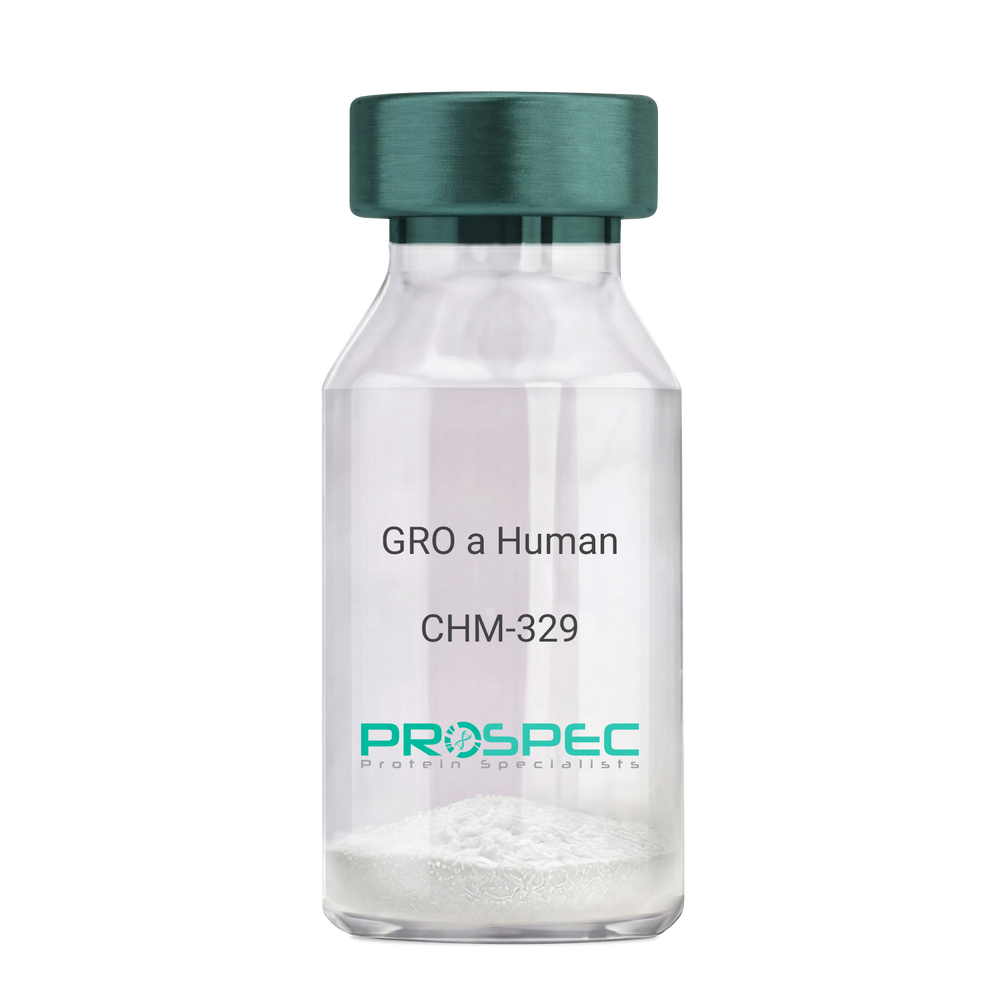
    CXCL1 Human

    Description:

    GRO-Alpha Human Recombinant (CXCL1)

    Growth-regulated protein alpha, CXCL1, Melanoma growth stimulatory activity, MGSA, Neutrophil-activating protein 3, NAP-3, GRO-alpha (1-73), chemokine (C-X-C motif) ligand 1, GRO1, GROa, SCYB1, MGSA-a, MGSA alpha.

    Product # :

    CHM-329

    Price :

    Quantity :

    Shipping Method :

    Room Temp Icon

    Shipped at Room temp

    Add To Cart

    More Info

    • description
    • source
    • formulation
    • purity
    • biological activity
    • More Info

    Description

    GRO Alpha Human Recombinant produced in E.Coli is a single,non-glycosylated, polypeptide chain containing 73 amino acids and having a molecular mass of 7811 Dalton. The GRO-alpha is purified by proprietary chromatographic techniques.

    Source

    Escherichia Coli.

    Formulation

    Lyophilized from a 0.2µm filtered concentrated (1mg/ml) solution in 20mM PB, pH 7.4, 50mM NaCl.

    Purity

    Greater than 97.0% as determined by:
    (a) Analysis by RP-HPLC.
    (b) Analysis by SDS-PAGE.

    Biological Activity

    Determined by its ability to chemoattract human peripheral blood neutrophils using a concentration range of 10.0-100.0 ng/ml.

    More Info

    • Introduction

      Chemokine (C-X-C motif) ligand 1 (CXCL1) is a small cytokine belonging to the CXC chemokine family that was previously called GRO1 oncogene, Neutrophil-activating protein 3 (NAP-3) and melanoma growth stimulating activity, alpha (MSGA-a). It is secreted by human melanoma cells, has mitogenic properties and is implicated in melanoma pathogenesis. CXCL1 is expressed by macrophages, neutrophilsand epithelial cells, and has neutrophil chemoattractant activity. CXCL1 plays a role in spinal cord development by inhibiting the migration of oligodendrocyte precursors and is involved in the processes of angiogenesis, inflammation, wound healing, and tumorigenesis. This chemokine elicits its effects by signaling through the chemokine receptor CXCR2. The gene for CXCL1 is located on human chromosome 4 amongst genes for other CXC chemokines.

    • Synonyms

      Growth-regulated protein alpha, CXCL1, Melanoma growth stimulatory activity, MGSA, Neutrophil-activating protein 3, NAP-3, GRO-alpha (1-73), chemokine (C-X-C motif) ligand 1, GRO1, GROa, SCYB1, MGSA-a, MGSA alpha.

    • Physical Appearance

      Sterile Filtered White lyophilized (freeze-dried) powder.

    • Stability

      Lyophilized GRO-alpha although stable at room temperature for 3 weeks, should be stored desiccated below -18°C. Upon reconstitution CXCL1 should be stored at 4°C between 2-7 days and for future use below -18°C. For long term storage it is recommended to add a carrier protein (0.1% HSA or BSA).Please prevent freeze-thaw cycles.

    • Solubility

      It is recommended to reconstitute the lyophilized CXCL1 in sterile 18MΩ-cm H2O not less than 100µg/ml, which can then be further diluted to other aqueous solutions.

    • Amino Acid Sequence

      The sequence of the first five N-terminal amino acids was determined and was found to be Ala-Ser-Val-Ala-Thr.

    • Background

      What is the molecular weight/Mw of CXCL1 HUMAN Protein?
      CXCL1 HUMAN Protein has a total Mw of 7.81kDa.

      What is the source or expression system of CXCL1 HUMAN Protein?
      Escherichia Coli.

      What is the Purity of CXCL1 HUMAN Protein?
      CXCL1 HUMAN Protein is >97% pure as determined by SDS-PAGE.

      What is the Biological Activity of CXCL1 HUMAN Protein?
      Determined by its ability to chemoattract human peripheral blood neutrophils using a concentration range of 10.0-100.0 ng/ml.

      What is the amino acid sequence of CXCL1 HUMAN Protein?
      The sequence of the first five N-terminal amino acids was determined and was found to be Ala-Ser-Val-Ala-Thr.

      What applications can CXCL1 HUMAN Protein be used in?
      CXCL1 HUMAN Protein can probably be used in western blot, ELISA and Lateral Flow.

      What is the endotoxin level for CXCL1 HUMAN Protein?
      The endotoxin level is minimal, CXCL1 HUMAN Protein was purified using conventional chromatography techniques.


    ProSpec's products are furnished for LABORATORY RESEARCH USE ONLY. The product may not be used as drugs, agricultural or pesticidal products, food additives or household chemicals.

    Gro A Human
  • View Data Sheet

    Name :

    Omentin Human

    Description:

    Omentin Human Recombinant

    Intelectin-1, HL1, LFR, HL-1, INTL, ITLN, hIntL.

    Product # :

    CYT-301

    Price :

    Quantity :

    Shipping Method :

    Room Temp Icon

    Shipped at Room temp

    Add To Cart

    More Info

    • description
    • source
    • formulation
    • purity
    • More Info

    Description

    Omentin Human Recombinant is produced in E.Coli by recombinant DNA technology is a single, polypeptide chain containing 313 amino acids and having a molecular mass of 35 kDa. Intelectin is purified by proprietary chromatographic techniques.

    Source

    E.Coli.

    Formulation

    Each mg of lyophilized powder contains 10mM NaP, pH-7.5 and 5:1 mannitol to protein.

    Purity

    Greater than 95.0% as determined by SDS-PAGE.

    More Info

    • Introduction

      Omentin is a recently recognized gene highly localized to the mental tissue (visceral adipose tissue). Omentin is present in the stromal vascular cells in the adipose tissue rather than in the adipocytes. Omentin is predominantly expressed in the visceral adipose tissue than the subcutaneous tissue, with the omentin mRNA being 150 times higher in the visceral adipose tissue. Omentin has also been detected in human blood using western blot analysis, and seems to increase INSstimulated glucose uptake in 3T3-L1 adipocytes in mice. Omentin seems to increase Akt phosphorylation irrespective of INS presence. Its role in glucose metabolism and obesity remains to be described; an INS-sensitizing action is possible.Differences in Omentin expression has been noted in adipose tissue from normals and patients with inflammatory bowel disease although its significance is unknown.

    • Synonyms

      Intelectin-1, HL1, LFR, HL-1, INTL, ITLN, hIntL.

    • Physical Appearance

      Sterile Filtered White lyophilized (freeze-dried) powder.

    • Stability

      Lyophilized Intelectin although stable at room temperature for 3 weeks, should be stored desiccated below -18°C. Upon reconstitution Intelectin should be stored at 4°C between 2-7 days and for future use below -18°C.For long term storage it is recommended to add a carrier protein (0.1% HSA or BSA).Please prevent freeze-thaw cycles.

    • Solubility

      It is recommended to reconstitute the lyophilized Omentin in sterile 18MΩ-cm H2O not less than 100µg/ml, which can then be further diluted to other aqueous solutions.

    • Amino Acid Sequence

      MNQLSFLLFL IATTRGWSTD EANTYFKEWTCSSSPSLPRS CKEIKDECPS AFDGLYFLRT ENGVIYQTFC DMTSGGGGWT LVASVHENDM RGKCTVGDRW SSQQGSKADY PEGDGNWANY NTFGSAEAAT SDDYKNPGYY DIQAKDLGIW HVPNKSPMQH WRNSSLLRYR TDTGFLQTLG HNLFGIYQKY PVKYGEGKCW TDNGPVIPVV YDFGDAQKTA SYYSPYGQRE FNNERAANAL CAGMRVTGCN TEHHCIGGGG YFPEASPQQC GDFSGFDWSG YGTHVGYSSS REITEAAVLLFYR.

    ProSpec's products are furnished for LABORATORY RESEARCH USE ONLY. The product may not be used as drugs, agricultural or pesticidal products, food additives or household chemicals.

    Omentin Human
  • View Data Sheet

    Name :

    RBM17 Human

    Description:

    RNA Binding Motif Protein 17 Human Recombinant

    RNA Binding Motif Protein 17, SPF45, Splicing Factor 45kDa, RNA-Binding Motif Protein 17, Splicing Factor 45, 45 kDa-splicing factor, RBM17.

    Product # :

    PRO-1793

    Price :

    Quantity :

    Shipping Method :

    Ice Icon

    Shipped with Ice Packs

    Add To Cart

    More Info

    • description
    • source
    • formulation
    • purity
    • More Info

    Description

    RBM17 Human Recombinant produced in E.Coli is a single, non-glycosylated polypeptide chain containing 421 amino acids (1-401 a.a) and having a molecular mass of 47.1kDa.RBM17 is fused to a 20 amino acid His-tag at N-terminus & purified by proprietary chromatographic techniques.

    Source

    Escherichia Coli.

    Formulation

    RBM17 protein solution (0.5mg/ml) containing 20mM Tris-HCl buffer (pH 8.0), 0.15M NaCl, 10% glycerol and 1mM DTT.

    Purity

    Greater than 90.0% as determined by SDS-PAGE.

    More Info

    • Introduction

      RNA binding motif protein 17 (RBM17) is a splice factor which binds to the single stranded 3'AG at the exon/intron border and promotes its utilization in the 2nd catalytic step. The RBM17 protein is involved in the regulation of alternative splicing and the utilization of cryptic splice sites. RBM17 protein also stimulates the utilization of a cryptic splice site created by the beta-110 mutation in the HBB gene. The ensuing frameshift leads to sickle cell anemia.

    • Synonyms

      RNA Binding Motif Protein 17, SPF45, Splicing Factor 45kDa, RNA-Binding Motif Protein 17, Splicing Factor 45, 45 kDa-splicing factor, RBM17.

    • Physical Appearance

      Sterile Filtered clear solution.

    • Stability

      Store at 4°C if entire vial will be used within 2-4 weeks. Store, frozen at -20°C for longer periods of time. For long term storage it is recommended to add a carrier protein (0.1% HSA or BSA).Avoid multiple freeze-thaw cycles.

    • Amino Acid Sequence

      MGSSHHHHHH SSGLVPRGSH MSLYDDLGVE TSDSKTEGWS KNFKLLQSQL QVKKAALTQA KSQRTKQSTV LAPVIDLKRG GSSDDRQIVD TPPHVAAGLK DPVPSGFSAG EVLIPLADEY DPMFPNDYEK VVKRQREERQ RQRELERQKE IEEREKRRKD RHEASGFARR PDPDSDEDED YERERRKRSM GGAAIAPPTS LVEKDKELPR DFPYEEDSRP RSQSSKAAIP PPVYEEQDRP RSPTGPSNSF LANMGGTVAH KIMQKYGFRE GQGLGKHEQG LSTALSVEKT SKRGGKIIVG DATEKDASKK SDSNPLTEIL KCPTKVVLLR NMVGAGEVDE DLEVETKEEC EKYGKVGKCV IFEIPGAPDD EAVRIFLEFE RVESAIKAVV DLNGRYFGGR VVKACFYNLD KFRVLDLAEQ V.

    ProSpec's products are furnished for LABORATORY RESEARCH USE ONLY. The product may not be used as drugs, agricultural or pesticidal products, food additives or household chemicals.

    Rbm17 Human
  • View Data Sheet

    Name :

    MFAP3 Human

    Description:

    Microfibrillar-associated Protein 3 Human Recombinant

    Microfibril-associated glycoprotein 3, MFAP3.

    Product # :

    PRO-1949

    Price :

    Quantity :

    Shipping Method :

    Ice Icon

    Shipped with Ice Packs

    Add To Cart

    More Info

    • description
    • source
    • formulation
    • purity
    • More Info

    Description

    MFAP3 Human Recombinant produced in E.coli is a single, non-glycosylated polypeptide chain containing 152 amino acids (19-147) and having a molecular mass of 16.7 kDa.MFAP3 is fused to a 23 amino acid His-tag at N-terminus & purified by proprietary chromatographic techniques.

    Source

    Escherichia Coli.

    Formulation

    The MFAP3 solution (0.5mg/ml) contains 20mM Tris-HCl buffer (pH 8.0), 0.15M NaCl, 20% glycerol and 1mM DTT.

    Purity

    Greater than 90.0% as determined by SDS-PAGE.

    More Info

    • Introduction

      Microfibrillar-associated Protein 3 (MFAP3) contains 1 Ig-like C2-type (immunoglobulin-like) domain, and belongs to lncRNA RNA class. The MFAP3 protein is a component of the elastin-associated microfibrils. Among MFAP3 related pathways are degradation of the extracellular matrix and elastic fiber formation. An significant paralog of the MFAP3 gene is MFAP3L.

    • Synonyms

      Microfibril-associated glycoprotein 3, MFAP3.

    • Physical Appearance

      Sterile Filtered clear solution.

    • Stability

      Store at 4°C if entire vial will be used within 2-4 weeks. Store, frozen at -20°C for longer periods of time. For long term storage it is recommended to add a carrier protein (0.1% HSA or BSA).Avoid multiple freeze-thaw cycles.

    • Amino Acid Sequence

      MGSSHHHHHH SSGLVPRGSH MGSAFVLEDV DFDQMVSLEA NRSSYNASFP SSFELSASSH SDDDVIIAKE GTSVSIECLL TASHYEDVHW HNSKGQQLDG RSRGGKWLVS DNFLNITNVA FDDRGLYTCF VTSPIRASYS VTLRVIFTSG DM.

    ProSpec's products are furnished for LABORATORY RESEARCH USE ONLY. The product may not be used as drugs, agricultural or pesticidal products, food additives or household chemicals.

    Mfap3 Human
  • View Data Sheet

    Name :

    CTHRC1 Human, Sf9

    Description:

    Collagen Triple Helix Repeat Containing 1 Human Recombinant, Sf9

    Collagen triple helix repeat-containing protein 1 isoform 1, CTHRC1, Protein NMTC1.

    Product # :

    PRO-2606

    Price :

    Quantity :

    Shipping Method :

    Ice Icon

    Shipped with Ice Packs

    Add To Cart

    More Info

    • description
    • source
    • formulation
    • purity
    • More Info

    Description

    CTHRC1 produced in Sf9 Baculovirus cells is a single, glycosylated polypeptide chain containing 222 amino acids (31-243a.a.) and having a molecular mass of 24.1kDa (Molecular size on SDS-PAGE will appear at approximately 28-40kDa). CTHRC1 is expressed with a 6 amino acid His tag at C-Terminus and purified by proprietary chromatographic techniques.

    Source

    Sf9, Baculovirus cells.

    Formulation

    CTHRC1 protein solution (0.5mg/ml) contains Phosphate Buffered Saline (pH 7.4) and 10% glycerol.

    Purity

    Greater than 90.0% as determined by SDS-PAGE.

    More Info

    • Introduction

      Collagen triple helix repeat-containing protein 1 or CTHRC1 acts as a negative regulator of collagen matrix deposition. The protein is secreted from a 28kDa protein which is glycosylated and very conserved from lower chordates to mammals. CTHRC1 is found qualitatively in plasma of healthy human subjects. CTHRC1 plasma levels are also significantly elevated during pregnancy, in diabetes, in inflammatory and infectious conditions, in subjects with acute myeloid leukemia but not in subjects with solid cancers.CTHRC1 is highly connected with calcified tissues and cartilaginous matrix, but not with endothelial cells.

    • Synonyms

      Collagen triple helix repeat-containing protein 1 isoform 1, CTHRC1, Protein NMTC1.

    • Physical Appearance

      Sterile Filtered colorless solution.

    • Stability

      Store at 4°C if entire vial will be used within 2-4 weeks. Store, frozen at -20°C for longer periods of time. For long term storage it is recommended to add a carrier protein (0.1% HSA or BSA).Avoid multiple freeze-thaw cycles.

    • Amino Acid Sequence

      ADPSEIPKGK QKAQLRQREV VDLYNGMCLQ GPAGVPGRDG SPGANGIPGT PGIPGRDGFK GEKGECLRES FEESWTPNYK QCSWSSLNYG IDLGKIAECT FTKMRSNSAL RVLFSGSLRL KCRNACCQRW YFTFNGAECS GPLPIEAIIY LDQGSPEMNS TINIHRTSSV EGLCEGIGAG LVDVAIWVGT CSDYPKGDAS TGWNSVSRII IEELPKHHHH HH.

    ProSpec's products are furnished for LABORATORY RESEARCH USE ONLY. The product may not be used as drugs, agricultural or pesticidal products, food additives or household chemicals.

    Cthrc1 Protein
  • View Data Sheet

    Name :

    SLAMF1 Human, Sf9

    Description:

    SLAMF1 Human Recombinant, Sf9

    Signaling lymphocytic activation molecule, CDw150, IPO-3, CD150, SLAMF1, SLAM.

    Product # :

    PRO-2393

    Price :

    Quantity :

    Shipping Method :

    Ice Icon

    Shipped with Ice Packs

    Add To Cart

    More Info

    • description
    • source
    • formulation
    • purity
    • More Info

    Description

    SLAMF1 Human Recombinant produced in Sf9 Baculovirus cells is a single, glycosylated polypeptide chain containing 226 amino acids (21-237a.a.) and having a molecular mass of 25.3kDa (Molecular size on SDS-PAGE will appear at approximately 28-40kDa).SLAMF1 is expressed with a 6 amino acid His tag at C-Terminus and purified by proprietary chromatographic techniques.

    Source

    Sf9, Baculovirus cells.

    Formulation

    SLAMF1 protein solution (0.5mg/ml) contains Phosphate Buffered Saline (pH 7.4) and 10% glycerol.

    Purity

    Greater than 95.0% as determined by SDS-PAGE.

    More Info

    • Introduction

      SLAMF1 is a member of the immunoglobulin gene superfamily and is involved in T-cell stimulation. The SLAMF1 protein is constitutively expressed on peripheral blood memory T cells, T-cell clones, immature thymocytes, and a fraction of B cells, and is swiftly induced on naive T cells after activation. There are probably 2 modes of SLAM signaling: one in which the inhibitor SH2D1A serves as a negative regulator and another in which protein-tyrosine phosphatase 2C (PTPN11)-dependent signal transduction functions.

    • Synonyms

      Signaling lymphocytic activation molecule, CDw150, IPO-3, CD150, SLAMF1, SLAM.

    • Physical Appearance

      Sterile Filtered colorless solution.

    • Stability

      Store at 4°C if entire vial will be used within 2-4 weeks. Store, frozen at -20°C for longer periods of time. For long term storage it is recommended to add a carrier protein (0.1% HSA or BSA).Avoid multiple freeze-thaw cycles.

    • Amino Acid Sequence

      ADPASYGTGG RMMNCPKILR QLGSKVLLPL TYERINKSMN KSIHIVVTMA KSLENSVENK IVSLDPSEAG PPRYLGDRYK FYLENLTLGI RESRKEDEGW YLMTLEKNVS VQRFCLQLRL YEQVSTPEIK VLNKTQENGT CTLILGCTVE KGDHVAYSWS EKAGTHPLNP ANSSHLLSLT
      LGPQHADNIY ICTVSNPISN NSQTFSPWPG CRTDPSETKP HHHHHH.

    ProSpec's products are furnished for LABORATORY RESEARCH USE ONLY. The product may not be used as drugs, agricultural or pesticidal products, food additives or household chemicals.

    Slamf1 Human Sf9
  • View Data Sheet

    Name :

    PI3 Human, Sf9

    Description:

    Peptidase Inhibitor 3 Human Recombinant, Sf9

    Elafin, ESI, SKALP, WAP3, WFDC14.

    Product # :

    PRO-2653

    Price :

    Quantity :

    Shipping Method :

    Ice Icon

    Shipped with Ice Packs

    Add To Cart

    More Info

    • description
    • source
    • formulation
    • purity
    • More Info

    Description

    PI3 Human Recombinant produced in Sf9 Baculovirus cells is a single, glycosylated polypeptide chain containing 101 amino acids (23-117a.a) and having a molecular mass of 10.7kDa.PI3 is fused to an 6 amino acid His-tag at C-terminus & purified by proprietary chromatographic techniques.

    Source

    Sf9, Baculovirus cells.

    Formulation

    The PI3 solution (0.2mg/ml) contains Phosphate-Buffered Saline (pH 7.4) and 10% glycerol.

    Purity

    Greater than 85.0% as determined by SDS-PAGE.

    More Info

    • Introduction

      Peptidase Inhibitor 3, also referred to PI3, is neutrophil and pancreatic elastase-specific inhibitor of skin. The protein may prevent elastase mediated tissue proteolysis. PI3 has shown inhibition of alpha-4-beta-2/CHRNA2-CHRNB2 nicotinic acetylcholine receptor, a weak inhibition on Kv11.1/KCNH2/ERG1 and on the transient receptor potential cation channel subfamily V member 1.

    • Synonyms

      Elafin, ESI, SKALP, WAP3, WFDC14.

    • Physical Appearance

      Sterile Filtered colorless solution.

    • Stability

      Store at 4°C if entire vial will be used within 2-4 weeks. Store, frozen at -20°C for longer periods of time. For long term storage it is recommended to add a carrier protein (0.1% HSA or BSA).Avoid multiple freeze-thaw cycles.

    • Amino Acid Sequence

      AVTGVPVKGQ DTVKGRVPFN GQDPVKGQVS VKGQDKVKAQ EPVKGPVSTK PGSCPIILIR CAMLNPPNRC LKDTDCPGIK KCCEGSCGMA CFVPQHHHHH H

    ProSpec's products are furnished for LABORATORY RESEARCH USE ONLY. The product may not be used as drugs, agricultural or pesticidal products, food additives or household chemicals.

    Elafin Human
  • View Data Sheet

    Name :

    KIT Human

    Description:

    KIT Proto-Oncogene Receptor Tyrosine Human Recombinant

    Mast/stem cell growth factor receptor Kit, SCFR, Piebald trait protein, PBT, Proto-oncogene c-Kit, Tyrosine-protein kinase Kit, p145 c-kit, v-kit Hardy-Zuckerman 4 feline sarcoma viral oncogene homolog, CD117.

    Product # :

    PKA-102

    Price :

    Quantity :

    Shipping Method :

    Ice Icon

    Shipped with Ice Packs

    Add To Cart

    More Info

    • description
    • source
    • formulation
    • purity
    • More Info

    Description

    KIT produced in Sf9 Insect cells is a single, glycosylated polypeptide chain containing 507 amino acids (26-524 a.a.) and having a molecular mass of 57.1kDa (Molecular size on SDS-PAGE will appear at approximately 50-70kDa).KIT is expressed with an 8 amino acid His tag at C-Terminus and purified by proprietary chromatographic techniques.

    Source

    Sf9, Baculovirus.

    Formulation

    KIT protein solution (0.25mg/ml) contains Phosphate Buffered Saline (pH 7.4) and 10% glycerol.

    Purity

    Greater than 90.0% as determined by SDS-PAGE.

    More Info

    • Introduction

      KIT, also known as KIT Proto-Oncogene Receptor Tyrosine, is a cytokine receptor which is expressed not only in hematopoietic stem cells but likewise in other cell types. KIT binds to receptor tyrosine kinase type III, which is a stem cell factor, also named a "rigid factor" or "c-kit ligand". Once this receptor binds to stem cell factor (SCF), it forms a dimer which activates intrinsic tyrosine kinase activity, which sequentially phosphorylates & activates signaling molecules which breed signals in cells. This receptor protects vascular smooth muscle cells from apoptosis in addition to restoring cardiac function after myocardial infarction.

    • Synonyms

      Mast/stem cell growth factor receptor Kit, SCFR, Piebald trait protein, PBT, Proto-oncogene c-Kit, Tyrosine-protein kinase Kit, p145 c-kit, v-kit Hardy-Zuckerman 4 feline sarcoma viral oncogene homolog, CD117.

    • Physical Appearance

      Sterile Filtered colorless solution.

    • Stability

      Store at 4°C if entire vial will be used within 2-4 weeks.Store, frozen at -20°C for longer periods of time. For long term storage it is recommended to add a carrier protein (0.1% HSA or BSA).Avoid multiple freeze-thaw cycles.

    • Amino Acid Sequence

      QPSVSPGEPS PPSIHPGKSD LIVRVGDEIR LLCTDPGFVK WTFEILDETN ENKQNEWITE KAEATNTGKY TCTNKHGLSN SIYVFVRDPA KLFLVDRSLY GKEDNDTLVR CPLTDPEVTN YSLKGCQGKP LPKDLRFIPD PKAGIMIKSV KRAYHRLCLH CSVDQEGKSV LSEKFILKVR PAFKAVPVVS VSKASYLLRE GEEFTVTCTI KDVSSSVYST WKRENSQTKL QEKYNSWHHG DFNYERQATL TISSARVNDS GVFMCYANNT FGSANVTTTL EVVDKGFINI FPMINTTVFV NDGENVDLIV EYEAFPKPEH QQWIYMNRTF TDKWEDYPKS ENESNIRYVS ELHLTRLKGT
      EGGTYTFLVS NSDVNAAIAF NVYVNTKPEI LTYDRLVNGM LQCVAAGFPE PTIDWYFCPG TEQRCSASVL PVDVQTLNSS GPPFGKLVVQ SSIDSSAFKH NGTVECKAYN DVGKTSAYFN FAFKGNNKEQ IHPHTLFTPL EHHHHHH.

    ProSpec's products are furnished for LABORATORY RESEARCH USE ONLY. The product may not be used as drugs, agricultural or pesticidal products, food additives or household chemicals.

    Kit Human
  • View Data Sheet

    Name :

    LXN Mouse

    Description:

    Latexin Mouse Recombinant

    Latexin, Endogenous carboxypeptidase inhibitor, ECI, Tissue carboxypeptidase inhibitor, TCI.

    Product # :

    PRO-2218

    Price :

    Quantity :

    Shipping Method :

    Ice Icon

    Shipped with Ice Packs

    Add To Cart

    More Info

    • description
    • source
    • formulation
    • purity
    • More Info

    Description

    LXN Mouse Recombinant produced in E.Coli is a single, non-glycosylated polypeptide chain containing 245 amino acids (1-222 a.a) and having a molecular mass of 27.9kDa. LXN is fused to a 23 amino acid His-tag at N-terminus & purified by proprietary chromatographic techniques.

    Source

    Escherichia Coli.

    Formulation

    LXN protein solution (1mg/ml) containing Phosphate Buffer Saline (pH7.4), 30% glycerol and 1mM DTT.

    Purity

    Greater than 95.0% as determined by SDS-PAGE.

    More Info

    • Introduction

      Lxn also known as Latexin is a member of the protease inhibitor I47 (latexin) family. Lxn's function is hardly reversible, non-competitive, as well as potent inhibitor of CPA1, CPA2 and CPA4. Furthermore, Lxn plays a role in inflammation. Among the diseases associated with LXN are endocervicitis and listeriosis.

    • Synonyms

      Latexin, Endogenous carboxypeptidase inhibitor, ECI, Tissue carboxypeptidase inhibitor, TCI.

    • Physical Appearance

      Sterile Filtered colorless solution.

    • Stability

      Store at 4°C if entire vial will be used within 2-4 weeks. Store, frozen at -20°C for longer periods of time. For long term storage it is recommended to add a carrier protein (0.1% HSA or BSA).Avoid multiple freeze-thaw cycles.

    • Amino Acid Sequence

      MGSSHHHHHH SSGLVPRGSH MGSMEIPPTH YAASRAASVA ENCINYQQGT PHKLFLVQTV QQASKEDIPG RGHKYHLKFS VEEIIQKQVT VNCTAEVLYP QMGQGSAPEV NFTFEGEIGK NPDEEDNTFY QSLMSLKRPL EAQDIPDNFG NVSPQMKPVQ HLAWVACGYV MWQNSTEDTW YKMLKIQTVK QVQRNDDFIE LDYTILLHDI ASQEIIPWQM QVLWHPQYGT KVKHNSRLPK EGQAE.

    ProSpec's products are furnished for LABORATORY RESEARCH USE ONLY. The product may not be used as drugs, agricultural or pesticidal products, food additives or household chemicals.

    Lxn Mouse
  • View Data Sheet

    Name :

    PDCD5 Human

    Description:

    Programmed Cell Death-5 Human Recombinant

    Programmed cell death protein 5, TF-1 cell apoptosis-related protein 19, Protein TFAR19, PDCD5, TFAR19, MGC9294.

    Product # :

    PRO-624

    Price :

    Quantity :

    Shipping Method :

    Ice Icon

    Shipped with Ice Packs

    Add To Cart

    More Info

    • description
    • source
    • formulation
    • purity
    • More Info

    Description

    PDCD5 Recombinant produced in E.Coli is a single, non-glycosylated polypeptide chain containing 125 amino acids and having a molecular mass of 14 kDa.

    Source

    Escherichia Coli.

    Formulation

    PDCD5 protein solution contains 1x PBS pH-7.4.

    Purity

    Greater than 95.0% as determined by SDS-PAGE.

    More Info

    • Introduction

      PDCD5 is expressed in tumor cells during apoptosis independent of the apoptosis-inducing stimuli. Prior to apoptosis induction, PDCD5 is distributed in both the nucleus and cytoplasm. Once apoptosis is induced, the amount of PDCD5 increases and by relocation from the cytoplasm, it accumulates in the nucleus.PDCD5 protein has a stable helical core conformation consisting of a triple-helix bundle and two dissociated terminal regions. PDCD5 is an important novel protein that regulates both apoptotic and non-apoptotic programmed cell death. PDCD5 functions in the process of apoptosis.
      PDCD5 plays an important role in regulation of apoptotic processes in gastric cancer cells and gastric tumors.
      PDCD5 plays a role in the pathogenesis of rheumatoid arthritis.
      -27G/-11A SNP is associated with reduced PDCD5 promoter activity and increased susceptibility to chronic myelogenous leukemia.
      PDCD5 gene may be a target gene under the control of some important apoptosis-related transcriptional factors during the cell apoptosis.

    • Synonyms

      Programmed cell death protein 5, TF-1 cell apoptosis-related protein 19, Protein TFAR19, PDCD5, TFAR19, MGC9294.

    • Physical Appearance

      Sterile Filtered colorless solution.

    • Stability

      Store at 4°C if entire vial will be used within 2-4 weeks. Store, frozen at -20°C for longer periods of time. For long term storage it is recommended to add a carrier protein (0.1% HSA or BSA).Avoid multiple freeze-thaw cycles.

    • Amino Acid Sequence

      MADEELEALR RQRLAELQAK HGDPGDAAQQ EAKHRGAEMR NSILAQVLDQ SARARLSNLA LVKPEKTKAV ENYLIQMARY GQLSEKVSEQ GLIEILKKVS QQTEKTTTVK LNRRKVMDSD EDDDY.

    ProSpec's products are furnished for LABORATORY RESEARCH USE ONLY. The product may not be used as drugs, agricultural or pesticidal products, food additives or household chemicals.

    Pdcd5 Human
  • View Data Sheet

    Name :

    CRH Human (146-196)

    Description:

    Corticotropin Releasing Hormone (146-196 a.a.) Human Recombinant

    CRF, Corticotropin-Releasing Factor.

    Product # :

    HOR-055

    Price :

    Quantity :

    Shipping Method :

    Room Temp Icon

    Shipped at Room temp

    Add To Cart

    More Info

    • description
    • source
    • formulation
    • purity
    • More Info

    Description

    The CRHHuman is created as a recombinant protein with a 4kda N-terminal fusion of His Tag. The CRHHis-Tagged Fusion Protein, produced in E. coli, is a 10kDa protein containing 51 amino acid residues of the CRHHuman, 146-196 amino acids.

    Source

    Escherichia Coli.

    Formulation

    Each mg was lyophilized with 1xPBS, 0.4% SDS and 4mM DTT.

    Purity

    Greater than 90% as determined by SDS-PAGE.

    More Info

    • Synonyms

      CRF, Corticotropin-Releasing Factor.

    • Physical Appearance

      Filtered White lyophilized (freeze-dried) powder.

    • Stability

      Store lyophilized CRH at -20°C. Aliquot the product after reconstitution to avoid repeated freezing/thawing cycles. Reconstituted protein can be stored at 4°C for a limited period of time; it does not show any change after two weeks at 4°C.

    • Solubility

      It is recommended to add deionized water to prepare a working stock solution of approximately 0.5mg/ml and let the lyophilized pellet dissolve completely. Product is not sterile! Please filter the product by an appropriate sterile filter before using it on cell culture.

    • Background

      CRH is a neuropeptide which regulates body's response to stress. CRH takes part in the hypothalamic-pituitary-adrenal axis which controls the production of cortisol and other glucocorticoids. CRH is synthesized in different tissues such as the brainstem, hypothalamus and peripheral organs. In Pregnancy, CRH regulates parturition and fetal development. CRH binds 2 types of receptors- CRH receptor 1 and CRH receptor 2, both are G-protein-coupled receptors (GPCRs). After binding CRHR1, CRH initiates a cascade of intracellular signalling which leads to the release of ACTH from the anterior pituitary. This release stimulates cortisol secretion from the adrenal glands, which is necessary for controlling the body's stress response and maintain energy balance and immune function.

    ProSpec's products are furnished for LABORATORY RESEARCH USE ONLY. The product may not be used as drugs, agricultural or pesticidal products, food additives or household chemicals.

    Crf Human
  • View Data Sheet

    Name :

    KPNB1 Human

    Description:

    Karyopherin Beta 1 Human Recombinant

    Importin subunit beta-1, Importin-90, Karyopherin subunit beta-1, Nuclear factor p97, Pore targeting complex 97kDa subunit, PTAC97, KPNB1, NTF97.

    Product # :

    PRO-1001

    Price :

    Quantity :

    Shipping Method :

    Ice Icon

    Shipped with Ice Packs

    Add To Cart

    More Info

    • description
    • source
    • formulation
    • purity
    • More Info

    Description

    KPNB1 Human Recombinant produced in E.Coli is a single, non-glycosylated polypeptide chain containing 899 amino acids (1-876 a.a.) and having a molecular mass of 99.6kDa. KPNB1 is fused to a 23 amino acid His-tag at N-terminus & purified by proprietary chromatographic techniques.

    Source

    E.coli.

    Formulation

    KPNB1 protein solution (0.25mg/ml) containing 20mM Tris-HCl buffer (pH 8.0), 1mM DTT, 30% glycerol and 0.1M NaCl.

    Purity

    Greater than 85% as determined by SDS-PAGE.

    More Info

    • Introduction

      KPNB1 is a member of the importin beta family. The KPNB1 protein is engaged in nuclear protein import, either by coupling itself with an adapter protein (e.g., importin-alpha subunit which binds to nuclear localization signals (NLS) in cargo substrates), or by functioning autonomously as a nuclear transport receptor (acts as NLS receptor, docking of the importin/substrate complex to the nuclear pore complex).

    • Synonyms

      Importin subunit beta-1, Importin-90, Karyopherin subunit beta-1, Nuclear factor p97, Pore targeting complex 97kDa subunit, PTAC97, KPNB1, NTF97.

    • Physical Appearance

      Sterile Filtered colorless solution.

    • Stability

      Store at 4°C if entire vial will be used within 2-4 weeks. Store, frozen at -20°C for longer periods of time. For long term storage it is recommended to add a carrier protein (0.1% HSA or BSA).Avoid multiple freeze-thaw cycles.

    • Amino Acid Sequence

      MGSSHHHHHH SSGLVPRGSH MGSMELITIL EKTVSPDRLE LEAAQKFLER AAVENLPTFL VELSRVLANP GNSQVARVAA GLQIKNSLTS KDPDIKAQYQ QRWLAIDANA RREVKNYVLQ TLGTETYRPS SASQCVAGIA CAEIPVNQWP ELIPQLVANV TNPNSTEHMK ESTLEAIGYI CQDIDPEQLQ DKSNEILTAI IQGMRKEEPS NNVKLAATNA LLNSLEFTKA NFDKESERHF IMQVVCEATQ CPDTRVRVAA LQNLVKIMSL YYQYMETYMG PALFAITIEA MKSDIDEVAL QGIEFWSNVC DEEMDLAIEA SEAAEQGRPP EHTSKFYAKG ALQYLVPILT QTLTKQDEND DDDDWNPCKA AGVCLMLLAT CCEDDIVPHV LPFIKEHIKN PDWRYRDAAV MAFGCILEGP EPSQLKPLVI QAMPTLIELM KDPSVVVRDT AAWTVGRICE LLPEAAINDV YLAPLLQCLI EGLSAEPRVA SNVCWAFSSL AEAAYEAADV ADDQEEPATY CLSSSFELIV QKLLETTDRP DGHQNNLRSS AYESLMEIVK NSAKDCYPAV QKTTLVIMER LQQVLQMESH IQSTSDRIQF NDLQSLLCAT LQNVLRKVQH QDALQISDVV MASLLRMFQS TAGSGGVQED ALMAVSTLVE VLGGEFLKYM EAFKPFLGIG LKNYAEYQVC LAAVGLVGDL CRALQSNIIP FCDEVMQLLL ENLGNENVHR SVKPQILSVF GDIALAIGGE FKKYLEVVLN TLQQASQAQV DKSDYDMVDY LNELRESCLE AYTGIVQGLK GDQENVHPDV MLVQPRVEFI LSFIDHIAGD EDHTDGVVAC AAGLIGDLCT AFGKDVLKLV EARPMIHELL TEGRRSKTNK AKTLATWATK ELRKLKNQA.

    ProSpec's products are furnished for LABORATORY RESEARCH USE ONLY. The product may not be used as drugs, agricultural or pesticidal products, food additives or household chemicals.

    Kpnb1 Human
  • View Data Sheet

    Name :

    C1QTNF6 Human

    Description:

    Complement C1q Tumor Necrosis Factor-Related Protein 6 Human Recombinant

    CTRP6, C1QTNF6, ZACRP6, Complement C1q tumor necrosis factor-related protein 6.

    Product # :

    PRO-655

    Price :

    Quantity :

    Shipping Method :

    Ice Icon

    Shipped with Ice Packs

    Add To Cart

    More Info

    • description
    • source
    • formulation
    • purity
    • More Info

    Description

    C1QTNF6 Human Recombinant produced in E.Coli is a single, non-glycosylated, Polypeptide chain containing 242 amino acids and having a molecular mass of 27 kDa. The protein contains an extra His tag at N-terminus. The C1QTNF6 amino acid sequence is identical to UniProtKB/Swiss-Prot entry Q9BXI9 amino acids 29–259.The C1QTNF6 is purified by proprietary chromatographic techniques.

    Source

    Escherichia Coli.

    Formulation

    0.23mg/ml in 30mM Acetate Buffer pH-4.

    Purity

    Greater than 95% as determined by SDS PAGE.

    More Info

    • Introduction

      C1QTNF6 is a collagen type-IV specific for basement membranes. C1QTNF6 is vital for embryonic development.

    • Synonyms

      CTRP6, C1QTNF6, ZACRP6, Complement C1q tumor necrosis factor-related protein 6.

    • Physical Appearance

      Sterile Filtered clear solution.

    • Stability

      Store at 4°C if entire vial will be used within 2-4 weeks. Store, frozen at -20°C for longer periods of time. Avoid multiple freeze-thaw cycles.

    • Amino Acid Sequence

      MKHHHHHHAS TFDRAVASGC QRCCDSEDPL DPAHVSSASS SGRPHALPEI RPYINITILK GDKGDPGPMG LPGYMGREGP QGEPGPQGSK GDKGEMGSPG APCQKRFFAF SVGRKTALHS GEDFQTLLFE RVFVNLDGCF DMATGQFAAP LRGIYFFSLN VHSWNYKETY VHIMHNQKEA VILYAQPSER SIMQSQSVML DLAYGDRVWV RLFKRQRENA IYSNDFDTYI TFSGHLIKAEDD.

    ProSpec's products are furnished for LABORATORY RESEARCH USE ONLY. The product may not be used as drugs, agricultural or pesticidal products, food additives or household chemicals.

    C1Qtnf6 Human
  • View Data Sheet

    Name :

    EAF1 Human

    Description:

    ELL Associated Factor 1 Human Recombinant

    ELL-associated factor 1, EAF1.

    Product # :

    PRO-1855

    Price :

    Quantity :

    Shipping Method :

    Ice Icon

    Shipped with Ice Packs

    Add To Cart

    More Info

    • description
    • source
    • formulation
    • purity
    • More Info

    Description

    EAF1 Human Recombinant produced in E. coli is. a single polypeptide chain containing 110 amino acids (182-268) and having a molecular mass of 11.3kDa. EAF1 is fused to a 23 amino acid His-tag at N-terminus & purified by proprietary chromatographic techniques.

    Source

    Escherichia Coli.

    Formulation

    The EAF1 solution (0.5mg/ml) contains 20mM Tris-HCl buffer (pH 8.0), 0.15M NaCl and 10% glycerol.

    Purity

    Greater than 95% as determined by SDS-PAGE.

    More Info

    • Introduction

      ELL Associated Factor 1 (EAF1) is a part of the EAF family and is expressed mainly in heart, brain, placenta, lung, liver, skeletal muscle, kidney, pancreas, spleen, prostate, testis, small intestine and colon. EAF1 plays a role as a transcriptional transactivator of ELL and ELL2 elongation activities.

    • Synonyms

      ELL-associated factor 1, EAF1.

    • Physical Appearance

      Sterile Filtered clear solution.

    • Stability

      Store at 4°C if entire vial will be used within 2-4 weeks. Store frozen at -20°C for longer periods of time. For long term storage it is recommended to add a carrier protein (0.1% HSA or BSA).Avoid multiple freeze-thaw cycles.

    • Amino Acid Sequence

      MGSSHHHHHH SSGLVPRGSH MGSDIIEQMS SSSGSSSSDS ESSSGSDDDS SSSGGEDNGP ASPPQPSHQQ PYNSRPAVAN GTSRPQGSNQ LMNTLRNDLQ LSESGSDSDD.

    ProSpec's products are furnished for LABORATORY RESEARCH USE ONLY. The product may not be used as drugs, agricultural or pesticidal products, food additives or household chemicals.

    Eaf1 Human
  • View Data Sheet

    Name :

    PSMD5 Human

    Description:

    Proteasome 26S Subunit, Non-ATPase 5 Human Recombinant

    PSMD5, Proteasome (Prosome, Macropain) 26S Subunit, Non-ATPase, 526S Protease Subunit S5 Basic,26S Proteasome Subunit S5B,S5B,26S Proteasome Non-ATPase Regulatory Subunit 5,KIAA0072.

    Product # :

    ENZ-914

    Price :

    Quantity :

    Shipping Method :

    Ice Icon

    Shipped with Ice Packs

    Add To Cart

    More Info

    • description
    • source
    • formulation
    • purity
    • More Info

    Description

    PSMD5 Human Recombinant produced in E.Coli is a single, non-glycosylated polypeptide chain containing 529 amino acids (1-504 a.a) and having a molecular mass of 58.9kDa.PSMD5 is fused to a 25 amino acid His-tag at N-terminus & purified by proprietary chromatographic techniques.

    Source

    E.coli.

    Formulation

    PSMD5 protein solution (1mg/ml) containing Phosphate Buffered Saline (pH7.4) and 10% glycerol.

    Purity

    Greater than 90.0% as determined by SDS-PAGE.

    More Info

    • Introduction

      Proteasome 26S Subunit, Non-ATPase 5, also known as PSMD5 is a member of the proteasome subunit S5B/HSM3 family. The 26S proteasome is an enzymatic complex which degrades ubiquitinated proteins in eukaryotic cells. Furthermore, PSMD5 acts as a chaperones which is involved in the assembly of the 26s proteasome, particularly of the base subcomplex of the PA700/19S regulatory complex. PSMD5 is full of dileucine repeats, which have been involved in trafficking of various transmembrane proteins.

    • Synonyms

      PSMD5, Proteasome (Prosome, Macropain) 26S Subunit, Non-ATPase, 526S Protease Subunit S5 Basic,26S Proteasome Subunit S5B,S5B,26S Proteasome Non-ATPase Regulatory Subunit 5,KIAA0072.

    • Physical Appearance

      Sterile Filtered colorless solution.

    • Stability

      Store at 4°C if entire vial will be used within 2-4 weeks. Store, frozen at -20°C for longer periods of time. For long term storage it is recommended to add a carrier protein (0.1% HSA or BSA).Avoid multiple freeze-thaw cycles.

    • Amino Acid Sequence

      MGSSHHHHHH SSGLVPRGSH MGSEFMAAQA LALLREVARL EAPLEELRAL HSVLQAVPLN ELRQQAAELR LGPLFSLLNE NHREKTTLCV SILERLLQAM EPVHVARNLR VDLQRGLIHP DDSVKILTLS QIGRIVENSD AVTEILNNAE LLKQIVYCIG GENLSVAKAA IKSLSRISLT QAGLEALFES NLLDDLKSVM KTNDIVRYRV YELIIEISSV SPESLNYCTT SGLVTQLLRE LTGEDVLVRA TCIEMVTSLA YTHHGRQYLA QEGVIDQISN IIVGADSDPF SSFYLPGFVK FFGNLAVMDS PQQICERYPI FVEKVFEMIE SQDPTMIGVA VDTVGILGSN VEGKQVLQKT GTRFERLLMR IGHQSKNAPV ELKIRCLDAI SSLLYLPPEQ QTDDLLRMTE SWFSSLSRDP LELFRGISSQ PFPELHCAAL KVFTAIANQP WAQKLMFNSP GFVEYVVDRS VEHDKASKDA KYELVKALAN SKTIAEIFGN PNYLRLRTYL SEGPYYVKPV STTAVEGAE.

    ProSpec's products are furnished for LABORATORY RESEARCH USE ONLY. The product may not be used as drugs, agricultural or pesticidal products, food additives or household chemicals.

    Psmd5 Human
  • View Data Sheet

    Name :

    ARL9 Human

    Description:

    ADP-Ribosylation Factor-Like 9 Human Recombinant

    ADP-ribosylation factor-like protein 9, ARL9.

    Product # :

    PRO-1009

    Price :

    Quantity :

    Shipping Method :

    Ice Icon

    Shipped with Ice Packs

    Add To Cart

    More Info

    • description
    • source
    • formulation
    • purity
    • More Info

    Description

    ARL9 Human Recombinant produced in E.Coli is a single, non-glycosylated polypeptide chain containing 143 amino acids (1-123 a.a.) and having a molecular mass of 15.9kDa. ARL9 is fused to a 20 amino acid His-tag at N-terminus & purified by proprietary chromatographic techniques.

    Source

    Escherichia Coli.

    Formulation

    ARL9 protein solution (0.5mg/ml) containing 20mM Tris-HCl buffer (pH 8.0), 1mM DTT, 20% glycerol and 200mM NaCl.

    Purity

    Greater than 90.0% as determined by SDS-PAGE.

    More Info

    • Introduction

      ADP-ribosylation factor-like protein 9 (ARL9) is a member of to 2 novel subfamilies coding for small GTPases that were found to be highly conserved among eukaryotes.

    • Synonyms

      ADP-ribosylation factor-like protein 9, ARL9.

    • Physical Appearance

      Sterile Filtered clear solution.

    • Stability

      Store at 4°C if entire vial will be used within 2-4 weeks. Store, frozen at -20°C for longer periods of time. For long term storage it is recommended to add a carrier protein (0.1% HSA or BSA).Avoid multiple freeze-thaw cycles.

    • Amino Acid Sequence

      MGSSHHHHHH SSGLVPRGSH MEFLEIGGSK PFRSYWEMYL SKGLLLIFVV DSADHSRLPE AKKYLHQLIA ANPVLPLVVF ANKQDLEAAY HITDIHEALA LSEVGNDRKM FLFGTYLTKN GSEIPSTMQD AKDLIAQLAA DVQ.

    ProSpec's products are furnished for LABORATORY RESEARCH USE ONLY. The product may not be used as drugs, agricultural or pesticidal products, food additives or household chemicals.

    Arl9 Human
  • View Data Sheet

    Name :

    IGFBP6 Human

    Description:

    IGFBP-6 Human Recombinant

    IGFBP-6, IBP-6, IGF-binding protein 6.

    Product # :

    CYT-258

    Price :

    Quantity :

    Shipping Method :

    Room Temp Icon

    Shipped at Room temp

    Add To Cart

    More Info

    • description
    • source
    • formulation
    • purity
    • More Info

    Description

    IGFBP6 Human Recombinant produced in E.Coli is a single, non-glycosylated, polypeptide chain containing amino acids 148-240 and having a molecular mass of 20 kDa including 4kDa His tag. IGFBP6 is purified by proprietary chromatographic techniques.

    Source

    Escherichia Coli.

    Formulation

    IBP-6 was lyophilized from a concentrated (1mg/ml) solution containing 1xPBS, 0.1% SDS and 1mM DTT.

    Purity

    Greater than 80.0% as determined by SDS-PAGE.

    More Info

    • Introduction

      IGFBP6 plays a role in lipoprotein assembly and dietary cholesterol absorption. in addition to its acyltransferase activity, it may act as a ligase. may provide cholesteryl esters for lipoprotein secretion from hepatocytes and intestinal mucosa.

    • Synonyms

      IGFBP-6, IBP-6, IGF-binding protein 6.

    • Physical Appearance

      Sterile Filtered White lyophilized (freeze-dried) powder.

    • Stability

      Lyophilized IBP6 although stable at room temperature for 3 weeks, should be stored desiccated below -18°C. Upon reconstitution IGFBP-6 should be stored at 4°C between 2-7 days and for future use below -18°C.For long term storage it is recommended to add a carrier protein (0.1% HSA or BSA).Please prevent freeze-thaw cycles.

    • Solubility

      It is recommended to reconstitute the lyophilized IGFBP6 in sterile 18MΩ-cm H2O not less than 100µg/ml, which can then be further diluted to other aqueous solutions.

    ProSpec's products are furnished for LABORATORY RESEARCH USE ONLY. The product may not be used as drugs, agricultural or pesticidal products, food additives or household chemicals.

    Igfbp 6 Human
  • View Data Sheet

    Name :

    SKP1 Alpha Human

    Description:

    S-phase Kinase-Associated Protein 1 Isoform A Human Recombinant

    SKP-1, EMC19, MGC34403, OCP-II, OCP2, p19A, SKP1A, TCEB1L, S-phase kinase-associated protein 1, Cyclin-A/CDK2-associated protein p19, p19skp1, RNA polymerase II elongation factor-like protein, Organ of Corti protein 2, OCP-2, Organ of Corti protein II, Transcription elongation factor B, SIII, SKP1.

    Product # :

    PKA-356

    Price :

    Quantity :

    Shipping Method :

    Ice Icon

    Shipped with Ice Packs

    Add To Cart

    More Info

    • description
    • source
    • formulation
    • purity
    • More Info

    Description

    Recombinant Human SKP1 produced in E.Coli is a single, non-glycosylated polypeptide chain containing 160 amino acids (1-160 a.a.) and having a molecular mass of 18kDa.SKP1 is purified by proprietary chromatographic techniques.

    Source

    Escherichia Coli.

    Formulation

    The SKP1 protein solution contains 20mM Tris-HCl, pH-8, 10% glycerol and 50mM NaCl.

    Purity

    Greater than 90.0% as determined by(a) Analysis by RP-HPLC.
    (b) Analysis by SDS-PAGE.

    More Info

    • Introduction

      SKP1 is a F-box enzyme which functions as a substrate recognition component of the SCF ubiquitin ligase complex which controls the ubiquitination of proteins involved in cell cycle progression, signal transduction and transcription. SKP1 binds to proteins containing an F-box motif, such as cyclin F, S-phase kinase-associated protein 2, and other regulatory proteins involved in ubiquitin dependent proteolysis. SKP1 takes part in the control of beta-catenin levels and the activity of beta-catenin dependent TCF transcription factors. SKP1 serves as an adapter that links the F-box protein to CUL1 in the SCF complex.

    • Synonyms

      SKP-1, EMC19, MGC34403, OCP-II, OCP2, p19A, SKP1A, TCEB1L, S-phase kinase-associated protein 1, Cyclin-A/CDK2-associated protein p19, p19skp1, RNA polymerase II elongation factor-like protein, Organ of Corti protein 2, OCP-2, Organ of Corti protein II, Transcription elongation factor B, SIII, SKP1.

    • Physical Appearance

      Sterile filtered colorless solution.

    • Stability

      Store at 4°C if entire vial will be used within 2-4 weeks. Store, frozen at -20°C for longer periods of time. For long term storage it is recommended to add a carrier protein (0.1% HSA or BSA).Avoid multiple freeze-thaw cycles.

    • Amino Acid Sequence

      MPSIKLQSSD GEIFEVDVEI AKQSVTIKTM LEDLGMDDEG DDDPVPLPNV NAAILKKVIQ WCTHHKDDPP PPEDDENKEK RTDDIPVWDQ EFLKVDQGTL FELILAANYL DIKGLLDVTC KTVANMIKGK TPEEIRKTFN IKNDFTEEEE AQVGSTQFCL.

    ProSpec's products are furnished for LABORATORY RESEARCH USE ONLY. The product may not be used as drugs, agricultural or pesticidal products, food additives or household chemicals.

    Skp1 Human
  • View Data Sheet

    Name :

    Leptin qA Mouse, PEG

    Description:

    Leptin Quadruple Antagonist Pegylated Mouse Recombinant

    Product # :

    CYT-1244

    Price :

    Quantity :

    Shipping Method :

    Room Temp Icon

    Shipped at Room temp

    Add To Cart

    More Info

    • description
    • source
    • formulation
    • purity
    • biological activity
    • More Info

    Description

    Leptin Antagonist Quadruple Mutant Mouse Recombinant is a single non-glycosilated polypeptide chain containing 146 amino acids and additional Ala at N-terminus. The Mouse Leptin antagonist was mutated, resulting in D23L/L39A/D40A/F41A mutant. The Mouse Leptin antagonist is bound to 20 kDa mono-PEG at N-terminus, resulting in 35.6 kDa. The Mouse Leptin Quadruple anatagonist Pegylated runs as a 55 kDa due to enlarged hydrodymanic volume. Leptin Antagonist Quadruple Mutant Mouse Recombinant was purified by proprietary chromatographic techniques.

    Source

    Escherichia coli.

    Formulation

    The Mouse Leptin Quadruple anatagonist was lyophilized from a concentrated (0.65mg/ml) solution with 0.003mM NaHCO3.

    Purity

    Greater than 95.0% as determined by:

    (a) Gel filtration analysis.

    (b) Analysis by SDS-PAGE.

    Biological Activity

    Pegylated Mouse Leptin Quadruple Antagonist inhibits leptin-induced proliferation of BAF/3 cells stably transfected with the long form of human leptin receptor.  Pegylated recombinant mouse leptin antagonist in vitro activity is 6-8 fold lower than the non-pegylated recombinant super mouse leptin antagonist but in vivo it has profound weight gain effect, resulting mainly from increased food intake. Its in vivo activity compared to that of PEG-MLA is 9-27 fold higher.

    More Info

    • Physical Appearance

      White lyophilized (freeze-dried) powder.

    • Stability

      Lyophilized Leptin Antagonist Quadruple Mutant Mouse Recombinant although stable at room temperature for several weeks, should be stored desiccated below -18°C. Upon reconstitution at > 0.1 mg/ml and up to 2mM and filter sterilization LEP mutant can be stored at 4°C or even room temperature for several weeks making it suitable for long term infusion studies using osmotic pumps. At lower concentration addition of a carrier protein (0.1% HSA or BSA) is suggested. Please prevent freeze-thaw cycles.

    • Solubility

      It is recommended to reconstitute the lyophilized Leptin Antagonist Quadruple Mutant Mouse Recombinant in sterile water or sterile 0.4% NaHCO3adjusted to pH 8-9, not less than 100µg/ml, which can then be further diluted with other aqueous solutions.

    • Background

      Leptin produced mainly by adipocytes. Leptin mostly regulate long-term energy balance. Leptin is encoded by the LEP gene. Leptin receptors are expressed by various brain and peripheral cell types. leptin levels influence satiety, appetite and triggers behaviors which lead to energy savings. High leptin levels are interpreted by the brain that energy reserves are high, whereas low leptin levels means that energy reserves are low, in the process adapting the organism to starvation through a variety of metabolic, neurobiochemical, endocrine and behavioral change.

    • Protein content

      Protein quantization was carried out by UV spectroscopy at 280 nm using the absorbency value of 0.2 as the extinction coefficient for a 0.1% (1mg/ml) solution at pH 8.0. This value is calculated by the PC GENE computer analysis program of protein sequences (IntelliGenetics).

    ProSpec's products are furnished for LABORATORY RESEARCH USE ONLY. The product may not be used as drugs, agricultural or pesticidal products, food additives or household chemicals.

    Leptin Mouse Ta Peg
  • View Data Sheet

    Name :

    MAX Human

    Description:

    MYC Associated Factor X Human Recombinant

    bHLHd4, bHLHd5, bHLHd6, bHLHd7, bHLHd8, MYC Associated Factor X, Class D basic helix-loop-helix protein 4, orf1, MGC10775, MGC11225, MGC18164, MGC34679, MGC36767, MAX Protein.

    Product # :

    PRO-811

    Price :

    Quantity :

    Shipping Method :

    Ice Icon

    Shipped with Ice Packs

    Add To Cart

    More Info

    • description
    • source
    • formulation
    • purity
    • More Info

    Description

    MAX Human Recombinant produced in E.Coli is a single, non-glycosylated, polypeptide chain containing 168 amino acids (1-160 a.a.) and having a molecular mass of 19.3kDa. MAX protein is fused to an 8 amino acid His-Tag at C-terminus and purified by standard chromatography.

    Source

    Escherichia Coli.

    Formulation

    MAX Human solution containing 20mM Tris-HCl pH-8, 1mM DTT and 10% glycerol.

    Purity

    Greater than 90% as determined by SDS-PAGE.

    More Info

    • Introduction

      MAX protein is part of the basic helix-loop-helix leucine zipper (bHLHZ) family of transcription factors. MAX forms homodimers and heterodimers with Mad, Mxi1 and Myc. Myc is an oncoprotein implicated in cell proliferation, differentiation and apoptosis. The homodimers and heterodimers compete for a common DNA target site (the E box) and rearrangement among these dimer forms offers a complex system of transcriptional regulation. In contrast to Myc, which is exceedingly regulated throughout progression during the cell cycle, Max is very stable and is much more abundant than Myc.

    • Synonyms

      bHLHd4, bHLHd5, bHLHd6, bHLHd7, bHLHd8, MYC Associated Factor X, Class D basic helix-loop-helix protein 4, orf1, MGC10775, MGC11225, MGC18164, MGC34679, MGC36767, MAX Protein.

    • Physical Appearance

      Sterile filtered colorless solution.

    • Stability

      Store at 4°C if entire vial will be used within 2-4 weeks. Store, frozen at -20°C for longer periods of time. For long term storage it is recommended to add a carrier protein (0.1% HSA or BSA).Avoid multiple freeze-thaw cycles.

    • Amino Acid Sequence

      MSDNDDIEVE SDEEQPRFQS AADKRAHHNA LERKRRDHIK DSFHSLRDSV PSLQGEKASR AQILDKATEY IQYMRRKNHT HQQDIDDLKR QNALLEQQVR ALEKARSSAQ LQTNYPSSDN SLYTNAKGST ISAFDGGSDS SSESEPEEPQ SRKKLRMEAS LEHHHHHH.

    ProSpec's products are furnished for LABORATORY RESEARCH USE ONLY. The product may not be used as drugs, agricultural or pesticidal products, food additives or household chemicals.

    Max Human
  • View Data Sheet

    Name :

    EFNA1 Human, HEK

    Description:

    Ephrin A1 Human Recombinant, HEK

    Ephrin-A1, EPLG1, TNFAIP4, LERK1, EFL1, ECKLG, EPH-related receptor tyrosine kinase ligand 1, Immediate early response protein B61, Tumor necrosis factor alpha-induced protein 4, TNF alpha-induced protein 4, ligand of eph-related kinase 1, tumor necrosis factor, alpha-induced protein 4.

    Product # :

    PRO-2477

    Price :

    Quantity :

    Shipping Method :

    Room Temp Icon

    Shipped at Room temp

    Add To Cart

    More Info

    • description
    • source
    • formulation
    • purity
    • More Info

    Description

    EFNA1 Human Recombinant produced in HEK293 cells is a single, glycosylated polypeptide chain (a.a 19-182) containing 170 amino acids including a 6 a.a C-terminal His tag. The total molecular mass is 20.2kDa (calculated).

    Source

    HEK293 cells.

    Formulation

    EFNA1 filtered (0.4 µm) and lyophilized from 0.5mg/ml in phosphate buffered saline, pH 7.5 containing 5 % (w/v) trehalose.

    Purity

    Greater than 95.0% as determined by SDS-PAGE.

    More Info

    • Introduction

      EFNA1 belongs to the ephrin (EPH) family. The EPH subfamily is the biggest group of receptor protein kinases and they take part in vital nervous system function and development.

    • Synonyms

      Ephrin-A1, EPLG1, TNFAIP4, LERK1, EFL1, ECKLG, EPH-related receptor tyrosine kinase ligand 1, Immediate early response protein B61, Tumor necrosis factor alpha-induced protein 4, TNF alpha-induced protein 4, ligand of eph-related kinase 1, tumor necrosis factor, alpha-induced protein 4.

    • Physical Appearance

      Filtered White lyophilized (freeze-dried) powder.

    • Stability

      Store lyophilized protein at -20°C. Aliquot the product after reconstitution to avoid repeated freezing/thawing cycles. Reconstituted protein can be stored at 4°C for a limited period of time; it does not show any change after one week at 4°C.

    • Solubility

      It is recommended to add deionized water to prepare a working stock solution of approximately 0.5mg/ml and let the lyophilized pellet dissolve completely. EFNA1 is not sterile! Please filter the product by an appropriate sterile filter before using it in the cell culture.

    • Amino Acid Sequence

      DRHTVFWNSS NPKFRNEDYT IHVQLNDYVD IICPHYEDHS VADAAMEQYI LYLVEHEEYQ LCQPQSKDQV RWQCNRPSAK HGPEKLSEKF QRFTPFTLGK EFKEGHSYYY ISKPIHQHED RCLRLKVTVS GKITHSPQAH DNPQEKRLAA DDPEVRVLHS IGHS HHHHHH.

    ProSpec's products are furnished for LABORATORY RESEARCH USE ONLY. The product may not be used as drugs, agricultural or pesticidal products, food additives or household chemicals.

    Efna1 Protein
  • View Data Sheet

    Name :

    MFAP2 Human

    Description:

    Microfibrillar-associated Protein 2 Human Recombinant

    Microfibrillar-associated protein 2, MFAP-2, Microfibril-associated glycoprotein 1, MAGP, MAGP-1, MFAP2, MAGP1.

    Product # :

    PRO-1265

    Price :

    Quantity :

    Shipping Method :

    Ice Icon

    Shipped with Ice Packs

    Add To Cart

    More Info

    • description
    • source
    • formulation
    • purity
    • More Info

    Description

    MFAP2 Human Recombinant produced in E.Coli is a single, non-glycosylated polypeptide chain containing 190 amino acids (18-183 a.a) and having a molecular mass of 21.5kDa.MFAP2 is fused to a 24 amino acid His-tag at N-terminus & purified by proprietary chromatographic techniques.

    Source

    Escherichia Coli.

    Formulation

    MFAP2 protein solution (0.5mg/ml) containing 20mM Tris-HCl buffer (pH 8.0), 1M Urea and 20% glycerol.

    Purity

    Greater than 90.0% as determined by SDS-PAGE.

    More Info

    • Introduction

      Microfibrillar-associated protein 2 (MFAP2) is an O-glycosylated protein discharged to the extracellular space and the extracellular matrix. MFAP2 connects with biglycan and elastin in a ternary complex. MFAP2 plays a key role in the support and distensibility of the juxtacanalicular region of these collector channels. MFAP2 inhibits LTB-1 binding to fibrillin-1, promotes the phosphorylation of Smad2 thus mediating the consequent extracellular deposition of latent TGFbeta.

    • Synonyms

      Microfibrillar-associated protein 2, MFAP-2, Microfibril-associated glycoprotein 1, MAGP, MAGP-1, MFAP2, MAGP1.

    • Physical Appearance

      Sterile Filtered clear solution.

    • Stability

      Store at 4°C if entire vial will be used within 2-4 weeks. Store, frozen at -20°C for longer periods of time. For long term storage it is recommended to add a carrier protein (0.1% HSA or BSA).Avoid multiple freeze-thaw cycles.

    • Amino Acid Sequence

      MGSSHHHHHH SSGLVPRGSH MGSMQGQYDL DPLPPFPDHV QYTHYSDQID NPDYYDYQEV TPRPSEEQFQ FQSQQQVQQE VIPAPTPEPG NAELEPTEPG PLDCREEQYP CTRLYSIHRP CKQCLNEVCF YSLRRVYVIN KEICVRTVCA HEELLRADLC RDKFSKCGVM ASSGLCQSVA ASCARSCGSC.

    ProSpec's products are furnished for LABORATORY RESEARCH USE ONLY. The product may not be used as drugs, agricultural or pesticidal products, food additives or household chemicals.

    Mfap2 Human
  • View Data Sheet

    Name :

    MFAP4 Human, Sf9

    Description:

    Microfibrillar-associated Protein 4 Human Recombinant, Sf9

    Microfibrillar Associated Protein 4, Microfibril-Associated Glycoprotein 4, Microfibril-associated glycoprotein 4.

    Product # :

    PRO-2372

    Price :

    Quantity :

    Shipping Method :

    Ice Icon

    Shipped with Ice Packs

    Add To Cart

    More Info

    • description
    • source
    • formulation
    • purity
    • More Info

    Description

    MFAP4 Human Recombinant produced in Sf9 Baculovirus cells is a single, glycosylated polypeptide chain containing 243 amino acids (22-255a.a) and having a molecular mass of 27.5kDa (Molecular size on SDS-PAGE will appear at approximately 28-40kDa). MFAP4 is fused to a 6 amino acid His-tag at C-terminus & purified by proprietary chromatographic techniques.

    Source

    Sf9, Baculovirus cells.

    Formulation

    MFAP4 protein solution (1mg/ml) containing Phosphate Buffered Saline (pH 7.4) and 10% glycerol.

    Purity

    Greater than 90.0% as determined by SDS-PAGE.

    More Info

    • Introduction

      Microfibrillar-associated protein 4 (MFAP4) is a member of Fibrinogen protein family and contains 1 fibrinogen C-terminal domain. The MFAP4 protein has similarity to a bovine microfibril-associated protein. MFAP4 has binding specificities for both collagen and carbohydrate. MFAP4 is believed to be an extracellular matrix protein that is involved in cell adhesion or intercellular interactions. MFAP4 deletion was found in 30 of 31 Smith-Magenis syndrome (SMS) patients.

    • Synonyms

      Microfibrillar Associated Protein 4, Microfibril-Associated Glycoprotein 4, Microfibril-associated glycoprotein 4.

    • Physical Appearance

      Sterile Filtered clear solution.

    • Stability

      Store at 4°C if entire vial will be used within 2-4 weeks. Store, frozen at -20°C for longer periods of time. For long term storage it is recommended to add a carrier protein (0.1% HSA or BSA).Avoid multiple freeze-thaw cycles.

    • Amino Acid Sequence

      ADLVSGIRGD ALERFCLQQP LDCDDIYAQG YQSDGVYLIY PSGPSVPVPV FCDMTTEGGK WTVFQKRFNG SVSFFRGWND YKLGFGRADG EYWLGLQNMH LLTLKQKYEL RVDLEDFENN TAYAKYADFS ISPNAVSAEE DGYTLFVAGF EDGGAGDSLS YHSGQKFSTF DRDQDLFVQN CAALSSGAFW FRSCHFANLN GFYLGGSHLS YANGINWAQW KGFYYSLKRT EMKIRRAHHH HHH.

    ProSpec's products are furnished for LABORATORY RESEARCH USE ONLY. The product may not be used as drugs, agricultural or pesticidal products, food additives or household chemicals.

    Mfap4 Human Sf9
  • 1
  • …
  • 40
  • 41
  • 42
Your browser does not support the video tag.

Products

  • Cytokines
  • Growth Factors
  • Chemokines
  • CD Antigens
  • Neurotrophins
  • Hormones
  • Enzymes
  • Viral Antigens
  • Recombinant Proteins
  • Natural Proteins
  • Monoclonal Antibodies
  • Polyclonal Antibodies
  • Thermal Packaging

About

  • Company
  • Founder
  • Contribution
  • Contact Us
  • My Account

Ordering

  • Ordering Method
  • Ordering - Credit Card
  • Ordering PO
  • Shipping Fees
  • FAQ's

Legal

  • Terms & Conditions
  • Privacy
  • Site Map
  • info@prospecbio.com
  • Facebook
  • Instagram
  • Linkedin Profile

© 2026 ProSpec-Tany TechnoGene Ltd. All Rights Reserved.

  • Choosing a selection results in a full page refresh.
  • Opens in a new window.