Skip to content

High-quality research proteins.

  • 1-800-805-6531

  • Mon - Sat 8.00-18.00, Sun - Closed

  • info@prospecbio.com

  • PO Box 6591 East Brunswick NJ 08816

  • Products
    • Cytokines
    • Growth factors
    • Chemokines
    • Cd antigens
    • Neurotrophins
    • Hormones
    • Enzymes
    • Viral antigens
    • Recombinant proteins
    • Natural proteins
    • Monoclonal antibodies
    • Polyclonal antibodies
    • Thermal Packaging
  • About
    • Company
    • Founder
    • Contribution
  • Customers
    • Eastern Asia
    • Eastern Europe
    • North America
    • South America
    • South East Asia
    • Southern Asia
    • Western Europe
  • Ordering
    • Ordering Method
    • Ordering - Credit Card
    • Ordering - PO
    • Shipping Fees
    • FAQs
  • Services
    • DNA Cloning
    • Protein Expression
    • Monoclonal Antibody
    • Fermentation
    • Technology License
  • Contact us
Log in

Country/region

  • USD $ | Albania
  • USD $ | Andorra
  • USD $ | Argentina
  • USD $ | Armenia
  • USD $ | Australia
  • USD $ | Austria
  • USD $ | Azerbaijan
  • USD $ | Belarus
  • USD $ | Belgium
  • USD $ | Bolivia
  • USD $ | Brazil
  • USD $ | Bulgaria
  • USD $ | Cambodia
  • USD $ | Canada
  • USD $ | Chile
  • USD $ | China
  • USD $ | Colombia
  • USD $ | Costa Rica
  • USD $ | Croatia
  • USD $ | Cyprus
  • USD $ | Czechia
  • USD $ | Denmark
  • USD $ | Estonia
  • USD $ | Finland
  • USD $ | France
  • USD $ | Georgia
  • USD $ | Germany
  • USD $ | Greece
  • USD $ | Hong Kong SAR
  • USD $ | Hungary
  • USD $ | Iceland
  • USD $ | India
  • USD $ | Ireland
  • USD $ | Israel
  • USD $ | Italy
  • USD $ | Japan
  • USD $ | Kazakhstan
  • USD $ | Latvia
  • USD $ | Liechtenstein
  • USD $ | Lithuania
  • USD $ | Madagascar
  • USD $ | Malta
  • USD $ | Mexico
  • USD $ | Moldova
  • USD $ | Monaco
  • USD $ | Netherlands
  • USD $ | New Zealand
  • USD $ | North Macedonia
  • USD $ | Norway
  • USD $ | Panama
  • USD $ | Paraguay
  • USD $ | Peru
  • USD $ | Philippines
  • USD $ | Poland
  • USD $ | Portugal
  • USD $ | Romania
  • USD $ | Singapore
  • USD $ | Slovakia
  • USD $ | Slovenia
  • USD $ | South Africa
  • USD $ | South Korea
  • USD $ | Spain
  • USD $ | Sri Lanka
  • USD $ | Sweden
  • USD $ | Switzerland
  • USD $ | Taiwan
  • USD $ | Thailand
  • USD $ | Türkiye
  • USD $ | Ukraine
  • USD $ | United Kingdom
  • USD $ | United States
  • USD $ | Uruguay
  • USD $ | Vatican City
  • USD $ | Venezuela
  • USD $ | Vietnam
  • Facebook
  • Instagram
logoProSpec - Recombinant Protein Manufacturer for academic and R&D industry
Become a distributor
Account Log in
Wishlist
Cart Cart(0)
  • Products
    +
    • Cytokines
    • Growth factors
    • Chemokines
    • Cd antigens
    • Neurotrophins
    • Hormones
    • Enzymes
    • Viral antigens
    • Recombinant proteins
    • Natural proteins
    • Monoclonal antibodies
    • Polyclonal antibodies
    • Thermal Packaging
  • About
    +
    • Company
    • Founder
    • Contribution
  • Customers
    +
    • Eastern Asia
    • Eastern Europe
    • North America
    • South America
    • South East Asia
    • Southern Asia
    • Western Europe
  • Ordering
    +
    • Ordering Method
    • Ordering - Credit Card
    • Ordering - PO
    • Shipping Fees
    • FAQs
  • Services
    +
    • DNA Cloning
    • Protein Expression
    • Monoclonal Antibody
    • Fermentation
    • Technology License
  • Contact us

Item added to your cart

View cart
View All
  • Cytokines
  • Growth factors
  • Chemokines
  • Cd antigens
  • Neurotrophins
  • Hormones
  • Enzymes
  • Viral antigens
  • Recombinant proteins
  • Natural proteins
  • Monoclonal antibodies
  • Polyclonal antibodies
  • Thermal Packaging
  • Tumor Necrosis Factor

    Tumor Necrosis Factor

    View All
  • 4-1BB

    4-1BB

    View All
  • Adiponectin

    Adiponectin

    View All
  • AIF1

    AIF1

    View All
  • Other Cytokines

    Other Cytokines

    View All
  • AITRL

    AITRL

    View All
  • Angiopoietin

    Angiopoietin

    View All
  • Apolipoprotein

    Apolipoprotein

    View All
  • B-Cell Activating Factor

    B-Cell Activating Factor

    View All
  • Beta Defensin

    Beta Defensin

    View All
  • Bone Morphogenetic Protein

    Bone Morphogenetic Protein

    View All
  • B type Natriuretic Peptide

    B type Natriuretic Peptide

    View All
  • BST

    BST

    View All
  • Betacellulin

    Betacellulin

    View All
  • Cardiotrophin

    Cardiotrophin

    View All
  • Activin

    Activin

    View All
  • Fibroblast Growth Factor

    Fibroblast Growth Factor

    View All
  • Other Growth Factors

    Other Growth Factors

    View All
  • CSF

    CSF

    View All
  • CTGF

    CTGF

    View All
  • IGFBP

    IGFBP

    View All
  • VEGF Protein

    VEGF Protein

    View All
  • EGF

    EGF

    View All
  • Epigen

    Epigen

    View All
  • Erythropoietin

    Erythropoietin

    View All
  • Insulin-Like Growth Factor

    Insulin-Like Growth Factor

    View All
  • Growth Hormone

    Growth Hormone

    View All
  • HDGF

    HDGF

    View All
  • Hepatocyte Growth Factor

    Hepatocyte Growth Factor

    View All
  • Insulin

    Insulin

    View All
  • BCA-1/ BLC (CXCL13)

    BCA-1/ BLC (CXCL13)

    View All
  • BRAK (CXCL14)

    BRAK (CXCL14)

    View All
  • C-10 (CCL6)

    C-10 (CCL6)

    View All
  • Other Chemokines

    Other Chemokines

    View All
  • MEC (CCL28)

    MEC (CCL28)

    View All
  • LD78-beta (CCL3L1)

    LD78-beta (CCL3L1)

    View All
  • CTACK (CCL27)

    CTACK (CCL27)

    View All
  • CXCL16

    CXCL16

    View All
  • CXCL17

    CXCL17

    View All
  • Platelet Factor-4 (CXCL4)

    Platelet Factor-4 (CXCL4)

    View All
  • ENA-78 (CXCL5)

    ENA-78 (CXCL5)

    View All
  • Eotaxin (CCL11,24,26)

    Eotaxin (CCL11,24,26)

    View All
  • Exodus-2 (CCL21)

    Exodus-2 (CCL21)

    View All
  • Fractalkine (CX3CL1)

    Fractalkine (CX3CL1)

    View All
  • CXCL6

    CXCL6

    View All
  • Other CD Antigens

    Other CD Antigens

    View All
  • CD14

    CD14

    View All
  • CD164

    CD164

    View All
  • CD1

    CD1

    View All
  • CD2

    CD2

    View All
  • CD200

    CD200

    View All
  • CD207

    CD207

    View All
  • CD226

    CD226

    View All
  • CD23

    CD23

    View All
  • CD244

    CD244

    View All
  • CD247

    CD247

    View All
  • CD27

    CD27

    View All
  • CD274

    CD274

    View All
  • CD300

    CD300

    View All
  • CD33

    CD33

    View All
  • Other Neurotrophins

    Other Neurotrophins

    View All
  • Beta-NGF

    Beta-NGF

    View All
  • BDNF

    BDNF

    View All
  • CDNF

    CDNF

    View All
  • CNTF

    CNTF

    View All
  • GDNF

    GDNF

    View All
  • Glia Maturation Factor

    Glia Maturation Factor

    View All
  • MANF

    MANF

    View All
  • Midkine

    Midkine

    View All
  • Neuroglobin

    Neuroglobin

    View All
  • Neurotrophic factors

    Neurotrophic factors

    View All
  • Neuregulin

    Neuregulin

    View All
  • Neuropilin

    Neuropilin

    View All
  • Pigment Epithelium-Derived Factor

    Pigment Epithelium-Derived Factor

    View All
  • Pleiotrophin

    Pleiotrophin

    View All
  • Peptide Hormones

    Peptide Hormones

    View All
  • Other Hormones

    Other Hormones

    View All
  • HCG

    HCG

    View All
  • Endothelin

    Endothelin

    View All
  • Exendin

    Exendin

    View All
  • FSH

    FSH

    View All
  • Glucagon

    Glucagon

    View All
  • GHRP

    GHRP

    View All
  • GLP

    GLP

    View All
  • Thyrostimulin

    Thyrostimulin

    View All
  • Inhibin A

    Inhibin A

    View All
  • LHRH

    LHRH

    View All
  • Melanotan

    Melanotan

    View All
  • Procalcitonin

    Procalcitonin

    View All
  • PTH

    PTH

    View All
  • Peroxiredoxin

    Peroxiredoxin

    View All
  • Peptidase

    Peptidase

    View All
  • Synthetase

    Synthetase

    View All
  • Transferase

    Transferase

    View All
  • Hydrolase

    Hydrolase

    View All
  • Dehydrogenase

    Dehydrogenase

    View All
  • ACE2

    ACE2

    View All
  • Esterase

    Esterase

    View All
  • Protein Kinases

    Protein Kinases

    View All
  • Other Enzymes

    Other Enzymes

    View All
  • Phosphatase

    Phosphatase

    View All
  • Deaminase

    Deaminase

    View All
  • Oxygenase

    Oxygenase

    View All
  • Adenylate Kinase

    Adenylate Kinase

    View All
  • Lyase

    Lyase

    View All
  • Chagas

    Chagas

    View All
  • SARS

    SARS

    View All
  • Influenza

    Influenza

    View All
  • ASFV

    ASFV

    View All
  • Astrovirus

    Astrovirus

    View All
  • Borrelia

    Borrelia

    View All
  • Helicobacter Pylori

    Helicobacter Pylori

    View All
  • Chikungunya

    Chikungunya

    View All
  • Chlamydia

    Chlamydia

    View All
  • Cytomegalo

    Cytomegalo

    View All
  • Dengue

    Dengue

    View All
  • EBV

    EBV

    View All
  • Ebola

    Ebola

    View All
  • Feline Leukemia Virus

    Feline Leukemia Virus

    View All
  • Hepatitis A

    Hepatitis A

    View All
  • Other

    Other

    View All
  • Actin

    Actin

    View All
  • ADAM

    ADAM

    View All
  • Complement Component

    Complement Component

    View All
  • Ag85

    Ag85

    View All
  • Eukaryotic Translation Initiation Factor

    Eukaryotic Translation Initiation Factor

    View All
  • Anterior Gradient Protein

    Anterior Gradient Protein

    View All
  • Heat Shock Protein

    Heat Shock Protein

    View All
  • Alpha-2-HS-Glycoprotein

    Alpha-2-HS-Glycoprotein

    View All
  • Hemoglobin

    Hemoglobin

    View All
  • Allergy

    Allergy

    View All
  • Anaplasma

    Anaplasma

    View All
  • Angiogenin

    Angiogenin

    View All
  • Ankyrin Repeat Domain

    Ankyrin Repeat Domain

    View All
  • Annexin

    Annexin

    View All
  • Other Natural Proteins

    Other Natural Proteins

    View All
  • Aprotinin

    Aprotinin

    View All
  • Transferrin

    Transferrin

    View All
  • Avidin

    Avidin

    View All
  • Anti Coagulation Factors

    Anti Coagulation Factors

    View All
  • Natural Albumin

    Natural Albumin

    View All
  • Natural Coagulation Factors

    Natural Coagulation Factors

    View All
  • Fibronectin

    Fibronectin

    View All
  • Thrombin

    Thrombin

    View All
  • Anti Human Enzyme

    Anti Human Enzyme

    View All
  • Other Monoclonal Antibodies

    Other Monoclonal Antibodies

    View All
  • Anti Human Cytokine

    Anti Human Cytokine

    View All
  • Anti Human Heat Shock Protein

    Anti Human Heat Shock Protein

    View All
  • Anti Mouse Lymphocyte

    Anti Mouse Lymphocyte

    View All
  • Anti Human Chemokine

    Anti Human Chemokine

    View All
  • Anti Human Lymphocyte

    Anti Human Lymphocyte

    View All
  • Anti Viral Monoclonal

    Anti Viral Monoclonal

    View All
  • Anti Mouse Cytokine

    Anti Mouse Cytokine

    View All
  • Anti-GST Monoclonal

    Anti-GST Monoclonal

    View All
  • Other Polyclonal Antibodies

    Other Polyclonal Antibodies

    View All
  • Anti Viral

    Anti Viral

    View All
  • Anti-GST Monoclonal

    Anti-GST Monoclonal

    View All
Back

Search results

1000 results found for “Transgelin”

Name

Description

Product #

Price

Quantity

Shipping Method

  • View Data Sheet

    Name :

    NEU1 Human

    Description:

    Sialidase 1 Human Recombinant

    Sialidase 1 (lysosomal sialidase), Acetylneuraminyl hydrolase, N-acetyl-alpha-neuraminidase 1, exo-alpha-sialidase, Lysosomal sialidase, G9 sialidase, NEU, NANH, SIAL1, EC 3.2.1.18.

    Product # :

    ENZ-645

    Price :

    Quantity :

    Shipping Method :

    Ice Icon

    Shipped with Ice Packs

    Add To Cart

    More Info

    • description
    • source
    • formulation
    • purity
    • More Info

    Description

    NEU1 Human Recombinant produced in E. coli is a single polypeptide chain containing 393 amino acids (48-415) and having a molecular mass of 42.9 kDa.NEU1 is fused to a 25 amino acid His-tag at N-terminus & purified by proprietary chromatographic techniques.

    Source

    E.coli.

    Formulation

    The NEU1 solution (0.25mg/1ml) contains 20mM Tris-HCl buffer (pH 8.0), 0.15M NaCl, 1mM DTT and 10% glycerol.

    Purity

    Greater than 85% as determined by SDS-PAGE.

    More Info

    • Introduction

      Sialidase 1 (NEU1) is a lysosomal enzyme which cleaves terminal sialic acid residues from substrates such as glycoproteins and glycolipids. In the lysosome, the NEU1 enzyme is part of a heterotrimeric complex in cooperation with beta-galactosidase and cathepsin A. NEU1 gene mutations may lead to sialidosis, a lysosomal storage disease that can be the type 1 (cherry red -myoclonus syndrome or normosomatic type), which is late-onset, or the type 2 (the dysmorphic type), which takes place at an earlier age with increased acuteness.

    • Synonyms

      Sialidase 1 (lysosomal sialidase), Acetylneuraminyl hydrolase, N-acetyl-alpha-neuraminidase 1, exo-alpha-sialidase, Lysosomal sialidase, G9 sialidase, NEU, NANH, SIAL1, EC 3.2.1.18.

    • Physical Appearance

      Sterile Filtered colorless solution.

    • Stability

      Store at 4°C if entire vial will be used within 2-4 weeks. Store, frozen at -20°C for longer periods of time. For long term storage it is recommended to add a carrier protein (0.1% HSA or BSA).Avoid multiple freeze-thaw cycles.

    • Amino Acid Sequence

      MGSSHHHHHH SSGLVPRGSH MGSHMENDFG LVQPLVTMEQ LLWVSGRQIG SVDTFRIPLI TATPRGTLLA FAEARKMSSS DEGAKFIALR RSMDQGSTWS PTAFIVNDGD VPDGLNLGAV VSDVETGVVF LFYSLCAHKA GCQVASTMLV WSKDDGVSWS TPRNLSLDIG TEVFAPGPGS GIQKQREPRK GRLIVCGHGT LERDGVFCLL SDDHGASWRY GSGVSGIPYG QPKQENDFNP DECQPYELPD GSVVINARNQ NNYHCHCRIV LRSYDACDTL RPRDVTFDPE LVDPVVAAGA VVTSSGIVFF SNPAHPEFRV NLTLRWSFSN GTSWRKETVQ LWPGPSGYSS LATLEGSMDG EEQAPQLYVL YEKGRNHYTE SISVAKISVY GTL

    ProSpec's products are furnished for LABORATORY RESEARCH USE ONLY. The product may not be used as drugs, agricultural or pesticidal products, food additives or household chemicals.

    Neu1 Human
  • View Data Sheet

    Name :

    EFNB3 Human

    Description:

    Ephrin- B3 Human Recombinant

    Ephrin-B3, EPH-related receptor transmembrane ligand ELK-L3, EPH-related receptor tyrosine kinase ligand 8, LERK-8, EFNB3, EPLG8, LERK8, EFL6.

    Product # :

    PRO-1169

    Price :

    Quantity :

    Shipping Method :

    Ice Icon

    Shipped with Ice Packs

    Add To Cart

    More Info

    • description
    • source
    • formulation
    • purity
    • More Info

    Description

    EFNB3 Human Recombinant produced in E.Coli is a single, non-glycosylated polypeptide chain containing 224 amino acids (28-226 a.a) and having a molecular mass of 24.6kDa.EFNB3 is fused to a 25 amino acid His-tag at N-terminus & purified by proprietary chromatographic techniques.

    Source

    E.coli.

    Formulation

    EFNB3 protein solution (1mg/ml) containing 20mM Tris-HCl buffer (pH8.0), 20% glycerol, 0.1M NaCl and 2M urea.

    Purity

    Greater than 90% as determined by SDS-PAGE.

    More Info

    • Introduction

      Ephrin-B3 (EFNB3) which belongs to the ephrin gene family is essential in brain development as well as in its maintenance. EFNB3 binds to, and induces the collapse of, commissural axons/growth cones in vitro. EFNB3 loosely binds Eph receptors located on bordering cells, leading to contact-dependent bidirectional signaling into neighboring cells. The EPH and EPH-related receptors comprise the largest subfamily of receptor protein-tyrosine kinases and are implicated in mediating developmental events, mostly in the nervous system.

    • Synonyms

      Ephrin-B3, EPH-related receptor transmembrane ligand ELK-L3, EPH-related receptor tyrosine kinase ligand 8, LERK-8, EFNB3, EPLG8, LERK8, EFL6.

    • Physical Appearance

      Sterile Filtered colorless solution.

    • Stability

      Store at 4°C if entire vial will be used within 2-4 weeks. Store, frozen at -20°C for longer periods of time. For long term storage it is recommended to add a carrier protein (0.1% HSA or BSA).Avoid multiple freeze-thaw cycles.

    • Amino Acid Sequence

      MGSSHHHHHH SSGLVPRGSH MGSHMLSLEP VYWNSANKRF QAEGGYVLYP QIGDRLDLLC PRARPPGPHS SPNYEFYKLY LVGGAQGRRC EAPPAPNLLL TCDRPDLDLR FTIKFQEYSP NLWGHEFRSH HDYYIIATSD GTREGLESLQ GGVCLTRGMK VLLRVGQSPR GGAVPRKPVS EMPMERDRGA AHSLEPGKEN LPGDPTSNAT SRGAEGPLPP PSMP.

    ProSpec's products are furnished for LABORATORY RESEARCH USE ONLY. The product may not be used as drugs, agricultural or pesticidal products, food additives or household chemicals.

    Efnb3 Human
  • View Data Sheet

    Name :

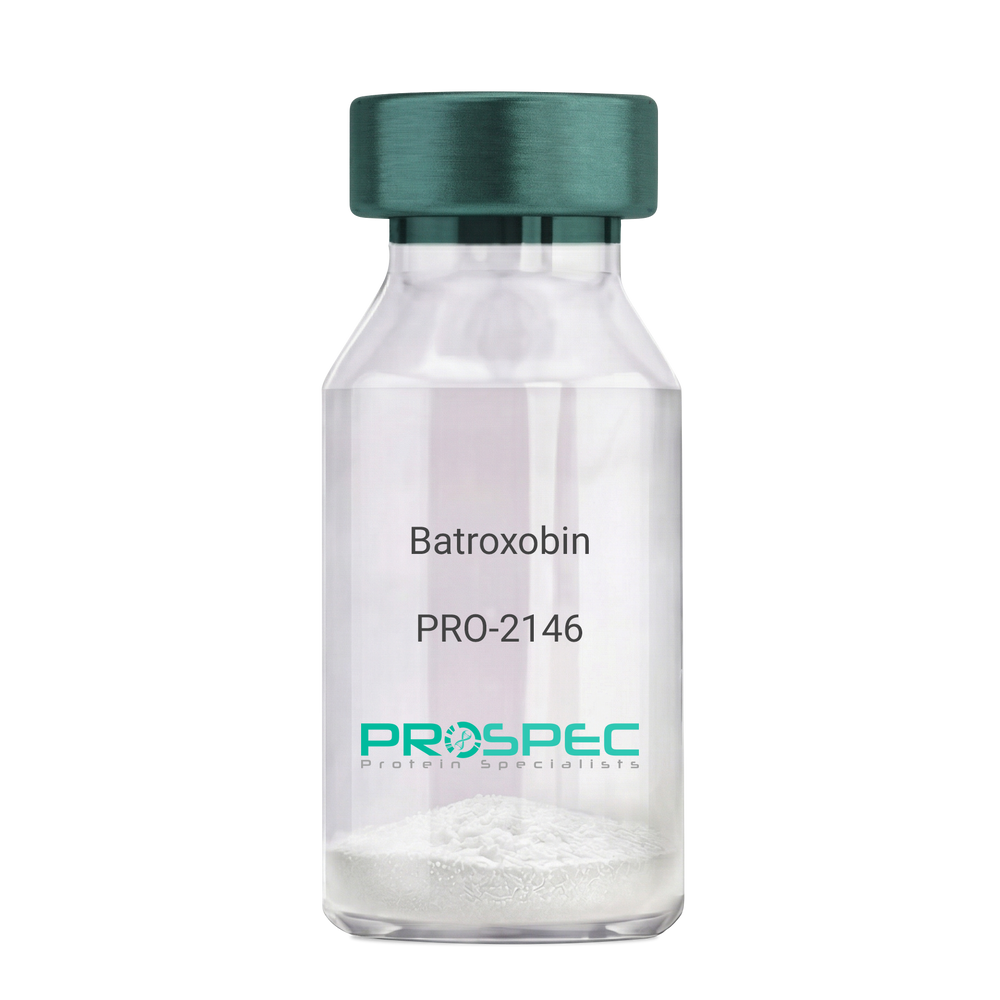
    Batroxobin

    Description:

    Batroxobin

    Thrombin-like enzyme batroxobin, EC 3.4.21.74, BX, Bothrops atrox serine proteinase, Venombin-A, Batroxobin.

    Product # :

    PRO-2146

    Price :

    Quantity :

    Shipping Method :

    Room Temp Icon

    Shipped at Room temp

    Add To Cart

    More Info

    • description
    • formulation
    • More Info

    Description

    Batroxobin, isolated from Bothrops atrox snake venom, has an Mw of approximately 43kDa.

    Formulation

    The Batroxobin protein was lyophilized from a concentrated (1mg/ml) solution with no additives.

    More Info

    • Introduction

      Batroxobin is a serin protease that reduces fibronogen levels and is originally extracted from snake venom of Bothrops Atrox. Batroxobin is used in defibrinogenation and thrombolysis and also has an effect on c-fos gene and growth factor.
      Batroxobin can efficiently restrain proliferation of VSMCs, by blocking the release and uptake of Ca2+, thus influencing [Ca2+]i.
      Batroxobin converts fibrinogen to fibrin through the restricted release of fibrinopeptide-A from fibrinogen to promote blood to clot. Unlike thrombin, it is not affected by heparin and hirudin.

    • Synonyms

      Thrombin-like enzyme batroxobin, EC 3.4.21.74, BX, Bothrops atrox serine proteinase, Venombin-A, Batroxobin.

    • Physical Appearance

      Sterile Filtered white lyophilized powder.

    • Stability

      Store the lyophilized Batroxobin between 2-8°C. Do not freeze!

    • Solubility

      It is recommended to reconstitute the lyophilized Batroxobin in sterile 18MΩ-cm H2O not less than 100µg/ml or more than 10mg/ml solutions.

    • Unit Definition

      100BU [Batroxobin Units]=1mg.

    ProSpec's products are furnished for LABORATORY RESEARCH USE ONLY. The product may not be used as drugs, agricultural or pesticidal products, food additives or household chemicals.

    Batroxobin Native
  • View Data Sheet

    Name :

    IGHG2A Mouse

    Description:

    Ig gamma-2A chain C region Mouse Recombinant

    Immunoglobulin heavy chain constant region gamma 2a, Immunoglobulin G, Ig gamma-2A chain C region, A allele, Ighg.

    Product # :

    PRO-2842

    Price :

    Quantity :

    Shipping Method :

    Ice Icon

    Shipped with Ice Packs

    Add To Cart

    More Info

    • description
    • source
    • formulation
    • purity
    • More Info

    Description

    IGHG2A Mouse Recombinant produced inSf9 Baculovirus cells is a single glycosylated polypeptide chain containing 242 amino acids (98-330 a.a.) and having a molecular mass of 27.5 kDa. IGHG2A Mouse is fused to a 6 amino acid His-tag at C-terminus & purified by proprietary chromatographic techniques.

    Source

    Sf9, Baculovirus cells.

    Formulation

    IGHG2A protein solution (1mg/ml) containing 20mM Tris-HCl buffer (pH 8.0) and 10% glycerol.

    Purity

    Greater than 90.0% as determined by SDS-PAGE.

    More Info

    • Synonyms

      Immunoglobulin heavy chain constant region gamma 2a, Immunoglobulin G, Ig gamma-2A chain C region, A allele, Ighg.

    • Physical Appearance

      Sterile filtered colorless solution.

    • Stability

      Store at 4°C if entire vial will be used within 2-4 weeks. Store, frozen at -20°C for longer periods of time. For long term storage it is recommended to add a carrier protein (0.1% HSA or BSA). Avoid multiple freeze-thaw cycles.

    • Amino Acid Sequence

      ADPEPRGPTI KPCPPCKCPA PNLLGGPSVF IFPPKIKDVL MISLSPIVTC VVVDVSEDDP DVQISWFVNN VEVHTAQTQT HREDYNSTLR VVSALPIQHQ DWMSGKEFKC KVNNKDLPAP IERTISKPKG SVRAPQVYVL PPPEEEMTKK QVTLTCMVTD FMPEDIYVEW TNNGKTELNY KNTEPVLDSD GSYFMYSKLR VEKKNWVERN SYSCSVVHEG LHNHHTTKSF SRTPGKHHHH HH.

    • Background

      The Ig gamma-2A chain C region is the constant region of the gamma-2A heavy chain in immunoglobulin molecules, particularly in mice. This region is responsible for various effector functions of IgG2a antibodies, such as antibody-dependent cellular cytotoxicity and phagocytosis and is encoded by the Ighg2a gene. The constant region of the gamma-2A chain takes part in various immune response such as regulation of the immune response, antibody-dependent cellular cytotoxicity and phagocytosis.

    ProSpec's products are furnished for LABORATORY RESEARCH USE ONLY. The product may not be used as drugs, agricultural or pesticidal products, food additives or household chemicals.

    Ighg2A Mouse
  • View Data Sheet

    Name :

    NXPH1 Human

    Description:

    Neurexophilin 1 Human Recombinant

    Nbla00697, NPH1, Neurexophilin-1, NXPH1.

    Product # :

    PRO-1859

    Price :

    Quantity :

    Shipping Method :

    Ice Icon

    Shipped with Ice Packs

    Add To Cart

    More Info

    • description
    • source
    • formulation
    • purity
    • More Info

    Description

    NXPH1 Human Recombinant produced in E. coli is. a single polypeptide chain containing 273 amino acids (22-271) and having a molecular mass of 31kDa. NXPH1 is fused to a 23 amino acid His-tag at N-terminus & purified by proprietary chromatographic techniques.

    Source

    Escherichia Coli.

    Formulation

    The NXPH1 solution (0.5mg/ml) contains 20mM Tris-HCl buffer (pH 8.0), 0.4M UREA and 10% glycerol.

    Purity

    Greater than 90% as determined by SDS-PAGE.

    More Info

    • Introduction

      Neurexophilin 1 (NXPH1) is a part of the neurexophilin family which encodes a secreted protein with a variable N terminal domain, an extremely conserved, N-glycosylated central domain, a short linker region, and a cysteine-rich Cterminal domain. NXPH1 shapes a very tight complex with alpha neurexins, a group of proteins which promote adhesion among dendrites and axons.

    • Synonyms

      Nbla00697, NPH1, Neurexophilin-1, NXPH1.

    • Physical Appearance

      Sterile Filtered clear solution.

    • Stability

      Store at 4°C if entire vial will be used within 2-4 weeks. Store frozen at -20°C for longer periods of time. For long term storage it is recommended to add a carrier protein (0.1% HSA or BSA).Avoid multiple freeze-thaw cycles.

    • Amino Acid Sequence

      MGSSHHHHHH SSGLVPRGSH MGSANLTNGG KSELLKSGSS KSTLKHIWTE SSKDLSISRL LSQTFRGKEN DTDLDLRYDT PEPYSEQDLW DWLRNSTDLQ EPRPRAKRRP IVKTGKFKKM FGWGDFHSNI KTVKLNLLIT GKIVDHGNGT FSVYFRHNST GQGNVSVSLV PPTKIVEFDL AQQTVIDAKD SKSFNCRIEY EKVDKATKNT LCNYDPSKTC YQEQTQSHVS WLCSKPFKVI CIYISFYSTD YKLVQKVCPD YNYHSDTPYF PSG.

    ProSpec's products are furnished for LABORATORY RESEARCH USE ONLY. The product may not be used as drugs, agricultural or pesticidal products, food additives or household chemicals.

    Nxph1 Human
  • View Data Sheet

    Name :

    Epigen Human

    Description:

    Epigen Human Recombinant

    EPG, Epigen, PRO9904, ALGV3072, FLJ75542, EPGN, Epithelial mitogen.

    Product # :

    CYT-601

    Price :

    Quantity :

    Shipping Method :

    Room Temp Icon

    Shipped at Room temp

    Add To Cart

    More Info

    • description
    • source
    • formulation
    • purity
    • biological activity
    • More Info

    Description

    Epigen Recombinant Human produced in E.Coli is a single, non-glycosylated, polypeptide chain containing 72 amino acids and having a molecular mass of 7.9 kDa. Epigen is purified by proprietary chromatographic techniques.

    Source

    Escherichia Coli.

    Formulation

    EPGN was lyophilized from 20mM PBS buffer pH-7.4 .

    Purity

    Greater than 98.0% as determined by:
    (a) Analysis by RP-HPLC.
    (b) Analysis by SDS-PAGE.

    Biological Activity

    Determined by the dose-dependent stimulation of the proliferation of murine Balb/3T3 cells. The expected ED50 for this effect is less than 300 ng/ml, corresponding to a specific activity of > 3.3 ×10³ IU/mg.

    More Info

    • Introduction

      EPGN is an EGF-related polypeptide growth factor that signals through the ErbB receptor-1. EPGN is produced in numerous tissues, including the testis, liver, heart and in certain tumor cells. EPGN is mitogenic for fibroblasts and epithelial cells. Human EPGN is originally synthesized as a glycosylated 14.7 kDa transmembrane precursor protein, which is processed by proteolytic cleavage to produce a mature soluble sequence.

    • Synonyms

      EPG, Epigen, PRO9904, ALGV3072, FLJ75542, EPGN, Epithelial mitogen.

    • Physical Appearance

      Sterile Filtered White lyophilized (freeze-dried) powder.

    • Stability

      Lyophilized Epigen although stable at room temperature for 3 weeks, should be stored desiccated below -18°C. Upon reconstitution EPGN should be stored at 4°C between 2-7 days and for future use below -18°C.For long term storage it is recommended to add a carrier protein (0.1% HSA or BSA).Please prevent freeze-thaw cycles.

    • Solubility

      It is recommended to reconstitute the lyophilized Epigen in sterile 18MΩ-cm H2O not less than 100µg/ml, which can then be further diluted to other aqueous solutions.

    • Amino Acid Sequence

      AVTVTPPITA QQADNIEGPI ALKFSHLCLE DHNSYCINGA CAFHHELEKA ICRCFTGYTG ERCEHLTLTS YA

    • Background

      What is the molecular weight/Mw of EPIGEN Protein?
      EPIGEN Protein has a total Mw of 7.9kDa.

      What is the source or expression system of EPIGEN Protein?
      Escherichia Coli.

      What is the Purity of EPIGEN Protein?
      EPIGEN Protein is >98% pure as determined by SDS-PAGE.

      What is the Biological Activity of EPIGEN Protein?
      Determined by the dose-dependent stimulation of the proliferation of murine Balb/3T3 cells. The expected ED50 for this effect is less than 300 ng/ml, corresponding to a specific activity of > 3.3 ×10³ IU/mg.

      What is the amino acid sequence of EPIGEN Protein?
      AVTVTPPITA QQADNIEGPI ALKFSHLCLE DHNSYCINGA CAFHHELEKA ICRCFTGYTG ERCEHLTLTS YA

      What applications can EPIGEN Protein be used in?
      EPIGEN Protein can probably be used in western blot, ELISA and Lateral Flow.

      What is the endotoxin level for EPIGEN Protein?
      The endotoxin level is minimal, EPIGEN Protein was purified using conventional chromatography techniques.

    ProSpec's products are furnished for LABORATORY RESEARCH USE ONLY. The product may not be used as drugs, agricultural or pesticidal products, food additives or household chemicals.

    Epgn Human
  • View Data Sheet

    Name :

    PBLD Human

    Description:

    Phenazine Biosynthesis-Like Protein Domain Containing Human Recombinant

    Phenazine biosynthesis-like domain-containing protein, MAWD-binding protein, Unknown protein 32 from 2D-page of liver tissue, PBLD, MAWBP, MAWDBP, FLJ14767, FLJ35507.

    Product # :

    PRO-010

    Price :

    Quantity :

    Shipping Method :

    Ice Icon

    Shipped with Ice Packs

    Add To Cart

    More Info

    • description
    • source
    • formulation
    • purity
    • More Info

    Description

    PBLD Human Recombinant fused with a 20 amino acid His tag at N-terminus produced in E.Coli is a single, non-glycosylated, polypeptide chain containing 308 amino acids (1-288 a.a.) and having a molecular mass of 33.9kDa. The PBLD is purified by proprietary chromatographic techniques.

    Source

    Escherichia Coli.

    Formulation

    The PBLD solution (1 mg/ml) contains 20mM Tris-HCl buffer(pH 8.0), 10% glycerol, 2mM DTT and 0.1M NaCl.

    Purity

    Greater than 95.0% as determined by SDS-PAGE.

    More Info

    • Introduction

      PBLD is member of the phenazine biosynthesis-like protein (PhzF) family. PBLD which is expressed in most tissues is the only representative of the PhzF family in the human genome. PBLD participates in the MAPK signaling pathway. PBLD is involved in multiple basic cellular functions, its expression is elevated in several disease processes, including folate deficiency and hypotension.

    • Synonyms

      Phenazine biosynthesis-like domain-containing protein, MAWD-binding protein, Unknown protein 32 from 2D-page of liver tissue, PBLD, MAWBP, MAWDBP, FLJ14767, FLJ35507.

    • Physical Appearance

      Sterile Filtered colorless solution.

    • Stability

      Store at 4°C if entire vial will be used within 2-4 weeks. Store, frozen at -20°C for longer periods of time. For long term storage it is recommended to add a carrier protein (0.1% HSA or BSA).Avoid multiple freeze-thaw cycles.

    • Amino Acid Sequence

      MGSSHHHHHH SSGLVPRGSH MKLPIFIADA FTARAFRGNP AAVCLLENEL DEDMHQKIAR EMNLSETAFI RKLHPTDNFA QSSCFGLRWF TPASEVPLCG HATLASAAVL FHKIKNMNST LTFVTLSGEL RARRAEDGIV LDLPLYPAHP QDFHEVEDLI KTAIGNTLVQ DICYSPDTQK LLVRLSDVYN RSFLENLKVN TENLLQVENT GKVKGLILTL KGEPGGQTQA FDFYSRYFAP WVGVAEDPVT GSAHAVLSSY WSQHLGKKEM HAFQCSHRGG ELGISLRPDG RVDIRGGAAV VLEGTLTA.

    ProSpec's products are furnished for LABORATORY RESEARCH USE ONLY. The product may not be used as drugs, agricultural or pesticidal products, food additives or household chemicals.

    Pbld Human
  • View Data Sheet

    Name :

    PCDHGC4 Human

    Description:

    Protocadherin Gamma Subfamily C 4 Human Recombinant

    Protocadherin Gamma Subfamily C 4, PCDH-GAMMA-C4.

    Product # :

    PRO-1844

    Price :

    Quantity :

    Shipping Method :

    Ice Icon

    Shipped with Ice Packs

    Add To Cart

    More Info

    • description
    • source
    • formulation
    • purity
    • More Info

    Description

    PCDHGC4 Human Recombinant produced in E.coli is a single, non-glycosylated polypeptide chain containing 684 amino acids (30-692) and having a molecular mass of 74.3 kDa. PCDHGC4 is fused to a 21 amino acid His-tag at N-terminus.

    Source

    Escherichia Coli.

    Formulation

    The PCDHGC4 solution (1mg/ml) contains 20mM Tris-HCl buffer (pH 8.0), 0.4M Urea and 10% glycerol.

    Purity

    Greater than 85% as determined by SDS-PAGE.

    More Info

    • Introduction

      PCDHGL4 belongs to one of three related clusters tandemly linked on chromosome five - the protocadherin gamma gene cluster. These gene clusters have an immunoglobulin-like organization, which indicates that a novel mechanism takes part in their regulation and expression. These neural cadherin-like cell adhesion proteins have a vital role in the establishment and function of specific cell-cell connections in the brain.

    • Synonyms

      Protocadherin Gamma Subfamily C 4, PCDH-GAMMA-C4.

    • Physical Appearance

      Sterile Filtered clear solution.

    • Stability

      Store at 4°C if entire vial will be used within 2-4 weeks. Store, frozen at -20°C for longer periods of time. For long term storage it is recommended to add a carrier protein (0.1% HSA or BSA).Avoid multiple freeze-thaw cycles.

    • Amino Acid Sequence

      MGSSHHHHHH SSGLVPRGSH MQIRYPVPEE SQEGTFVGNV AQDFLLDTDS LSARRLQVAG EVNQRHFRVD LDSGALLIKN PIDREALCGL SASCIVPLEF VTEGPLEMYR AEVEIVDVND HAPRFPRQQL DLEIGEAAPP GQRFPLEKAQ DADVGSNSIS SYRLSSNEHF ALDVKKRSDG SLVPELLLEK PLDREKQSDY RLVLTAVDGG NPPRSGTAEL RVSVLDVNDN APAFQQSSYR ISVLESAPAG MVLIQLNASD PDLGPSGNVT FYFSGHTPDR VRNLFSLHPT TGKLTLLGPL DFESENYYEF DVRARDGGSP AMEQHCSLRV DLLDVNDNAP YITVTSELGT LPESAEPGTV VALISVQDPD SGSNGDVSLR IPDHLPFALK SAFRNQFSLV TAGPLDREAK SSYDIMVTAS DAGNPPLSTH RTIFLNISDV NDNPPSFFQR SHEVFVPENN RPGDLLCSLA ASDPDSGLNA LISYSLLEPR NRDVSASSFI SLNPQTGAVH ATRSFDYEQT QTLQFEVQAR DRGNPPLSST VTVRLFVLDL NDNAPAVLRP RARPGSLCPQ ALPPSVGAGH LITKVTAVDL DSGYNAWVSY QLLEAPDPSL FAVSRYAGEV RTAVPIPADL PPQKLVIVVK DSGSPPLSTS VTLLVSLEED THPVVPDLRE SSAPREGESR LTLY

    ProSpec's products are furnished for LABORATORY RESEARCH USE ONLY. The product may not be used as drugs, agricultural or pesticidal products, food additives or household chemicals.

    Pcdhgc4 Human
  • View Data Sheet

    Name :

    TDP1 Human

    Description:

    Tyrosyl-DNA Phosphodiesterase 1 Human Recombinant

    Tyrosyl-DNA phosphodiesterase 1, TDP1 protein, TDP1.

    Product # :

    ENZ-685

    Price :

    Quantity :

    Shipping Method :

    Ice Icon

    Shipped with Ice Packs

    Add To Cart

    More Info

    • description
    • source
    • formulation
    • purity
    • More Info

    Description

    TDP1 Human Recombinant produced in E.coli is a single, non-glycosylated polypeptide chain containing 318 amino acids (1-298) and having a molecular mass of 35.8kDa. TDP1 is fused to a 20 amino acid His-tag at N-terminus & purified by proprietary chromatographic techniques.

    Source

    Escherichia Coli.

    Formulation

    The TDP1 solution (1mg/ml) contains 20mM Tris-HCl buffer (pH 8.0), 0.4M urea and 10% glycerol.

    Purity

    Greater than 90.0% as determined by SDS-PAGE.

    More Info

    • Introduction

      Tyrosyl-DNA phosphodiesterase 1 ( TDP1) is required for repairing stalled topoisomerase I-DNA complexes by catalyzing the hydrolysis of the phosphodiester bond between the tyrosine residue of topoisomerase I and the 3-prime phosphate of DNA. TDP1 also detach glycolate from single-stranded DNA having 3-prime phosphoglycolate, suggesting a role in repair of free-radical mediated DNA double-strand breaks.

    • Synonyms

      Tyrosyl-DNA phosphodiesterase 1, TDP1 protein, TDP1.

    • Physical Appearance

      Sterile Filtered colorless solution.

    • Stability

      Store at 4°C if entire vial will be used within 2-4 weeks. Store, frozen at -20°C for longer periods of time. For long term storage it is recommended to add a carrier protein (0.1% HSA or BSA).Avoid multiple freeze-thaw cycles.

    • Amino Acid Sequence

      MGSSHHHHHH SSGLVPRGSH MSQEGDYGRW TISSSDESEE EKPKPDKPST SSLLCARQGA ANEPRYTCSE AQKAAHKRKI SPVKFSNTDS VLPPKRQKSG SQEDLGWCLS SSDDELQPEM PQKQAEKVVI KKEKDISAPN DGTAQRTENH GAPACHRLKE EEDEYETSGE GQDIWDMLDK GNPFQFYLTR VSGVKPKYNS GALHIKDILS PLFGTLVSSA QFNYCFDVDW LVKQYPPEFR KKPILLVHGD KREAKAHLHA QAKPYENISL CQAKLDIAFG THHTKMMLLL YEEGLRVVIH TSNLIHADWH QKTQGTHL.

    ProSpec's products are furnished for LABORATORY RESEARCH USE ONLY. The product may not be used as drugs, agricultural or pesticidal products, food additives or household chemicals.

    Tdp1 Human
  • View Data Sheet

    Name :

    GGCT Human

    Description:

    Gamma-Glutamylcyclotransferase Human Recombinant

    Gamma-Glutamylcyclotransferase, CRF21, C7orf24, MGC3077, Cytochrome c-releasing factor 21, GCTG, Ggc, Chromosome 7 open reading frame 24, FLJ11717, EC 2.3.2.4.

    Product # :

    ENZ-062

    Price :

    Quantity :

    Shipping Method :

    Ice Icon

    Shipped with Ice Packs

    Add To Cart

    More Info

    • description
    • source
    • formulation
    • purity
    • More Info

    Description

    GGCT produced in E.Coli is a single, non-glycosylated polypeptide chain containing 208 amino acids (1-188a.a.) and having a molecular mass of 23.2kDa.GGCT is fused to a 20 amino acid His-tag at N-terminus & purified by proprietary chromatographic techniques.

    Source

    Escherichia Coli.

    Formulation

    The GGCT protein solution (1mg/1ml) is formulated in 20mM Tris-HCl buffer (pH8.0) and 10% glycerol.

    Purity

    Greater than 95% as determined by SDS-PAGE.

    More Info

    • Introduction

      GGCT is a member of the family of transferases, specifically the aminoacyltransferases. GGCT protein catalyzes the formation of 5-oxoproline from gamma-glutamyl dipeptides and takes an important part in glutathione homeostasis. GGCT induces release of cytochrome c from mitochondria with resultant induction of apoptosis.

    • Synonyms

      Gamma-Glutamylcyclotransferase, CRF21, C7orf24, MGC3077, Cytochrome c-releasing factor 21, GCTG, Ggc, Chromosome 7 open reading frame 24, FLJ11717, EC 2.3.2.4.

    • Physical Appearance

      Sterile Filtered clear solution.

    • Stability

      Store at 4°C if entire vial will be used within 2-4 weeks. Store, frozen at -20°C for longer periods of time.Please avoid freeze thaw cycles.

    • Amino Acid Sequence

      MGSSHHHHHH SSGLVPRGSHMANSGCKDVT GPDEESFLYF AYGSNLLTER IHLRNPSAAF FCVARLQDFK LDFGNSQGKT SQTWHGGIAT IFQSPGDEVW GVVWKMNKSN LNSLDEQEGV KSGMYVVIEV KVATQEGKEI TCRSYLMTNY ESAPPSPQYK KIICMGAKEN GLPLEYQEKL KAIEPNDYTG KVSEEIEDII KKGETQTL

    ProSpec's products are furnished for LABORATORY RESEARCH USE ONLY. The product may not be used as drugs, agricultural or pesticidal products, food additives or household chemicals.

    Ggct Human
  • View Data Sheet

    Name :

    LGALS1 Mouse

    Description:

    Galectin-1 Mouse Recombinant

    Galectin-1, Gal-1, 14 kDa lectin, Beta-galactoside-binding lectin L-14-I, Galaptin, Lactose-binding lectin 1, Lectin galactoside-binding soluble 1, S-Lac lectin 1, Lgals1, Gbp, L14, Galbp, L-14.5, Lect14, AA410090.

    Product # :

    CYT-186

    Price :

    Quantity :

    Shipping Method :

    Ice Icon

    Shipped with Ice Packs

    Add To Cart

    More Info

    • description
    • source
    • formulation
    • purity
    • More Info
    • SDS-PAGE

    Description

    LGALS1 mouse Recombinant produced E. coli is a single polypeptide chain containing 159 amino acids (1-135) and having a molecular mass of 17kDa.LGALS1 is fused to a 24 amino acid His-tag at N-terminus & purified by proprietary chromatographic techniques.

    Source

    Escherichia Coli.

    Formulation

    The LGALS1 solution (1mg/ml) contains 20mM Tris-HCl buffer (pH 8.0), 0.15M NaCl and 10% glycerol.

    Purity

    Greater than 95.0% as determined by SDS-PAGE.

    SDS-PAGE

    LGALS1 Mouse-SDS-PAGE - Product image 1

    More Info

    • Introduction

      The galectins are a family of beta-galactoside-binding proteins implicated in modulating cell-cell and cell-matrix interactions. Galectin-1 is an autocrine negative growth factor that regulates cell proliferation. Galectin-1 regulates cell apoptosis and cell differentiation. Galectin-1 binds CD45, CD3 and CD4 & inhibits CD45 protein phosphatase activity and therefore the dephosphorylation of lyn kinase. Galectin-1 and its ligands are one of the master regulators of immune responses as T-cell homeostasis and survival, T-cell immune disorders, inflammation and allergies as well as host–pathogen interactions. Galectin-1 expression or overexpression in tumors and/or the tissue surrounding them must be considered as a sign of the malignant tumor progression that is often related to the long-range dissemination of tumoral cells (metastasis), to their dissemination into the surrounding normal tissue, and to tumor immune-escape. Galectin-1 in its oxidized form plays a number of important roles in the regeneration of the central nervous system after injury. The targeted overexpression (or delivery) of Galectin-1 should be considered as a method of choice for the treatment of some kinds of inflammation-related diseases, neurodegenerative pathologies and muscular dystrophies. In contrast, the targeted inhibition of Galectin-1 expression is what should be developed for therapeutic applications against cancer progression. Galectin-1 is thus a promising molecular target for the development of new and original therapeutic tools. There is 88% homology between the human and mouse galectin-1.

    • Synonyms

      Galectin-1, Gal-1, 14 kDa lectin, Beta-galactoside-binding lectin L-14-I, Galaptin, Lactose-binding lectin 1, Lectin galactoside-binding soluble 1, S-Lac lectin 1, Lgals1, Gbp, L14, Galbp, L-14.5, Lect14, AA410090.

    • Physical Appearance

      Sterile Filtered colorless solution.

    • Stability

      Store at 4°C if entire vial will be used within 2-4 weeks. Store, frozen at -20°C for longer periods of time. For long term storage it is recommended to add a carrier protein (0.1% HSA or BSA).Avoid multiple freeze-thaw cycles.

    • Amino Acid Sequence

      MGSSHHHHHH SSGLVPRGSH MGSHMACGLV ASNLNLKPGE CLKVRGEVAS DAKSFVLNLG KDSNNLCLHF NPRFNAHGDA NTIVCNTKED GTWGTEHREP AFPFQPGSIT EVCITFDQAD LTIKLPDGHE FKFPNRLNME AINYMAADGD FKIKCVAFE.

    • Background

      What is the molecular weight/Mw of LGALS1 MOUSE Protein?
      LGALS1 MOUSE Protein has a total Mw of 17kDa.

      What is the source or expression system of LGALS1 MOUSE Protein?
      Escherichia Coli.

      What is the Purity of LGALS1 MOUSE Protein?
      LGALS1 MOUSE Protein is >95% pure as determined by SDS-PAGE.

      What is the Biological Activity of LGALS1 MOUSE Protein?
      The biological functionality of LGALS1 MOUSE Protein will be determined in the future.

      What is the amino acid sequence of LGALS1 MOUSE Protein?
      MGSSHHHHHH SSGLVPRGSH MGSHMACGLV ASNLNLKPGE CLKVRGEVAS DAKSFVLNLG KDSNNLCLHF NPRFNAHGDA NTIVCNTKED GTWGTEHREP AFPFQPGSIT EVCITFDQAD LTIKLPDGHE FKFPNRLNME AINYMAADGD FKIKCVAFE.

      What applications can LGALS1 MOUSE Protein be used in?
      LGALS1 MOUSE Protein can probably be used in western blot, ELISA and Lateral Flow.

      What is the endotoxin level for LGALS1 MOUSE Protein?
      The endotoxin level is minimal, LGALS1 MOUSE Protein was purified using conventional chromatography techniques.


    ProSpec's products are furnished for LABORATORY RESEARCH USE ONLY. The product may not be used as drugs, agricultural or pesticidal products, food additives or household chemicals.

    Lgals1 Mouse
  • View Data Sheet

    Name :

    LGALS7 Mouse

    Description:

    Galectin-7 Mouse Recombinant

    Galectin-7, Gal-7, HKL-14, PI7, p53-induced gene 1 protein, LGALS7, PIG1, LGALS7B, GAL7, LGALS7A.

    Product # :

    CYT-184

    Price :

    Quantity :

    Shipping Method :

    Ice Icon

    Shipped with Ice Packs

    Add To Cart

    More Info

    • description
    • source
    • formulation
    • purity
    • More Info
    • SDS-PAGE

    Description

    LGALS7 mouse Recombinant produced E. coli is a single polypeptide chain containing 159 amino acids (1-136) and having a molecular mass of 17.6kDa.LGALS7 is fused to a 23 amino acid His-tag at N-terminus & purified by proprietary chromatographic techniques.

    Source

    Escherichia Coli.

    Formulation

    The LGALS7 solution (1mg/ml) contains 20mM Tris-HCl buffer (pH 8.0), 0.1M NaCl, 20% glycerol and 2mM DTT.

    Purity

    Greater than 95.0% as determined by SDS-PAGE.

    SDS-PAGE

    LGALS7 Mouse-SDS-PAGE - Product image 1

    More Info

    • Introduction

      Galectins are a family of animal lectins with an affinity for beta-galactosides. This family has at least 14 identified members. Galectins share similarities in the CRD (the carbohydrate recognition domain). Galectins are synthesized as cytosolic proteins. Though localized principally in the cytoplasm and lacking a classical signal peptide, galectins can also be stimulated to secretion by non-classical pathways or alternatively targeted to the nucleus. Galectins are involved in modulating cell-cell and cell-matrix interactions. Human Galectin-7 belongs to the prototypical Galectins containing a single CRD, which is initially identified in human epidermis as a monomer. The Galectin-7 expression is induced by tumor suppressor protein p53 and associated with apoptosis. Galectin-7 is a pro-apoptotic protein which functions intracellularlly upstream of JNK activation and mitochondrial cytochrome c release. The correlation of Galectin-7 with the UV-induced apoptosis of keratinocytes presents a critical mechanism in the maintenance of epidermal homeostasis. Human Galectin-7 is localized in both nucleus and cytoplasm.

    • Synonyms

      Galectin-7, Gal-7, HKL-14, PI7, p53-induced gene 1 protein, LGALS7, PIG1, LGALS7B, GAL7, LGALS7A.

    • Physical Appearance

      Sterile Filtered colorless solution.

    • Stability

      Store at 4°C if entire vial will be used within 2-4 weeks. Store, frozen at -20°C for longer periods of time. For long term storage it is recommended to add a carrier protein (0.1% HSA or BSA).Avoid multiple freeze-thaw cycles.

    • Amino Acid Sequence

      MGSSHHHHHH SSGLVPRGSH MGSMSATQHK TSLPQGVRVG TVMRIRGMVP DQAGRFHVNL LCGEEQGADA ALHFNPRLDT SEVVFNTKEQ GKWGREERGT GIPFERGQPF EVLLIATEEG FKAVVGDDEY LHFHHRMPPA RVRLVEVGGD VQLHSVKIF.

    • Background

      What is the molecular weight/Mw of LGALS7 MOUSE Protein?
      LGALS7 MOUSE Protein has a total Mw of 17.6kDa.

      What is the source or expression system of LGALS7 MOUSE Protein?
      Escherichia Coli.

      What is the Purity of LGALS7 MOUSE Protein?
      LGALS7 MOUSE Protein is >95% pure as determined by SDS-PAGE.

      What is the Biological Activity of LGALS7 MOUSE Protein?
      The biological functionality of LGALS7 MOUSE Protein will be determined in the future.

      What is the amino acid sequence of LGALS7 MOUSE Protein?
      MGSSHHHHHH SSGLVPRGSH MGSMSATQHK TSLPQGVRVG TVMRIRGMVP DQAGRFHVNL LCGEEQGADA ALHFNPRLDT SEVVFNTKEQ GKWGREERGT GIPFERGQPF EVLLIATEEG FKAVVGDDEY LHFHHRMPPA RVRLVEVGGD VQLHSVKIF.

      What applications can LGALS7 MOUSE Protein be used in?
      LGALS7 MOUSE Protein can probably be used in western blot, ELISA and Lateral Flow.

      What is the endotoxin level for LGALS7 MOUSE Protein?
      The endotoxin level is minimal, LGALS7 MOUSE Protein was purified using conventional chromatography techniques.


    ProSpec's products are furnished for LABORATORY RESEARCH USE ONLY. The product may not be used as drugs, agricultural or pesticidal products, food additives or household chemicals.

    Lgals7 Mouse
  • View Data Sheet

    Name :

    PROSC Human

    Description:

    Proline Synthetase Co-Transcribed Human Recombinant

    Proline Synthetase Co-Transcribed Homolog (Bacterial), Proline Synthetase Co-Transcribed (Bacterial Homolog), Proline Synthase Co-Transcribed Bacterial Homolog Protein, Proline Synthetase Co-Transcribed Bacterial Homolog Protein, PROSC.

    Product # :

    PRO-481

    Price :

    Quantity :

    Shipping Method :

    Ice Icon

    Shipped with Ice Packs

    Add To Cart

    More Info

    • description
    • source
    • formulation
    • purity
    • More Info

    Description

    PROSC Human Recombinant produced in E.coli is a single, non-glycosylated polypeptide chain containing 298 amino acids (1-275) and having a molecular mass of 32.7 kDa.PROSC is fused to a 23 amino acid His-tag at N-terminus & purified by proprietary chromatographic techniques.

    Source

    Escherichia Coli.

    Formulation

    The PROSC solution (0.5mg/ml) contains 20mM Tris-HCl buffer (pH 8.0), 0.15M NaCl, 10% glycerol and 1mM DTT.

    Purity

    Greater than 90.0% as determined by SDS-PAGE.

    More Info

    • Introduction

      Proline Synthetase Co-Transcribed (PROSC) is a member of the UPF0001 family.

    • Synonyms

      Proline Synthetase Co-Transcribed Homolog (Bacterial), Proline Synthetase Co-Transcribed (Bacterial Homolog), Proline Synthase Co-Transcribed Bacterial Homolog Protein, Proline Synthetase Co-Transcribed Bacterial Homolog Protein, PROSC.

    • Physical Appearance

      Sterile Filtered clear solution.

    • Stability

      Store at 4°C if entire vial will be used within 2-4 weeks. Store, frozen at -20°C for longer periods of time. For long term storage it is recommended to add a carrier protein (0.1% HSA or BSA).Avoid multiple freeze-thaw cycles.

    • Amino Acid Sequence

      MGSSHHHHHH SSGLVPRGSH MGSMWRAGSM SAELGVGCAL RAVNERVQQA VARRPRDLPA IQPRLVAVSK TKPADMVIEA YGHGQRTFGE NYVQELLEKA SNPKILSLCP EIKWHFIGHL QKQNVNKLMA VPNLFMLETV DSVKLADKVN SSWQRKGSPE RLKVMVQINT SGEESKHGLP PSETIAIVEH INAKCPNLEF VGLMTIGSFG HDLSQGPNPD FQLLLSLREE LCKKLNIPAD QVELSMGMSA DFQHAVEVGS TNVRIGSTIF GERDYSKKPT PDKCAADVKA PLEVAQEH.

    ProSpec's products are furnished for LABORATORY RESEARCH USE ONLY. The product may not be used as drugs, agricultural or pesticidal products, food additives or household chemicals.

    Prosc Human
  • View Data Sheet

    Name :

    GSTA1 Mouse

    Description:

    Glutathione S-Transferase Alpha 1 Mouse Recombinant

    Glutathione S-transferase A1, GST class-alpha member 1, Glutathione S-transferase Ya , Glutathione S-transferase Ya1.

    Product # :

    ENZ-873

    Price :

    Quantity :

    Shipping Method :

    Ice Icon

    Shipped with Ice Packs

    Add To Cart

    More Info

    • description
    • source
    • formulation
    • purity
    • biological activity
    • More Info

    Description

    GSTA1 Mouse Recombinant produced in E.Coli is a single, non-glycosylated polypeptide chain containing 246 amino acids (1-223 a.a) and having a molecular mass of 28kDa.GSTA1 is fused to a 23 amino acid His-tag at N-terminus & purified by proprietary chromatographic techniques.

    Source

    Escherichia Coli.

    Formulation

    GSTA1 protein solution (1mg/ml) containing Phosphate buffered saline (pH7.4), 10% glycerol and 1mM DTT.

    Purity

    Greater than 95.0% as determined by SDS-PAGE.

    Biological Activity

    The specific activity is defined as the amount of enzyme that conjugate 1.0 pmole of 1-chloro-2,4-dinitrobenzene (CDNB) with reduced glutathione per minute at pH 6.5 at 25C and is > 4,000 pmol/min/ug.

    More Info

    • Introduction

      Membrane-bound & Cytosolic forms of GST are encoded by 2 separate supergene families. These enzymes function in the detoxification of electrophilic compounds, including carcinogens, therapeutic drugs, environmental toxins and products of oxidative stress, by conjugation with glutathione. There are 8 different classes of soluble cytoplasmic mammalian GST: alpha, kappa, mu, omega, pi, sigma, theta and zeta. The GSTA1 is found in a cluster mapped to chromosome 6, and is highly expressed in the liver. GSTA1 protects the cells from reactive oxygen species.

    • Synonyms

      Glutathione S-transferase A1, GST class-alpha member 1, Glutathione S-transferase Ya , Glutathione S-transferase Ya1.

    • Physical Appearance

      Sterile Filtered colorless solution.

    • Stability

      Store at 4°C if entire vial will be used within 2-4 weeks. Store, frozen at -20°C for longer periods of time. For long term storage it is recommended to add a carrier protein (0.1% HSA or BSA).Avoid multiple freeze-thaw cycles.

    • Amino Acid Sequence

      MGSSHHHHHH SSGLVPRGSH MGSMAGKPVL HYFNARGRME CIRWLLAAAG VEFEEKFIQS PEDLEKLKKD GNLMFDQVPM VEIDGMKLAQ TRAILNYIAT KYDLYGKDMK ERALIDMYSE GILDLTEMIG QLVLCPPDQR EAKTALAKDR TKNRYLPAFE KVLKSHGQDY LVGNRLTRVD IHLLEVLLYV EEFDASLLTP FPLLKAFKSR ISSLPNVKKF LQPGSQRKPP MDAKQIQEAR KAFKIQ.

    ProSpec's products are furnished for LABORATORY RESEARCH USE ONLY. The product may not be used as drugs, agricultural or pesticidal products, food additives or household chemicals.

    Gsta1 Mouse
  • View Data Sheet

    Name :

    GSTT1 Human

    Description:

    Glutathione S-Transferase Theta-1 Human Recombinant

    Glutathione S-transferase theta-1, GST class-theta-1, Glutathione transferase T1-1, GSTT1.

    Product # :

    ENZ-429

    Price :

    Quantity :

    Shipping Method :

    Ice Icon

    Shipped with Ice Packs

    Add To Cart

    More Info

    • description
    • source
    • formulation
    • purity
    • More Info

    Description

    GSTT1 Human Recombinant fused with 37 amino acid His tag at N-terminus produced in E.Coli is a single, non-glycosylated, polypeptide chain containing 277 amino acids (1-240 a.a.) and having a molecular mass of 31.5kDa.The GSTT1 is purified by proprietary chromatographic techniques.

    Source

    Escherichia Coli.

    Formulation

    The GSTT1 solution contains 20mM Tris-HCl buffer (pH 8.0) and 10% glycerol.

    Purity

    Greater than 95.0% as determined by SDS-PAGE.

    More Info

    • Introduction

      GSTT1 belongs to a superfamily of proteins which catalyze the conjugation of reduced glutathione to a variety of electrophilic and hydrophobic compounds. GSTT1 is one of the GSTs’ four main classes: alpha, mu, pi and theta (which includes GSTT1 and GSTT2). GSTT1 is involved in activation and detoxification reactions and catalyzes the conjugation of industrial chemicals, such as epoxybutane, ethylene oxides, halomethane with glutathione. GSTT1 is found in erythrocytes, at low levels in the liver as well as in Clara and ciliated cells at the alveolar/bronchiolar junction in the lung.
      The GSTT1 gene is deficient in 38% of the population. The GSTTI enzyme deficiency might influence the individual risk for development of acquired aplastic anemia and acute myeloid leukemia. The presence or absence of the GSTT1 gene is concurrent with GSST1+ (the conjugator) and GSTT1- (the non-conjugator) phenotypes correspondingly. The GSTT1+ phenotype is able to catalyze the glutathione conjugation of dichloromethane. GSTT1-null genotypes are seen as having a higher risk of developing leukoplakia. Germline genetic polymorphism in GSTT1 is linked to breast cancer.

    • Synonyms

      Glutathione S-transferase theta-1, GST class-theta-1, Glutathione transferase T1-1, GSTT1.

    • Physical Appearance

      Sterile Filtered colorless solution.

    • Stability

      Store at 4°C if entire vial will be used within 2-4 weeks. Store, frozen at -20°C for longer periods of time. For long term storage it is recommended to add a carrier protein (0.1% HSA or BSA).Avoid multiple freeze-thaw cycles.

    • Amino Acid Sequence

      MRGSHHHHHH GMASMTGGQQ MGRDLYDDDD KDRWGSHMGL ELYLDLLSQP CRAVYIFAKK NDIPFELRIV DLIKGQHLSD ACAQVNPLKK VPALKDGDFT LTESVAILLY LTRKYKVPDY WYPQDLQARA RVDEYLAWQH TTLRRSCLRA LWHKVMFPVF LGEPVSPQTL AATLAELDVT LQLLEDKFLQ NKAFLTGPHI SLADLVAITE LMHPVGAGCQ VFEGRPKLAT WRQRVEAAVG EDLFQEAHEV ILKAKDFPPA DPTIKQKLMP WVLAMIR.

    ProSpec's products are furnished for LABORATORY RESEARCH USE ONLY. The product may not be used as drugs, agricultural or pesticidal products, food additives or household chemicals.

    Gstt1 Human
  • View Data Sheet

    Name :

    CREG1 Mouse

    Description:

    Cellular Repressor of E1A-Stimulated Genes 1 Mouse Recombinant

    Protein CREG1, Cellular repressor of E1A-stimulated genes 1, Creg1, Creg.

    Product # :

    PRO-2387

    Price :

    Quantity :

    Shipping Method :

    Ice Icon

    Shipped with Ice Packs

    Add To Cart

    More Info

    • description
    • source
    • formulation
    • purity
    • More Info

    Description

    CREG1 Mouse Recombinant produced in E. coli is a single polypeptide chain containing 213 amino acids (32-220) and having a molecular mass of 24kDa. CREG1 is fused to a 24 amino acid His-tag at N-terminus & purified by proprietary chromatographic techniques.

    Source

    E.coli.

    Formulation

    The CREG1 solution (1mg/ml) contains 20mM Tris-HCl buffer (pH8.0), 10% glycerol and 0.15M NaCl.

    Purity

    Greater than 95% as determined by SDS-PAGE.

    More Info

    • Introduction

      Cellular Repressor of E1A-Stimulated Genes 1 (CREG1) both activates and inhibits gene expression to stimulate cellular proliferation and hinder differentiation. CREG1 antagonizes transcriptional activation and cellular transformation by E1A. CREG1 shares partial sequence similarity with E1A and binds both the general transcription factor TBP and the tumor suppressor pRb in vitro. CREG1 contributes to the transcriptional control of cell growth and differentiation.

    • Synonyms

      Protein CREG1, Cellular repressor of E1A-stimulated genes 1, Creg1, Creg.

    • Physical Appearance

      Sterile Filtered colorless solution.

    • Stability

      Store at 4°C if entire vial will be used within 2-4 weeks. Store, frozen at -20°C for longer periods of time. For long term storage it is recommended to add a carrier protein (0.1% HSA or BSA).Avoid multiple freeze-thaw cycles.

    • Amino Acid Sequence

      MGSSHHHHHH SSGLVPRGSH MGSMRGGRDH GDWDVDRRLP PLPPREDGPR VARFVTHVSD WGSLATISTI KEVRGWPFAD IISISDGPPG EGTGEPYMYL SPLQQAVSDL QENPEATLTM SLAQTVYCRN HGFDPQSPLC VHIMMSGTVT KVNKTEEDYA RDSLFVRHPE MKHWPSSHNW FFAKLKISRI WVLDYFGGPK VVTPEEYFNV TLQ.

    ProSpec's products are furnished for LABORATORY RESEARCH USE ONLY. The product may not be used as drugs, agricultural or pesticidal products, food additives or household chemicals.

    Creg1 Mouse
  • View Data Sheet

    Name :

    ZNHIT3 Human

    Description:

    Zinc Finger HIT-Type Containing 3 Human Recombinant

    Zinc finger HIT domain-containing protein 3, HNF-4a coactivator, Thyroid hormone receptor interactor 3, Thyroid receptor-interacting protein 3, TR-interacting protein 3, TRIP-3, ZNHIT3, TRIP3, Zinc finger, HIT-type containing 3.

    Product # :

    PRO-1699

    Price :

    Quantity :

    Shipping Method :

    Ice Icon

    Shipped with Ice Packs

    Add To Cart

    More Info

    • description
    • source
    • formulation
    • purity
    • More Info

    Description

    ZNHIT3 Human Recombinant produced in E.coli is a single, non-glycosylated polypeptide chain containing 178 amino acids (1-155) and having a molecular mass of 20 kDa.ZNHIT3 is fused to a 23 amino acid His-tag at N-terminus & purified by proprietary chromatographic techniques.

    Source

    Escherichia Coli.

    Formulation

    The ZNHIT3 solution (1mg/ml) contains 20mM Tris-HCl buffer (pH 8.0), 10% glycerol and 0.4M Urea.

    Purity

    Greater than 85.0% as determined by SDS-PAGE.

    More Info

    • Introduction

      Zinc Finger HIT-Type Containing 3 (ZNHIT3) which contains one HIT-type zinc finger, requires the presence of thyroid hormone for its interaction. Thyroid receptor interacting proteins particularly interact with the ligand binding domain of the thyroid receptor (TR).

    • Synonyms

      Zinc finger HIT domain-containing protein 3, HNF-4a coactivator, Thyroid hormone receptor interactor 3, Thyroid receptor-interacting protein 3, TR-interacting protein 3, TRIP-3, ZNHIT3, TRIP3, Zinc finger, HIT-type containing 3.

    • Physical Appearance

      Sterile Filtered colorless solution.

    • Stability

      Store at 4°C if entire vial will be used within 2-4 weeks. Store, frozen at -20°C for longer periods of time. For long term storage it is recommended to add a carrier protein (0.1% HSA or BSA).Avoid multiple freeze-thaw cycles.

    • Amino Acid Sequence

      MGSSHHHHHH SSGLVPRGSH MGSMASLKCS TVVCVICLEK PKYRCPACRV PYCSVVCFRK HKEQCNPETR PVEKKIRSAL PTKTVKPVEN KDDDDSIADF LNSDEEEDRV SLQNLKNLGE SATLRSLLLN PHLRQLMVNL DQGEDKAKLM RAYMQEPLFV EFADCCLGIV EPSQNEES.

    ProSpec's products are furnished for LABORATORY RESEARCH USE ONLY. The product may not be used as drugs, agricultural or pesticidal products, food additives or household chemicals.

    Tesamorelin
  • View Data Sheet

    Name :

    SAA Feline

    Description:

    Serum Amyloid A (APO-SAA) Feline Recombinant

    Product # :

    CYT-1221

    Price :

    Quantity :

    Shipping Method :

    Room Temp Icon

    Shipped at Room temp

    Add To Cart

    More Info

    • description
    • source
    • formulation
    • purity
    • More Info

    Description

    SAA Feline produced in E.coli is a single, non-glycosylated polypeptide chain (1-111 a.a) containing 121 a.a and having a molecular mass of 13,838 Dalton. SAA s fused with a 10 amino acids His tag at N-Terminus and purified by proprietary chromatographic techniques.

    Source

    Escherichia Coli.

    Formulation

    SAA was lyophilized from 0.01M HCl (pH 2.0).

    Purity

    Greater than 95.0% as determined by SDS-PAGE.

    More Info

    • Physical Appearance

      Sterile Filtered White lyophilized (freeze-dried) powder.

    • Stability

      Lyophilized SAA although stable at room temperature for 3 weeks, should be stored desiccated below -18°C. Upon reconstitution Serum Amyloid A (APO-SAA) should be stored at 4°C between 2-7 days and for future use below -18°C. For long term storage it is recommended to add a carrier protein (0.1% HSA or BSA). Please prevent freeze-thaw cycles.

    • Solubility

      It is recommended to reconstitute the lyophilized SAA in 0.01M HCl (pH 2.0) not less than 100µg/ml, which can then be further diluted to other aqueous solutions.

    • Background

      In response to infection, injury, or inflammation, SAA levels rapidly rise in the bloodstream. Acting as a chemoattractant, SAA recruits immune cells to the site of injury, facilitating the innate immune response. Additionally, SAA modulates the activities of immune cells, influencing cytokine production and phagocytosis. These immunomodulatory functions highlight SAA's significance in shaping the immune landscape during inflammatory events. SAA participates in lipid metabolism by interacting with HDL particles. In the acute-phase response, SAA displaces apolipoprotein A1 from HDL, transforming it into a pro-inflammatory particle. This alteration in HDL composition affects its cardioprotective functions, potentially contributing to atherosclerosis and cardiovascular diseases. Understanding these interactions is crucial for deciphering the intricate relationship between inflammation and cardiovascular health.

    ProSpec's products are furnished for LABORATORY RESEARCH USE ONLY. The product may not be used as drugs, agricultural or pesticidal products, food additives or household chemicals.

    Saa Feline
  • View Data Sheet

    Name :

    p59-Fyn Human

    Description:

    p59-Fyn Human Recombinant

    Proto-oncogene tyrosine-protein kinase Fyn, EC 2.7.10.2, p59-Fyn, Protooncogene Syn, SLK, FYN, MGC45350, Fyn p59.

    Product # :

    PRO-506

    Price :

    Quantity :

    Shipping Method :

    Ice Icon

    Shipped with Ice Packs

    Add To Cart

    More Info

    • description
    • source
    • formulation
    • More Info

    Description

    p59-Fyn Human Recombinant (a.a. 23-216) expressed in E.coli, shows a 50 kDa SDS-PAGE (Including GST tag).The p59-Fyn is purified by proprietary chromatographic techniques.

    Source

    Escherichia Coli.

    Formulation

    p59-Fyn in 50mM Tris-Acetate, pH7.5, 1mM EDTA and 20% Glycerol.

    More Info

    • Introduction

      p59-Fyn is a member of the protein-tyrosine kinase oncogene family. p59fyn is a membrane-associated non-receptor protein tyrosine kinase that belongs to the Src-family of kinases. p59-Fyn encodes a membrane-associated tyrosine kinase which is implicated in the control of cell growth. p59-Fyn associates with the p85 subunit of phosphatidylinositol 3-kinase and interacts with the fyn-binding protein. The unique N-terminal domain of p59fyn interacts with the CD3 and eta chains of the TcR. p59fyn can bind other proteins (p82 and p116) through its SH2 and SH3 domains, which may act as substrates or regulators of fyn activity. p59fyn is highly expressed in brain suggesting that it may have a role in the sensory nervous network and in myelination at early stages of CNS formation. Distinct isoforms exist due to alternative splicing.

    • Synonyms

      Proto-oncogene tyrosine-protein kinase Fyn, EC 2.7.10.2, p59-Fyn, Protooncogene Syn, SLK, FYN, MGC45350, Fyn p59.

    • Physical Appearance

      Sterile Filtered clear solution.

    • Stability

      Store vial at -20°C to -80°C. When stored at the recommended temperature, this protein is stable for 12 months.Please prevent freeze-thaw cycles.

    • Applications

      • ELISA
      • Inhibition Assays
      • Western Blotting.

    ProSpec's products are furnished for LABORATORY RESEARCH USE ONLY. The product may not be used as drugs, agricultural or pesticidal products, food additives or household chemicals.

    P59 Fyn Human
  • View Data Sheet

    Name :

    TGFB1 Mouse, CHO

    Description:

    Transforming Growth Factor-Beta 1 Mouse Recombinant, CHO

    Transforming growth factor beta-1, TGF-beta-1, Tgfb, Tgfb-1, TGFbeta1.

    Product # :

    CYT-1264

    Price :

    Quantity :

    Shipping Method :

    Room Temp Icon

    Shipped at Room temp

    Add To Cart

    More Info

    • description
    • source
    • formulation
    • purity
    • biological activity
    • More Info

    Description

    Transforming Growth Factor-Beta 1 Mouse Recombinant produced in CHO is a homodimer, polypeptide chain containing 2 x 112 amino acids and having a total molecular mass of 25.6kDa.
    TGFB1 Mouse Recombinant is purified by proprietary chromatographic techniques.

    Source

    CHO Cells.

    Formulation

    The protein was lyophilized with 0.1% (v/v) TFA and 35% (v/v) Acetonitrile.

    Purity

    Greater than 97.0% as determined by SDS-PAGE and SEC-HPLC analyses.

    Biological Activity

    The biological activity was determined by TGFB1 ability to inhibit the mouse IL-4-dependent proliferation of mouse HT-2 cells. The expected ED50 for this effect is <0.05ng/ml, corresponding to a specific activity of ≥ 2.0 × 10⁷ units/mg.

    More Info

    • Synonyms

      Transforming growth factor beta-1, TGF-beta-1, Tgfb, Tgfb-1, TGFbeta1.

    • Physical Appearance

      Sterile Filtered White lyophilized (freeze-dried) powder.

    • Stability

      Lyophilized TGFB1 although stable at room temperature for 3 weeks, should be stored desiccated below -18°C. Upon reconstitution Transforming Growth Factor-Beta 1 should be stored at 4°C between 2-7 days and for future use below -18°C.
      For long term storage it is recommended to add a carrier protein (0.1% HSA or BSA).
      Please prevent freeze-thaw cycles.

    • Solubility

      It is recommended to reconstitute the lyophilized Transforming Growth Factor-Beta 1 in sterile 4mM HCl not less than 100µg/ml, which can then be further diluted to other aqueous solutions.

    • Amino Acid Sequence

      MGSSHHHHHH SSGLVPRGSH MGSALDTNYC FSSTEKNCCV RQLYIDFRKD LGWKWIHEPK GYHANFCLGP CPYIWSLDTQ YSKVLALYNQ HNPGASASPC CVPQALEPLP IVYYVGRKPK VEQLSNMIVR SCKCS.

    • Background

      Mouse TGF-β1 as an inducer of EMT [epithelial–mesenchymal transition ] therefore used in in fibrosis, wound healing, cancer invasion, and metastasis. Mouse TGF-β1 decreases E-cadherin expression and increases N-cadherin, vimentin and fibronectin.
      TGF-β1 is produced by T regulatory cells (Tregs), Macrophages and monocytes, Platelets, Fibroblasts, Epithelial cells, Endothelial cells, Smooth muscle cells, Tumor cells, Activated immune cells
      What is the source or expression system of Mouse TGFB1 Protein?
      CHO Cells

      What is the Purity of Mouse TGFB1 Protein?
      Mouse TGFB1 Protein is >97% pure as determined by SDS-PAGE and SEC-HPLC analyses.

      What is the molecular weight of Mouse TGFB1 Protein?
      Mouse TGFB1 Protein having a total Mw of 25.6kDa.

      What is the Biological Activity of Mouse TGFB1 Protein?
      The biological functionality of Mouse TGFB1 Protein is determined by mouse HT-2 cells.

      What is the endotoxin level for Mouse TGFB1 Protein?
      The endotoxin level is minimal, Mouse TGFB1 Protein was purified using conventional chromatography techniques.

      What is the amino acid sequence of Mouse TGFB1 Protein?
      ALDTNYCFSS TEKNCCVRQL YIDFRKDLGW KWIHEPKGYH ANFCLGPCPY IWSLDTQYSK VLALYNQHNP GASASPCCVP QALEPLPIVY YVGRKPKVEQ LSNMIVRSCK CS.

      Is TGFB1 a homodimer / homodimeric protein?
      Yes, TGFB1 is homo dimer consisting of 2 identical chains.

    ProSpec's products are furnished for LABORATORY RESEARCH USE ONLY. The product may not be used as drugs, agricultural or pesticidal products, food additives or household chemicals.

    tgfb1 mouse cho
  • View Data Sheet

    Name :

    HBZ Human

    Description:

    Hemoglobin-Zeta Human Recombinant

    Zeta-globin, HBAZ, HBZ2, Hemoglobin subunit zeta, Hemoglobin zeta chain, HBZ.

    Product # :

    PRO-803

    Price :

    Quantity :

    Shipping Method :

    Ice Icon

    Shipped with Ice Packs

    Add To Cart

    More Info

    • description
    • source
    • formulation
    • purity
    • More Info

    Description

    HBZ Human Recombinant produced in E.Coli is a single, non-glycosylated, polypeptide chain containing 150 amino acids (1-142 a.a.) and having a molecular mass of 16.7 kDa. The HBZ is fused to an 8 amino acid His Tag at C-Terminus and purified by proprietary chromatographic techniques.

    Source

    Escherichia Coli.

    Formulation

    The HBZ solution contains 20mM Tris-HCl pH-8, 1mM DTT, 0.1M NaCl and 20% glycerol.

    Purity

    Greater than 90% as determined by SDS-PAGE.

    More Info

    • Introduction

      Hemoglobin subunit zeta (HBZ) is part of the globin family. Hemoglobin Zeta is alpha-like hemoglobin. The HBZ polypeptide is synthesized in the yolk sac of the early embryo, while alpha-globin is produced throughout fetal and adult life.

    • Synonyms

      Zeta-globin, HBAZ, HBZ2, Hemoglobin subunit zeta, Hemoglobin zeta chain, HBZ.

    • Physical Appearance

      Sterile Filtered clear colorless solution.

    • Stability

      Store at 4°C if entire vial will be used within 2-4 weeks. Store, frozen at -20°C for longer periods of time. For long term storage it is recommended to add a carrier protein (0.1% HSA or BSA).Avoid multiple freeze-thaw cycles.

    • Amino Acid Sequence

      MSLTKTERTI IVSMWAKIST QADTIGTETL ERLFLSHPQT KTYFPHFDLH PGSAQLRAHG SKVVAAVGDA VKSIDDIGGA LSKLSELHAY ILRVDPVNFK LLSHCLLVTL AARFPADFTA EAHAAWDKFL SVVSSVLTEK YRLEHHHHHH.

    ProSpec's products are furnished for LABORATORY RESEARCH USE ONLY. The product may not be used as drugs, agricultural or pesticidal products, food additives or household chemicals.

    Hbz Human
  • View Data Sheet

    Name :

    CST1 Human

    Description:

    Cystatin SN Human Recombinant

    Cystatin-SN, Cystain-SA-I, Cystatin-1, Salivary cystatin-SA-1, CST1.

    Product # :

    PRO-1006

    Price :

    Quantity :

    Shipping Method :

    Ice Icon

    Shipped with Ice Packs

    Add To Cart

    More Info

    • description
    • source
    • formulation
    • purity
    • More Info

    Description

    CST1 Human Recombinant produced in E.Coli is a single, non-glycosylated polypeptide chain containing 145 amino acids (21-141 a.a.) and having a molecular mass of 16.9kDa. CST1 is fused to a 24 amino acid His-tag at N-terminus & purified by proprietary chromatographic techniques.

    Source

    E.coli.

    Formulation

    CST1 protein solution (1mg/ml) containing 20mM Tris-HCl buffer (pH 8.0), 2mM DTT, 10% glycerol and 100mM NaCl.

    Purity

    Greater than 95% as determined by SDS-PAGE.

    More Info

    • Introduction

      Cystatin-SN (CST1) belongs to the type 2 salivary cystatin family found in a variety of fluids and secretions, including plasma, tears, and saliva. The cystatin superfamily includes proteins which contain multiple cystatin-like sequences. Some of the members are active cysteine protease inhibitors, whereas others have lost or possibly never developed this inhibitory activity. CST1 is up-regulated in cancerous lesions of gastric cancer tissues compared to noncancerous regions, in addition clinicopathological analysis revealed a significant correlation between high expression of CST1.

    • Synonyms

      Cystatin-SN, Cystain-SA-I, Cystatin-1, Salivary cystatin-SA-1, CST1.

    • Physical Appearance

      Sterile Filtered colorless solution.

    • Stability

      Store at 4°C if entire vial will be used within 2-4 weeks. Store, frozen at -20°C for longer periods of time. For long term storage it is recommended to add a carrier protein (0.1% HSA or BSA).Avoid multiple freeze-thaw cycles.

    • Amino Acid Sequence

      MGSSHHHHHH SSGLVPRGSH MGSMWSPKEE DRIIPGGIYN ADLNDEWVQR ALHFAISEYN KATKDDYYRR PLRVLRARQQ TVGGVNYFFD VEVGRTICTK SQPNLDTCAF HEQPELQKKQ LCSFEIYEVP WENRRSLVKS RCQES.

    ProSpec's products are furnished for LABORATORY RESEARCH USE ONLY. The product may not be used as drugs, agricultural or pesticidal products, food additives or household chemicals.

    Cst1 Human
  • View Data Sheet

    Name :

    SAR1B Human

    Description:

    GTP-Binding Protein SAR1B Human Recombinant

    GTP-binding protein SAR1b, GTP-binding protein B, GTBPB, SAR1B, SARA2, SARB, ANDD, CMRD.

    Product # :

    PRO-310

    Price :

    Quantity :

    Shipping Method :

    Ice Icon

    Shipped with Ice Packs

    Add To Cart

    More Info

    • description
    • source
    • formulation
    • purity
    • More Info

    Description

    SAR1B Human Recombinant produced in E.Coli is a single, non-glycosylated polypeptide chain containing 221 amino acids (1-198 a.a) and having a molecular mass of 24.8kDa.SAR1B is fused to a 23 amino acid His-tag at N-terminus & purified by proprietary chromatographic techniques.

    Source

    Escherichia Coli.

    Formulation

    SAR1B protein solution (0.5mg/ml) containing 20mM Tris-HCl buffer (pH 8.0), 0.15M NaCl and 10% glycerol.

    Purity

    Greater than 95.0% as determined by SDS-PAGE.

    More Info

    • Introduction

      SAR1B is a small GTPase that functions as a homodimer. GTP-Binding Protein SAR1B (SAR1b) is involved in transport from the endoplasmic reticulum to the Golgi apparatus and also in the selection of the protein cargo and the assembly of the COPII coat complex. The SAR1B protein is activated by the guanine nucleotide exchange factor PREB. SAR1B gene defects are a cause of chylomicron retention disease (CMRD), also known as Anderson disease (ANDD).

    • Synonyms

      GTP-binding protein SAR1b, GTP-binding protein B, GTBPB, SAR1B, SARA2, SARB, ANDD, CMRD.

    • Physical Appearance

      Sterile Filtered colorless solution.

    • Stability

      Store at 4°C if entire vial will be used within 2-4 weeks. Store, frozen at -20°C for longer periods of time. For long term storage it is recommended to add a carrier protein (0.1% HSA or BSA).Avoid multiple freeze-thaw cycles.

    • Amino Acid Sequence

      MGSSHHHHHH SSGLVPRGSH MGSMSFIFDW IYSGFSSVLQ FLGLYKKTGK LVFLGLDNAG KTTLLHMLKD DRLGQHVPTL HPTSEELTIA GMTFTTFDLG GHVQARRVWK NYLPAINGIV FLVDCADHER LLESKEELDS LMTDETIANV PILILGNKID RPEAISEERL REMFGLYGQT TGKGSISLKE LNARPLEVFM CSVLKRQGYG EGFRWMAQYI D.

    ProSpec's products are furnished for LABORATORY RESEARCH USE ONLY. The product may not be used as drugs, agricultural or pesticidal products, food additives or household chemicals.

    Sar1B Human
  • View Data Sheet

    Name :

    CXCL17 Rat

    Description:

    VEGF Co-regulated Chemokine 1 Rat Recombinant

    Protein Cxcl17, Cxcl17, RGD1304717, C-X-C motif chemokine 17, VEGF co-regulated chemokine 1, Vcc1, VCC-1.

    Product # :

    CHM-281

    Price :

    Quantity :

    Shipping Method :

    Room Temp Icon

    Shipped at Room temp

    Add To Cart

    More Info

    • description
    • source
    • formulation
    • purity
    • biological activity
    • More Info

    Description

    CXCL17 Rat Recombinant produced in E.coli is a single, non-glycosylated polypeptide chain containing 97 amino acids and having a molecular mass of 11.5kDa.The CXCL17 is purified by proprietary chromatographic techniques.

    Source

    Escherichia Coli.

    Formulation

    CXCL17 protein was lyophilized from a 0.2µm filtered concentrated solution in 20mM PB, 300mM NaCl, pH 7.4.

    Purity

    Greater than 95.0% as determined by:
    (a) Analysis by RP-HPLC.
    (b) Analysis by SDS-PAGE.

    Biological Activity

    Measured by its ability to induce VEGF expression in mouse endothelial cells. The ED50 for this effect is typically 1-5 µg/ml.

    More Info

    • Introduction

      Dendritic cell and monocyte chemokinelike protein (DMC/CXCL17/VEGF-correlated chemokine 1/VCC1), is a secreted molecule with a size and predicted 3-dimensional folding pattern similar to that of chemokines CXCL8/IL8 and CXCL14/BRAK. CXCL17 is constitutively generated by airway and intestinal epithelium. CXCL17 induces the chemotaxis of quiescent, but not LPS-activated peripheral blood monocytes and dendritic cells, and it also binds these cells specifically. The expression of CXCL17 is increased in endothelial cells when they are induced to form tubes in vitro. CXCL17, CXCL1/GRO and CXCL8/IL8 which have roles in angiogenesis, show significantly correlated expression with that of VEGF in primary lung, breast and esophageal tumors. Therefore, CXCL17 is suggested to have a role in tumor angiogenesis. The mature Rat CXCL17 shares 82%, 71% amino acid sequence identity with mouse, human CXCL17, respectively.

    • Synonyms

      Protein Cxcl17, Cxcl17, RGD1304717, C-X-C motif chemokine 17, VEGF co-regulated chemokine 1, Vcc1, VCC-1.

    • Physical Appearance

      Sterile Filtered White lyophilized (freeze-dried) powder.

    • Stability

      Lyophilized CXCL17 although stable at room temperature for 3 weeks, should be stored desiccated below -18°C. Upon reconstitution CXCL17 should be stored at 4°C between 2-7 days and for future use below -18°C. For long term storage it is recommended to add a carrier protein (0.1% HSA or BSA). Please prevent freeze-thaw cycles.

    • Solubility

      It is recommended to reconstitute the lyophilized CXCL17 in sterile 18M-cm H2O not less than 100µg/ml, which can then be further diluted to other aqueous solutions.

    • Amino Acid Sequence

      SPNQEVARHH GDQHQAPRRW LWEGGQECDC KDWSLRVSKR KTTAVLEPPR KQCPCDHVKG SEKKNRRQKH HRKSQRPSRT CQQFLKRCQL ASFTLPL.

    • Background

      What is the molecular weight/Mw of CXCL17 RAT Protein?
      CXCL17 RAT Protein has a total Mw of 11.5kDa.

      What is the source or expression system of CXCL17 RAT Protein?
      Escherichia Coli.

      What is the Purity of CXCL17 RAT Protein?
      CXCL17 RAT Protein is >95% pure as determined by SDS-PAGE.

      What is the Biological Activity of CXCL17 RAT Protein?
      Measured by its ability to induce VEGF expression in mouse endothelial cells. The ED50 for this effect is typically 1-5 µg/ml.

      What is the amino acid sequence of CXCL17 RAT Protein?
      SPNQEVARHH GDQHQAPRRW LWEGGQECDC KDWSLRVSKR KTTAVLEPPR KQCPCDHVKG SEKKNRRQKH HRKSQRPSRT CQQFLKRCQL ASFTLPL.

      What applications can CXCL17 RAT Protein be used in?
      CXCL17 RAT Protein can probably be used in western blot, ELISA and Lateral Flow.

      What is the endotoxin level for CXCL17 RAT Protein?
      The endotoxin level is minimal, CXCL17 RAT Protein was purified using conventional chromatography techniques.


    ProSpec's products are furnished for LABORATORY RESEARCH USE ONLY. The product may not be used as drugs, agricultural or pesticidal products, food additives or household chemicals.

    Cxcl17 Rat
  • 1
  • …
  • 40
  • 41
  • 42
Your browser does not support the video tag.

Products

  • Cytokines
  • Growth Factors
  • Chemokines
  • CD Antigens
  • Neurotrophins
  • Hormones
  • Enzymes
  • Viral Antigens
  • Recombinant Proteins
  • Natural Proteins
  • Monoclonal Antibodies
  • Polyclonal Antibodies
  • Thermal Packaging

About

  • Company
  • Founder
  • Contribution
  • Contact Us
  • My Account

Ordering

  • Ordering Method
  • Ordering - Credit Card
  • Ordering PO
  • Shipping Fees
  • FAQ's

Legal

  • Terms & Conditions
  • Privacy
  • Site Map
  • info@prospecbio.com
  • Facebook
  • Instagram
  • Linkedin Profile

© 2026 ProSpec-Tany TechnoGene Ltd. All Rights Reserved.

  • Choosing a selection results in a full page refresh.
  • Opens in a new window.