Skip to content

High-quality research proteins.

  • 1-800-805-6531

  • Mon - Sat 8.00-18.00, Sun - Closed

  • info@prospecbio.com

  • PO Box 6591 East Brunswick NJ 08816

  • Products
    • Cytokines
    • Growth factors
    • Chemokines
    • Cd antigens
    • Neurotrophins
    • Hormones
    • Enzymes
    • Viral antigens
    • Recombinant proteins
    • Natural proteins
    • Monoclonal antibodies
    • Polyclonal antibodies
    • Thermal Packaging
  • About
    • Company
    • Founder
    • Contribution
  • Customers
    • Eastern Asia
    • Eastern Europe
    • North America
    • South America
    • South East Asia
    • Southern Asia
    • Western Europe
  • Ordering
    • Ordering Method
    • Ordering - Credit Card
    • Ordering - PO
    • Shipping Fees
    • FAQs
  • Services
    • DNA Cloning
    • Protein Expression
    • Monoclonal Antibody
    • Fermentation
    • Technology License
  • Contact us
Log in

Country/region

  • USD $ | Albania
  • USD $ | Andorra
  • USD $ | Argentina
  • USD $ | Armenia
  • USD $ | Australia
  • USD $ | Austria
  • USD $ | Azerbaijan
  • USD $ | Belarus
  • USD $ | Belgium
  • USD $ | Bolivia
  • USD $ | Brazil
  • USD $ | Bulgaria
  • USD $ | Cambodia
  • USD $ | Canada
  • USD $ | Chile
  • USD $ | China
  • USD $ | Colombia
  • USD $ | Costa Rica
  • USD $ | Croatia
  • USD $ | Cyprus
  • USD $ | Czechia
  • USD $ | Denmark
  • USD $ | Estonia
  • USD $ | Finland
  • USD $ | France
  • USD $ | Georgia
  • USD $ | Germany
  • USD $ | Greece
  • USD $ | Hong Kong SAR
  • USD $ | Hungary
  • USD $ | Iceland
  • USD $ | India
  • USD $ | Ireland
  • USD $ | Israel
  • USD $ | Italy
  • USD $ | Japan
  • USD $ | Kazakhstan
  • USD $ | Latvia
  • USD $ | Liechtenstein
  • USD $ | Lithuania
  • USD $ | Madagascar
  • USD $ | Malta
  • USD $ | Mexico
  • USD $ | Moldova
  • USD $ | Monaco
  • USD $ | Netherlands
  • USD $ | New Zealand
  • USD $ | North Macedonia
  • USD $ | Norway
  • USD $ | Panama
  • USD $ | Paraguay
  • USD $ | Peru
  • USD $ | Philippines
  • USD $ | Poland
  • USD $ | Portugal
  • USD $ | Romania
  • USD $ | Singapore
  • USD $ | Slovakia
  • USD $ | Slovenia
  • USD $ | South Africa
  • USD $ | South Korea
  • USD $ | Spain
  • USD $ | Sri Lanka
  • USD $ | Sweden
  • USD $ | Switzerland
  • USD $ | Taiwan
  • USD $ | Thailand
  • USD $ | Türkiye
  • USD $ | Ukraine
  • USD $ | United Kingdom
  • USD $ | United States
  • USD $ | Uruguay
  • USD $ | Vatican City
  • USD $ | Venezuela
  • USD $ | Vietnam
  • Facebook
  • Instagram
logoProSpec - Recombinant Protein Manufacturer for academic and R&D industry
Become a distributor
Account Log in
Wishlist
Cart Cart(0)
  • Products
    +
    • Cytokines
    • Growth factors
    • Chemokines
    • Cd antigens
    • Neurotrophins
    • Hormones
    • Enzymes
    • Viral antigens
    • Recombinant proteins
    • Natural proteins
    • Monoclonal antibodies
    • Polyclonal antibodies
    • Thermal Packaging
  • About
    +
    • Company
    • Founder
    • Contribution
  • Customers
    +
    • Eastern Asia
    • Eastern Europe
    • North America
    • South America
    • South East Asia
    • Southern Asia
    • Western Europe
  • Ordering
    +
    • Ordering Method
    • Ordering - Credit Card
    • Ordering - PO
    • Shipping Fees
    • FAQs
  • Services
    +
    • DNA Cloning
    • Protein Expression
    • Monoclonal Antibody
    • Fermentation
    • Technology License
  • Contact us

Item added to your cart

View cart
View All
  • Cytokines
  • Growth factors
  • Chemokines
  • Cd antigens
  • Neurotrophins
  • Hormones
  • Enzymes
  • Viral antigens
  • Recombinant proteins
  • Natural proteins
  • Monoclonal antibodies
  • Polyclonal antibodies
  • Thermal Packaging
  • Tumor Necrosis Factor

    Tumor Necrosis Factor

    View All
  • 4-1BB

    4-1BB

    View All
  • Adiponectin

    Adiponectin

    View All
  • AIF1

    AIF1

    View All
  • Other Cytokines

    Other Cytokines

    View All
  • AITRL

    AITRL

    View All
  • Angiopoietin

    Angiopoietin

    View All
  • Apolipoprotein

    Apolipoprotein

    View All
  • B-Cell Activating Factor

    B-Cell Activating Factor

    View All
  • Beta Defensin

    Beta Defensin

    View All
  • Bone Morphogenetic Protein

    Bone Morphogenetic Protein

    View All
  • B type Natriuretic Peptide

    B type Natriuretic Peptide

    View All
  • BST

    BST

    View All
  • Betacellulin

    Betacellulin

    View All
  • Cardiotrophin

    Cardiotrophin

    View All
  • Activin

    Activin

    View All
  • Fibroblast Growth Factor

    Fibroblast Growth Factor

    View All
  • Other Growth Factors

    Other Growth Factors

    View All
  • CSF

    CSF

    View All
  • CTGF

    CTGF

    View All
  • IGFBP

    IGFBP

    View All
  • VEGF Protein

    VEGF Protein

    View All
  • EGF

    EGF

    View All
  • Epigen

    Epigen

    View All
  • Erythropoietin

    Erythropoietin

    View All
  • Insulin-Like Growth Factor

    Insulin-Like Growth Factor

    View All
  • Growth Hormone

    Growth Hormone

    View All
  • HDGF

    HDGF

    View All
  • Hepatocyte Growth Factor

    Hepatocyte Growth Factor

    View All
  • Insulin

    Insulin

    View All
  • BCA-1/ BLC (CXCL13)

    BCA-1/ BLC (CXCL13)

    View All
  • BRAK (CXCL14)

    BRAK (CXCL14)

    View All
  • C-10 (CCL6)

    C-10 (CCL6)

    View All
  • Other Chemokines

    Other Chemokines

    View All
  • MEC (CCL28)

    MEC (CCL28)

    View All
  • LD78-beta (CCL3L1)

    LD78-beta (CCL3L1)

    View All
  • CTACK (CCL27)

    CTACK (CCL27)

    View All
  • CXCL16

    CXCL16

    View All
  • CXCL17

    CXCL17

    View All
  • Platelet Factor-4 (CXCL4)

    Platelet Factor-4 (CXCL4)

    View All
  • ENA-78 (CXCL5)

    ENA-78 (CXCL5)

    View All
  • Eotaxin (CCL11,24,26)

    Eotaxin (CCL11,24,26)

    View All
  • Exodus-2 (CCL21)

    Exodus-2 (CCL21)

    View All
  • Fractalkine (CX3CL1)

    Fractalkine (CX3CL1)

    View All
  • CXCL6

    CXCL6

    View All
  • Other CD Antigens

    Other CD Antigens

    View All
  • CD14

    CD14

    View All
  • CD164

    CD164

    View All
  • CD1

    CD1

    View All
  • CD2

    CD2

    View All
  • CD200

    CD200

    View All
  • CD207

    CD207

    View All
  • CD226

    CD226

    View All
  • CD23

    CD23

    View All
  • CD244

    CD244

    View All
  • CD247

    CD247

    View All
  • CD27

    CD27

    View All
  • CD274

    CD274

    View All
  • CD300

    CD300

    View All
  • CD33

    CD33

    View All
  • Other Neurotrophins

    Other Neurotrophins

    View All
  • Beta-NGF

    Beta-NGF

    View All
  • BDNF

    BDNF

    View All
  • CDNF

    CDNF

    View All
  • CNTF

    CNTF

    View All
  • GDNF

    GDNF

    View All
  • Glia Maturation Factor

    Glia Maturation Factor

    View All
  • MANF

    MANF

    View All
  • Midkine

    Midkine

    View All
  • Neuroglobin

    Neuroglobin

    View All
  • Neurotrophic factors

    Neurotrophic factors

    View All
  • Neuregulin

    Neuregulin

    View All
  • Neuropilin

    Neuropilin

    View All
  • Pigment Epithelium-Derived Factor

    Pigment Epithelium-Derived Factor

    View All
  • Pleiotrophin

    Pleiotrophin

    View All
  • Peptide Hormones

    Peptide Hormones

    View All
  • Other Hormones

    Other Hormones

    View All
  • HCG

    HCG

    View All
  • Endothelin

    Endothelin

    View All
  • Exendin

    Exendin

    View All
  • FSH

    FSH

    View All
  • Glucagon

    Glucagon

    View All
  • GHRP

    GHRP

    View All
  • GLP

    GLP

    View All
  • Thyrostimulin

    Thyrostimulin

    View All
  • Inhibin A

    Inhibin A

    View All
  • LHRH

    LHRH

    View All
  • Melanotan

    Melanotan

    View All
  • Procalcitonin

    Procalcitonin

    View All
  • PTH

    PTH

    View All
  • Peroxiredoxin

    Peroxiredoxin

    View All
  • Peptidase

    Peptidase

    View All
  • Synthetase

    Synthetase

    View All
  • Transferase

    Transferase

    View All
  • Hydrolase

    Hydrolase

    View All
  • Dehydrogenase

    Dehydrogenase

    View All
  • ACE2

    ACE2

    View All
  • Esterase

    Esterase

    View All
  • Protein Kinases

    Protein Kinases

    View All
  • Other Enzymes

    Other Enzymes

    View All
  • Phosphatase

    Phosphatase

    View All
  • Deaminase

    Deaminase

    View All
  • Oxygenase

    Oxygenase

    View All
  • Adenylate Kinase

    Adenylate Kinase

    View All
  • Lyase

    Lyase

    View All
  • Chagas

    Chagas

    View All
  • SARS

    SARS

    View All
  • Influenza

    Influenza

    View All
  • ASFV

    ASFV

    View All
  • Astrovirus

    Astrovirus

    View All
  • Borrelia

    Borrelia

    View All
  • Helicobacter Pylori

    Helicobacter Pylori

    View All
  • Chikungunya

    Chikungunya

    View All
  • Chlamydia

    Chlamydia

    View All
  • Cytomegalo

    Cytomegalo

    View All
  • Dengue

    Dengue

    View All
  • EBV

    EBV

    View All
  • Ebola

    Ebola

    View All
  • Feline Leukemia Virus

    Feline Leukemia Virus

    View All
  • Hepatitis A

    Hepatitis A

    View All
  • Other

    Other

    View All
  • Actin

    Actin

    View All
  • ADAM

    ADAM

    View All
  • Complement Component

    Complement Component

    View All
  • Ag85

    Ag85

    View All
  • Eukaryotic Translation Initiation Factor

    Eukaryotic Translation Initiation Factor

    View All
  • Anterior Gradient Protein

    Anterior Gradient Protein

    View All
  • Heat Shock Protein

    Heat Shock Protein

    View All
  • Alpha-2-HS-Glycoprotein

    Alpha-2-HS-Glycoprotein

    View All
  • Hemoglobin

    Hemoglobin

    View All
  • Allergy

    Allergy

    View All
  • Anaplasma

    Anaplasma

    View All
  • Angiogenin

    Angiogenin

    View All
  • Ankyrin Repeat Domain

    Ankyrin Repeat Domain

    View All
  • Annexin

    Annexin

    View All
  • Other Natural Proteins

    Other Natural Proteins

    View All
  • Aprotinin

    Aprotinin

    View All
  • Transferrin

    Transferrin

    View All
  • Avidin

    Avidin

    View All
  • Anti Coagulation Factors

    Anti Coagulation Factors

    View All
  • Natural Albumin

    Natural Albumin

    View All
  • Natural Coagulation Factors

    Natural Coagulation Factors

    View All
  • Fibronectin

    Fibronectin

    View All
  • Thrombin

    Thrombin

    View All
  • Anti Human Enzyme

    Anti Human Enzyme

    View All
  • Other Monoclonal Antibodies

    Other Monoclonal Antibodies

    View All
  • Anti Human Cytokine

    Anti Human Cytokine

    View All
  • Anti Human Heat Shock Protein

    Anti Human Heat Shock Protein

    View All
  • Anti Mouse Lymphocyte

    Anti Mouse Lymphocyte

    View All
  • Anti Human Chemokine

    Anti Human Chemokine

    View All
  • Anti Human Lymphocyte

    Anti Human Lymphocyte

    View All
  • Anti Viral Monoclonal

    Anti Viral Monoclonal

    View All
  • Anti Mouse Cytokine

    Anti Mouse Cytokine

    View All
  • Anti-GST Monoclonal

    Anti-GST Monoclonal

    View All
  • Other Polyclonal Antibodies

    Other Polyclonal Antibodies

    View All
  • Anti Viral

    Anti Viral

    View All
  • Anti-GST Monoclonal

    Anti-GST Monoclonal

    View All
Back

Search results

1000 results found for “Tissue Factor Pathway Inhibitor”

Name

Description

Product #

Price

Quantity

Shipping Method

  • View Data Sheet

    Name :

    IGF1 Rat

    Description:

    IGF-1 Rat Recombinant

    Somatomedin C, IGF-I, IGFIA, IGF1.

    Product # :

    CYT-289

    Price :

    Quantity :

    Shipping Method :

    Room Temp Icon

    Shipped at Room temp

    Add To Cart

    More Info

    • description
    • source
    • formulation
    • purity
    • biological activity
    • More Info
    • Citations

    Description

    IGF-1 Rat Recombinant produced in E.Coli is a single, non-glycosylated, polypeptide chain containing 70 amino acids and having a molecular mass of 7.7kDa. IGF-I is purified by proprietary chromatographic techniques.

    Source

    Escherichia Coli.

    Formulation

    The protein was lyophilized with a 0.2µm filtered concentrated solution in 20mM PBS, pH 7.0.

    Purity

    Greater than 98.0% as determined by SDS-PAGE.

    Biological Activity

    The ED50 as determined by a cell proliferation assay using FDC-P1 cells is less than 2.0ng/ml, corresponding to a specific activity of >500,000units/mg.

    Citations

    More Info

    • Introduction

      The somatomedins, or IGFs, comprise a family of peptides that play important roles in mammalian growth and development. IGF1 mediates many of the growth-promoting effects of GH. Early studies showed that GH did not directly stimulate the incorporation of sulfate into cartilage, but rather acted through a serum factor, termed 'sulfation factor,' which later became known as 'somatomedin' (Daughaday et al., 1972). Three main somatomedins have been characterized: somatomedin C (IGF1), somatomedin A (IGF2; MIM 147470), and somatomedin B (MIM 193190) (Rotwein, 1986; Rosenfeld, 2003).

    • Synonyms

      Somatomedin C, IGF-I, IGFIA, IGF1.

    • Physical Appearance

      Sterile Filtered White lyophilized (freeze-dried) powder.

    • Stability

      Lyophilized IGF-1 although stable at room temperature for 3 weeks, should be stored desiccated below -18°C. Upon reconstitution IGFI should be stored at 4°C between 2-7 days and for future use below -18°C.For long term storage it is recommended to add a carrier protein (0.1% HSA or BSA).Please prevent freeze-thaw cycles.

    • Solubility

      It is recommended to reconstitute the lyophilized IGF1 in sterile 18MΩ-cm H2O not less than 100µg/ml, which can then be further diluted to other aqueous solutions.

    • Amino Acid Sequence

      GPETLCGAEL VDALQFVCGP RGFYFNKPTG YGSSIRRAPQ TGIVDECCFR SCDLRRLEMY CAPLKPTKSA.

    • Background

      What is the molecular weight/Mw of IGF1 RAT Protein?
      IGF1 RAT Protein has a total Mw of 7.7kDa.

      What is the source or expression system of IGF1 RAT Protein?
      Escherichia Coli.

      What is the Purity of IGF1 RAT Protein?
      IGF1 RAT Protein is >98% pure as determined by SDS-PAGE.

      What is the Biological Activity of IGF1 RAT Protein?
      The ED50 as determined by a cell proliferation assay using FDC-P1 cells is less than 2.0ng/ml, corresponding to a specific activity of >500,000units/mg.

      What is the amino acid sequence of IGF1 RAT Protein?
      GPETLCGAEL VDALQFVCGP RGFYFNKPTG YGSSIRRAPQ TGIVDECCFR SCDLRRLEMY CAPLKPTKSA.

      What applications can IGF1 RAT Protein be used in?
      IGF1 RAT Protein can probably be used in western blot, ELISA and Lateral Flow.

      What is the endotoxin level for IGF1 RAT Protein?
      The endotoxin level is minimal, IGF1 RAT Protein was purified using conventional chromatography techniques.

    ProSpec's products are furnished for LABORATORY RESEARCH USE ONLY. The product may not be used as drugs, agricultural or pesticidal products, food additives or household chemicals.

    Igf 1 Rat
  • View Data Sheet

    Name :

    REXO1 Human

    Description:

    RNA Exonuclease 1 Human Recombinant

    RNA exonuclease 1 homolog, Elongin-A-binding protein 1, EloA-BP1, Transcription elongation factor B polypeptide 3-binding protein 1, REXO1, ELOABP1, KIAA1138, TCEB3BP1.

    Product # :

    ENZ-767

    Price :

    Quantity :

    Shipping Method :

    Ice Icon

    Shipped with Ice Packs

    Add To Cart

    More Info

    • description
    • source
    • formulation
    • purity
    • More Info
    • Citations

    Description

    REXO1 Human Recombinant produced in E.coli is a single, non-glycosylated polypeptide chain containing 198 amino acids (1060-1221a.a) and having a molecular mass of 22.3kDa. REXO1 is fused to a 36 amino acid His-tag at N-terminus & purified by proprietary chromatographic techniques.

    Source

    Escherichia Coli.

    Formulation

    The REXO1 solution (0.25mg/ml) contains 20mM Tris-HCl buffer (pH 8.0), 0.15M NaCl, 10% glycerol and 1mM DTT.

    Purity

    Greater than 90% as determined by SDS-PAGE.

    Citations

    More Info

    • Introduction

      REXO1 is an exonuclease domain-containing protein which binds to Elongin. The Elongin complex stimulates the rate of transcription elongation by RNA polymerase II by suppressing the transient pausing of the polymerase at many sites along the DNA template. REXO1 is composed of 1221 amino acids and its mRNA is ubiquitously expressed. REXO1 is a putative stem cell marker and is highly expressed in embryonic and adult stem cells.

    • Synonyms

      RNA exonuclease 1 homolog, Elongin-A-binding protein 1, EloA-BP1, Transcription elongation factor B polypeptide 3-binding protein 1, REXO1, ELOABP1, KIAA1138, TCEB3BP1.

    • Physical Appearance

      Sterile Filtered colorless solution.

    • Stability

      Store at 4°C if entire vial will be used within 2-4 weeks. Store, frozen at -20°C for longer periods of time. For long term storage it is recommended to add a carrier protein (0.1% HSA or BSA). Avoid multiple freeze-thaw cycles.

    • Amino Acid Sequence

      MRGSHHHHHH GMASMTGGQQ MGRDLYDDDD KDRWGSIYAL DCEMSYTTYG LELTRVTVVD TDVHVVYDTF VKPDNEIVDY NTRFSGVTEA DLADTSVTLR DVQAVLLSMF SADTILIGHS LESDLLALKV IHSTVVDTSV LFPHRLGLPY KRSLRNLMAD YLRQIIQDNV DGHSSSEDAG ACMHLVIWKV REDAKTKR.

    ProSpec's products are furnished for LABORATORY RESEARCH USE ONLY. The product may not be used as drugs, agricultural or pesticidal products, food additives or household chemicals.

    Rexo1 Human
  • View Data Sheet

    Name :

    CFB Human

    Description:

    Complement Factor B Human Recombinant

    Complement factor B (EC:3.4.21.47), C3/C5 convertase, Glycine-rich beta glycoprotein, GBG, PBF2, Properdin factor B, Complement factor B Ba fragment, Complement factor B Bb fragment, CFB, Complement Factor B, BFD, AHUS4, BF, BFD, CFAB, FB, FBI12, H2-Bf.

    Product # :

    PRO-1813

    Price :

    Quantity :

    Shipping Method :

    Ice Icon

    Shipped with Ice Packs

    Add To Cart

    More Info

    • description
    • source
    • formulation
    • purity
    • More Info
    • Citations

    Description

    CFB Human Recombinant produced in E.coli is a single, non-glycosylated polypeptide chain containing 528 amino acids (260-764) and having a molecular mass of 59.4 kDa.CFB is fused to a 23 amino acid His-Tag at N-terminus and purified by proprietary chromatographic techniques.

    Source

    Escherichia Coli.

    Formulation

    The CFB solution (1mg/ml) contains 20mM Tris-HCl buffer (pH 8.0), 0.4M UREA and 10% glycerol.

    Purity

    Greater than 85.0% as determined by SDS-PAGE.

    Citations

    More Info

    • Introduction

      Complement Factor B, also known as CFB, encodes complement factor B which is a component of the alternative pathway of complement activation. Factor B circulates in the blood as a single chain polypeptide. Once the alternative pathway is activated it is cleaved by complement factor D yielding the noncatalytic chain Ba and the catalytic subunit Bb. The active subunit Bb is a serine protease which connects with C3b to form the alternative pathway C3 convertase. Also, Bb is involved in the proliferation of preactivated B lymphocytes, while Ba inhibits their proliferation.

    • Synonyms

      Complement factor B (EC:3.4.21.47), C3/C5 convertase, Glycine-rich beta glycoprotein, GBG, PBF2, Properdin factor B, Complement factor B Ba fragment, Complement factor B Bb fragment, CFB, Complement Factor B, BFD, AHUS4, BF, BFD, CFAB, FB, FBI12, H2-Bf.

    • Physical Appearance

      Sterile Filtered colorless solution.

    • Stability

      Store at 4°C if entire vial will be used within 2-4 weeks. Store, frozen at -20°C for longer periods of time. For long term storage it is recommended to add a carrier protein (0.1% HSA or BSA).Avoid multiple freeze-thaw cycles.

    • Amino Acid Sequence

      MGSSHHHHHH SSGLVPRGSH MGSKIVLDPS GSMNIYLVLD GSDSIGASNF TGAKKCLVNL IEKVASYGVK PRYGLVTYAT YPKIWVKVSE ADSSNADWVT KQLNEINYED HKLKSGTNTK KALQAVYSMM SWPDDVPPEG WNRTRHVIIL MTDGLHNMGG DPITVIDEIR DLLYIGKDRK NPREDYLDVY VFGVGPLVNQ VNINALASKK DNEQHVFKVK DMENLEDVFY QMIDESQSLS LCGMVWEHRK GTDYHKQPWQ AKISVIRPSK GHESCMGAVV SEYFVLTAAH CFTVDDKEHS IKVSVGGEKR DLEIEVVLFH PNYNINGKKE AGIPEFYDYD VALIKLKNKL KYGQTIRPIC LPCTEGTTRA LRLPPTTTCQ QQKEELLPAQ DIKALFVSEE EKKLTRKEVY IKNGDKKGSC ERDAQYAPGY DKVKDISEVV TPRFLCTGGV SPYADPNTCR GDSGGPLIVH KRSRFIQVGV ISWGVVDVCK NQKRQKQVPA HARDFHINLF QVLPWLKEKL QDEDLGFL.

    ProSpec's products are furnished for LABORATORY RESEARCH USE ONLY. The product may not be used as drugs, agricultural or pesticidal products, food additives or household chemicals.

    Cfb Human
  • View Data Sheet

    Name :

    FGF 1 Human

    Description:

    Fibroblast Growth Factor-Acidic Human Recombinant

    HBGF-1, ECGF-beta, FIBP, FGFIBP, FIBP-1, ECGF, ECGFA, GLIO703, FGF1, FGF-a.

    Product # :

    CYT-264

    Price :

    Quantity :

    Shipping Method :

    Room Temp Icon

    Shipped at Room temp

    Add To Cart

    More Info

    • description
    • source
    • formulation
    • purity
    • biological activity
    • More Info
    • Citations

    Description

    Fibroblast Growth Factor-acidic Human Recombinant (FGF-1) produced in E.Coli is a single, non-glycosylated, polypeptide chain containing 140 amino acids and having a molecular mass of approximately 15.8kDa.The FGF acidic is purified by proprietary chromatographic techniques.

    Source

    Escherichia Coli.

    Formulation

    The protein was lyophilized from a concentrated (1mg/ml) sterile solution containing PBS, pH 7.4.

    Purity

    Greater than 95.0% as determined by:
    (a) Analysis by RP-HPLC.
    (b) Analysis by SDS-PAGE.

    Biological Activity

    The ED50, calculated by the dose-dependant proliferation of mouse BALB/c 3T3 cells is <0.5 ng/ml, corresponding to a specific activity of > 2,000,000IU/mg.

    Citations

    More Info

    • Introduction

      Acidic fibroblast growth factor is a member of the fibroblast growth factor (FGF) family. FGF family members possess broad mitogenic and cell survival activities, and are involved in a variety of biological processes, including embryonic development, cell growth, morphogenesis, tissue repair, tumor growth and invasion. This protein functions as a modifier of endothelial cell migration and proliferation, as well as an angiogenic factor. It acts as a mitogen for a variety of mesoderm- and neuroectoderm-derived cells in vitro, thus is thought to be involved in organogenesis.
      Three alternatively spliced variants encoding different isoforms have been described.
      The hep-binding growth factors are angiogenic agents in vivo and are potent mitogens for a variety of cell types in vitro. There are differences in the tissue distribution and concentration of these 2 growth factors.

    • Synonyms

      HBGF-1, ECGF-beta, FIBP, FGFIBP, FIBP-1, ECGF, ECGFA, GLIO703, FGF1, FGF-a.

    • Physical Appearance

      Sterile Filtered White lyophilized (freeze-dried) powder.

    • Stability

      Lyophilized Fibroblast Growth Factor-1 although stable at room temperature for 3 weeks, should be stored desiccated below -18°C. Upon reconstitution FGF-a should be stored at 4°C between 2-7 days and for future use below -18°C.Please prevent freeze-thaw cycles.

    • Solubility

      It is recommended to reconstitute the lyophilized Fibroblast Growth Factor-acidic in sterile 18MΩ-cm H2O at 4 degrees Celsius at a concentration of 0.1mg-0.25mg per 1ml. Allow sample to sit for 5 min. at 4 degrees, spin to remove precipitant.

    • Amino Acid Sequence

      MFNLPPGNYK KPKLLYCSNG GHFLRILPDG TVDGTRDRSD QHIQLQLSAE SVGEVYIKST ETGQYLAMDT DGLLYGSQTP NEECLFLERL EENHYNTYIS KKHAEKNWFV GLKKNGSCKR GPRTHYGQKA ILFLPLPVSS D.

    • Background

      What is the molecular weight/Mw of FGF 1 Protein?
      FGF 1 Protein has a total Mw of 15.8kDa.

      What is the source or expression system of FGF 1 Protein?
      Escherichia Coli.

      What is the Purity of FGF 1 Protein?
      FGF 1 Protein is >95% pure as determined by SDS-PAGE.

      What is the Biological Activity of FGF 1 Protein?
      The ED50, calculated by the dose-dependant proliferation of mouse BALB/c 3T3 cells is <0.5 ng/ml, corresponding to a specific activity of > 2,000,000IU/mg.

      What is the amino acid sequence of FGF 1 Protein?
      MFNLPPGNYK KPKLLYCSNG GHFLRILPDG TVDGTRDRSD QHIQLQLSAE SVGEVYIKST ETGQYLAMDT DGLLYGSQTP NEECLFLERL EENHYNTYIS KKHAEKNWFV GLKKNGSCKR GPRTHYGQKA ILFLPLPVSS D.

      What applications can FGF 1 Protein be used in?
      FGF 1 Protein can probably be used in western blot, ELISA and Lateral Flow.

      What is the endotoxin level for FGF 1 Protein?
      The endotoxin level is minimal, FGF 1 Protein was purified using conventional chromatography techniques.

    ProSpec's products are furnished for LABORATORY RESEARCH USE ONLY. The product may not be used as drugs, agricultural or pesticidal products, food additives or household chemicals.

    Fgf 1 Human
  • View Data Sheet

    Name :

    G CSF Human, CHO

    Description:

    Granulocyte-Colony Stimulating Factor Human Recombinant, CHO

    CSF-3, MGI-1G, GM-CSF beta, Pluripoietin, Filgrastim, Lenograstim, G-CSF, MGC45931, GCSF.

    Product # :

    CYT-329

    Price :

    Quantity :

    Shipping Method :

    Room Temp Icon

    Shipped at Room temp

    Add To Cart

    More Info

    • description
    • source
    • formulation
    • purity
    • biological activity
    • More Info
    • Citations

    Description

    Granulocyte Colony Stimulating Factor Human Recombinant produced in CHO cells is a single, glycosylated, polypeptide chain containing 174 amino acids and having a molecular mass of approximately 18 kDa.G-CSF is purified by proprietary chromatographic techniques.

    Source

    Chinese Hamster Ovary Cells (CHO).

    Formulation

    G-CSF was lyophilized from a concentrated (1mg/ml) solution containing 10mM Hydrochloric Acid pH=6.5, 0.4mg tween 20, 100mg mannitol, 160mg L-arginine, 40mg phenylalanine and 4mg methionine.

    Purity

    Greater than 97.0% as determined by SDS-PAGE.

    Biological Activity

    The ED50, calculated by the dose-dependant proliferation of murine NFS-60 indicator cells (measured by 3H-thymidine uptake) is < 0.07 ng/ml, corresponding to a Specific Activity of 1.27 x 10⁸ IU/mg.

    Citations

    More Info

    • Introduction

      Granulocyte Colony Stimulating Factor is a growth factor and/or cytokine produced by the endothelium, macrophages and a number of other immune cells. GCSF stimulates the bone marrow to produce granulocytes and also to stimulate the survival, proliferation, differentiation and function of neutrophil granulocyte progenator cells and mature neutrophils.

    • Synonyms

      CSF-3, MGI-1G, GM-CSF beta, Pluripoietin, Filgrastim, Lenograstim, G-CSF, MGC45931, GCSF.

    • Physical Appearance

      Sterile Filtered White lyophilized (freeze-dried) powder.

    • Stability

      Lyophilized Granulocyte Colony Stimulating Factor although stable at room temperature for 3 weeks, should be stored desiccated below -18°C. Upon reconstitution G-CSF should be stored at 4°C between 2-7 days and for future use below -18°C.For long term storage it is recommended to add a carrier protein (0.1% HSA or BSA).Please prevent freeze-thaw cycles.

    • Solubility

      It is recommended to reconstitute the lyophilized Granulocyte Colony Stimulating Factor in sterile 18MΩ-cm H2O not less than 100µg/ml, which can then be further diluted to other aqueous solutions.

    • Amino Acid Sequence

      TPLGPASSLP QSFLLKCLEQ VRKIQGDGAA LQEKLCATYK LCHPEELVLL GHSLGIPWAP LSSCPSQALQ LAGCLSQLHS GLFLYQGLLQ ALEGISPELG PTLDTLQLDV ADFATTIWQQ MEELGMAPAL QPTQGAMPAF ASAFQRRAGG VLVASHLQSF LEVSYRVLRH LAQP.

    • Background

      What is the molecular weight/Mw of G CSF Protein?
      G CSF Protein has a total Mw of 18kDa.

      What is the source or expression system of G CSF Protein?
      Chinese Hamster Ovary Cells (CHO).

      What is the Purity of G CSF Protein?
      G CSF Protein is >97% pure as determined by SDS-PAGE.

      What is the Biological Activity of G CSF Protein?
      The ED50, calculated by the dose-dependant proliferation of murine NFS-60 indicator cells (measured by 3H-thymidine uptake) is < 0.07 ng/ml, corresponding to a Specific Activity of 1.27 x 10⁸ IU/mg.

      What is the amino acid sequence of G CSF Protein?
      TPLGPASSLP QSFLLKCLEQ VRKIQGDGAA LQEKLCATYK LCHPEELVLL GHSLGIPWAP LSSCPSQALQ LAGCLSQLHS GLFLYQGLLQ ALEGISPELG PTLDTLQLDV ADFATTIWQQ MEELGMAPAL QPTQGAMPAF ASAFQRRAGG VLVASHLQSF LEVSYRVLRH LAQP.

      What applications can G CSF Protein be used in?
      G CSF Protein can probably be used in western blot, ELISA and Lateral Flow.

      What is the endotoxin level for G CSF Protein?
      The endotoxin level is minimal, G CSF Protein was purified using conventional chromatography techniques.

    ProSpec's products are furnished for LABORATORY RESEARCH USE ONLY. The product may not be used as drugs, agricultural or pesticidal products, food additives or household chemicals.

    G Csf Human Cho
  • View Data Sheet

    Name :

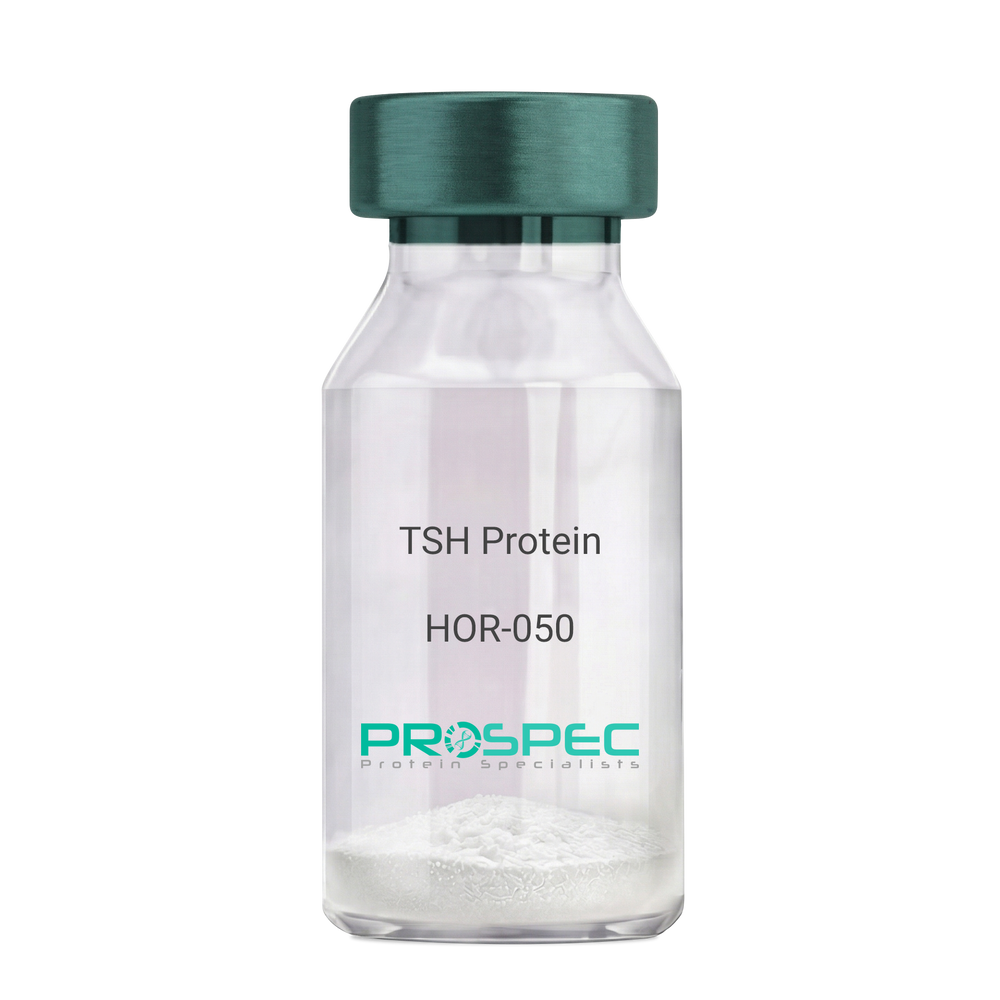
    TSH Protein

    Description:

    Thyroid Stimulating Hormone Human Recombinant

    Glycoprotein hormones alpha chain, Anterior pituitary glycoprotein hormones common subunit alpha, Follitropin alpha chain, Follicle-stimulating hormone alpha chain, FSH-alpha, Lutropin alpha chain, Luteinizing hormone alpha chain, LSH-alpha, Thyrotropin alpha chain, Thyroid-stimulating hormone alpha chain, TSH-alpha, Choriogonadotropin alpha chain, Chorionic gonadotrophin alpha subunit, CG-alpha, Thyrotropin subunit beta, Thyroid-stimulating hormone subunit beta, TSH-beta, TSH-B, Thyrotropin beta chain, Thyrotropin alfa.

    Product # :

    HOR-050

    Price :

    Quantity :

    Shipping Method :

    Room Temp Icon

    Shipped at Room temp

    Add To Cart

    More Info

    • description
    • source
    • formulation
    • purity
    • biological activity
    • More Info
    • Citations

    Description

    Thyroid Stimulating Hormone Human Recombinant produced in HEK 293 cells.

    Source

    HEK 293 cells.

    Formulation

    Lyophilized from a concentrated 50mM ammonium bicarbonate.

    Purity

    Greater than 95.0% as determined by SDS-PAGE.

    Biological Activity

    The protein is biologically active using Siemens Centaur CP is standardized against WHO 3rd IS 81/565.

    Citations

    More Info

    • Synonyms

      Glycoprotein hormones alpha chain, Anterior pituitary glycoprotein hormones common subunit alpha, Follitropin alpha chain, Follicle-stimulating hormone alpha chain, FSH-alpha, Lutropin alpha chain, Luteinizing hormone alpha chain, LSH-alpha, Thyrotropin alpha chain, Thyroid-stimulating hormone alpha chain, TSH-alpha, Choriogonadotropin alpha chain, Chorionic gonadotrophin alpha subunit, CG-alpha, Thyrotropin subunit beta, Thyroid-stimulating hormone subunit beta, TSH-beta, TSH-B, Thyrotropin beta chain, Thyrotropin alfa.

    • Physical Appearance

      Sterile Filtered White lyophilized (freeze-dried) powder.

    • Stability

      Lyophilized Recombinant TSH although stable at room temperature for 3 weeks, should be stored desiccated below -18°C. Upon reconstitution Recombinant TSH should be stored at 4°C between 2-7 days and for future use below -18°C. For long term storage it is recommended to add a carrier protein (0.1% HSA or BSA). Please prevent freeze-thaw cycles.

    • Solubility

      It is recommended to reconstitute the lyophilized recombinant TSH in sterile 10 mM Sodium Phosphate, 150 mM Sodium Chloride, 1 mg/ml BSA, 0.1% Sodium Azide (optional), pH 7.4.

    • Background

      Thyroid-stimulating hormone (TSH), also known as thyrotropin, is a glycoprotein hormone produced by the anterior pituitary gland. Its primary function is to regulate thyroid gland activity by stimulating the synthesis and secretion of thyroid hormones, thyroxine (T4) and triiodothyronine (T3). Recombinant human TSH (rhTSH) has emerged as a valuable tool in clinical practice, particularly in the management of thyroid disorders and in diagnostic procedures involving the thyroid gland. This paper aims to provide an overview of research on rhTSH, including its mechanism of action, activity, and therapeutic applications.

      The mechanism of action of rhTSH involves binding to the TSH receptor (TSHR) on the surface of thyroid follicular cells. This interaction activates intracellular signalling pathways, including cyclic adenosine monophosphate (cAMP) production and protein kinase A (PKA) activation. These pathways stimulate various cellular processes within thyroid follicular cells, such as iodine uptake, thyroid hormone synthesis, and secretion.

      What is the source or expression system of TSH PROTEIN Protein?
      HEK 293 cells.

      What is the Purity of TSH PROTEIN Protein?
      TSH PROTEIN Protein is >95% pure as determined by SDS-PAGE.

      What is the Biological Activity of TSH PROTEIN Protein?
      The protein is biologically active using Siemens Centaur CP is standardized against WHO 3rd IS 81/565.

      What applications can TSH PROTEIN Protein be used in?
      TSH PROTEIN Protein can probably be used in western blot, ELISA and Lateral Flow.

      What is the endotoxin level for TSH PROTEIN Protein?
      The endotoxin level is minimal, TSH PROTEIN Protein was purified using conventional chromatography techniques.


    ProSpec's products are furnished for LABORATORY RESEARCH USE ONLY. The product may not be used as drugs, agricultural or pesticidal products, food additives or household chemicals.

    Tsh Recombinant
  • View Data Sheet

    Name :

    ICAM1 Human, Sf9

    Description:

    Intercellular Adhesion Molecule-1 Human Recombinant, SF9

    Intercellular Adhesion Molecule 1, Major Group Rhinovirus Receptor, ICAM-1, Intercellular Adhesion Molecule 1 (CD54), Human Rhinovirus Receptor, Cell Surface Glycoprotein P3.58, Human Rhinovirus Receptor, CD54 Antigen, P3.58, CD54, BB2, Intercellular adhesion molecule 1.

    Product # :

    PRO-2200

    Price :

    Quantity :

    Shipping Method :

    Ice Icon

    Shipped with Ice Packs

    Add To Cart

    More Info

    • description
    • source
    • formulation
    • purity
    • biological activity
    • More Info
    • Citations

    Description

    ICAM1 produced in Sf9 Baculovirus cells is a single, glycosylated polypeptide chain containing 692 amino acids (28-480a.a.) and having a molecular mass of 76.5kDa. (Molecular size on SDS-PAGE will appear at approximately 70-100kDa). ICAM1 is expressed with a 239 amino acid His tag at C-Terminus and purified by proprietary chromatographic techniques.

    Source

    Sf9, Baculovirus cells.

    Formulation

    ICAM1 protein solution (0.25mg/ml) contains phosphate buffered saline (pH7.4) and 10% glycerol.

    Purity

    Greater than 90.0% as determined by SDS-PAGE.

    Biological Activity

    The ED50 range ≤ 2 ug/ml is measured by the ability of the immobilized protein to support the adhesion of HL-60 human promyelocytic cells. When cells are added to Human ICAM-1/CD54 coated plates.

    Citations

    More Info

    • Introduction

      ICAM-1 also called CD54 is a single chain membrane glycoprotein expressed on the surface of a variety of non-haematopoietic and haematopoietic cell types and has roles in signal transduction, cell signaling and lymphocyte adhesion. ICAM1 binds to integrins such as CD11a / CD18, or CD11b / CD18. ICAM1 is also used by Rhinovirus as a receptor. ICAM-1 is an intercellular adhesion molecule constantly present in low concentrations in the membranes of leukocytes and endothelial cells. When stimulated by cytokine the concentrations significantly increase. ICAM-1 can be stimulated by interleukin-1 (IL-1) and tumor necrosis factor alpha (TNFA) and is expressed by the vascular endothelium, macrophages and lymphocytes. ICAM-1 is a ligand for LFA-1 which is a receptor found on leukocytes. Upon activation, leukocytes bind to endothelial cells via ICAM-1/LFA-1 and then transmigrate into tissues. ICAM-1 is implicated in subarachnoid hemorrhage (SAH). Levels of ICAM-1 are shown to be notably elevated in patients with SAH. Soluble ICAM-1 is detectable in the plasma and is elevated in patients with various inflammatory conditions.

    • Synonyms

      Intercellular Adhesion Molecule 1, Major Group Rhinovirus Receptor, ICAM-1, Intercellular Adhesion Molecule 1 (CD54), Human Rhinovirus Receptor, Cell Surface Glycoprotein P3.58, Human Rhinovirus Receptor, CD54 Antigen, P3.58, CD54, BB2, Intercellular adhesion molecule 1.

    • Physical Appearance

      Sterile Filtered colorless solution.

    • Stability

      Store at 4°C if entire vial will be used within 2-4 weeks. Store, frozen at -20°C for longer periods of time. For long term storage it is recommended to add a carrier protein (0.1% HSA or BSA).Avoid multiple freeze-thaw cycles.

    • Amino Acid Sequence

      QTSVSPSKVI LPRGGSVLVT CSTSCDQPKL LGIETPLPKK ELLLPGNNRK VYELSNVQED SQPMCYSNCP DGQSTAKTFL TVYWTPERVE LAPLPSWQPV GKNLTLRCQV EGGAPRANLT VVLLRGEKEL KREPAVGEPA EVTTTVLVRR DHHGANFSCR TELDLRPQGL ELFENTSAPY QLQTFVLPAT PPQLVSPRVL EVDTQGTVVC SLDGLFPVSE AQVHLALGDQ RLNPTVTYGN DSFSAKASVS VTAEDEGTQR LTCAVILGNQ SQETLQTVTI YSFPAPNVIL TKPEVSEGTE VTVKCEAHPR AKVTLNGVPA QPLGPRAQLL LKATPEDNGR SFSCSATLEV AGQLIHKNQT RELRVLYGPR LDERDCPGNW TWPENSQQTP MCQAWGNPLP ELKCLKDGTF PLPIGESVTV TRDLEGTYLC RARSTQGEVT REVTVNVLSP RYEVEPKSCD KTHTCPPCPA PELLGGPSVF LFPPKPKDTL MISRTPEVTC VVVDVSHEDP EVKFNWYVDG VEVHNAKTKP REEQYNSTYR VVSVLTVLHQ DWLNGKEYKC KVSNKALPAP IEKTISKAKG QPREPQVYTL PPSRDELTKN QVSLTCLVKG FYPSDIAVEW ESNGQPENNY KTTPPVLDSD GSFFLYSKLT VDKSRWQQGN VFSCSVMHEA LHNHYRQKSL SLSPGKHHHH HH.

    • Background

      Intercellular adhesion molecule-1 (ICAM-1) is a cell surface glycoprotein that plays a pivotal role in immune responses and inflammatory processes. This research aims to investigate the function and significance of ICAM-1 protein in various physiological and pathological conditions. Understanding the molecular mechanisms and regulatory roles of ICAM-1 can provide valuable insights into its potential as a therapeutic target for immune-related disorders.

      Structure and Expression of ICAM-1 Protein:

      ICAM-1 belongs to the immunoglobulin superfamily and is composed of five immunoglobulin-like domains. It is primarily expressed on the surfaces of endothelial cells, leukocytes, and other immune cells. ICAM-1 expression can be induced by pro-inflammatory cytokines, such as tumor necrosis factor-alpha (TNF-α) and interleukin-1 (IL-1), during immune responses and inflammatory conditions.

      ICAM-1 and Leukocyte Adhesion:

      One of the critical functions of ICAM-1 is its involvement in leukocyte adhesion and migration. ICAM-1 interacts with its primary receptor, lymphocyte function-associated antigen-1 (LFA-1), expressed on leukocytes. This interaction facilitates the firm adhesion of leukocytes to endothelial cells, leading to their transmigration into inflamed tissues. The ICAM-1/LFA-1 axis plays a crucial role in immune surveillance, inflammation, and host defense against pathogens.

      Implications of ICAM-1 in Inflammatory Disorders:

      ICAM-1 has been implicated in various inflammatory diseases, including rheumatoid arthritis, inflammatory bowel disease, and multiple sclerosis. Enhanced expression of ICAM-1 on endothelial cells promotes leukocyte recruitment and contributes to the perpetuation of chronic inflammation. Therefore, targeting ICAM-1-mediated leukocyte adhesion has emerged as a potential therapeutic strategy to alleviate inflammation and attenuate disease progression.

      ICAM-1 in Viral Infections:

      ICAM-1 also plays a role in viral infections, as several viruses exploit ICAM-1 to facilitate their entry into host cells. For instance, rhinoviruses, which cause the common cold, utilize ICAM-1 as a receptor for attachment and entry into respiratory epithelial cells. The interaction between ICAM-1 and viral proteins promotes viral internalization and subsequent infection. Understanding the mechanisms of ICAM-1-mediated viral entry can aid in the development of antiviral strategies.

      Therapeutic Targeting of ICAM-1:

      Given its crucial involvement in immune responses and disease pathogenesis, ICAM-1 has emerged as a potential therapeutic target. Strategies aimed at blocking ICAM-1/LFA-1 interactions have shown promise in preclinical and clinical studies. Monoclonal antibodies targeting ICAM-1 or LFA-1 have been developed to prevent leukocyte adhesion and reduce inflammation. Additionally, small molecule inhibitors and gene therapies targeting ICAM-1 expression are being explored as potential therapeutic interventions.

      Challenges and Future Directions:

      Although therapeutic targeting of ICAM-1 shows promise, several challenges need to be addressed. Specific targeting of ICAM-1 without affecting its physiological functions and potential off-target effects are important considerations. Additionally, the complex and dynamic nature of ICAM-1 expression and regulation require further investigation to optimize therapeutic strategies.

      Conclusion:

      The investigation of ICAM-1 protein provides insights into its pivotal role in immune responses, leukocyte adhesion, and inflammatory processes. Understanding the molecular mechanisms and functional implications of ICAM-1 opens avenues for the development of targeted therapies for inflammatory disorders and viral infections. Further research on ICAM-1 protein

    ProSpec's products are furnished for LABORATORY RESEARCH USE ONLY. The product may not be used as drugs, agricultural or pesticidal products, food additives or household chemicals.

    Icam1 Human Sf9
  • View Data Sheet

    Name :

    IGFBP1 Human, HEK

    Description:

    Insulin-Like Growth Factor Binding Protein-1 Human Recombinant, HEK

    IBP-1, IGF-Binding Protein 1, AFBP, PP12, IGF-BP25, hIGFBP-1, IGFBP-1.

    Product # :

    CYT-1214

    Price :

    Quantity :

    Shipping Method :

    Ice Icon

    Shipped with Ice Packs

    Add To Cart

    More Info

    • description
    • source
    • formulation
    • purity
    • biological activity
    • More Info
    • Citations

    Description

    IGFBP1 Human Recombinant is a single, glycosylated, polypeptide chain (26-259 a.a) containing a total of 234 amino acids, having a molecular mass of 25.2 kDa. IGFBP1 is purified by proprietary chromatographic techniques.

    Source

    HEK293 Cells.

    Formulation

    The IGFBP1 solution (0.5mg/ml) contains 10% Glycerol and Phosphate-Buffered Saline (pH 7.4).

    Purity

    Greater than 95.0% as determined by SDS-PAGE.

    Biological Activity

    The ED50 is ≤3 ug/ml, measured by its ability to inhibit proliferation using MCF-7 human breast cancer cells in the presence of Human IGF-1. 

    Citations

    More Info

    • Synonyms

      IBP-1, IGF-Binding Protein 1, AFBP, PP12, IGF-BP25, hIGFBP-1, IGFBP-1.

    • Physical Appearance

      Sterile Filtered colorless solution.

    • Stability

      Store at 4°C if entire vial will be used within 2-4 weeks. Store, frozen at -20°C for longer periods of time. For long term storage it is recommended to add a carrier protein (0.1% HSA or BSA).Avoid multiple freeze-thaw cycles.

    • Amino Acid Sequence

      APWQCAPCSA EKLALCPPVS ASCSEVTRSA GCGCCPMCAL PLGAACGVAT ARCARGLSCR ALPGEQQPLH ALTRGQGACV QESDASAPHA AEAGSPESPE STEITEEELL DNFHLMAPSE EDHSILWDAI STYDGSKALH VTNIKKWKEP CRIELYRVVE SLAKAQETSG EEISKFYLPN CNKNGFYHSR QCETSMDGEA GLCWCVYPWN GKRIPGSPEI RGDPNCQIYF NVQN.

    • Background

      IGFBP-1 (Insulin-like Growth Factor Binding Protein-1) is a vital protein that regulates the actions of insulin-like growth factors (IGFs) in various physiological processes. This research paper aims to investigate the structure, function, and potential therapeutic applications of IGFBP-1, shedding light on its diverse roles in growth regulation and its therapeutic potential.

      IGFBP-1 belongs to the IGFBP family and is primarily synthesized and secreted by the liver. It acts as a carrier protein, binding to IGFs in the bloodstream and modulating their availability and distribution to target tissues. By binding to IGFs, IGFBP-1 regulates IGF signaling pathways, influencing cellular growth, differentiation, and metabolism.

      The structure of IGFBP-1 comprises an N-terminal domain responsible for IGF binding, followed by linker regions and a C-terminal domain involved in protein-protein interactions. Post-translational modifications, including phosphorylation and glycosylation, further regulate the activity and stability of IGFBP-1.

      IGFBP-1 plays a pivotal role in modulating IGF actions in various tissues and physiological contexts. It is involved in fetal development, skeletal growth, and tissue repair. Additionally, IGFBP-1 has been implicated in metabolic regulation, insulin sensitivity, and the pathogenesis of metabolic disorders such as diabetes and obesity.

      Therapeutically, IGFBP-1 holds significant promise. Its ability to modulate IGF activity opens avenues for targeted therapies in conditions associated with dysregulated IGF signaling, including cancer. The dysregulation of the IGF pathway is frequently observed in cancer, making IGFBP-1 an attractive candidate for novel therapeutic approaches. Manipulating IGFBP-1 levels or developing IGFBP-1-derived peptides may offer innovative strategies for inhibiting tumor growth or enhancing the effectiveness of existing cancer therapies.

      The availability of IGFBP-1 human recombinant proteins has greatly facilitated research and development endeavors. Recombinant IGFBP-1 proteins provide invaluable tools for investigating the interactions between IGFBP-1, IGFs, and other regulatory molecules. They enable detailed exploration of the molecular mechanisms underlying IGFBP-1 function and offer opportunities to unlock its full therapeutic potential.

      What is the molecular weight/Mw of IGFBP1 HUMAN, HEK Protein?
      IGFBP1 HUMAN, HEK Protein has a total Mw of 25.2kDa.

      What is the source or expression system of IGFBP1 HUMAN, HEK Protein?
      HEK293 Cells.
      What is the Purity of IGFBP1 HUMAN, HEK Protein?
      IGFBP1 HUMAN, HEK Protein is >95% pure as determined by SDS-PAGE.

      What is the Biological Activity of IGFBP1 HUMAN, HEK Protein?
      The ED50 is ≤3 ug/ml, measured by its ability to inhibit proliferation using MCF-7 human breast cancer cells in the presence of Human IGF-1.

      What is the amino acid sequence of IGFBP1 HUMAN, HEK Protein?
      APWQCAPCSA EKLALCPPVS ASCSEVTRSA GCGCCPMCAL PLGAACGVAT ARCARGLSCR ALPGEQQPLH ALTRGQGACV QESDASAPHA AEAGSPESPE STEITEEELL DNFHLMAPSE EDHSILWDAI STYDGSKALH VTNIKKWKEP CRIELYRVVE SLAKAQETSG EEISKFYLPN CNKNGFYHSR QCETSMDGEA GLCWCVYPWN GKRIPGSPEI RGDPNCQIYF NVQN.

      What applications can IGFBP1 HUMAN, HEK Protein be used in?
      IGFBP1 HUMAN, HEK Protein can probably be used in western blot, ELISA and Lateral Flow.

      What is the endotoxin level for IGFBP1 HUMAN, HEK Protein?
      The endotoxin level is minimal, IGFBP1 HUMAN, HEK Protein was purified using conventional chromatography techniques.


    ProSpec's products are furnished for LABORATORY RESEARCH USE ONLY. The product may not be used as drugs, agricultural or pesticidal products, food additives or household chemicals.

    Igfbp1 Human Hek
  • View Data Sheet

    Name :

    MAPK14 Human

    Description:

    Mitogen-Activated Protein Kinase 14 Human Recombinant

    Mitogen-activated protein kinase 14, Mitogen-activated protein kinase p38 alpha, CSBP1, CSBP2, Mxi2, PRKM14, MAP kinase p38 alpha, MAX-interacting protein 2, EXIP, PRKM15, p38, Cytokine suppressive anti-inflammatory drug-binding protein, MAP kinase MXI2, Stress-activated protein kinase 2a, RK, CSAID binding protein, p38alpha Exip, SAPK2A, EC 2.7.11, EC 2.7.11.24.

    Product # :

    PKA-014

    Price :

    Quantity :

    Shipping Method :

    Ice Icon

    Shipped with Ice Packs

    Add To Cart

    More Info

    • description
    • source
    • formulation
    • purity
    • More Info
    • Citations

    Description

    MAPK14 Human Recombinant produced in E.Coli is a single, non-glycosylated polypeptide chain containing 383 amino acids (1-360 a.a.) and having a molecular mass of 43.7kDa.MAPK14 is fused to a 23 amino acid His-tag at N-terminus & purified by proprietary chromatographic techniques.

    Source

    Escherichia Coli.

    Formulation

    MAPK14 protein solution (0.5mg/ml) containing 20mM Tris-HCl buffer (pH8.0), 1mM DTT, 100mM NaCl and 10% glycerol.

    Purity

    Greater than 90.0% as determined by SDS-PAGE analysis.

    Citations

    More Info

    • Introduction

      MAPK14 belongs to the MAP kinase family and is most associated with p38 MAP kinases(MAPKs). MAPKs are activated mainly as a reaction to cellular stress and inflammatory cytokines, and inhibitors that target the MAPK14 and MAPK11 have demonstrated ability to cure inflammatory disease. The substrates of this kinase contain transcription regulator ATF2, MEF2C, and MAX, cell cycle regulator CDC25B, and tumor suppressor p53, which demonstrate the parts of MAPK14 in stress-related transcription, cell cycle regulation and genotoxic stress response.

    • Synonyms

      Mitogen-activated protein kinase 14, Mitogen-activated protein kinase p38 alpha, CSBP1, CSBP2, Mxi2, PRKM14, MAP kinase p38 alpha, MAX-interacting protein 2, EXIP, PRKM15, p38, Cytokine suppressive anti-inflammatory drug-binding protein, MAP kinase MXI2, Stress-activated protein kinase 2a, RK, CSAID binding protein, p38alpha Exip, SAPK2A, EC 2.7.11, EC 2.7.11.24.

    • Physical Appearance

      Sterile Filtered colorless solution.

    • Stability

      Store at 4°C if entire vial will be used within 2-4 weeks.Store, frozen at -20°C for longer periods of time. For long term storage it is recommended to add a carrier protein (0.1% HSA or BSA).Avoid multiple freeze-thaw cycles.

    • Amino Acid Sequence

      MGSSHHHHHH SSGLVPRGSH MGSMSQERPT FYRQELNKTI WEVPERYQNL SPVGSGAYGS VCAAFDTKTG LRVAVKKLSR PFQSIIHAKR TYRELRLLKH MKHENVIGLL DVFTPARSLE EFNDVYLVTH LMGADLNNIV KCQKLTDDHV QFLIYQILRG LKYIHSADII HRDLKPSNLA VNEDCELKIL DFGLARHTDD EMTGYVATRW YRAPEIMLNW MHYNQTVDIW SVGCIMAELL TGRTLFPGTD HIDQLKLILR LVGTPGAELL KKISSESARN YIQSLTQMPK MNFANVFIGA NPLAVDLLEK MLVLDSDKRI TAAQALAHAY FAQYHDPDDE PVADPYDQSF ESRDLLIDEW KSLTYDEVIS FVPPPLDQEE MES.

    ProSpec's products are furnished for LABORATORY RESEARCH USE ONLY. The product may not be used as drugs, agricultural or pesticidal products, food additives or household chemicals.

    Mapk14 Human
  • View Data Sheet

    Name :

    ANGPTL3 Human, HEK

    Description:

    Angiopoietin Like Protein 3 Human Recombinant, HEK

    Angiopoietin 5, ANGPT5, ANGPTL3, Angiopoietin Like Protein 3.

    Product # :

    CYT-766

    Price :

    Quantity :

    Shipping Method :

    Room Temp Icon

    Shipped at Room temp

    Add To Cart

    More Info

    • description
    • source
    • formulation
    • purity
    • More Info
    • Citations

    Description

    ANGPTL3 Human Recombinant produced in HEK cells is a single, glycosylated, polypeptide chain (a.a 17-460) containing a total of 450 amino acids, having a molecular mass of 52.6kDa (calculated) and fused to a 6 aa His tag at C-Terminus.The Human ANGPTL3 is purified by proprietary chromatographic techniques.

    Source

    HEK 293.

    Formulation

    Filtered (0.4µm) and lyophilized from 0.5mg/ml in 0.05M phosphate buffer and 0.075M NaCl, pH 7.4.

    Purity

    Greater than 95.0% as determined by SDS-PAGE.

    Citations

    More Info

    • Introduction

      ANGPTL3 and ANGPTL4 are angiopoietin-like proteins secreted and expressed mainly by the liver, their role being the regulation of triglyceride metabolism by inhibiting the lipolysis of triglyceride-rich lipoproteins. During different nutritional states (feeding/fasting) the levels of the circulating triglycerides are regulated by Angptl3 and Angptl4 through differential inhibition of Lipoprotein lipase (LPL) as shown by the experimental data. The molecular structure of ANGPTL3 is similar to that of the angiopoietins (vascular endothelial growth factors). Deletion mutants of human Angiopoietin 5 were used in order to demonstrate that the N-terminal domain (fragment 17-207) and not the C-terminal fibrinogen-like domain (fragment 207-460) increased the plasma triglyceride levels in mice.

    • Synonyms

      Angiopoietin 5, ANGPT5, ANGPTL3, Angiopoietin Like Protein 3.

    • Physical Appearance

      Filtered White lyophilized (freeze-dried) powder.

    • Stability

      Store lyophilized protein at -20°C. Aliquot the product after reconstitution to avoid repeated freezing/thawing cycles. Reconstituted protein can be stored at 4°C for a limited period of time.

    • Solubility

      It is recommended to add deionized water to a working concentration of 0.5mg/ml and let the lyophilized pellet dissolve completely. Product is not sterile! Please filter the product by an appropriate sterile filter before using it in the cell culture.

    • Amino Acid Sequence

      SRIDQDNSSF DSLSPEPKSR FAMLDDVKIL ANGLLQLGHG LKDFVHKTKG QINDIFQKLN IFDQSFYDLS LQTSEIKEEE KELRRTTYKL QVKNEEVKNM SLELNSKLES LLEEKILLQQ KVKYLEEQLT NLIQNQPETP EHPEVTSLKT FVEKQDNSIK DLLQTVEDQY KQLNQQHSQI KEIENQLRRT SIQEPTEISL SSKPRAPRTT PFLQLNEIRN VKHDGIPAEC TTIYNRGEHT SGMYAIRPSN SQVFHVYCDV ISGSPWTLIQ HRIDGSQNFN ETWENYKYGF GRLDGEFWLG LEKIYSIVKQ SNYVLRIELE DWKDNKHYIE YSFYLGNHET NYTLHLVAIT GNVPNAIPEN KDLVFSTWDH KAKGHFNCPE GYSGGWWWHD ECGENNLNGK YNKPRAKSKP ERRRGLSWKS QNGRLYSIKS TKMLIHPTDS ESFEHHHHHH.

    • Background

      What is the molecular weight/Mw of ANGPTL3 Protein?
      ANGPTL3 Protein has a total Mw of 52.6kDa.

      What is the source or expression system of ANGPTL3 Protein?
      HEK 293.

      What is the Purity of ANGPTL3 Protein?
      ANGPTL3 Protein is >95% pure as determined by SDS-PAGE.

      What is the Biological Activity of ANGPTL3 Protein?
      The biological functionality of ANGPTL3 Protein will be determined in the future.

      What is the amino acid sequence of ANGPTL3 Protein?
      SRIDQDNSSF DSLSPEPKSR FAMLDDVKIL ANGLLQLGHG LKDFVHKTKG QINDIFQKLN IFDQSFYDLS LQTSEIKEEE KELRRTTYKL QVKNEEVKNM SLELNSKLES LLEEKILLQQ KVKYLEEQLT NLIQNQPETP EHPEVTSLKT FVEKQDNSIK DLLQTVEDQY KQLNQQHSQI KEIENQLRRT SIQEPTEISL SSKPRAPRTT PFLQLNEIRN VKHDGIPAEC TTIYNRGEHT SGMYAIRPSN SQVFHVYCDV ISGSPWTLIQ HRIDGSQNFN ETWENYKYGF GRLDGEFWLG LEKIYSIVKQ SNYVLRIELE DWKDNKHYIE YSFYLGNHET NYTLHLVAIT GNVPNAIPEN KDLVFSTWDH KAKGHFNCPE GYSGGWWWHD ECGENNLNGK YNKPRAKSKP ERRRGLSWKS QNGRLYSIKS TKMLIHPTDS ESFEHHHHHH.

      What applications can ANGPTL3 Protein be used in?
      ANGPTL3 Protein can probably be used in western blot, ELISA and Lateral Flow.

      What is the endotoxin level for ANGPTL3 Protein?
      The endotoxin level is minimal, ANGPTL3 Protein was purified using conventional chromatography techniques.

    ProSpec's products are furnished for LABORATORY RESEARCH USE ONLY. The product may not be used as drugs, agricultural or pesticidal products, food additives or household chemicals.

    Angptl3 Human Hek
  • View Data Sheet

    Name :

    SUMF1 Human, Sf9

    Description:

    Sulfatase Modifying Factor 1 Human Recombinant, Sf9

    SUMF1, AAPA3037, FGE, UNQ3037, Formylglycine-generating enzyme, C-alpha-formylglycine-generating enzyme 1, Sulfatase-modifying factor 1.

    Product # :

    PRO-2619

    Price :

    Quantity :

    Shipping Method :

    Ice Icon

    Shipped with Ice Packs

    Add To Cart

    More Info

    • description
    • source
    • formulation
    • purity
    • More Info
    • Citations

    Description

    SUMF1 produced in Sf9 Insect cells is a single, glycosylated polypeptide chain containing 347 amino acids (34-374.a.) and having a molecular mass of 38.1kDa (Molecular size on SDS-PAGE will appear at approximately 40-57kDa). SUMF1 is expressed with a 6 amino acid His tag at C-Terminus and purified by proprietary chromatographic techniques.

    Source

    Sf9, Insect cells.

    Formulation

    SUMF1 protein solution (0.25mg/ml) contains Phosphate Buffered Saline (pH 7.4) and 10% glycerol.

    Purity

    Greater than 85.0% as determined by SDS-PAGE.

    Citations

    More Info

    • Introduction

      SUMF1 is a part of the SUMF protein family. SUMF1 catalyzes the hydrolysis of sulfate esters by oxidizing a cysteine residue in the substrate sulfatase to an active site 3-oxoalanine residue called C-alpha-formylglycine. Mutations in this gene will cause multiple sulfatase deficiency meaning a lysosomal storage disorder.

    • Synonyms

      SUMF1, AAPA3037, FGE, UNQ3037, Formylglycine-generating enzyme, C-alpha-formylglycine-generating enzyme 1, Sulfatase-modifying factor 1.

    • Physical Appearance

      Sterile Filtered colorless solution.

    • Stability

      Store at 4°C if entire vial will be used within 2-4 weeks. Store, frozen at -20°C for longer periods of time. For long term storage it is recommended to add a carrier protein (0.1% HSA or BSA). Avoid multiple freeze-thaw cycles.

    • Amino Acid Sequence

      SQEAGTGAGA GSLAGSCGCG TPQRPGAHGS SAAAHRYSRE ANAPGPVPGE RQLAHSKMVP IPAGVFTMGT DDPQIKQDGE APARRVTIDA FYMDAYEVSN TEFEKFVNST GYLTEAEKFG DSFVFEGMLS EQVKTNIQQA VAAAPWWLPV KGANWRHPEG PDSTILHRPD HPVLHVSWND AVAYCTWAGK RLPTEAEWEY SCRGGLHNRL FPWGNKLQPK GQHYANIWQG EFPVTNTGED GFQGTAPVDA FPPNGYGLYN IVGNAWEWTS DWWTVHHSVE ETLNPKGPPS GKDRVKKGGS YMCHRSYCYR YRCAARSQNT PDSSASNLGF RCAADRLPTM DHHHHHH.

    ProSpec's products are furnished for LABORATORY RESEARCH USE ONLY. The product may not be used as drugs, agricultural or pesticidal products, food additives or household chemicals.

    Sumf1 Protein
  • View Data Sheet

    Name :

    ARHGEF39 Human

    Description:

    Rho Guanine Nucleotide Exchange Factor 39 Human Recombinant

    Rho guanine nucleotide exchange factor 39, ARHGEF39, C9orf100, RP11-331F9.7.

    Product # :

    PRO-2101

    Price :

    Quantity :

    Shipping Method :

    Ice Icon

    Shipped with Ice Packs

    Add To Cart

    More Info

    • description
    • source
    • formulation
    • purity
    • More Info
    • Citations

    Description

    ARHGEF39 Human Recombinant produced in E.Coli is a single, non-glycosylated polypeptide chain containing 358 amino acids (1-335 a.a) and having a molecular mass of 40.7kDa.ARHGEF39 is fused to a 23 amino acid His-tag at N-terminus & purified by proprietary chromatographic techniques.

    Source

    Escherichia Coli.

    Formulation

    ARHGEF39 protein solution (1mg/ml) containing 20mM Tris-HCl buffer (pH 8.0) and 10% glycerol.

    Purity

    Greater than 85.0% as determined by SDS-PAGE.

    Citations

    More Info

    • Introduction

      Rho Guanine Nucleotide Exchange Factor 39, also known as ARHGEF39, is a protein coding gene which owns one DH (DBL-homology) domain and one PH domain. ARHGEF39 encourages cell proliferation.

    • Synonyms

      Rho guanine nucleotide exchange factor 39, ARHGEF39, C9orf100, RP11-331F9.7.

    • Physical Appearance

      Sterile Filtered clear solution.

    • Stability

      Store at 4°C if entire vial will be used within 2-4 weeks. Store, frozen at -20°C for longer periods of time. For long term storage it is recommended to add a carrier protein (0.1% HSA or BSA).Avoid multiple freeze-thaw cycles.

    • Amino Acid Sequence

      MGSSHHHHHH SSGLVPRGSH MGSMELSCPG SRCPVQEQRA RWERKRACTA RELLETERRY QEQLGLVATY FLGILKAKGT LRPPERQALF GSWELIYGAS QELLPYLEGG CWGQGLEGFC RHLELYNQFA ANSERSQTTL QEQLKKNKGF RRFVRLQEGR PEFGGLQLQD LLPLPLQRLQ QYENLVVALA ENTGPNSPDH QQLTRAARLI SETAQRVHTI GQKQKNDQHL RRVQALLSGR QAKGLTSGRW FLRQGWLLVV PPHGEPRPRM FFLFTDVLLM AKPRPPLHLL RSGTFACKAL YPMAQCHLSR VFGHSGGPCG GLLSLSFPHE KLLLMSTDQE ELSRWYHSLT WAISSQKN.

    ProSpec's products are furnished for LABORATORY RESEARCH USE ONLY. The product may not be used as drugs, agricultural or pesticidal products, food additives or household chemicals.

    Arhgef39 Human
  • View Data Sheet

    Name :

    SERPINC1 Human

    Description:

    Serpin Peptidase Inhibitor, Clade C Member 1 Human Recombinant

    AT3, AT3D, ATIII, THPH7, Antithrombin-III, Serpin C1, SERPINC1.

    Product # :

    PRO-1877

    Price :

    Quantity :

    Shipping Method :

    Ice Icon

    Shipped with Ice Packs

    Add To Cart

    More Info

    • description
    • source
    • formulation
    • purity
    • More Info
    • Citations

    Description

    SERPINC1 Human Recombinant produced in E.Coli is a single, non-glycosylated polypeptide chain containing 455 amino acids (33-464 a.a) and having a molecular mass of 51.4kDa. SERPINC1 is fused to a 23 amino acid His-tag at N-terminus & purified by proprietary chromatographic techniques.

    Source

    Escherichia Coli.

    Formulation

    SERPINC1 protein solution (0.5mg/ml) containing 20mM Tris-HCl buffer (pH 8.0), 0.4M Urea and 10% glycerol.

    Purity

    Greater than 85.0% as determined by SDS-PAGE.

    Citations

    More Info

    • Introduction

      Serpin Peptidase Inhibitor, Clade C Member 1 (SERPINC1), which is a part of the serpin superfamily, is a plasma protease inhibitor. SERPINC1 inhibits thrombin and other activated serine proteases of the coagulation system, and regulates the blood coagulation cascade. SERPINC1 also inhibits Thrombin and Factors IXa, Xa and XIa. Deficiencies in SERPINC1 can cause ATIII deficiency, an autosomal dominant disease which might lead to a hereditary thrombophilia.

    • Synonyms

      AT3, AT3D, ATIII, THPH7, Antithrombin-III, Serpin C1, SERPINC1.

    • Physical Appearance

      Sterile Filtered colorless solution.

    • Stability

      Store at 4°C if entire vial will be used within 2-4 weeks. Store, frozen at -20°C for longer periods of time. For long term storage it is recommended to add a carrier protein (0.1% HSA or BSA).Avoid multiple freeze-thaw cycles.

    • Amino Acid Sequence

      MGSSHHHHHH SSGLVPRGSH MGSHGSPVDI CTAKPRDIPM NPMCIYRSPE KKATEDEGSE QKIPEATNRR VWELSKANSR FATTFYQHLA DSKNDNDNIF LSPLSISTAF AMTKLGACND TLQQLMEVFK FDTISEKTSD QIHFFFAKLN CRLYRKANKS SKLVSANRLF GDKSLTFNET YQDISELVYG AKLQPLDFKE NAEQSRAAIN KWVSNKTEGR ITDVIPSEAI NELTVLVLVN TIYFKGLWKS KFSPENTRKE LFYKADGESC SASMMYQEGK FRYRRVAEGT QVLELPFKGD DITMVLILPK PEKSLAKVEK ELTPEVLQEW LDELEEMMLV VHMPRFRIED GFSLKEQLQD MGLVDLFSPE KSKLPGIVAE GRDDLYVSDA FHKAFLEVNE EGSEAAASTA VVIAGRSLNP NRVTFKANRP FLVFIREVPL NTIIFMGRVA NPCVK.

    ProSpec's products are furnished for LABORATORY RESEARCH USE ONLY. The product may not be used as drugs, agricultural or pesticidal products, food additives or household chemicals.

    Serpinc1 Human
  • View Data Sheet

    Name :

    ARF3 Human

    Description:

    ADP-Ribosylation Factor 3 Human Recombinant

    ADP-ribosylation factor 3, ARF3.

    Product # :

    PRO-933

    Price :

    Quantity :

    Shipping Method :

    Ice Icon

    Shipped with Ice Packs

    Add To Cart

    More Info

    • description
    • source
    • formulation
    • purity
    • More Info
    • Citations

    Description

    ARF3 Human Recombinant produced in E.Coli is a single, non-glycosylated polypeptide chain containing 201 amino acids (1-181 a.a.) and having a molecular mass of 22.8kDa.ARF3 is fused to a 20 amino acid His-tag at N-terminus & purified by proprietary chromatographic techniques.

    Source

    Escherichia Coli.

    Formulation

    ARF3 protein solution (1mg/ml) containing 20mM Tris-HCl buffer (pH8.0), 20% glycerol and 1mM DTT.

    Purity

    Greater than 95.0% as determined by SDS-PAGE.

    Citations

    More Info

    • Introduction

      ADP-ribosylation factor 3 (ARF3) belongs to the human ARF gene family. This family encodes small guanine nucleotide-binding proteins which stimulate the ADP-ribosyltransferase activity of cholera toxin and have a role in vesicular trafficking and as activators of phospholipase D. ARF3 functions as an allosteric activator of the cholera toxin catalytic subunit, an ADP-ribosyltransferase. ARF3 is involved in protein trafficking; may modulate vesicle budding and uncoating within the Golgi apparatus. The ARF3 gene is comprised of 5 exons and 4 introns.

    • Synonyms

      ADP-ribosylation factor 3, ARF3.

    • Physical Appearance

      Sterile Filtered colorless solution.

    • Stability

      Store at 4°C if entire vial will be used within 2-4 weeks. Store, frozen at -20°C for longer periods of time. For long term storage it is recommended to add a carrier protein (0.1% HSA or BSA).Avoid multiple freeze-thaw cycles.

    • Amino Acid Sequence

      MGSSHHHHHH SSGLVPRGSH MGNIFGNLLK SLIGKKEMRI LMVGLDAAGK TTILYKLKLG EIVTTIPTIG FNVETVEYKN ISFTVWDVGG QDKIRPLWRH YFQNTQGLIF VVDSNDRERV NEAREELMRM LAEDELRDAV LLVFANKQDL PNAMNAAEIT DKLGLHSLRH RNWYIQATCA TSGDGLYEGL DWLANQLKNK K.

    ProSpec's products are furnished for LABORATORY RESEARCH USE ONLY. The product may not be used as drugs, agricultural or pesticidal products, food additives or household chemicals.

    Arf3 Human
  • View Data Sheet

    Name :

    C9 Human

    Description:

    Complement C9 Human

    Product # :

    PRO-2696

    Price :

    Quantity :

    Shipping Method :

    Ice Icon

    Shipped with Ice Packs

    Add To Cart

    More Info

    • description
    • source
    • formulation
    • purity
    • More Info
    • Citations

    Description

    Human Complement C9 produced in Human plasma is glycosylated polypeptide chain having a total molecular mass of 71kDa.

    Source

    Human Plasma.

    Formulation

    C9 protein 1mg/ml solution contains PBS pH 7.2.

    Purity

    Greater than 95.0% as determined by SDS-PAGE.

    Citations

    More Info

    • Introduction

      C9 binds to the C5b-8 complex and formson cell membranes the mature membrane attack complex. Each pathway of complement activation generates proteolytic enzyme complexes which binds the target surface. These enzymes cleave a peptide bond in the larger alpha chain of C5 releasing the anaphylatoxin C5a and activating C5b. This is the only proteolytic step in the assembly of the C5b-9 complex. Although C5b is unstable it remains bound to the activating complex for a few minutes during which it binds a single C6 from the surrounding fluid or it decays and is no longer capable of forming MAC.The C5b,6 complex may also remain connected to the C3/C5 convertase where the binding of a single C7 exposes a membrane-binding region and C5b,6,7 can enter into the bilipid layer of the target cell. Each C5b-7 complex can bind 1 molecule of C8 causing the complex to enter more firmly into the membrane. The C5b-8 complex can cause lysis without C9,though it will take longer andwill require many more complexes per cell than with C9. The main role of C8 is to catalyze the binding of C9 and each can bind another C9 initiating formation of a ring structure containing up to 18 C9molecules.C5b-9 complexes with 1 or more C9 are called the Membrane Attack Complex of complement.

    • Physical Appearance

      Sterile filtered solution.

    • Stability

      C9 Human is stable at 4°C if entire vial will be used within 2-4 weeks.Store, frozen below -20°C for longer periods of time.For long term storage it is recommended to add a carrier protein (0.1% HSA or BSA).Avoid multiple freeze-thaw cycles.

    • Human Virus Test

      Plasma from each donor has been tested and found negative for antibody to HIV-1, HIV-2, HCV and HBSAG.

    ProSpec's products are furnished for LABORATORY RESEARCH USE ONLY. The product may not be used as drugs, agricultural or pesticidal products, food additives or household chemicals.

    C9 Protein
  • View Data Sheet

    Name :

    LOX Human

    Description:

    Lysyl Oxidase Human Recombinant

    Lysyl Oxidase, EC 1.4.3.13, Protein-lysine 6-oxidase, Lysyl oxidase.

    Product # :

    ENZ-829

    Price :

    Quantity :

    Shipping Method :

    Ice Icon

    Shipped with Ice Packs

    Add To Cart

    More Info

    • description
    • source
    • formulation
    • purity
    • More Info
    • Citations

    Description

    LOX Human Recombinant produced in E.Coli is a single, non-glycosylated polypeptide chain containing 272 amino acids (169-417a.a) and having a molecular mass of 31.4kDa.LOX is fused to a 23 amino acid His-tag at N-terminus & purified by proprietary chromatographic techniques.

    Source

    E.coli.

    Formulation

    LOX protein solution (1mg/ml) containing 20mM Tris-HCl buffer (pH 8.0) and 10% glycerol.

    Purity

    Greater than 85% as determined by SDS-PAGE.

    Citations

    More Info

    • Introduction

      Lysyl Oxidase also known as LOX is an extracellular copper enzyme which initiates the crosslinking of collagens and elastin. LOX catalyzes oxidative deamination of the epsilon-amino group in certain lysine and hydroxylysine residues of collagens and lysine residues of elastin. Adding up to crosslinking extracellular matrix proteins, LOX plays a part in tumor suppression. Moreover, defects in LOX are the cause of autosomal recessive cutis laxa type I, CL type I. Two transcript variants encoding dissimilar isoforms have been found for LOX.

    • Synonyms

      Lysyl Oxidase, EC 1.4.3.13, Protein-lysine 6-oxidase, Lysyl oxidase.

    • Physical Appearance

      Sterile Filtered colorless solution.

    • Stability

      Store at 4°C if entire vial will be used within 2-4 weeks. Store, frozen at -20°C for longer periods of time. For long term storage it is recommended to add a carrier protein (0.1% HSA or BSA).Avoid multiple freeze-thaw cycles.

    • Amino Acid Sequence

      MGSSHHHHHH SSGLVPRGSH MGSDDPYNPY KYSDDNPYYN YYDTYERPRP GGRYRPGYGT GYFQYGLPDL VADPYYIQAS TYVQKMSMYN LRCAAEENCL ASTAYRADVR DYDHRVLLRF PQRVKNQGTS DFLPSRPRYS WEWHSCHQHY HSMDEFSHYD LLDANTQRRV AEGHKASFCL EDTSCDYGYH RRFACTAHTQ GLSPGCYDTY GADIDCQWID ITDVKPGNYI LKVSVNPSYL VPESDYTNNV VRCDIRYTGH HAYASGCTIS PY.

    ProSpec's products are furnished for LABORATORY RESEARCH USE ONLY. The product may not be used as drugs, agricultural or pesticidal products, food additives or household chemicals.

    Lox Human
  • View Data Sheet

    Name :

    TUBB3 Human

    Description:

    Tubulin, Beta 3 Class III Human Recombinant

    Beta-4, CDCBM, CFEOM3A, TUBB4 , Tubulin beta-3 chain, Tubulin beta-4 chain, Tubulin beta-III, TUBB3.

    Product # :

    PRO-1388

    Price :

    Quantity :

    Shipping Method :

    Ice Icon

    Shipped with Ice Packs

    Add To Cart

    More Info

    • description
    • source
    • formulation
    • purity
    • More Info
    • Citations

    Description

    TUBB3 Human Recombinant produced in E.Coli is a single, non-glycosylated polypeptide chain containing 473 amino acids (1-450 a.a.) and having a molecular mass of 52.8kDa. TUBB3 is fused to a 23 amino acid His-tag at N-terminus & purified by proprietary chromatographic techniques.

    Source

    E.coli.

    Formulation

    TUBB3 protein solution (0.25mg/ml) contains 20mM Tris-HCl buffer (pH 8.0), 0.15M NaCl, 10% glycerol and 1mM DTT.

    Purity

    Greater than 90% as determined by SDS-PAGE.

    Citations

    More Info

    • Introduction

      Tubulin, beta 3 class III (TUBB3), which is the major constituent of microtubules, is primarily Expressed in neurons and is involved in neurogenesis and in axon guidance and maintenance. TUBB3 binds two moles of GTP, one at an exchangeable site on the beta chain and one at a non-exchangeable site on the alpha-chain.

    • Synonyms

      Beta-4, CDCBM, CFEOM3A, TUBB4 , Tubulin beta-3 chain, Tubulin beta-4 chain, Tubulin beta-III, TUBB3.

    • Physical Appearance

      Sterile Filtered colorless solution.

    • Stability

      Store at 4°C if entire vial will be used within 2-4 weeks. Store, frozen at -20°C for longer periods of time. For long term storage it is recommended to add a carrier protein (0.1% HSA or BSA).Avoid multiple freeze-thaw cycles.

    • Amino Acid Sequence

      MGSSHHHHHH SSGLVPRGSH MGSMREIVHI QAGQCGNQIG AKFWEVISDE HGIDPSGNYV GDSDLQLERI SVYYNEASSH KYVPRAILVD LEPGTMDSVR SGAFGHLFRP DNFIFGQSGA GNNWAKGHYT EGAELVDSVL DVVRKECENC DCLQGFQLTH SLGGGTGSGM GTLLISKVRE EYPDRIMNTF SVVPSPKVSD TVVEPYNATL SIHQLVENTD ETYCIDNEAL YDICFRTLKL ATPTYGDLNH LVSATMSGVT TSLRFPGQLN ADLRKLAVNM VPFPRLHFFM PGFAPLTARG SQQYRALTVP ELTQQMFDAK NMMAACDPRH GRYLTVATVF RGRMSMKEVD EQMLAIQSKN SSYFVEWIPN NVKVAVCDIP PRGLKMSSTF IGNSTAIQEL FKRISEQFTA MFRRKAFLHW YTGEGMDEME FTEAESNMND LVSEYQQYQD ATAEEEGEMY EDDEEESEAQ GPK.

    ProSpec's products are furnished for LABORATORY RESEARCH USE ONLY. The product may not be used as drugs, agricultural or pesticidal products, food additives or household chemicals.

    Tubb3 Human
  • View Data Sheet

    Name :

    SERPINA7 Human

    Description:

    Serpin Peptidase Inhibitor, Clade A Member 7 Human

    Product # :

    PRO-2739

    Price :

    Quantity :

    Shipping Method :

    Room Temp Icon

    Shipped at Room temp

    Add To Cart

    More Info

    • description
    • source
    • formulation
    • purity
    • More Info
    • Citations

    Description

    Human Serpin Peptidase Inhibitor, Clade A Member 7 Protein produced in Human plasma having a molecular mass of approximately 55kD.

    Source

    Human serum.

    Formulation

    The protein was lyophilized (0.2 µm filtered) from 20mM NH4HCO3.

    Purity

    Greater than 98.0%.

    Citations

    More Info

    • Introduction

      Thyroxine binding globulin, also known as SERPINA7, is synthesized in the liver and carried in the blood.
      SERPINA7 may be decreased or increased in a number of diseases. Its main value in diagnosis is to assess thyroid function by determining the amount of free T3/T4.
      Thyroxine binding globulin, binds and transports thyroid hormones in the circulation. SERPINA7 carries the majority of the T3/T4 in the blood. SERPINA7 has only one binding site for T3/T4 and about 25% of Thyroxine binding globulin is usually saturated.

    • Physical Appearance

      Sterile Filtered White lyophilized (freeze-dried) powder.

    • Stability

      SERPINA7 Human although stable at room temperature for 3 weeks, should be stored between 2-8°C.

    • Solubility

      It is recommended to reconstitute the lyophilized SERPINA7 Human in phosphate buffer containing 0.15M NaCl.

    • Human Virus Test

      Starting material donor has been tested and certified negative for antibodies to HIV-1, HIV-2, HCV, HBSAG, Parvovirus B19, Syphilis and HIV/HBV/HCV (PCR).

    ProSpec's products are furnished for LABORATORY RESEARCH USE ONLY. The product may not be used as drugs, agricultural or pesticidal products, food additives or household chemicals.

    Serpina7 Human
  • View Data Sheet

    Name :

    EAF1 Human

    Description:

    ELL Associated Factor 1 Human Recombinant

    ELL-associated factor 1, EAF1.

    Product # :

    PRO-1855

    Price :

    Quantity :

    Shipping Method :

    Ice Icon

    Shipped with Ice Packs

    Add To Cart

    More Info

    • description
    • source
    • formulation
    • purity
    • More Info
    • Citations

    Description

    EAF1 Human Recombinant produced in E. coli is. a single polypeptide chain containing 110 amino acids (182-268) and having a molecular mass of 11.3kDa. EAF1 is fused to a 23 amino acid His-tag at N-terminus & purified by proprietary chromatographic techniques.

    Source

    Escherichia Coli.

    Formulation

    The EAF1 solution (0.5mg/ml) contains 20mM Tris-HCl buffer (pH 8.0), 0.15M NaCl and 10% glycerol.

    Purity

    Greater than 95% as determined by SDS-PAGE.

    Citations

    More Info

    • Introduction

      ELL Associated Factor 1 (EAF1) is a part of the EAF family and is expressed mainly in heart, brain, placenta, lung, liver, skeletal muscle, kidney, pancreas, spleen, prostate, testis, small intestine and colon. EAF1 plays a role as a transcriptional transactivator of ELL and ELL2 elongation activities.

    • Synonyms

      ELL-associated factor 1, EAF1.

    • Physical Appearance

      Sterile Filtered clear solution.

    • Stability

      Store at 4°C if entire vial will be used within 2-4 weeks. Store frozen at -20°C for longer periods of time. For long term storage it is recommended to add a carrier protein (0.1% HSA or BSA).Avoid multiple freeze-thaw cycles.

    • Amino Acid Sequence

      MGSSHHHHHH SSGLVPRGSH MGSDIIEQMS SSSGSSSSDS ESSSGSDDDS SSSGGEDNGP ASPPQPSHQQ PYNSRPAVAN GTSRPQGSNQ LMNTLRNDLQ LSESGSDSDD.

    ProSpec's products are furnished for LABORATORY RESEARCH USE ONLY. The product may not be used as drugs, agricultural or pesticidal products, food additives or household chemicals.

    Eaf1 Human
  • View Data Sheet

    Name :

    COMP Human

    Description:

    Cartilage Oligomeric Matrix Protein Human Recombinant

    Cartilage Oligomeric Matrix Protein (pseudoachondroplasia epiphyseal dysplasia 1 multiple), MED, THBS5, TSP5, EDM1, PSACH, EPD1, Thrombospondin-5

    Product # :

    PRO-2727

    Price :

    Quantity :

    Shipping Method :

    Ice Icon

    Shipped with Ice Packs

    Add To Cart

    More Info

    • description
    • source
    • formulation
    • purity
    • More Info
    • Citations

    Description

    COMP Human Recombinant produced in HEK293 Cells is a single, glycosylated polypeptide chain containing 749 amino acids (21-757a.a) and having a molecular mass of 82.4kDa.COMP is expressed with a 6 amino acid His tag at C-Terminus and purified by proprietary chromatographic techniques.

    Source

    HEK293 Cells.

    Formulation

    The COMP solution (0. 5mg/1ml) contains phosphate buffered saline (pH7.4) and 10% glycerol.

    Purity

    Greater than 85.0% as determined by SDS-PAGE.

    Citations

    More Info

    • Introduction

      COMP is a non-collagenous glycoprotein and is belongs to the thrombospondin family of extracellular proteins. COMP is a calcium-binding protein of high molecular weight (>500kDa) found in the extracellular matrix of articular, nasal and tracheal cartilage. COMP is not only cartilage-derived but is common in other tissues, such as synovium and tendon. Intact COMP is pentameric, with 5 equal subunits and the carboxy-terminal globular domain of native COMP binds to collagens I, II, and IX. COMP molecules are vital for conserving the properties and integrity of collagen network. Moreover, COMP has a storage and delivery function for hydrophobic cellsignaling molecules such as vitamin D. Mutations of the COMP gene cause Pseudoachondroplasia and some forms of multiple epiphyseal dysplasia which implicates that it is vital that COMP develops and functions normally.

    • Synonyms

      Cartilage Oligomeric Matrix Protein (pseudoachondroplasia epiphyseal dysplasia 1 multiple), MED, THBS5, TSP5, EDM1, PSACH, EPD1, Thrombospondin-5

    • Physical Appearance

      Sterile filtered colorless solution.

    • Stability

      Store at 4°C if entire vial will be used within 2-4 weeks.Store, frozen at -20°C for longer periods of time.For long term storage it is recommended to add a carrier protein (0.1% HSA or BSA).Avoid multiple freeze-thaw cycles.

    • Amino Acid Sequence

      ADPDAHSLWY NFTIIHLPRH GQQWCEVQSQ VDQKNFLSYD CGSDKVLSMG HLEEQLYATD AWGKQLEMLR EVGQRLRLEL ADTELEDFTP SGPLTLQVRM SCECEADGYI RGSWQFSFDG RKFLLFDSNN RKWTVVHAGA RRMKEKWEKD SGLTTFFKMV SMRDCKSWLR DFLMHRKKRL EPTAPPTMAP GLEPKSCDKT HTCPPCPAPE LLGGPSVFLF PPKPKDTLMI SRTPEVTCVV VDVSHEDPEV KFNWYVDGVE VHNAKTKPRE EQYNSTYRVV SVLTVLHQDW LNGKEYKCKV SNKALPAPIE KTISKAKGQP REPQVYTLPP SRDELTKNQV SLTCLVKGFY PSDIAVEWES NGQPENNYKT TPPVLDSDGS FFLYSKLTVD KSRWQQGNVF SCSVMHEALH NHYTQKSLSL SPGKHHHHHH

    ProSpec's products are furnished for LABORATORY RESEARCH USE ONLY. The product may not be used as drugs, agricultural or pesticidal products, food additives or household chemicals.

    Comp Protein
  • View Data Sheet

    Name :

    FGF 9 Rat

    Description:

    Fibroblast Growth Factor-9 Rat Recombinant

    GAF (Glia-activating factor), HBGF-9, MGC119914, MGC119915, FGF-9.

    Product # :

    CYT-558

    Price :

    Quantity :

    Shipping Method :

    Room Temp Icon

    Shipped at Room temp

    Add To Cart

    More Info

    • description
    • source
    • formulation
    • purity
    • biological activity
    • More Info
    • Citations

    Description

    Rat FGF9 Recombinant produced in E.Coli is a single, non-glycosylated, polypeptide chain containing 207 amino acids and having a molecular mass of 23.3kDa.The FGF-9 Mouse Recombinant is purified by proprietary chromatographic techniques.

    Source

    Escherichia Coli.

    Formulation

    The FGF-9 was lyophilized from a concentrated (1mg/ml) sterile solution containing 10mM NaP, pH-7.5 &, 75mM Ammonium Sulfate.

    Purity

    Greater than 95.0% as determined by:
    (a) Analysis by RP-HPLC.
    (b) Analysis by SDS-PAGE.

    Biological Activity

    The ED50, calculated by the dose-dependant proliferation of BAF3 cells expressing FGF receptors (measured by 3H-thymidine uptake) is <0.5 ng/ml, corresponding to a specific activity of 2,000,000 Units/mg.

    Citations

    More Info

    • Introduction

      Rat and mouse FGF-9 show a very high homology to human FGF-9. The transcripts for FGF-9 have been found in brain and in kidney tissue. Fibroblast Growth Factor-9 is a member of the fibroblast growth factor (FGF) family. FGF family members possess broad mitogenic and cell survival activities, and are involved in a variety of biological processes, including embryonic development, cell growth, morphogenesis, tissue repair, tumor growth and invasion. FGF9 was isolated as a secreted factor that exhibits a growth-stimulating effect on cultured glial cells. In nervous system, this protein is produced mainly by neurons and may be important for glial cell development. Expression of the mouse homolog of this gene was found to be dependent on Sonic hedgehog (Shh) signaling. Mice lacking the homolog gene displayed a male-to-female sex reversal phenotype, which suggested a role in testicular embryogenesis Fibroblast Growth Factor 9 may have a role in glial cell growth and differentiation during development, gliosis during repair and regeneration of brain tissue after damage, differentiation and survival of neuronal cells, and growth stimulation of glial tumors.

    • Synonyms

      GAF (Glia-activating factor), HBGF-9, MGC119914, MGC119915, FGF-9.

    • Physical Appearance

      Sterile Filtered White lyophilized (freeze-dried) powder.

    • Stability

      Lyophilized Rat Fibroblast Growth Factor-9 although stable at room temperature for 3 weeks, should be stored desiccated below -18°C. Upon reconstitution FGF9 Rat Recombinant should be stored at 4°C between 2-7 days and for future use below -18°C.For long term storage it is recommended to add a carrier protein (0.1% HSA or BSA).Please prevent freeze-thaw cycles.

    • Solubility

      It is recommended to reconstitute the lyophilized Rat FGF-9 in sterile 18MΩ-cm H2O not less than 100µg/ml, which can then be further diluted to other aqueous solutions.

    • Amino Acid Sequence

      MPLGEVGSYFG VQDAVPFGNV PVLPVDSPVL LNDHLGQSEA GGLPRGPAVT DLDHLKGILR RRQLYCRTGF HLEIFPNGTI QGTRKDHSRF GILEFISIAV GLVSIRGVDS GLYLGMNEKG ELYGSEKLTQ ECVFREQFEE NWYNTYSSNL YKHVDTGRRY YVALNKDGTP REGTRTKRHQ KFTHFLPRPV DPDKVPELYK DILSQS.

    • Background

      What is the molecular weight/Mw of FGF9 Protein?
      FGF9 Protein has a total Mw of 23.3kDa.

      What is the source or expression system of FGF9 Protein?
      Escherichia Coli.

      What is the Purity of FGF9 Protein?
      FGF9 Protein is >95% pure as determined by SDS-PAGE.

      What is the Biological Activity of FGF9 Protein?
      The ED50, calculated by the dose-dependant proliferation of BAF3 cells expressing FGF receptors (measured by 3H-thymidine uptake) is <0.5 ng/ml, corresponding to a specific activity of 2,000,000 Units/mg.

      What is the amino acid sequence of FGF9 Protein?
      MPLGEVGSYFG VQDAVPFGNV PVLPVDSPVL LNDHLGQSEA GGLPRGPAVT DLDHLKGILR RRQLYCRTGF HLEIFPNGTI QGTRKDHSRF GILEFISIAV GLVSIRGVDS GLYLGMNEKG ELYGSEKLTQ ECVFREQFEE NWYNTYSSNL YKHVDTGRRY YVALNKDGTP REGTRTKRHQ KFTHFLPRPV DPDKVPELYK DILSQS.

      What applications can FGF9 Protein be used in?
      FGF9 Protein can probably be used in western blot, ELISA and Lateral Flow.

      What is the endotoxin level for FGF9 Protein?
      The endotoxin level is minimal, FGF9 Protein was purified using conventional chromatography techniques.

    ProSpec's products are furnished for LABORATORY RESEARCH USE ONLY. The product may not be used as drugs, agricultural or pesticidal products, food additives or household chemicals.

    Fgf9 Rat
  • View Data Sheet

    Name :

    Axin1 Antibody

    Description:

    Axin-1, Mouse Anti Human

    Axin-1, Axis inhibition protein 1, hAxin, AXIN1, AXIN, MGC52315.

    Product # :

    ANT-021

    Price :

    Quantity :

    Shipping Method :

    Ice Icon

    Shipped with Ice Packs

    Add To Cart

    More Info

    • formulation
    • More Info
    • Citations

    Formulation

    1mg/ml containing PBS, pH-7.4, 10% Glycerol and 0.02% Sodium Azide.

    Citations

    More Info

    • Introduction

      AXIN1 is a cytoplasmic protein, which contains a regulation of G-protein signaling (RGS) domain and a dishevelled and axin (DIX) domain. Axin1 is has been characterized as a tumor suppressor. In addition, Axin1 has an essential role in the formation of the embryonic neural axis. It has also been reported that Axin is found in mitotic spindles and centrosomes. AXIN1 interacts with adenomatosis polyposis coli, catenin beta-1, glycogen synthase kinase 3 beta, protein phosphate 2, and itself. AXIN1 functions as a negative regulator of the WNT1 signaling pathway and is able to induce apoptosis. Axin can be identified in a mouse mutant strain, created by random integration of a transgene. Mutations in the AXIN1 gene are linked to hepatocellular carcinoma, hepatoblastomas, ovarian endometriod adenocarcinomas, and medullablastomas.

    • Synonyms

      Axin-1, Axis inhibition protein 1, hAxin, AXIN1, AXIN, MGC52315.

    • Immunogen

      Anti-human Axin1 mAb, is derived from hybridization of mouse F0 myeloma cells with spleen cells from BALB/c mice immunized with recombinant human Axin1 amino acids 546-752 purified from E. coli.

    • Ig Subclass

      Mouse IgG2b heavy chain and κ light chain.

    • Clone

      PAT1A4AT.

    • Applications

      Axin1 antibody has been tested by ELISA, Western blot, Immunofluorescence, and Immunoprecipitation analyses to assure specificity and reactivity. Since applications vary, however, each investigation should be titrated by a reagent to obtain optimal results. Recommended dilution range for Western blot analysis and Immunofluorescence is 1:250 ~ 500.
      Recommended starting dilution is 1:500.

    • Type

      Mouse Anti Human Monoclonal.

    • Storage Procedures

      For periods up to 1 month store at 4°C, for longer periods of time, store at -20°C. Prevent freeze thaw cycles.

    • Purification Method

      Axin1 antibody was purified from mouse ascitic fluids by protein-G affinity chromatography.

    ProSpec's products are furnished for LABORATORY RESEARCH USE ONLY. The product may not be used as drugs, agricultural or pesticidal products, food additives or household chemicals.

    Axin1 Antibody
  • View Data Sheet

    Name :

    FGF 1 Rat

    Description:

    Fibroblast Growth Factor-Acidic Rat Recombinant

    Fibroblast growth factor 1, FGF-1, Acidic fibroblast growth factor, aFGF, binding growth factor 1, HBGF-1, Fgf1, Fgfa, HBGF1.

    Product # :

    CYT-075

    Price :

    Quantity :

    Shipping Method :

    Room Temp Icon

    Shipped at Room temp

    Add To Cart

    More Info

    • description
    • source
    • formulation
    • purity
    • biological activity
    • More Info
    • Citations

    Description

    Fibroblast Growth Factor-acidic Rat Recombinant (FGF-1) produced in E.Coli is a single, non-glycosylated, polypeptide chain containing 141 amino acids and having a molecular mass of 15.9 kDa.The FGF acidic is purified by proprietary chromatographic techniques.

    Source

    Escherichia Coli.

    Formulation

    Lyophilized at a concentration of 1 mg/ml in 5mM Na2PO4, pH-7.5 and 50mM NaCl.

    Purity

    Greater than 98.0% as determined by SDS-PAGE.

    Biological Activity

    The ED50 as determined by the dose-dependent proliferation of mouse BALB/c 3T3 cells, is less than 0.2ng/ml corresponding to a Specific Activity of 5x10⁶IU/mg.

    Citations

    More Info

    • Introduction

      Acidic fibroblast growth factor is a member of the fibroblast growth factor (FGF) family. FGF family members possess broad mitogenic and cell survival activities, and are involved in a variety of biological processes, including embryonic development, cell growth, morphogenesis, tissue repair, tumor growth and invasion. This protein functions as a modifier of endothelial cell migration and proliferation, as well as an angiogenic factor. It acts as a mitogen for a variety of mesoderm- and neuroectoderm-derived cells in vitro, thus is thought to be involved in organogenesis. Three alternatively spliced variants encoding different isoforms have been described. The binding growth factors are angiogenic agents in vivo and are potent mitogens for a variety of cell types in vitro. There are differences in the tissue distribution and concentration of these 2 growth factors.

    • Synonyms

      Fibroblast growth factor 1, FGF-1, Acidic fibroblast growth factor, aFGF, binding growth factor 1, HBGF-1, Fgf1, Fgfa, HBGF1.

    • Physical Appearance

      Sterile Filtered White lyophilized (freeze-dried) powder.

    • Stability

      Lyophilized Fibroblast Growth Factor-1 although stable at room temperature for 3 weeks, should be stored desiccated below -18°C. Upon reconstitution FGF-a should be stored at 4°C between 2-7 days and for future use below -18°C.Please prevent freeze-thaw cycles.

    • Solubility

      It is recommended to reconstitute the lyophilized Fibroblast Growth Factor-acidic in sterile 18MΩ-cm H2O not less than 100µg/ml, which can then be further diluted to other aqueous solutions.

    • Amino Acid Sequence

      MFNLPLGNYK KPKLLYCSNG GHFLRILPDG TVDGTRDRSD QHIQLQLSAE SAGEVYIKGT ETGQYLAMDT EGLLYGSQTP NEECLFLERL EENHYNTYTS KKHAEKNWFV GLKKNGSCKR GPRTHYGQKA ILFLPLPVSS D.

    • Background

      What is the molecular weight/Mw of FGF 1 Protein?
      FGF 1 Protein has a total Mw of 15.9kDa.

      What is the source or expression system of FGF 1 Protein?
      Escherichia Coli.

      What is the Purity of FGF 1 Protein?
      FGF 1 Protein is >98% pure as determined by SDS-PAGE.

      What is the Biological Activity of FGF 1 Protein?
      The ED50 as determined by the dose-dependent proliferation of mouse BALB/c 3T3 cells, is less than 0.2ng/ml corresponding to a Specific Activity of 5x10⁶IU/mg.

      What is the amino acid sequence of FGF 1 Protein?
      MFNLPLGNYK KPKLLYCSNG GHFLRILPDG TVDGTRDRSD QHIQLQLSAE SAGEVYIKGT ETGQYLAMDT EGLLYGSQTP NEECLFLERL EENHYNTYTS KKHAEKNWFV GLKKNGSCKR GPRTHYGQKA ILFLPLPVSS D.

      What applications can FGF 1 Protein be used in?
      FGF 1 Protein can probably be used in western blot, ELISA and Lateral Flow.

      What is the endotoxin level for FGF 1 Protein?
      The endotoxin level is minimal, FGF 1 Protein was purified using conventional chromatography techniques.

    ProSpec's products are furnished for LABORATORY RESEARCH USE ONLY. The product may not be used as drugs, agricultural or pesticidal products, food additives or household chemicals.

    Fgf 1 Rat
  • View Data Sheet

    Name :

    KLF6 Human

    Description:

    Kruppel-Like Factor 6 Human Recombinant

    Krueppel-like factor 6, B-cell-derived protein 1, Core promoter element-binding protein, GC-rich sites-binding factor GBF, Proto-oncogene BCD1, Suppressor of tumorigenicity 12 protein, Transcription factor Zf9, KLF6, BCD1, COPEB, CPBP, ST12.

    Product # :

    PRO-1864

    Price :

    Quantity :

    Shipping Method :

    Ice Icon

    Shipped with Ice Packs

    Add To Cart

    More Info

    • description
    • source
    • formulation
    • purity
    • More Info
    • Citations

    Description

    KLF6 Human Recombinant produced in E. coli is. a single polypeptide chain containing 306 amino acids (1-283) and having a molecular mass of 34.3kDa. KLF6 is fused to a 23 amino acid His-tag at N-terminus & purified by proprietary chromatographic techniques.

    Source

    Escherichia Coli.

    Formulation

    The KLF6 solution (1mg/ml) contains 20mM Tris-HCl buffer (pH8.0), 20% glycerol and 1mM DTT.

    Purity

    Greater than 85% as determined by SDS-PAGE.

    Citations

    More Info

    • Introduction

      Kruppel-Like Factor 6 (KLF6) is a nuclear protein which has 3 zinc fingers. The zinc fingers of KLF6 are accountable for the specific DNA binding with the guanine-rich core promoter factors. The central region is involved in activation or posttranslational regulatory pathways, and the acidic N terminal domain takes part in the process of transcriptional activation.

    • Synonyms

      Krueppel-like factor 6, B-cell-derived protein 1, Core promoter element-binding protein, GC-rich sites-binding factor GBF, Proto-oncogene BCD1, Suppressor of tumorigenicity 12 protein, Transcription factor Zf9, KLF6, BCD1, COPEB, CPBP, ST12.

    • Physical Appearance

      Sterile Filtered clear solution.

    • Stability

      Store at 4°C if entire vial will be used within 2-4 weeks. Store frozen at -20°C for longer periods of time. For long term storage it is recommended to add a carrier protein (0.1% HSA or BSA).Avoid multiple freeze-thaw cycles.

    • Amino Acid Sequence

      MGSSHHHHHH SSGLVPRGSH MGSMDVLPMC SIFQELQIVH ETGYFSALPS LEEYWQQTCL ELERYLQSEP CYVSASEIKF DSQEDLWTKI ILAREKKEES ELKISSSPPE DTLISPSFCY NLETNSLNSD VSSESSDSSE ELSPTAKFTS DPIGEVLVSS GKLSSSVTST PPSSPELSRE PSQLWGCVPG ELPSPGKVRS GTSGKPGDKG NGDASPDGRR RVHRCHFNGC RKVYTKSSHL KAHQRTHTGE KPYRCSWEGC EWRFARSDEL TRHFRKHTGA KPFKCSHCDR CFSRSDHLAL HMKRHL.

    ProSpec's products are furnished for LABORATORY RESEARCH USE ONLY. The product may not be used as drugs, agricultural or pesticidal products, food additives or household chemicals.

    Klf6 Human
  • 1
  • …
  • 40
  • 41
  • 42
Your browser does not support the video tag.

Products

  • Cytokines
  • Growth Factors
  • Chemokines
  • CD Antigens
  • Neurotrophins
  • Hormones
  • Enzymes
  • Viral Antigens
  • Recombinant Proteins
  • Natural Proteins
  • Monoclonal Antibodies
  • Polyclonal Antibodies
  • Thermal Packaging

About

  • Company
  • Founder
  • Contribution
  • Contact Us
  • My Account

Ordering

  • Ordering Method
  • Ordering - Credit Card
  • Ordering PO
  • Shipping Fees
  • FAQ's

Legal

  • Terms & Conditions
  • Privacy
  • Site Map
  • info@prospecbio.com
  • Facebook
  • Instagram
  • Linkedin Profile

© 2026 ProSpec-Tany TechnoGene Ltd. All Rights Reserved.

  • Choosing a selection results in a full page refresh.
  • Opens in a new window.