Search results
1000 results found for “Malaria”
Name
Description
Product #
Price
Quantity
Shipping Method
- View Data Sheet
Name :
CD34 HumanDescription:
CD34 Human Recombinant
CD34 molecule, Hematopoietic progenitor cell antigen CD34, CD34 Antigen, CD34.
Product # :
PRO-1363Price :
Quantity :
Shipping Method :
Shipped with Ice Packs
More Info
- description
- source
- formulation
- purity
- More Info
Description
CD34 Human Recombinant produced in E.Coli is a single, non-glycosylated polypeptide chain containing 280 amino acids (32-290a.a.) and having a molecular mass of 29.7kDa. CD34 is fused to a 21 amino acid His-tag at N-terminus & purified by proprietary chromatographic techniques.
Source
E.coli.
Formulation
CD34 protein solution (0.25mg/ml) containing 20mM Tris-HCl buffer (pH 8.0), 0.1M NaCl, 20% glycerol and 1mM DTT.
Purity
Greater than 90% as determined by SDS-PAGE.
More Info
-
Introduction
CD34 is a single chain transmembrane glycoprotein which is selectively expressed on human lymphoid and myeloid hemapoietic progenitor cells.
CD34 has been used to measure angiogenesis, which reportedly predicts tumor recurrence. -
Synonyms
CD34 molecule, Hematopoietic progenitor cell antigen CD34, CD34 Antigen, CD34.
-
Physical Appearance
Sterile Filtered colorless solution.
-
Stability
Store at 4°C if entire vial will be used within 2-4 weeks. Store, frozen at -20°C for longer periods of time. For long term storage it is recommended to add a carrier protein (0.1% HSA or BSA).Avoid multiple freeze-thaw cycles.
-
Amino Acid Sequence
MGSSHHHHHH SSGLVPRGSH MSLDNNGTAT PELPTQGTFS NVSTNVSYQE TTTPSTLGST SLHPVSQHGN EATTNITETT VKFTSTSVIT SVYGNTNSSV QSQTSVISTV FTTPANVSTP ETTLKPSLSP GNVSDLSTTS TSLATSPTKP YTSSSPILSD IKAEIKCSGI REVKLTQGIC LEQNKTSSCA EFKKDRGEGL ARVLCGEEQA DADAGAQVCS LLLAQSEVRP QCLLLVLANR TEISSKLQLM KKHQSDLKKL GILDFTEQDV ASHQSYSQKT.
ProSpec's products are furnished for LABORATORY RESEARCH USE ONLY. The product may not be used as drugs, agricultural or pesticidal products, food additives or household chemicals.
- View Data Sheet
Name :
KLK10 HumanDescription:
Kallikrein-10 Human Recombinant
Kallikrein-Related Peptidase 10, KLK10, PRSSL1, NES1, Normal Epithelial Cell-Specific 1, Protease Serine-Like 1, Kallikrein 10, Breast Normal Epithelial Cell Associated Serine Protease, kallikrein-10, Protease, Serine-Like 1, EC 3.4.21.- , EC 3.4.21, EC 3.4.21.74.
Product # :
ENZ-795Price :
Quantity :
Shipping Method :
Shipped with Ice Packs
More Info
- description
- source
- formulation
- purity
- More Info
Description
KLK10 Human Recombinant produced in E.coli is a single, non-glycosylated polypeptide chain containing 266 amino acids (34-276) and having a molecular mass of 29.1kDa.KLK10 is fused to a 23 amino acid His-tag at N-terminus & purified by proprietary chromatographic techniques.
Source
Escherichia Coli.
Formulation
The KLK10 solution (1mg/ml) contains 20mM Tris-HCl buffer (pH 8.0), 0.4M Urea and 10% glycerol.
Purity
Greater than 85% as determined by SDS-PAGE.
More Info
-
Introduction
Kallikrein-10 (KLK10) is one of the 15 kallikrein subfamily members located in a cluster on chromosome 19. Kallikreins are a subgroup of serine proteases having various physiological functions. KLK10 is secreted and has a role in suppression of tumorigenesis in breast and prostate cancers.
-
Synonyms
Kallikrein-Related Peptidase 10, KLK10, PRSSL1, NES1, Normal Epithelial Cell-Specific 1, Protease Serine-Like 1, Kallikrein 10, Breast Normal Epithelial Cell Associated Serine Protease, kallikrein-10, Protease, Serine-Like 1, EC 3.4.21.- , EC 3.4.21, EC 3.4.21.74.
-
Physical Appearance
Sterile Filtered colorless solution.
-
Stability
Store at 4°C if entire vial will be used within 2-4 weeks. Store, frozen at -20°C for longer periods of time. For long term storage it is recommended to add a carrier protein (0.1% HSA or BSA).Avoid multiple freeze-thaw cycles.
-
Amino Acid Sequence
MGSSHHHHHH SSGLVPRGSH MGSALLPQND TRLDPEAYGS PCARGSQPWQ VSLFNGLSFH CAGVLVDQSW VLTAAHCGNK PLWARVGDDH LLLLQGEQLR RTTRSVVHPK YHQGSGPILP RRTDEHDLML LKLARPVVLG PRVRALQLPY RCAQPGDQCQ VAGWGTTAAR RVKYNKGLTC SSITILSPKE CEVFYPGVVT NNMICAGLDR GQDPCQSDSG GPLVCDETLQ GILSWGVYPC GSAQHPAVYT QICKYMSWIN KVIRSN.
ProSpec's products are furnished for LABORATORY RESEARCH USE ONLY. The product may not be used as drugs, agricultural or pesticidal products, food additives or household chemicals.
- View Data Sheet
Name :
TNFRSF4 MouseDescription:
TNF Receptor Superfamily Member 4 Mouse Recombinant
Tumor necrosis factor receptor superfamily member 4, OX40 antigen, OX40L receptor, Txgp1, Tnfrsf4, tax-transcriptionally activated glycoprotein 1 receptor, TXGP1L, ACT35, Txgp, Ly-70, ACT3, OX4, CD134.
Product # :
CYT-1179Price :
Quantity :
Shipping Method :
Shipped with Ice Packs
More Info
- description
- source
- formulation
- purity
- biological activity
- More Info
Description
TNFRSF4 Mouse Recombinant produced in HEK293 cells is a single, glycosylated polypeptide chain (a.a 20-211) containing 435 amino acids and having a molecular mass of 48.6kDa.TNFRSF4 is fused to a 243 amino acid hIgG-His tag at C-terminus and purified by proprietary chromatographic techniques.
Source
HEK293 cells.
Formulation
TNFRSF4 protein (0.25mg/ml) contains Phosphate-Buffered Saline (pH 7.4) and 10% glycerol.
Purity
Greater than 95.0% as determined by SDS-PAGE.
Biological Activity
The ED50 range is ≤ 0.4 ug/ml which measured by its binding ability in a functional ELISA with Mouse OX40 Ligand/TNFSF4.
More Info
-
Introduction
TNFRSF4, also known as TNF Receptor Superfamily Member 4, is a T cell co-stimulatory molecule which belongs to the TNF receptor superfamily. TNFRSF4 coordinates with other co-stimulatory substances such as CD28, CD40, CD30, CD27 and 4-1BB to control the activation of the immune response. TNFRSF4 takes a vital part in antigen-specific T cell expansion as well as survival. TNFRSF4 is up-regulated on CD4+ and CD8+ T cells upon engagement of the TCR by antigen presenting cells along with co-stimulation by CD40-CD40 Ligand and CD28-B7. In addition, TNFRSF4 regulates cytokine production from T cells, antigen presenting cells, natural killer cells and natural killer cells. TNFRSF4 regulates cytokine receptor signaling.
-
Synonyms
Tumor necrosis factor receptor superfamily member 4, OX40 antigen, OX40L receptor, Txgp1, Tnfrsf4, tax-transcriptionally activated glycoprotein 1 receptor, TXGP1L, ACT35, Txgp, Ly-70, ACT3, OX4, CD134.
-
Physical Appearance
Sterile Filtered colorless solution.
-
Stability
Store at 4°C if entire vial will be used within 2-4 weeks. Store, frozen at -20°C for longer periods of time. For long term storage it is recommended to add a carrier protein (0.1% HSA or BSA).Avoid multiple freeze-thaw cycles.
-
Amino Acid Sequence
DGSMVTARRL NCVKHTYPSG HKCCRECQPG HGMVSRCDHT RDTLCHPCET GFYNEAVNYD TCKQCTQCNH RSGSELKQNC TPTQDTVCRC RPGTQPRQDS GYKLGVDCVP CPPGHFSPGN NQACKPWTNC TLSGKQTRHP ASDSLDAVCE DRSLLATLLW ETQRPTFRPT TVQSTTVWPR TSELPSPPTL VTPEGPLEPK SCDKTHTCPP CPAPELLGGP SVFLFPPKPK DTLMISRTPE VTCVVVDVSH EDPEVKFNWY VDGVEVHNAK TKPREEQYNS TYRVVSVLTV LHQDWLNGKE YKCKVSNKAL PAPIEKTISK AKGQPREPQV YTLPPSRDEL TKNQVSLTCL VKGFYPSDIA VEWESNGQPE NNYKTTPPVL DSDGSFFLYS KLTVDKSRWQ QGNVFSCSVM HEALHNHYTQ KSLSLSPGKH HHHHH
ProSpec's products are furnished for LABORATORY RESEARCH USE ONLY. The product may not be used as drugs, agricultural or pesticidal products, food additives or household chemicals.
- View Data Sheet
Name :
CD4 Human, ActiveDescription:
CD4 Human Recombinant, Active
CD4 Molecule, T-Cell Surface Antigen T4/Leu-3, CD4 Antigen (P55), T-Cell Surface Glycoprotein CD4, CD4 Receptor, CD4 Antigen, CD4mut.
Product # :
CYT-1216Price :
Quantity :
Shipping Method :
Shipped with Ice Packs
More Info
- description
- source
- formulation
- purity
- biological activity
- More Info
Description
CD4 Human produced in HEK293 cells is a single, glycosylated polypeptide chain containing 604 amino acids (26-390 a.a.) and having a molecular mass of 67.7kDa. CD4 is expressed with a 239 amino acid hIgG-His-tag at C-Terminus and purified by proprietary chromatographic techniques.
Source
HEK293 Cells
Formulation
CD4 Human protein solution (0.25mg/ml) contains 40% Glycerol and Phosphate-Buffered Saline (pH 7.4).
Purity
Greater than 90.0% as determined by SDS-PAGE.
Biological Activity
≤ 10 ug/ml, defined by the ability of the immobilized protein to support the adhesion of HeLa human cervical epithelialcarcinoma cells When cells are added to human CD4 coated plates.
More Info
-
Synonyms
CD4 Molecule, T-Cell Surface Antigen T4/Leu-3, CD4 Antigen (P55), T-Cell Surface Glycoprotein CD4, CD4 Receptor, CD4 Antigen, CD4mut.
-
Physical Appearance
Sterile filtered colorless solution.
-
Stability
Store at 4°C if entire vial will be used within 2-4 weeks.Store, frozen at -20°C for longer periods of time. For long term storage it is recommended to add a carrier protein (0.1% HSA or BSA).Avoid multiple freeze-thaw cycles.
-
Amino Acid Sequence
KKVVLGKKGD TVELTCTASQ KKSIQFHWKN SNQIKILGNQ GSFLTKGPSK LNDRADSRRS LWDQGNFPLI IKNLKIEDSD TYICEVEDQK EEVQLLVFGL TANSDTHLLQ GQSLTLTLES PPGSSPSVQC RSPRGKNIQG GKTLSVSQLE LQDSGTWTCT VLQNQKKVEF KIDIVVLAFQ KASSIVYKKE GEQVEFSFPL AFTVEKLTGS GELWWQAERA SSSKSWITFD LKNKEVSVKR VTQDPKLQMG KKLPLHLTLP QALPQYAGSG NLTLALEAKT GKLHQEVNLV VMRATQLQKN LTCEVWGPTS PKLMLSLKLE NKEAKVSKRE KAVWVLNPEA GMWQCLLSDS GQVLLESNIK VLPTWLEPKS CDKTHTCPPC PAPELLGGPS VFLFPPKPKD TLMISRTPEV TCVVVDVSHE DPEVKFNWYV DGVEVHNAKT KPREEQYNST YRVVSVLTVL HQDWLNGKEY KCKVSNKALP APIEKTISKA KGQPREPQVY TLPPSRDELT KNQVSLTCLV KGFYPSDIAV EWESNGQPEN NYKTTPPVLD SDGSFFLYSK LTVDKSRWQQ GNVFSCSVMH EALHNHYTQK SLSLSPGKHH HHHH.
-
Background
CD4 protein, also known as Cluster of Differentiation 4, is a cell surface glycoprotein primarily expressed on helper T cells. It plays a crucial role in immune system regulation by mediating interactions between T cells and antigen-presenting cells (APCs). This research aims to explore the function, signaling pathways, and significance of CD4 protein in T cell biology and disease pathogenesis.
Function of CD4 Protein:
CD4 protein serves as a co-receptor for the T cell receptor (TCR) and interacts with major histocompatibility complex class II (MHC-II) molecules on APCs. This interaction enables CD4+ T cells to recognize and respond to antigenic peptides presented by MHC-II. CD4 protein enhances TCR signaling and facilitates the formation of immunological synapses between T cells and APCs, thereby promoting efficient T cell activation, proliferation, and differentiation.
Role of CD4 Protein in T Cell Differentiation:
CD4 protein is involved in determining the differentiation fate of CD4+ T cells. By interacting with specific cytokines secreted by APCs, CD4 protein directs the differentiation of naive T cells into distinct effector T cell subsets, including Th1, Th2, Th17, and regulatory T cells (Tregs). Each subset exhibits unique functions and cytokine profiles, contributing to immune responses, inflammation, and immune tolerance.
Signaling Pathways Activated by CD4 Protein:
Upon engagement with MHC-II, CD4 protein initiates signaling cascades that regulate T cell activation and differentiation. The cytoplasmic tail of CD4 contains conserved motifs, such as immunoreceptor tyrosine-based activation motifs (ITAMs) and proline-rich regions, which recruit and activate various signaling molecules, including protein kinases and adaptor proteins. These signaling events culminate in the activation of transcription factors, such as NF-κB and AP-1, which control gene expression required for T cell function.
Implications of CD4 Protein in Disease Pathogenesis:
Dysregulation of CD4 protein expression or function can lead to immune dysfunctions and contribute to the development of various diseases. CD4 protein is a primary receptor for human immunodeficiency virus (HIV) entry into CD4+ T cells, resulting in the destruction of these crucial immune cells and the progression of acquired immunodeficiency syndrome (AIDS). Moreover, altered CD4+ T cell responses and imbalances in T cell subsets have been associated with autoimmune diseases, allergic reactions, and chronic inflammatory conditions.
Conclusion:
The investigation of CD4 protein in T cell biology provides valuable insights into its role in immune system regulation and disease pathogenesis. Understanding the function and signaling pathways of CD4 protein enhances our knowledge of T cell activation, differentiation, and immune responses. Further research on CD4 protein may lead to the development of targeted therapies for immune-related disorders and provide novel strategies for immune modulation.
ProSpec's products are furnished for LABORATORY RESEARCH USE ONLY. The product may not be used as drugs, agricultural or pesticidal products, food additives or household chemicals.
- View Data Sheet
Name :
CD43 HumanDescription:
CD43 Human Recombinant
Leukosialin, Galactoglycoprotein, GALGP, Leukocyte sialoglycoprotein, Sialophorin, SPN, CD43, leukosialin precursor, GPL115, LSN.
Product # :
PRO-1687Price :
Quantity :
Shipping Method :
Shipped with Ice Packs
More Info
- description
- source
- formulation
- purity
- More Info
Description
CD43 Human Recombinant produced in E.Coli is a single, non-glycosylated polypeptide chain containing 257 amino acids (20-253a.a.) and having a molecular mass of 25.8kDa.CD43 is fused to a 23 amino acid His-tag at N-terminus & purified by proprietary chromatographic techniques.
Source
E.coli.
Formulation
CD43 protein solution (1mg/ml) containing 20mM Tris-HCl buffer (pH 8.0), 0.15M NaCl and 10% glycerol.
Purity
Greater than 85% as determined by SDS-PAGE.
More Info
-
Introduction
CD43 is a key sialoglycoprotein located in the surface of T lymphocytes, monocytes, granulocytes, thymocytes and some B lymphocytes. CD43 is a part of a physiologic ligand-receptor complex which participates in T-cell activation. Throughout T-cell activation, CD43 is actively taken out from the T-cell-APC (antigen-presenting cell) contact site, signifying CD43 has a negative regulatory role in adaptive immune response.
-
Synonyms
Leukosialin, Galactoglycoprotein, GALGP, Leukocyte sialoglycoprotein, Sialophorin, SPN, CD43, leukosialin precursor, GPL115, LSN.
-
Physical Appearance
Sterile Filtered colorless solution.
-
Stability
Store at 4°C if entire vial will be used within 2-4 weeks. Store, frozen at -20°C for longer periods of time. For long term storage it is recommended to add a carrier protein (0.1% HSA or BSA).Avoid multiple freeze-thaw cycles.
-
Amino Acid Sequence
MGSSHHHHHH SSGLVPRGSH MGSSTTAVQT PTSGEPLVST SEPLSSKMYT TSITSDPKAD STGDQTSALP PSTSINEGSP LWTSIGASTG SPLPEPTTYQ EVSIKMSSVP QETPHATSHP AVPITANSLG SHTVTGGTIT TNSPETSSRT SGAPVTTAAS SLETSRGTSG PPLTMATVSL ETSKGTSGPP VTMATDSLET STGTTGPPVT MTTGSLEPSS GASGPQVSSV KLSTMMSPTT STNASTVPFR NPDENSR.
ProSpec's products are furnished for LABORATORY RESEARCH USE ONLY. The product may not be used as drugs, agricultural or pesticidal products, food additives or household chemicals.
- View Data Sheet
Name :
POLR2F HumanDescription:
Polymerase II Polypeptide F Human Recombinant
Polymerase (RNA) II (DNA Directed) Polypeptide F, DNA Directed RNA Polymerase II 14.4 Kda Polypeptide, POLRF, RPABC14.4, RPB14.4, RPC15, DNA-Directed RNA Polymerase II Subunit F, DNA-Directed RNA Polymerases I, II, And III 14.4 KDa Polypeptide, RNA Polymerases I, II, And III Subunit ABC2, RPB6 Homolog, HRBP14.4, RPABC2, RPB6, DNA-Directed RNA Polymerases I, II, And III Subunit RPABC2, RNA Polymerase II Subunit 14.4 KD, POLR2F.
Product # :
ENZ-790Price :
Quantity :
Shipping Method :
Shipped with Ice Packs
More Info
- description
- source
- formulation
- purity
- More Info
Description
POLR2F Human Recombinant produced in E.coli is a single, non-glycosylated polypeptide chain containing 150 amino acids (1-127) and having a molecular mass of 16.9kDa (Molecular size on SDS-PAGE will appear higher).POLR2F is fused to a 23 amino acid His-tag at N-terminus & purified by proprietary chromatographic techniques.
Source
E.coli.
Formulation
The POLR2F solution (1mg/ml) contains 20mM Tris-HCl buffer (pH 8.0), 0.15M NaCl, 20% glycerol and 1mM DTT.
Purity
Greater than 95% as determined by SDS-PAGE.
More Info
-
Introduction
Polymerase II Polypeptide F (POLR2F) is the 6th largest subunit of RNA polymerase II, the polymerase responsible for synthesizing messenger RNA in eukaryotes, which is also shared by the other two DNA-directed RNA polymerases. In yeast, POLR2F, in combination with at least 2 other subunits, forms a structure which stabilizes the transcribing polymerase on the DNA template. DNA-dependent RNA polymerases catalyze the transcription of DNA into RNA via the 4 ribonucleoside triphosphates as substrates. Pol II is the principal element of the basal RNA polymerase II transcription apparatus. Pols are comprised of mobile elements which move close to each other. In Pol II, POLR2F/RPB6 is part of the clamp element and along with parts of RPB1 and RPB2 constructs a compartment to which the RPB4-RPB7 subcomplex attaches.
-
Synonyms
Polymerase (RNA) II (DNA Directed) Polypeptide F, DNA Directed RNA Polymerase II 14.4 Kda Polypeptide, POLRF, RPABC14.4, RPB14.4, RPC15, DNA-Directed RNA Polymerase II Subunit F, DNA-Directed RNA Polymerases I, II, And III 14.4 KDa Polypeptide, RNA Polymerases I, II, And III Subunit ABC2, RPB6 Homolog, HRBP14.4, RPABC2, RPB6, DNA-Directed RNA Polymerases I, II, And III Subunit RPABC2, RNA Polymerase II Subunit 14.4 KD, POLR2F.
-
Physical Appearance
Sterile Filtered colorless solution.
-
Stability
Store at 4°C if entire vial will be used within 2-4 weeks. Store, frozen at -20°C for longer periods of time. For long term storage it is recommended to add a carrier protein (0.1% HSA or BSA).Avoid multiple freeze-thaw cycles.
-
Amino Acid Sequence
MGSSHHHHHH SSGLVPRGSH MGSMSDNEDN FDGDDFDDVE EDEGLDDLEN AEEEGQENVE ILPSGERPQA NQKRITTPYM TKYERARVLG TRALQIAMCA PVMVELEGET DPLLIAMKEL KARKIPIIIR RYLPDGSYED WGVDELIITD.
ProSpec's products are furnished for LABORATORY RESEARCH USE ONLY. The product may not be used as drugs, agricultural or pesticidal products, food additives or household chemicals.
- View Data Sheet
Name :
POLR2J2 HumanDescription:
Polymerase II Polypeptide J2 Human Recombinant
HRPB11B, RPB11b1, POLR2J2, DNA-directed RNA polymerase II subunit RPB11-b1.
Product # :
ENZ-689Price :
Quantity :
Shipping Method :
Shipped with Ice Packs
More Info
- description
- source
- formulation
- purity
- More Info
Description
POLR2J2 Human Recombinant produced in E.coli is a single, non-glycosylated polypeptide chain containing 138 amino acids (1-115) and having a molecular mass of 15.5kDa. POLR2J2 is fused to a 23 amino acid His-tag at N-terminus & purified by proprietary chromatographic techniques.
Source
E.coli.
Formulation
The POLR2J2 solution (0.25mg/ml) contains 20mM Tris-HCl buffer (pH 8.0), 0.15M NaCl, 10% glycerol, 1mM DTT and 250mM Imidazole.
Purity
Greater than 95% as determined by SDS-PAGE.
More Info
-
Introduction
POLR2J2 belongs to the RNA polymerase II subunit 11 gene family, that includes 3 genes in a cluster on chromosome 7q22.1 and a pseudogene on chromosome 7p13. DNA directed RNA polymerase II polypeptide J family encodes a subunit of RNA polymerase II, the polymerase which is responsible for synthesizing messenger RNA in eukaryotes. This locus produces multiple, otherwise spliced transcripts which express isoforms with distinct C-termini compared to DNA directed RNA polymerase II polypeptide J. Most or all variants are spliced to include additional non-coding exons at the 3' end that makes them candidates for nonsense-mediated decay (NMD). Therefore, it is unknown if this locus expresses a protein or proteins in vivo.
-
Synonyms
HRPB11B, RPB11b1, POLR2J2, DNA-directed RNA polymerase II subunit RPB11-b1.
-
Physical Appearance
Sterile Filtered colorless solution.
-
Stability
Store at 4°C if entire vial will be used within 2-4 weeks. Store, frozen at -20°C for longer periods of time. For long term storage it is recommended to add a carrier protein (0.1% HSA or BSA).Avoid multiple freeze-thaw cycles.
-
Amino Acid Sequence
MGSSHHHHHH SSGLVPRGSH MGSMNAPPAF ESFLLFEGEK ITINKDTKVP KACLFTINKE DHTLGNIIKS QLLKDPQVLF AGYKVPHPLE HKIIIRVQTT PDYSPQEAFT NAITDLISEL SLLEERFRTC LLPLRLLP.
ProSpec's products are furnished for LABORATORY RESEARCH USE ONLY. The product may not be used as drugs, agricultural or pesticidal products, food additives or household chemicals.
- View Data Sheet
Name :
TPA (311-562) HumanDescription:
Tissue Plasminogen Activator (311-562 a.a.) Human Recombinant
Tissue-type plasminogen activator, EC 3.4.21.68, tPA, t-PA, t-plasminogen activator, TPA, T-PA, DKFZp686I03148, PLAT and tPA.
Product # :
ENZ-1023Price :
Quantity :
Shipping Method :
Shipped with Ice Packs
More Info
- description
- source
- formulation
- purity
- More Info
Description
TPA Human Recombinant produced in Sf9 Baculovirus cells is a single, glycosylated polypeptide chain containing 261 amino acids (311-562 a.a.) and having a molecular mass of 29.2kDa (Migrates at 28-40kDa on SDS-PAGE under reducing conditions).TPA is expressed with a 6 amino acid His tag at C-Terminus and purified by proprietary chromatographic techniques.
Source
Sf9, Baculovirus cells.
Formulation
TPA protein solution (0.5mg/ml) contains 50mM MES (pH 5.0), 5mM CaCl2, 1mM DTT, 0.5M NaCl and 30% glycerol.
Purity
Greater than 95.0% as determined by SDS-PAGE.
More Info
-
Introduction
Tissue plasminogen activator (abbreviated PLAT or tPA) is a secreted serine proteasewhich converts the proenzymeplasminogento plasmin, a fibrinolyticenzyme. Plasminogen is synthesized as a single chain which is cleaved by PLAT into the two chain disulfide linked plasmin.
This enzyme plays a role in cell migrationand tissue remodeling. Increased enzymatic activity causes hyperfibrinolysis, which manifests as excessive bleeding; decreased activity leads to hypofibrinolysiswhich can result in thrombosisor embolism. -
Synonyms
Tissue-type plasminogen activator, EC 3.4.21.68, tPA, t-PA, t-plasminogen activator, TPA, T-PA, DKFZp686I03148, PLAT and tPA.
-
Physical Appearance
Sterile Filtered colorless solution.
-
Stability
Store at 4°C if entire vial will be used within 2-4 weeks. Store, frozen at -20°C for longer periods of time. For long term storage it is recommended to add a carrier protein (0.1% HSA or BSA).Avoid multiple freeze-thaw cycles.
-
Amino Acid Sequence
ADPIKGGLFA DIASHPWQAA IFAKHRRSPG ERFLCGGILI SSCWILSAAH CFQERFPPHH LTVILGRTYR VVPGEEEQKF EVEKYIVHKE FDDDTYDNDI ALLQLKSDSS RCAQESSVVR TVCLPPADLQ LPDWTECELS GYGKHEALSP FYSERLKEAH VRLYPSSRCT SQHLLNRTVT DNMLCAGDTR SGGPQANLHD ACQGDSGGPL VCLNDGRMTL VGIISWGLGC GQKDVPGVYT KVTNYLDWIR DNMRPHHHHH H.
ProSpec's products are furnished for LABORATORY RESEARCH USE ONLY. The product may not be used as drugs, agricultural or pesticidal products, food additives or household chemicals.
- View Data Sheet
Name :
TPK1 HumanDescription:
Thiamin Pyrophosphokinase 1 Human Recombinant
Thiamin pyrophosphokinase 1, hTPK1, Placental protein 20, PP20, Thiamine pyrophosphokinase 1, TPK1, THMD5.
Product # :
PKA-023Price :
Quantity :
Shipping Method :
Shipped with Ice Packs
More Info
- description
- source
- formulation
- purity
- More Info
Description
TPK1 Human Recombinant produced in E.Coli is a single, non-glycosylated polypeptide chain containing 267 amino acids (1-243 a.a.) and having a molecular mass of 29.8kDa.TPK1 is fused to a 24 amino acid His-tag at N-terminus & purified by proprietary chromatographic techniques.
Source
Escherichia Coli.
Formulation
TPK1 protein solution (1mg/ml) containing 20mM Tris-HCl buffer (pH8.0), 20% glycerol and 1mM DTT.
Purity
Greater than 90.0% as determined by SDS-PAGE.
More Info
-
Introduction
Thiamin pyrophosphokinase 1 (TPK1) is a homodimer which catalyzes the phosphorylation of thiamine to thiamine pyrophosphate. TPK1 is found in the heart, kidney, testis, small intestine and peripheral blood leukocytes, and at very low levels in a variety of tissues. TPK1 gene defects cause the thiamine metabolism dysfunction syndrome type 5, episodic encephalopathy type (THMD5), which is an autosomal recessive metabolic disorder due to an inborn error of thiamine metabolism.
-
Synonyms
Thiamin pyrophosphokinase 1, hTPK1, Placental protein 20, PP20, Thiamine pyrophosphokinase 1, TPK1, THMD5.
-
Physical Appearance
Sterile filtered colorless solution.
-
Stability
Store at 4°C if entire vial will be used within 2-4 weeks. Store, frozen at -20°C for longer periods of time. For long term storage it is recommended to add a carrier protein (0.1% HSA or BSA).Avoid multiple freeze-thaw cycles.
-
Amino Acid Sequence
MGSSHHHHHH SSGLVPRGSH MGSHMEHAFT PLEPLLSTGN LKYCLVILNQ PLDNYFRHLW NKALLRACAD GGANRLYDIT EGERESFLPE FINGDFDSIR PEVREYYATK GCELISTPDQ DHTDFTKCLK MLQKKIEEKD LKVDVIVTLG GLAGRFDQIM ASVNTLFQAT HITPFPIIII
QEESLIYLLQ PGKHRLHVDT GMEGDWCGLI PVGQPCMQVT TTGLKWNLTN DVLAFGTLVS TSNTYDGSGV VTVETDHPLL WTMAIKS.
ProSpec's products are furnished for LABORATORY RESEARCH USE ONLY. The product may not be used as drugs, agricultural or pesticidal products, food additives or household chemicals.
- View Data Sheet
Name :
GFRA1 HumanDescription:
GDNF Family Receptor Alpha 1 Human Recombinant
GDNF receptor alpha-1, GDNFR-alpha-1, GFRalpha-1, RET ligand 1, TGF-beta-related neurotrophic factor receptor 1, GDNFRA1, RET1L2, RETL1, Glial Cell LineDerived Neurotrophic Factor Receptor Alpha, TRNR1, GPILinked Anchor Protein, PI-Linked Cell-Surface.
Product # :
CYT-1026Price :
Quantity :
Shipping Method :
Shipped at Room temp
More Info
- description
- source
- formulation
- purity
- More Info
Description
GFRA1 Human Recombinant produced in HEK293 cells is a single, glycosylated polypeptide chain (a.a 25-423) containing 409 amino acids including a 10 a.a C-terminal His tag. The total molecular mass is 46.0kDa (calculated).
Source
HEK293 cells.
Formulation
GFRA1 filtered (0.4 µm) and lyophilized from 0.5mg/ml in phosphate buffered saline pH 7.5 containing 5 % (w/v) trehalose.
Purity
Greater than 95.0% as determined by SDS-PAGE.
More Info
-
Introduction
GDNF family receptor alpha-1 (GFRA1) belongs to the GDNF receptor family. GFRA1 is a glycosyl-phosphatidylinositol(GPI)-linked cell surface receptor for both Glial cell line-derived growth factor (GDNF), neurturin (NTN), and mediates activation of the RET tyrosine kinase receptor. The GFRA1 protein is a potent survival factor for central and peripheral neurons, and is vital for the development of kidneys and the enteric nervous system.
-
Synonyms
GDNF receptor alpha-1, GDNFR-alpha-1, GFRalpha-1, RET ligand 1, TGF-beta-related neurotrophic factor receptor 1, GDNFRA1, RET1L2, RETL1, Glial Cell LineDerived Neurotrophic Factor Receptor Alpha, TRNR1, GPILinked Anchor Protein, PI-Linked Cell-Surface.
-
Physical Appearance
Filtered White lyophilized (freeze-dried) powder.
-
Stability
Store lyophilized protein at -20°C. Aliquot the product after reconstitution to avoid repeated freezing/thawing cycles. Reconstituted protein can be stored at 4°C for a limited period of time; it does not show any change after two weeks at 4°C.
-
Solubility
It is recommended to add deionized water to prepare a working stock solution of approximately 0.5mg/ml and let the lyophilized pellet dissolve completely. GFRA1 is not sterile! Please filter the product by an appropriate sterile filter before using it in the cell culture.
-
Amino Acid Sequence
DRLDCVKASD QCLKEQSCST KYRTLRQCVA GKETNFSLAS GLEAKDECRS AMEALKQKSL YNCRCKRGMK KEKNCLRIYW SMYQSLQGND LLEDSPYEPV NSRLSDIFRV VPFISVEHIP KGNNCLDAAK ACNLDDICKK YRSAYITPCT TSVSNDVCNR RKCHKALRQF FDKVPAKHSY GMLFCSCRDI ACTERRRQTI VPVCSYEERE KPNCLNLQDS CKTNYICRSR LADFFTNCQP ESRSVSSCLK ENYADCLLAY SGLIGTVMTP NYIDSSSLSV APWCDCSNSG NDLEECLKFL NFFKDNTCLK NAIQAFGNGS DVTVWQPAFP VQTTTATTTT ALRVKNKPLG PAGSENEIPT HVLPPCANLQ AQKLKSNVSG NTHLCISNGN YEKEGLGAS H HHHHHHHHH.
-
Background
What is the molecular weight/Mw of GFRA1 Protein?
GFRA1 Protein has a total Mw of 46kDa.
What is the source or expression system of GFRA1 Protein?
HEK293 cells.
What is the Purity of GFRA1 Protein?
GFRA1 Protein is >95% pure as determined by SDS-PAGE.
What is the Biological Activity of GFRA1 Protein?
The biological functionality of GFRA1 Protein will be determined in the future.
What is the amino acid sequence of GFRA1 Protein?
DRLDCVKASD QCLKEQSCST KYRTLRQCVA GKETNFSLAS GLEAKDECRS AMEALKQKSL YNCRCKRGMK KEKNCLRIYW SMYQSLQGND LLEDSPYEPV NSRLSDIFRV VPFISVEHIP KGNNCLDAAK ACNLDDICKK YRSAYITPCT TSVSNDVCNR RKCHKALRQF FDKVPAKHSY GMLFCSCRDI ACTERRRQTI VPVCSYEERE KPNCLNLQDS CKTNYICRSR LADFFTNCQP ESRSVSSCLK ENYADCLLAY SGLIGTVMTP NYIDSSSLSV APWCDCSNSG NDLEECLKFL NFFKDNTCLK NAIQAFGNGS DVTVWQPAFP VQTTTATTTT ALRVKNKPLG PAGSENEIPT HVLPPCANLQ AQKLKSNVSG NTHLCISNGN YEKEGLGAS H HHHHHHHHH.
What applications can GFRA1 Protein be used in?
GFRA1 Protein can probably be used in western blot, ELISA and Lateral Flow.
What is the endotoxin level for GFRA1 Protein?
The endotoxin level is minimal, GFRA1 Protein was purified using conventional chromatography techniques.
ProSpec's products are furnished for LABORATORY RESEARCH USE ONLY. The product may not be used as drugs, agricultural or pesticidal products, food additives or household chemicals.
- View Data Sheet
Name :
LDOC1L HumanDescription:
Leucine Zipper, Down-Regulated in Cancer 1-Like Human Recombinant
Protein LDOC1L, Leucine zipper protein down-regulated in cancer cells-like, Mammalian retrotransposon-derived protein 6, LDOC1L, MAR6, MART6, dJ1033E15.2.
Product # :
PRO-1153Price :
Quantity :
Shipping Method :
Shipped with Ice Packs
More Info
- description
- source
- formulation
- purity
- More Info
Description
LDOC1L Human Recombinant produced in E.Coli is a single, non-glycosylated polypeptide chain containing 263 amino acids (1-239 a.a) and having a molecular mass of 28.7kDa.LDOC1L is fused to a 24 amino acid His-tag at N-terminus & purified by proprietary chromatographic techniques.
Source
Escherichia Coli.
Formulation
LDOC1L protein solution (0.5mg/ml) containing 20mM Tris-HCl buffer (pH 8.0), 0.1M NaCl, 40% glycerol, 2mM DTT, 0.1mM PMSF and 1mM EDTA.
Purity
Greater than 90% as determined by SDS-PAGE.
More Info
-
Introduction
Leucine zipper down-regulated in cancer 1-like (LDOC1L) is a member of the LDOC1 family. LDOC1L is a nuclear protein containing a leucine zipper-like motif and a proline-rich region that shares noticeable similarity with an SH3-binding domain. LDOC1L localizes to the nucleus and is downregulated in certain cancer cell lines. LDOC1L is believed to regulate the transcriptional response mediated by the nuclear factor kB (NFkB).
-
Synonyms
Protein LDOC1L, Leucine zipper protein down-regulated in cancer cells-like, Mammalian retrotransposon-derived protein 6, LDOC1L, MAR6, MART6, dJ1033E15.2.
-
Physical Appearance
Sterile filtered colorless solution.
-
Stability
Store at 4°C if entire vial will be used within 2-4 weeks. Store, frozen at -20°C for longer periods of time. For long term storage it is recommended to add a carrier protein (0.1% HSA or BSA).Avoid multiple freeze-thaw cycles.
-
Amino Acid Sequence
MGSSHHHHHH SSGLVPRGSH MGSHMVQPQT SKAESPALAA SPNAQMDDVI DTLTSLRLTN SALRREASTL RAEKANLTNM LESVMAELTL LRTRARIPGA LQITPPISSI TSNGTRPMTT PPTSLPEPFS GDPGRLAGFL MQMDRFMIFQ ASRFPGEAER VAFLVSRLTG EAEKWAIPHM QPDSPLRNNY QGFLAELRRT YKSPLRHARR AQIRKTSASN RAVRERQMLC RQLASAGTGP CPVHPASNGT SPAPALPARA RNL.
ProSpec's products are furnished for LABORATORY RESEARCH USE ONLY. The product may not be used as drugs, agricultural or pesticidal products, food additives or household chemicals.
- View Data Sheet
Name :
LGALS2 MouseDescription:
Galectin-2 Mouse Recombinant
Galectin-2, Gal-2, Lgals2, AI324147, 2200008F12Rik.
Product # :
CYT-019Price :
Quantity :
Shipping Method :
Shipped with Ice Packs
More Info
- description
- source
- formulation
- purity
- More Info
- SDS-PAGE
Description
LGALS2 mouse Recombinant produced E. coli is a single polypeptide chain containing 153 amino acids (1-130) and having a molecular mass of 17.3kDa.LGALS2 is fused to a 23 amino acid His-tag at N-terminus & purified by proprietary chromatographic techniques.
Source
Escherichia Coli.
Formulation
The LGALS2 solution (1mg/ml) contains 20mM Tris-HCl buffer (pH 8.0), 0.1M NaCl, 10% glycerol and 1mM DTT.
Purity
Greater than 95.0% as determined by SDS-PAGE.
SDS-PAGE
More Info
-
Introduction
LGALS2 is a soluble beta-galactoside binding lectin that controls cell-to-cell adhesion and cell-to-extracellular matrix interactions and takes part in tumor progression, pre-mRNA splicing and apoptosis. LGALS2 induces apoptosis in activated T cells and binds to the cytokine lymphotoxin-alpha (LTA) with threat of myocardial infarction.
-
Synonyms
Galectin-2, Gal-2, Lgals2, AI324147, 2200008F12Rik.
-
Physical Appearance
Sterile Filtered colorless solution.
-
Stability
Store at 4°C if entire vial will be used within 2-4 weeks. Store, frozen at -20°C for longer periods of time. For long term storage it is recommended to add a carrier protein (0.1% HSA or BSA).Avoid multiple freeze-thaw cycles.
-
Amino Acid Sequence
MGSSHHHHHH SSGLVPRGSH MGSMSEKFEV KDLNMKPGMS LKIKGKIHND VDRFLINLGQ GKETLNLHFN PRFDESTIVC NTSEGGRWGQ EQRENHMCFS PGSEVKITIT FQDKDFKVTL PDGHQLTFPN RLGHNQLHYL SMGGLQISSF KLE.
-
Background
What is the molecular weight/Mw of LGALS2 MOUSE Protein?
LGALS2 MOUSE Protein has a total Mw of 17.3kDa.
What is the source or expression system of LGALS2 MOUSE Protein?
Escherichia Coli.
What is the Purity of LGALS2 MOUSE Protein?
LGALS2 MOUSE Protein is >95% pure as determined by SDS-PAGE.
What is the Biological Activity of LGALS2 MOUSE Protein?
The biological functionality of LGALS2 MOUSE Protein will be determined in the future.
What is the amino acid sequence of LGALS2 MOUSE Protein?
MGSSHHHHHH SSGLVPRGSH MGSMSEKFEV KDLNMKPGMS LKIKGKIHND VDRFLINLGQ GKETLNLHFN PRFDESTIVC NTSEGGRWGQ EQRENHMCFS PGSEVKITIT FQDKDFKVTL PDGHQLTFPN RLGHNQLHYL SMGGLQISSF KLE.
What applications can LGALS2 MOUSE Protein be used in?
LGALS2 MOUSE Protein can probably be used in western blot, ELISA and Lateral Flow.
What is the endotoxin level for LGALS2 MOUSE Protein?
The endotoxin level is minimal, LGALS2 MOUSE Protein was purified using conventional chromatography techniques.
ProSpec's products are furnished for LABORATORY RESEARCH USE ONLY. The product may not be used as drugs, agricultural or pesticidal products, food additives or household chemicals.
- View Data Sheet
Name :
LIFR MouseDescription:
Leukemia Inhibitory Factor Receptor Alpha Mouse Recombinant
Leukemia inhibitory factor receptor, LIF receptor, LIF-R, D-factor/LIF receptor, CD118, CD antigen, leukemia inhibitory factor receptor isoform 1 precursor, Lifr.
Product # :
CYT-1170Price :
Quantity :
Shipping Method :
Shipped with Ice Packs
More Info
- description
- source
- formulation
- purity
- biological activity
- More Info
Description
LIFR Mouse Recombinant produced in Baculovirus is a single glycosylated polypeptide chain containing 794 amino acids (44-828 aa) and having a molecular mass of 89.6kDa.LIFR is fused to a 9 amino acid His tag at C-terminus and purified by proprietary chromatographic techniques.
Source
Sf9, Baculovirus cells.
Formulation
LIFR protein (0.25mg/ml) contains 10% glycerol and Phosphate-Buffered Saline (pH 7.4).
Purity
Greater than 90.0% as determined by SDS-PAGE.
Biological Activity
Measured by its ability to inhibit proliferation using TF-1 human erythroleukemic cells. The ED50 range ≤ 1ug/ml with Mouse LIF.
More Info
-
Introduction
Leukemia Inhibitory Factor Receptor Alpha or LIFR is a protein, part of the Interleukin-6 receptor group of proteins. As such, LIFR acts as a mediator for various proteins (IL-6, IL-11, IL-27, Oncostatin M etc). LIFR has many functions as a cytokine, he has an affect on the cell proliferation, differentiation and survival in the different stages of life. In different types of breast cancer LIFR is down regulated, and as such, can be used as a prognostic tool.
-
Synonyms
Leukemia inhibitory factor receptor, LIF receptor, LIF-R, D-factor/LIF receptor, CD118, CD antigen, leukemia inhibitory factor receptor isoform 1 precursor, Lifr.
-
Physical Appearance
Sterile Filtered colorless solution.
-
Stability
Store at 4°C if entire vial will be used within 2-4 weeks. Store, frozen at -20°C for longer periods of time. For long term storage it is recommended to add a carrier protein (0.1% HSA or BSA).Avoid multiple freeze-thaw cycles.
-
Amino Acid Sequence
ADPLKRGVQD LKCTTNNMRV WDCTWPAPLG VSPGTVKDIC IKDRFHSCHP LETTNVKIPA LSPGDHEVTI NYLNGFQSKF TLNEKDVSLI PETPEILDLS ADFFTSSLLL KWNDRGSALP HPSNATWEIK VLQNPRTEPV ALVLLNTMLS GKDTVQHWNW TSDLPLQCAT HSVSIRWHID SPHFSGYKEW SDWSPLKNIS WIRNTETNVF PQDKVVLAGS NMTICCMSPT KVLSGQIGNT LRPLIHLYGQ TVAIHILNIP VSENSGTNII FITDDDVYGT VVFAGYPPDV PQKLSCETHD LKEIICSWNP GRITGLVGPR NTEYTLFESI SGKSAVFHRI EGLTNETYRL GVQMHPGQEI HNFTLTGRNP LGQAQSAVVI NVTERVAPHD PTSLKVKDIN STVVTFSWYL PGNFTKINLL CQIEICKANS KKEVRNATIR GAEDSTYHVA VDKLNPYTAY TFRVRCSSKT FWKWSRWSDE KRHLTTEATP SKGPDTWREW SSDGKNLIVY WKPLPINEAN GKILSYNVSC SLNEETQSVL EIFDPQHRAE IQLSKNDYII SVVARNSAGS SPPSKIASME IPNDDITVEQ AVGLGNRIFL TWRHDPNMTC DYVIKWCNSS RSEPCLLDWR KVPSNSTETV IESDQFQPGV RYNFYLYGCT NQGYQLLRSI IGYVEELAPI VAPNFTVEDT SADSILVKWD DIPVEELRGF LRGYLFYFQK GERDTPKTRS LEPHHSDIKL KNITDISQKT LRIADLQGKT SYHLVLRAYT HGGLGPEKSM FVVTKENSHH HHHH.
ProSpec's products are furnished for LABORATORY RESEARCH USE ONLY. The product may not be used as drugs, agricultural or pesticidal products, food additives or household chemicals.
- View Data Sheet
Name :
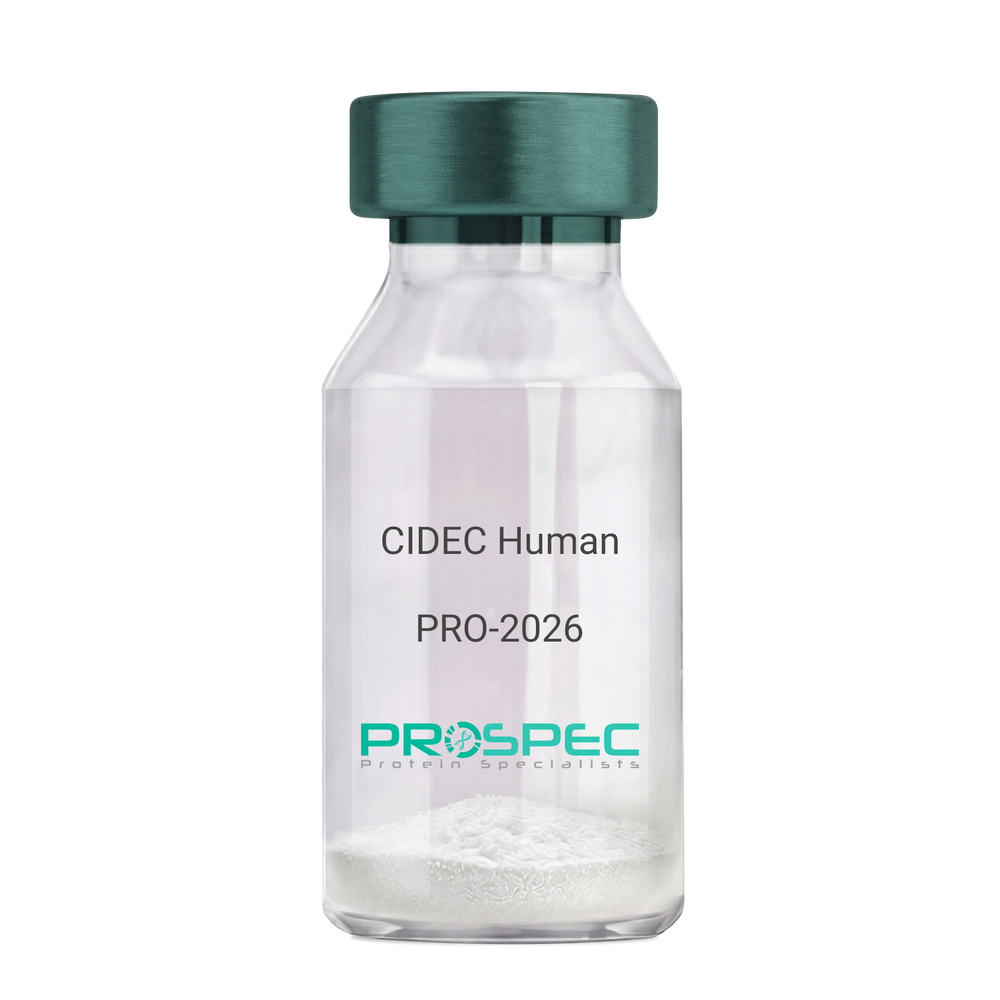
CIDEC HumanDescription:
Cell Death-Inducing DFFA-Like Effector C Human Recombinant
Cell Death-Inducing DFFA-Like Effector C, FSP27, CIDE3, FPLD5, Cell Death-Inducing DFFA-Like Effector Protein C, Fat-Specific Protein FSP27 Homolog, Cell Death Activator CIDE-3, Fat Specific Protein 27, CIDE-3, CIDEC.
Product # :
PRO-2026Price :
Quantity :
Shipping Method :
Shipped with Ice Packs
More Info
- description
- source
- formulation
- purity
- More Info
Description
CIDEC Human Recombinant produced in E.Coli is a single, non-glycosylated, polypeptide chain (Glu2-Gln238) containing 247 amino acids including a 10 aa His tag at N-terminus. The total calculated molecular mass is 28kDa.
Source
Escherichia Coli.
Formulation
CIDEC filtered (0.4µm) solution at a concentration of 0.4mg/ml in 30mM acetate buffer and 10mM dithiothreitol, pH 4.
Purity
Greater than 95.0% as determined by SDS-PAGE.
More Info
-
Introduction
Cell Death-Inducing DFFA-Like Effector C (CIDEC) belongs to the cell death-inducing DNA fragmentation factor-like effector family, whose members have significant roles in apoptosis. CIDEC is expressed mainly in adipocytes, intestine, heart, stomach, and weakly in the brain, kidney and liver. CIDEC overexpression in preadipocytes induces apoptosis. CIDEC regulates enlargement of lipid droplets.
-
Synonyms
Cell Death-Inducing DFFA-Like Effector C, FSP27, CIDE3, FPLD5, Cell Death-Inducing DFFA-Like Effector Protein C, Fat-Specific Protein FSP27 Homolog, Cell Death Activator CIDE-3, Fat Specific Protein 27, CIDE-3, CIDEC.
-
Physical Appearance
Filtered colorless solution.
-
Stability
Store at 4°C if entire vial will be used within 2-4 weeks. Store, frozen at -20°C for longer periods of time. For long term storage it is recommended to add a carrier protein (0.1% HSA or BSA).Avoid multiple freeze-thaw cycles.
-
Amino Acid Sequence
MKHHHHHHASEYAMKSLSLL YPKSLSRHVS VRTSVVTQQL LSEPSPKAPR ARPCRVSTAD RSVRKGIMAY SLEDLLLKVR DTLMLADKPF FLVLEEDGTT VETEEYFQAL AGDTVFMVLQ KGQKWQPPSE QGTRHPLSLS HKPAKKIDVA RVTFDLYKLN PQDFIGCLNV KATFYDTYSL SYDLHCCGAK RIMKEAFRWA LFSMQATGHV LLGTSCYLQQ LLDATEEGQP PKGKASSLIP TCLKILQ.
ProSpec's products are furnished for LABORATORY RESEARCH USE ONLY. The product may not be used as drugs, agricultural or pesticidal products, food additives or household chemicals.
- View Data Sheet
Name :
CLEC4M HumanDescription:
C-type Lectin Domain Family 4, Member M Human Recombinant
CD209 antigen-like protein 1, DC-SIGN-related protein, Dendritic cell-specific ICAM-3-grabbing non-integrin 2, Liver/lymph node-specific ICAM-3-grabbing non-integrin, DC-SIGNR, DC-SIGN2, L-SIGN, CD299, CLEC4M, CD209L, CD209L1, CD299, HP10347
Product # :
PRO-2713Price :
Quantity :
Shipping Method :
Shipped with Ice Packs
More Info
- description
- source
- formulation
- purity
- More Info
Description
CLEC4M Human Recombinant produced in Sf9 Baculovirus cells is a single, glycosylated polypeptide chain containing 570 amino acids (72-399 a.a) and having a molecular mass of 64.8kDa.CLEC4M is fused to a 239 amino acid hIgG-His-Tag at C-terminus & purified by proprietary chromatographic techniques.
Source
Sf9, Baculovirus cells.
Formulation
The CLEC4M solution (0.5mg/ml) contains Phosphate-Buffered Saline (pH 7.4) and 10% glycerol.
Purity
Greater than 95.0% as determined by SDS-PAGE.
More Info
-
Introduction
C-type Lectin Domain Family 4, Member M (CLEC4M) is a type II integral membrane proteinand A pathogen-recognition receptor which takes part in peripheral immune surveillance in liver. CLEC4M mediates the endocytosis of pathogens which than degraded in lysosomal compartments. CLEC4M is a receptor for ICAM3, binding to mannose-like carbohydrates and also recognizes various evolutionarily divergent pathogens with a large impact on public health, including tuberculosis mycobacteria, and viruses which among them are Ebola, hepatitis C,influenza A, HIV-1, West Nile virus and the SARS-CoV acute respiratory syndrome coronavirus.
-
Synonyms
CD209 antigen-like protein 1, DC-SIGN-related protein, Dendritic cell-specific ICAM-3-grabbing non-integrin 2, Liver/lymph node-specific ICAM-3-grabbing non-integrin, DC-SIGNR, DC-SIGN2, L-SIGN, CD299, CLEC4M, CD209L, CD209L1, CD299, HP10347
-
Physical Appearance
Sterile filtered colorless solution.
-
Stability
Store at 4°C if entire vial will be used within 2-4 weeks.Store, frozen at -20°C for longer periods of time.For long term storage it is recommended to add a carrier protein (0.1% HSA or BSA).Avoid multiple freeze-thaw cycles.
-
Amino Acid Sequence
ADPVSKVPSS LSQEQSEQDA IYQNLTQLKA AVGELSEKSK LQEIYQELTQ LKAAVGELPE KSKLQEIYQE LTRLKAAVGE LPEKSKLQEI YQELTRLKAA VGELPEKSKL QEIYQELTRL KAAVGELPEK SKLQEIYQEL TELKAAVGEL PEKSKLQEIY QELTQLKAAV GELPDQSKQQ QIYQELTDLK TAFERLCRHC PKDWTFFQGN CYFMSNSQRN WHDSVTACQE VRAQLVVIKT AEEQNFLQLQ TSRSNRFSWM GLSDLNQEGT WQWVDGSPLS PSFQRYWNSG EPNNSGNEDC AEFSGSGWND NRCDVDNYWI CKKPAACFRD ELEPKSCDKT HTCPPCPAPE LLGGPSVFLF PPKPKDTLMI SRTPEVTCVV VDVSHEDPEV KFNWYVDGVE VHNAKTKPRE EQYNSTYRVV SVLTVLHQDW LNGKEYKCKV SNKALPAPIE KTISKAKGQP REPQVYTLPP SRDELTKNQV SLTCLVKGFY PSDIAVEWES NGQPENNYKT TPPVLDSDGS FFLYSKLTVD KSRWQQGNVF SCSVMHEALH NHYTQKSLSL SPGKHHHHHH
ProSpec's products are furnished for LABORATORY RESEARCH USE ONLY. The product may not be used as drugs, agricultural or pesticidal products, food additives or household chemicals.
- View Data Sheet
Name :
MAF1 HumanDescription:
MAF1 Human Recombinant
MAF1 homolog (S. cerevisiae), Repressor of RNA polymerase III transcription MAF1 homolog, homolog of yeast MAF1, MGC20332, MGC31779, MGC39758, DKFZp586G1123.
Product # :
PRO-921Price :
Quantity :
Shipping Method :
Shipped with Ice Packs
More Info
- description
- source
- formulation
- purity
- More Info
Description
MAF1 Human Recombinant produced in E.coli is a single, non-glycosylated polypeptide chain containing 276 amino acids (1-256) and having a molecular mass of 31.0 kDa.The MAF1 is fused to a 20 amino acid His-Tag at N-terminus and purified by proprietary chromatographic techniques.
Source
E.coli.
Formulation
The MAF1 solution (1mg/ml) contains 20mM Tris-HCl buffer (pH 8.0) and 10% glycerol.
Purity
Greater than 90% as determined by SDS-PAGE.
More Info
-
Introduction
MAF1 resembles Maf1 which is a Saccharomyces cerevisiae – a highly conserved protein in eukaryotic cells, localized to the nucleus. MAF1 Interacts with BRF2, MAF1 and functions as a mediator for signals which explicitly inhibit RNA polymerase III (Pol III) activity by inhibiting the association of TFIIIB to DNA. MAF1 reacts to modifications in the cellular environment and represses pol III transcription.
-
Synonyms
MAF1 homolog (S. cerevisiae), Repressor of RNA polymerase III transcription MAF1 homolog, homolog of yeast MAF1, MGC20332, MGC31779, MGC39758, DKFZp586G1123.
-
Physical Appearance
Sterile Filtered colorless solution.
-
Stability
Store at 4°C if entire vial will be used within 2-4 weeks. Store, frozen at -20°C for longer periods of time. For long term storage it is recommended to add a carrier protein (0.1% HSA or BSA).Avoid multiple freeze-thaw cycles.
-
Amino Acid Sequence
MGSSHHHHHH SSGLVPRGSH MKLLENSSFE AINSQLTVET GDAHIIGRIE SYSCKMAGDD KHMFKQFCQE GQPHVLEALS PPQTSGLSPS RLSKSQGGEE EGPLSDKCSR KTLFYLIATL NESFRPDYDF STARSHEFSR EPSLSWVVNA VNCSLFSAVR EDFKDLKPQL WNAVDEEICL AECDIYSYNP DLDSDPFGED GSLWSFNYFF YNKRLKRIVF FSCRSISGST YTPSEAGNEL DMELGEEEVE EESRSRGSGA EETSTMEEDR VPVICI
ProSpec's products are furnished for LABORATORY RESEARCH USE ONLY. The product may not be used as drugs, agricultural or pesticidal products, food additives or household chemicals.
- View Data Sheet
Name :
GSTM3 HumanDescription:
Glutathione S-Transferase MU 3 Human Recombinant
Glutathione S-transferase mu 3 (brain), GST5, GSTM3-3, GST class-mu 3, GSTB, GTM3, brain type mu-glutathione S-transferase, glutathione S-aralkyltransferase M3, glutathione S-alkyltransferase M3, S-(hydroxyalkyl)glutathione lyase M3, EC 2.5.1.18.
Product # :
ENZ-592Price :
Quantity :
Shipping Method :
Shipped with Ice Packs
More Info
- description
- source
- formulation
- purity
- More Info
Description
GSTM3 Recombinant produced in E. coli is a single polypeptide chain containing 249 amino acids (1-225) and having a molecular mass of 29.1kDa.GSTM3 is fused to a 24 amino acid His-tag at N-terminus & purified by proprietary chromatographic techniques.
Source
E.coli.
Formulation
The GSTM3 solution (1mg/ml) contains 20mM Tris-HCl buffer (pH 8.0), 100mM Nacl,
1mM DTT and 10% glycerol.Purity
Greater than 95% as determined by SDS-PAGE.
More Info
-
Introduction
GSTM3 belongs to the glutathione s-transferase (GST) family of proteins. There are eight GST proteins families, named alpha, kappa, mu, omega, pi, sigma, theta and zeta. Each one of the GST families has several proteins with different functions throughout the cell. The mu type of enzymes takes part in the detoxification of electrophilic compounds, including therapeutic drugs, carcinogens, environmental toxins and products of oxidative stress, by conjugation with glutathione.
-
Synonyms
Glutathione S-transferase mu 3 (brain), GST5, GSTM3-3, GST class-mu 3, GSTB, GTM3, brain type mu-glutathione S-transferase, glutathione S-aralkyltransferase M3, glutathione
S-alkyltransferase M3, S-(hydroxyalkyl)glutathione lyase M3, EC 2.5.1.18. -
Physical Appearance
Sterile Filtered colorless solution.
-
Stability
Store at 4°C if entire vial will be used within 2-4 weeks. Store, frozen at -20°C for longer periods of time. For long term storage it is recommended to add a carrier protein (0.1% HSA or BSA).Avoid multiple freeze-thaw cycles.
-
Amino Acid Sequence
MGSSHHHHHH SSGLVPRGSH MGSHMSCESS MVLGYWDIRG LAHAIRLLLE FTDTSYEEKR YTCGEAPDYD RSQWLDVKFK LDLDFPNLPY LLDGKNKITQ SNAILRYIAR KHNMCGETEE EKIRVDIIEN QVMDFRTQLI RLCYSSDHEK LKPQYLEELP GQLKQFSMFL GKFSWFAGEK LTFVDFLTYD ILDQNRIFDP KCLDEFPNLK AFMCRFEALE KIAAYLQSDQ FCKMPINNKM AQWGNKPVC
ProSpec's products are furnished for LABORATORY RESEARCH USE ONLY. The product may not be used as drugs, agricultural or pesticidal products, food additives or household chemicals.
- View Data Sheet
Name :
VAMP7 HumanDescription:
Vesicle-Associated Membrane Protein 7 Human Recombinant
Vesicle-associated membrane protein 7, Tetanus-insensitive VAMP, tetanus neurotoxin-insensitive VAMP, Synaptobrevin-like protein 1, TI-VAMP, VAMP-7, TIVAMP, SYBL1.
Product # :
PRO-1194Price :
Quantity :
Shipping Method :
Shipped with Ice Packs
More Info
- description
- source
- formulation
- purity
- More Info
Description
VAMP7 Human Recombinant produced in E. coli is a single polypeptide chain containing 211 amino acids (1-188) and having a molecular mass of 23.0 kDa.VAMP7 is fused to a 23 amino acid His-tag at N-terminus & purified by proprietary chromatographic techniques.
Source
E.coli.
Formulation
The VAMP7 solution (0.5mg/1ml) contains 20mM Tris-HCl buffer (pH 8.0), 0.15M NaCl and 20% glycerol.
Purity
Greater than 90% as determined by SDS-PAGE.
More Info
-
Introduction
Vesicle-Associated Membrane Protein 7 (VAMP7) is a member of the synaptobrevin family. VAMP7 is a transmembrane protein, which is a member of the soluble N-ethylmaleimide-sensitive factor attachment protein receptor (SNARE) family. VAMP7 is involved in the targeting and/or fusion of transport vesicles to their target membrane during transport of proteins from the early endosome to the lysosome. VAMP7 localizes to late endosomes and lysosomes and is involved in the fusion of transport vesicles to their target membranes. VAMP7 is essential for heterotypic fusion of late endosomes with lysosomes and homotypic lysosomal fusion. It is also necessary for calcium regulated lysosomal exocytosis. In addition, VAMP7 is involved in the export of chylomicrons from the endoplasmic reticulum to the cis Golgi. Furthermore, VAMP7 is needed for exocytosis of mediators during eosinophil and neutrophil degranulation, and target cell killing by natural killer cells.
-
Synonyms
Vesicle-associated membrane protein 7, Tetanus-insensitive VAMP, tetanus neurotoxin-insensitive VAMP, Synaptobrevin-like protein 1, TI-VAMP, VAMP-7, TIVAMP, SYBL1.
-
Physical Appearance
Sterile Filtered colorless solution.
-
Stability
Store at 4°C if entire vial will be used within 2-4 weeks. Store, frozen at -20°C for longer periods of time. For long term storage it is recommended to add a carrier protein (0.1% HSA or BSA).Avoid multiple freeze-thaw cycles.
-
Amino Acid Sequence
MGSSHHHHHH SSGLVPRGSH MGSMAILFAV VARGTTILAK HAWCGGNFLE VTEQILAKIP SENNKLTYSH GNYLFHYICQ DRIVYLCITD DDFERSRAFN FLNEIKKRFQ TTYGSRAQTA LPYAMNSEFS SVLAAQLKHH SENKGLDKVM ETQAQVDELK GIMVRNIDLV AQRGERLELL IDKTENLVDS SVTFKTTSRN LARAMCMKNL K
ProSpec's products are furnished for LABORATORY RESEARCH USE ONLY. The product may not be used as drugs, agricultural or pesticidal products, food additives or household chemicals.
- View Data Sheet
Name :
COL4A3 HumanDescription:
Collagen Type IV Alpha 3 Human Recombinant
Collagen alpha-3(IV) chain, Goodpasture antigen, COL4A3, Glomerular Basal Membrane, GBM.
Product # :
PRO-387Price :
Quantity :
Shipping Method :
Shipped with Ice Packs
More Info
- description
- source
- formulation
- purity
- More Info
Description
Human α3 chain of collagen IV; identical with the antigen called "glomerular basal membrane antigen" (GBM). Recombinant antigen for solid (ELISA) and fluid phase diagnostic assays. Calculated Molecular weight: 53kDa. Calculated isoelectric point: pH 8.9. cDNA coding for a minicollagen version of the human collagen IV α3 chain fused to a hexa-histidine purification tag. The term minicollagen designates the removal of most of the epitope-less triplehelical collagenous region (situated between the N-terminal 7S domain and the C-terminal noncollagenous NC1 domain), which is a requirement for recombinant production of this antigen.
Source
Sf9 insect cells.
Formulation
The protein solution contains 20mM Hepes, pH 8.0 and 4M Urea.
Purity
Greater than 95.0% as determined by SDS-PAGE.
More Info
-
Introduction
Type IV collagen is a major structural component of basement membranes. It is a multimeric protein composed of 3 alpha subunits, which are encoded by 6 different genes, alpha 1 through alpha 6. Each of these alpha subunits can form a triple helix structure with 2 other subunits to form type IV collagen. The Goodpasture syndrome is a condition in which autoantibodies bind to the collagen molecules in the basement membranes of alveoli and glomeruli. The epitopes that elicit these autoantibodies are restricted basically to the non-collagenous C-terminal domain of the protein. There are numerous alternative transcripts that appear to be unique to the human COL4A3 and alternative splicing is limited to the six exons that encode this C-terminal domain. COL4A3 is also linked to an autosomal recessive form of Alport syndrome. The mutations contributing to the Alport syndrome are also situated within the exons that encode this C-terminal region. COL4A3 is organized in a head-to-head conformation with another type IV collagen gene so that each gene pair shares a common promoter. Several exons of COL4A3 are interspersed with exons of an uncharacterized gene which is on the opposite strand.
-
Synonyms
Collagen alpha-3(IV) chain, Goodpasture antigen, COL4A3, Glomerular Basal Membrane, GBM.
-
Physical Appearance
Sterile Filtered clear solution.
-
Stability
Recommendations for storage buffer: neutral to slightly alkaline pH and 4M urea as dissociating agent. Storage temperature: -70°C to -80°C. Please prevent freeze-thaw cycles.
-
Immunological Functions
1. Binds IgG-type human auto-antibodies. 2. Standard ELISA test (checkerboard analysis of positive/negative samples. 3. Immunodot test with positive/negative samples.
-
coating concentration
0.12-0.5 μg/ml (depending on the type of ELISA plate and coating buffer). Suitable for labeling of functional groups.
-
Note
It has been reported that the immunodominant epitope of GBM is a cryptic epitope that is not easily accessible to the corresponding autoantibodies. It is necessary to treat the protein under nonreducing conditions with a denaturant such as urea to unmask the epitopes (see Hellmark et al. in Autoantibodies, Peter, J.B. and Shoenfeld, Y., eds., Elsevier B.V., 1996, pp 291-298).
ProSpec's products are furnished for LABORATORY RESEARCH USE ONLY. The product may not be used as drugs, agricultural or pesticidal products, food additives or household chemicals.
- View Data Sheet
Name :
MAPK13 HumanDescription:
Mitogen-Activated Protein Kinase 13 Human Recombinant
Mitogen-activated protein kinase 13, PRKM13, SAPK4, p38delta, Mitogen-activated protein kinase p38 delta, Stress-activated protein kinase 4, MAP kinase 13, MAP kinase p38 delta, EC 2.7.11.24.
Product # :
PKA-273Price :
Quantity :
Shipping Method :
Shipped with Ice Packs
More Info
- description
- source
- formulation
- purity
- More Info
Description
MAPK13 Human Recombinant produced in E.coli is a single, non-glycosylated polypeptide chain containing 385 amino acids (1-365) and having a molecular mass of 44.2 kDa.MAPK13 is fused to a 20 amino acid His-tag at N-terminus & purified by proprietary chromatographic techniques.
Source
E.coli.
Formulation
The MAPK13 solution (1mg/ml) contains 20mM Tris-HCl buffer (pH 8.0), 0.1M NaCl, 1mM DTT and 20% glycerol.
Purity
Greater than 90% as determined by SDS-PAGE.
More Info
-
Introduction
MAPK13 belongs to the MAP kinase family. MAP kinases perform as an incorporation point for various biochemical signals. MAP kinases take part in an extensive range of cellular courses like differentiation, development, transcription regulation and proliferation. MAPK13 is phosphorylated by MKK6 as a reaction to cytokines and cellular stresses.
-
Synonyms
Mitogen-activated protein kinase 13, PRKM13, SAPK4, p38delta, Mitogen-activated protein kinase p38 delta, Stress-activated protein kinase 4, MAP kinase 13, MAP kinase p38 delta, EC 2.7.11.24.
-
Physical Appearance
Sterile Filtered colorless solution.
-
Stability
Store at 4°C if entire vial will be used within 2-4 weeks. Store, frozen at -20°C for longer periods of time. For long term storage it is recommended to add a carrier protein (0.1% HSA or BSA).Avoid multiple freeze-thaw cycles.
-
Amino Acid Sequence
MGSSHHHHHH SSGLVPRGSH MSLIRKKGFY KQDVNKTAWE LPKTYVSPTH VGSGAYGSVC SAIDKRSGEK VAIKKLSRPF QSEIFAKRAY RELLLLKHMQ HENVIGLLDV FTPASSLRNF YDFYLVMPFM QTDLQKIMGM EFSEEKIQYL VYQMLKGLKY IHSAGVVHRD LKPGNLAVNE DCELKILDFG LARHADAEMT GYVVTRWYRA PEVILSWMHY NQTVDIWSVG CIMAEMLTGK TLFKGKDYLD QLTQILKVTG VPGTEFVQKL NDKAAKSYIQ SLPQTPRKDF TQLFPRASPQ AADLLEKMLE LDVDKRLTAA QALTHPFFEP FRDPEEETEA QQPFDDSLEH EKLTVDEWKQ HIYKEIVNFS PIARKDSRRR SGMKL.
ProSpec's products are furnished for LABORATORY RESEARCH USE ONLY. The product may not be used as drugs, agricultural or pesticidal products, food additives or household chemicals.
- View Data Sheet
Name :
MAPRE3 HumanDescription:
Microtubule-Associated Protein, RP/EB Family, Member 3 Human Recombinant
RP3, EB3, EBF3, End-binding protein 3, EBF3-S, APC binding protein.
Product # :
PRO-264Price :
Quantity :
Shipping Method :
Shipped with Ice Packs
More Info
- description
- source
- formulation
- purity
- More Info
Description
MAPRE3 produced in E.Coli is a single, non-glycosylated polypeptide chain containing 301 amino acids (1-281a.a.) and having a molecular mass of 34.1kDa.MAPRE3 is fused to a 20 amino acid His-tag at N-terminus & purified by proprietary chromatographic techniques.
Source
Escherichia Coli.
Formulation
The MAPRE3 protein solution (1mg/1ml) is formulated in 20mM Tris-HCl buffer (pH 8.0) 2mM DTT, 0.1M NaCl and 10% glycerol.
Purity
Greater than 90% as determined by SDS-PAGE.
More Info
-
Introduction
MAPRE3 is a microtubule related protein that cooperates with the colorectal adenomatous polyposis coli tumor suppressor protein and takes a curtail part in regulating microtubule dynamics, cell polarity, and chromosome stability. MAPRE3 protein is related to MAPRE1 and also associates with the microtubule cytoskeleton. MAPRE3 is expressed mainly in the central nervous system and specially associates with APCL, a homolog of the adenomatous polyposis coli tumor suppressor protein.
-
Synonyms
RP3, EB3, EBF3, End-binding protein 3, EBF3-S, APC binding protein.
-
Physical Appearance
Sterile Filtered clear solution.
-
Stability
Store at 4°C if entire vial will be used within 2-4 weeks. Store, frozen at -20°C for longer periods of time.Please avoid freeze thaw cycles.
-
Amino Acid Sequence
MGSSHHHHHH SSGLVPRGSH MAVNVYSTSV TSENLSRHDM LAWVNDSLHL NYTKIEQLCS GAAYCQFMDM LFPGCVHLRK VKFQAKLEHE YIHNFKVLQA AFKKMGVDKI IPVEKLVKGK FQDNFEFIQW FKKFFDANYD GKDYNPLLAR QGQDVAPPPN PGDQIFNKSK KLIGTAVPQR TSPTGPKNMQ TSGRLSNVAP PCILRKNPPS ARNGGHETDA QILELNQQLV DLKLTVDGLE KERDFYFSKL RDIELICQEH ESENSPVISG IIGILYATEE GFAPPEDDEI EEHQQEDQDE Y
ProSpec's products are furnished for LABORATORY RESEARCH USE ONLY. The product may not be used as drugs, agricultural or pesticidal products, food additives or household chemicals.
- View Data Sheet
Name :
RAC2 HumanDescription:
RAC2 Human Recombinant
p21-Rac2, Small G protein, GX, RAC2, HSPC022, EN-7.
Product # :
PRO-619Price :
Quantity :
Shipping Method :
Shipped with Ice Packs
More Info
- description
- source
- formulation
- purity
- More Info
Description
Recombinant RAC2 produced in E.Coli is a single, non-glycosylated polypeptide chain containing 419 amino acids and having a molecular mass of 47 kDa. RAC2 is fused to GST and purified by conventional chromatography techniques.
Source
Escherichia Coli.
Formulation
The RAC2 protein solution (1mg/ml) contains 1x PBS pH-7.4.
Purity
Greater than 90.0% as determined by SDS-PAGE.
More Info
-
Introduction
RAC2 is a small signaling G protein/GTPase which is part of the RAS superfamily of small GTP-binding proteins which regulate cell growth, actin cytoskeletal organization, cell proliferation, survival, cell cycle progression, gene transcription rgulation and the activation of protein kinases. RAC2 cycles between an active gtp-bound and inactive gdp-bound state. In active state, RAC2 binds to a variety of effector proteins to regulate cellular responses, such as secretory processes, phagocytose of apoptotic cells and epithelial cell polarization. RAC2 is involved in the regulation of the nadph oxidase.
-
Synonyms
p21-Rac2, Small G protein, GX, RAC2, HSPC022, EN-7.
-
Physical Appearance
Sterile filtered colorless solution.
-
Stability
Store at 4°C if entire vial will be used within 2-4 weeks. Store, frozen at -20°C for longer periods of time. For long term storage it is recommended to add a carrier protein (0.1% HSA or BSA). Avoid multiple freeze-thaw cycles.
-
Amino Acid Sequence
MSPILGYWKI KGLVQPTRLL LEYLEEKYEE HLYERDEGDK WRNKKFELGL EFPNLPYYID GDVKLTQSMA IIRYIADKHN MLGGCPKERA EISMLEGAVL DIRYGVSRIA YSKDFETLKV DFLSKLPEML KMFEDRLCHK TYLNGDHVTH PDFMLYDALD VVLYMDPMCL DAFPKLVCFK KRIEAIPQID KYLKSSKYIA WPLQGWQATF GGGDHPPKSD LVPRGSHMQA IKCVVVGDGA VGKTCLLISY TTNAFPGEYI PTVFDNYSAN VMVDSKPVNL GLWDTAGQED YDRLRPLSYP QTDVFLICFS LVSPASYENV RAKWFPEVRH HCPSTPIILV GTKLDLRDDK DTIEKLKEKK
LAPITYPQGL ALAKEIDSVK YLECSALTQR GLKTVFDEAI RAV
LCPQPTR QQKRACSLL.
ProSpec's products are furnished for LABORATORY RESEARCH USE ONLY. The product may not be used as drugs, agricultural or pesticidal products, food additives or household chemicals.
- View Data Sheet
Name :
Rantes MouseDescription:
Rantes Mouse Recombinant (CCL5)
Small inducible cytokine A5, CCL5, T-cell-specific RANTES protein, SIS-delta, T cell- specific protein P228, TCP228, chemokine (C-C motif) ligand 5, SISd, SCYA5, RANTES, D17S136E, MGC17164.
Product # :
CHM-342Price :
Quantity :
Shipping Method :
Shipped at Room temp
More Info
- description
- source
- formulation
- purity
- biological activity
- More Info
Description
Rantes Mouse Recombinant produced in E.Coli is a single, non-glycosylated polypeptide chain containing 68 amino acids and having a molecular mass of 7876 Dalton. The Mouse Rantes is purified by proprietary chromatographic techniques.
Source
Escherichia Coli.
Formulation
Lyophilized from a concentrated (1mg/ml) solution in water containing no additives.
Purity
Greater than 95.0% as determined by:
(a) Analysis by RP-HPLC.
(b) Analysis by SDS-PAGE.Biological Activity
The activity is determined by the ability to chemoattract total human lymphocytes and murine T-cells at a concentration between 1-10ng/ml.
More Info
-
Introduction
Regulated upon Activation, Normal T-cell Expressed, and Secreted or RANTES is an 8 kDa protein classified as a chemotactic cytokine or chemokine. It has recently been renamed CCL5. RANTES is chemotactic for T cells, eosinophils and basophils and plays an active role in recruiting leukocytes into inflammatory sites. With the help of particular cytokines (i.e. IL-2 and IFN-?) that are released by T cells, RANTES also induces the proliferation and activation of certain natural killer (NK) cells to form CHAK (CC-Chemokine-activated killer) cells. It is also a HIV-suppressive factor released from CD8+ T cells. This chemokine has been localized to chromosome 17 in humans.
-
Synonyms
Small inducible cytokine A5, CCL5, T-cell-specific RANTES protein, SIS-delta, T cell- specific protein P228, TCP228, chemokine (C-C motif) ligand 5, SISd, SCYA5, RANTES, D17S136E, MGC17164.
-
Physical Appearance
Sterile Filtered White lyophilized (freeze-dried) powder.
-
Stability
Lyophilized Mouse Rantes although stable at room temperature for 3 weeks, should be stored desiccated below -18°C. Upon reconstitution Mouse CCL5 should be stored at 4°C between 2-7 days and for future use below -18°C.For long term storage it is recommended to add a carrier protein (0.1% HSA or BSA).Please prevent freeze-thaw cycles.
-
Solubility
It is recommended to reconstitute the lyophilized Rantes in sterile 18MΩ-cm H2O not less than 100µg/ml, which can then be further diluted to other aqueous solutions.
-
Amino Acid Sequence
SPYGSDTTPC CFAYLSLALP RAHVKEYFYT SSKCSNLAVV FVTRRNRQVC ANPEKKWVQE YINYLEMS.
ProSpec's products are furnished for LABORATORY RESEARCH USE ONLY. The product may not be used as drugs, agricultural or pesticidal products, food additives or household chemicals.
- View Data Sheet
Name :
Resistin Human, HEKDescription:
Resistin Human Recombinant, HEK
RETN,ADSF,FIZZ3,RETN1,RSTN,XCP1,resistin precursor, Adipose tissue-specific secretory factor, ADSFMGC126609, C/EBP-epsilon-regulated myeloid-specific secreted cysteine-rich protein, Cysteine-rich secreted protein A12-alpha-like 2, Cysteine-rich secreted protein FIZZ3, FIZZ3; FIZZ3MGC126603, found in inflammatory zone 3, HXCP1.
Product # :
CYT-1183Price :
Quantity :
Shipping Method :
Shipped with Ice Packs
More Info
- description
- source
- formulation
- purity
- More Info
Description
Resistin Human Recombinant produced in HEK293 cells is a single, glycosylated polypeptide chain (19-108 a.a) containing 96 amino acids and having a molecular mass of 10.3 kDa.Resistin is fused to a 6 amino acid His-tag at C-terminus & purified by proprietary chromatographic techniques.
Source
HEK293 cells.
Formulation
Resistin protein (1mg/ml) contains 20% glycerol and 20mM Sodium citrate (pH3.0).
Purity
Greater than 95.0% as determined by SDS-PAGE.
More Info
-
Introduction
Resistin, also known as adipose tissue-specific secretory factor (ADSF) is a cysteine-rich peptide derived from adipose tissue. Resistin takes part in the inflammatory response, glucose metabolism, and angiogenesis.Resistin blocks insulinstimulated uptake of glucose by adipocytes and promote glucose release by hepatocytes. As such,Resistin considered to participate in diet‑induced insulin-sensitivity. Resistin causes high levels of lowdensity lipoprotein (LDL), increasing the risk of heart disease.
-
Synonyms
RETN,ADSF,FIZZ3,RETN1,RSTN,XCP1,resistin precursor, Adipose tissue-specific secretory factor, ADSFMGC126609, C/EBP-epsilon-regulated myeloid-specific secreted cysteine-rich protein, Cysteine-rich secreted protein A12-alpha-like 2, Cysteine-rich secreted protein FIZZ3, FIZZ3; FIZZ3MGC126603, found in inflammatory zone 3, HXCP1.
-
Physical Appearance
Sterile Filtered colorless solution.
-
Stability
Store at 4°C if entire vial will be used within 2-4 weeks. Store, frozen at -20°C for longer periods of time. For long term storage it is recommended to add a carrier protein (0.1% HSA or BSA).Avoid multiple freeze-thaw cycles.
-
Amino Acid Sequence
KTLCSMEEAI NERIQEVAGS LIFRAISSIG LECQSVTSRG DLATCPRGFA VTGCTCGSAC GSWDVRAETT CHCQCAGMDW TGARCCRVQP HHHHHH
ProSpec's products are furnished for LABORATORY RESEARCH USE ONLY. The product may not be used as drugs, agricultural or pesticidal products, food additives or household chemicals.