Skip to content

High-quality research proteins.

  • 1-800-805-6531

  • Mon - Sat 8.00-18.00, Sun - Closed

  • info@prospecbio.com

  • PO Box 6591 East Brunswick NJ 08816

  • Products
    • Cytokines
    • Growth factors
    • Chemokines
    • Cd antigens
    • Neurotrophins
    • Hormones
    • Enzymes
    • Viral antigens
    • Recombinant proteins
    • Natural proteins
    • Monoclonal antibodies
    • Polyclonal antibodies
    • Thermal Packaging
  • About
    • Company
    • Founder
    • Contribution
  • Customers
    • Eastern Asia
    • Eastern Europe
    • North America
    • South America
    • South East Asia
    • Southern Asia
    • Western Europe
  • Ordering
    • Ordering Method
    • Ordering - Credit Card
    • Ordering - PO
    • Shipping Fees
    • FAQs
  • Services
    • DNA Cloning
    • Protein Expression
    • Monoclonal Antibody
    • Fermentation
    • Technology License
  • Contact us
Log in

Country/region

  • USD $ | Albania
  • USD $ | Andorra
  • USD $ | Argentina
  • USD $ | Armenia
  • USD $ | Australia
  • USD $ | Austria
  • USD $ | Azerbaijan
  • USD $ | Belarus
  • USD $ | Belgium
  • USD $ | Bolivia
  • USD $ | Brazil
  • USD $ | Bulgaria
  • USD $ | Cambodia
  • USD $ | Canada
  • USD $ | Chile
  • USD $ | China
  • USD $ | Colombia
  • USD $ | Costa Rica
  • USD $ | Croatia
  • USD $ | Cyprus
  • USD $ | Czechia
  • USD $ | Denmark
  • USD $ | Estonia
  • USD $ | Finland
  • USD $ | France
  • USD $ | Georgia
  • USD $ | Germany
  • USD $ | Greece
  • USD $ | Hong Kong SAR
  • USD $ | Hungary
  • USD $ | Iceland
  • USD $ | India
  • USD $ | Ireland
  • USD $ | Israel
  • USD $ | Italy
  • USD $ | Japan
  • USD $ | Kazakhstan
  • USD $ | Latvia
  • USD $ | Liechtenstein
  • USD $ | Lithuania
  • USD $ | Madagascar
  • USD $ | Malta
  • USD $ | Mexico
  • USD $ | Moldova
  • USD $ | Monaco
  • USD $ | Netherlands
  • USD $ | New Zealand
  • USD $ | North Macedonia
  • USD $ | Norway
  • USD $ | Panama
  • USD $ | Paraguay
  • USD $ | Peru
  • USD $ | Philippines
  • USD $ | Poland
  • USD $ | Portugal
  • USD $ | Romania
  • USD $ | Singapore
  • USD $ | Slovakia
  • USD $ | Slovenia
  • USD $ | South Africa
  • USD $ | South Korea
  • USD $ | Spain
  • USD $ | Sri Lanka
  • USD $ | Sweden
  • USD $ | Switzerland
  • USD $ | Taiwan
  • USD $ | Thailand
  • USD $ | Türkiye
  • USD $ | Ukraine
  • USD $ | United Kingdom
  • USD $ | United States
  • USD $ | Uruguay
  • USD $ | Vatican City
  • USD $ | Venezuela
  • USD $ | Vietnam
  • Facebook
  • Instagram
logoProSpec - Recombinant Protein Manufacturer for academic and R&D industry
Become a distributor
Account Log in
Wishlist
Cart Cart(0)
  • Products
    +
    • Cytokines
    • Growth factors
    • Chemokines
    • Cd antigens
    • Neurotrophins
    • Hormones
    • Enzymes
    • Viral antigens
    • Recombinant proteins
    • Natural proteins
    • Monoclonal antibodies
    • Polyclonal antibodies
    • Thermal Packaging
  • About
    +
    • Company
    • Founder
    • Contribution
  • Customers
    +
    • Eastern Asia
    • Eastern Europe
    • North America
    • South America
    • South East Asia
    • Southern Asia
    • Western Europe
  • Ordering
    +
    • Ordering Method
    • Ordering - Credit Card
    • Ordering - PO
    • Shipping Fees
    • FAQs
  • Services
    +
    • DNA Cloning
    • Protein Expression
    • Monoclonal Antibody
    • Fermentation
    • Technology License
  • Contact us

Item added to your cart

View cart
View All
  • Cytokines
  • Growth factors
  • Chemokines
  • Cd antigens
  • Neurotrophins
  • Hormones
  • Enzymes
  • Viral antigens
  • Recombinant proteins
  • Natural proteins
  • Monoclonal antibodies
  • Polyclonal antibodies
  • Thermal Packaging
  • Tumor Necrosis Factor

    Tumor Necrosis Factor

    View All
  • 4-1BB

    4-1BB

    View All
  • Adiponectin

    Adiponectin

    View All
  • AIF1

    AIF1

    View All
  • Other Cytokines

    Other Cytokines

    View All
  • AITRL

    AITRL

    View All
  • Angiopoietin

    Angiopoietin

    View All
  • Apolipoprotein

    Apolipoprotein

    View All
  • B-Cell Activating Factor

    B-Cell Activating Factor

    View All
  • Beta Defensin

    Beta Defensin

    View All
  • Bone Morphogenetic Protein

    Bone Morphogenetic Protein

    View All
  • B type Natriuretic Peptide

    B type Natriuretic Peptide

    View All
  • BST

    BST

    View All
  • Betacellulin

    Betacellulin

    View All
  • Cardiotrophin

    Cardiotrophin

    View All
  • Activin

    Activin

    View All
  • Fibroblast Growth Factor

    Fibroblast Growth Factor

    View All
  • Other Growth Factors

    Other Growth Factors

    View All
  • CSF

    CSF

    View All
  • CTGF

    CTGF

    View All
  • IGFBP

    IGFBP

    View All
  • VEGF Protein

    VEGF Protein

    View All
  • EGF

    EGF

    View All
  • Epigen

    Epigen

    View All
  • Erythropoietin

    Erythropoietin

    View All
  • Insulin-Like Growth Factor

    Insulin-Like Growth Factor

    View All
  • Growth Hormone

    Growth Hormone

    View All
  • HDGF

    HDGF

    View All
  • Hepatocyte Growth Factor

    Hepatocyte Growth Factor

    View All
  • Insulin

    Insulin

    View All
  • BCA-1/ BLC (CXCL13)

    BCA-1/ BLC (CXCL13)

    View All
  • BRAK (CXCL14)

    BRAK (CXCL14)

    View All
  • C-10 (CCL6)

    C-10 (CCL6)

    View All
  • Other Chemokines

    Other Chemokines

    View All
  • MEC (CCL28)

    MEC (CCL28)

    View All
  • LD78-beta (CCL3L1)

    LD78-beta (CCL3L1)

    View All
  • CTACK (CCL27)

    CTACK (CCL27)

    View All
  • CXCL16

    CXCL16

    View All
  • CXCL17

    CXCL17

    View All
  • Platelet Factor-4 (CXCL4)

    Platelet Factor-4 (CXCL4)

    View All
  • ENA-78 (CXCL5)

    ENA-78 (CXCL5)

    View All
  • Eotaxin (CCL11,24,26)

    Eotaxin (CCL11,24,26)

    View All
  • Exodus-2 (CCL21)

    Exodus-2 (CCL21)

    View All
  • Fractalkine (CX3CL1)

    Fractalkine (CX3CL1)

    View All
  • CXCL6

    CXCL6

    View All
  • Other CD Antigens

    Other CD Antigens

    View All
  • CD14

    CD14

    View All
  • CD164

    CD164

    View All
  • CD1

    CD1

    View All
  • CD2

    CD2

    View All
  • CD200

    CD200

    View All
  • CD207

    CD207

    View All
  • CD226

    CD226

    View All
  • CD23

    CD23

    View All
  • CD244

    CD244

    View All
  • CD247

    CD247

    View All
  • CD27

    CD27

    View All
  • CD274

    CD274

    View All
  • CD300

    CD300

    View All
  • CD33

    CD33

    View All
  • Other Neurotrophins

    Other Neurotrophins

    View All
  • Beta-NGF

    Beta-NGF

    View All
  • BDNF

    BDNF

    View All
  • CDNF

    CDNF

    View All
  • CNTF

    CNTF

    View All
  • GDNF

    GDNF

    View All
  • Glia Maturation Factor

    Glia Maturation Factor

    View All
  • MANF

    MANF

    View All
  • Midkine

    Midkine

    View All
  • Neuroglobin

    Neuroglobin

    View All
  • Neurotrophic factors

    Neurotrophic factors

    View All
  • Neuregulin

    Neuregulin

    View All
  • Neuropilin

    Neuropilin

    View All
  • Pigment Epithelium-Derived Factor

    Pigment Epithelium-Derived Factor

    View All
  • Pleiotrophin

    Pleiotrophin

    View All
  • Peptide Hormones

    Peptide Hormones

    View All
  • Other Hormones

    Other Hormones

    View All
  • HCG

    HCG

    View All
  • Endothelin

    Endothelin

    View All
  • Exendin

    Exendin

    View All
  • FSH

    FSH

    View All
  • Glucagon

    Glucagon

    View All
  • GHRP

    GHRP

    View All
  • GLP

    GLP

    View All
  • Thyrostimulin

    Thyrostimulin

    View All
  • Inhibin A

    Inhibin A

    View All
  • LHRH

    LHRH

    View All
  • Melanotan

    Melanotan

    View All
  • Procalcitonin

    Procalcitonin

    View All
  • PTH

    PTH

    View All
  • Peroxiredoxin

    Peroxiredoxin

    View All
  • Peptidase

    Peptidase

    View All
  • Synthetase

    Synthetase

    View All
  • Transferase

    Transferase

    View All
  • Hydrolase

    Hydrolase

    View All
  • Dehydrogenase

    Dehydrogenase

    View All
  • ACE2

    ACE2

    View All
  • Esterase

    Esterase

    View All
  • Protein Kinases

    Protein Kinases

    View All
  • Other Enzymes

    Other Enzymes

    View All
  • Phosphatase

    Phosphatase

    View All
  • Deaminase

    Deaminase

    View All
  • Oxygenase

    Oxygenase

    View All
  • Adenylate Kinase

    Adenylate Kinase

    View All
  • Lyase

    Lyase

    View All
  • Chagas

    Chagas

    View All
  • SARS

    SARS

    View All
  • Influenza

    Influenza

    View All
  • ASFV

    ASFV

    View All
  • Astrovirus

    Astrovirus

    View All
  • Borrelia

    Borrelia

    View All
  • Helicobacter Pylori

    Helicobacter Pylori

    View All
  • Chikungunya

    Chikungunya

    View All
  • Chlamydia

    Chlamydia

    View All
  • Cytomegalo

    Cytomegalo

    View All
  • Dengue

    Dengue

    View All
  • EBV

    EBV

    View All
  • Ebola

    Ebola

    View All
  • Feline Leukemia Virus

    Feline Leukemia Virus

    View All
  • Hepatitis A

    Hepatitis A

    View All
  • Other

    Other

    View All
  • Actin

    Actin

    View All
  • ADAM

    ADAM

    View All
  • Complement Component

    Complement Component

    View All
  • Ag85

    Ag85

    View All
  • Eukaryotic Translation Initiation Factor

    Eukaryotic Translation Initiation Factor

    View All
  • Anterior Gradient Protein

    Anterior Gradient Protein

    View All
  • Heat Shock Protein

    Heat Shock Protein

    View All
  • Alpha-2-HS-Glycoprotein

    Alpha-2-HS-Glycoprotein

    View All
  • Hemoglobin

    Hemoglobin

    View All
  • Allergy

    Allergy

    View All
  • Anaplasma

    Anaplasma

    View All
  • Angiogenin

    Angiogenin

    View All
  • Ankyrin Repeat Domain

    Ankyrin Repeat Domain

    View All
  • Annexin

    Annexin

    View All
  • Other Natural Proteins

    Other Natural Proteins

    View All
  • Aprotinin

    Aprotinin

    View All
  • Transferrin

    Transferrin

    View All
  • Avidin

    Avidin

    View All
  • Anti Coagulation Factors

    Anti Coagulation Factors

    View All
  • Natural Albumin

    Natural Albumin

    View All
  • Natural Coagulation Factors

    Natural Coagulation Factors

    View All
  • Fibronectin

    Fibronectin

    View All
  • Thrombin

    Thrombin

    View All
  • Anti Human Enzyme

    Anti Human Enzyme

    View All
  • Other Monoclonal Antibodies

    Other Monoclonal Antibodies

    View All
  • Anti Human Cytokine

    Anti Human Cytokine

    View All
  • Anti Human Heat Shock Protein

    Anti Human Heat Shock Protein

    View All
  • Anti Mouse Lymphocyte

    Anti Mouse Lymphocyte

    View All
  • Anti Human Chemokine

    Anti Human Chemokine

    View All
  • Anti Human Lymphocyte

    Anti Human Lymphocyte

    View All
  • Anti Viral Monoclonal

    Anti Viral Monoclonal

    View All
  • Anti Mouse Cytokine

    Anti Mouse Cytokine

    View All
  • Anti-GST Monoclonal

    Anti-GST Monoclonal

    View All
  • Other Polyclonal Antibodies

    Other Polyclonal Antibodies

    View All
  • Anti Viral

    Anti Viral

    View All
  • Anti-GST Monoclonal

    Anti-GST Monoclonal

    View All
Back

Search results

1000 results found for “GABA(A) Receptor-Associated Protein”

Name

Description

Product #

Price

Quantity

Shipping Method

  • View Data Sheet

    Name :

    S100A10 Mouse

    Description:

    Recombinant Mouse S100 Calcium Binding Protein A10

    Protein S100-A10, Calpactin I light chain, Calpactin-1 light chain, Cellular ligand of, annexin II, S100 calcium-binding protein A10, p10 protein, p11, S100a10, Cal1l.

    Product # :

    PRO-2252

    Price :

    Quantity :

    Shipping Method :

    Ice Icon

    Shipped with Ice Packs

    Add To Cart

    More Info

    • description
    • source
    • formulation
    • purity
    • More Info
    • Citations

    Description

    S100A10 Mouse Recombinant produced in E. coli is a single, non-glycosylated polypeptide chain containing 120 amino acids (1-97a.a) and having a molecular mass of 13.6kDa.S100A10 is fused to a 23 amino acid His-tag at N-terminus & purified by proprietary chromatographic techniques.

    Source

    Escherichia Coli.

    Formulation

    S100A10 protein solution (1mg/ml) containing phosphate buffered saline (pH 7.4) and 10% glycerol.

    Purity

    Greater than 90.0% as determined by SDS-PAGE.

    Citations

    More Info

    • Introduction

      S100A10 is a member of the S100 family of proteins contains two EF-hand calcium-binding motifs and is thought to be involved in the regulation of a number of cellular processes including cell cycle progression and differentiation. S100 proteins are localized either in the cytoplasm or the nucleus of a wide range of cells. There are at least 13 members in the S100 gene family, which are located as a cluster on chromosome 1q21. S100A10 may function in exocytosis and endocytosis.

    • Synonyms

      Protein S100-A10, Calpactin I light chain, Calpactin-1 light chain, Cellular ligand of, annexin II, S100 calcium-binding protein A10, p10 protein, p11, S100a10, Cal1l.

    • Physical Appearance

      Sterile filtered colorless solution.

    • Stability

      Store at 4°C if entire vial will be used within 2-4 weeks.Store, frozen at -20°C for longer periods of time. For long term storage it is recommended to add a carrier protein (0.1% HSA or BSA).Avoid multiple freeze-thaw cycles.

    • Amino Acid Sequence

      MGSSHHHHHH SSGLVPRGSH MGSMPSQMEH AMETMMLTFH RFAGDKDHLT KEDLRVLMER EFPGFLENQK DPLAVDKIMK DLDQCRDGKV GFQSFLSLVA GLTIACNDYF VVNMKQKGKK.

    ProSpec's products are furnished for LABORATORY RESEARCH USE ONLY. The product may not be used as drugs, agricultural or pesticidal products, food additives or household chemicals.

    S100A10 Mouse
  • View Data Sheet

    Name :

    UBA5 Human

    Description:

    Ubiquitin-Like Modifier Activating Enzyme 5 Human Recombinant

    Ubiquitin-like modifier-activating enzyme 5, Ubiquitin-activating enzyme 5, ThiFP1, UFM1-activating enzyme, Ubiquitin-activating enzyme E1 domain-containing protein 1, UBA5, UBE1DC1.

    Product # :

    ENZ-602

    Price :

    Quantity :

    Shipping Method :

    Ice Icon

    Shipped with Ice Packs

    Add To Cart

    More Info

    • description
    • source
    • formulation
    • purity
    • More Info
    • Citations

    Description

    UBA5 Human Recombinant produced in E.coli is a single, non-glycosylated polypeptide chain containing 428 amino acids (1-404) and having a molecular mass of 47.4kDa.UBA5 is fused to a 24 amino acid His-tag at N-terminus & purified by proprietary chromatographic techniques.

    Source

    Escherichia Coli.

    Formulation

    The UBA5 solution (0.5mg/ml) contains 20mM Tris-HCl buffer (pH 8.0), 1mM DTT, 10% glycerol and 50mM NaCl.

    Purity

    Greater than 90.0% as determined by SDS-PAGE.

    Citations

    More Info

    • Introduction

      Ubiquitin-like modifier activating enzyme 5 (UBA5) is a member of the ubiquitin-activating E1 family and UBA5 subfamily. Ubiquitin and ubiquitin-like proteins are recognized as covalently conjugated to various cellular substrates by a three-step enzymatic pathway. The ubiquitin-activating enzyme (E1) has a vital role in the first step of ubiquitination pathway to activate ubiquitin or ubiquitin-like proteins. UBA5 activates an ubiquitin-like protein, ubiquitin-fold modifier 1 (Ufm1), by forming a high-energy thioester bond. UBA5 is located primarily in cytoplasm, while it generally localizes to the nucleus in presence of SUMO2.

    • Synonyms

      Ubiquitin-like modifier-activating enzyme 5, Ubiquitin-activating enzyme 5, ThiFP1, UFM1-activating enzyme, Ubiquitin-activating enzyme E1 domain-containing protein 1, UBA5, UBE1DC1.

    • Physical Appearance

      Sterile filtered colorless solution.

    • Stability

      Store at 4°C if entire vial will be used within 2-4 weeks. Store, frozen at -20°C for longer periods of time. For long term storage it is recommended to add a carrier protein (0.1% HSA or BSA).Avoid multiple freeze-thaw cycles.

    • Amino Acid Sequence

      MGSSHHHHHH SSGLVPRGSH MGSHMAESVE RLQQRVQELE RELAQERSLQ VPRSGDGGGG RVRIEKMSSE VVDSNPYSRL MALKRMGIVS DYEKIRTFAV AIVGVGGVGS VTAEMLTRCG IGKLLLFDYD KVELANMNRL FFQPHQAGLS KVQAAEHTLR NINPDVLFEV HNYNITTVEN
      FQHFMDRISN GGLEEGKPVD LVLSCVDNFE ARMTINTACN ELGQTWMESG VSENAVSGHI QLIIPGESAC FACAPPLVVA ANIDEKTLKR EGVCAASLPT TMGVVAGILV QNVLKFLLNF GTVSFYLGYN AMQDFFPTMS MKPNPQCDDR NCRKQQEEYK KKVAALPKQE VIQEEEEIIH
      EDNEWGIELV SEVSEEELKN FSGPVPDLPE GITVAYTIPK KQEDSVTELT VEDSGESLED LMAKMKNM.

    ProSpec's products are furnished for LABORATORY RESEARCH USE ONLY. The product may not be used as drugs, agricultural or pesticidal products, food additives or household chemicals.

    Uba5 Human
  • View Data Sheet

    Name :

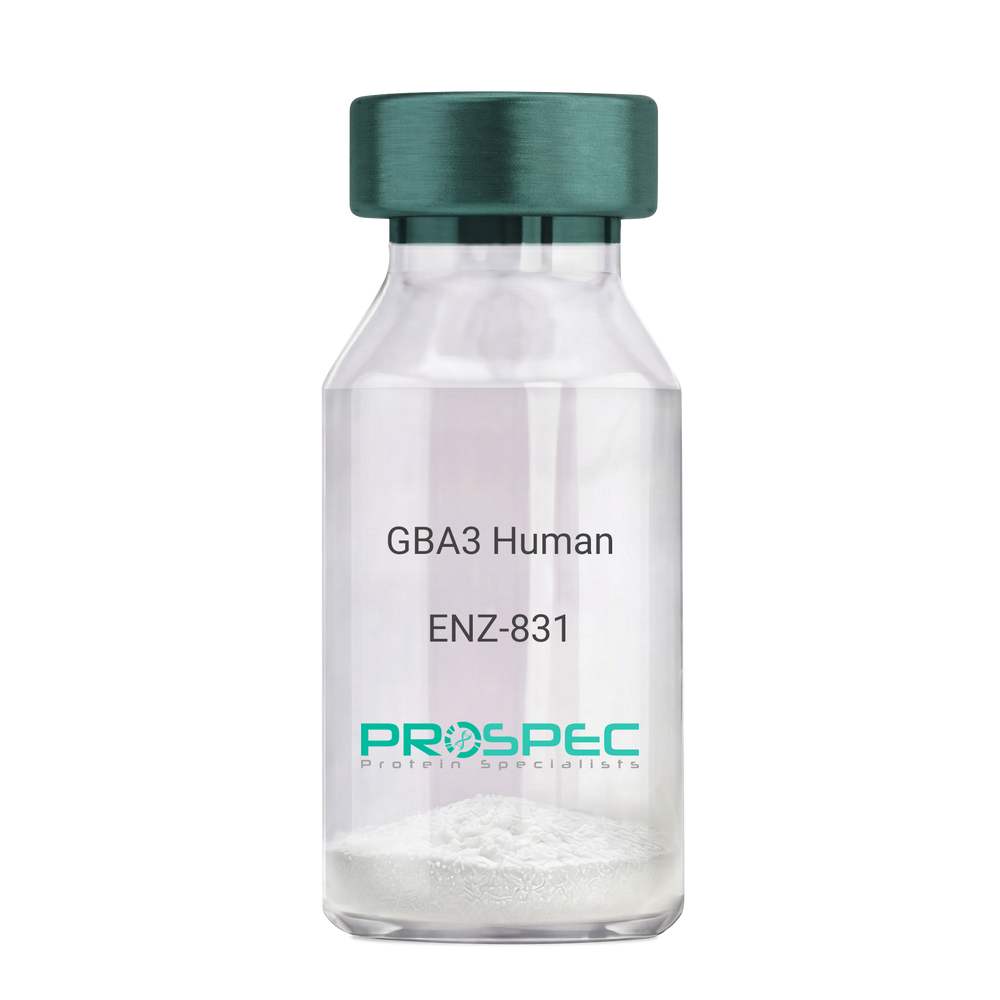
    GBA3 Human

    Description:

    Glucosidase Beta Acid 3 Human Recombinant

    Cytosolic beta-glucosidase, Cytosolic beta-glucosidase-like protein 1, GBA3, CBG, CBGL1, Glucosidase Beta Acid 3, GH1, Glycoside Hydrolase Family 1, GLUC, KLRP.

    Product # :

    ENZ-831

    Price :

    Quantity :

    Shipping Method :

    Ice Icon

    Shipped with Ice Packs

    Add To Cart

    More Info

    • description
    • source
    • formulation
    • purity
    • More Info
    • Citations

    Description

    GBA3 produced in E.Coli is a single, non-glycosylated polypeptide chain containing 492 amino acids (1-469 a.a.) and having a molecular mass of 56.1kDa.GBA3 is fused to a 23 amino acid His-tag at N-terminus & purified by proprietary chromatographic techniques.

    Source

    E.coli.

    Formulation

    GBA3 protein solution (0.25mg/ml) containing Phosphate Buffered Saline (pH7.4), 20% glycerol and 1mM DTT.

    Purity

    Greater than 85% as determined by SDS-PAGE.

    Citations

    More Info

    • Introduction

      Glucosidase Beta Acid 3, also known as GBA3, hydrolyzes various types of glycosides. GBA3 takes part in a nonlysosomal catabolic pathway of glycosylceramide. GBA3 is a protein coding gene which acts as beta-glycosylceramidase.

    • Synonyms

      Cytosolic beta-glucosidase, Cytosolic beta-glucosidase-like protein 1, GBA3, CBG, CBGL1, Glucosidase Beta Acid 3, GH1, Glycoside Hydrolase Family 1, GLUC, KLRP.

    • Physical Appearance

      Sterile Filtered colorless solution.

    • Stability

      Store at 4°C if entire vial will be used within 2-4 weeks. Store, frozen at -20°C for longer periods of time. For long term storage it is recommended to add a carrier protein (0.1% HSA or BSA).Avoid multiple freeze-thaw cycles.

    • Amino Acid Sequence

      MGSSHHHHHH SSGLVPRGSH MGSMAFPAGF GWAAATAAYQ VEGGWDADGK GPCVWDTFTH QGGERVFKNQ TGDVACGSYT LWEEDLKCIK QLGLTHYRFS LSWSRLLPDG TTGFINQKGI DYYNKIIDDL LKNGVTPIVT LYHFDLPQTL EDQGGWLSEA IIESFDKYAQ FCFSTFGDRV KQWITINEAN VLSVMSYDLG MFPPGIPHFG TGGYQAAHNL IKAHARSWHS YDSLFRKKQK GMVSLSLFAV WLEPADPNSV SDQEAAKRAI TFHLDLFAKP IFIDGDYPEV VKSQIASMSQ KQGYPSSRLP EFTEEEKKMI KGTADFFAVQ YYTTRLIKYQ ENKKGELGIL QDAEIEFFPD PSWKNVDWIY VVPWGVCKLL KYIKDTYNNP VIYITENGFP QSDPAPLDDT QRWEYFRQTF QELFKAIQLD KVNLQVYCAW SLLDNFEWNQ GYSSRFGLFH VDFEDPARPR VPYTSAKEYA KIIRNNGLEA HL.

    ProSpec's products are furnished for LABORATORY RESEARCH USE ONLY. The product may not be used as drugs, agricultural or pesticidal products, food additives or household chemicals.

    Gba3 Human
  • View Data Sheet

    Name :

    OmpA S.Enteritidis

    Description:

    Salmonella Enteritidis Outer Membrane Protein-A Recombinant

    Outer Membrane Protein-A, OmpA.

    Product # :

    PRO-1918

    Price :

    Quantity :

    Shipping Method :

    Ice Icon

    Shipped with Ice Packs

    Add To Cart

    More Info

    • description
    • source
    • formulation
    • purity
    • More Info
    • Citations

    Description

    The Recombinant Salmonella Enteritidis Outer Membrane Protein A, E.Coli derived, 330 amino acids, contains the ompA immunodominant regions. The protein is fused to a His tag at C-terminal and purified by standard chromatography techniques.

    Source

    Escherichia Coli.

    Formulation

    PBS and 25MmM Arginine.

    Purity

    Protein is >95% pure as determined by 10% PAGE (coomassie staining).

    Citations

    More Info

    • Introduction

      The OmpA protein is one of the main outer-membrane proteins of a large array of Gram-negative bacteria such as A.salmonicida, Shigella dysenteriae and E.coli.OmpA’s major physiological functions include maintenance of the structural integrity and morphology of the cells and porin activity, as well as a role in conjugation and bacteriophage binding.Achromogenic atypical Aeromonas salmonicida is the causative agent of goldfish ulcer disease.Virulence of this bacterium is associated with the production of a paracrystalline outer membrane A-layer protein.The species specific structural gene for the monomeric form of A-protein was cloned into a pET-3d plasmid in order to express and produce a recombinant form of the protein in E.coli BL21(DE3). The induced protein was isolated from inclusion bodies by a simple solubilization-renaturation procedure and purified by ion exchange chromatography on Q-Sepharose to over 95% pure monomeric protein.Recombinant A-protein was compared by biochemical, immunological and molecular methods with the A-protein isolated from atypical A.salmonicida bacterial cells by the glycine and the membrane extraction methods.

    • Synonyms

      Outer Membrane Protein-A, OmpA.

    • Physical Appearance

      Sterile Filtered clear solution.

    • Stability

      OmpA S.Enteritidis Recombinant although stable at 4°C for 1 week, should be stored below -18°C. Please prevent freeze thaw cycles.

    • Applications

      Immunoassay. Outer membrane protein A (ompA) of S. Enteritidis is a protein directly exposing to outsides of this organism, In hens, the production of antibodies against outer membrane protein A (ompA) during the infection has been demonstrated by inoculating both the complete bacterium and expressed protein produced from ompA DNA vaccine. Vaccination by ompA protein to hens is a poteintail tool to control S. enteritidis contaminated eggs into market, and prevent human foodborne disease from eggs.

    ProSpec's products are furnished for LABORATORY RESEARCH USE ONLY. The product may not be used as drugs, agricultural or pesticidal products, food additives or household chemicals.

    Ompa Senteritidis
  • View Data Sheet

    Name :

    Ara h 8.0101

    Description:

    Allergen Ara h 8.0101 Recombinant

    Ara h 8 allergen.

    Product # :

    ALR-010

    Price :

    Quantity :

    Shipping Method :

    Ice Icon

    Shipped with Ice Packs

    Add To Cart

    More Info

    • description
    • source
    • formulation
    • purity
    • More Info
    • Citations

    Description

    Recombinant Ara h 8.0101 produced in SF9 is a glycosylated, polypeptide chain having a calculated molecular mass of 18,192 Dalton. Ara h 8.0101 is expressed with a 10xHis tag at N-terminus and purified by proprietary chromatographic techniques.

    Source

    Sf9 insect cells.

    Formulation

    Ara h 8.0101 is supplied in 20mM HEPES buffer pH-8, 0.1M NaCl and 6M Urea.

    Purity

    Greater than 80.0% as determined by SDS-PAGE.

    Citations

    More Info

    • Introduction

      Ara h 8.0101 which is a part of the PR-10 protein family is a Bet v 1-homologous panallergen. Ara h 8.0101 is cross-reactive with Gly m 4 from soy bean and Bet v 1 from silver birch. Ara h 8.0101 is responsible for oral allergy syndrome and also has low stability to roasting and no stability to gastric digestion.

    • Synonyms

      Ara h 8 allergen.

    • Physical Appearance

      Sterile Filtered clear solution.

    • Stability

      Store at 4°C if entire vial will be used within 2-4 weeks. Store, frozen at -20°C for longer periods of time. Avoid multiple freeze-thaw cycles.

    ProSpec's products are furnished for LABORATORY RESEARCH USE ONLY. The product may not be used as drugs, agricultural or pesticidal products, food additives or household chemicals.

    Ara H 80101 2
  • View Data Sheet

    Name :

    WWTR1 Human

    Description:

    WW Domain Containing Transcription Regulator 1 Human Recombinant

    WW domain-containing transcription regulator protein 1, Transcriptional coactivator with PDZ-binding motif, WWTR1, WW Domain Containing Transcription Regulator 1, TAZ.

    Product # :

    PRO-1814

    Price :

    Quantity :

    Shipping Method :

    Ice Icon

    Shipped with Ice Packs

    Add To Cart

    More Info

    • description
    • source
    • formulation
    • purity
    • More Info
    • Citations

    Description

    WWTR1 Human Recombinant produced in E.coli is a single, non-glycosylated polypeptide chain containing 423 amino acids (1-400) and having a molecular mass of 46.5 kDa.WWTR1 is fused to a 23 amino acid His-Tag at N-terminus and purified by proprietary chromatographic techniques.

    Source

    Escherichia Coli.

    Formulation

    The WWTR1 solution (0.5mg/ml) contains 20mM Tris-HCl buffer (pH 8.0), 0.4M UREA and 10% glycerol.

    Purity

    Greater than 85.0% as determined by SDS-PAGE.

    Citations

    More Info

    • Introduction

      WW Domain Containing Transcription Regulator 1 (WWTR1) is a transcriptional coactivator that plays a role as a downstream regulatory target in the Hippo signaling pathway which participates in organ size control and tumor suppression by restricting proliferation and promoting apoptosis. WWTR1 regulates the nuclear accumulation of SMADS and has a main part in coupling them to the transcriptional machinery like the mediator complex. WWTR1 is also regulates embryonic stem-cell self-renewal.

    • Synonyms

      WW domain-containing transcription regulator protein 1, Transcriptional coactivator with PDZ-binding motif, WWTR1, WW Domain Containing Transcription Regulator 1, TAZ.

    • Physical Appearance

      Sterile Filtered colorless solution.

    • Stability

      Store at 4°C if entire vial will be used within 2-4 weeks. Store, frozen at -20°C for longer periods of time. For long term storage it is recommended to add a carrier protein (0.1% HSA or BSA).Avoid multiple freeze-thaw cycles.

    • Amino Acid Sequence

      MGSSHHHHHH SSGLVPRGSH MGSMNPASAP PPLPPPGQQV IHVTQDLDTD LEALFNSVMN PKPSSWRKKI LPESFFKEPD SGSHSRQSST DSSGGHPGPR LAGGAQHVRS HSSPASLQLG TGAGAAGSPA QQHAHLRQQS YDVTDELPLP PGWEMTFTAT GQRYFLNHIE KITTWQDPRK AMNQPLNHMN LHPAVSSTPV PQRSMAVSQP NLVMNHQHQQ QMAPSTLSQQ NHPTQNPPAG LMSMPNALTT QQQQQQKLRL QRIQMERERI RMRQEELMRQ EAALCRQLPM EAETLAPVQA AVNPPTMTPD MRSITNNSSD PFLNGGPYHS REQSTDSGLG LGCYSVPTTP EDFLSNVDEM DTGENAGQTP MNINPQQTRF PDFLDCLPGT NVDLGTLESE DLIPLFNDVE SALNKSEPFL TWL.

    ProSpec's products are furnished for LABORATORY RESEARCH USE ONLY. The product may not be used as drugs, agricultural or pesticidal products, food additives or household chemicals.

    Wwtr1 Human
  • View Data Sheet

    Name :

    ASS1 Antibody

    Description:

    Argininosuccinate Synthase 1, Mouse Anti Human

    ASS, CTLN1, EC 6.3.4.5, ASS1, Argininosuccinate Synthase 1.

    Product # :

    ANT-639

    Price :

    Quantity :

    Shipping Method :

    Ice Icon

    Shipped with Ice Packs

    Add To Cart

    More Info

    • formulation
    • More Info
    • Citations

    Formulation

    1mg/ml containing PBS, pH-7.4, 10% Glycerol and 0.02% Sodium Azide.

    Citations

    More Info

    • Introduction

      ASS1 is involved in the urea cycle, which is a sequence of chemical reactions that is localized in liver cells. The urea cycle processes excess nitrogen that is generated as the body uses proteins. The surplus nitrogen is used to create a molecule called urea, which is excreted from the body in urine.

    • Synonyms

      ASS, CTLN1, EC 6.3.4.5, ASS1, Argininosuccinate Synthase 1.

    • Physical Appearance

      Sterile filtered colorless solution.

    • Immunogen

      Anti-human ASS1 mAb, is derived from hybridization of mouse F0 myeloma cells with spleen cells from BALB/c mice immunized with recombinant human ASS1 amino acids 1-412 purified from E. coli.

    • Ig Subclass

      Mouse IgG2a heavy chain and k light chain.

    • Clone

      PAT1G11AT.

    • Applications

      ASS1 antibody has been tested by ELISA, Western blot analysis, Flow cytometry and ICC/IF to assure specificity and reactivity. Since application varies, however, each investigation should be titrated by the reagent to obtain optimal results.

    • Type

      Mouse Anti Human Monoclonal.

    • Storage Procedures

      For periods up to 1 month store at 4°C, for longer periods of time, store at -20°C. Prevent freeze thaw cycles.

    • Purification Method

      ASS1 antibody was purified from mouse ascitic fluids by protein-A affinity chromatography.

    ProSpec's products are furnished for LABORATORY RESEARCH USE ONLY. The product may not be used as drugs, agricultural or pesticidal products, food additives or household chemicals.

    Ass1 Antibody
  • View Data Sheet

    Name :

    CECR1 Human

    Description:

    Cat Eye Syndrome Chromosome Region Candidate 1 Human Recombinant

    Cat Eye Syndrome Chromosome Region, Candidate 1, Cat Eye Syndrome Critical Region Protein 1, IDGFL, ADA2, ADGF, Adenosine Deaminase 2, EC 3.5.4.4, SNEDS, PAN, CECR1.

    Product # :

    PRO-2323

    Price :

    Quantity :

    Shipping Method :

    Ice Icon

    Shipped with Ice Packs

    Add To Cart

    More Info

    • description
    • source
    • formulation
    • purity
    • More Info
    • Citations

    Description

    CECR1 Human Recombinant produced in Sf9 Baculovirus cells is a single, glycosylated polypeptide chain containing 490 amino acids (30-511a.a.) and having a molecular mass of 56.9kDa (Molecular size on SDS-PAGE will appear at approximately 50-70kDa).CECR1 is expressed with an 8 amino acid His tag at C-Terminus and purified by proprietary chromatographic techniques.

    Source

    Insect Cell.

    Formulation

    CECR1 protein solution (0.5mg/ml) containing Phosphate Buffered Saline (pH 7.4) and 10% glycerol.

    Purity

    Greater than 90.0% as determined by SDS-PAGE.

    Citations

    More Info

    • Introduction

      Adenosine deaminase CECR1 isoform (CECR1) belongs to a family of adenosine deaminase-related growth factors. Adenosine deaminase is a key enzyme of purine nucleotide metabolism. CECR1 is a secreted protein, which is expressed in various tissues, with the highest expression in the lymphoblasts, heart, lung, and the placenta.

    • Synonyms

      Cat Eye Syndrome Chromosome Region, Candidate 1, Cat Eye Syndrome Critical Region Protein 1, IDGFL, ADA2, ADGF, Adenosine Deaminase 2, EC 3.5.4.4, SNEDS, PAN, CECR1.

    • Physical Appearance

      Sterile filtered colorless solution.

    • Stability

      Store at 4°C if entire vial will be used within 2-4 weeks.Store, frozen at -20°C for longer periods of time. For long term storage it is recommended to add a carrier protein (0.1% HSA or BSA).Avoid multiple freeze-thaw cycles.

    • Amino Acid Sequence

      IDETRAHLLL KEKMMRLGGR LVLNTKEELA NERLMTLKIA EMKEAMRTLI FPPSMHFFQA KHLIERSQVF NILRMMPKGA ALHLHDIGIV TMDWLVRNVT YRPHCHICFT PRGIMQFRFA HPTPRPSEKC SKWILLEDYR KRVQNVTEFD DSLLRNFTLV TQHPEVIYTN QNVVWSKFET IFFTISGLIH YAPVFRDYVF RSMQEFYEDN VLYMEIRARL LPVYELSGEH HDEEWSVKTY QEVAQKFVET HPEFIGIKII YSDHRSKDVA VIAESIRMAM GLRIKFPTVV AGFDLVGHED TGHSLHDYKE ALMIPAKDGV KLPYFFHAGE TDWQGTSIDR NILDALMLNT TRIGHGFALS KHPAVRTYSW KKDIPIEVCP ISNQVLKLVS DLRNHPVATL MATGHPMVIS SDDPAMFGAK GLSYDFYEVF MGIGGMKADL RTLKQLAMNS IKYSTLLESE KNTFMEIWKK RWDKFIADVA TKLEHHHHHH

    ProSpec's products are furnished for LABORATORY RESEARCH USE ONLY. The product may not be used as drugs, agricultural or pesticidal products, food additives or household chemicals.

    Cecr1 Human
  • View Data Sheet

    Name :

    ERP27 Human

    Description:

    Endoplasmic Reticulum Protein 27 Human Recombinant

    Endoplasmic reticulum resident protein 27, ER protein 27, ERp27, ERP27, PDIA8, C12orf46, FLJ32115.

    Product # :

    PRO-046

    Price :

    Quantity :

    Shipping Method :

    Ice Icon

    Shipped with Ice Packs

    Add To Cart

    More Info

    • description
    • source
    • formulation
    • purity
    • More Info
    • Citations

    Description

    ERP27 Human Recombinant fused with a 21 amino acid His tag at N-terminus produced in E.Coli is a single, non-glycosylated, polypeptide chain containing 269 amino acids (26-273 a.a.) and having a molecular mass of 30kDa. The ERP27 is purified by proprietary chromatographic techniques.

    Source

    Escherichia Coli.

    Formulation

    The ERP27 solution (1mg/ml) contains 20mM Tris buffer (pH 8.0), 10% glycerol and 1mM DTT.

    Purity

    Greater than 90.0% as determined by SDS-PAGE.

    Citations

    More Info

    • Introduction

      Endoplasmic reticulum protein 27kDa (ERP27) is a widely expressed protein which localizes to the ER and may act as a protease, protein disulfide isomerase, thiol-disulfide oxidase or phospholipase. ERP27 doesn’t contain a CXXC active site motif indicating that it is a catalytically redox-inactive member of the protein disulfide isomerase family.

    • Synonyms

      Endoplasmic reticulum resident protein 27, ER protein 27, ERp27, ERP27, PDIA8, C12orf46, FLJ32115.

    • Physical Appearance

      Sterile Filtered colorless solution.

    • Stability

      Store at 4°C if entire vial will be used within 2-4 weeks. Store, frozen at -20°C for longer periods of time. For long term storage it is recommended to add a carrier protein (0.1% HSA or BSA).Avoid multiple freeze-thaw cycles.

    • Amino Acid Sequence

      MGSSHHHHHH SSGLVPRGSH MEVEKSSDGP GAAQEPTWLT DVPAAMEFIA ATEVAVIGFF QDLEIPAVPI LHSMVQKFPG VSFGISTDSE VLTHYNITGN TICLFRLVDN EQLNLEDEDI ESIDATKLSR FIEINSLHMV TEYNPVTVIG LFNSVIQIHL LLIMNKASPE YEENMHRYQK AAKLFQGKIL FILVDSGMKE NGKVISFFKL KESQLPALAI YQTLDDEWDT LPTAEVSVEH VQNFCDGFLS GKLLKENRES EGKTPKVEL.

    ProSpec's products are furnished for LABORATORY RESEARCH USE ONLY. The product may not be used as drugs, agricultural or pesticidal products, food additives or household chemicals.

    Erp27 Human
  • View Data Sheet

    Name :

    THAP1 Human

    Description:

    THAP Domain Containing, Apoptosis Associated Protein 1 Human Recombinant

    THAP domain-containing protein 1, THAP1, DYT6.

    Product # :

    PRO-1089

    Price :

    Quantity :

    Shipping Method :

    Ice Icon

    Shipped with Ice Packs

    Add To Cart

    More Info

    • description
    • source
    • formulation
    • purity
    • More Info
    • Citations

    Description

    THAP1 Human Recombinant produced in E.Coli is a single, non-glycosylated polypeptide chain containing 237 amino acids (1-213 a.a) and having a molecular mass of 27.5kDa.THAP1 is fused to a 24 amino acid His-tag at N-terminus & purified by proprietary chromatographic techniques.

    Source

    Escherichia Coli.

    Formulation

    THAP1 protein solution (1mg/ml) containing 20mM Tris-HCl buffer (pH 8.0), 2M Urea, 10% glycerol, 1mM DTT and 0.2M NaCl.

    Purity

    Greater than 85.0% as determined by SDS-PAGE.

    Citations

    More Info

    • Introduction

      THAP domain-containing protein 1 (THAP1) is a 213 amino acid protein which is restricted to the nucleoplasm and contains one THAPtype zinc finger, a conserved DNA-binding domain. THAP1 is a DNA-binding transcription regulator which regulates endothelial cell proliferation and G1/S cell-cycle progression. In addition, THAP1 has a pro-apoptopic activity by potentiating both serum-withdrawal and TNF-induced apoptosis. THAP1 protein colocalizes with the apoptosis response protein PAWR/PAR-4 in promyelocytic leukemia (PML) nuclear bodies, and serves as a proapoptotic factor which connects PAWR to PML nuclear bodies.

    • Synonyms

      THAP domain-containing protein 1, THAP1, DYT6.

    • Physical Appearance

      Sterile Filtered colorless solution.

    • Stability

      Store at 4°C if entire vial will be used within 2-4 weeks. Store, frozen at -20°C for longer periods of time. For long term storage it is recommended to add a carrier protein (0.1% HSA or BSA).Avoid multiple freeze-thaw cycles.

    • Amino Acid Sequence

      MGSSHHHHHH SSGLVPRGSH MGSHMVQSCS AYGCKNRYDK DKPVSFHKFP LTRPSLCKEW EAAVRRKNFK PTKYSSICSE HFTPDCFKRE CNNKLLKENA VPTIFLCTEP HDKKEDLLEP QEQLPPPPLP PPVSQVDAAI GLLMPPLQTP VNLSVFCDHN YTVEDTMHQR KRIHQLEQQV
      EKLRKKLKTA QQRCRRQERQ LEKLKEVVHF QKEKDDVSER GYVILPNDYF EIVEVPA.

    ProSpec's products are furnished for LABORATORY RESEARCH USE ONLY. The product may not be used as drugs, agricultural or pesticidal products, food additives or household chemicals.

    Thap1 Human
  • View Data Sheet

    Name :

    CALB1 Rat

    Description:

    Calbindin-1 Rat Recombinant

    Calbindin, Vitamin D-dependent calcium-binding protein, avian-type, Calbindin D28, D-28K, Spot 35 protein, Calb1, CaBP28K, MGC93326.

    Product # :

    PRO-400

    Price :

    Quantity :

    Shipping Method :

    Room Temp Icon

    Shipped at Room temp

    Add To Cart

    More Info

    • description
    • source
    • formulation
    • purity
    • More Info
    • Citations

    Description

    Recombinant Rat Calbindin-1 produced in E.Coli.The Rat CALB1 is purified by proprietary chromatographic techniques.

    Source

    Escherichia Coli.

    Formulation

    The protein was lyophilized from a concentrated solution (1mg/ml) containing 50mM NaHCO3.

    Purity

    Greater than 90% as determined by SDS-PAGE.

    Citations

    More Info

    • Introduction

      Calbindins are Ca-binding proteins belonging to the troponin C superfamily. CALB28K/Calbindin1/CALB1 (D28K/Spot35 protein or cholecalcin, rat 261 aa; mouse 261 aa; human 261-aa, chromosome 8q21.3-q22.1) was originally described as 27-kDA induced by vitamin D in the duodenum of chicken. In mammals, it is expressed in the kidney, pancreatic islets, and brain. In brain, its synthesis is independent of vitamin D. CABP28K contains 4 active and 2 inactive EF-hand Ca-binding domains. The gene for CABP28K is clustered in the same region as carbonic anhydrase. The neurons in the brains of patients with Huntington disease are CAB28K depleted. There are two types of CaBPs: the "trigger"- and the "buffer"-CaBPs. The conformation of "trigger" type CaBPs changes upon Ca2+ binding and exposes regions on protein that interact with target molecules, thus altering their activity. The buffer-type CABP are thought to control the intracellular calcium concentration. Calbindin D-28K is found predominantly in subpopulations of central and peripheral nervous system neurons, and in certain epithelial cells involved in Ca2+ transport such as distal tubular cells and cortical collecting tubules of the kidney, and in enteric neuroendocrine cells.

    • Synonyms

      Calbindin, Vitamin D-dependent calcium-binding protein, avian-type, Calbindin D28, D-28K, Spot 35 protein, Calb1, CaBP28K, MGC93326.

    • Physical Appearance

      Sterile Filtered White lyophilized (freeze-dried) powder.

    • Stability

      Lyophilized CABP28K although stable at room temperature for 3 weeks, should be stored desiccated below -18°C. Upon reconstitution CABP28K should be stored at 4°C between 2-7 days and for future use below -18°C.For long term storage it is recommended to add a carrier protein (0.1% HSA or BSA).Please prevent freeze-thaw cycles.

    • Solubility

      It is recommended to reconstitute the lyophilized CABP28K in sterile 18MΩ-cm H2O not less than 100µg/ml, which can then be further diluted to other aqueous solutions.

    • Applications

      CABP28K can be used for immunoblots, absorption experiments in immunohistochemistry, radioimmunoassay and intracellular injection.
      For adsorption we suggest the following procedureA- Dilute 1 µl of the monoclonal antibody against calbindin D-28k in 5 ml of the usual buffer for immunohistochemistry (final dilution 1:5'000).
      B- Add 1 µg of the recombinant protein to 1 ml of the diluted antibody solution and mix well.
      C- Incubate for at least 6 hours in the cold.
      D- Apply to tissue-sections and incubate for 3 days.
      E- Complete the immunohistochemical reaction as usual (biotinylated second antibody, ABC-complex, DAB).
      As a result, the immunostaining should be strongly reduced or even completely prevented.

    ProSpec's products are furnished for LABORATORY RESEARCH USE ONLY. The product may not be used as drugs, agricultural or pesticidal products, food additives or household chemicals.

    Calb1 Rat
  • View Data Sheet

    Name :

    GSTA1 Human

    Description:

    Glutathione S-Transferase Alpha-1 Human Recombinant

    GST2, GSTA1-1, GTH1, GSTA-1, GSTAI, GSTA-I, EC 2.5.1.18, Glutathione S-transferase A1, GST HA subunit 1, GST-epsilon, GST class-alpha member 1, GSTA1, MGC131939.

    Product # :

    ENZ-469

    Price :

    Quantity :

    Shipping Method :

    Ice Icon

    Shipped with Ice Packs

    Add To Cart

    More Info

    • description
    • source
    • formulation
    • purity
    • biological activity
    • More Info
    • Citations

    Description

    GSTA1 Human Recombinant produced in E.Coli is a single, non-glycosylated, polypeptide chain containing 222 amino acids (1-222 a.a.) and having a molecular mass of 25.6 kDa. The GSTA1 is purified by proprietary chromatographic techniques.

    Source

    Escherichia Coli.

    Formulation

    The GSTA1 solution (1mg/ml) contains 20mM Tris-HCl buffer (pH 8.0), 1mM DTT and 10% glycerol.

    Purity

    Greater than 90.0% as determined by SDS-PAGE.

    Biological Activity

    Specific activity is 35,000 pmol/min/ug, and is defined as the amount of enzyme that conjugate 1.0 u mole of 1-chloro-2,4-dinitrobenzene (CDNB) with reduced glutathione per minute at pH 6.5 at 25°C.

    Citations

    More Info

    • Introduction

      Membrane-bound & Cytosolic forms of GST are encoded by 2 separate supergene families. These enzymes function in the detoxification of electrophilic compounds, including carcinogens, therapeutic drugs, environmental toxins and products of oxidative stress, by conjugation with glutathione. There are 8 different classes of soluble cytoplasmic mammalian GST: alpha, kappa, mu, omega, pi, sigma, theta and zeta. The GSTA1 is found in a cluster mapped to chromosome 6, and is highly expressed in the liver. GSTA1 protects the cells from reactive oxygen species.

    • Synonyms

      GST2, GSTA1-1, GTH1, GSTA-1, GSTAI, GSTA-I, EC 2.5.1.18, Glutathione S-transferase A1, GST HA subunit 1, GST-epsilon, GST class-alpha member 1, GSTA1, MGC131939.

    • Physical Appearance

      Sterile Filtered colorless solution.

    • Stability

      Store at 4°C if entire vial will be used within 2-4 weeks. Store, frozen at -20°C for longer periods of time. For long term storage it is recommended to add a carrier protein (0.1% HSA or BSA).Avoid multiple freeze-thaw cycles.

    • Amino Acid Sequence

      MAEKPKLHYF NARGRMESTR WLLAAAGVEF EEKFIKSAED LDKLRNDGYL MFQQVPMVEI DGMKLVQTRA ILNYIASKYN LYGKDIKERA LIDMYIEGIA DLGEMILLLP VCPPEEKDAK LALIKEKIKN RYFPAFEKVL KSHGQDYLVG NKLSRADIHL VELLYYVEEL DSSLISSFPL LKALKTRISN LPTVKKFLQP GSPRKPPMDE KSLEEARKIF RF.

    ProSpec's products are furnished for LABORATORY RESEARCH USE ONLY. The product may not be used as drugs, agricultural or pesticidal products, food additives or household chemicals.

    Gsta1 Human
  • View Data Sheet

    Name :

    ERCC1 Human

    Description:

    Excision Repair Cross-Complementing 1 Human Recombinant

    Excision Repair Cross-complementing rodent repair deficiency complementation group 1 (includes overlapping antisense sequence), RAD10, COFS4, UV20, DNA excision repair protein ERCC-1.

    Product # :

    PRO-1106

    Price :

    Quantity :

    Shipping Method :

    Ice Icon

    Shipped with Ice Packs

    Add To Cart

    More Info

    • description
    • source
    • formulation
    • purity
    • More Info
    • Citations

    Description

    ERCC1 Human Recombinant produced in E. coli is a single polypeptide chain containing 297 amino acids (1-273) and having a molecular mass of 32.5kDa.ERCC1 is fused to a 24 amino acid His-tag at N-terminus & purified by proprietary chromatographic techniques.

    Source

    E.coli.

    Formulation

    The ERCC1 solution (0.5mg/1ml) contains 20mM Tris-HCl buffer (pH 8.0), 100mM NaCl, 1mM DTT and 20% glycerol.

    Purity

    Greater than 90% as determined by SDS-PAGE.

    Citations

    More Info

    • Introduction

      ERCC1 polypeptide is essential for nucleotide excision repair (NER) of damaged DNA and is homologous to Saccharomyces cerevisiae RAD10, which takes part in repair and mitotic intra-chromosomal recombination. NER mechanism includes dual incisions on both sides of the damage catalyzed by two nucleases. In mammalian cells XPG cleaves 3' of the DNA lesion while the ERCC1-XPF complex makes the 5' incision.

    • Synonyms

      Excision Repair Cross-complementing rodent repair deficiency complementation group 1 (includes overlapping antisense sequence), RAD10, COFS4, UV20, DNA excision repair protein ERCC-1.

    • Physical Appearance

      Sterile Filtered colorless solution.

    • Stability

      Store at 4°C if entire vial will be used within 2-4 weeks. Store, frozen at -20°C for longer periods of time. For long term storage it is recommended to add a carrier protein (0.1% HSA or BSA).Avoid multiple freeze-thaw cycles.

    • Amino Acid Sequence

      MGSSHHHHHH SSGLVPRGSH MGSHMDPGKD KEGVPQPSGP PARKKFVIPL DEDEVPPGVA KPLFRSTQSL PTVDTSAQAA PQTYAEYAIS QPLEGAGATC PTGSEPLAGE TPNQALKPGA KSNSIIVSPR QRGNPVLKFV RNVPWEFGDV IPDYVLGQST CALFLSLRYH NLHPDYIHGR LQSLGKNFAL RVLLVQVDVK DPQQALKELA KMCILADCTL ILAWSPEEAG RYLETYKAYE QKPADLLMEK LEQDFVSRSL EQLIAASRED LALCPGLGPQ KARRLFDVLH EPFLKVP

    ProSpec's products are furnished for LABORATORY RESEARCH USE ONLY. The product may not be used as drugs, agricultural or pesticidal products, food additives or household chemicals.

    Ercc1 Human
  • View Data Sheet

    Name :

    BDNF Human, CHO

    Description:

    Brain-Derived Neurotrophic Factor Human Recombinant, CHO

    Brain-Derived Neurotrophic Factor, BDNF, MGC34632.

    Product # :

    CYT-1262

    Price :

    Quantity :

    Shipping Method :

    Room Temp Icon

    Shipped at Room temp

    Add To Cart

    More Info

    • description
    • source
    • formulation
    • purity
    • biological activity
    • More Info
    • sds-page
    • Citations

    Description

    Brain-derived Neurotrophic Factor Human Recombinant produced in CHO is a homodimer, polypeptide chain containing 2 x 119 amino acids and having a total molecular mass of 27kDa. BDNF Human Recombinant is purified by proprietary chromatographic techniques.

    Source

    CHO Cells

    Formulation

    The protein was lyophilized with 5% trehalose and 1x PBS

    Purity

    Greater than 97.0% as determined by SDS-PAGE and SEC-HPLC analyses.

    Biological Activity

    BDNF CHO activity is determined by its ability to bind recombinant human TrkB Fc Chimera in a functional ELISA assay.

    sds-page

    bdnf human cho sds-page - Product image 1

    Citations

    More Info

    • Introduction

      BDNF is crucial for the signal survival eukaryotes. BDNF is responsible for the development, repair, adaptation and proper functionality of the nervous system.
      BDNF major roles include Neuron survival and development, synaptic flexibility, stress adaptation, Repair and recovery post injury/disease and Pain signaling.

    • Synonyms

      Brain-Derived Neurotrophic Factor, BDNF, MGC34632.

    • Physical Appearance

      Sterile Filtered White lyophilized (freeze-dried) powder.

    • Stability

      Lyophilized BDNF although stable at room temperature for 3 weeks, should be stored desiccated below -18°C. Upon reconstitution BDNF should be stored at 4°C between 2-7 days and for future use below -18°C.For long term storage it is recommended to add a carrier protein (0.1% HSA or BSA).Please prevent freeze-thaw cycles.

    • Solubility

      It is recommended to reconstitute the lyophilized BDNF in sterile 18M-cm H2O not less than 100µg/ml, which can then be further diluted to other aqueous solutions.

    • Amino Acid Sequence

      HSDPARRGE LSVCDSISEW VTAADKKTAV DMSGGTVTVL EKVPVSKGQL KQYFYETKCN PMGYTKEGCR GIDKRHWNSQ CRTTQSYVRA LTMDSKKRIG WRFIRIDTSC VCTLTIKRGR.

    • Background

      Final Thoughts

      Although more research is needed on the safety and effectiveness of BDNF human recombinant, trials suggest that this laboratory-produced protein may be effective in managing and treating several neurological and psychiatric disorders. It's important for experts to stay up to date on the latest developments and research to learn more about potential risks and benefits.

      What is the molecular weight/Mw of BDNF Protein?
      BDNF Protein has a total Mw of 27kDa.

      What is the source or expression system of BDNF Protein?
      CHO Cells

      What is the Purity of BDNF Protein?
      BDNF Protein is >97% pure as determined by SDS-PAGE.

      What is the Biological Activity of BDNF Protein?
      BDNF CHO activity is determined by its ability to bind recombinant human TrkB Fc Chimera in a functional ELISA assay.

      What is the amino acid sequence of BDNF Protein?
      HSDPARRGE LSVCDSISEW VTAADKKTAV DMSGGTVTVL EKVPVSKGQL KQYFYETKCN PMGYTKEGCR GIDKRHWNSQ CRTTQSYVRA LTMDSKKRIG WRFIRIDTSC VCTLTIKRGR.

      What applications can BDNF Protein be used in?
      BDNF Protein can probably be used in western blot, ELISA and Lateral Flow.

      What is the endotoxin level for BDNF Protein?
      The endotoxin level is minimal, BDNF Protein was purified using conventional chromatography techniques.

    • References

      Title:Generation of Neurons with Improved Cell Survival and Phenotype Maintenance Using a Degradation-Resistant Nurr1 Mutant†‡
      Publication:Article first published online: 11 JUN 2009 DOI: 10.1002/stem.146 Copyright © 2009 AlphaMed Press.
      Link:BDNF prospec publication

    ProSpec's products are furnished for LABORATORY RESEARCH USE ONLY. The product may not be used as drugs, agricultural or pesticidal products, food additives or household chemicals.

    Bdnf Human Cho
  • View Data Sheet

    Name :

    GMNN Antibody

    Description:

    Geminin, Mouse Anti Human

    GMNN, Geminin, DNA Replication Inhibitor, Gem, RP3-369A17.3.

    Product # :

    ANT-319

    Price :

    Quantity :

    Shipping Method :

    Ice Icon

    Shipped with Ice Packs

    Add To Cart

    More Info

    • formulation
    • More Info
    • Citations

    Formulation

    1mg/ml containing PBS, pH-7.4, & 0.1% Sodium Azide.

    Citations

    More Info

    • Introduction

      Geminin is a 25 kDa nuclear protein, which inhibits DNA replication and is degraded during the mitotic phase of the cell cycle. Geminin controls replication by binding to the licensing factor Cdt1, and is involved in neural differentiation. In addition, Geminin directly interacts with Six3 and Hox homeodomain proteins during embryogenesis and inhibits their functions. Geminin can also promote DNA replication. Geminin has 2 roles in 2 different stages of the cell cycle: Geminin is a negative regulator of DNA replication during the “S phase” of the cell cycle. Inhibition of Geminin during the “S phase” (by RNAi) results in an additional round of replication of portions of the genome. During the “M phase” of the cell cycle (mitosis) Geminin stabilizes the replication factor Cdt1 promoting DNA replication during the next cell cycle. Moreover, inhibition of Geminin during mitosis (by RNAi) causes destabilization of Cdt1 protein and impairment of DNA replication during the next cell cycle. G

    • Synonyms

      GMNN, Geminin, DNA Replication Inhibitor, Gem, RP3-369A17.3.

    • Immunogen

      Anti-human Geminin mAb is derived from hybridization of mouse SP2/0 myeloma cells with spleen cells from BALB/c mice immunized with recombinant human Geminin amino acids 1-209 purified from E. coli.

    • Ig Subclass

      Mouse IgG1 heavy chain and κ light chain.

    • Clone

      P2H7AT.

    • Applications

      Geminin antibody has been tested by ELISA and Western blot analysis to assure specificity and reactivity. Since application varies, however, each investigation should be titrated by the reagent to obtain optimal results. Recommended dilution range for Western blot analysis is 1:500 ~ 1,000. Recommended starting dilution is 1:500.

    • Type

      Mouse Anti Human Monoclonal.

    • Storage Procedures

      For periods up to 1 month store at 4°C, for longer periods of time, store at -20°C. Prevent freeze thaw cycles.

    • Purification Method

      Geminin antibody was purified from mouse ascitic fluids by protein-G affinity chromatography.

    ProSpec's products are furnished for LABORATORY RESEARCH USE ONLY. The product may not be used as drugs, agricultural or pesticidal products, food additives or household chemicals.

    Geminin Antibody
  • View Data Sheet

    Name :

    SPINT2 Human, Sf9

    Description:

    Serine Peptidase Inhibitor, Kunitz Type 2 Human Recombinant, Sf9

    Serine Peptidase Inhibitor, Kunitz Type, 2, Placental Bikunin, Hepatocyte Growth Factor Activator Inhibitor Type 2, Serine Protease Inhibitor, Kunitz Type, 2, HAI-2, HAI2, Kop, Kunitz-Type Protease Inhibitor 2, Placental, Bikunin, DIAR3, PB, Kunitz-type protease inhibitor 2.

    Product # :

    PRO-2219

    Price :

    Quantity :

    Shipping Method :

    Ice Icon

    Shipped with Ice Packs

    Add To Cart

    More Info

    • description
    • source
    • formulation
    • purity
    • More Info
    • Citations

    Description

    SPINT2 produced in Sf9 Baculovirus cells is a single, glycosylated polypeptide chain containing 176 amino acids (28-197 a.a.) and having a molecular mass of 20kDa. (Molecular size on SDS-PAGE will appear at approximately 18-28kDa). SPINT2 is expressed with a 6 amino acid His tag at C-Terminus and purified by proprietary chromatographic techniques.

    Source

    Sf9, Baculovirus cells.

    Formulation

    SPINT2 protein solution (0.2mg/ml) contains phosphate buffered saline (pH 7.4) and 10% glycerol.

    Purity

    Greater than 80.0% as determined by SDS-PAGE.

    Citations

    More Info

    • Introduction

      SPINT2 is a transmembrane protein acts as an inhibitor of HGF activator. SPINT2 inhibits plasmin, plasma and tissue kallikrein, and factor XIa. SPINT2 has two extracellular Kunitz domains that inhibit few serine proteases. SPINT2 is assumed tumor suppressor, mutations in SPINT2 leads to a congenital sodium diarrhea.

    • Synonyms

      Serine Peptidase Inhibitor, Kunitz Type, 2, Placental Bikunin, Hepatocyte Growth Factor Activator Inhibitor Type 2, Serine Protease Inhibitor, Kunitz Type, 2, HAI-2, HAI2, Kop, Kunitz-Type Protease Inhibitor 2, Placental, Bikunin, DIAR3, PB, Kunitz-type protease inhibitor 2.

    • Physical Appearance

      Sterile Filtered clear solution.

    • Stability

      Store at 4°C if entire vial will be used within 2-4 weeks. Store, frozen at -20°C for longer periods of time. For long term storage it is recommended to add a carrier protein (0.1% HSA or BSA).Avoid multiple freeze-thaw cycles.

    • Amino Acid Sequence

      ADRERSIHDF CLVSKVVGRC RASMPRWWYN VTDGSCQLFV YGGCDGNSNN YLTKEECLKK CATVTENATG DLATSRNAAD SSVPSAPRRQ DSEDHSSDMF NYEEYCTANA VTGPCRASFP RWYFDVERNS CNNFIYGGCR GNKNSYRSEE ACMLRCFRQQ ENPPLPLGSK HHHHHH.

    ProSpec's products are furnished for LABORATORY RESEARCH USE ONLY. The product may not be used as drugs, agricultural or pesticidal products, food additives or household chemicals.

    Spint2 Human Sf9
  • View Data Sheet

    Name :

    MAGEA8 Human

    Description:

    Melanoma Antigen Family A, 8 Human Recombinant

    Melanoma Antigen Family A8, MAGE-8 Antigen, MAGE8, Cancer/Testis Antigen 1.8, CT1.8, Cancer/Testis Antigen Family 1, Member 8, Cancer/Testis Antigen Family 1, Melanoma-Associated Antigen 8, Melanoma Antigen Family A, 8, Member 8, MAGEA8.

    Product # :

    PRO-2206

    Price :

    Quantity :

    Shipping Method :

    Ice Icon

    Shipped with Ice Packs

    Add To Cart

    More Info

    • description
    • source
    • formulation
    • purity
    • More Info
    • Citations

    Description

    MAGEA8 Human Recombinant produced in E.Coli is a single, non-glycosylated polypeptide chain containing 341 amino acids (1-318 a.a) and having a molecular mass of 37.6kDa.MAGEA8 is fused to a 23 amino acid His-tag at N-terminus & purified by proprietary chromatographic techniques.

    Source

    Escherichia Coli.

    Formulation

    MAGEA8 protein solution (0.25mg/ml) containing Phosphate Buffered Saline, 10% glycerol and 1mM DTT.

    Purity

    Greater than 85% as determined by SDS-PAGE.

    Citations

    More Info

    • Introduction

      Melanoma Antigen Family A 8, also known as MAGEA8 belongs to the MAGE gene family, which includes twelve known genes, of which six are expressed in tumors. Furthermore, the MAGE genes were at first isolated from different kinds of tumors, and according to their virtually exclusive tumor-specific expression in adult tissues, they have been used as targets for cancer immunotherapy.

    • Synonyms

      Melanoma Antigen Family A8, MAGE-8 Antigen, MAGE8, Cancer/Testis Antigen 1.8, CT1.8, Cancer/Testis Antigen Family 1, Member 8, Cancer/Testis Antigen Family 1, Melanoma-Associated Antigen 8, Melanoma Antigen Family A, 8, Member 8, MAGEA8.

    • Physical Appearance

      Sterile Filtered clear solution.

    • Stability

      Store at 4°C if entire vial will be used within 2-4 weeks.Store, frozen at -20°C for longer periods of time. For long term storage it is recommended to add a carrier protein (0.1% HSA or BSA).Avoid multiple freeze-thaw cycles.

    • Amino Acid Sequence

      MGSSHHHHHH SSGLVPRGSH MGSMLLGQKS QRYKAEEGLQ AQGEAPGLMD VQIPTAEEQK AASSSSTLIM GTLEEVTDSG SPSPPQSPEG ASSSLTVTDS TLWSQSDEGS SSNEEEGPST SPDPAHLESL FREALDEKVA ELVRFLLRKY QIKEPVTKAE MLESVIKNYK NHFPDIFSKA SECMQVIFGI DVKEVDPAGH SYILVTCLGL SYDGLLGDDQ STPKTGLLII VLGMILMEGS RAPEEAIWEA LSVMGLYDGR EHSVYWKLRK LLTQEWVQEN YLEYRQAPGS DPVRYEFLWG PRALAETSYV KVLEHVVRVN ARVRISYPSL HEEALGEEKG V.

    ProSpec's products are furnished for LABORATORY RESEARCH USE ONLY. The product may not be used as drugs, agricultural or pesticidal products, food additives or household chemicals.

    Magea8 Human
  • View Data Sheet

    Name :

    SAA4 Human

    Description:

    Serum Amyloid A4 Human Recombinant

    Serum amyloid A-4 protein, Constitutively expressed serum amyloid A protein, C-SAA, SAA4, CSAA.

    Product # :

    CYT-002

    Price :

    Quantity :

    Shipping Method :

    Ice Icon

    Shipped with Ice Packs

    Add To Cart

    More Info

    • description
    • source
    • formulation
    • purity
    • More Info
    • Citations

    Description

    SAA4 Human Recombinant fused with a 21 amino acid His tag at N-terminus produced in E.Coli is a single, non-glycosylated, polypeptide chain containing 131 amino acids (21-130 a.a.) and having a molecular mass of 14.9kDa. The SAA4 is purified by proprietary chromatographic techniques.

    Source

    Escherichia Coli.

    Formulation

    The SAA4 solution (0.5 mg/ml) contains 20mM Tris-HCl buffer (pH 8.0), 20% glycerol, 5mM DTT, 0.2M NaCl and 0.5mM EDTA.

    Purity

    Greater than 90.0% as determined by SDS-PAGE.

    Citations

    More Info

    • Introduction

      SAA4 is a constitutively expressed protein which is a member of the SAA family. SAA4 is a major acute phase reactant and an apolipoprotein of the HDL complex. SAA4 is constitutively expressed only in humans and mice; it is connected almost completely with lipoproteins of the high density range. The physiological function of SAA4 is unknown, and its serum concentration has no association with those of other major apolipoproteins. SAA4 mRNA and protein occurrence in macrophage derived foam cells of coronary and carotid arteries implied a specific role of human SAA4 during inflammation including atherosclerosis.

    • Synonyms

      Serum amyloid A-4 protein, Constitutively expressed serum amyloid A protein, C-SAA, SAA4, CSAA.

    • Physical Appearance

      Sterile Filtered colorless solution.

    • Stability

      Store at 4°C if entire vial will be used within 2-4 weeks. Store, frozen at -20°C for longer periods of time. For long term storage it is recommended to add a carrier protein (0.1% HSA or BSA).Avoid multiple freeze-thaw cycles.

    • Amino Acid Sequence

      MGSSHHHHHH SSGLVPRGSH MWRSFFKEAL QGVGDMGRAY WDIMISNHQN SNRYLYARGN YDAAQRGPGG VWAAKLISRS RVYLQGLIDY YLFGNSSTVL EDSKSNEKAE EWGRSGKDPD RFRPDGLPKK Y.

    ProSpec's products are furnished for LABORATORY RESEARCH USE ONLY. The product may not be used as drugs, agricultural or pesticidal products, food additives or household chemicals.

    Saa4 Human
  • View Data Sheet

    Name :

    AGR2 Mouse

    Description:

    Anterior Gradient Protein 2 Homolog Mouse Recombinant

    Agr2h, Gob-4, HAG-2, mAG-2, XAG-2, AG-2, Protein Gob-4, Secreted cement gland protein XAG-2 homolog.

    Product # :

    PRO-2395

    Price :

    Quantity :

    Shipping Method :

    Ice Icon

    Shipped with Ice Packs

    Add To Cart

    More Info

    • description
    • source
    • formulation
    • purity
    • More Info
    • Citations

    Description

    AGR2 Mouse Recombinant produced in E.coli is a single, non-glycosylated polypeptide chain containing 180 amino acids (21-175) and having a molecular mass of 20.5kDa.AGR2 is fused to a 25 amino acid His-tag at N-terminus& purified by proprietary chromatographic techniques.

    Source

    Escherichia Coli.

    Formulation

    The AGR2 solution (0.5mg/ml) contains 20mM Tris-HCl buffer (pH 8.0), 1mM DTT, 1mM EDTA and 20% glycerol.

    Purity

    Greater than 90% as determined by SDS-PAGE.

    Citations

    More Info

    • Introduction

      AGR2 (Anterior gradient 2 homolog) is the human orthologue of the secreted Xenopus laevis Anterior Gradient protein (XAG-2). This is a small, possibly secreted molecule of yet weakly defined functions that is widely expressed in human tissues. Expression of AGR2 shows a positive correlation with expression of estrogen receptor in breast carcinoma and a negative correlation with expression of EGF receptor.

    • Synonyms

      Agr2h, Gob-4, HAG-2, mAG-2, XAG-2, AG-2, Protein Gob-4, Secreted cement gland protein XAG-2 homolog.

    • Physical Appearance

      Sterile Filtered clear colorless solution.

    • Stability

      Store at 4°C if entire vial will be used within 2-4 weeks. Store, frozen at -20°C for longer periods of time. For long term storage it is recommended to add a carrier protein (0.1% HSA or BSA).Avoid multiple freeze-thaw cycles.

    • Amino Acid Sequence

      MGSSHHHHHH SSGLVPRGSH MGSHMKDTTV KSGAKKDPKD SRPKLPQTLS RGWGDQLIWT QTYEEALYRS KTSNRPLMVI HHLDECPHSQ ALKKVFAEHK EIQKLAEQFV LLNLVYETTD KHLSPDGQYV PRIVFVDPSL TVRADITGRY SNRLYAYEPS DTALLYDNMK KALKLLKTEL.

    ProSpec's products are furnished for LABORATORY RESEARCH USE ONLY. The product may not be used as drugs, agricultural or pesticidal products, food additives or household chemicals.

    Agr2 Mouse
  • View Data Sheet

    Name :

    EGFR Human Sf9, Active

    Description:

    Epidermal Growth Factor Receptor Human Recombinant Sf9, Active

    Epidermal growth factor receptor, EC 2.7.10.1, Receptor tyrosine-protein kinase ErbB-1, ERBB, mENA, ERBB1, EGFR.

    Product # :

    PKA-335

    Price :

    Quantity :

    Shipping Method :

    Ice Icon

    Shipped with Ice Packs

    Add To Cart

    More Info

    • description
    • source
    • formulation
    • biological activity
    • More Info
    • Citations

    Description

    EGFR Human Recombinant encoding a.a. 672-1210 expressed in Baculovirus infected Sf9 cells, fused with a GST-tag at N-terminus with thrombin cleavage sites, having a molecular weight of 89,171 Dalton.EGFR is purified by proprietary chromatographic techniques.

    Source

    Baculovirus infected Sf9 cells.

    Formulation

    EGFR in 50mM HEPES pH 7.5, 100mM NaCl, 5mM DTT, 15mM reduced glutathione and 20% glycerol.

    Biological Activity

    Determination of Km value by Filter binding assay MAFC membrane.

    Citations

    More Info

    • Introduction

      The epidermal growth factor receptor (EGF R) subfamily of receptor tyrosine kinases comprises four members: EGF R (also known as HER1, ErbB1 or ErbB), ErbB2 (Neu, HER-2), ErbB3 (HER-3), and ErbB4 (HER-4). All family members are type I transmembrane glycoprotein that has an extracellular domain which contains two cysteine-rich domains separated by a spacer region that is involved in ligand-binding, and a cytoplasmic domain which has a membrane-proximal tyrosine kinase domain and a C-terminal tail with multiple tyrosine autophosphorylation sites. The human EGF R gene encodes a 1210 amino acid (aa) residue precursor with a 24 aa putative signal peptide, a 621 aa extracellular domain, a 23 aa transmembrane domain, and a 542 aa cytoplasmic domain. EGF R has been shown to bind a subset of the EGF family ligands, including EGF, amphiregulin, TGF-a , betacellulin, epiregulin, heparin-binding EGF and neuregulin-2 in the absence of a co-receptor. Ligand binding induces EGF R homodimerization as well as heterdimerization with ErbB2, resulting in kinase activation, tyrosine phosphorylation and cell signaling. EGF R can also be recruited to form heterodimers with the ligand-activated ErbB3 or ErbB4. EGF R signaling has been shown to regulate multiple biological functions including cell proliferation, differentiation, motility and apoptosis. In addition, EGF R signaling has also been shown to play a role in carcinogenesis.

    • Synonyms

      Epidermal growth factor receptor, EC 2.7.10.1, Receptor tyrosine-protein kinase ErbB-1, ERBB, mENA, ERBB1, EGFR.

    • Physical Appearance

      Sterile filtered liquid.

    • Stability

      Store vial at -20°C to -80°C. When stored at the recommended temperature, this protein is stable for 12 months. Please avoid freeze-thaw cycles.

    • Specific Activity

      30 pmol/µgxmin.

    ProSpec's products are furnished for LABORATORY RESEARCH USE ONLY. The product may not be used as drugs, agricultural or pesticidal products, food additives or household chemicals.

    Egfr Sf9 Human
  • View Data Sheet

    Name :

    ANAPC13 Human

    Description:

    Anaphase Promoting Complex Subunit 13 Human Recombinant

    Anaphase-promoting complex subunit 13, APC13, Cylosome subunit 13, ANAPC13, SWM1.

    Product # :

    PRO-1037

    Price :

    Quantity :

    Shipping Method :

    Ice Icon

    Shipped with Ice Packs

    Add To Cart

    More Info

    • description
    • source
    • formulation
    • purity
    • More Info
    • Citations

    Description

    ANAPC13 Human Recombinant produced in E.Coli is a single, non-glycosylated, polypeptide chain containing 89 amino acids (1-74) and having a molecular mass of 10kDa (Molecular weight on SDS-PAGE will appear higher).ANAPC13 protein is fused to a 15 amino acid T7-tag at N-terminus and is purified by standard chromatography.

    Source

    Escherichia Coli.

    Formulation

    The ANAPC13 solution (1mg/ml) contains 20mM Tris-HCl buffer (pH8.0), 20% glycerol, 1mM DTT and 0.1M NaCl.

    Purity

    Greater than 90.0% as determined by SDS-PAGE.

    Citations

    More Info

    • Introduction

      Anaphase-promoting complex subunit 13 (ANAPC13) is a component of the anaphase promoting complex, which is a large ubiquitin-protein ligase that controls cell cycle progression by regulating the degradation of cell cycle regulators such as B-type cyclins. The ANAPC13 protein is evolutionarily conserved and is essential for the integrity and ubiquitin ligase activity of the anaphase promoting complex.

    • Synonyms

      Anaphase-promoting complex subunit 13, APC13, Cylosome subunit 13, ANAPC13, SWM1.

    • Physical Appearance

      Sterile Filtered clear solution.

    • Stability

      Store at 4°C if entire vial will be used within 2-4 weeks. Store, frozen at -20°C for longer periods of time. For long term storage it is recommended to add a carrier protein (0.1% HSA or BSA).Avoid multiple freeze-thaw cycles.

    • Amino Acid Sequence

      MASMTGGQQM GRGSHMDSEV QRDGRILDLI DDAWREDKLP YEDVAIPLNE LPEPEQDNGG TTESVKEQEM KWTDLALQYL HENVPPIGN.

    ProSpec's products are furnished for LABORATORY RESEARCH USE ONLY. The product may not be used as drugs, agricultural or pesticidal products, food additives or household chemicals.

    Anapc13 Human
  • View Data Sheet

    Name :

    RAMP3 Human

    Description:

    Receptor Activity-Modifying Protein 3 Human Recombinant

    Receptor (calcitonin) activity modifying protein 3, Calcitonin-receptor-like receptor activity-modifying protein 3, CRLR activity-modifying protein 3, RAMP3.

    Product # :

    PRO-1367

    Price :

    Quantity :

    Shipping Method :

    Ice Icon

    Shipped with Ice Packs

    Add To Cart

    More Info

    • description
    • source
    • formulation
    • purity
    • More Info
    • Citations

    Description

    RAMP3 Human Recombinant produced in E.Coli is a single, non-glycosylated polypeptide chain containing 116 amino acids (24-118 a.a) and having a molecular mass of 13kDa. RAMP3 is fused to a 21 amino acid His-tag at N-terminus & purified by proprietary chromatographic techniques.

    Source

    E.coli.

    Formulation

    RAMP3 protein solution (0.5mg/ml) containing 20mM Tris-HCl buffer (pH8.0), 10% glycerol and 0.1M NaCl.

    Purity

    Greater than 90% as determined by SDS-PAGE.

    Citations

    More Info

    • Introduction

      Receptor activity modifying protein 3 (RAMP3) belongs to the RAMP family of single-transmembrane-domain proteins, named receptor (calcitonin) activity modifying proteins (RAMPs). RAMP3 is needed to transport calcitonin-receptor-like receptor (CRLR) to the plasma membrane. CRLR acts as either a calcitonin gene-related peptide (CGRP) receptor or an adrenomedullin receptor, depending on which members of the RAMP family are expressed. The existence of RAMP3 effects CRLR to function as an adrenomedullin receptor.

    • Synonyms

      Receptor (calcitonin) activity modifying protein 3, Calcitonin-receptor-like receptor activity-modifying protein 3, CRLR activity-modifying protein 3, RAMP3.

    • Physical Appearance

      Sterile Filtered colorless solution.

    • Stability

      Store at 4°C if entire vial will be used within 2-4 weeks. Store, frozen at -20°C for longer periods of time. For long term storage it is recommended to add a carrier protein (0.1% HSA or BSA).Avoid multiple freeze-thaw cycles.

    • Amino Acid Sequence

      MGSSHHHHHH SSGLVPRGSH MRAGGCNETG MLERLPLCGK AFADMMGKVD VWKWCNLSEF IVYYESFTNC TEMEANVVGC YWPNPLAQGF ITGIHRQFFS NCTVDRVHLE DPPDEV.

    ProSpec's products are furnished for LABORATORY RESEARCH USE ONLY. The product may not be used as drugs, agricultural or pesticidal products, food additives or household chemicals.

    Ramp3 Human
  • View Data Sheet

    Name :

    SPOP Human

    Description:

    Speckle-Type POZ Protein Human Recombinant

    Speckle-type POZ protein, HIB homolog 1, Roadkill homolog 1, SPOP, TEF2.

    Product # :

    PRO-195

    Price :

    Quantity :

    Shipping Method :

    Ice Icon

    Shipped with Ice Packs

    Add To Cart

    More Info

    • description
    • source
    • formulation
    • purity
    • More Info
    • Citations

    Description

    SPOP Human Recombinant fused with a 20 amino acid His tag at N-terminus produced in E.Coli is a single, non-glycosylated, polypeptide chain containing 394 amino acids (1-374 a.a.) and having a molecular mass of 44.3kDa. The SPOP is purified by proprietary chromatographic techniques.

    Source

    Escherichia Coli.

    Formulation

    The SPOP solution (0.25mg/ml) contains 20mM Tris-HCl buffer (pH 8.0), 5mM DTT, 50% glycerol, 0.2M NaCl and 2mM EDTA.

    Purity

    Greater than 90.0% as determined by SDS-PAGE.

    Citations

    More Info

    • Introduction

      Speckle-type POZ protein (SPOP) belongs to the Tdpoz family containing one N-terminal MATH (Meprin and TRAF homology) domain and one C-terminal BTB/POZ domain. SPOP inhibits IPF1/PDX1 transactivation of established target promoters, may be by recruiting a repressor complex. SPOP is involved in ubiquitinylation and protein degradation as a result of an interaction with CUL-3.

    • Synonyms

      Speckle-type POZ protein, HIB homolog 1, Roadkill homolog 1, SPOP, TEF2.

    • Physical Appearance

      SPOP is supplied as a sterile Filtered colorless solution.

    • Stability

      Store at 4°C if entire vial will be used within 2-4 weeks. Store, frozen at -20°C for longer periods of time. For long term storage it is recommended to add a carrier protein (0.1% HSA or BSA).Avoid multiple freeze-thaw cycles.

    • Amino Acid Sequence

      MGSSHHHHHH SSGLVPRGSH MSRVPSPPPP AEMSSGPVAE SWCYTQIKVV KFSYMWTINN FSFCREEMGE VIKSSTFSSG ANDKLKWCLR VNPKGLDEES KDYLSLYLLL VSCPKSEVRA KFKFSILNAK GEETKAMESQ RAYRFVQGKD WGFKKFIRRD FLLDEANGLL PDDKLTLFCE
      VSVVQDSVNI SGQNTMNMVK VPECRLADEL GGLWENSRFT DCCLCVAGQE FQAHKAILAA RSPVFSAMFE HEMEESKKNR VEINDVEPEV FKEMMCFIYT GKAPNLDKMA DDLLAAADKY ALERLKVMCE DALCSNLSVE NAAEILILAD LHSADQLKTQ AVDFINYHAS DVLETSGWKS MVVSHPHLVA EAYRSLASAQ CPFLGPPRKR LKQS.

    ProSpec's products are furnished for LABORATORY RESEARCH USE ONLY. The product may not be used as drugs, agricultural or pesticidal products, food additives or household chemicals.

    Spop Human
  • View Data Sheet

    Name :

    NACA Human

    Description:

    Nascent Polypeptide-Associated Complex Alpha Human Recombinant

    Nascent polypeptide-associated complex alpha subunit, NACA1, NAC-alpha, alpha-NAC, Allergen Hom s 2.

    Product # :

    PRO-974

    Price :

    Quantity :

    Shipping Method :

    Ice Icon

    Shipped with Ice Packs

    Add To Cart

    More Info

    • description
    • source
    • formulation
    • purity
    • More Info
    • Citations

    Description

    NACA Human Recombinant produced in E.coli is a single, non-glycosylated polypeptide chain containing 235 amino acids (1-215) and having a molecular mass of 25.5 kDa.NACA is fused to a 20 amino acid His-tag at N-terminus & purified by proprietary chromatographic techniques.

    Source

    E.coli.

    Formulation

    The NACA solution (1mg/ml) contains 20mM Tris-HCl buffer (pH 8.0), 0.15M NaCl, 1mM DTT and 10% glycerol.

    Purity

    Greater than 95% as determined by SDS-PAGE.

    Citations

    More Info

    • Introduction

      NACA belongs to the nascent polypeptide associated complex (NAC) alpha subunit family which takes part in inhibiting unsuitable targeting of non-secretory polypeptides to the endoplasmic reticulum (ER). NACA proteins are usually restricted to the nucleus and cytoplasm and hold NAC-A/B (NAC-alpha/beta) and UBA (ubiquitin-associated) domains. The UBA domain is related to proteins which takes part in the ubiquitin-proteasome pathway for protein degradation.

    • Synonyms

      Nascent polypeptide-associated complex alpha subunit, NACA1, NAC-alpha, alpha-NAC, Allergen Hom s 2.

    • Physical Appearance

      Sterile Filtered colorless solution.

    • Stability

      Store at 4°C if entire vial will be used within 2-4 weeks. Store, frozen at -20°C for longer periods of time. For long term storage it is recommended to add a carrier protein (0.1% HSA or BSA).Avoid multiple freeze-thaw cycles.

    • Amino Acid Sequence

      MGSSHHHHHH SSGLVPRGSH MPGEATETVP ATEQELPQPQ AETGSGTESD SDESVPELEE QDSTQATTQQ AQLAAAAEID EEPVSKAKQS RSEKKARKAM SKLGLRQVTG VTRVTIRKSK NILFVITKPD VYKSPASDTY IVFGEAKIED LSQQAQLAAA EKFKVQGEAV SNIQENTQTP TVQEESEEEE VDETGVEVKD IELVMSQANV SRAKAVRALK NNSNDIVNAI MELTM

    ProSpec's products are furnished for LABORATORY RESEARCH USE ONLY. The product may not be used as drugs, agricultural or pesticidal products, food additives or household chemicals.

    Naca Human
  • 1
  • …
  • 40
  • 41
  • 42
Your browser does not support the video tag.

Products

  • Cytokines
  • Growth Factors
  • Chemokines
  • CD Antigens
  • Neurotrophins
  • Hormones
  • Enzymes
  • Viral Antigens
  • Recombinant Proteins
  • Natural Proteins
  • Monoclonal Antibodies
  • Polyclonal Antibodies
  • Thermal Packaging

About

  • Company
  • Founder
  • Contribution
  • Contact Us
  • My Account

Ordering

  • Ordering Method
  • Ordering - Credit Card
  • Ordering PO
  • Shipping Fees
  • FAQ's

Legal

  • Terms & Conditions
  • Privacy
  • Site Map
  • info@prospecbio.com
  • Facebook
  • Instagram
  • Linkedin Profile

© 2026 ProSpec-Tany TechnoGene Ltd. All Rights Reserved.

  • Choosing a selection results in a full page refresh.
  • Opens in a new window.