Search results
1000 results found for “selenoprotein”
Name
Description
Product #
Price
Quantity
Shipping Method
- View Data Sheet
Name :
SERPINB4 HumanDescription:
Serpin Peptidase Inhibitor, Clade B Member 4 Human Recombinant
SERPINB4, Serpin Peptidase Inhibitor, Clade B (Ovalbumin), Member, Squamous Cell Carcinoma, Antigen, SCCA2, Serine (Or Cysteine) Proteinase Inhibitor, Clade B (Ovalbumin), Member, Peptidase Inhibitor, LEUPIN, SCCA, PI11, Protease Inhibitor (Leucine-Serpin) Squamous Cell Carcinoma Antigen, SCCA2/SCCA1 Fusion Protein, Serpin B4, SCCA1 PI-11.
Product # :
PRO-2208Price :
Quantity :
Shipping Method :
Shipped with Ice Packs
More Info
- description
- source
- formulation
- purity
- More Info
Description
SERPINB4 Human Recombinant produced in E.Coli is a single, non-glycosylated polypeptide chain containing 413 amino acids (1-390 a.a) and having a molecular mass of 47.2kDa.SERPINB4 is fused to a 23 amino acid His-tag at N-terminus & purified by proprietary chromatographic techniques.
Source
Escherichia Coli.
Formulation
SERPINB4 protein solution (0.5mg/ml) containing Phosphate buffered saline (pH7.4), 10% glycerol and 1mM DTT.
Purity
Greater than 90.0% as determined by SDS-PAGE.
More Info
-
Introduction
Serpin Peptidase Inhibitor, Clade B Member 4, also known as SERPINB4 is a member of the serpin family. SERPINB4 acts as a protease inhibitor to modulate the host immune response against tumor cells. Among the diseases associated with SERPINB4 are: inverted papilloma as well as burns.
-
Synonyms
SERPINB4, Serpin Peptidase Inhibitor, Clade B (Ovalbumin), Member, Squamous Cell Carcinoma, Antigen, SCCA2, Serine (Or Cysteine) Proteinase Inhibitor, Clade B (Ovalbumin), Member, Peptidase Inhibitor, LEUPIN, SCCA, PI11, Protease Inhibitor (Leucine-Serpin) Squamous Cell Carcinoma Antigen, SCCA2/SCCA1 Fusion Protein, Serpin B4, SCCA1 PI-11.
-
Physical Appearance
Sterile filtered colorless solution.
-
Stability
Store at 4°C if entire vial will be used within 2-4 weeks. Store, frozen at -20°C for longer periods of time. For long term storage it is recommended to add a carrier protein (0.1% HSA or BSA).Avoid multiple freeze-thaw cycles.
-
Amino Acid Sequence
MGSSHHHHHH SSGLVPRGSH MGSMEDLCVA NTLFALNLFK HLAKASPTQN LFLSPWSISS TMAMVYMGSR GSTEDQMAKV LQFNEVGANA VTPMTPENFT SCGFMQQIQK GSYPDAILQA QAADKIHSSF RSLSSAINAS TGNYLLESVN KLFGEKSASF REEYIRLCQK YYSSEPQAVD FLECAEEARK KINSWVKTQT KGKIPNLLPE GSVDGDTRMV LVNAVYFKGK WKTPFEKKLN GLYPFRVNSA QRTPVQMMYL REKLNIGYIE DLKAQILELP YAGDVSMFLL LPDEIADVST GLELLESEIT YDKLNKWTSK DKMAEDEVEV YIPQFKLEEH YELRSILRSM GMEDAFNKGR ANFSGMSERN DLFLSEVFHQ AMVDVNEEGT EAAAGTGGVM TGRTGHGGPQ FVADHPFLFL IMHKITNCIL FFGRFSSP.
ProSpec's products are furnished for LABORATORY RESEARCH USE ONLY. The product may not be used as drugs, agricultural or pesticidal products, food additives or household chemicals.
- View Data Sheet
Name :
Apo D HumanDescription:
Apolipoprotein-D Human Recombinant
Apolipoprotein D, Apo-D, ApoD.
Product # :
CYT-547Price :
Quantity :
Shipping Method :
Shipped at Room temp
More Info
- description
- source
- formulation
- purity
- More Info
Description
Apolipoprotein-D Human Recombinant His Tag fusion protein at C-terminus (7 highlighted a.a.) produced in E.Coli is a single, non-glycosylated, Polypeptide chain containing 174 amino acids and having a molecular mass of 19.82kDa. The protein a.a sequence corresponds to the UniProtKB/Swiss-Prot entry P05090.The Following gene modifications were made:Trp99His, Cys116Ser, Ile118Ser, Leu120Ser amino acids exchanges were introduced at the surface of Apolipoprotein-D to enhance the protein’s solubility and another three Leu23Pro, Pro133Val, Asn134Ala amino acids exchanges which facilitate its genetic manipulation. The Apolipoprotein-D is purified by proprietary chromatographic techniques.
Source
Escherichia Coli.
Formulation
Filtered (0.4µm) and lyophilized from 1mg/ml in 4mM KH2PO4, 16mM Na2HPO4 and 115mM NaCl pH 7.5.
Purity
Greater than 90% as determined by SDS-PAGE.
More Info
-
Introduction
Apolipoprotein-D is mainly associated with high density lipoproteins in human plasma. Apolipoprotein-D is an atypical apolipoprotein and, based on its primary structure, Apolipoprotein-D is a member of the lipocalin family. Lipocalins adopt a beta-barrel tertiary structure and transport small hydrophobic ligands. Apolipoprotein-D binds cholesterol, progesterone, pregnenolone, bilirubin and arachidonic acid.
Apolipoprotein-D is expressed in numerous tissues having high levels of expression in spleen, testes and brain. Apolipoprotein-D is present at high concentrations in the cyst fluid of women with gross cystic disease of the breast, a condition associated with increased risk of breast cancer. Apolipoprotein-D accumulates in regenerating peripheral nerves and in the cerebrospinal fluid of patients with neurodegenerative conditions, such as Alzheimer's disease. Apolipoprotein-D participates in maintenance and repair within the central and peripheral nervous systems. Apolipoprotein-D is a multi-ligand, multi-functional transporter and transports a ligand from 1 cell to another within an organ, scavenge a ligand within an organ for transport to the blood or could transport a ligand from the circulation to specific cells within a tissue. -
Synonyms
Apolipoprotein D, Apo-D, ApoD.
-
Physical Appearance
Filtered White lyophilized (freeze-dried) powder.
-
Stability
Store lyophilized protein at -20°C. Aliquot the product after reconstitution to avoid repeated freezing/thawing cycles. Reconstituted protein can be stored at 4°C for a limited period of time; it does not show any change after two weeks at 4°C.
-
Solubility
It is recommended to add deionized H2O to a working volume of 0.5mg/ml and let the lyophilized pellet dissolve completely. Product is not sterile! Please filter this product by an appropriate sterile filter before using it in the cell culture.
-
Amino Acid Sequence
FHLGKCPNPP VQENFDVNKY PGRWYEIEKI PTTFENGRCI QANYSLMENG KIKVLNQELR ADGTVNQIEG EATPVNLTEP AKLEVKFSWF MPSAPYHILA TDYENYALVY SCTSISQSFH VDFAWILARN VALPPETVDS LKNILTSNNI DVKKMTVTDQ VNCPKLSAHHHHHH.
-
Background
Apolipoprotein-D Human Recombinant: Illuminating the Role of a Multifaceted Lipid-Binding Protein
Abstract:
Apolipoprotein-D (ApoD), a multifunctional lipid-binding protein, has emerged as a fascinating player in lipid metabolism and neuroprotection. This research paper aims to provide an insightful overview of ApoD human recombinant, exploring its physiological functions, production methods, and potential therapeutic applications. By unraveling the complexities of ApoD, we gain valuable insights into its role in lipid homeostasis and its potential as a therapeutic target for neurodegenerative diseases. This article presents a concise yet comprehensive analysis of ApoD, humanizing its significance in the context of human health.Introduction:
Understanding the intricate mechanisms underlying lipid metabolism and neuroprotection is crucial for the development of novel therapeutic strategies. ApoD, a versatile protein expressed in various tissues, offers unique insights into these areas. This paper delves into the multifaceted nature of ApoD, shedding light on its significance in lipid homeostasis and neuronal health.Structure and Function of Apolipoprotein-D:
ApoD exhibits a complex molecular structure, comprising distinct domains that facilitate its binding to lipids and other biomolecules. It engages in diverse functions, including lipid transport, antioxidant defense, and modulation of neuroinflammatory responses. The versatility of ApoD underscores its pivotal role in maintaining cellular and tissue integrity.Regulation of Apolipoprotein-D Expression:
The expression of ApoD is subject to intricate regulatory mechanisms influenced by hormonal and environmental cues. Understanding the factors governing ApoD expression provides valuable insights into its physiological roles and potential therapeutic applications.Apolipoprotein-D and Neurodegenerative Diseases:
Growing evidence implicates ApoD in neuroprotection, particularly in the context of neurodegenerative diseases. ApoD exhibits neuroprotective properties by modulating oxidative stress, lipid peroxidation, and inflammatory responses, making it an intriguing target for therapeutic interventions.Production of Apolipoprotein-D Human Recombinant:
Advanced biotechnological approaches, including recombinant DNA technology and protein expression systems, enable the production of ApoD human recombinant. These methods facilitate large-scale production, purification, and characterization of ApoD, paving the way for potential therapeutic applications.Therapeutic Potential of Apolipoprotein-D Human Recombinant:
Targeting ApoD holds promise for the development of therapeutics aimed at neurodegenerative diseases. Modulating ApoD expression or function may provide neuroprotection, enhance neuronal survival, and mitigate the progression of neurodegenerative disorders.Conclusion:
Apolipoprotein-D human recombinant represents a captivating area of research, bridging the fields of lipid metabolism and neurodegeneration. Understanding the intricate interplay between ApoD, lipid homeostasis, and neuroprotection is crucial for unraveling its full therapeutic potential. Continued investigation into the functions and mechanisms of ApoD will likely lead to novel therapeutic strategies for neurodegenerative diseases.What is the molecular weight/Mw of APO D Protein?
APO D Protein has a total Mw of 19.82kDa.
What is the source or expression system of APO D Protein?
Escherichia Coli.
What is the Purity of APO D Protein?
APO D Protein is >90% pure as determined by SDS-PAGE.
What is the Biological Activity of APO D Protein?
The biological functionality of APO D Protein will be determined in the future.
What is the amino acid sequence of APO D Protein?
FHLGKCPNPP VQENFDVNKY PGRWYEIEKI PTTFENGRCI QANYSLMENG KIKVLNQELR ADGTVNQIEG EATPVNLTEP AKLEVKFSWF MPSAPYHILA TDYENYALVY SCTSISQSFH VDFAWILARN VALPPETVDS LKNILTSNNI DVKKMTVTDQ VNCPKLSAHHHHHH.
What applications can APO D Protein be used in?
APO D Protein can probably be used in western blot, ELISA and Lateral Flow.
What is the endotoxin level for APO D Protein?
The endotoxin level is minimal, APO D Protein was purified using conventional chromatography techniques.
ProSpec's products are furnished for LABORATORY RESEARCH USE ONLY. The product may not be used as drugs, agricultural or pesticidal products, food additives or household chemicals.
- View Data Sheet
Name :
CCL1 Human, HisDescription:
I-309 (CCL1) Human Recombinant, His Tag
Small inducible cytokine A1, CCL1, T lymphocyte-secreted protein I-309, chemokine (C-C motif) ligand 1, P500, SISe, TCA3, I-309, SCYA1.
Product # :
CHM-254Price :
Quantity :
Shipping Method :
Shipped with Ice Packs
More Info
- description
- source
- formulation
- purity
- More Info
- SDS-PAGE
Description
I-309 Human Recombinant fused with a 21 amino acid His tag at N-terminus produced in E.Coli is a single, non-glycosylated, polypeptide chain containing 94 amino acids (24-96 a.a.) and having a molecular mass of 10.8kDa. The I-309 is purified by proprietary chromatographic techniques.
Source
Escherichia Coli.
Formulation
The I-309 solution (0.5 mg/ml) contains 20mM Tris-HCl buffer (pH 7.5), 2mM DTT, 10% glycerol and 50mM NaCl.
Purity
Greater than 85.0% as determined by SDS-PAGE.
SDS-PAGE
More Info
-
Introduction
Chemokine (C-C motif) ligand 1 (CCL1) is a small glycoprotein secreted by activated T cells that belongs to a family inflammatory cytokines known as chemokines. CCL1 attracts monocytes, NK cells, and immature B cells and dendritic cells by interacting with a cell surface chemokine receptor called CCR8. This chemokine resides in a large cluster of CC chemokines on human chromosome 17.
-
Synonyms
Small inducible cytokine A1, CCL1, T lymphocyte-secreted protein I-309, chemokine (C-C motif) ligand 1, P500, SISe, TCA3, I-309, SCYA1.
-
Physical Appearance
Sterile Filtered colorless solution.
-
Stability
Store at 4°C if entire vial will be used within 2-4 weeks. Store, frozen at -20°C for longer periods of time. For long term storage it is recommended to add a carrier protein (0.1% HSA or BSA).Avoid multiple freeze-thaw cycles.
-
Amino Acid Sequence
MGSSHHHHHH SSGLVPRGSH MKSMQVPFSR CCFSFAEQEI PLRAILCYRN TSSICSNEGL IFKLKRGKEA CALDTVGWVQ RHRKMLRHCP SKRK.
-
Background
What is the molecular weight/Mw of CCL1 HUMAN, HIS Protein?
CCL1 HUMAN, HIS Protein has a total Mw of 10.8kDa.
What is the source or expression system of CCL1 HUMAN, HIS Protein?
Escherichia Coli.
What is the Purity of CCL1 HUMAN, HIS Protein?
CCL1 HUMAN, HIS Protein is >85% pure as determined by SDS-PAGE.
What is the Biological Activity of CCL1 HUMAN, HIS Protein?
The biological functionality of CCL1 HUMAN, HIS Protein will be determined in the future.
What is the amino acid sequence of CCL1 HUMAN, HIS Protein?
MGSSHHHHHH SSGLVPRGSH MKSMQVPFSR CCFSFAEQEI PLRAILCYRN TSSICSNEGL IFKLKRGKEA CALDTVGWVQ RHRKMLRHCP SKRK.
What applications can CCL1 HUMAN, HIS Protein be used in?
CCL1 HUMAN, HIS Protein can probably be used in western blot, ELISA and Lateral Flow.
What is the endotoxin level for CCL1 HUMAN, HIS Protein?
The endotoxin level is minimal, CCL1 HUMAN, HIS Protein was purified using conventional chromatography techniques.
ProSpec's products are furnished for LABORATORY RESEARCH USE ONLY. The product may not be used as drugs, agricultural or pesticidal products, food additives or household chemicals.
- View Data Sheet
Name :
ATP5H HumanDescription:
ATP Synthase Mitochondrial Fo Complex Subunit D Human Recombinant
ATP Synthase H+ Transporting, Mitochondrial Fo Complex Subunit D, ATP Synthase D Chain Mitochondrial, ATP Synthase H+ Transporting Mitochondrial F1F0 Subunit D, ATPase Subunit D, My032 Protein, ATPQ.
Product # :
PRO-1631Price :
Quantity :
Shipping Method :
Shipped with Ice Packs
More Info
- description
- source
- formulation
- purity
- More Info
Description
ATP5H Human Recombinant produced in E.coli is a single, non-glycosylated polypeptide chain containing 184 amino acids (1-161) and having a molecular mass of 20.9kDa.ATP5H is fused to a 23 amino acid His-tag at N-terminus & purified by proprietary chromatographic techniques.
Source
Escherichia Coli.
Formulation
The ATP5H solution contains 20mM Tris-HCl buffer (pH 8.0), 0.4M Urea and 10% glycerol.
Purity
Greater than 85% as determined by SDS-PAGE.
More Info
-
Introduction
ATP5H is a member of the ATPase d subunit family and encodes the d subunit of the F0 complex. Electron transport complexes of the respiratory chain create a proton gradient across the membrane which induces ATP5H to transform ADP to ATP. Two alternatively spliced isoforms of ATP5H, encoded by a gene that maps to human chromosome 17q25.1, are known. ATP5H is restricted to mitochondrial inner membrane.
-
Synonyms
ATP Synthase H+ Transporting, Mitochondrial Fo Complex Subunit D, ATP Synthase D Chain Mitochondrial, ATP Synthase H+ Transporting Mitochondrial F1F0 Subunit D, ATPase Subunit D, My032 Protein, ATPQ.
-
Physical Appearance
Sterile filtered colorless solution.
-
Stability
Store at 4°C if entire vial will be used within 2-4 weeks. Store, frozen at -20°C for longer periods of time. For long term storage it is recommended to add a carrier protein (0.1% HSA or BSA).Avoid multiple freeze-thaw cycles.
-
Amino Acid Sequence
MGSSHHHHHH SSGLVPRGSH MGSMAGRKLA LKTIDWVAFA EIIPQNQKAI ASSLKSWNET LTSRLAALPE NPPAIDWAYY KANVAKAGLV DDFEKKFNAL KVPVPEDKYT AQVDAEEKED VKSCAEWVSL SKARIVEYEK EMEKMKNLIP FDQMTIEDLN EAFPETKLDK KKYPYWPHQP IENL
ProSpec's products are furnished for LABORATORY RESEARCH USE ONLY. The product may not be used as drugs, agricultural or pesticidal products, food additives or household chemicals.
- View Data Sheet
Name :
b NGF MouseDescription:
Beta-Nerve Growth Factor Mouse
Beta Polypeptide, NGF, NGFB, HSAN5, Beta-NGF, MGC161426, MGC161428.
Product # :
CYT-440Price :
Quantity :
Shipping Method :
Shipped at Room temp
More Info
- description
- source
- formulation
- purity
- biological activity
- More Info
Description
NGF beta Mouse produced in Submaxillary Gland of Grown Mouse is a homodimer, non-glycosylated, polypeptide chain containing 2 identical 120 amino acids and having a molecular mass of 13,471 Dalton each.The NGF beta Mouse is purified by advanced biology purification technology.
Source
Submaxillary Gland of Grown Mouse.
Formulation
The NGF beta Mouse was lyophilized from solution containing 5% mannitol and 1% HSA.
Purity
Greater than 98% as determined by(a) Analysis by RP-HPLC.
(b) Analysis by SDS-PAGE .Biological Activity
The method used to test the bioassay is the NGF-dependent survival of dorsal root ganglia neurons of chick embryo, corresponding to a Specific Activity of 500,000IU/mg.More Info
-
Introduction
NGF-beta has nerve growth stimulating activity and the complex is involved in the regulation of growth and the differentiation of sympathetic and certain sensory neurons. Mutations in this gene have been associated with hereditary sensory and autonomic neuropathy, type 5 (HSAN5), and dysregulation of this gene's expression is associated with allergic rhinitis.
-
Synonyms
Beta Polypeptide, NGF, NGFB, HSAN5, Beta-NGF, MGC161426, MGC161428.
-
Physical Appearance
Sterile Filtered White lyophilized (freeze-dried) powder.
-
Stability
Lyophilized Mouse Beta-NGF although stable at room temperature for 3 weeks, should be stored desiccated below -18°C. Upon reconstitution Murine NGF-Beta should be stored at 4°C between 2-7 days and for future use below -18°C.Please prevent freeze-thaw cycles.
-
Solubility
It is recommended to reconstitute the lyophilized Murine NGF-beta in sterile 18MΩ-cm H2O not less than 100µg/ml, which can then be further diluted to other aqueous solutions.
-
Amino Acid Sequence
SSTHPVFHMGEF SVCDSVSVWV GDKTTATDIK GKEVTVLAEV NINNSVFRQY FFETKCRASN PVESGCRGID SKHWNSYCTT THTFVKALTT DEKQAAWRFI RIDTACVCVL SRKATRRG.
-
Background
What is the molecular weight/Mw of B NGF Protein?
B NGF Protein has a total Mw of 13kDa.
What is the source or expression system of B NGF Protein?
Submaxillary Gland of Grown Mouse.
What is the Purity of B NGF Protein?
B NGF Protein is >98% pure as determined by SDS-PAGE.
What is the Biological Activity of B NGF Protein?
The method used to test the bioassay is the NGF-dependent survival of dorsal root ganglia neurons of chick embryo, corresponding to a Specific Activity of 500,000IU/mg.
What is the amino acid sequence of B NGF Protein?
SSTHPVFHMGEF SVCDSVSVWV GDKTTATDIK GKEVTVLAEV NINNSVFRQY FFETKCRASN PVESGCRGID SKHWNSYCTT THTFVKALTT DEKQAAWRFI RIDTACVCVL SRKATRRG.
What applications can B NGF Protein be used in?
B NGF Protein can probably be used in western blot, ELISA and Lateral Flow.
What is the endotoxin level for XXX Protein?
The endotoxin level is minimal, XXX Protein was purified using conventional chromatography techniques.
ProSpec's products are furnished for LABORATORY RESEARCH USE ONLY. The product may not be used as drugs, agricultural or pesticidal products, food additives or household chemicals.
- View Data Sheet
Name :
BAALC HumanDescription:
Brain and Acute Leukemia Cytoplasmatic Human Recombinant
Brain and acute leukemia cytoplasmic protein, FLJ12015, BAALC.
Product # :
PRO-758Price :
Quantity :
Shipping Method :
Shipped with Ice Packs
More Info
- description
- source
- formulation
- purity
- More Info
Description
BAALC Human Recombinant produced in E.Coli is a single, non-glycosylated polypeptide chain containing 165 amino acids (1-145 a.a.) and having a molecular mass of 17.7 kDa. The BAALC protein is fused to a 20 amino acid His Tag at N-terminus and purified by standard chromatogrpahy techniques.
Source
Escherichia Coli.
Formulation
The protein solution contains 20mM Tris buffer pH-8, 1mM DTT, 20% glycerol and 2mM EDTA.
Purity
Greater than 95.0% as determined by SDS-PAGE.
More Info
-
Introduction
BAALC gene is found in patients with acute myeloid leukemia and is conserved among mammals and is not found in lower organisms. Tissues which express BAALC develop from the neuroectoderm. BAALC is located both in the membrane and in the cytoplasma, it exists as multiple alternatively spliced isoform. BAALC is expressed by hematopoetic and neural cells, BAALC interacts with CaMKII? and is involved in synaptic function at postsynaptic lipid rafts. Overexpression of BAALC concomitant forecast adverse clinical outcome and defines a significant risk factor in cytogenetically normal acute myeloid leukemia (AML).
-
Synonyms
Brain and acute leukemia cytoplasmic protein, FLJ12015, BAALC.
-
Physical Appearance
Sterile filtered colorless solution.
-
Stability
Store at 4°C if entire vial will be used within 2-4 weeks. Store, frozen at -20°C for longer periods of time. For long term storage it is recommended to add a carrier protein (0.1% HSA or BSA). Avoid multiple freeze-thaw cycles.
-
Amino Acid Sequence
MGSSHHHHHH SSGLVPRGSH MGCGGSRADA IEPRYYESWT RETESTWLTY TDSDAPPSAA APDSGPEAGG LHSGMLEDGL PSNGVPRSTA PGGIPNPEKK TNCETQCPNP QSLSSGPLTQ KQNGLQTTEA KRDAKRMPAK EVTINVTDSI QQMDRSRRIT KNCVN.
ProSpec's products are furnished for LABORATORY RESEARCH USE ONLY. The product may not be used as drugs, agricultural or pesticidal products, food additives or household chemicals.
- View Data Sheet
Name :
ELP5 HumanDescription:
Elongator Acetyltransferase Complex Subunit 5 Human Recombinant
C17orf81, DERP6, HSPC002, MST071, MSTP071, Dermal papilla-derived protein 6, S-phase 2 protein, ELP5.
Product # :
PRO-1660Price :
Quantity :
Shipping Method :
Shipped with Ice Packs
More Info
- description
- source
- formulation
- purity
- More Info
Description
ELP5 Human Recombinant produced in E.Coli is a single, non-glycosylated polypeptide chain containing 339 amino acids (1-316 a.a.) and having a molecular mass of 37.2kDa.ELP5 is fused to a 23 amino acid His-tag at N-terminus & purified by proprietary chromatographic techniques.
Source
Escherichia Coli.
Formulation
ELP5 protein solution (0.25mg/ml) contains 20mM Tris-HCl buffer (pH 8.0), 0.15M NaCl, 20% glycerol and 1mM DTT.
Purity
Greater than 80.0% as determined by SDS-PAGE.
More Info
-
Introduction
Elongator acetyltransferase complex subunit 5 (ELP5) is a member of the ELP5 family. ELP5 functions as subunit of the RNA polymerase II elongator complex, which is a histone acetyltransferase component of the RNA polymerase II (Pol II) holoenzyme and is participated in transcriptional elongation. Elongator plays a role in chromatin remodeling and is involved in acetylation of histones H3 and probably H4. ELP5 takes part in cell migration and is widely expressed in in heart, brain, liver, skeletal muscle and testis.
-
Synonyms
C17orf81, DERP6, HSPC002, MST071, MSTP071, Dermal papilla-derived protein 6, S-phase 2 protein, ELP5.
-
Physical Appearance
Sterile Filtered clear solution.
-
Stability
Store at 4°C if entire vial will be used within 2-4 weeks. Store, frozen at -20°C for longer periods of time. For long term storage it is recommended to add a carrier protein (0.1% HSA or BSA).Avoid multiple freeze-thaw cycles.
-
Amino Acid Sequence
MGSSHHHHHH SSGLVPRGSH MGSMTPSEGA RAGTGRELEM LDSLLALGGL VLLRDSVEWE GRSLLKALVK KSALCGEQVH ILGCEVSEEE FREGFDSDIN NRLVYHDFFR DPLNWSKTEE AFPGGPLGAL RAMCKRTDPV PVTIALDSLS WLLLRLPCTT LCQVLHAVSH QDSCPGDSSS VGKVSVLGLL HEELHGPGPV GALSSLAQTE VTLGGTMGQA SAHILCRRPR QRPTDQTQWF SILPDFSLDL QEGPSVESQP YSDPHIPPVD PTTHLTFNLH LSKKEREARD SLILPFQFSS EKQQALLRPR PGQATSHIFY EPDAYDDLDQ EDPDDDLDI.
ProSpec's products are furnished for LABORATORY RESEARCH USE ONLY. The product may not be used as drugs, agricultural or pesticidal products, food additives or household chemicals.
- View Data Sheet
Name :
Omentin Human, HisDescription:
Omentin Human Recombinant, His Tag
Intelectin-1, HL1, LFR, HL-1, INTL, ITLN, hIntL.
Product # :
CYT-551Price :
Quantity :
Shipping Method :
Shipped at Room temp
More Info
- description
- source
- formulation
- purity
- More Info
Description
Omentin Human Recombinant is produced in E.Coli by recombinant DNA technology is a single, polypeptide chain containing 294 amino acids and having a molecular mass of 32.7 kDa. Recombinant Human Omentin contains His tag fused at N-Terminus.Intelectin is purified by proprietary chromatographic techniques.
Source
Escherichia Coli.
Formulation
Each mg of lyophilized powder contains 20mM Tris & 50mM NaCl pH-8.0.
Purity
Greater than 95.0% as determined by(a) Analysis by RP-HPLC.
(b) Analysis by SDS-PAGE.More Info
-
Introduction
Omentin is a recently recognized gene highly localized to the mental tissue (visceral adipose tissue). Omentin is present in the stromal vascular cells in the adipose tissue rather than in the adipocytes. Omentin is predominantly expressed in the visceral adipose tissue than the subcutaneous tissue, with the omentin mRNA being 150 times higher in the visceral adipose tissue. Omentin has also been detected in human blood using western blot analysis, and seems to increase insulin-stimulated glucose uptake in 3T3-L1 adipocytes in mice. Omentin seems to increase Akt phosphorylation irrespective of insulin presence. Its role in glucose metabolism and obesity remains to be described; an insulin-sensitizing action is possible.Differences in Omentin expression has been noted in adipose tissue from normals and patients with inflammatory bowel disease although its significance is unknown.
-
Synonyms
Intelectin-1, HL1, LFR, HL-1, INTL, ITLN, hIntL.
-
Physical Appearance
Sterile Filtered White lyophilized (freeze-dried) powder.
-
Stability
Lyophilized Intelectin His Tag although stable at room temperature for 3 weeks, should be stored desiccated below -18°C. Upon reconstitution Intelectin should be stored at 4°C between 2-7 days and for future use below -18°C.For long term storage it is recommended to add a carrier protein (0.1% HSA or BSA).Please prevent freeze-thaw cycles.
-
Solubility
It is recommended to reconstitute the lyophilized Omentin His Tag in sterile 18MΩ-cm H2O not less than 100µg/ml, which can then be further diluted to other aqueous solutions.
-
Amino Acid Sequence
MRGSHHHHHH GMASTDEANT YFKEWTCSSS PSLPRSCKEI KDECPSAFDG LYFLRTENGV IYQTFCDMTS GGGGWTLVAS VHENDMRGKC TVGDRWSSQQ GSKAVYPEGD GNWANYNTFG SAEAATSDDY KNPGYYDIQA KDLGIWHVPN KSPMQHWRNS SLLRYRTDTG FLQTLGHNLF GIYQKYPVKY GEGKCWTDNG PVIPVVYDFG DAQKTASYYS PYGQREFTAG FVQFRVFNNE RAANALCAGM RVTGCNTEHH CIGGGGYFPE ASPQQCGDFS GFDWSGYGTH VGYS.
-
Applications
Elisa
Western blot.
ProSpec's products are furnished for LABORATORY RESEARCH USE ONLY. The product may not be used as drugs, agricultural or pesticidal products, food additives or household chemicals.
- View Data Sheet
Name :
ERCC1 HumanDescription:
Excision Repair Cross-Complementing 1 Human Recombinant
Excision Repair Cross-complementing rodent repair deficiency complementation group 1 (includes overlapping antisense sequence), RAD10, COFS4, UV20, DNA excision repair protein ERCC-1.
Product # :
PRO-1106Price :
Quantity :
Shipping Method :
Shipped with Ice Packs
More Info
- description
- source
- formulation
- purity
- More Info
Description
ERCC1 Human Recombinant produced in E. coli is a single polypeptide chain containing 297 amino acids (1-273) and having a molecular mass of 32.5kDa.ERCC1 is fused to a 24 amino acid His-tag at N-terminus & purified by proprietary chromatographic techniques.
Source
E.coli.
Formulation
The ERCC1 solution (0.5mg/1ml) contains 20mM Tris-HCl buffer (pH 8.0), 100mM NaCl, 1mM DTT and 20% glycerol.
Purity
Greater than 90% as determined by SDS-PAGE.
More Info
-
Introduction
ERCC1 polypeptide is essential for nucleotide excision repair (NER) of damaged DNA and is homologous to Saccharomyces cerevisiae RAD10, which takes part in repair and mitotic intra-chromosomal recombination. NER mechanism includes dual incisions on both sides of the damage catalyzed by two nucleases. In mammalian cells XPG cleaves 3' of the DNA lesion while the ERCC1-XPF complex makes the 5' incision.
-
Synonyms
Excision Repair Cross-complementing rodent repair deficiency complementation group 1 (includes overlapping antisense sequence), RAD10, COFS4, UV20, DNA excision repair protein ERCC-1.
-
Physical Appearance
Sterile Filtered colorless solution.
-
Stability
Store at 4°C if entire vial will be used within 2-4 weeks. Store, frozen at -20°C for longer periods of time. For long term storage it is recommended to add a carrier protein (0.1% HSA or BSA).Avoid multiple freeze-thaw cycles.
-
Amino Acid Sequence
MGSSHHHHHH SSGLVPRGSH MGSHMDPGKD KEGVPQPSGP PARKKFVIPL DEDEVPPGVA KPLFRSTQSL PTVDTSAQAA PQTYAEYAIS QPLEGAGATC PTGSEPLAGE TPNQALKPGA KSNSIIVSPR QRGNPVLKFV RNVPWEFGDV IPDYVLGQST CALFLSLRYH NLHPDYIHGR LQSLGKNFAL RVLLVQVDVK DPQQALKELA KMCILADCTL ILAWSPEEAG RYLETYKAYE QKPADLLMEK LEQDFVSRSL EQLIAASRED LALCPGLGPQ KARRLFDVLH EPFLKVP
ProSpec's products are furnished for LABORATORY RESEARCH USE ONLY. The product may not be used as drugs, agricultural or pesticidal products, food additives or household chemicals.
- View Data Sheet
Name :
ESAT6Description:
Early Secretory Target Mycobacterium Tuberculosis Recombinant
Early Secretory Target Mycobacterium Tuberculosis, ESAT-6.
Product # :
PRO-291Price :
Quantity :
Shipping Method :
Shipped with Ice Packs
More Info
- description
- source
- formulation
- purity
- More Info
Description
ESAT-6 Recombinant produced in Baculovirus is a single, glycosylated, polypeptide chain containing 104 amino acids (1-95 a.a) having a total molecular mass of 11kDa.The ESAT-6 fused to a 6 amino acid His-tag & purified by proprietary chromatographic techniques.
Source
Baculovirus.
Formulation
ESAT-6 protein solution (0.5mg/ml) containing 20mM Tris-HCl buffer (pH 8.0) and 10% glycerol.
Purity
Greater than 90.0% as determined by SDS-PAGE.
More Info
-
Introduction
Mycobacterium antigen ESAT-6 has been isolated from low molecular weight fractions of the shot-term-culture filtrate (ST-CF) and it can easily be detected in tuberculosis patients.
The export of ESAT-6 which is a potent T-cell antigen, and related proteins requires a dedicated secretory apparatus that is encoded by a group of genes, several of which also code for proteins that are recognized strongly by T cells. The ESAT-6 systems can consequently be considered as immunogenicity islands and there is mounting evidence that the equivalent genes are subject to selective pressure imposed by the immune system of the host.
This antigen includes many epitopes detectable in the serum of most patients with tuberculosis (more than 90%). By the attempts to obtain the vaccine on the basis of ESAT-6 it was demonstrated that the optimization of adjuvant is very important when using the combination of dioctadecylammonium bromide and monophosphoryllipide.
Recently it was shown that ESAT-6 is very potential as diagnostic for differentiation between the mycobacterial infection and BCG vaccination. The main topic in ESAT-6 using is in antibody production and in test-systems for tuberculosis elaboration. -
Synonyms
Early Secretory Target Mycobacterium Tuberculosis, ESAT-6.
-
Physical Appearance
Sterile filtered colorless solution.
-
Stability
Store at 4°C if entire vial will be used within 2-4 weeks. Store, frozen at -20°C for longer periods of time. For long term storage it is recommended to add a carrier protein (0.1% HSA or BSA).Avoid multiple freeze-thaw cycles.
-
Amino Acid Sequence
ADPMTEQQWN FAGIEAAASA IQGNVTSIHS LLDEGKQSLT KLAAAWGGSG SEAYQGVQQK WDATATELNN ALQNLARTIS EAGQAMASTE GNVTGMFAHH HHHH.
ProSpec's products are furnished for LABORATORY RESEARCH USE ONLY. The product may not be used as drugs, agricultural or pesticidal products, food additives or household chemicals.
- View Data Sheet
Name :
PDCD1 HumanDescription:
Programmed Cell Death 1 Human Recombinant
Programmed Cell Death 1, Systemic Lupus Erythematosus Susceptibility 2, Protein PD-1, HPD-1, PD1, Programmed Cell Death 1 Protein, Programmed Cell Death Protein 1, CD279 Antigen, CD279, HPD-L, HSLE1, SLEB2, PD-1.
Product # :
PRO-2442Price :
Quantity :
Shipping Method :
Shipped with Ice Packs
More Info
- description
- source
- formulation
- purity
- More Info
Description
PDCD1 Human Recombinant produced in Sf9 Baculovirus cells is a single, glycosylated polypeptide chain containing 392 amino acids (21-170a.a.) and having a molecular mass of 44.0kDa (Molecular size on SDS-PAGE will appear at approximately 40-57kDa).PDCD1 is expressed with a 239 amino acids hIgG-His tag at C-Terminus and purified by proprietary chromatographic techniques.
Source
Sf9, Baculovirus cells.
Formulation
PDCD1 protein solution (0.5mg/ml) contains Phosphate Buffered Saline (pH 7.4) and 10% glycerol.
Purity
Greater than 90.0% as determined by SDS-PAGE.
More Info
-
Introduction
PDCD1 is a cell surface membrane protein of the immunoglobulin superfamily. PDCD1 is expressed in pro-B-cells and is thought to have a role in their differentiation. In mice, expression of PDCD1 gene is induced in the thymus when anti-CD3 antibodies are injected and large numbers of thymocytes undergo apoptosis. Mice deficient for the PDCD1 gene bred on a BALB/c background developed dilated cardiomyopathy and died from congestive heart failure. These studies suggest that the PDCD1 gene product may also be important in T cell function and contribute to the prevention of autoimmune diseases.
-
Synonyms
Programmed Cell Death 1, Systemic Lupus Erythematosus Susceptibility 2, Protein PD-1, HPD-1, PD1, Programmed Cell Death 1 Protein, Programmed Cell Death Protein 1, CD279 Antigen, CD279, HPD-L, HSLE1, SLEB2, PD-1.
-
Physical Appearance
Sterile Filtered colorless solution.
-
Stability
Store at 4°C if entire vial will be used within 2-4 weeks. Store, frozen at -20°C for longer periods of time. For long term storage it is recommended to add a carrier protein (0.1% HSA or BSA). Avoid multiple freeze-thaw cycles.
-
Amino Acid Sequence
ADPPGWFLDS PDRPWNPPTF SPALLVVTEG DNATFTCSFS NTSESFVLNW YRMSPSNQTD KLAAFPEDRS QPGQDCRFRV TQLPNGRDFH MSVVRARRND SGTYLCGAIS LAPKAQIKES LRAELRVTER RAEVPTAHPS PSPRPAGQFQ TLVLEPKSCD KTHTCPPCPA PELLGGPSVF LFPPKPKDTL MISRTPEVTC VVVDVSHEDP EVKFNWYVDG VEVHNAKTKP REEQYNSTYR VVSVLTVLHQ DWLNGKEYKC KVSNKALPAP IEKTISKAKG QPREPQVYTL PPSRDELTKN QVSLTCLVKG FYPSDIAVEW ESNGQPENNY KTTPPVLDSD GSFFLYSKLT VDKSRWQQGN VFSCSVMHEA LHNHYTQKSL SLSPGKHHHH HH.
ProSpec's products are furnished for LABORATORY RESEARCH USE ONLY. The product may not be used as drugs, agricultural or pesticidal products, food additives or household chemicals.
- View Data Sheet
Name :
C19ORF80 MouseDescription:
Chromosome 19 Open Reading Frame 80 Mouse Recombinant
Betatrophin, Angiopoietin-like protein 8, Lipasin, Refeeding-induced fat and liver protein, Gm6484, Angptl8, Rifl, EG624219.
Product # :
PRO-1576Price :
Quantity :
Shipping Method :
Shipped at Room temp
More Info
- description
- source
- formulation
- purity
- More Info
Description
C19ORF80 Mouse Recombinant produced in E.Coli is a single, non-glycosylated, polypeptide chain (a.a 16-198) containing 193 amino acids including a 10 a.a N-terminal His tag. The total molecular mass is 21.8kDa (calculated).
Source
Escherichia Coli.
Formulation
C19ORF80 filtered (0.4 µm) and lyophilized from 0.5mg/ml in 30mM acetate buffer, pH-4.
Purity
Greater than 95.0% as determined by SDS-PAGE.
More Info
-
Introduction
Chromosome 19 Open Reading Frame 80 (C19ORF80) is a significant new regulator of lipid metabolism which regulates serum triglyceride levels, possibly by promoting ANGPTL3 cleavage. C19ORF80 belongs to the ANGPTL protein family. C19ORF80 is a hormone which specifically promotes pancreatic beta cell proliferation and beta cell mass expansion, thus improving glucose tolerance. C19ORF80 is mainly expressed in the liver; it is also expressed in adipose tissues. C19ORF80 is expressed in response to food intake and stimulated by insulin.
-
Synonyms
Betatrophin, Angiopoietin-like protein 8, Lipasin, Refeeding-induced fat and liver protein, Gm6484, Angptl8, Rifl, EG624219.
-
Physical Appearance
Filtered White lyophilized (freeze-dried) powder.
-
Stability
Store lyophilized protein at -20°C. Aliquot the product after reconstitution to avoid repeated freezing/thawing cycles. Reconstituted protein can be stored at 4°C for a limited period of time; it does not show any change after two weeks at 4°C.
-
Solubility
It is recommended to add 0.1M Acetate buffer pH-4 to prepare a working stock solution of approximately 0.5mg/ml and let the lyophilized pellet dissolve completely. For conversion into higher pH value, we recommend intensive dilution by relevant buffer to a concentration of 10µg/ml. In higher concentrations the solubility of this antigen is limited. C19ORF80 is not sterile! Please filter the product by an appropriate sterile filter before using it in the cell culture.
-
Amino Acid Sequence
MKHHHHHHASVRPAPVAPLG GPEPAQYEEL TLLFHGALQL GQALNGVYRA TEARLTEAGH SLGLYDRALE FLGTEVRQGQ DATQELRTSL SEIQVEEDAL HLRAEATARS LGEVARAQQA LRDTVRRLQV QLRGAWLGQA HQEFETLKAR ADKQSHLLWA LTGHVQRQQR EMAEQQQWLR QIQQRLHTAA LPA.
ProSpec's products are furnished for LABORATORY RESEARCH USE ONLY. The product may not be used as drugs, agricultural or pesticidal products, food additives or household chemicals.
- View Data Sheet
Name :
IL36A 153 a.a. MouseDescription:
Interleukin-36 Alpha 153 a.a Mouse Recombinant
Interleukin 36 alpha, FIL1E, IL1F6, FIL1, IL1(EPSILON), interleukin 1 family member 6 (epsilon), MGC129552, MGC129553.
Product # :
CYT-181Price :
Quantity :
Shipping Method :
Shipped at Room temp
More Info
- description
- source
- formulation
- purity
- biological activity
- More Info
Description
IL36A 153 a.a. Mouse Recombinant produced in E.Coli is a single, non-glycosylated, polypeptide chain containing 153 amino acids (8-160a.a.) and having a molecular mass of 17.0kDa.The IL36A 153 a.a. Mouse is purified by proprietary chromatographic techniques.
Source
Escherichia Coli.
Formulation
Lyophilized from a 0.2?m filtered concentrated solution in 1xPBS, pH 7.4 and 5% trehalose.
Purity
Greater than 95.0% as determined by SDS-PAGE and HPLC analyses.
Biological Activity
Fully biologically active when compared to standard. The ED50 as measured by its ability to induce IL-6 secretion in NIH-3T3 mouse embryonic fibroblast cells is less than 20ng/ml, corresponding to a specific activity of 50,000IU/mg.More Info
-
Introduction
Murine IL-36a belongs to the IL-1 family that includes IL-1b, IL-1a, IL-1ra, IL-18, IL-36ra (IL1F5), IL-36b (IL1F8), IL-36g (IL1F9), IL-37 (IL1F7) and IL-38 (IL-1F10). The IL-1 family members display a 12 b-strand, b-trefoil configuration, and are thought to have ascended from a mutual ancestral gene. Murine IL-36a is a 160 amino acid intracellular and secreted protein which holds no signal sequence, no prosegment and no potential N-linked glycosylation sites. IL-36a is released as a reaction to LPS and the cell ATP-induced activation of the P2X7 receptor.
Mouse to human, full length IL-36a/IL-1F6 shares 54% aa sequence homology. IL-36a is mostly found in skin and lymphoid tissues, but also in fetal brain, trachea, stomach and intestine. -
Synonyms
Interleukin 36 alpha, FIL1E, IL1F6, FIL1, IL1(EPSILON), interleukin 1 family member 6 (epsilon), MGC129552, MGC129553.
-
Physical Appearance
Sterile Filtered White lyophilized (freeze-dried) powder.
-
Stability
Lyophilized IL36A 153 a.a. Mouse although stable at room temperature for 3 weeks, should be stored desiccated below -18°C. Upon reconstitution IL36A 153 a.a. Mouse should be stored at 4°C between 2-7 days and for future use below -18°C.Please prevent freeze-thaw cycles.
-
Solubility
It is recommended to reconstitute the lyophilized IL36A 153 a.a. Mouse in sterile 18M-cm H2O not less than 100µg/ml, which can then be further diluted to other aqueous solutions.
-
Amino Acid Sequence
RAASPSLRHV QDLSSRVWIL QNNILTAVPR KEQTVPVTIT LLPCQYLDTL ETNRGDPTYM GVQRPMSCLF CTKDGEQPVL QLGEGNIMEM YNKKEPVKAS LFYHKKSGTT STFESAAFPG WFIAVCSKGS CPLILTQELG EIFITDFEMI VVH
ProSpec's products are furnished for LABORATORY RESEARCH USE ONLY. The product may not be used as drugs, agricultural or pesticidal products, food additives or household chemicals.
- View Data Sheet
Name :
TFB1M HumanDescription:
Transcription Factor B1, Mitochondrial Human Recombinant
Dimethyladenosine transferase 1 mitochondrial, Mitochondrial 12S rRNA dimethylase 1, Mitochondrial transcription factor B1, h-mtTFB, h-mtTFB1, hTFB1M, mtTFB1, S-adenosylmethionine-6-N'-N'-adenosyl(rRNA) dimethyltransferase 1, TFB1M, CGI-75, CGI75, mtTFB.
Product # :
PRO-903Price :
Quantity :
Shipping Method :
Shipped with Ice Packs
More Info
- description
- source
- formulation
- purity
- More Info
Description
TFB1M Human Recombinant produced in E.Coli is a single, non-glycosylated polypeptide chain containing 340 amino acids (28-346 a.a.) and having a molecular mass of 38.8kDa.TFB1M is fused to a 21 amino acid His-tag at N-terminus & purified by proprietary chromatographic techniques.
Source
Escherichia Coli.
Formulation
TFB1M protein solution (0.5mg/ml) containing 20mM Tris-HCl buffer (pH8.0), 20% glycerol, 0.1M NaCl and 1mM DTT.
Purity
Greater than 90.0% as determined by SDS-PAGE.
More Info
-
Introduction
TFB1M is a member of the methyltransferase superfamily. TFB1M is a dimethyltransferase which methylates mitochondrial 12S rRNA at the conserved stem loop. The TFB1M protein also is part of the basal mitochondrial transcription complex and is required for mitochondrial gene expression. TFB1M stimulates transcription independently of the methyltransferase activity.
-
Synonyms
Dimethyladenosine transferase 1 mitochondrial, Mitochondrial 12S rRNA dimethylase 1, Mitochondrial transcription factor B1, h-mtTFB, h-mtTFB1, hTFB1M, mtTFB1, S-adenosylmethionine-6-N'-N'-adenosyl(rRNA) dimethyltransferase 1, TFB1M, CGI-75, CGI75, mtTFB.
-
Physical Appearance
Sterile Filtered clear solution.
-
Stability
Store at 4°C if entire vial will be used within 2-4 weeks. Store, frozen at -20°C for longer periods of time. For long term storage it is recommended to add a carrier protein (0.1% HSA or BSA).Avoid multiple freeze-thaw cycles.
-
Amino Acid Sequence
MGSSHHHHHH SSGLVPRGSH MQAAKQLSQN FLLDLRLTDK IVRKAGNLTN AYVYEVGPGP GGITRSILNA DVAELLVVEK DTRFIPGLQM LSDAAPGKLR IVHGDVLTFK VEKAFSESLK RPWEDDPPNV HIIGNLPFSV STPLIIKWLE NISCRDGPFV YGRTQMTLTF QKEVAERLAA NTGSKQRSRL SVMAQYLCNV RHIFTIPGQA FVPKPEVDVG VVHFTPLIQP KIEQPFKLVE KVVQNVFQFR RKYCHRGLRM LFPEAQRLES TGRLLELADI DPTLRPRQLS ISHFKSLCDV YRKMCDEDPQ LFAYNFREEL KRRKSKNEEK EEDDAENYRL.
ProSpec's products are furnished for LABORATORY RESEARCH USE ONLY. The product may not be used as drugs, agricultural or pesticidal products, food additives or household chemicals.
- View Data Sheet
Name :
PF4V1 HumanDescription:
Platelet Factor 4 Variant 1 Human Recombinant
PF4V1, Platelet Factor 4 Variant 1, CXCL4L1, CXCL4V1, PF4alt, PF4var1, SCYB4V1, PF4-ALT, PF4A, C-X-C Motif Chemokine 4, Platelet Factor 4 Variant, Platelet Factor 4, Variant 1 (PF4-Like) , C-X-C Motif Chemokine 4 Variant.
Product # :
CHM-027Price :
Quantity :
Shipping Method :
Shipped with Ice Packs
More Info
- description
- source
- formulation
- purity
- More Info
Description
PF4V1 Human Recombinant produced in E.Coli is a single, non-glycosylated polypeptide chain containing 97 amino acids (31-104 a.a.) and having a molecular mass of 10.6kDa.PF4V1 is fused to a 23 amino acid His-tag at N-terminus & purified by proprietary chromatographic techniques.
Source
Escherichia Coli.
Formulation
PF4V1 protein solution (0.25mg/ml) contains 20mM Tris-HCl buffer (pH 8.0), 0.2M NaCl, 50% glycerol and 1mM DTT.
Purity
Greater than 85.0% as determined by SDS-PAGE.
More Info
-
Introduction
Platelet Factor 4 Variant 1 (PF4V1) is a member of the intercrine alpha (chemokine CxC) family. PF4V1 is an inhibitor of angiogenesis and inhibitor of endothelial cell chemotaxis (in vitro).
-
Synonyms
PF4V1, Platelet Factor 4 Variant 1, CXCL4L1, CXCL4V1, PF4alt, PF4var1, SCYB4V1, PF4-ALT, PF4A, C-X-C Motif Chemokine 4, Platelet Factor 4 Variant, Platelet Factor 4, Variant 1 (PF4-Like) , C-X-C Motif Chemokine 4 Variant.
-
Physical Appearance
Sterile Filtered colorless clear solution.
-
Stability
Store at 4°C if entire vial will be used within 2-4 weeks. Store, frozen at -20°C for longer periods of time. For long term storage it is recommended to add a carrier protein (0.1% HSA or BSA).Please avoid freeze thaw cycles.
-
Amino Acid Sequence
MGSSHHHHHH SSGLVPRGSH MGSFARAEAE EDGDLQCLCV KTTSQVRPRH ITSLEVIKAG PHCPTAQLIA TLKNGRKICL DLQALLYKKI IKEHLES.
ProSpec's products are furnished for LABORATORY RESEARCH USE ONLY. The product may not be used as drugs, agricultural or pesticidal products, food additives or household chemicals.
- View Data Sheet
Name :
FLT1 D7 HumanDescription:
Vascular Endothelial Growth Factor Receptor-1 D1-7 Human Recombinant
FLT-1, FLT1, Tyrosine-protein kinase receptor FLT, Flt-1, Tyrosine-protein kinase FRT, Fms-like tyrosine kinase 1, VEGFR-1.
Product # :
PKA-241Price :
Quantity :
Shipping Method :
Shipped at Room temp
More Info
- description
- source
- formulation
- purity
- biological activity
- More Info
Description
Soluble FLT1 Human Recombinant fused with the Fc part of human IgG1 produced in baculovirus is disulfide-linked homodimeric, glycosylated, polypeptide containing 751 amino acids and having a molecular mass of 130 kDa. The soluble receptor protein contains only the first 7 extracellular domains (Met1-Thr751), which contain all the information necessary for high affinity ligand binding. The FLT1 fc/Chimera is purified by proprietary chromatographic techniques.
Source
Insect Cells.
Formulation
FLT1 D1-7 was lyophilized from a concentrated (1 mg/ml) sterile solution containing PBS Buffer, pH 7.4.
Purity
Greater than 95.0% as determined by SDS-PAGE.
Biological Activity
The activity of FLT1/Fc was determined by its ability to inhibit the VEGF-dependent proliferation of human umbilical vein endothelial cells. The ED50 for this effect is typically 10-30 ng/ml, corresponding to a specific activity of 33,333.33-100,000 units/mg.More Info
-
Introduction
Endothelial cells express three different vascular endothelial growth factor (VEGF) receptors, belonging to the family of receptor tyrosine kinases (RTKs). They are named VEGFR-1 (Flt-1), VEGFR-2 (KDR/Flk-1), and VEGFR-3 (Flt-4). Their expression is almost exclusively restricted to endothelial cells, but VEGFR-1 can also be found on monocytes. All VEGF-receptors have seven immunoglobulin-like extracellular domains, a single transmembrane region and an intracellular split tyrosine kinase domain. VEGFR-2 has a lower affinity for VEGF than the Flt-1 receptor, but a higher signalling activity. Mitogenic activity in endothelial cells is mainly mediated by VEGFR-2 leading to their proliferation. Differential splicing of the flt-1 gene leads to the formation of a secreted, soluble variant of VEGFR-1 (sVEGFR-1). No naturally occurring, secreted forms of VEGFR-2 have so far been reported. The binding of VEGF165 to VEGFR-2 is dependent on heparin.
-
Synonyms
FLT-1, FLT1, Tyrosine-protein kinase receptor FLT, Flt-1, Tyrosine-protein kinase FRT, Fms-like tyrosine kinase 1, VEGFR-1.
-
Physical Appearance
Sterile Filtered White lyophilized (freeze-dried) powder.
-
Stability
Lyophilized FLT-1 although stable at room temperature for 3 weeks, should be stored desiccated below -18C. Upon reconstitution FLT1 should be stored at 4C between 2-7 days and for future use below -18C. For long term storage it is recommended to add a carrier protein (0.1% HSA or BSA). Please prevent freeze-thaw cycles.
-
Solubility
It is recommended to reconstitute the lyophilized FLT1 Fc/Chimera in PBS not less than 50µg/ml, which can then be further diluted to other aqueous solutions.
-
Amino Acid Sequence
MVSYWDTGVL LCALLSCLLL TGSSSGSKLK DPELSLKGTQ HIMQAGQTLH LQCRGEAAHK WSLPEMVSKE SERLSITKSA CGRNGKQFCS TLTLNTAQAN HTGFYSCKYL AVPTSKKKET ESAIYIFISD TGRPFVEMYS EIPEIIHMTE GRELVIPCRV TSPNITVTLK KFPLDTLIPD GKRIIWDSRK GFIISNATYK EIGLLTCEAT VNGHLYKTNY LTHRQTNTII DVQISTPRPV KLLRGHTLVL NCTATTPLNT RVQMTWSYPD EKNKRASVRR RIDQSNSHAN IFYSVLTIDK MQNKDKGLYT CRVRSGPSFK SVNTSVHIYD KAFITVKHRK QQVLETVAGK RSYRLSMKVK AFPSPEVVWL KDGLPATEKS ARYLTRGYSL IIKDVTEEDA GNYTILLSIK QSNVFKNLTA TLIVNVKPQI YEKAVSSFPD PALYPLGSRQ ILTCTAYGIP QPTIKWFWHP CNHNHSEARC DFCSNNEESF ILDADSNMGN RIESITQRMA IIEGKNKMAS TLVVADSRIS GIYICIASNK VGTVGRNISF YITDVPNGFH VNLEKMPTEG EDLKLSCTVN KFLYRDVTWI LLRTVNNRTM HYSISKQKMA ITKEHSITLN LTIMNVSLQD SGTYACRARN VYTGEEILQK KEITIRDQEA PYLLRNLSDH TVAISSSTTL DCHANGVPEP QITWFKNNHK IQQEPGIILG PGSSTLFIER VTEEDEGVYH CKATNQKGSV ESSAYLTVQG TAASDKTHTC PPCPAPELLG GPSVFLFPPK PKDTLMISRT PEVTCVVVDV SHEDPEVKFN WYVDGVEVHN AKTKPREEQY NSTYRVVSVL TVLHQDWLNG KEYKCKVSNK ALPAPIEKTI S.
ProSpec's products are furnished for LABORATORY RESEARCH USE ONLY. The product may not be used as drugs, agricultural or pesticidal products, food additives or household chemicals.
- View Data Sheet
Name :
PODXL MouseDescription:
Podocalyxin-Like Mouse Recombinant
Podocalyxin, Podocalyxin-like protein 1, PC, PCLP-1.
Product # :
PRO-2310Price :
Quantity :
Shipping Method :
Shipped with Ice Packs
More Info
- description
- source
- formulation
- purity
- More Info
Description
PODXL Mouse Recombinant produced in Sf9 Baculovirus cells is a single, glycosylated polypeptide chain containing 391 amino acids (22-404a.a.) and having a molecular mass of 41.0kDa (Molecular size on SDS-PAGE will appear at approximately 70-100kDa). PODXL is expressed with an 8 amino acid His tag at C-Terminus and purified by proprietary chromatographic techniques.
Source
Sf9, Baculovirus cells.
Formulation
PODXL protein solution (0.5mg/ml) containing Phosphate Buffered Saline (pH 7.4) and 10% glycerol.
Purity
Greater than 95% as determined by SDS-PAGE.
More Info
-
Introduction
Podocalyxin (PODXL) is a greatly glycosylated transmembrane sialoprotein in the CD34 and endoglycan family. The PODXL protein is involved in the regulation of both adhesion and cell morphology and cancer progression. PODXL functions as an anti-adhesive molecule, which retains an open filtration pathway between neighboring foot processes in the podocyte by charge repulsion. Moreover, PODXL serves as a pro-adhesive molecule, enhancing the adherence of cells to immobilized ligands, increasing the rate of migration and cell-cell contacts in an integrin-dependent manner.
-
Synonyms
Podocalyxin, Podocalyxin-like protein 1, PC, PCLP-1.
-
Physical Appearance
Sterile Filtered clear solution.
-
Stability
Store at 4°C if entire vial will be used within 2-4 weeks. Store, frozen at -20°C for longer periods of time.For long term storage it is recommended to add a carrier protein (0.1% HSA or BSA).Please avoid freeze thaw cycles.
-
Amino Acid Sequence
HNGNETSTSA IKSSTVQSHQ SATTSTEVTT GHPVASTLAS TQPSNPTPFT TSTQSPSMPT STPNPTSNQS GGNLTSSVSE VDKTKTSSPS STAFTSSSGQ TASSGGKSGD SFTTAPTTTL GLINVSSQPT DLNTTSKLLS TPTTDNTTSP QQPVDSSPST ASHPVGQHTP AAVPSSSGST PSTDNSTLTW KPTTHKPLGT SEATQPLTSQ TPGITTLPVS TLQQSMASTV GTTTEEFTHL ISNGTPVAPP GPSTPSPIWA FGNYQLNCEP PIRPDEELLI LNLTRASLCE RSPLDEKEKL VELLCHSVKA SFKPAEDLCT LHVAPILDNQ AVAVKRIIIE TKLSPKAVYE LLKDRWDDLT EAGVSDMKLG KEGPPEVNED RFSLEHHHHH H.
ProSpec's products are furnished for LABORATORY RESEARCH USE ONLY. The product may not be used as drugs, agricultural or pesticidal products, food additives or household chemicals.
- View Data Sheet
Name :
GIP HumanDescription:
Gastric Inhibitory Polypeptide Human Recombinant
Gastric inhibitory polypeptide, GIP, Incretin hormone.
Product # :
PRO-1438Price :
Quantity :
Shipping Method :
Shipped with Ice Packs
More Info
- description
- source
- formulation
- purity
- More Info
Description
GIP Human Recombinant produced in E. coli is a single polypeptide chain containing 155 amino acids (22-153) and having a molecular mass of 17.3kDa. GIP is fused to a 23 amino acid His-tag at N-terminus & purified by proprietary chromatographic techniques.
Source
E.coli.
Formulation
The GIP solution (0.25mg/ml) contains 20mM Tris-HCl buffer (pH8.0), 50% glycerol 0.1M NaCl and 2mM DTT.
Purity
Greater than 90% as determined by SDS-PAGE.
More Info
-
Introduction
Gastric Inhibitory Polypeptide (GIP) which is a significant hormone of the enteroinsular axis has a functional profile of possible therapeutic value for type 2 diabetes. GIP is an important incretin hormone released into the circulation from endocrine K-cells of the duodenum and jejunum after ingestion of food1. GIP was evaluated for his ability to elevate cellular cAMP production. GIP promotes plasma triglyceride clearance in response to oral fat loading.
-
Synonyms
Gastric inhibitory polypeptide, GIP, Incretin hormone.
-
Physical Appearance
Sterile Filtered colorless solution.
-
Stability
Store at 4°C if entire vial will be used within 2-4 weeks. Store, frozen at -20°C for longer periods of time. For long term storage it is recommended to add a carrier protein (0.1% HSA or BSA).Avoid multiple freeze-thaw cycles.
-
Amino Acid Sequence
MGSSHHHHHH SSGLVPRGSH MGSEKKEGHF SALPSLPVGS HAKVSSPQPR GPRYAEGTFI SDYSIAMDKI HQQDFVNWLL AQKGKKNDWK HNITQREARA LELAGQANRK EEEAVEPQSS PAKNPSDEDL LRDLLIQELL ACLLDQTNLC RLRSR.
ProSpec's products are furnished for LABORATORY RESEARCH USE ONLY. The product may not be used as drugs, agricultural or pesticidal products, food additives or household chemicals.
- View Data Sheet
Name :
GKN3P HumanDescription:
Gastrokine 3 Human Recombinant
Gastrokine 3 Pseudogene, Gastrokine-3, GKN3P.
Product # :
PRO-2033Price :
Quantity :
Shipping Method :
Shipped with Ice Packs
More Info
- description
- source
- formulation
- purity
- More Info
Description
GKN3P Human Recombinant produced in E.Coli is a single, non-glycosylated, polypeptide chain (Met21-Leu181) containing 171 amino acids including a 10 aa His tag at N-terminus. The total calculated molecular mass is 19.4kDa.
Source
Escherichia Coli.
Formulation
GKN3P filtered (0.4µm) solution at a concentration of 0.3mg/ml in 0.03M acetate buffer, pH 4.0 and 20% glycerol.
Purity
Greater than 95.0% as determined by SDS-PAGE.
More Info
-
Introduction
Gastrokine 3 (GKN3P) is a Pseudogene, which May inhibit gastric epithelial cell proliferation.
-
Synonyms
Gastrokine 3 Pseudogene, Gastrokine-3, GKN3P.
-
Physical Appearance
Filtered colorless solution.
-
Stability
Store at 4°C if entire vial will be used within 2-4 weeks. Store, frozen at -20°C for longer periods of time. For long term storage it is recommended to add a carrier protein (0.1% HSA or BSA).Avoid multiple freeze-thaw cycles.
-
Amino Acid Sequence
MKHHHHHHASMMNIRFNHPL YGSFGTQIIH IGAFQGMVSI RDNNIFSEWD GILDYKNALL VAKVFNKMAC VLARMDKAVF PSLDDISKAL DKQAFKYYPS TRGLTYTVLP SWVKNLAQYG KPIKNMCRDD PTYFAQQQKE GTALAIDSNS CFEIQLLSFM GLFICGETPG L.
ProSpec's products are furnished for LABORATORY RESEARCH USE ONLY. The product may not be used as drugs, agricultural or pesticidal products, food additives or household chemicals.
- View Data Sheet
Name :
LGALS7 HumanDescription:
Galectin-7 Human Recombinant
Galectin-7, Gal-7, HKL-14, PI7, p53-induced gene 1 protein, LGALS7, PIG1, LGALS7B, GAL7, LGALS7A.
Product # :
CYT-016Price :
Quantity :
Shipping Method :
Shipped at Room temp
More Info
- description
- source
- formulation
- purity
- More Info
Description
Galectin-7 Human Recombinant produced in E.Coli is a single, non-glycosylated, Polypeptide chain containing 136 amino acids and having a molecular mass of 15kDa.The LGALS7 is purified by proprietary chromatographic techniques.
Source
Escherichia Coli.
Formulation
LGALS7 was lyophilized from a concentrated (1mg/ml) solution in 20mM Tris, 150mM NaCl, 1mM EDTA and 5% Trehalose, pH 8.
Purity
Greater than 95.0% as determined by SDS-PAGE.
More Info
-
Introduction
Galectins are a family of animal lectins with an affinity for beta-galactosides. This family has at least 14 identified members. Galectins share similarities in the CRD (the carbohydrate recognition domain). Galectins are synthesized as cytosolic proteins. Though localized principally in the cytoplasm and lacking a classical signal peptide, galectins can also be stimulated to secretion by non-classical pathways or alternatively targeted to the nucleus. Galectins are involved in modulating cell-cell and cell-matrix interactions. Human Galectin-7 belongs to the prototypical Galectins containing a single CRD, which is initially identified in human epidermis as a monomer. The Galectin-7 expression is induced by tumor suppressor protein p53 and associated with apoptosis. Galectin-7 is a pro-apoptotic protein which functions intracellularlly upstream of JNK activation and mitochondrial cytochrome c release. The correlation of Galectin-7 with the UV-induced apoptosis of keratinocytes presents a critical mechanism in the maintenance of epidermal homeostasis. Human Galectin-7 is localized in both nucleus and cytoplasm.
-
Synonyms
Galectin-7, Gal-7, HKL-14, PI7, p53-induced gene 1 protein, LGALS7, PIG1, LGALS7B, GAL7, LGALS7A.
-
Physical Appearance
Sterile Filtered White lyophilized (freeze-dried) powder.
-
Stability
Lyophilized LGALS7 although stable at room temperature for 3 weeks, should be stored desiccated below -18°C. Upon reconstitution Galectin-7 should be stored at 4°C between 2-7 days and for future use below -18°C.Please prevent freeze-thaw cycles.
-
Solubility
It is recommended to reconstitute the lyophilized Galectin-7 in sterile distilled H2O not less than 100µg/ml, which can then be further diluted to other aqueous solutions.
-
Amino Acid Sequence
MSNVPHKSSLPEGIRPGTVLRIRGLVPPNASRFHVNLLCGEEQGSDAALHFNP
RLDTSEVVFNSKEQGSWGREERGPGVPFQRGQPFEVLIIASDDGFKAVVGDAQ
YHHFRHRLPLARVRLVEVGGDVQLDSVRIF -
Background
What is the molecular weight/Mw of LGALS7 HUMAN Protein?
LGALS7 HUMAN Protein has a total Mw of 15kDa.
What is the source or expression system of LGALS7 HUMAN Protein?
Escherichia Coli.
What is the Purity of LGALS7 HUMAN Protein?
LGALS7 HUMAN Protein is >95% pure as determined by SDS-PAGE.
What is the Biological Activity of LGALS7 HUMAN Protein?
The biological functionality of LGALS7 HUMAN Protein will be determined in the future.
What is the amino acid sequence of LGALS7 HUMAN Protein?
MSNVPHKSSLPEGIRPGTVLRIRGLVPPNASRFHVNLLCGEEQGSDAALHFNP
RLDTSEVVFNSKEQGSWGREERGPGVPFQRGQPFEVLIIASDDGFKAVVGDAQ
YHHFRHRLPLARVRLVEVGGDVQLDSVRIF
What applications can LGALS7 HUMAN Protein be used in?
LGALS7 HUMAN Protein can probably be used in western blot, ELISA and Lateral Flow.
What is the endotoxin level for LGALS7 HUMAN Protein?
The endotoxin level is minimal, LGALS7 HUMAN Protein was purified using conventional chromatography techniques.
ProSpec's products are furnished for LABORATORY RESEARCH USE ONLY. The product may not be used as drugs, agricultural or pesticidal products, food additives or household chemicals.
- View Data Sheet
Name :
CHGA Human, HisDescription:
Chromogranin-A Human Recombinant, His Tag
CGA, CHGA, Vasostatin-2, Pituitary secretory protein I, SP-I.
Product # :
PRO-699Price :
Quantity :
Shipping Method :
Shipped with Ice Packs
More Info
- description
- source
- formulation
- purity
- More Info
Description
Recombinant Human CHGA produced in E.Coli is a single, non-glycosylated polypeptide chain containing 460 amino acids (19-457 a.a) and having a molecular mass of 51.2kDa (Molecular weight on SDS-PAGE will appear higher). Chromgranin-A is fused to 21 amino acid His Tag at N-terminus and purified by proprietary chromatographic techniques.
Source
Escherichia Coli.
Formulation
The CHGA protein (0.5mg/ml) contains 20mM Tris-HCl buffer pH-7.5, 2mM EDTA, 0.1mM PMSF and 10% glycerol.
Purity
Greater than 80.0% as determined by Analysis by SDS-PAGE.
More Info
-
Introduction
Chromgranin-A is part of the neuroendocrine secretory protein family. CHGA is located in secretory vesicles of neurons and endocrine cells. Chromgranin-A is a precursor to three biologically active peptides; vasostatin, pancreastatin, and parastatin. These peptides act as autocrine or paracrine negative modulators of the neuroendocrine system. Other peptides, including chromostatin, beta-granin, WE-14 and GE-25, are also derived from the full-length protein. Chromgranin-A has numerous biological activities on some tissues and organs and exerts a large spectrum of homeostatic actions, including antifungal and antimicrobial effect, modulation of cell adhesion, and inhibition of parathyroid hormone secretion.
-
Synonyms
CGA, CHGA, Vasostatin-2, Pituitary secretory protein I, SP-I.
-
Physical Appearance
Sterile filtered colorless solution.
-
Stability
Store at 4°C if entire vial will be used within 2-4 weeks. Store, frozen at -20°C for longer periods of time. For long term storage it is recommended to add a carrier protein (0.1% HSA or BSA). Avoid multiple freeze-thaw cycles.
-
Amino Acid Sequence
MGSSHHHHHH SSGLVPRGSH MLPVNSPMNK GDTEVMKCIV EVISDTLSKP SPMPVSQECF ETLRGDERIL SILRHQNLLK ELQDLALQGA KERAHQQKKH SGFEDELSEV LENQSSQAEL KEAVEEPSSK DVMEKREDSK EAEKSGEATD GARPQALPEP MQESKAEGNN QAPGEEEEEE EEATNTHPPA SLPSQKYPGP QAEGDSEGLS QGLVDREKGL SAEPGWQAKR EEEEEEEEEA EAGEEAVPEE EGPTVVLNPH PSLGYKEIRK GESRSEALAV DGAGKPGAEE AQDPEGKGEQ EHSQQKEEEE EMAVVPQGLF RGGKSGELEQ EEERLSKEWE DSKRWSKMDQ LAKELTAEKR LEGQEEEEDN RDSSMKLSFR ARAYGFRGPG PQLRRGWRPS SREDSLEAGL PLQVRGYPEE KKEEEGSANR RPEDQELESL SAIEAELEKV AHQLQALRRG.
ProSpec's products are furnished for LABORATORY RESEARCH USE ONLY. The product may not be used as drugs, agricultural or pesticidal products, food additives or household chemicals.
- View Data Sheet
Name :
GPC4 HumanDescription:
Glypican-4 Human Recombinant
Glypican 4, Glypican Proteoglycan 4, K-glypican, DJ900E8.1 (Glypican 4), glypican-4.
Product # :
PRO-1912Price :
Quantity :
Shipping Method :
Shipped with Ice Packs
More Info
- description
- source
- formulation
- purity
- More Info
Description
GPC4 Human Recombinant produced in E.Coli is a single, non-glycosylated polypeptide chain containing 165 amino acids (401-529a.a) and having a molecular mass of 18kDa.GPC4 is fused to a 36 amino acid His-tag at N-terminus & purified by proprietary chromatographic techniques.
Source
Escherichia Coli.
Formulation
GPC4 protein solution (0.25 mg/ml) containing 20mM Tris-HCl buffer (pH 8.0), 0.1M NaCl and 10% glycerol.
Purity
Greater than 85% as determined by SDS-PAGE.
More Info
-
Introduction
Glypican 4, also known as GPC4, is part of a family of glycosylphosphatidylinositol (GPI)-anchored heparan sulphate proteoglycans (HSPGs) which take part in the control of cell division and growth regulation. GPC4 is broadly expressed in human tissues, including lung, kidney, heart, placenta, skeletal muscle, and pancreas. In addition, GPC4 has been shown to be present in astrocytes, haematopoietic-progenitor and bone-marrow-stromal cells.
-
Synonyms
Glypican 4, Glypican Proteoglycan 4, K-glypican, DJ900E8.1 (Glypican 4), glypican-4.
-
Physical Appearance
Sterile Filtered clear solution.
-
Stability
Store at 4°C if entire vial will be used within 2-4 weeks. Store, frozen at -20°C for longer periods of time.For long term storage it is recommended to add a carrier protein (0.1% HSA or BSA).Please avoid freeze thaw cycles.
-
Amino Acid Sequence
MRGSHHHHHH GMASMTGGQQ MGRDLYDDDD KDRWGSSSLP SNVCNDERMA AGNGNEDDCW NGKGKSRYLF AVTGNGLANQ GNNPEVQVDT SKPDILILRQ IMALRVMTSK MKNAYNGNDV DFFDISDESS GEGSGSGCEY QQCPSEFDYN ATDHAGKSAN EKADS
ProSpec's products are furnished for LABORATORY RESEARCH USE ONLY. The product may not be used as drugs, agricultural or pesticidal products, food additives or household chemicals.
- View Data Sheet
Name :
UBLCP1 HumanDescription:
Ubiquitin-Like Domain Containing CTD Phosphatase 1 Human Recombinant
CPUB1, Ubiquitin-like domain-containing CTD phosphatase 1, Nuclear proteasome inhibitor UBLCP1.
Product # :
PRO-151Price :
Quantity :
Shipping Method :
Shipped with Ice Packs
More Info
- description
- source
- formulation
- purity
- More Info
Description
UBLCP1 Human Recombinant produced in E.Coli is a single, non-glycosylated polypeptide chain containing 341 amino acids (1-318 a.a) and having a molecular mass of 39.2kDa.UBLCP1 is fused to a 23 amino acid His-tag at N-terminus & purified by proprietary chromatographic techniques.
Source
Escherichia Coli.
Formulation
UBLCP1 protein solution (0.25mg/ml) in Phosphate buffered saline (pH7.4), 10% glycerol and 1mM DTT.
Purity
Greater than 85.0% as determined by SDS-PAGE.
More Info
-
Introduction
Ubiquitin-like domain-containing CTD phosphatase 1 (UBLCP1) dephosphorylates 26S nuclear proteasomes, thereby decreasing their proteolytic activity. The dephosphorylation averts assembly of the core and regulatory particles (CP and RP) into mature 26S proteasome.
-
Synonyms
CPUB1, Ubiquitin-like domain-containing CTD phosphatase 1, Nuclear proteasome inhibitor UBLCP1.
-
Physical Appearance
Sterile Filtered clear solution.
-
Stability
Store at 4°C if entire vial will be used within 2-4 weeks. Store, frozen at -20°C for longer periods of time. For long term storage it is recommended to add a carrier protein (0.1% HSA or BSA).Avoid multiple freeze-thaw cycles.
-
Amino Acid Sequence
MGSSHHHHHH SSGLVPRGSH MGSMALPIIV KWGGQEYSVT TLSEDDTVLD LKQFLKTLTG VLPERQKLLG LKVKGKPAEN DVKLGALKLK PNTKIMMMGT REESLEDVLG PPPDNDDVVN DFDIEDEVVE VENREENLLK ISRRVKEYKV EILNPPREGK KLLVLDVDYT LFDHRSCAET GVELMRPYLH EFLTSAYEDY DIVIWSATNM KWIEAKMKEL GVSTNANYKI TFMLDSAAMI TVHTPRRGLI DVKPLGVIWG KFSEFYSKKN TIMFDDIGRN FLMNPQNGLK IRPFMKAHLN RDKDKELLKL TQYLKEIAKL DDFLDLNHKY WERYLSKKQG Q.
ProSpec's products are furnished for LABORATORY RESEARCH USE ONLY. The product may not be used as drugs, agricultural or pesticidal products, food additives or household chemicals.
- View Data Sheet
Name :
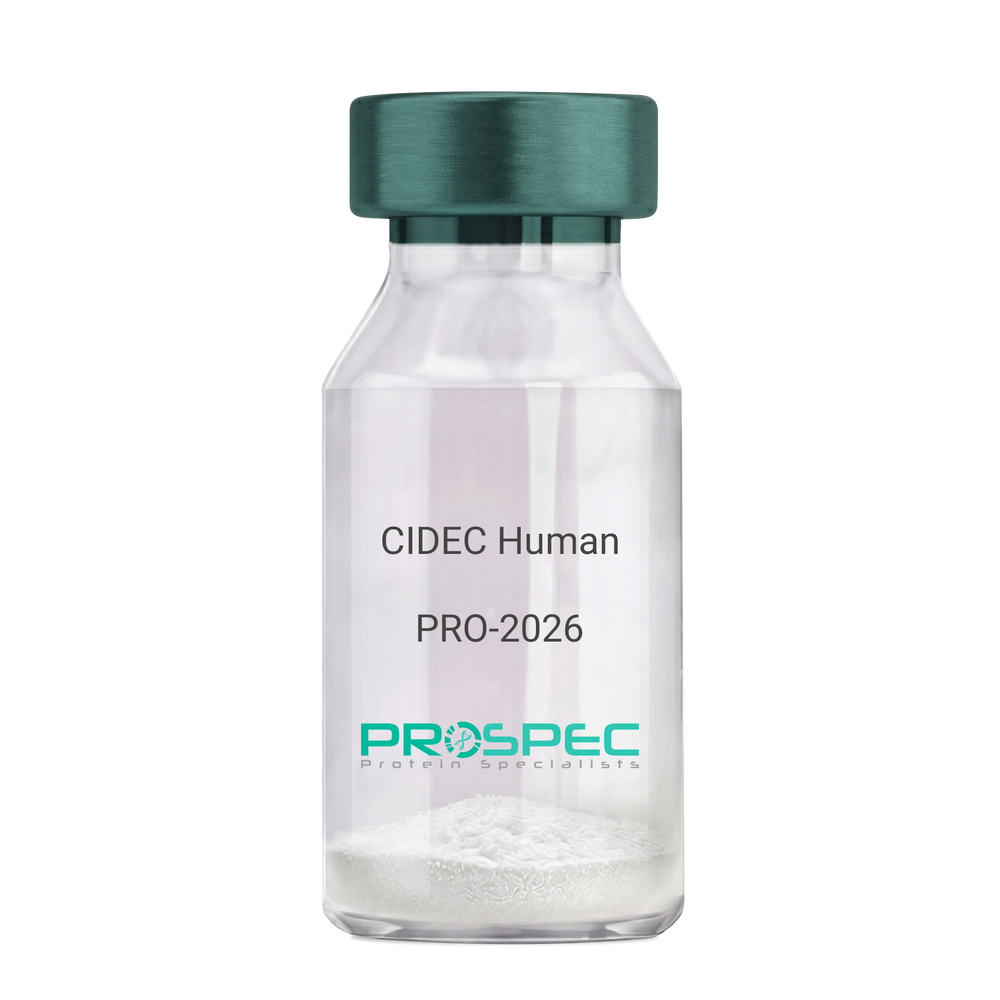
CIDEC HumanDescription:
Cell Death-Inducing DFFA-Like Effector C Human Recombinant
Cell Death-Inducing DFFA-Like Effector C, FSP27, CIDE3, FPLD5, Cell Death-Inducing DFFA-Like Effector Protein C, Fat-Specific Protein FSP27 Homolog, Cell Death Activator CIDE-3, Fat Specific Protein 27, CIDE-3, CIDEC.
Product # :
PRO-2026Price :
Quantity :
Shipping Method :
Shipped with Ice Packs
More Info
- description
- source
- formulation
- purity
- More Info
Description
CIDEC Human Recombinant produced in E.Coli is a single, non-glycosylated, polypeptide chain (Glu2-Gln238) containing 247 amino acids including a 10 aa His tag at N-terminus. The total calculated molecular mass is 28kDa.
Source
Escherichia Coli.
Formulation
CIDEC filtered (0.4µm) solution at a concentration of 0.4mg/ml in 30mM acetate buffer and 10mM dithiothreitol, pH 4.
Purity
Greater than 95.0% as determined by SDS-PAGE.
More Info
-
Introduction
Cell Death-Inducing DFFA-Like Effector C (CIDEC) belongs to the cell death-inducing DNA fragmentation factor-like effector family, whose members have significant roles in apoptosis. CIDEC is expressed mainly in adipocytes, intestine, heart, stomach, and weakly in the brain, kidney and liver. CIDEC overexpression in preadipocytes induces apoptosis. CIDEC regulates enlargement of lipid droplets.
-
Synonyms
Cell Death-Inducing DFFA-Like Effector C, FSP27, CIDE3, FPLD5, Cell Death-Inducing DFFA-Like Effector Protein C, Fat-Specific Protein FSP27 Homolog, Cell Death Activator CIDE-3, Fat Specific Protein 27, CIDE-3, CIDEC.
-
Physical Appearance
Filtered colorless solution.
-
Stability
Store at 4°C if entire vial will be used within 2-4 weeks. Store, frozen at -20°C for longer periods of time. For long term storage it is recommended to add a carrier protein (0.1% HSA or BSA).Avoid multiple freeze-thaw cycles.
-
Amino Acid Sequence
MKHHHHHHASEYAMKSLSLL YPKSLSRHVS VRTSVVTQQL LSEPSPKAPR ARPCRVSTAD RSVRKGIMAY SLEDLLLKVR DTLMLADKPF FLVLEEDGTT VETEEYFQAL AGDTVFMVLQ KGQKWQPPSE QGTRHPLSLS HKPAKKIDVA RVTFDLYKLN PQDFIGCLNV KATFYDTYSL SYDLHCCGAK RIMKEAFRWA LFSMQATGHV LLGTSCYLQQ LLDATEEGQP PKGKASSLIP TCLKILQ.
ProSpec's products are furnished for LABORATORY RESEARCH USE ONLY. The product may not be used as drugs, agricultural or pesticidal products, food additives or household chemicals.