Skip to content

High-quality research proteins.

  • 1-800-805-6531

  • Mon - Sat 8.00-18.00, Sun - Closed

  • info@prospecbio.com

  • PO Box 6591 East Brunswick NJ 08816

  • Products
    • Cytokines
    • Growth factors
    • Chemokines
    • Cd antigens
    • Neurotrophins
    • Hormones
    • Enzymes
    • Viral antigens
    • Recombinant proteins
    • Natural proteins
    • Monoclonal antibodies
    • Polyclonal antibodies
    • Thermal Packaging
  • About
    • Company
    • Founder
    • Contribution
  • Customers
    • Eastern Asia
    • Eastern Europe
    • North America
    • South America
    • South East Asia
    • Southern Asia
    • Western Europe
  • Ordering
    • Ordering Method
    • Ordering - Credit Card
    • Ordering - PO
    • Shipping Fees
    • FAQs
  • Services
    • DNA Cloning
    • Protein Expression
    • Monoclonal Antibody
    • Fermentation
    • Technology License
  • Contact us
Log in

Country/region

  • USD $ | Albania
  • USD $ | Andorra
  • USD $ | Argentina
  • USD $ | Armenia
  • USD $ | Australia
  • USD $ | Austria
  • USD $ | Azerbaijan
  • USD $ | Belarus
  • USD $ | Belgium
  • USD $ | Bolivia
  • USD $ | Brazil
  • USD $ | Bulgaria
  • USD $ | Cambodia
  • USD $ | Canada
  • USD $ | Chile
  • USD $ | China
  • USD $ | Colombia
  • USD $ | Costa Rica
  • USD $ | Croatia
  • USD $ | Cyprus
  • USD $ | Czechia
  • USD $ | Denmark
  • USD $ | Estonia
  • USD $ | Finland
  • USD $ | France
  • USD $ | Georgia
  • USD $ | Germany
  • USD $ | Greece
  • USD $ | Hong Kong SAR
  • USD $ | Hungary
  • USD $ | Iceland
  • USD $ | India
  • USD $ | Ireland
  • USD $ | Israel
  • USD $ | Italy
  • USD $ | Japan
  • USD $ | Kazakhstan
  • USD $ | Latvia
  • USD $ | Liechtenstein
  • USD $ | Lithuania
  • USD $ | Madagascar
  • USD $ | Malta
  • USD $ | Mexico
  • USD $ | Moldova
  • USD $ | Monaco
  • USD $ | Netherlands
  • USD $ | New Zealand
  • USD $ | North Macedonia
  • USD $ | Norway
  • USD $ | Panama
  • USD $ | Paraguay
  • USD $ | Peru
  • USD $ | Philippines
  • USD $ | Poland
  • USD $ | Portugal
  • USD $ | Romania
  • USD $ | Singapore
  • USD $ | Slovakia
  • USD $ | Slovenia
  • USD $ | South Africa
  • USD $ | South Korea
  • USD $ | Spain
  • USD $ | Sri Lanka
  • USD $ | Sweden
  • USD $ | Switzerland
  • USD $ | Taiwan
  • USD $ | Thailand
  • USD $ | Türkiye
  • USD $ | Ukraine
  • USD $ | United Kingdom
  • USD $ | United States
  • USD $ | Uruguay
  • USD $ | Vatican City
  • USD $ | Venezuela
  • USD $ | Vietnam
  • Facebook
  • Instagram
logoProSpec - Recombinant Protein Manufacturer for academic and R&D industry
Become a distributor
Account Log in
Wishlist
Cart Cart(0)
  • Products
    +
    • Cytokines
    • Growth factors
    • Chemokines
    • Cd antigens
    • Neurotrophins
    • Hormones
    • Enzymes
    • Viral antigens
    • Recombinant proteins
    • Natural proteins
    • Monoclonal antibodies
    • Polyclonal antibodies
    • Thermal Packaging
  • About
    +
    • Company
    • Founder
    • Contribution
  • Customers
    +
    • Eastern Asia
    • Eastern Europe
    • North America
    • South America
    • South East Asia
    • Southern Asia
    • Western Europe
  • Ordering
    +
    • Ordering Method
    • Ordering - Credit Card
    • Ordering - PO
    • Shipping Fees
    • FAQs
  • Services
    +
    • DNA Cloning
    • Protein Expression
    • Monoclonal Antibody
    • Fermentation
    • Technology License
  • Contact us

Item added to your cart

View cart
View All
  • Cytokines
  • Growth factors
  • Chemokines
  • Cd antigens
  • Neurotrophins
  • Hormones
  • Enzymes
  • Viral antigens
  • Recombinant proteins
  • Natural proteins
  • Monoclonal antibodies
  • Polyclonal antibodies
  • Thermal Packaging
  • Tumor Necrosis Factor

    Tumor Necrosis Factor

    View All
  • 4-1BB

    4-1BB

    View All
  • Adiponectin

    Adiponectin

    View All
  • AIF1

    AIF1

    View All
  • Other Cytokines

    Other Cytokines

    View All
  • AITRL

    AITRL

    View All
  • Angiopoietin

    Angiopoietin

    View All
  • Apolipoprotein

    Apolipoprotein

    View All
  • B-Cell Activating Factor

    B-Cell Activating Factor

    View All
  • Beta Defensin

    Beta Defensin

    View All
  • Bone Morphogenetic Protein

    Bone Morphogenetic Protein

    View All
  • B type Natriuretic Peptide

    B type Natriuretic Peptide

    View All
  • BST

    BST

    View All
  • Betacellulin

    Betacellulin

    View All
  • Cardiotrophin

    Cardiotrophin

    View All
  • Activin

    Activin

    View All
  • Fibroblast Growth Factor

    Fibroblast Growth Factor

    View All
  • Other Growth Factors

    Other Growth Factors

    View All
  • CSF

    CSF

    View All
  • CTGF

    CTGF

    View All
  • IGFBP

    IGFBP

    View All
  • VEGF Protein

    VEGF Protein

    View All
  • EGF

    EGF

    View All
  • Epigen

    Epigen

    View All
  • Erythropoietin

    Erythropoietin

    View All
  • Insulin-Like Growth Factor

    Insulin-Like Growth Factor

    View All
  • Growth Hormone

    Growth Hormone

    View All
  • HDGF

    HDGF

    View All
  • Hepatocyte Growth Factor

    Hepatocyte Growth Factor

    View All
  • Insulin

    Insulin

    View All
  • BCA-1/ BLC (CXCL13)

    BCA-1/ BLC (CXCL13)

    View All
  • BRAK (CXCL14)

    BRAK (CXCL14)

    View All
  • C-10 (CCL6)

    C-10 (CCL6)

    View All
  • Other Chemokines

    Other Chemokines

    View All
  • MEC (CCL28)

    MEC (CCL28)

    View All
  • LD78-beta (CCL3L1)

    LD78-beta (CCL3L1)

    View All
  • CTACK (CCL27)

    CTACK (CCL27)

    View All
  • CXCL16

    CXCL16

    View All
  • CXCL17

    CXCL17

    View All
  • Platelet Factor-4 (CXCL4)

    Platelet Factor-4 (CXCL4)

    View All
  • ENA-78 (CXCL5)

    ENA-78 (CXCL5)

    View All
  • Eotaxin (CCL11,24,26)

    Eotaxin (CCL11,24,26)

    View All
  • Exodus-2 (CCL21)

    Exodus-2 (CCL21)

    View All
  • Fractalkine (CX3CL1)

    Fractalkine (CX3CL1)

    View All
  • CXCL6

    CXCL6

    View All
  • Other CD Antigens

    Other CD Antigens

    View All
  • CD14

    CD14

    View All
  • CD164

    CD164

    View All
  • CD1

    CD1

    View All
  • CD2

    CD2

    View All
  • CD200

    CD200

    View All
  • CD207

    CD207

    View All
  • CD226

    CD226

    View All
  • CD23

    CD23

    View All
  • CD244

    CD244

    View All
  • CD247

    CD247

    View All
  • CD27

    CD27

    View All
  • CD274

    CD274

    View All
  • CD300

    CD300

    View All
  • CD33

    CD33

    View All
  • Other Neurotrophins

    Other Neurotrophins

    View All
  • Beta-NGF

    Beta-NGF

    View All
  • BDNF

    BDNF

    View All
  • CDNF

    CDNF

    View All
  • CNTF

    CNTF

    View All
  • GDNF

    GDNF

    View All
  • Glia Maturation Factor

    Glia Maturation Factor

    View All
  • MANF

    MANF

    View All
  • Midkine

    Midkine

    View All
  • Neuroglobin

    Neuroglobin

    View All
  • Neurotrophic factors

    Neurotrophic factors

    View All
  • Neuregulin

    Neuregulin

    View All
  • Neuropilin

    Neuropilin

    View All
  • Pigment Epithelium-Derived Factor

    Pigment Epithelium-Derived Factor

    View All
  • Pleiotrophin

    Pleiotrophin

    View All
  • Peptide Hormones

    Peptide Hormones

    View All
  • Other Hormones

    Other Hormones

    View All
  • HCG

    HCG

    View All
  • Endothelin

    Endothelin

    View All
  • Exendin

    Exendin

    View All
  • FSH

    FSH

    View All
  • Glucagon

    Glucagon

    View All
  • GHRP

    GHRP

    View All
  • GLP

    GLP

    View All
  • Thyrostimulin

    Thyrostimulin

    View All
  • Inhibin A

    Inhibin A

    View All
  • LHRH

    LHRH

    View All
  • Melanotan

    Melanotan

    View All
  • Procalcitonin

    Procalcitonin

    View All
  • PTH

    PTH

    View All
  • Peroxiredoxin

    Peroxiredoxin

    View All
  • Peptidase

    Peptidase

    View All
  • Synthetase

    Synthetase

    View All
  • Transferase

    Transferase

    View All
  • Hydrolase

    Hydrolase

    View All
  • Dehydrogenase

    Dehydrogenase

    View All
  • ACE2

    ACE2

    View All
  • Esterase

    Esterase

    View All
  • Protein Kinases

    Protein Kinases

    View All
  • Other Enzymes

    Other Enzymes

    View All
  • Phosphatase

    Phosphatase

    View All
  • Deaminase

    Deaminase

    View All
  • Oxygenase

    Oxygenase

    View All
  • Adenylate Kinase

    Adenylate Kinase

    View All
  • Lyase

    Lyase

    View All
  • Chagas

    Chagas

    View All
  • SARS

    SARS

    View All
  • Influenza

    Influenza

    View All
  • ASFV

    ASFV

    View All
  • Astrovirus

    Astrovirus

    View All
  • Borrelia

    Borrelia

    View All
  • Helicobacter Pylori

    Helicobacter Pylori

    View All
  • Chikungunya

    Chikungunya

    View All
  • Chlamydia

    Chlamydia

    View All
  • Cytomegalo

    Cytomegalo

    View All
  • Dengue

    Dengue

    View All
  • EBV

    EBV

    View All
  • Ebola

    Ebola

    View All
  • Feline Leukemia Virus

    Feline Leukemia Virus

    View All
  • Hepatitis A

    Hepatitis A

    View All
  • Other

    Other

    View All
  • Actin

    Actin

    View All
  • ADAM

    ADAM

    View All
  • Complement Component

    Complement Component

    View All
  • Ag85

    Ag85

    View All
  • Eukaryotic Translation Initiation Factor

    Eukaryotic Translation Initiation Factor

    View All
  • Anterior Gradient Protein

    Anterior Gradient Protein

    View All
  • Heat Shock Protein

    Heat Shock Protein

    View All
  • Alpha-2-HS-Glycoprotein

    Alpha-2-HS-Glycoprotein

    View All
  • Hemoglobin

    Hemoglobin

    View All
  • Allergy

    Allergy

    View All
  • Anaplasma

    Anaplasma

    View All
  • Angiogenin

    Angiogenin

    View All
  • Ankyrin Repeat Domain

    Ankyrin Repeat Domain

    View All
  • Annexin

    Annexin

    View All
  • Other Natural Proteins

    Other Natural Proteins

    View All
  • Aprotinin

    Aprotinin

    View All
  • Transferrin

    Transferrin

    View All
  • Avidin

    Avidin

    View All
  • Anti Coagulation Factors

    Anti Coagulation Factors

    View All
  • Natural Albumin

    Natural Albumin

    View All
  • Natural Coagulation Factors

    Natural Coagulation Factors

    View All
  • Fibronectin

    Fibronectin

    View All
  • Thrombin

    Thrombin

    View All
  • Anti Human Enzyme

    Anti Human Enzyme

    View All
  • Other Monoclonal Antibodies

    Other Monoclonal Antibodies

    View All
  • Anti Human Cytokine

    Anti Human Cytokine

    View All
  • Anti Human Heat Shock Protein

    Anti Human Heat Shock Protein

    View All
  • Anti Mouse Lymphocyte

    Anti Mouse Lymphocyte

    View All
  • Anti Human Chemokine

    Anti Human Chemokine

    View All
  • Anti Human Lymphocyte

    Anti Human Lymphocyte

    View All
  • Anti Viral Monoclonal

    Anti Viral Monoclonal

    View All
  • Anti Mouse Cytokine

    Anti Mouse Cytokine

    View All
  • Anti-GST Monoclonal

    Anti-GST Monoclonal

    View All
  • Other Polyclonal Antibodies

    Other Polyclonal Antibodies

    View All
  • Anti Viral

    Anti Viral

    View All
  • Anti-GST Monoclonal

    Anti-GST Monoclonal

    View All
Back

Search results

1000 results found for “Deaminase”

Name

Description

Product #

Price

Quantity

Shipping Method

  • View Data Sheet

    Name :

    Thrombin Porcine

    Description:

    Porcine Thrombin

    Product # :

    PRO-617

    Price :

    Quantity :

    Shipping Method :

    Room Temp Icon

    Shipped at Room temp

    Add To Cart

    More Info

    • source
    • formulation
    • More Info

    Source

    Porcine Blood.

    Formulation

    Lyophilized Powder from glycine, calcium chloride pH 7.0 containing 0.9% NaCl

    More Info

    • Introduction

      Thrombin enzyme (Activated Factor IIa) is an important clotting promoter that controls the transformation of soluble fibrinogen to insoluble active fibrin strands. Thrombin is a coagulation protein and a serine protease (EC 3.4.21.5) that catalyzes many coagulation-related reactions. Thrombin triggers factor-XI, factor-V, Factor-XIII and factor-VIII. Thrombin endorses platelet activation, using activation of protease-activated receptors on the platelet. As a result of its high proteolytic specificity, thrombin has become an important biochemical protein. The thrombin cleavage site (Leu-Val-Pro-Arg-Gly-Ser) is widely used in linker regions of recombinant fusion protein constructs. After the purification of the fusion protein, thrombin is used to cleave between the Arginine and Glycine residues of the cleavage site, efficiently removing the purification tag from the protein of interest with a high degree of specificity.

    • Physical Appearance

      Sterile Filtered White lyophilized (freeze-dried) powder.

    • Stability

      Lyophilized Porcine Thrombin although stable at room temperature for 3 weeks, should be stored desiccated below -18°C. Upon reconstitution IPF1 should be stored at 4°C between 2-7 days and for future use below -18°C.For long term storage it is recommended to add a carrier protein (0.1% HSA or BSA).Please prevent freeze-thaw cycles.

    • Solubility

      It is recommended to reconstitute the lyophilized porcine Thrombin in sterile 0.9% NaCl.

    ProSpec's products are furnished for LABORATORY RESEARCH USE ONLY. The product may not be used as drugs, agricultural or pesticidal products, food additives or household chemicals.

    Thrombin Porcine
  • View Data Sheet

    Name :

    F8 Protein

    Description:

    Coagulation Factor-VIII Human Recombinant

    Coagulation factor VIII, Procoagulant component, Antihemophilic factor, AHF, F8, F8C, F8B, HEMA, FVIII, DXS1253E, F8 protein.

    Product # :

    PRO-318

    Price :

    Quantity :

    Shipping Method :

    Room Temp Icon

    Shipped at Room temp

    Add To Cart

    More Info

    • description
    • source
    • formulation
    • purity
    • biological activity
    • More Info

    Description

    Antihemophilic Facor Human Recombinant produced in CHO is a glycosylated polypeptide chain having 2332 amino acids. The Factor-VIII is purified by proprietary chromatographic techniques.

    Source

    CHO cells (Chinese Hamster Ovarian Cells).

    Formulation

    Each 250IU vial was lyophilized from a solution containing 8mg Tween-80, 112mM NaCl, 40mg Mannitol, 10mg Trehalose, 1ng VWF and 4.2mM CaCl2.

    Purity

    Greater than 97.0% as determined by SDS-PAGE.

    Biological Activity

    The specific activity was found to be 7,058 IU/mg.

    More Info

    • Introduction

      Coagulation factor VIII participates in the intrinsic pathway of blood coagulation; factor VIII is a cofactor for factor IXa which, in the presence of Ca+2 and phospholipids, converts factor X to the activated form Xa. This gene produces two alternatively spliced transcripts. Transcript variant 1 encodes a large glycoprotein, isoform a, which circulates in plasma and associates with von Willebrand factor in a noncovalent complex. This protein undergoes multiple cleavage events. Transcript variant 2 encodes a putative small protein, isoform b, which consists primarily of the phospholipid binding domain of factor VIIIc. This binding domain is essential for coagulant activity. Defects in this gene results in hemophilia A, a common recessive X-linked coagulation disorder.

    • Synonyms

      Coagulation factor VIII, Procoagulant component, Antihemophilic factor, AHF, F8, F8C, F8B, HEMA, FVIII, DXS1253E, F8 protein.

    • Physical Appearance

      Sterile Filtered White lyophilized (freeze-dried) powder.

    • Stability

      Lyophilized Factor-VIII although stable at room temperature for 3 weeks, should be stored desiccated below -18°C. Upon reconstitution Factor-VIII should be stored at 4°C between 2-7 days and for future use below -18°C.Please prevent freeze-thaw cycles.

    • Solubility

      It is recommended to reconstitute 250IU lyophilized Factor-VIII in 5ml sterile 18M-cm H2O, which can then be further diluted to other aqueous solutions.

    ProSpec's products are furnished for LABORATORY RESEARCH USE ONLY. The product may not be used as drugs, agricultural or pesticidal products, food additives or household chemicals.

    Factor Viii Human Recombinant
  • View Data Sheet

    Name :

    CKMM Human

    Description:

    Creatine Kinase Muscle Human Recombinant

    Creatine kinase M-type, EC 2.7.3.2, Creatine kinase M chain, M-CK, CKM, CKMM

    Product # :

    CKI-287

    Price :

    Quantity :

    Shipping Method :

    Ice Icon

    Shipped with Ice Packs

    Add To Cart

    More Info

    • description
    • source
    • formulation
    • purity
    • More Info

    Description

    Recombinant Human CKMM produced in E.Coli is a single, non-glycosylated, polypeptide chain, having a molecular weight of ~44kDa.The CKMM is purified by proprietary chromatographic techniques.

    Source

    Escherichia Coli.

    Formulation

    Human CKMM solution contains 500 mM NaCl, 20mM Tris-HCl, 4mM CaCl2, 4mM MgCl2and 60 mM B-mercaptoethanol, pH 7.5.

    Purity

    Greater than 90.0% as determined by SDS-PAGE.

    More Info

    • Introduction

      The three isoenzymes (MM, MB, and BB) are found in muscle, cardiac and brain tissues. These recombinant proteins are ideal for calibrating diagnostic instruments and researching neuromuscular diseases. Creatine Kinases can be used for indications in many neuromuscular applications. These disorders include cardiac disease, mitochondrial disorders, inflammatory myopathies, myasthenia, polymyositis, McArdle's disease, NMJ disorders, muscular dystrophy, ALS, hypo and hyperthyroid disorders, central core disease, acid maltase deficiency, myoglobinuria, rhabdomyolysis, motor neuron diseases, rheumatic diseases, and other that create elevated or reduced levels of Creatine Kinases.

    • Synonyms

      Creatine kinase M-type, EC 2.7.3.2, Creatine kinase M chain, M-CK, CKM, CKMM

    • Physical Appearance

      Sterile Filtered colorless liquid formulation.

    • Stability

      CKMM although stable at 10°C for 7 days, should be stored below -18°C.Please prevent freeze-thaw cycles.

    ProSpec's products are furnished for LABORATORY RESEARCH USE ONLY. The product may not be used as drugs, agricultural or pesticidal products, food additives or household chemicals.

    Ckm Human
  • View Data Sheet

    Name :

    PFKM Human

    Description:

    Phosphofructokinase, Muscle Human Recombinant

    EC 2.7.1.11, GSD7, PFK-1, PFK1, PFKA, PFKX, Phosphofructokinase-M, Phosphofructokinase 1, Phosphohexokinase, Phosphofructo-1-kinase isozyme A, MGC8699, PFKM.

    Product # :

    PKA-365

    Price :

    Quantity :

    Shipping Method :

    Ice Icon

    Shipped with Ice Packs

    Add To Cart

    More Info

    • description
    • source
    • formulation
    • purity
    • More Info

    Description

    PFKM Human Recombinant produced in E.Coli is a single, non-glycosylated, polypeptide chain containing 800 amino acids (1-780 a.a.) and having a molecular mass of 87.3 kDa. PFKM protein is fused to a 20 amino acid His-Tag at N-terminus and purified by standard chromatography.

    Source

    Escherichia Coli.

    Formulation

    PFKM Human solution containing 20mM Trsi HCl pH-8, 5mM DTT, 0.2M NaCl and 20% glycerol.

    Purity

    Greater than 80% as determined by SDS-PAGE.

    More Info

    • Introduction

      PFKM is a regulatory glycolytic enzyme that converts fructose 6-phosphate and ATP into fructose 1,6-bisphosphate (through PFK-1), fructose 2,6-bisphosphate (through PFK-2) and ADP. Three phosphofructokinase isozymes exist in humans: muscle, liver and platelet. Mutations in PFKM gene have been related with glycogen storage disease type VII, also identified as Tarui disease.

    • Synonyms

      EC 2.7.1.11, GSD7, PFK-1, PFK1, PFKA, PFKX, Phosphofructokinase-M, Phosphofructokinase 1, Phosphohexokinase, Phosphofructo-1-kinase isozyme A, MGC8699, PFKM.

    • Physical Appearance

      Sterile filtered colorless solution.

    • Stability

      Store at 4°C if entire vial will be used within 2-4 weeks. Store, frozen at -20°C for longer periods of time. For long term storage it is recommended to add a carrier protein (0.1% HSA or BSA). Please prevent freeze thaw cycles.

    • Amino Acid Sequence

      MGSSHHHHHH SSGLVPRGSH MTHEEHHAAK TLGIGKAIAV LTSGGDAQGM NAAVRAVVRV GIFTGARVFF VHEGYQGLVD GGDHIKEATW ESVSMMLQLG GTVIGSARCK DFREREGRLR AAYNLVKRGI TNLCVIGGDG SLTGADTFRS EWSDLLSDLQ KAGKITDEEA TKSSYLNIVG LVGSIDNDFC GTDMTIGTDS ALHRIMEIVD AITTTAQSHQ RTFVLEVMGR HCGYLALVTS LSCGADWVFI PECPPDDDWE EHLCRRLSET RTRGSRLNII IVAEGAIDKN GKPITSEDIK NLVVKRLGYD TRVTVLGHVQ RGGTPSAFDR ILGSRMGVEA VMALLEGTPD TPACVVSLSG NQAVRLPLME CVQVTKDVTK AMDEKKFDEA LKLRGRSFMN NWEVYKLLAH VRPPVSKSGS HTVAVMNVGA PAAGMNAAVR STVRIGLIQG NRVLVVHDGF EGLAKGQIEE AGWSYVGGWT GQGGSKLGTK RTLPKKSFEQ ISANITKFNI QGLVIIGGFE AYTGGLELME GRKQFDELCI PFVVIPATVS NNVPGSDFSV GADTALNTIC TTCDRIKQSA AGTKRRVFII ETMGGYCGYL ATMAGLAAGA DAAYIFEEPF TIRDLQANVE HLVQKMKTTV KRGLVLRNEK CNENYTTDFI FNLYSEEGKG IFDSRKNVLG HMQQGGSPTP FDRNFATKMG AKAMNWMSGK IKESYRNGRI FANTPDSGCV LGMRKRALVF QPVAELKDQT DFEHRIPKEQ WWLKLRPILK ILAKYEIDLD TSDHAHLEHI TRKRSGEAAV.

    ProSpec's products are furnished for LABORATORY RESEARCH USE ONLY. The product may not be used as drugs, agricultural or pesticidal products, food additives or household chemicals.

    Pfkm Human
  • View Data Sheet

    Name :

    C.Albicans Enolase

    Description:

    Candida Albicans Enolase Recombinant

    Product # :

    PRO-2297

    Price :

    Quantity :

    Shipping Method :

    Ice Icon

    Shipped with Ice Packs

    Add To Cart

    More Info

    • description
    • source
    • formulation
    • purity
    • More Info

    Description

    Recombinant Candida Albicans Enolase produced in SF9 is a glycosylated, polypeptide chain having a calculated molecular mass of 46kDa. C.Albicans Enolase is expressed with a 10xHis tag at N-terminus and purified by proprietary chromatographic techniques.

    Source

    Sf9 insect cells.

    Formulation

    C.Albicans Enolase is supplied in 20mM HEPES buffer pH-8, 200mM NaCl and 20% glycerol.

    Purity

    Greater than 95.0% as determined by SDS-PAGE.

    More Info

    • Introduction

      Candida albicans is a diploid fungus, which grows both as yeast and filamentous cells and a contributory agent of opportunistic oral and genital infections in humans, and candidal onychomycosis (an infection of the nail plate). Systemic fungal infections (fungemias) including those by C. albicans are regarded as key causes of morbidity and mortality in immunocompromised patients (e.g., AIDS, cancer chemotherapy, organ or bone marrow transplantation). C. albicans biofilms may develop on the surface of implantable medical devices. C. albicans is commensal and a constituent of the normal gut flora containing microorganisms which live in the human mouth and gastrointestinal tract. Overgrowth of the fungus leads to in candidiasis (candidosis). Candidiasis is frequently detected in immunocompromised persons, including HIV-infected patients. To infect host tissue, the habitual unicellular yeast-like form of C. albicans reacts to environmental signals and changes into an invasive, multicellular filamentous form, a phenomenon which is known as dimorphism.

    • Physical Appearance

      Sterile Filtered clear solution.

    • Stability

      Store at 4°C if entire vial will be used within 2-4 weeks. Store, frozen at -20°C for longer periods of time. Avoid multiple freeze-thaw cycles.

    ProSpec's products are furnished for LABORATORY RESEARCH USE ONLY. The product may not be used as drugs, agricultural or pesticidal products, food additives or household chemicals.

    Calbicans Enolase
  • View Data Sheet

    Name :

    ABHD14B Human

    Description:

    Abhydrolase Domain Containing 14B Human Recombinant

    Abhydrolase domain containing protein 14B, CIB, CCG1-interacting factor B, cell cycle gene 1-interacting factor B, EC 3.1.11.6, EC 3.1.21.4.

    Product # :

    ENZ-240

    Price :

    Quantity :

    Shipping Method :

    Ice Icon

    Shipped with Ice Packs

    Add To Cart

    More Info

    • description
    • source
    • formulation
    • purity
    • More Info

    Description

    ABHD14B Human Recombinant produced in E.coli is a single, non-glycosylated polypeptide chain containing 234 amino acids (1-210) and having a molecular mass of 25.0kDa.ABHD14B is fused to a 24 amino acid His-tag at N-terminus & purified by proprietary chromatographic techniques.

    Source

    E.coli.

    Formulation

    The ABHD14B solution (0.5mg/ml) contains 20mM Tris-HCl buffer (pH 8.0), 100mM NaCl, 1mM DTT and 10% glycerol.

    Purity

    Greater than 95% as determined by SDS-PAGE.

    More Info

    • Introduction

      ABHD14B is a member of the AB hydrolase superfamily. ABHD14B has an alpha/beta hydrolase fold - a catalytic domain found in a large number of enzymes. In molecular biology, the alpha/beta hydrolase fold is common to a number of hydrolytic enzymes of broad differing phylogenetic source and catalytic function. The Ab hydrolase domain containing gene subfamily includes 15 mostly uncharacterized members. ABHD14B has hydrolase activity with p-nitrophenyl butyrate (in vitro) and is able to activate transcription.

    • Synonyms

      Abhydrolase domain containing protein 14B, CIB, CCG1-interacting factor B, cell cycle gene 1-interacting factor B, EC 3.1.11.6, EC 3.1.21.4.

    • Physical Appearance

      Sterile Filtered colorless solution.

    • Stability

      Store at 4°C if entire vial will be used within 2-4 weeks. Store, frozen at -20°C for longer periods of time. For long term storage it is recommended to add a carrier protein (0.1% HSA or BSA).Avoid multiple freeze-thaw cycles.

    • Amino Acid Sequence

      MGSSHHHHHH SSGLVPRGSH MGSHMAASVE QREGTIQVQG QALFFREALP GSGQARFSVL LLHGIRFSSE TWQNLGTLHR LAQAGYRAVA IDLPGLGHSK EAAAPAPIGE LAPGSFLAAV VDALELGPPV VISPSLSGMY SLPFLTAPGS QLPGFVPVAP ICTDKINAAN YASVKTPALI VYGDQDPMGQ TSFEHLKQLP NHRVLIMKGA GHPCYLDKPE EWHTGLLDFL QGLQ

    ProSpec's products are furnished for LABORATORY RESEARCH USE ONLY. The product may not be used as drugs, agricultural or pesticidal products, food additives or household chemicals.

    Abhd14B Human
  • View Data Sheet

    Name :

    GLRX1 Yeast

    Description:

    Glutaredoxin 1 Yeast Recombinant

    Thioltransferase, GRX, GLRX1, GRX1, GRX-1, GLRX-1, Glutathione-dependent oxidoreductase 1, Glutaredoxin 1.

    Product # :

    ENZ-361

    Price :

    Quantity :

    Shipping Method :

    Ice Icon

    Shipped with Ice Packs

    Add To Cart

    More Info

    • description
    • source
    • formulation
    • purity
    • More Info

    Description

    Glutaredoxin Saccharamyces cerevisiae Recombinant containing 6x His tag at C-Terminus produced in E.Coli is a single, non-glycosylated, Polypeptide chain having a molecular mass of 16 kDa.

    Source

    Escherichia Coli.

    Formulation

    Glutaredoxin solution contains PBS, pH-7.5 & 0.01% Na Azide.

    Purity

    Greater than 95% as determined by SDS-PAGE.

    More Info

    • Introduction

      GLRX1 has a glutathione-disulfide oxidoreductase activity in the presence of nadph and glutathione reductase. reduces low molecular weight disulfides and proteins. Glutaredoxin is a glutathione (GSH)-dependent hydrogen donor for ribonucleotide reductase and also catalyzes glutathione-disulfide oxidoreduction reactions in the presence of NADPH and glutathione reductase. GLRX1 is multifunctional enzyme with glutathione-dependent oxidoreductase, glutathione peroxidase and glutathione S-transferase (GST) activity. The disulfide bond functions as an electron carrier in the glutathione-dependent synthesis of deoxyribonucleotides by the enzyme ribonucleotide reductase. In addition, it is also involved in reducing cytosolic protein- and non-protein-disulfides in a coupled system with glutathione reductase. Required for resistance to reactive oxygen species (ROS) by directly reducing hydroperoxides and for the detoxification of ROS-mediated damage.

    • Synonyms

      Thioltransferase, GRX, GLRX1, GRX1, GRX-1, GLRX-1, Glutathione-dependent oxidoreductase 1, Glutaredoxin 1.

    • Physical Appearance

      Sterile Filtered clear colorless solution.

    • Stability

      1 week at 2-10°C. For long term store at -20 to -80°C.

    ProSpec's products are furnished for LABORATORY RESEARCH USE ONLY. The product may not be used as drugs, agricultural or pesticidal products, food additives or household chemicals.

    Glrx1
  • View Data Sheet

    Name :

    AKR1C4 Human, His

    Description:

    Aldo-Keto Reductase Family 1 Member C4 Human Recombinant, His Tag

    Aldo-keto reductase family 1 member C4 (chlordecone reductase 3-alpha hydroxysteroid dehydrogenase type I dihydrodiol dehydrogenase 4), 3-alpha-hydroxysteroid dehydrogenase type I, MGC22581, HAKRA, 3 alpha-hydroxysteroid dehydrogenase/dihydrodiol dehydrogenase 4, CDR, DD4, CHDR, 3-alpha-HSD1, C11.

    Product # :

    ENZ-145

    Price :

    Quantity :

    Shipping Method :

    Ice Icon

    Shipped with Ice Packs

    Add To Cart

    More Info

    • description
    • source
    • formulation
    • purity
    • biological activity
    • More Info

    Description

    AKR1C4 Human Recombinant produced in E.coli is a single, non-glycosylated polypeptide chain containing 343 amino acids (1-323) and having a molecular mass of 39.2 kDa.The AKR1C4 is fused to a 20 amino acid His-Tag at N-terminus and purified by proprietary chromatographic techniques.

    Source

    Escherichia Coli.

    Formulation

    AKR1C4 protein 1mg/ml is supplied in 20mM Tris-HCl, pH-8, 0.1M NaCl, 1mM DTT and 20% Glycerol.

    Purity

    Greater than 90.0% as determined by SDS-PAGE.

    Biological Activity

    Specific activity is > 700 pmol/min/ug, and is defined as the amount of enzyme that catalyze the oxidation of 1.0 pmole 1-Acenaphthenol in the presence of NADP per minute at pH 8.8 at 25°C.

    More Info

    • Introduction

      AKR1C4 is a member of the aldo/keto reductase superfamily that has over 40 known enzymes and proteins. AKR1C4 enables the conversion of aldehydes and ketones to their corresponding alcohols by using NADH and/or NADPH as cofactors. AKR1C4 takes part in the bioreduction of chlordecone, a toxic organochlorine pesticide, to chlordecone alcohol in liver.

    • Synonyms

      Aldo-keto reductase family 1 member C4 (chlordecone reductase 3-alpha hydroxysteroid dehydrogenase type I dihydrodiol dehydrogenase 4), 3-alpha-hydroxysteroid dehydrogenase type I, MGC22581, HAKRA, 3 alpha-hydroxysteroid dehydrogenase/dihydrodiol dehydrogenase 4, CDR, DD4, CHDR, 3-alpha-HSD1, C11.

    • Physical Appearance

      AKR1C4 is supplied as a sterile filtered clear solution.

    • Stability

      Store at 4°C if entire vial will be used within 2-4 weeks. Store, frozen at -20°C for longer periods of time. For long term storage it is recommended to add a carrier protein (0.1% HSA or BSA).Avoid multiple freeze-thaw cycles.

    • Amino Acid Sequence

      MGSSHHHHHH SSGLVPRGSH MDPKYQRVEL NDGHFMPVLG FGTYAPPEVP RNRAVEVTKL AIEAGFRHID SAYLYNNEEQ VGLAIRSKIA DGSVKREDIF YTSKLWCTFF QPQMVQPALE SSLKKLQLDY VDLYLLHFPM ALKPGETPLP KDENGKVIFD TVDLSATWEV MEKCKDAGLA
      KSIGVSNFNC RQLEMILNKP GLKYKPVCNQ VECHPYLNQS KLLDFCKSKD IVLVAHSALG TQRHKLWVDP NSPVLLEDPV LCALAKKHKR TPALIALRYQ LQRGVVVLAK SYNEQRIREN IQVFEFQLTS EDMKVLDGLN RNYRYVVMDF LMDHPDYPFS DEY.

    ProSpec's products are furnished for LABORATORY RESEARCH USE ONLY. The product may not be used as drugs, agricultural or pesticidal products, food additives or household chemicals.

    Akr1C4 Human
  • View Data Sheet

    Name :

    T7 RNAP

    Description:

    T7 RNA Polymerase Recombinant

    T7 RNAP.

    Product # :

    ENZ-1180

    Price :

    Quantity :

    Shipping Method :

    Ice Icon

    Shipped with Ice Packs

    Add To Cart

    More Info

    • description
    • source
    • formulation
    • purity
    • More Info

    Description

    T7 RNA polymerase Recombinant protein is produced by bacteriophage T7 DNA which is expressed in recombinant E. coli bacterial system T7 RNA Polymerase is a DNA-dependent 5'→ 3' RNA polymerase which specifically recognizes T7 promoter sequences.

    Source

    T7 Bacteriophage RNA Polymerase gene

    Formulation

    Transcription Buffer 40mM Tris-HCl (25°C, pH-8), 20mM MgCl2, 2.5mM TCEP & 2mM spermidine.

    Purity

    Greater than 95% as visualized by SDS-PAGE

    More Info

    • Introduction

      T7 RNA polymerase active enzyme synthesizes RNA at an increasing degree of that of E. coli RNA polymerase and it terminates transcription often. T7 RNA polymerase is very selective for initiation at its own promoter sequences and is resistant to antibiotics that inhibit E. coli RNA polymerase. In-vitro transcription of mRNA is achieved via bacteriophage T7 RNA polymerase using its ability to produce full-length RNA transcripts with high reliability, thoughT7 RNAP can manufacture as well immunostimulatory by products for example dsRNA which affect protein expression.

    • Synonyms

      T7 RNAP.

    • Physical Appearance

      Sterile Filtered clear solution.

    • Stability

      Two years when stored at -20°C, 2 weeks at 4°C. DO NOT STORE AT -70C.

    • Applications

      Synthesis of :

      • ssRNAs.
      • Labeled or unlabeled highly specific RNA probes.
      • Capped mRNA using cap analogues.
    • Unit Definition

      1U is defined as the amount of enzyme required to incorporate 1nmol of [3H] ATP into acid-insoluble precipitates within 1 hour at 37℃, pH-8.

    ProSpec's products are furnished for LABORATORY RESEARCH USE ONLY. The product may not be used as drugs, agricultural or pesticidal products, food additives or household chemicals.

    T7 Rnap
  • View Data Sheet

    Name :

    PAP Human

    Description:

    Prostate Acid Phosphatase Human

    Product # :

    ENZ-1171

    Price :

    Quantity :

    Shipping Method :

    Room Temp Icon

    Shipped at Room temp

    Add To Cart

    More Info

    • description
    • source
    • formulation
    • purity
    • More Info

    Description

    Human Prostate Acid Phosphatase produced in Pooled human seminal fluid having a molecular mass of approximately 100kD.

    Source

    Pooled human seminal fluid.

    Formulation

    PAP Human is lyophilized (0.2 µm filtered) from 0.02M NH4HCO3.

    Purity

    Greater than 96.0% as determined by SDS-PAGE.

    More Info

    • Introduction

      Prostatic acid phosphatase, also known as PAP, is an enzyme produced by the prostate. PAP may be found in increased amounts in men with prostate cancer.
      PAP’s physiological function may be associated with the liquefaction process of semen.
      The highest levels of PAP are found in metastasized prostate cancer. Diseases of the bone, such as Paget's disease or hyperparathyroidism, diseases of blood cells (sickle-cell disease) or multiple myeloma or lysosomal storage diseases (Gaucher's disease), will show moderately higher levels.
      Certain medications can cause temporary changes in PAP levels. Manipulation of the prostate gland through rectal exam, biopsy or massage may increase the level.

    • Physical Appearance

      Sterile Filtered White lyophilized (freeze-dried) powder.

    • Stability

      PAP Human although stable at room temperature for 3 weeks, should be stored between 2-8°C.

    • Solubility

      It is recommended to reconstitute the lyophilized PAP Human in phosphate buffer containing 0.15M NaCl.

    • Human Virus Test

      Starting material tested and found negative for HIV I & II antibodies, Hepatitis B surface antigen, Hepatitis C antibodies and Syphilis.

    ProSpec's products are furnished for LABORATORY RESEARCH USE ONLY. The product may not be used as drugs, agricultural or pesticidal products, food additives or household chemicals.

    Prostate Acid Phosphatase
  • View Data Sheet

    Name :

    UBE2J2 Human

    Description:

    Ubiquitin-Conjugating Enzyme E2, J2 Human Recombinant

    Ubiquitin-conjugating enzyme E2 J2, ubiquitin-conjugating enzyme E2 J2 (UBC6 homolog east), Non-canonical ubiquitin-conjugating enzyme 2, ubiquitin conjugating enzyme 6, PRO2121, yeast UBC6 homolog, Ubc6p, NCUBE-2, EC 6.3.2.19.

    Product # :

    ENZ-626

    Price :

    Quantity :

    Shipping Method :

    Ice Icon

    Shipped with Ice Packs

    Add To Cart

    More Info

    • description
    • source
    • formulation
    • purity
    • More Info

    Description

    UBE2J2 Human Recombinant produced in E. coli is a single polypeptide chain containing 250 amino acids (1-226) and having a molecular mass of 28.0 kDa.UBE2J2 is fused to a 24 amino acid His-tag at N-terminus & purified by proprietary chromatographic techniques.

    Source

    E.coli.

    Formulation

    The UBE2J2 solution (1mg/1ml) contains 20mM Tris-HCl buffer (pH 8.0), 200mM NaCl, 1mM DTT and 30% glycerol.

    Purity

    Greater than 90% as determined by SDS-PAGE.

    More Info

    • Introduction

      Ubiquitin-conjugating enzyme E2 J2 (UBE2J2) is a member of the ubiquitin-conjugating enzyme family. UBE2J2 catalyzes the covalent attachment of ubiquitin to other proteins. UBE2J2 is located in the membrane of the endoplasmic reticulum. UBE2J2 participates in the selective degradation of misfolded membrane proteins from the endoplasmic reticulum (ERAD).

    • Synonyms

      Ubiquitin-conjugating enzyme E2 J2, ubiquitin-conjugating enzyme E2 J2 (UBC6 homolog east), Non-canonical ubiquitin-conjugating enzyme 2, ubiquitin conjugating enzyme 6, PRO2121, yeast UBC6 homolog, Ubc6p, NCUBE-2, EC 6.3.2.19.

    • Physical Appearance

      Sterile Filtered colorless solution.

    • Stability

      Store at 4°C if entire vial will be used within 2-4 weeks. Store, frozen at -20°C for longer periods of time. For long term storage it is recommended to add a carrier protein (0.1% HSA or BSA).Avoid multiple freeze-thaw cycles.

    • Amino Acid Sequence

      MGSSHHHHHH SSGLVPRGSH MGSHMSSTSS KRAPTTATQR LKQDYLRIKK DPVPYICAEP LPSNILEWHY VVRGPEMTPY EGGYYHGKLI FPREFPFKPP SIYMITPNGR FKCNTRLCLS ITDFHPDTWN PAWSVSTILT GLLSFMVEKG PTLGSIETSD FTKRQLAVQS LAFNLKDKVF CELFPEVVEE IKQKQKAQDE LSSRPQTLPL PDVVPDGETH LVQNGIQLLN GHAPGAVPNL AGLQQANRHH

    ProSpec's products are furnished for LABORATORY RESEARCH USE ONLY. The product may not be used as drugs, agricultural or pesticidal products, food additives or household chemicals.

    Ube2J2 Human
  • View Data Sheet

    Name :

    ECH1 Human

    Description:

    Enoyl CoA Hydratase 1, Peroxisomal Human Recombinant

    peroxisomal, enoyl Coenzyme A hydratase 1.

    Product # :

    ENZ-562

    Price :

    Quantity :

    Shipping Method :

    Ice Icon

    Shipped with Ice Packs

    Add To Cart

    More Info

    • description
    • source
    • formulation
    • purity
    • More Info

    Description

    ECH1 produced in E.Coli is a single, non-glycosylated polypeptide chain containing 316 amino acids (34-328a.a.) and having a molecular mass of 34.4kDa.ECH1 is fused to a 21 amino acid His-tag at N-terminus & purified by proprietary chromatographic techniques.

    Source

    Escherichia Coli.

    Formulation

    The ECH1 protein solution (1mg/1ml) is formulated in 20mM Tris-HCl buffer (pH8.0) 1mM DTT, 50mM NaCl, and 10% glycerol.

    Purity

    Greater than 90% as determined by SDS-PAGE.

    More Info

    • Introduction

      ECH1 is a member of the hydratase/isomerase superfamily. ECH1 demonstrates high sequence similarity to enoyl-coenzyme A (CoA) hydratases of more than a few species, mostly within a conserved domain characteristic of these proteins. ECH1 contains a C-terminal peroxisomal targeting sequence, localizes to both the peroxisome and the mitochondria. peroxisomal takes part in the auxiliary step of the fatty acid beta-oxidation pathway specifically functioning to catalyze the isomerization of 3-trans, 5-cis-dienoyl-CoA to 2-trans, 4-transdienoyl-CoA.

    • Synonyms

      peroxisomal, enoyl Coenzyme A hydratase 1.

    • Physical Appearance

      Sterile Filtered clear solution.

    • Stability

      Store at 4°C if entire vial will be used within 2-4 weeks. Store, frozen at -20°C for longer periods of time. For long term storage it is recommended to add a carrier protein (0.1% HSA or BSA).Avoid multiple freeze-thaw cycles.

    • Amino Acid Sequence

      MGSSHHHHHH SSGLVPRGSH MTGSSAQEAA SGVALGEAPD HSYESLRVTS AQKHVLHVQL NRPNKRNAMN KVFWREMVEC FNKISRDADC RAVVISGAGK MFTAGIDLMD MASDILQPKG DDVARISWYL RDIITRYQET FNVIERCPKP VIAAVHGGCI GGGVDLVTAC DIRYCAQDAF FQVKEVDVGL AADVGTLQRL PKVIGNQSLV NELAFTARKM MADEALGSGL VSRVFPDKEV MLDAALALAA EISSKSPVAV QSTKVNLLYS RDHSVAESLN YVASWNMSML QTQDLVKSVQ ATTENKELKT VTFSKL.

    ProSpec's products are furnished for LABORATORY RESEARCH USE ONLY. The product may not be used as drugs, agricultural or pesticidal products, food additives or household chemicals.

    Ech1 Human
  • View Data Sheet

    Name :

    GZMK Human, Sf9

    Description:

    Granzyme-K, Human Recombinant, sf9

    GZMK, TRYP2, Granzyme-K, Granzyme K, Fragmentin-3, Granzyme-3, NK-tryptase-2, NK-Tryp-2.

    Product # :

    ENZ-1031

    Price :

    Quantity :

    Shipping Method :

    Ice Icon

    Shipped with Ice Packs

    Add To Cart

    More Info

    • description
    • source
    • formulation
    • purity
    • More Info

    Description

    GZMK Human Recombinant produced in Sf9 Baculovirus cells is a single, glycosylated polypeptide chain containing 247 amino acids (27-264) and having a molecular mass of 26.9kDa (Molecular size on SDS-PAGE will appear at approximately 28-40kDa). GZMK is fused to a 6 amino acid His-Tag at C-terminus and purified by proprietary chromatographic techniques.

    Source

    Sf9, Baculovirus cells.

    Formulation

    GZMK protein solution (0.25mg/ml) containing Phosphate Buffered Saline (pH 7.4), 20% glycerol and 1mM DTT.

    Purity

    Greater than 95.0% as determined by analysis by SDS-PAGE.

    More Info

    • Introduction

      GZMK is a part of a group of related serine proteases from the cytoplasmic granules of cytotoxic lymphocytes. Cytolytic T lymphocytes and natural killer cells have the outstanding ability to bind, recognize and lyse specific target cells. They defend their host by lysing cells bearing on their surface 'nonself' antigens, usually peptides or proteins resulting from infection by intracellular pathogens.

    • Synonyms

      GZMK, TRYP2, Granzyme-K, Granzyme K, Fragmentin-3, Granzyme-3, NK-tryptase-2, NK-Tryp-2.

    • Physical Appearance

      Sterile Filtered clear solution.

    • Stability

      Store at 4°C if entire vial will be used within 2-4 weeks. Store, frozen at -20°C for longer periods of time. For long term storage it is recommended to add a carrier protein (0.1% HSA or BSA).Avoid multiple freeze-thaw cycles.

    • Amino Acid Sequence

      ADPIIGGKEV SPHSRPFMAS IQYGGHHVCG GVLIDPQWVL TAAHCQYRFT KGQSPTVVLG AHSLSKNEAS KQTLEIKKFI PFSRVTSDPQ SNDIMLVKLQ TAAKLNKHVK MLHIRSKTSL RSGTKCKVTG WGATDPDSLR PSDTLREVTV TVLSRKLCNS QSYYNGDPFI TKDMVCAGDA KGQKDSCKGD SGGPLICKGV FHAIVSGGHE CGVATKPGIY TLLTKKYQTW IKSNLVPPHT NHHHHHH.

    ProSpec's products are furnished for LABORATORY RESEARCH USE ONLY. The product may not be used as drugs, agricultural or pesticidal products, food additives or household chemicals.

    Gzmk Sf9
  • View Data Sheet

    Name :

    HCV NS5, HRP

    Description:

    Hepatitis C Virus NS5, Horseradish Peroxidase Recombinant

    Product # :

    HCV-263

    Price :

    Quantity :

    Shipping Method :

    Ice Icon

    Shipped with Ice Packs

    Add To Cart

    More Info

    • description
    • formulation
    • purity
    • More Info

    Description

    The E.coli derived Biotin Labeled recombinant protein contains the HCV NS5 immunodominant regions.

    Formulation

    50mM Tris pH-8 & 5mM EDTA.

    Purity

    HCV-NS5 HRP protein is >95% pure as determined by 10% PAGE (coomassie staining).

    More Info

    • Introduction

      HCV is a small 50nm, enveloped, single-stranded, positive sense RNAvirus in the family Flaviviridae.
      HCV has a high rate of replication with approximately one trillion particles produced each day in an infected individual. Due to lack of proofreading by the HCV RNA polymerase, the HCV has an exceptionally high mutation rate, a factor that may help it elude the host's immune response. Hepatitis C virus is classified into six genotypes(1-6) with several subtypes within each genotype. The preponderance and distribution of HCV genotypes varies globally. Genotype is clinically important in determining potential response to interferon-based therapy and the required duration of such therapy. Genotypes 1 and 4 are less responsive to interferon-based treatment than are the other genotypes (2, 3, 5 and 6).

    • Stability

      HCV NS5 HRP although stable at 4°C for 1 week, should be stored below -18°C. Please prevent freeze thaw cycles.

    • Applications

      HCV-NS5 HRP antigen is suitable for ELISA and Western blots, excellent antigen for detection of HCV with minimal specificity problems.

    • Specificity

      Immunoreactive with sera of HCV-infected individuals.

    • Purification Method

      HCV-NS5 HRP protein was purified by proprietary chromatographic technique.

    ProSpec's products are furnished for LABORATORY RESEARCH USE ONLY. The product may not be used as drugs, agricultural or pesticidal products, food additives or household chemicals.

    Hcv Ns5 Hrp
  • View Data Sheet

    Name :

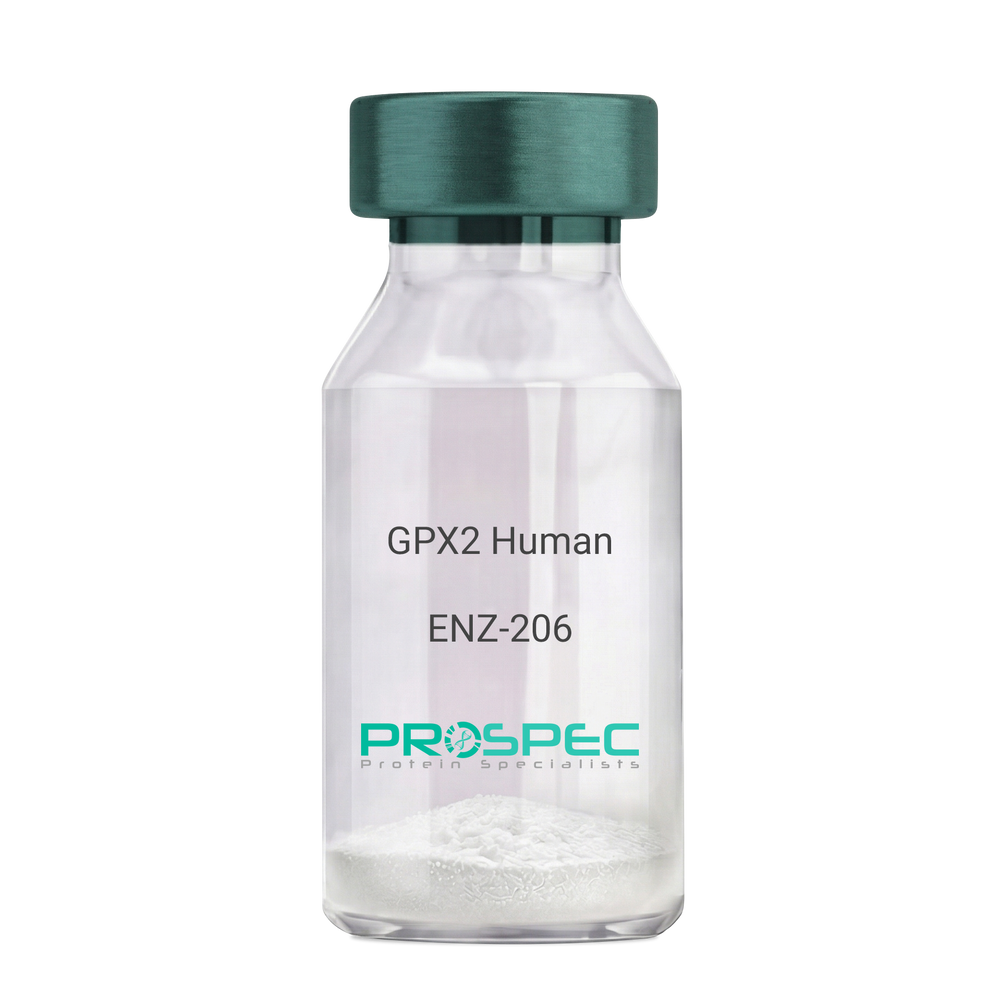
    GPX2 Human

    Description:

    Glutathione Peroxidase 2 Human Recombinant

    Glutathione peroxidase 2, GPx-2, GSHPx-2, Gastrointestinal glutathione peroxidase, Glutathione peroxidase-gastrointestinal, GPx-GI, GSHPx-GI, Glutathione peroxidase-related protein 2, GPRP-2, GPX2, GPRP, GI-GPx.

    Product # :

    ENZ-206

    Price :

    Quantity :

    Shipping Method :

    Ice Icon

    Shipped with Ice Packs

    Add To Cart

    More Info

    • description
    • source
    • formulation
    • purity
    • More Info

    Description

    GPX2 Human Recombinant produced in E.coli is a single, non-glycosylated polypeptide chain containing 210 amino acids (1-190) and having a molecular mass of 24.1kDa.GPX2 is fused to a 20 amino acid His-tag at N-terminus & purified by proprietary chromatographic techniques.

    Source

    Escherichia Coli.

    Formulation

    The GPX2 solution (0.25mg/ml) contains 20mM Tris-HCl buffer (pH7.5), 40% glycerol, 0.15M NaCl and 1mM DTT.

    Purity

    Greater than 95% as determined by SDS-PAGE.

    More Info

    • Introduction

      Glutathione peroxidase 2 (GPX2) is a member of the glutathione peroxidase family, consisting of 8 known glutathione peroxidases (Gpx1-8) in humans. Glutathione peroxidase functions in the detoxification of hydrogen peroxide, and is one of the most important antioxidant enzymes in humans. GPX2 may have a major role in protecting mammals from the toxicity of ingested organic hydroperoxides. GPX2 is one of only a few proteins known in higher vertebrates to contain selenocysteine, which appears at the active site of glutathione peroxidase and is coded by the nonsense (stop) codon TGA.

    • Synonyms

      Glutathione peroxidase 2, GPx-2, GSHPx-2, Gastrointestinal glutathione peroxidase, Glutathione peroxidase-gastrointestinal, GPx-GI, GSHPx-GI, Glutathione peroxidase-related protein 2, GPRP-2, GPX2, GPRP, GI-GPx.

    • Physical Appearance

      Sterile filtered colorless solution.

    • Stability

      Store at 4°C if entire vial will be used within 2-4 weeks. Store, frozen at -20°C for longer periods of time. For long term storage it is recommended to add a carrier protein (0.1% HSA or BSA).Avoid multiple freeze-thaw cycles.

    • Amino Acid Sequence

      MGSSHHHHHH SSGLVPRGSH MAFIAKSFYD LSAISLDGEK VDFNTFRGRA VLIENVASLC GTTTRDFTQL NELQCRFPRR LVVLGFPCNQ FGHQENCQNE EILNSLKYVR PGGGYQPTFT LVQKCEVNGQ NEHPVFAYLK DKLPYPYDDP FSLMTDPKLI IWSPVRRSDV AWNFEKFLIG PEGEPFRRYS RTFPTINIEP DIKRLLKVAI.

    ProSpec's products are furnished for LABORATORY RESEARCH USE ONLY. The product may not be used as drugs, agricultural or pesticidal products, food additives or household chemicals.

    Gpx2 Human
  • View Data Sheet

    Name :

    HMGCL Human, Sf9

    Description:

    3-Hydroxymethyl-3-Methylglutaryl-CoA Lyase Human Recombinant, Sf9

    3-Hydroxymethyl-3-Methylglutaryl-CoA Lyase, 3-Hydroxymethyl-3-Methylglutaryl-Coenzyme A Lyase, 3-Hydroxy-3-Methylglutarate-CoA Lyase, Hydroxymethylglutaricaciduria, HMG-CoA Lyase, EC 4.1.3.4, HL, Mitochondrial 3-Hydroxy-3-Methylglutaryl-CoA Lyase, Hydroxymethylglutaryl-CoA Lyase, Mitochondrial, 3-Hydroxy-3-Methylglutaryl-CoA Lyase, Hydroxymethylglutaryl-CoA lyase, mitochondrial, HMG-CoA lyase, 3-hydroxy-3-methylglutarate-CoA lyase.

    Product # :

    ENZ-1056

    Price :

    Quantity :

    Shipping Method :

    Ice Icon

    Shipped with Ice Packs

    Add To Cart

    More Info

    • description
    • source
    • formulation
    • purity
    • More Info

    Description

    HMGCL Human Recombinant produced in Sf9 Baculovirus cells is a single, glycosylated polypeptide chain containing 305 amino acids (28-325 a.a.) and having a molecular mass of 32.5kDa (Molecular size on SDS-PAGE will appear at approximately 28-40kDa). HMGCL is expressed with a 6 amino acid His tag at C-Terminus and purified by proprietary chromatographic techniques.

    Source

    Sf9, Baculovirus cells.

    Formulation

    HMGCL protein solution (1mg/ml) contains Phosphate Buffered Saline (pH 7.4), 20% glycerol and 1mM DTT.

    Purity

    Greater than 90.0% as determined by SDS-PAGE.

    More Info

    • Introduction

      Hydroxymethylglutaryl-CoA lyase (HMGCL) is a mitochondrial matrix protein which is a member of the HMG-CoA lyase family. HMGCL is a homodimer and participates in leucine catabolism and ketogenesis, the hepatic synthesis of ketone bodies which, during fasting, provides a major source of energy for the heart, brain and kidney. More precisely, HMGCL catalyzes the final step of these processes, the cleavage of 3-hydroxy-3-methylglutaryl-CoA to acetoacetic acid and acetyl-CoA.

    • Synonyms

      3-Hydroxymethyl-3-Methylglutaryl-CoA Lyase, 3-Hydroxymethyl-3-Methylglutaryl-Coenzyme A Lyase, 3-Hydroxy-3-Methylglutarate-CoA Lyase, Hydroxymethylglutaricaciduria, HMG-CoA Lyase, EC 4.1.3.4, HL, Mitochondrial 3-Hydroxy-3-Methylglutaryl-CoA Lyase, Hydroxymethylglutaryl-CoA Lyase, Mitochondrial, 3-Hydroxy-3-Methylglutaryl-CoA Lyase, Hydroxymethylglutaryl-CoA lyase, mitochondrial, HMG-CoA lyase, 3-hydroxy-3-methylglutarate-CoA lyase.

    • Physical Appearance

      Sterile Filtered colorless solution.

    • Stability

      Store at 4°C if entire vial will be used within 2-4 weeks. Store, frozen at -20°C for longer periods of time. For long term storage it is recommended to add a carrier protein (0.1% HSA or BSA).Avoid multiple freeze-thaw cycles.

    • Amino Acid Sequence

      MTLPKRVKIV EVGPRDGLQN EKNIVSTPVK IKLIDMLSEA GLSVIETTSF VSPKWVPQMG DHTEVLKGIQ KFPGINYPVL TPNLKGFEAA VAAGAKEVVI FGAASELFTK KNINCSIEES FQRFDAILKA AQSANISVRG YVSCALGCPY EGKISPAKVA EVTKKFYSMG CYEISLGDTI GVGTPGIMKD MLSAVMQEVP LAALAVHCHD TYGQALANTL MALQMGVSVV DSSVAGLGGC PYAQGASGNL ATEDLVYMLE GLGIHTGVNL QKLLEAGNFI CQALNRKTSS KVAQATCKLH HHHHH.

    ProSpec's products are furnished for LABORATORY RESEARCH USE ONLY. The product may not be used as drugs, agricultural or pesticidal products, food additives or household chemicals.

    Hmgcl Protein
  • View Data Sheet

    Name :

    CA12 Human

    Description:

    Carbonic Anhydrase XII Human Recombinant

    Carbonic anhydrase 12, Carbonate dehydratase XII, Carbonic anhydrase XII, CA-XII, Tumor antigen HOM-RCC-3.1.3, CA12, Carbonic Anhydrase XII, Carbonic anhydrase 12 isoform 1, CAXII, HsT18816.

    Product # :

    ENZ-886

    Price :

    Quantity :

    Shipping Method :

    Ice Icon

    Shipped with Ice Packs

    Add To Cart

    More Info

    • description
    • source
    • formulation
    • purity
    • biological activity
    • More Info

    Description

    CA12 Human Recombinant produced in Sf9 Baculovirus cells is a single, glycosylated polypeptide chain containing 283 amino acids (25-301a.a.) and having a molecular mass of 31.94kDa (Migrates at 28-40kDa on SDS-PAGE under reducing conditions).CA12 is fused to a 6 amino acid His-tag at C-terminus & purified by proprietary chromatographic techniques.

    Source

    Sf9, Baculovirus cells.

    Formulation

    CA12 protein solution (0.5mg/ml) containing Phosphate Buffer Saline (pH7.4) and 10% glycerol.

    Purity

    Greater than 90.0% as determined by SDS-PAGE.

    Biological Activity

    Specific activity is > 300 pmol/min/ug, and is defined as the amount of enzyme that hydrolyze 1.0 pmole of 4-nitrophenyl acetate to 4-nitrophenol per minute at pH 7.5 at 37C.

    More Info

    • Introduction

      Carbonic anhydrase 12 (CA12) is an enzyme that belongs to the Carbonic anhydrases (CAs) family. This is a large family of zinc metalloenzymes which catalyze the reversible hydration of carbon dioxide. They are involved in various biological processes, including respiration, calcification, acid-base balance, bone resorption, and the formation of aqueous humor, cerebrospinal fluid, saliva, and gastric acid. CA12 is a type I membrane protein which is highly expressed in normal tissues, such as the kidney, colon and pancreas, and is overexpressed in 10% of clear cell renal carcinomas.

    • Synonyms

      Carbonic anhydrase 12, Carbonate dehydratase XII, Carbonic anhydrase XII, CA-XII, Tumor antigen HOM-RCC-3.1.3, CA12, Carbonic Anhydrase XII, Carbonic anhydrase 12 isoform 1, CAXII, HsT18816.

    • Physical Appearance

      Sterile Filtered clear solution.

    • Stability

      Store at 4°C if entire vial will be used within 2-4 weeks. Store, frozen at -20°C for longer periods of time. For long term storage it is recommended to add a carrier protein (0.1% HSA or BSA).Avoid multiple freeze-thaw cycles.

    • Amino Acid Sequence

      APVNGSKWTY FGPDGENSWS KKYPSCGGLL QSPIDLHSDI LQYDASLTPL EFQGYNLSAN KQFLLTNNGH SVKLNLPSDM HIQGLQSRYS ATQLHLHWGN PNDPHGSEHT VSGQHFAAEL HIVHYNSDLY PDASTASNKS EGLAVLAVLI EMGSFNPSYD KIFSHLQHVK YKGQEAFVPG FNIEELLPER TAEYYRYRGS LTTPPCNPTV LWTVFRNPVQ ISQEQLLALE TALYCTHMDD PSPREMINNF RQVQKFDERL VYTSFSQVQV CTAAGLSHHH HHH.

    ProSpec's products are furnished for LABORATORY RESEARCH USE ONLY. The product may not be used as drugs, agricultural or pesticidal products, food additives or household chemicals.

    Ca12 Human
  • View Data Sheet

    Name :

    TDG Antibody

    Description:

    Thymine-DNA Glycosylase, Mouse Anti Human

    Thymine-DNA Glycosylase, G/T Mismatch-Specific Thymine DNA Glycosylase, EC 3.2.2.29.

    Product # :

    ANT-469

    Price :

    Quantity :

    Shipping Method :

    Ice Icon

    Shipped with Ice Packs

    Add To Cart

    More Info

    • formulation
    • More Info

    Formulation

    1mg/ml containing PBS, pH-7.4, 10% Glycerol and 0.02% Sodium Azide.

    More Info

    • Introduction

      Thymine-DNA glycosylase (TDG) is a member of the TDG/mug DNA glycosylase family.
      TDG is a nuclear protein that fixes G/T mismatches to G/C pairs by hydrolyzing the carbon-nitrogen bond between the sugar-phosphate backbone of the DNA and the mispaired thymin. In addition, TDG removes uracil and 5-bromouracil from mispairings with guanine. The TDG enzyme has an essential role in cellular defense against genetic mutation triggered by the spontaneous deamination of 5-methylcytosine and cytosine.

    • Synonyms

      Thymine-DNA Glycosylase, G/T Mismatch-Specific Thymine DNA Glycosylase, EC 3.2.2.29.

    • Physical Appearance

      Sterile filtered colorless solution.

    • Immunogen

      Anti-human TDG mAb, clone PAT2F7A, is derived from hybridization of mouse F0 myeloma cells with spleen cells from BALB/c mice immunized with a recombinant human TDG protein 1-410 amino acids purified from E. coli.

    • Ig Subclass

      Mouse IgG1 heavy chain and Kappa light chain.

    • Clone

      PAT2F7A.

    • Applications

      The antibody has been tested by ELISA, Western blot analysis to assure specificity and reactivity. Since application varies, however, each investigation should be titrated by the reagent to obtain optimal results. Recommended starting dilution is 1:250.

    • Type

      Mouse Anti Human Monoclonal.

    • Storage Procedures

      For periods up to 1 month store at 4°C, for longer periods of time, store at -20°C. Prevent freeze thaw cycles.

    ProSpec's products are furnished for LABORATORY RESEARCH USE ONLY. The product may not be used as drugs, agricultural or pesticidal products, food additives or household chemicals.

    Tdg Antibody
  • View Data Sheet

    Name :

    PTPS Human

    Description:

    6-Pyruvoyltetrahydropterin Synthase Human Recombinant

    PTP Synthase, 6-Pyruvoyl Tetrahydropterin Synthase, PTPS, PTS, FLJ97081.

    Product # :

    ENZ-471

    Price :

    Quantity :

    Shipping Method :

    Ice Icon

    Shipped with Ice Packs

    Add To Cart

    More Info

    • description
    • source
    • formulation
    • purity
    • More Info

    Description

    6-PyruvoylTetrahydropterin Synthase Human Recombinant produced in e.coli is a single, non-glycosylated polypeptide chain containing 165 amino acids (1-145) and having a molecular mass of 18.5kDa. 6-PyruvoylTetrahydropterin Synthase is fused to a 20 amino acid His Tag at N-terminus and purified using conventional chromatography techniques.

    Source

    Escherichia Coli.

    Formulation

    6-PyruvoylTetrahydropterin Synthase is formulated in 20mM Tris-HCl buffer pH-8, 1mM DTT and 20% glycerol.

    Purity

    Greater than 95.0% as determined by Analysis by SDS-PAGE.

    More Info

    • Introduction

      6-PyruvoylTetrahydropterin Synthase is part of the family of lyases, specifically those carbon-oxygen lyases acting on phosphates. 6-PyruvoylTetrahydropterin Synthase catalyzes the elimination of inorganic triphosphate from dihydroneopterin triphosphate, which is the second and irreversible step in the biosynthesis of tetrahydrobiopterin from GTP. Tetrahydrobiopterin, is a necessary cofactor and regulator of a range of enzyme activities, including enzymes involved in serotonin biosynthesis and NO synthase activity. Mutations in 6-PyruvoylTetrahydropterin Synthase gene result in hyperphenylalaninemia.

    • Synonyms

      PTP Synthase, 6-Pyruvoyl Tetrahydropterin Synthase, PTPS, PTS, FLJ97081.

    • Physical Appearance

      Sterile Filtered colorless solution.

    • Stability

      Store at 4°C if entire vial will be used within 2-4 weeks. Store, frozen at -20°C for longer periods of time. For long term storage it is recommended to add a carrier protein (0.1% HSA or BSA). Avoid multiple freeze-thaw cycles.

    • Amino Acid Sequence

      MGSSHHHHHH SSGLVPRGSH MSTEGGGRRC QAQVSRRISF SASHRLYSKF LSDEENLKLF GKCNNPNGHG HNYKVVVTVH GEIDPATGMV MNLADLKKYM EEAIMQPLDH KNLDMDVPYF ADVVSTTENV AVYIWDNLQK VLPVGVLYKV KVYETDNNIV VYKGE.

    ProSpec's products are furnished for LABORATORY RESEARCH USE ONLY. The product may not be used as drugs, agricultural or pesticidal products, food additives or household chemicals.

    Ptps Human
  • View Data Sheet

    Name :

    Cor a 14.0101

    Description:

    2S albumin Recombinant

    Product # :

    ALR-022

    Price :

    Quantity :

    Shipping Method :

    Ice Icon

    Shipped with Ice Packs

    Add To Cart

    More Info

    • description
    • source
    • formulation
    • purity
    • More Info

    Description

    Recombinant 2S albumin produced in SF9 is a glycosylated, polypeptide chain having a calculated molecular mass of 14kDa.Cor a 14.0101 is expressed with a 6xHis tag and purified by proprietary chromatographic techniques.

    Source

    Sf9 insect cells.

    Formulation

    Cor a 14.0101 is supplied in 20mM HEPES buffer pH-8.0, 200mM NaCl and 20% glycerol.

    Purity

    Greater than 80.0% as determined by SDS-PAGE.

    More Info

    • Introduction

      Seed storage proteins have been identified as major allergens in several other tree nuts and peanut. 2S albumin Cor a 14.0101 is a seed storage protein in hazelnut. Sensitization to Cor a 14.0101 may cause a severe allergic reaction, mainly in children.

    • Physical Appearance

      Sterile Filtered colorless solution.

    • Stability

      Store at 4°C if entire vial will be used within 2-4 weeks.Store, frozen at -20°C for longer periods of time.Avoid multiple freeze-thaw cycles.

    • Immunological Functions

      1. Binds IgE-type human antibodies.2. Immunodot test with positive/negative samples

    • Applications

      Tested by LAL (Limulus Amoebocyte Lysate) chromogenic endotoxin assay.

    ProSpec's products are furnished for LABORATORY RESEARCH USE ONLY. The product may not be used as drugs, agricultural or pesticidal products, food additives or household chemicals.

    Cor A 140101
  • View Data Sheet

    Name :

    MGLL Human

    Description:

    Monoglyceride Lipase Human Recombinant

    Monoglyceride lipase, MGL, HU-K5, Lysophospholipase homolog, Lysophospholipase-like, Monoacylglycerol lipase, MAGL, MGLL, HUK5.

    Product # :

    ENZ-019

    Price :

    Quantity :

    Shipping Method :

    Ice Icon

    Shipped with Ice Packs

    Add To Cart

    More Info

    • description
    • source
    • formulation
    • purity
    • More Info

    Description

    MGLL Human Recombinant fused with a 20 amino acid His tag at N-terminus produced in E.Coli is a single, non-glycosylated, polypeptide chain containing 333 amino acids (1-313 a.a.) and having a molecular mass of 36.4kDa. The MGLL is purified by proprietary chromatographic techniques.

    Source

    Escherichia Coli.

    Formulation

    The MGLL solution (0.5mg/ml) contains 20mM Tris-HCl Buffer (pH 8.0) and 10% Glycerol.

    Purity

    Greater than 85.0% as determined by SDS-PAGE.

    More Info

    • Introduction

      MGLL is a membrane-associated member of the serine hydrolase superfamily. MGLL is expressed in abundance in skeletal muscle and adipose tissue. MGLL functions jointly with hormone-sensitive lipase (LIPE) to hydrolyze intracellular triglyceride stores in adipocytes and other cells to fatty acids and glycerol. MGLL may also complement lipoprotein lipase (LPL) in completing hydrolysis of monoglycerides resulting from degradation of lipoprotein triglycerides.

    • Synonyms

      Monoglyceride lipase, MGL, HU-K5, Lysophospholipase homolog, Lysophospholipase-like, Monoacylglycerol lipase, MAGL, MGLL, HUK5.

    • Physical Appearance

      Sterile Filtered colorless solution.

    • Stability

      Store at 4°C if entire vial will be used within 2-4 weeks. Store, frozen at -20°C for longer periods of time. For long term storage it is recommended to add a carrier protein (0.1% HSA or BSA).Avoid multiple freeze-thaw cycles.

    • Amino Acid Sequence

      MGSSHHHHHH SSGLVPRGSH METGPEDPSS MPEESSPRRT PQSIPYQDLP HLVNADGQYL FCRYWKPTGT PKALIFVSHG AGEHSGRYEE LARMLMGLDL LVFAHDHVGH GQSEGERMVV SDFHVFVRDV LQHVDSMQKD YPGLPVFLLG HSMGGAIAIL TAAERPGHFA GMVLISPLVL ANPESATTFK VLAAKVLNLV LPNLSLGPID SSVLSRNKTE VDIYNSDPLI CRAGLKVCFG IQLLNAVSRV ERALPKLTVP FLLLQGSADR LCDSKGAYLL MELAKSQDKT LKIYEGAYHV LHKELPEVTN SVFHEINMWV SQRTATAGTA SPP.

    ProSpec's products are furnished for LABORATORY RESEARCH USE ONLY. The product may not be used as drugs, agricultural or pesticidal products, food additives or household chemicals.

    Mgll Human
  • View Data Sheet

    Name :

    AKR1C1 Human, His

    Description:

    Aldo-Keto Reductase Family 1 Member C1 Human Recombinant, His Tag

    DDH1, DDH, HAKRC, 20-alpha-HSD, DD1/DD2, HBAB, C9, DD1, H-37, MBAB, MGC8954, 2-ALPHA-HSD, AKR1C1, Aldo-keto reductase family 1 member C1, 20-alpha-hydroxysteroid dehydrogenase, Trans-1,2-dihydrobenzene-1,2-diol dehydrogenase, Indanol dehydrogenase, Dihydrodiol dehydrogenase 1/2, Chlordecone reductase homolog HAKRC, High-affinity hepatic bile acid-binding protein.

    Product # :

    ENZ-496

    Price :

    Quantity :

    Shipping Method :

    Ice Icon

    Shipped with Ice Packs

    Add To Cart

    More Info

    • description
    • source
    • formulation
    • purity
    • biological activity
    • More Info

    Description

    AKR1C1 Human Recombinant fused to a 20 amino acid His Tag at N-terminus produced in E.Coli is a single, non-glycosylated, polypeptide chain containing 343 amino acids (1-323 a.a.) and having a molecular mass of 38.9 kDa. The AKR1C1 is fused to a 20 a.a. His Tag at n-terminal and purified by proprietary chromatographic techniques.

    Source

    Escherichia Coli.

    Formulation

    The AKR1C1 protein solution (0.5mg/ml) contains 20mM Tris-HCl pH-8, 1mM DTT and 20% glycerol.

    Purity

    Greater than 90% as determined by SDS-PAGE.

    Biological Activity

    Specific activity is > 500 pmol/min/ug, and is defined as the amount of enzyme that catalyze the oxidation of 1.0 pmole 1-Acenaphthenol in the presence of NADP per minute at pH 8.8 at 25°C.

    More Info

    • Introduction

      AKR1C1 transfers progesterone to its inactive state or in other words catalyzes the reaction of 20-alpha-hydroxy progesterone (20-alpha-OHP). In the liver and intestine. AKR1C1 transfers bile and monitors the intrahepatic bile acid concentration though it has a low bile-binding ability. AKR1C1 participates in myelin formation. AKR1C1 is part of the aldo/keto reductase superfamily, which has over 40 known enzymes which catalyze the conversion of aldehydes and ketones to their corresponding alcohols by utilizing NADH and/or NADPH as cofactors thus display overlapping but distinct substrate specificity.

    • Synonyms

      DDH1, DDH, HAKRC, 20-alpha-HSD, DD1/DD2, HBAB, C9, DD1, H-37, MBAB, MGC8954, 2-ALPHA-HSD, AKR1C1, Aldo-keto reductase family 1 member C1, 20-alpha-hydroxysteroid dehydrogenase, Trans-1,2-dihydrobenzene-1,2-diol dehydrogenase, Indanol dehydrogenase, Dihydrodiol dehydrogenase 1/2, Chlordecone reductase homolog HAKRC, High-affinity hepatic bile acid-binding protein.

    • Physical Appearance

      Sterile Filtered clear colorless solution.

    • Stability

      Store at 4°C if entire vial will be used within 2-4 weeks. Store, frozen at -20°C for longer periods of time. For long term storage it is recommended to add a carrier protein (0.1% HSA or BSA).Avoid multiple freeze-thaw cycles.

    • Amino Acid Sequence

      MGSSHHHHHH SSGLVPRGSH MDSKYQCVKL NDGHFMPVLG FGTYAPAEVP KSKALEATKL AIEAGFRHID SAHLYNNEEQ VGLAIRSKIA DGSVKREDIF YTSKLWCNSH RPELVRPALE RSLKNLQLDY VDLYLIHFPV SVKPGEEVIP KDENGKILFD TVDLCATWEA VEKCKDAGLA KSIGVSNFNR RQLEMILNKP GLKYKPVCNQ VECHPYFNQR KLLDFCKSKD IVLVAYSALG SHREEPWVDP NSPVLLEDPV LCALAKKHKR TPALIALRYQ LQRGVVVLAK SYNEQRIRQN VQVFEFQLTS EEMKAIDGLN RNVRYLTLDI FAGPPNYPFS DEY.

    ProSpec's products are furnished for LABORATORY RESEARCH USE ONLY. The product may not be used as drugs, agricultural or pesticidal products, food additives or household chemicals.

    Akr1C1 Human
  • View Data Sheet

    Name :

    AKR1B10 Human

    Description:

    Aldo-Keto Reductase Family 1 Member B10 Human Recombinant

    HIS, HSI, ARL1, ARL-1, ALDRLn, AKR1B11, AKR1B12, MGC14103, AKR1B10, Aldo-keto reductase family 1 member B10, Aldose reductase-like, Aldose reductase-related protein, ARP, hARP, Small intestine reductase, SI reductase.

    Product # :

    ENZ-416

    Price :

    Quantity :

    Shipping Method :

    Ice Icon

    Shipped with Ice Packs

    Add To Cart

    More Info

    • description
    • source
    • formulation
    • purity
    • More Info

    Description

    AKR1B10 Human Recombinant produced in E.Coli is a single, non-glycosylated, polypeptide chain containing 316 amino acids (1-316 a.a) and having a molecular mass of 36 kDa. The AKR1B10 is purified by proprietary chromatographic techniques.

    Source

    Escherichia Coli.

    Formulation

    The AKR1B10 solution contains 20mM Tris-HCl pH-8 and 10% glycerol.

    Purity

    Greater than 95.0% as determined by SDS-PAGE.

    More Info

    • Introduction

      AKR1B10 efficiently reduces aliphatic and aromatic aldehydes, and it is less active on hexoses. AKR1B10 is highly expressed in adrenal gland, small intestine, and colon, and may play an important role in liver carcinogenesis. AKR1B10 is a monomeric protein that competently catalyzes the reduction of aromatic and aliphatic aldehydes and ketones. AKR1B10 is widely expressed in numerous human tissues, small intestine, colon and adrenal gland. AKR1B10 is pathogenically involved in diabetic complications and is overexpressed in human tumors, such as liver, breast, and lung cancer, AKR1B10 is involved in the development and progression of cancer.

    • Synonyms

      HIS, HSI, ARL1, ARL-1, ALDRLn, AKR1B11, AKR1B12, MGC14103, AKR1B10, Aldo-keto reductase family 1 member B10, Aldose reductase-like, Aldose reductase-related protein, ARP, hARP, Small intestine reductase, SI reductase.

    • Physical Appearance

      Sterile Filtered clear colorless solution.

    • Stability

      Store at 4°C if entire vial will be used within 2-4 weeks. Store, frozen at -20°C for longer periods of time. For long term storage it is recommended to add a carrier protein (0.1% HSA or BSA).Avoid multiple freeze-thaw cycles.

    • Amino Acid Sequence

      MATFVELSTK AKMPIVGLGT WKSPLGKVKE AVKVAIDAGY RHIDCAYVYQ NEHEVGEAIQ EKIQEKAVKR EDLFIVSKLW PTFFERPLVRKAFEKTLKDL KLSYLDVYLI HWPQGFKSGD DLFPKDDKGN AIGGKATFLD AWEAMEELVD EGLVKALGVS NFSHFQIEKL LNKPGLKYKP VTNQVECHPY LTQEKLIQYC HSKGITVTAY SPLGSPDRPW AKPEDPSLLE DPKIKEIAAK HKKTAAQVLI RFHIQRNVIV IPKSVTPARIVENIQVFDFK LSDEEMATIL SFNRNWRACN VLQSSHLEDY PFDAEY.

    ProSpec's products are furnished for LABORATORY RESEARCH USE ONLY. The product may not be used as drugs, agricultural or pesticidal products, food additives or household chemicals.

    Akr1B10 Human
  • View Data Sheet

    Name :

    SULT1C4 Human

    Description:

    Sulfotransferase Family, Cytosolic 1C, Member 4 Human Recombinant

    Sulfotransferase 1C4, SULT1C, SULT1C2, Sulfotransferase Family, Cytosolic 1C, Member 4, SULT1C4, ST1C4, Sulfotransferase 1C2, SULT1C#2.

    Product # :

    ENZ-710

    Price :

    Quantity :

    Shipping Method :

    Ice Icon

    Shipped with Ice Packs

    Add To Cart

    More Info

    • description
    • source
    • formulation
    • purity
    • More Info

    Description

    SULT1C4 Human Recombinant produced in E.Coli is a single, non-glycosylated polypeptide chain containing 322 amino acids (1-302 a.a) and having a molecular mass of 37.6kDa. SULT1C4 is fused to a 20 amino acid His-tag at N-terminus & purified by proprietary chromatographic techniques.

    Source

    Escherichia Coli.

    Formulation

    SULT1C4 protein solution (1mg/ml) containing 0.1M NaCl, 20% glycerol and 1mM DTT.

    Purity

    Greater than 95.0% as determined by SDS-PAGE.

    More Info

    • Introduction

      Sulfotransferase 1C4 (SULT1C4) is a member of the SULT subfamily. SULT1C4 is responsible for transferring a sulfo moiety from PAPS to phenol-containing compounds. Sulfotransferase enzymes catalyze the sulfate conjugation of many hormones, neurotransmitters, drugs, and xenobiotic compounds. Sulfotransferase enzymes are different in their tissue distributions and substrate specificities. SULT1C4 catalyzes the sulfonation of p-nitrophenol and N-hydroxy-2-acetylaminofluorene.

    • Synonyms

      Sulfotransferase 1C4, SULT1C, SULT1C2, Sulfotransferase Family, Cytosolic 1C, Member 4, SULT1C4, ST1C4, Sulfotransferase 1C2, SULT1C#2.

    • Physical Appearance

      Sterile Filtered colorless solution.

    • Stability

      Store at 4°C if entire vial will be used within 2-4 weeks. Store, frozen at -20°C for longer periods of time. For long term storage it is recommended to add a carrier protein (0.1% HSA or BSA).Avoid multiple freeze-thaw cycles.

    • Amino Acid Sequence

      MGSSHHHHHH SSGLVPRGSH MALHDMEDFT FDGTKRLSVN YVKGILQPTD TCDIWDKIWN FQAKPDDLLI STYPKAGTTW TQEIVELIQN EGDVEKSKRA PTHQRFPFLE MKIPSLGSGL EQAHAMPSPR ILKTHLPFHL LPPSLLEKNC KIIYVARNPK DNMVSYYHFQ RMNKALPAPG TWEEYFETFL AGKVCWGSWH EHVKGWWEAK DKHRILYLFY EDMKKNPKHE IQKLAEFIGK KLDDKVLDKI VHYTSFDVMK QNPMANYSSI PAEIMDHSIS PFMRKGAVGD WKKHFTVAQN ERFDEDYKKK MTDTRLTFHF QF.

    ProSpec's products are furnished for LABORATORY RESEARCH USE ONLY. The product may not be used as drugs, agricultural or pesticidal products, food additives or household chemicals.

    Sult1C4 Human
  • 1
  • …
  • 39
  • 40
  • 41
  • 42
Your browser does not support the video tag.

Products

  • Cytokines
  • Growth Factors
  • Chemokines
  • CD Antigens
  • Neurotrophins
  • Hormones
  • Enzymes
  • Viral Antigens
  • Recombinant Proteins
  • Natural Proteins
  • Monoclonal Antibodies
  • Polyclonal Antibodies
  • Thermal Packaging

About

  • Company
  • Founder
  • Contribution
  • Contact Us
  • My Account

Ordering

  • Ordering Method
  • Ordering - Credit Card
  • Ordering PO
  • Shipping Fees
  • FAQ's

Legal

  • Terms & Conditions
  • Privacy
  • Site Map
  • info@prospecbio.com
  • Facebook
  • Instagram
  • Linkedin Profile

© 2026 ProSpec-Tany TechnoGene Ltd. All Rights Reserved.

  • Choosing a selection results in a full page refresh.
  • Opens in a new window.