Skip to content

High-quality research proteins.

  • 1-800-805-6531

  • Mon - Sat 8.00-18.00, Sun - Closed

  • info@prospecbio.com

  • PO Box 6591 East Brunswick NJ 08816

  • Products
    • Cytokines
    • Growth factors
    • Chemokines
    • Cd antigens
    • Neurotrophins
    • Hormones
    • Enzymes
    • Viral antigens
    • Recombinant proteins
    • Natural proteins
    • Monoclonal antibodies
    • Polyclonal antibodies
    • Thermal Packaging
  • About
    • Company
    • Founder
    • Contribution
  • Customers
    • Eastern Asia
    • Eastern Europe
    • North America
    • South America
    • South East Asia
    • Southern Asia
    • Western Europe
  • Ordering
    • Ordering Method
    • Ordering - Credit Card
    • Ordering - PO
    • Shipping Fees
    • FAQs
  • Services
    • DNA Cloning
    • Protein Expression
    • Monoclonal Antibody
    • Fermentation
    • Technology License
  • Contact us
Log in

Country/region

  • USD $ | Albania
  • USD $ | Andorra
  • USD $ | Argentina
  • USD $ | Armenia
  • USD $ | Australia
  • USD $ | Austria
  • USD $ | Azerbaijan
  • USD $ | Belarus
  • USD $ | Belgium
  • USD $ | Bolivia
  • USD $ | Brazil
  • USD $ | Bulgaria
  • USD $ | Cambodia
  • USD $ | Canada
  • USD $ | Chile
  • USD $ | China
  • USD $ | Colombia
  • USD $ | Costa Rica
  • USD $ | Croatia
  • USD $ | Cyprus
  • USD $ | Czechia
  • USD $ | Denmark
  • USD $ | Estonia
  • USD $ | Finland
  • USD $ | France
  • USD $ | Georgia
  • USD $ | Germany
  • USD $ | Greece
  • USD $ | Hong Kong SAR
  • USD $ | Hungary
  • USD $ | Iceland
  • USD $ | India
  • USD $ | Ireland
  • USD $ | Israel
  • USD $ | Italy
  • USD $ | Japan
  • USD $ | Kazakhstan
  • USD $ | Latvia
  • USD $ | Liechtenstein
  • USD $ | Lithuania
  • USD $ | Madagascar
  • USD $ | Malta
  • USD $ | Mexico
  • USD $ | Moldova
  • USD $ | Monaco
  • USD $ | Netherlands
  • USD $ | New Zealand
  • USD $ | North Macedonia
  • USD $ | Norway
  • USD $ | Panama
  • USD $ | Paraguay
  • USD $ | Peru
  • USD $ | Philippines
  • USD $ | Poland
  • USD $ | Portugal
  • USD $ | Romania
  • USD $ | Singapore
  • USD $ | Slovakia
  • USD $ | Slovenia
  • USD $ | South Africa
  • USD $ | South Korea
  • USD $ | Spain
  • USD $ | Sri Lanka
  • USD $ | Sweden
  • USD $ | Switzerland
  • USD $ | Taiwan
  • USD $ | Thailand
  • USD $ | Türkiye
  • USD $ | Ukraine
  • USD $ | United Kingdom
  • USD $ | United States
  • USD $ | Uruguay
  • USD $ | Vatican City
  • USD $ | Venezuela
  • USD $ | Vietnam
  • Facebook
  • Instagram
logoProSpec - Recombinant Protein Manufacturer for academic and R&D industry
Become a distributor
Account Log in
Wishlist
Cart Cart(0)
  • Products
    +
    • Cytokines
    • Growth factors
    • Chemokines
    • Cd antigens
    • Neurotrophins
    • Hormones
    • Enzymes
    • Viral antigens
    • Recombinant proteins
    • Natural proteins
    • Monoclonal antibodies
    • Polyclonal antibodies
    • Thermal Packaging
  • About
    +
    • Company
    • Founder
    • Contribution
  • Customers
    +
    • Eastern Asia
    • Eastern Europe
    • North America
    • South America
    • South East Asia
    • Southern Asia
    • Western Europe
  • Ordering
    +
    • Ordering Method
    • Ordering - Credit Card
    • Ordering - PO
    • Shipping Fees
    • FAQs
  • Services
    +
    • DNA Cloning
    • Protein Expression
    • Monoclonal Antibody
    • Fermentation
    • Technology License
  • Contact us

Item added to your cart

View cart
View All
  • Cytokines
  • Growth factors
  • Chemokines
  • Cd antigens
  • Neurotrophins
  • Hormones
  • Enzymes
  • Viral antigens
  • Recombinant proteins
  • Natural proteins
  • Monoclonal antibodies
  • Polyclonal antibodies
  • Thermal Packaging
  • Tumor Necrosis Factor

    Tumor Necrosis Factor

    View All
  • 4-1BB

    4-1BB

    View All
  • Adiponectin

    Adiponectin

    View All
  • AIF1

    AIF1

    View All
  • Other Cytokines

    Other Cytokines

    View All
  • AITRL

    AITRL

    View All
  • Angiopoietin

    Angiopoietin

    View All
  • Apolipoprotein

    Apolipoprotein

    View All
  • B-Cell Activating Factor

    B-Cell Activating Factor

    View All
  • Beta Defensin

    Beta Defensin

    View All
  • Bone Morphogenetic Protein

    Bone Morphogenetic Protein

    View All
  • B type Natriuretic Peptide

    B type Natriuretic Peptide

    View All
  • BST

    BST

    View All
  • Betacellulin

    Betacellulin

    View All
  • Cardiotrophin

    Cardiotrophin

    View All
  • Activin

    Activin

    View All
  • Fibroblast Growth Factor

    Fibroblast Growth Factor

    View All
  • Other Growth Factors

    Other Growth Factors

    View All
  • CSF

    CSF

    View All
  • CTGF

    CTGF

    View All
  • IGFBP

    IGFBP

    View All
  • VEGF Protein

    VEGF Protein

    View All
  • EGF

    EGF

    View All
  • Epigen

    Epigen

    View All
  • Erythropoietin

    Erythropoietin

    View All
  • Insulin-Like Growth Factor

    Insulin-Like Growth Factor

    View All
  • Growth Hormone

    Growth Hormone

    View All
  • HDGF

    HDGF

    View All
  • Hepatocyte Growth Factor

    Hepatocyte Growth Factor

    View All
  • Insulin

    Insulin

    View All
  • BCA-1/ BLC (CXCL13)

    BCA-1/ BLC (CXCL13)

    View All
  • BRAK (CXCL14)

    BRAK (CXCL14)

    View All
  • C-10 (CCL6)

    C-10 (CCL6)

    View All
  • Other Chemokines

    Other Chemokines

    View All
  • MEC (CCL28)

    MEC (CCL28)

    View All
  • LD78-beta (CCL3L1)

    LD78-beta (CCL3L1)

    View All
  • CTACK (CCL27)

    CTACK (CCL27)

    View All
  • CXCL16

    CXCL16

    View All
  • CXCL17

    CXCL17

    View All
  • Platelet Factor-4 (CXCL4)

    Platelet Factor-4 (CXCL4)

    View All
  • ENA-78 (CXCL5)

    ENA-78 (CXCL5)

    View All
  • Eotaxin (CCL11,24,26)

    Eotaxin (CCL11,24,26)

    View All
  • Exodus-2 (CCL21)

    Exodus-2 (CCL21)

    View All
  • Fractalkine (CX3CL1)

    Fractalkine (CX3CL1)

    View All
  • CXCL6

    CXCL6

    View All
  • Other CD Antigens

    Other CD Antigens

    View All
  • CD14

    CD14

    View All
  • CD164

    CD164

    View All
  • CD1

    CD1

    View All
  • CD2

    CD2

    View All
  • CD200

    CD200

    View All
  • CD207

    CD207

    View All
  • CD226

    CD226

    View All
  • CD23

    CD23

    View All
  • CD244

    CD244

    View All
  • CD247

    CD247

    View All
  • CD27

    CD27

    View All
  • CD274

    CD274

    View All
  • CD300

    CD300

    View All
  • CD33

    CD33

    View All
  • Other Neurotrophins

    Other Neurotrophins

    View All
  • Beta-NGF

    Beta-NGF

    View All
  • BDNF

    BDNF

    View All
  • CDNF

    CDNF

    View All
  • CNTF

    CNTF

    View All
  • GDNF

    GDNF

    View All
  • Glia Maturation Factor

    Glia Maturation Factor

    View All
  • MANF

    MANF

    View All
  • Midkine

    Midkine

    View All
  • Neuroglobin

    Neuroglobin

    View All
  • Neurotrophic factors

    Neurotrophic factors

    View All
  • Neuregulin

    Neuregulin

    View All
  • Neuropilin

    Neuropilin

    View All
  • Pigment Epithelium-Derived Factor

    Pigment Epithelium-Derived Factor

    View All
  • Pleiotrophin

    Pleiotrophin

    View All
  • Peptide Hormones

    Peptide Hormones

    View All
  • Other Hormones

    Other Hormones

    View All
  • HCG

    HCG

    View All
  • Endothelin

    Endothelin

    View All
  • Exendin

    Exendin

    View All
  • FSH

    FSH

    View All
  • Glucagon

    Glucagon

    View All
  • GHRP

    GHRP

    View All
  • GLP

    GLP

    View All
  • Thyrostimulin

    Thyrostimulin

    View All
  • Inhibin A

    Inhibin A

    View All
  • LHRH

    LHRH

    View All
  • Melanotan

    Melanotan

    View All
  • Procalcitonin

    Procalcitonin

    View All
  • PTH

    PTH

    View All
  • Peroxiredoxin

    Peroxiredoxin

    View All
  • Peptidase

    Peptidase

    View All
  • Synthetase

    Synthetase

    View All
  • Transferase

    Transferase

    View All
  • Hydrolase

    Hydrolase

    View All
  • Dehydrogenase

    Dehydrogenase

    View All
  • ACE2

    ACE2

    View All
  • Esterase

    Esterase

    View All
  • Protein Kinases

    Protein Kinases

    View All
  • Other Enzymes

    Other Enzymes

    View All
  • Phosphatase

    Phosphatase

    View All
  • Deaminase

    Deaminase

    View All
  • Oxygenase

    Oxygenase

    View All
  • Adenylate Kinase

    Adenylate Kinase

    View All
  • Lyase

    Lyase

    View All
  • Chagas

    Chagas

    View All
  • SARS

    SARS

    View All
  • Influenza

    Influenza

    View All
  • ASFV

    ASFV

    View All
  • Astrovirus

    Astrovirus

    View All
  • Borrelia

    Borrelia

    View All
  • Helicobacter Pylori

    Helicobacter Pylori

    View All
  • Chikungunya

    Chikungunya

    View All
  • Chlamydia

    Chlamydia

    View All
  • Cytomegalo

    Cytomegalo

    View All
  • Dengue

    Dengue

    View All
  • EBV

    EBV

    View All
  • Ebola

    Ebola

    View All
  • Feline Leukemia Virus

    Feline Leukemia Virus

    View All
  • Hepatitis A

    Hepatitis A

    View All
  • Other

    Other

    View All
  • Actin

    Actin

    View All
  • ADAM

    ADAM

    View All
  • Complement Component

    Complement Component

    View All
  • Ag85

    Ag85

    View All
  • Eukaryotic Translation Initiation Factor

    Eukaryotic Translation Initiation Factor

    View All
  • Anterior Gradient Protein

    Anterior Gradient Protein

    View All
  • Heat Shock Protein

    Heat Shock Protein

    View All
  • Alpha-2-HS-Glycoprotein

    Alpha-2-HS-Glycoprotein

    View All
  • Hemoglobin

    Hemoglobin

    View All
  • Allergy

    Allergy

    View All
  • Anaplasma

    Anaplasma

    View All
  • Angiogenin

    Angiogenin

    View All
  • Ankyrin Repeat Domain

    Ankyrin Repeat Domain

    View All
  • Annexin

    Annexin

    View All
  • Other Natural Proteins

    Other Natural Proteins

    View All
  • Aprotinin

    Aprotinin

    View All
  • Transferrin

    Transferrin

    View All
  • Avidin

    Avidin

    View All
  • Anti Coagulation Factors

    Anti Coagulation Factors

    View All
  • Natural Albumin

    Natural Albumin

    View All
  • Natural Coagulation Factors

    Natural Coagulation Factors

    View All
  • Fibronectin

    Fibronectin

    View All
  • Thrombin

    Thrombin

    View All
  • Anti Human Enzyme

    Anti Human Enzyme

    View All
  • Other Monoclonal Antibodies

    Other Monoclonal Antibodies

    View All
  • Anti Human Cytokine

    Anti Human Cytokine

    View All
  • Anti Human Heat Shock Protein

    Anti Human Heat Shock Protein

    View All
  • Anti Mouse Lymphocyte

    Anti Mouse Lymphocyte

    View All
  • Anti Human Chemokine

    Anti Human Chemokine

    View All
  • Anti Human Lymphocyte

    Anti Human Lymphocyte

    View All
  • Anti Viral Monoclonal

    Anti Viral Monoclonal

    View All
  • Anti Mouse Cytokine

    Anti Mouse Cytokine

    View All
  • Anti-GST Monoclonal

    Anti-GST Monoclonal

    View All
  • Other Polyclonal Antibodies

    Other Polyclonal Antibodies

    View All
  • Anti Viral

    Anti Viral

    View All
  • Anti-GST Monoclonal

    Anti-GST Monoclonal

    View All
Back

Search results

1000 results found for “Chagas”

Name

Description

Product #

Price

Quantity

Shipping Method

  • View Data Sheet

    Name :

    CCNH Human

    Description:

    Cyclin-H Human Recombinant

    CCNH, CAK, p34, p37, Cyclin-H, MO15-associated protein.

    Product # :

    PKA-364

    Price :

    Quantity :

    Shipping Method :

    Ice Icon

    Shipped with Ice Packs

    Add To Cart

    More Info

    • description
    • source
    • formulation
    • purity
    • More Info
    • Citations

    Description

    CCNH Human Recombinant produced in E.Coli is a single, non-glycosylated, polypeptide chain containing 343 amino acids (1-323 a.a.) and having a molecular mass of 39.8 kDa. The CCNH is fused to a 20 amino acid His Tag and purified by proprietary chromatographic techniques.

    Source

    Escherichia Coli.

    Formulation

    The CCNH solution contains 20mM Tris-HCl pH-8, 2mM DTT, 2mM EDTA, 0.1M NaCl and 30% glycerol.

    Purity

    Greater than 90% as determined by SDS-PAGE.

    Citations

    More Info

    • Introduction

      CCNH is part of the cyclin family that is known for its protein abundance through the cell cycle. Cyclins act as regulators of CDK kinases. CCNH forms a complex with CDK7 kinase and ring finger protein MAT1. The kinase complex is able to phosphorylate CDK2 and CDC2 kinases, therefore it functions as a CDK-activating kinase (CAK). CCNH and its kinase collaborator are components of TFIIH, as well as RNA polymerase II protein complexes.

    • Synonyms

      CCNH, CAK, p34, p37, Cyclin-H, MO15-associated protein.

    • Physical Appearance

      Sterile Filtered clear colorless solution.

    • Stability

      Store at 4°C if entire vial will be used within 2-4 weeks. Store, frozen at -20°C for longer periods of time. For long term storage it is recommended to add a carrier protein (0.1% HSA or BSA).Avoid multiple freeze-thaw cycles.

    • Amino Acid Sequence

      MGSSHHHHHH SSGLVPRGSH MYHNSSQKRH WTFSSEEQLA RLRADANRKF RCKAVANGKV LPNDPVFLEP HEEMTLCKYY EKRLLEFCSV FKPAMPRSVV GTACMYFKRF YLNNSVMEYH PRIIMLTCAF LACKVDEFNV SSPQFVGNLR ESPLGQEKAL EQILEYELLL IQQLNFHLIV HNPYRPFEGF LIDLKTRYPI LENPEILRKT ADDFLNRIAL TDAYLLYTPS QIALTAILSS ASRAGITMES YLSESLMLKE NRTCLSQLLD IMKSMRNLVK KYEPPRSEEV AVLKQKLERC HSAELALNVI TKKRKGYEDD DYVSKKSKHE EEEWTDDDLV ESL.

    ProSpec's products are furnished for LABORATORY RESEARCH USE ONLY. The product may not be used as drugs, agricultural or pesticidal products, food additives or household chemicals.

    Ccnh Human
  • View Data Sheet

    Name :

    CXCL10 Rat

    Description:

    IP-10 Rat Recombinant (CXCL10)

    C-X-C motif chemokine 10, Gamma-IP10, IP-10, Protein Mob-1, Small-inducible cytokine B10, Cxcl10, Inp10, Mob1, Scyb10.

    Product # :

    CHM-264

    Price :

    Quantity :

    Shipping Method :

    Room Temp Icon

    Shipped at Room temp

    Add To Cart

    More Info

    • description
    • source
    • formulation
    • purity
    • biological activity
    • More Info
    • Citations

    Description

    IP-10 Rat Recombinant produced in E.Coli is a single, non-glycosylated, polypeptide chain containing 77 amino acids and having a molecular mass of 8.6kDa.The IP-10 is purified by proprietary chromatographic techniques.

    Source

    Escherichia Coli.

    Formulation

    Lyophilized from a 0.2µm filtered concentrated solution in 1×PBS, pH 7.4.

    Purity

    Greater than 97.0% as determined by:
    (a) Analysis by RP-HPLC.
    (b) Analysis by SDS-PAGE.

    Biological Activity

    Determined by its ability to chemoattract hCXCR3/HEK293 cells using a concentration range of 10.0-50.0 ng/ml.

    Citations

    More Info

    • Introduction

      Chemokine (C-X-C motif) ligand 10 (CXCL10) is a small cytokine belonging to the CXC chemokine family. CXCL10 is secreted by several cell types in response to IFN-?. These cell types include monocytes, endothelial cells and fibroblasts. CXCL10 has been attributed to several roles, such as chemoattraction for monocytes and T cells, promotion of T cell adhesion to endothelial cells, antitumor activity, and inhibition of bone marrow colony formation and angiogenesis. The gene for CXCL10 is located on human chromosome 4 in a cluster among several other CXC chemokines. This chemokine elicits its effects by binding to the cell surface chemokine receptor CXCR3. The three-dimensional crystal structure of this chemokine has been determined under 3 different conditions to a resolution of up to 1.92A.

    • Synonyms

      C-X-C motif chemokine 10, Gamma-IP10, IP-10, Protein Mob-1, Small-inducible cytokine B10, Cxcl10, Inp10, Mob1, Scyb10.

    • Physical Appearance

      Sterile Filtered White lyophilized (freeze-dried) powder.

    • Stability

      Lyophilized IP-10 although stable at room temperature for 3 weeks, should be stored desiccated below -18°C. Upon reconstitution CXCL10 should be stored at 4°C between 2-7 days and for future use below -18°C. For long term storage it is recommended to add a carrier protein (0.1% HSA or BSA).Please prevent freeze-thaw cycles.

    • Solubility

      It is recommended to reconstitute the lyophilized IP-10 in sterile 18MΩ-cm H2O not less than 100µg/ml, which can then be further diluted to other aqueous solutions.

    • Amino Acid Sequence

      IPLARTVRCT CIDFHEQPLR PRAIGKLEII PASLSCPHVE IIATMKKNNE KRCLNPESEA IKSLLKAVSQ RRSKRAP.

    • Background

      What is the molecular weight/Mw of CXCL10 RAT Protein?
      CXCL10 RAT Protein has a total Mw of 8.6kDa.

      What is the source or expression system of CXCL10 RAT Protein?
      Escherichia Coli.

      What is the Purity of CXCL10 RAT Protein?
      CXCL10 RAT Protein is >97% pure as determined by SDS-PAGE.

      What is the Biological Activity of CXCL10 RAT Protein?
      Determined by its ability to chemoattract hCXCR3/HEK293 cells using a concentration range of 10.0-50.0 ng/ml.

      What is the amino acid sequence of CXCL10 RAT Protein?
      IPLARTVRCT CIDFHEQPLR PRAIGKLEII PASLSCPHVE IIATMKKNNE KRCLNPESEA IKSLLKAVSQ RRSKRAP.

      What applications can CXCL10 RAT Protein be used in?
      CXCL10 RAT Protein can probably be used in western blot, ELISA and Lateral Flow.

      What is the endotoxin level for CXCL10 RAT Protein?
      The endotoxin level is minimal, CXCL10 RAT Protein was purified using conventional chromatography techniques.

      Who supplies recombinant CXCL10 RAT that is in stock and available to order?
      ProSpec has the protein in stock and available for immediate delivery.

      Where can I order bulk mg quantities of CXCL10 RAT?
      ProSpec supplies bulk mg quantities at affordable prices that meets research and academic budgets.

    ProSpec's products are furnished for LABORATORY RESEARCH USE ONLY. The product may not be used as drugs, agricultural or pesticidal products, food additives or household chemicals.

    Ip 10 Rat
  • View Data Sheet

    Name :

    ITPA Human

    Description:

    Inosine Triphosphatase Human Recombinant

    EC 3.6.1.19, C20orf37, dJ794I6.3, HLC14-06-P, ITPase, My049, OK/SW-cl.9, Inosine Triphosphatase, ITPA.

    Product # :

    ENZ-549

    Price :

    Quantity :

    Shipping Method :

    Ice Icon

    Shipped with Ice Packs

    Add To Cart

    More Info

    • description
    • source
    • formulation
    • purity
    • More Info
    • Citations

    Description

    ITPA Recombinant Human produced in E.Coli is a single, non-glycosylated polypeptide chain containing 215 amino acids (1-194 a.a.) and having a molecular mass of 23.7 kDa. The ITPA is fused to a 21 amino acid His-Tag at N-terminus and purified by proprietary chromatographic techniques.

    Source

    Escherichia Coli.

    Formulation

    The ITPA solution (1mg/ml) contains 20mM Tris-HCl pH-8 & 10% glycerol.

    Purity

    Greater than 95.0% as determined by SDS-PAGE.

    Citations

    More Info

    • Introduction

      ITPA enzyme catalyzes the pyrophosphohydrolysis of both ITP (inosine triphosphate) and dITP (deoxyinosine triphosphate) to IMP (inosine monophosphate) and diphosphate. IMP is exercised as a substrate for purine nucleotide pathways. IMP is phosphorylated to ITP, and ITPA mediates the concentration of ITP in the cell by changing ITP back to IMP. Defects in ITPA result in ITPA deficiency which is thought to be inherited and is characterized by an over-accumulation of ITP in erythocytes, leukocytes and fibroblasts.

    • Synonyms

      EC 3.6.1.19, C20orf37, dJ794I6.3, HLC14-06-P, ITPase, My049, OK/SW-cl.9, Inosine Triphosphatase, ITPA.

    • Physical Appearance

      Sterile filtered colorless solution.

    • Stability

      Store at 4°C if entire vial will be used within 2-4 weeks.Store, frozen at -20°C for longer periods of time. For long term storage it is recommended to add a carrier protein (0.1% HSA or BSA).Avoid multiple freeze-thaw cycles.

    • Amino Acid Sequence

      MGSSHHHHHH SSGLVPRGSH MMAASLVGKK IVFVTGNAKK LEEVVQILGD KFPCTLVAQK IDLPEYQGEP DEISIQKCQE AVRQVQGPVL VEDTCLCFNA LGGLPGPYIK WFLEKLKPEG LHQLLAGFED KSAYALCTFA LSTGDPSQPV RLFRGRTSGR IVAPRGCQDF GWDPCFQPDG YEQTYAEMPK AEKNAVSHRF RALLELQEYF GSLAA.

    ProSpec's products are furnished for LABORATORY RESEARCH USE ONLY. The product may not be used as drugs, agricultural or pesticidal products, food additives or household chemicals.

    Itpa Human
  • View Data Sheet

    Name :

    CD207 Human

    Description:

    CD207 Human Recombinant

    C-type lectin domain family 4 member K, CLEC4K, Langerin, CD207.

    Product # :

    PRO-2204

    Price :

    Quantity :

    Shipping Method :

    Ice Icon

    Shipped with Ice Packs

    Add To Cart

    More Info

    • description
    • source
    • formulation
    • purity
    • More Info
    • Citations

    Description

    CD207 Human Recombinant produced in E.Coli is a single, non-glycosylated polypeptide chain containing 287 amino acids (65-328 a.a) and having a molecular mass of 32.2kDa.CD207 is fused to a 23 amino acid His-tag at N-terminus & purified by proprietary chromatographic techniques.

    Source

    Escherichia Coli.

    Formulation

    CD207 protein solution (1mg/ml) containing 20mM Tris 8.0 and 10% glycerol.

    Purity

    Greater than 85.0% as determined by SDS-PAGE.

    Citations

    More Info

    • Introduction

      CD207 (C-type lectin domain family 4 member K) is expressed in Langerhans cells which are immature dendritic cells of the epidermis and mucosa. Moreover, CD207 is expressed in several other dendritic cell types including dermal CD103+ DCs and splenic CD8+ DCs. Langerin is localized in the Birbeck granules, the organelles present in the cytoplasm of Langerhans cells and comprised of superimposed and zippered membranes. CD207 is a C-type lectin with mannose binding specificity, and it has been suggested that mannose binding by the CD207 protein leads to internalization of antigen into Birbeck granules thus providing access to a nonclassical antigen-processing pathway.

    • Synonyms

      C-type lectin domain family 4 member K, CLEC4K, Langerin, CD207.

    • Physical Appearance

      Sterile Filtered clear solution.

    • Stability

      Store at 4°C if entire vial will be used within 2-4 weeks. Store, frozen at -20°C for longer periods of time. For long term storage it is recommended to add a carrier protein (0.1% HSA or BSA).Avoid multiple freeze-thaw cycles.

    • Amino Acid Sequence

      MGSSHHHHHH SSGLVPRGSH MGSPRFMGTI SDVKTNVQLL KGRVDNISTL DSEIKKNSDG MEAAGVQIQM VNESLGYVRS QFLKLKTSVE KANAQIQILT RSWEEVSTLN AQIPELKSDL EKASALNTKI RALQGSLENM SKLLKRQNDI LQVVSQGWKY FKGNFYYFSL IPKTWYSAEQ FCVSRNSHLT SVTSESEQEF LYKTAGGLIY WIGLTKAGME GDWSWVDDTP FNKVQSARFW IPGEPNNAGN NEHCGNIKAP SLQAWNDAPC DKTFLFICKR PYVPSEP.

    ProSpec's products are furnished for LABORATORY RESEARCH USE ONLY. The product may not be used as drugs, agricultural or pesticidal products, food additives or household chemicals.

    Cd207 Human
  • View Data Sheet

    Name :

    GBA3 Human

    Description:

    Glucosidase Beta Acid 3 Human Recombinant

    Cytosolic beta-glucosidase, Cytosolic beta-glucosidase-like protein 1, GBA3, CBG, CBGL1, Glucosidase Beta Acid 3, GH1, Glycoside Hydrolase Family 1, GLUC, KLRP.

    Product # :

    ENZ-831

    Price :

    Quantity :

    Shipping Method :

    Ice Icon

    Shipped with Ice Packs

    Add To Cart

    More Info

    • description
    • source
    • formulation
    • purity
    • More Info
    • Citations

    Description

    GBA3 produced in E.Coli is a single, non-glycosylated polypeptide chain containing 492 amino acids (1-469 a.a.) and having a molecular mass of 56.1kDa.GBA3 is fused to a 23 amino acid His-tag at N-terminus & purified by proprietary chromatographic techniques.

    Source

    E.coli.

    Formulation

    GBA3 protein solution (0.25mg/ml) containing Phosphate Buffered Saline (pH7.4), 20% glycerol and 1mM DTT.

    Purity

    Greater than 85% as determined by SDS-PAGE.

    Citations

    More Info

    • Introduction

      Glucosidase Beta Acid 3, also known as GBA3, hydrolyzes various types of glycosides. GBA3 takes part in a nonlysosomal catabolic pathway of glycosylceramide. GBA3 is a protein coding gene which acts as beta-glycosylceramidase.

    • Synonyms

      Cytosolic beta-glucosidase, Cytosolic beta-glucosidase-like protein 1, GBA3, CBG, CBGL1, Glucosidase Beta Acid 3, GH1, Glycoside Hydrolase Family 1, GLUC, KLRP.

    • Physical Appearance

      Sterile Filtered colorless solution.

    • Stability

      Store at 4°C if entire vial will be used within 2-4 weeks. Store, frozen at -20°C for longer periods of time. For long term storage it is recommended to add a carrier protein (0.1% HSA or BSA).Avoid multiple freeze-thaw cycles.

    • Amino Acid Sequence

      MGSSHHHHHH SSGLVPRGSH MGSMAFPAGF GWAAATAAYQ VEGGWDADGK GPCVWDTFTH QGGERVFKNQ TGDVACGSYT LWEEDLKCIK QLGLTHYRFS LSWSRLLPDG TTGFINQKGI DYYNKIIDDL LKNGVTPIVT LYHFDLPQTL EDQGGWLSEA IIESFDKYAQ FCFSTFGDRV KQWITINEAN VLSVMSYDLG MFPPGIPHFG TGGYQAAHNL IKAHARSWHS YDSLFRKKQK GMVSLSLFAV WLEPADPNSV SDQEAAKRAI TFHLDLFAKP IFIDGDYPEV VKSQIASMSQ KQGYPSSRLP EFTEEEKKMI KGTADFFAVQ YYTTRLIKYQ ENKKGELGIL QDAEIEFFPD PSWKNVDWIY VVPWGVCKLL KYIKDTYNNP VIYITENGFP QSDPAPLDDT QRWEYFRQTF QELFKAIQLD KVNLQVYCAW SLLDNFEWNQ GYSSRFGLFH VDFEDPARPR VPYTSAKEYA KIIRNNGLEA HL.

    ProSpec's products are furnished for LABORATORY RESEARCH USE ONLY. The product may not be used as drugs, agricultural or pesticidal products, food additives or household chemicals.

    Gba3 Human
  • View Data Sheet

    Name :

    CD46 Human

    Description:

    CD46 Human Recombinant

    AHUS2, MCP, MIC10, TLX, TRA2.10, Membrane cofactor protein, Trophoblast leukocyte common antigen, CD46.

    Product # :

    PRO-1414

    Price :

    Quantity :

    Shipping Method :

    Ice Icon

    Shipped with Ice Packs

    Add To Cart

    More Info

    • description
    • source
    • formulation
    • purity
    • More Info
    • Citations

    Description

    CD46 Human Recombinant produced in E.Coli is a single, non-glycosylated polypeptide chain containing 302 amino acids (35-313 a.a) and having a molecular mass of 33.8kDa. CD46 is fused to a 23 amino acid His-tag at N-terminus & purified by proprietary chromatographic techniques.

    Source

    E.coli.

    Formulation

    CD46 protein solution (0.5mg/ml) containing 20mM Tris-HCl buffer (pH 8.0), 0.1M NaCl and 20% glycerol.

    Purity

    Greater than 85% as determined by SDS-PAGE.

    Citations

    More Info

    • Introduction

      Membrane cofactor protein isoform 14 (CD46), is a type I membrane protein which has cofactor activity for inactivation of complement components C3b and C4b by serum factor I. This function resides in the complement control protein repeats (CCPs), with CCP1–4 vital for regulation. CD46 is also involved in the fusion of the spermatozoa with the oocyte during fertilization. CD46 is common in thymocytes, T cells, B cells, monocytes, granulocytes, NK cells, platelets, endothelial cells, epithelial cells, fibroblasts, placenta and sperm.

    • Synonyms

      AHUS2, MCP, MIC10, TLX, TRA2.10, Membrane cofactor protein, Trophoblast leukocyte common antigen, CD46.

    • Physical Appearance

      Sterile Filtered colorless solution.

    • Stability

      Store at 4°C if entire vial will be used within 2-4 weeks. Store, frozen at -20°C for longer periods of time. For long term storage it is recommended to add a carrier protein (0.1% HSA or BSA).Avoid multiple freeze-thaw cycles.

    • Amino Acid Sequence

      MGSSHHHHHH SSGLVPRGSH MGSCEEPPTF EAMELIGKPK PYYEIGERVD YKCKKGYFYI PPLATHTICD RNHTWLPVSD DACYRETCPY IRDPLNGQAV PANGTYEFGY QMHFICNEGY YLIGEEILYC ELKGSVAIWS GKPPICEKVL CTPPPKIKNG KHTFSEVEVF EYLDAVTYSC DPAPGPDPFS LIGESTIYCG DNSVWSRAAP ECKVVKCRFP VVENGKQISG FGKKFYYKAT VMFECDKGFY LDGSDTIVCD SNSTWDPPVP KCLKGPRPTY KPPVSNYPGY PKPEEGILDS LD.

    ProSpec's products are furnished for LABORATORY RESEARCH USE ONLY. The product may not be used as drugs, agricultural or pesticidal products, food additives or household chemicals.

    Cd46 Human
  • View Data Sheet

    Name :

    GCSAM Human

    Description:

    Germinal Center-Associated, Signaling and Motility Human Recombinant

    GCAT2, HGAL, Germinal center-associated signaling and motility protein, Germinal center B-cell-expressed transcript 2 protein, Germinal center-associated lymphoma protein, GAL, GCET2 .

    Product # :

    PRO-1282

    Price :

    Quantity :

    Shipping Method :

    Ice Icon

    Shipped with Ice Packs

    Add To Cart

    More Info

    • description
    • source
    • formulation
    • purity
    • More Info
    • Citations

    Description

    GCSAM Human Recombinant produced in E. coli is a single polypeptide chain containing 201 amino acids (1-178) and having a molecular mass of 23 kDa. GCSAM is fused to 23 amino acid His-tag at N-terminus & purified by proprietary chromatographic techniques.

    Source

    E.coli.

    Formulation

    The GCSAM solution (0.5mg/1ml) contains 20mM Tris-HCl buffer (pH 8.0), 0.2M NaCl, 50% glycerol and 1mM DTT.

    Purity

    Greater than 85% as determined by SDS-PAGE.

    Citations

    More Info

    • Introduction

      GCSAM is a protein which functions in signal transduction pathways and whose expression raises in germinal cell lymphomas. GCSAM contains a putative PDZ-interacting domain, an immunoreceptor tyrosine-based activation motif (ITAM), and two putative SH2 binding sites. In B cells, GCSAM expression is particularly induced by interleukin-4.

    • Synonyms

      GCAT2, HGAL, Germinal center-associated signaling and motility protein, Germinal center B-cell-expressed transcript 2 protein, Germinal center-associated lymphoma protein, GAL, GCET2 .

    • Physical Appearance

      Sterile Filtered colorless solution.

    • Stability

      Store at 4°C if entire vial will be used within 2-4 weeks. Store, frozen at -20°C for longer periods of time. For long term storage it is recommended to add a carrier protein (0.1% HSA or BSA).Avoid multiple freeze-thaw cycles.

    • Amino Acid Sequence

      MGSSHHHHHH SSGLVPRGSH MGSMGNSLLR ENRRQQNTQE MPWNVRMQSP KQRTSRCWDH HIAEGCFCLP WKKILIFEKR QDSQNENERM SSTPIQDNVD QTYSEELCYT LINHRVLCTR PSGNSAEEYY ENVPCKAERP RESLGGTETE YSLLHMPSTD PRHARSPEDE YELLMPHRIS SHFLQQPRPL MAPSETQFSH L.

    ProSpec's products are furnished for LABORATORY RESEARCH USE ONLY. The product may not be used as drugs, agricultural or pesticidal products, food additives or household chemicals.

    Gcsam Human
  • View Data Sheet

    Name :

    CDC37 Human

    Description:

    Cell Division Cycle 37 Human Recombinant

    P50CDC37, CDC-37, CDC37, Hsp90 co-chaperone Cdc37, Hsp90 chaperone protein kinase-targeting subunit, CDC37A, Cell Division Cycle 37.

    Product # :

    PRO-464

    Price :

    Quantity :

    Shipping Method :

    Ice Icon

    Shipped with Ice Packs

    Add To Cart

    More Info

    • description
    • source
    • formulation
    • purity
    • More Info
    • Citations

    Description

    CDC37 Human Recombinant produced in E.Coli is a single, non-glycosylated polypeptide chain containing 378 amino acids and having a molecular mass of 44.4 kDa.

    Source

    Escherichia Coli.

    Formulation

    The CDC37 protein solution contains 20mM Tris-HCl pH-8 & 10% glycerol.

    Purity

    Greater than 95.0% as determined by SDS-PAGE.

    Citations

    More Info

    • Introduction

      CDC37 is an essential protein in Saccharomyces cerevisiae and is a molecular chaperone with precise function in cell signal transduction. CDC37 forms a complex/associates with Hsp90 molecular chaperone as one of several auxiliary proteins that are collectively referred to as Hsp90 co-chaperones. CDC37 also forms complex with a number of protein kinases such as CDK4, CDK6, SRC, RAF-1, MOK, as well as eIF2 alpha kinases. CDC34 is involved in directing Hsp90 to its target kinases. CDC37 up-regulation is a common early event in some localized human cancers. CDC37 is necessary for maintaining prostate tumor cell growth and represents a novel target in the exploration for multitargeted therapies. CDC37 plays a role in regulating Hsp90 ATPase activity. CDC37 binds to Akt and HSP90 in the signal transduction pathway in human tumor cells. Tnf-induced recruitment and activation of the IKK complex require Cdc37 and Hsp90. CDC37 and heat shock protein 90 bind specifically to the kinase domain of LKB1.

    • Synonyms

      P50CDC37, CDC-37, CDC37, Hsp90 co-chaperone Cdc37, Hsp90 chaperone protein kinase-targeting subunit, CDC37A, Cell Division Cycle 37.

    • Physical Appearance

      Sterile Filtered colorless solution.

    • Stability

      Store at 4°C if entire vial will be used within 2-4 weeks. Store, frozen at -20°C for longer periods of time. For long term storage it is recommended to add a carrier protein (0.1% HSA or BSA).Avoid multiple freeze-thaw cycles.

    • Amino Acid Sequence

      MVDYSVWDHI EVSDDEDETH PNIDTASLFR WRHQARVERM EQFQKEKEEL DRGCRECKRK VAECQRKLKE LEVAEGGKAE LERLQAEAQQ LRKEERSWEQ KLEEMRKKEK SMPWNVDTLS KDGFSKSMVN TKPEKTEEDS EEVREQKHKT FVEKYEKQIK HFGMLRRWDD SQKYLSDNVH LVCEETANYL VIWCIDLEVE EKCALMEQVA HQTIVMQFIL ELAKSLKVDP RACFRQFFTK IKTADRQYME GFNDELEAFK ERVRGRAKLR IEKAMKEYEE EERKKRLGPG GLDPVEVYES LPEELQKCFD VKDVQMLQDA ISKMDPTDAK YHMQRCIDSG LWVPNSKASE AKEGEEAGPG DPLLEAVPKT GDEKDVSV.

    ProSpec's products are furnished for LABORATORY RESEARCH USE ONLY. The product may not be used as drugs, agricultural or pesticidal products, food additives or household chemicals.

    Cdc37 Human
  • View Data Sheet

    Name :

    LECT1 (214-333) Human

    Description:

    Leukocyte Cell Derived Chemotaxin 1 (214-333 a.a.) Human Recombinant

    BRICD3, CHM-I, CHM1, MYETS1, Leukocyte cell-derived chemotaxin 1, Chondrosurfactant protein, CH-SP, Chondromodulin-1, ChM-I, LECT1.

    Product # :

    PRO-1857

    Price :

    Quantity :

    Shipping Method :

    Ice Icon

    Shipped with Ice Packs

    Add To Cart

    More Info

    • description
    • source
    • formulation
    • purity
    • More Info
    • Citations

    Description

    LECT1 Human Recombinant produced in E. coli is. a single polypeptide chain containing 143 amino acids (214-333) and having a molecular mass of 16.2kDa. LECT1 is fused to a 23 amino acid His-tag at N-terminus & purified by proprietary chromatographic techniques.

    Source

    Escherichia Coli.

    Formulation

    The LECT1 solution (1mg/ml) contains 20mM Tris-HCl buffer (pH 8.0), 0.4M UREA and 10% glycerol.

    Purity

    Greater than 85% as determined by SDS-PAGE.

    Citations

    More Info

    • Introduction

      Leukocyte Cell Derived Chemotaxin 1 (214-333 a.a.), also known as LECT1, is a glycosylated transmembrane protein which is cleaved to form a mature, secreted protein. The mature protein encourages chondrocyte growth and inhibits angiogenesis. The mature protein takes part in endochondral bone development by permitting cartilaginous anlagen to be vascularized and replaced by bone. LECT1 is expressed in the avascular area of prehypertrophic cartilage and its expression reduces during vascular invasion and chondrocyte hypertrophy.

    • Synonyms

      BRICD3, CHM-I, CHM1, MYETS1, Leukocyte cell-derived chemotaxin 1, Chondrosurfactant protein, CH-SP, Chondromodulin-1, ChM-I, LECT1.

    • Physical Appearance

      Sterile Filtered clear solution.

    • Stability

      Store at 4°C if entire vial will be used within 2-4 weeks. Store frozen at -20°C for longer periods of time. For long term storage it is recommended to add a carrier protein (0.1% HSA or BSA).Avoid multiple freeze-thaw cycles.

    • Amino Acid Sequence

      MGSSHHHHHH SSGLVPRGSH MGSREVVRKI VPTTTKRPHS GPRSNPGAGR LNNETRPSVQ EDSQAFNPDN PYHQEGESMT FDPRLDHEGI CCIECRRSYT HCQKICEPLG GYYPWPYNYQ GCRSACRVIM PCSWWVARIL GMV.

    ProSpec's products are furnished for LABORATORY RESEARCH USE ONLY. The product may not be used as drugs, agricultural or pesticidal products, food additives or household chemicals.

    Lect1 214 333 Human
  • View Data Sheet

    Name :

    CDH1 Human, HEK

    Description:

    E-Cadherin Human Recombinant, HEK

    Epithelial cadherin, E-cadherin, Uvomorulin, Cadherin-1, CAM 120/80, CD324 antigen, CDH1, CDHE, UVO, ECAD, LCAM, Arc-1, CD324, Cadherin-E.

    Product # :

    PRO-2197

    Price :

    Quantity :

    Shipping Method :

    Room Temp Icon

    Shipped at Room temp

    Add To Cart

    More Info

    • description
    • source
    • formulation
    • purity
    • More Info
    • Citations

    Description

    E-Cadherin Human Recombinant produced in HEK cells is a secreted protein with the sequence of Human E-Cadherin (amino acids Asp155-Ile707) and fused to a 6xHis tag at the C-terminus.

    Source

    HEK cells.

    Formulation

    The CDH1 protein was lyophilized from a 0.2µm filtered solution in PBS, pH7.4.

    Purity

    Greater than 95.0% as determined by SDS-PAGE.

    Citations

    More Info

    • Introduction

      E-cadherin (uvomorulin, cell-CAM120/80) is a calcium dependent cell adhesion molecule expressed predominately in epithelial tissues. It plays an important role in the growth and development of cells via the mechanisms of control of tissue architecture and the maintenance of tissue integrity. Numerous studies have demonstrated that reduction and/or loss of Ecadherin expression in carcinomas correlates positively with the potential of these tumors for invasion and metastasis.

    • Synonyms

      Epithelial cadherin, E-cadherin, Uvomorulin, Cadherin-1, CAM 120/80, CD324 antigen, CDH1, CDHE, UVO, ECAD, LCAM, Arc-1, CD324, Cadherin-E.

    • Physical Appearance

      Sterile Filtered White lyophilized (freeze-dried) powder.

    • Stability

      Lyophilized E-Cadherin although stable at room temperature for 3 weeks, should be stored desiccated below -18°C. Upon reconstitution CDH1 should be stored at 4°C between 2-7 days and for future use below -18°C.For long term storage it is recommended to add a carrier protein (0.1% HSA or BSA).Please prevent freeze-thaw cycles.

    • Solubility

      It is recommended to reconstitute the lyophilized CDH1 in sterile 18M-cm H2O not less than 100µg/ml, which can then be further diluted to other aqueous solutions.

    • Amino Acid Sequence

      DWVIPPISCPENEKGPFPKNLVQIKSNKDKEGKVFYSITGQGADTPPVGVFIIERETGWL
      KVTEPLDRERIATYTLFSHAVSSNGNAVEDPMEILITVTDQNDNKPEFTQEVFKGSVME
      GALPGTSVMEVTATDADDDVNTYNAAIAYTILSQDPELPDKNMFTINRNTGVISVVTTG
      LDRESFPTYTLVVQAADLQGEGLSTTATAVITVTDTNDNPPIFNPTTYKGQVPENEANVV
      ITTLKVTDADAPNTPAWEAVYTILNDDGGQFVVTTNPVNNDGILKTAKGLDFEAKQQYIL
      HVAVTNVVPFEVSLTTSTATVTVDVLDVNEAPIFVPPEKRVEVSEDFGVGQEITSYTAQEP
      DTFMEQKITYRIWRDTANWLEINPDTGAISTRAELDREDFEHVKNSTYTALIIATDNGSPV
      ATGTGTLLLILSDVNDNAPIPEPRTIFFCERNPKPQVINIIDADLPPNTSPFTAELTHGASAN
      WTIQYNDPTQESIILKPKMALEVGDYKINLKLMDNQNKDQVTTLEVSVCDCEGAAGVCR
      KAQPVEAGLQIHHHHHH.

    ProSpec's products are furnished for LABORATORY RESEARCH USE ONLY. The product may not be used as drugs, agricultural or pesticidal products, food additives or household chemicals.

    Cdh1 Human Hek
  • View Data Sheet

    Name :

    PRKAR1A

    Description:

    cAMP-Dependent Protein Kinase A regulatory subunit I a Recombinant

    cAMP-dependent protein kinase type I-alpha regulatory subunit, Tissue-specific extinguisher 1, TSE1, CAR, CNC, CNC1, PKR1, PPNAD1, PRKAR1, PRKAR1A, MGC17251, DKFZp779L0468.

    Product # :

    PKA-201

    Price :

    Quantity :

    Shipping Method :

    Ice Icon

    Shipped with Ice Packs

    Add To Cart

    More Info

    • description
    • source
    • formulation
    • purity
    • More Info
    • Citations

    Description

    cAMP-dependent PKA is an ubiquitous serine/theonine protein kinase present in a variety of tissues (e.g. brain, skeletal muscle, heart). The intracellular cAMP level regulates cellular responses by altering the interaction between the catatytic C and regulatory R subunits of PKA. The inactive tetrameric PKA holoenzyme R2C2 is activated when cAMP binds to R2, which dissociates the tetramer to R2 cAMP 4 and two active catalytic subunits. Free Catalytic subunits of PKA can phosphorylate a wide variety of intracellular target proteins. In response to hormone- induced high cAMP levels, PKA phosphorylates glycogen synthetase (inhibition of the enzyme activity) and phosphorylase kinase to block glycogen synthesis. Different isoforms of catalytic and regulatory subunits suggest specific functions. The recombinant PKA regulatory subunit I a is a dimeric 90kDa protein.

    Source

    Escherichia Coli.

    Formulation

    PKA regulatory subunit I a is supplied in 50% glycerol.

    Purity

    Greater than 90% as determined by SDS-PAGE.

    Citations

    More Info

    • Synonyms

      cAMP-dependent protein kinase type I-alpha regulatory subunit, Tissue-specific extinguisher 1, TSE1, CAR, CNC, CNC1, PKR1, PPNAD1, PRKAR1, PRKAR1A, MGC17251, DKFZp779L0468.

    • Stability

      Store at 4°C if entire vial will be used within 2-4 weeks. Store, frozen at -20°C for longer periods of time. Avoid multiple freeze-thaw cycles.

    • Unit Definition

      Specifically inhibits PKA catalytic subunit (Ki about 0.1nM). Activity can be restored by adding cAMP (Kact about 100nM). The binding of the catalytic subunit is dependent on the presence of ATP and Mg.

    ProSpec's products are furnished for LABORATORY RESEARCH USE ONLY. The product may not be used as drugs, agricultural or pesticidal products, food additives or household chemicals.

    Prkar1A C Amp Dependant
  • View Data Sheet

    Name :

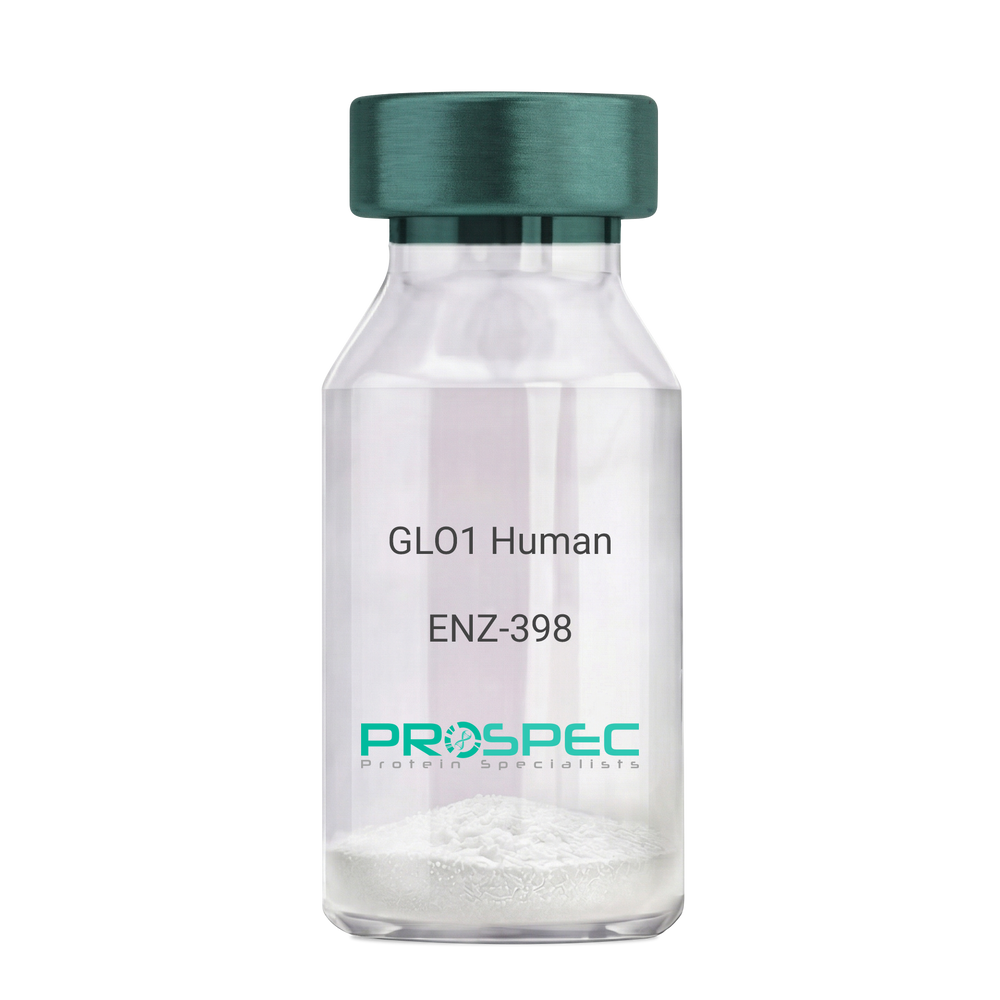
    GLO1 Human

    Description:

    Glyoxalase-I Human Recombinant

    GLYI, GLOD1, GLO1, Glyoxalase-1, Lactoylglutathione lyase, Methylglyoxalase, Aldoketomutase, Ketone-aldehyde mutase, Glyoxalase I, S-D-lactoylglutathione methylglyoxal lyase, Glx I.

    Product # :

    ENZ-398

    Price :

    Quantity :

    Shipping Method :

    Ice Icon

    Shipped with Ice Packs

    Add To Cart

    More Info

    • description
    • source
    • formulation
    • purity
    • More Info
    • Citations

    Description

    Glyoxalase-I Human Recombinant produced in E.Coli is a single, non-glycosylated, polypeptide chain containing 184 amino acids and having a molecular mass of 20.7 kDa. Glyoxalase-1 is purified by proprietary chromatographic techniques.

    Source

    Escherichia Coli.

    Formulation

    Glyoxalase-1 solution containing 20mM Tris-HCl pH-8, 1mM DTT and 10% glycerol.

    Purity

    Greater than 90.0% as determined by SDS-PAGE.

    Citations

    More Info

    • Introduction

      GLO1 is involved in the catalysis and formation of S-lactoyl-glutathione from methylglyoxal condensation and reduced glutatione. GLO1 is linked to HLA and is localized to 6p21.3-p21.1, between HLA and the centromere. GLO1 enzyme is ubundantly expressed and present in numerous tumor cell lines, in which its concentration is often upregulated ubiquitisly. GLO1 is a major susceptible gene for autism in an ethnic Chinese population from Taiwan. GLO1 might be involved in the pathophysiology of mood disorders. GLO1 plays a role in the pathophysiology of mood disorders. Overexpression of GLO1 is associated with kidney tumor.

    • Synonyms

      GLYI, GLOD1, GLO1, Glyoxalase-1, Lactoylglutathione lyase, Methylglyoxalase, Aldoketomutase, Ketone-aldehyde mutase, Glyoxalase I, S-D-lactoylglutathione methylglyoxal lyase, Glx I.

    • Physical Appearance

      Sterile filtered colorless solution.

    • Stability

      Store at 4°C if entire vial will be used within 2-4 weeks. Store, frozen at -20°C for longer periods of time. For long term storage it is recommended to add a carrier protein (0.1% HSA or BSA).Avoid multiple freeze-thaw cycles.

    • Amino Acid Sequence

      MAEPQPPSGG LTDEAALSCC SDADPSTKDF LLQQTMLRVK DPKKSLDFYT RVLGMTLIQK CDFPIMKFSL YFLAYEDKND IPKEKDEKIAWALSRKATLE LTHNWGTEDD ETQSYHNGNS DPRGFGHIGI AVPDVYSACK RFEELGVKFV KKPDDGKMKG LAFIQDPDGY WIEILNPNKM ATLM.

    ProSpec's products are furnished for LABORATORY RESEARCH USE ONLY. The product may not be used as drugs, agricultural or pesticidal products, food additives or household chemicals.

    Glo1 Human
  • View Data Sheet

    Name :

    TSLPR Human

    Description:

    Thymic Stromal Lymphopoietin Receptor Human Recombinant

    CRL2, CRLF2Y, Cytokine receptor-like factor 2, Cytokine receptor-like 2, IL-XR, ILXR.

    Product # :

    CYT-742

    Price :

    Quantity :

    Shipping Method :

    Ice Icon

    Shipped with Ice Packs

    Add To Cart

    More Info

    • description
    • source
    • formulation
    • purity
    • More Info
    • Citations

    Description

    TSLPR Human Recombinant produced in E.Coli is a single, non-glycosylated polypeptide chain containing 232 amino acids (23-231 a.a.) and having a molecular mass of 26.6kDa.TSLPR is fused to a 23 amino acid His-tag at N-terminus & purified by proprietary chromatographic techniques.

    Source

    Escherichia Coli.

    Formulation

    TSLPR protein solution (1mg/ml) contains 20mM Tris-HCl buffer, (pH 8.0), 0.4M UREA and 10% glycerol.

    Purity

    Greater than 85.0% as determined by SDS-PAGE.

    Citations

    More Info

    • Introduction

      Thymic Stromal Lymphopoietin Receptor (TSLPR) is a member of the type I cytokine receptor family. TSLPR alongside the interleukin 7 receptor (IL7R) activate STAT3, STAT5, and JAK2 pathways, which is regulated processes such as cell proliferation and development of the hematopoietic system. Two transcript variants encoding dissimilar isoforms have been found for this gene. TSLPR is expressed in heart, skeletal muscle, kidney and adult and fetal liver.

    • Synonyms

      CRL2, CRLF2Y, Cytokine receptor-like factor 2, Cytokine receptor-like 2, IL-XR, ILXR.

    • Physical Appearance

      Sterile filtered colorless solution.

    • Stability

      Store at 4°C if entire vial will be used within 2-4 weeks.Store, frozen at -20°C for longer periods of time.For long term storage it is recommended to add a carrier protein (0.1% HSA or BSA).Avoid multiple freeze-thaw cycles.

    • Amino Acid Sequence

      MGSSHHHHHH SSGLVPRGSH MGSQGGAAEG VQIQIIYFNL ETVQVTWNAS KYSRTNLTFH YRFNGDEAYD QCTNYLLQEG HTSGCLLDAE QRDDILYFSI RNGTHPVFTA SRWMVYYLKP SSPKHVRFSW HQDAVTVTCS DLSYGDLLYE VQYRSPFDTE WQSKQENTCN VTIEGLDAEK CYSFWVRVKA MEDVYGPDTY PSDWSEVTCW QRGEIRDACA ETPTPPKPKL SK.

    ProSpec's products are furnished for LABORATORY RESEARCH USE ONLY. The product may not be used as drugs, agricultural or pesticidal products, food additives or household chemicals.

    Tslpr Human
  • View Data Sheet

    Name :

    CENPP Human

    Description:

    Centromere Protein-P Human Recombinant

    Centromere protein P, CENP-P, CENPP.

    Product # :

    PRO-1784

    Price :

    Quantity :

    Shipping Method :

    Ice Icon

    Shipped with Ice Packs

    Add To Cart

    More Info

    • description
    • source
    • formulation
    • purity
    • More Info
    • Citations

    Description

    CENPP Human Recombinant produced in E.Coli is a single, non-glycosylated polypeptide chain containing 308 amino acids (1-288 a.a) and having a molecular mass of 35.3kDa.CENPP is fused to a 20 amino acid His-tag at N-terminus & purified by proprietary chromatographic techniques.

    Source

    Escherichia Coli.

    Formulation

    CENPP protein solution (1mg/ml) containing 20mM Tris-HCl buffer (pH 8.0), 0.4M Urea and 10% glycerol.

    Purity

    Greater than 85% as determined by SDS-PAGE.

    Citations

    More Info

    • Introduction

      Centromere protein P (CENPP) is component of the CENPA-CAD (nucleosome distal) complex, which is a complex recruited to centromeres and involved in assembly of kinetochore proteins, mitotic progression and chromosome segregation. CENPP protein is involved in incorporation of newly synthesized CENPA into centromeres by way of its interaction with the CENPA-NAC complex.

    • Synonyms

      Centromere protein P, CENP-P, CENPP.

    • Physical Appearance

      Sterile filtered colorless solution.

    • Stability

      Store at 4°C if entire vial will be used within 2-4 weeks. Store, frozen at -20°C for longer periods of time. For long term storage it is recommended to add a carrier protein (0.1% HSA or BSA).Avoid multiple freeze-thaw cycles.

    • Amino Acid Sequence

      MGSSHHHHHH SSGLVPRGSH MDAELAEVRA LQAEIAALRR ACEDPPAPWE EKSRVQKSFQ AIHQFNLEGW KSSKDLKNQL GHLESELSFL STLTGINIRN HSKQTEDLTS TEMTEKSIRK VLQRHRLSGN CHMVTFQLEF QILEIQNKER LSSAVTDLNI IMEPTECSEL SEFVSRAEER KDLFMFFRSL HFFVEWFEYR KRTFKHLKEK YPDAVYLSEG PSSCSMGIRS ASRPGFELVI VWRIQIDEDG KVFPKLDLLT KVPQRALELD KNRAIETAPL SFRTLVGLLG IEAALESLIK SLCAEENN.

    ProSpec's products are furnished for LABORATORY RESEARCH USE ONLY. The product may not be used as drugs, agricultural or pesticidal products, food additives or household chemicals.

    Cenpp Human
  • View Data Sheet

    Name :

    CXCL15 Mouse

    Description:

    Lungkine (CXCL15) Mouse Recombinant

    C-X-C motif chemokine 15, Lungkine, Small-inducible cytokine B15, Cxcl15, Scyb15.

    Product # :

    CHM-286

    Price :

    Quantity :

    Shipping Method :

    Room Temp Icon

    Shipped at Room temp

    Add To Cart

    More Info

    • description
    • source
    • formulation
    • purity
    • biological activity
    • More Info
    • Citations

    Description

    Recombinant Mouse Lungkine produced in E.Coli is a single, non-glycosylated, polypeptide chain containing 142 amino acids and having a molecular mass of 16.4kDa.The CXCL15 is purified by proprietary chromatographic techniques.

    Source

    Escherichia Coli.

    Formulation

    The Lungkine protein was lyophilized from a 0.2µm filtered concentrated solution in PBS pH 7.4 and 0.02% Tween-20.

    Purity

    Greater than 95.0% as determined by:
    (a) Analysis by RP-HPLC.
    (b) Analysis by SDS-PAGE.

    Biological Activity

    The biological activity determined by a chemotaxis bioassay using human neutrophils is in a concentration of 20-100 ng/ml.

    Citations

    More Info

    • Introduction

      Mouse Lungkine/CXCL15 (WECHE) belongs to the ELR motif-containing CXC chemokines. The mouse Lungkine gene has been mapped to chromosome 5. The cDNA of mouse Lungkine encodes a 166 amino acids (aa) protein with a 25 aa predicted signal peptide and a 141 aa mature protein with an exceptionally long C-terminal tail which extends beyond beyond the chemokine fold. Lungkine protein is secreted into bronchoalveolar space and is involved in lung-specific neutrophils trafficking. Furthermore, studies in Lungkine knockout mice propose that Lungkine is an imperative mediator of neutrophil migration from the lung parenchyma into the airspace. In addition, Lungkine is chemotactic for bone marrow progenitor cells and modulates hematopoietic cell differentiation. By Northern blot analysis and in-situ hybridization, Lungkine transcripts have only been specifically detected in the adult and fetal lung, and its expression is up-regulated under inflammatory conditions. There is a 35% aa sequence similarity between the mouse Lungkine and the human ENA-78 and a 31% similarity with the human IL-8.

    • Synonyms

      C-X-C motif chemokine 15, Lungkine, Small-inducible cytokine B15, Cxcl15, Scyb15.

    • Physical Appearance

      Sterile Filtered White lyophilized (freeze-dried) powder.

    • Stability

      Lyophilized Lungkine although stable at room temperature for 3 weeks, should be stored desiccated below -18°C. Upon reconstitution CXCL15 should be stored at 4°C between 2-7 days and for future use below -18°C. For long term storage it is recommended to add a carrier protein (0.1% HSA or BSA). Please prevent freeze-thaw cycles.

    • Solubility

      It is recommended to reconstitute the lyophilized Lungkine in sterile 18M-cm H2O not less than 100µg/ml, which can then be further diluted to other aqueous solutions.

    • Amino Acid Sequence

      QELRCLCIQE HSEFIPLKLI KNIMVIFETI YCNRKEVIAV PKNGSMICLD PDAPWVKATV GPITNRFLPE DLKQKEFPPA MKLLYSVEHE KPLYLSFGRP ENKRIFPFPI RETSRHFADL AHNSDRNFLR DSSEVSLTGS DA.

    • Background

      What is the molecular weight/Mw of CXCL15 MOUSE Protein?
      CXCL15 MOUSE Protein has a total Mw of 16.4kDa.

      What is the source or expression system of CXCL15 MOUSE Protein?
      Escherichia Coli.

      What is the Purity of CXCL15 MOUSE Protein?
      CXCL15 MOUSE Protein is >95% pure as determined by SDS-PAGE.

      What is the Biological Activity of CXCL15 MOUSE Protein?
      The biological activity determined by a chemotaxis bioassay using human neutrophils is in a concentration of 20-100 ng/ml.

      What is the amino acid sequence of CXCL15 MOUSE Protein?
      QELRCLCIQE HSEFIPLKLI KNIMVIFETI YCNRKEVIAV PKNGSMICLD PDAPWVKATV GPITNRFLPE DLKQKEFPPA MKLLYSVEHE KPLYLSFGRP ENKRIFPFPI RETSRHFADL AHNSDRNFLR DSSEVSLTGS DA.

      What applications can CXCL15 MOUSE Protein be used in?
      CXCL15 MOUSE Protein can probably be used in western blot, ELISA and Lateral Flow.

      What is the endotoxin level for CXCL15 MOUSE Protein?
      The endotoxin level is minimal, CXCL15 MOUSE Protein was purified using conventional chromatography techniques.

      Who supplies recombinant CXCL15 MOUSE that is in stock and available to order?
      ProSpec has the protein in stock and available for immediate delivery.

      Where can I order bulk mg quantities of CXCL15 MOUSE?
      ProSpec supplies bulk mg quantities at affordable prices that meets research and academic budgets.

    ProSpec's products are furnished for LABORATORY RESEARCH USE ONLY. The product may not be used as drugs, agricultural or pesticidal products, food additives or household chemicals.

    Lungkine Mouse
  • View Data Sheet

    Name :

    CXCL1 Human, His

    Description:

    GRO-Alpha/MGSA Human Recombinant (CXCL1), His Tag

    Growth-regulated protein alpha, CXCL1, Melanoma growth stimulatory activity, MGSA, Neutrophil-activating protein 3, NAP-3, GRO-alpha(1-73), chemokine (C-X-C motif) ligand 1, GRO1, GROa, SCYB1, MGSA-a, MGSA alpha.

    Product # :

    CHM-242

    Price :

    Quantity :

    Shipping Method :

    Ice Icon

    Shipped with Ice Packs

    Add To Cart

    More Info

    • description
    • source
    • formulation
    • purity
    • More Info
    • Citations

    Description

    CXCL1 Human Recombinant produced in E.Coli is a single,non-glycosylated, polypeptide chain containing 94 amino acids (35-107) and having a molecular mass of 10.1 kDa. The CXCL1 is fused to a 20 amino acid His-Tag at N-terminus and purified by proprietary chromatographic techniques.

    Source

    Escherichia Coli.

    Formulation

    CXCL1 in 20mM Tris-HCL pH-8 and 10% glycerol.

    Purity

    Greater than 90.0% as determined by SDS-PAGE.

    Citations

    More Info

    • Introduction

      Chemokine (C-X-C motif) ligand 1 (CXCL1) is a small cytokine belonging to the CXC chemokine family that was previously called GRO1 oncogene, Neutrophil-activating protein 3 (NAP-3) and melanoma growth stimulating activity, alpha (MSGA-?). It is secreted by human melanoma cells, has mitogenic properties and is implicated in melanoma pathogenesis. CXCL1 is expressed by macrophages, neutrophils and epithelial cells, and has neutrophil chemoattractant activity. CXCL1 plays a role in spinal cord development by inhibiting the migration of oligodendrocyte precursors and is involved in the processes of angiogenesis, inflammation, wound healing, and tumorigenesis. This chemokine elicits its effects by signaling through the chemokine receptor CXCR2. The gene for CXCL1 is located on human chromosome 4 amongst genes for other CXC chemokines.

    • Synonyms

      Growth-regulated protein alpha, CXCL1, Melanoma growth stimulatory activity, MGSA, Neutrophil-activating protein 3, NAP-3, GRO-alpha(1-73), chemokine (C-X-C motif) ligand 1, GRO1, GROa, SCYB1, MGSA-a, MGSA alpha.

    • Physical Appearance

      Sterile Filtered colorless solution.

    • Stability

      Liquid CXCL1 although stable at 10°C for 1 week, should be stored below -18°C. For long term storage it is recommended to add a carrier protein (0.1% HSA or BSA).Please prevent freeze-thaw cycles.

    • Amino Acid Sequence

      MGSSHHHHHH SSGLVPRGSH MASVATELRC QCLQTLQGIH PKNIQSVNVK SPGPHCAQTE VIATLKNGRK ACLNPASPIV KKIIEKMLNS DKSN.

    • Background

      What is the molecular weight/Mw of CXCL1 HUMAN, HIS Protein?
      CXCL1 HUMAN, HIS Protein has a total Mw of 10.1kDa.

      What is the source or expression system of CXCL1 HUMAN, HIS Protein?
      Escherichia Coli.

      What is the Purity of CXCL1 HUMAN, HIS Protein?
      CXCL1 HUMAN, HIS Protein is >90% pure as determined by SDS-PAGE.

      What is the Biological Activity of CXCL1 HUMAN, HIS Protein?
      The biological functionality of CXCL1 HUMAN, HIS Protein will be determined in the future.

      What is the amino acid sequence of CXCL1 HUMAN, HIS Protein?
      MGSSHHHHHH SSGLVPRGSH MASVATELRC QCLQTLQGIH PKNIQSVNVK SPGPHCAQTE VIATLKNGRK ACLNPASPIV KKIIEKMLNS DKSN.

      What applications can CXCL1 HUMAN, HIS Protein be used in?
      CXCL1 HUMAN, HIS Protein can probably be used in western blot, ELISA and Lateral Flow.

      What is the endotoxin level for CXCL1 HUMAN, HIS Protein?
      The endotoxin level is minimal, CXCL1 HUMAN, HIS Protein was purified using conventional chromatography techniques.

      Who supplies recombinant CXCL1 HUMAN, HIS that is in stock and available to order?
      ProSpec has the protein in stock and available for immediate delivery.

      Where can I order bulk mg quantities of CXCL1 HUMAN, HIS?
      ProSpec supplies bulk mg quantities at affordable prices that meets research and academic budgets.

    ProSpec's products are furnished for LABORATORY RESEARCH USE ONLY. The product may not be used as drugs, agricultural or pesticidal products, food additives or household chemicals.

    Gro A Human His
  • View Data Sheet

    Name :

    Lymphotactin Human

    Description:

    Lymphotactin Human Recombinant (XCL1)

    XCL1, Cytokine SCM-1, ATAC, Lymphotaxin, SCM-1-alpha, Small inducible cytokine C1, XC chemokine ligand 1, LTN, LPTN, SCM1, SCM-1, SCYC1, SCM-1a.

    Product # :

    CHM-314

    Price :

    Quantity :

    Shipping Method :

    Room Temp Icon

    Shipped at Room temp

    Add To Cart

    More Info

    • description
    • source
    • formulation
    • purity
    • biological activity
    • More Info
    • Citations

    Description

    Lymphotactin Human Recombinant produced in E.Coli is a single, non-glycosylated, polypeptide chain containing 92 amino acids and having a molecular mass of 10007 Dalton. The Lymphotactin is purified by proprietary chromatographic techniques.

    Source

    Escherichia Coli.

    Formulation

    The XCL1 was lyophilized from a concentrated (1mg/ml) solution in water containing no additives.

    Purity

    Greater than 99.0% as determined by:
    (a) Analysis by RP-HPLC.
    (b) Analysis by SDS-PAGE.

    Biological Activity

    The Biological activity is calculated by its ability to chemoattract human T cells at 10-100ng/ml corresponding to a Specific Activity of 10,000-100,000IU/mg.

    Citations

    More Info

    • Introduction

      Chemokine (C motif) ligand (XCL1) is a small cytokine belonging to the XC chemokine family that is also known as lymphotactin. It is found in high levels in spleen, thymus, intestine and peripheral blood leukocytes, and at lower levels in lung, prostate gland and ovary. Cellular sources for XCL1 include activated thymic and peripheral blood CD8+ T cells. This chemokine attracts T cells. In humans, XCL1 is closely related to another chemokine called XCL2, whose geneis found at the same locus on chromosome 1. XCL1 induces it chemotactic function by binding to a chemokine receptor called XCR1.

    • Synonyms

      XCL1, Cytokine SCM-1, ATAC, Lymphotaxin, SCM-1-alpha, Small inducible cytokine C1, XC chemokine ligand 1, LTN, LPTN, SCM1, SCM-1, SCYC1, SCM-1a.

    • Physical Appearance

      Sterile Filtered White lyophilized (freeze-dried) powder.

    • Stability

      Lyophilized Lymphotactin although stable at room temperature for 3 weeks, should be stored desiccated below -18°C. Upon reconstitution XCL1 should be stored at 4°C between 2-7 days and for future use below -18°C. For long term storage it is recommended to add a carrier protein (0.1% HSA or BSA). Please avoid freeze-thaw cycles.

    • Solubility

      It is recommended to reconstitute the lyophilized Lymphotactin in sterile 18MΩ-cm H2O not less than 100µg/ml, which can then be further diluted to other aqueous solutions.

    • Amino Acid Sequence

      The sequence of the first five N-terminal amino acids was determined and was found to be Gln-Ser-Glu-Val-Ser.

    • Background

      What is the molecular weight/Mw of LYMPHOTACTIN HUMAN Protein?
      LYMPHOTACTIN HUMAN Protein has a total Mw of 10kDa.

      What is the source or expression system of LYMPHOTACTIN HUMAN Protein?
      Escherichia Coli.

      What is the Purity of LYMPHOTACTIN HUMAN Protein?
      LYMPHOTACTIN HUMAN Protein is >99% pure as determined by SDS-PAGE.

      What is the Biological Activity of LYMPHOTACTIN HUMAN Protein?
      The Biological activity is calculated by its ability to chemoattract human T cells at 10-100ng/ml corresponding to a Specific Activity of 10,000-100,000IU/mg.

      What is the amino acid sequence of LYMPHOTACTIN HUMAN Protein?
      The sequence of the first five N-terminal amino acids was determined and was found to be Gln-Ser-Glu-Val-Ser.

      What applications can LYMPHOTACTIN HUMAN Protein be used in?
      LYMPHOTACTIN HUMAN Protein can probably be used in western blot, ELISA and Lateral Flow.

      What is the endotoxin level for LYMPHOTACTIN HUMAN Protein?
      The endotoxin level is minimal, LYMPHOTACTIN HUMAN Protein was purified using conventional chromatography techniques.

      Who supplies recombinant LYMPHOTACTIN HUMAN that is in stock and available to order?
      ProSpec has the protein in stock and available for immediate delivery.

      Where can I order bulk mg quantities of LYMPHOTACTIN HUMAN?
      ProSpec supplies bulk mg quantities at affordable prices that meets research and academic budgets.

    ProSpec's products are furnished for LABORATORY RESEARCH USE ONLY. The product may not be used as drugs, agricultural or pesticidal products, food additives or household chemicals.

    Lymphotactin Human
  • View Data Sheet

    Name :

    CXCL1 Mouse, His

    Description:

    GRO/KC (CXCL1) Mouse Recombinant, His Tag

    Growth-regulated alpha protein, CXCL1, Platelet-derived growth factor-inducible protein KC, Secretory protein N51, KC, Fsp, N51, gro, Gro1, Mgsa, Scyb1, chemokine (C-X-C motif) ligand 1.

    Product # :

    CHM-002

    Price :

    Quantity :

    Shipping Method :

    Ice Icon

    Shipped with Ice Packs

    Add To Cart

    More Info

    • description
    • source
    • formulation
    • purity
    • More Info
    • SDS-PAGE
    • Citations

    Description

    GRO1/KC Mouse Recombinant produced in E.Coli is a single, non-glycosylated polypeptide chain containing 97 amino acids (25-96 a.a.) and having a molecular mass of 10.5kDa.GRO1 is fused to a 25 amino acid His-tag at N-terminus & purified by proprietary chromatographic techniques.

    Source

    Escherichia Coli.

    Formulation

    GRO1 protein solution (0.5mg/ml) containing 20mM Tris-HCl buffer (pH 8.0), 10% glycerol and 0.1M NaCl.

    Purity

    Greater than 90.0% as determined by SDS-PAGE.

    SDS-PAGE

    CXCL1 Mouse, His-SDS-PAGE - Product image 1

    Citations

    More Info

    • Introduction

      Chemokine (C-X-C motif) ligand 1 (CXCL1) is a small cytokine belonging to the CXC chemokine family that was previously called GRO1 oncogene, Neutrophil-activating protein 3 (NAP-3) and melanoma growth stimulating activity, alpha (MSGA-a). It is secreted by human melanoma cells, has mitogenic properties and is implicated in melanoma pathogenesis. CXCL1 is expressed by macrophages, neutrophils and epithelial cells, and has neutrophil chemoattractant activity. CXCL1 plays a role in spinal cord development by inhibiting the migration of oligodendrocyte precursors and is involved in the processes of angiogenesis, inflammation, wound healing, and tumorigenesis. This chemokine elicits its effects by signaling through the chemokine receptor CXCR2. The gene for CXCL1 is located on human chromosome 4 amongst genes for other CXC chemokines.

    • Synonyms

      Growth-regulated alpha protein, CXCL1, Platelet-derived growth factor-inducible protein KC, Secretory protein N51, KC, Fsp, N51, gro, Gro1, Mgsa, Scyb1, chemokine (C-X-C motif) ligand 1.

    • Physical Appearance

      Sterile Filtered colorless solution.

    • Stability

      Store at 4°C if entire vial will be used within 2-4 weeks. Store, frozen at -20°C for longer periods of time. For long term storage it is recommended to add a carrier protein (0.1% HSA or BSA).Avoid multiple freeze-thaw cycles.

    • Amino Acid Sequence

      MGSSHHHHHH SSGLVPRGSH MGSHMAPIAN ELRCQCLQTM AGIHLKNIQS LKVLPSGPHC TQTEVIATLK NGREACLDPE APLVQKIVQK MLKGVPK.

    • Background

      What is the molecular weight/Mw of CXCL1 MOUSE, HIS Protein?
      CXCL1 MOUSE, HIS Protein has a total Mw of 10.5kDa.

      What is the source or expression system of CXCL1 MOUSE, HIS Protein?
      Escherichia Coli.

      What is the Purity of CXCL1 MOUSE, HIS Protein?
      CXCL1 MOUSE, HIS Protein is >90% pure as determined by SDS-PAGE.

      What is the Biological Activity of CXCL1 MOUSE, HIS Protein?
      The biological functionality of CXCL1 MOUSE, HIS Protein will be determined in the future.

      What is the amino acid sequence of CXCL1 MOUSE, HIS Protein?
      MGSSHHHHHH SSGLVPRGSH MGSHMAPIAN ELRCQCLQTM AGIHLKNIQS LKVLPSGPHC TQTEVIATLK NGREACLDPE APLVQKIVQK MLKGVPK.

      What applications can CXCL1 MOUSE, HIS Protein be used in?
      CXCL1 MOUSE, HIS Protein can probably be used in western blot, ELISA and Lateral Flow.

      What is the endotoxin level for CXCL1 MOUSE, HIS Protein?
      The endotoxin level is minimal, CXCL1 MOUSE, HIS Protein was purified using conventional chromatography techniques.

      Who supplies recombinant CXCL1 MOUSE, HIS that is in stock and available to order?
      ProSpec has the protein in stock and available for immediate delivery.

      Where can I order bulk mg quantities of CXCL1 MOUSE, HIS?
      ProSpec supplies bulk mg quantities at affordable prices that meets research and academic budgets.

    ProSpec's products are furnished for LABORATORY RESEARCH USE ONLY. The product may not be used as drugs, agricultural or pesticidal products, food additives or household chemicals.

    Gro A Mouse His
  • View Data Sheet

    Name :

    MAGOH Human

    Description:

    Mago-Nashi Homolog Human Recombinant

    MAGOH1, MAGOHA, Protein mago nashi homolog, MAGOH, proliferation-associated (Drosophila).

    Product # :

    PRO-810

    Price :

    Quantity :

    Shipping Method :

    Ice Icon

    Shipped with Ice Packs

    Add To Cart

    More Info

    • description
    • source
    • formulation
    • purity
    • More Info
    • Citations

    Description

    MAGOH Human Recombinant produced in E.Coli is a single, non-glycosylated, polypeptide chain containing 154 amino acids (1-146 a.a.) and having a molecular mass of 18.2 kDa. MAGOH protein is fused to a 8 amino acid His-Tag at C-terminus and purified by standard chromatography.

    Source

    Escherichia Coli.

    Formulation

    MAGOH Human solution containing 20mM Tris-HCl pH-8, 2mM DTT, 0.1M NaCl and 20% glycerol.

    Purity

    Greater than 90% as determined by SDS-PAGE.

    Citations

    More Info

    • Introduction

      Drosophila that have mutations in their MAGOH gene produce progeny with defects in germplasm assembly and germline development. MAGOH, the human homolog of Drosophila mago nashi, is necessary for embryo development. In mammals, mRNA expression is not limited to the germ plasm, but is expressed ubiquitously in adult tissues and is induced by serum stimulation of quiescent fibroblast.

    • Synonyms

      MAGOH1, MAGOHA, Protein mago nashi homolog, MAGOH, proliferation-associated (Drosophila).

    • Physical Appearance

      Sterile filtered colorless solution.

    • Stability

      Store at 4°C if entire vial will be used within 2-4 weeks. Store, frozen at -20°C for longer periods of time. For long term storage it is recommended to add a carrier protein (0.1% HSA or BSA).Avoid multiple freeze-thaw cycles.

    • Amino Acid Sequence

      MESDFYLRYY VGHKGKFGHE FLEFEFRPDG KLRYANNSNY KNDVMIRKEA YVHKSVMEEL KRIIDDSEIT KEDDALWPPP DRVGRQELEI VIGDEHISFT TSKIGSLIDV NQSKDPEGLR VFYYLVQDLK CLVFSLIGLH FKIKPILEHH HHHH.

    ProSpec's products are furnished for LABORATORY RESEARCH USE ONLY. The product may not be used as drugs, agricultural or pesticidal products, food additives or household chemicals.

    Magoh Human
  • View Data Sheet

    Name :

    CNN1 Human

    Description:

    Calponin 1, Basic, Smooth Muscle Human Recombinant

    Calponin 1 basic smooth muscle, Calponin H1 smooth muscle, SMCC, Basic calponin, Sm-Calp, calponin-1.

    Product # :

    PRO-1129

    Price :

    Quantity :

    Shipping Method :

    Ice Icon

    Shipped with Ice Packs

    Add To Cart

    More Info

    • description
    • source
    • formulation
    • purity
    • More Info
    • Citations

    Description

    CNN1 Human Recombinant produced in E. coli is a single polypeptide chain containing 305 amino acids (1-297) and having a molecular mass of 34.2 kDa.CNN1 is fused to an 8 amino acid His-tag at C-terminus & purified by proprietary chromatographic techniques.

    Source

    E.coli.

    Formulation

    The CNN1 solution (1mg/ml) contains 20mM Tris-HCl buffer (pH 8.0), 0.15M NaCl, 1mM DTT and 30% glycerol.

    Purity

    Greater than 90% as determined by SDS-PAGE.

    Citations

    More Info

    • Introduction

      CNN1 is a member of the calponin family. CNN1 is a thin filament-associated protein which is involved in the regulation and modulation of smooth muscle contraction. CNN1 is able to bind to actin, calmodulin, troponin C and tropomyosin. Prevention of actomyosin Mg-ATPase activity is a result of interaction between calponin and actin.

    • Synonyms

      Calponin 1 basic smooth muscle, Calponin H1 smooth muscle, SMCC, Basic calponin, Sm-Calp, calponin-1.

    • Physical Appearance

      Sterile Filtered colorless solution.

    • Stability

      Store at 4°C if entire vial will be used within 2-4 weeks. Store, frozen at -20°C for longer periods of time. For long term storage it is recommended to add a carrier protein (0.1% HSA or BSA).Avoid multiple freeze-thaw cycles.

    • Amino Acid Sequence

      MSSAHFNRGP AYGLSAEVKN KLAQKYDHQR EQELREWIEG VTGRRIGNNF MDGLKDGIIL CEFINKLQPG SVKKINESTQ NWHQLENIGN FIKAITKYGV KPHDIFEAND LFENTNHTQV QSTLLALASM AKTKGNKVNV GVKYAEKQER KFEPGKLREG RNIIGLQMGT NKFASQQGMT AYGTRRHLYD PKLGTDQPLD QATISLQMGT NKGASQAGMT APGTKRQIFE PGLGMEHCDT LNVSLQMGSN KGASQRGMTV YGLPRQVYDP KYCLTPEYPE LGEPAHNHHA HNYYNSALEH HHHHH

    ProSpec's products are furnished for LABORATORY RESEARCH USE ONLY. The product may not be used as drugs, agricultural or pesticidal products, food additives or household chemicals.

    Cnn1 Human
  • View Data Sheet

    Name :

    VEGI Human, His

    Description:

    Vascular Endothelial Growth InhibitorHuman Recombinant, His Tag

    Tumor necrosis factor ligand superfamily member 15, TNFSF-15, TNFSF15, TNF ligand-related molecule 1, VEGI, TL-1, TL1, TL1A, VEGI192A, VEGI-192, MGC129934, MGC129935.

    Product # :

    CYT-589

    Price :

    Quantity :

    Shipping Method :

    Ice Icon

    Shipped with Ice Packs

    Add To Cart

    More Info

    • description
    • source
    • formulation
    • purity
    • More Info
    • Citations

    Description

    VEGI Human Recombinant fused with a 21 amino acid His tag at N-terminus produced in E.Coli is a single, non-glycosylated, polypeptide chain containing 201 amino acids(72-251a.a.) and having a molecular mass of 22.7kDa. The VEGI is purified by proprietary chromatographic techniques.

    Source

    Escherichia Coli.

    Formulation

    The VEGI solution (1mg/1ml) contains 20mM Tris-HCl buffer (pH 8.0), 50% glycerol, 1mM DTT and 0.2M NaCl.

    Purity

    Greater than 95.0% as determined by SDS-PAGE.

    Citations

    More Info

    • Introduction

      TNFSF15 is a cytokine that belongs to the tumor necrosis factor (TNF) ligand family. This protein is abundantly expressed in endothelial cells, but is not expressed in either B or T cells. The expression of TNFSF15 is inducible by TNF and IL-1 alpha. This cytokine is a ligand for receptor TNFRSF25 and decoy receptor TNFRSF21/DR6. It can activate NF-kappaB and MAP kinases, and acts as an autocrine factor to induce apoptosis in endothelial cells. TNFSF15 is also found to inhibit endothelial cell proliferation, and thus may function as an angiogenesis inhibitor. An additional isoform encoded by an alternatively spliced transcript variant has been reported but the sequence of this transcript has not been determined.

    • Synonyms

      Tumor necrosis factor ligand superfamily member 15, TNFSF-15, TNFSF15, TNF ligand-related molecule 1, VEGI, TL-1, TL1, TL1A, VEGI192A, VEGI-192, MGC129934, MGC129935.

    • Physical Appearance

      Sterile Filtered colorless solution.

    • Stability

      Store at 4°C if entire vial will be used within 2-4 weeks. Store, frozen at -20°C for longer periods of time. For long term storage it is recommended to add a carrier protein (0.1% HSA or BSA).Avoid multiple freeze-thaw cycles.

    • Amino Acid Sequence

      MGSSHHHHHH SSGLVPRGSH MLKGQEFAPS HQQVYAPLRA DGDKPRAHLT VVRQTPTQHF KNQFPALHWE HELGLAFTKN RMNYTNKFLL IPESGDYFIY SQVTFRGMTS ECSEIRQAGR PNKPDSITVV ITKVTDSYPE PTQLLMGTKS VCEVGSNWFQ PIYLGAMFSL QEGDKLMVNV SDISLVDYTK EDKTFFGAFL L

    ProSpec's products are furnished for LABORATORY RESEARCH USE ONLY. The product may not be used as drugs, agricultural or pesticidal products, food additives or household chemicals.

    Vegi Human His
  • View Data Sheet

    Name :

    CCL2 Human

    Description:

    Monocyte Chemotactic Protein-1 Human Recombinant (CCL2)

    Small inducible cytokine A2, CCL2, Monocyte chemotactic protein 1, MCP-1, Monocyte chemoattractant protein 1, Monocyte chemotactic and activating factor, MCAF, Monocyte secretory protein JE, HC11, chemokine (C-C motif) ligand 2, MCP1, SCYA2, GDCF-2, SMC-CF, HSMCR30, MGC9434, GDCF-2 HC11.

    Product # :

    CHM-271

    Price :

    Quantity :

    Shipping Method :

    Room Temp Icon

    Shipped at Room temp

    Add To Cart

    More Info

    • description
    • source
    • formulation
    • purity
    • biological activity
    • More Info
    • Citations

    Description

    Monocyte Chemotactic Protein-1 Human Recombinant also known as Monocyte Chemotactic and Activating Factor (MCAF) produced in E.Coli is a non-glycosylated, Polypeptide chain containing 76 amino acids and having a molecular mass of 8.6kDa. The MCP-1 is purified by proprietary chromatographic techniques.

    Source

    Escherichia Coli.

    Formulation

    CCL2 was lyophilized from a concentrated (1mg/ml) sterile solution without any additives.

    Purity

    Greater than 98.0% as determined by RP-HPLC and SDS-PAGE.

    Biological Activity

    The specific activity as determined by the ability of MCP-1 to chemoattract human THP-1 cells is detectable starting at 1ng/ml.

    Citations

    More Info

    • Introduction

      Chemokine (C-C motif) ligand 2 (CCL2) is a small cytokine belonging to the CC chemokine family that is also known as monocyte chemotactic protein-1 (MCP-1). It is found at the site of tooth eruption and bone degradation. In the bone, CCL2 is expressed by mature osteoclasts and osteoblasts and is under the control of nuclear factor ?B (NF?B). CCL2 recruits immune cells, such as monocytes, to sites of tissue injury and infection. This chemokine is produced as a protein precursor containing signal peptide of 23 amino acids and a mature peptide of 76 amino acids. It is a monomeric polypeptide, with a molecular weight of approximately 13kDa. As with many other CC chemokines, CCL2 is located on chromosome 17 in humans. The cell surface receptors that bind CCL2 are CCR2 and CCR5.

    • Synonyms

      Small inducible cytokine A2, CCL2, Monocyte chemotactic protein 1, MCP-1, Monocyte chemoattractant protein 1, Monocyte chemotactic and activating factor, MCAF, Monocyte secretory protein JE, HC11, chemokine (C-C motif) ligand 2, MCP1, SCYA2, GDCF-2, SMC-CF, HSMCR30, MGC9434, GDCF-2 HC11.

    • Physical Appearance

      Sterile Filtered White lyophilized (freeze-dried) powder.

    • Stability

      Lyophilized MCP-1 although stable at room temperature for 3 weeks, should be stored desiccated below -18°C. Upon reconstitution CCL2 should be stored at 4°C between 2-7 days and for future use below -18°C. For long term storage it is recommended to add a carrier protein (0.1% HSA or BSA).Please prevent freeze-thaw cycles.

    • Solubility

      It is recommended to reconstitute the lyophilized Monocyte Chemotactic Protein-1in sterile 18MΩ-cm H2O not less than 100µg/ml, which can then be further diluted to other aqueous solutions.

    • Amino Acid Sequence

      QPDAINAPVT CCYNFTNRKI SVQRLASYRR ITSSKCPKEA VIFKTIVAKE ICADPKQKWV QDSMDHLDKQ TQTPKT.

    • Background

      What is the molecular weight/Mw of CCL2 HUMAN Protein?
      CCL2 HUMAN Protein has a total Mw of 8.6kDa.

      What is the source or expression system of CCL2 HUMAN Protein?
      Escherichia Coli.

      What is the Purity of CCL2 HUMAN Protein?
      CCL2 HUMAN Protein is >98% pure as determined by SDS-PAGE.

      What is the Biological Activity of CCL2 HUMAN Protein?
      The specific activity as determined by the ability of MCP-1 to chemoattract human THP-1 cells is detectable starting at 1ng/ml.

      What is the amino acid sequence of CCL2 HUMAN Protein?
      QPDAINAPVT CCYNFTNRKI SVQRLASYRR ITSSKCPKEA VIFKTIVAKE ICADPKQKWV QDSMDHLDKQ TQTPKT.

      What applications can CCL2 HUMAN Protein be used in?
      CCL2 HUMAN Protein can probably be used in western blot, ELISA and Lateral Flow.

      What is the endotoxin level for CCL2 HUMAN Protein?
      The endotoxin level is minimal, CCL2 HUMAN Protein was purified using conventional chromatography techniques.

      Who supplies recombinant CCL2 HUMAN that is in stock and available to order?
      ProSpec has the protein in stock and available for immediate delivery.

      Where can I order bulk mg quantities of CCL2 HUMAN?
      ProSpec supplies bulk mg quantities at affordable prices that meets research and academic budgets.

    ProSpec's products are furnished for LABORATORY RESEARCH USE ONLY. The product may not be used as drugs, agricultural or pesticidal products, food additives or household chemicals.

    Mcp 1 Human
  • View Data Sheet

    Name :

    CCL2 Human, His

    Description:

    Monocyte Chemotactic Protein-1 Human Recombinant (CCL2), His Tag

    Small inducible cytokine A2, CCL2, Monocyte chemotactic protein 1, MCP-1, Monocyte chemoattractant protein 1, Monocyte chemotactic and activating factor, MCAF, Monocyte secretory protein JE, HC11, chemokine (C-C motif) ligand 2, MCP1, SCYA2, GDCF-2, SMC-CF, HSMCR30, MGC9434, GDCF-2 HC11.

    Product # :

    CHM-246

    Price :

    Quantity :

    Shipping Method :

    Ice Icon

    Shipped with Ice Packs

    Add To Cart

    More Info

    • description
    • source
    • formulation
    • purity
    • More Info
    • SDS-PAGE
    • Citations

    Description

    MCP-1 Human Recombinant also known as Monocyte Chemotactic and Activating Factor (MCAF) produced in E.Coli is a non-glycosylated, Polypeptide chain containing 97 amino acids (24-99) and having a molecular mass of 10.9 kDa. The MCP-1 is fused to 20 amino acids His-Tag at N-terminus and purified by proprietary chromatographic techniques.

    Source

    Escherichia Coli.

    Formulation

    The His Tag MCP-1 protein (1mg/ml) solution contains 20mM Tris-HCL pH-8.0, 1mM DTT and 20% glycerol.

    Purity

    Greater than 95.0% as determined by SDS-PAGE.

    SDS-PAGE

    CCL2 Human, His-SDS-PAGE - Product image 1

    Citations

    More Info

    • Introduction

      Chemokine (C-C motif) ligand 2 (CCL2) is a small cytokine belonging to the CC chemokine family that is also known as monocyte chemotactic protein-1 (MCP-1). It is found at the site of tooth eruption and bone degradation. In the bone, CCL2 is expressed by mature osteoclasts and osteoblasts and is under the control of nuclear factor ?B (NF?B). CCL2 recruits immune cells, such as monocytes, to sites of tissue injury and infection. This chemokine is produced as a protein precursor containing signal peptide of 23 amino acids and a mature peptide of 76 amino acids. It is a monomeric polypeptide, with a molecular weight of approximately 13kDa. As with many other CC chemokines, CCL2 is located on chromosome 17 in humans. The cell surface receptors that bind CCL2 are CCR2 and CCR5.

    • Synonyms

      Small inducible cytokine A2, CCL2, Monocyte chemotactic protein 1, MCP-1, Monocyte chemoattractant protein 1, Monocyte chemotactic and activating factor, MCAF, Monocyte secretory protein JE, HC11, chemokine (C-C motif) ligand 2, MCP1, SCYA2, GDCF-2, SMC-CF, HSMCR30, MGC9434, GDCF-2 HC11.

    • Physical Appearance

      Sterile Filtered colorless clear solution.

    • Stability

      Store at 4°C if entire vial will be used within 2-4 weeks. Store, frozen at -20°C for longer periods of time. Please avoid freeze thaw cycles.

    • Amino Acid Sequence

      MGSSHHHHHH SSGLVPRGSH MQPDAINAPV TCCYNFTNRK ISVQRLASYR RITSSKCPKE AVIFKTIVAK EICADPKQKW VQDSMDHLDK QTQTPKT.

    • Background

      What is the molecular weight/Mw of CCL2 HUMAN, HIS Protein?
      CCL2 HUMAN, HIS Protein has a total Mw of 10.9kDa.

      What is the source or expression system of CCL2 HUMAN, HIS Protein?
      Escherichia Coli.

      What is the Purity of CCL2 HUMAN, HIS Protein?
      CCL2 HUMAN, HIS Protein is >95% pure as determined by SDS-PAGE.

      What is the Biological Activity of CCL2 HUMAN, HIS Protein?
      The biological functionality of CCL2 HUMAN, HIS Protein will be determined in the future.

      What is the amino acid sequence of CCL2 HUMAN, HIS Protein?
      MGSSHHHHHH SSGLVPRGSH MQPDAINAPV TCCYNFTNRK ISVQRLASYR RITSSKCPKE AVIFKTIVAK EICADPKQKW VQDSMDHLDK QTQTPKT.

      What applications can CCL2 HUMAN, HIS Protein be used in?
      CCL2 HUMAN, HIS Protein can probably be used in western blot, ELISA and Lateral Flow.

      What is the endotoxin level for CCL2 HUMAN, HIS Protein?
      The endotoxin level is minimal, CCL2 HUMAN, HIS Protein was purified using conventional chromatography techniques.

      Who supplies recombinant CCL2 HUMAN, HIS that is in stock and available to order?
      ProSpec has the protein in stock and available for immediate delivery.

      Where can I order bulk mg quantities of CCL2 HUMAN, HIS?
      ProSpec supplies bulk mg quantities at affordable prices that meets research and academic budgets.

    ProSpec's products are furnished for LABORATORY RESEARCH USE ONLY. The product may not be used as drugs, agricultural or pesticidal products, food additives or household chemicals.

    Mcp 1 Human His
  • View Data Sheet

    Name :

    CCL7 Rat

    Description:

    Monocyte Chemotactic Protein-3 Rat Recombinant (CCL7)

    C-C motif chemokine 7, Monocyte chemoattractant protein 3, Monocyte chemotactic protein 3, MCP-3, Small-inducible cytokine A7, Ccl7, Mcp3, Scya7.

    Product # :

    CHM-280

    Price :

    Quantity :

    Shipping Method :

    Room Temp Icon

    Shipped at Room temp

    Add To Cart

    More Info

    • description
    • source
    • formulation
    • purity
    • biological activity
    • More Info
    • Citations

    Description

    MCP-3 Rat Recombinant produced in E.coli is a single, non-glycosylated polypeptide chain containing 74 amino acids and having a molecular mass of 8.5kDa.The MCP-3 is purified by proprietary chromatographic techniques.

    Source

    Escherichia Coli.

    Formulation

    MCP-3 protein was lyophilized from a 0.2µm filtered concentrated solution in 20mM PB, 300mM NaCl, pH 7.4.

    Purity

    Greater than 97.0% as determined by:
    (a) Analysis by RP-HPLC.
    (b) Analysis by SDS-PAGE.

    Biological Activity

    Determined by its ability to chemoattract human peripheral blood monocytes using a concentration range of 50.0-300.0 ng/ml.

    Citations

    More Info

    • Introduction

      Chemokine (C-C motif) ligand 7 (CCL7) is a small cytokine known as a chemokine that was previously called monocyte-specific chemokine 3 (MCP3). Due to CCL7 possessing two adjacent N-terminal cysteine residues in its mature protein, it is classified among the subfamily of chemokines known as CC chemokines. CCL7 specifically attracts monocytes, and regulates macrophage function. It is produced by certain tumor cell lines and by macrophages. This chemokine is located on chromosome 17 in humans, in a large cluster containing many other CC chemokines and is most closely related to CCL2(previously called MCP1).

    • Synonyms

      C-C motif chemokine 7, Monocyte chemoattractant protein 3, Monocyte chemotactic protein 3, MCP-3, Small-inducible cytokine A7, Ccl7, Mcp3, Scya7.

    • Physical Appearance

      Sterile Filtered White lyophilized (freeze-dried) powder.

    • Stability

      Lyophilized MCP-3 although stable at room temperature for 3 weeks, should be stored desiccated below -18°C. Upon reconstitution MCP3 should be stored at 4°C between 2-7 days and for future use below -18°C. For long term storage it is recommended to add a carrier protein (0.1% HSA or BSA).Please prevent freeze-thaw cycles.

    • Solubility

      It is recommended to reconstitute the lyophilized MCP-3 in sterile 18M-cm H2O not less than 100µg/ml, which can then be further diluted to other aqueous solutions.

    • Amino Acid Sequence

      QPDGTNSSTC CYVKKQKIPK RNLKSYRKIT SSRCPWEAVI FKTKKGMEVC AEAHQKWVEE AIAYLDMKTS TPKP.

    • Background

      What is the molecular weight/Mw of CCL7 RAT Protein?
      CCL7 RAT Protein has a total Mw of 8.5kDa.

      What is the source or expression system of CCL7 RAT Protein?
      Escherichia Coli.

      What is the Purity of CCL7 RAT Protein?
      CCL7 RAT Protein is >97% pure as determined by SDS-PAGE.

      What is the Biological Activity of CCL7 RAT Protein?
      Determined by its ability to chemoattract human peripheral blood monocytes using a concentration range of 50.0-300.0 ng/ml.

      What is the amino acid sequence of CCL7 RAT Protein?
      QPDGTNSSTC CYVKKQKIPK RNLKSYRKIT SSRCPWEAVI FKTKKGMEVC AEAHQKWVEE AIAYLDMKTS TPKP.

      What applications can CCL7 RAT Protein be used in?
      CCL7 RAT Protein can probably be used in western blot, ELISA and Lateral Flow.

      What is the endotoxin level for CCL7 RAT Protein?
      The endotoxin level is minimal, CCL7 RAT Protein was purified using conventional chromatography techniques.

    ProSpec's products are furnished for LABORATORY RESEARCH USE ONLY. The product may not be used as drugs, agricultural or pesticidal products, food additives or household chemicals.

    Mcp 3 Rat
  • 1
  • …
  • 39
  • 40
  • 41
  • 42
Your browser does not support the video tag.

Products

  • Cytokines
  • Growth Factors
  • Chemokines
  • CD Antigens
  • Neurotrophins
  • Hormones
  • Enzymes
  • Viral Antigens
  • Recombinant Proteins
  • Natural Proteins
  • Monoclonal Antibodies
  • Polyclonal Antibodies
  • Thermal Packaging

About

  • Company
  • Founder
  • Contribution
  • Contact Us
  • My Account

Ordering

  • Ordering Method
  • Ordering - Credit Card
  • Ordering PO
  • Shipping Fees
  • FAQ's

Legal

  • Terms & Conditions
  • Privacy
  • Site Map
  • info@prospecbio.com
  • Facebook
  • Instagram
  • Linkedin Profile

© 2026 ProSpec-Tany TechnoGene Ltd. All Rights Reserved.

  • Choosing a selection results in a full page refresh.
  • Opens in a new window.