Skip to content

High-quality research proteins.

  • 1-800-805-6531

  • Mon - Sat 8.00-18.00, Sun - Closed

  • info@prospecbio.com

  • PO Box 6591 East Brunswick NJ 08816

  • Products
    • Cytokines
    • Growth factors
    • Chemokines
    • Cd antigens
    • Neurotrophins
    • Hormones
    • Enzymes
    • Viral antigens
    • Recombinant proteins
    • Natural proteins
    • Monoclonal antibodies
    • Polyclonal antibodies
    • Thermal Packaging
  • About
    • Company
    • Founder
    • Contribution
  • Customers
    • Eastern Asia
    • Eastern Europe
    • North America
    • South America
    • South East Asia
    • Southern Asia
    • Western Europe
  • Ordering
    • Ordering Method
    • Ordering - Credit Card
    • Ordering - PO
    • Shipping Fees
    • FAQs
  • Services
    • DNA Cloning
    • Protein Expression
    • Monoclonal Antibody
    • Fermentation
    • Technology License
  • Contact us
Log in

Country/region

  • USD $ | Albania
  • USD $ | Andorra
  • USD $ | Argentina
  • USD $ | Armenia
  • USD $ | Australia
  • USD $ | Austria
  • USD $ | Azerbaijan
  • USD $ | Belarus
  • USD $ | Belgium
  • USD $ | Bolivia
  • USD $ | Brazil
  • USD $ | Bulgaria
  • USD $ | Cambodia
  • USD $ | Canada
  • USD $ | Chile
  • USD $ | China
  • USD $ | Colombia
  • USD $ | Costa Rica
  • USD $ | Croatia
  • USD $ | Cyprus
  • USD $ | Czechia
  • USD $ | Denmark
  • USD $ | Estonia
  • USD $ | Finland
  • USD $ | France
  • USD $ | Georgia
  • USD $ | Germany
  • USD $ | Greece
  • USD $ | Hong Kong SAR
  • USD $ | Hungary
  • USD $ | Iceland
  • USD $ | India
  • USD $ | Ireland
  • USD $ | Israel
  • USD $ | Italy
  • USD $ | Japan
  • USD $ | Kazakhstan
  • USD $ | Latvia
  • USD $ | Liechtenstein
  • USD $ | Lithuania
  • USD $ | Madagascar
  • USD $ | Malta
  • USD $ | Mexico
  • USD $ | Moldova
  • USD $ | Monaco
  • USD $ | Netherlands
  • USD $ | New Zealand
  • USD $ | North Macedonia
  • USD $ | Norway
  • USD $ | Panama
  • USD $ | Paraguay
  • USD $ | Peru
  • USD $ | Philippines
  • USD $ | Poland
  • USD $ | Portugal
  • USD $ | Romania
  • USD $ | Singapore
  • USD $ | Slovakia
  • USD $ | Slovenia
  • USD $ | South Africa
  • USD $ | South Korea
  • USD $ | Spain
  • USD $ | Sri Lanka
  • USD $ | Sweden
  • USD $ | Switzerland
  • USD $ | Taiwan
  • USD $ | Thailand
  • USD $ | Türkiye
  • USD $ | Ukraine
  • USD $ | United Kingdom
  • USD $ | United States
  • USD $ | Uruguay
  • USD $ | Vatican City
  • USD $ | Venezuela
  • USD $ | Vietnam
  • Facebook
  • Instagram
logoProSpec - Recombinant Protein Manufacturer for academic and R&D industry
Become a distributor
Account Log in
Wishlist
Cart Cart(0)
  • Products
    +
    • Cytokines
    • Growth factors
    • Chemokines
    • Cd antigens
    • Neurotrophins
    • Hormones
    • Enzymes
    • Viral antigens
    • Recombinant proteins
    • Natural proteins
    • Monoclonal antibodies
    • Polyclonal antibodies
    • Thermal Packaging
  • About
    +
    • Company
    • Founder
    • Contribution
  • Customers
    +
    • Eastern Asia
    • Eastern Europe
    • North America
    • South America
    • South East Asia
    • Southern Asia
    • Western Europe
  • Ordering
    +
    • Ordering Method
    • Ordering - Credit Card
    • Ordering - PO
    • Shipping Fees
    • FAQs
  • Services
    +
    • DNA Cloning
    • Protein Expression
    • Monoclonal Antibody
    • Fermentation
    • Technology License
  • Contact us

Item added to your cart

View cart
View All
  • Cytokines
  • Growth factors
  • Chemokines
  • Cd antigens
  • Neurotrophins
  • Hormones
  • Enzymes
  • Viral antigens
  • Recombinant proteins
  • Natural proteins
  • Monoclonal antibodies
  • Polyclonal antibodies
  • Thermal Packaging
  • Tumor Necrosis Factor

    Tumor Necrosis Factor

    View All
  • 4-1BB

    4-1BB

    View All
  • Adiponectin

    Adiponectin

    View All
  • AIF1

    AIF1

    View All
  • Other Cytokines

    Other Cytokines

    View All
  • AITRL

    AITRL

    View All
  • Angiopoietin

    Angiopoietin

    View All
  • Apolipoprotein

    Apolipoprotein

    View All
  • B-Cell Activating Factor

    B-Cell Activating Factor

    View All
  • Beta Defensin

    Beta Defensin

    View All
  • Bone Morphogenetic Protein

    Bone Morphogenetic Protein

    View All
  • B type Natriuretic Peptide

    B type Natriuretic Peptide

    View All
  • BST

    BST

    View All
  • Betacellulin

    Betacellulin

    View All
  • Cardiotrophin

    Cardiotrophin

    View All
  • Activin

    Activin

    View All
  • Fibroblast Growth Factor

    Fibroblast Growth Factor

    View All
  • Other Growth Factors

    Other Growth Factors

    View All
  • CSF

    CSF

    View All
  • CTGF

    CTGF

    View All
  • IGFBP

    IGFBP

    View All
  • VEGF Protein

    VEGF Protein

    View All
  • EGF

    EGF

    View All
  • Epigen

    Epigen

    View All
  • Erythropoietin

    Erythropoietin

    View All
  • Insulin-Like Growth Factor

    Insulin-Like Growth Factor

    View All
  • Growth Hormone

    Growth Hormone

    View All
  • HDGF

    HDGF

    View All
  • Hepatocyte Growth Factor

    Hepatocyte Growth Factor

    View All
  • Insulin

    Insulin

    View All
  • BCA-1/ BLC (CXCL13)

    BCA-1/ BLC (CXCL13)

    View All
  • BRAK (CXCL14)

    BRAK (CXCL14)

    View All
  • C-10 (CCL6)

    C-10 (CCL6)

    View All
  • Other Chemokines

    Other Chemokines

    View All
  • MEC (CCL28)

    MEC (CCL28)

    View All
  • LD78-beta (CCL3L1)

    LD78-beta (CCL3L1)

    View All
  • CTACK (CCL27)

    CTACK (CCL27)

    View All
  • CXCL16

    CXCL16

    View All
  • CXCL17

    CXCL17

    View All
  • Platelet Factor-4 (CXCL4)

    Platelet Factor-4 (CXCL4)

    View All
  • ENA-78 (CXCL5)

    ENA-78 (CXCL5)

    View All
  • Eotaxin (CCL11,24,26)

    Eotaxin (CCL11,24,26)

    View All
  • Exodus-2 (CCL21)

    Exodus-2 (CCL21)

    View All
  • Fractalkine (CX3CL1)

    Fractalkine (CX3CL1)

    View All
  • CXCL6

    CXCL6

    View All
  • Other CD Antigens

    Other CD Antigens

    View All
  • CD14

    CD14

    View All
  • CD164

    CD164

    View All
  • CD1

    CD1

    View All
  • CD2

    CD2

    View All
  • CD200

    CD200

    View All
  • CD207

    CD207

    View All
  • CD226

    CD226

    View All
  • CD23

    CD23

    View All
  • CD244

    CD244

    View All
  • CD247

    CD247

    View All
  • CD27

    CD27

    View All
  • CD274

    CD274

    View All
  • CD300

    CD300

    View All
  • CD33

    CD33

    View All
  • Other Neurotrophins

    Other Neurotrophins

    View All
  • Beta-NGF

    Beta-NGF

    View All
  • BDNF

    BDNF

    View All
  • CDNF

    CDNF

    View All
  • CNTF

    CNTF

    View All
  • GDNF

    GDNF

    View All
  • Glia Maturation Factor

    Glia Maturation Factor

    View All
  • MANF

    MANF

    View All
  • Midkine

    Midkine

    View All
  • Neuroglobin

    Neuroglobin

    View All
  • Neurotrophic factors

    Neurotrophic factors

    View All
  • Neuregulin

    Neuregulin

    View All
  • Neuropilin

    Neuropilin

    View All
  • Pigment Epithelium-Derived Factor

    Pigment Epithelium-Derived Factor

    View All
  • Pleiotrophin

    Pleiotrophin

    View All
  • Peptide Hormones

    Peptide Hormones

    View All
  • Other Hormones

    Other Hormones

    View All
  • HCG

    HCG

    View All
  • Endothelin

    Endothelin

    View All
  • Exendin

    Exendin

    View All
  • FSH

    FSH

    View All
  • Glucagon

    Glucagon

    View All
  • GHRP

    GHRP

    View All
  • GLP

    GLP

    View All
  • Thyrostimulin

    Thyrostimulin

    View All
  • Inhibin A

    Inhibin A

    View All
  • LHRH

    LHRH

    View All
  • Melanotan

    Melanotan

    View All
  • Procalcitonin

    Procalcitonin

    View All
  • PTH

    PTH

    View All
  • Peroxiredoxin

    Peroxiredoxin

    View All
  • Peptidase

    Peptidase

    View All
  • Synthetase

    Synthetase

    View All
  • Transferase

    Transferase

    View All
  • Hydrolase

    Hydrolase

    View All
  • Dehydrogenase

    Dehydrogenase

    View All
  • ACE2

    ACE2

    View All
  • Esterase

    Esterase

    View All
  • Protein Kinases

    Protein Kinases

    View All
  • Other Enzymes

    Other Enzymes

    View All
  • Phosphatase

    Phosphatase

    View All
  • Deaminase

    Deaminase

    View All
  • Oxygenase

    Oxygenase

    View All
  • Adenylate Kinase

    Adenylate Kinase

    View All
  • Lyase

    Lyase

    View All
  • Chagas

    Chagas

    View All
  • SARS

    SARS

    View All
  • Influenza

    Influenza

    View All
  • ASFV

    ASFV

    View All
  • Astrovirus

    Astrovirus

    View All
  • Borrelia

    Borrelia

    View All
  • Helicobacter Pylori

    Helicobacter Pylori

    View All
  • Chikungunya

    Chikungunya

    View All
  • Chlamydia

    Chlamydia

    View All
  • Cytomegalo

    Cytomegalo

    View All
  • Dengue

    Dengue

    View All
  • EBV

    EBV

    View All
  • Ebola

    Ebola

    View All
  • Feline Leukemia Virus

    Feline Leukemia Virus

    View All
  • Hepatitis A

    Hepatitis A

    View All
  • Other

    Other

    View All
  • Actin

    Actin

    View All
  • ADAM

    ADAM

    View All
  • Complement Component

    Complement Component

    View All
  • Ag85

    Ag85

    View All
  • Eukaryotic Translation Initiation Factor

    Eukaryotic Translation Initiation Factor

    View All
  • Anterior Gradient Protein

    Anterior Gradient Protein

    View All
  • Heat Shock Protein

    Heat Shock Protein

    View All
  • Alpha-2-HS-Glycoprotein

    Alpha-2-HS-Glycoprotein

    View All
  • Hemoglobin

    Hemoglobin

    View All
  • Allergy

    Allergy

    View All
  • Anaplasma

    Anaplasma

    View All
  • Angiogenin

    Angiogenin

    View All
  • Ankyrin Repeat Domain

    Ankyrin Repeat Domain

    View All
  • Annexin

    Annexin

    View All
  • Other Natural Proteins

    Other Natural Proteins

    View All
  • Aprotinin

    Aprotinin

    View All
  • Transferrin

    Transferrin

    View All
  • Avidin

    Avidin

    View All
  • Anti Coagulation Factors

    Anti Coagulation Factors

    View All
  • Natural Albumin

    Natural Albumin

    View All
  • Natural Coagulation Factors

    Natural Coagulation Factors

    View All
  • Fibronectin

    Fibronectin

    View All
  • Thrombin

    Thrombin

    View All
  • Anti Human Enzyme

    Anti Human Enzyme

    View All
  • Other Monoclonal Antibodies

    Other Monoclonal Antibodies

    View All
  • Anti Human Cytokine

    Anti Human Cytokine

    View All
  • Anti Human Heat Shock Protein

    Anti Human Heat Shock Protein

    View All
  • Anti Mouse Lymphocyte

    Anti Mouse Lymphocyte

    View All
  • Anti Human Chemokine

    Anti Human Chemokine

    View All
  • Anti Human Lymphocyte

    Anti Human Lymphocyte

    View All
  • Anti Viral Monoclonal

    Anti Viral Monoclonal

    View All
  • Anti Mouse Cytokine

    Anti Mouse Cytokine

    View All
  • Anti-GST Monoclonal

    Anti-GST Monoclonal

    View All
  • Other Polyclonal Antibodies

    Other Polyclonal Antibodies

    View All
  • Anti Viral

    Anti Viral

    View All
  • Anti-GST Monoclonal

    Anti-GST Monoclonal

    View All
Back

Search results

1000 results found for “Hydrolase”

Name

Description

Product #

Price

Quantity

Shipping Method

  • View Data Sheet

    Name :

    TDP2 Human

    Description:

    Tyrosyl-DNA Phosphodiesterase 2 Human Recombinant

    AD022, dJ30M3.3, EAP2, EAPII, RP1-30M3.3, TTRAP, 5'-tyrosyl-DNA phosphodiesterase,hTDP2, ETS1-associated protein 2, ETS1-associated protein II.

    Product # :

    ENZ-698

    Price :

    Quantity :

    Shipping Method :

    Ice Icon

    Shipped with Ice Packs

    Add To Cart

    More Info

    • description
    • source
    • formulation
    • purity
    • More Info

    Description

    TDP2 Human Recombinant produced in E.coli is a single, non-glycosylated polypeptide chain containing 385 amino acids (1-362) and having a molecular mass of 43.3kDa. TDP2 is fused to a 23 amino acid His-tag at N-terminus & purified by proprietary chromatographic techniques.

    Source

    Escherichia Coli.

    Formulation

    The TDP2 solution (0.5mg/ml) contains 20mM Tris-HCl buffer, (pH 8.0), 0.15M NaCl, 10% glycerol and 1mM DTT.

    Purity

    Greater than 85.0% as determined by SDS-PAGE.

    More Info

    • Introduction

      Tyrosyl-DNA Phosphodiesterase 2 (TDP2), belongs to the CCR4/nocturin family of divalent cation-dependent phosphodiesterases.TDP2 associates with CD40, tumor necrosis factor (TNF) receptor-75 and TNF receptor associated factors (TRAFs), and inhibits nuclear factor-kappa-B activation. TDP2 is characterized by similar sequence and structure as APE1 endonuclease, which participates in DNA repair and the activation of transcription factors.

    • Synonyms

      AD022, dJ30M3.3, EAP2, EAPII, RP1-30M3.3, TTRAP, 5'-tyrosyl-DNA phosphodiesterase,hTDP2, ETS1-associated protein 2, ETS1-associated protein II.

    • Physical Appearance

      Sterile filtered colorless solution.

    • Stability

      Store at 4°C if entire vial will be used within 2-4 weeks. Store, frozen at -20°C for longer periods of time. For long term storage it is recommended to add a carrier protein (0.1% HSA or BSA). Avoid multiple freeze-thaw cycles.

    • Amino Acid Sequence

      MGSSHHHHHH SSGLVPRGSH MGSMELGSCL EGGREAAEEE GEPEVKKRRL LCVEFASVAS CDAAVAQCFL AENDWEMERA LNSYFEPPVE ESALERRPET ISEPKTYVDL TNEETTDSTT SKISPSEDTQ QENGSMFSLI TWNIDGLDLN NLSERARGVC SYLALYSPDV IFLQEVIPPY YSYLKKRSSN YEIITGHEEG YFTAIMLKKS RVKLKSQEII PFPSTKMMRN LLCVHVNVSG NELCLMTSHL ESTRGHAAER MNQLKMVLKK MQEAPESATV IFAGDTNLRD REVTRCGGLP NNIVDVWEFL GKPKHCQYTW DTQMNSNLGI TAACKLRFDR IFFRAAAEEG HIIPRSLDLL GLEKLDCGRF PSDHWGLLCN LDIIL.

    ProSpec's products are furnished for LABORATORY RESEARCH USE ONLY. The product may not be used as drugs, agricultural or pesticidal products, food additives or household chemicals.

    Tdp2 Human
  • View Data Sheet

    Name :

    GSTT2 Human

    Description:

    Glutathione S-Transferase Theta-2 Human Recombinant

    Glutathione S-transferase theta 2, GST class-theta-2, GSTT2B, Glutathione S-transferase theta-2B, EC 2.5.1.18.

    Product # :

    ENZ-593

    Price :

    Quantity :

    Shipping Method :

    Ice Icon

    Shipped with Ice Packs

    Add To Cart

    More Info

    • description
    • source
    • formulation
    • purity
    • More Info

    Description

    GSTT2 Recombinant produced in E. coli is a single polypeptide chain containing 264 amino acids (1-244) and having a molecular mass of 29.6kDa.GSTT2 is fused to a 20 amino acid His-tag at N-terminus & purified by proprietary chromatographic techniques.

    Source

    E.coli.

    Formulation

    The GSTT2 solution (1mg/ml) contains 20mM Tris-HCl buffer (pH 8.0), 100mM Nacl,
    1mM DTT and 10% glycerol.

    Purity

    Greater than 95% as determined by SDS-PAGE.

    More Info

    • Introduction

      GSTT2 belongs to the glutathione s-transferase (GST) family of proteins. There are eight GST proteins families, named alpha, kappa, mu, omega, pi, sigma, theta and zeta. Each one of the GST families has several proteins with different functions throughout the cell. The theta type members GSTT1 and GSTT2 have a 55% aa sequence homology and hold a vital role in human carcinogenesis. The theta genes are structurally similar – each has five exons with identical exon/intron boundaries.

    • Synonyms

      Glutathione S-transferase theta 2, GST class-theta-2, GSTT2B, Glutathione S-transferase theta-2B, EC 2.5.1.18.

    • Physical Appearance

      Sterile Filtered colorless solution.

    • Stability

      Store at 4°C if entire vial will be used within 2-4 weeks. Store, frozen at -20°C for longer periods of time. For long term storage it is recommended to add a carrier protein (0.1% HSA or BSA).Avoid multiple freeze-thaw cycles.

    • Amino Acid Sequence

      MGSSHHHHHH SSGLVPRGSH MGLELFLDLV SQPSRAVYIF AKKNGIPLEL RTVDLVKGQH KSKEFLQINS LGKLPTLKDG DFILTESSAI LIYLSCKYQT PDHWYPSDLQ ARARVHEYLG WHADCIRGTF GIPLWVQVLG PLIGVQVPEE KVERNRTAMD QALQWLEDKF LGDRPFLAGQ QVTLADLMAL EELMQPVALG YELFEGRPRL AAWRGRVEAF LGAELCQEAH SIILSILEQA AKKTLPTPSP EAYQAMLLRI ARIP

    ProSpec's products are furnished for LABORATORY RESEARCH USE ONLY. The product may not be used as drugs, agricultural or pesticidal products, food additives or household chemicals.

    Gstt2 Human
  • View Data Sheet

    Name :

    PTGES2 Human

    Description:

    Prostaglandin E Synthase 2 Human Recombinant

    Prostaglandin E synthase 2, Microsomal prostaglandin E synthase 2, mPGES-2, PTGES2, C9orf15, PGES2, GBF1.

    Product # :

    ENZ-136

    Price :

    Quantity :

    Shipping Method :

    Ice Icon

    Shipped with Ice Packs

    Add To Cart

    More Info

    • description
    • source
    • formulation
    • purity
    • More Info

    Description

    PTGES2 produced in E.Coli is a single, non-glycosylated polypeptide chain containing 206 amino acids (1-186 a.a.) and having a molecular mass of 23.5kDa.PTGES2 is fused to a 20 amino acid His-tag at N-terminus & purified by proprietary chromatographic techniques.

    Source

    Escherichia Coli.

    Formulation

    PTGES2 protein solution (0.5mg/ml) containing 20mM Tris-HCl buffer (pH 8.0), 20% glycerol, 2mM DTT and 0.2M NaCl.

    Purity

    Greater than 95.0% as determined by SDS-PAGE.

    More Info

    • Introduction

      PTGES2 is a membrane-associated prostaglandin E synthase, which catalyzes the conversion of prostaglandin H2 to prostaglandin E2. Additionally, PTGES2 activates the transcription regulated by a gamma-INF-activated transcription element. PTGES2 is widely expressed- in the heart, including apex, inter-ventricular septum, both atria and ventricles, but not in the aorta. PTGES2 is also expressed in fetal heart. PTGES2 is detected in various regions of the brain: cerebellum; occipital, frontal and parietal lobes. It is also expressed in the lymph nodes, skeletal muscle, kidney and trachea, but not in the thymus or lung. PTGES2 is overexpressed in colorectal cancer.

    • Synonyms

      Prostaglandin E synthase 2, Microsomal prostaglandin E synthase 2, mPGES-2, PTGES2, C9orf15, PGES2, GBF1.

    • Physical Appearance

      Sterile Filtered colorless solution.

    • Stability

      Store at 4°C if entire vial will be used within 2-4 weeks. Store, frozen at -20°C for longer periods of time. For long term storage it is recommended to add a carrier protein (0.1% HSA or BSA).Avoid multiple freeze-thaw cycles.

    • Amino Acid Sequence

      MGSSHHHHHH SSGLVPRGSH MKAVNEQGKE VTEFGNKYWL MLNEKEAQQV YGGKEARTEE MKWRQWADDW LVHLISPNVY RTPTEALASF DYIVREGKFG AVEGAVAKYM GAAAMYLISK RLKSRHRLQD NVREDLYEAA DKWVAAVGKD RPFMGGQKPN LADLAVYGVL RVMEGLDAFD DLMQHTHIQP WYLRVERAIT EASPAH.

    ProSpec's products are furnished for LABORATORY RESEARCH USE ONLY. The product may not be used as drugs, agricultural or pesticidal products, food additives or household chemicals.

    Ptges2 Human
  • View Data Sheet

    Name :

    SULT1B1 Human

    Description:

    Sulfotransferase Family, Cytosolic, 1B, Member 1 Human Recombinant

    Sulfotransferase family cytosolic 1B member 1, Thyroid hormone sulfotransferase, Sulfotransferase 1B1, Sulfotransferase 1B2, ST1B1, EC 2.8.2.-, SULT1B2.

    Product # :

    ENZ-610

    Price :

    Quantity :

    Shipping Method :

    Ice Icon

    Shipped with Ice Packs

    Add To Cart

    More Info

    • description
    • source
    • formulation
    • purity
    • More Info

    Description

    SULT1B1 Human Recombinant produced in E. coli is a single polypeptide chain containing 320 amino acids (1-296) and having a molecular mass of 37.4kDa.SULT1B1 is fused to a 24 amino acid His-tag at N-terminus & purified by proprietary chromatographic techniques.

    Source

    E.coli.

    Formulation

    The SULT1B1 solution (1mg/1ml) contains 20mM Tris-HCl buffer (pH 8.0), 100mM NaCl and 10% glycerol.

    Purity

    Greater than 95% as determined by SDS-PAGE.

    More Info

    • Introduction

      SULT1B1 enzyme in humans is encoded by the SULT1B1 gene. SULT1B1 holds a binding site for 3-prime-phosphoadenosine 5-prime-phosphosulfate, a sulfate donor, in addition to a cysteine residue conserved in the ST1 gene family of sulfotransferases. Sulfotransferases like SULT1B1 catalyze the biotransformation of a great amount of endogenous amalgams such as bile acids, neurotransmitters, steroids, and thyroid hormones, in addition to drugs and xenobiotics.

    • Synonyms

      Sulfotransferase family cytosolic 1B member 1, Thyroid hormone sulfotransferase, Sulfotransferase 1B1, Sulfotransferase 1B2, ST1B1, EC 2.8.2.-, SULT1B2.

    • Physical Appearance

      Sterile Filtered colorless solution.

    • Stability

      Store at 4°C if entire vial will be used within 2-4 weeks. Store, frozen at -20°C for longer periods of time. For long term storage it is recommended to add a carrier protein (0.1% HSA or BSA).Avoid multiple freeze-thaw cycles.

    • Amino Acid Sequence

      MGSSHHHHHH SSGLVPRGSH MGSHMLSPKD ILRKDLKLVH GYPMTCAFAS NWEKIEQFHS RPDDIVIATY PKSGTTWVSE IIDMILNDGD IEKCKRGFIT EKVPMLEMTL PGLRTSGIEQ LEKNPSPRIV KTHLPTDLLP KSFWENNCKM IYLARNAKDV SVSYYHFDLM NNLQPFPGTW EEYLEKFLTG KVAYGSWFTH VKNWWKKKEE HPILFLYYED MKENPKEEIK KIIRFLEKNL NDEILDRIIH HTSFEVMKDN PLVNYTHLPT TVMDHSKSPF MRKGTAGDWK NYFTVAQNEK FDAIYETEMS KTALQFRTEI

    ProSpec's products are furnished for LABORATORY RESEARCH USE ONLY. The product may not be used as drugs, agricultural or pesticidal products, food additives or household chemicals.

    Sult1B1 Human
  • View Data Sheet

    Name :

    UBE2A Human

    Description:

    Ubiquitin Conjugating Enzyme E2A Human Recombinant

    HHR6A, HR6A, RAD6A, UBC2, UBE2A, EC=6.3.2.19, Ubiquitin-conjugating enzyme E2 A, Ubiquitin-protein ligase A, Ubiquitin carrier protein A, RAD6 homolog A.

    Product # :

    ENZ-514

    Price :

    Quantity :

    Shipping Method :

    Ice Icon

    Shipped with Ice Packs

    Add To Cart

    More Info

    • description
    • source
    • formulation
    • purity
    • More Info

    Description

    UBE2A Human Recombinant produced in E.Coli is a single, non-glycosylated, polypeptide chain containing 172 amino acids (1-152 a.a.) and having a molecular mass of 19.4 kDa. UBE2A protein is fused to a 20 amino acid His tag at N-terminus and is purified by standard chromatography.

    Source

    Escherichia Coli.

    Formulation

    UBE2A Human solution containing 20mM Tris HCl pH-8, 1mM DTT, 1mM EDTA and 20% glycerol.

    Purity

    Greater than 95% as determined by SDS-PAGE.

    More Info

    • Introduction

      The alteration of proteins with ubiquitin is a vital cellular mechanism for targeting atypical or short-lived proteins for degradation. Ubiquitination involves noT less than three classes of enzymes: ubiquitin-activating enzymes, or E1s, ubiquitin-conjugating enzymes, or E2s, and ubiquitin-protein ligases, or E3s. UBE2A is part of the E2 ubiquitin-conjugating enzyme family. UBE2A is necessary for post-replicative DNA damage repair. UBE2A catalyzes the covalent attachment of ubiquitin to other proteins. UBE2A is necessary for postreplication repair of UV-damaged DNA.

    • Synonyms

      HHR6A, HR6A, RAD6A, UBC2, UBE2A, EC=6.3.2.19, Ubiquitin-conjugating enzyme E2 A, Ubiquitin-protein ligase A, Ubiquitin carrier protein A, RAD6 homolog A.

    • Physical Appearance

      Sterile filtered colorless solution.

    • Stability

      Store at 4°C if entire vial will be used within 2-4 weeks. Store, frozen at -20°C for longer periods of time. For long term storage it is recommended to add a carrier protein (0.1% HSA or BSA).Avoid multiple freeze-thaw cycles.

    • Amino Acid Sequence

      MGSSHHHHHH SSGLVPRGSH MSTPARRRLM RDFKRLQEDP PAGVSGAPSE NNIMVWNAVI FGPEGTPFED GTFKLTIEFT EEYPNKPPTV RFVSKMFHPN VYADGSICLD ILQNRWSPTY DVSSILTSIQ SLLDEPNPNS PANSQAAQLY QENKREYEKR VSAIVEQSWR DC.

    ProSpec's products are furnished for LABORATORY RESEARCH USE ONLY. The product may not be used as drugs, agricultural or pesticidal products, food additives or household chemicals.

    Ube2A Human
  • View Data Sheet

    Name :

    DUSP22 Human

    Description:

    Dual Specificity Phosphatase 22 Human Recombinant

    Dual specificity protein phosphatase 22, DUSP22, JNK-stimulatory phosphatase-1, JSP-1, Low molecular weight dual specificity phosphatase 2, LMW-DSP2, Mitogen-activated protein kinase phosphatase x, MAP kinase phosphatase x, MKP-x, LMWDSP2, MKPX, JKAP, JSP1, LMWDSP2, MKPX, VHX.

    Product # :

    ENZ-800

    Price :

    Quantity :

    Shipping Method :

    Ice Icon

    Shipped with Ice Packs

    Add To Cart

    More Info

    • description
    • source
    • formulation
    • purity
    • More Info

    Description

    DUSP22 Human Recombinant produced in E.Coli is a single, non-glycosylated polypeptide chain containing 207 amino acids (1-184 a.a.) and having a molecular mass of 23.3kDa.DUSP22 is fused to a 23 amino acid His-tag at N-terminus & purified by proprietary chromatographic techniques.

    Source

    Escherichia Coli.

    Formulation

    DUSP22 protein solution (0.5mg/ml) contains 20mM Tris-HCl buffer (pH 8.0), 0.4M Urea and 10% glycerol.

    Purity

    Greater than 85.0% as determined by SDS-PAGE.

    More Info

    • Introduction

      Dual Specificity Phosphatase 22, also known as DUSP22, is a part of the protein-tyrosine phosphatase family which holds 1 tyrosine-protein phosphatase domain. DUSP22 activates the Jnk signaling pathway and dephosphorylates and deactivates p38 and stress-activated protein kinase/c-Jun N-terminal kinase (SAPK/JNK). DUSP22 interacts with MAPK1 and MAPK8.

    • Synonyms

      Dual specificity protein phosphatase 22, DUSP22, JNK-stimulatory phosphatase-1, JSP-1, Low molecular weight dual specificity phosphatase 2, LMW-DSP2, Mitogen-activated protein kinase phosphatase x, MAP kinase phosphatase x, MKP-x, LMWDSP2, MKPX, JKAP, JSP1, LMWDSP2, MKPX, VHX.

    • Physical Appearance

      Sterile Filtered colorless solution.

    • Stability

      Store at 4°C if entire vial will be used within 2-4 weeks. Store, frozen at -20°C for longer periods of time. For long term storage it is recommended to add a carrier protein (0.1% HSA or BSA).Avoid multiple freeze-thaw cycles.

    • Amino Acid Sequence

      MGSSHHHHHH SSGLVPRGSH MGSMGNGMNK ILPGLYIGNF KDARDAEQLS KNKVTHILSV HDSARPMLEG VKYLCIPAAD SPSQNLTRHF KESIKFIHEC RLRGESCLVH CLAGVSRSVT LVIAYIMTVT DFGWEDALHT VRAGRSCANP NVGFQRQLQE FEKHEVHQYR QWLKEEYGES PLQDAEEAKN ILAAPGILKF WAFLRRL.

    ProSpec's products are furnished for LABORATORY RESEARCH USE ONLY. The product may not be used as drugs, agricultural or pesticidal products, food additives or household chemicals.

    Dusp22 Human
  • View Data Sheet

    Name :

    UBE2D2 Human

    Description:

    Ubiquitin Conjugating Enzyme E2D2 Human Recombinant

    Ubiquitin-conjugating enzyme E2D 2 (homologous to yeast UBC4/5), UBC4, Ubiquitin carrier protein D2, Ubiquitin-conjugating enzyme E2-17 kDa 2, Ubiquitin-protein ligase D2, UBCH5B, EC 6.3.2.19, E2(17)KB2, PUBC1, UBC4/5, UBC5B, UBCH4.

    Product # :

    ENZ-1036

    Price :

    Quantity :

    Shipping Method :

    Ice Icon

    Shipped with Ice Packs

    Add To Cart

    More Info

    • description
    • source
    • formulation
    • purity
    • More Info

    Description

    UBE2D2 Human Recombinant produced in E.coli is a single, non-glycosylated polypeptide chain containing 147 amino acids (1-147) and having a molecular mass of 16.7kDa. The UBE2D2 is purified by proprietary chromatographic techniques.

    Source

    E.coli.

    Formulation

    The UBE2D2 solution (0.5mg/ml) contains 20mM MES (pH6.0), 50mM NaCl and 1mM DTT.

    Purity

    Greater than 95% as determined by SDS-PAGE.

    More Info

    • Introduction

      UBE2D2 belongs to the E2 ubiquitin-conjugating enzyme family. UBE2D2 takes part in the ubiquitination of the tumor-suppressor protein p53, which is induced by an E3 ubiquitin-protein ligase. UBE2D2 catalyzes ubiquitination of IkB-alpha in a SCFB-TRCP and phosphorylation dependent method.

    • Synonyms

      Ubiquitin-conjugating enzyme E2D 2 (homologous to yeast UBC4/5), UBC4, Ubiquitin carrier protein D2, Ubiquitin-conjugating enzyme E2-17 kDa 2, Ubiquitin-protein ligase D2, UBCH5B, EC 6.3.2.19, E2(17)KB2, PUBC1, UBC4/5, UBC5B, UBCH4.

    • Physical Appearance

      Sterile Filtered colorless solution.

    • Stability

      Store at 4°C if entire vial will be used within 2-4 weeks. Store, frozen at -20°C for longer periods of time. For long term storage it is recommended to add a carrier protein (0.1% HSA or BSA).Avoid multiple freeze-thaw cycles.

    • Amino Acid Sequence

      MALKRIHKEL NDLARDPPAQ CSAGPVGDDM FHWQATIMGP NDSPYQGGVF FLTIHFPTDY PFKPPKVAFT TRIYHPNINS NGSICLDILR SQWSPALTIS KVLLSICSLL CDPNPDDPLV PEIARIYKTD REKYNRIARE WTQKYAM.

    ProSpec's products are furnished for LABORATORY RESEARCH USE ONLY. The product may not be used as drugs, agricultural or pesticidal products, food additives or household chemicals.

    Ube2D2
  • View Data Sheet

    Name :

    GH Human

    Description:

    Growth Hormone Human Recombinant

    GH1, GH, GHN, GH-N, hGH-N,Pituitary growth hormone, Growth hormone 1, Somatotropin.

    Product # :

    CYT-202

    Price :

    Quantity :

    Shipping Method :

    Room Temp Icon

    Shipped at Room temp

    Add To Cart

    More Info

    • description
    • source
    • formulation
    • purity
    • biological activity
    • More Info

    Description

    GH Human Recombinant produced in E.Coli is a single, non-glycosylated, polypeptide chain containing 191 amino acids and having a molecular mass of 22kDa. Growth Hormone is purified by proprietary chromatographic techniques.

    Source

    Escherichia Coli.

    Formulation

    GH protein lyophilized from a 0.2µm filtered concentrated solution containing mannitol, and glycine.

    Purity

    Greater than 96.0% as determined by SDS-PAGE.

    Biological Activity

    The ED50 was determined by the proliferation assay of rat lymphoma NB2-11 cells and was found to be less than 0.1ng/ml.

    More Info

    • Introduction

      GH is a member of the somatotropin/prolactin family of hormones which play an important role in growth control. The gene, along with four other related genes, is located at the growth hormone locus on chromosome 17 where they are interspersed in the same transcriptional orientation; an arrangement which is thought to have evolved by a series of gene duplications. The five genes share a remarkably high degree of sequence identity. Alternative splicing generates additional isoforms of each of the five growth hormones, leading to further diversity and potential for specialization. This particular family member is expressed in the pituitary but not in placental tissue as is the case for the other four genes in the growth hormone locus. Mutations in or deletions of the gene lead to growth hormone deficiency and short stature.

    • Synonyms

      GH1, GH, GHN, GH-N, hGH-N,Pituitary growth hormone, Growth hormone 1, Somatotropin.

    • Physical Appearance

      Sterile Filtered White lyophilized (freeze-dried) powder.

    • Stability

      Lyophilized GH although stable at room temperature for 3 weeks, should be stored desiccated below -18°C. Upon reconstitution HGH should be stored at 4°C between 2-7 days and for future use below -18°C.For long term storage it is recommended to add a carrier protein (0.1% HSA or BSA).Please prevent freeze-thaw cycles.

    • Solubility

      It is recommended to reconstitute the lyophilized HGH in sterile 18MΩ-cm H2O not less than 100µg/ml, which can then be further diluted to other aqueous solutions.

    • Amino Acid Sequence

      FPTIPLSRLF DNAMLRAHRL HQLAFDTYQE FEEAYIPKEQ KYSFLQNPQT SLCFSESIPT PSNREETQQK SNLELLRISL LLIQSWLEPV QFLRSVFANS LVYGASDSNV YDLLKDLEEG IQTLMGRLED GSPRTGQIFK QTYSKFDTNS HNDDALLKNY GLLYCFRKDM DKVETFLRIV QCRSVEGSCG F.

    ProSpec's products are furnished for LABORATORY RESEARCH USE ONLY. The product may not be used as drugs, agricultural or pesticidal products, food additives or household chemicals.

    Growth Hormone Human
  • View Data Sheet

    Name :

    DUSP18 Human, Active

    Description:

    Dual Specificity Phosphatase 18 Human Recombinant, Active

    Dual specificity protein phosphatase 18, Low molecular weight dual specificity phosphatase 20, LMW-DSP20, DUSP18, LMWDSP20, VHP, DUSP26.

    Product # :

    ENZ-1040

    Price :

    Quantity :

    Shipping Method :

    Ice Icon

    Shipped with Ice Packs

    Add To Cart

    More Info

    • description
    • source
    • formulation
    • purity
    • biological activity
    • More Info

    Description

    DUSP18 produced in E.Coli is a single, non-glycosylated polypeptide chain containing 212 amino acids (1-188a.a.) and having a molecular mass of 23.6kDa.DUSP18 is fused to a 24 amino acid His-tag at N-terminus & purified by proprietary chromatographic techniques.

    Source

    Escherichia Coli.

    Formulation

    The DUSP18 protein solution (0.5mg/ml) is formulated in 20mM Tris-HCl buffer (pH8.0), 0.1mM PMSF, 1mM DTT, 40% glycerol and 1mM EDTA.

    Purity

    Greater than 95.0% as determined by SDS-PAGE.

    Biological Activity

    Specific activity is > 300 units/mg, and is defined as the amount of enzyme that hydrolyze 1.0 nmole of p-nitrophenyl phosphate (pNPP) per minute at pH 7.5 at 37°C.

    More Info

    • Introduction

      Dual specificity phosphatase 18 (DUSP18) belongs to the dual-specificity phosphatase (DSP) family, which catalyzes dephosphorylation of phosphotyrosine and phosphothreonine residues. DUSP18 has a preferential enzymatic activity for phosphorylated tyrosine residues over threonine residues, in addition DUSP18 dephosphorylates p-nitrophenyl phosphate (pNPP) in vitro. Furthermore, DUSP18 is inhibited by iodoarectic acid and is activated by manganese ions. DUSP18 is extensively expressed with the highest levels in the liver, brain, ovary and testis.

    • Synonyms

      Dual specificity protein phosphatase 18, Low molecular weight dual specificity phosphatase 20, LMW-DSP20, DUSP18, LMWDSP20, VHP, DUSP26.

    • Physical Appearance

      Sterile Filtered clear solution.

    • Stability

      Store at 4°C if entire vial will be used within 2-4 weeks. Store, frozen at -20°C for longer periods of time. For long term storage it is recommended to add a carrier protein (0.1% HSA or BSA).Avoid multiple freeze-thaw cycles.

    • Amino Acid Sequence

      MGSSHHHHHH SSGLVPRGSH MGSHMTAPSC AFPVQFRQPS VSGLSQITKS LYISNGVAAN NKLMLSSNQI TMVINVSVEV VNTLYEDIQY MQVPVADSPN SRLCDFFDPI ADHIHSVEMK QGRTLLHCAA GVSRSAALCL AYLMKYHAMS LLDAHTWTKS CRPIIRPNSG FWEQLIHYEF QLFGKNTVHM VSSPVGMIPD IYEKEVRLMI PL

    ProSpec's products are furnished for LABORATORY RESEARCH USE ONLY. The product may not be used as drugs, agricultural or pesticidal products, food additives or household chemicals.

    Dusp18 Human Active
  • View Data Sheet

    Name :

    KMT5A Human

    Description:

    Lysine Methyltransferase 5A Human Recombinant

    KMT5A, PR-Set7, SET07, SET8, SETD8, H4-K20-HMTase KMT5A.

    Product # :

    ENZ-1080

    Price :

    Quantity :

    Shipping Method :

    Ice Icon

    Shipped with Ice Packs

    Add To Cart

    More Info

    • description
    • source
    • formulation
    • purity
    • More Info

    Description

    KMT5A produced in Sf9 Baculovirus cells is a single, glycosylated polypeptide chain containing 165 amino acids (195-352 a.a.) and having a molecular mass of 18.9kDa (Migrates at 18-28 kDa on SDS-PAGE under reducing conditions).KMT5A is expressed with a 7 amino acid His tag at C-Terminus and purified by proprietary chromatographic techniques.

    Source

    Sf9, Baculovirus cells.

    Formulation

    KMT5A protein solution (0.25mg/ml) contains 20mM Tris-HCl buffer (pH8.0), 5mM DTT, 0.2M NaCl, 1mM EDTA and 50% glycerol.

    Purity

    Greater than 85.0% as determined by SDS-PAGE.

    More Info

    • Introduction

      Lysine Methyltransferase 5A (KMT5A) is an enzyme which catalyzes both histones and non-histone proteins. KMT5A contributes to the maintenance of proper higher-order structure of DNA during mitosis. KMT5A takes part in cell-cycle-dependent transcriptional silencing and mitotic regulation in metazoans. KMT5A plays a role as a barrier to prevent cellular senescence through chromatinmediated regulation of senescence-associated metabolic remodeling. KMT5A mediates monomethylation of p53/TP53 at 'Lys-382', which leads to repress p53/TP53-target genes. The loss of KMT5A simultaneously stimulate nucleolar function and retinoblastoma protein-mediated mitochondrial metabolism.

    • Synonyms

      KMT5A, PR-Set7, SET07, SET8, SETD8, H4-K20-HMTase KMT5A.

    • Physical Appearance

      Sterile Filtered colorless solution.

    • Stability

      Store at 4°C if entire vial will be used within 2-4 weeks. Store, frozen at -20°C for longer periods of time. For long term storage it is recommended to add a carrier protein (0.1% HSA or BSA). Avoid multiple freeze-thaw cycles.

    • Amino Acid Sequence

      MKAELQSEER KRIDELIESG KEEGMKIDLI DGKGRGVIAT KQFSRGDFVV EYHGDLIEIT DAKKREALYA QDPSTGCYMY YFQYLSKTYC VDATRETNRL GRLINHSKCG NCQTKLHDID GVPHLILIAS RDIAAGEELL YDYGDRSKAS IEAHPWLKHH HHHHH.

    ProSpec's products are furnished for LABORATORY RESEARCH USE ONLY. The product may not be used as drugs, agricultural or pesticidal products, food additives or household chemicals.

    Kmt5A Human
  • View Data Sheet

    Name :

    NDUFA4 Human

    Description:

    NADH Dehydrogenase1 Alpha Subcomplex 4 Human Recombinant

    NDUFA4, Mitochondrial Complex Associated, NADH-Ubiquinone Oxidoreductase MLRQ Subunit, NADH Dehydrogenase (Ubiquinone) 1 Alpha Subcomplex, 4, 9kDa, Complex I 9kDa Subunit, Complex I-MLRQ, CI-MLRQ, NADH Dehydrogenase (Ubiquinone) 1 Alpha Subcomplex, 4 (9kD, MLRQ), NADH Dehydrogenase [Ubiquinone] 1 Alpha Subcomplex Subunit 4, CI-9k, MLRQ, Cytochrome c oxidase subunit NDUFA4.

    Product # :

    ENZ-803

    Price :

    Quantity :

    Shipping Method :

    Ice Icon

    Shipped with Ice Packs

    Add To Cart

    More Info

    • description
    • source
    • formulation
    • purity
    • More Info

    Description

    NDUFA4 Human Recombinant produced in E.Coli is a single, non-glycosylated polypeptide chain containing 104 amino acids (1-81 a.a) and having a molecular mass of 11.8kDa. NDUFA4 is fused to a 23 amino acid His-tag at N-terminus & purified by proprietary chromatographic techniques.

    Source

    E.coli.

    Formulation

    NDUFA4 protein solution (1mg/ml) containing 20mM Tris-HCl buffer (pH 8.0), 10% glycerol and 0.4M Urea.

    Purity

    Greater than 80% as determined by SDS-PAGE.

    More Info

    • Introduction

      NADH Dehydrogenase1 Alpha Subcomplex 4 (NDUFA4) is a member of the complex I 9kDa subunit family. Mammalian complex I of mitochondrial respiratory chain is comprised of 45 different subunits. NDUFA4 protein has NADH dehydrogenase activity and oxidoreductase activity. NDUFA4 transfers electrons from NADH to the respiratory chain. The immediate electron acceptor for the NDUFA4 enzyme is assumed to be ubiquinone.

    • Synonyms

      NDUFA4, Mitochondrial Complex Associated, NADH-Ubiquinone Oxidoreductase MLRQ Subunit, NADH Dehydrogenase (Ubiquinone) 1 Alpha Subcomplex, 4, 9kDa, Complex I 9kDa Subunit, Complex I-MLRQ, CI-MLRQ, NADH Dehydrogenase (Ubiquinone) 1 Alpha Subcomplex, 4 (9kD, MLRQ), NADH Dehydrogenase [Ubiquinone] 1 Alpha Subcomplex Subunit 4, CI-9k, MLRQ, Cytochrome c oxidase subunit NDUFA4.

    • Physical Appearance

      Sterile Filtered colorless solution.

    • Stability

      Store at 4°C if entire vial will be used within 2-4 weeks.Store, frozen at -20°C for longer periods of time. For long term storage it is recommended to add a carrier protein (0.1% HSA or BSA).Avoid multiple freeze-thaw cycles.

    • Amino Acid Sequence

      MGSSHHHHHH SSGLVPRGSH MGSMLRQIIG QAKKHPSLIP LFVFIGTGAT GATLYLLRLA LFNPDVCWDR NNPEPWNKLG PNDQYKFYSV NVDYSKLKKE RPDF.

    ProSpec's products are furnished for LABORATORY RESEARCH USE ONLY. The product may not be used as drugs, agricultural or pesticidal products, food additives or household chemicals.

    Ndufa4 Human
  • View Data Sheet

    Name :

    PHPT1 Human, Active

    Description:

    Phosphohistidine Phosphatase 1 Human Recombinant, Active

    PHP14, CGI-202, HSPC141, Phosphohistidine Phosphatase 1, Phosphohistidine Phosphatase 14kDa, Protein janus-A homolog, Sex-regulated protein Janus-a.

    Product # :

    ENZ-1041

    Price :

    Quantity :

    Shipping Method :

    Ice Icon

    Shipped with Ice Packs

    Add To Cart

    More Info

    • description
    • source
    • formulation
    • purity
    • biological activity
    • More Info

    Description

    PHPT1 produced in E.Coli is a single, non-glycosylated polypeptide chain containing 145 amino acids (1-125a.a.) and having a molecular mass of 15.9kDa.PHPT1 is fused to a 20 amino acid His-tag at N-terminus & purified by proprietary chromatographic techniques.

    Source

    Escherichia Coli.

    Formulation

    The PHPT1 protein solution (0.5mg/ml) is formulated in 20mM Tris-HCl buffer (pH8.0), 0.2M NaCl, 2mM DTT and 10% glycerol.

    Purity

    Greater than 95.0% as determined by SDS-PAGE.

    Biological Activity

    Specific activity is >120 units/mg, and is defined as the amount of enzyme that hydrolyze 1nmol f p-nitrophenyl phosphate per minute at pH7.5 at 37°C.

    More Info

    • Introduction

      PHPT1 is a member of the Janus protein familyand is 125 amino acid long. PHPT1 appears as a monomer in the cytoplasm and is an EDTA-insensitive phosphohistidine phosphatase. Overexpression of PHPT1 resolts in specific phosphohistidine phosphatase activity towards phosphopeptide I, with no activity detected towards phosphotyrosine, phosphothreonine and phosphoserine peptides.

    • Synonyms

      PHP14, CGI-202, HSPC141, Phosphohistidine Phosphatase 1, Phosphohistidine Phosphatase 14kDa, Protein janus-A homolog, Sex-regulated protein Janus-a.

    • Physical Appearance

      Sterile Filtered clear solution.

    • Stability

      Store at 4°C if entire vial will be used within 2-4 weeks. Store, frozen at -20°C for longer periods of time. For long term storage it is recommended to add a carrier protein (0.1% HSA or BSA).Avoid multiple freeze-thaw cycles.

    • Amino Acid Sequence

      MGSSHHHHHH SSGLVPRGSH MAVADLALIP DVDIDSDGVF KYVLIRVHSA PRSGAPAAES KEIVRGYKWA EYHADIYDKV SGDMQKQGCD CECLGGGRIS HQSQDKKIHV YGYSMAYGPA QHAISTEKIK AKYPDYEVTW ANDGY.

    ProSpec's products are furnished for LABORATORY RESEARCH USE ONLY. The product may not be used as drugs, agricultural or pesticidal products, food additives or household chemicals.

    Phpt1 Human Active
  • View Data Sheet

    Name :

    GSTM5 Human

    Description:

    Glutathione S-Transferase MU 5 Human Recombinant

    Glutathione S-transferase mu 5, GSTM5-5, GST class-mu 5, GTM5, glutathione S-alkyltransferase M5, S-(hydroxyalkyl) glutathione lyase M5, EC 2.5.1.18.

    Product # :

    ENZ-623

    Price :

    Quantity :

    Shipping Method :

    Ice Icon

    Shipped with Ice Packs

    Add To Cart

    More Info

    • description
    • source
    • formulation
    • purity
    • More Info

    Description

    GSTM5 Human Recombinant produced in E. coli is a single polypeptide chain containing 242 amino acids (1-218) and having a molecular mass of 28.2 kDa.GSTM5 is fused to a 24 amino acid His-tag at N-terminus & purified by proprietary chromatographic techniques.

    Source

    E.coli.

    Formulation

    The GSTM5 solution (1mg/ml) contains 20mM Tris-HCl buffer (pH 8.0), 0.1M NaCl, 1mM DTT and 10% glycerol.

    Purity

    Greater than 95% as determined by SDS-PAGE.

    More Info

    • Introduction

      Glutathione S-transferase mu 5 (GSTM5) belongs to the glutathione s-transferase (GST) family of proteins. There are 8 families of GST proteins, specifically alpha, kappa, mu, omega, pi, sigma, theta and zeta, each of which is comprised of proteins which have various functions throughout the cell. GSTM5 belongs to the mu class of enzymes which function in the detoxification of electrophilic compounds, including carcinogens, therapeutic drugs, environmental toxins and products of oxidative stress, by conjugation with glutathione. GSTM5 has an imperative role in detoxification. GSTM5 conjugates reduced glutathione to a large number of exogenous and endogenous hydrophobic electrophiles.

    • Synonyms

      Glutathione S-transferase mu 5, GSTM5-5, GST class-mu 5, GTM5, glutathione S-alkyltransferase M5, S-(hydroxyalkyl) glutathione lyase M5, EC 2.5.1.18.

    • Physical Appearance

      Sterile Filtered colorless solution.

    • Stability

      Store at 4°C if entire vial will be used within 2-4 weeks. Store, frozen at -20°C for longer periods of time. For long term storage it is recommended to add a carrier protein (0.1% HSA or BSA).Avoid multiple freeze-thaw cycles.

    • Amino Acid Sequence

      MGSSHHHHHH SSGLVPRGSH MGSHMPMTLG YWDIRGLAHA IRLLLEYTDS SYVEKKYTLG DAPDYDRSQW LNEKFKLGLD FPNLPYLIDG AHKITQSNAI LRYIARKHNL CGETEEEKIR VDILENQVMD NHMELVRLCY DPDFEKLKPK YLEELPEKLK LYSEFLGKRP WFAGDKITFV DFLAYDVLDM KRIFEPKCLD AFLNLKDFIS RFEGLKKISA YMKSSQFLRG LLFGKSATWN SK

    ProSpec's products are furnished for LABORATORY RESEARCH USE ONLY. The product may not be used as drugs, agricultural or pesticidal products, food additives or household chemicals.

    Gstm5 Human
  • View Data Sheet

    Name :

    RNPA E.Coli

    Description:

    Ribonuclease P protein component E.Coli Recombinant

    ECK3696, Rnase P protein, RnaseP protein, b3704, JW3681, Ribonuclease P protein component, EC 3.1.26.5, Protein C5.

    Product # :

    ENZ-1169

    Price :

    Quantity :

    Shipping Method :

    Ice Icon

    Shipped with Ice Packs

    Add To Cart

    More Info

    • description
    • source
    • formulation
    • purity
    • More Info

    Description

    RNPA E.Coli Recombinant produced in E.Coli is a single, non-glycosylated polypeptide chain containing 119 amino acids (1-119a.a) and having a molecular mass of 13.7kDa.RNPA is purified by proprietary chromatographic techniques.

    Source

    Escherichia Coli.

    Formulation

    RNPA protein solution (0.25mg/ml) in Phosphate-Buffered Saline (pH 7.4) and 10% Glycerol.

    Purity

    Greater than 90.0% as determined by SDS-PAGE.

    More Info

    • Introduction

      Rnase P protein, AKA rnpA, is an important enzyme consisting of the C5 protein (which encoded by rnpA) and the catalytic M1 RNA (encoded by rnpB) subunits. rnpA is ribonucleoprotein that catalyzes the removal of the 50- leader elements of precursor tRNAs and generates the mature 50-end of tRNAs. This step is critical for theformation of functional tRNA molecules in bacteria, archaea and eukarya. More importantly, it has lately been established that RNase P is essential for the endonucleolytic separation of certain polycistronic tRNA transcripts such as valV valW, leuQ leuP leuV and secG leuU. Therefore, it was hypothesized that the essential function of RNase P might be related to the complete absence of a particular tRNAthat was dependent on the enzyme for initial separation from polycistronic transcripts.

    • Synonyms

      ECK3696, Rnase P protein, RnaseP protein, b3704, JW3681, Ribonuclease P protein component, EC 3.1.26.5, Protein C5.

    • Physical Appearance

      Sterile Filtered colorless solution.

    • Stability

      Store at 4°C if entire vial will be used within 2-4 weeks.Store, frozen at -20°C for longer periods of time.For long term storage it is recommended to add a carrier protein (0.1% HSA or BSA).Avoid multiple freeze-thaw cycles.

    • Amino Acid Sequence

      MVKLAFPREL RLLTPSQFTF VFQQPQRAGT PQITILGRLN SLGHPRIGLT VAKKNVRRAH ERNRIKRLTR ESFRLRQHEL PAMDFVVVAK KGVADLDNRA LSEALEKLWR RHCRLARGS

    ProSpec's products are furnished for LABORATORY RESEARCH USE ONLY. The product may not be used as drugs, agricultural or pesticidal products, food additives or household chemicals.

    Rnpa Ribonuclease P 2
  • View Data Sheet

    Name :

    PTGDS Human

    Description:

    Prostaglandin D2 Synthase Human Recombinant

    Prostaglandin-H2 D-isomerase, Beta-trace protein, Cerebrin-28, Glutathione-independent PGD synthase, Lipocalin-type prostaglandin-D synthase, Prostaglandin-D2 synthase, PGD2 synthase, PGDS, PGDS2, PTGDS, PDS, PGD2, LPGDS, L-PGDS.

    Product # :

    ENZ-109

    Price :

    Quantity :

    Shipping Method :

    Ice Icon

    Shipped with Ice Packs

    Add To Cart

    More Info

    • description
    • source
    • formulation
    • purity
    • More Info

    Description

    PTGDS produced in E.Coli is a single, non-glycosylated polypeptide chain containing 189 amino acids (23-190 a.a.) and having a molecular mass of 20.9kDa.PTGDS is fused to a 21 amino acid His-tag at N-terminus & purified by proprietary chromatographic techniques.

    Source

    Escherichia Coli.

    Formulation

    PTGDS solution (1mg/ml) containing 20mM Tris-HCl buffer (pH 8.0), 1mM DTT, 30% glycerol, 1mM EDTA and 0.1M NaCl.

    Purity

    Greater than 90.0% as determined by SDS-PAGE.

    More Info

    • Introduction

      Prostaglandin-H2 D-isomerase (PTGDS) is a glutathione-independent prostaglandin D synthase which catalyzes the conversion of prostaglandin H2 (PGH2) to postaglandin D2 (PGD2). PTGDS is may have vital roles in both maturation and maintenance of the central nervous system and male reproductive system. PTGDS is the most abundant protein in the cerebral spinal fluid and recent evidence suggests that PTGDS acts as a beta-amyloid chaperone and may play a role in the deposition of Ab plaques in Alzheimer’s disease.

    • Synonyms

      Prostaglandin-H2 D-isomerase, Beta-trace protein, Cerebrin-28, Glutathione-independent PGD synthase, Lipocalin-type prostaglandin-D synthase, Prostaglandin-D2 synthase, PGD2 synthase, PGDS, PGDS2, PTGDS, PDS, PGD2, LPGDS, L-PGDS.

    • Physical Appearance

      Sterile filtered colorless solution.

    • Stability

      Store at 4°C if entire vial will be used within 2-4 weeks. Store, frozen at -20°C for longer periods of time. For long term storage it is recommended to add a carrier protein (0.1% HSA or BSA).Avoid multiple freeze-thaw cycles.

    • Amino Acid Sequence

      MGSSHHHHHH SSGLVPRGSH MAPEAQVSVQ PNFQQDKFLG RWFSAGLASN SSWLREKKAA LSMCKSVVAP ATDGGLNLTS TFLRKNQCET RTMLLQPAGS LGSYSYRSPH WGSTYSVSVV ETDYDQYALL YSQGSKGPGE DFRMATLYSR TQTPRAELKE KFTAFCKAQG FTEDTIVFLP QTDKCMTEQ.

    ProSpec's products are furnished for LABORATORY RESEARCH USE ONLY. The product may not be used as drugs, agricultural or pesticidal products, food additives or household chemicals.

    Ptgds Human 2
  • View Data Sheet

    Name :

    CKMT1A Human

    Description:

    Creatine Kinase, Mitochondrial 1A Human Recombinant

    Creatine kinase mitochondrial 1A, creatine kinase mitochondrial 1 (ubiquitous), creatine kinase U-type mitochondrial, Acidic-type mitochondrial creatine kinase, Ubiquitous mitochondrial creatine kinase, CKMT1, U-MtCK, mia-CK, EC 2.7.3, EC 2.7.3.2.

    Product # :

    CKI-275

    Price :

    Quantity :

    Shipping Method :

    Ice Icon

    Shipped with Ice Packs

    Add To Cart

    More Info

    • description
    • source
    • formulation
    • purity
    • biological activity
    • More Info

    Description

    CKMT1A Human Recombinant produced in E. coli is a single polypeptide chain containing 403 amino acids (40-417) and having a molecular mass of 45.0 kDa.CKMT1A is fused to a 25 amino acid His-tag at N-terminus & purified by proprietary chromatographic techniques.

    Source

    E.coli.

    Formulation

    The CKMT1A solution (1mg/ml) contains 20mM Tris-HCl buffer (pH 8.0), 0.15M NaCl and 10% glycerol.

    Purity

    Greater than 95% as determined by SDS-PAGE.

    Biological Activity

    Specific activity is greater than 50unit/mg and is defined as the amount of enzyme that convert 1.0 umole of phosphate from phosphocreatine to ADP per minute at pH 7.5 at 37C.

    More Info

    • Introduction

      CKMT1A is in charge of the transfer of high energy phosphate from mitochondria to the cytosolic carrier, creatine. CKMT1A is a member of the creatine kinase isoenzyme family and exists as two isoenzymes, sarcomeric MtCK and ubiquitous MtCK, encoded by separate genes. Mitochondrial creatine kinase arises in two different oligomeric forms: dimers and octamers, unlike the exclusively dimeric cytosolic creatine kinase isoenzymes. Numerous malignant cancers with poor prognosis have displayed overexpression of ubiquitous mitochondrial creatine kinase which is linked to high energy turnover and inability to remove cancer cells through apoptosis.

    • Synonyms

      Creatine kinase mitochondrial 1A, creatine kinase mitochondrial 1 (ubiquitous), creatine kinase U-type mitochondrial, Acidic-type mitochondrial creatine kinase, Ubiquitous mitochondrial creatine kinase, CKMT1, U-MtCK, mia-CK, EC 2.7.3, EC 2.7.3.2.

    • Physical Appearance

      Sterile Filtered colorless solution.

    • Stability

      Store at 4°C if entire vial will be used within 2-4 weeks. Store, frozen at -20°C for longer periods of time. For long term storage it is recommended to add a carrier protein (0.1% HSA or BSA).Avoid multiple freeze-thaw cycles.

    • Amino Acid Sequence

      MGSSHHHHHH SSGLVPRGSH MGSHMASERR RLYPPSAEYP DLRKHNNCMA SHLTPAVYAR LCDKTTPTGW TLDQCIQTGV DNPGHPFIKT VGMVAGDEET YEVFADLFDP VIQERHNGYD PRTMKHTTDL DASKIRSGYF DERYVLSSRV RTGRSIRGLS LPPACTRAER REVERVVVDA LSGLKGDLAG RYYRLSEMTE AEQQQLIDDH FLFDKPVSPL LTAAGMARDW PDARGIWHNN EKSFLIWVNE EDHTRVISME KGGNMKRVFE RFCRGLKEVE RLIQERGWEF MWNERLGYIL TCPSNLGTGL RAGVHIKLPL LSKDSRFPKI LENLRLQKRG TGGVDTAATG GVFDISNLDR LGKSEVELVQ LVIDGVNYLI DCERRLERGQ DIRIPTPVIH TKH

    ProSpec's products are furnished for LABORATORY RESEARCH USE ONLY. The product may not be used as drugs, agricultural or pesticidal products, food additives or household chemicals.

    Ckmt1A Human
  • View Data Sheet

    Name :

    AKR1B10 Human

    Description:

    Aldo-Keto Reductase Family 1 Member B10 Human Recombinant

    HIS, HSI, ARL1, ARL-1, ALDRLn, AKR1B11, AKR1B12, MGC14103, AKR1B10, Aldo-keto reductase family 1 member B10, Aldose reductase-like, Aldose reductase-related protein, ARP, hARP, Small intestine reductase, SI reductase.

    Product # :

    ENZ-416

    Price :

    Quantity :

    Shipping Method :

    Ice Icon

    Shipped with Ice Packs

    Add To Cart

    More Info

    • description
    • source
    • formulation
    • purity
    • More Info

    Description

    AKR1B10 Human Recombinant produced in E.Coli is a single, non-glycosylated, polypeptide chain containing 316 amino acids (1-316 a.a) and having a molecular mass of 36 kDa. The AKR1B10 is purified by proprietary chromatographic techniques.

    Source

    Escherichia Coli.

    Formulation

    The AKR1B10 solution contains 20mM Tris-HCl pH-8 and 10% glycerol.

    Purity

    Greater than 95.0% as determined by SDS-PAGE.

    More Info

    • Introduction

      AKR1B10 efficiently reduces aliphatic and aromatic aldehydes, and it is less active on hexoses. AKR1B10 is highly expressed in adrenal gland, small intestine, and colon, and may play an important role in liver carcinogenesis. AKR1B10 is a monomeric protein that competently catalyzes the reduction of aromatic and aliphatic aldehydes and ketones. AKR1B10 is widely expressed in numerous human tissues, small intestine, colon and adrenal gland. AKR1B10 is pathogenically involved in diabetic complications and is overexpressed in human tumors, such as liver, breast, and lung cancer, AKR1B10 is involved in the development and progression of cancer.

    • Synonyms

      HIS, HSI, ARL1, ARL-1, ALDRLn, AKR1B11, AKR1B12, MGC14103, AKR1B10, Aldo-keto reductase family 1 member B10, Aldose reductase-like, Aldose reductase-related protein, ARP, hARP, Small intestine reductase, SI reductase.

    • Physical Appearance

      Sterile Filtered clear colorless solution.

    • Stability

      Store at 4°C if entire vial will be used within 2-4 weeks. Store, frozen at -20°C for longer periods of time. For long term storage it is recommended to add a carrier protein (0.1% HSA or BSA).Avoid multiple freeze-thaw cycles.

    • Amino Acid Sequence

      MATFVELSTK AKMPIVGLGT WKSPLGKVKE AVKVAIDAGY RHIDCAYVYQ NEHEVGEAIQ EKIQEKAVKR EDLFIVSKLW PTFFERPLVRKAFEKTLKDL KLSYLDVYLI HWPQGFKSGD DLFPKDDKGN AIGGKATFLD AWEAMEELVD EGLVKALGVS NFSHFQIEKL LNKPGLKYKP VTNQVECHPY LTQEKLIQYC HSKGITVTAY SPLGSPDRPW AKPEDPSLLE DPKIKEIAAK HKKTAAQVLI RFHIQRNVIV IPKSVTPARIVENIQVFDFK LSDEEMATIL SFNRNWRACN VLQSSHLEDY PFDAEY.

    ProSpec's products are furnished for LABORATORY RESEARCH USE ONLY. The product may not be used as drugs, agricultural or pesticidal products, food additives or household chemicals.

    Akr1B10 Human
  • View Data Sheet

    Name :

    KAT2A Human

    Description:

    K (lysine) Acetyltransferase 2A Human Recombinant

    Histone acetyltransferase KAT2A, General control of amino acid synthesis protein 5-like 2, Histone acetyltransferase GCN5, HsGCN5, Lysine acetyltransferase 2A, STAF97, KAT2A, GCN5, GCN5L2, HGCN5, PCAF-b.

    Product # :

    ENZ-166

    Price :

    Quantity :

    Shipping Method :

    Ice Icon

    Shipped with Ice Packs

    Add To Cart

    More Info

    • description
    • source
    • formulation
    • purity
    • More Info

    Description

    KAT2A Human Recombinant produced in E.Coli is a single, non-glycosylated polypeptide chain containing 447 amino acids (411-837 a.a) and having a molecular mass of 51.1kDa.KAT2A is fused to a 20 amino acid His-tag at N-terminus & purified by proprietary chromatographic techniques.

    Source

    Escherichia Coli.

    Formulation

    KAT2A protein solution (0.25mg/ml) containing 20mM Tris-HCl buffer (pH 8.0), 5mM DTT, 40% glycerol, 200mM NaCl and 1mM EDTA.

    Purity

    Greater than 90.0% as determined by SDS-PAGE.

    More Info

    • Introduction

      General control of amino acid synthesis protein 5 like 2 (KAT2A) is a member of the GCN5 family. KAT2A functions as a histone acetyltransferase (HAT) to promote transcriptional activation. Acetylation of histones gives a specific tag for epigenetic transcription activation. KAT2A interacts with Ku70, TAF9, transcription initiation protein SPT3 homolog, TADA2L, Ku80 and DDB1.

    • Synonyms

      Histone acetyltransferase KAT2A, General control of amino acid synthesis protein 5-like 2, Histone acetyltransferase GCN5, HsGCN5, Lysine acetyltransferase 2A, STAF97, KAT2A, GCN5, GCN5L2, HGCN5, PCAF-b.

    • Physical Appearance

      Sterile Filtered colorless solution.

    • Stability

      Store at 4°C if entire vial will be used within 2-4 weeks. Store, frozen at -20°C for longer periods of time. For long term storage it is recommended to add a carrier protein (0.1% HSA or BSA).Avoid multiple freeze-thaw cycles.

    • Amino Acid Sequence

      MGSSHHHHHH SSGLVPRGSH MGGGSNSSLS LDSAGAEPMP GEKRTLPENL TLEDAKRLRV MGDIPMELVN EVMLTITDPA AMLGPETSLL SANAARDETA RLEERRGIIE FHVIGNSLTP KANRRVLLWL VGLQNVFSHQ LPRMPKEYIA RLVFDPKHKT LALIKDGRVI GGICFRMFPT QGFTEIVFCA VTSNEQVKGY GTHLMNHLKE YHIKHNILYF LTYADEYAIG YFKKQGFSKD IKVPKSRYLG YIKDYEGATL MECELNPRIP YTELSHIIKK QKEIIKKLIE RKQAQIRKVY PGLSCFKEGV RQIPVESVPG IRETGWKPLG KEKGKELKDP DQLYTTLKNL LAQIKSHPSA WPFMEPVKKS EAPDYYEVIR FPIDLKTMTE RLRSRYYVTR KLFVADLQRV IANCREYNPP DSEYCRCASA LEKFFYFKLK EGGLIDK.

    ProSpec's products are furnished for LABORATORY RESEARCH USE ONLY. The product may not be used as drugs, agricultural or pesticidal products, food additives or household chemicals.

    Kat2A Human
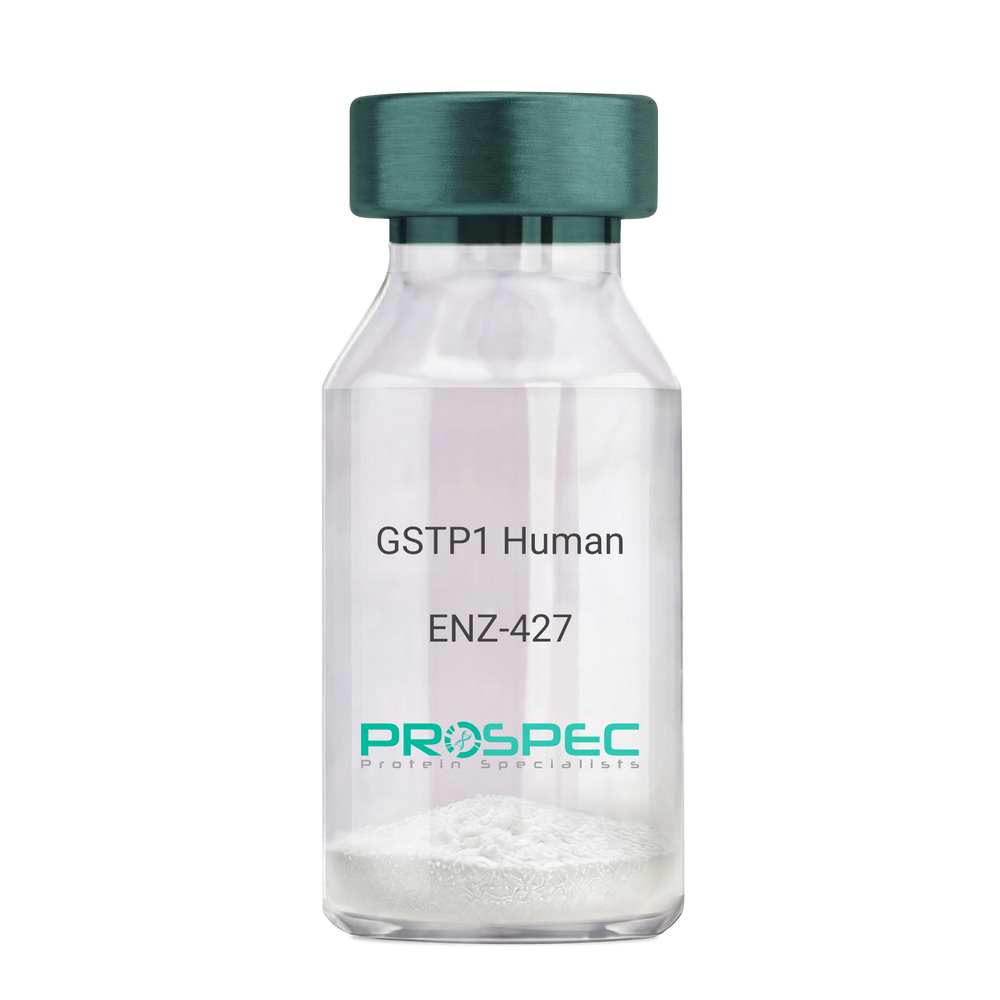
  • View Data Sheet

    Name :

    GSTP1 Human

    Description:

    Glutathione S-Transferase pi 1 Human Recombinant

    Glutathione S-transferase P, GST class-pi, GSTP1-1, GSTP1, FAEES3, GST3, PI, DFN7.

    Product # :

    ENZ-427

    Price :

    Quantity :

    Shipping Method :

    Ice Icon

    Shipped with Ice Packs

    Add To Cart

    More Info

    • description
    • source
    • formulation
    • purity
    • biological activity
    • More Info

    Description

    GSTP1 Human Recombinant fused with 36 amino acid His tag at N-terminus produced in E.Coli is a single, non-glycosylated, polypeptide chain containing 246 amino acids (1-210 a.a.) And having a molecular mass of 27.4kDa. The GSTP1 is purified by proprietary chromatographic techniques.

    Source

    Escherichia Coli.

    Formulation

    The GSTP1 solution (0.5mg/ml) contains 20mM Tris-HCl buffer (pH7.0), 30% glycerol, 1mM EDTA and 0.1mM PMSF.

    Purity

    Greater than 95.0% as determined by SDS-PAGE.

    Biological Activity

    Specific activity is > 80 units/mg, and is defined as the amount of enzyme that conjugate 1.0 u mole of 1-chloro-2,4-dinitrobenzene (CDNB) with reduced glutathione per minute at pH 6.5 at 25°C.

    More Info

    • Introduction

      GSTP1 is a polymorphic gene encoding active, functionally different GSTP1 variant proteins that are believed to function in xenobiotic metabolism and have a part in susceptibility to cancer, and other diseases. GSTP1 is a glutathione S-transferase belonging to the pi class. GST family enzymes play a significant role in detoxification by catalyzing the conjugation of many hydrophobic and electrophilic compounds with reduced glutathione. Based upon the biochemical, immunologic and structural properties of the soluble GSTs they are grouped into 4 main classes: alpha, mu, pi, and theta. The GSTP1 enzyme acts by catalyzing the reaction of glutathione with an acceptor molecule to form a Sulfur-substituted glutathione. The reactions employing glutathione contribute the transformation of a broad range of electrophiles, including reactive products of lipid, protein, carcinogens, therapeutic drugs, environmental toxins, and products of oxidative stress.
      The GSTP1 inactivation through CpG hypermethylation is frequent in pituitary adenomas and may be a factor in aggressive pituitary tumor behavior. GSTP1 is may be a transcriptional target of the p53 tumor suppressor gene. Single-nucleotide polymorphism in GSTP1 is linked to modified protein binding, which influence GSTP1's contribution to carcinogen and drug metabolism, and possibly disease pathogenesis and/or drug response. GST-pi might have central roles in proliferation of androgen-independent human prostate cancer cells.

    • Synonyms

      Glutathione S-transferase P, GST class-pi, GSTP1-1, GSTP1, FAEES3, GST3, PI, DFN7.

    • Physical Appearance

      Sterile Filtered colorless solution.

    • Stability

      Store at 4°C if entire vial will be used within 2-4 weeks. Store, frozen at -20°C for longer periods of time. For long term storage it is recommended to add a carrier protein (0.1% HSA or BSA). Avoid multiple freeze-thaw cycles.

    • Amino Acid Sequence

      MRGSHHHHHH GMASMTGGQQ MGRDLYDDDD KDRWGSMPPY TVVYFPVRGR CAALRMLLAD QGQSWKEEVV TVETWQEGSL KASCLYGQLP KFQDGDLTLY QSNTILRHLG RTLGLYGKDQ QEAALVDMVN DGVEDLRCKY ISLIYTNYEA GKDDYVKALP GQLKPFETLL SQNQGGKTFI VGDQISFADY NLLDLLLIHE VLAPGCLDAF PLLSAYVGRL SARPKLKAFL ASPEYVNLPI NGNGKQ.

    ProSpec's products are furnished for LABORATORY RESEARCH USE ONLY. The product may not be used as drugs, agricultural or pesticidal products, food additives or household chemicals.

    Gstp1 Human
  • View Data Sheet

    Name :

    PLA2G2E Human

    Description:

    Secreted Phospholipase A2-IIE Human Recombinant

    Group IIE secretory phospholipase A2, EC 3.1.1.4, Phosphatidylcholine 2-acylhydrolase GIIE, GIIE sPLA2, sPLA(2)-IIE, sPLA2-IIE, PLA2G2E.

    Product # :

    ENZ-327

    Price :

    Quantity :

    Shipping Method :

    Room Temp Icon

    Shipped at Room temp

    Add To Cart

    More Info

    • description
    • source
    • formulation
    • purity
    • More Info

    Description

    Secreted Phospholipase A2-IIE Human Recombinant manufactured with N-terminal His-Tag. PLA2G2E His-Tagged Fusion Protein is 15.8 kDa protein containing 123 amino acid residues of the human secreted phospholipase A2-IIE and 16 additional amino acid residues – His-Tag (underlined).

    Source

    Escherichia Coli.

    Formulation

    Sterile filtered and lyophilized from 0.5 mg/ml in 0.05M Acetate buffer pH-4.

    Purity

    Greater than 95% as determined by SDS PAGE.

    More Info

    • Introduction

      Phospholipase A2 (PLA2) catalyzes the hydrolysis of the sn-2 position of membrane glycerophospholipids to liberate arachidonic acid (AA), a precursor of eicosanoids including prostaglandins and leukotrienes. The same reaction also produces lysophosholipids, which represent another class of lipid mediators.
      The secretory PLA2 (sPLA2) family, in which 10 isozymes have been identified, consists of low molecular weight, Ca2+-requiring secretory enzymes that have been implicated in a number of biological processes, such as modification of eicosanoid generation, inflammation, and host defense.This enzyme has been proposed to hydrolyze phosphatidylcholine (PC) in lipoproteins to liberate lyso-PC and free fatty acids in the arterial wall, thereby facilitating the accumulation of bioactive lipids and modified lipoproteins in atherosclerotic foci.
      In mice, sPLA2 expression significantly influences HDL particle size and composition and demonstrate that an induction of sPLA2 is required for the decrease in plasma HDL cholesterol in response to inflammatory stimuli. Instillation of bacteria into the bronchi was associated with surfactant degradation and a decrease in large:small ratio of surfactant aggregates in rats.

    • Synonyms

      Group IIE secretory phospholipase A2, EC 3.1.1.4, Phosphatidylcholine 2-acylhydrolase GIIE, GIIE sPLA2, sPLA(2)-IIE, sPLA2-IIE, PLA2G2E.

    • Physical Appearance

      Sterile Filtered lyophilized (freeze-dried) powder.

    • Stability

      Store lyophilized protein at -20°C. Aliquot the product after reconstitution to avoid repeated freezing/thawing cycles. Reconstituted protein can be stored at 4°C for a limited period of time; it does not show any change after two weeks at 4°C.

    • Solubility

      Add 0.2 ml of 0.1M Acetate buffer pH-4 and let the lyophilized pellet dissolve completely. For conversion into higher pH value, we recommend intensive dilution by relevant buffer to a concentration of 10 μg/ml. In higher concentrations the solubility of this antigen is limited.

    • Amino Acid Sequence

      MRGSHHHHHH GMASHMNLVQ FGVMIEKMTG KSALQYNDYG CYCGIGGSHW PVDQTDWCCH AHDCCYGRLE KLGCEPKLEK YLFSVSERGI FCAGRTTCQR LTCECDKRAA LCFRRNLGTY NRKYAHYPNK LCTGPTPPC

    ProSpec's products are furnished for LABORATORY RESEARCH USE ONLY. The product may not be used as drugs, agricultural or pesticidal products, food additives or household chemicals.

    Pla2G2E Human
  • View Data Sheet

    Name :

    CKBB Human

    Description:

    Creatine Kinase Brain Human Recombinant

    Creatine kinase B-type, B-CK, BCK, CKBB, HEL-211, HEL-S-29, CKB, EC 2.7.3.2, Creatine kinase B chain, CKB, CKBB, CKBBI.

    Product # :

    PKA-089

    Price :

    Quantity :

    Shipping Method :

    Ice Icon

    Shipped with Ice Packs

    Add To Cart

    More Info

    • description
    • source
    • formulation
    • purity
    • More Info

    Description

    CKBB Human Recombinant produced in E.Coli is a single, non-glycosylated polypeptide chain containing 381 amino acids (1-381a.a) and having a molecular mass of 42.6kDa. CKB is purified by proprietary chromatographic techniques.

    Source

    E.coli.

    Formulation

    CKBB solution (1mg/ml) contains 20mM Tris-Hcl Buffer (pH 8.0), 10% glycerol and 1mM DTT.

    Purity

    CKBB purity was found to be greater than 90% as determined by SDS-PAGE.

    More Info

    • Introduction

      Creatine Kinase BB is a cytoplasmic enzyme involved in energy homeostasis. The encoded protein reversibly catalyzes the transfer of phosphate between ATP and various phosphogens such as creatine phosphate. It acts as a homodimer in brain as well as in other tissues, and as a heterodimer with a similar muscle isozyme in heart. The encoded protein is a member of the ATP:guanido phosphotransferase protein family. A pseudogene of this gene has been characterized.

    • Synonyms

      Creatine kinase B-type, B-CK, BCK, CKBB, HEL-211, HEL-S-29, CKB, EC 2.7.3.2, Creatine kinase B chain, CKB, CKBB, CKBBI.

    • Physical Appearance

      Sterile Filtered colorless solution.

    • Stability

      Store at 4°C if entire CKBB vial will be used within 2-4 weeks. Store, frozen at -20°C for longer periods of time. For long term storage it is recommended to add a carrier protein (0.1% HSA or BSA).Avoid multiple freeze-thaw cycles.

    • Amino Acid Sequence

      MPFSNSHNAL KLRFPAEDEF PDLSAHNNHM AKVLTPELYA ELRAKSTPSG FTLDDVIQTG VDNPGHPYIM TVGCVAGDEE SYEVFKDLFD PIIEDRHGGY KPSDEHKTDL NPDNLQGGDD LDPNYVLSSR VRTGRSIRGF CLPPHCSRGE RRAIEKLAVE ALSSLDGDLA GRYYALKSMT EAEQQQLIDD HFLFDKPVSP LLLASGMARD WPDARGIWHN DNKTFLVWVN EEDHLRVISM QKGGNMKEVF TRFCTGLTQI ETLFKSKDYE FMWNPHLGYI LTCPSNLGTG LRAGVHIKLP NLGKHEKFSE VLKRLRLQKR GTGGVDTAAV GGVFDVSNAD RLGFSEVELV QMVVDGVKLL IEMEQRLEQG QAIDDLMPAQ K.

    ProSpec's products are furnished for LABORATORY RESEARCH USE ONLY. The product may not be used as drugs, agricultural or pesticidal products, food additives or household chemicals.

    Human Ckb
  • View Data Sheet

    Name :

    KLK13 Human

    Description:

    Kallikrein-13 Human Recombinant

    Kallikrein-13, KLK-L4, KLKL4, Kallikrein-like protein 4.

    Product # :

    ENZ-846

    Price :

    Quantity :

    Shipping Method :

    Ice Icon

    Shipped with Ice Packs

    Add To Cart

    More Info

    • description
    • source
    • formulation
    • purity
    • More Info

    Description

    KLK13 Human Recombinant produced in E.Coli is a single, non-glycosylated polypeptide chain containing 284 amino acids (17-277 a.a) and having a molecular mass of 31.3kDa.KLK13 is fused to a 23 amino acid His-tag at N-terminus & purified by proprietary chromatographic techniques.

    Source

    Escherichia Coli.

    Formulation

    KLK13 protein solution (0.25mg/ml) containing 20mM Tris-HCl (pH8.0) and 10% glycerol.

    Purity

    Greater than 90.0% as determined by SDS-PAGE.

    More Info

    • Introduction

      Kallikreins are a subgroup of serine proteases having various physiological functions. Many kallikreins are implicated in carcinogenesis and some have potential of becoming novel cancer and other disease biomarkers. Kallikrein-13 (KLK13) is one of the fifteen kallikrein subfamily members located in a cluster on chromosome 19. KLK13 gene expression is regulated by steroid hormones and may be useful as a marker for breast cancer.

    • Synonyms

      Kallikrein-13, KLK-L4, KLKL4, Kallikrein-like protein 4.

    • Physical Appearance

      Sterile Filtered colorless solution.

    • Stability

      Store at 4°C if entire vial will be used within 2-4 weeks. Store, frozen at -20°C for longer periods of time. For long term storage it is recommended to add a carrier protein (0.1% HSA or BSA).Avoid multiple freeze-thaw cycles.

    • Amino Acid Sequence

      MGSSHHHHHH SSGLVPRGSH MGSGGVSQES SKVLNTNGTS GFLPGGYTCF PHSQPWQAAL LVQGRLLCGG VLVHPKWVLT AAHCLKEGLK VYLGKHALGR VEAGEQVREV VHSIPHPEYR RSPTHLNHDH DIMLLELQSP VQLTGYIQTL PLSHNNRLTP GTTCRVSGWG TTTSPQVNYP KTLQCANIQL RSDEECRQVY PGKITDNMLC AGTKEGGKDS CEGDSGGPLV CNRTLYGIVS WGDFPCGQPD RPGVYTRVSR YVLWIRETIR KYETQQQKWL KGPQ.

    ProSpec's products are furnished for LABORATORY RESEARCH USE ONLY. The product may not be used as drugs, agricultural or pesticidal products, food additives or household chemicals.

    Klk13 Human
  • View Data Sheet

    Name :

    ENPP1 Mouse

    Description:

    Ectonucleotide Pyrophosphatase Mouse Recombinant

    Ectonucleotide pyrophosphatase/phosphodiesterase family member 1, E-NPP 1, Membrane component chromosome 6 surface marker 1, Phosphodiesterase I/nucleotide pyrophosphatase 1, Plasma-cell membrane glycoprotein PC-1, ENPP1, M6S1, NPPS, PC1, PDNP1, NPP1, PC-1, PCA1, ARHR2, COLED.

    Product # :

    ENZ-1193

    Price :

    Quantity :

    Shipping Method :

    Room Temp Icon

    Shipped at Room temp

    Add To Cart

    More Info

    • description
    • source
    • formulation
    • purity
    • More Info

    Description

    ENPP1 Mouse Recombinant produced in HEK cells is a single, glycosylated, polypeptide chain containing 828 amino acids (Lys85-Glu906) and having a molecular mass of 95.2kDa. ENPP1 Mouse is fused to a 6 a.a his tag at C-Terminus and is purified by proprietary chromatographic techniques.

    Source

    HEK 293.

    Formulation

    The filtered (0.4µm) concentrated protein solution was lyophilized with PBS, PH 7.5.

    Purity

    Greater than 95.0% as determined by SDS-PAGE.

    More Info

    • Synonyms

      Ectonucleotide pyrophosphatase/phosphodiesterase family member 1, E-NPP 1, Membrane component chromosome 6 surface marker 1, Phosphodiesterase I/nucleotide pyrophosphatase 1, Plasma-cell membrane glycoprotein PC-1, ENPP1, M6S1, NPPS, PC1, PDNP1, NPP1, PC-1, PCA1, ARHR2, COLED.

    • Physical Appearance

      Filtered White lyophilized (freeze-dried) powder.

    • Stability

      Store lyophilized protein at -20°C. Aliquot the product after reconstitution to avoid repeated freezing/thawing cycles. Reconstituted protein can be stored at 4°C for a limited period of time.

    • Solubility

      It is recommended to add deionized water to a working concentration of 0.5mg/ml and let the lyophilized pellet dissolve completely.

    • Amino Acid Sequence

      KEVKSCKGRC FERTFSNCRC DAACVSLGNC CLDFQETCVE PTHIWTCNKF RCGEKRLSRF VCSCADDCKT HNDCCINYSS VCQDKKSWVE ETCESIDTPE CPAEFESPPT LLFSLDGFRA EYLHTWGGLL PVISKLKNCG TYTKNMRPMY PTKTFPNHYS IVTGLYPESH GIIDNKMYDP KMNASFSLKS KEKFNPLWYK GQPIWVTANH QEVKSGTYFW PGSDVEIDGI LPDIYKVYNG SVPFEERILA VLEWLQLPSH ERPHFYTLYL EEPDSSGHSH GPVSSEVIKA LQKVDRLVGM LMDGLKDLGL DKCLNLILIS DHGMEQGSCK KYVYLNKYLG DVNNVKVVYG PAARLRPTDV PETYYSFNYE ALAKNLSCRE PNQHFRPYLK PFLPKRLHFA KSDRIEPLTF YLDPQWQLAL NPSERKYCGS GFHGSDNLFS NMQALFIGYG PAFKHGAEVD SFENIEVYNL MCDLLGLIPA PNNGSHGSLN HLLKKPIYNP SHPKEEGFLS QCPIKSTSND LGCTCDPWIV PIKDFEKQLN LTTEDVDDIY HMTVPYGRPR ILLKQHHVCL LQQQQFLTGY SLDLLMPLWA SYTFLRNDQF SRDDFSNCLY QDLRIPLSPV HKCSYYKSNS KLSYGFLTPP RLNRVSNHIY SEALLTSNIV PMYQSFQVIW HYLHDTLLQR YAHERNGINV VSGPVFDFDY DGRYDSLEIL KQNSRVIRSQ EILIPTHFFI VLTSCKQLSE TPLECSALES SAYILPHRPD NIESCTHGKR ESSWVEELLT LHRARVTDVE LITGLSFYQD RQESVSELLR LKTHLPIFSQ EDHHHHHH.

    • Background

      Ectonucleotide pyrophosphatase/phosphodiesterase 1 (ENPP1) is an enzyme with multifaceted roles in cellular metabolism, bone mineralization, and insulin signaling. Research utilizing mouse models has been pivotal in elucidating the complex biology of ENPP1 and its implications for various physiological processes and disease states. This study aims to provide a comprehensive exploration of ENPP1 in mouse physiology, shedding light on its diverse functions and potential applications in understanding metabolic health and disease mechanisms.

      The primary objective of this research is to elucidate the impact of ENPP1 in mouse models on metabolic health. In vivo experiments using genetically modified mice with altered ENPP1 expression or activity will be conducted to investigate how ENPP1 influences glucose homeostasis, insulin sensitivity, and lipid metabolism. Understanding these mechanisms is fundamental for deciphering the role of ENPP1 in metabolic diseases such as diabetes and obesity.

      The second objective is to assess the clinical relevance of ENPP1 in mouse models of bone health. Mouse models of skeletal disorders will be employed to explore how ENPP1 affects bone mineralization, density, and remodeling. These investigations may provide valuable insights into potential therapeutic strategies targeting ENPP1 in bone-related diseases.

      The third objective is to explore the broader implications of ENPP1 in mouse physiology, including its effects on vascular health, inflammation, and tissue repair. Research will investigate its roles in vascular calcification, inflammation resolution, and tissue regeneration. Understanding the multifaceted properties of ENPP1 in mouse models may open new avenues for therapeutic interventions in various metabolic and chronic disease contexts.

      By delving into the diverse functions of ENPP1 in mouse physiology, this research aims to expand our knowledge of its physiological roles and clinical applications. The findings may contribute to the development of targeted interventions for metabolic diseases, bone disorders, and other conditions influenced by ENPP1.

    ProSpec's products are furnished for LABORATORY RESEARCH USE ONLY. The product may not be used as drugs, agricultural or pesticidal products, food additives or household chemicals.

    Enpp1 Mouse
  • View Data Sheet

    Name :

    PSMB5 Human

    Description:

    Proteasome Subunit Beta Type 5 Human Recombinant

    Proteasome subunit beta type-5, Macropain epsilon chain, Multicatalytic endopeptidase complex epsilon chain, Proteasome chain 6, Proteasome epsilon chain, Proteasome subunit MB1, Proteasome subunit X, PSMB5, LMPX, MB1, X, MGC104214.

    Product # :

    ENZ-050

    Price :

    Quantity :

    Shipping Method :

    Ice Icon

    Shipped with Ice Packs

    Add To Cart

    More Info

    • description
    • source
    • formulation
    • purity
    • More Info

    Description

    PSMB5 Human Recombinant fused with a 36 amino acid His tag at N-terminus produced in E.Coli is a single, non-glycosylated, polypeptide chain containing 241 amino acids (60-263 a.a.) and having a molecular mass of 26.7kDa. The PSMB5 is purified by proprietary chromatographic techniques.

    Source

    Escherichia Coli.

    Formulation

    The PSMB5 solution (0.25mg/ml) contains 20mM Tris-HCl buffer (pH 8.0), 20% glycerol, 5mM DTT and 0.2M NaCl.

    Purity

    Greater than 90.0% as determined by SDS-PAGE.

    More Info

    • Introduction

      PSMB5 belongs to the proteasome B-type family that has a 20S core beta subunit in the proteasome. This catalytic subunit is not present in the immunoproteasome and is substituted by catalytic subunit 3i (proteasome beta 8 subunit). A fundamental function of a modified proteasome, the immunoproteasome, is the processing of class I MHC peptides. PSMB5 exhibits an ATP dependent proteolytic activity and is involved in an ATP/ubiquitin dependent non lysosomal proteolytic pathway.

    • Synonyms

      Proteasome subunit beta type-5, Macropain epsilon chain, Multicatalytic endopeptidase complex epsilon chain, Proteasome chain 6, Proteasome epsilon chain, Proteasome subunit MB1, Proteasome subunit X, PSMB5, LMPX, MB1, X, MGC104214.

    • Physical Appearance

      Sterile Filtered colorless solution.

    • Stability

      Store at 4°C if entire vial will be used within 2-4 weeks. Store, frozen at -20°C for longer periods of time. For long term storage it is recommended to add a carrier protein (0.1% HSA or BSA).Avoid multiple freeze-thaw cycles.

    • Amino Acid Sequence

      MRGSHHHHHH GMASMTGGQQ MGRDLYDDDD KDRWGSMTTT LAFKFRHGVI VAADSRATAG AYIASQTVKK VIEINPYLLG TMAGGAADCS FWERLLARQC RIYELRNKER ISVAAASKLL ANMVYQYKGM GLSMGTMICG WDKRGPGLYY VDSEGNRISG ATFSVGSGSV YAYGVMDRGY SYDLEVEQAY DLARRAIYQA TYRDAYSGGA VNLYHVREDG WIRVSSDNVA DLHEKYSGST P.

    ProSpec's products are furnished for LABORATORY RESEARCH USE ONLY. The product may not be used as drugs, agricultural or pesticidal products, food additives or household chemicals.

    Psmb5 Human
  • 1
  • …
  • 38
  • 39
  • 40
  • 41
  • 42
Your browser does not support the video tag.

Products

  • Cytokines
  • Growth Factors
  • Chemokines
  • CD Antigens
  • Neurotrophins
  • Hormones
  • Enzymes
  • Viral Antigens
  • Recombinant Proteins
  • Natural Proteins
  • Monoclonal Antibodies
  • Polyclonal Antibodies
  • Thermal Packaging

About

  • Company
  • Founder
  • Contribution
  • Contact Us
  • My Account

Ordering

  • Ordering Method
  • Ordering - Credit Card
  • Ordering PO
  • Shipping Fees
  • FAQ's

Legal

  • Terms & Conditions
  • Privacy
  • Site Map
  • info@prospecbio.com
  • Facebook
  • Instagram
  • Linkedin Profile

© 2026 ProSpec-Tany TechnoGene Ltd. All Rights Reserved.

  • Choosing a selection results in a full page refresh.
  • Opens in a new window.