Skip to content

High-quality research proteins.

  • 1-800-805-6531

  • Mon - Sat 8.00-18.00, Sun - Closed

  • info@prospecbio.com

  • PO Box 6591 East Brunswick NJ 08816

  • Products
    • Cytokines
    • Growth factors
    • Chemokines
    • Cd antigens
    • Neurotrophins
    • Hormones
    • Enzymes
    • Viral antigens
    • Recombinant proteins
    • Natural proteins
    • Monoclonal antibodies
    • Polyclonal antibodies
    • Thermal Packaging
  • About
    • Company
    • Founder
    • Contribution
  • Customers
    • Eastern Asia
    • Eastern Europe
    • North America
    • South America
    • South East Asia
    • Southern Asia
    • Western Europe
  • Ordering
    • Ordering Method
    • Ordering - Credit Card
    • Ordering - PO
    • Shipping Fees
    • FAQs
  • Services
    • DNA Cloning
    • Protein Expression
    • Monoclonal Antibody
    • Fermentation
    • Technology License
  • Contact us
Log in

Country/region

  • USD $ | Albania
  • USD $ | Andorra
  • USD $ | Argentina
  • USD $ | Armenia
  • USD $ | Australia
  • USD $ | Austria
  • USD $ | Azerbaijan
  • USD $ | Belarus
  • USD $ | Belgium
  • USD $ | Bolivia
  • USD $ | Brazil
  • USD $ | Bulgaria
  • USD $ | Cambodia
  • USD $ | Canada
  • USD $ | Chile
  • USD $ | China
  • USD $ | Colombia
  • USD $ | Costa Rica
  • USD $ | Croatia
  • USD $ | Cyprus
  • USD $ | Czechia
  • USD $ | Denmark
  • USD $ | Estonia
  • USD $ | Finland
  • USD $ | France
  • USD $ | Georgia
  • USD $ | Germany
  • USD $ | Greece
  • USD $ | Hong Kong SAR
  • USD $ | Hungary
  • USD $ | Iceland
  • USD $ | India
  • USD $ | Ireland
  • USD $ | Israel
  • USD $ | Italy
  • USD $ | Japan
  • USD $ | Kazakhstan
  • USD $ | Latvia
  • USD $ | Liechtenstein
  • USD $ | Lithuania
  • USD $ | Madagascar
  • USD $ | Malta
  • USD $ | Mexico
  • USD $ | Moldova
  • USD $ | Monaco
  • USD $ | Netherlands
  • USD $ | New Zealand
  • USD $ | North Macedonia
  • USD $ | Norway
  • USD $ | Panama
  • USD $ | Paraguay
  • USD $ | Peru
  • USD $ | Philippines
  • USD $ | Poland
  • USD $ | Portugal
  • USD $ | Romania
  • USD $ | Singapore
  • USD $ | Slovakia
  • USD $ | Slovenia
  • USD $ | South Africa
  • USD $ | South Korea
  • USD $ | Spain
  • USD $ | Sri Lanka
  • USD $ | Sweden
  • USD $ | Switzerland
  • USD $ | Taiwan
  • USD $ | Thailand
  • USD $ | Türkiye
  • USD $ | Ukraine
  • USD $ | United Kingdom
  • USD $ | United States
  • USD $ | Uruguay
  • USD $ | Vatican City
  • USD $ | Venezuela
  • USD $ | Vietnam
  • Facebook
  • Instagram
logoProSpec - Recombinant Protein Manufacturer for academic and R&D industry
Become a distributor
Account Log in
Wishlist
Cart Cart(0)
  • Products
    +
    • Cytokines
    • Growth factors
    • Chemokines
    • Cd antigens
    • Neurotrophins
    • Hormones
    • Enzymes
    • Viral antigens
    • Recombinant proteins
    • Natural proteins
    • Monoclonal antibodies
    • Polyclonal antibodies
    • Thermal Packaging
  • About
    +
    • Company
    • Founder
    • Contribution
  • Customers
    +
    • Eastern Asia
    • Eastern Europe
    • North America
    • South America
    • South East Asia
    • Southern Asia
    • Western Europe
  • Ordering
    +
    • Ordering Method
    • Ordering - Credit Card
    • Ordering - PO
    • Shipping Fees
    • FAQs
  • Services
    +
    • DNA Cloning
    • Protein Expression
    • Monoclonal Antibody
    • Fermentation
    • Technology License
  • Contact us

Item added to your cart

View cart
View All
  • Cytokines
  • Growth factors
  • Chemokines
  • Cd antigens
  • Neurotrophins
  • Hormones
  • Enzymes
  • Viral antigens
  • Recombinant proteins
  • Natural proteins
  • Monoclonal antibodies
  • Polyclonal antibodies
  • Thermal Packaging
  • Tumor Necrosis Factor

    Tumor Necrosis Factor

    View All
  • 4-1BB

    4-1BB

    View All
  • Adiponectin

    Adiponectin

    View All
  • AIF1

    AIF1

    View All
  • Other Cytokines

    Other Cytokines

    View All
  • AITRL

    AITRL

    View All
  • Angiopoietin

    Angiopoietin

    View All
  • Apolipoprotein

    Apolipoprotein

    View All
  • B-Cell Activating Factor

    B-Cell Activating Factor

    View All
  • Beta Defensin

    Beta Defensin

    View All
  • Bone Morphogenetic Protein

    Bone Morphogenetic Protein

    View All
  • B type Natriuretic Peptide

    B type Natriuretic Peptide

    View All
  • BST

    BST

    View All
  • Betacellulin

    Betacellulin

    View All
  • Cardiotrophin

    Cardiotrophin

    View All
  • Activin

    Activin

    View All
  • Fibroblast Growth Factor

    Fibroblast Growth Factor

    View All
  • Other Growth Factors

    Other Growth Factors

    View All
  • CSF

    CSF

    View All
  • CTGF

    CTGF

    View All
  • IGFBP

    IGFBP

    View All
  • VEGF Protein

    VEGF Protein

    View All
  • EGF

    EGF

    View All
  • Epigen

    Epigen

    View All
  • Erythropoietin

    Erythropoietin

    View All
  • Insulin-Like Growth Factor

    Insulin-Like Growth Factor

    View All
  • Growth Hormone

    Growth Hormone

    View All
  • HDGF

    HDGF

    View All
  • Hepatocyte Growth Factor

    Hepatocyte Growth Factor

    View All
  • Insulin

    Insulin

    View All
  • BCA-1/ BLC (CXCL13)

    BCA-1/ BLC (CXCL13)

    View All
  • BRAK (CXCL14)

    BRAK (CXCL14)

    View All
  • C-10 (CCL6)

    C-10 (CCL6)

    View All
  • Other Chemokines

    Other Chemokines

    View All
  • MEC (CCL28)

    MEC (CCL28)

    View All
  • LD78-beta (CCL3L1)

    LD78-beta (CCL3L1)

    View All
  • CTACK (CCL27)

    CTACK (CCL27)

    View All
  • CXCL16

    CXCL16

    View All
  • CXCL17

    CXCL17

    View All
  • Platelet Factor-4 (CXCL4)

    Platelet Factor-4 (CXCL4)

    View All
  • ENA-78 (CXCL5)

    ENA-78 (CXCL5)

    View All
  • Eotaxin (CCL11,24,26)

    Eotaxin (CCL11,24,26)

    View All
  • Exodus-2 (CCL21)

    Exodus-2 (CCL21)

    View All
  • Fractalkine (CX3CL1)

    Fractalkine (CX3CL1)

    View All
  • CXCL6

    CXCL6

    View All
  • Other CD Antigens

    Other CD Antigens

    View All
  • CD14

    CD14

    View All
  • CD164

    CD164

    View All
  • CD1

    CD1

    View All
  • CD2

    CD2

    View All
  • CD200

    CD200

    View All
  • CD207

    CD207

    View All
  • CD226

    CD226

    View All
  • CD23

    CD23

    View All
  • CD244

    CD244

    View All
  • CD247

    CD247

    View All
  • CD27

    CD27

    View All
  • CD274

    CD274

    View All
  • CD300

    CD300

    View All
  • CD33

    CD33

    View All
  • Other Neurotrophins

    Other Neurotrophins

    View All
  • Beta-NGF

    Beta-NGF

    View All
  • BDNF

    BDNF

    View All
  • CDNF

    CDNF

    View All
  • CNTF

    CNTF

    View All
  • GDNF

    GDNF

    View All
  • Glia Maturation Factor

    Glia Maturation Factor

    View All
  • MANF

    MANF

    View All
  • Midkine

    Midkine

    View All
  • Neuroglobin

    Neuroglobin

    View All
  • Neurotrophic factors

    Neurotrophic factors

    View All
  • Neuregulin

    Neuregulin

    View All
  • Neuropilin

    Neuropilin

    View All
  • Pigment Epithelium-Derived Factor

    Pigment Epithelium-Derived Factor

    View All
  • Pleiotrophin

    Pleiotrophin

    View All
  • Peptide Hormones

    Peptide Hormones

    View All
  • Other Hormones

    Other Hormones

    View All
  • HCG

    HCG

    View All
  • Endothelin

    Endothelin

    View All
  • Exendin

    Exendin

    View All
  • FSH

    FSH

    View All
  • Glucagon

    Glucagon

    View All
  • GHRP

    GHRP

    View All
  • GLP

    GLP

    View All
  • Thyrostimulin

    Thyrostimulin

    View All
  • Inhibin A

    Inhibin A

    View All
  • LHRH

    LHRH

    View All
  • Melanotan

    Melanotan

    View All
  • Procalcitonin

    Procalcitonin

    View All
  • PTH

    PTH

    View All
  • Peroxiredoxin

    Peroxiredoxin

    View All
  • Peptidase

    Peptidase

    View All
  • Synthetase

    Synthetase

    View All
  • Transferase

    Transferase

    View All
  • Hydrolase

    Hydrolase

    View All
  • Dehydrogenase

    Dehydrogenase

    View All
  • ACE2

    ACE2

    View All
  • Esterase

    Esterase

    View All
  • Protein Kinases

    Protein Kinases

    View All
  • Other Enzymes

    Other Enzymes

    View All
  • Phosphatase

    Phosphatase

    View All
  • Deaminase

    Deaminase

    View All
  • Oxygenase

    Oxygenase

    View All
  • Adenylate Kinase

    Adenylate Kinase

    View All
  • Lyase

    Lyase

    View All
  • Chagas

    Chagas

    View All
  • SARS

    SARS

    View All
  • Influenza

    Influenza

    View All
  • ASFV

    ASFV

    View All
  • Astrovirus

    Astrovirus

    View All
  • Borrelia

    Borrelia

    View All
  • Helicobacter Pylori

    Helicobacter Pylori

    View All
  • Chikungunya

    Chikungunya

    View All
  • Chlamydia

    Chlamydia

    View All
  • Cytomegalo

    Cytomegalo

    View All
  • Dengue

    Dengue

    View All
  • EBV

    EBV

    View All
  • Ebola

    Ebola

    View All
  • Feline Leukemia Virus

    Feline Leukemia Virus

    View All
  • Hepatitis A

    Hepatitis A

    View All
  • Other

    Other

    View All
  • Actin

    Actin

    View All
  • ADAM

    ADAM

    View All
  • Complement Component

    Complement Component

    View All
  • Ag85

    Ag85

    View All
  • Eukaryotic Translation Initiation Factor

    Eukaryotic Translation Initiation Factor

    View All
  • Anterior Gradient Protein

    Anterior Gradient Protein

    View All
  • Heat Shock Protein

    Heat Shock Protein

    View All
  • Alpha-2-HS-Glycoprotein

    Alpha-2-HS-Glycoprotein

    View All
  • Hemoglobin

    Hemoglobin

    View All
  • Allergy

    Allergy

    View All
  • Anaplasma

    Anaplasma

    View All
  • Angiogenin

    Angiogenin

    View All
  • Ankyrin Repeat Domain

    Ankyrin Repeat Domain

    View All
  • Annexin

    Annexin

    View All
  • Other Natural Proteins

    Other Natural Proteins

    View All
  • Aprotinin

    Aprotinin

    View All
  • Transferrin

    Transferrin

    View All
  • Avidin

    Avidin

    View All
  • Anti Coagulation Factors

    Anti Coagulation Factors

    View All
  • Natural Albumin

    Natural Albumin

    View All
  • Natural Coagulation Factors

    Natural Coagulation Factors

    View All
  • Fibronectin

    Fibronectin

    View All
  • Thrombin

    Thrombin

    View All
  • Anti Human Enzyme

    Anti Human Enzyme

    View All
  • Other Monoclonal Antibodies

    Other Monoclonal Antibodies

    View All
  • Anti Human Cytokine

    Anti Human Cytokine

    View All
  • Anti Human Heat Shock Protein

    Anti Human Heat Shock Protein

    View All
  • Anti Mouse Lymphocyte

    Anti Mouse Lymphocyte

    View All
  • Anti Human Chemokine

    Anti Human Chemokine

    View All
  • Anti Human Lymphocyte

    Anti Human Lymphocyte

    View All
  • Anti Viral Monoclonal

    Anti Viral Monoclonal

    View All
  • Anti Mouse Cytokine

    Anti Mouse Cytokine

    View All
  • Anti-GST Monoclonal

    Anti-GST Monoclonal

    View All
  • Other Polyclonal Antibodies

    Other Polyclonal Antibodies

    View All
  • Anti Viral

    Anti Viral

    View All
  • Anti-GST Monoclonal

    Anti-GST Monoclonal

    View All
Back

Search results

1000 results found for “Killer Cell”

Name

Description

Product #

Price

Quantity

Shipping Method

  • View Data Sheet

    Name :

    Bcl XL Mouse

    Description:

    B-Cell Leukemia/Lymphoma XL Mouse Recombinant

    BclXL, Bcl-X(L), Bcl-XL.

    Product # :

    PRO-1362

    Price :

    Quantity :

    Shipping Method :

    Room Temp Icon

    Shipped at Room temp

    Add To Cart

    More Info

    • description
    • source
    • formulation
    • purity
    • More Info

    Description

    Bcl-XL Mouse Recombinant produced in E.Coli is a single, non-glycosylated polypeptide chain containing 211 amino acids, having an MW of 23.7kDa.The Bcl-XL is purified by proprietary chromatographic techniques.

    Source

    Escherichia Coli.

    Formulation

    Bcl-XL Mouse was lyophilized from a 0.2µm filtered concentrated solution in 1×PBS, pH 7.4 and 5% Trehalose.

    Purity

    Greater than 97.0% as determined by:
    (a) Analysis by RP-HPLC.
    (b) Analysis by SDS-PAGE.

    More Info

    • Introduction

      Bcl-XL is a transmembrane protein located in the mitochondrial membranes of cells that are long-lived and postmitotic, such as adult brain cells. It plays arole in the signal transduction pathway of the FAS-Ligand. Bcl-XL is an anti-apoptotic protein which is a member of the Bcl-2 family which are able to form heterodimers, and this is an significant event in the regulation of apoptosis. BCL-XL is involved in the survival of cancer cells.
      Bcl-xL is the leading monitor of apoptosis/active cell suicide. Bcl-xL has cell death repressor activity and therefore acts as a survival protein.

    • Synonyms

      BclXL, Bcl-X(L), Bcl-XL.

    • Physical Appearance

      Sterile Filtered White lyophilized (freeze-dried) powder.

    • Stability

      Lyophilized Bcl-XL although stable at room temperature for 3 weeks, should be stored desiccated below -18°C. Upon reconstitution Bcl-XL should be stored at 4°C between 2-7 days and for future use below -18°C.For long term storage it is recommended to add a carrier protein (0.1% HSA or BSA).Please prevent freeze-thaw cycles.

    • Solubility

      It is recommended to reconstitute the lyophilized Bcl-XL in sterile 18M-cm H2O not less than 100µg/ml, which can then be further diluted to other aqueous solutions.

    • Amino Acid Sequence

      SQSNRELVVD FLSYKLSQKG YSWSQFSDVE ENRTEAPEET EAERETPSAI NGNPSWHLAD SPAVNGATGH SSSLDAREVI PMAAVKQALR EAGDEFELRY RRAFSDLTSQ LHITPGTAYQ SFEQVVNELF RDGVNWGRIV AFFSFGGALC VESVDKEMQV LVSRIASWMA TYLNDHLEPW IQENGGWDTF VDLYGNNAAA ESRKGQERFN R.

    ProSpec's products are furnished for LABORATORY RESEARCH USE ONLY. The product may not be used as drugs, agricultural or pesticidal products, food additives or household chemicals.

    Bcl Xl Mouse
  • View Data Sheet

    Name :

    MCTS1 Human

    Description:

    Malignant T-Cell-Amplified Sequence 1 Human Recombinant

    MCT-1, MCT1, Malignant T-cell-amplified sequence 1, Multiple copies T-cell malignancies.

    Product # :

    PRO-1387

    Price :

    Quantity :

    Shipping Method :

    Ice Icon

    Shipped with Ice Packs

    Add To Cart

    More Info

    • description
    • source
    • formulation
    • purity
    • More Info

    Description

    MCTF1 Human Recombinant produced in E.Coli is a single, non-glycosylated polypeptide chain containing 204 amino acids (1-181 a.a.) and having a molecular mass of 22.9kDa. MCTF1 is fused to a 23 amino acid His-tag at N-terminus & purified by proprietary chromatographic techniques.

    Source

    E.coli.

    Formulation

    MCTF1 protein solution (0.5mg/ml) contains 20mM Tris-HCl buffer (pH 8.0), 0.15M NaCl, 20% glycerol and 1mM DTT.

    Purity

    Greater than 95% as determined by SDS-PAGE.

    More Info

    • Introduction

      Malignant T cell amplified sequence 1 (MCTS1) is an Anti-oncogene which takes part in cell cycle regulation by means of decreasing cell doubling time and encouraging-dependent growth and also by shorting the duration of G1 transit time and G1/S transition. MCTS1 also plays a role as translation enhancer. MCTS1 recruits the density-regulated protein/DENR and binds to the cap complex of the 5'-terminus of mRNAs, thereupon altering the mRNA translation profile; Up-regulates protein levels of BCL2L2, TFDP1, MRE11A, CCND1 and E2F1, while mRNA levels remains constant.

    • Synonyms

      MCT-1, MCT1, Malignant T-cell-amplified sequence 1, Multiple copies T-cell malignancies.

    • Physical Appearance

      Sterile Filtered colorless solution.

    • Stability

      Store at 4°C if entire vial will be used within 2-4 weeks. Store, frozen at -20°C for longer periods of time. For long term storage it is recommended to add a carrier protein (0.1% HSA or BSA).Avoid multiple freeze-thaw cycles.

    • Amino Acid Sequence

      MGSSHHHHHH SSGLVPRGSH MGSMFKKFDE KENVSNCIQL KTSVIKGIKN QLIEQFPGIE PWLNQIMPKK DPVKIVRCHE HIEILTVNGE LLFFRQREGP FYPTLRLLHK YPFILPHQQV DKGAIKFVLS GANIMCPGLT SPGAKLYPAA VDTIVAIMAE GKQHALCVGV MKMSAEDIEK VNKGIGIENI HYLNDGLWHM KTYK.

    ProSpec's products are furnished for LABORATORY RESEARCH USE ONLY. The product may not be used as drugs, agricultural or pesticidal products, food additives or household chemicals.

    Mcts1 Human
  • View Data Sheet

    Name :

    CDC123 Human

    Description:

    Cell Division Cycle 123 Human Recombinant

    C10orf7, D123, Cell division cycle protein 123 homolog, Protein D123, HT-1080, PZ32, Chromosome 10 Open Reading Frame 7.

    Product # :

    PRO-1463

    Price :

    Quantity :

    Shipping Method :

    Ice Icon

    Shipped with Ice Packs

    Add To Cart

    More Info

    • description
    • source
    • formulation
    • purity
    • More Info

    Description

    CDC123 Human Recombinant produced in E.Coli is a single, non-glycosylated polypeptide chain containing 359 amino acids (1-336 a.a) and having a molecular mass of 41.5kDa.CDC123 is fused to a 23 amino acid His-tag at N-terminus & purified by proprietary chromatographic techniques.

    Source

    Escherichia Coli.

    Formulation

    CDC123 protein solution (0. 5mg/ml) containing 20mM Tris-HCl buffer (pH8.0), 20% glycerol, 0.1M NaCl and 2mM DTT.

    Purity

    Greater than 90.0% as determined by SDS-PAGE.

    More Info

    • Introduction

      CDC123 is a member of the CDC123 family. CDC123is required for S phase entry of the cell cycle. It is also broadly expressed in spleen,thymus, prostate, testis, ovary, small intestine, colon and leukocytes with the uppermost expression in testis.

    • Synonyms

      C10orf7, D123, Cell division cycle protein 123 homolog, Protein D123, HT-1080, PZ32, Chromosome 10 Open Reading Frame 7.

    • Physical Appearance

      Sterile Filtered clear solution.

    • Stability

      Store at 4°C if entire vial will be used within 2-4 weeks. Store, frozen at -20°C for longer periods of time. For long term storage it is recommended to add a carrier protein (0.1% HSA or BSA).Avoid multiple freeze-thaw cycles.

    • Amino Acid Sequence

      MGSSHHHHHH SSGLVPRGSH MGSMKKEHVL HCQFSAWYPF FRGVTIKSVI LPLPQNVKDY LLDDGTLVVS GRDDPPTHSQ PDSDDEAEEI QWSDDENTAT LTAPEFPEFA TKVQEAINSL GGSVFPKLNW SAPRDAYWIA MNSSLKCKTL SDIFLLFKSS DFITRDFTQP FIHCTDDSPD PCIEYELVLR KWCELIPGAE FRCFVKENKL IGISQRDYTQ YYDHISKQKE EIRRCIQDFF KKHIQYKFLD EDFVFDIYRD SRGKVWLIDF NPFGEVTDSL LFTWEELISE NNLNGDFSEV DAQEQDSPAF RCTNSEVTVQ PSPYLSYRLP KDFVDLSTGE DAHKLIDFLK LKRNQQEDD

    ProSpec's products are furnished for LABORATORY RESEARCH USE ONLY. The product may not be used as drugs, agricultural or pesticidal products, food additives or household chemicals.

    Cdc123 Human
  • View Data Sheet

    Name :

    BMP 4 Human

    Description:

    Bone Morphogenetic Protein-4 Human Recombinant

    BMP4, ZYME, BMP2B, BMP2B1.

    Product # :

    CYT-361

    Price :

    Quantity :

    Shipping Method :

    Room Temp Icon

    Shipped at Room temp

    Add To Cart

    More Info

    • description
    • source
    • formulation
    • purity
    • More Info

    Description

    Bone Morphogenetic Protein-4 Human Recombinant produced in E.Coli is a monomeric, non-glycosylated, Polypeptide chain containing 116 amino acids and having a molecular mass of 13kDa. The BMP-4 is purified by proprietary chromatographic techniques.

    Source

    Escherichia Coli.

    Formulation

    BMP-4 was lyophilized from a 0.2µm filtered concentrated (1mg/ml) solution in 20mM Na2CO3 buffer, pH 9.0.

    Purity

    Greater than 95.0% as determined by:
    (a) Analysis by RP-HPLC.
    (b) Analysis by SDS-PAGE.

    More Info

    • Introduction

      The protein encoded by this gene is a member of the bone morphogenetic protein family which is part of the transforming growth factor-beta superfamily. The superfamily includes large families of growth and differentiation factors. Bone morphogenetic proteins were originally identified by an ability of demineralized bone extract to induce endochondral osteogenesis in vivo in an extraskeletal site. This particular family member plays an important role in the onset of endochondral bone formation in humans, and a reduction in expression has been associated with a variety of bone diseases, including the heritable disorder Fibrodysplasia Ossificans Progressiva. Alternative splicing in the 5' untranslated region of this gene has been described and three variants are described, all encoding an identical protein.

    • Synonyms

      BMP4, ZYME, BMP2B, BMP2B1.

    • Physical Appearance

      Sterile Filtered White lyophilized (freeze-dried) powder.

    • Stability

      Lyophilized Bone Morphogenetic Protein-4 although stable at room temperature for 3 weeks, should be stored desiccated below -18°C. Upon reconstitution BMP4 should be stored at 4°C between 2-7 days and for future use below -18°C.For long term storage it is recommended to add a carrier protein (0.1% HSA or BSA).Please prevent freeze-thaw cycles.

    • Solubility

      It is recommended to reconstitute the lyophilized Bone Morphogenetic Protein-4 in sterile 18M-cm H2O not less than 100µg/ml, which can then be further diluted to other aqueous solutions.

    • Amino Acid Sequence

      SPKHHSQRAR KKNKNCRRHS LYVDFSDVGW NDWIVAPPGY QAFYCHGDCP FPLADHLNST NHAIVQTLVN SVNSSIPKAC CVPTELSAIS MLYLDEYDKV VLKNYQEMVV EGCGCR.

    • Background

      What You Should Know About Bone Morphogenetic Protein-4 (BMP-4) Human Recombinant

      As part of the transforming growth factor-beta (TGF-β) superfamily, Bone morphogenetic protein-4 (BMP-4) participates in multiple developmental processes, from embryogenesis to bone and cartilage formation.

      Since this signaling protein is involved in many physiological processes, its laboratory-produced version has been studied for different medical applications. Additionally, a reduction in BMP-4 expression has been associated with multiple diseases, leading to further research into its potential therapeutic benefits.

      Are you interested in learning more about Bone Morphogenetic Protein-4 (BMP-4) human recombinant? Read on to find more information!

      How Does Bone Morphogenetic Protein-4 (BMP-4) Work?

      Bone Morphogenetic Protein-4 (BMP-4) regulates microRNAs miR-494 and miR-126-5p expression, controlling endothelial cells' involvement and function in angiogenesis. As such, it has diverse effects on cell growth, differentiation, and survival.

      The Role of BMP-4

      This protein emits signals that promote the formation of different tissues and organs, including the bones and cartilage, kidneys, teeth, and the neural tube. In other words, it's essential for the development of the heart, skeleton, and central nervous system.

      However, the role of BMP-4 goes beyond these processes. It participates in different physiological activities, such as:

      • Embryonic development
      • Wound healing
      • Bone remodeling
      • Immune response modulation
      • Tissue repair
      • Cardiac development and function

      What Is Bone Morphogenetic Protein-4 (BMP-4) Human Recombinant?

      To replicate the effects of the BMP4 found in humans and explore its possible therapeutic applications, many laboratories have started producing this protein in Chinese hamster ovary (CHO) cells.

      As mentioned, decreased BMP-4 expression has been associated with different diseases, including bone disorders, fibrosis, and cancer, which can cause other conditions, such as organ dysfunction.

      More research is needed, but BMP-4 human recombinant (rhBMP4) produced in CHO has the potential to address these diseases and could be used for other medical applications. These are some examples:

      • Cancer therapy
      • Development of engineered tissues and organs
      • Bone regeneration for the treatment of osteoporosis and nonunion fractures
      • Bone growth and fusion in spinal fusion surgeries (the U.S. Food and Drug Administration approved some bone morphogenetic proteins for these procedures)
      • Promotion of tissue repair and regeneration

      Final Thoughts BMP-4

      Although BMP-4 human recombinant produced in CHO offers potential benefits, several challenges remain, including possible side effects, as high doses can cause inflammation, bone overgrowth, and other issues.

      However, the long-term effects of rhBMP4 are still under investigation. Further research will provide solutions to address these challenges and allow experts to explore this laboratory-produced protein's power in different medical fields.

      What is the molecular weight/Mw of BMP4 Protein?
      BMP4 Protein has a total Mw of 13kDa.

      What is the source or expression system of BMP4 Protein?
      Escherichia Coli.

      What is the Purity of BMP4 Protein?
      BMP4 Protein is >95% pure as determined by SDS-PAGE.

      What is the Biological Activity of BMP4 Protein?
      The biological functionality of BMP4 Protein will be determined in the future.

      What is the amino acid sequence of BMP4 Protein?
      SPKHHSQRAR KKNKNCRRHS LYVDFSDVGW NDWIVAPPGY QAFYCHGDCP FPLADHLNST NHAIVQTLVN SVNSSIPKAC CVPTELSAIS MLYLDEYDKV VLKNYQEMVV EGCGCR.

      What applications can BMP4 Protein be used in?
      BMP4 Protein can probably be used in western blot, ELISA and Lateral Flow.

      What is the endotoxin level for BMP4 Protein?
      The endotoxin level is minimal, BMP4 Protein was purified using conventional chromatography techniques.

    ProSpec's products are furnished for LABORATORY RESEARCH USE ONLY. The product may not be used as drugs, agricultural or pesticidal products, food additives or household chemicals.

    Bmp4 Human
  • View Data Sheet

    Name :

    BAFF Antibody

    Description:

    B-cell Activating Factor, Mouse Anti Human

    BAFF, BLYS, CD257, TALL1, THANK, ZTNF4, TALL-1, TNFSF20, TNFSF13B.

    Product # :

    ANT-367

    Price :

    Quantity :

    Shipping Method :

    Ice Icon

    Shipped with Ice Packs

    Add To Cart

    More Info

    • formulation
    • More Info

    Formulation

    1mg/ml containing PBS, pH-7.4, & 0.1% Sodium Azide.

    More Info

    • Introduction

      Binds to tnfrsf13b/taci and tnfrsf17/bcma. tnfsf13/april binds to the same 2 receptors, together, they form a 2 ligands -2 receptors pathway involved in the stimulation of b- and t-cell function and the regulation of humoral immunity. A third b-cell specific baff-receptor (baffr/br3) promotes the survival of mature b-cells and the b-cell response. B Lymphocyte Stimulator functions as a potent B-cell growth factor in costimulation assays. Administration of BAFF Human recombinant to mice disrupts splenic B-cell and T-cell zones and results in elevated levels of serum immunoglobulin.

    • Synonyms

      BAFF, BLYS, CD257, TALL1, THANK, ZTNF4, TALL-1, TNFSF20, TNFSF13B.

    • Physical Appearance

      Sterile Filtered colorless solution.

    • Immunogen

      Anti-human BAFF mAb, is derived from hybridization of mouse F0 myeloma cells with spleen cells from BALB/c mice immunized with Recombinant human BAFF amino acids 134-285 purified from E. coli.

    • Ig Subclass

      Mouse IgG3 heavy chain and κ light chain.

    • Clone

      PH4C7AT.

    • Applications

      BAFF antibody has been tested by ELISA and Western blot analysis to assure specificity and reactivity. Since application varies, however, each investigation should be titrated by the reagent to obtain optimal results. Recommended dilution range for Western blot analysis is 1:500 ~ 1,000. Recommended starting dilution is 1:500.

    • Type

      Mouse Anti Human Monoclonal.

    • Storage Procedures

      For periods up to 1 month store at 4°C, for longer periods of time, store at -20°C. Prevent freeze thaw cycles.

    • Purification Method

      BAFF antibody was purified from mouse ascitic fluids by protein-G affinity chromatography.

    ProSpec's products are furnished for LABORATORY RESEARCH USE ONLY. The product may not be used as drugs, agricultural or pesticidal products, food additives or household chemicals.

    Baff Antibody
  • View Data Sheet

    Name :

    TCL1B Human

    Description:

    T-cell Leukemia/Lymphoma 1B Human Recombinant

    T-Cell Leukemia/Lymphoma 1B, Oncogene TCL-1B, Syncytiotrophoblast-Specific Protein, SYN-1, TML1, T-Cell Leukemia/Lymphoma Protein 1B, T-Cell Lymphoma/Leukemia 1B, TCL1/ MTCP1-Like 1, TCL1, Oncogene TCL1B, TCL1/MTCP1-Like Protein 1.

    Product # :

    PRO-1749

    Price :

    Quantity :

    Shipping Method :

    Ice Icon

    Shipped with Ice Packs

    Add To Cart

    More Info

    • description
    • source
    • formulation
    • purity
    • More Info

    Description

    TCL1B Human Recombinant produced in E.Coli is a single, non-glycosylated polypeptide chain containing 151 amino acids (1-128a.a) and having a molecular mass of 17.2kDa. TCL1B is fused to a 23 amino acid His-tag at N-terminus & purified by proprietary chromatographic techniques.

    Source

    Escherichia Coli.

    Formulation

    TCL1B protein solution (0.5mg/ml) containing 20mM Tris-HCl buffer (pH 8.0), 0.2M NaCl, 40% glycerol and 2mM DTT.

    Purity

    Greater than 95% as determined by SDS-PAGE.

    More Info

    • Introduction

      T-cell leukemia/lymphoma 1B, also known as TCL1B is a member of the TCL1 family. TCL1B is expressed in a variety of tissues as well as the placenta and testis. Moreover, TCL1B enhances the phosphorylation and activation of AKT1 and AKT2.

    • Synonyms

      T-Cell Leukemia/Lymphoma 1B, Oncogene TCL-1B, Syncytiotrophoblast-Specific Protein, SYN-1, TML1, T-Cell Leukemia/Lymphoma Protein 1B, T-Cell Lymphoma/Leukemia 1B, TCL1/ MTCP1-Like 1, TCL1, Oncogene TCL1B, TCL1/MTCP1-Like Protein 1.

    • Physical Appearance

      Sterile Filtered clear solution.

    • Stability

      Store at 4°C if entire vial will be used within 2-4 weeks. Store, frozen at -20°C for longer periods of time.For long term storage it is recommended to add a carrier protein (0.1% HSA or BSA).Please avoid freeze thaw cycles.

    • Amino Acid Sequence

      MGSSHHHHHH SSGLVPRGSH MGSMASEASV RLGVPPGRLW IQRPGIYEDE EGRTWVTVVV RFNPSRREWA RASQGSRYEP SITVHLWQMA VHTRELLSSG QMPFSQLPAV WQLYPGRKYR AADSSFWEIA DHGQIDSMEQ LVLTYQPERK D

    ProSpec's products are furnished for LABORATORY RESEARCH USE ONLY. The product may not be used as drugs, agricultural or pesticidal products, food additives or household chemicals.

    Tcl1B Human
  • View Data Sheet

    Name :

    Betacellulin Human

    Description:

    Betacellulin Human Recombinant

    Product # :

    CYT-330

    Price :

    Quantity :

    Shipping Method :

    Room Temp Icon

    Shipped at Room temp

    Add To Cart

    More Info

    • description
    • source
    • formulation
    • purity
    • biological activity
    • More Info

    Description

    Betacellulin Human Recombinant produced in E.Coli is a single, non-glycosylated, polypeptide chain containing 80 amino acids and having a molecular mass of 9 kDa. Betacellulin Human Recombinant is purified by proprietary chromatographic techniques.

    Source

    Escherichia Coli.

    Formulation

    The Betacellulin Human Recombinant was lyophilized from a 0.2µm filtered concentrated solution in PBS, pH 7.4.

    Purity

    Greater than 98.0% as determined by(a) Analysis by RP-HPLC.
    (b) Analysis by SDS-PAGE.

    Biological Activity

    The ED50, calculated by the dose-dependant proliferation of murine BALB\C 3T3 cells (measured by 3H-thymidine uptake) is < 0.05 ng/ml. corresponding to a Specific Activity of >20,000,000IU/mg.

    More Info

    • Introduction

      Btc is a potent mitogen for retinal pigment epithelial cells and vascular smooth muscle cells. The effects of betacellulin are probably mediated by the egf receptor and other related receptors.

    • Physical Appearance

      Sterile Filtered White lyophilized (freeze-dried) powder.

    • Stability

      Lyophilized Betacellulin Human Recombinant although stable at room temperature for 3 weeks, should be stored desiccated below -18°C. Upon reconstitution BTC Human should be stored at 4°C between 2-7 days and for future use below -18°C.For long term storage it is recommended to add a carrier protein (0.1% HSA or BSA).Please prevent freeze-thaw cycles.

    • Solubility

      It is recommended to reconstitute the lyophilized BTC Human in sterile 18MΩ-cm H2O not less than 100µg/ml, which can then be further diluted to other aqueous solutions.

    • Amino Acid Sequence

      DGNSTRSPET NGLLCGDPEE NCAATTTQSK RKGHFSRCPK QYKHYCIKGR CRFVVAEQTP SCVCDEGYIG ARCERVDLFY

    • Background

      Betacellulin Human Recombinant: Illuminating Pathways in Regenerative Medicine

      Introduction

      In the ever-evolving landscape of regenerative medicine, a promising new chapter unfolds with the arrival of Betacellulin Human Recombinant (BTC). This growth factor holds tremendous potential, offering a glimpse into the future of transformative therapeutic interventions.

      BTC: The Architect of Cellular Revitalization

      BTC, a member of the EGF family, has long been recognized for its pivotal role in cellular proliferation and differentiation. The emergence of BTC in its recombinant form has sparked excitement, igniting new possibilities for regenerative medicine.

      Crafting the Alchemist: Pioneering Methodologies

      Through the adept utilization of biotechnological techniques, we successfully synthesized BTC human recombinant. Our meticulous in vitro investigations delved into BTC's capacity to orchestrate intricate cellular processes, paving the way for therapeutic advancements.

      Unveiling the Biological Tapestry

      Buoyed by encouraging in vitro findings, we embarked on in vivo studies utilizing animal models. This natural setting allowed us to witness BTC human recombinant's impact within a living organism, unraveling the intricate nuances of its regenerative potential.

      A Flourish of Results

      The journey from laboratory to living system yielded promising results. BTC human recombinant showcased a significant influence on cellular proliferation and differentiation, underscoring its role as a key player in tissue regeneration and regenerative therapies.

      Charting a Transformative Future

      As the story of BTC human recombinant unfolds, it beckons further exploration through extensive human-centric clinical trials. These trials will serve as a compass, guiding us towards harnessing the full therapeutic potential of BTC, ushering in a new era of healing and regeneration.

      What is the molecular weight/Mw of BTC Protein?
      BTC Protein has a total Mw of 9kDa.

      What is the source or expression system of BTC Protein?
      Escherichia Coli.

      What is the Purity of BTC Protein?
      BTC Protein is >98% pure as determined by SDS-PAGE.

      What is the Biological Activity of BTC Protein?
      The ED50, calculated by the dose-dependant proliferation of murine BALB\C 3T3 cells (measured by 3H-thymidine uptake) is < 0.05 ng/ml. corresponding to a Specific Activity of >20,000,000IU/mg.

      What is the amino acid sequence of BTC Protein?
      DGNSTRSPET NGLLCGDPEE NCAATTTQSK RKGHFSRCPK QYKHYCIKGR CRFVVAEQTP SCVCDEGYIG ARCERVDLFY

      What applications can BTC Protein be used in?
      BTC Protein can probably be used in western blot, ELISA and Lateral Flow.

      What is the endotoxin level for BTC Protein?
      The endotoxin level is minimal, BTC Protein was purified using conventional chromatography techniques.

    ProSpec's products are furnished for LABORATORY RESEARCH USE ONLY. The product may not be used as drugs, agricultural or pesticidal products, food additives or household chemicals.

    Betacellulin Human
  • View Data Sheet

    Name :

    PKLR Antibody

    Description:

    Pyruvate Kinase, Liver and RBC, Mouse Anti Human

    PK1, PKL, RPK, pyruvate kinase isozyme R/L, Red cell/liver pyruvate kinase, PKRL.

    Product # :

    ANT-060

    Price :

    Quantity :

    Shipping Method :

    Ice Icon

    Shipped with Ice Packs

    Add To Cart

    More Info

    • formulation
    • More Info

    Formulation

    1mg/ml containing PBS, pH-7.4, & 0.1% Sodium Azide.

    More Info

    • Introduction

      PKLR is a pyruvate kinase which catalyzes the transphosphorylation of phohsphoenolpyruvate into pyruvate and ATP. That is the rate-limiting step of glycolysis. PKLR gene encodes the L- and R-type isoenzymes through alternate splicing events controlled by different promoters. L-type isoform can also appear as a tetramer and is upregulated by glucose with implications in maturity-onset diabetes of the young.

    • Synonyms

      PK1, PKL, RPK, pyruvate kinase isozyme R/L, Red cell/liver pyruvate kinase, PKRL.

    • Immunogen

      Anti-human PKLR mAb, is derived from hybridization of mouse FO myeloma cells with spleen cells from BALB/c mice immunized with recombinant human PKLR amino acids 47-574 purified from E. coli.

    • Ig Subclass

      Mouse IgG1 heavy chain and kappa light chain.

    • Clone

      PPKLRAT.

    • Applications

      PKLR antibody has been tested by ELISA, Western blot analysis to assure specificity and reactivity. Since application varies, however, each investigation should be titrated by the reagent to obtain optimal results.
      Recommended dilution range for Western blot analysis is 1:500.

    • Type

      Mouse Anti Human Monoclonal.

    • Storage Procedures

      For periods up to 1 month store at 4°C, for longer periods of time, store at -20°C. Prevent freeze thaw cycles.

    • Purification Method

      PKLR antibody was purified from mouse ascitic fluids by protein-G affinity chromatography.

    ProSpec's products are furnished for LABORATORY RESEARCH USE ONLY. The product may not be used as drugs, agricultural or pesticidal products, food additives or household chemicals.

    Pklr Antibody
  • View Data Sheet

    Name :

    VTCN1 Human

    Description:

    V-Set Domain Containing T Cell Activation Inhibitor 1 Human Recombinant

    V-set domain-containing T-cell activation inhibitor 1, B7 homolog 4, B7-H4, B7h.5, Immune costimulatory protein B7-H4, Protein B7S1, T-cell costimulatory molecule B7x, B7H4, VTCN1, B7S1, B7X, PRO1291, RP11-229A19.4.

    Product # :

    PRO-1812

    Price :

    Quantity :

    Shipping Method :

    Ice Icon

    Shipped with Ice Packs

    Add To Cart

    More Info

    • description
    • source
    • formulation
    • purity
    • More Info

    Description

    VTCN1 Human Recombinant produced in E.coli is a single, non-glycosylated polypeptide chain containing 258 amino acids (25-259) and having a molecular mass of 28.2 kDa.VTCN1 is fused to a 23 amino acid His-tag at N-terminus & purified by proprietary chromatographic techniques.

    Source

    Escherichia Coli.

    Formulation

    The VTCN1 solution (1mg/ml) contains 20mM Tris-HCl buffer (pH 8.0), 0.4M UREA and 10% glycerol.

    Purity

    Greater than 90.0% as determined by SDS-PAGE.

    More Info

    • Introduction

      V-Set Domain Containing T Cell Activation Inhibitor 1, also known as VCTN1, is part of the B7 costimulatory protein family. Proteins in this family are located on the surface of antigen-presenting cells and interact with ligand bound to receptors on the surface of T cells. High level of the encoded protein has been associated with tumor progression. VCTN1 also takes part in promoting epithelial cell transformation.

    • Synonyms

      V-set domain-containing T-cell activation inhibitor 1, B7 homolog 4, B7-H4, B7h.5, Immune costimulatory protein B7-H4, Protein B7S1, T-cell costimulatory molecule B7x, B7H4, VTCN1, B7S1, B7X, PRO1291, RP11-229A19.4.

    • Physical Appearance

      Sterile Filtered colorless solution.

    • Stability

      Store at 4°C if entire vial will be used within 2-4 weeks. Store, frozen at -20°C for longer periods of time. For long term storage it is recommended to add a carrier protein (0.1% HSA or BSA).Avoid multiple freeze-thaw cycles.

    • Amino Acid Sequence

      MGSSHHHHHH SSGLVPRGSH MGSLIIGFGI SGRHSITVTT VASAGNIGED GILSCTFEPD IKLSDIVIQW LKEGVLGLVH EFKEGKDELS EQDEMFRGRT AVFADQVIVG NASLRLKNVQ LTDAGTYKCY IITSKGKGNA NLEYKTGAFS MPEVNVDYNA SSETLRCEAP RWFPQPTVVW
      ASQVDQGANF SEVSNTSFEL NSENVTMKVV SVLYNVTINN TYSCMIENDI AKATGDIKVT ESEIKRRSHL QLLNSKAS.

    ProSpec's products are furnished for LABORATORY RESEARCH USE ONLY. The product may not be used as drugs, agricultural or pesticidal products, food additives or household chemicals.

    Vtcn1 Human
  • View Data Sheet

    Name :

    IL 9 Mouse

    Description:

    Interleukin-9 Mouse Recombinant

    P40, HP40, T-cell growth factor p40, IL-9, P40 cytokine.

    Product # :

    CYT-373

    Price :

    Quantity :

    Shipping Method :

    Room Temp Icon

    Shipped at Room temp

    Add To Cart

    More Info

    • description
    • source
    • formulation
    • purity
    • biological activity
    • More Info

    Description

    Interleukin-9 Mouse Recombinant produced in E.Coli is a single, non-glycosylated single polypeptide chain containing 127 amino acids and having a molecular mass of 14.3kDa. The IL-9 is purified by proprietary chromatographic techniques.

    Source

    Escherichia Coli.

    Formulation

    Lyophilized from a concentrated (1mg/ml) solution 10mM Na2PO4, pH 7.5.

    Purity

    Greater than 96.0% as determined by SDS-PAGE.

    Biological Activity

    The ED50 as determined by the dose-dependant stimulation of human MO7e cells is < 0.5 ng/ml, corresponding to a Specific Activity of 2,000,000IU/mg.

    More Info

    • Introduction

      Factor that is thought to be a regulator of hematopoiesis. It has been shown to enhance the growth of human mast cells and megakaryoblastic leukemic cells as well as murine helper t-cell clones. IL-9 is a glycoprotein with a molecular weight of 32-39 that is derived from T-cells, and maps to human chromosome 5.

    • Synonyms

      P40, HP40, T-cell growth factor p40, IL-9, P40 cytokine.

    • Physical Appearance

      Sterile Filtered White lyophilized (freeze-dried) powder.

    • Stability

      Lyophilized Interleukin-9 although stable at room temperature for 3 weeks, should be stored desiccated below -18°C. Upon reconstitution IL9 should be stored at 4°C between 2-7 days and for future use below -18°C.For long term storage it is recommended to add a carrier protein (0.1% HSA or BSA).Please prevent freeze-thaw cycles.

    • Solubility

      It is recommended to reconstitute the lyophilized Interleukin 9 in sterile 18MΩ-cm H2O not less than 100µg/ml, which can then be further diluted to other aqueous solutions.

    • Amino Acid Sequence

      MQRCSTTWGI RDTNYLIENL KDDPPSKCSC SGNVTSCLCL SVPTDDCTTP CYREGLLQLT NATQKSRLLP VFHRVKRIVE VLKNITCPSF SCEKPCNQTM AGNTMSFLKS LLGTFQKTEM QRQKSRP.

    • Protein content

      Protein quantitation was carried out by two independent methods:1. UV spectroscopy at 280 nm using the absorbency value of 0.6 as the extinction coefficient for a 0.1% (1mg/ml) solution. This value is calculated by the PC GENE computer analysis program of protein sequences (IntelliGenetics). 2. Analysis by RP-HPLC, using a standard solution of IL-9 as a Reference Standard.

    ProSpec's products are furnished for LABORATORY RESEARCH USE ONLY. The product may not be used as drugs, agricultural or pesticidal products, food additives or household chemicals.

    Il9 Mouse
  • View Data Sheet

    Name :

    PDCD1 Human

    Description:

    Programmed Cell Death 1 Human Recombinant

    Programmed Cell Death 1, Systemic Lupus Erythematosus Susceptibility 2, Protein PD-1, HPD-1, PD1, Programmed Cell Death 1 Protein, Programmed Cell Death Protein 1, CD279 Antigen, CD279, HPD-L, HSLE1, SLEB2, PD-1.

    Product # :

    PRO-2442

    Price :

    Quantity :

    Shipping Method :

    Ice Icon

    Shipped with Ice Packs

    Add To Cart

    More Info

    • description
    • source
    • formulation
    • purity
    • More Info

    Description

    PDCD1 Human Recombinant produced in Sf9 Baculovirus cells is a single, glycosylated polypeptide chain containing 392 amino acids (21-170a.a.) and having a molecular mass of 44.0kDa (Molecular size on SDS-PAGE will appear at approximately 40-57kDa).PDCD1 is expressed with a 239 amino acids hIgG-His tag at C-Terminus and purified by proprietary chromatographic techniques.

    Source

    Sf9, Baculovirus cells.

    Formulation

    PDCD1 protein solution (0.5mg/ml) contains Phosphate Buffered Saline (pH 7.4) and 10% glycerol.

    Purity

    Greater than 90.0% as determined by SDS-PAGE.

    More Info

    • Introduction

      PDCD1 is a cell surface membrane protein of the immunoglobulin superfamily. PDCD1 is expressed in pro-B-cells and is thought to have a role in their differentiation. In mice, expression of PDCD1 gene is induced in the thymus when anti-CD3 antibodies are injected and large numbers of thymocytes undergo apoptosis. Mice deficient for the PDCD1 gene bred on a BALB/c background developed dilated cardiomyopathy and died from congestive heart failure. These studies suggest that the PDCD1 gene product may also be important in T cell function and contribute to the prevention of autoimmune diseases.

    • Synonyms

      Programmed Cell Death 1, Systemic Lupus Erythematosus Susceptibility 2, Protein PD-1, HPD-1, PD1, Programmed Cell Death 1 Protein, Programmed Cell Death Protein 1, CD279 Antigen, CD279, HPD-L, HSLE1, SLEB2, PD-1.

    • Physical Appearance

      Sterile Filtered colorless solution.

    • Stability

      Store at 4°C if entire vial will be used within 2-4 weeks. Store, frozen at -20°C for longer periods of time. For long term storage it is recommended to add a carrier protein (0.1% HSA or BSA). Avoid multiple freeze-thaw cycles.

    • Amino Acid Sequence

      ADPPGWFLDS PDRPWNPPTF SPALLVVTEG DNATFTCSFS NTSESFVLNW YRMSPSNQTD KLAAFPEDRS QPGQDCRFRV TQLPNGRDFH MSVVRARRND SGTYLCGAIS LAPKAQIKES LRAELRVTER RAEVPTAHPS PSPRPAGQFQ TLVLEPKSCD KTHTCPPCPA PELLGGPSVF LFPPKPKDTL MISRTPEVTC VVVDVSHEDP EVKFNWYVDG VEVHNAKTKP REEQYNSTYR VVSVLTVLHQ DWLNGKEYKC KVSNKALPAP IEKTISKAKG QPREPQVYTL PPSRDELTKN QVSLTCLVKG FYPSDIAVEW ESNGQPENNY KTTPPVLDSD GSFFLYSKLT VDKSRWQQGN VFSCSVMHEA LHNHYTQKSL SLSPGKHHHH HH.

    ProSpec's products are furnished for LABORATORY RESEARCH USE ONLY. The product may not be used as drugs, agricultural or pesticidal products, food additives or household chemicals.

    Pdcd1 Human
  • View Data Sheet

    Name :

    Bcl XL Human, GST

    Description:

    B-Cell Lymphoma Extra Large Human Recombinant, GST

    BclXL, Bcl-X(L), Bcl-XL.

    Product # :

    PRO-640

    Price :

    Quantity :

    Shipping Method :

    Room Temp Icon

    Shipped at Room temp

    Add To Cart

    More Info

    • description
    • source
    • formulation
    • purity
    • More Info

    Description

    Bcl-XL Human Recombinant produced in E.Coli is a single, non-glycosylated polypeptide chain containing amino acids 1-210.The Bcl-XL is expressed as GST-Tag fusion protein and purified by proprietary chromatographic techniques.

    Source

    Escherichia Coli.

    Formulation

    The protein contains 10mM Tris-HCL pH-8, 1mM EDTA and 250mM NaCl.

    Purity

    Greater than 95.0% as determined by SDS-PAGE.

    More Info

    • Introduction

      Bcl-XL is a transmembrane protein located in the mitochondrial membranes of cells that are long-lived and postmitotic, such as adult brain cells. It plays arole in the signal transduction pathway of the FAS-Ligand. Bcl-XL is an anti-apoptotic protein which is a member of the Bcl-2 family which are able to form heterodimers, and this is an significant event in the regulation of apoptosis. BCL-XL is involved in the survival of cancer cells.
      Bcl-xL is the leading monitor of apoptosis/active cell suicide. Bcl-xL has cell death repressor activity and therefore acts as a survival protein.

    • Synonyms

      BclXL, Bcl-X(L), Bcl-XL.

    • Physical Appearance

      Sterile Filtered White lyophilized (freeze-dried) powder.

    • Stability

      Lyophilized Bcl-XL although stable at room temperature for 3 weeks, should be stored desiccated below -18°C. Upon reconstitution Bcl-XL should be stored at 4°C between 2-7 days and for future use below -18°C.For long term storage it is recommended to add a carrier protein (0.1% HSA or BSA).Please prevent freeze-thaw cycles.

    • Solubility

      Suspend BclXL in 100?l of 0.5M Acetic acid, over night at 4°C.
      Dilute 10 fold into selected buffer system.
      Bcl-XL has tendency to form intramolecular disulfide bond, 5mM DTT is recommended in assay buffer. When running SDS-PAGE gel, 10mM DTT is recommended.

    ProSpec's products are furnished for LABORATORY RESEARCH USE ONLY. The product may not be used as drugs, agricultural or pesticidal products, food additives or household chemicals.

    Bcl Xl Human Gst
  • View Data Sheet

    Name :

    BCL2L2 Human, His

    Description:

    BCL2 Like 2 Human Recombinant, His Tag

    B-Cell Lymphoma Protein 2, BCL2 Like 2, BCL2 Like protein 2, BCLW, Bcl2-L-2, Apoptosis regulator Bcl-W, BCL2L2, BCL-W, KIAA0271.

    Product # :

    PRO-768

    Price :

    Quantity :

    Shipping Method :

    Ice Icon

    Shipped with Ice Packs

    Add To Cart

    More Info

    • description
    • source
    • formulation
    • purity
    • More Info

    Description

    BCL2L2 Human Recombinant produced in E.Coli is a single, non-glycosylated polypeptide chain containing 192 amino acids (1-172 a.a.) and having a molecular weight of 20.9kDa.The BCL2L2 is fused to a 20 a.a His-Tag at N-terminus and purified by proprietary chromatographic techniques.

    Source

    Escherichia Coli.

    Formulation

    The BCL2L2 protein solution contains 20mM Tris-HCl, pH-8, 100mM NaCl and 10% glycerol.

    Purity

    Greater than 95.0% as determined by SDS-PAGE.

    More Info

    • Introduction

      BCL2L2 promotes cell survival and blocks dexamethasone-induced apoptosis. BCL2L2 mediates survival of postmitotic Sertoli cells by suppressing death-promoting activity of BAX. BCL2L2 is part of the BCL-2 protein family which form hetero- or homodimers and play an important role as anti and proapoptotic regulators. BCL2L2 causes reduced cell apoptosis under cytotoxic conditions. BCL2L2 is involved in the survival of NGF- and BDNF-dependent neurons. BCL2L2 plays an important role in adult spermatogenesis.

    • Synonyms

      B-Cell Lymphoma Protein 2, BCL2 Like 2, BCL2 Like protein 2, BCLW, Bcl2-L-2, Apoptosis regulator Bcl-W, BCL2L2, BCL-W, KIAA0271.

    • Physical Appearance

      Sterile filtered colorless solution.

    • Stability

      Store at 4°C if entire vial will be used within 2-4 weeks. Store, frozen at -20°C for longer periods of time. For long term storage it is recommended to add a carrier protein (0.1% HSA or BSA). Avoid multiple freeze-thaw cycles.

    • Amino Acid Sequence

      MGSSHHHHHH SSGLVPRGSH MATPASAPDT RALVADFVGY KLRQKGYVCG AGPGEGPAAD PLHQAMRAAG DEFETRFRRT FSDLAAQLHV TPGSAQQRFT QVSDELFQGG PNWGRLVAFF VFGAALCAES VNKEMEPLVG QVQEWMVAYL ETRLADWIHS SGGWAEFTAL YGDGALEEAR RLREGNWASV RT.

    ProSpec's products are furnished for LABORATORY RESEARCH USE ONLY. The product may not be used as drugs, agricultural or pesticidal products, food additives or household chemicals.

    Bcl2L2 Human
  • View Data Sheet

    Name :

    BTC Human, HEK

    Description:

    Betacellulin Human Recombinant, HEK

    Betacellulin isoform 1, Probetacellulin, Betacellulin, BTC

    Product # :

    CYT-1188

    Price :

    Quantity :

    Shipping Method :

    Ice Icon

    Shipped with Ice Packs

    Add To Cart

    More Info

    • description
    • source
    • formulation
    • purity
    • biological activity
    • More Info

    Description

    BTC Human Recombinant produced in HEK293 cells is a single, glycosylated polypeptide chain (32-111 a.a) containing 86 amino acids and having a molecular mass of 9.8kDa.BTC is fused to a 6 amino acid His-tag at C-terminus & purified by proprietary chromatographic techniques.

    Source

    HEK293 cells.

    Formulation

    BTC protein (0.25mg/ml) contains 10% glycerol and Phosphate-Buffered Saline (pH 7.4).

    Purity

    Greater than 95.0% as determined by SDS-PAGE.

    Biological Activity

    ED50 range is ≤ 0.5ng/ml. It is measured by cell proliferation assay using Balb/3T3 mouse embryonic fibroblast cells.

    More Info

    • Introduction

      BTC is a potent mitogen for retinal pigment epithelial cells and vascular smooth muscle cells. The effects of betacellulin are mediated by the EGF receptor and other related receptors.

    • Synonyms

      Betacellulin isoform 1, Probetacellulin, Betacellulin, BTC

    • Physical Appearance

      Sterile filtered colorless solution.

    • Stability

      Store at 4°C if entire vial will be used within 2-4 weeks.Store, frozen at -20°C for longer periods of time.For long term storage it is recommended to add a carrier protein (0.1% HSA or BSA).Avoid multiple freeze-thaw cycles.

    • Amino Acid Sequence

      DGNSTRSPET NGLLCGDPEE NCAATTTQSK RKGHFSRCPK QYKHYCIKGR CRFVVAEQTP SCVCDEGYIG ARCERVDLFY HHHHHH

    • Background

      What is the molecular weight/Mw of BETACELLULIN Protein?
      BETACELLULIN Protein has a total Mw of 9.8kDa.

      What is the source or expression system of BETACELLULIN Protein?
      HEK293 cells.

      What is the Purity of BETACELLULIN Protein?
      BETACELLULIN Protein is >95% pure as determined by SDS-PAGE.

      What is the Biological Activity of BETACELLULIN Protein?
      ED50 range is ≤ 0.5ng/ml. It is measured by cell proliferation assay using Balb/3T3 mouse embryonic fibroblast cells.

      What is the amino acid sequence of BETACELLULIN Protein?
      DGNSTRSPET NGLLCGDPEE NCAATTTQSK RKGHFSRCPK QYKHYCIKGR CRFVVAEQTP SCVCDEGYIG ARCERVDLFY HHHHHH

      What applications can BETACELLULIN Protein be used in?
      BETACELLULIN Protein can probably be used in western blot, ELISA and Lateral Flow.

      What is the endotoxin level for BETACELLULIN Protein?
      The endotoxin level is minimal, BETACELLULIN Protein was purified using conventional chromatography techniques.

    ProSpec's products are furnished for LABORATORY RESEARCH USE ONLY. The product may not be used as drugs, agricultural or pesticidal products, food additives or household chemicals.

    Betacellulin Protein
  • View Data Sheet

    Name :

    MCL1 Human

    Description:

    Myeloid Cell Leukemia Sequence 1 Human Recombinant

    Myeloid cell leukemia sequence 1 (BCL2-related), induced myeloid leukemia cell differentiation protein Mcl-1, myeloid cell leukemia ES, Bcl-2-related protein EAT/mcl1, Bcl-2-like protein 3, MCL1-ES, MCL1S, mcl1/EAT, BCL2L3, MCL1L.

    Product # :

    PRO-1202

    Price :

    Quantity :

    Shipping Method :

    Ice Icon

    Shipped with Ice Packs

    Add To Cart

    More Info

    • description
    • source
    • formulation
    • purity
    • More Info

    Description

    MCL1 Human Recombinant produced in E. coli is a single polypeptide chain containing 347 amino acids (1-327) and having a molecular mass of 37.2 kDa.MCL1 is fused to a 20 amino acid His-tag at N-terminus & purified by proprietary chromatographic techniques.

    Source

    E.coli.

    Formulation

    The MCL1 solution (0.25mg/1ml) contains 20mM Tris-HCl buffer (pH 8.0), 0.2M NaCl, 2mM DTT and 20% glycerol.

    Purity

    Greater than 90% as determined by SDS-PAGE.

    More Info

    • Introduction

      MCL1 is a member of the Bcl-2 family. MCL1 takes part in the control of apoptosis against cell existence, and in the preservation of viability but not of proliferation. Alternative splicing happens at this locus and two transcript variants encoding different isoforms are known. Isoform 1 is the longer gene product and it increases cell existence by inhibiting apoptosis. Isoform 2 is a shorter gene product which indorses apoptosis and is death-inducing.

    • Synonyms

      Myeloid cell leukemia sequence 1 (BCL2-related), induced myeloid leukemia cell differentiation protein Mcl-1, myeloid cell leukemia ES, Bcl-2-related protein EAT/mcl1, Bcl-2-like protein 3, MCL1-ES, MCL1S, mcl1/EAT, BCL2L3, MCL1L.

    • Physical Appearance

      Sterile Filtered colorless solution.

    • Stability

      Store at 4°C if entire vial will be used within 2-4 weeks. Store, frozen at -20°C for longer periods of time. For long term storage it is recommended to add a carrier protein (0.1% HSA or BSA).Avoid multiple freeze-thaw cycles.

    • Amino Acid Sequence

      MGSSHHHHHH SSGLVPRGSH MFGLKRNAVI GLNLYCGGAG LGAGSGGATR PGGRLLATEK EASARREIGG GEAGAVIGGS AGASPPSTLT PDSRRVARPP PIGAEVPDVT ATPARLLFFA PTRRAAPLEE MEAPAADAIM SPEEELDGYE PEPLGKRPAV LPLLELVGES GNNTSTDGSL PSTPPPAEEE EDELYRQSLE IISRYLREQA TGAKDTKPMG RSGATSRKAL ETLRRVGDGV QRNHETAFQG MLRKLDIKNE DDVKSLSRVM IHVFSDGVTN WGRIVTLISF GAFVAKHLKT INQESCIEPL AESITDVLVR TKRDWLVKQR GWDGFVEFFH VEDLEGG.

    ProSpec's products are furnished for LABORATORY RESEARCH USE ONLY. The product may not be used as drugs, agricultural or pesticidal products, food additives or household chemicals.

    Mcl1 Human
  • View Data Sheet

    Name :

    CDK4 Antibody

    Description:

    Cyclin-Dependent Kinase 4, Mouse Anti Human

    Cell division protein kinase 4, CDK4, EC 2.7.11.22, Cyclin-dependent kinase 4, PSK-J3, CMM3, CDK-4, MGC14458.

    Product # :

    ANT-465

    Price :

    Quantity :

    Shipping Method :

    Ice Icon

    Shipped with Ice Packs

    Add To Cart

    More Info

    • formulation
    • More Info

    Formulation

    1mg/ml containing PBS, pH-7.4, & 0.02% Sodium Azide and 10% Glycerol.

    More Info

    • Introduction

      Cyclin-dependent kinase 4 combines with the protein cyclin D to form a protein complex that promotes the passage of cells through the G1 checkpoint in the cell growth cycle. This cellular activity is regulated by the protein p16 produced by p16INK4a. Normally, p16 controls cell growth by inhibiting the activity of the CDK4–cyclin D complex and stopping cells at the G1 checkpoint.

    • Synonyms

      Cell division protein kinase 4, CDK4, EC 2.7.11.22, Cyclin-dependent kinase 4, PSK-J3, CMM3, CDK-4, MGC14458.

    • Immunogen

      Anti-human CDK4 mAb is derived from hybridization of mouse F0 myeloma cells with spleen cells from BALB/c mice immunized with recombinant human CDK4 amino acids 1-303 purified from E. coli.

    • Ig Subclass

      Mouse IgG2b heavy chain and kappa light chain.

    • Clone

      P6D10AT.

    • Type

      Mouse Anti Human Monoclonal.

    • Storage Procedures

      For periods up to 1 month store at 4°C, for longer periods of time, store at -20°C. Prevent freeze thaw cycles.

    • Purification Method

      CDK4 antibody was purified from mouse ascitic fluids by protein-G affinity chromatography.

    ProSpec's products are furnished for LABORATORY RESEARCH USE ONLY. The product may not be used as drugs, agricultural or pesticidal products, food additives or household chemicals.

    Cdk4 Antibody
  • View Data Sheet

    Name :

    BCL2L1 Mouse

    Description:

    BCL2-Like 1 Recombinant Mouse

    Bcl-2-like protein 1, Bcl2-L-1, Apoptosis regulator Bcl-X.

    Product # :

    PRO-2239

    Price :

    Quantity :

    Shipping Method :

    Ice Icon

    Shipped with Ice Packs

    Add To Cart

    More Info

    • description
    • source
    • formulation
    • purity
    • More Info

    Description

    BCL2L1 Mouse Recombinant produced in E.Coli is a single, non-glycosylated polypeptide chain containing 232 amino acids (1-209 a.a) and having a molecular mass of 25.8kDa. BCL2L1 is fused to a 23 amino acid His-tag at N-terminus & purified by proprietary chromatographic techniques.

    Source

    Escherichia Coli.

    Formulation

    BCL2L1 protein solution (1mg/ml) containing Phosphate Buffered Saline (pH 7.4) and 10% glycerol.

    Purity

    Greater than 95.0% as determined by SDS-PAGE.

    More Info

    • Introduction

      BCL2-Like 1 (BCL2L1) belongs to the BCL-2 protein family. BCL2L1 is found at the outer mitochondrial membrane controls outer mitochondrial membrane channel (VDAC) opening. In addition, BCL2L1 regulate s a switch between cell death modes during mitotic arrest.

    • Synonyms

      Bcl-2-like protein 1, Bcl2-L-1, Apoptosis regulator Bcl-X.

    • Physical Appearance

      Sterile Filtered colorless solution.

    • Stability

      Store at 4°C if entire vial will be used within 2-4 weeks. Store, frozen at -20°C for longer periods of time. For long term storage it is recommended to add a carrier protein (0.1% HSA or BSA). Avoid multiple freeze-thaw cycles.

    • Amino Acid Sequence

      MGSSHHHHHH SSGLVPRGSH MGSMSQSNRE LVVDFLSYKL SQKGYSWSQF SDVEENRTEA PEETEAERET PSAINGNPSW HLADSPAVNG ATGHSSSLDA REVIPMAAVK QALREAGDEF ELRYRRAFSD LTSQLHITPG TAYQSFEQVV NELFRDGVNW GRIVAFFSFG GALCVESVDK EMQVLVSRIA SWMATYLNDH LEPWIQENGG WDTFVDLYGN NAAAESRKGQ ER.

    ProSpec's products are furnished for LABORATORY RESEARCH USE ONLY. The product may not be used as drugs, agricultural or pesticidal products, food additives or household chemicals.

    Bcl2L1 Mouse
  • View Data Sheet

    Name :

    KRT18 Antibody

    Description:

    Cytokeratin 18, Mouse Anti Human

    Keratin type I cytoskeletal 18, Cytokeratin-18, CK-18, Keratin-18, K18, KRT18,CYK18,Cell proliferation-inducing gene 46 protein.

    Product # :

    ANT-025

    Price :

    Quantity :

    Shipping Method :

    Ice Icon

    Shipped with Ice Packs

    Add To Cart

    More Info

    • formulation
    • More Info

    Formulation

    1mg/ml containing PBS, pH-7.4, & 0.1% Sodium Azide.

    More Info

    • Introduction

      KRT18 encodes the type I intermediate filament chain keratin 18. Keratin 18, together with its filament partner keratin 8, are perhaps the most commonly found members of the intermediate filament gene family. They are expressed in single layer epithelial tissues of the body. Mutations in this gene have been linked to cryptogenic cirrhosis. Two transcript variants encoding the same protein have been found for this gene.

    • Synonyms

      Keratin type I cytoskeletal 18, Cytokeratin-18, CK-18, Keratin-18, K18, KRT18,CYK18,Cell proliferation-inducing gene 46 protein.

    • Physical Appearance

      Sterile filtered colorless solution.

    • Immunogen

      Anti-human KRT18 mAb, is derived from hybridization of mouse FO myeloma cells with spleen cells from BALB/c mice immunized with recombinant human KRT18 amino acids 79-430 purified from E. coli.

    • Ig Subclass

      Mouse IgG2b heavy chain and k light chain.

    • Clone

      PAT2G3AT.

    • Applications

      KRT18 antibody has been tested by ELISA, Western blot and Immunofluorescence analysis to assure specificity and reactivity. Since application varies, however, each investigation should be titrated by the reagent to obtain optimal results. Recommended dilution range for Western blot analysis and Immunofluorescence is 1:250 ~ 1000.
      Recommended starting dilution is 1:500.

    • Type

      Mouse Anti Human Monoclonal.

    • Storage Procedures

      For periods up to 1 month store at 4°C, for longer periods of time, store at -20°C. Prevent freeze thaw cycles.

    • Purification Method

      KRT18 antibody was purified from mouse ascitic fluids by protein-G affinity chromatography.

    ProSpec's products are furnished for LABORATORY RESEARCH USE ONLY. The product may not be used as drugs, agricultural or pesticidal products, food additives or household chemicals.

    Krt18 Antibody
  • View Data Sheet

    Name :

    BAG1 Human

    Description:

    BCL2-Associated Athanogene 1 Human Recombinant

    BAG-1, Bcl-2-associated athanogene 1, RAP46, Bcl-2-binding protein, HAP.

    Product # :

    PRO-817

    Price :

    Quantity :

    Shipping Method :

    Ice Icon

    Shipped with Ice Packs

    Add To Cart

    More Info

    • description
    • source
    • formulation
    • purity
    • More Info

    Description

    BAG1 Human Recombinant produced in E.Coli is a single, non-glycosylated, polypeptide chain containing 230 amino acids (1-230 a.a.) and having a molecular mass of 25.9 kDa. BAG1 protein is purified by standard chromatography.

    Source

    Escherichia Coli.

    Formulation

    BAG1 Human solution containing 20mM Tris-HCl pH-7.5, 0.1M NaCl and 10% glycerol.

    Purity

    Greater than 90% as determined by SDS-PAGE.

    More Info

    • Introduction

      BAG1 binds to BCL2 and is also called BCL2-associated athanogene. BAG1 increases the anti-apoptotic effects of BCL2 and is characterizes as a link between growth factor receptors and anti-apoptotic mechanisms. BAG1 inhibits the chaperone activity of HSP70/HSC70 by promoting substrate release. BAG1 inhibits the pro-apoptotic function of PPP1R15A, and has anti-apoptotic activity. BAG1 enhances the anti-cell death function of BCL2 induced by various stimuli.

    • Synonyms

      BAG-1, Bcl-2-associated athanogene 1, RAP46, Bcl-2-binding protein, HAP.

    • Physical Appearance

      Sterile filtered colorless solution.

    • Stability

      Store at 4°C if entire vial will be used within 2-4 weeks. Store, frozen at -20°C for longer periods of time. For long term storage it is recommended to add a carrier protein (0.1% HSA or BSA).Avoid multiple freeze-thaw cycles.

    • Amino Acid Sequence

      MNRSQEVTRD EESTRSEEVT REEMAAAGLT VTVTHSNEKH DLHVTSQQGS SEPVVQDLAQ VVEEVIGVPQ SFQKLIFKGK SLKEMETPLS ALGIQDGCRV MLIGKKNSPQ EEVELKKLKH LEKSVEKIAD QLEELNKELT GIQQGFLPKD LQAEALCKLD RRVKATIEQF MKILEEIDTL ILPENFKDSR LKRKGLVKKV QAFLAECDTV EQNICQETER LQSTNFALAE.

    ProSpec's products are furnished for LABORATORY RESEARCH USE ONLY. The product may not be used as drugs, agricultural or pesticidal products, food additives or household chemicals.

    Bag1 Human
  • View Data Sheet

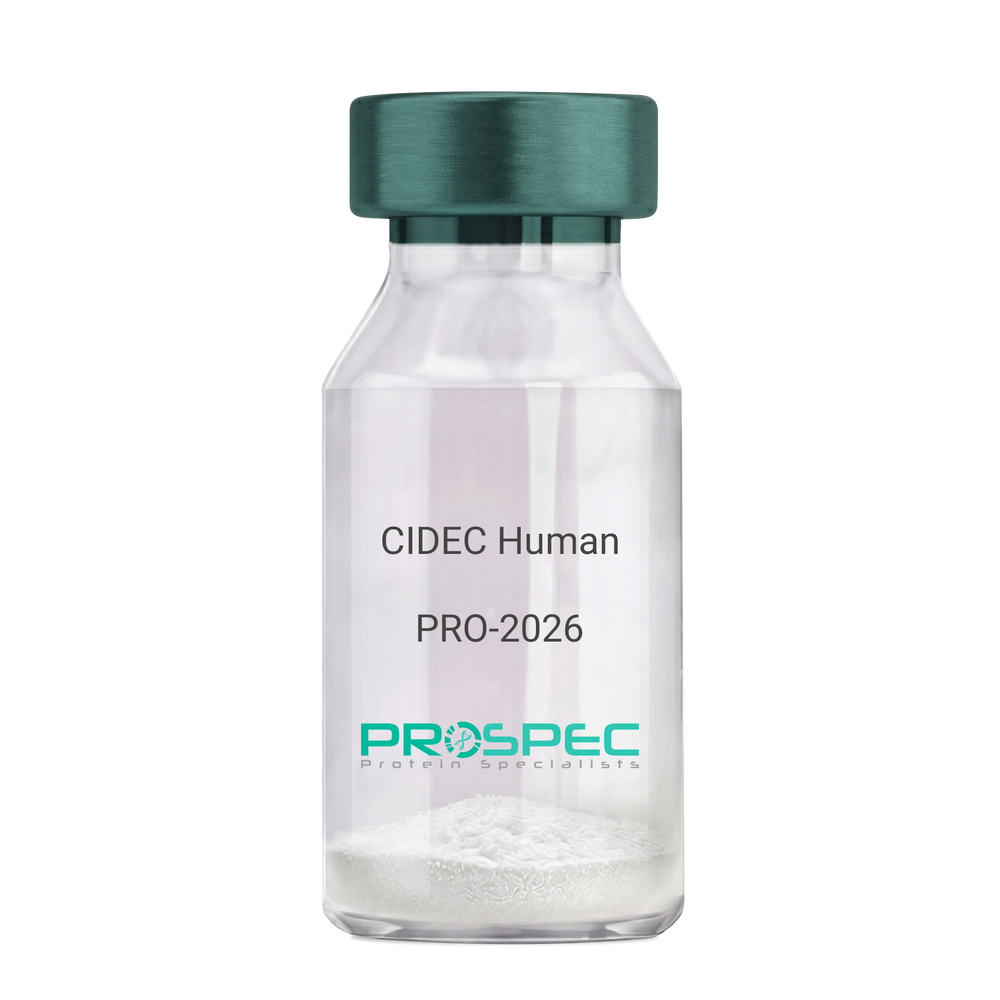
    Name :

    CIDEC Human

    Description:

    Cell Death-Inducing DFFA-Like Effector C Human Recombinant

    Cell Death-Inducing DFFA-Like Effector C, FSP27, CIDE3, FPLD5, Cell Death-Inducing DFFA-Like Effector Protein C, Fat-Specific Protein FSP27 Homolog, Cell Death Activator CIDE-3, Fat Specific Protein 27, CIDE-3, CIDEC.

    Product # :

    PRO-2026

    Price :

    Quantity :

    Shipping Method :

    Ice Icon

    Shipped with Ice Packs

    Add To Cart

    More Info

    • description
    • source
    • formulation
    • purity
    • More Info

    Description

    CIDEC Human Recombinant produced in E.Coli is a single, non-glycosylated, polypeptide chain (Glu2-Gln238) containing 247 amino acids including a 10 aa His tag at N-terminus. The total calculated molecular mass is 28kDa.

    Source

    Escherichia Coli.

    Formulation

    CIDEC filtered (0.4µm) solution at a concentration of 0.4mg/ml in 30mM acetate buffer and 10mM dithiothreitol, pH 4.

    Purity

    Greater than 95.0% as determined by SDS-PAGE.

    More Info

    • Introduction

      Cell Death-Inducing DFFA-Like Effector C (CIDEC) belongs to the cell death-inducing DNA fragmentation factor-like effector family, whose members have significant roles in apoptosis. CIDEC is expressed mainly in adipocytes, intestine, heart, stomach, and weakly in the brain, kidney and liver. CIDEC overexpression in preadipocytes induces apoptosis. CIDEC regulates enlargement of lipid droplets.

    • Synonyms

      Cell Death-Inducing DFFA-Like Effector C, FSP27, CIDE3, FPLD5, Cell Death-Inducing DFFA-Like Effector Protein C, Fat-Specific Protein FSP27 Homolog, Cell Death Activator CIDE-3, Fat Specific Protein 27, CIDE-3, CIDEC.

    • Physical Appearance

      Filtered colorless solution.

    • Stability

      Store at 4°C if entire vial will be used within 2-4 weeks. Store, frozen at -20°C for longer periods of time. For long term storage it is recommended to add a carrier protein (0.1% HSA or BSA).Avoid multiple freeze-thaw cycles.

    • Amino Acid Sequence

      MKHHHHHHASEYAMKSLSLL YPKSLSRHVS VRTSVVTQQL LSEPSPKAPR ARPCRVSTAD RSVRKGIMAY SLEDLLLKVR DTLMLADKPF FLVLEEDGTT VETEEYFQAL AGDTVFMVLQ KGQKWQPPSE QGTRHPLSLS HKPAKKIDVA RVTFDLYKLN PQDFIGCLNV KATFYDTYSL SYDLHCCGAK RIMKEAFRWA LFSMQATGHV LLGTSCYLQQ LLDATEEGQP PKGKASSLIP TCLKILQ.

    ProSpec's products are furnished for LABORATORY RESEARCH USE ONLY. The product may not be used as drugs, agricultural or pesticidal products, food additives or household chemicals.

    Cidec Human
  • View Data Sheet

    Name :

    HAVCR1 Mouse

    Description:

    Hepatitis A Virus Cellular Receptor 1 Mouse Recombinant

    Hepatitis A virus cellular receptor 1 homolog, HAVcr-1, Kidney injury molecule 1, KIM-1, T cell immunoglobulin and mucin domain-containing protein 1, TIMD-1, T cell membrane protein 1, T-cell immunoglobulin mucin receptor 1, TIM-1.

    Product # :

    HAV-232

    Price :

    Quantity :

    Shipping Method :

    Ice Icon

    Shipped with Ice Packs

    Add To Cart

    More Info

    • description
    • source
    • formulation
    • purity
    • More Info

    Description

    HAVCR1 produced in Sf9 Baculovirus cells is a single, glycosylated polypeptide chain containing 222 amino acids (22-237 a.a.) and having a molecular mass of 24.4kDa (Migrates at 40-57kDa on SDS-PAGE under reducing conditions). HAVCR1 is expressed with a 6 amino acid His tag at C-Terminus and purified by proprietary chromatographic techniques.

    Source

    Sf9, Baculovirus cells.

    Formulation

    HAVCR1 protein solution (0.25mg/ml) contains Phosphate Buffered Saline (pH 7.4) and 10% glycerol.

    Purity

    Greater than 90.0% as determined by SDS-PAGE.

    More Info

    • Introduction

      Hepatitis A virus cellular receptor 1 (HAVCR1) is a membrane receptor for both human hepatitis A virus (HHAV) and TIMD4. HAVCR1 is a type I trans-membrane structural glycoprotein located in the renal proximal tubule epithelial cells. HAVCR1 protein may be involved in the control of asthma and allergic diseases. The reference genome represents an allele which retains a MTTVP amino acid segment that presents defense against atopy in HHAV seropositive individuals.

    • Synonyms

      Hepatitis A virus cellular receptor 1 homolog, HAVcr-1, Kidney injury molecule 1, KIM-1, T cell immunoglobulin and mucin domain-containing protein 1, TIMD-1, T cell membrane protein 1, T-cell immunoglobulin mucin receptor 1, TIM-1.

    • Physical Appearance

      Sterile Filtered colorless solution.

    • Stability

      Store at 4°C if entire vial will be used within 2-4 weeks. Store, frozen at -20°C for longer periods of time. For long term storage it is recommended to add a carrier protein (0.1% HSA or BSA). Avoid multiple freeze-thaw cycles.

    • Amino Acid Sequence

      YVEVKGVVGH PVTLPCTYST YRGITTTCWG RGQCPSSACQ NTLIWTNGHR VTYQKSSRYN LKGHISEGDV SLTIENSVES DSGLYCCRVE IPGWFNDQKV TFSLQVKPEI PTRPPTRPTT TRPTATGRPT TISTRSTHVP TSIRVSTSTP PTSTHTWTHK PEPTTFCPHE TTAEVTGIPS HTPTDWNGTV TSSGDTWSNH TEAIPPGKPQ KNPTKGHHHH HH.

    ProSpec's products are furnished for LABORATORY RESEARCH USE ONLY. The product may not be used as drugs, agricultural or pesticidal products, food additives or household chemicals.

    Havcr1 Mouse
  • View Data Sheet

    Name :

    Flt3 Ligand Human, HEK

    Description:

    Flt3-Ligand Human Recombinant, HEK derived

    Fms-related tyrosine kinase 3 ligand, FLK2, STK1, CD135, Stem Cell Tyrosine Kinase 1, FLT3LG, Flt3.

    Product # :

    CYT-706

    Price :

    Quantity :

    Shipping Method :

    Room Temp Icon

    Shipped at Room temp

    Add To Cart

    More Info

    • description
    • source
    • formulation
    • purity
    • biological activity
    • More Info

    Description

    Flt3-Ligand Human Recombinant produced in HEK cells is a glycosylated monomer, having a molecular weight range of 24-30kDa due to glycosylation. The Flt3-Ligand is purified by proprietary chromatographic techniques.

    Source

    HEK293 (Human Embryonic Kidney cell line).

    Formulation

    Flt3-Ligand was lyophilized from a 0.2µm filtered solution containing 1xPBS.

    Purity

    Greater than 95.0% as determined by: (a) Analysis by RP-HPLC. (b) Analysis by SDS-PAGE.

    Biological Activity

    The activity was determined by the dose- dependent stimulation of the proliferation of the human acute myeloid leukemia cell line OCI-AML5. The ED50 is 0.56ng/ml.

    More Info

    • Introduction

      FLT3 ligand is a receptor for the fl cytokine has a tyrosine-protein kinase activity & a growth factor that regulates proliferation of early hematopoietic cells. Flt3-Ligand synergizes with other CSFs and interleukins to induce growth and differentiation.

    • Synonyms

      Fms-related tyrosine kinase 3 ligand, FLK2, STK1, CD135, Stem Cell Tyrosine Kinase 1, FLT3LG, Flt3.

    • Physical Appearance

      Sterile Filtered White lyophilized (freeze-dried) powder.

    • Stability

      Lyophilized Flt3-Ligand although stable at room temperature for 3 weeks, should be stored desiccated below -18°C. Upon reconstitution Flt3-Ligand should be stored at 4°C between 2-7 days and for future use below -18°C. For long term storage it is recommended to add a carrier protein (0.1% HSA or BSA). Please prevent freeze-thaw cycles.

    • Solubility

      It is recommended to reconstitute the lyophilized Flt3-Ligand in sterile 18MΩ-cm H2O not less than 100µg/ml, which can then be further diluted to other aqueous solutions.

    • Amino Acid Sequence

      TQDCSFQHSP ISSDFAVKIR ELSDYLLQDY PVTVASNLQD EELCGGLWRL VLAQRWMERL KTVAGSKMQG LLERVNTEIH FVTKCAFQPP PSCLRFVQTN ISRLLQETSE QLVALKPWIT RQNFSRCLEL QCQPDSSTLP PPWSPRPLEA TAPTAPQP.

    • Background

      What is the molecular weight/Mw of FLT3 LIGAND HUMAN, HEK Protein?
      FLT3 LIGAND HUMAN, HEK Protein has a total Mw of 27kDa.

      What is the source or expression system of FLT3 LIGAND HUMAN, HEK Protein?
      HEK293 (Human Embryonic Kidney cell line).

      What is the Purity of FLT3 LIGAND HUMAN, HEK Protein?
      FLT3 LIGAND HUMAN, HEK Protein is >95% pure as determined by SDS-PAGE.

      What is the Biological Activity of FLT3 LIGAND HUMAN, HEK Protein?
      The activity was determined by the dose- dependent stimulation of the proliferation of the human acute myeloid leukemia cell line OCI-AML5. The ED50 is 0.56ng/ml.

      What is the amino acid sequence of FLT3 LIGAND HUMAN, HEK Protein?
      TQDCSFQHSP ISSDFAVKIR ELSDYLLQDY PVTVASNLQD EELCGGLWRL VLAQRWMERL KTVAGSKMQG LLERVNTEIH FVTKCAFQPP PSCLRFVQTN ISRLLQETSE QLVALKPWIT RQNFSRCLEL QCQPDSSTLP PPWSPRPLEA TAPTAPQP.

      What applications can FLT3 LIGAND HUMAN, HEK Protein be used in?
      FLT3 LIGAND HUMAN, HEK Protein can probably be used in western blot, ELISA and Lateral Flow.

      What is the endotoxin level for FLT3 LIGAND HUMAN, HEK Protein?
      The endotoxin level is minimal, FLT3 LIGAND HUMAN, HEK Protein was purified using conventional chromatography techniques.

    ProSpec's products are furnished for LABORATORY RESEARCH USE ONLY. The product may not be used as drugs, agricultural or pesticidal products, food additives or household chemicals.

    Flt3 Ligand Human Hek
  • View Data Sheet

    Name :

    NELL2 Antibody

    Description:

    NEL-Like 2, Monoclonal Mouse Anti Human Antibody

    NEL-like 2, NRP2, Nel-related protein 2, protein kinase C-binding protein NELL2, neural epidermal growth factor-like 2.

    Product # :

    ANT-030

    Price :

    Quantity :

    Shipping Method :

    Ice Icon

    Shipped with Ice Packs

    Add To Cart

    More Info

    • formulation
    • More Info

    Formulation

    1mg/ml containing Phosphate-Buffered Saline (pH 7.4) with 0.1% Sodium Azide.

    More Info

    • Introduction

      NELL2 is expressed in large quantities in neural tissues and has a significant role in the development of neural tissues. In addition, NELL protein has six epidermal growth factor (EGF)-like repeat domains which plays a part in calcium binding.

    • Synonyms

      NEL-like 2, NRP2, Nel-related protein 2, protein kinase C-binding protein NELL2, neural epidermal growth factor-like 2.

    • Immunogen

      Anti-human NELL2 mAb, is derived from hybridization of mouse F0 myeloma cells with spleen cells from BALB/c mice immunized with a recombinant human NELL2 protein.

    • Ig Subclass

      Mouse IgG2b heavy chain and Kappa light chain

    • Clone

      AT13E7.

    • Applications

      The antibody has been tested by ELISA and Western blot analysis to assure specificity and reactivity. Since application varies, however, each investigation should be titrated by the reagent to obtain optimal results. Recommended dilution range for Western blot analysis is 1:500.
      Recommended starting dilution is 1:500

    • Type

      Mouse Anti Human Monoclonal.

    • Storage Procedures

      For periods up to 1 month store at 4°C, for longer periods of time, store at -20°C. Prevent freeze thaw cycles.

    • Purification Method

      Recombinant human NELL2 antibody (30-258aa) is purified from E. coli.

    ProSpec's products are furnished for LABORATORY RESEARCH USE ONLY. The product may not be used as drugs, agricultural or pesticidal products, food additives or household chemicals.

    Nell2 Antibody
  • View Data Sheet

    Name :

    AIFM1 Antibody

    Description:

    Apoptosis-Inducing Factor Mitochondrion-Associated 1, Mouse Anti Human

    Apoptosis-inducing factor 1, mitochondrial, Programmed cell death protein 8, AIFM1, AIF, PDCD8, CMTX4, COWCK, COXPD6, isoform 2 precursor, Apoptosis-Inducing Factor, Mitochondrion-Associated, 1.

    Product # :

    ANT-634

    Price :

    Quantity :

    Shipping Method :

    Ice Icon

    Shipped with Ice Packs

    Add To Cart

    More Info

    • formulation
    • More Info

    Formulation

    1mg/ml containing PBS, pH-7.4, 10% Glycerol and 0.02% Sodium Azide.

    More Info

    • Introduction

      Apoptosis-Inducing Factor, Mitochondrion-Associated, 1 (AIFM1) is a mitochondrial protein which translocates to the nucleus once apoptosis has been initiated. AIFM1 causes DNA fragmentation and chromatin condensation and also triggers the release of cytochrome c and caspase-9 from mitochondria. Bcl-2 overexpression prevents the release of AIFM1 from mitochondria, but doesn’t block its apoptogenic activity.

    • Synonyms

      Apoptosis-inducing factor 1, mitochondrial, Programmed cell death protein 8, AIFM1, AIF, PDCD8, CMTX4, COWCK, COXPD6, isoform 2 precursor, Apoptosis-Inducing Factor, Mitochondrion-Associated, 1.

    • Physical Appearance

      Sterile filtered colorless solution.

    • Immunogen

      Anti-human AIFM1 mAb, is derived from hybridization of mouse F0 myeloma cells with spleen cells from BALB/c mice immunized with a recombinant human AIFM1 protein 98-609 amino acids purified from E. coli.

    • Ig Subclass

      Mouse IgG2a heavy chain and k light chain.

    • Clone

      PAT22E9AT.

    • Applications

      The antibody has been tested by ELISA, Western blot analysis, Flow cytometry and ICC/IF to assure specificity and reactivity. Since application varies, however, each investigation should be titrated by the reagent to obtain optimal results.

    • Type

      Mouse Anti Human Monoclonal.

    • Storage Procedures

      For periods up to 1 month store at 4°C, for longer periods of time, store at -20°C. Prevent freeze thaw cycles.

    • Purification Method

      AIFM1 antibody was purified from mouse ascitic fluids by protein-A affinity chromatography.

    ProSpec's products are furnished for LABORATORY RESEARCH USE ONLY. The product may not be used as drugs, agricultural or pesticidal products, food additives or household chemicals.

    Aifm1 Antibody
  • 1
  • 2
  • 3
  • 4
  • 5
  • 6
  • …
  • 42
Your browser does not support the video tag.

Products

  • Cytokines
  • Growth Factors
  • Chemokines
  • CD Antigens
  • Neurotrophins
  • Hormones
  • Enzymes
  • Viral Antigens
  • Recombinant Proteins
  • Natural Proteins
  • Monoclonal Antibodies
  • Polyclonal Antibodies
  • Thermal Packaging

About

  • Company
  • Founder
  • Contribution
  • Contact Us
  • My Account

Ordering

  • Ordering Method
  • Ordering - Credit Card
  • Ordering PO
  • Shipping Fees
  • FAQ's

Legal

  • Terms & Conditions
  • Privacy
  • Site Map
  • info@prospecbio.com
  • Facebook
  • Instagram
  • Linkedin Profile

© 2026 ProSpec-Tany TechnoGene Ltd. All Rights Reserved.

  • Choosing a selection results in a full page refresh.
  • Opens in a new window.