Search results
1000 results found for “synuclein”
Name
Description
Product #
Price
Quantity
Shipping Method
- View Data Sheet
Name :
CHMP6 HumanDescription:
Charged Multivesicular Body Protein 6 Human Recombinant
Charged multivesicular body protein 6, Chromatin-modifying protein 6, Vacuolar protein sorting-associated protein 20, Vps20, hVps20, CHMP6.
Product # :
PRO-1085Price :
Quantity :
Shipping Method :
Shipped with Ice Packs
More Info
- description
- source
- formulation
- purity
- More Info
Description
CHMP6 Human Recombinant produced in E.Coli is a single, non-glycosylated polypeptide chain containing 225 amino acids (1-201 a.a) and having a molecular mass of 26.1kDa (Molecular size on SDS-PAGE will appear higher).CHMP6 is fused to a 24 amino acid His-tag at N-terminus & purified by proprietary chromatographic techniques.
Source
Escherichia Coli.
Formulation
CHMP6 protein solution (1mg/ml) containing 20mM Tris-HCl buffer (pH 8.0), 2mM DTT, 10% glycerol and 100mM NaCl.
Purity
Greater than 95.0% as determined by SDS-PAGE.
More Info
-
Introduction
Charged multivesicular body protein 6 (CHMP6) is a member of the SNF7 family. The CHMP6 protein is a core component of the endosomal sorting necessary for transport complex III (ESCRT-III) that is involved in multivesicular bodies (MVBs) formation and sorting of endosomal cargo proteins into MVBs. MVBs contain intraluminal vesicles (ILVs) which are produced by invagination and scission from the limiting membrane of the endosome and generally are transported to lysosomes facilitating degradation of membrane proteins, such as stimulated growth factor receptors, lysosomal enzymes and lipids.
-
Synonyms
Charged multivesicular body protein 6, Chromatin-modifying protein 6, Vacuolar protein sorting-associated protein 20, Vps20, hVps20, CHMP6.
-
Physical Appearance
Sterile Filtered colorless solution.
-
Stability
Store at 4°C if entire vial will be used within 2-4 weeks. Store, frozen at -20°C for longer periods of time. For long term storage it is recommended to add a carrier protein (0.1% HSA or BSA).Avoid multiple freeze-thaw cycles.
-
Amino Acid Sequence
MGSSHHHHHH SSGLVPRGSH MGSHMGNLFG RKKQSRVTEQ DKAILQLKQQ RDKLRQYQKR IAQQLERERA LARQLLRDGR KERAKLLLKK KRYQEQLLDR TENQISSLEA MVQSIEFTQI EMKVMEGLQF GNECLNKMHQ VMSIEEVERI LDETQEAVEY QRQIDELLAG SFTQEDEDAI LEELSAITQE QIELPEVPSE PLPEKIPENV PVKARPRQAE LVAAS.
ProSpec's products are furnished for LABORATORY RESEARCH USE ONLY. The product may not be used as drugs, agricultural or pesticidal products, food additives or household chemicals.
- View Data Sheet
Name :
LXN MouseDescription:
Latexin Mouse Recombinant
Latexin, Endogenous carboxypeptidase inhibitor, ECI, Tissue carboxypeptidase inhibitor, TCI.
Product # :
PRO-2218Price :
Quantity :
Shipping Method :
Shipped with Ice Packs
More Info
- description
- source
- formulation
- purity
- More Info
Description
LXN Mouse Recombinant produced in E.Coli is a single, non-glycosylated polypeptide chain containing 245 amino acids (1-222 a.a) and having a molecular mass of 27.9kDa. LXN is fused to a 23 amino acid His-tag at N-terminus & purified by proprietary chromatographic techniques.
Source
Escherichia Coli.
Formulation
LXN protein solution (1mg/ml) containing Phosphate Buffer Saline (pH7.4), 30% glycerol and 1mM DTT.
Purity
Greater than 95.0% as determined by SDS-PAGE.
More Info
-
Introduction
Lxn also known as Latexin is a member of the protease inhibitor I47 (latexin) family. Lxn's function is hardly reversible, non-competitive, as well as potent inhibitor of CPA1, CPA2 and CPA4. Furthermore, Lxn plays a role in inflammation. Among the diseases associated with LXN are endocervicitis and listeriosis.
-
Synonyms
Latexin, Endogenous carboxypeptidase inhibitor, ECI, Tissue carboxypeptidase inhibitor, TCI.
-
Physical Appearance
Sterile Filtered colorless solution.
-
Stability
Store at 4°C if entire vial will be used within 2-4 weeks. Store, frozen at -20°C for longer periods of time. For long term storage it is recommended to add a carrier protein (0.1% HSA or BSA).Avoid multiple freeze-thaw cycles.
-
Amino Acid Sequence
MGSSHHHHHH SSGLVPRGSH MGSMEIPPTH YAASRAASVA ENCINYQQGT PHKLFLVQTV QQASKEDIPG RGHKYHLKFS VEEIIQKQVT VNCTAEVLYP QMGQGSAPEV NFTFEGEIGK NPDEEDNTFY QSLMSLKRPL EAQDIPDNFG NVSPQMKPVQ HLAWVACGYV MWQNSTEDTW YKMLKIQTVK QVQRNDDFIE LDYTILLHDI ASQEIIPWQM QVLWHPQYGT KVKHNSRLPK EGQAE.
ProSpec's products are furnished for LABORATORY RESEARCH USE ONLY. The product may not be used as drugs, agricultural or pesticidal products, food additives or household chemicals.
- View Data Sheet
Name :
CLIC1 HumanDescription:
Chloride Intracellular Channel 1 Human Recombinant
ACBP, ACBD1, CCK-RP, EP, CLIC1, G6, NCC27, Nuclear chloride ion channel 27, Chloride channel ABP, Regulatory nuclear chloride ion channel protein, hRNCC, Chloride intracellular channel protein 1.
Product # :
PRO-833Price :
Quantity :
Shipping Method :
Shipped with Ice Packs
More Info
- description
- source
- formulation
- purity
- More Info
Description
CLIC1 Human Recombinant produced in E.Coli is a single, non-glycosylated, polypeptide chain containing 261amino acids (1-241a.a.) and having a molecular mass of 29 kDa. CLIC1 protein is fused to a 20 amino acid His tag at N-terminus and is purified by standard chromatography.
Source
Escherichia Coli.
Formulation
CLIC1 Human solution containing 20mM Tris-HCl pH-8, 0.1M NaCl & 10% glycerol.
Purity
Greater than 90% as determined by SDS-PAGE.
More Info
-
Introduction
Chloride channels are various group of proteins that control fundamental cellular processes including stabilization of cell membrane potential, transepithelial transport, regulation of intracellular pH, and maintenance of cell volume. CLIC1 is part of the p64 family and is localized to the cell nucleus. CLIC1 displays both nuclear and plasma membrane chloride ion channel activity. CLIC1 inserts into membranes and forms chloride ion channels. CLIC1 channel activity depends on the pH. CLIC1 membrane insertion is redox-regulated and happens under oxydizing conditions.
-
Synonyms
ACBP, ACBD1, CCK-RP, EP, CLIC1, G6, NCC27, Nuclear chloride ion channel 27, Chloride channel ABP, Regulatory nuclear chloride ion channel protein, hRNCC, Chloride intracellular channel protein 1.
-
Physical Appearance
Sterile filtered colorless solution.
-
Stability
Store at 4°C if entire vial will be used within 2-4 weeks. Store, frozen at -20°C for longer periods of time. For long term storage it is recommended to add a carrier protein (0.1% HSA or BSA).Avoid multiple freeze-thaw cycles.
-
Amino Acid Sequence
GSSHHHHHH SSGLVPRGSH MAEEQPQVEL FVKAGSDGAK IGNCPFSQRL FMVLWLKGVT FNVTTVDTKR RTETVQKLCP GGQLPFLLYG TEVHTDTNKI EEFLEAVLCP PRYPKLAALN PESNTAGLDI FAKFSAYIKN SNPALNDNLE KGLLKALKVL DNYLTSPLPE EVDETSAEDE GVSQRKFLDG NELTLADCNL LPKLHIVQVV CKKYRGFTIP EAFRGVHRYL SNAYAREEFA STCPDDEEIE LAYEQVAKAL K.
ProSpec's products are furnished for LABORATORY RESEARCH USE ONLY. The product may not be used as drugs, agricultural or pesticidal products, food additives or household chemicals.
- View Data Sheet
Name :
CLIC4 HumanDescription:
Chloride Intracellular Channel 4 Human Recombinant
Chloride intracellular channel protein 4, Intracellular chloride ion channel protein p64H1, CLIC4, H1, huH1, p64H1, CLIC4L, MTCLIC, FLJ38640, DKFZp566G223.
Product # :
PRO-173Price :
Quantity :
Shipping Method :
Shipped with Ice Packs
More Info
- description
- source
- formulation
- purity
- More Info
Description
CLIC4 Human Recombinant fused with a 20 amino acid His tag at N-terminus produced in E.Coli is a single, non-glycosylated, polypeptide chain containing 273 amino acids (1-253 a.a.) and having a molecular mass of 30.9kDa. The CLIC4 is purified by proprietary chromatographic techniques.
Source
Escherichia Coli.
Formulation
The CLIC4 solution (0.5 mg/ml) contains 20mM Tris-HCl buffer (pH8.0), 0.1M NaCl, 1mM DTT and 10% glycerol.
Purity
Greater than 95.0% as determined by SDS-PAGE.
More Info
-
Introduction
Chloride intracellular channel 4 (CLIC4) belongs to the p64 family; CLIC4 is expressed in various tissues and exhibits an intracellular vesicular pattern in Panc-1 cells (pancreatic cancer cells). CLIC4 is a 253 amino acid single-pass membrane protein which localizes to both the nucleus and the cytoplasm and contains one GST C-terminal domain. CLIC4 acts as a monomer which is able to form selective ion channels in target proteins, thus facilitating the transport of chloride and other ions. CLIC4 is believed to have a role in apoptosis and is able to translocate to the nucleus under stress conditions.
-
Synonyms
Chloride intracellular channel protein 4, Intracellular chloride ion channel protein p64H1, CLIC4, H1, huH1, p64H1, CLIC4L, MTCLIC, FLJ38640, DKFZp566G223.
-
Physical Appearance
Sterile Filtered colorless solution.
-
Stability
Store at 4°C if entire vial will be used within 2-4 weeks. Store, frozen at -20°C for longer periods of time. For long term storage it is recommended to add a carrier protein (0.1% HSA or BSA).Avoid multiple freeze-thaw cycles.
-
Amino Acid Sequence
MGSSHHHHHH SSGLVPRGSH MALSMPLNGL KEEDKEPLIE LFVKAGSDGE SIGNCPFSQR LFMILWLKGV VFSVTTVDLK RKPADLQNLA PGTHPPFITF NSEVKTDVNK IEEFLEEVLC PPKYLKLSPK HPESNTAGMD IFAKFSAYIK NSRPEANEAL ERGLLKTLQK LDEYLNSPLP DEIDENSMED IKFSTRKFLD GNEMTLADCN LLPKLHIVKV VAKKYRNFDI PKEMTGIWRY LTNAYSRDEF TNTCPSDKEV EIAYSDVAKR LTK.
ProSpec's products are furnished for LABORATORY RESEARCH USE ONLY. The product may not be used as drugs, agricultural or pesticidal products, food additives or household chemicals.
- View Data Sheet
Name :
UQCRC1 HumanDescription:
Ubiquinol-Cytochrome C Reductase Core Protein I Human Recombinant
D3S3191, QCR1, UQCR1, Cytochrome b-c1 complex subunit 1, mitochondrial, Complex III subunit 1, Core protein I, Ubiquinol-cytochrome-c reductase complex core protein 1.
Product # :
PRO-1894Price :
Quantity :
Shipping Method :
Shipped with Ice Packs
More Info
- description
- source
- formulation
- purity
- More Info
Description
UQCRC1 Human Recombinant produced in E.Coli is a single, non-glycosylated polypeptide chain containing 471 amino acids (35-480 a.a) and having a molecular mass of 51.8kDa.UQCRC1 is fused to a 25 amino acid His-tag at N-terminus & purified by proprietary chromatographic techniques.
Source
Escherichia Coli.
Formulation
UQCRC1protein solution (1mg/ml) contains 20mM Tris-HCl buffer (pH 8.0), 0.4M UREA and 10% glycerol.
Purity
Greater than 85.0% as determined by SDS-PAGE.
More Info
-
Introduction
Ubiquinol-Cytochrome C Reductase Core Protein I (UQCRC1) is a member of the peptidase M16 family,UQCRC1/QCR1 subfamily. UQCRC1 is a part of the ubiquinol-cytochrome c reductase complex (complex III or cytochrome b-c1 complex), which is component of the mitochondrial respiratory chain. UQCRC1 can mediate formation of the complex between cytochromes c and c1.
-
Synonyms
D3S3191, QCR1, UQCR1, Cytochrome b-c1 complex subunit 1, mitochondrial, Complex III subunit 1, Core protein I, Ubiquinol-cytochrome-c reductase complex core protein 1.
-
Physical Appearance
Sterile Filtered clear solution.
-
Stability
Store at 4°C if entire vial will be used within 2-4 weeks. Store, frozen at -20°C for longer periods of time. For long term storage it is recommended to add a carrier protein (0.1% HSA or BSA).Avoid multiple freeze-thaw cycles.
-
Amino Acid Sequence
MGSSHHHHHH SSGLVPRGSH MGSEFTATFA QALQFVPETQ VSLLDNGLRV ASEQSSQPTC TVGVWIDVGS RFETEKNNGA GYFLEHLAFK GTKNRPGSAL EKEVESMGAH LNAYSTREHT AYYIKALSKD LPKAVELLGD IVQNCSLEDS QIEKERDVIL REMQENDASM RDVVFNYLHA TAFQGTPLAQ AVEGPSENVR KLSRADLTEY LSTHYKAPRM VLAAAGGVEH QQLLDLAQKH LGGIPWTYAE DAVPTLTPCR FTGSEIRHRD DALPFAHVAI AVEGPGWASP DNVALQVANA IIGHYDCTYG GGVHLSSPLA SGAVANKLCQ SFQTFSICYA ETGLLGAHFV CDRMKIDDMM FVLQGQWMRL CTSATESEVA RGKNILRNAL VSHLDGTTPV CEDIGRSLLT YGRRIPLAEW ESRIAEVDAS VVREICSKYI YDQCPAVAGY GPIEQLPDYN RIRSGMFWLR F.
ProSpec's products are furnished for LABORATORY RESEARCH USE ONLY. The product may not be used as drugs, agricultural or pesticidal products, food additives or household chemicals.
- View Data Sheet
Name :
PTPN6 HumanDescription:
Protein Tyrosine Phosphatase Non Receptor Type-6 Human Recombinant
Tyrosine-protein phosphatase non-receptor type 6, EC 3.1.3.48, Protein-tyrosine phosphatase 1C, PTP-1C, Hematopoietic cell protein-tyrosine phosphatase, SH-PTP1, Protein-tyrosine phosphatase SHP-1, PTPN6, HCP, HCPH, SHP1, HPTP1C, SHP-1L.
Product # :
PKA-221Price :
Quantity :
Shipping Method :
Shipped with Ice Packs
More Info
- description
- source
- formulation
- purity
- More Info
Description
PTPN6 Human Recombinant produced in E.Coli is a single,non-glycosylated polypeptide chain containing 300 amino acids and having a molecular mass of 34.3 kDa. The protein coding region of the catalytic domain of PTPN6 (amino acids 243-541). The catalytic domain of PTPN6 was overexpressed as insoluble protein aggregates (inclusion bodies). The recombinant PTPN6 protein was purified by FPLC gel-filtration chromatography, after refolding of the isolated inclusion bodies in a redox buffer. Additional amino acid(Met) is attached at N-terminus.
Source
Escherichia Coli.
Formulation
The protein contains 25mM Tris-HCl, pH 7.5, 2mM b-mercaptoethanol, 1mM EDTA, 1mMDTT and 20% Glycerol.
Purity
Greater than 95.0% as determined by SDS-PAGE.
More Info
-
Introduction
PTPN6 is a member of the protein tyrosine phosphatase (PTP) family. PTPs are known to be signaling molecules that regulate a variety of cellular processes including cell growth, differentiation, mitotic cycle, and oncogenic transformation. N-terminal part of this PTP contains two tandem Src homolog (SH2) domains, which act as protein phospho-tyrosine binding domains, and mediate the interaction of this PTP with its substrates. This PTP is expressed primarily in hematopoietic cells, and functions as an important regulator of multiple signaling pathways in hematopoietic cells. This PTP has been shown to interact with, and dephosphorylate a wide spectrum of phospho-proteins involved in hematopoietic cell signaling. Multiple alternatively spliced variants of this gene, which encode distinct isoforms, have been reported.
-
Synonyms
Tyrosine-protein phosphatase non-receptor type 6, EC 3.1.3.48, Protein-tyrosine phosphatase 1C, PTP-1C, Hematopoietic cell protein-tyrosine phosphatase, SH-PTP1, Protein-tyrosine phosphatase SHP-1, PTPN6, HCP, HCPH, SHP1, HPTP1C, SHP-1L.
-
Physical Appearance
Sterile filtered colorless solution.
-
Stability
Store at 4°C if entire vial will be used within 2-4 weeks. Store, frozen at -20°C for longer periods of time. For long term storage it is recommended to add a carrier protein (0.1% HSA or BSA). Avoid multiple freeze-thaw cycles.
-
Amino Acid Sequence
MGFWEEFES LQKQEVKNLH QRLEGQRPEN KGKNRYKNIL PFDHSRVILQ GRDSNIPGSD YINANYIKNQ LLGPDENAKT YIASQGCLEA TVNDFWQMAW QENSRVIVMT TREVEKGRNK CVPYWPEVGM QRAYGPYSVT NCGEHDTTEY KLRTLQVSPL DNGDLIREIW HYQYLSWPDH GVPSEPGGVL SFLDQINQRQ ESLPHAGPII VHCSAGIGRT GTIIVIDMLM ENISTKGLDCDIDIQKTIQM VRAQRSGMVQ TEAQYKFIYV AIAQFIETTK KKLEVLQSQK GQESEYGNITY.
-
Unit Definition
One unit will hydrolyze 1 nanomole of p-nitrophenylphosphatate per minute at pH 7.5 at 37°C using 10mM of substrate.
-
Specific Activity
>5,000 U/mg of PTPN6.
ProSpec's products are furnished for LABORATORY RESEARCH USE ONLY. The product may not be used as drugs, agricultural or pesticidal products, food additives or household chemicals.
- View Data Sheet
Name :
YIF1B HumanDescription:
Yip1 Interacting Factor Homolog B Human Recombinant
Yip1 Interacting Factor Homolog B (S. Cerevisiae), YIP1-Interacting Factor Homolog B, Protein YIF1B, FinGER8, YIF1B.
Product # :
PRO-1970Price :
Quantity :
Shipping Method :
Shipped with Ice Packs
More Info
- description
- source
- formulation
- purity
- More Info
Description
YIF1B Human Recombinant produced in E. coli is a single polypeptide chain containing 179 amino acids (1-156) and having a molecular mass of 19.5 kDa.YIF1B is fused to a 23 amino acid His-tag at N-terminus & purified by proprietary chromatographic techniques.
Source
Escherichia Coli.
Formulation
The YIF1B solution (1mg/1ml) contains 20mM Tris-HCl buffer (pH 8.0), 10% glycerol and 0.4M Urea.
Purity
Greater than 90.0% as determined by SDS-PAGE.
More Info
-
Introduction
Yip1 Interacting Factor Homolog B (YIF1b) is a member of the YIF1 family.
-
Synonyms
Yip1 Interacting Factor Homolog B (S. Cerevisiae), YIP1-Interacting Factor Homolog B, Protein YIF1B, FinGER8, YIF1B.
-
Physical Appearance
Sterile Filtered colorless solution.
-
Stability
Store at 4°C if entire vial will be used within 2-4 weeks. Store, frozen at -20°C for longer periods of time. For long term storage it is recommended to add a carrier protein (0.1% HSA or BSA).Avoid multiple freeze-thaw cycles.
-
Amino Acid Sequence
MGSSHHHHHH SSGLVPRGSH MGSMHPAGLA AAAAGTPRLR KWPSKRRIPV SQPGMADPHQ LFDDTSSAQS RGYGAQRAPG GLSYPAASPT PHAAFLADPV SNMAMAYGSS LAAQGKELVD KNIDRFIPIT KLKYYFAVDT MYVGRKLGLL FFPYLHQDWE VQYQQDTPVA PRFDVNAPD.
ProSpec's products are furnished for LABORATORY RESEARCH USE ONLY. The product may not be used as drugs, agricultural or pesticidal products, food additives or household chemicals.
- View Data Sheet
Name :
4 1BBL Human, HisDescription:
4-1BB Ligand Human Recombinant, His Tag
CD137L, CD137-L, 4-1BBL, 4-1BB Ligand, TNFSF9, Tumor Necrosis Factor (ligand) Superfamily Member 9.
Product # :
CYT-649Price :
Quantity :
Shipping Method :
Shipped with Ice Packs
More Info
- description
- source
- formulation
- purity
- More Info
- sds-page
Description
TNFSF9 Human Recombinant fused to 37 amino acids His tag at N-terminus produced in E.Coli is a single, non-glycosylated polypeptide chain containing 222 amino acids (71-254 a.a.) and having a molecular mass of 23.8 kDa. The TNFSF9 37 aa His tag fusion protein is purified by proprietary chromatographic techniques.
Source
Escherichia Coli.
Formulation
Recombinant 4-1BBL solution (1mg/ml) contains 20mM Tris-HCl buffer pH-8, 100mM NaCl and 20% glycerol.
Purity
Greater than 95.0% as determined by SDS-PAGE
sds-page
More Info
-
Introduction
4-1BBL is a transmembrane cytokine that is part of the tumor necrosis factor (TNF) ligand family. 4-1BBL is a bidirectional signal transducer that performs as a ligand for TNFRSF9, which is a costimulatory receptor molecule in T lymphocytes. TNFSF9 and its TNFRSF9 take part in the antigen presentation development and in the generation of cytotoxic T cells. 4-1BBR is absent from resting T lymphocytes but rapidly expressed upon antigenic stimulation. TNFSF9 reactivates anergic T lymphocytes as well as promoting T lymphocyte proliferation. 4-1BB Ligand is needed for the optimal CD8 responses in CD8 T cells. 4-1BBL is expressed in carcinoma cell lines, and is thought to be involved in T cell-tumor cell interaction. 4-1BBL is expressed by activated B cells, macrophages, dendritic cells, activated T cells, neurons and astrocytes. The interaction of 4-1BB with TNFRSF9 strongly regulates immunity and has been proposed to preferentially control T cell responses based on studies in various murin
-
Synonyms
CD137L, CD137-L, 4-1BBL, 4-1BB Ligand, TNFSF9, Tumor Necrosis Factor (ligand) Superfamily Member 9.
-
Physical Appearance
Sterile Filtered colorless solution.
-
Stability
Store at 4°C if entire vial will be used within 2-4 weeks. Store, frozen at -20°C for longer periods of time. For long term storage it is recommended to add a carrier protein (0.1% HSA or BSA).Avoid multiple freeze-thaw cycles.
-
Amino Acid Sequence
MRGSHHHHHH GMASMTGGQQ MGRDLYDDDD KDRWGSHMRE GPELSPDDPA GLLDLRQGMF AQLVAQNVLL IDGPLSWYSD PGLAGVSLTGGLSYKEDTKE LVVAKAGVYY VFFQLELRRV VAGEGSGSVS LALHLQPLRS AAGAAALALT VDLPPASSEA RNSAFGFQGR LLHLSAGQRL GVHLHTEARA RHAWQLTQGA TVLGLFRVTP EIPAGLPSPR SE.
ProSpec's products are furnished for LABORATORY RESEARCH USE ONLY. The product may not be used as drugs, agricultural or pesticidal products, food additives or household chemicals.
- View Data Sheet
Name :
ADAM10 Human, Sf9Description:
A Disintegrin and Metalloproteinase Domain 10 Human Recombinant, Sf9
Kuz, AD10, MADM, CD156c, HsT18717, ADAM metallopeptidase domain 10, A disintegrin and metalloproteinase domain 10, Mammalian disintegrin-metalloprotease, Kuzbanian protein homolog, CDw156, ADAM 10, ADAM10.
Product # :
PRO-2359Price :
Quantity :
Shipping Method :
Shipped with Ice Packs
More Info
- description
- source
- formulation
- purity
- More Info
Description
ADAM10 Human Recombinant produced in Sf9 Baculovirus cells is a single, glycosylated polypeptide chain containing 467 amino acids (214-672 aa) and having a molecular mass of 51.6kDa (Migrates at 50-70kDa on SDS-PAGE under reducing conditions).ADAM10 is expressed with an 8 amino acid His tag at C-Terminus and purified by proprietary chromatographic techniques.
Source
Sf9, Baculovirus cells.
Formulation
ADAM10 protein solution (0.5mg/ml) containing Phosphate Buffered Saline (pH 7.4) and 10% glycerol.
Purity
Greater than 85.0% as determined by SDS-PAGE.
More Info
-
Introduction
ADAM10 is part of the ADAM family which are cell surface proteins with a distinctive structure possessing both potential adhesion and protease domains. ADAM10 cleaves many proteins including TNF-alpha and E-cadherin. ADAM10 cleaves the membrane-bound precursor of tnf-alpha at 76- ala-|-val-77 to its mature soluble form. ADAM10 is in charge for the proteolytic release of several other cell-surface proteins, including heparin-binding epidermal growth-like factor, ephrin-a2 and for constitutive and regulated alpha-secretase cleavage of amyloid precursor protein ADAM10 is involved in the normal cleavage of the cellular prion protein. ADAM10 is involved in the cleavage of the adhesion molecule l1 at the cell surface and in the release of membrane vesicles, suggesting a vesicle-based protease activity. ADAM10 controls the proteolytic processing of notch and mediates lateral inhibition during neurogenesis.
-
Synonyms
Kuz, AD10, MADM, CD156c, HsT18717, ADAM metallopeptidase domain 10, A disintegrin and metalloproteinase domain 10, Mammalian disintegrin-metalloprotease, Kuzbanian protein homolog, CDw156, ADAM 10, ADAM10.
-
Physical Appearance
Sterile Filtered colorless solution.
-
Stability
Store at 4°C if entire vial will be used within 2-4 weeks. Store, frozen at -20°C for longer periods of time. For long term storage it is recommended to add a carrier protein (0.1% HSA or BSA).Avoid multiple freeze-thaw cycles.
-
Amino Acid Sequence
TTSAEKNTCQ LYIQTDHLFF KYYGTREAVI AQISSHVKAI DTIYQTTDFS GIRNISFMVK RIRINTTADE KDPTNPFRFP NIGVEKFLEL NSEQNHDDYC LAYVFTDRDF DDGVLGLAWV GAPSGSSGGI CEKSKLYSDG KKKSLNTGII TVQNYGSHVP PKVSHITFAH EVGHNFGSPH DSGTECTPGE SKNLGQKENG NYIMYARATS GDKLNNNKFS LCSIRNISQV LEKKRNNCFV ESGQPICGNG MVEQGEECDC GYSDQCKDEC CFDANQPEGR KCKLKPGKQC SPSQGPCCTA QCAFKSKSEK CRDDSDCARE GICNGFTALC PASDPKPNFT DCNRHTQVCI NGQCAGSICE KYGLEECTCA SSDGKDDKEL CHVCCMKKMD PSTCASTGSV QWSRHFSGRT ITLQPGSPCN DFRGYCDVFM RCRLVDADGP LARLKKAIFS PELYENIAEL EHHHHHH
ProSpec's products are furnished for LABORATORY RESEARCH USE ONLY. The product may not be used as drugs, agricultural or pesticidal products, food additives or household chemicals.
- View Data Sheet
Name :
TRAPPC2 HumanDescription:
Trafficking Protein Particle Complex 2 Human Recombinant
Trafficking Protein Particle Complex 2, Sedlin, SEDL, Trafficking Protein Particle Complex Subunit 2, Spondyloepiphyseal Dysplasia Late, TRAPPC2P1, HYP38334, ZNF547L, MIP2A, TRS20, SEDT, TRAPPC2.
Product # :
PRO-1272Price :
Quantity :
Shipping Method :
Shipped with Ice Packs
More Info
- description
- source
- formulation
- purity
- More Info
Description
TRAPPC2 Human Recombinant produced in E.Coli is a single, non-glycosylated polypeptide chain containing 163 amino acids (1-140 a.a.) and having a molecular mass of 18.8kDa.TRAPPC2 is fused to a 23 amino acid His-tag at N-terminus & purified by proprietary chromatographic techniques.
Source
Escherichia Coli.
Formulation
TRAPPC2 protein solution (0.25mg/ml) contains 20mM Tris-HCl buffer (pH 8.0), 0.2M NaCl, 40% glycerol and 1mM DTT.
Purity
Greater than 90% as determined by SDS-PAGE.
More Info
-
Introduction
Trafficking Protein Particle Complex 2 (TRAPPC2) is assumed to be part of a large multi-subunit complex involved in the targeting and fusion of endoplasmic reticulum-to-Golgi transport vesicles with their acceptor compartment. Moreover, the TRAPPC2 protein can bind c-myc promoter-binding protein 1 and block its transcriptional repression capability. TRAPPC2 gene mutations are a cause of spondyloepiphyseal dysplasia tarda (SEDT).
-
Synonyms
Trafficking Protein Particle Complex 2, Sedlin, SEDL, Trafficking Protein Particle Complex Subunit 2, Spondyloepiphyseal Dysplasia Late, TRAPPC2P1, HYP38334, ZNF547L, MIP2A, TRS20, SEDT, TRAPPC2.
-
Physical Appearance
Sterile Filtered clear solution.
-
Stability
Store at 4°C if entire vial will be used within 2-4 weeks. Store frozen at -20°C for longer periods of time. For long term storage it is recommended to add a carrier protein (0.1% HSA or BSA).Avoid multiple freeze-thaw cycles.
-
Amino Acid Sequence
MGSSHHHHHH SSGLVPRGSH MGSMSGSFYF VIVGHHDNPV FEMEFLPAGK AESKDDHRHL NQFIAHAALD LVDENMWLSN NMYLKTVDKF NEWFVSAFVT AGHMRFIMLH DIRQEDGIKN FFTDVYDLYI KFSMNPFYEP NSPIRSSAFD RKVQFLGKKH LLS.
ProSpec's products are furnished for LABORATORY RESEARCH USE ONLY. The product may not be used as drugs, agricultural or pesticidal products, food additives or household chemicals.
- View Data Sheet
Name :
CDK5 Human, Sf9Description:
Cyclin-Dependent Kinase 5 Human Recombinant,Sf9
CDK5, Cyclin Dependent Kinase 5, Serine/Threonine-Protein Kinase PSSALRE, Tau Protein Kinase II Catalytic Subunit, Cell Division Protein Kinase 5, TPKII Catalytic Subunit, Cyclin-Dependent-Like Kinase 5, Protein Kinase CDK5 Splicing, EC 2.7.11.22, EC 2.7.11.1, EC 2.7.11, PSSALRE, CDKN5, LIS7.
Product # :
PKA-104Price :
Quantity :
Shipping Method :
Shipped with Ice Packs
More Info
- description
- source
- formulation
- purity
- More Info
Description
CDK5 produced in Sf9 Baculovirus cells is a single, glycosylated polypeptide chain containing 298 amino acids (1-292a.a.) and having a molecular mass of 34.1kDa. (Molecular size on SDS-PAGE will appear at approximately 28-40kDa).CDK5 is expressed with a 6 amino acid His tag at C-Terminus and purified by proprietary chromatographic techniques.
Source
Sf9, Baculovirus cells.
Formulation
CDK5 protein solution (0.25mg/ml) Phosphate Buffered Saline (pH 7.4) containing 40% glycerol and 1mM DTT.
Purity
Greater than 90.0% as determined by SDS-PAGE.
More Info
-
Introduction
Cell division protein kinase 5 (CDK5) belongs to the cyclin-dependent kinase family. CDK5 is essential for appropriate development of the brain and in order to be activated CDK5 must link to CDK5R1 or CDK5R2. CDK5 doesn't need phosphorylation on the T loop so that binding with the activator is enough to activate the kinase. CDK5 is engaged in the processes of neuronal maturation and migration, phosphorylating the central intracellular adaptor of the reeling signaling chain.
-
Synonyms
CDK5, Cyclin Dependent Kinase 5, Serine/Threonine-Protein Kinase PSSALRE, Tau Protein Kinase II Catalytic Subunit, Cell Division Protein Kinase 5, TPKII Catalytic Subunit, Cyclin-Dependent-Like Kinase 5, Protein Kinase CDK5 Splicing, EC 2.7.11.22, EC 2.7.11.1, EC 2.7.11, PSSALRE, CDKN5, LIS7.
-
Physical Appearance
Sterile Filtered colorless solution.
-
Stability
Store at 4°C if entire vial will be used within 2-4 weeks. Store, frozen at -20°C for longer periods of time. For long term storage it is recommended to add a carrier protein (0.1% HSA or BSA). Avoid multiple freeze-thaw cycles.
-
Amino Acid Sequence
MQKYEKLEKI GEGTYGTVFK AKNRETHEIV ALKRVRLDDD DEGVPSSALR EICLLKELKH KNIVRLHDVL HSDKKLTLVF EFCDQDLKKY FDSCNGDLDP EIVKSFLFQL LKGLGFCHSR NVLHRDLKPQ NLLINRNGEL KLADFGLARA FGIPVRCYSA EVVTLWYRPP DVLFGAKLYS TSIDMWSAGC IFAELANAGR PLFPGNDVDD QLKRIFRLLG TPTEEQWPSM TKLPDYKPYP MYPATTSLVN VVPKLNATGR DLLQNLLKCN PVQRISAEEA LQHPYFSDFC PPHHHHHH
ProSpec's products are furnished for LABORATORY RESEARCH USE ONLY. The product may not be used as drugs, agricultural or pesticidal products, food additives or household chemicals.
- View Data Sheet
Name :
MECOM HumanDescription:
MDS1 And EVI1 Complex Locus Human Recombinant
MDS1 And EVI1 Complex Locus, Ecotropic Virus Integration Site 1 Protein Homolog, Myelodysplasia Syndrome-Associated Protein 1, AML1-EVI-1, MDS1-EVI1, EVI1, MDS1, PRDM3, AML1-EVI-1 Fusion Protein, MDS1 And EVI1 Complex Locus Protein EVI1, MDS1 And EVI1 Complex Locus Protein MDS1, Oncogene EVI1, Zinc Finger Protein Evi1.
Product # :
PRO-1766Price :
Quantity :
Shipping Method :
Shipped with Ice Packs
More Info
- description
- source
- formulation
- purity
- More Info
Description
MECOM Human Recombinant produced in E.Coli is a single, non-glycosylated polypeptide chain containing 192 amino acids (1-169 a.a) and having a molecular mass of 21.1kDa.MECOM is fused to a 23 amino acid His-tag at N-terminus & purified by proprietary chromatographic techniques.
Source
Escherichia Coli.
Formulation
MECOM protein solution (0.25mg/ml) containing 20mM Tris-HCl buffer (pH8.0), 0.4M Urea and 10% glycerol.
Purity
Greater than 85.0% as determined by SDS-PAGE.
More Info
-
Introduction
MDS1 is a transcriptional regulator and oncoprotein which takes part in hematopoiesis, development, cell differentiation, apoptosis and proliferation. MDS1 is able to interact with CTBP1, SMAD3, CREBBP, KAT2B, MAPK8, and MAPK9. Overexpression, as a result of translocation with the AML1 gene, is known to cause leukemia. A number of transcript variants encoding several different isoforms were found.
-
Synonyms
MDS1 And EVI1 Complex Locus, Ecotropic Virus Integration Site 1 Protein Homolog, Myelodysplasia Syndrome-Associated Protein 1, AML1-EVI-1, MDS1-EVI1, EVI1, MDS1, PRDM3, AML1-EVI-1 Fusion Protein, MDS1 And EVI1 Complex Locus Protein EVI1, MDS1 And EVI1 Complex Locus Protein MDS1, Oncogene EVI1, Zinc Finger Protein Evi1.
-
Physical Appearance
Sterile Filtered clear solution.
-
Stability
Store at 4°C if entire vial will be used within 2-4 weeks. Store, frozen at -20°C for longer periods of time.For long term storage it is recommended to add a carrier protein (0.1% HSA or BSA).Please avoid freeze thaw cycles.
-
Amino Acid Sequence
MGSSHHHHHH SSGLVPRGSH MGSMRSKGRA RKLATNNECV YGNYPEIPLE EMPDADGVAS TPSLNIQEPC SPATSSEAFT PKEGSPYKAP IYIPDDIPIP AEFELRESNM PGAGLGIWTK RKIEVGEKFG PYVGEQRSNL KDPSYGWEVH LPRSRRVSVH SWLYLGKRSS DVGIAFSQAD VYMPGLQCAF LS
ProSpec's products are furnished for LABORATORY RESEARCH USE ONLY. The product may not be used as drugs, agricultural or pesticidal products, food additives or household chemicals.
- View Data Sheet
Name :
CHIKV CapsidDescription:
Chikungunya Capsid Recombinant
Product # :
CHI-005Price :
Quantity :
Shipping Method :
Shipped with Ice Packs
More Info
- description
- source
- formulation
- purity
- More Info
Description
Recombinant Chikungunya Full length capsid protein containing 220 amino acids produced in E.coli having a molecular weight of 25kDa.
Source
Escherichia Coli.
Formulation
Sterile Filtered solution containing 1x PBS, 2M urea and 25mM K2CO3.
Purity
Protein is >90% pure as determined by SDS-PAGE.
More Info
-
Introduction
Chikungunya is an infection caused by the chikungunya virus which is passed to humans by two species of mosquito of the genus Aedes: A. albopictus and A. aegypti. Animal reservoirs of the virus include monkeys, birds, cattle, and rodents. The features of the disease are a sudden onset of fever 2-4 days after exposure. The fever typically lasts 2-7 days, while the associated joint pains usually last weeks or months but sometimes years. The mortality rate is a little less than 1 in 1,000. The disease has occurred in outbreaks in Asia, Europe and the Americas since 2004. CHIKV is a single-stranded positive-sense RNA genome, 11,800 nts long which encodes 2 open reading frames. The nucleocapsid is tightly enveloped by a host-derived lipid bilayer (envelope) supporting the virus-encoded envelope proteins. 80 glycoprotein spikes are C- terminally anchored within the viral envelope. The structural polyprotein is translated from a viral sub genomic mRNA, while as the 5 structural proteins (capsid, E3, E2, 6K, E1) are translated as a single polyprotein, from which capsid (C) is cleaved off to encapsidate. The envelope polyprotein precursor E3-E2-6K-E1 is translocated to the endoplasmatic reticulum. Polyprotein is processed by host signalases, resulting in E3, E2 & E1 forming viral hetero-trimeric spikes. The viral spikes majorly contains E2 and E1 facilitate cell receptor recognition, cell entry thru pH-dependent endocytosis and support viral budding.
-
Physical Appearance
Sterile filtered colorless solution.
-
Stability
CHIKV Capsid although stable at 4°C for 1 week, should be stored below -18°C. Please prevent freeze thaw cycles.
-
Purification Method
Purified by proprietary chromatographic technique.
ProSpec's products are furnished for LABORATORY RESEARCH USE ONLY. The product may not be used as drugs, agricultural or pesticidal products, food additives or household chemicals.
- View Data Sheet
Name :
IL17B Human, Sf9Description:
Interleukin-17B Human Recombinant, Sf9
Interleukin-17B, IL-17B, Cytokine Zcyto7, Interleukin-20, Neuronal interleukin-17-related factor, IL20, NIRF, ZCYTO7.
Product # :
CYT-1004Price :
Quantity :
Shipping Method :
Shipped with Ice Packs
More Info
- description
- source
- formulation
- purity
- More Info
Description
IL17B Human Recombinant produced in Sf9 Baculovirus cells is a single, glycosylated polypeptide chain containing 169 amino acids (21-180a.a.) and having a molecular mass of 19.2kDa (Molecular size on SDS-PAGE will appear at approximately 18-28kDa). IL17B is expressed with a 6 amino acid His-tag at C-Terminus and purified by proprietary chromatographic techniques.
Source
Sf9, Baculovirus cells.
Formulation
IL17B protein solution (0.25mg/ml) contains Phosphate buffered saline (pH7.4) and 10% glycerol.
Purity
Greater than 90.0% as determined by SDS-PAGE.
More Info
-
Introduction
IL-17 family members are glycoproteins secreted as dimers which induce local cytokine production and recruit granulocytes to sites of inflammation. The IL-17 family is comprised of at least six pro-inflammatory cytokines that share a conserved cysteine-knot structure but diverge at the N-terminus. IL-17 is induced by IL-15 and IL-23, mostly in activated CD4+ T cells distinct from Th1 or Th2 cells. IL-17B binds the IL-17B receptor, but not the IL-17 receptor; it is most homologous with IL-17D, which is expressed by resting CD4+ T cells and CD19+ B cells. IL17B Diseases associated with IL17B include spondyloarthropathy, and neuronitis, and among its related super-pathways are Mucin expression in CF via IL-6, IL-17 signaling pathways and STAT3 Pathway.
-
Synonyms
Interleukin-17B, IL-17B, Cytokine Zcyto7, Interleukin-20, Neuronal interleukin-17-related factor, IL20, NIRF, ZCYTO7.
-
Physical Appearance
Sterile filtered colorless solution.
-
Stability
Store at 4°C if entire vial will be used within 2-4 weeks. Store, frozen at -20°C for longer periods of time. For long term storage it is recommended to add a carrier protein (0.1% HSA or BSA).Avoid multiple freeze-thaw cycles.
-
Amino Acid Sequence
ADPQPRSPKS KRKGQGRPGP LAPGPHQVPL DLVSRMKPYA RMEEYERNIE EMVAQLRNSS ELAQRKCEVN LQLWMSNKRS LSPWGYSINH DPSRIPVDLP EARCLCLGCV NPFTMQEDRS MVSVPVFSQV PVRRRLCPPP PRTGPCRQRA VMETIAVGCT CIFHHHHHH.
ProSpec's products are furnished for LABORATORY RESEARCH USE ONLY. The product may not be used as drugs, agricultural or pesticidal products, food additives or household chemicals.
- View Data Sheet
Name :
VHL PAT82B10AT AntibodyDescription:
Von Hippel-Lindau Protein, Clone PAT82B10AT, Mouse Anti Human
Von Hippel-Lindau disease tumor suppressor, pVHL, Protein G7, VHL, RCA1, VHL1, HRCA1.
Product # :
ANT-722Price :
Quantity :
Shipping Method :
Shipped with Ice Packs
More Info
- formulation
- More Info
Formulation
1mg/ml containing PBS, pH-7.4, & 0.1% Sodium Azide.
More Info
-
Introduction
Von Hippel-Lindau disease is a dominant inherited syndrome characterized by the predisposition to develop various kinds of benign and malignant tumors, including clear cell renal carcinomas, pheochromocytomas and hemangioblastomas of the central nervous system and retina. VHL syndrome is caused by germline mutation in the VHL tumor suppressor, and VHL tumors are associated with loss or mutation of the remaining wild-type allele. VHL has two domains: a roughly 100-residue NH2-terminal domain rich in b sheet (b-domain) and a smaller a-helical domain (a-domain), held together by two linkers and a polar interface. VHL protein is also involved in the degradation of hypoxia-inducible factor (HIF).
-
Synonyms
Von Hippel-Lindau disease tumor suppressor, pVHL, Protein G7, VHL, RCA1, VHL1, HRCA1.
-
Immunogen
Anti-human VHL mAb, is derived from hybridization of mouse F0 myeloma cells with spleen cells from BALB/c mice immunized with a recombinant human VHL protein 1-154 amino acids purified from E. coli.
-
Ig Subclass
Mouse IgG2b heavy chain and k light chain.
-
Clone
PAT82B10AT.
-
Applications
VHL antibody has been tested by ELISA and Western blot analysis to assure specificity and reactivity. Since application varies, however, each investigation should be titrated by the reagent to obtain optimal results.
-
Type
Mouse Anti Human Monoclonal.
-
Storage Procedures
For periods up to 1 month store at 4°C, for longer periods of time, store at -20°C. Prevent freeze thaw cycles.
-
Purification Method
VHL antibody was purified from mouse ascitic fluids by protein-G affinity chromatography.
ProSpec's products are furnished for LABORATORY RESEARCH USE ONLY. The product may not be used as drugs, agricultural or pesticidal products, food additives or household chemicals.
- View Data Sheet
Name :
SemaglutideDescription:
Semaglutide
Product # :
HOR-048Price :
Quantity :
Shipping Method :
Shipped at Room temp
More Info
- description
- formulation
- purity
- More Info
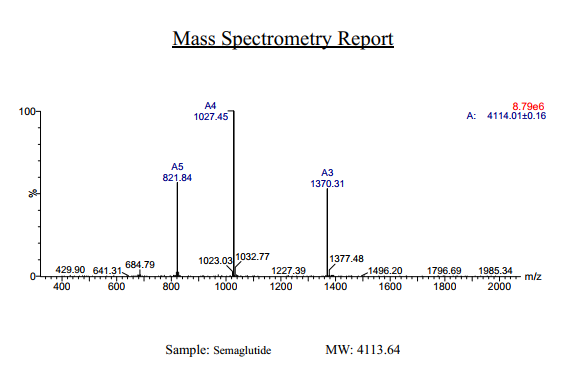
- HPLC, MS
Description
Semaglutide Synthetic is a single, non-glycosylated polypeptide chain containing 31 amino acids, having a molecular mass of 4113 Dalton and a Molecular formula of C187H291N45O59.
Formulation
The protein was lyophilized with no additives.
Purity
Greater than 97.0% as determined by analysis by RP-HPLC.
HPLC, MS
More Info
-
Physical Appearance
Sterile Filtered White lyophilized (freeze-dried) powder.
-
Stability
Lyophilized Semaglutide although stable at room temperature for 3 weeks, should be stored desiccated below -18°C. Upon reconstitution Semaglutide should be stored at 4°C between 2-7 days and for future use below -18°C. For long term storage it is recommended to add a carrier protein (0.1% HSA or BSA). Please prevent freeze-thaw cycles.
-
Solubility
It is recommended to reconstitute the lyophilized Semaglutide in sterile 18MΩ-cm H2O not less than 100 µg/ml, which can then be further diluted to other aqueous solutions.
-
Amino Acid Sequence
H-His-Aib-Glu-Gly-Thr-Phe-Thr-Ser-Asp-Val-Ser-Ser-Tyr-Leu-Glu-Gly-Gln-Ala-Ala-Lys(AEEAc-AEEAc-γ-Glu-17-carboxyheptadecanoyl)-Glu-Phe-Ile-Ala-Trp-Leu-Val-Arg-Gly-Arg-Gly-OH.
-
Background
Semaglutide, a glucagon-like peptide-1 receptor agonist (GLP-1 RA), has emerged as a breakthrough in the field of diabetes management and metabolic disorders. It is recognized for its potent glucose-lowering effects, weight management properties, and cardiovascular benefits. Beyond diabetes, semaglutide is under investigation for its potential applications in obesity treatment and other related conditions. This research aims to comprehensively explore semaglutide, shedding light on its multifaceted mechanisms of action and its broader therapeutic implications.
The primary objective of this research is to elucidate the mechanisms underlying the glucose-lowering and metabolic effects of semaglutide. In vitro and in vivo experiments will be conducted to investigate how semaglutide interacts with GLP-1 receptors, influences insulin secretion, and modulates glucose homeostasis. Understanding these mechanisms is crucial for harnessing the full therapeutic potential of semaglutide.
The second objective is to assess the clinical relevance of semaglutide in diabetes management. Clinical trials involving individuals with type 2 diabetes will be conducted to evaluate the efficacy, safety, and long-term outcomes of semaglutide treatment. These investigations may provide valuable insights into its use as a monotherapy or adjunct therapy in diabetes care.
The third objective is to explore the potential applications of semaglutide beyond diabetes. Research will investigate its role in obesity treatment, cardiovascular risk reduction, and non-alcoholic fatty liver disease (NAFLD) management. Understanding the multifaceted properties of semaglutide may open new avenues for therapeutic interventions in various metabolic and cardiovascular conditions.
By delving into the diverse functions of semaglutide, this research aims to expand our understanding of its therapeutic potential and clinical applications. The findings may contribute to improved treatment strategies for individuals affected by diabetes, obesity, and related metabolic disorders.
ProSpec's products are furnished for LABORATORY RESEARCH USE ONLY. The product may not be used as drugs, agricultural or pesticidal products, food additives or household chemicals.
- View Data Sheet
Name :
AHCY Human, Sf9Description:
Adenosylhomocysteinase Human Recombinant, Sf9
EC 3.3.1.1, SAHH, AdoHcyase, S-adenosyl-L-homocysteine hydrolase, AHCY, Adenosylhomocysteinase.
Product # :
ENZ-1034Price :
Quantity :
Shipping Method :
Shipped with Ice Packs
More Info
- description
- source
- formulation
- purity
- More Info
Description
AHCY Human Recombinant produced in Sf9 Baculovirus cells is a single, glycosylated polypeptide chain containing 441 amino acids (1-432 a.a.) and having a molecular mass of 48.8kDa (Migrates at 40-57kDa on SDS-PAGE under reducing conditions). AHCY is fused to a 6 amino acids His-Tag at C-terminus and purified by proprietary chromatographic techniques.
Source
Sf9, Baculovirus cells.
Formulation
AHCY protein solution (0.25mg/ml) contains Phosphate Buffered Saline (pH 7.4) and 10% glycerol.
Purity
Greater than 90% as determined by SDS-PAGE.
More Info
-
Introduction
AHCY is an enzyme that catalyzes the reversible hydrolysis of S-adenosylhomocysteine (AdoHcy) to adenosine (Ado) and L-homocysteine (Hcy). AHCY controls the intracellular S-adenosylhomocysteine (SAH) concentration that is crucial for transmethylation reactions. AHCY deficiency causes hypermethioninemia.
-
Synonyms
EC 3.3.1.1, SAHH, AdoHcyase, S-adenosyl-L-homocysteine hydrolase, AHCY, Adenosylhomocysteinase.
-
Physical Appearance
Sterile Filtered colorless solution.
-
Stability
Store at 4°C if entire vial will be used within 2-4 weeks. Store, frozen at -20°C for longer periods of time. For long term storage it is recommended to add a carrier protein (0.1% HSA or BSA).Avoid multiple freeze-thaw cycles.
-
Amino Acid Sequence
ADLMSDKLPY KVADIGLAAW GRKALDIAEN EMPGLMRMRE RYSASKPLKG ARIAGCLHMT VETAVLIETL VTLGAEVQWS SCNIFSTQDH AAAAIAKAGI PVYAWKGETD EEYLWCIEQT LYFKDGPLNM ILDDGGDLTN LIHTKYPQLL PGIRGISEET TTGVHNLYKM MANGILKVPA INVNDSVTKS KFDNLYGCRE SLIDGIKRAT DVMIAGKVAV VAGYGDVGKG CAQALRGFGA RVIITEIDPI NALQAAMEGY EVTTMDEACQ EGNIFVTTTG CIDIILGRHF EQMKDDAIVC NIGHFDVEID VKWLNENAVE KVNIKPQVDR YRLKNGRRII LLAEGRLVNL GCAMGHPSFV MSNSFTNQVM AQIELWTHPD KYPVGVHFLP KKLDEAVAEA HLGKLNVKLT KLTEKQAQYL GMSCDGPFKP DHYRYHHHHH H.
ProSpec's products are furnished for LABORATORY RESEARCH USE ONLY. The product may not be used as drugs, agricultural or pesticidal products, food additives or household chemicals.
- View Data Sheet
Name :
DGCR6L HumanDescription:
DiGeorge Syndrome Critical Region Gene 6-Like Human Recombinant
Protein DGCR6L, DiGeorge syndrome critical region 6-like protein, DGCR6L.
Product # :
PRO-1454Price :
Quantity :
Shipping Method :
Shipped with Ice Packs
More Info
- description
- source
- formulation
- purity
- More Info
Description
DGCR6L Human Recombinant produced in E.Coli is a single, non-glycosylated polypeptide chain containing 243 amino acids (1-220 a.a) and having a molecular mass of 27.3kDa.DGCR6L is fused to a 23 amino acid His-tag at N-terminus & purified by proprietary chromatographic techniques.
Source
Escherichia Coli.
Formulation
DGCR6L protein solution (0.5mg/ml) containing 20mM Tris-HCl buffer (pH 8.0), 0.2M NaCl, 50% glycerol, 1mM DTT and 250mM Imidazole.
Purity
Greater than 85.0% as determined by SDS-PAGE.
More Info
-
Introduction
DiGeorge syndrome critical region 6-like protein (DGCR6L) shares homology with the Drosophila gonadal protein, it is expressed in gonadal tissues and germ cells, and with the human laminin gamma-1 chain which functions in cell attachment and migration. DGCR6L is located in a region of chromosome 22 involved in the DiGeorge syndrome, one aspect of a wider collection of anomalies referred to as the CATCH 22 syndrome. Moreover, it is one of two functional genes encoding nearly identical proteins which have analogous expression patterns.
-
Synonyms
Protein DGCR6L, DiGeorge syndrome critical region 6-like protein, DGCR6L.
-
Physical Appearance
Sterile Filtered colorless solution.
-
Stability
Store at 4°C if entire vial will be used within 2-4 weeks. Store, frozen at -20°C for longer periods of time. For long term storage it is recommended to add a carrier protein (0.1% HSA or BSA).Avoid multiple freeze-thaw cycles.
-
Amino Acid Sequence
MGSSHHHHHH SSGLVPRGSH MGSMERYAAA LEEVADGARQ QERHYQLLSA LQSLVKELPS SFQQRLSYTT LSDLALALLD GTVFEIVQGL LEIQHLTEKS LYNQRLRLQN EHRVLRQALR QKHQEAQQAC RPHNLPVVQA AQQRELEAVE HRIREEQRAM DQKIILELDR KVADQQSTLE KAGVAGFYVT TNPQELMLQM NLLELIRKLQ QRGCRAGNAA LGLGGPWQSP AAQCDQKGSP VPP.
ProSpec's products are furnished for LABORATORY RESEARCH USE ONLY. The product may not be used as drugs, agricultural or pesticidal products, food additives or household chemicals.
- View Data Sheet
Name :
SSR1 HumanDescription:
Signal Sequence Receptor, Alpha Human Recombinant
Signal Sequence Receptor Alpha, Translocon-Associated Protein Alpha, SSR Alpha Subunit, TRAP-alpha, TRAPA.
Product # :
PRO-1772Price :
Quantity :
Shipping Method :
Shipped with Ice Packs
More Info
- description
- source
- formulation
- purity
- More Info
Description
SSR1 Human Recombinant produced in E.Coli is a single, non-glycosylated polypeptide chain topological domain containing 209 amino acids (22-207 a.a) and having a molecular mass of 23.1kDa. SSR1 is fused to a 23 amino acid His-tag at N-terminus & purified by proprietary chromatographic techniques.
Source
Escherichia Coli.
Formulation
SSR1 protein solution (0.25mg/ml) containing 20mM Tris-HCl buffer (pH8.0), 0.1M NaCl, 1mM DTT and 20% glycerol.
Purity
Greater than 90.0% as determined by SDS-PAGE.
More Info
-
Introduction
SSR is a glycosylated endoplasmic reticulum (ER) membrane receptor involved in protein translocation across the ER membrane. SSR is formed of 2 subunits, a 34-kD glycoprotein encoded by this gene and a 22-kD glycoprotein. SSR gene creates a number of mRNA species due to complex alternative polyadenylation. SSR is unique since it exploits arrays of polyA signal sequences which are mostly non-canonical.
-
Synonyms
Signal Sequence Receptor Alpha, Translocon-Associated Protein Alpha, SSR Alpha Subunit, TRAP-alpha, TRAPA.
-
Physical Appearance
Sterile Filtered clear solution.
-
Stability
Store at 4°C if entire vial will be used within 2-4 weeks. Store, frozen at -20°C for longer periods of time.For long term storage it is recommended to add a carrier protein (0.1% HSA or BSA).Please avoid freeze thaw cycles.
-
Amino Acid Sequence
MGSSHHHHHH SSGLVPRGSH MGSRGGPRGL LAVAQDLTED EETVEDSIIE DEDDEAEVEE DEPTDLVEDK EEEDVSGEPE ASPSADTTIL FVKGEDFPAN NIVKFLVGFT NKGTEDFIVE SLDASFRYPQ DYQFYIQNFT ALPLNTVVPP QRQATFEYSF IPAEPMGGRP FGLVINLNYK DLNGNVFQDA VFNQTVTVIE REDGLDGET
ProSpec's products are furnished for LABORATORY RESEARCH USE ONLY. The product may not be used as drugs, agricultural or pesticidal products, food additives or household chemicals.
- View Data Sheet
Name :
TINAGL1 Human, Sf9Description:
Tubulointerstitial Nephritis Antigen Like 1 Human Recombinant, Sf9
Tubulointerstitial nephritis antigen-like isoform 1, TINAGL1, Tubulointerstitial nephritis antigen-like, Glucocorticoid-inducible protein 5, Oxidized LDL-responsive gene 2 protein, OLRG-2, Tubulointerstitial nephritis antigen-related protein, TIN Ag-related protein, TIN-Ag-RP, GIS5, LCN7, OLRG2, TINAGL, PP6614, PSEC0088, UNQ204/PRO230.
Product # :
PRO-2422Price :
Quantity :
Shipping Method :
Shipped with Ice Packs
More Info
- description
- source
- formulation
- purity
- More Info
Description
TINAGL1 Human Recombinant produced in Sf9 Baculovirus cells is a single, glycosylated polypeptide chain containing 455 amino acids (22-467a.a.) and having a molecular mass of 51.2kDa (Molecular size on SDS-PAGE will appear at approximately 50-70kDa). TINAGL1 is expressed with a 6 amino acid His tag at C-Terminus and purified by proprietary chromatographic techniques.
Source
Sf9, Baculovirus cells.
Formulation
TINAGL1 protein solution (0.25mg/ml) contains Phosphate Buffered Saline (pH 7.4), 30% glycerol and 1mM DTT.
Purity
Greater than 90.0% as determined by SDS-PAGE.
More Info
-
Introduction
Tubulointerstitial Nephritis Antigen Like 1 also known as TINAGL1 is similar in sequence to tubulointerstitial nephritis antigen, a secreted glycoprotein which is identified by antibodies in several types of immune-related tubulointerstitial nephritis. Three transcript variants encoding different isoforms are known for TINAGL1.
-
Synonyms
Tubulointerstitial nephritis antigen-like isoform 1, TINAGL1, Tubulointerstitial nephritis antigen-like, Glucocorticoid-inducible protein 5, Oxidized LDL-responsive gene 2 protein, OLRG-2, Tubulointerstitial nephritis antigen-related protein, TIN Ag-related protein, TIN-Ag-RP, GIS5, LCN7, OLRG2, TINAGL, PP6614, PSEC0088, UNQ204/PRO230.
-
Physical Appearance
Sterile filtered colorless solution.
-
Stability
Store at 4°C if entire vial will be used within 2-4 weeks. Store, frozen at -20°C for longer periods of time. For long term storage it is recommended to add a carrier protein (0.1% HSA or BSA).Avoid multiple freeze-thaw cycles.
-
Amino Acid Sequence
ADLAQQGRGR RELAPGLHLR GIRDAGGRYC QEQDLCCRGR ADDCALPYLG AICYCDLFCN RTVSDCCPDF WDFCLGVPPP FPPIQGCMHG GRIYPVLGTY WDNCNRCTCQ ENRQWQCDQE PCLVDPDMIK AINQGNYGWQ AGNHSAFWGM TLDEGIRYRL GTIRPSSSVM NMHEIYTVLN PGEVLPTAFE ASEKWPNLIH EPLDQGNCAG SWAFSTAAVA SDRVSIHSLG HMTPVLSPQN LLSCDTHQQQ GCRGGRLDGA WWFLRRRGVV SDHCYPFSGR ERDEAGPAPP CMMHSRAMGR GKRQATAHCP NSYVNNNDIY QVTPVYRLGS NDKEIMKELM ENGPVQALME VHEDFFLYKG GIYSHTPVSL GRPERYRRHG THSVKITGWG EETLPDGRTL KYWTAANSWG PAWGERGHFR IVRGVNECDI ESFVLGVWGR VGMEDMGHHH HHHHH.
ProSpec's products are furnished for LABORATORY RESEARCH USE ONLY. The product may not be used as drugs, agricultural or pesticidal products, food additives or household chemicals.
- View Data Sheet
Name :
USP46 HumanDescription:
Ubiquitin Specific Peptidase 46 Human Recombinant
Ubiquitin carboxyl-terminal hydrolase 46, Deubiquitinating enzyme 46, Ubiquitin thioesterase 46, Ubiquitin-specific-processing protease 46, USP46.
Product # :
PRO-1866Price :
Quantity :
Shipping Method :
Shipped with Ice Packs
More Info
- description
- source
- formulation
- purity
- More Info
Description
USP46 Human Recombinant produced in E. coli is. a single polypeptide chain containing 389 amino acids (1-366) and having a molecular mass of 44.8kDa. USP46 is fused to a 23 amino acid His-tag at N-terminus & purified by proprietary chromatographic techniques.
Source
Escherichia Coli.
Formulation
The USP46 solution (0.25mg/ml) contains 20mM Tris-HCl buffer (pH 8.0), 0.15M NaCl, 10% glycerol and 1mM DTT.
Purity
Greater than 90% as determined by SDS-PAGE.
More Info
-
Introduction
USP46 is a part of a large family of cysteine proteases that function as deubiquitinating enzymes which interacts with WDR48 to have a high activity. USP46 operates by mediating the deubiquitination of GAD1/GAD67.
-
Synonyms
Ubiquitin carboxyl-terminal hydrolase 46, Deubiquitinating enzyme 46, Ubiquitin thioesterase 46, Ubiquitin-specific-processing protease 46, USP46.
-
Physical Appearance
Sterile Filtered clear solution.
-
Stability
Store at 4°C if entire vial will be used within 2-4 weeks. Store frozen at -20°C for longer periods of time. For long term storage it is recommended to add a carrier protein (0.1% HSA or BSA).Avoid multiple freeze-thaw cycles.
-
Amino Acid Sequence
MGSSHHHHHH SSGLVPRGSH MGSMTVRNIA SICNMGTNAS ALEKDIGPEQ FPINEHYFGL VNFGNTCYCN SVLQALYFCR PFRENVLAYK AQQKKKENLL TCLADLFHSI ATQKKKVGVI PPKKFISRLR KENDLFDNYM QQDAHEFLNY LLNTIADILQ EEKKQEKQNG KLKNGNMNEP AENNKPELTW VHEIFQGTLT NETRCLNCET VSSKDEDFLD LSVDVEQNTS ITHCLRDFSN TETLCSEQKY YCETCCSKQE AQKRMRVKKL PMILALHLKR FKYMEQLHRY TKLSYRVVFP LELRLFNTSS DAVNLDRMYD LVAVVVHCGS GPNRGHYITI VKSHGFWLLF DDDIVEKIDA QAIEEFYGLT SDISKNSESG YILFYQSRE.
ProSpec's products are furnished for LABORATORY RESEARCH USE ONLY. The product may not be used as drugs, agricultural or pesticidal products, food additives or household chemicals.
- View Data Sheet
Name :
COX5B HumanDescription:
Cytochrome C Oxidase Subunit Vb Human Recombinant
Cytochrome c oxidase subunit 5B, mitochondrial precursor, COXVB, COX5B, Mitochondrial, Cytochrome c oxidase polypeptide Vb.
Product # :
PRO-1513Price :
Quantity :
Shipping Method :
Shipped with Ice Packs
More Info
- description
- source
- formulation
- purity
- More Info
Description
COX5B Human Recombinant produced in E.Coli is a single, non-glycosylated polypeptide chain containing 121 amino acids (32-129a.a) and having a molecular mass of 13kDa. COX5B is fused to a 23 amino acid His-tag at N-terminus & purified by proprietary chromatographic techniques.
Source
Escherichia Coli.
Formulation
COX5B protein solution (0.5mg/ml) containing 20mM Tris-HCl buffer (pH8.0), 0.1M NaCl, 20% glycerol and 1mM DTT.
Purity
Greater than 95.0% as determined by SDS-PAGE.
More Info
-
Introduction
Cytochrome c oxidase subunit VB (COX5B) is the terminal enzyme of the mitochondrial respiratory chain. COX5B is a multi-subunit enzyme complex which couples the transfer of electrons from cytochrome c to molecular oxygen and contributes to a proton electrochemical gradient across the inner mitochondrial membrane. There are two isoforms of COX5:COX5a and COX5b. Transcription of COX5A (the aerobic isoform) is up-regulated as the rate of cellular respiration increases, when oxygen levels within the cell are high. However, when oxygen levels are low, COX5B (the hypoxic isoform) transcription increases and functions to maximize the turnover rate of the COX apoenzyme.
-
Synonyms
Cytochrome c oxidase subunit 5B, mitochondrial precursor, COXVB, COX5B, Mitochondrial, Cytochrome c oxidase polypeptide Vb.
-
Physical Appearance
Sterile filtered colorless solution.
-
Stability
Store at 4°C if entire vial will be used within 2-4 weeks. Store, frozen at -20°C for longer periods of time. For long term storage it is recommended to add a carrier protein (0.1% HSA or BSA).Avoid multiple freeze-thaw cycles.
-
Amino Acid Sequence
MGSSHHHHHH SSGLVPRGSH MGSASGGGVP TDEEQATGLE REIMLAAKKG LDPYNVLAPK GASGTREDPN LVPSISNKRI VGCICEEDNT SVVWFWLHKG EAQRCPRCGA HYKLVPQQLA H.
ProSpec's products are furnished for LABORATORY RESEARCH USE ONLY. The product may not be used as drugs, agricultural or pesticidal products, food additives or household chemicals.
- View Data Sheet
Name :
MGAT2 Human, Sf9Description:
Mannoside Acetylglucosaminyltransferase 2 Human Recombinant, Sf9
Alpha-1, 6-mannosyl-glycoprotein 2-beta-N-acetylglucosaminyltransferase, MGAT2, CDG2A, CDGS2, GLCNACTII, GNT-II, GNT2, Beta-1,2-N-acetylglucosaminyltransferase II, GlcNAc-T II, Mannoside acetylglucosaminyltransferase 2, N-glycosyl-oligosaccharide-glycoprotein N-acetylglucosaminyltransferase II.
Product # :
ENZ-1077Price :
Quantity :
Shipping Method :
Shipped with Ice Packs
More Info
- description
- source
- formulation
- purity
- More Info
Description
MGAT2 produced in Sf9 Baculovirus cells is a single, glycosylated polypeptide chain containing 427 amino acids (30-447a.a.) and having a molecular mass of 49.3kDa. (Molecular size on SDS-PAGE will appear at approximately 40-57kDa).MGAT2 is expressed with a 6 amino acid His tag at C-Terminus and purified by proprietary chromatographic techniques.
Source
Sf9, Baculovirus cells.
Formulation
MGAT2 protein solution (0.25mg/ml) contains 20mM Tris-HCl (pH 7.5), 10% glycerol, 0.15M NaCl and 1mM DTT.
Purity
Greater than 90.0% as determined by SDS-PAGE.
More Info
-
Introduction
MGAT2 is an enzyme which takes part in the catalyzation of a crucial step in the reaction of oligomannose which converts to complex N-glycans. MGAT2 has three domains, classic to glycosyltransferase: short N-terminal cytoplasmic domain, a C-terminal catalytic domain and hydrophobic non-cleavable signal-anchor domain. The enzyme MGAT2 is encoded by the MGAT2 gene in humans. There are no introns in the DNA coding the gene, therefore mutations in the MGAT2 will result in carbohydrate-deficient glycoprotein syndrome, type II.
-
Synonyms
Alpha-1, 6-mannosyl-glycoprotein 2-beta-N-acetylglucosaminyltransferase, MGAT2, CDG2A, CDGS2, GLCNACTII, GNT-II, GNT2, Beta-1,2-N-acetylglucosaminyltransferase II, GlcNAc-T II, Mannoside acetylglucosaminyltransferase 2, N-glycosyl-oligosaccharide-glycoprotein N-acetylglucosaminyltransferase II.
-
Physical Appearance
Sterile filtered colorless solution.
-
Stability
Store at 4°C if entire vial will be used within 2-4 weeks. Store, frozen at -20°C for longer periods of time. For long term storage it is recommended to add a carrier protein (0.1% HSA or BSA).Avoid multiple freeze-thaw cycles.
-
Amino Acid Sequence
ADPRQRKNEA LAPPLLDAEP ARGAGGRGGD HPSVAVGIRR VSNVSAASLV PAVPQPEADN LTLRYRSLVY QLNFDQTLRN VDKAGTWAPR ELVLVVQVHN RPEYLRLLLD SLRKAQGIDN VLVIFSHDFW STEINQLIAG VNFCPVLQVF FPFSIQLYPN EFPGSDPRDC PRDLPKNAAL
KLGCINAEYP DSFGHYREAK FSQTKHHWWW KLHFVWERVK ILRDYAGLIL FLEEDHYLAP DFYHVFKKMW KLKQQECPEC DVLSLGTYSA SRSFYGMADK VDVKTWKSTE HNMGLALTRN AYQKLIECTD TFCTYDDYNW DWTLQYLTVS CLPKFWKVLV PQIPRIFHAG DCGMHHKKTC
RPSTQSAQIE SLLNNNKQYM FPETLTISEK FTVVAISPPR KNGGWGDIRD HELCKSYRRL QHHHHHH.
ProSpec's products are furnished for LABORATORY RESEARCH USE ONLY. The product may not be used as drugs, agricultural or pesticidal products, food additives or household chemicals.
- View Data Sheet
Name :
SDHAF1 HumanDescription:
Succinate Dehydrogenase Complex Assembly Factor 1 Human Recombinant
Succinate Dehydrogenase Complex Assembly Factor 1, LYR Motif-Containing Protein 8, LYR Motif Containing 8, SDH Assembly Factor 1, LYRM8, Succinate Dehydrogenase Assembly Factor 1, Mitochondrial, Succinate dehydrogenase assembly factor 1, mitochondrial.
Product # :
PRO-2123Price :
Quantity :
Shipping Method :
Shipped with Ice Packs
More Info
- description
- source
- formulation
- purity
- More Info
Description
SDHAF1 Human Recombinant produced in E.Coli is a single, non-glycosylated polypeptide chain containing 138 amino acids (1-115 a.a) and having a molecular mass of 15.2kDa. SDHAF1 is fused to a 23 amino acid His-tag at N-terminus & purified by proprietary chromatographic techniques.
Source
Escherichia Coli.
Formulation
SDHAF1 protein solution (0.25mg/ml) containing Phosphate buffered saline (pH7.4), 30% glycerol, 2mM DTT and 0.1mM PMSF.
Purity
Greater than 85.0% as determined by SDS-PAGE.
More Info
-
Introduction
Succinate dehydrogenase assembly factor 1 (SDHAF1) is a member of the complex I LYR family. SDHAF1 plays an important role in succinate dehydrogenase complex (SDH) assembly, a complex which is involved in complex II of the mitochondrial electron transport chain. SDHAF1 functions through taking part in mitochondrial biosynthesis of iron-sulfur centers for complex II.
-
Synonyms
Succinate Dehydrogenase Complex Assembly Factor 1, LYR Motif-Containing Protein 8, LYR Motif Containing 8, SDH Assembly Factor 1, LYRM8, Succinate Dehydrogenase Assembly Factor 1, Mitochondrial, Succinate dehydrogenase assembly factor 1, mitochondrial.
-
Physical Appearance
Sterile Filtered colorless solution.
-
Stability
Store at 4°C if entire vial will be used within 2-4 weeks. Store, frozen at -20°C for longer periods of time. For long term storage it is recommended to add a carrier protein (0.1% HSA or BSA).Avoid multiple freeze-thaw cycles.
-
Amino Acid Sequence
MGSSHHHHHH SSGLVPRGSH MGSMSRHSRL QRQVLSLYRD LLRAGRGKPG AEARVRAEFR QHAGLPRSDV LRIEYLYRRG RRQLQLLRSG HATAMGAFVR PRAPTGEPGG VGSQPDDGDS PRNPHDSTGA PETRPDGR.
ProSpec's products are furnished for LABORATORY RESEARCH USE ONLY. The product may not be used as drugs, agricultural or pesticidal products, food additives or household chemicals.