Skip to content

High-quality research proteins.

  • 1-800-805-6531

  • Mon - Sat 8.00-18.00, Sun - Closed

  • info@prospecbio.com

  • PO Box 6591 East Brunswick NJ 08816

  • Products
    • Cytokines
    • Growth factors
    • Chemokines
    • Cd antigens
    • Neurotrophins
    • Hormones
    • Enzymes
    • Viral antigens
    • Recombinant proteins
    • Natural proteins
    • Monoclonal antibodies
    • Polyclonal antibodies
    • Thermal Packaging
  • About
    • Company
    • Founder
    • Contribution
  • Customers
    • Eastern Asia
    • Eastern Europe
    • North America
    • South America
    • South East Asia
    • Southern Asia
    • Western Europe
  • Ordering
    • Ordering Method
    • Ordering - Credit Card
    • Ordering - PO
    • Shipping Fees
    • FAQs
  • Services
    • DNA Cloning
    • Protein Expression
    • Monoclonal Antibody
    • Fermentation
    • Technology License
  • Contact us
Log in

Country/region

  • USD $ | Albania
  • USD $ | Andorra
  • USD $ | Argentina
  • USD $ | Armenia
  • USD $ | Australia
  • USD $ | Austria
  • USD $ | Azerbaijan
  • USD $ | Belarus
  • USD $ | Belgium
  • USD $ | Bolivia
  • USD $ | Brazil
  • USD $ | Bulgaria
  • USD $ | Cambodia
  • USD $ | Canada
  • USD $ | Chile
  • USD $ | China
  • USD $ | Colombia
  • USD $ | Costa Rica
  • USD $ | Croatia
  • USD $ | Cyprus
  • USD $ | Czechia
  • USD $ | Denmark
  • USD $ | Estonia
  • USD $ | Finland
  • USD $ | France
  • USD $ | Georgia
  • USD $ | Germany
  • USD $ | Greece
  • USD $ | Hong Kong SAR
  • USD $ | Hungary
  • USD $ | Iceland
  • USD $ | India
  • USD $ | Ireland
  • USD $ | Israel
  • USD $ | Italy
  • USD $ | Japan
  • USD $ | Kazakhstan
  • USD $ | Latvia
  • USD $ | Liechtenstein
  • USD $ | Lithuania
  • USD $ | Madagascar
  • USD $ | Malta
  • USD $ | Mexico
  • USD $ | Moldova
  • USD $ | Monaco
  • USD $ | Netherlands
  • USD $ | New Zealand
  • USD $ | North Macedonia
  • USD $ | Norway
  • USD $ | Panama
  • USD $ | Paraguay
  • USD $ | Peru
  • USD $ | Philippines
  • USD $ | Poland
  • USD $ | Portugal
  • USD $ | Romania
  • USD $ | Singapore
  • USD $ | Slovakia
  • USD $ | Slovenia
  • USD $ | South Africa
  • USD $ | South Korea
  • USD $ | Spain
  • USD $ | Sri Lanka
  • USD $ | Sweden
  • USD $ | Switzerland
  • USD $ | Taiwan
  • USD $ | Thailand
  • USD $ | Türkiye
  • USD $ | Ukraine
  • USD $ | United Kingdom
  • USD $ | United States
  • USD $ | Uruguay
  • USD $ | Vatican City
  • USD $ | Venezuela
  • USD $ | Vietnam
  • Facebook
  • Instagram
logoProSpec - Recombinant Protein Manufacturer for academic and R&D industry
Become a distributor
Account Log in
Wishlist
Cart Cart(0)
  • Products
    +
    • Cytokines
    • Growth factors
    • Chemokines
    • Cd antigens
    • Neurotrophins
    • Hormones
    • Enzymes
    • Viral antigens
    • Recombinant proteins
    • Natural proteins
    • Monoclonal antibodies
    • Polyclonal antibodies
    • Thermal Packaging
  • About
    +
    • Company
    • Founder
    • Contribution
  • Customers
    +
    • Eastern Asia
    • Eastern Europe
    • North America
    • South America
    • South East Asia
    • Southern Asia
    • Western Europe
  • Ordering
    +
    • Ordering Method
    • Ordering - Credit Card
    • Ordering - PO
    • Shipping Fees
    • FAQs
  • Services
    +
    • DNA Cloning
    • Protein Expression
    • Monoclonal Antibody
    • Fermentation
    • Technology License
  • Contact us

Item added to your cart

View cart
View All
  • Cytokines
  • Growth factors
  • Chemokines
  • Cd antigens
  • Neurotrophins
  • Hormones
  • Enzymes
  • Viral antigens
  • Recombinant proteins
  • Natural proteins
  • Monoclonal antibodies
  • Polyclonal antibodies
  • Thermal Packaging
  • Tumor Necrosis Factor

    Tumor Necrosis Factor

    View All
  • 4-1BB

    4-1BB

    View All
  • Adiponectin

    Adiponectin

    View All
  • AIF1

    AIF1

    View All
  • Other Cytokines

    Other Cytokines

    View All
  • AITRL

    AITRL

    View All
  • Angiopoietin

    Angiopoietin

    View All
  • Apolipoprotein

    Apolipoprotein

    View All
  • B-Cell Activating Factor

    B-Cell Activating Factor

    View All
  • Beta Defensin

    Beta Defensin

    View All
  • Bone Morphogenetic Protein

    Bone Morphogenetic Protein

    View All
  • B type Natriuretic Peptide

    B type Natriuretic Peptide

    View All
  • BST

    BST

    View All
  • Betacellulin

    Betacellulin

    View All
  • Cardiotrophin

    Cardiotrophin

    View All
  • Activin

    Activin

    View All
  • Fibroblast Growth Factor

    Fibroblast Growth Factor

    View All
  • Other Growth Factors

    Other Growth Factors

    View All
  • CSF

    CSF

    View All
  • CTGF

    CTGF

    View All
  • IGFBP

    IGFBP

    View All
  • VEGF Protein

    VEGF Protein

    View All
  • EGF

    EGF

    View All
  • Epigen

    Epigen

    View All
  • Erythropoietin

    Erythropoietin

    View All
  • Insulin-Like Growth Factor

    Insulin-Like Growth Factor

    View All
  • Growth Hormone

    Growth Hormone

    View All
  • HDGF

    HDGF

    View All
  • Hepatocyte Growth Factor

    Hepatocyte Growth Factor

    View All
  • Insulin

    Insulin

    View All
  • BCA-1/ BLC (CXCL13)

    BCA-1/ BLC (CXCL13)

    View All
  • BRAK (CXCL14)

    BRAK (CXCL14)

    View All
  • C-10 (CCL6)

    C-10 (CCL6)

    View All
  • Other Chemokines

    Other Chemokines

    View All
  • MEC (CCL28)

    MEC (CCL28)

    View All
  • LD78-beta (CCL3L1)

    LD78-beta (CCL3L1)

    View All
  • CTACK (CCL27)

    CTACK (CCL27)

    View All
  • CXCL16

    CXCL16

    View All
  • CXCL17

    CXCL17

    View All
  • Platelet Factor-4 (CXCL4)

    Platelet Factor-4 (CXCL4)

    View All
  • ENA-78 (CXCL5)

    ENA-78 (CXCL5)

    View All
  • Eotaxin (CCL11,24,26)

    Eotaxin (CCL11,24,26)

    View All
  • Exodus-2 (CCL21)

    Exodus-2 (CCL21)

    View All
  • Fractalkine (CX3CL1)

    Fractalkine (CX3CL1)

    View All
  • CXCL6

    CXCL6

    View All
  • Other CD Antigens

    Other CD Antigens

    View All
  • CD14

    CD14

    View All
  • CD164

    CD164

    View All
  • CD1

    CD1

    View All
  • CD2

    CD2

    View All
  • CD200

    CD200

    View All
  • CD207

    CD207

    View All
  • CD226

    CD226

    View All
  • CD23

    CD23

    View All
  • CD244

    CD244

    View All
  • CD247

    CD247

    View All
  • CD27

    CD27

    View All
  • CD274

    CD274

    View All
  • CD300

    CD300

    View All
  • CD33

    CD33

    View All
  • Other Neurotrophins

    Other Neurotrophins

    View All
  • Beta-NGF

    Beta-NGF

    View All
  • BDNF

    BDNF

    View All
  • CDNF

    CDNF

    View All
  • CNTF

    CNTF

    View All
  • GDNF

    GDNF

    View All
  • Glia Maturation Factor

    Glia Maturation Factor

    View All
  • MANF

    MANF

    View All
  • Midkine

    Midkine

    View All
  • Neuroglobin

    Neuroglobin

    View All
  • Neurotrophic factors

    Neurotrophic factors

    View All
  • Neuregulin

    Neuregulin

    View All
  • Neuropilin

    Neuropilin

    View All
  • Pigment Epithelium-Derived Factor

    Pigment Epithelium-Derived Factor

    View All
  • Pleiotrophin

    Pleiotrophin

    View All
  • Peptide Hormones

    Peptide Hormones

    View All
  • Other Hormones

    Other Hormones

    View All
  • HCG

    HCG

    View All
  • Endothelin

    Endothelin

    View All
  • Exendin

    Exendin

    View All
  • FSH

    FSH

    View All
  • Glucagon

    Glucagon

    View All
  • GHRP

    GHRP

    View All
  • GLP

    GLP

    View All
  • Thyrostimulin

    Thyrostimulin

    View All
  • Inhibin A

    Inhibin A

    View All
  • LHRH

    LHRH

    View All
  • Melanotan

    Melanotan

    View All
  • Procalcitonin

    Procalcitonin

    View All
  • PTH

    PTH

    View All
  • Peroxiredoxin

    Peroxiredoxin

    View All
  • Peptidase

    Peptidase

    View All
  • Synthetase

    Synthetase

    View All
  • Transferase

    Transferase

    View All
  • Hydrolase

    Hydrolase

    View All
  • Dehydrogenase

    Dehydrogenase

    View All
  • ACE2

    ACE2

    View All
  • Esterase

    Esterase

    View All
  • Protein Kinases

    Protein Kinases

    View All
  • Other Enzymes

    Other Enzymes

    View All
  • Phosphatase

    Phosphatase

    View All
  • Deaminase

    Deaminase

    View All
  • Oxygenase

    Oxygenase

    View All
  • Adenylate Kinase

    Adenylate Kinase

    View All
  • Lyase

    Lyase

    View All
  • Chagas

    Chagas

    View All
  • SARS

    SARS

    View All
  • Influenza

    Influenza

    View All
  • ASFV

    ASFV

    View All
  • Astrovirus

    Astrovirus

    View All
  • Borrelia

    Borrelia

    View All
  • Helicobacter Pylori

    Helicobacter Pylori

    View All
  • Chikungunya

    Chikungunya

    View All
  • Chlamydia

    Chlamydia

    View All
  • Cytomegalo

    Cytomegalo

    View All
  • Dengue

    Dengue

    View All
  • EBV

    EBV

    View All
  • Ebola

    Ebola

    View All
  • Feline Leukemia Virus

    Feline Leukemia Virus

    View All
  • Hepatitis A

    Hepatitis A

    View All
  • Other

    Other

    View All
  • Actin

    Actin

    View All
  • ADAM

    ADAM

    View All
  • Complement Component

    Complement Component

    View All
  • Ag85

    Ag85

    View All
  • Eukaryotic Translation Initiation Factor

    Eukaryotic Translation Initiation Factor

    View All
  • Anterior Gradient Protein

    Anterior Gradient Protein

    View All
  • Heat Shock Protein

    Heat Shock Protein

    View All
  • Alpha-2-HS-Glycoprotein

    Alpha-2-HS-Glycoprotein

    View All
  • Hemoglobin

    Hemoglobin

    View All
  • Allergy

    Allergy

    View All
  • Anaplasma

    Anaplasma

    View All
  • Angiogenin

    Angiogenin

    View All
  • Ankyrin Repeat Domain

    Ankyrin Repeat Domain

    View All
  • Annexin

    Annexin

    View All
  • Other Natural Proteins

    Other Natural Proteins

    View All
  • Aprotinin

    Aprotinin

    View All
  • Transferrin

    Transferrin

    View All
  • Avidin

    Avidin

    View All
  • Anti Coagulation Factors

    Anti Coagulation Factors

    View All
  • Natural Albumin

    Natural Albumin

    View All
  • Natural Coagulation Factors

    Natural Coagulation Factors

    View All
  • Fibronectin

    Fibronectin

    View All
  • Thrombin

    Thrombin

    View All
  • Anti Human Enzyme

    Anti Human Enzyme

    View All
  • Other Monoclonal Antibodies

    Other Monoclonal Antibodies

    View All
  • Anti Human Cytokine

    Anti Human Cytokine

    View All
  • Anti Human Heat Shock Protein

    Anti Human Heat Shock Protein

    View All
  • Anti Mouse Lymphocyte

    Anti Mouse Lymphocyte

    View All
  • Anti Human Chemokine

    Anti Human Chemokine

    View All
  • Anti Human Lymphocyte

    Anti Human Lymphocyte

    View All
  • Anti Viral Monoclonal

    Anti Viral Monoclonal

    View All
  • Anti Mouse Cytokine

    Anti Mouse Cytokine

    View All
  • Anti-GST Monoclonal

    Anti-GST Monoclonal

    View All
  • Other Polyclonal Antibodies

    Other Polyclonal Antibodies

    View All
  • Anti Viral

    Anti Viral

    View All
  • Anti-GST Monoclonal

    Anti-GST Monoclonal

    View All
Back

Search results

1000 results found for “omentin”

Name

Description

Product #

Price

Quantity

Shipping Method

  • View Data Sheet

    Name :

    GALNT1 Human

    Description:

    Polypeptide N-Acetylgalactosaminyltransferase 1 Human Recombinant

    Polypeptide N-acetylgalactosaminyltransferase 1, GALNT1, GALNAC-T1

    Product # :

    enz-1098

    Price :

    Quantity :

    Shipping Method :

    Ice Icon

    Shipped with Ice Packs

    Add To Cart

    More Info

    • description
    • source
    • formulation
    • purity
    • biological activity
    • More Info

    Description

    GALNT1 produced in Sf9 Insect cells is a single, glycosylated polypeptide chain containing 528 amino acids (41-559a.a.) and having a molecular mass of 60.4kDa.GALNT1 is expressed with an 9 amino acid His tag at C-Terminus and purified by proprietary chromatographic techniques.

    Source

    Sf9, Insect cells.

    Formulation

    GALNT1 protein solution (1mg/ml) contains 20mM Tris-HCl buffer (pH 8.0) containing 0.1M NaCl and 10% glycerol.

    Purity

    Greater than 90.0% as determined by SDS-PAGE.

    Biological Activity

    The specific activity which is defined as the amount of enzyme that transfer 1.0 pmole of GalNAc from UDP-GalNAc to peptide EA2 per minute at pH 8.0 at 37C is > 300 pmol/min/ug.

    More Info

    • Introduction

      Polypeptide N-Acetylgalactosaminyltransferase 1 (Galnt1) is a part of the UDP-N-acetyl-alpha-D-galactosamine:polypeptide N-acetylgalactosaminyltransferase (GalNAc-T) family of enzymes. The initial reaction in O-linked oligosaccharide biosynthesis is catalyzed by Glant1, the transfer of an N-acetyl-D-galactosamine residue to a serine or threonine residue on the protein receptor. Moreover, Galnt1 is implicated in the glycosylation of proteins vital for bone formation for instance osteopontin and bone sialoprotein.

    • Synonyms

      Polypeptide N-acetylgalactosaminyltransferase 1, GALNT1, GALNAC-T1

    • Physical Appearance

      Sterile filtered colorless solution.

    • Stability

      Store at 4°C if entire vial will be used within 2-4 weeks. Store, frozen at -20°C for longer periods of time. For long term storage it is recommended to add a carrier protein (0.1% HSA or BSA).Avoid multiple freeze-thaw cycles.

    • Amino Acid Sequence

      ADPGLPAGDV LEPVQKPHEG PGEMGKPVVI PKEDQEKMKE MFKINQFNLM ASEMIALNRS
      LPDVRLEGCK TKVYPDNLPT TSVVIVFHNE AWSTLLRTVH SVINRSPRHM IEEIVLVDDA
      SERDFLKRPL ESYVKKLKVP VHVIRMEQRS GLIRARLKGA AVSKGQVITF LDAHCECTVG
      WLEPLLARIK HDRRTVVCPI IDVISDDTFE YMAGSDMTYG GFNWKLNFRW YPVPQREMDR
      RKGDRTLPVR TPTMAGGLFS IDRDYFQEIG TYDAGMDIWG GENLEISFRI WQCGGTLEIV
      TCSHVGHVFR KATPYTFPGG TGQIINKNNR RLAEVWMDEF KNFFYIISPG VTKVDYGDIS
      SRVGLRHKLQ CKPFSWYLEN IYPDSQIPRH YFSLGEIRNV ETNQCLDNMA RKENEKVGIF
      NCHGMGGNQV FSYTANKEIR TDDLCLDVSK LNGPVTMLKC HHLKGNQLWE YDPVKLTLQH
      VNSNQCLDKA TEEDSQVPSI RDCNGSRSQQ WLLRNVTLPE IFHHHHHH.

    ProSpec's products are furnished for LABORATORY RESEARCH USE ONLY. The product may not be used as drugs, agricultural or pesticidal products, food additives or household chemicals.

    product_image.jpg
  • View Data Sheet

    Name :

    Lanreotide

    Description:

    Lanreotide

    Product # :

    HOR-282

    Price :

    Quantity :

    Shipping Method :

    Room Temp Icon

    Shipped at Room temp

    Add To Cart

    More Info

    • description
    • formulation
    • purity
    • More Info

    Description

    Lanreotide is an octapeptide, an analogue of a naturally occurring hormone, somatostatin.

    Formulation

    The protein (1mg/ml) was lyophilized with 5mg manntitol and 0.04mg tween-80.

    Purity

    Greater than 99.0% as determined by:
    (a) Analysis by RP-HPLC.
    (b) Analysis by SDS-PAGE.

    More Info

    • Introduction

      Lanreotide is a peptide inhibitor of a number of endocrine, neuroendocrine, exocrine and paracrine functions. It shows good affinity for peripheral somatostatin receptors (anterior pituitary and pancreatic). In contrast, its affinity for central receptors is much lower. This profile confers a good specificity of action at the level of growth hormone and digestive hormone secretion. Lanreotide shows a much longer duration of action than natural somatostatin. In addition, its marked selectivity for the secretion of growth hormone, compared to that of insulin, makes it a suitable candidate for the treatment of acromegaly. By inhibiting the synthesis of thyroid stimulating hormone (TSH), lanreotide also normalised thyroid function of patients with thyrotrophin secreting adenomas in 50% (8/16) of the per-protocol population treated for 6 months. There was no significant reduction in the size of the adenoma. Furthermore, the inhibitory action of lanreotide on intestinal exocrine secretion, d

    • Physical Appearance

      Sterile Filtered White lyophilized (freeze-dried) powder.

    • Stability

      Lyophilized Lanreotide although stable at room temperature for 3 weeks, should be stored desiccated below -18°C. Upon reconstitution Lanreotide should be stored at 4°C between 2-7 days and for future use below -18°C.For long term storage it is recommended to add a carrier protein (0.1% HSA or BSA).Please prevent freeze-thaw cycles.

    • Solubility

      It is recommended to reconstitute the lyophilized Lanreotide in sterile 18MΩ-cm H2O not less than 100 µg/ml, which can then be further diluted to other aqueous solutions.

    ProSpec's products are furnished for LABORATORY RESEARCH USE ONLY. The product may not be used as drugs, agricultural or pesticidal products, food additives or household chemicals.

    Lanreotide
  • View Data Sheet

    Name :

    UBL3 Human

    Description:

    Ubiquitin-Like 3 Human Recombinant

    Ubiquitin-like 3, FLJ32018, HCG-1, Membrane-anchored ubiquitin-fold protein, MUB, PNSC1, HsMUB, DKFZP434K151.

    Product # :

    PRO-230

    Price :

    Quantity :

    Shipping Method :

    Ice Icon

    Shipped with Ice Packs

    Add To Cart

    More Info

    • description
    • source
    • formulation
    • purity
    • More Info

    Description

    UBL3 Human Recombinant produced in E.Coli is a single, non-glycosylated polypeptide chain containing 134 amino acids (1-114a.a) and having a molecular mass of 15.0kDa.UBL3 is fused to a 20 amino acid His-tag at N-terminus & purified by proprietary chromatographic techniques.

    Source

    Escherichia Coli.

    Formulation

    UBL3 protein solution (1mg/1ml) containing 20mM Tris-HCl buffer (pH8.0), 20% glycerol, 0.1M NaCl and 2mM DTT.

    Purity

    Greater than 95.0% as determined by SDS-PAGE.

    More Info

    • Introduction

      UBL3 - a member of the ubiquitin-like family is found in the membrane. UBL3 holds two N-glycosylation sites, a C-terminal prenylation site and a protein kinase C phosphorylation site. Even though Ubiquitin-like proteins are not directly involved in protein degradation, it seems they have several mechanistic similarities to the ubiquitin pathway.

    • Synonyms

      Ubiquitin-like 3, FLJ32018, HCG-1, Membrane-anchored ubiquitin-fold protein, MUB, PNSC1, HsMUB, DKFZP434K151.

    • Physical Appearance

      Sterile Filtered clear solution.

    • Stability

      UBL3 although stable at 4°C for 1 week, should be stored below -18°C. Please prevent freeze thaw cycles.

    • Amino Acid Sequence

      MGSSHHHHHH SSGLVPRGSH MSSNVPADMI NLRLILVSGK TKEFLFSPND SASDIAKHVY DNWPMDWEEE QVSSPNILRL IYQGRFLHGN VTLGALKLPF GKTTVMHLVA RETLPEPNSQ GQRNREKTGE SNCC

    ProSpec's products are furnished for LABORATORY RESEARCH USE ONLY. The product may not be used as drugs, agricultural or pesticidal products, food additives or household chemicals.

    Ubl3 Human
  • View Data Sheet

    Name :

    HCV NS4 a+b, Biotin

    Description:

    Hepatitis C Virus NS4 a+b, Biotin Recombinant

    Product # :

    HCV-200

    Price :

    Quantity :

    Shipping Method :

    Ice Icon

    Shipped with Ice Packs

    Add To Cart

    More Info

    • description
    • formulation
    • purity
    • More Info

    Description

    The E.coli derived 19 kDa recombinant protein Biotin labeled contains the HCV NS4 Genotype 1b immunodominant regions, amino acids 1658-1863. The protein is fused with b-galactosidase (114 kDa) at N-terminus.

    Formulation

    (1mg/ml) 20mM Tris-HCl pH 8 and 8M urea.

    Purity

    HCV NS4 a+b Biotin protein is >95% pure as determined by 10% PAGE (coomassie staining).

    More Info

    • Introduction

      HCV is a small 50nm, enveloped, single-stranded, positive sense RNAvirus in the family Flaviviridae. HCV has a high rate of replication with approximately one trillion particles produced each day in an infected individual. Due to lack of proofreading by the HCV RNA polymerase, the HCV has an exceptionally high mutation rate, a factor that may help it elude the host's immune response. Hepatitis C virus is classified into six genotypes(1-6) with several subtypes within each genotype. The preponderance and distribution of HCV genotypes varies globally. Genotype is clinically important in determining potential response to interferon-based therapy and the required duration of such therapy. Genotypes 1 and 4 are less responsive to interferon-based treatment than are the other genotypes (2, 3, 5 and 6).

    • Stability

      HCV NS4 a+b Biotin although stable at 4°C for 1 week, should be stored below -18°C. Please prevent freeze thaw cycles.

    • Applications

      HCV NS4 a+b Biotin antigen in ELISA and Western blots, excellent antigen for detection of HCV with minimal specificity problems.

    • Specificity

      Immunoreactive with sera of HCV-infected individuals.

    • Purification Method

      Purified by proprietary chromatographic technique.

    ProSpec's products are furnished for LABORATORY RESEARCH USE ONLY. The product may not be used as drugs, agricultural or pesticidal products, food additives or household chemicals.

    Hcv Ns4 Ab Biotin
  • View Data Sheet

    Name :

    MMP2 Human

    Description:

    Matrix Metalloproteinase-2 Human Recombinant

    kDa gelatinase, Gelatinase A, Matrix metalloproteinase-2, MMP-2, TBE-1, MMP2, CLG4A, CLG4, MONA, MMP-II.

    Product # :

    ENZ-769

    Price :

    Quantity :

    Shipping Method :

    Ice Icon

    Shipped with Ice Packs

    Add To Cart

    More Info

    • description
    • source
    • formulation
    • purity
    • More Info

    Description

    MMP2 Human Recombinant produced in E.coli is a single, non-glycosylated polypeptide chain containing 576 amino acids (110-660a.a) and having a molecular mass of 64.7kDa. MMP2 is fused to a 25 amino acid His-tag at N-terminus & purified by proprietary chromatographic techniques.

    Source

    Escherichia Coli.

    Formulation

    The MMP2 solution (0.25mg/ml) contains 20mM Tris-HCl buffer (pH 8.0), 0.15M NaCl and 10% glycerol.

    Purity

    Greater than 95% as determined by SDS-PAGE.

    More Info

    • Introduction

      Matrix metalloproteinase-2 (MMP-2) is involved in endometrial menstrual breakdown, regulation of vascularization and the inflammatory response. MMP-2 contains a number of distinct domains: a prodomain that is cleaved upon activation; a catalytic domain containing the zinc binding site; a fibronectin like domain believed to have a role in substrate targeting; and a carboxyl terminal (hemopexin like) domain containing 2 N-linked glycosylation. The MMP-2 can degrade an extensive array of substrates including type IV, V, VII and X collagens as well as gelatin type I. In addition, MMP-2 interacts with THBS2, TIMP2, Thrombospondin 1, CCL7 and TIMP4. MMP-2 autocatalytic cleavage in the C-terminal generates the anti-angiogenic peptide, PEX. This process seems to be made possible by binding integrinv/beta3. Defects in the MMP-2 are the cause of Torg-Winchester syndrome (TWS), aka multicentric osteolysis nodulosis and arthropathy (MONA).

    • Synonyms

      kDa gelatinase, Gelatinase A, Matrix metalloproteinase-2, MMP-2, TBE-1, MMP2, CLG4A, CLG4, MONA, MMP-II.

    • Physical Appearance

      Sterile Filtered colorless solution.

    • Stability

      Store at 4°C if entire vial will be used within 2-4 weeks. Store, frozen at -20°C for longer periods of time. For long term storage it is recommended to add a carrier protein (0.1% HSA or BSA). Avoid multiple freeze-thaw cycles.

    • Amino Acid Sequence

      MGSSHHHHHH SSGLVPRGSH MGSEFYNFFP RKPKWDKNQI TYRIIGYTPD LDPETVDDAF ARAFQVWSDV TPLRFSRIHD GEADIMINFG RWEHGDGYPF DGKDGLLAHA FAPGTGVGGD SHFDDDELWT LGEGQVVRVK YGNADGEYCK FPFLFNGKEY NSCTDTGRSD GFLWCSTTYN FEKDGKYGFC PHEALFTMGG NAEGQPCKFP FRFQGTSYDS CTTEGRTDGY RWCGTTEDYD RDKKYGFCPE TAMSTVGGNS EGAPCVFPFT FLGNKYESCT SAGRSDGKMW CATTANYDDD RKWGFCPDQG YSLFLVAAHE FGHAMGLEHS QDPGALMAPI YTYTKNFRLS QDDIKGIQEL YGASPDIDLG TGPTPTLGPV TPEICKQDIV FDGIAQIRGE IFFFKDRFIW RTVTPRDKPM GPLLVATFWP ELPEKIDAVY EAPQEEKAVF FAGNEYWIYS ASTLERGYPK PLTSLGLPPD VQRVDAAFNW SKNKKTYIFA GDKFWRYNEV KKKMDPGFPK LIADAWNAIP DNLDAVVDLQ GGGHSYFFKG AYYLKLENQS LKSVKFGSIK SDWLGC.

    ProSpec's products are furnished for LABORATORY RESEARCH USE ONLY. The product may not be used as drugs, agricultural or pesticidal products, food additives or household chemicals.

    Mmp2 Human
  • View Data Sheet

    Name :

    NAIF1 Human

    Description:

    Nuclear Apoptosis Inducing Factor 1 Human Recombinant

    bA379C10.2, C9orf90, RP11-379C10.2, Nuclear apoptosis-inducing factor 1, NAIF1.

    Product # :

    PRO-1978

    Price :

    Quantity :

    Shipping Method :

    Ice Icon

    Shipped with Ice Packs

    Add To Cart

    More Info

    • description
    • source
    • formulation
    • purity
    • More Info

    Description

    NAIF1 Human Recombinant produced in E.Coli is a single, non-glycosylated polypeptide chain containing 350 amino acids (1-327 a.a) and having a molecular mass of 37.6kDa. NAIF1 is fused to a 23 amino acid His-tag at N-terminus & purified by proprietary chromatographic techniques.

    Source

    Escherichia Coli.

    Formulation

    NAIF1 protein solution (0.25mg/ml) containing 20mM Tris-HCl buffer (pH 8.0), 0.15M NaCl, 30% glycerol and 1mM DTT.

    Purity

    Greater than 90.0% as determined by SDS-PAGE.

    More Info

    • Introduction

      Nuclear Apoptosis Inducing Factor 1 (NAIF1) is a part of the NAIF1 family. NAIF1 Interacts with HARBI1 and Induces apoptosis.

    • Synonyms

      bA379C10.2, C9orf90, RP11-379C10.2, Nuclear apoptosis-inducing factor 1, NAIF1.

    • Physical Appearance

      Sterile Filtered colorless solution.

    • Stability

      Store at 4°C if entire vial will be used within 2-4 weeks. Store, frozen at -20°C for longer periods of time. For long term storage it is recommended to add a carrier protein (0.1% HSA or BSA).Avoid multiple freeze-thaw cycles.

    • Amino Acid Sequence

      MGSSHHHHHH SSGLVPRGSH MGSMAVPAKK RKMNFSEREV EIIVEELELK KHLLVNHFNA GVPLAAKSAA WHGILRRVNA VATCRRELPE VKKKWSDLKT EVRRKVAQVR AAVEGGEAPG PTEEDGAGGP GTGGGSGGGG PAVAPVLLTP MQQRICNLLG EATIISLPST TEIHPVALGP SATAAAATVT LTQIPTETTY HTLEEGVVEY CTAEAPPPLP PETPVDMMAQ HADTSVKPQA LKSRIALNSA KLIQEQRVTN LHVKEIAQHL EQQNDLLQMI RRSQEVQACA QERQAQAMEG TQAALSVLIQ VLRPMIKDFR RYLQSNTANP APASDPGQVA QNGQPDSIIQ.

    ProSpec's products are furnished for LABORATORY RESEARCH USE ONLY. The product may not be used as drugs, agricultural or pesticidal products, food additives or household chemicals.

    Naif1 Human
  • View Data Sheet

    Name :

    ESM1 Human, SF9

    Description:

    Endothelial Cell-Specific Molecule 1 Human Recombinant, Sf9

    Endothelial Cell Specific Molecule 1, Endothelial Cell-Specific Molecule 1, ESM-1, Endocan.

    Product # :

    PRO-2588

    Price :

    Quantity :

    Shipping Method :

    Ice Icon

    Shipped with Ice Packs

    Add To Cart

    More Info

    • description
    • source
    • formulation
    • purity
    • More Info

    Description

    ESM1 produced in Sf9 Baculovirus cells is a single, glycosylated polypeptide chain containing 174 amino acids (20-184a.a.) and having a molecular mass of 19.2kDa. (Molecular size on SDS-PAGE will appear at approximately 18-28kDa). ESM1 is expressed with a 9 amino acid His tag at C-Terminus and purified by proprietary chromatographic techniques.

    Source

    Sf9, Baculovirus cells.

    Formulation

    ESM1 protein solution (0.25mg/ml) contains Phosphate Buffered Saline (pH 7.4) and 10% glycerol.

    Purity

    Greater than 95.0% as determined by SDS-PAGE.

    More Info

    • Introduction

      ESM1, also knows as, Endothelial cell-specific molecule 1 is a protein encoded by a gene called ESM1 in humans. ESM1 is a secreted protein that is highly expressed in human kidney and lung tissues (in the endothelial cells). There are suggestions regarding the protein’s involvement in endothelium-dependent pathological diseases, due to his regulation that is performed by cytokines.

    • Synonyms

      Endothelial Cell Specific Molecule 1, Endothelial Cell-Specific Molecule 1, ESM-1, Endocan.

    • Physical Appearance

      Sterile Filtered clear solution.

    • Stability

      Store at 4°C if entire vial will be used within 2-4 weeks. Store, frozen at -20°C for longer periods of time. For long term storage it is recommended to add a carrier protein (0.1% HSA or BSA).Avoid multiple freeze-thaw cycles.

    • Amino Acid Sequence

      ADLWSNNYAV DCPQHCDSSE CKSSPRCKRT VLDDCGCCRV CAAGRGETCY RTVSGMDGMK CGPGLRCQPS NGEDPFGEEF GICKDCPYGT FGMDCRETCN CQSGICDRGT GKCLKFPFFQ YSVTKSSNRF VSLTEHDMAS GDGNIVREEV VKENAAGSPV MRKWLNPRHH HHHH.

    ProSpec's products are furnished for LABORATORY RESEARCH USE ONLY. The product may not be used as drugs, agricultural or pesticidal products, food additives or household chemicals.

    Esm1 Antigen
  • View Data Sheet

    Name :

    ITGB1BP3 Human

    Description:

    Integrin Beta 1 Binding Protein 3 Human Recombinant

    Nicotinamide riboside kinase 2, Ribosylnicotinamide kinase 2, Ribosylnicotinic acid kinase 2, ITGB1BP3, MIBP, NRK2, NmR-K 2.

    Product # :

    PRO-1177

    Price :

    Quantity :

    Shipping Method :

    Ice Icon

    Shipped with Ice Packs

    Add To Cart

    More Info

    • description
    • source
    • formulation
    • purity
    • More Info

    Description

    ITGB1BP3 Human Recombinant produced in E. coli is a single polypeptide chain containing 253 amino acids (1-230) and having a molecular mass of 28.4 kDa.ITGB1BP3 is fused to a 23 amino acid His-tag at N-terminus & purified by proprietary chromatographic techniques.

    Source

    E.coli.

    Formulation

    The ITGB1BP3 solution (0.25mg/1ml) contains 20mM Tris-HCl buffer (pH 8.0), 100mM NaCl, 1mM DTT and 40% glycerol.

    Purity

    Greater than 90% as determined by SDS-PAGE.

    More Info

    • Introduction

      Nicotinamide riboside kinase 2 (ITGB1BP3) is a member of the uridine kinase family and NRK subfamily. ITGB1BP3 catalyzes the phosphorylation of nicotinic acid riboside and nicotinamide riboside to create nicotinic acid mononucleotide and nicotinamide mononucleotide. ITGB1BP3 reduces laminin matrix deposition and cell adhesion to laminin, but not to fibronectin. ITGB1BP3 is involved in the regulation of PXN at the protein level and of PXN tyrosine phosphorylation. ITGB1BP3 also has a role in the regulation of terminal myogenesis.

    • Synonyms

      Nicotinamide riboside kinase 2, Ribosylnicotinamide kinase 2, Ribosylnicotinic acid kinase 2, ITGB1BP3, MIBP, NRK2, NmR-K 2.

    • Physical Appearance

      Sterile Filtered colorless solution.

    • Stability

      Store at 4°C if entire vial will be used within 2-4 weeks. Store, frozen at -20°C for longer periods of time. For long term storage it is recommended to add a carrier protein (0.1% HSA or BSA).Avoid multiple freeze-thaw cycles.

    • Amino Acid Sequence

      MGSSHHHHHH SSGLVPRGSH MGSMKLIVGI GGMTNGGKTT LTNSLLRALP NCCVIHQDDF FKPQDQIAVG EDGFKQWDVL ESLDMEAMLD TVQAWLSSPQ KFARAHGVSV QPEASDTHIL LLEGFLLYSY KPLVDLYSRR YFLTVPYEEC KWRRSTRNYT VPDPPGLFDG HVWPMYQKYR QEMEANGVEV VYLDGMKSRE ELFREVLEDI QNSLLNRSQE SAPSPARPAR TQGPGRGCGH RTARPAASQQ DSM

    ProSpec's products are furnished for LABORATORY RESEARCH USE ONLY. The product may not be used as drugs, agricultural or pesticidal products, food additives or household chemicals.

    Itgb1Bp3 Human
  • View Data Sheet

    Name :

    CTSS Antibody

    Description:

    Cathepsin-S, Mouse Anti Human

    Cathepsin S, MGC3886, CTSS, Cathepsin-S.

    Product # :

    ANT-485

    Price :

    Quantity :

    Shipping Method :

    Ice Icon

    Shipped with Ice Packs

    Add To Cart

    More Info

    • formulation
    • More Info

    Formulation

    1mg/ml containing PBS, pH-7.4, 10% Glycerol and 0.02% Sodium Azide.

    More Info

    • Introduction

      Cathepsin S (CTSS) belongs to the peptidase C1 family. CTSS is a lysosomal cysteine proteinase that participates in the degradation of antigenic proteins to peptides for presentation on MHC class II molecules. CTSS functions as an elastase over a broad pH range in alveolar macrophages.

    • Synonyms

      Cathepsin S, MGC3886, CTSS, Cathepsin-S.

    • Physical Appearance

      Sterile filtered colorless solution.

    • Immunogen

      Anti-human CTSS mAb, clone PAT1F9A, is derived from hybridization of mouse F0 myeloma cells with spleen cells from BALB/c mice immunized with a recombinant human CTSS protein 17-331 amino acids purified from E. coli.

    • Ig Subclass

      Mouse IgG2b heavy chain and Kappa light chain.

    • Clone

      PAT1F9AT.

    • Applications

      The antibody has been tested by ELISA, Western blot analysis to assure specificity and reactivity. Since application varies, however, each investigation should be titrated by the reagent to obtain optimal results. Recommended starting dilution is 1:500.

    • Type

      Mouse Anti Human Monoclonal.

    • Storage Procedures

      For periods up to 1 month store at 4°C, for longer periods of time, store at -20°C. Prevent freeze thaw cycles.

    • Purification Method

      CTSS antibody was purified from mouse ascitic fluids by protein-A affinity chromatography.

    ProSpec's products are furnished for LABORATORY RESEARCH USE ONLY. The product may not be used as drugs, agricultural or pesticidal products, food additives or household chemicals.

    Ctss Antibody
  • View Data Sheet

    Name :

    CAPG Antibody

    Description:

    Capping Protein Gelsolin-Like, Mouse Anti Human

    AFCP, CAPG, Macrophage-capping protein, Actin regulatory protein CAP-G, MCP.

    Product # :

    ANT-643

    Price :

    Quantity :

    Shipping Method :

    Ice Icon

    Shipped with Ice Packs

    Add To Cart

    More Info

    • formulation
    • More Info

    Formulation

    1mg/ml containing PBS, pH-7.4, 10% Glycerol and 0.02% Sodium Azide.

    More Info

    • Introduction

      CAPG is part of the gelsolin/villin family of actin-regulatory proteins. CAPG reversibly blocks the barbed ends of F-actin filaments in a Ca2+ and phosphoinositide-regulated method, though it does not separate preformed actin filaments. By capping the barbed ends of actin filaments, CAPG contributes to the control of actin-based motility in non-muscle cells. CAPG is involved in macrophage function. CAPG is involved in regulating cytoplasmic and/or nuclear structures via possible interactions with actin. CAPG binds DNA. CAPG lacks a nuclear export sequence present in structurally related proteins. CAPG is a tumor suppressor protein that plays a role in the tumorigenic progression of certain cancers. Dysregulated expression of CAPG was found in premalignant and malignant oral carcinogenesis.

    • Synonyms

      AFCP, CAPG, Macrophage-capping protein, Actin regulatory protein CAP-G, MCP.

    • Physical Appearance

      Sterile filtered colorless solution.

    • Immunogen

      Anti-human CAPG mAb, is derived from hybridization of mouse F0 myeloma cells with spleen cells from BALB/c mice immunized with recombinant human CAPG amino acids 1-348 purified from E. coli.

    • Ig Subclass

      Mouse IgG2b heavy chain and k light chain.

    • Clone

      PAT1D10AT.

    • Applications

      CAPG antibody has been tested by ELISA, Western blot analysis and ICC/IF to assure specificity and reactivity. Since application varies, however, each investigation should be titrated by the reagent to obtain optimal results.

    • Type

      Mouse Anti Human Monoclonal.

    • Storage Procedures

      For periods up to 1 month store at 4°C, for longer periods of time, store at -20°C. Prevent freeze thaw cycles.

    • Purification Method

      CAPG antibody was purified from mouse ascitic fluids by protein-A affinity chromatography.

    ProSpec's products are furnished for LABORATORY RESEARCH USE ONLY. The product may not be used as drugs, agricultural or pesticidal products, food additives or household chemicals.

    Capg Antibody
  • View Data Sheet

    Name :

    CHGA Antibody

    Description:

    Chromogranin-A, Mouse Anti Human

    CGA, CHGA, Vasostatin-2, Pituitary secretory protein I, SP-I.

    Product # :

    ANT-351

    Price :

    Quantity :

    Shipping Method :

    Ice Icon

    Shipped with Ice Packs

    Add To Cart

    More Info

    • formulation
    • More Info

    Formulation

    1mg/ml containing PBS, pH-7.4, & 0.1% Sodium Azide.

    More Info

    • Introduction

      Chromgranin-A is part of the neuroendocrine secretory protein family. CHGA is located in secretory vesicles of neurons and endocrine cells. Chromgranin-A is a precursor to three biologically active peptides; vasostatin, pancreastatin, and parastatin. These peptides act as autocrine or paracrine negative modulators of the neuroendocrine system. Other peptides, including chromostatin, beta-granin, WE-14 and GE-25, are also derived from the full-length protein. Chromgranin-A has numerous biological activities on some tissues and organs and exerts a large spectrum of homeostatic actions, including antifungal and antimicrobial effect, modulation of cell adhesion, and inhibition of parathyroid hormone secretion.

    • Synonyms

      CGA, CHGA, Vasostatin-2, Pituitary secretory protein I, SP-I.

    • Physical Appearance

      Sterile Filtered colorless solution.

    • Immunogen

      Anti-human CHGA mAb is derived from hybridization of mouse F0 myeloma cells with spleen cells from BALB/c mice immunized with recombinant human CHGA amino acids 19-131 purified from E. coli.

    • Ig Subclass

      Mouse IgG1 heavy chain and κ light chain.

    • Clone

      P3A5AT.

    • Applications

      CHGA antibody has been tested by ELISA, Western blot and immunohistochemistry analysis to assure specificity and reactivity. Since application varies, however, each investigation should be titrated by the reagent to obtain optimal results. Recommended dilution range for Western blot is 1:500 ~ 1:1,000 and immunohistochemistry analysis is 1:100~200. Recommended starting dilution for Western blot is 1:500 and Immunohistochemistry is 1:100.

    • Type

      Mouse Anti Human Monoclonal.

    • Storage Procedures

      For periods up to 1 month store at 4°C, for longer periods of time, store at -20°C. Prevent freeze thaw cycles.

    • Purification Method

      CHGA antibody was purified from mouse ascitic fluids by protein-G affinity chromatography.

    ProSpec's products are furnished for LABORATORY RESEARCH USE ONLY. The product may not be used as drugs, agricultural or pesticidal products, food additives or household chemicals.

    Chga Antibody
  • View Data Sheet

    Name :

    APOA Antibody

    Description:

    Apolipoprotein A, Mouse Anti Human

    Apolipoprotein A-I, Apo-AI, ApoA-I, APOA1, MGC117399.

    Product # :

    ANT-779

    Price :

    Quantity :

    Shipping Method :

    Ice Icon

    Shipped with Ice Packs

    Add To Cart

    More Info

    • description
    • formulation
    • purity
    • More Info

    Description

    Monoclonal antibody to human lipoprotein A antibodies.

    Formulation

    PBS, sodium chloride and 0.095 % NaN3 as a preservative.

    Purity

    Protein is >95% pure.

    More Info

    • Introduction

      APOA, also known as Apolipoprotein A is a human protein with a specific role in lipid metabolism being the main protein component of HDL in the plasma. APOA1 promotes cholesterol efflux from tissues to the liver for excretion. Moreover, APOA1 is a cofactor for LCAT, which is responsible for the formation of most plasma cholesteryl esters. In addition, APOA1 activates spermatozoa motility as part of the SPAP complex. The APOA1 gene is highly related with 2 other apolipoprotein genes on chromosome 11.

    • Synonyms

      Apolipoprotein A-I, Apo-AI, ApoA-I, APOA1, MGC117399.

    • Physical Appearance

      Sterile filtered colorless solution.

    • Stability

      APOA Antibody although stable at 4°C for 1 week, should be stored below -18°C.
      Please prevent freeze thaw cycles.

    • Applications

      Immunoassay.

    • Type

      Mouse antibody Monoclonal.

    • Purification Method

      Purified monoclonal IgG1 by protein A chromatography.

    ProSpec's products are furnished for LABORATORY RESEARCH USE ONLY. The product may not be used as drugs, agricultural or pesticidal products, food additives or household chemicals.

    Apoa Antibody
  • View Data Sheet

    Name :

    CXCL6 Bovine

    Description:

    Granulocyte Chemotactic Protein 2 (CXCL6) Bovine Recombinant

    C-X-C motif chemokine 6, Chemokine alpha 3, CKA-3, Granulocyte chemotactic protein 2, GCP-2, Small-inducible cytokine B6.

    Product # :

    CHM-040

    Price :

    Quantity :

    Shipping Method :

    Room Temp Icon

    Shipped at Room temp

    Add To Cart

    More Info

    • description
    • source
    • formulation
    • purity
    • biological activity
    • More Info

    Description

    Granulocyte Chemotactic Protein 2 (CXCL6) Bovine Recombinant produced in E.Coli is a non-glycosylated polypeptide chain containing 76 amino acids and having a molecular mass of approximately 8.0kDa.GCP2 is purified by proprietary chromatographic techniques.

    Source

    Escherichia Coli.

    Formulation

    Lyophilized from a 0.2μm filtered concentrated solution in 20 mM PB and 500mM NaCl, pH 7.0.

    Purity

    Greater than 97.0% as determined by:
    (a) Analysis by RP-HPLC.
    (b) Analysis by SDS-PAGE.

    Biological Activity

    The biological activity determined by a chemotaxis bioassay using human neutrophils is 10-50 ng/ml.

    More Info

    • Introduction

      Granulocyte Chemotactic Protein 2 (CXCL6), also known as GCP-2, is a Chemotactic for neutrophil granulocytes. GCP-2 signals through binding and activation of its receptors (CXCR1 and CXCR2). GCP-2 has strong antibacterial activity against Gram-positive and Gram-negative bacteria in addition to its chemotactic and angiogenic property.

    • Synonyms

      C-X-C motif chemokine 6, Chemokine alpha 3, CKA-3, Granulocyte chemotactic protein 2, GCP-2, Small-inducible cytokine B6.

    • Physical Appearance

      Sterile Filtered White lyophilized (freeze-dried) powder.

    • Stability

      Lyophilized GCP2 although stable at room temperature for 3 weeks, should be stored desiccated below -18°C. Upon reconstitution Granulocyte Chemotactic Protein 2 (CXCL6) should be stored at 4°C between 2-7 days and for future use below -18°C.Please prevent freeze-thaw cycles.

    • Solubility

      It is recommended to reconstitute the lyophilized Granulocyte Chemotactic Protein 2 (CXCL6) in sterile 18MΩ-cm H2O not less than 100µg/ml, which can then be further diluted to other aqueous solutions.

    • Amino Acid Sequence

      GPVAAVVREL RCVCLTTTPG IHPKTVSDLQ VIAAGPQCSK VEVIATLKNG REVCLDPEAP LIKKIVQKIL DSGKNN.

    • Background

      What is the molecular weight/Mw of CXCL6 BOVINE Protein?
      CXCL6 BOVINE Protein has a total Mw of 8.0kDa.

      What is the source or expression system of CXCL6 BOVINE Protein?
      Escherichia Coli.

      What is the Purity of CXCL6 BOVINE Protein?
      CXCL6 BOVINE Protein is >97% pure as determined by SDS-PAGE.

      What is the Biological Activity of CXCL6 BOVINE Protein?
      The biological activity determined by a chemotaxis bioassay using human neutrophils is 10-50 ng/ml.

      What is the amino acid sequence of CXCL6 BOVINE Protein?
      GPVAAVVREL RCVCLTTTPG IHPKTVSDLQ VIAAGPQCSK VEVIATLKNG REVCLDPEAP LIKKIVQKIL DSGKNN.

      What applications can CXCL6 BOVINE Protein be used in?
      CXCL6 BOVINE Protein can probably be used in western blot, ELISA and Lateral Flow.

      What is the endotoxin level for CXCL6 BOVINE Protein?
      The endotoxin level is minimal, CXCL6 BOVINE Protein was purified using conventional chromatography techniques.


    ProSpec's products are furnished for LABORATORY RESEARCH USE ONLY. The product may not be used as drugs, agricultural or pesticidal products, food additives or household chemicals.

    Gcp2 Bovine
  • View Data Sheet

    Name :

    NT-proBNP Human

    Description:

    NT-Pro-B-type Natriuretic Protein Human Recombinant

    NPPB, Natriuretic Peptide Precursor B, BNP, B-type Natriuretic Peptide.

    Product # :

    CYT-1118

    Price :

    Quantity :

    Shipping Method :

    Room Temp Icon

    Shipped at Room temp

    Add To Cart

    More Info

    • description
    • source
    • formulation
    • purity
    • More Info
    • sds-page

    Description

    NT-Pro-B-type Natriuretic Protein Human Recombinant produced in E.Coli is a non-glycosylated polypeptide chain containing 76 amino acid and having a molecular mass of approximately 8.5kDa. NT-proBNP is purified by proprietary chromatographic techniques.

    Source

    Escherichia Coli.

    Formulation

    Lyophilized from a 0.2μm filtered concentrated solution in 20mM Tris-HCl, pH 8.0 and 150mM NaCl.

    Purity

    Greater than 98.0% as determined by:
    (a) Analysis by RP-HPLC.
    (b) Analysis by SDS-PAGE.

    sds-page

    NT-ProBNP sds-page - Product image 1

    More Info

    • Introduction

      Natriuretic Peptide Precursor B acts as a cardiac hormone with a variety of biological actions including natriuresis,vasorelaxation,diuresis and inhibition of renin and aldosterone secretion. BNP plays a key role in cardiovascular homeostasis. BNP also helps restore the body's salt and water balance andimproves heart function.

    • Synonyms

      NPPB, Natriuretic Peptide Precursor B, BNP, B-type Natriuretic Peptide.

    • Physical Appearance

      Sterile Filtered White lyophilized (freeze-dried) powder.

    • Stability

      Lyophilized NT-proBNP although stable at room temperature for 3 weeks, should be stored desiccated below -18°C. Upon reconstitution NT-Pro-B-type Natriuretic Protein should be stored at 4°C between 2-7 days and for future use below -18°C. Please prevent freeze-thaw cycles.

    • Solubility

      It is recommended to reconstitute the lyophilized NT-Pro-B-type Natriuretic Protein in sterile 18MΩ-cm H2O not less than 100µg/ml, which can then be further diluted to other aqueous solutions.

    • Amino Acid Sequence

      HPLGSPGSAS DLETSGLQEQ RNHLQGKLSE LQVEQTSLEP LQESPRPTGV WKSREVATEG IRGHRKMVLY TLRAPR.

    • Background

      What is the molecular weight / Mw of NT-proBNP?
      NT-proBNP has a total Mw of 8.5kDa.

      What is the source or expression system of NT-proBNP?
      Escherichia Coli.

      What is the Purity of NT-proBNP?
      NT-proBNP is >98% pure as determined by SDS-PAGE.

      What is the Biological Activity of NT-proBNP?
      The biological functionality of NT-proBNP will be determined in the future.

      What is the amino acid sequence of NT-proBNP?
      HPLGSPGSAS DLETSGLQEQ RNHLQGKLSE LQVEQTSLEP LQESPRPTGV WKSREVATEG IRGHRKMVLY TLRAPR.

      What applications can NT-proBNP be used in?
      NT-proBNP can probably be used in western blot, ELISA and Lateral Flow.

      What is the endotoxin level for NT-proBNP?
      The endotoxin level is minimal, NT-proBNP was purified using conventional chromatography techniques.

    ProSpec's products are furnished for LABORATORY RESEARCH USE ONLY. The product may not be used as drugs, agricultural or pesticidal products, food additives or household chemicals.

    Nt Probnp Human
  • View Data Sheet

    Name :

    FGF 2 Human (147 a.a.)

    Description:

    Fibroblast Growth Factor Basic 147 a.a. Human Recombinant

    Prostatropin, HBGH-2, HBGF-2, FGF-2, FGF-b.

    Product # :

    CYT-557

    Price :

    Quantity :

    Shipping Method :

    Room Temp Icon

    Shipped at Room temp

    Add To Cart

    More Info

    • description
    • source
    • formulation
    • purity
    • biological activity
    • More Info

    Description

    Fibroblast Growth Factor-2 Human Recombinant (FGF-2) produced in E.Coli is a single, non-glycosylated, polypeptide chain containing 147 amino acids and having a molecular mass of 16.5kDa. The FGF2 is purified by proprietary chromatographic techniques.

    Source

    Escherichia Coli.

    Formulation

    The bFGF was lyophilized from a sterile filtered solution containing 20mM Tris-HCl, pH 7.6 and 150mM NaCl.

    Purity

    Greater than 98.0% as determined by SDS-PAGE.

    Biological Activity

    The ED50, Calculated by the dose- dependent proliferation of mouse BALB/c 3T3 cells is < 0.05ng/ml corresponding to a specific activity of 2.0x10⁷ units/mg.

    More Info

    • Introduction

      FGF-basic is a member of the fibroblast growth factor (FGF) family. FGF family members possess broad mitogenic and cell survival activities, and are involved in a variety of biological processes, including embryonic development, cell growth, morphogenesis, tissue repair, tumor growth and invasion. This protein functions as a modifier of endothelial cell migration and proliferation, as well as an angiogenic factor. It acts as a mitogen for a variety of mesoderm- and neuroectoderm-derived cells in vitro, thus is thought to be involved in organogenesis. Three alternatively spliced variants encoding different isoforms have been described. The heparin-binding growth factors are angiogenic agents in vivo and are potent mitogens for a variety of cell types in vitro. There are differences in the tissue distribution and concentration of these 2 growth factors.

    • Synonyms

      Prostatropin, HBGH-2, HBGF-2, FGF-2, FGF-b.

    • Physical Appearance

      Sterile Filtered White lyophilized (freeze-dried) powder.

    • Stability

      Lyophilized basic-FGF although stable at room temperature for 3 weeks, should be stored desiccated below -18°C. Upon reconstitution FGFb should be stored at 4°C between 2-7 days and for future use below -18°C.For long term storage it is recommended to add a carrier protein (0.1% HSA or BSA).Please prevent freeze-thaw cycles.

    • Solubility

      It is recommended to reconstitute the lyophilized FGF-B in sterile 18MΩ-cm H2O not less than 100µg/ml, which can then be further diluted to other aqueous solutions.

    • Amino Acid Sequence

      MPALPEDGGS GAFPPGHFKD PKRLYCKNGG FFLRIHPDGR VDGVREKSDP HIKLQLQAEE RGVVSIKGVC ANRYLAMKED GRLLASKCVT DECFFFERLE SNNYNTYRSR KYTSWYVALK RTGQYKLGSK TGPGQKAILF LPMSAKS.

    • Background

      What is the molecular weight/Mw of FGF 2 Protein?
      FGF 2 Protein has a total Mw of 16.5kDa.

      What is the source or expression system of FGF 2 Protein?
      Escherichia Coli.

      What is the Purity of FGF 2 Protein?
      FGF 2 Protein is >98% pure as determined by SDS-PAGE.

      What is the Biological Activity of FGF 2 Protein?
      The ED50, Calculated by the dose- dependent proliferation of mouse BALB/c 3T3 cells is < 0.05ng/ml corresponding to a specific activity of 2.0x10⁷ units/mg.

      What is the amino acid sequence of FGF 2 Protein?
      MPALPEDGGS GAFPPGHFKD PKRLYCKNGG FFLRIHPDGR VDGVREKSDP HIKLQLQAEE RGVVSIKGVC ANRYLAMKED GRLLASKCVT DECFFFERLE SNNYNTYRSR KYTSWYVALK RTGQYKLGSK TGPGQKAILF LPMSAKS.

      What applications can FGF 2 Protein be used in?
      FGF 2 Protein can probably be used in western blot, ELISA and Lateral Flow.

      What is the endotoxin level for FGF 2 Protein?
      The endotoxin level is minimal, FGF 2 Protein was purified using conventional chromatography techniques.

    ProSpec's products are furnished for LABORATORY RESEARCH USE ONLY. The product may not be used as drugs, agricultural or pesticidal products, food additives or household chemicals.

    Fgf 2 147 Aa Human
  • View Data Sheet

    Name :

    KRT14 Human

    Description:

    Cytokeratin 14 Human Recombinant

    Keratin, type I cytoskeletal 14, Cytokeratin-14, CK-14, Keratin-14, K14, KRT14, NFJ, CK14, EBS3, EBS4.

    Product # :

    PRO-348

    Price :

    Quantity :

    Shipping Method :

    Room Temp Icon

    Shipped at Room temp

    Add To Cart

    More Info

    • description
    • source
    • formulation
    • purity
    • More Info

    Description

    Cytokeratin 14 Human Recombinant produced in E.Coli is a single, non-glycosylated polypeptide chain having a molecular mass of 51,530 Dalton. The KRT14 is purified by proprietary chromatographic techniques.

    Source

    Escherichia Coli.

    Formulation

    The protein (1mg/ml) was lyophilized after from a sterile solution containing 30mM Tris-HCl pH-8, 9.5M urea, 2mM DTT, 2mM EDTA and 10mM methylammonium chloride.

    Purity

    Greater than 95.0% as determined by SDS-PAGE.

    More Info

    • Introduction

      Cytokeratin 14 is a member of the keratin family, the most diverse group of intermediate filaments. Cytokeratin 14 is a type I keratin, is usually found as a heterotetramer with two keratin 5 molecules, a type II keratin. Together they form the cytoskeleton of epithelial cells. Mutations in the genes for these keratins are associated with epidermolysis bullosa simplex. At least one pseudogene has been identified at 17p12-p11.

    • Synonyms

      Keratin, type I cytoskeletal 14, Cytokeratin-14, CK-14, Keratin-14, K14, KRT14, NFJ, CK14, EBS3, EBS4.

    • Physical Appearance

      Sterile Filtered White lyophilized (freeze-dried) powder.

    • Stability

      Lyophilized KRT14 although stable at room temperature for 3 weeks, should be stored desiccated below -18°C. Upon reconstitution KRT14 should be stored at 4°C between 2-7 days and for future use below -18°C.For long term storage it is recommended to add a carrier protein (0.1% HSA or BSA).Please prevent freeze-thaw cycles.

    • Solubility

      It is recommended to reconstitute the lyophilized CK-14 in sterile 18MΩ-cm H2O not less than 100µg/ml, which can then be further diluted to other aqueous solutions.

    • Reconstitution to filaments

      Performed by mixing equimolar amounts of cytokeratins of type I and type II at concentrations of approx. 0.5 mg/ml, both dissolved in 9.5M urea buffer (see above). Protofilaments and filament complexes are obtained by dialyzing the resulting polypeptide solution stepwise to a concentration of 4M urea and then to low salt condition (50mM NaCI, 2mM dithiothreitol, 10mM Tris-HCI, pH 7.4). For immunization purposes, the solution can be further dialyzed against PBS (phosphate buffered saline, e.g. Dulbecco's PBS).

    ProSpec's products are furnished for LABORATORY RESEARCH USE ONLY. The product may not be used as drugs, agricultural or pesticidal products, food additives or household chemicals.

    Krt14 Human
  • View Data Sheet

    Name :

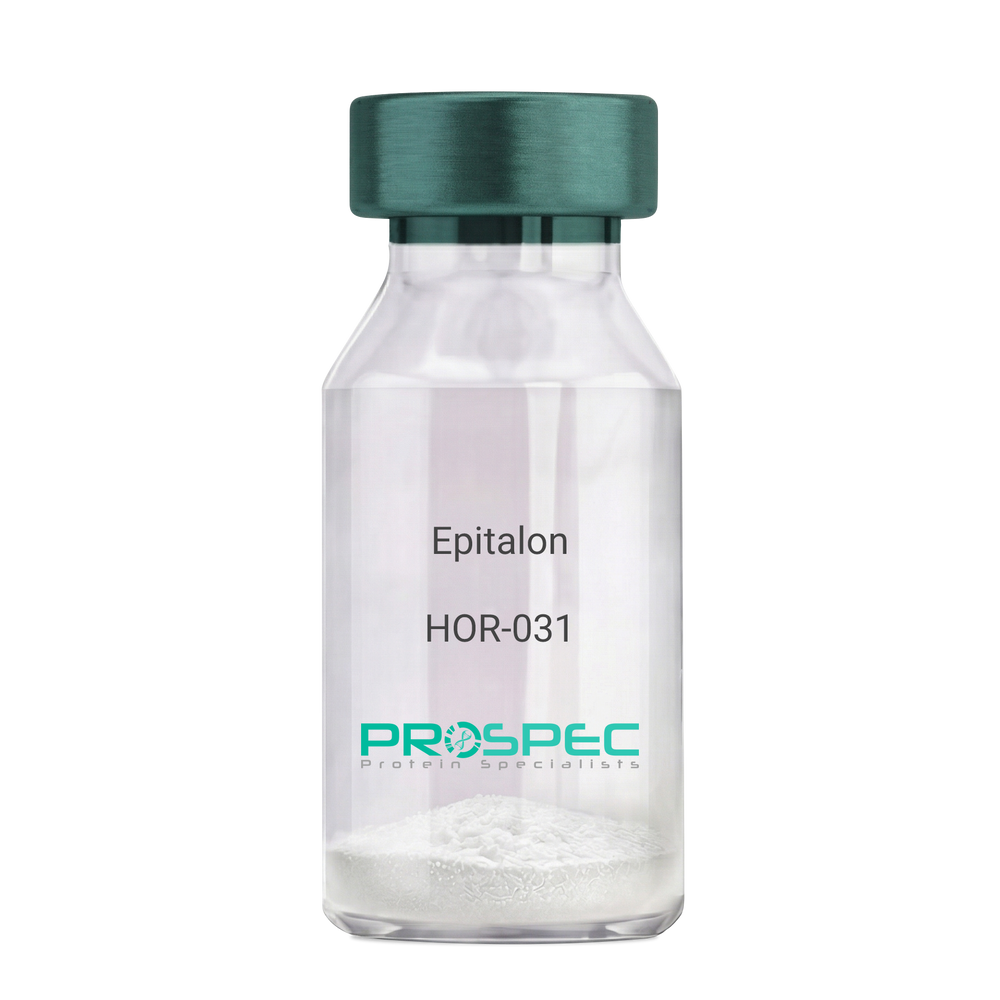
    Epitalon

    Description:

    Epitalon

    Product # :

    HOR-031

    Price :

    Quantity :

    Shipping Method :

    Room Temp Icon

    Shipped at Room temp

    Add To Cart

    More Info

    • description
    • formulation
    • purity
    • More Info

    Description

    Epithalon Synthetic is a single, non-glycosylated polypeptide chain containing 4 amino acids, having a molecular mass of 390.35 Dalton and a Molecular formula of C14H22N4O9.

    Formulation

    The protein was lyophilized with no additives.

    Purity

    Greater than 97.0% as determined by analysis by RP-HPLC.

    More Info

    • Physical Appearance

      Sterile Filtered White lyophilized (freeze-dried) powder.

    • Stability

      Lyophilized Epithalon although stable at room temperature for 3 weeks, should be stored desiccated below -18°C. Upon reconstitution Epithalon should be stored at 4°C between 2-7 days and for future use below -18°C.For long term storage it is recommended to add a carrier protein (0.1% HSA or BSA). Please prevent freeze-thaw cycles.

    • Solubility

      It is recommended to reconstitute the lyophilized Epithalon in sterile 18MΩ-cm H2O not less than 100 µg/ml, which can then be further diluted to other aqueous solutions.

    • Amino Acid Sequence

      H-Ala-Glu-Asp-Gly-OH .

    • Background

      Epitalon, also known as Epithalon, is a synthetic tetrapeptide that has been a focal point in the field of aging and longevity research. This peptide, consisting of four amino acids, is derived from the pineal gland and has been associated with a variety of biological effects, most notably its potential role in extending the lifespan of cells.

      Epitalon's primary function is its interaction with telomeres, the protective caps at the ends of chromosomes that shorten as cells divide. By stimulating the production of telomerase, an enzyme that can repair and lengthen telomeres, Epitalon may slow down the aging process at a cellular level.

      Numerous studies have explored the potential of Epitalon in extending the lifespan of organisms. For instance, Khavinson and colleagues (2003) found that Epitalon increased the lifespan of fruit flies, while Anisimov et al. (2003) reported similar results in mice. These findings suggest that Epitalon could potentially have similar effects in humans.

      Epitalon has also been studied for its role in regulating circadian rhythms. Korkushko et al. (2011) found that Epitalon could restore disrupted circadian rhythms in elderly people, suggesting potential applications in sleep disorders and other conditions related to circadian rhythm disruption.

      Beyond its potential role in aging and longevity, Epitalon has been explored for its potential therapeutic applications. Anisimov et al. (2011) found that Epitalon could reduce the incidence of spontaneous tumors in mice, suggesting potential applications in cancer prevention.

      While research on Epitalon is promising, it is important to note that most studies have been conducted in animals or in vitro. More research is needed to fully understand the potential effects and applications of Epitalon in humans. However, the existing body of research suggests that Epitalon could be a promising tool in the fight against aging and age-related diseases.

    ProSpec's products are furnished for LABORATORY RESEARCH USE ONLY. The product may not be used as drugs, agricultural or pesticidal products, food additives or household chemicals.

    Epitalon
  • View Data Sheet

    Name :

    EGFP

    Description:

    Enhanced Green Fluorescent Protein Recombinant

    Green fluorescent protein, GFP.

    Product # :

    PRO-1606

    Price :

    Quantity :

    Shipping Method :

    Room Temp Icon

    Shipped at Room temp

    Add To Cart

    More Info

    • description
    • source
    • formulation
    • purity
    • More Info

    Description

    Recombinant EGFP produced in E.coli cells is a single non-glycosylated protein containing 239 amino acid chain and having a molecular mass of 26.9kDa. EGFP is purified by proprietary chromatographic techniques.

    Source

    Escherichia Coli.

    Formulation

    The EGFP was lyophilized from a 0.2µm filtered concentrated solution in PBS pH 7.4.

    Purity

    Greater than 95.0% as determined by:
    (a) Analysis by RP-HPLC.
    (b) Analysis by SDS-PAGE.

    More Info

    • Introduction

      GFP, also known as Green Fluorescent Protein, is a protein produced by the jellyfish (Aequorea Victoria) that produces bioluminescence in the green zone of the noticeable spectrum. Green Fluorescent Protein is a useful and ubiquitous instrument for producing chimeric proteins, where it functions as a fluorescent protein tag. GFP is expressed in most known cell types and is used as a noninvasive fluorescent marker in living cells and organisms. Green Fluorescent Protein permits a broad range of applications where it has functioned as a cell lineage tracer, reporter of gene expression, or as a measure of protein-protein interactions. Enhanced GFP (eGFP) has F64L and S65T mutations, which make GFP show increased fluorescence and fold more efficiently under 370.

    • Synonyms

      Green fluorescent protein, GFP.

    • Physical Appearance

      Sterile Filtered White lyophilized (freeze-dried) powder.

    • Stability

      Lyophilized EGFP although stable at room temperature for 3 weeks, should be stored desiccated below -180C. Upon reconstitution EGFP should be stored at 40C between 2-7 days and for future use below -180C.For long term storage it is recommended to add a carrier protein (0.1% HSA or BSA).Please prevent freeze-thaw cycles.

    • Solubility

      It is recommended to reconstitute the lyophilized EGFP in sterile distilled H2O not less than 100µg/ml, which can then be further diluted to other aqueous solutions.

    • Amino Acid Sequence

      MVSKGEELFT GVVPILVELD GDVNGHKFSV SGEGEGDATY GKLTLKFICT TGKLPVPWPT LVTTLTYGVQ CFSRYPDHMK QHDFFKSAMP EGYVQERTIF FKDDGNYKTR AEVKFEGDTL VNRIELKGID FKEDGNILGH KLEYNYNSHN VYIMADKQKN GIKVNFKIRH NIEDGSVQLA DHYQQNTPIG DGPVLLPDNH YLSTQSALSK DPNEKRDHMV LLEFVTAAGI TLGMDELYK

    ProSpec's products are furnished for LABORATORY RESEARCH USE ONLY. The product may not be used as drugs, agricultural or pesticidal products, food additives or household chemicals.

    Egfp
  • View Data Sheet

    Name :

    CoV-2 Omicron

    Description:

    Coronavirus 2019 Omicron Full Length Recombinant

    Product # :

    SARS-059

    Price :

    Quantity :

    Shipping Method :

    Ice Icon

    Shipped with Ice Packs

    Add To Cart

    More Info

    • description
    • source
    • formulation
    • purity
    • More Info

    Description

    The E.Coli derived recombinant protein contains the Omicron Covid-19 full-length nucleprotein, fused to 6xHis tag at N-terminal migrating at 48 kDa.

    Source

    Escherichia Coli.

    Formulation

    CoV-2 Omicron protein solution (2.18mg/ml) is supplied in PBS and 25mM K2CO3.

    Purity

    Protein is >95% pure as determined SDS-PAGE.

    More Info

    • Introduction

      A human infecting coronavirus (viral pneumonia) called 2019 novel coronavirus, 2019-nCoV was found in the fish market at the city of Wuhan, Hubei province of China on December 2019.
      The 2019-nCoV shares an 87% identity to the 2 bat-derived severe acute respiratory syndrome 2018 SARS-CoV-2 located in Zhoushan of eastern China. 2019-nCoV has an analogous receptor-BD-structure to that of 2018 SARS-CoV, even though there is a.a. diversity so thus the 2019-nCoV might bind to ACE2 receptor protein (angiotensin-converting enzyme 2) in humans.
      On November 2021, WHO designated a variant of concern, named Omicron. Omicron has several mutations that may have an impact on how it behaves (how easily it spreads, the severity of illness).

    • Physical Appearance

      Sterile Filtered clear solution.

    • Stability

      Protein is shipped on ice packs. Upon arrival, Store at -20°C.

    • Amino Acid Sequence

      HMSDNGPQNQ RNALRITFGG PSDSTGSNQN GEARSKQRRP QGLPNNTASW FTALTQHGKE DLKFPRGQGV PINTNSSPDD QIGYYRRATR RIRGGDGKMK ELSPRWYFYY LGTGPEAGLP YGANKDGIIW VATEGALNTP KDHIGTRNPA NNAAIVLQLP QGTTLPKGFY AEGSRGGSQA SSRSSSRSRN SSRNSTPGSS KRTSPARMAG NGGDAALALL LLDRLNQLES KMSGKGQQQQ GQTVTKKSAA EASKKPRQKRT ATKAYNVTQA FGRRGPEQTQ GNFGDQELIR QGTDYKHWPQ IAQFAPSASA FFGMSRIGME VTPSGTWLTY TGAIKLDDKD PNFKDQVILL NKHIDAYKTF PPTEPKKDKK KKADETQALP QRQKKQQTVT LLPAADLDDF SKQLQQSMSS ADSTQA

    ProSpec's products are furnished for LABORATORY RESEARCH USE ONLY. The product may not be used as drugs, agricultural or pesticidal products, food additives or household chemicals.

    product_image.jpg
  • View Data Sheet

    Name :

    SERPINH1 Human

    Description:

    Heat Shock 47kDa Human Recombinant

    HSP47, HSP-47, Colligin-1, CBP1, Collagen Binding Protein-1, Serpin Peptidase Inhibitor Clade-H memebr 1, Serpin H1, Collagen-binding protein, Colligin, 47 kDa heat shock protein, Rheumatoid arthritis-related antigen RA-A47, Arsenic-transactivated protein 3, AsTP3, Cell proliferation-inducing gene 14 protein, SERPINH1, CBP2, gp46, PIG14, PPROM, RA-A47, SERPINH2.

    Product # :

    HSP-047

    Price :

    Quantity :

    Shipping Method :

    Ice Icon

    Shipped with Ice Packs

    Add To Cart

    More Info

    • description
    • source
    • formulation
    • purity
    • More Info

    Description

    Recombinant Human HSP47 produced in E.Coli is a single, non-glycosylated polypeptide chain containing 439 amino acids (18-418 a.a.) and having a molecular mass of 48.9 kDa. HSP47 human recombinant is fused to a 38 amino acid His Tag at N-terminus and purified by convential chromatogrpahy techniques.

    Source

    Escherichia Coli.

    Formulation

    The SERPINH1 protein solution (1mg/ml) contains 20mM Tris-HCl buffer (pH 8.0) and 20% glycerol.

    Purity

    Greater than 90.0% as determined by SDS-PAGE.

    More Info

    • Introduction

      SERPINH1 is part of the serpin superfamily of serine proteinase inhibitors. SEPINH1 expression is induced by heat shock. HSP47 localizes to the endoplasmic reticulum lumen and binds collagen therefore it is a molecular chaperone which takes part in the maturation of collagen molecules, facilitating the folding and assembly of procollagen molecules, retaining unfolded molecules within the ER, and assisting the transport of correctly folded-molecules from the ER to Golgi apparatus. Autoantibodies to HSP47 protein have been found in rheumatoid arthritis. SERPINH1 binds specifically to collagen and acts as a chaperone in the biosynthetic pathway of collagen.

    • Synonyms

      HSP47, HSP-47, Colligin-1, CBP1, Collagen Binding Protein-1, Serpin Peptidase Inhibitor Clade-H memebr 1, Serpin H1, Collagen-binding protein, Colligin, 47 kDa heat shock protein, Rheumatoid arthritis-related antigen RA-A47, Arsenic-transactivated protein 3, AsTP3, Cell proliferation-inducing gene 14 protein, SERPINH1, CBP2, gp46, PIG14, PPROM, RA-A47, SERPINH2.

    • Physical Appearance

      Sterile filtered colorless solution.

    • Stability

      Store at 4°C if entire vial will be used within 2-4 weeks. Store, frozen at -20°C for longer periods of time. For long term storage it is recommended to add a carrier protein (0.1% HSA or BSA). Avoid multiple freeze-thaw cycles.

    • Amino Acid Sequence

      MRGSHHHHHH GMASMTGGQQ MGRDLYDDDD KDRWGSHMAA EVKKPAAAAA PGTAEKLSPK AATLAERSAG LAFSLYQAMA KDQAVENILV SPVVVASSLG LVSLGGKATT ASQAKAVLSA EQLRDEEVHA GLGELLRSLS NSTARNVTWK LGSRLYGPSS VSFADDFVRS SKQHYNCEHS KINFRDKRSA LQSINEWAAQ TTDGKLPEVT KDVERTDGAL LVNAMFFKPH WDEKFHHKMV DNRGFMVTRS YTVGVMMMHR TGLYNYYDDE KEKLQIVEMP LAHKLSSLII LMPHHVEPLE RLEKLLTKEQ LKIWMGKMQK KAVAISLPKG VVEVTHDLQK HLAGLGLTEA IDKNKADLSR MSGKKDLYLA SVFHATAFEL DTDGNPFDQD IYGREELRSP KLFYADHPFI FLVRDTQSGS LLFIGRLVRP KGDKMRDEL.

    ProSpec's products are furnished for LABORATORY RESEARCH USE ONLY. The product may not be used as drugs, agricultural or pesticidal products, food additives or household chemicals.

    Serpinh1 Human
  • View Data Sheet

    Name :

    ELOB Human

    Description:

    Elongin-B Human Recombinant

    ELOB, SIII, Elongin B, Transcription elongation factor B polypeptide 2, RNA polymerase II transcription factor SIII subunit B, SIII p18, Elongin 18 kDa subunit, TCEB2.

    Product # :

    PRO-664

    Price :

    Quantity :

    Shipping Method :

    Ice Icon

    Shipped with Ice Packs

    Add To Cart

    More Info

    • description
    • source
    • formulation
    • purity
    • More Info

    Description

    TCEB2 Human Recombinant produced in E.Coli is a single, non-glycosylated polypeptide chain containing 118 amino acids (1-118) and having a molecular mass of 13.1 kDa. TCEB2 is purified by standard chromatography techniques.

    Source

    Escherichia Coli.

    Formulation

    The TCEB2 protein solution contains 20mM Tris-HCl pH-8, 1mM DTT, 0.1mM PMSF, and 20% glycerol.

    Purity

    Greater than 95.0% as determined by SDS-PAGE.

    More Info

    • Introduction

      TCEB2 is a subunit of the SIIII complex which is a heterotrimer consisting of a transcriptionally active subunit (A) and two regulatory subunits (B and C). TCEB2 initiates elongation by RNA polymerase II by suppressing transient pausing of the polymerase at many sites within transcription units. The von Hippel-Lindau tumor suppressor protein binds to elongins B and C, and thereby inhibits transcription elongation.

    • Synonyms

      ELOB, SIII, Elongin B, Transcription elongation factor B polypeptide 2, RNA polymerase II transcription factor SIII subunit B, SIII p18, Elongin 18 kDa subunit, TCEB2.

    • Physical Appearance

      Sterile Filtered colorless solution.

    • Stability

      Store at 4°C if entire vial will be used within 2-4 weeks. Store, frozen at -20°C for longer periods of time. For long term storage it is recommended to add a carrier protein (0.1% HSA or BSA).Avoid multiple freeze-thaw cycles.

    • Amino Acid Sequence

      MDVFLMIRRH KTTIFTDAKE SSTVFELKRI VEGILKRPPD EQRLYKDDQL LDDGKTLGEC GFTSQTARPQ APATVGLAFR ADDTFEALCIEPFSSPPELP DVMKPQDSGS SANEQAVQ.

    ProSpec's products are furnished for LABORATORY RESEARCH USE ONLY. The product may not be used as drugs, agricultural or pesticidal products, food additives or household chemicals.

    Tceb2 Human
  • View Data Sheet

    Name :

    BMP 7 Human, His

    Description:

    Bone Morphogenetic Protein-7 Human Recombinant, His Tag

    Osteogenic Protein 1, OP-1, BMP-7, Bone morphogenetic protein 7, BMP7, OP1.

    Product # :

    CYT-629

    Price :

    Quantity :

    Shipping Method :

    Ice Icon

    Shipped with Ice Packs

    Add To Cart

    More Info

    • description
    • source
    • formulation
    • purity
    • More Info
    • sds-page

    Description

    BMP7 Human Recombinant produced in E.Coli is a monomeric, non-glycosylated, polypeptide chain containing 148 amino acids (293-431) and having a molecular mass of 16.8 kDa. The BMP-7 is fused to 8 amino acid His Tag at C-terminus & purified by proprietary chromatographic techniques.

    Source

    Escherichia Coli.

    Formulation

    BMP-7 protein (0.5mg/ml) solution contains 10mM sodium citrate pH3.5 and 10% glycerol.

    Purity

    Greater than 95.0% as determined by SDS-PAGE.

    sds-page

    BMP7-sds-page - Product image 1

    More Info

    • Introduction

      The bone morphogenetic proteins (BMPs) are a family of secreted signaling molecules that can induce ectopic bone growth. Many BMPs are part of the transforming growth factor-beta (TGFB) superfamily. BMPs were originally identified by an ability of demineralized bone extract to induce endochondral osteogenesis in vivo in an extraskeletal site. Based on its expression early in embryogenesis, the BMP encoded by this gene has a proposed role in early development. In addition, the fact that this BMP is closely related to BMP5 and BMP7 has lead to speculation of possible bone inductive activity.

    • Synonyms

      Osteogenic Protein 1, OP-1, BMP-7, Bone morphogenetic protein 7, BMP7, OP1.

    • Physical Appearance

      Sterile Filtered colorless solution.

    • Stability

      Store at 4°C if entire vial will be used within 2-4 weeks. Store, frozen at -20°C for longer periods of time.For long term storage it is recommended to add a carrier protein (0.1% HSA or BSA).Please avoid freeze thaw cycles.

    • Amino Acid Sequence

      MSTGSKQRSQ NRSKTPKNQE ALRMANVAEN SSSDQRQACK KHELYVSFRD LGWQDWIIAP EGYAAYYCEG ECAFPLNSYM NATNHAIVQTLVHFINPETV PKPCCAPTQL NAISVLYFDD SSNVILKKYR NMVVRACGCH LEHHHHHH.

    • Background

      Research Paper on Bone Morphogenetic Protein-7 Human Recombinant, His Tag, Monomer, HEK

      Abstract:

      Step into the fascinating world of Bone Morphogenetic Protein-7 Human Recombinant, His Tag, Monomer (BMP-7 HR) in Human Embryonic Kidney Cells (HEK). In this research paper, we embark on an exciting journey to uncover the wonders of BMP-7 HR and its significance in cellular differentiation. As a pivotal member of the transforming growth factor-beta (TGF-β) superfamily, BMP-7 HR holds immense potential in tissue regeneration and development. Join us as we delve into the intricate molecular mechanisms of BMP-7 HR signaling in HEK cells while also exploring its friendly interactions with key cytokines, including Tumor Necrosis Factor-alpha (TNF-α) and Tumor Necrosis Factor-alpha Superfamily Member 2 (TNFα SF2 or TNFSF2).

      Introduction:

      Welcome to the world of BMP-7 HR! In this section, we introduce the remarkable BMP-7 HR and its essential role in guiding cellular differentiation. Let's get to know our loyal companion, Human Embryonic Kidney Cells (HEK), as they help us unveil the secrets of BMP-7 HR signaling.

      BMP-7 HR Signaling in HEK Cells:

      Be amazed by the graceful dance of BMP-7 HR signaling within HEK cells! Uncover the captivating process of ligands binding to specific receptors, setting the stage for both the canonical SMAD-dependent and non-canonical SMAD-independent pathways. This harmonious interplay orchestrates various cellular processes, including gene transcription, cell proliferation, and differentiation.

      Influential Role in Cellular Differentiation:

      Watch in awe as BMP-7 HR takes center stage as a master conductor of cellular differentiation within HEK cells. Marvel at its ability to promote osteogenic differentiation, leading to the expression of vital osteogenic markers like RUNX2 and Osteocalcin. But that's not all! Join us in exploring BMP-7 HR's versatile nature, influencing other forms of differentiation, such as chondrogenic and adipogenic pathways.

      Interplay with Key Cytokines:

      Uncover the intriguing interactions between BMP-7 HR and key cytokines like TNF-α and TNFSF2. Witness how BMP-7 HR modulates the expression and activity of these cytokines, hinting at potential cross-talk between BMP-7 HR and inflammatory pathways, fostering a harmonious cellular environment.

      Therapeutic Implications and Tissue Regeneration:

      The therapeutic potential of BMP-7 HR in tissue regeneration comes to the forefront. Together, we explore the exciting possibilities of utilizing BMP-7 HR in regenerative medicine, offering hope for healing and tissue repair. As we navigate this path, we also address challenges, such as optimal dosage, innovative delivery methods, and safety considerations, ensuring the best outcomes.

      Conclusion:

      As we conclude our exploration of BMP-7 HR in HEK cells, we stand in awe of its role in guiding cellular differentiation and tissue regeneration. Equipped with this knowledge, we look forward to a future where BMP-7 HR opens doors to innovative applications in regenerative medicine, making a positive impact on human health and well-being.

      What is the molecular weight/Mw of BMP7 Protein?
      BMP7 Protein has a total Mw of 16.8kDa.

      What is the source or expression system of BMP7 Protein?
      Escherichia Coli.

      What is the Purity of BMP7 Protein?
      BMP7 Protein is >95% pure as determined by SDS-PAGE.

      What is the Biological Activity of BMP7 Protein?
      The biological functionality of BMP7 Protein will be determined in the future.

      What is the amino acid sequence of BMP7 Protein?
      MSTGSKQRSQ NRSKTPKNQE ALRMANVAEN SSSDQRQACK KHELYVSFRD LGWQDWIIAP EGYAAYYCEG ECAFPLNSYM NATNHAIVQTLVHFINPETV PKPCCAPTQL NAISVLYFDD SSNVILKKYR NMVVRACGCH LEHHHHHH.

      What applications can BMP7 Protein be used in?
      BMP7 Protein can probably be used in western blot, ELISA and Lateral Flow.

      What is the endotoxin level for BMP7 Protein?
      The endotoxin level is minimal, BMP7 Protein was purified using conventional chromatography techniques.

    ProSpec's products are furnished for LABORATORY RESEARCH USE ONLY. The product may not be used as drugs, agricultural or pesticidal products, food additives or household chemicals.

    Bmp 7 Human His
  • View Data Sheet

    Name :

    PPIL1 Human

    Description:

    Peptidylprolyl Isomerase (Cyclophilin)-Like 1 Human Recombinant

    Peptidyl-Prolyl Cis-Trans Isomerase-Like 1, PPIL-1, CYPL1, hCyPX, MGC678, PPIase, CGI-124, PPIL1.

    Product # :

    ENZ-388

    Price :

    Quantity :

    Shipping Method :

    Ice Icon

    Shipped with Ice Packs

    Add To Cart

    More Info

    • description
    • source
    • formulation
    • purity
    • biological activity
    • More Info
    • sds-page

    Description

    PPIL1 Human Recombinant protein produced in E.Coli is a single, non-glycosylated, polypeptide chain containing 174 amino acids (1-166) and having a molecular mass of 19.3 kDa. PPIL1 is fused to 8 amino acid His Tag at C-terminus and is purified by proprietary chromatographic techniques.

    Source

    Escherichia Coli.

    Formulation

    PPIL1 solution containing 20 mM Tris-HCl buffer (pH 8.0) and 20% glycerol

    Purity

    Greater than 95.0% as determined by SDS-PAGE.

    Biological Activity

    Specific activity is > 300 nmoles/min/mg, and is defined as the amount of enzyme that cleaves 1umole of suc-AAFP-pNA per minute at 25C in Tris-Hcl pH8.0 using chymotrypsin.

    sds-page

    PPIL1 Human SDS-PAGE - Product image 1

    More Info

    • Introduction

      PPIL1 belongs to the cyclophilin family of peptidylprolyl isomerases (PPIases).
      The cyclophilins are a well conserved, ubiquitous family, members of which take an significant part in protein folding, immunosuppression by cyclosporin A, and infection of HIV-1 virions. PPIL1 protein increases the folding of proteins and catalyze the cis-trans isomerization of proline imidic peptide bonds in oligopeptides. PPIL1 is involved in proliferation of cancer cells through modulation of phosphorylation of stathmin. PPIL1 is a novel molecular target for colon-cancer therapy.

    • Synonyms

      Peptidyl-Prolyl Cis-Trans Isomerase-Like 1, PPIL-1, CYPL1, hCyPX, MGC678, PPIase, CGI-124, PPIL1.

    • Physical Appearance

      Sterile filtered colorless solution.

    • Stability

      Store at 4°C if entire vial will be used within 2-4 weeks. Store, frozen at -20°C for longer periods of time. For long term storage it is recommended to add a carrier protein (0.1% HSA or BSA).Avoid multiple freeze-thaw cycles.

    • Amino Acid Sequence

      MAAIPPDSWQ PPNVYLETSM GIIVLELYWK HAPKTCKNFA ELARRGYYNG TKFHRIIKDF MIQGGDPTGT GRGGASIYGK QFEDELHPDL KFTGAGILAM ANAGPDTNGS QFFVTLAPTQ WLDGKHTIFG RVCQGIGMVN RVGMVETNSQ DRPVDDVKII KAYPSGLEHH HHHH.

    ProSpec's products are furnished for LABORATORY RESEARCH USE ONLY. The product may not be used as drugs, agricultural or pesticidal products, food additives or household chemicals.

    Ppil1 Human
  • View Data Sheet

    Name :

    s100bb Bovine

    Description:

    s100bb Bovine homodimer

    Product # :

    PRO-2796

    Price :

    Quantity :

    Shipping Method :

    Room Temp Icon

    Shipped at Room temp

    Add To Cart

    More Info

    • description
    • source
    • formulation
    • purity
    • More Info

    Description

    s100bb Bovine is suitable for use as a standard in immunoassay and as an immunogen for antiserum production.

    Source

    Bovine brain tissue.

    Formulation

    s100bb was lyophilized from 5mM Tris-HCl, pH 7.5, 2mM EDTA and 5mM 2-mercaptoethanol.

    Purity

    Greater than 95.0% .

    More Info

    • Physical Appearance

      Sterile Filtered White lyophilized (freeze-dried) powder.

    • Stability

      Lyophilized s100bb homodimer although stable at room temperature for 3 weeks, should be stored desiccated below -18°C. Upon reconstitution s100bb should be stored at 4°C between 2-7 days and for future use below -18°C. For long term storage it is recommended to add a carrier protein (0.1% HSA or BSA). Please prevent freeze-thaw cycles.

    • Solubility

      It is recommended to reconstitute the lyophilized s100bb in sterile 18MΩ-cm H2O containing 5mM 2- mercaptoethanol not less than 100µg/ml, which can then be further diluted to other aqueous solutions.

    • Background

      S100BB, a member of the S100 family of proteins, is a calcium-binding protein that plays a significant role in various cellular processes, particularly in the central nervous system (CNS). Initially identified as a brain-specific protein, S100BB has captured the attention of researchers due to its involvement in neurological signaling, brain development, and its potential implications in neurological disorders. This research delves into the enigmatic world of S100BB, aiming to uncover its diverse functions, regulatory mechanisms, and its relevance in health and disease.

      Discovery and Structural Insights:

      S100BB was first discovered in the brain, primarily localized in astrocytes, a type of glial cell in the CNS. Structurally, S100BB is characterized by its EF-hand motifs, allowing it to bind calcium ions, a property crucial for its function. These calcium-binding abilities enable S100BB to participate in intricate cellular signaling pathways, making it a vital player in the dynamic communication within the CNS.

      Neurological Signaling and Plasticity:

      Within the CNS, S100BB has been implicated in neuronal signaling and synaptic plasticity. It interacts with several target proteins, modulating their activities and influencing processes like neurotransmitter release and neuronal differentiation. Furthermore, S100BB participates in the regulation of intracellular calcium levels, a key factor in neuronal excitability and synaptic transmission. Understanding these roles is vital for unraveling the complexities of neurological function and plasticity.

    ProSpec's products are furnished for LABORATORY RESEARCH USE ONLY. The product may not be used as drugs, agricultural or pesticidal products, food additives or household chemicals.

    S100Bb Bovine
  • 1
  • …
  • 37
  • 38
  • 39
  • 40
  • 41
  • 42
Your browser does not support the video tag.

Products

  • Cytokines
  • Growth Factors
  • Chemokines
  • CD Antigens
  • Neurotrophins
  • Hormones
  • Enzymes
  • Viral Antigens
  • Recombinant Proteins
  • Natural Proteins
  • Monoclonal Antibodies
  • Polyclonal Antibodies
  • Thermal Packaging

About

  • Company
  • Founder
  • Contribution
  • Contact Us
  • My Account

Ordering

  • Ordering Method
  • Ordering - Credit Card
  • Ordering PO
  • Shipping Fees
  • FAQ's

Legal

  • Terms & Conditions
  • Privacy
  • Site Map
  • info@prospecbio.com
  • Facebook
  • Instagram
  • Linkedin Profile

© 2026 ProSpec-Tany TechnoGene Ltd. All Rights Reserved.

  • Choosing a selection results in a full page refresh.
  • Opens in a new window.