Skip to content

High-quality research proteins.

  • 1-800-805-6531

  • Mon - Sat 8.00-18.00, Sun - Closed

  • info@prospecbio.com

  • PO Box 6591 East Brunswick NJ 08816

  • Products
    • Cytokines
    • Growth factors
    • Chemokines
    • Cd antigens
    • Neurotrophins
    • Hormones
    • Enzymes
    • Viral antigens
    • Recombinant proteins
    • Natural proteins
    • Monoclonal antibodies
    • Polyclonal antibodies
    • Thermal Packaging
  • About
    • Company
    • Founder
    • Contribution
  • Customers
    • Eastern Asia
    • Eastern Europe
    • North America
    • South America
    • South East Asia
    • Southern Asia
    • Western Europe
  • Ordering
    • Ordering Method
    • Ordering - Credit Card
    • Ordering - PO
    • Shipping Fees
    • FAQs
  • Services
    • DNA Cloning
    • Protein Expression
    • Monoclonal Antibody
    • Fermentation
    • Technology License
  • Contact us
Log in

Country/region

  • USD $ | Albania
  • USD $ | Andorra
  • USD $ | Argentina
  • USD $ | Armenia
  • USD $ | Australia
  • USD $ | Austria
  • USD $ | Azerbaijan
  • USD $ | Belarus
  • USD $ | Belgium
  • USD $ | Bolivia
  • USD $ | Brazil
  • USD $ | Bulgaria
  • USD $ | Cambodia
  • USD $ | Canada
  • USD $ | Chile
  • USD $ | China
  • USD $ | Colombia
  • USD $ | Costa Rica
  • USD $ | Croatia
  • USD $ | Cyprus
  • USD $ | Czechia
  • USD $ | Denmark
  • USD $ | Estonia
  • USD $ | Finland
  • USD $ | France
  • USD $ | Georgia
  • USD $ | Germany
  • USD $ | Greece
  • USD $ | Hong Kong SAR
  • USD $ | Hungary
  • USD $ | Iceland
  • USD $ | India
  • USD $ | Ireland
  • USD $ | Israel
  • USD $ | Italy
  • USD $ | Japan
  • USD $ | Kazakhstan
  • USD $ | Latvia
  • USD $ | Liechtenstein
  • USD $ | Lithuania
  • USD $ | Madagascar
  • USD $ | Malta
  • USD $ | Mexico
  • USD $ | Moldova
  • USD $ | Monaco
  • USD $ | Netherlands
  • USD $ | New Zealand
  • USD $ | North Macedonia
  • USD $ | Norway
  • USD $ | Panama
  • USD $ | Paraguay
  • USD $ | Peru
  • USD $ | Philippines
  • USD $ | Poland
  • USD $ | Portugal
  • USD $ | Romania
  • USD $ | Singapore
  • USD $ | Slovakia
  • USD $ | Slovenia
  • USD $ | South Africa
  • USD $ | South Korea
  • USD $ | Spain
  • USD $ | Sri Lanka
  • USD $ | Sweden
  • USD $ | Switzerland
  • USD $ | Taiwan
  • USD $ | Thailand
  • USD $ | Türkiye
  • USD $ | Ukraine
  • USD $ | United Kingdom
  • USD $ | United States
  • USD $ | Uruguay
  • USD $ | Vatican City
  • USD $ | Venezuela
  • USD $ | Vietnam
  • Facebook
  • Instagram
logoProSpec - Recombinant Protein Manufacturer for academic and R&D industry
Become a distributor
Account Log in
Wishlist
Cart Cart(0)
  • Products
    +
    • Cytokines
    • Growth factors
    • Chemokines
    • Cd antigens
    • Neurotrophins
    • Hormones
    • Enzymes
    • Viral antigens
    • Recombinant proteins
    • Natural proteins
    • Monoclonal antibodies
    • Polyclonal antibodies
    • Thermal Packaging
  • About
    +
    • Company
    • Founder
    • Contribution
  • Customers
    +
    • Eastern Asia
    • Eastern Europe
    • North America
    • South America
    • South East Asia
    • Southern Asia
    • Western Europe
  • Ordering
    +
    • Ordering Method
    • Ordering - Credit Card
    • Ordering - PO
    • Shipping Fees
    • FAQs
  • Services
    +
    • DNA Cloning
    • Protein Expression
    • Monoclonal Antibody
    • Fermentation
    • Technology License
  • Contact us

Item added to your cart

View cart
View All
  • Cytokines
  • Growth factors
  • Chemokines
  • Cd antigens
  • Neurotrophins
  • Hormones
  • Enzymes
  • Viral antigens
  • Recombinant proteins
  • Natural proteins
  • Monoclonal antibodies
  • Polyclonal antibodies
  • Thermal Packaging
  • Tumor Necrosis Factor

    Tumor Necrosis Factor

    View All
  • 4-1BB

    4-1BB

    View All
  • Adiponectin

    Adiponectin

    View All
  • AIF1

    AIF1

    View All
  • Other Cytokines

    Other Cytokines

    View All
  • AITRL

    AITRL

    View All
  • Angiopoietin

    Angiopoietin

    View All
  • Apolipoprotein

    Apolipoprotein

    View All
  • B-Cell Activating Factor

    B-Cell Activating Factor

    View All
  • Beta Defensin

    Beta Defensin

    View All
  • Bone Morphogenetic Protein

    Bone Morphogenetic Protein

    View All
  • B type Natriuretic Peptide

    B type Natriuretic Peptide

    View All
  • BST

    BST

    View All
  • Betacellulin

    Betacellulin

    View All
  • Cardiotrophin

    Cardiotrophin

    View All
  • Activin

    Activin

    View All
  • Fibroblast Growth Factor

    Fibroblast Growth Factor

    View All
  • Other Growth Factors

    Other Growth Factors

    View All
  • CSF

    CSF

    View All
  • CTGF

    CTGF

    View All
  • IGFBP

    IGFBP

    View All
  • VEGF Protein

    VEGF Protein

    View All
  • EGF

    EGF

    View All
  • Epigen

    Epigen

    View All
  • Erythropoietin

    Erythropoietin

    View All
  • Insulin-Like Growth Factor

    Insulin-Like Growth Factor

    View All
  • Growth Hormone

    Growth Hormone

    View All
  • HDGF

    HDGF

    View All
  • Hepatocyte Growth Factor

    Hepatocyte Growth Factor

    View All
  • Insulin

    Insulin

    View All
  • BCA-1/ BLC (CXCL13)

    BCA-1/ BLC (CXCL13)

    View All
  • BRAK (CXCL14)

    BRAK (CXCL14)

    View All
  • C-10 (CCL6)

    C-10 (CCL6)

    View All
  • Other Chemokines

    Other Chemokines

    View All
  • MEC (CCL28)

    MEC (CCL28)

    View All
  • LD78-beta (CCL3L1)

    LD78-beta (CCL3L1)

    View All
  • CTACK (CCL27)

    CTACK (CCL27)

    View All
  • CXCL16

    CXCL16

    View All
  • CXCL17

    CXCL17

    View All
  • Platelet Factor-4 (CXCL4)

    Platelet Factor-4 (CXCL4)

    View All
  • ENA-78 (CXCL5)

    ENA-78 (CXCL5)

    View All
  • Eotaxin (CCL11,24,26)

    Eotaxin (CCL11,24,26)

    View All
  • Exodus-2 (CCL21)

    Exodus-2 (CCL21)

    View All
  • Fractalkine (CX3CL1)

    Fractalkine (CX3CL1)

    View All
  • CXCL6

    CXCL6

    View All
  • Other CD Antigens

    Other CD Antigens

    View All
  • CD14

    CD14

    View All
  • CD164

    CD164

    View All
  • CD1

    CD1

    View All
  • CD2

    CD2

    View All
  • CD200

    CD200

    View All
  • CD207

    CD207

    View All
  • CD226

    CD226

    View All
  • CD23

    CD23

    View All
  • CD244

    CD244

    View All
  • CD247

    CD247

    View All
  • CD27

    CD27

    View All
  • CD274

    CD274

    View All
  • CD300

    CD300

    View All
  • CD33

    CD33

    View All
  • Other Neurotrophins

    Other Neurotrophins

    View All
  • Beta-NGF

    Beta-NGF

    View All
  • BDNF

    BDNF

    View All
  • CDNF

    CDNF

    View All
  • CNTF

    CNTF

    View All
  • GDNF

    GDNF

    View All
  • Glia Maturation Factor

    Glia Maturation Factor

    View All
  • MANF

    MANF

    View All
  • Midkine

    Midkine

    View All
  • Neuroglobin

    Neuroglobin

    View All
  • Neurotrophic factors

    Neurotrophic factors

    View All
  • Neuregulin

    Neuregulin

    View All
  • Neuropilin

    Neuropilin

    View All
  • Pigment Epithelium-Derived Factor

    Pigment Epithelium-Derived Factor

    View All
  • Pleiotrophin

    Pleiotrophin

    View All
  • Peptide Hormones

    Peptide Hormones

    View All
  • Other Hormones

    Other Hormones

    View All
  • HCG

    HCG

    View All
  • Endothelin

    Endothelin

    View All
  • Exendin

    Exendin

    View All
  • FSH

    FSH

    View All
  • Glucagon

    Glucagon

    View All
  • GHRP

    GHRP

    View All
  • GLP

    GLP

    View All
  • Thyrostimulin

    Thyrostimulin

    View All
  • Inhibin A

    Inhibin A

    View All
  • LHRH

    LHRH

    View All
  • Melanotan

    Melanotan

    View All
  • Procalcitonin

    Procalcitonin

    View All
  • PTH

    PTH

    View All
  • Peroxiredoxin

    Peroxiredoxin

    View All
  • Peptidase

    Peptidase

    View All
  • Synthetase

    Synthetase

    View All
  • Transferase

    Transferase

    View All
  • Hydrolase

    Hydrolase

    View All
  • Dehydrogenase

    Dehydrogenase

    View All
  • ACE2

    ACE2

    View All
  • Esterase

    Esterase

    View All
  • Protein Kinases

    Protein Kinases

    View All
  • Other Enzymes

    Other Enzymes

    View All
  • Phosphatase

    Phosphatase

    View All
  • Deaminase

    Deaminase

    View All
  • Oxygenase

    Oxygenase

    View All
  • Adenylate Kinase

    Adenylate Kinase

    View All
  • Lyase

    Lyase

    View All
  • Chagas

    Chagas

    View All
  • SARS

    SARS

    View All
  • Influenza

    Influenza

    View All
  • ASFV

    ASFV

    View All
  • Astrovirus

    Astrovirus

    View All
  • Borrelia

    Borrelia

    View All
  • Helicobacter Pylori

    Helicobacter Pylori

    View All
  • Chikungunya

    Chikungunya

    View All
  • Chlamydia

    Chlamydia

    View All
  • Cytomegalo

    Cytomegalo

    View All
  • Dengue

    Dengue

    View All
  • EBV

    EBV

    View All
  • Ebola

    Ebola

    View All
  • Feline Leukemia Virus

    Feline Leukemia Virus

    View All
  • Hepatitis A

    Hepatitis A

    View All
  • Other

    Other

    View All
  • Actin

    Actin

    View All
  • ADAM

    ADAM

    View All
  • Complement Component

    Complement Component

    View All
  • Ag85

    Ag85

    View All
  • Eukaryotic Translation Initiation Factor

    Eukaryotic Translation Initiation Factor

    View All
  • Anterior Gradient Protein

    Anterior Gradient Protein

    View All
  • Heat Shock Protein

    Heat Shock Protein

    View All
  • Alpha-2-HS-Glycoprotein

    Alpha-2-HS-Glycoprotein

    View All
  • Hemoglobin

    Hemoglobin

    View All
  • Allergy

    Allergy

    View All
  • Anaplasma

    Anaplasma

    View All
  • Angiogenin

    Angiogenin

    View All
  • Ankyrin Repeat Domain

    Ankyrin Repeat Domain

    View All
  • Annexin

    Annexin

    View All
  • Other Natural Proteins

    Other Natural Proteins

    View All
  • Aprotinin

    Aprotinin

    View All
  • Transferrin

    Transferrin

    View All
  • Avidin

    Avidin

    View All
  • Anti Coagulation Factors

    Anti Coagulation Factors

    View All
  • Natural Albumin

    Natural Albumin

    View All
  • Natural Coagulation Factors

    Natural Coagulation Factors

    View All
  • Fibronectin

    Fibronectin

    View All
  • Thrombin

    Thrombin

    View All
  • Anti Human Enzyme

    Anti Human Enzyme

    View All
  • Other Monoclonal Antibodies

    Other Monoclonal Antibodies

    View All
  • Anti Human Cytokine

    Anti Human Cytokine

    View All
  • Anti Human Heat Shock Protein

    Anti Human Heat Shock Protein

    View All
  • Anti Mouse Lymphocyte

    Anti Mouse Lymphocyte

    View All
  • Anti Human Chemokine

    Anti Human Chemokine

    View All
  • Anti Human Lymphocyte

    Anti Human Lymphocyte

    View All
  • Anti Viral Monoclonal

    Anti Viral Monoclonal

    View All
  • Anti Mouse Cytokine

    Anti Mouse Cytokine

    View All
  • Anti-GST Monoclonal

    Anti-GST Monoclonal

    View All
  • Other Polyclonal Antibodies

    Other Polyclonal Antibodies

    View All
  • Anti Viral

    Anti Viral

    View All
  • Anti-GST Monoclonal

    Anti-GST Monoclonal

    View All
Back

Search results

1000 results found for “nuclease”

Name

Description

Product #

Price

Quantity

Shipping Method

  • View Data Sheet

    Name :

    ACSF2 Human

    Description:

    Acyl-CoA Synthetase Family Member 2 Human Recombinant

    Acyl-CoA Synthetase Family Member 2, PPARG Binding, Long Chain Fatty Acid Acyl Co-A Ligase Like, Acyl-CoA Synthetase Family Member 2, Mitochondrial, EC 6.2.1.26, EC 6.2.1.-, FLJ20920, EC 6.2.1, AVYV493, ACSMW, Acyl-CoA synthetase family member 2, mitochondrial.

    Product # :

    ENZ-919

    Price :

    Quantity :

    Shipping Method :

    Ice Icon

    Shipped with Ice Packs

    Add To Cart

    More Info

    • description
    • source
    • formulation
    • purity
    • More Info
    • Citations

    Description

    ACSF2 Human Recombinant produced in E.Coli is a single, non-glycosylated polypeptide chain containing 597 amino acids (42-615 a.a) and having a molecular mass of 66.1kDa. ACSF2 is fused to a 23 amino acid His-tag at N-terminus & purified by proprietary chromatographic techniques.

    Source

    E.coli.

    Formulation

    ACSF2 protein solution (0.5mg/ml) containing Phosphate Buffered Saline pH 7.4 and 10% glycerol.

    Purity

    Greater than 95% as determined by SDS-PAGE.

    Citations

    More Info

    • Introduction

      Acyl-CoA synthetase family member 2, also known as ACSF2 is a member of the ATP-dependent AMP-binding enzyme family. Acyl-CoA synthetases are a family of enzymes which catalyze the thioesterification of fatty acids with coenzymeA to form activated intermediates, which play a basic part in lipid metabolism as well as homeostasis of lipid-related processes. ACSF2 is required for the complex of lipid synthesis, energy production via beta-oxidation, protein acylation and fatty-acid dependent transcriptional regulation. Moreover, ACSF2 is required for fatty acid import into cells by the process of vectorial acylation.

    • Synonyms

      Acyl-CoA Synthetase Family Member 2, PPARG Binding, Long Chain Fatty Acid Acyl Co-A Ligase Like, Acyl-CoA Synthetase Family Member 2, Mitochondrial, EC 6.2.1.26, EC 6.2.1.-, FLJ20920, EC 6.2.1, AVYV493, ACSMW, Acyl-CoA synthetase family member 2, mitochondrial.

    • Physical Appearance

      Sterile Filtered colorless solution.

    • Stability

      Store at 4°C if entire vial will be used within 2-4 weeks. Store, frozen at -20°C for longer periods of time. For long term storage it is recommended to add a carrier protein (0.1% HSA or BSA).Avoid multiple freeze-thaw cycles.

    • Amino Acid Sequence

      MGSSHHHHHH SSGLVPRGSH MGSLSSREVD RMVSTPIGGL SYVQGCTKKH LNSKTVGQCL ETTAQRVPER EALVVLHEDV RLTFAQLKEE VDKAASGLLS IGLCKGDRLG MWGPNSYAWV LMQLATAQAG IILVSVNPAY QAMELEYVLK KVGCKALVFP KQFKTQQYYN VLKQICPEVE NAQPGALKSQ RLPDLTTVIS VDAPLPGTLL LDEVVAAGST RQHLDQLQYN QQFLSCHDPI NIQFTSGTTG SPKGATLSHY NIVNNSNILG ERLKLHEKTP EQLRMILPNP LYHCLGSVAG TMMCLMYGAT LILASPIFNG KKALEAISRE RGTFLYGTPT MFVDILNQPD FSSYDISTMC GGVIAGSPAP PELIRAIINK INMKDLVVAY GTTENSPVTF AHFPEDTVEQ KAESVGRIMP HTEARIMNME AGTLAKLNTP GELCIRGYCV MLGYWGEPQK TEEAVDQDKW YWTGDVATMN EQGFCKIVGR SKDMIIRGGE NIYPAELEDF FHTHPKVQEV QVVGVKDDRM GEEICACIRL KDGEETTVEE IKAFCKGKIS HFKIPKYIVF VTNYPLTISG KIQKFKLREQ MERHLNL.

    ProSpec's products are furnished for LABORATORY RESEARCH USE ONLY. The product may not be used as drugs, agricultural or pesticidal products, food additives or household chemicals.

    Acsf2 Human
  • View Data Sheet

    Name :

    ADPRHL2 Human

    Description:

    ADP-Ribosylhydrolase Like 2 Human Recombinant

    Poly(ADP-ribose) glycohydrolase ARH3, ADP-ribosylhydrolase 3, [Protein ADP-ribosylarginine] hydrolase-like protein 2, ADPRHL2, ARH3.

    Product # :

    ENZ-638

    Price :

    Quantity :

    Shipping Method :

    Ice Icon

    Shipped with Ice Packs

    Add To Cart

    More Info

    • description
    • source
    • formulation
    • purity
    • More Info
    • Citations

    Description

    ADPRHL2 Human Recombinant produced in E. coli is a single polypeptide chain containing 387 amino acids (1-363) and having a molecular mass of 41.5kDa.ADPRHL2 is fused to a 24 amino acid His-tag at N-terminus & purified by proprietary chromatographic techniques.

    Source

    E.coli.

    Formulation

    The ADPRHL2 solution (0.5mg/ml) contains 20mM Tris-HCl buffer (pH 8.0), 0.1M NaCl, 30% glycerol and 1mM DTT.

    Purity

    Greater than 90% as determined by SDS-PAGE.

    Citations

    More Info

    • Introduction

      ADP-ribosylhydrolase like 2 (ADPRHL2) belongs to the ADP-ribosylglycohydrolase family. ADPRHL2 catalyzes the removal of ADP-ribose from ADP-ribosylated proteins. ADPRHL2, which is ubiquitously expressed, uses magnesium as a cofactor to catalyze the hydrolysis of poly (ADP-ribose) that is synthesized after DNA damage. Furthermore, ADPRHL2 has an essential role in the maintenance of normal neuronal cell function. The ADPRHL2 enzyme localizes to the mitochondria, in addition to the nucleus and cytoplasm.

    • Synonyms

      Poly(ADP-ribose) glycohydrolase ARH3, ADP-ribosylhydrolase 3, [Protein ADP-ribosylarginine] hydrolase-like protein 2, ADPRHL2, ARH3.

    • Physical Appearance

      Sterile Filtered colorless solution.

    • Stability

      Store at 4°C if entire vial will be used within 2-4 weeks. Store, frozen at -20°C for longer periods of time. For long term storage it is recommended to add a carrier protein (0.1% HSA or BSA).Avoid multiple freeze-thaw cycles.

    • Amino Acid Sequence

      MGSSHHHHHH SSGLVPRGSH MGSHMAAAAM AAAAGGGAGA ARSLSRFRGC LAGALLGDCV GSFYEAHDTV DLTSVLRHVQ SLEPDPGTPG SERTEALYYT DDTAMARALV QSLLAKEAFD EVDMAHRFAQ EYKKDPDRGY GAGVVTVFKK LLNPKCRDVF EPARAQFNGK GSYGNGGAMR VAGISLAYSS VQDVQKFARL SAQLTHASSL GYNGAILQAL AVHLALQGES SSEHFLKQLL GHMEDLEGDA QSVLDARELG MEERPYSSRL KKIGELLDQA SVTREEVVSE LGNGIAAFES VPTAIYCFLR CMEPDPEIPS AFNSLQRTLI YSISLGGDTD TIATMAGAIA GAYYGMDQVP ESWQQSCEGY EETDILAQSL HRVFQKS.

    ProSpec's products are furnished for LABORATORY RESEARCH USE ONLY. The product may not be used as drugs, agricultural or pesticidal products, food additives or household chemicals.

    Adprhl2 Human
  • View Data Sheet

    Name :

    AK1 Human

    Description:

    Adenylate Kinase 1 Human Recombinant

    Adenylate kinase isoenzyme 1, AK 1, ATP-AMP transphosphorylase 1, Myokinase, AK1.

    Product # :

    PKA-316

    Price :

    Quantity :

    Shipping Method :

    Ice Icon

    Shipped with Ice Packs

    Add To Cart

    More Info

    • description
    • source
    • formulation
    • purity
    • biological activity
    • More Info
    • Citations

    Description

    AK1 Human Recombinant fused with a 20 amino acid His tag at N-terminus produced in E.Coli is a single, non-glycosylated, polypeptide chain containing 214 amino acids (1-194 a.a.) and having a molecular mass of 23.7kDa. The AK1 is purified by proprietary chromatographic techniques.

    Source

    Escherichia Coli.

    Formulation

    The AK1 protein solution (1mg/ml) contains 20mM Tris-HCl pH-7.5 and 10% glycerol.

    Purity

    Greater than 95.0% as determined by SDS-PAGE.

    Biological Activity

    Specific activity: > 600 units/mg. One unit will convert 2.0 umoles of ADP to ATP + AMP per minute at pH 7.5 at 25°C.

    Citations

    More Info

    • Introduction

      AK1 is a small ubiquitous enzyme which is essential for maintenance and cell growth. It is involved in the regulation of adenine nucleotide composition within a cell by catalyzing the reversible transfer of the terminal phosphate group between ATP and AMP. The AK1 protein is found in the cytosol of skeletal muscle, brain and erythrocytes. Defects in the AK1 gene are the cause of a form of hemolytic anemia.

    • Synonyms

      Adenylate kinase isoenzyme 1, AK 1, ATP-AMP transphosphorylase 1, Myokinase, AK1.

    • Physical Appearance

      Sterile Filtered colorless solution.

    • Stability

      Store at 4°C if entire vial will be used within 2-4 weeks.Store, frozen at -20°C for longer periods of time. For long term storage it is recommended to add a carrier protein (0.1% HSA or BSA).Avoid multiple freeze-thaw cycles.

    • Amino Acid Sequence

      MGSSHHHHHH SSGLVPRGSH MEEKLKKTKI IFVVGGPGSG KGTQCEKIVQ KYGYTHLSTG DLLRSEVSSG SARGKKLSEI MEKGQLVPLE TVLDMLRDAM VAKVNTSKGF LIDGYPREVQ QGEEFERRIG QPTLLLYVDA GPETMTQRLL KRGETSGRVD DNEETIKKRL ETYYKATEPV IAFYEKRGIV RKVNAEGSVD SVFSQVCTHL DALK.

    ProSpec's products are furnished for LABORATORY RESEARCH USE ONLY. The product may not be used as drugs, agricultural or pesticidal products, food additives or household chemicals.

    Ak1 Human
  • View Data Sheet

    Name :

    ALDH1A1 Human

    Description:

    Aldehyde Dehydrogenase 1A1 Human Recombinant

    ALDC, Aldehyde dehydrogenase cytosolic, Aldehyde dehydrogenase family 1 member A1, ALDH1, ALDH11, ALDH-E1, ALHDII, MGC2318, PUMB1, RalDH1, RALDH1, RALDH 1, Retinal dehydrogenase 1, ALDH1A1.

    Product # :

    ENZ-453

    Price :

    Quantity :

    Shipping Method :

    Ice Icon

    Shipped with Ice Packs

    Add To Cart

    More Info

    • description
    • source
    • formulation
    • purity
    • More Info
    • Citations

    Description

    The ALDH1A1 Human recombinant protein is a single, non-glycosilated polypeptide chain produced in E. coli, having a molecular weight of 54.8kDa and containing 501 amino acids (1-501 a.a.).

    Source

    Escherichia Coli.

    Formulation

    The ALDH1A1 protein solution is formulated in 50mM Tris-HCl pH-7.5 and 10% glycerol.

    Purity

    Greater than 90% as determined by SDS-PAGE.

    Citations

    More Info

    • Introduction

      ALDH1A1 is part of the aldehyde dehydrogenases family.
      Aldehyde dehydrogenase is the 2nd protein of the main oxidative pathway of alcohol metabolism. Cytosolic and mitochondrial are 2 main liver isoforms of ALDH that are differentiateed by their electrophoretic mobility, kinetic property, & subcellular localization. The majority of Caucasians have two main isozymes, whereas just about 50% of Orientals have only the cytosolic form, excluding the mitochondrial form. ALDH1A1 is also a member of the group of corneal crystallins that assist the transparency of the cornea.
      (Retinal + NAD+ + H2O = retinoate + NADH).

    • Synonyms

      ALDC, Aldehyde dehydrogenase cytosolic, Aldehyde dehydrogenase family 1 member A1, ALDH1, ALDH11, ALDH-E1, ALHDII, MGC2318, PUMB1, RalDH1, RALDH1, RALDH 1, Retinal dehydrogenase 1, ALDH1A1.

    • Physical Appearance

      Sterile Filtered clear solution.

    • Stability

      Store at 4°C if entire vial will be used within 2-4 weeks. Store, frozen at -20°C for longer periods of time.Please avoid freeze thaw cycles.

    • Amino Acid Sequence

      MSSSGTPDLP VLLTDLKIQY TKIFINNEWH DSVSGKKFPV FNPATEEELC QVEEGDKEDV DKAVKAARQA FQIGSPWRTM DASERGRLLYKLADLIERDR LLLATMESMN GGKLYSNAYL NDLAGCIKTL RYCAGWADKI QGRTIPIDGN FFTYTRHEPI GVCGQIIPWN FPLVMLIWKIGPALSCGNTV VVKPAEQTPL TALHVASLIK EAGFPPGVVN IVPGYGPTAG AAISSHMDID KVAFTGSTEV GKLIKEAAGK SNLKRVTLEL GGKSPCIVLA DADLDNAVEF AHHGVFYHQG QCCIAASRIF VEESIYDEFV RRSVERAKKY ILGNPLTPGV TQGPQIDKEQ YDKILDLIES GKKEGAKLEC GGGPWGNKGY FVQPTVFSNV TDEMRIAKEE IFGPVQQIMK FKSLDDVIKR ANNTFYGLSA GVFTKDIDKA ITISSALQAG TVWVNCYGVV SAQCPFGGFK MSGNGRELGE YGFHEYTEVK TVTVKISQKN S.

    ProSpec's products are furnished for LABORATORY RESEARCH USE ONLY. The product may not be used as drugs, agricultural or pesticidal products, food additives or household chemicals.

    Aldh1A1 Human
  • View Data Sheet

    Name :

    APRT Human

    Description:

    Adenine Phosphoribosyltransferase Human Recombinant

    EC 2.4.2.73, MGC125857, AMP diphosphorylase, Adenine phosphoribosyltransferase, APRT, AMP, MGC125856, MGC129961, DKFZp686D13177.

    Product # :

    ENZ-487

    Price :

    Quantity :

    Shipping Method :

    Ice Icon

    Shipped with Ice Packs

    Add To Cart

    More Info

    • description
    • source
    • formulation
    • purity
    • More Info
    • Citations

    Description

    APRT Human Recombinant produced in E.Coli is a single, non-glycosylated polypeptide chain containing 180 amino acids (1-180 a.a.) and having a molecular mass of 19.6 kDa. The APRT is purified by conventional chromatography.

    Source

    Escherichia Coli.

    Formulation

    The protein solution contains 20mM Tris-HCl pH-8, 1mM DTT and 10% glycerol.

    Purity

    Greater than 90.0% as determined by SDS-PAGE.

    Citations

    More Info

    • Introduction

      APRT is part of the purine/pyrimidine phosphoribosyltransferase family. APRT enzyme catalyzes the formation of AMP and inorganic pyrophosphate from adenine and 5-phosphoribosyl-1-pyrophosphate (PRPP). APRT produces adenine as a by-product of the polyamine biosynthesis pathway. A homozygous deficiency in APRT causes 2,8-dihydroxyadenine urolithiasis. APRT catalyzes a salvage reaction resulting in the formation of AMP.

    • Synonyms

      EC 2.4.2.73, MGC125857, AMP diphosphorylase, Adenine phosphoribosyltransferase, APRT, AMP, MGC125856, MGC129961, DKFZp686D13177.

    • Physical Appearance

      Sterile Filtered colorless solution.

    • Stability

      Store at 4°C if entire vial will be used within 2-4 weeks. Store, frozen at -20°C for longer periods of time. For long term storage it is recommended to add a carrier protein (0.1% HSA or BSA).Avoid multiple freeze-thaw cycles.

    • Amino Acid Sequence

      MADSELQLVE QRIRSFPDFP TPGVVFRDIS PVLKDPASFR AAIGLLARHL KATHGGRIDY IAGLDSRGFL FGPSLAQELG LGCVLIRKRG KLPGPTLWAS YSLEYGKAEL EIQKDALEPG QRVVVVDDLL ATGGTMNAAC ELLGRLQAEV LECVSLVELT SLKGREKLAP VPFFSLLQYE.

    ProSpec's products are furnished for LABORATORY RESEARCH USE ONLY. The product may not be used as drugs, agricultural or pesticidal products, food additives or household chemicals.

    Aprt Human
  • View Data Sheet

    Name :

    SULT1C4 Human

    Description:

    Sulfotransferase Family, Cytosolic 1C, Member 4 Human Recombinant

    Sulfotransferase 1C4, SULT1C, SULT1C2, Sulfotransferase Family, Cytosolic 1C, Member 4, SULT1C4, ST1C4, Sulfotransferase 1C2, SULT1C#2.

    Product # :

    ENZ-710

    Price :

    Quantity :

    Shipping Method :

    Ice Icon

    Shipped with Ice Packs

    Add To Cart

    More Info

    • description
    • source
    • formulation
    • purity
    • More Info
    • Citations

    Description

    SULT1C4 Human Recombinant produced in E.Coli is a single, non-glycosylated polypeptide chain containing 322 amino acids (1-302 a.a) and having a molecular mass of 37.6kDa. SULT1C4 is fused to a 20 amino acid His-tag at N-terminus & purified by proprietary chromatographic techniques.

    Source

    Escherichia Coli.

    Formulation

    SULT1C4 protein solution (1mg/ml) containing 0.1M NaCl, 20% glycerol and 1mM DTT.

    Purity

    Greater than 95.0% as determined by SDS-PAGE.

    Citations

    More Info

    • Introduction

      Sulfotransferase 1C4 (SULT1C4) is a member of the SULT subfamily. SULT1C4 is responsible for transferring a sulfo moiety from PAPS to phenol-containing compounds. Sulfotransferase enzymes catalyze the sulfate conjugation of many hormones, neurotransmitters, drugs, and xenobiotic compounds. Sulfotransferase enzymes are different in their tissue distributions and substrate specificities. SULT1C4 catalyzes the sulfonation of p-nitrophenol and N-hydroxy-2-acetylaminofluorene.

    • Synonyms

      Sulfotransferase 1C4, SULT1C, SULT1C2, Sulfotransferase Family, Cytosolic 1C, Member 4, SULT1C4, ST1C4, Sulfotransferase 1C2, SULT1C#2.

    • Physical Appearance

      Sterile Filtered colorless solution.

    • Stability

      Store at 4°C if entire vial will be used within 2-4 weeks. Store, frozen at -20°C for longer periods of time. For long term storage it is recommended to add a carrier protein (0.1% HSA or BSA).Avoid multiple freeze-thaw cycles.

    • Amino Acid Sequence

      MGSSHHHHHH SSGLVPRGSH MALHDMEDFT FDGTKRLSVN YVKGILQPTD TCDIWDKIWN FQAKPDDLLI STYPKAGTTW TQEIVELIQN EGDVEKSKRA PTHQRFPFLE MKIPSLGSGL EQAHAMPSPR ILKTHLPFHL LPPSLLEKNC KIIYVARNPK DNMVSYYHFQ RMNKALPAPG TWEEYFETFL AGKVCWGSWH EHVKGWWEAK DKHRILYLFY EDMKKNPKHE IQKLAEFIGK KLDDKVLDKI VHYTSFDVMK QNPMANYSSI PAEIMDHSIS PFMRKGAVGD WKKHFTVAQN ERFDEDYKKK MTDTRLTFHF QF.

    ProSpec's products are furnished for LABORATORY RESEARCH USE ONLY. The product may not be used as drugs, agricultural or pesticidal products, food additives or household chemicals.

    Sult1C4 Human
  • View Data Sheet

    Name :

    FBP1 Human

    Description:

    Fructose-1,6-Bisphosphatase 1 Human Recombinant

    FBP1, FBP, D-fructose-1,6-bisphosphate 1-phosphohydrolase 1, FBPase 1, Fructose-1,6-bisphosphatase 1.

    Product # :

    ENZ-454

    Price :

    Quantity :

    Shipping Method :

    Ice Icon

    Shipped with Ice Packs

    Add To Cart

    More Info

    • description
    • source
    • formulation
    • purity
    • More Info
    • Citations

    Description

    The FBP1 Human recombinant protein is a single, non-glycosilated polypeptide chain produced in E. coli, having a molecular weight of 39kDa and containing 358 amino acids (1-338 a.a.). The FBP1 enzyme is fused to a 20 amino acid His-Tag at N-terminus and purified by proprietary chromatography techniques.

    Source

    Escherichia Coli.

    Formulation

    The FBP1 protein solution is formulated in 20mM Tris-HCl pH-8, 1mM DTT and 10% glycerol.

    Purity

    Greater than 90% as determined by SDS-PAGE.

    Citations

    More Info

    • Introduction

      FBP1 is a gluconeogenesis regulatory protein which catalyzes the hydrolysis of fructose 1,6-bisphosphate to fructose 6-phosphate and inorganic phosphate. FBP1 deficiency is associated with hypoglycemia and metabolic acidosis. FBP1 regulates mouse endogenous glucose production. FBP1 coupled with phosphofructokinase (PFK) takes part in the metabolism of pancreatic islet cells.

    • Synonyms

      FBP1, FBP, D-fructose-1,6-bisphosphate 1-phosphohydrolase 1, FBPase 1, Fructose-1,6-bisphosphatase 1.

    • Physical Appearance

      Sterile Filtered clear solution.

    • Stability

      Store at 4°C if entire vial will be used within 2-4 weeks. Store, frozen at -20°C for longer periods of time. For long term storage it is recommended to add a carrier protein (0.1% HSA or BSA).Avoid multiple freeze-thaw cycles.

    • Amino Acid Sequence

      MGSSHHHHHH SSGLVPRGSH MADQAPFDTD VNTLTRFVME EGRKARGTGE LTQLLNSLCT AVKAISSAVR KAGIAHLYGI AGSTNVTGDQ VKKLDVLSND LVMNMLKSSF ATCVLVSEED KHAIIVEPEK RGKYVVCFDP LDGSSNIDCL VSVGTIFGIY RKKSTDEPSE KDALQPGRNL VAAGYALYGS ATMLVLAMDC GVNCFMLDPA IGEFILVDKD VKIKKKGKIY SLNEGYARDF DPAVTEYIQR KKFPPDNSAP YGARYVGSMV ADVHRTLVYG GIFLYPANKK SPNGKLRLLY ECNPMAYVME KAGGMATTGK EAVLDVIPTD IHQRAPVILG SPDDVLEFLK VYEKHSAQ.

    ProSpec's products are furnished for LABORATORY RESEARCH USE ONLY. The product may not be used as drugs, agricultural or pesticidal products, food additives or household chemicals.

    Fbp1 Human
  • View Data Sheet

    Name :

    PLA2G12 Human

    Description:

    Secreted Phospholipase A2-XII Human Recombinant

    Group XIIA secretory phospholipase A2, EC 3.1.1.4, Phosphatidylcholine 2-acylhydrolase GXII, GXII sPLA2, PLA2G12, sPLA2-XII, PLA2G12A.

    Product # :

    ENZ-330

    Price :

    Quantity :

    Shipping Method :

    Room Temp Icon

    Shipped at Room temp

    Add To Cart

    More Info

    • description
    • source
    • formulation
    • purity
    • More Info
    • Citations

    Description

    Secreted Phospholipase A2-XII Human Recombiannt was produced with N-terminal His-Tag. PLA2G12 His-Tagged Fusion Protein is 20.6 kDa containing 167 amino acid residues of the human secreted phospholipase A2-XII and 16 additional amino acid residues – His-Tag (underlined).

    Source

    Escherichia Coli.

    Formulation

    Filtered (0.4µm) and lyophilized from 0.5 mg/ml in 0.01M Tris buffer pH 8.6.

    Purity

    Greater than 95% as determined by SDS PAGE.

    Citations

    More Info

    • Introduction

      Phospholipase A2 (PLA2) catalyzes the hydrolysis of the sn-2 position of membrane glycerophospholipids to liberate arachidonic acid (AA), a precursor of eicosanoids including prostaglandins and leukotrienes. The same reaction also produces lysophosholipids, which represent another class of lipid mediators.
      The secretory PLA2 (sPLA2) family, in which 10 isozymes have been identified, consists of low molecular weight, Ca2+-requiring secretory enzymes that have been implicated in a number of biological processes, such as modification of eicosanoid generation, inflammation, and host defense.
      This enzyme has been proposed to hydrolyze phosphatidylcholine (PC) in lipoproteins to liberate lyso- PC and free fatty acids in the arterial wall, thereby facilitating the accumulation of bioactive lipids and modified lipoproteins in atherosclerotic foci.
      In mice, sPLA2 expression significantly influences HDL particle size and composition and demonstrate that an induction of sPLA2 is required for the decrease in plasma HDL cholesterol in response to inflammatory stimuli. Instillation of bacteria into the bronchi was associated with surfactant degradation and a decrease in large:small ratio of surfactant aggregates in rats.

    • Synonyms

      Group XIIA secretory phospholipase A2, EC 3.1.1.4, Phosphatidylcholine 2-acylhydrolase GXII, GXII sPLA2, PLA2G12, sPLA2-XII, PLA2G12A.

    • Physical Appearance

      Filtered White lyophilized (freeze-dried) powder.

    • Stability

      Store lyophilized protein at -20°C. Aliquot the product after reconstitution to avoid repeated freezing/thawing cycles. Reconstituted protein can be stored at 4°C for a limited period of time; it does not show any change after two weeks at 4°C.

    • Solubility

      It is recommended to add deionized water to prepare a working stock solution of approximately 0.5mg/ml and let the lyophilized pellet dissolve completely. Product is not sterile! Please filter the product by an appropriate sterile filter before using it on cell culture.

    • Amino Acid Sequence

      MRGSHHHHHH GMASHMQEQA QTTDWRATLK TIRNGVHKID TYLNAALDLL GGEDGLCQYK CSDGSKPFPR YGYKPSPPNG CGSPLFGVHL NIGIPSLTKC CNQHDRCYET CGKSKNDCDE EFQYCLSKIC RDVQKTLGLTQ HVQACETTVE LLFDSVIHLG CKPYLDSQRA ACRCHYEEKT DL

    • Applications

      Western blotting.

    ProSpec's products are furnished for LABORATORY RESEARCH USE ONLY. The product may not be used as drugs, agricultural or pesticidal products, food additives or household chemicals.

    Pla2G12 Human
  • View Data Sheet

    Name :

    PLA2G1B Human

    Description:

    Secreted Phospholipase A2-IB Human Recombinant

    Phospholipase A2, EC 3.1.1.4, Phosphatidylcholine 2-acylhydrolase, Group IB phospholipase A2, PLA2, PLA2A, PPLA2, sPLA2-IB,MGC119834, MGC119835, PLA2G1B.

    Product # :

    ENZ-325

    Price :

    Quantity :

    Shipping Method :

    Room Temp Icon

    Shipped at Room temp

    Add To Cart

    More Info

    • description
    • source
    • formulation
    • purity
    • More Info
    • Citations

    Description

    Secreted Phospholipase A2-IB Human Recombinant is manufactured with N-terminal fusionf HisTag. PLA2G1B His-Tagged Fusion Protein is 16 kDa containing 126 amino acid residues of the human secreted phospholipase A2-IB and 16 additional amino acid residues - HisTag (underlined).

    Source

    Escherichia Coli.

    Formulation

    Filtered (0.4µm) and lyophilized from 0.5 mg/ml in 0.05M Acetate buffer pH-4.

    Purity

    Greater than 95% as determined by SDS-PAGE.

    Citations

    More Info

    • Introduction

      Group IB secretory phospholipase A2 (sPLA2-IB) mediates cell proliferation, cell migration, hormone release and eicosanoid production via its receptor in peripheral tissues. In the CNS, high-affinity binding sites of sPLA2-IB have been documented. sPLA2-IB induced neuronal cell death in a concentrationdependent manner depending on PGD2 metabolites, especially Delta12-PGJ2 that might mediate sPLA2-IB-induced apoptosis. The secretory PLA2 (sPLA2) family, in which 10 isozymes have been identified, consists of lowmolecular weight, Ca2+-requiring secretory enzymes that have been implicated in a number of biological processes, such as modification of eicosanoid generation, inflammation, and host defense.

    • Synonyms

      Phospholipase A2, EC 3.1.1.4, Phosphatidylcholine 2-acylhydrolase, Group IB phospholipase A2, PLA2, PLA2A, PPLA2, sPLA2-IB,MGC119834, MGC119835, PLA2G1B.

    • Physical Appearance

      Lyophilized (freeze-dried) powder.

    • Stability

      Store lyophilized protein at -20°C. Aliquot the product after reconstitution to avoid repeated freezing/thawing cycles. Reconstituted protein can be stored at 4°C for a limited period of time; it does not show any change after two weeks at 4°C.

    • Solubility

      Add 0.1M Acetate buffer pH4 to prepare a working stock solution of approximately 0.5 mg/mL and let the lyophilized pellet dissolve completely. For conversion into higher pH value, we recommend intensive dilution by relevant buffer to a concentration of 10μg/ml. In higher concentrations the solubility of this antigen is limited. Product is not sterile! Please filter the product by an appropriate sterile filter before using it in the cell culture.

    • Amino Acid Sequence

      MRGSHHHHHH GMASHMAVWQ FRKMIKCVIP GSDPFLEYNN YGCYCGLGGS GTPVDELDKC CQTHDNCYDQ AKKLDSCKFL LDNPYTHTYS YSCSGSAITC SSKNKECEAF ICNCDRNAAI CFSKAPYNKA HKNLDTKKYC QS.

    ProSpec's products are furnished for LABORATORY RESEARCH USE ONLY. The product may not be used as drugs, agricultural or pesticidal products, food additives or household chemicals.

    Pla2G1B Human
  • View Data Sheet

    Name :

    CKBB Human His

    Description:

    Creatine Kinase Brain Human Recombinant, His Tag

    EC 2.7.3.2, Creatine kinase B chain, Creatine kinase B type, CKB, CKBBB, B-CK, Creatine Kinase Brain.

    Product # :

    CKI-274

    Price :

    Quantity :

    Shipping Method :

    Ice Icon

    Shipped with Ice Packs

    Add To Cart

    More Info

    • description
    • source
    • formulation
    • purity
    • More Info
    • Citations

    Description

    CKBB Recombinant Human produced in E.Coli is a single, non-glycosylated polypeptide chain containing 401 amino acids (1-381 a.a.) and having a molecular mass of 44.8 kDa. The CKB is fused to 20 amino acid His-Tag at N-terminus and purified by proprietary chromatographic techniques.

    Source

    Escherichia Coli.

    Formulation

    CKBB Human solution containing 20mM Trsi pH-8, 1mM DTT, & 10% glycerol.

    Purity

    Greater than 95.0% as determined by SDS-PAGE.

    Citations

    More Info

    • Introduction

      CKB is a cytoplasmic enzyme that takes part in energy homeostasis. CKB enzyme reversibly catalyzes the transfer of phosphate among ATP and various phosphogens such as creatine phosphate. CKB functions as a homodimer in the brain as well as in different tissues, and as a heterodimer with a similar muscle isozyme in heart. Creatine kinases supply the energy of phosphate hydrolysis essential to drive the normal role of many cellular systems including muscle, tumor and cancer cells.

    • Synonyms

      EC 2.7.3.2, Creatine kinase B chain, Creatine kinase B type, CKB, CKBBB, B-CK, Creatine Kinase Brain.

    • Physical Appearance

      Sterile filtered colorless solution.

    • Stability

      CKBB Human although stable at 4°C for 1 week, should be stored below -18°C. Please prevent freeze thaw cycles.

    • Amino Acid Sequence

      MGSSHHHHHH SSGLVPRGSH MPFSNSHNAL KLRFPAEDEF PDLSAHNNHM AKVLTPELYA ELRAKSTPSG FTLDDVIQTG VDNPGHPYIM TVGCVAGDEE SYEVFKDLFD PIIEDRHGGY KPSDEHKTDL NPDNLQGGDD LDPNYVLSSR VRTGRSIRGF CLPPHCSRGE RRAIEKLAVE ALSSLDGDLA GRYYALKSMT EAEQQQLIDD HFLFDKPVSP LLLASGMARD WPDARGIWHN DNKTFLVWVN EEDHLRVISM QKGGNMKEVF TRFCTGLTQI ETLFKSKDYE FMWNPHLGYI LTCPSNLGTG LRAGVHIKLP NLGKHEKFSE VLKRLRLQKR GTGGVDTAAV GGVFDVSNAD
      RLGFSEVELV QMVVDGVKLL IEMEQRLEQG QAIDDLMPAQ K.

    ProSpec's products are furnished for LABORATORY RESEARCH USE ONLY. The product may not be used as drugs, agricultural or pesticidal products, food additives or household chemicals.

    Ckb Human
  • View Data Sheet

    Name :

    UGT1A1 Human

    Description:

    UDP Glucuronosyltransferase 1 Family Polypeptide A1 Human Recombinant

    UDP Glucuronosyltransferase 1 Family, Polypeptide A1, UGT1, GNT1, UDP Glycosyltransferase 1 Family, Polypeptide A1, Bilirubin-Specific UDPGT Isozyme 1, UDP-Glucuronosyltransferase 1-A, UDP-Glucuronosyltransferase 1A1, EC 2.4.1.17, UDPGT 1-1, BILIQTL1, HUG-BR1, UGT1-01, UGT-1A, UGT1*1, UGT1.1, UGT1A, Bilirubin UDP-Glucuronosyltransferase Isozyme 1, Bilirubin UDP-Glucuronosyltransferase 1-1, UDP-Glucuronosyltransferase 1-1, UDPGT, UDP-glucuronosyltransferase 1-1.

    Product # :

    ENZ-864

    Price :

    Quantity :

    Shipping Method :

    Ice Icon

    Shipped with Ice Packs

    Add To Cart

    More Info

    • description
    • source
    • formulation
    • purity
    • More Info
    • Citations

    Description

    UGT1A1 Human Recombinant produced in E.Coli is a single, non-glycosylated polypeptide chain containing 488 amino acids (26-490 a.a) and having a molecular mass of 54.7kDa. UGT1A1 is fused to a 23 amino acid His-tag at N-terminus & purified by proprietary chromatographic techniques.

    Source

    Escherichia Coli.

    Formulation

    UGT1A1 protein solution (1mg/ml) containing 20mM Tris-HCl (pH8.0) and 10% glycerol.

    Purity

    Greater than 90.0% as determined by SDS-PAGE.

    Citations

    More Info

    • Introduction

      UDP Glucuronosyltransferase 1 Family Polypeptide A1, also known as UGT1A1 has a main importance in the conjugation as well as subsequent elimination of potentially toxic xenobiotics and endogenous compounds. UGT1A1 is also capable of catalyzing glucuronidation of 17beta, 17alpha, 1-hydroxypyrene, 4-methylumbelliferone, 1-naphthol, paranitrophenol, scopoletin, and umbelliferone.

    • Synonyms

      UDP Glucuronosyltransferase 1 Family, Polypeptide A1, UGT1, GNT1, UDP Glycosyltransferase 1 Family, Polypeptide A1, Bilirubin-Specific UDPGT Isozyme 1, UDP-Glucuronosyltransferase 1-A, UDP-Glucuronosyltransferase 1A1, EC 2.4.1.17, UDPGT 1-1, BILIQTL1, HUG-BR1, UGT1-01, UGT-1A, UGT1*1, UGT1.1, UGT1A, Bilirubin UDP-Glucuronosyltransferase Isozyme 1, Bilirubin UDP-Glucuronosyltransferase 1-1, UDP-Glucuronosyltransferase 1-1, UDPGT, UDP-glucuronosyltransferase 1-1.

    • Physical Appearance

      Sterile Filtered clear solution.

    • Stability

      Store at 4°C if entire vial will be used within 2-4 weeks. Store, frozen at -20°C for longer periods of time. For long term storage it is recommended to add a carrier protein (0.1% HSA or BSA). Avoid multiple freeze-thaw cycles.

    • Amino Acid Sequence

      MGSSHHHHHH SSGLVPRGSH MGSHAGKILL IPVDGSHWLS MLGAIQQLQQ RGHEIVVLAP DASLYIRDGA FYTLKTYPVP FQREDVKESF VSLGHNVFEN DSFLQRVIKT YKKIKKDSAM LLSGCSHLLH NKELMASLAE SSFDVMLTDP FLPCSPIVAQ YLSLPTVFFL HALPCSLEFE ATQCPNPFSY VPRPLSSHSD HMTFLQRVKN MLIAFSQNFL CDVVYSPYAT LASEFLQREV TVQDLLSSAS VWLFRSDFVK DYPRPIMPNM VFVGGINCLH QNPLSQEFEA YINASGEHGI VVFSLGSMVS EIPEKKAMAI ADALGKIPQT VLWRYTGTRP SNLANNTILV KWLPQNDLLG HPMTRAFITH AGSHGVYESI CNGVPMVMMP LFGDQMDNAK RMETKGAGVT LNVLEMTSED LENALKAVIN DKSYKENIMR LSSLHKDRPV EPLDLAVFWV EFVMRHKGAP HLRPAAHDLT WYQYHSLD.

    ProSpec's products are furnished for LABORATORY RESEARCH USE ONLY. The product may not be used as drugs, agricultural or pesticidal products, food additives or household chemicals.

    Ugt1A1 Human
  • View Data Sheet

    Name :

    LYPLA2 Human

    Description:

    Lysophospholipase II Human Recombinant

    Acyl-protein thioesterase 2, APT-2, Lysophospholipase II, LPL-II, LysoPLA II, LYPLA2, APT2, DJ886K2.4.

    Product # :

    ENZ-076

    Price :

    Quantity :

    Shipping Method :

    Ice Icon

    Shipped with Ice Packs

    Add To Cart

    More Info

    • description
    • source
    • formulation
    • purity
    • More Info
    • Citations

    Description

    LYPLA2 Human Recombinant fused with a 20 amino acid His tag at N-terminus produced in E.Coli is a single, non-glycosylated, polypeptide chain containing 251 amino acids (1-231 a.a.) and having a molecular mass of 26.9kDa. The LYPLA2 is purified by proprietary chromatographic techniques.

    Source

    Escherichia Coli.

    Formulation

    The LYPLA2 solution (1 mg/ml) contains 20mM Tris-HCl buffer (pH 8.0), 1mM DTT, 10% glycerol and 100mM NaCl.

    Purity

    Greater than 95.0% as determined by SDS-PAGE.

    Citations

    More Info

    • Introduction

      Acyl-protein thioesterase 2 (LYPLA2) is lysophospholipase which acts on biological membranes to regulate the multifunctional lysophospholipids. LYPLA2 may hydrolyze fatty acids from S-acylated cysteine residues in proteins such as trimeric G alpha proteins or HRAS.

    • Synonyms

      Acyl-protein thioesterase 2, APT-2, Lysophospholipase II, LPL-II, LysoPLA II, LYPLA2, APT2, DJ886K2.4.

    • Physical Appearance

      Sterile Filtered colorless solution.

    • Stability

      Store at 4°C if entire vial will be used within 2-4 weeks. Store, frozen at -20°C for longer periods of time. For long term storage it is recommended to add a carrier protein (0.1% HSA or BSA).Avoid multiple freeze-thaw cycles.

    • Amino Acid Sequence

      MGSSHHHHHH SSGLVPRGSH MCGNTMSVPL LTDAATVSGA ERETAAVIFL HGLGDTGHSW ADALSTIRLP HVKYICPHAP RIPVTLNMKM VMPSWFDLMG LSPDAPEDEA GIKKAAENIK ALIEHEMKNG IPANRIVLGG FSQGGALSLY TALTCPHPLA GIVALSCWLP LHRAFPQAAN GSAKDLAILQ CHGELDPMVP VRFGALTAEK LRSVVTPARV QFKTYPGVMH SSCPQEMAAV KEFLEKLLPP V.

    ProSpec's products are furnished for LABORATORY RESEARCH USE ONLY. The product may not be used as drugs, agricultural or pesticidal products, food additives or household chemicals.

    Lypla2 Human
  • View Data Sheet

    Name :

    UROD Human

    Description:

    Uroporphyrinogen Decarboxylase Human Recombinant

    UPD, PCT, EC 4.1.1.37, URO-D, UROD, Uroporphyrinogen Decarboxylase.

    Product # :

    ENZ-536

    Price :

    Quantity :

    Shipping Method :

    Ice Icon

    Shipped with Ice Packs

    Add To Cart

    More Info

    • description
    • source
    • formulation
    • purity
    • More Info
    • Citations

    Description

    UROD Recombinant Human produced in E.Coli is a single, non-glycosylated polypeptide chain containing 387 amino acids (1-367 a.a.) and having a molecular mass of 43 kDa. The UROD is fused to 20 amino acid His-Tag at N-terminus and purified by proprietary chromatographic techniques.

    Source

    Escherichia Coli.

    Formulation

    UROD Human solution containing 20mM Tris pH-8, 1mM DTT, 0.1M NaCl, 1mM EDTA & 20% glycerol.

    Purity

    Greater than 95.0% as determined by SDS-PAGE.

    Citations

    More Info

    • Introduction

      UROD is the fifth enzyme in the human heme biosynthetic pathway and is in charge for the transfer of uroporphyrinogen to coproporphyrinogen through the deletion of four carboxymethyl side chains. UROD Mutations and deficiency result in 3 autosomal disorders in humans: familial porphyria cutanea tarda (f-PCT), sporadic porphyria cutanea tarda (s-PCT) and hepatoerythropoietic porphyria (HEP).

    • Synonyms

      UPD, PCT, EC 4.1.1.37, URO-D, UROD, Uroporphyrinogen Decarboxylase.

    • Physical Appearance

      Sterile filtered colorless solution.

    • Stability

      Store at 4°C if entire vial will be used within 2-4 weeks. Store, frozen at -20°C for longer periods of time. For long term storage it is recommended to add a carrier protein (0.1% HSA or BSA).Avoid multiple freeze-thaw cycles.

    • Amino Acid Sequence

      MGSSHHHHHH SSGLVPRGSH MEANGLGPQG FPELKNDTFL RAAWGEETDY TPVWCMRQAG RYLPEFRETR AAQDFFSTCR SPEACCELTL QPLRRFPLDA AIIFSDILVV PQALGMEVTM VPGKGPSFPE PLREEQDLER LRDPEVVASE LGYVFQAITL TRQRLAGRVP LIGFAGAPWT LMTYMVEGGG SSTMAQAKRW LYQRPQASHQ LLRILTDALV PYLVGQVVAG AQALQLFESH AGHLGPQLFN KFALPYIRDV AKQVKARLRE AGLAPVPMII FAKDGHFALE ELAQAGYEVV GLDWTVAPKK ARECVGKTVT LQVNLDPCAL YASEEEIGQL VKQMLDDFGP HRYIANLGHG LYPDMDPEHV GAFVDAVHKH SRLLRQN.

    ProSpec's products are furnished for LABORATORY RESEARCH USE ONLY. The product may not be used as drugs, agricultural or pesticidal products, food additives or household chemicals.

    Urod Human
  • View Data Sheet

    Name :

    PTPN1 Human

    Description:

    Protein Tyrosine Phosphatase Non Receptor Type-1 Human Recombinant

    Tyrosine-protein phosphatase non-receptor type 1, EC 3.1.3.48, Protein-tyrosine phosphatase 1B, PTP-1B, PTPN1, PTP1B.

    Product # :

    PKA-219

    Price :

    Quantity :

    Shipping Method :

    Ice Icon

    Shipped with Ice Packs

    Add To Cart

    More Info

    • description
    • source
    • formulation
    • purity
    • biological activity
    • More Info
    • Citations

    Description

    Protein Tyrosine Phosphatase Non Receptor Type-1 Human Recombinant produced in E.Coli is a single, non-glycosylated polypeptide chain containing 321 amino acids and having a molecular mass of 37.3 kDa.

    Source

    Escherichia Coli.

    Formulation

    The protein (1mg/ml) contains 25mM Tris-HCl, pH 7.5, 2mM beta-mercaptoethanol, 1mM EDTA, 1mM DTT and 20% Glycerol.

    Purity

    Greater than 95.0% as determined by SDS-PAGE.

    Biological Activity

    Specific activity is > 10,000 units/mg, and is defined as the amount of enzyme that hydrolyze 1.0 nmole of p-nitrophenyl phosphate (pNPP) per minute at pH 7.5 at 37°C.

    Citations

    More Info

    • Introduction

      Protein Tyrosine Phosphatase 1B is the founding member of the protein tyrosine phosphatase (PTP) family, which was isolated and identified based on its enzymatic activity and amino acid sequence. PTPs catalyze the hydrolysis of the phosphate monoesters specifically on tyrosine residues. Members of the PTP family share a highly conserved catalytic motif, which is essential for the catalytic activity. PTPs are known to be signaling molecules that regulate a variety of cellular processes including cell growth, differentiation, mitotic cycle, and oncogenic transformation. This PTP has been shown to act as a negative regulator of INS signaling by dephosphorylating the phosphotryosine residues of INS receptor kinase. This PTP was also reported to dephosphorylate epidermal growth factor receptor kinase, as well as JAK2 and TYK2 kinases, which implicated the role of this PTP in cell growth control, and cell response to IFN stimulation.

    • Synonyms

      Tyrosine-protein phosphatase non-receptor type 1, EC 3.1.3.48, Protein-tyrosine phosphatase 1B, PTP-1B, PTPN1, PTP1B.

    • Physical Appearance

      Sterile filtered colorless solution.

    • Stability

      Store at 4°C if entire vial will be used within 2-4 weeks. Store, frozen at -20°C for longer periods of time. For long term storage it is recommended to add a carrier protein (0.1% HSA or BSA). Avoid multiple freeze-thaw cycles.

    • Amino Acid Sequence

      MEMEKEFEQI DKSGSWAAIY QDIRHEASDF PCRVAKLPKN KNRNRYRDVS PFDHSRIKLHQEDNDYINAS LIKMEEAQRS YILTQGPLPN TCGHFWEMVW EQKSRGVVML NRVMEKGSLKCAQYWPQKEE KEMIFEDTNL KLTLISEDIK SYYTVRQLEL ENLTTQETRE ILHFHYTTWPDFGVPESPAS FLNFLFKVRE SGSLSPEHGP VVVHCSAGIG RSGTFCLADT CLLLMDKRKDPSSVDIKKVL LEMRKFRMGL IQTADQLRFS YLAVIEGAKF IMGDSSVQDQ WKELSHEDLE PPPEHIPPPPRPPKRILEPHN.

    ProSpec's products are furnished for LABORATORY RESEARCH USE ONLY. The product may not be used as drugs, agricultural or pesticidal products, food additives or household chemicals.

    Ptpn1 Human
  • View Data Sheet

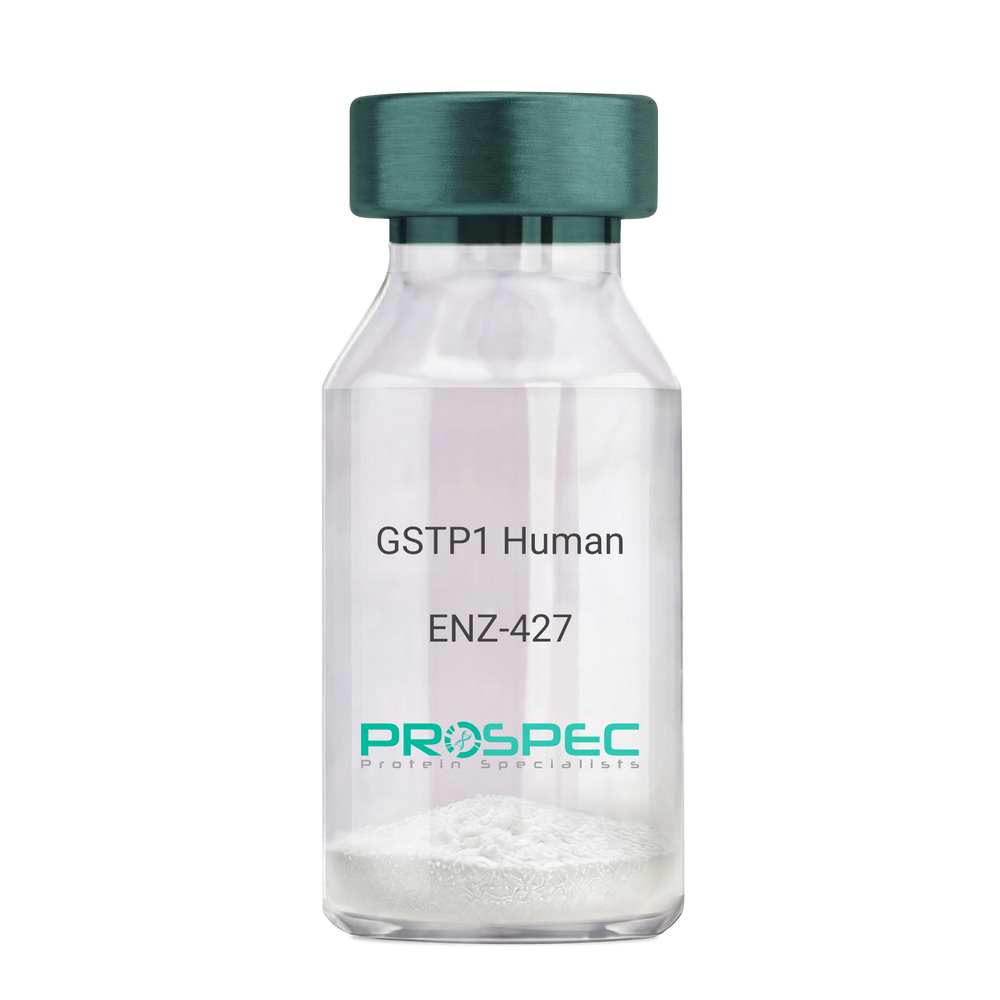
    Name :

    GSTP1 Human

    Description:

    Glutathione S-Transferase pi 1 Human Recombinant

    Glutathione S-transferase P, GST class-pi, GSTP1-1, GSTP1, FAEES3, GST3, PI, DFN7.

    Product # :

    ENZ-427

    Price :

    Quantity :

    Shipping Method :

    Ice Icon

    Shipped with Ice Packs

    Add To Cart

    More Info

    • description
    • source
    • formulation
    • purity
    • biological activity
    • More Info
    • Citations

    Description

    GSTP1 Human Recombinant fused with 36 amino acid His tag at N-terminus produced in E.Coli is a single, non-glycosylated, polypeptide chain containing 246 amino acids (1-210 a.a.) And having a molecular mass of 27.4kDa. The GSTP1 is purified by proprietary chromatographic techniques.

    Source

    Escherichia Coli.

    Formulation

    The GSTP1 solution (0.5mg/ml) contains 20mM Tris-HCl buffer (pH7.0), 30% glycerol, 1mM EDTA and 0.1mM PMSF.

    Purity

    Greater than 95.0% as determined by SDS-PAGE.

    Biological Activity

    Specific activity is > 80 units/mg, and is defined as the amount of enzyme that conjugate 1.0 u mole of 1-chloro-2,4-dinitrobenzene (CDNB) with reduced glutathione per minute at pH 6.5 at 25°C.

    Citations

    More Info

    • Introduction

      GSTP1 is a polymorphic gene encoding active, functionally different GSTP1 variant proteins that are believed to function in xenobiotic metabolism and have a part in susceptibility to cancer, and other diseases. GSTP1 is a glutathione S-transferase belonging to the pi class. GST family enzymes play a significant role in detoxification by catalyzing the conjugation of many hydrophobic and electrophilic compounds with reduced glutathione. Based upon the biochemical, immunologic and structural properties of the soluble GSTs they are grouped into 4 main classes: alpha, mu, pi, and theta. The GSTP1 enzyme acts by catalyzing the reaction of glutathione with an acceptor molecule to form a Sulfur-substituted glutathione. The reactions employing glutathione contribute the transformation of a broad range of electrophiles, including reactive products of lipid, protein, carcinogens, therapeutic drugs, environmental toxins, and products of oxidative stress.
      The GSTP1 inactivation through CpG hypermethylation is frequent in pituitary adenomas and may be a factor in aggressive pituitary tumor behavior. GSTP1 is may be a transcriptional target of the p53 tumor suppressor gene. Single-nucleotide polymorphism in GSTP1 is linked to modified protein binding, which influence GSTP1's contribution to carcinogen and drug metabolism, and possibly disease pathogenesis and/or drug response. GST-pi might have central roles in proliferation of androgen-independent human prostate cancer cells.

    • Synonyms

      Glutathione S-transferase P, GST class-pi, GSTP1-1, GSTP1, FAEES3, GST3, PI, DFN7.

    • Physical Appearance

      Sterile Filtered colorless solution.

    • Stability

      Store at 4°C if entire vial will be used within 2-4 weeks. Store, frozen at -20°C for longer periods of time. For long term storage it is recommended to add a carrier protein (0.1% HSA or BSA). Avoid multiple freeze-thaw cycles.

    • Amino Acid Sequence

      MRGSHHHHHH GMASMTGGQQ MGRDLYDDDD KDRWGSMPPY TVVYFPVRGR CAALRMLLAD QGQSWKEEVV TVETWQEGSL KASCLYGQLP KFQDGDLTLY QSNTILRHLG RTLGLYGKDQ QEAALVDMVN DGVEDLRCKY ISLIYTNYEA GKDDYVKALP GQLKPFETLL SQNQGGKTFI VGDQISFADY NLLDLLLIHE VLAPGCLDAF PLLSAYVGRL SARPKLKAFL ASPEYVNLPI NGNGKQ.

    ProSpec's products are furnished for LABORATORY RESEARCH USE ONLY. The product may not be used as drugs, agricultural or pesticidal products, food additives or household chemicals.

    Gstp1 Human
  • View Data Sheet

    Name :

    GSTT1 Human

    Description:

    Glutathione S-Transferase Theta-1 Human Recombinant

    Glutathione S-transferase theta-1, GST class-theta-1, Glutathione transferase T1-1, GSTT1.

    Product # :

    ENZ-429

    Price :

    Quantity :

    Shipping Method :

    Ice Icon

    Shipped with Ice Packs

    Add To Cart

    More Info

    • description
    • source
    • formulation
    • purity
    • More Info
    • Citations

    Description

    GSTT1 Human Recombinant fused with 37 amino acid His tag at N-terminus produced in E.Coli is a single, non-glycosylated, polypeptide chain containing 277 amino acids (1-240 a.a.) and having a molecular mass of 31.5kDa.The GSTT1 is purified by proprietary chromatographic techniques.

    Source

    Escherichia Coli.

    Formulation

    The GSTT1 solution contains 20mM Tris-HCl buffer (pH 8.0) and 10% glycerol.

    Purity

    Greater than 95.0% as determined by SDS-PAGE.

    Citations

    More Info

    • Introduction

      GSTT1 belongs to a superfamily of proteins which catalyze the conjugation of reduced glutathione to a variety of electrophilic and hydrophobic compounds. GSTT1 is one of the GSTs’ four main classes: alpha, mu, pi and theta (which includes GSTT1 and GSTT2). GSTT1 is involved in activation and detoxification reactions and catalyzes the conjugation of industrial chemicals, such as epoxybutane, ethylene oxides, halomethane with glutathione. GSTT1 is found in erythrocytes, at low levels in the liver as well as in Clara and ciliated cells at the alveolar/bronchiolar junction in the lung.
      The GSTT1 gene is deficient in 38% of the population. The GSTTI enzyme deficiency might influence the individual risk for development of acquired aplastic anemia and acute myeloid leukemia. The presence or absence of the GSTT1 gene is concurrent with GSST1+ (the conjugator) and GSTT1- (the non-conjugator) phenotypes correspondingly. The GSTT1+ phenotype is able to catalyze the glutathione conjugation of dichloromethane. GSTT1-null genotypes are seen as having a higher risk of developing leukoplakia. Germline genetic polymorphism in GSTT1 is linked to breast cancer.

    • Synonyms

      Glutathione S-transferase theta-1, GST class-theta-1, Glutathione transferase T1-1, GSTT1.

    • Physical Appearance

      Sterile Filtered colorless solution.

    • Stability

      Store at 4°C if entire vial will be used within 2-4 weeks. Store, frozen at -20°C for longer periods of time. For long term storage it is recommended to add a carrier protein (0.1% HSA or BSA).Avoid multiple freeze-thaw cycles.

    • Amino Acid Sequence

      MRGSHHHHHH GMASMTGGQQ MGRDLYDDDD KDRWGSHMGL ELYLDLLSQP CRAVYIFAKK NDIPFELRIV DLIKGQHLSD ACAQVNPLKK VPALKDGDFT LTESVAILLY LTRKYKVPDY WYPQDLQARA RVDEYLAWQH TTLRRSCLRA LWHKVMFPVF LGEPVSPQTL AATLAELDVT LQLLEDKFLQ NKAFLTGPHI SLADLVAITE LMHPVGAGCQ VFEGRPKLAT WRQRVEAAVG EDLFQEAHEV ILKAKDFPPA DPTIKQKLMP WVLAMIR.

    ProSpec's products are furnished for LABORATORY RESEARCH USE ONLY. The product may not be used as drugs, agricultural or pesticidal products, food additives or household chemicals.

    Gstt1 Human
  • View Data Sheet

    Name :

    Cyclophilin B Mouse

    Description:

    Cyclophilin-B Mouse Recombinant

    Peptidyl-prolyl cis-trans isomerase B, PPIase B, CYP-S1, Cyclophilin B, Rotamase B, S-cyclophilin, SCYLP.

    Product # :

    ENZ-1039

    Price :

    Quantity :

    Shipping Method :

    Ice Icon

    Shipped with Ice Packs

    Add To Cart

    More Info

    • description
    • source
    • formulation
    • purity
    • biological activity
    • More Info
    • Citations

    Description

    Cyclophilin B Mouse Recombinant produced in E.Coli is a single, non-glycosylated polypeptide chain containing 207 amino acids (34-216 a.a) and having a molecular mass of 22.7kDa.Cyclophilin B is fused to a 24 amino acid His-tag at N-terminus & purified by proprietary chromatographic techniques.

    Source

    Escherichia Coli.

    Formulation

    Cyclophilin B protein solution (1mg/ml) containing Phosphate Buffered Saline (pH7.4) and 10% glycerol.

    Purity

    Greater than 95.0% as determined by SDS-PAGE.

    Biological Activity

    Specific activity is > 1,000 nmol/min/mg, and is defined as the amount of enzyme that cleaves 1nmole of suc-AAFP-PNA per minute at 37C in Tris–HCl pH 8.0 using chymotrypsin.

    Citations

    More Info

    • Introduction

      Cyclophilin B (also known as PPIB, peptidylpropyl isomerase B) is a cyclosporine-binding protein and is mainly located within the endoplasmic reticulum. It is associated with the secretory pathway and released in biological fluids. This protein can bind to cells derived from T- and B-lymphocytes, and may regulate cyclosporine A-mediated immunosuppression.

    • Synonyms

      Peptidyl-prolyl cis-trans isomerase B, PPIase B, CYP-S1, Cyclophilin B, Rotamase B, S-cyclophilin, SCYLP.

    • Physical Appearance

      Sterile filtered colorless solution.

    • Stability

      Store at 4°C if entire vial will be used within 2-4 weeks. Store, frozen at -20°C for longer periods of time. For long term storage it is recommended to add a carrier protein (0.1% HSA or BSA).Avoid multiple freeze-thaw cycles.

    • Amino Acid Sequence

      MGSSHHHHHH SSGLVPRGSH MGSMNDKKKG PKVTVKVYFD LQIGDESVGR VVFGLFGKTV PKTVDNFVAL ATGEKGFGYK NSKFHRVIKD FMIQGGDFTR GDGTGGKSIY GERFPDENFK LKHYGPGWVS MANAGKDTNG SQFFITTVKT SWLDGKHVVF GKVLEGMDVV RKVESTKTDS
      RDKPLKDVII VDSGKIEVEK PFAIAKE.

    ProSpec's products are furnished for LABORATORY RESEARCH USE ONLY. The product may not be used as drugs, agricultural or pesticidal products, food additives or household chemicals.

    Cyclophilin B Mouse
  • View Data Sheet

    Name :

    Cyclophilin C Human

    Description:

    Cyclophilin-C Human Recombinant

    Peptidylprolyl Isomerase C (Cyclophilin C), Cyclophilin C, Rotamase C, EC 5.2.1.8, PPIase C, CYPC, Peptidyl-Prolyl Cis-Trans Isomerase C, Parvulin, PPIC.

    Product # :

    ENZ-809

    Price :

    Quantity :

    Shipping Method :

    Room Temp Icon

    Shipped at Room temp

    Add To Cart

    More Info

    • description
    • source
    • formulation
    • purity
    • More Info
    • Citations

    Description

    Cyclophilin-C Human Recombinant produced in E.Coli is a single, non-glycosylated, polypeptide chain (Phe29-Trp212) containing 194 amino acids including a 10 aa His tag at N-terminus. The total calculated molecular mass is 21.3kDa.

    Source

    Escherichia Coli.

    Formulation

    Cyclophilin-C was filtered (0.4 µm) and lyophilized in 20mM Tris buffer and 50mM NaCl, pH 7.5.

    Purity

    Greater than 95.0% as determined by SDS-PAGE.

    Citations

    More Info

    • Introduction

      Cyclophilin-C belongs to the peptidyl-prolyl cis-trans isomerase (PPIase)) family. PPIases catalyze the cis-trans isomerization of proline imidic peptide bonds in oligopeptides and accelerate the folding of proteins. Like other PPIases, the Cyclophilin-C protein can bind immunosuppressant cyclosporin A.

    • Synonyms

      Peptidylprolyl Isomerase C (Cyclophilin C), Cyclophilin C, Rotamase C, EC 5.2.1.8, PPIase C, CYPC, Peptidyl-Prolyl Cis-Trans Isomerase C, Parvulin, PPIC.

    • Physical Appearance

      Filtered White lyophilized (freeze-dried) powder.

    • Stability

      Store lyophilized protein at -20°C. Aliquot the product after reconstitution to avoid repeated freezing/thawing cycles. Reconstituted protein can be stored at 4°C for a limited period of time; it does not show any change after two weeks at 4°C.

    • Solubility

      It is recommended to add deionized water to prepare a working stock solution of approximately 0.5mg/ml and let the lyophilized pellet dissolve completely. Cyclophilin-C is not sterile! Please filter the product by an appropriate sterile filter before using it in the cell culture.

    • Amino Acid Sequence

      MKHHHHHHASFRKRGPSVTA KVFFDVRIGD KDVGRIVIGL FGKVVPKTVE NFVALATGEK GYGYKGSKFH RVIKDFMIQG GDITTGDGTG GVSIYGETFP DENFKLKHYG IGWVSMANAG PDTNGSQFFI TLTKPTWLDG KHVVFGKVID GMTVVHSIEL QATDGHDRPL TNCSIINSGK IDVKTPFVVE IADW.

    ProSpec's products are furnished for LABORATORY RESEARCH USE ONLY. The product may not be used as drugs, agricultural or pesticidal products, food additives or household chemicals.

    Cyclophilin C Human
  • View Data Sheet

    Name :

    TARS Human, Sf9

    Description:

    Threonyl-tRNA Synthetase Human Recombinant, Sf9

    Threonyl-tRNA synthetase cytoplasmic, EC 6.1.1.3, Threonine-tRNA ligase, ThrRS, MGC9344, PL-7, TARS.

    Product # :

    ENZ-304

    Price :

    Quantity :

    Shipping Method :

    Ice Icon

    Shipped with Ice Packs

    Add To Cart

    More Info

    • description
    • source
    • formulation
    • purity
    • More Info
    • Citations

    Description

    PL-7 Human Recombinant produced in SF9 is a glycosylated, polypeptide chain having a molecular mass of 85kDa.PL-7 is expressed with a -6xHis tag and purified by proprietary chromatographic techniques.

    Source

    Sf9 insect cells.

    Formulation

    PL-7 is supplied in 20mM HEPES buffer pH-8, 200mM NaCl, and 20% glycerol.

    Purity

    Greater than 90% as determined by SDS-PAGE.

    Citations

    More Info

    • Introduction

      Threonyl-tRNA Synthetase is a member of the aminoacyl-tRNA synthetase family, key enzymes of protein biosynthesis which charge tRNA molecules with the respective amino acids. This 83 kDa protein is an autoantigen recognized by PL-7 antibodies which occur in a subset of patients with polymyositis and dermatomyositis. Preliminary data suggest that PL-7 antibodies (similar to Jo-1 antibodies) indicate an increased risk for lung involvement, but this needs to be confirmed for a larger number of cases.

    • Synonyms

      Threonyl-tRNA synthetase cytoplasmic, EC 6.1.1.3, Threonine-tRNA ligase, ThrRS, MGC9344, PL-7, TARS.

    • Physical Appearance

      Sterile Filtered clear solution.

    • Stability

      Store at 4°C if entire vial will be used within 2-4 weeks. Store, frozen at -20°C for longer periods of time. Avoid multiple freeze-thaw cycles.

    • Immunological Functions

      1. Binds IgG-type human auto-antibodies.2. Standard ELISA test (checker-board analysis of positive/negative sera panels immuno-dot test).

    • coating concentration

      0.3-0.8 µg/ml (depending on the type of ELISA plate and coating buffer). Suitable for labeling of functional groups.

    ProSpec's products are furnished for LABORATORY RESEARCH USE ONLY. The product may not be used as drugs, agricultural or pesticidal products, food additives or household chemicals.

    Threonyl Trna Synthetase Human
  • View Data Sheet

    Name :

    PPP1R8 Human

    Description:

    Protein Phosphatase 1, Regulatory Subunit 8 Human Recombinant

    Protein phosphatase 1 regulatory subunit 8, nuclear inhibitor of protein phosphatase-1 alpha, Protein phosphatase 1 regulatory inhibitor subunit 8, ARD1, NIPP1, PRO2047, ARD-1, activator of RNA decay, nuclear subunit of PP-1, RNase E.

    Product # :

    ENZ-648

    Price :

    Quantity :

    Shipping Method :

    Ice Icon

    Shipped with Ice Packs

    Add To Cart

    More Info

    • description
    • source
    • formulation
    • purity
    • More Info
    • Citations

    Description

    PPP1R8 Human Recombinant produced in E. coli is a single polypeptide chain containing 359 amino acids (1-351) and having a molecular mass of 39.5 kDa.PPP1R8 is fused to a 8 amino acid His-tag at C-terminus & purified by proprietary chromatographic techniques.

    Source

    E.coli.

    Formulation

    The PPP1R8 solution (0.5mg/1ml) contains 20mM Tris-HCl buffer (pH 8.0), 0.2M NaCl, 2mM DTT and 20% glycerol.

    Purity

    Greater than 90% as determined by SDS-PAGE.

    Citations

    More Info

    • Introduction

      Protein Phosphatase 1, Regulatory Subunit 8 (PPP1R8) is the RNA-binding subunit of a key species of protein phosphatase-1 in the nucleus. The PPP1R8 enzyme is an inhibitor subunit of the main nuclear protein phosphatase-1 (PP-1). PPP1R8 has RNA-binding activity however it doesn’t cleave RNA and may target PP-1 to RNA-associated substrates. Two isoforms of the PPP1R8 protein are specific inhibitors of type 1 serine/threonine protein phosphatases which can bind but not cleave RNA. The third isoform of the PPP1R8 protein is deficient in of the phosphatase inhibitory activity nonetheless it is a single-strand endoribonuclease comparable to RNase E of E. coli.

    • Synonyms

      Protein phosphatase 1 regulatory subunit 8, nuclear inhibitor of protein phosphatase-1 alpha, Protein phosphatase 1 regulatory inhibitor subunit 8, ARD1, NIPP1, PRO2047, ARD-1, activator of RNA decay, nuclear subunit of PP-1, RNase E.

    • Physical Appearance

      Sterile Filtered colorless solution.

    • Stability

      Store at 4°C if entire vial will be used within 2-4 weeks. Store, frozen at -20°C for longer periods of time. For long term storage it is recommended to add a carrier protein (0.1% HSA or BSA).Avoid multiple freeze-thaw cycles.

    • Amino Acid Sequence

      MAAAANSGSS LPLFDCPTWA GKPPPGLHLD VVKGDKLIEK LIIDEKKYYL FGRNPDLCDF TIDHQSCSRV HAALVYHKHL KRVFLIDLNS THGTFLGHIR LEPHKPQQIP IDSTVSFGAS TRAYTLREKP QTLPSAVKGD EKMGGEDDEL KGLLGLPEEE TELDNLTEFN TAHNKRISTL TIEEGNLDIQ RPKRKRKNSR VTFSEDDEII NPEDVDPSVG RFRNMVQTAV VPVKKKRVEG PGSLGLEESG SRRMQNFAFS GGLYGGLPPT HSEAGSQPHG IHGTALIGGL PMPYPNLAPD VDLTPVVPSA VNMNPAPNPA VYNPEAVNEP KKKKYAKEAW PGKKPTPSLL IVEHHHHHH

    ProSpec's products are furnished for LABORATORY RESEARCH USE ONLY. The product may not be used as drugs, agricultural or pesticidal products, food additives or household chemicals.

    Ppp1R8 Human
  • View Data Sheet

    Name :

    MAO B Human

    Description:

    Monoamine Oxidase B Human Recombinant

    Amine oxidase [flavin-containing] B, Monoamine oxidase type B, MAO-B, MAOB, MGC26382.

    Product # :

    ENZ-440

    Price :

    Quantity :

    Shipping Method :

    Ice Icon

    Shipped with Ice Packs

    Add To Cart

    More Info

    • description
    • source
    • formulation
    • purity
    • More Info
    • Citations

    Description

    MAO-B Human Recombinant produced in E.Coli is single, a non-glycosylated, Polypeptide chain containing 488 amino acids fragment (2-489) corresponding to the cytoplasmic domain fragment of the mature protein, having a total molecular mass of 59.84kDa and fused with a 4.5kDa amino-terminal hexahistidine tag. The MAO-B is purified by proprietary chromatographic techniques.

    Source

    Escherichia Coli.

    Formulation

    MAO-B protein is supplied in 20mM Tris-HCl, pH 8.0, 250mM NaCl, 1mM EDTA and 50% glycerol.

    Purity

    Greater than 95.0% as determined by SDS-PAGE.

    Citations

    More Info

    • Introduction

      MAO-B is a member of the flavin monoamine oxidase family. MAO-B (Monoamine oxidase B) is a flavin-containing mitochondrial enzyme that catalyzes the oxidative deamination of biogenic and xenobiotic monoamines. MAO-B controls the metabolic degradation of catecholamines and serotonin in neural and other target tissues. MAO-B is located in platelets and in DOPA-secreting neurons in the brain. MAOB and MAOA genes have an imperative function in DOPA degradation. Benzylamine and phenylethylamine are preferentially degraded by MAOB. The MAOB gene is linked to autistic traits, empathy and Asperger syndrome. Amplified levels of MAO B are identified in the brain of Alzheimer’s patients. High phenylethylamine levels in neonates as a result of low MAOB are consistent with phenylketonuria in newborns. Polymorphisms in MAO-B are connected to smoking behavior.

    • Synonyms

      Amine oxidase [flavin-containing] B, Monoamine oxidase type B, MAO-B, MAOB, MGC26382.

    • Physical Appearance

      Sterile Filtered clear solution.

    • Stability

      Store at 4°C if entire vial will be used within 2-4 weeks. Store, frozen at -20°C for longer periods of time. Please avoid freeze thaw cycles.

    ProSpec's products are furnished for LABORATORY RESEARCH USE ONLY. The product may not be used as drugs, agricultural or pesticidal products, food additives or household chemicals.

    Mao B Human
  • View Data Sheet

    Name :

    WWOX Human

    Description:

    WW Domain Containing Oxidoreductase Human Recombinant

    FOR, WOX1, FRA16D, HHCMA56, PRO0128, SDR41C1, D16S432E, WWOX, WW domain-containing oxidoreductase, Fragile site FRA16D oxidoreductase.

    Product # :

    ENZ-422

    Price :

    Quantity :

    Shipping Method :

    Ice Icon

    Shipped with Ice Packs

    Add To Cart

    More Info

    • description
    • source
    • formulation
    • purity
    • More Info
    • Citations

    Description

    WWOX Human Recombinant fused with 20 amino acid His tag at N-terminus produced in E.Coli is a single, non-glycosylated, polypeptide chain containing 254 amino acids (1-234 a.a.) and having a molecular mass of 28.3 kDa.The WWOX is purified by proprietary chromatographic techniques.

    Source

    Escherichia Coli.

    Formulation

    The WWOX solution (1mg/ml) contains 20mM Tris pH-8, & 10% glycerol.

    Purity

    Greater than 85.0% as determined by SDS-PAGE.

    Citations

    More Info

    • Introduction

      WWOX is a proapoptotic protein and a tumor suppressor protein. WWOX is found in all eukaryotes and involved in the regulation of a broad range of cellular functions such as protein degradation, transcription, and RNA splicing. WWOX functions synergistically with TP53/p53 to control genotoxic stress-induced cell death. WWOX takes part in tumor necrosis factor (TNF)-mediated cell death. Loss of WWOX expression is associated with pancreatobiliary cancers. Reduced expression levels of WWOX protein is associated with the pathogenesis of basal-like differentiation in breast cancer. Loss of WWOX expression is associated with extrahepatic cholangiocarcinoma. WWOX gene alteration is an early genetic alteration contributes to oral carcinogenesis. WWOX induces apoptosis and inhibits human hepatocellular carcinoma cell growth through a mechanism enhanced by JNK inhibition.

    • Synonyms

      FOR, WOX1, FRA16D, HHCMA56, PRO0128, SDR41C1, D16S432E, WWOX, WW domain-containing oxidoreductase, Fragile site FRA16D oxidoreductase.

    • Physical Appearance

      Sterile Filtered colorless solution.

    • Stability

      Store at 4°C if entire vial will be used within 2-4 weeks. Store, frozen at -20°C for longer periods of time. For long term storage it is recommended to add a carrier protein (0.1% HSA or BSA).Avoid multiple freeze-thaw cycles.

    • Amino Acid Sequence

      MGSSHHHHHH SSGLVPRGSH MAALRYAGLD DTDSEDELPP GWEERTTKDG WVYYANHTEE KTQWEHPKTG KRKRVAGDLP YGWEQETDEN GQVFFVDHIN KRTTYLDPRL AFTVDDNPTK PTTRQRYDGS TTAMEILQGR DFTGKVVVVT GANSGIGFET AKSFALHGAH VILACRNMAR ASEAVSRILE EWQQGAATTV YCAAVPELEG LGGMYFNNCC RCMPSPEAQS EETARTLWAL SERLIQERLG SQSG.

    ProSpec's products are furnished for LABORATORY RESEARCH USE ONLY. The product may not be used as drugs, agricultural or pesticidal products, food additives or household chemicals.

    Wwox Human
  • View Data Sheet

    Name :

    ADPRH Human

    Description:

    ADP-Ribosylarginine Hydrolase Human Recombinant

    [Protein ADP-ribosylarginine] hydrolase, ADP-ribosylarginine hydrolase, ADP-ribose-L-arginine cleaving enzyme, ADPRH, ARH1.

    Product # :

    ENZ-631

    Price :

    Quantity :

    Shipping Method :

    Ice Icon

    Shipped with Ice Packs

    Add To Cart

    More Info

    • description
    • source
    • formulation
    • purity
    • More Info
    • Citations

    Description

    ADPRH Human Recombinant produced in E.coli is a single, non-glycosylated polypeptide chain containing 381 amino acids (1-357) and having a molecular mass of 42.1kDa.ADPRH is fused to a 24 amino acid His-tag at N-terminus & purified by proprietary chromatographic techniques.

    Source

    E.coli.

    Formulation

    The ADPRH solution (0.5mg/ml) contains 20mM Tris-HCl buffer, pH8.0, 10% glycerol, 1mM DTT and 100mM NaCl.

    Purity

    Greater than 90% as determined by SDS-PAGE.

    Citations

    More Info

    • Introduction

      ADP-ribosylarginine hydrolase (ADPRH) is a member of the ADP-ribosylglycohydrolase family. ADPRH catalyzes the removal of mono-ADP-ribose from arginine residues of proteins in the ADP-ribosylation cycle. The human ADPRH enzyme is DTT-independent as opposed to the rat and mouse enzymes, which require DTT for maximal activity.

    • Synonyms

      [Protein ADP-ribosylarginine] hydrolase, ADP-ribosylarginine hydrolase, ADP-ribose-L-arginine cleaving enzyme, ADPRH, ARH1.

    • Physical Appearance

      Sterile Filtered colorless solution.

    • Stability

      Store at 4°C if entire vial will be used within 2-4 weeks. Store, frozen at -20°C for longer periods of time. For long term storage it is recommended to add a carrier protein (0.1% HSA or BSA).Avoid multiple freeze-thaw cycles.

    • Amino Acid Sequence

      MGSSHHHHHH SSGLVPRGSH MGSHMEKYVA AMVLSAAGDA LGYYNGKWEF LQDGEKIHRQ LAQLGGLDAL DVGRWRVSDD TVMHLATAEA LVEAGKAPKL TQLYYLLAKH YQDCMEDMDG RAPGGASVHN AMQLKPGKPN GWRIPFNSHE GGCGAAMRAM CIGLRFPHHS QLDTLIQVSI ESGRMTHHHP TGYLGALASA LFTAYAVNSR PPLQWGKGLM ELLPEAKKYI VQSGYFVEEN LQHWSYFQTK WENYLKLRGI LDGESAPTFP ESFGVKERDQ FYTSLSYSGW GGSSGHDAPM IAYDAVLAAG DSWKELAHRA FFHGGDSDST AAIAGCWWGV MYGFKGVSPS NYEKLEYRNR
      LEETARALYS LGSKEDTVIS L.

    ProSpec's products are furnished for LABORATORY RESEARCH USE ONLY. The product may not be used as drugs, agricultural or pesticidal products, food additives or household chemicals.

    Adprh Human
  • View Data Sheet

    Name :

    CYB5R2 Human

    Description:

    Cytochrome B5 Reductase 2 Human Recombinant

    CYB5R2, Cytochrome B5 Reductase 2, EC 1.6.2.2, B5R.2, Cytochrome B5 Reductase B5R.2, NADH-Cytochrome B5 Reductase 2, b5R.2.

    Product # :

    ENZ-799

    Price :

    Quantity :

    Shipping Method :

    Ice Icon

    Shipped with Ice Packs

    Add To Cart

    More Info

    • description
    • source
    • formulation
    • purity
    • More Info
    • Citations

    Description

    CYB5R2 Human Recombinant produced in E.Coli is a single, non-glycosylated polypeptide chain containing 299 amino acids (1-276 a.a.) and having a molecular mass of 33.8kDa. CYB5R2 is fused to a 23 amino acid His-tag at N-terminus.

    Source

    Escherichia Coli.

    Formulation

    CYB5R2 protein solution (1mg/ml) contains 20mM Tris-HCl buffer (pH 8.0), 0.15M NaCl, 10% glycerol and 1mM DTT.

    Purity

    Greater than 90.0% as determined by SDS-PAGE.

    Citations

    More Info

    • Introduction

      Cytochrome b5 reductase 2 (CYB5R2) is involved in desaturation and elongation of fatty acids, cholesterol biosynthesis, drug metabolism, and, in erythrocyte, methemoglobin reduction. CYB5R2 is responsible for NADH-dependent lucigenin chemiluminescence in spermatozoa by reducing both lucigenin and 2-[4-iodophenyl]-3-[4-nitrophenyl]-5-[2,4-disulfophenyl]-2H tetrazolium monosodium salt (WST-1).

    • Synonyms

      CYB5R2, Cytochrome B5 Reductase 2, EC 1.6.2.2, B5R.2, Cytochrome B5 Reductase B5R.2, NADH-Cytochrome B5 Reductase 2, b5R.2.

    • Physical Appearance

      Sterile Filtered colorless solution.

    • Stability

      Store at 4°C if entire vial will be used within 2-4 weeks. Store, frozen at -20°C for longer periods of time. For long term storage it is recommended to add a carrier protein (0.1% HSA or BSA).Avoid multiple freeze-thaw cycles.

    • Amino Acid Sequence

      MGSSHHHHHH SSGLVPRGSH MGSMNSRRRE PITLQDPEAK YPLPLIEKEK ISHNTRRFRF GLPSPDHVLG LPVGNYVQLL AKIDNELVVR AYTPVSSDDD RGFVDLIIKI YFKNVHPQYP EGGKMTQYLE NMKIGETIFF RGPRGRLFYH GPGNLGIRPD QTSEPKKTLA DHLGMIAGGT GITPMLQLIR HITKDPSDRT RMSLIFANQT EEDILVRKEL EEIARTHPDQ FNLWYTLDRP PIGWKYSSGF VTADMIKEHL PPPAKSTLIL VCGPPPLIQT AAHPNLEKLG YTQDMIFTY.

    ProSpec's products are furnished for LABORATORY RESEARCH USE ONLY. The product may not be used as drugs, agricultural or pesticidal products, food additives or household chemicals.

    Cyb5R2 Human
  • 1
  • …
  • 36
  • 37
  • 38
  • 39
  • 40
  • …
  • 42
Your browser does not support the video tag.

Products

  • Cytokines
  • Growth Factors
  • Chemokines
  • CD Antigens
  • Neurotrophins
  • Hormones
  • Enzymes
  • Viral Antigens
  • Recombinant Proteins
  • Natural Proteins
  • Monoclonal Antibodies
  • Polyclonal Antibodies
  • Thermal Packaging

About

  • Company
  • Founder
  • Contribution
  • Contact Us
  • My Account

Ordering

  • Ordering Method
  • Ordering - Credit Card
  • Ordering PO
  • Shipping Fees
  • FAQ's

Legal

  • Terms & Conditions
  • Privacy
  • Site Map
  • info@prospecbio.com
  • Facebook
  • Instagram
  • Linkedin Profile

© 2026 ProSpec-Tany TechnoGene Ltd. All Rights Reserved.

  • Choosing a selection results in a full page refresh.
  • Opens in a new window.